Documents courtesy of the King County Sheriff’s Department.
Ted Bundy, Green River Killer Correspondence.

Documents courtesy of the King County Sheriff’s Department.

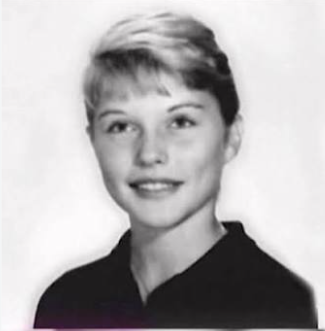
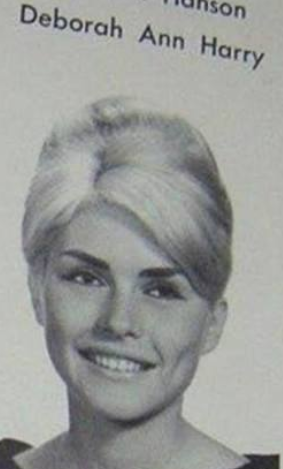
Introduction: Angela Trimble was born on July 1, 1945, in Miami, FL but was given up by her mother shortly after birth; she was adopted at three months old by Richard and Catherine Harry and renamed Deborah Ann Harry (she learned about the event through a bedtime story at the age of four). She grew up in Hawthorne, New Jersey and came from a modest, working-class background (her parents owned and operated a gift shop), though it was shaped by a lingering subconscious fear of abandonment from being adopted.
Nicknamed ‘Blondie’ as a child, Harry started bleaching her dark hair blonde at a young age and would often daydream that Marilyn Monroe was her biological mother. She sang in her local church choir and customized her own clothes and adjusted her style and stayed away from the preppy outfits that her mother preferred. A self-described ‘wild-child’ and tomboy, she described her youth as a ‘middle class idyll’ with the kind of minor parental neglect that allowed her to roam the woods freely, play in the dirt, and explore the world around her; she especially loved books, fashion, listening to the radio (specifically big band music), and science fiction.
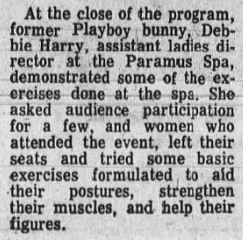
Harry graduated from Hawthorne High School in 1963, where she was voted the ‘prettiest girl’ in her graduating class and went on to attend Centenary College in Hackettstown, NJ, where she graduated with an AA degree in 1965. Shortly after college, she moved to NYC to pursue an ‘artistic life,’ and before she made it big in music, she spent nearly a decade working a wide array of jobs in order to make ends meet, including positions as a beautician, a go-go dancer, a model, a dancer at the New York Playboy Club, and a waitress at Max’s Kansas City (a legendary Manhattan night club/restaurant that served as a central hub for the underground music, art, and glam rock scenes and operated from December 1965 until November 1981); additionally, Harry worked as a secretary for the BBC’s radio offices in New York City.
The Music Scene: Harry spent most of her early twenties getting her feet wet in the New York music scene: in the late 1960’s, she was a backing vocalist for ‘The Wind in the Willows,’ a folk-rock group that released one self-titled album on Capitol Records in 1968. In the early 1970’s, she joined a three-woman-fronted glam punk/rock group called ‘The Stilettos;’ it was around this time that she met the bands guitarist Chris Stein, and the pair eventually left the group to co-found ‘Blondie’ in 1974, when Harry was twenty-nine-years-old.
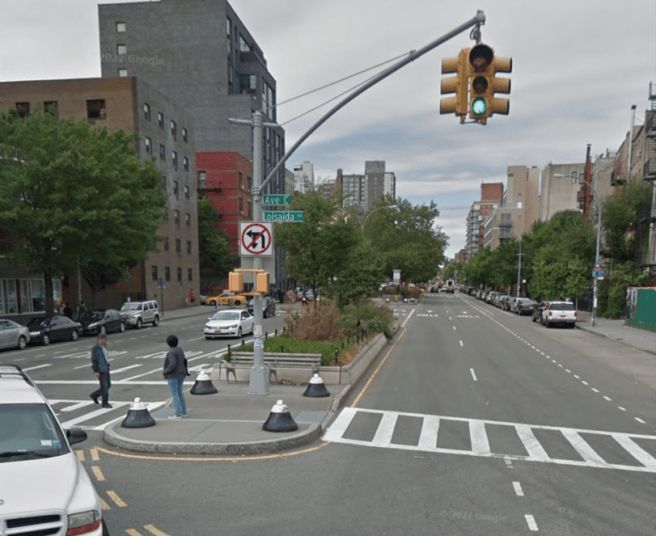
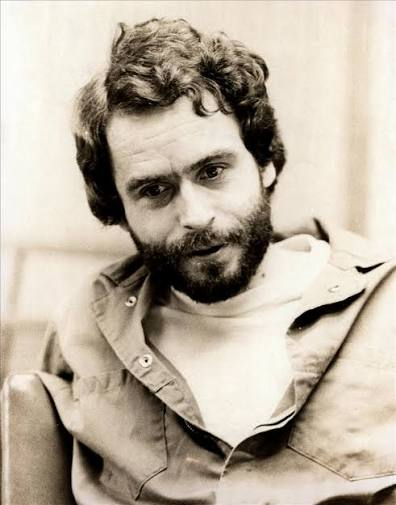
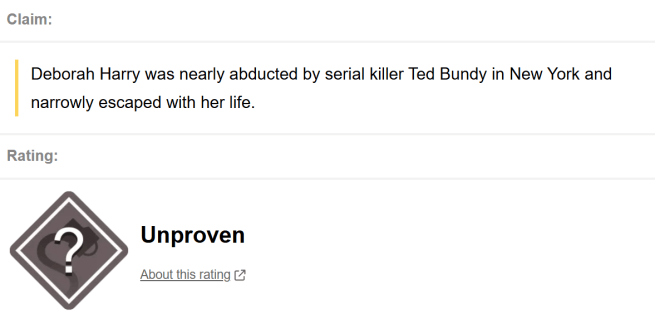
Beauty and the Beast, Blondie and Bundy: in a 1989 newspaper article, Harry recounted for the first time the details of what happened with her alleged encounter with Ted Bundy, after she had seen a photograph from a magazine article about him in the news (after he weas executed) and recognized him as a man she had once encountered sometime in the early 1970’s (she originally referred to the event as taking place ‘in the early 70s’, then specifically in 1972): ‘I was trying to get across town to an after-hours club, and a little white car pulls up, and the guy offers me a ride. So, I just continued to try and flag a cab down. But he was very persistent, and he asked me where I was going. It was only a couple of blocks away, and he said, ‘well I’ll give you a ride.’’ Harry clarified that the driver was a well-dressed man with ‘with gorgeous, curly dark hair’ and she was only looking for a ride because after a night out, her shoes made it difficult to walk: ‘I had on max platforms … max! I was way over by Avenue C and Houston. In those days, there was broken glass everywhere. I couldn’t take my shoes off to walk. I tried, that was impossible. So, I kept trying to get a cab.’
She went on to say that she ‘got in the car, and it was summertime and the windows were all rolled up except about an inch and a half at the top. So I was sitting there and he wasn’t really talking to me. Automatically, I sort of reached to roll down the window and I realized there was no door handle, no window crank, no nothing. The inside of the car was totally stripped out.’ Harry also said the man had a distinct, putrid, terrible smell, and that there was a hole where the radio and glove compartment box should have been, and she immediately felt unsafe and realized she needed to get out of there: to escape, she thrust her arm out of the window and tried to open the door using the exterior handle. When the driver noticed what she was doing, he swerved sharply around a corner, which caused the door to fly open, casting Harry out into the middle of the street: ‘As soon as he saw that, he tried to turn the corner really fast, and I spun out of the car and landed in the middle of the street.’
Harry didn’t initially know who the driver was and later clarified that ‘it was right after his execution that I read about him. I hadn’t thought about that incident in years. The whole description of how he operated and what he looked like and the kind of car he drove and the time frame he was doing that in that area of the country fit exactly. I said, ‘My God, it was him.’’ … ‘I had not thought about that night for maybe fifteen years, it was him.’ The article additionally described his appearance, modus operandi, and his white Volkswagen Beetle, and Debbie quickly became convinced that the man who had trapped her indeed Ted Bundy.
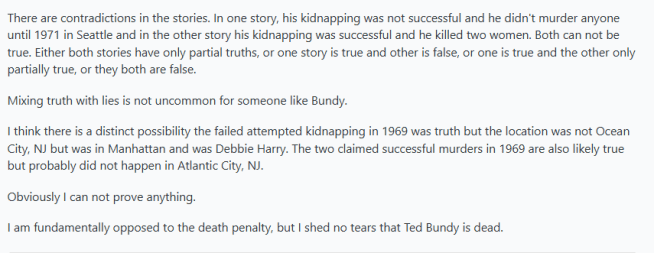
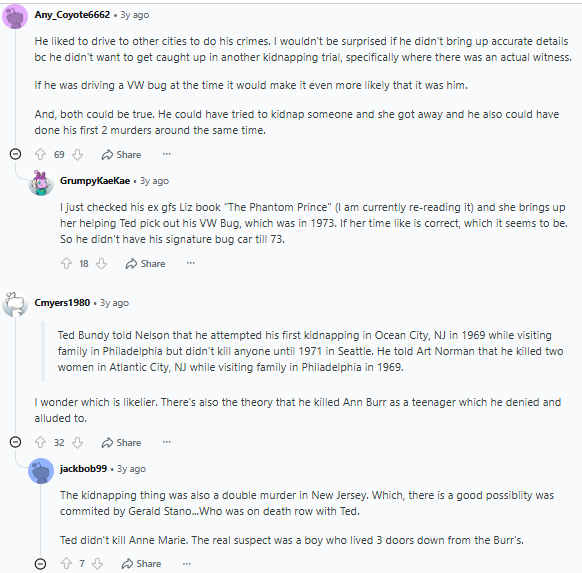
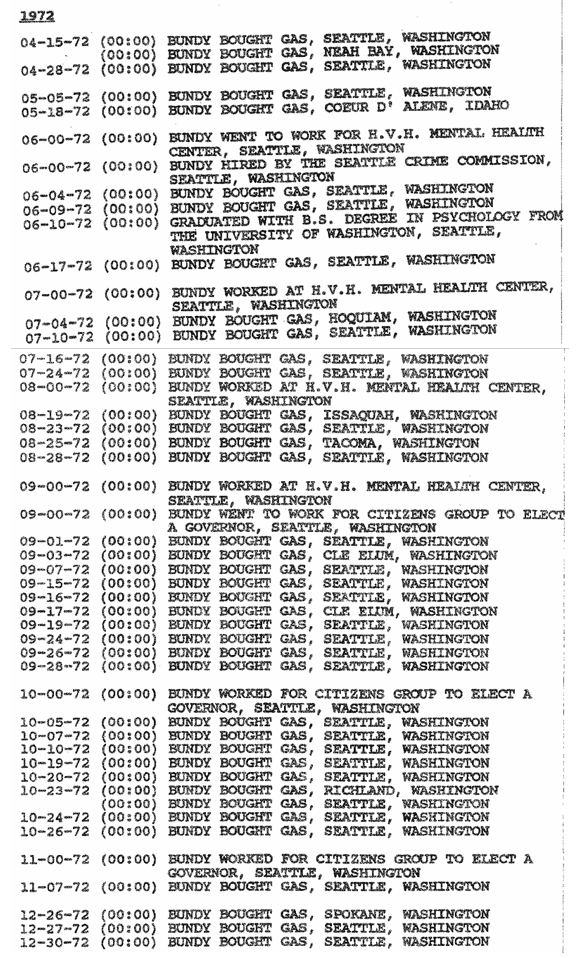
Blondie, DeBunked: from the beginning, true crime biographers, experts, and timeline records have heavily disputed Harry’s claim that she ran into Ted Bundy in NYC in the early 1970’s: according to the ‘1992 FBI Ted Bundy Multiagency Team Report,’ the killer was never placed in New York City at the time and was largely in the Pacific Northwest, and as we all know he didn’t begin abducting and killing women until (officially) the beginning of 1974 (although investigators have speculated that his crimes may have started earlier than that, as early as 1961).
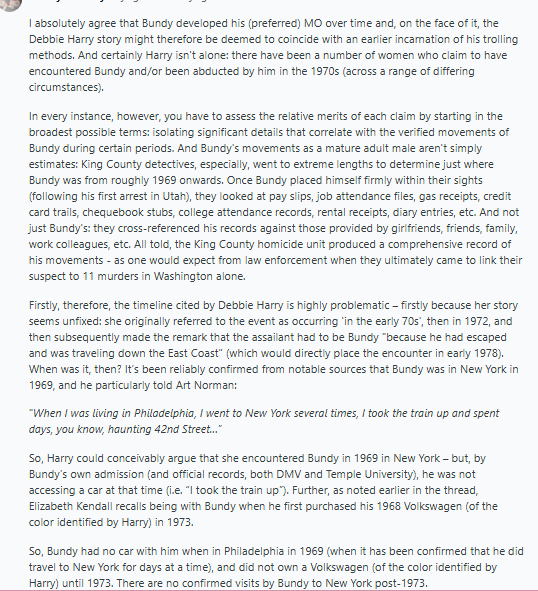
Additionally, the timeline provided by Harry is highly problematic, largely because her story seems unorganized, and unfixed: originally, she referred to the event as taking place ‘in the early 70s’, then specifically that it was in 1972; she also made the remark that the assailant had to be Bundy ‘because he had escaped and was traveling down the East Coast,’ which would have meant the encounter would have taken place sometime in early 1978.
According to Dr. Art Norman (a forensic psychologist that spent around one hundred hours interviewing Bundy while he was on death row), the killer shared that he was in New York in 1969 and said: ‘when I was living in Philadelphia, I went to New York several times, I took the train up and spent days, you know, haunting 42nd Street…’ So, logically the Blondie singer could argue that she encountered Ted in 1969 in New York, not the 1970’s: but, by Ted’s own admission (and official DMV and Temple University records), he did not have a car at that time he was there.
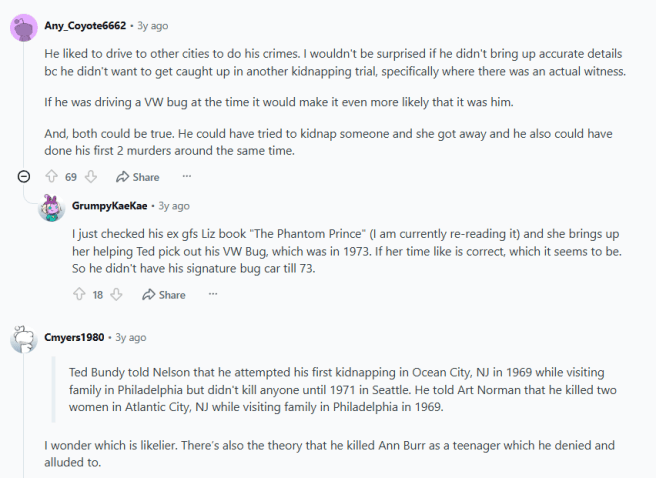
It’s (fairly) common knowledge that Ted not own a Volkswagen (of the color identified by Harry) until 1973, and I do want to mention that before he bought his infamous ‘Savannah Beige’ Beetle, he owned a different VW Bug: in April 1966 he sold his 1933 Plymouth Coupe to put money towards a pale blue 1958 VW Bug. Harry herself even admits in an episode of RuPaul’ podcast that the car she was picked up in didn’t match Bundy’s Volkswagen, saying: ‘I’m pretty sure that it wasn’t Bundy’s Volkswagen. It didn’t have the same dashboard. It was squarer.’
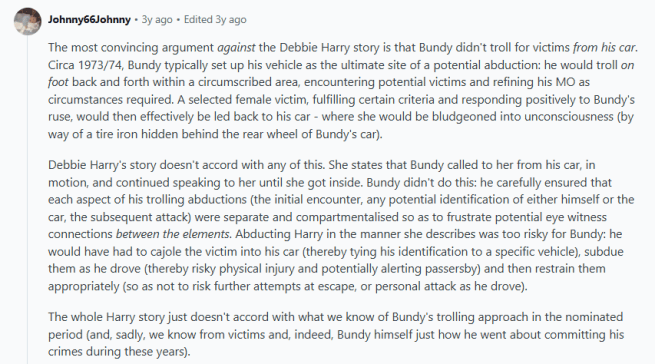
Most Bundyphiles note that Ted typically targeted women while on foot by either faking an injury or pretending to be an authority figure to lure them toward his parked vehicle, and he was not known to drive through city streets picking up hitchhikers or women attempting to hail cabs. In my opinion: I do think Debbie Harry survived a terrifying, attempted abduction by a crazed man in early 1970’s NYC, I do not think that individual was Ted Bundy.
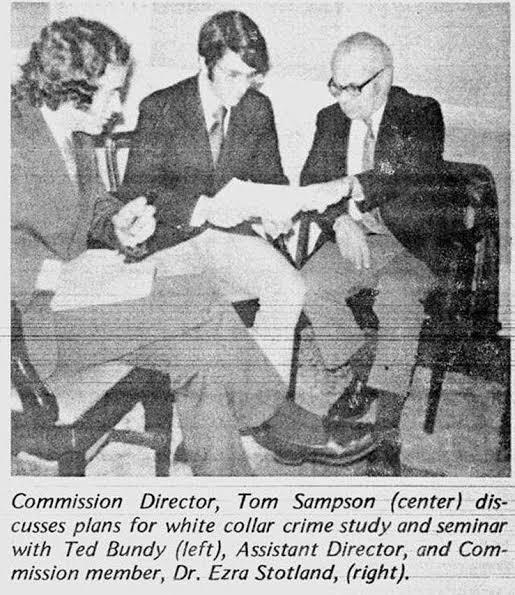
Key Activities and Location in 1972: in 1972, Ted Bundy was living in Washington state, where he graduated from the University of Washington in June with a BS degree in psychology. It was also in that year that he began working for the Seattle Crime Prevention Advisory Commission, where he helped write a rape-prevention pamphlet for women and even helped draft a state hitchhiking law (he was there from September 1972 to April 1973). In September 1972 he also became actively involved in Washington state Republican politics and started volunteering for political campaigns (such as Daniel Evans’ gubernatorial reelection) and it was around this time that he started building a respectable, charismatic public image that helped mask his underlying deviant pathologies. He also volunteered at the Seattle Crisis Clinic (he was there from September 1971 to May 1972), where he usually worked one night a week.
Ted’s VW Door Handle Myth: in recent years (specifically in April of 2016), a Utah pharmacist named Rhonda Stapley came forward and claimed she was a victim of Ted Bundy in October 1974: at the time she was a pharmacy student at the University of Utah, and on the afternoon of the incident she accepted a ride from a good-looking stranger (after some dental surgery) after her bus was late. In her book, ‘I Survived Ted Bundy,’ Stapley recalled that the very first thing she noticed when she got in his VW was that the inside passenger’s door handle was missing. Additionally, in 1972 (which is notably the same year Harry had her encounter) college student Sotria Kritsonis came forward and claimed she had been lured into a VW Bug by a man that matched Bundy’s description, and during an interview with KIRO-7 News on February 9, 2018, she also stated that the inside passenger door handle had been removed.
I do want to mention that when the only confirmed survivor Carol DaRonch (who Stapley had the audacity to say wasn’t ‘really assaulted’ because she ‘managed to get away) came forward about her run in with Ted on November 8, 1974, she did not report a missing door handle and told detectives she was able to open the door and get out.
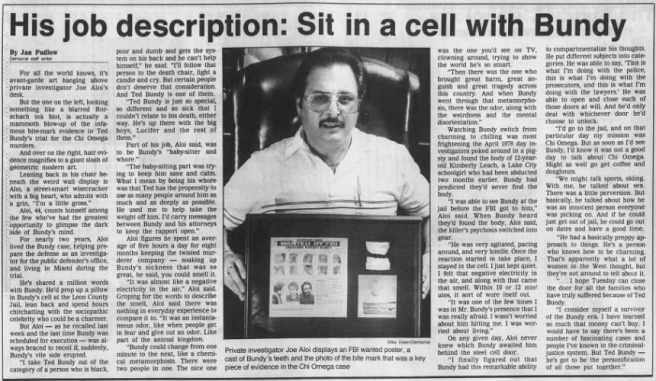
Ted Bundy’s Smell: on numerous occasions Ted Bundy was reported to emit a foul or unpleasant odor during specific moments of intense stress, rage, or crime recollection, which was reported by investigator for the defense Joe Aloi: he reported a strong, unpleasant odor accompanied by physical contortions and a sense of ‘negative electricity’ surrounding the killer when interacting with him during conversations about his violent mindset. Psychologists suggest this response was tied to the sympathetic nervous system’s ‘fight or flight’ activation, where a surge of adrenaline and norepinephrine during extreme excitement or aggression can trigger a sudden, sharp change in body odor.
Conclusion: as of October 2026 Debbie Harry is eighty-one years old and resides in the Chelsea neighborhood in New York City, where she manages her ongoing creative projects while taking care of her four beloved dogs. She is preparing for the launch of Blondie’s upcoming thirteen-track studio album, ‘High Noon’ (which is scheduled for release on February 26, 2027) which marks the band’s first major album release in nearly a decade. In an interview with Vanity Fair, Harry hinted that Blondie will most likely never perform live again following the death of longtime drummer Clem Burke. Additionally, she is slated to star as Pamela Anderson’s mother in an upcoming comedy film titled Maitreya, which is described as an indie comedy film about a rising star in the New Age healing community who takes her dysfunctional family on a chaotic trip to India.
Works Cited:
Solis, Jorge. ‘Blondie’s Debbie Harry Sets the Record Straight About Her Connection to Ted Bundy.’ (March 11, 2020). Taken October 1, 2026 from newsweek.com
‘Staff, @FarOutMagazine.’ ‘How Blondie’s Debbie Harry once Escaped Serial Killer Ted Bundy.’ (March 18, 2021). Taken October 1, 2026 from faroutmagazine.co.uk
Standen, Alex. ‘Debbie Harry still claims she escaped serial killer Ted Bundy.’ (May 30, 2019). Taken October 1, 2026 from dazeddigital.com



















The following is an impromptu interview that the creators of ‘The Cold Podcasters’ conducted with Thomas Richard Jackson, who is a suspect in the Nancy Perry-Baird disappearance.
Dave Cawley: We’ve come, unannounced, in the hopes of talking to one of the other men who worked for the East Layton Police Department in 1975.
(Sound of seat belt click)
Sheryl Worsley: We’ll see. (Laughs)
Dave Cawley: See what kind of reception we get.
Dave Cawley: His name is Thomas Jackson, Junior. As we walk toward his door, a tall white-haired man steps out.
Dave Cawley (to Tom Jackson): Hi, how you doing? Are you Tom?
Dave Cawley: Tom Jackson can see the microphone in my hand. He asks “uh oh, what did I do now” with a bit of a laugh.
Dave Cawley (to Tom Jackson): You did nothing.
Sheryl Worsley: You didn’t do anything. (Laughs)
Dave Cawley: We’re doing a history project on the Nancy Baird case. From way back in—
Tom Jackson: Oh, Nancy Perry Baird?
Dave Cawley: You got it.
Tom Jackson: When I was a cop? Yeah.
Dave Cawley: Yeah.
Sheryl Worsley: Yeah.
Tom Jackson: Oh, that’d be great. Uh, you want to come in?
Dave Cawley: Is that ok?
Sheryl Worsley: Is that alright?
Dave Cawley: He ushers us inside and makes space on the couch.
Tom Jackson: I’m glad you’re here. Man, this is, just been exciting to know that her case is still open and is, I’m tickled.
Dave Cawley: Tom Jackson was about four years older than Nancy Baird. And he confirms, they knew each other as kids.
Tom Jackson: She was a pretty gal.
Dave Cawley: Tom’d lived just down the street from Nancy. In fact, he’d even married one of Nancy’s friends, a neighbor girl. They’d stayed in the neighborhood, living just off Cherry Lane, a little ways behind the Fina station where Nancy’d worked.
Tom worked a full-time job, but around the start of 1975 also accepted a part-time position as a reserve officer for the East Layton police department. His reserve role was a little different than Cary Hartmann’s, which we heard about in Cold season 3. East Layton was a lot smaller than Ogden City, so it asked much more of its reserves. As a result, Tom worked a more regular schedule, received a paycheck, and wrote a lot of tickets.
Tom told me on the day Nancy Baird disappeared, he’d been driving around in one of the town’s two police cars.
Tom Jackson: I didn’t even hear anything on the radio about it.
Dave Cawley: Which is a little strange, since officer Dave Anderson did describe radioing dispatch about Nancy in his report. In any case, Tom said he’d stopped by the Fina station that evening and found his chief, Ray Adams, and officer Dave Anderson there.
Tom Jackson: I pulled in, I was like “what’s going on?” And they said “Nancy’s gone.” I said “what the crap, what?”
Dave Cawley: Tom remembered going to Nancy’s house and helping retrieve her address book. According to a report, Tom and the chief then went and looked around a place called Fernwood Park, as the dark of night descended. Why Fernwood? Well, it was home to a sort of “lover’s lane,” a place in the hills where couples would park their cars and make out. The police found no sign of Nancy there.
Records show Tom Jackson didn’t have any involvement with the Nancy Baird case after that. He intentionally opted out.
Tom Jackson: At that time, I don’t think I was, I don’t know, I wasn’t a good cop, I would say. I wanted to, I wanted to let someone else handle it. I didn’t want to mess it up.
Dave Cawley: In spite of this, East Layton sent Tom Jackson to the Utah police academy in September of 1975. That’s only about two-and-a-half months after Nancy Baird disappeared. Why did Tom go to the academy, instead of officer Dave Anderson? I’m not sure. Tom didn’t remember.
I’ve talked to one of Tom’s academy classmates. He said Tom struggled a bit, but Tom did graduate the academy and was certified to work in law enforcement. He replaced Dave Anderson as East Layton’s full-time police officer. At some point in the middle of all this, Tom talked to the Davis County Sheriff’s Office about next-steps in the Nancy Baird investigation. East Layton had jurisdiction. It was their call.
Tom Jackson: The county asked me, says “you want to handle this?” And I says “no way! All we are is just little hick town cops here so if we’re gonna find her, you guys is the ones that’s gotta do it.”
Dave Cawley: Tom knew the county had already tracked down several of Nancy’s boyfriends, working off her address book.
Tom Jackson: They had the book and whatever name was in there, they went after ‘em.
Dave Cawley: But the boyfriend leads ran dry, right around the time Ted Bundy entered the picture.
Tom Jackson: Yeah, there was suspicion of him.
Dave Cawley: Tom’s mind didn’t settle on Bundy, though. He figured Nancy’s abductor could’ve been much closer.
Tom Jackson: This person must’ve been someone she knew and had some trust in him. That’s the other reason why I thought it was one of the cops, that one cop.
Dave Cawley: Former officer Dave Anderson. Tom remembered Dave Anderson spending a lot of time at the Fina station.
Tom Jackson: He spent too much time looking at women, too.
Dave Cawley (to Tom Jackson): Thinks he’s a lady’s man, maybe—
Tom Jackson: Yeah.
Dave Cawley: —a little bit?
Tom Jackson: He was a good-looking guy, so I’m sure he thought so.
Dave Cawley: This description of former officer Dave Anderson reminded me of Cary Hartmann and his brief time in the Ogden police reserve corps, which we talked about during Cold season 3. There are some people who are drawn to law enforcement jobs for all the wrong reasons. Dave Anderson, it seems, might’ve been one of them. This idea was overlooked though, probably because the East Layton police department was itself in crisis. Its chief, Ray Adams, shouldn’t have been chief. He’d wasn’t a cop. He’d secured his position through the good ol’ boy system. State law required he attend the academy, but he wasn’t willing to take a leave from his full-time job to do that.
So, in April of 1976, Ray Adams vacated the chief of police position. He instead became a justice of the peace for the town, a form of low-level judge, a job for which Adams was also not qualified. Officer Tom Jackson departed the East Layton police department not long after that. He decided to leave law enforcement entirely, and went into private security work. So within about a year of the disappearance of Nancy Baird, the entire East Layton police force turned over.
Tom Jackson: Real Mayberry thing. (Laughs)
Dave Cawley: There is one other point I need to acknowledge here: former officer Tom Jackson has a criminal record. In 1986, 11 years after the disappearance of Nancy Baird, Davis County prosecutors filed a criminal charge against Tom. He stood accused of sexually abusing two young girls. He pleaded guilty to a second-degree felony, which made him eligible for a sentence of up to 15 years in prison. But the judge only placed Tom on probation.
Tom’s wife divorced him in the years that followed. He left Utah, remarried, and then, in 1995, police arrested Tom Jackson again, this time on charges of lewd conduct with a child under 16 years of age. He again pleaded guilty, but the Idaho judge showed none of the leniency the Utah judge had. Tom received a life sentence. But Tom’s no longer in prison, clearly. He won an appeal that reduced his sentence to 15 years. He served that time, a fact he and I discussed at the start of our interview.
Tom confided he felt a bit nervous going on tape. He hoped I wouldn’t make a monster of him. I promised to treat him fairly. And Tom acknowledged his past complicates how we might see him.
Tom Jackson: I wouldn’t doubt if I was a suspect and all that. And that’s ok with me.
Dave Cawley: Because, Tom says, he’s taken polygraph after polygraph as part of his probation.
Tom Jackson: And one of the questions in there is “you committed any other crimes that we don’t know about?” And when I said “no, not at all.” And it come up true, so.
Dave Cawley (to Tom Jackson): I mean, it’s—
Tom Jackson: Y’know, that pretty much cleared me right there.
Dave Cawley: —it’s a lot of years, right? You would think if you were a suspect, someone would’ve come and talked to you a long time ago—
Tom Jackson: Yeah, yeah.
Dave Cawley: —right?
Tom Jackson: That’s true.
Dave Cawley: After Tom Jackson left his job at the East Layton Police Department a year following Nancy Baird’s disappearance, the town hired a new officer, a guy named Dave Davis. Town leaders quickly promoted Davis to chief. Davis told The Salt Lake Tribune he was “working wonders” with the small budget provided to him in a 1977 newspaper story comically headlined “Yes, East Layton has a police department.”
Gary McFarland: They just did not have the funding to take and keep somebody.
Dave Cawley: Chief Davis also inherited the Nancy Baird case. He did nothing with it until, in 1979, four years on from Nancy’s disappearance, Davis hired a new patrol officer named Gary McFarland.
Gary McFarland: And it came down to where it was just me covering 12 hours and the other, the chief would cover the other 12 hours. And there was a promise from the city that if I did that, they would send me to the police academy.
Dave Cawley: Chief Davis gave Gary former East Layton police officer Dave Anderson’s report about the disappearance of Nancy Baird.
Gary McFarland: There just wasn’t a lot. We were, y’know, a very small community. There was very few things going on. Property disputes, loose cows, loose, loose horses. (Laughs) That kind of thing. It just, that was, that was a pretty big case.
Dave Cawley: At this same time, Ted Bundy was standing trial for murder in Florida.
John Hollenhorst (from July 24, 1979 KSL TV archive): As the verdict approached, reporters, editors and photographers prepared for the climax of the trial. The Bundy case has generated vast amounts of publicity all over Florida and in the western states of Utah, Colorado and Washington. In all those places, Bundy is suspected of murders. All involving young women.
Dave Cawley: Gary, and many others, believed Ted Bundy might’ve killed Nancy Baird. It wasn’t much of a leap: Bundy had been in Utah the summer Nancy disappeared.
Gary McFarland: She had the appearance of some, the females that he preferred. That’s all we had, is the method of operation fit.
Dave Cawley: But that suspicion didn’t give Gary any direction as to where to look for Nancy’s remains.
Gary McFarland: It was becoming a cold case, basically.
Dave Cawley: A little kerfuffle erupted in East Layton around this same time. The mayor fired police chief Davis, who responded by telling the news media it was an attack on the entire department.
Dave Davis (from March 24, 1980 KSL TV archive): They may be looking into an outside agency to contract to and dissolve the police department as a whole.
Dave Cawley: I suspect you probably don’t much care about this small town political squabble, but I promise you, it’s relevant to the Nancy Baird case because of what happened in the end.
Gaylen Young (from March 26, 1980 KSL TV archive): Nearly 400 angry residents were in attendance at the city council meeting because mayor Delin Yates was not going to keep police chief Dave Davis on the job.
East Layton resident (from March 26, 1980 KSL TV archive): We don’t want a contract with Davis County. We don’t want a contract with Layton City. We want the police force we have with the responsible, interested service that we get from them.
Dave Cawley: This protest proved ineffective. East Layton dissolved its police department. Officer Gary McFarland, fresh out of the academy, no longer had a job. But it didn’t stop there. The residents of East Layton voted to disincorporate at the end of 1980. Their town ceased to be and neighboring Layton City swallowed it whole. The records of the East Layton police department were lost to time. All except for the report of former police officer Dave Anderson about the disappearance of Nancy Baird. Gary McFarland still had it.
Gary McFarland: It ended up with me. No direction as to what to do with it. But it was in my custody.
Dave Cawley: But with East Layton gone, who would inherit jurisdiction over Nancy Baird’s case? Did it belong to Layton City, which absorbed East Layton? Or did the Davis County Sheriff’s Office bear responsibility, given the work deputies there had done assisting East Layton early on?
Gary McFarland: Davis County provided a lot of the crime scene investigations because small communities could not provide that service.
Dave Cawley: As we saw with the Sheree Warren case in Cold season 3, victims fall through the cracks when police agencies fail to communicate. And that’s what also appears to have happened with Nancy Baird. No one took the initiative. It wasn’t Gary McFarland’s case, but he felt duty-bound to safeguard the reports.
Gary McFarland: Because it was one of those cases that you knew someday would have a lead.
Dave Cawley: Gary ended up taking another police job at a different agency. Year after year, he waited for a phone call that might break the case.
Gary McFarland: Nobody ever came forward. Nobody was ever found. Not one tip, not nothing.
Dave Cawley: Gary McFarland retired in 2012. He turned the East Layton police report on Nancy Baird over to the Davis County Sheriff’s Office.
Gary McFarland: They’d come up with some other theories, besides the only one that I ever came up with.
Dave Cawley (to Gary McFarland): Bundy?
Gary McFarland: Yeah.
Dave Cawley: Is that what you mean?
Gary McFarland: Yeah, ‘cause I’m stuck on it. It will, until I’m proven different.
Dave Cawley: Gary still believes Ted Bundy is the most likely suspect in Nancy Baird’s presumed murder. But he knows that’s not the only theory.
Gary McFarland: The theories were that it was possibly a law enforcement officer that worked in East Layton.
Dave Cawley: The story we’ve heard so far leaves me deeply skeptical about any conclusion regarding Nancy Baird’s death being the work of serial killer Ted Bundy. To my mind, there are too many other plausible scenarios. And, Tiffany Jean, the archivist, told me she’s unsure as well.
Tiffany Jean: I, I looked at the case a little bit. And I thought that it didn’t quite fit his M.O., with what I know about how he operated.
Dave Cawley: What was different? For one, the location. Ted Bundy was never known to abduct a woman from a gas station during daylight hours.
Tiffany Jean: And while Bundy was capable of doing that, he mostly operated at night. And he mostly avoided places where he could be seen or picked out.
Dave Cawley: In his early crimes in Washington state, Bundy sometimes approached women while claiming to be injured, needing help to put something in his car. Would Nancy Baird have taken that kind of bait?
Tiffany Jean: It seems unusual that she would have been willing to leave her post to do that when there was no one else at the station.
Dave Cawley: Bundy liked to lure women to his car—a light tan 1968 Volkswagen Beetle—then handcuffed them or knocked them unconscious. If he’d done something like that with Nancy Baird, it probably would’ve happened right in the parking lot outside the Fina station.
Tiffany Jean: And that seems like kind of a big risk for Bundy to have taken.
Dave Cawley: None of the witnesses from the Fina station reported seeing a Volkswagen Beetle like Bundy’s. And the descriptions provided by the Williams children didn’t match Ted Bundy, either.
Tiffany Jean: So, that’s another reason that seems unlikely that it would have been him.
Dave Cawley: Nancy Baird vanished from the Fina station within the space of just five or ten minutes.
Kenny Payne: Yeah I mean she’s just, she’s just gone.
Dave Cawley: No signs of a struggle, no indication she ran away.
Kenny Payne: I mean she’s got a, a child at home.
Dave Cawley: So retired sheriff’s detective Kenny Payne gets why even some of his former colleagues believe to this day Ted Bundy abducted and murdered Nancy Baird.
Kenny Payne: But then you have to try and figure out whether or not the first thought of “it’s gotta be Ted Bundy” well no, what can you find that tells me a story?
Dave Cawley: What Kenny’s saying is the elements necessary to build a narrative about Ted Bundy killing Nancy Baird just aren’t there.
Tiffany Jean also shared another, more compelling reason why she questions Ted Bundy’s supposed involvement. Bundy, she told me, might have an alibi for the day Nancy Baird disappeared. And Tiffany could be the first person to ever piece it together.
Ted Bundy first moved to Utah in September of 1974, having come from Washington state to attend law school at the University of Utah in Salt Lake City.
Tiffany Jean: He had a steady girlfriend who lived in Seattle who was originally from Ogden. And she was probably the reason why he came to Utah in the first place, because she had roots there. And eventually they planned on settling down there, if they ever got married. But y’know, he was not a good person. (Laughs) So in addition to everything else bad that he did, he also cheated on her quite a bit.
Dave Cawley: In June of 1975, just a few weeks before Nancy Baird disappeared, Ted Bundy met a young school teacher named Leslie Knudsen at a party in Salt Lake City. Bundy and Leslie started seeing one another.
Tiffany Jean: And they dated until August, she saw that he was arrested and didn’t want anything more to do with him.
Dave Cawley: Leslie spoke to investigators back in 1975, but she was never called as a witness in court and has kept a very low profile all the years since. Her story is not well known, even among Ted Bundy experts.
Tiffany Jean: But I was able to find her phone number, and an associate of mine called her. And this was back in 2019. And it took a little while for her to warm up and agree to, to speak at all. But she gave some, y‘ou ‘know, some kind of overall arching details about her time that she spent with him. And she mentioned that he had visited her family, and she’d introduced him to her entire family at a family reunion on the 4th of July, 1975. And that struck me immediately because Nancy Baird disappeared on 4th of July, 1975. And if Leslie Knudson was accurate in her recall, then Ted probably could not have done that, if he was with her, and being introduced to her entire family at their July 4th family reunion. But it doesn’t seem like anyone else has ever put those together that he was with her on the day that this crime occurred.
Dave Cawley: I’ve listened to a recording of this interview with Leslie Knudson. There are legal and ethical considerations that prevent me from sharing the audio with you, but I can tell you what Leslie said: she and Bundy had “gone to the family ranch” on the 4th of July. Leslie didn’t say where the ranch was, and she’s not responded to multiple messages I’ve left for her. But I did some genealogy research and can tell you Leslie’s maternal grandfather was a prominent sheep rancher in an area of Utah called the Uinta Basin.
When Leslie’s mother died, the obituary described how she’d spent “many summers in the Fruitland, Utah area on the family ranch.” Fruitland is in the Uinta Basin. This is likely where Leslie Knudson took Ted Bundy on the day Nancy Baird disappeared.
Tiffany Jean: And so it’d be pretty difficult for him to have done both things on that day because it would have been quite a drive.
Dave Cawley: More than 100 miles. Quite the drive, indeed. But once investigators in the Nancy Baird case honed in on Ted Bundy as a suspect, all efforts involving other persons of interest came to a halt.
Tiffany Jean: I was amazed at how many people went through that gas station in that tiny frame of time, within like 15 minutes. And nobody saw her leave?
Dave Cawley: My look into the Nancy Perry Baird case came about because a jailhouse informant once told the FBI Cary Hartmann had known Nancy. I haven’t seen any sign that tip was ever shared, investigated or corroborated. What I’ve learned, is there are other, more likely leads still left unexplored. But after nearly 50 years, so many people important to solving this puzzle are gone. And former East Layton officer Tom Jackson told me his health is on the decline.
Tom Jackson: One of the first people I want to see, other than my parents when I get to the other side, is Nancy. ‘Cause she has bugged me for so long. What could I have done to have been there for her? ‘Cause she’s, she was not the type, to’ve just bugged out and said, y’know, “I’m tired of the world.”
Dave Cawley: “She was not the type…” This is a common refrain we hear in so many cases of missing women, and to be honest, it’s getting under my skin. Because who is the type? Sure, people do run away, but in this podcast we’ve repeatedly heard how more sinister circumstances often surround the disappearances of women. It happened with Sheree Warren. Her disappearance, 10 years after Nancy Baird’s, bore many similarities. Both were young mothers, just out of unhappy marriages. Both were last seen at work. Neither just walked away. But in both cases, speculation about about serial killers distracted investigators, drawing attention away from more probable suspects.
Tom Jackson: And boy, whoever did it, he’s another Bundy.
Dave Cawley: Against the backdrop of turnover and jurisdictional dysfunction we’ve explored, it’s easy to understand how Ted Bundy filled a vacuum. His entrance to the scene took pressure off East Layton police. Nancy Baird’s friends and relatives were placated by the belief Bundy did it, even though no proof ever emerged to support that. But there are too many unexplored avenues of investigation for me to accept that conclusion. Like the man who stalked, “molested” and threatened Nancy a couple of nights before she disappeared. Or the two “hippie type” guys chatting with her at the Fina station moments before she vanished. Or even an East Layton police officer with a troubled past.
Until these other leads are closed, how can anyone accept taking “the convenient alternative?”
Thomas Richard Jackson is a former part-time reserve police officer for the now-defunct police department in East Layton, Utah (where he served from April 1975 to July 1976) that has drawn renewed media and law enforcement attention in connection to the 1975 cold case disappearance of twenty-three-year-old gas station attendant, Nancy Perry-Baird. In 1996, he pled guilty to child sex crimes in Idaho and was subsequently sentenced to an indeterminate life sentence with a fifteen-year fixed term, and although he was originally released on parole in 2011, he has since been returned to custody.
This is a review of a sentence and an order denying an I.C.R. 35 motion. Thomas Richard Jackson (Jackson) pled guilty to one count of lewd and lascivious conduct with a child under sixteen, specifically, his stepdaughters. After hearing evidence, including that Jackson had been convicted in Utah of sexually molesting his biological daughters, the district court sentenced Jackson to a determinate sentence of life in prison, and denied a subsequent Rule 35 motion. Jackson appeals his sentence and the denial of his Rule 35 motion. Jackson argues that the district court abused its discretion in sentencing, and that the prosecution’s alleged failure to follow the plea agreement by not affirmatively recommending retained jurisdiction amounted to fundamental error.
I: FACTS AND PROCEDURE.
Jackson was originally charged with two counts of lewd conduct with a minor under sixteen, Idaho Code § 18-1508. Jackson entered into a plea agreement, under which Jackson plead guilty to one charge of lewd conduct with a minor under sixteen. The State also agreed to make the following sentence recommendation:
The State recommends the above-named defendant be sentenced to an underlying penitentiary sentence with no agreements as to the recommendation for the underlying sentence; and that the State will recommend that the Court retain jurisdiction; however, the State does not bind itself to follow the recommendations of the 180-day review report.
The charges against Jackson stemmed from several instances of lewd conduct involving Jackson and two of his stepdaughters, who were seven and nine at the time of the sentencing hearing. The abuse had been occurring for approximately two years. The first instances of abuse involved Jackson having the victims touch his penis and escalated to the point where Jackson would have the victims sit on his penis and move back and forth. The victims were always dressed, and there was a blanket between Jackson and the victims. In addition, there were never any instances of penetration of any type, and Jackson made no threats of violence to his victims. The only threat he made was a comment that if the girls told what he had done, he would have to leave. here is one other related charge in Jackson’s record. In 1986, Jackson was convicted in Utah of sexual abuse of a child, specifically, his biological daughters. He received probation and was required to perform 20 hours of community service and undergo counseling.
After hearing testimony from Jackson’s biological daughters, his stepdaughters, and his first wife; reviewing the presentence investigation materials; and listening to argument from the attorneys on both sides, the district court sentenced Jackson to a fixed term of life in prison, without a retained jurisdiction period. At the time the judgment of conviction was entered and the sentence imposed; Jackson was forty-eight years of age.
II: STANDARD OF REVIEW.
Sentencing is a matter for the trial court’s discretion. Our standard of review of a sentence, as well as the factors to be considered in evaluating the reasonableness of the sentence, are well-established. We have said that “[w]here a sentence is within statutory limits, an appellant has the burden of showing a clear abuse of discretion on the part of the court imposing the sentence.” State v. Cotton, 100 Idaho 573, 577, 602 P.2d 71, 75 (1979). In determining whether the sentencing court abused its discretion, we review all the facts and circumstances of the case. State v. Broadhead, 120 Idaho 141, 143, 814 P.2d 401, 403 (1991). In order to show an abuse of discretion, the defendant must show that in light of the governing criteria, the sentence was excessive, considering any view of the facts. Id. at 145, 814 P.2d at 405. The governing criteria, or objectives of criminal punishment are: “ ‘(1) protection of society; (2) deterrence of the individual and the public generally; (3) the possibility of rehabilitation; and (4) punishment or retribution for wrongdoing.’ ” Id. (quoting State v. Wolfe, 99 Idaho 382, 384, 582 P.2d 728, 730 (1978)).
III: THE DISTRICT COURT ABUSED ITS DISCRETION IN SENTENCING JACKSON TO A FIXED TERM OF LIFE IN PRISON.
As noted above, this Court reviews a sentence handed down by a district court for abuse of discretion. It is not often that we vacate and modify a sentence, but for the reasons discussed below, we feel compelled to do so in this case.
A fixed or determinate life sentence is a serious penalty and should not be imposed lightly. We note with approval the language of our Court of Appeals when it stated that: ‘a fixed life sentence may be deemed reasonable if the offense is so egregious that it demands an exceptionally severe measure of retribution and deterrence, or if the offender so utterly lacks rehabilitative potential that imprisonment until death is the only feasible means of protecting society. Unfortunately, in making these determinations, a judge has complete information only in regard to retribution and deterrence, ․ The judge must attempt to predict the defendant’s future response to rehabilitative programs and the degree of risk he might pose to society if eventually released․’
State v. Eubank, 114 Idaho 635, 638, 759 P.2d 926, 929 (Ct.App.1988). Although it recognized the difficulty of predicting future behavior, the Court of Appeals also wisely cautioned that:
a fixed sentence should not be regarded as a judicial hedge against uncertainty. To the contrary, a fixed life term, with its rigid preclusion of parole or good time, should be regarded as a sentence requiring a high degree of certainty-certainty that the nature of the crime demands incarceration until the perpetrator dies in prison, or certainty that the perpetrator never, at any time in his life, could be safely released.
Id: This Court and the Court of Appeals have upheld some fixed life sentences for crimes involving lewd and lascivious conduct with a minor under sixteen. In State v. Pugsley, 128 Idaho 168, 911 P.2d 761 (Ct.App.1995), the defendant was sentenced to three concurrent life terms for lewd conduct. The defendant was convicted of three counts of lewd conduct with his minor biological daughter, conduct which at a minimum included genital-to-genital contact. He had been previously convicted of raping his half-sister, had allegedly raped another half-sister, and had threatened his daughters with death if they ever told what he had done. The defendant had an extensive criminal record, including three felonies as an adult, all of which were violent crimes. Id. at 179-80, 911 P.2d at 762-63.
In another recent case, the Court of Appeals upheld a fixed life sentence for a man who pled guilty to one count of lewd and lascivious conduct with a minor under sixteen, as Jackson did in this case.State v. Hibbert, 127 Idaho 277, 899 P.2d 987 (Ct.App.1995). The defendant in Hibbert had repeatedly violently attacked his minor daughter and forced her to have intercourse with him. He also kept her a virtual prisoner in their home, not allowing her to have friends, use the telephone, or go to school. During the course of the proceedings, Hibbert made death threats to his daughter, a friend and the prosecutor. Therefore, the Court of Appeals upheld the sentence. Id. at 278-79, 899 P.2d at 988-89. See also State v. Lewis, 123 Idaho 336, 352-53, 848 P.2d 394, 410-11 (1993) (upholding a fixed life sentence for a defendant who had previously been convicted for a sexual offense against a minor, attempted penetration, knew at the time of the crime that he was HIV-positive and denied he committed the crime); State v. Martinez, 111 Idaho 281, 723 P.2d 825 (1986) (upholding fixed sentences of thirty years for rape, thirty years for lewd conduct, and fifteen years for aggravated battery, which amounted to a fixed life sentence; the victim suffered extreme physical trauma requiring surgery, and it was doubtful that she would ever make a full recovery).
Although a fixed life sentence is a serious sentence, lewd and lascivious conduct with a minor under sixteen is a serious crime. The physical injures can be severe, and the mental and emotional trauma can be permanent. However, a fixed life sentence is not appropriate in every lewd and lascivious conduct case, and as illustrated above, is rendered and upheld in cases where the defendant’s conduct was violent, repetitive, very cruel, or life-threatening. Phrased differently, and considering the four goals of sentencing, a fixed life sentence is appropriate if necessary to protect society, to deter the individual and the public, if rehabilitation is unlikely, or if the behavior giving rise to the crime was so egregious that a determinate life sentence is necessary for proper punishment or retribution.
In this case, Jackson admits that he molested two of his stepdaughters, and he does have a previous conviction for similar behavior with his biological daughters. However, the behavior involved in this particular case did not involve penetration of any type, nor were there any allegations of force. Further, the record indicates that although Jackson was required to participate in some form of counseling under his prior conviction, the counseling was not part of a recognized sex-offender treatment program. This becomes important because Jackson has indicated that he wishes to undergo treatment and will cooperate in every way necessary. In addition, an evaluator indicated that the proper treatment could help prevent Jackson from re-offending. It is also significant that the appellant took full responsibility for his actions, and did not blame the victims in any way. Finally, Jackson had abstained from drugs and alcohol and had worked fairly steadily throughout his adult life.
With any crime, there is a chance that the defendant will re-offend. Indeed, the evaluator in this case offered no guarantees that Jackson would not re-offend, even if he undergoes sexual offender treatment. However, as our Court of Appeals noted, a fixed life sentence should not be imposed as a hedge against uncertainty. The behavior exhibited in this case, while reprehensible, is not so egregious that Jackson should die in prison.
For the reasons discussed above, and after conducting our own careful review of the record in this case, we hold that a fixed term of life in prison is excessive in this case. Considering the four goals of sentencing, we note that although society does need to be protected from sex offenders, and Jackson and the public must be deterred from such behavior, a fixed term of life in prison is not necessary to accomplish those goals. Further, Jackson has indicated that he wants to undergo treatment, has shown a desire to change his behavior and exhibits a possibility for rehabilitation. Finally, while Jackson deserves to be punished for his behavior, a fixed life term in prison is not necessary or justified in this case.
Therefore, Jackson’s sentence is hereby modified to an indeterminate life sentence with a fixed term of fifteen years in prison. When fifteen years have passed, the earliest time that Jackson would be eligible for parole, the youngest victim in this case will be over 21 years of age. Thus, the victims in this case will both be adults.
As to the issue of the breach of the plea agreement, although it was raised as an issue in his opening brief, Jackson subsequently withdrew this issue in his brief on his Motion to Reconsider Denial of Appellant’s Motion to Augment the Issues on Appeal. Accordingly, we do not reach this issue.
IV: CONCLUSION.
In light of all the facts in this case, and considering the four goals of sentencing, we hold that Jackson has met his burden of showing that the district court abused its discretion in sentencing him to a fixed life sentence. We therefore modify the sentence to an indeterminate life sentence with a fifteen year fixed period of incarceration.
I write only to indicate that I believe that the trial court is in the best position to make the determination of the appropriate sentence. Where the record reflects that the sentencing judge carefully considered the evidence and statements presented to him and the four goals of sentencing, this Court should set aside the sentence only where reasonable minds could not differ as to the excessiveness of the sentence.State v. Broadhead, 120 Idaho 141, 145, 814 P.2d 401, 405 (1991) (quoting State v. Small, 107 Idaho 504, 505, 690 P.2d 1336, 1337 (1984), overruled in part on other grounds by State v. Brown, 121 Idaho 385, 393, 825 P.2d 482, 490 (1992)). This Court should not substitute its judgment for that of the sentencing judge where reasonable minds could differ as to whether the sentence is necessary to achieve the four goals of sentencing. Id., 120 Idaho at 145, 814 P.2d at 405 (quoting State v. Toohill, 103 Idaho 565, 568, 650 P.2d 707, 710 (Ct.App.1982)). The record here reflects that the trial judge carefully considered the heinous nature of the offense, the devastating impact on the victims, and the fact that Jackson had previously been convicted of this offense, as well as society’s need to be protected from this type of predator. I find no abuse of discretion and, thus, must respectfully dissent.
SILAK, Justice.
JOHNSON, McDEVITT and SCHROEDER, JJ., concur.



Introduction: in July 2024 when I first wrote my article about the June 1966 attacks of United Airlines flight attendants Lonnie Trumbull and Lisa Wick, a name came up that I lightly touched on: Michael Boylin. It was one of my first articles, and I didn’t know just how deep into blogging I was going to get, and as an excuse to be lazy (and not investigate him) I made a snarky comment about how I was ‘writing a blog bout Ted Bundy and not Mike Boylan,’ but maybe one day I would come back to him… I originally said that as a very poor ‘joke,” but here we are, four and a half years later… and its finally time to look into Mr. Boylan.
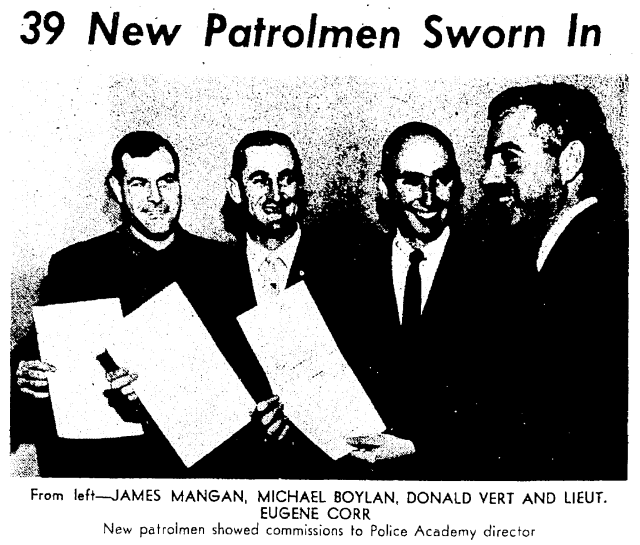
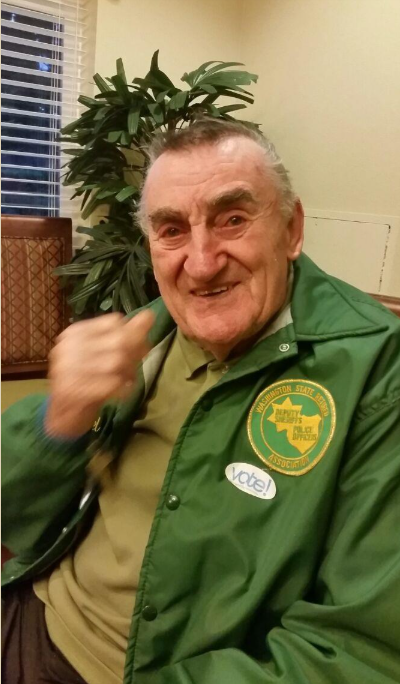
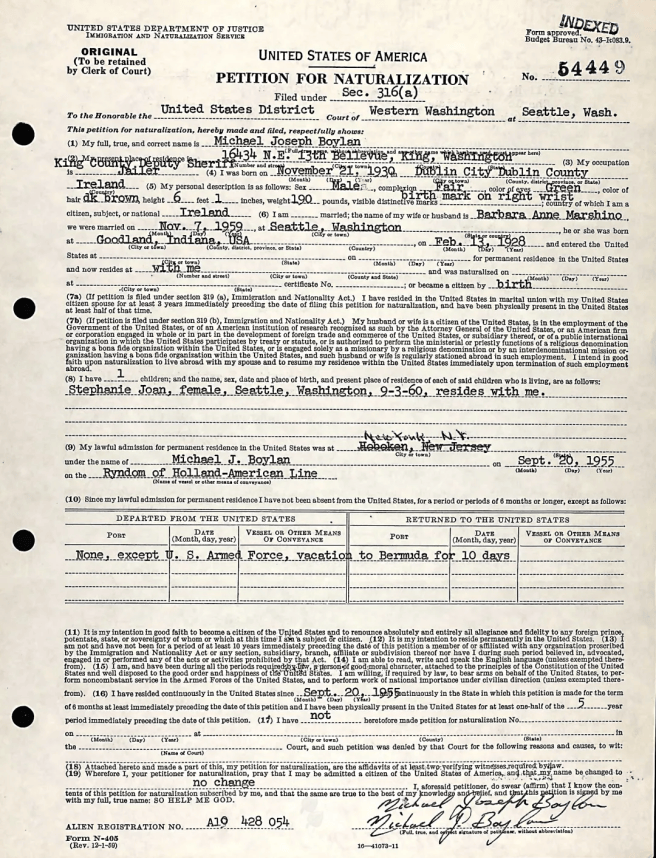
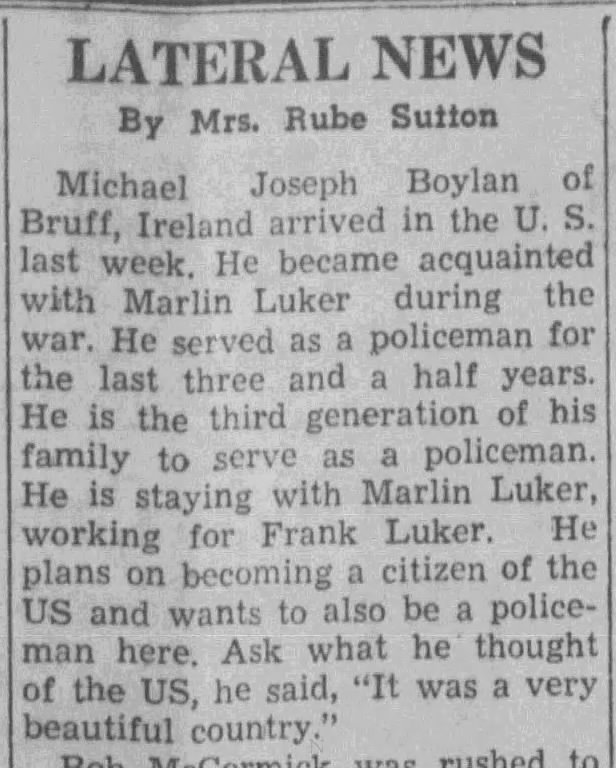
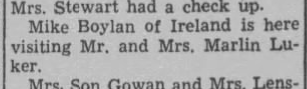
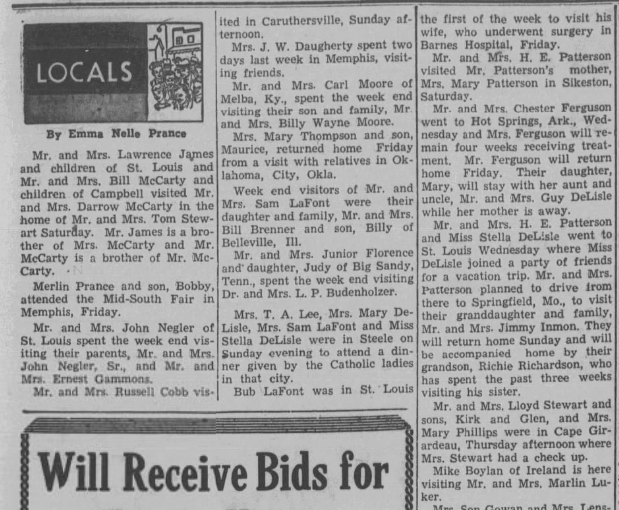
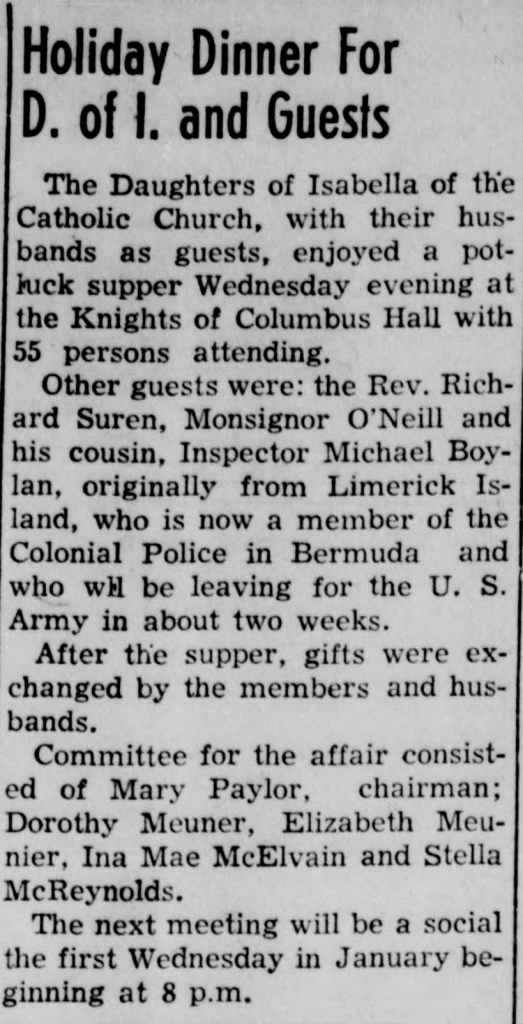
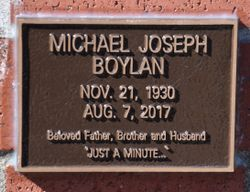
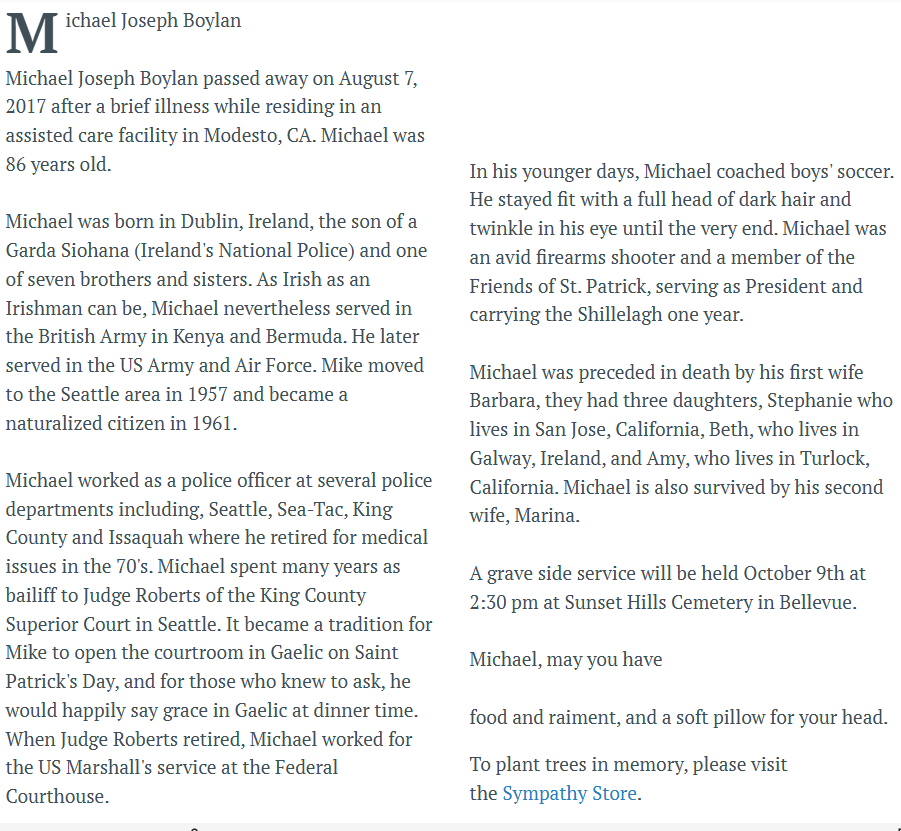
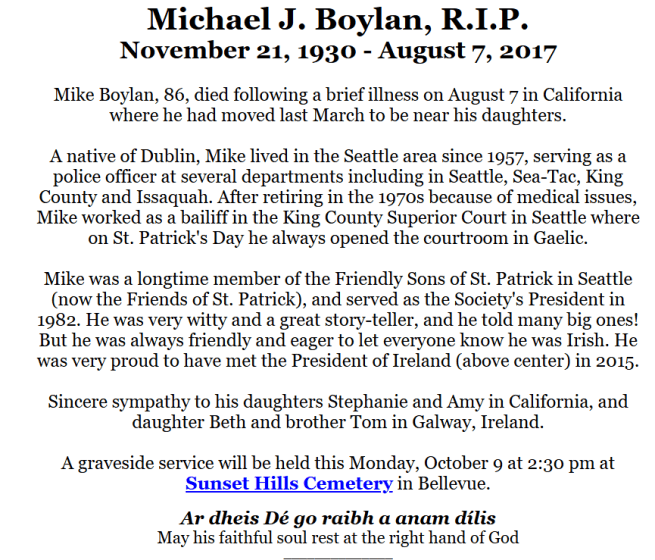
Michael Joseph Boylan, Background: Michael J. Boylan was born on November 21, 1930, in Dublin, Ireland, and was one of seven brothers and sisters. His father served as a member of the Garda Síochána (Ireland’s National Police), and before moving to the US he served in the British Army and deployed to Kenya and Bermuda; Boylan later served in the US Army and Air Force, moved to the Seattle area in 1957, and became a naturalized United States citizen in 1961.
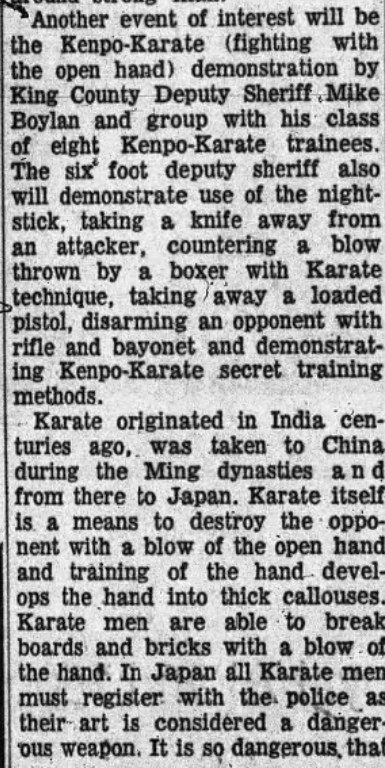
According to his Korean draft card, Boylan enlisted in the US Army at the age of twenty-four on September 29, 1955, and was living in New Madrid, Missouri at the time; he weighed 185 pounds and stood at 6’1/2” tall. He had some scars, including one on the chin, a vaccination scar on the right arm, and a mottled red birth mark on his right hand that extended ‘to his wrist.’ He had light brown hair, green eyes, and a fair complexion.
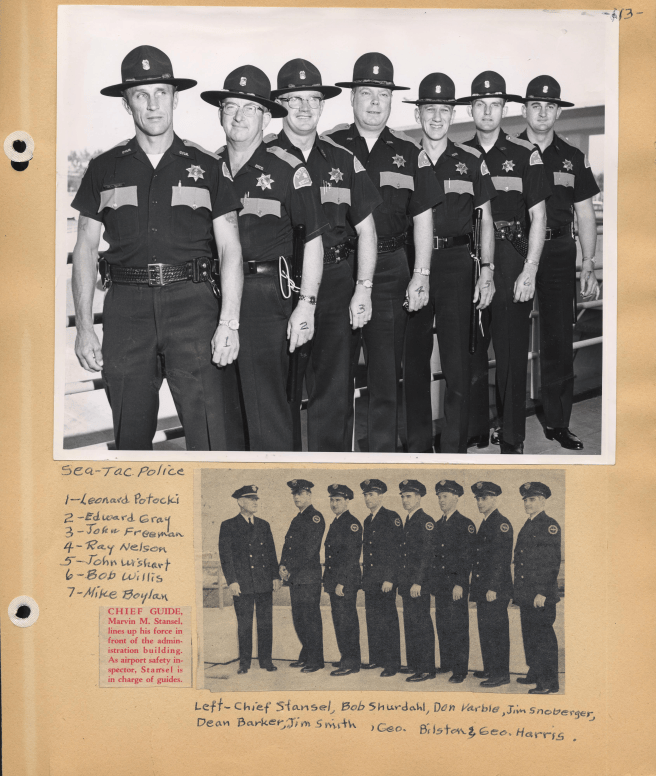
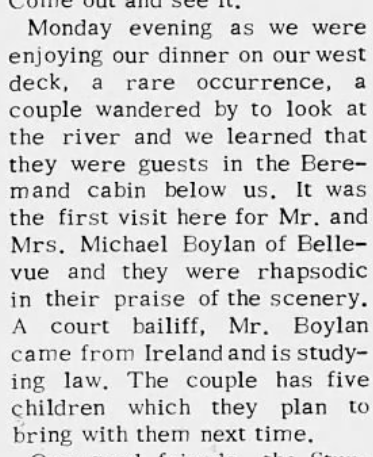
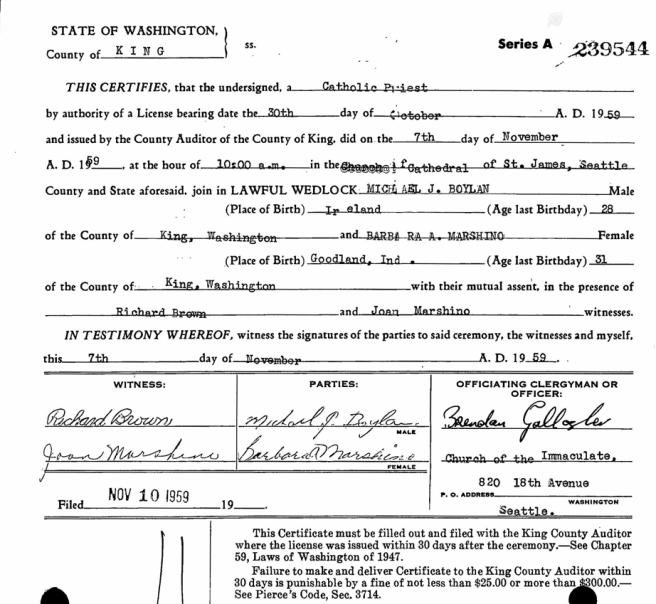
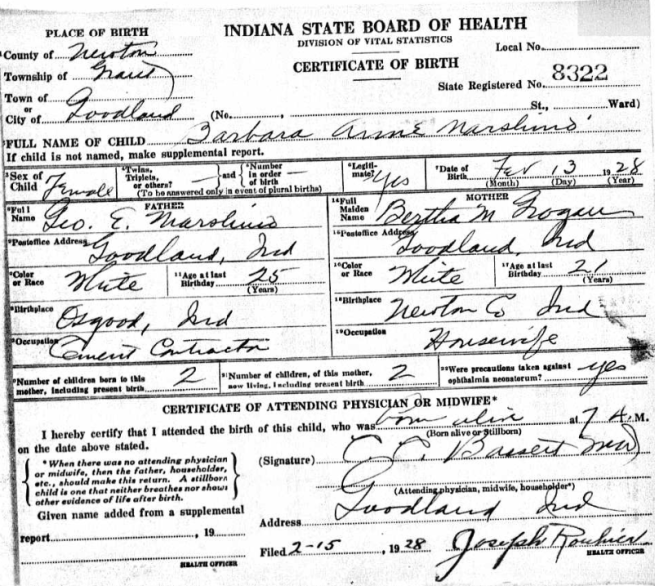
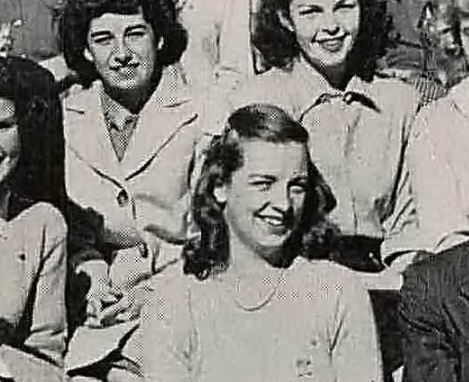
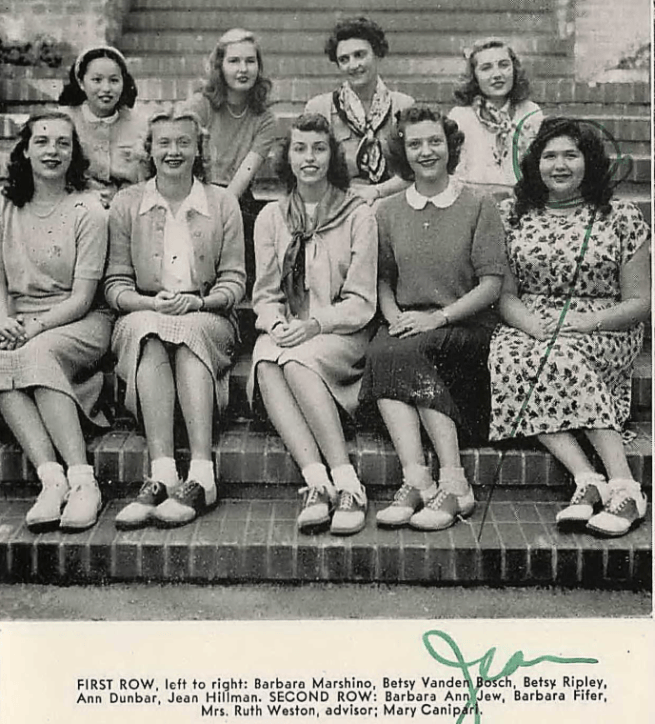
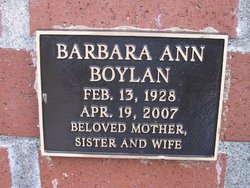
Boylan met his wife, Barbara, in 1959 while he was employed as a Sea-Tac Airport police officer (although Dick Kraske referred to him as an ‘airport security guard’) and she was a United Airlines stewardess (which is the same airline and profession as Wick and Trumbull): the couple were married on November 7, 1959 in Seattle and went on to have three daughter’s together: Amy, Elizabeth, and Stephanie. Barbara Ann Boylan was born on February 13, 1928 to George Edward and Bertha Marie (nee Grogan) Marshino in San Bruno, California.
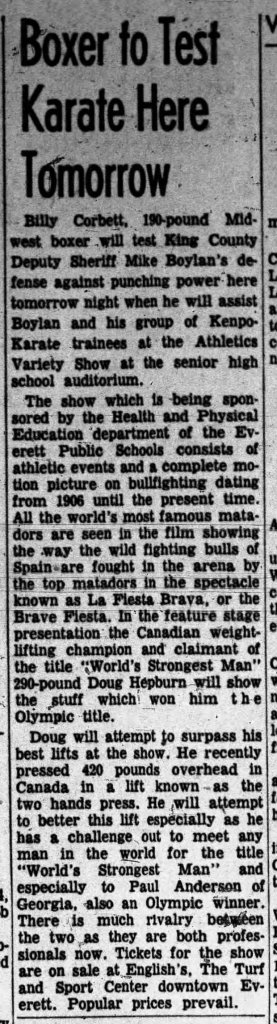
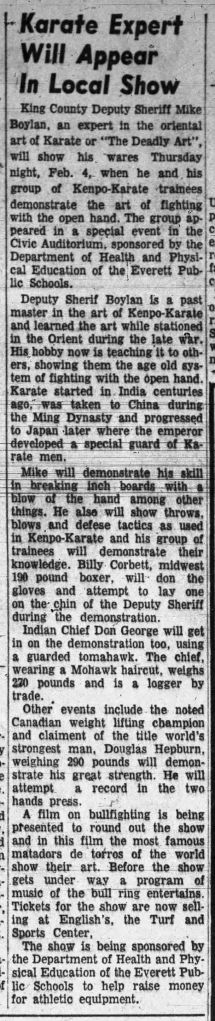
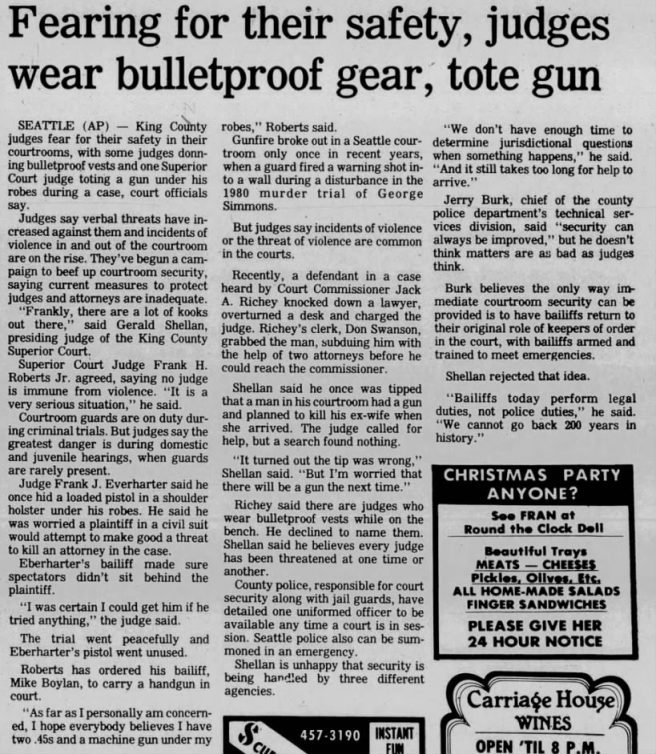
Michael Boylan’s Career: Boylan’s law enforcement career spanned multiple jurisdictions across the Pacific Northwest: he transitioned between several local departments, and worked for the Sea-Tac Airport Police, Seattle Police Department, King County Sheriff’s Office, and the Issaquah Police Department, and he left the field completely sometime in the 1970’s, citing ‘health reasons.’ Following his police career, he spent many years working as a courtroom bailiff for Judge Roberts of the King County Superior Court in Seattle, where on St. Patrick’s Day he always opened the courtroom in Gaelic; when Judge Roberts retired, Boylan went on to work for the US Marshall’s Service at the Federal Courthouse.
The 1966 Seattle Stewardess Attacks of Lonnie Trumbull and Lisa Wick: because I already wrote a full article about the attacks of Lisa Wick and Lonnie Trumbull, I’m not going to get super in-depth about it again here, so I’m just going to gloss over the everything. In the early morning hours of June 23, 1966, an unknown intruder entered the basement apartment of Lonnie Trumbull and Lisa Wick (both twenty-years old) and bludgeoned them in their beds using a log (the ‘blood-matted piece of lumber’ was later found in a nearby vacant lot). The women were flight attendants with United Airlines and relocated to Seattle from Portland the month prior.
A third roommate, Joyce Bowe, returned to the apartment later that morning around 9:30 AM to find the front door unlocked, and upon entering she discovered a truly gruesome scene. Lonnie Trumbull died from severe skull fractures and brain hemorrhaging, and Lisa Wick survived the attack but suffered critical injuries and permanent memory loss regarding the night of the assault.
Ted Bundy: Ann Rule explored the 1966 Seattle stewardess murders through the lens of her relationship with Ted Bundy in her landmark 1980 true-crime book, ‘The Stranger Beside Me.’ In 1986, surviving flight attendant Lisa Wick contacted Rule, who later documented that she confessed she couldn’t bring herself to read ‘The Stranger Beside Me’ and had stated, ‘I try to pick it up and read it, but it is impossible. When my hand touches the cover, when I look at his eyes, I get sick to my stomach.’ Rule would quoted Wick’s realization: ‘I know that it was Ted Bundy who did that to us, but I can’t tell you how I know.’ Rule theorized that despite Wick’s permanent amnesia surrounding the attack, ‘her deepest forbidden memory’ recognized Bundy’s eyes.
In June 1966, Ted Bundy was living at his family’s home on 658 North Skyline Drive in Tacoma, and he had just finished up his first year of college at the University of Puget Sound (which was a little over three miles away). It’s highly rumored that Ted worked at the Queen Anne Safeway at that time in June 1966 (which was close to the girls apartment), but that summer he was employed as a forklift operator at Tacoma City Light (which is now known as ‘Tacoma Public Utilities’): he didn’t work at the grocery store until 1968 (he was only there from April 12, 1968, to July 26, 1968).
One thing I do want to touch on briefly is that in her book, Rule does point out that the 1966 bludgeoning was an exact blueprint for Bundy’s first formally recognized attacks in 1974 (such as those against Karen Sparks and Lynda Healy): in those cases, Bundy similarly broke into basement apartments in Seattle to savagely beat young women with blunt objects while they were asleep in their beds. Additionally, he used a heavy oak log as a weapon during the January 1978 Chi Omega murders that he swiped from a pile outside the sorority house.
Bundy explicitly denied committing the 1966 attack of the two sleeping friends during his final death row confessions to investigator Robert Keppel, and because of this, a lack of physical evidence, and strong alternative suspects investigated by local detectives at the time, Rule could never definitively label Wick and Trumbull as Bundy’s first official victims.
Michael Boylan and the Attacks of Lonnie Trumbull and Lisa Wick: at the time of the brutal attacks on June 23, 1966, Boylan was thirty-five-years old and was working as a police officer for the Sea-Tac Airport; he had been married for seven years and had three young daughters. He was listed by name as a suspect in an investigative file regarding the attacks, and an official handwritten note contained a direct accusation from an unspecified source that confidently stated: ‘I still say Mike Boylan did it!!’
Looking into it, there are several key details connecting Boylan to the timeline and geography of the 1966 Seattle stewardess attack, including the fact that he lived close to the scene of the crime: the house that he lived in with his family was located at 16434 NE 13th Street in Bellevue, however I also read that he also had an ‘associated address’ close to the victims Queen Anne apartment (which was only about a fifteen-minute walk away). Also, when I investigated it, Boylan’s house in Bellevue was only about a thirty-five-minute drive away.
Additionally, at the time of the attacks, Boylan worked as a Sea-Tac Airport police office, which would have given him a way to have met Lisa and Lonnie (as they not only lived in Seattle, but they also frequented the airport because of their own jobs). It’s worth mentioning that ‘Michael Joseph Boylan’ was the only ‘Mike Boylan’ living in the Seattle area at the time of the summer 1966 attacks that matched the geographic and airport-airline profiles of the case, however no physical evidence, motive, or eyewitness accounts have ever publicly linked him to the crime scene. It’s worth mentioning that Lisa said the assailant had blond hair, and Boylan had dark hair.
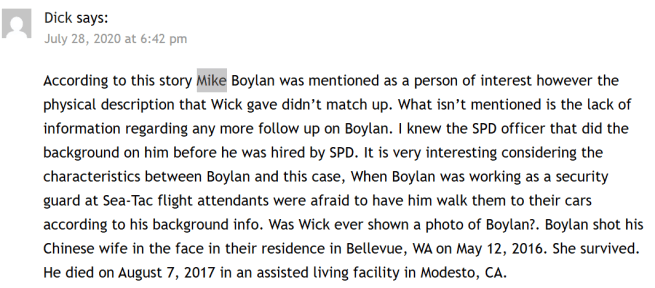
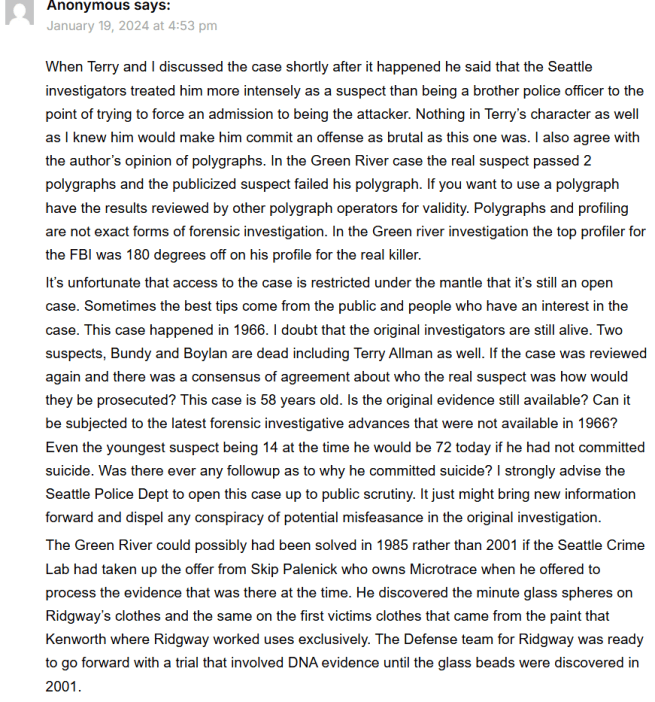
According to (retired) King County Police Detective Dick Kraske (in a comment he made on Tiffany Jean’s article on the Seattle Stewardess Attacks): ‘Mike Boylan was mentioned as a person of interest however the physical description that Wick gave didn’t match up. What isn’t mentioned is the lack of information regarding any more follow-up on Boylan. I knew the SPD officer that did the background on him before he was hired by SPD. It is very interesting considering the characteristics between Boylan and this case. When Boylan was working as a security guard at Sea-Tac flight attendants were afraid to have him walk them to their cars according to his background info.’
In October of 2020, Tiffany Jean interviewed Detective Kraske (of both the ‘Ted’ Task Force and the ‘Green River Killer’ Task Force), who knew Boylan personally, and about him said he had the same attributes as Bundy (they both could ‘charm the rattles off a snake’), and he was able to offer quite a bit of insight into his background. Apparently, the stewardesses at Sea-Tac were ‘afraid of Boylan, especially when he offered to walk them to their cars at the airport.’ He went on to say that in one incident, Boylan somehow got the keys to one of a stewardess’ residence and ‘when she got home from work found him masturbating in front of her daughter. I don’t know if there is a police report on this. If there was, Boylan would have been capable of making sure that it would never become official as he had a lot of friends in police departments.’
Kraske also said Boylan ‘had a penchant for violence that I feel could have been triggered by rejection of some other perceived insult… while with SPD he was known as the really tough guy who would sadistically beat the crap out of prisoners in the holding cell.’ He also made a point of bringing up the fact that Mike had assaulted his second wife (I will discuss that more in depth later), but as Tiffany brings up in her article, since Boylan was a police officer (amongst multiple policing departments): wouldn’t his fingerprints have been on file, somewhere?: ‘Then again, the fingerprints at the scene may have never even belonged to the perpetrator at all.’ In my humble opinion: Michael Boylan is a far more likely suspect than Ted Bundy.
The 2016 Attack of Michael Boylan’s Second Wife: Barbara Ann Boylan died at the age of seventy-nine on April 19, 2007, in Bellevue, WA, and Mike got married to his second wife Marina sometime in 2012 (who was twenty-six years his junior). On May 12, 2016, Bellevue police arrested a then eighty-five- year-old Michael Boylan a little after 8 PM after he shot his wife in the face: when officers arrived to the scene, they found Boylan’s fifty-nine-year-old wife with very serious injuries to her face, and she was taken to Harborview Medical Center, where it was determined she was in critical condition. Neighbors of the couple told KIRO-7 in Seattle that ‘Boylan had lived in the neighborhood since 1959, and the incident happened in the 16400 block of Northeast 13th Street.’ Police recovered several weapons on the scene.
Initially police were told that the gunshot wound was self-inflicted, however that story did not line up with the evidence and the eyewitness accounts of fighting in the home shortly before police arrived. Officers took Michael Boylan into custody, and he was booked into the King County Jail for investigation of assault. Kiro-7 brought up the fact that Sheriff’s Department had been out to the house before and were familiar with the couple (but clarified it was not because of a domestic violence call); because Marina survived the initial trauma, investigators and prosecutors handled the matter as a severe domestic violence assault case rather than a homicide. Shortly after the shooting, in the summer of 2016 Mike moved to California to be closer to his daughters.
Conclusion: fifteen months after he shot his wife in the face, Michael Joseph Boylan died at the age of eighty-six on August 7, 2017 in Modesto following a brief illness while living in an assisted care facility. Charges against him were still pending in Bellevue.
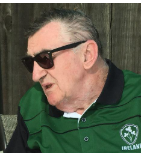
According to his obituary, Mike was an avid firearms shooter and was a longtime member of the Friendly Sons of St. Patrick in Seattle (which is now the Friends of St. Patrick) and served as the Society’s President in 1982; he also carried the Shillelagh a different year (which is a traditional Irish wooden walking stick, club, or cudgel that features a large knot or heavy knob at the top). He was very witty and a great storyteller, and liked to tell many ‘big ones,’ but he was ‘always friendly and eager to let everyone know he was Irish.’ For those who would ask, Michael would happily say grace in Gaelic at dinnertime, and in his younger days, he coached boys’ soccer and enjoyed staying fit: ‘he had a full head of dark hair, and a twinkle in his eye until the very end.’
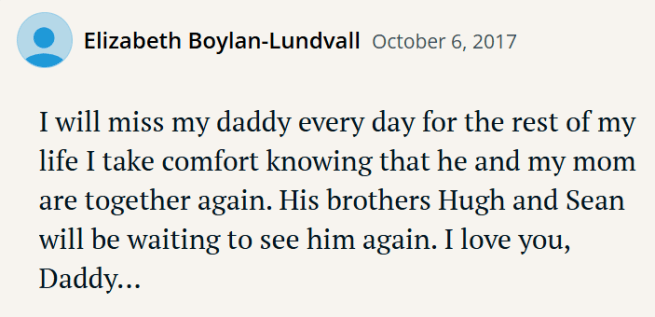
As an adult, Mikes daughter Elizabeth moved to Galway, Ireland, but she sadly passed away on October 28, 2021. Stephanie relocated to San Jose, California, and Amy moved to Turlock, California. Michael is also survived by his second wife, Marina.
Works Cited:
Cox Media Group. ‘Police: 85-year-old Bellevue Man Arrested After Woman Shot.’ (May 14, 2016). Taken September 26, 2026 from kiro7.com
Jean, Tiffany. (November 10, 2019). ‘The Unconfirmed Cases: Lisa Wick and Lonnie Trumbull, 1966.’ Taken September 29, 2026 from killerinthearchives.com










Documents courtesy of the Seattle Police Department; according to them, they’re largely about Lynda Ann Healy.

