Gary Leon Ridgway, Case Files: Part Two.

Information courtesy of the King County Sheriff’s Department.
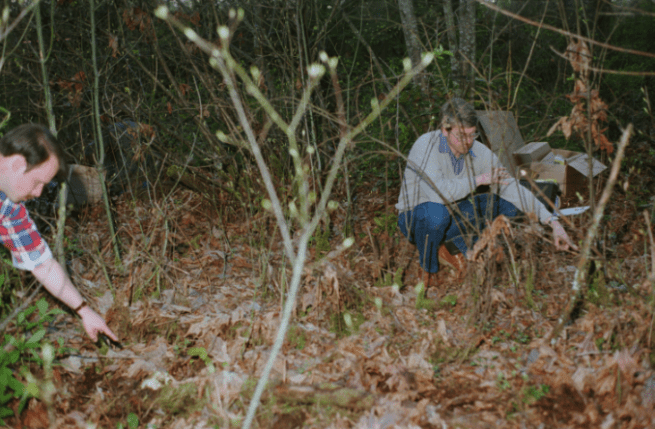
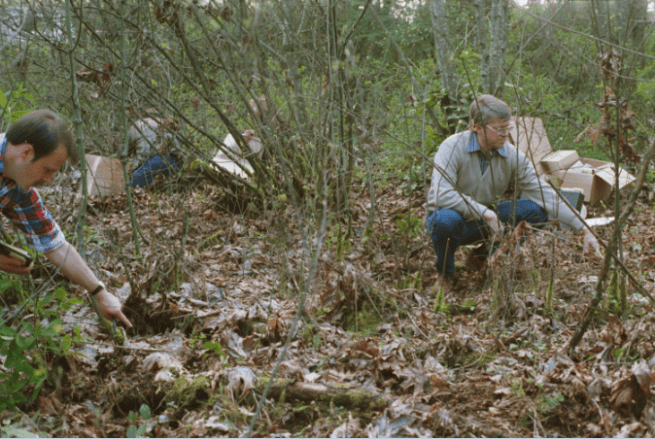
Dr. Robert Keppel at a crime scene related to the Green River Killer investigation, photo courtesy of the King County Sheriff’s Department.
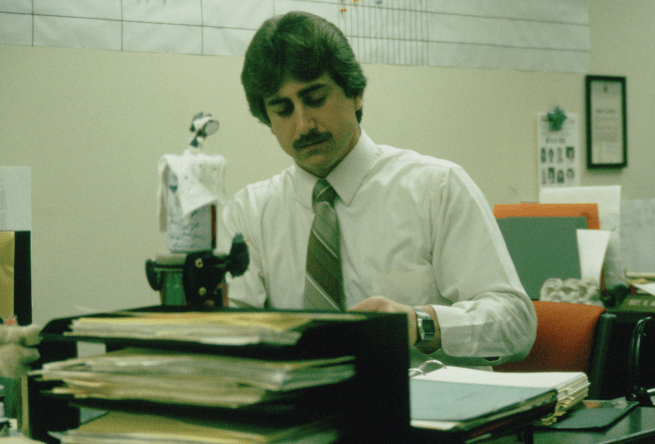
Another picture of Dr. Robert Keppel at a crime scene related to the Green River Killer investigation, courtesy of the King County Sheriff’s Department.
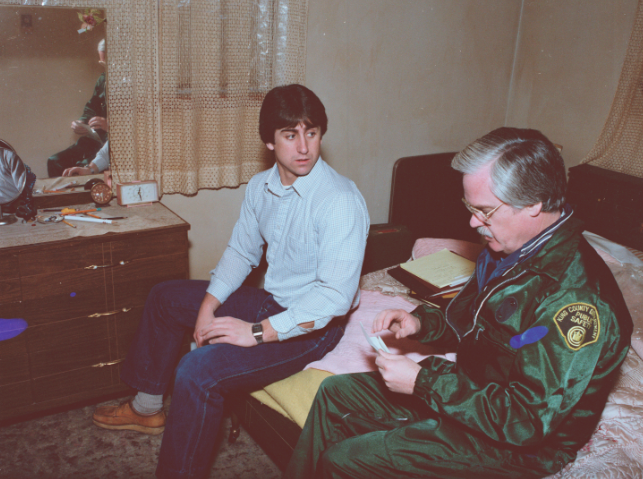
Dave Reichert in a picture related to the Green River Killer investigation, courtesy of the King County Sheriff’s Department.
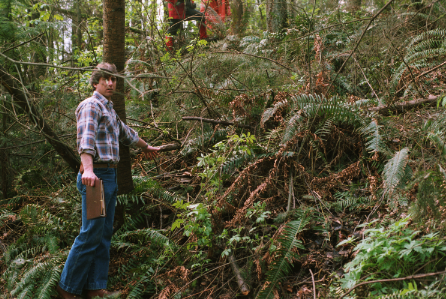
Dave Reichert in a picture related to the Green River Killer investigation, photo courtesy of the King County Sheriff’s Department.
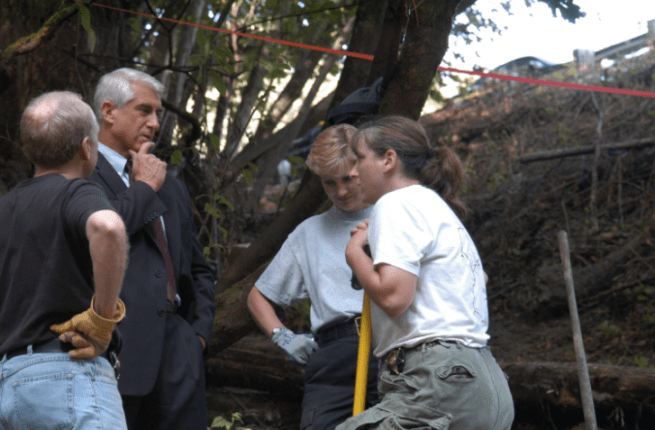
An investigator at a crime scene related to the Green River Killer investigation, courtesy of the King County Sheriff’s Department.
Some investigators at a crime scene related to the Green River Killer investigation, courtesy of the King County Sheriff’s Department.
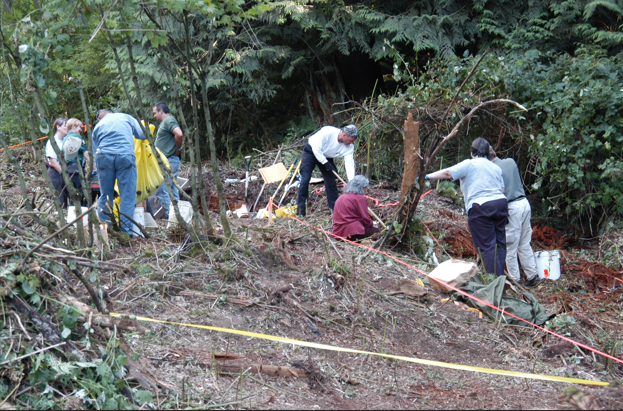
Some members of the Green River Killer task force, courtesy of the King County Sheriff’s Department.
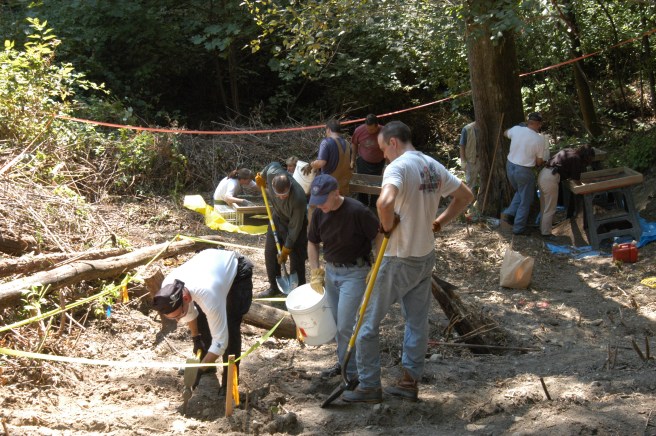
Some members of the Green River Killer task force helping out at a crime scene, picture courtesy of the King County Sheriff’s Department.
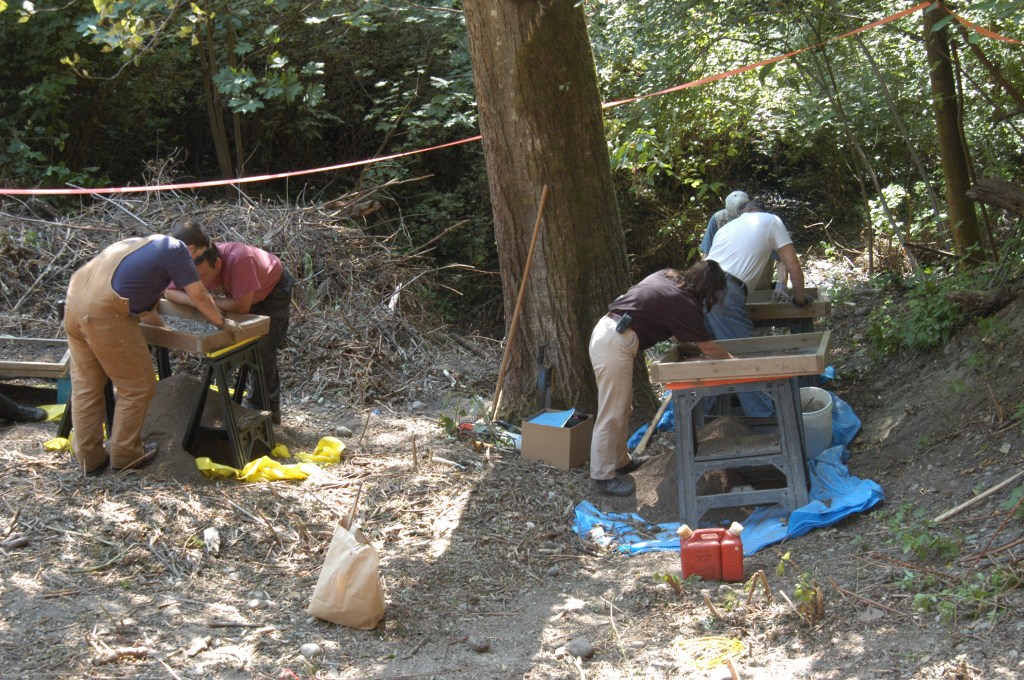
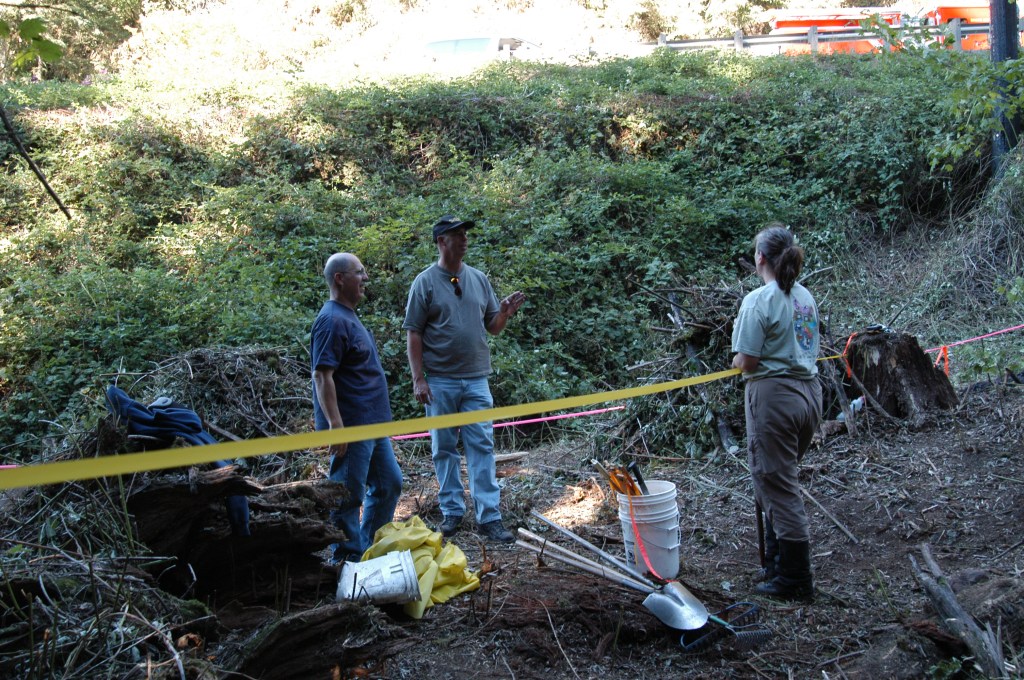
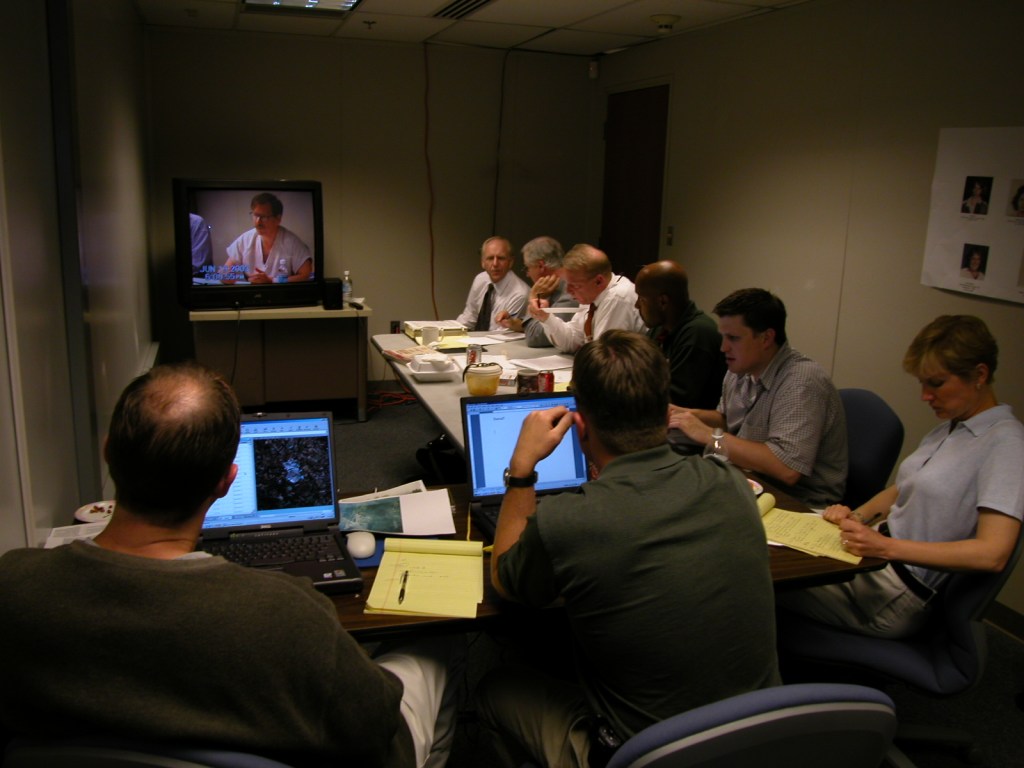
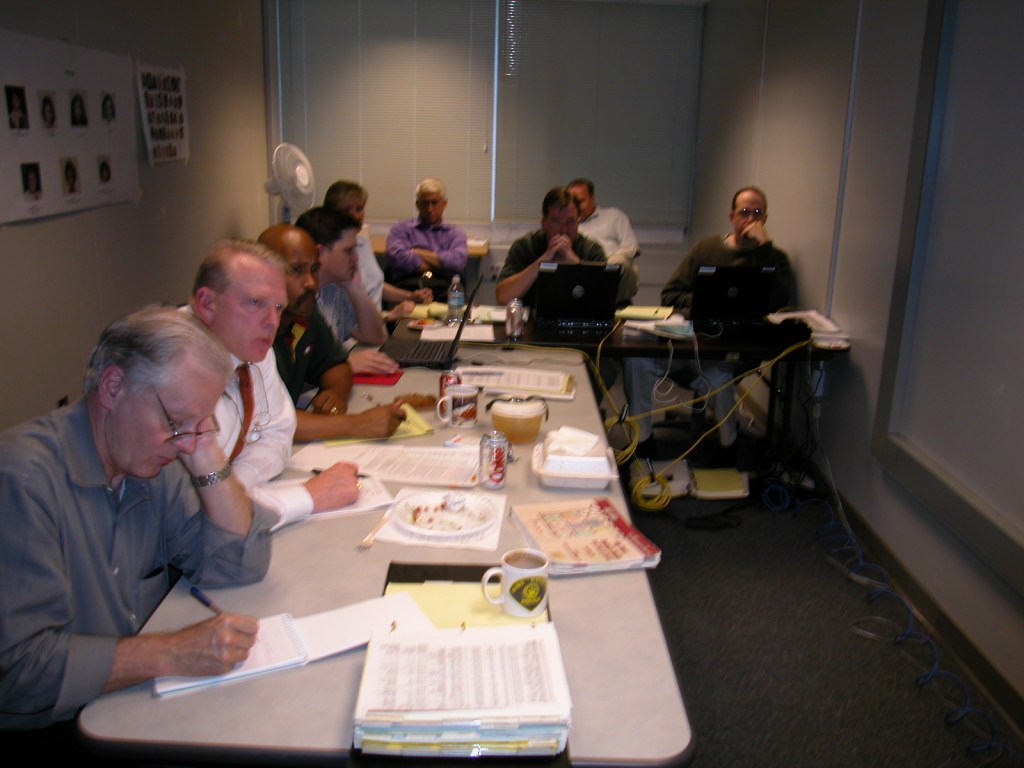
Some members of the Green River Killer task force at a meeting regarding Gary Ridgway, picture courtesy of the King County Sheriff’s Department.
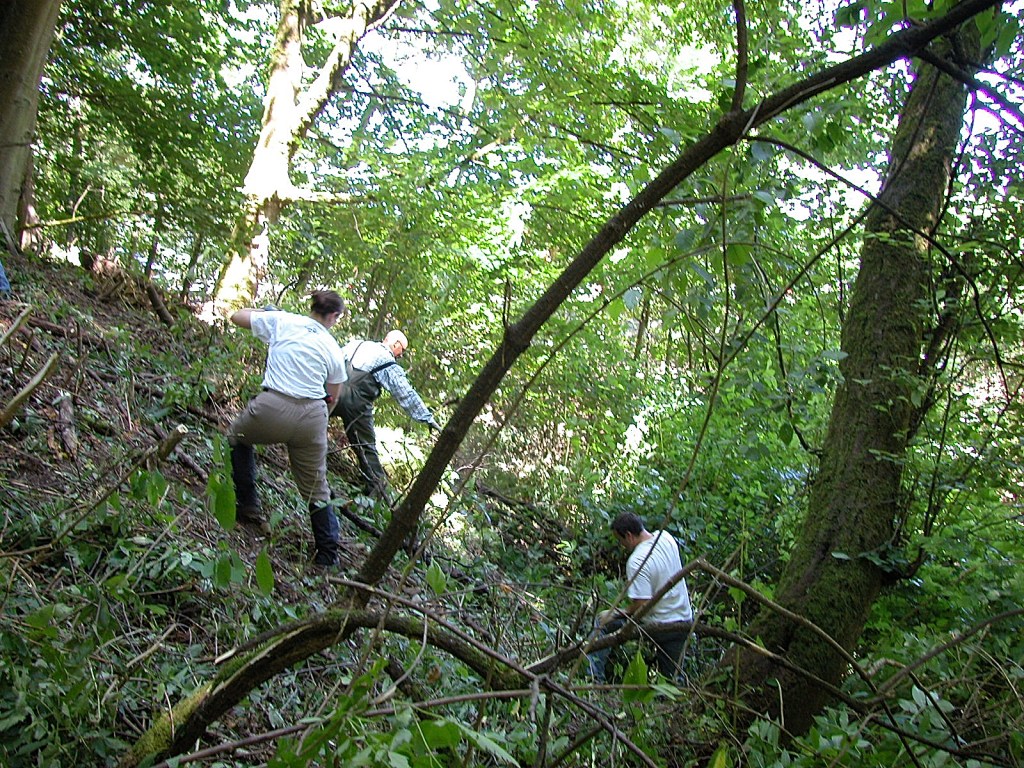
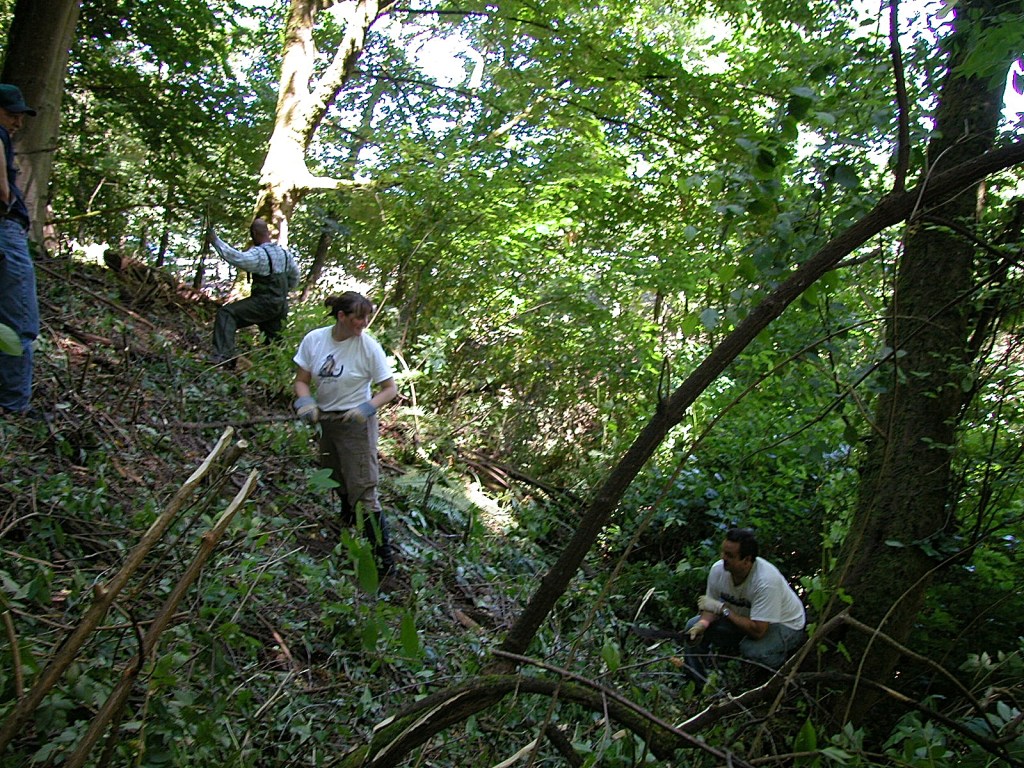
Some members of the Green River Killer task force helping out at a crime scene, picture courtesy of the King County Sheriff’s Department.
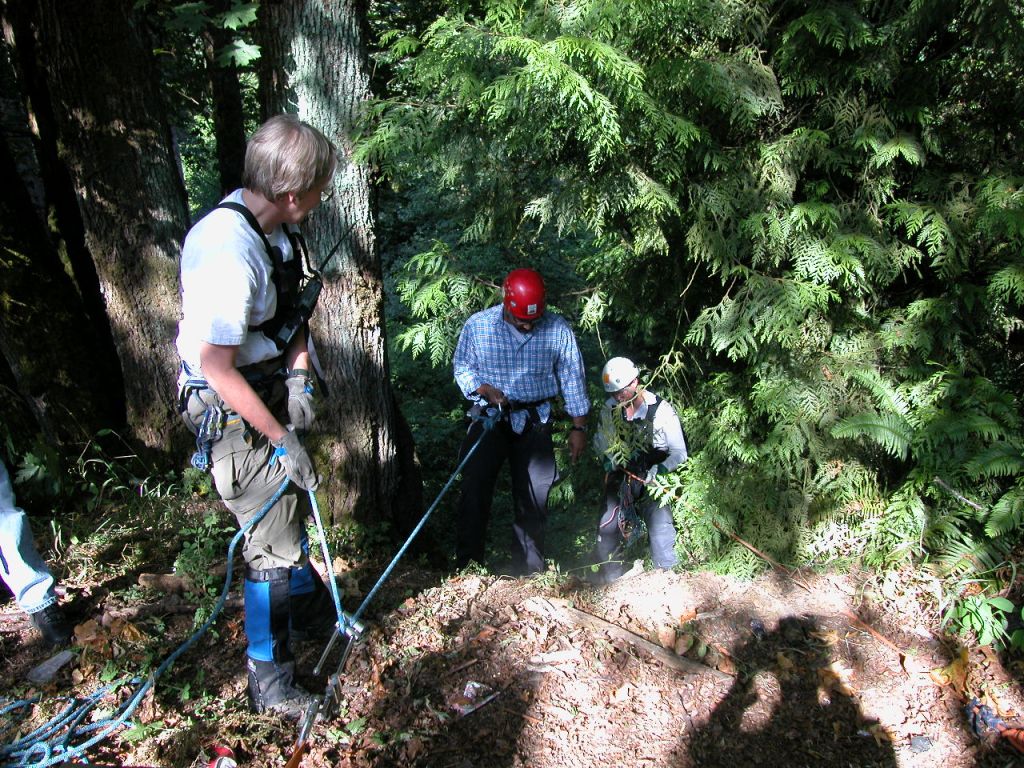
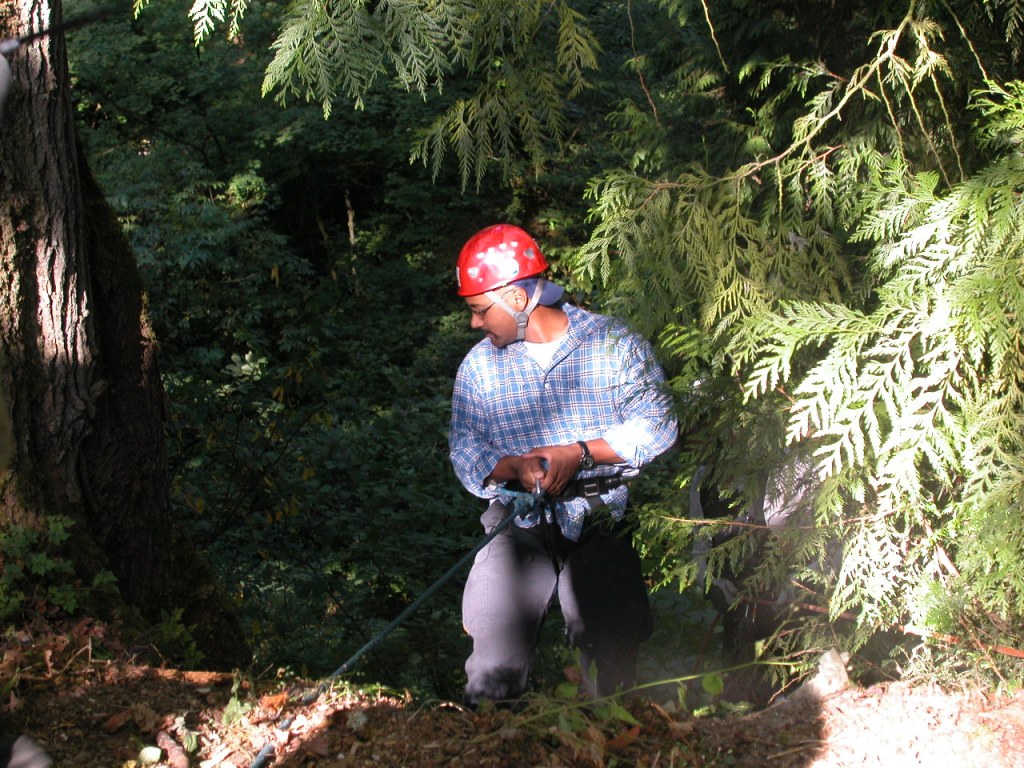
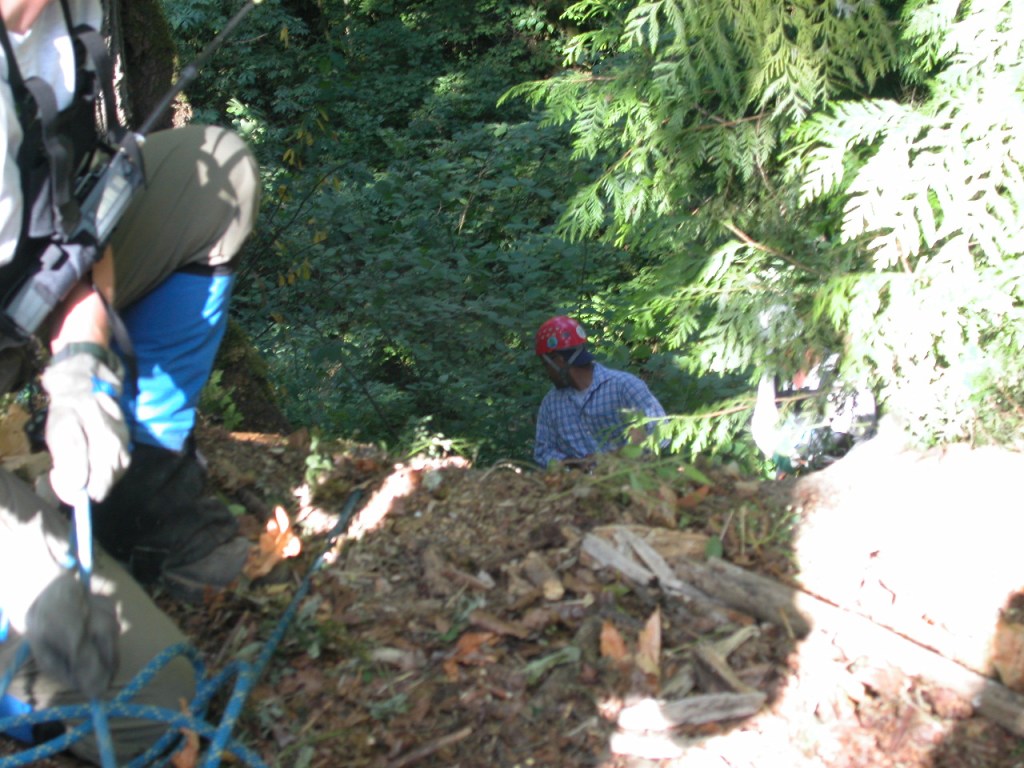
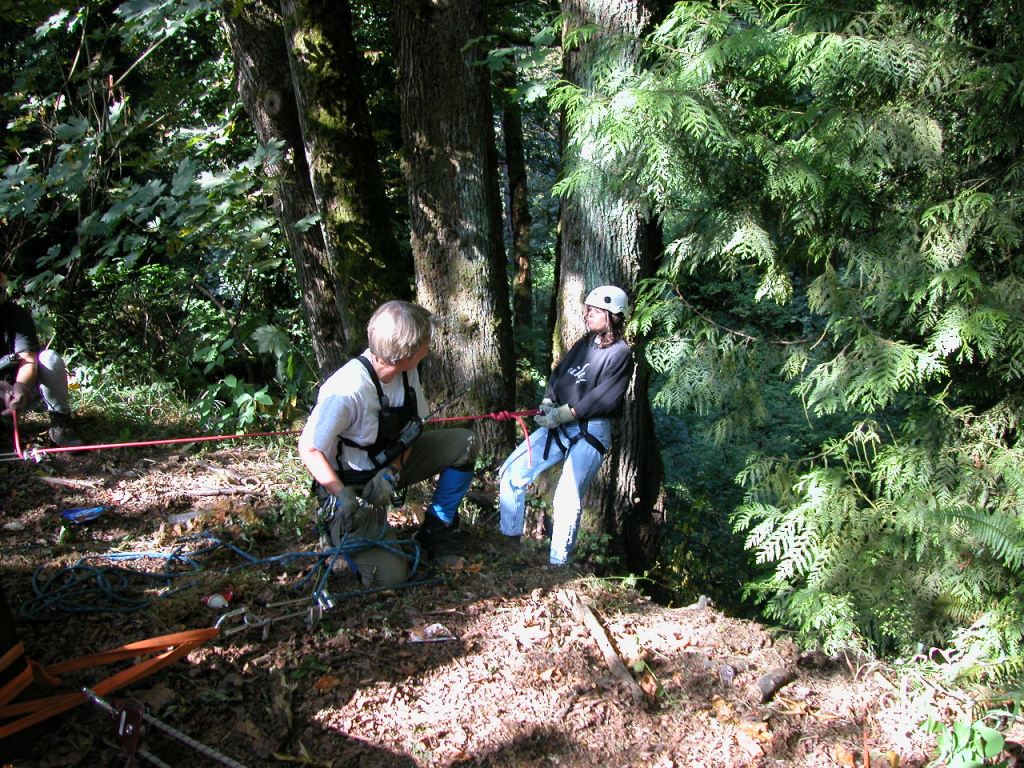
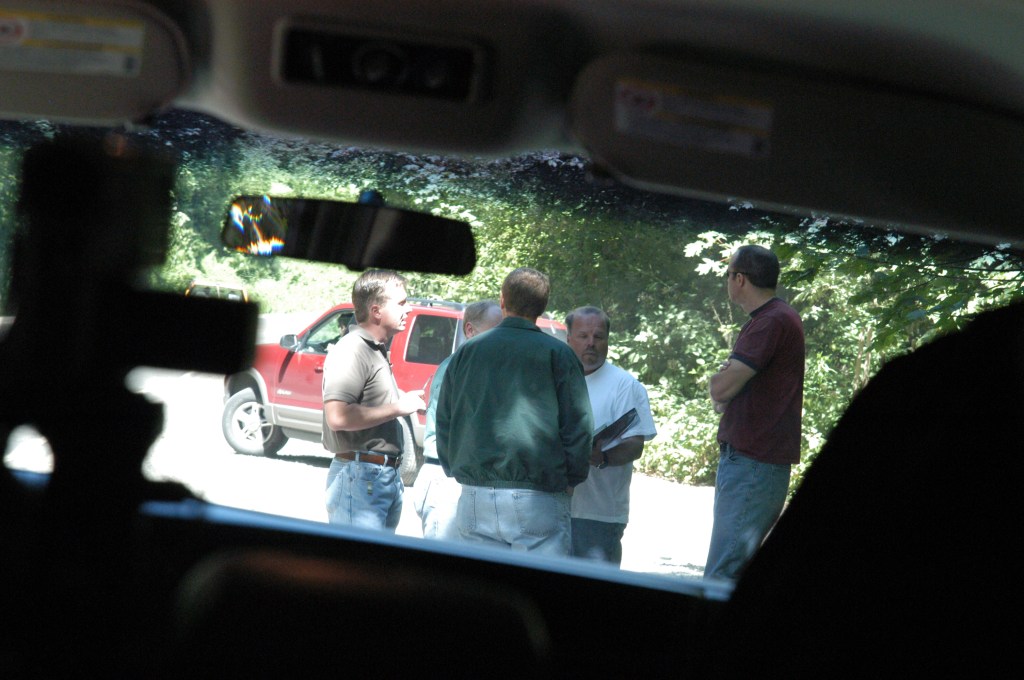
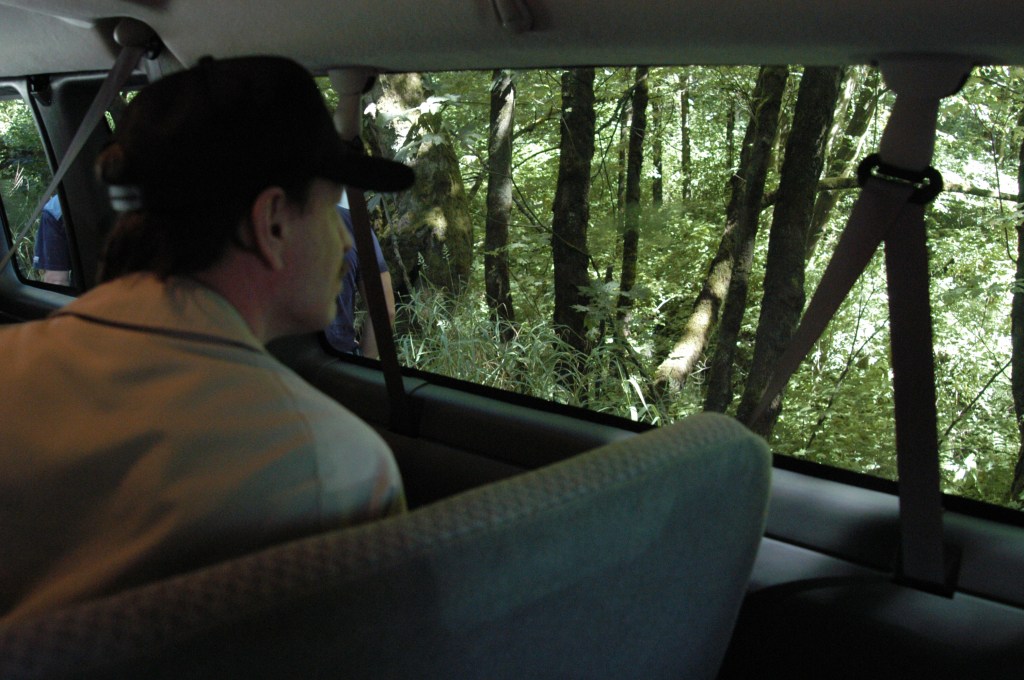
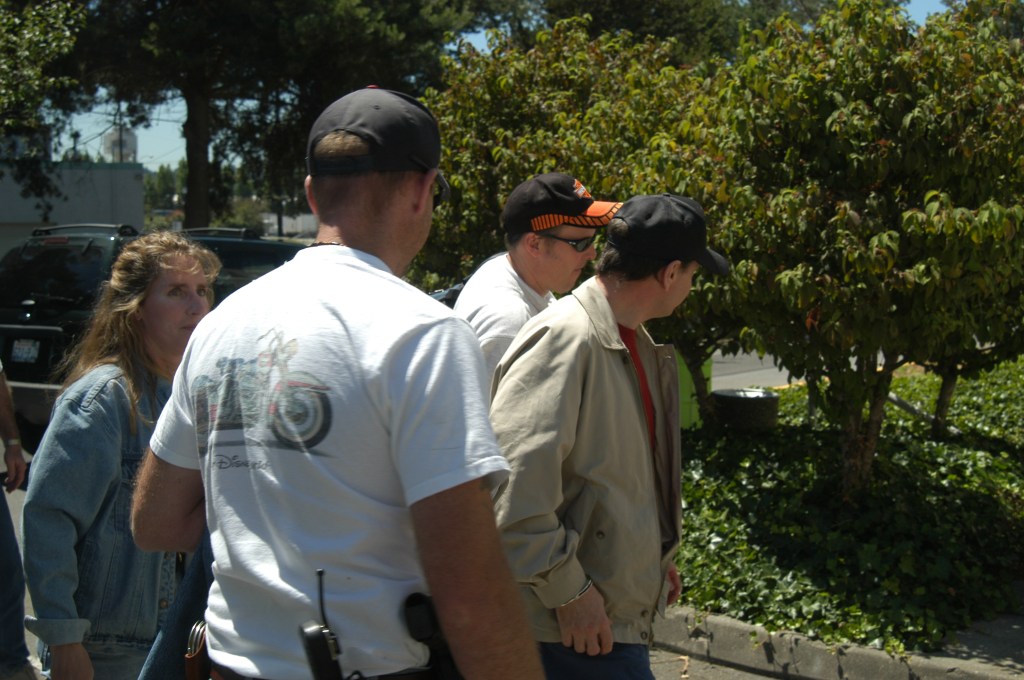
Gary Ridgway looking out at some members of the Green River Killer task force from the inside of a sheriff’s van, picture courtesy of the King County Sheriff’s Department.
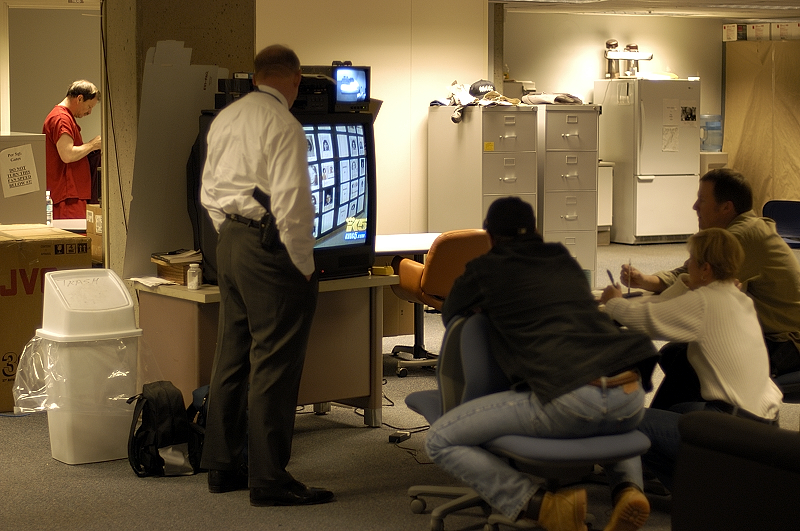
Some members of the Green River Killer task force helping out at a crime scene, picture courtesy of the King County Sheriff’s Department.
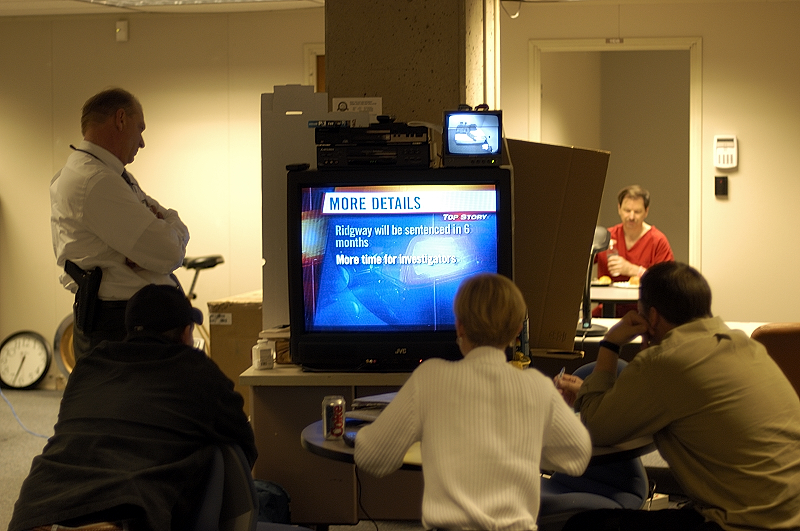
Some members of the Green River Killer task force (with Gary Ridgway standing in the next room), picture courtesy of the King County Sheriff’s Department.
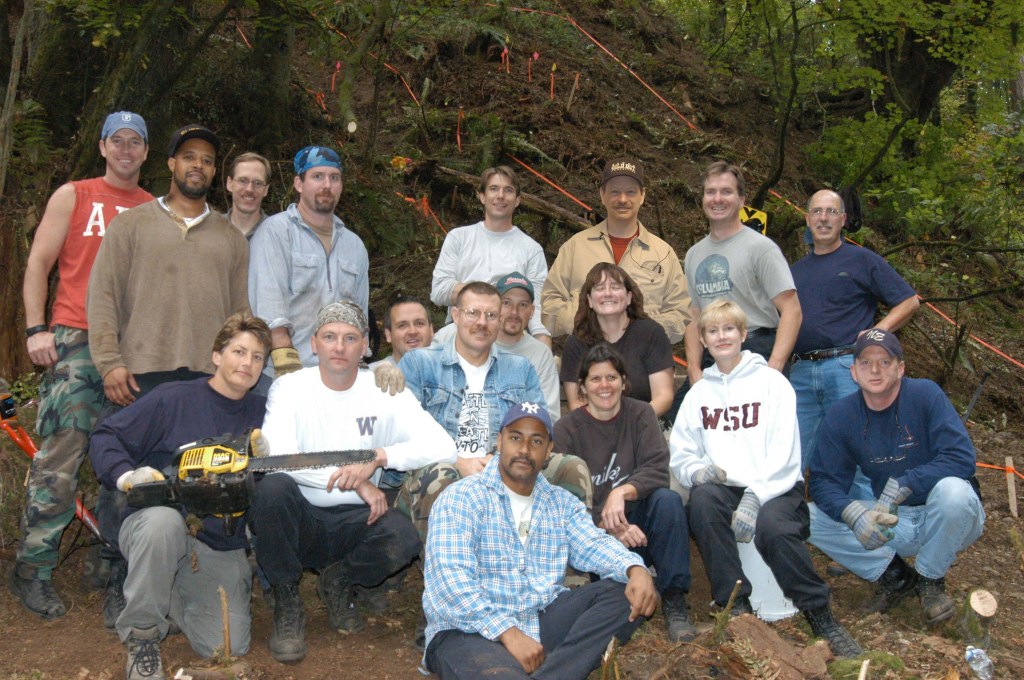
Some members of the Green River Killer task force watching a news report on the Green River Killer, picture courtesy of the King County Sheriff’s Department.
Some members of the Green River Killer task force posing at a crime scene (with Gary Ridgway in the back), picture courtesy of the King County Sheriff’s Department.

01-298715, AAM0066, Tape 190A: Matthew Leon Ridgway.
01-298715, AAM0066, Tape 190B: Matthew Leon Ridgway.
01-298715, AAM0066, Tape 191A: Matthew Leon Ridgway.
01-298715, AAM0066, Tape 191B: Matthew Leon Ridgway.
01-298715, AAM0067, Tape 195A: Gregory Ridgway.
01-298715. AAM0067, Tape 195B: Gregory Ridgway.
01-298715, AAM0067, Tape 209A: Gregory Ridgway, consent.mp3
01-298715, AAM0067, Tape 206A: Marcia Ridgway.
87-035433, WBB0810, Tape 614: Marcia Ridgway (1A).mp3
87-035433, WBB0810, Tape 614: Marcia Ridgway (1B).mp3
87-035433, WBB0810, Tape 615: Marcia Ridgway (1A).mp3
01-298715, AAM0067. Tape 208A: Thomas Edward Ridgway.
01-298715, AAM0067, Tape 208B: Thomas Edward Ridgway.
01-298715, AAM0067, Tape 251A: Thomas Edward Ridgway.mp3
01-298715, AAM0067, Tape 208A: Thomas Edward Ridgway.
01-298715, AAM0067, Tape 208B: Thomas Edward Ridgway.
01-298715, AAM0067, Tape 253A: Mary Ridgway.mp3
01-298715, AAM0067, Tape 210A: Judith Ridgway.
01-298715, AAM0067, Tape 210B: Judith Ridgway.
01-298715, AAM0067, Tape 211A: Judith Ridgway.
01-298715, AAM0067, Tape 211B: Judith Ridgway.
01-298715, AAM0067, Tape 256A: Claudia Baros.
01-298715, AAM0067, Tape 256B: Claudia Baros.
87-035433, WBB0810, Tape 613: Rebecca Garde Guay (1A).
87-035433, WBB0810, Tape 613: Rebecca Garde Guay (1B).

Correspondence Between John Henry Browne and Ted Bundy (…and the Green River Task Force).

While reading John Henry Browne’s book ‘The Devil’s Defender’ while helping with my local election I discovered a few letters between Ted and John Henry Browne (and one sent to the Green River Task Force) that I never read before. I decided to include them here.

October 31, 1976:
Dear John,
Thank you for your letter of October 27. I too, wish the circumstances of our first contact since last February were different. I had intended to write to you on several occasions during the past several months to express my appreciation for the moral and processional support you have given me and my girlfriend and others close to me.
Recent developments seem to indicate that I will be desperately in need of such support in the near future. I have had a tendency to be overly analytical about the motivations of the Colorado authorities in filing their case at this time. I suppose my real concern should not be ‘why’ they filed but ‘what,’ they filed. Whatever their reasoning, they have taken the plunge and are now committed to follow through. However, according to their own admission, their affidavit outlines the same case they had eight months ago. It is safe to say that bringing the case at this time was prompted by considerations other than the circumstantial evidence contained in the arrest warrant affidavit.
Whether or not their case is a strong one, and I am convinced it is not, the threat I face is considerable for numerous non-evidentiary reasons. First and foremost is the publicity. Next comes my conviction for kidnapping in Utah. The third strike against me involves the significant potential for official misconduct (i.e. falsifying evidence) on the part of those who, ‘believe’ in my guilt and feel as it is their duty to being about my conviction.
Finally, I am at an extreme disadvantage due to both a lack of funds to hire attorneys, investigators and experts. And to the prosecutors seemingly unlimited investigative resources; resources which can, quote, ‘create’ an image of credibility when no case exists. It is this last point [that] most concerns me. If I could fight them on an equal footing I have no doubt I would be acquitted. One man, an attorney. [name removed] no matter how skilled or competent, is no match to prepare a defense to equal the complex case the prosecution has created. Without more assistance, the consequences to my life could be fatal.
You have no obligation to come to my aid, but I am begging you to do so because my life hangs in the balance. I am asking you to provide whatever services you can offer, because I am immensely impressed by your legal intelligence and more so because I like you and feel comfortable with you. I need your help now more than I ever have needed help before in my life. What more can I say except ‘please’ help me?
Sincerely,
Ted
PS: I will avoid discussing details of the Colorado case in letters. I will only talk about the case directly to my present attorneys. If you should have questions, submit them through my present attorneys, and if you haven’t read Colorado’s affidavit, I will ask my present attorney to send you a copy, should you be in a position to help, that is.

November 1976:
Dear John,
I received your letter of November 10 today and find some encouragement in your news, if only because it indicates your continuing willingness to help. I would like to keep my options open regarding my final choice of counsel. I have no contact with my present attorney and will be unable to make a decision about him until I have talked to him personally and at length. I hope you will understand ,my reservations as it is my belief that I must have complete confidence in someone in whose my life will be placed.; I have written my present attorney asking his opinion on several critical matters, including extradition, and requesting a meeting with him before I go to Colorado.
Of course I would prefer an alliance between my present attorney and you. If I had a choice at this moment between the two of you, I would choose you, but I am not sure I can afford that choice.
I am in complete agreement concerning guaranteed reimbursement for expenses and lost salary should I ask you to handle my case. Is there any way you can give me some general estimate of what this might amount to for Ressler and you? I know how difficult this would be, but if I had an idea, I would be able to determine whether or not I am capable of raising such an amount at all.
I wouldn’t hold you to an estimate in any event, but if you are out of the ballpark, I had better know now.
The question of extradition carries more significance for me than whether by fighting it I can avoid it. I will be extradited too no matter what, but by opposing extradition, are there advantages which outweigh the disadvantages?
In your opinion, in a habeas corpus hearing on the matter, would not it be possible to expose more of the prosecution’s case, if indeed there is more, as well as, quote, ‘freeze’ what they already have? I think there is a positive potential here.
Second, I am convinced that much time will be required to prepare my defense. The prosecution has been investigating and building their case for fourteen months. God knows how many man-hours and how much money has been expended. Positions, such as admitting evidence as a, quote, ‘common scheme and plan,’ involving incidents in other jurisdictions have been thoroughly briefed. I need time, and I would rather spend it in the Utah State Prison than in the Pitkin County Jail, fighting extradition. Fighting extradition will buy some time, don’t you think?
The negative consequences to such a fight would be, as you observed, publicity and inferring my uncooperativeness. This is a difficult issue, which ultimately involves the whole area of pretrial publicity in my case.
The first question is what is the volume and substance of publicity at this point in the Glenwood Springs/Aspen area, and what is it likely to be in the future?
I will ask my attorney to make a study of this, should a motion for postponement on grounds of pretrial publicity be warranted. Will my opposition to extradition do any further harm? I am not convinced that it will, especially since I intend to make it clear the reasons why I am fighting extradition: 1) I was not in Colorado at the time of the commission of the crime; and 2) Need time to overcome great prosecution advantage.
Bad reasons, you know. I just thought the effect of fighting extradition is not nearly as damaging as the impact of losing that fight, which will eventually happen.
Now I have changed my mind a lot. Damn it. I think it is perfectly suicidal to rush into a strange state and be represented by an unknown attorney who has but a few weeks to prepare against a case, which the prosecution has been plotting for over a year. I believe it is literally suicide. What do you recommend?
This is a case which will be won or lost by the ability of the defense to do the following: 1) thoroughly field investigate; and 2) Suppress testimony related to other crimes.
I will elaborate more on that issue later. Can’t fit anymore paper in this envelope. Thanks again for the letter.
Hang in there,
Ted

November 29, 1976:
Dear John,
My issue of the Wednesday, November 24, 1976, Seattle Times contains an article on A4 with a bold heading, quote: ‘FBI Links Hair Samples to Bundy.’ This is just not something I expected from the Times. What are they doing, warming up the cross for my execution?
This is one of the most flagrant examples of prosecution by the press that I have ever seen. The worst thing about this Seattle Times article is that it will be carried by the wire services and broadcast in the Denver and the Aspen area.
Damn it John, I can’t get used to this abuse. The impact of this article is deadly, without the knowledge that hair samples are far from being identification.
He goes on to mention, quote, ‘several’ eyewitnesses, when, as you may know, there was one woman who picks my picture one year after the Colorado disappearance and stated that she had passed a, quote, ‘strange’ man in the hall the night of the disappearance, who looked like me, and observation she neglected to mention to police until a year later.
Note also how the fallacious escape materials, also how the escape material allegations is injected to magnify the inferences of guilt.
The intent of the article is purely malicious and prejudicial. I feel powerless as I watch my conviction firsthand by the media. I see this article as part of a calculated attempt to convince the public of the official belief in my guilt, and to influence the outcome of the Colorado trial.
I had to do something. Enclosed you will find a letter to the editor of the Times. Would you read it and if it seems appropriate, do what you can to have it published? ‘Thanks.’
Best regards,
Ted

July 7, 1977:
Dear John,
Good heavens… it has been over three weeks since my early morning call to you upon my return to captivity, and I am just getting around to saying, quote, ‘thank you,’ to you for coming to my aid, coming to aspen, and just generally making mew feel less like a fumbling, stupid idiot I was behaving like.
Aw, but the adventurous chapter is behind me, or so I would like to think at this moment. The ghosts of my escapade will return [in] the form of five counts and a new information. I will behave like the hardened convict I am and say, quote, ‘Fuck it. I have got broad shoulders.’ This is what a hard con would say, isn’t it?
Since my return, I have been in procrastination, in a procrastination inspired slump. (‘I have got plenty of time; the suppression hearing isn’t for two months’).
Instead of working, I have been doing push-ups, pull-ups, jumping rope, and have done my best to emulate Tarzan. I am eating nuts, took vitamins, gagged on nutritional yeast, and in the process have (at least to my own mind) become a superb physical specimen.
Now I am sitting here wondering what makes me want to be so damned healthy.
Today I emerged from both my ‘slump’ and my Fourth of July depression, and decided to entertain myself with the criminal law again. What a shameful attitude. However, working on the case has become both fun and distracting, an attitude which no doubt reinforces the point of view that I shouldn’t be handing this case- bit Christ, if a person can’t enjoy the work, why do it? It is just plain challenging.
It is also just a bit frightening at times, too.
Today, for instance, I decided to research the area of suppression of evidence material and favorable to the defense. Since several re-readings of the documents in question convinces me that they alone might warrant a new trial.
I took the amicus brief that you wrote in the Wright case. I looked up a few cases, the most recent US Supreme Court being US vs. Aggers. What a horrendous case. The Berger Court is very unsound. Agurs [sic], on top of Brady, is like mustard on top of a chocolate cake. It just doesn’t make sense and gives me indigestion. Until… I talked to an attorney (I knew they were good for something); the attorney just happened to mention that aggers came down in June 1976 and that all of the discovery in my case took place between November 1975 and February 1976. Thus, Brady and its progeny, free of the Aggers sliding rule (this is where ethe prosecutor slides everything into the police files and says he never saw the stuff, honest!) would be applied in my case.
Still, this is no guarantee, but I am more confident about receiving a new trial now than ever before.
At this point, however, I think I would lose a new trial in the kidnapping case, but hell, getting there would be half the fun, anyway. So I am fat and healthy, munching on something called, ‘peanuts and caramel log,’ one of many goodies sent to me by my friends. Sounds disgusting, and it is, but I have a munchy mentality and I truly love it.
Thanks again. You have done a great deal for me. I want you to know how I recognize it and appreciate it. Now try to take that to the bank. How much is it worth to you to have me tell you that I can’t imagine a finer defense attorney than yourself? It’s true. I consider myself an expert on the good ones and the bad ones.
Best wishes,
Ted

June 1, 1977:
Dear John,
During the time you stayed in Tallahassee, we had a chance to discuss at length developments in the case. If you feel anything like I do, you are sick and tired of hearing about the Bundy case.
It was great seeing you and talking with you again. There can be little question as to why you are doing so well in your practice’ you are an exceptionally bright and concerned person. You are much more than that, but that way in which you reach out to those whose causes you advocate is extraordinary.
I am fortunate to have you on my side and there is no adequate manner to express my gratitude for the time and expense you took to come help me, except to give you a deeply felt, quote, ‘thank you,’ in every way.
Best regards,
Ted

October 15, 1984*:
Dear John,
Are you still there? I mean, are you still in the Smith Tower? I hope this is forwarded to you if you are not.
How are you? Still Running? It has been a while since we have been in touch. Carole told me that she and out daughter, Rosebud, just paid a visit to you around Christmas time last year.
I have a favor to ask you. Would you mind taking the enclosed letter I have written to someone associated with the Green River Task Force who has some sense and can be trusted to take the right steps to see that the letter both receives proper consideration and remains confidential?
I know firsthand how professional egos and agency rivalries and conventional police close-mindedness can drastically reduce the effectiveness of an organization like the Task Force.
I am pretty sure I can provide them with some valuable information if we can transcend such limitations. So please give it to someone with an open mind and creative outlook on investigating such cases. Does such an animal exist? On October 1, I wrote a letter to the Task Force, which I sent via a superior court judge in Tacoma, a longtime family friend. I asked him to let me know that he had received and forwarded it, but in two weeks I have heard nothing from him or the task force.
Actually, I would have sent the letter through you in the first place, but it just didn’t occur to me until after I mailed the letter.
So what’s do you think of the Task Force? What do you know about it? Is it chasing its tail/ It is disorganized? Does it have competent people? Is it well run? Would the people there resent or reject out-of-hand my offer of information and assistance?
There are a number of reasons why I offer my help to the Task Force at this time (please go ahead and read the letter I have written to them, by the way, and it may give you a better understanding of what I am doing). Basically, through, the case fascinates me and challenges me. I would like to figure out what makes the Green River guy tick, and I figure I have as good a chance of doing that than anyone on the Task Force. And I also think that the time seems right in some inexplicable sort of way, and I dins myself saying, quote, ‘why not put some of your knowledge and unique perspective to use. It could be interesting.’
I don’t fancy myself playing detective, but I will bet I can play the man or men they are looking for better than any of them.
Please let me know you received this and what, if anything, happened when you passed it along.
Thank you for your help. Take care of yourself.
Peace,
Ted
PS: And remember, you can arrange to reach me by phone, if you wish.
*I do want to point out that in Robert Keppels book (and movie), ‘The Riverman,’ the letter was sent directly to Keppel and bypassed John Henry Browne completely.

October 15: 1984:
Dear Task Force Members:
On October 1, 1984, I wrote a letter to you and sent it via a superior court judge in Tacoma. I asked the judge to give me some kind of indication that he would- he had received and forwarded that letter to you.
During the intervening two weeks, I have heard nothing from the judge or you, I don’t know what the problem is, or even if there is a problem, but I thought I had better try another means of contacting you in case, for whatever reason, the first failed.
Therefore, I send this letter to you through John Henry Browne, a Seattle criminal defense attorney, who I know and trust.
I must admit that I am being cautious on approaching you. It would not look good to my fellow prisoners if it became known that I offered to help and provide information for your investigation.
This is one reason I do not want to let it be known that I am writing to you.
Mail passes through many hands before it leaves this place, and there are too many curious minds for me to address a letter to you directly.
As broader concern of mine is that my offer of information and whatever other assistance you determine I can provide not be made known outside the Task Force, especially not to the news media, in part because of the reasons I stated above, and in part because such publicity could hamper your investigation in some way.
Olay, with that in mind, I will tell you, as I told you in my other letter, that I have information which I believe would be useful in your investigation. I have a unique perspective on the Green River case, which, while I may not provide you with anything you haven’t thought of before, may cause you to refocus and read re-examine [sic] things you may have neglected or dismissed for some reason or another.
Let me explain how I came to realize I had something of value to offer you at this late date.
While I gather that the Green River matter has been a source of concern in the Pacific Northwest for a couple of years or so, news of these murders did not begin to filter down to this far corner of the country until maybe a year ago, as far as I can recall. Even then, news accounts here were infrequent and very brief. I am sure the news coverage here was microscopic compared to what has been seen in the Seattle Tacoma area.
Not having access to regular, detailed, and comprehensive news coverage, I did not have an opportunity to gain any kind of feel for the Green River situation. I had no basis for developing any ideas or insights. I had no reason to go out of my way to learn more about the cases. There were other things on my mind.
Then two to three months ago, I began receiving a local newspaper from Tacoma. It was the first time in over five years I have received a daily newspaper from the Northwest. It was about a month ago that I got my first real taste of the local coverage of the Green River investigation when the body of a woman, believed to be linked to the Green River cases, was discovered in a remote area of Pierce County.
The news coverage of that discovery, and subsequent and related articles were something of a revelation. I got a feel for what was happening, albeit tentative, and was based on pitifully few facts. But I know your man in a way that facts alone cannot accomplish.
I do not know his face, but I have some pretty good ideas on where you can look to see him for yourselves. There are many reasons why I want to see if I can be of some help to you. I won’t claim some noble, civic-minded motivation. Basically, the case has really begun to intrigue me. But I am sure it intrigues lots if people. The difference is I have knowledge and a point of view to add to your case investigation like no one else does.
I may simply have reached the point where I realized I have something of value and the chance to use it productively.
I would like your assurance that this letter, and any other communications we may have will be kept strictly confidential, and that no one outside of the Task Force will be made aware of what I have said here or will say should we enter into a dialogue.
If you wish to communicate to me by mail, please do so by sending a letter though my prosecutor, lawyer, or a judge that is clearly marked, ‘legal mail.’ Such mail is opened in my presence and not read. Other mail is opened in the mailroom and may be read.
If you would rather send someone to talk with me, I would welcome the opportunity. Eventually, I think you stand to gain more if you meet with me personally. If you do decide to send someone to Florida, I suggest that you have someone from a local office of the FBI help you gain entrance to the prison without divulging the exact reason for your visit.
Well, there you have it. If have no way of knowing if you need or want anything I have to offer. All I can do is let you know I am willing to help any way I can. The rest is up to you.
Good luck.
Sincerely,
Ted Bundy
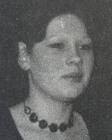
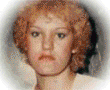
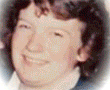
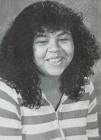
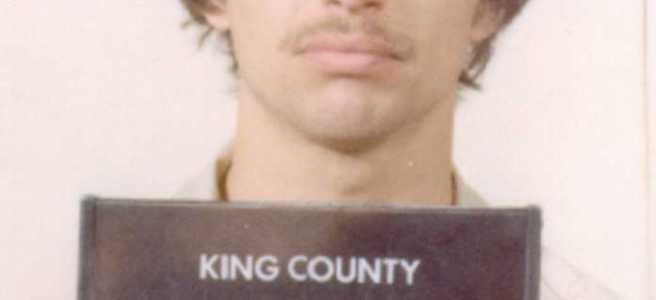
Gary Leon Ridgway, Confirmed Victims: A List.

Jane Doe B-10: an unknown white female between twelve and nineteen that was discovered in 1984 close to the body of Cheryl Wims; she most likely was killed in the summer of 1983 and it’s suspected she had brown hair, stood around 5’5″ tall, and weighed 120 pounds. She was most likely left-handed and at one point in her adolescence had an injury to the front, left side of her head.

Jane Doe B-17: this victim most likely died in 1983 and their victims bones were found twice: some were found in 1984 and others were found in 1986. She was most likely a white female, aged 14-19, around 5’4”- 5’8” and average weight, around 120-140 lbs. Ridgway said she died in Spring or Summer 1983. Isotope testing shows she is possibly from the Northern United states (Alaska, Montana, Idaho, North Dakota) or Canada.

Jane Doe B- 20: discovered in 2003 after Ridgway led investigators to her remains, however her skull was never recovered so no composite sketch could be created (her race could also never be determined); it is known that she died some time in between 1973-1993 (but it most likely occurred sometime in the late 1970’s) and was most likely around thirteen to twenty-four years old. Ridgway confessed that he killed her sometime in the summer of either ’82 or ’83 and she was white and around twenty-years-old and had with brown or blonde shoulder length hair; he claimed to have started his crime spree in ’82 but it could have been earlier and doesn’t remember killing anyone in the 1970’s, but admitted it was possible.
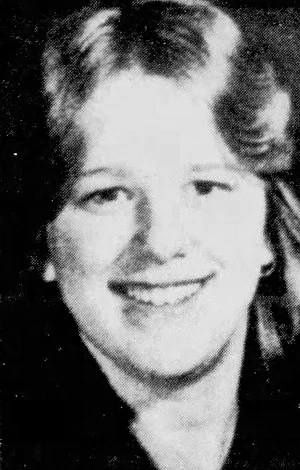
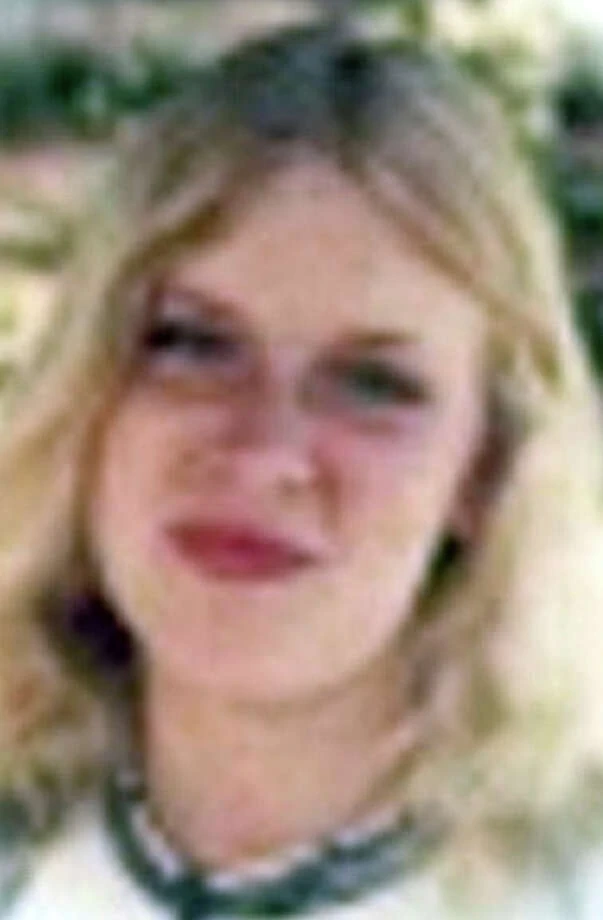
Gary Ridgway’s first confirmed victim, sixteen-year-old Wendy Lee Coffield. Wendy briefly visited with her mother Virginia on the afternoon of July 8, 1982, and during their time together she said that her foster mother had given her permission to leave and spend the night at her grandfather’s house; it was later determined to have been a lie and she was only supposed to go out ‘for a walk.’ Coffield was never seen alive again and her remains were discovered on the banks of the Green River eight days later on July 15, 1982, underneath the Meeker Street Bridge.
Seventeen-year-old Gisele Annette Lovvorn, who was a fun-loving Dead Head with an IQ of 145 (she had been a straight-A student before she dropped out). After traveling around the US with her boyfriend she eventually settled down in Washington at some point and became involved in sex work; while there she moved in with an older gentleman named John Tindal, who relied on her financially. Gisele was last seen around 1 PM on July 17,’1982 with plans of turning ‘three or four tricks,’ and even though Tindal was the one that reported her as missing in the initial stages of the investigation he was the King Country Sherrif’s Departments prime suspect. Her remains were discovered on September 25, 1982.
Kasee Ann Lee, who was born on February 26, 1966 in Spokane, WA. I wasn’t able to find anything about her childhood but it has been established by the time she was sixteen she had began engaging in sex work and married a man (that was believed to be her pimp) only a few months before her murder. It’s strongly felt that she had someone in her life that was abusing her, as she often returned home with cuts and bruises, but when asked she would never share who was responsible. Lee was last seen by her husband on August 28, 1982 after she ran to the store to buy some ingredients for dinner and was last seen near the Sea-Tac International Airport at around 11:30 PM; her husband reported her missing two days later. After his arrest Ridgway confessed that he strangled Lee shortly after her disappearance and dumped her body near either a drive-in theatre or behind a bowling alley, and even though Ridgway told investigators the location of Kasee’s remains, they failed to locate them, and because they have never been found he has never been charged with Lee’s murder.
Kelly Kay McGinnis, who was only eighteen when she was killed after checking into the ‘Three Bears Motel’ at South 216th Street and Pacific Highway South in Des Moines, WA; before she disappeared; she was employed as a prostitute and had been living on the streets of Seattle since she was fourteen, and at the time she went missing had a fourteen-month old daughter, that had been residing in a foster home. Immediately following her disappearance, it was presumed that Kelly was a victim of the Green River Killer, and sure enough Ridgway confessed to her murder in November of 2003 (in an attempt to avoid the death penalty). After he confessed to leaving her body near Lake Fenwick, investigators tried to locate her remains but were unsuccessful, and it was confirmed that she was last seen with him parked near a baseball field on Pacific Highway South. Gary Ridgway was never formally charged with McGinnis’ murder.
Patricia ‘Patty’ Anne Osborn, who was born in Seattle on February 29, 1964. At some point, Patty began using hard drugs and got involved in sex work, and even though she left home at seventeen she was still in contact with her mother on a regular basis. She was last seen in Seattle on October 20, 1983 after she left her motel room and started walking down Aurora Avenue to a nearby restaurant, where she had plans to meet a John for ‘a date,’ but she never arrived. The exact date is unknown, but Patty was added to the list of possible Green River Killer victims sometime before August 1984, and after Ridgway was arrested he told detectives that he believed he was responsible for her death but didn’t remember any additional details. Due to the fact that little evidence existed and her remains were never found, he was never charged with Osborn’s murder.
Mary-Jane Molina Malvar, who was born on April 1, 1965, in Manila in the Philippines. After her family relocated to the US, she somehow ended up in Washington state, where she became involved in sex work. She was last seen by her boyfriend along Pacific Highway South getting into a man’s truck, and after he became suspicious he got in his vehicle and attempted to follow it but was unsuccessful. Four days later, he contacted the King County Police and told them that he found the truck parked in front of a house, which happened to be owned by Gary Ridgway… Police brought him in for questioning, but he told them he knew nothing about Marie’s disappearance, and they were forced to release him due to lack of evidence. She was immediately suspected of being a victim of the Green River Killer, and her name was officially added to the list of suspected victims shortly after she vanished. After his confessed Ridgway led detectives to a ravine in Auburn, where a skull was found; dental records confirmed it was Marie’s.
April Buttram, who was born in California on September 1, 1965. Details about Aprils childhood are unknown, but during her teenage years she was described as a ‘good kid’ but was turning into a troubled teenager. She was last seen on August 18, 1983 in Seattle and she was reported missing by her mother on an unknown date; she was added to the list of suspected GRK victim’s in July 1984. When asked about her remains, Ridgway took detectives to a wooded area near Snoqualmie, where they discovered a set of remains that were later determined to belong to April. On their way, he mistakenly ID’ed them as belonging to Keli McGinness, and told investigators that he frequently confused Kelly and April with one other, as he felt they had ‘similar physiques.’
Patricia Ann Osborn, who was the oldest of ten children and was born in Havre, Montana on April 7, 1960; she was a member of the Chippewa-Cree Nation. Most of the details surrounding her childhood are not known, however her family eventually relocated to Seattle. The mother of three was a heavy drinker and a frequent drug user, and she was last seen between August 4 and 6, 1998; her body was discovered on the morning of August 6, 1998, near Des Moines Way South. Immediately after her death it was suspected she had suffered from an accidental overdose therefore it was not ruled a homicide. Patricia’s family was shocked when Ridgway confessed to her murder.
Debra Lorraine Estes, who was born in Washington on September 12, 1967. As an adolescent, Debra loved horses, baseball, and riding her bicycle, and in her later teen years she ran away from home and became a sex worker. Deb was known to be friends with another victim of the GRK named Becky Marrero, and she was last seen at a Motel in SeaTac on September 20, 1982. On May 30, 1988 her remains were discovered at an apartment building in Federal Way, WA by workers digging post holes. While her cause of death couldn’t be determined, it was deemed to be a homicide. Little is known about the immediate aftermath of Debra’s disappearance. When her body was found, detectives immediately added her name to the list of victims.
Colleen Renee Brockman, who was born on December 4, 1967. During her childhood, Colleen lived with her father and brother but ran away from home in her early teenage years. She became involved in sex work and worked the SeaTac strip, and was last seen in Seattle on December 24, 1982 leaving a downtown motel. Her remains were discovered on May 26, 1984 and she was identified a month later after her father recognized descriptions of her braces, which were still on her teeth after her skull was found; a cause of death couldn’t be determined but her case was immediately deemed a homicide.
Yvonne Shelly Antosh, who was born in Vancouver, British Columbia on April 8, 1964. Most of the details about her childhood are unavailable, but she moved to Washington shortly before her murder and quickly became involved in sex work. Shelly was last seen in the SeaTac area on Mary 31, 1983, along Pacific Highway South and her remains were found in Auburn on October 15, 1983. In a spot that was very close to those of Mimi Pitsor, Lori Razpotnik, and Sandra Major. Yvonne’s cause of death couldn’t be determined, and because of how close her remains were to other victims, her murder was immediately suspected to be linked to the Green River Killings; she was officially added to the list of victims in November 1983.
Carol Ann Christensen, who was born on May 22, 1961, in Weippe, Idaho. At some point in her life, Carol Ann moved to Washington and at the time of her murder she had a five-year-old daughter and had been separated from her husband. She had been as a waitress at a local tavern and was last seen on May 3, 1983, in SeaTac leaving her POE after eating lunch with plans of returning later that evening to work her scheduled shift, but she never showed up. Her remains were found in Maple Valley by a family hunting for mushrooms: there had been a bag placed over her head and two clean fish had been placed on her body. Additionally, she had a bottle of wine in her hand and there was a raw sausage near her body. When investigators arrived, they determined she had been strangled and at one point had been completely undressed, splashed with water, then reclothed. The one shoe she had been found with had been put on the wrong foot, and her other one has never been recovered. She was also raped, as semen was found in her body; in 2001 it came back a match to Gary Ridgway.
Linda Rule, who was born in Seattle on March 20, 1966. Details regarding her childhood are mostly unknown, but she is known to have gotten into some minor legal trouble after her parent’s divorce when she was a teenager. After she dropped out of high school she began engaging in drug use and its possible she was a sex worker. The sixteen year old had plans of getting married to her boyfriend at the time of her murder and had been last seen on September 26, 1982 leaving their shared motel room walking to the Kmart on Aurora Avenue north, to buy some clothes, and when she never came home her boyfriend had merely assumed that she had been arrested, but he couldn’t find her incarcerated at any of the local jails.  The boyfriend (who is not thought to be Rule’s pimp) didn’t think she was working as it was rare to see girls working Aurora Avenue in the middle of the day and immediately filed a missing person’s report. Rule’s body was discovered on January 31, 1983 near a hospital in Seattle, and four days she was identified via dental records. Linda’s murder remained unsolved until Ridgway confessed to it in 2003.
Kimi ‘Melinda’ Kai Pitsor, whjo was born on October 21, 1966 in Minneapolis, Minnesota. Details about her childhood are unavailable, though she likely moved to Washington sometime before her murder. She loved ‘glitter, unicorns, and the color purple,’ and left home at sixteen to move in with her boyfriend/pimp in downtown Seattle. Her boyfriend last saw her on April 17, 1983 talking to a date in a blue pickup and when she never returned home that evening he called LE and gave them a description of the vehicle. Mimi’s remains were found in Auburn just outside Mountain View Cemetery on December 14, 1983.
Cheryl Lee Wims, who was born on May 23, 1964 in Washington. Most of the details about her youth are unknown, but as she grew older she gravitated towards drugs and at the time of her murder had been working at as busgirl in a Seattle restaurant. Wims was last seen on her eighteenth birthday on May 23, 1983, in Seattle and her body was recovered north of the SeaTac airport on March 22, 1984 during a search of the area after the remains of Wendy Stephens were found earlier in the same general area. Cheryl wasn’t connected to the Green River killings before her remains were found, but she was connected to the murders soon after her remains were recovered. Strangely enough, Chery’s sister, Deborah also disappeared on October 25, 1990 and she is also suspected of being a victim of the GRK. Her remains have never been recovered. It wouldn’t be until 2001 that her killer, Gary Ridgway, would be apprehended. Gary Ridgway was convicted of killing Cheryl however he denied murdering Deborah (although though LE strongly suspect he may be lying).
Cindy Ann Smith, who was born on November 3, 1966 in Colorado. Smith ran away from her home in Seattle, Washington to California, when she began working as a topless dancer at the tender age of thirteen and shortly after began engaging in sex work. Right before her murder, Cindy’s mother bought her a plane ticket home to Seattle after she called her and told her she wanted to come home. and she disappeared mere hours after arriving home and she was last seen hitchhiking on the Pacific Highway South. On June 27, 1987 three boys were in a ravine behind the Green River Community College when they came across her partially buried remains; shortly after Smith was added to the list of confirmed GRK victims.
Shawnda Leea Summers, who was born on June 28, 1965 in Akron, Ohio. Her family relocated to Bellevue, WA at some point in her childhood and she was known to have gotten involved in sex work in her teenage years. The seventeen-year-olds remains were discovered north of the SeaTac Airport on August 11, 1983, and she identified two months later in October 1983.
Fifteen year old Patricia Ann Barczak, who was arrested on August 8, 1982 for being a sex worker. Barczak was placed in the custody of the Department of Social and Health Services and was sent to live in a youth shelter, and during an outing with DSHS on August 12, 1982 she ran away from her group and was never seen or heard from again. She was added to the list of suspected victims of the Green River Killer in May 1993, due to the location of her disappearance and her being a sex worker. When Ridgway was asked about Patti, he said he couldn’t recall any details about her, however Green River investigator Tom Jensen believes he is responsible for her disappearance.
Shirley Marie Sherrill, who was born in Seattle on January 16, 1964. Details of her childhood are unavailable, but the eighteen year old is known to have become involved in sex work and she was last seen by a friend when they had lunch in Seattle’s International District sometime between October 20 and 22, 1982 in Seattle’s International District. Shirley was connected to the Green River killings in December 1983 and her skull was discovered in Tualatin, Oregon, on June 21, 1985; she was identified via dental X-rays three days later.
Denise Darcel Bush, a twenty-three-year-old Portland resident that had relocated to the SeaTac strip after she heard that money was better there. Most of the details surrounding her childhood are unavailable other than that she had epilepsy and had become a sex worker at some point. A month before her murder in September 1982, she was arrested and charged with stealing at least six wheelchairs from a hospital (along with two other women); it’s unknown what became of the charges. She was last seen on October 8, 1982 crossing a street in Seattle to buy cigarettes and was never reported missing; her friends had assumed she had simply returned home to Portland.  Her skull was discovered in Tualatin, Oregon, on June 12, 1985 (the body of Shirley Sherrill were later found in the same area), and on February 10, 1990 remains and teeth found in Tukwila were quickly tied to Denise. After Ridgway confessed to Denise’s murder in 2003, he told police he put Denise’s skull in Oregon to intentionally throw off the investigation.
Andrea M. Childers, who was born on March 29, 1964 and spent most of her childhood in California but moved to Seattle to live with her father and stepmother when she was sixteen. At some point in her life, she became involved in sex work and had been arrested for it around a year before she was last seen alive. She was very close with her elderly grandmother and had dreams of becoming a dance teacher; she was last seen at a bus stop in Seattle on April 14, 1983, in Seattle. On October 11, 1989 her remains were discovered near the SeaTac Airport by a Port of Seattle worker that had been cutting brush in the area. Her missing persons report had been purged from police files after someone contacted law enforcement and told them they saw Andrea crossing the Canadian border, which is likely not true; the only file related to her disappearance that hadn’t been purged was one in possession of the GRK Task Force.
Mary Bridget Meehan, who was born on May 16, 1964 in Washington. Mary was described as ‘very outgoing’ and was a talented artist and was a big lover of animals, however once she started middle school she began getting into trouble and started skipping class and was known to run away (although she would always return). Mary was also known to be a sex worker, however right before her murder she gotten pregnant by her boyfriend and started to turn her life around (she had also recently obtained her GED). Meehan was last seen in the SeaTac area on September 15, 1982 after she left the Western Six Motel to go for a walk; he remains were discovered in a shallow grave almost two months later by the Tyee Golf Course in the SeaTac area on November 13, 1983; she had been eight months pregnant at the time.
Kelly Ware, who was born on November 19, 1960 in Washington. Details about her childhood are unavailable, but she is known to have become involved in sex work. She was last heard from by her mother on July 18, 1983 after she called home from a payphone in the Central District of Seattle; her remains were discovered in SeaTac on October 29, 1983, just south of the airport during a search of the area after the remains of Constance Naon were found nearby two days before. Because Kelly was never reported as missing in 1983 she was never added to the list of suspected GRK victims, which meant that after her remains were found she remained unidentified; Ware was officially reported as missing in late 1984, and because she was a sex worker, police immediately suspected that she was a victim of the GRK, which lead to the identification of her remains via dental records later in the year.
Constance Naon, who was born on June 29, 1962 in Washington. Many details about her background are unavailable, but before her murder, she was semi-financially stable and had a job as a clerk in a retail store… but, the twenty-year-old had a nasty cocaine habit and had started to engage in sex work to help fund it. She was last seen leaving a friends house on June 8, 1983 and her car would later be found parked in SeaTac, near Pacific Highway South. Constance’s remains were discovered on October 27, 1983, just south of the airport; two days later the remains of Kelly Ware would be found in the same area (she remained unidentified until December 1984).
Sandra K. Gabbert (or ‘Sand-e’ as she was known by her family), who was born on March 7, 1966 in Seattle. Her parents divorced when she was young and in her teenage years, she was the star of her high school basketball team but dropped out at seventeen before graduating. She moved in with her boyfriend and became involved in sex work on the SeaTac strip in an attempt to help make ends meet (she was known as ‘Smurf’ on the street). Despite the lifestyle she led Sandra maintained a close relationship with her mother, who she told one time made more turning one trick than she did working an entire week at KFC, and she understood her daughter’s desperation but still begged her to ‘be careful.’ Sandra was last seen in SeaTac on April 17, 1983, along Pacific Highway South and her body was found in April of 1984 at in an isolated spot in the Star Lake Road area around Auburn.
Pammy Annette Avent, who was born on November 23, 1966 in Seattle. She was a sex worker and was known to travel between Portland and Seattle; she was last seen on October 26, 1983 leaving her home to go see a John and was reported missing by her mother on October 30, 1983. Pammy was added to the list of suspected victims of the Green River Killer in May 1984. Agfter his arrest when Ridgway was asked about where Avent’s remains may have been, he led detectives to Highway 410 (which was an old logging road) east of Enumclaw, where they discovered a skeleton that was identified as hers was found there; her family conducted a memorial service for their daughter on November 8, 2003.
Roberta ‘Bobby Jo’ Hayes, who was born on June 9, 1966 in Seattle. She ran away from home when she was twelve and during her teenage years was featured in the 1984 Oscar-nominated film ‘Streetwise,’ that documented the lives of kids living on the streets of Seattle. Bobby Jo was working as a waitress at the time of her murder and was last documented leaving a Portland, Oregon jail on February 7, 1987; its strongly suspected that she had plans of hitchhiking back to Seattle, but it’s unknown what happened to her after that. Haye’s stepmother reported her missing in 1988 after not hearing from her and her remains were discovered along Highway 410 on September 11, 1991; they remained unidentified for many years and it wasn’t until King County Detective Tom Jensen did a routine check of the area’s unsolved missing persons cases that he came across Bobby Jo’s missing persons report. After he added her file to the to the National Crime Information Center database the system immediately came up with a match to her unidentified remains. The ME did a comparison of dental records and a match was quickly confirmed but King County detectives held fast to their belief that the young victim wasn’t a Green River victim; Gary Ridgway confessed to her murder after his arrest in 2001.
Marta Reeves, who was born on April 11, 1953 in Hungary, and at some point before her murder she got married and had four children. She later got involved in the drug scene and developed a pretty serious cocaine habit and got involved in sex work to help pay for it. Marta was known to work in Seattle’s Central district, and was last seen either on March 5th or 6th, 1990. Her remains were discovered on September 20, 1990 by mushroom pickers along Highway 410, east of Enumclaw, WA. She was discovered wearing clothes, including pink size six running shoes, jeans with a 28-inch waist, a dark crew-neck sweater, and a single strand of white beads. Her husband tried to report as her missing to both Seattle and Edmonds police, but both agency’s believed that the case was the other one’s jurisdiction. Because of to this, Marta wasn’t reported missing for a prolonged period of time.
Martina T. Authorlee, who was born on March 21, 1965, in Fürth, Germany after her father was stationed there in the US Army; the Authorlee family lived there until 1968, when they relocated to Tacoma in Washington, where it is believed she lived in numerous foster homes for an unknown reason. Martina’s interests included roller skating, basketball, baseball, and swimming and she after she graduated from high school she joined the National Guard, however she was discharged for medical reasons. Authoree reportedly became involved in sex work at the age of fifteen and she was last seen in SeaTac on May 22, 1983, along Pacific Highway South. Martina was reported missing by her mother on January 30, 1984 and her remains were discovered off Highway 410, near Enumclaw on November 14, 1984.
Mary Sue Bello, who was born on December 22, 1957 in Seattle. Described by her family as intelligent but also very rebellious, Mary would help anyone that needed her, and was also an excellent cook. Despite all of her positive traits, Mary had a troubled life: at the age of thirteen she got involved in sex work, and began taking drugs and ran away to a different state in an attempt to meet her dad, who had one time tried to rape her. Mary was last seen in downtown Seattle on October 11, 1983 leaving her residence to engage in sex work. Mary’s mother reported her missing on November 17, 1983 and despite some confusion that she had been found safe and well in Odessa, her remains were recovered on October 12, 1984 and were identified via dental records.
Debbie May Abernathy, who was born in Dallas, Texas on May 25, 1957. Most of the details about her childhood are unknown but she moved from Texas to Seattle only weeks before her murder with her boyfriend and son with hopes of a fresh start. After relocating, she turned to sex work and was last seen in Seattle on September 5, 1983 near the Rainier Avenue area. Debbie’s remains were discovered just east of Enumclaw on March 31, 1984.
Kimberly Nelson (who also went by the alias, Tina Tomson), who was born on January 26, 1963 in Ann Arbor, Michigan. At some point during her adolescence, she moved to Seattle and along with the help of a pimp, got involved in sex work. She was last seen near a motel in SeaTac on November 1, 1983 and her remains were discovered by the GRK Task Force near North Bend on June 14, 1986. The alias that Nelson used led detectives to the identification of a previous victim, Tina Thompson, whose remains had been recovered in April 1984.
Lisa L. Yates, who was born somewhere in Washington state on January 22, 1964. Most of the details surrounding her childhood are not known, however she was described by her family as ‘being gifted, loving and funny.’  At some point in her life, Yates became involved in sex work and she was last seen on December 23, 1983 in Seattle heading towards Rainier Avenue; her remains were discovered near North Bend on March 13, 1984. Lisa was not reported missing until her sister (who had been living in Hawaii) noticed reports of a woman that matched her description that had been found murdered near Lake Kapowsin on September 13, 1984. Fearing the remains belonged to Lisa, she got a friend to give investigators her sisters information. She was ruled out as being the then-unidentified body, however forensic experts tested her against the unidentified victims of the GRK and they came up with a match. The body found near Lake Kapowsin was later identified as twenty-one-year-old Lucille Kay Jones, who was last seen on August 11, 1984 and isn’t believed to be a victim of Gary Ridgway.
Delise ‘Missy’ Louise Plager, who was born on May 16, 1961 and had been previously known as Jane Doe B-8 or Bones 8. After barely making it through her birth, Delise (who went by Missy) spent her early childhood being raised in a poor environment, and at the age of five her and her twin brother were removed from the home and adopted into separate families; to make matters worse, her brother’s new family forbade Missy from contacting him. At some time in her adolescence, Plager had been diagnosed with ADHD and by the time she vanished at the age of twenty-two she had given birth to three children. In 1977 when she was sixteen, had gotten into a car accident and suffered from a skull fracture as well as a broken jaw and hip. In 1982 a woman in Seattle’s Capitol Hill area approached Missy and said to her, ‘you know, you look enough like my boyfriend to be his twin,’ and as it turned out, she was; sadly, the reunion was anticlimactic and didn’t work out well for her. Later in the year she had tried to reconnect with her biological mother Patricia as well, but that went even worse: over the years Patricia’s alcoholism had gotten bad, and she was less than sympathetic to the hard life her daughter had, and at one point during their encounter (after having one too many cocktails) said something along the lines of: ‘you’ve got so many problems, maybe it would have been better if they hadn’t resuscitated you when you were born.’ After this cannon event Missy developed a drug problem and began to rely solely on sex work to support herself and had even tried to commit suicide at some point. She had been last seen at a bus stop in the Beacon Hill area of the Seattle suburbs on October 30, 1983, and had been on her way to deliver a Halloween costume to a friend’s child shortly before she was killed. Her remains were discovered near North Bend on February 14, 1984 but remained unidentified until April 1985 when they a match was made via dental records and X-rays.
Maureen Sue Feeney, who was born on October 5, 1963 in Seattle, Washington. During her teenage years, Feeney suffered from low self-esteem and didn’t date much; she was also reportedly into self-harm and even hinted at suicide to one of her friends. In the months leading up to her murder, Feeney got a job as an assistant at a local daycare, and it was around the same time that her personality changed: she started drinking heavily and often went out to clubs. She also may have been dating a man that had ties to sex work (even though her family claimed she wasn’t) and may have had plans of quitting her job, as she was earning money through an unknown means. Maureen was last seen leaving her Seattle apartment on September 28, 1983 and she was was reported missing by her mother two days later; her remains were found near the intersection near Issaquah on May 2, 1986.
Tina Marie Thompson, who was born in Oregon on October 26, 1960. Also known as Jane Doe B-14 or Bones 14 while unidentified, most of the details about her background are unknown, but at the time of her murder she was living in Portland, Oregon and was employed as a waitress (even though she was known to have been involved with in sex work). Tina was last seen in Seattle on July 25, 1983 after she was released from the King County Jail, the reasons that she was away from home remain unknown. Thompson’s remains were discovered near Highway 18 in Maple Valley and were supposedly found by a self-described psychic named Barbara Kubik-Patten that had been working the case’ independently’ (whatever that means).  Because Tina wasn’t reported as missing her remains weren’t immediately identified, however they were linked to the Green River killings soon after their discovery. Her remains were identified in 1986 after King County investigators were looking into the aliases of Kimberly Nelson, and one of them happened to be ‘Tina Lee Tomson.’ When detectives realized that Tina shared many of Jane Doe B-14’s characteristics, they did a comparison of her dental records and in July 1986 a positive match was made.
Carrie Ann Rois, who was born on February 15, 1968 in California but moved to Washington at some point in her adolescence. At some point before her murder fifteen-year-old Carrie began telling people that she was being abused at home, and for unknown reasons, she was placed in various group homes (although it was known that she was an established run away). She got along well with her peers in the state facilities and dreamed of one day becoming a model. She was known to have gotten involved in sex work only weeks before she disappeared and was last seen between May 31 and June 15, 1983; Carrie’s remains were discovered on March 10, 1985 in Auburn near Star Lake Road. She was connected to the GRK case on March 6, 1984, along with Carol Christensen.
Delores Laverne Williams, who was born on June 29, 1965. Very little is known about her childhood, however she reportedly had many previous arrests on her record for being a sex worker. Ms. Williams was last seen walking along Pacific Highway South in the SeaTac area sometime between March 8 and 17, 1983. Her remains were discovered in Auburn close to Star Lake Road on March 31, 1984 at around the same time as three other sets of remains, those belonging to Alma Smith, Sandra Gabbert and Terri Milligan. It’s unlikely Delores’ case was immediately connected to the GRK in the days right after her disappearance, but all the remains found were connected shortly after. She remained unidentified until December 1984 when the GR Task Force came into possession of her missing persons report and dental records.
Alma Ann Smith, who was born on August 1, 1964, in Walla Walla. When asked what she was like, Alma’s best friend said she was ‘extremely generous,’ but when she was a teenager, she began running away from home, often hitchhiking her way to Seattle. At some point in her teenage years, she became involved in sex work and was last seen walking along the Pacific Highway South on March 3, 1983 in SeaTac. Alma’s remains were discovered in Auburn near Star Lake Road, on April 2, 1984 at around the same time as Delores Williams, Sandra Gabbert and Terri Milligan. In 2001 Gary Ridgway confessed to luring Alma to his home and strangling her to death.
Opal Charmaine Mills, who was born on April 12, 1966 in Washington. Her childhood nickname was ‘Little Opal,’ and she grew up with an abusive father (even though she was very close to her older brother, who said she ‘struggled to fit in in a racially divided world’); as she was moving through her teenage years, Opal frequently hitchhiked to get around, and was described as being ‘boy crazy’ and she dropped out of formal schooling sometime in her teenage years (but she did begin taking classes through a continuation school shortly before she was killed). It’s unknown whether Mills was a sex worker at the time of her murder and she was last heard from by her brother on August 12, 1982 when she reached out and asked him for a ride; she also told him in that same conversation that she was planning on doing a painting job near Angel Lake Park with her friend, Cynthia ‘Cookie’ Hinds. Opal Mills was identified as being one of three bodies pulled from the Green River on August 15, 1982, along with Marcia Chapman and Cynthia Hinds, who was coincidentally the same the friend Opal had plans meeting with when she disappeared; it’s unknown if the two friends ever crossed paths that fateful day and Cynthia was last heard from the day before Mills was last seen alive.
Terry Renee Milligan, who was born in Seattle on January 26, 1966. When Terri was a child, she was described as being brilliant and had dreams of attending Yale University; she was also very active in her local church. After Milligan got pregnant in middle school she was forced to drop out, and at the time she was killed lived with her boyfriend in a motel; it’s unknown when, but the sixteen-year-old got involved in sex work at some point and was last seen on August 29, 1982 leaving her motel room. Her remains were discovered in Auburn on April 1, 1984 around the same time as three other victims (Delores Williams, Sandra Gabbert and Alma Smith).
Cynthia Jean Hinds, who was born on February 23, 1965 in Seattle. Seventeen-year-old Cynthia frequently associated with the wrong people and had a long history of running away from home, however in the months leading up to her murder it was said that she was trying to turn her life around and she had a job as a cook at a barbecue restaurant in the Southern part of Seattle. Hinds was last seen on August 11, 1982 after she left her job and she was identified as being one of three bodies that had been pulled out of the Green River on August 15, 1982, (along with Marcia Chapman and Opal Mills, whom Cynthia was known to be friends with). All three women were either nude or partially clothed and had also been raped, as semen was found in their bodies. In 2001, it was determined that the semen collected from the three women matched that of Gary Ridgway.
Gail Matthews, who was born on February 5, 1959 in Seattle and was known as Jane Doe B-2 or Bones 2 before she was unidentified. Most of the details surrounding her childhood are unknown but she had gotten divorced shortly before she was murdered. Matthews was last seen getting into a truck on Pacific Highway South in the SeaTac on April 10, 1983 and her remains were discovered in Auburn near Star Lake Road on September 19, 1983; Gail’s family reported her missing in April 1984. Around 1985, one of her cousins was reading a newspaper article about the GRK case that gave detailed descriptions of the killer’s unidentified victims, including Gail. After they read that one of the victims had a healed pelvis/shoulder from an injury that were consistent with the injuries Gail sustained from a boating accident in 1980; in February 1985 after the cousin submitted a tip to King County LE, Matthews was identified after some treatment records from the accident were compared to her remains.
Tracy Ann Winston, who was born on September 29, 1963 and was also known as Jane Doe B-18 or Bones 18 while unidentified. In school, Winston played basketball and was on the boys little league team (at a time where few girls were allowed to join); by the time she got to her teenage years, Tracy began getting into trouble and according to her brother had also associating a man who was described as a ‘con man.’ She also became involved in sex work (which she was arrested for) and after spending a day in jail, she called her parents, saying the experience had affected her and she was going to turn her life around and earn her GED. Tracy was last seen near the Northgate Mall in Seattle on September 12, 1983; her partial remains were discovered on March 27, 1986 in Kent close to the Green River and on November 20, 2005, a skull was found by a hiker near Issaquah that was later identified as belonging to her.
Marcia Chapman, who was born on July 9, 1951 somewhere in Arizona. At some point in her life, she relocated to Washington and at the time of her murder she was a single mother with three children; a detective that was familiar with Marcia described her as ‘a nice person with a kind heart.’ Because Chapman was unable to provide for her little ones with a traditional job, she turned to being a sex worker; she had once been approached by a man that offered to be her pimp for protection, but she denied his thoughtful offer as she wanted to bring home the most money possible for her children. Marcia was last seen leaving her apartment on August 1, 1982 which was very near to Pacific Highway South and was identified as being one of three victims pulled from the Green River on August 15, 1982 (the other victims being Cynthia Hinds and Opal Mills); all three women were either nude or partially clothed and had been raped, as semen was found inside of their bodies. In 2001, after he confessed the semen collected from the bodies of Chapman, Mills, and Hinds all matched that of Gary Ridgway.
Debra Lynn Bonner, who was born on October 31, 1958 in Tacoma, Washington. One of three brothers and sisters, Debra dropped out of high school shortly before she was supposed to graduate and had become a sex worker to help make ends meet. At the time of her murder, Bonner was trying hard to turn her life around: she had been paying fines related to prior arrests, frequently checked in with her parents, was working on getting her GED, and had dreams of one day joining the US Navy; sadly only days before she disappeared she told a friend she was trying to escape an abusive boyfriend and had been last seen on July 25, 1982, leaving a motel on Pacific Highway South. Debra’s nude body was discovered floating in the Green River by an employee at the Kent slaughterhouse on August 12, 1982; she had been strangled to death. She was the second GRK victim to be discovered after Wendy Coffield.
Wendy Stephens, who was born sometime in 1968; she was known as Jane Doe B-10 or Bones 10 while she remained unidentified. She initially disappeared from Colorado on February 6, 1983 and she was reported missing by her family shortly after; sand its strongly believed that she was killed shortly after arriving in Washington. The Jane Doe’s skeletal remains were found on March 21, 1984. Medical experts determined that she had died a year or more before the discovery, sometime in the early 1980s. Wendy’s remains were discovered close to the remains of another victim, Cheryl Wims (who was discovered a day later) on the north side of the SeaTac airport on March 21, 1984; her cause of death was determined to be from strangulation. Both Wendy and Cheryl were linked to the Green River killings very soon after they were found. In 2001, Gary Ridgway confessed murdering Wendy Stephens. In 2020, the DNA Doe Project announced they were using genetic genealogy to identify Stephens remains, and in January 2021 they announced that they had identified Wendy, and her case was finally solved. Her remains were cremated and scattered close to her mother’s home in Colorado.
Lori Ann Ratzpotnik, who was born on November 13, 1967 and was formerly known as Jane Doe B-17 or Bones 17. Growing up, Lori was a straight-A student and her interests included horses, sports, cooking, and dogs. Described by her mother as a ‘firecracker’ and ‘just pure joy,’ as Lori grew older, she began to pick up some bad habits: skipping school, shoplifting, and running away from home. Lori ran away from her home in Lewis County sometime in 1982, after a particularly bad argument with her mother about getting a horse. During Thanksgiving in either 1982 or 1983, Lori called her mother one last time, saying she was happy living in Seattle and promised that she’d send presents home to them on Christmas… but she never did. On February 18, 1984, Lori’s partial remains were found in Federal Way, and not even two years later on January 2, 1986, more partial remains belonging to Lori were found in Auburn as it was determined they were determined to have come from the same person as the remains found in 1984.  After Lori stopped contacting her mother, she hired a private investigator to try and find her, nothing ever panned out. After he got caught Ridgway said that confessed to killing her in the Spring or Summer of 1983. Due to this, it’s likely Lori last contacted her family on Thanksgiving 1982, not ’83.  In December 2023, with assistance from Parabon Nanolabs, Jane Doe B-17 was identified as Lori. Isotope testing before her identification suggested she wasn’t native to the area, but Lori was actually from the area.
Tammie Liles, who was also known as Jane Doe B-20 before her 2024 identification was born on May 9, 1967. In May 1983 sixteen-year-old Tammie ran away from her home in
Tualatin, Oregon and she was last seen alive somewhere in Seattle on June 9, 1983. In the days that followed her disappearance, Tammie wasn’t immediately reported missing, most likely because she had ran away in the past, and it wasn’t believed that she had been met with foul play. Liles skull and partial remains were discovered near a golf course in Tualatin, Oregon on April 23, 1985 during a subsequent search of the area after the remains of Angela Girdner were recovered nearby the day before. Tammie remained unidentified until early 1988, when her parents finally reported their daughter as missing; and upon obtaining her dental records, detectives were able to make an identification of her remains later that March. After Ridgway was captured in 2003, he unknowingly led King County Detectives to Tammie’s remains as the scene that he took them to contained somewhere between twenty-five to thirty bones (some of which belonged to her).  Sadly, Angela Girdner remained unidentified until 2009, when a positive match was made using dental records. When Ridgway was asked about Tammie and Angela’s he denied killing them both, and he was convicted of Tammie’s murder but not of Angela’s. After the rest of Lile’s remains were discovered in 2003, they were sent to Othram Labs in January 2024 and came back a match; she was Ridgway’s last victim to be unidentified after Lori Razpotnik in December 2023.

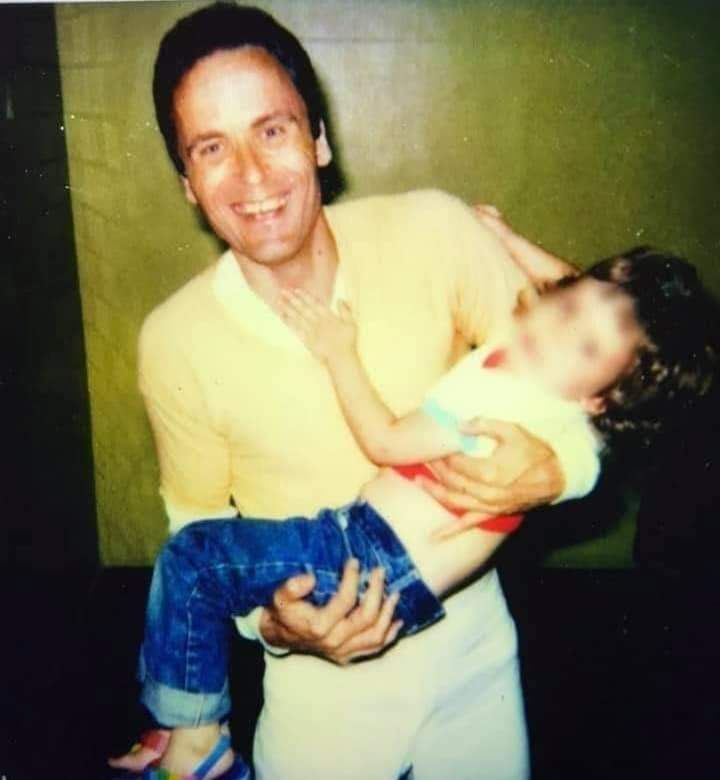
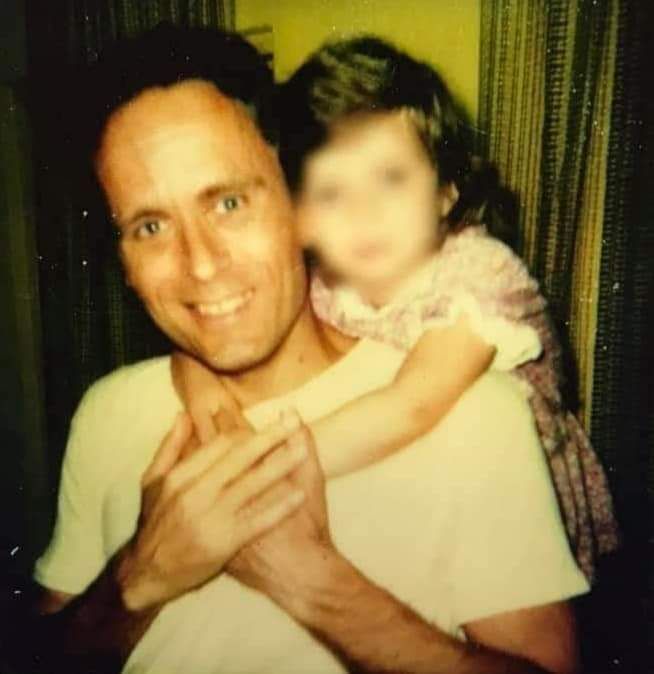
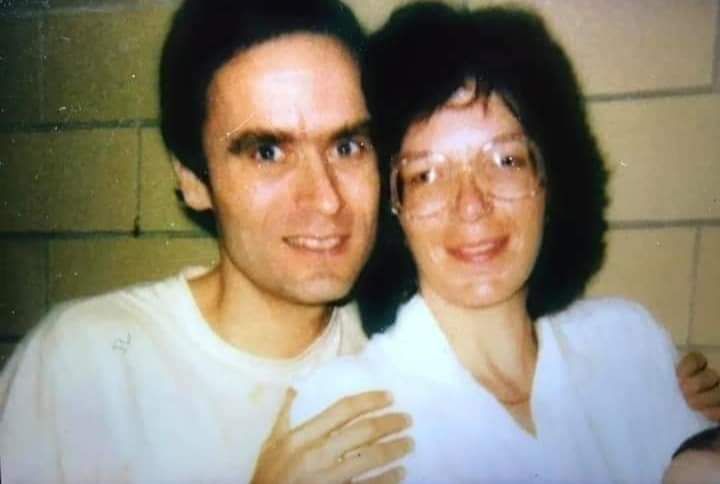
Ted, Carole, and Rosa.

I came across quite a few pictures of Ted and his family these past few days and I wanted to share them here. Carole Ann Boone passed away in a retirement home in Seattle in 2018, and where I do know some details about Rose/Rosa’s adult life I will not disclose anything out of respect for her privacy. I was hesitant about including her face in some of these but I found them all quite easily on the public domain.

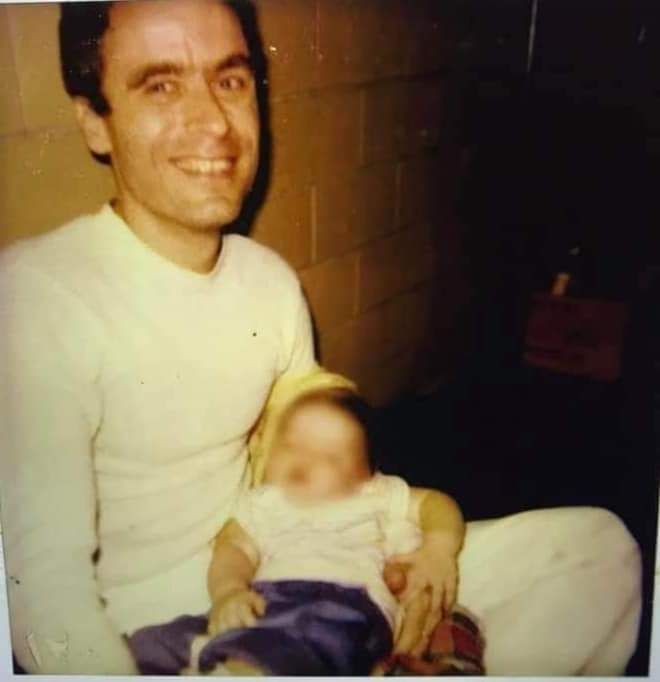
A rare picture of baby Rosa by herself, photo courtesy of ‘Ted Bundy: I was Trying to Think Like an Elk.’
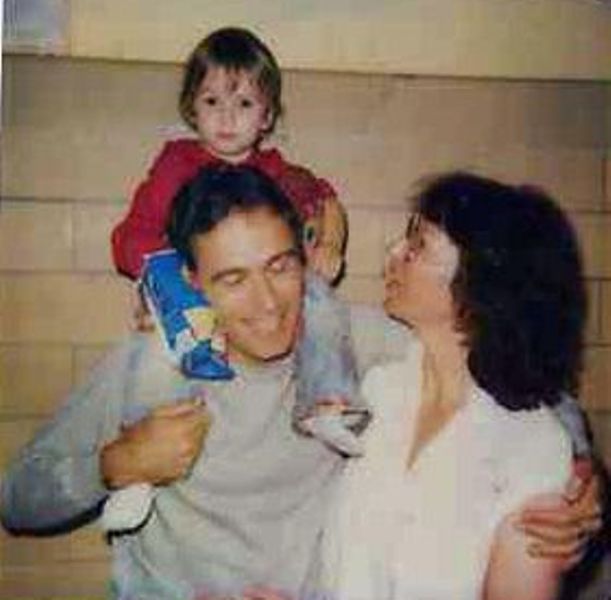
Ted holding Rosa as a baby. I’ve seen her referred to as both Rose and Rosa.
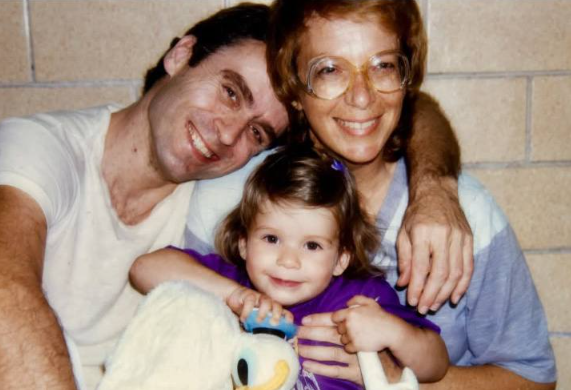
A happy family: Ted, Carole Ann, and Rosa.
Ted, Carole Ann, and Rosa.
Ted, Carole Ann, and Rosa. Sometimes her face is blurred out, and other times it isn’t.
Ted, Jaime Boone, Carole Ann, and Rosa.
Ted, Carole Ann, and Rosa.
Ted and Rosa. Imagine the only time you ever saw your father was under the watchful eye of a prison guard.
A rare picture of Rosa by herself, photo courtesy of ‘Ted Bundy: I was Trying to Think Like an Elk.’
Ted and Rosa.
Ted and his daughter.
Carole Ann and Ted.
Carole Ann and Ted.
Ted and Carole Ann.
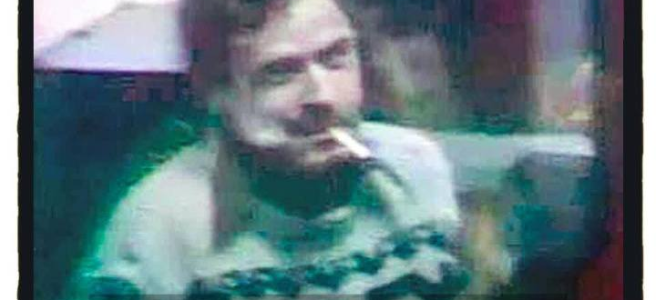
Just Ted… he looks so ghastly in this picture.
A young Ted before his time in prison aged him, photo courtesy of ‘Ted Bundy: I was Trying to Think Like an Elk.’
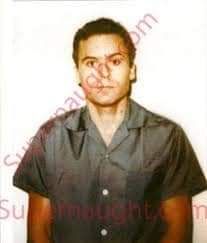
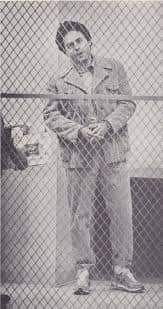
Ted in prison. Photo courtesy of Tiffany Jean.
Another picture of Ted in prison. Photo courtesy of Supernaught.
Ted looks quite a bit heavier than he normally does in this picture.
Ted with some other FSU inmates. Photo courtesy of Supernaught.
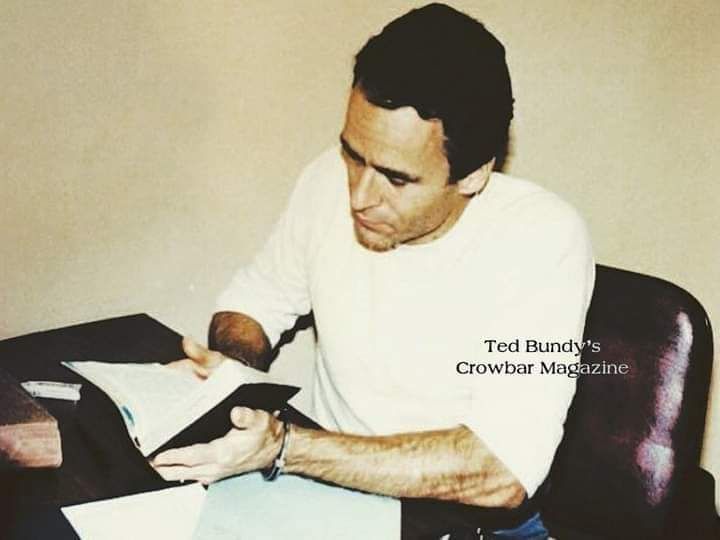
Ted in prison. Photo courtesy of the FB group ‘TB’s Crowbar Magazine.’
Another shot of Ted in prison. Photo courtesy of the FB group ‘TB’s Crowbar Magazine.’
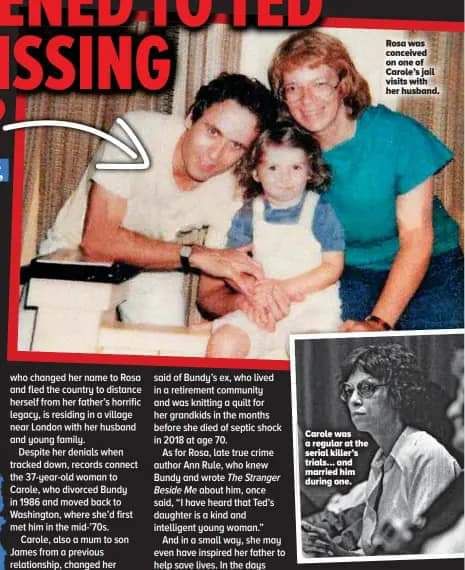
A shot of a magazine article about Ted, Carole Ann, and Rosa.
A picture of Carole Ann Boone taken shortly before her death.