Missing/Murdered Women in Colorado, 1965 to 1979.

Marilyn Joyce Pittwood (November 11, 1965, Pueblo): twenty-one-year-old Pittwood was last seen wearing all western style clothing, specifically green pants and a black shirt; she had been traveling from Swissvale, CO to Pueblo along Highway 50.

Paula Sue Steinbach (June 3, 1966, Aurora): when nine-year-old Steinbach vanished from her Aurora neighborhood, prompting a massive 26-day search by law enforcement and hundreds of community volunteers. On June 29, 1966, her body was discovered hidden beneath the floorboards of a backyard shed at 1657 Clinton Street, the residence of the Lange family, who lived directly across the street from the Steinbach’s: fourteen-year-old Charles Brett Lange confessed to the atrocity shortly after the discovery was made and revealed that he had given Paula Sue a ride on his bicycle and taken her to his backyard shed. After binding her limbs with twine and placing electrical tape over her mouth, he attempted to pull down her shorts, but when she started to scream, he panicked and shook her, then strangled her to stop the noise then concealed her body under the floorboards. In March 1967, Lange was found legally insane and sent to the Colorado State Hospital instead of prison; he was released in 1970 after being deemed restored to reason.

Constance Marie Paris (March 26, 1968, Englewood): at roughly 9:45 PM on March 26, 1968, Paris exited a Denver Tramway bus at Girard Avenue and South Broadway and was attacked on the Little Dry Creek path; on March 31, 1968, her body was found in a roadside dump along West Kenyon Avenue, between Sheridan and Lowell Boulevard in Denver. She had been strangled to death.

Constance Marie Paris (March 26, 1968, Englewood): at roughly 9:45 PM on March 26, 1968, Paris exited a Denver Tramway bus at Girard Avenue and South Broadway and was attacked on the Little Dry Creek path; on March 31, 1968, her body was found in a roadside dump along West Kenyon Avenue, between Sheridan and Lowell Boulevard, in the City and County of Denver. She had been strangled to death.

Joyce Neil (April 13, 1969, Golden): the body of seventeen-year-old Neil was found off Golden Gate Park Road down an embankment; she had relocated to Denver from Arizona and had been working as a nurse’s aide at Mercy Hospital and living in a house with several roommates. She had been stabbed and was found wearing white Levi’s jeans, a striped shirt, and moccasin boots. At the time of her murder, she had been hanging out with men in different motorcycle gangs, possibly the Husky Hustlers.

JoAnne Harris (found on November 16, 1969, El Paso): thirty-nine-year-old Harris was last seen at the Ivy Wild Inn on October 13, 1969; her autopsy revealed she died of strangulation.

Jane Doe (January 1, 1970, Durango): on January 1, 1970 a human skull was found in Durango; it’s believed the victim was between the ages of twenty and forty-nine.

Marilee Ruth Burt (February 26, 1970, Littleton): fifteen-year-old Marilee disappeared while walking home to Columbine Valley after cheerleading at a high school basketball game at Goddard Middle School in Littleton; her brother (who had been driving to their residence separately), recalled seeing a man in a van talking to a girl walking on the road. He later realized it was his sister, who was abducted within a five-minute window. A road crew discovered her nude body the following day in Deer Creek Canyon; she had been sexually assaulted and strangled, and her clothes, books, and purse have never been found.

Lena Dowerman (March 9, 1970, Denver): the seventy-one-year-old widow was found beaten and strangled to death in the apartment complex that she managed on Bayaud Street; little to no information is known about her case.

Helen Beckam (October 6, 1970, Denver): on the afternoon of October 6th, 1970, members of the Denver Police Department responded to the residence of forty-three-year-old Beckam after they received a report of a medical emergency; upon arrival, she was found shot to death.

Marianne Weaver & Cara Lee Knoche (October 13, 1970, Denver): the friends tragic deaths took place inside a rented apartment located at 2555 West 37th Avenue, a structure that was originally built as a grand mansion but had deteriorated into a tenement house by the 1970’s  (it is known today as the historic Lumber Baron Inn).

Pamela Ann Williams (March 8, 1971, Commerce City): sixteen-year-old Williams was dropped off by her mother near 12th and Milwaukee Streets, where she stayed with friends for about a week; on March 8, 1971, a Train Engineer spotted Williams partially nude remains in the bushes near Colorado Highway 2 and East 104th Avenue. It was later determined she had been shot.

Willa C. Berks-Brady (March 27, 1971, Denver): the fifty-one-year-old was brutally assaulted and beaten insider her apartment located on the 1400 block of Glenarm; she died because of the injuries sustained during the attack.

Leeora Rose Looney (August 20, 1971, Lakewood): twenty-year-old Looney disappeared during her shift at a doughnut shop, which was later discovered empty with the cash register open; roughly had been $100 missing but her purse and car were both left behind. Her nude, decomposing body was discovered three days later in a remote pasture on a rural ranch in Weld County, and an autopsy revealed she had been raped, shot twice, then eventually strangled. The investigation led detectives to the McCrary’s, an itinerant family from Texas that embarked on a cross-country crime spree that were ultimately linked to somewhere between twenty and twenty-four murders across multiple states; they often targeted young women who were working alone at night in doughnut shops.

Stanley Anita Moore (December 13, 1971, Denver): the twenty-three-year-old mother and nurse’s aide had been found strangled in her home on the 2200 block of Lafayette Street; she had an eighteen-month-old daughter at the time of her death and was described as outgoing and friendly by her family. Her original paper case file was tragically lost in a police station fire, which created incredible hurdles for future detectives investigating the case.

Loraine Wilson (March 27, 1972, Denver): on March 27, 1972, emergency medical personnel responded to the 100 block of Bannock Street on a report of an unresponsive female, and upon arrival they discovered seventy-four-year-old Wilson, who had been discovered deceased in her apartment; as part of the follow-up investigation, it was determined she had been strangled to death.

Deborah Lea Hudler (May 23, 1972, Denver): the thirteen-year-old disappeared from the Fort Logan Mental Health Center in Denver; she had epilepsy, and at the time of her disappearance took medication for seizures. After her father witnessed some concerning behavior at the facility she was residing at, he filed a complaint to have her removed, and she went missing shortly after.

Dolores House (August 16, 1972, Lakewood): that Wednesday, House went to the Westland Shopping Center to run an errand and at some time called her residence and informed her daughter that she was having car trouble but would be home within a half an hour. She was never seen or heard from again, and her vehicle was later located in the Westland Shopping Center parking lot. Witnesses reported seeing the 1967 Oldsmobile, Vista Cruiser being towed into the lot by a white over maroon Ford Bronco; its driver was described as a white male, between 5’11” to 6′ tall, around 160 pounds, with dark blonde hair, graying and thin on top.

Jane Doe (August 27, 1972, Bailey): the victim’s skeletal remains were located on Forest Road 554, about one mile east of the Park/Jefferson County line in unincorporated Jefferson County. She had been wearing a pair of black women’s shoes, one-inch heels (size 6.5 with a B width and pointed toe and an ‘Apollo’ insole), and a pair of pierced gold colored hoop earrings. She also had on her one brass button and four small ‘pearl’ buttons.

Diana Donaldson (August 29, 1972, Denver): Donaldson had been found shot behind a Northeast Denver residence near the intersection of East 29th Avenue and Marion Street; little to no information is known about her case.

Maxine Ansley (found March 3, 1973, Denver): the nude body of Maxine Ansley was found by a maintenance man who saw her feet in the water near a boathouse building in Sloan’s Lake; her hands were bound together with an electrical cord, and her mouth had been taped shut. Investigators also found a coat (that had a slit cut up its back), slippers, and a bra in the lake. Autopsy results indicated that she had died due to suffocation caused by drowning and she had visible wounds on her body.

Elizabeth Katherine Frye (June 9, 1973, Centennial): the forty-five-year-old settled into her normal weekend routine of cleaning her house, and her husband, Herbert, later claimed that he spent part of the morning helping her with chores before he left to go and watch their son’s karate class in Boulder. He told police he returned home late in the day with their son, only to discover his wife brutally bludgeoned to death in their garage. The case sat cold until the Arapahoe County Sheriff’s Department cold case team officially reopened it in 2005, and the breakthrough came from a hidden family secret: prior to her death in 1995, Herbert’s mother Lolita revealed to her daughter that her son had privately confessed to killing Elizabeth. Compelled by this confession and life insurance policies totaling over $149,000, a grand jury indicted the then eighty-one-year-old Herbert Duane Frye for first-degree murder in January 2007. The following year a district court judge ruled that the sister’s testimony about the mother’s statement was inadmissible hearsay (as there was no corroborating evidence regarding the circumstances or details of the alleged confession) and because of this, prosecutors were forced to drop the charges against Frye.

Linda Vernell Thompson (June 18, 1973, Colorado Springs): twenty-year-old Linda Thompson had just dropped her young son off at her babysitter’s house near Airport Road when she was shot by an unknown assailant in the front yard of that residence; she managed to walk back inside the house and ask for help, then collapsed on the floor. She was taken to St. Francis Hospital, where she later died of her injuries.

Mary Byrd (found on July 1, 1973, Colorado Springs): on July 1, 1973, the Colorado Springs Police Department received a call about a possible dead body in the Palmer Park area of Colorado Springs. Upon investigating, they found the remains of Mary Byrd, who had been deceased from multiple stab wounds. Later in the investigation it was determined that Byrd came to Colorado Springs to work as a prostitute; several POI were interviewed, however no suspects were ever identified.

Rebecca Hernandez (September 20, 1973, Denver): on the afternoon of September 20, 1971, twenty-three-year-old Rebecca Hernandez and her child were walking home after shopping at the grocery store, when they were confronted by a pair of unknown suspects near 34th Avenue and Marion Street: the suspects shot Rebecca and stole her wallet. She died from the injuries sustained during the robbery.

Brenda Joyce Pierce (August 30, 1973, Colorado Springs): twenty-one-year-old Brenda Pierce was the victim of a stabbing in the 200 block of South Prospect Street.  

June Kowaloff (October 20, 1973, Denver): the twenty-year-old University of Denver mathematics major was found stabbed on her front porch near the 2300 block of South Race Street.

Roxanne Leadbeater (November 19, 1973, Platteville): a fifteen-year-old from Redondo Beach, California whose unidentified remains were found by hunters along the St. Vrain River in Platteville. For fifty-one years, she was known as Weld County’s oldest ‘Jane Doe,’ but in late 2024 investigative genetic genealogists successfully identified her. Her cause and manner of death and how she ended up in Colorado remain unknown.

Beverly Jean Pagarigan (January 1, 1974, Breckenridge): little information is known about this case.

Peggy Ann Reynolds (disappeared on June 4, 1974, Breckenridge): Peggy Reynolds was last seen while boating with three friends on the Blue River near Silverethorne when the rowboat capsized. The other passengers were able to make it safely to shore, but she presumedly drowned. Divers discovered her life jacket about a half mile from where the boat capsized but her body has yet to be recovered. Reynolds was last seen wearing a dark blue turtleneck, plaid shirt, blue corduroy, white underwear and bra, brown hiking boots, her gold wedding band and possibly earrings.

Colleen Kay Burgess (August 31, 1974, Englewood): thirty-one-year-old Burgess left her job at Frito Lay in Denver and never returned home; roughly one week later one of her close friends received a letter (strongly believed to be written by Colleen) that said she had a terminal illness and left home because she didn’t want her husband and four children to see her suffering. It was the last time anyone has heard from her, and she may have left in a 1967 green Chevrolet Nova.

Kathleen Louise Salamat-Baldwin (December 5, 1974, Denver): the twenty-five-year-old was found stabbed to death in her Capitol Hill apartment when a friend went to check on her when they became concerned after several failed attempts were made to contact her.

Diocela Espino-Simpson (December 6, 1974, Denver): twenty-two-year-old Diocela Espino-Simpson had moved to Colorado from Texas about two years prior her murder; during her time in Denver, Diocela and her roommate were employed as seamstresses at Gerry’s Sporting Goods store, and on the day she disappeared she left work early and went home. When her roommate came home later that day, she found Diocela dead inside of their residence.

Betty McDade (December 7, 1974, Denver): twenty-two-year-old Betty McDade was found dead in her apartment; she had been stabbed and strangled. Little to no information is known about her case.

Margaret Renee Armbrust (reported missing on January 1, 1975, Golden): Margaret and her husband Anthony moved from California to an apartment in Golden in late 1973; around that time, they sent letters to members of their church in San Diego to come get their belongings and their puppy, and shortly after they went missing. Anthony was terminally ill at the time of their disappearance and its strongly suspected they went to Colorado with the intentions of killing themselves. On February 11, 1974, two teens hiking in Guanella Pass in Park County came across a body partially frozen in the ice, and in October 2020, the remains were identified as Anthony’s; according to his autopsy, he died not long after he disappeared. It’s believed he was climbing the rocks, looking for a higher place to jump when he slipped and fell to his death. Margaret remains missing.

Caryn Eileen Campbell (disappeared on January 12, 1975, Snowmass Village): originally from MI, twenty-three-year-old Campbell was vacationing in Snowmass Village with her fiancé (Dr. Raymond F. Gadowski DO) and his two children when she was abducted from the lobby of the Wildwood Inn. A month later her beaten body was discovered on Owl Creek Road, just west of the Sinclair Divide; it was this case that led to Ted Bundy’s initial arrest in Colorado.

Elizabeth Gail Andrews (January 18, 1975): at about 5:30 AM on January 18, 1975 Andrews was found lying on the floor of her home; little to no information is known about her case.

Harriett Perez (February 10, 1975, Denver): on the evening of February 10, 1975, the Denver PD were called to the residence of twenty-six-year-old Perez to conduct a welfare check; once inside, they discovered her deceased.

Julie L. Cunningham (March 15, 1975, Vail): Cunningham disappeared early in the evening after she left her Apollo Park apartment to see a friend at a local tavern. Although he was never charged in her case, Ted Bundy confessed to her murder: he said that he lured her into his vehicle by posing as an injured skier on crutches and asked her to help him carry his ski boots to his car. From there, he knocked her unconscious, placed her in his Beetle then drove her to a remote area about eighty miles west of Vail and raped her. He then strangled her and disposed of her body in a shallow grave near Rifle in a high desert area with a circular drive and some large trees; despite Bundy’s confession, her body has never been recovered.

Denise Lynn Oliverson (April 6, 1975, Grand Junction): Oliverson decided to go for a bike ride to visit her mom and dad in Grand Junction after having an argument with her boyfriend; when she didn’t return that evening, he assumed she had decided to stay the night. She never arrived at her parents, and the next day her sandals and bicycle were found under a viaduct near a railroad bridge close to the Colorado River on US Route 50. She is strongly suspected to be a victim of Ted Bundy, who later claimed to have dumped her body into the Colorado River roughly five miles west of Grand Junction.

Sheila Sawyer (found on April 10, 1975, Craig): Sawyer’s remains were discovered at dawn by two truck drivers lying on the east side of US Highway 13 (seven miles south of Craig) close to the old Sterling Hard Ranch; the Moffat County coroner determined she had been shot three times with .38 caliber bullets. She had been working as a clerk at Scotty’s Liquors the night before her body was discovered, and at around 11 PM a customer found the store unattended and reached out to police.

Melanie Suzanne Cooley (April 15, 1975, Nederland): eighteen-year-old Cooley was last seen hitchhiking, and had last been last seen wearing jeans, a blue jean jacket with an embroidered eagle on the back, and tan colored boots; a road maintenance worker found her remains on May 2, 1975 in Coal Creek Canyon. The coroner determined she had had been hit over the head repeatedly with a large rock.

Linda Benson & Kelley Ketchum (July 24, 1975, Grand Junction): twenty-four-year-old Linda Benson and her five-year-old daughter Kelley were found dead by a neighbor in their Chateau Apartment: Linda was found in the master bedroom, and Kelley was in the hallway. Both victims had been stabbed multiple times. On October 27, 2010, Jerry Nemnich was convicted of first-degree murder in relation to their deaths.

Mary Theresa Gushurst (November 18, 1974, Denver): on the morning of November 18, 1974 eighty-one-year-old Mary Gushurst and her husband were inside of their residence in the 100 block of South Elm Street when they were attacked by an unknown intruder. They were both severely beaten and required immediate hospitalization: Mr. Gushurst survived his injuries, but his wife succumbed to them one month later.

Portia Leon Perez (March 19, 1975, Commerce City): Perez was reported as missing to the Denver PD by her son, Herb Denton; several months later, the black/dark blue vehicle she owned was found abandoned on the street. As was customary, it was towed to the impound lot and during a customary search, she was found deceased in the trunk.

Marjorie Sue Fithian (June 23, 1975, Greeley): Fithian and her eighteen-month-old son, Dylan Sage Fithian, were supposed to return from a family visit in Denver to their home in Greeley but they never boarded their bus; instead, she was found dead from a gunshot wound to the head later the same morning on a desolate gravel road about fifty miles from Denver. Her son sat nearby and was thankfully uninjured (despite sitting amidst broken glass); he had been found clutching her hand.

Kathleen Tennant (June 30, 1975, Pueblo): after an unknown car pulled into her driveway, Tennant was fatally shot in front of her home and she was approaching it (there are many neighboring witnesses that corroborate this story); the assailant was driving a late 1960’s greenish-blue Mustang.

Bertha Behrent (July 1, 1975, West Denver): eighty-six-year-old Behrent lived alone in her residence located at the 1700 block of Irving Street, and after her a family member was unable to make contact with her, they reached out to the Denver PD; upon entry she was found deceased, and it was determined she had been beaten and strangled.

Shelley Kay Robertson (July 1, 1975, Arvada): the twenty-four-year-old was determined to be missing after she failed to show up for her job in Golden; on August 21, 1975, two mining students discovered her naked and badly decomposed remains roughly five hundred feet inside an abandoned mine on Berthoud Pass. She is strongly suspected to have been a victim of Ted Bundy.

Vinnie Lee Newbury (July 23, 1975, Commerce City): Newbury was found deceased in her apartment located at 5591 East 70th Avenue; she was last seen the night before by several friends who had visited her at her residence. Little to no information is known about her case.

Rebecca Bell (disappeared on August 25, 1975, Denver): on August 24th, 1975, nineteen-year-old Rebecca Bell went to spend the night at a family member’s home, and the following day she was unaccounted for and a Missing Person’s Report was filed with the Denver PD. On August 26th, 1975, construction workers discovered her remains in the South Platte River near the 15th Street Bridge, and an autopsy determined that Rebecca’s death was the result of drowning.

Patricia Botham & Linda, Chad, and Troy Miracle (October 1975, Grand Junction): on the night of August 22, 1975, twenty-five-year-old Patricia Botham, twenty-four-year-old Linda Miracle, and Linda’s sons, five-year-old Troy and three-year-old Chad vanished from their neighboring homes under mysterious circumstances (food was left on the kitchen tables, and no cars or extra clothing were taken). Linda’s remains were found in the Gunnison River on September 26, 1975 (roughly 18 to 25 miles southeast of Grand Junction) and Patricia was discovered on October 2, 1975; the following day, the bodies of Chad and Troy were also found in the river. They had been weighted down with pieces of railroad iron tied with coaxial cable and thrown from a bridge: the women had been asphyxiated, and the two young boys had been shot. Patricia’s husband, Kenneth H. Botham Jr., was arrested and charged with the murders and in 1976, a Mesa County jury convicted him of first-degree murder for his wife’s death and second-degree murder for the deaths of Linda, Troy, and Chad. Though his first conviction was overturned by the Colorado Supreme Court, he was retried, convicted again in 1982, and sentenced to life in prison without parole.

Teree Becker (found on December 6, 1975, Brighton): the twenty-year-old went missing after leaving home on December 4, 1975 to go visit her boyfriend, who was incarcerated at the Adams County Detention Center; two days later two men out riding motorcycles found her remains in a Westminster field located at approximately 100th Avenue and Lowell Boulevard; she was partially clothed, had been raped and asphyxiated. In 2024, DNA technology officially identified her killer as Thomas Martin Elliot, a career criminal who died by suicide in 1991.

Deborah Kathleen Tomlinson (December 27, 1975, Grand Junction): Tomlinson was found in her apartment (located at 1029 Belford Avenue) lying partially clothed in a bathtub. She had been sexually assaulted, bound and strangled, and a gash on her forehead suggests she may have fought with her attacker; authorities have no evidence that a weapon was used. The manager of the apartment complex found Tomlinson’s body around 6:00 PM after she used a pass key to enter her locked unit when she grew worried that repeated phone calls were not answered, the bedroom window was left open, and the toilet was left running.

Billie E. Harris (May 29, 1976, Denver): on the afternoon of May 29, 1976, members of the Denver Police Department responded to a home located in the Baker neighborhood on a report of a shooting. Once inside the residence, the officers found fifty-six-year-old Billie E. Harris shot to death along with her roommate, Cecil Richards.

Gayle Noelle Page (September 5, 1976, Brighton): on September 5, 1976, Page was found near 100th Avenue and Highway 2 just west of the railroad tracks; she was last seen on August 26, 1976.

Doris Evon McKinley (September 7, 1976, Denver): on the evening of September 7, 1976, thirty-four-year-old McKinley was visiting friends on the 3000 block of Welton Street in Denver’s Five Points Neighborhood. While they were listening and dancing to music, an unknown suspect fired a shot into the residence; she was struck by the round and immediately collapsed. Police and emergency medical personnel responded and transported her to a local hospital, but she died from the gunshot wound she sustained.

Rebecca Ann Kellison (disappeared on June 19, 1976, Denver): Kellison left her sister’s residence in Denver and it’s possible that she may have been hitchhiking home to Aurora. On December 26, 1977, some of her shoes, some clothes, her blue shoulder purse, and her Armed Forces Dependent ID card were found buried in a rural farmer’s field in Adams County, Colorado.

Mary DeLaughter-Panzan (June 27, 1976, Denver): at the time of her murder Mary was a runaway from out of state and lived at various places around the Capitol Hill area; she went by both Mary Panzan or Mary DeLauther. On June 27, 1976, police officers in the parking lot across the street from The White Spot Diner heard what sounded like a gunshot; upon investigating they found the body of twenty-three-year-old DeLaughter, who had suffered from a gunshot wound. Further investigation found Mary and a friend were walking by the diner when multiple men in a car pulled up and told them to get in, and when they refused, the driver pulled out a gun and shot her.

Sharon Marie Copp (August 16, 1976, Pueblo): on August 16, 1976, a fisherman discovered a plastic bag on the banks of the Pueblo Reservoir that contained human remains; hours later, another plastic bag was found containing more remains approximately twenty miles away on Pueblo’s east side. The investigation quickly identified the victim as Sharon Marie Copp, a thirty-four-year-old mother of three girls. Copp had been beaten and sexually assaulted, and it was determined that she died from blunt force trauma.

Pamela Jean Bluemel (disappeared on December 11, 1976, Lakewood): on the evening of Saturday, December 11, 1976, Pamela Jean Bluemel was last seen attending the joint wedding reception of two sisters and two brothers at the VFW Hall located in the City of Lakewood. On August 18, 1977, her body was located near Balsam and West Colfax Avenue, in Lakewood; her cause of death is unknown.

Tina Grant (December 26, 1976, Denver): during the early morning hours of December 26, 1976, a passer-by noticed the body of twenty-two-year-old Grant lying on a dirt field just off the road near West 7th Avenue and Alcott Street.

Lillian Hurtado (July 8, 1976, Denver): on July 8, 1976, the Denver Police and Fire Departments responded to the Connection Bar at the intersection of Alameda Avenue and South Zuni Street to a structure fire; twenty-two-year-old waitress Lillian Hurtado was one of two people that died due to smoke inhalation, and her death was being investigated as an arson-related homicide due to its suspicious nature.

Maria Loraine Honzell (February 7, 1977, Colorado Springs): fourteen-year-old Maria Honzell was found stabbed to death on February 7, 1977 at the Suncrest Apartments, where she was babysitting: the woman who had hired her to watch her children made the discovery when she returned home, and she notified the Colorado Springs Police Department that she’d found Maria dead of stab wounds on the floor.

Beverly Jean McCool (February 7, 1977, Lakewood): on February 6, 1977 at approximately 9:00 PM, Beverly McCool left her residence on West Warren Drive to go for a walk; she has not been seen or heard from since.

Zdenka Kalendovsky (February 7, 1977, Denver): forty-year-old Zdenka Kalendovsky was a physician at a medical clinic located near the intersection of East Colfax Avenue and Washington Street; on the day she was killed after she finished work, she walked across the clinic’s parking lot to her vehicle, and it was at this point that an unknown suspect wielding a firearm confronted her: he shot Dr. Kalendovsky, and then immediately fled the area. The victim was transported to a local hospital but died because of her injuries.

Patricia Bowden (June 7, 1977, Sedalia): on June 7th, 1977, forty-one-year-old Patricia Bowden and her husband, Roy Bowden, were found dead in their home; there was no sign of forced entry into their house and it’s assumed that they were familiar with their killer.

Christine Michelle Jones (September 1, 1977, Boulder): at about 1:00 PM on September 1, 1977, Boulder County Sheriff Deputies responded to a reported drowning in Left Hand Creek, one and one half miles above Buckingham Park in Left Hand Canyon: the body of Christine Jones had been found face down in the creek by her family, who went to find her after she did not return home from washing her car at the creek. She was suffered from a single gunshot wound to the back of her head.

Carol Lynn Scott (September 19, 1977, Colorado Springs): on December 19, 1977 the body of eighteen-year-old Carol Scott was found near the City of Colorado Springs Municipal Service Center on its access road; she may have been kidnapped from a phone booth while making a call on December 18, 1977, as a friend of hers reported being on the phone with her when they heard a verbal argument between Carol and an unknown male. Further investigation led police to believe there was a struggle at the phone booth.

Irene Cruz (November 2, 1977, Denver): the twenty-eight-year-old rented a room at the Bean Hotel, which was located on the 2100 block of Arapahoe Street; on November 3, 1977 housekeeping staff found her deceased in her room, and it was determined that she had been strangled.

Maria Abbatiello-Smith (November 20, 1977, Denver): six days after thirty-year-old Smith was reported missing, her body was discovered in a vacant field close to the 700 block of Mariposa Street.

Katherine Sue Barnum (February 19, 1978, Aurora): twenty-four-year-old Barnum resided in an apartment near the 900 block of South Salem Street with Randal Francis Arnold; the two had been living together for approximately two months at the time she went missing. When he was questioned, Arnold speculated that she went to California with an unknown male and joined the ‘Hare Krishna’s'(which is a mystical, monotheistic sect of Hinduism formally and is a Western branch of Gaudiya Vaishnavismy). She was reported missing by her sister, Bonnie Buckley the following year, and a DEA informant provided information that her body may be somewhere a mine shaft near Central City.

Baby Jane Infant (May 18, 1978, Greeley): little information is known about this case.

Jeanette Louise Baca (June 11, 1978, Conifer): Baca’s nude remains were found by two hikers at the bottom of a ten-foot embankment, roughly 6.7 miles south of US Hwy 285 on Foxton Road; it was suspected she had been deceased somewhere between five and ten days. On June 20, 1978, some of her personal belongings were found roughly a mile and a half from where her body was recovered, and some of them had been burned.

Alma Anderson (July 10, 1978, Denver): eighty-three-year-old Alma was the target of a violent purse-snatching incident in the 1300 block of South Federal Boulevard in Denver, outside a Skaggs Drug Store; she suffered severe injuries from the attack and tragically passed away three days later.

Pauline Uhl (August 4, 1978, Denver): the fifty-six-year-old was found unresponsive inside her Capitol Hill home located near the 800 block of East 11th Avenue; she had been strangled to death.

Barbara J. Bradley (August 30, 1978, Trinidad): Bradley was twenty-nine-years-old; little to no information is known about her case.

Vivian Christine Velarde (October 27, 1978, Denver): Velarde was found stabbed and lying in the street near a vehicle parked in the Capitol Hill neighborhood.

Madeleine Livaudais (December 7, 1978, Denver): thirty-three-year-old Livaudais was in her north east Denver home (located near the 1600 block of Poplar Street) when an unknown suspect came to her front door, forced his way inside, and stabbed her to death.

Christine Cashman (December 8, 1978, Denver): shortly after midnight on December 8, 1978 a call to Denver 911 was placed reporting gunshots in the area of West 7th Avenue and Klamath Street; the reporting officers found thirty-three-year-old Christine Cashman, who had been shot to death.

Peggy Sue Gaylord (found on December 12, 1978, Colorado Springs): eighteen-year-old Peggy was last seen hitchhiking south on Highway 115, south of Colorado Spring; her body was discovered along Barrett Road and it was later determined that she died of blunt force trauma.

Bonita Raye Morgan (March 27, 1979, Denver): Morgan was found strangled behind the Dewitt Hotel in the alley of the 1500 block at Glenarm and Tremont Streets; little to no information is known about her case.

Martha Ruth Brunhoff (June 3, 1979, Littleton): around 1:30 PM on Monday, June 4, 1979, a neighbor and friend of Brunhoff’s returned to her home on South Pearl Street to feed her cats while on her break from work, and when she walked past Martha’s apartment (which was located on the same block) she noticed that one of her windows was broken. After she attempted to contact her with no success, the friend ran returned to her apartment with her spare key, and when she opened the front door (which had a chain lock on the inside) she could see Brunhoff, slouched over on her sofa. She then ran to the back door, unlocked it and went inside, where she found Martha covered in blood with a gunshot wound to the head: she was sitting with her left leg crossed over her right with a half burnt cigarette in her left hand, and a television guide in her lap. Further investigation revealed that the gunshot penetrated the window from the outside in, and an analysis of the lead projectile obtained from the crime scene concluded that it came from either a .38 Special or 357 Magnum bullet; the weapon used most likely was a Colt revolver, or a Garate Anitua. Some residents that lived close to Brunhoff reported they heard a possible gunshot between 9:30 PM and 10:30 PM on June 3, 1979.

Sandra JoAnn Rushing (June 15 , 1979, Lakewood): Rushing was driving her sister’s vehicle when she was shot and killed; no suspects have ever been formally charged, and the true motive behind the shooting remains an unresolved mystery.

Kimberly J. Grabin (August 18, 1979, Centennial): on the morning of August 18, 1979, Arapahoe County Sheriff’s deputies were called to a field near Interstate-70 and Gun Club Road, where they discovered the remains of seventeen-year-old Kimberly Grabin: she had been beaten, strangled and left on the side of the road.

Marie Ann Blee (November 22, 1979, Craig): fifteen-year-old Blee was last seen alive on November 21, 1979 at a party at a trailer in the Shadow Mountain Village Mobile Home Park; she told a friend that she had a ride home with an unidentified driver during sometime in the early morning hours and was last seen wearing a purple collared V-neck top, a brown velvet vest, jeans, and a leather rope necklace.

Evelyn Kay Day (November 27, 1979, Greeley): little to no information is known regarding this case.

Judy Hird (April 11, 1979, Greeley): little to no information is known regarding this case.

Jeanette Marie Jones (April 26, 1979, Aurora): the Aurora Police responded to a shooting in the 1500 block of Alton Street and found the victim in the stairway area with a single gunshot wound to the back; a suspect was seen fleeing from the scene.

Norma Jean Halford (August 24, 1979, Georgetown): twenty-one-year-old Halford was last seen on August 24, 1979 in Georgetown, Colorado. Her vehicle was found abandoned 6.4 miles up Guanella Pass Road on August 22, 1979; it had been tagged by the Colorado State Patrol.

Linda Ruth Hutchings (September 1, 1979, Golden): a family out picking cattails found the remains of seventeen-year-old Hutchings down an embankment, near Indiana and West 82nd Avenue; she had been reported missing to the Arvada Police Department on August 15, 1979 and was last seen at a friend’s apartment in Lakewood wearing white jeans, a white peasant-style top with embroidery, and tennis shoes (and possibly also a red coat). She left the residence in the early morning hours of August 15th and left a note telling them she was headed home; friends believed she had intended to hitchhike.

Roxanne ‘Dixie’ Valverde (December 18, 1979, Denver): on the evening of her death thirty-four-year-old Valverde met friends at some local bars to watch the Denver Broncos game; the following morning, her body was found near the roadway at East 46th Avenue and Glencoe Street. She had been strangled.

Rita Sellers (December 16, 1979, Golden): little to no information is known about this case.

Correspondence Between John Henry Browne and Ted Bundy (…and the Green River Task Force).

While reading John Henry Browne’s book ‘The Devil’s Defender’ while helping with my local election I discovered a few letters between Ted and John Henry Browne (and one sent to the Green River Task Force) that I never read before. I decided to include them here.

October 31, 1976:
Dear John,
Thank you for your letter of October 27. I too, wish the circumstances of our first contact since last February were different. I had intended to write to you on several occasions during the past several months to express my appreciation for the moral and processional support you have given me and my girlfriend and others close to me.
Recent developments seem to indicate that I will be desperately in need of such support in the near future. I have had a tendency to be overly analytical about the motivations of the Colorado authorities in filing their case at this time. I suppose my real concern should not be ‘why’ they filed but ‘what,’ they filed. Whatever their reasoning, they have taken the plunge and are now committed to follow through. However, according to their own admission, their affidavit outlines the same case they had eight months ago. It is safe to say that bringing the case at this time was prompted by considerations other than the circumstantial evidence contained in the arrest warrant affidavit.
Whether or not their case is a strong one, and I am convinced it is not, the threat I face is considerable for numerous non-evidentiary reasons. First and foremost is the publicity. Next comes my conviction for kidnapping in Utah. The third strike against me involves the significant potential for official misconduct (i.e. falsifying evidence) on the part of those who, ‘believe’ in my guilt and feel as it is their duty to being about my conviction.
Finally, I am at an extreme disadvantage due to both a lack of funds to hire attorneys, investigators and experts. And to the prosecutors seemingly unlimited investigative resources; resources which can, quote, ‘create’ an image of credibility when no case exists. It is this last point [that] most concerns me. If I could fight them on an equal footing I have no doubt I would be acquitted. One man, an attorney. [name removed] no matter how skilled or competent, is no match to prepare a defense to equal the complex case the prosecution has created. Without more assistance, the consequences to my life could be fatal.
You have no obligation to come to my aid, but I am begging you to do so because my life hangs in the balance. I am asking you to provide whatever services you can offer, because I am immensely impressed by your legal intelligence and more so because I like you and feel comfortable with you. I need your help now more than I ever have needed help before in my life. What more can I say except ‘please’ help me?
Sincerely,
Ted
PS: I will avoid discussing details of the Colorado case in letters. I will only talk about the case directly to my present attorneys. If you should have questions, submit them through my present attorneys, and if you haven’t read Colorado’s affidavit, I will ask my present attorney to send you a copy, should you be in a position to help, that is.

November 1976:
Dear John,
I received your letter of November 10 today and find some encouragement in your news, if only because it indicates your continuing willingness to help. I would like to keep my options open regarding my final choice of counsel. I have no contact with my present attorney and will be unable to make a decision about him until I have talked to him personally and at length. I hope you will understand ,my reservations as it is my belief that I must have complete confidence in someone in whose my life will be placed.; I have written my present attorney asking his opinion on several critical matters, including extradition, and requesting a meeting with him before I go to Colorado.
Of course I would prefer an alliance between my present attorney and you. If I had a choice at this moment between the two of you, I would choose you, but I am not sure I can afford that choice.
I am in complete agreement concerning guaranteed reimbursement for expenses and lost salary should I ask you to handle my case. Is there any way you can give me some general estimate of what this might amount to for Ressler and you? I know how difficult this would be, but if I had an idea, I would be able to determine whether or not I am capable of raising such an amount at all.
I wouldn’t hold you to an estimate in any event, but if you are out of the ballpark, I had better know now.
The question of extradition carries more significance for me than whether by fighting it I can avoid it. I will be extradited too no matter what, but by opposing extradition, are there advantages which outweigh the disadvantages?
In your opinion, in a habeas corpus hearing on the matter, would not it be possible to expose more of the prosecution’s case, if indeed there is more, as well as, quote, ‘freeze’ what they already have? I think there is a positive potential here.
Second, I am convinced that much time will be required to prepare my defense. The prosecution has been investigating and building their case for fourteen months. God knows how many man-hours and how much money has been expended. Positions, such as admitting evidence as a, quote, ‘common scheme and plan,’ involving incidents in other jurisdictions have been thoroughly briefed. I need time, and I would rather spend it in the Utah State Prison than in the Pitkin County Jail, fighting extradition. Fighting extradition will buy some time, don’t you think?
The negative consequences to such a fight would be, as you observed, publicity and inferring my uncooperativeness. This is a difficult issue, which ultimately involves the whole area of pretrial publicity in my case.
The first question is what is the volume and substance of publicity at this point in the Glenwood Springs/Aspen area, and what is it likely to be in the future?
I will ask my attorney to make a study of this, should a motion for postponement on grounds of pretrial publicity be warranted. Will my opposition to extradition do any further harm? I am not convinced that it will, especially since I intend to make it clear the reasons why I am fighting extradition: 1) I was not in Colorado at the time of the commission of the crime; and 2) Need time to overcome great prosecution advantage.
Bad reasons, you know. I just thought the effect of fighting extradition is not nearly as damaging as the impact of losing that fight, which will eventually happen.
Now I have changed my mind a lot. Damn it. I think it is perfectly suicidal to rush into a strange state and be represented by an unknown attorney who has but a few weeks to prepare against a case, which the prosecution has been plotting for over a year. I believe it is literally suicide. What do you recommend?
This is a case which will be won or lost by the ability of the defense to do the following: 1) thoroughly field investigate; and 2) Suppress testimony related to other crimes.
I will elaborate more on that issue later. Can’t fit anymore paper in this envelope. Thanks again for the letter.
Hang in there,
Ted

November 29, 1976:
Dear John,
My issue of the Wednesday, November 24, 1976, Seattle Times contains an article on A4 with a bold heading, quote: ‘FBI Links Hair Samples to Bundy.’ This is just not something I expected from the Times. What are they doing, warming up the cross for my execution?
This is one of the most flagrant examples of prosecution by the press that I have ever seen. The worst thing about this Seattle Times article is that it will be carried by the wire services and broadcast in the Denver and the Aspen area.
Damn it John, I can’t get used to this abuse. The impact of this article is deadly, without the knowledge that hair samples are far from being identification.
He goes on to mention, quote, ‘several’ eyewitnesses, when, as you may know, there was one woman who picks my picture one year after the Colorado disappearance and stated that she had passed a, quote, ‘strange’ man in the hall the night of the disappearance, who looked like me, and observation she neglected to mention to police until a year later.
Note also how the fallacious escape materials, also how the escape material allegations is injected to magnify the inferences of guilt.
The intent of the article is purely malicious and prejudicial. I feel powerless as I watch my conviction firsthand by the media. I see this article as part of a calculated attempt to convince the public of the official belief in my guilt, and to influence the outcome of the Colorado trial.
I had to do something. Enclosed you will find a letter to the editor of the Times. Would you read it and if it seems appropriate, do what you can to have it published? ‘Thanks.’
Best regards,
Ted

July 7, 1977:
Dear John,
Good heavens… it has been over three weeks since my early morning call to you upon my return to captivity, and I am just getting around to saying, quote, ‘thank you,’ to you for coming to my aid, coming to aspen, and just generally making mew feel less like a fumbling, stupid idiot I was behaving like.
Aw, but the adventurous chapter is behind me, or so I would like to think at this moment. The ghosts of my escapade will return [in] the form of five counts and a new information. I will behave like the hardened convict I am and say, quote, ‘Fuck it. I have got broad shoulders.’ This is what a hard con would say, isn’t it?
Since my return, I have been in procrastination, in a procrastination inspired slump. (‘I have got plenty of time; the suppression hearing isn’t for two months’).
Instead of working, I have been doing push-ups, pull-ups, jumping rope, and have done my best to emulate Tarzan. I am eating nuts, took vitamins, gagged on nutritional yeast, and in the process have (at least to my own mind) become a superb physical specimen.
Now I am sitting here wondering what makes me want to be so damned healthy.
Today I emerged from both my ‘slump’ and my Fourth of July depression, and decided to entertain myself with the criminal law again. What a shameful attitude. However, working on the case has become both fun and distracting, an attitude which no doubt reinforces the point of view that I shouldn’t be handing this case- bit Christ, if a person can’t enjoy the work, why do it? It is just plain challenging.
It is also just a bit frightening at times, too.
Today, for instance, I decided to research the area of suppression of evidence material and favorable to the defense. Since several re-readings of the documents in question convinces me that they alone might warrant a new trial.
I took the amicus brief that you wrote in the Wright case. I looked up a few cases, the most recent US Supreme Court being US vs. Aggers. What a horrendous case. The Berger Court is very unsound. Agurs [sic], on top of Brady, is like mustard on top of a chocolate cake. It just doesn’t make sense and gives me indigestion. Until… I talked to an attorney (I knew they were good for something); the attorney just happened to mention that aggers came down in June 1976 and that all of the discovery in my case took place between November 1975 and February 1976. Thus, Brady and its progeny, free of the Aggers sliding rule (this is where ethe prosecutor slides everything into the police files and says he never saw the stuff, honest!) would be applied in my case.
Still, this is no guarantee, but I am more confident about receiving a new trial now than ever before.
At this point, however, I think I would lose a new trial in the kidnapping case, but hell, getting there would be half the fun, anyway. So I am fat and healthy, munching on something called, ‘peanuts and caramel log,’ one of many goodies sent to me by my friends. Sounds disgusting, and it is, but I have a munchy mentality and I truly love it.
Thanks again. You have done a great deal for me. I want you to know how I recognize it and appreciate it. Now try to take that to the bank. How much is it worth to you to have me tell you that I can’t imagine a finer defense attorney than yourself? It’s true. I consider myself an expert on the good ones and the bad ones.
Best wishes,
Ted

June 1, 1977:
Dear John,
During the time you stayed in Tallahassee, we had a chance to discuss at length developments in the case. If you feel anything like I do, you are sick and tired of hearing about the Bundy case.
It was great seeing you and talking with you again. There can be little question as to why you are doing so well in your practice’ you are an exceptionally bright and concerned person. You are much more than that, but that way in which you reach out to those whose causes you advocate is extraordinary.
I am fortunate to have you on my side and there is no adequate manner to express my gratitude for the time and expense you took to come help me, except to give you a deeply felt, quote, ‘thank you,’ in every way.
Best regards,
Ted

October 15, 1984*:
Dear John,
Are you still there? I mean, are you still in the Smith Tower? I hope this is forwarded to you if you are not.
How are you? Still Running? It has been a while since we have been in touch. Carole told me that she and out daughter, Rosebud, just paid a visit to you around Christmas time last year.
I have a favor to ask you. Would you mind taking the enclosed letter I have written to someone associated with the Green River Task Force who has some sense and can be trusted to take the right steps to see that the letter both receives proper consideration and remains confidential?
I know firsthand how professional egos and agency rivalries and conventional police close-mindedness can drastically reduce the effectiveness of an organization like the Task Force.
I am pretty sure I can provide them with some valuable information if we can transcend such limitations. So please give it to someone with an open mind and creative outlook on investigating such cases. Does such an animal exist? On October 1, I wrote a letter to the Task Force, which I sent via a superior court judge in Tacoma, a longtime family friend. I asked him to let me know that he had received and forwarded it, but in two weeks I have heard nothing from him or the task force.
Actually, I would have sent the letter through you in the first place, but it just didn’t occur to me until after I mailed the letter.
So what’s do you think of the Task Force? What do you know about it? Is it chasing its tail/ It is disorganized? Does it have competent people? Is it well run? Would the people there resent or reject out-of-hand my offer of information and assistance?
There are a number of reasons why I offer my help to the Task Force at this time (please go ahead and read the letter I have written to them, by the way, and it may give you a better understanding of what I am doing). Basically, through, the case fascinates me and challenges me. I would like to figure out what makes the Green River guy tick, and I figure I have as good a chance of doing that than anyone on the Task Force. And I also think that the time seems right in some inexplicable sort of way, and I dins myself saying, quote, ‘why not put some of your knowledge and unique perspective to use. It could be interesting.’
I don’t fancy myself playing detective, but I will bet I can play the man or men they are looking for better than any of them.
Please let me know you received this and what, if anything, happened when you passed it along.
Thank you for your help. Take care of yourself.
Peace,
Ted
PS: And remember, you can arrange to reach me by phone, if you wish.
*I do want to point out that in Robert Keppels book (and movie), ‘The Riverman,’ the letter was sent directly to Keppel and bypassed John Henry Browne completely.

October 15: 1984:
Dear Task Force Members:
On October 1, 1984, I wrote a letter to you and sent it via a superior court judge in Tacoma. I asked the judge to give me some kind of indication that he would- he had received and forwarded that letter to you.
During the intervening two weeks, I have heard nothing from the judge or you, I don’t know what the problem is, or even if there is a problem, but I thought I had better try another means of contacting you in case, for whatever reason, the first failed.
Therefore, I send this letter to you through John Henry Browne, a Seattle criminal defense attorney, who I know and trust.
I must admit that I am being cautious on approaching you. It would not look good to my fellow prisoners if it became known that I offered to help and provide information for your investigation.
This is one reason I do not want to let it be known that I am writing to you.
Mail passes through many hands before it leaves this place, and there are too many curious minds for me to address a letter to you directly.
As broader concern of mine is that my offer of information and whatever other assistance you determine I can provide not be made known outside the Task Force, especially not to the news media, in part because of the reasons I stated above, and in part because such publicity could hamper your investigation in some way.
Olay, with that in mind, I will tell you, as I told you in my other letter, that I have information which I believe would be useful in your investigation. I have a unique perspective on the Green River case, which, while I may not provide you with anything you haven’t thought of before, may cause you to refocus and read re-examine [sic] things you may have neglected or dismissed for some reason or another.
Let me explain how I came to realize I had something of value to offer you at this late date.
While I gather that the Green River matter has been a source of concern in the Pacific Northwest for a couple of years or so, news of these murders did not begin to filter down to this far corner of the country until maybe a year ago, as far as I can recall. Even then, news accounts here were infrequent and very brief. I am sure the news coverage here was microscopic compared to what has been seen in the Seattle Tacoma area.
Not having access to regular, detailed, and comprehensive news coverage, I did not have an opportunity to gain any kind of feel for the Green River situation. I had no basis for developing any ideas or insights. I had no reason to go out of my way to learn more about the cases. There were other things on my mind.
Then two to three months ago, I began receiving a local newspaper from Tacoma. It was the first time in over five years I have received a daily newspaper from the Northwest. It was about a month ago that I got my first real taste of the local coverage of the Green River investigation when the body of a woman, believed to be linked to the Green River cases, was discovered in a remote area of Pierce County.
The news coverage of that discovery, and subsequent and related articles were something of a revelation. I got a feel for what was happening, albeit tentative, and was based on pitifully few facts. But I know your man in a way that facts alone cannot accomplish.
I do not know his face, but I have some pretty good ideas on where you can look to see him for yourselves. There are many reasons why I want to see if I can be of some help to you. I won’t claim some noble, civic-minded motivation. Basically, the case has really begun to intrigue me. But I am sure it intrigues lots if people. The difference is I have knowledge and a point of view to add to your case investigation like no one else does.
I may simply have reached the point where I realized I have something of value and the chance to use it productively.
I would like your assurance that this letter, and any other communications we may have will be kept strictly confidential, and that no one outside of the Task Force will be made aware of what I have said here or will say should we enter into a dialogue.
If you wish to communicate to me by mail, please do so by sending a letter though my prosecutor, lawyer, or a judge that is clearly marked, ‘legal mail.’ Such mail is opened in my presence and not read. Other mail is opened in the mailroom and may be read.
If you would rather send someone to talk with me, I would welcome the opportunity. Eventually, I think you stand to gain more if you meet with me personally. If you do decide to send someone to Florida, I suggest that you have someone from a local office of the FBI help you gain entrance to the prison without divulging the exact reason for your visit.
Well, there you have it. If have no way of knowing if you need or want anything I have to offer. All I can do is let you know I am willing to help any way I can. The rest is up to you.
Good luck.
Sincerely,
Ted Bundy

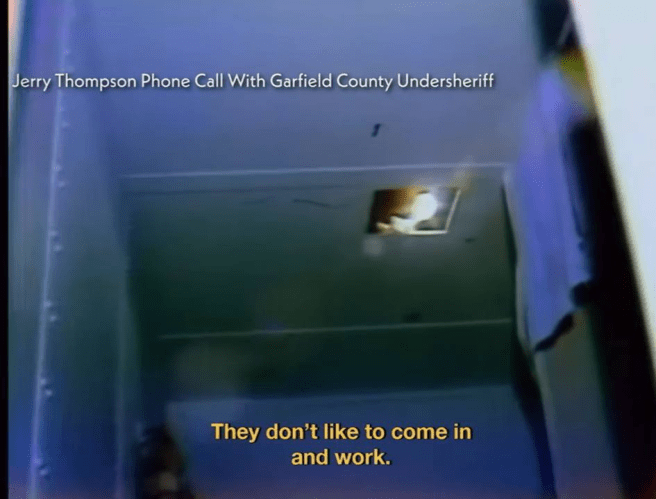
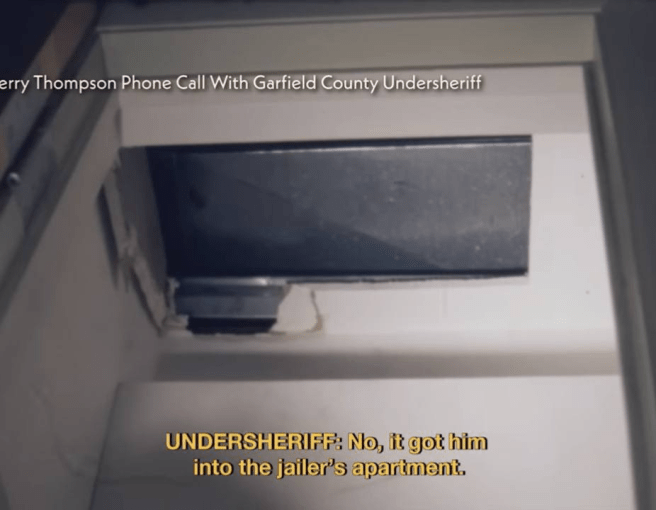
Pictures of Bundy’s Cell After his Second Escape, January 30, 1977.

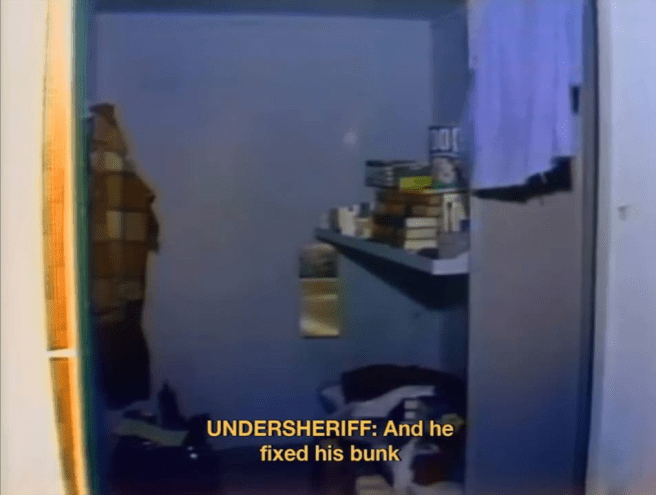
Ted Bundy escaped from custody (for the second time) on December 30, 1977: he was being housed in the Garfield County Jail in Glenwood Springs, CO and intentionally lost around thirty pounds over several weeks so he could squeeze through a one-foot-square opening in the ceiling of his that was meant for a light fixture. The jail was aware of it but had put off getting it fixed.

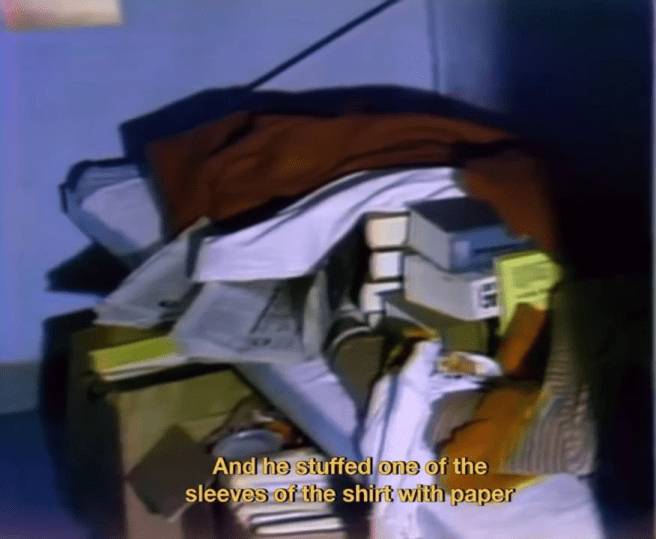
On the evening he escaped, Bundy stacked blankets and books on his mattress in an attempt to create a decoy that appeared to be sleeping. From there, he climbed through the hole in the ceiling, crawled through the plumbing and wiring, then dropped into the chief jailer’s apartment while he was out to a movie with his wife. After he helped himself to some of the jailers clothes from his closet, Ted simply walked out the front door and into the night, and the rest is history. His disappearance wasn’t discovered until the next afternoon, roughly seventeen hours later.

Bundy’s Cell.
A close up of all the shit on Bundy’s bed he used to make a make-shift Ted.
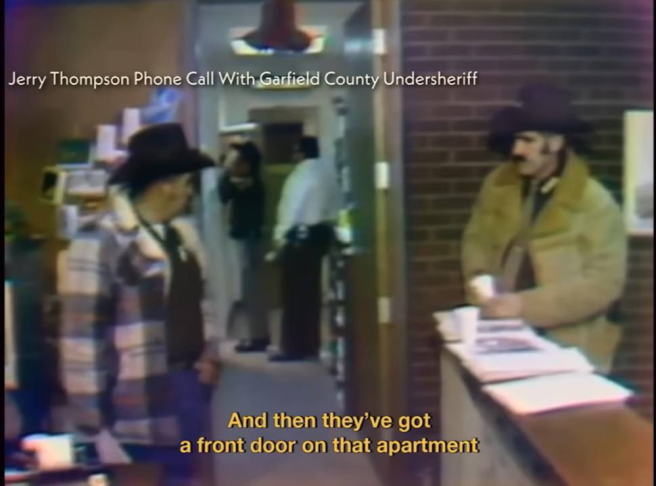
The Police milling around the jailers apartment after Bundy’s second escape.
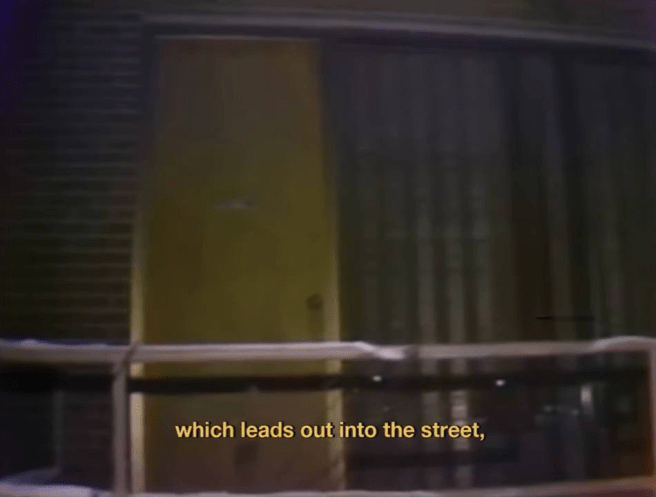
The front door of the jailers apartment.
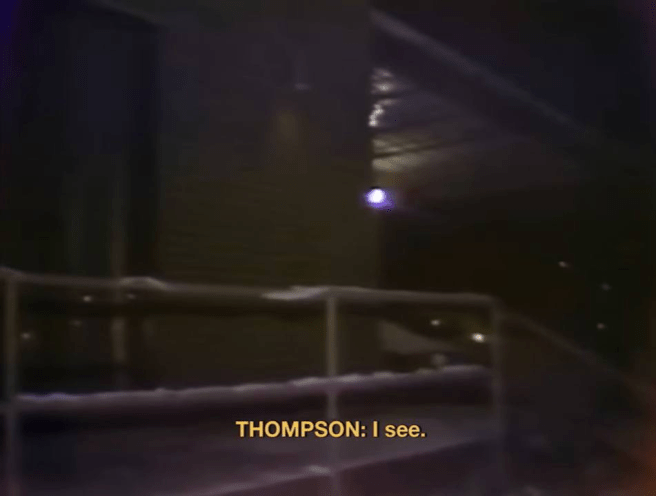
The outside of the jailers apartment.
The ceiling of Ted’s jail cell.
A close-up of the light fixture at the top of Ted’s jail cell.
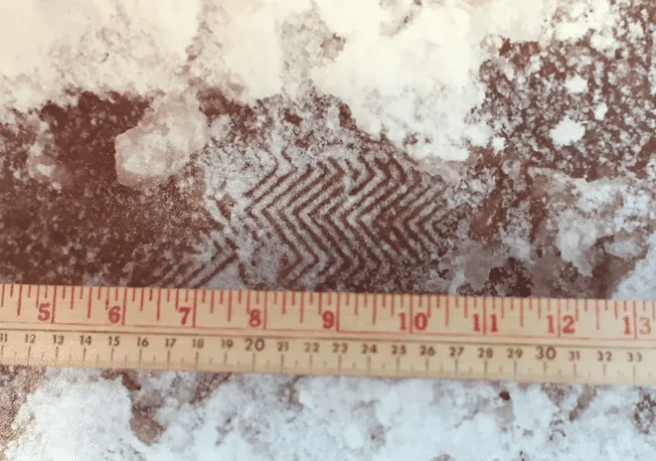
A supposed footprint left behind by Bundy during his second escape.

Lesser-known Ted Bundy ‘Facts’ as Well as Myths.

I’ve had this sitting in my drafts folder for a while, and I decided I’m going to publish what I have and add to it as needed.

Sam Cowell is Ted’s Father: there’s a pretty commonly spread myth that Ted’s grandfather Samuel Cowell is his father... but a blood test performed in 2020 by psychiatrist Dorothy Otnow-Lewis determined this to be not true.

Ann Marie Burr: there’s a myth that Ted’s Uncle Jack was Ann’s piano teacher, he wasn’t (although he did live about three miles away)’; there’s also a rumor floating around that Ted was the Burr’s family paperboy, he wasn’t. He also lived over three miles away from her and not exactly in her neighborhood.

Karen Sparks: before she was brutally attacked on the night of January 4, 1974, Sparks recalled being watched by an older-looking man at the laundromat that she usually went to.

Lynda Ann Healy: on the day after she vanished Lynda had plans of making her family a home cooked meal called ‘company casserole;’ additionally, there’s also some evidence that Bundy stalked her before he abducted her in the early morning hours of February 1, 1974, as it was proven by the King County Sheriff’s Department that on the day she was last seen alive he was behind her in the check cashing line at the Safeway they both shopped at. Ted also frequented Dante’s, the bar Lynda went to on the evening that she was last seen alive.

Donna Gail Manson: there are some whispers that Ted was acquainted with Donna, and that she had been seen in the presence of a man that matched his description prior to her disappearance on her school’s campus.

Susan Rancourt: before Ted abducted Sue he approached two other women: Kathleen D’Olivio and Jane Curtis. He approached D’Olivio earlier in the evening on the April 17, 1974 (the same night Sue disappeared), however there’s some discrepancy as to when he approached Jane: in multiple sources it’s alluded that it occurred the same evening, however Curtis said she was approached on a Sunday (Sue was abducted on a Wednesday), so that means she encountered him either on April 14, 1974 or April 21,1974.

Georgann Hawkins: the day after Ted abducted Hawkins he returned to the area close to the crime scene and (very discretely) recovered a pair of her hoop earrings and one of her shoes from an adjoining parking lot (that had all flown off of her because he attached her with such incredible force).

Brenda Carol Ball: according to Bundy’s death row confessions, he admitted that he took twenty-two-year-old Ball back to his rooming house in Seattle after abducting her on June 1, 1974, and the two had consensual sex; he then claimed to he strangled her while she slept. This is inconsistent with the physical evidence, as her skull (which had been discovered in 1975 on Taylor Mountain), showed significant damage from blunt force trauma, proving that she had been severely beaten.

Lake Sammamish Murders: there’s multiple theories as to why he took two women in the same day. One is that because Jan Ott was so small he killed her ‘too quickly’ by accident, and his ‘urges’ weren’t completely satisfied so he had to go back and get another victim. The second theory is that he kept Janice alive and brought Denise back to where he was keeping her and killed the one in front of the other.

Nancy Wilcox: It’s speculated that Bundy may have been grooming Wilcox, as members of her family said she mentioned an older man who would come into the Arctic Circle drive-in that she briefly worked at and flirt with her. 

Laura Ann Aime: there were apparently several reports made to police by people that knew Aime that said she claimed that a man matching Bundy’s description had hung out with her at Brown’s Café in Lehi, Utah, and at one point had called her his girlfriend. The man also had said he was going to rape her, and its thought she had been introduced to him by her friends. Additionally, Laura’s family has stated they believe Bundy stalked her and approached her on multiple occasions before he abducted her. 

Pulled Over in Florida: before his final arrest in Florida in early 1978 Ted was pulled over in Tallahassee driving a stolen vehicle and as he was being questions by an officer. He simply, ran away… and he got away. This took place just four days before his final arrest on February 11, 1978: when the officer walked back to his patrol car to check the license plate, Bundy ran away and escaped into the night.

Valerie Ann Duke: a student at FSU at the time of Bundy’s Chi Omega murders, Duke had gone home the weekend of the murders and because of that her life was spared (Bundy’s fingerprints were found on her doorknob, meaning had she been there she would have been attacked); she lived with immense survivors guilt and shot herself in her vehicle on May 1, 1979, at the age of 22. She was born on July 27, 1956 and is buried at the Cenizo Hill Cemetery in Mathis, Texas.

Deborah Wharton Beeler: one of Ted’s Seattle attorney’s John Henry Browne dated a woman that was brutally murdered in the same fashion that Bundy killed his victims. Beeler had been found in her rented cottage on February 22, 1970 wearing a housecoat over a nightgown; the twenty-three-year-old had been strangled with an electric hotplate cord. Investigators initially believed she committed suicide because within reach were a pair of pliers that had apparently been used to righten the wire, however an autopsy showed she had been hit over the head and had crashing blows to the side and front of her head (injuries that may have been made by a fist).

A Third Escape?: in July 1984 guards at Florida State Prison found a cut bar, hacksaw blades, and a pair of gloves hidden in Bundy’s cell. Another inmate, Manuel Valle, also had a cut bar in his cell, which suggested a coordinated effort between the two men.

Two Beetles?: Ted actually owned two Volkswagen Beetles, not just one (Liz owned a pigeons egg blue VW Bug as well). In April 1966 he sold his a 1933 Plymouth Coupe to put money towards a pale blue 1958 VW Bug. At some time in the spring of 1973 he purchased his infamous tan 1968 VW Bug from a woman named Martha Helms

Susan Roller/Sara A. Survivor: a (living) supposed repeat victim of Ted named Susan Roller has published three books under the pseudonym ‘Sara A. Survivor;’ Roller also claims to be a friend of Georgann Hawkins as well, as the two were Daffodil Princesses (in different years)… however, I could find any proof that she knew either Bundy or Hawkins. In her book ‘Reconstructing Sara,’ Roller told her story about being repeatedly assaulted and raped by the SK; as of February 2026 is has been pulled from publication to be rewritten.

Zak Bagan’s, ‘Ghost Adventures’ Episode, ‘Serial Killer Spirits: Ted Bundy Ritual House’ that took place in Bountiful, Utah: also known as the ‘Anson Call house,’ Zak and his crew went in and investigated the old, abandoned house located in Bountiful, that he claims Ted took Debra Kent to after he abducted her on November 8, 1974… but, come to find out, the house was lived in at the time Kent was abducted from nearby Bountiful High School, so there’s no way he brought her back here to be murdered.

‘New’ Living Victims: in recent years multiple women have come forward claiming to be surviving victims of Ted Bundy, and only recently had the courage to come forward and tell their story: Susan Roller. Sotria Kritsonis. Rhonda Stapley. Sherry Deatrick. Rose Warriner.

Janla Carr: there’s some documents in a FBI file in relation to a woman from Philadelphia that alleged Bundy was her ‘half-brother.’ She also claimed he had a twin brother and made various other assertions about his family history that were widely considered by investigators and psychologists to be ‘unsubstantiated’ and ‘full of leaps.’ She passed away at age 45 in January 1997.