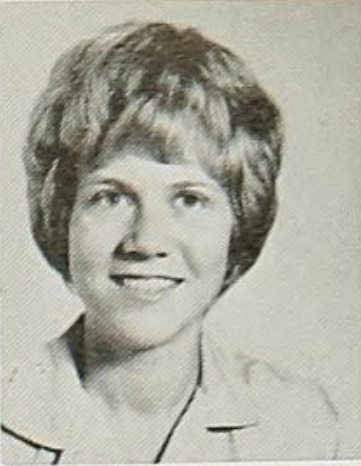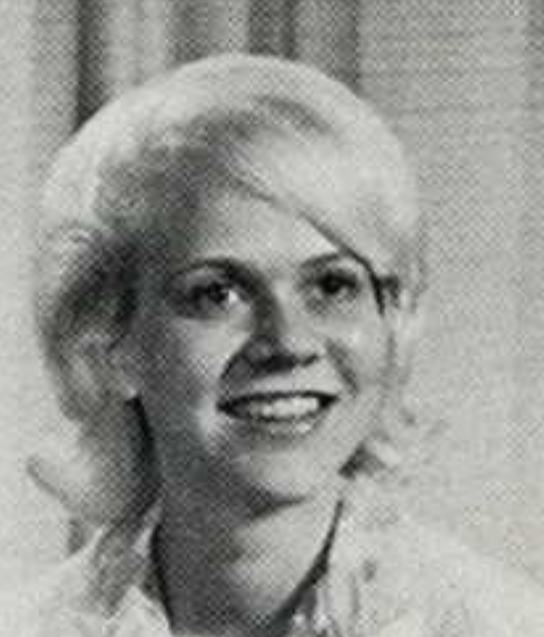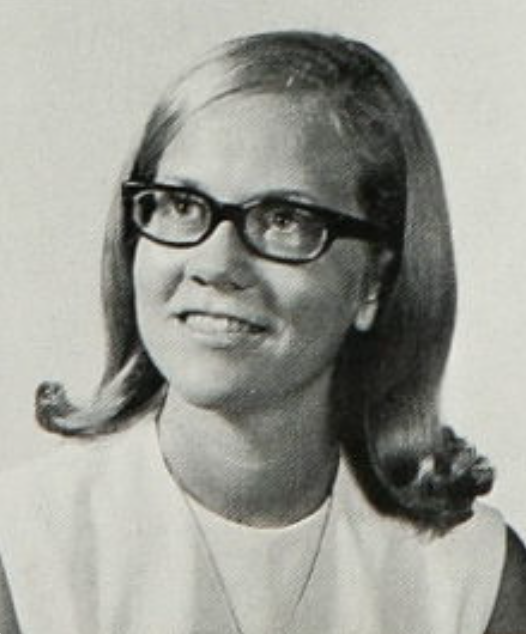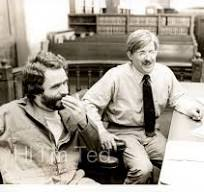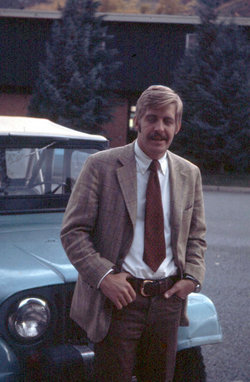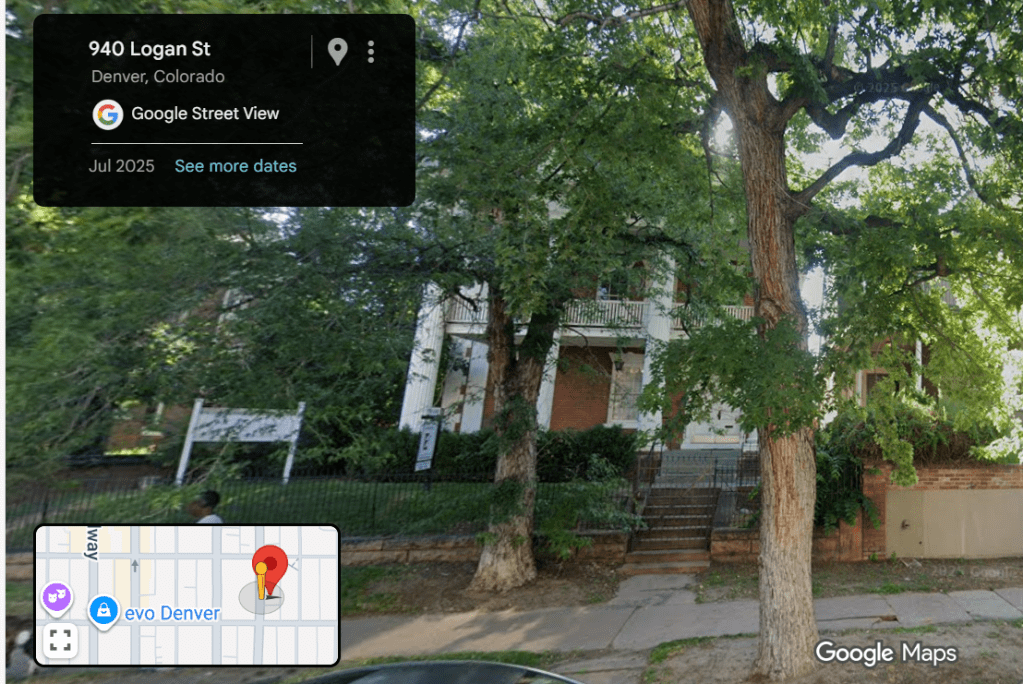
Courtesy of the Pitkin County Sheriff’s Department.
Colorado Case Files.
Courtesy of the Pitkin County Sheriff’s Department.
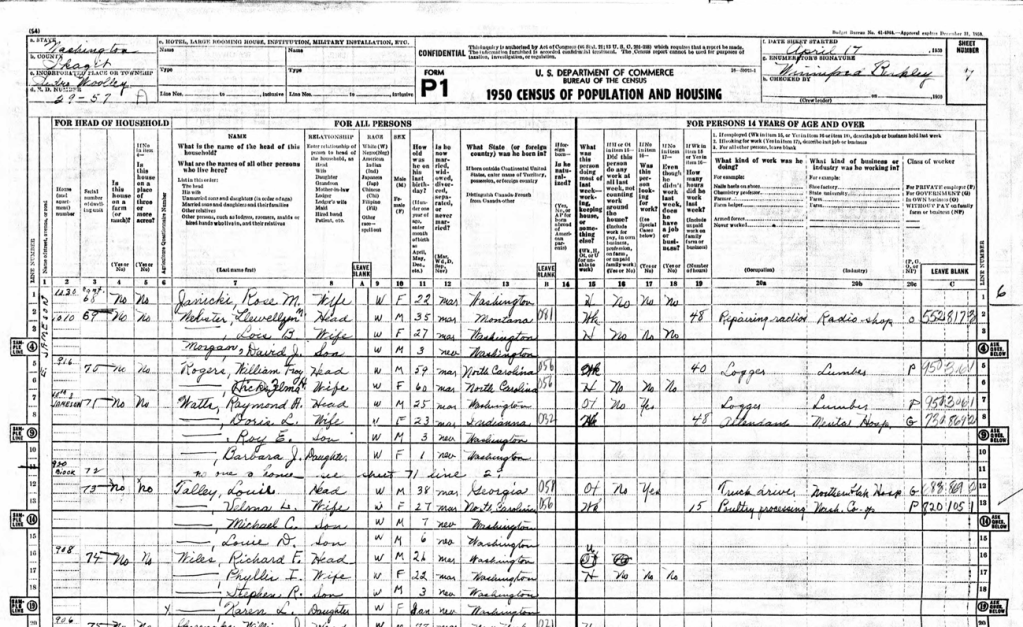
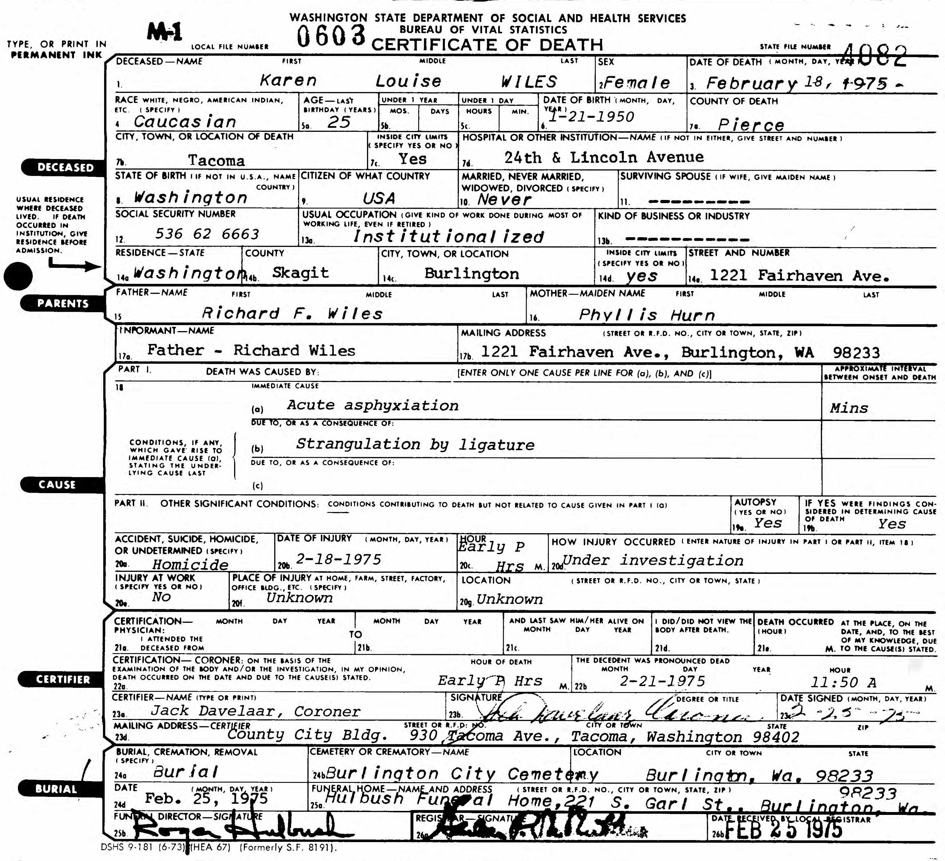
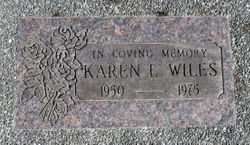
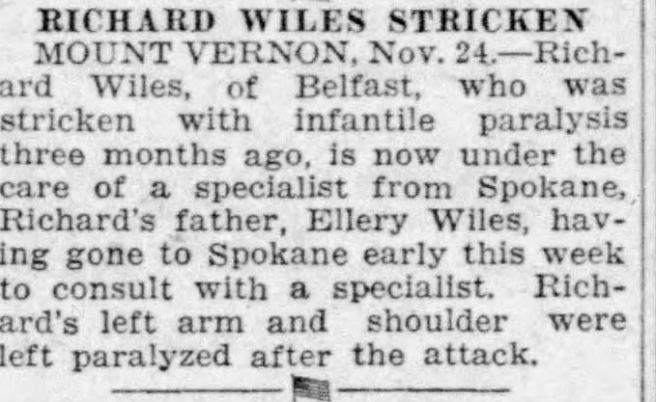
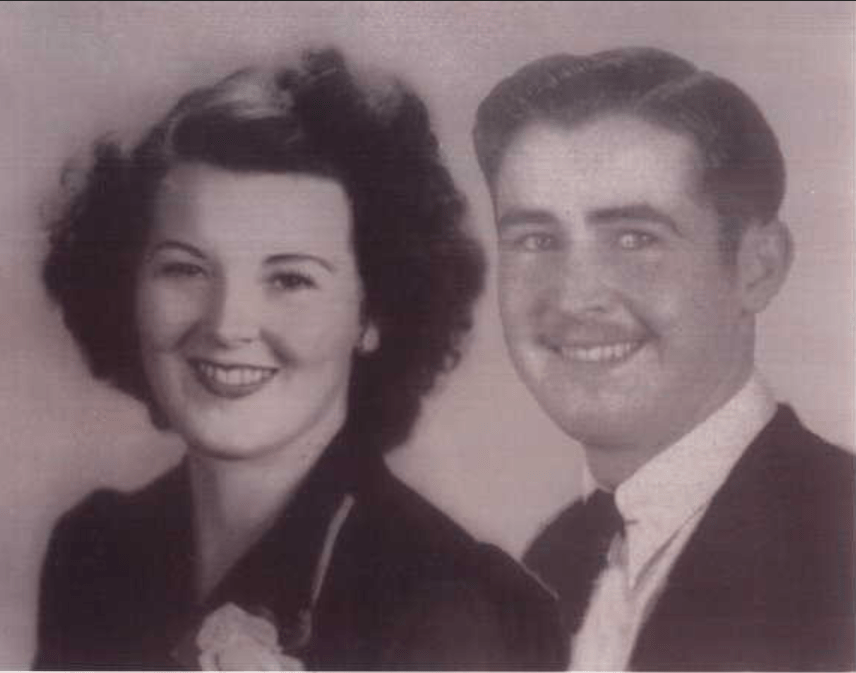
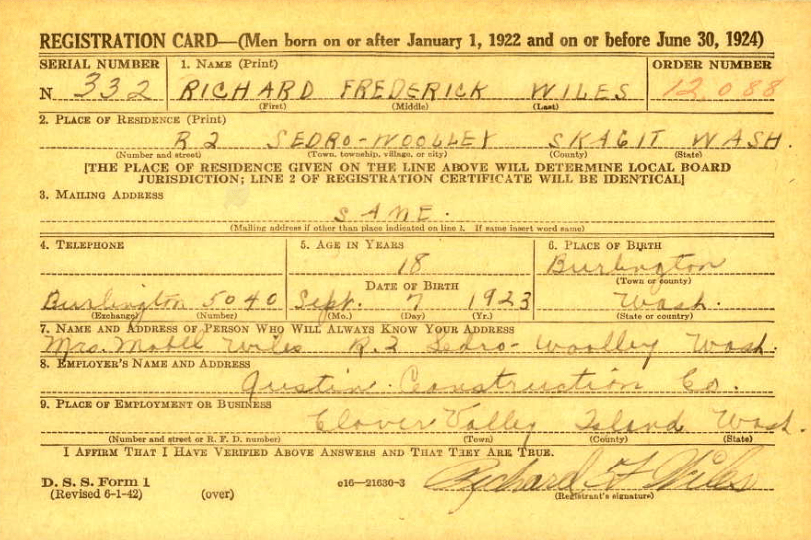
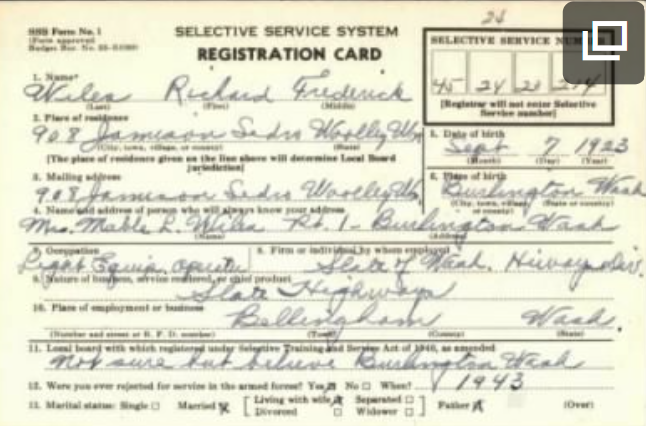
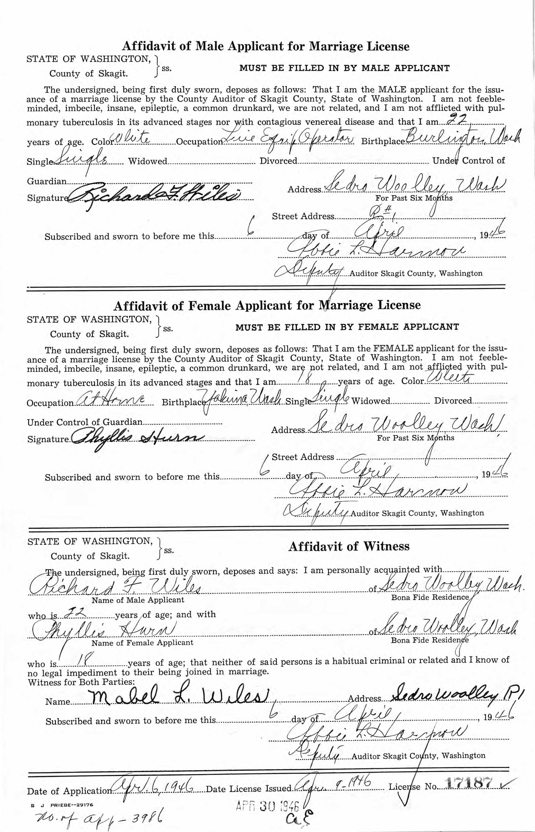
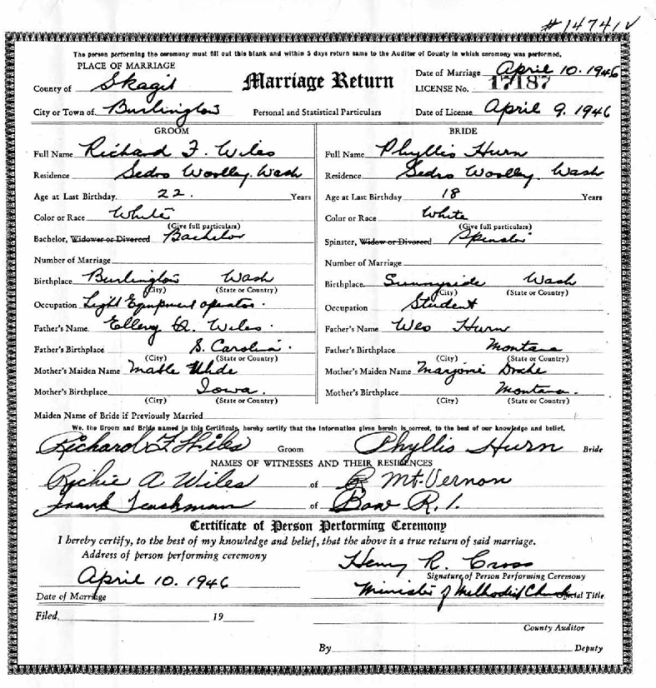
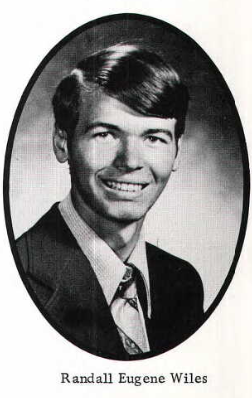
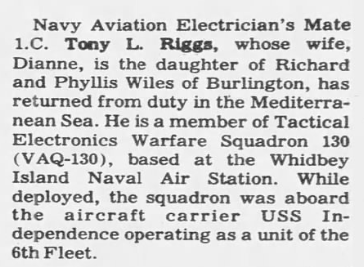
Karen Louise Wiles was born on January 21, 1950 to Richard and Phyllis Wiles in Tacoma, WA. Richard Frederick Wiles was born on September 7, 1923 in Burlington, WA and Phyllis Irene Hurn was born on November 10, 1927 in Sunnyside, Washington. After ‘Dick’ served in both WWII and the Korean War, he returned home and the couple were married on April 10, 1946; at first the family resided in Sedro-Woolley before they relocated to Burlington in 1958, where they laid down roots. They had five children together: Dianne (b. 1952), Karen, Brenda (b. 1963), Stephen, and Randall (b. 1956).
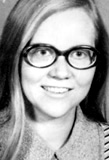
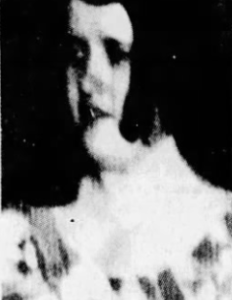
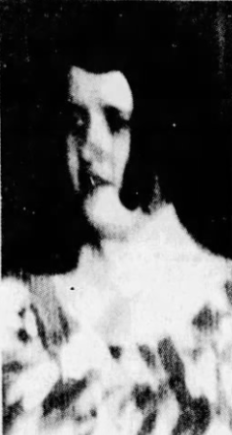
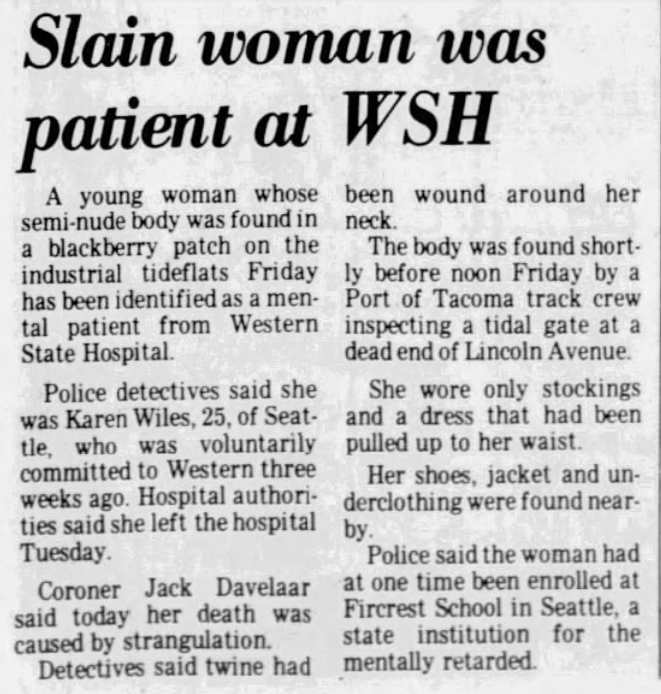
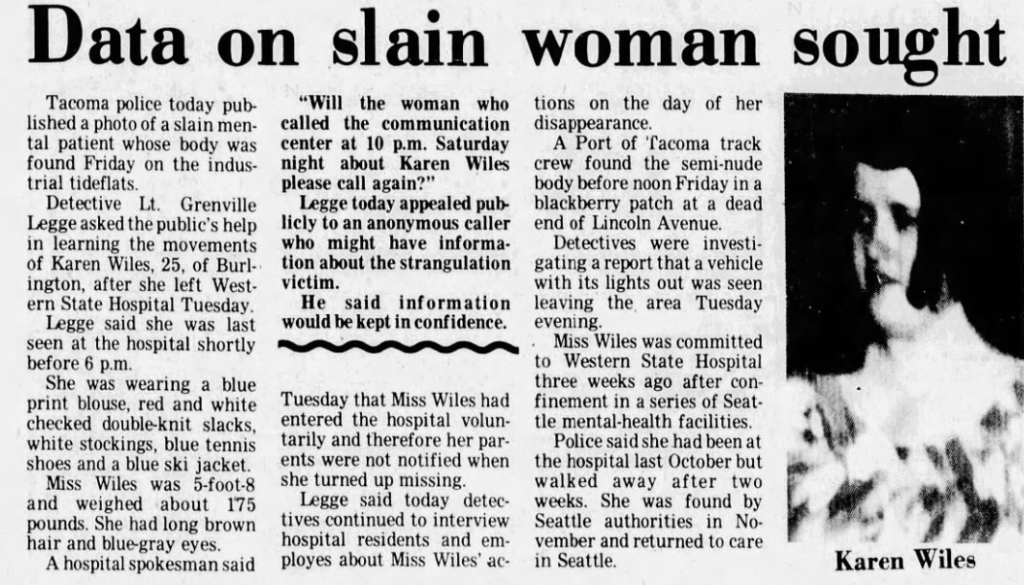
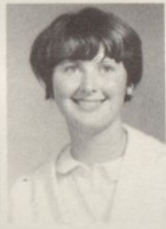
Details about Karen’s life are basically non-existent: the only real ‘fact’ I was able to find about her is that she had some sort of diminished mental capacity and during her adolescence attended/lived at the Fircrest School in Shoreline, WA. Fircrest was a major Residential Habilitation Center for those that suffered from intellectual disabilities and was designed to provide residential care, nursing, and habilitative services for those with ‘unique medical needs;’ it operated under the Washington State Department of Social and Health Services. Sadly, I was only able to find one black and white picture of Karen in an article that was published after her murder, most likely due to the fact that she never attended any sort of formal schooling (for example, Fircrest isn’t on classmates.com). Around three weeks prior to her death, Karen was voluntarily committed to Western State Hospital on February 4, 1975 after she was confined ‘in a series of Seattle mental-health facilities.’ Detectives said she had briefly resided there in October of 1974 but left after only two weeks; she was found by police the following month and was ‘returned to care in Seattle.’ Just a few weeks prior on January 31, 1975 Warren Leslie Forrest was admitted to the same facility after he was found not guilty by reason of insanity for the brutal attack and rape of Daria Wrightman.
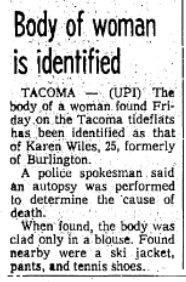
Around noon on February 21, 1975 the semi-nude remains of Karen Wiles were found around eight miles from Western State Hospital in a blackberry patch by a Port of Tacoma employee that had been inspecting a tidal gate at a dead end of Lincoln Avenue (one source said it was Taylor Avenue). It was an area known as the ‘tideflats,’ and during the daytime it was a semi-busy area close to Seattle… but at night, it transformed into a dark, deserted place that was known for attracting unsavory individuals that were typically partaking in some sort of illegal activity (aka: it was the perfect place to dump a body). It was strongly believed by investigators that she’d been murdered somewhere else and dumped at the tideflats.
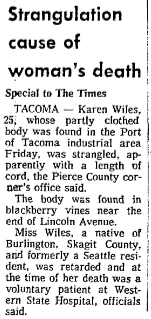
At the time she had been found, Wiles was only wearing stockings and a dress that had been pulled up to her hips, and she was naked from the waist down; her shoes, jacket, and underclothing were found nearby. According to the Pierce County Coroner Jack Davelaae, her cause of death was strangulation, and detectives said twine had been found wrapped around her neck; she also had noticeable impressions on her wrists, which were an indication that she’d been bound when she was alive. Close to where her remains were found, investigators found a three-foot-long black plastic hose, which is interesting because Warren Leslie Forrest’s first victim said that at one point during her attack her assailant had penetrated with a hose which had been seized as evidence from Warren’s van: it was described as being approximately two inches in diameter and a couple of feet long and was very similar to the one found near Karen’s body (which unfortunately had gotten lost at some point after being brought into evidence).
After the made a news report to the public for help in ID’ing the young victim, since nurses at WSH came through forward to identify the victim as Karen. Just a few weeks prior to her admission to the facility, Warren Leslie Forrest was committed at the hospital after he was attacked Daria Wrightman. it was determined he was legally insane, and on January 31, 1975 he was committed to the Western State Mental Hospital in Steilacoom, WA.
Authorities had no other choice than to turn to the public for help in identifying the young victim and turned to the local news: after the story aired some nurses at WSH came through forward and made the positive identification. According to Detective Lieutenant Grenville Legge, the twenty-five-year-old Wiles was last seen at the Western State Penitentiary around 6 PM on Tuesday, February 21. 1975: she had been wearing a blueprint blouse, red and white checkered double-knit slacks, white stockings, blue tennis shoes, and a blue ski jacket. She was 5’8,” weighed around 175 pounds and had long brown hair and blue-grey eyes.
A spokesman for Western State Hospital said that because Wiles had voluntarily entered the facility and was not a minor, they were under no obligation to notify her parents when she left their care. Detective Legge said that in the days that immediately followed her disappearance investigators interviewed hospital employees along with their residents about the activities of Karen on the morning she was last seen; he also said they had ‘briefly’ chased a lead regarding a report of a vehicle with its headlights out that had been seen leaving the area on the evening she was last seen alive (nothing ever came of it).
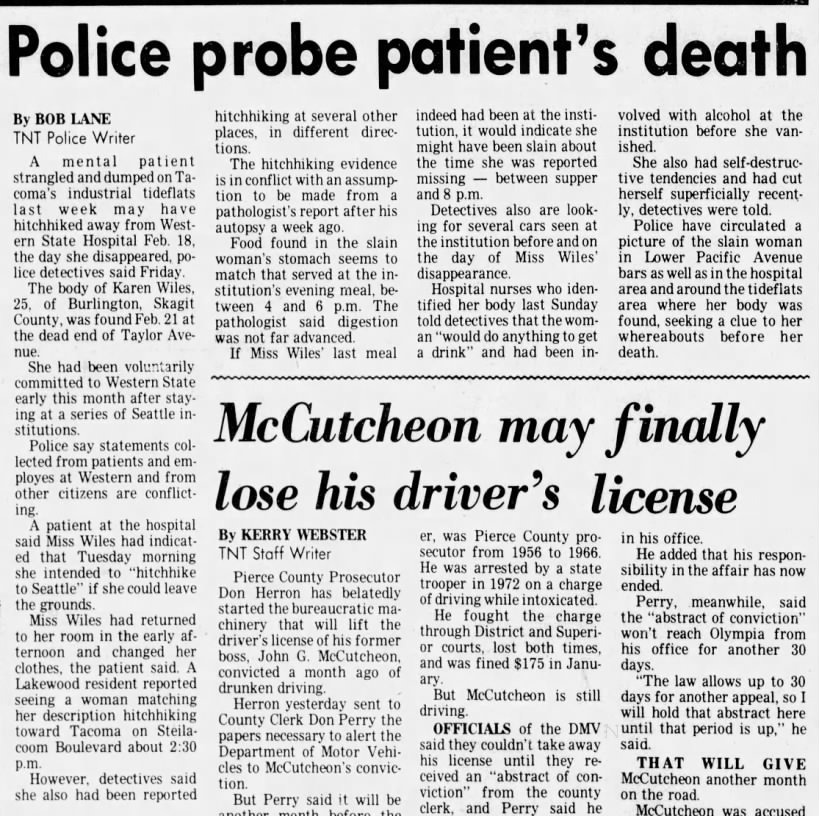
According to investigators, statements made by Wiles family and other patients at Western State Hospital were ‘conflicting:’ one fellow patient said that in the morning on the day she vanished Karen had told her about her intentions of hitchhiking to Seattle, but this was only if she was able to leave the hospitals grounds; also, according to the same patient, she had returned to her room in the ‘early afternoon’ and changed her clothes. Additionally, a resident of Lakewood, WA came forward and told Pierce County Sheriff’s that they saw a woman that matched Wiles description hitchhiking ‘towards Tacoma’ on Steilacoom Boulevard around 2:30 PM on February 21. 1975… however, they also said that they received several additional reports that she was at a few other locations across Washington at the time as well.
These reports that Karen was seen hitchhiking in the middle of the afternoon are in direct conflict with a finding from the pathologist’s report from her autopsy: the food that had been found in her stomach matched the meal that had been served at Western State Hospital that evening, which took place between 4 PM and 6 PM; they also said that the ‘digestion was not far advanced.’ Which means is her last meal had been at the hospital, then she may have been killed sometime between dinner and 8 PM. Investigators were also looking into several vehicles that were seen near the facility on the day of and after she was last seen alive. The RN’s at the hospital that identified Karen’s remains told detectives that she ‘would do anything to get a drink,’ and had gotten caught with alcohol at the facility before she disappeared. They also said she had ‘self-destruction’ tendencies and had recently ‘superficially’ cut herself. Police passed her picture around in the lower Pacific Avenue bars as well as at the hospital and around the tideflats area where her remains were recovered, but they came up empty handed.
According to ‘Stolen Voices of Dole Valley,’ the murder of Karen Wiles has recently been reopened, and for the first time since her death detectives in Tacoma questioned Warren Leslie Forrest about her death (however all their attempts were unsuccessful, as he refused to answer their questions). The use of a ligature to strangle the victim along with the sexual assault was consistent with Forrest’s MO, and it’s been reported that he worked with Karen in the hospitals kitchen; despite some restrictions (he wasn’t supposed to leave the facilities grounds the first few weeks he was there), he was still somehow able to leave the hospital and he did have access to his vehicle (I also saw he had access to the facilities van).Also, interestingly enough, Warren Forrest’s then wife Sharon claimed he was having an extramarital affair with one of the members of the staff at Western State Hospital, a fact that one of his ‘good friends’ verified when they were interviewed by detectives (he said that her name was Nancy). This is interesting to me, because in 1984 he married one of the nurses at the prison he was incarcerated in (Walla Walla State Penitentiary).
Because of not wanting to write about the same things repeatedly, I’m not going to go over the more commonly discussed victims of Warren Leslie Forrest, only because I have written about them all in the last two articles about him. The use of a ligature to strangle the victim along with the sexual assault was consistent with Forrest’s MO, which targeted young girls and women in the Clark County area of Washington state in the early to middle 1970’s (often those who were hitchhiking or walking alone). He frequently used a blue 1973 Ford Econoline van in his attacks, and in one of his cases where the victim survived, she said that he used a knife to threaten her then he forced her into the back of his vehicle. During abductions, he questioned victims about their age, relationships, and sexual history to assess them according to his own notions of morality. WLF’s preferred torture tool (which was a unique signature in relation to his MO) was an air-powered dart pistol, and he shot his victims with darts as a form of torture before eventually abandoning and/or killing them. He often left the women in remote, heavily wooded areas such as Dole Valley, Lacamas Lake, or Tukes Mountain in a state park (which makes sense, as he worked for the parks department) and they were typically bound with rope or baling twine, and were frequently tied between trees. Forrest’s primary methods of murder were strangulation and stabbing, with wounds that were typically consistent with the use of an ice pick or darts.
Investigators involved in Karen’s case said that in relation to Warren Leslie Forrest, although circumstantial evidence aligns in the case, it lacks physical proof: Tacoma Detective Sergeant Julie Deer said: ‘there are similarities that one can’t ignore… but we have to have evidence.’ According to current members of the Pierce County Sheriff’s Department, the staff at the Western State Hospital didn’t cooperate with the original detectives from the Tacoma Police Department back in 1975, which was detrimental when it came to the investigation. During his interview with Carolyn Osorio, retired Pierce County Police Chief WW Parrott made it clear that investigators were extremely suspicious about the goings on at Western State Hospital in the 1970’s, and the murder investigation hit a wall in 1978 partially due to ‘uncooperative staff, and: ‘investigators were extremely suspicious’ and had been ‘stymied by the staff at Western at every turn.’ Because Wiles was ‘a marginalized woman’ without close family advocates, investigators said her murder sadly became an afterthought, and her case quickly fell to the wayside.
According to the Pierce County Sheriff’s Department, some of the evidence related to Wiles case was either ‘mishandled or lost,’ and crucial biological evidence that could have belonged to the suspect (such as swabs and pantyhose) was lost. Before Tacoma PD Detective Lindsey Wade retired in 2018, she submitted some of Weil’s clothing to a lab in Washington state for DNA testing, along with the twine that had been recovered from around her neck; the results came back as ‘inconclusive,’ meaning no DNA from the suspect had been identified.
According to Chief Parrott, ‘the majority of my investigation into this homicide was conducted in and about the grounds of Western State Hospital. And I don’t feel I have to capitalize on you the difficulty that one is confronted with when attempting to conduct major investigations at this institution. It’s been my feeling from the mere outset of my investigation into this homicide that the suspects responsible for the demise of Karen Wiles were somehow connected to the hospital in one capacity or another. However, I have yet to be successful in attaching suspicions to any one person.’
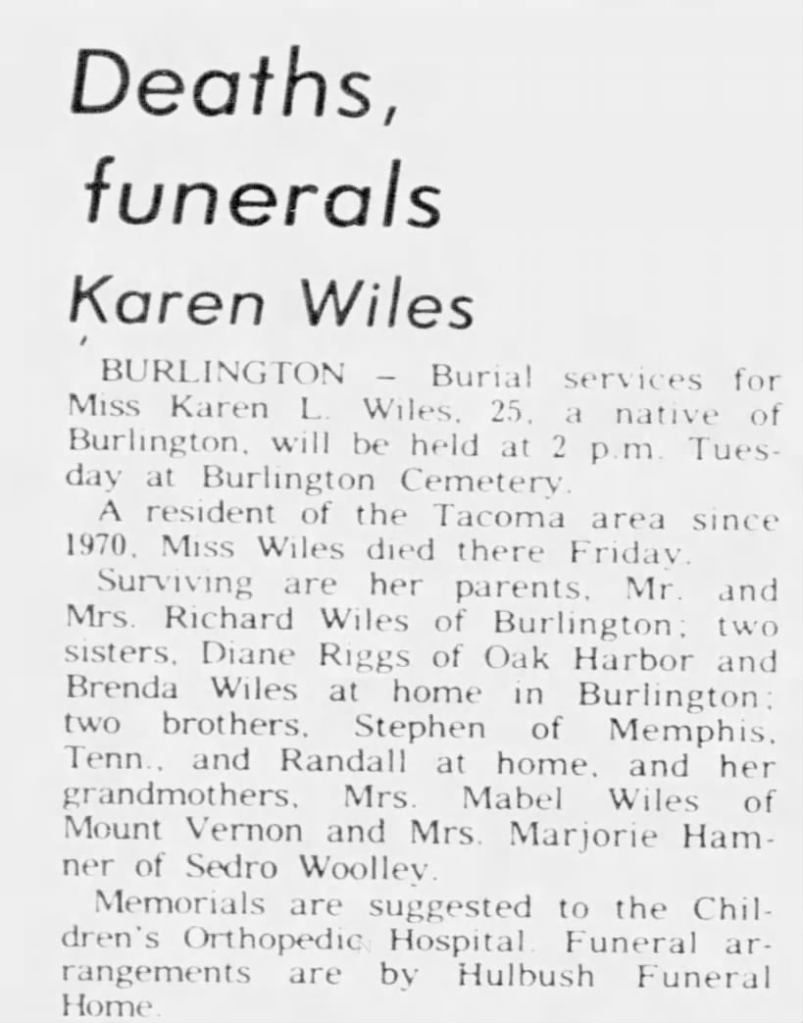
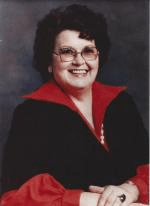
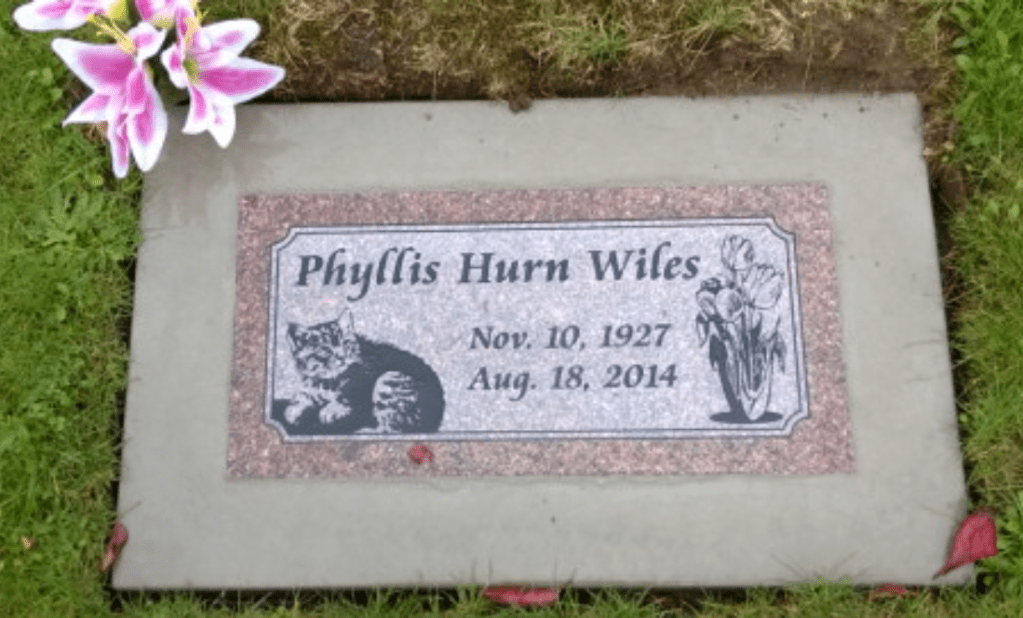
Richard Frederick Wiles died at the age of eighty on December 5, 2003 in Burlington, Washington. Karen’s mother Phyllis Irene Wiles passed away at the age of eighty-six on August 18, 2014 at home with her family by her bedside; the mother of five enjoyed crocheting ‘beautiful doilies,’ and loved to bake apple pie (her family’s favorite dessert) for every occasion; cinnamon rolls and pineapple upside down cake were also a specialty of hers. According to her obituary, Phyllis loved animals, country music, movies, and the beautiful flowers that her son was always bringing to her, and she never left home without her earrings on and always wore a heartfelt smile.
Karen’s sister Dianne died at the age of seventy-three on November 29, 2025 at Riverside Village, and according to her obituary, after high school she relocated to Oregon and was a co-owner of ‘His and Her’s Locksmith’ in South Bend for twenty years. Upon retiring Dianne returned to Washington to take care of her mother, and she adored being a mom and grandmother; she also loved to cook and was an avid reader, and had an extensive library of books (she especially was fond of cookbooks).
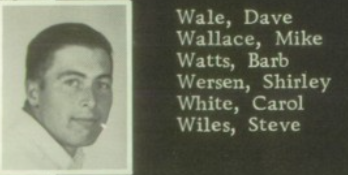
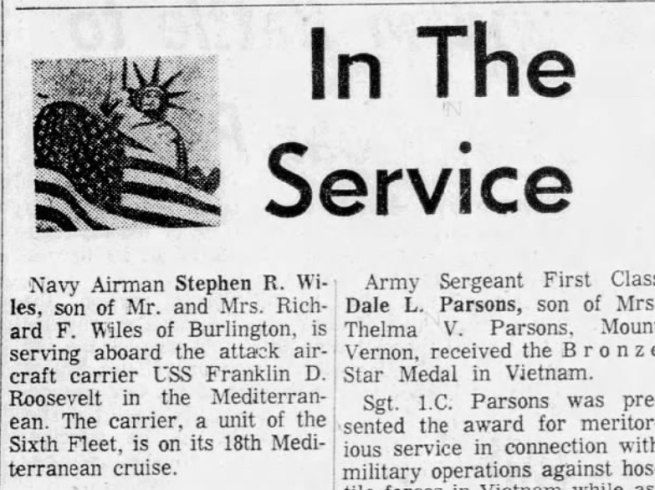
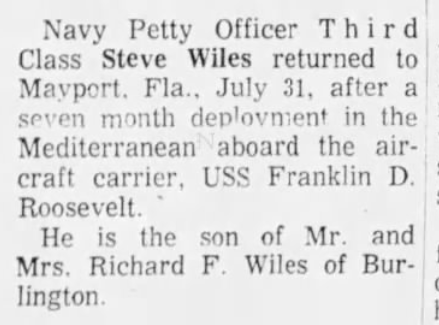
Both of Karen’s brothers are still alive: after college Stephen relocated to Collierville, Tennessee, and Randy Wiles stayed in Burlington, WA. Her sister Brenda Wiles-Harley is currently residing in Mount Vernon, WA.
Works Cited:
Carolyn Osorio. (September 9, 2025). Stolen Voices of Dole Valley, Episode 5: The Good-Looking Stranger. Taken February 12, 2026 from https://pod.wave.co/


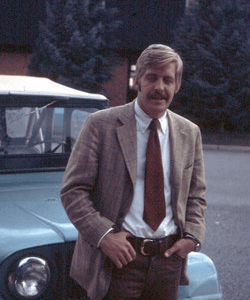
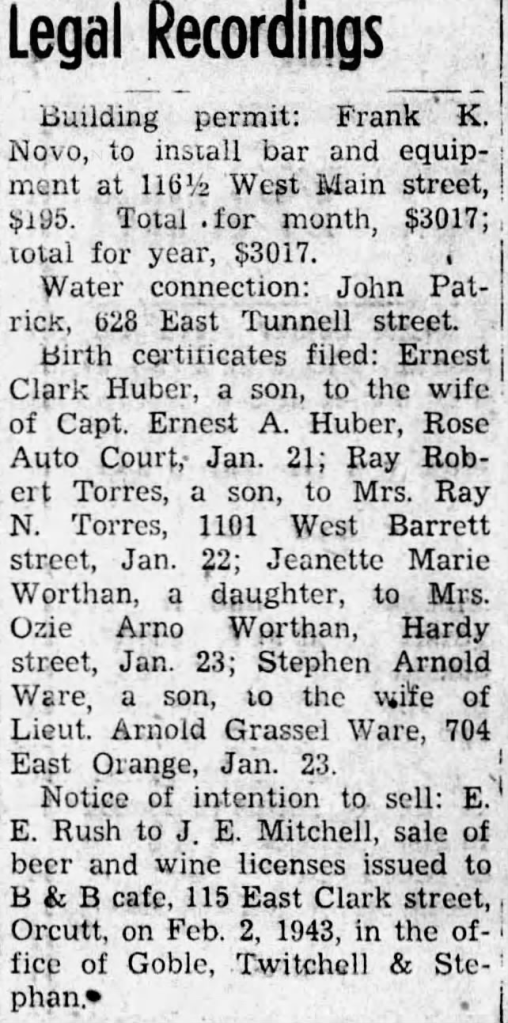
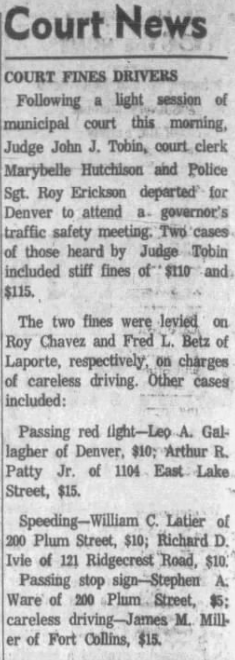
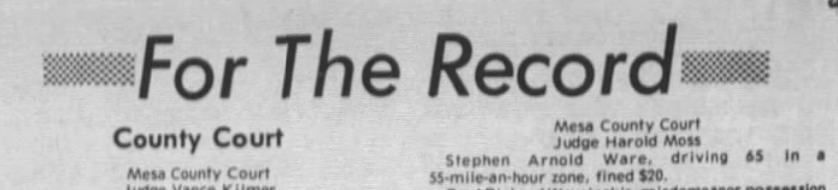
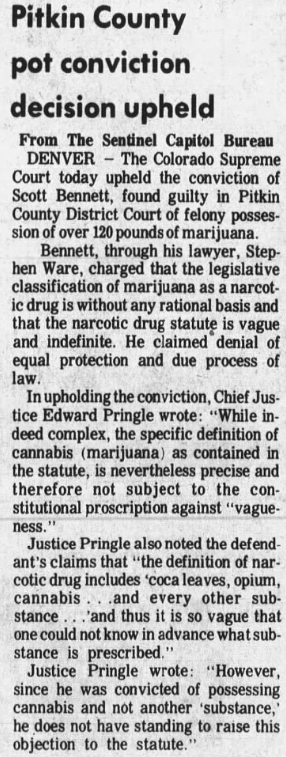
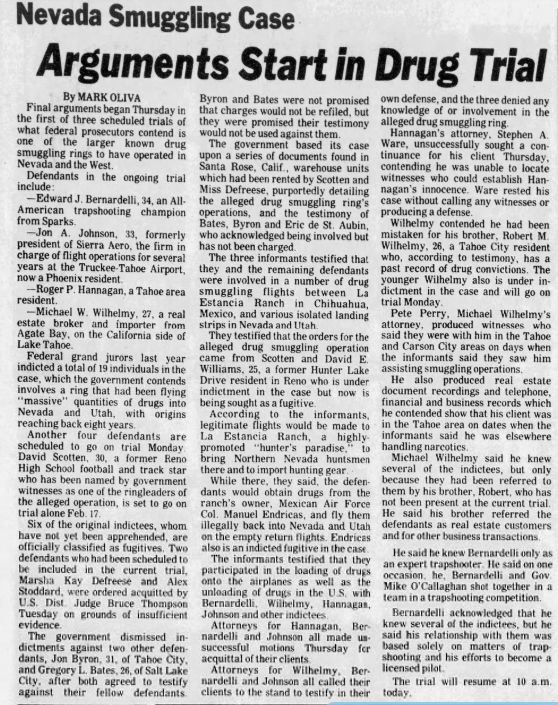
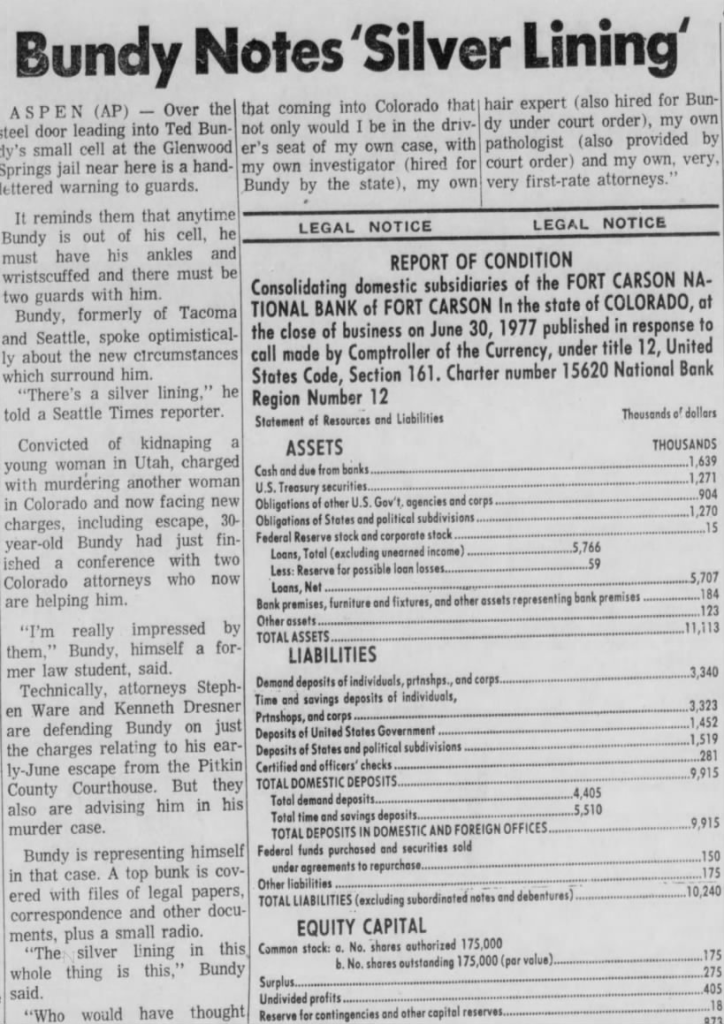
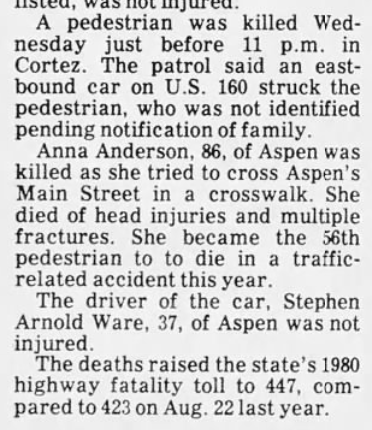
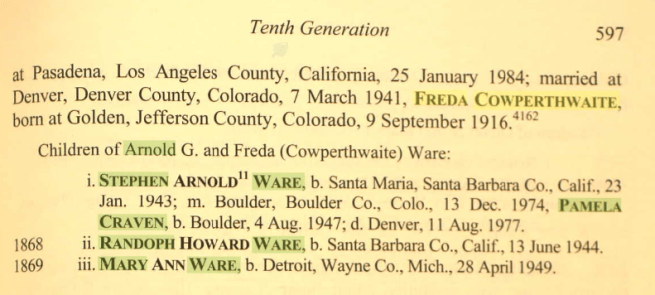
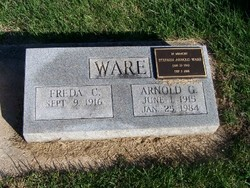
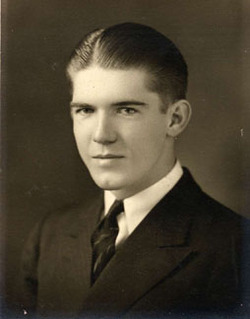
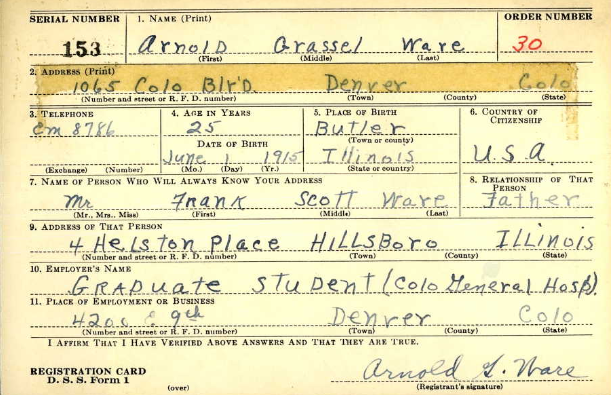
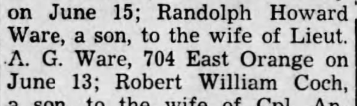
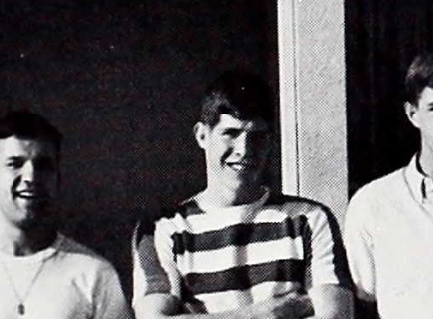
Stephen ‘Buzzy’ Arnold Ware was born on January 23, 1943 to Arnold and Freda (nee Cowperthwaite) in Santa Maria, CA. Arnold Grassel ‘Barney’ Ware was born on June 11, 1915 in Butler, IL, and Freda Catherine Cowperthwaite was born on September 9, 1916 in Golden, CO. The couple were wed on March 7, 1941 in Denver, Colorado and had three children together: Stephen, Randolph ‘Stick’ Howard (b. 1944, Santa Barbara), and Mary Ann (b. 1949, Detroit). The elder Mr. Ware lived quite an extraordinary life: he earned his MS in Biochemistry from the University of Colorado in 1939 and went on to get his PhD from the same institution in 1942. He was an Army Captain in the Pacific during WWII (he served from 1941-1945), and upon returning home got a position as the director of a medical lab at a Los Angeles County Hospital, where he was employed until 1973. Later in the same year, he became the co-owner of Biocon Lab in Pasadena (he retired in 1984) and he was an assistant Professor of Biochemistry at the University of Southern California’s Medical School.
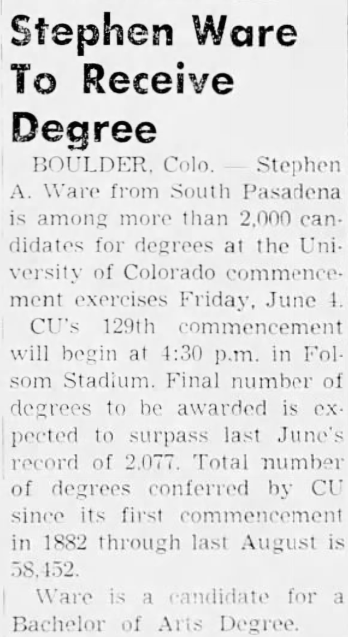
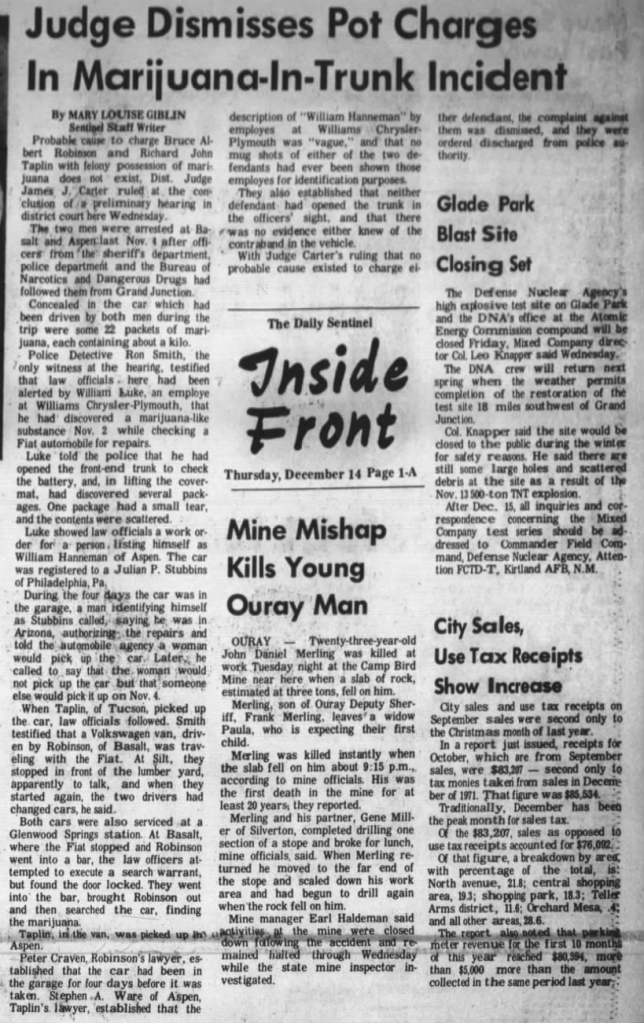
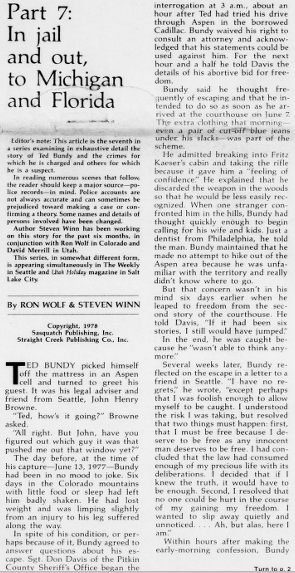
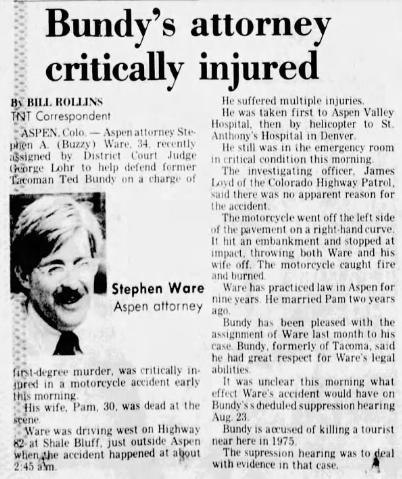
After graduating from South Pasadena High School in 1960, Buzzy went on to receive his Bachelors from the University of Colorado in 1964, and earned a law degree from the University of Southern California in 1968. After he passed the bar exam, he opened a law practice in Aspen, and in July of 1977 he was appointed as Ted Bundy’s attorney in his first-degree murder case.
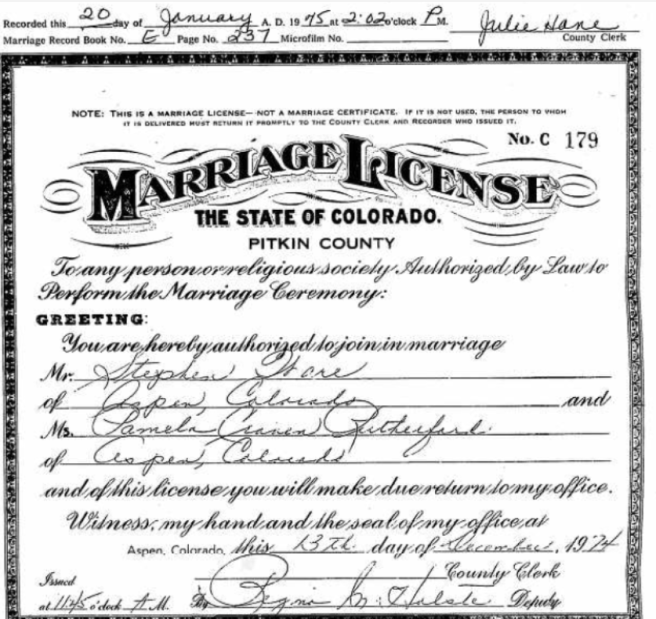
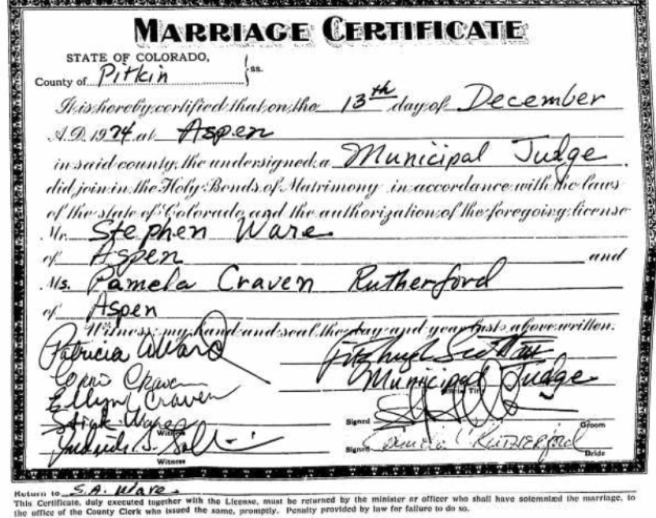
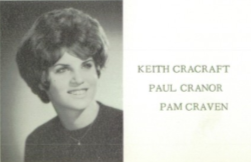
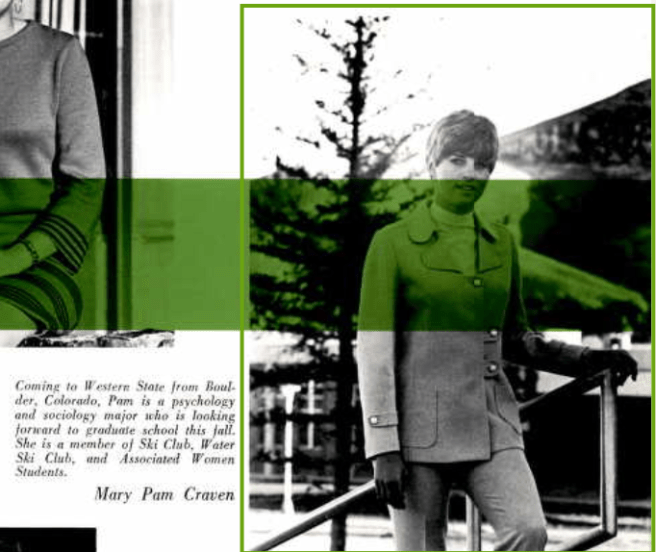
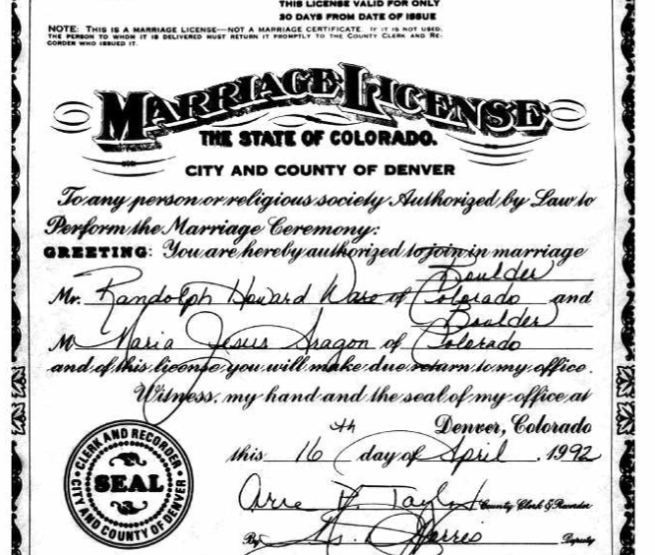
Stephen married Pamela Craven-Rutherford on December 13, 1974 in Aspen, CO. The daughter of a prominent General Practitioner in Boulder, Pam was born on August 23, 1946 in San Diego, CA (one source said it was Boulder, CO), and was one of nine brothers and sisters. She graduated from Boulder High School in 1964 and went on to attend Western State University, where she dually majored in Sociology and Psychology. While there, she was very active in extracurricular activities, and was a member of Ski Club, Water Ski Club, and the Association of Women Students.
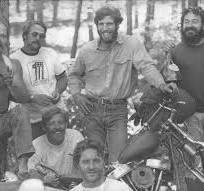
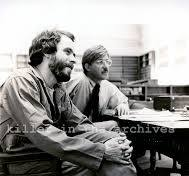
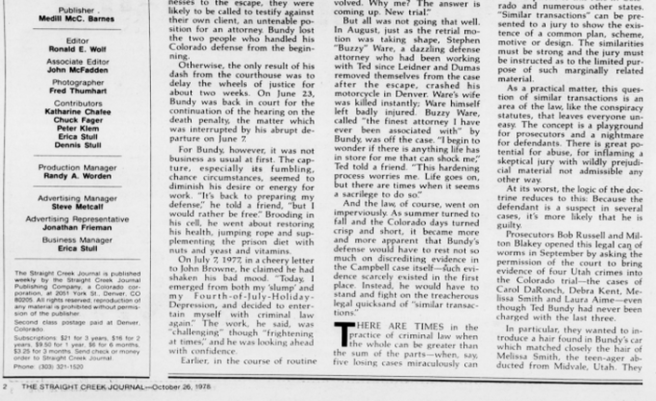
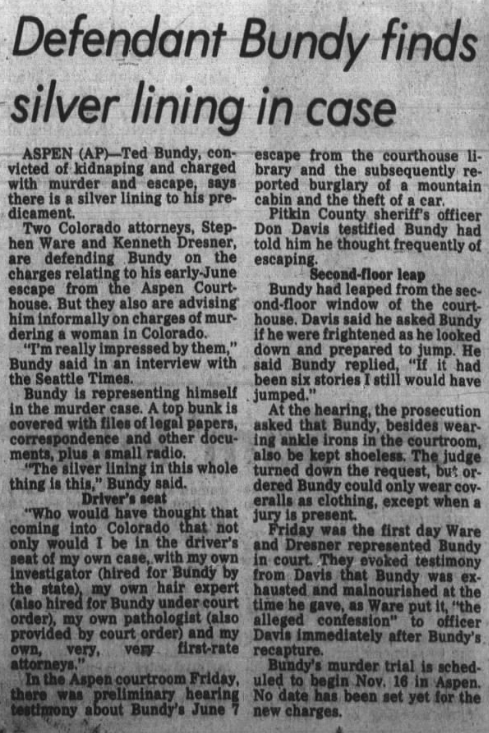
On June 16, 1977, Judge George E. Lohr appointed Ware as the new counsel for Theodore Robert Bundy for the murder of Michigan nurse, Caryn Campbell: at the time he was an ambitious young lawyer that looked ‘more like a ski bum than an attorney,’ and despite only being in his early thirties, he had already began to make a name for himself in Aspen: he had never lost a jury trial and flew his own plane and rode a motorcycle; he was also known as the man to have on your side in narcotics cases. Immediately after he was appointed as Bundy’s case, Ware flew to Texas as defense counsel in a major federal racketeering case.
According to Ann Rule’s true crime classic ‘The Stranger Beside Me,’ Ware was known around Colorado as ‘a winner,’ and Bundy somehow sensed that: in a phone call between Ted and the author, he sounded ‘jubilant’ when he talked about his new attorney, and she sensed that any residual feelings about his recent failed escape (which was between June 7th to June 13th, 1977) were quickly forgotten by August when he filed a motion for a retrial in Utah; this was done in relation to the Carol DaRonch case (due largely to what he felt were Detective Jerry Thompson’s suggestions to her that she pick out his photo from a line-up).
In an attempt to beef up its case against Bundy, the prosecution team brought in ‘similar transactions’ that were reminiscent of Campbells murder: they introduced testimony about the kidnapping conviction of Carol DaRonch, the murders and the disappearances of Melissa Smith, Laura Aime, and Debbie Kent in Utah, and the eight missing girls from Seattle. They tried to prove that the crimes attributed to Bundy fit some sort of ‘pattern,’ and they shared some commonalities, but when considered individually each one lacked ‘clout.’ Unfortunately (as we all know), Ted escaped for a second to Florida at the very end of 1977 and Campbell’s trial never happened).
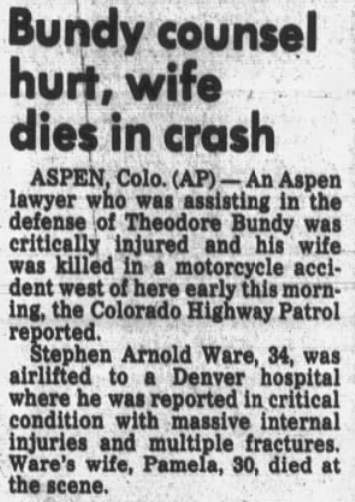
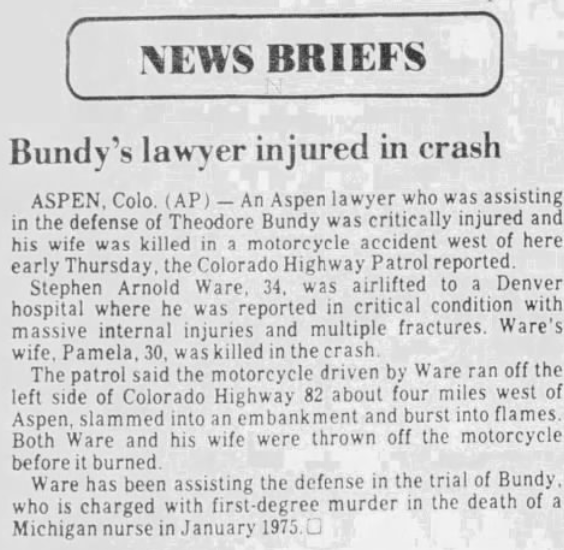
One can only speculate what might have happened if Ted had had the continued support of his promising young attorney that fed new energy into his defense: on the night of August 11, 1977 Ware and his wife were involved in a motorcycle crash in the shale bluffs of Aspen, an event that killed Mrs. Ware on impact and left Buzzy with skull and facial fractures, countless internal injuries, and a broken leg. He was taken first by ambulance to Aspen Valley Hospital then was airlifted to St. Anthony’s Hospital in Denver.
According to one of the responding officers, James Loyd of the Colorado Highway Patrol, there was ‘no apparent reason for the accident,’ and the motorcycle veered off the left side of the pavement on a right hand curve, where he hit an embankment that stopped him at impact, throwing both Ware and Pamela off the bike, which caught fire shortly after the crash and was completely incinerated by the time help arrived. In the days that immediately followed the accident Buzzy was placed in a coma, and there were some worries that he could have possibly suffered from permanent paralysis.
There was no doubt about it: Ware would be in no shape to represent Bundy in court and once again, he was alone. Ted was devastated by the accident, as he had been counting on him to help clear his name in relation to the murder of Caryn Campbell. Although he never completely recovered from the accident, Buzzy continued to practice law in Denver and Boulder, and after he retired he relocated to Southern California, where he dabbled in pro-bono work, wrote several books, and ‘continued his lifelong fascination with fiction.’ He never remarried.
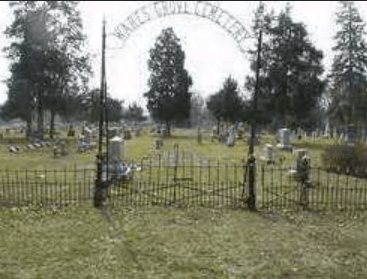
Buzzy Ware died of natural causes on September 3, 2006 in Portland, OR at the age of sixty-three (one source lists San Gabriel, CA). In his obituary, he was said to have had ‘a colorful character,’ and was loved by many close family members and friends, who said although his ‘injuries were deep both physically and emotionally, his generosity and the goodness of his heart were constant.’ Buzzy is laid to rest in the Ware Grove Cemetery located in Butler, IL.
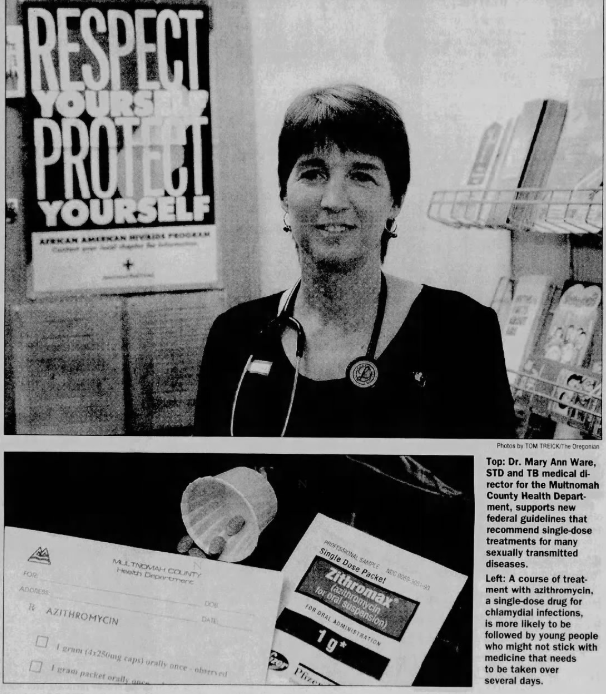
Buzzy’s mother Freda passed away on August 11, 1977 in Denver, Colorado at the age of ninety-six. Buzzy’s father ‘Barney’ died at the age of seventy-one on January 25, 1987 in Pasadena, CA. His sister Mary Ann Ware currently resides in Portland, OR with her husband and is a retired Medical Doctor that specialized in internal medicine (some sources say she was a tuberculosis specialist). She graduated from the Utah School of Medicine in 1977 and completed her residency in Internal Medicine from University of Rochester Medical Center in 1980.
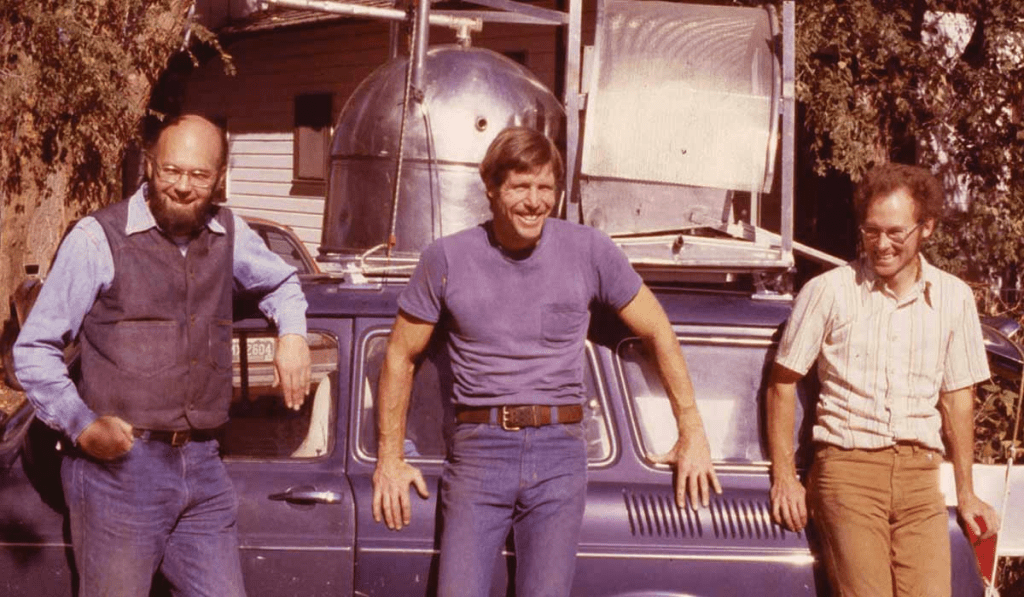
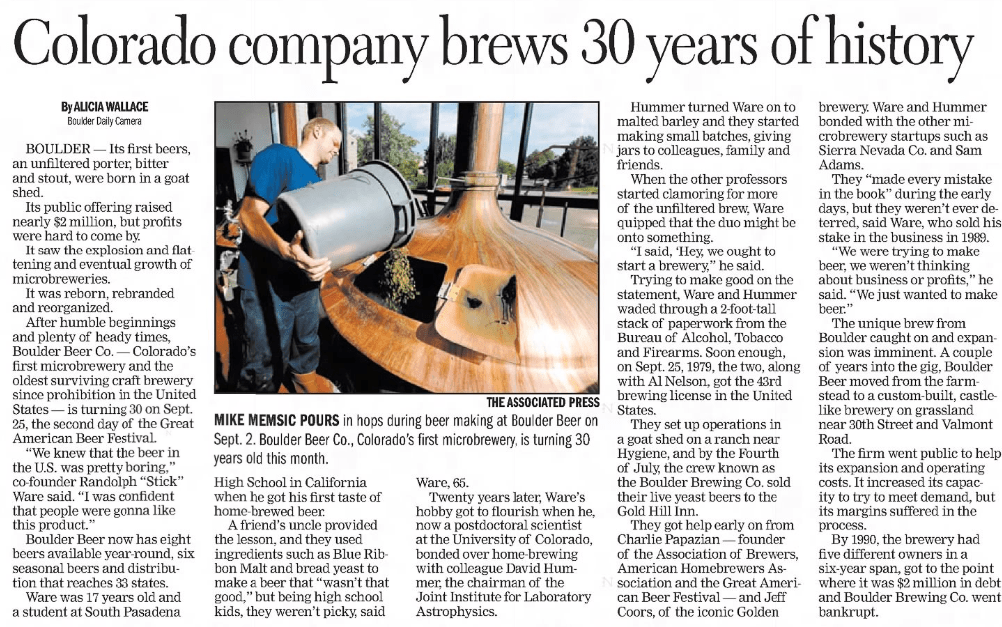
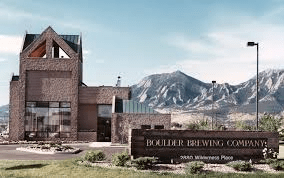
Like his brother, Stick Ware graduated from the University of Colorado: he earned multiple Bachelors degrees in Math, Chemistry, and Physics, his MS in Physics, and his PhD in Experimental Nuclear Physics. He is the Founder and Chief Scientist of Radiometrics, which is a manufacturing company that deals with appliances and electronics that is based in Boulder, CO; per his LinkedIn profile, it is a ‘world leader in the development of ground-based remote sensing.’ Stick is also the ‘founder emeritus’ of Boulder Beer, which was established in 1978. He currently resides in Boulder with his wife.


On September 17, 1975, in an attempt to ditch the vehicle to keep it out of the hands of the Salt Lake County Sheriff’s Department (who were interested in searching it for evidence linked with his multi-state murder spree), Ted Bundy sold his beige 1968 Volkswagen sedan to eighteen-year-old Bryan Severson: titled ‘Bill of Sale’ and written on what appears to be a yellow legal pad, the receipt is hand-written in red ink and states that on that date, Bryan Severson ‘has bought and paid for in full the sum of $800 (eight hundred dollars),’ signed Theodore R. Bundy. Hairs from three of Bundy’s victims were later found in the VW, according to reports. Bryan was born on February 5, 1958 and currently lives in Bountiful, Utah. Over the years Severson’s memory may have gotten a bit hazy in regards to the encounter: in October 2022 he did an interview with true crime researcher Chris Mortenson, who said that Bundy immediately ‘took off’ after he paid him for that car, but in a different interview conducted in front of Ted’s rooming house, he said he had driven Ted back to his rooming house after the purchase was completed… so, who knows? Interesting fact: he went to the same high school as Melissa Smith, and was a year below her.


Grand Junction Police Department records related to the July 25, 1975 murder of Linda Benson and her five-year-old daughter, Kelly Ketchum. Their murders were only a small part of a much larger and ongoing crime spree in Grand Junction, CO that seemed to target individuals that knew too much about the region’s narcotics activities linked to corrupt law enforcement such as former police chief Ben Meyers. It was said that one of Linda’s neighbors reported to seeing a man that matched Ted Bundy’s description around the complex right before the murder took place.


Susanne Arlette Swanson was born in May 1955 to Herbert and Blanche (nee Haynes) Swanson in Rancho Palos Verdes, California. Blanche Ethel Haynes was born on July 12, 1916 in Mason, MI, and Sue’s father Herbert Clarence Swanson was born February 9, 1918 in Tacoma, WA. The couple were married in Flagstaff, Arizona on October 13, 1948 and had two daughters together: Susanne and her sister, Holly. After serving in WWII Herb went to school and got a degree in engineering, and after he graduated he got a position with the LA Department of Water and Power, and would frequently talk about how much he loved going to work every single day, not just for his love of engineering but also because of the wonderful people that he worked with.
Sue was a strong student and while she was attending Palos Verdes Peninsula High School in Los Angelas she was in Spanish Club, Advanced Girls Ensemble, and concert choir. After she graduated in 1973 she relocated to Salt Lake City and enrolled in Brigham Young University. Susanne married LeRoy Crawford on May 23, 1975 in their temple in SLC and the couple had four children together: Kristi , Jaden, Glen, and David. Leroy Dalley Crawford was born on November 9, 1949 in Summit, Utah.
One hot day in early August 1975 after registering for a Spanish class for the upcoming semester at BYU, Crawford made a quick call on a pay phone in the Wilkinson Center. After she hung up, she nearly ran into ‘a handsome, curly haired man in his early 30’s’ that had ‘mesmerizing clear green eyes,’ ones that she had felt for sure were fixated on her as she finished up with her phone call moments before. The young newlywed softly apologized and quickly walked off, but the attractive stranger stayed with her and placed himself between her and the exit; she said that his voice was ‘deep’ and ‘rhythmic,’ and it ‘sounded poetic’ to her… she also thought to herself that his smile was perfect and his ‘handsome dimples’ drew her to every word that came out of her mouth. He told her: ‘you have such long, beautiful hair. You really are a pretty woman…. I love your eyes, they are captivating.’ Then came the question that stuck with her for the next forty years: ‘may I walk you to your car?’
Crawford lied, and told him: ‘thank you, but my husband is going to pick me up shortly,’ then flashed her diamond ring at him (which she pointed out had been in plain sight during the entire interaction). She said in response the man said nothing, but quickly turned and darted out of the building. At the time she thought the encounter was unusual and he offered her no explanation to his quick departure, like ‘I’m sorry, I didn’t realize you were married,’ or ‘it was nice talking to you.’ He simply turned away from her then fled.
She later concluded that he probably was anxious to go and: ‘find his next victim, to captivate her with his charm, wit, intelligence and charisma. I had no idea who this evil man was until many years later. ’She said that fourteen years later (which would have been roughly around the time of his 1989 execution) she was watching the news and a story about none other than Ted came on and it dawned on her who it was that she had run into in August of 1975: ‘I saw him for the first time after all those years in three-dimensional form, walking and talking as I had remembered.’ Crawford said that even though she had seen Bundy’s face ‘multiple times over the years’ in the newspaper and on newscasts she didn’t realize it was him because he ‘had so many different faces, each captivating with an array of hairstyles and looks. His eyes seemed to mutate from green to brown and then back to a hue of green again while we were talking that day in 1975.’
Sue said she’ll obviously never know what would have happened if she had never gotten married only six months prior, and strongly believes that she ‘would have allowed him to walk me to my car if I had not been married’ because she ‘sensed no danger in his presence.’ Thinking about it, she realized that she ‘fit into his pattern of victims: young, tall and thin, with long brown hair parted in the middle.’ ‘It had to be him,’ she thought to herself. At that time in early 1989 she was stuck in an unhappy marriage and remembered that the man was the only person in the past fourteen years that had bothered to pay her a single compliment.
At the time Crawford claimed she had her encounter with Ted in early August 1975 he had been a law student at the University of Utah and was in the final stages of his relationship with Elizabeth Kloepfer (although by then we knew he was being unfaithful to her). According to her, ‘Bundy was arrested two weeks after my meeting him when police finally caught up with him on August 16, 1975. It was also a little more than a month after the abduction and murder of Susan Curtis, a 16-year-old girl attending a youth conference at BYU.’ This statement is at the very least confirmed to be true: According to the ‘1992 FBI TB Multiagency Team Report,’ on June 27, 1975 after she left the Wilkenson Student Center to go back to her room during a youth conference but she was never seen or heard from again.
At the time she wrote her article for Spectrum, Crawford was a resident of Ivins City, UT (according to her FB page she still lives there) and was a student at Dixie State University; she is a grandmother to six and concluded her article by saying: ‘these days I can count four wonderful children and six darling grandchildren. They never would have been born had I accepted Ted Bundy’s offer.’
Herbert Clarence Swanson passed away on February 15, 2008, and at the time of his death, he had been married to Blanche for close to sixty years. According to his obituary, Herb was a gifted gymnast in his youth and loved to roller skate, go camping, and go out flying with his brother, Fred (who was a pilot). Sue’s mother died only ten months after her husband on December 24, 2008. Blanche was gifted in music (she excelled at the piano) and poetry, and in her younger days taught at a small school in the country. Her obituary said that: ‘her greatest gift, and most beloved of her family, was her kind and gracious heart and the sweetness which she radiated to all who knew her. Her greatest passion in life was dancing, and we as her family in our mind’s eye, can see her dancing once again as she once used to!’ During Herb and Blanche’s time together, they enjoyed traveling through the continental United States (including Canada and Alaska).
Leroy Dalley Crawford passed away suddenly on August 9, 2016 at the age of sixty-six of Richfield, Utah. According to his obituary, he was a huge fan of music, and knew how to play the piano, the organ, and a variety of different wind instruments (his favorite being the tuba, which he played in the Utah Valley Symphony while he attended BYU). He was called to the Southwest Indian Mission in 1969 where he served the Navajo Native Americans in the four corners area of the US (where Arizona, Colorado, Utah and New Mexico meet), and while there he learned how to speak Navajo fluently.
Works Cited:
Crawford, Susanne. ‘A chance encounter with serial killer Ted Bundy.’ (March 8, 2015). Taken December 11, 2025 from http://www.spectrum.com


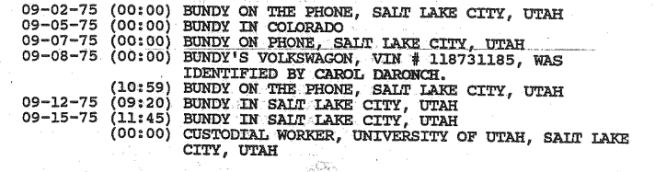
A copy of the notes from a meeting about Bundy that took place on November 13 and 14, 1975 at the Aspen Holiday Inn. The document begins with a letter from Lieutenant William H. Baldridge of the Pitkin County Sheriff’s Department, and was organized by Pitkin County deputy Mary Wiggins.
Caryn Eilene Campbell was born on September 20, 1951 to Robert and Audrian (nee Merryman) Campbell in Garden City, MI. Robert Campbell was born on on July 23, 1917 in Pana, Illinois, and Mrs. Campbell was born on April 16, 1918 in Kansas. The couple were married on October 22, 1937 and went on to have four children together: Sandra (b. 1938), Sandra (b. 1938), Caryn (b. 1951), and Robert ‘Bob.’ A petite woman, Caryn was 5’4” tall and weighed s mere 105 pounds; she had brown eyes, and at the time of her death wore her brown hair at her shoulders. She graduated from Dearborn High School in 1969, and according to the bio underneath her senior year picture, she was in ski club, choir, and ‘intramurals.’ Ms. Campbell went on to attend nursing school, and eventually became a RN.
In early 1975 Caryn was working as a registered nurse at Hospital and was engaged to a co-worker named Ray Gadowski, a divorced cardiologist with two children, Gregory (eleven) and Jenny (nine). Dr. Raymond Francis Gadowski, DO was born on June 19, 1943, and despite the nine year age difference between the couple Caryn got along well with both children, and the couple seemed happy. Ray and ‘Car,’ as he called her (or on occasion ‘Cams’) had been living together for around a year when she was killed, and were residing in Farmington, MI (Winn, 63).
On Saturday, January 11, 1975 Caryn, along with Dr. Gadowski, Gregory, and Jenny, traveled from Michigan to The Wildwood Inn in Snowmass Village, Colorado for a medical conference turned impromptu ski vacation. Friends of the couple told investigators that she was looking forward to getting some skiing in, however other reports said they were arguing about their wedding date as well: unlike her, Gadowski was not particularly in any particular rush to get married, which upset her. Despite arriving with a slight case of the flu, she was still able to take the kids skiing and sightseeing the following day. According to an article published in The Ann Arbor News on January 25, 1975 the couple had ‘purchased five days worth of ski passes.’
On the evening of January 12, 1975 the quartet went to dinner at a restaurant down the slope from the lodge called ‘The Stew Pot,’ along with some other medical professionals they met at the conference (including Campbell’s one time boyfriend, Dr. Alan Rossenthal). At dinner, Caryn ordered beef stew, and while everyone else imbibed on beer and cocktails she was still feeling ‘queasy’ and stuck with milk. The meal ended around 6:30/6:45 PM, and despite the frigid temperatures they decided to walk back and forth from their hotel to the restaurant, leisurely walking the busy street window shipping on their way home, and the group stopped at a Walgreens to browse their magazine section, and according to Kevin Sullivan’s ‘The Bundy Murders:’ ‘apparently Brinkman (a pseudonym for Dr. Rosenthal) had a Playboy to keep him company on the trip, and as he and Caryn were joking about it, Caryn offered to switch with him what she insisted was a much better magazine, her current issue of Viva. With a laugh, Brinkman agreed to the offer.’
When they arrived back at about 8:30 PM everyone settled in front of a large fire in the front lounge: Dr. Gadowski read the evening paper, and it was then that Dr. Rosenthal reminded Caryn about the copy of Viva up in her room. With a sigh, and a small hope that her fiancé would offer to run up and get it (he declined), Campbell announced that she was returning to their room and would return shortly, taking with her the family’s only room key. Greg and Jenny trailed behind her and tried to tag along, but she left them at the elevator and told them to stay by the fire. As she left the lounge, so did Rosenthal, as he returned to his room to get that Playboy. It was the last time Dr. Gadowski ever saw her alive.
After getting off the elevator at the second floor, Campbell briefly chatted with several physicians that she’d met up with at the convention, including a nurse that she worked with at the hospital, and at the time, she had been wearing blue jeans, a light brown ‘wooly jacket,’ and boots. Two of her friends that were staying in the inn that night told investigators that they saw her walk out of the second-floor elevator going in the direction of her room, and was last seen in an open corridor overlooking the pool. According to court records (and Kevin Sullivan), a couple named Dr. and Mrs. Yoder ‘observed Caryn Campbell, with whom they were familiar, exit the elevator on the second floor of The Wildwood Inn. Miss Campbell told the Yoders that she was going to her room to get a magazine and that she would return immediately to the lobby, and they watched her walk down the hallway towards room 210.’ There may however, be some discrepancy as to the extent of the interaction that the couple had with Caryn: according to an article published in The Daily Sentinel on April 5, 1977: ‘Ida Yoder, whose husband is a Physician in Littlejohn, commented that she only saw Caryn and that they didn’t speak, and didn’t know what floor she got off of.’
Dr. Gadowski and the kids waited for Caryn to return in the lounge, and in the first few moments he wasn’t immediately concerned, however as the time passed by with no word from her he decided to go looking for her and returned to their room. As he didn’t have a key, upon arrival he knocked on the door, wondering if perhaps she was in the bathroom, as he knew that she wasn’t feeling well. After running to the front desk and getting a duplicate key, upon entering Gadowski found no signs of a struggle, and the room looked exactly as it did when they’d left earlier. Caryn’s purse was nowhere to be found, however the magazine that she’d intended to get was still on the nightstand next to their bed. Gadowski called the Aspen Police Department shortly after ten PM, and two Pitkin County Sheriff’s deputies arrived roughly an hour later.
When police arrived, they interviewed Dr. Gadowski, and almost immediately began searching the inn, inspecting elevator shafts and crawl spaces, but found no trace of Caryn. On January 13, 1975 uniformed members of the sheriff’s department conducted an extensive search of the buildings and grounds of The Wildwood Inn, including all 140 rooms. They came up with nothing. According to Kevin Sullivan’s ‘Ted Bundy’s Murderous Mysteries,’ ‘background information was obtained on all the employees of The Wildwood Inn and checked against the NCIC (National Crime Information Center) network for reported criminal records locally and out of state. No leads were developed (Sullivan, 158).’
In addition to staff, investigators obtained complete lists of registered lodgers in the general Aspen area around the time Campbell was last seen (starting on January 10), as well as the passenger manifests from Denver to Aspen (then back again) on the only two commercial airlines that served the area at the time. Chief Criminal Investigator for the Ninth Judicial District of the state of Colorado Michael Fisher and the other detectives did extensive background checks on Dr. Gadowski and Alan Rosenthal, as well as all of Campbell’s old boyfriends and male friends/co-workers/acquaintances, and came up with nothing (Sullivan, 158). Ultimately, Investigator Fisher interviewed more than 100 people in relation to the Caryn Campbell case, and he came across no evidence that would indicate that anyone was involved in her disappearance.
When Campbell disappeared it was well past sunset, and weather conditions had dropped significantly: according to historical records, the temperature in Snowmass Village on the evening of January 12, 1975 hovered around -2, therefore it stands to reason that the lot where Bundy parked his car was pretty deserted and absent of any people lingering. Additionally, in the days following her disappearance conditions were below freezing, and by January 15th detectives were fairly certain that the young nurse hadn’t left Colorado by any form of commercial transportation (plane, train, or bus). They also had checked out all of the area’s medical facilities and hotels/inns/resorts, and no unnamed young woman that matched Caryn’s description had been admitted or checked in. Airports and bus companies around the general Aspen area were notified of the missing young woman, and were given photos and a description of her (Sullivan, 159).
While staying in Colorado the couple did not rent a vehicle, and Caryn’s skis were found left behind in her room. It is strongly believed by those that knew her that she would never have never wandered away on her own, and because of the harsh weather Investigator Fisher said that ‘most people couldn’t walk more than 30 feet’ from the road.
In the early part of the investigation detectives focused on Dr. Gadowski, but he was quickly cleared. Additionally detectives did an extensive look into Dr. Rosenthal’s background as well, and he was also cleared of any wrongdoing. Both Gadowski and Dr. Rosenthal was polygraphed by Investigator Fisher (Raymond twice), and both men passed. According to Mike Fisher, ‘I’ve seen some gals take a quick walk on their boyfriends when they’ve got a beef, but this is another thing altogether.’ … ‘I’ve ruled out gypsies, flying saucers, occult people, and cattle rustlers.’
After Caryn disappeared, Dr. Gadowski stayed behind at The Wildwood Inn for a week with hopes that she would somehow return to him, but sadly that never happened and he returned home to Michigan. After weeks of combing the general Aspen area investigators determined that there was no evidence pointing towards Campbell having met with foul play, and called off their search. Almost immediately after her disappearance Investigator Fisher reached out to Campbells dentist and got a copy of her dental records and x-rays, a Dr. Richard H. Mentzer of Dearborn, MI.
Looking at the layout of The Wildwood Inn and its surroundings, at the time of Caryn’s abduction there were a number of smaller parking lots on the western side of the building, and when you consider Ted’s modus operandi (specifically the murders of Georgann Hawkins and Susan Rancourt) it is likely that he purposefully parked his Bug in the most out-of-the-way spot that he could find. After Bundy (somehow) convinced Campbell to come with him, he got her in his 1968 VW Bug and drove the 3.1 miles away to Owl Creek Road, which was (at the time) covered in snow and was most likely why he didn’t put a lot of effort into hiding her body. Although her body had been somewhat disrupted by scavenging animals, Caryn’s autopsy showed that she had died about two hours after she was abducted due to the level of digestion of the stew and milk in her stomach.
A little over a month since she was last seen alive, on February 17, 1975 Caryn Campbell’s frozen remains were found face down on a dirt road just outside Aspen on the south side of Owl Creek Road, just west of Sinclair Divide. A passing recreational employee stumbled upon her remains when the weather began to warm and he noticed birds of prey flying above her. The young victim had suffered extreme decomposition and damage to the upper body, most likely the result of animal predation (probably coyotes), which made immediate identification impossible. There were no footprints or tire tracks found at the scene, however according to Kevin Sullivan,’approximately three and a half feet from the south shoulder of the road was a deep depression which perfectly matched that of a body, which had laid on its side, head pointing west. It was also apparent that the body laid facing the open field (????) both earrings, small gold earrings for pierced ears, were found where the head had been positioned. Surrounding the depression were several coyote tracks. Leading from the depression were several coyote tracks. Leading from the depression (head position) were drag marks (Sullivan, TB’s Murderous Mysteries, 161).’ An extensive search of the area by law enforcement failed to locate Caryn’s clothing.
Upon arrival at the crime scene, Investigator Fisher spoke with Pitkin County DA Steve Waters, who told him, ‘Fish, you’ll never find out who did this. You’ve got nothing to work with’ (Sullivan, 124). According to her autopsy, Ms. Campbell had been badly beaten, and the back of her skull had sustained three heavy fractures. She had also suffered from deep cuts from an unknown sharp weapon, and her hyoid bone had been cracked; her left earlobe was slit. The ME was unable to determine if she had been strangled or sexually assaulted due to the advanced level of decomp, however the nude condition of her remains pointed to sexual gratification as a motive. Additionally, the pathologist was able to find phosphorus on the remains, however when interviewed Gadowski said that he and Caryn had sex on the evening of January 11th.
Almost immediately after her body was discovered Dr. Gadowski was interviewed by a reporter, and regarding the tentative identification, he said, ‘that’s kind of what we expected. We’ll have to wait and see what happens… This endless waiting has been very difficult for everyone involved. But I hope it’s not her.’ After a positive identification was made, Caryn’s remains were flown to Detroit for burial. In February and March 1975 Pitkin County investigators traveled to Michigan on multiple occasions in order to dig into Campbell’s background (as well as Dr. Gadowski and Dr. Rosenthals’).
The day after the discovery was made the remains were taken to Denver General Hospital, where Pathologist Dr. Donald Clark performed an autopsy and a positive ID was made thanks to dental records.* Also, Caryn’s dentist determined that ‘in his unqualified opinion, after comparing the dental charts and x-rays with the dental work on the body, that the body is in fact Caryn Eilene Campbell.’ *Just as a side note, Kevin Sullivan reported that she was flown to ‘Howards Mortuary,’ located in Denver.
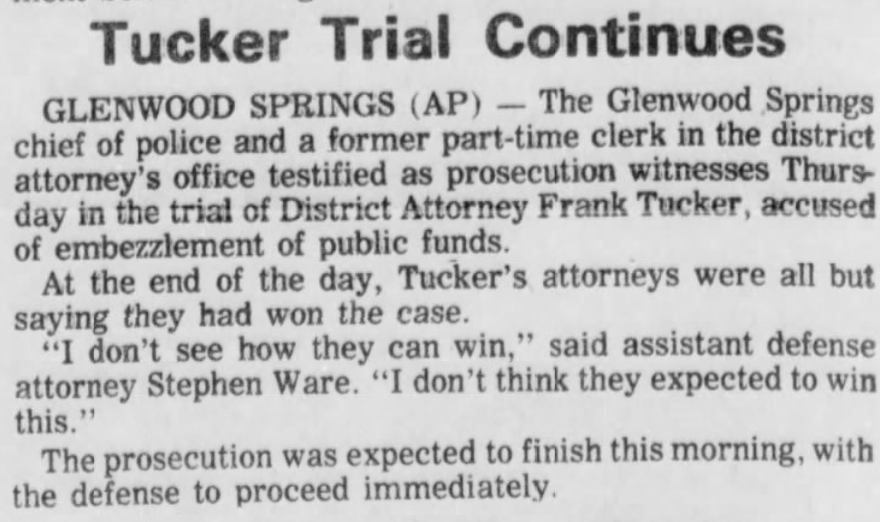
After allowing the body to thaw out for roughly 24 hours, Caryn’s autopsy revealed that ‘the cause of death was blows to the back of the head with a blunt object combined with exposure to sub zero elements.’ She also had a cracked tooth, and suffered extreme tissue damage in her face, head, and one of her arms due to exposure to wildlife, and had bite marks on her cranium. She also had ligature marks on her wrists, which pointed towards her being tied up at one point. Based on the contents of her stomach, it’s strongly suspected that Campbell was killed within two to five hours after she disappeared, and according to (retired) Colorado DA Frank Tucker, ‘all indications are that this is a homicide.’
For some of the detectives that were familiar with the large amount of recent homicides in the general part of the US, it was suspected that Campbell had possibly fallen victim to a violent predatory killer who by that time had already claimed the lives of (at least) twelve other young women in the west. However when pressed about a possible connection in the cases Frank Tucker said that he was ‘interested in convicting someone of this crime, not in hearing someone’s pipe dreams. We have no evidence to tie this murder to any other we’ve had in the West at all at this point.’
Seven months after the murder of Caryn Campbell, Utah Highway Patrol Sergeant Bob Hayward arrested twenty-eight-year-old law student Theodore Robert Bundy after a brief police chase. Inside Ted’s VW (which they were given verbal permission to do, a fact that Bundy later denied), officers found several items that commonly doubled as burglary tools, including a pantyhose mask, crowbar, (off-brand) handcuffs, and an ice-pick. While searching his apartment later that same day, detectives found a list of Aspen ski resorts with an x next to The Wildwood Inn, as well as a program from the play ‘The Redhead” that was performed at Viewmont High School, which is the school that Deb Kent was abducted from on November 8, 1974. Credit card receipts from January 12, 1975 seem to point towards Ted buying gas in Glenwood Springs, Colorado, which puts him in close proximity to The Wildwood Inn.
According to the ‘1992 TB Multiagency Team Report,’ on October 2, 1975 Bundy stood in a lineup in SLC for the attempted kidnapping of Carol DaRonch (which occurred earlier in the day that Deb Kent vanished), and after she picked him out he was arrested two hours later. Additionally, Ted’s Volkswagen matched the description of the vehicle that was used by the kidnapper.
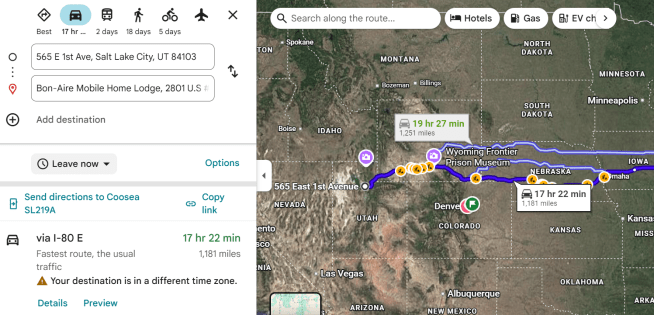
At the time of Caryn’s murder in January 1975 Ted was a full-time law student at the University of Utah, and was living in his first SLC apartment located at 565 1st Avenue. He was unemployed at the time, and remained that way until June 1975 when he got the position of night manager of Bailiff Hall at the University of Utah (he was fired for showing up intoxicated). He was also in a long term relationship with Elizabeth Kloepfer, even though they were on the down swing of their romance.
Ted was bailed out of jail on November 20, 1975, and his trial for the kidnapping of Carol DaRonch began on February 23, 1976. During the trial Bundy decided to act as his own attorney, and openly admitted to having no accountability for his whereabouts on November 8, 1974, when DaRonch was abducted. Despite being adamant that he never met Carol DaRonch, he was ultimately found guilty and sentenced to between one and fifteen years in prison.
With a possible suspect behind bars, detectives in Washington and Colorado began to piece their cases together, and hunted for more proof that linked Bundy to the homicides in their state. Ted’s tan 1968 Volkswagen was impounded and picked apart by forensic technicians, and despite multiple deep cleanings he had missed important pieces of evidence. On January 29, 1976 investigators were told that a hair sample that was found in the vehicle matched that of Caryn Campbell, as well as three additional suspected victims. It was also determined that the wounds found in Campbell’s skull matched the pattern made by the crowbar that had been taken from Bundy’s vehicle on the night of his arrest.
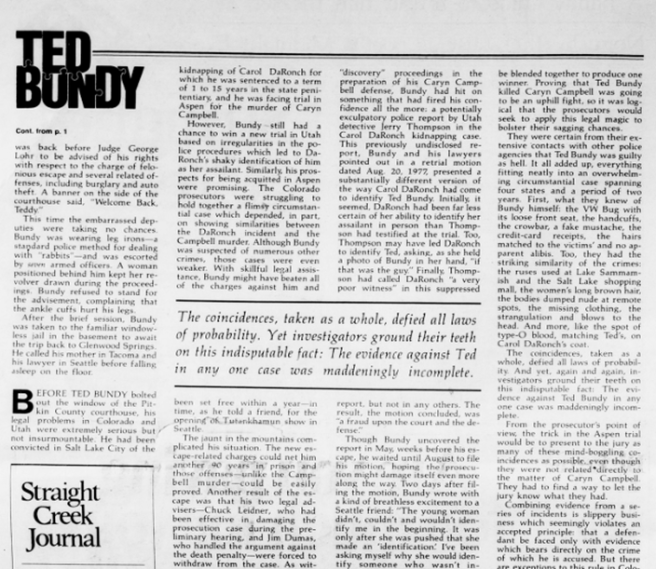
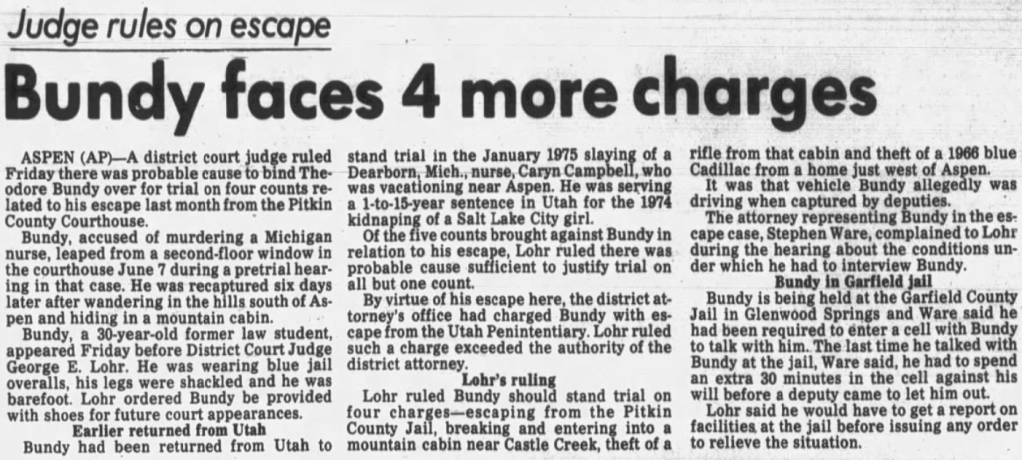
On October 21, 1976 Ted was officially charged by Pitkin County for the murder of Caryn Campbell, and on January 28, 1977 he was transferred from custody in SLC to the Garfield County Jail in Glenwood Springs to stand trial. Once again, he decided to act as his own attorney, which allowed him access to the make-shift ‘law library’ located in the back of the second story courtroom, which he escaped from on June 6, 1977, and the rest is history… (in reality, I’ve already written about it a half dozen times before).
According to Kevin Sullivan’s 2016 book, ‘The Trail of Ted Bundy,’ a woman named Elizabeth Harter (who I’ve also seen called Lisbeth) was staying at The Wildwood Inn at the time of Caryn’s murder, and she said the evening she disappeared she happened to notice Ted standing next to a ‘outdoor service closet’ and across from an elevator because he looked so out of place, saying that he: ‘certainly wasn’t dressed for it (meaning the cold temperatures), as he was wearing dress slacks and a shirt. His appearance looked so odd that Elizabeth Herter noticed him and immediately wondered why he would be doing such a thing. He stood out, she later told police investigators, and she thought it was weird.’
In a way there’s a lot of parallels to the Campbell murder and the disappearances of Georgeann Hawkins from the University of Washington in June of 1974 and Sue Rancourt from Central Washington University on April 17, 1974 in Ellensburg. Both young women were most likely approached by a man that was using an injury ruse looking for help, and were lured away to a secondary location that involved his waiting vehicle. Did Ted lure Campbell from the second-floor hallway of The Wildwood Inn, perhaps pretending to have a broken appendage…? But why would anyone be at a ski resort with a broken arm or leg? I guess it would have made for an interesting conversation starter.
According to a 1979 KOMO news report, in the early portion of the investigation there was another suspect that was looked at for the disappearance of Caryn Campbell: an individual Ruth Walsh dubbed ‘Jones’ (a pseudonym), who happened to be in the Aspen area for at least eleven days prior to her murder and one day after. After about thirty seconds of investigating (reading through the documents related to the case that were recently released by the Pitkin County Sheriff’s Department), Jones’ real name is Hugh Joseph Michael Temos.
Temo had been employed (and fired) as a maid/dishwasher at (at least) four hotels/reports in the general Aspen/Snowmass Village area, specifically at the Holiday Inn (for three days), The Pomegranate Inn (for three days), The Plum Tree Inn (for seven days), and ‘The Top of the Village’ (for one week). His former coworkers testified that he was disruptive, weird,’ a sexual deviant, athletic, ‘physically attractive,’ hyperactive, scary, not playing with a full deck, crazier than hell, and hostile towards women.’ On January 13, 1975, Temos picked up his final paycheck and walked out, leaving the Aspen area for good. The next time he surfaced was at the city jail in Roseburg, Oregon, where other inmates described him ‘bursting into spontaneous laughter at empty space,’ and drinking his own urine, with one man even admitting he was ‘terrified of him.’
Chris Haper, one of the managers at ‘The Top of the Village,’ told Pitkin County investigators that the day before Campbell’s disappearance on January 11, 1975 he had tried to fire Jones, who had consequently became aggressive, and turned into an incident that made him ‘fear for his life.’ On the 12th of January Haper said that when Jones left work at The Top of the Village he announced that he was going to go watch cross-country skiers, and perhaps it’s worth mentioning that the TotV is only one block away from The Wildwood Inn. A maid at The Wildwood testified that she saw Temos near the pool on the night Campbell vanished, and it was because of this tidbit that detectives brought him in for a polygraph. The results found no indication that he killed the pretty young nurse and he was officially cleared, however it was determined that the test was administered without a blood pressure cuff, which may have affected the results.
Seattle polygraph expert Lieutenant Joe Nicholas, while not directly commenting on Temo’s test specifically, took a ‘dim view’ in regards to the validity of a polygraph test administered without a blood pressure cuff, and when pressed by Walsh he admitted that if any one of the three key elements were omitted, it would definitely affect its accuracy despite there being other things to look at (breathing, for example).
Walsh also mentions that there was ‘a postscript’ in regards to this Jones individual: she said that he was living in Seattle during Bundy’s heyday in 1974, and on September 8, 1974 (a day after the discovery of Ted’s Issaquah dump site) he was arrested by the King County Sheriff’s on a charge of indecent exposure (he flashed a cops wife), and went on to serve 180 days in jail. After getting out, he made his way to Colorado, and it was around this time that he developed a reputation for violence, largely towards the opposite sex, and exhibited a large amount of mental instability. In an on-air interview with King County Sheriff Lieutenant Jim Harris, Walsh asked him about Temos and if he served time in the King County Jail on the dates she provided him with, which he did confirm.
In another report conducted by the FBI, Sergeant Ivan Beason commented that ‘in checking records, the Seattle area was having almost one missing girl per month, but after the suspect (Jones) was incarcerated, the missing girl stopped. In the opinion of the reporting detective, Jones looks good as a suspect.’ The missing girls referred to in this report are of course the eight confirmed Bundy victims from 1974.
But wait, it gets even weirder: Temos lived only two blocks away from the alley that Georgiana Hawkins disappeared from in June 1974, which is a murder that has a lot of parallels with Caryn Campbell. He also lived within two blocks of Lynda Ann Healy, who vanished without a trace in the early morning hours of February 1, 1974. At the end of the segment Walsh reported that at the time of the broadcast in July 1979 nobody knew what had happened to Jones, and he had seemingly dropped completely off the radar.
Another person that was investigated for the murder of Caryn Campbell is Pitkin County undersheriff Ben Meyers. The true crime website ‘CAVDEF’ pointed out something odd involving the eyewitness Lisbeth Harter took place at Bundy’s pretrial hearing, an event that Ann Rule detailed in ‘The Stranger Beside Me:’ ‘this time, the eyewitness was the woman tourist who had seen the stranger in the corridor of The Wildwood Inn on the night of January 12, 1975. Aspen Investigator Mike Fisher had shown her a lay-down of mug shots a year after that night and she’d picked Ted Bundy’s. Now, during the preliminary hearing in April of 1977, she was asked to look around the courtroom and point out anyone who resembled the man she’d seen. Ted suppressed a smile as she pointed, not to him, but to Pitkin County Undersheriff Ben Meyers (Rule, 230).’
The creator of the ‘CAVDEF’ web page seems to write around conspiracy theories, and the idea that Ted Bundy (at the very least) either had help with his murders or he wasn’t responsible for all of the ones that he is (or both). In a blog post written about Caryn Campbell, they creator mentions that at first Harter’s identification of Meyers was quickly dismissed as a mistake, however when one considers his rumored connection to several murders in Grand Junction later in 1975 it almost makes you wonder if he was the man that she saw at The Wildwood Inn on the evening of January 12, 1975. As the Grand Junction murders (including Denise Oliverson) seemed to center largely around local organized crime, this suggests that if Meyers was somehow involved, Campbell’s murder was then most likely a targeted hit. On that note, it is worth mentioning that Caryn’s brother Bob is a retired Fort Lauderdale police officer, which is an area that remains a major center for drug trafficking activity to this day.
Denise Oliverson was the first of many young women to either disappear or be murdered in Grand Junction in 1975. All of these crimes were suspected of revolving around the drugs and prostitution activity in the city, in which many officers including police chief Meyers were complicit. Oliverson was known to be a fairly heavy drug user, which put her in at least some contact with the local drug scene.
Vail Colorado ski instructor Julie Cunningham, who disappeared on March 15, 1975, also may not have been just a random victim: she was reportedly good friends with the daughter of Salem Oregon chief of detectives Jim Stovall, who worked directly under Ben Meyers when he was Salem’s chief of police. In fact, Stovall was the very first officer of the department that Meyers nominated for a national law enforcement award, and the two traveled together to Atlantic City in New Jersey for the ceremony. Eagle County, where Vail is located, was also a known center for the nationwide drug trade: Allen Riverbark, a known trafficker that operated in the area during the 1970’s until he died in a plane crash in November 1981, owned the Black Mountain Guest Ranch, which was located thirty miles outside of Vail. It doubled as a hideout for East Coast mobsters, and served as a distribution point for Rivenbark’s network of drug dealers, a ring that was based in Fort Lauderdale. FL (CAVDEF, 2022).
Harter was obviously the foundation of the state’s case, and they had no other ‘proof’ that placed Bundy inside of The Wildwood Inn on the evening Caryn disappeared, and that evidence disappeared with her identification of somebody other than him. The only things that the prosecuting attorneys had left in their arsenal was the gas receipt linking him to the general Snowmass Village area on January 12, 1975, an inconclusive (and since-discredited) DNA analysis conducted by the FBI that placed Campbell’s hairs in his VW, and an attempt to introduce cases in other states that he was only suspected of but never even stood trial for.
In an old audiotape that had been recorded by Bundy on February 2, 1980 for journalists Steven Michaud and Hugh Aynesworth (provided by Maria Serban on behalf of Dr. Rob Dielenberg), the killer talked about Mike Fisher’s dedication to his conviction in regards to the murder of Caryn Campbell: ‘And while this doesn’t have anything to do with Fisher, I think it’s interesting if you read the transcript of the preliminary hearing in the Campbell case, how thoroughly he was discredited as an investigator. This is chiefly with respect to the rather amateurish way in which he handled Elizabeth Harter who was allegedly the kingpin of the case: she was a woman who said she saw a man or men standing by elevator one evening at Snowmass, Colorado, on the evening that Caryn Campbell disappeared. It was a year later, when she returned to Snowmass for the same type of convention they have, that a photo display was shown to her and she picked up my photo as being the man standing by the elevator.’
‘You have to compare, to really appreciate how badly Fisher handled this situation… you must compare the language and the information in the Campbell case with the testimony which actually came out at the preliminary hearing. Basically, unusually, I guess, Fisher grossly exaggerated the statements made by Mrs Harter with respect to her photo identification and the set of circumstances which gave rise to that identification. Of course, when Mrs Harter was called in Aspen to make an identification, she failed to identify me… She also said that she had never told Michael Fisher that she was sure of what she was seeing and what she had seen, it was dark, she never got a good look at the man she had seen, that she was some 40 ft away from the man she had seen, and that the photo she picked out, she picked out as only remotely resembling the man that she had seen and she could not form an opinion that the man in that photo was exactly the man she had seen…’
‘Of course, the representation Fisher must have made toward getting the information in the first place is far different.’ … ‘The embarrassment suffered by the prosecution at that preliminary hearing as a result of Fisher’s half-hazardous, vague investigations, is the worst I’ve seen in any case that I’ve been the object of. Plus the bottom line of that handling of Miss Harter was that she not only failed to identify me in the courtroom – that is she did not identify me in the courtroom, but in fact identified the under-sheriff who had accompanied me from Utah to Aspen just a few weeks before. The name of the under-sheriff was Ben Meyers by the way.’
‘Anyhow, a law enforcement official of questionable character, he had held a number of jobs, he had been in a variety of law enforcement agencies throughout his career, and there were a number of rumors, most probably unsubstantiated of course as far as I can say, concerning his conduct in the various agencies that had employed him.
‘Interestingly enough, the last position he held before coming to Aspen was… before coming to the Pitkin County Sheriff’s Office as under-sheriff… was of chief of police in Grand Junction, Colorado, where there had been a series of murders of young women… And my understanding is that it took a great deal of pressure… and there was a failure of his department to solve these murders… I don’t believe that was the sole reason of him leaving.’ … ‘Ben Meyers himself was not effective in the investigation in the prosecution of my case, other than the fact that he was identified as most resembling the man that Mrs Harter saw the night of Caryn Campbell’s disappearance.’
‘I saw Fisher on numerous occasions: most in the courtroom, in Aspen, during the many months that I attended the pre-trial hearing there… The only occasion when he testified that I can recall was the occasion of the preliminary hearing. But it seems as though he was always present, whispering in the ear of Frank Tucker, the district attorney delegated to try the case for Fisher… Or sitting somewhere in the front row of the courtroom. It was clear he had a personal interest in this case. And I had been told, although I can say this from personal experience, that he had developed something of a close friendship with the former fiancé of Caryn Campbell. I always got the feeling that despite his rather laidback manner, his rather non-law enforcement demeanor, that he was deeply, deeply devoted and dedicated to obtaining a conviction of me in this case.’
‘After the preliminary hearing in Aspen, of course, there were numerous contacts with Michael Fisher which I will relate to you as I go on this tape… In many ways… I don’t know… certainly I had something of a dislike for him, because obviously, from where I stood… he did not seem to be equipped to handle the job that he had taken on for himself. It’s hard for me to describe that feeling any further… I wouldn’t call what I felt for him as a form of pity… that’s just not what I’m trying to say, but I just felt when I looked at the man and listened to him and watched him, I couldn’t believe that he was actually someone who had been delegated with the serious responsibility of a serious investigation of a serious criminal case. Certainly appearances are deceiving, but in Fisher’s case, his appearance, I think was reflected in his ability…’
‘After the day that I arrived in Aspen, Fisher asked me if I wished to talk to him. He and I never spoke directly again until I had been captured after my escape from Aspen jail in June 1977… I never saw him back in the jail area at the Pitkin County Jail where I was being held. I rarely saw him in the sheriff’s office. Mainly because the prosecuting attorney’s office where he worked was in a building maybe 15 yards away from the courthouse itself. But there is no doubt that whether he was experienced or not, whether he had the ability or not, or whether he was a policeman or a law enforcement officer or just someone who fancied themselves as a law enforcement officer… There is no doubt he had an active and major role investigating the Caryn Campbell case.’
‘I believe he was present… a peeping-tom policeman… No, I believe he was present at the autopsy of Caryn Campbell, although I can’t say for sure… I wish I’d known if he was present at the scene shortly after her body was discovered… I know that he examined a number of items in evidence or trace materials… One time a vehicle rented by a friend of Campbell’s fiancé was examined for dirt and other debris, which may have indicated whether Campbell was in contact with that vehicle. I know for instance that he tried to track down a number of suspects other than myself, and this would be reflected in the reports that you’ll find.’
And Ted seemed to be concerned with the things Fisher was doing during the period of time before Ted became a suspect in the Campbell case: ‘I know that he took a hair sample, sat in my car… As far as I know he came to take my statement…’ ‘He did a great deal of investigation, specifics of which I’m not familiar, but I believe that one time he represented to me that he and another investigator checked every hotel and motel in the Aspen vicinity to see whether there was someone like me who fit my description who registered there.’ … ‘I wish I had known everything he had done and that might be of some value to me in that case.’
Bundy then also says that he knows that Fisher traced down his credit cards and came up with a credit card that Fisher believed placed Bundy in Glenwood Springs, Colorado on the day when Caryn Campbell was last seen [according to press reports, police had discovered that Bundy used a credit card on Jan. 12, 1975, in Aspen, the day Caryn Campbell disappeared from her hotel room].
And Bundy then says that he believed Fisher also traveled back to Michigan, to the area where Caryn Campbell was from, and that Bundy’s discovery records indicated that Fisher sent out hundreds of letters to different law enforcement agencies inquiring about the Campbell case… ‘Many many letters to agencies followed up the lead on different suspects. No question he was chief investigator and he engaged in enormous amount of work in that case, both before and after the time I became a suspect. This portion should be reflected in many of the documents I collected in Colorado. So one cannot fault him for being diligent, being amateurish but diligent in pursuit of solving the Caryn Campbell murder.’
Bundy is then also heard saying that Fisher had no substantial case in the Campbell murder, and Fisher had ‘expectations, the unrealistic belief that given enough pressure of some sort, that I’d give him the easy way out, that I would confess to whatever it was that he wanted me to confess to. I think it’s interesting to know that following my arrest in Pensacola, Florida, in February of 1978, that he and Milt Blakey, special prosecutor from Colorado assigned to the Campbell case, immediately flew to Pensacola and were present while I was being interrogated by the police in Pensacola. But he [Fisher] never showed his face, I never knew he was there… or whatever made me aware of his presence there. Later when I was transferred to Tallahassee he too went to Tallahassee and was present during…’
Bundy ends the tape by saying that Fisher was absolutely convinced, in his own mind, that he was responsible for Caryn Campbell’s murder. And he is also heard, right before the tape ends, teasing that the real him would not be captured on those tapes… I received this tape from Rob Dielenberg, who had obtained it from David Von Drehle’s archive.
Before Bundy was executed in January 1989 Investigator Fisher flew to Raiford Prison in Starke and spoke with him regarding his Colorado murders, and according to ‘Ted Bundy’s Murderous Mysteries,’ he did a news conference in Aspen the following day to go over his findings: according to an article published in The Aspen Times, ‘Bundy told Fisher that he drive around Aspen several hours before the murder and then headed up to Snowmass Village carrying ski boots… Bundy told Fisher he stopped at the edge of The Wildwood’s pool and was hoping a woman nearby would help him carry his ski boots to the car. But the woman ignored Bundy and he waited for several minutes until Campbell, his second choice, walked across a balcony and asked Bundy if he needed some help.’ As the article continues, Bundy admitted to Fisher that it wasn’t long before he hit Caryn ‘with the boots’ (just incapacitating and not killing her) then ‘stuffed her into his vehicle (Sullivan, 163-164).’
The final thing that Investigator Fisher was asked by reporters was whether or not Campbell had been sexually assaulted, which was a question he briefly hesitated on then refused to answer (probably for the sake of the Campbell family and Dr. Gadowski). It wasn’t until he was being interviewed for Kevin Sullivan’s book, ‘Ted Bundy’s Mysterious Murders’ in 2009 that he finally admitted that he told him that he took her life ‘just like the others (hitting her in the head) just once,’ before mentioning that he ‘did his thing right there in the car (Sullivan, 124).’ Fisher also mentioned that Ted did confirm that he did kill Caryn away from The Wildwood Inn.
Raymond Gadowski remarried a woman named Marvelyn (née Moser) in 1979 and died at the age of 69 on February 20, 2022. According to his obituary, he graduated from Southfield High School in 1961 then went on to attend Michigan State University, graduating in 1965. He attended medical school at Chicago College of Osteopathic Medicine, and after completing his cardiology fellowship in 1978 he went on to practice medicine for 44 years in the Greater Detroit area. He had another child with his second wife and his son Gregory went on to become a Doctor. In addition to working as a physician and teaching Dr. Gadowski had a very active life, and enjoyed fishing, skiing, and playing golf at his beloved Oakland Hills Country Club. He loved spending time with his grandchildren and always shared his ice cream with his dogs.
The day before the execution of his daughter’s killer, Robert Campbell did an interview with The Free Press, saying: ‘you never really forgive something like that. You just try to put it behind you… the thing I’d like to have back, I can’t.’ He went on to say that despite Caryn’s senseless murder that he didn’t feel strongly one way or another when it came to capital punishment, and that he was ‘not a vindictive person, but certainly you can’t go around killing people… reluctantly, but I don’t think executing Bundy will be a deterrent. People will keep killing.’
Audrian Campbell passed away at the age of 67 on March 10, 1986 in Detroit, and Mr. Campbell died at the age of 79 on July 28, 1996. Caryn’s sister Sandra Lee ‘Sandy’ Leabo died on September 27, 2017 in Northport, MI and Nancy Ann passed away at the age of eighty in Wyandotte on January 5, 2023.
Works Cited:
Sullivan, Kevin, ‘The Bundy Murders: A Comprehensive History.’ (2009).
Sullivan, Kevin. ‘Ted Bundy’s Murderous Mysteries: The Many Victims Of America’s Most Infamous Serial Killer.’ (2019).
Winn, Steven. ‘The Killer Next Door.’ (1979).


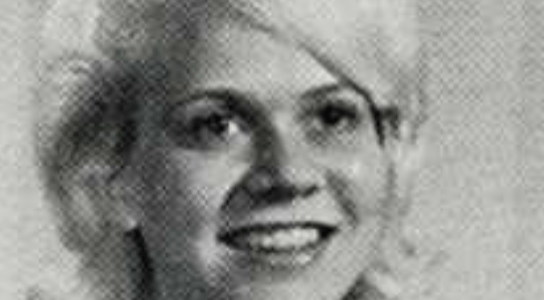
Susan ‘Sue’ Curtis was born on May 18, 1960 to Larry Eugene and Marilyn Ruth (Nee Haslam) in Salt Lake City, Utah. Larry Curtis was born on February 6, 1935 in Salt Lake, and Mrs. Curtis was born on August 27, 1936. The couple were wed on September 22, 1954 and eventually settled down in Bountiful. They had six children but unfortunately I wasn’t able to find out much else about the family. Sue was an honor student that also excelled in athletics and was involved in quite a few extracurricular activities at her high school: she played baseball and volleyball, and was also on the school’s track and basketball teams. She stood at 5’7” tall, weighed 120 pounds, had hazel eyes, and brown hair that she wore long and parted down the middle. Curtis had pierced ears and had just gotten braces the month before she was murdered.
In the summer of 1975, Susan Curtis was fifteen and about to go into her sophomore year at Woods Cross High School. Due to an unhappy home life she had a history of running away, but she was never gone for very long and would always return home after just a few days. Sue hada lot of mental health concerns, and attempted suicide on a couple different occasions. She was also an ongoing victim of sexual assault at the hands of from a former physical education teacher and coach named William ‘Bill’ Lugo, who taught at South Davis Junior High School in north SLC (he was eventually convicted of his crimes)*. In an interview with true crime researcher Chris Mortensen (also known as Captain Borax), Lieutenant Arnold Lemmon from the Brigham Young University campus Police Department (and close friend of the Curtis family) said that Lugo and Sue ran away together the week before she was murdered. He even flew her to Phoenix and put her up in a hotel room. They got caught after Susan had a pregnancy scare and (using the fake name of a friend) arranged for her to go to a clinic and take a test (there was apparently a mix up and the results were mailed to that friend’s parents). He was eventually court ordered to stay away from the FOURTEEN year CHILD and in July 1975 was sentenced to a year in jail for his crimes. Lugo was initially charged with rape but pleaded guilty to the reduced charge of unlawful sexual intercourse. The defendant’s lawyer as well as the ‘Adult Probation and Parole Administration’ both said that the teacher was a good fit for probation, and that he suffered sufficient punishment in the form of his loss of accreditation as a teacher, excommunication from his church, and derision of friends and associates. Thankfully this wasn’t enough to dissuade District Court Judge Thornley K. Swan from imposing the maximum allowed jail sentence: ‘because of the public trust you held and violated, this court is required to impose a jail sentence upon you.’ It’s been reported that the entire experience was pretty traumatizing to Sue, and because of the ‘relationship’ she suffered from a lot of behavioral health issues.
The summer before she disappeared Curtis had been spending much of her time at a friend’s house in Centerville, which is a suburb community north of Bountiful. She wasn’t getting along very well with her family and in an attempt to reconcile with them was picked up by her older sister Barbara on June 24, 1975, who (along with Mr. and Mrs. Curtis) were attempting to bring their ‘Sue-Sue’ back into the family fold. She also registered Sue for a two-day Latter Day Saints conference at Brigham Young University. On June 26, 1975 the sisters rode their bikes (along with a friend named Lynette Stringer) 50 miles from Bountiful to Provo. The girls met up with some other kids from Bountiful’s ‘Orchard Youth Ward’ at the Orchard Stake building in north SLC, and they all made the long ride together. They even stayed the night ‘in a yard at the residence of Eva Smith of Lehi, UT.’ On multiple occasions during the journey, Sue complained of stomach problems, as well as feeling suicidal. They made it to the Mormon university sometime in the mid-morning the following day, and quickly settled into their assigned rooms. Once at the conference, she was going to room with Lynette in Merrill Hall in the Helaman Halls, which is a group of dormatores; Curtis was staying in the all female dormitory in a second story room, specifically number 2121. According to the missing persons report, Barbara was staying nearby in room 2118.
There was a formal banquet early in the evening on the first day of the conference that was held at the Wilkinson Student Center. Curtis was last seen at around 7 PM wearing a full-length, yellow evening gown. She had just eaten dinner and was worried about food possibly being stuck in her new braces, and left her friends to walk the quarter mile back to her room to brush her teeth, telling one of them she’d be back in a few minutes. Although we have to keep in mind that Sue wasn’t a student at BYU and wasn’t incredibly familiar with the layout of its campus (her high heels didn’t help), the journey was fairly short and should have only taken her about 10 to 13 minutes (it was about 0.6 miles in length). When she didn’t come back to the banquet Barbara went looking for her, and when she went to inspect her toothbrush it was bone dry, meaning she never made it back to her room. All of her clothes, money, and personal possessions were left behind, and Susan Curtis was never seen alive again. After Barbara made the initial report with BYU police, the Provo Police, Utah Highway Patrol, Utah County Sheriff, and Orem Police Departments were all notified.
When officers looked through Susans possessions they found $21 in a jewelry box on the dresser. Also left behind were a pair of jeans and some other clothes folded and hanging up in the closet, along with several pairs of shoes, a pendant, and ring that she reportedly would never have left behind. It’s worth noting that there’s a parking lot near the Helaman Halls dormitory buildings, and in the past Bundy had successfully snatched quite a few of his victims from college campuses: Donna Manson, Sue Rancourt, Georgann Hawkins, and Roberta Kathleen Parks… When you think about these other abductions it makes sense he would park his VW in a secluded spot that was slightly out of the way but still within walking distance. This explains why no one witnessed the attack even though it happened in the early evening on a busy college campus.
According to an article published by The Salt Lake Tribune on January 27, 1989, Curtis’ disappearance stirred only a small amount of buzz in the media, although it caused great concern to investigators at BYU. Despite her habit of running away, law enforcement wasn’t hesitant to immediately start investigating her disappearance as an abduction, which is a surprising (but good) change of pace. I feel the need to comment that it didn’t take long for me to notice that a bunch of Bundy related cases weren’t taken seriously in the beginning because the girls were considered ‘runaways…’ even though she’s a unconfirmed victim, Brenda Joy Baker immediately comes to mind, whose disappearance didn’t make the news at all until they found her body. I suspect this is most likely because by this time in mid-1975 there were quite a few young women that had vanished around the general SLC area, and investigators knew that they were all most likely related.
BYU Campus Police and the Provo Police Departments investigated the disappearance, and in the beginning a few witnesses came forward claiming to have seen Curtis around town and on campus. One professor reported he saw her trying to sell a textbook in the back of his class four days after she went missing. He said she was wearing a blue knit top and faded jeans, and was able to positively identify her from a picture. Others claimed to have seen her hitchhiking in the Provo, Orem, and Spanish Fork areas, and one person reported that he saw her hiking up by the ‘Y-mountain’ directly to the east of the Woods Cross football field. According to the missing persons report Barbara gave to the BYU police, at the time Sue disappeared she was seeing a ‘social counselor’ about her mental health issues, who at one time shared with her dad that she had a lot of concerns as well as suicidal tendencies.
The gym teacher quickly became the chief suspect. Dan Clark, who was the lead detective on Sue’s case, polygraphed Lugo, however the examination was determined to be biased and was deemed inadmissible. Lieutenant Lemmon said that nowadays something like that would never fly, and typically an investigator would never be allowed to administer a polygraph to a suspect. In an interview with Captain Borax, Lemmon recently tracked down Lugo (he still lived locally) and asked him about his relationship with Curtis; he lived in an upscale neighborhood and still had all of his mental faculties about him. Lemmon shared that he was working on Curtis’s disappearance and understood that they had an affair many years ago. They briefly discussed it, and Lemmon asked him ‘point blank’ if he killed her, to which he responded ‘no.’ Lugo additionally said no when asked if he was aware of where her body was buried. Nothing ever officially tied him to Sue’s disappearance.
Here’s an interesting fact I learned from Kevin Sullivans book, ‘The Bundy Murders: A Comprehensive History:’ The Curtis family attended the same viewing of ‘The Redhead’ at Viewmont High School as the Kent family the night Deb was abducted in November 1974. This means that Susan was in the same auditorium as Bundy before she became one of his victims roughly seven months later. I wonder if he noticed her that evening? Sue and Deb grew up in the same Bountiful neighborhood and went to the same high school.
Apparently the Curtis family was so desperate for answers as to what happened to Sue that they hired multiple psychics, but sadly nothing ever came of it. At the time of her abduction Bundy was a law student at the University of Utah and was living at 565 1st Avenue North in SLC. Per my ‘handy dandy TB job chart,’ in June and July 1975 he was employed as the night manager in charge of Bailiff Hall at the University (but was terminated after showing up for work drunk). He was still with Liz Kloepfer, although things were getting ready to fizzle out for the final time (they officially broke up after Ted went to prison for the attempted kidnapping of Carol DaRonch in 1976). Also according to Kloepfer he started growing a beard in June 1975, so there’s a good chance he had one when he abducted Curtis.
After Curtis was murdered Bundy wasn’t on the run for long: Utah Highway Patrol Sergeant Bob Hayward pulled him over in Granger at around 2:30 AM on August 16, 1975 after he saw his unfamiliar tan VW Beetle pass by him while he was out on patrol. The officer knew the neighborhood well and had no memory of ever seeing that particular vehicle before. When he turned his lights on to get a better view of its license plate, the driver turned off their headlights and attempted to flee. Sergeant Hayward began to follow the car, which went through two stop signs and eventually pulled into a gas station. When he asked the driver why he was out driving around so late, Bundy replied that he was on his way home from the Redwood Drive-In after seeing the Towering Inferno but lost his way. Two more officers arrived on the scene, and after noticing that the passengers seat was missing they searched the car (with Bundy’s permission) and discovered some incredibly unusual items: a black duffle bag that contained a pair of handcuffs, an ice pick, rope, a crowbar, a flashlight, a ski-mask, a pair of gloves, wire, a screwdriver, large green plastic bags, strips of cloth, and a pantyhose mask.
In addition to his ‘kill kit,’ LE also found maps, brochures of ski resorts, and gas receipts in the VW’s glove compartment box. When asked why he had such strange instruments in his car, Ted told the officers that he was in law school and was studying how to arrest criminals. While they weren’t completely convinced the law student was the ‘crazed murderer of young women’ that they were looking for, investigators did know he wasn’t completely innocent and arrested him for possession of burglary tools; they didn’t have enough evidence to detain him and he was ROR’ed.
It didn’t take long after his first arrest that investigators began to connect the dots between the attempted kidnapping of Carol DaRonch and the other Utah abductions, and they quickly began to suspect that the young law student was responsible. Perhaps one of the most damning pieces of evidence against Bundy were the handcuffs that were found in his car, which were the same style and brand as the ones found on DaRonch’s wrist after her attack. Additionally, the crowbar that officers found in his ‘murder kit’ was identical to the weapon used to threaten her the previous November, and his tan car matched the description of the one her abductor was driving. There were too many similarities for the police to ignore, but they also knew they needed more evidence to help support their case. A few days after his arrest on August 21, investigators searched Ted’s apartment and found various brochures from the areas where some of the women were missing from, however they failed to search the building’s utility room. Years later, the killer revealed to his lawyer Polly Nelson that he had kept a box of Polaroids of his victims inside that room in a shoebox, which he later destroyed.
Curtis is Ted’s last confirmed victim until his escape in late 1977 (although there are some suspected/unconfirmed victims that disappeared after, including Sandra Weaver, Nancy-Perry-Baird, Shelley Kay Robertson, and Debbie Smith). Just a few days after Sue vanished on July 1, 1975 Shelley Kay Robertson was abducted from Golden, Colorado; her remains were found less than two months later on August 21 in a mine in Berthoud Pass. Four days after Robertson was last seen on July 4, 1975, Nancy Perry-Baird was abducted from the gas station where she worked in East Layton, UT and was never seen or heard from again. After Susan Curtis Bundy didn’t kill again until January 1978, when he escaped incarceration for the second time and escaped to Florida, and killed Lisa Levy and Margaret Bowman.
In a last minute, taped confession that took place less than an hour before he was put to death, Bundy confessed to Florida State Prison Superintendent Thomas Barton that he killed Susan Curtis. He also volunteered information as to where investigators would find her body and how they could get to it. Ted said that he dumped her body five to ten miles south of Price right before the Green River, and that he ‘turned left on a side road’ and after about a quarter of a mile took another left. He then drove roughly 200 yards down that dirt road and dumped her remains about 50 yards off of it, to the left. He also shared that he wasn’t aware of her name or identity. In the same confession, he took responsibility for the death of Denise Oliverson, who was last seen riding her bike in Grand Junction in April 1975. He dumped her body in the Colorado River, about five miles west of Grand Junction and specified that she ‘was not buried.’ Ted confessed to killing at least eight young women in the state of Utah: Curtis, Nancy Wilcox, Deb Kent, Melissa Smith and Laura Ann Aime; three more remain unidentified. The Curtis family found out with the rest of the world that their daughter was murdered by the serial killer: they heard it on the news after Bundy was executed.
When Bundy confessed to Curtis’s murder in January 1989 fourteen years had passed by. This gave local wildlife a lot of time to pick apart her remains and move them around, dispersing them around the area. After he was executed law enforcement was forced to put off the search efforts until the following spring because of the cold, snowy conditions. Because of the incredible amount of attention the case had garnered, at first Florida law enforcement gave the media only small pieces of his confession related to Curtis’s murder. This was most likely so people wouldn’t take it upon themselves to go check out the crime scene and potentially destroy evidence, or attempt to disrupt recovery efforts. The search team was headed up by the Salt Lake County and the Carbon County Sheriff’s departments, and volunteers combed the area looking for any trace of Curtis. They were hopeful that their metal detectors would be able to pick up her braces, however all they found were pieces of scrap metal, old tires, beer cans, and shell casings. They also used cadaver dogs in their search efforts, mostly because of the deep layer of snow that covered the area. In the years that followed the initial search, Curtis’s family and cold case detectives have searched the hills and fields, with the help of (multiple) mediums and psychics. They also used helicopters in their recovery efforts, but with every attempt they came back with nothing.
As I sit here writing, the abduction of Georgann Hawkins immediately comes to my mind when I think about the circumstances of this case, as they share a lot of similarities: they both took place on college campuses, with the girls walking back to their living spaces. They were both thin, and had brown hair they wore long and parted down the middle. Nancy Wilcox as well (to a point), who was on her way to her high school after getting into an argument with her father about her bf’s truck leaking oil on their driveway (my dad is the same way). She just… vanished into thin air. They all did. I know that with Hawkins Bundy used his ‘injury ruse’ in his abduction technique, I wonder if he did the same type of thing with Curtis. It wasn’t like he could have easily hit her over the head with a crowbar and dragged her away: she was abducted from a busy college campus at around 6-7 in the evening in the middle of summer. I’m leaning towards him using some sort of ruse to lure her back to his car, then he pounced. Maybe he faked a broken arm and told her he needed help carrying his briefcase to his car. Or maybe he faked a broken leg somehow… The possibilities are endless, and we’ll never know what actually happened.
Lieutenant Lemmon collected DNA swabs from Larry and Marilyn Curtis in hopes of one day positively identifying their daughters remains. Mrs. Curtis said that Susans disappearance was especially hard on Barbara, who blamed herself for not walking back to the dorms with her sister. I couldn’t find any record of either one of Susan’s parents passing away. Because her remains have never been recovered she officially remains a missing person. Susan Curtis would be 63 as of December 2023.
*As a personal note, I initially hesitated including this information in this piece. But I learned it from Captain Borax, so obviously it’s out there in the Bundy community, although it doesn’t seem to be widely discussed (I also saw it discussed on WebSleuths as well).


I’ve been spending a good chunk of my time writing about the unconfirmed victims so in this installment of ‘All Things Bundy,’ I’m going over his confirmed kills.
Also referred to as ‘Joni Lenz,’ Sparks was brutally assaulted by Ted Bundy while asleep in her basement apartment in the University District of Seattle. She was his first known victim. Thankfully Bundy didn’t kill her, however she was badly beaten with a metal rod, sexually assaulted, and left unconscious for hours before her roommates discovered her later that night. Ted left her with a number of serious long-term injuries she still struggles with to this day.


On January 31st, 1974, Healy borrowed a friends car to go shopping for a family dinner she was preparing the next night and returned with her groceries at roughly 8:30 PM. Shortly after, Lynda and her roommates went drinking at a popular bar called Dante’s Tavern located at 5300 Roosevelt Way NE. The establishment was a five minute walk from her apartment but the friends didn’t stay out long because Lynda needed to be up at 5:30 AM to be at her job giving the ski report for a local radio station. A number of sources report that Bundy used to go to Dante’s often and it is hypothesized that he first saw Lynda there then followed her home. In the early morning hours of February 1, 1974, he broke into Healy’s basement room, beat her, took off her bloody nightgown (making sure to neatly hang it up in her closet), dressed her then carried her off into the night. It is theorized that Ted only took clothes to make it appear as if Lynda left on her own but obviously we’ll most likely never know the truth. Her body found in March 1975 on Taylor Mountain, near Issaquah outside of Seattle.


On the day of her abduction, Donna planned on going to a folk dancing class at the College Activities Building at Evergreen State College (where she attended). Later that same night, she made plans to go to a jazz concert at the Daniel J. Evans Library (also on campus), which was scheduled to start at 8 PM. Donna departed her dormitory just after 7 PM and set out for the dance class, which was just a two minute walk away. Despite how close the College Activities Building was to her dorm, no one recalls seeing her at either the dancing class or the jazz recital, making it highly unlikely that she ever made it that far. Manson was never seen alive again. After confessing to her murder, Bundy said he burned her skull in Liz Kendall’s fireplace.


Shortly before 8 PM the evening she disappeared from her college campus at Central Washington University, Susan Rancourt put some clothes in a washing machine in Barto Hall (her dorm building). She then went to a meeting about becoming a Residential Advisor at Munson Hall. When it ended at 10 PM Sue left to walk back to her dorm to switch out her laundry but was never seen alive again. She had plans later that night to watch a movie with a friend but never showed up. Rancourts skull was later found near Taylor Mountain, where Bundy placed several bodies during his reign of terror.


A student at Oregon State University in Corvallis, Parks was abducted from her college campus, which is over a four and a half hour drive for Bundy (who was living at the Rogers Rooming House on 12th Ave NE in Seattle at the time). Shortly before 11:00 PM the night she disappeared, Parks encountered Bundy in the Memorial Union Commons cafeteria at OSU. During Teds interviews with journalists Hugh Aynesworth and Stephen Michaud, he ‘confessed’ in the third-person that Kathy may have encountered her killer while in the cafeteria. Bundy then said he was able to convince her to leave with him and as soon as the opportunity presented itself he immediately overpowered her. He most likely bound and gagged Parks during the 250-mile trip back to Seattle, where then killed her and dumped her body on Taylor Mountain.


In the wee hours of June 1st, 1974, Brenda Ball seemingly vanished into thin air after seeing a band play at The Flame Tavern located at 12803 Ambaum Boulevard in Burien, WA. She arrived at the bar alone and stayed until closing. As the act was wrapping up their set at the end of the night Brenda asked one of the members she knew for a ride home back to her house but he was heading in the opposite direction so he couldn’t help out. There are two conflicting reports about how she could have left the bar that night: one is that she left by herself and was planning on hitchhiking home, and the other claims that she left with an unidentified man wearing an arm sling. Despite law enforcement being hesitant to officially say her disappearance was related to the other missing girls in Seattle, her skull was the first discovered on Taylor Mountain in March of 1975.


A student at the University of Washington, Georgann Hawkins disappeared from an alley behind her sorority house in June 1974. The night before she vanished, Hawkins went to a party, where she had a few mixed cocktails. Because she had a Spanish final coming up that she needed to study she didn’t stay long; she did mention to a sorority sister that she was planning on swinging by the Beta Theta Pi House to pick up some Spanish notes from her boyfriend. Hawkins arrived at the frat at approximately 12:30 AM on June 11 and stayed for approximately thirty minutes. After getting the notes and saying goodnight to her beau, Georgann left the fraternity house for her sorority house, Kappa Alpha Theta. Before he was executed, Ted told law enforcement that he approached her in an alley on her way home, feigning injury with a hurt leg (using his crutches as a ruse) while dropping his briefcase. Bundy asked Hawkins for help carrying the prop to his VW Bug, which was waiting in a parking lot roughly 160 yards north of the alley. She agreed and as she bent over to put the briefcase in his vehicle, Ted grabbed a conveniently placed crowbar and knocked her out with a single blow to the head. He then pushed George into his car and drove off into the night. Bundy claimed that while driving she regained consciousness and started to incoherently babble about her upcoming final, thinking he was her Spanish tutor. He again knocked her out with his crowbar. Once at his intended location, Ted took her unconscious body out of his car and strangled her with an old piece of rope. According to him, the parts of Georgann’s body he had not buried were recovered in Issaquah with the bodies of Janice Ott and Denise Naslund. He confessed to murdering Hawkins shortly before his 1989 execution.


At the time she was murdered, Janice Ott worked as a probation case worker at the King County Youth Service Center in Seattle, WA. In December of 1973, she married Jim Ott, who at the time of her death was in California for graduate school. After her car was broken into while living in Seattle, she moved in with a roommate to 75 Front Street in Issaquah (she felt the smaller community would be safer). The morning she disappeared, Janice spent a few hours at doing laundry and having a cup of coffee with a friend. After her errands and chores were completed, she rewarded herself with a trip to Lake Sammamish. Ott was abducted by Bundy at around 12.30 PM, and just a mere three and a half hours later he returned to the same park and abducted Denise Naslund.


On a beautiful, picture perfect sunny day, Naslund disappeared from a very busy Lake Samammish State Park (that day was Rainier Beer’s annual picnic, there were over 40,000 people there). She was there with her boyfriend and another couple, and after telling them she was going to the restroom Denise was never seen alive again. Naslund lived with her mother in Seattle and was studying to become a computer programmer. Eleanor Rose said her daughter had the kind of helpful nature that would easily place her in danger. Denise’s remains were found on a hillside near Issaquah roughly two months later in September 1974, only two miles away from Lake Samammish. Bundy confessed to her murder shortly before his execution.


The first of Teds confirmed Utah victims, Wilcox went missing after she went on a walk to buy a pack of gum (it’s also speculated that from there she was on her way to her high school to visit her boyfriend). She left the house in a huff after getting into a fight with her Dad about her bf’s pick-up truck leaking oil on the families driveway. Both Mr. and Mrs. Wilcox said that because of this law enforcement initially considered her to be a runaway even though they knew their daughter would never voluntarily leave home and had no troubles whatsoever in her personal life. Nancy left all of her personal belongings behind including some expensive jewelry that held deep sentimental value to her. Before he was executed Bundy confessed to sexually assaulting and strangling her, then burying her body about 200 miles away near Capitol Reef National Park. Sadly her body has never been found.


Bundy abducted Smith shortly after she left a pizza parlor on West Center Street in Midvale at around 9.30 PM on October 26, 1974. One unconfirmed report suggests that he may have been asking women in the area to help him with a car issue. Melissa was the daughter of Midvale Police Chief Louis Smith, and her murder took place just sixteen days after Nancy Wilcox vanished from the nearby city of Holladay (and five days before Laura Aime). On the night she disappeared, Smith was supposed to sleep over at a girlfriend’s house but those plans fell through after she didn’t answer the phone. After realizing she had been stood up, she decided to leave the pizzeria and walk back to her house on Fern Drive. At some point during her walk, its speculated that Bundy grabbed Melissa off the street and killed her. She never made it home.


Shortly before she disappeared Aime dropped out of high school, left home (she frequently couch surfed at various friends’ homes), and worked a few menial part-time jobs. Surprisingly she still remained in contact with her family and according to her parents, they were just beginning to accept her ‘nomadic lifestyle.’ So, when she first disappeared no one really seemed overly concerned. Thanks to my newspapers.com subscription it didn’t take long for me to realize there were no news articles mentioning Laura Aime’s disappearance at first, and her name only began to appear in ink after two hikers discovered her remains in American Fork Canyon. Additionally, when her body was first discovered, law enforcement first speculated it belonged to Deborah Kent.


The evening she was abducted Carol DaRonch parked her maroon 1974 Camaro on the southern side of The Fashion Place Mall in Murray, UT. As she was window shopping outside Walden Books, DaRonch was approached by Bundy, who was posing as a police officer. He said that her car had been broken into and asked her to drive down ‘to the station’ with him to file a report with him. However as they were on their way he attempted to subdue and handcuff her but was unsuccessful: she was able to fend him off and escape. Of the encounter, DaRonch said that she ‘thought he was kind of creepy … I thought he was a lot older than he was.’ She also commented that she could smell alcohol on his breath.


After Bundy was unsuccessful in his attempts to kidnap Carol DaRonch he quickly realized he was going to need a new victim. So he made the twenty-two minute drive away to Viewmont High School, where he successfully abducted Debbie Kent. Kent was watching a play with her family but left the school at approximately 10:30 PM to pick up her brother from the nearby Rustic Roller Rink. She never made it to the rink and was most likely abducted in the parking lot. According to an eyewitnesses, there was loud screaming coming from the area at roughly the time that Debra was last seen, and another person saw a light-colored VW Beetle speeding away from the school. After the Kent’s realized their daughter hadn’t even made it out of the parking lot, they found a handcuff key on the ground by their car. Bundy confessed to killing Deb and burying her body in the same area as Nancy Wilcox.


Bundy abducted the 23-year-old nurse from the Wildwood Inn in Snowmass Village. While staying at the inn with her fiance and his children, Campbell went missing after going upstairs to her room to retrieve a magazine. Although we will never know for certain how exactly Ted managed to abduct the attractive young woman, it is highly likely he feigned an injury and asked her to help him carry something back to his vehicle. After he lured her away from the hotel to a darkened parking lot he hit her over the head then quickly snuck her into his Bug. Roughly five weeks after Campbell disappeared her body was found less than three miles away from the Wildwood Inn. Someone driving by her remains noticed a large amount of birds flying over the area. Using dental records, police determined that the remains belonged to Caryn. The postmortem examination revealed that her skull had sustained three heavy blows. Before Ted’s run in with Ol’ Sparky, he confessed to Campbells murder.


Cunningham disappeared early in the evening on March 15, 1975 after leaving her Apollo Park apartment in Vail to go a nearby bar to meet up with a friend. Bundy told law enforcement that he pretended to be an injured skier on crutches that needed help carrying a pair of ski boots to his car. According to Ted, the pair walked over half a mile together before they finally reached his vehicle. Once there, Bundy knocked her unconscious, put her in his car then drove to a remote area roughly eighty miles west of Vail and sexually assaulted her. When finished, he strangled her to death and dumped her remains in a shallow grave near Rifle, CO. Julie’s body has never been recovered.


On April 6, 1975, Denise Oliverson set out on a bike ride to her parents house but was never seen alive again. The next day, a search party found her bicycle and shoes under the Fifth Street Bridge by some railroad tracks. Just days before he was executed in January 1989, Bundy told law enforcement he abducted Oliverson then disposed of her body in a river about five miles West of Grand Junction. Her remains have never been found.


Although the details surrounding Culvers murder seem to vary between sources, it’s strongly speculated she was last seen at Alameda Junior High School. It’s worth mentioning, this was a two and a half hour drive from where Bundy was living at the time in Salt Lake City to Pocatello, Idaho. Some places say that she left campus during her lunch period, where others claim Lynette was last seen getting on a bus. When considering her healthy and happy relationship with family and friends as well as and her stellar academic performance, she most likely was taken against her will. In his death row interviews, Bundy confessed to killing Lynette then dumping her body in the Snake River. He also said he raped and drowned the 12 year old child in a hotel room after abducting her. Law enforcement didn’t fully accept his confession despite providing some convincing details.


At the time she was murdered, Susan was a freshman at Woods Cross High School. She had a history of running away from home for days at a time but never was gone for very long. Susan was originally from Bountiful, Utah but at the time of her disappearance was attending a youth conference at Brigham Young University in Provo. A natural athlete, Curtis had ridden her bicycle 50 miles from Bountiful to Provo to attend the conference. She vanished on the first evening of the conference after a formal banquet: she left her friends to make the quarter mile walk back to her dormitory to brush her teeth but was never seen or heard from again. As Bundy walked down to the hall to be executed Curtis was his last death row confession. Since her body has not been recovered she is still regarded as a missing person.


In the early morning hours of January 15, 1978, a group of young women residing at the Chi Omega house at Tallahassee’s Florida State University were asleep in their beds when evil crept in… Margaret Bowman was born in Honolulu and moved to Florida in 1973 after her father retired from the US Air Force. Bowman was one of four women Bundy attacked when he broke into the sorority house at around 3 AM on January 15, 1978. He beat her with a piece of firewood as well as a telescope and strangled her to death with her own tights. Despite the violent nature of the crime, the initial investigation failed to produce any evidence of sexual assault or struggle. The severity of the beating was so extreme that part of Bowman’s brain was visible.


Lisa was born in St Petersburg, FL and attended Dixie Hollins High School, where she played flute in the band for two years. At FSU, she majored in fashion merchandising and worked at the Colony Shop near campus. When law enforcement got to the crime scene Levy’s was the first sister that officers found dead. Medical Pathologists discovered that she had been beaten on the head with a log, sexually assaulted with a hair spray bottle then strangled. Additionally, they found bite marks on her buttocks and one of her nipples had been so savagely bitten that it was almost completely severed from the rest of her breast.


Kathy Kleiner-Rubin and Karen Chandler shared a room at the Chi Omega sorority house. That night she was attacked Kathy went to bed first, with Chandler following shortly after. After Bundy attacked and murdered Lisa Levy, he went into the room next door and brutally assaulted Kleiner-Rubin and Chandler. In an interview, Kathy said that was awoken that morning by the sound of her bedroom door opening. The assailant then tripped over a chest that was in-between the girls twin beds. Ted then assaulted her with a piece of firewood, which left her with a broken jaw, concussion, skull fracture, broken arm and finger. Miraculously, she survived her injuries and testified against Bundy in his death penalty trial.


As I said earlier, Karen Chandler was Kathy Kleiner-Rubin’s roommate in the Chi Omega house. After Bundy was done brutally assaulting Kathy he moved onto Chandler. Bundy knocked out four of her teeth and beat her so severely that he broke her jaw and right arm. Somehow Chandler survived. She took the rest of the academic quarter off, but later returned to the Chi Omega house at FSU.


After Bundy was finished with his atrocities at the Chi Omega sorority house, he wandered a few blocks over and climbed into an open kitchen window in Cheryl Thomas’ apartment. He attacked her and Thomas barely escaped with her life: her jaw was broken in two places, her shoulder dislocated, and she had five skull fractures, which left her permanently deaf in her left ear. In 1978 Thomas was a student at FSU and a member of the schools dance team. The night she was attacked was alone in her apartment but thanks to some attentive neighbors who heard the assault her life was saved.


In 1978, Kim Leach was a 12-year-old seventh-grader at Lake City Junior High School, where she was a straight-A student and the runner-up Valentine Queen. Leach was one of Bundy’s youngest and his last victim. On the morning of February 9, 1978, Kimberly arrived at Lake City Junior high School on time. Just before 9 AM, she left her first period class to go and pick up her purse that she had accidentally left behind in her homeroom. After she recovered the purse she headed back towards her classroom in the pouring rain but never arrived. That afternoon, Kimberly’s parents became concerned when their daughter didn’t come home after school. They called everybody they knew, but nobody could account for Kimberly. Their concern escalated to fear when they learned she had been at her first period class but then never returned. They immediately called law enforcement to report their daughter missing. A search party quickly formed and concentrated on Suwannee River State Park for weeks. Kims remains were eventually found on April 7, 1978 in an abandoned hog pen with a small metal lead-to. She was nude other than for a pullover jumper, her clothes were piled up beside her body. She was in an advanced state of decomposition, but she was identified thanks to dental records. Leach had suffered homicidal violence about the neck region.


Miscellaneous:
There is no consensus as to when or where Bundy began killing. He told different people varying stories to and refused to give the specifics of his earlier crimes, even as he shared in graphic detail to dozens of later murders in the days before he was his executed. He told one of his attorneys Polly Nelson that he attempted his first kidnapping in 1969 in Ocean City, NJ, however did not kill anyone until sometime in 1971 in Seattle. He told Portland forensic psychologist Dr. Art Norman that he murdered two women in Atlantic City while visiting family in Philadelphia in 1969. Bundy hinted to former homicide detective Dr. Robert Keppel that he committed a murder in Seattle in 1972 and another murder in 1973 that involved a hitchhiker near Tumwater, but he refused to elaborate. Rule and Keppel both believed that he might have started killing as a teenager. Bundy’s earliest documented homicides were committed in 1974, when he was 27 years old. By his own admission, he had by then mastered the necessary skills to leave minimal incriminating forensic evidence at crime scenes.
On September 2, 1974, Bundy drove through Boise while moving from Seattle to Salt Lake City and during that trip, he picked up a still unknown hitchhiker and killed her. Ted returned the next day to photograph and dismember the corpse then dumped her remains in the Snake River. Reports from Gonzaga University’s student newspaper ‘The Gonzaga Bulletin’ claim that Bundy stopped by a campus dorm for a party in the 1970’s and drove a female student to Pullman. She miraculously survived.
Bundy confessed to detectives from Idaho, Utah, and Colorado that he had committed numerous additional homicides, including several that were unknown to the police. He explained that when he was in Utah he could bring his victims back to his apartment, ‘where he could reenact scenarios depicted on the covers of detective magazines.’ A new ulterior strategy quickly became apparent: he withheld many details, hoping to parlay the incomplete information into yet another stay of execution. ‘There are other buried remains in Colorado,’ he admitted, but refused to elaborate. The new strategy (which was referred to as ‘Ted’s bones-for-time scheme’) served only to deepen the resolve of authorities to see Bundy executed on schedule, and yielded little new detailed information. In cases where he did give details, nothing was found. Colorado detective Matt Lindvall interpreted this as a conflict between his desire to postpone his execution by divulging information and his need to remain in ‘total possession, and the only person who knew his victims true resting places.’
After being sentenced to death, Bundy spent 11 years on death row, before he was executed by electric chair on 24 January 1989.