Documents courtesy of the King County Sheriff’s Department.
Gary Leon Ridgway, Case Files: Part Three.
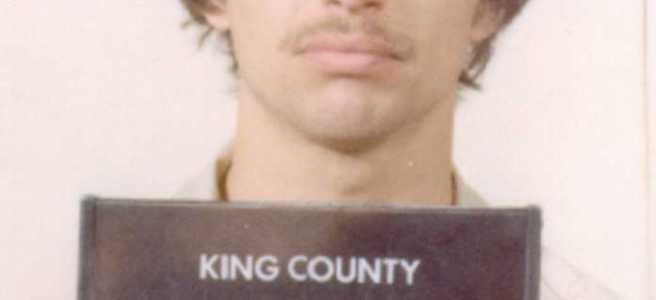
Documents courtesy of the King County Sheriff’s Department.


Haefner v. County of Lancaster, PA, 543 F. Supp. 264 (E.D. Pa. 1982). Citation: 543 F. Supp. 264, Docket Number: 82-1018.
Date: June 25, 1982, US District Court for the Eastern District of Pennsylvania.
Richard C. Haefner versus the county of Lancaster, PA.; the Lancaster County Prison. Police Department: Jerry P. Crump, individually and as a Police Officer of the City of Lancaster Police Department; Howard H. Snyder, individually and as a Police Officer of the City of Lancaster Police Department; James Burkey; Kevin Burkey; Thomas Dommel, individually and as Captain of the Guard at Lancaster County Prison; Randy Klivansky and Kathleen V. Mumma, individually and as an employee of the County of Lancaster, Court of Common Pleas.
Civ. A. No. 82-1018, US District Court, ED Pennsylvania.
Richard R. Galli, Philadelphia, Pa., for Dommel and Mumma; Christopher W. Mattson, Lancaster, Pa., for City of Lancaster; J. Richard Gray, Lancaster, Pa., for Klivansky.
MEMORANDUM AND ORDER, District Judge Troutman:
Res judicata rests upon considerations of “economy of judicial time and public policy favoring the establishment of legal relations”. Sea-Land Services v. Gaudet, 414 U.S. 573, 578, 94 S. Ct. 806, 811, 39 L. Ed. 2d 9 (1974), quoting Commissioner v. Sunnen, 333 U.S. 591, 597, 68 S. Ct. 715, 719, 92 L. Ed. 898 (1948). Described as a “fundamental rule of substantial justice” rather than a “mere matter of practice or procedure inherited from more technical times” it should be “cordially regarded and enforced by the courts”. Federated Department Stores, Inc. v. Moitie, 452 U.S. 394, 401, 101 S. Ct. 2424, 2429, 69 L. Ed. 2d 103, 111 (1981) (quotations omitted). Res judicata serves the salutary purposes of “encourag[ing] reliance on judicial decisions [and], bar[ring] vexatious litigation [while] free[ing] courts to resolve other disputes”. Brown v. Felsen, 442 U.S. 127, 131, 99 S. Ct. 2205, 2209, 60 L. Ed. 2d 767 (1979). In order to successfully invoke its protections, three prerequisites need be established: the parties to the instant suit must be the same or in privity with those in the prior litigation; a court of competent jurisdiction must have entered a valid, final judgment on the merits; and the present action must concern the same subject-matter or cause of action as the prior suit. Coggins v. Carpenter, 468 F. Supp. 270, 280 (E.D.Pa.1979). Finding that these conditions have been met, we grant defendants’ motions to dismiss.
Plaintiff originally instituted suit against a plethora of Lancaster City and County public officials and private citizens and charged them with violations of The Civil Rights Act of 1871, 42 U.S.C. § 1983, 42 U.S.C. § 1985(2) and state claims based upon tortious conduct. Specifically, plaintiff’s first suit alleged that in his business as a rock collector he had employed, and then fired, defendant K. Burkey. In retaliation for his firing, K. Burkey allegedly conspired with co-defendants J. Burkey and Klivansky to secure a criminal prosecution of plaintiff. The three defendants then supposedly met and conspired with law enforcement officials who arrested plaintiff and charged him with corruption of a minor, and involuntary deviate sexual intercourse. Thereafter, defendant law enforcement officials subjected plaintiff to harassment, intimidation and abuse and, along with other defendants, maliciously prosecuted plaintiff for crimes which they knew he did not commit. To effectuate their illegal conspiratorial goal, various defendants committed perjury at plaintiff’s preliminary hearing and subsequent trial, sought to illegally pressure plaintiff into tendering a guilty plea, improperly investigated and interviewed potential jurors and threatened and intimidated defense witnesses. Upon completion of plaintiff’s trial, which ended in a hung jury, he was sentenced to prison this for contemptuous conduct. While in the county prison, plaintiff was allegedly subjected to various abuses and forced to reveal information critical to and necessary for his defense at re-trial.
*266 The Commonwealth’s attempt to re-try plaintiff was successfully blocked by decision of the Pennsylvania Superior Court, grounded upon double jeopardy considerations. See Commonwealth v. Haefner, 264 Pa.Super. 144, 399 A.2d 707 (1979). We dismissed plaintiff’s first suit because it was time-barred. See Haefner v. County of Lancaster, 520 F. Supp. 131 (E.D.Pa.1981), aff’d, 681 F.2d 806 (3d Cir. 1982).
Plaintiff’s current suit is predicated upon the same general events outlined above; they commenced in August, 1975. Additional allegations are contained in the instant suit, which, plaintiff urges, assert a new dimension to the prior suit and obstruct or exclude application of res judicata. Specifically, plaintiff now informs the Court that he was subjected to multiple prosecutions. The first lawsuit was predicated upon false charges inspired by defendant K. Burkey. The case at bar, plaintiff asserts, is grounded in false charges inspired by defendant Klivansky. Unlike the “Burkey-inspired” charges, the “Klivansky-inspired” charges were not the subject of the mistrial which eventually resulted in litigation before the Pennsylvania Superior Court. Moreover, plaintiff now argues that the “Klivansky-inspired” charges were outstanding until March 7, 1980, at which time they were nolle prossed on the basis of insufficient evidence. The unlawful conspiracy now alleged and relating to the “Klivansky-inspired” charges includes defendants’ supposed failure to comply with a Court order requiring them to expunge plaintiff’s arrest record. See Commonwealth v. Haefner, 291 Pa.Super. 604, 436 A.2d 665 (1981).
We turn now to our analysis of the issue involved. The first element necessary to establishment of a res judicata bar, the requirement that the subsequent action be brought against the same parties as the initial action, is met here. The presence of defendant Mumma, the only defendant not named in the first suit, does not compel a contrary result. Coggins v. Carpenter, 468 F. Supp. at 280.
We have equally little trouble finding that the second required element, a final, valid judgment on the merits, is met. A dismissal for failure to state a claim is a “judgment on the merits”. Federated Department Stores, Inc. v. Moitie, 452 U.S. at 399, 101 S. Ct. at 2428, n. 3, 69 L. Ed. 2d at 109, n. 3; Hubicki v. ACF Industries, Inc., 484 F.2d 519, 523 (3d Cir. 1973); Hayes v. New England Millwork Distributors, Inc., 485 F. Supp. 459, 461 (D.Mass.1980); Coggins v. Carpenter, 468 F. Supp. at 280. Likewise, dismissal of a suit as time-barred establishes a res judicata bar. Wachovia Bank & Trust Co., N.A. v. Randell, 485 F. Supp. 39 (S.D.N.Y.1979).
The third element, whether this suit concerns the same subject-matter as the first one, is the final subject of inquiry. Plaintiff argues that the factual predicate of this suit is grounded in the “Klivansky-inspired” charges while the basis of the first suit was the “Burkey-inspired” charges. Moreover, since the “Klivansky-inspired” charges were not terminated until some time after the “Burkey-inspired” ones and because they included the improper failure to expunge plaintiff’s arrest record, plaintiff asseverates that this suit is a separate cause of action. Finally, plaintiff points to Fed.R. Civ.P. 18(a) which provides that “[a] party asserting a claim to relief as an original claim … may … join … as many claims … as he has against an opposing party” (emphasis added), and urges that he was not required to bring all claims against all parties in the first suit. We disagree.
A res judicata bar is erected against suits which seek to relitigate issues which “were or could have been raised” in the first action. Kremer v. Chemical Construction Corp., _ U.S. , , n. 6, 102 S. Ct. 1883, 1889, n. 6, 72 L. Ed. 2d 262 (1982). In determining what was or could have been raised in the first suit and whether the same claim is again raised, courts are required to determine the degree of consanguinity between the two suits.
Numerous formulae, each attempting to make that determination, have developed. Some courts consider whether the “same *267 evidence supports both claims and whether the essential facts in the second [suit] were present in the first”. Tucker v. Arthur Anderson & Co., 646 F.2d 721, 727 (2nd Cir. 1981). Others hold that “different legal theories” spawned by a “single alleged wrong” may not form the basis of a second suit. Cemer v. Marathon Oil Co., 583 F.2d 830, 832 (6th Cir. 1978).
The Third Circuit has articulated this standard:
If the second suit relates to the same cause of action as the first … it can be said that the first judgment dismissing the previous suit “with prejudice” bars a later suit on the same cause of action.
Gambocz v. Yelencsics, 468 F.2d 837, 842 (3d Cir. 1972) (emphasis added) (quotations omitted). Another way of expressing the focus of the court’s inquiry requires reference to whether the claims “arose out of the same transaction” Cramer v. General Telephone & Electronics Corp., 582 F.2d 259, 267 (3d Cir. 1978), cert. denied, 439 U.S. 1129, 99 S. Ct. 1048, 59 L. Ed. 2d 90 (1979), or are predicated upon the same “liability creating conduct”. Ley v. Boron Oil Co., 454 F. Supp. 448, 450 (W.D.Pa.1978). See also Borough of Lansdale v. Philadelphia Electric Co., 517 F. Supp. 218, 222 (E.D.Pa.1981); Coggins v. Carpenter, 468 F. Supp. at 280; Sims v. Mack Trucks, Inc., 463 F. Supp. 1068, 1069 (E.D.Pa.1979).
The “liability creating conduct” complained of in the first suit appeared, at that time, to relate to a series of charges allegedly motivated and inspired by defendants K. Burkey and Klivansky. For example, the first complaint charged that both defendants worked for plaintiff and conspired inter se to willfully subject him to false criminal charges. First Complaint ¶¶ 17, 19. Without any attempt to distinguish between the conduct of defendants K. Burkey and Klivansky, it alleged that both of them filed false charges with law enforcement officers. First Complaint ¶¶ 20, 21. The next allegation of joint K. Burkey/Klivansky misconduct asserted that plaintiff was arrested due to the false information which both defendants knowingly provided. First Complaint ¶ 22. Continuing, Klivansky and K. Burkey, along with other defendants, knowingly continued to conspire to have plaintiff maliciously prosecuted. First Complaint ¶ 28. Thereafter, K. Burkey and Klivansky agreed to give false testimony against plaintiff. First Complaint ¶ 32. Specific allegations of joint K. Burkey/Klivansky misconduct are no longer alleged after paragraph 32 of plaintiff’s first complaint. However, Klivansky was separately charged with accepting an undisclosed sum of cash in exchange for testimony favorable to the Commonwealth. First Complaint ¶¶ 35, 36. Finally, Klivansky committed perjury. First Complaint ¶ 38.
Plaintiff, as outlined supra, now alleges that separate charges were spawned by defendants Klivansky and K. Burkey and that the “Klivansky-inspired” conspiracy still may not have terminated in that plaintiff’s arrest record may not have been expunged. These current assertions are insufficient to defeat the application of res judicata because both suits arise out of the same core of “liability creating conduct”. A fair reading of the two complaints demonstrates that plaintiff’s “core complaint” is the same in both suits. True, the outer periphery of the second suit is not exactly co-extensive with the first. However, it complains of conduct which “was or could have been” litigated in the first suit.
Both suits charge a conspiracy by defendants to knowingly subject plaintiff to false and unwarranted criminal prosecutions for specified crimes. The core of operative facts alleged in both suits commenced in the summer of 1975, and continued thereafter.
Plaintiff is now attempting to engage in a post-hoc redrafting of his initial complaint by explaining that, contrary to a plain reading thereof, it only charged a “Burkey-inspired” conspiracy. As such, plaintiff seeks to impermissibly limit and narrow the scope of his first complaint. However, the requirement of notice pleading mandates a broad, generous reading of complaints. Conley v. Gibson, 355 U.S. 41, 78 S. Ct. 99, 2 L. Ed. 2d 80 (1957). This rule is *268 not altered when considering the breadth of a complaint for res judicata purposes. Blair v. City of Greenville, 649 F.2d 365, 368 (5th Cir. 1981).
Finally, plaintiff’s valiant attempts to distinguish the scope of the two suits are unsuccessful because plaintiff was aware of defendants’ “liability creating conduct” with regard to the “Klivansky-inspired” charges when he filed his initial suit. As such, he was required to allege its existence therein. Accord, Id. (res judicata bars suit based upon conduct which antedated final judgment in the first suit); Crowe v. Leeke, 550 F.2d 184, 187 (4th Cir. 1977) (res judicata precludes litigation of defendants’ conduct which occurred prior to entry of the first judgment).
An appropriate order will issue granting defendants’ motion to dismiss.

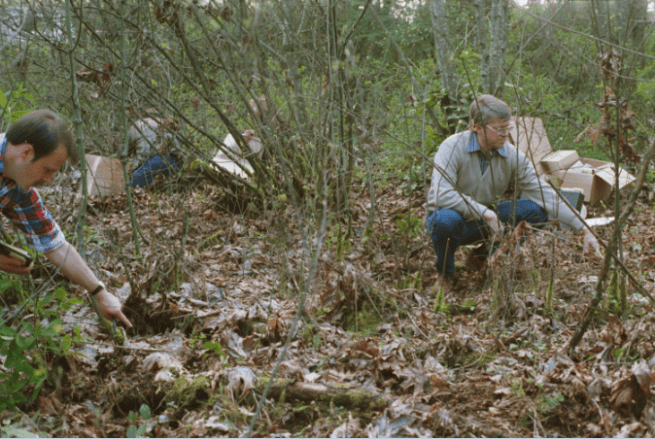
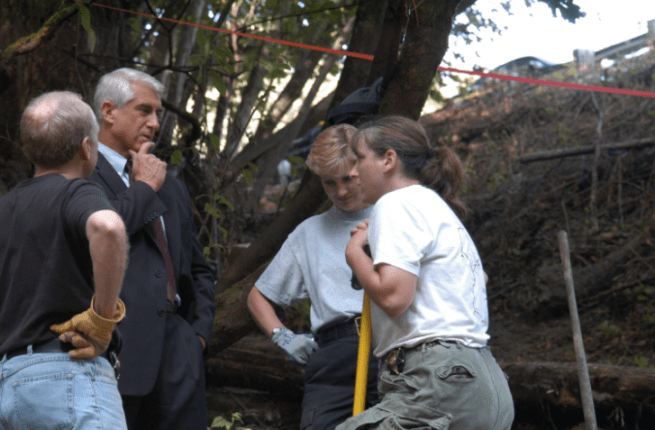
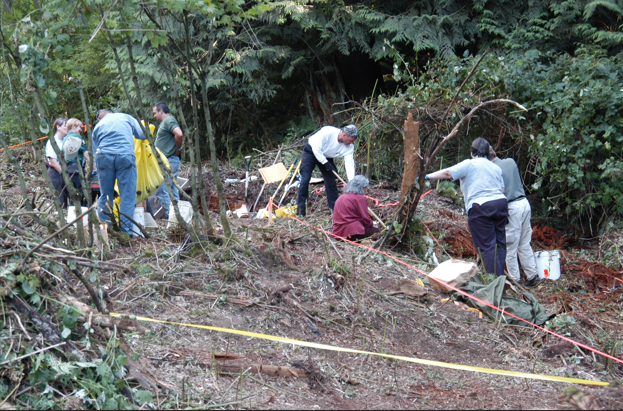
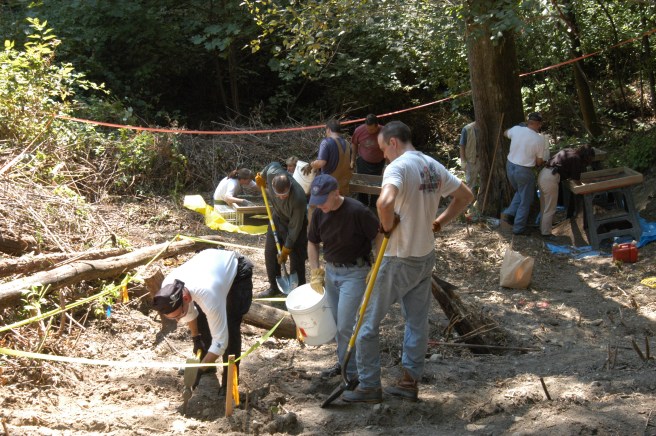
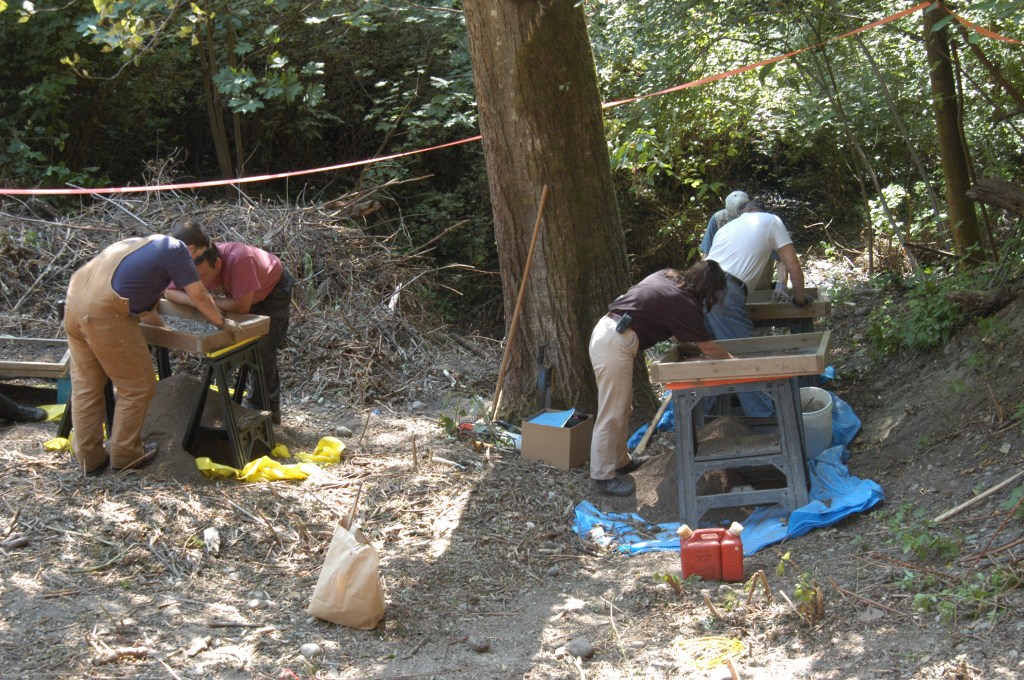
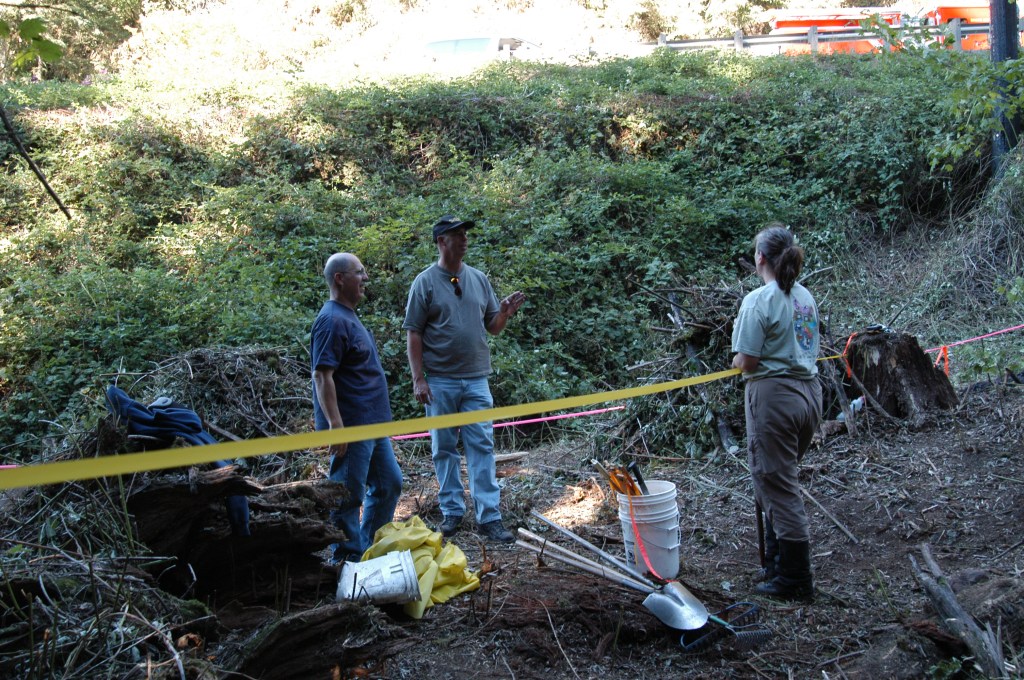
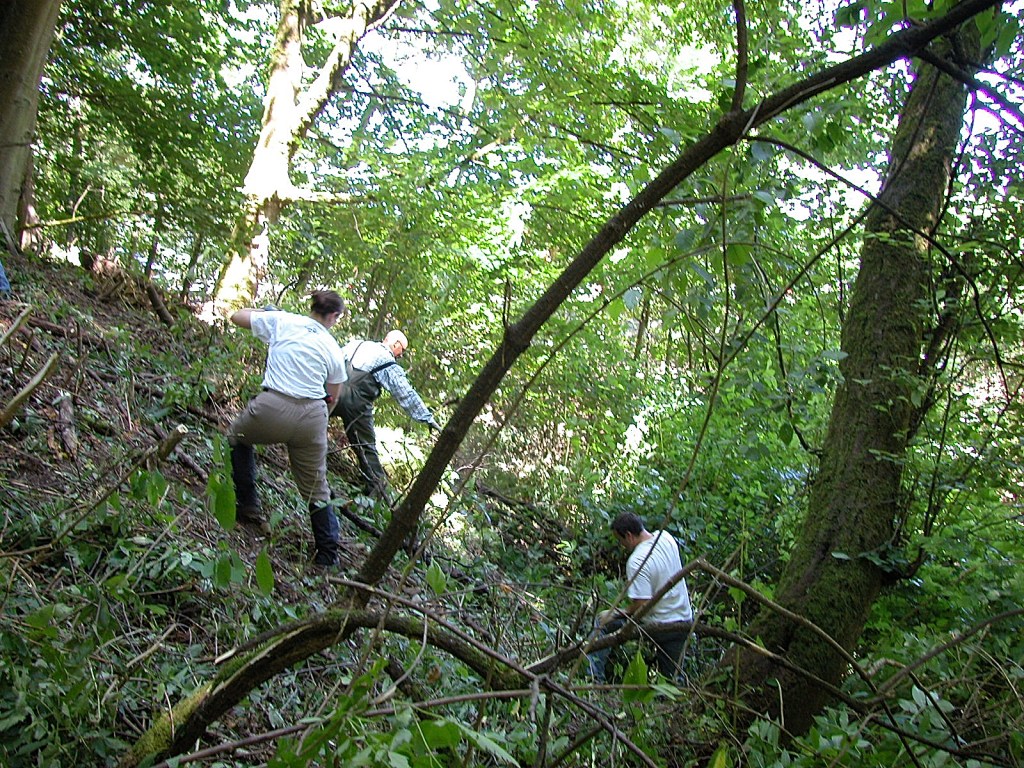
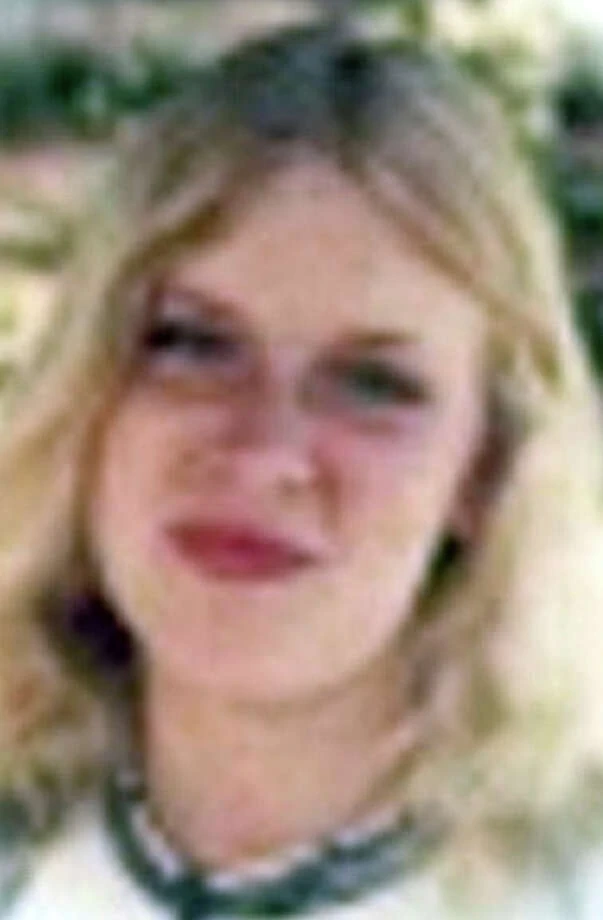
Rebecca R. ‘Becky’ Marrero was born in Seattle, Washington on August 4, 1962 and was killed by Gary Ridgway on December 3, 1982; she was his fourteenth known murder victim. Details surrounding Marrero’s childhood are largely unavailable, but it was known that she had a three-year-old daughter at the time she was killed. She was last seen by her mother on December 3, 1982 at their home: she left after receiving a phone call, and when she got off the phone, she told her mother to watch her daughter and left all of her belongings at home. A year and a half after her disappearance in July 1984 she was officially connected to the Green River killer. Becky’s skull was discovered in a ravine in Auburn, Washington, on December 20, 2010 close to where the remains of Marie Malvar were discovered in 2003. While her cause of death couldn’t be determined, her case was deemed a homicide.

Courtesy of the King County Sheriff’s Department.
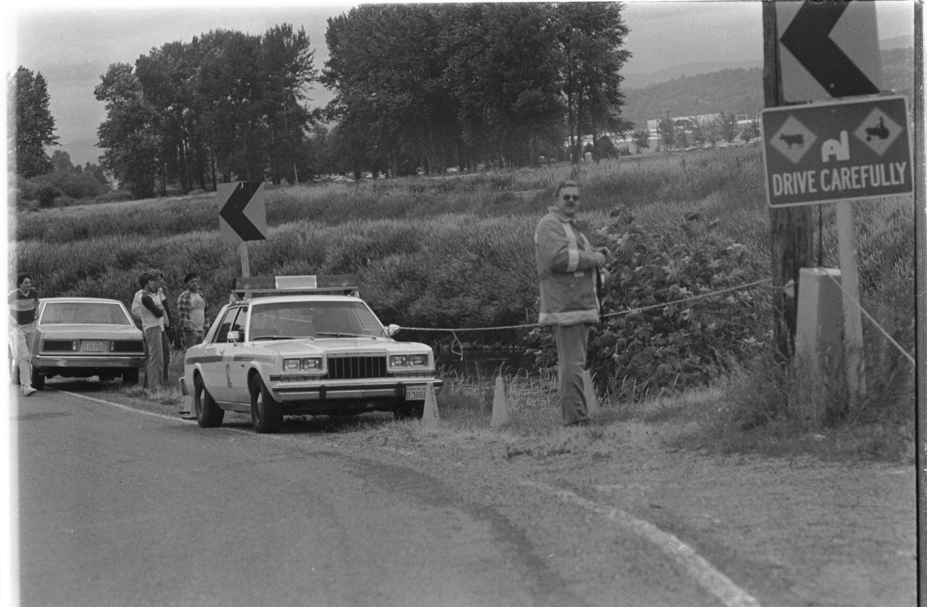
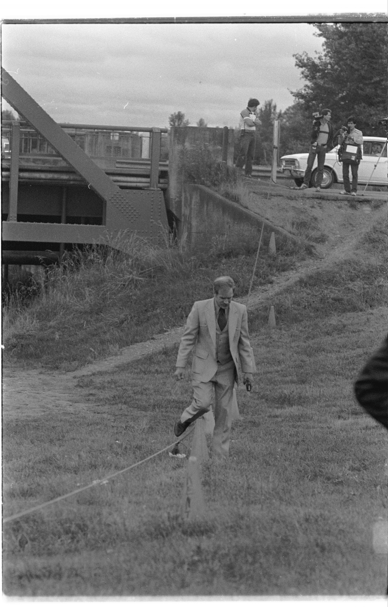
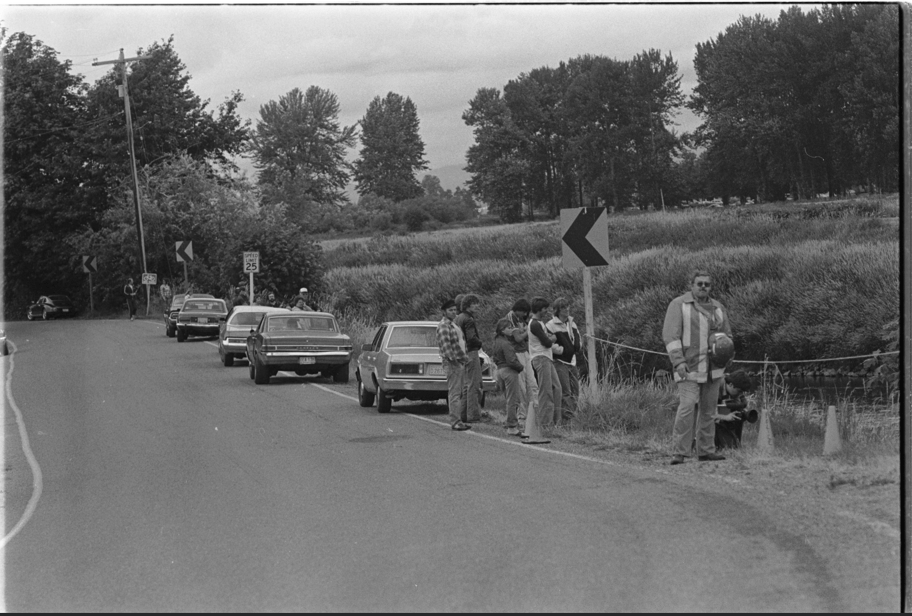
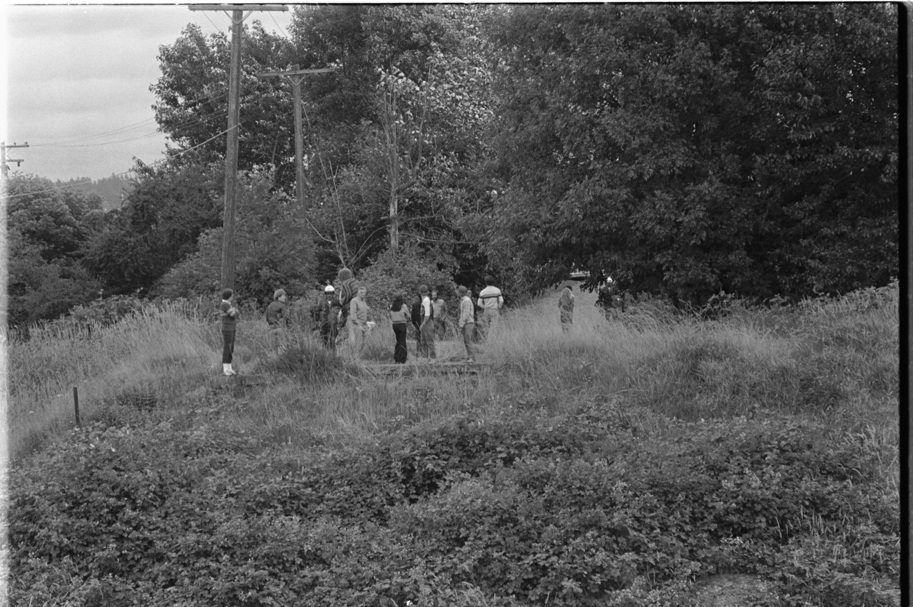
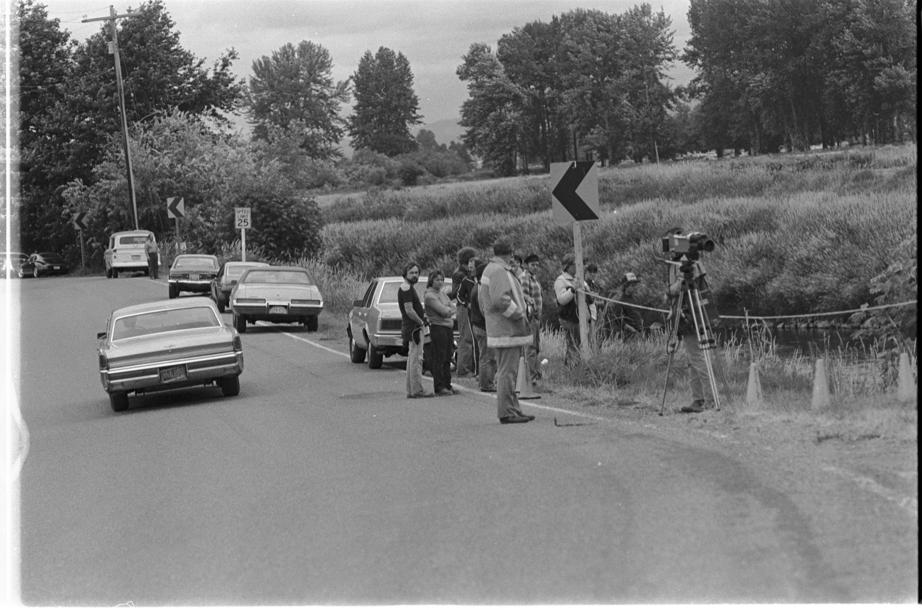
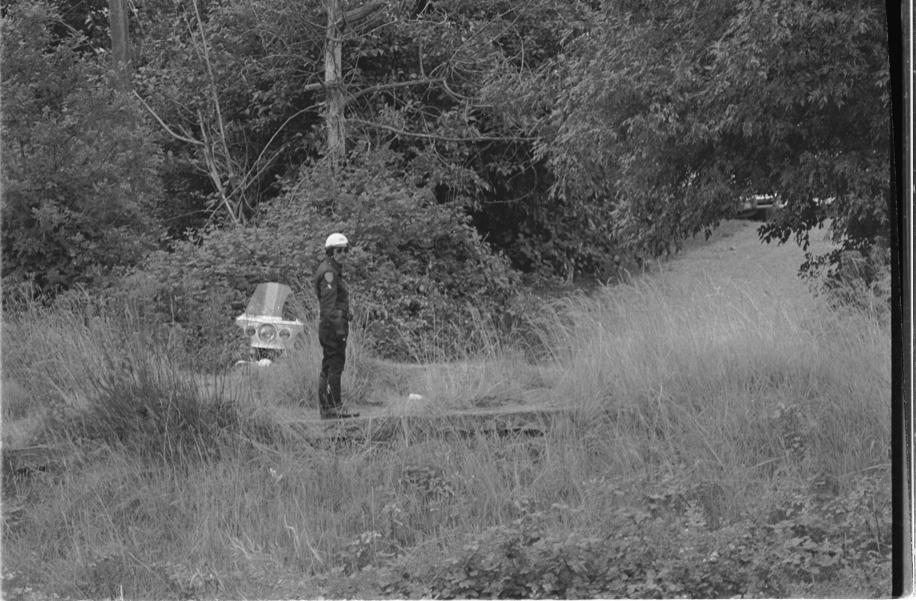
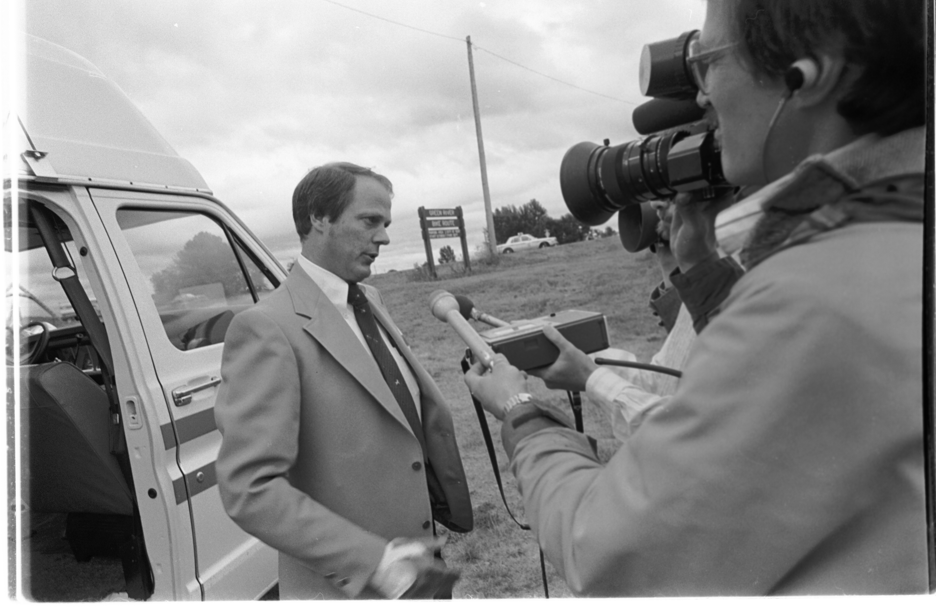
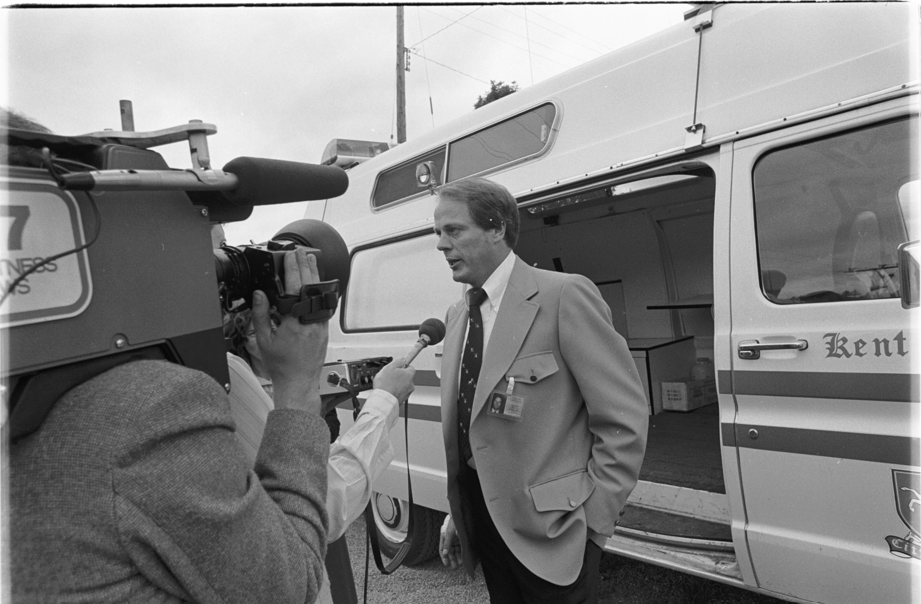
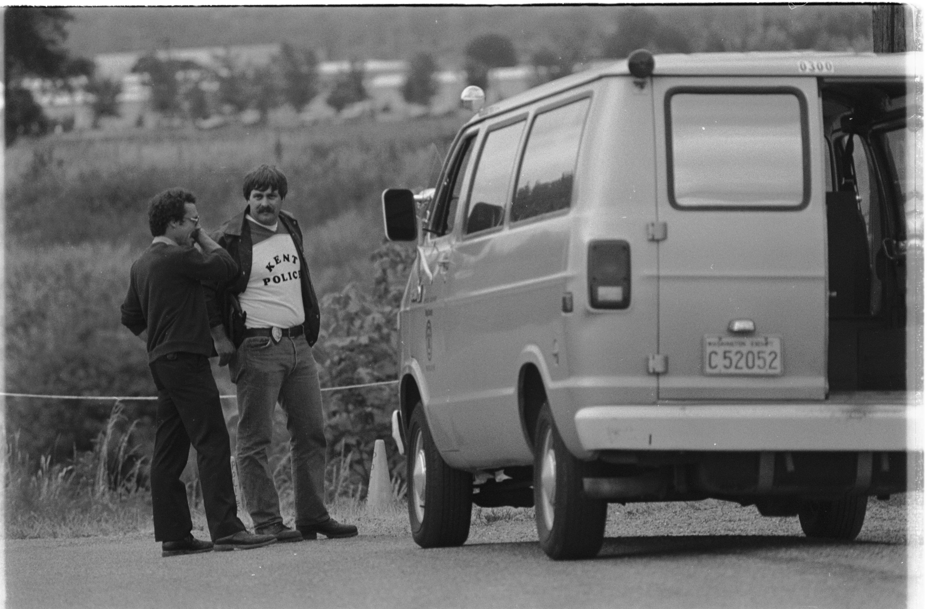
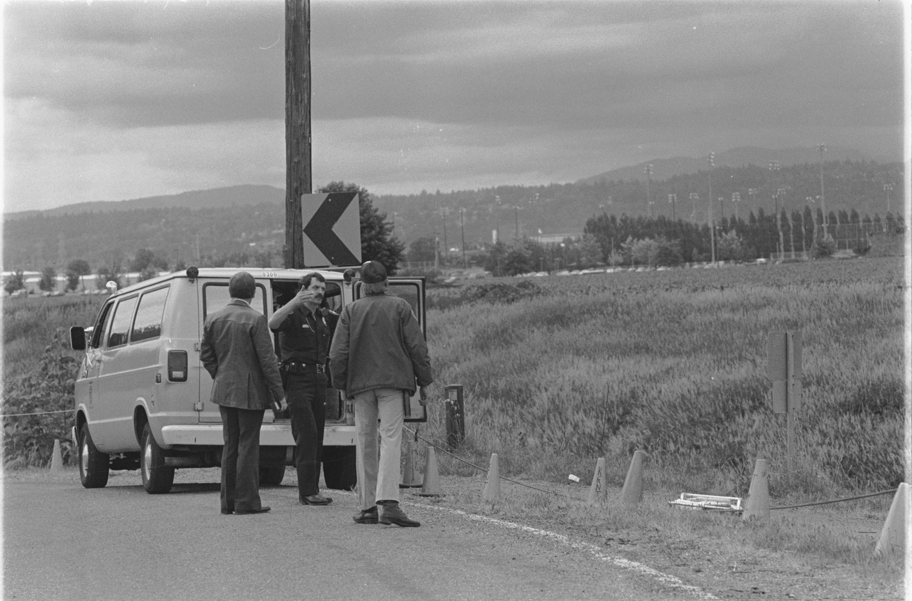
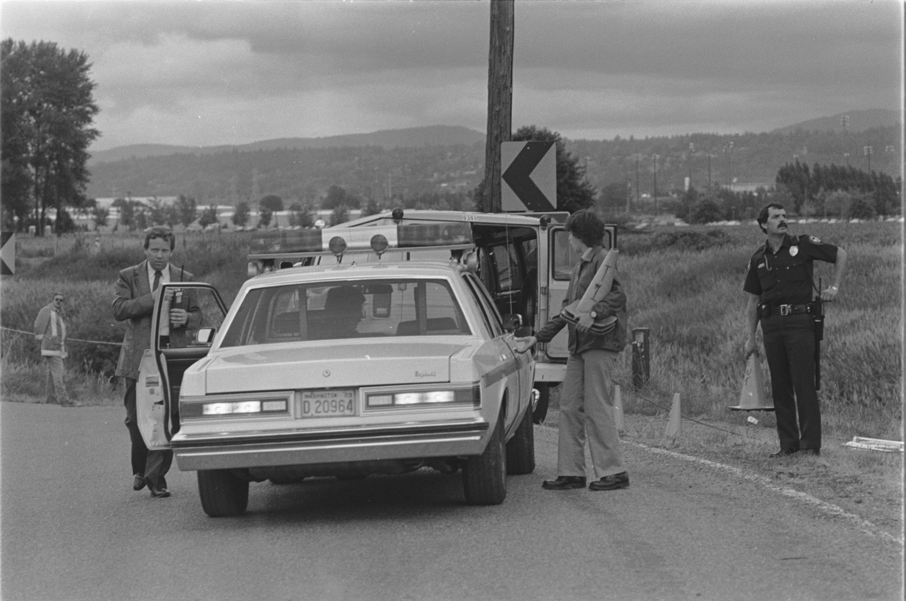
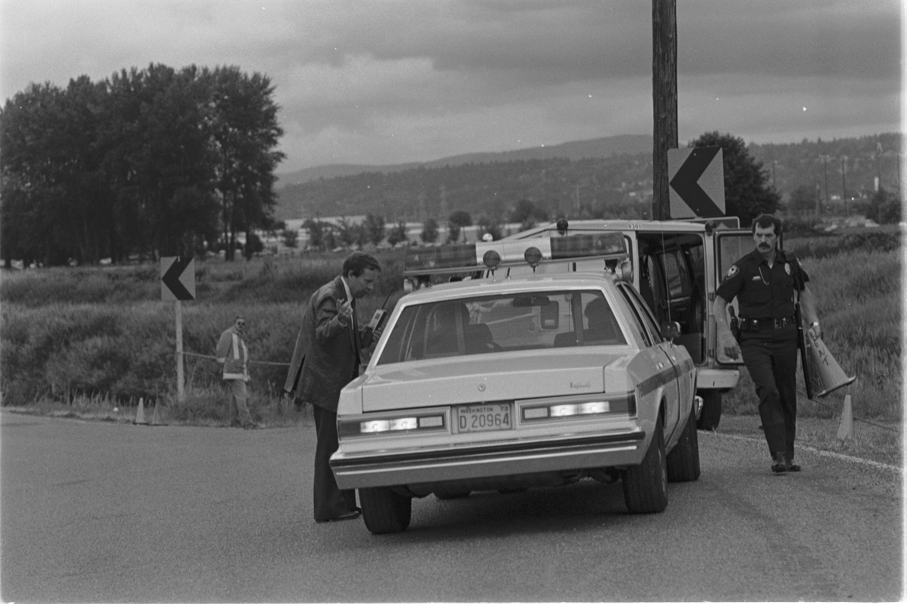
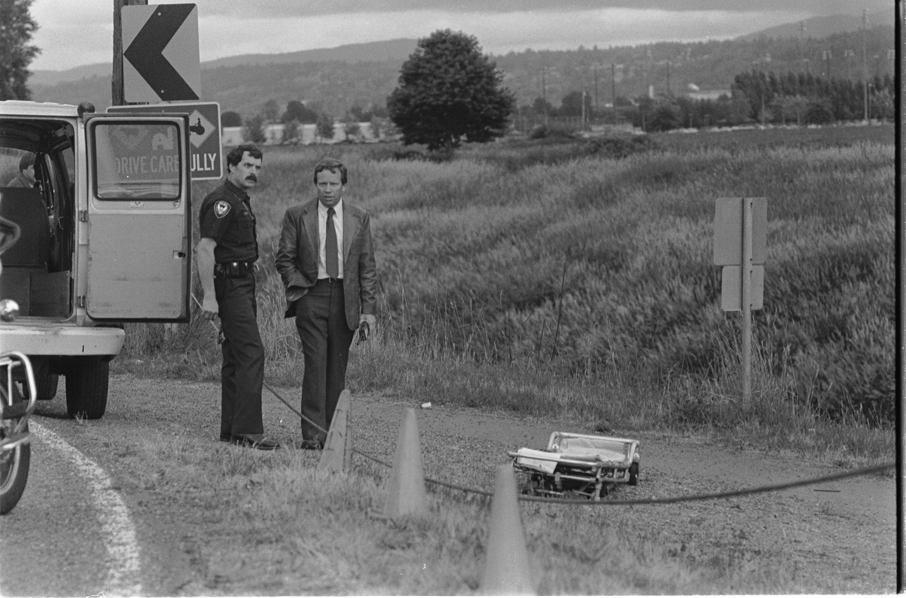
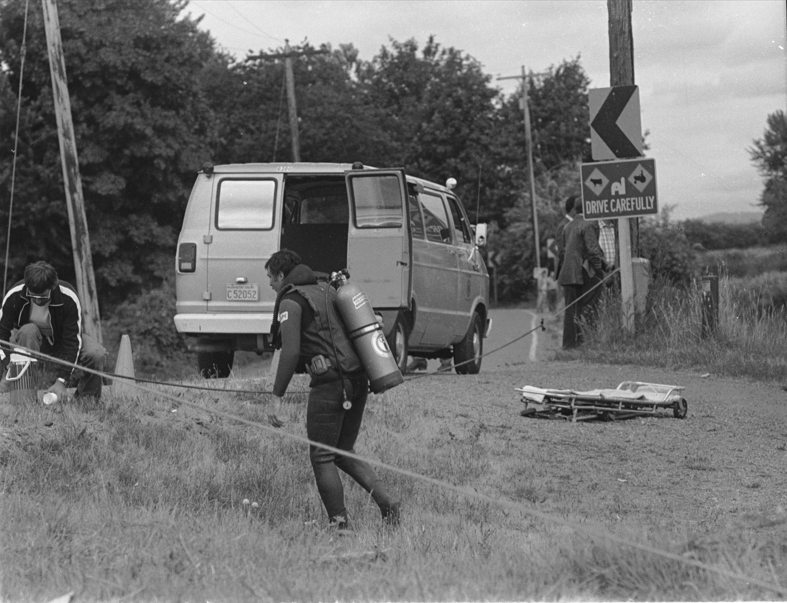
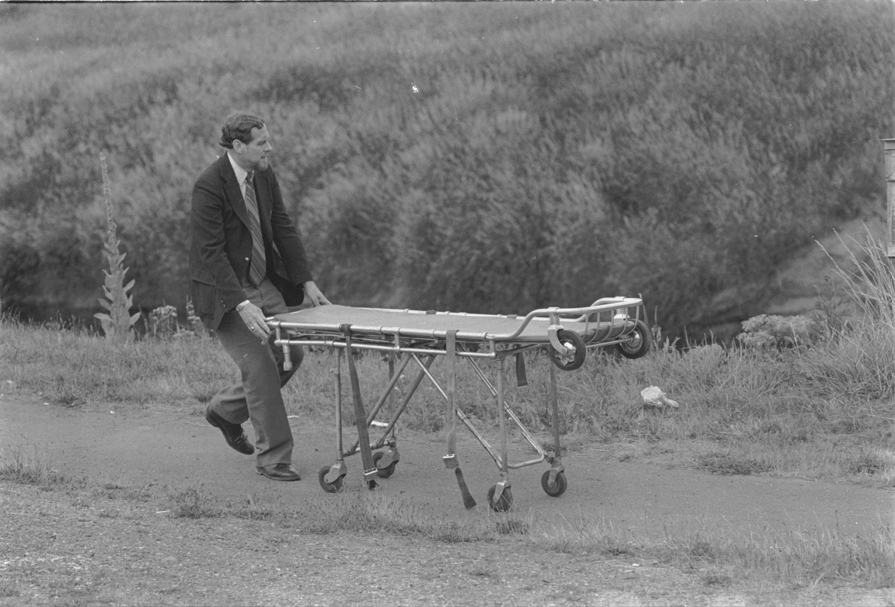
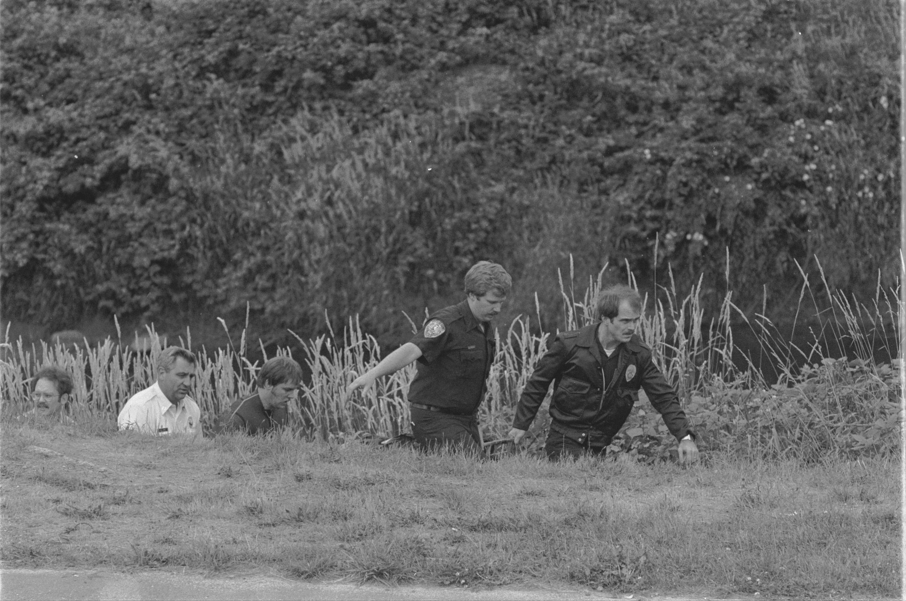
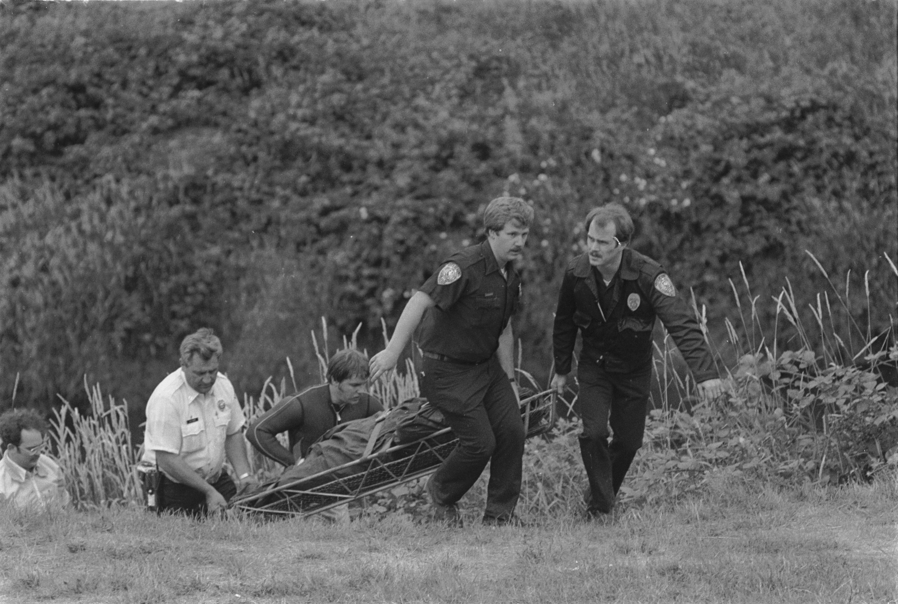
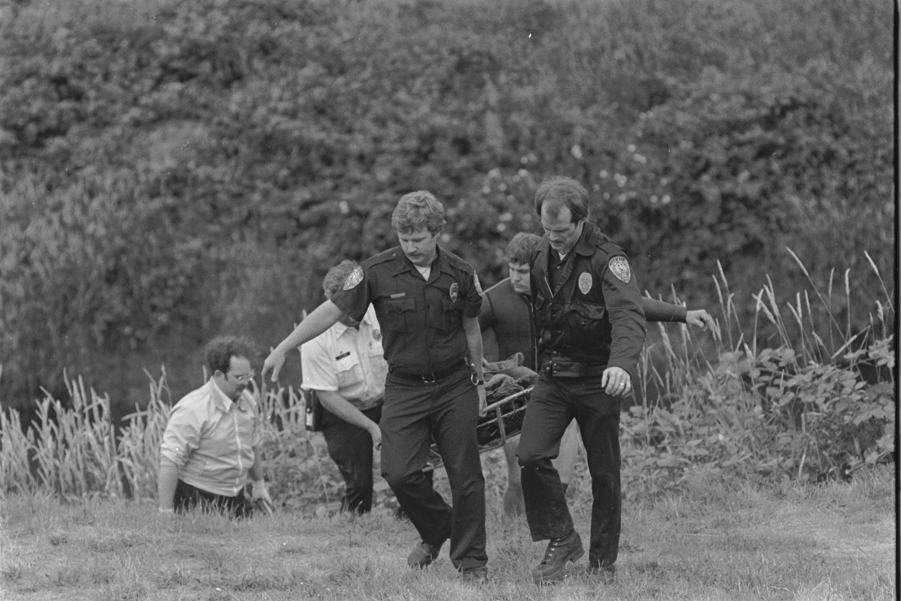
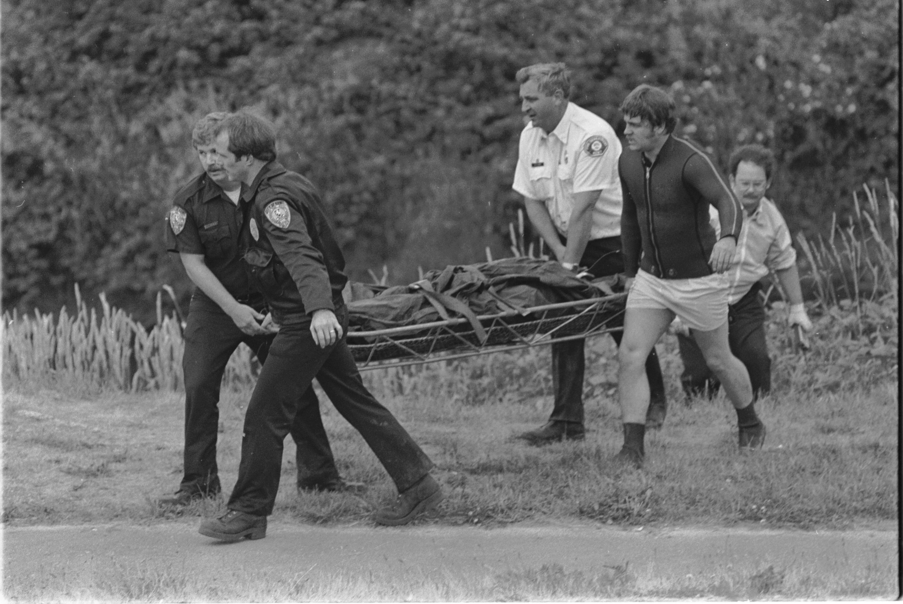
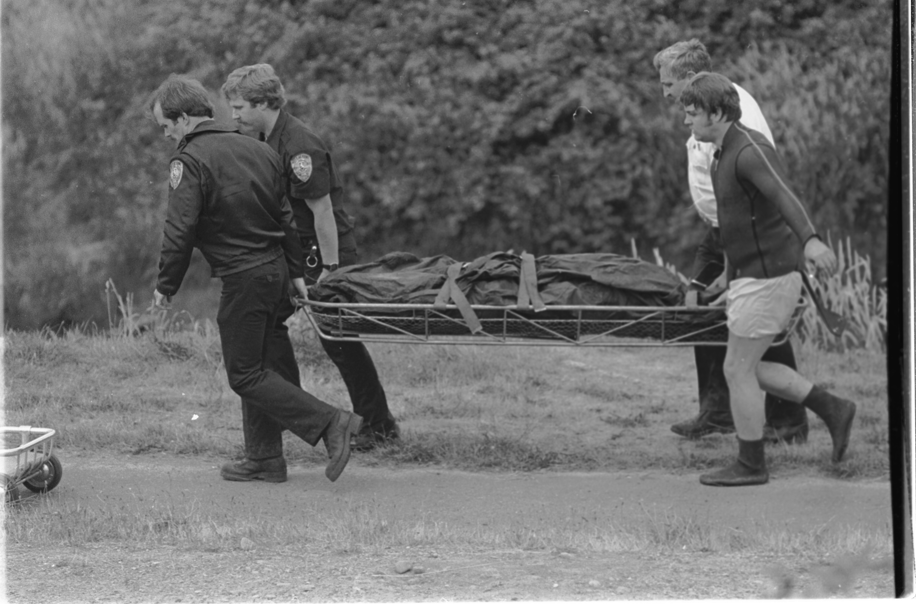
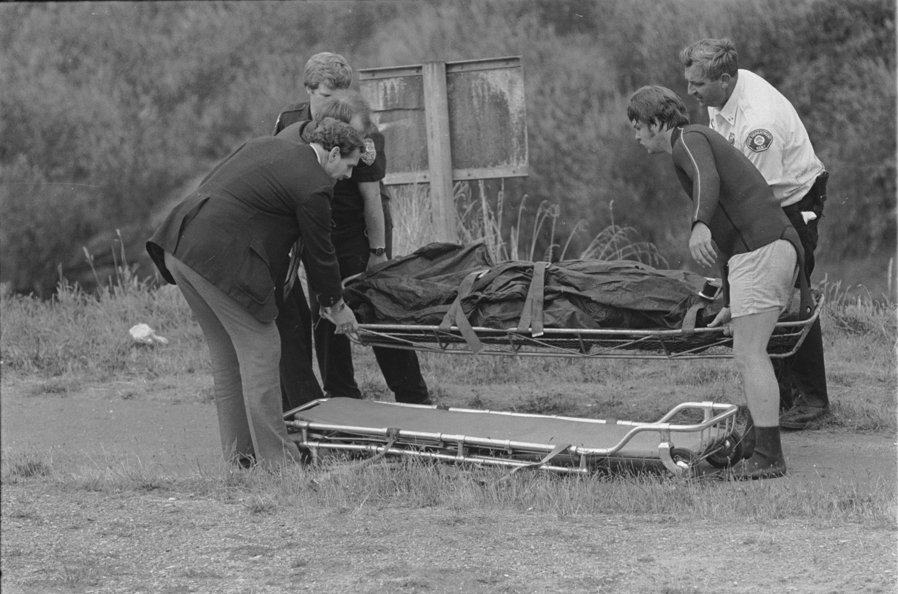
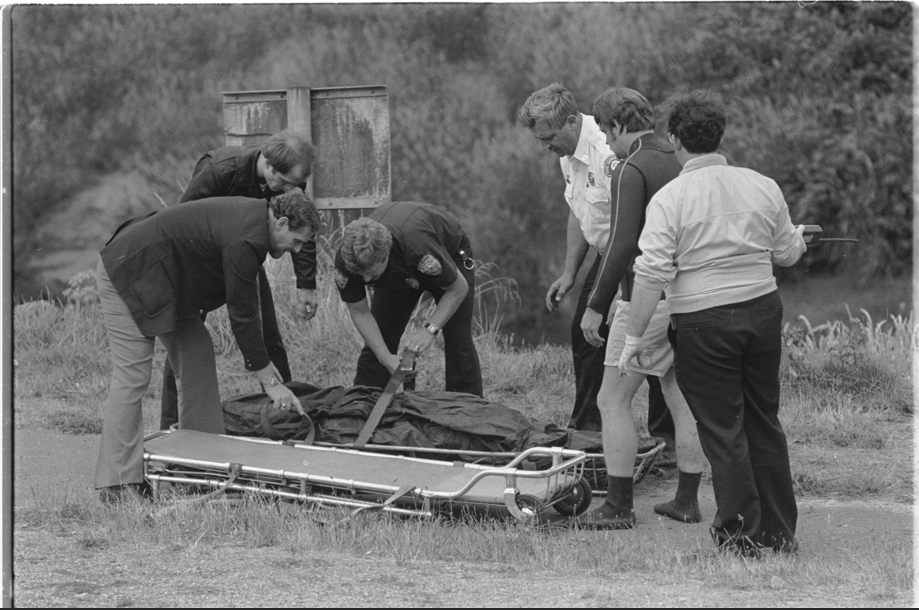
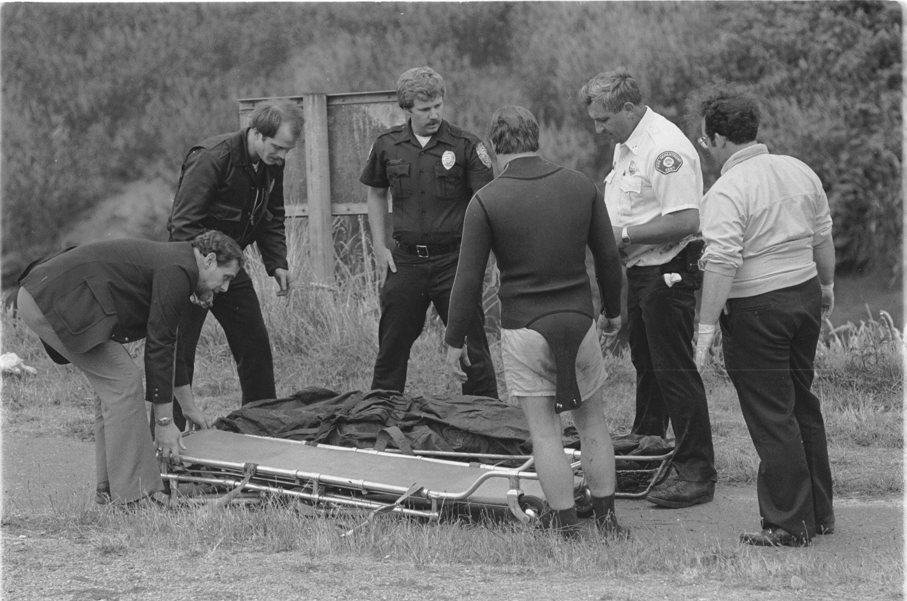
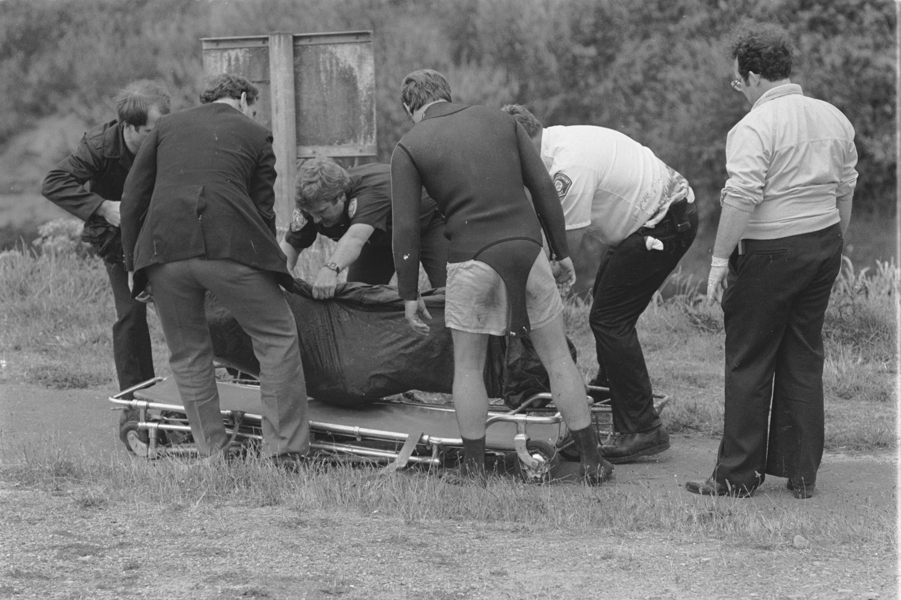
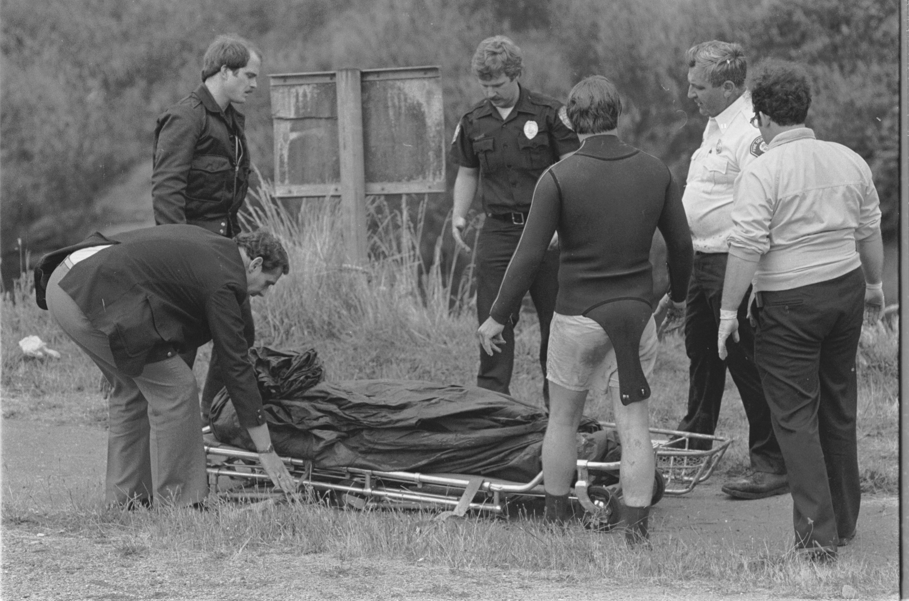
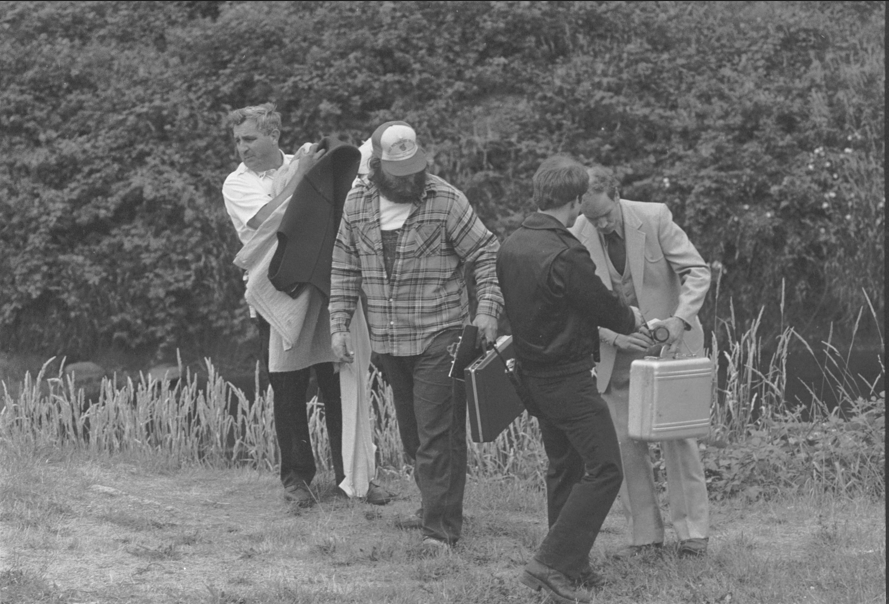
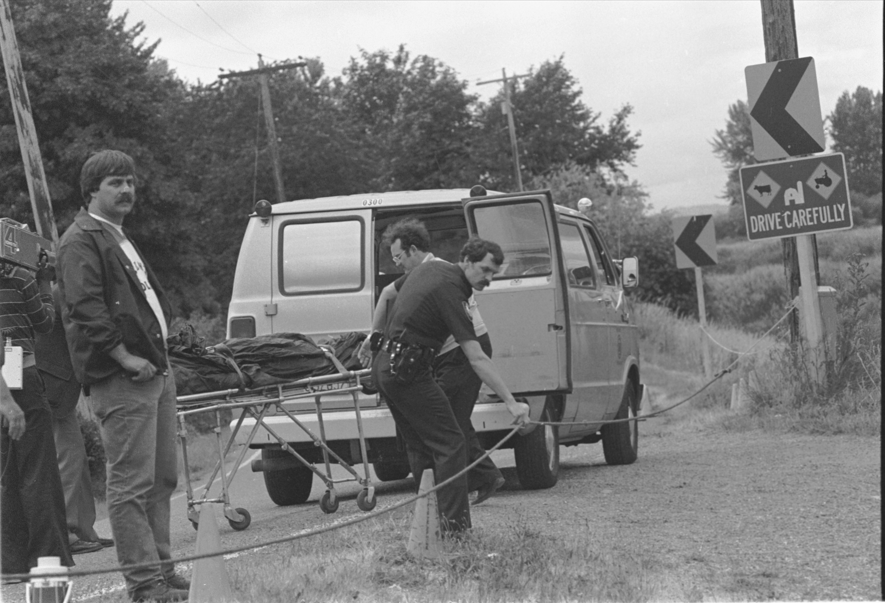
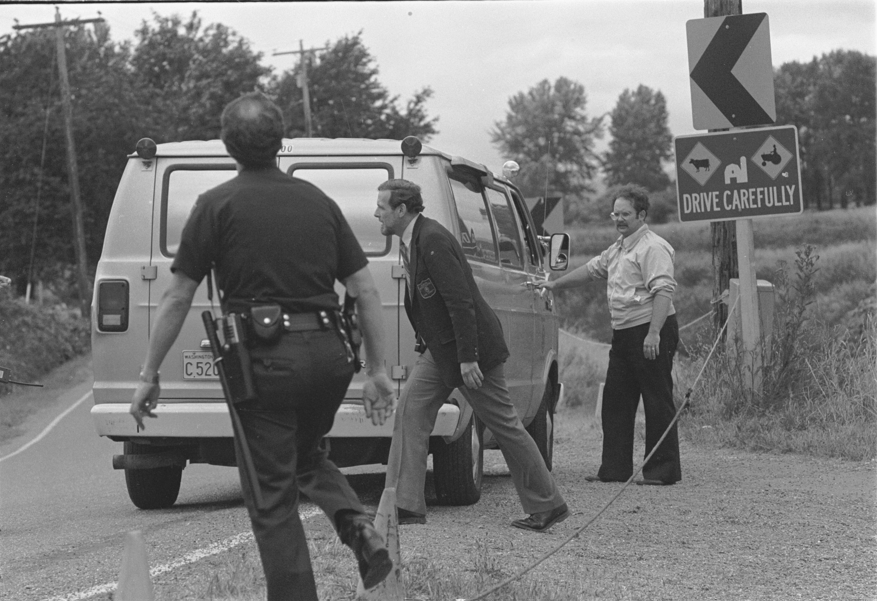
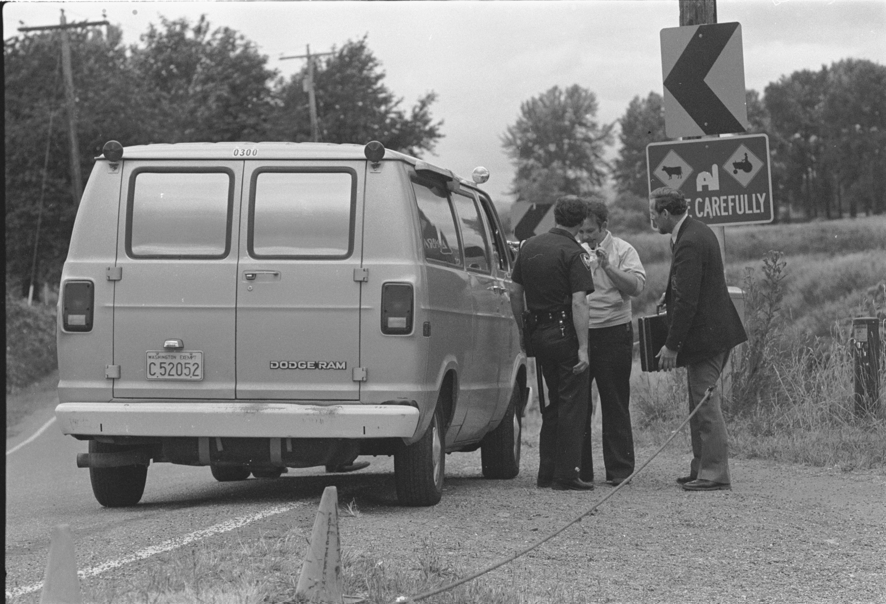
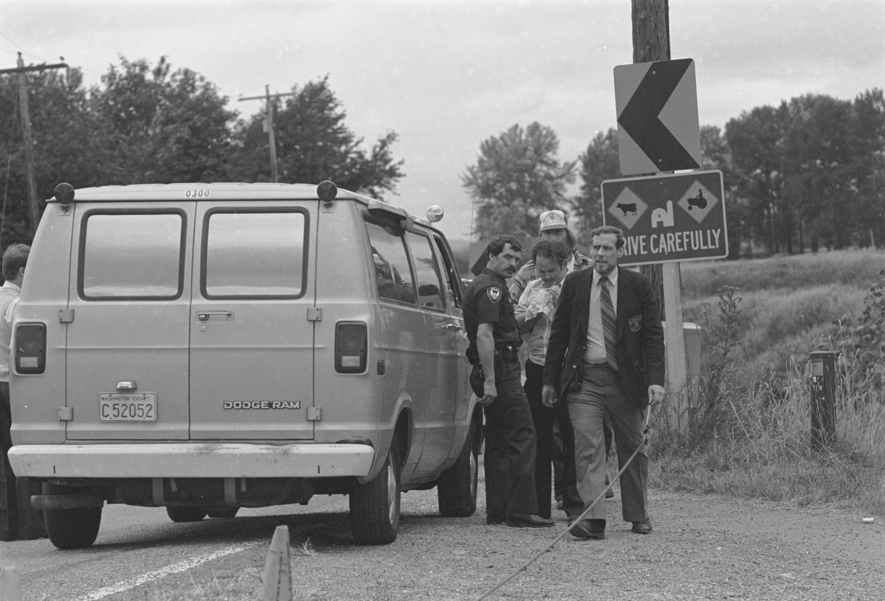
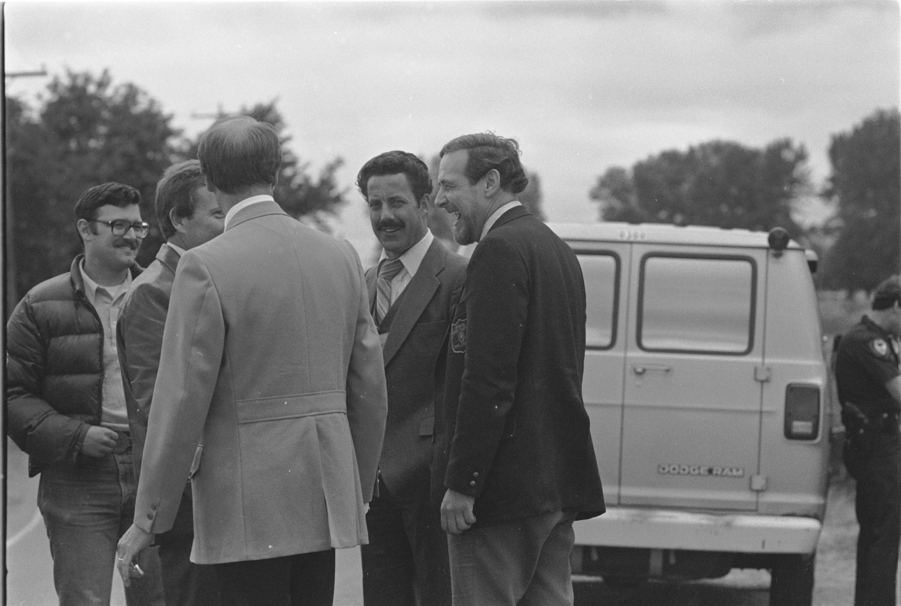
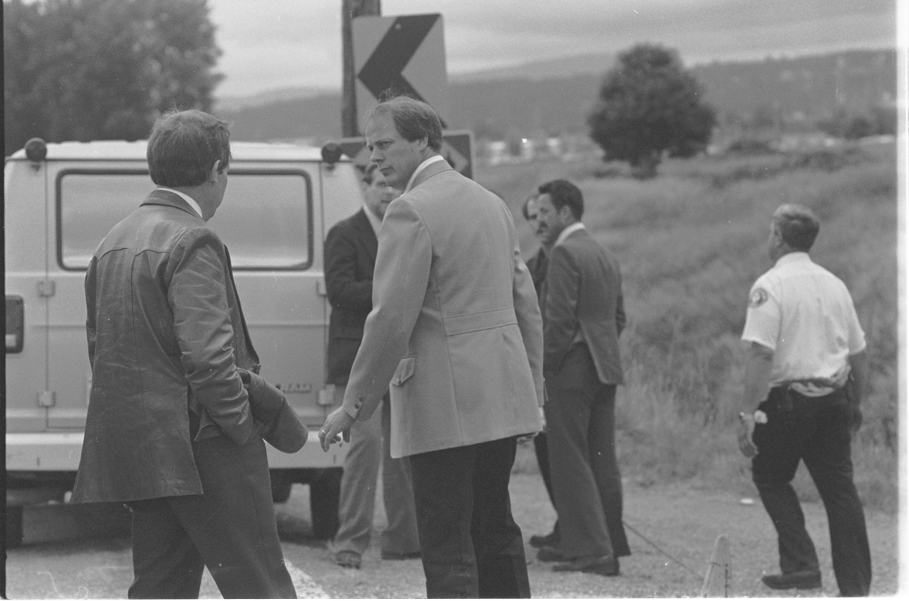
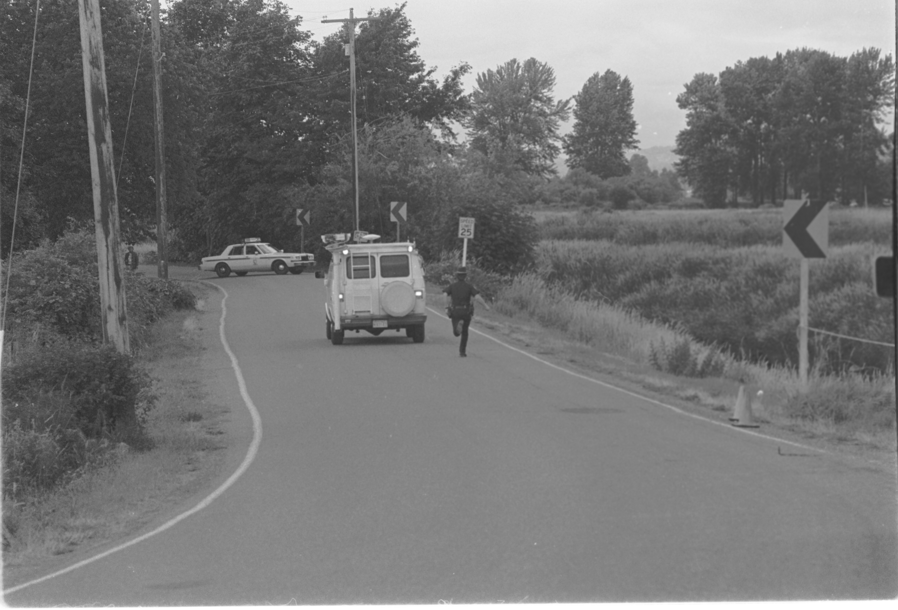
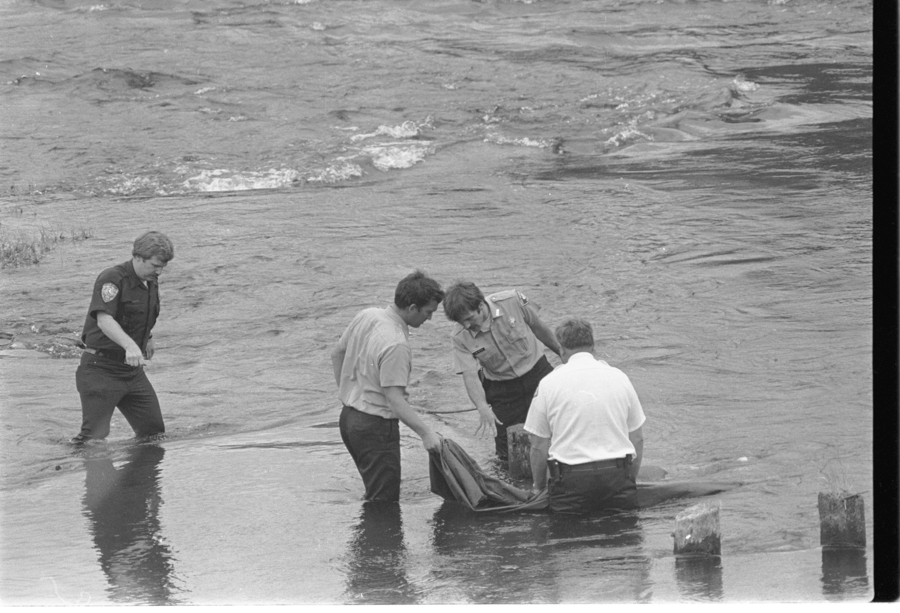
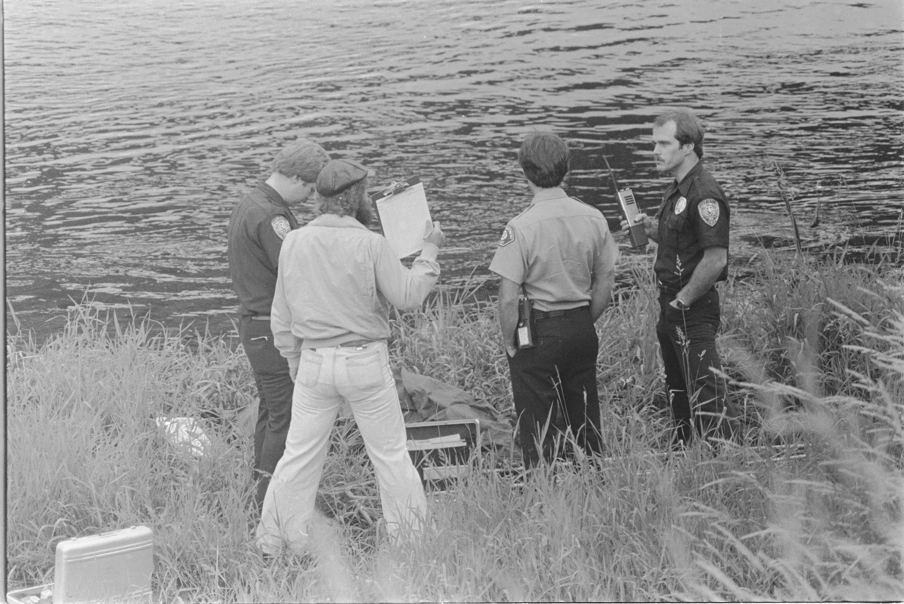
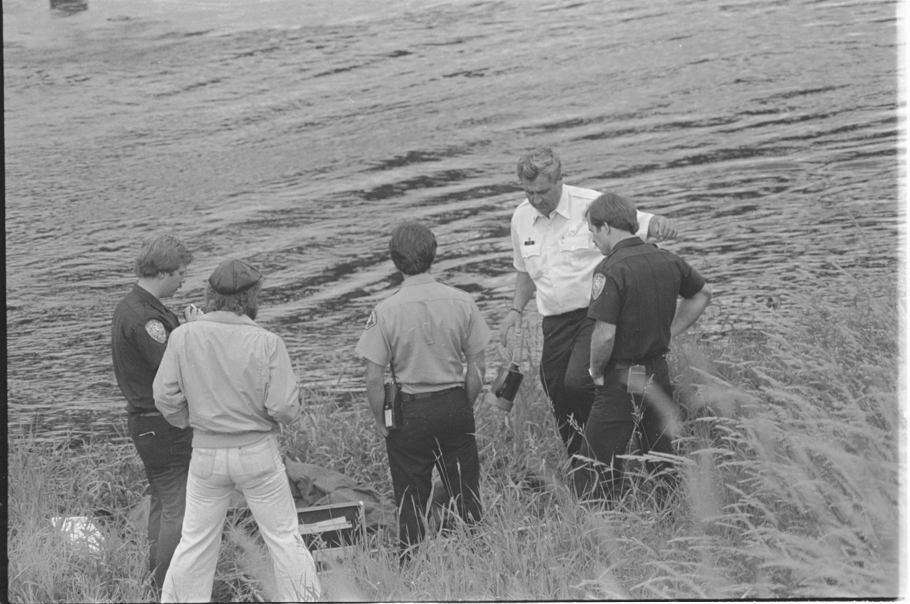
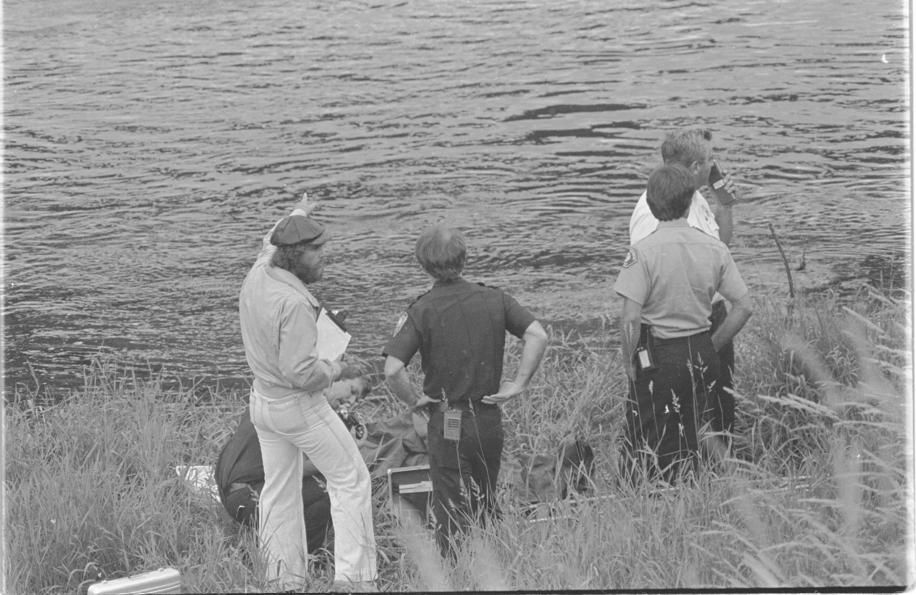
Information courtesy of the King County Sheriff’s Department.
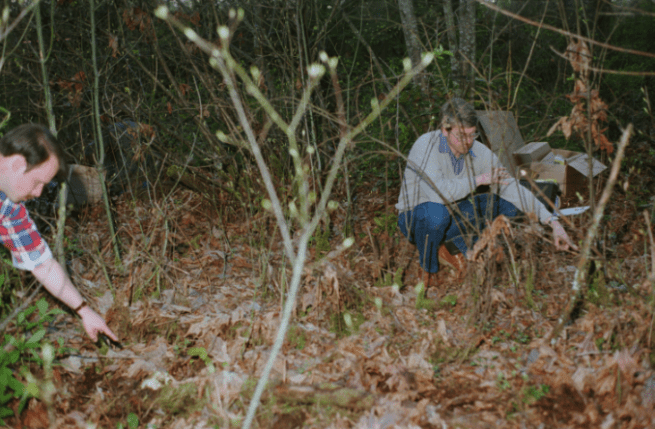

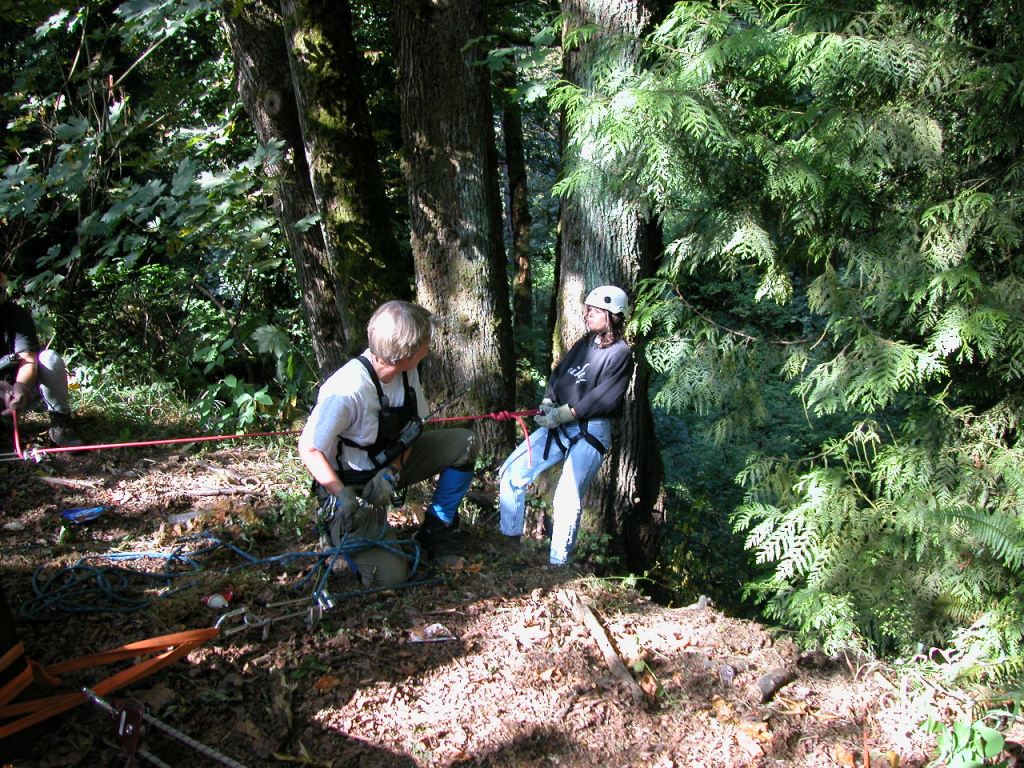
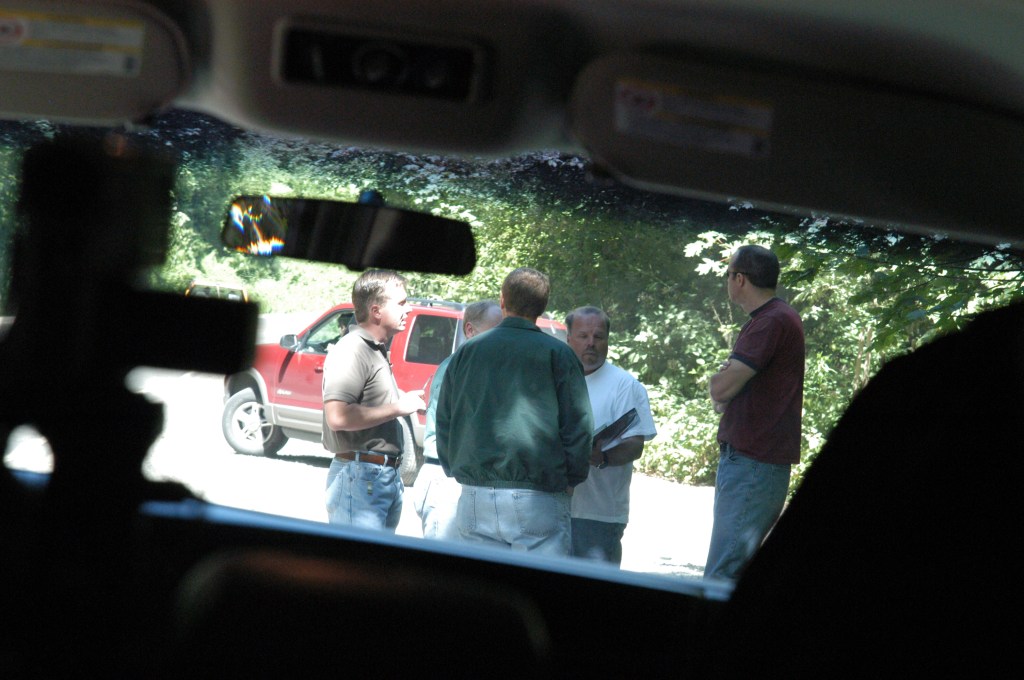
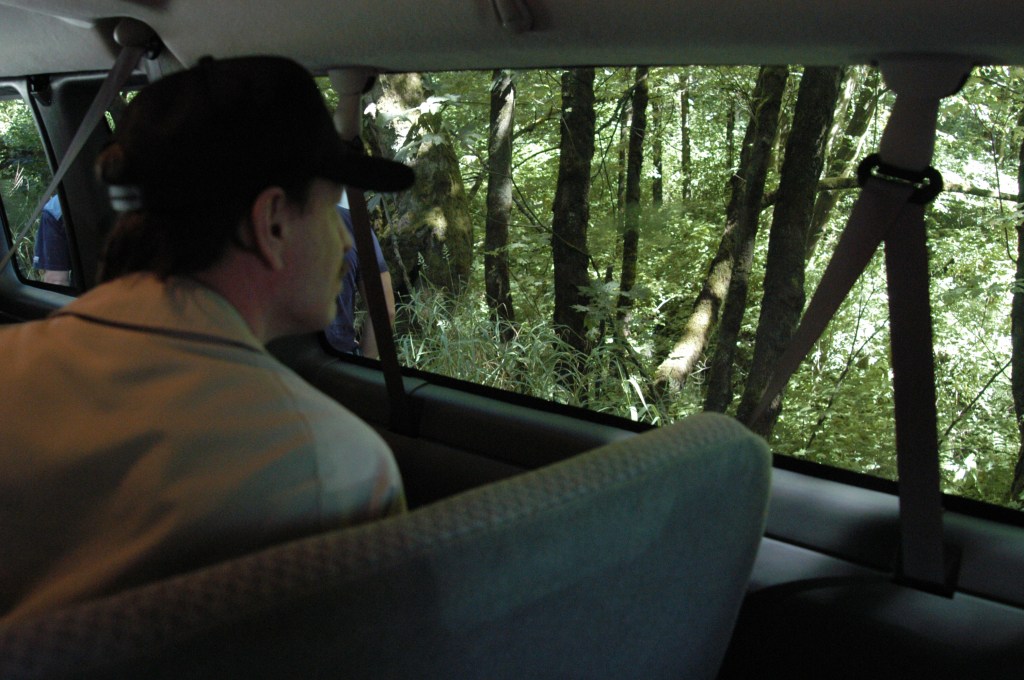
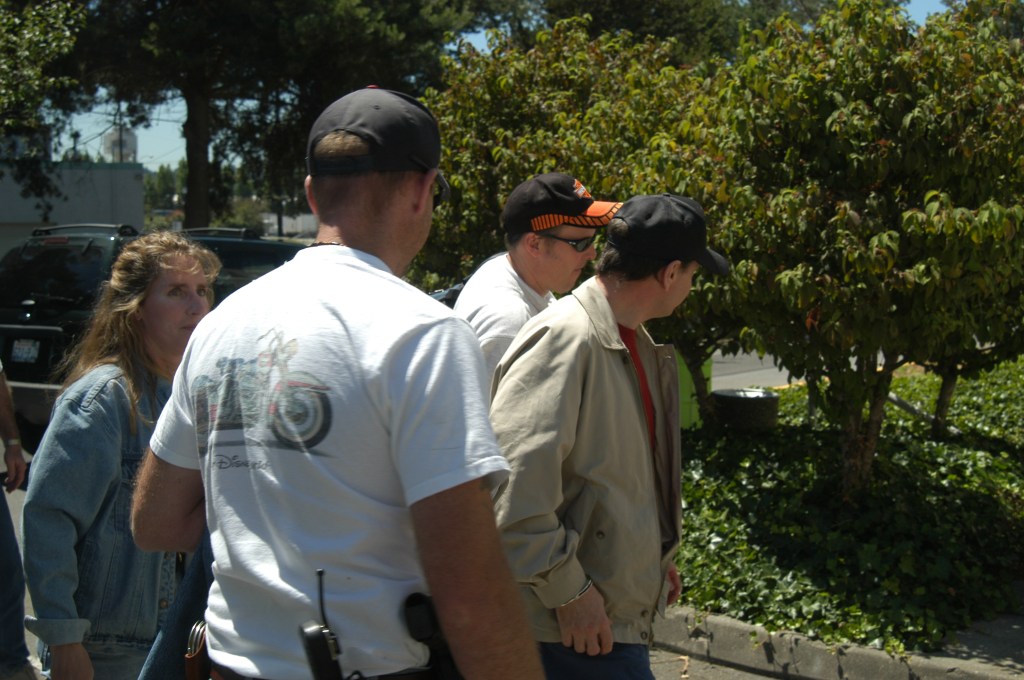
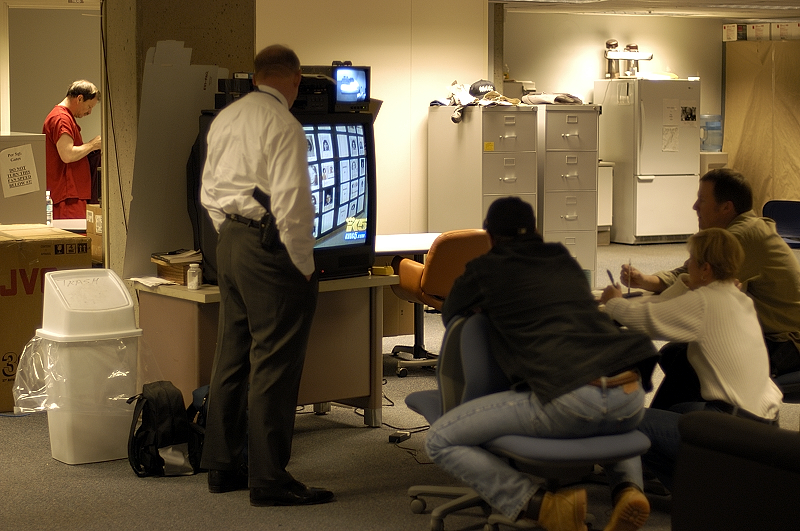
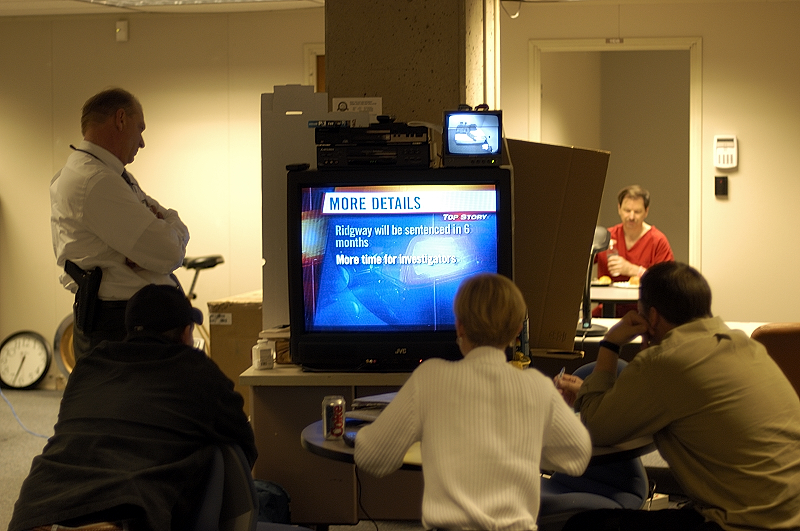

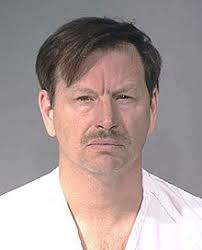
Jane Doe B-10: an unknown white female between twelve and nineteen that was discovered in 1984 close to the body of Cheryl Wims; she most likely was killed in the summer of 1983 and it’s suspected she had brown hair, stood around 5’5″ tall, and weighed 120 pounds. She was most likely left-handed and at one point in her adolescence had an injury to the front, left side of her head.
Jane Doe B-17: this victim most likely died in 1983 and their victims bones were found twice: some were found in 1984 and others were found in 1986. She was most likely a white female, aged 14-19, around 5’4”- 5’8” and average weight, around 120-140 lbs. Ridgway said she died in Spring or Summer 1983. Isotope testing shows she is possibly from the Northern United states (Alaska, Montana, Idaho, North Dakota) or Canada.
Jane Doe B- 20: discovered in 2003 after Ridgway led investigators to her remains, however her skull was never recovered so no composite sketch could be created (her race could also never be determined); it is known that she died some time in between 1973-1993 (but it most likely occurred sometime in the late 1970’s) and was most likely around thirteen to twenty-four years old. Ridgway confessed that he killed her sometime in the summer of either ’82 or ’83 and she was white and around twenty-years-old and had with brown or blonde shoulder length hair; he claimed to have started his crime spree in ’82 but it could have been earlier and doesn’t remember killing anyone in the 1970’s, but admitted it was possible.
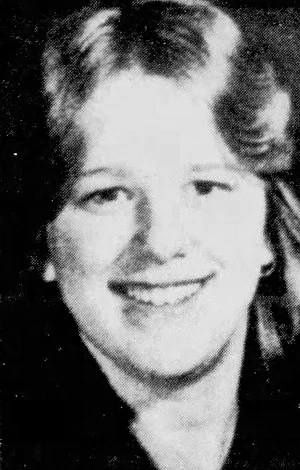


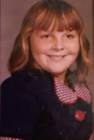


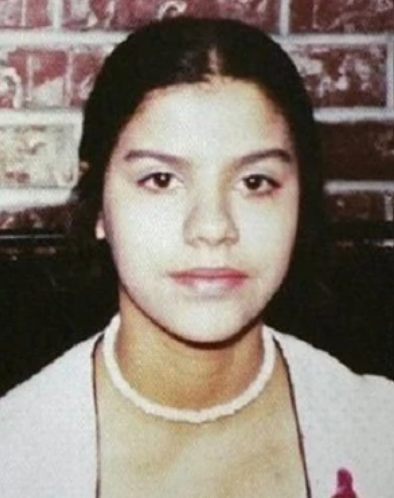



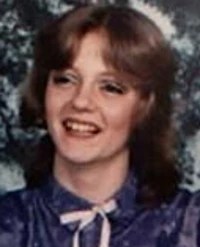


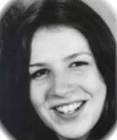

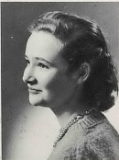





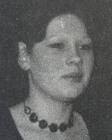






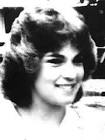
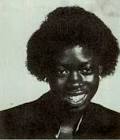

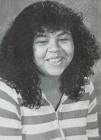


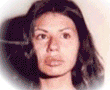


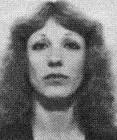



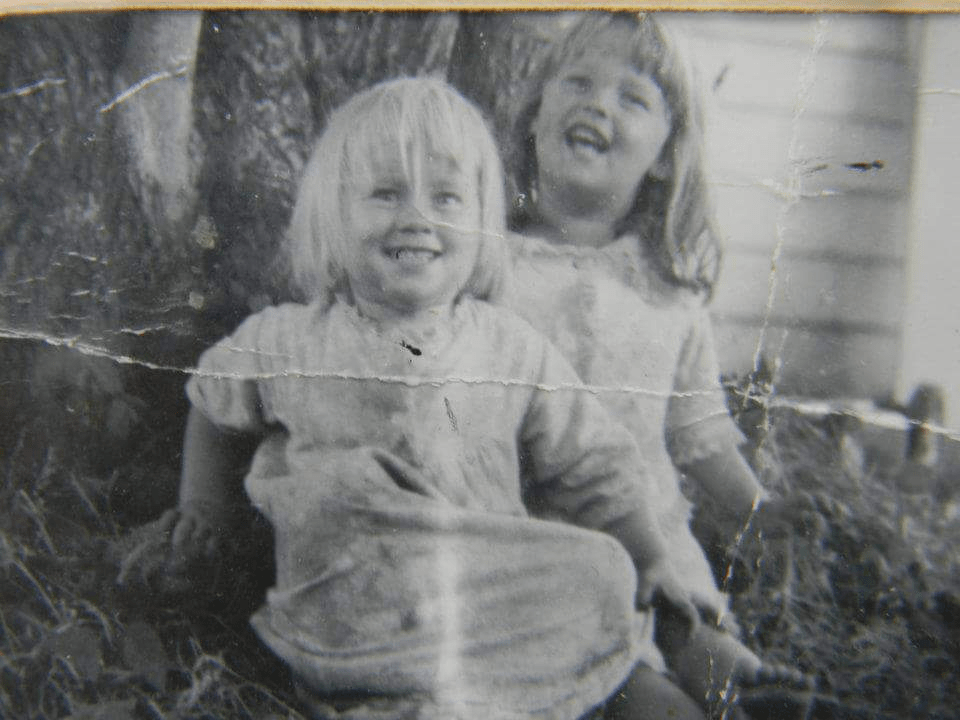
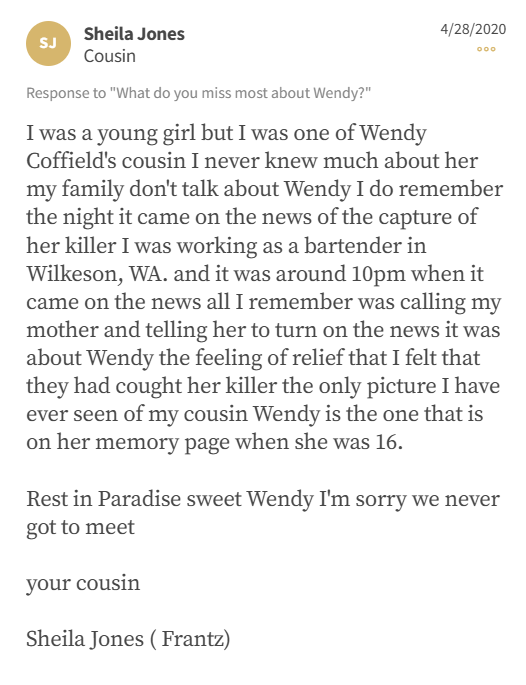
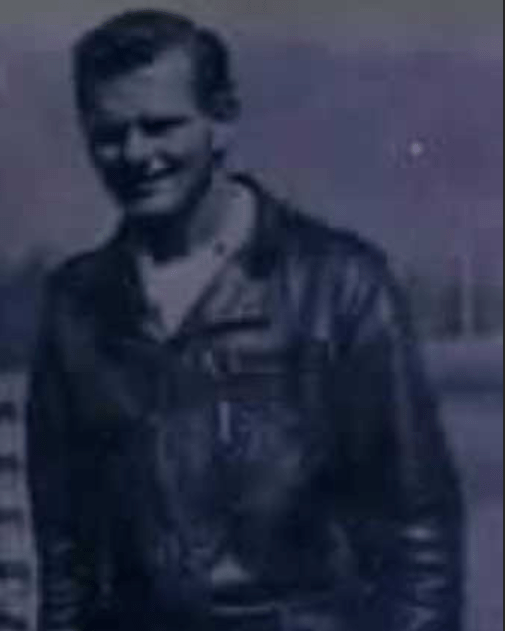
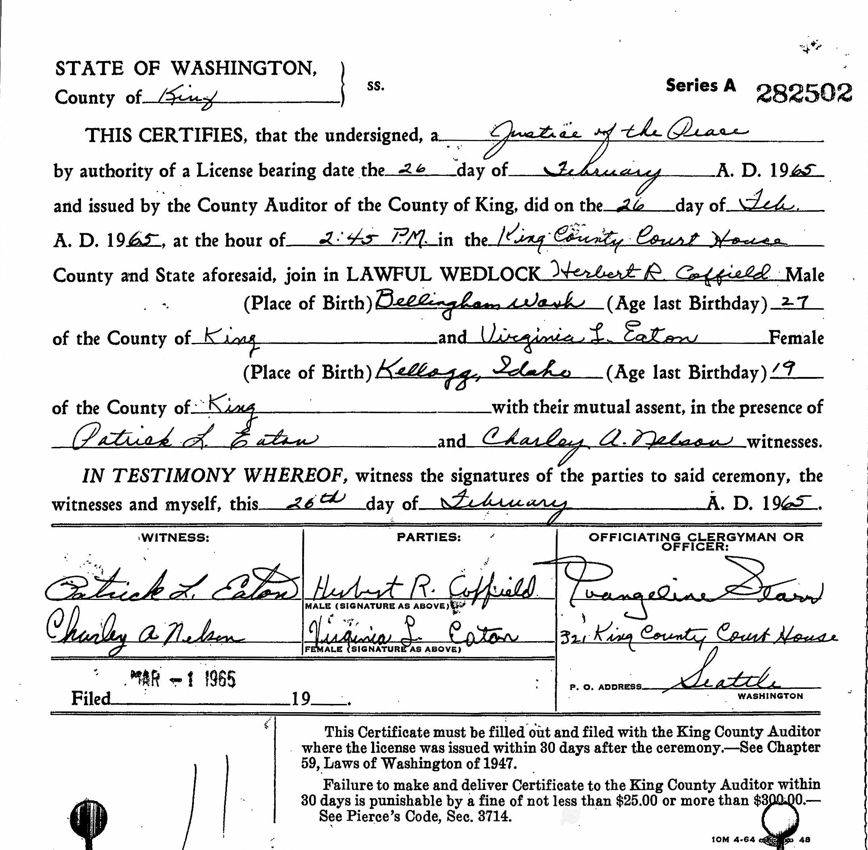
Background: Wendy Lee Coffield was born on April 17, 1966 to Herbert and Virginia (nee Eaton) Coffield in Renton, WA. Herbert ‘Bert’ Ralph Coffield was born on April 1, 1937 in Bellingham, WA and Virginia Lee Eaton was born on September 6, 1945 in Kellogg, Idaho (although one source said the event took place in Portland, OR). Upon returning home from the Korean War (he was drafted in Fairbanks, Alaska on April 5, 1955) Bert married Virginia Eaton on February 26, 1965 and the couple had two children together: Wendy and her older sister Patricia ‘Patsy’ Lee, who was born on February 27, 1965. According to Patsy, Wendy had been causing difficulties ‘starting from the minute she was born,’ and she ‘had a way of running into trouble,’ but Virginia was a bit less critical, and said where she her younger daughter was definitely a ‘spitfire’ she ‘wasn’t a troublemaker,’ and was more ‘mischievous. I don’t think she was what you’d call real trouble.’
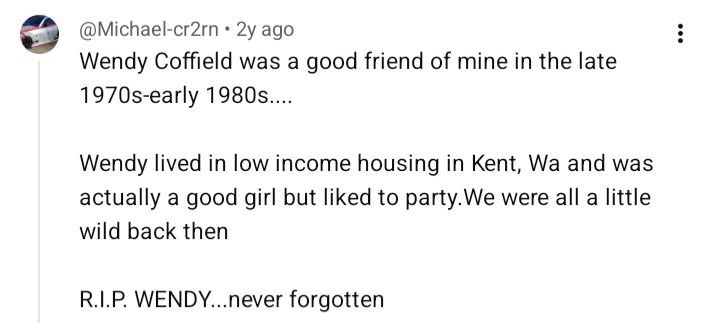
When Wendy was thirteen her parents divorced on October 17, 1979, and after the split she stayed with her mother, who said that her daughter was: ‘wild in a lot of ways, but I don’t think it was a harmful kind of wild. The only one it hurt was herself.’ Mrs. Coffield said her behavioral problems intensified after the two had left the family farm in Black Diamond and moved about a half-hour away into low-income housing in Kent, WA.
Adolescence: Virginia said that when Wendy was still in her care she would frequently disappear for days at a time, and when she eventually returned would never tell her where she had been; she clarified that she didn’t consider her to be a runaway because she ‘always came back.’ Despite officially being listed as a prostitute, Mrs. Coffield said she strongly felt that her daughter was more likely to have tried to con money from the men, and wouldn’t have had sex with them.
Wendy’s mother said her daughter had been ‘a good little girl’ when they were living in the country, but her ‘trouble’ began when they moved to Kent then Auburn (which are both relatively small when compared to nearby Seattle or Tacoma). The Coffield’s never had much money and Virginia seemed to especially struggle after her divorce; mother and daughter quickly jumped around from one low-rent residence to another, and there was even a brief period in the warmer spring and summer months when they were forced to live in a tent, eating blackberries from nearby bushes that they also sold to buy food.
One night, when Wendy was fourteen or fifteen Virginia recalled that she had come home disheveled and upset: ‘she said some guy raped her while she was hitchhiking. That’s the way she got around. Hitchhiking. I told her that’s what happens. After that, she changed.’ Mrs. Coffield acknowledged that her daughter had ‘one brush with hard drugs,’ and had been involved in other minor infractions like ‘drinking in school and trying to sell a health food supplement as a drug.’ At the time Wendy disappeared her mother had only been thirty-six and had barely made it through her own painful childhood: her parents had been far more worried about getting drunk and her needs sadly fell to the wayside, as Vigrinia had come from ‘a big family of drinkers.’
At sixteen Virginia had become pregnant and had given that baby up for adoption, and from there, she spent two years at Maple Lane, a juvenile corrections facility for young ladies located in Grand Mound,WA: ‘I felt like I was a misfit; nobody understood me. She (Wendy) was seeking help just like I did, but they put her out (of juvenile detention) when they should have given her supervision. She just needed a couple of years off the street to grow up.’ Mrs. Coffield said her problems with drinking, coping with divorce, and a boyfriend much like her junior that Wendy was also interested in romantically only contributed to her problems.
1982: By the middle of 1982, Virginia and Wendy were living in yet another run-down apartment in downtown Puyallup, and after she stopped going to junior high she enrolled in Kent Continuation School in a half-assed attempt to keep up with her education (she reportedly preferred to spend her time partying and drinking). She was known to use drugs on a frequent basis and occasionally engaged in sex work, and by sixteen she had already been arrested multiple times. At the time of her murder in July 1982 she was romantically involved with a twenty-one-year-old, and instead of making her daughter end it Virginia began to date him, and even moved him into their apartment; he turned out to be physically abusive to both of them, and mother and daughter would often fight over him. Shortly before Wendy was murdered her mother had finally admitted to herself that she had lost control of her, and that she ‘just started having trouble’ and had been well-known to LE in both King and Pierce Counties: ‘the last thing she did was she took $140 in food stamps from one of our neighbors.’
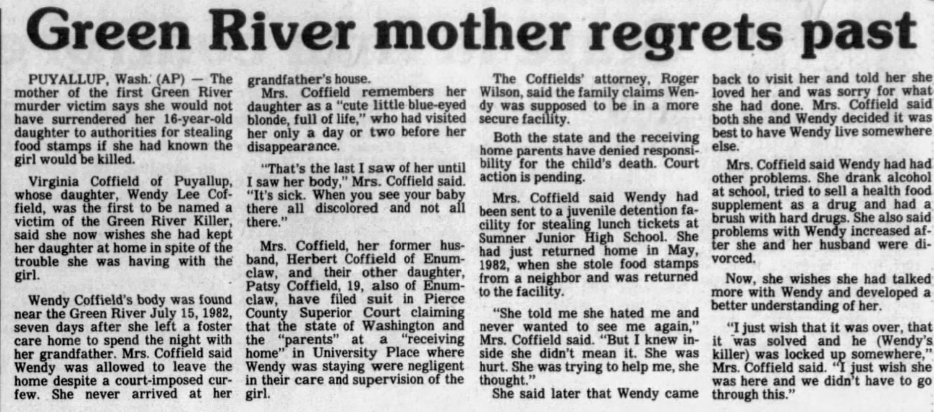
Mrs. Coffield said that in the earlier part of 1982 Wendy had been sent to Reman Hall in University Place after she stole lunch tickets from Sumner Junior High School, and had returned home that May. Upon their reunion Virginia said her daughter apologized for what she did and told her that she loved her, but her good behavior didn’t last long and the authorities had to be called after she stole food stamps from a neighbor and used them to fill her mother’s cupboards (which she discovered one night after returning home from bingo). After the incident the two ‘decided together’ that the best place for Wendy was in an ‘alternative placement,’ and after they signed the papers they cried together; Virginia also said that at one point her daughter told her that: ‘she hated me and never wanted to see me again. But I knew inside she didn’t mean it. She was hurt. She was trying to help me, she thought.’
July 8, 1982: There seems to be some uncertainty when it comes to the final hours of Wendy Lee Coffield’s life: according to her Virginia, she was allowed to leave the foster home that she had been living in at the time, but there was a court-imposed curfew. She reportedly visited with her for the last time on July 8, 1982, and from there one source claimed that she told her mother of plans of spending the night at her grandfather’s house later that same day, and that her foster mother had given her permission, but it was later discovered she was only supposed to ‘go for a walk.’ It was the last time she was seen alive.
In the months that followed her daughter’s murder Virginia said she wished she had spent more time getting to know her and that she had developed a better understanding of her; she said that where Wendy wasn’t an ‘angel by any means’ she was still lonely without her: ‘I just wish that it was over, that it was solved and he (Wendy’s killer) was locked up somewhere. I just wish she was here and we didn’t have to go through this.’
According to a psychologist’s report that was conducted by the Seattle Youth Department after one of her arrests, Wendy generally: ‘did not look at me and was consistently sullen throughout the examination. At times she expressed herself angrily. She generally appeared reluctant to extend herself mentally and tended to give up over-easily. She evidenced a general dysmorphia and pessimism about herself and her situation. She was an angry, resistant, immature young woman who seems deeply unhappy with herself and with her external world. All in all, I believe Wendy is certainly not capable of managing her own life constructively and in socially appropriate directions.’
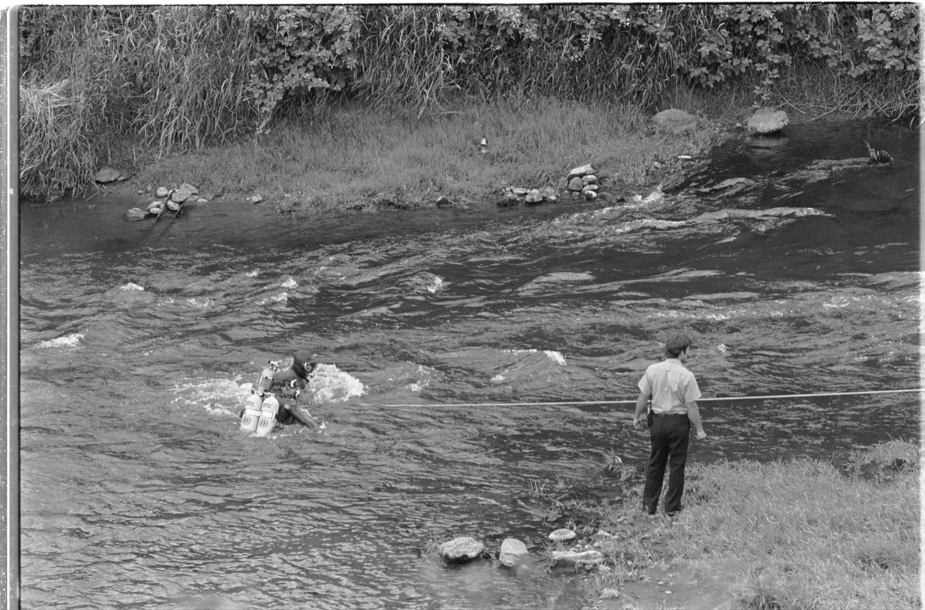
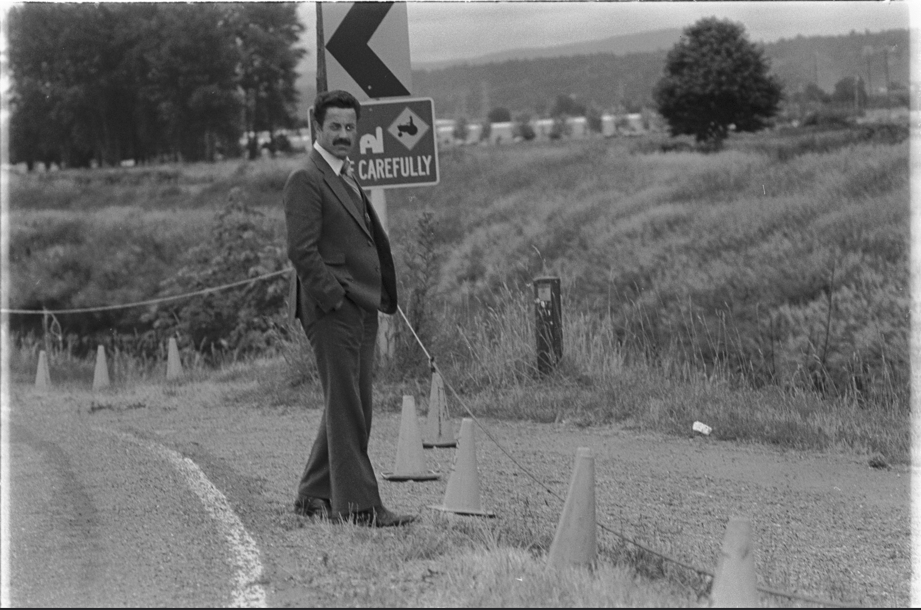
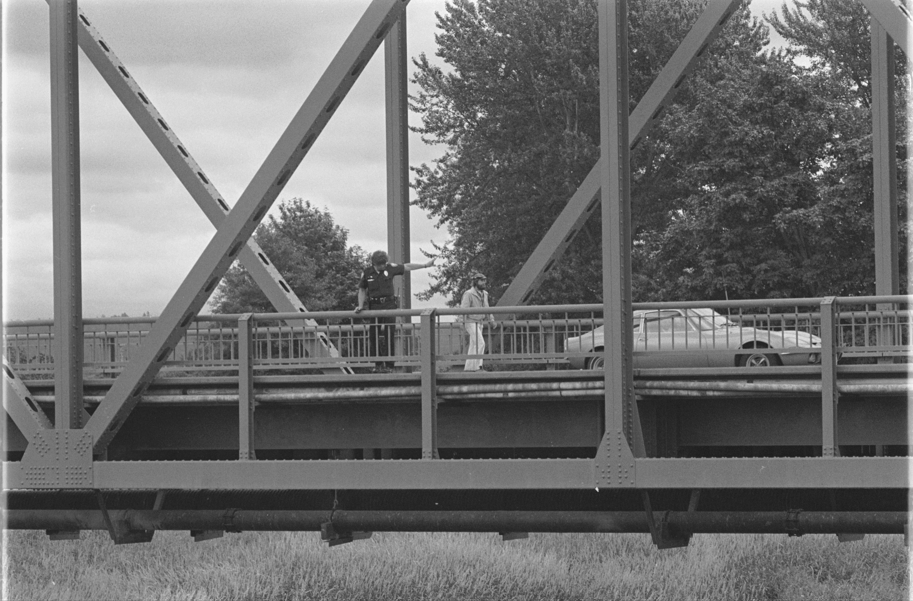
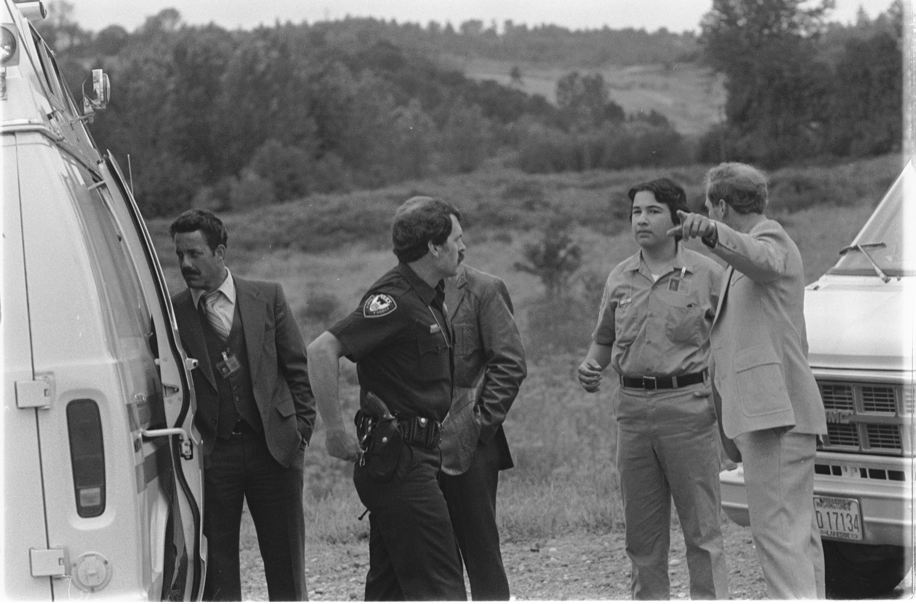
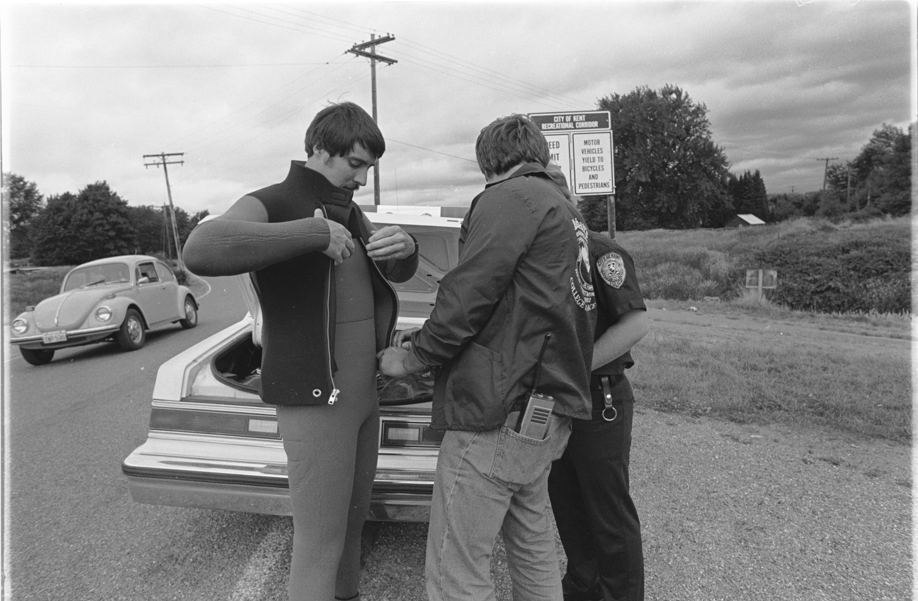
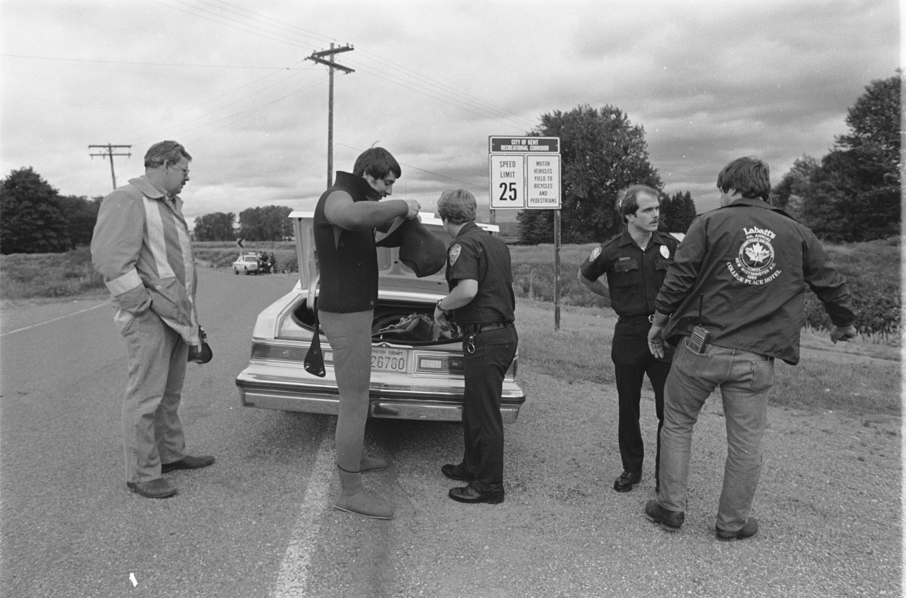
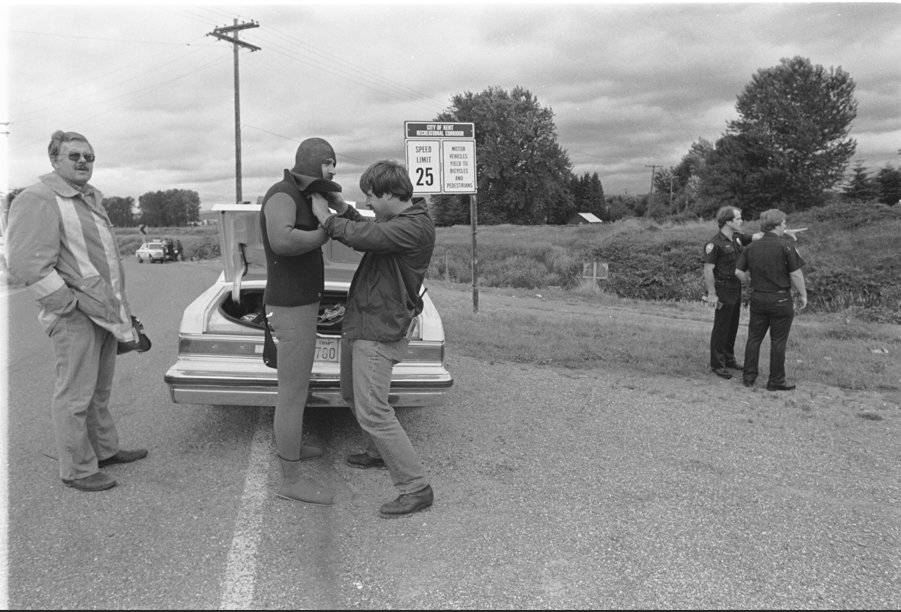
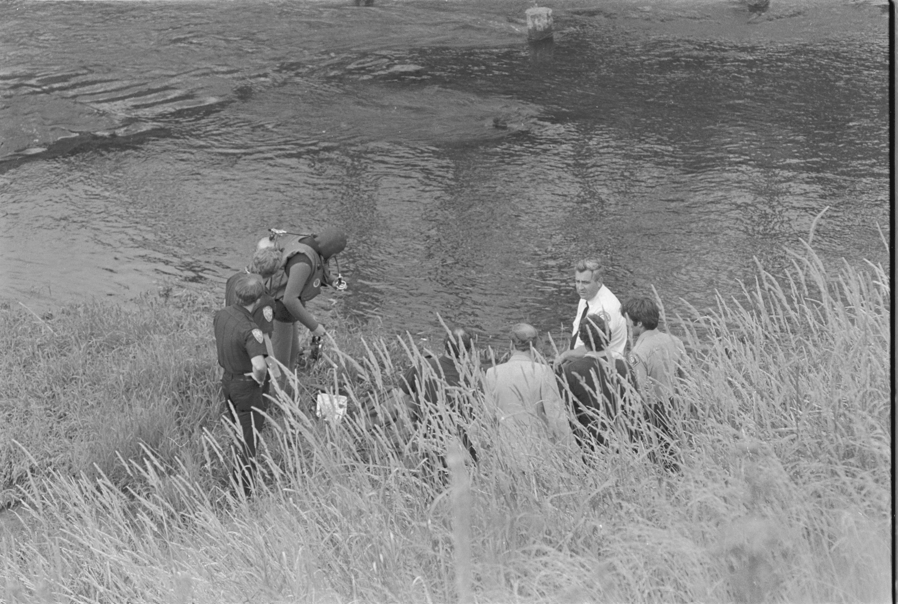
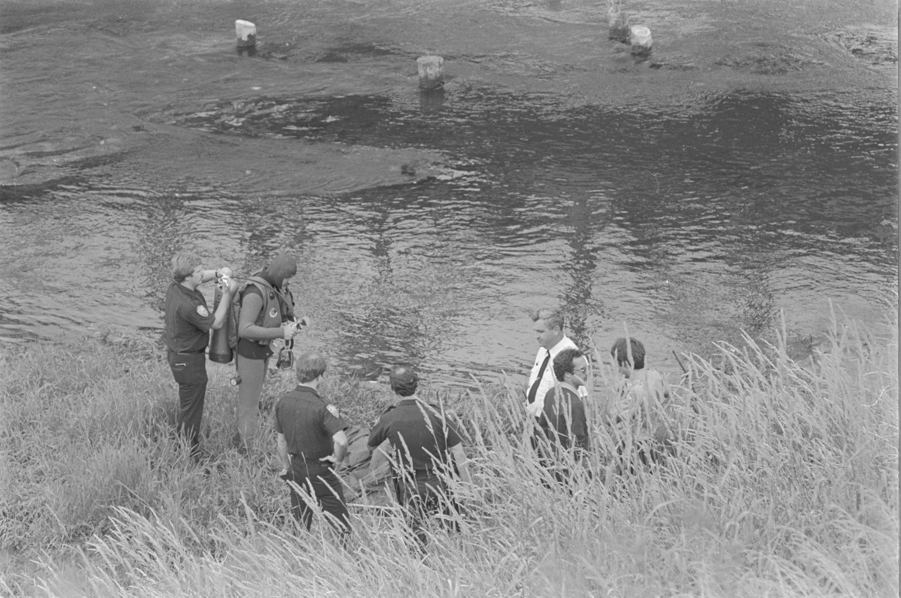
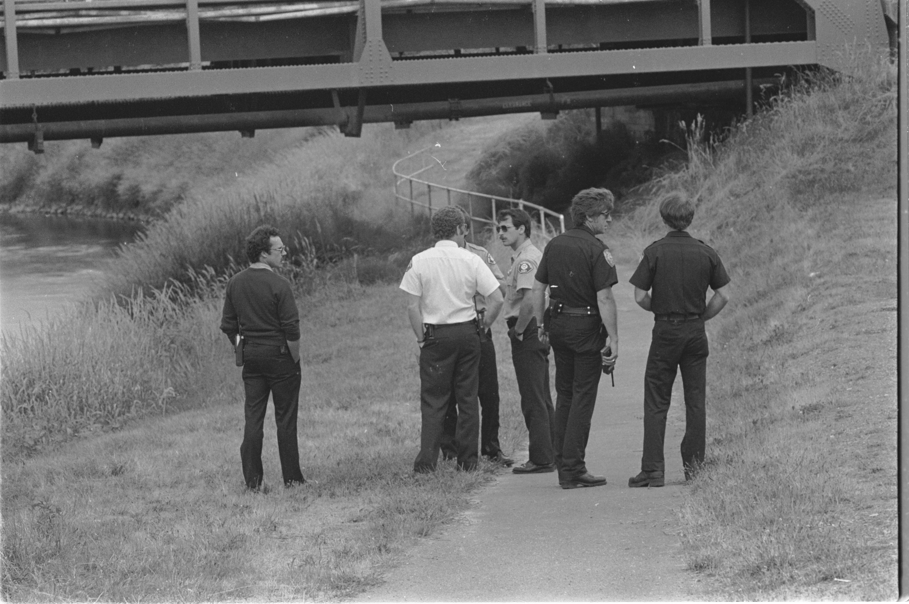
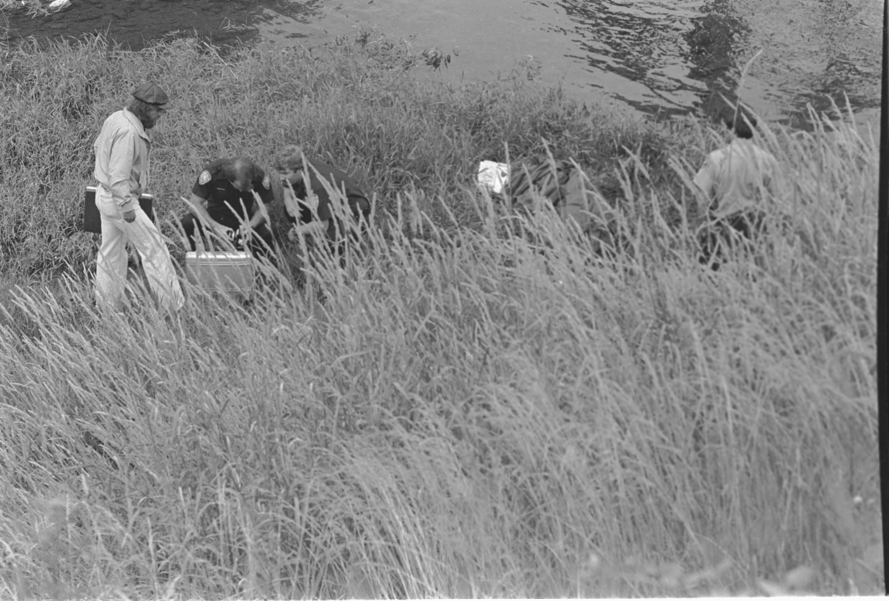
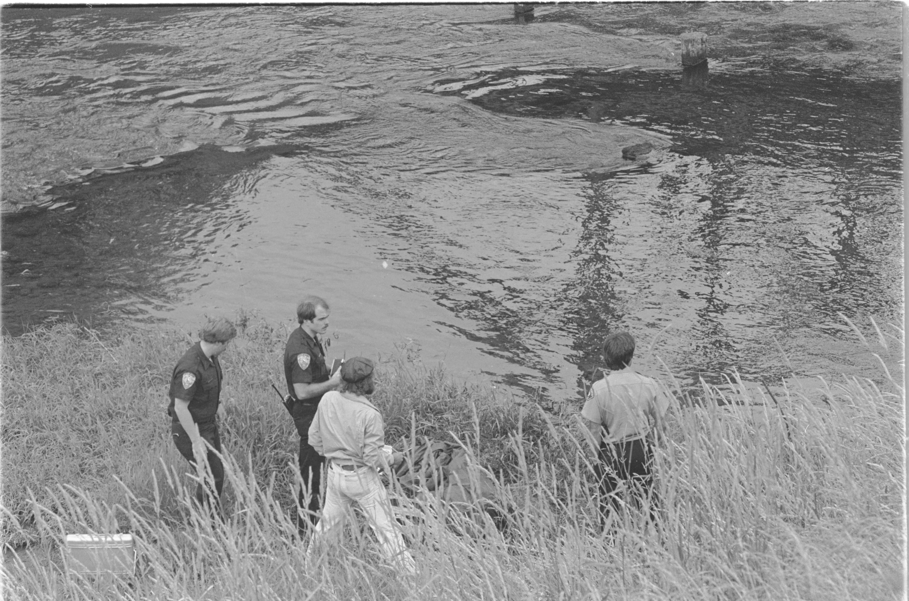
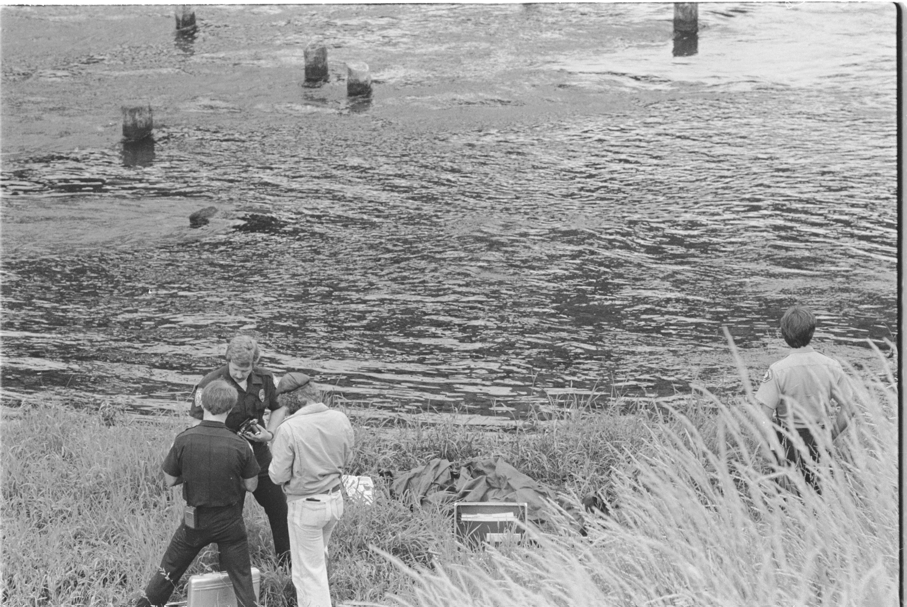
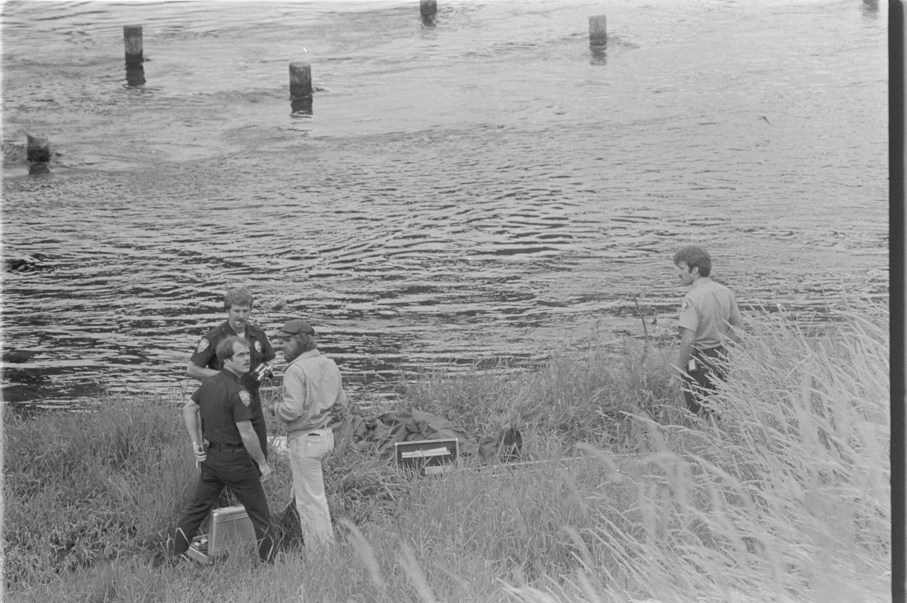
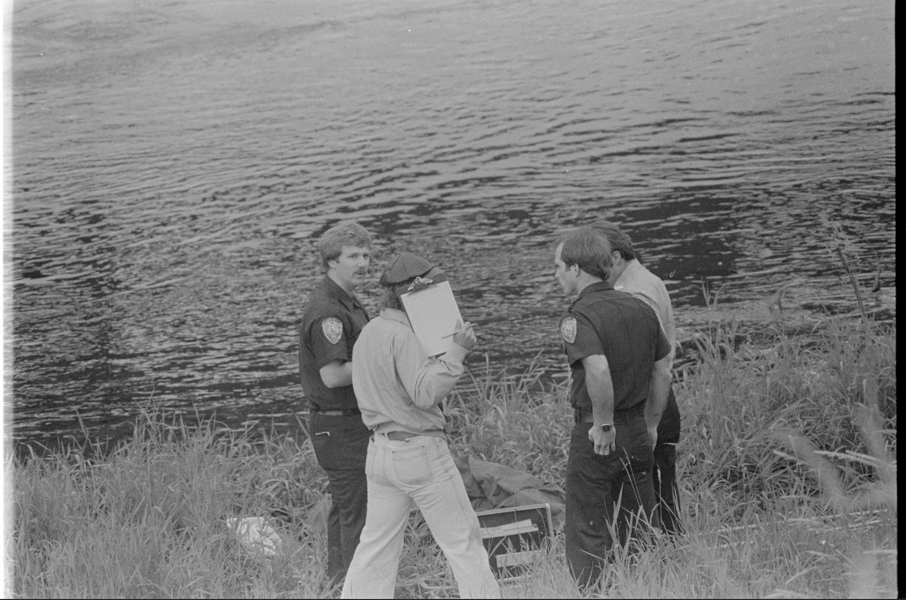
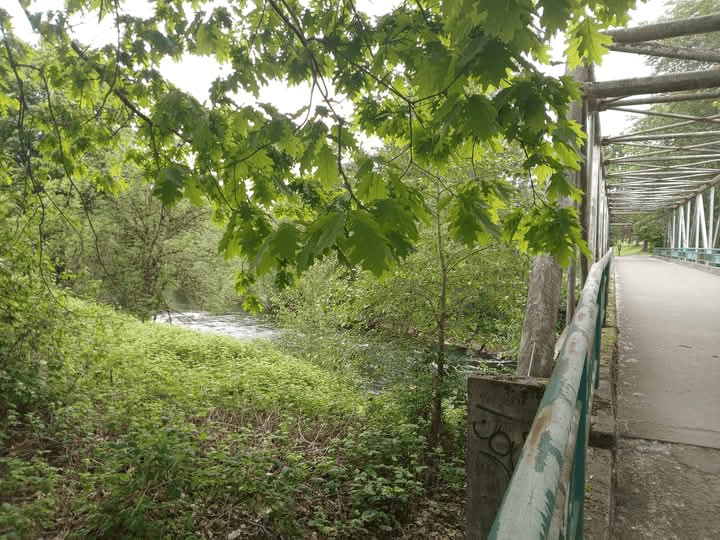
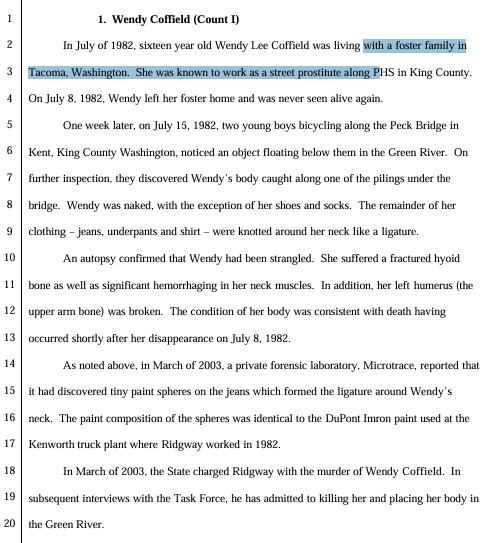
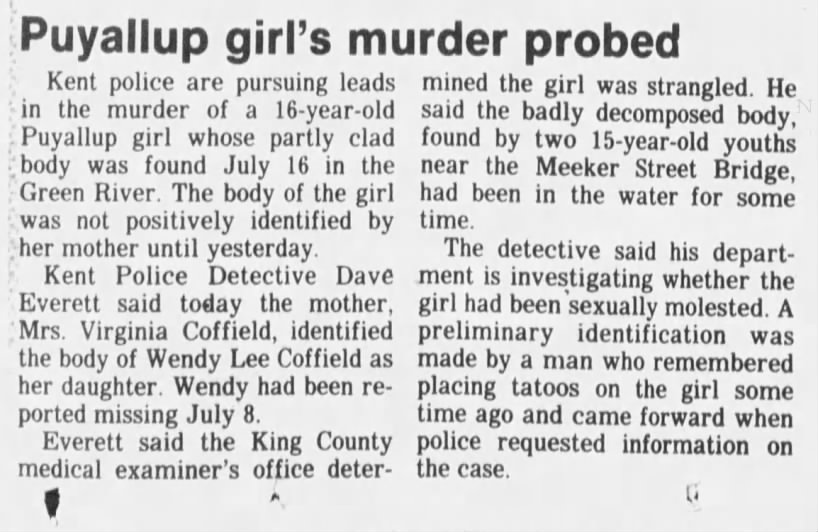
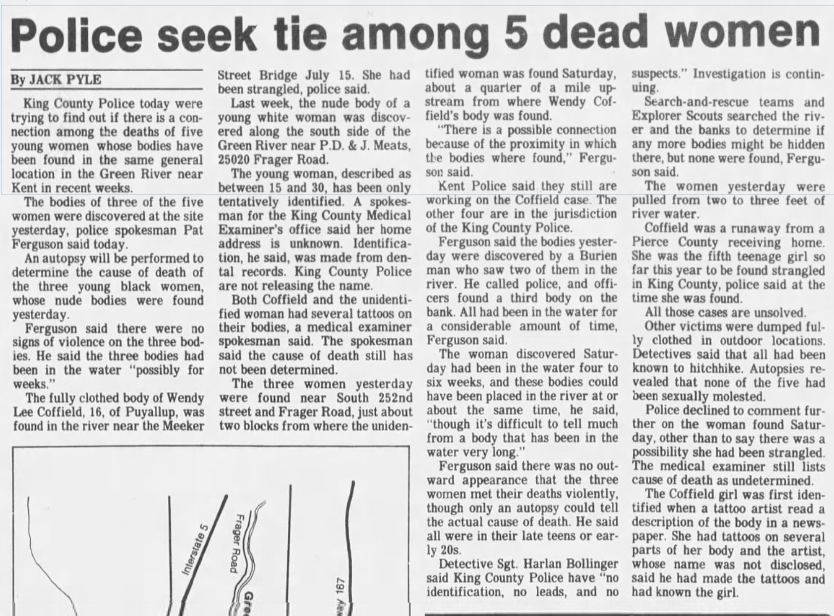
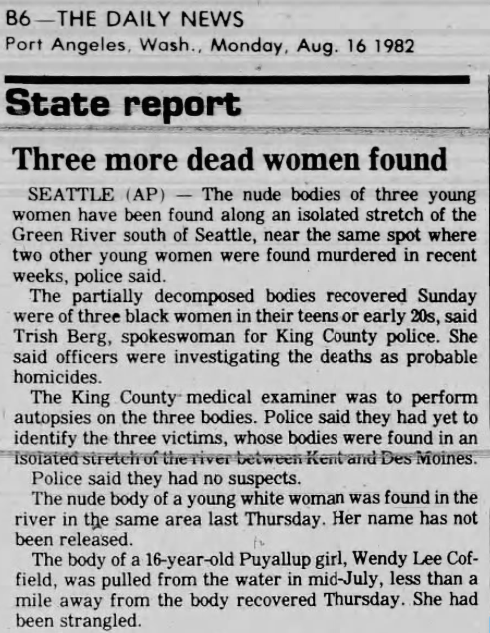
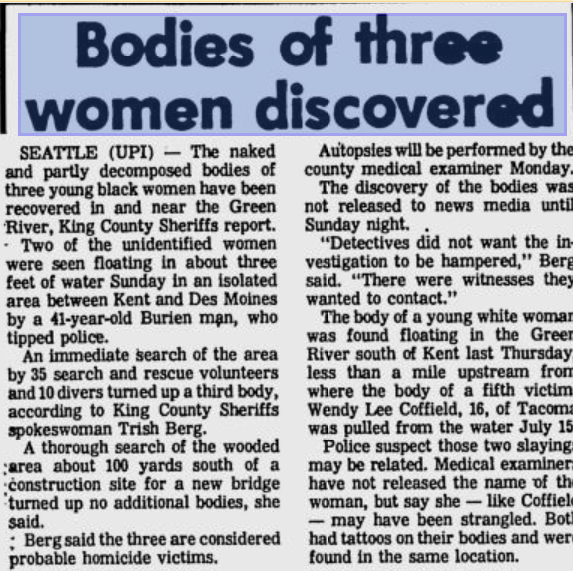
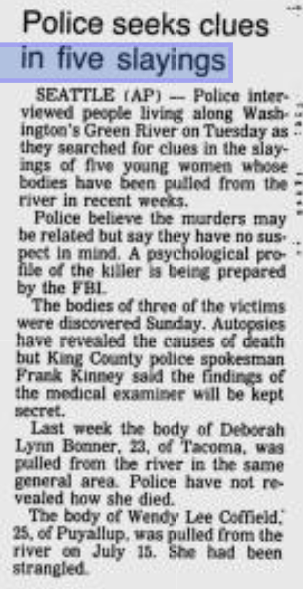
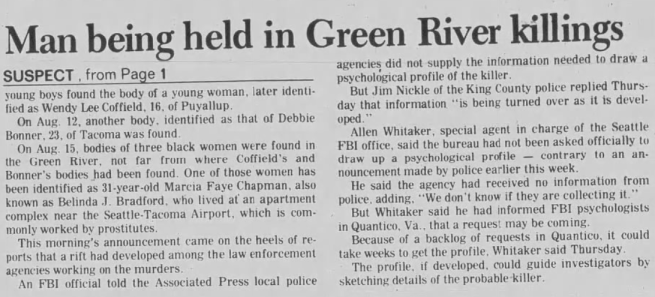
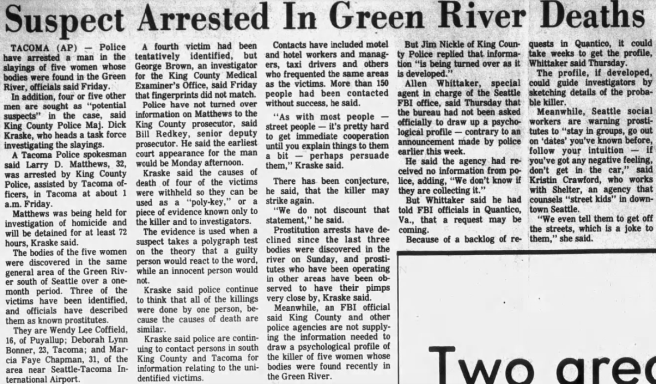
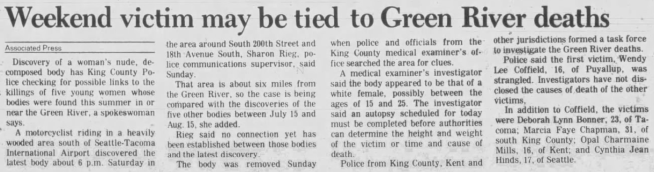
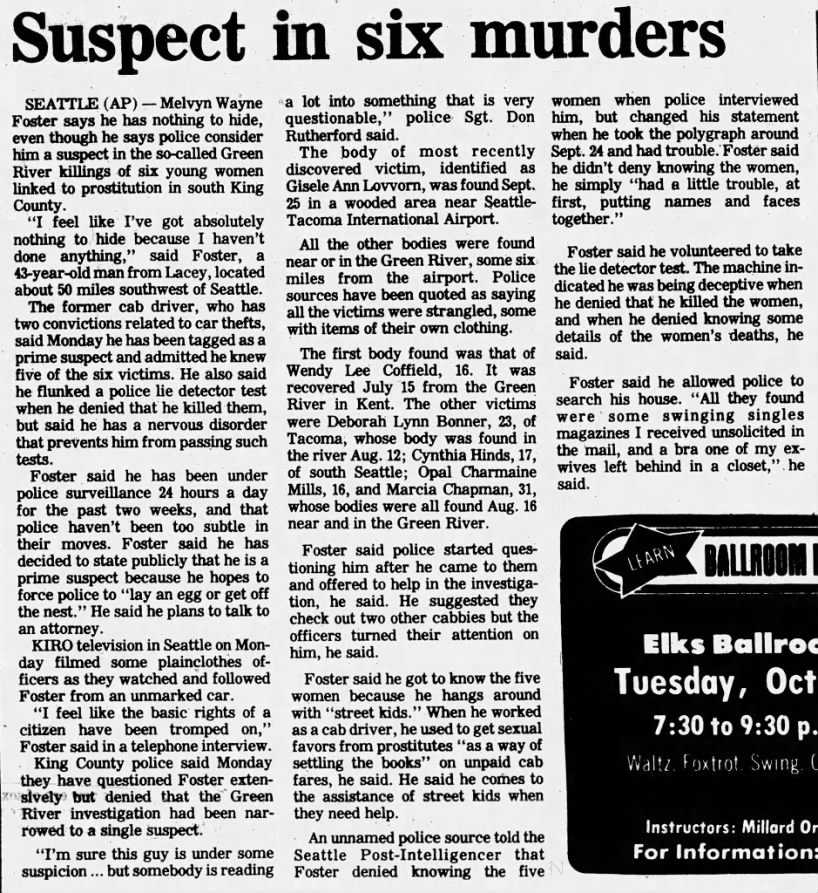
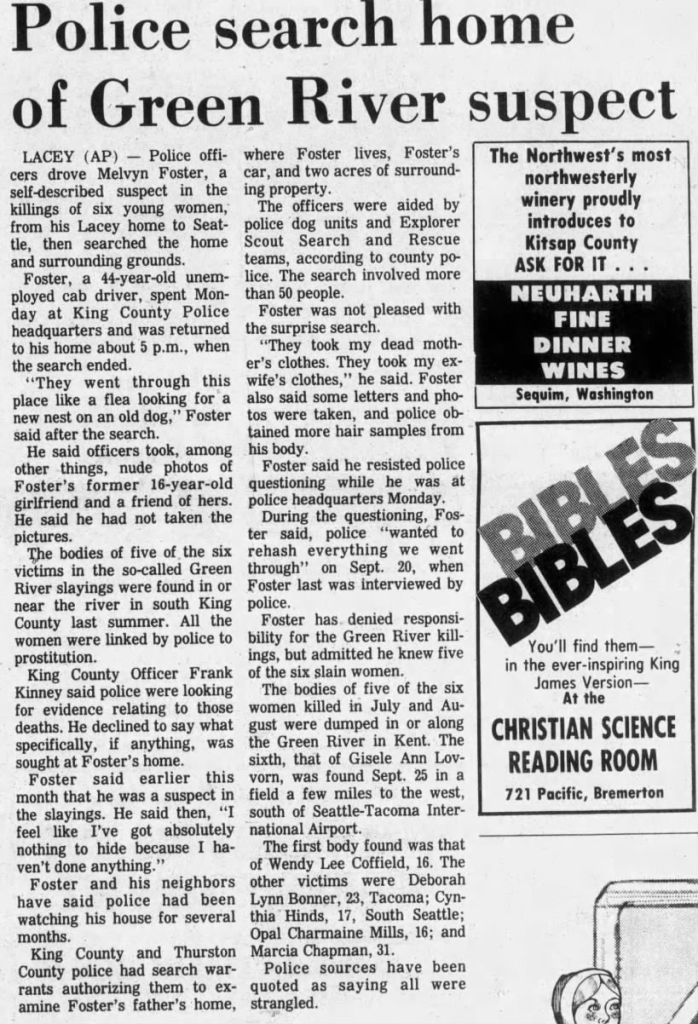
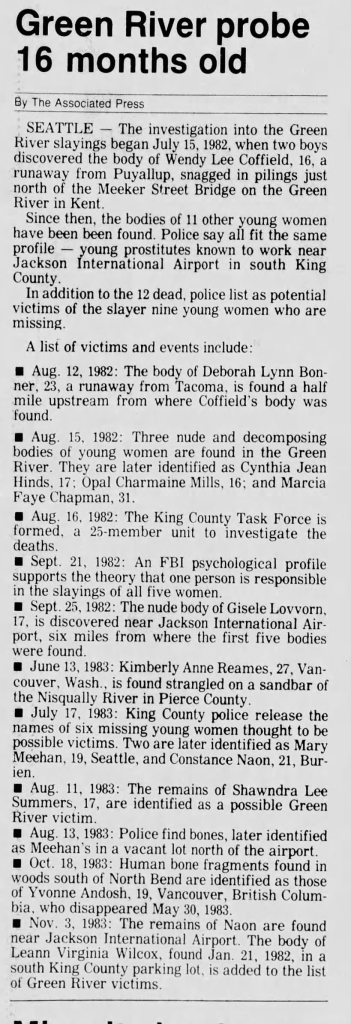
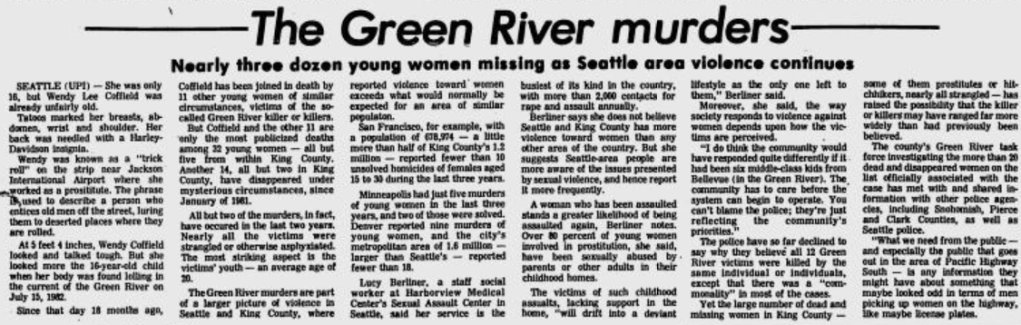
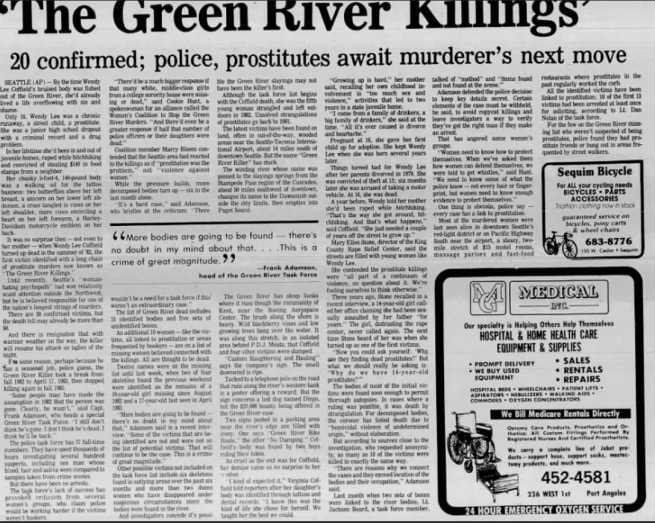
The Discovery: Seven days after Coffield was last seen alive on July 15th, 1982, Gallan Hirschi and his friend Robert were riding their bikes in Kent when they noticed remains of a woman snagged on pilings against an old river post underneath the southern side of the Peck Bridge located on Meeker Street in Kent, WA. In the summer months of 1982, the water in the Green River wasn’t very deep, and as a result she would have been in plain sight of anyone that crossed the bridge. Close to where Wendy’s body was found, there was a restaurant called ‘The Ebb Tide,’ and only a block away was a topless bar, a meat-packing plant, a two-story motel, as well as a handful of fast-food eateries.
Because of the low water level in the Green River in the summer of 1982, much of its rocky shoreline and reedy grasses was exposed, so it wouldn’t have been very difficult for someone to carry Wendy from their car down to the river (although it obvious would have to been in the cloak of darkness at night). At first glance, the two fifteen-year-olds thought the object in the water looked like a large bag or possibly even a mannequin, but after they got off their bikes and went closer to get a better look they realized they were looking at human hair and a jacket. According to Hirschi, ‘the thing that caught my eye was tennis shoes. That doesn’t go away.’ The incident was followed by years of nightmares and an intense fear of walking close to water, and to this day he doesn’t like the sight of hair under water.
King County Medical Examiner Dr. Don Reay noted that the young victim had five tattoos: a vine around a heart on her left arm, two tiny butterflies above her breasts, a cross with a vine around it on her shoulder, a Harley Davidson motorcycle insignia on her back, and the unfinished outline of a unicorn on her lower abdomen. In the days that immediately followed the discovery, the King County ME was able to determine that she hadn’t drowned and had already been dead when she was left in the Green River. After a description of the young woman’s body art was published in the local Seattle newspapers, a tattoo artist recognized his work and came forward and identified the victim as Wendy. According to reports, he said, ‘I think she lives in Puyallup with her mother. She’s only sixteen.’
Detectives eventually located Virginia, and although she appeared to be in shock, she murmured to herself, ‘I kind of expected it.’ She then explained that she wondered if Wendy had been working as a prostitute and that she may have been attacked and killed by a ‘John.’ I know that was the kind of life she chose for herself. We taught her the best we could.’
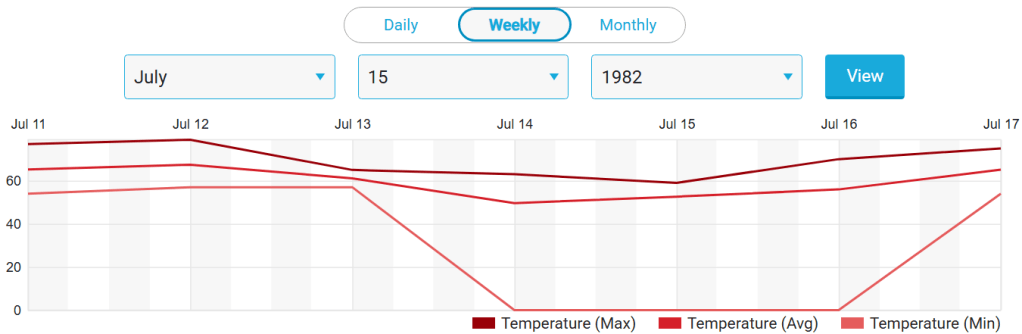
The medical examiner’s office determined that Wendy had been strangled to death with her own pants in a different location then had been brought to Peck Bridge to be discarded, where she had remained for several days before she had been found; according to Ann Rule’s book, ‘Green River, Running Red,’ Coffield had been ‘partially naked’ when she had been recovered and had been ‘violently choked with her own panties.’ Because she was reported missing on July 8th, 1982, it is possible that she had been dead for up to a week and by the time she had been recovered her remains were badly decomposed because of the summer temperatures.
Virginia Coffield says she remembered her younger daughter as a ‘cute, little blue-eyed blonde, full of life,’ … ‘It’s sick. When you see your baby there all discolored and not all there.’ In an interview with The News Tribune reporter Teresa Cronin, Virginia Coffield said that she wished that she didn’t turn Wendy over to authorities the second time that she got in trouble, and had she known what was going to happen she would have kept her at home and disciplined her there.
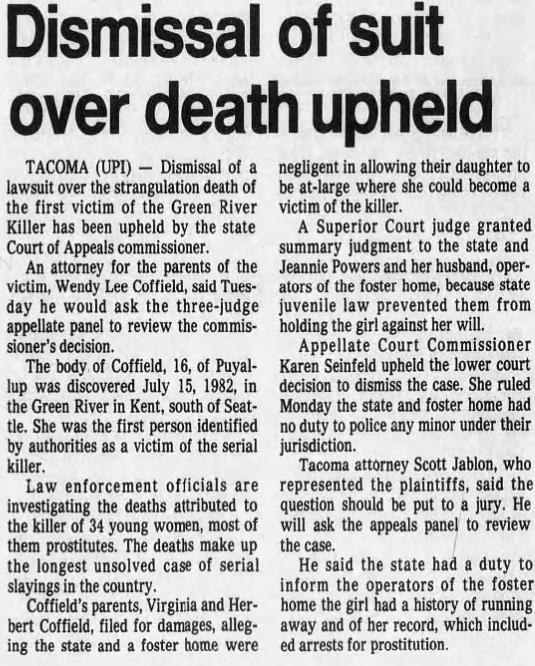
Lawsuit: In February of 1983 Herbert and Virginia Coffield filed a lawsuit in Pierce County Superior Court alleging that the state of Washington along with the supervisors at the foster home that their daughter was residing at were negligent in her care and supervision. The family’s attorney Roger Wilson stated that Wendy should have been in a ‘more secure’ facility and that the state did not properly inform the home of her history, for example her previous threats to run away from Remann Hall; both the state and the foster parents denied responsibility for the child’s murder.
The suit was dismissed in April 1986 after a judge ruled in favor of ‘Jeannie Powers and her husband’ (who were the operators of the foster home) because ‘state juvenile law prevented them from holding the girl against her will’ and ‘the state and foster home had no duty to police the minor under their jurisdiction.’
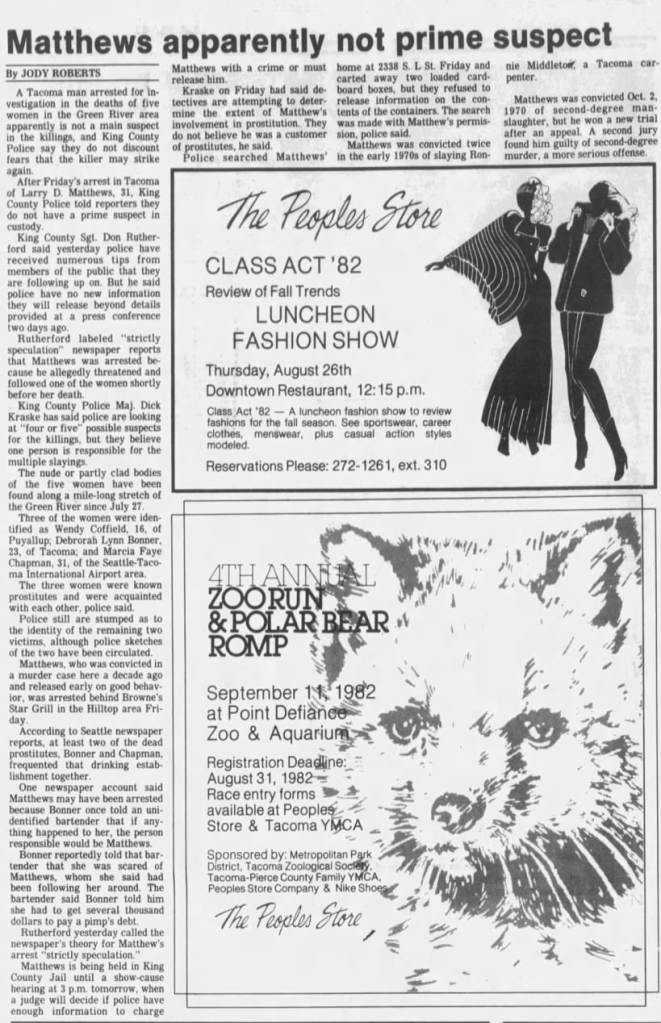
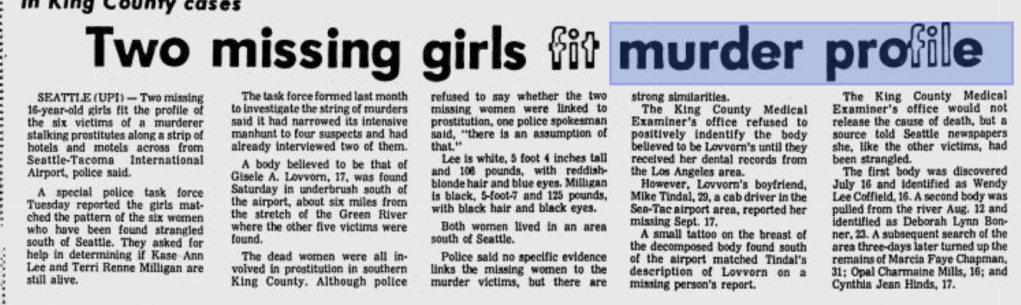
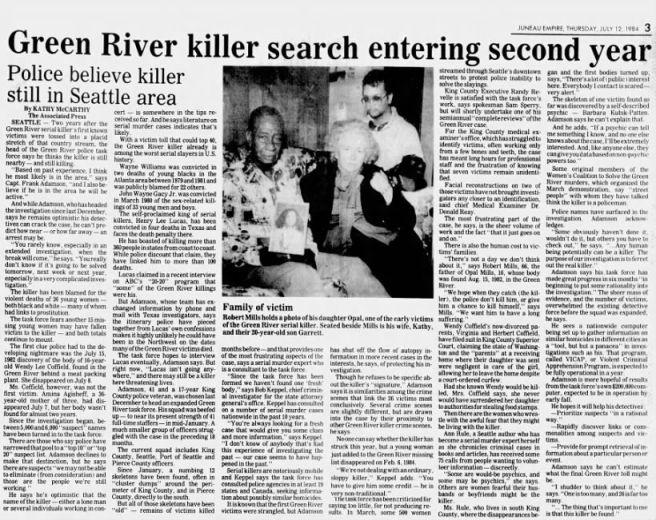
Gary Leon Ridgway: When King County LE pulled the body of Wendy Lee Coffield out of the Green River,they had no idea it was the beginning of a nightmare that would go on for well over ten years, and before 1982 was over, a truck painter and husband/father of one named Gary Leon Ridgway would go on to murder fifteen women. Only nine days after Wendy Coffield was last seen alive, seventeen-year-old Gisele Ann Lovvorn disappeared on July 17, 1982; her remains were uncovered a little over two months later on September 25, 1982. The first time that Ridgway came up on police radar was on April 30, 1983 after his victim Marie Malvar disappeared: her boyfriend followed a pick-up truck that was connected to her disappearance that was later proven to belong to him.
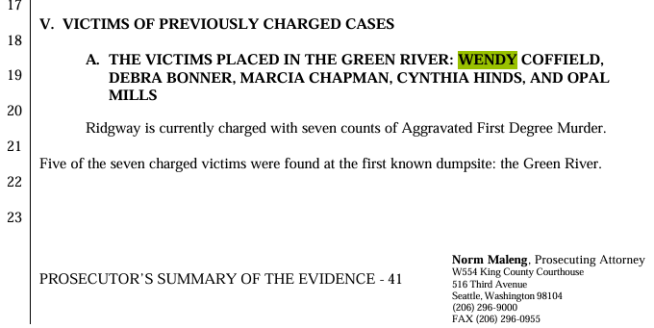
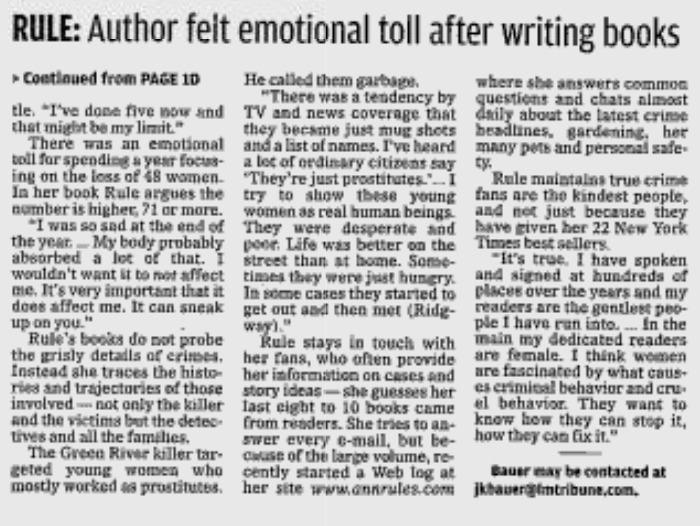
Gary Leon Ridgway was eventually charged with killing Wendy Lee Coffield in April 2003, and it was eventually determined that he was responsible for the murders of at least forty-nine women across Seattle between 1982 and 1984. In March 2003 a private laboratory called ‘Microtrace’ discovered tiny spheres of spray paint on the clothes of Wendy Coffield and Debra Estes, which was structurally identical to the highly unique DuPont Imron paint that was used at the Kenworth Truck Plant outside of Seattle where Ridgway worked as a truck painter.
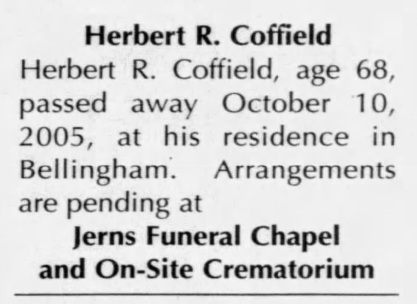
Conclusion: Herbert Coffield died at the age of sixty-eight on October 10, 2005 in Bellingham, WA. According to his obituary, over the course of his life Bert had worked many jobs across multiple states, including Alaska, Oregon, and Washington, and at one point even owned his own business called ‘Bert’s Janitorial Services’ in Fairbanks. In addition to blue collar work, he also owned a company called ‘The Tohunga Co.’ in Kent, which made contemporary and primitive art pieces.
In his younger years Bert collected firearms and owned multiple motorcycles, and in 1954 he rode his Harley from Fairbanks to Bellingham using the Alcan Highway (which is unofficially referred to as ‘The Alaskan Highway’) when it was still very new and primitive. A nature lover and artist, Mr. Coffield was always doing and creating something, whether it was carving wood, oil painting, or drawing; he also loved to read and was always in the middle of a book in an attempt to ‘discover the answers to life’s deeper mysteries.’ He had a ‘consummately generous spirit’ and was always ‘giving things away’ in an attempt to share the recent things that he had recently learned and picked up. He didn’t believe in death at the end, but ‘as a transfer point to the next level of consciousness.’
In her final few years on this earth Virginia lived with Patsy and died after what seems like a life full of struggles and mental illness on June 19, 2018 at the age of seventy-three. I was easily able to find Patsy’s Facebook page, and in her (public) posts she made no secret that her mother had suffered from self-harm tendencies and often resorted to verbal threats and physical abuse when she didn’t get her way.
Wendy’s sister Patsy Lee was only fifty-eight when she passed away in her sleep in her home in Enumclaw on January 28, 2024. In her adult life, she worked at Circle K and Seven Eleven for several years before she later found employment at the Muckleshoot Casino Resort in Auburn, retiring around 2022. According to her obituary, Patsy adored her late parents and sister and missed them all greatly, and she enjoyed sharing her memories about them.
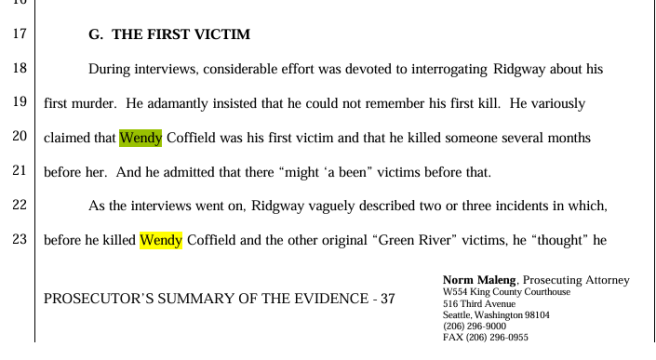
* I do feel that it is important to note that Wendy Lee Coffield is not technically Gary Ridgway’s first victim: at the age of sixteen he stabbed a six-year-old boy, critically injuring him; LE ignored the child when he blamed him for the attack and he went unpunished. In 1980, Ridgway was arrested for allegedly choking a prostitute, but no charges were filed after he claimed that the woman had bit him. Two years later he was arrested for solicitation, and it’s strongly speculated that he began murdering women shortly after.






































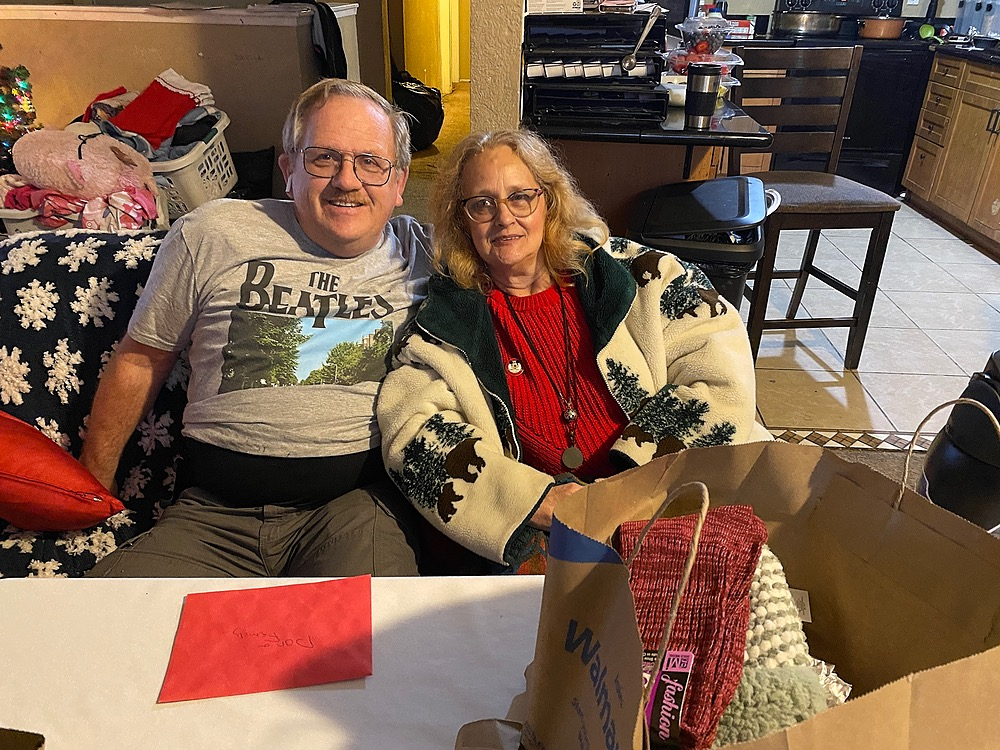


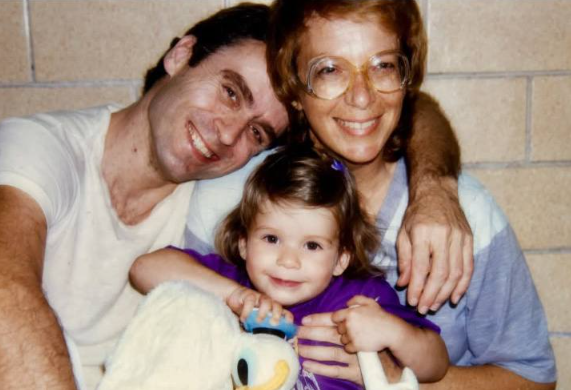
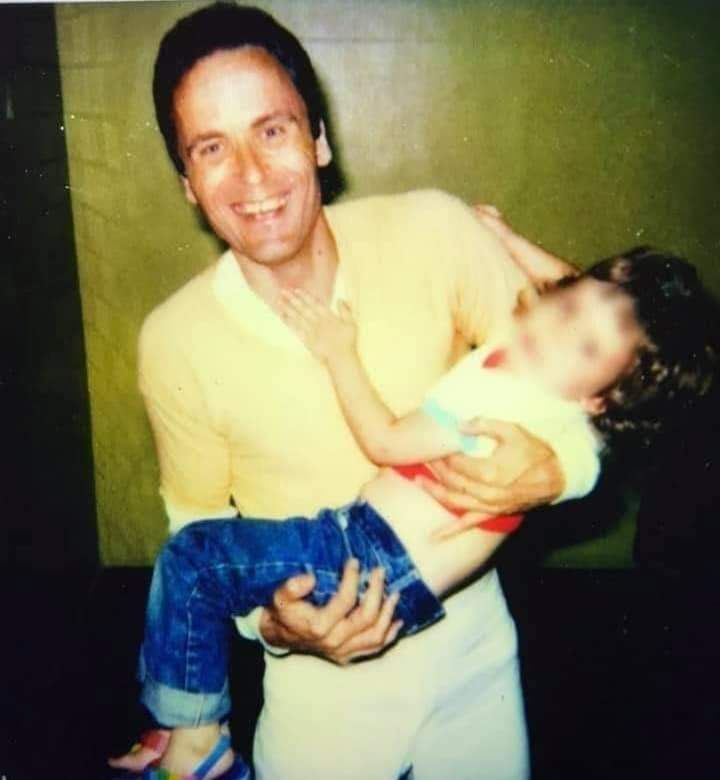
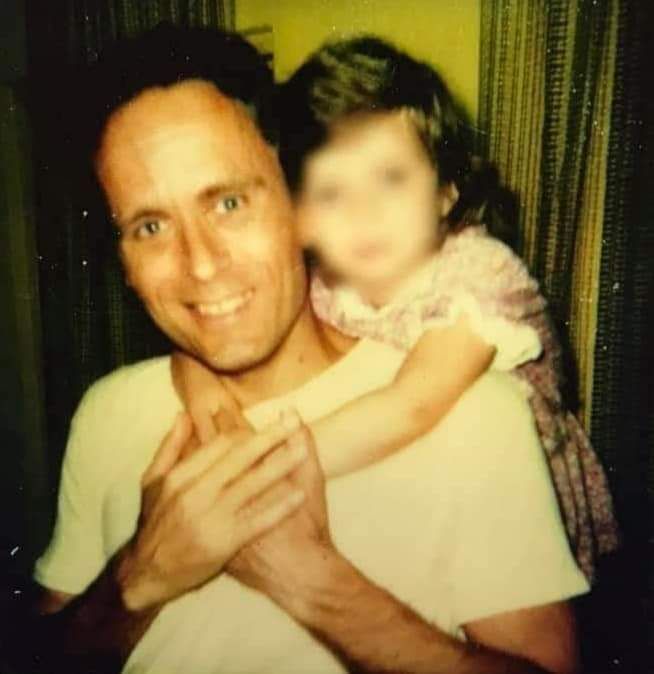
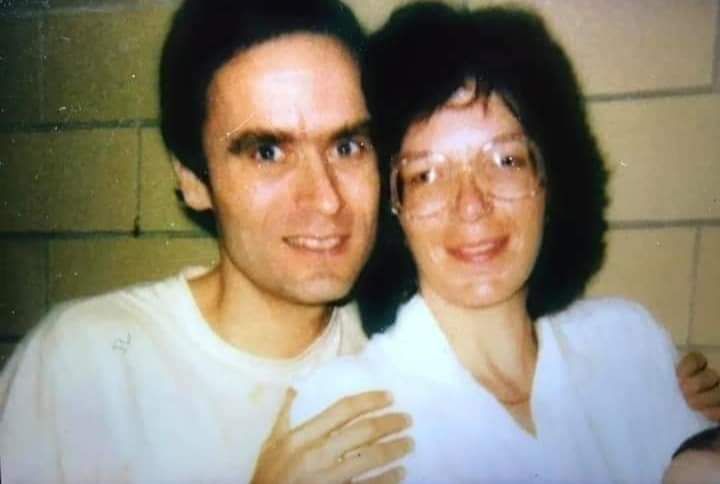
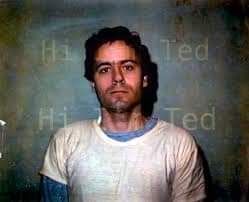
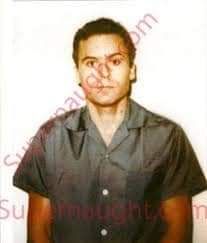
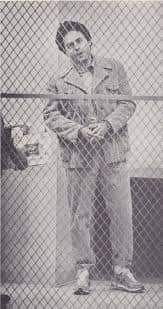
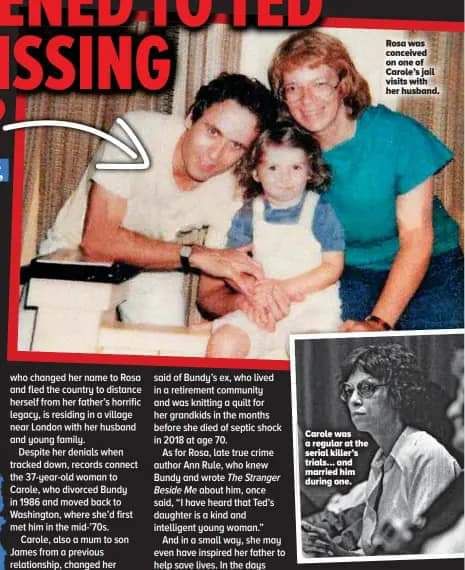
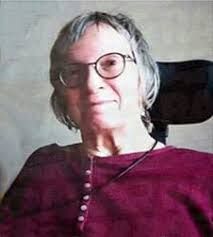
I came across quite a few pictures of Ted and his family these past few days and I wanted to share them here. Carole Ann Boone passed away in a retirement home in Seattle in 2018, and where I do know some details about Rose/Rosa’s adult life I will not disclose anything out of respect for her privacy. I was hesitant about including her face in some of these but I found them all quite easily on the public domain.

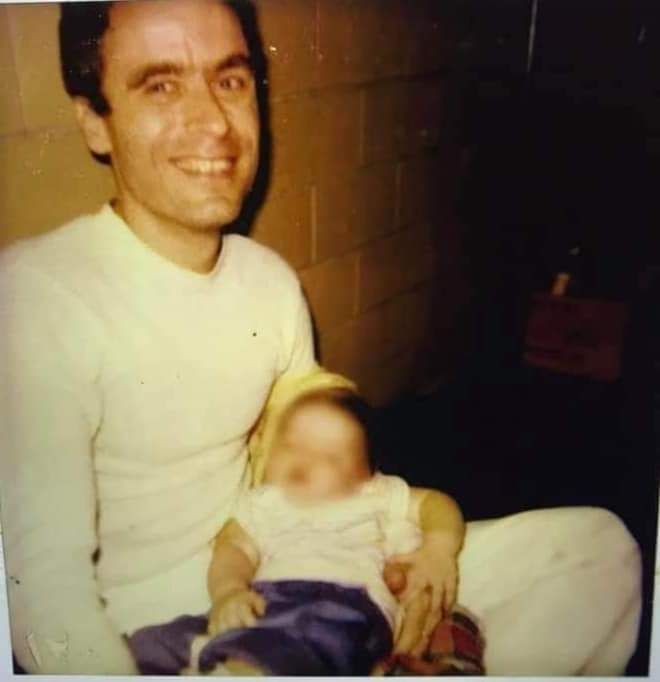

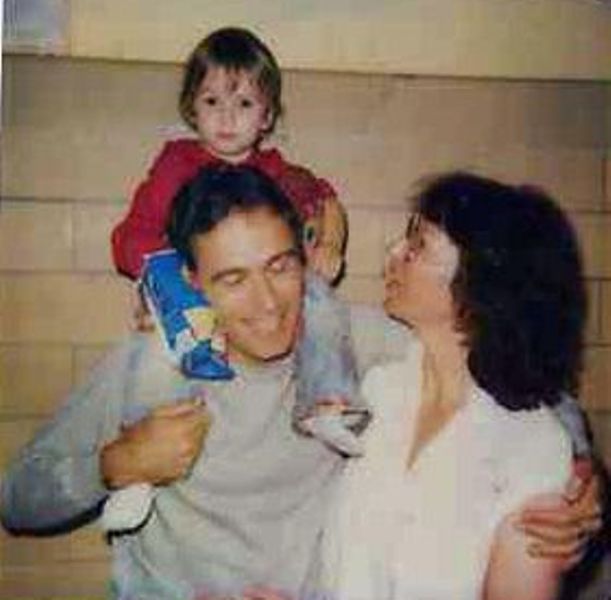










 Another Bundy Blog: My Adventures around the Pacific Northwest (and everywhere else).