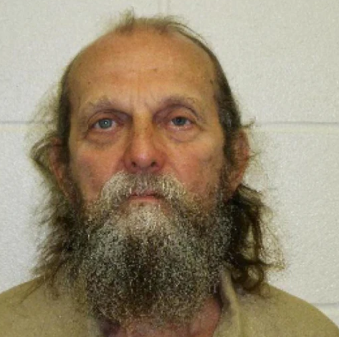
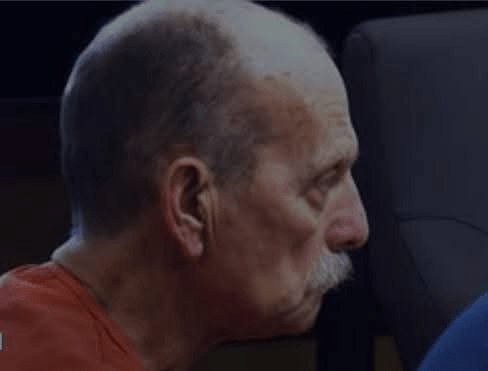
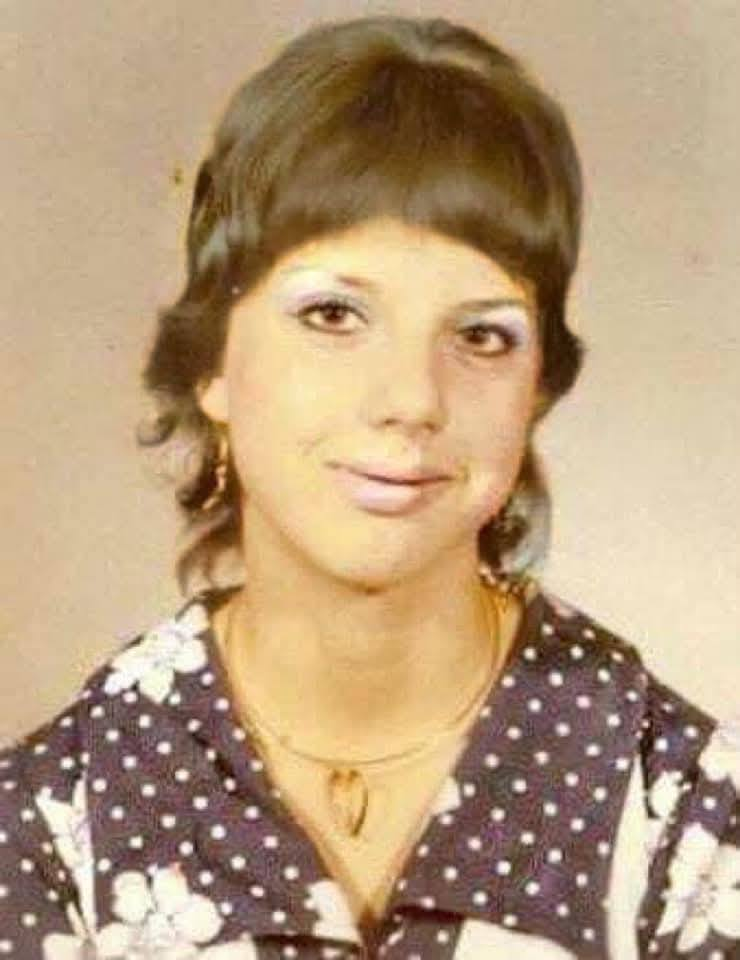
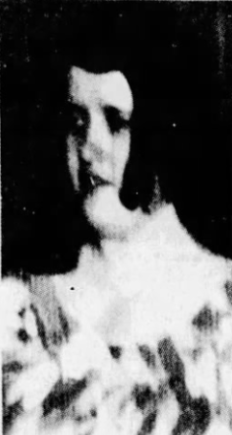
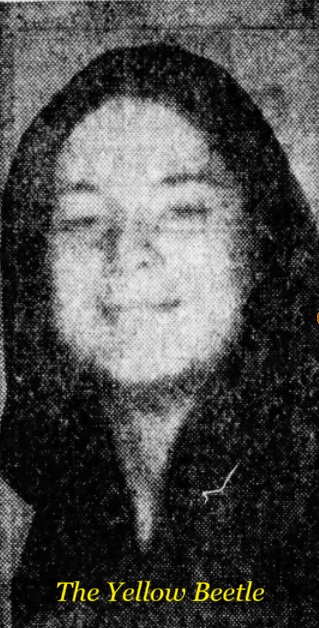
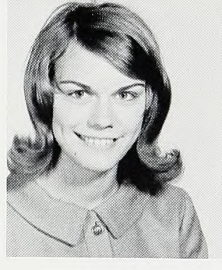
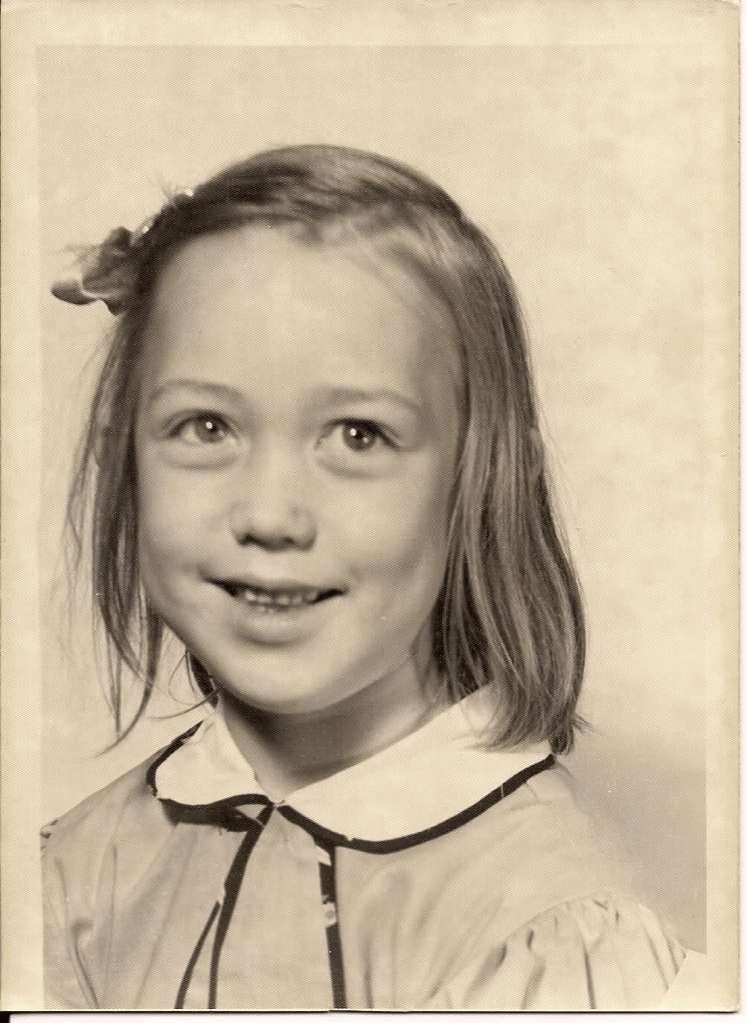
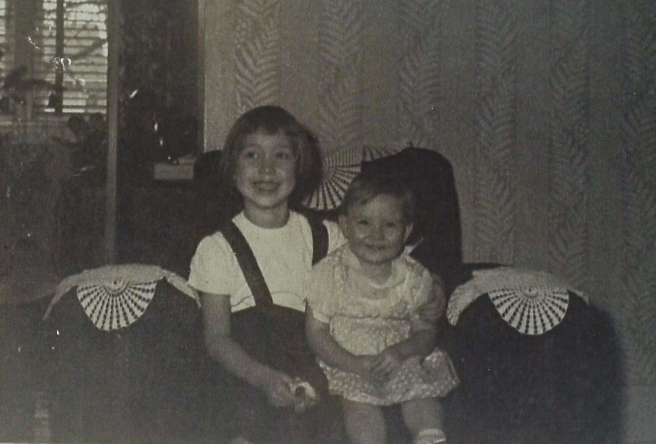
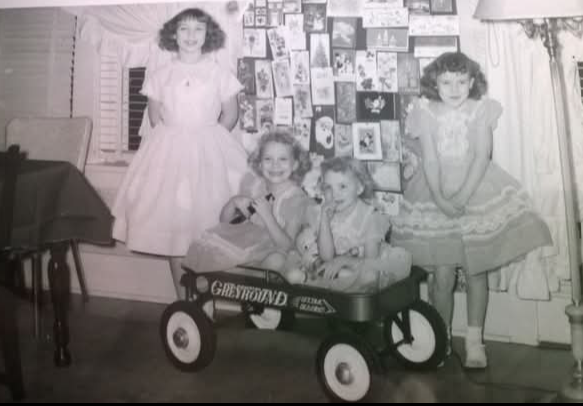
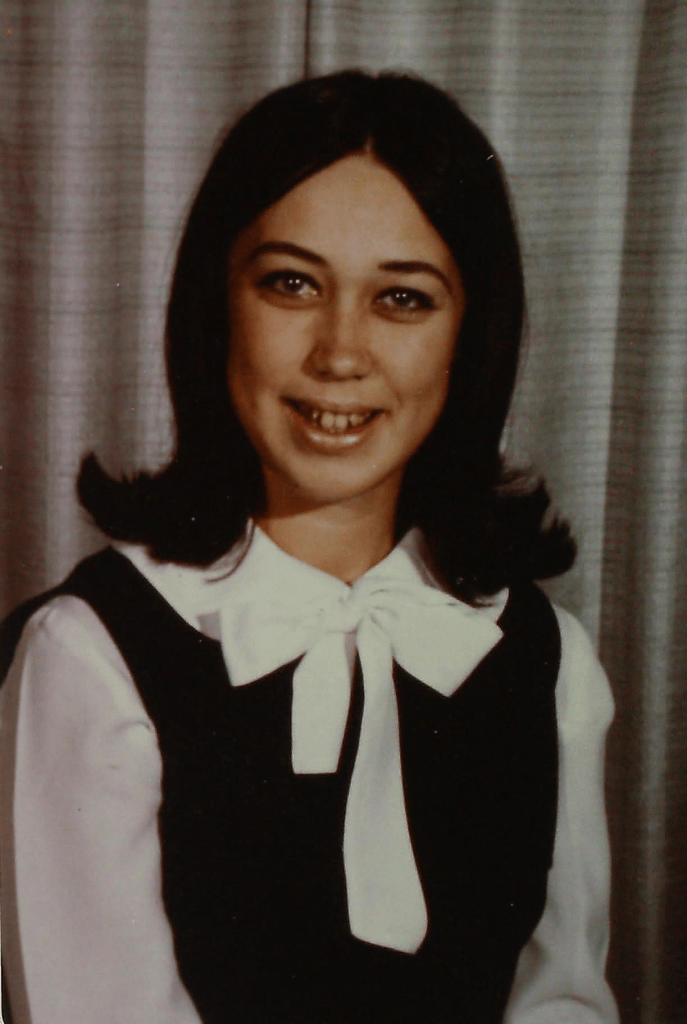
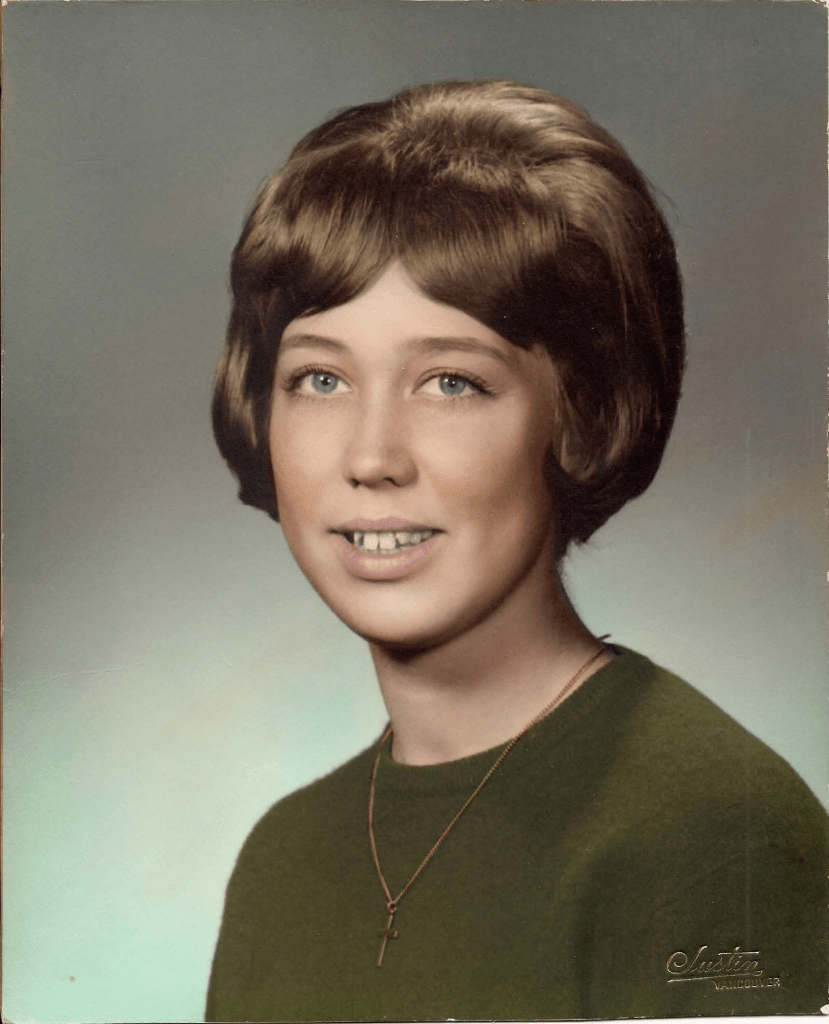
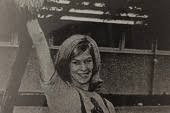
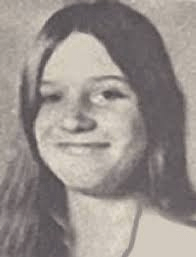
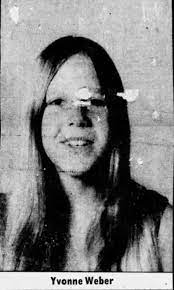
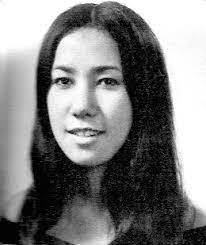
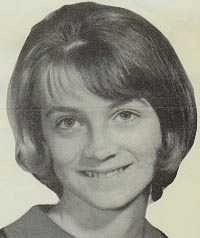
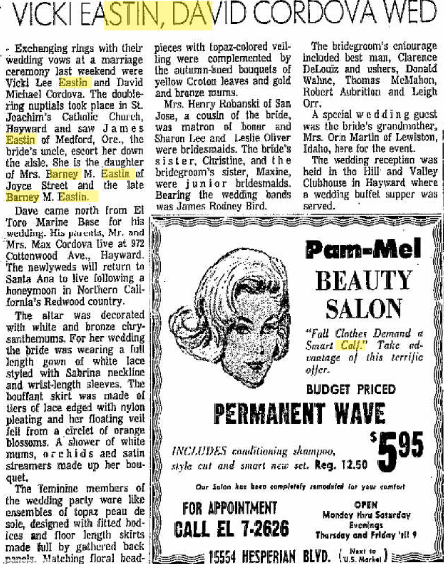
Betty Marie Cloer was a twenty-one-year-old beautician and mother from Eugene, Oregon, who was brutally murdered in northern California on June 18, 1971; her slaying went unsolved for over 30 years until it became the oldest cold case in the state to be successfully solved using DNA evidence.
Preface: I don’t normally have to do this, as I don’t normally write about people that are still alive, but every member of Warren Leslie Forrest’s nuclear family is not only still with us, but (most of them) are going by their original surname. Because of this, I do feel the need to say that finding the information I did was just a quick Google search away, and it took me all of about three minutes to find most of it… I didn’t hire anyone to track them down or figure out their identities: it was all right there.
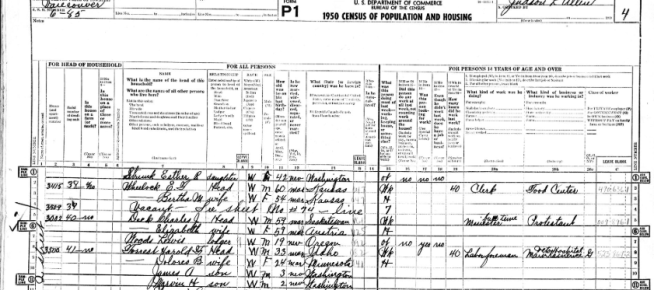
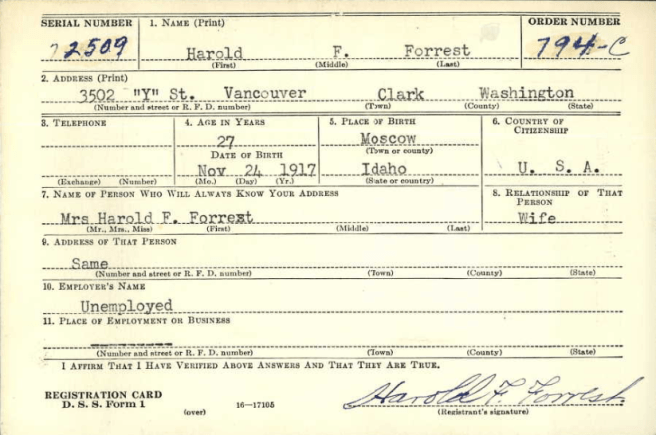
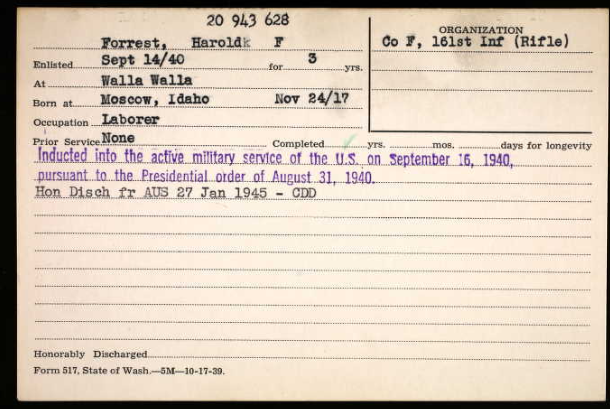
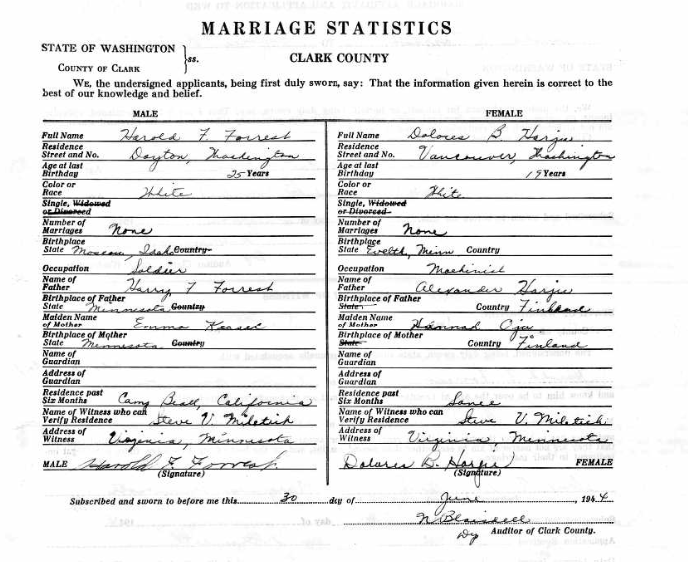
Introduction:Warren Leslie Forrest was born on June 29, 1949 to Harold and Dolores Forrest in Vancouver, WA. Harold Fred Forrest was born on November 24, 1917 in Moscow, Idaho and Dolores Beatrice Harju was born on June 20, 1925 in Eveleth, Minnesota. At the age of twenty-seven on September 16, 1940, Harold was inducted into active military service with the US Army in pursuant to the Presidential order of August 31, 1940 (also known as the Burke-Wadsworth Act), which required all men between twenty-one and thirty-six years of age to register with their local draft boards (when the US entered World War II, all men from eighteen to forty-five were subject to military service, and all males from eighteen to sixty-five were required to register with their local draft boards).
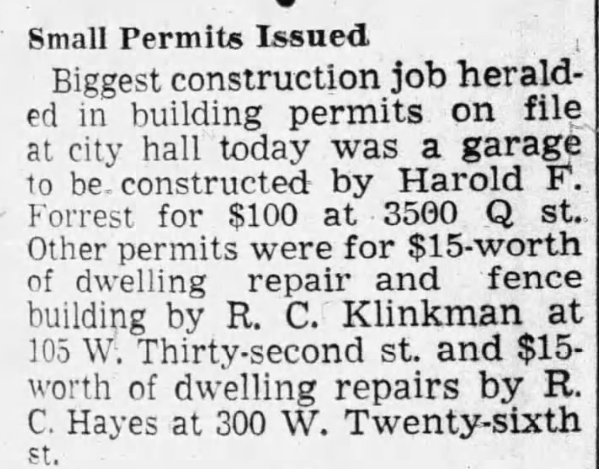
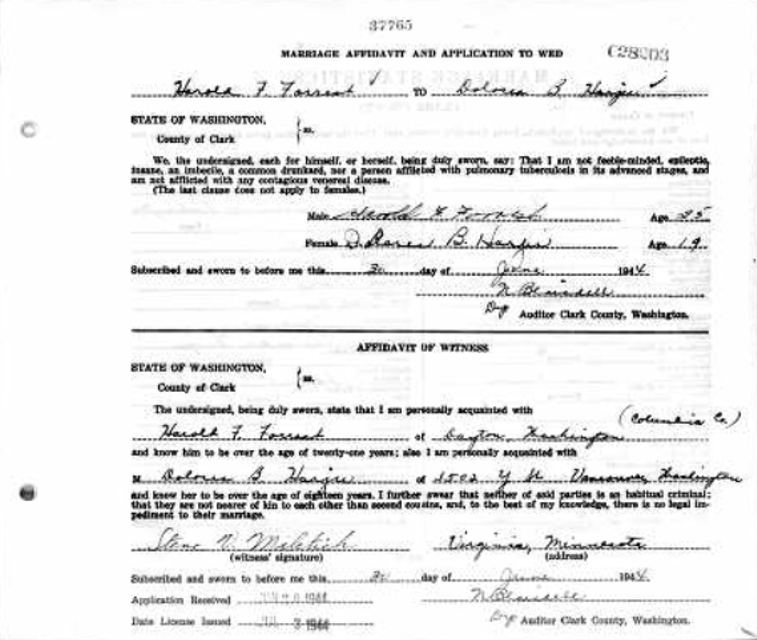
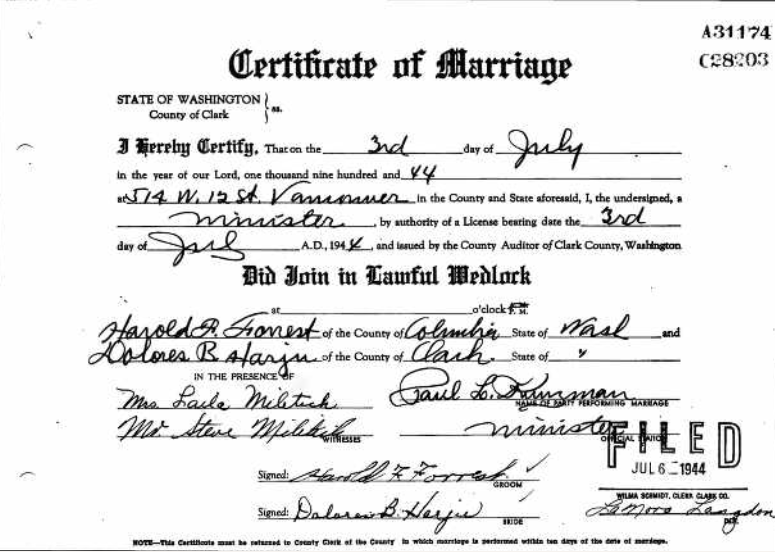
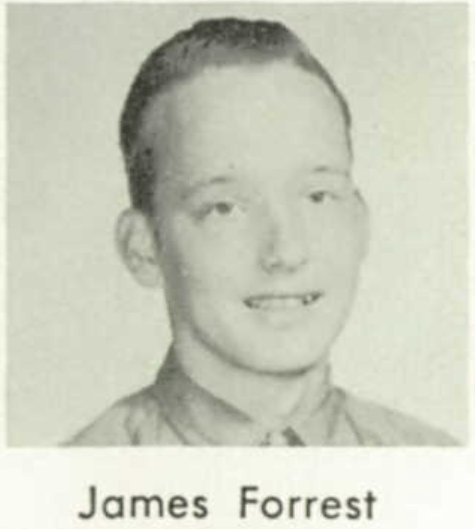
Mr. Forrest and Dolores were wed on July 3, 1944 in Vancouver, and he was honorably discharged from the military on January 27, 1945; they went on to have three boys together: James (b. 1946), Marvin (b. 1948), and their youngest, Warren. Growing up, his father worked at the Veterans Administration during the day and at night he was employed at a cold storage plant; his mother was employed at a cannery then later in retail. During an interview with a psychiatrist (after his arrest), Warren described his father as ‘stern’ and his mother as ‘overbearing and controlling,’ and claimed that she used to tease him about a piece of wood she used referred to as ‘one of his good friends’ (it was a 4×4 post that he talked to when he was a small child).
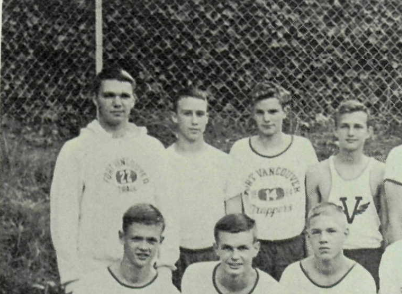
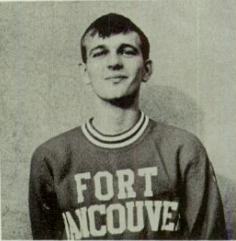
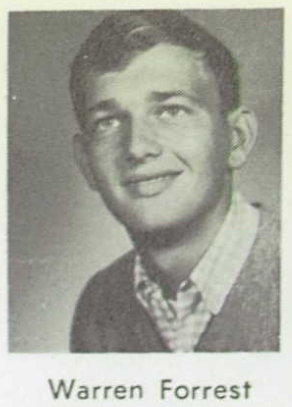
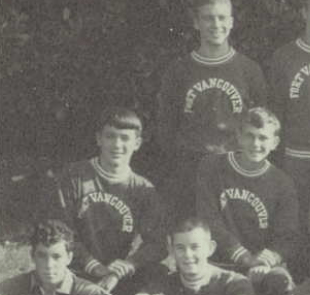
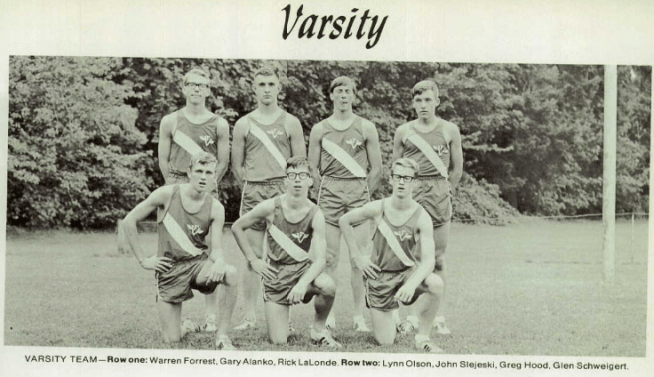
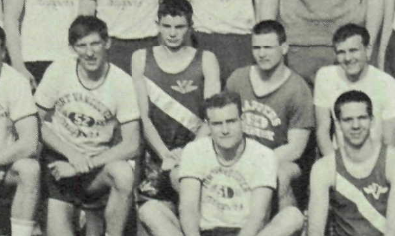
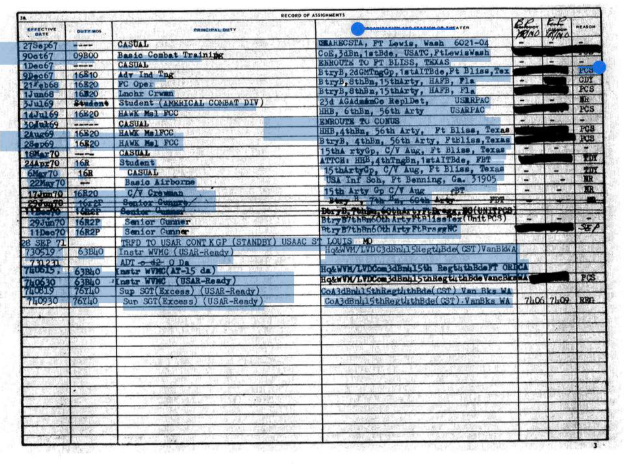
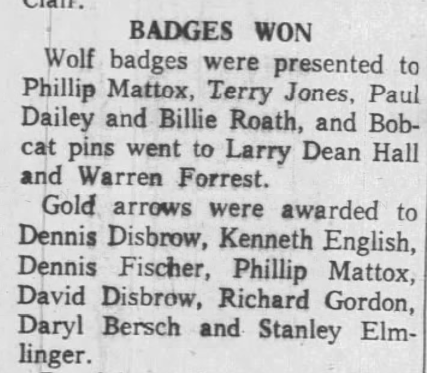
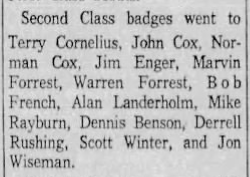
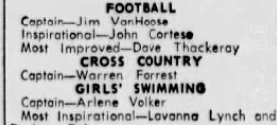
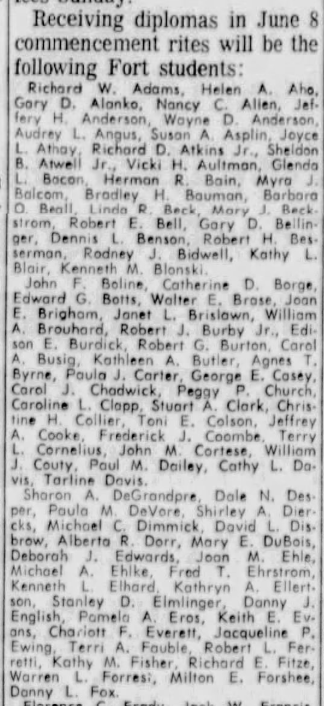
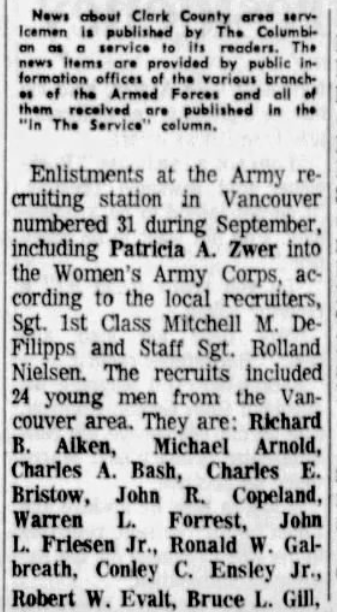
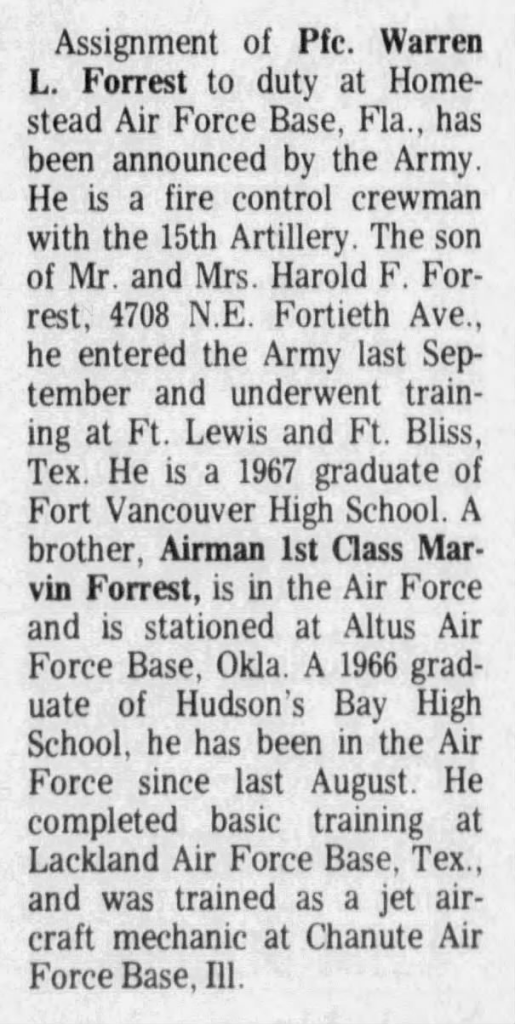
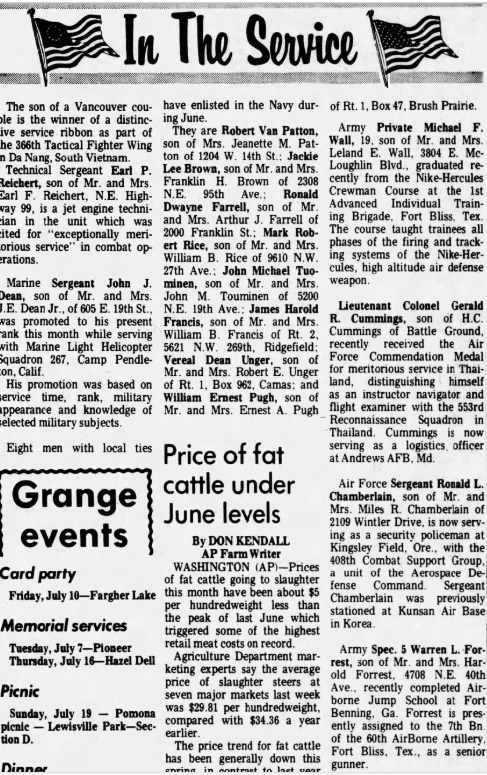
Background: As a child, Warren Forrest was a dedicated boy scout and worked his way all the way up to Eagle Scout. When he attended Fort Vancouver High School in the mid-1960’s he excelled at academics and was an exceptional athlete (even though he claimed he was a slow learner and had difficulty with spelling, reading, and writing): he played baseball, ran cross-country, and earned his role as the captain of the track and field team and was offered a track scholarship at Washington State University (he turned it down). Forrest later told one of his psychiatrists that he joined the military after high school because he didn’t think he was smart enough to do well in college, and in October 1967 he enlisted in the US Army (along with his brother, Marvin), and served as a missile crew service gunner and fire control crewman for the 15th Field Artillery Regiment in Homestead, Florida, reaching the rank of Specialist 5; later on when he relocated to Fort Bliss, TX he served in the 7th Battalion of the 60th Airborne Artillery, where he was a ‘senior gunner.’
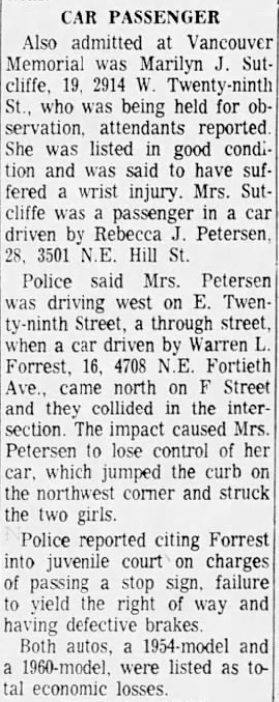
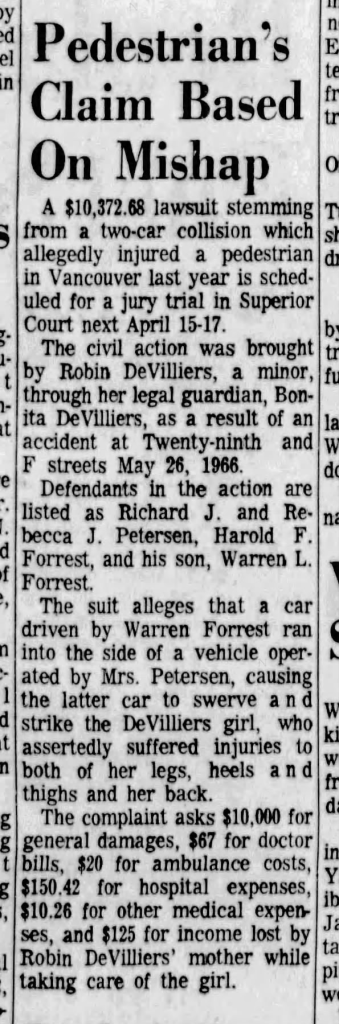
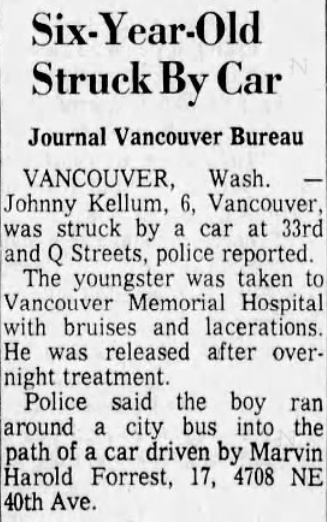
It appears for the most part that the Forrest brothers all had completely normal childhoods, aside from one glaring thing: two of the three boys hit people with their cars when they were teenagers. On January 16, 1966 a six-year-old ran around a city bus and directly into the path of Marvin Forrest. The child was taken to Vancouver Memorial Hospital and thankfully only suffered some minor bruising and lacerations. Later that same year on May 26th Rebecca Peterson was driving a car with her friend Marilyn Sutcliffe when they were hit by a vehicle driven by a then sixteen-year-old Warren L. Forrest. The impact of the collision caused Peterson (who had been pregnant at the time) to lose control of her vehicle, which subsequently jumped the curb and struck two young female pedestrians. The accident resulted in both vehicles being deemed ‘total economic losses,’ and afterwards Forrest was brought up on charges in juvenile court for passing a stop sign, failure to yield the right of way, and for having defective breaks.In September of the following year, he was taken to court by one of the two girls he hit, named Robin DeVilliers, who had suffered injuries to both of her legs, heels, thighs and back as a result of the accident. I was unable to find the ‘official’ resolution of the court case, but Forrest’s parents hired an attorney for their son, who advised him to enlist in the Army, and that it would ‘be in his best interest’ if he left town, and ‘the sooner the better.’
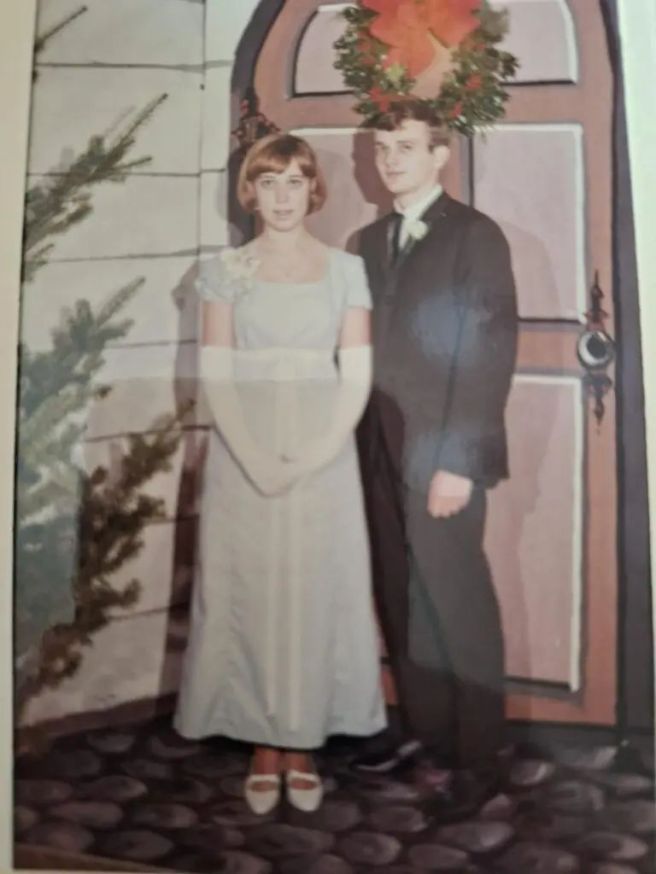
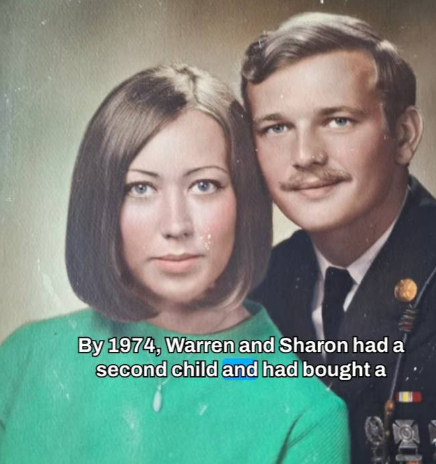
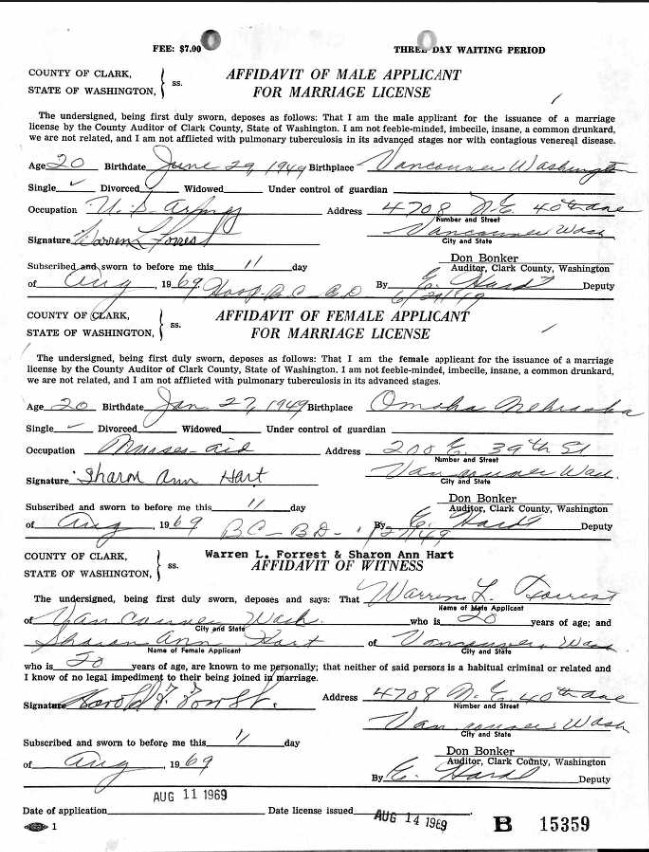
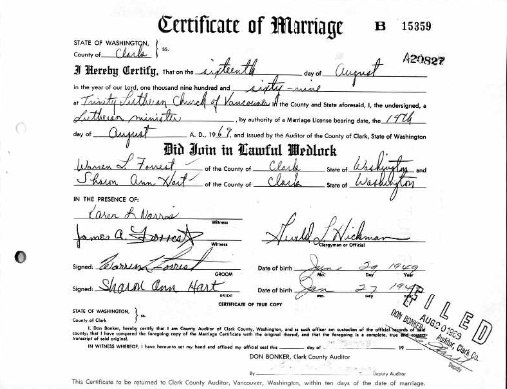
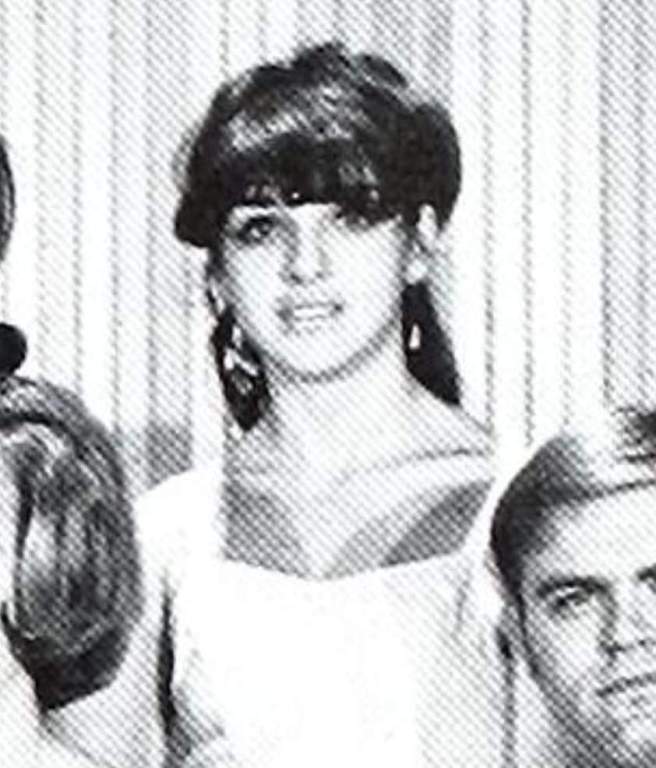
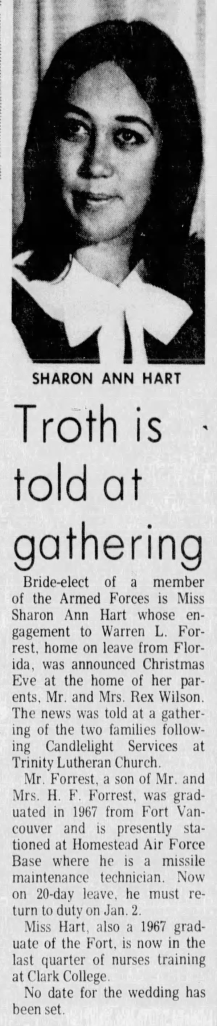
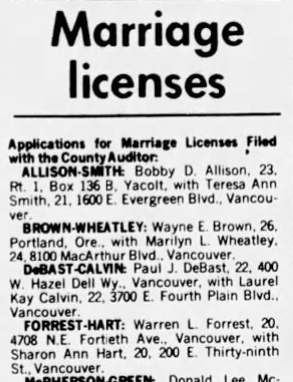
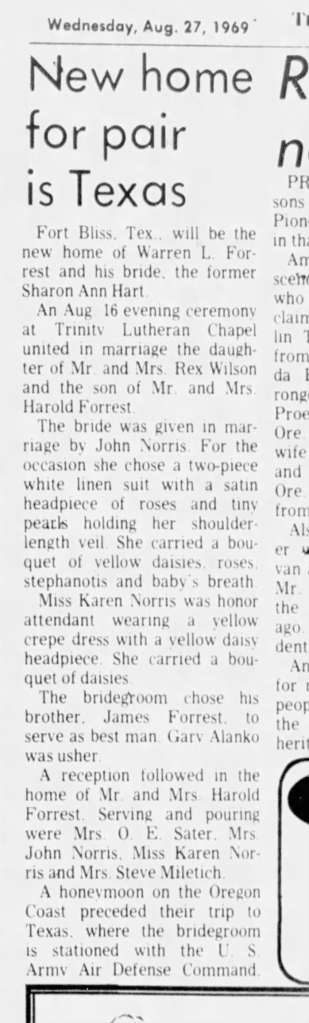
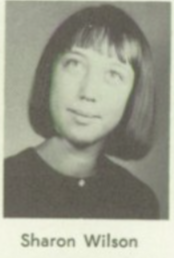
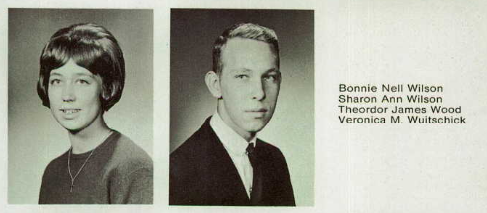
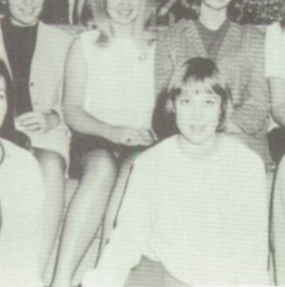
Forrest served a total of two years in the Army (including two and a half months overseas in Vietnam), and upon returning home to Vancouver he married his high school sweetheart, Sharon Ann Hart on August 16, 1969, and the couple had two children together: Leslie (b. 1971) and Lane (b. 1974). After they were married, the couple relocated to Fort Bliss, and according to her: ‘he got back, I met him. He said, I want to get married now because I’m going to Fort Bliss. And I said, but that’s like three weeks from now. So we got married in the small chapel and we packed up the car and drove to Fort Bliss, Texas.’ Sharon was born on January 27, 1949 in Omaha, Nebraska, however as her daughter Leslie pointed out in a semi-recent Facebook post, in every newspaper article about her and Warren’s engagement/marriage, her last name is Hart, but according to her high school yearbook, her full maiden name was ‘Sharon Ann Wilson.’ According to the 1967 Ft. Vancouver High School yearbook (she graduated in the same class as Warren), she performed in the yearly Christmas play and was a member of the marching band, Big Sister/Little Sister, the Future Homemakers of America Club, Pep Band, and the Health Careers Club.
In a December 2017 interview Sharon that did with Detective Lindsey Arnold and retired prosecutor Denny Hunter (both with the Clark County Sheriff’s Office Cold case task force): ‘Warren and I met when we were sophomores in high school, so we were fourteen. And, you know, I was a part of that family and I came from a very dysfunctional family. So, their family seemed like ‘Leave it to Beaver,’ you know, I didn’t know. But now looking back, she was very controlling. She ran the show. Now I think, I wonder how much did that play in Warren’s perception of Women.’
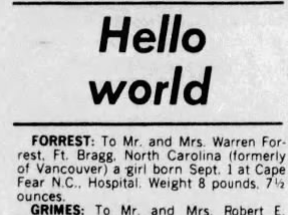
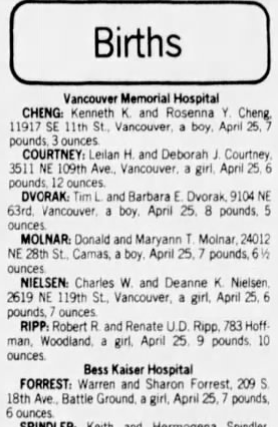
Forrest was honorably discharged from the US Army in September of 1971 right after his first child was born. After they left Fort Bliss they relocated to Newport Beach, CA, where Warren enrolled in classes at the North American School of Conservation and Ecology; he quickly lost interest in academics and dropped out at the end of his first semester. In late 1970, Warren and Sharon moved once again, this time back to Washington state, where they lived in the basement of his childhood home with their near infant child, who was a month old at the time. He quickly found employment with the Clark County Parks Department as a general maintenance worker (he officially began his employment on January 12, 1971), and for a while, everything appeared to be picture perfect for the seemingly happy young family… until suddenly it wasn’t.
According to Sharon, her mother-in-law was domineering and wanted to have a say in how to raise her grandchild: ‘and I go, please talk to your mom. He goes, it won’t do any good. I said, this is not working. We gotta get out of here.’ She said she later found out that her in-laws lived roughly a mile from the farmhouse in Minnehaha where Jamie Grissom and her sister Star lived, and that Warren was in town just two months prior to Jamie’s disappearance. By 1974, the couple had a second child and had managed to buy a house of their own. In her 2017 interview with Sherriff’s, Sharon said that at various points during their marriage, her husband was ‘often gone,’ but when she asked him where he went, he always had a good excuse to be missing.
According to Sharon, she said, ‘where were you? He said, I hit a female dog. I gotta go bury it. I gotta get a shovel. And I went, oh, I mean, that’s just the kind of guy that he was. He wouldn’t even go hunting because he didn’t want to kill animals. Sweet as gentlest man.’ She also said that he was a ‘loving and attentive father: He always changed diapers and took care of the kids. And he was a good father, a really good father, A good husband. Made meals. He cleaned the kitchen.’
Due to HIPAA laws, most of Warren Forest’s medical records are unavailable to the public, but some of them were recently released and in March of 1974, he allegedly suffered what would be described as some kind of nervous breakdown. After he was discharged from the Army, he signed up for the reserves on the weekends, and according to a court document, the supposed breakdown happened after drinking at the NCO club at the Vancouver barracks. After Warren’s incarceration, he told a psychiatrist that he left the club and began walking back to his in-laws house (who lived nearby), and during this walk, he began thinking about a painful war memory where he allegedly ‘killed a little girl with his M79 grenade launcher,’ and it was something that followed him throughout his entire life. Forrest told the psychiatrist that when he arrived at his in-laws he had a nervous breakdown.
Sharon’s family later told investigators that when he arrived he looked ‘wild,’ and he had been ‘combative:’ they called the police and he was taken to the VA Hospital, where he was admitted for a couple of days; he later claimed to have no memory of that night. After Forrest’s honorable discharge from the military he told friends and family about an event that he said took place when he was in Vietnam, where he was carrying a grenade launcher in a convoy and ‘somebody told him to shoot,’ so he spun around and did exactly that, and as a result killed a small Vietnamese child.
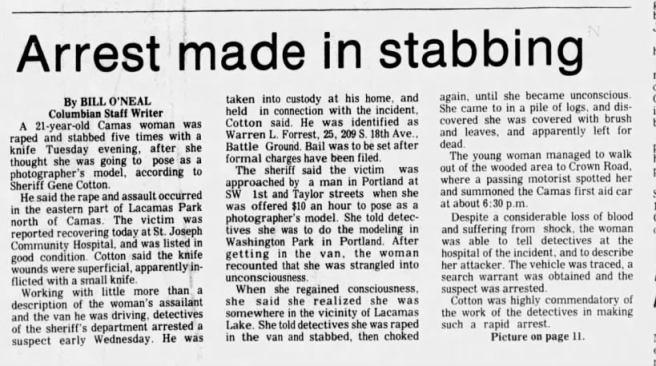
On October 1, 1974Warren Forrest kidnapped twenty-year-old victim* after he saw her standing on a street corner in downtown Portland and pulled over to talk to her: he told her that he was employed at Seattle University and had been working on a thesis project for class and offered her money to pose for pictures for him. She accepted his offer and climbed into his van and accompanied him to the Washington Park area of Portland, and it was at that point that he pulled out a knife and threatened her, and bound her with tape. He then drove roughly 25 miles to Lacamas Park, a heavily wooded and sparsely populated area of Clark County, where he sexually assaulted her; when he was finished, he shot her in the chest with a hand honed dart (which refers to the process of sharpening or refining an edge manually using either a whetstone or steel) from a .177 caliber dart pistol then led her 100 feet down a path by a rope around her neck. * I would like to add that it was requested the victims name be redacted from this so from now on I am referring to her as ‘The Lacamas Lake victim.’
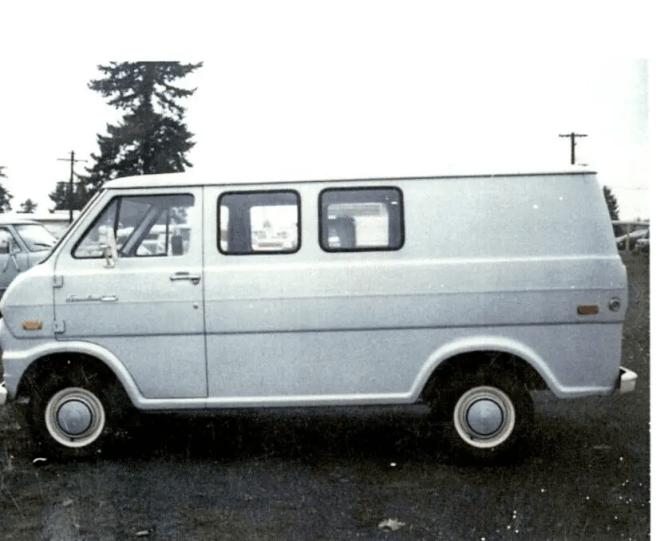
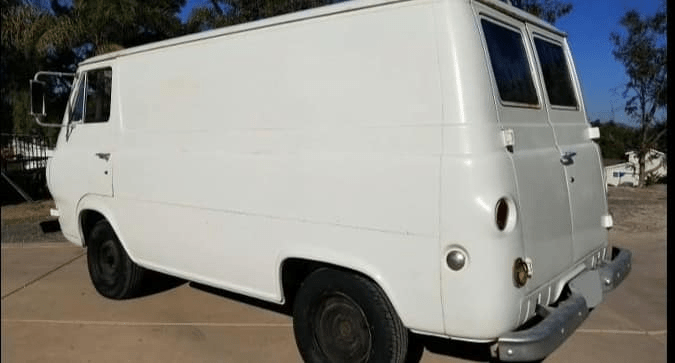
Once they reached his intended destination, he sat the young woman on a log and choked her to the point of unconscientious. From there, he stabbed her five times in the chest then laid her naked body next to a log and covered it with brush and leaves (at some point during the encounter her attacker had removed all of her clothes and taken them with him)… But by some miracle, she was not dead, and after struggling for about two hours finally made her way to a roadway, where she was able to get the attention of a passing motorist, who took her to a nearby hospital. Once she was stabilized, the woman was able to give detectives a description of her assailant along with the details of the very distinctive vehicle that he drove (a blue 1973 Ford van). She also told them that as he was driving through the park he slowed down on several occasions and exchanged greetings with several people, and investigators quickly deduced that their guy was an employee of the department.
After Forrest was finished attacking the Lacamas Lake victim, he drove home, cleaned out his van, stashed her belongings in his garage, then tossed a football around with his next door neighbor; when they were done, he went inside his residence, ate a TV dinner on the couch with his wife and young children (who at the time were one and three), then went to bed.
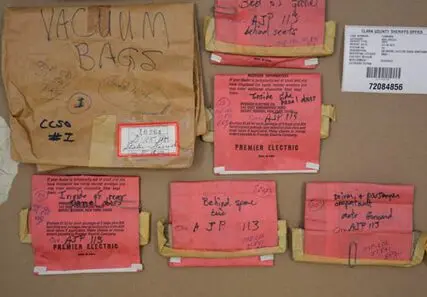
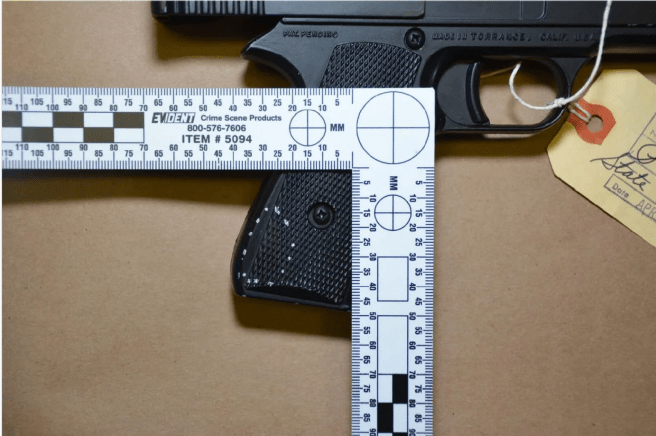
A look at employee records showed that Forrest owned a 1973 blue Ford van that closely matched the one the perpetrator drove, and that he had taken off from work on the day of the attack to ‘go to a doctor’s appointment in Portland.’ Detectives quickly got a search warrant for his home and vehicle, and while searching his residence found jewelry and clothing that belonged to the victim. In a footlocker discovered in his van, detectives found a gun, tape, and baling twine that was similar to what was used on one of his other victims. Also inside Forrest’s van, forensic experts found feather darts and the same Marksman repeater air pistol that the Lacamas Lake victim said her attacker used to shoot darts into her chest; forensic experts also vacuumed his van for evidence and collected pieces of twine as well as a Clark County Parks and Rec master key. When the young woman was shown a picture of the young Park’s Department employee, she was able to make a positive ID, andwas also able to identify the suspect in a lineup.
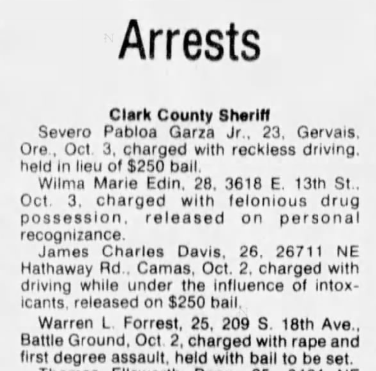
On the morning of October 2, 1974, Forrest was arrested on charges of kidnapping, rape, and attempted murder, and was held in lieu of $60,000 bond. When the moment finally came to arrest him, investigators came in, ‘guns a-blazing’ and ‘woke the babies,’ and went ‘through everything;’ as he was handcuffed and placed in the back of a squad car, he didn’t say a word to anyone, including his wife.
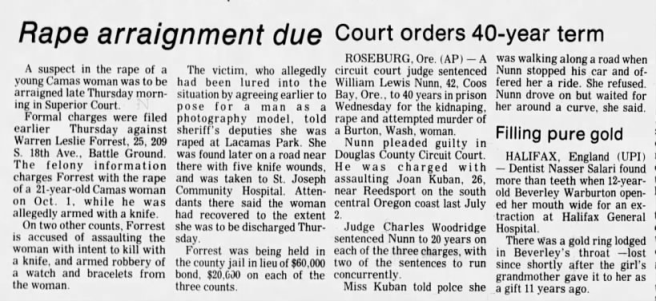
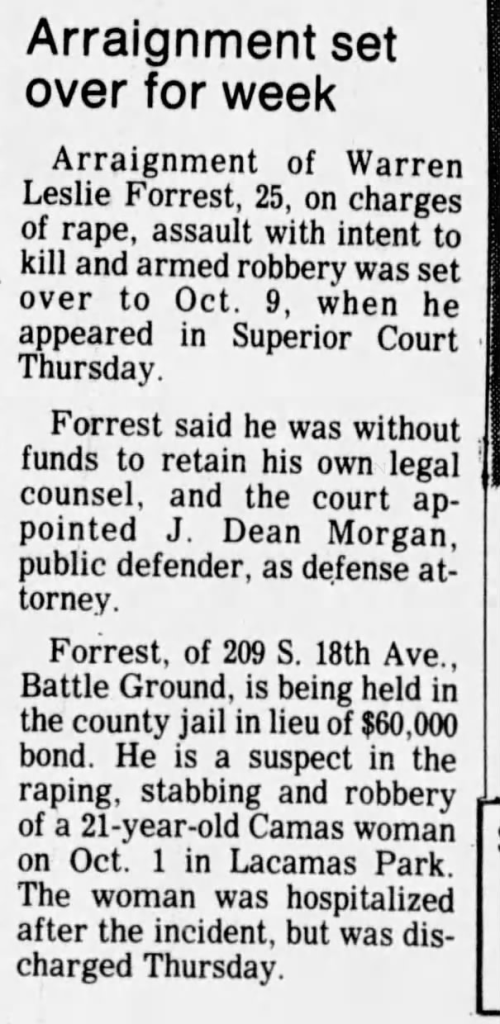
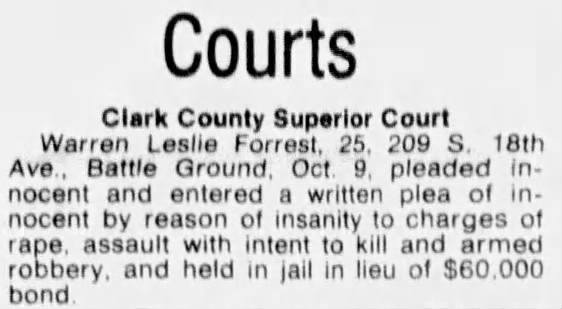
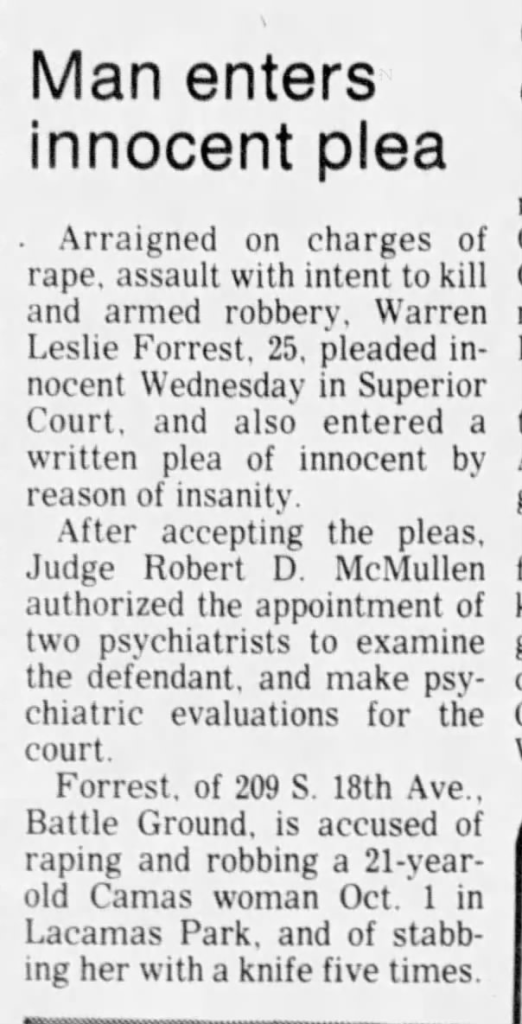
After he was brough to the police station, detectives returned to the Forrest family residence, where they performed a second search. A short time after Warren’s arrest, Sharon visited her husband in jail, which was the first time the couple had spoken after he was arrested: according to her, ‘I remember asking him. It was at the old jail, the courthouse, in Vanda’s cage, where the inmates could go. This was like when he was first arrested. And I said, things, you do it. He looked at me and he goes, ‘I don’t know.’’ When they found the girls possessions in the garage, Sharon said she heard a detective say, ‘we found the girl’s possession. Yeah. It was one of those moments. And did. And, you know, I just. I don’t remember anything after that.’ On October 5, 1974 he was arraigned on charges of rape, assault with the intent to kill, and armed robbery (after he assaulted Wightman, he also took her watch and bracelets), and he entered a plea of not guilty by reason of insanity.
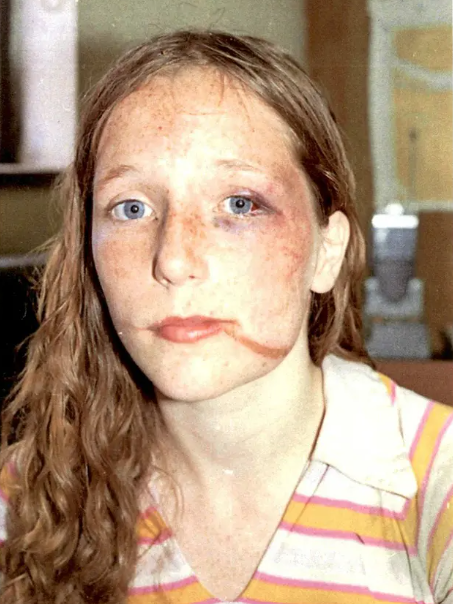
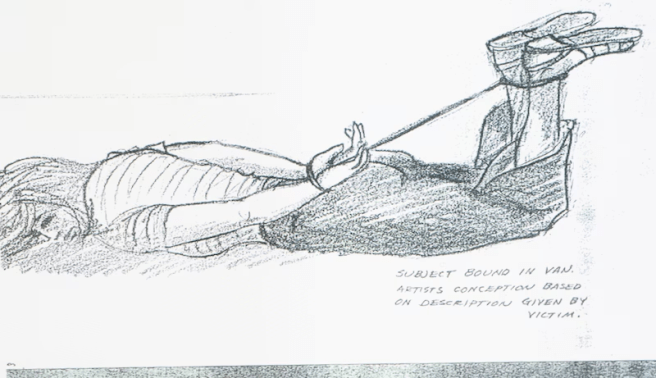
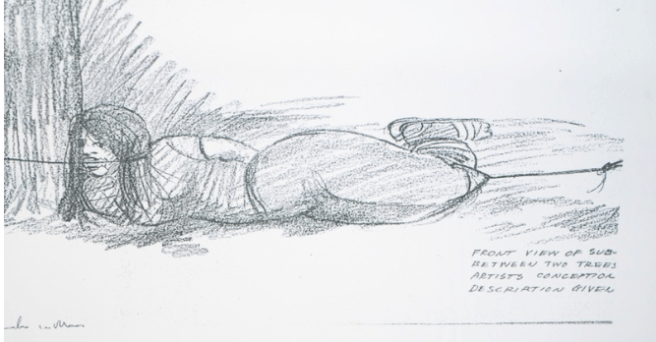
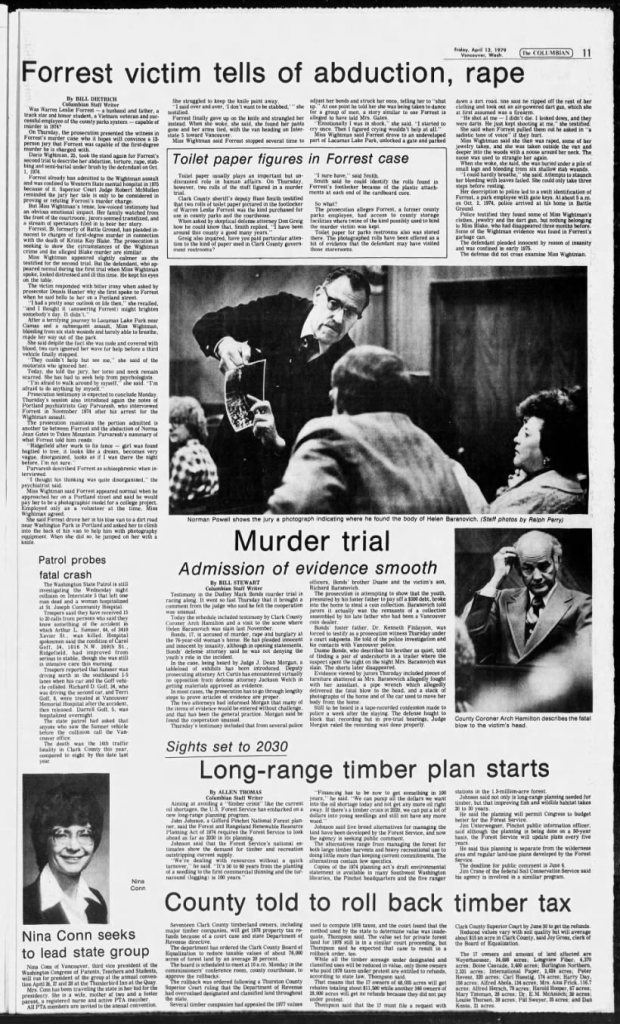
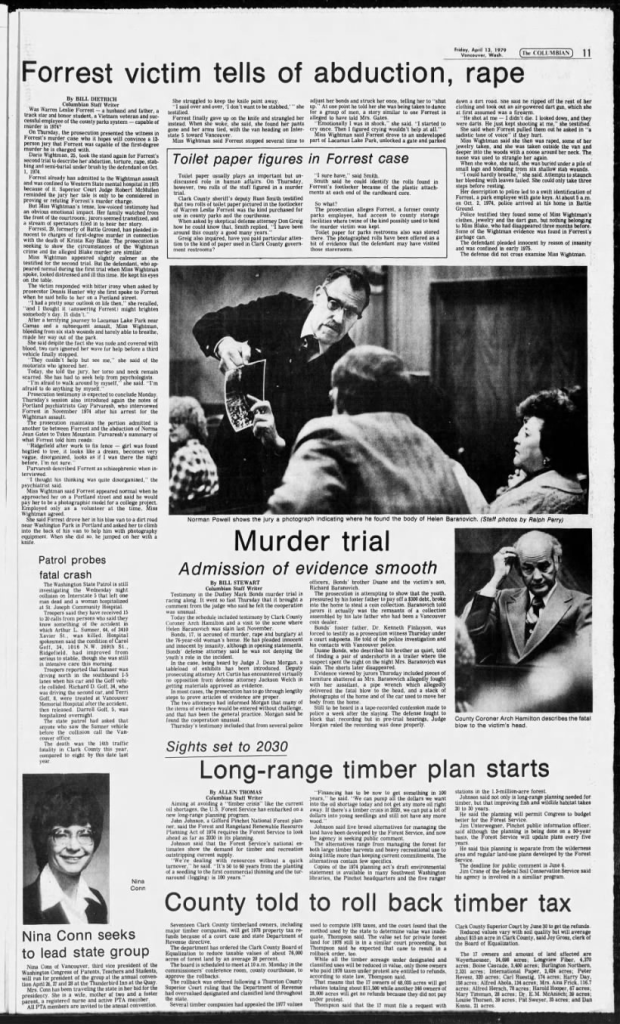
At the time of his arrest, Warren Leslie Forrest was twenty-five-years old and weighed 155 pounds; he stood at 5’9” tall, wore his light brown hair at his shoulders, and had what was described as a ‘bushy mustache.’ Shortly after his arrest was made public, detectives were also able to link him to the kidnapping, rape, and assault of fifteen-year-old Norma Countryman, who had been attempting to hitchhike out of Ridgefield on July 17, 1974 when she got in Warren’s van after he pulled over and offered her a lift. From there, he raped and beat her, and when they reached the slopes of Tukes Mountain, he gagged her with her own bra then hogtied her to a tree and told her he would ‘return’ to her later… but, the petite young woman had a fierce will to live, and chewed her way through her restraints and hide in some nearby bushes until the sun came up, when she was able to flag down a Parks employee for some help. The suspect returned to the scene of the crime the following night and picked up what he had used to bind her to the tree as well as the bra he used to gag her. Despite Countryman’s powerful testimony in court, Forrest was solely charged with the kidnapping and attempted murder of the the Lacamas Lake victim.
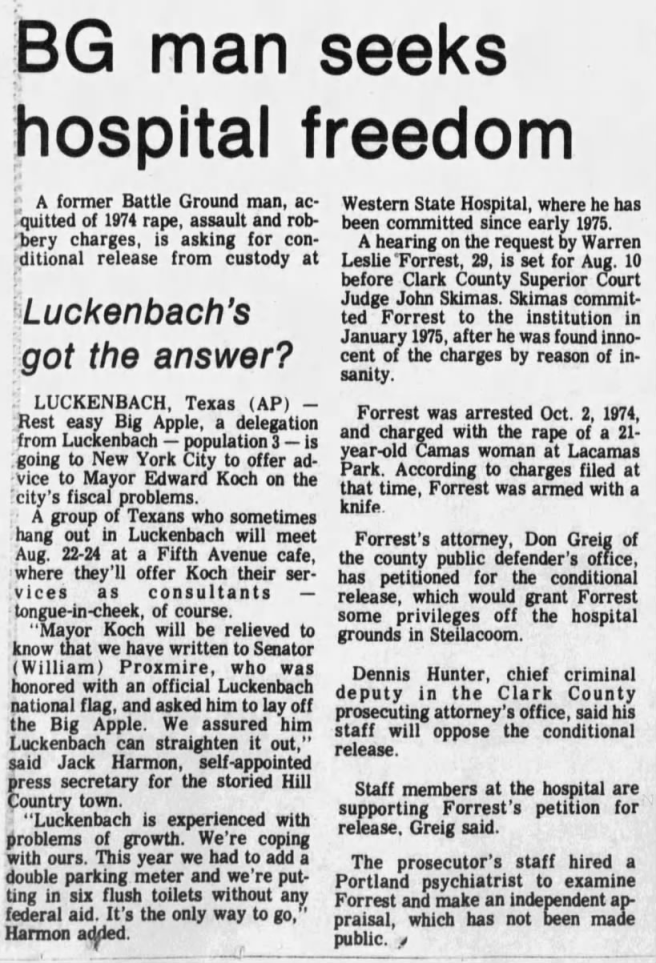
Warren Forrest pled not guilty due to reason of insanity, and his legal team filed a motion for him to undergo a psychiatric evaluation; thanks to examinations by three local psychiatrists (that the state paid for), it was determined that he was criminally insane at the time of his atrocities against. It’s also worth mentioning that the prosecution didn’t attempt to bring in their own experts to contest that these evaluations of mental insanity had any truth to them, and there were no state experts brought in at all: Forrest had an uncontested insanity acquittal. On January 23, 1975, a hearing was held and he was found not guilty of all charges against Wightman by reason of insanity, and a week later on January 31st he was committed to the Western State Mental Hospital in Steilacoom, WA. According to investigators who visited the facility in the 1970’s, they described a place where the inmates seemed to be running the asylum, not the administrators, and it was hard to tell the staff from the patients.
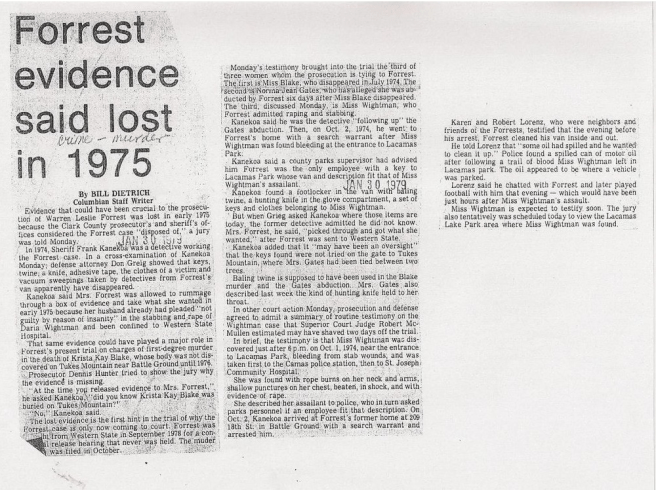
According to a court document, the term of Forrest’s commitment could be for ‘any period up to and including natural life,’ but he would be eligible to petition the court for a conditional discharge if staff at Western signed off that he was no longer a danger to society. It’s important to note that, according to an article published in ‘The Columbian’ on January 30, 1979, evidence was lost in early 1975 when Sharon was allowed to go through a box of her husband’s things after the Clark County prosecutor and sheriff’s department deemed the entire case to be ‘disposed of.’ Amongst the items that were taken were a master key to the Clark County Parks Department, twine, a knife, adhesive tape, a victims clothing, and the ‘forensic vacuum sweepings’ that were taken from Forrest’s 1973 Ford van shortly after his arrest. About the incident, Clark County Detective Frank Kanekoa said that ‘Sharon Forrest was allowed to rummage through a box of evidence and take what she wanted sometime in early 1975 because Warren had already pleaded not guilty by reason of insanity.’ In addition to what Sharon took, after Warren’s acquittal all evidence related to the case was either released or thrown away, aside for some pictures and the marksman repeater air pistol… all of which may have played a major role in Forrest’s later trial in January 1979 for the murder of Krista Kay Blake.
Upon arrival at Western State Hospital, Forrest was assigned to the ‘Omega’ group, which consisted of similar patients that had been committed to the facility for criminal insanity; it contained a variety of individuals that had been charged with a wide range of charges, ranging from minor offenses all the way up to serious ones. Clinical psychologist Dr. Brent Trowbridge was the director of the program, and described the group as follows: ‘a therapist who generally had a master’s degree in the field of social sciences, would lead the omega group. Omega was designed as a confrontational group therapy, which meant that the patients in the group were supposed to help each other with their treatment.’
While at Western State Hospital, WLF was able to keep a car in the parking lot that he was also allowed to ‘work on.’ Shortly after her husband was committed to the facility, Sharon sold their home and moved her and their children closer to the prison: ‘we used to go on Wednesdays to visit him, and then we used to go on weekends and spend, like, the whole day with him and, you know, pack the kids up. And I used to bake meals and take to him and get things that he wanted from the store and stuff. We had birthday parties, you know, for the kids there at the hospital and for him. I remember we celebrated one of our anniversaries there.’ Sharon planned on standing by her man and was going to wait for her husband to be released… until December of 1977, when she found out he was having an affair, and: ‘and I noticed that there was just a change in him. Something was different. One night I was there, and the phone rang, and it was for him, it was a payphone. And he was back whispering on the phone and just acted different. So when he got off the phone, I said, who is that? He goes, none of your business. I said, what’s going on? Nothing. It’s time for you to leave now. So me and the kids left. I was like, wow. Well, come to find out, he was seeing somebody at Western State.’
According to her, it was most likely a hospital employee, and that one time his therapist called her for a meeting between the three of them, who in the beginning prompted her husband: ’Warren, is something going on that you need to tell Sharon? You seeing someone?’ He goes, ‘yeah.’ The therapist said to him, he goes, you’re an asshole. And Warren goes, ‘yep, I am.’ And so I stood up and I said, I’m done. I’m not coming back. I moved here to be close to you, to try to keep our family, and you’re being able to see your kids, and this is how I get remained. And I walked out, and I didn’t go back.’ When police later interviewed a friend of his, he confirmed that Forrest had told him he was seeing an employee at the hospital named ‘Nancy.’
In an interview with forensic psychiatrist Dr. Sidney Pollack in 1978, Forrest described how he worked eight hours a day ‘all over the hospital:’ in the ceramic and sewing rooms, kitchen, greenhouse, and at one point he even worked as a janitor inside the facility and around the hospital grounds. Dr. Pollock questioned Forrest about the loose security protocols which would have ‘made it easy for him to escape:’ he replied with, ‘yeah, I had the opportunity. That’s what I was saying. I had the opportunity and the thoughts.’ At one point during his time there he also got hired to paint a staff member’s house.
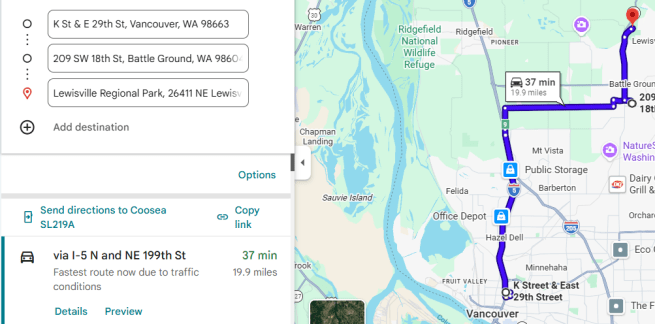
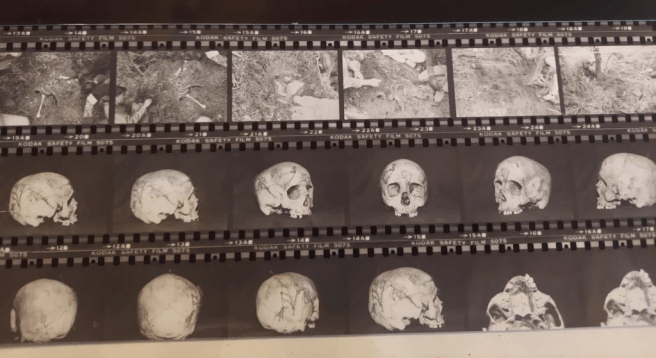
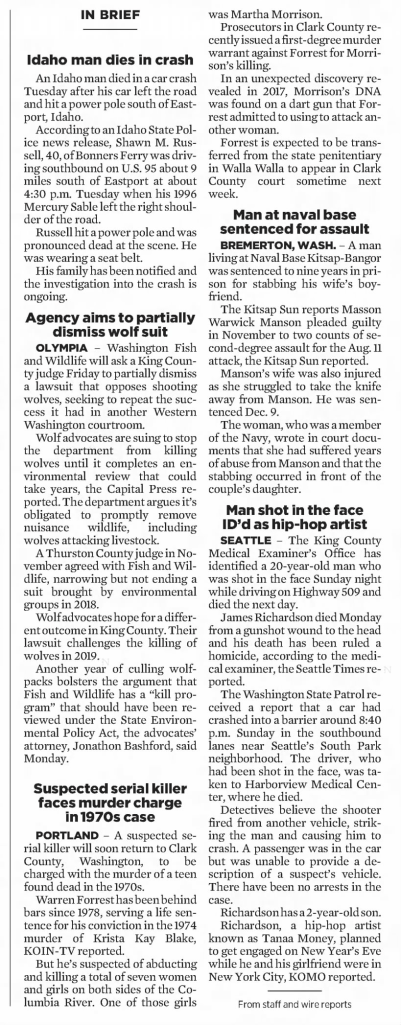
A year and a half went by after Warren Forrest was sent to Western State Hospital. On July 16, 1976 two foragers were out picking mushrooms and wildflowers on some Clark County Parks Department property in Tukes Mountain near Battle Ground when they noticed a small brown shoe sticking out of some bushes: when they gently tugged on it, they realized it was attached to a human foot and immediately notified LE, who discovered the half-skeletonized body of a young woman that had been (poorly) buried in a shallow grave. Forensic examination of the victims mandible led the ME to determine that the remains belonged to Krista Kay Blake, a hitchhiker that vanished without a trace from the area of 29th and ‘K’ Street of Vancouver on July 11, 1974.
Krista had been partially unclothed and had been missing her bra; her hands and feet were ‘hogtied’ behind her back with baling twine (which was discovered around 100 feet from her gravesite), and because her clothes and skeleton showed no signs of stab wounds or bullet holes, the ME concluded that she had most likely been strangled. Nineteen-year-old Blake was known to hitchhike, and at the time she was killed was living on NE 119th Street in Vancouver. After she disappeared two eyewitnesses came forward and told detectives that they observed her and the suspect that had been ‘driving the blue van’ together around the Lewisville Park area sometime prior to the day that she disappeared; other people came forward and reported they had seen the same van driving around Tukes Mountain on or around the date that Blake was last seen alive. It’s worth noting that Norma Countryman’s assault took place one week after the disappearance of Krista Kay Blake.
Because Warren Leslie Forrest owned the same van as the suspect and worked at the park where the victim had been found, he immediately became a person of interest in her death. Because of advanced age of the body a great deal of physical evidence had been lost, however a closer look at the clothing that the young woman had been wearing led to the discovery of incredibly small puncture marks in her T-shirt that forensic experts determined were made by a dart gun that was similar to the one that Forrest had used on his Lacamas Lake victim.
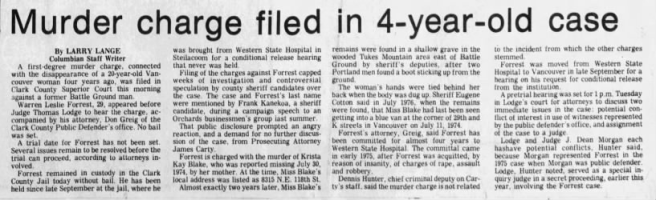
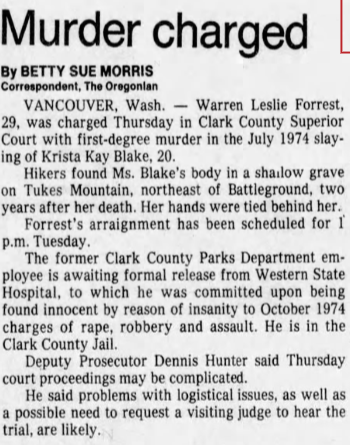
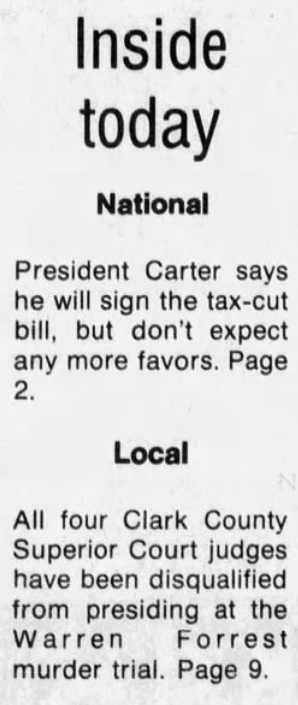
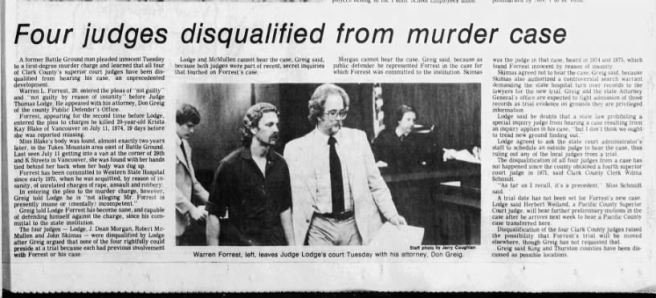
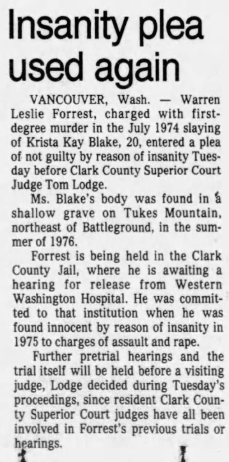
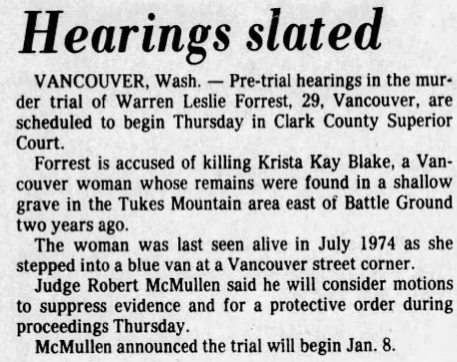
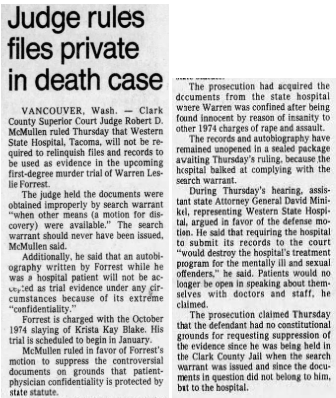
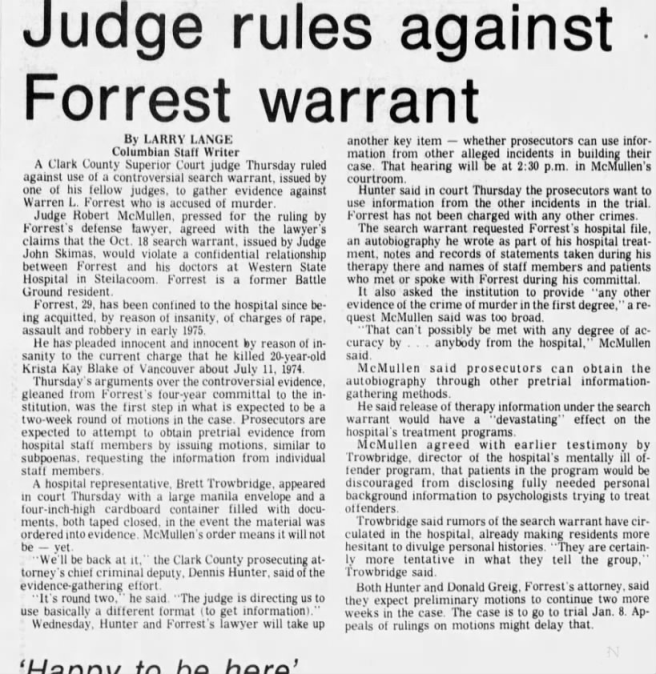
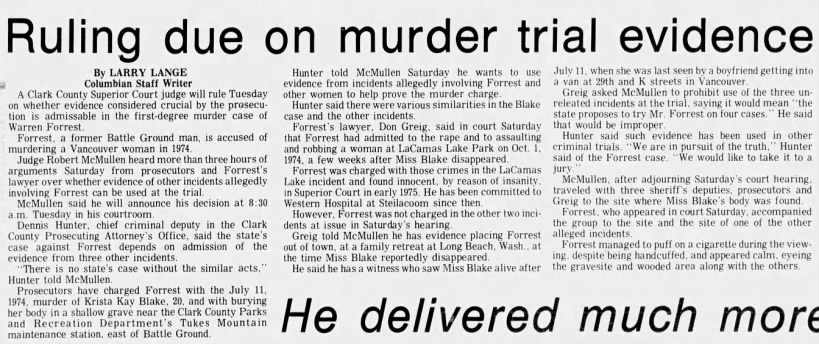
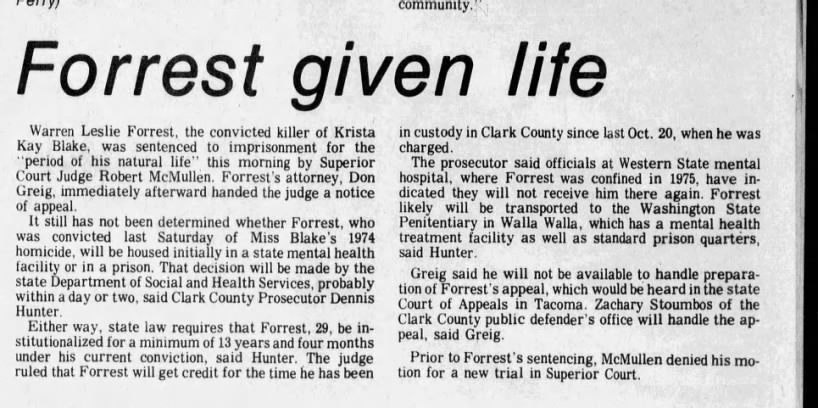
Not long into the murder investigation, detectives realized that on the day Blake had disappeared, Forrest wasn’t at work because reportedly ‘had a doctor’s appointment,’ this was on top of the fact that he had no alibi: his mother said that he had spent part of the day at her house, but had ‘left early in the evening’ and did not return until the following morning. He was charged on this basis with Krista’s murder in October 1978, and despite already being detained inside of an institution, his attorney Don Greig filed a petition for a new psychiatric evaluation, claiming his mental state had greatly improved in recent years… he even wanted to represent himself at trial (a request that had been granted). In the initial stages, the four judges that had participated in WLF’s earlier trials were removed from consideration due to concerns about possible bias, however this decision was later overturned, and Justice Robert McMullen was ultimately chosen to preside over the case.
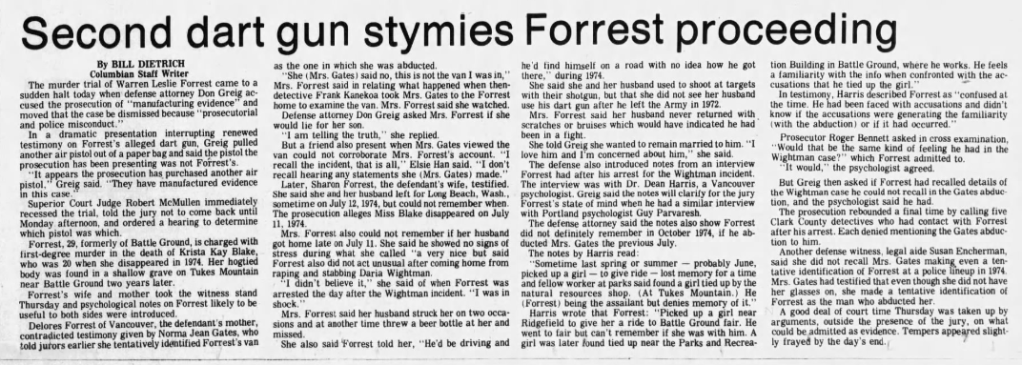
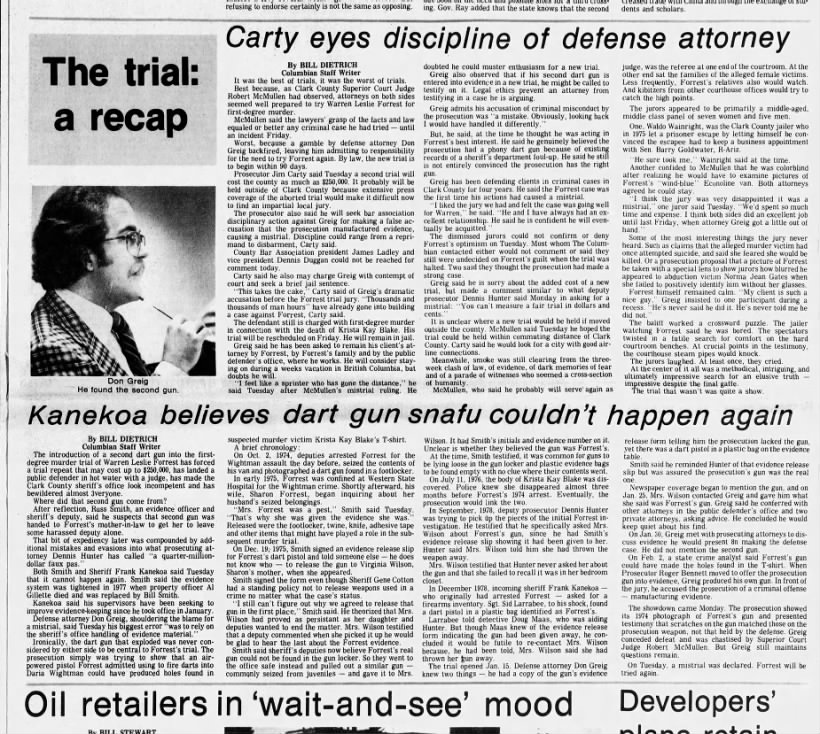
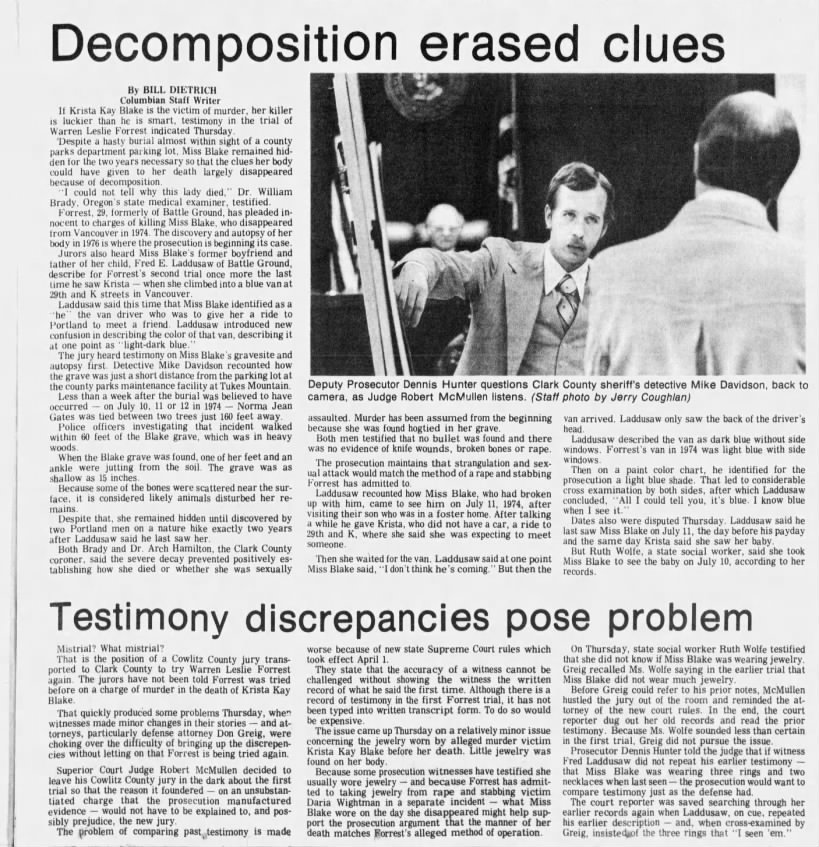
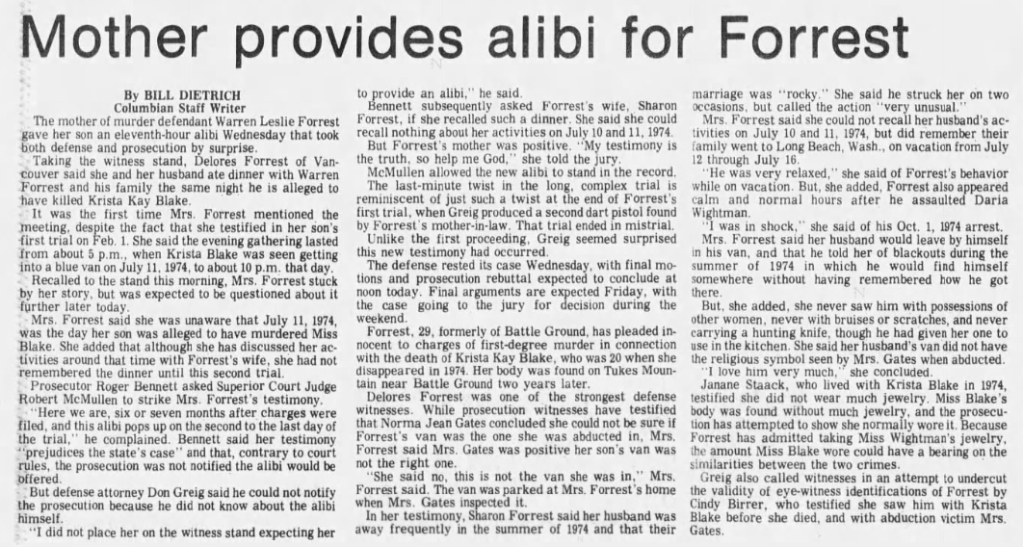
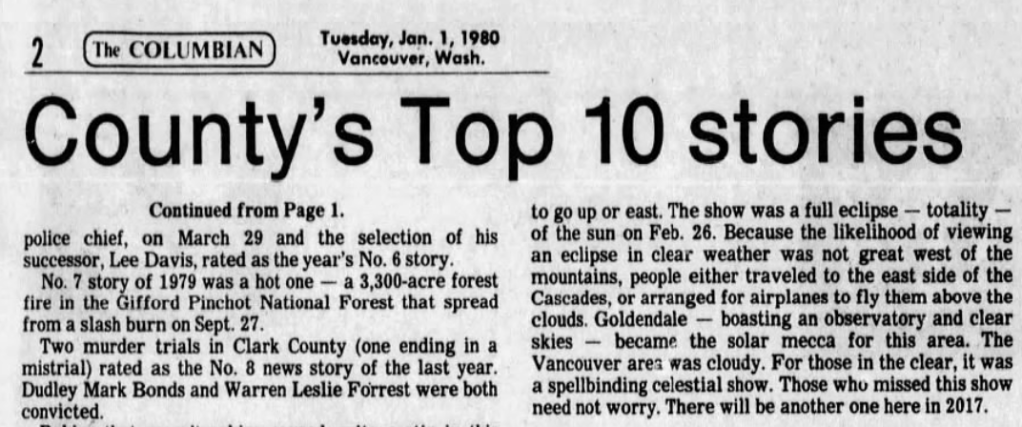
Warren Forrest’s trial for the murder of Krista Blake began in early 1979, however it wasn’t long before the judge declared a mistrial after his attorney erroneously allowed a second dart gun that had been unrelated to the case to be submitted into evidence. After that incident, his defense team filed a motion for a change of venue from Clark County to Cowlitz County, arguing that the media attention surrounding the case would prejudice the jurors against their client; the motion was granted andthe trial resumed in April 1979 in Cowlitz County. In the beginning of the proceedings, Forrest pled not guilty and claimed he had been on vacation with his family in Long Beach at the time of Blake’s murder; this had been backed up by his mother, who said in open court (while under oath) that her son had been at her residence (with her) at the time investigators supposed Krista had gotten into the blue van. However, prosecutors said her testimony was unreliable, pointing out that she had originally told detectives that her son had left her residence in the early evening and didn’t come back until the following morning. In addition to Dolores, Sharon Forrest also testified on Warren’s behalf, although she told the court their relationship had been ‘rocky’ and her husband had at times ‘suffered from blackouts;’ she also insisted that he had been with her the entire time Blake was being abducted and killed, and that he never showed any signs of being violent towards women.
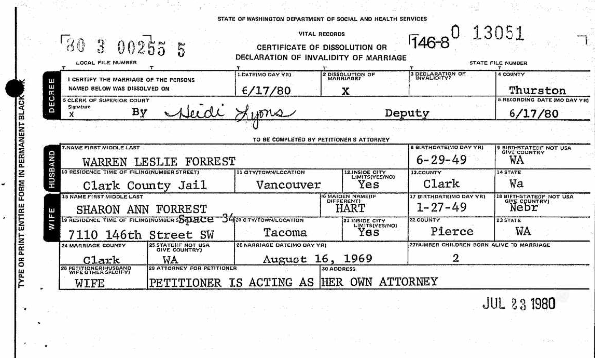
Multiple eyewitnesses testified against Forrest, and claimed he was a known acquaintance of Krista Blake’s and that the two had been seen together at multiple times before her murder; however, some of their claims were scrutinized by his defense team, as two of them had given a description of the suspects van that did not perfectly match the one that he owned. One day during the trial, he admitted guilt to the kidnapping and attempted murder of the Lacamas Lake victim, claiming he attacked her due to ‘untreated PTSD’ from serving in the military. However, when confronted, he absolutely refused to admit guilt for the murder of Krista Ann Blake and the kidnapping and assault of Norma Countryman, and because of this the prosecutor’s office insisted that he was guilty of all charges (as each crime matched his MO). Warren Forrest was ultimately found guilty and was sentenced to life imprisonment with a chance of parole, and was sent to Washington State Penitentiaryin Walla Walla; because he was convicted before mandatory sentencing laws he was eligible for parole for the first time in 2014. Sharon Forrest filed for divorce from Warren in June of 1980.
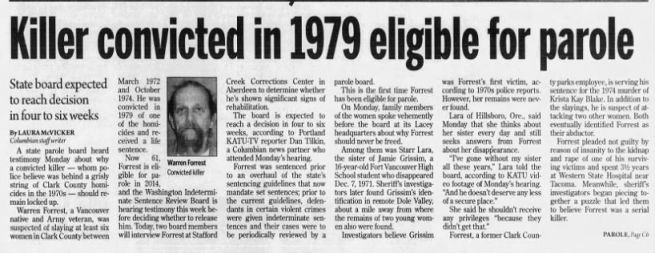
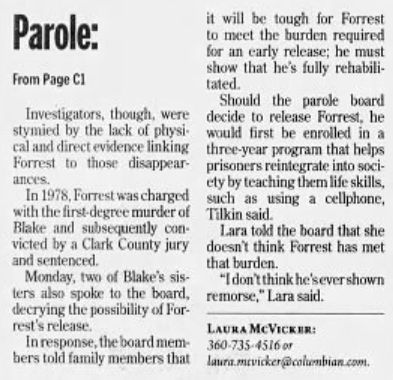
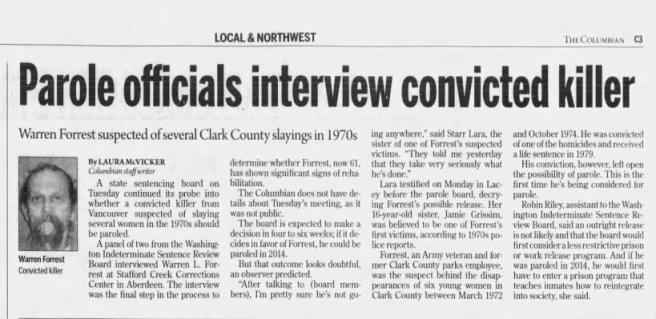
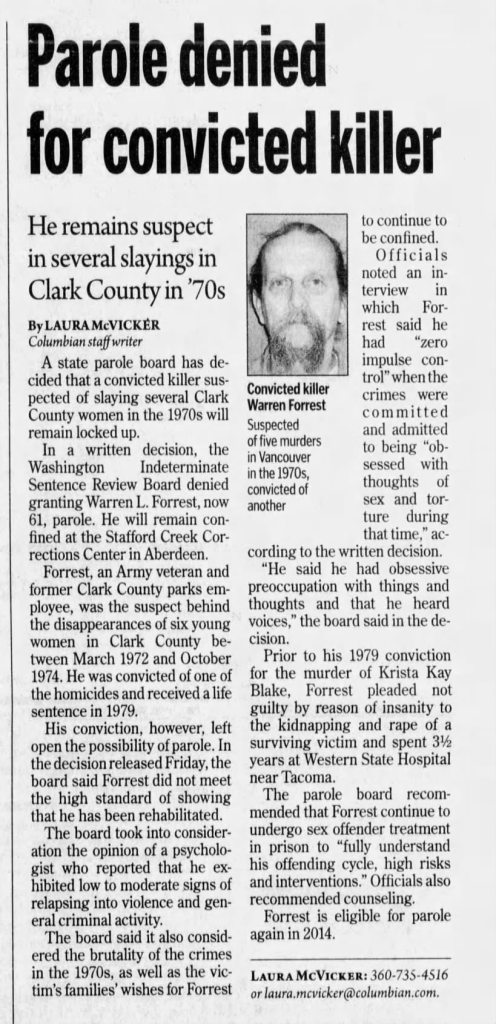
Forrest filed an appeal in early 1982, which was denied later that October; since then, he has filed numerous parole applications over the years (confirmed ones in April 2011, April 2014, July 2017, and May 2022), all of which have been denied due to the fact he is a suspect in many other heinous and violent crimes against women. It’s worth mentioning that during one of his parole hearings, both of his surviving victims took the stand and identified him as their assailant.
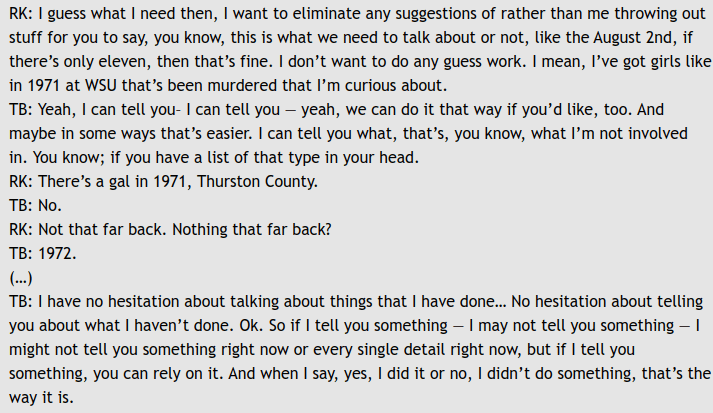
The Confession of Krista Blake/2017: Since his initial convictions, Warren Leslie Forrest has remained a suspect in multiple kidnappings, disappearances, and murders around Clark County that took place in the early to middle 1970’s… however, he has largely refused to help multiple policing agencies with their investigations. At a parole hearing in 2017, he finally confessed to killing Krista Blake, stating she had been severely depressed and stressed out at the time of her murder, and he ‘did not intend’ to kill her at first but was forced to after she attempted to get away from him. During that same hearing he also casually confessed to sixteen additional crimes against women that took place between 1971 and 1974, ranging from voyeurism to murder, and claimed he was ‘remorseful for his actions.’ Despite these ‘confessions,’ Forrest’s application for parole was denied and he was prohibited from filing another appeal until March 2022, as the board stated he ‘continued to pose a danger to society and made minimal progress in ameliorating his behavior.’ In an audio recording from one of his parole hearings, he recalled details of the horrific crimes he committed, and reiterated that he was ‘a different person’ now than he was forty years prior, and admitted he: ‘abducted a 19-year-old female stranger under the ruse of giving her a ride…forcing the victim to undress and during a struggle I choked the victim to death.’
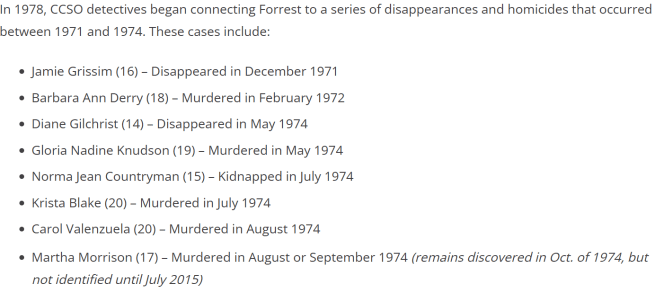
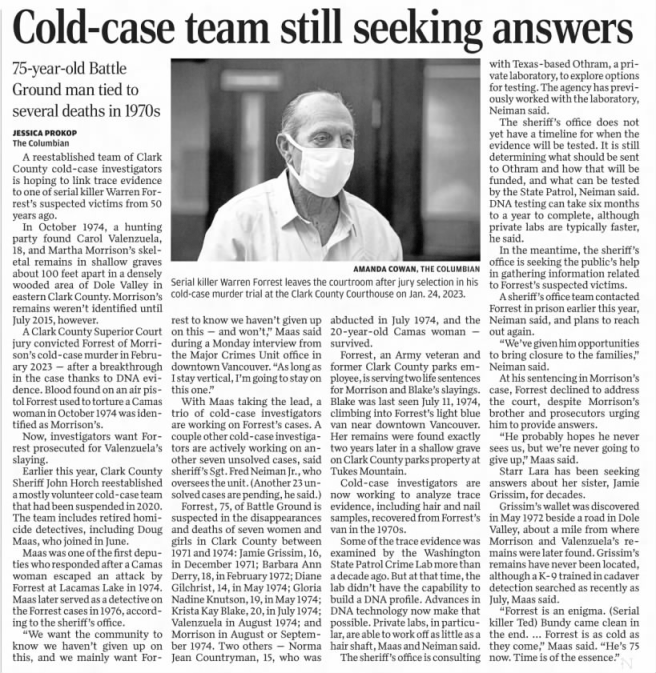
In June 2017, Clark County investigators met with Warren Forrest and told him they were working to prove he killed five additional young women across Washington and Oregon:Jamie Rochelle Grisim (1971), Barbara Ann Derry (1972), Carol Louise Platt-Valenzuela (1974), Martha Morrison (1974), and Gloria Nadine Knutson (1974). During one of his hearings, when the parole board asked him about the other possible victims, the only thing he would say was that he ‘felt sorrow for those families,’ and that talk of other crimes was ‘not factually’ accurate; he also said that he only committed the crimes that he did because he was ‘stressed out’ from working two jobs, going to school, and being a husband and father, and: ‘the only option I had was to distract myself, and I chose to live out those violent fantasies.’
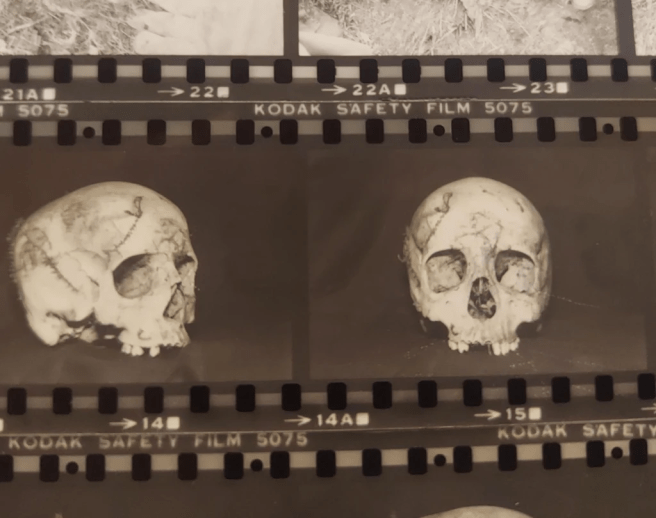
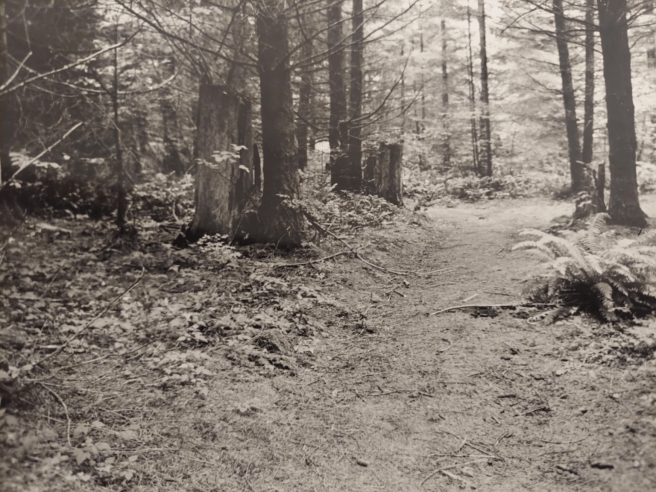
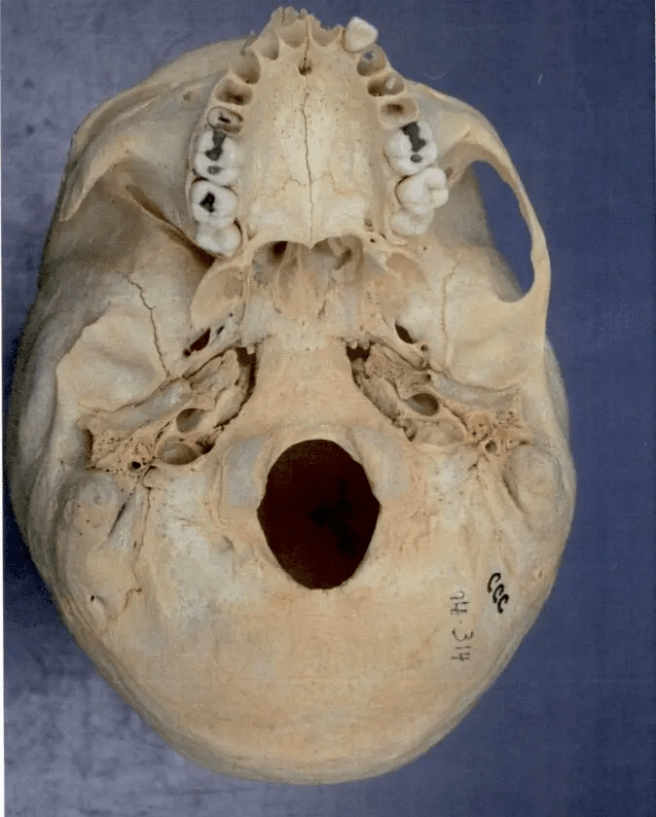
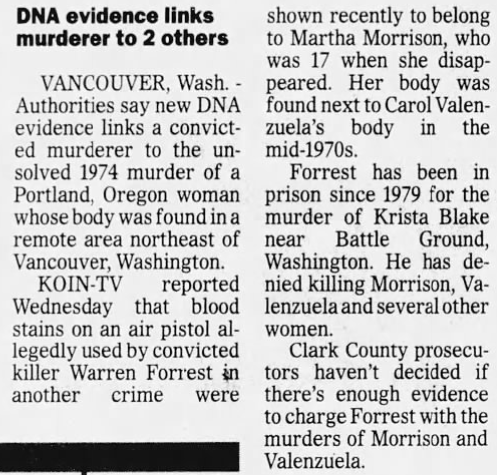
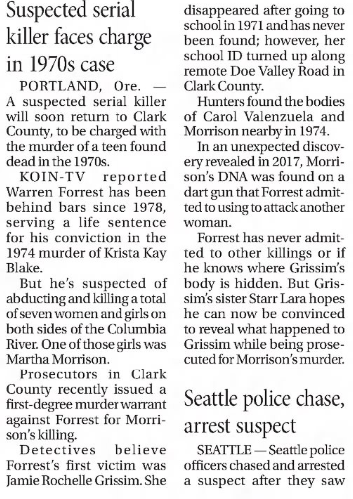
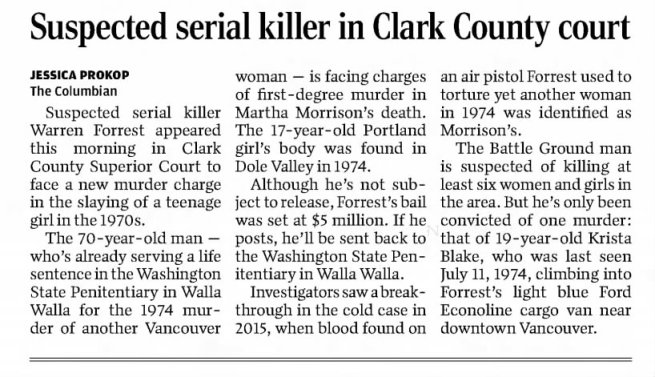
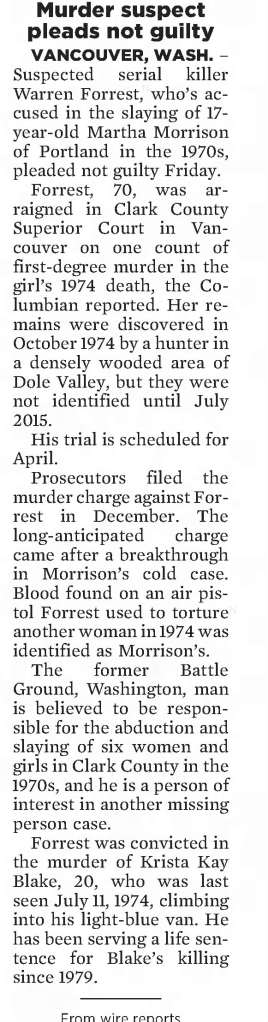
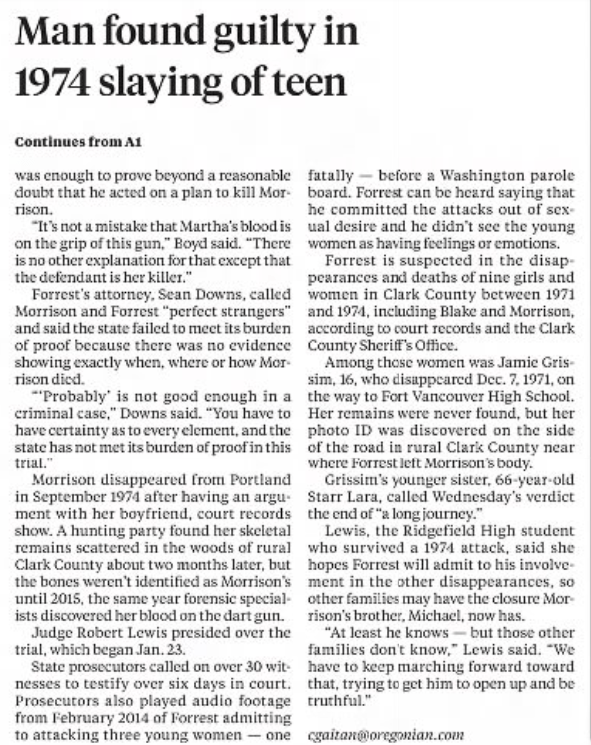
Martha Morrison: In December 2019, Warren Forrest was charged with the murder of seventeen-year-old Martha Morrison, who went missing from Portland, OR in September 1974; her skeletal remains were discovered on October 12, 1974 in Clark County close to those of Carol Valenzuela, only eight miles from Tukes Mountain (where Krista Blake’s body was recovered). Both victims were uncovered either behind or between logs and were fully skeletonized; additionally, neither one was wearing clothes and had any identification on them. At the time of the discoveries in 1974, Forest wasn’t considered a suspect in either murder even though the victims were discovered in a heavily wooded area that was ‘slightly upslope’ from a secluded side road that was close to Rock Creek Bridge. Unfortunately, authorities were unable to positively identify Morrison’s remains at the time she was recovered, and she was known simply as a ‘Jane Doe’ for many years. In 2010, Martha’s half-brother Michael submitted a DNA sample to police in Eugene, OR, and in 2014 investigators began re-examining physical evidence from Forrest’s criminal cases to determine if anything from them could be used to solve any unsolved crimes.
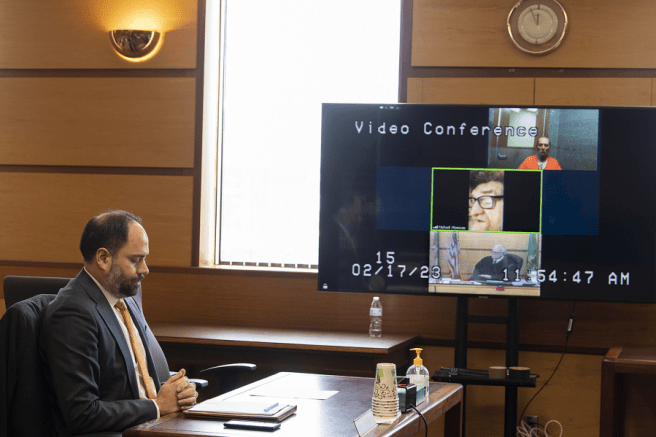
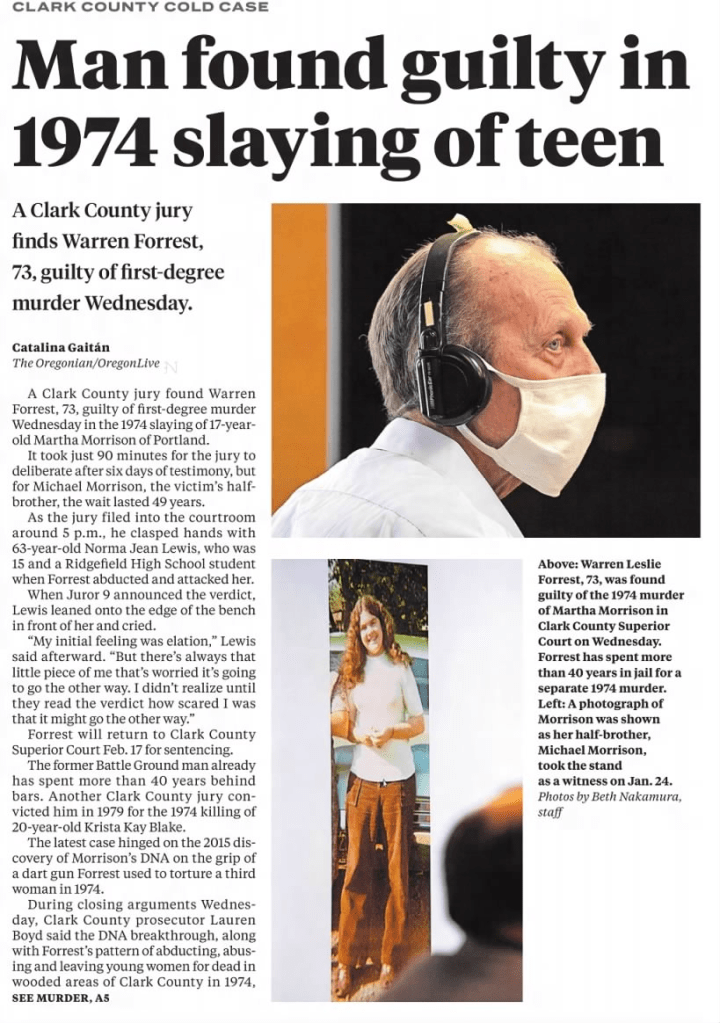
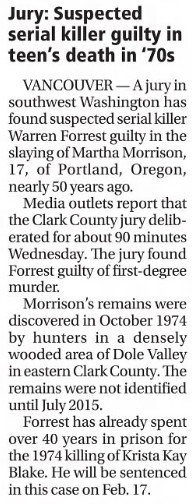
Forensic experts from the Washington State Police Crime Lab were able to isolate a partial DNA profile from some dried blood that had been left behind on Forrest’s dart gun, and cross-referenced it with Michael Morrison’s DNA, which lead to the positive identification of Morrison’s remains.In January 2020, WLF was extradited back to Clark County to await charges in Morrison’s murder, and on February 7, 2020 he pleaded not guilty. His trial was scheduled to begin later that year on April 6, 2020 but was delayed on several occasions thanks to the Covid pandemic; it eventually resumed in early 2023, and on February 1, 2023 a jury of his peers found Warren Leslie Forrest guilty of the murder of Martha Morrison. Only sixteen days later, he received another life sentence.He remains the prime suspect in the disappearances and murders of at least five more teenagers and young women, and in each case, the perpetrator exhibited a similar modus operandi to Forrest:
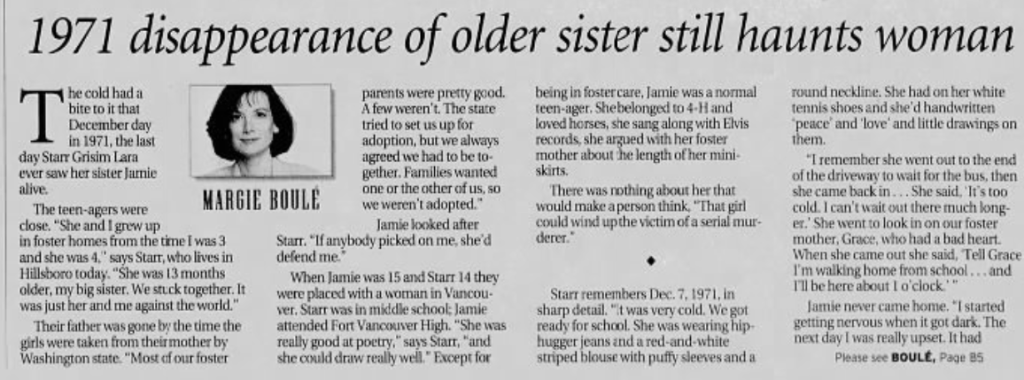
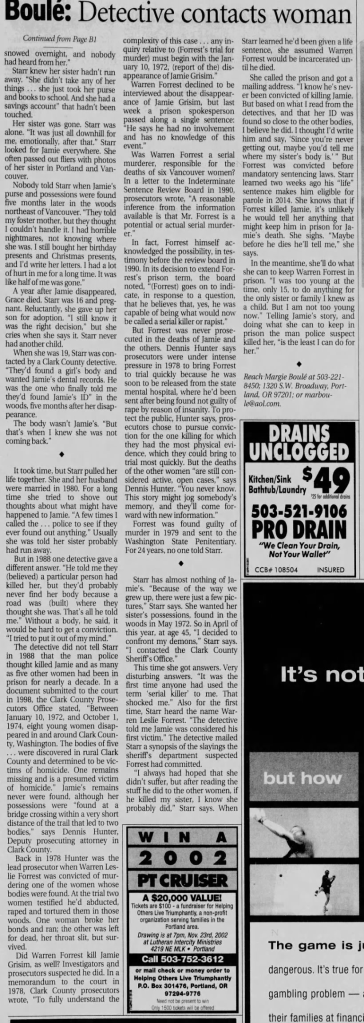
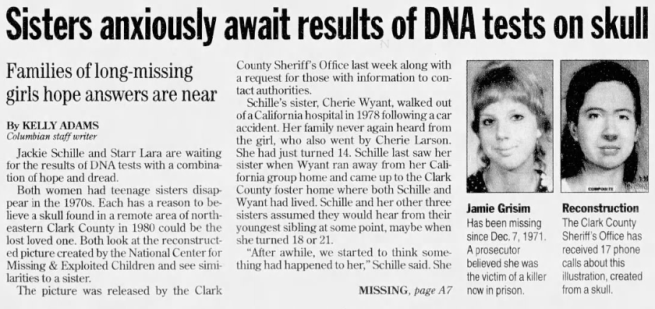
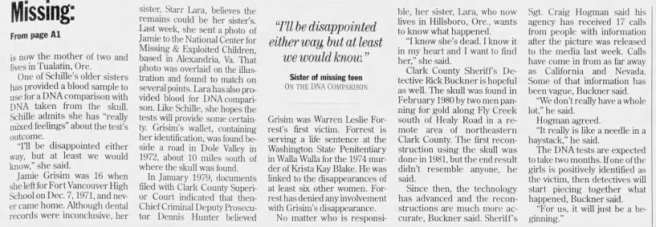
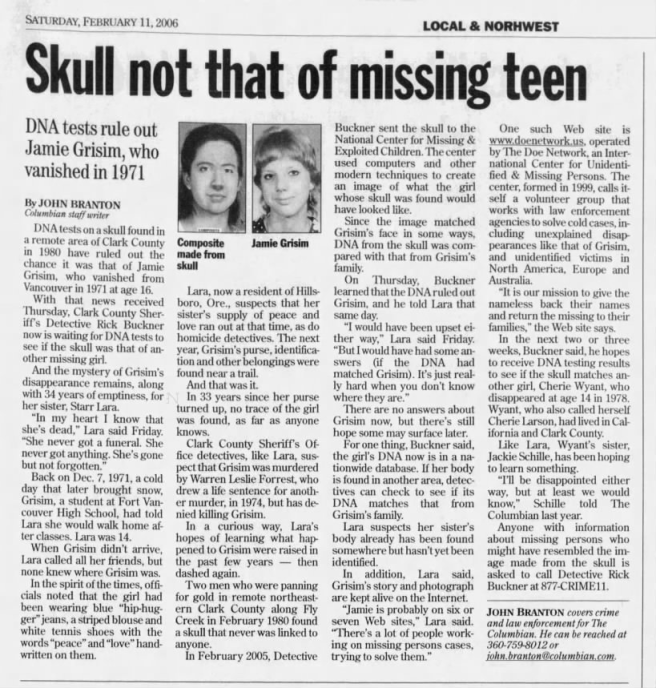
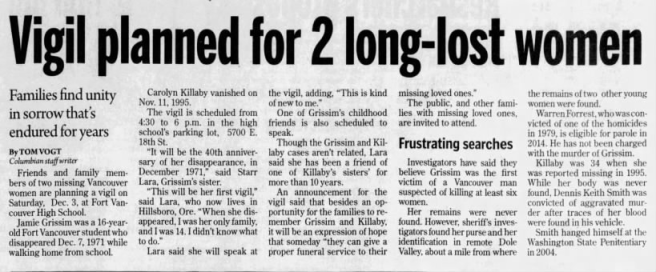
Possible Victims: On December 7, 1971 sixteen-year-old Jamie Rochelle Grisim was last seen walking home from Fort Vancouver High School; she was reported as missing by her foster mother the following day. During one of the searches for her shortly after she disappeared, detectives came across some of her personal belongings in nearby Dole Valley, including her purse and an ID card. It was initially believed that she ran away from her foster home and had left the state, but that theory was quickly disregarded. Since Martha Morrison and Carol Valenzuela were later recovered not far from where her belongings were found, local LE have reassessed their conclusions and now feel that Jamie was abducted and killed by Warren Forrest.
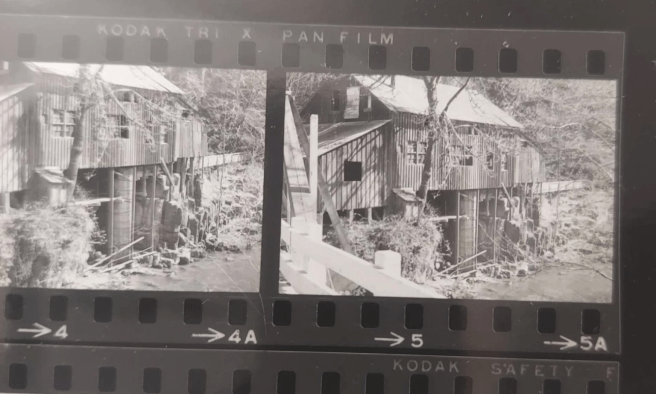
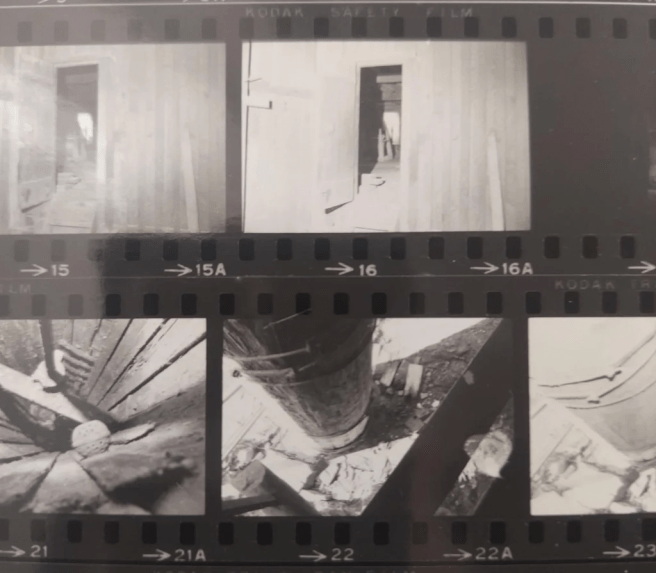
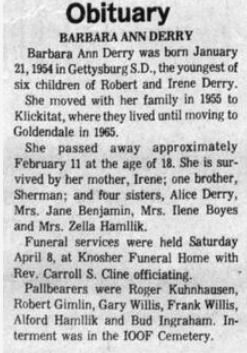
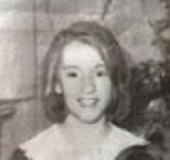
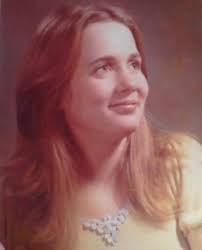
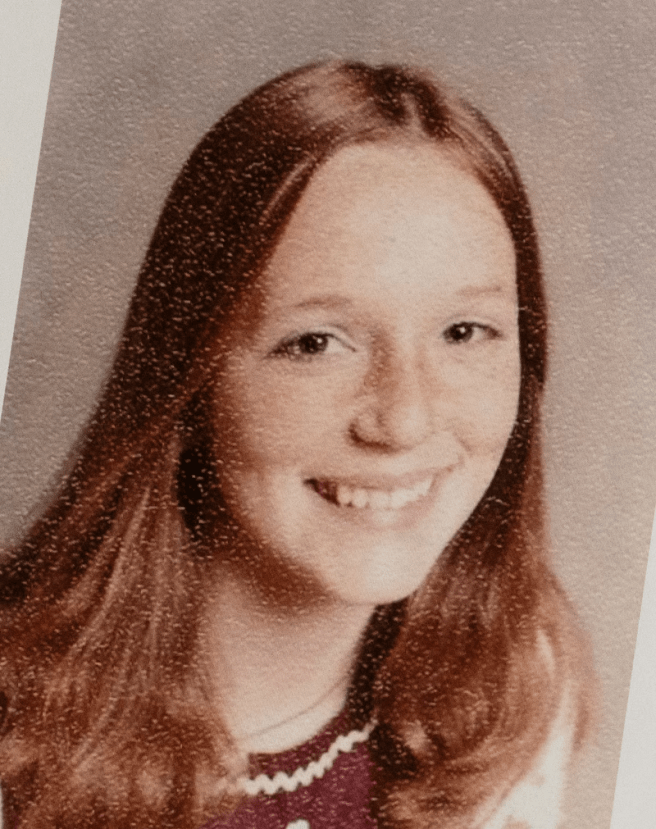
Eighteen-year-old Clark College freshman Barbara Ann Derry went missing on February 11, 1972, and was last seen on a Vancouver highway trying to hitchhike along State Highway 14 East and had been trying to make her way home to Goldendale. Tiny in stature, Derry was only 5’1” tall and weighed a mere 115 pounds, and at the time of her murder had been living on ‘W’ Street in Vancouver. Her remains were discovered by a woman searching for antique bottles the following month on March 29, 1972: she was at the bottom of a silo inside the Cedar Creek Grist Mill and she had been covered with boards and debris in a poor attempt to cover her up. The ME determined that she died from a single stab wound to the chest that had been inflicted by a ‘narrow-bladed instrument;’ she had been partially undressed and had been missing her bra. A positive identification was made thanks to dental records, and it was said (by LE) that she had ‘many male friends,’ and was known to hitchhike frequently. Oddly enough, Barbara’s body was found near the area where a large manhunt had been underway for ‘DB Cooper,’ an unidentified skyjacker that jumped out of a plane asking for a $200,000 ransom (his fate remains unknown to this day despite extensive investigations).
Either Forrest has some incredible self-restraint, or he has some victims that are unaccounted for (I suspect the latter): well over two years went by between the murder of Barbara Derry and the disappearance of his next unconfirmed victim, fourteen-year-old Diane Gilchrist. A ninth grader at Shumway Junior High School in Vancouver, Gilcrist went missing on May 29, 1974 and prior to her disappearance had never shown any problematic behavior: her parents said she had left their home in downtown Vancouver through her second-story bedroom window and vanished into the night, never to be seen or heard from again. As of February 2026, she has never been found, and her fate remains unclear.
Just days away from graduating from high school, nineteen-year-old Gloria Nadine Knutson was last seen by several acquaintances at a Vancouver nightclub called ‘The Red Caboose’ on May 31, 1974, after she turned down an invitation to attend a housewarming party. One eyewitness told investigators that the Hudson Bay High School senior had come to his residence and sought out his help that in those early morning hours, and that she had been claiming somebody had been tried to rape her, and that person was now stalking her; the acquaintance also reported that Knudson had asked him to drive her home, but he couldn’t because his car had been out of gas. Distraught and out of options, Gloria was forced to walk home; her skeletal remains were found by a fisherman in a forested area near Lacamas Lake on May 9, 1978.
On August 4, 1974 married mother of infant twins Carol Louise Platt-Valenzuela went missing while attempting to hitchhike from Camas to Vancouver; the twenty-year-old was not known to be involved in prostitution and had no criminal record. On October 12, 1974, her skeletal remains were discovered by a hunter in Dole Valley just outside of Vancouver, very close to those of Martha Morrison; because of this, detectives strongly suspect Forrest is responsible for the murders of both young women.
Lesser Discussed Possible Victims of WLF: In the first few weeks while he was at Western State Hospital in February 1975 Forrest resided at the same facility where a young woman had been murdered: twenty-five-year-old Karen Louise Wiles suffered from some form of diminished mental capacity and had voluntarily committed herself to the hospital three weeks prior to her death; because she wasn’t court mandated to be there she could come and go as she pleased. Wiles remains were found on February 21. 1975 in the flatlands in Tacoma, roughly eight miles away from the facility; she had been sexually assaulted and had been strangled, and had twine wrapped around her neck. The hospital staff greatly hindered the original investigation and refused to answer questions and help LE in any way.
There are a few additional possible victims of Warren Leslie Forrest that aren’t frequently discussed that do fall in his 1973 gap of inactivity: Rita Lorraine Jolly disappeared out of her West Linn, OR neighborhood while out on a routine nightly walk on June 29, 1973; her remains have never been recovered. It’s worth noting that West Linn is only a fifty-minute drive from Battle Ground, WA (where Forrest had been living at the time with his family).
On August 20, 1973 twenty-three-year-old seamstress Vicki Lynn Hollar was walking out of The Bon Marche in Eugene, which was her new POE (she has only been there for about two weeks, and was a transplant from Flossmoor, IL); she was last seen alive by her supervisor, when the two walked out to their respective vehicles together (Vicki drove a black 1965 VW Bug with the running boards removed). Hollar was supposed to show up at her residence to meet up with a friend, and the two were going to go to a party together, but she never arrived. Neither Vicki nor her vehicle have ever been recovered. It is slightly over a two-hour drive from Battle Ground to the Macy’s that Hollar worked at in Eugene, Oregon.
On November 5, 1973 Suzanne Seay-Justis was last heard from when she called her mother from a pay phone outside of The Memorial Coliseum in Portland; she told her she would be home the following day so she could pick up her young son from school, and despite having her own car Justis hitchhiked to Portland. It’s worth mentioning that the Memorial Coliseum is only a half hour drive from the Forrest family home on SW 18th Street in Battle Ground.
Washington state detectives have never stopped looking into Forrest in regard to the murders that he stands accused of committing, and in December 2025 they were able to locate a long-lost witness in relation to the murder of Jamie Grisim. Additionally, they’re working with the ‘Washington State Search Team and Rescue’ as well as ‘Clark County Search and Rescue,’ and have plans for another coordinated search in the Dole Valley area, this time using dogs that are highly trained in locating human remains that could be decades old and buried deep underground.
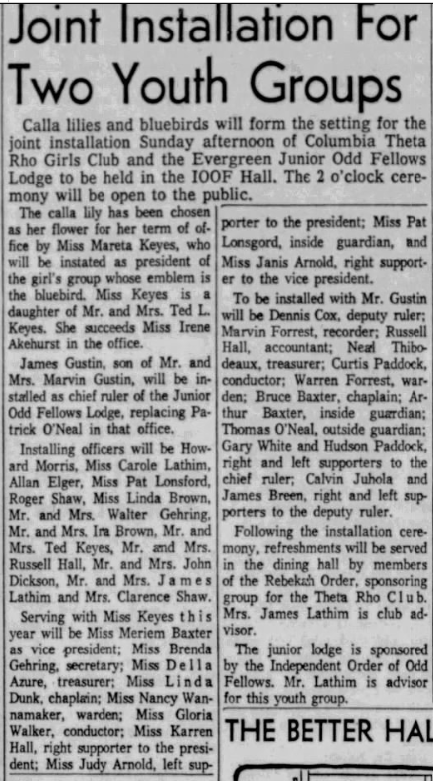
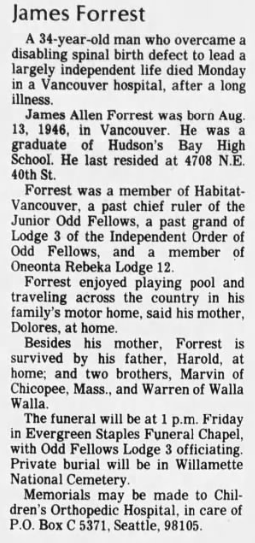
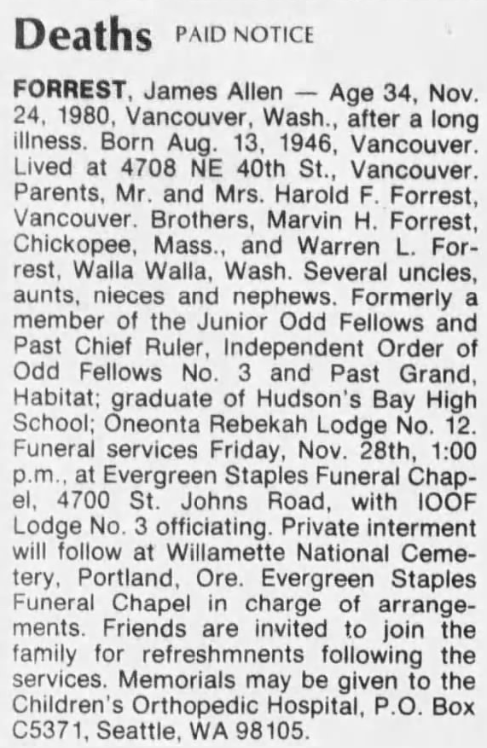
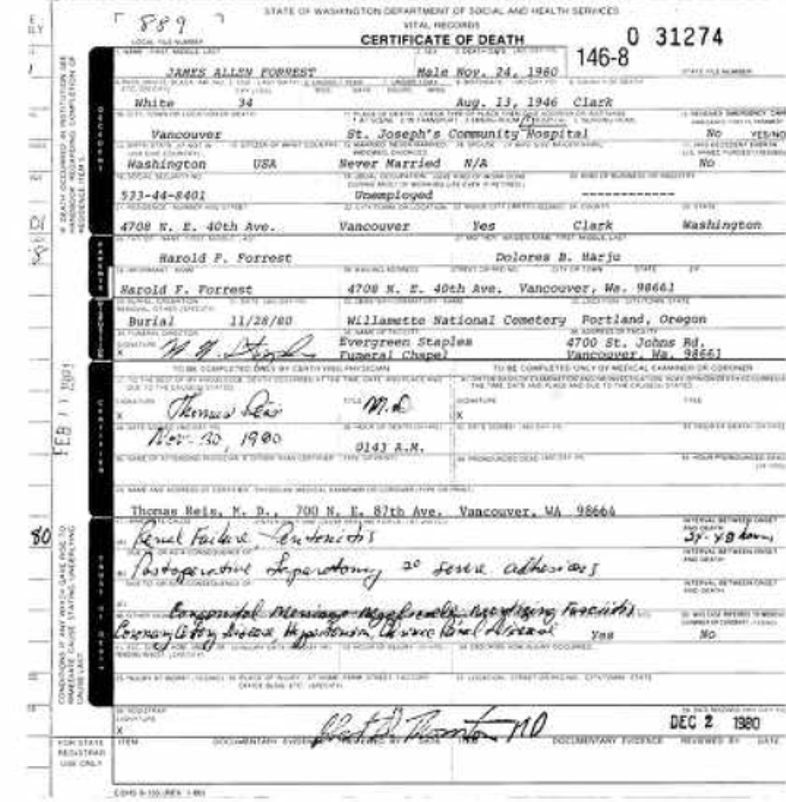
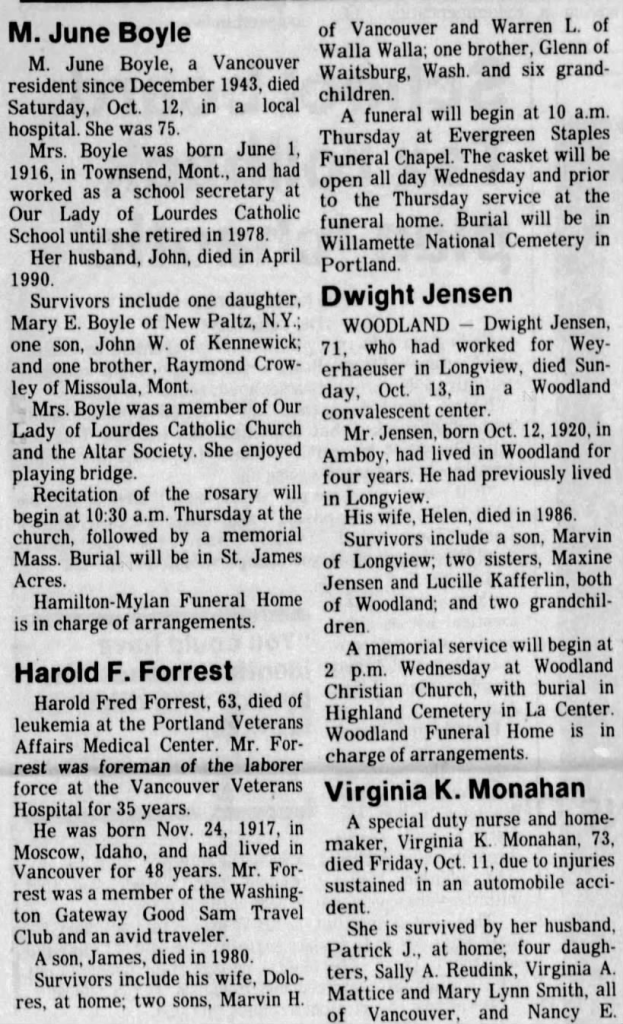
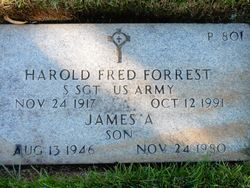
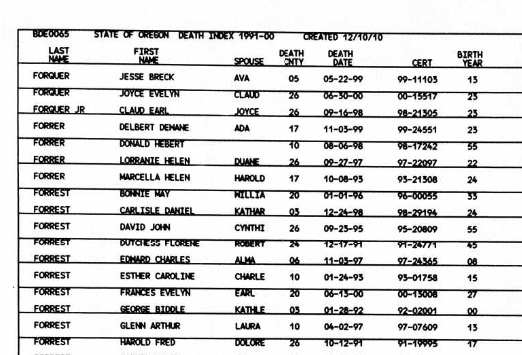
Conclusion: Warren’s brother James Allen Forrest died at the age of thirty-four on November 24, 1980 after succumbing to ‘a lengthy illness.’ According to his obituary, he was unmarried at the time of his death and was ‘formerly a member of the Junior Odd Fellows;’ he was also the Past Chief Ruler of the Independent Order of Odd Fellows No. 3 at St. John’s Road. Warren’s father died of leukemia at the age of seventy-three on October 13, 1991 in Portland, and per his obituary, before he retired Harold was the foreman of the labor force at the Vancouver Veterans Hospital for thirty-five years and was a member of the Washington Gateway Good Sam Travel Club (as he was an avid traveler). Dolores Beatrice Forrest died at the age of seventy-seven on Christmas day in 2002 in Walla Walla.
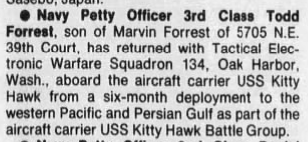
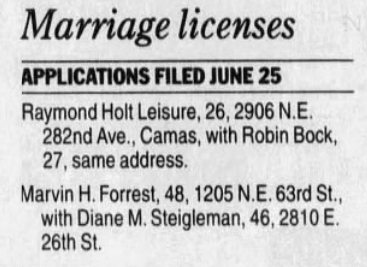
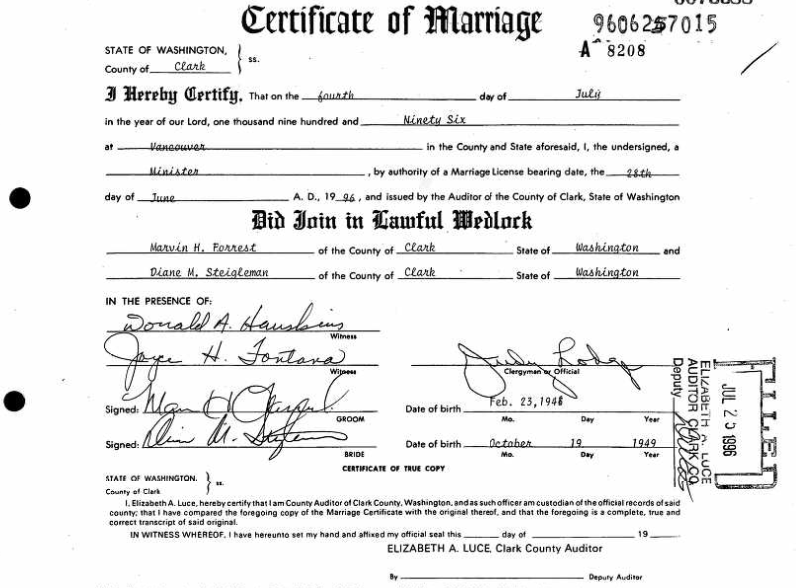
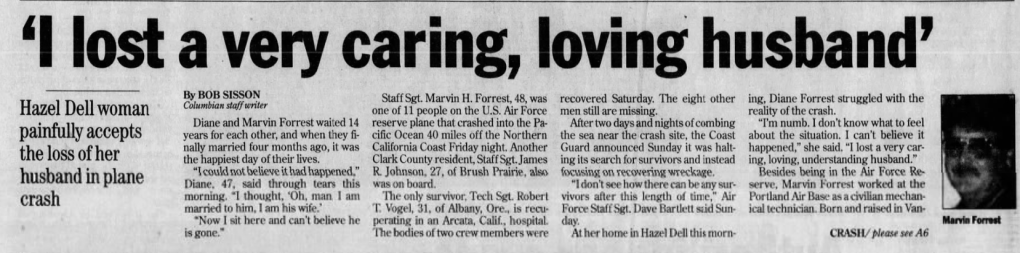
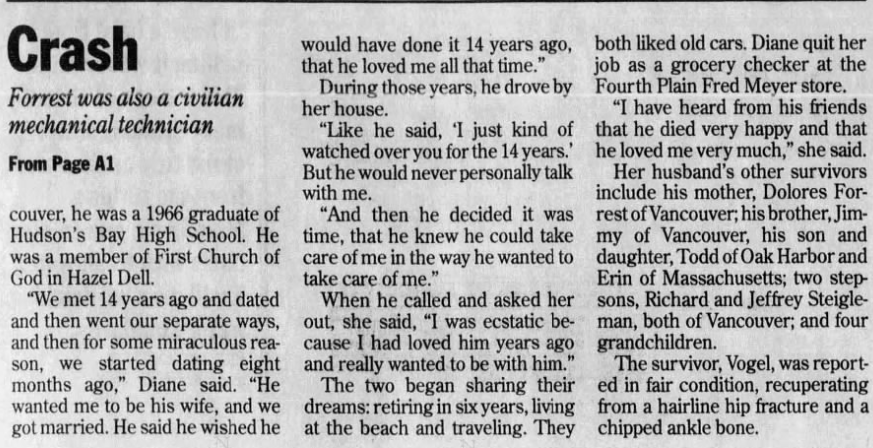
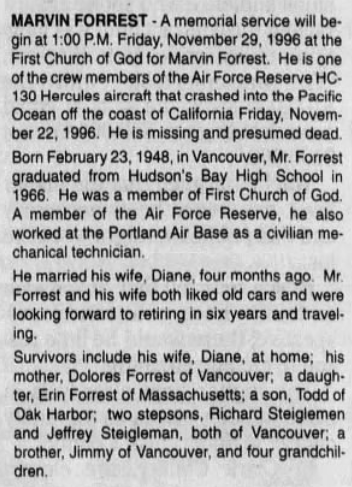
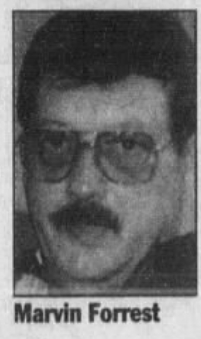
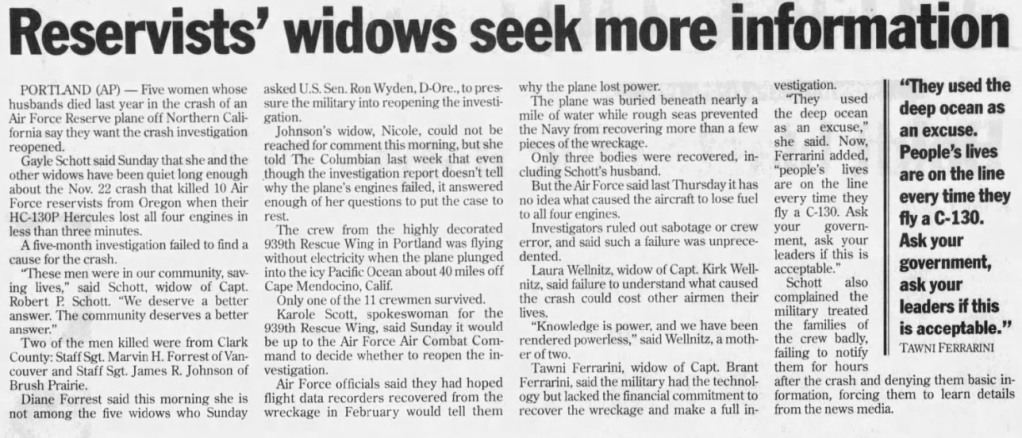
Marvin Forrest married Diane Steigleman at the age of forty-eight on July 23, 1996, and sadly not even four months later on November 23, 1996 he was killed in a plane crash above the Pacific Ocean roughly forty miles outside of the Northern California coast; his body has never been recovered. According to his obituary, he worked at the Portland Air Base as a civilian mechanic, and was a proud member of the Air Force Reserve; he was also a member of the First Church of God. Marvin and Diane both liked old cars and were looking forward to retiring in 2002 and traveling together. He had a son and a daughter, and his widow is now happily retired and living in Lake Havasu City, AZ.
Warren’s younger child Lane has been married to his wife, Monica for almost twenty years and the couple have three children together; he works at Boeing Commercial Airplanes in Seattle as a mill operator. Forrest’s daughter Leslie is fifty-four and currently resides in Bullhead, AZ; sadly she is suffering from a plethora of health concerns, including three inoperable brain tumors.
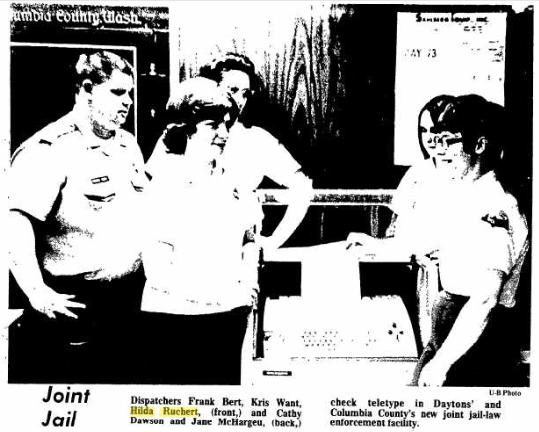
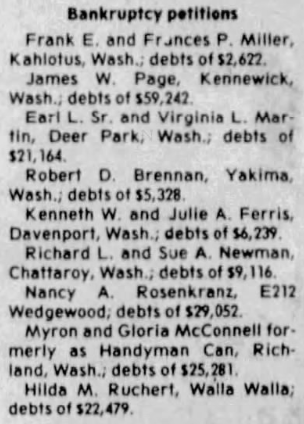
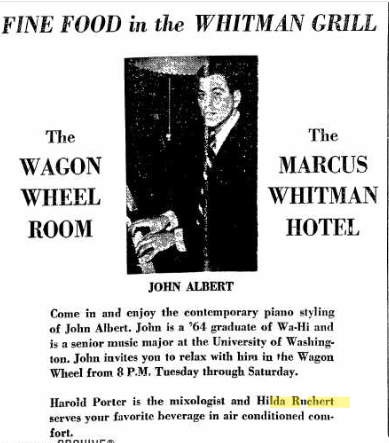
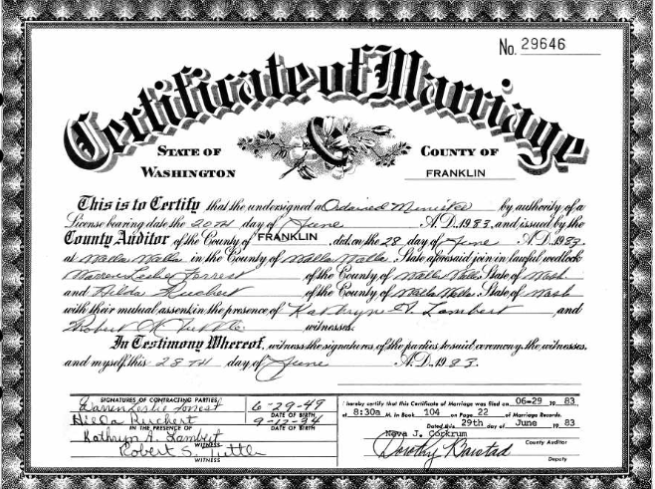
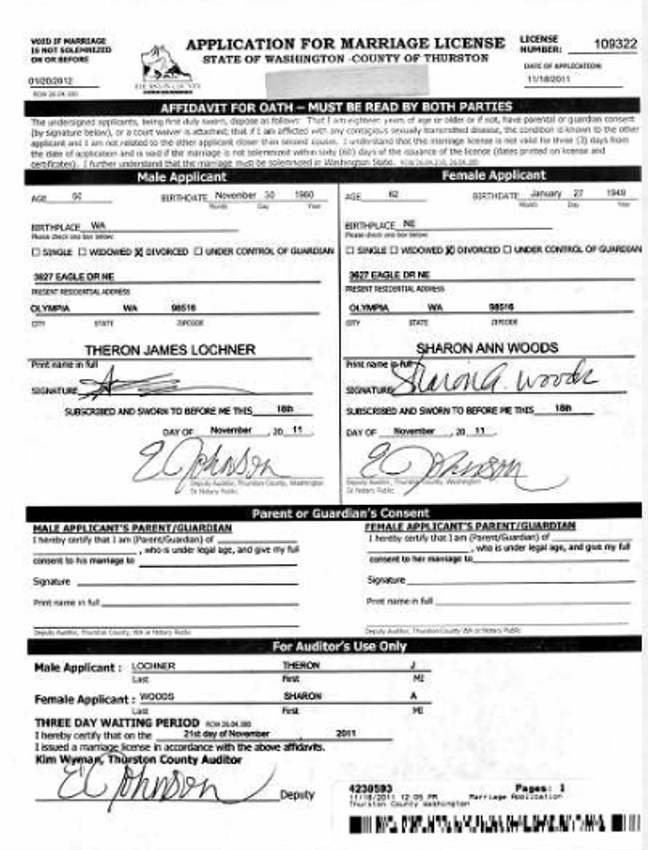
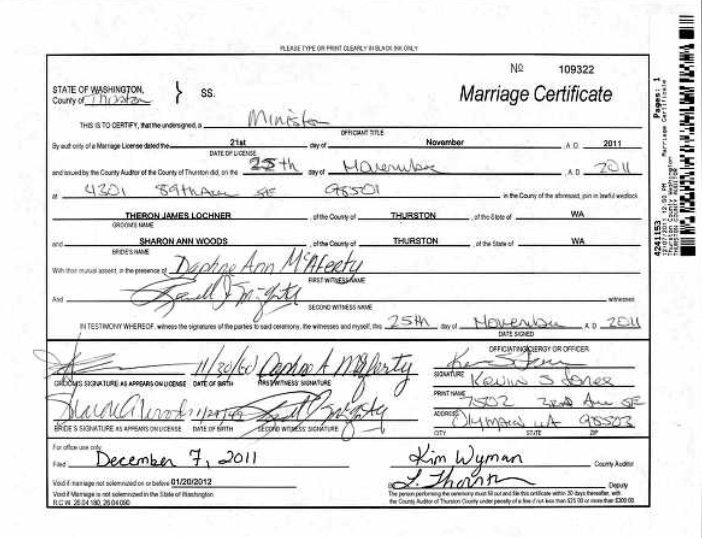
As of February 2026, Warren Leslie Forrest is seventy-six years old and is housed at Airway Heights Corrections Center in Spokane County, WA. He is still married to his second wife Hilda Ruchert, a nurse that he met while incarcerated and wed on June 20, 1983 that is fifteen years his senior. One of the only facts I was able to find out about the second Mrs. Warren Leslie Forrest is that she was born on September 12, 1934 and (according to an article published in 2017 on ‘koin.com’), she is in her 80’s and still residing in Walla Walla; I could find no record of her death. Sharon Ann Wilson/Hart-Forrest got remarried to a man named Jim Lochner on November 11, 2011, and the couple currently reside in Vancouver, WA; she is retired after a long career of working in the administrative part of a doctor’s office.
Works Cited: ‘Cold Case Team Analyzing Evidence that May Link More Women to Serial Killer Warren Forrest.’ (December 11, 2024). Taken January 6, 2026 from forensicmag.com Fox 12 Staff. ‘Clark County renews search for missing Teen Tied to 1970’s Serial Killer.’ (December 5, 2025). Iacobazzi, Ariel & Plante, Aimee. ‘Cold Case Team Revisits Death Linked to Warren Forrest Plante.’ (December 9, 2024). Taken January 6, 2026 from koin.com Morgan, Branden. Pie in the Sky Media: ‘The Forgotten Serial Killer.’ Taken February 17, 2026 from kslpodcasts.com Nakamura, Beth. Warren Leslie Forrest Clark County murder trial begins. Taken January 6, 2026 from oregonlive.com Osorio, Carolyn. (September 9, 2025). Stolen Voices of Dole Valley, Episode 5: The Good-Looking Stranger. Taken February 12, 2026 from https://pod.wave.co/ Varma, Tanvi. ‘Authorities believe multiple cold cases are linked to suspected Clark County serial killer.’ (December 10, 2024). Taken January 6, 2026 from katu.com ‘Warren Forrest.’ Taken January 6, 2026 from grokipedia.com/page/Warren_Forrest
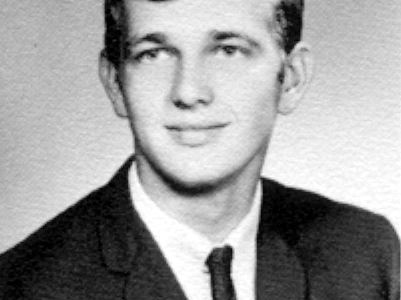
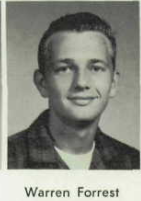
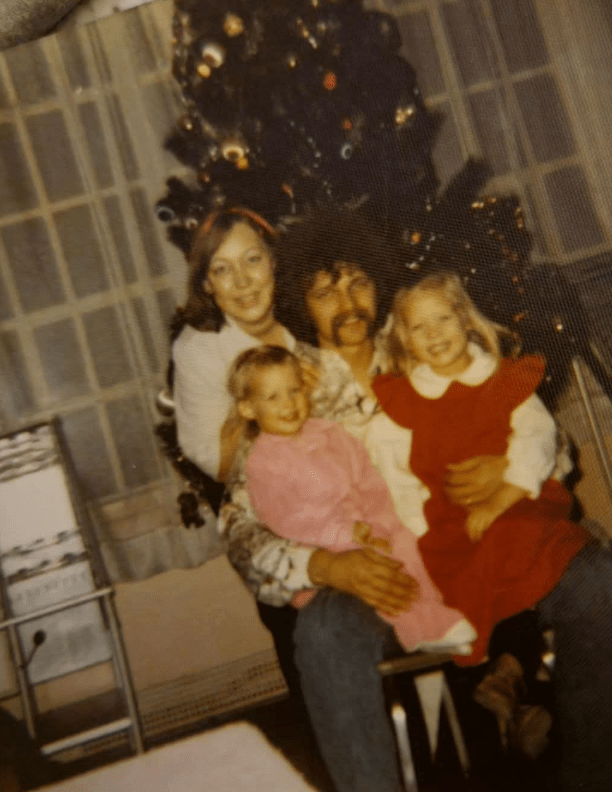
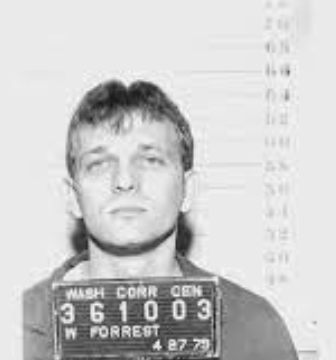
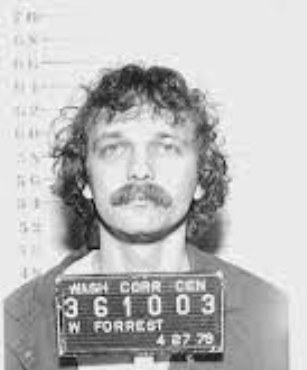
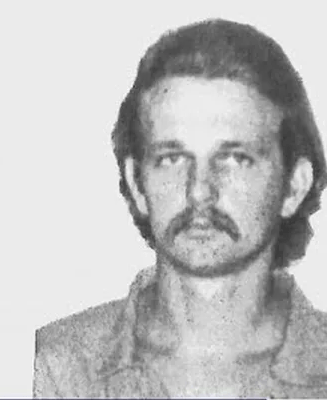
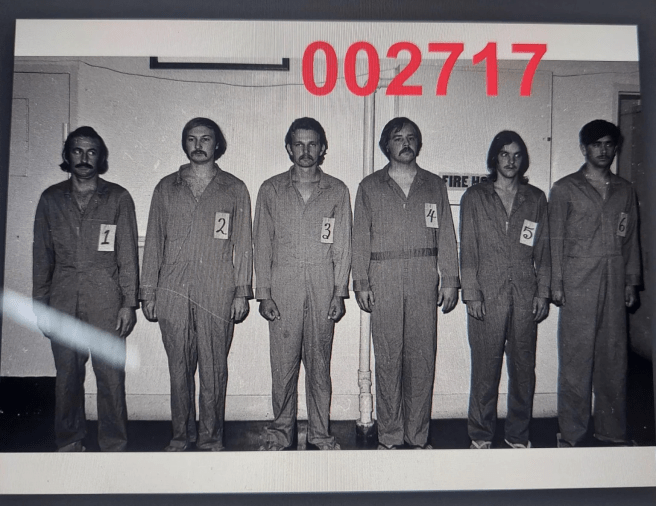
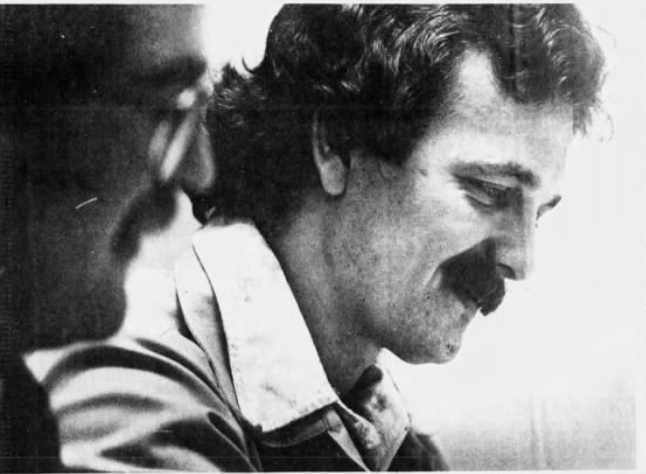
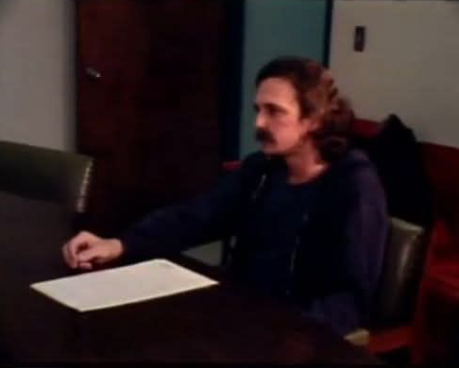
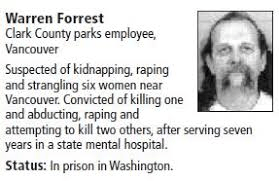
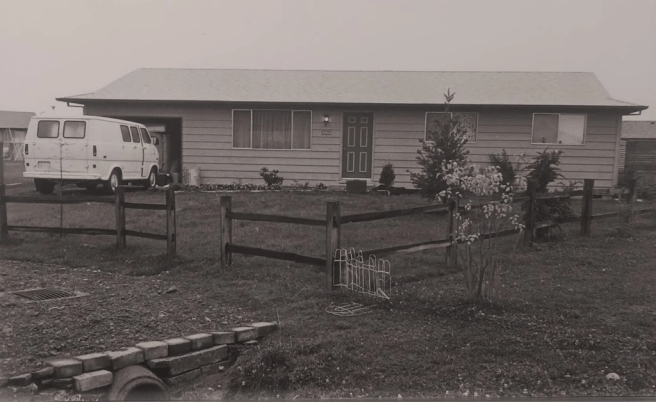
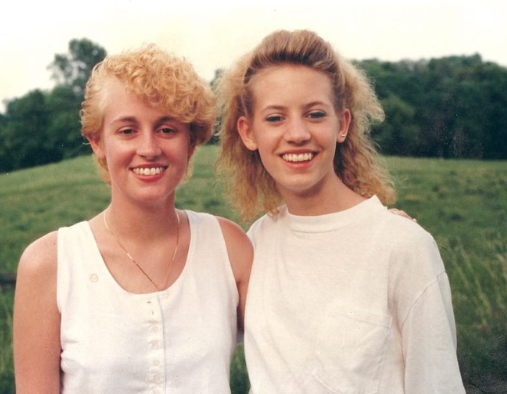
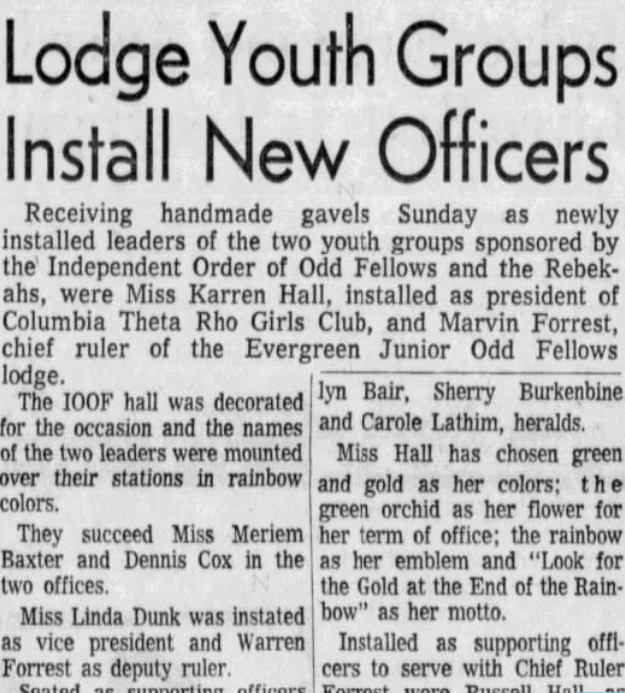
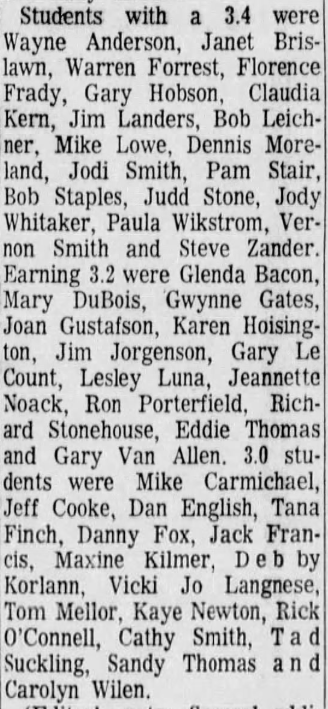
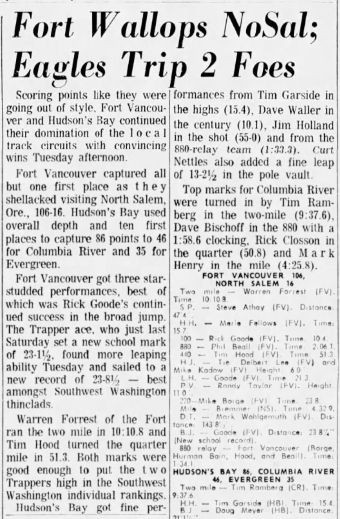
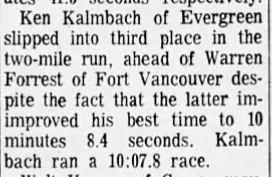
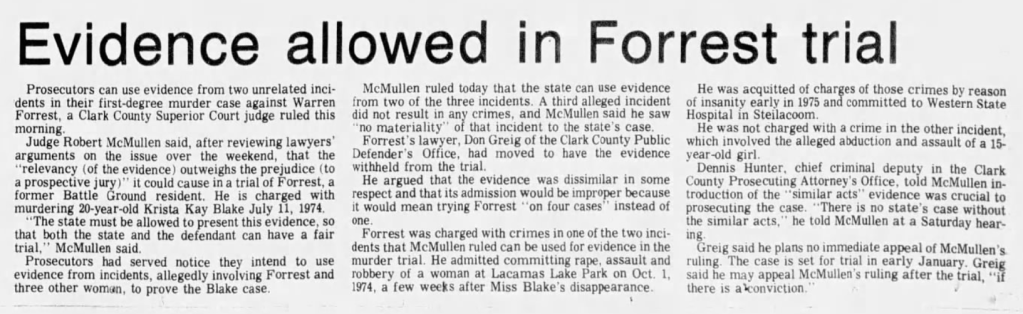
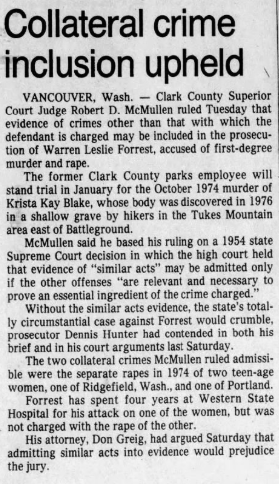
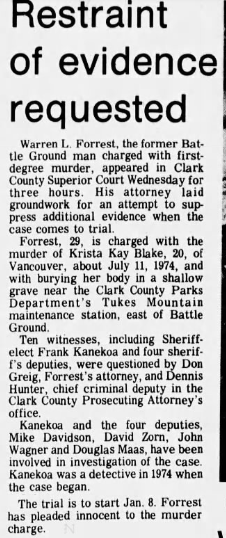
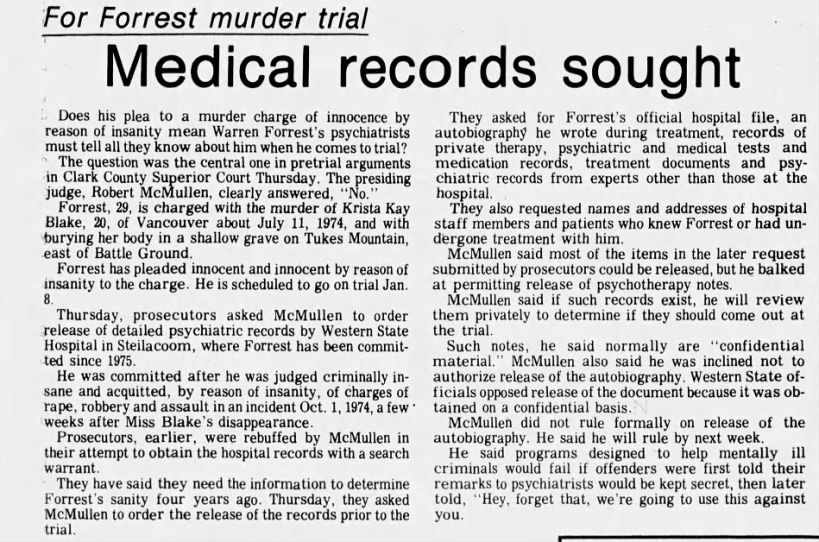
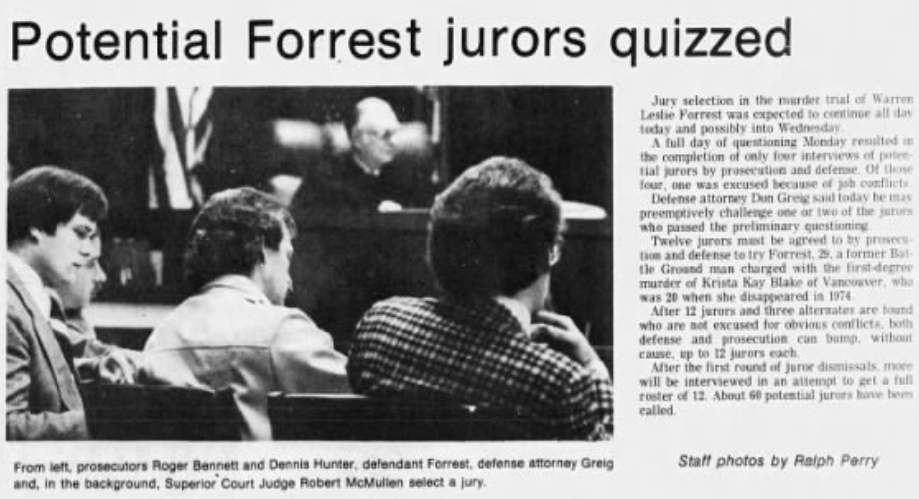
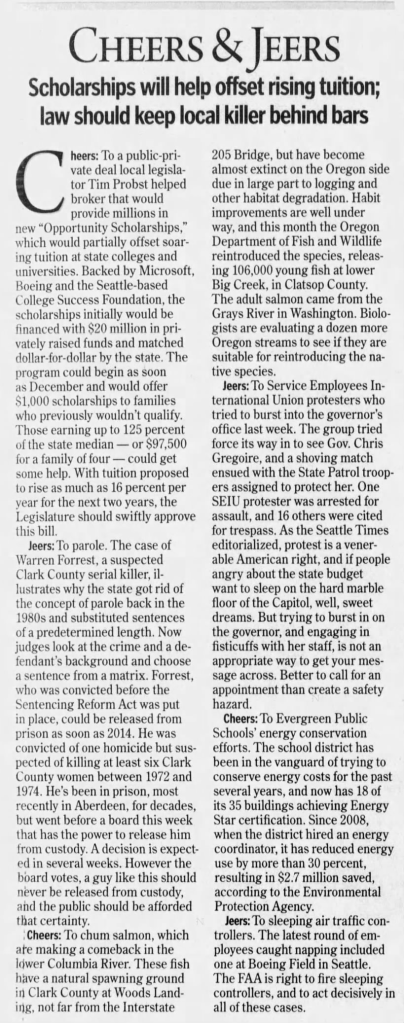
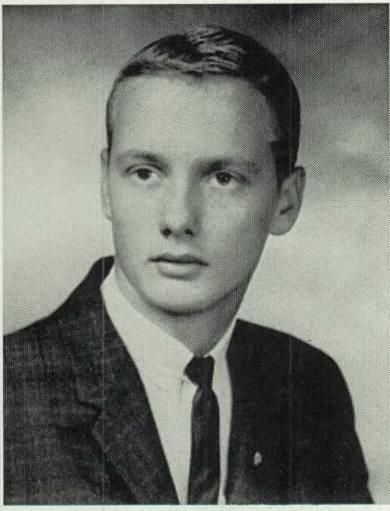
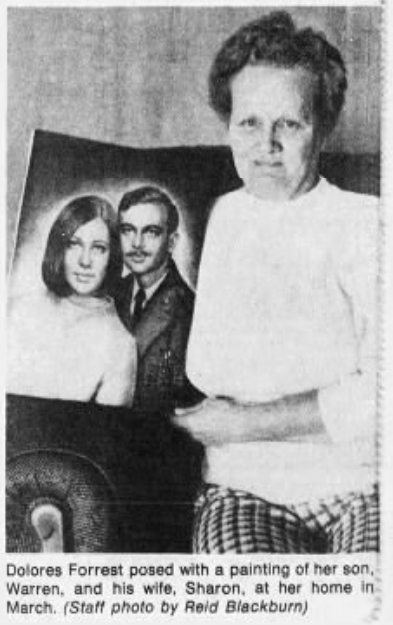
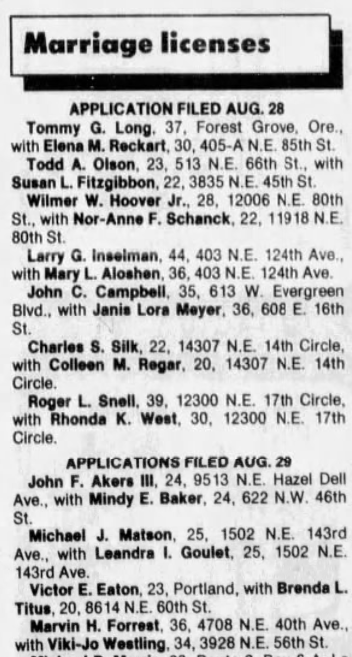
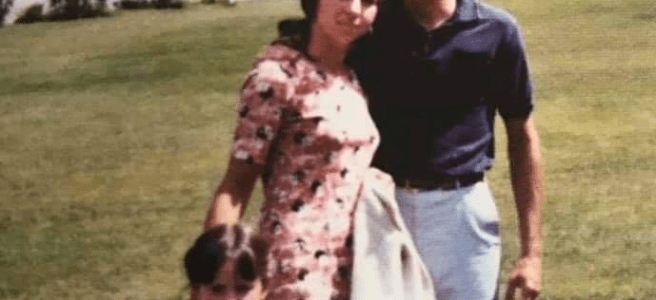
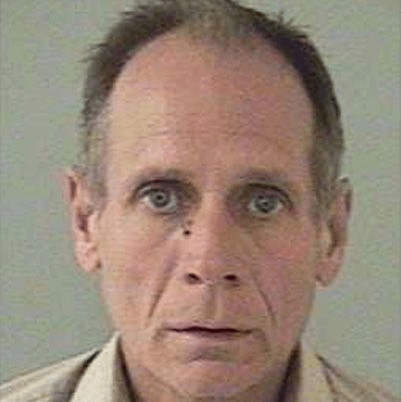
Warren Leslie Forrest in a group photo for track taken from the 1965 Fort Vancouver High School yearbook.Warren Leslie Forrest from the 1965 Fort Vancouver High School yearbook.Warren Leslie Forrest posing as captain of the track team from the 1967 Fort Vancouver High School yearbook.Warren Leslie Forrest from the 1966 Fort Vancouver High School yearbook.Warren Leslie Forrest in a group photo for cross country from the 1966 Fort Vancouver High School yearbook.Warren Leslie Forrest (middle row, right) in a group photo for cross country from the 1966 Fort Vancouver High School yearbook.Warren Leslie Forrest’s senior year picture from the 1967 Ft. Vancouver High School yearbook.Warren Leslie Forrest’s senior year activities listed in the 1967 Ft. Vancouver High School yearbook.Warren Leslie Forrest (bottom row, far left) in a group picture for track from the 1967 Fort Vancouver High School yearbook.Warren Leslie Forrest (top row, far right) in a group picture for track from the 1967 Fort Vancouver High School yearbook.Warren and Sharon on their wedding day.The best screenshot I was able to get of this particular picture of Warren and Sharon.A picture of Warren with one of his children, photo courtesy of Leslie Forrest.Warren Forrest with his wife and kids taken at the Western State Penitentiary at Christmas 1975, photo courtesy of Leslie Forrest.One of Forrest’s mug shots.Another one of Forrest’s mug shots.Another one of Forrest’s mug shots.A line up with Warren Forrest (he is the third from the left). Photo courtesy of the Clark County Sheriff’s Department/KSL Podcasts.Forrest sitting in court with one of his attorneys.Warren Leslie Forrest.Some details about Forrest along with another picture of him.An older WLF.Warren Leslie Forrest.Warren Forrest.Warren Leslie Forrest on a Zoom call during his trial for Martha Morrison.Warren Leslie Forrest’s military record, courtesy of Starr Grisim.The residence of WLF. Photo courtesy of the Clark County Sheriff’s Department/KSL Podcasts.Forrest’s blue 1973 Ford van. Photo courtesy of the Clark County Sheriff’s Department/KSL Podcasts.Some evidence from Warren Leslie Forrest’s van in vacuum sealed bags. Photo courtesy of the Clark County Sheriff’s Department/KSL Podcasts.Investigators identify a blood stain on the handle of Warren Forrest’s dart gun. Photo courtesy of the Clark County Sheriff’s Department/KSL Podcasts.An older model .177 caliber dart pistol.The Forrest family from the 1950 census.Warren Leslie Forrest and Sharon Ann Hart’s affidavit of applicant for a marriage license that was filed on August 11, 1969.Warren Leslie Forrest and Sharon Hart’s marriage certificate that was filed on August 20, 1969.Warren Leslie Forrest’s confirmed and suspected victims.Jamie Grisim.Barbara Ann Derry.The Grist Mill where the body of a young woman was found. Photo courtesy of the Clark County Sheriff’s Department/KSL Podcasts.The inside of the Grist Mill, where Barbara Derry was found. Photo courtesy of the Clark County Sheriff’s Department/KSL Podcasts.Barbara Derry’s obituary.Diane Sue Gilcrist.Gloria Nadine Knutson.Norma Jean Countryman, one of Forrest’s surviving victims.Norma, after her assault.Norma in the weeks after her attack. Photo courtesy of the Clark County Sheriff’s Department/KSL Podcasts.An artists depiction of Norma Countryman hogtied by Warren Forrest, drawing courtesy of the Clark County Sheriff’s Office.An artists depiction of Norma Countryman hogtied by Warren Forrest, drawing courtesy of the Clark County Sheriff’s Office.Krista Kay Blake (left) and her sister.Police evidence negative of Krista Blake skeletal remains. Photo courtesy of the Clark County Sheriff’s Department/KSL Podcasts.Where Krista Kay Blake was last seen compared to where Warren Leslie Forrest lived at the time he killed her; I also included where Lewisville Regional Park was as well, which is where some eyewitnesses said they saw Blake and Forrest together before she was murdered.Carol Valenzuela.Martha Morrison.A section of forest in Dole Valley where the bodies of Carol Valenzuela and Martha Morrison were discovered. Photo courtesy of the Clark County Sheriff’s Department/KSL Podcasts.The skull of Martha Morrison. Photo courtesy of the Clark County Sheriff’s Department/KSL Podcasts.An article about the trial of Warren Forrest that mentions his other surviving victim that was published in The Columbian on April 13, 1979.Some human remains discovered in the vicinity of Western State Mental Hospital. Photo courtesy of the Clark County Sheriff’s Department/KSL Podcasts.Karen Wiles.Rita Jolly, who vanished out of her West Linn neighborhood on June 29, 1973.Vicki Lynn Hollar, who disappeared on August 20, 1973 after leaving work at The Bon Marche in Eugene, OR.Sue Seay-Justis, who disappeared in Portland on November 5, 1973.Warren Forrest and Sharon Hart’s ‘Certificate of Dissolution or Declaration of Invalidity of Marriage’ dated July 23, 1980.A newspaper clipping announcing that Warren Leslie Forrest won a ‘wolf badge’ that was published in The Columbian on January 30, 1958.Warren Leslie Forrest is mentioned in an article about advancing in the boy scouts that was published in The Columbian on December 16, 1960.An article about two new youth groups being formed in Vancouver, WA that mentions Warren Leslie Forrest that was published in The Columbian on January 4, 1963.An article about two new youth groups being formed in Vancouver that mentions Warren Leslie Forrest that was published in The Columbian on January 14, 1964.A list of students with high GPA’s that includes Warren Leslie Forrest that was published in The Columbian on April 22, 1965.An article about athletes at Fort Vancouver High School that mentions Warren Leslie Forrest that was published in The Columbian on April 20, 1966.Warren Leslie Forrest’s name mentioned in an article about cross country at Fort Vancouver High School that was published in The Columbian on May 5, 1966.A newspaper clipping about a car accident Warren Leslie Forrest got into during his adolescence that was published in The Columbian on May 27, 1966.Forrest is mentioned as the captain of the baseball team from Fort Vancouver High School published in The Columbian on June 3, 1966.Warren Forrest in a list of top athletes at Fort Vancouver High School that was published in The Columbian on March 24, 1967.Forrest is mentioned in a list of graduates from Fort Vancouver High School published in The Columbian on June 2, 1967.A newspaper article about the car accident Warren Leslie Forrest got into in May 1966 that was published in The Columbian on September 21, 1967.Warren Leslie Forrest’s name is listed amongst those that enlisted in the US Army in October 1967 that was published in The Columbian on October 18, 1967.A newspaper article about Warren Leslie Forrest being assigned to the Homestead Air Force Base in Florida during his time in the US Army that was published in The Columbian on March 20, 1968.A newspaper article about the upcoming nuptials of Warren Leslie Forrest and Sharon Ann Hart that was published in The Columbian on December 26, 1968.Warren Leslie Forrest and Sharon Ann Hart are included in a list of people that applied for marriage licenses that was published in The Columbian on August 13, 1969.A newspaper clipping about Warren Leslie Forrest and his new bride Sharon relocating to Texas published in The Columbian on August 27, 1969.Warren Leslie Forrest is included in a list of military related accomplishments (he successfully completed Airborne Jump School at Fort Benning, GA) published in The Columbian on July 7, 1970. The birth announcement of Warren and Sharon’s first child that was published in The Columbian on September 8, 1971.The birth announcement of Warren and Sharon’s second child that was published in The Columbian on April 26, 1974.An article about Warren Leslie Forrest being arrested for a stabbing that was published in The Columbian on October 2, 1974.A quick blurb mentioning Warren Leslie Forrest being arrested by the Clark County Sheriff’s Department that was published in The Columbian on October 3, 1974.An article about a rape arraignment of Warren Leslie Forrest in Clark County, WA that was published in The Columbian on October 3, 1974.An article about a rape arraignment of Warren Leslie Forrest in Clark County, WA that was published in The Columbian on October 4, 1974.WLF listed in court cases being held in Clark County Superior Court that was published in The Columbian on October 10, 1974.A newspaper article about Warren Forrest entering a not-guilty plea that was published in The Columbian on October 10, 1974.An article about Warren Leslie Forrest asking for a conditional release from custody at Western State Hospital that was published in The Columbian on July 25, 1978.An article about Warren Leslie Forrest being charged in a four year old murder case that was published in The Columbian on October 20, 1978.An article about Warren Leslie Forrest being charged for the murder of Krista Kay Blake that was published in The Oregonian on October 21, 1978.The initial blurb in a newspaper about an article about Warren L. Forrest published in The Columbian on October 25, 1978.An article about four judges being disqualified from presiding over the trial of Warren Leslie Forrest that was published in The Columbian on October 25, 1978.An article about Warren Leslie Forrest using an insanity plea during his second trial that was published in The Oregonian on October 25, 1978.An article about pre-trial hearings for Warren Leslie Forrest in relation to the murder of Krista Blake that was published in The Oregon Journal on November 15, 1978.An article about a ruling in documents related to the trial of Warren Leslie Forrest for the murder of Krista Blake that was published in The Oregonian on November 17, 1978.An article about the trial of Warren Leslie Forrest that was published in The Columbian on November 17, 1978.A newspaper article about a ruling in the Warren Forrest trial that was published in The Columbian on December 3, 1978.A newspaper article about a ruling in the Warren Forrest trial that was published in The Columbian on December 5, 1978.A newspaper article the trial of Warren Forrest trial that was published in he Oregonian on December 6, 1978.A newspaper article about the trial of Warren Leslie Forrest that was published in The Columbian on December 21, 1978. A newspaper article about the trial of Warren Leslie Forrest that was published in The Columbian on December 22, 1978.A newspaper article about potential jurors for the trial of Warren Leslie Forrest that was published in The Columbian on January 16, 1979.An article about evidence being lost in the Warren Leslie Forrest trial published in The Columbian on January 30, 1979.An article about evidence being lost in the Warren Leslie Forrest trial published in The Columbian on February 2, 1979.An article about the trial of Warren Leslie Forrest published in The Columbian on February 7, 1979.An article about the trial of Warren Leslie Forrest for the murder of Krista Kay Blake that was published in The Columbian on April 6, 1979.An article about the trial of Warren Leslie Forrest published in The Columbian on April 13, 1979.Forrest is mentioned in the front page of The Columbian on April 19, 1979.An article about Warren Leslie Forrest’s mother giving him an alibi that was published in The Columbian on April 19, 1979.An article announcing Warren Leslie Forrest got life in prison for the murder of Krista Kay Blake that was published in The Columbian on April 26, 1979.Warren Forrest mentioned in ‘year in review (of 1979)’ that was published in The Columbian on January 1, 1980.Part one of a newspaper article about the disappearance of Jamie Grisim that mentions Warren Leslie Forest that was published in The Sunday Oregonian on June 16, 2002.Part two of a newspaper article about the disappearance of Jamie Grisim that mentions Warren Leslie Forest that was published in The Sunday Oregonian on June 16, 2002.Part one of a newspaper article about the disappearance of Jamie Grisim that mentions Warren Leslie Forest that was published in The Columbian on February 11, 2006.Part two of a newspaper article about the disappearance of Jamie Grisim that mentions Warren Leslie Forest that was published in The Columbian on February 11, 2006.A newspaper article about the possible skull of Jamie Grisim that mentions Warren Leslie Forest that was published in The Columbian on February 11, 2006. What was on the front of the newspaper that mentioned Warren Leslie Forrest that was published in The Columbian on April 12, 2011.Part one of a newspaper article about Warren Leslie Forrest being up for parole that was published in The Columbian on April 12, 2011.Part two of a newspaper article about Warren Leslie Forrest being up for parole that was published in The Columbian on April 12, 2011.A newspaper article about Warren Leslie Forrest being up for parole that was published in The Columbian on April 13, 2011.Warren Leslie Forrest is mentioned in a ‘Cheers and Jeers’ part of The Columbian that was published on April 16, 2011.A newspaper article about parole being denied for Warren Leslie Forest that was published in The Columbian on April 27, 2011.A newspaper article about a vigil for one of Warren Leslie Forests victims (Jamie Grisim) that was published in The Columbian on November 26, 2011.An article about DNA evidence linking Warren Leslie Forrest to two additional murders that was published in The Kitsap Sun on August 25, 2017.An article about Warren Leslie Forrest and the murder of Martha Morrison that was published in The Daily Herald on January 2, 2020.An article about Warren Leslie Forrest and the murder of Martha Morrison that was published in The Spokesman-Review on January 2, 2020.An article about Warren Forrest appearing in court for the murder of Martha Morrison that was published in The Longview Daily News on January 7, 2020.An article about Warren Forrest pleading not guilty for the murder of Martha Morrison that was published in The Spokesman-Review on February 8, 2020.Part one of an article about Warren Forrest being found guilty for the murder of Martha Morrison that was published in The Oregonian on February 2, 2023.Part two of an article about Warren Forrest being found guilty for the murder of Martha Morrison that was published in The Oregonian on February 2, 2023.An article about Warren Forrest being found guilty for the murder of Martha Morrison that was published in The Daily Herald on February 3, 2023.An article about some of the murders that Warren Leslie Forrest’s was never charged for that was published in The Longview Daily News on December 10, 2024.
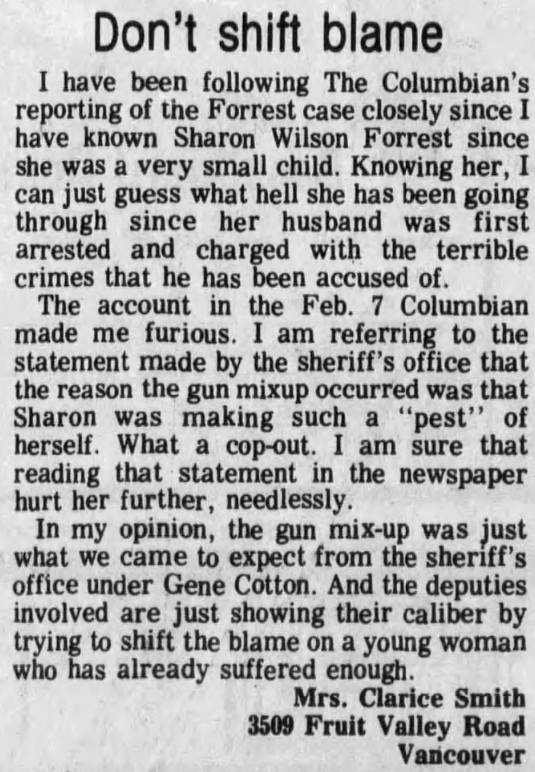
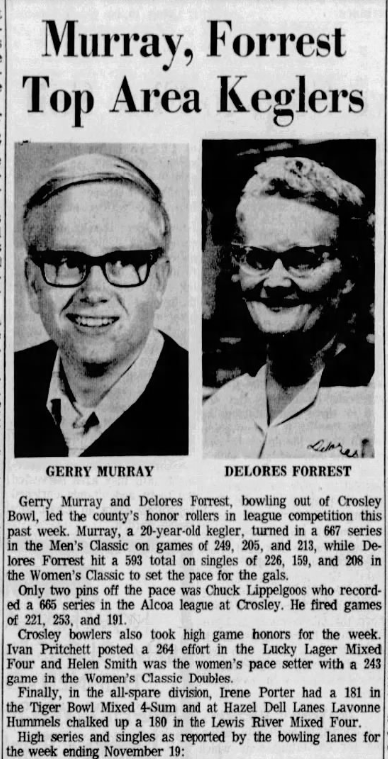
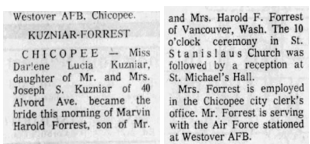
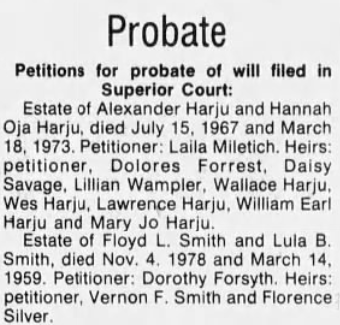
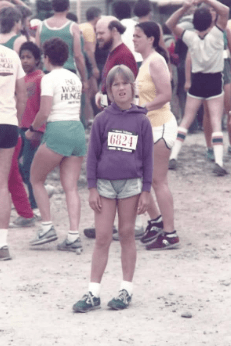
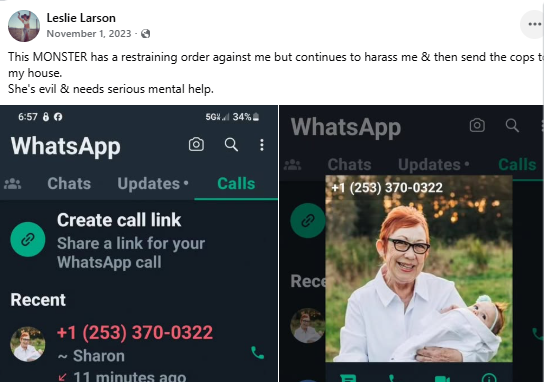
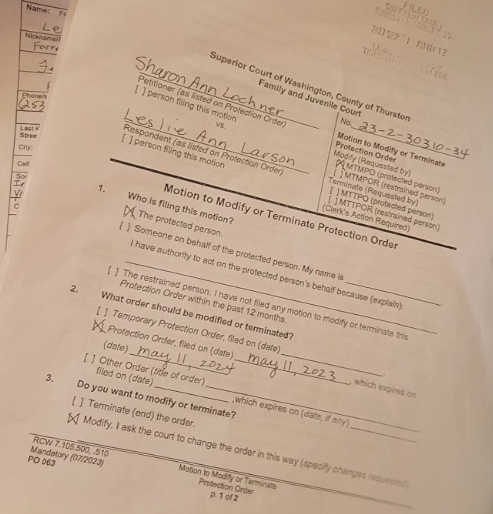
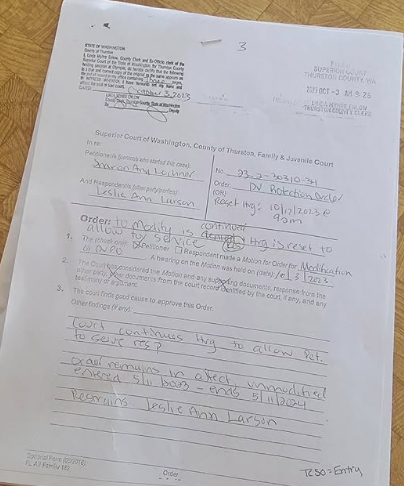
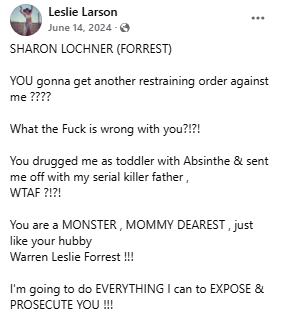
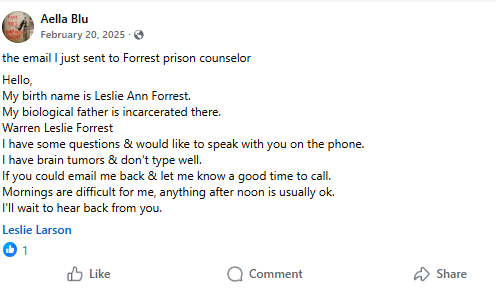
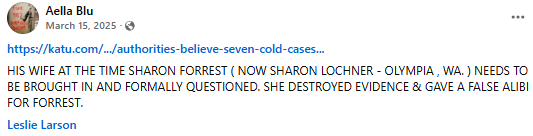
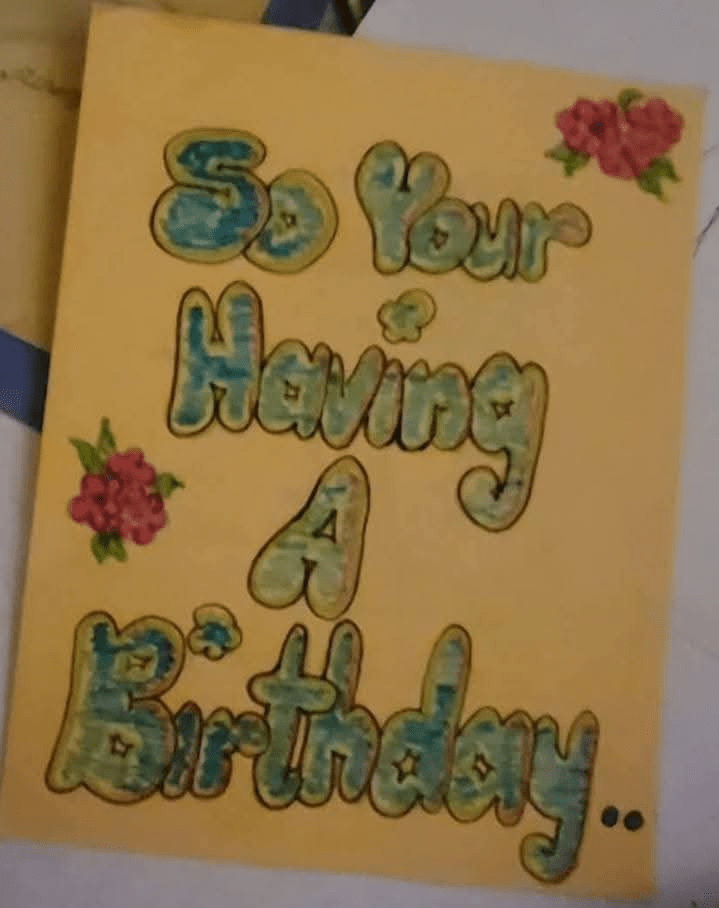
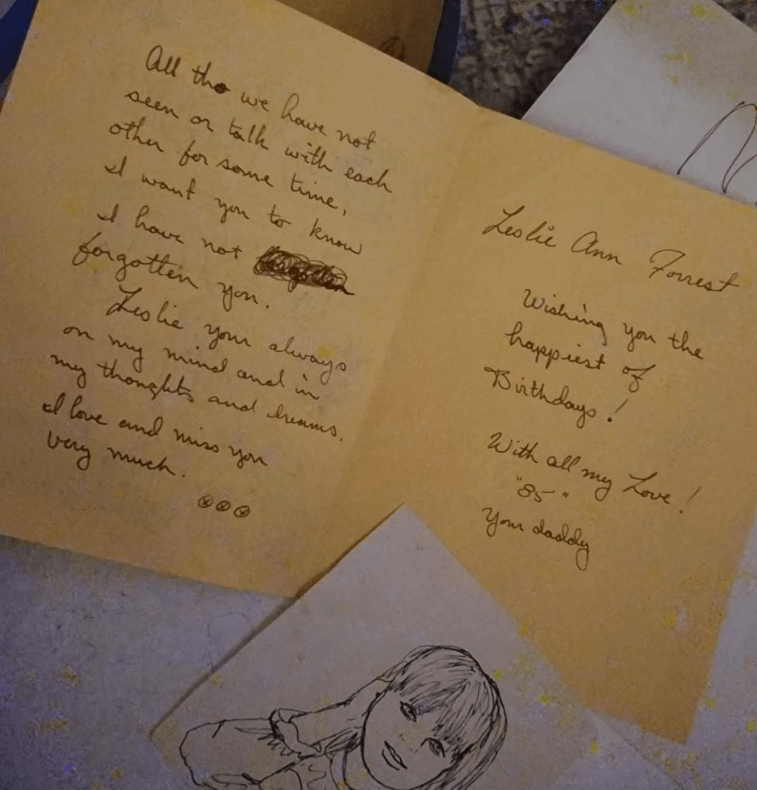
A Reddit comment made on a post about Warren Leslie Forrest.Sharon as a baby.A young Sharon Ann Hart.Sharon sitting with her younger sister.Sharon (far left) with some friends.Sharon Hart.Sharon Ann Wilson’s junior year picture from the 1966 Ft. Vancouver High School yearbook.Even though it was listed in multiple places that Sharon ‘Hart’ went to Ft Vancouver High School and graduated along with Warren in 1967, I could find no evidence of it… until I saw on Leslie’s FB page she went by a different maiden name than the one typically given (Hart). I went person by person until I found her: Sharon Ann Wilson.Sharon Ann Wilson’s senior year activities listed in the 1967 Ft. Vancouver High School yearbook. Sharon Ann Wilson in a group picture for the Future Homemakers of America from the 1967 Ft. Vancouver High School yearbook.Sharon Hart.Sharon in what is (I’m guessing) is her former husband’s Army hat; photo courtesy of her very PUBLIC Facebook page (I don’t want anyone thinking I somehow have connections to inappropriate pictures of WLF’s ex-wife).Sharon.Sharon.Sharon holding her and Warrens first child, Lane.Sharon with her two children and their family dog.Sharon and Leslie.Sharon Lochner.Sharon standing outside a trailer.Sharon and her second husband, Jim.An opinion piece on Sharon Forrest in relation to her husbands atrocities published in The Columbia on February 14, 1979. A picture of Warren Forrest’s second wife Hilda Ruchert published in The Walla Walla Union Bulletin on May 27, 1977.Warren Forrest’s second wife Hilda in a list of people who filed for bankruptcy published in The Spokesman-Review on May 8, 1981.An advertisement for the ‘Whitman Grill’ that mentions Warren Forrest’s second wife working as a bartender that was published in The Walla Walla Union Bulletin on July 19, 1968.The only Facebook picture of Hilda Forrest that was posted on her Facebook page, on April 5, 2020.Harold Forrest’s WWII draft card.Harold Forrest’s military card.A newspaper clipping that mentions Harold Forrest published in The Columbian on September 17, 1946.Warren Leslie Forrest and his second wife Hilda Ruchert’s marriage certificate dated June 28, 1983.Warren Leslie Forrest and Hilda Ruchert listed in the marriage index from June 1983.Harold Forrest and Dolores Harju’s marriage affidavit and application to wed dated June 30, 1944.Harold and Dolores Forrest’s Marriage Statistics dated June 30, 1944.Harold Forrest and Dolores Harju’s marriage certificate dated July 3, 1944.An article about Marvin Forrest hitting a little boy with his car published in The Oregon Daily Journal on January 17, 1966.James Allen Forrest.Marvin Harold Forrest.An article about Dolores Forrest wining a bowling contest published in The Columbian on November 21, 1967.The announcement of the wedding of Marvin Forrest and Darlene Kuzniar published in The Republic on January 31, 1970.A newspaper clipping about the estate of WLF’s grandfather that mentions his mother that was published in The Columbian on February 2, 1979.A picture of Dolores Forrest posing with a painting of her son and daughter-in-law that was published in The Columbian on April 19, 1979.James Forrest’s obituary published in The Columbian on November 26, 1980.James Forrest’s obituary published in The Columbian on November 26, 1980.James Forrest’s death certificate from November 24, 1980 (dated December 2, 1980).The announcement of the upcoming marriage of Marvin Forrest and Viki-Jo Westling published in The Columbian on August 31, 1984.A newspaper article announcing the death of Warren Forrest’s dad, Harold published in The Columbian on October 15, 1991.Harold Forrest’s grave site.Harold Forrest listed in the state of Oregon Death Index.A newspaper clipping that mentions Marvin Forrest’s son Todd returning from a six-month deployment to the western Pacific and Persian Gulf that was published in The Columbian on June 10, 1993.The announcement of the upcoming marriage of Marvin Forrest and Diane M. Steigleman published in The Columbian on June 27, 1996 .The announcement of the upcoming marriage of Marvin Forrest and Diane M. Steigleman published in The Columbian on June 27, 1996.Marvin Forrest and Diane Steigleman’s certificate of marriage dated July 23, 1996.Part one of an article about the death of Marvin Forrest published in The Columbian on November 25, 1996.Part two of an article about the death of Marvin Forrest published in The Columbian on November 25, 1996.Marvin Forrest’s obituary published in The Columbian on November 28, 1996.A picture of Marvin Forrest that was published in The Columbian December 8, 1996.A newspaper article about an accident that caused the death of Marvin Forrest published by The Columbian on April 28, 1997.Sharon Hart’s application for marriage from her second marriage to Jim Lochner from November 2011.Sharon Hart’s marriage certificate from her second marriage to Jim Lochner dated November 25, 2011.Leslie Forrest, who was a runner like her father.A picture of Leslie Forrest (right) running in a race.Lane and Monica Forrest.Leslie Forrest.Another (public) Facebook post made by Leslie Forrest about her mother, Sharon Ann Forrest-Lochner.A restraining order I found that on Leslie Forrests (very public) Instagram page taken out against her by her mother.The second page of a restraining order I found that on Leslie Forrests (very public) Instagram page taken out against her by her mother.An Instagram post made by Leslie Forrest saying she was trying to have her mother prosecuted because she was somehow involved in her husbands atrocities.A (public) Facebook post made by Leslie Forrest about her mother, Sharon Ann Forrest-Lochner.Aella Blu is a pseudonym that Leslie Forrest uses on FacebookA Facebook post made by Leslie Forrest. To be fair, in an article published in The Columbian on January 30, 1979, it was reported that evidence that could have been ‘crucial’ to the prosecution of Warren Leslie Forrest was lost in early 1975 due to the Clark County prosecutor and sheriff’s offices deeming the entire case ‘disposed of.’ Amongst the items that disappeared were keys, twine, a knife, adhesive tape, a victims clothing, and ‘vacuum sweepings’ that has been taken from Forrest’s 1973 Ford van. A birthday card from Warren to his daughter, Leslie.The inside of the birthday card Warren sent his daughter, Leslie.
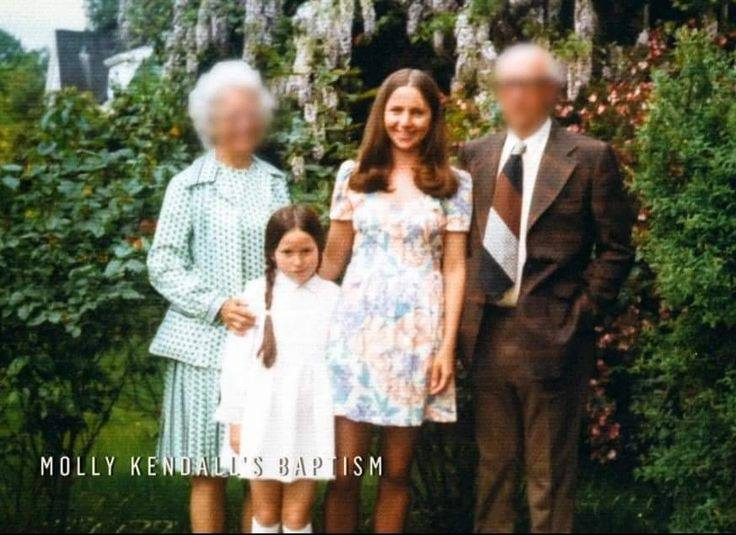
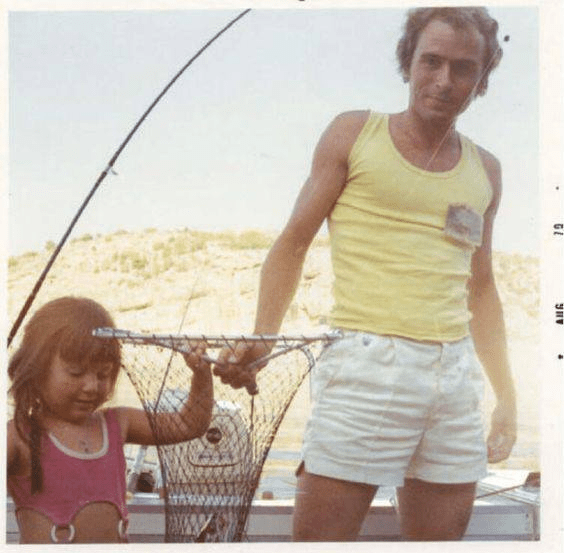
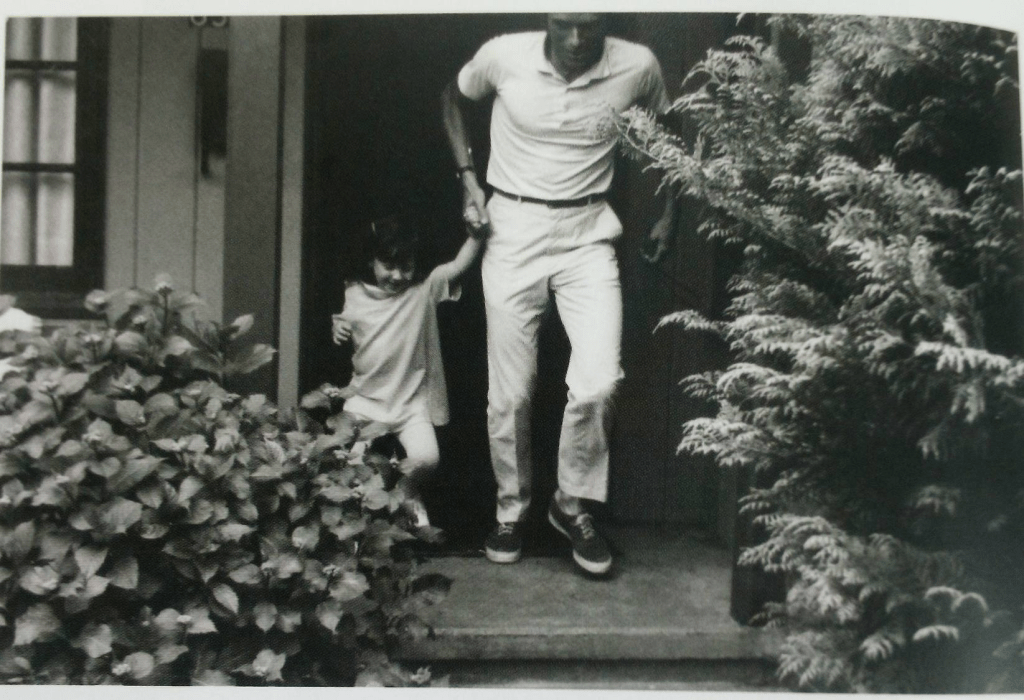
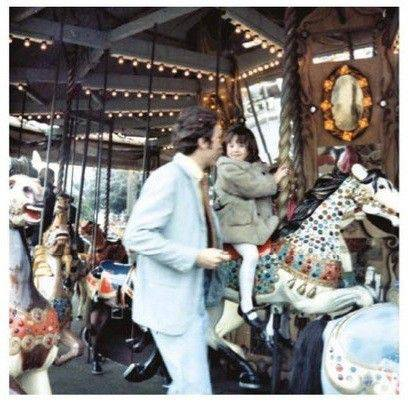
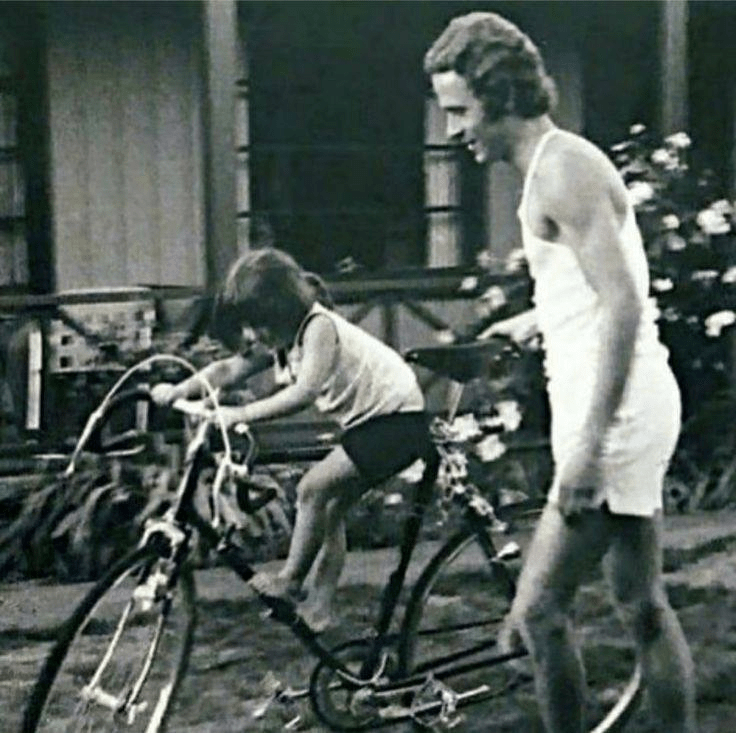
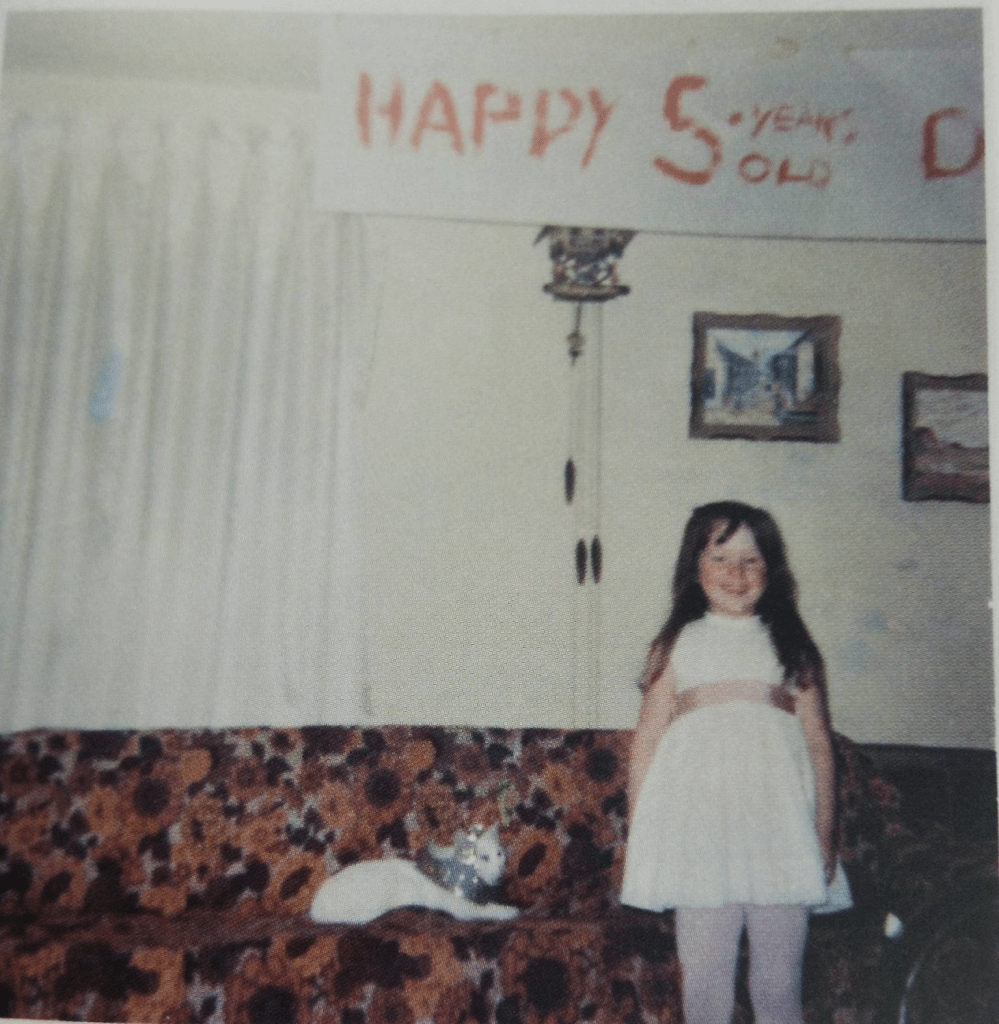
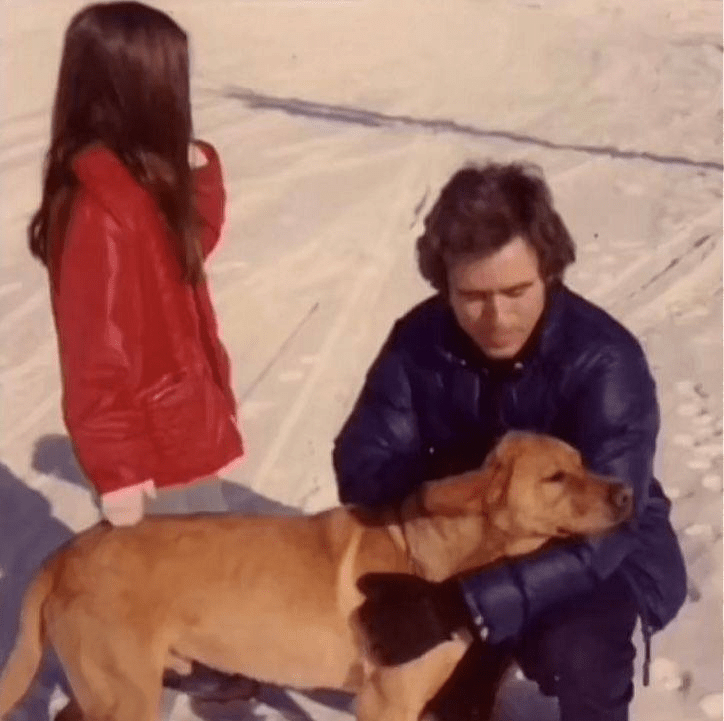
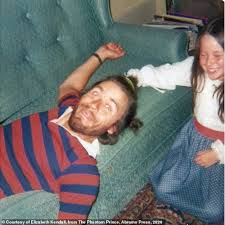
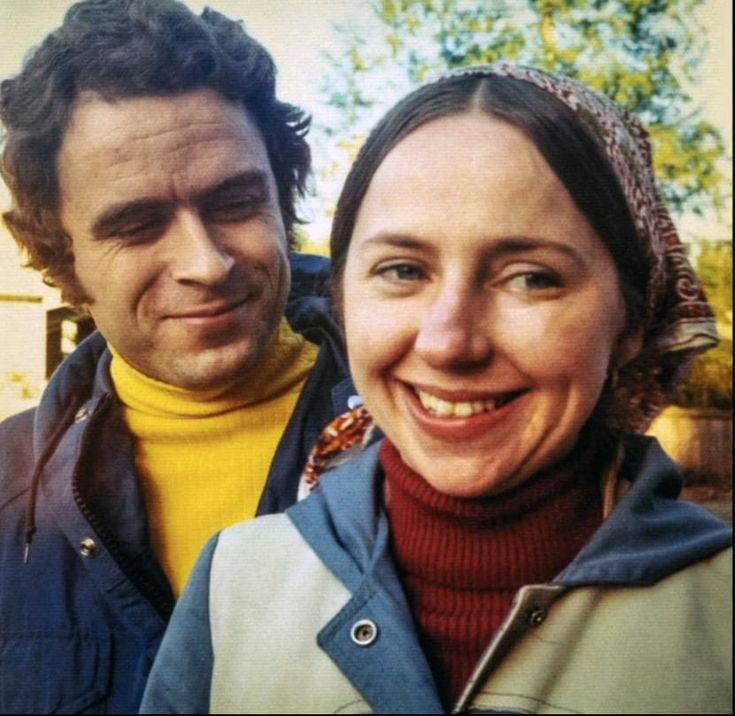
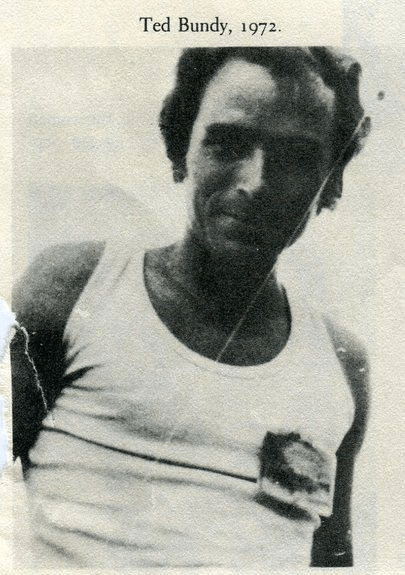
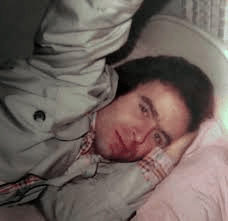
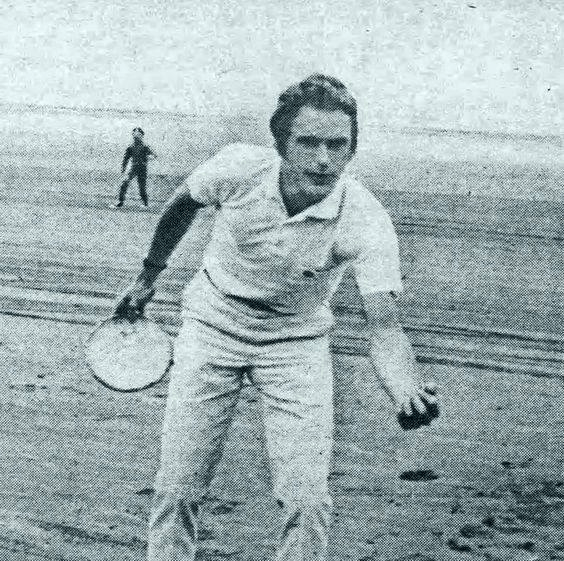
I was able to find a few pictures of Ted, Liz, and Molly these past few days and I wanted to share them here. Ted and Liz had a tumultuous relationship that began in September 1969 and eventually fizzled out after his kidnapping conviction in 1976. Both Liz and Molly are alive as of December 2024 and they reside in Seattle, Washington.
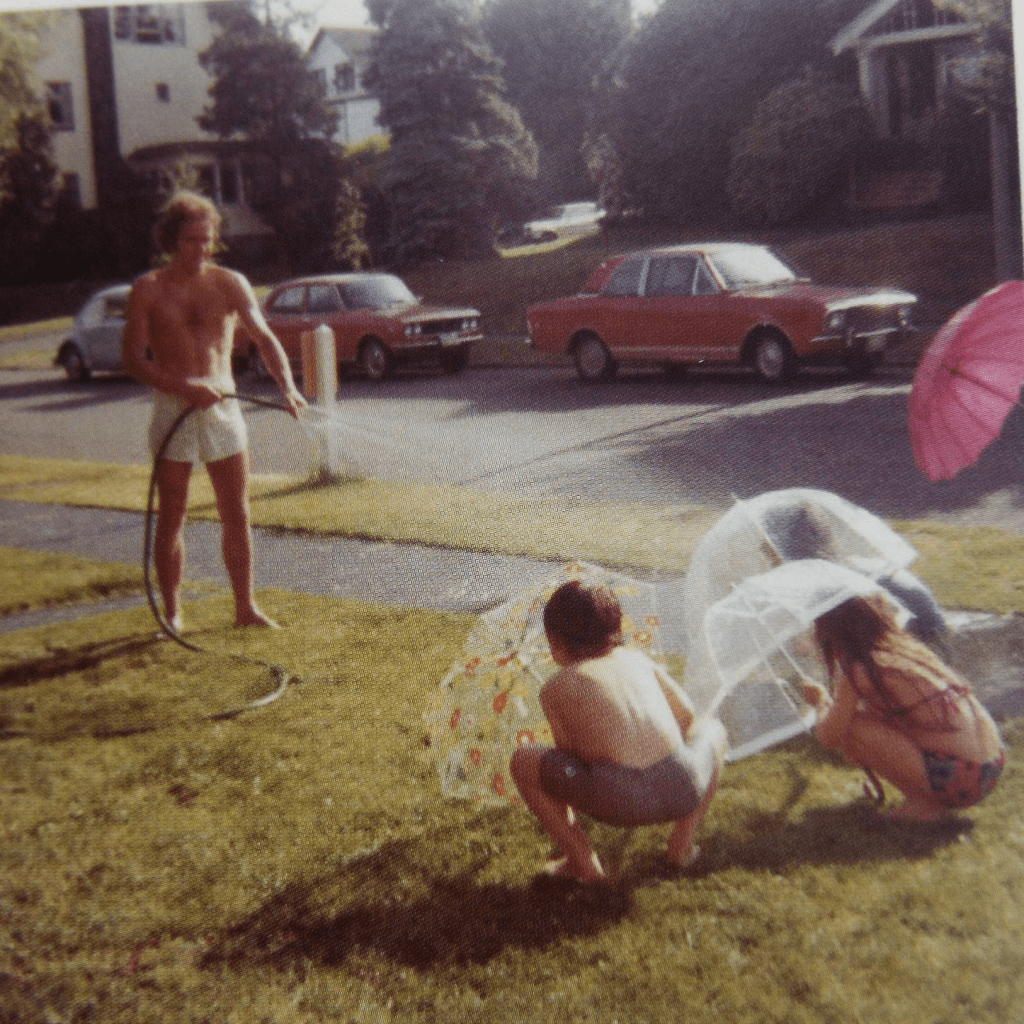
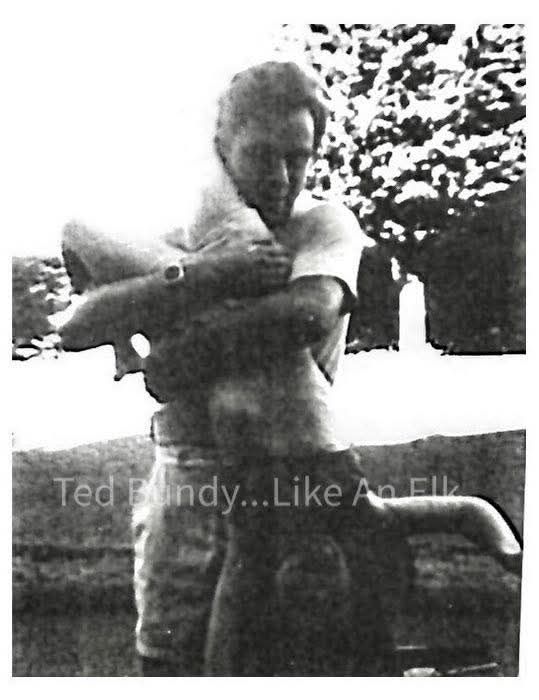
A young Elizabeth.A young Elizabeth Kendall. Liz at her college graduation from the University of Utah, taken in 1968.Liz standing in front of her fireplace in her University District apartment.A picture of Liz taken at he POE, at the University of Washington in Seattle. Liz at work.A young Liz.Liz.Liz and a young Molly.Another shot of Liz and Molly taken outside in the sunshine.Liz and Molly.A picture of Liz and Molly taken at the Pacific Science enter in Seattle, 1970.Liz and Molly at Molly’s baptism. Ted was late because the night before he abducted Brenda Ball.Ted and Molly watching the ‘veg-o-matic man’ at the Washington State Fair in Puyallup, 1970.Ted and Molly fishing for rainbow trout in Flaming Gorge, UT in 1970. Molly playing with the hose with Ted in the background; picture taken in July 1970 in Green Lake, Seattle.Molly and Ted walking out of his parents cabin in Green Lake, Seattle; picture taken in July 1970.Ted and Molly baking cookies at Green Lake in Seattle, 1970.Ted swinging Molly around in Flaming Gorge, UT; picture taken in 1970. The Flaming Gorge is a popular recreation area that spans Utah and Wyoming that features a reservoir, dam, and scenic landscape.Ted and Molly driving a boat.I couldn’t find another copy of this, I don’t know why Molly’s face is covered up and the other childs isn’t.Ted and Molly on a carousel at the Seattle Center, 1970.Ted spraying water on Molly and the neighborhood children.Ted. Photo courtesy of ‘Ted Bundy: I was Trying to Think Like an Elk.’Ted playing with Molly. Photo courtesy of ‘Ted Bundy: I was Trying to Think Like an Elk.’Ted. Photo courtesy of ‘Ted Bundy: I was Trying to Think Like an Elk.’Another picture of Ted. Photo courtesy of ‘Ted Bundy: I was Trying to Think Like an Elk.’Another picture of Ted. Photo courtesy of ‘Ted Bundy: I was Trying to Think Like an Elk.’Ted, Molly, and Liz. Photo courtesy of ‘Ted Bundy: I was Trying to Think Like an Elk.’Photo courtesy of ‘Ted Bundy: I was Trying to Think Like an Elk.’Ted and Molly playing by the water. Photo courtesy of ‘Ted Bundy: I was Trying to Think Like an Elk.’Ted and Molly playing outside.Ted teaching Molly how to ride his bike, picture taken in Green Lake in 1970.Ted teaching Molly how to ride a bike. Another picture of Ted teaching Molly how to ride a bike.Ted and Molly at Christmastime in Ogden in 1970.Another shot of Ted and Molly in Ogden at Christmastime in 1970.Ted and Molly celebrating Christmas at Green Lake in 1970.A picture from Molly’s fifth birthday. Ted made the banner. Taken at Green Lake in Seattle, 1971.Christmas Day in Utah, 1974.Christmas Day in Utah, 1974.Ted and Molly around Christmas in 1974. Picture taken at the Hardware Ranch in Utah.Ted and Molly in their ‘hippie clothes; picture taken in Seattle’s University District in 1975.Ted swinging Molly around in the University DIstrict in 1975.Molly putting barrettes in Teds hair during a visit to Seattle. Taken in June 1975 at Liz’s apartment in the University District. Ted and Molly outside of Liz’s residence in the Universtiy disctict in Seattle, 1975.Ted and Liz on the lake, about to go waterskiiing, picture taken at Flaming Gorge, UT in 1970. Flaming Gorge is a 91-mile-long reservoir created by damming the Green River in 1958, and is known for its sapphire blue water and is a top destination for boating, fishing, and other water activities. Ted, Liz, and Molly visiting family in Ogden, UT. Picture taken in 1970.Ted and Liz at Hood Canal in Washington. Picture taken in 1973.Ted carrying Liz on his back.Liz hugging Ted from the back. Does that sweater look familiar? It was the one he wore during his first escape in 1977.A picture of Ted and Liz; her father is on the other side of her.Liz and Ted sunbathing.Ted and Liz.Ted and Liz in front of a fireplace, picture taken in Ogden, UT in December 1974.Ted and Liz in Flaming Gorge, Utah in 1975. Liz laying on Ted’s waterbed in his room at the Rogers Rooming House in Seattle. Photo courtesy of ‘Ted Bundy: I was Trying to Think Like an Elk.’Liz, Ted, and Molly on a vacation visiting Liz’s family in Ogden, taken in 1970.The trio on horses outside of the Liz’s childhood home in Ogden, UT.Ted tickling Molly, picture taken in December 1974.Ted and Liz on a trip to the zoo with Molly.Ted, Liz, and Molly. Ted and Liz sharing a kiss.Ted and his little brother Richie on a camping trip.Ted sitting in front of Liz’s fireplace.Ted jumping for joy and his first camping trip with Liz; picture taken in 1970 at what would later turn out to be his Issaquah burial site.Ted playing with his hair.Ted waking up from a nap at Green Lake in Seattle, 1971.Ted in 1972.Ted at Hood Canal, WA in 1973. A young Ted wearing a suit.Ted waterskiing.Ted holding a dog.A picture of Ted taken in 1972.Ted taking a nap on Liz’s childhood bed at Christmastime in Utah, 1974.Ted playing Frisbee on the beach.An action shot of Ted playing Frisbee on the beach.Ted in Wyoming on his way to Flaming Gorge, UT.Ted, smoking. Photo courtesy of ‘Ted Bundy: I was Trying to Think Like an Elk.’Molly with her biological dad.A young Molly.A picture of Molly from high school.Molly.Liz Kloepfer.Liz featured in a news special about Bundy.Liz after her relationship with Bundy, taken in the 1980’s.Liz.Liz.Liz Kloepfer.Liz Kloepfer after her relationship with Bundy.Elizabeth Kloepfer. Elizabeth Kloepfer.Liz and Molly in a promotion photo for Amazon’s, ‘Falling for a Killer.’
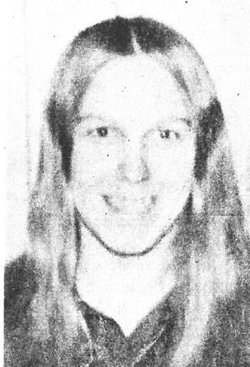
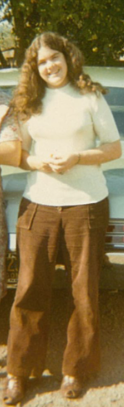
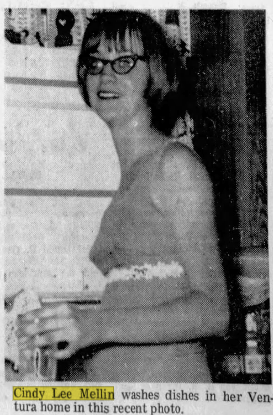
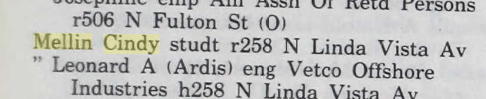
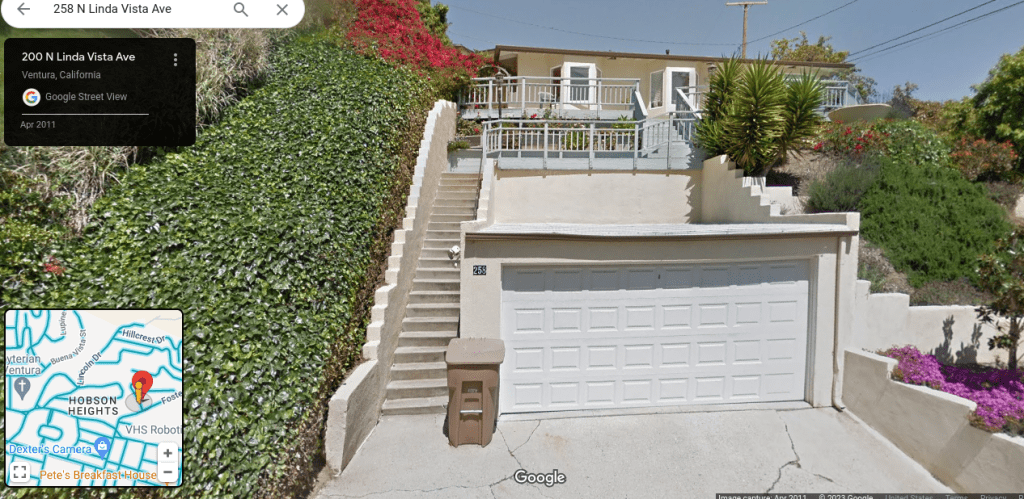
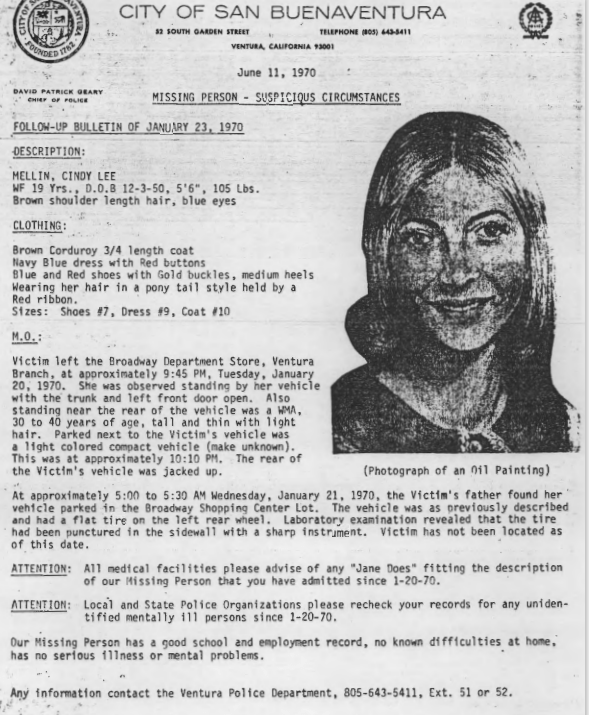
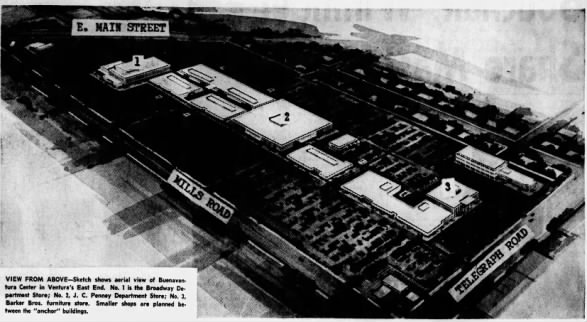
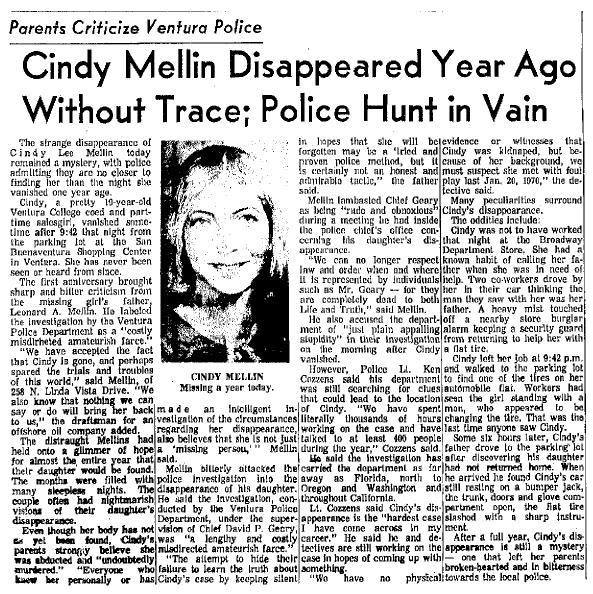
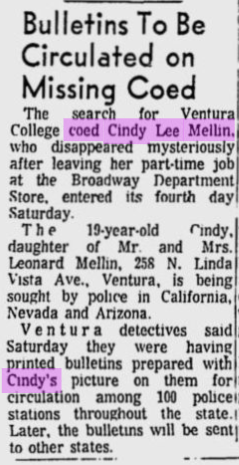
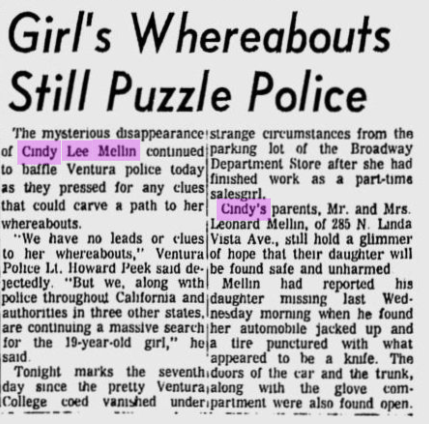
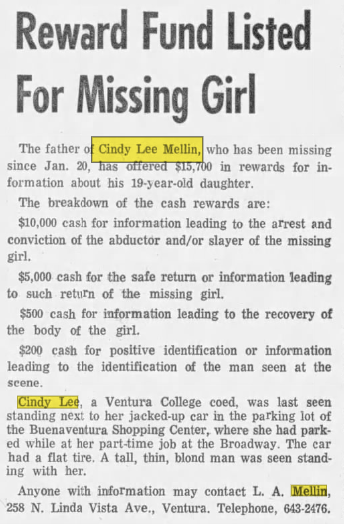
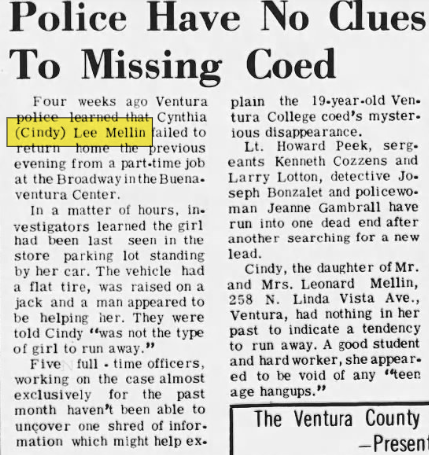
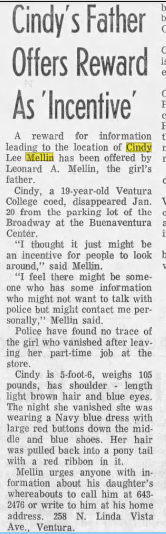
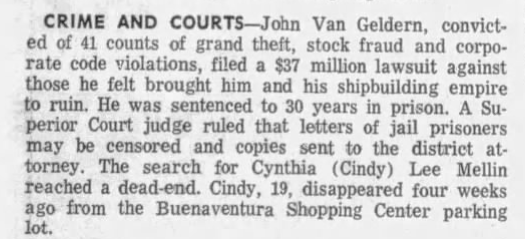
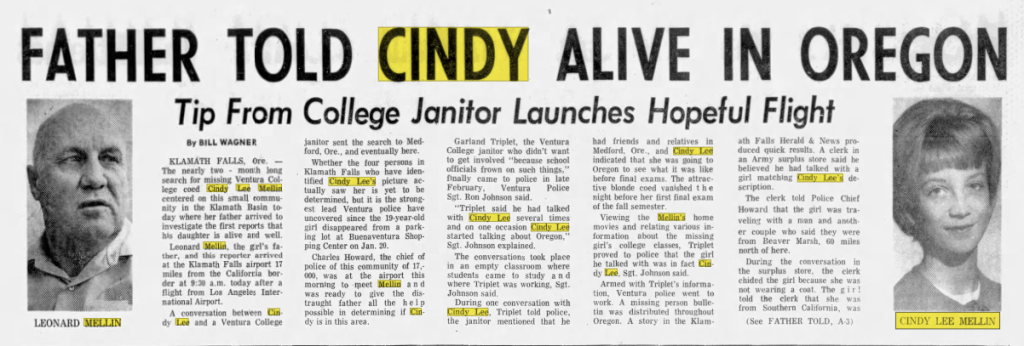
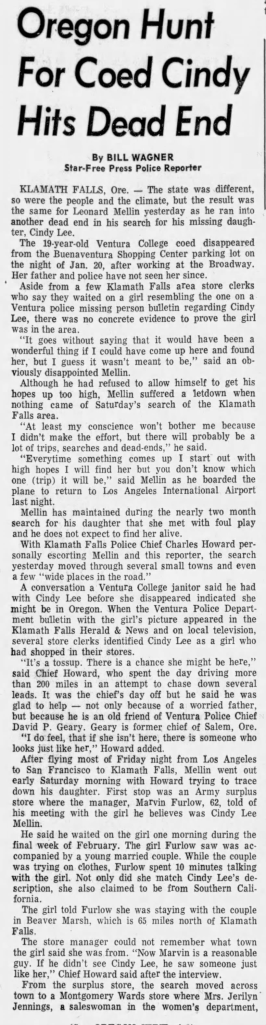
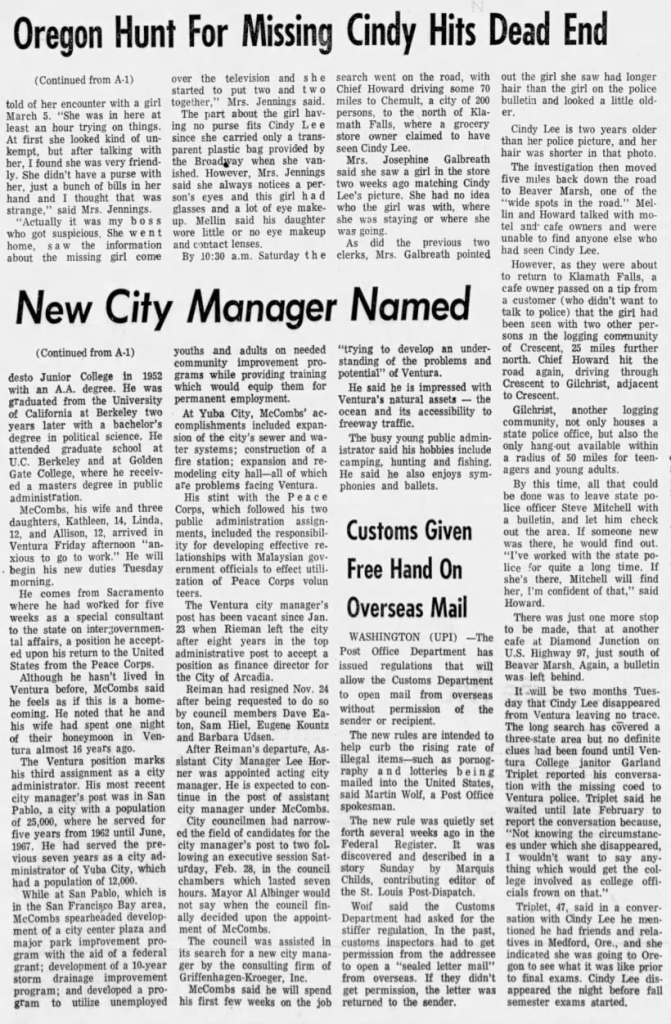
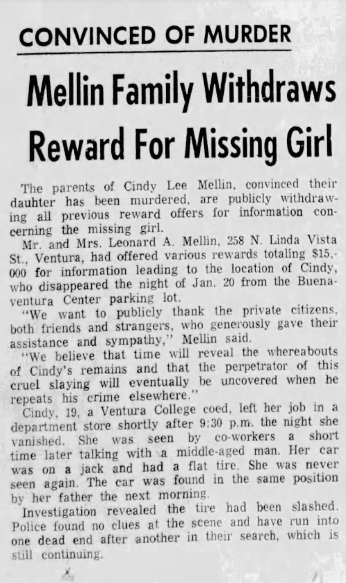
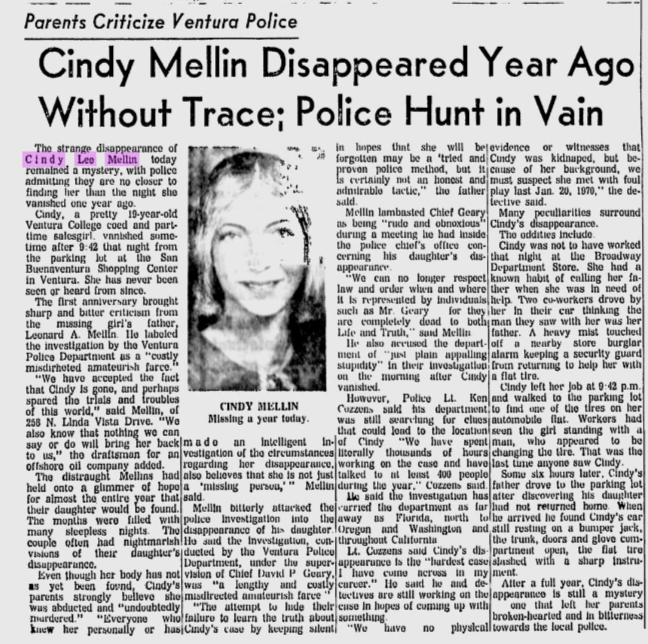
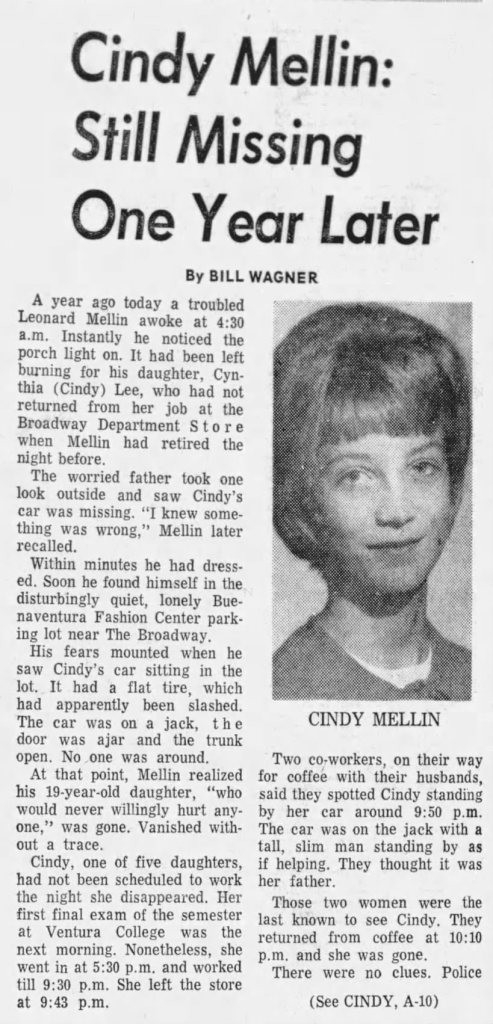
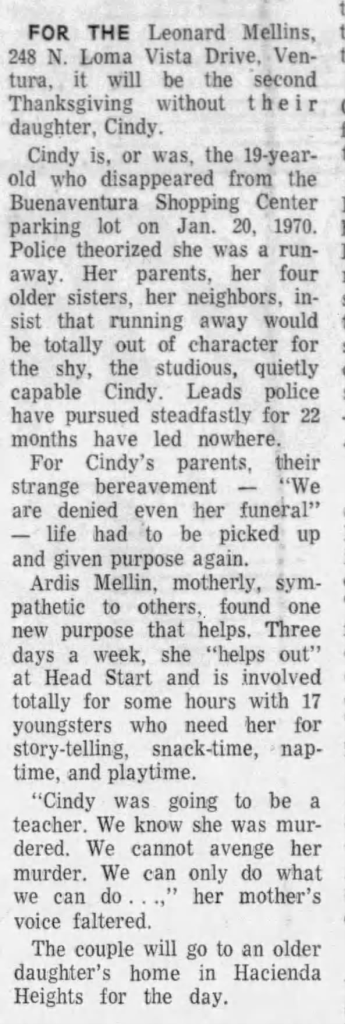
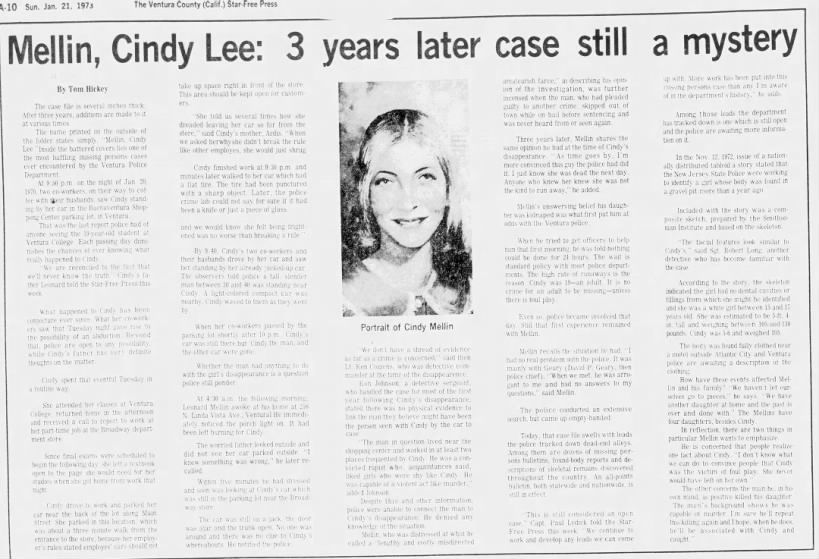
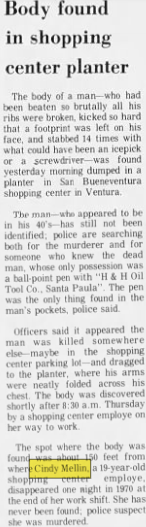
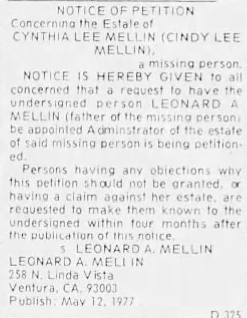
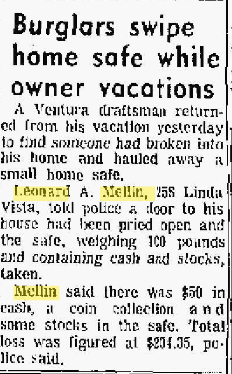
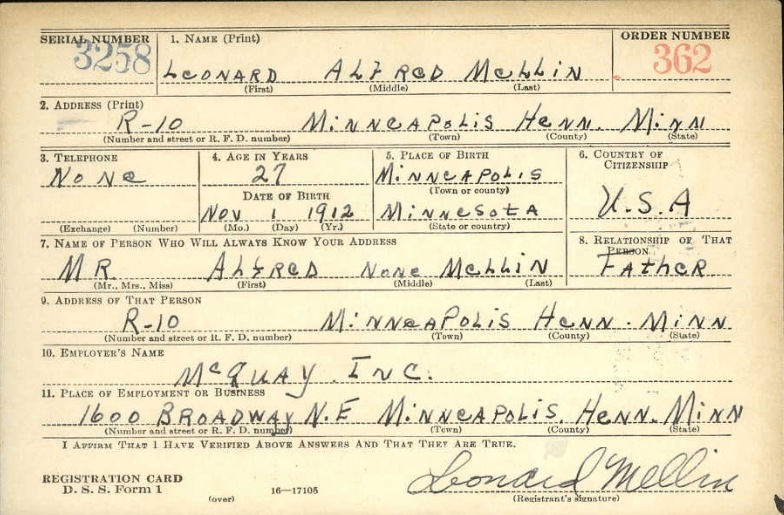
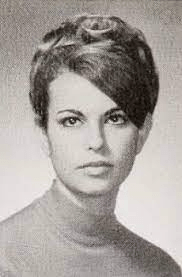
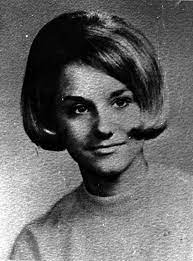
Cynthia ‘Cindy’ Lee Mellin was born on December 3, 1950 to Leonard and Ardis (nee Mauseth) Mellin in Hennepin, Minnesota. Mr. Mellin was born on November 1, 1912 in Minneapolis, Minnesota and Ardis was born on December 15, 1912 in Brooklyn Center, MN. The couple were married in 1934 and had five daughters (Paula, Cindy, Janice Mae, Judith Mae, and Maryann) and eventually settled down in Ventura, California; Mr. Mellin worked as an engineer and draftsman for VETCO Offshore Industries, Inc. After Cindy graduated from Ventura Senior High School in 1968 she went on to attend Ventura College as a full time student majoring in education. Shedreamt of becoming a teacher one day, just like her older sister Judith that lived in Pico Rivera; she was planning on transferring to the University of California at Santa Barbara in 1971. Cindy didn’t smoke, drink, or do drugs, and even though she was described as a shy and reserved girl by most people that knew her, she was well liked by her peers and seemed to get along with everyone. Her family members, friends, coworkers, supervisors, and teachers all said that she was an exceptionally kind person and not at all the kind of young woman that would just up and run off. At the time Cindy disappeared in early 1970 she lived at her parents house located at 258 North Linda Vista Avenue in Ventura and worked as a part time sales clerk at The Broadway Department Store at the Buenaventura Shopping Center. She had blue eyes and light brown, shoulder-length hair that she typically wore tied back in a ponytail; she was approximately 5’6” tall, weighed 105 pounds and wore contact lenses.
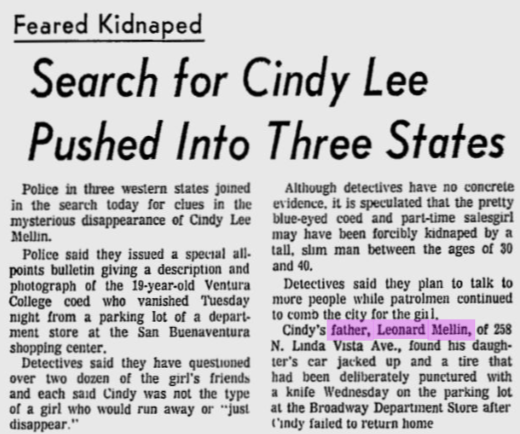
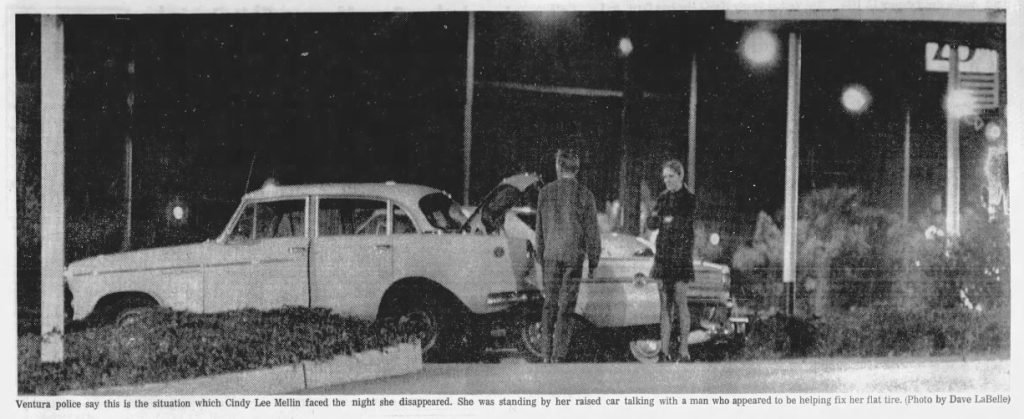
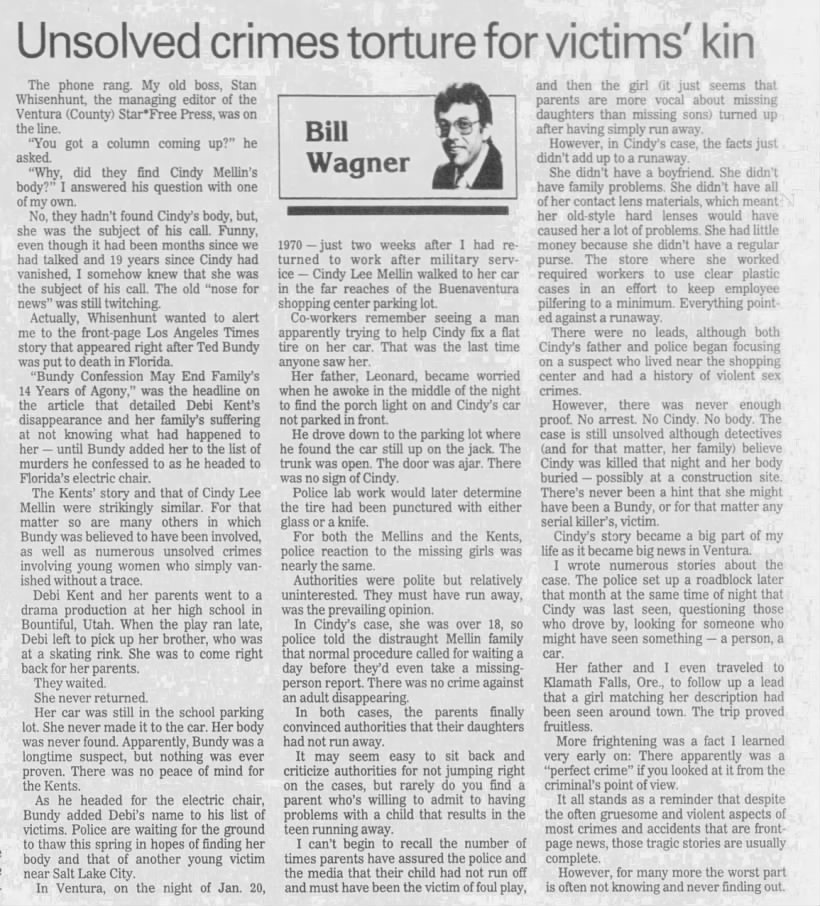
On Tuesday, January 20, 1970, Cynthia Lee Mellin went to class like she did every day, and when she got home in the afternoon received a call from her employer asking if she’d be able to come into work at 5:30 PM. She agreed, and the 19-year-old arrived at her employer without incident; like always, she parked her vehicle in the back part of the parking lot along Main Street. Cindy left work shortly after closing at 9:42 PM and it was then she discovered her left rear tire was flat. She was last seen a few minutes later by two coworkers standing next to her cream blue, 1960 Rambler sedan; thevehicle’s rear bumper was up on a jack and there was an unidentified man there helping her.He drove a small, light-colored car and appeared to be about six feet tall; he was thin in stature, had light-colored hair and appeared to be between 30 and 40 years old. She was last seen wearing a red ribbon in her hair, a navy-blue dress with red buttons going down the front, a brown corduroy three-quarter length coat, medium-heeled blue and red shoes adorned with gold buckles, and a gold ring with a single pearl. The night she disappeared Cindy only had five or six dollars cash on her and didn’t have her purse with her (in an attempt to curb employee theft, The Broadway Department Store didn’t allow their employees to bring in purses or book bags so she had her personal belongings in a clear, plastic bag).
A security guard that was assisting Mellin in changing her tire had to leave and take care of an alarm that was going off thanks to the foggy weather conditions. At around 9:45 PM, two of her coworkers drove past her vehicle and saw her open her trunk, and it was then that a man ‘stepped out of the shadows’ and offered her help. The women had been picked up by their husbands, who also offered to help her with the tire but she waved them away, indicating that everything was fine. After getting a cup of coffee at a nearby restaurant they drove by the parking lot again at around 10:10 PM; this time, it was deserted except for Mellin’s car, which was still up on the jack. They would later tell investigators that they ‘didn’t think anything about it because we thought the man was Cindy’s father and that she was just taken home.’
When she worked the closing shift Cindy usually got home around 9:50 PM, and when she didn’t arrive by eleven her father simply thought she went out for coffee with friends and went to bed. He left the front light on like he always did when one of his girls was still out, and although she was out the night Cindy disappeared Mrs. Mellin said that she ‘never could rest until they were all home.’ The next morning at 4:45, Mr. Mellin woke up and immediately noticed that the porch light was still on and his daughter’s vehicle was not parked in the driveway. It was completely out of character for her to stay out all night, especially since she had a final in her biological sciences class later that morning at 8 AM (which was the first of her scheduled final exams).
Mr. Mellin then went to her bedroom and saw that Cindy’s bed was still made and had not been slept in, meaning she never came home from work the night before. Within minutes he was dressed and out the door. He immediately drove to the Buenaventura Shopping Center to look for her and came across an ominous site: the parking lot was completely empty except for her car, still up on the jack with the flat tire still on; the spare was lying nearby on the ground. He said that his daughter wouldn’t have been able to operate a jack and had no idea how to change a tire. He was always the person that she called when experiencing car problems, and just a week before he had to come to her aid in the same parking lot when her battery died. The vehicle’s glove compartment box, doors, and trunk were all left wide open, and when he examined the flat it seemed to have been deliberately punctured with a knife, and ‘there was a large slit in one side.’ There was no sign of his daughter at the scene, and he immediately notified law enforcement of the situation. Mr. Mellin immediately suspected foul play, and according to him, ‘Cindy would not go away willingly with anyone.’ He also said that she was ‘practically without problems,’ and ‘would never willingly hurt anyone.’ In the early part of the case, Lieutenant Howard Peek of the Ventura PD said that they ‘were drawing no conclusions at this time. They have a few clues, but we are appealing to anyone who might have seen the girl or who might have information concerning her to get in touch with us.’
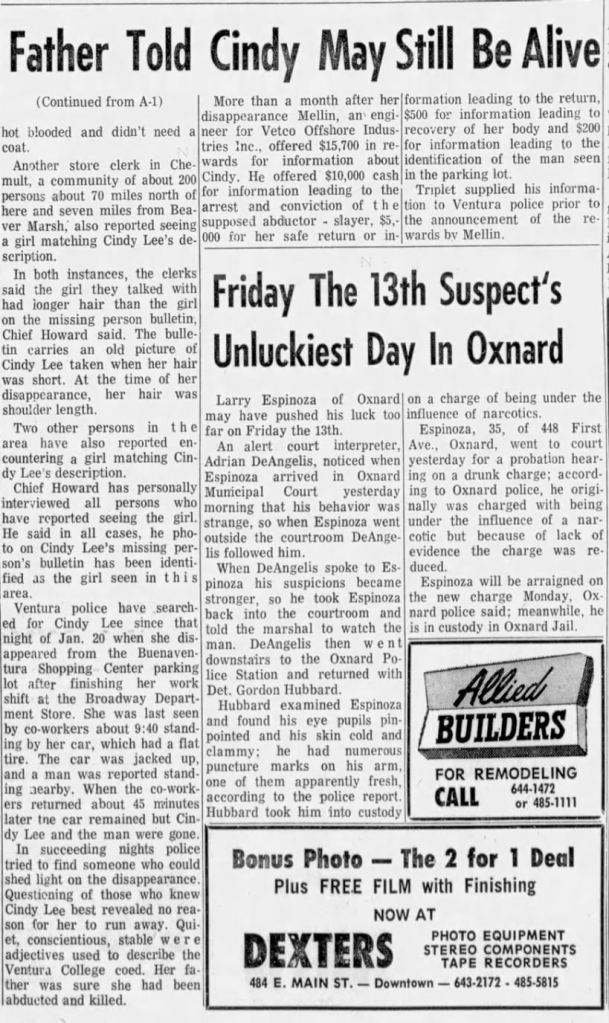
From the early stages of the investigation law enforcement immediately suspected that Cindy was abducted and not a runaway. She wasn’t in a relationship or have any problems with anyone in her life. She had stable employment and was a full-time student. Additionally, when she disappeared Mellin was wearing her contacts, which were the ‘old-school,’ hard contacts that weren’t designed to be worn for extended periods of time. Furthermore, she left all of her cleaning and maintenance materials for them at home. Lieutenant Ken Cozzins of the Ventura Police Department said that the department had ‘no evidence or witnesses that Cindy was kidnapped, but because of her background we must suspect she was met with foul play.’ In the beginning, the Mellin’s held onto a glimmer of hope that she was safe, but as the days ticked by their hopes quickly faded. Mrs. Mellin said that they were ‘just in a state of distress, near the breaking point. We just don’t know what to think. It’s just a blank, similar to a nightmare.’ Leonard Mellin said his daughter has ‘never done anything like this before’ and there ‘has never been any family conflicts.’
According to LE, Mellin had no mental health concerns, financial issues, or problems at home, and had never ran away before. Both of her parents said that she was a better than average student that dated only occasionally, and she never really had a serious boyfriend. Cindy had a busy schedule throughout the month of January and letters from friends further proved that there was nothing out of the ordinary in her life. Her savings account was untouched and no money had been withdrawn from it recently. In the beginning of the investigation, Lieutenant Cozzins said that it was ‘still too early to speculate what happened to the teenager, but evidence indicates the girl was apparently kidnapped. But, we are thoroughly investigating every angle possible.’ Regarding her daughter’s disappearance, Mrs. Mellin said ‘we think that she didn’t go willingly. She has a habit of always locking the car even when she leaves it at home. It’s not like Cindy to go off and leave it unlocked.‘ Her father strongly felt that the man that appeared to be helping her change the tire was the same one that abducted her, and that he most likely caught her off guard, grabbed her, then pulled her into his waiting car and sped off. After Cindy was reported as missing investigators spent the next two days canvassing the area around the shopping mall, talking to hundreds of people that worked and lived in the area; they came up empty. Mr. Mellin said that he ‘knew if she were physically able to she would have contacted us. I guess I’ll just have to go back to work and get my mind off of it.’… ‘If she was kidnapped I have no doubts that she will attempt to escape. If she is physically able. The man may have been lurking nearby after puncturing Cindy’s tire with a knife and when she arrived portrayed himself as a Good Samaritan by starting to change the tire to allude suspicion.’ About the nature of the young woman’s disappearance, Lieutenant Cozzins said that ‘we have no physical evidence or witnesses that Cindy was kidnapped, but because of her background, we must suspect she met with foul play.’
It was no secret that Leonard Mellin was unhappy with the way law enforcement handled his daughter’s disappearance: from the very beginning he labeled the investigation a ‘costly misdirected amateurish farce.’ … ‘We have accepted the fact that Cindy is gone, and perhaps spared the trials and troubles of this world. We also know that nothing we can say or do will bring her back to us.’ He further attacked the Ventura PD, saying that their attempts to find his daughter the morning after she vanished under the supervision of (former) Chief David Gerty was ‘just plain appalling stupidity.’ However, Lieutenant Cozzins disagreed with his harsh statements, and said that his department tirelessly searched for Cindy and had ‘spent thousands of hours working on the case and have talked to at least 400 people during the year.’ He also said that the investigation took them as far as Florida and they searched throughout all of California as well as Washington and Oregon. Despite the fact that her body was never recovered, both of her parents strongly felt that she was abducted and ‘undoubtedly murdered.’ They also said that anyone that knew her personally or that made an ‘intelligent investigation of the circumstances regarding her disappearance’ would agree with them.
All of Mellin’s girlfriends that were interviewed by LE were in absolute disbelief and shock over her disappearance, and all said the same thing: thatshe was not the type of person that would just up and run away or just disappear.Although she was described as a quiet girl that mostly kept to herself, it is still possible that the man who abducted her may have been friendly with her. Maybe he was a customer from her POE that thought she was pretty? Or, perhaps it was an (older) male classmate from her college that stalked her and learned her pattern, routine, and vehicle. I wonder if maybe that’s why she so casually waved her two coworkers along when they offered her assistance? But, there’s also a pretty good chance that she was simply a victim of opportunity, and the perp noticed her park her car in the beginning of her work day, stabbed her tire, then waited around until her shift was over to offer her help and get her alone. One article published by the Fresno Bee in February 1970 mentions that Cindy’s uncle Stanley Mellin strongly suspected that his niece was being held captive in the general Fresno area and was kept subdued and under the influence of drugs. I’m not sure what exactly would make him think that, as there was nothing that would hint that it was a possibility (I also couldn’t find the article).
Police waived the typical 24 hour mandatory waiting period and began investigating the young students’ disappearance immediately. But by March 1970, the case was pretty much at a stand still. It was then that a janitor from Ventura College came forward and shared with LE that before she vanished he overheard the young coed say that she was planning a trip to Oregon. At roughly the same time the Klamath, OR police notified the Ventura PD that several residents of their city came forward claiming they saw a girl around town that matched Cindy’s description. A police bulletin with her photo was subsequently aired on Klamath Falls television stations, and the Star Free Press out of Ventura felt so strongly felt that Mellin was in Oregon that they sent her dad and a reporter on a one day trip to visit the area. While there, they talked to a general store clerk, a sales girl at a department store (both in Klamath Falls) and the owner of a small grocery store about 60 miles away that all said that they saw a girl that resembled Cindy. Unfortunately, the young mystery woman was not a recognizable local and didn’t appear to live in the area.
After this incident, the leads on Mellins disappearance were few and far between, but are as follows: (1) an Ojai priest claimed that he had learned that a woman had been attacked in an Oxnard, CA parking lot. The incident occurred on a Tuesday evening around 9:30 PM. The attacker had approached the woman from behind and attempted to drag her away. (2) Three youths in Fillmore, CA reported they saw Cindy driving a purple sports car in the general area. They thankfully thought to get its license plates, and the vehicle was registered to a sailor stationed near San Francisco. However, he had a daughter that matched Mellins description and she happened to be in the area at the time. (3) The August 1970 edition of The LA Free Press contained a cartoon of a young girl dancing, and the caption simply read, ‘Cindy Lee.’ Looking into it, investigators determined there was no connection between the drawing and the disappearance of Cindy Lee Mellin. (4) A woman had psychic visions of Mellin being held captive against her will in a desert house. She described an area in San Bernardino County; a check came up with nothing. (5) Investigators made a trip to the LA Morgue to look into an unidentified female, whose body was never successfully identified. (6) Police made a call to authorities in Florida after they recovered the body of yet another unidentified girl. It was determined not to be Mellin. (7) In mid-January 1971 it was reported that Cindy’s dental records were finally sent to the Contra Costa Sheriff’s Department in Northern California, who had found the body of yet another unidentified female. It was not Cindy Mellin (The Ventura County Star, January 21, 1971). After this, Cindy’s case quickly went cold, and she quickly became just one more name in a long line of young women that disappeared in California during the late 1960’s/early 70’s. We’ll most likely never know what happened to her. Paula Mellin-Stoddard said that the investigation ‘took us nowhere. Nothing ever seemed to pan out.’ The family was so desperate for answers that they contacted psychic medium Peter Hurkos, but sadly nothing came from that either.
An article published by the Ventura County Star on February 2, 1970 mentioned that Mr. Mellin was offering a $15,700 reward for any information leading to the return of his daughter. To me, what’s interesting is the breakdown of the distribution; there was a $5,000 cash reward for information leading to the safe return of Cindy, $500 cash for information that would lead to the recovery of her body, and $200 cash for the positive ID or information leading to the identification of the man seen at the scene. That same reward was retracted on September 3, 1970 after the Mellins said they realized it was useless because the people with information often would not discuss it with police. Leonard Mellin retained a private investigator but they too were unable to produce any trace of Cindy. The family released a statement saying they wanted ‘to publicly thank the private citizens, both friends and strangers, who generously gave their assistance and sympathy. We believe that time will reveal the whereabouts of Cindy’s remains and that the perpetrator of this cruel slayings will eventually be uncovered when he repeats his crime elsewhere.’
At one time in the investigation investigators thought they had a prime suspect in a convicted rapist that lived near the shopping center where Cindy worked and was employed at two different places that Cindy was known to frequent. But, he denied any knowledge of her disappearance. There was another incident where LE thought Cindy was alive after a janitor at Ventura College said that several days before she disappeared he overheard her talking about taking a trip to Oregon. At roughly the same time police in Klamath Falls, OR got reports of people seeing a girl that resembled Cindy, but nothing ever came from it. Paula Mellin-Stoddard said that it ‘took us nowhere. nothing ever seemed to pan out.’ The family was so desperate for answers that they contacted psychic medium Peter Hurkos, but sadly nothing came from that either.
Early in the investigation detectives talked to a man named Edward Nelson Cole, who matched the description given by Mellins two coworkers. Cole, who went by the alias ‘Sam Roper,’ was suspected by many members of Ventura LE to have been the man that helped Mellin change her tire the evening she disappeared, and that he most likely abducted then killed her. I’ve seen two different reports as to where he worked at the time Cindy disappeared in January 1970: the first said that he was employed at a nearby gas station. The second (and to me, more legitimate and well thought out option) reported that he had a job digging trenches and laying pipes along the southern CA highway; Ventura PD strongly suspect that Cole discarded Cindy’s body somewhere along the developing highway. In later years of the investigation, detectives had trouble locating his whereabouts, but according to a true crime researcher (and public domain websites), he died at the age of 69 on February 5, 2005 in Florida. That researcher was also able to locate the real ‘Sam Roper’ who lived in South Carolina, whose ID Cole had somehow managed to swipe. Strangely enough, Edward and the real Sam Roper shared the same birthday. Just as a weird side note, a young female neighbor of Cole was killed at a lake, and it looks like her murder was never solved. I also want to add, the Cole this other researcher talks about didn’t seem to have any connection to California, and mostly lived his entire life in Florida (I looked into him as well). I’m wondering if they found a different man named Edward Nelson Cole? Just a thought.
Also suspected in Mellins disappearance is a man named Mack Ray Edwards, a serial killer and child sex abuser. He molested and killed three children between 1953 and 1956, and three more in 1968 and 1969. Edwards later confessed that all of his crimes were motivated by a deep desire for sex. In 1970, Edwards and an 15-year-old unnamed male accomplice entered the home of Edgar Cohen of Sylmar, CA, where they kidnapped three sisters: Valerie (12), Cindy (13), and Jan (14) Cohen, who were one time neighbors of his. After forcing the girls to write a note for their parents saying that they were running away from home, Edwards and his accomplice drove the sisters to remote Bouquet Canyon in LA National Forest, north of Newhall,CA. Thankfully, two of the girls escaped, and knowing they could identify him he released the third. Shortly after, on March 6, 1970 he walked into a San Fernando Valley police station and turned himself into the LAPD Foothill Division. He gave detectives his loaded handgun and confessed that he had planned to molest and then kill all three girls. He also confessed to having killed six other children. Although he was sentenced to death, Edwards hung himself in his prison cell. It’s speculated he was responsible for Mellins disappearance but so far there is nothing concrete tying him to her.
At one point in the investigation detectives thought they had a good suspect in an unnamed convicted rapist that lived near the store where Mellin worked that was employed at two different places that she was known to frequent. But during a police interview he denied any knowledge of her disappearance and he was eventually cleared.
At the time Mellin disappeared in January 1970, Ted Bundy was living in Seattle at the Rogers Rooming house on 12th Avenue and was in the early stages of his long-term relationship with Elizabeth Kloepfer. At this time he wasn’t a student, ashe re-enrolled at the University of Washington in June 1970. At the time, he was a file clerk and courier for an Attorney Messenger and Process Service’ in Seattle (he was there from September 1969 until May 1970, when he was fired for unjustified absences, as he claimed that he was baby-sitting Liz’s daughter, Molly).
According to Robert A. Dielenberg’s book, ‘Ted Bundy: A Visual Timeline,’ in 1970 Ted spent time at 1252 15th Avenue located just north of San Francisco in Marin County. At this time, the closest physical address this can be associated with is 1252 15th Avenue in San Francisco, across from the SF Botanical Gardens. There is also a dubious claim floating around the interwebs that says Bundy worked at Electro Vector in Forestville (which is just northeast of Santa Rosa in California) for a short period in 1970… although no dates or proof of this could be found anywhere and it’s not listed anywhere on the ‘TB Multiagency Report 1992.’ It’s also reported that Bundy helped Liz find a new apartment on Green Lake in 1970 and in the early part of the year, Kloepfer said that they spent a lot of their nights together (which makes sense as they were in the beginning stages of their relationship). I know some people may have immediately jumped to Ted’s signature tan VW Bugwhen they saw that Cindy’s possible abductor drove a ‘small, light colored car,’but he didn’t purchase it until the spring of 1973.
Strangely enough, one of the other unconfirmed victims I wrote about from the same year was also abducted from California: Robin Ann Graham was an eighteen year old student at Pierce College when she vanished from a LA freeway in the early morning hours of November 15, 1970 after her car had broken down. At the time of her disappearance, Robin weighed 125 pounds, had long brown hair, brown eyes, and was 5’6″ tall. California Highway Patrol officers had noted Graham stranded beside her vehicle earlier in the evening before she disappeared and even stopped to check on her several times. When they drove by her the final time they didn’t stop, as they observed her talking to a young man driving a blue Corvette (that is now believed to have been responsible for her abduction). Although they were technically in compliance with 1970 protocol, after Graham’s disappearance CHP policy was officially changed to help ensure the safety of all stranded female motorists.
So, would Ted really have driven the 1,143 miles/8+ hour trip ONE WAY (which is the exact distance from the Rogers Rooming house to the Broadway Department Store in Ventura)to abduct Cindy Mellin on the evening of January 20, 1970? During Bundy’s death row confessions he told Dr. Robert Keppell that he committed his first murder in 1972. But I mean, I’ve written about unconfirmed victims that were murdered as early as 1961 (eight-year-old Ann Marie Burr in 1961 from Tacoma), and it’s no secret he was a compulsive liar, so obviously nothing he says can really be taken as 100% truth. In a separate event, when asked when he committed his first murder the serial killer refused to answer. He did admit to killing one woman in California, but they have not been identified.
In addition to Bundy, another name frequently thrown out there in relation to Mellin’s disappearance is the Zodiac Killer. It seems like any woman that disappeared out of a certain 50-75 mile radius in Northern California in the late 60’s/early 70’s is automatically classified as a possible victim of the Zodiac. A glaring difference between Mellin’s disappearance and those of Zodiac murders is that she remains missing, whereas Zodiac’s known victims were all found where he killed them. Also the serial killers only verified murder spree took place from 1968 to 1969, so the murder of Cindy Mellin occurred slightly outside of his activity date.
Aside from Robin Graham there’s quite a few other young women that disappeared from California during that same general time frame. Like Mellin, none of their cases have been solved, however the remains of some of the victims were eventually recovered throughout the Hollywood Hills. In the fall of 1968, two young women were walking down Telegraph Avenue in Berkeley when a man pulled up alongside them and asked if they needed a ride; they declined his offer. Early in the morning on May 29, 1969, 19-year-old Rose Tashman vanished just a few miles away from where Graham’s car was found abandoned. She was a student at San Fernando Valley State College and her car was later found abandoned with a flat left tire at around 2:00 AM; she was on her way home to Hollywood after leaving a friend’s house in Van Nuys. Her vehicle was found on the Hollywood Freeway off ramp and had flares set up around it. Her naked body was found dumped in a ravine near Mulholland Drive later that same day at around 6 PM; she was strangled and her throat was bound with wire.
On October 30, 1966 Cheri Jo Bates disappeared from the campus of Riverside City College in Riverside, CA where she was a student. The next morning at around 6:30 AM a groundskeeper discovered her remains on a gravel driveway close to the school’s library. The eighteen year old had been stabbed to death, and had wounds in her back, abdomen and chest; she had also been brutally beaten and stomped in the face, head, and feet. Bates throat had been cut so severely that she was nearly decapitated. About 100 yards away from where her body was found LE discovered her VW Bug, with its keys still in the ignition and three library books on the passenger’s seat;the cars ignition coil wire and distributor had been disabled. In the beginning of the investigation, Riverside LE wondered if maybe she was a victim of the Zodiac Killer after they noticed a number of similarities between the cases, but he was eventually cleared. Bates murder remains unsolved.
In November 1967, multiple Van Nuys,CA women were approached by a man following them and flashing their lights in an attempt to get them to pull over in a way similar to the potential abduction of Kathleen Johns. On March 22, 1970 at around 11:15 PM, Johns was driving west on Highway 132 when she observed a late-model, light colored car following her, blowing its horn and flashing its lights at her in an attempt to get her to pull over. The 22 year old was traveling with her 10-month-old daughter, and when she complied the man pulled over as well. He got out of his vehicle with a tire iron in his hand, and when he approached Johns’ said, ‘your rear wheel is wobbling. I’ll tighten the lugs.’ The young mother stayed in her car as the man fixed the tire, but when he told her she was good to go it came off as she attempted to back it up. When Johns got out to inspect the damage, she saw that there was only one bolt holding the tire in place and it wasn’t long before the mystery man returned, this time with an offer to take her to a nearby service station. Johns hesitantly accepted, and got into the man’s car with her daughter, but instead of taking her for help he drove around on side roads for about an hour and a half. On several occasions when Johns asked if he was going to stop and get help he would ‘merely elude the question and start talking about something else.’ According to a police report at first the man was not threatening and friendly, but it wasn’t long before he grew menacing and threatened her life. When he finally slowed down for a stop sign she was finally able to open the car door and jump out with her daughter, and after he managed to close the door the suspect quickly sped off. Johns ran from her abductor and hid in a neighboring field. After enough time passed and she felt like he wasn’t going to return she was able to flag down a passing car, and from there she went to the police to file an incident report. At one point, she noticed a wanted poster on the station wall with a composite sketch of the Zodiac Killer on it, and said ‘that’s the man!’ Investigators later found her car incinerated near Byrd Road and Highway 132. In a letter dated July 24, 1970, the Zodiac claimed responsibility for this incident.
Another possible victim out of California that I wrote about disappeared almost a year to the day after Mellin vanished is Christine Marie Eastin, who went missing from Hayward on January 18, 1971. She left her home at 10 PM to get her loaner car washed and from there was supposed to pick up her ex-boyfriend at a local Jack in the Box, but never showed up. The 1969 Ford Maverick was found abandoned at a Charlie’s Car Wash with her purse locked inside. She hasn’t been seen or heard from since. In 2019 an unidentified eyewitness came forward and told investigators she saw two men in a white van abduct Christine from the car wash on the evening of January 18, 1971. The witness told LE that she was only able to get a good look at the driver because his accomplice was out of her line of vision as he was busy loading Eastin into the back of the van.
On February 4, 197212-year-old friends Maureen Louise Sterling and Yvonne Lisa Weber disappeared around 9 PM after visiting the Redwood Empire Ice Arena. The middle school students were last seen hitchhiking on Guerneville Road, northwest of Santa Rosa. Their bodies were recovered on December 28, 1972 thrown down a steep embankment approximately 66 feet off the east side of Franz Valley Road. A single earring, some orange beads, and a 14-carat gold necklace with a cross were found at the scene.The girls cause of death could not be determinedfrom the skeletal remains. A little over a month later on March 4, 1972 nineteen year old Kim Wendy Allen was given a ride by two men from her POE at Larkspur Natural Foods to San Rafael. They last saw her at approximately 5:20 PM hitchhiking to school near the northbound Bell Avenue entrance to Highway 10 carrying a large wooden soy barrel with red Chinese characters on it. Allens remains were found the next day down an embankment in Santa Rosa, about 20 feet off a creek bed near Enterprise Road. She was found bound at the ankles and wrists and was strangled to death with a cord. She had also been raped. All three of these young women are considered to be victims of the Santa Rosa Hitchhiker Killer.
On April 25, 1972 20-year-old Jeannette Kamahele was last seen leaving her residence by her roommate at 9:30 AM with plans to hitchhike to Santa Rosa Junior College, where she was a student. A friend was just about to pull over and pick her up, but someone else beat him to it. According to that eyewitness, shewas picked up near the Cotati on-ramp of Highway 101 by a white male with an afro hairstyle that was between 20 and 30 years old driving a faded brown Chevrolet truck. Her body has never been recovered. Bundy was at one time a suspect in her disappearance but he has since been cleared. It’s also speculated that she could be a victim of the Zodiac, although it’s a bit outside of his time frame.
Just two days later on April 28, 1972 forty-three year old Ernestine Francis Terello was on her way to do some shopping at the Topanga Plaza Centre when her yellow 1969 Plymouth got a flat tire in Agoura; it was later found locked and abandoned near Agoura Road and Chesboro Road on the Ventura freeway. Terello’shusband reported her as missing later that same day. Her remains were found about a month later on May 27 by Boy Scouts hiking off the Pacific Coast Highway, roughly six miles from where her car was found. Because of the advanced stage of decomposition, medical examiners were unable to determine her exact cause of death, but it is strongly speculated that she was sexually assaulted before she was murdered.
Thirteen year old Lori Lee Kursa ran away from her family on November 11, 1972 after a shopping trip with her mother at a U-Save Market. She reportedly went to stay with friends, and was last seen on November 30, 1972. Kursa was a frequent runaway thanks to a poor home life, and her frozen remains were found on December 14, 1972 in a ravine approximately 50 feet off Calistoga Road in Santa Rosa. On February 6, 1973 fifteen year old Carolyn Nadine Davis ran away from her home outside Anderson, CA. She hitchhiked to her sister Judy’s house in Garberville, and didn’t officially disappear until July 15, 1973 after she was dropped off near the post office by her Grandma, who lived nearby. Davis was last seen hitchhiking later that same afternoon near the Highway 101 southbound ramp and was never seen alive again. In the winter of 1973, 23 year old Theresa Diane Smith Walsh decided to take a road trip, and hitchhiked her way through Santa Rosa and Malibu, visiting friends along the way. But Christmas was quickly approaching, and Walsh grew homesick for her family and decided to start making her way home to her husband and young son for the holidays. She was last seen on December 22, 1973 trying to thumb a ride near Zuma Beach. On December 28, 1973, some kayakers were taking advantage of some high water near the Mark West Creek north of Santa Rosa and came across her body floating in the water in between a boulder and a log. She had expired within the past day or two and she was found completely nude. Her thumbs had been bound together as well as her wrists, which had then been tied to her thighs; her ankles were bound together as well. In a final gesture of cruelty, Walsh’s murderer tied a piece of rope to her ankle bindings then ran it up her back and looped it about her neck, which pulled snug at her heels and against her buttocks. The pain of being tied up in such a severe manner must have been unbearable: stretching her legs out to help relieve the strain would have only tightened the noose around her neck, causing her to slowly and painfully choke herself to death. Theresa’s remains were found within about 100 yards of the fire trail where Lori Lee Kursa had been dumped a year prior.
Mona Jean Gallegos was a twenty-two year old part-time waitress when she was murdered in the early morning hours of June 19, 1975. She had gone over to a friend’s house that sold cars in Alhambra, CA to ask him a few questions about purchasing a ‘new’ (to her, anyways) vehicle; she left his house for home at around 1 AM. Sometime shortly after leaving, Gallegos ran out of gas near Santa Anita Avenue on the eastbound San Bernardino Freeway. Her vehicle was later found locked and abandoned by Highway Patrol at about 4:45 AM, who theorized that a passing motorist may have stopped and offered the young woman a ride to a nearby 24 hour service station, then abducted her. Her skeletal remains were found almost six months later by two teenage boys that were hiking in a remote Riverside ravine. Investigators were unable to pinpoint her exact cause of death due to advanced levels of decomposition but were able to determine that there was no trauma to the bones.
Additionally, the skeletal remains of a young white female was discovered on July 2, 1979 in a ravine off Calistoga Road, roughly 100 yards from where the body of Lori Lee Kursa was discovered seven years prior. One forensics expert that was consulted by authorities determined the victim was most likely killed between 1972 and 1974 and was about 19 years old. Their remains have yet to be identified.
One thing I’ve never come across before is a column from a newspaper dated February 1970, that asked people from a variety of different age ranges, genders, races, and backgrounds how they would approach finding Cindy Mellin, and the results were interesting. Candy Teffe, a fourteen year old ninth grader from Anacape Junior High School, said: ‘two things. Go where she was seen last, and then talk to her friends.’ Ventura College freshman Craig Gottlieb said that ‘there are certain things I would attempt to do but my belief is that she has helped herself disappear. I would find out who she has been associated with and why she’d have reasons for leaving home.’ Restaurant executive Bruce Derns suggested that LE should, ‘offer a sizable reward.’
One interesting article I found while conducting my research is a ghost story that took place at the former Broadway Department Store at the Buenaventura Shopping Center (that is now a Macy’s): a one time sales girl said the building was haunted by none other than Cindy Lee Mellin, and that she heard footsteps and humming on multiple occasions when the space was supposed to be empty. She also noticed that pieces of clothing would frequently move around on their own. I also came across a comment about the haunting by Facebook user Ed Mata, who was employed there as well in the 1980’s and ‘heard the story but didn’t think much of it till I experienced cold and noisy stock rooms and someone humming in the elevator.’
Judith Mellin-Williams said that her sister was ‘quiet, obedient, hard-working, spiritual, a downright goody-two shoes.’ In an article published by The Oxnard Star on January 20, 1995, Paula Mellin-Stoddard (who was only 15 when her older sister was abducted) said that her and Cindy were ‘the little girls in the family that dreamed of growing up, getting married, and having children together. I still feel her presence today, but she’s not there. She’s nothing more than a ghost.’ Judith also said she was a ‘late bloomer, extremely introverted, conservative and definitely not a boat rocker.’ Mellin-Stoddard also said that she considers her sister’s disappearance a painful mystery for her surviving family members, and that they were all haunted by their anger and anguish. Janice Mellin said in the same Oxnard Star article that ‘the only way we’ve been able to deal with it is to assume that she was murdered. But I’ll never be at peace without a body, funeral, or grave site to mourn.’
In an article published by The Oxnard Star on January 20, 1995, former Lieutenant Brad Talbot said that they ‘ran out of leads, people to talk to, and places to investigate.’ Regarding the perp, Talbot feels that ‘he might still be around. People sometimes get a guilty conscience and turn themselves in. We’d be willing to clear it all up.’ Oddly enough, later the same year Bundy was executed investigators received a tip that California inmate Gerald Stanely claimed he knew where Mellin’s body was buried. LE went to the San Quentin’s prison where Stanley was on death row to talk to him about the disappearance, but unfortunately the twice convicted killer had a habit of claiming to know about homicides he had no involvement in and was unable to provide anything useful to detectives. Cindy’s sister Janice said ‘it was just another lost hope.’ After her daughter disappeared Mrs. Mellin began volunteering three days a week at a ‘Head Start’ education program for her local school district, and sadly died on June 9, 1975 at the age of 62 from a stroke. Mr. Mellin remarried a woman named Marian E. Guild on February 19, 1977 but died just a few years later at the age of 68 on July 24, 1981. Cindy’s sister Judith died at the age of 42 on July 4, 1979, in Brea, CA, and Janice Mellin passed away at the age of 63 on July 8, 2001. If Cindy was still alive in December 2023 she would be 74 years old. Her dental charts are available and were entered into the national database; her DNA is also on file.
A picture of Mellin from a newspaper article.A picture of Cindy Mellin taken from The Napa Valley Register published on June 30, 1970.A picture of Cindy Mellin taken from the Ventura County Star published on March 14, 1970.Cindy Lee Mellin.Cindy Lee Mellin’s sophomore year picture from the 1966 Ventura Senior High School yearbook.Cindy Lee Mellin’s junior year picture from the 1967 Ventura Senior High School yearbook.Cindy Lee Mellin in a group picture for the ‘Cougar Howlers’ from the 1967 Ventura Senior High School yearbook.Cindy Lee Mellin in a group picture for the ‘ushers’ from the 1967 Ventura Senior High School yearbook.Cindy Lee Mellin’s senior year picture from the 1968 Ventura Senior High School yearbook.Mellin in a group picture for Modern Dance club from the 1968 Ventura Senior High School yearbook.Cindy Lee Mellin in a group picture for the ‘ushers’ from the 1968 Ventura Senior High School yearbook.A picture of Cindy published by The Ventura County Star on January 23, 1970,Cindy listed in a directory from the Ojai, California City Directory in 1970.A missing persons flier for Mellin that contains a lot of interesting and helpful details about the case.The Mellin family’s home located at 258 North Linda Vista Avenue in Ventura, CA.A missing persons flyer for Cindy, courtesy of the King County Sheriff’s Department in Seattle.A letter from Cindy’s father to the law enforcement dated November 6,. 1972, courtesy of the King County Sheriff’s Department.A letter from Cindy’s father to the Seattle Chief of Police dated September 3, 1974, courtesy of the King County Sheriff’s Department.An envelope from a letter that Cindy’s father wrote to the Seattle Chief of Police, courtesy of the King County Sheriff’s Department.The Broadway Department Store from an article published by The Ventura County Star-Free Press on April 5, 1963.The Broadway Department store (located at 477 South Mills Road) where Cindy Lee Mellin worked as a sales clerk in Ventura, CA.How ‘The Broadway’ looks today.An article I found on Mellin on WebSleuths; I couldn’t find any information related to it’s publication.An article about Mellin published by The Ventura County Star on January 22, 1970.An article about Mellin published by The Press-Courier on January 22, 1970.An article about Mellin published by The Valley Times on January 23, 1970.An article about Mellin published by The Press-Courier on January 23, 1970.An article about Mellin published by The Ventura County Star on January 23, 1970.An article about Mellin published by The Los Angeles Times on January 23, 1970.An article about Mellin published by The Press-Courier on January 24, 1970.An article about Mellin published by The Press-Courier on January 24, 1970.An article about Mellin published by The Press-Courier on January 25, 1970.An article about Mellin published by The Thousand Oaks Star on January 25, 1970.An article about Mellin published by The Ventura County Star on January 27, 1970.An article about Mellin published by The Press-Courier on January 27, 1970.An article about Mellin published by The Press-Courier on January 28, 1970.An article about Mellin published by The Ventura County Star on January 28, 1970.An article about Mellin published by The Ventura County Star on January 29, 1970.An article about a reward for any information leading to the return of Cindy Lee Mellin published by The Ventura County Star on February 2, 1970.An short blurb about Mellin’s disappearance published by The Ventura County Star on February 4, 1970.The picture from an article about Mellin published by The Ventura County Star on February 18, 1970.An article about Mellin published by The Ventura County Star on February 18, 1970.An article about Mellin published by The Ventura County Star on February 19, 1970.An article about Mellin published by The Ventura County Star on February 20, 1970.An article about Mellin published by The Ventura County Star on February 21, 1970.A blurb mentioning Mellin published by The Ventura County Star on February 22, 1970.Part one of an article published by The Ventura County Star on March 14, 1970.Part two of an article published by The Ventura County Star on March 14, 1970.Part one of an article about Mellin published by The Ventura County Star on March 15, 1970.Part two of an article about Mellin published by The Ventura County Star on March 15, 1970.An article about Cindy Mellin published by The Ventura County Star on March 19, 1970.A portion of an article about Cindy Mellin written by Rick Nielsen published on June 21, 1970.An article about Cindy Mellin published by The Ventura County Star on June 25, 1970.An article about Cindy Mellin published by The Napa Valley Register on June 30, 1970.An article about Cindy Mellin published by The Santa Cruz Sentinel on July 1, 1970.An newspaper clipping about Cindy Mellin published by The Ventura County Star on July 25, 1970.An article about Cindy Mellin published by The Ventura County Star on September 3, 1970.Mellin mentioned from ‘a year in review’ published by The Press-Courier on January 1, 1971.An article about Cindy Mellin published by The Press-Courier on January 20, 1971.Part one of an article about Mellin being gone for a year published by The Ventura County Star on January 21, 1971.Part two of an article about Mellin being gone for a year published by The Ventura County Star on January 21, 1971.Part three of an article about Mellin being gone for a year published by The Ventura County Star on January 21, 1971.An opinion piece about how Mr. Mellin handles his daughters disappearance published by The Press-Courier on January 28, 1971.An article about Mellin published by The Ventura County Star on November 21, 1971.An ‘in-memorium’ piece for Mellin published by The Ventura County Star on January 16, 1972.An article about Mellin being gone for three years published by The Ventura County Star on January 21, 1973.An article mentioning Cindy Lee published by The Thousand Oaks Star on February 23, 1973.An article about Cindy Mellin published by The Ventura County Star on January 20, 1974.An ‘in-memorium’ piece for Mellin published by The Ventura County Star on January 20, 1974.Part one of an article about Cindy Mellin published by The Thousand Oaks Star on February 26, 1976.Part two of an article about Cindy Mellin published by The Thousand Oaks Star on February 26, 1976.An article about Leonard Mellin petitioning for his daughters appointed administrator of estate published by The Ventura County Star on May 12, 1977.An article about Cindy Lee Mellin published by The Ventura County Star on February 21, 1986.An article about Mellin published by The Record Searchlight on February 11, 1989.An article about Mellin published by The Ventura County Star on March 9, 1989.Part one of an article about Mellin published by The Oxnard Star on January 20, 1995.Part two of an article about Mellin published by The Camarillo St on February 20, 1995.A 1960 cream blue, four door Rambler similar to the one Mellin drove.The Mellin’s in the 1950 census.An article about the Mellin family house being robbed published by Press-Courier on August .17, 1966Leonard Mellin’s WW2 draft card. Judith Williams- Mellin was born on July, 18 1936 in Hennepin, Minnesota; she married Robert Williams on June 22, 1963. She died on July 4, 1979.An obituary for Mrs. Mellin published by The Ventura County Star on June 15, 1975.One possible route Bundy could have take from the Rogers Rooming house in Seattle to The Broadway in Ventura, CA. Bundy’s whereabouts in 1970 according to the’TB Multiagency Investigative Team Report 1992.’Bundy’s whereabouts in 1970 according to the ‘TB Multiagency Investigative Team Report 1992.’Robin Ann Graham.Rose Tashman.Cheri Jo Bates.Kathleen Johns.Christine Marie Eastin.Maureen Louise Sterling.Yvonne Lisa Weber.Kim Wendy Allen.Jeannette Kamahele.An article about Ernestine Francis Terello.Lori Lee Kursa.Carolyn Nadine Davis.Theresa Diane Smith Walsh.Mona Jean Gallegos.A composite sketch of the Zodiac Killer.Mack Ray Edwards, who hung himself in his prison cell after receiving a life sentence on October 30, 1971.Gerald Frank Stanley, who was born in 1945 and is an American murderer and suspected serial killer. Stanley killed his fourth wife, Cindy in August 1980, after completing a four-year prison term for murdering his second wife, Kathleen in 1975. He is also suspected in the disappearance of his third wife, Diana Lynn.A comment on an article written about Mellin by a blogger by the handle ‘True Crime Guy.’ Taken from truecrimeguy.com/vulnerable-ventura-case-cindy-lee-mellin.Another comment on an article written about Mellin by a blogger by the handle ‘True Crime Guy.’Another comment on an article written about Mellin by a blogger by the handle ‘True Crime Guy.’Another comment on an article written about Mellin by a blogger by the handle ‘True Crime Guy.’
Christine ‘Christy/Christie’ Marie Eastin was born to Barney and Dorothy (nee Martin) on January 4, 1952. Mrs. Eastin was born on August 15, 1918 in Whitman, Washington and Barney was born in Bowling Green, Missouri on July 26, 1920; after getting married the family briefly lived in Seattle before settling down in Hayward, California. It appears that Christine’s Dad died when she was only ten years old at the age of 42 on September 23, 1962. I couldn’t find much else about her background other than she had an older sister named Victoria that was born in 1946. The blonde haired, blue eyed homecoming queen graduated from Sunset High School in 1970. She was 5’7″ and at the time of her disappearance weighed 130 pounds. Christine had a ⅜ inch long scar in the center of her forehead and a surgical scar on her abdomen from an intestinal operation.
Christy was popular and very well liked among her peers; her friends and loved ones said she was a very sweet, beautiful young woman with a gentle spirit that was kind to everyone. In high school she participated in the drama club, was a ‘song girl’ (which was Sunset HS’s version of a cheerleading squad), and a member of Orchesis (which looks like some sort of chorus group). Judy Ruiz-Verhoek, a childhood friend of Eastin’s, said she was ‘just very sweet. Just a gentle spirit, very kind.’ Six months out of high school, in early 1971 Christy was taking classes at Chabot College and was supposed to start a new job at a bank the morning after she disappeared. The nineteen-year old had finally saved up enough money to buy a pair of black boots she had her eye on, so early in the evening on January 18, 1971 she went shopping with her friend Sandy Lemmon-McBride at Mervyn’s in nearby San Lorenzo. In a KTVU interview, Sandy said of the trip: ‘we went to Mervyn’s, we got the boots, she dropped me off at 9:30, and before she left added, ‘’I’m going to go wash the car,’ which she promised she’d do before returning it.’ After the friends were done shopping Eastin dropped Sandy off then went home, which was in a middle-class neighborhood in Hayward, California. After showering she told her family she was going to have her loaner car (a blue 1969 Maverick) washed before she picked up its owner (her ex-bf George Sponsel) from work at a Jack in the Box restaurant located at Mission & Pinedale Court. Despite their relationship technically being over, Christy reportedly still had feelings for her ex-bf and according to reports she desperately wanted to get back together with him. Her friend Sandy said: ‘I know they dated for a while, and she really, really liked him.’ … ‘It sounded like he was ready to move on, and she wasn’t.’ She left her house roughly around 10 PM and was expected to arrive at the Jack in the Box around 11 PM (giving her a little less than an hour to get the car washed when you take drive time into consideration). Christine was last seen wearing a black/brown leather coat, blue pants, her new knee-high black boots, a red/white/blue pinstripe tunic, and a bluish gold scarf.
But Eastin never showed up to pick up George. At around midnight, he called her house asking where she was, and her mother woke up the household then drove straight to the car wash. The Maverick was there, but Chris wasn’t. The car was locked and her purse and scarf were found on the front seat. Immediately after arriving on the scene LE noted several strange details: some papers were found scattered on the ground on the passenger’s side of the vehicle, almost as if there had been a struggle (I did read in two different places that the papers were found next to the drivers side versus the passengers). Despite these alarming signs, investigators initiallytreated her case as if she were a runaway and her disappearance was barely reported by the media: a local newspaper printed a short blurb on her but nothing more (I was unable to find it despite hours of searching). The first time her story made the TV news was over 30 years after she vanished. I mean, let’s think about her disappearance logically: Eastin was a nineteen year old woman that lived at home her entire life and completely vanished off the face of the earth. All of her worldly possessions were left behind and she had no money; her bank accounts went untouched and her social security number hasn’t had any activity associated with it as well. She had no vehicle and nowhere to go. Obviously she disappeared before the days of the internet and cell phones, so she didn’t meet some guy online then leave to go be with him. Why didn’t the police take situations like this more seriously from the beginning? There’s no reason to hold off investigating and they obviously lose valuable time when they wait like that.
Before leaving home that fateful night Christine didn’t tell any of her loved ones that she was going anywhere other than the car wash then the Jack in the Box. Her family immediately knew something was wrong: she had left everything behind and had a lot of plans for the future. She would never just up and run away. Her sister said: ‘The car was parked by the vacuum cleaners, and her purse and scarf were on the front seat, and the car was locked.’ Eastin was unaccounted for for less than 2 hours, and it’s as if she vanished off the face of the earth. After speaking to Sponsel, investigators allowed him to take his car home a few days later andit was never processed for evidence.
The weekend before she disappeared,Chris spent some time with a group of girlfriends at Charlene Cox’s home on Alice Street in Haywood. The friends gossiped, shared secrets, and even worked on a 1,200 piece puzzle (which was put away unfinished and never touched again). After she vanished Cox and the other friends searched the hills surrounding Hayward looking for Eastin but came up with nothing. Ruiz-Verhoek has made it a priority in her life to solve the mystery of what happened to her friend. Christine’s childhood classmate has looked into reports of dead bodies, looked for clues on the streets of her hometown, and even took the ‘advice’ of psychics who told her where they thought her remains might be located. Judy even dug up a skeleton that later was determined to be animal in nature.
Eastin’s loved ones feverishly searched Hayward and its surrounding areas, showing strangers her picture while pleading with them for any information they may have had on the missing young woman. Charlene Cox said that: ‘If you knew Chris Eastin, I bet you remember exactly what you were doing when you heard she’d disappeared. Her mother’s frantic call woke me up that night, something I’ll never forget, even though I reassured her Chris must be on her way home. I never imagined she’d leave us in such an abrupt and brutal fashion. Chris, Holly Pekkonen and I used to play together at Highland Elementary School in the Hayward hills. They moved, we lost touch, until years later when high school varsity games reconnected Christy and me, both song girls, she for the Sunset High Falcons, and I for the Hayward High Farmers. Later, it was great to further refresh our long-ago friendship at Chabot College, but Christy would only know the exhilaration of being a teen in college for one full session. If you sent her a card that Christmas, it still exists. She’d kept them, treasuring her friendships. So many of you were much closer friends of hers than I, who shared all those ‘growing-up’ years.’ … ‘‘She was one of those sweet people everyone seemed to like. There was never any gossip about her. She didn’t cut school, didn’t do drugs… she was very much into being rah-rah for class spirit.’
In a KTVU interview from March 7, 2019, Christine’s sister Victoria Eastin-Cordova commented about the carefree time of the 70’s and that ‘everyone was kind of footloose and fancy-free and kind of taking off in their what, Volkswagen buses.’ Because of this, the Hayward Police Department most likely suspected that she may have just taken off and didn’t take her disappearance very seriously in the beginning. Chris wasn’t involved in ‘hippie culture’ and didn’t use drugs in any capacity. She had a good group of friends and didn’t hang out with the wrong crowd. Ruiz-Verhoek speculates that on the night she disappeared Eastin may have been in a vulnerable situation to someone with sinister intentions, being alone at night, and: ‘I just always felt that she would be a sitting duck, you know? She was so pretty and striking.’ About the ex-boyfriend as being a suspect in her disappearance, former Hayward PD Captain Jason Martinez said ‘We’ve pretty much eliminated him as a suspect.’ According to Christine’s NAMUS page, George Sponsel was killed in an industrial accident about a month after she disappeared (I did see in a few articles that he died in a car accident).
Sunset High School’s 1970 Homecoming King was Simon Flores, who has always felt that it was possible someone could have seen Chris as an attractive target: ‘Christine was a beautiful young lady. She was like a Barbie doll.’ … ‘I think somebody sort of stumbled upon her, somehow.’ According to loved ones, she was a reliable young woman that would never make her family worry needlessly. She wasn’t depressed or suicidal, and was excited about her new job as a bank teller and the future in general. Victoria said that ‘the police didn’t touch it for 72 hours or take it seriously.’ Most missing persons cases are opened and closed within a week, said retired Concord Police Detective Kurt Messick. He also said that suspicious disappearances are rare but that Eastin’s case would most likely trigger an intense investigation if it happened today. Former Hayward police Captain Manuel Silva went to Sunset High School with Eastin and seemed to be on the same page as Messick: that investigators handle missing persons cases completely differently now and that when Chris disappeared it was customary to wait 72 hours to take a report (which could only be a paragraph in length). In today’s times, LE is required by the state Department of Justice to take a report immediately and policing agencies must give ‘priority to handling of the report.’
Dave Legro was the Hayward police officer that took the report at the self-operated car wash back in 1971. He saw the Ford Maverick in the parking lot, and: ‘to me, it looked like it was staged,’ and that it looked like that the scene may have tried to make it look like Christy was kidnapped, and that: ‘the papers on the ground looked like it was for dramatic appeal.’ According to Legro, he ‘learned that she might have been pregnant and wondered if that somehow played a part in her disappearance.’ To this, her sister commented: ‘very possibly, she could have maybe said, you know, ‘I’m pregnant or something, you’ve got to be with me’ or maybe things got out of hand that way.’ Legro said that the case has bothered him his entire life.
Strangely enough, another young woman I talked about in a previous article named Cindy Lee Mellin disappeared two days after Christine was last seen (I mentioned her in my article on Robin Graham, who is coincidentally also from California). The 19 year old college student was last seen in Ventura, CA at 9:40 PM on January 20, 1970 at the Buenaventura Shopping Center. She was standing by her car and was in the company of a man who appeared to be between 30 and 40 years old and was driving a light colored vehicle. He appeared to be helping Mellin change the left rear tire in her car. Her dad found her vehicle at the mall the next day with a bumper, jack, and flat tire left behind; a sharp object had perforated the side of the tire and the spare was found nearby. Cindy Mellin was never seen or heard from again, and no trace of her has ever been recovered.
At the time Eastin was murdered in January 1971, Bundy was living in Seattle at the Rogers Rooming house on 12th Avenue and was in a long term relationship with Elizabeth Kloepfer. He was also an undergraduate psychology student at the University of Washington, and something interesting I learned while researching this article is that the school follows a quarter system instead of semesters. Under normal circumstances he would have either been on winter break or in the first week or two of classes, but this may not have been the case since they were on quarters (as Bundy may have been in the middle of a semester at the time). At the time he was employed as a delivery driver for Pedline Supply Company, which was a family-owned medical supply company (he was there from June 5, 1970 to December 31, 1971). There’s been a few unconfirmed victims from 1971 I’ve written about, Joyce LePage and Rita Curran are the first two that come to mind. LePage was a 21-year-old junior taking summer classes at Washington State University and was last seen alive on the evening of July 22, 1971 when friends dropped her off at her apartment. Her remains were found nine months later on April 16, 1972 in a gully about 10-15 miles south of Pullman in remote Wawawai Canyon. Rita Curran was a schoolteacher taking summer classes in Burlington, VT that was murdered in her bed in the early morning hours of July 20, 1971. The Burlington Medical Examiner determined that she had been beaten, sexually assaulted, and asphyxiated. They also found evidence that the young woman had fiercely resisted her attacker and put up a ‘vicious struggle.’ In February 2023 it was determined that William DeRoos killed Curran.
The ‘TB Multiagency Investigative Team Report 1992’ doesn’t give much information for Bundy’s whereabouts for 1971… just that he was in school at the University of Washington and that he left his job at Pedline at the end of the year. I also referenced my copy of Dr. Robert Dielenberg’s text, ‘Ted Bundy: A Visual Timeline,’ and on page 86 it says: ‘January 1971: Ted back again at the Univ. Wash; takes up studies in psychology.’ (page 86.) Did he make the 10+ hour drive to Hayward from Seattle to abduct then kill Eastin in January 1971? During Bundy’s death row confessions he told Dr. Robert Keppell that he committed his first murder in 1972. But I mean, it’s no secret he was a compulsive liar so obviously nothing he says can really be taken as 100% truth. In a separate event, when asked when he committed his first murder the serial killer refused to answer. He did admit to killing one woman in California but they have not been identified.
Another serial killer whose name frequently comes up in relation to the disappearance of Christine Eastin is Richard Allen Davis. Davis is a serial murderer whose actions began efforts for the passage of California’s ‘three-strikes law’ for repeat offenders and the involuntary civil commitment act for sex offenders and predators; it was signed into law on March 8, 1994. By the time he was 12, Davis was placed on probation for burglary and forgery. He dropped out of school his sophomore year of high school and told a psychiatrist that stealing relieved any ‘tensions’ that were building up inside him. When Davis was in court for a motorcycle theft at 17 a judge gave him the choice of joining the US Army or going to the California Youth Authority. He chose the Army and received a dishonorable discharge after 13 months of service. On October 12, 1973 he went to a party at the home of Marlene Voris, who was found dead of a gunshot wound later that same night. There were several notes found at the scene, and LE concluded that the 18-year-old committed suicide (although friends believe it was Davis that killed her). A few weeks after Voris’ death, he was arrested for attempting to pawn property he had stolen. He confessed to a string of burglaries in La Honda and served six months in the county jail. Five weeks after his release on May 13, 1974 he was arrested for another burglary. He was sentenced to 6 months to 15 years in prison and was released on parole after serving only a year of his sentence.
On October 1, 1993 12-year-old Polly Klaas and two friends were having a slumber party at her home inPetaluma, California. Around 10:30 PM, an intoxicated Richard Davis entered her bedroom carrying a knife he stole from the Klaases’ kitchen. He told them that he was only there for money and wouldn’t hurt them. He tied Polly’s friends up, put pillowcases over their heads, told them to count to 1,000, then left with Klaas. On the evening of December 4, 1993, Davis confessed to kidnapping and murdering Polly Klaas and told investigators they would find her remains in a shallow grave about a mile south of the city limits of Cloverdale, CA. He was diagnosed with avoidant personality disorder, antisocial personality disorder, and schizoid personality disorder. In 1977, he told a psychiatrist that Voris’ death had deeply affected him and he heard her voice in his head. In 1996, he was convicted of first-degree murder with special circumstances: burglary, robbery, kidnapping, and an attempted lewd act upon a child under the age of 14. As of December 2023, he remains on death row in the Adjustment Center at San Quentin State Prison in California. But just to be clear, I found nothing tying Richard Allen Davis to Christine Eastin’s disappearance other than a comment made by a WordPress blogger ‘whereaboutsstillunknown,’ saying that he was ‘said to have kidnapped and raped a teenage girl in Hayward in 1971.’ However when I started looking into his timeline I could verify no such fact. The only thing I could find about his whereabouts and actions in the early 1970’s is that he was arrested on September 15, 1970 for participating in a motorcycle theft and he entered the Army in July 1971.
Another name that is thrown around in Eastin’s case is The Zodiac Killer, and if I can be truthful he was the first suspect I thought of when I started my research. I mean, the timing sort of makes sense, and so does the location: as far as his confirmed victims go, he was active in California in 1968 and 1969 (well, obviously this is a bit before January 1971). If I can be honest, I’m no Zodiac expert. I probably know more than the average person but at the same time there is a LOT that I don’t know about the case. However, according to Ruiz-Verhoek, a retired San Francisco detective named Armond Pelisetti said that the MO didn’t fit, and the Zodiac left his victims in the open waiting to be found, where Eastin just vanished off the face of the earth.
Another name thrown out there regarding the disappearance of Eastin is Joseph James DeAngelo. Also dubbed ‘the Golden State Killer,’ DeAngelo is a former mechanic, former cop, burglar, rapist, and serial killer that committed at least 13 murders, 51 rapes, and 120 burglaries throughout California between 1974 and 1986. He is responsible for three separate crime sprees throughout the state, each one generating a new nickname in the press before it became obvious that the atrocities were committed by the same individual (the other two are the East Area Rapist and the Original Night Stalker). I do think we can rule out DeAngelo in Eastin’s disappearance, as the timing doesn’t quite match up.
Phillip Garrido has also been suggested as possibly being responsible for Eastin’s disappearance. I’ve never heard of this guy before, but looking into him his first crime was reported over a year after she disappeared: in 1972, he was arrested and charged with sexually assaulting a 14-year-old girl, although the case never went to trial because she declined to testify. In 1977, he was sentenced to 50 years in prison for kidnapping a woman then taking her to a storage unit in Reno to sexually assault her. Despite the long sentence, under 1970’s-era sentencing laws he was eligible for federal parole after just 10 years; he was released in 1988. In 1991, he kidnapped 11-year-old Jaycee Lee Dugard and held her captive for 18 years until his arrest in August 2009. During this time, he fathered two children with her. In my opinion, he never should have been released in 1988.
Oddly enough, one of the last things I found during my research on Eastin was a TikTok video, and in the comments section someone suggested that maybe the Toolbox Killers may have been responsible for her disappearance. Looking into them, Lawrence Sigmund Bittaker and Roy Lewis Norris were rapists and serial killers that committed the kidnapping, rape, torture, and murder of five teenage girls across the southern part of California over a five-month period in 1979.FBI Special Agent John Edward Douglas described Bittaker as the most disturbing individual for whom he has ever created a criminal profile. Despite receiving the death penalty on March 24, 1981, he died of natural causes while on death row at San Quentin State Prison in December 2019. On May 7, 1980 Norris accepted a plea deal where he agreed to testify against Bittaker in return for a life sentence with the possibility of parole after serving thirty years. He died of natural causes at the all-male California Medical Facility in Vacaville in February 2020. They became known as the ‘Tool Box Killers’ because most of instruments they used to inflict torture upon their victims were items typically found inside a household toolbox; these items included sledgehammers, ice picks, and pliers. Strangely enough, according to my research Bittaker was out of prison and unaccounted for when Eastin disappeared in January 1971: a month after he was paroled in July 1967 he was again arrested for leaving the scene of an accident and theft. He was released in April 1970 and again wasn’t out for long: less than a year later in March 1971 he was again arrested for burglary. I mean, he didn’t have any reported murders before 1979, so again I think we can count him out in Eastin’s case.
Christine’s case quickly went cold. No new information related to her case was released to the public until 1999, when LE released a photo of what she may look like at 47 years old hoping it could lead to possible answers. In early 2005, the (former) Governator of California Arnold Schwarzenegger offered a $50,000 reward for any information that led to the recovery of Christine Eastin. After the reward was announced, a billboard was constructed in late February of 2005 near the car wash that she disappeared from. At this time, former Hayward Police Chief Lloyd Lowe said that he believed there were still people out there that had first-hand knowledge of the crime that needed an incentive to contact law enforcement, and asked that a state reward be offered to encourage these people to come forward.
Things settled down again until 2019 when an unidentified female came forward and shared with investigators that she saw two men abduct Christine from the car wash before driving off in a white van. The witness said she didn’t report it at the time because she wasn’t sure what exactly she was seeing. They were only able to get a good look at the driver, as the accomplice was out of view putting Eastin in the back of the vehicle. The witness described the van as having a very particular style of rectangular side mirrors known as ‘west coast mirrors.’ In September of 2019 a composite sketch of the suspect was released to the public. If I can be honest… I don’t know if I completely buy her story. What made her come forward after all of this time? Was it a personal decision that she made with herself in 1971 to not get involved? Perhaps she possibly thought it might have been a domestic dispute between lovers (even though this sounds like a stretch)? Or maybe she genuinely had no clue what was going on until she saw a story on the news about the case (there’s been a lot on her in recent years) and it made her realize that she saw something more than she originally thought? I don’t know, in my opinion it’s just an odd detail to remember after almost fifty years.
The latest update in Eastin’s disappearance occurred in January of 2020, when LE went to the public asking them to share any information they may have regarding the case: ‘it has been 49 years since she disappeared. But this will remain an open investigation until we can bring long sought answers to Christine’s family. To achieve this goal, we have a dedicated detective assigned to this investigation. There is a suspicion of foul play in Christine’s disappearance.’
At the 25th Sunset High School Reunion on August 23, 1996, a classmate of Eastin’s named Tannis Krist-Janson handed out fliers that (now retired) Detective Frank Daley from the Hayward Police Department had designed that contained Christine’s picture as well as a summary of the case. When the two girls were freshman they sang in the chorus together in the school’s prodution of ‘Oliver.’ Of her friend, Krist-Janson said: ‘A lot of people remembered her and thought it was really sad. There were clusters of conversations all around and you could tell they were talking about her.’ About 90 people attended the reunion, which was for the graduating classes of 1969 through 1972.
There is a homemade, almost crude website for the 25th reunion for the Sunset High School classes of 1969 through 1972, and a good portion of it is dedicated to the memory of Christine Eastin. Posted on the page is a letter from Detective Daley to the Alumni of Sunset High School dated December 23, 1998. A portion of that correspondence states: ’I have been searching for anyone that would be willing to provide us with any facts about Chris and her activities on that day. During the past five years I have interviewed numerous friends of Chris concerning their thoughts on what could have happened to her. I have interviewed her ex-boyfriend George Sponsel. He was unable to provide any information on what might have occurred to Chris. I have spoken to her friends, Rebecca Harris, Tannis Kristjanson and several other people that knew her. All of the persons contacted said Christine would have never left the area unless she was forced to. No one has heard from her since the day she was reported missing. I would like to talk to anyone that can tell me about other friends that Christine had that might be able to help me put this puzzle together. If you have any knowledge of places that Christine would frequent or people that she knew I would appreciate a telephone call or a letter.’
In another portion of the website ‘25th Reunion Rekindles Death Probe,’ a letter written by Glenn Chapman dated September 2, 1996 says: ‘I knew Chris, went to Sunset with her. I wonder what the ties are to Richard Allen Davis to make people think that he may have abducted her? Was he living in Hayward at the time? Wouldn’t he have talked about it by now? Chris was intelligent but also very kind. Now if someone came up to me at a car wash, and looked like Richard Allen Davis (rough looking, tattoos, etc.) I’d lock my doors and get out. However, if someone came up to me and asked for help and looked like Phillip Garrido did back in 1971, I might be inclined to help out. (yes, shades of Ted Bundy here) Maybe Phillip Garrido did exactly what he did to Katie Calloway to Chris, asked for some help with something and then bam. Maybe that’s why the car was locked, but her purse left inside, because she went to help someone else. That would be Chris, she was a kind, giving person. Did they ever find the keys? Were they in the car or not? If not, did anyone look for them at Garrido’s place, he WAS a hoarder, you know. This sounds more like a PG scenario than a Richard Davis crime scene. She was also his ‘type’, blond with blue eyes. Where was Phillip Garrido in 1971? Can’t seem to find much on him from back then. In her police report, Katie Calloway said PG told her he had done ‘this’ (raped a woman) twice before, in the Bay Area and in Las Vegas. Where are those women now? If they are alive, why aren’t they coming forward? It is a horrible tragedy that Chris’ mom is now gone and had to go to her grave not ever knowing what happened to her beautiful daughter. None of us who knew her, will ever forget her!’
In the over 50 years since Eastin disappeared law enforcement have chased countless dead ends, leads, and rumors that have all led to nothing. Her mother died at the age of 66 in February 1985 in Boise, Idaho. Victoria shared that her sisters disappearance aged her mother 20 years, and ‘she could have looked 86 instead of 66.’ When asked in an interview what she thanks happened to her sister, Victoria sighed and said, ‘I don’t know. I have gone over, I bet you, a trillion scenarios in the last 47 years.’ … ‘Please, come forward. We just need to put this to rest. It’s been such a burden for so many years.’ … ‘When you don’t know what happened, you think of a hundred thousand scenarios of what could have happened that drive you up the wall.’ … ‘The persistent efforts by Detective Daley gives me the confidence that there will be a resolution to Christy’s disappearance. If anyone has a tidbit of memory about someone/something please express it, as it may be the one piece that proves very important.’
Eastin-Cordova has set up a ‘gofundme’ page for donations to help in the recovery of her little sister. On it, Victoria says: ‘Chris, a Sunset High School graduate and Chabot College student, was happy and about to start a new job the next day. She had plans for her future and certainly was not a runaway. She was my only sibling. Donations will fund a new, comprehensive effort by Tracy Olson [phone redacted]. Any funds beyond the cost of the investigation will go toward flyers and other expenses, and possibly to enhance the existing reward established by the State of California in 2005. Where previous efforts have failed, we hope this private investigation will dig deep and finally shed light on Christine’s demise. Not knowing what really happened to her; not being able to bring resolution to her life story has been and still is distressing to her family and friends, all who loved her.’
If Christine Marie Eastin was alive in December 2023 she would be 71 years old; her disappearance is currently Hayward PD’s oldest missing-persons case. Former Captain Martinez said: ‘we would love to get closure on this case.’ … ‘There are a variety of different theories behind the case, however nothing substantial that we can absolutely pinpoint and say, ‘this is what I think happened.’’ Retired Detective Daley said that maybe ‘an old friend or someone from the class might know something and decide it is time the police know about it.’ Not that I have any training in criminology or police work, but my gut tells me Eastin was abducted by an opportunistic stranger that took advantage of the beautiful, kind-hearted young woman that was by herself at night. I think her abductor was driving by the car wash and noticed her alone and in a vulnerable situation then took advantage of her. He probably pulled up next to her, maybe he asked her for directions… lulled her into a false sense of security then pounced. And unless someone comes forward, we will never know.
A close up of Christine Eastin in first grade at Hayward Elementary School in 1959. Photo courtesy of Judy Ruiz-Verhoek.The entire group shot of Eastin in first grade at Hayward Elementary School in 1959. Photo courtesy of Judy Ruiz-Verhoek.Christine Eastin’s freshman picture from the 1967 Sunset High School yearbook.Christine Eastin’s sophomore picture from the 1968 Sunset High School yearbook.Christine Eastin’s song girls photo from the 1968 Sunset High School yearbook.Christine Eastin in a group picture for Orchesis club from the 1968 Sunset High School yearbook. She is in the top row at the far right (I cut off the picture right after her).Christine Eastin in a song girls picture from the 1968 Sunset High School yearbook.Christine Eastin’s junior picture from the 1969 Sunset High School yearbook.A shot of Eastin at an event for the song girls taken for the 1969 Sunset High School yearbook.Christine Eastin in a group picture for drama club from the 1969 Sunset High School yearbook. She is on the far right.Christine Eastin in a group picture for french club from the 1969 Sunset High School yearbook. Christine Eastin’s senior picture from the 1970 Sunset High School yearbook.A picture of Eastin’s as Homecoming Queen from the 1970 Sunset High School yearbook.A picture of Eastin with the Homecoming King Simon Flores from the 1970 Sunset High School yearbook.A shot of Eastin in a group picture for the song girls taken for the 1970 Sunset High School yearbook.A picture of Eastin with some members of the song girls from the 1970 Sunset High School yearbook.Christine Marie Eastin.Christine Marie Eastin.Beautiful Christine, getting ready for homecoming. Christine and Flores with friends before the homecoming dance. Simon pinning Christine’s corsage onto her dress.Christine and the Homecoming King, Simon Flores.The 1970 Sunset High School Homecoming King and Queen, Simon Flores and Christine Eastin.Christine at her 1970 Sunset High School graduation.A candid shot of Christine talking to a friend.I apologize for the blurry image, it was the best screen shot I could get. Christine is on the far right.A b&w shot of Eastin.A candid shot of Eastin in her song girls uniform.Another candid b&w shot of Eastin.A colored picture of Eastin in her song girls uniform.Another colored picture of Eastin in her song girls uniform.What Eastin might look like at the age of 47 using age-progression technology (photo released in 1999).A screen grab of Eastin’s missing persons poster.FBI.govs missing persons poster for Eastin.A plea to the public from the Hayward PD for any information related to the disappearance of Christine Eastin.A sketch of the potential suspect.A screen grab at a memorial table for Christine Marie Eastin.The outside of Eastin’s alma mater, Sunset High School in Hayward, CA.The trophy case at Sunset High School in Hayward, CA.Christine Eastin’s high school diploma.An aerial picture of the Chabot College Campus taken in 1970. Photo courtesy of the Hayward Area Historical Society.Vicky Eastin’s senior picture from the 1963 Sunset High School yearbook.A second picture of Vicky Eastin from the 1963 Sunset High School yearbook.Vicki Eastin got voted ‘best figure’ her senior year of high school in 1963.Victoria Eastin-Cordova, Christine’s sister.Another shot of Victoria Eastin-Cordova, Christine’s sister.George Sponsel in the 1967 Hayward Hayward High School yearbook.Sandy Lemmon.Christine’s friend Judy Ruiz-Verhoek. Christine’s friend, Simon Flores.The Jack in the Box restaurant where Eastin’s ex-bf worked.The Mervyn’s store in San Lorenzo that Eastin and her friend shopped at the night she disappeared in January 1971.Another shot of Mervyn’s in San Lorenzo.Christine’s childhood home located at 25096 Joyce Street in Hayward, CA.A blue 1969 Ford Maverick like the one Eastin borrowed from her ex-boyfriend.In September 2019, KTVU ran a story about an unidentified woman that had only recently come forward claiming that she believes she saw Eastin’s abduction but didn’t realize what was happening at the time. The witness recalled two men in a white van (like the ones seen above), with distinctive rectangular ‘west coast style’ side mirrors.A up close shot of west coast style mirrors.Charlie’s car wash.What the site of the site of the car wash looks like today.According to the ‘Ted Bundy Multiagency Investigative Team Report 1992,’ Bundy was active in California.Bundy’s whereabouts in 1971 according to the ‘Ted Bundy Multiagency Investigative Team Report 1992.’Part of a conversation between Ted Bundy and Robert Keppel about Joyce LePage and when he may have started killing. Courtesy of Tiffany Jean.A possible route that Bundy may have taken from his rooming house on 12th Avenue in Seattle to Charlie’s Car Wash at 25400 Mission Boulevard in Haywood, CA.Richard Allen Davis.A People magazine featuring Richard Allen Davis victim, Polly Klass.Phillip Garrido.Lawrence Sigmund Bittaker on trial in 1981.Roy Lewis Norris shortly before his arrest in 1979.Cindy Lee Mellin.A WebSleuths comment on Christine’s article from an old schoolmate of her’s.A comment on a YouTube video on Eastin by a friend that knew her.Dorothy Eastin’s birth certificate.The Eastin’s in the 1950 census.A picture from Victoria Eastin-Cordova’s wedding announcement published in The Daily Review on November 17, 1963.The article from Victoria Eastin-Cordova’s wedding announcement published in The Daily Review on November 17, 1963.Christine’s name mentioned in the list of graduates from the Hayward High School class of 1970, published in The Daily Review on June 21, 1970.An article about Eastin published in The Oakland Tribune on May 31, 1994.Eastin mentioned in an article published in The Oakland Tribune on February 25, 2005.
Johanna Tabitha Virginia Strong Leatherbury was born on May 17, 1953 to Jack and Gayle (nee Strong) in Cedar City, UT. Mr. Leatherbury was born on September 16, 1916 in Eureka, UT and her mother was born on July 21, 1920. The couple were wed on May 22, 1939 in Heber City and eventually settled down in Holladay outside of Salt Lake City. Jack was a graduate of Brigham Young University and worked for the Union Pacific railroad for 43 years. The couple had ten children: six boys (Jack, Charles, Paul, Christopher, Marshall, and Greg) and four girls (Roxanne, Johanna, Suzanne and Jacquine, who died the same day she was born on February 22, 1940).
Johanna stood at 5’3″ tall and weighed 135 pounds at the time of her murder. In 1971, she graduated from Olympus High School and was employed at Ballast Hall, a dormitory at the University of Utah. She was also a member of the Holladay Sixth Ward Chapel, a branch of the Church of Jesus Christ of Latter-Day Saints. The evening of August 20, 1971 was no different than any other: before she left her family home to go hang out with her friends the 17 year-old said goodbye to her parents and siblings. It would be the last time the Leatherbury’s would see her alive. The night turned into morning, and she never came home. This wasn’t like Johanna at all and her family knew right away that something was wrong. Immediately they began to search the area in hopes of finding her.
Described by one of her brothers as ‘thoughtful and kind,’ Johanna was very well liked by her peers and was deeply loved by family and friends. She always made time to visit her grandfather at the VA, who was an injured World War II veteran and loved spending time with her nieces, who said their aunt would often take them out for coffee with her friends and never treated them like children. Like most teenagers on the cusp of adulthood, Leatherbury liked going out with friends and ‘hanging out:’ on the evening of Friday August 20th, she met up with friends at a popular hangout referred to as ‘The Complex,’ which is best described as a vacant field where kids from the areas high schools went to hang out. Leatherbury had just graduated and was moving on to college (most likely the University of Utah where she worked), and it’s important to keep in mind it was the end of August, which is right before school starts up again. Of the spot, Jack Leatherbury said that it was just a normal teenage haunt, and that the areas two schools (Skyline and Olympus High) were just a five minute, 1.7 mile drive apart so many of the students knew each other from growing up in the same area: ‘the kids from Skyline and Olympus High School all hung out at this area. They played games and did what teenagers do.’
I have two different reports as to where Johanna was last seen: in an article published by The Ogden Standard-Examiner on August 24, 1971, it stated that ‘Miss Leatherbury was last seen Friday night when she drove a friend home.’ However the more frequently given account is that she was last seen getting into a car with two unidentified gentlemen containing an unknown number of people by friends near The Complex (which was located at the intersection of State Street and 2100 South Street) at roughly 11:00 PM on August 20, 1971 (I read one source that said it was as late as 11:25 PM and listed the location at 2500 South State Street and West Temple). No one caught the type of car that Johanna got into, however the public was given a description of two different makes and models that were said to be in the area where she was last seen: on August 26th just days after Leatherbury was murdered LE issued an all points bulletin on two cars and their drivers that were reported to be near The Complex. One of them was a 1959/60 black (or dark green) Chevrolet Impala with an engine that ‘sounded like a washing machine’ that was driven by an approximately 24 year-old male with ‘hair down to his ears.’ The second vehicle in question was a 1970/71 Dodge Charger with white racing stripes painted on the sides and a black stripe on the rear that was driven by a person described as ‘young and blonde.’ Unfortunately, it seems that police were unsuccessful in their search efforts.
The day after Johanna was last seen her older brother Jack heard a report on the radio that immediately alarmed him: ‘it was a bulletin on the radio that said there had been a body discovered in the surplus canal out by the Great Salt Lake.’ … ‘Good Lord, I could tell you where we were about every hour from the day to the time they discovered her.’ Per KSL, her younger sister, Roxanne said that ‘when she didn’t show up, we all began to panic.’ The Leatherbury family’s search attempts didn’t yield any answers; however her body was quickly discovered the next day.
On August 21, sometime between 4 – 4:45 PM the naked remains of Johanna Leatherbury were discovered in a marshy area near the Great Salt Lake by David Russell and Neal Draper. The men happened to be fishing in the canal, which was located about a half mile west of the west stock bridge on the Goggin’s Drain by the Great Saltaire, an abandoned entertainment complex that had been destroyed in a fire in November 1970. Goggins Drain is a bypass canal that drains water from a surplus canal and helps transport water from 21st South to the Great Salt Lake. At first the two fishermen thought they found an old department store mannequin, however after they brought it to shore and further inspected it they quickly realized that wasn’t the case at all: it was the corpse of a young woman.
Because it was 1971 and not 2023 the men had no cell phones, so they drove to the closest town of Magna, UT to inform law enforcement about their discovery. Once detectives arrived on the scene and pulled the body out of the water it was obvious to them what happened to the young woman: she had been shot in the chest and head nine times and stabbed in the chest and stomach four times (I did see it reported she was stabbed five times and another that said was shot only three times). She had also been raped and pistol whipped. In the very beginning, responding officers thought the body may have belonged to 17-year-old Sheri Martin, who disappeared from her POE of Winchells Donut House on August 12, 1971. Martin’s body was eventually found by two hikers 15 miles south of Wendover on September 6; she also died from gunshot wounds.
Captain Pete ‘ND’ Haywood of the Salt Lake County Sheriff’s Department told the public that they’re ‘looking into many leads in the killing of Leatherbury, but we have no suspects at this time.’ Strangely enough, a 20 year-old woman named Leeora Looney disappeared the same evening in August 1971 that Johanna was murdered after she was reported missing from her POE at a doughnut shop in Lakewood. According to court documents, her car and purse were also both left behind, completely untouched. Several witnesses reported seeing two men in the shop just before she disappeared that were later identified as serial killers Sherman Ramon McCrary and Carl Taylor. Three days after Looney disappeared her naked remains were found in a remote field; she had been strangled, raped, and shot in the head. It was later determined McCrary and Taylor were responsible for her death as well as Shari Martins. The McCrary family is suspected of at least 24-26 additional murders (I’ve read varying amounts) and all involved young women that were last seen alive at doughnut shops throughout Colorado, Texas, Florida, Kansas City and Utah between 1970 and 1971. In 1988, 62-year-old Sherman Ramon McCrary hung himself in his cell while serving time in prison; he would have been eligible for parole in 1997.
It wasn’t long before police identified the woman as Johanna Leatherberry. After she was found, SLC deputies thoroughly combed the marshes that bordered the Great Salt Lake for clues. Additionally, on August 22-23 two Utah National Guard helicopters helped in the search and they combed through the area where her remains were found; unfortunately, this failed to find anything of value. Detectives speculated that she was killed early in the morning after she disappeared then was transported to Goggins Drain. After arriving, her assailants dragged her body into the water, where it floated for roughly eight hours before it was discovered. Investigators found multiple tire tracks and footprints near where the remains were recovered as well. On August 26, 1971 detectives executed a search warrant to enter an undisclosed Salt Lake residence, where they confiscated a .22 caliber gun as well as a switchblade, which may have been connected with the crime. Ballistics tests were done on the weapon and comparisons were made with slugs taken from the girls remains. A total of three .22 caliber pistols as well as the knife were sent into the FBI crime lab in Washington DC; also sent in were the victim’s fingernail clippings, hair samples, her Chrysler car, and her purse as well as its contents. Captain Haywood told the media that all possible leads were being investigated and any pistol which deputies came across in their routine duties were being run through ballistics.
At first, the investigation was on a fast track and LE were certain an arrest would quickly be made, however all leads were deemed to be a ‘dead ends’andfizzled out; the case quickly went cold. Weeks turned into months, which turned into years, then decades. Hopes for a quick arrest vanished after multiple persons of interest were questioned and cleared. In an article published on August 27, 1971, it’s reported that at one point five full time detectives were assigned to the Leatherbury case. They conducted interviews with hundreds of Johanna’s family members, friends, school/church mates, acquaintances, and coworkers, but no one could provide them with anything of value. One of Captain Haywood’s ‘hottest leads’ was a phone call from a man that wished to remain anonymous that claimed he had seen a girl abducted near the County Complex the same night Johanna was last seen. Officers asked the man to call them back and Haywood even offered to protect his identity.
Captain Haywood said that one of LE’s biggest handicaps regarding the investigation was that no one that was with the victim at The Complex the night she disappeared ever came forward to offer information. Because of this, investigators had to keep going back to find individuals to check out certain pieces of information, which took up a lot of valuable time and made their job much harder. Haywood speculated there were at least a dozen kids at The Complex the night Leatherbury disappeared (if not more), but nobody wanted to come forward and volunteer anything helpful. It also made him wonder if maybe there was some form of illegal activity going on that night that nobody wanted to get in trouble for.
According to KTSU, today the vacant lot where Leatherbury was last seen is now occupied by The Salt Lake County Clerk’s Office and an assisted living development. One odd fact about this case is that her wallet and checkbook were found on the roof of the World Motor Motel which was located at 1900 South and State Street in SLC. Eventually, two juveniles (one of them was an industrial school escapee) came forward that had items in their possession that belonged to Johanna; they were questioned, cleared, and released. The boys admitted to rifling through her Chrystler early on Saturday, August 21st and stealing her purse, which she left behind on the backseat. The two then went through the bag, throwing its contents on the roof of the motel; they threw the purse itself in some nearby bushes. LE found the belongings thanks to a breeze that blew several of Leatherbury’s papers off the roof of the motel, which alerted them to the location of the items as they combed the area for evidence. Detective Haywood said that Leatherbury’s vehicle was found a couple blocks away from The Complex parked on Westminster Avenue between State Street and 200 East near the Salt Lake County Complex in the early morning just hours after she disappeared.
A night watchman from the Morton Salt Company told LE that he saw a brown International Harvester Scout driving in the area where Johanna’s remains were recovered at around 5 AM on August 21; this is the same time that investigators suspect her remains were dumped. When detectives located the vehicle’s owner and spoke to him, he was cleared as well. Captain Haywood said of the killer, ‘there’s no doubt in the world that this is a crime committed by a local person.’ The SLC Chief of Detectives seemed to back him on his claim, saying that Leatherbury’s body was found in ‘practically an unknown spot’ and that the individual would have had to had to have known the area ‘intimately’ to find his way in and out on the three trails leading to the area. One of those three paths was useless and led directly to a muddy mess.
On September 5, 1971, Haywood announced that he saw links between Johanna’s case and the brutal murders of William Rulon Shaw and a young delivery driver named Mike Bown. Shaw was a 65 year old florist that was killed three days after Johanna on August 24, 1971 after he was shot during a robbery of his shop. Michael Preston ‘Mike’ Bown was a 23 year-old deliveryman in Provo and was shot in the back of the head on September 2, 1971 while dropping off bread at Natter’s Market on South 700 East Street. The bullet struck him in his left cheek and exited through his right eye, killing him instantly. Another employee, 33 year-old Carolyn Kingston was also shot in the head through her right temple but survived. The suspect got away with less than a hundred dollars. There was a second delivery man on the scene and I read conflicting reports that either the suspect’s gun jammed or that he ran out of ammo, but regardless as to what happened that person’s life was spared that day. According to him, the robber was between 18 to 20 years of age, had curly hair, was short and well groomed. Left behind at the crime scene was a gold Timex watch with a dark blue face and a blue and gray striped nylon band. The timepiece used Roman numerals rather than numbers and is strongly believed to have belonged to the suspect. Additionally, there were reports of a 1959 Black Chevrolet Impala four-door sedan at the scene with its engine running, much like the one seen the night Johanna disappeared. Haywood said that he saw similarities in the deaths of Bown, Leatherbury, and Shaw: they all involved a .22 caliber pistol and that the ‘mode of operation’ in the Bowe and Shaw homicides were similar.
At the time Johanna was murdered Bundy was living in Seattle at the Rogers Rooming house on 12th Avenue and was in a long term relationship with Elizabeth Kloepfer. He was also an undergraduate psychology student at the University of Washington (although he was in between semesters at the time, as it was the middle of August). At the time he was a delivery driver for Pedline Supply Company, which was a family-owned medical supply company (he was there from June 5, 1970 to December 31, 1971). One of the first things that jumped out at me regarding Johanna being a possible Bundy victim is the fact that she was shot multiple times. None of Ted’s victims were ever shot, and aside from Carol DaRonch’s claim that he pulled out a gun during her attempted kidnapping I never heard of him using such a weapon in any capacity. The only other unconfirmed victim I wrote about that suffered from gunshot wounds is Susan Wickersham. On July 11th, 1973 at 11:30 PM, the 17-year-old dropped the family car off at the restaurant her mother was working at in Bend, Oregon then left to wait across the street for some friends to pick her up. When they never showed up, she decided to walk home instead and was never seen alive again. Wickersham’s skeletal remains were found in the woods by a man collecting firewood on January 20, 1976. Examination of her skull by the state medical examiner’s office determined she had suffered from a gunshot wound to the head. Personally, I don’t think Bundy killed Susan and it seems like her family doesn’t either (I briefly spoke with one of her SIL’s on FB and she agrees with me).
Officials in charge of Leatherbury’s murder said that most of the files related to the case were damaged by flooding at the police station years ago. Despite going cold, her case is still considered ‘active’ and officials exhumed her body in 2017; the results of this examination have not been shared with the public or even her family, which deeply upsets them. Johanna’s niece Sandy said that they ‘weren’t privy to hardly anything. We appealed for the file, and we were denied.’ … ‘She deserved more. She deserved to have whoever did this to be caught.’ … ‘We just didn’t have any follow-through. There was no follow-through. It was just put up on the shelf and left.’ … ‘I am so angry and frustrated because there was a door being slammed in our face all of the time.’ However, a spokeswoman for the Unified Police Department named Melody Gray disagreed with that statement, explaining that the case is still active and that they ‘have a full-time cold case investigator and he has actively been working this case including right now.’
A newsletter for the police society VIDOCQ dated December 15, 2015 mentions a presentation the organization put on regarding the case of Johanna Leatherbury (looking through their website I couldn’t find any additional information on her). In the article, Deputy Police Commissioner Bill Gill reported that Chief Medical Examiner Dr. Todd Grey was able to secure a sample of Leatherbury’s DNA as well as her mandible for further testing. The same article mentioned that the group was going to speak with a serial killer named ‘Robert Lee Sales,’ who was serving time at the Utah State Prison for murders similar in nature to Leatherbury’s. Incarcerated since 1973, Sells raped and murdered multiple young woman around Johanna’s age in the early 1970’s. He was convicted of the murder of JoAnn Poulsen from Corinne, UT, who was recovered from the PineView Reservoir on September 26, 1971. Oddly enough she disappeared on August 21, 1971, which is the same day that the remains of Leatherbury’s were recovered.
About her sister, Roxanne Leatherby-Brough said that Johanna ‘was a good kid. She tried hard to please other people, help us all. I don’t know. I miss her a lot.’ The remaining members of the Leatherbury family haven’t gotten much information related to Johanna’s case over the years, and unfortunately both of her parents died before seeing their daughter’s killer brought to justice: Gayle passed away at the age of 64 on November 6, 1984 and Mr. Leatherbuty died at the age of 73 on May 6, 1990. Their son Jack said he watched as the gruesome details and gnawing unknown tore his parents apart, and because of the death of their daughter they both went to their graves completely changed people. A few of Johanna’s siblings have passed away as well: her brother Paul died at the age of 55 on November 23, 1997 in Murray, UT (which is coincidentally where the Fashion Place Mall is located, which is where Carol DaRonch’s attempted abduction took place). According to his obituary, he was a past President of the Utah Arabian Horse Association and he loved his horses, fishing, and traveling. He had a great zest for life and was known to those who loved him as ‘the world’s greatest salesman.’ On July 5, 2012 Greg Leatherbury died of complications from diabetes at the age of 61. He was known to loved ones as ‘the great organizer’ because he excelled at planning events and activities, including an annual Father’s Day Open Golf Tournament. Charles Leatherbury died at the age of 73 on December 27, 2018; he was in the US Army and fought in the Vietnam War.
Because of their extreme dissatisfaction with the way law enforcement handled the investigation, the Leatherbury family recently joined forces with the Utah Cold Case Coalition to help get answers in Johanna’s case. The coalition is a Utah based organization that helps to bridge the gap between police and the families of cold case murder victims. Two of Johanna’s nieces, sisters Sandy and Cindy, said they were told that information related to their aunt’s case could not be shared because it is still an open and active investigation. Cindy Leatherbury-Grange commented that: ‘we really have felt the case was solvable, but now it’s so many years past.’… ‘We’re wondering if these people are dead, what has happened. Thirty years ago, we might have had a chance.’ The coalition’s co-founder Jason Jensen is certain Johanna’s killer is local to Salt Lake City. In a post on their FB page about the Leatherbury case, the ‘Cold Case Coalition’ commented that: ‘it’s been exactly 48 years since Johanna Leatherbury was found dead in a drainage ditch near Saltair in Salt Lake County. She had been raped, shot, and stabbed. 48 YEARS. Yet Unified P.D. won’t release any records because it’s ‘still an open case’s This is the same response we get from Unified in every case. If you haven’t solved the case in nearly half a century, can someone else have a try?’
In an article published by ABC4, Johanna’s family got an email from a Salt Lake detective in mid-February 2022 with news they’ve been waiting many, many years to receive: ‘They have identified new DNA from the crime scene and he was securing funds to send it to their lab for testing and hopefully he’ll be able to use genetic genealogy.’ Jensen commented that this new evidence could be a variety of things: ‘if it was an article of clothing or something that was handled by an investigator 30 or 40 years ago chances are great that it’s an incidental from an investigator. But if it’s something concrete like semen, then it’s going to be the bad guy.’ This technique is quickly becoming very common with law enforcement and helps to identify familial DNA, and from there authorities are able to narrow down the search in hopes of finding a possible suspect. The article said it would be months before LE got the results of the DNA analysis and considering it’s now the end of 2023, I’m leaning towards them not finding anything of value from the sample. As a side note, in early 2023 Rita Curran’s killer was found in the same manner, and it was determined that her neighbor William DeRoos killed the pretty young teacher in her bed on July 19, 1971 in Burlington, VT.
Johanna Leatherbury.Johanna Leatherbury.Leatherbury’s sophomore year picture from the 1969 Olympus High School yearbook.Leatherbury in a group picture for chorus from the 1969 Olympus High School yearbook.Johanna Leatherbury’s senior picture from the 1971 Olympus High School yearbook.Investigators standing at the site where Leatherbury’s remains were discovered.A screen grab of crime scene photo’s related to Johanna Leatherbury’s murder.Another screen grab of crime scene photo’s related to Leatherbury’s murder.Where the Leatherbury family lived, located at 2919 Ward Way in Holladay, Utah.Where Johanna attended church, the Holladay Sixth LDS Ward Chapel (located at 3070 Nila Way in Holladay, Utah).Johanna’s birth announcement.An article I found on WebSleuths about Leatherbury that had no publication information..An article about the murder of Johanna Leatherbury published by The Deseret News on August 23, 1971.An article about Johanna Leatherbury published by The Ogden Standard-Examiner on August 23, 1971.An article about Johanna Leatherbury published by The Herald-Journal on August 23, 1971.An article about Johanna Leatherbury published by The Salt Lake Tribune on August 23, 1971.An article about Johanna Leatherbury published by The Ogden Standard-Examiner on August 24, 1971.An article about Johanna Leatherbury published by The Herald-Journal on August 24, 1971.An newspaper blurb mentioning a service for Leatherbury published by The Daily Herald on August 24, 1971.An article about Johanna Leatherbury published by The Deseret News on August 24, 1971.An article about Johanna Leatherbury published by The Salt Lake Tribune on August 24, 1971.An article about Johanna Leatherbury published by The Daily Herald on August 25, 1971.A short listing of Utah deaths featuring Johanna Leatherbury published by The Ogden Standard-Examiner on August 25, 1971.An article about Johanna Leatherbury published by The American Fork Citizen on August 26, 1971.An article about Leatherbury published by The Ogden Standard-Examiner on August 26, 1971.An article about Johanna Leatherbury published by The Daily Herald on August 27, 1971.An article about the murder of Johanna Leatherbury published by The Herald-Journal on August 27, 1971.An article about Johanna Leatherbury published by The Salt Lake Tribune on August 27, 1971.An article about the murder of Johanna Leatherbury published by The Deseret News on August 27, 1971.An article about the investigation on the murder of Johanna Leatherbury published by The Ogden Standard-Examiner on August 28, 1971.An article about the investigation on the murder of Johanna Leatherbury published by The Deseret News on August 31, 1971.An article mentioning Leatherbury published by The Deseret News on September 2, 1971.An article mentioning Leatherbury published by The Deseret News on September 4, 1971.An article mentioning Leatherbury published by The Ogden Standard-Examiner on September 4, 1971.An article mentioning Leatherbury published by The Ogden Standard-Examiner on September 5, 1971.An article mentioning Leatherbury published by The Herald-Journal on September 6, 1971.An article mentioning Leatherbury published by The Ogden Standard-Examiner on September 8, 1971.An article mentioning Leatherbury published by The Deseret News on September 8, 1971.Leatherbury mentioned in an article published in The Salt Lake Tribune on November 22, 1971.An advertisement for ‘secret witnesses’ that mentions Leatherbury published by The Salt Lake Tribune on December 2, 1971.An opinion piece about secret witnesses that mentions Leatherbury published by The Salt Lake Tribune on December 6, 1971.An article mentioning Leatherbury published by The Salt Lake Tribune on December 30, 1971.An newspaper blurb about secret witnesses mentioning Leatherbury published by The Salt Lake Tribune on January 15, 1972.An article mentioning Leatherbury published by The Salt Lake Tribune on August 1, 1972.An article mentioning Leatherbury published by The Salt Lake Tribune on September 10, 1972.An article about unsolved crimes mentioning Leatherbury published by The Deseret News on January 1, 1973.An article mentioning Leatherbury published by The Deseret News on January 1, 1974.The second page of an article mentioning Leatherbury published by The Deseret News on September 16, 1985.An article after Bundy was executed that mentions his possible link to Leatherbury’s death published by The Salt Lake Tribune on January 24, 1989.An article after Bundy was executed that mentions his possible link to Leatherbury’s death published by The Salt Lake Tribune on January 25, 1989.A picture mentioning Leatherbury possibly being a victim of Bundy published by The Salt Lake Tribune on January 25, 1989.An article about a website featuring true crime sites mentioning Leatherbury published by The Daily Herald on October 30, 2000.An article about a website featuring unsolved crimes mentioning Leatherbury published by The Toole Transcript-Bulletin on November 9, 2000.Jack Leatherbury in his senior year of high school.Jack Leatherbury’s World War II draft card.Jack Leatherbury’s freshman picture from the 1937 Brigham Young University yearbook.Jack Leatherbury’s senior picture from the 1941 Brigham Young University yearbook.Jack and Gayle’s marriage announcement published in The Pleasant Grove Review on June 16, 1939.Jack and Gayle in the 1940 census. The birth announcement for Johanna’s oldest brother Jack, who was born on Valentine’s Day in 1941.A newspaper blurb mentioning the Leatherbury’s visiting Gayle’s parents. There’s a lot of weird little things like this in newspapers I’ve noticed. This was published in The American Fork Citizen on October 1, 1943.It looks like at one point the Leatherbury’s thought about divorcing. This was published in The Salt Lake Tribune on February 12, 1947.Gayle Kathryn Strong Leatherbury.Jack Leatherbury’s photo from the 1957 Olympus High School yearbook.Paul Leatherbury’s photo from the 1958 Olympus High School yearbook.Charles Leatherbury’s photo from the 1964 Olympus High School yearbook.Paul Leatherbury’s photo from the 1965 Olympus High School yearbook.Greg Leatherbury’s photo from the 1965 Olympus High School yearbook.Marshall S. Leatherbury’s photo from the 1965 Olympus High School yearbook.Roxanne (l) and Suzanne (r) Leatherbury’s junior year pictures from the 1971 Olympus High School yearbook.Greg Leatherbury’s wedding announcement published in The Salt Lake Tribune on February 3, 1974.A photo from Greg Leatherbury’s 2012 Obituary.Johanna’s brother Jack in a screen grab from a news clip about his sisters death that aired on August 22, 2022.Johanna’s nieces.An obituary for Johanna published by The Salt Lake Tribune on August 24, 1971.An announcement for funeral services for Johanna published by The Salt Lake Tribune on August 24, 1971.An obituary for Gayle Leatherbury published by The Daily Herald on November 9, 1984.An obituary for Gayle Leatherbury published by The Pleasant Grove Review on November 14, 1984.An obituary for Johanna’s father Jack Leatherbury published by The Salt Lake Tribune on May 8, 1990.An obituary for Paul Leatherbury published by The Salt Lake Tribune on November 25, 1997.Johanna’s grave site; she is buried next to her little sister, who sadly died the same day she was born in 1940.Gayle and Jack Leatherbury’s grave stone.Paul Leatherbury’s grave stone.Charles Leatherbury’s grave stone.Jack Leatherbury’s pedigree. I know it’s cut off on the right side, I was unable to find the rest of it.The Leatherbury’s are mentioned in a document I found on Ancestry titled: ‘Remington’s of Utah: with their ancestors and descendants from ‘Section IV. Descendants of Jerome N. and Lydia RB Remington.’Bundy’s whereabouts in 1971 when Leatherbury was murdered according to the ‘TB Multiagency Investigative Team Report 1992.’A Google maps route from the Rogers Rooming house in Seattle where Bundy was living at the time to where Johanna was last seen in Utah.A picture of a car similar to Johanna’s white Chrysler. Where the ‘Complex’ once was located, which was where Leatherbury was last seen before she was murdered on August 20, 1971.The intersection where the ‘Complex’ once was located, which was where Leatherbury was last seen before she was murdered on August 20, 1971.The intersection where the ‘Complex’ once was located, which was where Leatherbury was last seen before she was murdered on August 20, 1971.The town of Magna, which is where the two fishermen that discovered Johanna’s body had to travel to in order to report their discovery to police.An aerial view of the Goggins Drain outside of SLC in Utah where Johanna’s remains were found.The World Motor Hotel.The former site of ‘The Complex.’The Great Saltair. A brown International Harvester scout.A 1960 black Chevrolet Impala like the one that was reportedly seen the night Johanna was killed.A Timex watch much like the one found left behind at Michael Bowe’s murder.A brief mentioning of Johanna Leatherbury VIDOCQ Society newsletter. According to their website, ‘for more than 25 years, the VIDOCQ Society has provided pro bono expert assistance to law enforcement agencies across the United States as they work to solve their cold case homicides. The Society does not conduct independent investigations; we act as a catalyst and assist law enforcement agencies only at their invitation.’William Rulon Shaw.Michael Preston Bown.A picture of Robert Lee Sales published in The Ogden Standard-Examiner on January 18, 1974.Robert Sales victim, Joann Poulsen.Roylene ‘Roydie’ Alexander, who was murdered by Robert Sales at the age of 17 on June 15, 1972.An article about Robert Sales being charged for the murder of Roylene Alexander that was published by The Salt Lake Tribune on February 22, 2003.An obituary for Sheri Martin published by The Deseret News on September 11, 1971.Leeora Looney.Raymond Carl Taylor (l) and Sherman McCrary (r). Carolyn Elizabeth McCrary is being escorted in background. Photo courtesy of Oxygen. Pictures of the McCrary family and Raymond Taylor after they were arrested. An article about the McCrary family published by Deseret News on December 6, 1973.Norman Daniel ‘Pete’ Hayward, who served as the Salt Lake County Sheriff for 12 years and was employed with the Sheriff’s Office for over 44 years. A distant cousin of Johanna’s left a comment on her ‘findagrave’ page.