
One of the things that has always gotten under my skin about Ted Bundy (aside from his crimes against humanity) was how little he confessed to during his time on death row. He essentially used his secrets as a bargaining chip to extend his life right up until the very end. So, he could have killed the neat and tidy 30 women he confessed to, or he may have murdered over 100 as he told his attorney John Henry Browne… as I said in a previous article, unless someone discovers his long-lost diary where he candidly spoke of his dastardly deeds no one will ever truly know the full extent of Bundy’s crimes. There’s so many murdered and missing women he could possibly be responsible for but little to no concrete evidence to prove it. In my cross-country tour of anything related to Ted, I’ve already been to Washington and Pennsylvania with hopes of going to Colorado in December (edit, November 2023: I’ve been to Florida and Utah since, I have Oregon, Idaho, and Colorado left).
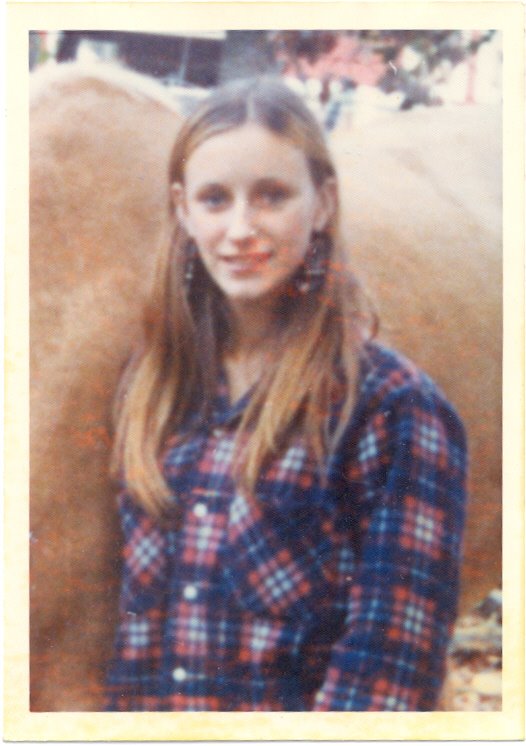
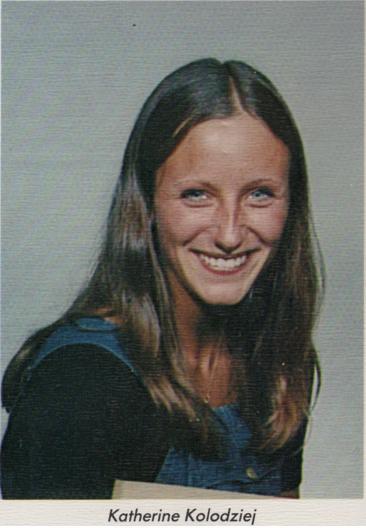
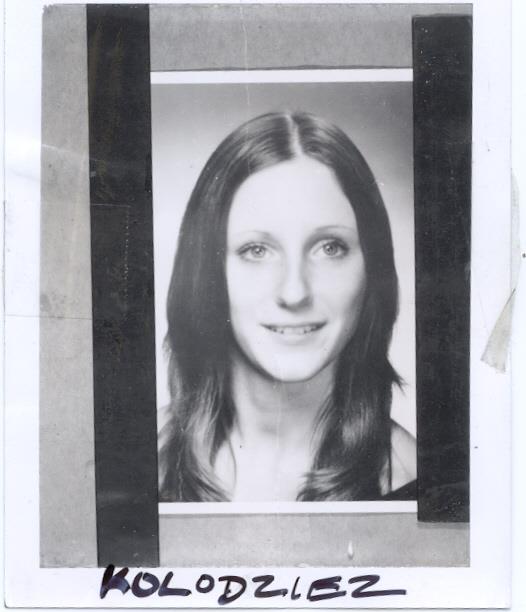
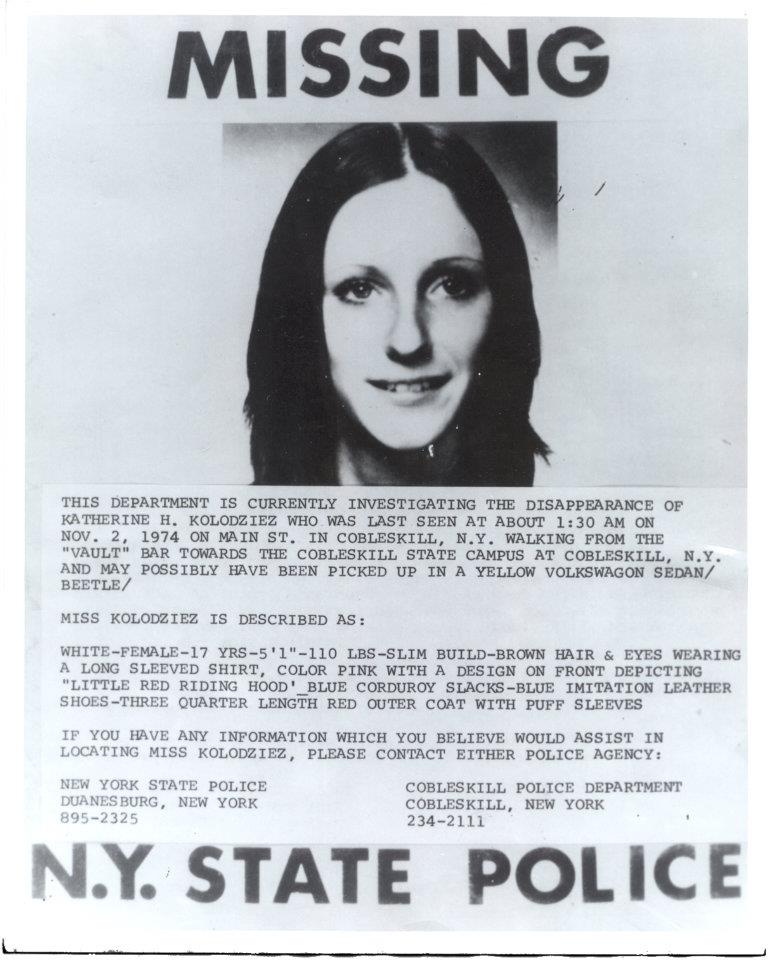
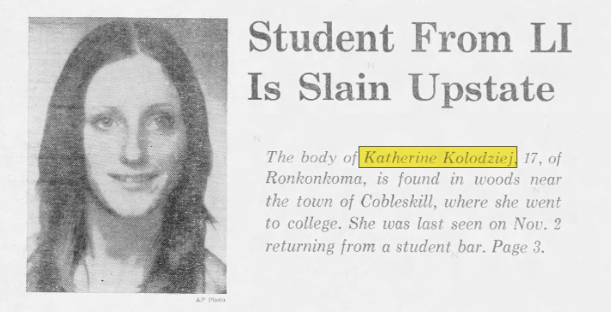
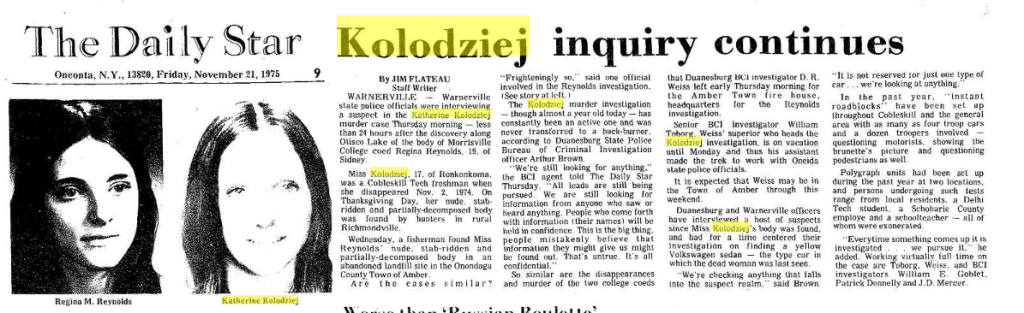
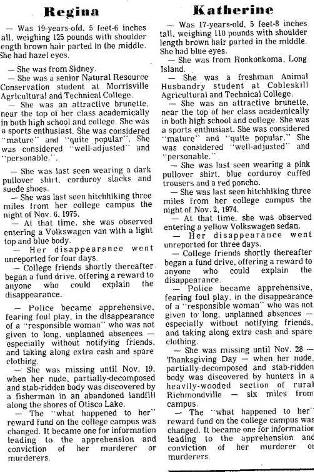
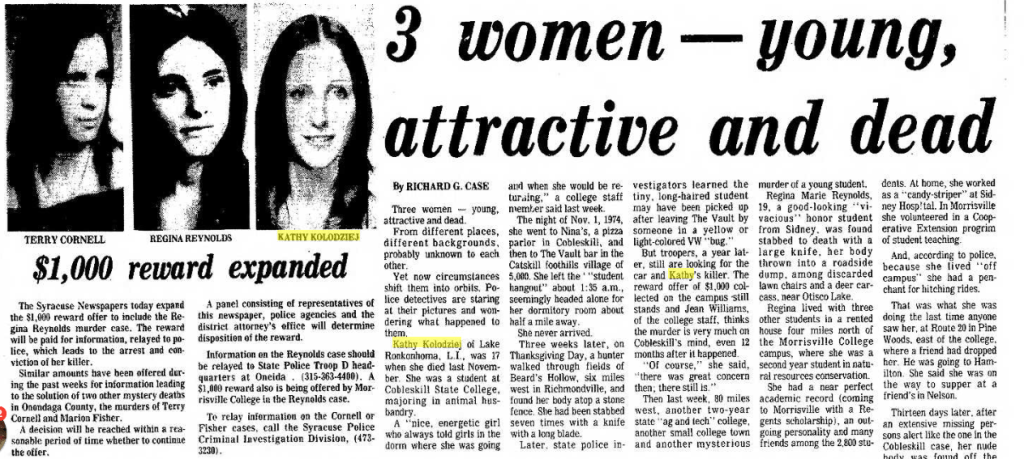
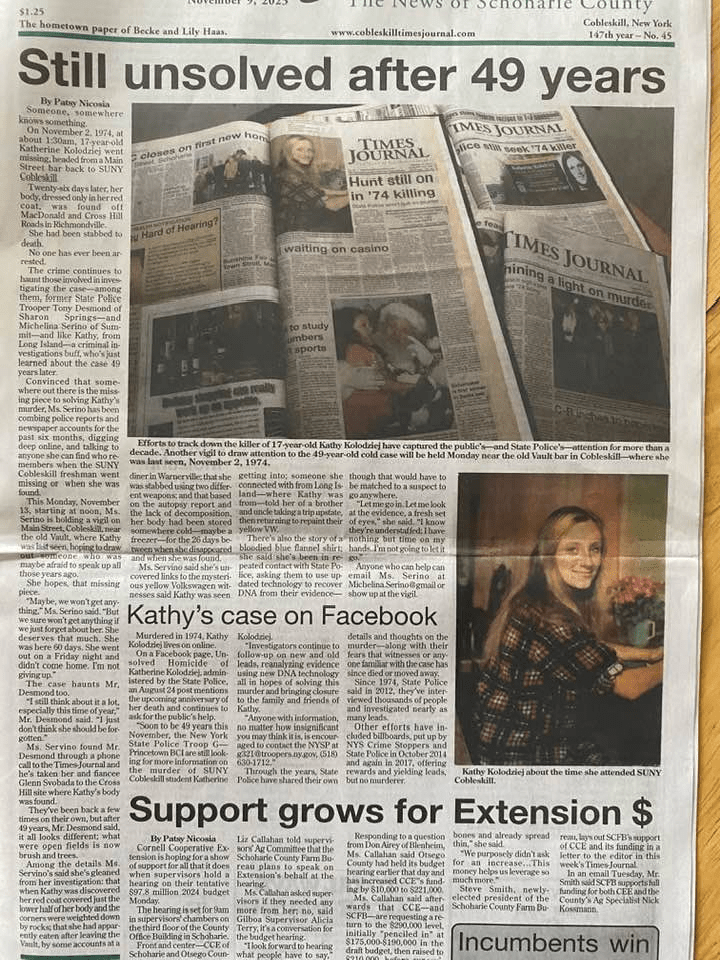
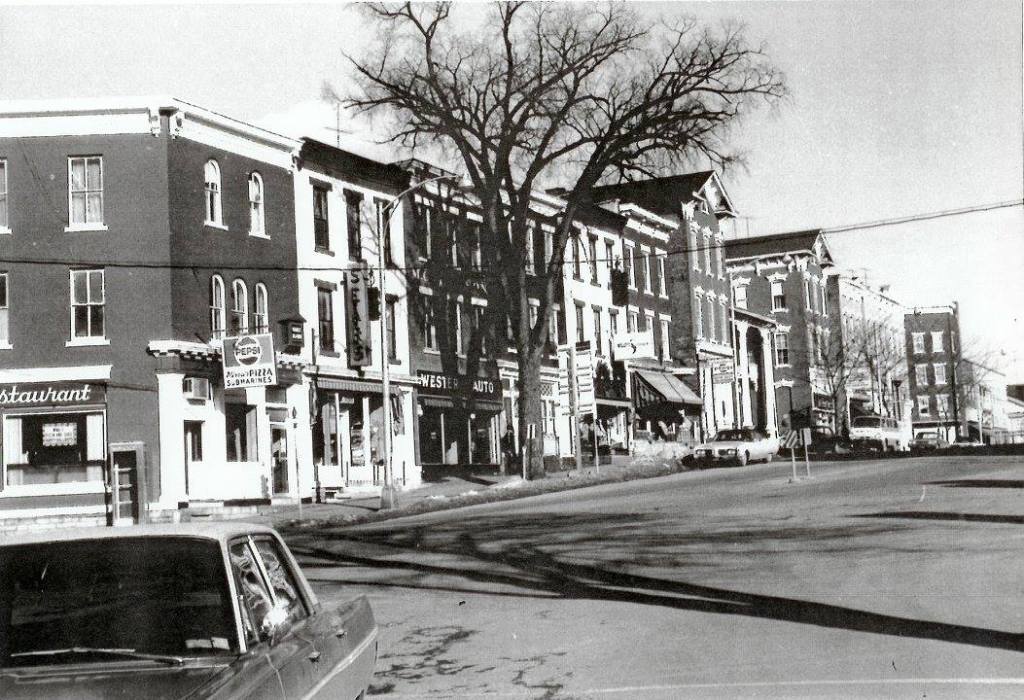
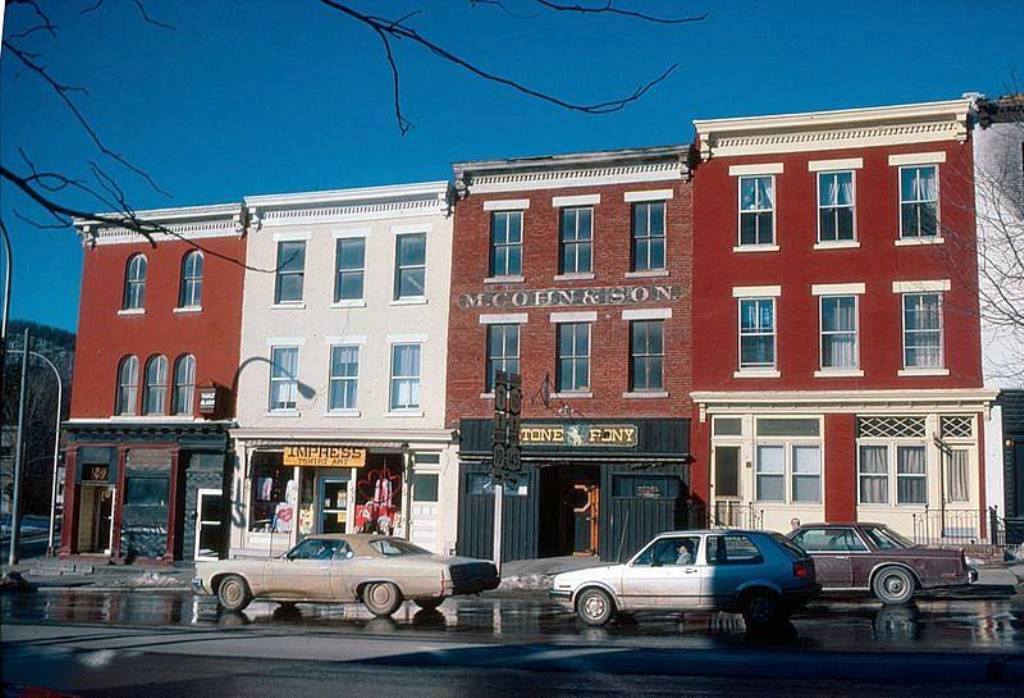
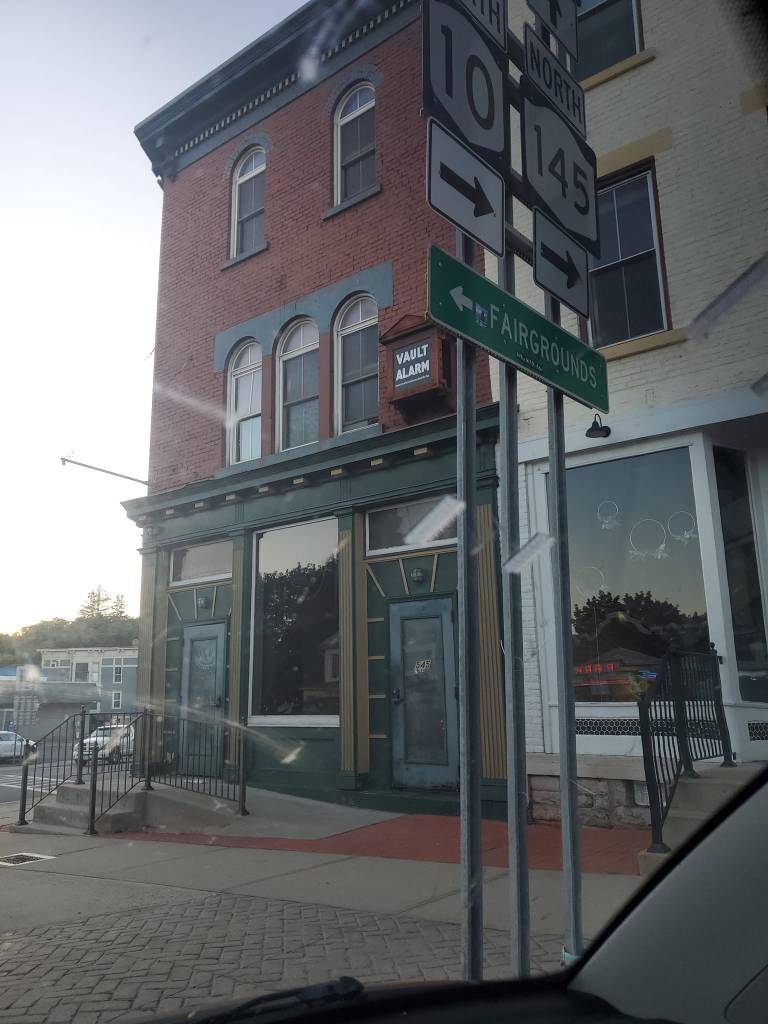
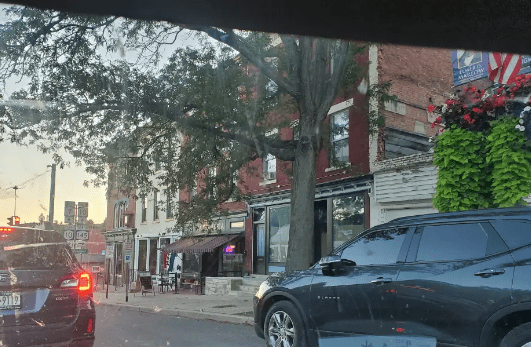
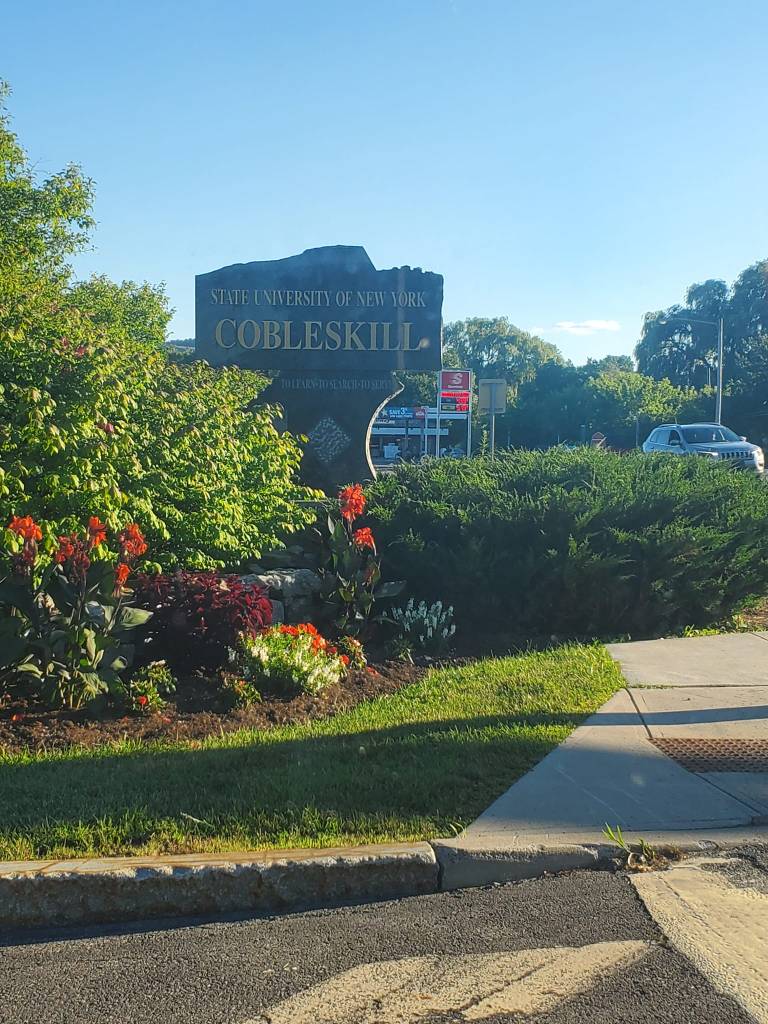
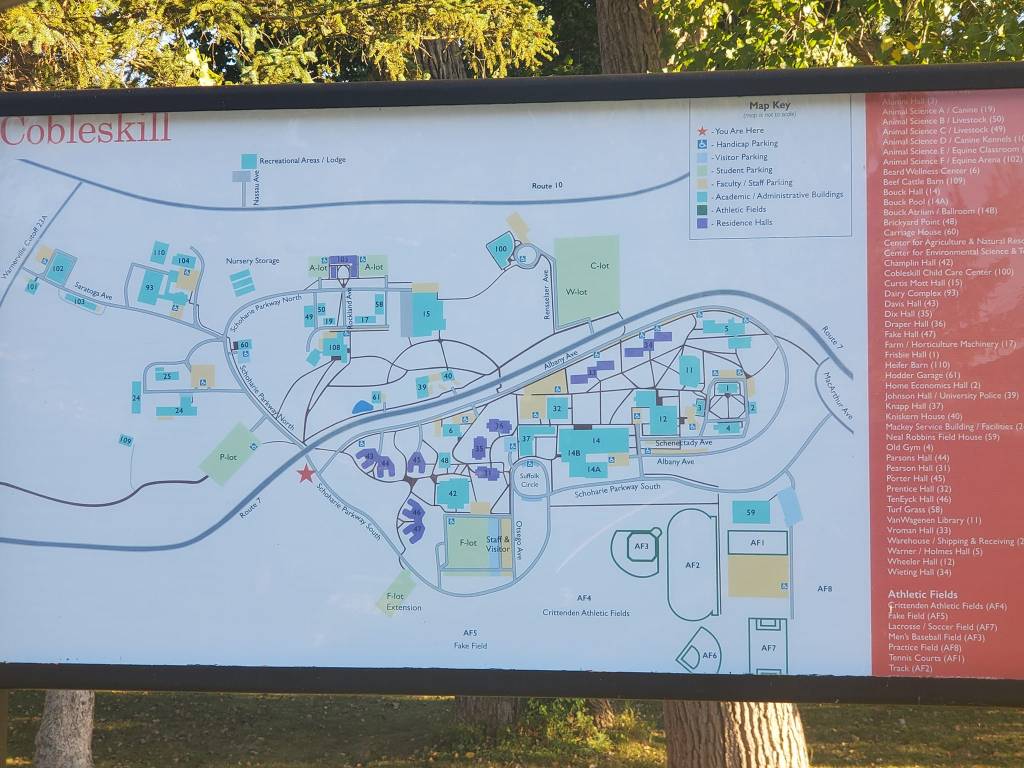
Whenever you hear the run-down of states Bundy had any possible activity to, New York is usually brought up last and is followed with, ‘but he was quickly ruled out as a suspect.’ The possible murder in question is that of Katherine Kolodziej. Kathy was only seventeen-years-old at the time of her homicide in early November of 1974, and was a SUNY Cobleskill student majoring in animal husbandry. The attractive young student was last seen in the early morning hours of Saturday, November 2, 1974 walking out of a local tavern called ‘The Vault’ in the village of Cobleskill. She went out dancing with a few girlfriends but turned down a ride back to campus, saying wanted to stay out a bit longer and was going to be getting a ride home from someone else. According to her cousin Vicki Szydlowski, Kathy spoke to her mother just a few hours before her night out, and Mrs. Kolodziej asked her to stay at her dorm that night and study. Kathy was responsible and a good student, not a partier by any means, but this time she disregarded her moms request because she wanted to go out with her college friends. I probably would have done the same thing when I was 17. About her cousin, Vicki said: ‘she was a good kid, but it was a Friday night and she wanted to go out with her friends to the local bar. It was a small community; everybody knew everybody and that’s just what we all did back then.’
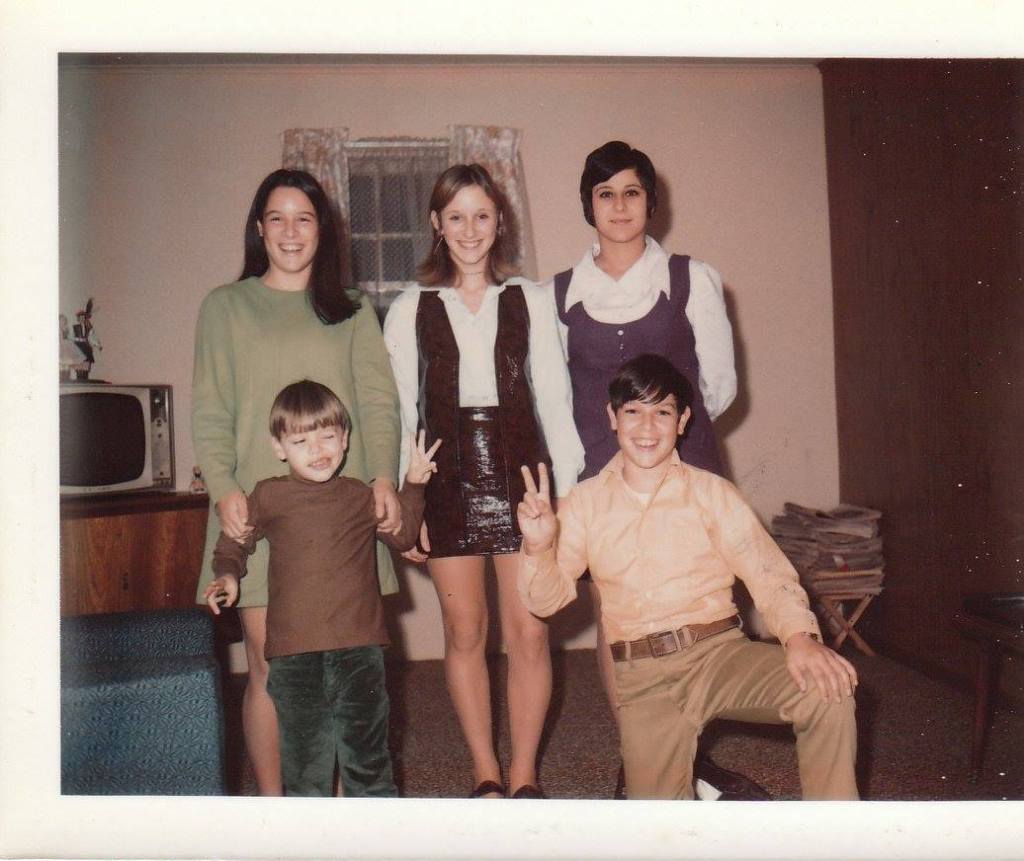
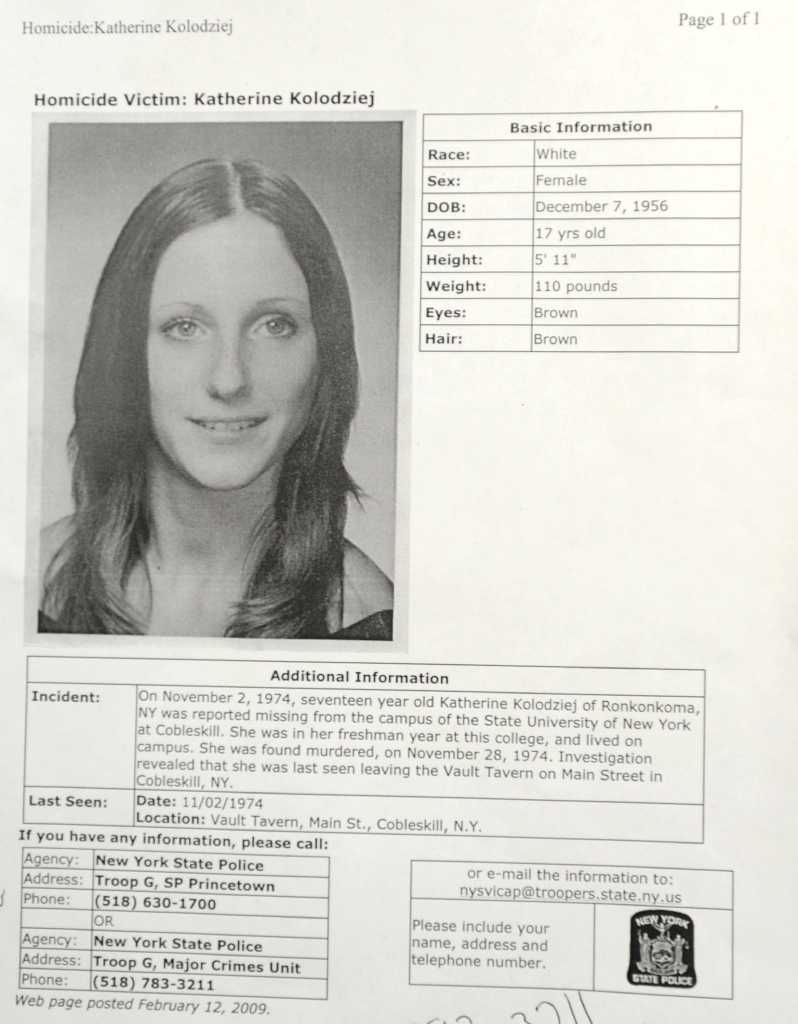
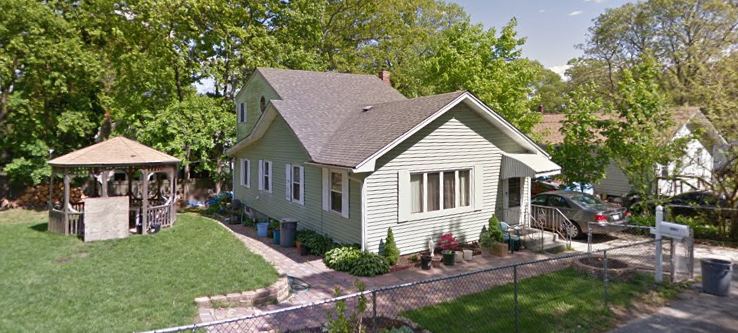
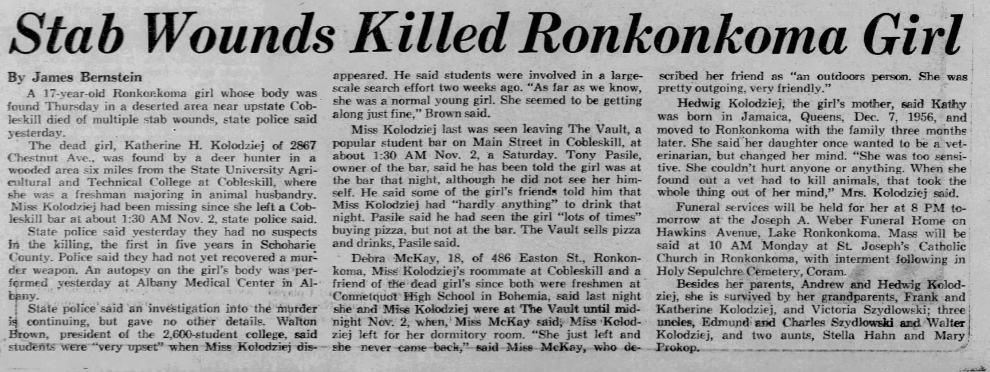
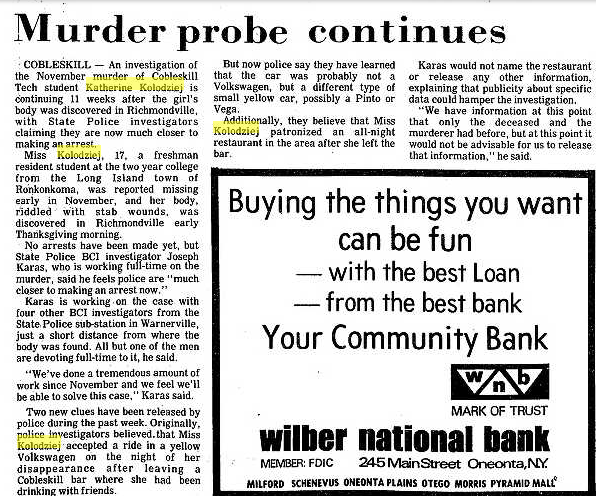
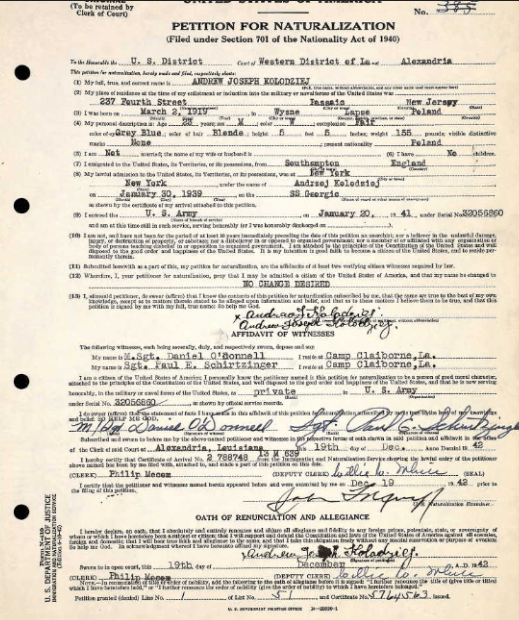
Katherine ‘Kathy’ Kolodziej was an only child born to Andrew and Hedwig (nee Szydlowski) Kolodziej on December 7, 1956 in Ronkonkoma, New York. Hedwig was born on April 10, 1919 in Jamaica, NY; Andrew was born on April 12, 1922 in Wysne Lapse Poland and emigrated to the United States in the early 1940’s. Despite the fact that Kathy’s case went cold nearly 50 years ago, NYS Police investigator David Ayers told Andrea Cavallier from Dateline in December 2020 he isn’t about to let the young girl’s killer get away: ‘it’s a very tough case, and a lot of time has passed. But let’s just say, anything is possible. It’s not hopeless.’ Ayers went on to tell Cavallier that Ms. Kolodziej was last seen at roughly 1:30 AM leaving the bar wearing a red coat and crossing the street, most likely beginning her walk back to campus, which was only about a mile away ( I made the drive myself earlier today and it was indeed very short). It was the last time she was seen alive. It wasn’t until the weekend was coming to an end that her loved ones knew something was very wrong: she’d never just disappear without telling anyone where she was going. After Kathy’s story made the local news, a witness came forward claiming they saw a young woman get into a yellow Volkswagen Beetle around 1:45 AM the morning she vanished; to this day it has not been confirmed by authorities whether or not it was her.
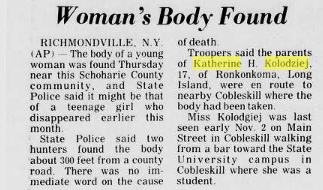
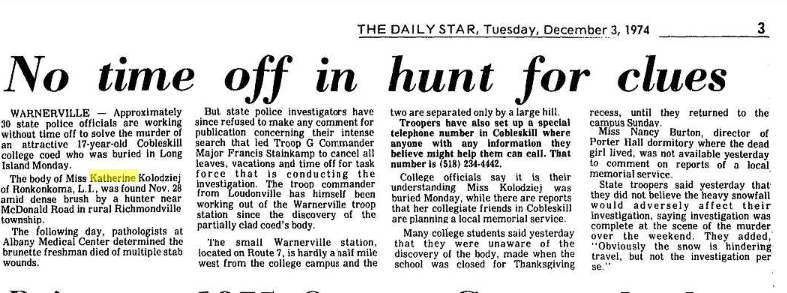
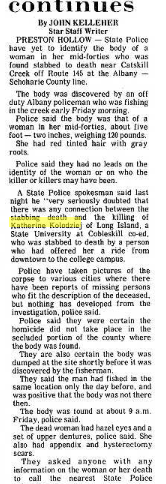
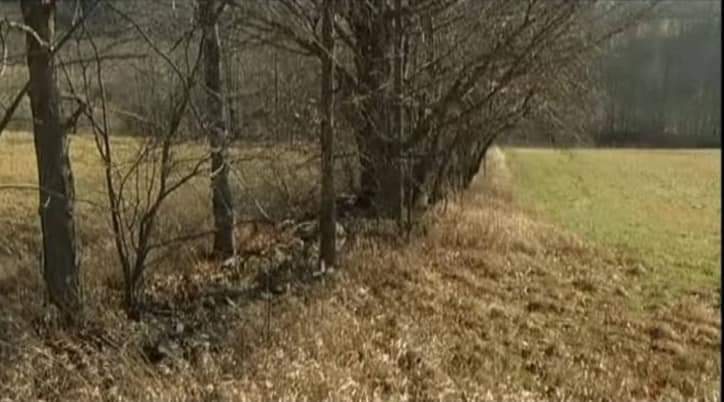
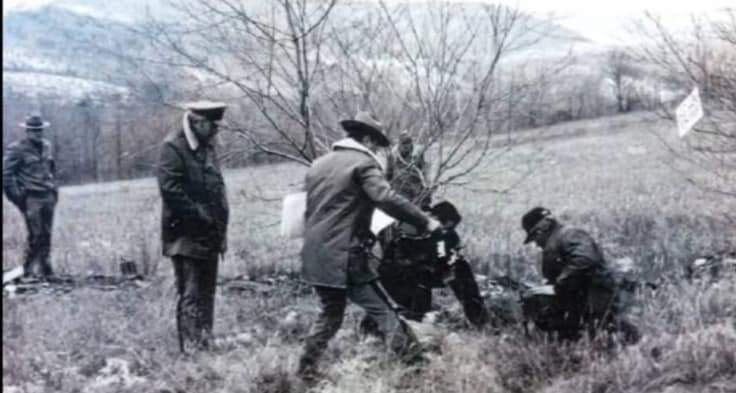
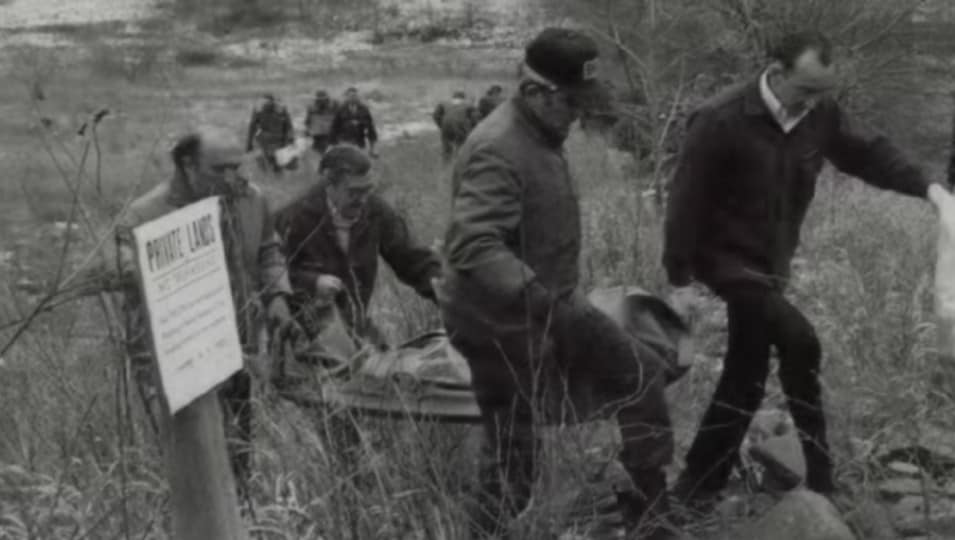
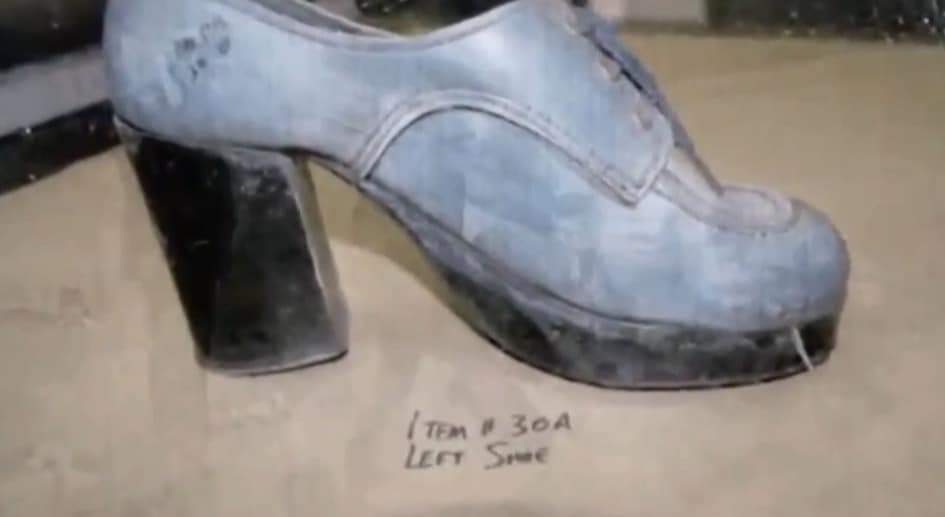
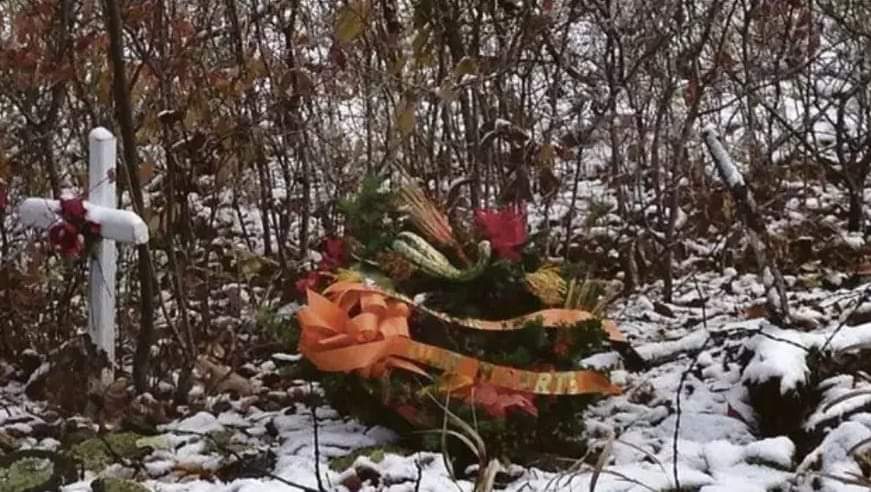
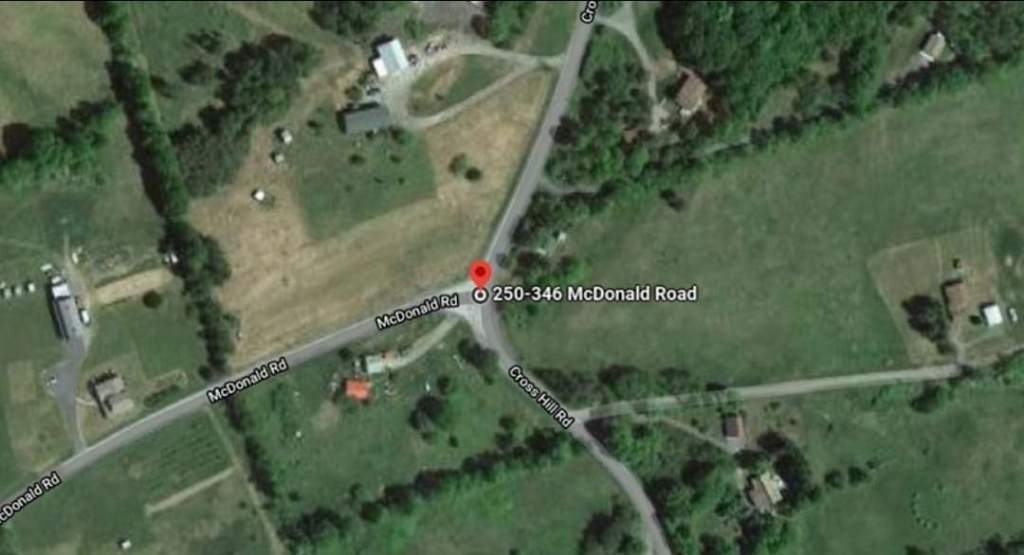
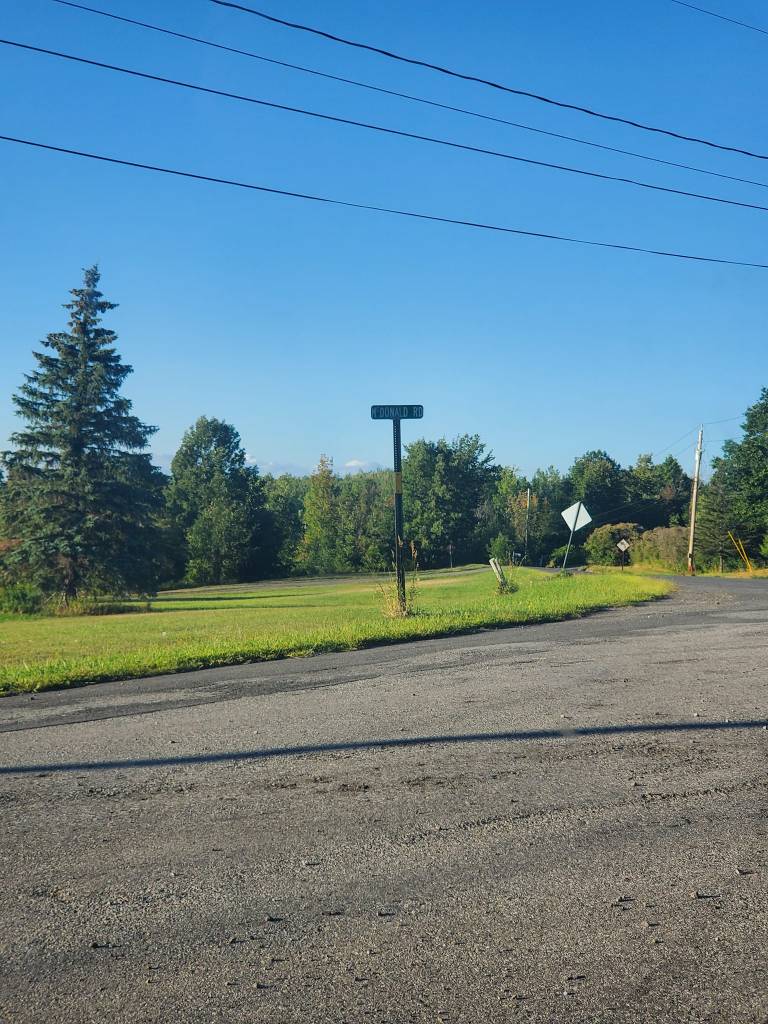
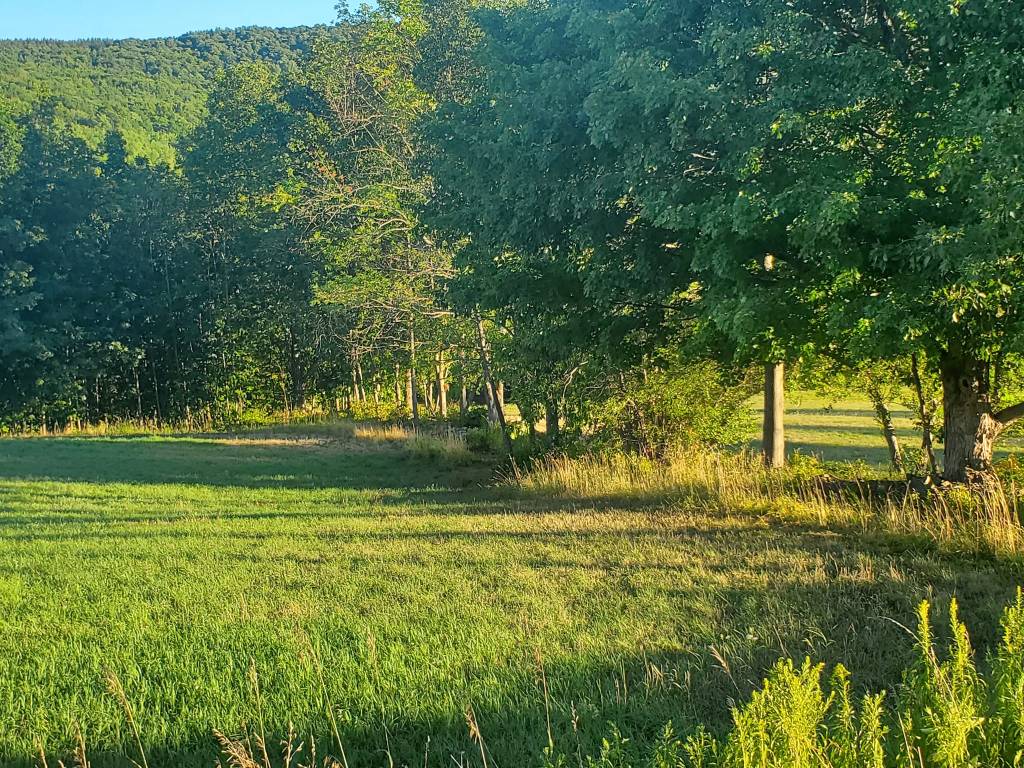
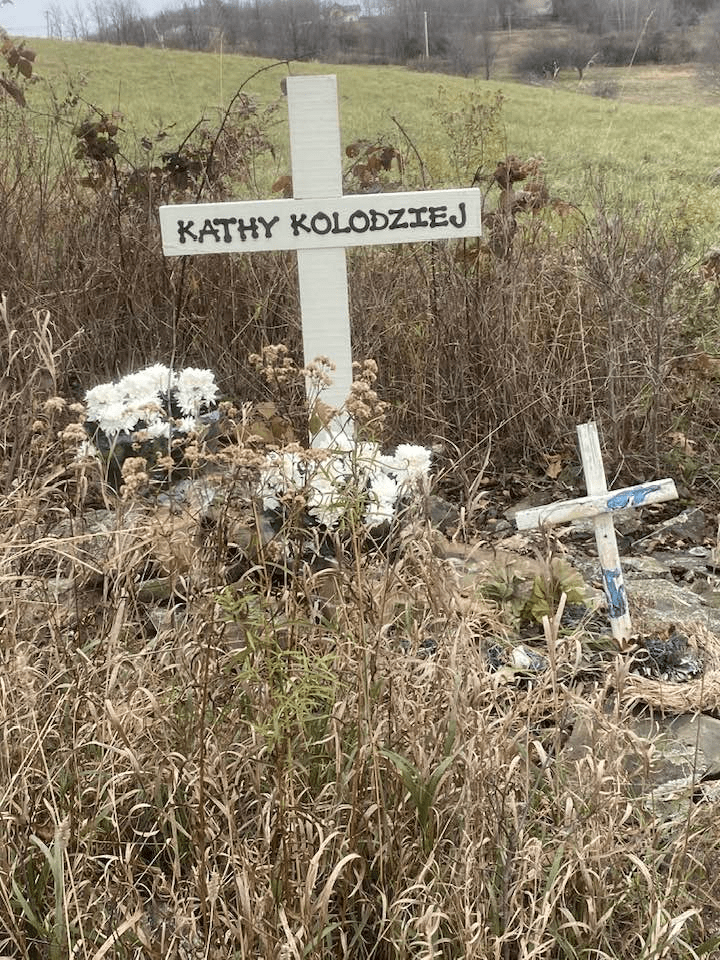
Twenty-five long days went by. Law enforcement, Cobleskill campus security, and volunteers spent thousands of combined man hours combing the area looking for any trace of the missing girl. Finally, on November 23, 1974 law enforcement received a tip that hunters found a single blue shoe at the intersection of McDonald and Cross Hill Road in Richmondville, NY; Police later found its pair up the road. That same day Kolodziej’s remains were found by a group of deer hunters in a field on McDonald Road in Richmondville. Detective Ayers informed Dateline a man (who thankfully was aware of the missing co-ed in the area) had noticed a piece of red cloth in the distance through his binoculars and immediately notified the police. Upon arriving at the scene, state police discovered the badly decomposing body of Kathy Kolodziej discarded on a low rock wall; she was naked from the waist down but the lower part of her body was covered up by her red coat that was draped over her like a blanket. According to an autopsy performed at the Albany Medical Center, she had been stabbed seven times with two different weapons.
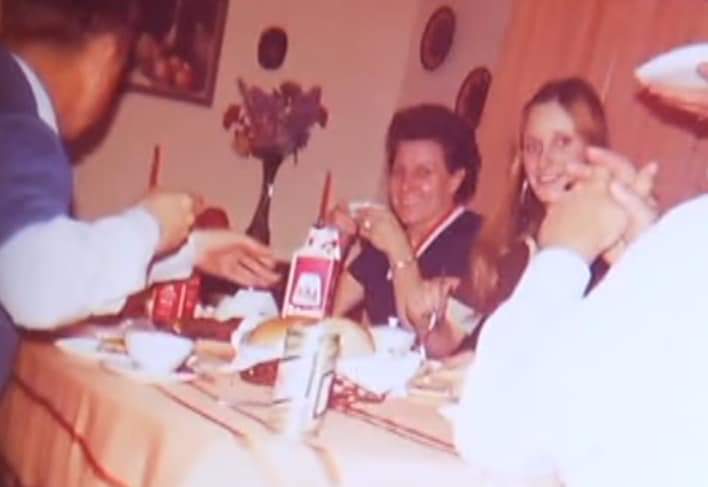
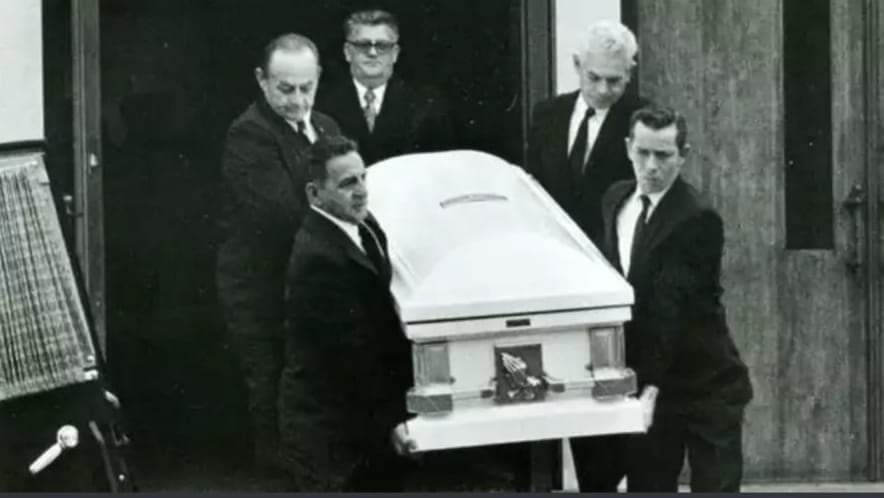
There would be no Thanksgiving celebration that year for the Kolodziej family. Instead of gathering together for a happy meal, Kathy’s parents started to prepare to bury their only child. Vicki Szydlowski said of that day: ‘we were supposed to go to Aunt Hattie’s at their home in Ronkonkoma that day for Thanksgiving. But then they got the call about Kathy. Nothing was ever the same.’ She went on to say that she and her siblings were close to her in their younger years however as they grew older and went to different colleges they eventually drifted apart, ‘but we always came back together at family gatherings; we had that cousin bond.’ Vicki described her cousin as a kind, good person who always made them laugh, especially with her different accents: Kathy had perfected her father’s thick Polish accent, which made everyone laugh when she pretended to speak like him.
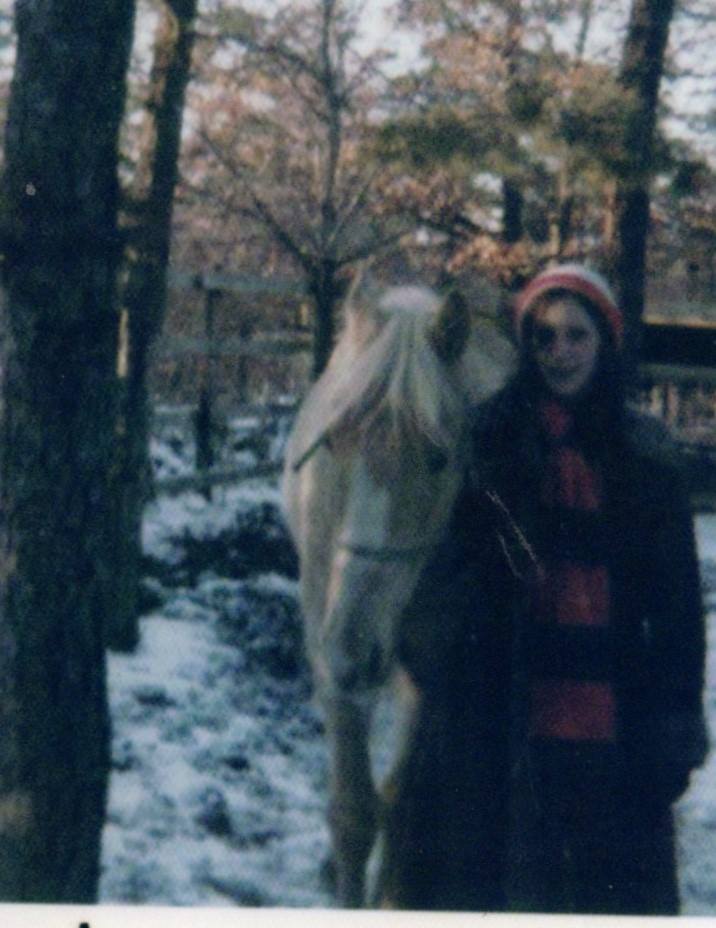
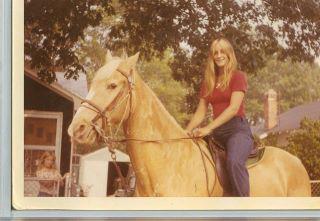
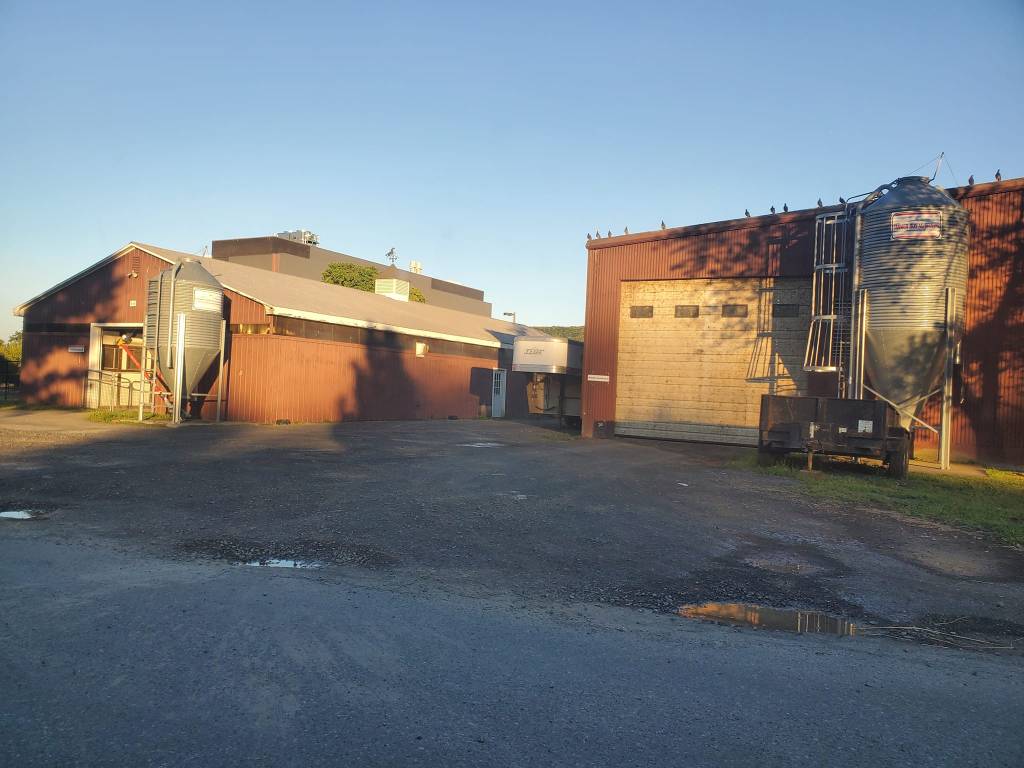
Vicki shared a story with Dateline that when Kathy begged her parents for a horse her father built a stable in the backyard of their Lake Ronkonkoma home, and that: ‘she loved all animals, was always bringing them home. But she really loved horses, loved riding them, caring for them. It was her passion. And it led to what would have been her career.’ In her senior year of high school Kolodziej attended BOCES, majoring in ‘Horse Care & Horse Training.’ After graduating in 1974, she decided to turn her love for horses into a career and enrolled at the State University of New York at Cobleskill majoring in animal husbandry in hopes of becoming a veterinarian one day.
In a 1979 news interview, Kathy’s uncle Charles Szydlowski (a retired New York State police detective) recalled the phone call he got from his sister about his niece’s disappearance: ‘She said, ‘Charlie, Kathy is laying on the side of the road somewhere dead, I know it.’’ He attempted to tell her that her only child would turn up safe: ‘I said, ‘Heddy, there are 13 million people in New York State. What are the chances this is going to affect us this way? But she was right. Her first thought was that her daughter was dead, and she was right … I told Hattie… I told her that she’ll be all right. But my sister was so upset. She kept saying that Kathy was dead. Dead on the side of the road somewhere. Turns out, she was right.’ In the years that followed Kathy’s death, Andrew and Hedwig Kolodziej tirelessly worked next to law enforcement in hopes of helping them solve their daughter’s murder. Of her aunt and uncle, Vicki said: ‘they mourned their daughter for so many years, but they died before knowing who did this to her. It’s heartbreaking.’ After the death of Mr. and Mrs. Kolodziej, Vicki and Charles have taken on the duty of reaching out to investigators about any developments or updates about Kathy’s case. Mr. Szydlowski said that he’s hopeful his niece’s case will be solved soon: ‘our family would like closure. I would like to know. And one day, I’ll be able to tell my sister what happened.’
In addition to the New York State Police, many other investigating agencies have helped interview thousands of people about Kathy’s murder over the past almost 50 years. Friends, family, classmates, casual acquaintances… if anyone so much as walked by Kathy on Cobleskill’s campus, law enforcement spoke with them. However, with each year that goes by the chances of catching the coed’s killer becomes less and less likely as witnesses (and the killer themselves) are growing old and passing away. Detective Ayers inherited the cold case in 2016 and shared with Dateline that while he is unable to disclose specifics regarding DNA findings in Kathy’s case: ‘it’s an investigative avenue we continue to explore due to the advancements made with DNA technology. I do believe that any developments made with DNA evidence will be a huge step towards getting answers and possibly solving the investigation.’ HE also said that investigating LE agencies have reached out to the public on multiple occasions, encouraging them to report any information that could potentially help lead to an arrest: ‘individuals who may have had information of what happened are older now, some have even passed away, but we’re still hoping to track someone down who we missed before. We received numerous tips over the years, but the more time that passes, the harder it becomes.’
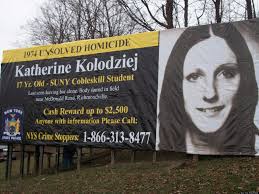
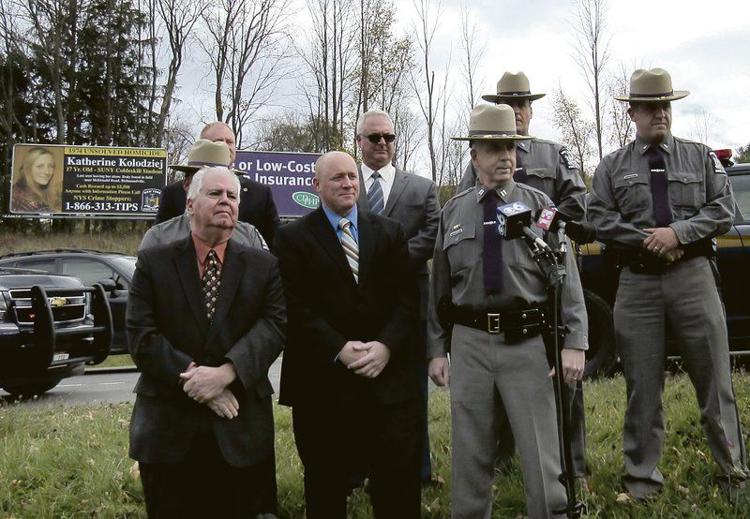
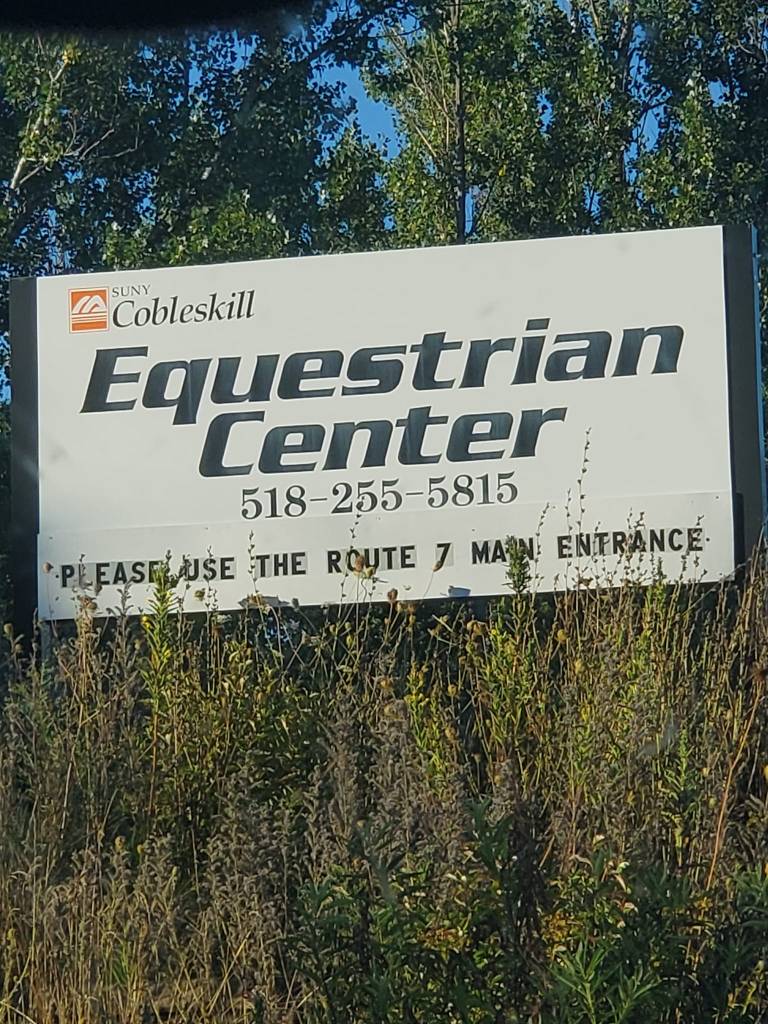
Tom Cioffi was the NYS Detective in charge of the case before Ayers took over; in 2012 he put up billboards in the Cobleskill area regarding Kathy’s disappearance and made requests for information through the media in an attempt to keep her murder on the public radar. The most recent one was put up in the fall of 2017 by Detective Ayers on Route 7 in Cobleskill: on it was a photo of Kolodziej along with a plea to the public that anyone with information regarding her homicide to call authorities. In addition to the well-placed billboards there’s also a Twitter handle and a police-run Facebook page titled ‘@Justice4Kathy Facebook Page.’ Its purpose is to provide the public with updates on the case and invites those who knew her or lived in the area to share stories and submit information. About the Facebook page, Ayers said that ‘we hope that by sharing Kathy’s story, and photos of the local bar and the area of Cobleskill, it will jog someone’s memory and they’ll have the information we need. There’s always somebody we might have missed, or someone who was reluctant to talk. We hope now is the time they come forward.’ He hopes that the billboards combined with the social media page will help put a renewed buzz in the case, and hopefully Kolodziej’s killer can finally be brought to justice. ‘We’re coming up on 50 years since Kathy’s murder, but we haven’t given up. There’s always a chance for closure. There’s always hope.’
The young student only lived in the area for about two months before she was murdered, which really didn’t give her a lot of time to form a lot of intimate and meaningful relationships (especially ones off campus). This is worth mentioning because Kathy was found in such an intimate way: her assailant was very careful to cover up the lower part of her body (despite being the one responsible for taking her clothes off in the first place). The fact that the killer seemed to know the ins and outs of the close knit area makes me speculate that maybe at one point they lived locally and weren’t just a drifter passing through. If (and this is a BIG if), she was held captive for any amount of time before she was killed then I would think she was murdered by someone that most likely lived alone and away from a lot of people (possibly in the country or a more remote area).
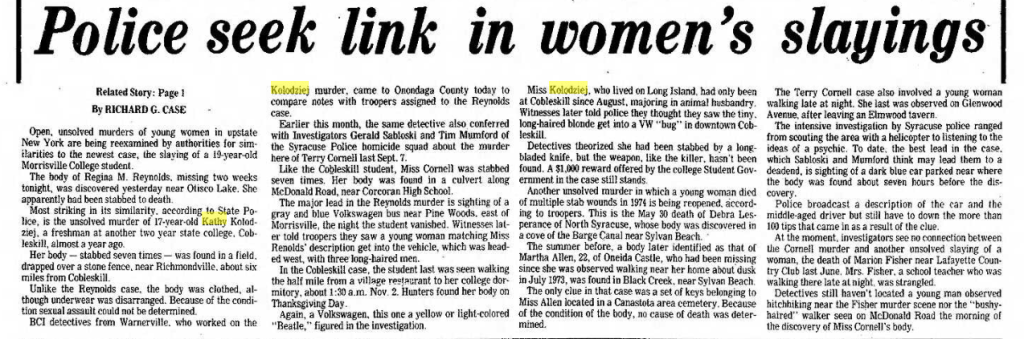
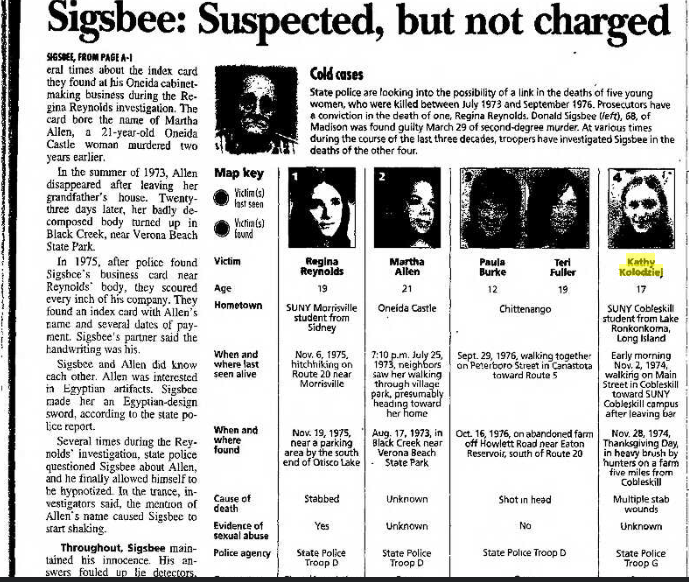
After the grim discovery investigators interviewed not only members of the student body at SUNY Cobleskill but also patrons of the bar she was last seen at. In addition, because of the report that Kathy was last seen getting into a yellow Volkswagen, law enforcement also tracked down and interviewed Bug owners in the area as well as anybody that may have had a connection to the murders of young women in the Northeast area. Despite the countless number of police interviews conducted over the years not a single serious suspect can be identified. Quite a few serial killers were investigated for the murder, including Ted Bundy, Lewis Lent, Donald Sigsbee, and John William Hopkins but all were eventually cleared.
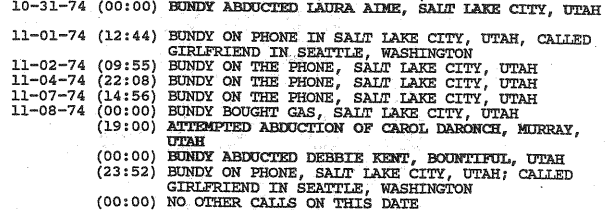
So, we all know that Bundy didn’t kill this girl. In fact, I (very) briefly spoke with Detective Ayers on the phone and he flat-out told me he wasn’t guilty either (I’m an insurance agent with no police training, I will never pretend I know more than a trained law enforcement officer does). We know that on August 30, 1974 Bundy moved to Utah to start law school (ahem, again), and on October 31st he abducted and murdered Laura Ann Aime after she attended a Halloween party at Brown’s Café with friends in Lehi, Utah. Now, the café is 2,191 miles away from The Vault in Cobleskill and takes well over a full day to drive to (straight through, no stops). This means if Bundy did kill Kathy, he would have had to kill Aime then immediately get in his car to make the one day, nine hour drive to NYS to kill Kathy, who disappeared early in the morning on November 2nd. I mean, I suppose it’s plausible, but I just don’t think it happened. I listened to Dr. Keppels book ‘Terrible Secrets: Ted Bundy on Serial Murder’ on Audible while driving to Cobleskill and one of my biggest takeaways related to this case was that Bundy apparently made a real attempt to attend a good amount of classes his first semester back at law school. So the idea of him driving to NYS to commit a single murder just doesn’t make sense. Especially since on November 8th, just 6 days after Katherine Kolodziej was abducted, Bundy hit twice in Utah (Carol DaRonch then Debra Kent): The Fashion Place Mall in Murray Utah is 2,170 miles away from SUNY Cobleskill (and a 32-hour drive). We also must keep in mind the fact that law enforcement said that they had evidence that Kathy was most likely kept alive until the day before her body was discovered… I’m sorry, it’s just completely improbable that Bundy made this trip and committed this murder.
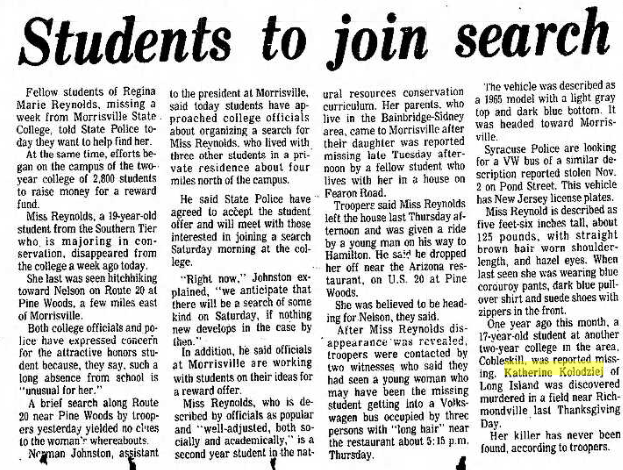
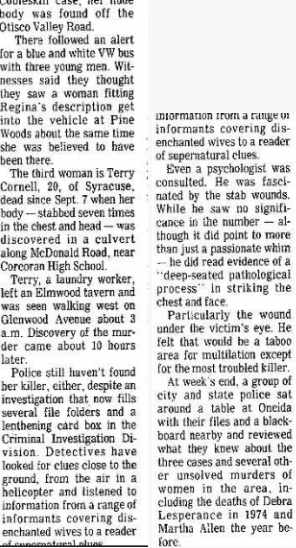
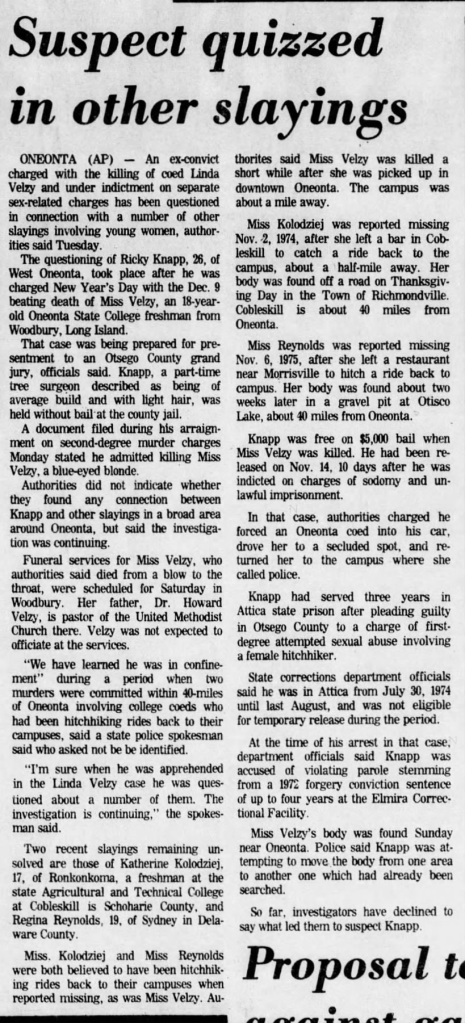
The serial killer Donald Sigsbee lived in Madison, NY (roughly 61 miles away from Cobleskill) and in March, 2004 he was convicted on two counts of second-degree murder for the 1975 death of 19-year-old SUNY Morrisville student Regina Reynolds. Ms. Reynolds was last seen hitchhiking at the intersection of Route 20 and 46 in Morrisville, NY. It is also speculated that he is responsible for the death of 21-year-old Martha Louise Allen, whose body was found by a boater on Black Creek on July 25, 1973 in the area of Verona Beach State Park. An index card with Ms. Allen’s name on it was discovered with paperwork related to Sigsbee’s cabinet business two years after her death. Law enforcement briefly considered him as a suspect in Ms. Kolodziej’s murder but he was eventually ruled out. In 2004, Sigsbee was found guilty of second-degree murder for the stabbing death of Reynolds and he died of natural causes on October 26, 2009 in Mohawk Valley Correctional Facility in Rome, NY.
WOW: I never heard of Lewis Lent but boy am I glad I looked him up… he reminds me of the wish.com version of Ed Kemper. I know it’s insensitive to make light of a murderer but come on… it’s a bit obvious. Anyways, Lent was a former Massachusetts janitor that murdered two children (but possibly more). Despite living in a different state at the time of the murders his childhood home was in Newfield, NY which is only about a 2.5 hour drive from Cobleskill. He claimed to be the subject of blackouts and memory lapses, and in one AP interview he blamed it on a close encounter with UFO occupants while in Virginia. It’s worth noting that his victims were much younger than Kathy (two were only twelve years old). It’s speculated that Lent didn’t act alone and that his accomplice(s) are still at large.
John William Hopkins’ first confirmed victim was the last he was officially linked to: Joanne Pecheone was a 19-year-old St. Francis de Sales School student when she was murdered on January 12, 1972. The school is located in Utica, NY, which is roughly 60 miles away from Cobleskill. Next was 17-year-old Cecelia Genatiempo, who Hopkind killed on July 24/25, 1976 in Gloversville, NY. His third and final confirmed victim was Sherrie Anne Carville, a 17-year-old high school student he kidnapped from a bar in her hometown of Johnstown, NY on October 22, 1978. Because of some striking similarities in the Hopkins murders and Kathy’s case, Tom Cioffi and Schoharie County Sheriff Tony Desmond (also a NYS Trooper) believe Hopkins could have possibly had some sort of role in Katherine’s murder. When he was arrested in 1979, he admitted to the murder of three young women total, but would only name and discuss two of them: for unknown reasons he refused to discuss anything related to his third victim. In relation to the homicide of Kathy Kolodziej, Sheriff Desmond said that ‘three of the victims were the same age as Kathy, and if you look at some of the pictures of these victims, the hairstyle parted in the center, long and combed down, it’s similar. And they were all college students.’ However, NYS Trooper senior investigator William John said evidence linking John to Kathy’s homicide was still minimal, and that: ‘we’re not sure if it was Hopkins. We’re looking at means and opportunities.’ He went on to say that Hopkins raped his victims and there was no evidence that Katherine was sexually assaulted in any way (despite the young girl being found naked from the waist down). I feel it’s worth mentioning that Hopkins appeared to have an unhealthy obsession with knives, and would often carry several of them on him in various sheaths (Kathy was stabbed eight times with two different weapons). The mystery of his third victim was a secret the killer thought he took he took with him to the grave: on June 3, 2000 while incarcerated at the Great Meadow Correctional Facility in Comstock, NY Hopkins committed suicide by slashing the back of his legs and wrists with a razor. After a cold case review, in 2011 the Oneida County DA Scott McNamara announced in a press release that police in Utica finally closed the case of Joanne Pecheone, naming Hopkins as her killer. There have been some speculations that he may have had additional victims on top of the three he was convicted of (including Kathy’s), however authorities have been unable to successfully link him to anything as of November 2023.
Redditor ‘whiskeyandtea’ had a lot of interesting insights regarding Ms. Kolodziej’s tragic murder, saying: ‘I’ve been researching this case for about a year and a half now. Some of my opinions are:
- It was probably someone local.
- As others have said, this road is not exactly easy to stumble upon.
- In a recent interview the investigator assigned to the case said that a forensics report at the time suggested she was killed within a day of her body being discovered. Her body was discovered 3 weeks after she vanished. If this piece of information is true, where was she being held this whole time? Granted this piece of evidence contradicts what previous investigators have suggested (they believe she was killed almost immediately after being taken). Still, it’s a consideration.
- It was someone she trusted.
- No one reported hearing screaming, to my knowledge. In Cobleskill, at that time of night, if someone forces a person into a car, someone will likely hear the scream. So she probably got into the car willingly.
- She turned down a ride home and said she was going to be getting a ride home from someone else. She probably did, and that person is probably the person who killed her. Why would you turn down a ride home from someone you know to catch a ride with some one you don’t?
- The way the body was covered and carefully placed on the wall in the field seems like it might be a demonstration of remorse, to a degree, which you might expect from someone who knew her.
- It was probably someone from the college, although it may also have been a townie from a bar.
- She was only in town for 2 months. That’s not enough time to meet that many people, especially outside of campus, especially when you are acclimating to a new environment.
Again, because it seems likely that she took a ride from someone she knows and trusts. How many people would you know and trust after living somewhere for only 2 months. If, and this is a BIG if, she was in fact held captive for a duration of time before being killed: it was probably someone who lived alone. This would eliminate most students, which means this should be cautiously evaluated, because there is probably a decent chance it was a fellow student.’
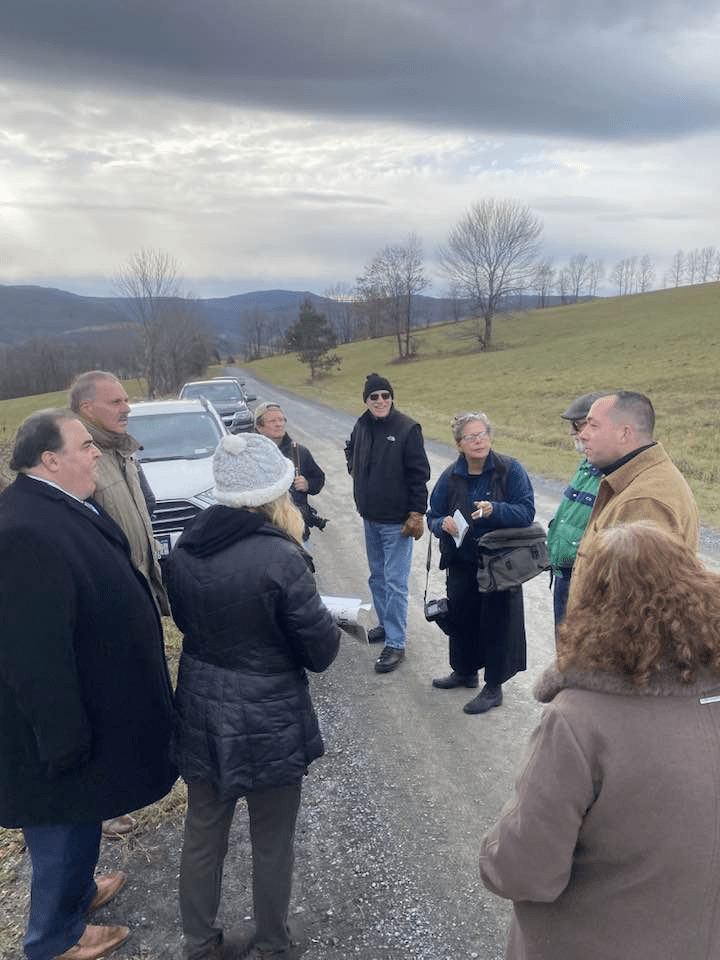
In a comment on an ‘Unsolved Mysteries’ Reddit post about Kolodziej’s disappearance, ‘TheEvilWoman‘ commented that they ‘live only a few miles from where her body was found. McDonald Rd is a really small road. You can hardly see it in the dark. I seriously doubt it was a random murderer. My guess is that it was someone local to the area. Someone she knew from hanging out in the bars. As for the Sheriff’s dept in this county, they are a joke. I ask the state troopers if I need the police. I doubt they will solve Kathy’s murder unless someone confesses. Her killer ‘most likely still lives in the county, probably in Richmondville.’ In response to that, a second Redditor by the handle Amj9412 commented, ‘you’re right it would be a weird spot to leave someone if you didn’t know your way around. Creepy to think he could still live around town!’ I will say, this past weekend I went to Cobleskill and did some exploring in the area and they are absolutely right: McDonald Road is extremely short, and is absolutely located in an odd, secluded spot ‘off the beaten track.’ Therefore, my educated assumption is someone must have known the area fairly well to leave the remains of the young lady in such a particular spot.
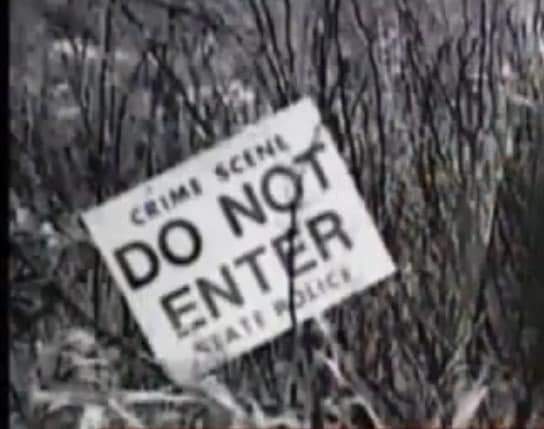
In the offices of the Princetown State Police Station located in Schenectady, NY the files related to the Katherine Kolodziej case are split into three cardboard boxes, her last name scribbled on the sides in dark black permanent black marker. Two of them can be found at the Trooper barracks in Rotterdam, and the third at their station in Cobleskill. Inside is information related to the case, including photos of Kathy, her autopsy report, information pertaining to leads, and crime scene photos. Currently, the only consistent phone calls law enforcement receive regarding the cold case are the twice-yearly inquiries from a former college classmate of Kolodziej’s who lives in Florida (Barbara Rose Lanieri). Despite many years going by since the murder took place, NY State Police remain hopeful that Kathy’s case can still be solved. Regarding the murder, Tom Cioffi said, ‘I still think this case can be solved. I really do.’
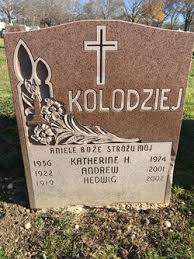
Andrew Kolodziej passed away on February 13, 2001 in Ronkonkoma at the age of 78; Mrs. Kolodziej died less than a year later on January 9, 2002 in Ronkonkoma at the age of 82. They’re buried in the same plot as their daughter at Holy Sepulchre Cemetery in Coram, New York.
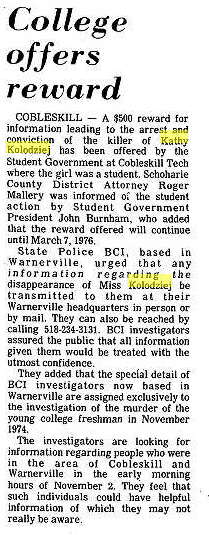
New York State Crime Stoppers is offering a cash reward of up to $2,500 for information that directly leads to the arrest and conviction of the person(s) responsible for the homicide of Katherine Kolodziej. If you have any information in this case, please contact Investigator David Ayers at (518) 337–1223 and/or 24 hours (518) 234–3131. You can also leave an anonymous tip through Crime Stoppers. Use the ‘leave a tip’ tab on the Facebook profile or call their hotline at 1–866–313-TIPS (8477).
Works Cited:
http://cbs6albany.com/news/local/police-1974-cold-case-for-katherine-kolodziej-still-active
https://m.huffpost.com/us/entry/223882
http://www.timesunion.com/local/article/Cold-case-but-not-forgotten-933328.php
https://www.newsday.com/long-island/crime/murder-woman-missing-ronkonkoma-1.14699303





































 Another Bundy Blog.