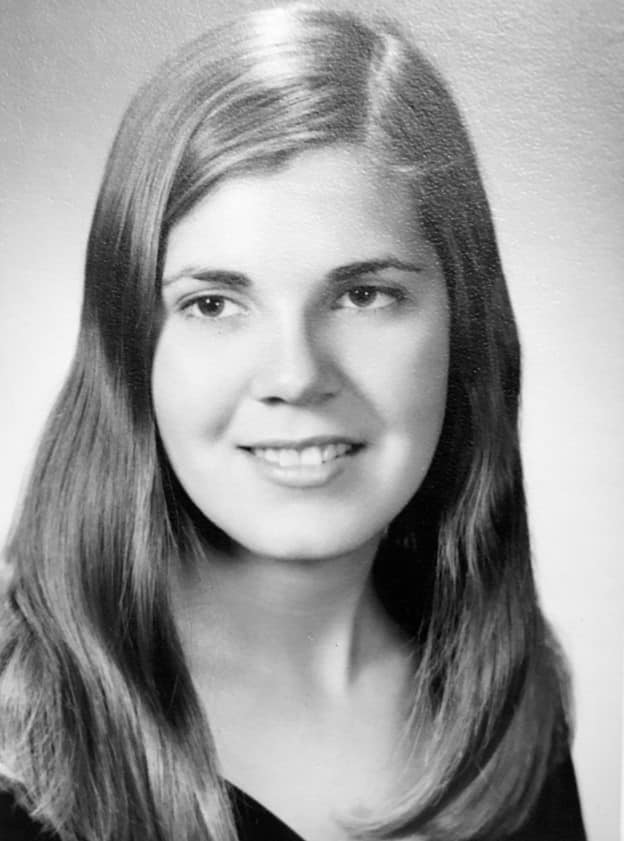
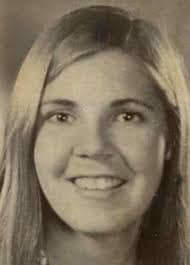
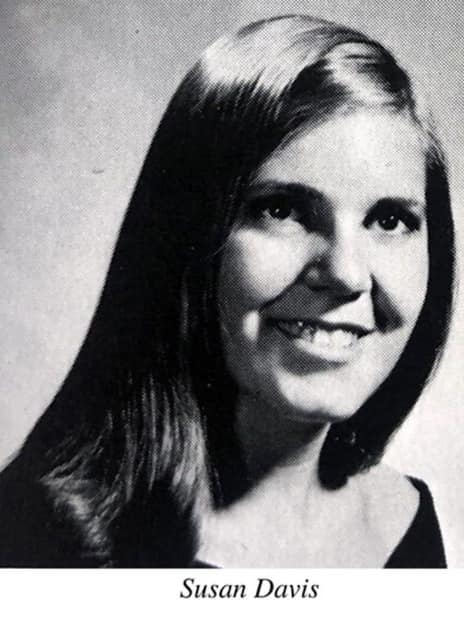
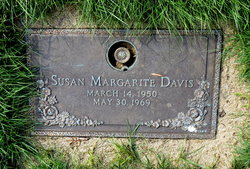
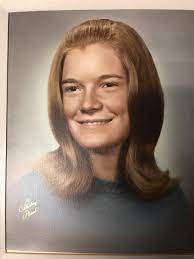
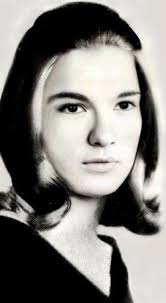
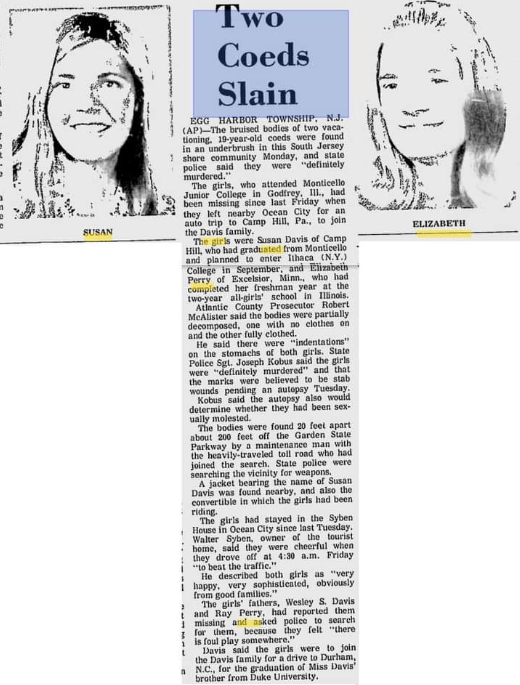
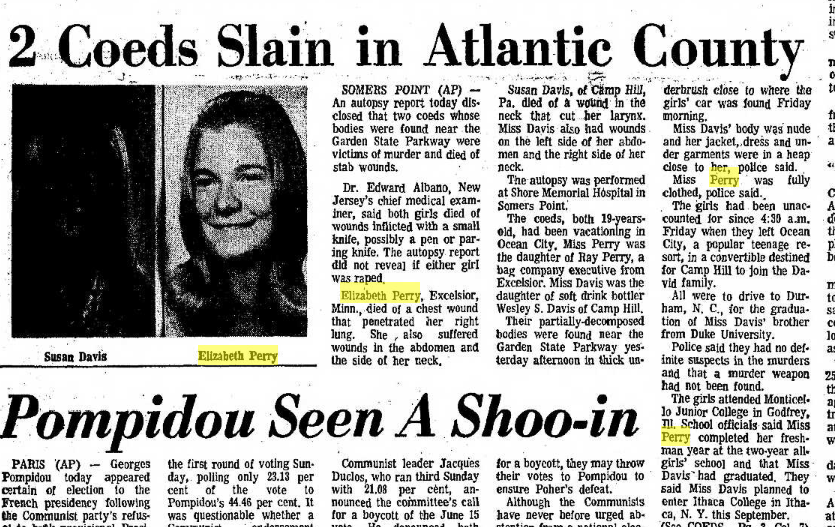
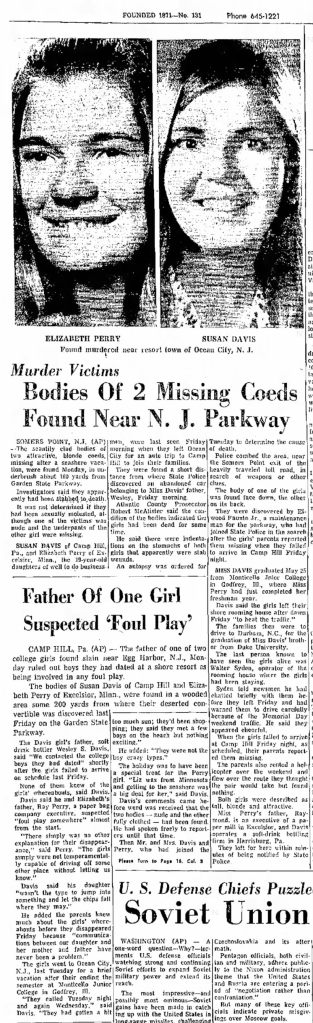
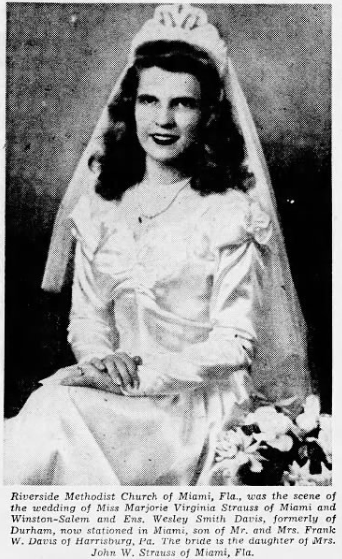
Susan Margarite Davis of Camp Hill, Pennsylvania was born on March 14, 1950 to Wesley and Marjorie (nee Strauss) Davis. Wesley was born on March 4, 1923 in Greenville, NC and he left Duke University in 1944 to serve in the Pacific Theatre during WWII in the US Navy. Returning to school and graduating in 1947, he went on to become the second generation owner of Davis Bottling Company in Harrisburg, PA. The families middle child, Susan had just completed her degree at Monticello Junior College, an all-girls school in Godfrey, Illinois and graduated on May 25 with an associates of arts degree; a representative of the college described her as a ‘good student.’
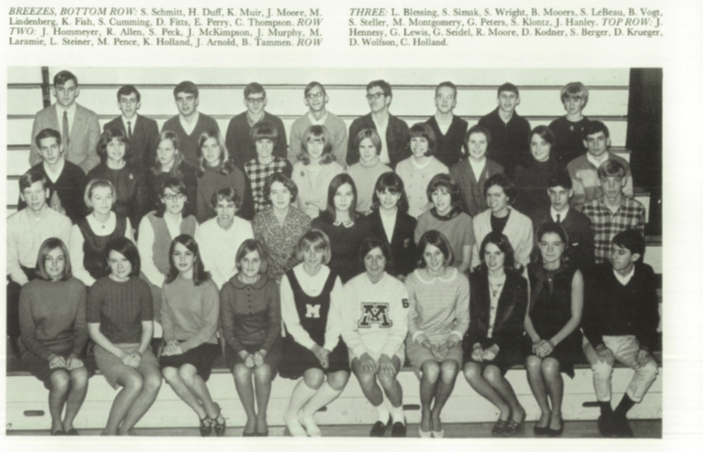
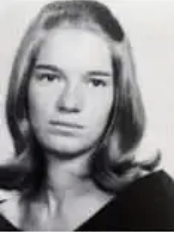
Elizabeth Potter (‘Ibby’/Liz) Perry of Excelsior, Minnesota was born to Ray and Margaret Perry on January 10, 1950. Ray Perry was a high level executive at the Bemis Bag Company (I’ve also seen in newspapers that he worked at a paper mill). Despite being only two months younger than Susan, Perry started school a year after her friend so she still had a ways to go in her studies at the junior college. Sadly, Elizabeth was murdered along with Susan on May 30, 1969 in Ocean City, NJ.
Both girls were 19 years old at the time of their murders.
The girls drove to Ocean City, NJ for a short vacation on Memorial Day weekend in 1969; they arrived on May 27 and planned on staying until the 30th. Elizabeth, being from Minnesota, had never been to the beach before, and the trip was an important event in their friendship as they would soon be parting ways: Susan had just graduated and was planning on starting her Bachelor’s Degree at Ithaca College in New York that upcoming fall. Elizabeth enrolled in school a year after her friend and because of that was staying behind. The girls planned on getting some sun, going to the beach, and doing lots of shopping; they even caught a movie. With Ocean City being a dry town there was no alcohol available for purchase, but according to eyewitnesses they brought liquor with them and even went so far as to drive down a dirt road to sneak a few drinks with a couple of new people they met. After the fun was over their plan was to drive to Susans parents house in Harrisburg, PA then drive with them to Durham, North Carolina to watch her older brother Wesley Jr. graduate from Duke University the following Friday. The girls never made it.
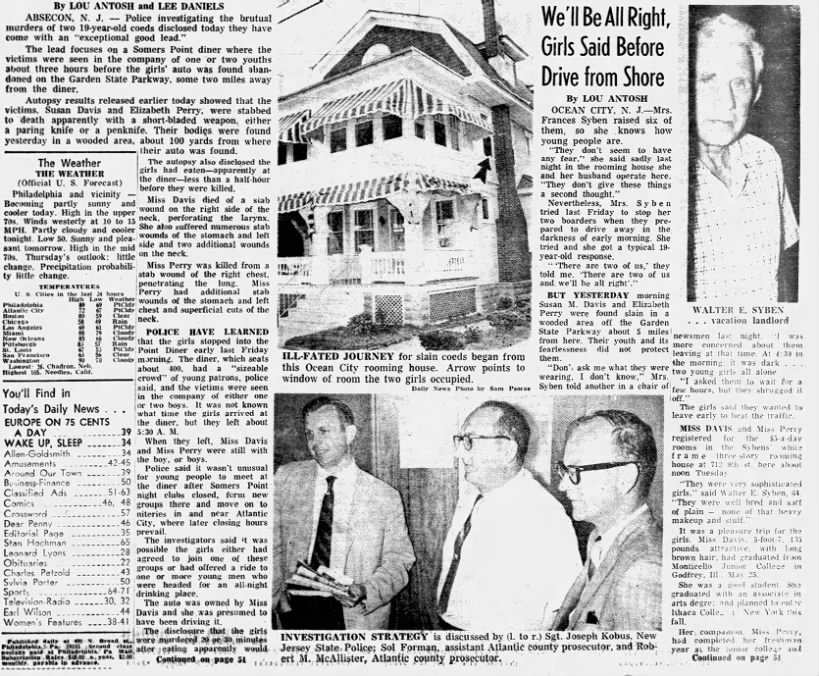
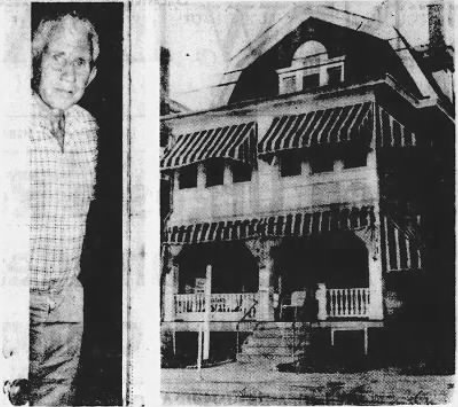
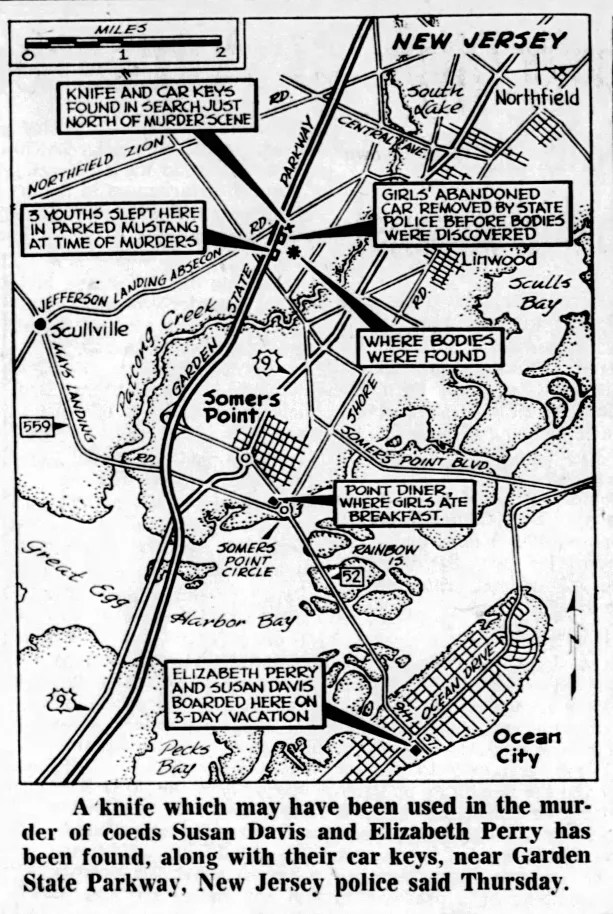
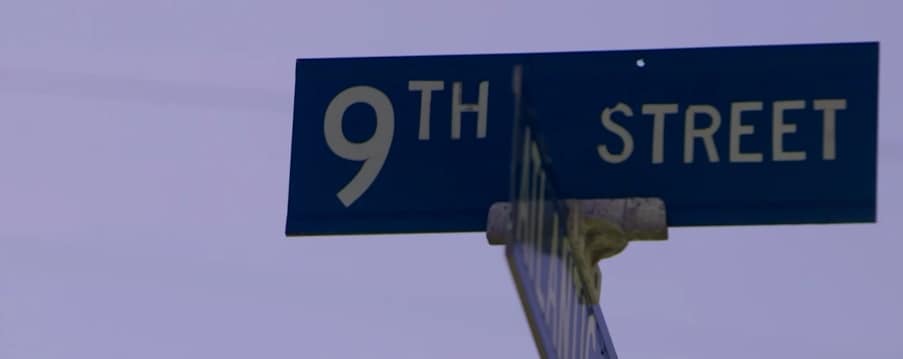
The pair were staying at an $8/night, second story room at a boarding house called the Syben Inn located at 912 Ninth Street, and in hopes to beat holiday traffic left around 4:30 AM on May 30. The inn was located right in the heart of Ocean City and was very close to the beach/boardwalk and downtown shopping area. It doesn’t exist anymore and in its place now sits a row of apartment buildings. The owner/landlord Walter Syben asked the girls if they were sure they wanted to leave so early and suggested that maybe they stick around a little bit longer. It was almost as if he somehow knew something terrible was going to happen to them. Syben was very protective of his younger female guests, which makes sense as he had a daughter of his own. A sign located by the front door of his rooming house said: ‘gentleman, wait outside!’ The last words Susan and Elizabeth said to him as they were leaving were: ‘there are two of us, and we’ll be alright.’
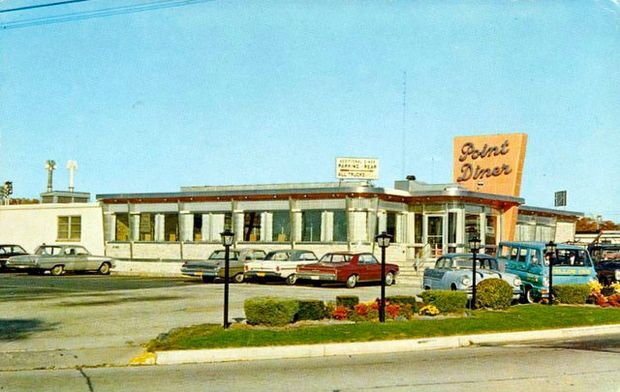
From the rooming house they drove to a nearby town called Somers Point, which could not have been more opposite from Ocean City. Roughly 60 miles from Philadelphia, Somers Point was a party town with a lot of bars. Elizabeth and Susan were last seen alive eating breakfast at The Somers Point Diner, a popular eatery located right over the bridge at 8 MacArthur Boulevard. After a short wait, they were seated at a booth close to a window facing the bay. After sitting by themselves for a few minutes, they were approached by three clean-cut college aged men who’d been standing by the hostess station waiting for a table; the girls let them sit with them. When law enforcement caught up with the boys they swore they did not leave with their new female acquaintances; they also passed a polygraph test. Eyewitnesses said that the young women left alone and seemed to be in good moods as they left the diner. They drove towards the Somers Point entrance of the Garden State Parkway and headed northbound to their destination of Camp Hill, PA and were last seen driving away from the diner around 6:00 AM.
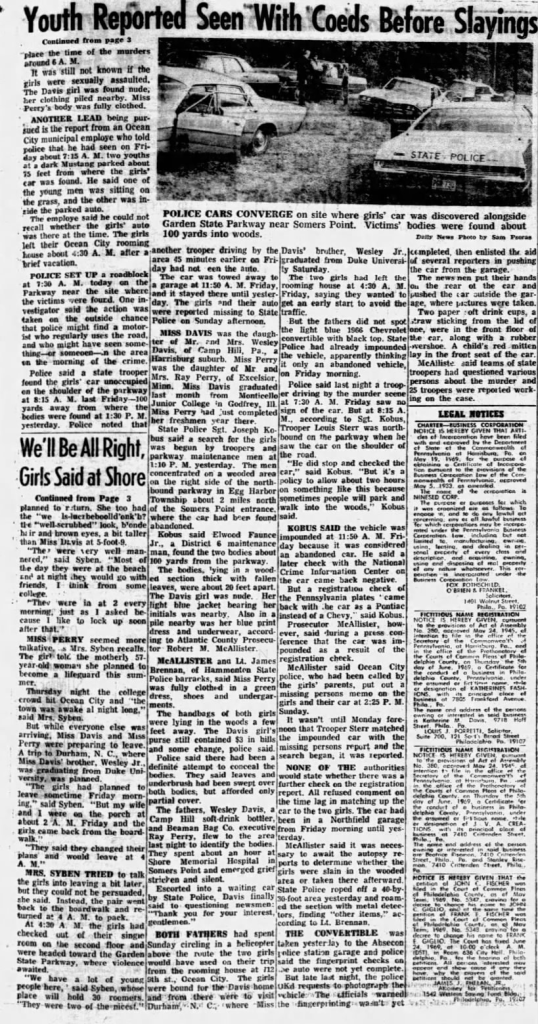
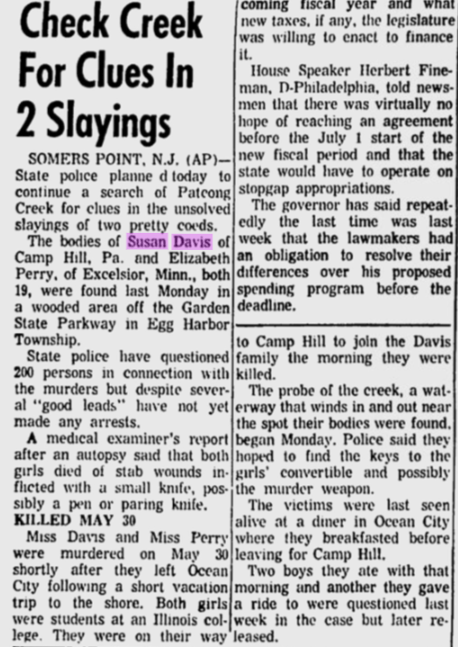
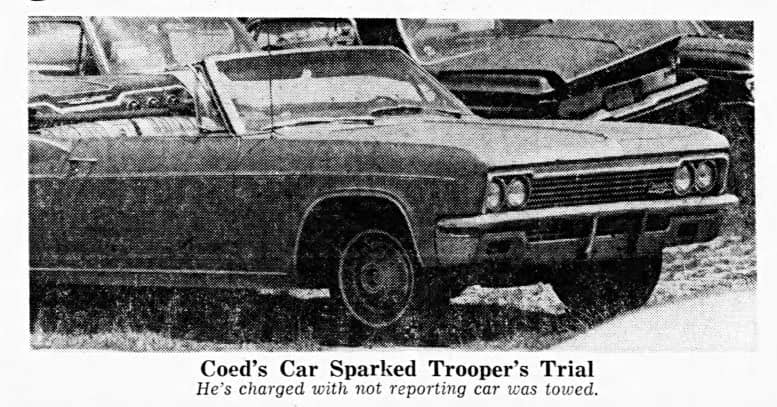
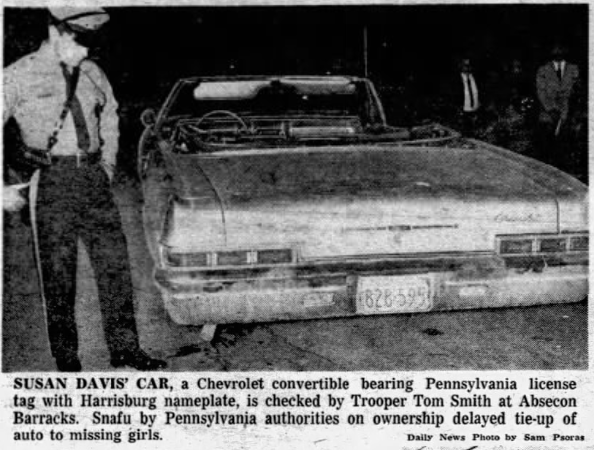
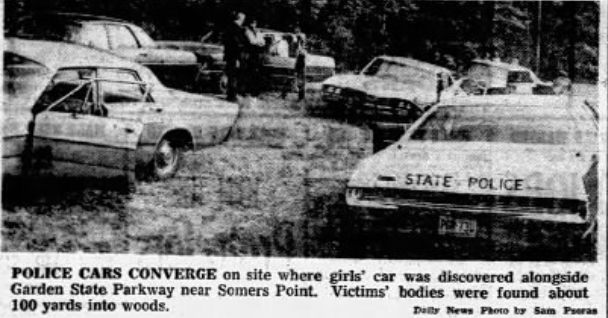
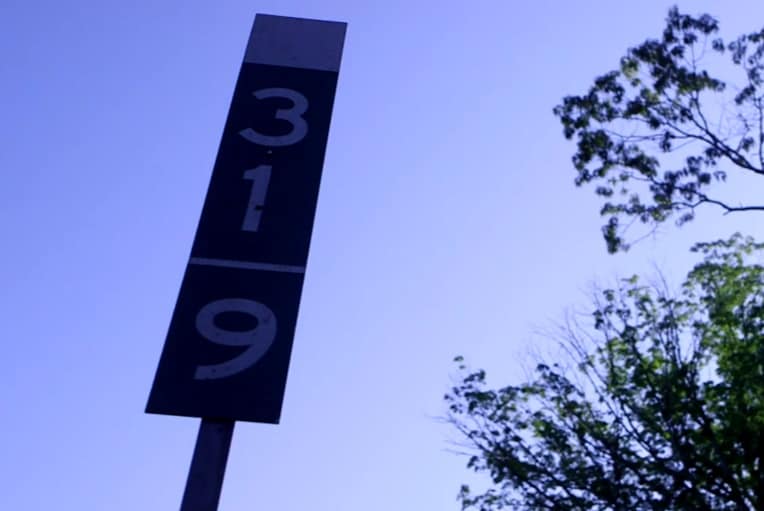
Later that morning at around 10:00 AM NJ State Trooper Lewis Stark was out on patrol when he came across Susan’s abandoned 1966 blue Chevrolet Impala convertible (with its top down) parked on the side of the road near mile marker 31.9. There were no keys found inside. When radioing the vehicle in to dispatch it mistakenly was relayed back as abandoned, so he had it impounded and towed to Blazer’s Automotive, who put it in their impound lot on Tilton Road. Stark left for a weekend long fishing trip after his shift ended that day and when he returned on June 2nd learned what happened and quickly realized his mistake: the car was not abandoned and belonged to the two missing women. By that time there was a massive search in effect: within eight hours of the murders the girls parents knew their daughters were missing and reported it to the police. Both Mr. Perry and Mr. Davis had the means to rent helicopters to fly over the area in their efforts to find them. According to New Jersey medical examiner Dr. Edward Albano, both victims were killed only 20-30 minutes after their meal at the diner, which means the murder would’ve occurred sometime around 6:00 AM.
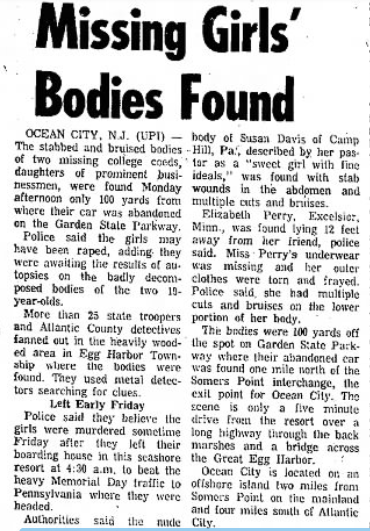
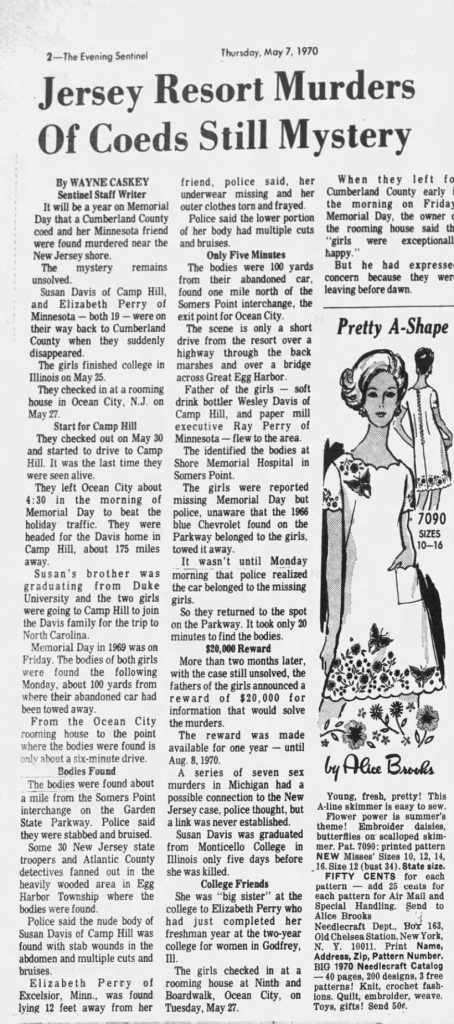
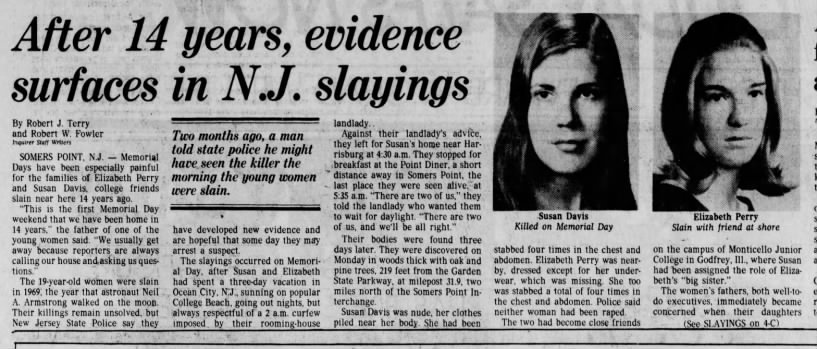
It wasn’t until Monday, June 2 that the girls remains were discovered by Elwood ‘Woody’ Faunce Jr., a Garden State Parkway maintenance worker. Faunce found the bodies at roughly 1:30 in the afternoon on the northbound side of the road along Great Egg Harbor Bay, in between mile markers 31.8 and 31.9, which is only a four minute drive away from the Somers Point Diner. They were sloppily ‘buried’ under leaves about 200 yards away from the road and 150 yards from the abandoned car and were covered in welts and bruises. Elizabeth had been tied to a tree with her hair, which is obviously an ‘unusual method of restraint,’ and Susan was face down and completely naked. Her clothes were in a neat pile close to her body, including a blue print dress, underwear, and a light blue jacket with her initials in it. The fact that Davis’ clothes were folded in a neat pile possibly indicates she took them off herself while under duress. Elizabeth was found face up roughly ten feet away, fully clothed in a green dress, shoes, and undergarments; her clothing was ripped and frayed. The only thing not accounted for was her underwear, which we can only speculate as to why it was missing. Perhaps it was as simple as she didn’t have clean ones to wear that day, or maybe there was a more sinister element to it and the killer took them as a trophy of some sort. I do think you could argue that since one of the victims was nude and the other was missing their underwear that there was some sort of sexual component to the crime. Both of the girls’ purses were found nearby and Elizabeths still had $3 plus change in it.
Susan and Elizabeth were both found with close up injuries on their bodies, which suggests that in addition to being stabbed they were beaten brutally. Their autopsy reports disclosed that both victims died of stab wounds that were ‘inflicted with a small knife, possibly a pen or paring knife’ but didn’t say if they were sexually assaulted or not. Ms. Perry’s exact cause of death was from a chest wound that penetrated her right lung; she also had three stab wounds in her abdomen and one on the side of her neck. Ms. Davis died of an injury on her neck that cut into her larynx; she also had four wounds on the left side of her abdomen and an injury on the right side of her neck. Because of the location of the very particular neck wounds she suffered, an investigator theorized that the killer was at one point in the backseat, jabbing at her as she drove, possibly as a way to get her to pull over. Law enforcement never found the murder weapon.
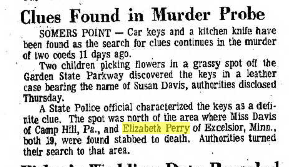
Detectives found a men’s diver-style watch without a wristband close to the scene, which they felt belonged to the murderer. The keys to Susans car were eventually discovered ten days later just off the roadway approximately two miles north of where the bodies were, which almost surely indicates they were tossed from a quickly moving vehicle. At the time of the murders the news media gave varying reports on whether or not the victims were sexually assaulted, and over the course of my research I’ve seen some articles that state Perry had not been raped, while no determination could be made for Davis. Others that indicated both bodies were too decomposed to make a call thanks to the unseasonably warm temperatures, and still others that said there was ‘some evidence of sexual assault’ but didn’t elaborate on what exactly that was. More recent news articles state that neither woman had been raped.
May in New Jersey is typically pretty warm, and in 1969 it was unseasonably hot, with temperatures reaching upwards of ninety degrees, and because of this the decomposition rate of the bodies was accelerated. In addition, there were also some animal infestation issues as well (just like at the Bundy dump sites).
The girls both had a lot of valuable possessions with them but everything was accounted for at the scene of the crime: their wallets, purses, and suitcases were all untouched by the assailant. Elizabeth’s friends told police that when she left for the trip she was wearing a very expensive charm bracelet and a one or two carat diamond ring that was found on her by law enforcement. In addition to expensive jewelry, cash was left behind as well so it’s obvious that robbery or money wasn’t the assailants motive. I recently discovered Reddit as a great resource for my Bundy research, and while reading through a thread discussing this case a contributor pointed out the possibility that maybe there were two assailants: the Garden State Parkway is an extremely busy highway, and it could have been a real challenge for one person to abduct two girls. But, maybe it wasn’t super busy that early in the morning on a holiday weekend, I’m just throwing that out there… We also don’t know if maybe he used a gun like he did with Carol DaRonch (if it was Bundy), but at the same time there have been many murderers that have killed more than one person at the same time, alone. Additionally, in the summer of 1974 Bundy abducted Janice Ott and Denise Naslund on the same day mere hours apart, and the fact that he did it so seamlessly almost suggests he did it before and had some previous experience controlling two victims at once. It is worth mentioning that both Perry and Davis were stabbed, which we know isn’t how Bundy typically killed… However, since this was years before his ‘murder career’ officially started in 1974 (I don’t know what else to call it), a part of me wonders if he was still ‘perfecting his craft’ and wasn’t sure what his preferred method of murder was going to be quite yet. I also wonder if maybe he wasn’t prepared for the massive amount of blood a human body contains, and that’s why he never returned to this stabbing method. During his confession Bundy said that in later years he kept at least one extra set of clothes in his car, maybe that was how he was able to get away undetected in this case. Just as a side note, I also wonder if something happened that made him almost rush through these murders so he could get out of there quickly… I mean, I’m sure both women fought like hell against their attacker, and that they screamed and yelled and fought with all their might. If it really was Bundy the fact that he killed two women at the same time is astounding to me…
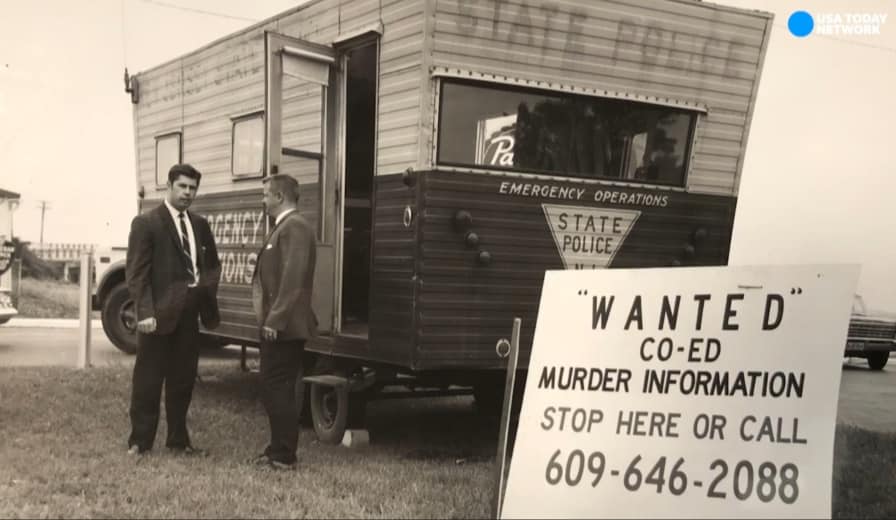
Early in the investigation New Jersey law enforcement set up a booth at the Somers Point Diner and asked patrons for any helpful information that could help them with the case. Despite receiving hundreds of leads, they still came up with nothing. At least one eyewitness claimed they saw the girls leave a bar with a couple of guys early in the morning on the day they disappeared.
In my research it doesn’t seem to exactly have been a secret that this case was mishandled almost right from the beginning, when the NJ trooper had Elizabeth’s car towed without completely investigating the scene. It didn’t help that the investigation started days after the girls disappeared and that there were very few eyewitnesses but even fewer relevant police notes regarding the case. Hundreds of people were polygraphed and thousands were interviewed about the case. John Divel of the Ocean City Police Department said of the murders: ‘I know that the way the bodies were left, the person who killed those girls had an excellent knowledge of chemistry, knowing that the three things you need are heat, moisture, darkness, and the proper point of acidity to eliminate evidence. All of that was accomplished. It was remarkable.’ In regards to Bundy being the killer, it almost seems as if New Jersey law enforcement doesn’t want to investigate him in fear that they would somehow be held responsible for his rampage in the years that followed.
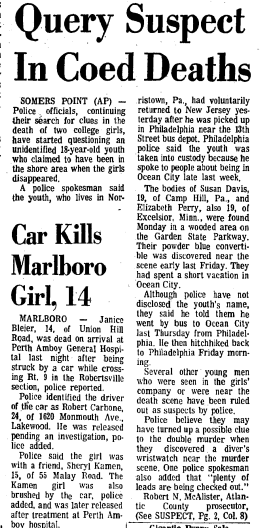
There were many articles and leads that mentioned there was a hitchhiker in the area at the time of the murders. As I said earlier, only 20-30 minutes passed from when the two women ate breakfast and were murdered. Did they willingly pick up a young man ‘thumbing a ride’ right after they left the restaurant? Did he ‘get down to business’ and kill them both immediately? Despite eyewitness reports it was never fully confirmed if the girls even picked up a hitchhiker that morning in 1969. An eyewitness came forward and claimed he saw the two girls picking up a young man dressed in a yellow sweatshirt and carrying a duffel bag, who appeared to be around 20 years old. Police quickly located the 18 year old male after he was found acting suspiciously in Philadelphia, and after being questioned he admitted to having been in Ocean City the Memorial Day weekend the girls disappeared. While being questioned, he talked about taking a bus to Ocean City the previous Thursday and thumbing rides back to Philadelphia Friday morning, which matches the frame of the murders. The unnamed male failed a polygraph test and gave ‘fuzzy answers to crucial questions.’ He also said strange things regarding ‘visions’ he had about ‘two girls driving a convertible, and I was in the back, and their hair was blowing in the wind.’ Despite this very strange circumstantial evidence, law enforcement could not link him to the murders and he was released. In May 1983 a new witness came forward, saying at around 6:30 AM on the morning of May 30, 1969 he also saw a young male wearing a yellow sweatshirt that was walking along the Parkway at about 6:30 AM, and when he saw the witness coming towards him quickly ducked into the bushes. When they were shown a series of headshots the witness quickly picked out the young man that had originally been questioned and released in 1969. At that point in 1983 the suspect was working as a long haul trucker and was residing in Norristown, Pennsylvania. When interviewed again in December 1983 he was cleared when the county prosecutor’s office decided not to press charges, once again citing a lack of evidence.
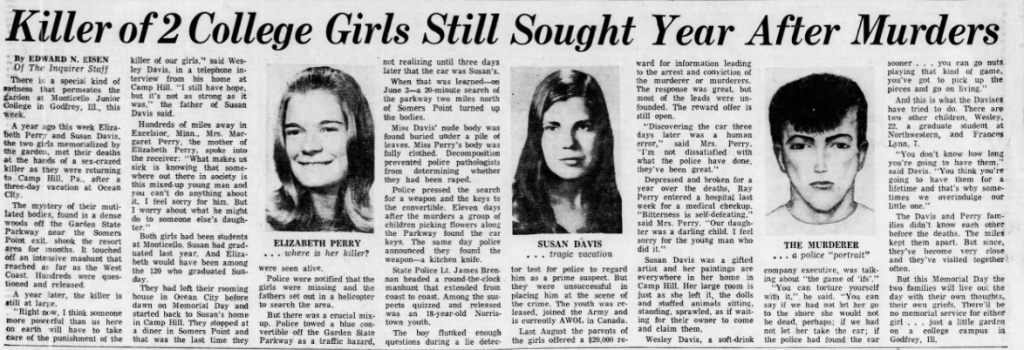
One of the few witnesses that came forward alleged that they saw the girls pick up a young, male hitchhiker with his arm in a sling. Others claimed they may have met some boys at a bar the night before they were murdered and went home with them. Two witnesses came forward claiming they had seen a ‘lanky, slender teenager with curly brown hair, a narrow face, and sunken cheekbones’ wearing white T-shirt lingering near the abandoned convertible early the morning of May 30 at roughly 8 AM.
It’s widely accepted that Ted began his heinous murder spree in early 1974 when he attacked Karen Sparks as she slept in her off-campus apartment in Seattle. However, we know he may have killed as early as 1961 when Ann Marie Burr disappeared out of her bedroom in the middle of the night and was never seen again. When I went to Philadelphia in May 2022 to visit some of Ted’s old haunts I debated on making the trek to New Jersey but at the time I was driving an old Beetle and was nervous about not making it there (I made it to PA with no problems why I was suddenly so nervous about NJ was beyond me). I don’t know… I had a hard time justifying an extra 3+ hours of driving for a single spot where two unconfirmed victims were last seen (although now looking back I wish I went).
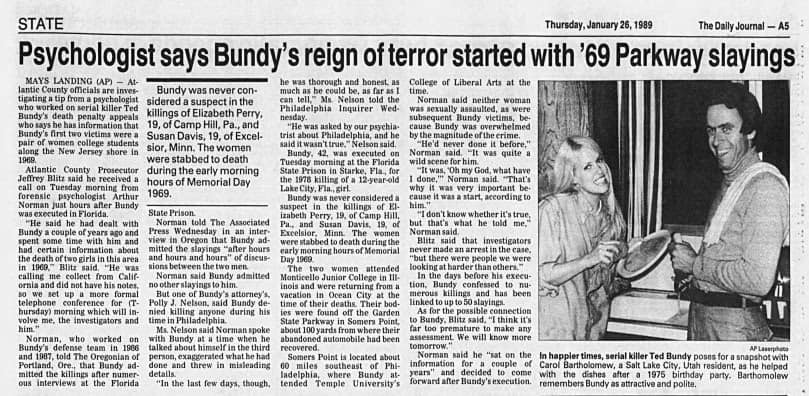
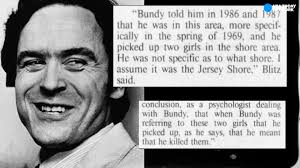
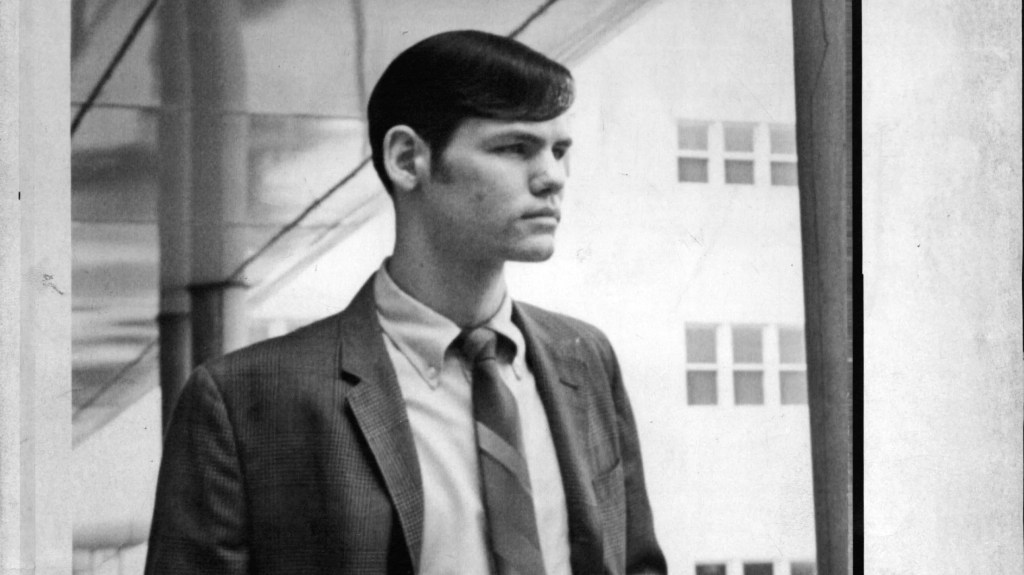
Many Bundy-sleuths believe that the Garden State Parkway incident were Ted’s first murders, and that he committed the killings after stalking the friends on the Jersey Shore. At the time in May 1969 Bundy was finishing up his time at Temple University in Philadelphia and living with his Aunt Julia in Lafayette Hill. His Grandparents also owned a home in Ocean City on 26th Street. Apparently it’s a fairly common practice for students in Philadelphia to go ‘down the shore’ to New Jersey and has been for decades. When living in Philadelphia Bundy says he went to the porn parlors in Times Square then would drive to Ocean City where he ogled the girls on the 9th Street beach. It’s widely known that Ted didn’t last long at Temple: he started in January 1969 and dropped out in May that same year. When he came back to the west coast after Memorial Day weekend he was driving a professor’s car from Temple to California, even using their credit card for gas. Typical Bundy, he had no problem taking advantage of the situation and made some detours along the way, visiting friends, going to NYC, and even surprising Diane Edwards in San Francisco. He then moved back to Washington state. In ‘Bundy’s Diagnostic Study Report’ it plainly states that: ‘in May of 1969, following Theodore’s experience at Temple University, he traveled to San Francisco, California, stayed there for approximately two to three weeks with friends, then he moved to Tacoma, Washington.’ After Bundy was executed in 1989 forensic psychologist Arthur Norman told New Jersey based news magazine ‘The SandPaper’ that Ted shared with him that he killed ‘two women in the Philadelphia area’ (most likely Perry and Davis), and he felt they may have been his first two murders. Norman even notified Atlantic City Prosecutor Jeffrey Blitz about his confession, who immediately shot down the story, calling it inconclusive.
One of Ted’s attorneys that attempted to help save his life while he was on death row, Polly Nelson said that Norman had spoken to Bundy at a time when he not only talked about himself in the third person but he also exaggerated what he had done and purposefully added misleading details. On January 23, 1989 Bundy once again shared the ‘story’ of his Memorial Day trip to the Jersey Shore in 1969 to psychiatrist Dr. Dorothy Lewis, this time with major differences: he claimed that he had visited Ocean City in the spring of 1969 and had attempted to abduct one woman (not two) but she escaped him. As recorded in Nelson’s book ‘Defending the Devil,’ Bundy said: ‘Well, later on that same year, in the spring, I went to Ocean City. And just hanging out at the beach, and looking at the young women, trailing them around. And my plan again was, I had never done anything like this before, I was… compelled to… act out this vision.’ … ‘Okay, so I was just stalking around the downtown area of this small resort community and I saw a young woman walking along.’ … ‘I didn’t actually kill someone this time, but I really, for the first time, approached a victim, spoke to her, tried to abduct her, and she escaped.: … ‘But that was the first, the kind of step that you just, that I couldn’t ever return from.’… ‘In Ocean City, I realized just how inept I was. And so that made me more cautious, and so I didn’t do that again for a long time.’
After Bundy was executed in January 1989, Norman contacted the New Jersey State Police claiming he confessed to the Garden State Parkway murders in October of 1986. He gave them a recording where Ted discussed his time in New Jersey in 1969, and it was around that time that he began to develop his love for violent pornography and had visiting ‘flesh shops’ in New York City. In the interview, Ted said to Norman: ‘talk about being pushed to the edge with the most sophisticated, explicit pornography available in this country’’’(it’s here he starts talking in the third person)’…he decided to take a little bit of a jaunt to what they call the shore, the Jersey Shore. This is early summer. So, after being more or less detached from people for a long period … didn’t have any friends, didn’t really go anywhere, just more or less had school and then sort of entertained himself with his pornographic hobby and drove the shore and watched the beach and just saw young women lying on the beach. You know, it’s like an overwhelming kind of vision… he evidently found himself tearing around that place for a couple of days. And eventually, without really planning anything, he picked up a couple of young girls. And ended up with the first time he had ever done it. So when he left for the coast, it was not just getting away, it was more like an escape.’
Norman went on to say that neither of the women Bundy talked about were sexually assaulted because he was ‘overwhelmed by the magnitude of the crime… it was quite a wild scene… that’s why it was very important because it was a start (whether or not Norman Ted verbally told him is unclear.)’ … ‘I’m convinced he did it. And I believe that it was the first two murders that he got into. He had no reason to lie to me, and if he was lying, he had been saving this information for 20 years just to con somebody. Or is this just an amazing coincidence, that he just happened to be there on Memorial Day before he went back to the West Coast, and two girls disappeared in that area at the time? That is an amazing coincidence then, and I don’t think he had a little book of crimes that he knew about that he could use to throw his psychologist off. Everything else he told me has been borne out, so why should he lie just about that? I believe him.’
In my research, someone commented on a forum that maybe we think too much about the ‘crowbar and strangulation’ aspect of Bundys methods, especially when looking at potential victims. As we know, he was no stranger to switching things up at times (just like he did with his semi-regular use of casts/crutches). When Bundy brutally assaulted Karen Sparks in early 1974 (the first of his ‘on the record’ violent assaults), he aggressively inserted a metal rod from her bed frame into her vagina, doing extensive damage to her bladder. Lisa Levy (one of his Florida State victims), suffered through a similar type of assault when he inserted a Clairol hairspray bottle into her vagina. When it comes to the victims found on Taylor Mountain and at the Issaquah dump site we cannot say for certain what exact murder method was used, because obviously at that point any remains were found were single bones or skulls (although I will admit the bashed in heads couldn’t have been very good). We have to take his word for it, which is unfortunate because Ted is a pathological liar.
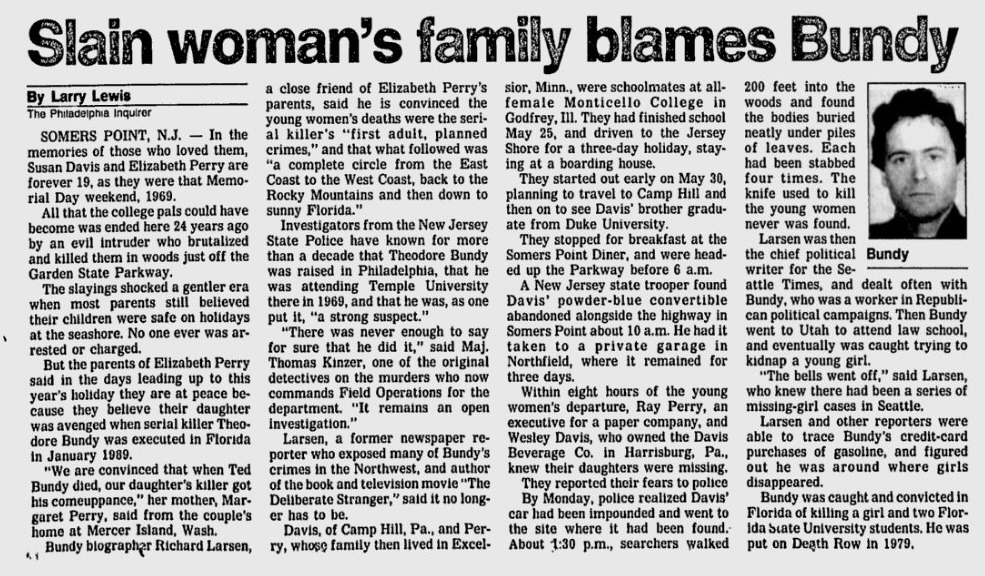
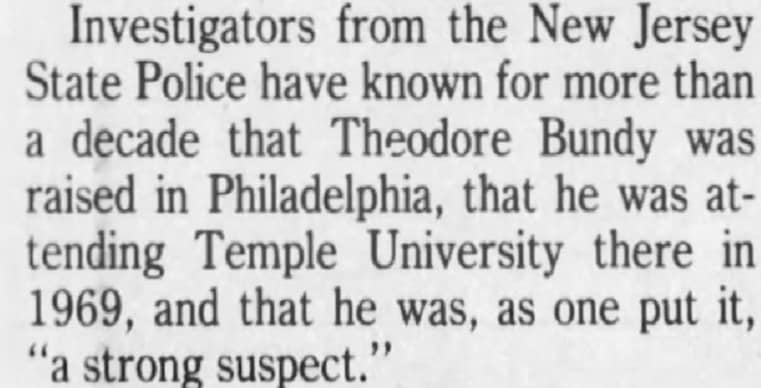
Regarding Bundy as a suspect for the Garden State Parkway murders, one of the original detectives on the case NJ State Police Major Thomas Kinzer told Utah’s ‘The Deseret News’ that: ‘there was never enough to say for sure that he did it.’ … ‘it remains an open investigation.’ In the book ‘The Garden State Parkway Murders: A Cold Case Odyssey,’ true crime writer and lawyer Christian Barth says he interviewed at least two people that said they saw a man matching Bundy’s description in Ocean City that holiday weekend. He also shared with ‘The SandPaper’ that Bundy told Norman he ‘evidently found himself tearing around the place for a couple of days.’ … ‘eventually, without really planning anything, he picked up a couple of young girls, and it ended up it was the first time he had ever done it.’ Kinzer also said in 1988 that two of the original New Jersey detectives that worked the case flew to Florida to interview Bundy about the murders of Perry and Davis but he refused to discuss it. The officers then went to Philadelphia and tracked down Bundy’s Aunt Audrey, who told them that her nephew couldn’t have been at the Jersey Shore the weekend of the murders because he had been in a car accident and had a cast on his leg. After looking into it, law enforcement determined that there is no record of any sort of injury or accident occurring anywhere.
Regarding that fact, Bundy scholar Richard Larsen said: ‘Bingo.’ The serial killer often used some sort of cast (whether on his arm or leg), crutches, or a combination of both to lure his victims. What’s to say he never hurt his ankle in a car accident that weekend in 1969 and his Aunts just accidentally saw him wearing his costume? Larsen felt that Ted used his ‘his feigned-injury ruse’ based on a conversation he had with Ted’s Aunt Julia, who (like her sister) said that Ted’s leg was in a cast that Memorial Day weekend in 1969. Larsen theorized that Bundy saw the girls at the shore, stalked them, then when they tried to leave Ocean City drove right into a trap designed by a then 22 year old Ted Bundy. I wonder if maybe at one point Ted did actually need help while injured and realized it was an easy way to convince women to do anything he wanted to with a please and a smile. The morning of his execution, the warden asked Bundy if he had ever committed murder in New Jersey, and he responded, ‘no, nothing.’ He was put to death just minutes later, taking his secrets with him to the grave…
During an emotional phone call with his ex-girlfriend Liz after his 1978 arrest in Florida, Bundy told her: ‘I’ve fought it for a long, long time … it got too strong. We just happened to be going together when it got underway.’ He began seeing her in the fall of 1969, so this statement makes sense. Much like my last big piece on Ann Marie Burr, a lot of the Bundy family members that were interviewed about early cases were attempting to recall small details from many, many years before. Both of Ted’s aunts talked to law enforcement nearly 20 years after the murders took place, and a part of me wonders why anyone would remember a random Memorial Day in 1969 BUT… I guess if my nephew was a serial killer I’d start coming up with a timeline REAL quick. Just saying… It is a fact that Bundy did at some point break his ankle before meeting Kendall in the fall of 1969; the injury is what he used to stay out of Vietnam. In a timeline drawn up by the Seattle PD in 1975 to keep track of Ted’s movements there lists a broken right ankle that happened sometime in Philadelphia in 1969. It came up again in 1976 when Utah drew up their pre-sentencing report. In it, because of the injury Bundy is listed as 4F, or ‘not acceptable for service due to medical, dental, or other reasons.’ Additionally, the ‘1992 FBI-Multi Agency Timeline’ lists a few dates when Ted visited a Seattle clinic to receive care for the injury.
I’ve really enjoyed looking into the unconfirmed victims these last few months. One of my favorite pieces so far is about Lonnie Trumbull and Lisa Wick, the two Seattle flight attendants that were attacked in their Capitol Hill apartment in 1966. Neither one of those girls were sexually assaulted, which is a glaring deviation from one of Ted’s more frequent habits. With so many (if not almost all) of Bundy’s victims being sexually assaulted in some way before being murdered it’s odd that this was also a case involving two victims and seemingly no sexual aspect. Or maybe the killer got spooked, the girls got too loud, or he simply ran out of time (or a combination of them all). Let’s look at his Florida State murders: Kathy Kleiner and Karen Chandler at Chi-Omega then Cheryl Thomas later that same evening. In these very few instances where Bundy refrained from sexually assaulting his victims, it seems that timing and circumstances simply did not allow him to partake in the act. Arguably, the excitement or stimulation associated with the sexual aspect of murder were Ted’s main motivations in committing his atrocities. Nearly all of his assaults and murders involved some sort of sexual element, whether it was the act of rape itself or using an object by proxy such as a Clariol hairspray bottle or metal rod. Violence was dominant when it came to Bundy’s sexual gratification, as he made that fact very clear in his death row interviews when attempting to answer the ‘why’ portion of law enforcement’s questions.
In addition to Bundy, another viable suspect of the murders of Susan Davis and Elizabeth Perry is Gerald Eugene Stano, born Paul Zeininger in Schenectady, New York (oddly this is fairly close to another unconfirmed victim I wrote about, Kathy Kolodziej). Stano’s mother neglected him and his four siblings so severely that when they went up for adoption county doctors said he was unfit and that he functioned at ‘an animalistic level,’ even eating his own fecal matter for food. Eventually a RN named Norma Stano adopted Zeininger at six months old, which explains the new last name. Stano continued to have a great deal of behavioral problems despite having a loving, supportive foster family: he was a compulsive liar, a chronic bedwetter until he was 10 years old, and didn’t graduate from high school until he was 21. Despite his poor academic performance Gerald enrolled in computer school, graduated, and got a job at a nearby hospital. However he was quickly terminated after he was caught stealing from co-workers. Bundy lived next to Stano while on death row in Florida at the time police questioned him about the Garden State Parkway murders. Oddly enough, in May 1969 both men lived within an hour’s drive from where the murders took place in New Jersey. After he was arrested, Stano eventually claimed that Davis and Perry were his first murders. A serial confessor to crimes he never actually committed, he confessed to killing 41 people total on the east coast but could only successfully be tied to 22. Homicide detectives said he often exaggerated the details of his killings, most likely in hopes of receiving better treatment in prison or extending his execution date. He often stabbed his victims without sexually assaulting them (just like Perry and Davis).
In 1982, two New Jersey detectives went to Florida State Prison in Raiford to interview Stano, and he signed a confession admitting guilt for the girl’s murders. However, in it he got an important detail wrong when he said the attack took place on the wrong side of the parkway. Regarding the confession, Detective Sergeant Robert Maholland said: ‘at this point, we don’t believe he’s our man. I’m not convinced at all.’ It’s important to note here that Bundy was incarcerated with Stano on Florida State Prison’s death row the same time police were questioning him about his involvement with the girls murders. Bundy disclosed to Bob Keppell that: ‘I last was with Gerry, we were both on death watch, as a matter of fact, together, and we also lived in the same wing together for some time, and I read a very confidential report, a presentence report prepared by some state agency. It went into great detail about his confessions and his past life… And so getting to know Gerry was fascinating, ’cause he’d tell me stories about things that happened, and then I’d read that something else had happened in the police report.’’ Stano eventually recanted his confession of the murders of Susan Davis and Elizabeth Perry, and was executed on March 23, 1998 in Starke, Florida.
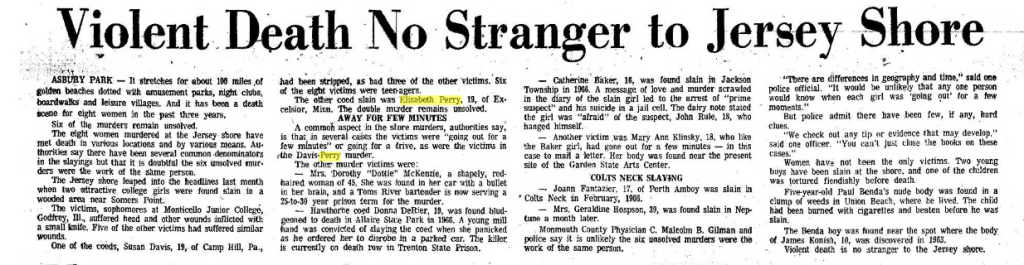
Another suspect that was investigated for the murders but was eventually cleared is John Norman Collins (sometimes Chapman), who is also known as the ‘Ypsilanti Ripper’ and the ‘Michigan Co-Ed Killer.’ Collins abducted, raped, beaten and murdered (typically by stabbing or strangulation) a total of seven young girls/women between 1967 and 1969 in the Ann Arbor/Ypsilanti area of Southeastern Michigan. His victims ranged from 13 to 21 years old and some of them were abused and mutilated postmortem. Collins was arrested only one week after his final murder and on August 19, 1970 he was sentenced to life imprisonment. He is currently incarcerated at G. Robert Cotton Correctional Facility in Jackson, Michigan.
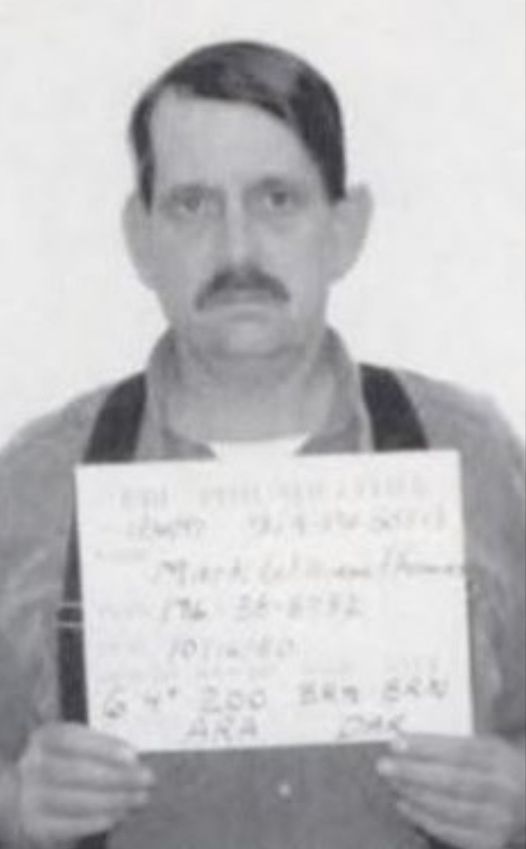
Also investigated and cleared of the Garden State Parkway murders was white supremacist Mark Thomas. A former member of the Aryan Republican Army (also called ‘The Midwest Bank Bandits’ by the FBI and police), Thomas was part of a white nationalist terrorist organization that robbed 22 banks in the Midwest from 1994 to 1996. The group had strong Neo-Nazi and white supremacist roots and may have had ties to my own hometown terrorist, Timothy McVeigh (who went to the same high school as my husband in Lockport, NY) in the months leading up to the Oklahoma City bombing. Despite never being publicly confirmed, many people believe the ARA used robbery money to help fund McVeigh’s terrorist attack as a direct response to the Waco and Ruby Ridge sieges.
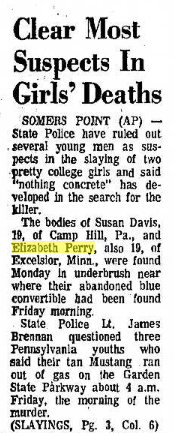
Strangely enough, parked only about 200 feet away from the girl’s blue convertible was another car with three younger men asleep in it on the side of the Parkway; their dark colored Mustang had run out of gas. They noticed the blue convertible at around 7:15 the morning of May 30 and reported no signs of a struggle. They were eventually cleared as suspects.
Wesley and Marjorie (nee Strauss) Davis were married on August 26, 1944 and were wed for nearly 72 years when Mrs. Davis died on June 1, 2016 at the age of 92. Mr. Davis passed away just three weeks later on June 22 at the age of 93. Mr. and Mrs. Perry were married on September 7, 1943 and all I know is that Mrs. Perry passed away many years ago and Mr. Perry died on June 20, 2010. I know the murders were hard for both sets of parents, but in Barth’s book he mentions that Elizabeths’ death was especially hard on her father and he never fully mentally recovered from losing his daughter in such a tragic way. Both families feel that Ted Bundy is the man responsible for the girls murders and in a 1993 interview with Utah’s ‘The Deseret News’ said they believe their daughters’ deaths were avenged when he was executed in Florida. Of her precious Susan, Margaret Perry said that: ‘we loved her dearly, but we couldn’t bring her back, and we had to go on’ … ‘we are convinced that when Ted Bundy died, our daughter’s killer got his comeuppance.’
Journalist Richard Larsen befriended Elizabeth’s parents and was certain that the girls murders were Bundy’s ‘first adult, planned crimes,’ and that what happened after they were killed was ‘a complete circle from the East Coast to the West Coast, back to the Rocky Mountains and then down to Florida.’ Susan’s final resting place is in Block G, Plot 144 at Rolling Green Memorial Park in Camp Hill, Pennsylvania. I was unable to find anything related to Elizabeth Perry’s burial information. Both Elizabeth Perry and Susan Davis murders remain unsolved to this day.









































 Another Bundy Blog.