Suffolk County prosecutors argued against bail for Rex Heuermann using evidence from the following information that explicitly details the Gilgo Beach killings. Thank you to The New York Times for this document.
Ted Bundy attended Woodrow Wilson High School when growing up at 658 North Skyline Drive in Tacoma, WA. Some of his younger brothers and sisters however, went to Stadium High School when the family moved across town to the North End of Tacoma in 1968. I was hesitant to post about the Bundy siblings at first but all of this information I found in the public domain (mostly classmates.com).
The distance between the Bundy family’s second and third homes. The Bundy family’s first home located at 1620 South Sheridan Avenue in Tacoma, Washington.The Bundy family’s second home, where Ted spent a big part of his childhood; located at 658 North Skyline Drive in Tacoma, Washington.The Bundy family’s third home located at 3214 North 20th Street in Tacoma, Washington.The distance between the Stadium High School and Ted’s alma mater, Woodrow Wilson High School (now Silas High School).A picture of a young Bundy family, that’s Ted’s sister Louise is holding. Photo courtesy of Edna Cowell-Martin.The Bundy family, Ted, Glenn, and his two sisters. Photo courtesy of Edna Cowell-Martin.The Bundy family, Ted is holding baby Richie. Photo courtesy of Edna Cowell-Martin.The a blurry shot of Bundy family… all these pictures are sans Mr. Bundy. He’s most likely the photographer.Bundy family, in color.Ted and his brothers and sisters. Photo courtesy of Edna Cowell-Martin.Bundy family, in B&W.Ted’s senior picture in the 1965 Woodrow Wilson High School yearbook.A candid shot of Ted in the 1965 Woodrow Wilson High School yearbook.Ted’s brother Glenn’s sophomore picture from the 1971 Stadium High School yearbook. Ted’s brother Glenn’s senior picture from the 1973 Stadium High School yearbook. A picture of Linda Bundy from the 1970 Woodrow Wilson High School yearbook.A group picture including Linda Bundy from the 1970 Woodrow Wilson High School yearbook.A picture of Linda Bundy from the 1971 Woodrow Wilson High School yearbook.Linda BundySandra Bundy’s sophomore picture from the 1973 Stadium High School yearbook.Sandra Bundy in a group photo for the Girls Glee Club in the the 1973 Stadium High School yearbook.Sandra Bundy’s junior picture from the 1974 Stadium High School yearbook.Sandra Bundy’s senior picture from the 1975 Stadium High School yearbook.An article about the Bundy family’s reaction to Ted’s confessions published in The Spokesman-Review on January 23, 1989.
Carol Louise was born on December 30, 1955 to William and Barbara (nee Johnson) Platt in Bemidji, Minnesota. The couple had five children: Carol, David, Gary, Robert, and Gail. After high school Bill Platt attended Bemidji State University and worked in general construction before entering the US Navy during World War II. He returned to the Turtle River area of Minnesota after he was discharged and married Barbara on April 10, 1950. After the couple got hitched, Mr. Platt worked in the local mines, on the iron range, and was self-employed in his later years; Mrs. Platt was a trained cook and worked various jobs including at the Lake Julia Nursing Home, Markham Hotel, Viking Supper Club, and the Turtle Club. Carol eventually relocated to Camas, Washington. Like so many of the other unconfirmed victims I wasn’t able to find much about her background.
Seventeen-year-old Carol married Robert Valenzuela on August 17, 1973 and shortly after the couple became the parents of twins (they were ten months old when she was murdered). The couple were only married for about a year when on August 2, 1974 Carol disappeared after hitchhiking from Camas to Vancouver: she apparently made it to her intended destination and was last seen at a welfare office in Vancouver. At 11:00 AM a case worker told her to come back later that same afternoon at 1 PM to receive food stamps, however she never returned to the office and was never seen from again. Robert reported her missing two days later on August 4; she was eighteen years old. Ms. Valenzuela was not known to be involved in prostitution and had no criminal record. The case quickly went dry.
On the morning of October 12, 1974 a deer hunter stumbled upon a mass of hair in a heavily wooded area roughly fourteen miles northeast of Vancouver not far from the Oregon border. He thought it was an unusual place to find a wig and after investigating the mass with the shank of his gun quickly realized it was attached to a skull and that it wasn’t a wig at all. After law enforcement arrived they quickly realized there wasa second victim and their skeletal remains were scattered throughout the area. According to lab reports, the bones had not completely oxidized and it was determined that their deaths most likely did not occur suddenly, and possibly took place as a result of suffocation. Thebodies were discovered within a mile or so of where 16-year-old Jamie Grissim’s ID was found (she vanished on December 7, 1971 and to this day her remains have never been recovered). It was determined that the second woman’s death took place roughly six weeks before Valenzuela’s. Former Clark County Sheriff Gene Cotton reported that Robert Valenzuela was initially held as a ‘material witness’ although no charges were ever filed against him.
Eventually it was determined that the physical characteristics of the first skeleton matched those of Valenzuela.Former Curator of the Physical Anthropology department at the Smithsonian J. Lawrence Angel said that the second victim was ‘white, between 17 and 23 years old, and was of slender build, weighing about 125 or 130 pounds.’ … he also said that ‘the woman probably had a small face and long, dark brown hair which was coarse, thick and probably with a natural curl.’ He also commented that her upper teeth were ‘noticeably decayed’ and she had a ‘splayed back, protruding buttocks and had apparently given birth.’ When the two bodies were initially found their dental charts were sent to Bemidji, Minnesota as part of a routine check of missing persons in the area, which resulted in the identification of Mrs. Valenzuela. The remains of the second victim were sent to the FBI laboratory in Washington, DC but went unidentified for many years.
Martha Morrison resided in Portland, Oregon and vanished without a trace on September 1, 1974. She grew up in foster care while living in Lane County, Oregon and had a history of substance abuse and running away from home (both her biological and foster families). Morrison was last seen leaving the apartment she rented with a boyfriend; they had reportedly gotten into an argument. DNA was obtained from Morrison’s sister and half-brother, which helped develop a genetic profile to compare to potential matches. After the testing was complete, it was compared to the currently unidentified remains, whose DNA profile was developed in 2012. Similarities in the genetic material were noted, however a definite match was not immediately established. It didn’t help that Morrison’s skull and some other bones were mislabeled as Valenzuela’s while they were sitting in storage (which was one of the reasons why the remains were unidentified for so long). The National Center for Missing and Exploited Children paid to have Morrison’s Fathers body exhumed so they could obtain his DNA to compare it to the unidentified remains, which resulted in a positive identification that the remains were those of Martha Morrison on July 17, 2015. After her body was successfully ID’d, police went to the public, encouraging them to submit tips to help solve the case. In August 2017, law enforcement matched her blood with remnants on a pistol owned by Warren LeslieForrest, who was a longtime suspect. Before Forrest was named as their killer both Ted Bundy and RandallWoodfield (the I-5 Killer) were both considered as ‘people of interest’ in both women’s murders. Forrest was officially charged with Morrison’s homicide in 2020.
At the time Valenzuela disappeared in the summer of 1974 Bundy was still in a long term relationship with Liz Kloepfer and was residing in the Rogers Rooming House on 12th Avenue in Seattle. He was getting ready to move to Salt Lake City to begin his second attempt at law school and was employed with The Department of Emergency Services in Olympia (he worked there just for a few months from May 3, 1974 until August 28). Bundy told law enforcement that he wasn’t responsible for the death of Valenzuela, which is one of the only murders from the Pacific Northwest that he was suspected of that he denied. Most likely because Ted was a habitual liar he remained a suspect of Valenzuela’s murder for quite a few years, as he told investigators before he was executed he may or may not be responsible for additional murders other than the ones he was convicted of.
Enter Warren Leslie Forrest. Forrest apparently liked to pose as a Seattle University photography student and liked to approach women asking if they’d like to pose for pictures for a fee of thirty to forty dollars. The victims would leave with him in his blue murder van where he quickly subdued them and bound them with rope at the ankles and wrists. Forrest was a government employee with the Parks Department which gave him access to a lot of restricted areas in local recreation areas. One of his victims managed to escape after he kidnapped and brutally raped her, and thankfully she was able to get away and flag down a passing motorist who took her to the police. Forrest was eventually tracked down and although law enforcement couldn’t place him in the area at the time of Valenzuela’s disappearance detectives were intrigued by the recurring pattern of victims that were dumped in the woods. They were also struck by the testimony of Forrest’s friends, who were shocked at his actions and claimed he was just a normal, regular guy (which is similar to the way psychologists predicted Bundy acted with his friends).
Warren Leslie Forrest has been in prison on a single murder count since 1974, when he was charged with the murder of nineteen year old Krista Kay Blake. In 2014, detectives began taking another look at physical evidence related to Forrest’s criminal history to help link him to any possible unsolved crimes, but it wasn’t until 2019 that DNA evidence helped link him to the murder of Morrison. Forensic experts from the Washington State Police Crime Lab isolated a partial DNA profile from bloodstains found on Forrest’s dart gun and cross-referenced it with Morrison’s DNA, which led to the positive identification of her remains. As a result, Forrest was identified as her killer. In January 2020 Forrest was extradited to Clark County to await charges in Martha Morrison’s murder. For the first time in 40 years he appeared in court on February 7, 2020, pleading not guilty. The trial was originally scheduled to begin on April 6 2020, but was delayed several times due to the COVID pandemic. The trial finally resumed in early 2023 and on February 1, 2023 a jury found him guilty of the murder of Martha Morrison. Sixteen days later, Forrest was given another life sentence. During the proceedings, he was still apprehensive about admitting hisguilt, but freely gave his opinion that ‘girls from socially disadvantaged environments should not hitchhike or get into cars with strangers due to their vulnerable disposition.’
Sadly, Carols father Bill and her brother David died on January 2, 1986 in a car accident north of Bemidji; Bill was 58 and David was 28. Barbara Platt passed away on February 9, 1993 at the age of 61 in Fargo, ND. It does seem that Robert Valenzuela did eventually remarry. I’m respecting Carols family and will not disclose anything about her twins.
* In October 2024 one of Carol’s grandchildren reached out to me to not only point out some things that were incorrect in my piece but to also voice concern that her grandmothers article didn’t belong on a website about Ted Bundy. After a bit of back and forth I told her I would not remove the article but would add a disclaimer that Carol was not a victim of the serial murderer and more likely was killed by the hands of Warren Leslie Forrest. This blog may have Ted Bundy in the title but it’s turned into so much more than that. And I also want to add that I didn’t pay someone to go find me secret files about Ms. Valenzuela: everything I found was in the public domain and was literally at my fingertips. Where I do understand that it must be incredibly invasive to do a Google search and find an entire article written about your grandmother that was murdered in an incredibly brutal way, but everything I found was either in a newspaper article or from some sort of historical website, like Ancestry/MyHeritage. Also, if something is misspelled (like a name), that is information I pulled from another source, so if it’s not correct in my article it’s also incorrect in the original. I didn’t pull it out of thin air, it came from somewhere. Instead of Googling someone and having to go through 7-8 websites to get everything you need, I’m trying my hardest to be a complete resource. All of this information was easily found, and was free.
Carol Valenzuela.Carol (middle).Carol with her twins; they were ten months old when she disappeared.William Platts WW2 draft card.Carol Valenzuela’s death certificate. An announcement about Robert and Carol published by The Pioneer on April 24, 1974.A clipping about the murder of Carol. Published by The Ellensburg Daily Record on October 24, 1974.A clipping about the murder of Carol published by The Corvallis Gazette-Times on October 24, 1974.An article about the identification of Carol Valenzuela published by the Eugene Register-Guard on October 23, 1974.An article about the identification of Carol Valenzuela published by The Columbian on October 23, 1974.An article about the identification of Carol Valenzuela published by The Albany Democrat-Herald on October 23, 1974.An article about the identification of Carol Valenzuela published by The Longview Daily News on October 23, 1974.An article about the identification of Carol Valenzuela published by The Spokesman-Review on October 24, 1974.An article about the identification of Carol Valenzuela published by The Capital Journal on October 24, 1974.An article about the identification of Carol Valenzuela published by The Capital Journal on November 30, 1974.An article about the identification of Carol Valenzuela published by The News Tribune on November 30, 1974.A picture about of the unidentified victim (that turned out to be Martha Morrison) in an article about the identification of Carol Valenzuela published by the Eugene Register-Guard on November 30, 1974.An article about Carol published by The Columbian on November 29, 1974.An article about the identification of Carol Valenzuela published by the Eugene Register-Guard on November 30, 1974.An article about the identification of Carol Valenzuela published by the Columbian on December 2, 1974.An article about Bundy’s King County victims and their possible relation to Valenzuela’s published by The Columbian on March 12, 1975.An article mentioning Valenzuela published by The Columbian on July 20, 1975.An article mentionong Carol published by The Columbian on July 30, 1978.An article about the possible finding of the remains of plane hijacker DB Cooper that mentions Carol Valenzuela published by the Eugene Register-Guard on February 27, 1980.An article about Bundy’s victims that mentions Carol, published by The Ellensburg Daily Record on January 19, 1989.An article about Bundy’s WA state victims that mentions Carol Valenzuela, published by The Telegraph on January 23, 1989.Part two of an article about a possible stay for Bundy’s January 1989 execution that mentions Carol Valenzuela, published by The Ellensburg Daily Record on January 23, 1989.An article about Bundy’s victims that mentions Carol, published by The Gainesville Sun on January 23, 1989.An article about Bundy’s suspected victims that mentions Carol, published by The Pittsburgh Post-Gazette on January 24, 1989.An article about Bundy’s suspected victims that mentions Carol, published by The Gainesville Sun on January 25, 1989.An article that mentions Carol, published by The Columbian on January 27, 1994.An article mentioning Valenzuela published by The Statesman Journal on August 25, 2017.An article mentioning Valenzuela published by The Longview Daily News on January 20, 2020.The house where Carol was living at the time she was abducted, located at 825 Northwest Ivy Street in Camas, Washington.Carol’s grave stone.Ted’s whereabouts on August 2, 1974 when Carol Valenzuela disappeared according to the ‘TB Multiagency Investigative Team Report 1992.’Bundy’s possible route from his room at the Rogers Boarding House to Vancouver, where Carol was last seen.It’s important to keep in mind that Warren Leslie Forrest didn’t always look like the old, ragged dirtbag he is today: at one time he was young and handsome. Some mugshots of a younger Warren Leslie Forrest.A more recent picture of Warren Leslie Forrest.Warren Leslie Forrest’s blue murder van. A picture of Warren Leslie Forrest victim Martha Morrison.Jamie Grissim.Some suspected victims of Warren Leslie Forrest.Randall Woodfield, an American serial killer nicknamedthe I-5 Killer after the highway he hunted his prey (which ran from Washington to California). Originally from Oregon, Woodfield was convicted of three murders and is suspected of killing up to eighteen people. He is currently incarcerated at the Oregon State Penitentiary.
So, most true crime fans are aware that Ted Bundy’s paternal lineage is unknown: Louise either had a completely anonymous one night stand, was with a man who lied to her about his real name/identity, or had a relationship with a guy who just up and left her and she took his identity with her to the grave (or a combination of these theories). There are multiple rumors surrounding the identity of Ted’s father: it’s been said he was a sailor that went by the name of Jack Worthington, an Air Force vet and salesman named Lloyd Marshall, and even Louise’s own father SamuelCowell (even though DNA evidence proves he wasn’t). The name of Ted’s father was listed as Lloyd Marshall on his birth certificate (before Johnnie Bundy adopted him). Per ‘wikiwand,’ ‘census records reveal that several men by the name of ‘John Worthington’ and ‘Lloyd Marshall’ lived near Louise when Bundy was conceived.’ Mrs. Bundy told the FBI that Ted’s father was a man named Jack Worthington and that she only slept with him once (she also told Agent Bill Hagmaier that she was aware of the rumors and Samuel wasn’t Ted’s Dad).
I’m not sure of the year, but ‘vault.fbi.gov’ released three separate documents that contained an absolute gold mine of information about the Bundy case (I included the portions about the Carrs in full at the bottom, as I don’t like leaving my readers hunting for additional information). Part one begins with a document from Salt Lake City law enforcement going over the details of Teds first escape on June 7, 1977 (as we all know he was quickly recaptured but escaped again to Florida later that same year on December 30). The beginning of the third portion is about a Pennsylvania woman named Janla N. Carr, who claims her dad (Thomas Dowling Carr) is Ted Bundy’s real Father. For the tl;dr type of people: Janla Carr claims Ted Bundy is her half-brother, he apparently had a twin brother, and he committed additional murders during early childhoodandadolescence (well before 1974).
Janla N. Carr was born on January 23, 1952 to Thomas Dowling Carr and Velma F. Priecko out of Pittsburgh, Pennsylvania (Mrs. Carr’s maiden name is occasionally incorrectly listed as Nriecko). Janla was 5’5″ tall, weighed 150 pounds and had brown hair and brown eyes. The son of an undertaker, Thomas was born on February 12, 1913 in Columbus, Ohio and bounced around the country quite a bit before the family eventually settled down in Pittsburgh, PA in 1937 (he went to grade school in Reading, PA and oddly enough lived in Spokane, WA while attending high school, which is only about 4.5 hours away from Bundy’s hometown of Tacoma). After successfully taking a civil service exam, Mr. Carr got a job with the Railroad Mail Service (he began work for them in 1936, at some point became a supervisor, and retired in 1975) and Velma was a Nurse at the Western State Psychiatric Institute & Clinic in Pittsburgh. Family and friends told police that Janla and Thomas had what they would consider a ‘love-hate’ relationship. Additionally, Janla would frequently tell her friends that her dad had abused her and her mother, who passed away from cancer in 1983.
In 1969 Janla graduated from Peabody High School in Pittsburgh and later that fall started college at the University of Pittsburgh (she attended for two semesters). Carr eventually started skipping class before dropping out completely, claiming she had some sort of thyroid condition (I’ll bring this up again later). At some point in her life she experimented with LSD, which can result in altered memories. The use of hallucinogens (even infrequently) can interfere with the action of Glutamate (which helps to regulate pain perception), responses to the environment, and memory. It’s also worth noting that people who use LSD often experience blackouts: even though they may appear to be awake and conscious the entire ‘trip’ in actuality they have no recollection of what happened for either a portion or the entire time they were under the influence. Some users of LSD find their short-term memory is permanently affected and even after they stop using the drug their memories never come back.
The first time Carr claims she met Ted was when she was two years-old: Mrs. Bundy brought her young son to meet up with Thomas and Janla at Mellon Park in Pittsburgh. Per the document released by the FBI, Janla told them that ‘a woman whom Carr called ‘the gray lady’ came looking for Carrs father. Carr had seen the gray lady, who she subsequently identified as Louise Bundy, a number of times at Mellon Park (although there isn’t a time or any other details of this introduction other than she remembers Louise as appearing gray in color). Thomas Carr denies ever knowing Louise Bundy. I don’t think I believe this story, as Louisemoved Ted from Pennsylvania to Tacoma in 1950 and married Johnnie Bundy the next year. Teds half-sister Lindawas born in 1952 and Louise had three more children after (Richie is the youngest Bundy-sibling and he was born in 1961)… why would Mrs. Bundy take her little boy ALL THE WAY across the country on multiple occasions and leave her new husband (who as we know stepped up and acted like a Father figure to Ted after he married his mom) and baby(ies) behind to go visit the Carrs? Janla told the FBI that on that occasion her ‘father acted in a rude and revolting manner towards Louise,’ and Teddy even asked Janla why her father was so mean to his mother. She also recalled that Louise said to Thomas Carr, ‘Your son. Your son.’
The next time Ms. Carr saw Ted was at West Park in Pittsburgh a couple years later in the mid-1950’s. On this occasion, Thomas instructed his daughter to call Louise ‘Aunt Eleanor’ and to tell her that ‘his name was Nelson. Janla asked him what first name she was to use for him, and he told her to refer to him as Lloyd. He told Janla she must obey him.’ When they met with Louise this time, Carr said she was dressed in gray, had ‘a big mole on her cheek,’ and drove a ‘big black car with fins.’ Like with so many of the other living unconfirmed victims, when writing this I relied heavily on Erin Banks book, ‘Ted Bundy: Examining the Unconfirmed Survivor Stories.’ In it, she discusses that during this second visit the two children wandered away from where the adults were sitting. ‘Janla and Ted went off together in the park. Teddy dropped a little boy over a wall in the park.The little boy crawled over to the railroad tracks. Teddy tried to pull the little boy was then hit by a train and killed.’the child’s mother allegedly witnessed the event. After the murder, Carr insisted that Bundy attempted to rape her and that he was ‘acting out what he had learned in pictures.’ I mean… where do I even start? Erin took all the work out of the equation for me (thanks friend), and pointed out that no police report exists regarding this alleged incident. If the mother witnessed another child murder her precious baby in such a horrifically gruesome way, where is the paper trail that would obviously exist? Or some form of proof of the repercussions of Teds actions? And why was it never discussed before in any Bundy related books or documentaries? It’s a pretty substantial event, much larger than something that could be expunged from a juveniles record at 18 (obviously something like that would make the papers, I would think). Also, Ted was born in 1946, which would have made him only 8 or 9 years-old when this event took place. Banks also points out that the average age that males in the 1950’s reached puberty remained as it was in decades prior at 12.5 years old. I mean, there’s always outliers to the average but how could it be possible that Ted rape Janla if he wasn’t physically able to? Janla discusses another time (there are no details given about when exactly it occurred) where Louise ‘burst in on [redacted] with the claim that Thomas Carr fathered her son. Carr recalled that her father acted abusive to her and [redacted] and said that the woman (Louise Bundy) was crazy. Carr indicated that since [redacted], she would not be able to recall this occurrence.’
Interestingly enough, Ms. Carrs run-ins with Ted didn’t end when they were children (it actually seems as if the encounters happened more frequently when the two were adults). Janla told the Pittsburgh branch of the FBI that the next time she saw her half-brother was while on vacation in Vermont in 1968: she ‘met a strange man at the railroad station’ in Old Bennington who introduced himself to her as Ted and that she was attracted to him. When she called her Dad and told him about her new friend he became very angry and started yelling at her. After that Carr claimed that she ran into Ted at a Rolling Stones concert in Philadelphia (sometime between 1968 and 1970) whilehe was attending Temple University and living at his Aunt Julia’s house in Lafayette Hill. It’s worth noting that Bundy did briefly live in Pennsylvania from December 1968 until May 1969 when he moved back to Tacoma (per the ‘TB FBI Multiagency Report 1992.’). Next up: at some point in November 1969 Carr said they ran into each other at a party shortly when she was a freshman at the University of Pittsburgh. She claimed that she didn’t recognize him because at some point in the past her father and Ted hypnotized and brainwashed her (I’ll elaborate more on that later). The two took LSD together while at the party and determined then that she was ‘in love with him’ despite him confessing to her that he was a ‘mass murderer.’ Bundy told Carr that she didn’t know what he was really like, and he talked about ‘the devil as if he were the devil.’ During that trip he started disclosing all of his deepest, darkest secrets to her, including the fact that he already committed several murders at that point in time (even though he told Bob Keppel that he started killing women in 1972) and that one time he incited a race riot after he shot a man in Jackson, Mississippi (you know, because he was known to do that), which ‘bears certain Manson-esque connotations’ (Banks, 54). Carr also claims that Ted confessed to being responsible for the 1969 slayings of Elizabeth Davis and Susan Curtis (also known as the Jersey Parkway Murders). I do want to note, the FBI file said that Ted shared with Janla that he was responsible for A murder on the Jersey Parkway (as in one).. and I don’t know if this is an error or intentional. In her book, Banks points out that ‘Bundy had allegedly intimated to Dr. Ron Holmes that he had killed the two women, yet no recording of it exists. It is noteworthy that Bundy was incarcerated with GeraldStano at the time, who was a suspect in the case and may have filled Bundy in on several details of the double homicide.’ Carr claims that Ted confessed to a series of murders that was discussed in the book, ‘The Michigan Murders’ as well as some slayings in Ohio. Additionally (although he didn’t give the victims name), she claimed that Ted took responsibility for the disappearance of eight year old Ann Marie Burr from his hometown of Tacoma, WA. Carr claimed that Ted described pushing the little girl off a bridge which resulted in her neck breaking. After she was dead, the fifteen year old sexually assaulted her before he buried ‘her body near a river.’ After this encounter, Bundy hypnotized Janla so she would forget the encounter ever happened.
Thomas Carr first remembers his daughter talking about Bundy for the first time at some point in the late 1980’s: he told the FBI that she called someone in Washington about Ted and that he tried to discourage her from doing it again. Thanks to these documents released by the FBI, we know that Janla didn’t begin her delusions of Bundy being her half-brother until around 1990, and she first contacted Seattle law enforcement that September about her speculations (conveniently this was after he was executed in January 1989). Carr told them she wanted to help provide information about his involvement in ‘several homicides.’ At some point in 1991, Ms. Carr learned that Louise Bundy named Jack Worthington as Ted’s father, which per the document ‘relates Janla’s claim that her father told Louise his name was eitherLloyd Nelson or Jack Worthington.’ Unfortunately the (handwritten) notes aren’t completely clear (to me, anyways) and it’s tough deciphering what is meant in some parts. It appears Janla attempted to contact the agency multiple times and they finally granted her an interview on October 26, 1990, when she shared with them her alleged past experiences with Ted Bundy (she even offered to undergo a polygraph examination proving she was being truthful). Carr claims Ted was given the surname Wolfe, Nelson, or Cowell at birth and that her Dad ‘thinks she’s nuts’ and that her ‘stories are fabrications.’ Thomas Carr commented that he ‘could not recall any other topic with which his daughter was so obsessed as with Ted Bundy.’ (Fun side note: she also claimed he had two toes that were stuck together).
Additionally she points out that she feels that older pictures of her father ‘bears a resemblance to published photographs of Ted Bundy.’ Carr included a picture of her father from 1946 in the handwritten letters she sent to the FBI, who she felt bore a ‘striking resemblance to Bundy.’ Janla shared that she wrote to Louise on several occasions and that she even wrote her back: in the response Ms. Carr said that Louise ‘discounted everything Carr had written and about.’ She termed Louise Bundy’s response as the ‘original poison pen letter;’ she also claimed that her father destroyed letters from Louise Bundy that were addressed to Jack Worthington as well as ‘an Army jacket with the name Nelson on it.’
Another thing I want to circle back on is the concept that Ted apparently had a twin brother: I’m including this snippet from Banks book because it gave me a good laugh but it also brings up a really good point: ‘Carr is adamant that Bundy had a twin brother. Those leaning towards believing Carr posit that Louise may have taken turns taking Bundy or his twin brother to these family reunion meetings with the Carrs. One person even suggested that it may have been Bundy’s twin who later sought Carr out in Pittsburgh. Obviously this logic is flawed. This isn’t ‘Breaking Bad’ and we’re not talking about the Salamanca twins in real life. The fact aside that the Lund Home did not record a twin birth in Louise’s case, why would Louise not have brought both boys to meet Mr. Thomas Dowling Carr and his daughter Janla? Where exactly was this twin brother when Bundy grew up in the Cowell and later Bundy household? Where is he on any family photos that found their way onto the internet over the decades? He should have been in at least one photo together with his twin. And where is he now? If he resembles Bundy, just imagine the terror and panic that would have followed, had he been spotted someplace after Bundy’s conviction, let alone after his execution. He would have been the most (wrongfully) arrested man in the history of the USA.’ I mean… yeah. This is written so perfectly I don’t need to elaborate further. The idea that Bundy had a twin no one knew about is absurd.
It shouldn’t come as a surprise that Janla had a long history of mental illness: her father claims that she never held a job and he paid the rent for her apartment (located in an old mansion at 5705 Fifth Avenue in the Oakland area of Pittsburgh). Even though Thomas said she didn’t work a company called ‘Telefundraiser / Public Interest Communications’ is listed in the FBI document as Janla’s place of employment with a notation of of April 1990 written by it (I don’t know if they meant that was her current POE and started that April or if it was the only place she’s ever worked, it’s not clear). She also had numerous inpatient stays at the Western Psychiatric Institute and Clinic in Pittsburgh. Her father also shared with the FBI that his daughter also had some sort of ‘thyroid condition‘ and took ‘Synthroid,’ a Doctor prescribed thyroid medication that is used to treat a condition called hypothyroidism in adults and children. It is meant to replace a hormone that is usually made by an under-producing thyroid gland. Looking into the condition, it appears that individuals suffering with this thyroid disease often experience changes in mood, specifically anxiety and depression. It seems that the more advanced the thyroid condition, the more severe the mood shifts.
Janla said she saw Ted next in the spring of 1970: she was a student (and resident) at the University of Pittsburgh and ran into him on campus. Around the same time, a Pittsburgh coed (who wore her ‘hair parted in the center’) was strangled to death. She said that time he ‘told her he had killed people;’ she immediately took this information to the University of Pittsburgh Campus Police. Carr commented that she doesn’t know if they did anything with the information. There isn’t any additional information about this encounter but apparently after it took place Bundy ‘disappeared;’ she doesn’t know if the Campus Police ever checked him out. After that incident Bundy contacted Janla on the telephone at some time in the early 1970’s: he told her that a spirit gave him her unlisted phone number; it was at that time that she remembered meeting up with him while he was at Temple (vault.fbi.gov/TedBundy, page 40).
Janla told the Pittsburgh branch of the FBI that she didn’t begin to remember these events until several years before the interview took place because ‘both her father and Bundy had hypnotized her.’‘ She claims that the two men had hypnotized her in order to make her ‘forget about the family connection;’ per the FBI document, Carr broke free from this spell at some point in 1969. She also said that she did not always recognize Ted when she see him or remember that he was her half-brother. Janla also claimed that Bundytold her that he was psychic and one time predicted that ‘a woman named [redacted] was going to be stabbed.’ She went on to claim that the next day ‘a woman named [redacted] was stabbed at Penn State University.’ He also said that ‘he would have a career as a criminal, and that he would be killed for his crimes.’ Carr claims that at the end of this encounter Bundy hypnotized her so that she would forget everything he told her.
In 1983 Janla said Bundy called her from Florida State Prison and gave her the name of Angela Woods. ‘Also in 1983, Carr received a call from [redacted], who identified herself as [redacted]. She told Carr that Bundy had used [redacted] credit card to call Carr. Carr told [redacted] that she did not know Bundy was married’ (this makes me think redacted is CaroleAnn Boone). About four years go by before Carr is contacted by Bundy again: in 1987 she received a phone call from Ted but she ‘didn’t recognize his voice.’ He told her he was ‘the most evil person in the world.’ Carr shared with the FBI that she was ‘half-asleep when he called’ and she didn’t realize until later that it was Ted who called her.
Thomas Carr denied that Ted Bundy is his son and is not sure why his daughter thinks this is true. In an interview with the FBI, he shared that Janla never talked about Ted until after he was executed and that he sought her out because she had ‘incriminating information about him.’ In order to find information that would help corroborate her stories, Thomas said that she would tirelessly research Bundy’s background, trying to find some random fact that would help prove her case. He also shared that Janla became practically obsessed with the serial killer, and would read anything she could get her hands on about him: magazines, newspapers, books. She also utilized computer databases at various libraries in the area (specifically the Carnegie Library as well as the libraries at Carnegie Mellon University and the University of Pittsburgh). Carr claims that his daughter is ‘clever enough to appear convincing in relating her stories concerning Bundy.’
Eight days after her 45th birthday on January 31, 1997 Janla Carr was found dead in a subway tunnel near Central Catholic High School in the Oakland area of Pittsburgh following a stay at a psychiatric hospital. The area was a known hangout for people experiencing homelessness. Friends of Carr told law enforcement that she seemed happy before she died despite the fact that she stopped taking her medication. Pittsburgh Homicide Sergeant Paul Marraway described Janla as ‘eccentric,’ and that ‘she had been in the hospital for psychological problems.’ Because Janla wasn’t a victim of sexual assault and had no physical defensive wounds, investigating officers ruled her death as a suicide (the ME listed her death as ‘undetermined’). But her father knew differently: Thomas Carr went to Pittsburgh law enforcement multiple times over the following year regarding his daughters death. One time he gave homicide detectives a 19 year-old torn piece of newspaper that contained Janla’s handwriting all over it: she claimed that there was an unusual man in her apartment who stood up from the couch he was sitting on and looked at her in an ‘unsettling way’ (Banks, 57). The note was deemed mostly nonsense by the police, however Mr. Carr felt it proved his daughter had been murdered. Police said that it was as if he became obsessed with that piece of paper. Over and over again, detectives patiently told him that his daughters death was a suicide, and if it wasn’t, it was an accident. She wasn’t murdered.
The Pittsburgh branch of the FBI looked into Janla’s story and they eventually determined that it lacked credibility (obviously, as we are all aware Bundy’s paternal lineage remains unknown). Finally Thomas Carr’s delusions of his daughter being murdered by the FBI got the best of him and he had enough: on Wednesday, January 28, 1998 Carr went to the Walmart in Cranberry, PA multiple times. He spent a few hours wandering through the isles and sharing his story with Greg Hengelsberg, a cell phone salesman working at the store. Among the things he shared was that his neighbor broke into his house and stole his stamp collection and that his phone was being tapped by the FBI and whoever is doing that also killed his daughter. Regarding the conversation, Hengelsberg commented that ‘it sounded like something on ‘Miami Vice.’’ Per an article published by the North News Record on January 30, 1998: ‘he said the same people tapping phones were the ones who killed his daughter. He said he was wanted by the FBI and the state police.’ … ‘One minute it would be a normal conversation, and then he would get serious… that they had gotten to his daughter and now were after him and whoever was tapping his phones had played it for the woman he was in love with and and she had duped him and never spoke to him again.’ When he was finished walking the store, Carr took off the tasseled hat he was wearing, walked near the cash registers, pulled out a handgun, pointed it to his chest and pulled the trigger. Clearly hurt, he quickly fired two more shots into his chest; he died later that day. The day before he took his life, Thomas went to the Butler Eagle Newspaper offices and told a member of their staff that he wanted to talk about his daughter’s death. He said that he wanted to talk about his attempts to get the Pittsburgh Police interested in the case but he no longer felt he could trust them. He also said that he was ‘on the run from the law’ and that Janla’s murder involved a top political aide of a gubernatorial candidate. He was referred to Post-Gazette reporter Dennis B. Roddy. According to one-time Cranberry Police Corporal David Lewis, Carr showed no signs of having any psychological problems, and when his family was contacted they were surprised at the news. Lewis further commented that police didn’t know how Carr obtained the gun used to shoot himself and that it’s not registered.
I personally don’t think Janla was Ted’s half sister. I think she suffered from a terrible case of untreated mental illness and the only reason she knew so much about him was because she obsessively and tediously studied him. On the website ‘documentingreality,’ a user going by the name of ‘Susan’ said that Janla ‘knows far too much for her to have been dismissed the way she was later on.’ I mean… I wish Susan would have elaborated a bit on what information she thought was so unique, but there’s so much information out there about Bundy, even back then (as the places Carr utilized contained a lot of helpful sources). Janla easily could have learned a great deal of information about Bundy simply by reading books and newspaper articles.
Thomas Carr was 84 years old when he killed himself.
Janla’s senior picture from the 1969 Peabody High School yearbook.Janla’s senior year activities according to the 1969 Peabody High School yearbook.An article about Janla Carr’s death published by The Pittsburgh Post-Gazette on February 3, 1997.An article about the suicide of Thomas Carr published by The Pittsburgh Post-Gazette on January 30, 1998. An article about the suicide of Thomas Carr published by The North Hills News Record on January 30, 1998.Part one of an article about the suicide of Thomas Carr, published by the North News Record on January 30, 1998.Part two of an article about the suicide of Thomas Carr, published by the North News Record on January 30, 1998.Thomas Carr’s WWII Veteran Compensation Application, dated 1950.Thomas Carr’s Registration card for the service.Janla Carr’s Mothers information in the US City Directories listing.Velma Carr’s nursing school credentials.Teds birth certificate.Little Teddy with his grandfather Samuel.William Lloyd Marshall.Page five of a document regarding Janla Carr/Ted Bundy from vault.fbi.gov.Page six of a document regarding Janla Carr/Ted Bundy from vault.fbi.gov.Page seven of a document regarding Janla Carr/Ted Bundy from vault.fbi.gov.Page eight of a document regarding Janla Carr/Ted Bundy from vault.fbi.gov.Page nine of a document regarding Janla Carr/Ted Bundy from vault.fbi.gov.Page ten of a document regarding Janla Carr/Ted Bundy from vault.fbi.gov.Page eleven of a document regarding Janla Carr/Ted Bundy from vault.fbi.gov.Page twelve of a document regarding Janla Carr/Ted Bundy from vault.fbi.gov.Page thirteen of a document regarding Janla Carr/Ted Bundy from vault.fbi.gov.Page fourteen of a document regarding Janla Carr/Ted Bundy from vault.fbi.gov.Page fifteen of a document regarding Janla Carr/Ted Bundy from vault.fbi.gov.Page sixteen of a document regarding Janla Carr/Ted Bundy from vault.fbi.gov.Page seventeen of a document regarding Janla Carr/Ted Bundy from vault.fbi.gov.Page eighteen of a document regarding Janla Carr/Ted Bundy from vault.fbi.gov.Page nineteen of a document regarding Janla Carr/Ted Bundy from vault.fbi.gov.Page twenty of a document regarding Janla Carr/Ted Bundy from vault.fbi.gov.Page twenty-one of a document regarding Janla Carr/Ted Bundy from vault.fbi.gov.Page twenty-two of a document regarding Janla Carr/Ted Bundy from vault.fbi.gov.Page twenty-three of a document regarding Janla Carr/Ted Bundy from vault.fbi.gov.Page twenty-four of a document regarding Janla Carr/Ted Bundy from vault.fbi.gov.Page twenty-five of a document regarding Janla Carr/Ted Bundy from vault.fbi.gov.Page twenty-six of a document regarding Janla Carr/Ted Bundy from vault.fbi.gov.Page twenty-seven of a document regarding Janla Carr/Ted Bundy from vault.fbi.gov.Page twenty-eight of a document regarding Janla Carr/Ted Bundy from vault.fbi.gov.Page twenty-nine of a document regarding Janla Carr/Ted Bundy from vault.fbi.gov.Page thirty of a document regarding Janla Carr/Ted Bundy from vault.fbi.gov.Page thirty-one of a document regarding Janla Carr/Ted Bundy from vault.fbi.gov.Page thirty-two of a document regarding Janla Carr/Ted Bundy from vault.fbi.gov.Page thirty-three of a document regarding Janla Carr/Ted Bundy from vault.fbi.gov.Page thirty-four of a document regarding Janla Carr/Ted Bundy from vault.fbi.gov.Page thirty-five of a document regarding Janla Carr/Ted Bundy from vault.fbi.gov.Page thirty-six of a document regarding Janla Carr/Ted Bundy from vault.fbi.gov.Page thirty-seven of a document regarding Janla Carr/Ted Bundy from vault.fbi.gov.Page thirty-eight of a document regarding Janla Carr/Ted Bundy from vault.fbi.gov.Page thirty-nine of a document regarding Janla Carr/Ted Bundy from vault.fbi.gov.Page forty of a document regarding Janla Carr/Ted Bundy from vault.fbi.gov.Page forty-one of a document regarding Janla Carr/Ted Bundy from vault.fbi.gov.Page forty-two of a document regarding Janla Carr/Ted Bundy from vault.fbi.gov.Page forty-three of a document regarding Janla Carr/Ted Bundy from vault.fbi.gov.Page forty-four of a document regarding Janla Carr/Ted Bundy from vault.fbi.gov.Page forty-five of a document regarding Janla Carr/Ted Bundy from vault.fbi.gov.Page forty-six of a document regarding Janla Carr/Ted Bundy from vault.fbi.gov.Page forty-seven of a document regarding Janla Carr/Ted Bundy from vault.fbi.gov.Page forty-eight of a document regarding Janla Carr/Ted Bundy from vault.fbi.gov.Page forty-nine of a document regarding Janla Carr/Ted Bundy from vault.fbi.gov.Page fifty of a document regarding Janla Carr/Ted Bundy from vault.fbi.gov.Page fifty-one of a document regarding Janla Carr/Ted Bundy from vault.fbi.gov.Thomas Carr’s address of 1038 Murray Hill Road in Pittsburgh, PA. It’s the house to the right and the view is obscured due to trees.The Western Psychiatric Institute and Clinic in Pittsburgh, PA.
I am constantly updating my articles when I stumble across new information and boy did I find a great new source. Needless to say, I’m reading through this now and will be updating Sandra’s article shortly.
Suzanne “Sue” Rae Justis was born to John and Doris (Smeed) Seay on January 5, 1950 in Vancouver, Washington. The couple were wed on December 25, 1954 and eventually relocated to Eugene, Oregon; they had three daughters (Suzanne, Chris, and Joan) and a son (Gary). Sue attended North Eugene High School and about halfway through her senior year on February 3, 1968 she married Mike Justis (who I’m deducing was her high school sweetheart as they went to school together and were so young); the couple had a son together however they divorced in November 1971. Sue was 5’3,” weighed 110 pounds and had blue eyes; she also had a mole on the left side of her face underneath her bottom lip. Like so many of the other unconfirmed victims I write about, there isn’t a lot of information out there on her (the majority of the pictures I found were from high school). At the time she disappeared in 1973 Justis was 23 years old and wore her brown hair long and parted down the middle. Most of what we know about the last hours of Suzanne Justis’ life is because of a conversation she had with her mother: at some point on November 5, 1973 Mrs. Seay spoke with her daughter on the phone. Sue told her that she was in the general area of what was (at the time) The Memorial Coliseum in Portland, OR and was planning on returning home the next day so she could pick her son up from school (which makes me think she didn’t have to be back until around 2 or 3 PM). Mrs. Seay (who for obvious reasons was concerned about her daughter) got her a hotel room although there are no details about what one she set it up with. Despite owning a car Suzanne was known to hitchhike frequently: according to one article, law enforcement found her vehicle in her hometown of Eugene so it’s believed that she got to Portland through ulterior means (most likely hitchhiking). Sue never used the room her Mom got for her and she never returned home, making law enforcement speculate that she tried to thumb a ride home and most likely was abducted by the individual that picked her up. As we all know, Bundy often targeted hitchhikers and would quickly subdue then incapacitate them once they were securely in his vehicle. For reasons that have never been made known, a missing persons report was never filed for Justis until 1989.
One frequentroute Bundy liked to take when hunting for prey was the I-5, which is the main north-to-south Interstate Highway located on the West Coast of the US. It extends throughout California, Oregon, and goes right through Seattle, WA (where Bundy was living at the time Justis disappeared in 1973). The Memorial Coliseum is located right off the I-5, which is where Sue told her Mom she was close to on the night they last spoke. Additionally, when Vicki Lynn Hollar was abducted from the nearby college town of Eugene (the University of Oregon is located there as well, which is where Kathy Parks was abducted form) she was taken right off the I-5 as well.n As we all know, Bundy’s ‘official’ reign of terror began on January 4, 1974 when he brutally assaulted and left Karen Sparks for dead in Seattle. According to the ‘Ted Bundy Multiagency Investigative Team Report 1992,’ when Justis vanished on November 5, 1973 he purchased gas in Seattle. At the time Ted was in between jobs: in September 1973 he was briefly employed as the Assistant to the Washington State Republican Chairman and he remained unemployed until May 3, 1974, when he got a job at the Department of Emergency Services in Olympia (he was there until August 28, 1974). In September 1973 he started law school at the University of Puget Sound but quickly grew disenchanted with the schools ‘lack of prestige’ and stopped attending classes. At the time he was still in a fairly committed relationship with Elizabeth Kloepfer, his longtime girlfriend in Seattle. Is it really that far-fetched that Bundy would have gone out driving around aimlessly on a random Monday night, maybe after studying or seeing Liz? The trip would have been roughly three hours and nineteen minutes away (one way) from the Rogers Rooming House where he was living at the time. Did he just happen to drive past the Memorial Coliseum and stumble across Justis, thumbing a ride around Portland? We know he abducted Kathy Parks while living at the same place and she was roughly the same distance away (even though she was found in Washington state’s Taylor Mountain). I know the TB Investigative Report places him in Seattle (it doesn’t specify at what time), but the round trip would have been an easy one for Ted. I don’t know, if I can be honest, I don’t think he killed a lot of the girls I write about (maybe 70% of them)… but, I’m leaning towards him killing Suzanne Justis. I personally think that all these girls are going to be found in a dump site together: Rita Jolly. Vicki Hollar. Suzanne Justis. I speculate that when they find one, they’ll find them all. ‘Steve the Amateur Historian’ points out in his YouTube video about Justis that the week she disappeared Ted wasn’t going to class: he attended on Friday, November 2, 1973 then there’s a break until the following Friday, November 9. What was he doing in this time? Skipping class because he was hunting for a victim (who happened to be Suzanne)? I was able to track down his school schedule and on Monday nights he had night class from 6:15-10:45 PM (with a few ten-minute breaks in between). I would think if this happened more recently, I could search for the school’s Academic Calendar and check if maybe there was a weird mid-semester break for those dates, but considering the University of Puget Sounds Law School doesn’t even exist anymore I’m not wasting my time. As far as I know, Bundy never discussed Justis in any capacity. When being questioned by Dr. Bob Keppel about the murder of WSU student Joyce LePage, the following exchange occurred between the two men: Ted Bundy: ‘Yeah, I can tell you– I can tell you — yeah, we can do it that way if you’d like, too. And maybe in some ways that’s easier. I can tell you what, that’s, you know, what I’m not involved in. You know; if you have a list of that type in your head.’ Robert Keppel: ‘There’s a gal in 1971, Thurston County.’ TB: ‘No.’ RK: ‘Not that far back. Nothing that far back?’ TB: ‘1972.’ (…) In this interview Bundy claims he started killing in 1972, meaning it isn’t that much of a reach that he would have abducted more girls from Oregon than he admitted to. Before he was executed Ted admitted to killing three women there in that state (including Parks). Who knows if he was being truthful with this number, but most Bundy scholars feel Rita Jolly and Vicki Hollar were these victims… but at this point we’ll probably never know. Ted was often under the influence while he was committing his atrocities (whether it was booze, weed, or a combination of the two)…. what’s to say there weren’t additional girls he either lied about killing or straight up didn’t remember? Another possible suspect that was investigated but eventually ruled out was Warren LeslieForrest, a serial killer who operated mostly in the Washington state area from 1972 to 1974. Forrest was 5’9,” 155 pounds, had light brown shoulder length hair, blue eyes, and a bushy mustache. He was employed with the Clark County Parks and Recreation Department in Washington from January 1, 1971 to October 2, 1974, when he was arrested; he could have anywhere from one to six victims. At the time of his arrest Warren was 25 years old and living with his wife and two kids on 18th Avenue in Battleground, WA. I’m not sure if he is a candidate for Suzanne Justis’ murder as he seemed to gravitate towards younger, more adolescent girls (in their mid to late teenage years). There was an obvious difference between a teenage girl and 23 year old Justis (in my opinion). Also, he seemed to ‘hunt’ more around the Vancouver area, as his only confirmed victim from Portland was MarthaMorrison. Around the same time in 1973 multiple other girls went missing from the same general area in Oregon: Fifteen year old Alison Lynn Caufman was found strangled to death in June1973. Rita Jolly disappeared from West Linn while out on a nightly walk on June 29, 1973 and Susan Wickersham was abducted while waiting for a ride home from friends in Bend, OR on July 11,1973. Her body was found on January 20, 1976 with a gunshot wound in the head (it’s strongly speculated Bundy didn’t have anything to do with her death as it didn’t fit his MO). Vicki Lynn Hollar disappeared after leaving her new job as a seamstress at Bon Marche in Eugene on August 20, 1973 (her black 1965 VW Beetle has also never been recovered). In 1973 Laurie Lee Canady died from massive head injuries after being shoved out of a moving vehicle at a high rate of speed in Portland (I wasn’t able to find ANYTHING else about her). I don’t mean to immediately jump to Bundy (or any other serial killer) when I hear about any woman in the Pacific Northwest that was abducted and/or murdered in the early to mid-1970’s, but I guess I just can’t help myself. Who knows, maybe Justis met her demise at the hands of a random killer who only targeted her. Look at the recently solved case of Rita Curran, who was brutally butchered by William DeRoos. Whenever I hear about deaths like this in the 1970’s my mind automatically jumps to Bundy, but what if it was just some random nut? If Suzanne were alive in May 2023 she would be 73 years old. Because she had a son to care for I highly doubt she would just up and leave on her own (especially since she spoke with her mother the night she vanished and mentioned her intentions of coming home the next day). Mr. Seay passed on January 11, 1994 and Suzanne’s mom Doris died at the age of 82 on March 12, 2012.
Sue’s sophomore picture from the 1966 North Eugene High School yearbook.Sue in the sophomore class officers picture from the 1966 North Eugene High School yearbook.Sue posing with the cheerleading squad in 1966.Sue with the cheerleading squad in 1966.Suzanne’s picture in the 1967 North Eugene High School yearbook.Sue posing with the Evaluation Committee in 1967.Sue in a group picture from 1967.Sue in a group picture from her 1967 yearbook.A blurb mentioning Sue in the prom committee in the 1967 yearbook.Sue posing with the Junior Class Council in 1967.Students practicing for the all language caroling party at Christmas time in 1967.A blurb mentioning Sue’s position in the German Club in the 1967 North Eugene High School yearbook.Sue’s senior picture from the 1968 North Eugene High School yearbook.A blurb mentioning Sue’s position in the German Club in the 1968 North Eugene High School yearbook.Sue Justis, photo courtesy of the King County Sheriffs Department.Michael and Suzanne Justis’ marriage application.Michael and Suzanne Justis’ marriage certificate.Michael and Suzanne Justis’ divorce papers filed on November 22, 1971.Divorces granted on November 22, 1971 in Eugene, OR published by The Eugene Register-Guard on November 28, 1971.A citation about custody of Mike and Suzanne’s son, Timothy published by The Eugene Register-Guard on April 1, 1974.Mike Justis’ picture from the 1967 North Eugene High School yearbook.A list of the missing girls from Oregon from 1969-78.A blurb mentioning Suzanne serving cake at her Aunts wedding.An article mentioning Suzanne before she vanished published by The Eugene Register-Guard on November 28, 1971.Part one of an article about the missing Oregon girls published by the Eugene Register-Guard on February 24, 1989.Part two of an article about the missing Oregon girls published by The Eugene Register-Guard on February 24, 1989.The Memorial Coliseum in Portland, OR. The Memorial Coliseum in Portland, OR. Bundy’s whereabouts on November 5, 1973 according to the ‘Ted Bundy Multiagency Investigative Team Report 1992.’ A Google Maps route from the Rogers Rooming House where Bundy was living at the time to the Memorial Coliseum in Portland, where Justis told her Mother last she was.A poorly made map of where Bundy’s unconfirmed Oregon victims were last seen (aside from Kathy Parks, who is considered one of his confirmed casualties).Route I-5, highlighted in red. Bundy’s class schedule from his first semester at ‘The University of Puget Sounds Law School.’Vicki Lynn Hollar.Rita Jolly.A younger Warren Leslie Forrest.Warren Leslie Forrest.Martha Morrison.Suzanne’s mother, Doris Seay.John Seay’s obituary, published in The Arizona Republic on January 14, 1994.Suzanne’s sister Joan from the 1966 North Eugene High School yearbook.Suzanne’s sister Chris from the 1966 North Eugene High School yearbook.
Shelley Kay Robertson was born on July 24, 1951 to Elmer and RobertaRobertson of Arvada, Colorado. The couple had four children: three boys (Mark, Gary, and Rick) and Shelley; they divorced at some point and Mr. Robertson remarried. Elmer was the owner of Silver State Printers and it seemed to be a bit of a family affair: per Steve Winn’s book, ‘Ted Bundy: The Killer Next Door,’ both Shelley and her brother Gary helped out with the business (she was a bookkeeper and binder). Shelley attended Arvada High School, and after graduating in 1969 she spent a year on a missionary trip in Biloxi, Mississippi run through the United Church of Christ. Her faith was important to her and she was an active member of the Church of Christ. Roberta encouraged her only daughter to travel and experience the world, often telling her that ‘you can always come back to your hometown.’ After returning from Biloxi, Shelley enrolled in Red Rocks Community College as a Spanish major; she even went to Barra de Navidad (a fishing village in Mexico) for a semester with her class (after the school trip she returned once to visit on her own). At one point in her short life she spent a year in Alaska with a friend (Susan), where they processed fish in Clam Gulch. Mrs. Robertson said that growing up, Shelley dreamed that one day a white horse would come into her life and she would name him Brownie. It was a story she knew well, and one day her daughters dream somehow came true (although it was a neighbor’s horse). This sweet encounter hinted at the future that she would eventually get her own horse: a sweet little gray mare named Bonnie she rode around bareback. Shelley was 5’8” tall, weighed 150 pounds, and had brown eyes with long brown hair she wore parted down the middle. At the time of her disappearance she was attending a Transactional Analysis group.
Shelley had an apartment in Denver and a boyfriend named Ron, who seemed to have been in the process of going to California right before she disappeared (I couldn’t find the reason or the length of his visit), which upset her (one of her brothers said she was crying and upset at one point right before she disappeared). It’s speculated that the day before she vanished Shelley had gotten into a fight with him where she got out of his red Karman Gia and thumbed a ride home. Robertson was a frequent hitchhiker and thought nothing of catching a ride states away ‘for fun.’ Shelley was last seen dressed in bell-bottom jeans, a T-shirt with the name of a rock band on the front (most likely either Yes or ‘Emerson, Lake & Palmer’) and hiking boots by friends near a local watering hole called ‘Tony’s Bar’ on June 29th. Per a document provided by the Pitkin County Sheriff’s, Shelley was last seen at 34th and Sheridan Streets in Denver hitchhiking to work. Additionally, according to her brother Gary, missing from her wardrobe were a pair of blue denim cutoffs, a blouse, a brown and white striped dress, and ‘Earth” sandals. On Tuesday, July 1, 1975 Robertson never showed up for work at Mr. Robertson’s printing press in Golden. The same day, she was seen by a policeman that noticed her at a service station with a bushy haired bearded man in a beat up old red Chevrolet pick up truck (from around 1952-57). It was the last time she was seen alive but it’s reported she made a phone call later that night.
Days then weeks passed with no word from Shelley. On August 21, 1975 two students conducting Amex testing for gas content from the ‘Colorado School of Mines’ came across the body of Shelley Robertson in a mine in Berthoud Pass, Colorado near the Winter Park Resort. About 500 feet in they smelled something unusual: humandecomposition. Using their flashlights, they strained to see what was down the narrow tunnel, seeing something large and white. Upon further inspection they realized they were looking at a foot and “bare buttocks” and that “we’ve got body, lets get out of here.” They notified law enforcement and the Clear Creek County Sheriff’s returned on August 23 to find the naked, decomposing remains of Shelley Robertson discarded in the mine. Her body was ‘badly molded’ and bound with duct tape. Although it was determined she had been struck on the front side of the head, the top rear of the head, and the right side of her chest too much time had passed and because of the advanced levels of decomp forensic experts were unable to pinpoint the exact cause of death. Found at the scene were two torn pieces of furnace tape (one on the body and one discarded nearby) as well as discarded beer can and a plastic wrapper from a package of ham. Leads quickly ran dry.
Law enforcement looked into multiple suspects aside from Bundy, including Warren Leslie Forrest, OttisToole, “a chronic sex offender that lived nearby,” a man in Shelley’s Transactional Analysis group that claimed he was alive during the Civil War, a “quietfriend” of hers that oddly enough drove a VW Bug, and a mystery man named JakeTeppler. Forrest and Toole were both quickly ruled out as Forrest was already in jail at that point (he was incarcerated since 1974) and the latter was placed in Jacksonville, FL at the time (after drifting and hitchhiking throughout the Southern part of the US). According to Steve Winn, Teppler was a graduate of Tufts University and a resident of the nearby Snowmass Village in CO as well as a former employee of a “condominium complex.’ According to a former part time coworker (who worked a 9-5 job as a music therapist), Teppler was ‘very sick, the kind of person who would go in the corner and jack off.” He seemed to be a bit of a nomad, and wandered the area going through jobs quickly as he was unable to keep them (remind you of anyone?). Looking into Teppler I couldn’t find anything related to a criminal record.
At the time Shelley was murdered Bundy was attending law school at the ‘University of Utah’ and was living at 565 1st Avenue North in Salt Lake City. Per my ‘handy dandy TB job chart,’ in June and July 1975 Ted was employed as the night manager in charge of Bailiff Hall at the University (he was terminated after showing up for work drunk). It also said that Bundy worked as a PT security guard for the school in July and August but due to budget cuts he lost that position as well. When researching this piece I kept seeing in multiple sources that ‘crumpled up credit card receipts found in his VW’ placed Bundy in Golden either a few days before Shelley disappeared or the day of (sources have reported both), but the ‘TB Multiagency Report 1992’ puts him in Salt Lake City during that time frame. I scoured the internet for the receipts but couldn’t find them. I do want to point out that Bundy did own an old pickup truck until about November/December 1975 (he bought it to help transport his belongings to Utah when he started law school).
On June 27, 1975 (just a few days before Shelley was last seen), Bundy abducted and murdered Susan Curtis while she attended a youth conference at Brigham Young University in Salt Lake City. Four days after Robertson was last seen on July 4, 1975, Nancy Perry-Baird was abducted from the gas station where she worked in East Layton, UT and was never seen or heard from again. We know Bundy was quickly approaching the end of his reign of terror: he was pulled over by Utah State Trooper Bob Haywood on August 21, 1975 and was arrested for the possession of burglary tools, which eventually resulted in his arrest for the attempted kidnapping of CarolDaRonch.
At some point when Bundy was incarcerated in Utah (he was transferred to Aspen, Colorado on January 28, 1977 to face charges for the murder of Caryn Campbell), former Cold Creek County Undersheriff Bob Denning traveled to Salt Lake City to interview him about the murder of Shelley Robertson. When the law enforcement officer asked him about her Ted is reported to have answered, ‘I don’t want to talk about that.’ Denning has commented that he is ‘99% sure that Shelley’s killer is Ted Bundy.’ Additionally, I read in multiple sources that Bundy confessed to Shelley’s murder before he was put to death however I can’t find it anywhere in the transcripts of his death row interviews.
A really interesting source I came across was an article by Shelley’s brothers one-time girlfriend, Kristen Iversen. Kristen is a writer as well (at a much more professional level) and in a piece she wrote for ‘The American Scholar” titled ‘When Death Came to Golden,’ she talks about the disappearance of Shelley and shares an intimate account of how the Robertson family adapted to life after she was taken from them. In response to Mrs. Robertson pulling her close after they met and whispering in her ear, ‘you can save this family,’ Kristen commented that: ‘I couldn’t save Mark’s family. I know this now. I couldn’t save Shelley, whose brief life had already been forgotten and erased by the town, by the media, by the nation. I couldn’t save Mark’s father, a blue-collar man who worked hard all his life and had to bear sorrows no man should have to bear. I couldn’t save Mark’s mother, who for years left Shelley’s bedroom untouched.’ That’s why I write about these girls, because they’ve largely been forgotten about. There’s not much out there on these victims; I seem to find the same little pieces of information over and over.
When Bundy was executed in January 1989 Roberta Robertson traveled from Colorado (she lived in the same house she raised her family in) to Florida and stood in a crowd of candle-holders outside the prison, waiting for word that he was officially dead. She told a journalist, “killing Ted Bundy won’t make me feel better and it won’t bring back Shelley. A lot of people seem to want it out of a vengeance. But it gives people a false sense of security. And it’s terribly expensive.” Mrs. Robinson passed away on September 23, 2009 in Lakewood, CO. Almost as tragic as Shelley’s murder, her brother Mark passed away at the age of 24 in a rock-climbing accident in 1979.
Kristen Iversen’s essay about Shelley will be included in an anthology published later this year. Her website is http://www.kristeniversen.com. When it’s released I’ll post a link to my FB page.
Works Cited: David Merrill & Steven Winn. “Ted Bundy: The Killer Next Door.” 1979. Kristen Iversen. The American Scholar: “When Death Came to Golden.” March 5, 2018.
Shelley’s photo from the Arvada High School yearbook in 1967.Shelley’s photo from the Arvada High School yearbook in 1969.Shelley’s activities in the Arvada High School 1969 yearbook.Shelley’s graduation picture.Shelley Robertson.Shelley and her one time love (and my wonderful friend), JD Longwell. Shelley, photo courtesy of Gary Robertson/JD Longwell.A picture of Shelley napping with her guitar. Photo courtesy of JD Longwell.A picture of Shelley holding a really cute dog. Photo courtesy of JD Longwell.Shelley Kay Robertson. Photo courtesy of JD Longwell.A memorial plaque for Shelley and her brother, Mark. Photo courtesy of JD Longwell.Flowers left for Shelley. Photo courtesy of JD Longwell.An article mentioning Shelley published in The Deseret News on October 27, 1975.An article mentioning Robertson from the Greeley Daily Tribune published on October 27, 1975.An article mentioning Robertson from The News Tribune published on October 27, 1975.An article mentioning Robertson from the Logan Herald Journal published on October 27, 1975.An article mentioning Robertson from the Walla Walla Union Bulletin published on November 2, 1975.An article mentioning Robertson from the Tri-City Herald published on November 2, 1975.An article mentioning Robertson from The Albany Democrat-Herald published on November 14, 1975.An article mentioning Robertson from the Centralia Daily Chronicle on March 8, 1976.An article mentioning Shelley Robertson from the Colorado Springs Gazette Telegraph published on January 18, 1989.An article mentioning Robertson published by The Daily Sentinel on January 18, 1989.The portion of an article mentioning Mrs. Robertson published in The St. Lucie News Tribune on January 25, 1989.An article mentioning Robertson from the Daily Kent Stater on January 26, 1989.A short clipping mentioning Shelley from ‘The Hartford Courant’ after Bundy was executed.An aerial shot of Red Rocks Community College, where Shelley attended school.Berthoud Pass in Colorado.Berthoud Pass in Colorado.The logo for the Colorado School of Mines.Ted’s whereabouts when Shelley was abducted according to the ‘Ted Bundy Multiagency Investigative Team Report 1992.’The ‘Ted Bundy Multiagency Investigative Team Report 1992’ mentioning that Ted purchased gas in Golden, CO on April 4, 1975. A report mentioning police finding the remains of Shelley.Denise Oliverson went missing in Grand Junction on April 8, 1975; Cunningham was murdered On March 15th, 1975.A Facebook comment mentioning Shelley.A map of Bundy’s victims in Colorado; I’m not good at artsy stuff so please excuse my sloppy red arrow. This is Golden, where Shelley was abducted from. Shelley’s ‘myheritage’ page listing her family members.The only gas receipt I could find related to the Bundy case.The 1950 United States Federal Census record for Elmer Robertson. Mr. Robertson’s WW2 draft card.Elmer Robertson’s marriage certificate from his second marriage. His divorce from Shelley’s mom was finalized on December 6, 1971.Shelley’s brother Rick Robertson from the 1961 Arvada High School yearbook.Shelley’s brother Gary Robertson from the 1964 Arvada High School yearbook.Shelley’s brother Mark Robertson from the 1973 Arvada High School yearbook.Information related to Shelley Robertson’s murder investigation, courtesy of The King County Sheriff’s Department. Information related to Shelley Robertson’s murder investigation, courtesy of The King County Sheriff’s Department. Information related to Shelley Robertson’s murder investigation, courtesy of The King County Sheriff’s Department. Information related to Shelley Robertson’s murder investigation, courtesy of The King County Sheriff’s Department. Information related to Shelley Robertson’s murder investigation, courtesy of The King County Sheriff’s Department. Information related to Shelley Robertson’s murder investigation, courtesy of The King County Sheriff’s Department. Information related to Shelley Robertson’s murder investigation, courtesy of The King County Sheriff’s Department. Information related to Shelley Robertson’s murder investigation, courtesy of The King County Sheriff’s Department. Information related to Shelley Robertson’s murder investigation, courtesy of The King County Sheriff’s Department. Information related to Shelley Robertson’s murder investigation, courtesy of The King County Sheriff’s Department. Information related to Shelley Robertson’s murder investigation, courtesy of The King County Sheriff’s Department. Information related to Shelley Robertson’s murder investigation, courtesy of The King County Sheriff’s Department. Information related to Shelley Robertson’s murder investigation, courtesy of The King County Sheriff’s Department. Information related to Shelley Robertson’s murder investigation, courtesy of The King County Sheriff’s Department. Information related to Shelley Robertson’s murder investigation, courtesy of The King County Sheriff’s Department. Information related to Shelley Robertson’s murder investigation, courtesy of The King County Sheriff’s Department. Information related to Shelley Robertson’s murder investigation, courtesy of The King County Sheriff’s Department. Information related to Shelley Robertson’s murder investigation, courtesy of The King County Sheriff’s Department. Information related to Shelley Robertson’s murder investigation, courtesy of The King County Sheriff’s Department. Information related to Shelley Robertson’s murder investigation, courtesy of The King County Sheriff’s Department. Information related to Shelley Robertson’s murder investigation, courtesy of The King County Sheriff’s Department. Information related to Shelley Robertson’s murder investigation, courtesy of The King County Sheriff’s Department. Information related to Shelley Robertson’s murder investigation, courtesy of The King County Sheriff’s Department. Information related to Shelley Robertson’s murder investigation, courtesy of The King County Sheriff’s Department. Information related to Shelley Robertson’s murder investigation, courtesy of The King County Sheriff’s Department. Information related to Shelley Robertson’s murder investigation, courtesy of The King County Sheriff’s Department. Information related to Shelley Robertson’s murder investigation, courtesy of The King County Sheriff’s Department. Information related to Shelley Robertson’s murder investigation, courtesy of The King County Sheriff’s Department. Information related to Shelley Robertson’s murder investigation, courtesy of The King County Sheriff’s Department. Information related to Shelley Robertson’s murder investigation, courtesy of The King County Sheriff’s Department. Information related to Shelley Robertson’s murder investigation, courtesy of The King County Sheriff’s Department. Information related to Shelley Robertson’s murder investigation, courtesy of The King County Sheriff’s Department. Information related to Shelley Robertson’s murder investigation, courtesy of The King County Sheriff’s Department. Information related to Shelley Robertson’s murder investigation, courtesy of The King County Sheriff’s Department. Information related to Shelley Robertson’s murder investigation, courtesy of The King County Sheriff’s Department. Information related to Shelley Robertson’s murder investigation, courtesy of The King County Sheriff’s Department. Information related to Shelley Robertson’s murder investigation, courtesy of The King County Sheriff’s Department. Information related to Shelley Robertson’s murder investigation, courtesy of The King County Sheriff’s Department. Information related to Shelley Robertson’s murder investigation, courtesy of The King County Sheriff’s Department. Information related to Shelley Robertson’s murder investigation, courtesy of The King County Sheriff’s Department. Information related to Shelley Robertson’s murder investigation, courtesy of The King County Sheriff’s Department. Information related to Shelley Robertson’s murder investigation, courtesy of The King County Sheriff’s Department. Information related to Shelley Robertson’s murder investigation, courtesy of The King County Sheriff’s Department. Information related to Shelley Robertson’s murder investigation, courtesy of The King County Sheriff’s Department. Information related to Shelley Robertson’s murder investigation, courtesy of The King County Sheriff’s Department. Information related to Shelley Robertson’s murder investigation, courtesy of The King County Sheriff’s Department. Information related to Shelley Robertson’s murder investigation, courtesy of The King County Sheriff’s Department. Information related to Shelley Robertson’s murder investigation, courtesy of The King County Sheriff’s Department. Information related to Shelley Robertson’s murder investigation, courtesy of The King County Sheriff’s Department. Information related to Shelley Robertson’s murder investigation, courtesy of The King County Sheriff’s Department. Information related to Shelley Robertson’s murder investigation, courtesy of The King County Sheriff’s Department. Information related to Shelley Robertson’s murder investigation, courtesy of The King County Sheriff’s Department. Information related to Shelley Robertson’s murder investigation, courtesy of The King County Sheriff’s Department. Information related to Shelley Robertson’s murder investigation, courtesy of The King County Sheriff’s Department. Information related to Shelley Robertson’s murder investigation, courtesy of The King County Sheriff’s Department. Information related to Shelley Robertson’s murder investigation, courtesy of The King County Sheriff’s Department.
A scanned copy of the letter sent by Ted’s brother Glenn to Judge Stewart Hanson dated March 16, 1976. In it he said that he had always known his older brother to be a rational, nonviolent person. Courtesy of Sean Papanikolas/Internet Archives.


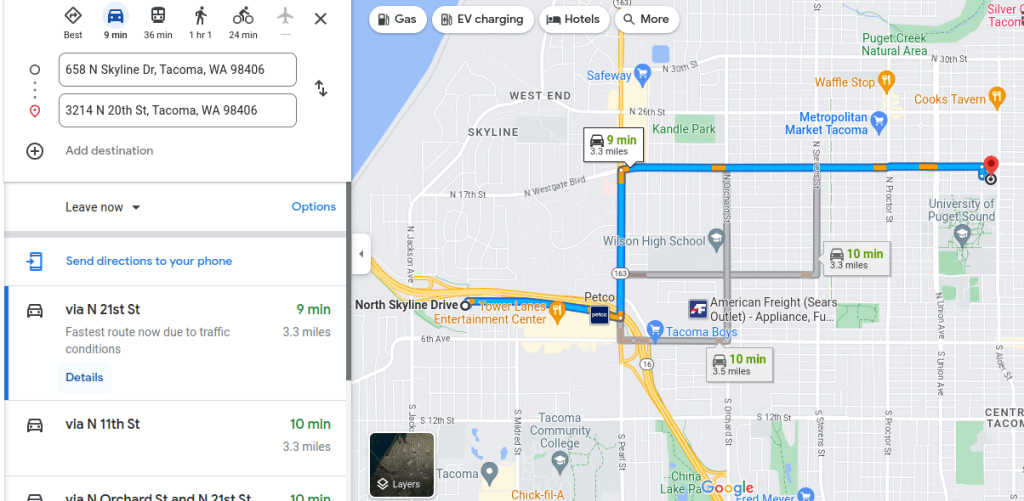

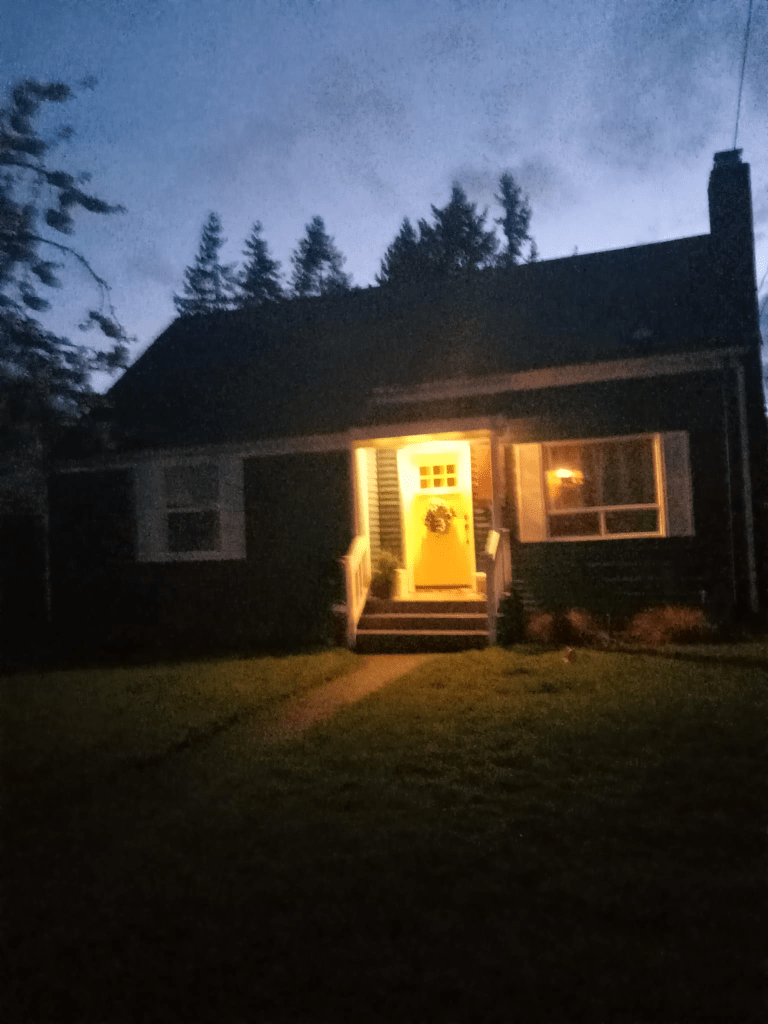



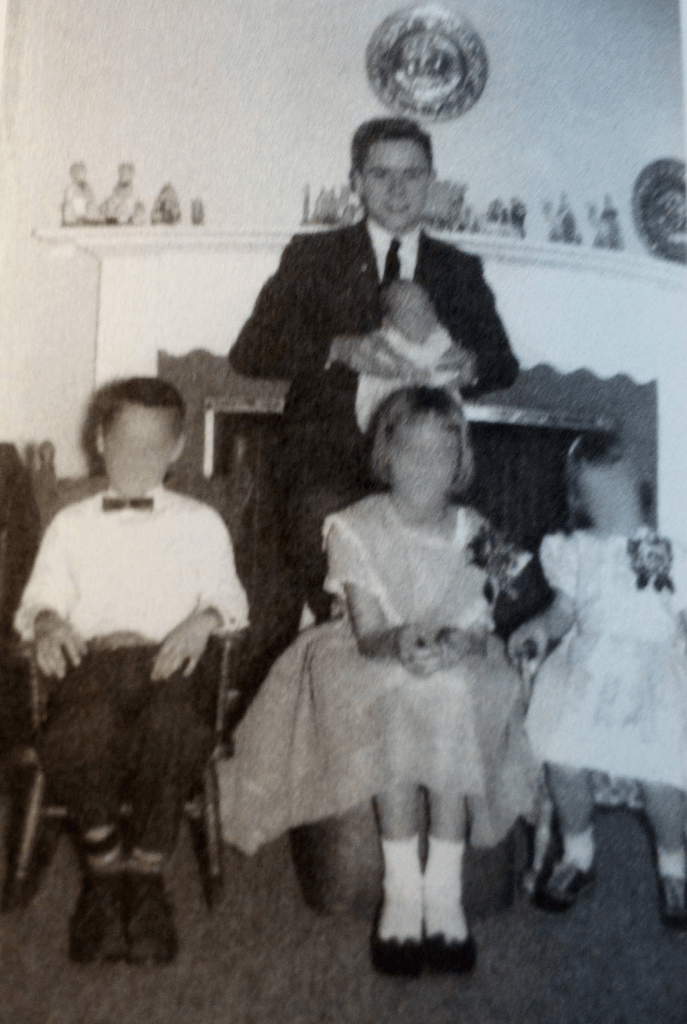


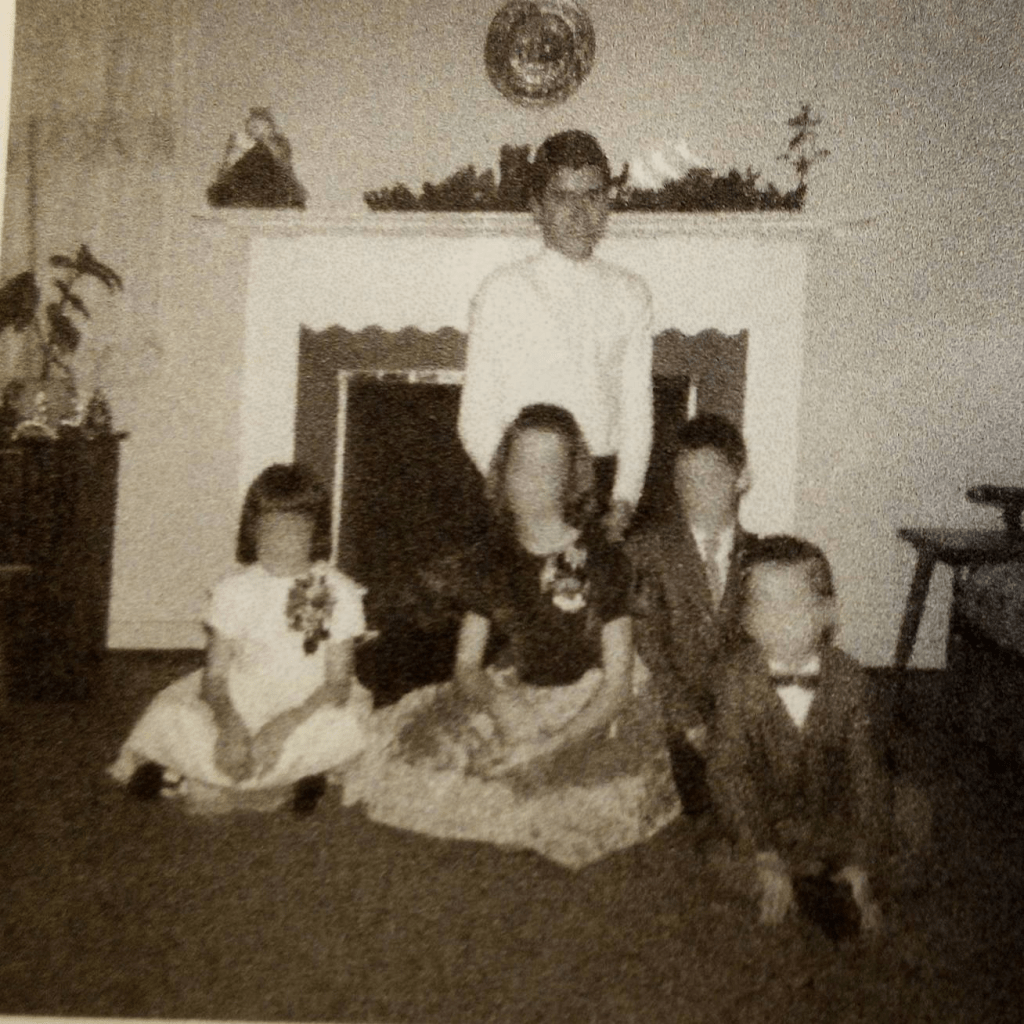

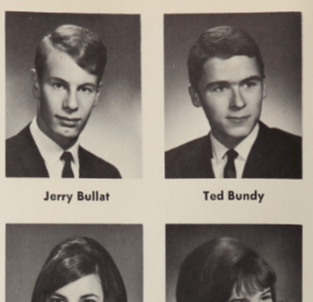
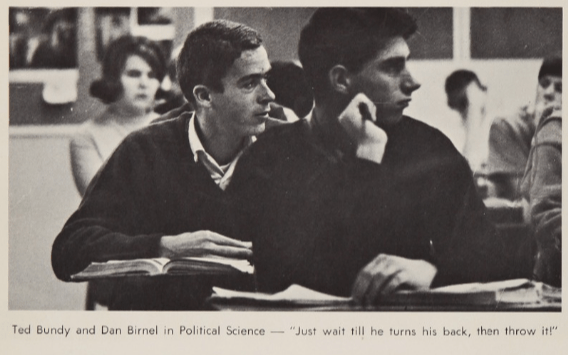




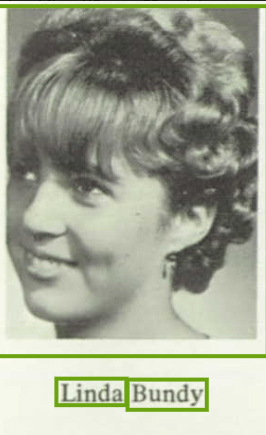


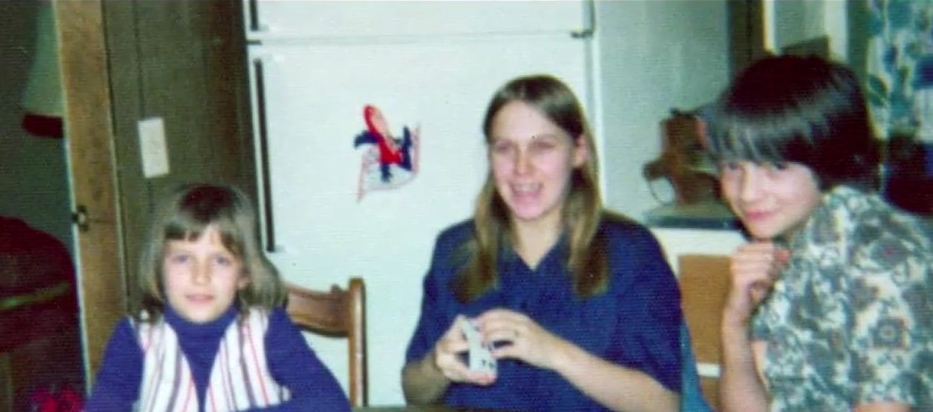


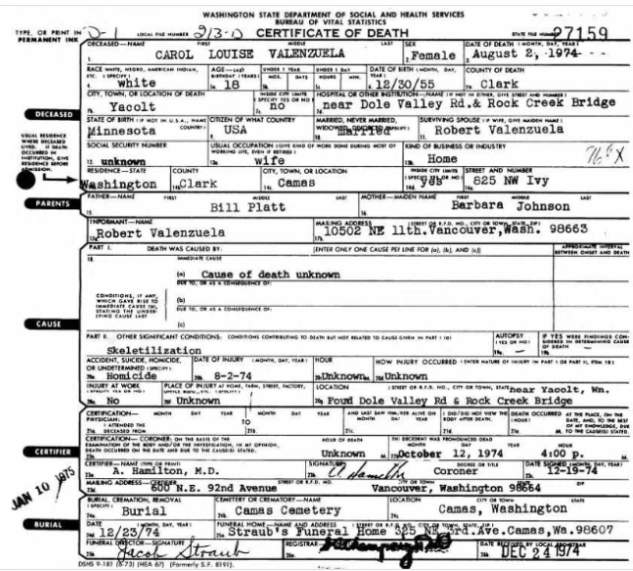
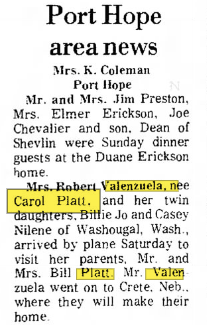
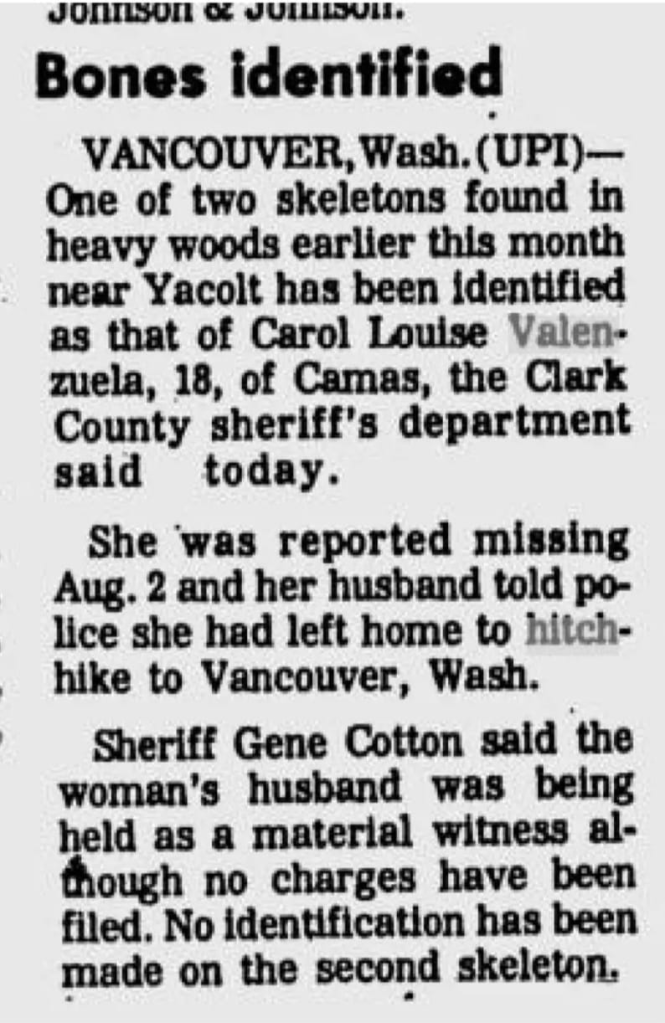


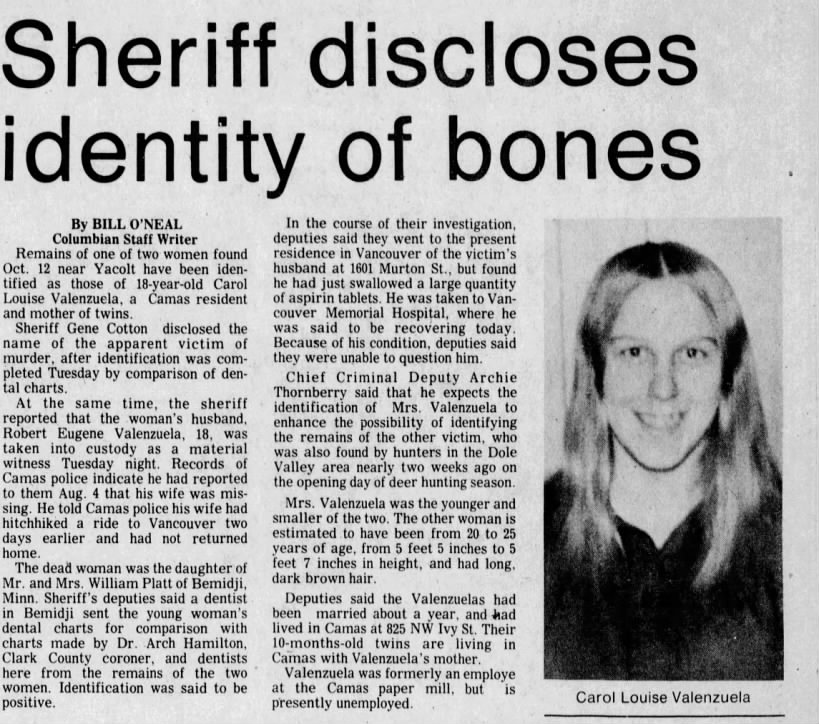

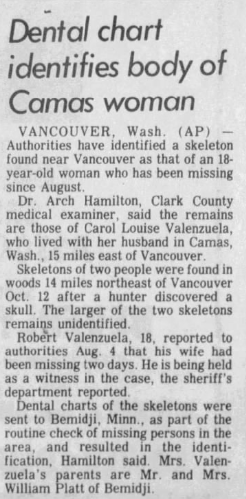
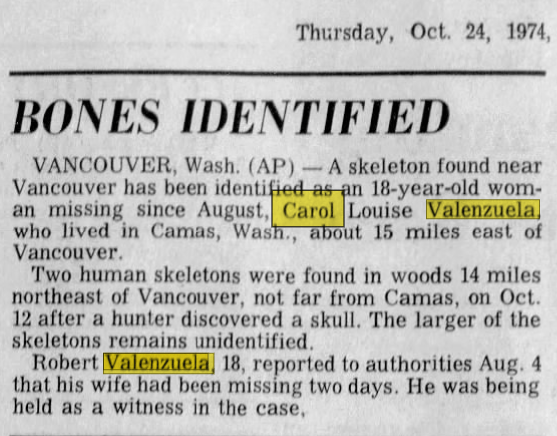
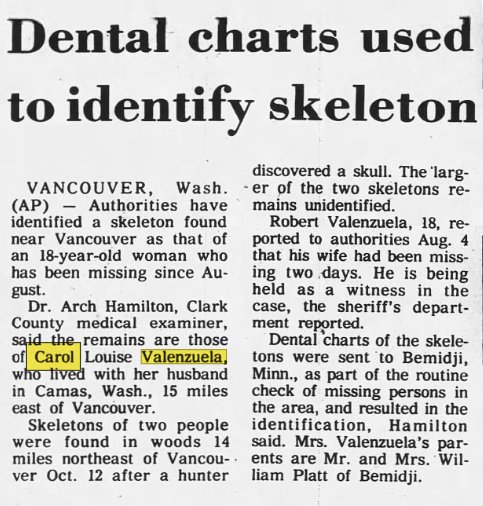

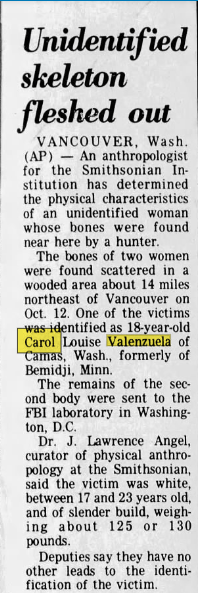

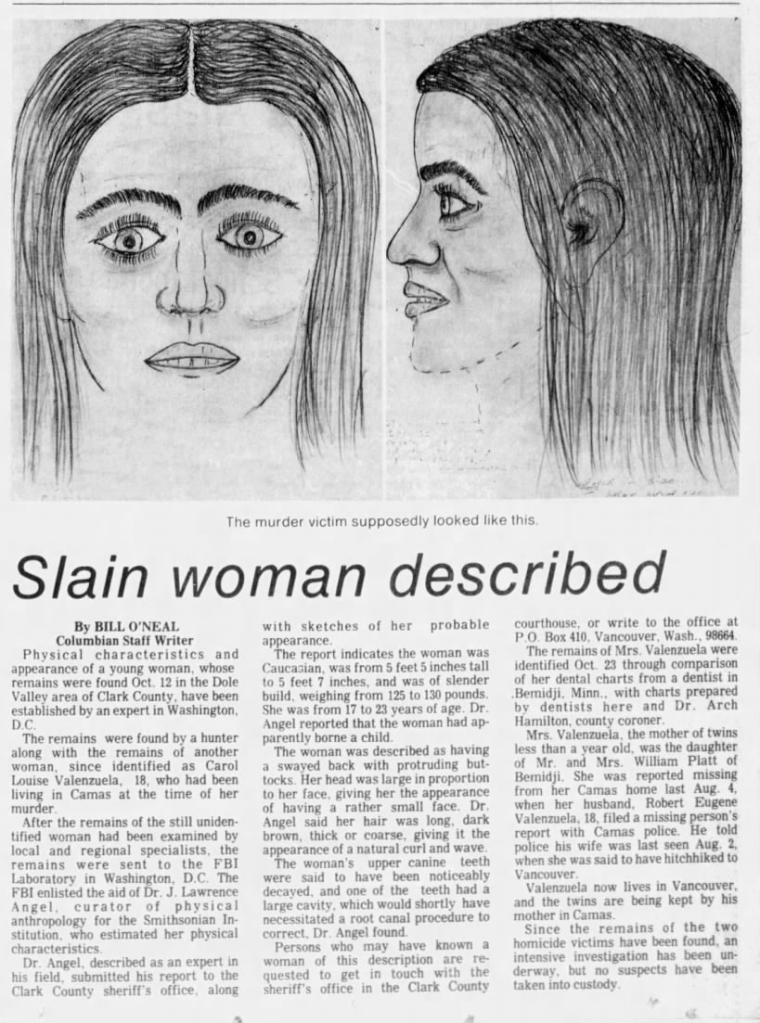


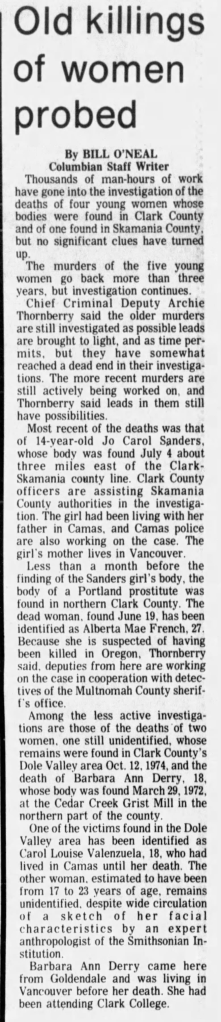

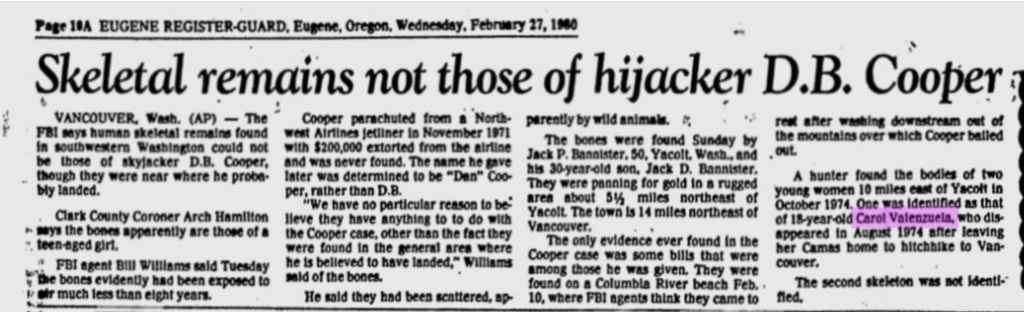
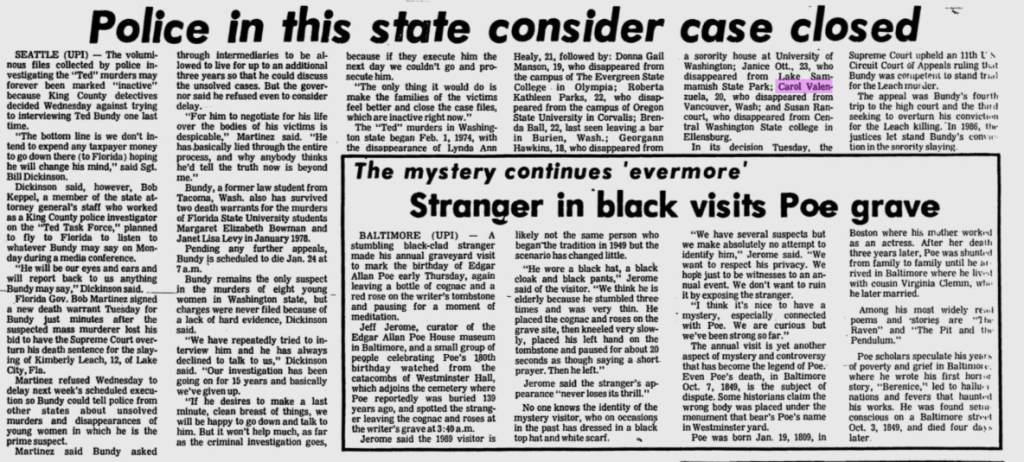
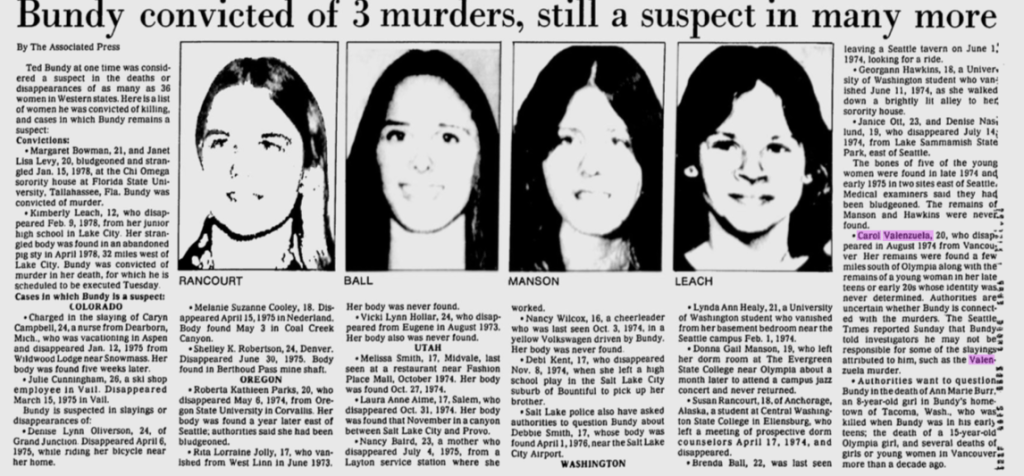

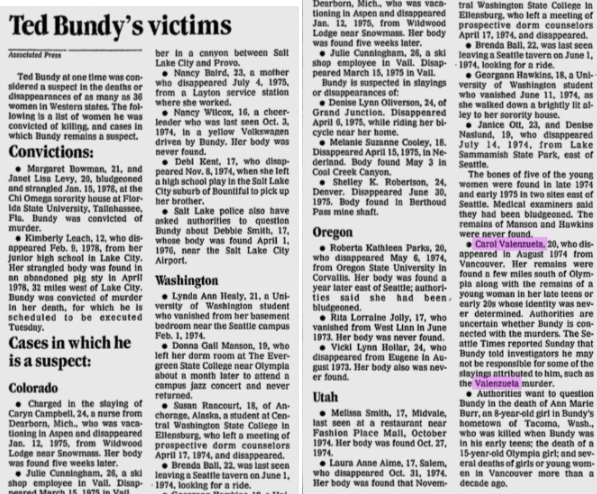

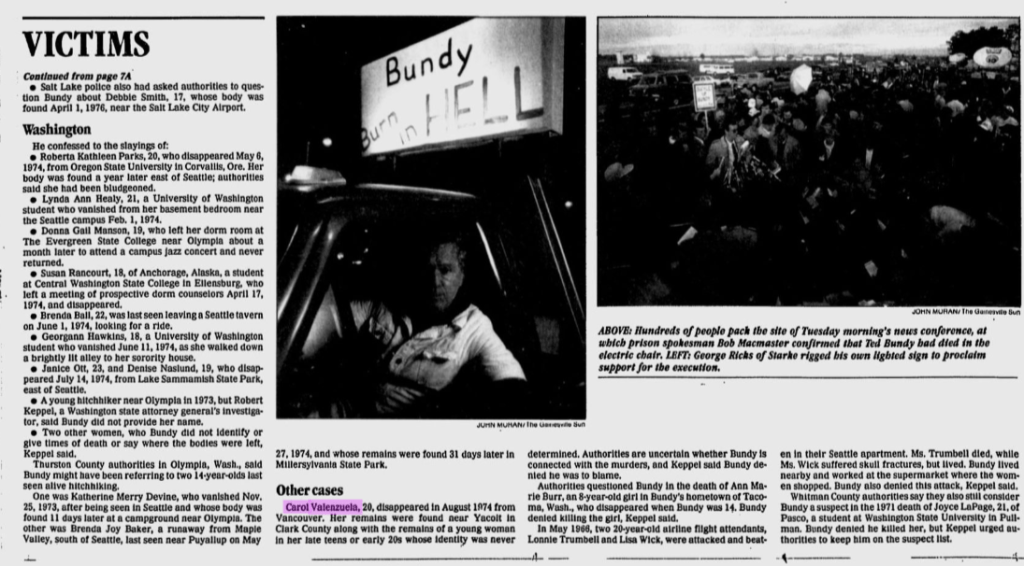
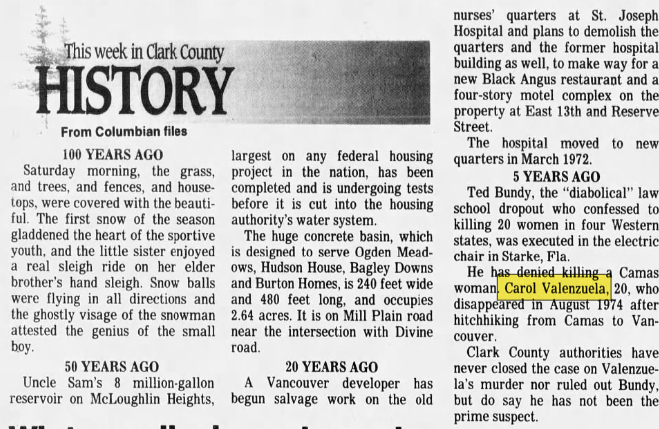
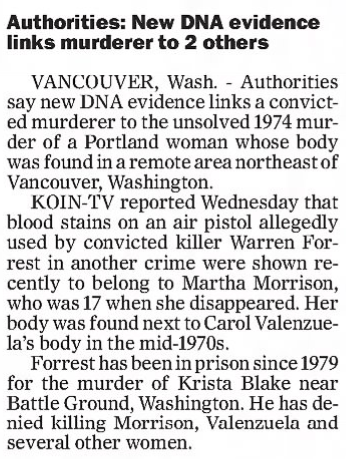
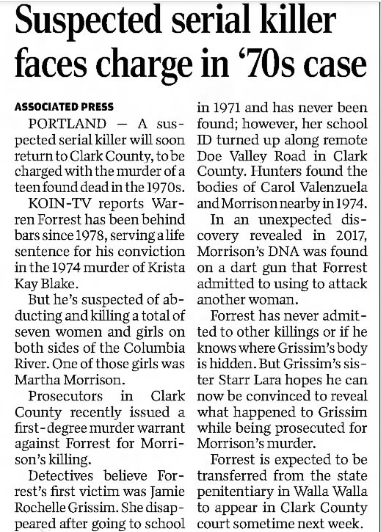
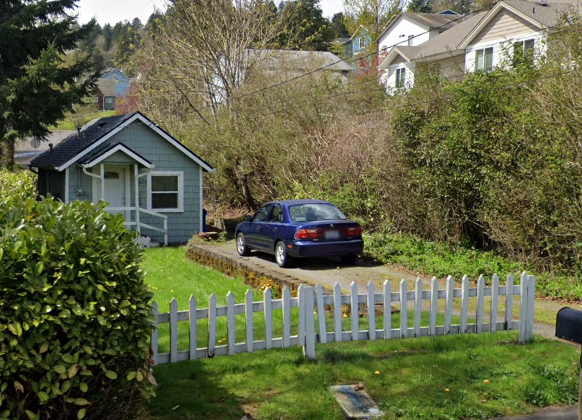
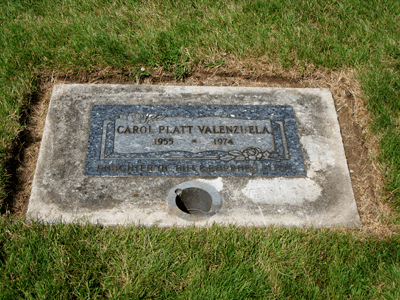

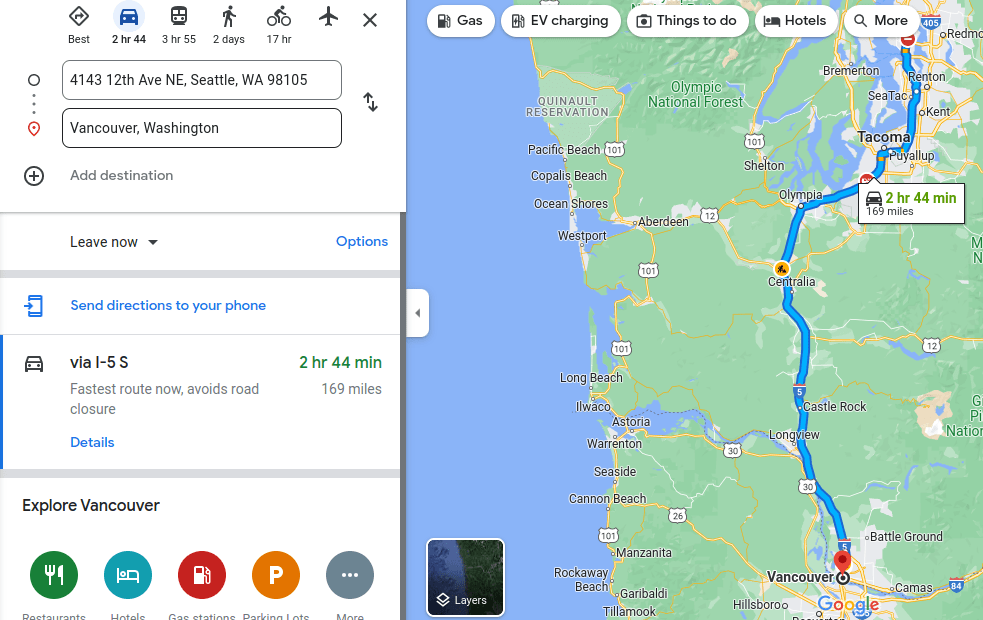



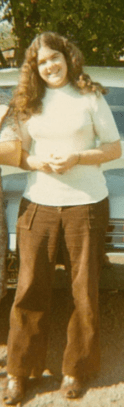
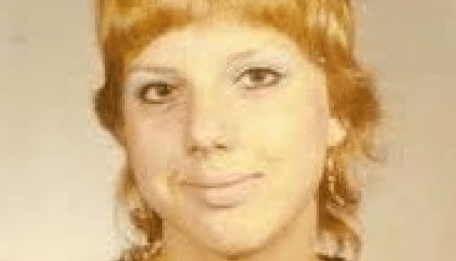
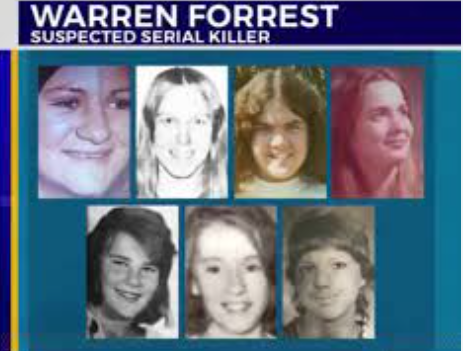
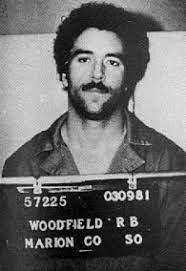

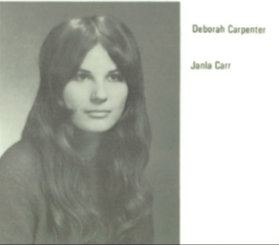

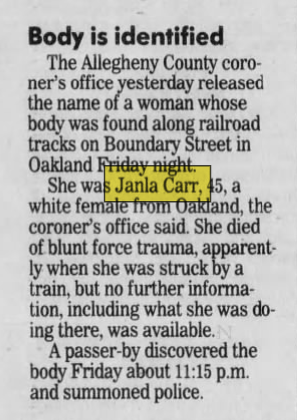
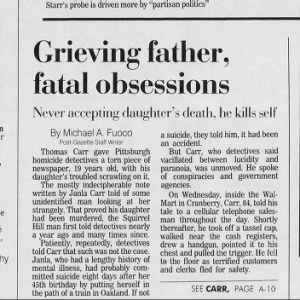

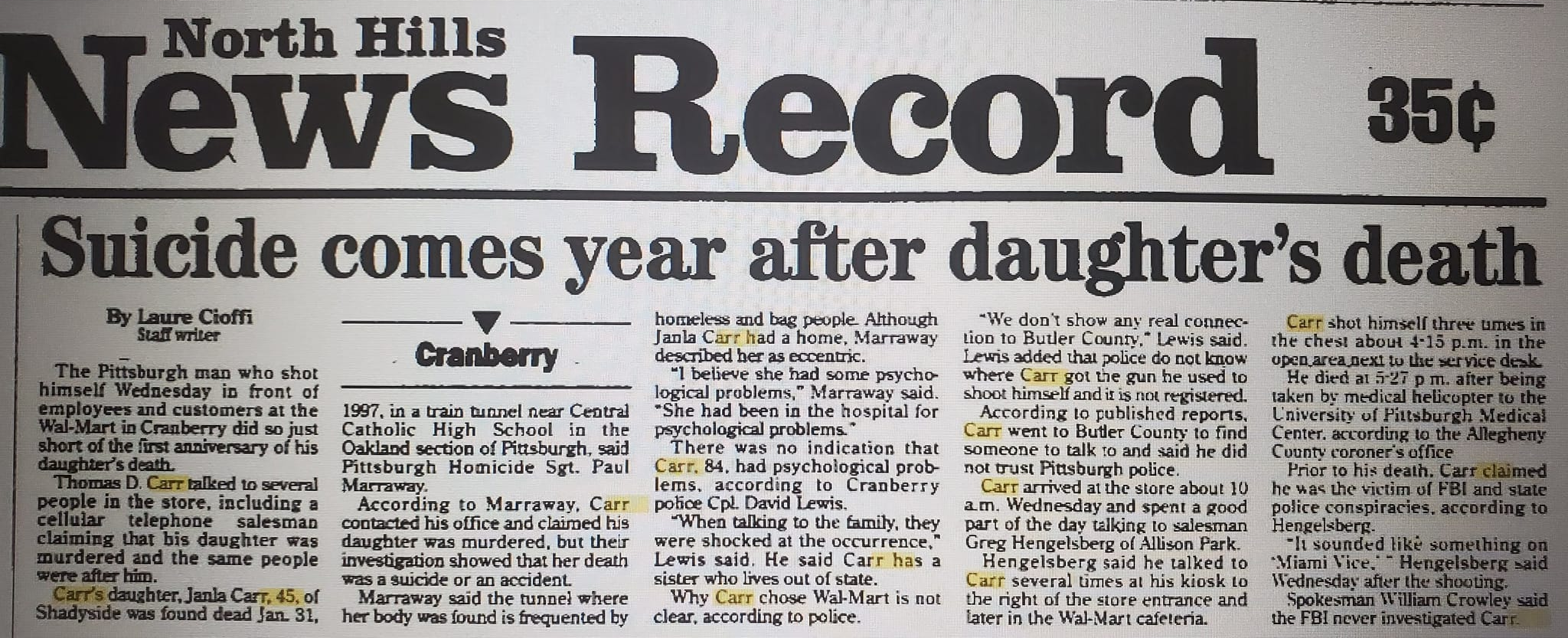


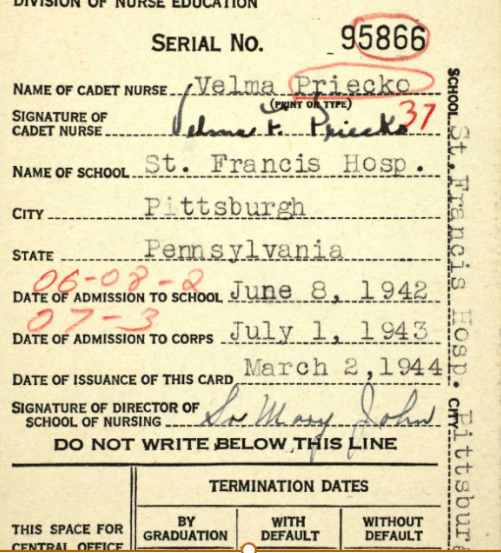


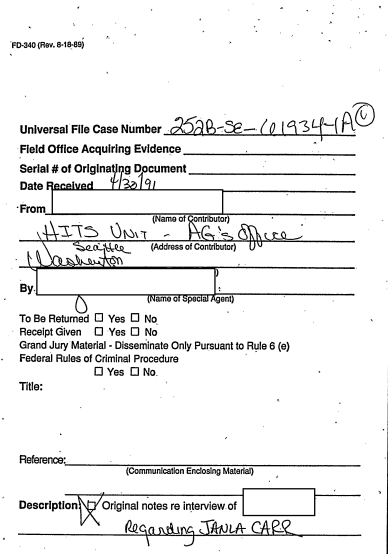
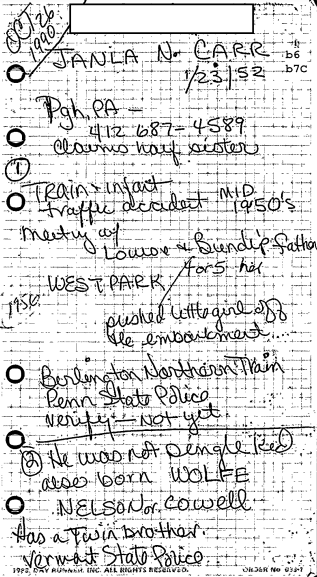


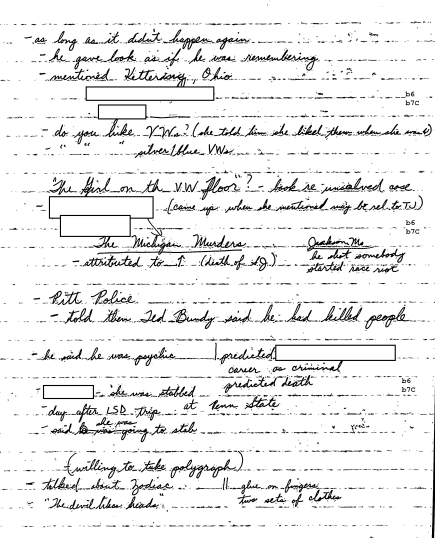
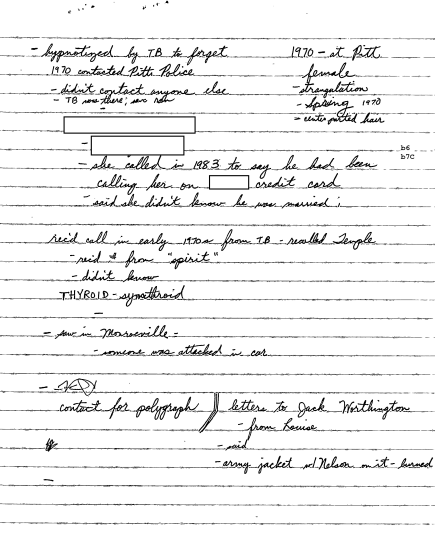
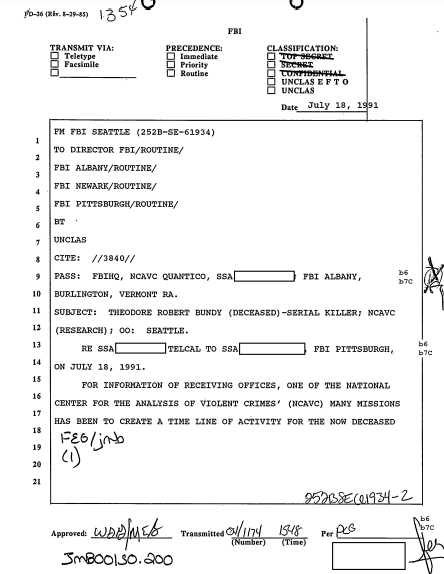


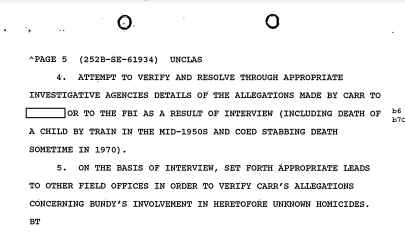


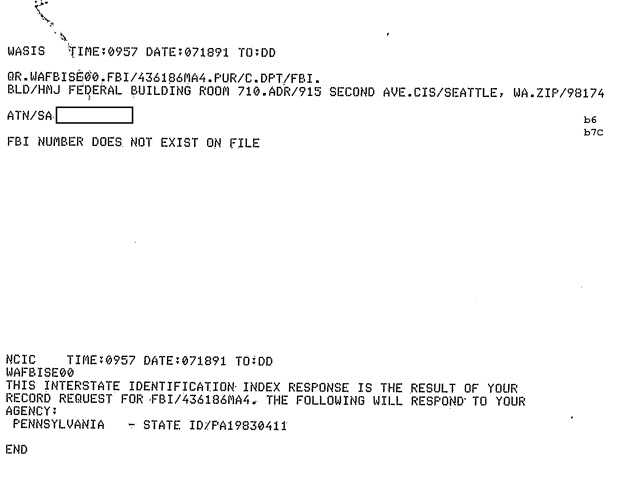

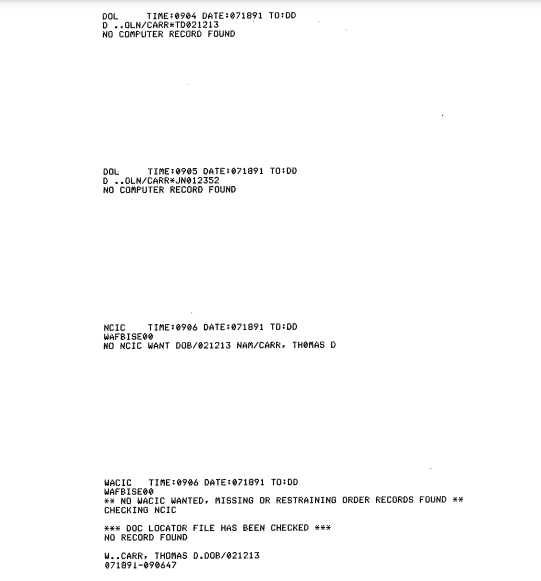
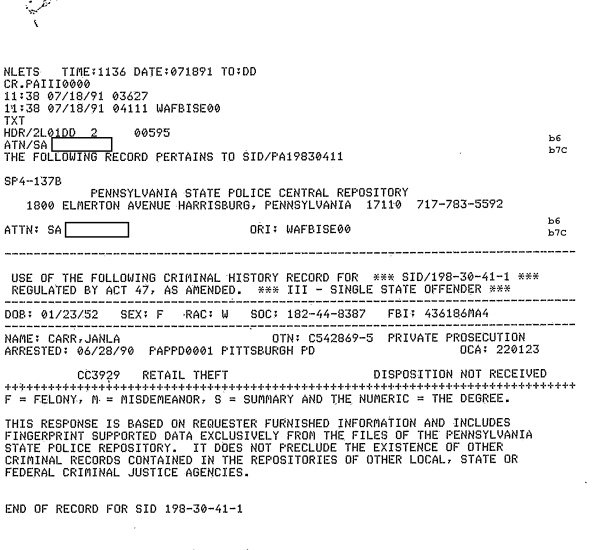
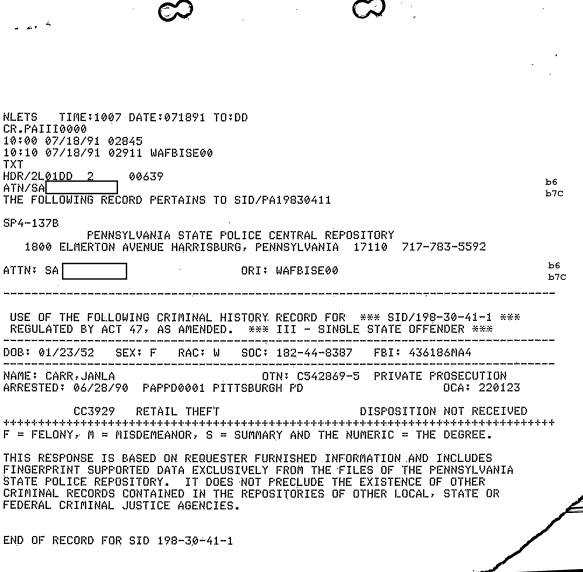

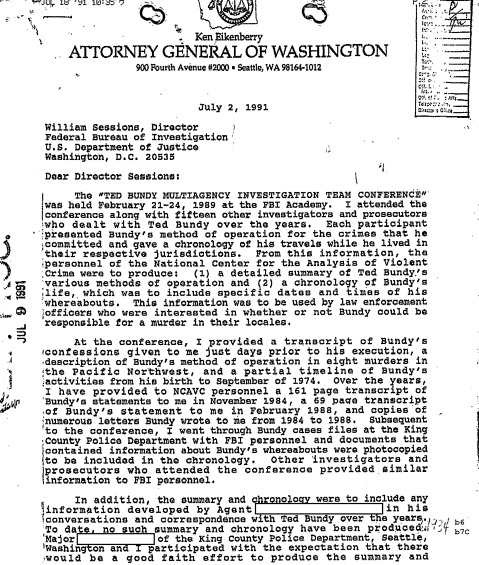


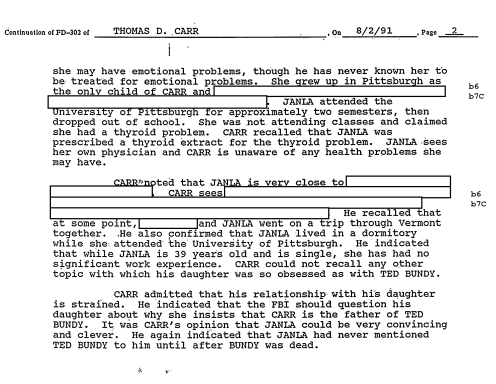
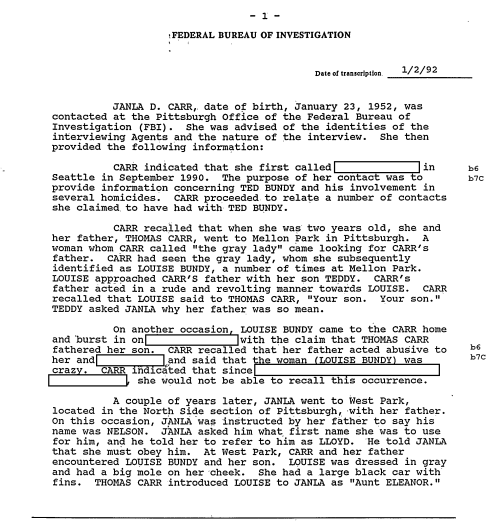
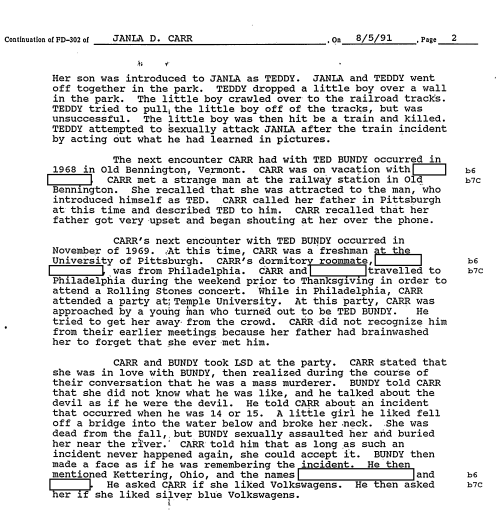


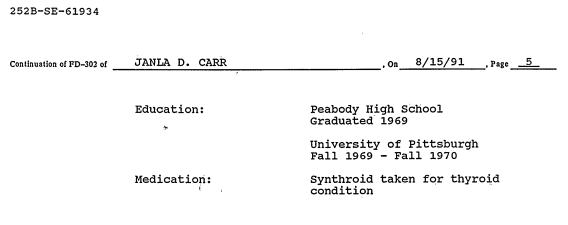


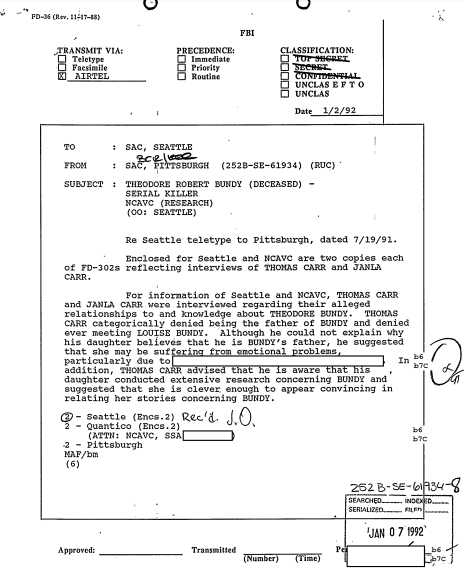


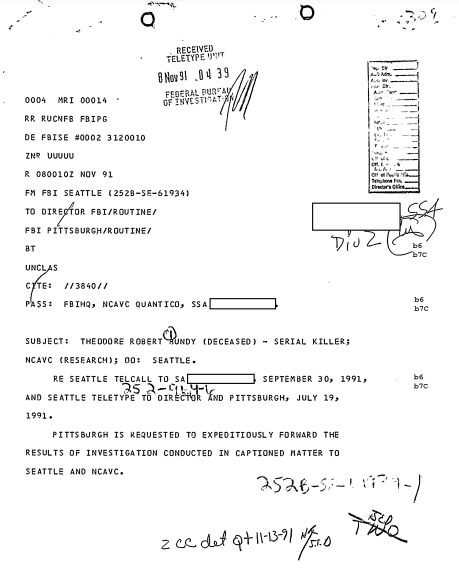

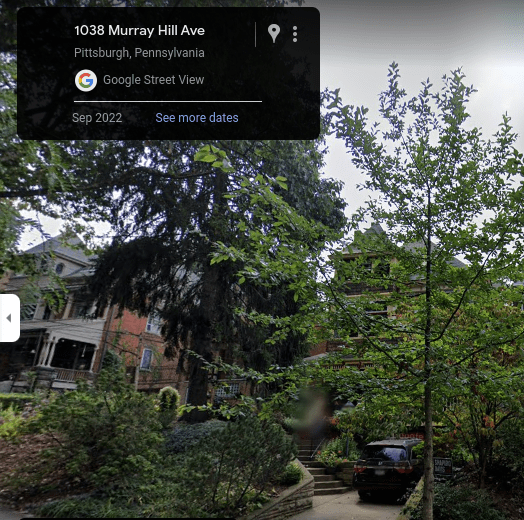
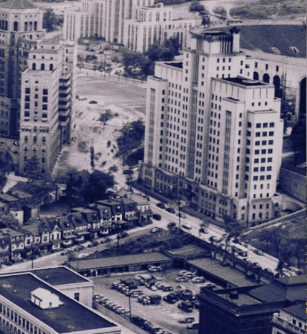


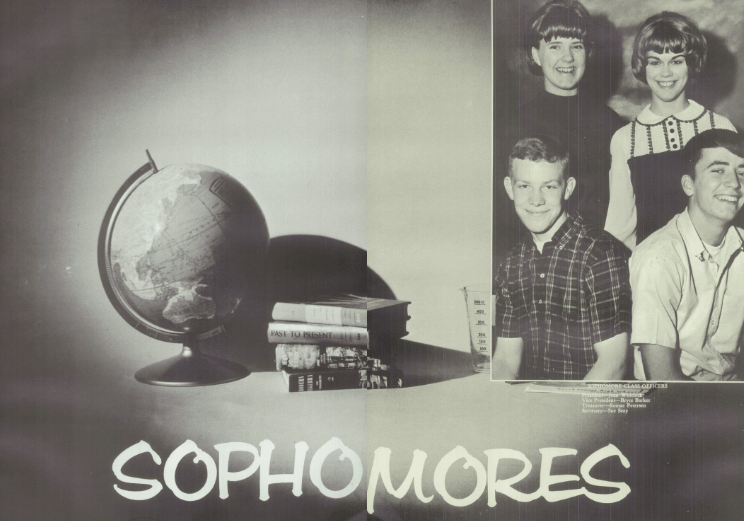

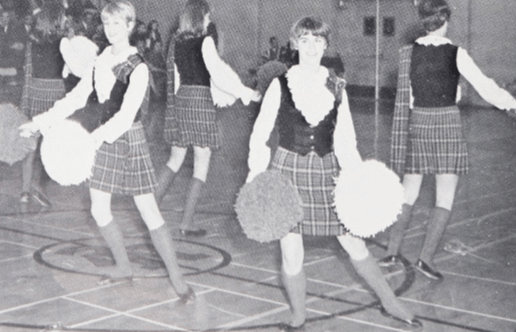
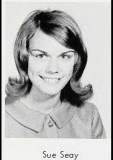
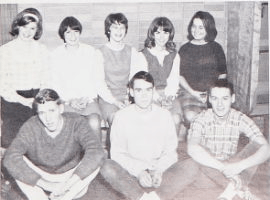


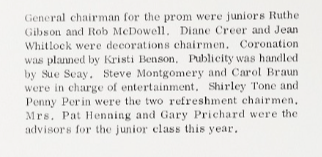


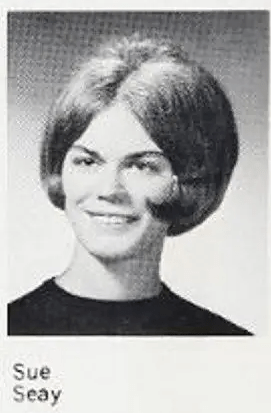
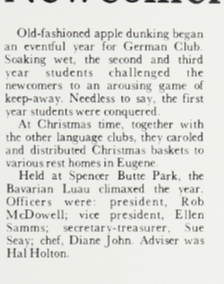


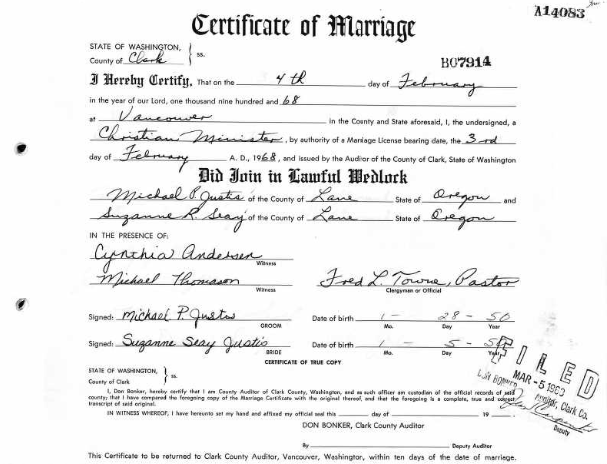
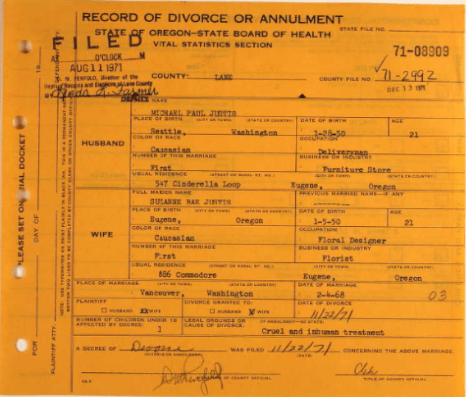


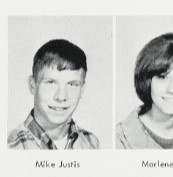


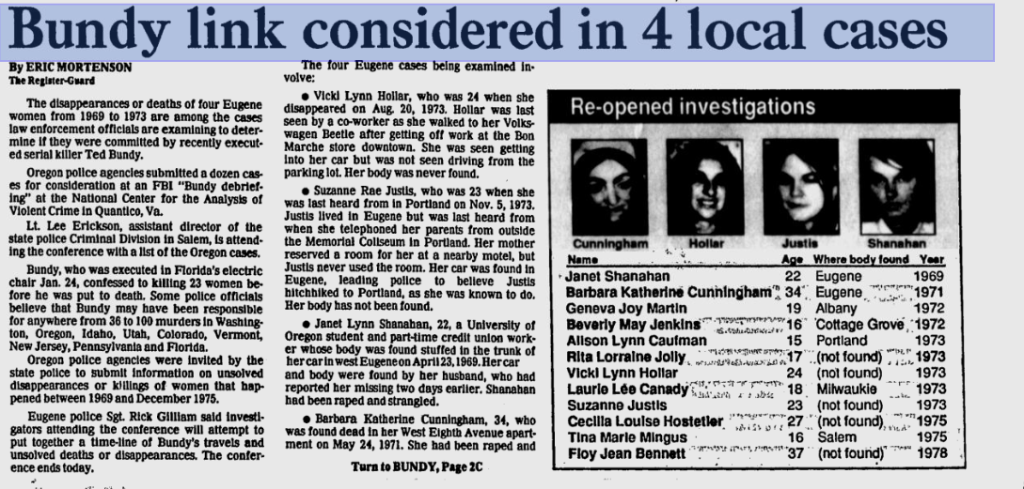
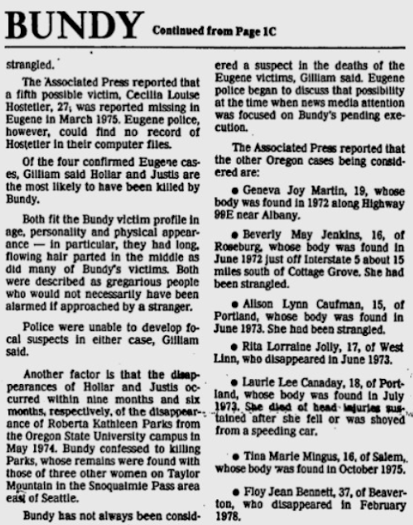


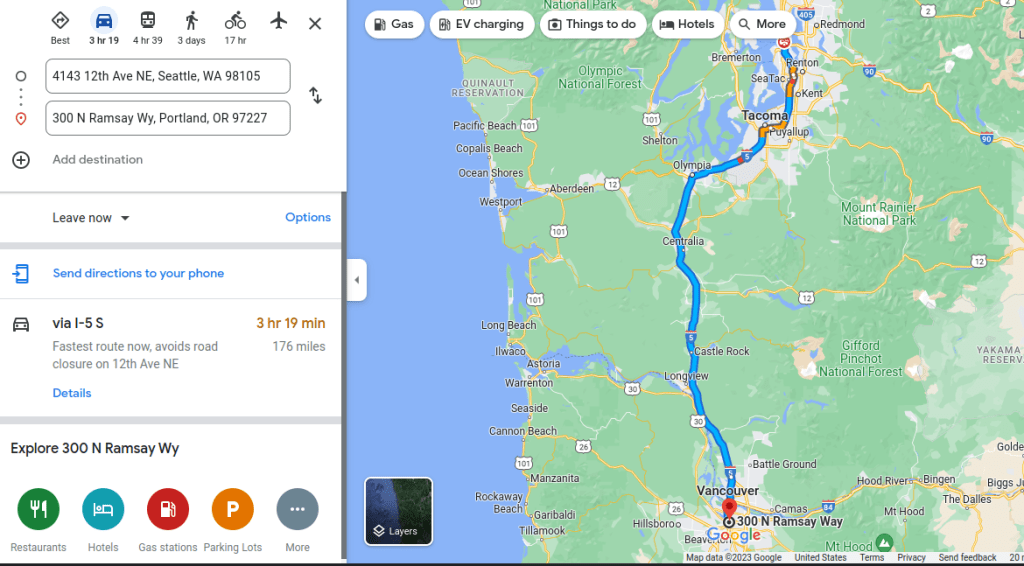


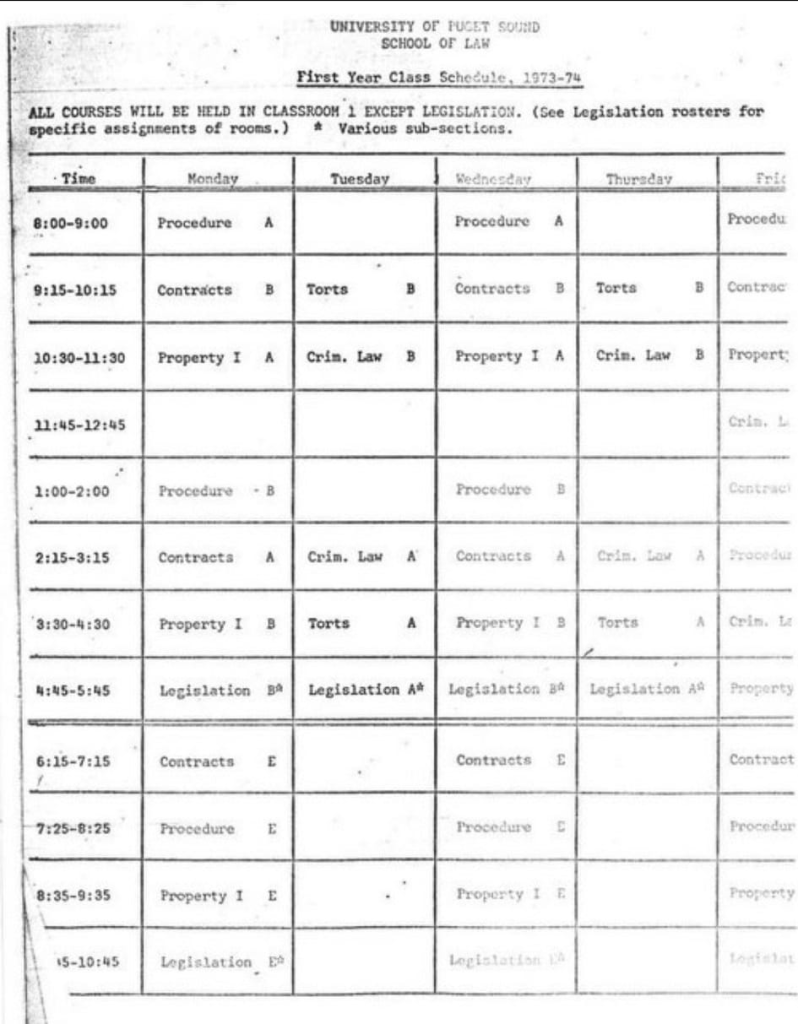
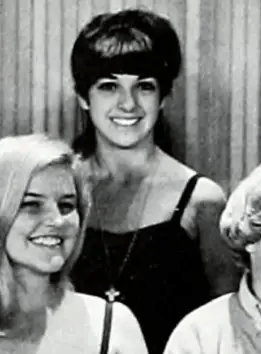
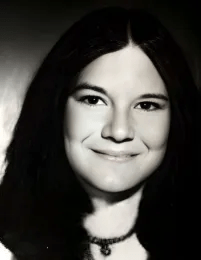


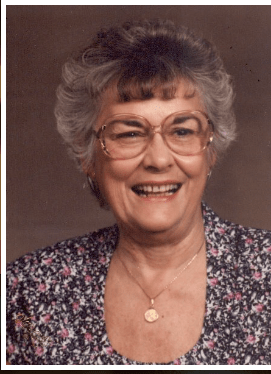
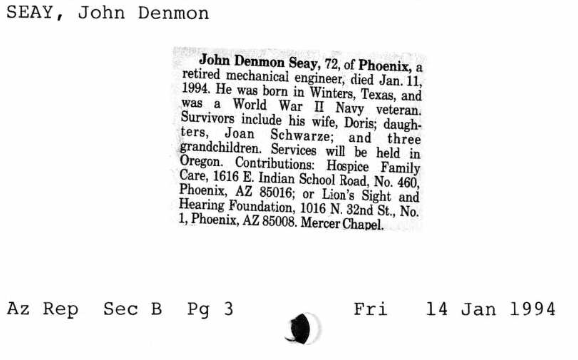
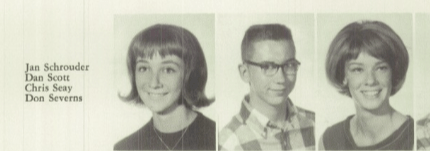


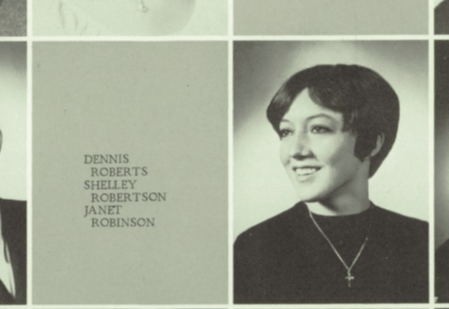
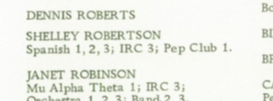

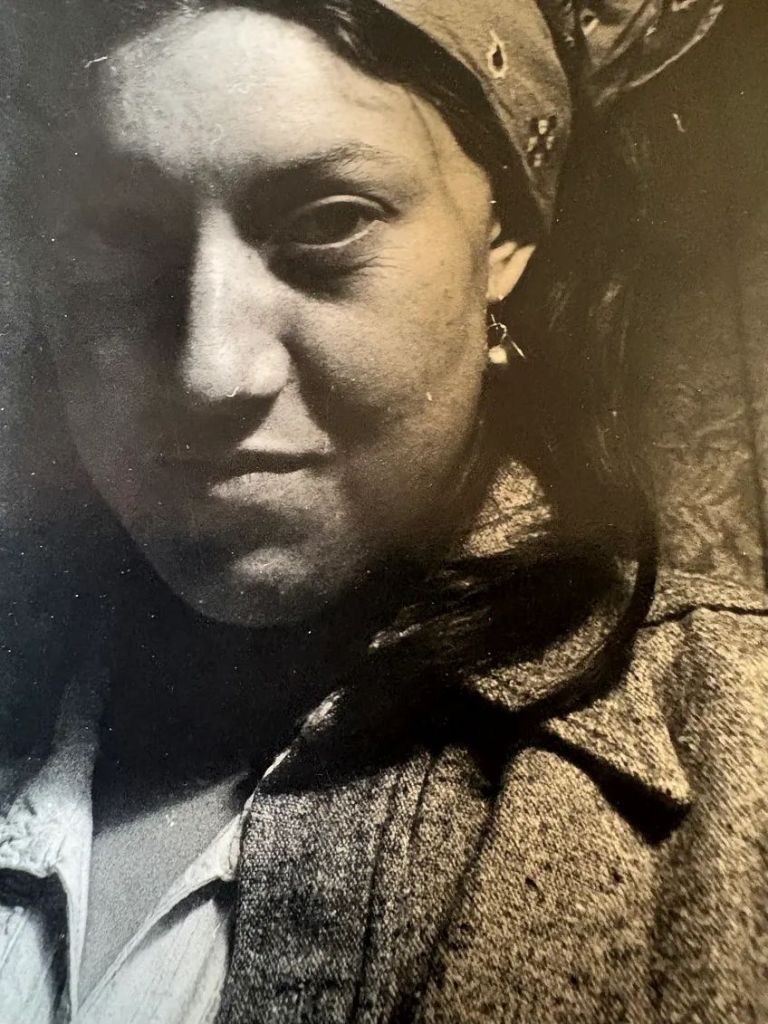


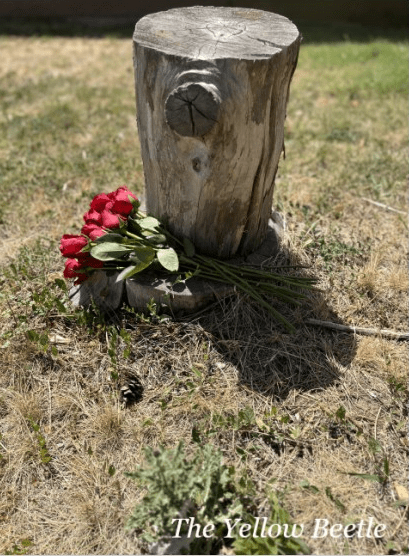
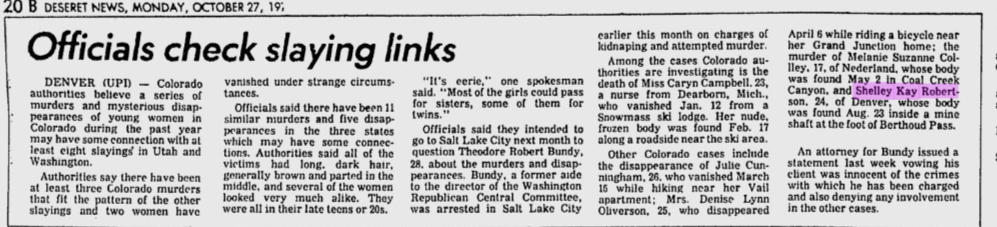
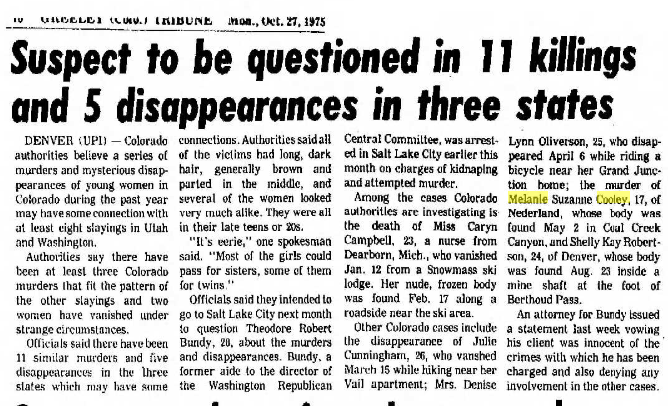
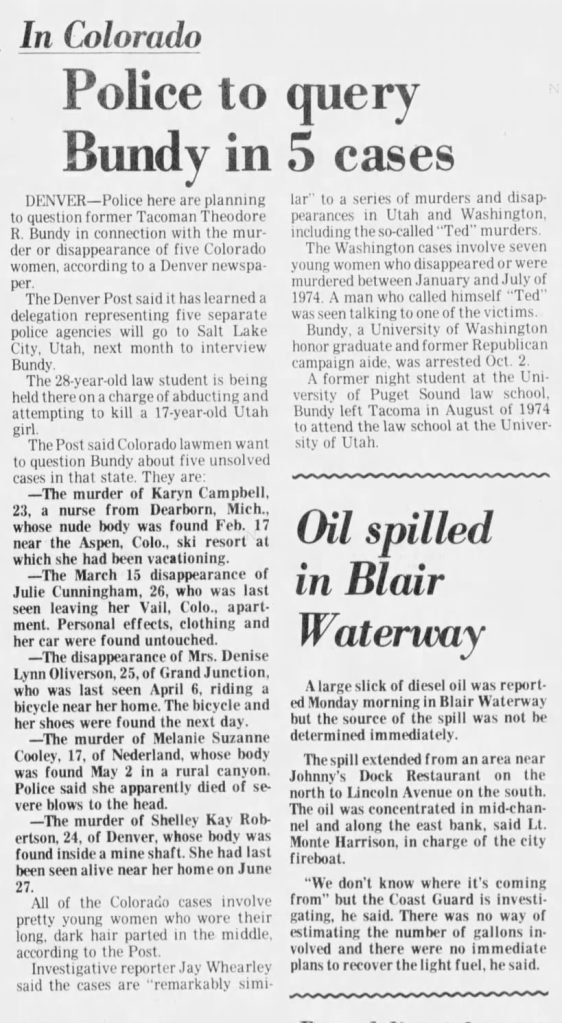
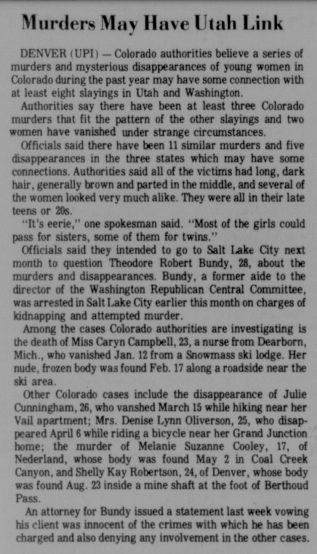


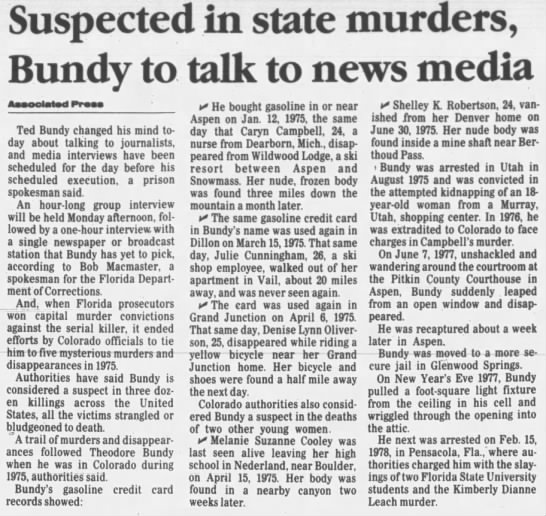
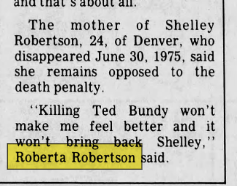


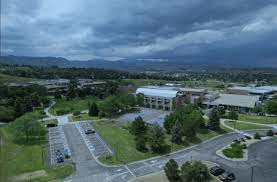
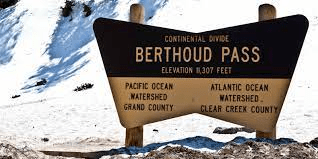
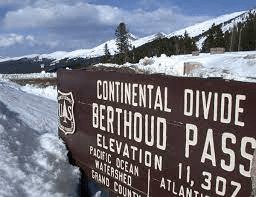
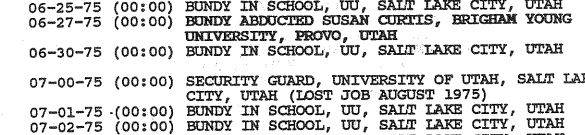

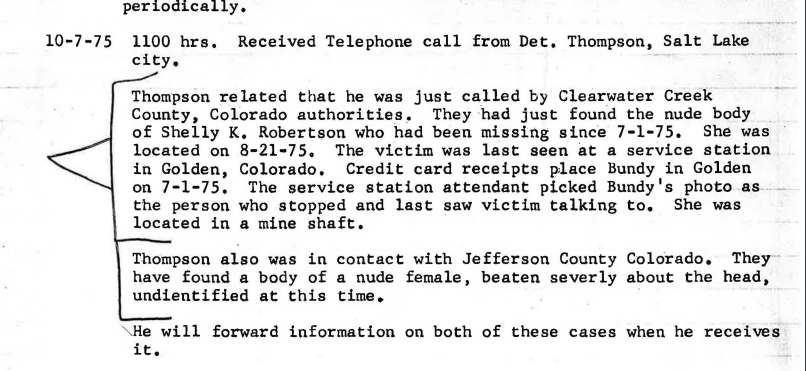
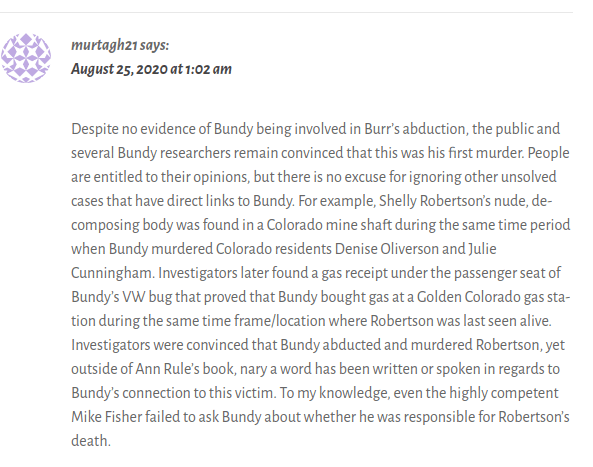
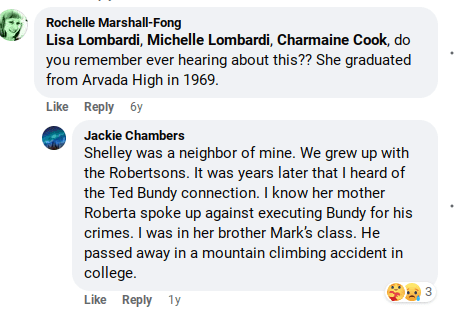
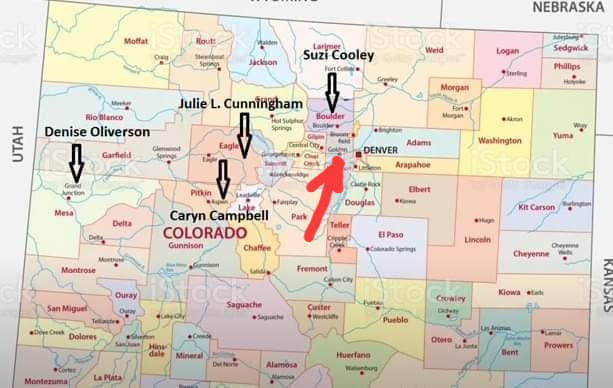
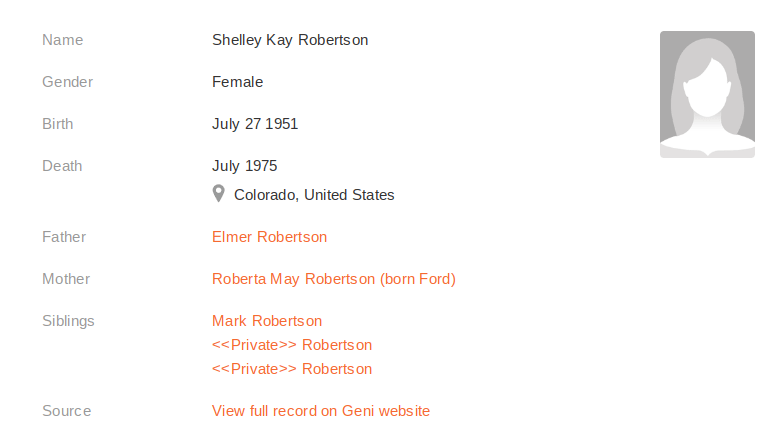
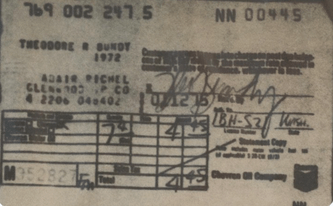

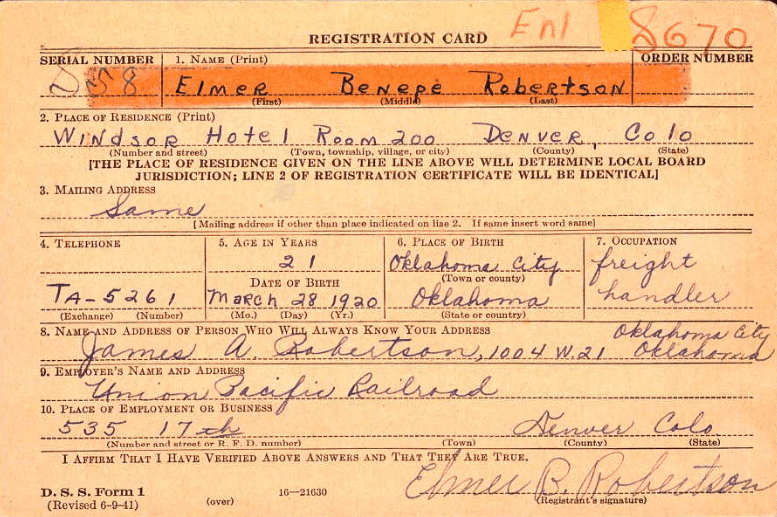
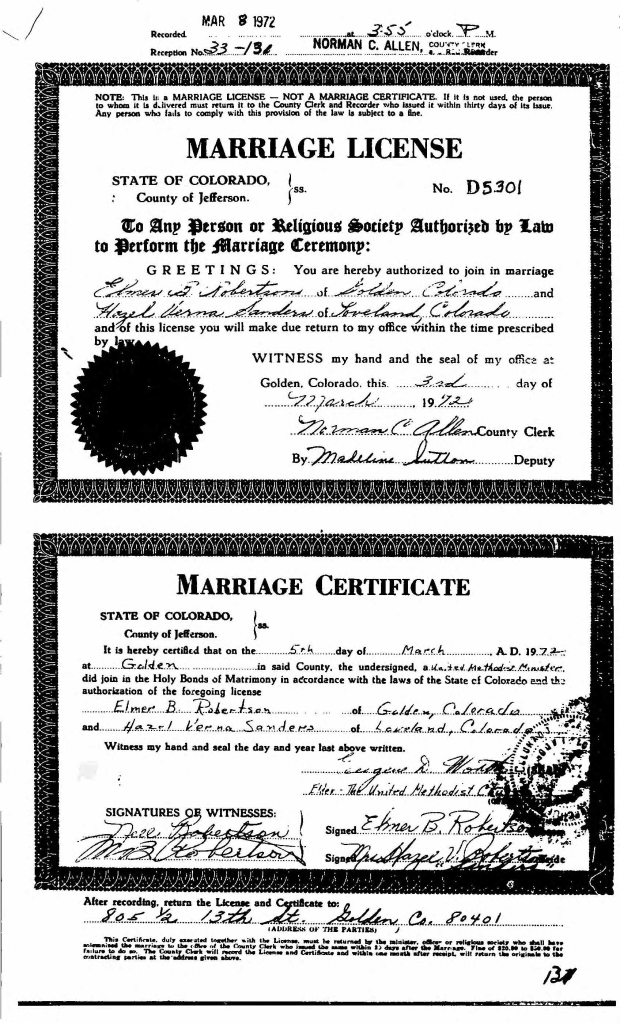
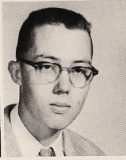
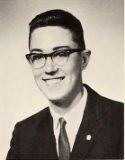
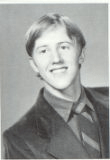

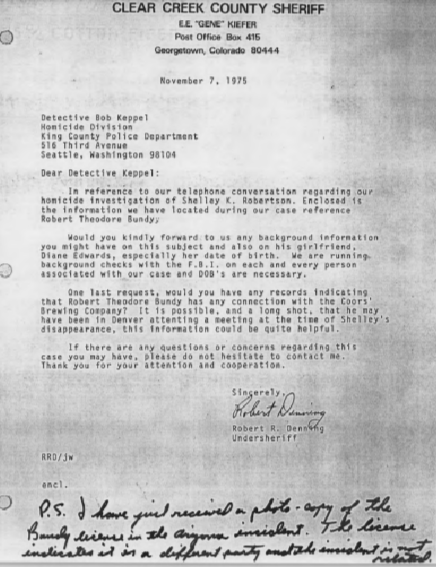
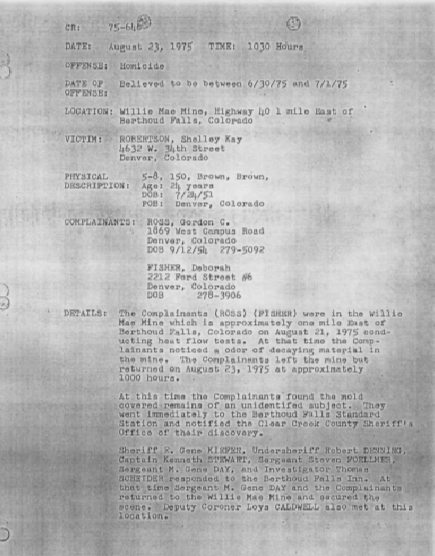
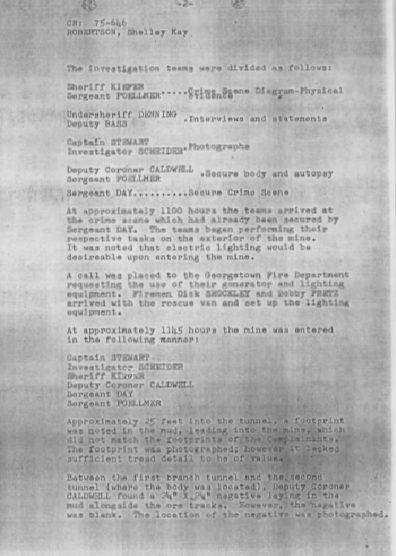
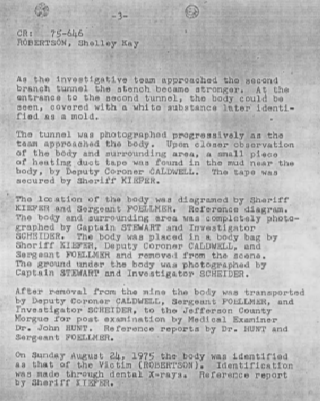
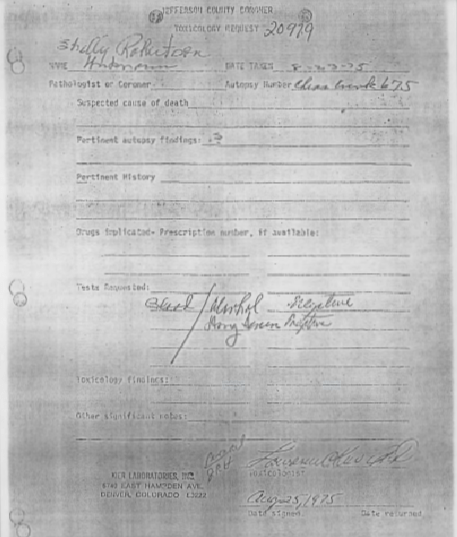
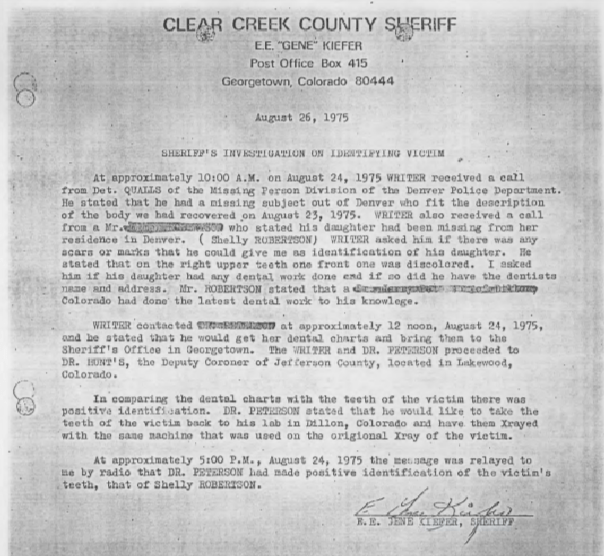
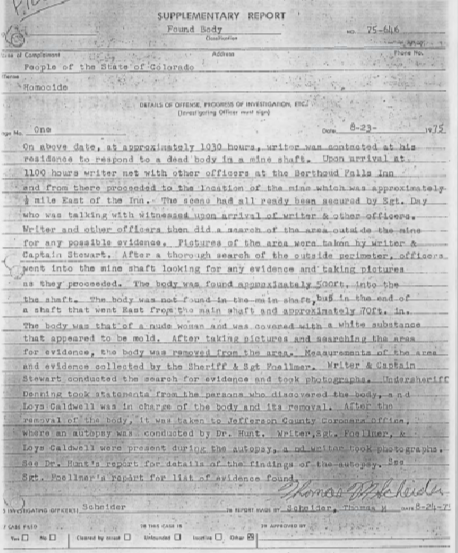

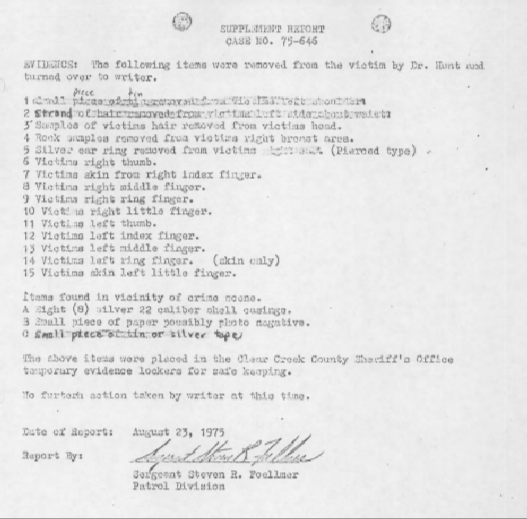
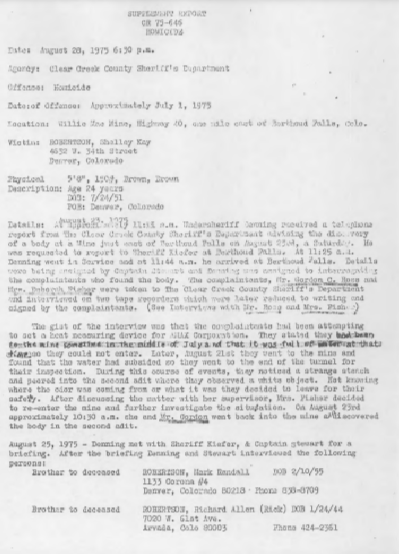
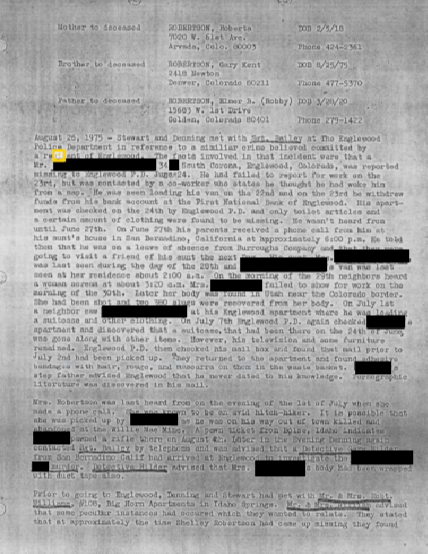
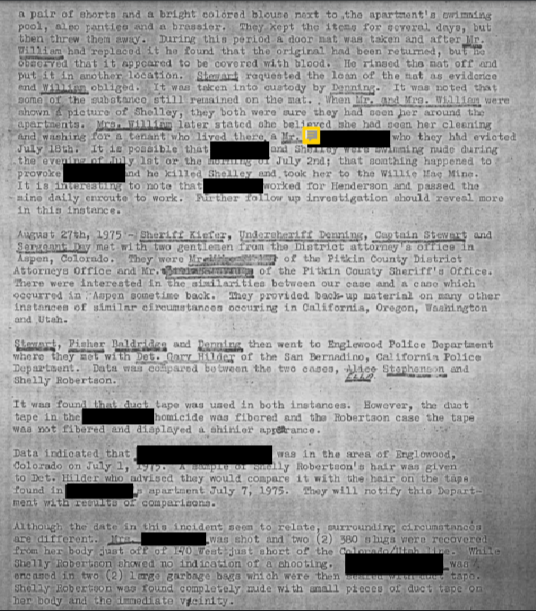


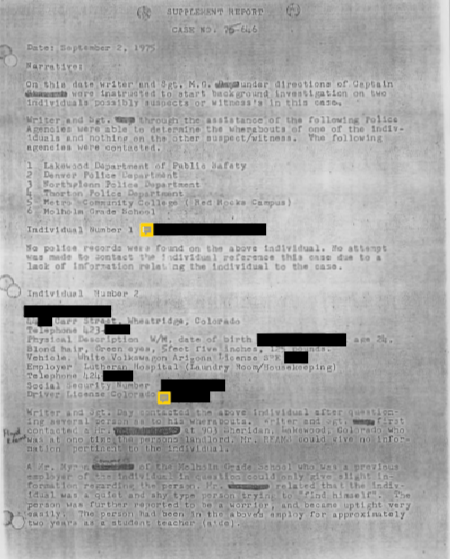

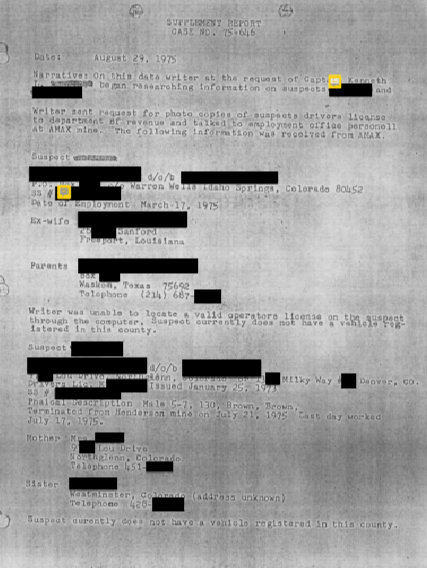
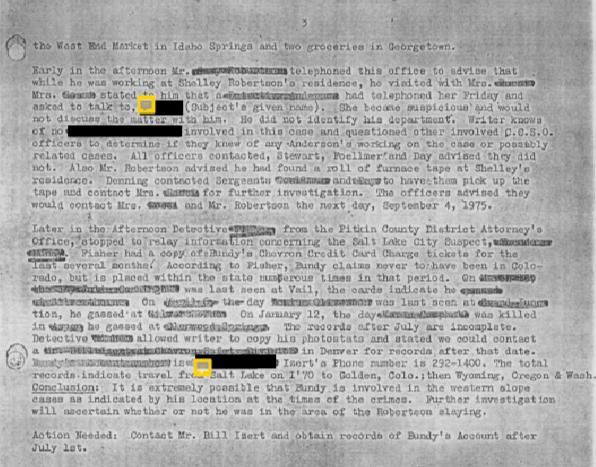
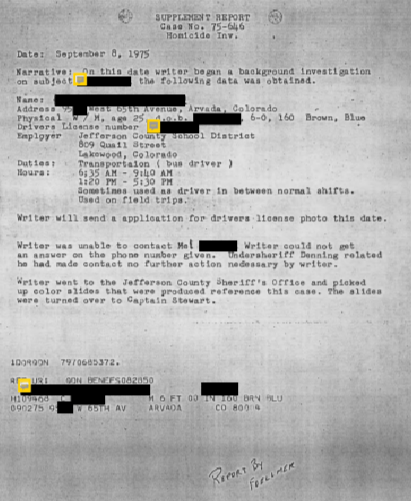


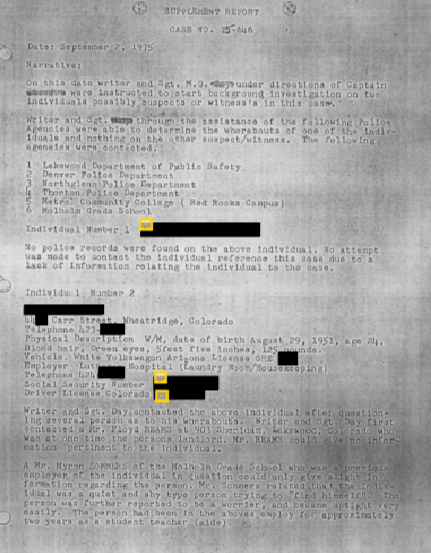


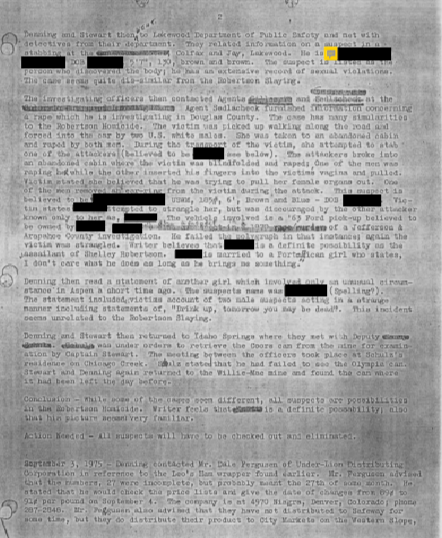

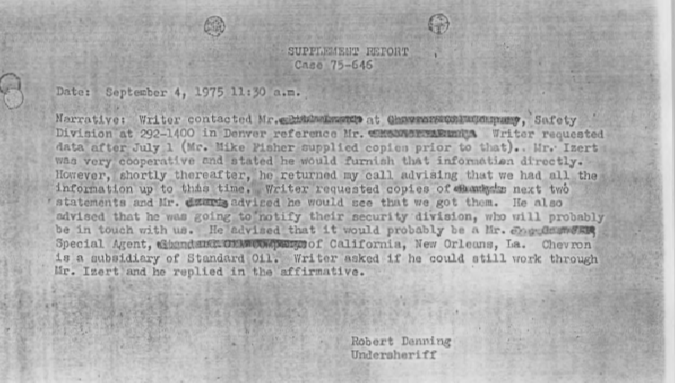
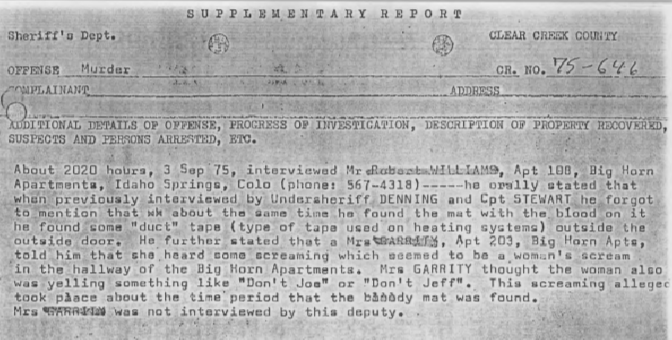
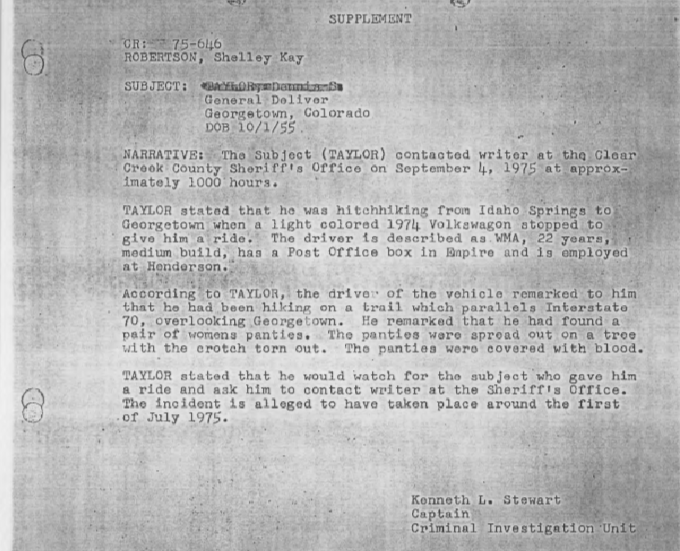
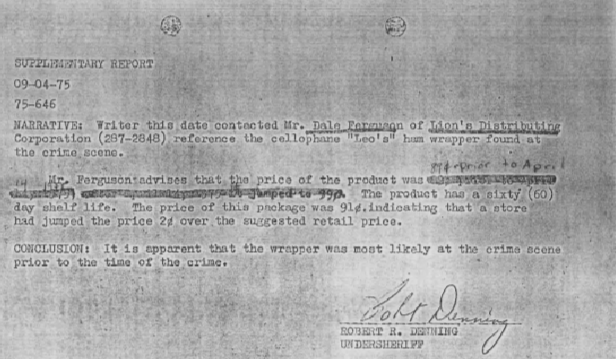


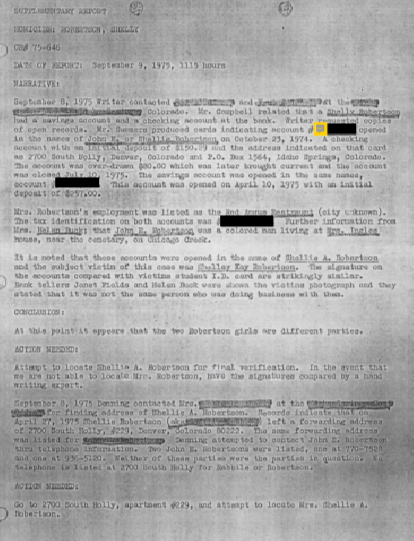


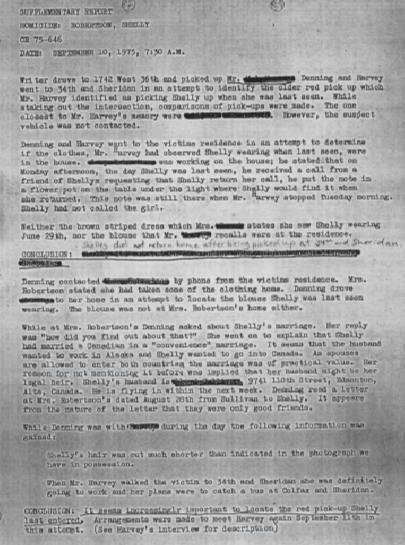


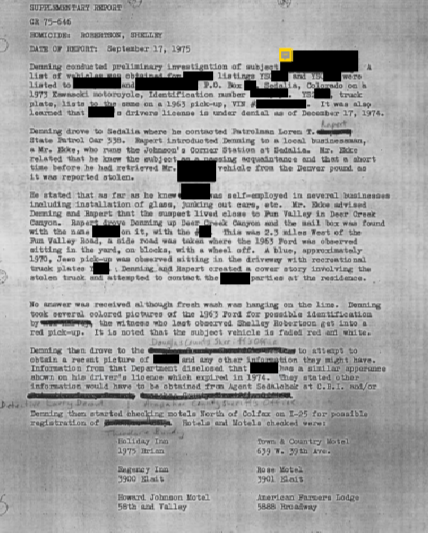

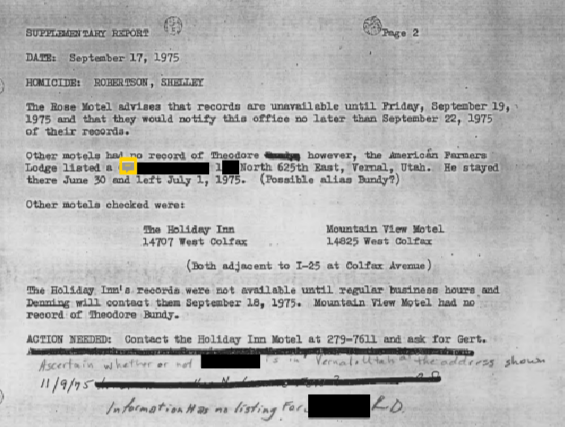
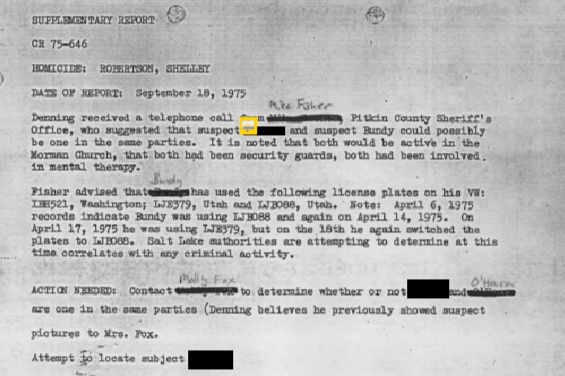


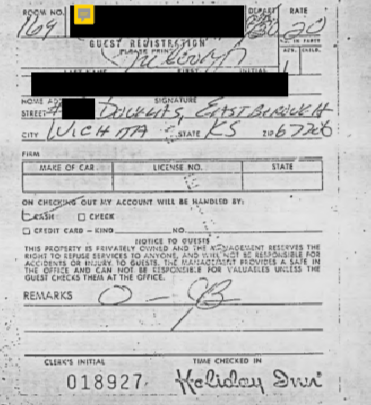

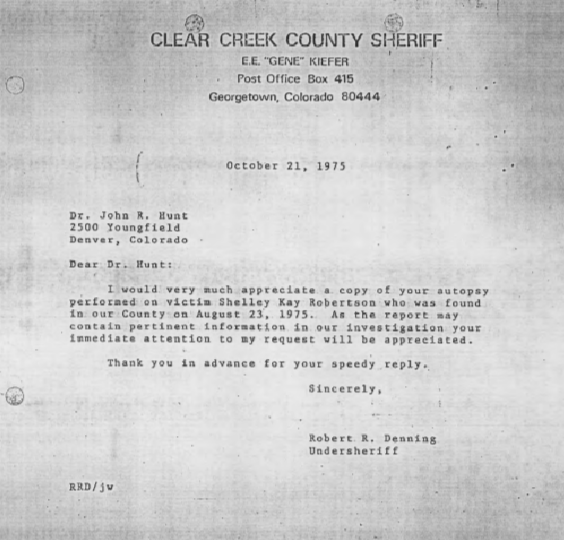
 Another Bundy Blog.