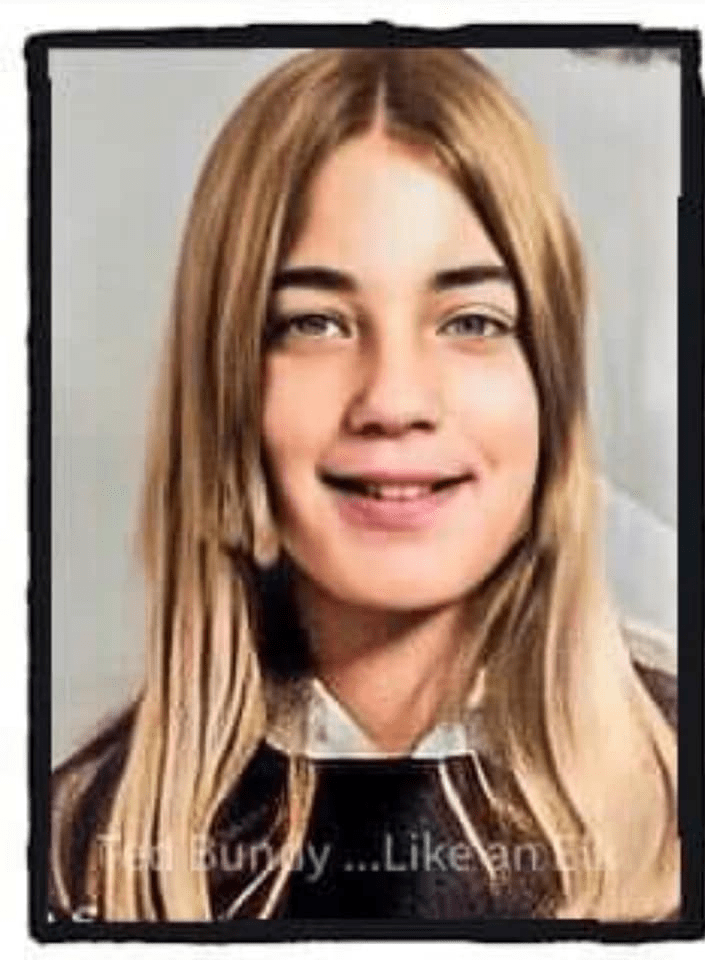
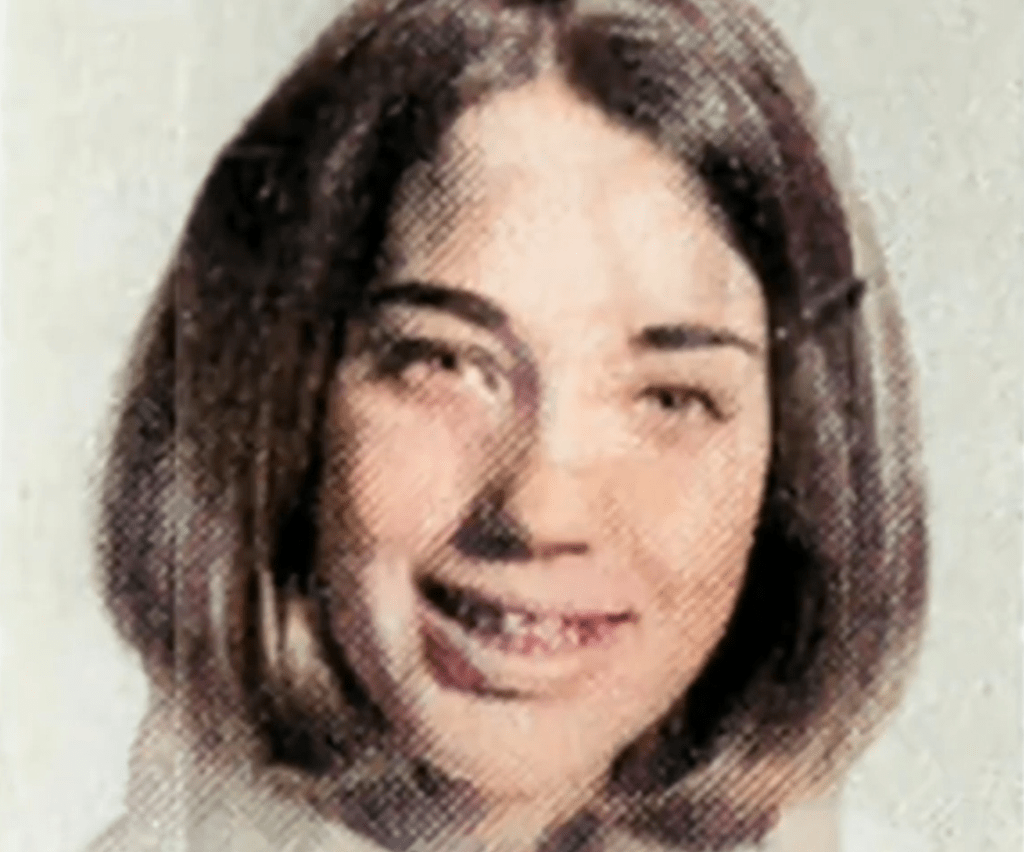
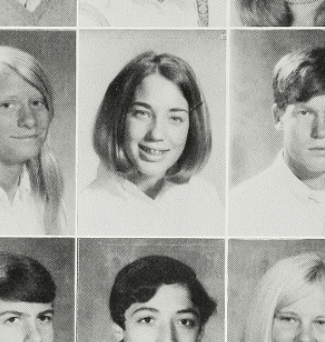
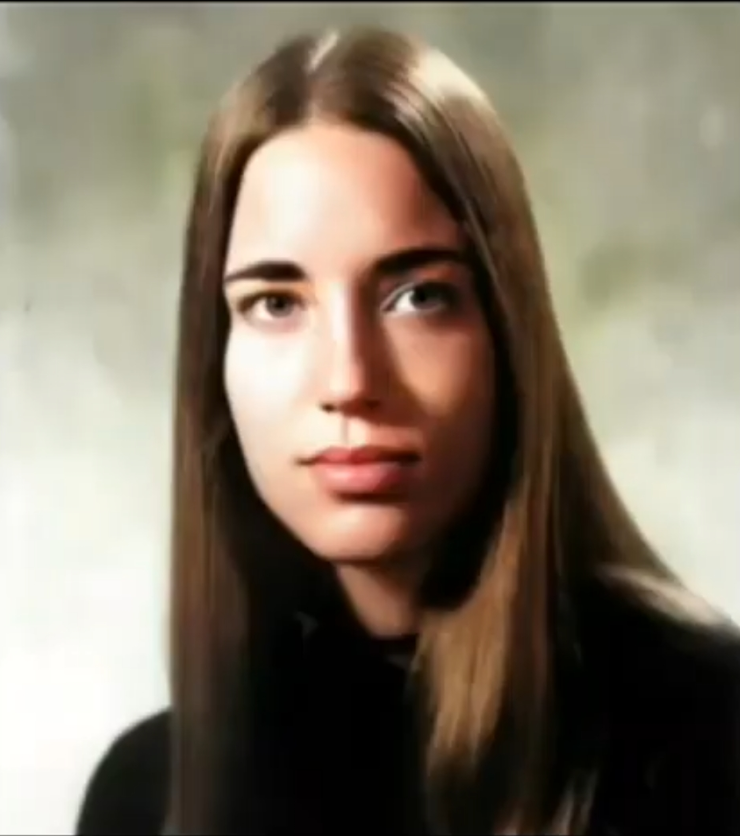
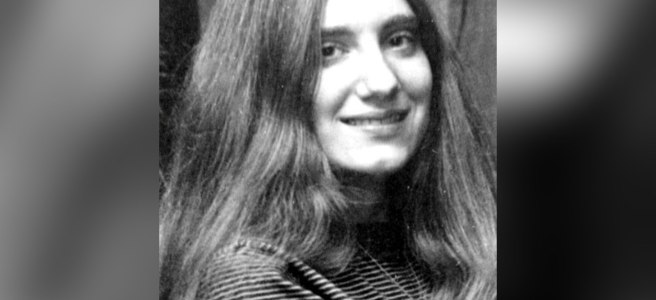
Katherine ‘Kathy’ Kolodziej.

One of the things that has always gotten under my skin about Ted Bundy (aside from his crimes against humanity) was how little he confessed to during his time on death row. He essentially used his secrets as a bargaining chip to extend his life right up until the very end. So, he could have killed the neat and tidy 30 women he confessed to, or he may have murdered over 100 as he told his attorney John Henry Browne… as I said in a previous article, unless someone discovers his long-lost diary where he candidly spoke of his dastardly deeds no one will ever truly know the full extent of Bundy’s crimes. There’s so many murdered and missing women he could possibly be responsible for but little to no concrete evidence to prove it. In my cross-country tour of anything related to Ted, I’ve already been to Washington and Pennsylvania with hopes of going to Colorado in December (edit, November 2023: I’ve been to Florida and Utah since, I have Oregon, Idaho, and Colorado left).

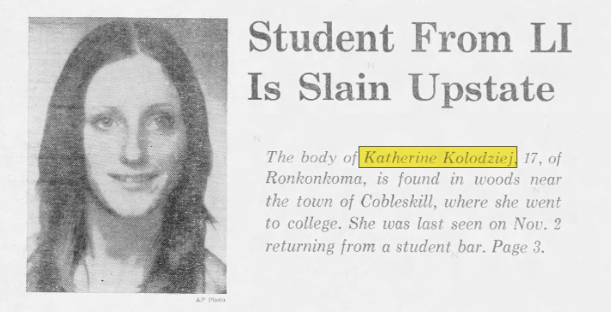
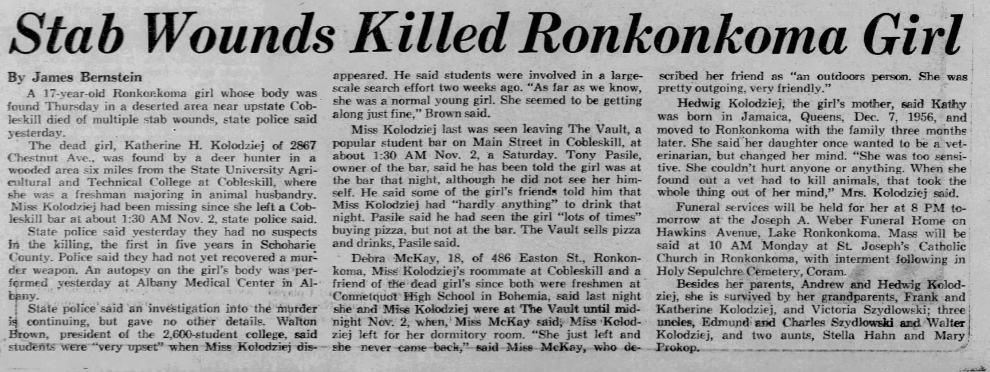
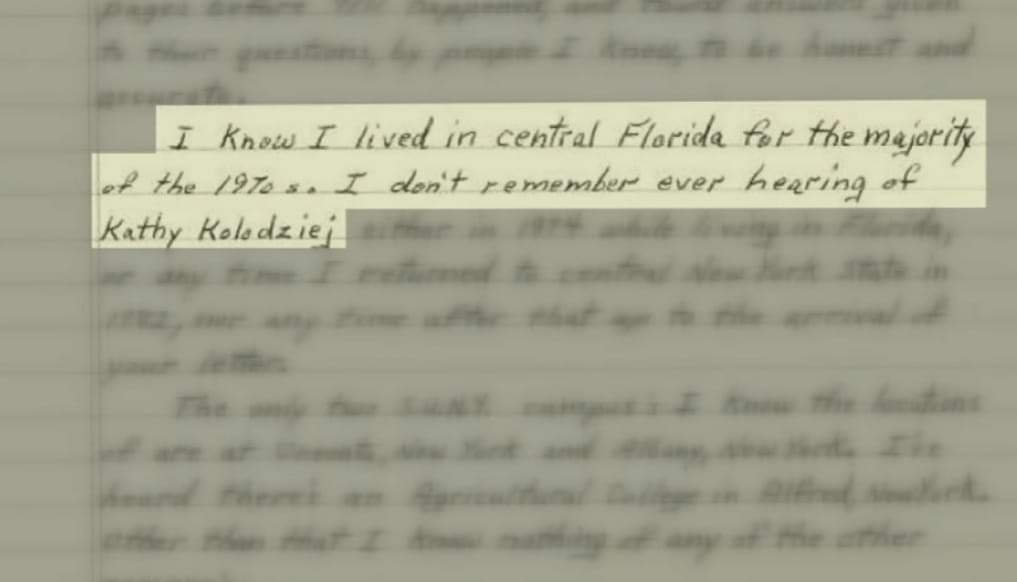
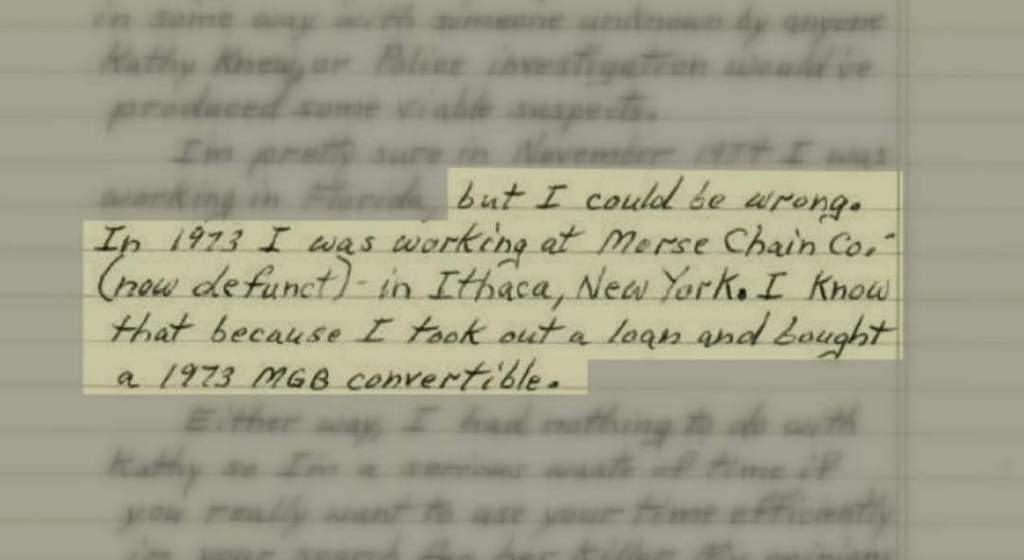
Whenever you hear the run-down of states Bundy had any possible activity to, New York is usually brought up last and is followed with, ‘but he was quickly ruled out as a suspect.’ The possible murder in question is that of Katherine Kolodziej. Kathy was only seventeen-years-old at the time of her homicide in early November of 1974, and was a SUNY Cobleskill student majoring in animal husbandry. The attractive young student was last seen in the early morning hours of Saturday, November 2, 1974 walking out of a local tavern called ‘The Vault’ in the village of Cobleskill. She went out dancing with a few girlfriends but turned down a ride back to campus, saying wanted to stay out a bit longer and was going to be getting a ride home from someone else. According to her cousin Vicki Szydlowski, Kathy spoke to her mother just a few hours before her night out, and Mrs. Kolodziej asked her to stay at her dorm that night and study. Kathy was responsible and a good student, not a partier by any means, but this time she disregarded her moms request because she wanted to go out with her college friends. I probably would have done the same thing when I was 17. About her cousin, Vicki said: ‘she was a good kid, but it was a Friday night and she wanted to go out with her friends to the local bar. It was a small community; everybody knew everybody and that’s just what we all did back then.’

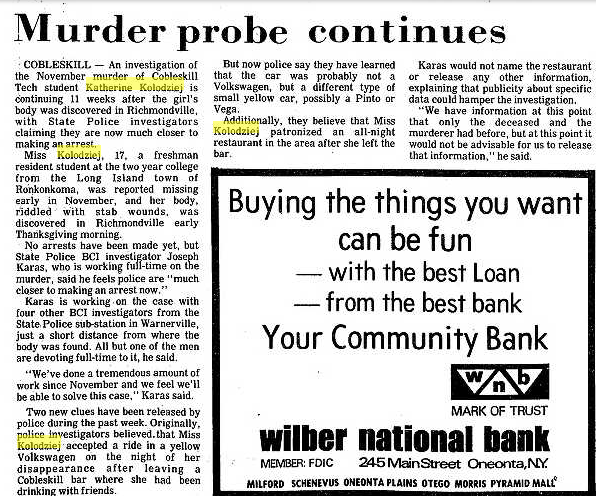
Katherine ‘Kathy’ Kolodziej was an only child born to Andrew and Hedwig (nee Szydlowski) Kolodziej on December 7, 1956 in Ronkonkoma, New York. Hedwig was born on April 10, 1919 in Jamaica, NY; Andrew was born on April 12, 1922 in Wysne Lapse Poland and emigrated to the United States in the early 1940’s. Despite the fact that Kathy’s case went cold nearly 50 years ago, NYS Police investigator David Ayers told Andrea Cavallier from Dateline in December 2020 he isn’t about to let the young girl’s killer get away: ‘it’s a very tough case, and a lot of time has passed. But let’s just say, anything is possible. It’s not hopeless.’ Ayers went on to tell Cavallier that Ms. Kolodziej was last seen at roughly 1:30 AM leaving the bar wearing a red coat and crossing the street, most likely beginning her walk back to campus, which was only about a mile away ( I made the drive myself earlier today and it was indeed very short). It was the last time she was seen alive. It wasn’t until the weekend was coming to an end that her loved ones knew something was very wrong: she’d never just disappear without telling anyone where she was going. After Kathy’s story made the local news, a witness came forward claiming they saw a young woman get into a yellow Volkswagen Beetle around 1:45 AM the morning she vanished; to this day it has not been confirmed by authorities whether or not it was her.

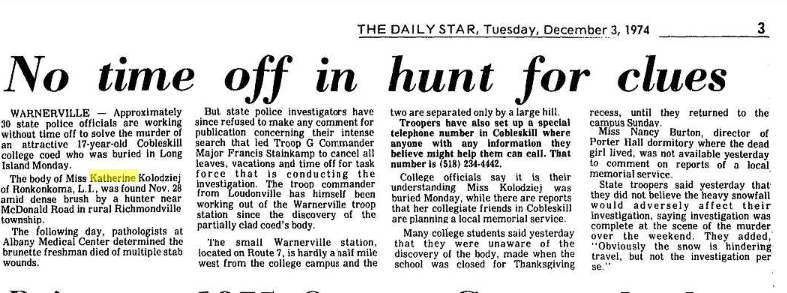
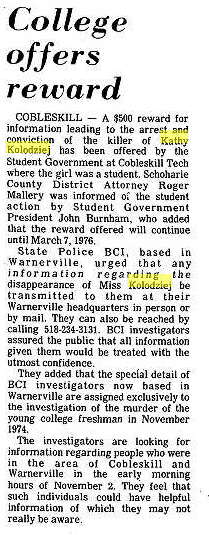
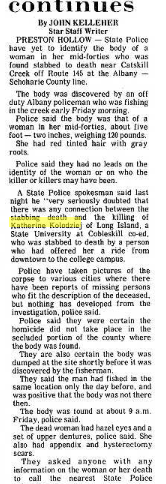
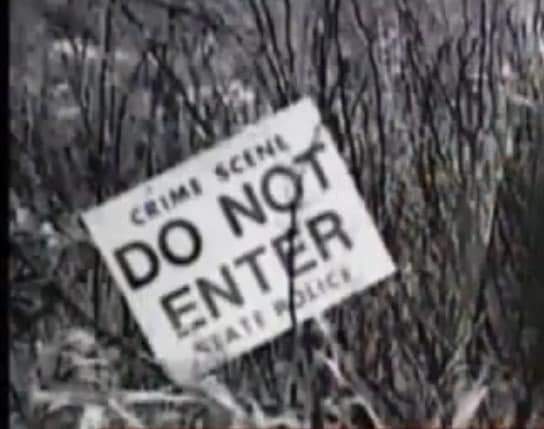
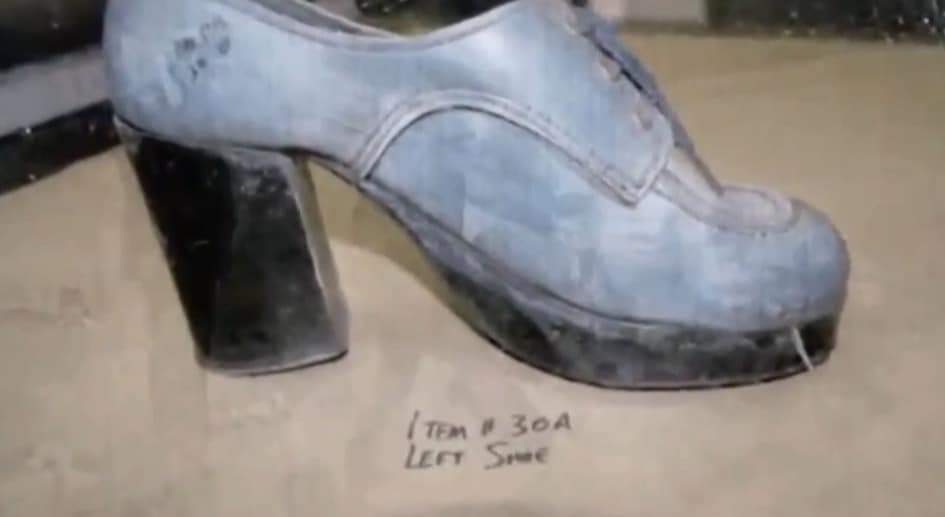
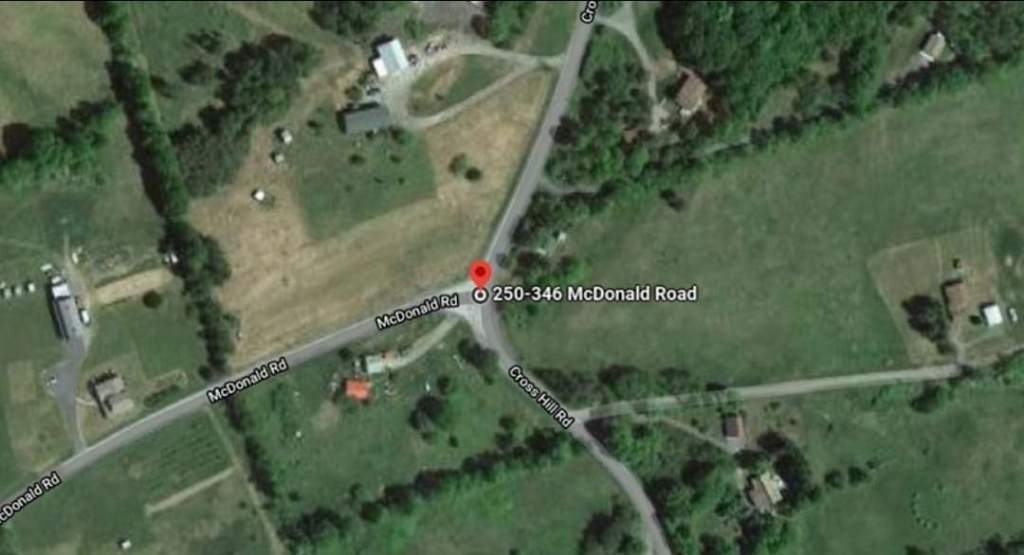
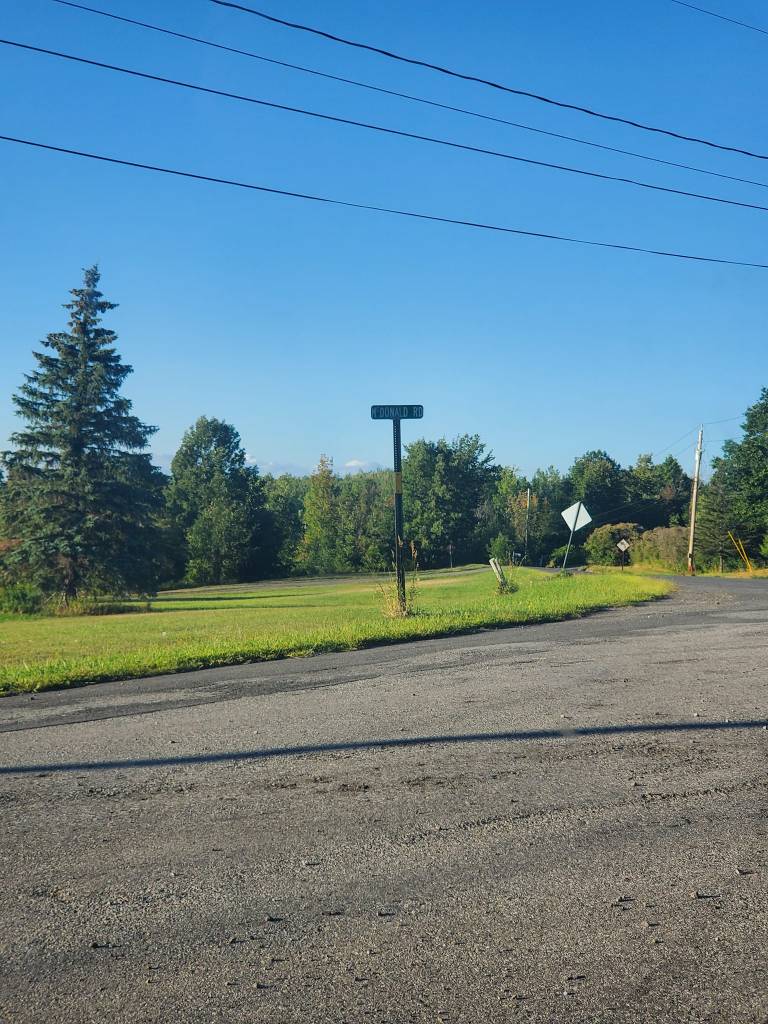
Twenty-five long days went by. Law enforcement, Cobleskill campus security, and volunteers spent thousands of combined man hours combing the area looking for any trace of the missing girl. Finally, on November 23, 1974 law enforcement received a tip that hunters found a single blue shoe at the intersection of McDonald and Cross Hill Road in Richmondville, NY; Police later found its pair up the road. That same day Kolodziej’s remains were found by a group of deer hunters in a field on McDonald Road in Richmondville. Detective Ayers informed Dateline a man (who thankfully was aware of the missing co-ed in the area) had noticed a piece of red cloth in the distance through his binoculars and immediately notified the police. Upon arriving at the scene, state police discovered the badly decomposing body of Kathy Kolodziej discarded on a low rock wall; she was naked from the waist down but the lower part of her body was covered up by her red coat that was draped over her like a blanket. According to an autopsy performed at the Albany Medical Center, she had been stabbed seven times with two different weapons.

There would be no Thanksgiving celebration that year for the Kolodziej family. Instead of gathering together for a happy meal, Kathy’s parents started to prepare to bury their only child. Vicki Szydlowski said of that day: ‘we were supposed to go to Aunt Hattie’s at their home in Ronkonkoma that day for Thanksgiving. But then they got the call about Kathy. Nothing was ever the same.’ She went on to say that she and her siblings were close to her in their younger years however as they grew older and went to different colleges they eventually drifted apart, ‘but we always came back together at family gatherings; we had that cousin bond.’ Vicki described her cousin as a kind, good person who always made them laugh, especially with her different accents: Kathy had perfected her father’s thick Polish accent, which made everyone laugh when she pretended to speak like him.

Vicki shared a story with Dateline that when Kathy begged her parents for a horse her father built a stable in the backyard of their Lake Ronkonkoma home, and that: ‘she loved all animals, was always bringing them home. But she really loved horses, loved riding them, caring for them. It was her passion. And it led to what would have been her career.’ In her senior year of high school Kolodziej attended BOCES, majoring in ‘Horse Care & Horse Training.’ After graduating in 1974, she decided to turn her love for horses into a career and enrolled at the State University of New York at Cobleskill majoring in animal husbandry in hopes of becoming a veterinarian one day.

In a 1979 news interview, Kathy’s uncle Charles Szydlowski (a retired New York State police detective) recalled the phone call he got from his sister about his niece’s disappearance: ‘She said, ‘Charlie, Kathy is laying on the side of the road somewhere dead, I know it.’’  He attempted to tell her that her only child would turn up safe: ‘I said, ‘Heddy, there are 13 million people in New York State. What are the chances this is going to affect us this way? But she was right. Her first thought was that her daughter was dead, and she was right … I told Hattie… I told her that she’ll be all right. But my sister was so upset. She kept saying that Kathy was dead. Dead on the side of the road somewhere. Turns out, she was right.’ In the years that followed Kathy’s death, Andrew and Hedwig Kolodziej tirelessly worked next to law enforcement in hopes of helping them solve their daughter’s murder. Of her aunt and uncle, Vicki said: ‘they mourned their daughter for so many years, but they died before knowing who did this to her. It’s heartbreaking.’ After the death of Mr. and Mrs. Kolodziej, Vicki and Charles have taken on the duty of reaching out to investigators about any developments or updates about Kathy’s case. Mr. Szydlowski said that he’s hopeful his niece’s case will be solved soon: ‘our family would like closure. I would like to know. And one day, I’ll be able to tell my sister what happened.’

In addition to the New York State Police, many other investigating agencies have helped interview thousands of people about Kathy’s murder over the past almost 50 years. Friends, family, classmates, casual acquaintances… if anyone so much as walked by Kathy on Cobleskill’s campus, law enforcement spoke with them. However, with each year that goes by the chances of catching the coed’s killer becomes less and less likely as witnesses (and the killer themselves) are growing old and passing away. Detective Ayers inherited the cold case in 2016 and shared with Dateline that while he is unable to disclose specifics regarding DNA findings in Kathy’s case: ‘it’s an investigative avenue we continue to explore due to the advancements made with DNA technology. I do believe that any developments made with DNA evidence will be a huge step towards getting answers and possibly solving the investigation.’ HE also said that investigating LE agencies have reached out to the public on multiple occasions, encouraging them to report any information that could potentially help lead to an arrest: ‘individuals who may have had information of what happened are older now, some have even passed away, but we’re still hoping to track someone down who we missed before. We received numerous tips over the years, but the more time that passes, the harder it becomes.’

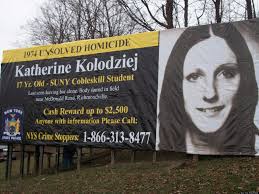
Tom Cioffi was the NYS Detective in charge of the case before Ayers took over; in 2012 he put up billboards in the Cobleskill area regarding Kathy’s disappearance and made requests for information through the media in an attempt to keep her murder on the public radar. The most recent one was put up in the fall of 2017 by Detective Ayers on Route 7 in Cobleskill: on it was a photo of Kolodziej along with a plea to the public that anyone with information regarding her homicide to call authorities. In addition to the well-placed billboards there’s also a Twitter handle and a police-run Facebook page titled ‘@Justice4Kathy Facebook Page.’ Its purpose is to provide the public with updates on the case and invites those who knew her or lived in the area to share stories and submit information. About the Facebook page, Ayers said that ‘we hope that by sharing Kathy’s story, and photos of the local bar and the area of Cobleskill, it will jog someone’s memory and they’ll have the information we need. There’s always somebody we might have missed, or someone who was reluctant to talk. We hope now is the time they come forward.’ He hopes that the billboards combined with the social media page will help put a renewed buzz in the case, and hopefully Kolodziej’s killer can finally be brought to justice. ‘We’re coming up on 50 years since Kathy’s murder, but we haven’t given up. There’s always a chance for closure. There’s always hope.’

The young student only lived in the area for about two months before she was murdered, which really didn’t give her a lot of time to form a lot of intimate and meaningful relationships (especially ones off campus). This is worth mentioning because Kathy was found in such an intimate way: her assailant was very careful to cover up the lower part of her body (despite being the one responsible for taking her clothes off in the first place). The fact that the killer seemed to know the ins and outs of the close knit area makes me speculate that maybe at one point they lived locally and weren’t just a drifter passing through. If (and this is a BIG if), she was held captive for any amount of time before she was killed then I would think she was murdered by someone that most likely lived alone and away from a lot of people (possibly in the country or a more remote area).

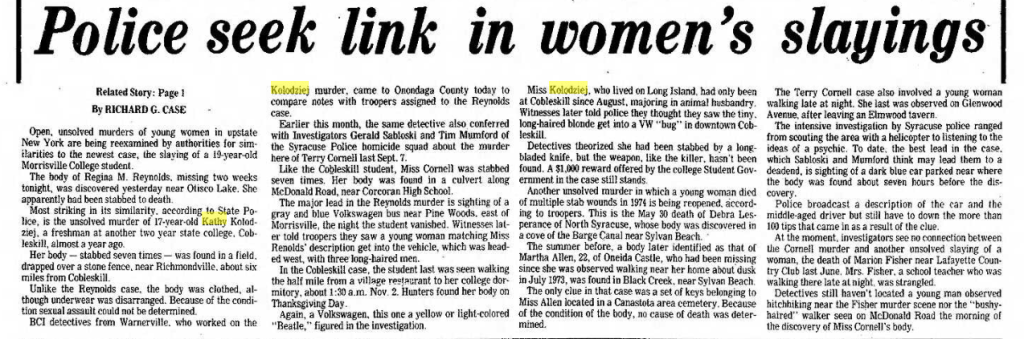
After the grim discovery investigators interviewed not only members of the student body at SUNY Cobleskill but also patrons of the bar she was last seen at. In addition, because of the report that Kathy was last seen getting into a yellow Volkswagen, law enforcement also tracked down and interviewed Bug owners in the area as well as anybody that may have had a connection to the murders of young women in the Northeast area. Despite the countless number of police interviews conducted over the years not a single serious suspect can be identified. Quite a few serial killers were investigated for the murder, including Ted Bundy, Lewis Lent, Donald Sigsbee, and John William Hopkins but all were eventually cleared.

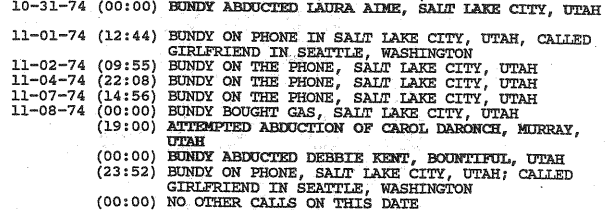
So, we all know that Bundy didn’t kill this girl. In fact, I (very) briefly spoke with Detective Ayers on the phone and he flat-out told me he wasn’t guilty either (I’m an insurance agent with no police training, I will never pretend I know more than a trained law enforcement officer does). We know that on August 30, 1974 Bundy moved to Utah to start law school (ahem, again), and on October 31st he abducted and murdered Laura Ann Aime after she attended a Halloween party at Brown’s Café with friends in Lehi, Utah. Now, the café is 2,191 miles away from The Vault in Cobleskill and takes well over a full day to drive to (straight through, no stops). This means if Bundy did kill Kathy, he would have had to kill Aime then immediately get in his car to make the one day, nine hour drive to NYS to kill Kathy, who disappeared early in the morning on November 2nd. I mean, I suppose it’s plausible, but I just don’t think it happened. I listened to Dr. Keppels book ‘Terrible Secrets: Ted Bundy on Serial Murder’ on Audible while driving to Cobleskill and one of my biggest takeaways related to this case was that Bundy apparently made a real attempt to attend a good amount of classes his first semester back at law school. So the idea of him driving to NYS to commit a single murder just doesn’t make sense. Especially since on November 8th, just 6 days after Katherine Kolodziej was abducted, Bundy hit twice in Utah (Carol DaRonch then Debra Kent): The Fashion Place Mall in Murray Utah is 2,170 miles away from SUNY Cobleskill (and a 32-hour drive). We also must keep in mind the fact that law enforcement said that they had evidence that Kathy was most likely kept alive until the day before her body was discovered… I’m sorry, it’s just completely improbable that Bundy made this trip and committed this murder.

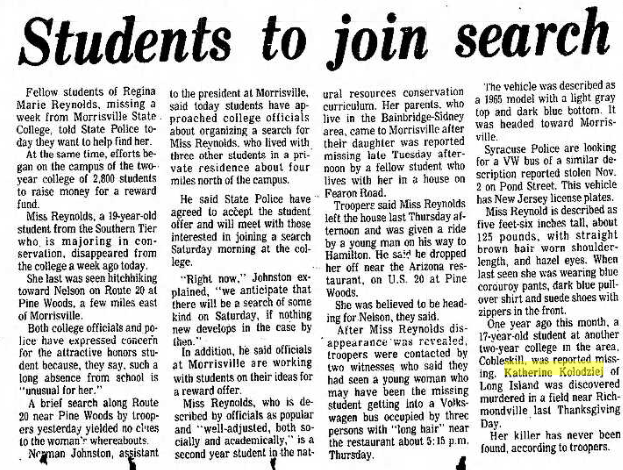
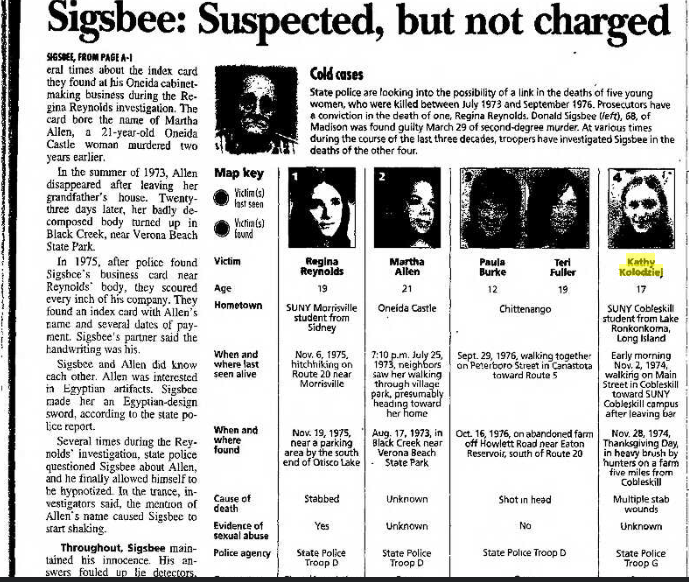
The serial killer Donald Sigsbee lived in Madison, NY (roughly 61 miles away from Cobleskill) and in March, 2004 he was convicted on two counts of second-degree murder for the 1975 death of 19-year-old SUNY Morrisville student Regina Reynolds. Ms. Reynolds was last seen hitchhiking at the intersection of Route 20 and 46 in Morrisville, NY. It is also speculated that he is responsible for the death of 21-year-old Martha Louise Allen, whose body was found by a boater on Black Creek on July 25, 1973 in the area of Verona Beach State Park. An index card with Ms. Allen’s name on it was discovered with paperwork related to Sigsbee’s cabinet business two years after her death. Law enforcement briefly considered him as a suspect in Ms. Kolodziej’s murder but he was eventually ruled out. In 2004, Sigsbee was found guilty of second-degree murder for the stabbing death of Reynolds and he died of natural causes on October 26, 2009 in Mohawk Valley Correctional Facility in Rome, NY.

WOW: I never heard of Lewis Lent but boy am I glad I looked him up… he reminds me of the wish.com version of Ed Kemper. I know it’s insensitive to make light of a murderer but come on… it’s a bit obvious. Anyways, Lent was a former Massachusetts janitor that murdered two children (but possibly more). Despite living in a different state at the time of the murders his childhood home was in Newfield, NY which is only about a 2.5 hour drive from Cobleskill. He claimed to be the subject of blackouts and memory lapses, and in one AP interview he blamed it on a close encounter with UFO occupants while in Virginia. It’s worth noting that his victims were much younger than Kathy (two were only twelve years old). It’s speculated that Lent didn’t act alone and that his accomplice(s) are still at large.

John William Hopkins’ first confirmed victim was the last he was officially linked to: Joanne Pecheone was a 19-year-old St. Francis de Sales School student when she was murdered on January 12, 1972. The school is located in Utica, NY, which is roughly 60 miles away from Cobleskill. Next was 17-year-old Cecelia Genatiempo, who Hopkind killed on July 24/25, 1976 in Gloversville, NY. His third and final confirmed victim was Sherrie Anne Carville, a 17-year-old high school student he kidnapped from a bar in her hometown of Johnstown, NY on October 22, 1978. Because of some striking similarities in the Hopkins murders and Kathy’s case, Tom Cioffi and Schoharie County Sheriff Tony Desmond (also a NYS Trooper) believe Hopkins could have possibly had some sort of role in Katherine’s murder. When he was arrested in 1979, he admitted to the murder of three young women total, but would only name and discuss two of them: for unknown reasons he refused to discuss anything related to his third victim. In relation to the homicide of Kathy Kolodziej, Sheriff Desmond said that ‘three of the victims were the same age as Kathy, and if you look at some of the pictures of these victims, the hairstyle parted in the center, long and combed down, it’s similar. And they were all college students.’ However, NYS Trooper senior investigator William John said evidence linking John to Kathy’s homicide was still minimal, and that: ‘we’re not sure if it was Hopkins. We’re looking at means and opportunities.’ He went on to say that Hopkins raped his victims and there was no evidence that Katherine was sexually assaulted in any way (despite the young girl being found naked from the waist down). I feel it’s worth mentioning that Hopkins appeared to have an unhealthy obsession with knives, and would often carry several of them on him in various sheaths (Kathy was stabbed eight times with two different weapons). The mystery of his third victim was a secret the killer thought he took he took with him to the grave: on June 3, 2000 while incarcerated at the Great Meadow Correctional Facility in Comstock, NY Hopkins committed suicide by slashing the back of his legs and wrists with a razor. After a cold case review, in 2011 the Oneida County DA Scott McNamara announced in a press release that police in Utica finally closed the case of Joanne Pecheone, naming Hopkins as her killer. There have been some speculations that he may have had additional victims on top of the three he was convicted of (including Kathy’s), however authorities have been unable to successfully link him to anything as of November 2023.

Redditor ‘whiskeyandtea’ had a lot of interesting insights regarding Ms. Kolodziej’s tragic murder, saying: ‘I’ve been researching this case for about a year and a half now. Some of my opinions are:

  • It was probably someone local.
  • As others have said, this road is not exactly easy to stumble upon.
  • In a recent interview the investigator assigned to the case said that a forensics report at the time suggested she was killed within a day of her body being discovered. Her body was discovered 3 weeks after she vanished. If this piece of information is true, where was she being held this whole time? Granted this piece of evidence contradicts what previous investigators have suggested (they believe she was killed almost immediately after being taken). Still, it’s a consideration.
  • It was someone she trusted.
  • No one reported hearing screaming, to my knowledge. In Cobleskill, at that time of night, if someone forces a person into a car, someone will likely hear the scream. So she probably got into the car willingly.
  • She turned down a ride home and said she was going to be getting a ride home from someone else. She probably did, and that person is probably the person who killed her. Why would you turn down a ride home from someone you know to catch a ride with some one you don’t?
  • The way the body was covered and carefully placed on the wall in the field seems like it might be a demonstration of remorse, to a degree, which you might expect from someone who knew her.
  • It was probably someone from the college, although it may also have been a townie from a bar.
  • She was only in town for 2 months. That’s not enough time to meet that many people, especially outside of campus, especially when you are acclimating to a new environment.
    Again, because it seems likely that she took a ride from someone she knows and trusts. How many people would you know and trust after living somewhere for only 2 months. If, and this is a BIG if, she was in fact held captive for a duration of time before being killed: it was probably someone who lived alone. This would eliminate most students, which means this should be cautiously evaluated, because there is probably a decent chance it was a fellow student.’

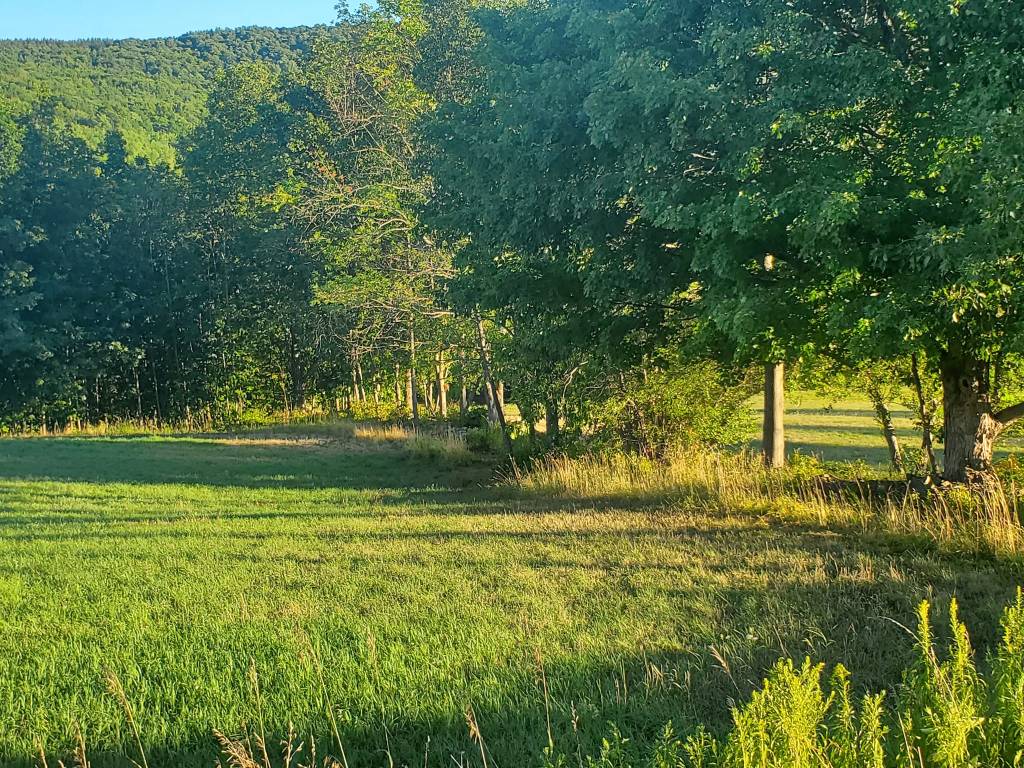
In a comment on an ‘Unsolved Mysteries’ Reddit post about Kolodziej’s disappearance, ‘TheEvilWoman‘ commented that they ‘live only a few miles from where her body was found. McDonald Rd is a really small road. You can hardly see it in the dark. I seriously doubt it was a random murderer. My guess is that it was someone local to the area. Someone she knew from hanging out in the bars. As for the Sheriff’s dept in this county, they are a joke. I ask the state troopers if I need the police. I doubt they will solve Kathy’s murder unless someone confesses. Her killer ‘most likely still lives in the county, probably in Richmondville.’ In response to that, a second Redditor by the handle Amj9412 commented, ‘you’re right it would be a weird spot to leave someone if you didn’t know your way around. Creepy to think he could still live around town!’ I will say, this past weekend I went to Cobleskill and did some exploring in the area and they are absolutely right: McDonald Road is extremely short, and is absolutely located in an odd, secluded spot ‘off the beaten track.’ Therefore, my educated assumption is someone must have known the area fairly well to leave the remains of the young lady in such a particular spot.

In the offices of the Princetown State Police Station located in Schenectady, NY the files related to the Katherine Kolodziej case are split into three cardboard boxes, her last name scribbled on the sides in dark black permanent black marker. Two of them can be found at the Trooper barracks in Rotterdam, and the third at their station in Cobleskill. Inside is information related to the case, including photos of Kathy, her autopsy report, information pertaining to leads, and crime scene photos. Currently, the only consistent phone calls law enforcement receive regarding the cold case are the twice-yearly inquiries from a former college classmate of Kolodziej’s who lives in Florida (Barbara Rose Lanieri). Despite many years going by since the murder took place, NY State Police remain hopeful that Kathy’s case can still be solved. Regarding the murder, Tom Cioffi said, ‘I still think this case can be solved. I really do.’

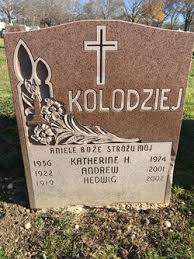
Andrew Kolodziej passed away on February 13, 2001 in Ronkonkoma at the age of 78; Mrs. Kolodziej died less than a year later on January 9, 2002 in Ronkonkoma at the age of 82. They’re buried in the same plot as their daughter at Holy Sepulchre Cemetery in Coram, New York.

New York State Crime Stoppers is offering a cash reward of up to $2,500 for information that directly leads to the arrest and conviction of the person(s) responsible for the homicide of Katherine Kolodziej. If you have any information in this case, please contact Investigator David Ayers at (518) 337–1223 and/or 24 hours (518) 234–3131. You can also leave an anonymous tip through Crime Stoppers. Use the ‘leave a tip’ tab on the Facebook profile or call their hotline at 1–866–313-TIPS (8477).

Works Cited:
http://cbs6albany.com/news/local/police-1974-cold-case-for-katherine-kolodziej-still-active
https://m.huffpost.com/us/entry/223882
http://www.timesunion.com/local/article/Cold-case-but-not-forgotten-933328.php
https://www.newsday.com/long-island/crime/murder-woman-missing-ronkonkoma-1.14699303
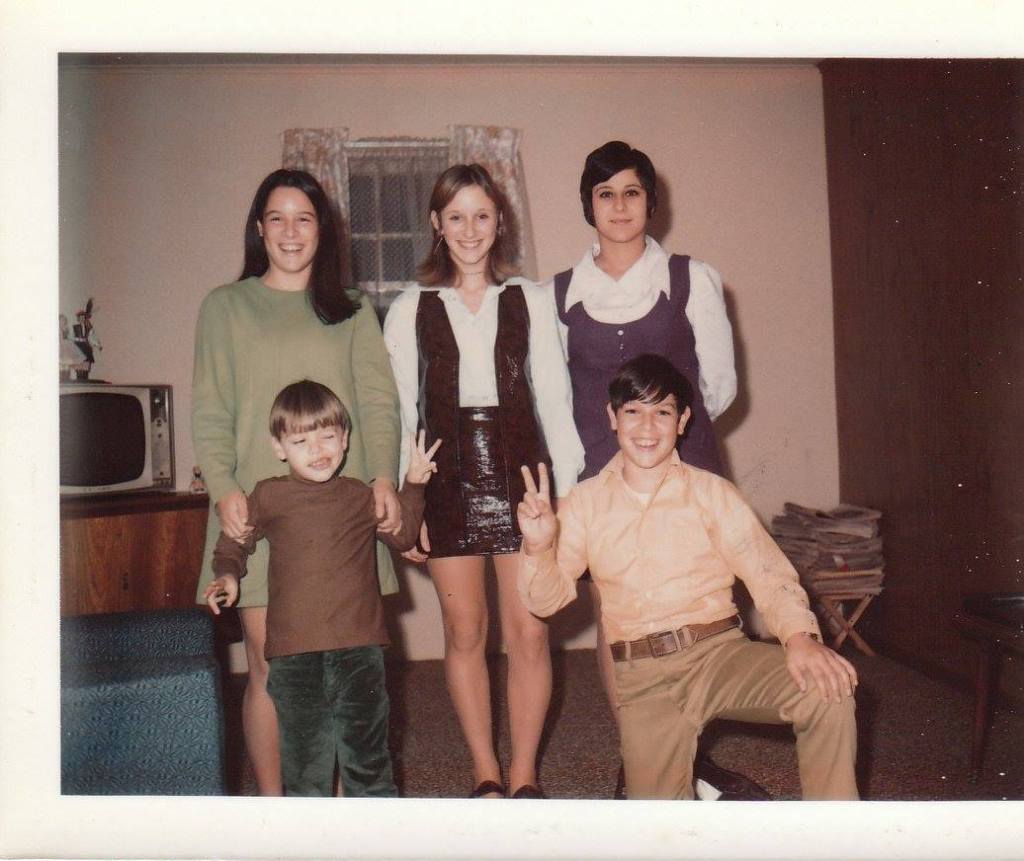
 

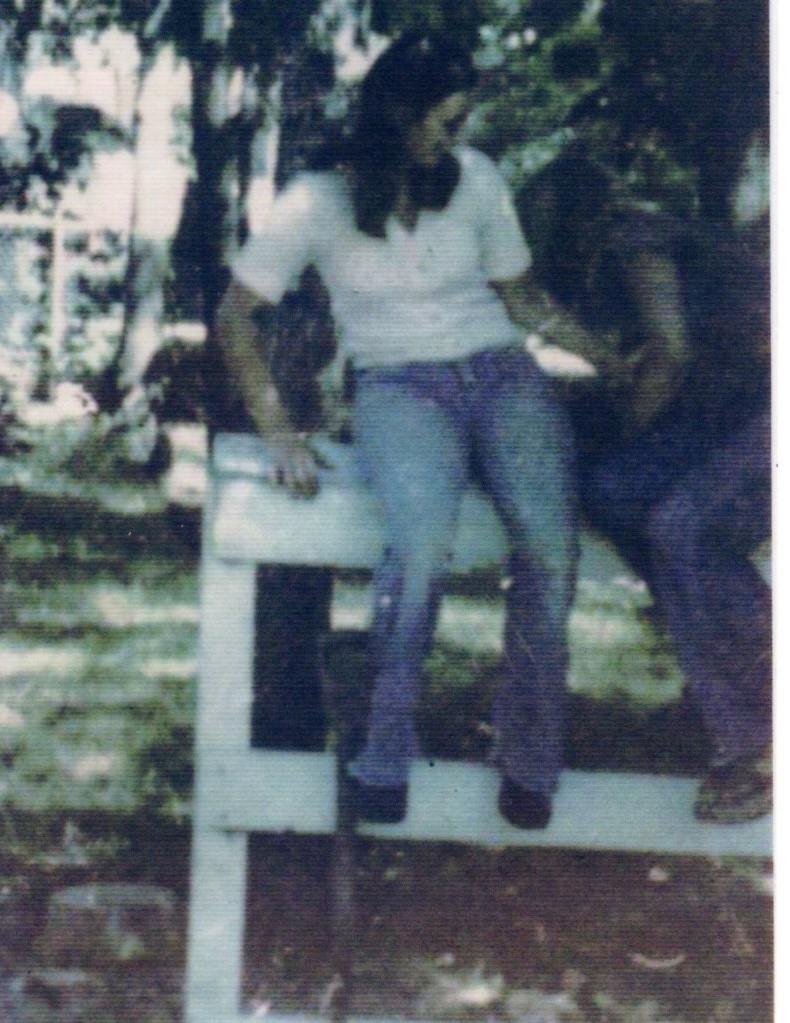
A photo of Kathy with her cousins.
A photo of Kathy with her cousin, courtesy of Maria Kolodziej.
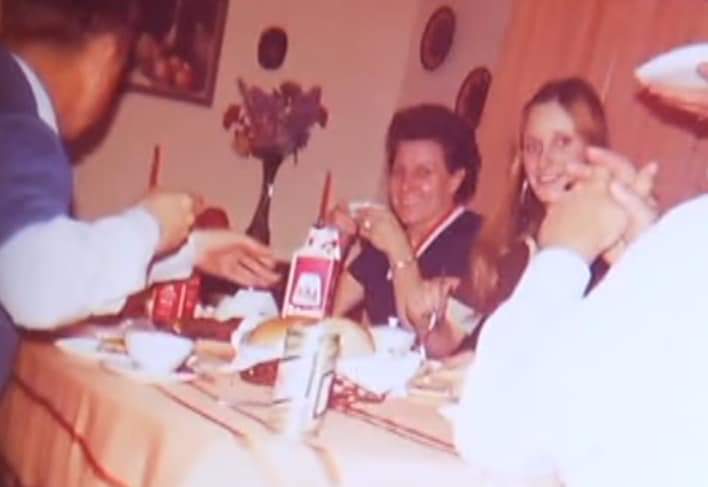
Kathy Kolodziej eating a meal with family.
A photo of Kathy with her horse, Sandy.
A second photo of Kathy with her horse, Sandy.
Another photo of Kathy with her beloved horse, Sandy.
Kathy.
A photo of Kathy with her cousins.
A photo of Kathy, courtesy of Maria Kolodziej.
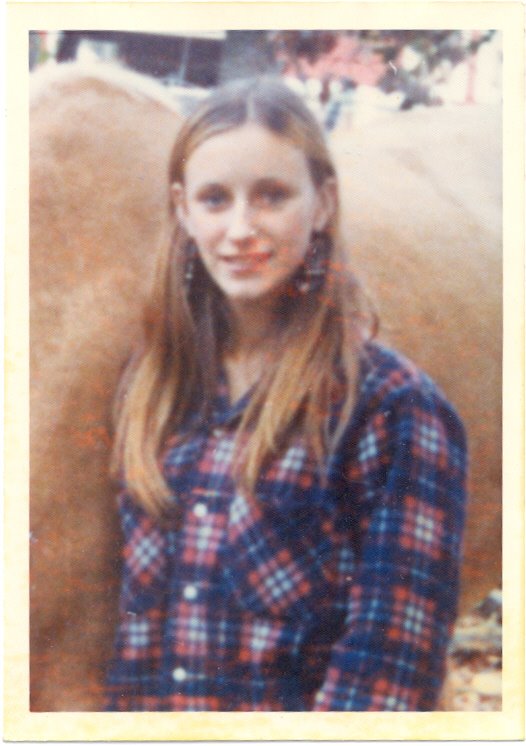
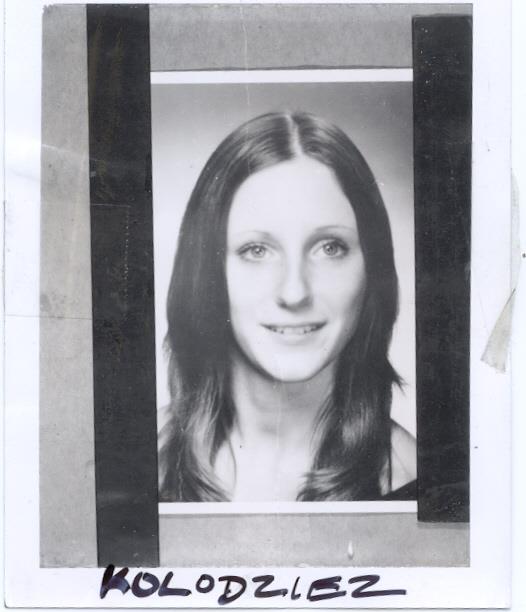
Kathy Kolodziej.
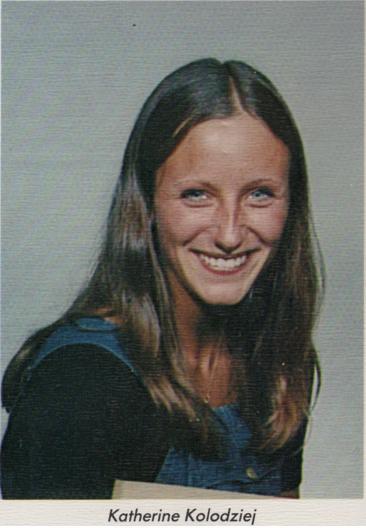
A yearbook photo of Kathy.
A photo of Kathy with her Cobleskill dorm mates.
Kathy.
TB’s whereabouts on November 2, 1974 according to the ‘Ted Bundy Multiagency Investigative Team Report 1992.’
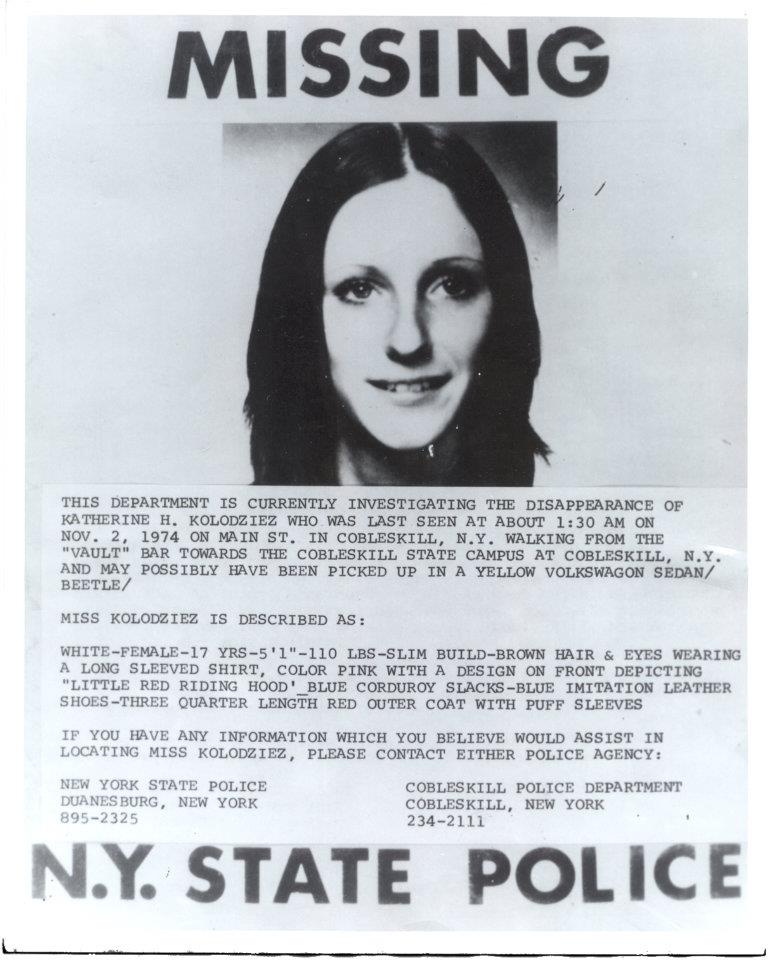
Original missing persons flyer from November 1974.
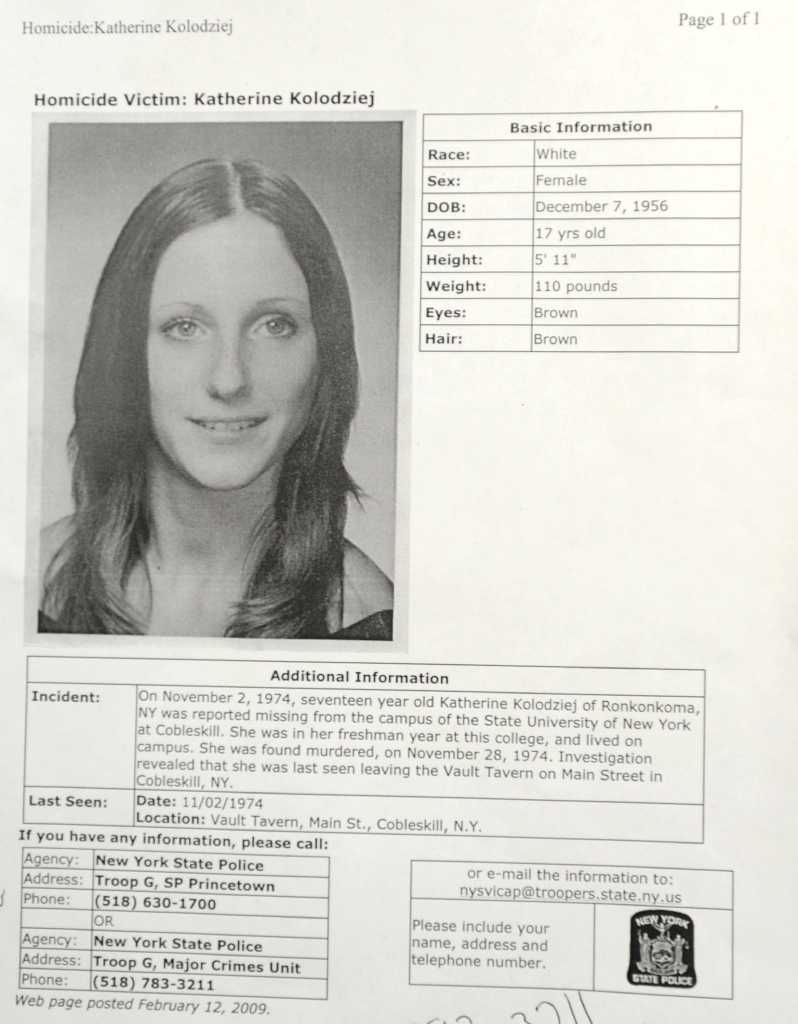
Case information sheet on Homicide Victim Katherine Kolodziej.
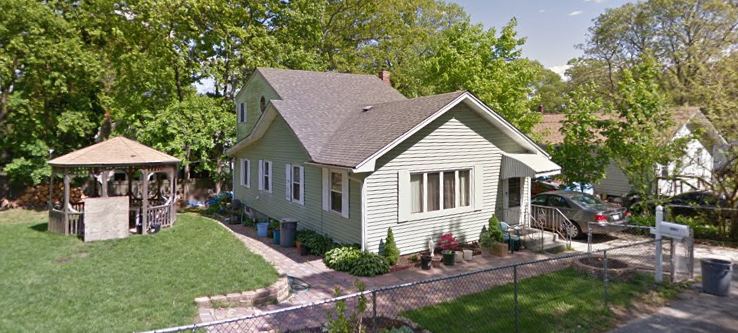
The house Kathy grew up in located at 2867 Chestnut Avenue in Ronkonkoma, NY.
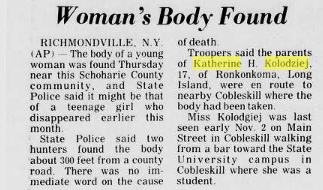
An article about Kathy published by The Glens Falls Post Star on November 29, 1974.
An article about Kathy published by The Daily Star on November 29, 1974.
Part one of an article on Kathy’s death published by Newsday on November 29, 1974.
Part two of an article on Kathy’s death published by Newsday on November 29, 1974.
Part three of an article on Kathy’s death published by Newsday on November 29, 1974.
An article about Kathy published by The Daily News on November 29, 1974.
An article about Kathy published by The Glens Falls Post Star on November 30, 1974.
An article about Kathy published by Newsday on November 30, 1974.
An article about Kathy published by The Daily Star on December 3, 1974.
An article about Kathy published by The Daily Star on December 9, 1974.
An article about Kathy published by Newsday on December 2, 1974.
An article about Kathy published by The Daily Star on January 2, 1975.
An article about Kathy published by The Daily Star on February 15, 1975.
An article mentioning Kathy published by the New York Oneonta Daily Star on March 15, 1975.
An article about Kathy published by The Daily Star on March 18, 1975.
An article about Kathy published by The Daily Star on July 8, 1975.
An article about Kathy published by the Syracuse Herald Journal on November 2, 1975.
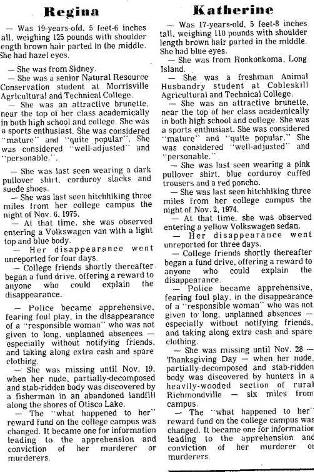
An article about Regina Reynolds mentioning Kathy published by the Syracuse Herald Journal on November 13, 1975.
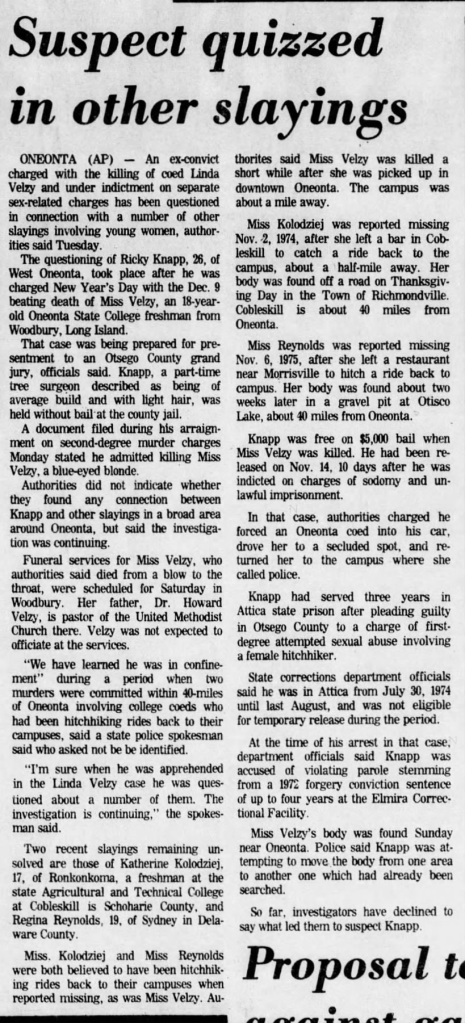
An article mentioning Kathy titled ‘Missing Sidney Girl found Dead’ published by The Daily Star on November 20, 1975.
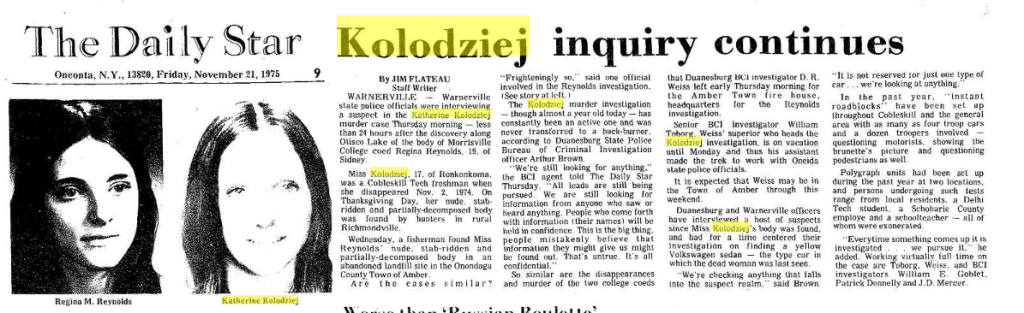
Part one of an article mentioning Kathy published by The Daily Star on November 21, 1975.
Part two of an article mentioning Kathy published by The Daily Star on November 21, 1975.
Part three of an article mentioning Kathy published by The Daily Star on November 21, 1975.
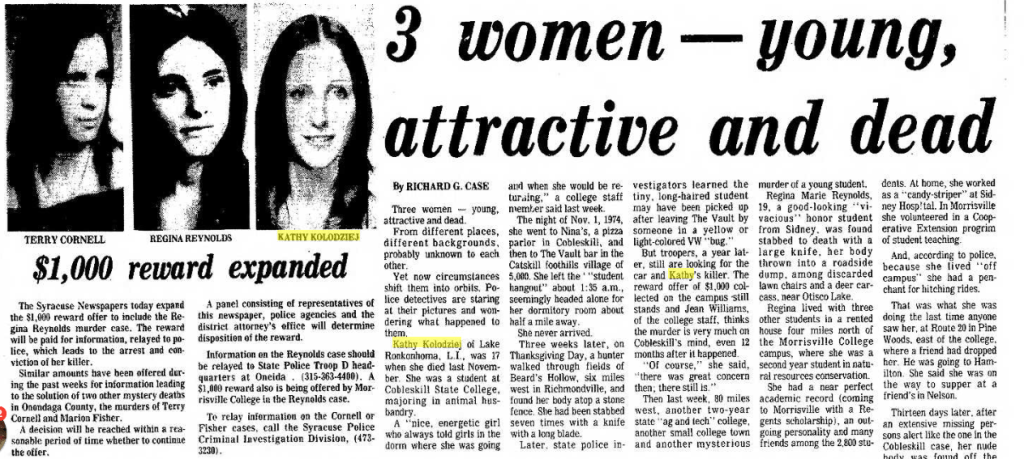
Part one of an article mentioning Kathy in high school published by the Syracuse Herald American on November 23, 1975.
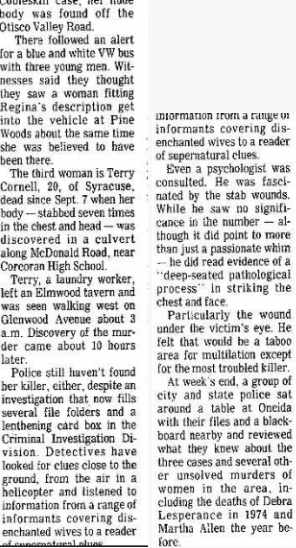
Part two of an article mentioning Kathy in high school published by the Syracuse Herald American on November 23, 1975.
An article about Kathy published by The Daily Star on April 27, 1976.
An article mentioning Kathy published by The Bangor Daily News on January 4, 1978.
An article mentioning Kathy published by The The Journal News on January 4, 1978.
An article mentioning Kathy published by The Star-Gazette on January 4, 1978.
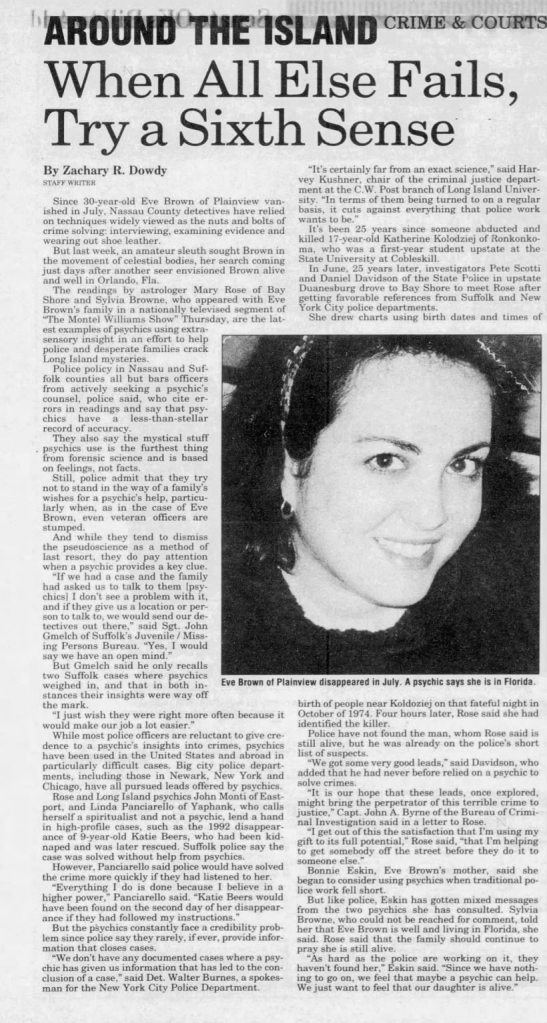
An article about Kathy published by Newsday on May 19, 1999.
An article mentioning Kathy published by Newsday on October 6, 1999.
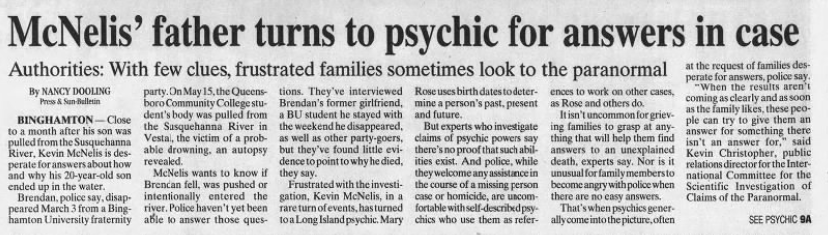
Part one of an article mentioning Kathy’s murder published by Press and Sun-Bulletin on June 12, 2002.
Part two of an article mentioning Kathy’s murder published by Press and Sun-Bulletin on June 12, 2002.
Part one of an article about Kathy published by the Syracuse Post Standard on April 4, 2004.
Part two of an article about Kathy published by the Syracuse Post Standard on April 4, 2004.
Part three of an article about Kathy published by the Syracuse Post Standard on April 4, 2004.
An article mentioning Kathy published by Newsday on April 25, 2006.
An article reexamining Kathy’s case published by Newsday on February 19, 2011.
An article reexamining Kathy’s case published by The Daily News on September 9, 2018.
An article mentioning Kathy published by the Syracuse Post Standard on May 6, 2021.
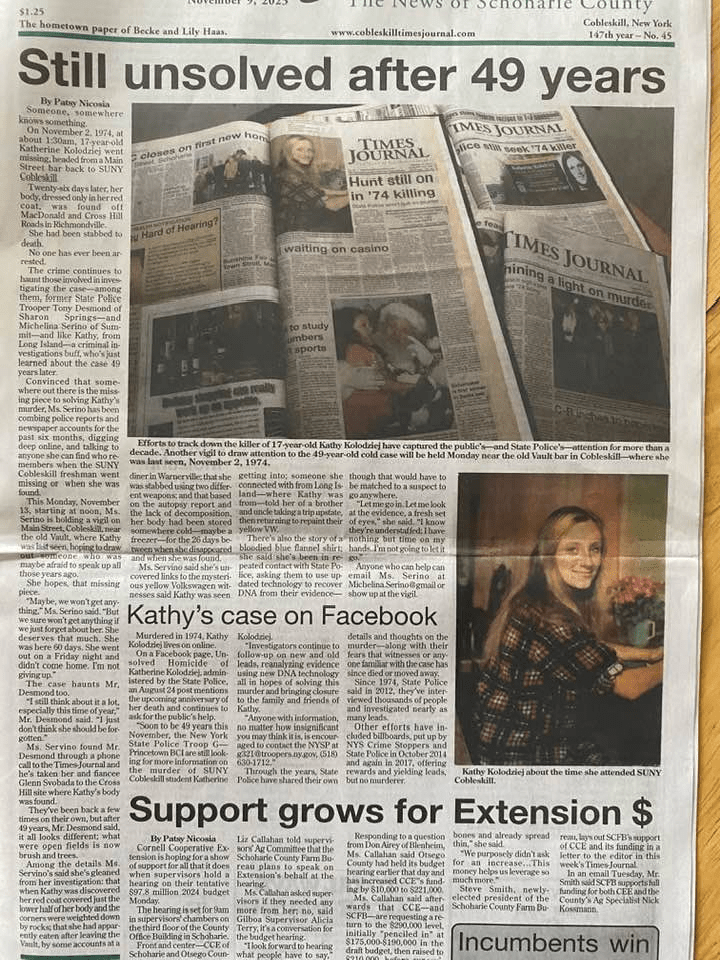
An article about the 49th anniversary of the murder of Kathy Kolodziej published by The News of Schoharie County on November 9, 2023. Courtesy of my friend, Michelina Serino.
An article about the 49th anniversary of the murder of Kathy Kolodziej published by The News of Schoharie County in November of 2023. Courtesy of my friend, Michelina Serino.
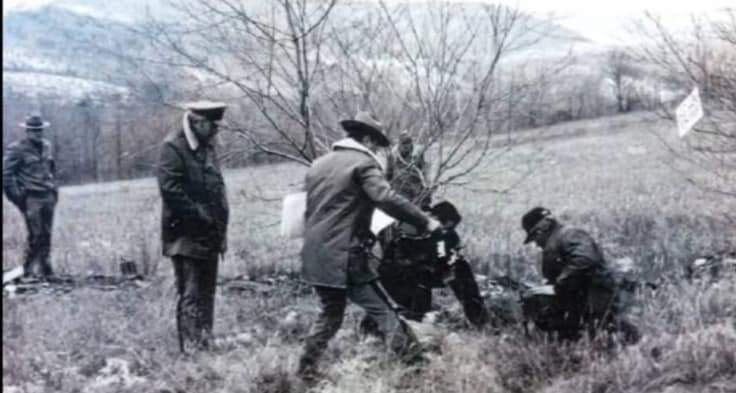
A photograph from the crime scene of the murder of Kathy Kolodziej taken on November 23, 1974.
A photograph from the crime scene of the murder of Kathy Kolodziej in November 1974.
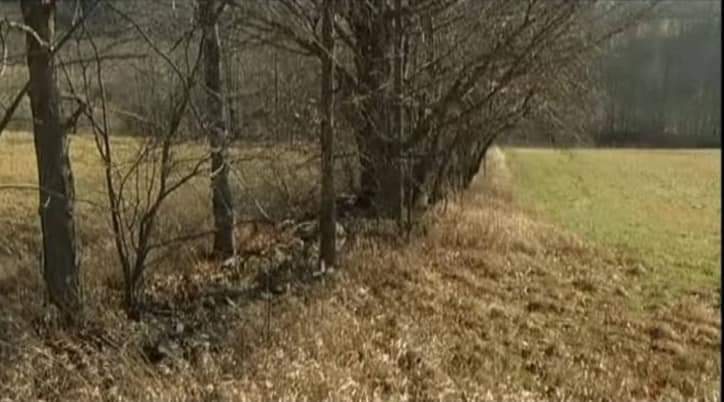
The scene of where Kathy Kolodziej’s body was found in November 1974.
The rock wall where Kathy Kolodziej’s body was found in November 1974.
A photograph from the crime scene of the murder of Kathy Kolodziej taken on November 23, 1974.
A photo from the crime scene.
Kathy’s discarded blue shoe found by hunters.
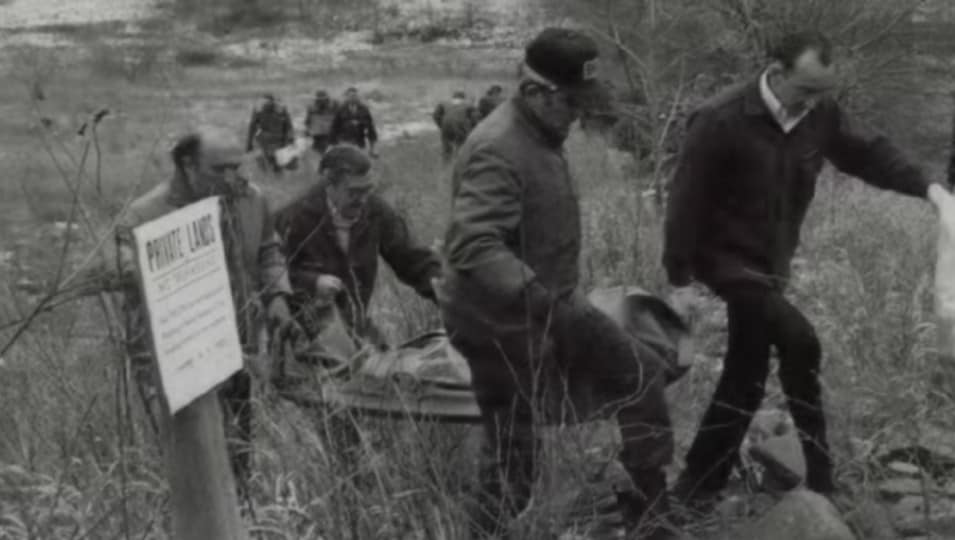
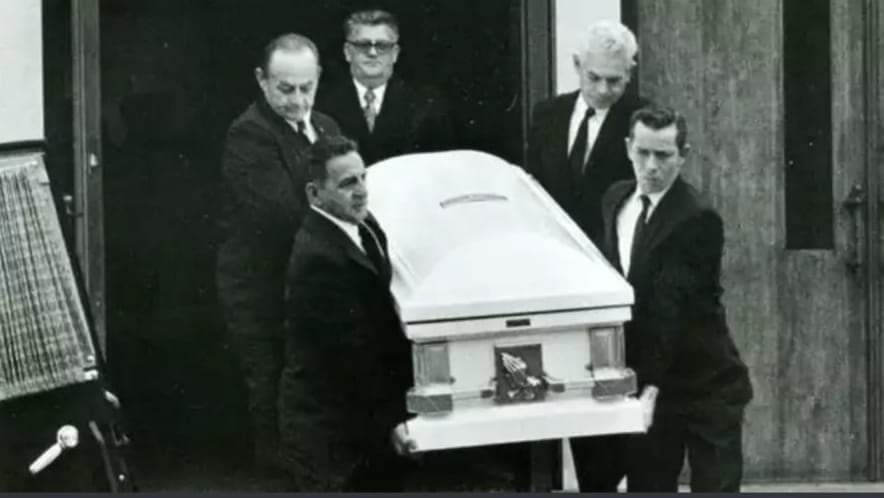
The coffin bearing the body of Katherine Kolodziej is carried from St. Joseph’s Roman Catholic Church in Lake Ronkonkoma on December 2, 1974. Photo courtesy of Walter del Toro.
The gravesite of Kathy and her parents.
Kathy’s uncle Charles Szydlowski, a retired New York State police detective.
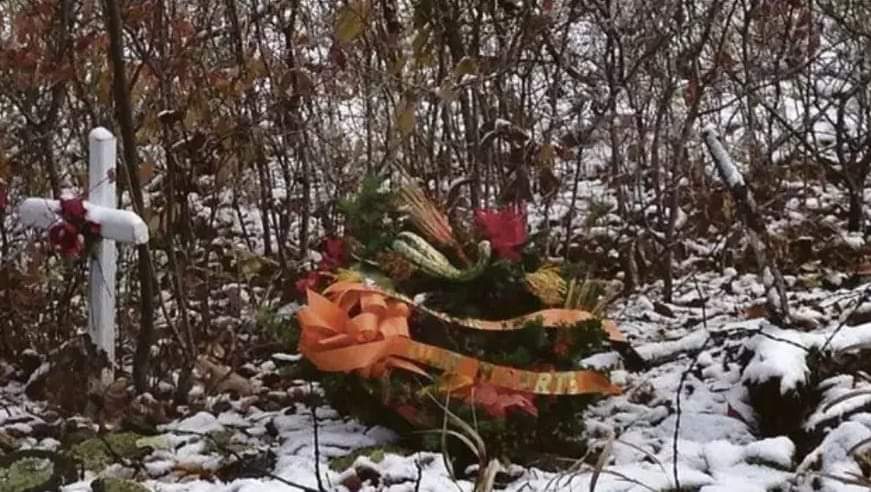
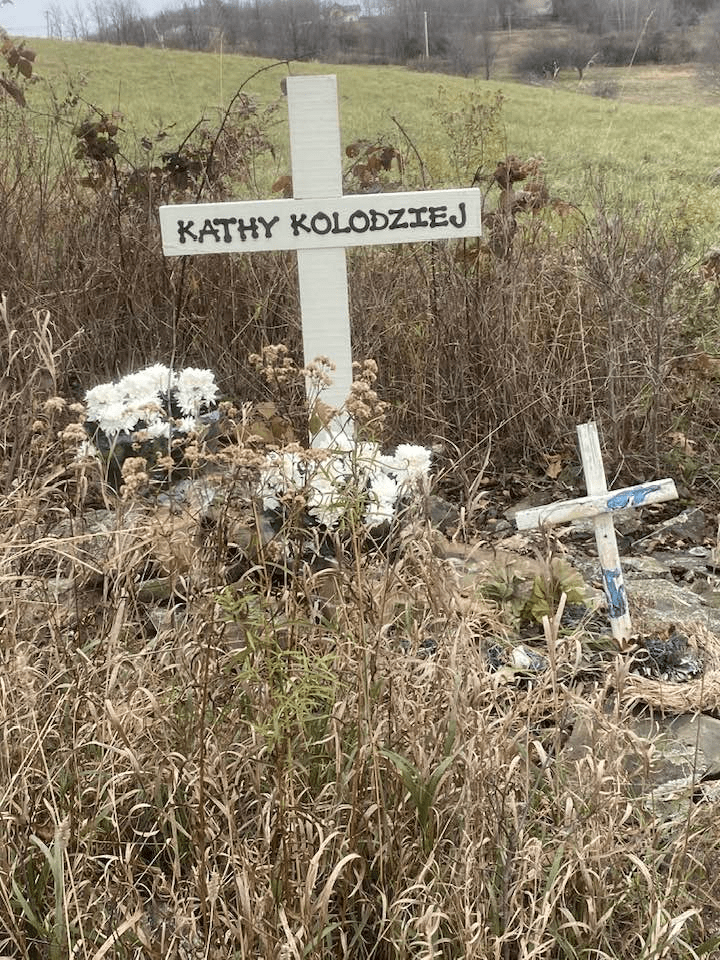
A memorial close to where Kathy’s remains were found on McDonald Road.
The latest billboard from 2017 regarding Kathy’s 1974 unsolved homicide.
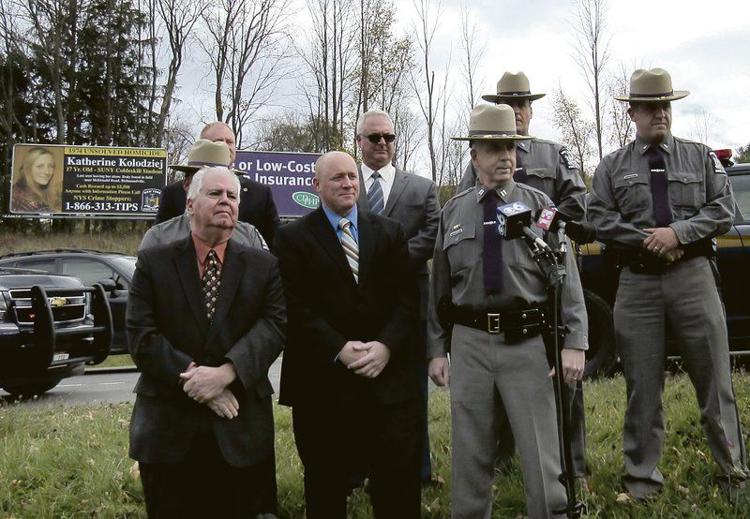
Schoharie County District Attorney James Sacket, (front left) Investigator Dave Ayers and New York State Police Captain Richard J. O’Brien speak to reporters in front of a billboard asking for information about the murder of Kathy Kolodziej in Cobleskill.
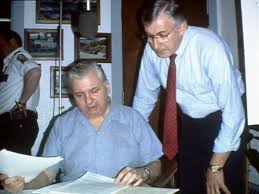
A photo of the original investigators of the Kolodziej case in more recent years.
Tom Coiffi with evidence boxes containing information about Kathy Kolodziej’s case.
A Google Maps image of the area where Kathy was discovered.
View of SUNY Cobleskill during the 1980’s.
An aerial shot of SUNY Cobleskill taken in the 1980’s.
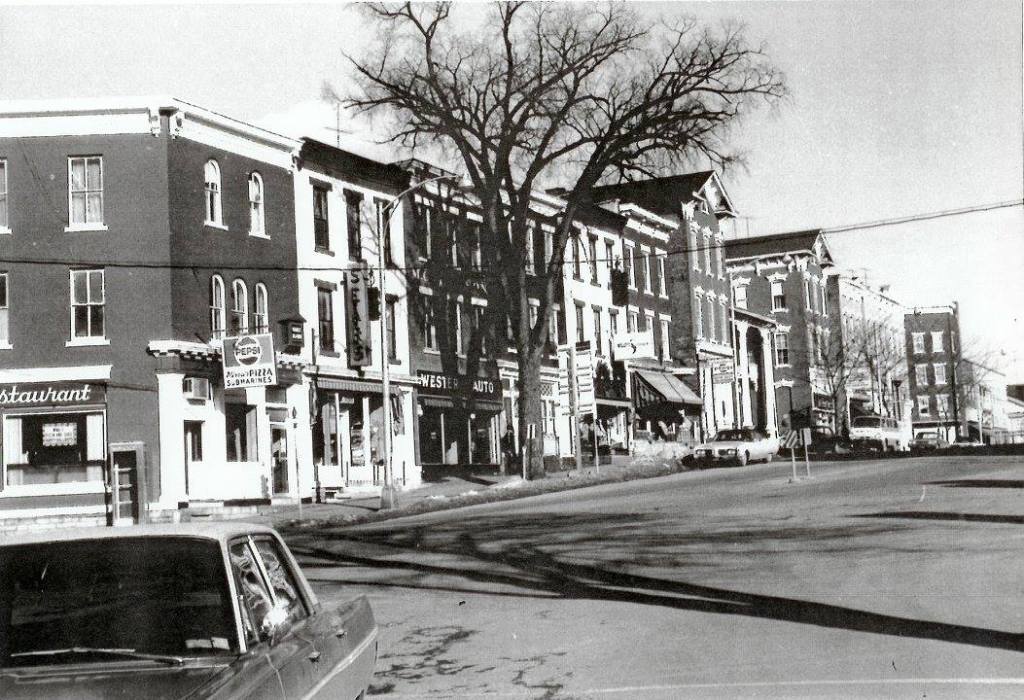
An older B&W snapshot of ‘The Vault’ in Cobleskill in the early 80’s.
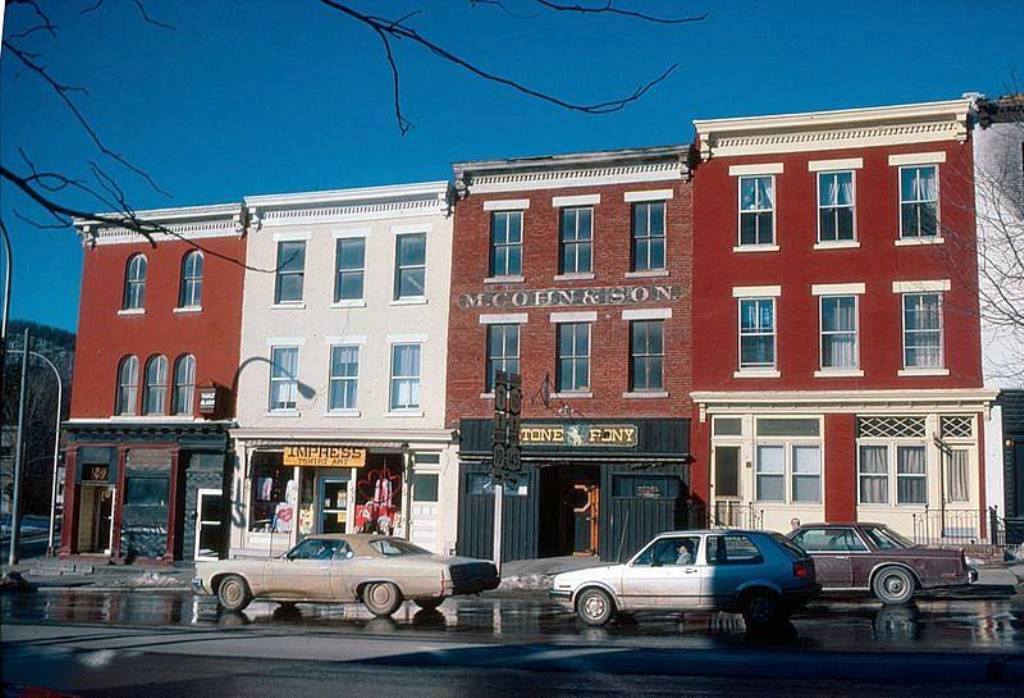
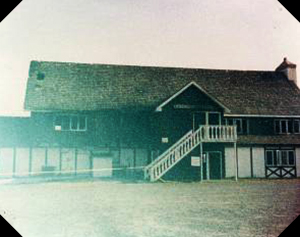
An older color snapshot of ‘The Vault’ in Cobleskill.
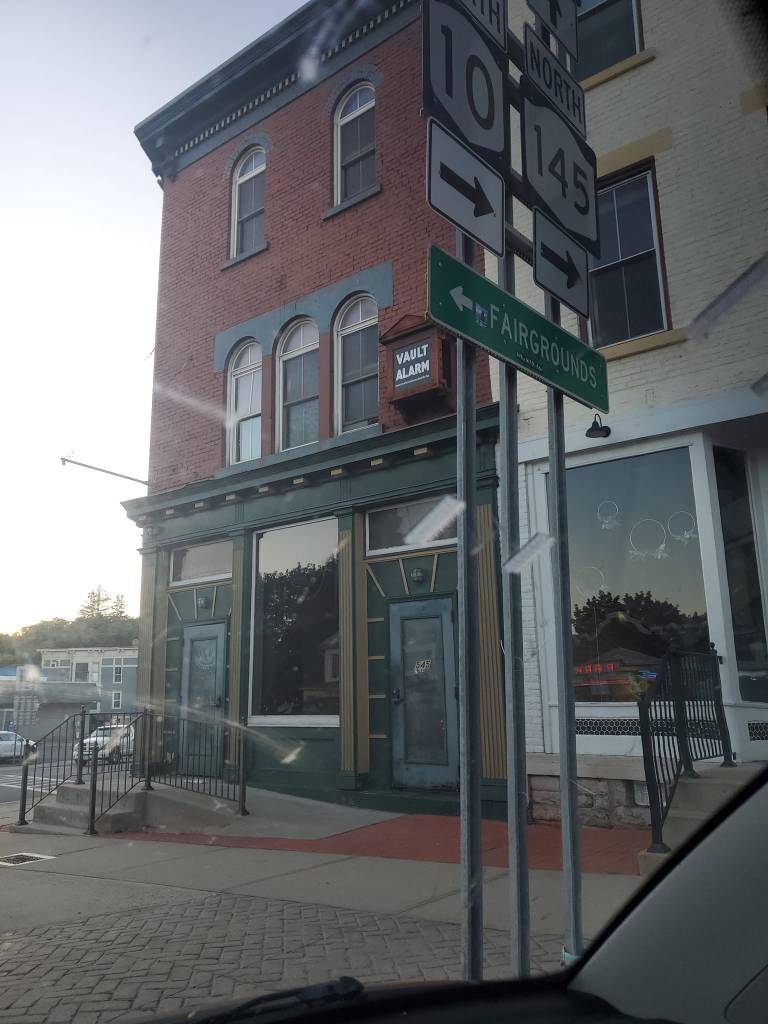
The Vault as it stands today in 2022.
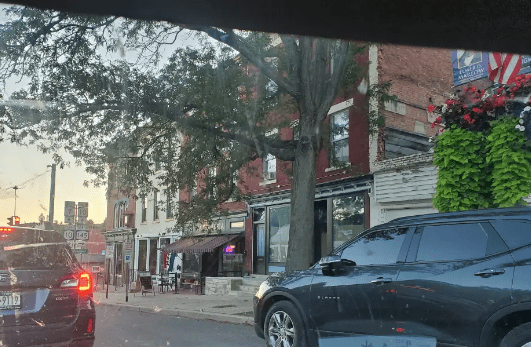
Please ignore my dirty car. Another shot of The Vault as it stands today, August 2022.
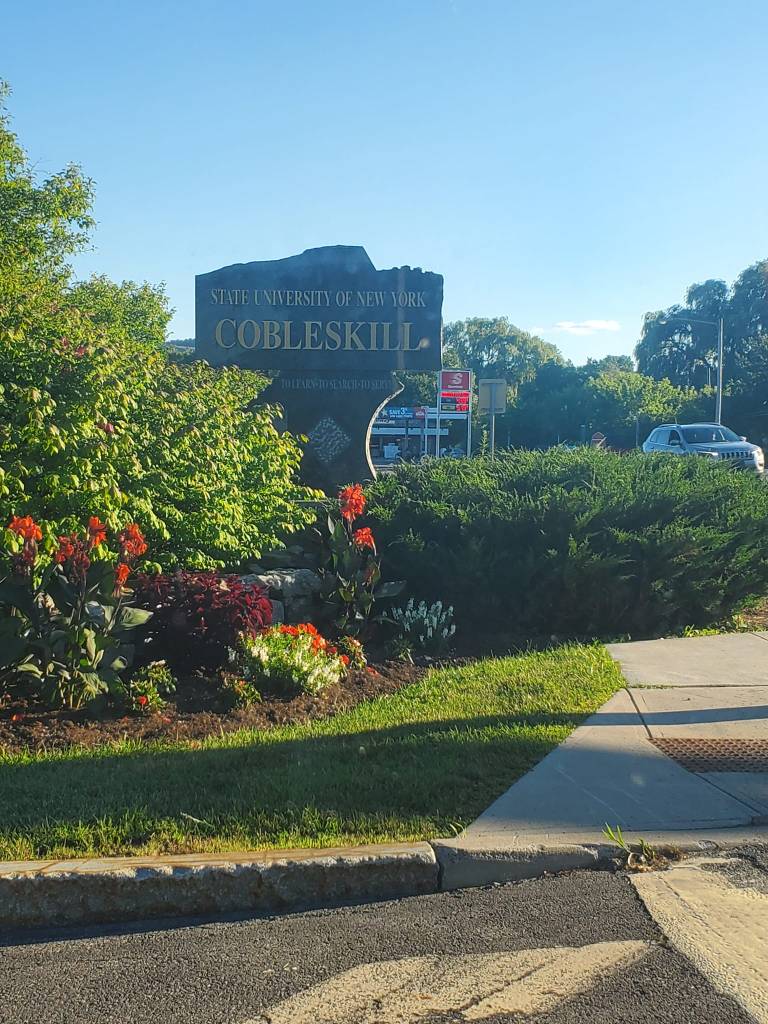
The entrance to SUNY Cobleskill, August 2022.
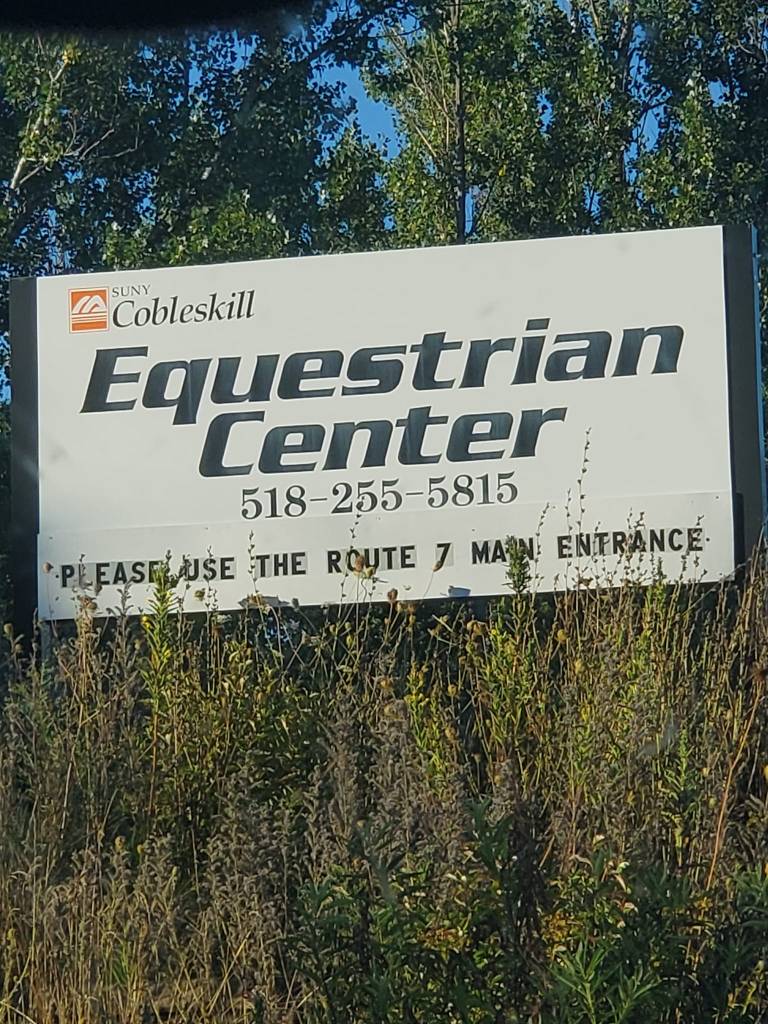
SUNY Cobleskill Equestrian Center.
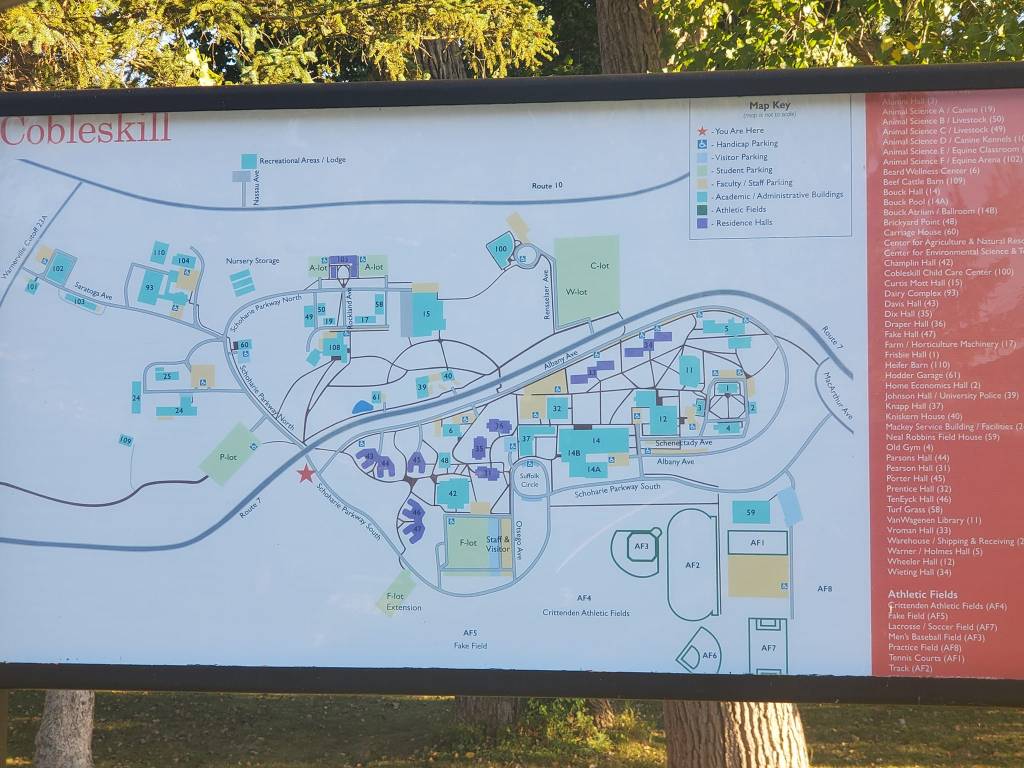
A 2022 map of SUNY Cobleskill.
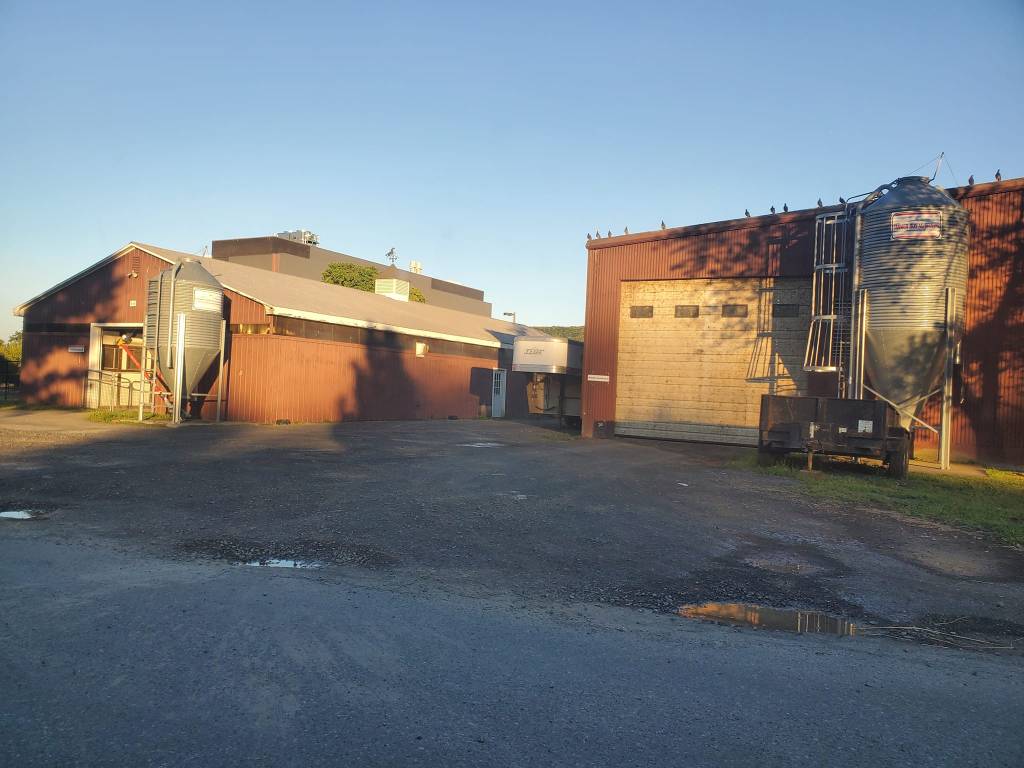
Part of the SUNY Cobleskill campus where Kathy would have taken courses for her major in Animal Husbandry.
McDonald Road, where Kathy’s remains were found.
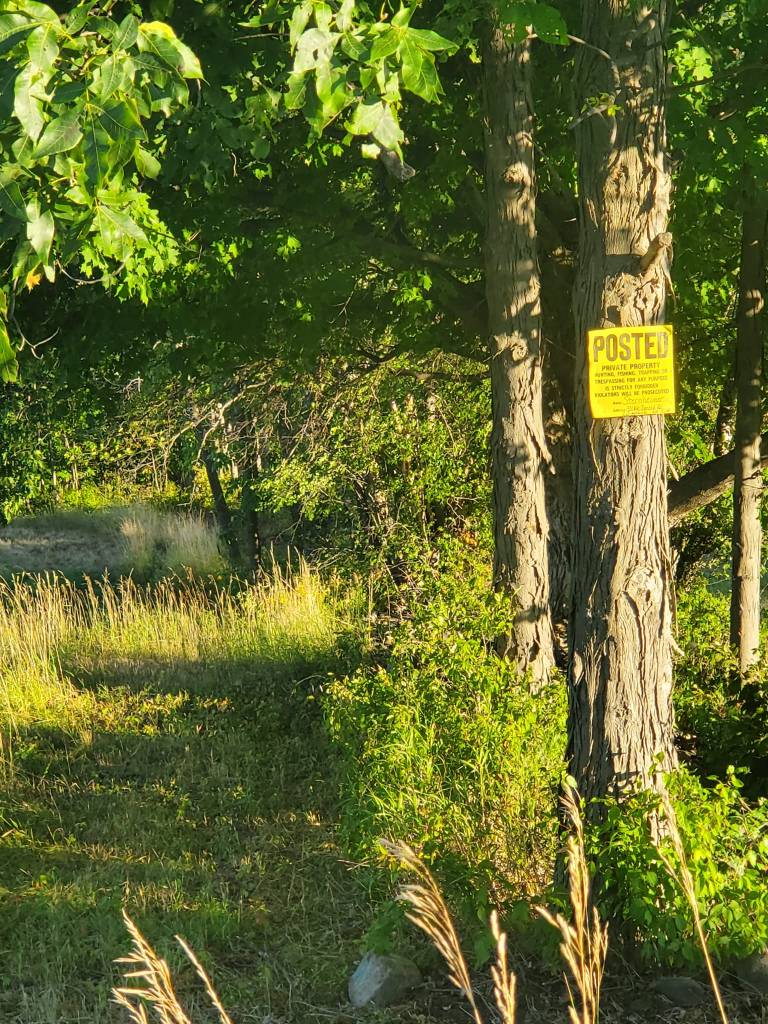
The best shot I could get of the rock wall where Kathy’s remains were found without trespassing. 2022.
Another shot of the rock wall, 2022.
Another shot of the rock wall, August 2022.
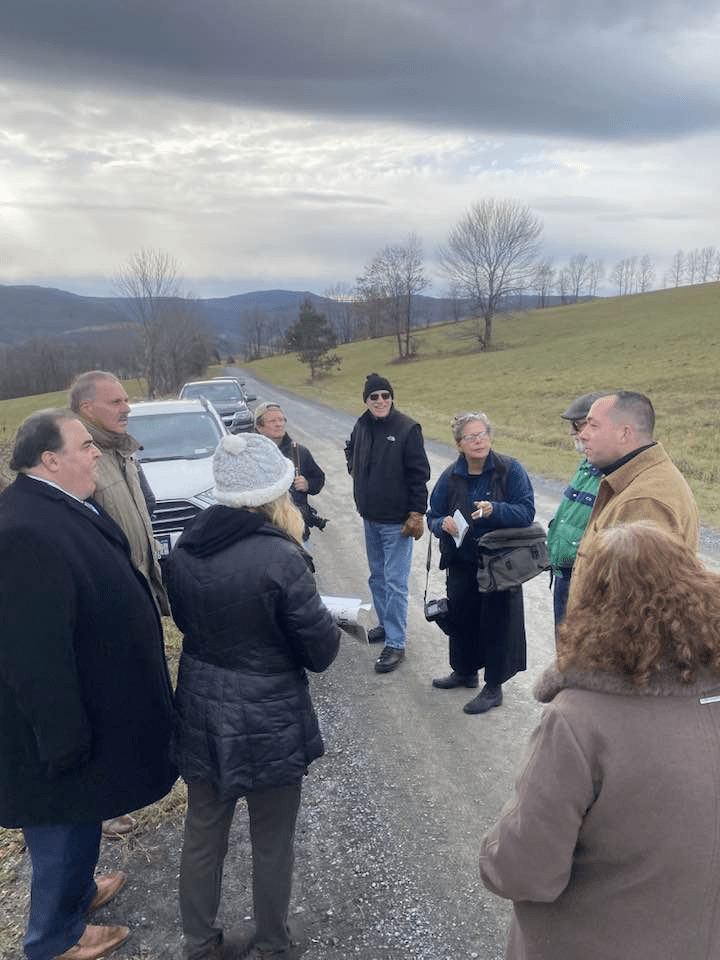
Some friends gathering at the site of where the remains of Kathy Kolodziej were found at a memorial service on November 13, 2023. Photo courtesy of Michelina Serino.
A cross marks the spot where the remains of Kathy Kolodziej were found at a memorial service on November 13, 2023. Photo courtesy of Michelina Serino.
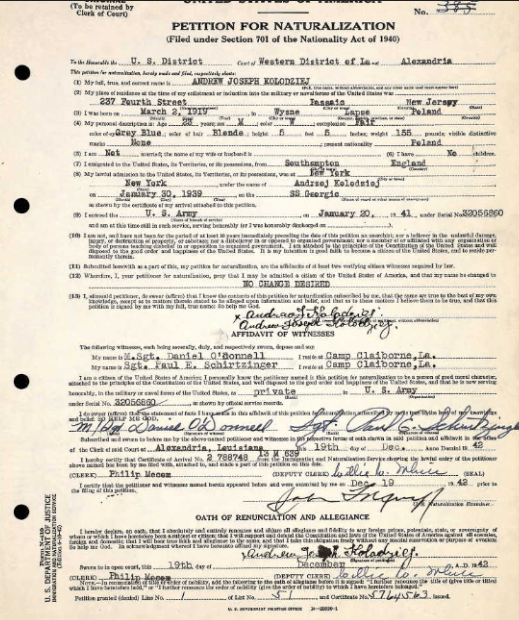
The Naturalization Records for Andrew Joseph Kolodziej from when he emigrated to the US from Poland.
Mr. Kolodziej’s WW2 draft card.
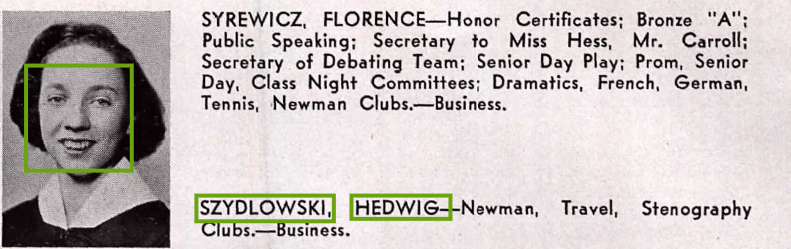
Hedwig Kolodziej’s senior picture from the 1938 John Adams High School yearbook.
Kathy’s parents, Andrew and Kathy Kolodziej.
Lewis Lent, a janitor from Massachusetts, confessed to kidnapping, sexually assaulting, and killing 12 year-old Sara Wood in August 1993, however he refused to tell law enforcement where he buried her body. He had also plead guilty to the 1990 kidnapping and murder of 12-year-old Pittsfield, MA native Jimmy Bernardo. Lent abducted Jimmy from the Pittsfield movie theater where he worked as a janitor. Lent was sentenced to life without parole for the Bernardo murder and sentenced to 25 years to life for the Wood murder and is currently in prison in Massachusetts. He is also suspected in a number of other child kidnapping cases. Lent recanted his confession and refuses to disclose the location of Sara’s body. Lent has said that he can’t say where her body is because she is not buried alone. It has been speculated that Lent did not act alone and that his accomplice(s) are still at large.
Joanne Pecheone.
Correspondence between murderer Lewis Lent and reporter Christine O’Donnell discussing the murder of Kathy Kolodziej; he denied any involvement in her murder.
Donald Sigsbee. He was convicted in March 2004 on two counts of second-degree murder in the death of Regina Reynolds in Onondaga County Court. Reynolds was a 19 year-old SUNY Morrisville student, killed in 1975. She was last seen alive hitchhiking at the intersection of state Route 20 and Route 46 in Morrisville. NY. He died on October 26, 2009 in Mohawk Valley Correctional Facility in Rome, NY.
John William Hopkins, AKA The Mohawk Valley Ripper.

Mom.

“What!!? You’re going to Seattle? By yourself!!? Without Charlie!? Jessica, I just don’t get you. Your Father did EVERYTHING with me…”

This had been heavy on my heart these last few weeks. It’s not that she didn’t ‘trust’ me to go by myself… I’m a petite girl from the country that’s never really done much on her own. A part of me I understood her concern: what if something *did* happen? Like, a car accident? Or a Crohns flare so bad that I had to be hospitalized? I didn’t go across the state, I went across the COUNTRY (for those of you who don’t know, I live in New York). And I get it, she loves me and was worried something could happen. After I was there for a few days she did share with me that she always wanted to take a trip by herself (maybe not to the extent that I did). I want to do everything on my bucket list. I want to live a life that would make her proud of me. Work hard. Travel. Finish nursing school. Buy a home. Give my Dad a Grandchild. Nothing is going to stop me from fulfilling my dreams. That woman believed in me when I didnt believe in myself. She pushed me. Thanks Mom.

Seattle Yacht Club & Mrs. Sybil Ferris.

A Washington state institution for well over a century, the Seattle Yacht Club is located at 1807 East Hamlin Street in the Montlake neighborhood of Seattle, WA. Where it was technically established in 1879, the club remained slow-growing and mostly uneventful until 1909, when it joined forces with the Elliott Bay Yacht Club. Like most businesses, it has experienced both high and low points over the years, including the Great Depression, both world wars, and societal/economical changes. 

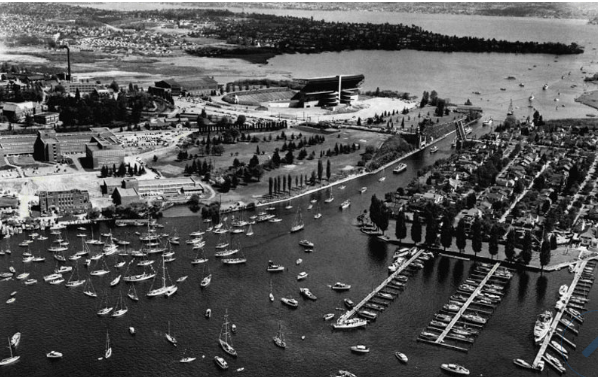
The yacht club really came into its own after WW I when the Lake Washington Ship Canal was completed and it was relocated to a beautiful new location on the eastern shore of Portage Bay, where it remains to this day (as of August 2024). Founded by the city’s social and financial elite, it now has over 2,500 members and is constantly evolving and striving to get better as time goes by. I will say that its absolutely beautiful, and luckily when I visited in April 2022 it was on a lovely day and I was able to walk around a bit while I took my pictures.

Ted Bundy was (briefly) employed at the yacht club beginning in the fall of 1967, however nobody seems to be exactly sure of when he was there: per the ‘TB Multiagency Investigative Team Report 1992,’ he started there as a busboy sometime in September (that part appears to be universally agreed on) but was fired after a brief period for stealing food. Now, the discrepancy mostly lies in when he was let go: his friend (and the clubs ‘elderly’ pastry chef) Sibyl Ferris said that he was fired after only six weeks, however true crime author Ann Rule said that the position lasted for six months. Additionally, in Robert A. Dielenberg’s ‘TB: A Visual Timeline,’ the author states that Bundy parked cars at the establishment until January 1968, and police files report that he left on January 13, 1968, which means he worked there for anywhere from four to five months.

Ted’s one-time coworker Mrs. Ferris described him as a ‘peculiar boy’ that always seemed to be ‘sneaking around.’ After he was let go the two maintained their ‘friendship,’ although she suspected that he only did this so that he could ‘borrow’ things from her: on multiple occasions she let him borrow her car, and despite him promising to return it by midnight, he often wouldn’t get back until 3 or 4 AM.
The following are excerpts from the Seattle Police Department archives (courtesy of archives.org) with information related to Bundys ‘relationship’ with the Seattle Yacht Club. For whatever reason there are a TON of spelling errors, and I tried to clean it up the best I could but despite my best efforts there are still parts that are unclear. Remember that’s not my fault, and please be gentle. I’m a sensitive snowflake.

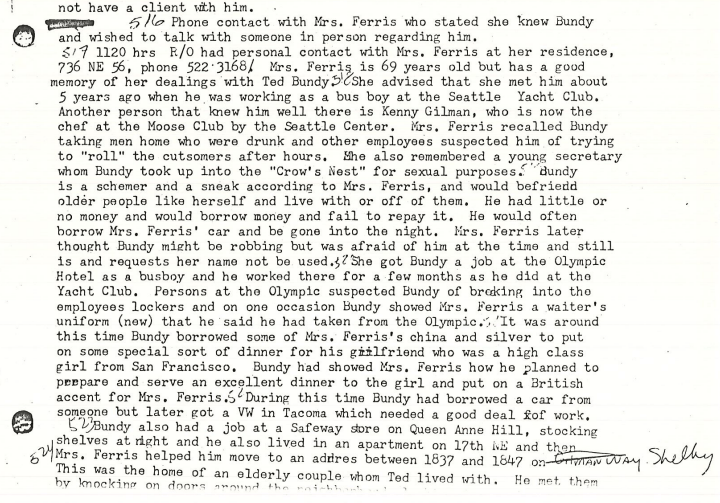
‘Mrs. Ferris is 69 years old but has a good memory of her dealings with Ted Bundy. She advised that she met him about 5 years ago when he was working as a bus boy at the Seattle Yacht Club. Another person that knew him well there is Kenny Gilman, who is now the chef at the Moose Club by the Seattle Center. Mrs. Ferris recalled Bundy taking men home who were drunk and other employees suspected him of trying to ‘roll’ the customers after hours. She also remembered a young secretary whom Bundy took up into the ‘Crow’s nest’ for sexual purposes, Bundy is a schemer and a sneak according to Mrs. Ferris, and would befriend older people like herself and live with or off of them. He had little or no money and would borrow money and fail to repay it. He would often borrow Mrs. Ferris’ car and be gone into the night, Mrs. Ferris later thought Bundy might be robbing but was afraid of him at the time and still is and requests her name not be used. She got Bundy a job at the Olympic Hotel as a busboy and he worked there for a few months as he did at the Yacht Club. Persons at the Olympic suspected Bundy of brewing into the employees lockers and on one occasion Bundy showed Mrs. Ferris a waiter’s uniform (new) that he said he had taken from the Olympic, It was around this time Bundy borrowed some of Mrs. Ferris’s China and silver to put on some special sort of dinner for his girlfriend who was a high class girl from San Francisco, Bundy had showed Mrs. Ferris how he planned to prepare and serve an excellent dinner to the girl and put on a British accent for Mrs. Perris, During this time Bundy had borrowed a car from someone but later got a VW in Tacoma which needed a good deal of work, Bundy also had a job at a Safeway store on Queen Anne Hill, stocking.’

‘Ted had a friend who lived on Sunnyside Ave. Pi. who owned an antique.. whose in his home and also worked in a prison. Bundy lived with this man for a while, Bundy had a black wig that he showed Mrs. Ferris and Mrs. Ferris also saw a picture of him during the Rosellini-Evans campaign wearing a wig. On it one occasion Mrs. Ferris drove Ted to Diane’s (the girlfriend’s) house of Greenlake, and another time she. went to the ocean on business and Ted went with her. They also made a trip to Mossyrock, and at other times Bundy would take the car to “visit his parents”. He borrowed’ Mrs. Ferris’s, phone to make a lot of calls… ‘The last time Mrs. Ferris saw Bundy was in the Post Office on the Ave. before he left for Salt Lake. They had small talk at that time.’

‘Earing the time she knew him best he never talked about going, to law school. She also vaguely remembers seeing Ted at the Albertson’s store in Greenlake with a cast on his arm. Mrs. Ferris remembers Ted going to Ellensburg frequently and to meet friends from there to go skiing. He would ski at Snoqualmie Pass or Crystal Mountain, When he went to Aspen Ted had new, imported ski equipment – something he could not well afford. She has no idea where he got his money and recalls him mentioning he had a strict home life. Mrs. Ferris took r/0 to locates the places she knew Ted lived in. She was unable to locate, the address on 17th but will look again and call this office. She also showed K/O Bundy’s residence by the Seattle Yacht Club.’

Kathy McChesney from the King County Sheriff’s Department also commented that: ‘Mrs. Ferris recalls about four years ago Bundy coming to her house on a rainy day in a grey VW, He had a 6-10 year old boy with him and said they were going horseback riding in Issaquah and borrowed an umbrella. Bundy told Mrs. Ferris his father was a chef.’

The following are excerpts from Ann Rule’s controversial true crime classic, ‘The Stranger Beside Me’ regarding his time at the Seattle Yacht Club (Beatrice Sloan is a pseudonym for Sibyl Ferris, in an attempt to protect her identity): 

‘Ted worked a series of menial, low-paying jobs to pay his way through college: in a posh Seattle yacht club as a busboy, at Seattle’s venerable Olympic Hotel as a busboy, at a Safeway store stocking shelves, in a surgical supply house as a stockboy, as a legal messenger, as a shoe clerk. He left most of these jobs of his own accord — usually after only a few months. Safeway personnel files evaluated him as “only fair,” and noted that he had simply failed to come to work one day. Both the surgical supply house and the messenger service hired him twice, however, and termed him a pleasant, dependable employee (Rule, 13).’

‘Ted became friends in August of 1967 with sixty-year- old Beatrice Sloan, who worked at the yacht club. Mrs. Sloan, a widow, found the young college student a lovable rascal, and Ted could talk her into almost anything when they worked at the yacht club together for the next six months and then for many years after. She arranged for his job at the Olympic Hotel, a job that lasted only a month; other employees reported they suspected he was rifling lockers. Mrs. Sloan was somewhat shocked when Ted showed her a uniform that he had stolen from the hotel, but she put it down as a boyish prank, as she would rationalize so many of his actions (Rule,13-14).’

‘Several years ago when Ted was out of the University of Washington he took a trip to Philadelphia to visit an uncle in politics. Mrs. Ferris took him to the plane and gave him $100 which she later tried to get back and called Mrs. Bundy looking for Ted, Mrs. Bundy said that Mrs. Ferris was a fool to give Ted that money, and she’d never get it back and Ted was a stranger around there.’

‘When Ted returned from Philadelphia Mrs. Ferris took him to the airport again: he was going to Aspen, Colorado to be a ski instructor. Mrs. Ferris was going to knit Ted a ski hat but he already had one, possibly white, that fit over the face. She also recalled mention of his seeing his girlfriend from San Francisco at Aspen, Bundy had a key to McMahon Kali and sometimes would go inside and sleep when he had no other place to sleep. He went for some time with this girl who attended Stanford and had a desire to go to Taiwan to get out of the army.’

‘Ted also called Beatrice Sloan, his old friend from the Seattle yacht club. She found him the same as he’d always been, full of plans and adventures. He told her he’d been to Philadelphia, where he’d seen his rich uncle, and that he was on his way to Aspen, Colorado, to become a ski instructor (Rule, 18).’

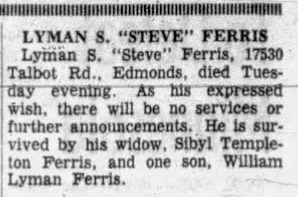
While editing this article in August 2024 I did some digging (just a little bit) into Ted’s friend, Mrs. Ferris, and the first thing that jumped out to me is that her first name is frequently spelled wrong: it’s spelled Sibyl and not Sybil. Born Sibyl Templeton on February 6, 1906 (which means when Bundy befriended her in September of 1967 she would have been sixty-one years old), she was a widow at the time that she met Ted at the Yacht Club (her husband Steve died on November 8, 1961). She passed away on August 2,1980 from cardiac arrest, and interestingly enough, on her death certificate physical therapist is listed as her occupation, which is a far cry from being a pastry chef (this isn’t meant to be judgmental, I admire people who are talented at multiple things).

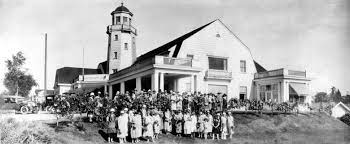
The Seattle Yacht Club in 1926.
An older picture of the Seattle Yacht Club courtesy of The Seattle Yacht Club.
A second older picture of the Seattle Yacht Club courtesy of The Seattle Yacht Club.
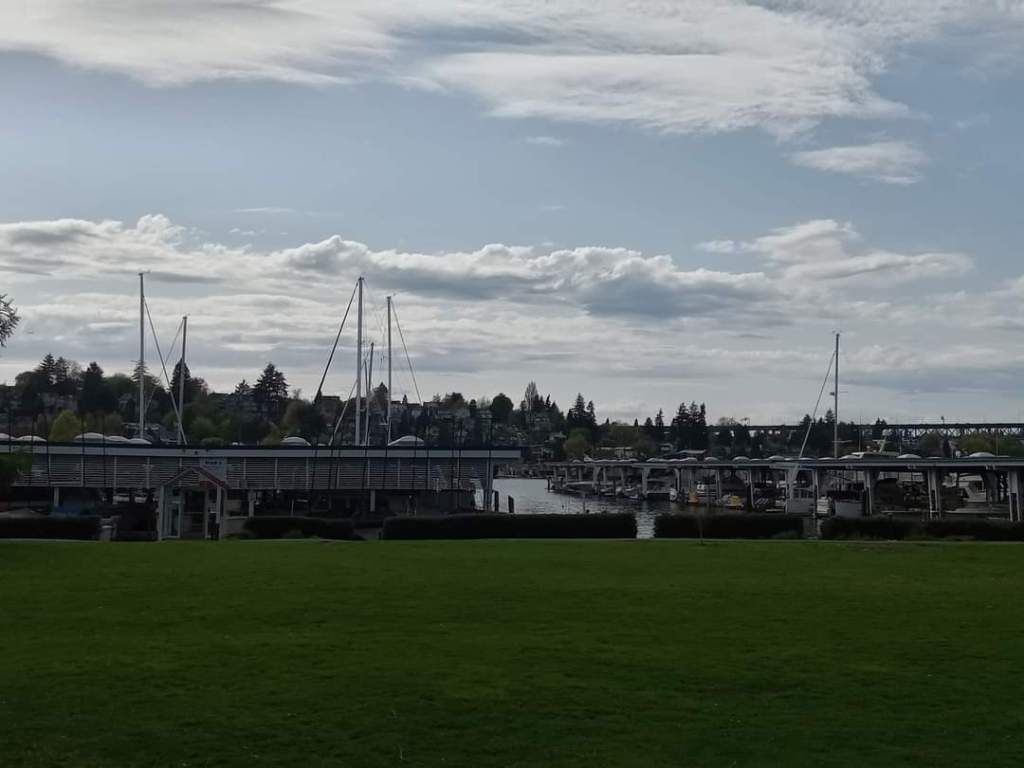
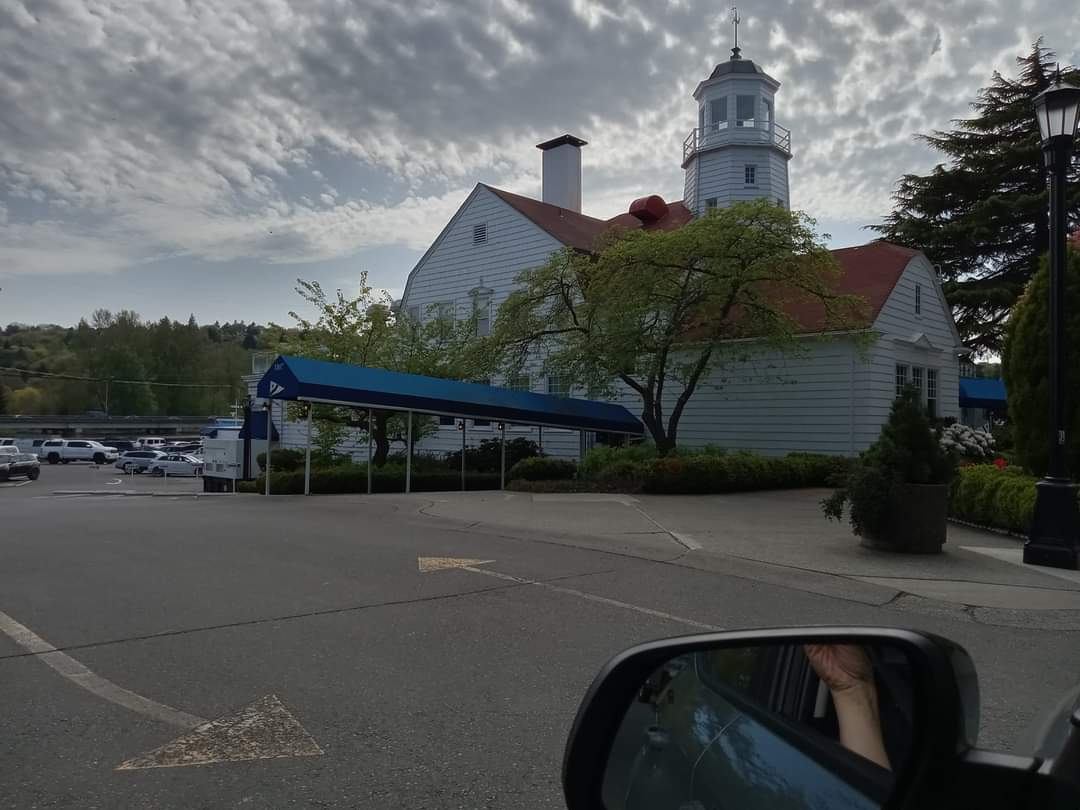
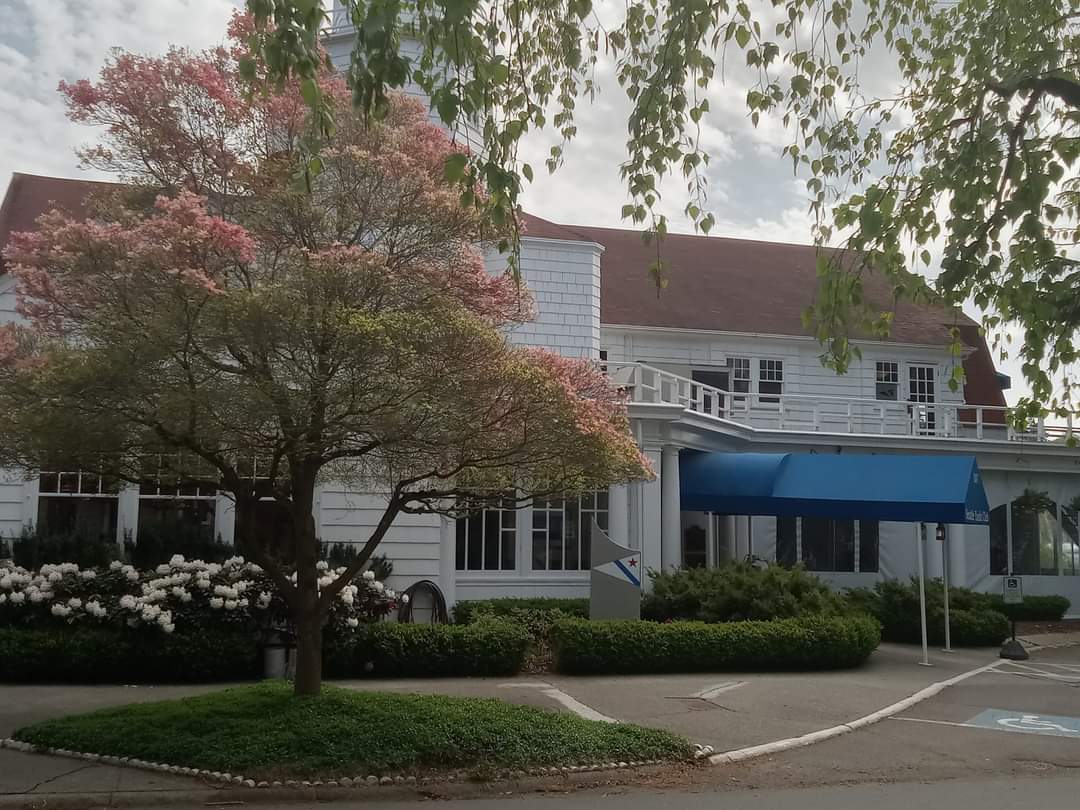
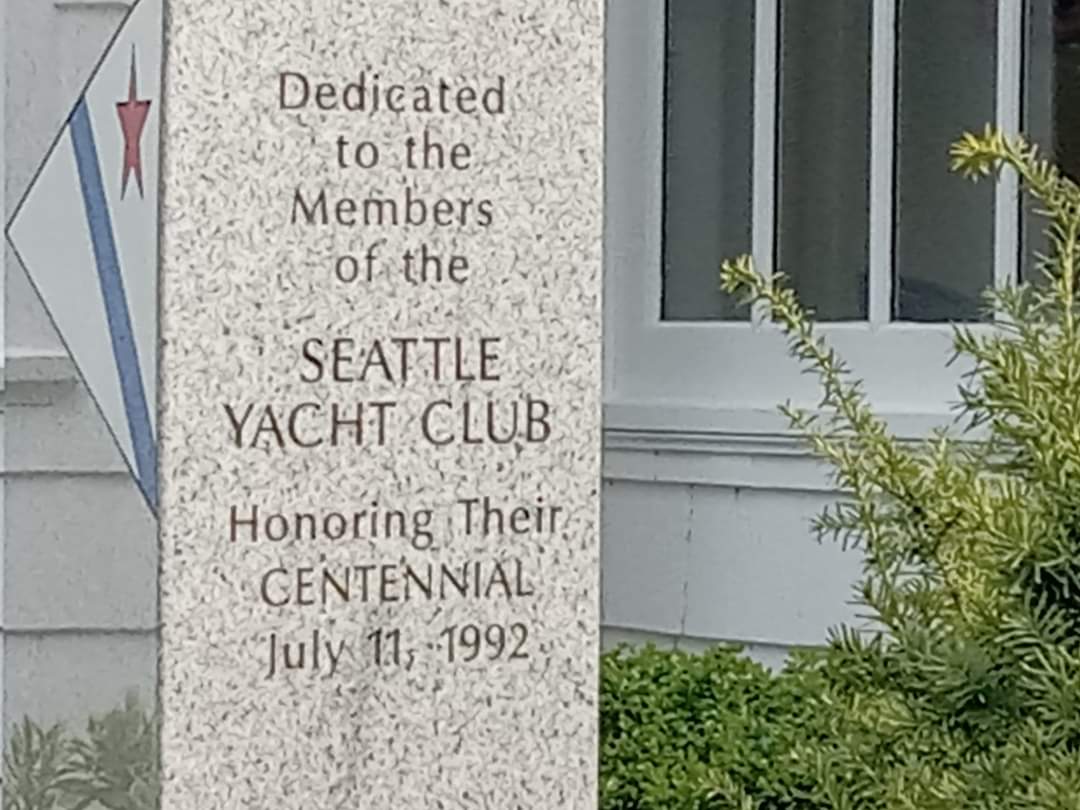
The Seattle Yacht Club in April, 2022.
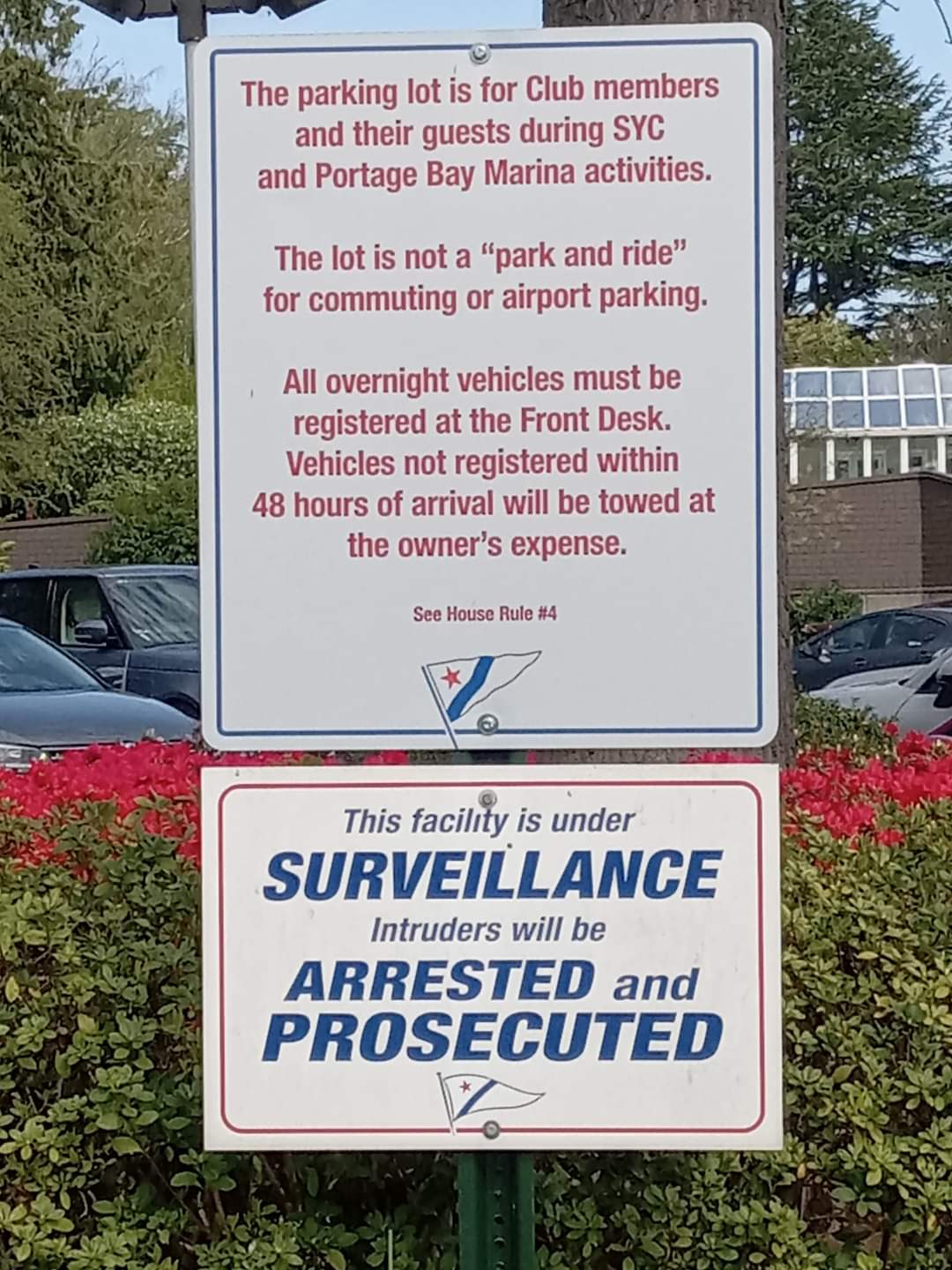
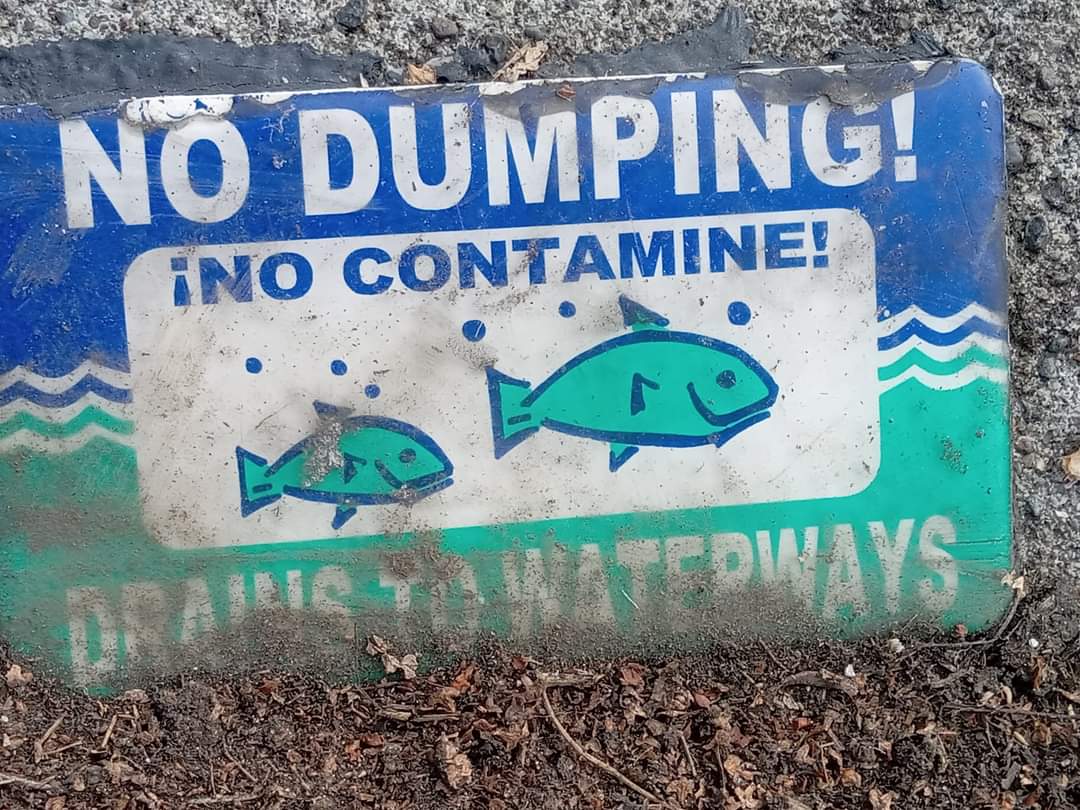
Taken by a drain in front of the Seattle Yacht Club in April, 2022.
The Seattle Yacht Club in April, 2022.
A blurb from a line in a newspaper mentioning that Little Sibyl Templeton broke her right wrist published in The Daily Herald on July 11, 1916.
A newspaper clipping about the death of Sibyl Ferris’s husband published in The Daily Herald on November 8, 1961. The couple had a son together named William.
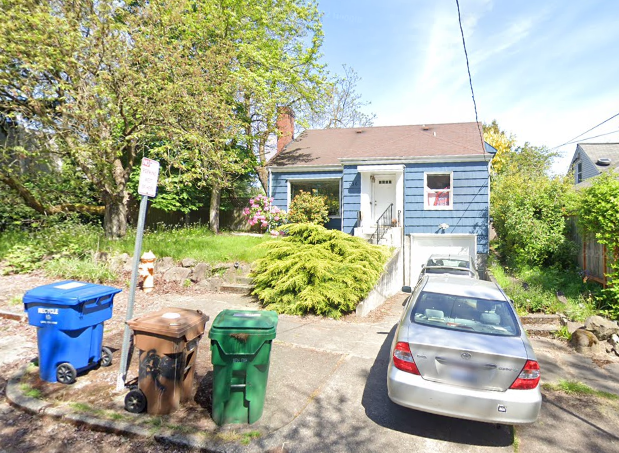
The residence of Sybli Ferris, located at 736 NE 56th St in Seattle (I learned this from Detective Kathy McChesney’s case file notes).
A portion of Kathy McChesney’s 1972-73 case file notes related to Bundy mentioning Sybil Ferris.
A second portion of Kathy McChesney’s 1972-73 case file notes related to Bundy mentioning Sybil Ferris.
A third portion of Kathy McChesney’s 1972-73 case file notes related to Bundy mentioning Sybil Ferris.
The death certificate of Sibyl Ferris.

Attica! Attica! Attica! Attica?

Oh Mindhunter: the Netflix show based off a book (written by genius profiler John Douglas) that I logically should adore because I love all things true crime but I just CANNOT get into. The main character (Bill Tench) is based on FBI profiler Robert Ressler. In 1955, Mr. Ressler graduated from Schurz High School in Chicago, Illinois then attended two years at a community college before joining the US Army. After two years in the Army he enrolled at Michigan State University, focusing on Criminology and Police Administration. He earned a Bachelors of Science and attempted graduate school before eventually dropping out after a single semester. He then rejoined the Army, this time as an officer (thanks to the ROTC program at MSU). In 1970, Ressler joined the FBI and was quickly recruited into the newly formed Behavioral Science Unit, whose purpose was to come up with the psychological profiles of violent offenders that usually select their victims at random.

After Ted Bundy escaped through the light fixture of his Colorado prison cell on December 30, 1977 while awaiting trial for the murder of Caryn Campbell, Ressler helped to develop a profile of the serial killer in February 1978. In addition to putting the killer on the FBI’s 10 Most Wanted List they also released the profile to law enforcement. This was to help educate all policing agencies where the killer was most likely to gravitate to and who he was most likely to target. Only five days later on February 15, 1978 he was apprehended in Florida.

I live 1.2 miles away from Attica Prison where Ressler interviewed infamous Son of Sam serial killer David Berkowitz in 1979. Yes, THE Attica prison you hear about all the time in Law and Order and other procedural cop shows. In addition to Berkowitz, Attica Prison has been home to many other infamous murders over the years, including Mark David Chapman (he killed John Lennon) and Willie Sutton (famous bank robber).

Ressler and Douglas interviewed Berkowitz at the Attica Correctional Facility in 1979. When meeting the killer for the first time, Douglas was struck by how “his very blue eyes kept dodging between Bob and me.” … “He was trying to read our faces and gauge whether we were ­being sincere.” After he told the killer they were there for an interview to “help law enforcement solve future cases, and possibly help intervene with children who displayed violent tendencies,” he then pulled out a newspaper with a Son of Sam related headline. Ressler said, “David, in Wichita, Kansas, there is a killer who calls himself the BTK Strangler and he mentions you in his letters to the media and police.” … “He wants to be powerful like you.”

This flattery worked like a charm, and Berkowitz immediately was at ease with the profilers. He leaned back in his chair, allowed himself to get into a more comfortable position, and inquired: ‘what do you want to know?’” One of the more interesting insights Douglas gained from Berkowitz is that “he was always thinking about these murders, to the point that on a night when no victims of opportunity were available, he would return to the sites where he had successfully killed to masturbate and relive the sensation of power and sexual energy he derived from the crime itself.”

Berkowitz confessed to killing six people and wounding several others in New York City during the late 1970’s and has since become a born again Christian. He said because of this he should pay for the sins he has committed and will not seek parole. The killer is currently housed at Shawangunk Correctional Facility in Ulster County, NY.

Ressler became the first serial killer profiler in history and went on to interview some of histories most infamous and depraved murderers. Between 1976 and 1979, he interviewed thirty-six killers to help find commonalities between a criminals’ backgrounds and their motives, including Ted Bundy, John Wayne Gacy, Jeffrey Dahmer, Ed Kemper, and John Jobert. He was also crucial in the formation of Vi-CAP, also known as the ‘Violent Criminal Apprehension Program’. In 1990 Ressler retired from the FBI and published four books about serial murder. In addition to writing, he worked as a guest lecturer and often would speak on college campuses and to police agencies. On May 5, 2013, Robert Ressler passed away at his home in Spotsylvania County, Virginia from Parkinson’s disease. He was 76 years old.

In 2015 when I first moved to Attica I was curious as to what the prison looked like… so I hopped in my powder blue Dodge Dart, drove to the massive compound and just sat in front of it, staring… then all of the sudden out of nowhere I have very 4 official looking vehicles on top of me and I got the heck out of there. It’s a maximum security prison, the CO’s do NOT fuck around. They wanted to know who I was and what I was doing, and I completely get that. Now.

Inmates in Attica’s D yard shortly after state troopers regained control of the prison on September 13, 1971. Photo courtesy of Bettmann Archive.
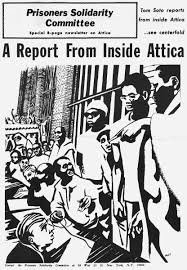
“Prisoners Solidarity Committee: A Report From Inside Attica.” Taken July 27, 2022 from https://www.workers.org/2020/08/50465/
Attica Correctional Facility.
Attica Correctional Facility, 2022.
Federal Bureau of Investigation (FBI) — Minneapolis Field Office. Photo courtesy of Tony Webster.
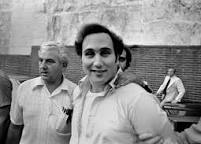
David Berkowitz, the serial killer known as the Son of Sam, being taken into a Brooklyn precinct station in August 1977. Photo courtesy of The New York Times.
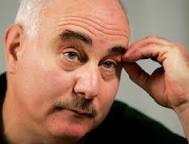
A photo of ‘Son of Sam’ killer taken from the article, “David Berkowitz, the Son of Sam, Continues to Claim He Acted Alone.” Written by Josh St. Clair and published on May 7, 2021.
Robert K. Ressler with serial killer Jeffrey Dahmer.
Robert K. Ressler with serial killer John Wayne Gacy.
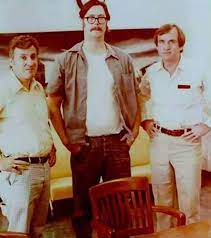
Robert K. Ressler (left) and John E. Douglas (right) with serial killer Ed Kemper.
Ted Bundy’s booking photo after his arrest by the Leon County Sheriff’s Department in Tallahassee, Florida on February 27, 1978.
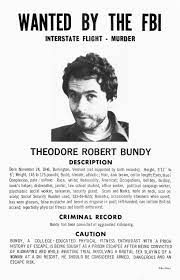
A wanted poster of serial killer Ted Bundy, who was added to the FBI’s Top 10 Fugitives list on February 10, 1978. On February 15, 1978 he was arrested in Pensacola,  Florida by local police after he was stopped for speeding while driving a stolen vehicle.
Ted Bundy Wanted Poster.

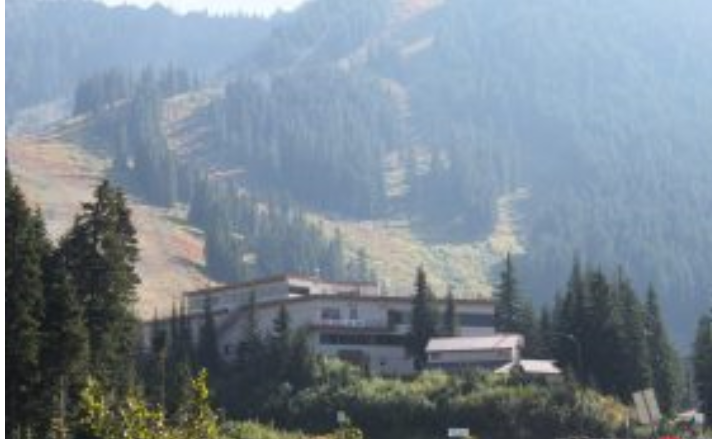
The Cascade Mountains: Bundy’s Final Resting Place… (but, not really).

“In a will signed the night before his execution, Ted Bundy asked that his body be cremated and the ashes spread over Washington state’s Cascade Mountains, where at least four of his victims’ bodies were found, a newspaper reported.
The will prepared by Bundy’s civil attorney, Diana Weiner, was released by Florida State Prison officials Wednesday at the request of The Florida Times- Union in Jacksonville, which reported the story in Thursday’s editions.
‘Diana A. Weiner will contact family and friends as to any services. The ashes are to be spread over the Washington Cascade Mountains,’ Bundy stated in the will.
The will did not give a specific location for the ashes, and attempts by The Associated Press to reach Ms. Weiner by telephone were unsuccessful.
Sandy Williams, co-owner of the Williams-Thomas Funeral Home in Gainesville where Bundy’s body was sent, would not give details about the final disposition of the body because of an agreement with Ms. Weiner.
‘There will be no public funeral as of right now,’ Williams said. ‘We do not believe there will be a public funeral in the future.’
Bundy was executed Tuesday at Florida State Prison near Starke for the February 1978 murder of Kimberly Leach, 12, of Lake City. He also was convicted of two other Florida deaths and is suspected in at least 50 deaths nationwide.
He was suspected in as many as 15 rapes and murders of young women in Washington while he lived in the Seattle area in the mid-1970s. Four of his victims’ bodies were found on Taylor Mountain in the foothills of the Cascades.
In the typewritten will, Bundy gave Ms. Weiner control over his remains, personal property and assets, including mail sent to him at the prison.
Prison records show Bundy’s personal property included a radio with a headphone, a gold-tone chain with a cross, a religious book, stationery, a gold wedding band and a bottle of suntan lotion.
He also had $709.66 in cash, money donated by family and friends for snacks and other items from the prison canteen.
The items were inventoried Tuesday and picked up at the prison by Ms. Weiner, said Department of Corrections spokesman Bob Macmaster.
Volusia County State Attorney John Tanner, a friend of Bundy’s who visited him often in recent years, was designated to handle the arrangements if Ms. Weiner was unable to do so.”

‘Bundy Wanted Cremation, Ashes Spread Over Cascades.’ Published January 25, 1989. Taken July 27, 2022 from AP News.com.”

“After Bundy’s death, celebrants cheered at the departure of the van carrying his remains to Gainesville, where he would be cremated. But the party ended there. Bundy was dead, and the evil he had carried was apparently gone from the world. Vendors packed up their souvenirs and counted their earnings. Spectators rolled up their signs, piled into their cars, and drove back home. Camera crews dismantled the equipment and left in search of the next story. And Ted Bundy’s ashes, along with all his other earthly possessions, were given to his attorney, with the instructions that they be scattered at an undisclosed location in Washington’s Cascade Range, in lieu of a public funeral. In many ways, he’d already had one.
Bundy had disposed of two of his victims in Lake Sammamish State Park, and of another two on Taylor Mountain, both locations west of Seattle and not far from the Washington Cascades. It was in these secluded, wooded areas that he revisited his victims for hours at a time, possessing them as fully as one human being can ever possess another. (In his interviews with Aynesworth and Michaud, Bundy described his fondness for theft, and how the joy of ownership was, for him, far superior to the thrill of the crime.) It is not so far-fetched to guess that there may be other, undiscovered bodies somewhere in the Washington Cascades—perhaps one, perhaps a dozen, perhaps all of them clustered in the undisclosed location where Bundy’s ashes were laid to rest.
The truly remarkable thing about the disposal of Bundy’s remains, however, is how little anyone seemed to care what happened to them. Anyone who followed the Bundy case with even the vaguest interest can piece together the likelihood of his remains mingling with those of his victims. Yet the fate of his body became a nonissue once it became just that—the fate of a body, and not of a man.
If we are to believe in evil—evil as a substance, as nonhuman dark matter that sometimes comes to rest in human bodies, as something as intangible yet identifiable as a soul—then what happens when the person who possesses it dies? The people who clustered outside Florida State Prison on the morning of Bundy’s execution seemed to believe that it would simply dissipate, and would perhaps descend to hell just as a soul ascends to heaven. Yet this is a fiction that perpetuates the same blind spot that allowed Bundy to seem above suspicion for so long. If “evil” is an unknown quantity, a supernatural presence in an otherwise normal human body, then we will fail to suspect the seemingly normal humans surrounding us—let alone a handsome, successful, intelligent young man—of harboring “evil” impulses. Bundy, unable to acknowledge the enormity of his crimes until it was clear that doing so was his only hope at survival, comforted himself with the same fiction by describing “the entity” and “the personality”—two separate beings coexisting within the same body. But there was no entity. There was no pure evil or “special kind of malevolence.” Bundy wasn’t possessed, nor was he a larger-than-life monster. Though psychologically atypical, he was in all other ways a normal, flesh-and-blood member of the human race, and his death was the same as anyone else’s. No great evil departed the world at the moment he died. No one was safer. No one’s life was measurably improved. The human capacity for evil actions remained unaltered: greater in some, but present in every man, woman, and child on earth.
Ultimately, the scattering of Bundy’s ashes in the Cascades is a testament to his humanity, and a crucial reminder to us that he was human after all. He may have committed brutal crimes in Washington’s parks and woods, but they were also areas that he loved the same way the rest of us do: the way we love the beauty of an area that will live long after us; the way we love a place that affords us peace; the way we love our home. And Bundy himself, though no longer able to cause us harm, is still present in our world, his earthly remains at rest in one of the most beautiful parts of the country. They have no magic qualities. They pose no threat to the area they inhabit. They are, in the end, the remains of a human being—no more, no less.”

Marshall, Sarah. “The Earthly Remains: Revisiting Ted Bundy.” January 4, 2013. Taken July 27, 2022 from https://www.orderofthegooddeath.com/article/the-earthly-remains-revisiting-ted-bundy/.

An old shot of The Cascade Mountains.
The Cascade Mountains.
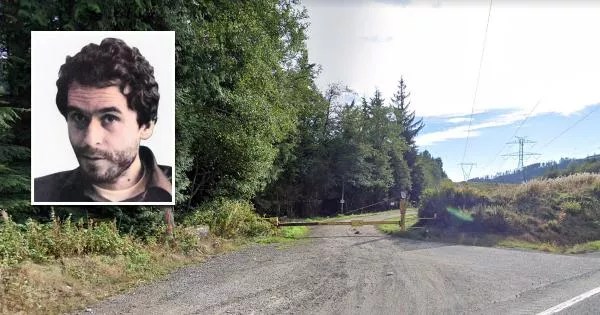
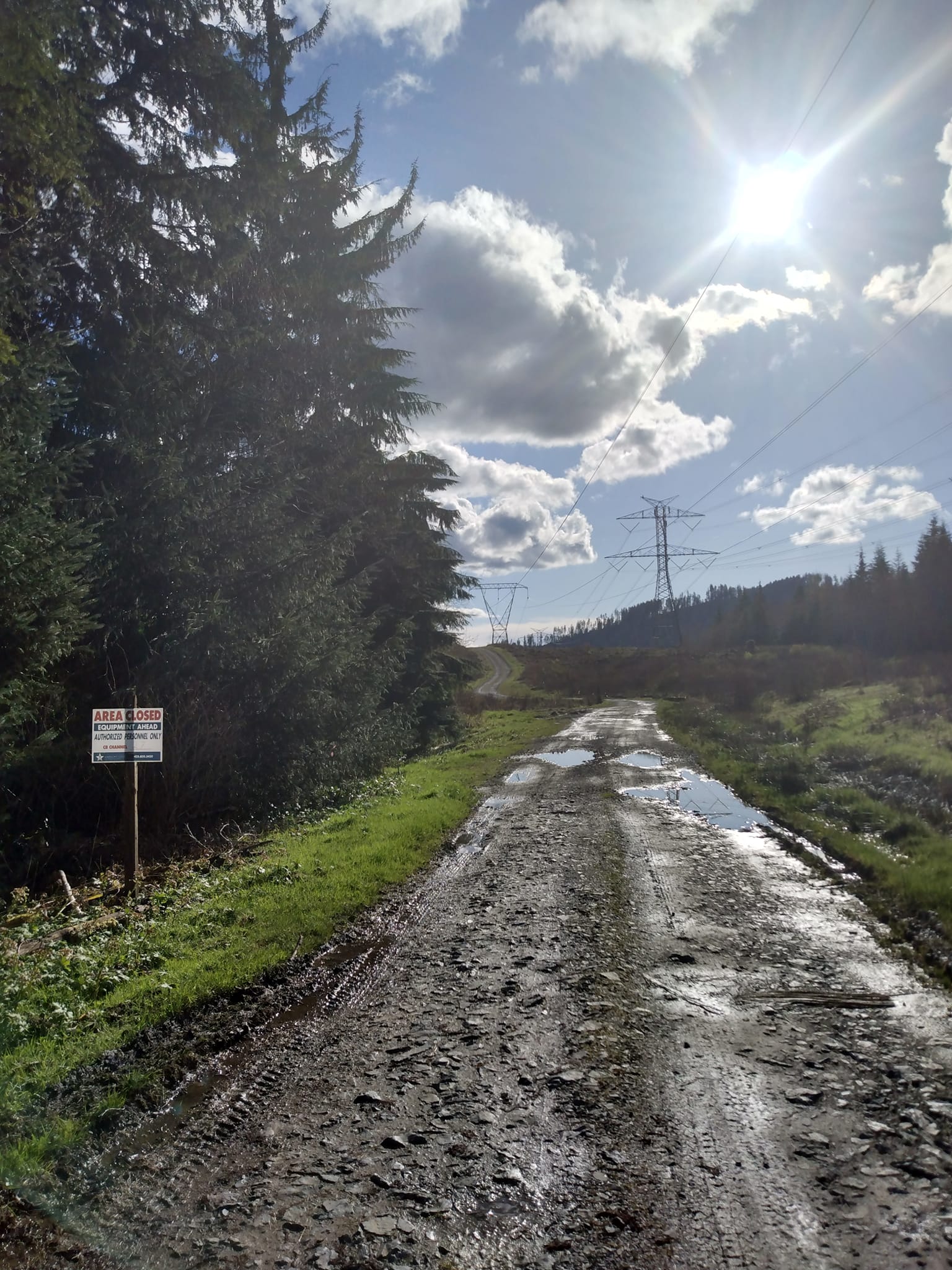
The entrance to Taylor Mountain, photo courtesy of oddstops.com.
Taylor Mountain, April 2022.

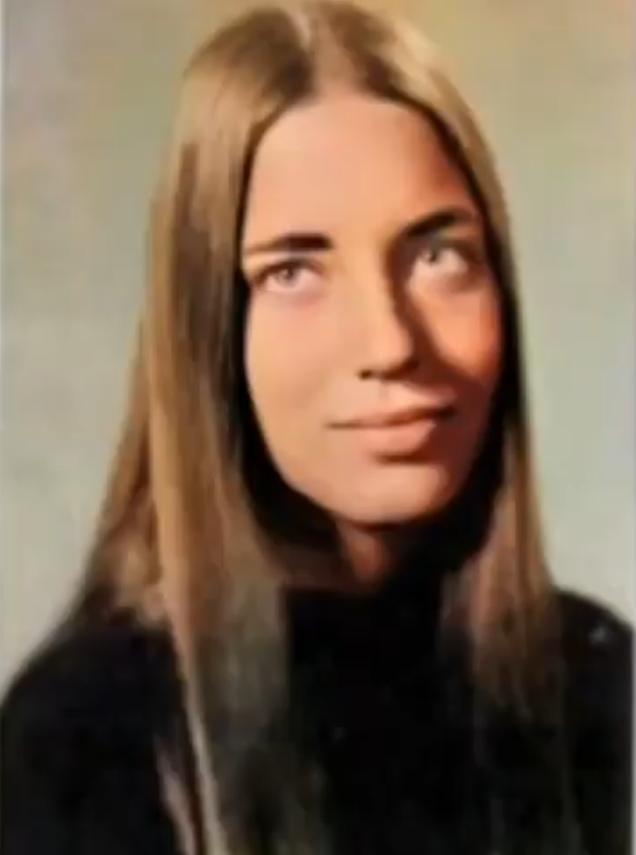
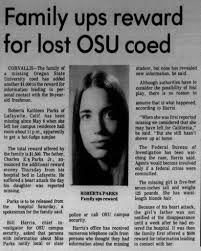
Roberta Kathleen Parks.

When I went to Seattle my schedule was jam packed: I was there for EIGHT DAYS and barely had enough time to do everything (no wonder why I came home exhausted). I briefly considered taking a day trip to Oregon so I could retrace the last steps of Roberta Kathleen Parks and take some snapshots of Oregon State… but I couldn’t find the time.
I’ll probably do a deep dive on her eventually and tie it into Taylor Mountain somehow but for now here’s a short piece from Kevin Sullivan about Ms. Parks along with some pictures.

“In 1974, Kathy Parks (1954-1974), originally from California, was a student at Oregon State University in Corvallis, Oregon. And it would be here, a little before 11:00 PM on May 6, 1974, that she would encounter Ted Bundy in the Memorial Union Commons cafeteria. And because it was closing at 11:00, besides a worker or two milling about, Bundy and Parks may have been the only two people still there. It seems certain no one noticed them. And her disappearance would remain a bit of a mystery for a number of years until Bundy conveyed to a writer in the third-person that Parks may have encountered her abductor in the cafeteria. He then spoke of convincing her to leave with him, and once the opportunity presented itself, he took control of her.

Later, investigators would interview Lorraine Fargo who stopped to speak with Kathy on the corner that is just across the narrow side street that runs beside the Memorial Union Commons. Lorraine was aware of the issues Kathy was having with her boyfriend (he wanted to settle down, she didn’t), and she asked her to come back to her room in Sackett Hall, but Kathy didn’t want to just yet. She wanted to walk around the campus, she told Lorraine, but promised to come over in a little while. As Lorraine watched Kathy cross the narrow street, she dropped a letter in the mailbox. That letter, postmarked May 7, 1974, was addressed to her boyfriend, Christy McPhee, telling him that she loved him and was looking forward to seeing him. She ended it by saying:

I’m feeling down right now, due to a combination of things, I suppose. To tell you the truth, I don’t even feel like finishing this letter. I think I’ll go for a walk outside a while. I’m sorry this is such a bum letter. I really am. But, after all, everyone has their ups and downs. This day has especially had its share of bad news. Well- I’m looking forward to seeing you – very much. When you come, please put your arms around me and make me feel like everything is OK. I really miss you. I’m needing the comfort of your presence now.
I love you,
Kathy

Bundy most likely kept Parks alive, tied up and gagged, for the 250-mile trip back to Washington State, where he soon killed her and dumped her remains on Taylor Mountain.”

An except from Kevin Sullivans, “The Encyclopedia of the Ted Bundy Murder” published in 2020.

Roberta is on second on the left, photo courtesy of ‘Ted Bundy: I was Trying to Think Like an Elk.’
A picture of a young Kathy Parks, courtesy of ‘Ted Bundy: I was Trying to Think Like an Elk.’
A picture of a young Kathy Parks.
Kathy Parks in her school yearbook.
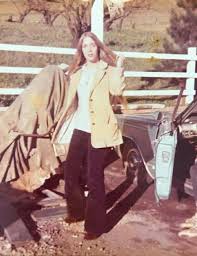
Kathy Parks.
Roberta Kathleen Parks.
Kathy Parks.
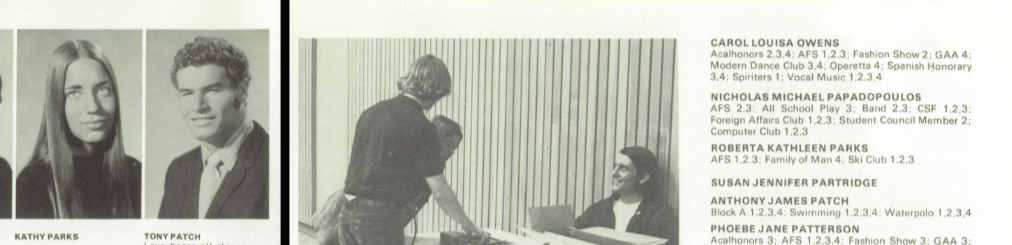
Kathy Parks yearbook.
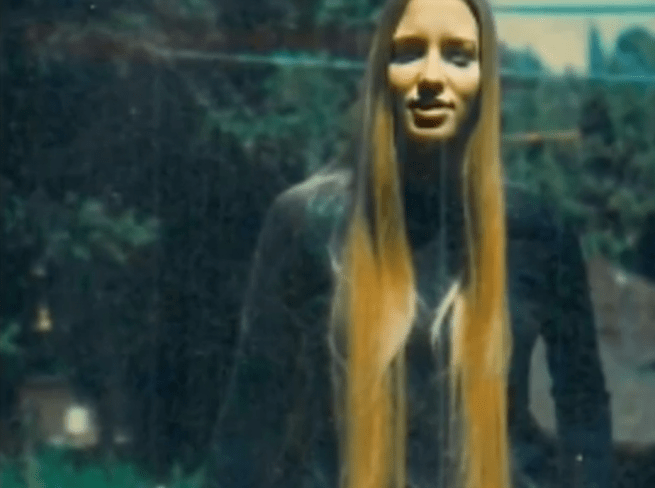
Another picture of Kathy showcasing her long, flowing locks.
Kathy Parks.
Kathy Parks.
Kathy Parks.
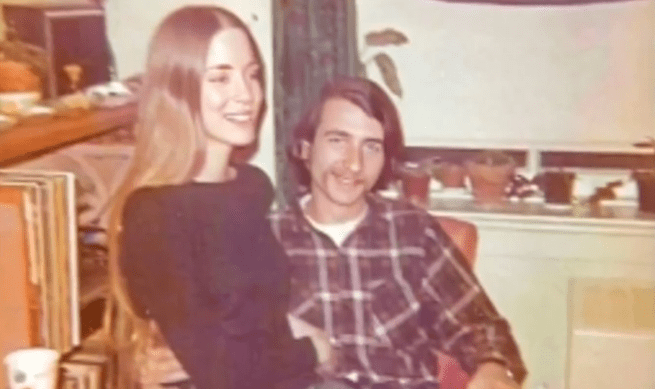
Kathy Parks and her boyfriend.
Another picture of Kathy Parks and her boyfriend.
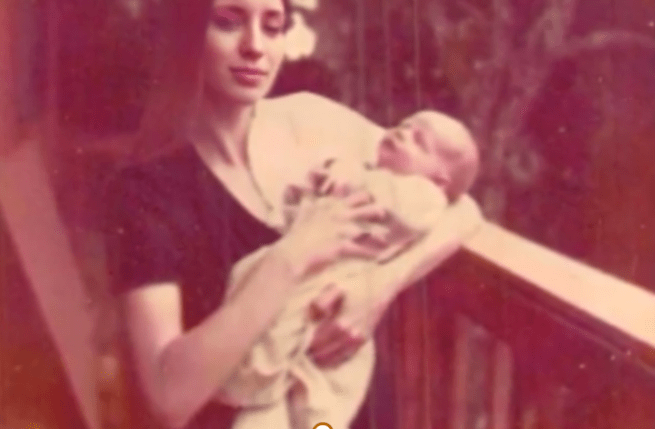
Kathy holding a baby.
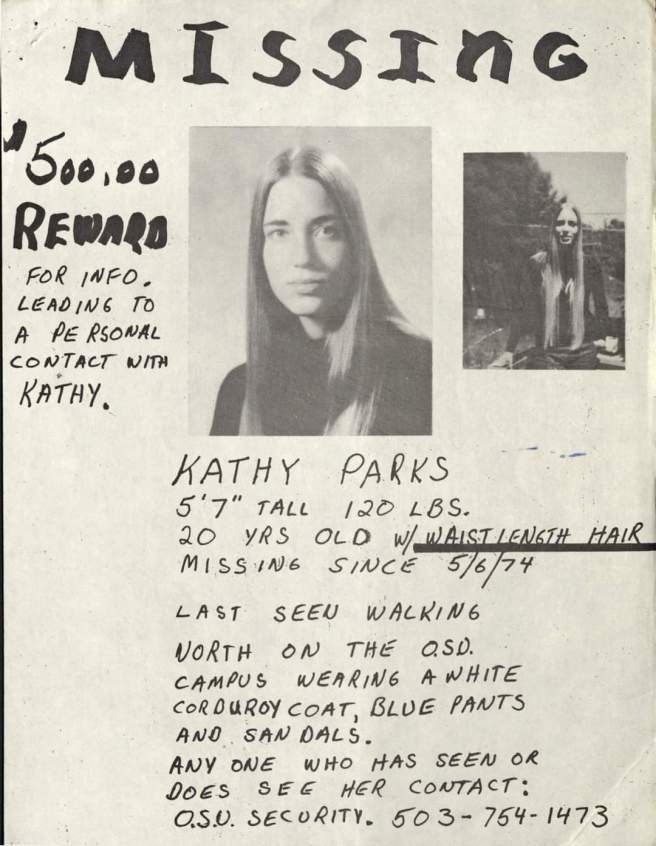
A missing persons poster for Kathleen Parks.
Kathy Parks father.
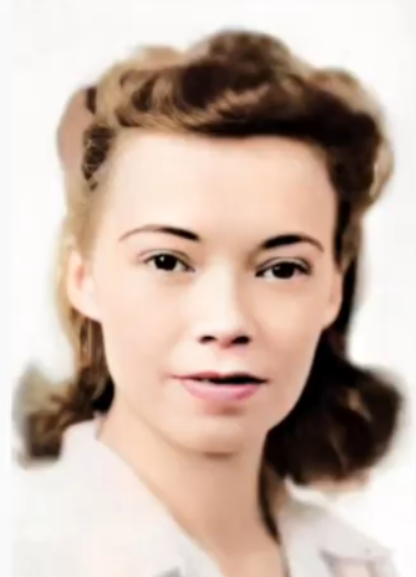
A picture of Kathy’s Mom in her youth.
Mrs. Parks before she passed away.
An article about the disappearance of Kathy Parks.

The Wrap Up..

The wake and funeral are over. I mailed out the last of the thank you cards over the weekend. My Mom now rests in her favorite spot: the living room with my Dad. And her little bird, Peanut. This is the part I worried about the most: the weeks after her death. When everyone else’s life moves on except ours. When people stop reaching out. Stop checking in. If anyone reading this knows my Dad. Or Sister. Or Niece… (but, mostly my Dad), please just say ‘hey.’ When my Uncle died last year my cousin told me at his wake that ‘she was holding up ok but her heart hurt for her Mom.’ I understand that now. My Dad is my rock. He was the one person I ‘never had to worry about.’ And now, he’s the one I lie awake in bed at night worrying about.

Temple University/The Phantom Prince.

The following is a quick blurb from Elizabeth Kloepfer’s book ‘The Phantom Prince,’ published in 1981:

‘Coming so close to losing Ted made me realize how very, very much I loved him. I found the idea of working and putting him through law school appealing, but I could understand that taking on family responsibilities before he even started law school might be a real drag for him. Ted planned to start law school the winter quarter of 1970, but Temple University did not get his transcripts out in time, so he was held up for another quarter. I kept reminding him to check up on his application to be sure everything was in order, but he regarded my reminders as nagging, and whenever I tried to talk about law school, he changed the subject or brushed my questions aside with vague answers. When I began to realize the futility of nagging, I made the decision to shut up about it. Spring quarter of 1970 started and still no word about law school. ‘There seems to be some problem with my transcripts from Temple,’ Ted told me. ‘Why didn’t you call them?’ I asked. ‘I guess there are other problems,’ he said. ‘It’s too late to do anything about it now.’ I couldn’t figure it out. What other problems? I couldn’t keep from brooding about it. One day I dialed the law school telephone number a couple of times but hung up each time before anyone answered. What could I say? Finally, I called the admissions office. I began to explain about my friend who was supposed to start law school winter quarter, when I was interrupted by the woman I was speaking to. ‘All law school students start at the beginning of fall quarter,’ she said. ‘There are no exceptions.’ There must be some mistake, I told myself. Then it dawned on me whose mistake it was. I was livid by the time Ted showed up at my office to take me home. ‘How could you lie to me?’ I asked him. ‘I am going to start school for sure this summer,’ he said, ‘but I still have two years of undergraduate work left. I can understand if you can’t live with it.’

His calmness made me feel like a raving maniac. He’d lied to me, but hadn’t I lied to him the night we met in the tavern and I told him about making heart valves? But this lie about law school had gone on for six months. I had told everyone I now about my law student boyfriend. Maybe I had made such a big deal out of it that it was impossible for Ted to tell me the truth. I could understand his wanting to be something he wasn’t. I had those feelings, too. Maybe I made him feel that he wasn’t good enough as he was. There was no doubt in my mind that he would be a successful lawyer someday; it would just take a little longer than I’d counted on. I wasn’t about to give him up over this.’

An older picture of Temple University.
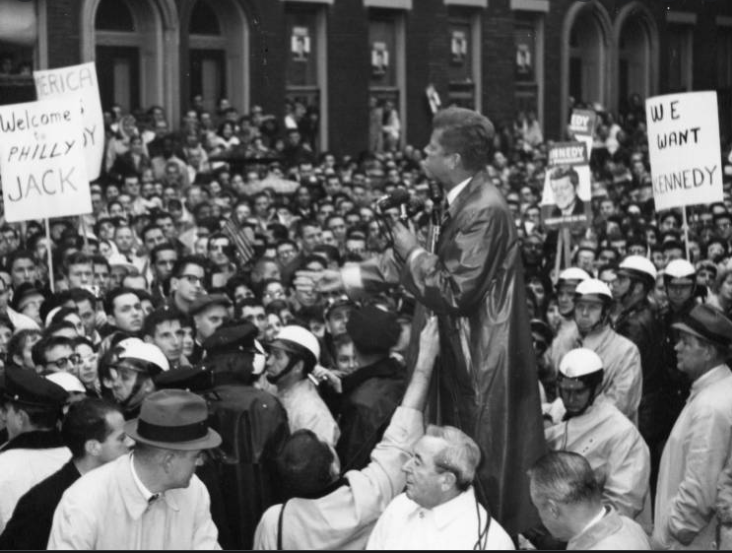
A photo of John F. Kennedy in 1960 at Temple University.
Temple University campus in Philadelphia, Pennsylvania, 2022.
A picture of Ted Bundy and Elizabeth Kloepfer in front of the fireplace at her apartment.
An older picture of Molly Kendall, Liz’s daughter.

A more up-to-date snapshot of Molly Kendall, Liz’s daughter.

The newly updated cover of ‘The Phantom Prince’ written by Ted Bundy’s former flame Elizabeth Kendall/Kloepfer.

Rogers Rooming House, part one.

This is the house at 4143 12th Avenue in Seattle where Ted Bundy lived while he was living in the University District of Seattle. Bundy moved in September of 1969 after only recently returning to Washington after a six month stay in Philadelphia (where he attended Temple University).
The house at the time was a rooming house, meaning it has multiple tenants that shared the same facilities. Back during the time of the murders it was known as the “Rogers’ Rooming House” and was owned by Ernst and Frieda Rogers. This house is located in the heart of the University District, and Bundy would have blended in with the other students beautifully.
The fence that is currently around the outside is there to prevent “true crime tourists” from trespassing on the property. I had to hold my phone above the fence and was just waiting for someone to shoo me away. There was construction right in front of the house, and the workers had no idea what I was looking for.
Bundy lived on the second floor for four years until he left for Utah on September 2nd, 1974. We think Bundy started his crime spree while he was living here in January of 1974. He attacked his first known victim, Karen Sparks, in a house that was less than half a mile away. That site was in visual distance to The Sandpiper, where Bundy met his longtime girlfriend Elizabeth Kloepfer.
While he was giving one of his third-person “pseudo-confessions”, Bundy tip toed around the concept that he may have picked Brenda Carol Ball up at a bar and brought her back to his rooming house. Once there, they had “consensual sex” before he strangled her to death in her sleep. If he was telling the truth (and that is a big IF), then it means that Bundy murdered at least one of his victims at this location.

+10

Karen Sparks-Epley.

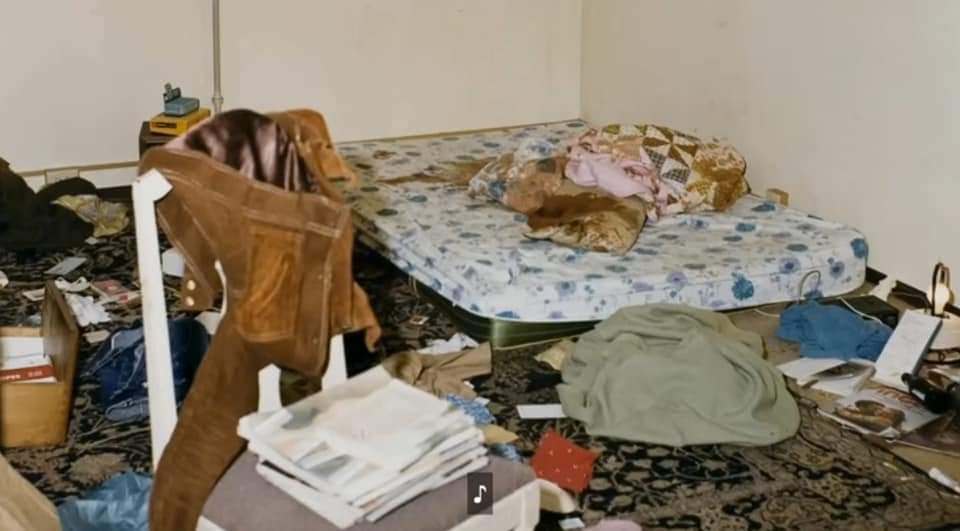
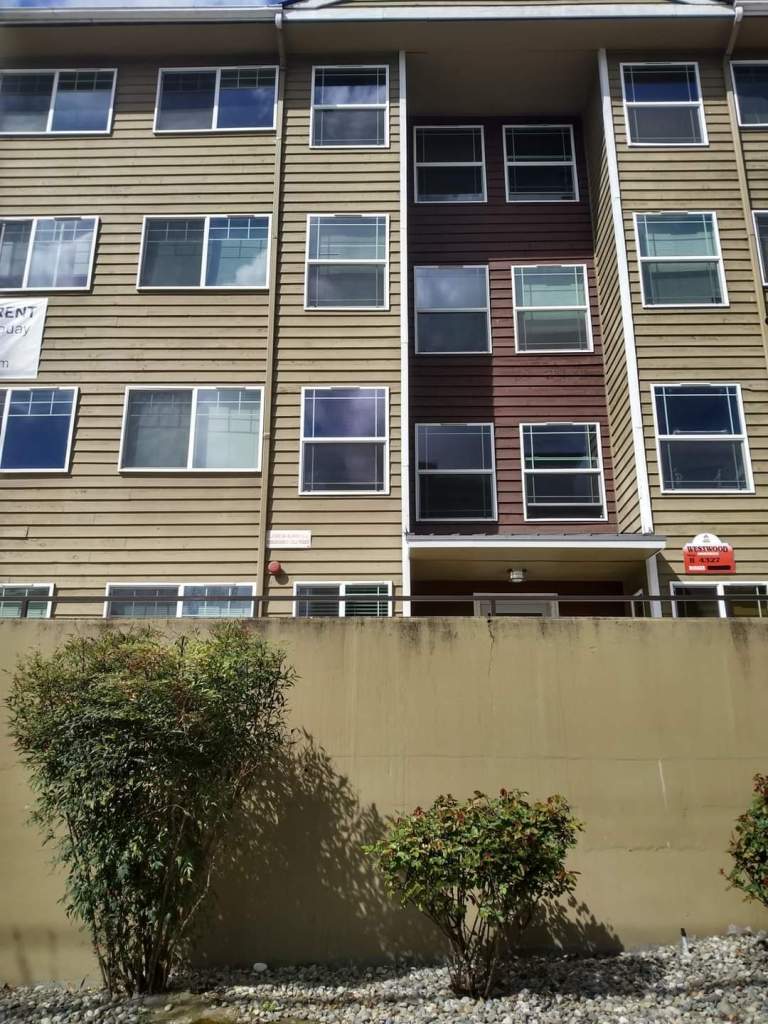
In the early morning hours of January 4th, 1974, Ted Bundy brutally assaulted college student Karen Sparks at 4325 8th Avenue NE in the University District of Seattle; she was his first known victim. Miraculously, he didn’t kill her, but he did leave her with numerous long-term injuries that she still struggles with to this day. The house she used to reside in no longer exists as it was torn down sometime in 1985 to make way for a new four-story apartment block called ‘Westwood Apartments.’

Karen Sparks in high school.
Karen Sparks.
Karen Sparks.
Karen Sparks.
Karen Sparks.
Karen Sparks.
Karen Sparks.
Karen Sparks.
Karen Sparks.
Karen Sparks bedroom after she was attacked.
The original apartment Karen Sparks was assaulted, photo courtesy of Tiffany Jean.
A photo of where Karen Sparks old apartment was, April 2022.