BTK, The Transcript of his Guilty Plea.


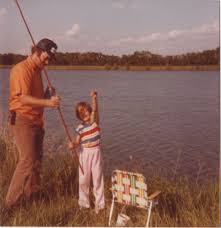
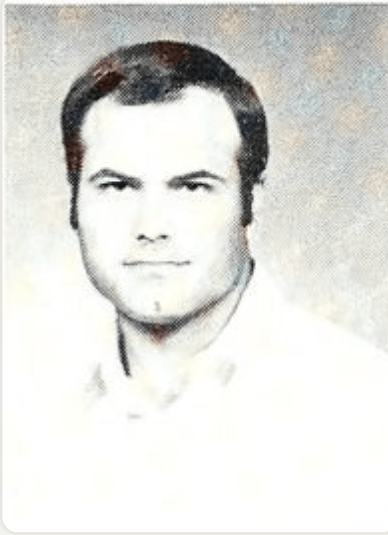
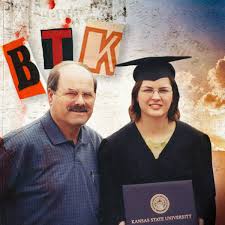
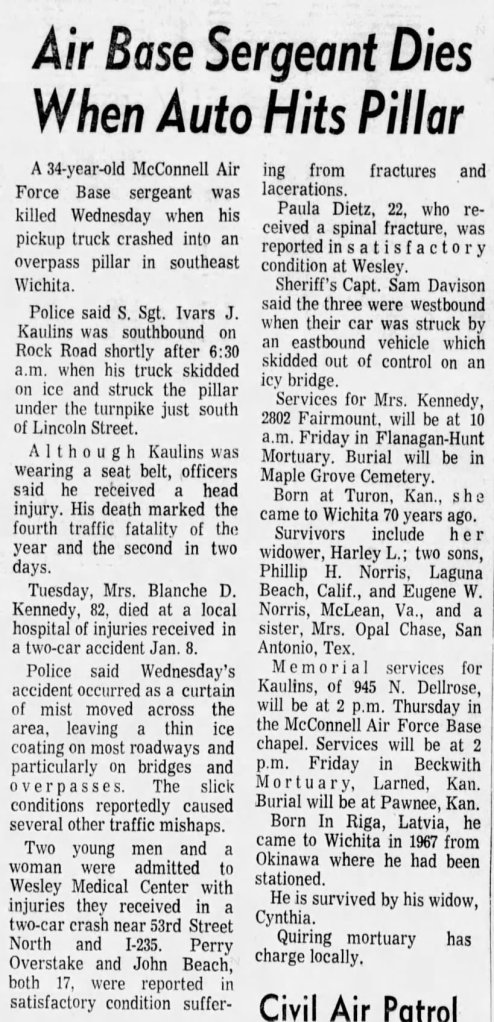
I’ve always been curious about Dennis Rader’s ex-wife and son, Brian. I found a few things in their early years as a family, and before anyone comes at me please keep in mind all of this information was a mere click away and was found in the public domain.








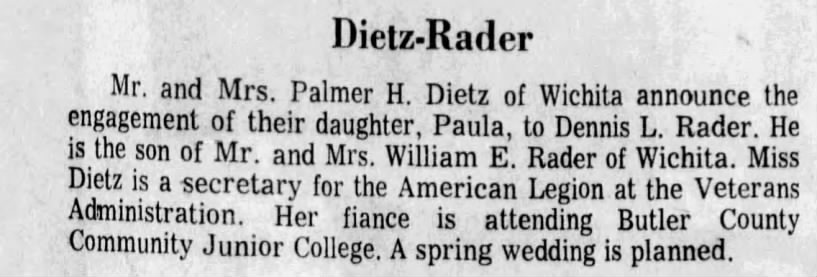
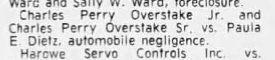


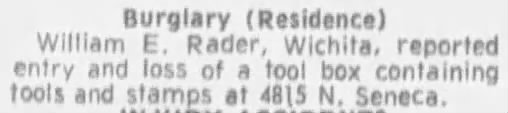

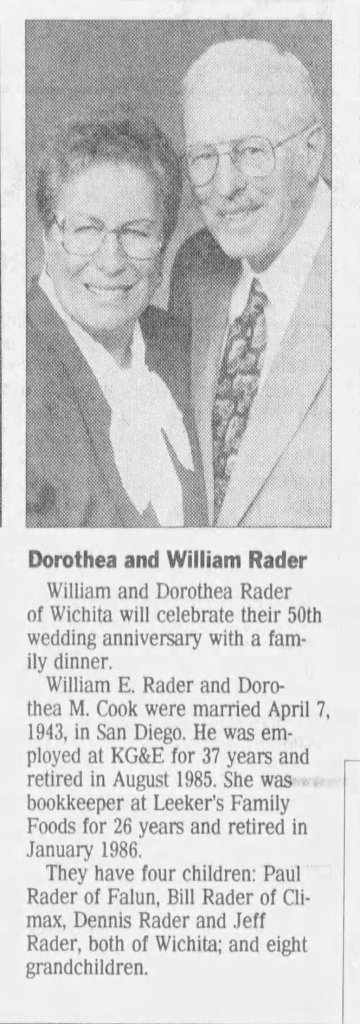











This scholarly article discusses the atrocities and victims of Dennis Lynn Rader, specifically focusing in on his dormancy period before he was captured by police.
Published in August 2023 by the Journal of Student Research, written by Tatum Hayes and John Carl.

Here is the .PDF file I found from the fbi.vault.gov website. You can find them in there, but I wanted to include them here as well in a continued effort to be a one shop stop.

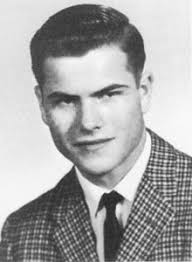
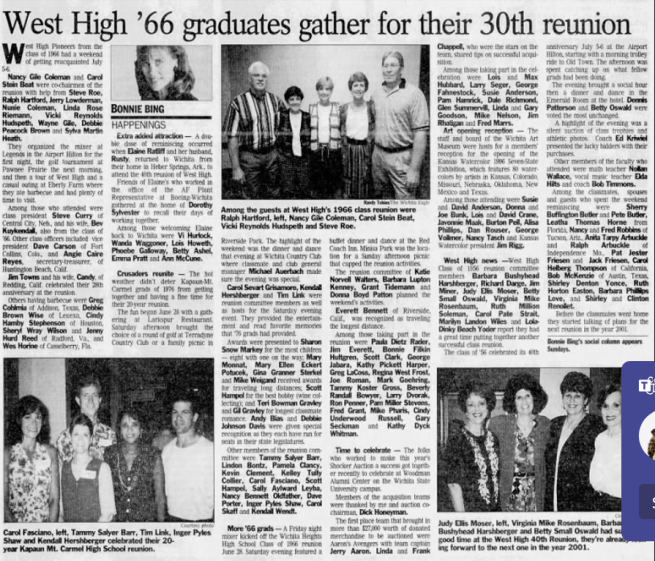
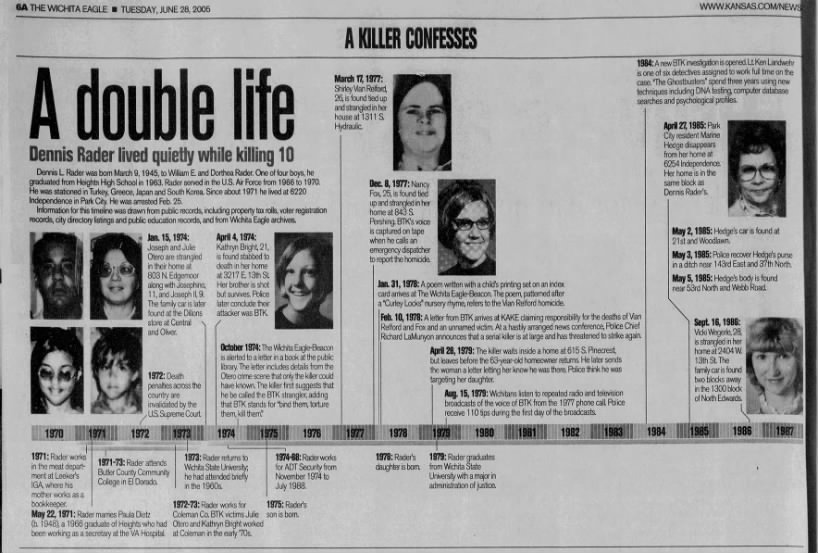
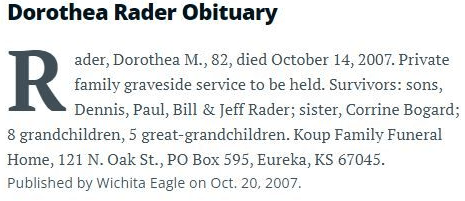
Dennis Lynn Rader was born on March 9, 1945 to William and Dorothea Rader in Pittsburg, KN. The parents of four boys, the Raders eventually settled down in Wichita, where William (a former Marine) worked for Kansas Gas Services and Dorthea was a homemaker and bookkeeper. Both parents worked long hours and paid little attention to their children; Dennis later described feeling particularly ignored by his mother and resented her for it. From an early age, he harbored sadistic sexual fantasies about voyeurism, autoerotic asphyxiation and cross-dressing and exhibited zoosadism by torturing and killing small animals. He liked to dress in women’s clothing and wear bindings around his arms and neck and masturbate while spying on his unknowing female neighbors. After he graduated from Wichita Heights High School, Rader enrolled in classes at Kansas Wesleyan University, only earning subpar grades; he dropped out after one year. He then joined the United States Air Force, serving from 1966 to 1970. After being discharged, Rader moved to Park City, where he got a position in the meat department of an IGA supermarket where his mother was employed as a bookkeeper.
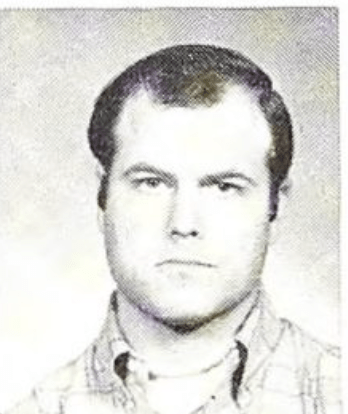
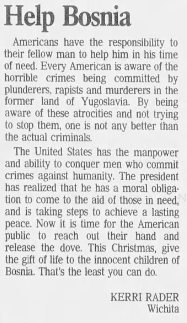
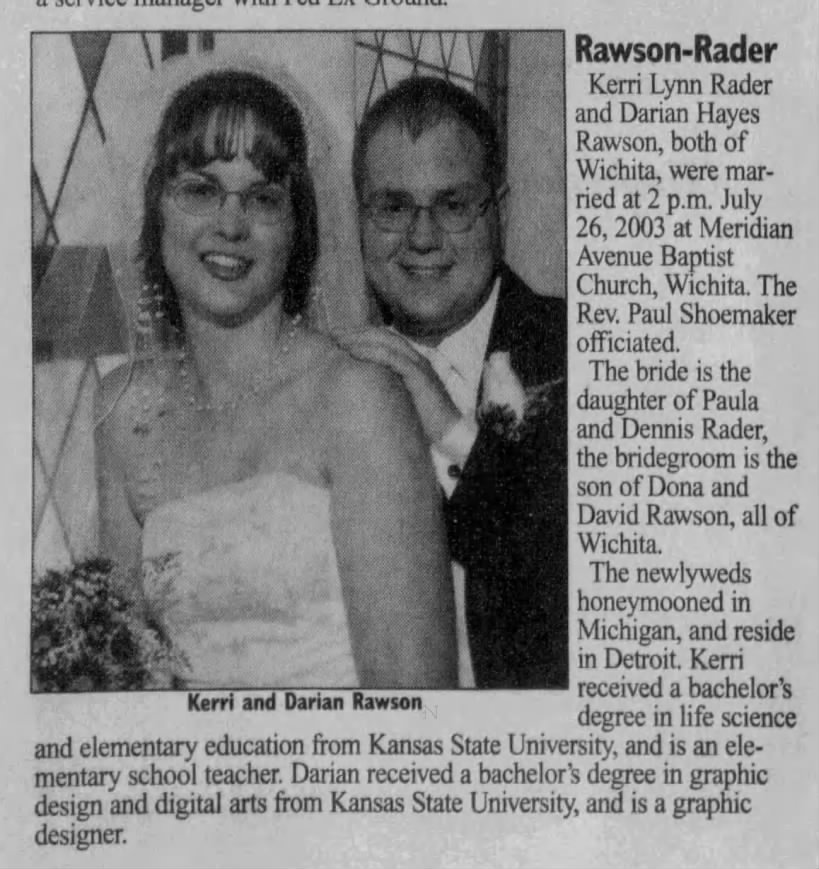
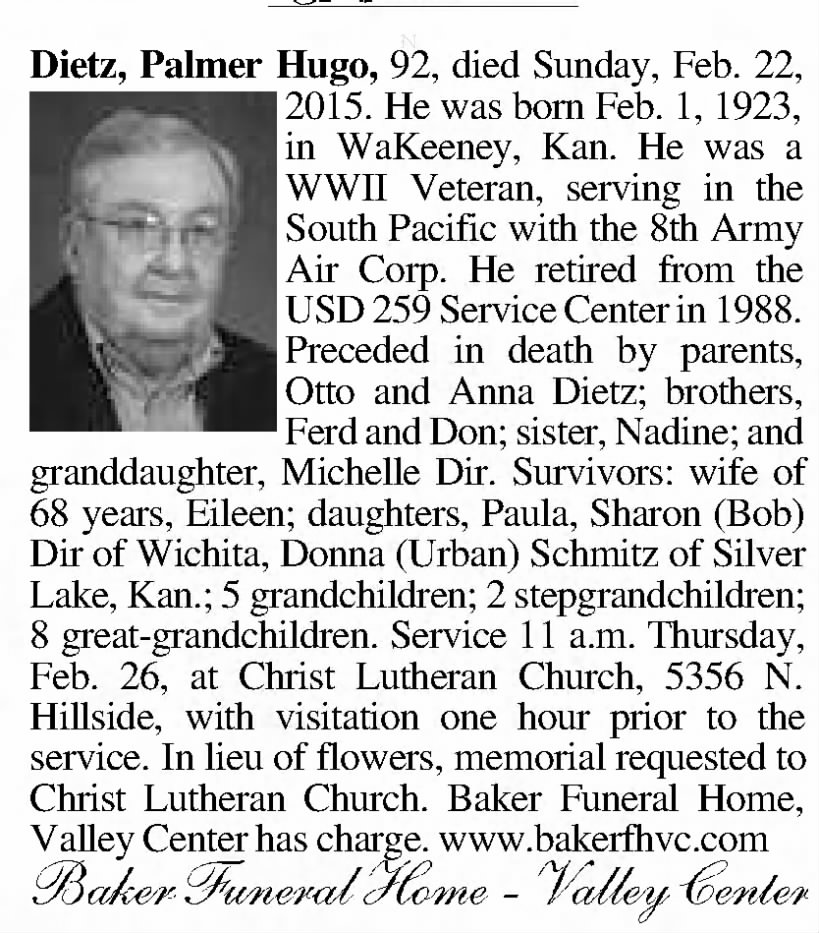
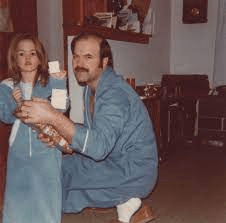
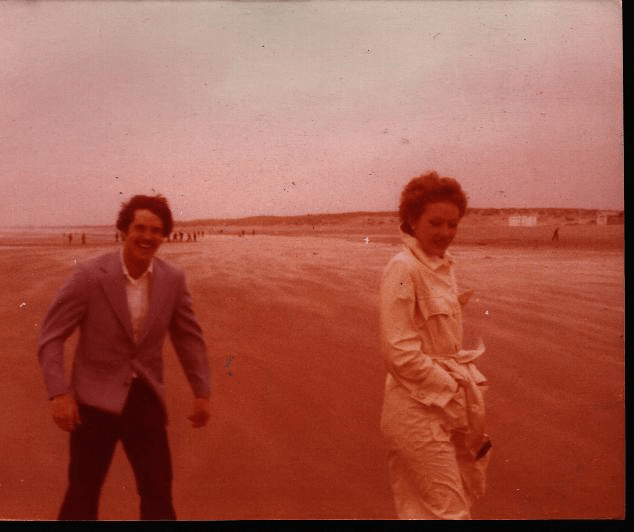
Rader married Paula Dietz on May 22, 1971, and the couple had two children: a son named Brian born in 1973, and a daughter named Kerri (Rawson) born in 1978. He attended Butler County Community College in El Dorado, and in 1973 earned an associate degree in Electronics Engineering Technology. He continued his education at Wichita State University, and in 1979 graduated with a BS in Administration of Justice. After getting his four year degree, Dennis briefly worked as an assembler for Coleman, an outdoor supply company. From 1974 to 1988 he was employed for the Wichita branch of ADT Security Services, where he installed security alarms in peoples homes. After being laid off from ADT, in 1989 Rader got a position as a census field operations supervisor for the 1990 federal census in the Wichita area. In May 1991, he became a compliance officer and dogcatcher for Park City. In this position, neighbors recalled him as being overzealous and extremely strict at times, and seemed to take special pleasure in bullying and harassing single women. One even complained that he killed her dog for no reason. Rader was also the president of Christ Lutheran Church and was a Cub Scout leader.
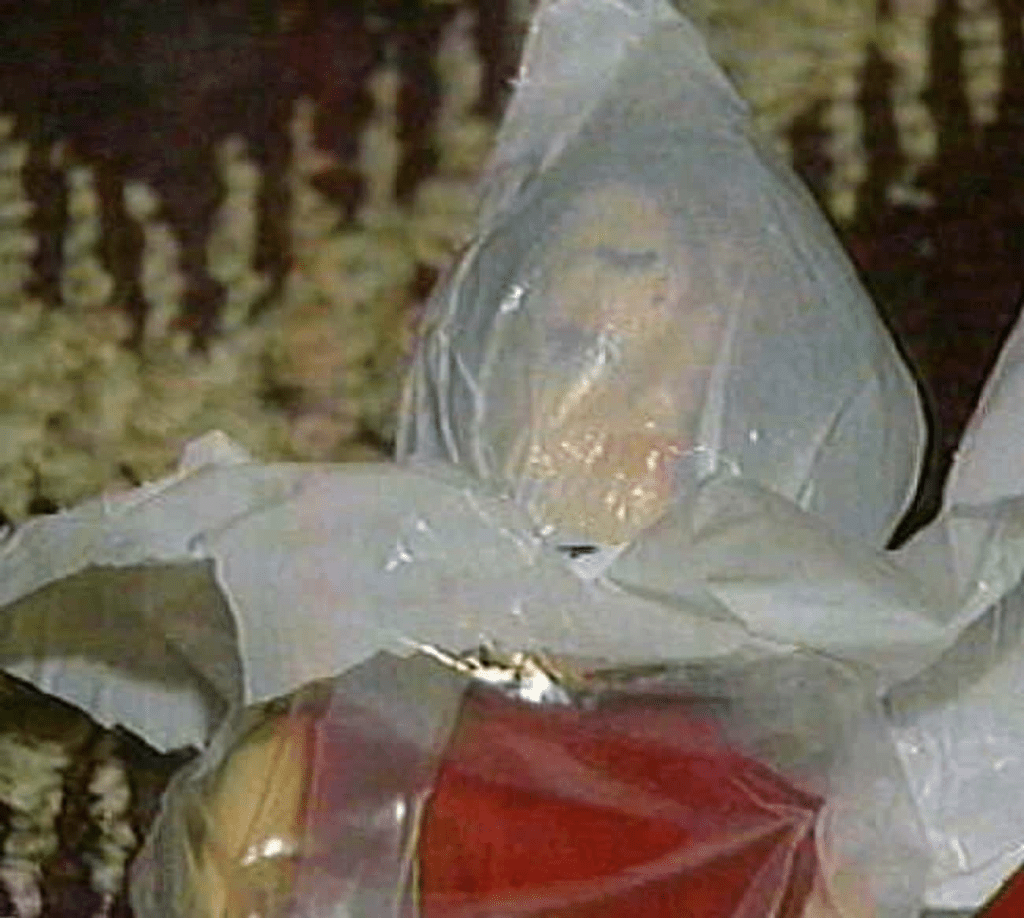
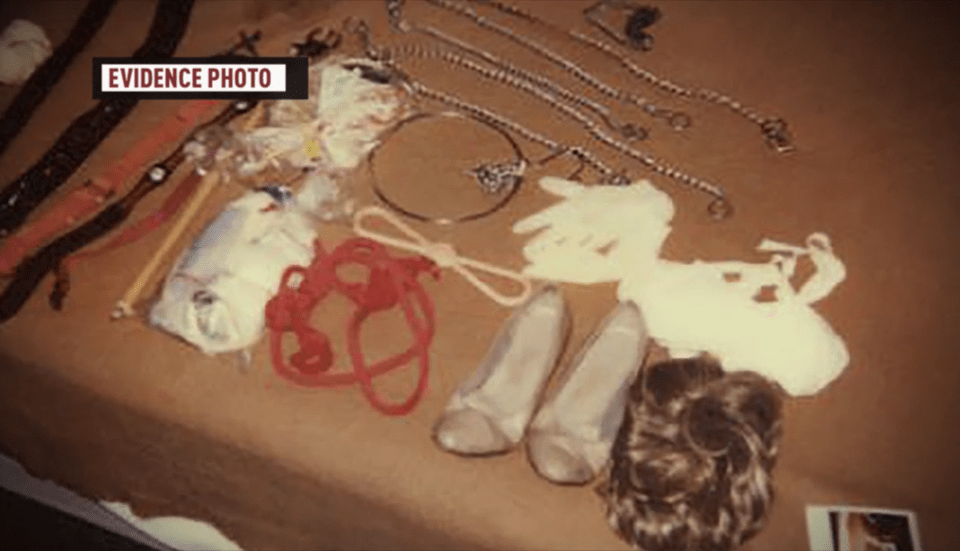
Although on the rare occasion Rader killed men and children (or attempted to anyways), he preferred to target women. His victims were often bound, sometimes with objects from their own homes, and he either suffocated them to death with a plastic bag or manually strangled them with a ligature. BTK also stole little mementos or keepsakes from his female victims, including underwear, their drivers licenses, and other personal items.
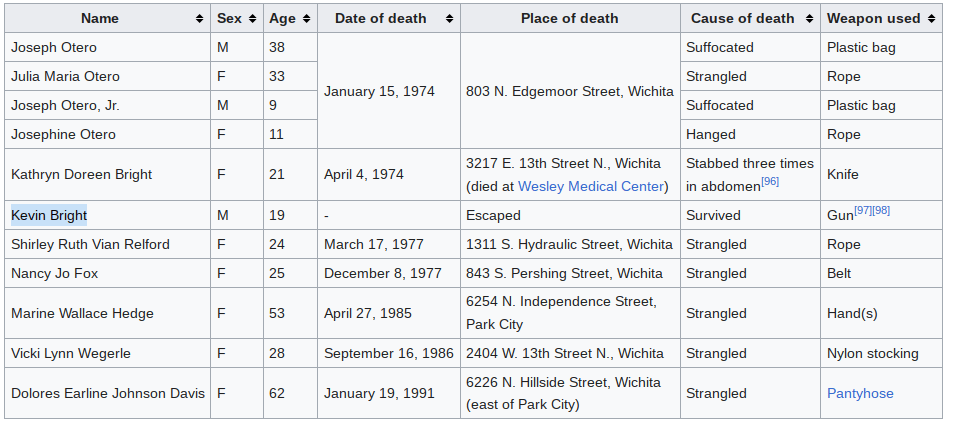
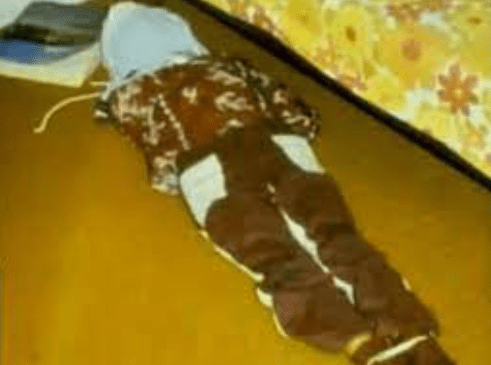
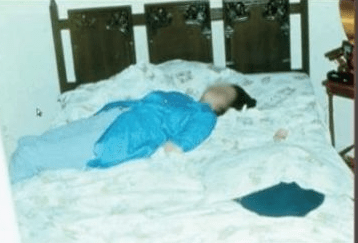
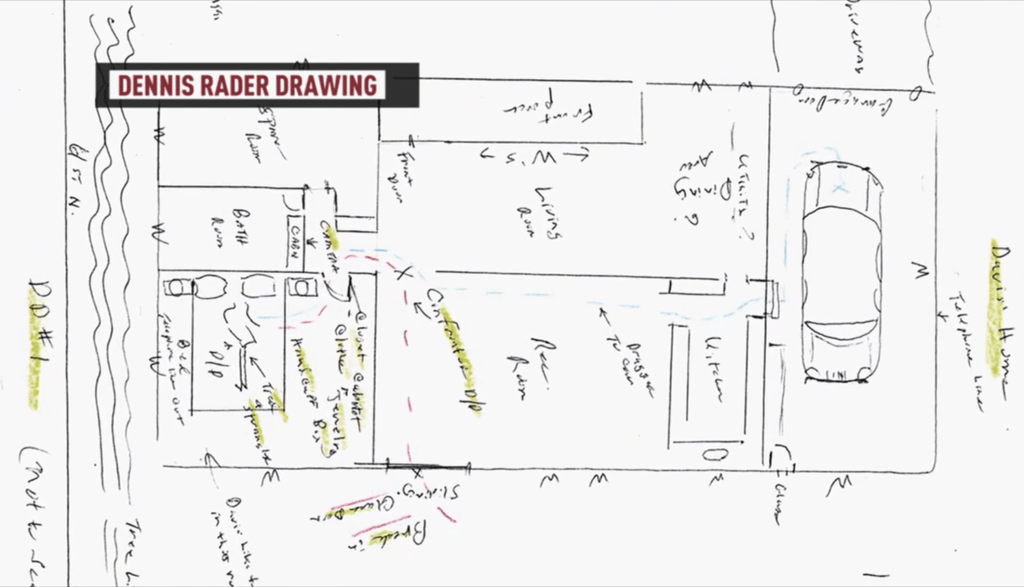
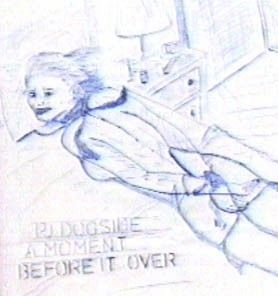
In early 1974, Rader began his reign of terror with the Otero family: The morning of January 15, he cut the their phone line and entered their residence after little Joey opened the back door for the dog. He was expecting to only see Mrs. Otero home with two of her six children, but to his surprise the patriarch was home as well. Quickly, BTK drew his gun and told the terrified family that he was a wanted criminal and needed food, money and a getaway vehicle. He then took their lives, one by one: his victims were Joseph Sr. (38), Julie (33), Joseph Jr. (9), and Josephine (11). Rader put a plastic bag over Joseph Sr.’s head, suffocating him to death, then did the same to Joseph Jr. His beautiful wife, Julie was strangled to death on her bed… but he left his most horrifying act for last: he hung little Josie up by her neck with a rope, her body hanging from a pipe in the basement with her arms tied behind her back. Because he felt raping his victims would be make him unfaithful to his wife, Rader masterbated on the young child. Their bodies were discovered later that afternoon by the families three older children, who had been at school at the time of the killings. After he was arrested in 2005, BTK confessed to killing the four Otero’s and that he first targeted them two months before he took their lives, when he spotted Julie leaving to take her children to school and followed them.
Next was Kathryn Bright. Before he took her life, Rader had seen the twenty one year old enter her home and immediately pegged her as his next ‘project.’ On April 4, 1974, he let himself into her house from the porch door and hid in her bedroom. Bright arrived home around 2 PM but wasn’t alone: her brother Kevin (19) was with her. Just like with Joseph Otero Sr., Rader was not expecting this but quickly adapted: he came rushing out of the bedroom, gun drawn, pointing it right at both of them. He gave the siblings the same story he told the Oteros: that he was on the run and needed supplies. Rader then forced the two into a bedroom and ordered Kevin to tie up Kathryn’s hands and feet. When finished, he took Kevin into the other room and attempted to restrain him as well, but was unsuccessful: the two men began fighting, with Kevin getting very close to taking the weapon away from Rader. But BTK quickly regained control of the situation and shot Kevin in the head, twice. He then went back to Kathryn, who (like her brother) also put up quite the fight as he attempted to strangle her. He realized he wouldn’t be successful in his attempts and began stabbing her in the abdomen. As this was taking place, Kevin was able to escape: he ran a few blocks to his car and drove off in search of help. Sadly, despite multiple emergency surgeries and blood transfusions, Kathryn Doreen Bright succumbed to her injuries. Thankfully Kevin survived.
Rader took a bit of a break until 1977: On March 17, he intended to go after a woman named Cheryl he had met at a bar, but lucky for her she was not home. Not wanting to wait, he decided it was time to murder again and quickly spotted his next victim in a neighborhood that he was walking through. When going down Hydraulic Street he came across a young boy named Steve Relford, who was walking home from the store with a can of soup. Rader pulled out a picture of his own wife and son and asked the five year old if he recognized them. The little boy shook his head no and continued on his walk home. After arriving, BTK knocked on the families door when Steve answered: Rader told him he was a detective, helping him gain entry to the house with no problems. He then turned off the TV and closed the blinds. Shirley Vian, home with her four children, came out of one of the rooms, confused as to who the strange man in her living room was. Once again drawing his weapon, BTK told the children to go into the bathroom, even going so far as to locking them inside. He told Shirley his plans but somehow was able to convince her that he wasn’t going to rape her, and tried to calm her down with a glass of water and and a cigarette. Rader then tied her up and strangled her to death with a rope. Semen was found left behind on her panties, which were discovered next to her body. During his allocution in court in 2005, BTK stated that the telephone rang, which spooked him and forced him to leave early. As a result, he left the children in the bathroom still screaming for their mother.
On April 28, 1979, Rader waited inside the home of 63-year-old Anna Williams, who lived in the 600 block of South Pinecrest in Wichita. He grew impatient and angry after sitting in her dark closet for hours, and when she failed to return home he left, taking with him several of her personal belongings (including one of her scarves and some jewelry). Williams was at a square dance that evening then stopped by her daughter’s house afterwards. When she arrived home at 11:00 PM she simply thought she had been the victim of a burglary. Rader then mailed her one of her scarves as well as a poem titled, “Oh, Anna, Why Didn’t You Appear” (he also sent it to a local news station in Wichita): ‘T’was a perfect plan of deviant pleasure so bold on that Spring nite’ … ‘be glad you weren’t here, because I was.’
It wasn’t long again before Rader once again felt the itch to kill. In December of 1977, he was already stalking and obsessed with his next target: 25 year old Nancy Fox. On December 8, BTK cut her phone line then broke into the back door of her modest duplex. He waited for her to arrive home from her job at a jewelry store, and since she lived alone he had no issues surprising her in her kitchen at gunpoint. Rader told Fox he had a sexual hangup and in order to get rid of it had to sexually assault her. He quickly tied her up, undressed himself and immediately began to strangle her. As he took her life, BTK told her who he really was and what he had done in the past. The next day on his way to work, he called the police and told them they would: ‘find a home-acide at 843 South Pershing. Nancy Fox.’ Rader then fled, leaving the phone receiver dangling. Law enforcement rushed to Nancy’s house and found her body, along with semen on a discarded nightgown lying next to her.
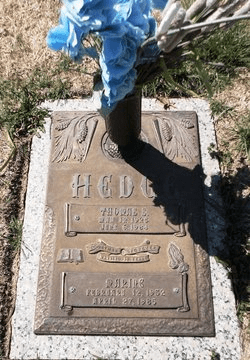
BTK went silent until 1985. By then, the 40 year old serial killer had gotten busy: his children were born and growing, and he was involved in his church. His next victim was his neighbor: 53 year old Marine Hedge. A widow, Hedge was described by the people in her life as a kind and gentle woman. On April 27, 1985, Rader was in the middle of a Boy Scout meeting when he announced that he had a headache and needed to leave to get medicine. He then walked to his car that was conveniently parked near a bowling alley. He went inside and bought a beer, which he purposely spilled all over himself and swished around in his mouth, which gave the people around him the impression that he had been drinking (he spit the beverage out). Dennis even went so far as to call a cab, instructing the driver to take him to Park City.
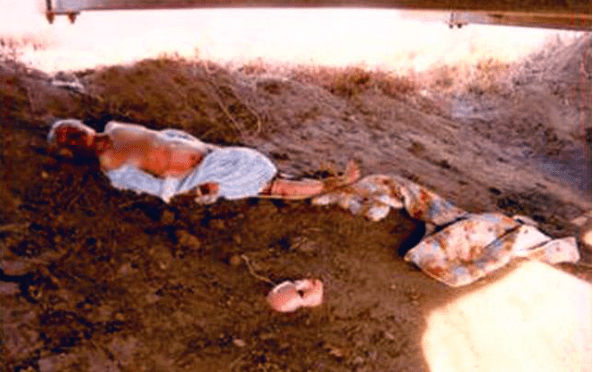
Once he got to his neighbors house, Rader saw her car and assumed she was home. Like his other victims, he cut her phone line and quietly let himself in the back door. He quickly realized that she wasn’t there and waited in her bedroom until he saw a car pull into the driveway. Mrs. Hedge and a male friend walked into her residence, and once again BTK was left waiting. He stayed in her bedroom closet until 1 AM, when her guest was gone and she was asleep. He then turned on the bathroom light and jumped on top of his victim, strangling her to death. When the act was completed, Rader dragged her body out of the house and put it in the trunk of her car. He then drove to his church, bringing her body inside and photographing it in multiple different poses. When finished, he put her body back in the trunk of the car and dumped it in a ditch on a dirt road not far from their respective homes.
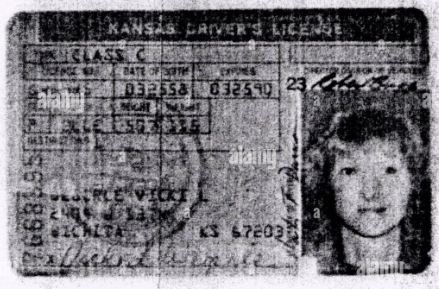
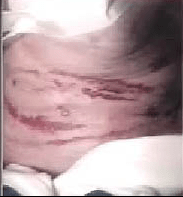
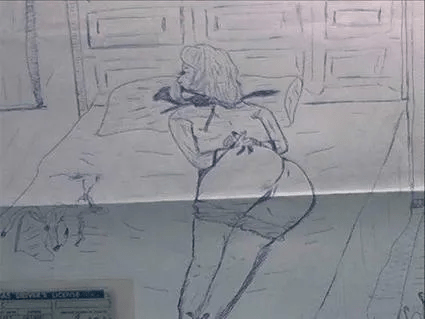
Sweet, young twenty eight year old Vicki Wegerle was next on Rader’s radar. In September of 1986, Wegerle was a happily married mother of two, and had caught the serial killer’s eye (or ear, in this case) when he walked by her house one day and heard her play the piano. He thought he planned this murder out meticulously, dubbing it his ‘PJ’ project in the journal he kept. Before going into the family’s home, he made sure to cut the phone line (just like the others). At roughly 10 AM on September 16, Rader (who was dressed up as a telephone repairman) knocked on Wegerle’s door and she let him, for what I would think are obvious reasons. Once inside, he immediately pulled out his weapon and told her he was going to tie her up. As Dennis was attempting to push her into her bedroom the young mother began to put up a fight, causing him to get some cuts and scratches on his face and arms. He quickly reached for a rope and choked her to death. When finished, he took pictures of her body posed in different positions then left in the Wegerle’s car. As he was driving away, Vicki’s husband Bill pulled up and said that he saw his own car driving in the opposite direction of his home but couldn’t ID the driver. When he walked in his house, he saw his 2 year old son left unattended in the living room. Wegerle searched the house for his wife, eventually finding her on their bedroom floor behind their bed. Vicki was immediately rushed to the hospital but was pronounced dead after a few hours. Reportedly, Rader did not harm the Wegerle’s son and authorities initially suspected Bill as the prime suspected in his wife’s murder.
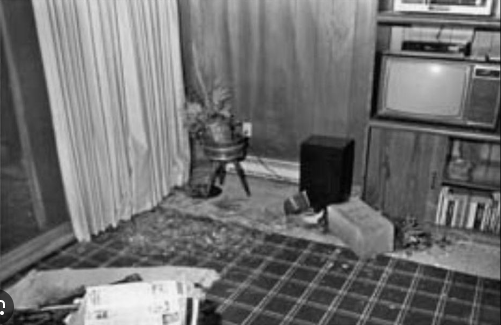
Last but not least, Dennis Rader’s tenth victim: sixty-two year old Dolores Davis. On January 19, 1991, Rader was away chaperoning his son’s boy scout camping retreat but managed to sneak away in the middle of the night undetected. First, he went to his parents house to change into his ‘hit’ clothes and from there drove to the Baptist Church in Park City to ditch his car. He then took off on foot to Davis’ house, which was only a mile and a half away from his own residence. Rader waited outside until he was certain his victim was asleep then threw a cinder block through the glass door at the back of the house, which immediately woke her up. He gave her his well-rehearsed story: that he was on the run, needed resources and was going to restrain her. Rader then tied her up in the bedroom and strangled her to death with a pair of pantyhose. When he was finished, BTK put her body in the trunk of her own car and kept it there while he took care of obligations, saying that ‘I really had a commitment I needed to go to, so I moved her to one spot, I took her out of her car… this gets complicated, then the stuff I had, clothes, guns, whatever, I took that to another spot in her car, dumped that off.’ Later that day, he eventually ‘dropped off’ her remains under the Jester Creek Bridge near Sedgwick County then drove back to Davis’ house, making sure to wipe her car down before leaving to go back to the church. BTK then changed back into his Scout uniform and snuck back into camp. The next night he went back to her body and took photographs of it. Her remains were found on February 1, 1991 at West 117th Street North and North Meridian Street in Park City.
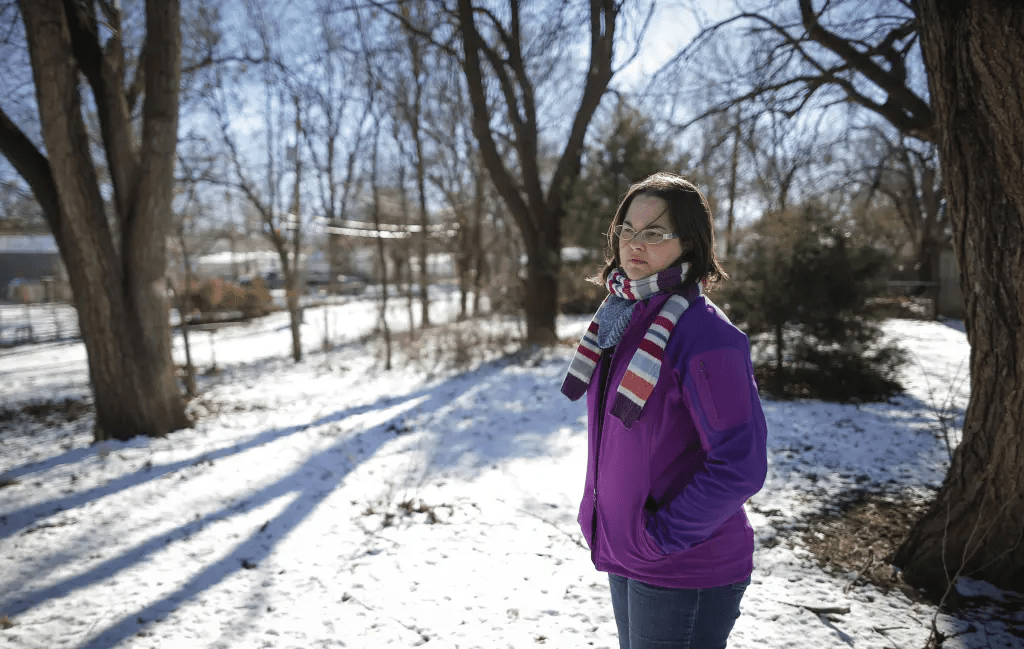
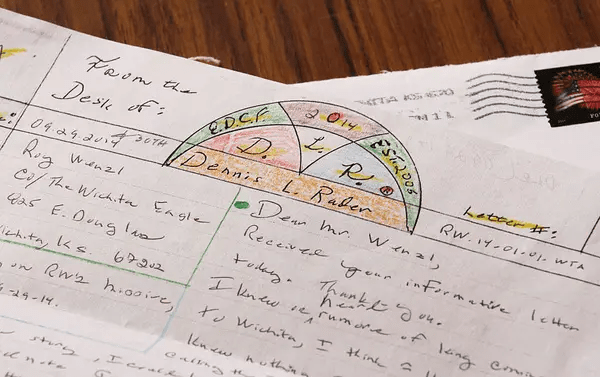
Thirteen years passed after Dennis Rader killed Dolores Davis. Irritated that he wasn’t receiving any media attention for his hard work, he resumed sending law enforcement and the media taunting correspondence in 2004. Included in the detailed letters were mementos from his previous crimes, including pictures he took of his victims and a drivers license. On February 25, 2005 the serial killer was finally arrested after a floppy disk he sent to a Kansas TV station was traced to a computer at his church, leading to his arrest and subsequent guilty plea. After Rader was arrested, investigators uncovered a treasure trove of information, including his personal journals, notebooks, and an unpublished manuscript. In these texts he documented all of his crimes as well as his darkest fantasies. After her husband was caught, Paula Rader was granted an ‘emergency divorce,’ which waived the typical 60-day waiting period. There are typically only two real justifications for an emergency divorce petition in Kansas: immediate need of support or domestic violence. For a few years after the arrest was made Kerri said she wrote to her father but eventually ceased all communication with him. She said where she has forgiven him she still struggles to come to terms with him being the BTK killer, saying she had a typical childhood and they were a ‘normal American family.’ On August 18, 2005, 60-year-old Rader received 10 consecutive life sentences with the possibility of parole after 175 years. As of September 2023 Dennis Rader is housed at the El Dorado Correctional Facility.
After he was arrested, BTK told law enforcement that was stalking his next intended victim and had been planning to kill her in October 2004. Mary Capps worked under Rader in the Compliance Department for Park City, and despite being subjected to six and a half years of mental abuse and bullying by him she is thankful that he was caught before he took her life. After discovering who the man that had caused her to suffer really was, Capps developed a terrible case of PTSD and after struggling for years is now fully recovered and has written a book about her experience titled: ‘My Boss was the BTK Killer.’ In it, she talks about an incident when Rader trapped her in her office: ‘he just kept moving toward me. I said ‘Dennis, open the door.’ Finally he reached over, opened the door, and with a complete change of personality he walked to his desk and sat down and acted like nothing happened.’
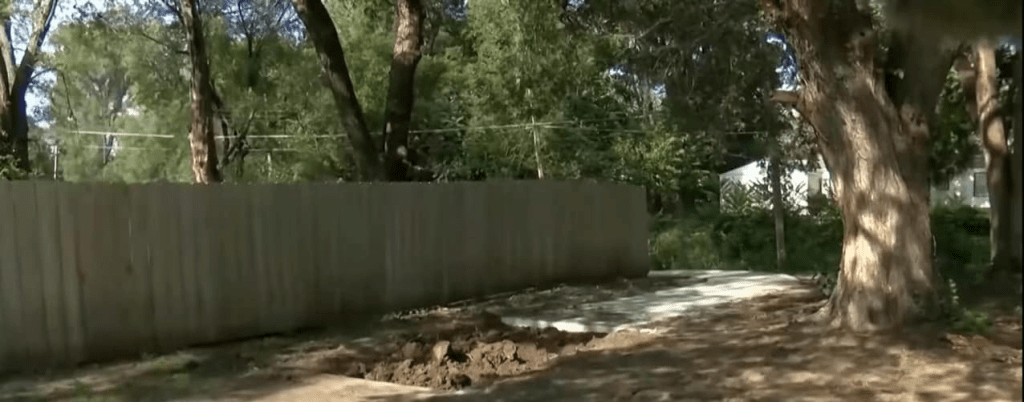
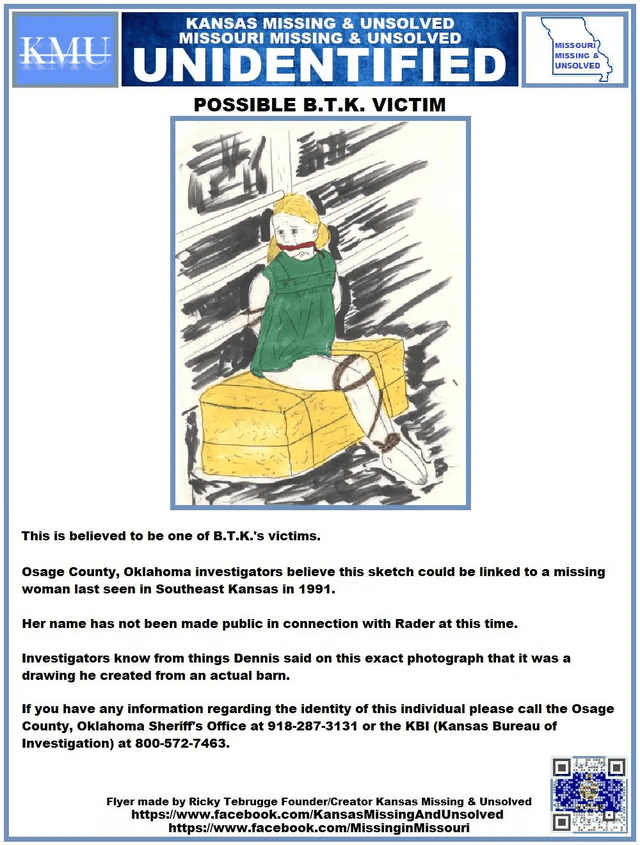
On August 23, 2023, the Associated Press reported that Dennis Rader was being investigated for five additional murders in Oklahoma and Missouri. Authorities discovered ‘possible trophies’ from victims after a search at his former Kansas property for evidence (the house was torn down in 2007). At this time, only two of the five names have been released: Cynthia Kinney and Shawna Garber. There is a third case from 1983 out of Hayes, KN that BTK is now being investigated for (he referred to the victim as ‘PJ Prairie’) as well as a fourth in Kansas he called ‘Project Bell.’ Lastly, he is being looked into for an unsolved violent crime in OK, known as ‘Oklahoma Case #2.’ As of September 2023 no additional details have been released related to these three victims. These five investigations are part of a bigger attempt to help solve additional cold cases that may possibly be linked to BTK.
On June 23, 1976, 16-year-old Cynthia ‘Cyndi’ Dawn Kinney was last seen leaving her aunt and uncle’s laundromat in Osage, Oklahoma. Witnesses said the popular young cheerleader left the Osage Laundromat at 9:30 AM and got into a faded beige 1965 Plymouth Belvedere with two other people in it (statements seem to vary as to whether they were two men, a man and a woman, or ‘two women in their twenties’); she was last seen wearing a peach-colored blouse and blue jeans. After Kinney vanished, her purse and drink were found left behind at the laundromat as well as a half-eaten donut. Cynthia was born on January 18, 1960 and had brown hair and brown eyes; at the time she was murdered she was about to go into her junior year of high school, stood at 5’1”tall and weighed a mere 97 pounds. After she disappeared, there were several reported sightings of Cynthia: one said she was seen traveling around southern Kansas with a religious group. Another claimed she had been with Hobart Green just minutes before she disappeared (this was not reported until 1991). In 1986, Hobart pleaded guilty to second-degree murder in the death of his baby son and is also a suspect in the 1961 disappearance of his ex-wife, Maxine. Her body has never been found and Green has never been charged in her disappearance, however the couple’s then twelve year old daughter claims that she saw her father kill her mother then bury her body. Law enforcement never commented on whether or not they have verified that Green was in fact with Kinney on the day of her disappearance, or if he’s considered a suspect in her case.
In 2023, Osage Sheriff Eddie Virden announced that Rader was named as a prime suspect in Kinney’s disappearance after it was determined that he was present at a Boy Scout event in the area at the time she was last seen. He had also used the phrase ‘PJ bad laundry day’ in his personal journal, referring to a brunette as ‘the target’ and that he would ‘watch the nearby Laundry Mat for possible victim’ (I’ve also seen it referred to as PJ ‘Bad Wash Day’). Also, across the street from the laundromat a bank was having new ADT alarms put in and Rader worked as an installer for the company at the time. He insists he had nothing to do with her 1976 disappearance and shared with Fox News Digital that investigators from the Osage County Sheriff’s Office have visited him twice so far at the El Dorado Correctional Facility concerning the cold case, saying: ‘Sheriff from Oklahoma … is pursuing a case against me … regarding a missing girl on June 23, 1976. Her name is Cynthia Dawn Kinney, presumed a kidnapped and missing case. I signed the Miranda on Friday. Yet to be arrested.’ He even attempted to give investigators an alibi, and that ‘the sheriff has what I call complete lack of solid evidence.’ Rader’s daughter Kerri Rawson stated that she feels Kinney’s abduction doesn’t fit the pattern of her father’s crimes and that he is most likely telling the truth about his lack of involvement in her disappearance. Sheriff Virden refused to comment on the case as it is still an active investigation and would not discuss what made law enforcement look at Rader after all this time, commenting that ‘an investigation is an investigation; sometimes they go places. There may be some things that we felt like we need to look into, and we’re following up on those.’
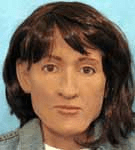
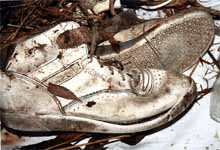
Shawna Beth Garber was born on March 1, 1968 in Missouri and most likely disappeared on October 31, 1990 from Topeka, KN (although I’ve read conflicting reports saying she may have disappeared on November 3). Before she was positively ID’d, Garber was referred to as ‘Grace Doe.’ At the time she disappeared, 22 year old Garber had wavy, shoulder length brown hair that may have appeared to have a red tint in the sun. She possessed a slim build and had several fillings despite being a ‘well-cared for orthodontic patient with excellent occlusion teeth.’ Shawna was last seen wearing a stone-washed Levi denim jacket, a large white T-shirt, Lee blue jeans with the cuffs rolled to the tops of her shoes, socks, and white size 7.5 hi-top tennis sneakers.
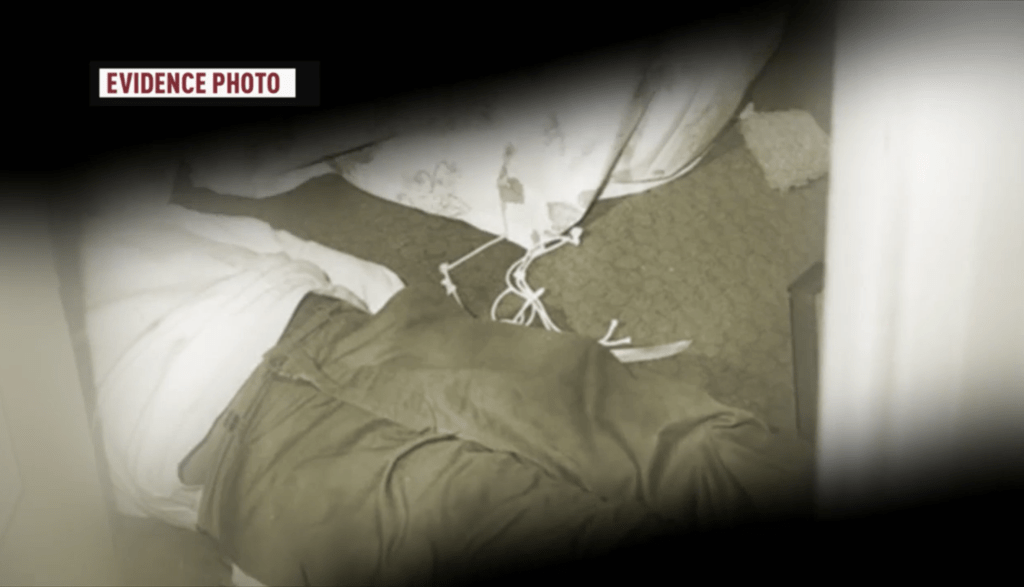
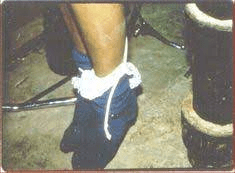
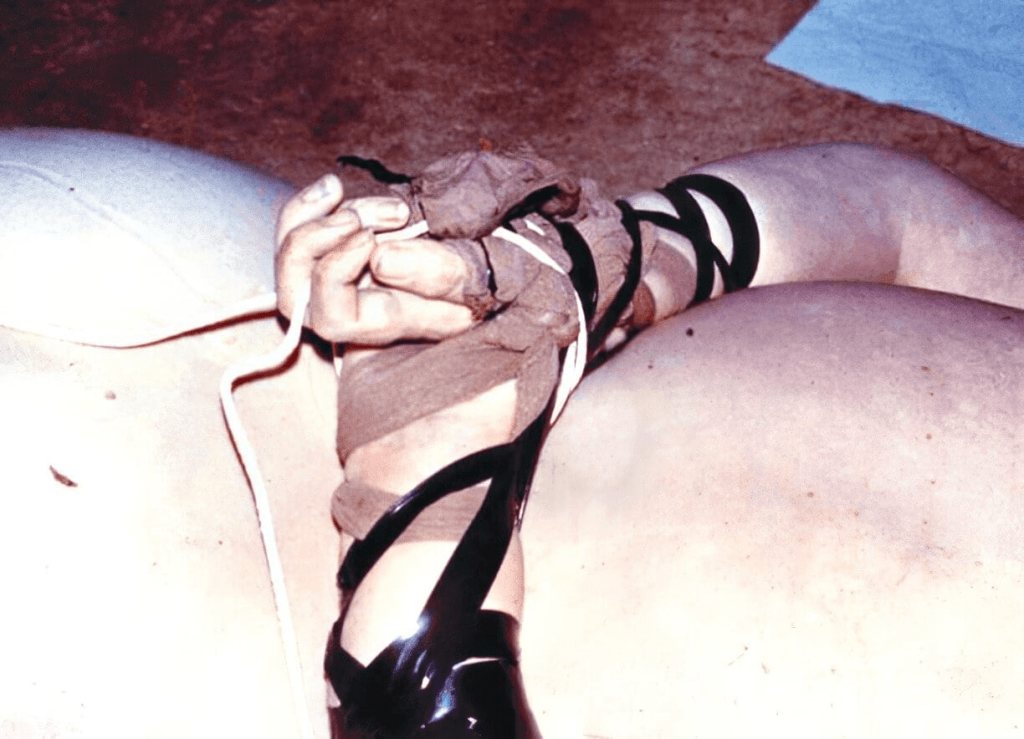
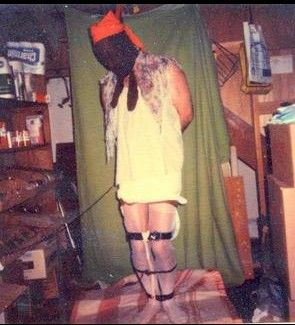
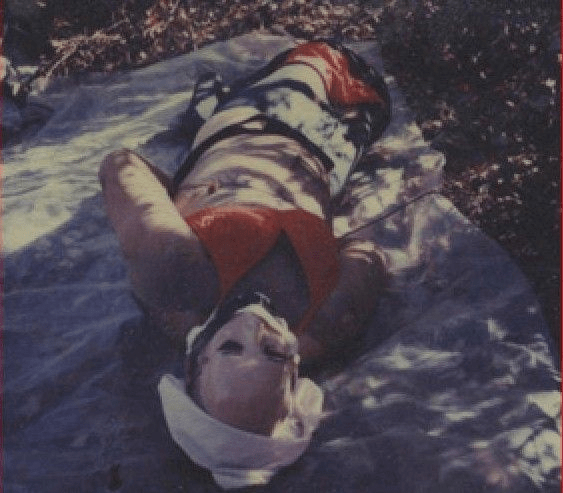
Garber was found murdered in McDonald County, Missouri on December 2, 1990. Her bound, decomposing remains were found in a remote area by an abandoned farm house in some weeds on Oscar Talley Road. She was strangled about two months before her remains were found and was found hogtied with six different types of material, including nylon rope, lead rope, coaxial cable, telephone cable, parachute cord and clothesline. Because of the way she was bound (with both hands behind the back and tied to one leg with a shoelace), it is believed that she was also sexually assaulted, and it’s believed the parachute cord was military issued because it was not commercially available in 1990. A single blond hair that did not belong to the victim was found on the body, and law enforcement strongly suspect she may have been murdered at or near the location where her remains were found based on an eyewitness that said she heard a woman scream in that same area on Halloween night at roughly the same time frame that the victim is believed to have been killed. Garber was identified in 2021 with the help of Othram, Inc, which is an American company that specializes in forensic genetic genealogy to resolve unsolved murders, disappearances, and identification of unidentified decedents or murder victims.
For decades, Garbers older brother Rob Ringwald had no idea what happened to his sister. They were put into foster care when he was seven and she was five, and a year later would be the last time he’d ever see her. Ringwald said that Shawna was born two days before his second birthday, and ‘growing up without her, there was always just a hole in my life that I couldn’t fill.’ When Ringwald turned 18 he started looking for her, and when he got married his new bride made it her life’s mission to find her: ‘’something she could do that would help me and help the other members of our family. We thought it’d be nice for our kids to know their aunt.’ On finding out his sister went unidentified for so long, Ringwald said: ‘it was devastating. just to find out that she’d been sitting in a box for 30 years.’ In 2023, authorities announced that BTK was the prime suspect in Garber’s murder due to photographic evidence found in one of his journals which tied him to the crime scene.
Additionally, there is a third case from 1983 out of Hayes, KN that Rader is now being investigated for (he referred to the victim as ‘PJ Prairie’) as well as a fourth in Kansas called ‘Project Bell.’ Lastly, he is being investigated for an unsolved violent crime in OK, known as ‘Oklahoma case #2.’ At this time no additional information has been released related to these three victims, and the five investigations are part of a bigger attempt to solve cold cases that may possibly be linked to BTK.
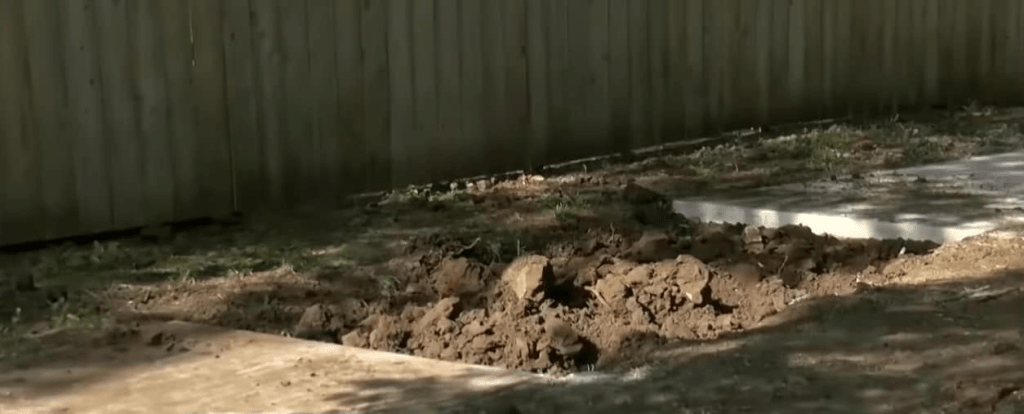
As of September 2023, what investigators found on BTK’s property remains unannounced, however in April 2023 that released a statement that they found a ‘pantyhose ligature’ on the same land.










































































 Another Bundy Blog.