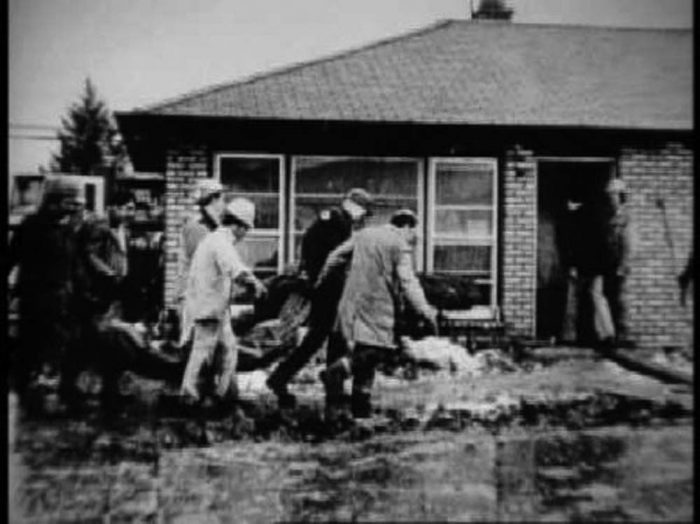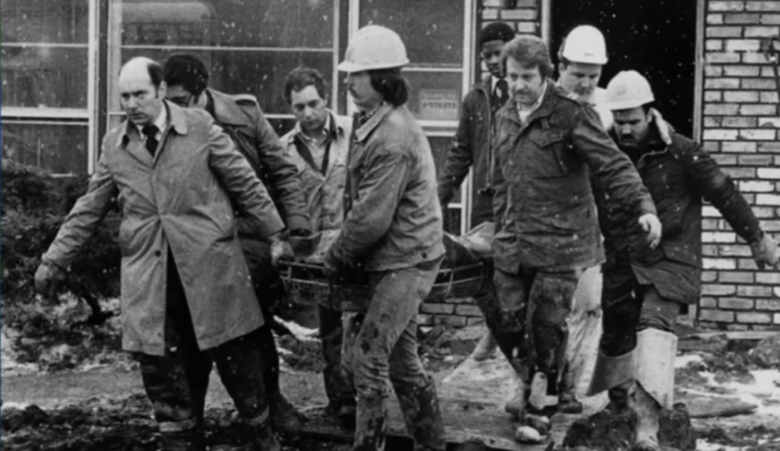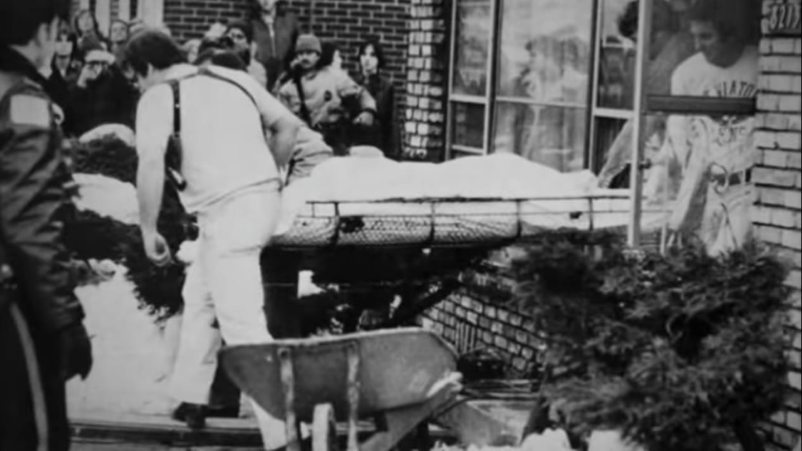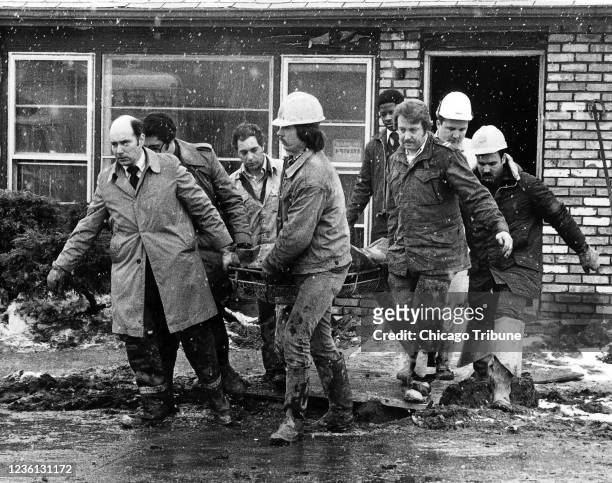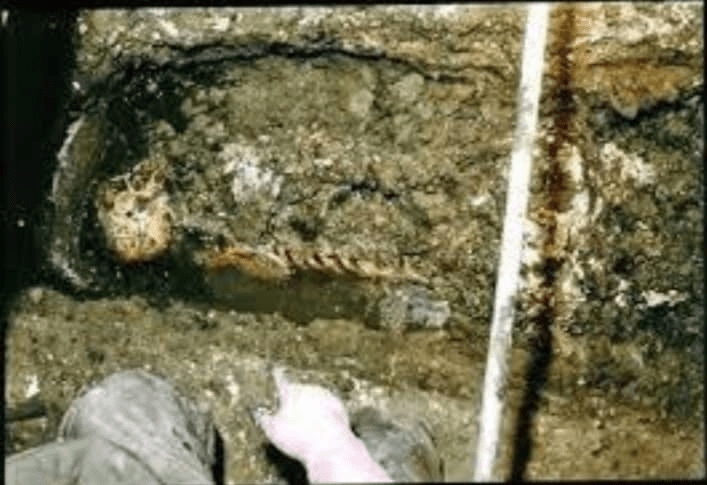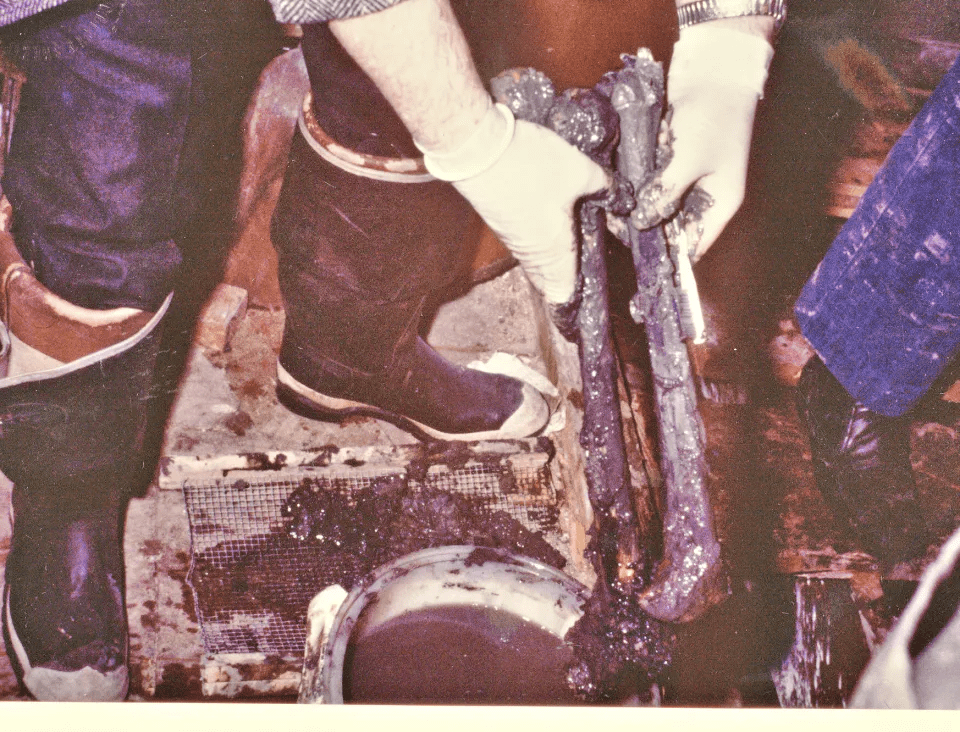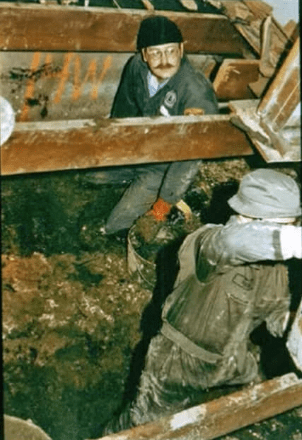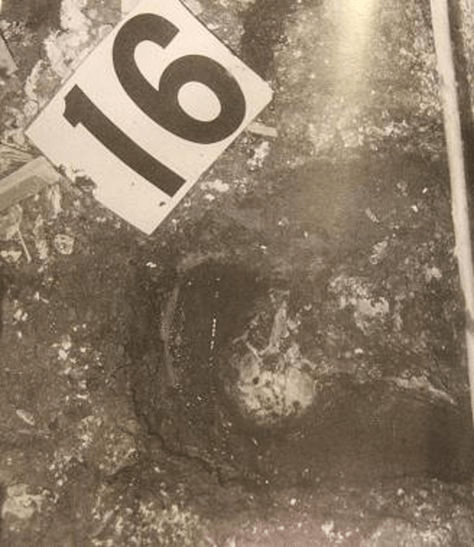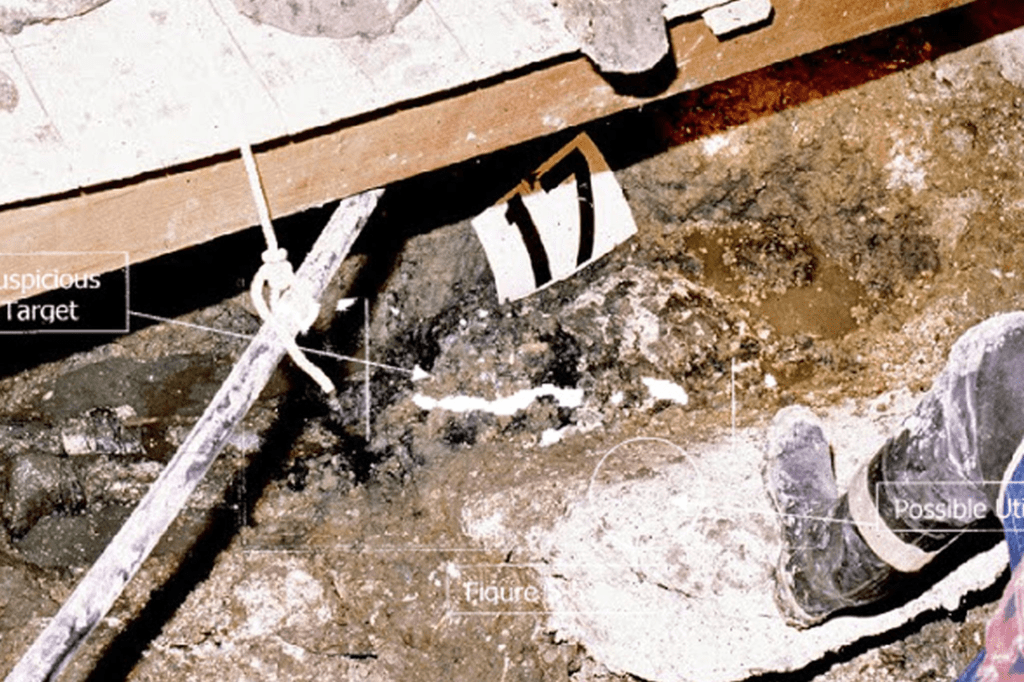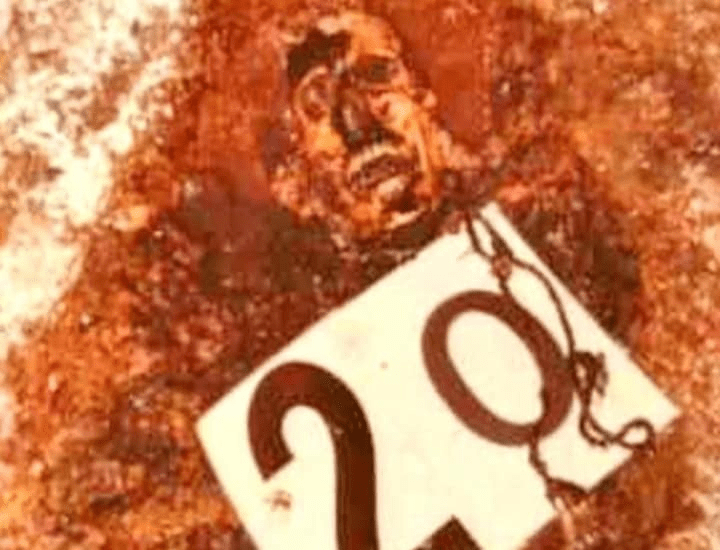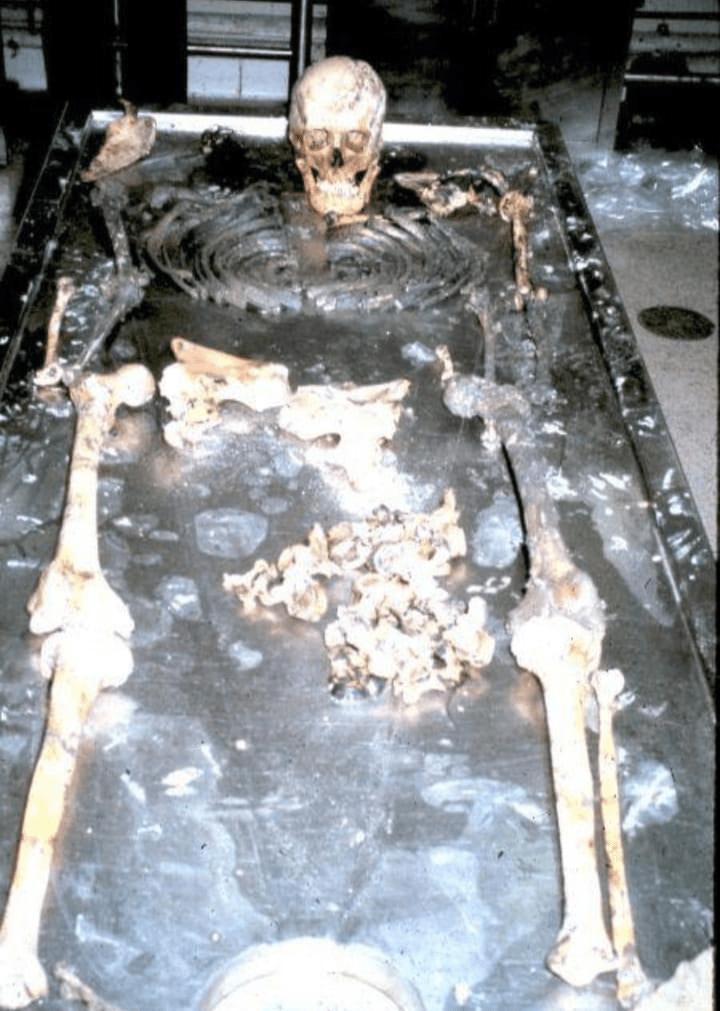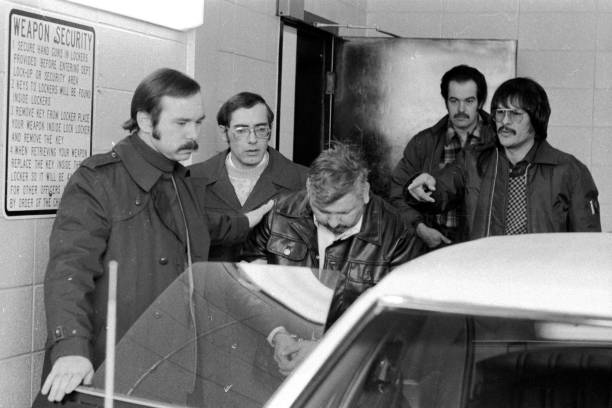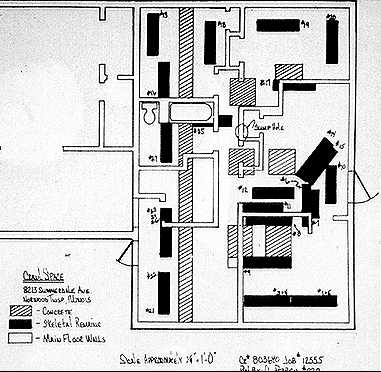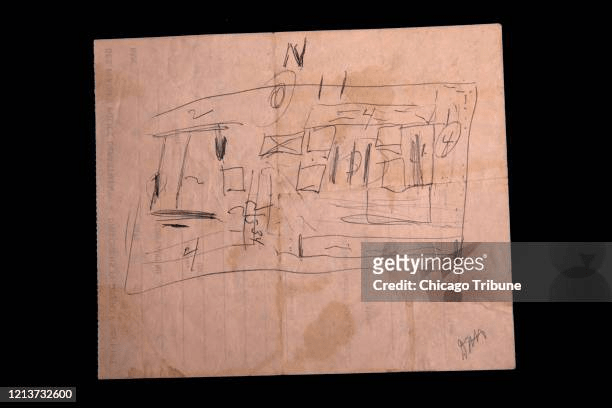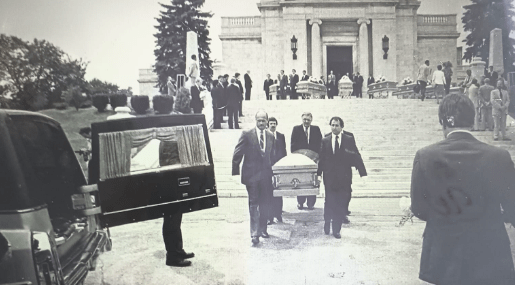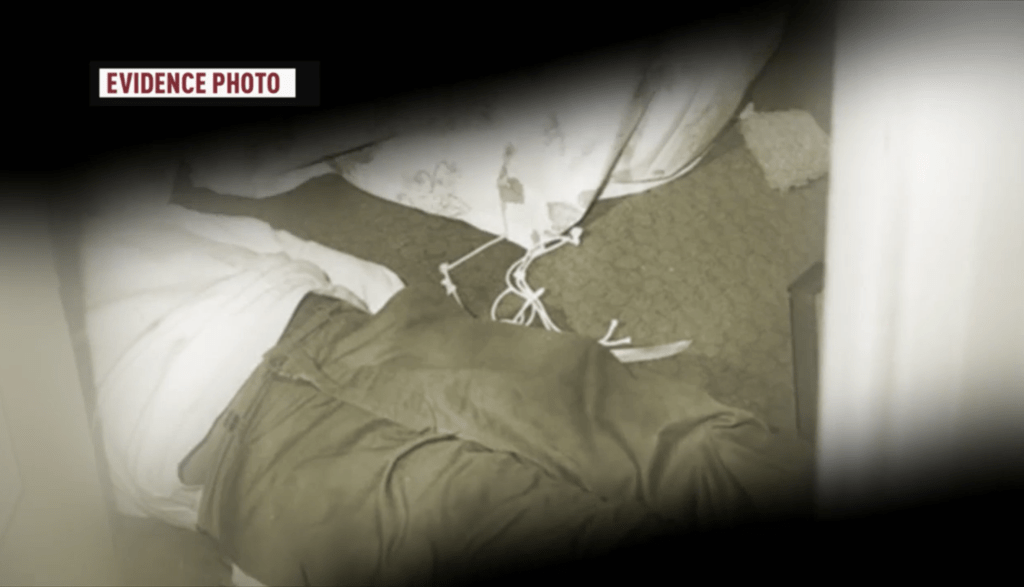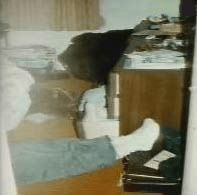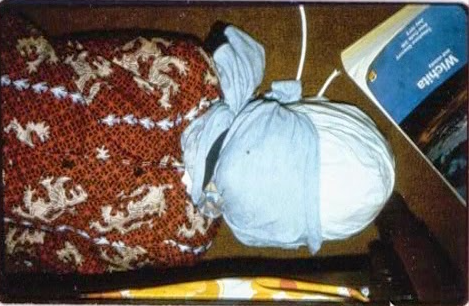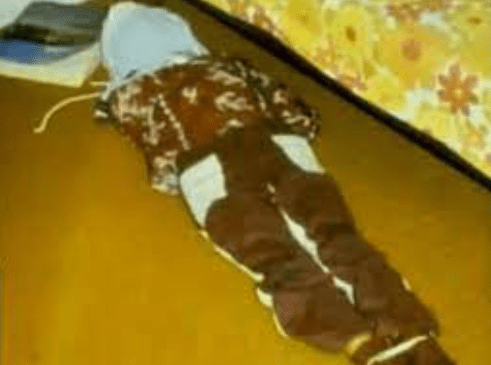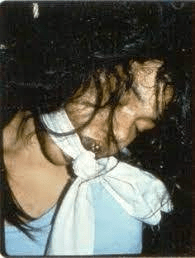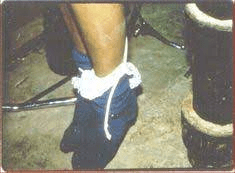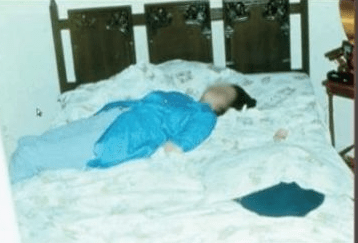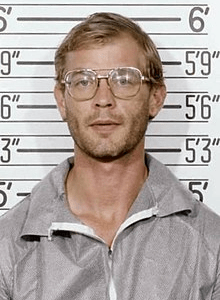
Jeffrey Lionel Dahmer: Crime Scene Pictures.

Jeffrey Lionel Dahmer was born on May 21, 1960 to Lionel and Joyce Dahmer in Milwaukee, Wisconsin; he was the oldest of two boys, and had a little brother named David (born on December 18, 1966). Joyce was born on February 7, 1936 in Columbus, Wisconsin and Lionel was born on July 29, 1936 in Milwaukee. In Jeffrey’s younger years his father was a chemistry student at Marquette University, and he later worked as a research scientist; Joyce was a teletype machine instructor. It’s been reported that Mrs. Dahmer was a hypochondriac that was often greedy for attention, and multiple sources have claimed that Jeffrey was deprived of attention as an infant due to her intense struggle with mental illness and depressionOthers however, suggest that he was generally adored and doted on throughout his entire childhood by both of his parents.

As little Jeffrey grew into toddlerhood his mother was beginning to spend more and more time in bed, and by the time he was in first grade his father was mostly absent, as he was away at school. One time Joyce attempted suicide by taking too much of one of her medications called Equanil, which is prescribed to help treat symptoms of anxiety and nervousness. As an adult Jeff said that from a very young age he was ‘unsure of the solidity of the family,’ and that he recalled a large amount of tension in the family home, as well as many fights between his parents in his formative years.

In his early years, Dahmer was a normal, ‘energetic, and happy child,’ but he became visibly subdued after having a double hernia surgery right before his fourth birthday. While in elementary school, little Jeffrey was a timid, quiet child that had few friends, and one of his teachers remembered seeing early signs of abandonment due to Mr. Dahmer’s glaring absence (as well as his mother’s severe mental health issues). It didn’t help that Joyce’s condition got even worse when she became pregnant with David, and after his brother was born Jeff became even more withdrawn, and the family’s fairly-frequent moves didn’t help him establish roots either. The same year David was born Mr. Dahmer graduated from college and got a job as an analytical chemist in Akron, Ohio.

From a young age, Jeff was interested in studying and preserving animal bones, and learned how to clean and preserve them. His fascination may have started at the age of four, when he saw his dad removing animal bones from beneath the family home. According to Lionel, his son was ‘oddly thrilled’ by the sound they made and became preoccupied with bones, initially calling them his ‘fiddlesticks.’ On occasion Jeff would search underneath and around his family home looking for more animal bones, and would often explore the bodies of living creatures to help map out where certain ones were located. In May of 1968 the Dahmer’s moved to Bath Township in Ohio, which was the family’s third house in only two years. The residence stood on one and a half acres of thick trees and woods, complete with a small hut that was only a short jaunt from the home.

During dinner two years after his interest in bones began Jeff asked his dad what would happen if the bones from the chicken they were eating were placed in bleach. Lionel was pleased with what he thought at the time was scientific curiosity, and showed him how to preserve animal bones using bleach, and Jeffrey started incorporating these preservation skills into his collecting techniques. Later that same year, Joyce started taking more than the prescribed daily dose of her sleeping meds, laxatives, and Equanil, which only further alienated her family. Dahmer also started collecting the remains of dead animals (including roadkill), which he would then dissect and bury next to the hut on the family’s property, and on occasion he would place the skull on top of homemade crosses. According to one of Dahmer’s few friends, he shared with them that he was curious as to how animals ‘fit together,’ and on one occasion in 1975 he beheaded the carcass of a dog he found (just by chance) before he nailed its body to a tree then impaled its skull on a stick behind his house. Then later, as a ‘prank,’ he later invited a friend to look at what he did.

As a young child Jeffrey collected large insects, as well as the skulls of small animals that he expertly preserved in formaldehyde. In October of 1966 the Dahmer’s moved to Doylestown, Ohio and as a teenager Jeff was incredibly disengaged with his peers, and didn’t have very many friends. In later interviews he said that his strong interest in murder and necrophilia began around the age of fourteen, and it seems it was the end of his parents’ marriage and their bitter divorce that helped make him turn his desires into actions. Immediately beginning in his freshman year at Revere High School, Dahmer was seen as an outcast, and had started drinking beer and hard liquor at the age of fourteen, oftentimes concealing his booze inside his coat. When a school mate asked why he was drinking scotch during an early morning history class, he just shrugged his shoulders and told him the alcohol was his ‘medicine.’ Despite being mostly quiet and unwilling to communicate, during Jeffrey’s freshman year he was seen as polite and highly intelligent by teachers even though he earned only average grades. Fun Serial Killer Fact #1: during his time in secondary school he played competitive tennis and briefly played in the band.

By the time he reached puberty, Jeff realized he was homosexual, a fact he initially attempted to hide from his parents. During his early teen years he had a short relationship with another boy around his age (although the two never engaged in sexual intercourse). By Jeff’s own admission he had started fantasizing about controlling and dominating a completely submissive male partner in his early to mid-teens, and his masturbatory fantasies slowly evolved to him focusing on chests and torsos, which became interwoven with the idea of human dissection. Around the age of sixteen Jeff developed a fantasy of rendering unconscious a male jogger that he found attractive then making sexual use of his body. He even made an attempt to hide in some bushes with a baseball bat in an attempt to kidnap the man, but (lucky for him) he didn’t happen to pass by that particular day. After his arrest Jeff later admitted that this was his first actual attempt to attack a victim.

Even though he was mostly seen as quiet, Dahmer was considered by his peers and teachers to be a class clown that frequently staged pranks, which earned him a catch phrase: ‘doing a Dahmer.’ These ‘pranks’ included ‘bleating’ and faking epileptic seizures or cerebral palsy at both school and local stores, and on occasion he would perform these antics for cash so that he could buy alcohol. By 1977 Dahmer’s grades had plummeted and his concerned parents hired him a private tutor; this resulted in only limited success. In that same year in a desperate attempt to save their marriage, Lionel and Joyce started marriage counseling, but despite this they continued to fight constantly. When Mr. Dahmer discovered his wife had participated in a short affair in September 1977, they finally decided to divorce, telling both of their sons that they wished to do so ‘amicably.’ Lionel moved out of the family home in early 1978, and despite the best of intentions the process of their separating quickly became increasingly hateful and acrimonious.

By the time of Dahmer’s first murder at the age of eighteen his alcohol consumption had completely spun out of control. A few weeks before he graduated one of his teachers observed him sitting by the school parking lot, drinking several beers. When they threatened to report him, Jeff told them he was experiencing ‘a lot of problems’ at home and that the school’s guidance counselor was aware of them. That spring, Joyce (breaking a court order) moved out of the family home with David and relocated to Chippewa Falls, to stay with family (without informing her ex-husband); Jeff had just turned eighteen and stayed behind. His parents’ divorce was finalized on July 24, 1978, and Mrs. Dahmer was awarded custody of their younger son as well as alimony.

Jeffrey committed his first murder three weeks after he graduated from high school on June 18, 1978: eighteen-year-old hitchhiker, Steven Hicks. He lured the young man (who had been hitchhiking to a rock concert at Chippewa Lake Park) to his house with the promise of ‘a few beers,’ and according to Jeff the sight of the bare-chested young man pulled at his deepest, darkest sexual desires. Unfortunately when the young man began talking about women he immediately knew that any passes he made would be rejected, and after several hours of chatting he told Jeffrey that he ‘wanted to leave.’ Now, this was the exact opposite of what he wanted to hear, so he bludgeoned Hicks to death with a 10-pound dumbbell. Dahmer later confessed that he hit his victim from behind twice as he was sitting in a chair, and when he quickly was rendered unconscious, strangled him to death with the bar of the dumbbell. He then took the young man’s clothes off before he ran his hands along his chest then stood over his remains and masturbated. A few hours after the murder Jeff dragged the remains to his basement, and the following day dissected his body; he later buried it in a shallow grave in his backyard. Several weeks later Dahmer dug up Hick’s corpse and stripped the flesh off his bones then dissolved it in acid before flushing the solution down the toilet. He crushed the bones with a sledgehammer then scattered them in the woods behind his home, and tossed Hicks’ necklace as well as the knife he used to dismember him off of the West Bath Road bridge and into the Cuyahoga River. Six weeks after this murder Lionel (along with his new fiancé) stopped by his former home, where they found Jeff living by himself.

After graduating from high school in August 1978 Dahmer went on to attend Ohio State University, where he planned on majoring in business but dropped out after only one quarter. He failed the majority of his courses, including Classical Civilizations, Administrative Science, and Introduction to Anthropology; the only class he did well in was Riflery, where he earned a B−. At the end of his only attempt at higher learning his GPA was a 0.45. On one occasion Lionel surprised his son with a visit only to find his dorm room a mess and was filled with empty liquor bottles. Despite the fact that he paid for two terms in advance, Jeff dropped out of school after just three months, and with no real plans for his life Mr. Dahmer insisted that his son join the military, and he enlisted in the Army in late December 1978 (I’ve also seen it listed as January 1979).

Dahmer was sent to basic training at Fort McClellan in Anniston, Alabama before beginning his training as a medical specialist at Fort Sam Houston in San Antonio, TX. On one occasion he was reprimanded for being drunk while stationed in Fort Sam Houston, which resulted in his entire platoon being punished, earning him a brutal beating from his fellow recruits. After training was completed Dahmer was sent to Baumholder, West Germany on July 13, 1979 and he served as a combat medic in the 2nd Battalion, 68th Armored Regiment, 8th Infantry Division. Reportedly during Jeff’s first year of military service he was an average or slightly above average’ soldier, and it’s speculated that his worsening alcohol abuse affected his performance and he was deemed to be ‘unsuitable for military service’ and in March 1981 he was discharged from the Army. Because Dahmer’s superior officers didn’t feel that any of the issues he had in the military would be applicable to civilian life, he received an honorable discharge.

On March 24, 1981 Jeffrey was sent to Fort Jackson, South Carolina for a military debriefing and afterwards was given a plane ticket for anywhere in the country. He chose Miami Beach in Florida because he was ‘tired of the cold’ and wanted to see if he could make it completely on his own. Dahmer also told investigators during his confession that he felt like he couldn’t go home to face his dad. While in Florida, Jeff found employment at a sandwich shop, and spent most of his money on booze. He was quickly evicted from the motel he was staying due to non-payment, and at first he spent his nights on the beach as he kept working at the delicatessen but he eventually reached out to Lionel in September and asked if he could come back to Ohio.

After Dahmer’s atrocities came to light, investigators in Germany looked into any possible links between him and any homicides that took place while he was stationed there, and it was eventually determined that he did not commit any murders while serving in the Army overseas. After returning to Ohio he lived with Lionel and his stepmother, and upon moving in he insisted on being given chores to help keep him busy while he was looking for a job. While at home Jeffrey continued to drink heavily, and two weeks after returning home he was arrested for drunk and disorderly conduct; he was given a suspended 10-day jail sentence and was fined $60.

Mr. Dahmer attempted to wean his son off alcohol but was unsuccessful, and in December 1981 Jeffrey was sent to live with his grandmother Catherine in West Allis, Wisconsin. Lionel’s mother was a retired elementary school teacher (specifically history), and she was the only member of the family that Jeff was affectionate with, and his parents hoped that a combination of her influence and the change of location might help convince Jeffrey to quit drinking, find a job, and be a contributing member of society. Initially this arrangement worked out beautifully: he accompanied his grandmother to church on Sunday’s and helped her around the house and yard, all while trying to find employment. He also was mindful of (most of) her rules (despite continuing to smoke and drink), and in early 1982 he got a position as a phlebotomist at the Milwaukee Blood Plasma Center, a job he kept for ten months before eventually getting laid off. After this Jeff remained unemployed for over two years, during which he lived off of whatever spare cash Catherine was able to part with. Unfortunately, old problems reared their ugly head and on August 8, 1982 Dahmer was arrested for indecent exposure at the Wisconsin State Fair Park when he was observed exposing himself ‘on the south side of the Coliseum in which 25 people were present including women and children.’ He was convicted and fined $50 plus court costs.

In January 1985 Dahmer got a job as a mixer at the Milwaukee Ambrosia Chocolate Factory, where he worked third shift from 11 PM to 7 AM, six nights per week; he had a set schedule, and had Saturday nights off. Right after he started this position he had a run in at the West Allis Public Library, where he was propositioned by another man while reading who gave Jeffrey a piece of paper with an offer of fellatio. Although he did ignore him the event only stirred up familiar feelings of desire as well as fantasies of control and dominance, and after this event he began to visit the local gay scene, including bars, bathhouses, and bookstores. It’s also around this time that he stole a male mannequin, which he briefly used for sexual reasons until his grandma found it in a closet and forced him to get rid of it.

By late 1985, Dahmer had begun to frequent local bathhouses (which he felt were ‘relaxing’), but was growing increasingly irritated and frustrated during his encounters due to his partners’ moving, elaborating that: ‘I trained myself to view people as objects of pleasure instead of as people.’ It was because of this that in June 1986 he began giving his victims crushed up sleeping pills dissolved in liquor, then waited for them to pass out before he performed various sexual acts on their completely still, nearly lifeless bodies. To convince his physicians to keep him supplied with an adequate amount of this pharmaceutical, Jeff told them that he worked overnights and needed the medication to help him adjust to his new lifestyle. After roughly twelve reported instances of Dahmer acting inappropriately with other members, the bathhouses’ revoked his membership and he was forced to use hotel rooms to keep up with his habit.

It was around this time that Dahmer read an article in a local newspaper about an upcoming funeral of an 18-year-old male, and got the idea to steal his corpse and take it home (WTF?). He confessed that he went to the cemetery and attempted to dig up the remains but found the ground to be too hard and abandoned this particular project. On September 8, 1986 Jeff was arrested for lewd and lascivious behavior for masturbating in front of two 12-year-old boys near the Kinnickinnic River. At first he told police that he was simply urinating and had no idea there was anyone else around, but he quickly caved and admitted to what he did. The charge was changed to disorderly conduct and on March 10, 1987 he was sentenced to one year of probation and had to undergo mental health counseling.

On November 20, 1987 Dahmer encountered Steven Tuomo at a bar and convinced him to come back to the Ambassador Hotel with him, where he had rented a room for the evening. According to Jeff, he had no intention of killing the 25-year-old, and only intended to drug him then lie next to him and ‘explore his body.’ When he woke up the next morning he discovered that Tuomi was in bed next to him, and his chest was ‘crushed in,’ and was covered in ‘black and blue’ bruises. Dried blood was seeping out of his mouth, and Dahmer quickly noticed that his fists and one forearm were also covered in deep purple bruises. He later confessed that he had no recollection of killing the young man, and ‘could not believe this had happened.’

Jeffrey then went out and bought a large suitcase, which he used to take Tuomi’s remains out of the hotel room and to his grandmother’s house. One week later, he cut off Tuomi’s head, arms, and legs then fileted the bones off his body before cutting his flesh into small, easy to handle chunks. Dahmer then placed the skin inside plastic garbage bags then wrapped the bones inside a sheet and pounded them into dust with a sledgehammer. The entire dismemberment process took him approximately two hours and he got rid of everything except for the young mans head; he masturbated on the corpse before disposing of the remains. After having the head for roughly two weeks, Jeffrey boiled it in a mixture of bleach and Soilax (an alkaline industrial detergent) in hopes of preserving the skull, but it eventually became too brittle and he was forced to destroy it. He later admitted that after this particular event his ‘obsession with killing went into full swing’ and he ‘didn’t even try to stop it after that.’ Dahmer killed two more victims at Catherine’s house before she made him move out in 1988. She said that she had no knowledge of her grandson’s crimes but finally had enough of his drinking, his habit to bring young men home, and the horrible smells that started seeping from her basement.

In September 1988 Dahmer moved into his own apartment, a one-bedroom located at 808 North 24th Street in Milwaukee, and just two days after moving in he lured a 13-year-old Laotian boy to his residence by telling him that he wanted to take naked pictures of him. This  act resulted in charges of second-degree sexual assault as well as sexual exploitation. Jeffrey pleaded guilty and said that to him the young victim looked much older, and while he was awaiting sentencing he once again put his grandmothers basement to use: in March 1989 he lured, drugged, strangled, sodomized, photographed, dismembered, and disposed of Anthony Sears. Dahmer found the aspiring model particularly attractive, and after his arrest he confessed that he didn’t want to ’lose him,’ and because of this he preserved a select few of his body parts, even going so far as to mummifying his head and genitals.

In May 1989 while on trial for child molestation, Dahmer was the very definition of sorrow, arguing poignantly in his own defense that he had seen the ‘error of his ways’ and even marked the event as a ‘turning point in his life.’ His counsel told the court that his young client needed treatment, not jail time, and to this the judge agreed: he handed down a one-year prison sentence with a day pass (of sorts), which allowed him to leave and go to work during the day on the condition that he returned to the prison at night. After his release he was also given five-years of probation. Dahmer was granted an early release after serving only 10 months of his sentence; when released he briefly lived with Catherine.

Over the next two years Dahmer would go onto murder twelve more young men. After his short stint in prison his next victim was Raymond Smith, a prostitute that Jeffrey lured to his home for sex. He gave the young man a drink laced with sleeping pills then strangled him to death; Jeff then took pictures of him in suggestive positions before dismembering him. When he murdered his next victim (Edward Smith) he accidentally destroyed his skull while trying to dry it out in the oven, which made it blow up. Dahmer later told LE that he felt ‘rotten’ about this particular murder because he was unable to keep any ‘mementos’ from his body, which to him felt like a real waste.

As Jeff progressed with his hobby he began developing rituals, and started experimenting with different chemicals and eating the flesh of his victims. He also attempted lobotomies, and drilled into the skull of Errol Lindsey while he was still alive and injected him with muriatic acid (which is another term for hydrochloric acid), which is a colorless solution with a very particular and pungent aroma that is technically classified as a ‘strong acid.’ He hoped this would put his victim into a permanent submissive state, but he woke up halfway through and said, ‘I have a headache; what time is it?’ After that, Jeffrey gave up in his attempt and strangled him to death.

A neighbor in Jeffrey’s building named Sandra Smith called the police on May 27, 1991 and told them that there was a young boy of Asian descent that was running around naked in the streets. Despite the fourteen-year-old being incoherent when officers arrived on the scene, they took Dahmer for his word that the boy was his lover and was 19-years-old. The cops, not wanting to get involved in a homosexual domestic dispute, simply escorted the two home. When arriving at Jeffrey’s apartment one of the officers ‘peeked his head around in the bedroom but didn’t really take a good look,’ then left after telling him to ‘take care’ of the boy. After they left, Dahmer injected hydrochloric acid into his brain, killing him. If the police even bothered conducting even a basic search of the residence they would have discovered the body of Tony Hughes.

Between 1978 and 1991 Jeffrey Lionel Dahmer took the lives of 17 boys and young men. When choosing his victims he was careful to choose men on the ‘fringes of society,’ that were borderline criminal or ‘runaways,’ which helped make their disappearance less noticeable which helped to reduce his chance of getting caught. During the murder process Dahmer would frequently stop what he was doing and take Polaroids of his victims so he could relive the experience over and over again.

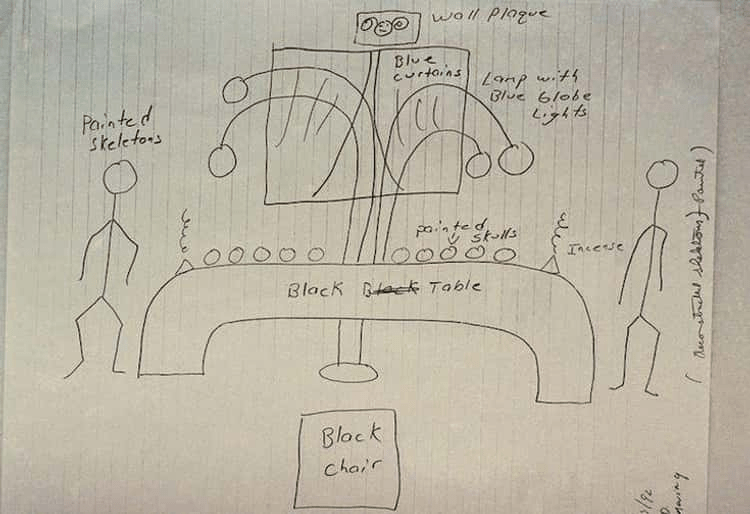
On July 22, 1991 Jeffrey Lionel Dahmer’s rampage through the streets of Milwaukee ended when he was arrested after two police officers were led to his home after picking up his latest intended (escaped) victim, Tracy Edwards. The 32-year-old black man was wandering the streets with handcuffs hanging from his wrist, and officers decided to investigate his claims that a ‘weird dude’ had drugged then restrained him (God, finally). When they got to Dahmer’s apartment he calmly offered to get the keys for the cuffs, and Edwards claimed that the knife he threatened him with was in the bedroom. When the officer went in to look for it he noticed numerous Polaroids of dead bodies lying around, and after he was apprehended and brought into custody he softly muttered: ‘for what I did, I should be dead.’ As investigators searched his apartment they found a head in his refrigerator, three more in the freezer, as well as various additional horrors, including preserved skulls, and jars with formaldehyde-soaked genitalia. During interviews Dahmer said that he planned to build a private altar made out of the skulls of his victims’ (complete with globe lights and incense), which he hoped would be ‘a place where I could feel at home.’

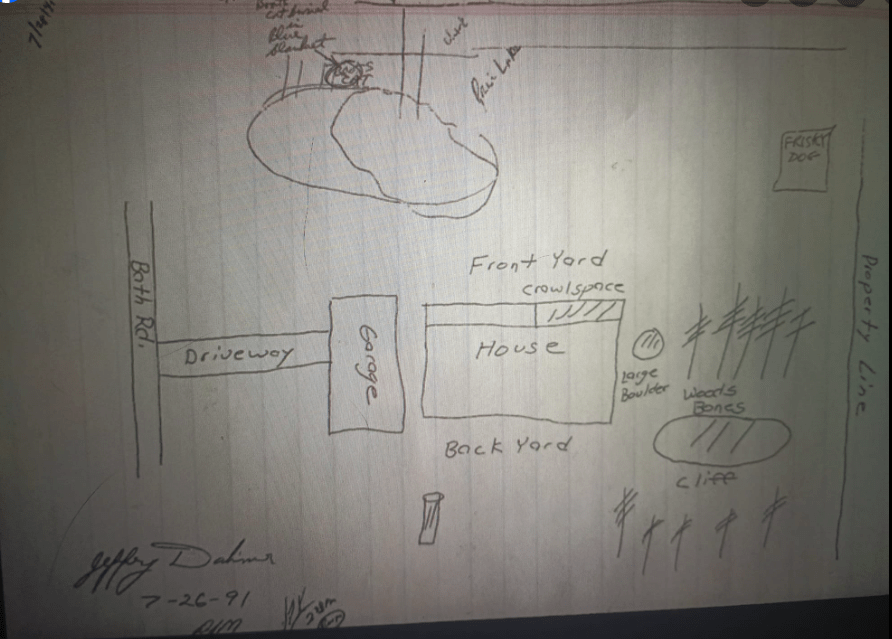
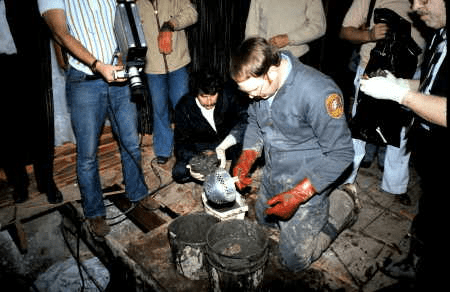
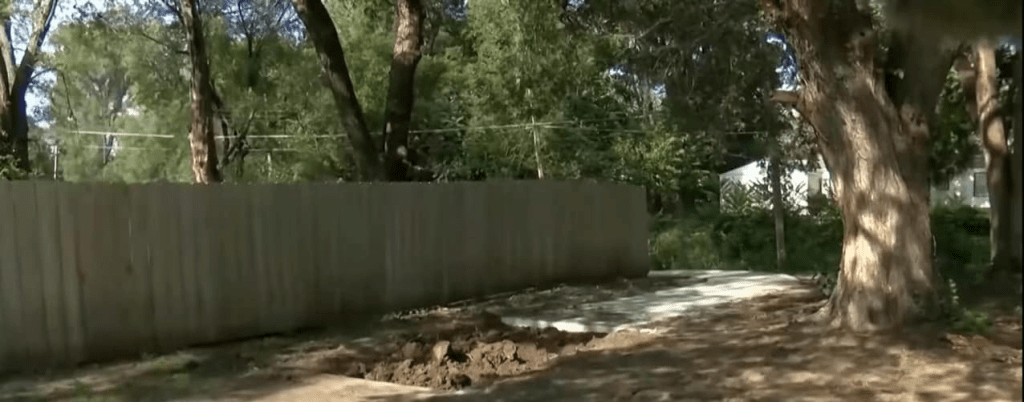
After his arrest in Wisconsin, the Summit County Sheriffs as well as the (local) Bath Township PD combed the property of the Dahmer family’s former home, and unearthed hundreds of bone fragments in the wooded area behind the residence (located at 4480 West Bath Road), specifically a vertebra and two molars of his first victim (Steven Hicks). Jeff was charged for his murder three days later.

Dahmer’s trial of the century began in January 1992, and given that the majority of his victims were black there was a great deal of racial tensions surrounding it, therefore strict security measures were taken, including an eight-foot wall of bulletproof glass separating him from the public. The fact that there was only a single black juror only seemed to make matters worse. Even though he confessed to the atrocities during interviews with police, Dahmer pleaded not guilty to all charges in the beginning… but he eventually changed his plea to ‘guilty by virtue of insanity.’ His defense argued that his gruesome behavior was proof that only someone that was insane would be able to commit such atrocious acts, but thankfully the jury believed the prosecution’s assertion that Jeff was completely aware that what he did was evil, but he chose to do it anyway.

On February 15, 1992 after only ten hours of deliberating, a jury of his peers found Jeffrey Dahmer guilty (and sane) on all counts. He was sentenced to fifteen consecutive life terms in prison, with a 16th one tacked on later that May. It’s been reported that he adjusted well to his new life at the Columbia Correctional Institution, and despite initially being kept away from the general population he was able to convince the jail administration to let him slowly integrate more with other inmates. He found religion in the form of books and photos sent to him by Lionel, and he was even given special permission by the prison to be baptized by a local pastor.

One day for his work assignment Jeffrey was instructed to work with two other inmates: convicted murderers Christopher Scarver and Jesse Anderson. After being left alone by guards to finish their work, Scarver brutally beat both men with a metal rod he swiped from the prison’s weight room, and on November 28, 1994 Dahmer was pronounced dead after roughly one hour; Anderson passed away a few days later. Right after the murders occurred a guard came out and publicly stated that Scarver (a suspected schizophrenic) said that ‘God told me to do it.’ After Jeff’s murder Scarver was bounced around from prison to prison, and eventually landed up in the Centennial Correctional Facility in Colorado, where he remains to this day; he is currently 59 years old. In 2012 an agent representing the killer announced that he planned on writing a tell-all book about how he killed Jeffrey Dahmer; as of March 2024 that book remains unpublished. 

In 2015 Christopher Scarver did an interview with The New York Post about why he killed his two fellow inmates. He told them that he was disturbed not only by Dahmer’s crimes but also because he had a habit of creating ‘severed limbs’ out of prison food as a way to antagonize his fellow inmates. After being ‘taunted’ by both of his victims during their work detail, Scarver said that he confronted Jeffrey about what he did before beating him and the second inmate to death. He also claimed that prison guards allowed the murders to happen because they left the three men alone together.

Joyce Dahmer passed away on November 27, 2000 at the age of 64 in Fresno, CA. Lionel and Shari Dahmer lived in Seville, Ohio until their deaths: Shari passed away on January 13, 2023, and Lionel died eleven months later from a heart attack on December 5, 2023. Jeff’s little brother David is still alive, but doesn’t seem to go out in public very much (or at all, really). I did find some recent pictures of him from the one time he recently ventured out and about, but the way they were taken I’m not including them here because it feels very intrusive and invasive.

Works Cited:
https://finwise.edu.vn/jeffrey-da-1693995524238782/ Retrieved on March 1, 2024.
Hicks, Tony (April 27, 2012). ‘Hicks: Jeffrey Dahmer’s killer is shopping a memoir.’ Contra Costa Times. Retrieved March 18, 2024.
https://en.wikipedia.org/wiki/Jeffrey_Dahmer Retrieved on March 19, 2024.
Smith, Jo (September 18, 2023). ‘Jeffrey Dahmer Brags About Mummified Genitals in Box in Newly Released Prison Call.’ Retrieved on March 19, 2024 from https://www.mirror.co.uk/news/us-news/jeffrey-dahmer-brags-mummified-genitals-30967305
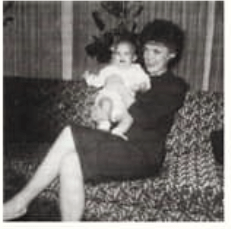
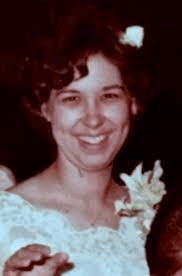
Joyce Dahmer with a baby Jeffrey. Photo courtesy of the Dahmer family archives.
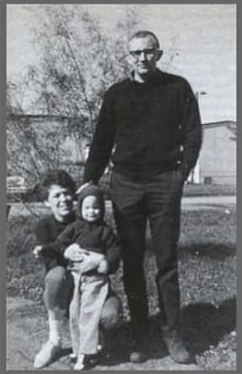
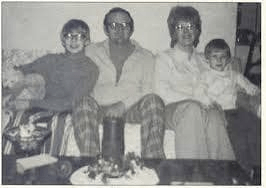
Lionel, Joyce and a young Jeff. Photo courtesy of the Dahmer family archives.
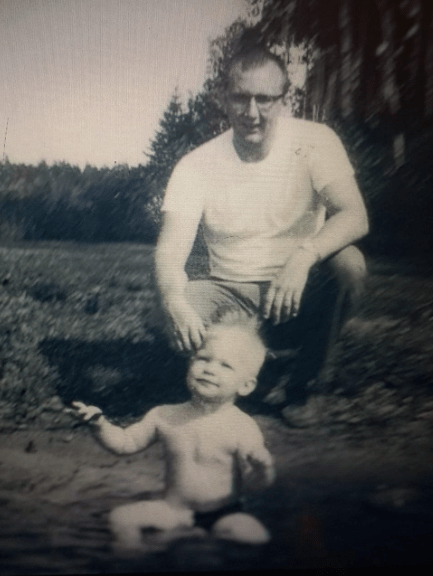
Lionel and a baby Jeff. Photo courtesy of the Dahmer family archives.
Lionel, Joyce and a baby Jeffrey. Photo courtesy of the Dahmer family archives.
Joyce and baby Jeffrey. Photo courtesy of the Dahmer family archives.
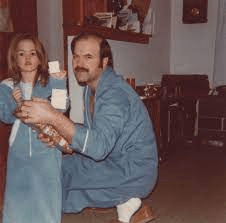
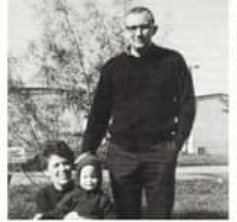
Lionel and a young Jeff. Photo courtesy of the Dahmer family archives.
Another shot of Lionel and a young Jeffrey. Photo courtesy of the Dahmer family archives.
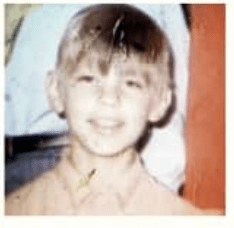
A young Jeffrey Dahmer. Photo courtesy of the Dahmer family archives.
An early shot of the Dahmers. Photo courtesy of the Dahmer family archives.
A screenshot of Lionel and a young Jeffrey. Photo courtesy of the Dahmer family archives.
Another screenshot of Lionel and a young Jeffrey. Photo courtesy of the Dahmer family archives.
A screenshot of a young Jeffrey. Photo courtesy of the Dahmer family archives.
A young Jeffrey. Photo courtesy of Netflix.
Jeffrey with his mom and baby brother David. Photo courtesy of the Dahmer family archives.
Jeffrey giving David a kiss. Photo courtesy of the Dahmer family archives.
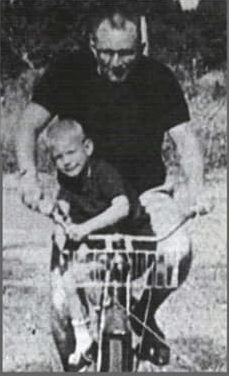
Jeff and his dad on a bike. Photo courtesy of Netflix.
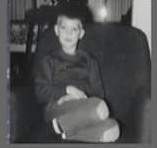
A B&W shot of a young Jeff. Photo courtesy of the Dahmer family archives.
Another B&W shot of a young Jeffrey. Photo courtesy of the Dahmer family archives.
A young Dahmer standing next to a flower. Photo courtesy of Netflix.
A screenshot of little Jeffrey Dahmer at an amusement park. Photo courtesy of Netflix.
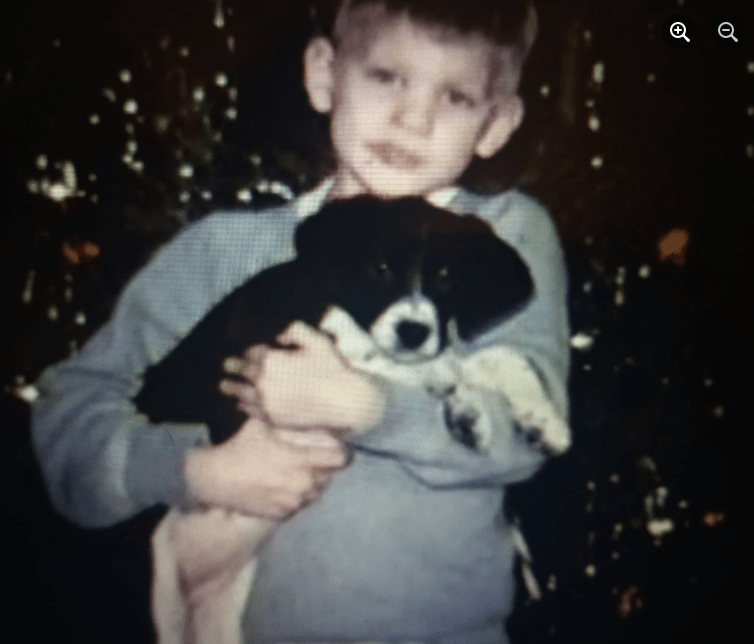
Little Jeffrey holding the family dog. Photo courtesy of Netflix.
Another shot of Jeff holding his dog. Photo courtesy of Netflix.
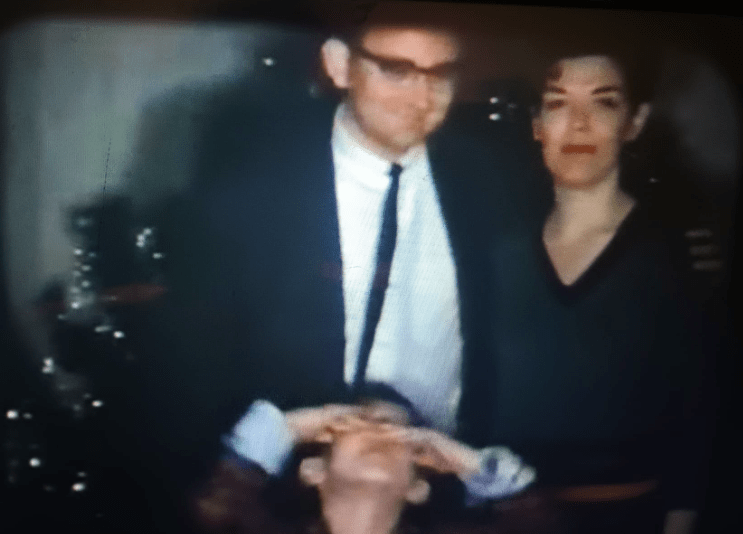
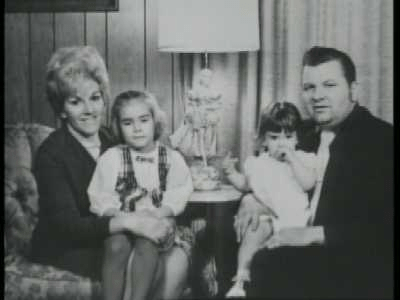
A picture of Joyce, Lionel, and Joyce. Photo courtesy of Netflix.
A young Jeffrey, playing. Photo courtesy of Netflix.
A young Jeffrey. Photo courtesy of the Dahmer family archives.
Jeff, Lionel, and David Dahmer. Photo courtesy of Murderpedia.
A B&W shot of the Dahmer family. Photo courtesy of Netflix.
A young Jeff. Photo courtesy of Netflix.
Jeffrey and David Dahmer. Photo courtesy of the Dahmer family archives.
A young Jeffrey Dahmer. Photo courtesy of Netflix.
A young Jeffrey in a swimming pool. Photo courtesy of Netflix.
Another shot of Jeffrey Dahmer in a swimming pool. Photo courtesy of Netflix.
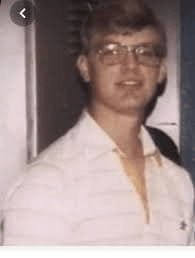
A teenage Jeffrey Dahmer.
A teenage Jeffrey Dahmer from his time at Revere High School.
The Dahmer’s sitting around their kitchen table. Photo courtesy of Netflix (I apologize for the poor quality, it was the only one I could find).
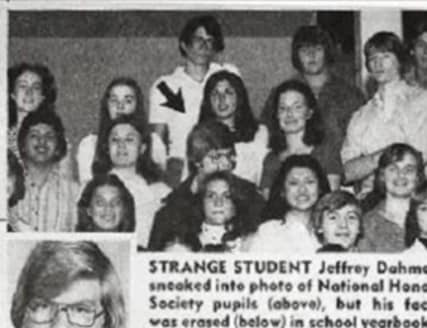
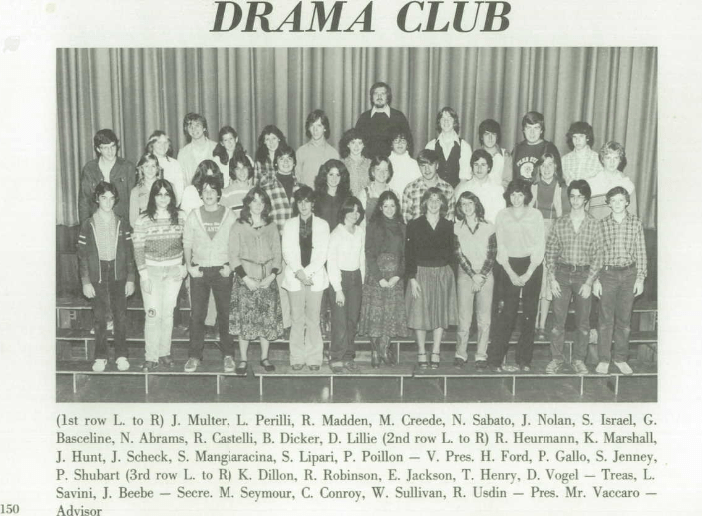
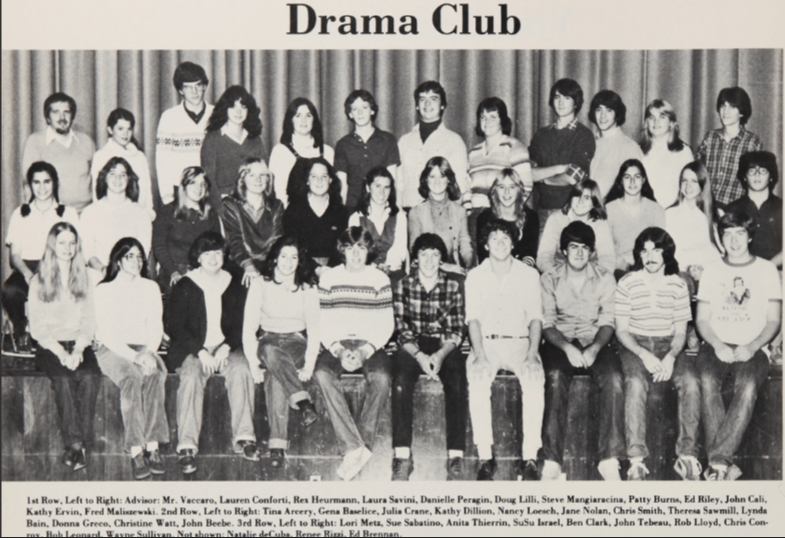
Dahmer in a photo for NHS, which he did not belong to. He would frequently sneak into yearbook photos for clubs and organizations he didn’t belong to.
Dahmer is blacked out in a NHS picture he snuck into.
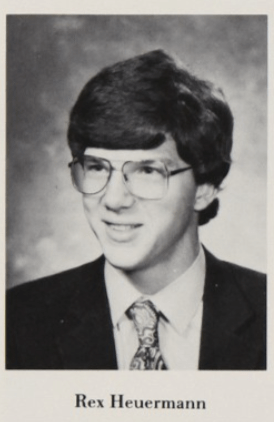
Jeffrey Dahmer from the 1978 Revere High School yearbook.
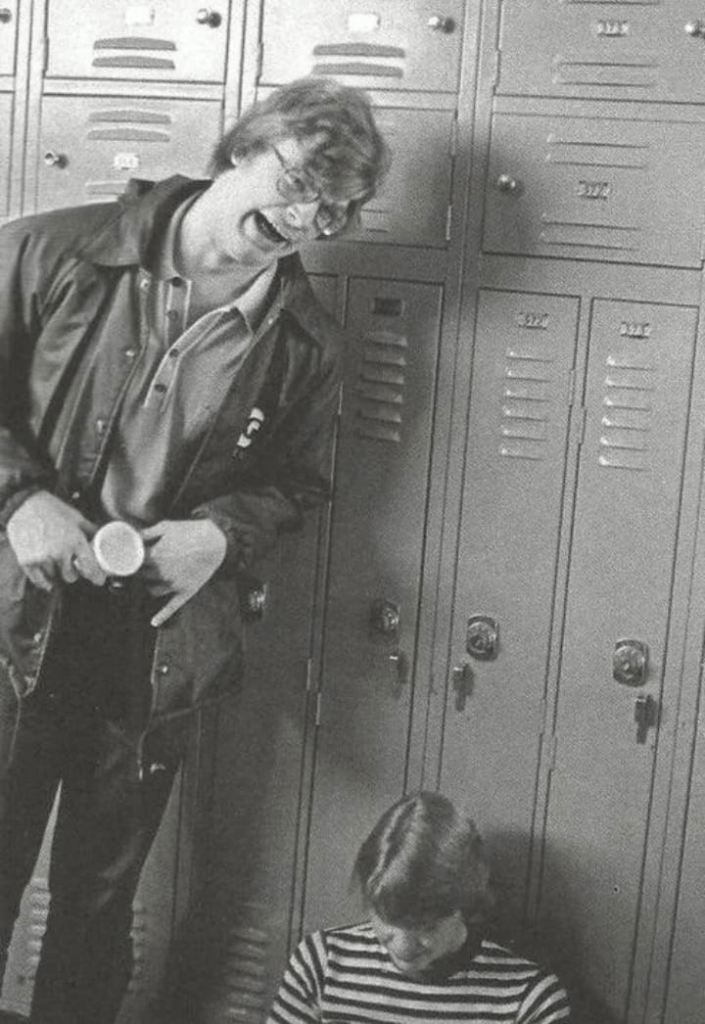
Dahmer making a face. Photo courtesy of Netflix.
Dahmer with a schoolmate from Revere High School.
Photo courtesy of Netflix.
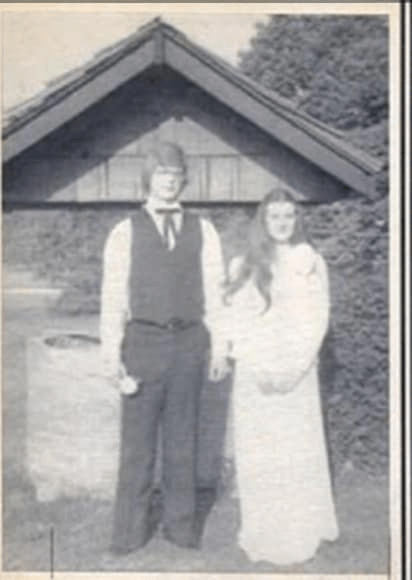
Dahmer at prom, with his date. Apparently during the event Dahmer left and went to McDonald’s. Photo courtesy of ‘Maniac Nanny.’
Jeffrey Dahmer on the day of his graduation from Revere High School. Photo courtesy of Netflix.
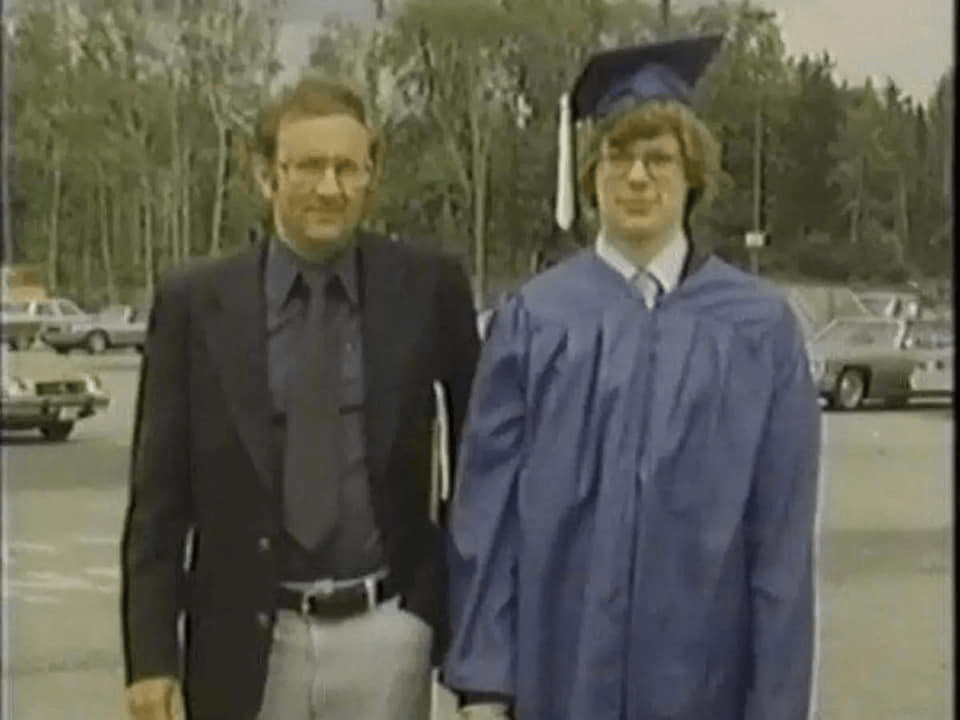
Jeffrey Dahmer with his father on the day of his high school graduation. Photo courtesy of Netflix.
Jeffrey, Lionel, and David Dahmer. Photo courtesy of Murderpedia.
Jeffrey Dahmer. Photo courtesy of Netflix.
There’s a few pictures of Dahmer floating that are supposedly from his days in the military that are bogus, this is apparently one of the few that exist. Photo courtesy of Netflix.
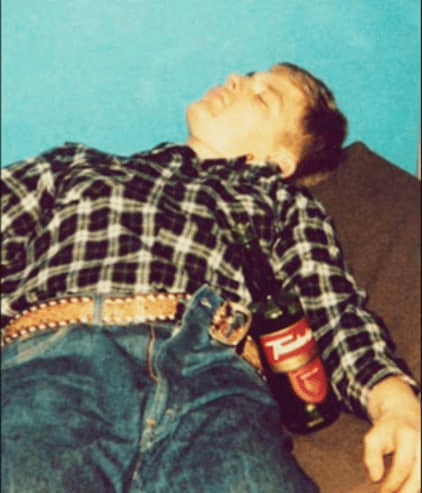
A photo of Dahmer passed out during his time in Germany. He’s drinking Thunderbird brand wine, which apparently is super cheap.
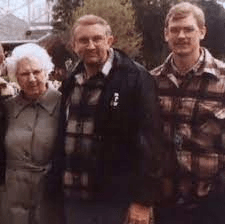
Jeff and Lionel. I’m not sure who the woman is. Photo courtesy of the Dahmer family archives.
Jeffrey, Lionel, and David Dahmer. Photo courtesy of Murderpedia.
Jeffrey Dahmer in a screen grab from an (infamous) old video recording. Photo courtesy of Murderpedia.
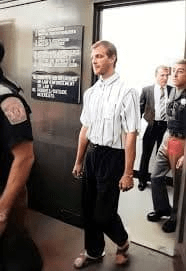
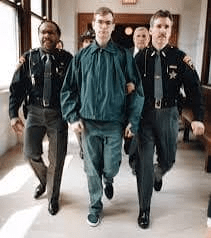
Dahmer walking into court after his arrest. Photo courtesy of Murderpedia.
A shot of Dahmer being escorted into court. Photo courtesy of Murderpedia.
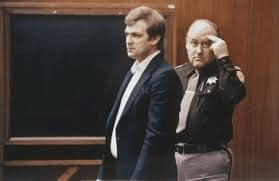
A shot of Dahmer during his trial. Photo courtesy of Murderpedia.
Lionel and Jeff doing an interview. Photo courtesy of MSNBC.
Lionel and Jeff during Jeff’s time in prison. Photo courtesy of Murderpedia.
Jeffrey Dahmer in a booking shot from Bath, Ohio in 1981. Photo courtesy of Agence France-Presse Handout.
Jeffrey Dahmer in a booking shot from August 1982. Photo courtesy of the Milwaukee County Sheriff’s Department.
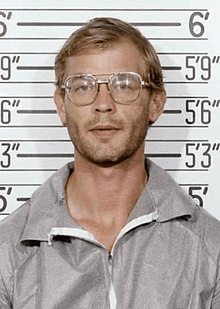
Dahmer’s 1991 mugshot
Jeff while in prison. Photo courtesy of Murderpedia.
Another view of the Oxford Apartments at 924 North 25th Street where Dahmer lived and committed a large amount of his murders. Photo courtesy of The Milwaukee Journal Sentinel.
The flag flying at half-staff outside the Oxford Apartments after Dahmer was arrested. Photo courtesy of Milwaukee Journal Sentinel.
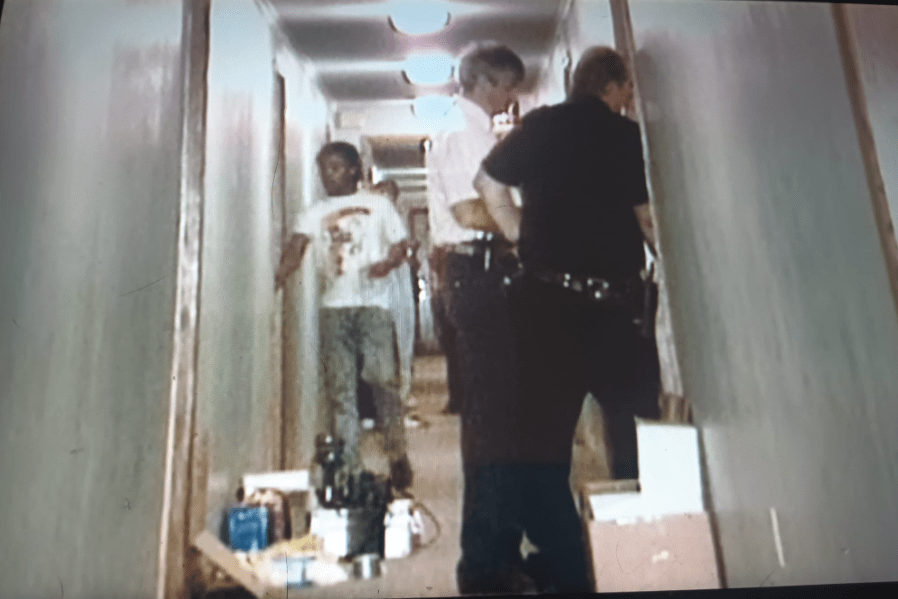
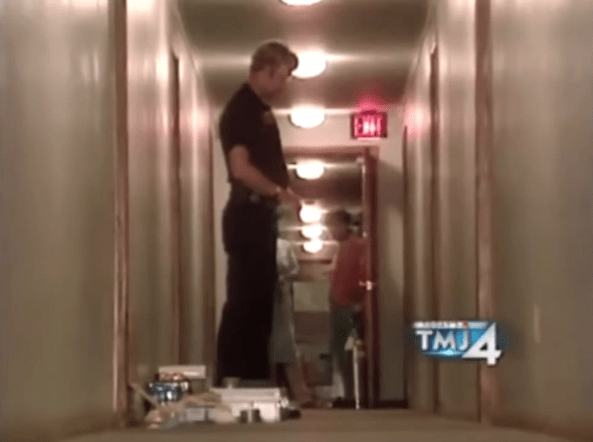
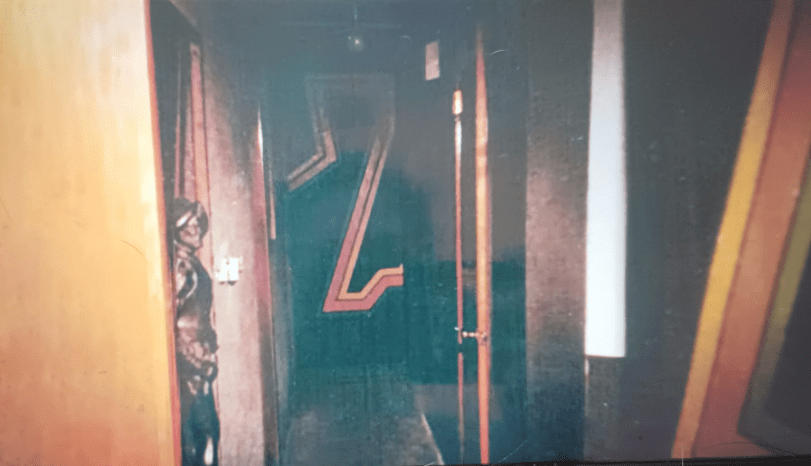
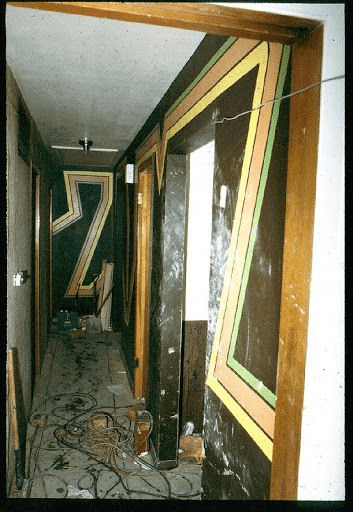
A photo of the hallway outside of Dahmer’s apartment. Screenshot courtesy of Netflix.
Another shot of the hallway outside of Dahmer’s apartment. Screenshot courtesy of Netflix.
Dahmer’s former neighbor Pamela Bass stands outside his apartment. Photo courtesy of Oxygen.
A shot of Dahmer’s apartment door after his 1991 arrest. Screenshot courtesy of Netflix.
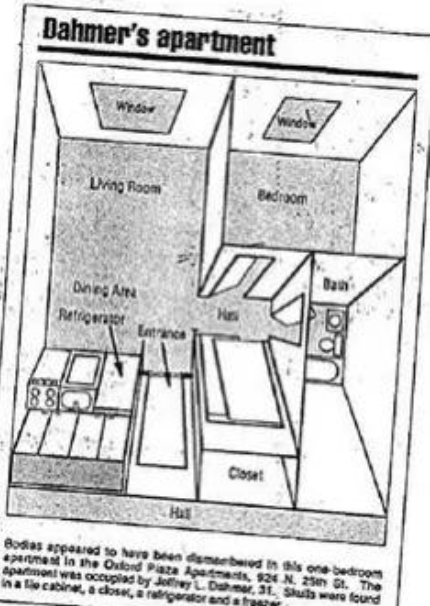
The layout of Dahmer’s apartment. Photo courtesy of Redditor ‘Sunny86JD.’
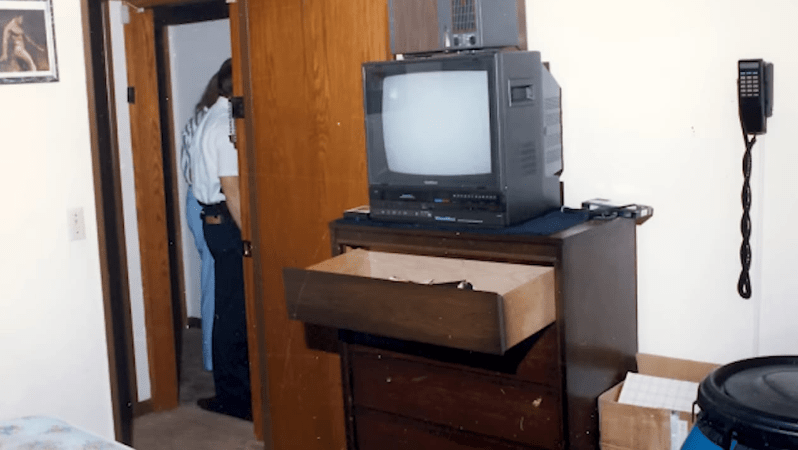
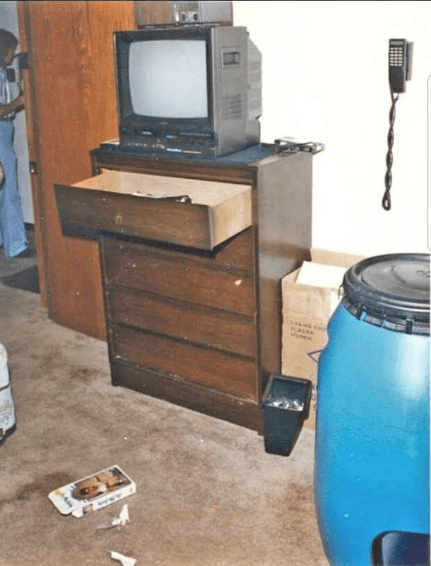
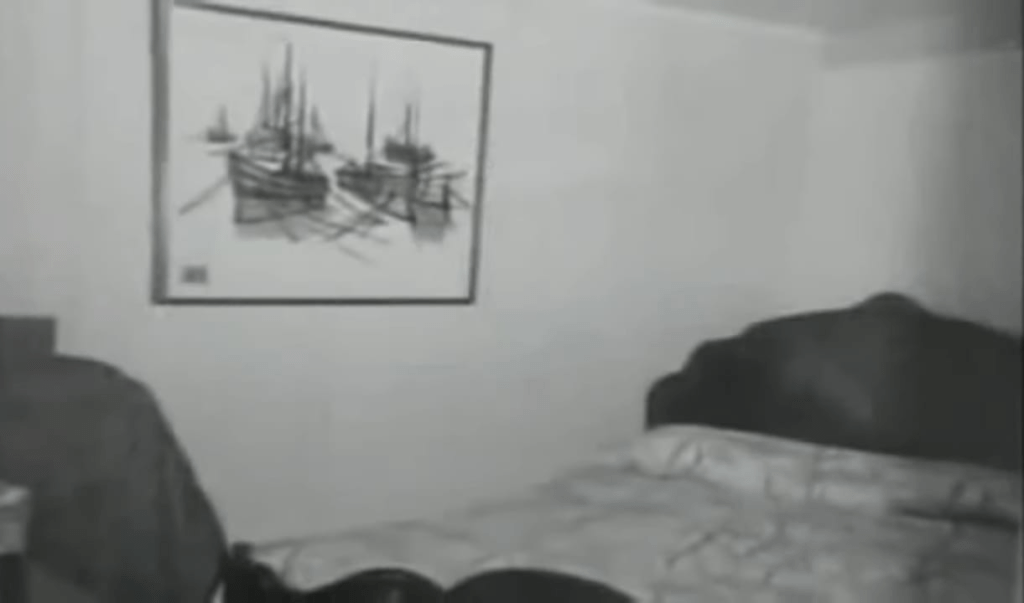
A shot inside Dahmer’s bedroom, including his dresser and TV. Photo courtesy of the Milwaukee County Sheriff’s Department.
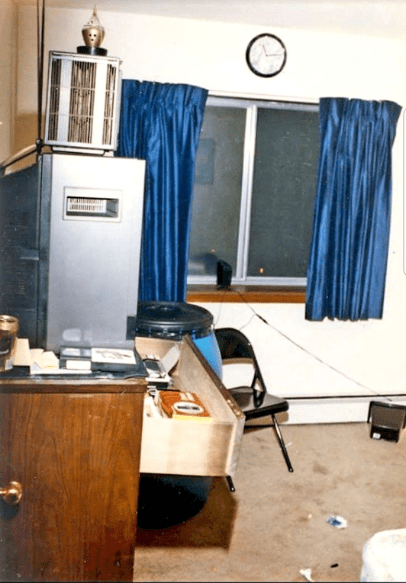
A shot inside Dahmer’s bedroom. Photo courtesy of Murderpedia.
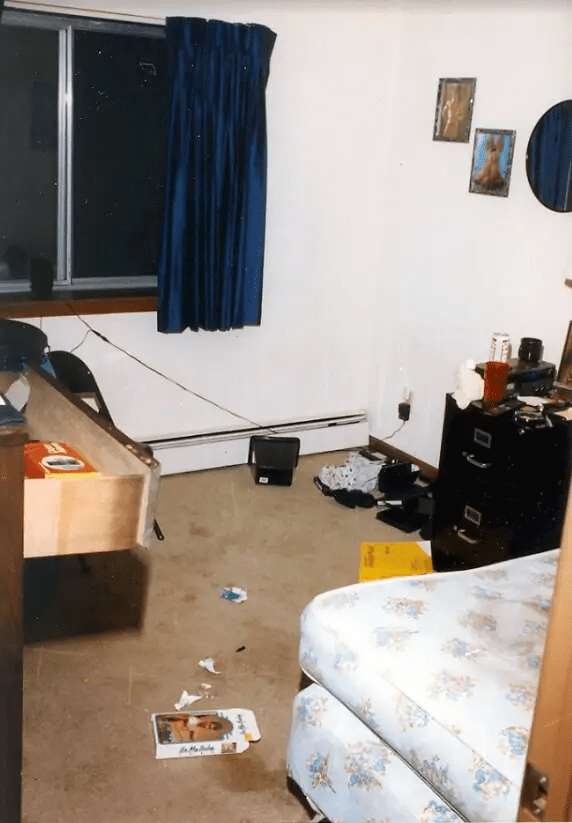
A shot inside Dahmer’s bedroom. Photo courtesy of Redditor ‘Sunny86JD.’
Another shot inside Dahmer’s bedroom. Photo courtesy of Murderpedia.
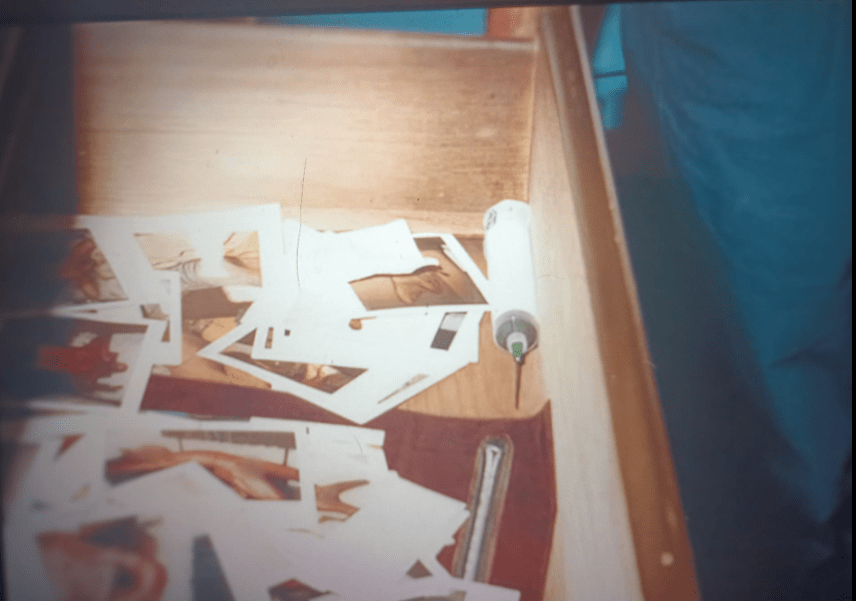
Dahmer’s drawer full of Polaroids. Notice the needle, which was involved in his ‘experiments.’ Photo courtesy of Netflix.
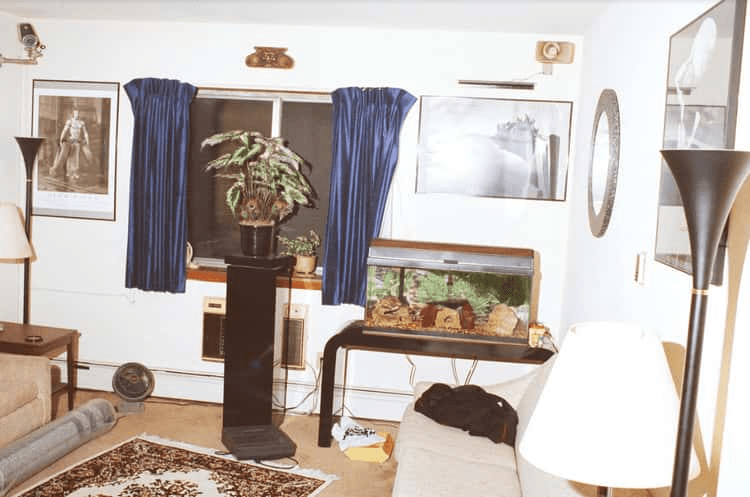
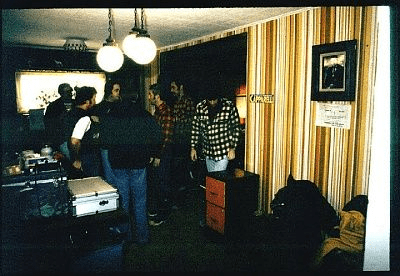
Jeffrey Dahmer’s living room in his apartment. If you look in the top corner, near the ceiling you’ll notice a camera. Apparently Dahmer spent close to $1,000 for a security system (he installed extra locks on his doors as well). Photo courtesy of Murderpedia.
The other side of Dahmer’s living room (notice his infamous smelly fish tank he said was responsible for the bad smell in his apartment). Photo courtesy of Murderpedia.
Another shot of Dahmer’s living room. Photo courtesy of Murderpedia.
A shot of Dahmer’s bathroom (it looks like its attached to his living room). Photo courtesy of Netflix.
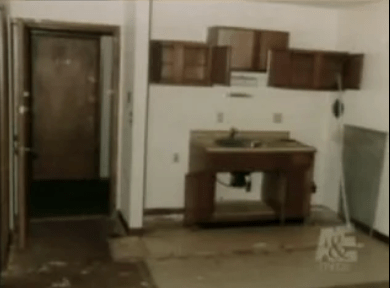
A shot of Dahmer’s apartment. Photo courtesy of A&E.
A shot of Dahmer’s toilet inside of his loo. Photo courtesy of TMJ4.
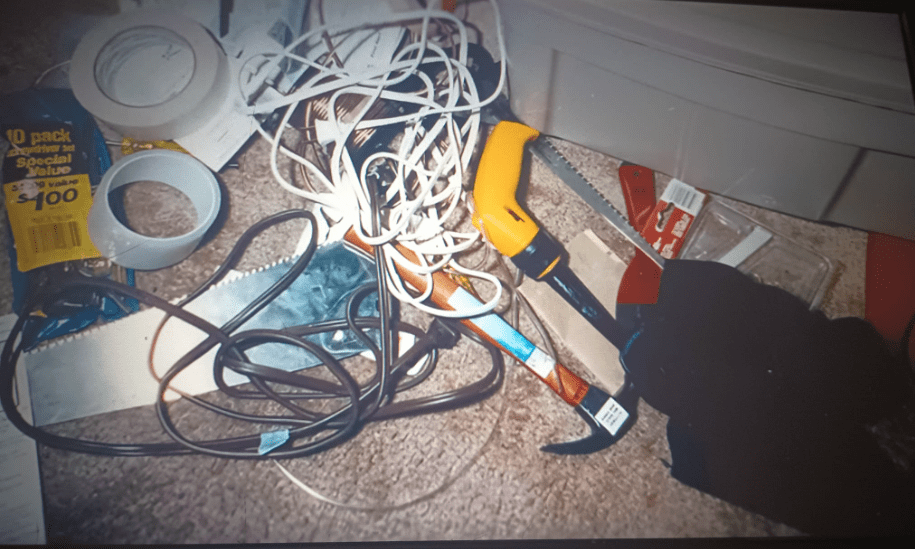
Tools Dahmer used to dismember his victims. Photo courtesy of The Milwaukee Police Department.
Some additional tools Dahmer used to dismember his victims. Photo courtesy of The Milwaukee Police Department.
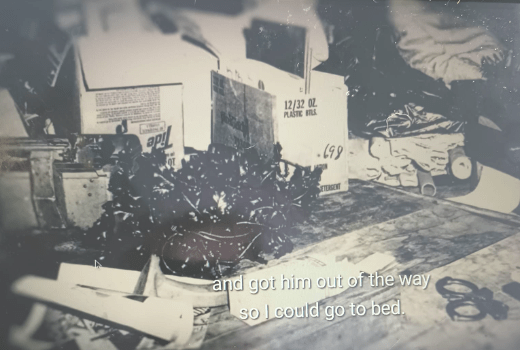
A shot of the inside of Dahmer’s closet. Photo courtesy of The Milwaukee Police Department.
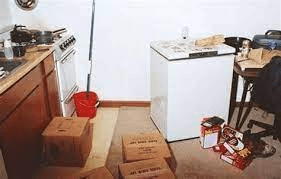
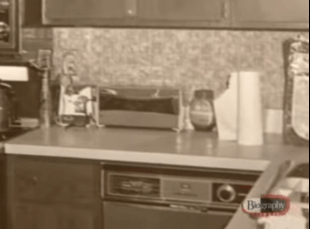
A shot of Dahmer’s kitchen. Photo courtesy of The Milwaukee Police Department.
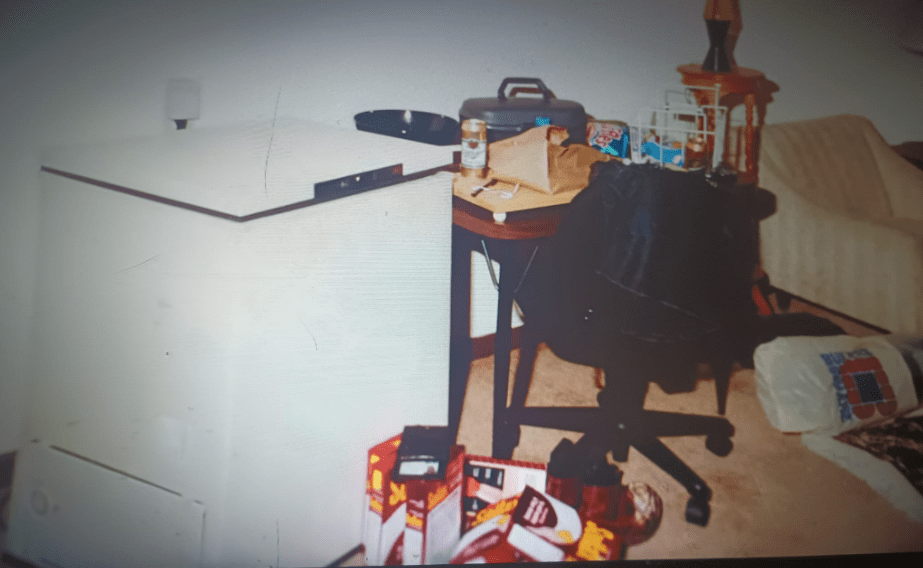
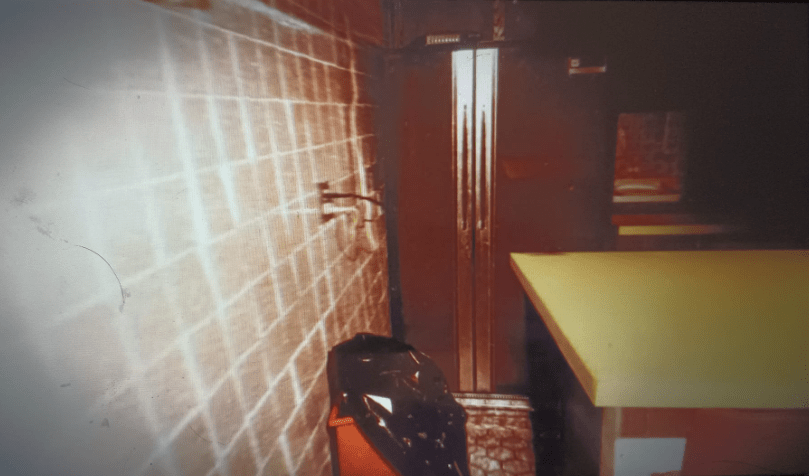
The freezer and boxes of acid in Dahmer’s kitchen. Photo courtesy of The Milwaukee Police Department.
A different perspective in Dahmer’s kitchen. Photo courtesy of Murderpedia.
A freezer in Dahmer’s kitchen. Photo courtesy of Murderpedia.
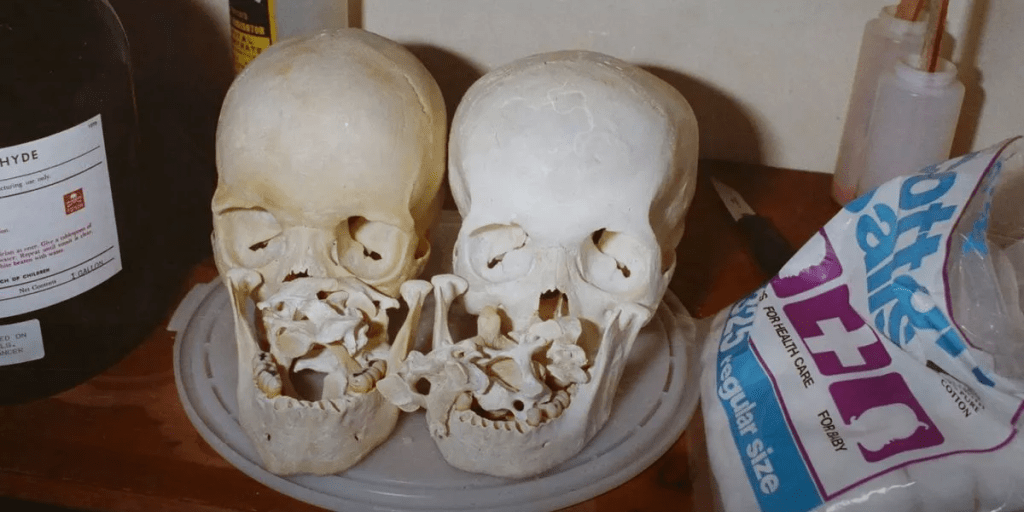
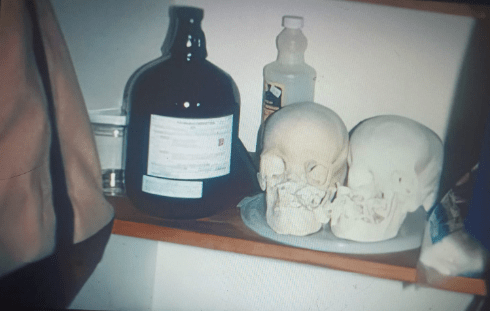
Two skulls found in Jeffrey’s apartment. Photo courtesy of Murderpedia.
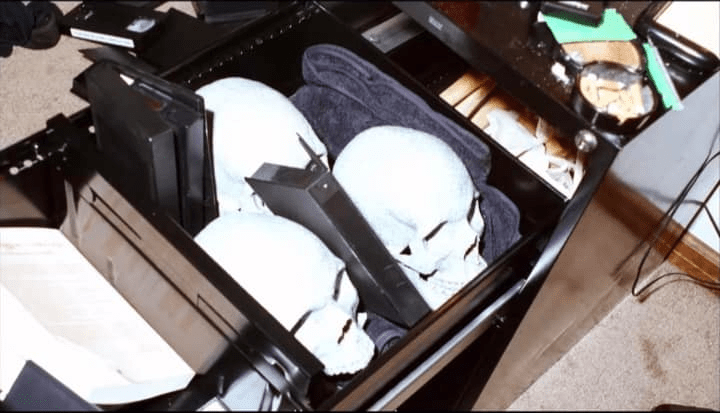
Three skulls inside the top drawer of Dahmers bedside filing cabinet.
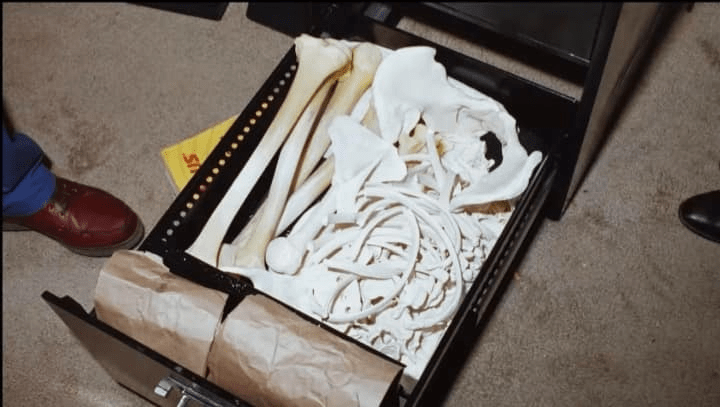
The full skeleton of Ernest Miller located in the bottom drawer of Dahmer’s bedside filling cabinet.
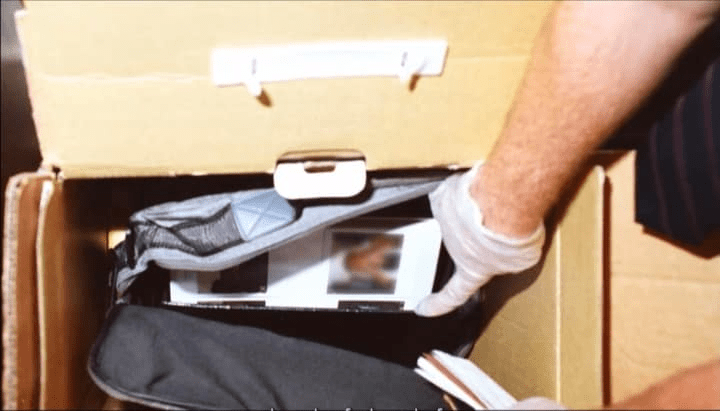
Two skulls inside a cardboard box inside Dahmer’s bedroom.
Some Polaroids that investigators found inside of a laptop cover inside of the cardboard box.
Some skulls found in Dahmer’s apartment. Photo courtesy of the Milwaukee Police Department.
Plastic bags that contained human remains, including two heads, the body of Oliver Lacey, and an assortment of body pats.
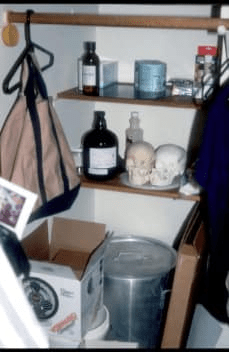
A closet in Jeffrey’s apartment. Photo courtesy of Murderpedia.
A close-up of some items found in a closet in Jeffrey’s apartment. Photo courtesy of Murderpedia.
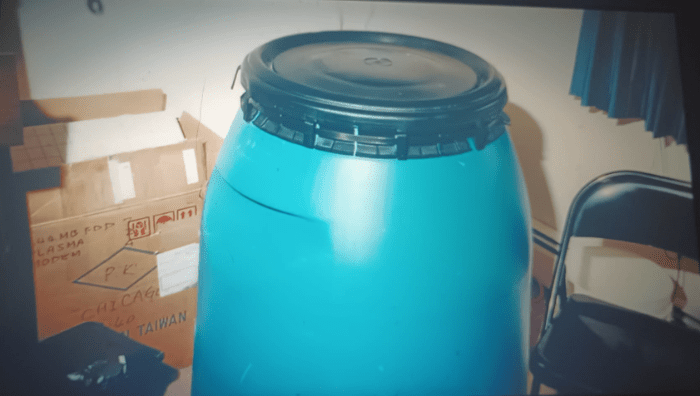
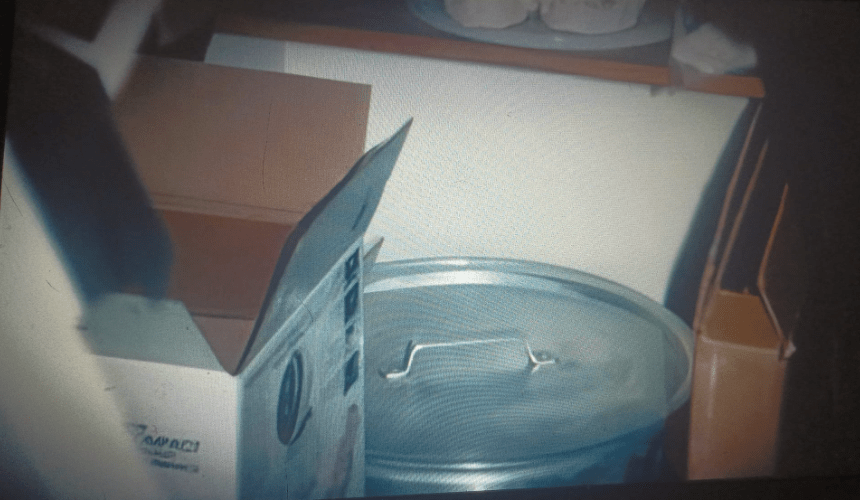
A vat of acid Dahmer used to dissolved bones. Photo courtesy of the Milwaukee Police Department
A giant pot Dahmer used to dissolved bones. Photo courtesy of the Milwaukee Police Department.
A picture of Dahmer’s freezer in his apartment. Photo courtesy of Murderpedia.
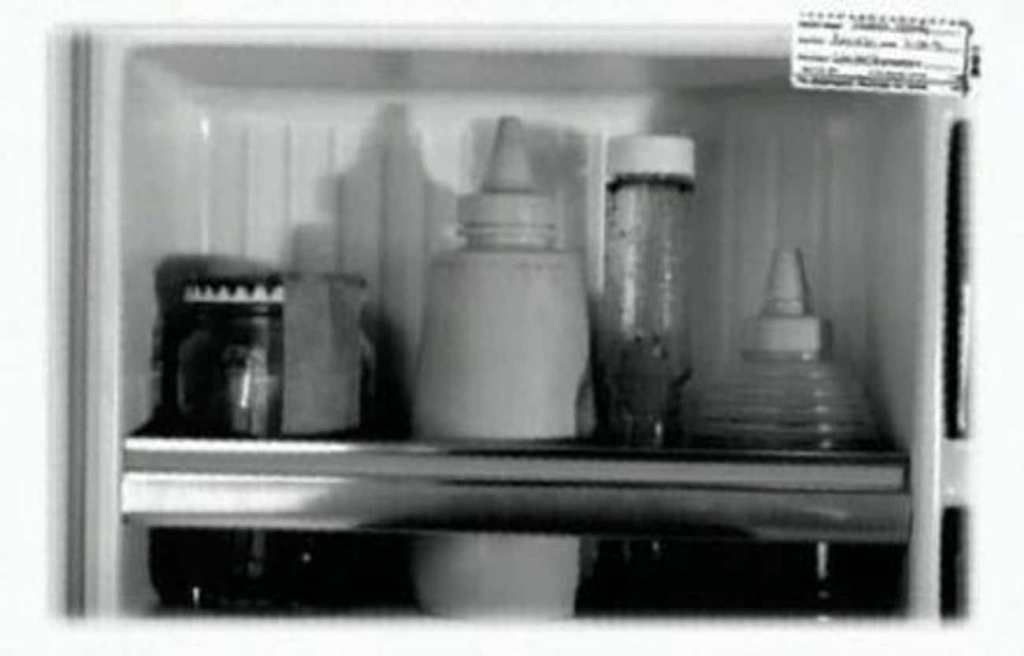
A picture of Dahmer’s refrigerator in his apartment. Photo courtesy of Murderpedia.
A picture of Dahmer’s refrigerator door in his apartment. Photo courtesy of Murderpedia.
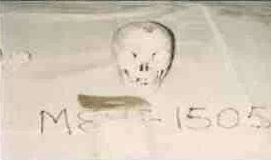
A skull found in Dahmer’s apartment. Photo courtesy of Murderpedia.
Some miscellaneous body parts of some of Dahmer’s victims. Photo courtesy of Murderpedia.
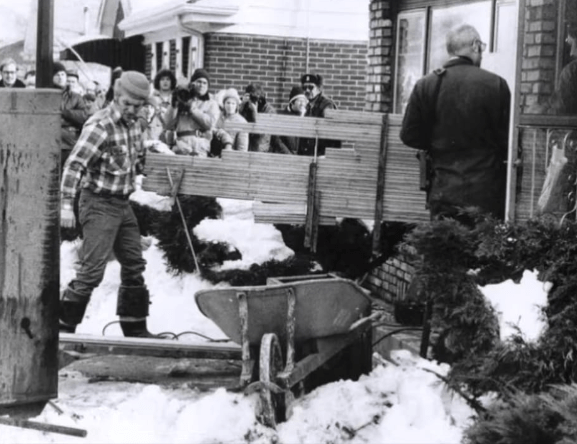
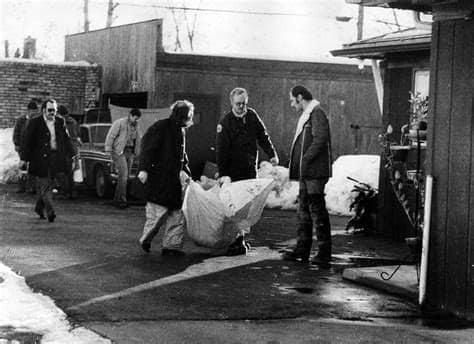
Police bringing Dahmer’s bed out of his apartment. Screen grab courtesy of the Milwaukee Police Department.
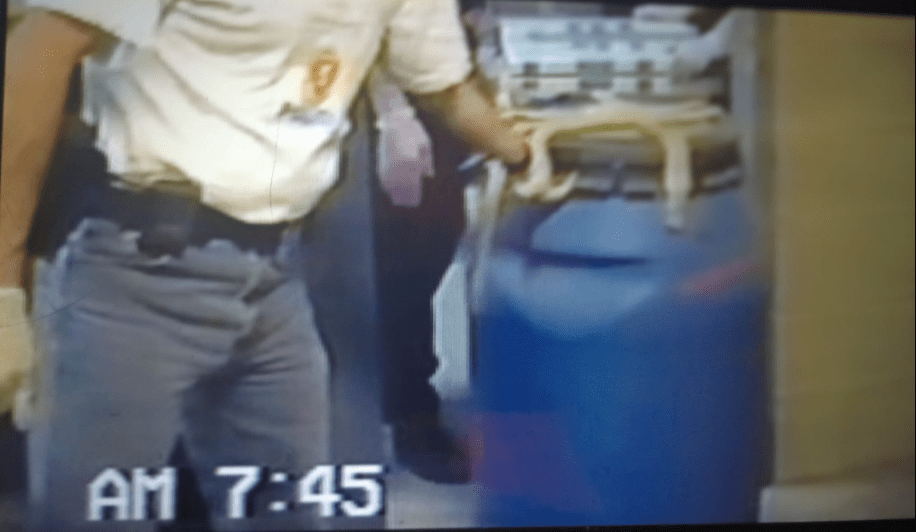
LE bringing the gigantic vat of acid out of Jeff’s apartment. Screen grab courtesy of the Milwaukee Police Department.
Police bringing items out of Dahmer’s apartment. Screen grab courtesy of the Milwaukee Police Department.
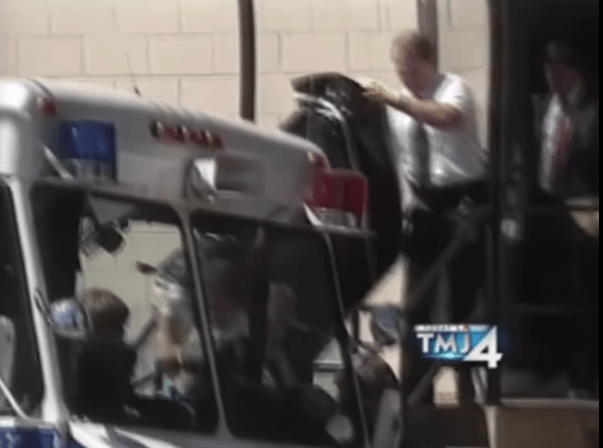
Police bringing items out of Dahmer’s apartment. Screen grab courtesy of TMJ4.
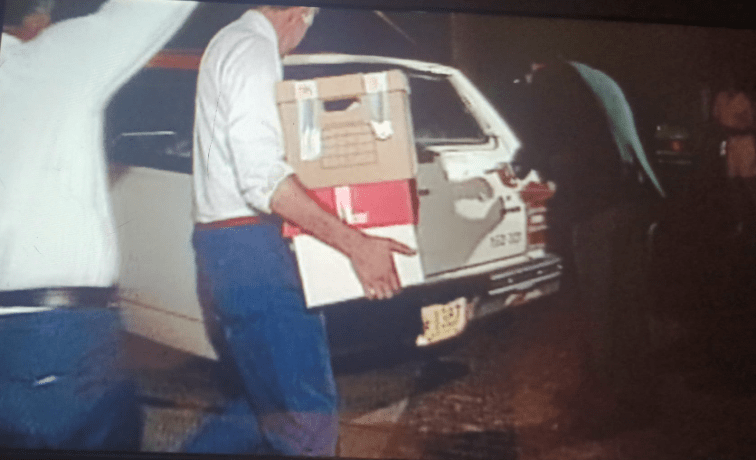
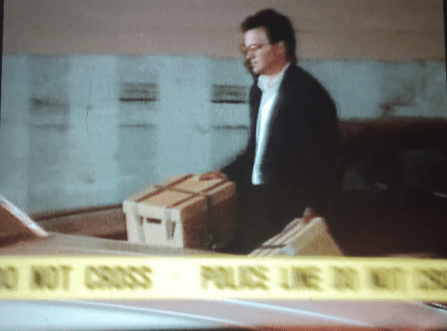
LE taking evidence out of Dahmer’s apartment. Screen grab courtesy of Netflix.
LE taking evidence out of Dahmer’s apartment and putting it into an official vehicle. Screen grab courtesy of Netflix.
LE taking evidence out of Dahmer’s apartment. Screen grab courtesy of Netflix.
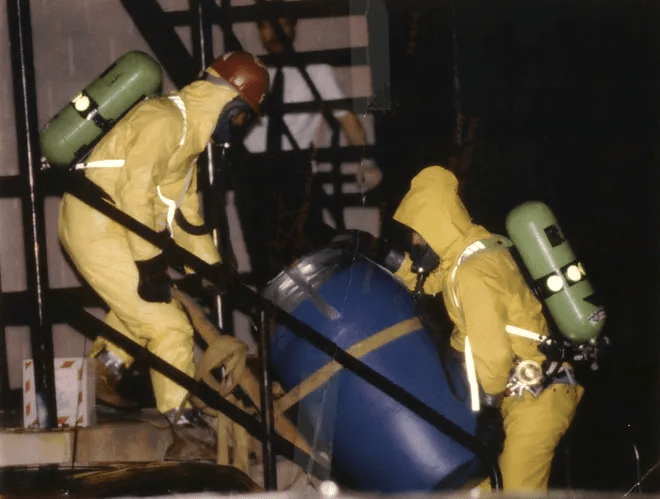
Technicians wearing hazmat suits lower Dahmer’s freezer down the stairs at his apartment building in 1991. Photo courtesy of The Milwaukee Journal Sentinel.
Another shot of techs lowering Dahmer’s freezer down the stairs at his apartment. Photo courtesy of The Milwaukee Journal Sentinel.
Technicians wearing hazmat suits lower a vat of acid down the stairs at Dahmer’s apartment building in 1991. Photo courtesy of The Milwaukee Journal Sentinel.
Technicians securing items taken out of Dahmer’s apartment on official police transport vehicles. Photo courtesy of The Milwaukee Journal Sentinel.
The boxes of acid being taken out of Dahmer’s apartment after his arrest in 1991. Photo courtesy of The Milwaukee Journal Sentinel.
Some of the vehicles used to take items out of Dahmer’s apartment. Screen grab courtesy of the Milwaukee Police Department.
LE looking around the outside of Dahmer’s apartment building after his arrest in 1991. Screen grab courtesy of TMJ4.
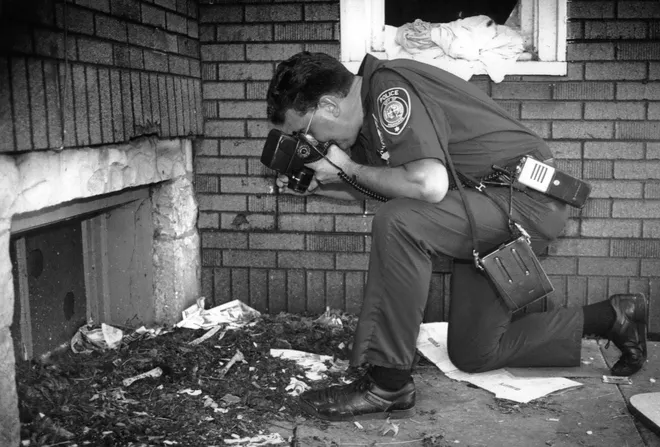
A police photographer taking pictures of some bones that were found in the back of a building across the alley from the apartment building where Dahmer resided. It could not be determined at the time whether they were human (I believe they were eventually determined to be unrelated to his case). Photo courtesy of the Milwaukee Journal Sentinel.
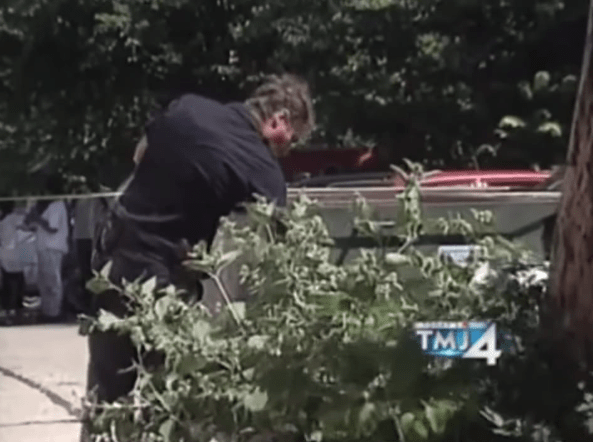
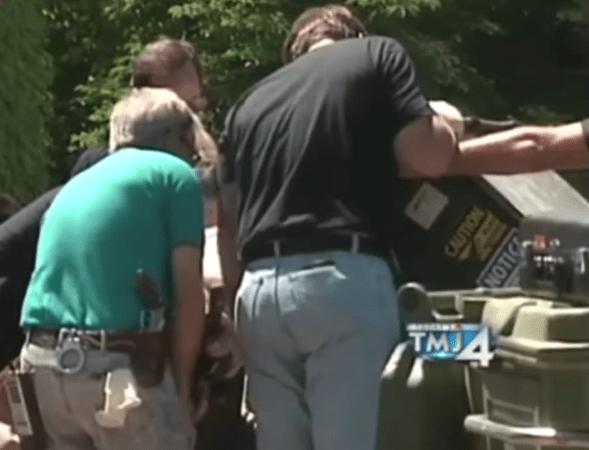
After combing through Dahmer’s apartment investigators went through the dumpster in the back of his apartment building. Photo courtesy of TMJ4.
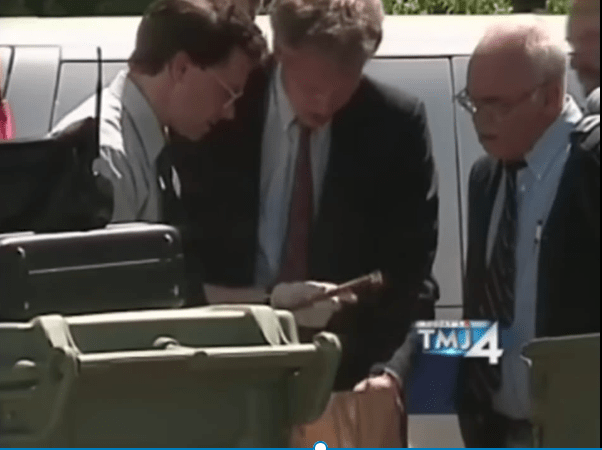
Investigators looking at a bone found in a dumpster located in the back of Dahmer’s apartment building. Photo courtesy of TMJ4.
After combing through Dahmer’s apartment investigators went through the garbage located in the back of his apartment building. Photo courtesy of TMJ4.
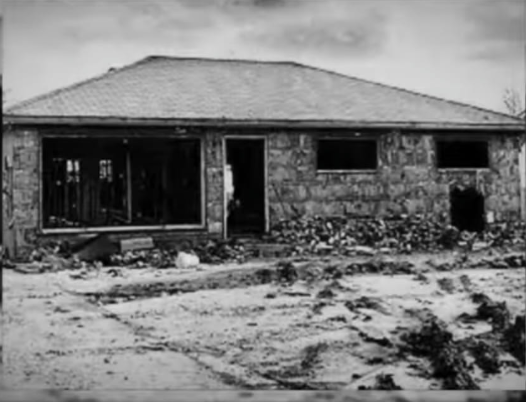
The apartment where Jeffrey Dahmer once resided was torn down in 1992.
The lot where Dahmer’s apartment once stood.
Some of Dahmer’s Polaroids. Photo courtesy of ‘Maniac Nanny.’
Dahmer victim, Ricky Beeks.
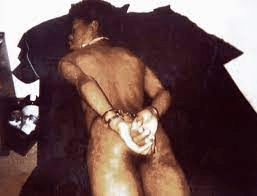
A post-mortem Ricky Beeks. Photo courtesy of Murderpedia.
A post-mortem, handcuffed Ricky Beeks. Photo courtesy of Murderpedia.
A post-mortem shot of Ricky Beeks. Photo courtesy of ‘NairaLand.’
Another post-mortem shot of Ricky Beeks. Photo courtesy of ‘NairaLand.’
The beginning of Dahmer’s dissection of Ricky Beeks. Photo courtesy of Murderpedia.
The more advanced stages of Dahmer’s dissection of Ricky Beeks. Photo courtesy of Murderpedia.
SOne body parts of Dahmer victim, Ricky Beeks. Photo courtesy of ‘NairaLand.’
Dahmer victim, Ricky Beeks. Photo courtesy of ‘NairaLand.’
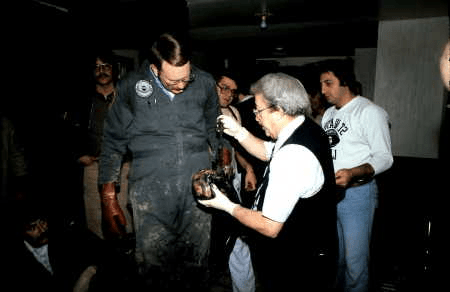
The ME standing with some of the remains found at Dahmer’s apartment.
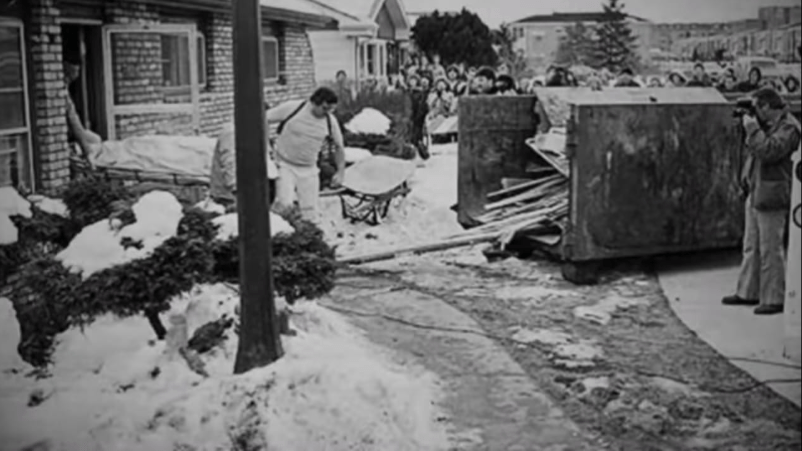
The Summit County Sheriff’s Department looking through the area behind Dahmer’s childhood home. Photo courtesy of Supernaught.
Another shot of the Summit County Sheriff’s Department looking through the area behind Dahmer’s childhood home. Photo courtesy of Supernaught.
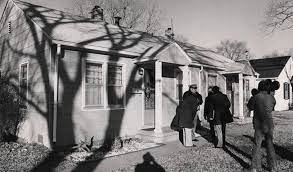
A local kid reading a note on the door at the home of Catherine Dahmer, which is located on South 57th Street in West Allis. The handwritten note asks that the family be left alone, and mentioned that they have been receiving prank calls. Photo courtesy of Milwaukee Journal Sentinel.
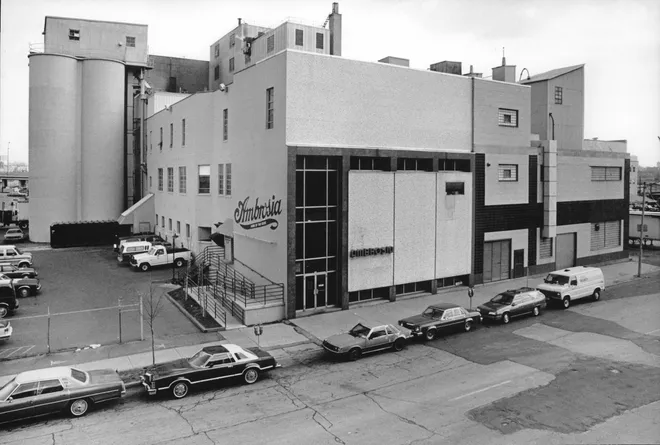
The Ambrosia candy company, where Dahmer briefly worked.
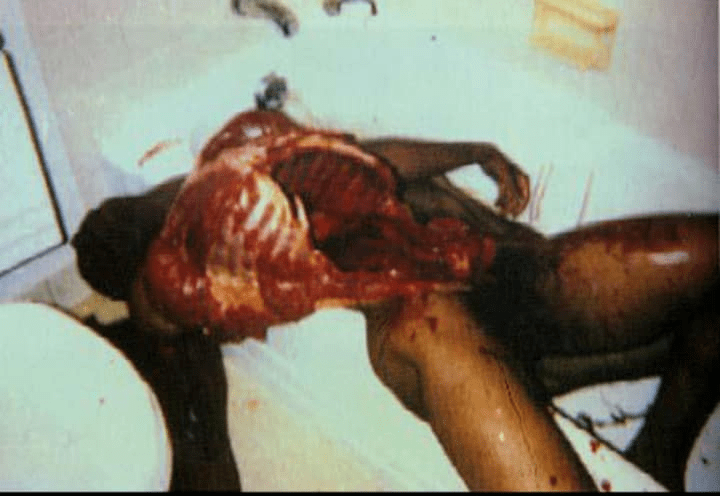
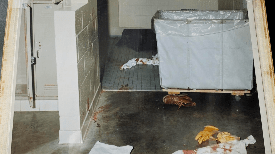
The bathroom where Jeffrey Dahmer was killed. Photo courtesy of Redditor ”DogaCascio.’
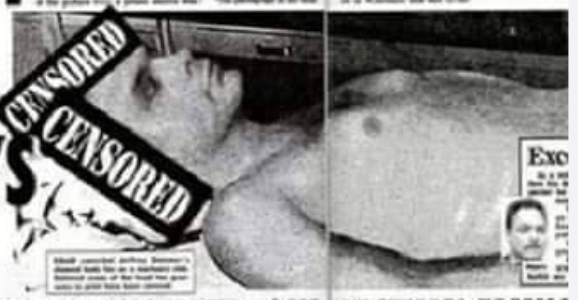
The remains of Jeffrey Dahmer. On November 28, 1994 he was bludgeoned to death by convicted killer Christopher Scarver. Photo courtesy of Redditor ‘Frikydraws.’
The remains of Jeffrey Dahmer. Photo courtesy of Redditor ‘Frikydraws.’
Dahmer’s autopsy photo. Courtesy of Redditor ‘Frikydraws.’
Another post-mortem shot of Dahmer.
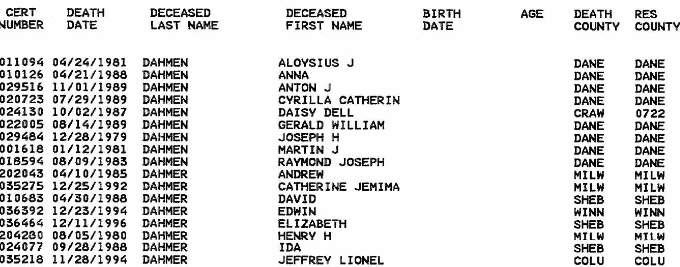
Jeff’s name listed in the Wisconsin death index from 1979 through 1997.f
Dahmer’s brain. Photo courtesy of Murderpedia.
Another shot of Dahmer’s brain in a jar. It was eventually cremated, per his wishes. Photo courtesy of Murderpedia.
A super cryptic drawing of an altar than Dahmer had planned to create at one point. Courtesy of Murderpedia.
A map drawn by Jeffrey Dahmer. Courtesy of Murderpedia.
A younger picture of Joyce Dahmer.
A blurb about Joyce Dahmer, published in the LA Times published on December 6, 2000.
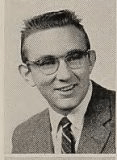
A picture of Lionel Dahmer from the 1958 University of Wisconsin–Madison yearbook.
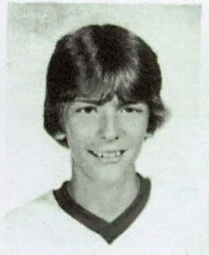
David Dahmer from the 1982 Revere High School yearbook.
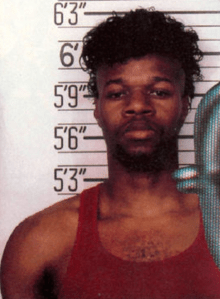
Dahmer killer, Christopher Scarver.
Jesse Anderson.

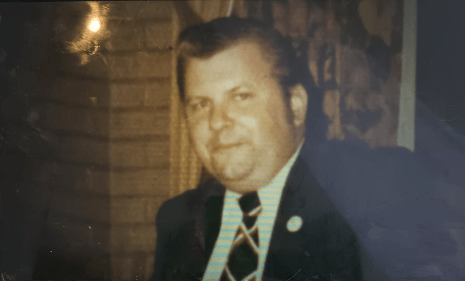
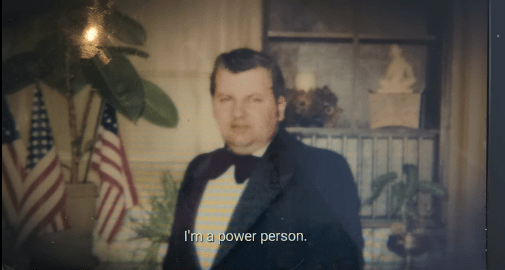
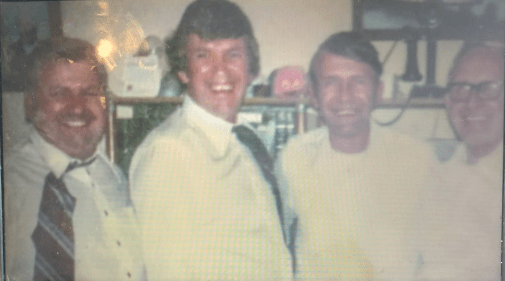
John Wayne Gacy: Crime Scene Pictures.

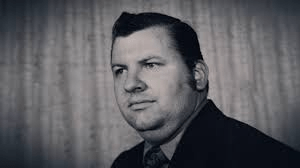
John Wayne Gacy was born on March 17, 1942 to John Stanley and Marion (nee Robinson) Gacy in Chicago, Illinois; he was one of three children and had two sisters, Joanne and Karen. Mr. Gacy was born on June 20, 1900 in Chicago, and John’s Mother was born on May 4, 1908 in Racine, WI. As a child, the sickly Gacy was reportedly close with his mom and sisters but had a poor relationship with his alcoholic father, who was verbally and physically abusive and reportedly beat him regularly. He was hospitalized in 1957 for a burst appendix, and when he was eleven was hit in the head with a swing. As a result of the injury he suffered from seizures and blackouts until the age of sixteen, when a doctor diagnosed him with a blood clot on the brain; the condition was corrected with medication. John Stanley made it clear that he thought his son was faking his illness in an attempt to garner attention and sympathy, and strangely enough his conditions were never formally diagnosed (although his mother and two sisters never doubted him). In 1949, Mr. Gacy was told that John and another boy had been caught sexually molesting a young girl, and he whipped him with a razor strop. Later the same year, a friend of the Gacy family began molesting John in his truck; he never told his father about it as he was afraid that he might somehow be blamed for it.

Despite dropping out of high school his senior year, Gacy still managed to have a fairly successful life: in April 1962 he moved to Las Vegas, where he briefly worked for an ambulance company before moving on to employment in a mortuary. John worked there as an attendant for roughly three months, watching morticians preserve bodies and at times serving as a pallbearer. He slept in the embalming room on a cot, and later confessed that one night while alone he got into a coffin with the body of a teenage male inside. He had a few “intimate moments” with the corpse before going into a state of shock. After this, Gacy returned home to Chicago and enrolled in classes at Northwestern Business College. After finishing his studies, he got a job as a shoe salesman at the Nunn-Bush Shoe Company, and in 1964 he was transferred to a store in Springfield, IL where he met bookkeeper Marlynn Myers. The two were wed in September 1964 and had two children together: a son and a daughter. While living in Springfield Gacy became active in the Waterloo Jaycees, and in 1965 became the chapter’s vice-president. Just in case anyone was curious (I kept hearing about the organization in Netflix’s ‘Conversations with a Killer’ and had no idea what it was), the Jaycees are a civic organization for individuals between the ages of 18 and 40. It provides leadership training and its areas of emphasis are business development, management skills, individual training, community service, and international connections.

In 1966 Gacy began his career managing three KFC’s in Waterloo, Iowa owned by his FIL. He said he enjoyed the first few years of marriage but compared it to constantly being in church… big surprise: it didn’t last long, and the couple divorced after he was arrested for sodomy in December 1968 (which was illegal in Iowa until 1976). John was sentenced to ten years at the Anamosa State Penitentiary, and after his arrest Marlynn took the children and left; the last time Gacy saw them was in 1968.

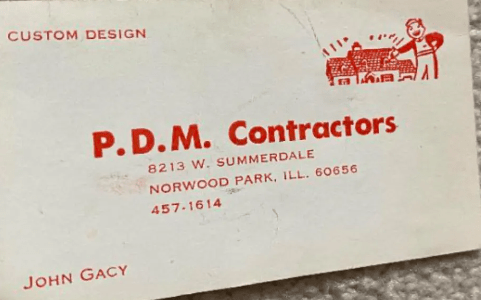
After serving only eighteen months in prison Gacy was granted parole on June 18, 1970 on the condition he serve a year of probation. As a part of his release he had to move back to Chicago and reside with his mother, and shortly after they bought the infamous murder house located at 8213 West Summerdale Avenue. On February 12, 1971 John was arrested again for reckless conduct and aggravated sexual battery, but the charges were dropped after the victim attempted to blackmail him. In 1971, he established his construction company, ‘PDM Contractors’ (short for ‘Painting, Decorating, and Maintenance’), and with the ‘OK’ of his PO worked nights on side gigs while maintaining his day job as a cook. At first he only took on smaller jobs like minor repair work, but he later expanded to include bigger projects like landscaping, remodeling, and interior design. In August 1971 he got engaged to a divorced mother of two that he briefly dated in high school named Carole Hoff. The couple quickly moved in together (along with her two daughters, Tammy and April) and were married on July 1, 1972; Gacy’s mother moved out shortly before their nuptials.

In 1973, Gacy traveled to Florida with one of his teenage employees to take a look at a piece of property he had recently bought; while there, he raped the young man in their shared hotel room. After returning home to Chicago, the youth drove to John’s house and beat him up in his front yard; he told his wife that he had been attacked after refusing to pay him for a poor painting job. In the middle of the same year, Gacy quit his FT job as a cook so he could fully commit to his construction business. By early 1975 he had shared with his second bride that he was bisexual, and after they had sex on Mother’s Day he informed her that it would be ‘the last time’ he did that with her. After that John started spending most of his time away from the family home, returning early in the morning with the excuse that he had been working late or was preoccupied with ‘business meetings.’ It was also around this time that Carole started to notice her husband was sneaking teenage boys in and out of their garage in the early morning hours of the day. She also found wallets and ID’s amongst his belongings as well as gay pornography, and when she attempted to talk to him about it he told her that it was ‘none of her business.’ By October 1975 Carole had enough of her husband’s shenanigans and after a big blow-up asked him for a divorce, which he agreed to; despite this, she continued to live with him until February 1976 (with his blessing). On March 2, 1976 the couple’s divorce was finalized.

In addition to Gacy’s booming personal business in March 1977 he became a supervisor for a firm specializing in the remodeling of drugstores called PE Systems (remember this tidbit for later), and between the two there were occasions where he was working sixteen hours a day. By 1978, his construction company alone was bringing in over $200,000 annually. Thanks to John’s membership at a nearby Moose Club in late 1975 he became affiliated with a group that called themselves the ‘Jolly Joker Clown Club;’ an organization that regularly entertained sickly children and participated in parades, parties, and other public fundraising events. As he got more and more into clowning, Gacy developed costumes and makeup for different characters such as ‘Pogo’ and ’Patches,’ and described Pogo as a ‘happy clown,’ whereas the latter had a ‘more serious’ side. When performing, John rarely made money and in interviews during his later life he shared that being a clown allowed him to ‘regress into childhood.’

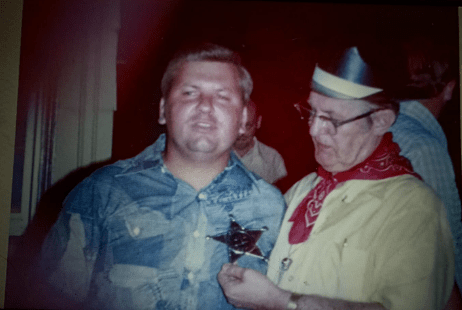
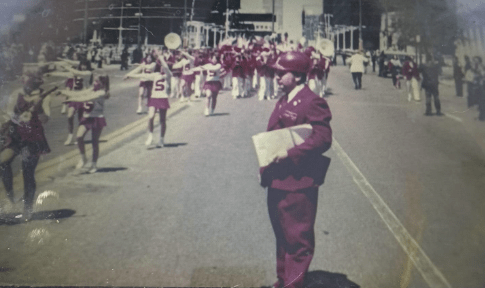
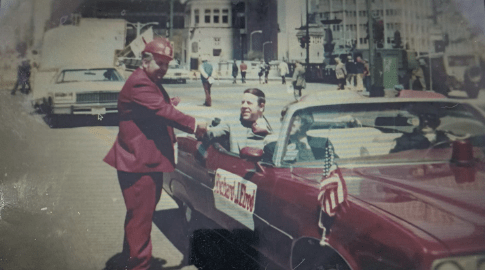
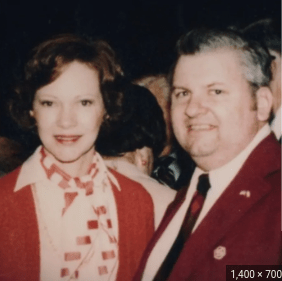
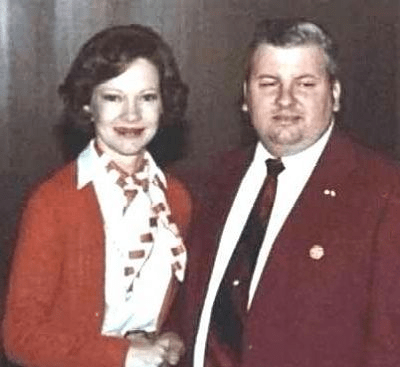
Many of Gacy’s employees were local high school students and men that tended to be on the younger side. He frequently would proposition them for sex, and traded sexual favors in return for the use of his vehicles, money, or advancement of employment. John also made it known that he owned guns, and on one occasion said: ‘do you know how easy it would be to get one of my guns and kill you, and how easy it would be to get rid of the body?’ After his first stint in prison he became active in the local Democratic Party, and after giving them use of his employees to clean their headquarters (at no charge) he was rewarded with an invite to serve on the Norwood Park Township Street lighting committee, which eventually helped him obtain the title of precinct captain. In addition to being active in local politics in 1975 he was made the director of Chicago’s yearly Polish Constitution Day Parade, and it was directly because of his work with the organization that helped him meet the (former) First Lady, Rosalynn Carter. It’s worth noting, in their pictures together Gacy is wearing a pin with a ‘S’ on it, which gave its wearer a special security clearance with the US Secret Service.

After his intended victim was successfully inside his home, Gacy’s typical MO was to give them alcohol and illicit substances in an attempt to gain their trust. He would then pull out handcuffs and tell them he wanted to ‘show them a magic trick,’ sometimes as part of a routine that began with cuffing his own hands behind his back. After a bit of fussing he would eventually uncuff himself (thanks to a hidden key), and when finished he would offer to show the young man how to perform the illusion. Once they were subdued, John would then procede to assault, torture, and rape them. He would also inflict various acts of torture onto the men, including burning them with cigars, violating them with foreign objects (after sodomizing them), and making them pretend to be a horse while he sat on their backs and rode them (while pulling on homemade ‘reins’ he strung around their necks… WTF?). Gacy frequently bound his victims’ ankles together with the help of a two-by-four, complete with handcuffs attached at both ends. He also taunted most of the young men while he was murdering them, and partly drowned several of them in his bathtub before repeatedly bringing them back to life (only to kill them again).

The Killer Clown typically killed his young victims using what he called his ‘rope trick:’ he put a tourniquet made out of a rope around their neck and using a hammer handle progressively made it tighter and tighter. Additionally, several of his young victims died by asphyxiation from cloth gags stuffed down their throats. Gacy typically kept their remains underneath his bed for up to twenty-four hours before moving them to the crawl space underneath the house. On occasion, he would pour quicklime on them in order to speed up the rate of decomp. Looking into it, quicklime (or calcium carbonate) has been used for centuries to help break down human remains. Strangely enough, Gacy took some of his victims out to his garage and embalmed them before they were disposed of underneath his house.

On the afternoon of December 11, 1978, Gacy went to the Nisson Pharmacy in Des Plaines, to talk about a potential remodeling deal with its owner, Phil Torf. While there he met 15-year-old PT employee Robert Piest, and made a point of mentioning that his firm frequently hired teenage boys at far more than what he was making at the pharmacy. Shortly after John left, Mrs. Piest arrived to bring her son home, but he asked her to wait and said ‘some contractor wants to talk to me about a job.’ He walked away from her at 9:00 PM, saying he’d be right back but never returned; by 10 PM, he was dead. When Rob never came home, his family quickly filed a missing person report with the Des Plaines PD. Torf told them Gacy was the contractor his young employee had most likely left his store to speak with, and a quick look into his criminal background showed an outstanding battery charge as well as his Iowa imprisonment. The evening after Piest disappeared three Des Plaines police officers visited Gacy at his home and questioned him about the missing boy; he said he never offered Rob a job and promised to come in later that evening to make an official statement, and that he was unable to go then because his uncle had just passed away. John got to the station around 3:20 AM completely covered in mud, telling detectives he had recently been involved in a car accident.

Suspecting Gacy might be holding the young man, Des Plaines police got a search warrant for his residence on December 13, which revealed several suspicious items (including ropes, sex toys, and handcuffs). He was quickly becoming friendly with the detectives that were in charge of his surveillance, and by December 16 he was regularly inviting them to join him for meals and drinks (both in bars and at his home).

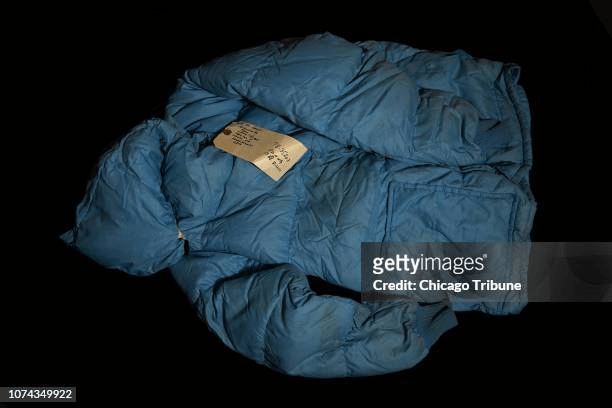
By December 18, Gacy was starting to crack and was showing visible signs of strain from the constant police surveillance. That afternoon, he drove to his lawyers’ office to file a $750,000 civil suit against the Des Plaines PD demanding that they stop their monitoring of him. Later that same day, LE found a photo receipt from the Nisson Pharmacy was found in his kitchen that was traced back to a colleague of Robs named Kimberly Byers, who told them she had borrowed his blue parka earlier in the evening and had put it in his pocket before returning it. The following day Gacy’s lawyers filed the civil suit, and Cook County detectives started compiling information for a second search warrant for his residence. Later that afternoon, he invited the surveillance team inside his home, and as one of them distracted him the other walked into his room in an (unsuccessful) attempt to get the serial number on the back of his Motorola TV that they suspected belonged to one of his victims (John Szyc). While one of the detectives was using Gacy’s restroom, he noticed a very particular odor coming out of his heating duct that he strongly suspected was rotting corpses. The first time the residence was searched it had been cold, and the officers had failed to notice it.

On the evening of December 20, Gacy went to his attorney’s office for a scheduled meeting, most likely to talk about the progress of the civil suit. When arriving he seemed to be visibly nervous and immediately gulped down two cups of whiskey provided by his lawyer, Sam Amirante. By then Amirante was having serious doubts about his client’s innocence, and it was then that he threw down a copy of The Daily Herald and said: ‘you said you had something new to tell me! Something important!’ John picked up the paper, pointed at the front page story about Piest and dramatically announced, ‘this boy is dead. He’s dead. He’s in a river.’ He then proceeded to give a rambling, hours-long drunken confession claiming that he had ‘been the judge, jury, and executioner of many, many people,’ and that he now wanted to be the same for himself. Gacy also volunteered that he had killed ‘at least thirty’ young men, most of which he dismissed simply as ‘male prostitutes,’ ‘hustlers,’ and ‘liars,’ and said that sometimes he would wake up and discover ‘dead, strangled kids’ with their hands handcuffed behind their backs.

Mid-way during his rambling John passed out. When he woke up a couple of hours later he told his lawyer that he couldn’t talk about the night before, and said ‘I can’t think about this right now. I’ve got things to do’ then left. Gacy later said that his memories of his last day of freedom were ‘hazy,’ and that he knew his arrest was only a matter of time and that he intended to drive around and visit his friends and say his last goodbyes. After leaving, John went to a nearby gas station where he handed off a small baggie of marijuana to an attendant, who immediately gave it to the surveillance officers. He said that Gacy told him, ‘the end is coming (for me). These guys are going to kill me.’ John then drove to the home of Ronald Rhode, a friend and fellow contractor, hugged him then burst into tears while sobbing, ‘I’ve been a bad boy. I killed thirty people, give or take a few.’ From there, he left and drove to former employee David Cram’s home to meet with him and Michael Rossi, and as he drove down the expressway, surveillance officers noted he was holding a rosary to his chin and appeared to be praying.

When investigators heard from the surveillance officers that Gacy was showing increasingly erratic behavior, they became fearful that he may have become suicidal and decided to arrest him on a possession charge (for the weed) in order to put him in their custody. On the night of Gacy’s civil hearing a second search warrant  for his residence was granted at 4:30 PM, and when he was informed of their plans to dig up his crawl space to search for Rob Piest’s body he confessed that he killed the boy in self-defense and buried him under his garage. When police and evidence technicians arrived at John’s home they found he had unplugged his sump pump, which flooded the crawl space. After they replaced it and the water drained away, evidence technician Daniel Genty began digging, and within minutes he uncovered a human arm bone as well as rotted flesh. According to Tim Cahill’s novel, ‘Buried Dreams:’ ‘in the northeast corner of the crawl space under John Gacy’s house, the officers found puddles, all swarming with thin red worms. There, two feet from the north wall, they uncovered what appeared to be a knee bone. The flesh was so desiccated that at first they thought is was blue-jean material.’

After Gacy was told that investigators had found remains underneath his house and he was now facing homicide charges, he told them that he wanted to ‘clear the air:’ on December 22, 1978 John Wayne Gacy confessed to murdering roughly thirty young men. He referred to a few of his victims by name, but claimed not to know the majority of them and volunteered that they were all teenage prostitutes or runaways. Gacy also claimed he only dug five of the graves underneath his house, and that his employees dug the remaining ones so that he would have then ‘available.’ In January 1979 he claimed to have plans to further destroy evidence by covering the entire crawl space with concrete.

Gacy murdered at least thirty-three boys and young men between 1972 and 1978, twenty-six of whom he buried in the crawl space of his house. His victims included young men that he knew as well as random individuals he lured from Bughouse Square, the nearby Greyhound Bus Station, or off the streets with the promise of a job, booze/drugs, or cash for sexual favors. Some were grabbed by force, while others were conned into trusting him. After Cook County LE tore apart his residence they investigated a five-unit apartment building in Chicago about four miles away (located at 6114 West Miami Avenue), where he worked as a maintenance man for many years (apparently his mother even lived there at one point). He also told investigators that in 1978 he dumped five of his victims into the Des Plaines River after running out of room in his crawl space, one of which he believed landed on a barge (it is worth noting that only four were ever found). Interesting fact: on more than one occasion the ‘Killer Clown’ committed what he referred to as ‘doubles,’ or two murders in one night.

On March 13, 1980 John Wayne Gacy was sentenced to death; he was executed by lethal injection at the age of 52 on May 10, 1994 at Stateville Correctional Center in Crest Hill, Illinois. Marion Gacy died on December 14, 1989 and John’s older sister Joanne died on March 23, 2007.

Works Cited:
Crime Museum. Taken March 2, 2024 from https://www.crimemuseum.org/crime-library/serial-killers/john-wayne-gacy/
FBI Document: Taken March 4, 2024 from https://vault.fbi.gov
McEvoy, Colin. ‘John Wayne Gacy.’ June 16, 2023. Taken March 2, 2024 from https://www.biography.com/crime/john-wayne-gacy
Wikipedia article on JWG taken March 8, 2024 from en.wikipedia.org/wiki/John_Wayne_Gacy

Gacy at roughly the age of three in 1945.
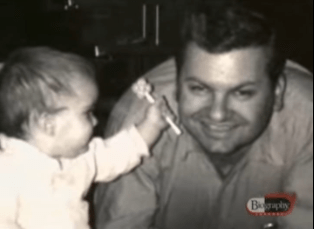
Gacy as a child. Photo courtesy of Biography.
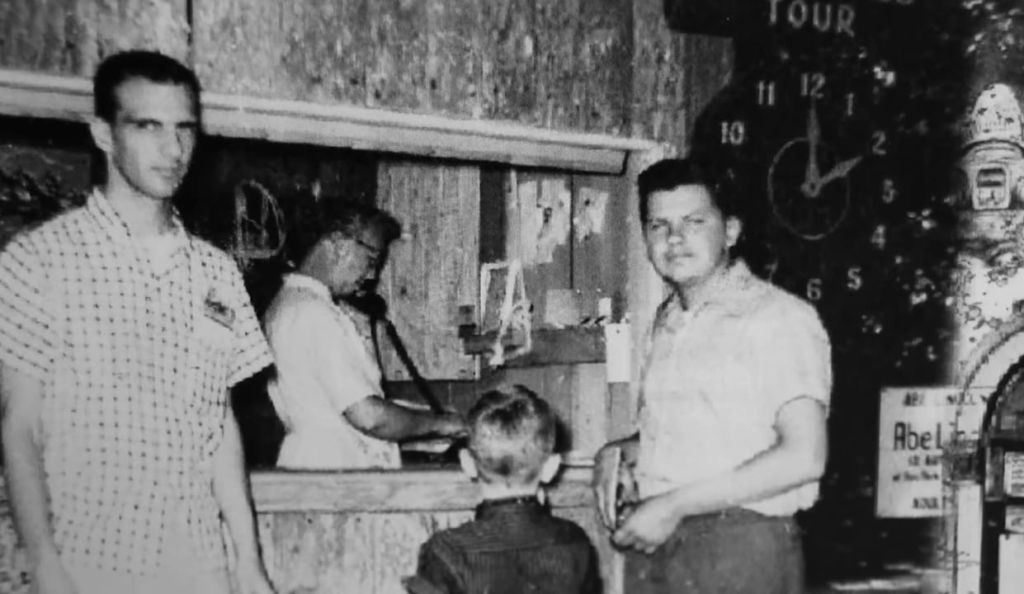
A young JWG standing in front of a car. Photo courtesy of Biography.
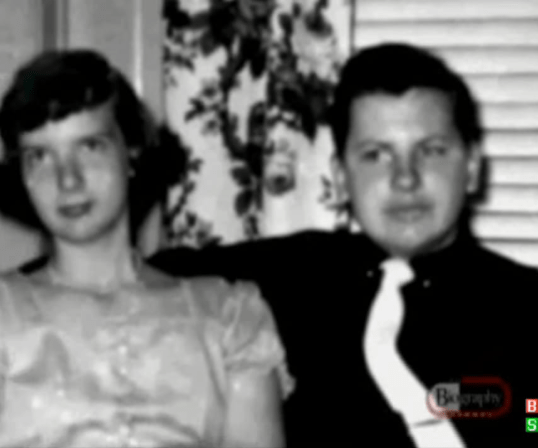
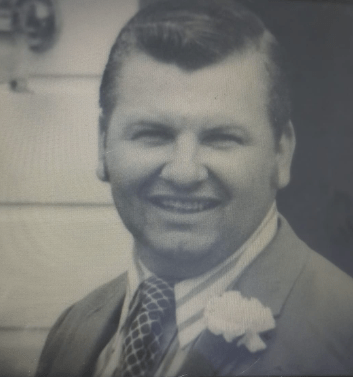
A young JWG. Photo courtesy of Biography.
A young John Wayne Gacy with his second dog, Prince.
A young JWG posing with the scout group he joined as an adolescent; he is on the bottom row, second from the right. Photo courtesy of Biography.
A young John Wayne Gacy is to the far left. Photo courtesy of Barry Boschelli (Gacy’s childhood friend).
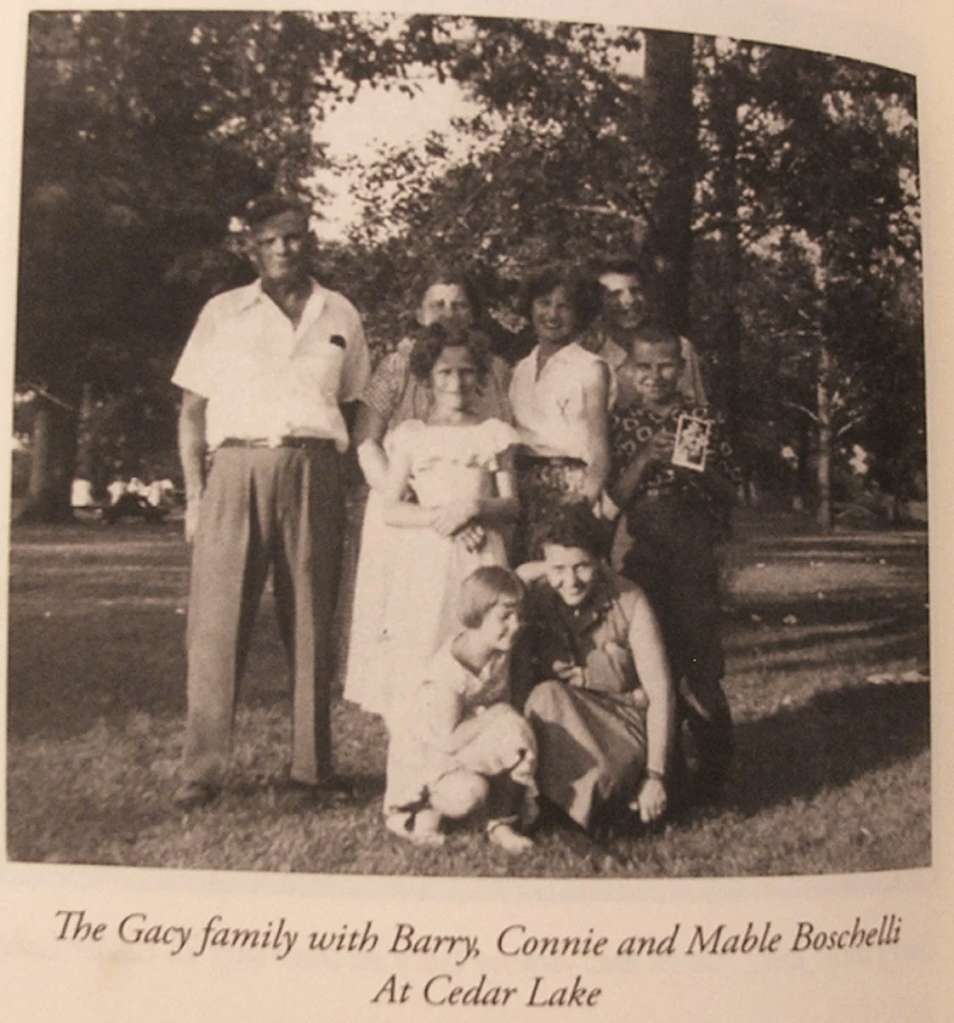
The Gacy family posing with some of the Boschelli’s. Photo courtesy of Barry Boschelli.
Another picture of Gacy as a child. Photo courtesy of Altered Dimensions Paranormal.
A young JWG wearing a fancy hat. Photo courtesy of Biography.
A young Gacy (in the middle wearing the dark suit). Photo courtesy of Boschelli.
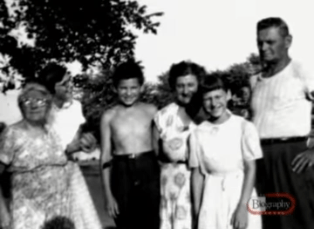
Some members of the Gacy family; John Stanley is on the far right, and John is in the middle with no shirt on. Photo courtesy of Biography.
John in a vehicle. Photo courtesy of Biography.
A young Gacy at a gathering, on the far right. Photo courtesy of Biography.
Gacy with one of his sisters. Photo courtesy of Biography.
Another pic of a young JWG wearig a suit.
A adolescent Gacy. Photo courtesy of Biography.
JWG. Photo courtesy of Biography.
Gacy is on the far left.
A young Gacy with one of his sisters. Photo courtesy of Murderpedia.
A younger JWG.
Gacy at the age of eighteen, dressed in his uniform for the local civil defense squad. Photo courtesy of the Tumblr account, ‘true-crime-xgirlx.’
Another picture of Gacy in his uniform for the local civil defense squad.
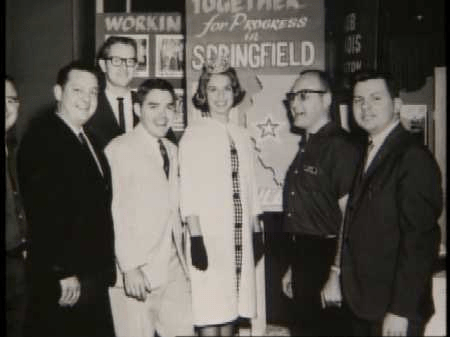
Gacy standing with Miss Illinois.
Another shot of Gacy with Miss. Illinois.
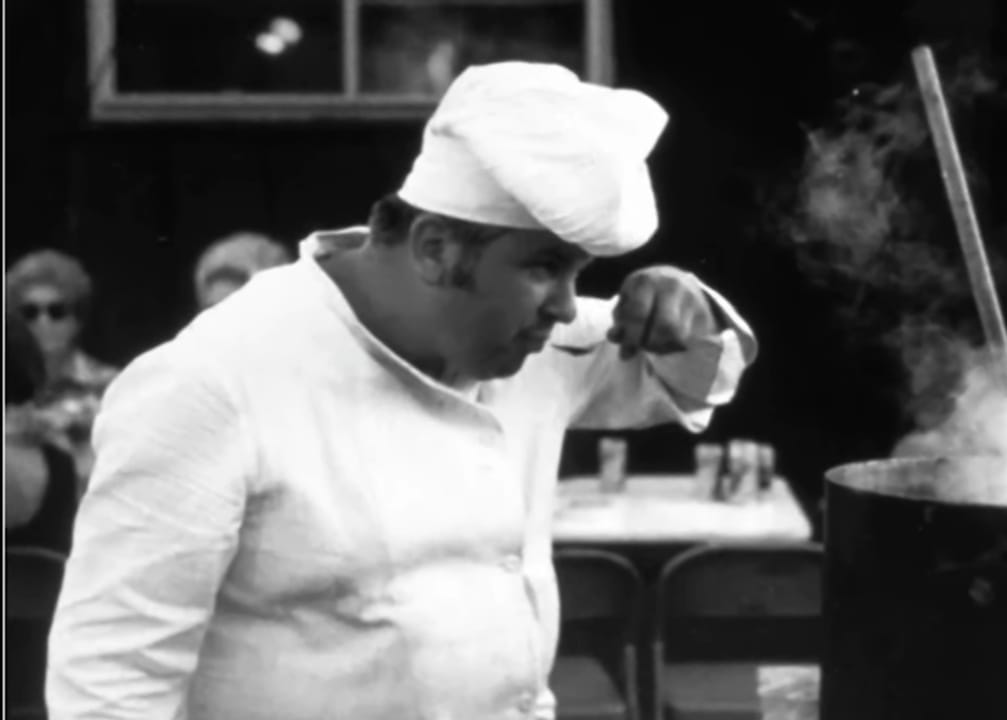
John in his chef’s uniform.
Another John in his chef’s uniform.
Gacy taste testing a dish in his chef’s uniform.
An action shot of John dressed in his chef’s uniform. Photo courtesy of Netflix.
JWG’s first wife, Marlynn Myers. Photo courtesy of Biography.
John on (I think) one of his sisters wedding day. Photo courtesy of Netflix.
Another shot of Gacy and Marlynn on their wedding day. Photo courtesy of Netflix.
JWG and his first wife, Marlynn . Photo courtesy of Netflix.
Another shot of Gacy and Marlynn at some sort of banquet. Photo courtesy of Netflix.
Gacy and Marlynn posing with one of their children. Photo courtesy of Biography.
Marlynn Lee Myers.
A shot of Gacy with his father holding his young son. Photo courtesy of Biography.
A shot of Gacy playing with his young son. Photo courtesy of Biography.
A shot of a younger JWG. Photo courtesy of Netflix.
Gacy with a bunch of men possibly some other JC’s; he is the second one in on the left (do I have to keep doing this? We all know who JWG is).
A dapper JWG. Photo courtesy of Netflix.
Gacy singing in prison after his first arrest. Photo courtesy of Biography.
Gacy worked as the ‘first chef’ during his first stint in prison. Photo courtesy of Biography.
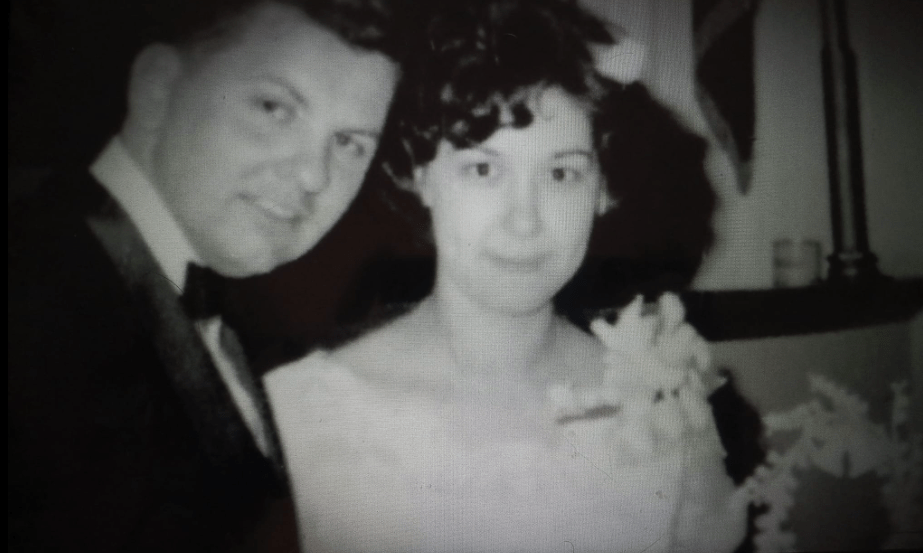
Gacy married his second wife, Carole Hoff on June 1, 1972. She had two little girls, Tammy and April.
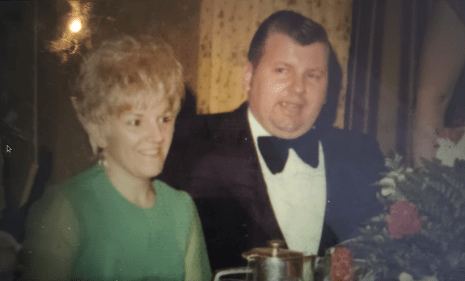
John with his second wife and Mom on his wedding day.
Gacy and his second wife on their wedding day. Photo courtesy of Netflix.
John and Carole on their wedding day. Photo courtesy of Netflix.
Gacy feeding his second wife cake on their wedding day. Photo courtesy of Biography.
Gacy giving his new wife a kiss. Photo courtesy of Biography.
John and Carole on their wedding day. Photo courtesy of Netflix.
A picture of Gacy’s and Carole on their wedding day. Photo courtesy of Netflix.
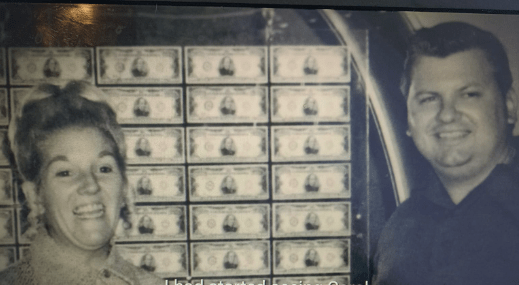
Another shot of John and Carole, this time posing with some money. Photo courtesy of Netflix.
Gacy and his second wife. Photo courtesy of Biography.
John and Carole. Photo courtesy of Netflix.
Gacy and his second wife Carole posing with her two daughters; the couple eventually divorced on March 2, 1976. Photo courtesy of Netflix.
John and Carole. Photo courtesy of Netflix.
Gacy and his second wife. Photo courtesy of Netflix.
Another shot of John and Carole with one of her daughters. Photo courtesy of Netflix.
JWG is on the man on the far left. Photo courtesy of Netflix.
A shot of an invite for a party the Gacy’s threw. Photo courtesy of Netflix.
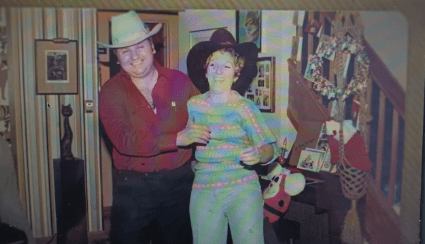
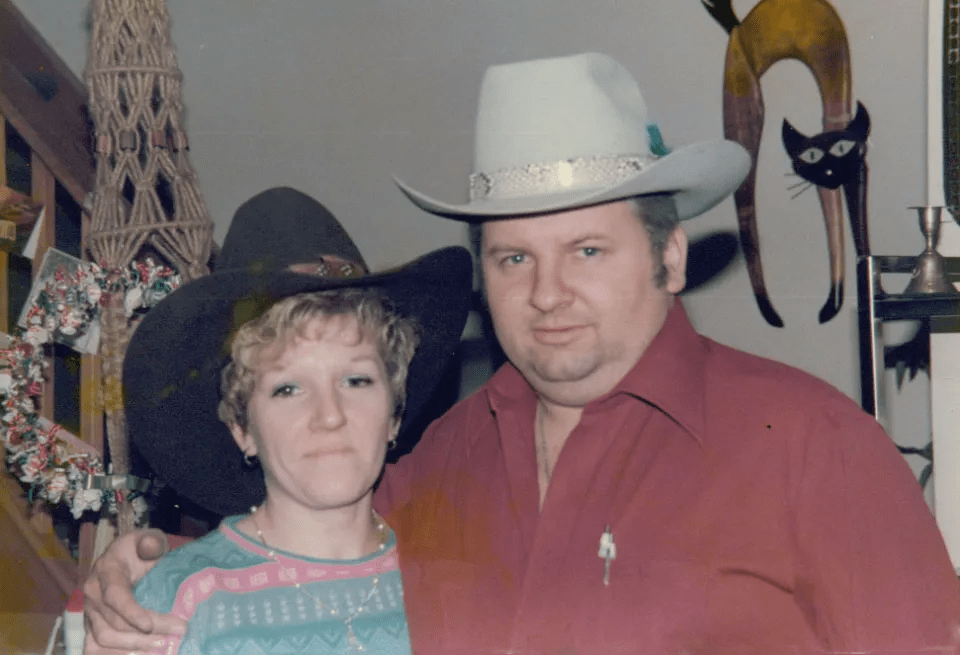
John in Carole, dressed in cowboy hats. Photo courtesy of Netflix.
Gacy with his second wife Carole in the same home where he hid his victims. Photo courtesy of Netflix.
John and Carole. Photo courtesy of Netflix.
JWG. Photo courtesy of Netflix.
Gacy hard at work for PDM Contractors. Photo courtesy of Netflix.
Gacy is on the right. Photo courtesy of Netflix.
Gacy at some sort of political event. Photo courtesy of Netflix.
Gacy at a party standing with a friend. Photo courtesy of Biography.
Gacy at a JC event. Photo courtesy of Biography.
Another shot of Gacy at a JC event. Photo courtesy of Netflix.
Another shot of Gacy at a JC event. Photo courtesy of Biography.
Another shot of Gacy at a JC event (he’s the second from the left). Photo courtesy of Netflix.
Another shot of Gacy at a JC event (he’s right in the middle). Photo courtesy of Netflix.
Gacy standing on a balcony. Photo courtesy of Biography.
Gacy in his days as a contractor. Photo courtesy of Netflix.
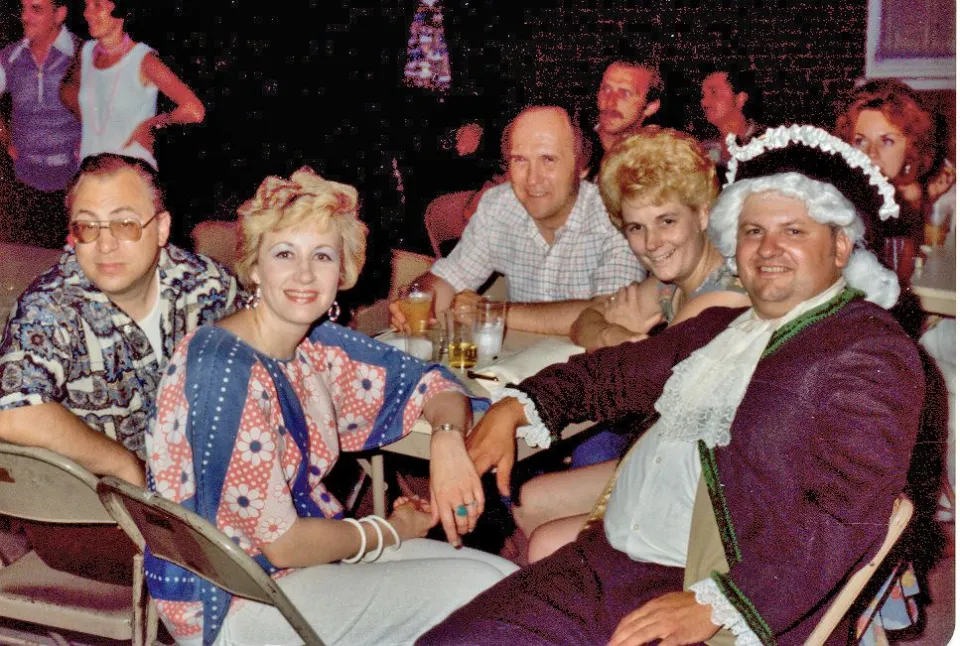
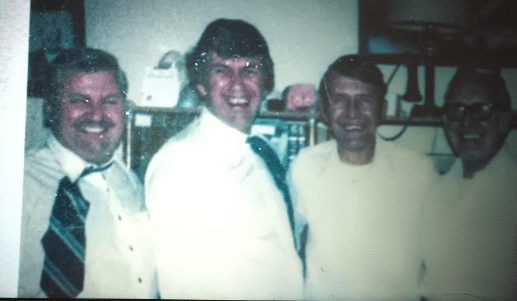
Gacy posing with friends. I couldn’t find much on this picture if anyone knows more about it please let me know.
Gacy and what looks like his sister. Weird.
Gacy hosted a bicentennial party on July 4, 1976. Photo courtesy of The Chicago Tribune. His former business associate, Jim Van Vorous is on his right.
Gacy (far right) regularly held dress-up parties to throw suspicious neighbors off his scent. Photo courtesy of Rafael Tovar and The Sun.
Another shot of Gacy dressed up at a party. Photo courtesy of Netflix.
Another shot of Gacy. Photo courtesy of Netflix.
Gacy dressed up for a party. Photo courtesy of Netflix.
Gacy at a party. Photo courtesy of Netflix.
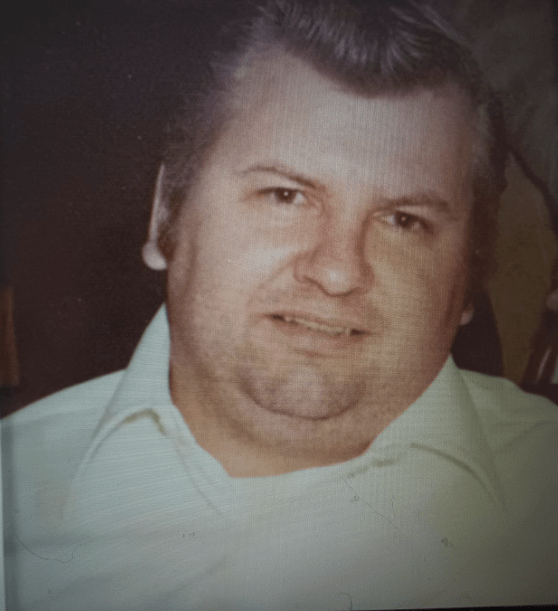
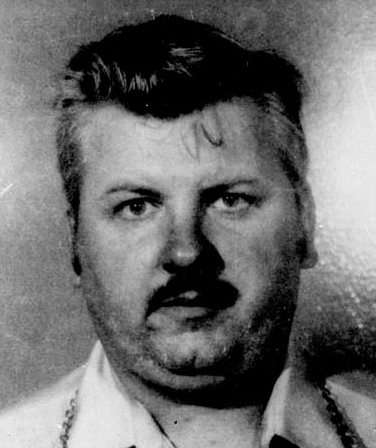
A commonly used photo of John Wayne Gacy.
A young John and his mom.
Gacy enjoying a meal with his mother.
Gacy with a fake sheriffs badge on at a party. Photo courtesy of Netflix.
JWG at a party. Photo courtesy of Netflix.
JWG at what looks like another costume party. Photo courtesy of Netflix.
JWG at another party. Photo courtesy of Netflix.
Gacy at a parade for a Democratic event. Photo courtesy of Netflix.
Another shot of Gacy at a parade, for a Democratic event. Photo courtesy of Netflix.
Gacy posing with former first lady Rosalynn Carter on May 6, 1978. Photo courtesy of The Chicago Tribune.
Another shot of Gacy with Mrs. Carter. Photo courtesy of The Chicago Tribune.
An older picture of Gacy and an unnamed man before his second arrest.
Another shot of Gacy. Photo courtesy of Netflix.
JWG before his second arrest. Photo courtesy of Netflix.
A stock pic of Gacy from 1978. Photo courtesy of Daily Mail.
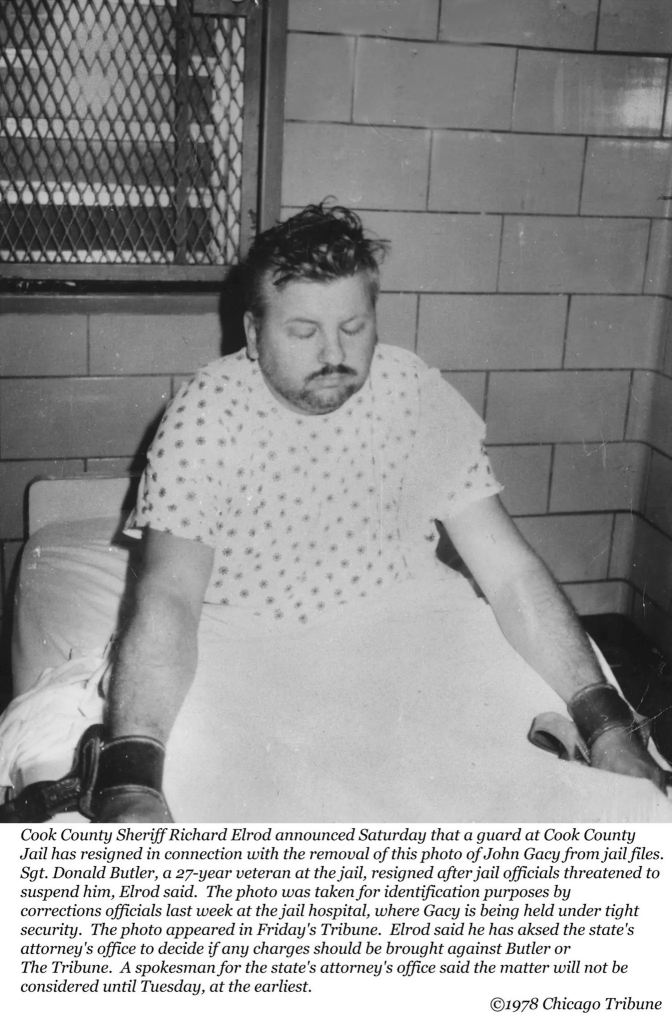
A picture of Gacy that was smuggled out of jail by a guard, published by The Chicago tribune in 1978.
An older Gacy on death row. Photo courtesy of Murderpedia.
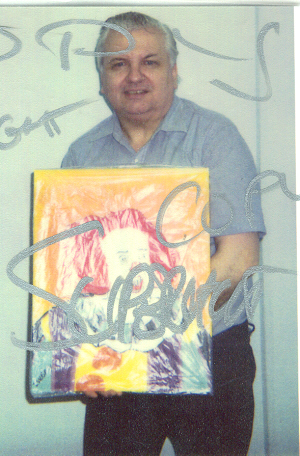
A picture of Gacy holding one of his paintings he dubbed ‘Pennywise The Clown;’ it was taken just five weeks before his execution. Photo courtesy of Murderpedia.
Gacy during his time on death row. Photo courtesy of Netflix.
Gacy in his cell. Photo courtesy of Murderpedia.
Supposedly this is a photo of Gacy awaiting execution. Photo courtesy of finwise.edu.
Gacy dressed as Pogo.
Another photo of Gacy dressed as Pogo the Clown.
Gacy dressed as Pogo.
Another photo of Gacy dressed as Pogo the Clown.
Another shot of Pogo.
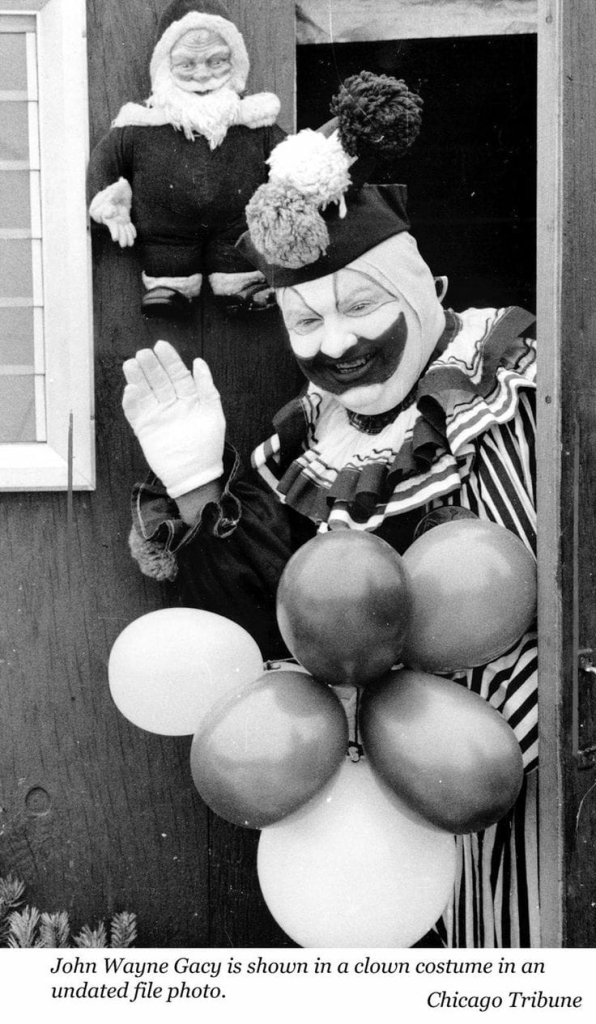
A B&W shot of Gacy as Pogo, courtesy of The Chicago Tribune.
A younger John Stanley Gacy. Photo courtesy of Netflix.
Another shot of a younger John Stanley Gacy. Photo courtesy of Netflix.
John’s parents.
John’s sister Joanne on Oprah. She died in 2007.
John Wayne Gacy’s card for the ‘Democratic Precinct Captain’ of Norwood Park Township. Courtesy of The Chicago Tribune.
John Wayne Gacy’s business card for his personal business, ‘PDM Contractors.’ Courtesy of Newsweek.
Gacy loved flashy belt buckles and frequently wore one with his initials. Photo courtesy of Rafael Tovar and The Sun.
Gacy kept items belonging to his victims that he considered ‘mementos’ that he often looked at. Photo courtesy of Rafael Tovar and The Sun.
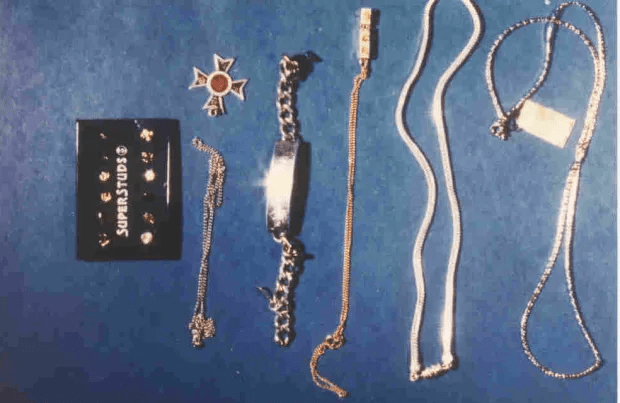
Police found necklaces, bracelets and other jewelry belonging to Gacy’s victims. Photo courtesy of Rafael Tovar and The Sun.
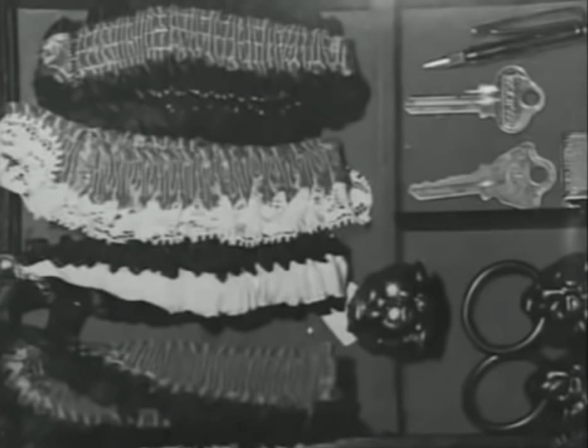
Some garters and keys belonging to Gacy’s victims.
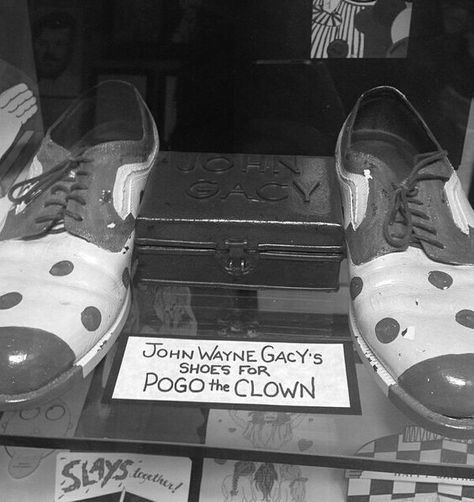
John Gacy’s clown shoes. Photo courtesy of finwise.edu.
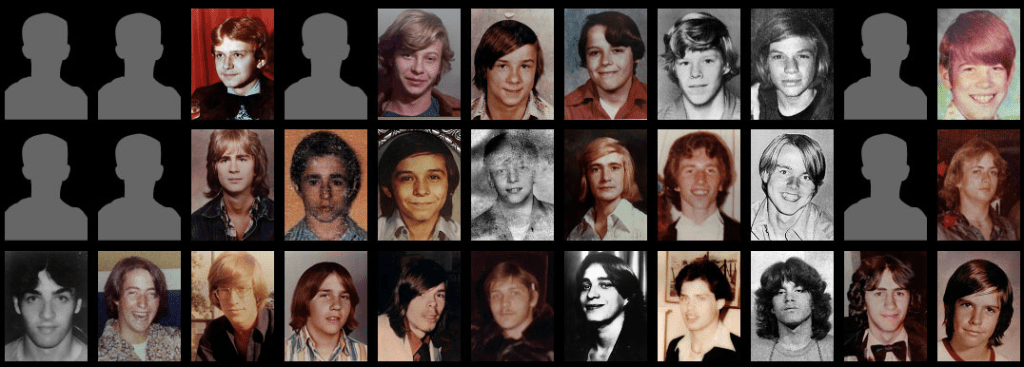
Gacy was indicted for 33 murders of young boys and men; these are his victims. Notice some remain unnamed to this day, March 2024. Photo courtesy of The Chicago Tribune.
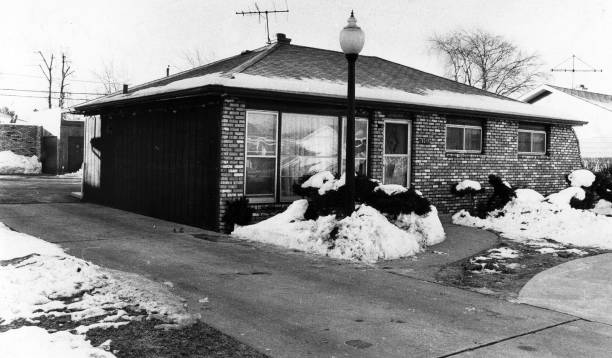
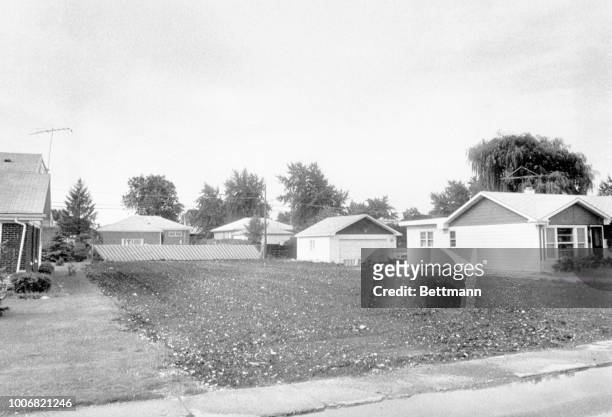
A B&W shot of John Wayne Gacy’s completely intact house located at 8213 West Summerdale Avenue in Chicago, Illinois.
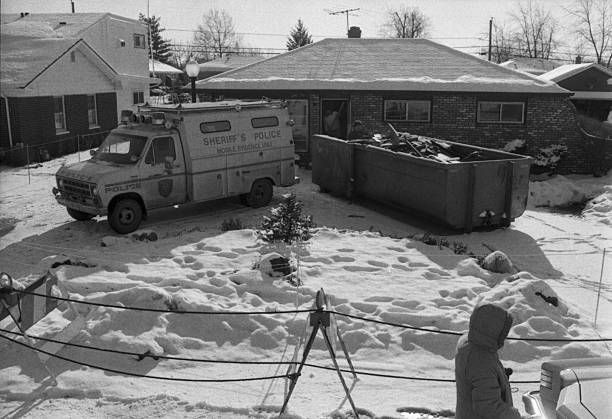
A photo taken on March 19, 1979 showing that certain portions of Gacy’s property in Norwood Park Township have been completely picked through and demolished by members of LE. Photo courtesy of Walter Kale from The Chicago Tribune.
A picture of Gacy’s tiki-themed bar in his living room. Photo courtesy of Cook County Court.
The other side of Gacy’s living room. Photo courtesy of Cook County Court.
A different angle of Gacy’s living room. Photo courtesy of Cook County Court.
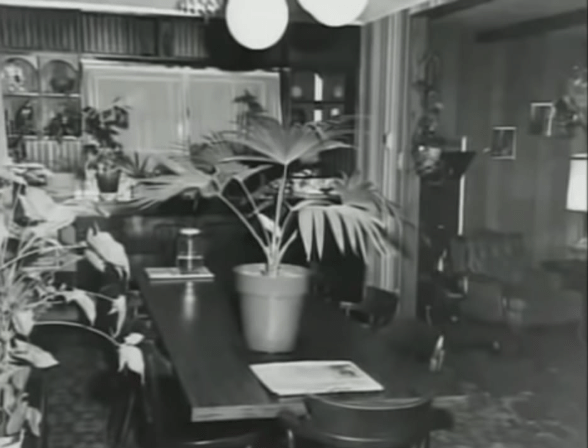
JWG’s kitchen, untouched. Photo courtesy of Cook County Court.
JWG’s kitchen counter, untouched. Photo courtesy of Biography.
Another shot of JWG’s kitchen, in color. Photo courtesy of Netflix.
JWG’s bathroom, untouched. One of the detectives that was tasked with trailing Gacy used it one day and when the heat kicked on he immediately recognized the smell of human decomp. Photo courtesy of Cook County Court.
One side of Gacy’s bedroom. Photo courtesy of Cook County Court.
Another shot of Gacy’s bedroom. Photo courtesy of Cook County Court.
Another bed in Gacy’s house. Photo courtesy of Biography.
A picture inside of Gacy’s house. Photo courtesy of Netflix.
The main hallway in Gacy’s house. Photo courtesy of Biography.
A poster related to Gacy’s contracting company, ‘PDM Contractors.’ Photo courtesy of Netflix.
Information related to Gacy’s contracting company, ‘PDM Contractors.’ Photo courtesy of Netflix.
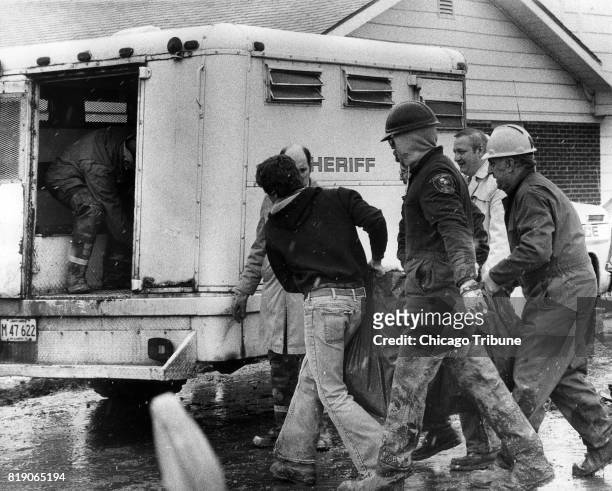
Members of the Cook County Sheriff’s Department carrying a piece of floor out of Gacy’s home.
Members of LE carrying equipment into Gacy’s residence to remove the bodies of his victims.
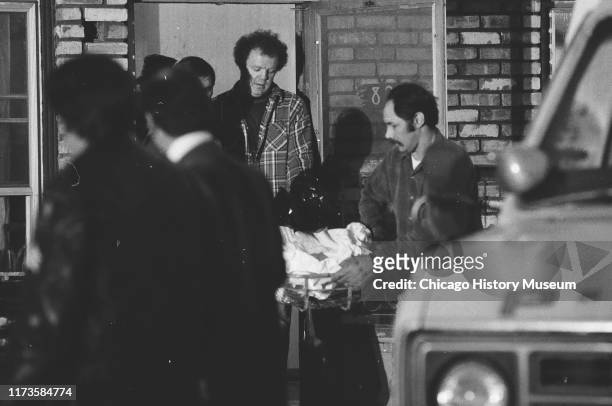
Investigators bringing out another body from Gacy’s house.
Another body being taken out of Gacy’s house.
A body is recovered from John Wayne Gacy’s house in 1979 and transferred to a sheriff’s van. Photo courtesy of Sally Good from The Chicago Tribune.
Another body being taken out of Gacy’s house.
Another one of Gacy’s victims being taken out of his house.
Cook County investigators carrying another body out of Gacy’s house.
Members of Cook County LE putting one of Gacy’s victims in the back of a vehicle to be further studied.
Police standing in Gacy’s garage. Photo courtesy of Murderpedia.
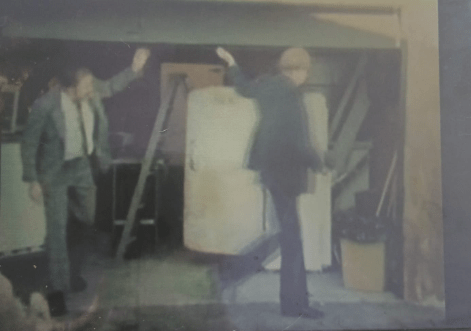
Investigators opening up Gacy’s garage. Photo courtesy of Netflix.
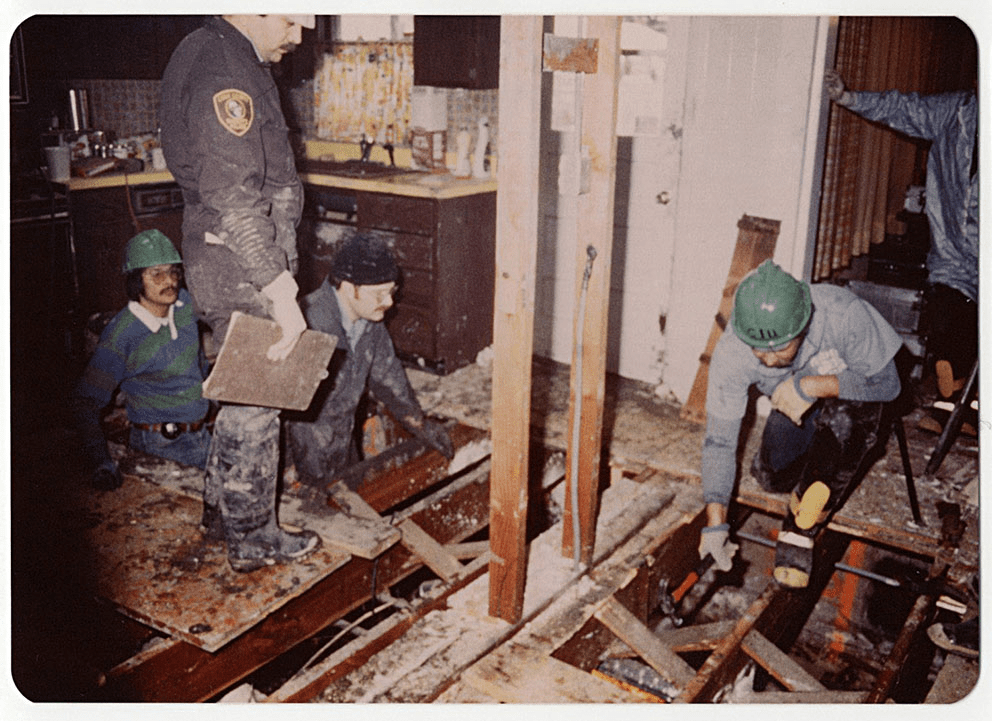
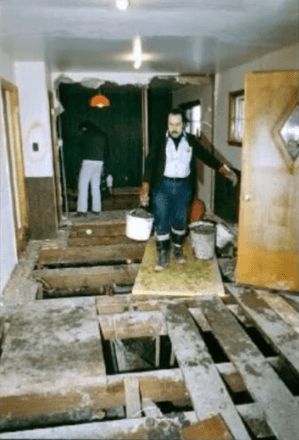
Members of the Cook County Sherrif’s Department removing the floorboards in Gacy’s kitchen in either late 1978 or early 1979. Photo courtesy of the Cook County Sheriff’s Department.
Members of LE looking through Gacy’s crawl space in either late 1978 or early 1979. Photo courtesy of Netflix.
The kitchen cabinets and partially tore up floorboards in Gacy’s kitchen. Photo courtesy of the Cook County Sheriff’s Department.
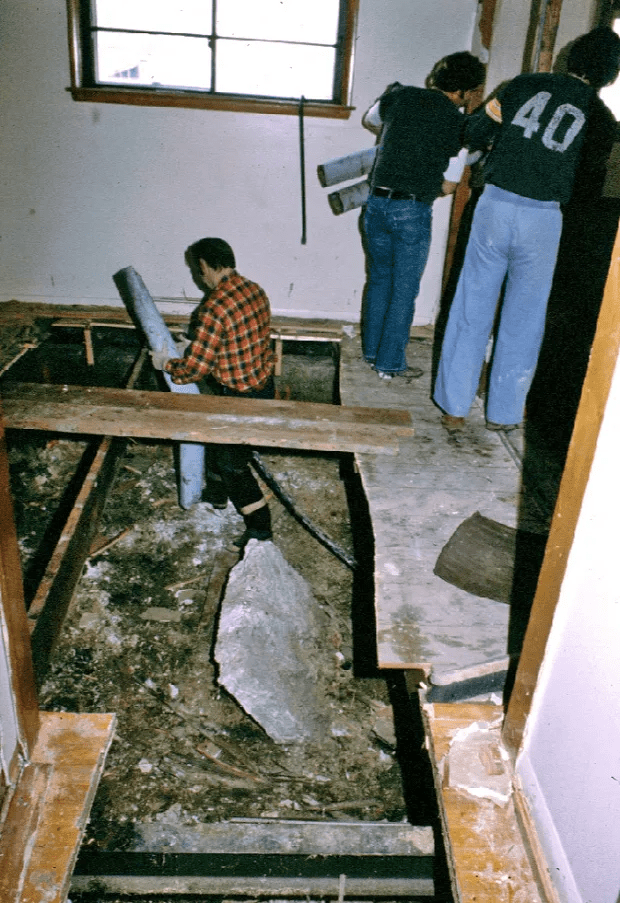
After realizing the full extend of Gacy’s atrocities, investigators eventually had to tear up the floors in his house. Photo courtesy of the Cook County Sheriff’s Department.
A technician cuts carpet in Gacy’s home in either late 1978 or early 1979. Photo courtesy of Cook County.
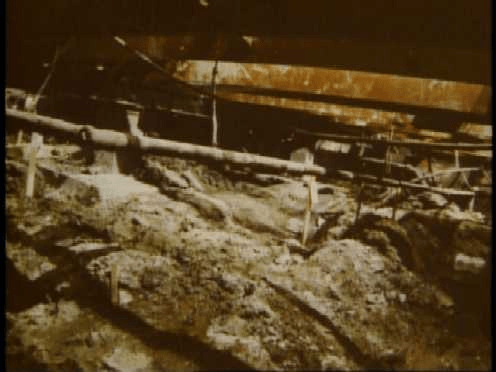
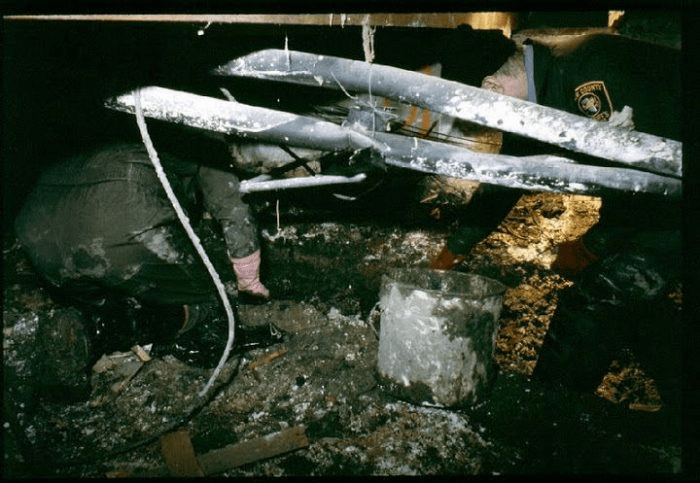
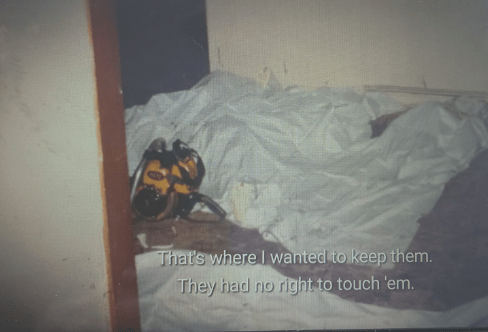
The crawl space underneath Gacy’s house. Photo courtesy of tCook County.
Another shot of the crawl space underneath JWG’s house. Photo courtesy of Cook County.
Another shot underneath Gacy’s house. Photo courtesy of Cook County.
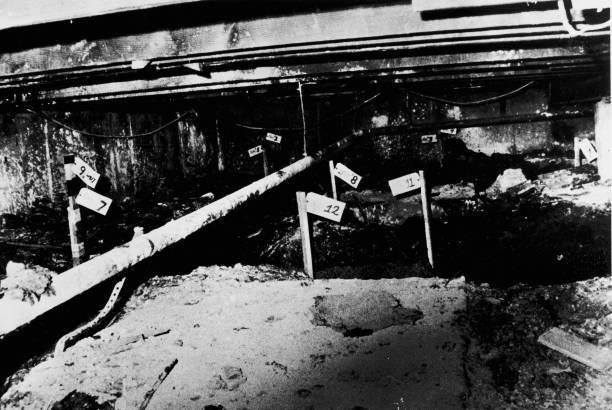
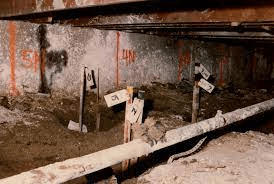
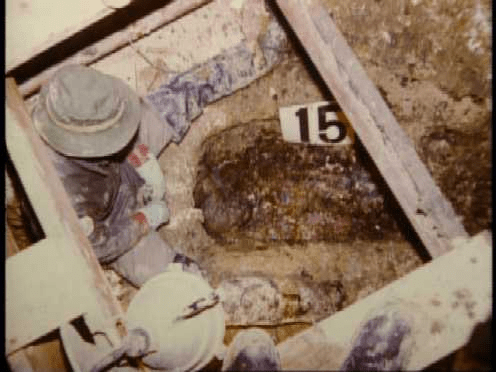
Numbered stakes show where the remains of Gacy’s victims were discovered in the crawl space underneath his house. Photo courtesy of Tribune News Services.
Grids were marked as the crawl space was excavated circa late 1978 or early 1979. Police found the bodies of twenty-nine young men were recovered on his property, and four more were found in Illinois rivers. Photo courtesy of the Cook County Court.
A shot of Gacy’s crawl space. Photo courtesy of Netflix.
Another shot of Gacy’s crawl space. Photo courtesy of Netflix.
Some bones found in JWG’s crawl space.
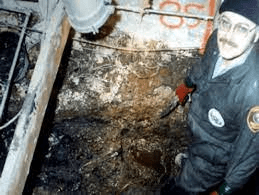
A member of Cook County LE in the crawl space under JWG’s home.
A member of Cook County LE in JWG’s home. Photo courtesy of Cook County.
A member of Cook County LE in the crawl space under JWG’s home. Photo courtesy of Cook County.
Investigators in Gacy’s residence. Photo courtesy of Cook County.
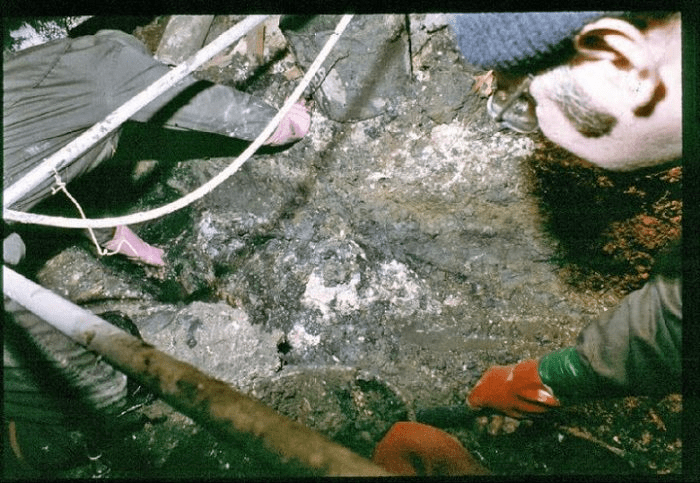
A technician digging in Gacy’s crawl space. Photo courtesy of Cook County.
Investigators at JWG’s house. Photo courtesy of Cook County.
The hallway of Gacy’s house. Photo courtesy of Cook County.
Investigators tearing apart Gacy’s floorboards. Photo courtesy of Cook County.
The early stages of the Gacy investigation, when his house was mostly intact. Photo courtesy of Cook County.
Investigators at JWG’s house. Photo courtesy of Cook County.
Underneath the floors at Gacy’s house. Photo courtesy of Cook County.
Investigators going through Gacy’s house after his arrest. Photo courtesy of Cook County.
Investigators dismantling Gacy’s kitchen floors. Photo courtesy of Cook County.
Investigators tearing apart Gacy’s floorboards. Photo courtesy of Cook County.
Investigators tearing apart Gacy’s residence. Photo courtesy of Cook County.
LE were forced to remove the floors in Gacy’s house in order to access victims’ bodies. Photo courtesy of Rafael Tovar.
A crime scene technician from Cook County digging in Gacy’s basement. Photo courtesy of Cook County.
LE excavating the crawl space underneath Gacy’s home in either late 1978 or early 1979. Photo courtesy of Cook County.
Investigators digging through Gacy’s basement. Photo courtesy of Cook County.
A member of Cook County LE underneath Gacy’s homes looking for the remains of his victims. Photo courtesy of Cook County.
A member of LE underneath Gacy’s homes looking for the remains of his victims. Photo courtesy of Netflix.
A member of Cook County LE underneath Gacy’s homes looking for the remains of his victims. Photo courtesy of Cook County.
Cook County investigators going through the crawl space under JWG’s home.
A member of LE underneath Gacy’s homes looking for the remains of his victims. Photo courtesy of Cook County
A member of Cook County LE underneath Gacy’s homes looking for the remains of his victims. Photo courtesy of Cook County.
A member of Cook County LE looking through the bones of one of Gacy’s victims. Photo courtesy of Cook County.
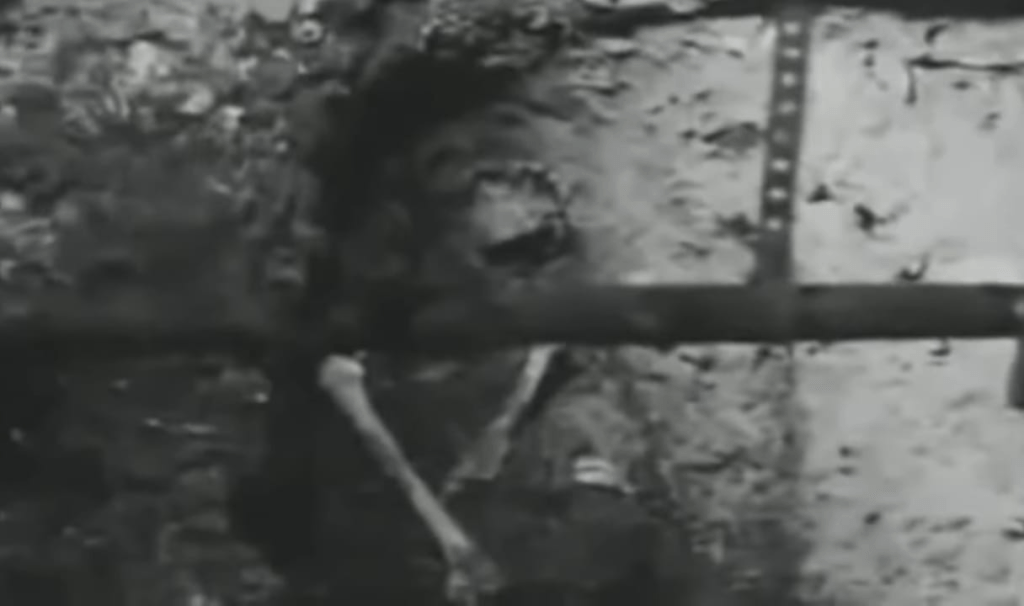
One of the skeletons found in Gacy’s crawl space.
Another shot of one of the skeletons found underneath JWG’s house.
Rafael Tovar remembers stumbling across two left femurs. Photo courtesy of Rafael Tovar.
A member of Cook County LE standing up in Gacy’s crawl space, as the floorboards above were removed. Photo courtesy of Cook County.
A member of Cook County LE puling a body out of Gacy’s crawl space. Photo courtesy of Cook County.
A Investigators going through evidence found in Gacy’s crawl space. Photo courtesy of Cook County.
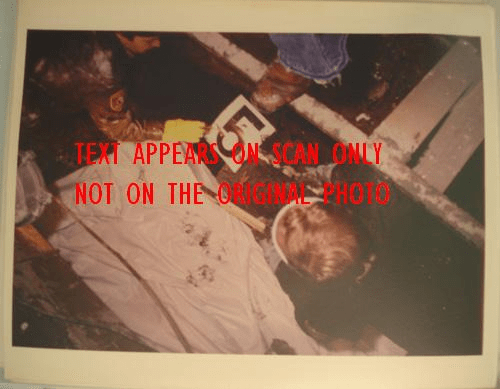
A picture of Gacy’s crawl space; I apologize for the text in the middle, it was the only copy I could find. Photo courtesy of Murderpedia.
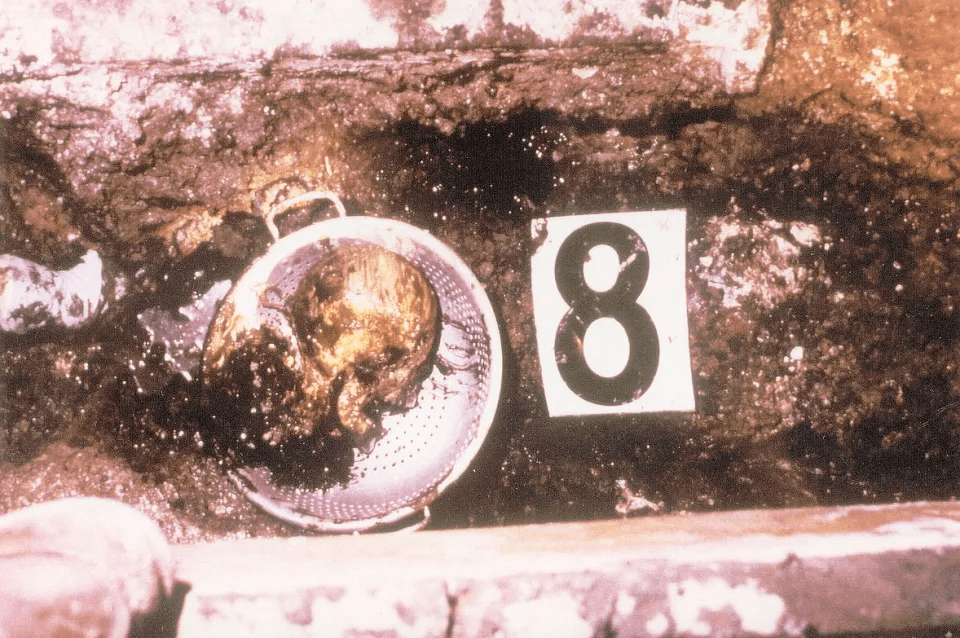
Evidence identification marker number eight. Photo courtesy of Murderpedia.
Another view of evidence identification marker number eight. Photo courtesy of Murderpedia.
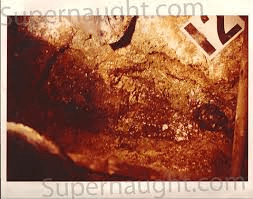
Evidence identification marker number twelve. Photo courtesy of Supernaught.
Evidence identification marker number fifteen. Photo courtesy of Murderpedia.
Evidence identification marker number sixteen. Photo courtesy of Murderpedia.
Evidence identification marker number seveteen. Photo courtesy of Murderpedia.
Evidence identification marker number twenty. Photo courtesy of Murderpedia.
A pieced together skeleton found under JWG’s house. Photo courtesy of Murderpedia.
Investigators looking into JWG’s crawl space.
The entrance to Gacy’s crawl space. Photo courtesy of Cook County.
The frame of Gacy’s crawl space. Photo courtesy of The Chicago Tribune.
Work continues on removing mud from JWG’s crawl space. Photo taken on on January 5, 1979, courtesy of The Chicago Sun-Times Collection.
A member of Cook County LE looking through the bones of one of Gacy’s victims. Photo courtesy of Cook County.
Members of Cook County LE removing mud from the crawl space underneath Gacy’s house. Photo taken on on January 5, 1979, courtesy of The Chicago Sun-Times Collection.
Investigators taking another body out of Gacy’s house. Photo courtesy of Netflix.
Investigators taking another body out of Gacy’s house. Photo courtesy of The Chicago Tribune.
Investigators carring out the remains of a body found beneath the garage floor on JWG’s property. Photo taken on on December 22, 1978, courtesy of Karen Engstrom from The Chicago Tribune.
Investigators taking another body out of Gacy’s house. Photo courtesy of The Chicago Tribune.
A blurry shot of investigators taking another body out of JWG’s house. Photo courtesy of The Chicago Tribune.
Evidence techs from the the Cook County Sheriff’s Department taking out of one of the bodies that were found underneath JWG’s property. Photo courtesy of Daily Mail.
Investigators and evidence techs taking another body out of Gacy’s house. Photo courtesy of The Chicago Sun-Times.
Sheriff’s officers carry bodies to the county morgue from Gacy’s house. Photo taken on December 22, 1978, courtesy of Quentin C. Dodt from The Chicago Tribune.
Investigators carrying out the remains of a body found in JWG’s crawl space.
The 28th body that was taken out of Gacy’s property in Norwood Park as members of LE transferred it to a sheriff’s van. Photo taken on on March 9, 1979, courtesy of The Chicago Tribune.
A shot of Cook County LE putting one of Gacy’s victims into a transport vehicle. Photo courtesy of Netflix.
JWG’s front yard, (almost) completely empty of Cook County investigators and evidence technicians.
Remains found in Gacy’s crawlspace. Photo courtesy of Netflix.
More remains found in Gacy’s crawlspace. Photo courtesy of Netflix.
Another picture of remains found in Gacy’s crawlspace. Photo courtesy of Netflix.
A body pulled out of JWG’s crawl space. Photo courtesy of Netflix.
Multiple remains uncovered in JWG’s house.
(Retired) Cook County Chief ME Robert Stein examines the case tag of victim number eighteen on December 29, 1978 in a crypt set aside specifically for Gacy victims. Photo courtesy of Gerald West from The Chicago Tribune.
Cook County employees demolishing Gacy’s home.
Workers demolish Gacy’s house in  April 1979. Photo courtesy of Daily Mail.
The house had to be knocked down the inside was gutted in the search for bodies. Photo courtesy of Daily Mail.
The ruins of Gacy’s one-time home. Photo courtesy of Daily Mail.
The shell of JWG’s former home. Photo courtesy of Daily Mail.
The demolition of Gacy’s house. Photo courtesy of Netflix.
The lot where Gacy’s house once stood. Photo courtesy of Netflix.
A barren plot of land where the home of John Wayne Gacy once stood. Photo courtesy of Bettmann Archive.
The house that was built in the lot where Gacy’s house once stood.
The Channahon Fire Department searching for bodies in the Des Plaines River. Photo taken on December 23, 1978, courtesy of Frank Hanes from The Chicago Tribune.
In addition to Gacy’s house, after police honed in on him they investigated this five-unit apartment building located at 6114 West Miami Avenue in Chicago. Photo courtesy of Murderpedia.
On November 23, 1998 technicians from the Cook County Sheriff’s Department began preliminary work on a possible excavation at an apartment building in the Northwest Side of Chicago in search of as many as five additional victims of JWG. Photo courtesy of The Associated Press.
The yard of the apartment building where Gacy’s mother once lived, and at one time he did some construction work there. This information regarding the location was released by retired Chicago police detective and PI Bill Dorsch in late 1998. Dorsch said he had seen Gacy carrying a shovel near the general area at about three in the morning one day in 1975. Photo courtesy of Murderpedia.
Technicians use radar to scan beneath the parking lot at the apartment complex where Gacy once cared for. Photo courtesy of Murderpedia.
Gacy’s car sitting in his driveway. Photo courtesy of Netflix.
The back of John Wayne Gacy’s muddy Oldsmobile. Photo courtesy of Netflix.
JWG’s contracting van. Photo courtesy of Netflix.
The back of JWG’s contracting van. Photo courtesy of Netflix.
A picture of the gas station where Gacy passed off the marijuana. Photo courtesy of Netflix.
Another shot of the gas station where Gacy passed off the marijuana. Photo courtesy of Netflix.
A photo of JWG after his first arrest for sodomy in 1968.
A mugshot from Gacy’s 1968 arrest for sodomy in Waterloo, Iowa.
Gacy’s mugshot taken on December 21, 1978 at the Des Plaines Police Department. Photo courtesy of the Des Plaines PD.
John Wayne Gacy being transported from the Des Plaines Police Station to a hospital on December 23, 1978. Photo courtesy of William Yates from The Chicago Tribune.
At the Des Plaines police station, John Wayne Gacy covers his face with his manacled hands as he emerged after an all-night questioning session on December 22, 1978. Photo courtesy of Roy Hall from The Chicago Tribune.
Gacy being put in a squad car at the Des Plaines Police Station to be transported to a hospital. Photo taken on December 23, 1978, courtesy of William Yates from The Chicago Tribune.
Police floor plans showing location of bodies found in Gacy’s home. Photo courtesy of Murderpedia.
A hand drawn diagram by Gacy of where he buried the bodies of his victims in the crawl space underneath his home. Photo courtesy of Erin Hooley from The Chicago Tribune.
A floor plan drawn by Gacy pointing out the locations of his victims. Photo courtesy of Murderpedia.
A picture from the memorial service for the nine (then) unidentified victims of Gacy; of that, five remain. Photo taken on June 12, 1981, courtesy of The Berkshire Eagle.
The service was held at a cemetery in Hillside, IL on June 12, 1981. The remains will be buried in nine different cemeteries in hopes of preventing a potential tourist attraction. Photo courtesy of The Berkshire Eagle.
Items found in the home of JWG. Photo courtesy of Netflix.
Some of the ‘tools’ Gacy used in his murders. Photo courtesy of Netflix.
A ligature used by Gacy. Photo courtesy of Erin Hooley from The Chicago Tribune.
A pair of handcuffs belonging to John Wayne Gacy. Photo courtesy of Erin Hooley from The Chicago Tribune.
A blue nylon jacket belonging to Robert Piest that was found in Gacy’s home. Photo courtesy of Erin Hooley from The Chicago Tribune.
Porn found in Gacy’s house after his arrest. Photo courtesy of Murderpedia.
Some of the pornography themed literature found in Gacy’s house after his arrest. Photo courtesy of Netflix.
Some more of the pornography themed literature found in Gacy’s house after his arrest. Photo courtesy of Netflix.
One of John Wayne Gacy’s paintings, a ‘self-portrait.’ Photo courtesy of Steve Eichner and WireImage.
Original Artwork by JWG. Photo courtesy of Steve Eichner and WireImage.
Another one of Gacy’s paintings.
Gacy’s paints.
Technicians from the Cook County Sheriff’s examining containers holding some remains of the unidentified victims of JWG in June 2011. For many years they were kept at the Cook County’s ME’s office and in 2009 were buried in a paupers’ grave. After they obtained a court order, investigators dug up a wooden crate at Homewood Memorial Gardens in June 2011 that contained eight smaller, pail-shaped boxes, each holding a victim’s jaw bones and their teeth. Photo courtesy of The Chicago Tribune.
An obituary for John’s sister, published on March 24, 2007.

William Earl Cosden Jr.: Part Two, Victims.

Written by Teri Phillips-Offield.

Intro: Jessica told you about the monster behind these heinous crimes, and now, I am going to tell you about the victims. I think it is important to know about their lives and not the fact that they died, but that they lived. The victims are the ones who should be remembered.
I feel that his sisters were among his first victims along with Helen Pilkerton. They suffered abuse at his hand and also were used to lure unsuspecting victims. To my utter disbelief, there were not much information for the beautiful lost souls, and none for the hitchhikers they fell victim to him. I want them to know that I, a complete stranger, do not know who you are or where you are, did not forget you.
I also feel that if his parents would have not covered for him and turned him in, many lives would have been saved. This is my opinion but after hearing the whole story from his sisters, my opinion is that they didn’t protect them and then did not protect the poor innocent girls from this monster.
Ted Bundy was suspected of Kathy’s death, but DNA proved to be William Cosden Jr. He was in prison for attacking Beverly Pearson already hiding right under their nose. It took 28 years and DNA evidence to find the truth. Here is the havoc this man created and the grief he inflicted on the families of his victims. I will start with his earliest victims, his sisters, and then go on to victims he raped, and killed, and finally Kathy Devine, his final known victim. A story full of senseless killings that never should have happened if he would have stayed in jail where he belonged.

Early Victim, Helen Pilkerton: Cosden was sent to a mental hospital in Maryland for killing a woman in 1967 and was serving a three to four-year term at the McNeil Island Corrections Center near Tacoma for a 1976 rape and murder conviction.  Her name was Helen Patricia Pilkerton.  She was an employee of the Lexington Park Motel and was just 20 years old.  Helen Patricia Pilkerton was born on May 24th, 1945, in St. Mary’s, Maryland, her father, John was 22 and her mother Helen was 21.  She had one brother and four sisters.  She died on April 16, 1967, at the age of 21, and was buried in Hollywood, Maryland.  

Helen was found in a stream by two teenage girls and her body was badly beaten.  Cosden had just returned from active duty in Vietnam where he was discharged due to violent behavior. The family of the victim had to sue the Military because of the outrageous leniency of the sentence. To my utter disbelief, Cosden was free after 6 years to rape and kill again. Deputy Prosecutor Philip Harju said, “He is an obvious danger to society.”  Yet, he was released to rape and kill again.  The story should have ended here, better yet not allowed at all.

His sisters, Karen and Susan: They were told their brother was away at a hospital and so his sisters thought he was all better when he came home. There was no warning from their parents whatsoever. They never told them why he was away and never took steps to protect them. He would get in constant trouble at home and in school almost like he invited the punishment. He always had to be in control. His sisters wished their parents were more aware. He loved to torment his sisters and animals. He got pleasure in making his sisters cry. When Karen was 4, he started sexually abusing her. He warned her he would hurt the whole family if she told. The same thing happened to Susan in a few years. He took steps to encourage them to not be close.
When Susan was 8, her brother can downstairs all dressed up to go out. The next morning, she woke to find the sheriff at the kitchen table. They came for her brother. He had confessed to his father that he had killed a woman the night before. The sisters were beginning to see just how evil he was. He did four years in a mental hospital. Four years. His parents told the girls he had went to get well and he was well. That very night he came home, he sexually assaulted his sister.
He was also a firebug and burned down the family home. His mother suspected it was him but did nothing. Again. The cause of the fire was listed as electrical. A house down the block burned too. He seemed to get away with everything. He would also burn his truck to cover evidence.
Then one day the paper was showing about a body found. He got more and more agitated as the paper was read and screamed at them to stop reading. This turned out to be Kathy. He would go to “help” people on snow days when in fact he was looking for prey. One day after a snow day he was arrested for rape.
In 1986, Susan came across his file that showed he was going to be released, she freaked out. She went to the police department to talk about her abuse. The detective she talked to said he believed her brother killed Kathy and would not retire until he found out. Susan told her story and wanted to make sure he didn’t get out. DNA tests were done, and he was convicted. She even flipped him the bird as they were sentencing him. Her family was actually mad at her for doing this. Susan, you are a hero to me.
In 2015, he died alone of a heart attack. They had to deal with the effects of their traumatic past as adults, with one of the sisters even nearing death. Despite the difficulties, the sisters band together to discuss the harm done to them and make an effort to make things right. About a week after filming, Sisters in Silence, Karen Harris passed away following a battle with lung cancer. RIP Karen.

Hitchhikers: Restover Truck Stop in Tumwater, just off Interstate 5, focal point for hitchhikers where he worked there, and his father owned. As I pointed out, Susan says her brother Williams Cosden Jr. would use her as bait to pick up women hitchhikers. The women would feel safe getting into his truck with a little girl there. He would tell his mom he was taking Susan to get ice cream and then take her to pick up hitchhikers. Once the girls were in the truck, he would lock Susan in the back. Many hitchhikers would disappear during this time. We may never know all his victims and which ones were Bundy’s. I apologize for not finding any names of the hitchhiker victims, it makes me wonder how many girls are in unmarked graves all over because of men like Cosden. I wonder if these families ever knew what happened to their daughters. My heart goes out to these families. I hope they found some kind of closure.

Beverly Pearson: On November 30th, 1975, 24-year-old Beverly Pearson stopped to get gas. As she was filling up, she encountered Willian Cosden Jr. She recognized him, but finished getting gas and drove away. On her way home, she lost control of her truck and pulled over. She noticed that Cosden pulled over right behind her. She told him she was fine, but when she went to get back in her truck, he hit her with a rubber mallet. He then forced her into his truck and kept threatening her and she kept saying to not hit her again.
He pulled over at a wooded area and sexually assaulted her. She remembers thinking to try to get him to talk. Her step father was a police commissioner and taught her to try and get anyone who attacks you to talk. She asked him personal questions and told him if he let her go, he could come visit her at home. It worked and he took her back to her truck. She immediately called the police and Cosden was picked up Cosden was found guilty and was sentence to serve a 49-year sentence. Because of her bravery, he was off the streets.

Kathy Devine: I got most of Kathy’s story from Jessica because she wrote it better than any article I read. According to Jessica, Katherine Devine was born to Sally and William L. Devine in Seattle in King County, Washington, on December 25, 1958. She was a Christmas baby. Her family remembered how the kind-hearted teen thought she was destined to become a Minister after being born on Christmas Day. Kathy regularly brought home stray animals and homeless children living on the streets to take care of them. She had a big heart and always sought to help the less fortunate and helpless individuals.
Witnesses last saw the 14-year-old teen hitchhiking in Seattle near North 91st Street and Aurora Avenue North. Her mother stared Kathy had just broken up with her boyfriend and was headed south to visit relatives in Rockaway, Oregon. Her family had reported her to the authorities as a runaway. Little did they know that was the last time their daughter would be seen alive. On December 6, 1973, a young couple stumbled across the remains of the 14-year-old girl in Margaret McKenny Campground in Thurston County.
The victim’s throat had been slashed, and she was lying face down. An examination further revealed she had been brutally sodomized and strangled to death. According to police reports, the officers found the victim’s pants were deliberately torn. Authorities figured that since the place was deserted and it would take a local to know their way around the campground, the killer must be local. The decomposed remains were not immediately identified until Kathy’s sister Sherrie Devine, then 16, saw a television news program in Seattle of the discovery and recognized an embroidered patch on the pair of jeans the victim was reported wearing.
Witnesses saw Cosden come in the night of the murder with stains on his clothing. The witnesses called police. After leaving the truck stop, Cosden’s truck caught fire and was destroyed three miles from the truck stop. During initial interviews with police, Cosden denied ever seeing Kathy Devine.”
Kathy was first thought to be a victim of Ted Bundy. When Ms. Devine disappeared in 1973 Ted was attending the University of Puget Sound Law School and lived within two miles from where she was last seen. Everyone knows he drove the yellow, cream-colored Beetle for years before his arrest, but supposedly his brother owned a white pickup truck. During his death row confessions before his execution in 1989, Bundy told law enforcement that he picked up a hitchhiker in 1973, killed her then left her body close to where Kathy’s remains were found in Olympia, however he couldn’t remember the exact location. He denied having any involvement with Devine’s murder. But this makes me wonder if he did indeed kill Kathy. Cosden was surprised to be convicted and Bundy admitted to killing a hitchhiker and they only found Kathy at that site.
Kathy’s ex-boyfriend was a suspect but passed the polygraph. Another man said he saw the whole thing but was very uncooperative with police. While searching his house, a lot of newspaper articles about Kathy were found along with a blood-stained knife. When they brought him in, he denied all charges and said he could explain. He said the knife was for hunting and after testing, the knife did indeed have animal blood on it. He was cleared of the charges.
An anonymous man called detectives and suggested they investigate Cosden. The man said he looked in the back of Cosden’s truck and found a blood-soaked sleeping bag along with a single shoe. He was looking in Cosden’s truck because he claimed he was a co-worker and Cosden was stealing from him. Before the police had a chance to investigate Cosden’s truck “mysteriously” caught in fire. Remember, Kathy was found missing a shoe. The shoe found on Kathy matched what the man described but they never got the evidence since it burned.
The police went to the jail to confront Cosden and he denied it even though they have DNA proof found on Kathy. Luckily, they had enough to convince a jury and his sister, Susan helped, and he was convicted.
He lived in the area at the time of Kathy’s disappearance and murder. According to witnesses, William was seen wearing bloodstained clothes at the Truck Stop on November 26, 1973. He worked at the truck shop owned by his father and was reportedly working an early morning shift. After leaving the truck stop, Cosden’s truck caught fire and was destroyed three miles from the truck stop.
Additionally, witnesses claimed to find what appeared to be bloodstains inside William’s truck late on November 25, the very day Kathy was last seen alive.

William Cosden was already in prison for sexually assaulting Beverly Pearson when he was convicted of Kathy’s death. it was be the oldest open murder case in the state to have been solved by DNA “fingerprinting,” authorities said.
After Cosden was finally convicted of his daughter’s murder, Mr. Devine said: ‘It’s finished. There’s a justice system, and it works.″ ‘It doesn’t bring Kathy back, but it sure does help. “It was very creepy,” Sherrie Devine, the victim’s older sister, said of the court appearance. Devine’s mother, Sally, said she was nervous about seeing Cosden for the first time. “It would have been worse if we would have had to look directly at him,” I cannot help thinking that if the justice system kept this monster behind bars after his first murder and rape in 1967, Kathy would still be alive. And why weren’t his sisters protected from this monster? They were just little girls.

Conclusion: It took many years to finally catch her killer, but finally the family has answers and hopefully a little bit of peace. Such an unnecessary waste of her and of  the beautiful souls who left this world too soon. My heart goes out to everyone whose life was touched by William Cosden Jr. I want to thank Jessica for not letting these girls be forgotten and reminding us they did live and not only die. And Charlene and Sherrie, you should have never had to endure this kind of horror in your family. My heart goes out to you and much respect for coming out the other side of this tragedy. A long as Jessica and I are here, we will not let her be forgotten.

McNeil Prison.
William E. Cosden Jr.
Cosden.
Kathy Devine.
Kathy Devine.
Devine.
Kathy and one of her sisters.
The remains of Kathy Devine.
The bell-bottom blue jeans with a dragon patch on the pocket that Kathy was wearing when her remains were recovered.
The mock-suede coat with fur trim that Kathy Devine was wearing when her remains were recovered.
The ‘waffle-stomper” boots Kathy was wearing when her remains were recovered.
Beverly Pearson.

Cites:

Katherine Devine Murder: Where is William Cosden Jr Today? Update (thecinemaholic.com)
Life term for man whom DNA linked to murder (seattlepi.com)
Closing ceremony, tour of McNeil Island prison (seattlepi.com)
Evil Lives Here, Sisters in Silence. Season 13, Episode 10.
Katherine Devine Murder: Where is William Cosden Jr Today? Update (thecinemaholic.com)
Katherine Merry “Kathy” Devine. | Another Bundy Blog. (wordpress.com)
Most pictures were taken from Another Bundy Blog: Kathy Devine
Facebook page Cowards ad Killers
Man sentenced to life in prison for 1973 murder | The Seattle Times
Historical Newspapers from 1700s-2000s – Newspapers.com
On the case with Paul Zahn, Season 12, Ep 4, Waving Goodbye.
Other info, Another Bundy Blog. (wordpress.com)
https://www.heraldnet.com/news/rapist-charged-in-1973-killing/

William Earl Cosden Jr.: Part One, Background.

Written by Jessica J. Jurewicz-Woods.

William Earl Cosden Jr. was born on December 19, 1946 to William Earl Sr. and Janet (nee Bakke) in Baltimore, Maryland. The couple were married on June 6, 1945 and eventually settled down near Seattle in Washington and had two girls and two boys: Karen (Harris), Susan (Keller), William Jr. and Timothy. Mr. Cosden worked as a mechanic and owned a truck stop near Olympia, WA. After high school (I’m not sure if he graduated and I couldn’t find the name of the institution he attended), ‘Billy’ joined the Marines and fought in the Vietnam War. Not long after arriving back in the US, he was charged with the murder of Helen Patricia Pilkerton. The 22 year-old disappeared on April 16, 1967 and her body was eventually found by two teenage girls in a stream by Flat Iron Road in the Great Mills area of Baltimore. Two court appointed psychiatrists testified in court that the war vet ‘lacked the substantial capacity to appreciate the consequences of the crime. Circuit Court Judges Perry Brown and J. Dudley Diggs determined that the then twenty-year-old Cosden was ‘insane at the time of the murder,’ which saved him from ‘hard time.’ He was sentenced to reside at  the Clifton T. Perkins Hospital in Jessup, MD until ‘he no longer constitutes a danger to others or himself under the dictates of the law.’ Regarding the verdict, Judge Diggs said that ‘the facts substantiated by the State prove that the defendant (Cosden) is really but not responsible for his actions because of mental illness.’ Just as a side note, this really passes me off. If the judges realized who exactly they had in their custody and sentenced him to prison it may have prevented the death of Katherine Devine and the brutal rape and assault of Beverly Pearson.

Four years later Cosden was released from the psychiatric hospital and moved to Washington state to be with his family. He began working at his father’s business, the Restover Truck Stop in Tumwater, which happened to be a popular hangout for hitchhikers. On November 25, 1973, Katherine Merry Devine vanished without a trace while attempting to hitchhike about 200 miles away to her cousin’s house in Rockaway, Oregon. The next day, a coworker noticed bloodstains in Cosden’s truck, which coincidentally caught fire immediately after. Although LE had their suspicions about Cosden being involved in the 14 year old’s death, they had no proof tying him to the crime.

William managed to fly under the radar until 1975, when he was arrested for the brutal assault and rape of Beverly Pearson (in some older newspaper articles she has the last name Frederick). Early in the morning on November 30, 1975, thirty year-old Cosden brutally raped and assaulted the 24-year-old, who was a customer at his truck stop. The weather that night was snowy and driving conditions were treacherous, and he asked the pretty young pharmacy technician if she’d like him to follow her home to make sure she got there safely. She politely declined his offer however he insisted. At some point during their drive, Billy purposely drove his truck into a ditch then pretended to need help getting it out. After Beverly got out of her car to check on him, Cosden subdued her by hitting her on the head from behind and threatening her with a rubber mallet. Pearson told him that she would ‘do anything if he wouldn’t hurt her’ and at one point during the assault Billy grabbed her by the throat and asked how she was going to explain her ‘new bruises.’ After raping her twice, he took her to his property in Maytown. During the drive, Beverly tried to jerk the wheel in an attempt to make him lose control, and even tried to escape by trying to open the door and crawling out. She was unsuccessful.

The attack took place in a secluded wooded area near Maytown Road. Miraculously, Beverly was able to convince her attacker to let her go and he was arrested a few days later, just hours after she made the report to police. Pearson told the sheriff’s department that she was assaulted by a man ‘named Bill at the Lathrop Road Truck Stop.’ FBI Agent Myron Scholberg said the victim’s hair was found on Cosdens overalls and in his truck, which helped officially link him to the crime. A second federal agent named Allison Semmes positively identified stains that were left behind on Beverly’s underwear and panty hose as Cosdens sperm; the same substance was found on the overalls he was wearing that night. Strangely enough, when law enforcement examined his truck they were unable to find any identifiable fingerprints.

At Cosdens’ trial, a nurse that treated Pearson the night she was assaulted testified that she had ‘bruises and reddened areas around her head and shoulders’ and a Doctor said her injuries were consistent with the results of wounds caused by a blunt object. Dr. Torre Nielson (a Psychiatrist for the defense) said that ‘the performance of two sexual acts in succession in cold weather was highly unlikely.’ He also said that it’s common for a man to experience impotence when thinking of his wife and child. A Seattle based pathologist told the jury that based on lab tests done at around 9 AM later the same day the attack took place, no intercourse had occurred in the previous 12 hours.

While testifying in his own defense, Cosden said when Beverly first saw him early that morning she waved to him, flirting as if they knew each other and happily accepted his offer to follow her home because of the weather. The defendant said that Pearson deserted her pickup in the middle of the intersection at 101st Ave and Case Road, backing it up into the wrong lane then leaving it to get in his vehicle ‘to talk.’ He went on to say that she sat in the middle of his seat, wrapped her arms around him, and asked him to drive them to a place where they could ‘be alone.’ William testified that she talked about her divorce and that he never threatened her or hit her in any capacity. He took her to some property he owned in Mayfield and at no point during their time together did Pearson try to get away from him or leave his company; he also said that at any point if she changed her mind about being with him he would have stopped everything and taken her back to her pickup. He shared with the jury that he never threatened her with a gun ‘hidden under the seat, as she had testified’ and didn’t even keep a weapon in his truck. The married man also claimed that he completely turned down her advances, and that he couldn’t partake in sex with Beverly because all he could think about was his wife and child. When asked how he felt about what happened, Cosden said that he ‘felt like a damned fool.’

Cosden also testified that Beverly drove to his house on January 5, 1976 looking for him. After she pulled away, he immediately called his Attorney Don Taylor and told him about the incident.

On February 18, 1976 William Earl Cosden Jr. was sentenced to 32 years in prison for the rape and brutal assault of Beverly Pearson. He was up for parole in 1990 however the board denied his release, saying he was not safe to be released into the community. Apparently Cosden had quite a temper and on two separate occasions he was brought back to prison after being thrown out of pre-release housing units. In 1999 he was up for parole again but was denied.

In 1986, Thurston County Detective Mark Curtis got a court order for Cosdens blood, but because the technology wasn’t available at the time the sample sat in evidence for so long that he forgot it was even taken. Because of some grant money available through the WA state Attorney General’s HITS program, Curtis was able to take part of the DNA sample to compare to Devines. In 2001, a comparison was done and the test came back a match: William Cosden Jr. killed Katherine Merry Devine. After the successful identification, Detectives Joe Vukich and Brian Schoening went to the prison Cosden was being housed at on McNeil Island and questioned him about his involvement with the murder of Devine. He claimed to know nothing about it.

In 2002 the rest of the DNA sample Cosden provided in 1986 was used in a second analysis, and there was no doubt about it: he was the man that killed Kathy Devine. Detectives David Haller and Tim Rudolf went to talk to Cosden about the positive identification; this time he said he may have had sex with her but didn’t kill her. He was furious when detectives arrested him for the 1973 murder, despite already being in prison. Thankfully, prosecutors were able to argue that Kathy’s DNA was a match to the blood found in his truck and on his clothes. William Cosden Jr. was 55 when he was sentenced to life in prison without the chance of parole in June 2002. Former Deputy Prosecutor Philip Harju said that he was ‘an obvious danger to society,’ and former Thurston County Superior Court Judge Daniel Berschauer agreed with his assessment before passing on the life sentence.

William Earl Cosden Jr. died at the age of 69 in 2015 while incarcerated outside of Seattle, Washington. William Cosden Sr. passed away on December 8, 1983, and Mrs. Cosden died on May 3, 2014 at the age of 88. Susan Cosden-Keller began her career as a teacher but went back to school for her nursing degree. Karen Cosden-Harris worked as a reading specialist at Evergreen Elementary School in Washington. Timothy Cosden was a massage therapist until recently, when on October 5, 2022 his license was suspended after he was accused of sexual assault (Bilbao, The Olympian).*

On Easter Sunday 2023, an episode of the Discovery Plus show ‘Evil Lies Here’ premiered that featured William Cosden Jr.’s two younger sisters. Karen and Susan also fell prey to their older brother, who made them keep his secrets to themselves. The two women lost touch over the years, each one becoming busy with their own careers and lives all while trying to heal and move on from their painful childhoods. But after Karen received a terminal diagnosis of stage four lung cancer, they reunited on the show to talk through their shared trauma in hopes of healing and coming to terms with what happened to them in their younger years. Karen Cosden-Harris sadly passed away on November 4, 2022.

* Bilbao, Martin. ‘Thurston County Massage therapist, 68, suspended for alleged sexual assault.’ October 12, 2022. https://www.theolympian.com/news/local/article267212417.html

The Cosden family; it appears ‘Billy’ is incorrectly listed twice. Photo courtesy of Ancestry.
Beverly told the six man, six woman jury that she was on her way home from a dinner date when she stopped for gas as the Cosden family truck stop at around 1:30 AM. She also told them that she remembers seeing him once before the assault. He asked her how the road conditions were on the freeway and how her pickup truck handled in the snow. He offered to follow her home in his truck and she accepted his offer but intended to just 'leave it at that.' At some point on the drive Cosdens truck slid into a ditch
William Cosden Senior’s background. Photo courtesy of MyHeritage.
Janet Cosden. Photo courtesy of the Cosden family archives.
William Cosden Sr. and his wife, Janet. Photo courtesy of the Cosden family archives.
William and Janet Cosden. Photo courtesy of the Cosden family archives.
‘Billy’ as a child. Photo courtesy of the Cosden family archives.
Janet Cosden holding one of her children. Photo courtesy of the Cosden family archives.
The Cosden family. Photo courtesy of the Cosden family archives.
An early picture of the Cosden family. Photo courtesy of the Cosden family archives.
A B&W of some of the Cosden family. Photo courtesy of the Cosden family archives.
Janet Cosden holding Karen. Photo courtesy of the Cosden family archives.
Some members of the Cosden family. Photo courtesy of the Cosden family archives.
William Cosden’s two sisters, Karen and Susan. Photo courtesy of the Cosden family archives.
The Cosden family around the dinner table. Photo courtesy of the Cosden family archives.
The Cosden family; William is standing in the back. Photo courtesy of the Cosden family archives.
Some of the Cosden family. Photo courtesy of the Cosden family archives.
William Sr. and Janet. Photo courtesy of the Cosden family archives.
William Cosden Sr. and Janet. Photo courtesy of the Cosden family archives.
Janet in her later years. Photo courtesy of the Cosden family archives.
Janet Cosden. Photo courtesy of the Cosden family archives.
Timothy Cosden in the 1972 Olympia High School yearbook
Karen Cosden in the 1975 Olympia High School yearbook.
Karen Cosden in the 1976 Olympia High School yearbook.
Susan Cosden in the 1980 Olympia High School yearbook.
Susan Cosden’s senior picture in the 1983 Olympia High School yearbook.
Susan in a group picture in the 1983 Olympia High School yearbook.
A still of Susan Cosden from the TV show ‘Evil Lives Here.’ Photo courtesy of Discovery+.
Susan Cosden. Photo courtesy of Facebook.
Karen and Janet on her wedding day. Photo courtesy of the Cosden family archives.
Karen with her husband. Photo courtesy of the Cosden family archives.
Karen Harris.
A still of Karen Harris from the TV show ‘Evil Lives Here.’ Photo courtesy of Discovery+.
A still of both Cosden sisters from the TV show ‘Evil Lives Here.’ Photo courtesy of Discovery+.
The Cosden’s first home.
A newspaper clipping announcing William Sr. and Janet’s nuptials.
An article mentioning William Sr. and Janet vacationing in Hawaii published in The Honolulu Star-Bulletin on June 26, 1978.
An article mentioning Susan Cosden published in The Olympian on April 16, 1983.
An article about William Cosden Jr.’s sister Susan getting married published in The Olympian on June 15, 1986.
An article about William Cosden Jr.’s sister Karen published in The Olympian on September 11, 1994.
An article about Karen Cosden’s son published in The Olympian on May 3, 2009.
William E. Cosden Sr.’s military registration card.
Williams brother Timothy’s marriage applications from 1972.
A newspaper clipping about Timothy Cosden getting charged with rape published by The Olympian on July 11, 1974.
A newspaper clipping about Timothy Cosden’s wife Margaret having a baby, published by The Olympian on August 25, 1975.
An announcement for William Cosden Jr’s. application for a marriage license published in The Olympian on October 10, 1971.
William Cosden Jr’s. application for a marriage license.
Cosdens marriage certificate to Rita Kirkpatrick.
The annulment certificate for William and Rita Cosden. Photo courtesy of Ancestry.
Rita Susan Kirkpatrick-Cosden’s 1964 Rochester High School yearbook picture.
Rita Susan Kirkpatrick-Cosden’s 1965 Rochester High School yearbook picture.
Rita in a 1965 photo; she worked for her schools yearbook.
Rita in a 1966 photo, she was as typist for her schools yearbook.
Rita in another photo from the 1966 from her schools yearbook.
Cosdens marriage record to Nancy Patton from 1978.
One of Cosden’s earlier mugshots.
Some of Cosden’s earlier mugshots.
A 2002 mugshot of William Cosden Jr. after he was arrested for the 1973 murder of Katherine Devine.
A mugshot of Cosden in his later years.
Another mugshot of Cosden in his later years.
William Cosden’s burnt truck. Photo courtesy of Discovery+.
The back of William Cosden Jr’s. burnt truck. Photo courtesy of Discovery+.
The inside of Cosdens burnt truck. Photo courtesy of Discovery+.
An evidence photo of a footprint found at the crime scene where Cosdens truck was set on fire. Photo courtesy of Discovery+.
An evidence photo related to the murder of Kathy Devine. Photo courtesy of Discovery+.
One of the waffle stomper boots Kathy was wearing when she was murdered.
Some police sketches related to the murder of Kathy Devine.
A picture of law enforcement with evidence from Kathy Devine’s case.
Detective David Haller, who worked Devine’s case. Photo courtesy of ‘On the Case with Paula Zahn.’
Detective David Haller at Margaret McKenny Park, where Kathy Devine’s remains were found. Photo courtesy of ‘On the Case with Paula Zahn.’
Philip Harju, who was Thurston County’s Chief Criminal Prosecutor at the time of Cosden’s arrest for the murder of Kathy Devine. Photo courtesy of ‘On the Case with Paula Zahn.’
A still from an original broadcast about the murder of Kathy Devine.
A map of where Kathy Devine was last seen and where her body was found.
An article about Cosden getting arrested for the murder of a woman named Helen Pilkerton published in The Evening Sun on April 17, 1967.
An article about Cosden getting arrested for the murder of a woman named Helen Pilkerton published in The Morning Herald on April 17, 1967.
An article about Cosden getting arrested for the murder of a woman named Helen Pilkerton published in The Baltimore Sun on April 17, 1967.
An article about Cosden published in The Evening Sun on December 9, 1968.
An article about Cosden being found insane published in a Maryland based newspaper on October 19, 1967.
An article about Cosden being hit by a car published by The Olympian on March 25, 1972.
An article about Cosden being hit by a car published by The Olympian on June 7, 1972.
An article about the birth of Cosdens child published by The Olympian on July 23, 1973.
An article mentioning Cosden receiving threatening phone calls published by The Daily Chronicle on February 18, 1975.
An article about Cosden’s rape case going to the jury published by The Olympian on February 10, 1976.
An article about Cosden’s rape case published by The Olympian on February 11, 1976.
An article about Cosden’s rape case published by The Olympian on February 12, 1976.
An Olympia Doctor named Terrance A. chulte testified that he foundn sperm 'almsot iedately' when he examned a sample of clothing the woman was wearing.
Part one of an article about Cosden’s rape case published by The Olympian on February 13, 1976.
Part two of an article about Cosden’s rape case published by The Olympian on February 13, 1976.
He said he drove to some property he owns near Maytown and stopped the truck and they talked. As they were talking she started unbuttoning her blouse and told him that 'this is just like playing strip poker.' He claims he responded to her that he "just can't.'
An article about Cosden’s rape case published by The Olympian on February 15, 1976.
An article about Cosden’s rape case published by The Olympian on February 17, 1976.
An article about Cosden’s rape case going to the jury published by The Olympian on February 18, 1976.
An article about Cosden’s rape case going to the jury published by The Olympian on February 19, 1976.
In an article published by The Olympian on February 27, 1976, Cosden experienced back pain after falling in his jail cell from his bunk.
An article about Cosden falling in his jail cell published by The Olympian on February 27, 1976.
An article about Cosden’s rape case going to the jury published by The Olympian on March 16, 1976.
An article about Cosden published by The Olympian on March 20, 1976.
An article about Cosden published by The Olympian on March 21, 1976.
An article about Cosden published by The Olympian on July 25, 1977.
An article about Cosden appealing his conviction published by The Olympian on May 5, 1978.
Part one of an article about William Cosden’s 2002 trial published by The Olympian on March 14, 2002.
Part two of an article about William Cosden’s 2002 trial published by The Olympian on March 14, 2002.
Thurston County Superior Court Judge Daniel Berschauer
Part one of an article on Cosden published in The Olympian on July 31, 2002.
Part two of an article on Cosden published in The Olympian on July 31, 2002.
Part one of an article on Cosden published in The Olympian on March 12, 2002.
This image has an empty alt attribute; its file name is image-122.png
Part two of an article on Cosden published in The Olympian on March 12, 2002.
Part one of an article on Cosden published in The Olympian on July 30, 2002.
Part two of an article on Cosden published in The Olympian on July 30, 2002.
An article on Cosden published in The County Times newspaper on August 15, 2013.
A screenshot of an article on Cosden murdering Pilkerton; I apologize for the poor quality, the fact that I was even able to find this is a miracle. Photo courtesy of A&E.
Helen Pilkerton’s grave site. At the time of her murder Helen was employed at the A & E Motel in Lexington Park, MD.
Beverly Pearson.
Beverly Pearson.
A still of Pearson. Photo courtesy of ‘On the Case with Paula Zahn.’
Another still of Beverly Pearson on ‘On the Case with Paula Zahn.’ I love pink, it’s definitely her color.
2710 114
Where Cosdens truck slid into a ditch early in the morning on November 30, 1975. Case Road at 101st Avenue in Olympia, WA.
William Cosden Jr. at his arraignment for the murder of Katherine Merry Devine.
A photo from an article discussing the trial of William Cosden Jr. for the murder of Kathy Devine, photo courtesy of Charlene Devine-Gonzales.
Kathy Devine’s other and sisters at Cosden’s murder trial.
Mrs. Devine at Cosden’s trial.
Margaret McKenny Park where Cosden left Kathy Devine’s remains.
A sign for the Cosden family truck stop.
A photo of the Cosden family’s truck stop.
William E. Cosden Sr.’s death certificate.
Cosden seemed to settle into life at the Washington state Penitentiary where he was housed. In early 2002 he was arrested in connection to the murder of Katherine Devine. The case went to trial in May 2002 and
William E. Cosden Sr.’s obituary published in The Olympian on December 8, 1983.
Janet Cosden’s obituary published in The Olympian on May 8, 2013.
Janet Cosden’s obituary published in The Olympian on May 14, 2013.
Mr. and Mrs. Cosdens joint gravesite.

Sharon Pulaski.

Sharon Pulaski was born at some time in 1963 to Andrew and Sophie (nee Urbanski) Pulaski in Alden, NY. The couple were married in Cheektowaga on November 7, 1959 and had three children: two boys (Andrew and Brian) and Sharon. Mr. Pulaski served in the US Army, and the family eventually settled down at 1369 Townline Road on the Lancaster/Alden border. Sharon graduated from Alden High School in 1980, but aside from that little is known about her background. I found some pictures of her on classmates.com, and going through her high school yearbook I was able to see that she participated in a number of different extracurricular activities, including poetry workshop, photography club, and science club. From what I’ve gathered (through comments on social media posts about her), the Pulaski’s were a very close-knit, loving Roman Catholic family that were private and mostly kept to themselves. They were very involved with their church and helping people in the local community.

Sharon had green eyes, brown hair, was 5’4″ tall, weighed 130 pounds and wore corrective lenses. She had a two inch long scar on her right shoulder, a tattoo of a heart on her right arm, and was last seen wearing white sneakers, blue jeans, and either a black or white shirt. On October 7, 1983 Sharon gave birth to a son named Steven, who she raised at her parent’s home up to her disappearance. Strangely enough, I went to high school with him and graduated the year before him. We were in different social circles and I didn’t hang out with him but I remember he was nice and very passionate about his faith.

Before she left, Sharon told her mother that she was running to the store but would be back in fifteen minutes. Mr. Pulaski reported to law enforcement that his twenty-four year daughter had left home on July 20, 1987 and never returned home; she has not been seen or heard from since. Sharon left the residence in her vehicle, a blue 1985 Plymouth Reliant with NY tags, license plate number 6679-BLZ. Just a few months later in August of 1987 Pulaski’s vehicle was pulled over in California, however she was not one of the four people inside. To be fair, she was reported missing in New York and it was the 1980’s. There was a good chance the officer had no idea the vehicle’s owner was missing. But wouldn’t it be suspicious regardless? A car with New York plates gets pulled over across the country and its owner isn’t one of the four occupants inside? Obviously it was eventually figured out (as we know about it), but I wonder if the cop that pulled the car over even bothered getting the names of the people inside? Was this situation ever revisited and were they questioned? For some reason a police report was never filed and the individuals were never taken in for questioning. In September 1987 Pulaski’s sedan was found abandoned in Seattle.

After I posted on a few Alden, NY Facebook groups asking for more information about Sharon, I had a few people reach out to me that knew her. Additionally, going through the comments, a few acquaintances of hers said that they had absolutely no idea where she went and didn’t even have so much as a working theory as to what happened to her. According to a post about Sharon on the Facebook group  ‘Jane Does and Missing 1970’s-1980’s,’ she did on occasion take off for short periods of time but always came back… until she didn’t. An individual by the name of Andrew Pulaski commented that ‘she’s my aunt, she disappeared the day of mother’s baby shower, according to my parents she said she wasn’t able to attend that day and when they came back home she was gone but all of her son’s documents (SSN, birth certificate, medical docs) were left neatly on the bed.’ I also got some information about Pulaski from a childhood friend of mine, Michael Mack. He said his mom Karen (who I also know, as they lived down the street from my family for many years) grew up with her. When I spoke to her a few days later she confirmed that they were best friends until she disappeared. Just like everyone else I spoke with, Karen had absolutely no idea what happened to Sharon or where she went. It’s as if the earth just swallowed her up.

This is just my own personal observation, but I find that investigating agencies are far less likely to take a missing persons case seriously if they feel the individual left in any way on their own accord. I even look at Bundy cases, like Brenda Ball and Donna Manson, who were both frequent hitchhikers and would often take off for brief periods of time before eventually turning up again. LE was extremely hesitant to even link Balls disappearance to the other Ted murders that were taking place all over the Seattle area at the time (although it was her skull that was the first one discovered at Taylor Mountain on March 1, 1975). I wonder if that’s why I couldn’t find any articles or news reports on Sharon, because they thought she was a runaway. Fourteen year old Brenda Joy Baker also comes to mind, as her disappearance didn’t make the news until her body was discovered (for my non-Bundy readers, she was a frequent hitchhiker that ran away from home on multiple occasions and was last seen getting into a pick-up truck in May 1974).

Looking into it there were quite a few possible routes to get to the golden state from Alden. One incredibly frustrating part of all this is the lack of information out there. California is a large state… Where exactly was her car pulled over? It’s at least a day and a half trip, and that’s driving straight through. I think there’s a few different possibilities that could have happened to Sharon… maybe she got tired of small town living and simply left? That theory reminds me of Nancy Perry-Baird out of Utah, who vanished without a trace from the gas station she worked at on the 4th of July in 1975. Like Pulaski, Nancy also had a young son, roughly the same age as Steven. But why would anyone willingly leave their child behind? And Perry-Baird was GONE gone (just like Sharon). Or was there maybe a more sinister aspect to her disappearance? Perhaps she picked up a hitchhiker that pulled a weapon on her, taking control and subduing the young mother? Or did she plan on taking off only for a few days but something happened along the way that prevented her from returning home. One possible suggestion I read on a FB post was maybe she fell in with the wrong crowd, which somehow resulted in her untimely demise? But where would she be after all this time? According to Karen Mack, NO ONE has any clue what happened to her. Her disappearance came completely out of left field to everybody and made absolutely no sense.

In a write-up for Pulaski on the Facebook page ‘Jane Does and Missing 1970’s-1980’s,’ someone commented that serial killer Tommy Lee Sells was in the general western NY area just before Pulaski disappeared in 1987, and sure as shit they were right. Also referred to as The Coast to Coast Killer, Sells killed twenty-eight year old Suzanne M. Korza on May 2, 1987 after getting in a fight with her fiance and leaving a Lockport bar. Eight years later her skeletal remains were found at the base of an escarpment near Niagara Falls. Susan was from Lancaser, NY and strangely enough went to the same high school as my Mom (St. Mary’s, but Suzanne was a couple of years younger than she was). Korza’s official date of death is listed as September 5, 1995, which was the date she was found. Her case went unsolved until 2004, when Sells confessed to her murder while he was waiting to be executed for the murder of a young girl in Texas.

On December 31, 1999 Sells entered a Del Rio residence and sexually assaulted 13-year old Kaylene Harris. He sexually assaulted then killed the teenager, stabbing her sixteen times and slashing her throat. He then cut the throat of her friend, 10 year old Krystal Surles, who luckily survived the brutal attack. Unfortunately, Sells was a lot like Henry Lee Lucas and liked to confess to murders and crimes he didn’t commit (he claimed to have killed over 70 people). Regardless of what the number really was, he was found guilty of killing Harris on September 18, 2000. Two days later he was sentenced to death. Because of his link to Lockport (which is about 45 to 55 minutes away from Alden), Pulaski and a second unidentified missing woman were deemed to be possibly linked to Sells. Interestingly enough, Facebook user Kelly Rosemellia commented that the serial killer being considered a potential suspect in Sharon’s disappearance was just a crackpot theory dreamt up by some lazy detectives that didn’t feel like investigating her disappearance properly. Additionally, most people from the general Alden area that knew Pulaski don’t buy the theory that Sells had something to do with her disappearance.

Just a few months after Sharon disappeared on October 15, 1987, Sells drugged Stefanie Stroh with LSD before he strangled her to death. Stroh was hitchhiking home to San Francisco after a year-long trek through Europe and Asia. The day the 20-year-old disappeared Stefanie was seen standing next a road with her thumb out in Winnemucca, Nevada. After accepting a ride from the serial killer, Sells killed her. He then encased her feet in concrete and dumped her remains in a desert hot spring. Her body has never been recovered. Sells was executed by lethal injection at the age of forty-nine at 6:14 PM on April 3, 2014.

According to one Facebook user whose parents lived across the street from the Pulaski family, ‘We weren’t close, but they seemed like a nice hard working family. I asked my parents if they recalled anything about the event. They do remember her leaving and never returning. And my Dad recalled that their family received a call saying they found her car down south. Our family just assumed that she ran away to start a new life. I don’t recall ever seeing any news reports or articles about her saying that she was missing.’

I had a new friend reach out to me about the fact that Sharon’s father was a member of the Knights of Columbus. Per his obituary, Andrew Pulaski specifically was a Fourth Degree member of the Father John Schaus Council of the K of C’s, 4652. The Fourth Degree is the highest degree of the order and members who reach this elite status are addressed as ‘Sir Knight.’ In 1985, Pulaski was given the title of man of the year by the Holy Name Society and was even named knight of the year by the Father Joseph Schaus Council in 1987. I mean this makes sense, as the Pulaski family was very active at their home parish of St. John the Baptist out of Alden. Looking into it, the Knights of Columbus is the world’s largest Catholic family fraternal service organization, with 1.7 million participants. It provides its members and their families with volunteer opportunities in service to the Catholic Church, their communities, families and young people. This new friend however suggested a more ominous, ritualistic aspect surrounding the society, and even suggested that they possibly had something to do with Sharon Pulaski’s disappearance. I mean, no secret society is going to admit to being a secret society. Of course they’re going to say they don’t have anything less than the very best of intentions. On a semi-related note, I had a friend from elementary school whose mother accidentally walked in on a Masons meeting one night and saw something… dark, and not exactly right (I don’t know if she had to use their bathroom or needed directions or what exactly). My GF said it was almost as if her mom walked in on a ritual of some sort… thankfully she realized that she shouldn’t have been there and quickly left.

After graduating from high school in 2002, Steven went on to attend ECC for a bit before eventually getting hired at FedEx. Unfortunately, while looking for information about his mom I learned he died sometime in 2020. I couldn’t find any sort of obituary for him. Sharon’s dad Andrew passed away on May 11, 1989 in Buffalo, and her mother died on February 15, 2013. Her brother Andrew lives in Alden and Brian resides in Lancaster. If Sharon was alive in November 2023 she would be sixty years old.

Sharon Pulaski. Photo courtesy of Daniel Patrick Hurley.
Sharon Pulaski from the 1978 Alden High School yearbook. Next to her is her brother, Andy.
Sharon Pulaski in a group photo for ‘science club’ from the 1979 Alden High School yearbook.
Sharon Pulaski from the 1979 Alden High School yearbook.
Sharon Pulaski in a group photo for ‘poetry workshop’ from the 1979 Alden High School yearbook.
Sharon Pulaski in a group photo for science club from the 1979 Alden High School yearbook.
Sharon Pulaski in a group photo for photography staff from the 1979 Alden High School yearbook.
Sharon’s senior picture from the 1980 Alden High School yearbook. Photo courtesy of Daniel Patrick Hurley.
Sharon Pulaski.
A photo of Pulaski from her drivers license.
An announcement that Sharon had a baby published by The Buffalo News on October 18, 1983.
Sharon’s fathers obituary. Photo courtesy of The Buffalo News.
Sharon’s mothers obituary. Photo courtesy of The Buffalo News.
Andrew Pulaski’s grave site.
A Facebook comment from the child of a former neighbor of Pulaski.
1369 Town Line Road, Alden NY. Photo courtesy of Google Maps.
A blue 1985 Plymouth Reliant much like the one Pulaski drove.
Andrew Pulaski in a group picture for Harkness from the 1978 Alden High School yearbook.
Steven Pulaski.
Sharon’s son, Steve.
I pulled this from Steves’ Facebook.
Tommy Lynn Sells, AKA The Cross Country Killer and The Coast to Coast Killer. Sells was an American pedophile, family annihilator, necrophiliac serial killer, serial rapist, abductor, and robber that took credit for murdering over 70 people. He said, ‘I am hatred. When you look at me, you look at hate. I don’t know what love is. Two words I don’t like to use are ‘love’ and ‘sorry,’ because I’m about hate.’
Suzanne Korcz. Lockport Detective Lieutenant Rick Podgers said that Sells ‘told authorities he jumped onto a freight train, going north until he couldn’t go any farther. He said he got off somewhere near Niagara Falls and it ultimately led to a murder. . . . He said it happened in the mid-80’s and it was a white female. His story has some similarities to the death of Suzanne Korcz.’ Despite being a frequent and habitual liar, law enforcement said they feel he is telling the truth because he shared information about Suzanne Korcz that would be tough to know unless he was involved.
A few possible routes from Sharons house in Alden, NY to California.

BTK: Recent Developments.

Dennis Lynn Rader was born on March 9, 1945 to William and Dorothea Rader in Pittsburg, KN. The parents of four boys, the Raders eventually settled down in Wichita, where William (a former Marine) worked for Kansas Gas Services and Dorthea was a homemaker and bookkeeper. Both parents worked long hours and paid little attention to their children; Dennis later described feeling particularly ignored by his mother and resented her for it. From an early age, he harbored sadistic sexual fantasies about voyeurism, autoerotic asphyxiation and cross-dressing and exhibited zoosadism by torturing and killing small animals. He liked to dress in women’s clothing and wear bindings around his arms and neck and masturbate while spying on his unknowing female neighbors. After he graduated from Wichita Heights High School, Rader enrolled in classes at Kansas Wesleyan University, only earning subpar grades; he dropped out after one year. He then joined the United States Air Force, serving from 1966 to 1970. After being discharged, Rader moved to Park City, where he got a position in the meat department of an IGA supermarket where his mother was employed as a bookkeeper.

Rader married Paula Dietz on May 22, 1971, and the couple had two children: a son named Brian born in 1973, and a daughter named Kerri (Rawson) born in 1978. He attended Butler County Community College in El Dorado, and in 1973 earned an associate degree in Electronics Engineering Technology. He continued his education at Wichita State University, and in 1979 graduated with a BS in Administration of Justice. After getting his four year degree, Dennis briefly worked as an assembler for Coleman, an outdoor supply company. From 1974 to 1988 he was employed for the Wichita branch of ADT Security Services, where he installed security alarms in peoples homes. After being laid off from ADT, in 1989 Rader got a position as a census field operations supervisor for the 1990 federal census in the Wichita area. In May 1991, he became a compliance officer and dogcatcher for Park City. In this position, neighbors recalled him as being overzealous and extremely strict at times, and seemed to take special pleasure in bullying and harassing single women. One even complained that he killed her dog for no reason. Rader was also the president of Christ Lutheran Church and was a Cub Scout leader.

Although on the rare occasion Rader killed men and children (or attempted to anyways), he preferred to target women. His victims were often bound, sometimes with objects from their own homes, and he either suffocated them to death with a plastic bag or manually strangled them with a ligature. BTK also stole little mementos or keepsakes from his female victims, including underwear, their drivers licenses, and other personal items.
In early 1974, Rader began his reign of terror with the Otero family: The morning of January 15, he cut the their phone line and entered their residence after little Joey opened the back door for the dog. He was expecting to only see Mrs. Otero home with two of her six children, but to his surprise the patriarch was home as well. Quickly, BTK drew his gun and told the terrified family that he was a wanted criminal and needed food, money and a getaway vehicle. He then took their lives, one by one: his victims were Joseph Sr. (38), Julie (33), Joseph Jr. (9), and Josephine (11). Rader put a plastic bag over Joseph Sr.’s head, suffocating him to death, then did the same to Joseph Jr. His beautiful wife, Julie was strangled to death on her bed… but he left his most horrifying act for last: he hung little Josie up by her neck with a rope, her body hanging from a pipe in the basement with her arms tied behind her back. Because he felt raping his victims would be make him unfaithful to his wife, Rader masterbated on the young child. Their bodies were discovered later that afternoon by the families three older children, who had been at school at the time of the killings. After he was arrested in 2005, BTK confessed to killing the four Otero’s and that he first targeted them two months before he took their lives, when he spotted Julie leaving to take her children to school and followed them.

Next was Kathryn Bright. Before he took her life, Rader had seen the twenty one year old enter her home and immediately pegged her as his next ‘project.’ On April 4, 1974, he let himself into her house from the porch door and hid in her bedroom. Bright arrived home around 2 PM but wasn’t alone: her brother Kevin (19) was with her. Just like with Joseph Otero Sr., Rader was not expecting this but quickly adapted: he came rushing out of the bedroom, gun drawn, pointing it right at both of them. He gave the siblings the same story he told the Oteros: that he was on the run and needed supplies. Rader then forced the two into a bedroom and ordered Kevin to tie up Kathryn’s hands and feet. When finished, he took Kevin into the other room and attempted to restrain him as well, but was unsuccessful: the two men began fighting, with Kevin getting very close to taking the weapon away from Rader. But BTK quickly regained control of the situation and shot Kevin in the head, twice. He then went back to Kathryn, who (like her brother) also put up quite the fight as he attempted to strangle her. He realized he wouldn’t be successful in his attempts and began stabbing her in the abdomen. As this was taking place, Kevin was able to escape: he ran a few blocks to his car and drove off in search of help. Sadly, despite multiple emergency surgeries and blood transfusions, Kathryn Doreen Bright succumbed to her injuries. Thankfully Kevin survived.

Rader took a bit of a break until 1977: On March 17, he intended to go after a woman named Cheryl he had met at a bar, but lucky for her she was not home. Not wanting to wait, he decided it was time to murder again and quickly spotted his next victim in a neighborhood that he was walking through. When going down Hydraulic Street he came across a young boy named Steve Relford, who was walking home from the store with a can of soup. Rader pulled out a picture of his own wife and son and asked the five year old if he recognized them. The little boy shook his head no and continued on his walk home. After arriving, BTK knocked on the families door when Steve answered: Rader told him he was a detective, helping him gain entry to the house with no problems. He then turned off the TV and closed the blinds. Shirley Vian, home with her four children, came out of one of the rooms, confused as to who the strange man in her living room was. Once again drawing his weapon, BTK told the children to go into the bathroom, even going so far as to locking them inside. He told Shirley his plans but somehow was able to convince her that he wasn’t going to rape her, and tried to calm her down with a glass of water and and a cigarette. Rader then tied her up and strangled her to death with a rope. Semen was found left behind on her panties, which were discovered next to her body. During his allocution in court in 2005, BTK stated that the telephone rang, which spooked him and forced him to leave early. As a result, he left the children in the bathroom still screaming for their mother.

On April 28, 1979, Rader waited inside the home of 63-year-old Anna Williams, who lived in the 600 block of South Pinecrest in Wichita. He grew impatient and angry after sitting in her dark closet for hours, and when she failed to return home he left, taking with him several of her personal belongings (including one of her scarves and some jewelry). Williams was at a square dance that evening then stopped by her daughter’s house afterwards. When she arrived home at 11:00 PM she simply thought she had been the victim of a burglary. Rader then mailed her one of her scarves as well as a poem titled, “Oh, Anna, Why Didn’t You Appear” (he also sent it to a local news station in Wichita): ‘T’was a perfect plan of deviant pleasure so bold on that Spring nite’ … ‘be glad you weren’t here, because I was.’

It wasn’t long again before Rader once again felt the itch to kill. In December of 1977, he was already stalking and obsessed with his next target: 25 year old Nancy Fox. On December 8, BTK cut her phone line then broke into the back door of her modest duplex. He waited for her to arrive home from her job at a jewelry store, and since she lived alone he had no issues surprising her in her kitchen at gunpoint. Rader told Fox he had a sexual hangup and in order to get rid of it had to sexually assault her. He quickly tied her up, undressed himself and immediately began to strangle her. As he took her life, BTK told her who he really was and what he had done in the past. The next day on his way to work, he called the police and told them they would: ‘find a home-acide at 843 South Pershing. Nancy Fox.’ Rader then fled, leaving the phone receiver dangling. Law enforcement rushed to Nancy’s house and found her body, along with semen on a discarded nightgown lying next to her.

BTK went silent until 1985. By then, the 40 year old serial killer had gotten busy: his children were born and growing, and he was involved in his church. His next victim was his neighbor: 53 year old Marine Hedge. A widow, Hedge was described by the people in her life as a kind and gentle woman. On April 27, 1985, Rader was in the middle of a Boy Scout meeting when he announced that he had a headache and needed to leave to get medicine. He then walked to his car that was conveniently parked near a bowling alley. He went inside and bought a beer, which he purposely spilled all over himself and swished around in his mouth, which gave the people around him the impression that he had been drinking (he spit the beverage out). Dennis even went so far as to call a cab, instructing the driver to take him to Park City.

Once he got to his neighbors house, Rader saw her car and assumed she was home. Like his other victims, he cut her phone line and quietly let himself in the back door. He quickly realized that she wasn’t there and waited in her bedroom until he saw a car pull into the driveway. Mrs. Hedge and a male friend walked into her residence, and once again BTK was left waiting. He stayed in her bedroom closet until 1 AM, when her guest was gone and she was asleep. He then turned on the bathroom light and jumped on top of his victim, strangling her to death. When the act was completed, Rader dragged her body out of the house and put it in the trunk of her car. He then drove to his church, bringing her body inside and photographing it in multiple different poses. When finished, he put her body back in the trunk of the car and dumped it in a ditch on a dirt road not far from their respective homes.

Sweet, young twenty eight year old Vicki Wegerle was next on Rader’s radar. In September of 1986, Wegerle was a happily married mother of two, and had caught the serial killer’s eye (or ear, in this case) when he walked by her house one day and heard her play the piano. He thought he planned this murder out meticulously, dubbing it his ‘PJ’ project in the journal he kept. Before going into the family’s home, he made sure to cut the phone line (just like the others). At roughly 10 AM on September 16, Rader (who was dressed up as a telephone repairman) knocked on Wegerle’s door and she let him, for what I would think are obvious reasons. Once inside, he immediately pulled out his weapon and told her he was going to tie her up. As Dennis was attempting to push her into her bedroom the young mother began to put up a fight, causing him to get some cuts and scratches on his face and arms. He quickly reached for a rope and choked her to death. When finished, he took pictures of her body posed in different positions then left in the Wegerle’s car. As he was driving away, Vicki’s husband Bill pulled up and said that he saw his own car driving in the opposite direction of his home but couldn’t ID the driver. When he walked in his house, he saw his 2 year old son left unattended in the living room. Wegerle searched the house for his wife, eventually finding her on their bedroom floor behind their bed. Vicki was immediately rushed to the hospital but was pronounced dead after a few hours. Reportedly, Rader did not harm the Wegerle’s son and authorities initially suspected Bill as the prime suspected in his wife’s murder.

Last but not least, Dennis Rader’s tenth victim: sixty-two year old Dolores Davis. On January 19, 1991, Rader was away chaperoning his son’s boy scout camping retreat but managed to sneak away in the middle of the night undetected. First, he went to his parents house to change into his ‘hit’ clothes and from there drove to the Baptist Church in Park City to ditch his car. He then took off on foot to Davis’ house, which was only a mile and a half away from his own residence. Rader waited outside until he was certain his victim was asleep then threw a cinder block through the glass door at the back of the house, which immediately woke her up. He gave her his well-rehearsed story: that he was on the run, needed resources and was going to restrain her. Rader then tied her up in the bedroom and strangled her to death with a pair of pantyhose. When he was finished, BTK put her body in the trunk of her own car and kept it there while he took care of obligations, saying that ‘I really had a commitment I needed to go to, so I moved her to one spot, I took her out of her car… this gets complicated, then the stuff I had, clothes, guns, whatever, I took that to another spot in her car, dumped that off.’ Later that day, he eventually ‘dropped off’ her remains under the Jester Creek Bridge near Sedgwick County then drove back to Davis’ house, making sure to wipe her car down before leaving to go back to the church. BTK then changed back into his Scout uniform and snuck back into camp. The next night he went back to her body and took photographs of it. Her remains were found on February 1, 1991 at West 117th Street North and North Meridian Street in Park City.

Thirteen years passed after Dennis Rader killed Dolores Davis. Irritated that he wasn’t receiving any media attention for his hard work, he resumed sending law enforcement and the media taunting correspondence in 2004. Included in the detailed letters were mementos from his previous crimes, including pictures he took of his victims and a drivers license. On February 25, 2005 the serial killer was finally arrested after a floppy disk he sent to a Kansas TV station was traced to a computer at his church, leading to his arrest and subsequent guilty plea. After Rader was arrested, investigators uncovered a treasure trove of information, including his personal journals, notebooks, and an unpublished manuscript. In these texts he documented all of his crimes as well as his darkest fantasies. After her husband was caught, Paula Rader was granted an ‘emergency divorce,’ which waived the typical 60-day waiting period. There are typically only two real justifications for an emergency divorce petition in Kansas: immediate need of support or domestic violence. For a few years after the arrest was made Kerri said she wrote to her father but eventually ceased all communication with him. She said where she has forgiven him she still struggles to come to terms with him being the BTK killer, saying she had a typical childhood and they were a ‘normal American family.’ On August 18, 2005, 60-year-old Rader received 10 consecutive life sentences with the possibility of parole after 175 years. As of September 2023 Dennis Rader is housed at the El Dorado Correctional Facility.

After he was arrested, BTK told law enforcement that was stalking his next intended victim and had been planning to kill her in October 2004. Mary Capps worked under Rader in the Compliance Department for Park City, and despite being subjected to six and a half years of mental abuse and bullying by him she is thankful that he was caught before he took her life. After discovering who the man that had caused her to suffer really was, Capps developed a terrible case of PTSD and after struggling for years is now fully recovered and has written a book about her experience titled: ‘My Boss was the BTK Killer.’ In it, she talks about an incident when Rader trapped her in her office: ‘he just kept moving toward me. I said ‘Dennis, open the door.’ Finally he reached over, opened the door, and with a complete change of personality he walked to his desk and sat down and acted like nothing happened.’

On August 23, 2023, the Associated Press reported that Dennis Rader was being investigated for five additional murders in Oklahoma and Missouri. Authorities discovered ‘possible trophies’ from victims after a search at his former Kansas property for evidence (the house was torn down in 2007). At this time, only two of the five names have been released: Cynthia Kinney and Shawna Garber. There is a third case from 1983 out of Hayes, KN that BTK is now being investigated for (he referred to the victim as ‘PJ Prairie’) as well as a fourth in Kansas he called ‘Project Bell.’ Lastly, he is being looked into for an unsolved violent crime in OK, known as ‘Oklahoma Case #2.’ As of September 2023 no additional details have been released related to these three victims. These five investigations are part of a bigger attempt to help solve additional cold cases that may possibly be linked to BTK.

On June 23, 1976, 16-year-old Cynthia ‘Cyndi’ Dawn Kinney was last seen leaving her aunt and uncle’s laundromat in Osage, Oklahoma. Witnesses said the popular young cheerleader left the Osage Laundromat at 9:30 AM and got into a faded beige 1965 Plymouth Belvedere with two other people in it (statements seem to vary as to whether they were two men, a man and a woman, or ‘two women in their twenties’); she was last seen wearing a peach-colored blouse and blue jeans. After Kinney vanished, her purse and drink were found left behind at the laundromat as well as a half-eaten donut. Cynthia was born on January 18, 1960 and had brown hair and brown eyes; at the time she was murdered she was about to go into her junior year of high school, stood at 5’1”tall and weighed a mere 97 pounds. After she disappeared, there were several reported sightings of Cynthia: one said she was seen traveling around southern Kansas with a religious group. Another claimed she had been with Hobart Green just minutes before she disappeared (this was not reported until 1991). In 1986, Hobart pleaded guilty to second-degree murder in the death of his baby son and is also a suspect in the 1961 disappearance of his ex-wife, Maxine. Her body has never been found and Green has never been charged in her disappearance, however the couple’s then twelve year old daughter claims that she saw her father kill her mother then bury her body. Law enforcement never commented on whether or not they have verified that Green was in fact with Kinney on the day of her disappearance, or if he’s considered a suspect in her case.

In 2023, Osage Sheriff Eddie Virden announced that Rader was named as a prime suspect in Kinney’s disappearance after it was determined that he was present at a Boy Scout event in the area at the time she was last seen. He had also used the phrase ‘PJ bad laundry day’ in his personal journal, referring to a brunette as ‘the target’ and that he would ‘watch the nearby Laundry Mat for possible victim’ (I’ve also seen it referred to as PJ ‘Bad Wash Day’). Also, across the street from the laundromat a bank was having new ADT alarms put in and Rader worked as an installer for the company at the time. He insists he had nothing to do with her 1976 disappearance and shared with Fox News Digital that investigators from the Osage County Sheriff’s Office have visited him twice so far at the El Dorado Correctional Facility concerning the cold case, saying: ‘Sheriff from Oklahoma … is pursuing a case against me … regarding a missing girl on June 23, 1976. Her name is Cynthia Dawn Kinney, presumed a kidnapped and missing case. I signed the Miranda on Friday. Yet to be arrested.’ He even attempted to give investigators an alibi, and that ‘the sheriff has what I call complete lack of solid evidence.’ Rader’s daughter Kerri Rawson stated that she feels Kinney’s abduction doesn’t fit the pattern of her father’s crimes and that he is most likely telling the truth about his lack of involvement in her disappearance. Sheriff Virden refused to comment on the case as it is still an active investigation and would not discuss what made law enforcement look at Rader after all this time, commenting that ‘an investigation is an investigation; sometimes they go places. There may be some things that we felt like we need to look into, and we’re following up on those.’

Shawna Beth Garber was born on March 1, 1968 in Missouri and most likely disappeared on October 31, 1990 from Topeka, KN (although I’ve read conflicting reports saying she may have disappeared on November 3). Before she was positively ID’d, Garber was referred to as ‘Grace Doe.’ At the time she disappeared, 22 year old Garber had wavy, shoulder length brown hair that may have appeared to have a red tint in the sun. She possessed a slim build and had several fillings despite being a ‘well-cared for orthodontic patient with excellent occlusion teeth.’ Shawna was last seen wearing a stone-washed Levi denim jacket, a large white T-shirt, Lee blue jeans with the cuffs rolled to the tops of her shoes, socks, and white size 7.5 hi-top tennis sneakers.
Garber was found murdered in McDonald County, Missouri on December 2, 1990
. Her bound, decomposing remains were found in a remote area by an abandoned farm house in some weeds on Oscar Talley Road. She was strangled about two months before her remains were found and was found hogtied with six different types of material, including nylon rope, lead rope, coaxial cable, telephone cable, parachute cord and clothesline. Because of the way she was bound (with both hands behind the back and tied to one leg with a shoelace), it is believed that she was also sexually assaulted, and it’s believed the parachute cord was military issued because it was not commercially available in 1990. A single blond hair that did not belong to the victim was found on the body, and law enforcement strongly suspect she may have been murdered at or near the location where her remains were found based on an eyewitness that said she heard a woman scream in that same area on Halloween night at roughly the same time frame that the victim is believed to have been killed. Garber was identified in 2021 with the help of Othram, Inc, which is an American company that specializes in forensic genetic genealogy to resolve unsolved murders, disappearances, and identification of unidentified decedents or murder victims.
For decades, Garbers older brother Rob Ringwald had no idea what happened to his sister. They were put into foster care when he was seven and she was five, and a year later would be the last time he’d ever see her. Ringwald said that Shawna was born two days before his second birthday, and ‘growing up without her, there was always just a hole in my life that I couldn’t fill.’ When Ringwald turned 18 he started looking for her, and when he got married his new bride made it her life’s mission to find her: ‘’something she could do that would help me and help the other members of our family. We thought it’d be nice for our kids to know their aunt.’ On finding out his sister went unidentified for so long, Ringwald said: ‘it was devastating. just to find out that she’d been sitting in a box for 30 years.’ In 2023, authorities announced that BTK was the prime suspect in Garber’s murder due to photographic evidence found in one of his journals which tied him to the crime scene.

Additionally, there is a third case from 1983 out of Hayes, KN that Rader is now being investigated for (he referred to the victim as ‘PJ Prairie’) as well as a fourth in Kansas called ‘Project Bell.’ Lastly, he is being investigated for an unsolved violent crime in OK, known as ‘Oklahoma case #2.’ At this time no additional information has been released related to these three victims, and the five investigations are part of a bigger attempt to solve cold cases that may possibly be linked to BTK.

As of September 2023, what investigators found on BTK’s property remains unannounced, however in April 2023 that released a statement that they found a ‘pantyhose ligature’ on the same land.

A young Dennis Rader.
Dennis Rader.
A young BTK.
Dennis Rader.
Dennis Rader.
Dennis and Paula Rader holding one of their children.
Dennis and Kerri.
Kerri Rader.
The former residence of Dennis Rader, located at 6220 Independence Street in Park City, Kansas. The house has since been torn down.
Investigators recently dug up the site of Rader’s former home in Park City. Photo courtesy of KSNW.
Investigators recently dug up the site of Rader’s former home. Photo courtesy of KSNW.
A composite sketch of the BTK suspect.
BTK’s handwritten symbol.
The payphone where BTK called law enforcement to inform them of Nancy Fox’s death.
A portion of one of BTK’s letters to media. In February 1978, he sent a two-page letter to KAKE-TV, claiming responsibility for the recent string of murders in Kansas, including Fox and Vian.
Portions of BTK’s first letter to the media in 1977.
Raders correspondence from prison.
In 2004, Rader left a package for the police department in Wichita that included Nancy Fox’s drivers license and a Barbie doll with its hands and feet bound with a plastic bag wrapped around its head.
In December 2004, a viewer of KAKE-TV called the station to report an unusual package in a local park. They recovered a box containing a bound Barbie doll made to symbolize the murder of Josephine Otero with a drainage pipe as well as Nancy Fox’s driver’s license.
On January 25, 2005, KAKE-TV received a postcard from BTK with the address of the location of this cereal box. Inside the box was a note asking, ‘can I communicate with Floppy disk and not be traced to a computer. Be honest.’ If so, Rader asked that they to run a message in the local newspaper saying, ‘Rex, it will be OK.’
In 2005, Rader placed this cereal box with the words ‘Bomb’ and ‘BTK’ into the bed of a pickup truck at Home Depot. The owner of the truck didn’t give the random box much thought when he tossed it into the garbage, but Rader was hoping it would bring chaos and panic to the community. In a letter to police, he told them about the cryptic cereal box, and with that tip, investigators eventually found the marked Special K box, which contained important information about BTK’s victims. 
A cereal box left by BTK.
The floppy disk that got BTK caught: on this disk that Rader sent to Wichita’s KSAS-TV, investigators were able to retrieve metadata from a deleted document that helped tie him to the murders. 
Some evidence found at BTK’s property. Rader eventually told detectives intimate details about his ‘hidey holes,’ where they could find evidence in scattered throughout Wichita.
A layout of the crime scenes across Kansas. Photo courtesy of The Wichita Eagle.
A list of confirmed BTK victims with details surrounding their death. Screen grab courtesy of Wikipedia.
The Otero family.
The Otero family.
The Oteros.
Ropes binding the Otero’s venetian blind cord.
Joseph Otero.
Joseph Otero.
Joseph Otero.
A crime scene picture of Joseph Otero Sr. Rader put a bag over his head and used a cord as a ligature to strangle him.
This image has an empty alt attribute; its file name is image-316.png
Joseph Otero.
Joseph Otero Jr.
Joseph Otero Jr.
A crime scene picture of Joseph Otero Jr. Rader put a bag over his head and used a cord as a ligature to take his life.
A crime scene picture of Joseph Otero Jr.
Josephine Otero.
BTK saved the worst for 11 year old Josephine, who was found hanging in the family’s basement from an overhead pipe, bound and partially nude. Her small body had been hung by the neck, with her feet hovering just a fraction of an inch off of the floor; this most likely would have lengthened the amount of time it took for her to die. Seminal fluid was found at the scene around Josie’s body which suggests her killer masturbated while she was hanging.
Josie Otero.
Eleven year old Josie Otero’s hands tied behind her back.
A b&w ofJosie Otero’s feet.
Josie Otero’s bound feet.
Julia Maria Otero. About the Otero murders, Rader said in court: ‘first of all, Mr. Otero was strangled, a bag put over his head and strangled. And then I thought he was going down. Then I went over and strangled Mrs. Otero, and I thought she was down. Then I strangled Josephine, thought she was down, and they I went over to Junior and put the bag on his head. After that, Mrs. Otero woke back up, and you know, she was pretty upset, what’s going on? So I came back and at that point in time I strangled her with a death strangle at that time.’
Julie Otero. What a beautiful woman.
The murder scene of Julie Otero. Rader later told investigators that he held the family at gunpoint, tied them up and killed them off one by one. 
Julie Otero.
The body of one of the Otero family members being removed from their house in 1974.
Charlie Otero, who is currently 64 years old.
Kathryn Doreen Bright.
Kathryn Bright.
A picture from the Kathryn Bright crime scene.
Stab wounds to Kathryn’s front torso.
Stab wounds to Kathryn’s back torso.
Kevin Bright, who managed to survive BTK’s attack. Because of his serious injuries, Bright did not learn about his sister’s fate until several days later. During his victim impact statement in 2005, he said that his only regret was that the gun didn’t go off when he pulled the trigger.
A crime scene photograph of gun shot wounds to the face and head of Kevin Bright.
Kathryn and Kevin Bright’s sister.
Shirley Ruth Vian Relford.
Vian.
Shirley Vian.
A crime scene picture of Shirley Vian, Raders sixth victim.
A crime scene picture of Shirley Vian.
Law enforcement bringing Shirley Vian out of her house.
This image has an empty alt attribute; its file name is image-317.png
Shirly Vian’s bathroom, where her three young children were kept during her murder.
Shirley Vians son Steve Relford with Charlie Otero on the show ‘I Survived BTK.’
Shirley Vians son Steve Relford.
Nancy Jo Fox’s sophomore picture from the 1968 South High School yearbook.
Nancy Jo Fox’s junior picture from the 1969 South High School yearbook.
Nancy Jo Fox’s senior picture from the 1970 South High School yearbook.
Nancy Fox.
Nancy Jo Fox.
Nancy Fox, post-mortem.
Nancy Jo Fox, post-mortem.
Marine Wallace Hedge.
Marine Hedge.
Marine Wallace Hedge.
Rader killed his neighbor Marine Hedge on April 27, 1985.
Marine Hedge was a widow that lived on the same block as Rader in Park City for over 30 years.
Hedge’s final resting place.
A drawing of Hedge’s home BTK drew while planning his attack. Since they were neighbors, her house had a similar layout the Rader family’s home.
Dolores Earline Johnson Davis.
Dolores Davis’s cat.
A crime scene picture of the cut phone line at the home of Dolores Davis.
A crime scene picture from the murder of Dolores Davis.
The remains of Dolores Davis.
An autopsy picture from the murder of Dolores Davis.
The mask found found with Davis. 
A forensic expert holding up the mask found at the Davis crime scene at BTK’s trial.
Jeffrey Davis’s holding up his book, ‘The Shadow of Evil: Where is God in a Violent World.’
When Dennis Rader was arrested for the BTK serial killings, his home was searched and a wealth of evidence was found by police. Among the material linking him to unsolved slayings, was a sketch that depicted a woman tied, looking up at her killer with the caption ‘PJ Dogside: A Moment Before It Over.’ The words were written with a stencil, with PJ Dogside referring to the project name given to Davis by Rader during the stalking phase of BTK’s surveillance of his victim. Other victims were also given code names and this, along with physical evidence, connected Rader to the murder of Dolores Davis.
Vicki Lynn Wegerle.
Vicki Lynn Wegerle was born on March 25, 1958 in Wichita and was murdered on September 16, 1986.
Wegerle with a boyfriend in 1977.
The Wegerle family.
The Wegerle family.
Vicki Wegerly’s drivers license.
Vicki Wegerly post-mortem.
Wegerle’s neck showing signs of strangulation.
Vicki Wegerle, post-mortem.
One of the photos of Vicki Wegerle that BTK sent to media in 2004. 
After disappearing for over sixteen years, BTK returned in March 2004, when the Wichita Eagle received a package with the return address as “Bill Thomas Killmann.” Inside was a single sheet of paper with a photocopy of Vicki Wegerle’s drivers license, along with two photographs of the crime scene, and this sketch.
The gravesite of Vicki Lynn Wegerle.
Mary Capps was subjected to years of abuse and bullying by her supervisor, Dennis Rader, and after he was arrested she suffered from extreme PTSD. Now fully recovered, she wrote a book about her experience titled: ‘My Boss was the BTK Killer.’ She discusses one incident when Rader trapped her in her office, saying: ‘he just kept moving toward me, says Capps. I said ‘Dennis, open the door.’ Finally he reached over, opened the door, and with a complete change of personality he walked to his desk and sat down and acted like nothing happened.’
Mary Capps.
A Twitter post from Kerri Rawson about her fathers potential new victims.
In 1974 Dennis began his reign of terror with the Otero family: On January 15, 1974, four members of the Otero family were killed in their home in Wichita, Kansas. That morning of January 15, Rader cut the phone lines and entered the Otero residence when Joey opened the back door for the family dog. The victims were Joseph Sr. (38); Julia Maria "Julie" (33), Joseph Jr. (9), and Josephine (11). Their bodies were discovered by the family's three older children who had been at school at the time of the killings. After he was arrested n 2005 , Rader confessed to killing the Otero family and that he first targeted the family two months before he took their lives.  to their murders when he spotted Julie leaving to take her children to school and followed them.
Cynthia Dawn Kinney.
Cynthia Kinney.
Cynthia Dawn Kinney.
Cynthia Dawn Kinney, 16, was last seen in June 1976. Photo courtesy of Osage County Sheriff’s Office.
The above image reveals a blurb from BTK’s journal which gave details on his whereabouts in 1976. This journal entry alludes to a significant event marked as ‘PJ-Bad Wash Day’ during a period in which Rader acknowledged being outside the Wichita area. Photo courtesy of the Osage County Sheriff’s Office.
The attached image reveals an excerpt from Dennis Rader’s journal which gives details on his whereabouts in1976. This journal entry alludes to a significant event marked as ‘PJ-Bad Wash Day’ during a period in which Rader acknowledged being outside the Wichita area. (Osage County Sheriff's Office)
Shawna Garber.
Garber.
Shawna Garber and her brother.
Shawna Garber.
Shawna Garber.
An artistic rendering of Shawna Garber.
The clothing Garber was wearing when she was last seen.
Bounding material found with the remains of Shawna Garber.
The shoes found with Garber.
The jacket found with Garber.
Some snapshots of BTK dressed in bondage.
In this particular image, Rader has his hands tied behind his back and is wearing a blond wig and painted mask. He reportedly took this photo in 1991 after he killed Dolores Davis.
One of Rader’s bondage selfies. 
A picture that Rader took of himself.
Rader would often relive ‘the ecstasy of the murder’ by taking photographs of himself in the victims’ clothing and recreating the murders.
When BTK was arrested in 2005 police found more than they bargained for when they searched his belongings: numerous photos of the serial killer dressed in various states of bondage. Rader would photograph himself bound, hanging, and even buried, and one time he almost got caught when he buried himself while on a camping trip and couldn’t get out.
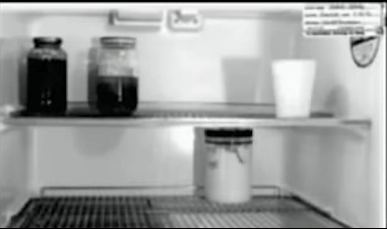
One of Rader’s bondage selfies. 
A picture Rader took of himself.
A picture that Rader took of himself.
One of Rader’s bondage selfies. 
A colored sketch done by BTK.
A sketch by Rader done in blue ink.
A sketch by Rader done in black ink.
A black and white sketch done by BTK.
The black and white ‘Williams sketch’ done by BTK.
One of the newly released sketches drawn by BTK. In this one a young blonde female in pigtails is wearing a green top, with her arms and legs bound and sitting on what looks like a stack of hay. Officials noted the black piping in the picture that may be the walls of a barn.
Another drawing shows a young dark-haired girl in a red top sitting on her knees as she is bound and gagged with a rope looped around her neck. The image shows brown horizontal lines in the background.
A black ink sketch with the young victim pictured in a different angle. The girl is seen lying flat face first and bound by her neck to a staircase post that appears to be in some type of barn loft space.

Rex Heuermann’s Victims.

In 2010 and 2011 the bodies of eleven people were found throughout Long Island. The majority of the victims were young female sex workers; several of the bodies were found covered in burlap in thickets along a sandy stretch called Gilgo Beach.

It was the disappearance of Shannan Gilbert in 2010 that helped expose the larger mystery. A 24-year-old sex worker, Gilbert disappeared after leaving a ‘John’s’ house on foot in the seafront community of Oak Beach, vanishing into the marsh. At this time in early August 2023, Rex Heuermann is accused of murdering 11 people: nine females, one male, and a young toddler. This includes Melissa Barthelemy (24), Megan Waterman (22), and Amber Lynn Costello (27), and Maureen Brainard-Barnes (25).

Rex Heuermann’s senior picture from the 1981 Berner High School yearbook.
One of Rex Heuermann’s July 2023 mugshots.
Rex Heuermann being led out of court with law enforcement.
A map of where the victims bodies were found.
Maureen Brainard-Barnes, who was 25 when she went mysteriously disappeared. Barnes is believed to have taken an Amtrak train from New London, Connecticut to Grand Central Terminal in Manhattan on July 6, 2007 and was never seen from again.
Maureen Brainard-Barnes.
Melissa Barthelemy. She was last seen at her basement apartment at 1149 Underhill Ave. in the Unionport area of the Bronx on July 12, 2009. Melissa was 4’10” inches tall and was 24 years old when she was last seen.
This image has an empty alt attribute; its file name is image-226.png
Barthelemy was a sex worker that advertised on websites including ‘AdultFriendFinder’ using the aliases ‘Chloe’ and ‘VerySexyChloe.’ She had tattoos of the words “Blaze” and “Focus” on her back as well as letters on her chest. Melissa was also known to meet clients at bars, restaurants and hotels on the West Side of Manhattan.
Melissa Barthelemy.
Melissa Barthelemy.
Melissa Barthelemy.
Melissa Barthelemy.
A quote from Melissa Barthelemy’s Mom.
The first victim of the LISK: ‘Fire Island Jane Doe.’ The remains of a female were found on Long Island that still have no been identified. Her legs were found on April 20, 1996 at Blue Point Beach in the area of Davis Park on Fire Island. Years later on April 12, 2011 her skull was found off Ocean Parkway.
The Manorville Jane Doe. Her remains were found in 2000 by hikers off Hailey Manor Road in Manorville. She was found in pieces and wrapped in plastic bags: her head, hands, and legs were all cut off. The victim is speculated to be between 18-40 years old.
UPDATE: August 4, 2023. Karen Vergata. Authorities have finally identified the Gilgo Beach murder victim previously known as ‘Jane Doe No. 7’ as 34-year-old Karen Vergata. She was last seen in 1996 working as an escort in Manhattan.
Peaches, or ‘the girl with the peach tattoo.’ Peaches is an unidentified female whose torso was discovered on June 28, 1997 in Lakeview, New York close to Hempstead Lake State Park. Her cause of death is listed as homicide because she was decapitated. Since her skull has yet to be found, as of July 2023 she remains unidentified. The victim had a tattoo on her left designed in the shape of a heart-shaped peach with a bite taken out of it with two drops falling from its center. Despite not knowing her identity, law enforcement feel this was most likely her nickname. In December 2016, more bones found on Long Island that were originally discovered in 2011 were positively ID’ed as belonging to the victim, as well as the remains of her child. Because of this her case is now officially linked to the Long Island serial killer as a possible victim.
Valerie Mack (24). Mack was working in Philadelphia when she vanished in 2000; her family reported they last saw her in the summer of that year in New Jersey. Her partial skeletal remains were found on November 19, 2000 in Manorville and police felt her body was there since the end of September. More pieces of her skeleton were eventually found along Ocean Parkway in Oak Beach in 2011. She was referred to as Jane Doe #6 until investigators confirmed her ID in May 2020 by comparing her DNA to genealogy records.
Valerie Mack.
Valerie Mack.
Valerie Mack.
Jessica Taylor, the fifth LISK victim found. Taylor worked as an escort in New York City and her remains were found in a wooded area in Manorville on July 26, 2003. More of her skeletal remains were found on March 29, 2011 along Ocean Parkway during the search for Shannan Gilbert.
Jessica Taylor.
Jessica Taylor.
Shannan Gilbert. During the early morning hours of May 1, 2010 Gilbert travelled with Michael Pak (her driver) from Manhattan to meet a client (Joseph Brewer) at his home in the Oak Beach. Gilbert worked as a Craigslist sex worker and was a resident of Jersey City. Her driver stayed in the car outside when she met with the John. At some point during the encounter Gilbert reportedly began acting irrational, prompting Brewer to contact her driver to have her leave his residence. Shannan eventually fled on foot into the Oak Beach community. Her skeletal remains were discovered in a marsh near Oak Beach on December 13, 2011.
Shannan Gilbert and her Mom, Mari.
Shannan Gilbert.
Shannan Gilbert.
This image has an empty alt attribute; its file name is image-213.png
Shannan Gilbert’s mother, Mari. She was stabbed to death on July 23, 2016 by her daughter Sarra after she discontinued her psychiatric medication.
Mari Gilbert.
The mugshot of Mari’s daughter, Sarra Gilbert.
Sarra Elizabeth Gilbert in oranges.
A QR code assisting in the investigation of Shannan Gilbert.
Amber Costello. Costello advertised escort services on Craigslist and her skeletal remains were discovered in an area off Ocean Parkway on December 13, 2010. She was last seen leaving her North Babylon home in early September 2010.
Amber Costello.
Unidentified toddler. The skeletal remains of a still unidentified toddler was discovered along Ocean Parkway on April 4, 2011. It is believe the child was most likely female and was roughly 2 years old at the time of their death. The body was linked by DNA to another possible LISK victim, Peaches.
Unidentified asian male, between 17-23 years old: THe reains of an asian male were discovered along Ocean PArkway on April 4, 2011 THe timing of hs death is strongly felt to be approximetly 5-10years propr to tbhe disvocry of his remains.
Unidentified Asian male, between 17-23 years old. The remains of an Asian male were discovered along Ocean Parkway on April 4, 2011 The timing of his death is strongly felt to be approximately 5-10 years prior to the discovery of his remains.
Megan Waterman. Waterman was last seen in Hauppauge, LI a month after Shannan Gilbert vanished and her skeletal remains were discovered along Ocean Parkway on December 13, 2010. Waterman advertised escort services on Craigslist and was last seen in early June 2010 at a Holiday Inn Express in Hauppauge, New York.
Megan Waterman.
Megan Waterman.
Megan Waterman in the lobby of a Holiday Inn Express in Hauppauge, on Long Island. She was known to be there between June 4 and June 6, 2010.
Megan Waterman.
The outside of the Holiday Inn where Megan Waterman was last seen at.
Gilgo Beach.
Law enforcement combing Gilgo Beach after human remains were discovered.

Rex Heuermann.

Rex’s sister Phyllis’s senior picture in the 1977 Berner High School yearbook.
Rex Heuermann in a group photo for The Drama Club from the 1980 Berner High School yearbook.
Rex Heuermann’s senior picture from the 1981 Berner High School yearbook.
Rex Heuermann in a group photo for The Drama Club from the 1981 Berner High School yearbook.
A clipping about Rex and his first wife Elizabeth’s engagement published in The Central New Jersey Home News on August 20, 1989.
The wedding announcement for Rex and Elizabeth published by The Central New Jersey Home News on October 28, 1990.
Twenty-six year old Rex and his first wife Elizabeth on their wedding day in New Brunswick in 1990. At the time of their nuptials Elizabeth was employed as a junior planner at an office supply company in New Jersey, while Heuermann was an intern at an architectural firm. The couple settled down in Long Island, New York.
Rex and Elizabeth on a marriage index from 1991.
Rex Heuermann has an adult daughter named Victoria, who graduated with a Bachelor of Fine Arts in 2019.
Victoria Heuermann.
Rex Heuermann’s second wife Asa Ellerup, who was by his side in court when he plead not guilty to murder charges on July 14, 2023.
Another picture of Asa Ellerup.
Rex in a picture he used on a dating app.
Heuermann buying additional minutes in cash for another burner cellphone in May 2023.
Just some of the Google searches done on Heuermann’s computer.
More Google searches done on Heuermann’s computer.
A Google Maps view of Gilgo Beach.
An aerial view of Gilgo Beach.
The garbage can police found the pizza box in January 2023.
The discarded pizza box collected by police in January 2023.
Rex Heuermann’s house in Massapequa Park, NY.
One of Rex Heuermann’s July 2023 mugshots.
Another one of Rex Heuermann’s July 2023 mugshots.
Maureen Brainard-Barnes, one of Heuermann’s first four victims that was found a decade ago near Gilgo Beach.
Another one of Heuermann’s first victims, Melissa Barthelemy. My younger sister went to high school with her in Alden, NY.
Megan Waterman.
Amber Lynn Costello.
Valerie Mack, another suspected victim of Heuermann. In September 2000 her partial remains were found in a wooded area in Manorville, NY.
Jessica Taylor, who worked as an escort in New York City. Her partial skeletal remains were located in a wooded area in Manorville, NY on July 26, 2003.
On April 4, 2011 the remains of an Asian male were discovered along Ocean Parkway in Brooklyn, NY. Law enforcement strongly speculate it was a transgender sex worker that had been dead for up to five years.
A forensic sketch of the of the transgender victim.
A breakdown of where the victims bodies were found along Gilgo Beach.
An article listing Heuermann’s address (at the bottom of the first row) published by Newsday on January 17, 1999.
An article mentioning Heuermann published in The Daily News on September 13, 2007.