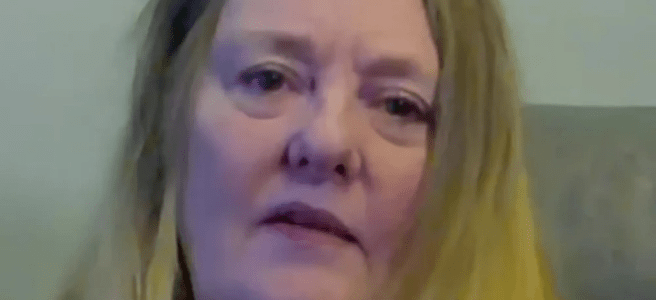
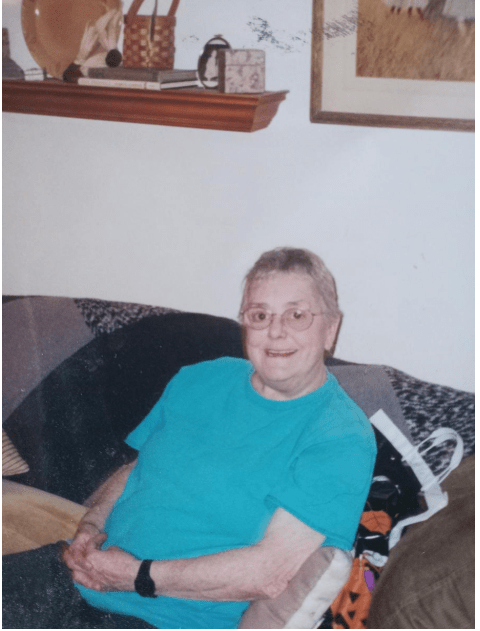
Even after almost four years of obsessively researching and writing about Ted Bundy and the Pacific Northwest, I still come across brand-new names that I’ve come across before… one would think that studying a single man that resided in a specific area during a very specific time period of time would result in finding the same names over and over again, but that couldn’t be further from what’s happening. While I was in Seattle last week I did a Google search for ‘unconfirmed Ted Bundy cases’ (as I tend to do every couple of months, just to see what I can find)… and low and behold, the story of Connie Trowbridge-Geldreich was all over my search results. Just as a side note, when writing this, (for me) it made the most sense to transcribe most of the interview Connie did with podcaster Julian Morgans, as it told her story directly and with the least amount of complications.
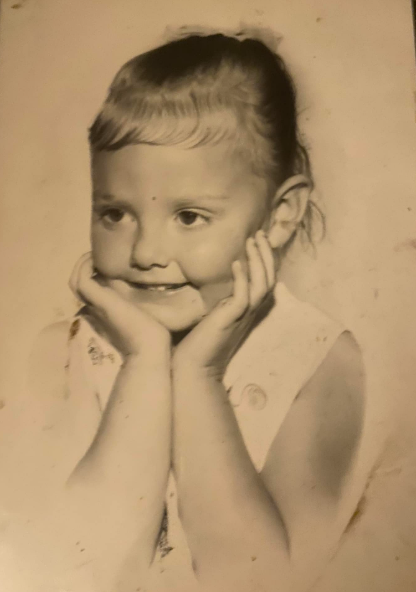
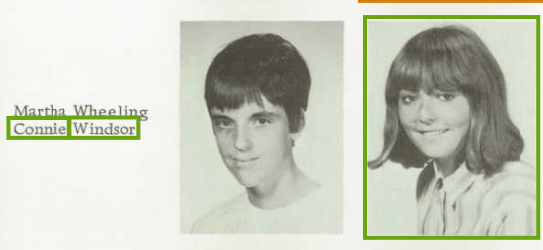
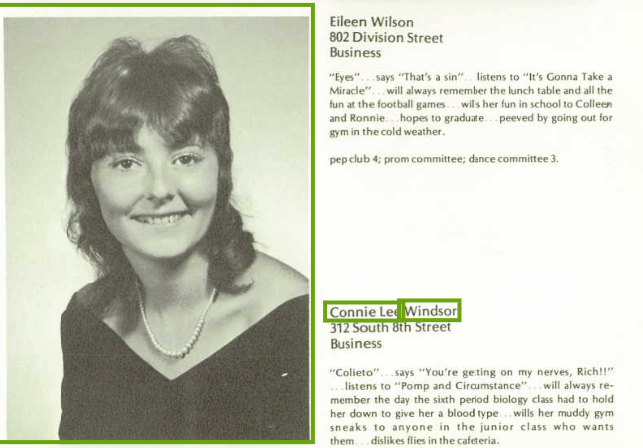
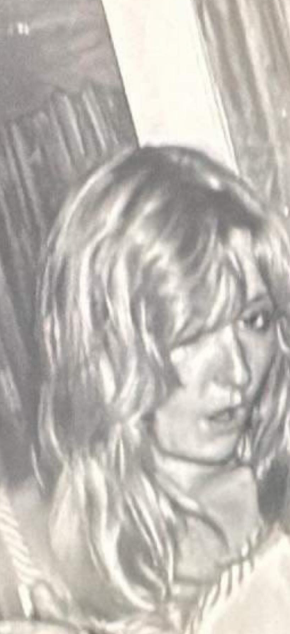
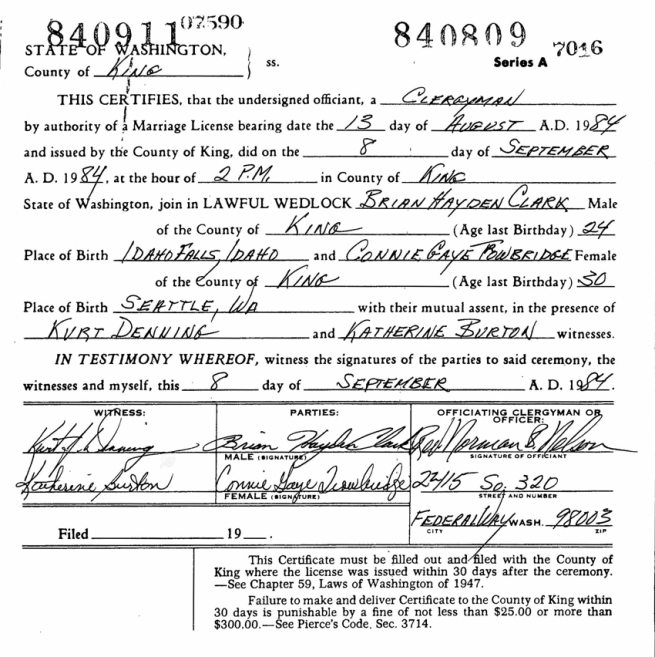
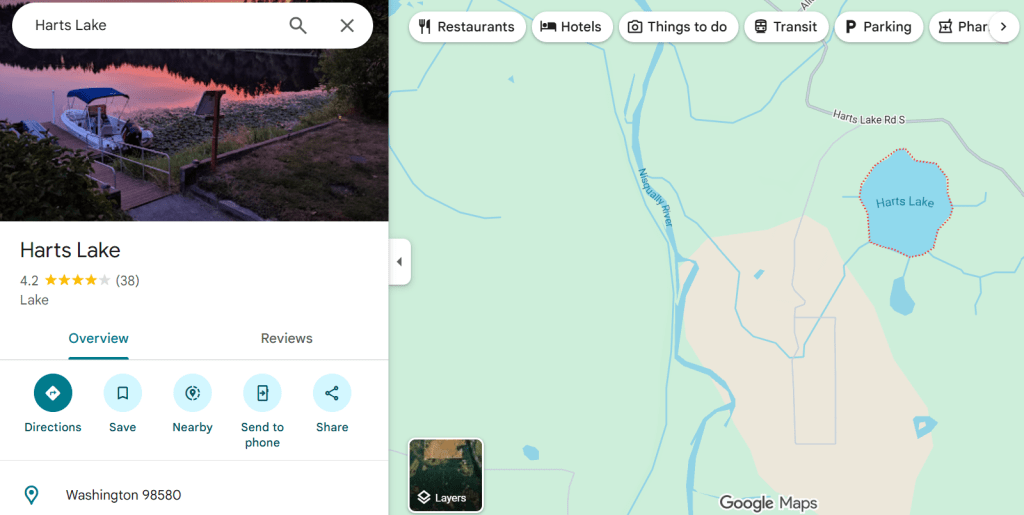
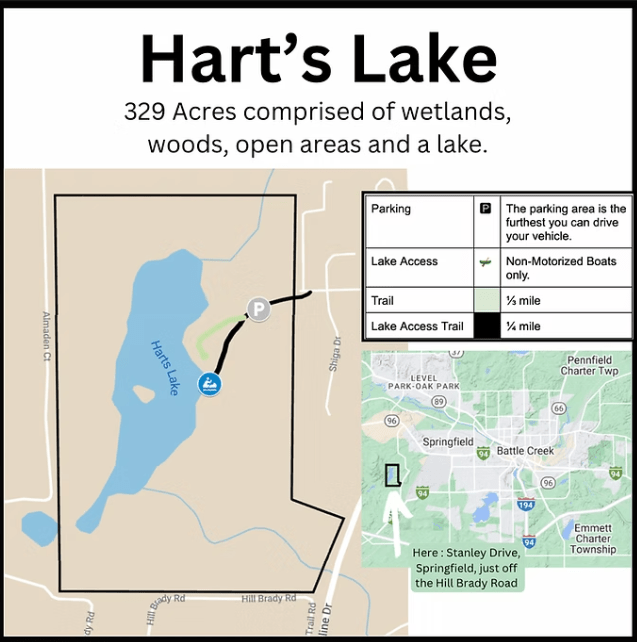
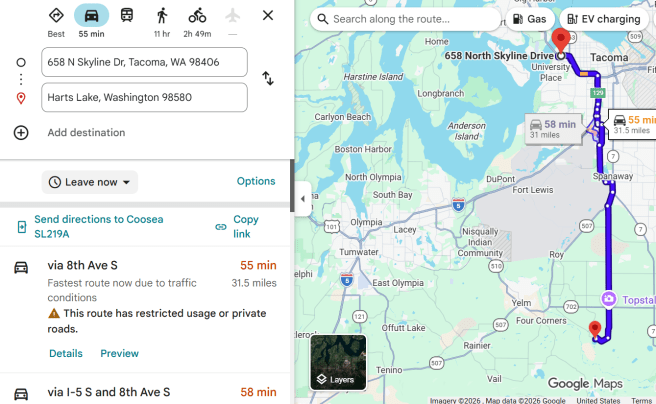
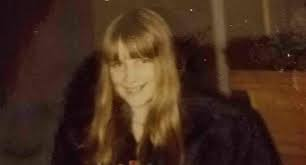
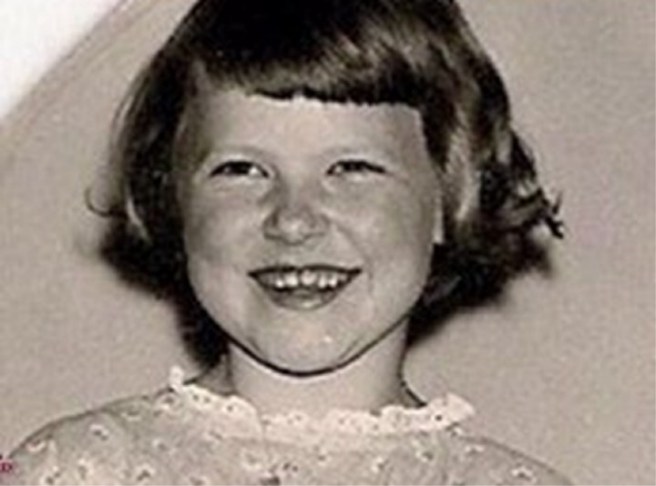
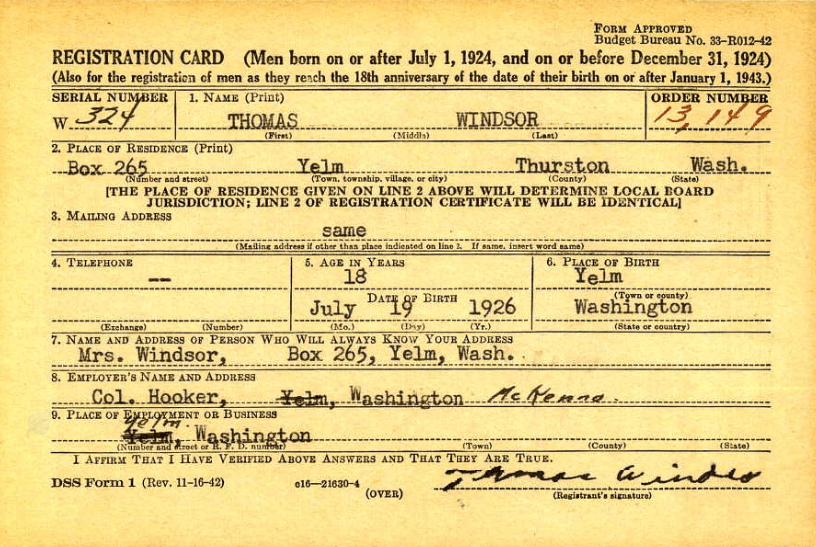
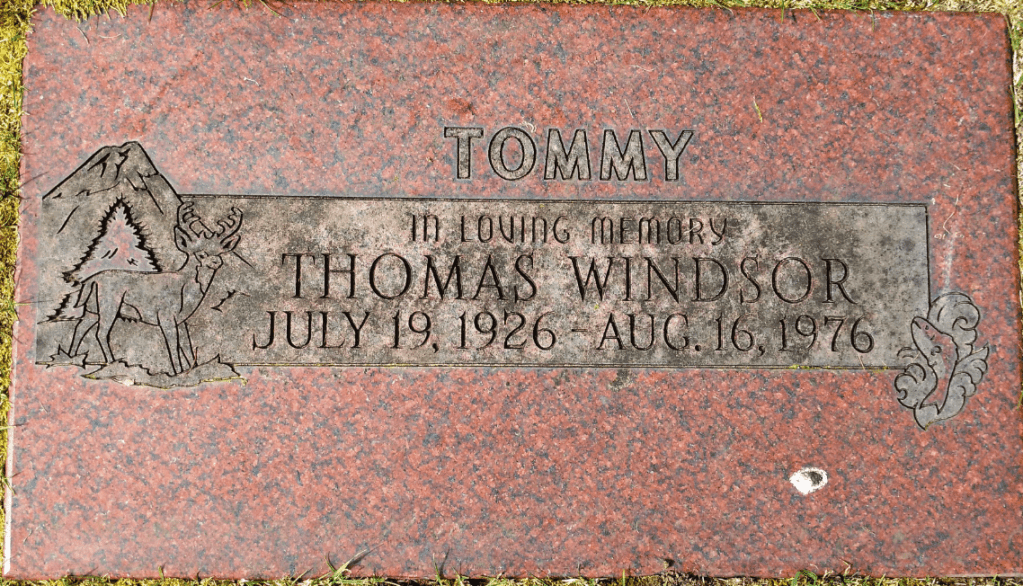
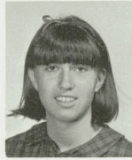
Constance Gaye Trowbridge was born in September 1953 to Thomas and Linda Windsor in Yelm, WA. Thomas Windsor was born on July 19, 1926 in Tucson, Arizona and Linda Marie Sanderson was born on April 12, 1931 in Gloucester City, NJ. She was one three children and had a sister named Janice Lynn and a brother named Thomas. At some time in 1969 Connie relocated with her family to Gloucester City in New Jersey but her parents divorced on January 7, 1976 in Highlands, Florida. In multiple recent podcasts (she even did an interview with the UK tabloid, ‘The Sun’ on March 10, 2026), Connie recalled her story about the time she was almost drowned by Ted Bundy at Hart’s Lake in Roy, WA at some time in August 1967 (she compared the experience to feeling like a ‘bird being played with a cat’).
According to Connie, during her time as a teenager in Washington state in 1967 her: ‘childhood was pretty ugly as far as parents go, and family life, because I always got the feeling that my parents didn’t want kids. My father had a drinking problem, and he didn’t like to work. My mother was like a child. She liked to play and just stay outside, She didn’t like to cook. It was just a nightmare. There were six of us living in a 800-foot square feet, two bedrooms and one bathroom, it wasn’t pleasant.’ … ‘One thing my mom liked to do was go camping, hunting, fishing, and SWIMMING. And so that’s what we did. We didn’t have much money so it was like, make your own fun.’ Growing up, Connie said her dad used to hold their family hostage at gunpoint: ‘he’d come home from the bar, at three in the ,morning the bars close at 2 AM, he couldn’t manage it before three… he’d drag us all out of bed on a school night, sit us around the kitchen table and point guns at us. So that’s the life I came from, so I had a lot of trauma in my life prior to meeting Ted Bundy, lucky me. What are the odds?’
On the hot August day that Connie claims she had her encounter with Ted, she was fourteen years old and her mom decided to take the family out to Hart’s Lake in Roy for a day of swimming and fun. She said that she ‘didn’t want to go’ because it was ‘late August, and everybody’s getting ready for school, and there’s no people at the lake, I mean, even though its warn, out, it was just school time. And, um, I was like, if I gotta go, I gotta go.’ So, I had a hand me down beautiful, two piece swim suit from my cousin and I thought, ‘I’m gonna wear that today.’ You know, but I was like, fourteen. And I had the brawl (sp?) to, like… ‘I wanted to be my Barbie!’ So I put it on and wrapped a towel around myself and went off to the lake.’ Oddly enough, in her interview with ‘FreyzelProductions,’ Connie and her family were not the only ones at the lake that late August afternoon, but didn’t elaborate any further.
‘And we get there, and I dropped the towel and my mom just started screeching these horrible words at me: ‘what are you…’ you’re trying to pick up boys? You’re some kind of…’ I don’t know what I can say on here, but words that I had never heard before. And I was pretty stunned. And, um.., I started to cry. She was just like, ‘just, get away from me’ type of attitude. And I just started kinda walking around the lake, I kept going and going and going… and then I see a tree. And it’s growing out of the middle of the beach and I thought, you know, I’m just going to go sit under that tree and cry it out, I don’t know. So I sat down and there was aa floating dock out there on the water, and there was nobody at the lake. It was just us.’ In the podcast with FreyzelProductions, she said that she had with her a ‘little transistor radio’ the ‘size of a pack of cigarettes’ with her that she was trying to find some music on.
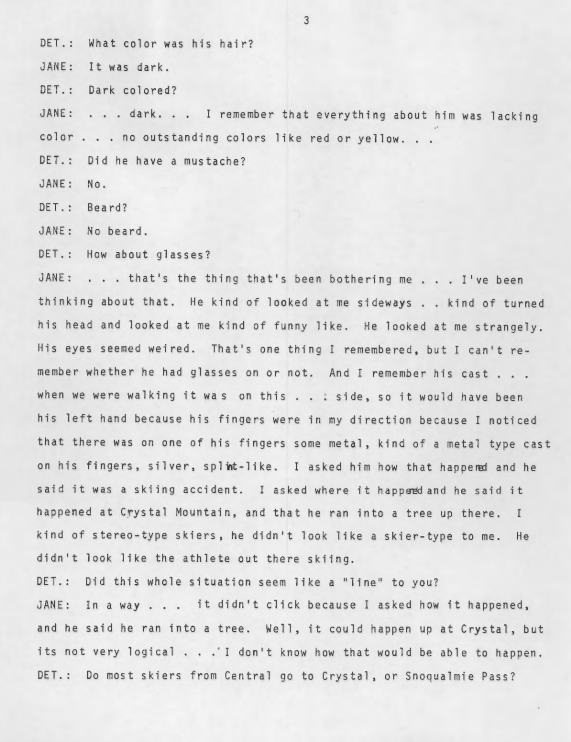
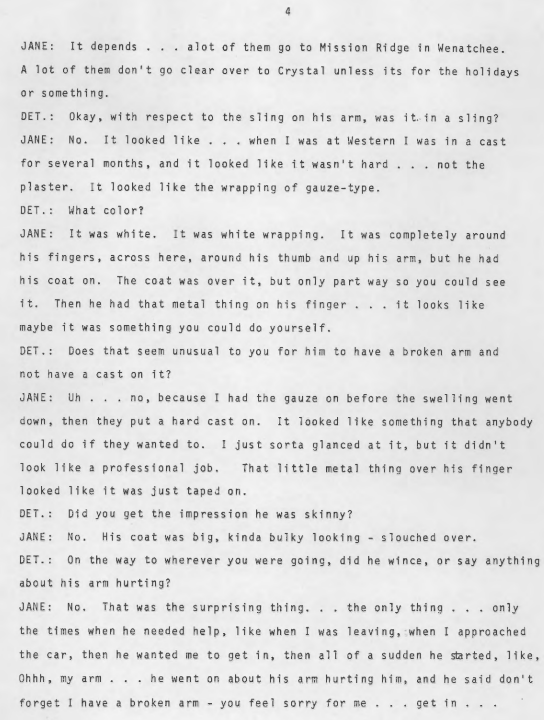
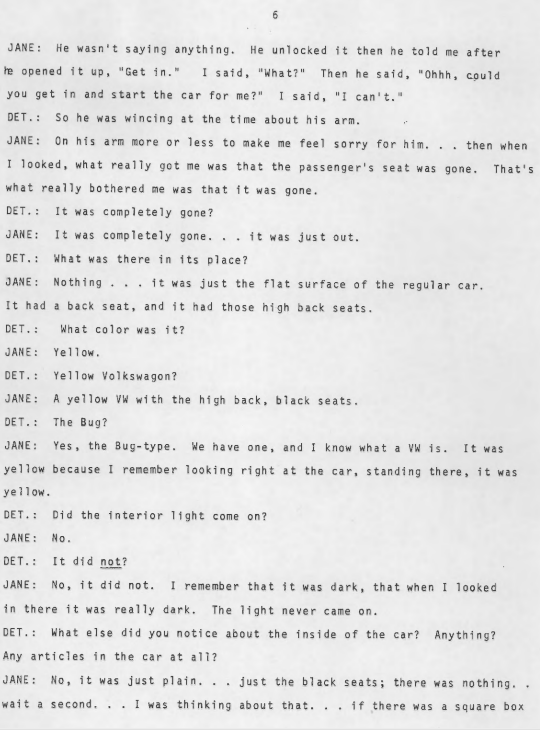
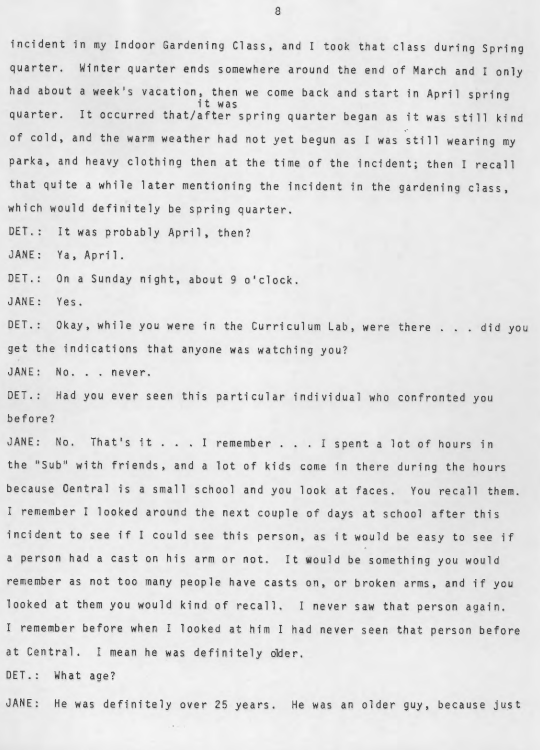
‘So after a little bit I hear rustling in the woods behind me and, uh I thought it was a deer, or whatever, but you better look around because it might be a bear, you know? So, I turned around and I looked and there was a man coming out of the woods. I thought, ‘oh well that’s very odd.’ And he had a pair of shorts on, no shirt and some kind of sandals… and he had a yellow whistle like, a plastic whistle around his neck tied with a boot lace, I remember that. So, uh, he goes down, and looks up and down the lake, and I think, ‘what is this guy doing?’ and then he comes towards me and he goes, ‘hi, I’m the lifeguard.’ And… there’s no lifeguard here, this is a parks department. And I said, ‘when did they hire lifeguards?’ And he goes, ‘we’re new. They just hired us. Too many drownings.’ Of course, nobody ever comes to this lake, there’s no drownings. And he’s like, ‘what’s your name?,’ and I said, ‘Connie.’ And he said, ‘hi, I’m Ted.’ And I said, ‘Ted?’ Cause, you know… what’s Ted short for? I don’t know any Teds. And he said, ‘my name is Theodore.’ And I thought to myself, I said, ‘Theodore!? And I laughed, like… I’m fourteen years old so I giggled… you have to remember, I’m only one year older than Kimberly Leach,* the last girl he killed. So, I was ‘hee-heeing’ at Theodore, so he goes, ‘ you think that’s funny, my last name’s Bundy!’ And I went, ‘Ted Bundy!? You made that up! You know, and I just couldn’t stop laughing. And every time he would like, poke fun at me or whatever I would say, ‘stop it, Theodore Bundy!’ That’s how I remember his name, cause I kept saying it. I kept laughing at it, and I kept telling him he made it up.’
In this moment, she said because she was only fourteen-years-old, she wasn’t looking at him as being attractive or charming, and she ‘wasn’t looking at him as a good looking fourteen- or fifteen-year-old. I was looking at an older man, and he was a man, you know what I mean? He wasn’t somebody that I’d be attracted to. I was at home playing with Barbies. But he was, in the beginning, he was a quite charming,’ and specified that he didn’t have bad energy or a bad aura, and she didn’t get a bad reading on him right away: ‘at first… well, there were like, red flags going up. Because there are no lifeguards at that lake, and he’s wearing that stupid plastic whistle. And he’s like, wandering around like… yeah. I’m getting a weird vibe. Yet I’m not afraid of him. At his point SO after a while, I’m laughing at something, and he starts to become a little darker, but he kinda like, sits down, or kneels down, in front of me. And he’s like, right in my face, exceeding my boundary. And he was like, asking me millions of questions like, you know ‘How old are you? What do you do? Do you go to school? What school? What do your parents do for a living? What do you do for fun? Do you have a boyfriend?’ I mean just, on and on…And he never stopped smiling, smirking, or uh, grinning. The whole time. He’s like a person you meet at a party, you know… I don’t know if you ever met someone at a party that just wouldn’t leave you alone and just got in your personal space and he was the weirdo that stuck out in the crowd? The s the vibe I got from him. Then, it eventually got worse.’ In the podcast she did with FreyzelProductions, Connie said he would randomly get up and just ‘wander around a bit, in circle. Like he was checking the lake, you know? And then he left again.’
‘I started to get some creepy vibes, so I said, ‘I’m going to head back to where my mother is, who was way, way on the other side of the lake, and um, he said, ‘why don’t you go swimming?’ And I said, ‘I don’t want to go swimming.’ And he’s like, ‘oh, I’m the lifeguard, I’ve got to earn my money today,’ type of attitude. And uh, it just went back and forth. And I said, I just want to go back to my mom. And that’s when he started to get a little creepier. He started to go from authoritarian type person… then he started acting like a fourteen-year-old, so he’s the lifeguard, now he’s like… my equal., I guess? Then he’s like, ‘now… get up, get up, get up! Let’s go swimming! Let’s go swimming!’ So, he grabbed me by the arm and he raked his fingernails down my arm, and it like, took skin off. And I said, ‘please go away from me. Just leave me alone, let me go back to my mother.’ And this goes on for a while. So finally, I get up and we’re both out on the beach in the sand. And he’s toying with me at this point. And he’s like, holding his arms out so I can’t get by him. He’s tripping me, he’s kicking me. He’s grabbing me, he’s raking me, he’ everything. So finally agreed to go in the water, and I said I was going to swim out to that floating dock if he left me alone after that and I could go back to my mom. And he said, ‘yeah, you can go back to your mother but you have to go swimming first.’
‘So, I got in the water, ankle deep. I mean, I really did not want to go swimming. And he starts splashing me, just… drowning me. And, uh… then I’m completely soaked. So, I finally start heading out to the floating dock and um.. so, I’m swimming. Swimming, swimming, swimming. And he passes me, swimming. Like, right past me. Like we were in a race. And he gets to the ladder, and he turns around and sits on the rung of the ladder and I tried to hold onto the ladder but he was kicking me in the face and just, you know… kicking, kicking, kicking at me. And he wouldn’t let me up. But, that dock was huge. It was really high. I mean, I had to reach way up with my fingertips to get to the top. It was more of a, uh, fishing lake. Not a swimmers lake.’
‘So, I realize he’s not going to let me up. I can’t, I don’t have the energy to get back. I’ve been fighting this guy for oh, about two hours at this point. So, I went to the right side of the dock, looking for something to grab onto. And I put my fingers on the very top of the dock. And he had gotten up, and he was stomping on my fingers with the heel of his foot. And I thought, ‘what’s going on? You know, this guys… somethings wrong!’ And, uh, I went to the back of the dock. There was nothing there either, and when I looked up I seen him and he is looking down. He’s on his stomach now. I said, ‘uh, help. What are you doing? I thought you were a lifeguard?’ and he goes, ‘I am a lifeguard! Here!’ And so, he reached down, and so I reached my arm up, and instead he bypasses my arm and grabs me by my hair! And I’m going, ‘oh my God, I am in serious trouble here!’ And uh, he starts screaming at me, ‘I’m a good lifeguard! See, I saved your life today!’
‘Then he plunged me under the water, and, uh. I’m under the water for almost a minute. I had nothing. And he pulled me back out, and I can’t scream, my mother… was way too far away he’s totally in my face. I kept trying to say ‘help me,’ but he was rambling on again about how he had saved my life as the lifeguard and he plunged me back under the water. And there I stayed. And it was just, time was just, ‘tick, tick, tick, tick…’ and it wasn’t all that deep under the water, I was only a few inches, but he had like, pulled my head back and I could see him laughing, and his face went gnarly., and like, ropey, and his eyes were like two big, black marbles. They were the ugliest things I’ve ever seen. And I could see his teeth, and they were all gnarly. And I thought, ‘I am looking at a demon here, this is not even human.’ And I’m dying, I know it. And I think to myself, ‘I had went to summer camp earlier and they say, ‘when in doubt, play dead…’ and I thought maybe if he thinks that he drowned me he’ll just let go and leave. So, what I did was, I was trying to peel his fingers out of my hair, but I just let go and all the sudden went limp. And I just like, opened my eyes and looked up at him, and my legs… and he didn’t let go. He was just laughing, and laughing, and laughing. And my legs floated up…’
‘And I had just about given up when I thought I might be able to get out of this if I can just go down. So, I suddenly grabbed under the dock and shoved with everything I had down. And he wasn’t stopping laughing. When I pushed myself down from that dock, he ripped a big wad of my hair out. I mean, I had to pull out of his grasp. But by the time I had no oxygen left at all, and I kept thinking, ‘you can do this, you can do this. You just gotta get up and underneath the dock where there’s an air pocket. You can do it Con.’ But I keep sinking, and sinking, and sinking. And I don’t know how deep the lake is, I know its way over my head. And I’m down about probably eight feet and all of the sudden my feet hit the bottom of the lake. I don’t have anything… oxygen left to get back What I did was, I flipped my left foot, my one foot (not even both, I didn’t have the energy), and my chest gets tight when I talk about this, and I flipped my foot so it would propel me upward. That’s all I could hope for. That I could make it to the surface. And I kind of angled myself towards the dock. If I could just get there I could get there. If I could just get there… ‘just hang in there Connie.’ My lungs were on fire, tunnel vision had started to set in. Fear.’
In her interview with ‘FreyzelProductions,’ Connie said: ‘and then, you know, your whole life starts, you know… ‘what’s my mom going to do?’ You know? And I thought about this, too. What would my mom have thought if he had drowned me and then just bolted back into the woods? She would have thought, ‘what did she do? She fell off the dock. She hit her head. What did she do?’ Nobody would have ever known. They would have known. No, they wouldn’t have known. They, she would have thought I just drowned. And that’s why I think we need to look into cold cases of, you know, young girls that have drowned out here on the West Coast and, you know? Things like that happened to them cuz this guy came out of nowhere. I mean, when you come out of the woods like you’re some kind of animal, you are.’
And I got under the dock, and after I got some air, I screamed my head off and I hear him running across the dock and then there was a crack where the ladder was, because that was facing the beach, and I seem him swim really fast to the beach, he picked up whatever he had brough with him, ran back into the woods, and left. But I knew it, because I kept calling him, ‘Theodore Bundy!’ Start to finish, Connie said the entire event took place over three hours.
When Connie got back to her family, her mother and younger siblings had been building a sandcastle, and they never even asked where she had been (despite her tears): ‘and I said, mom! (and I was crying), and I said, mom, some guy just tried to drown me! He tried to kill me!’ And I’m like, ‘look, look, look!’ and she’ like, ‘how dare you, I told you not to wear that outfit! You little… whatever.’ And she told my brother and sister to get in the car because we had to go home because, uh, I ruined all the fun.’ And I kept going, ‘mom, I need to go to the police, I need to tell somebody, somebodies got to know there’s a guy out there trying to kill people!’ And she just said, ‘absolutely not! Get in the car!’ I was grounded for a week and a half, and everything.’ … ‘My mom wouldn’t take me to the police, she actually called me a liar even though I had scratches… I was black and blue all over, even my hands were black and blue. My fingers… she wouldn’t help. Nobody listened. So, here I am, fifty-eight years later, talking about this. Cause it lives inside of you.’
After her experience in the summer of 1967 Connie said that she ‘packed it away and internalized it. You don’t try to think about it. I never went swimming again. To this day, I don’t swim. I mean, I’ll wade in the water… I just, didn’t have anyone to talk to about it, you know?’ … ‘You bottle it up, and I just didn’t have anybody to tell. I had to keep it to myself. Like I let the first ten, twenty years go by and I still have to keep it to myself. I mean, who am I going to tell? So, my husband broke his neck in 1986, and I think they executed Bundy in 89? See, I hadn’t even know he had become a serial killer, because by 1986 my husband was paralyzed from the neck down. So, I had two kids, and I had two jobs, and a quadriplegic husband, from the neck down… and I had my hands full, I wasn’t watching the news. Or paying attention to the serial killers down in Florida or wherever he was. So he was literally already dead by the time I started to have problems with dreams: I kept dreaming I could swim underwater, and I would be under the water and I would (its kinda weird), I would gasp for air… and then, Oh wow, I could swim, I could breathe. Underwater. And it was starting to bother me. It wasn’t very often, maybe once every month or two. But I was like, why would I have a dream like that?’
‘And then I would ask my friends, ‘have you ever dreamt that you could swim under water?,’ and they all said, ‘no.’ ALL of them.’ And I said, ‘oh, it’s because that guy tried to drown me back in 1967.’ But I did know he was a serial killer by then: Ted Bundy.’ For years she let it go ‘in one ear and out the other’ but was finally able to put two and two together after she read Ann Rule’s true crime classic, ‘The Stranger Beside Me:‘ ‘somehow reading it in black and white, I kept going, ‘where have I heard that, Theodore Bundy? I’m from Washington state. And that’s where it happened.’ I just gasped. I was like, ‘oh my God! He was the one that tried to kill me in 1967!’
‘The problem with that is, there is almost nothing, almost zero proof out there, that says he hurt anyone prior to 1974. And I knew what had happened to me happened when I was fourteen and that made it 1967, and it was in August, and it was so hot. And I couldn’t match it. I couldn’t match the dates. And so would go, I know it’s him… nah, it’s probably isn’t because this happened earlier than 74. And then I’d forget about it for a year or two, and then I’d go back and say, ‘I know it’s him, I absolutely know it’s him. Nope… can’t match the dates.’ And that’s what probably held me back from probably talking about it a lot more back then.’ As we all know, Bundy’s first ‘on the record’ attack took place in the very beginning of 1974, when he brutally beat and left for dead Karen Sparks in her basement apartment near the University of Washington, where she was a student.
‘So I wrote to Ann Rule, the one that wrote ‘The Stranger Beside Me,’ and she contacted me right away and she was like, ‘tell me more.’ You know, so I told her what I’m telling you. And she asked me, ‘at what lake?,’ and I told her and she asked me a lot of questions about what did he look like what color was his hair?’ She kept asking me about his mole*, and I didn’t remember it, I don’t remember seeing no mole. I don’t know why. But other than that, everything else was spot on. So she said, ‘I absolutely agree that you were a victim of Ted Bundy. And that he had killed a little girl back in 1961** in this area. Well, in Tacoma.’ In her interview with ‘FreyzelProductions,’ Connie said that during her conversation with Rule she told her that she was ‘born in the town that he lived in, so that’s how close we were. And I lived between the town he lived in and the town he worked in. So there’s only two ways to get there, and there were so many correlations. And she was like, ‘yeah. She said because he tried … she was the one who first t old me that the little neighbor girl went missing in 19… I think she said 1962, my research says 61 so I don’t know.’’’ … ‘So after talking to her, I knew it was him.’
‘So, I started to question what happened between 1961 and 1974, because you never, ever hear about what he did in the 60’s and early 70’s, prior to 1974. It was just like he woke up out of bed one morning and he just started killing people in 1974. And I was pretty stunned by that, so I started to do a little research into him, I didn’t know a lot about him. I still don’t know a lot about him. I know he was the one, I can pick him out of a line up. And that was another thing: when they would say ‘Ted Bundy’ on TV it kinda went in one ear and out the other, because I kept calling him ‘Theodore Bundy.’ Theodore, Theodore, Theodore. I just kept shoving it to thew far back of my brain… I mean, I had a lot… I had to work, I had a paralyzed husband, I had kids, I couldn’t think about Bundy. But, I think Bundy thought about me when I kept having those underwater dreams. And so, I wanted to cure myself, I’ve got to get rid of these dreams. And after I talked to Ann Rule, the dreams went away! I never had another one ever since, And that was, uh… mid 90’s, late 90’s.’
‘What happening now after that was: every time I’m watching TV, I’m watching a video, I’m reading a book… I’m reading an article: Ted Bundy’s in it! He has become more popular to this day than he ever was back in 74, or the 70’s so that was really bothering me and that’s what made me do the first podcast I did. Because I want people to know this guy was a stone-cold killer. He was not your friend, he was not anybody to worship… he just wanted to see me die under that water. And he was just… laughing, and uh it makes my blood run cold.’
About Bundy’s resurgence in popularity, Connie said it disgusts her how he ‘has fan clubs out there. I found out he has fan clubs out there. But, I’m angry. I just… everything is just, Bundy, Bundy, Bundy… He’s just like, the catch word for anything, you know. Any kind of evil in the world you just say, ‘Ted Bundy,.’ And its just gotten more, and more, and more popular. And it just makes a hero out of him. And uh, I kinda wish they didn’t kill him thought. I woulda wished they would have, I don’t know, tortured him until they got more of the women back. That he killed. There’s a lot of missing still, in Washington, Oregon, and Idaho… but other than that I’m glad he’s gone. But even though he’s gone, you never forget that. It was one of the most traumatic things of your life, and yet you know… you don’t forget what that man tried to do to you that day.’
‘And then you have distrust for people, and then you go back and you have survivors guilt: ‘What if I would have gone back and went to the police? What if my mom would have been like, a real mom and took me to the police station let me put down the words: ‘Theodore Bundy, tried to down me,’ it would have been on file somewhere… so when they started looking for him in the 70’s h9s name would have come up in their database, but they were dismissing it because, ‘oh he’s a good guy, he’s an attorney, he’s this, he’s that…’ if I would have checked out with the police, then the police could have said, ‘yeah, he tried to drown this girl on this date,’ but I know that all those girls died, and they kept on dying right to Florida. Could I have helped that? Maybe, maybe not. But it does kinda give you this… how did I survive? Why me? (starts to softly weep) Why not, those beautiful girls out in lake Sammamish, or that little girl Kimberly Leach out of Florida? And why do I have to drag this burden around? You know but every time I talk about it, it gets a little easier to deal with, so um. The first podcast helped me a lot, the second one a lot more, and maybe this one will help me even more.’
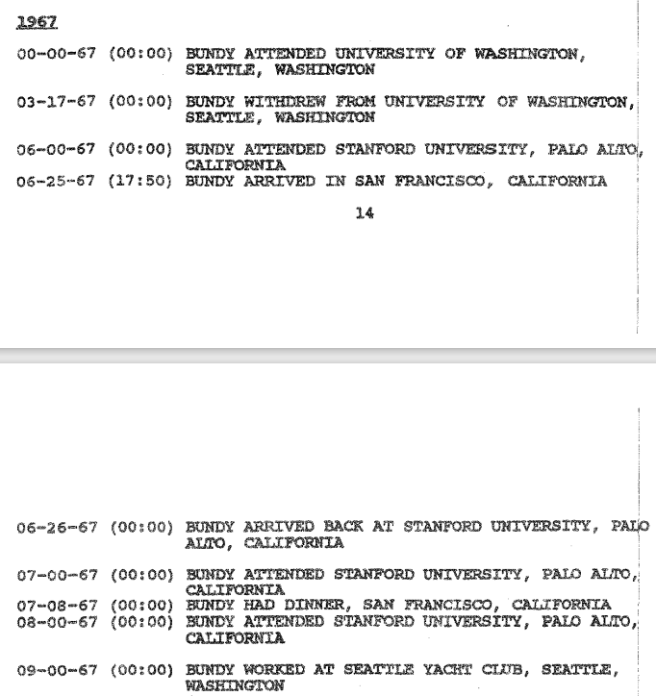
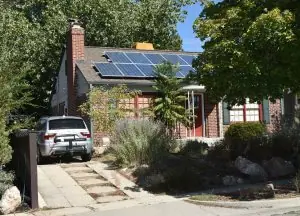
In the start of 1967, twenty-one-year-old Ted enrolled in classes at the University of Washington in Seattle, and moved into McMahon Hall on the schools campus (he was also sleeping on occasion at his parents’ home on North Skyline Drive in Tacoma), but he withdrew from the school on March 17th. Later that June he briefly relocated to California, where he attended Stanford University in Palo Alto, CA (taking up studies in accelerated Chinese), and upon returning home to Washington in September got a job at the Seattle Yacht Club. He slept wherever he could lay his head at night, but thanks to a stolen key from his old dormitory, he often would find shelter at McMahon Hall (despite not being a student at UW anymore). Also around this time, he began an intense romantic entanglement with Diane Edwards, a UW classmate that he later described as ‘the only woman I ever really loved.’
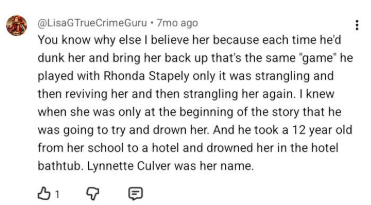
As we all know, the only one of Ted’s confirmed victims that died in relation to drowning was Lynette Culver (thank you to my friend Luke Koumo for reminding me of this); most of his other victims involved some sort of bludgeoning and/or strangulation. On May 5, 1975 twelve-year-old Lynette left Alameda Junior High School on her lunch and was last seen a few hours later getting on a bus at Hawthorne Junior High School that was headed roughly ten miles away to Fort Hall (although one report claims she was last seen walking down Eldredge Road in Pocatello the following day). She didn’t mention any plans of leaving to anyone she knew and had been last seen wearing a burgundy jacket with a fur hood, a red checkered shirt, and blue jeans. She has never been seen or heard from again and her remains have never been found.
One week before his January 1989 execution Bundy confessed to the murder of Lynette Culver: he said that after he abducted her, he brought her back to a room that he rented at the Holiday Inn in Pocatello, where he sexually assaulted then drowned her in the bathtub. He then disposed of her body in the Snake River, which is a major waterway in the interior PNW that begins in Yellowstone National Park in western Wyoming and flows through Idaho, Oregon and Washington; it’s roughly 1,080 miles long,
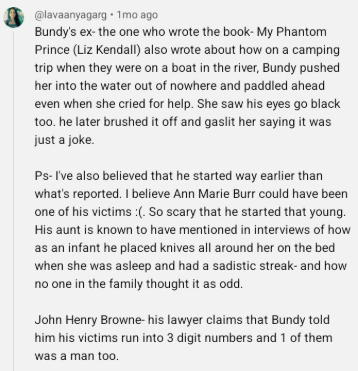
In her memoir ‘The Phantom Prince: My Life with Ted Bundy,’ the killers one-time love Elizabeth Kendall/ Kloepfer recounted an incident where she believed he may have been trying to kill her: one summer day during a rafting trip Bundy reportedly pushed her into the cold river waters and instead of helping her, watched her struggle to get back onto the raft. While it is unclear if this was an explicit attempt to drown her, Liz and Molly interpreted it as a moment where he was considering letting her die.
Additionally, during a trip to Green Lake outside of Seattle Liz’s daughter Molly became exhausted while swimming and attempted to climb onto the same inflatable yellow raft: she recalled that every time she reached for it, he would push it a few feet away (just out of her reach), and that he seemed to enjoy watching her struggle. She eventually had to swim a long distance back to shore while crying and she arrived exhausted. Molly also said that on a separate occasion at Green Lake, Ted suggested she go into the water after dark then disappeared underneath it and grabbed her by surprise, an event she described as a’ terrifying experience’ meant to amplify her fears.
In his book ‘TB’s Murderous Mysteries,’ Kevin Sullivan mentioned that in June of 1975 Ted started dating Leslie Knutson, a young divorcée with a seven-year-old son named Josh, and that for a short period that summer, he even moved in with them in their home in Salt Lake. Josh spent a good amount of time with Ted that summer along with his friend, Larry Tucker (who was a little younger than him and lived down the street), and according to him he would sometimes take them both places with him; in turn, Larry’s mother Francine Bardole would on occasion watch Josh, so that Bundy and Leslie could have time to themselves. On at least two occasions Larry said that Bundy took both boys to the Redwood Drive-In, and that her son volunteered (without any prompting from her) that he thought the experiences was ‘fun,’ although he did recall a time that Ted told them to wait in the car, while he got out and walked in the direction of the concession stand and bathrooms.
After a good amount of time went by, their adult companion failed to return so (logically) they decided to go looking for him. Oddly enough, when the did eventually find him, Bundy had been standing close to the restrooms and had been watching the women as they were coming and going … which of course makes one think about Denise Naslund, (one of) Ted’s Lake Sammamish victims, and how he stopped her as she was leaving the restroom and (somehow) convinced her to go with him.
Another thing that Leslie mentioned to authorities was how Bundy would take Josh and his friends to a pool that was located within the grounds of old Fort Douglas, and that one day when he got home, Larry told his mother that he didn’t want to go back because Ted liked to play a game called ‘shark,’ and he didn’t like it. He also said that not only would Bundy swim around the pool and pull them underneath the water, but he would also try to ‘bite’ them as well.
We do have to remember that in addition to nearly drowning people, Ted also saved the life of a young toddler in Green Lake in early 1970 while he was working for the Seattle Crime Prevention Advisory Commission.
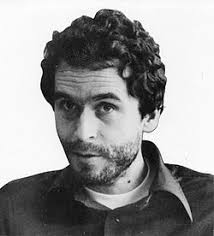
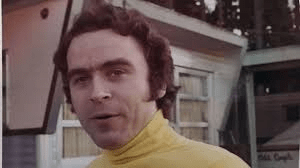
* I did want to briefly mention the mole that Ann Rule was referring to in her phone call with Connie: Ted had a prominent, dark brown mole on the left side of his neck that was considered one of his only permanent distinguishing physical marks. At times, he took measures to hide it and would frequently wear turtlenecks, and it was a crucial detail in his criminal investigation (for example, survivor Carol DaRonch noted the mole on his neck, which became a critical piece of descriptive evidence for police).
** This is Ann Marie Burr, who was abducted from her Tacoma residence on a ‘dark and stormy night’ back in late August 1961. The only evidence left behind at the scene of the crime (the family home) was a red thread on a windowsill; her body has never been recovered.
According to Connie, ‘you can look a person in the eye and absolutely tell if they have a good heart or not. You can see the demons in them, there are demons in this world and they are out there and they are ready to hurt you. I realize its more like, like narcissistic personality meets psychopath, you know? It’s a varying degrees: either they have one, both, or all of them.’
After looking Ted in the eyes, Connie said that she ‘thinks that the press pumps fluff stories, they make him a hero, and its junk. But what I’ve seen in him… unearthly is the only word that comes to mind. I can’t even come up with the words to describe it, I don’t even think there are any. When his eyes, everything… went black, it looked like he had two big black marbles instead of eyes. And, you just look at somebody who looks like that, and you’re kinda like… ‘what planet am I on?’ he was like, I my face, and a of people ask me why I didn’t scream, and I couldn’t, I would have screamed right in his mouth, literally. And um, he’s like this, all the time, no matter where I go. So, I was just a kid. I didn’t know. I knew my mother was angry with me, she wouldn’t have looked up anyways (she starts softly crying). Sorry. I don’t know who hurt me more that day, Ted Bundy or my mother, and I’m being straight honest. Because she tore me down for days. You know, where do you go, there’s nowhere to run? In your mind, or to hide?’ … ‘so I could run to the devil over here or Satan over there.’ I mean, I had no where to go, so you just withdraw, go inward and say to yourself, let this be a life lesson and, uh, get away from those people. If you see someone you don’t trust, just leave. If they don’t feel normally to you, get away. Get away, get away.’
‘I don’t really have an explanation as to what it was like to meet Ted Bundy. It was like, evil personified. You felt it right from the moment he came out of those trees, or bushes… you knew right away, you don’t want to be around this guy, but you don’t know why. Because he’s charming, he’s asking polite questions, but he’s right in your face doing it. He thought everything was funny, he really did. He had a smile on his face constantly, if not a grin, a full grin then a laugh which is something you hear in a haunted house. Hysterically laugh. Every time he heard me. He’s definitely a sadist.’
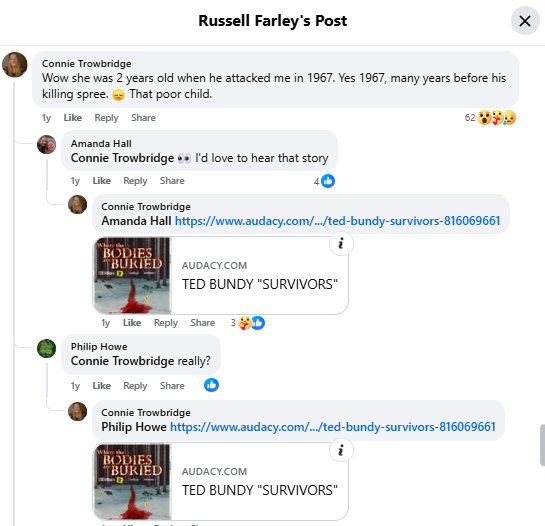
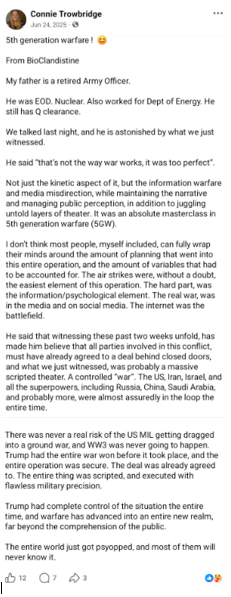
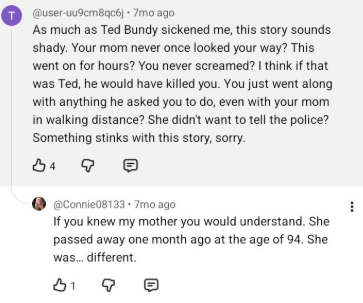
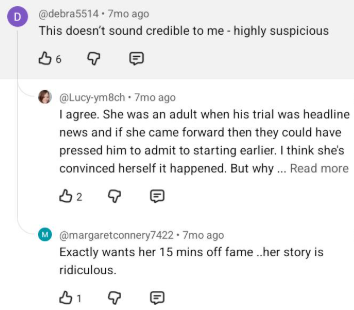
In my opinion (take it for what it’s worth), at the end of the day, I’m going to have to lean towards Bundy not being the one responsible for Connie’s attack in 1967. We can always refer to the (at this point, redundant) fact that he has no official ‘on the record’ attacks/kills until 1974… but it’s more than that. It’s the commonly used phrases she used while talking about her experience, and the fact she specifically claimed he greeted her by saying, ‘hi! I’m Ted’ is what really did it for me: as we all know that’s the name of Tiffany Jean’s blog, which is probably the most famous Ted Bundy website in existence. And when she started tearing up while talking about why ‘the beautiful girls at Lake Sammamish died and not her…’ I got the impression she was pulling energy from Molly Kendall’s interviews in Amazon’s ‘Falling for a Killer’ (where she was crying and used the exact same phrasing)… I’m getting Rhonda Stapley vibes, not Carol DaRonch ones. I mean… I saw her comment on a picture of the final resting place of Kim Leach plugging the podcast she was being featured in. To me, that’s in very poor taste.
And who doesn’t know who Ted Bundy was until 2007? I’m forty-two so I was five years old when he was killed, and the first time I remember being aware he existed was in a study hall my sophomore year of high school: my girlfriend Jackie’s mother was taking a Criminal Justice class at a local college and at the time they were learning about serial killers… but she seemed particularly intrigued by Bundy to the point that the teacher in charge said it wasn’t the most appropriate topic of conversation for a bunch of kids in high school (looking back, 1998 was a very innocent time). But, my point is: Connie grew up in the same area as Bundy, and was (roughly) in the same age bracket… he is an incredibly famous (infamous?) serial killer, often considered one of the original ‘big bads…’ I mean, where was she when the murders were going taking place and mass hysteria was afoot? I find it hard to believe that she had no idea what was going on in her home state of Washington, where her friends and loved ones lived (especially when he was caught). I can’t believe that it took her THAT LONG to put two and two together because in her mind his name was ‘Theodore… Theodore, Theodore, Theodore…’ I have heard him called by his full, legal name multiple times on TV, and he wasn’t exclusively called ‘Ted Bundy.’
And I’ll admit, where she did a great job of painting her mother as a monster with the mind of a child… what parent cares enough about their children to take them to a lake in order to spend time with them, but at the same time doesn’t care enough to check on them after they’ve been gone for THREE HOURS? I mean, she was only fourteen…
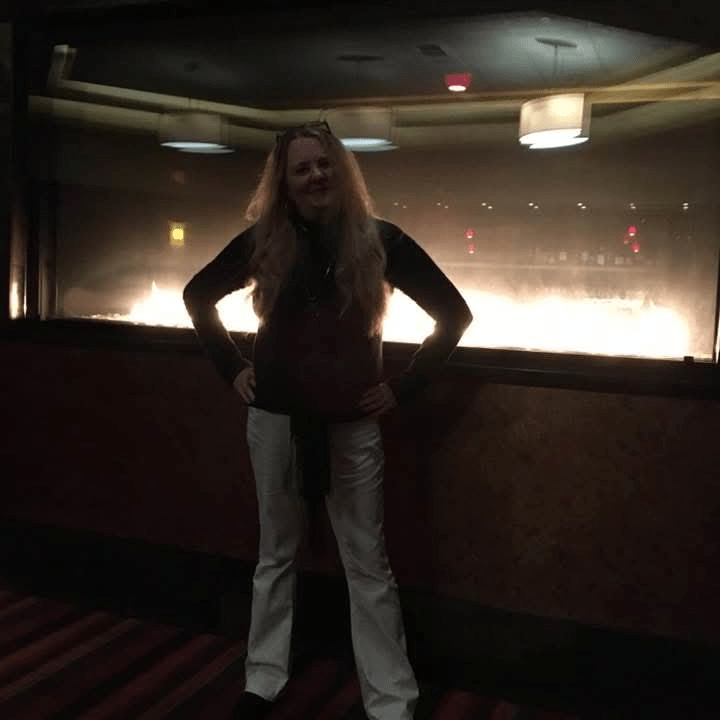
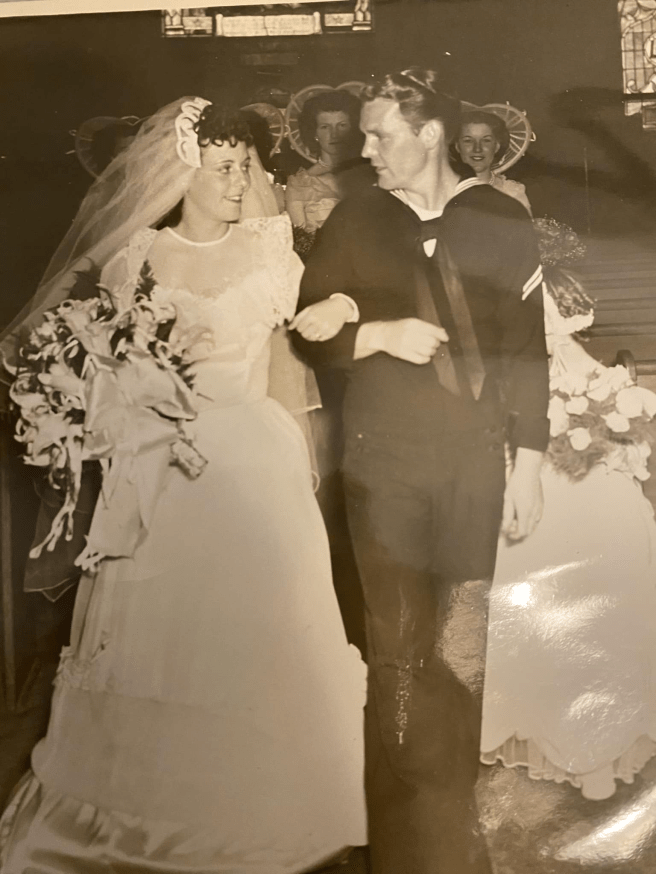
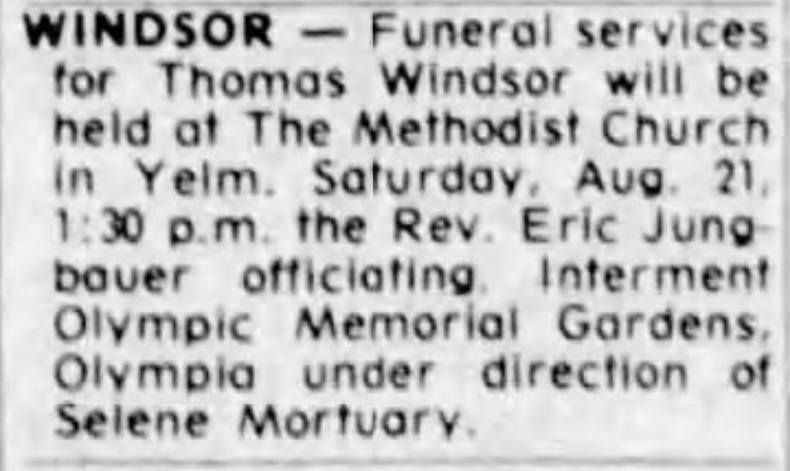
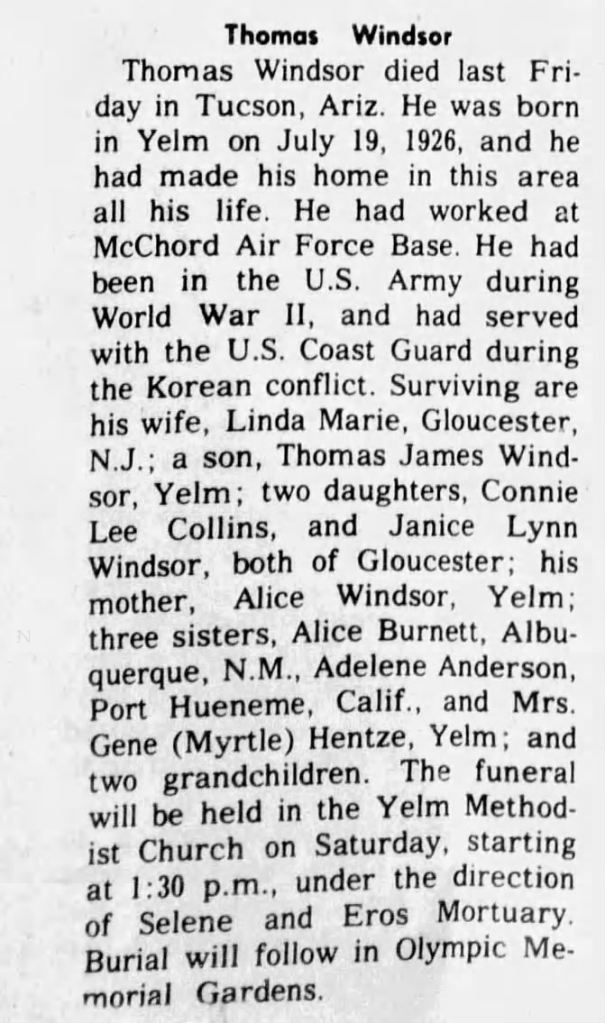
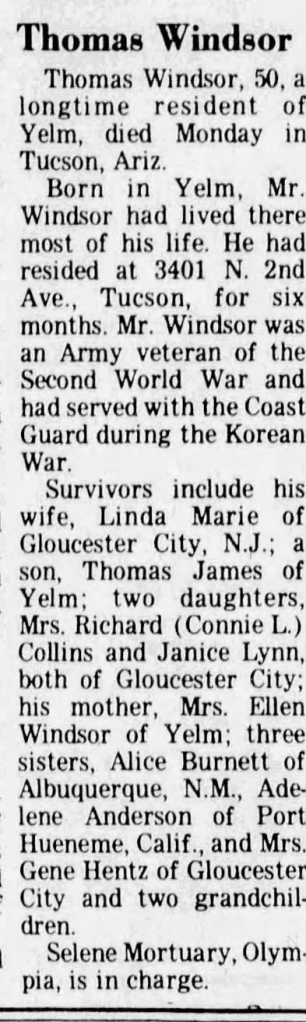
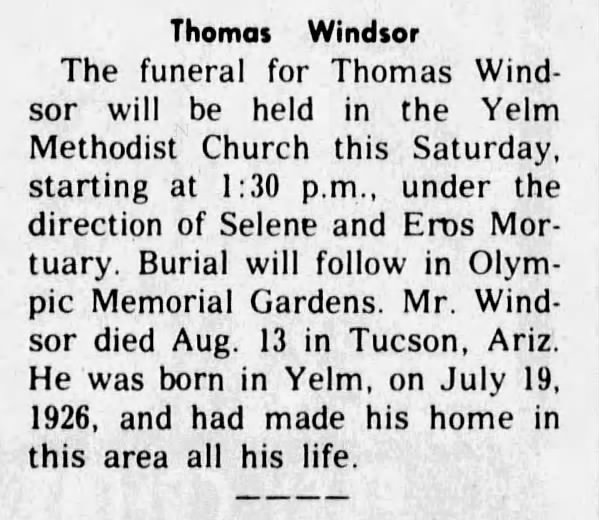
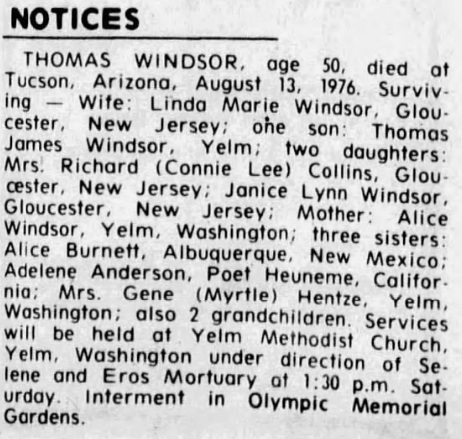
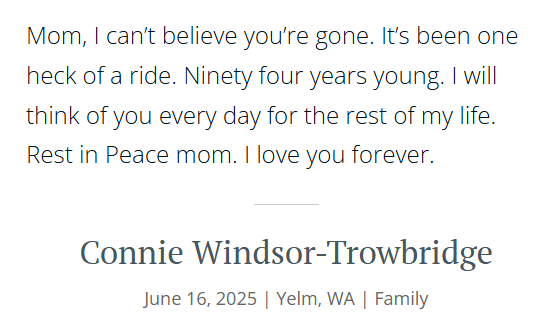
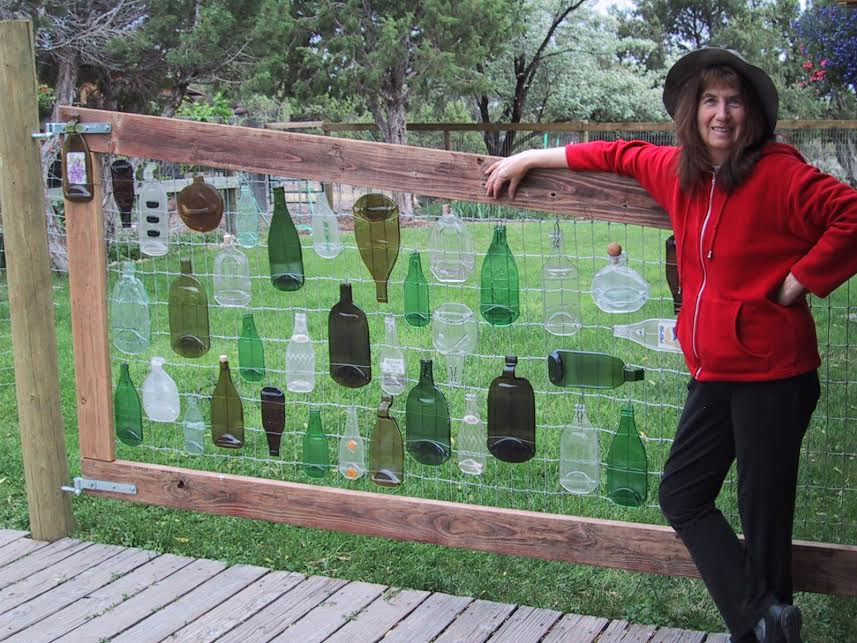
Connie married Richard Geldreich Jr. on August 5, 2004 in Collin, Texas but the couple separated in February 2016 and were officially divorced on January 29, 2019; she currently resides in her hometown of Yelm, WA. Per her LinkedIn page, Connie founded Tenacious Software in Bellevue, Washington in April 2008, but the company forfeited its charter in 2015. Her father died on August 16, 1976 at the age of fifty, and per his obituary, had worked at McChord Air Force Base and fought in the Army during WWII (he also served with the Coast Guard during the Korean ‘conflict’). Her mother Linda died at the age of ninety-four on June 14, 2025, and according to Connie right up until the end of her life she was the ‘same person’ as she was on that fateful August day in 1974: ‘quite evil,’ but she had her ‘moments.’ According to her obituary, Linda was born in Gloucester City, NJ and was predeceased by her husbands, Thomas Windsor in 1976 and Gary Casella in 1980. She loved spending time on her computer (online she went by the handle ‘Queen MUM’) and was an avid Eagles fan; she also liked to play any and all games (especially poker).
When asked if she allowed her experiences to affect how she approached motherhood, Connie responded that she was ‘more protective. I was a different kind of mother than my mother was, that’s for sure. Always made sure that I never changed my phone number, for thirty years. So they always had it, and stuff like that I still do that. I’m very afraid, because its such a bad world out there I don’t know if that makes sense, but you don’t move very often every though I would love to get out of this cold weather, I’ll stay here because that’s where my kids know I am.’
Works Cited:
Freyzel Productions. (July 2025). ‘Ted Bundy Survivor Tells her Chilling Story.’ Taken March 13, 2026 from YouTube.com/FreyzelProductions
Kulniece, Kate. (March 10, 2026). ‘Narrow Escape: I Survived Ted Bundy After He Convinced me to go Swimming, his Face Turned Demonic when he Plunged Me Under the Water.’ Taken March 10, 2026 from thesun.co.uk
Morgans, Julian. (February 26, 2026). ‘What it was Like: Ted Bundy Tried to Kill Me.’ Taken March 11, 2026 from podcasts.apple.com
Sullivan, Kevin. (June 6, 2019). ‘Ted Bundy, Babysitter.’ Taken March 16, 2026 from aetv.com (also published in ‘Ted Bundy’s Murderous Mysteries’).
























































 Another Bundy Blog.