Melissa Anne Smith, Case Related Information from the Midvale PD.
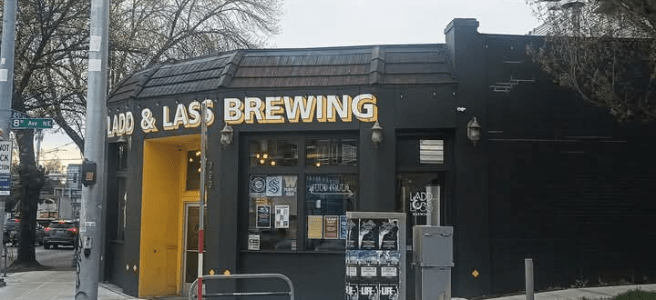
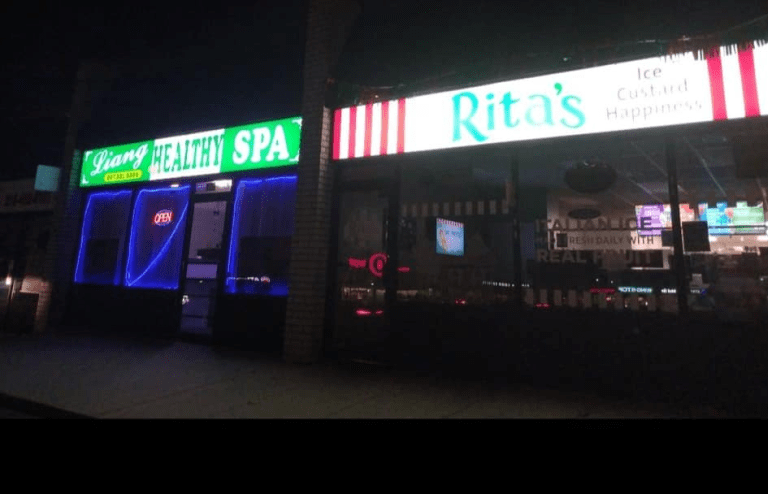
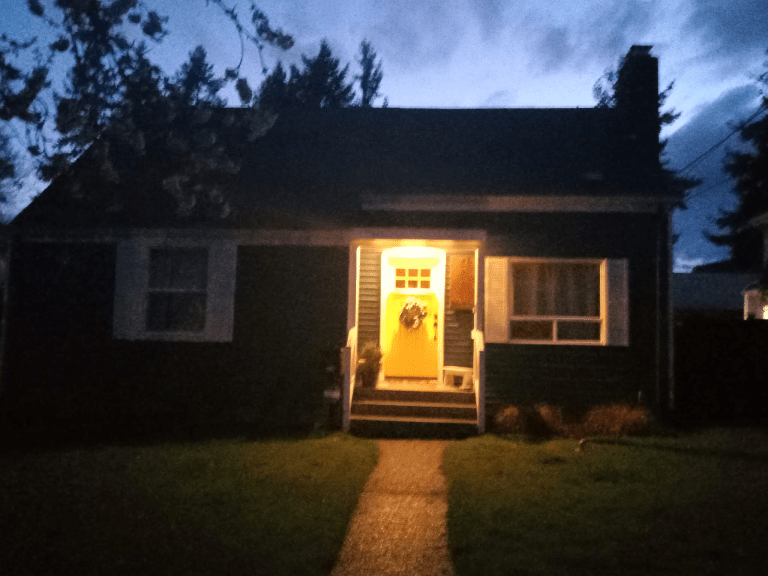
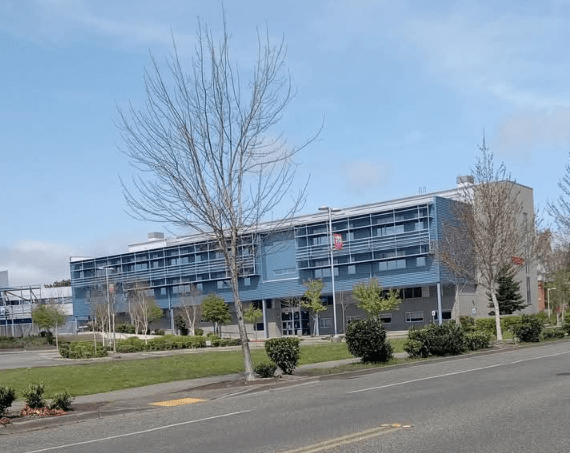
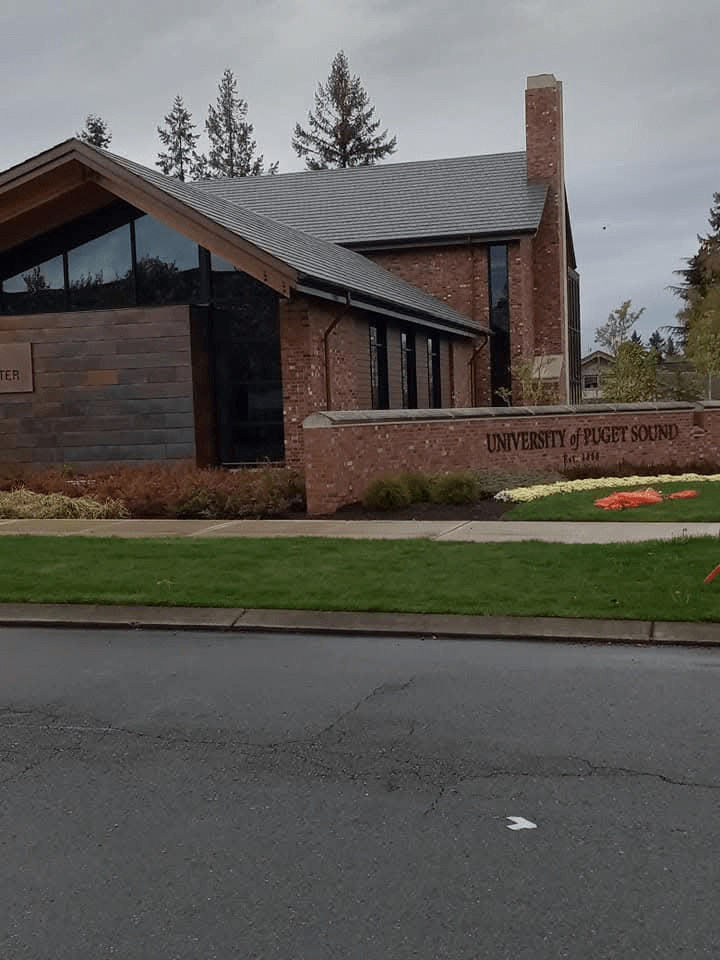
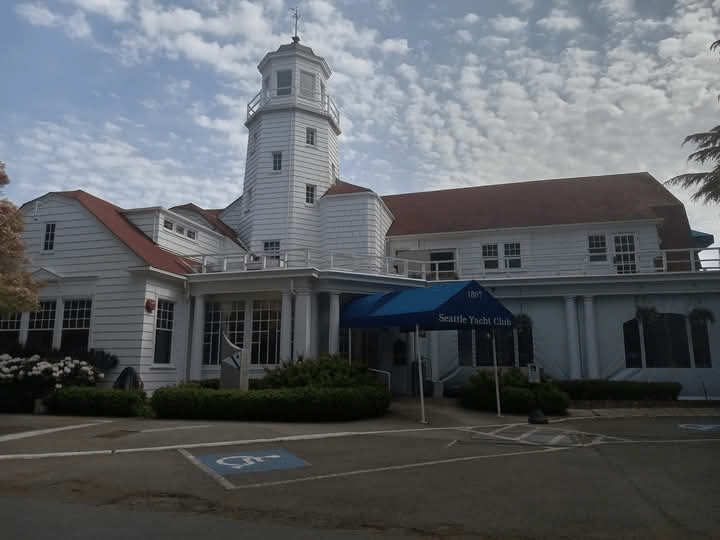
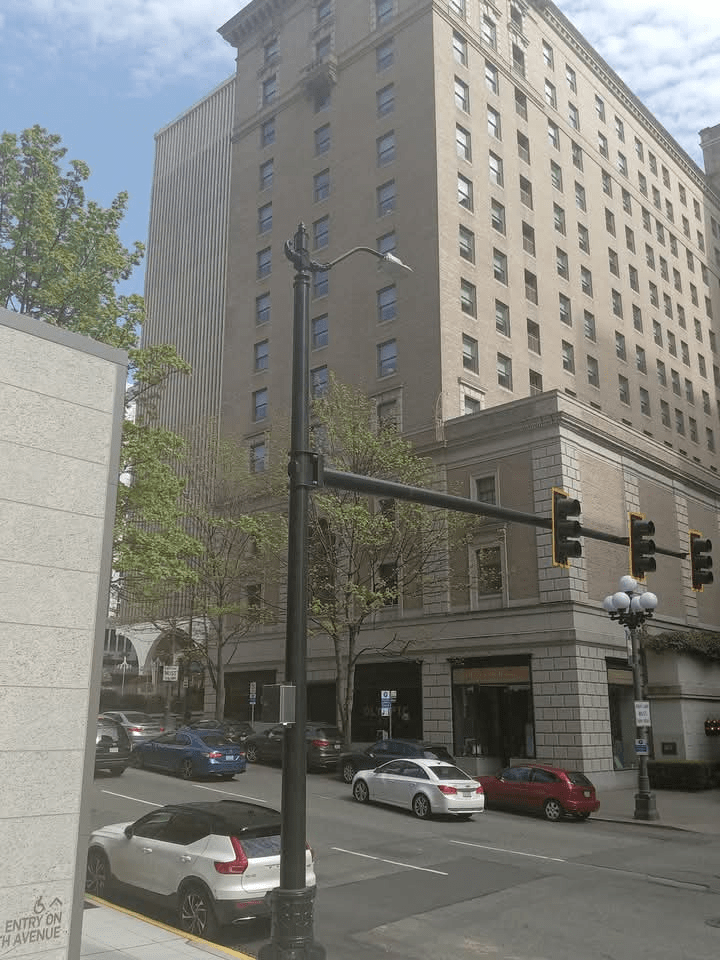
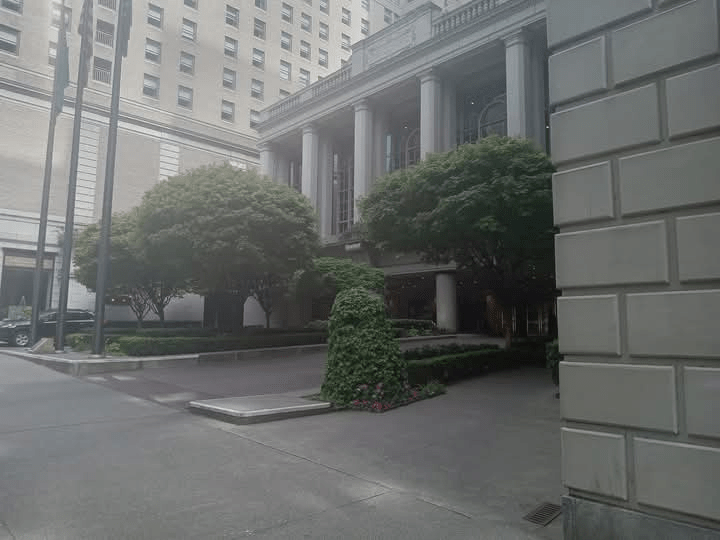
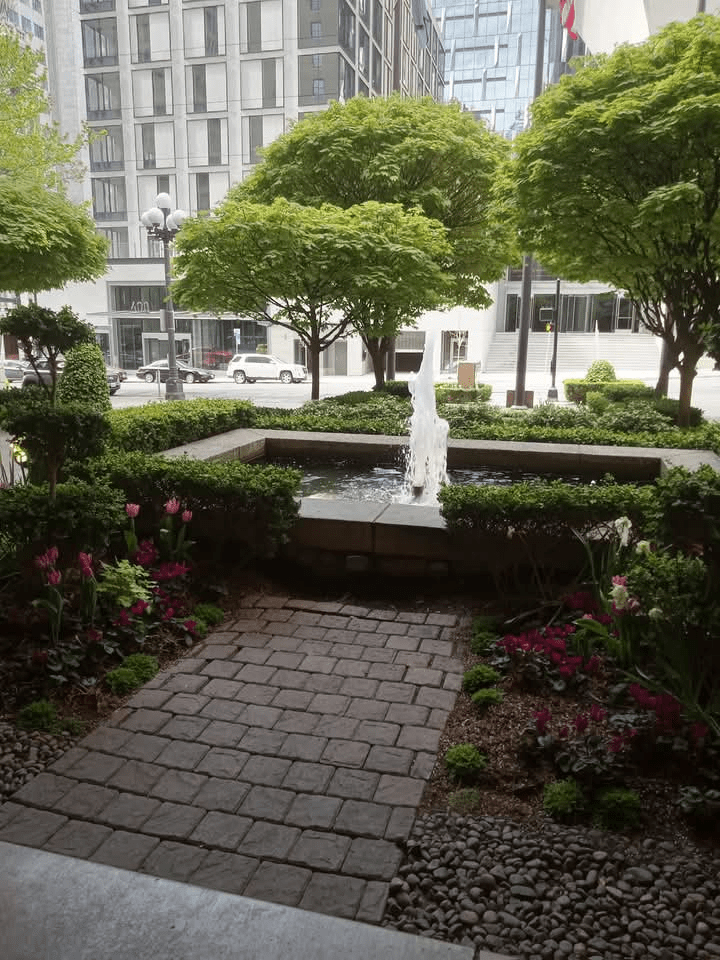
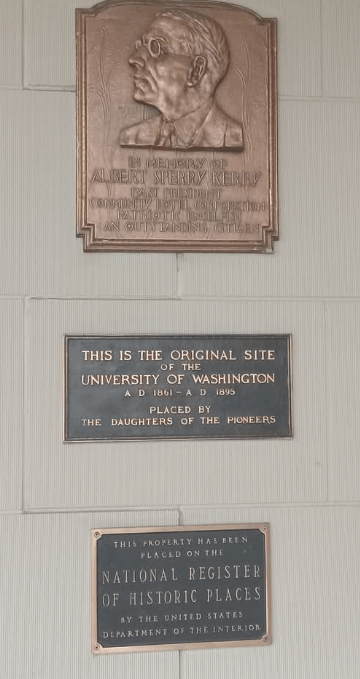
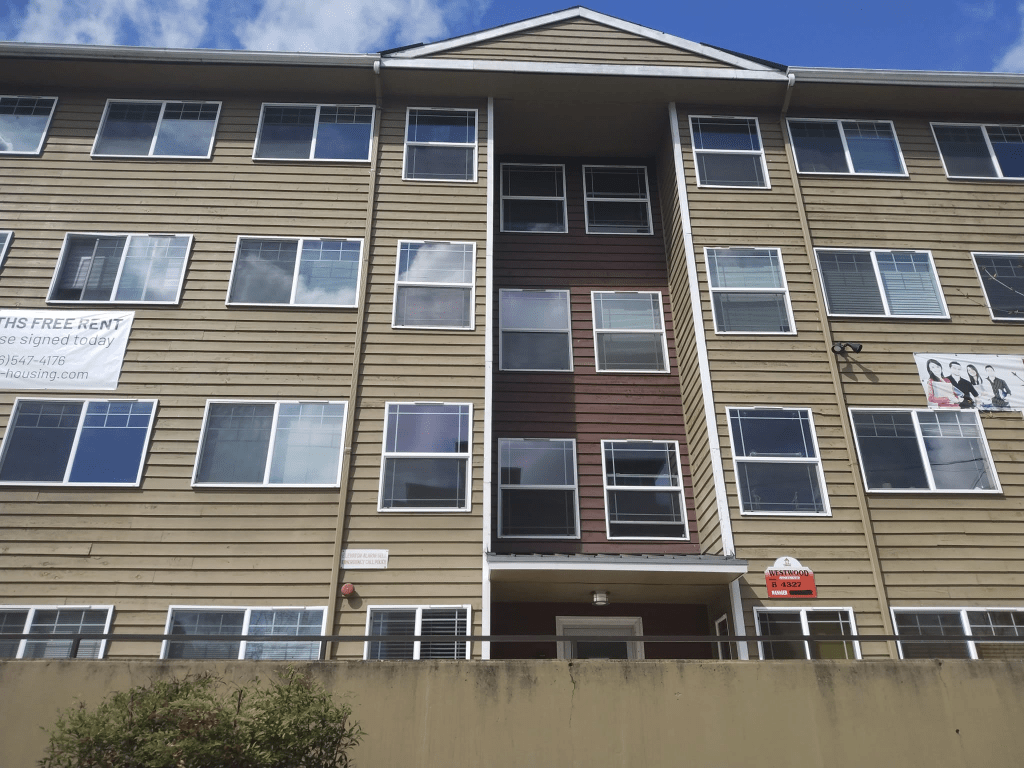
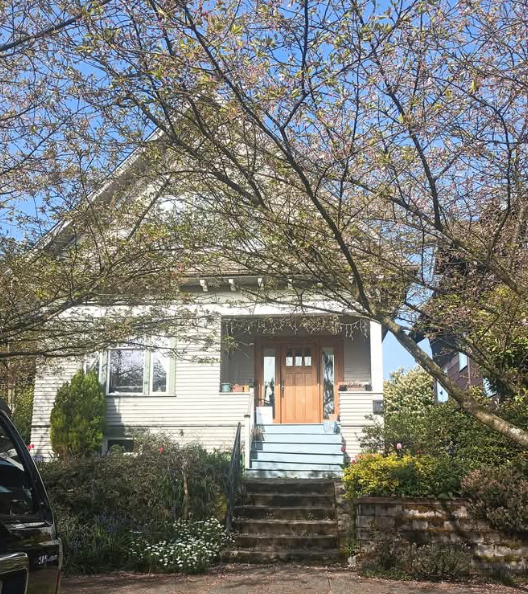
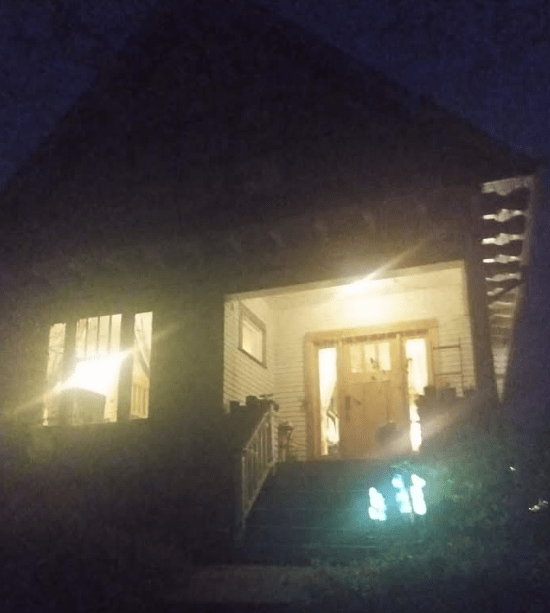
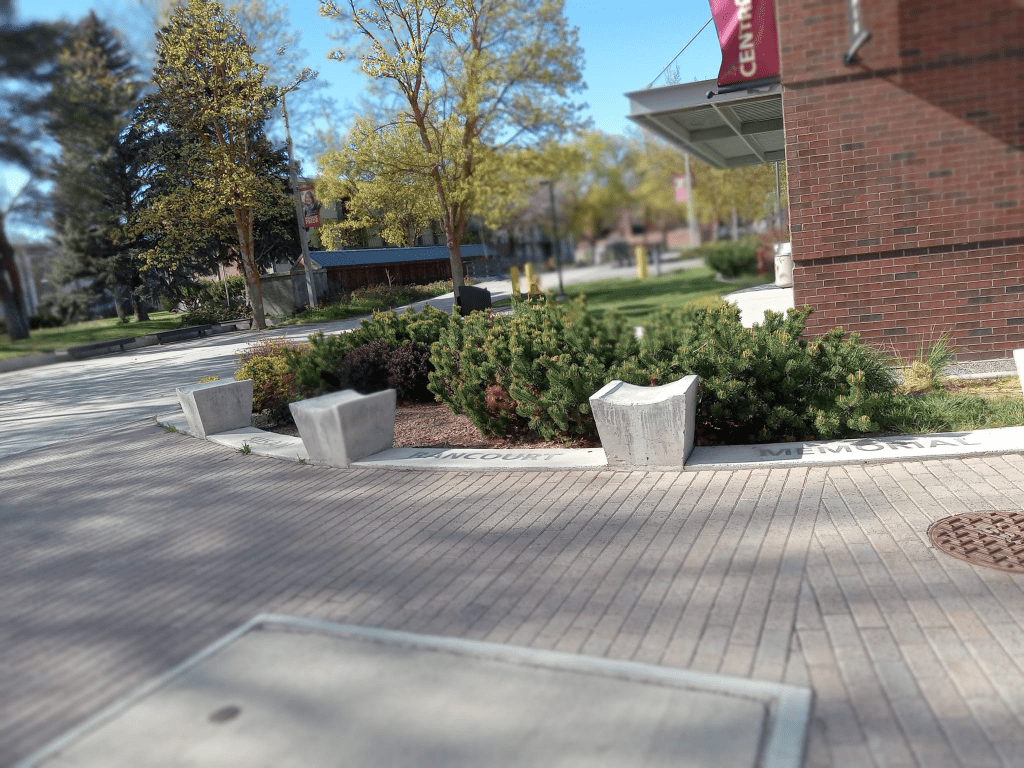
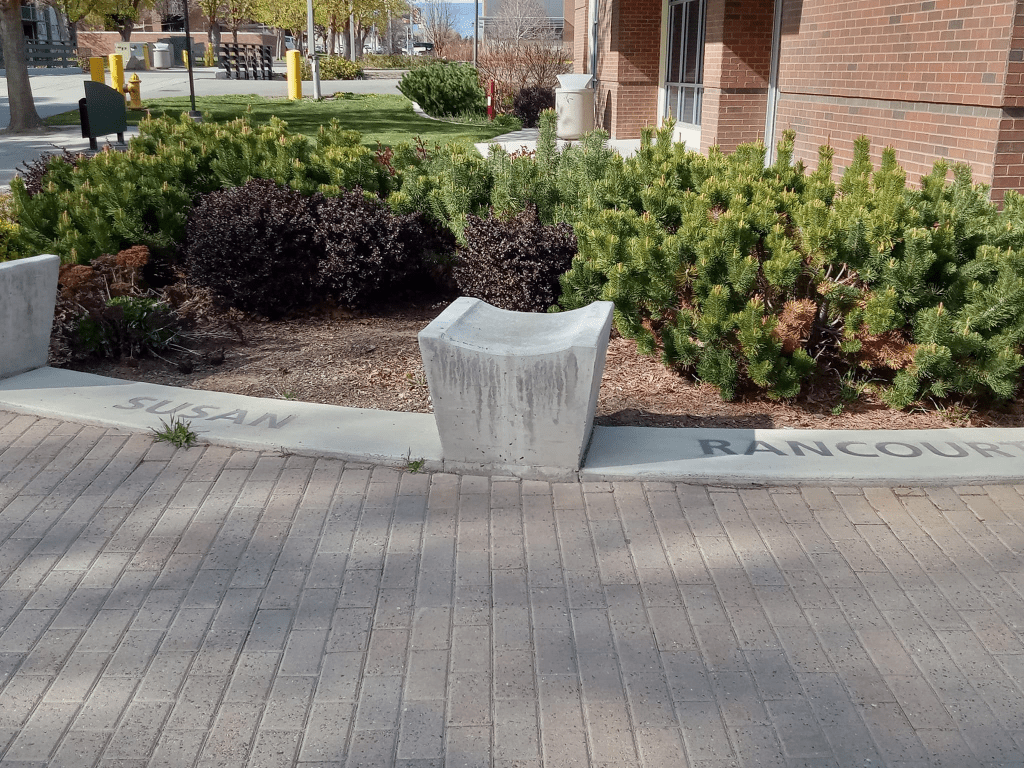
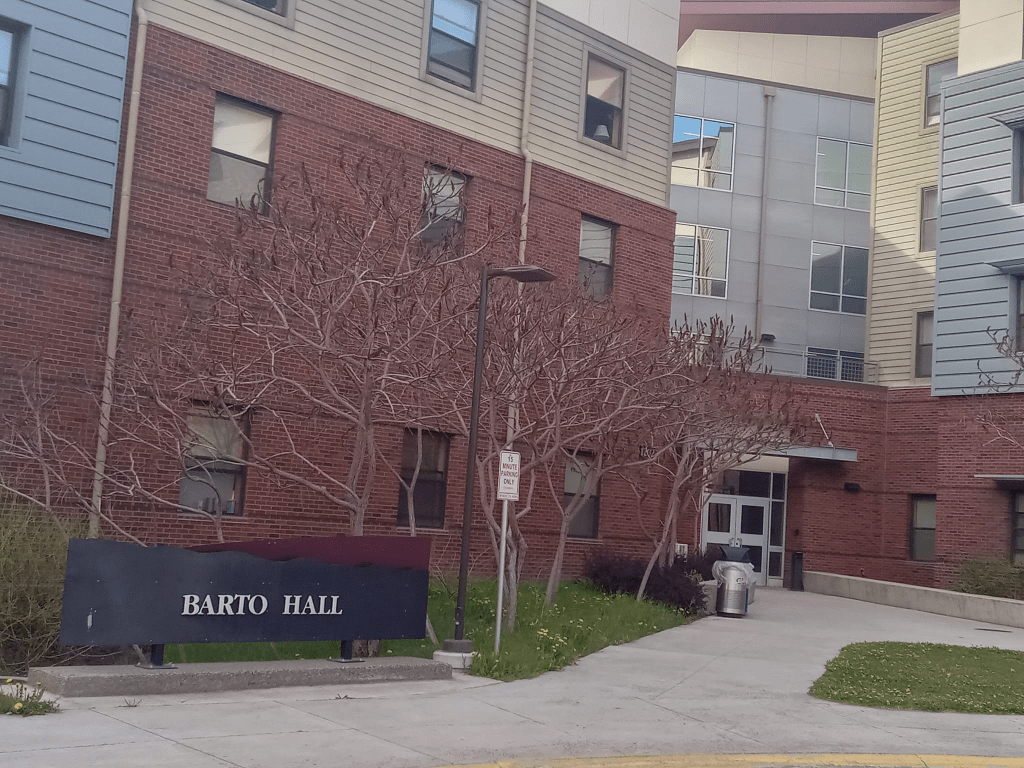
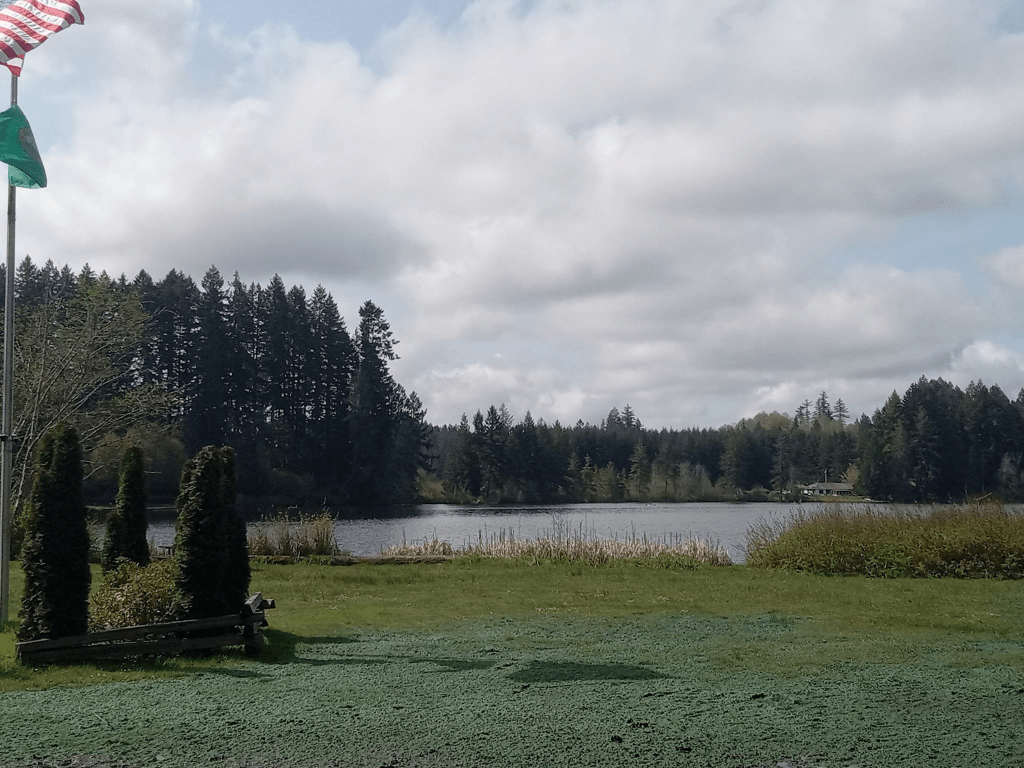
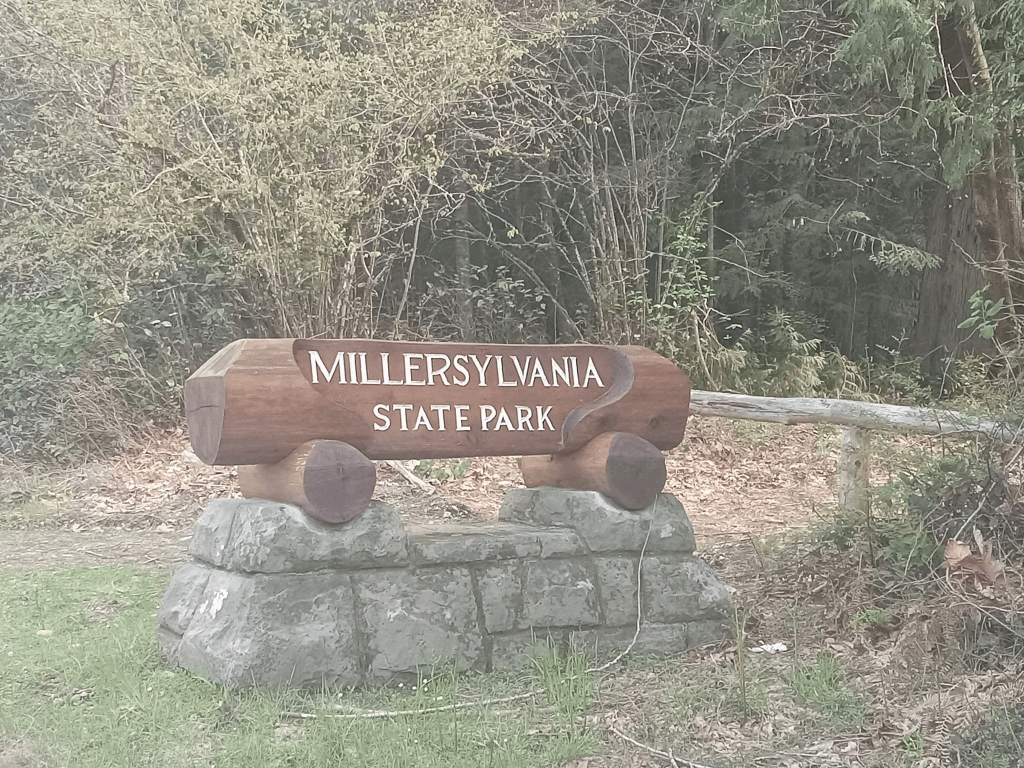
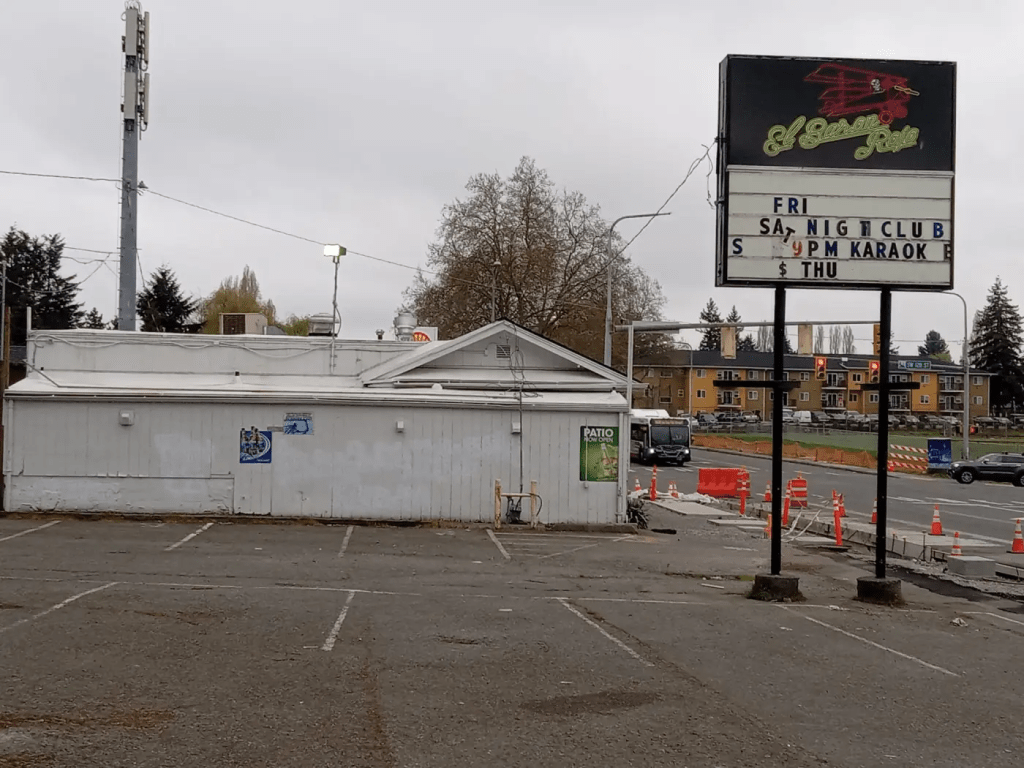
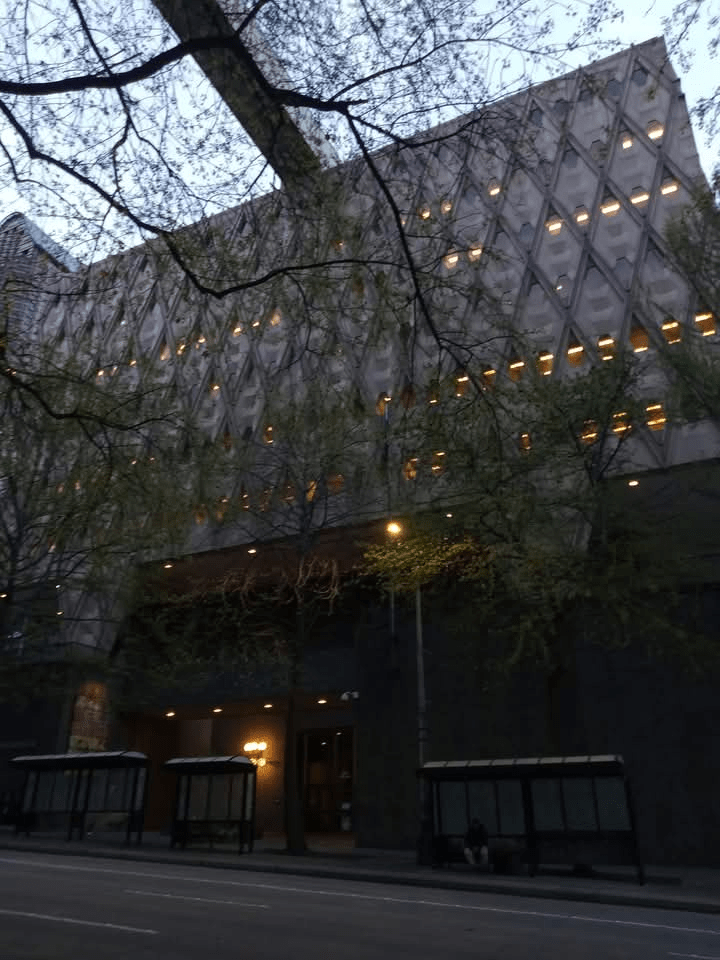
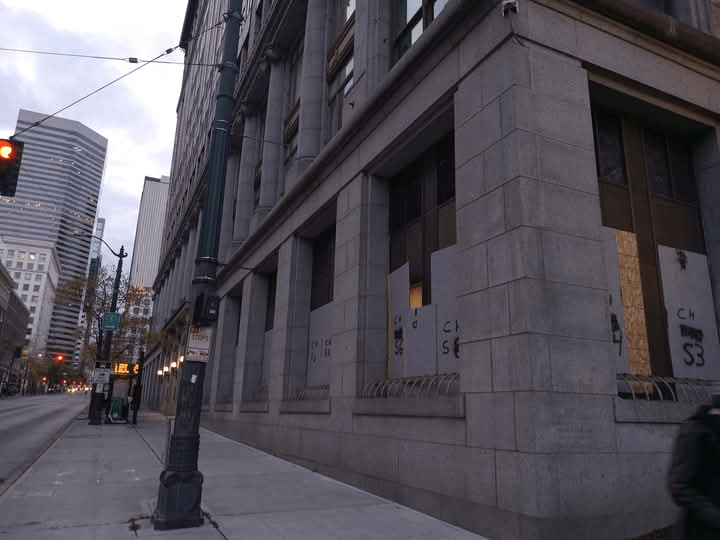
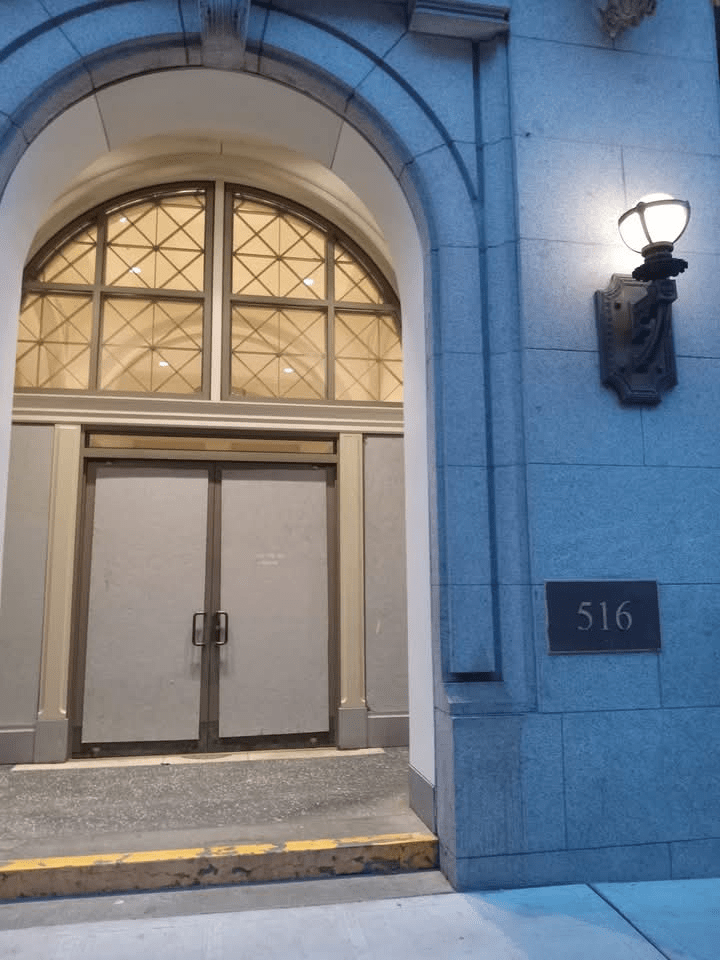
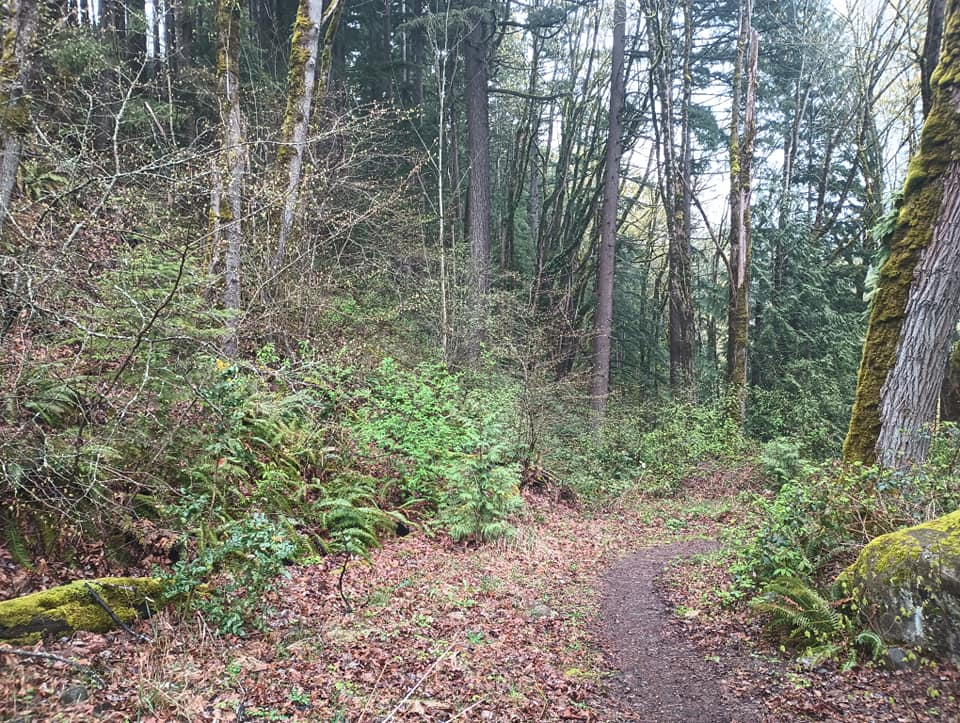
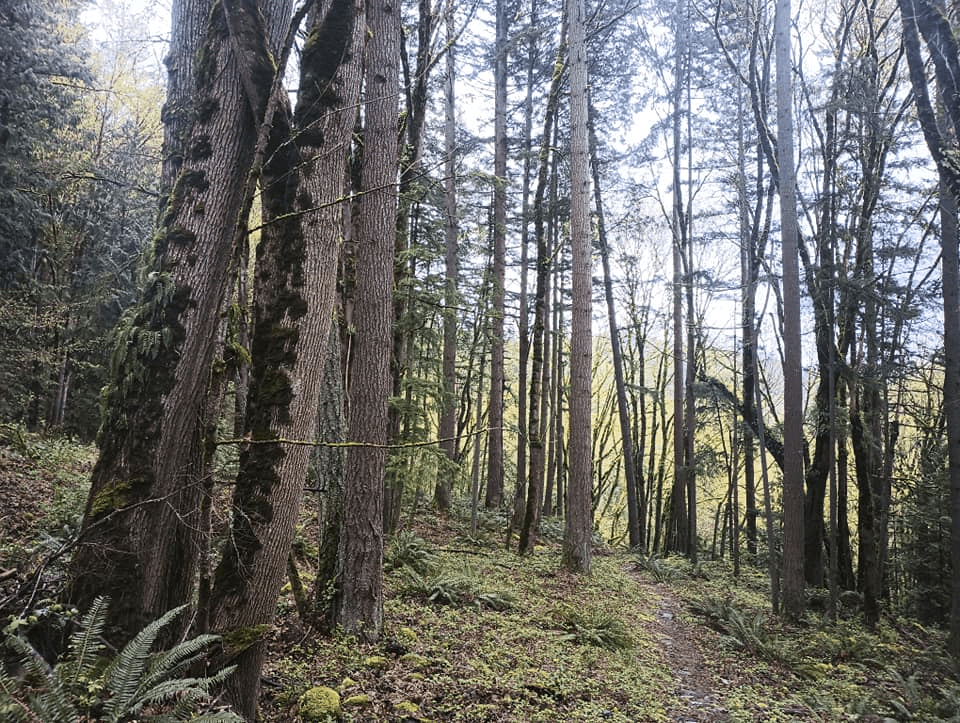
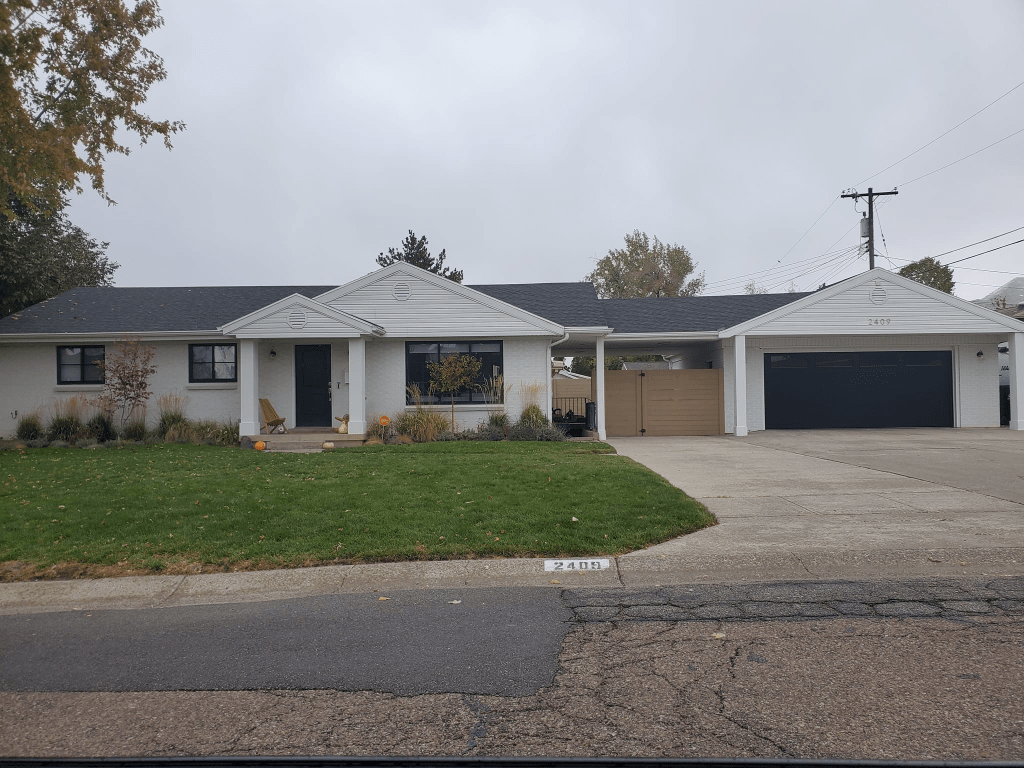
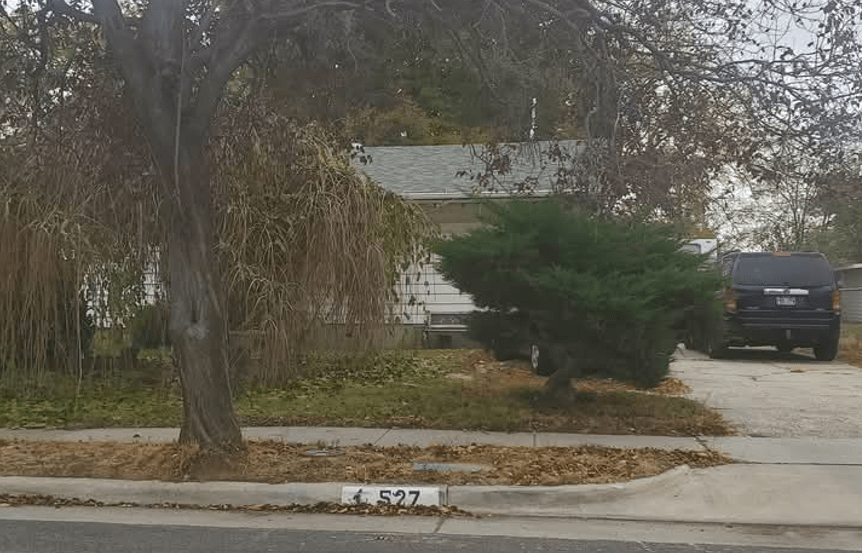
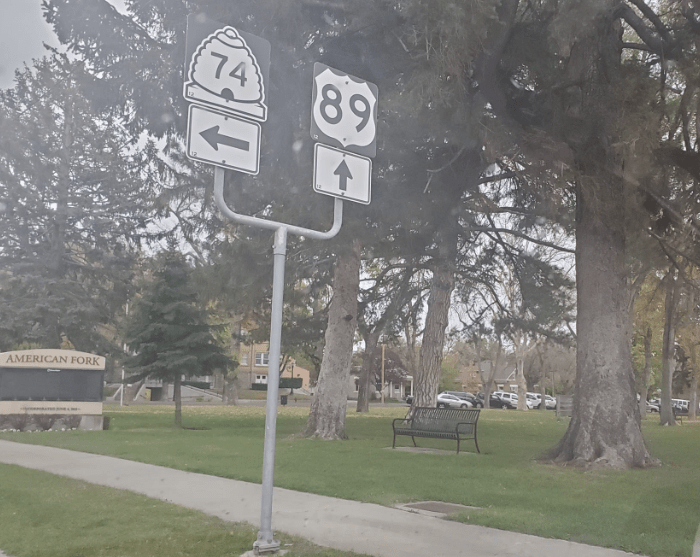
Up until about five years ago I lived paycheck to paycheck, and after getting two really good jobs I banked quite a bit of money and decided to start traveling. In April 2022 I went to Seattle and since then have been to Florida, Philadelphia, Salt Lake City, Colorado, Cobleskill (in NY, for a suspected Bundy victim) and Portland (on that trip I also went back to Seattle). I’ve been retracing the steps of Ted Bundy and taking pictures along the way.



























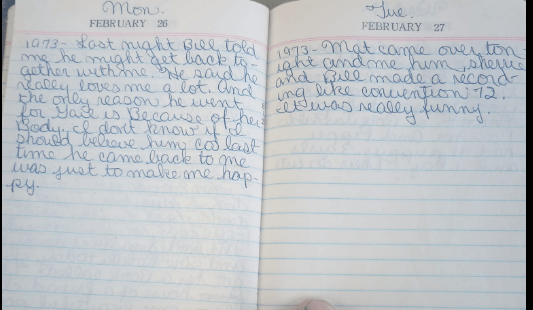































































Below is a copy of a letter that Ted Bundys one time girlfriend Liz Kloepfer sent his probation officer Don Hull, voicing her annoyance that detectives were prying into his personal life. It is part of Judge Stewart Hanson’s private collection and was digitized and sent to Maria Serban by Sean Papanikolas, Stewart’s grandson.
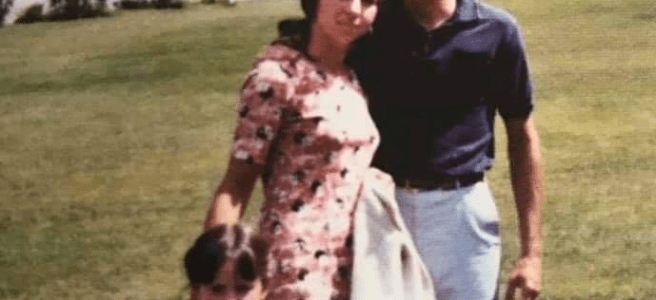
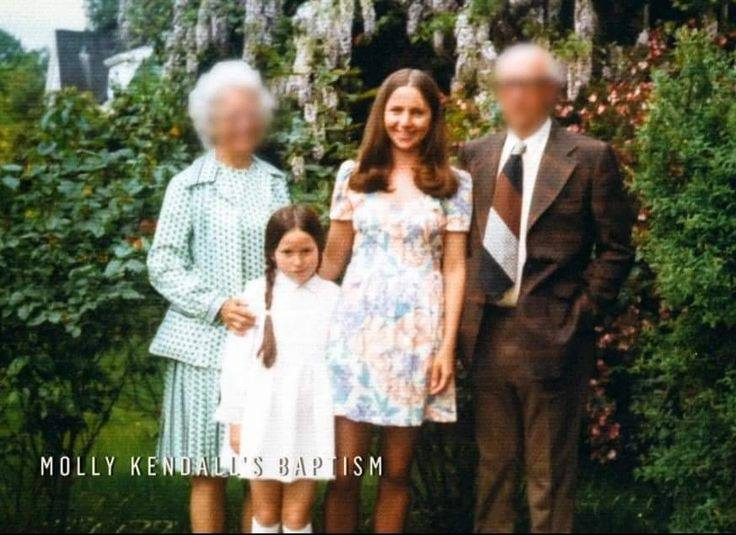
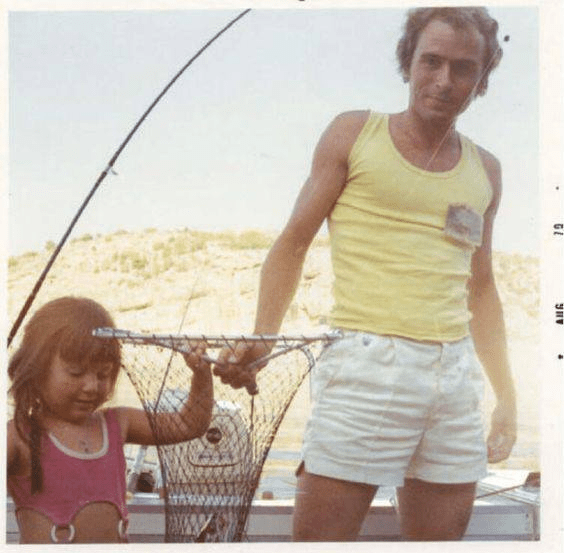
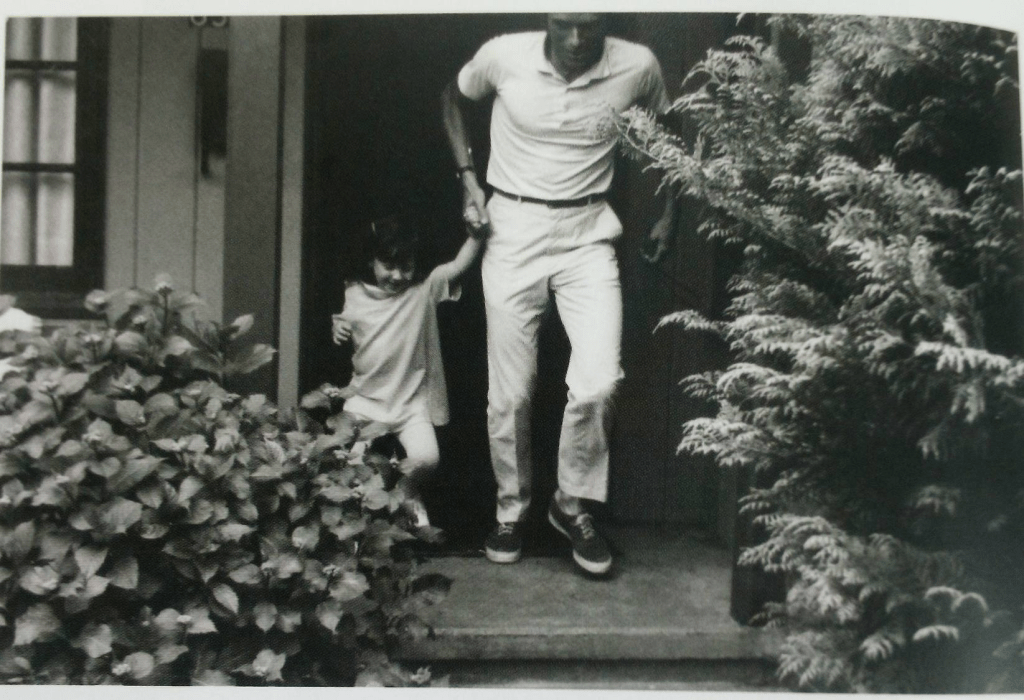
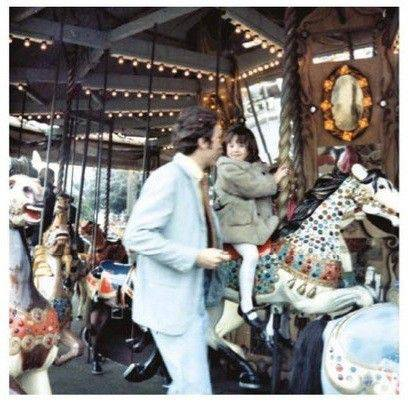
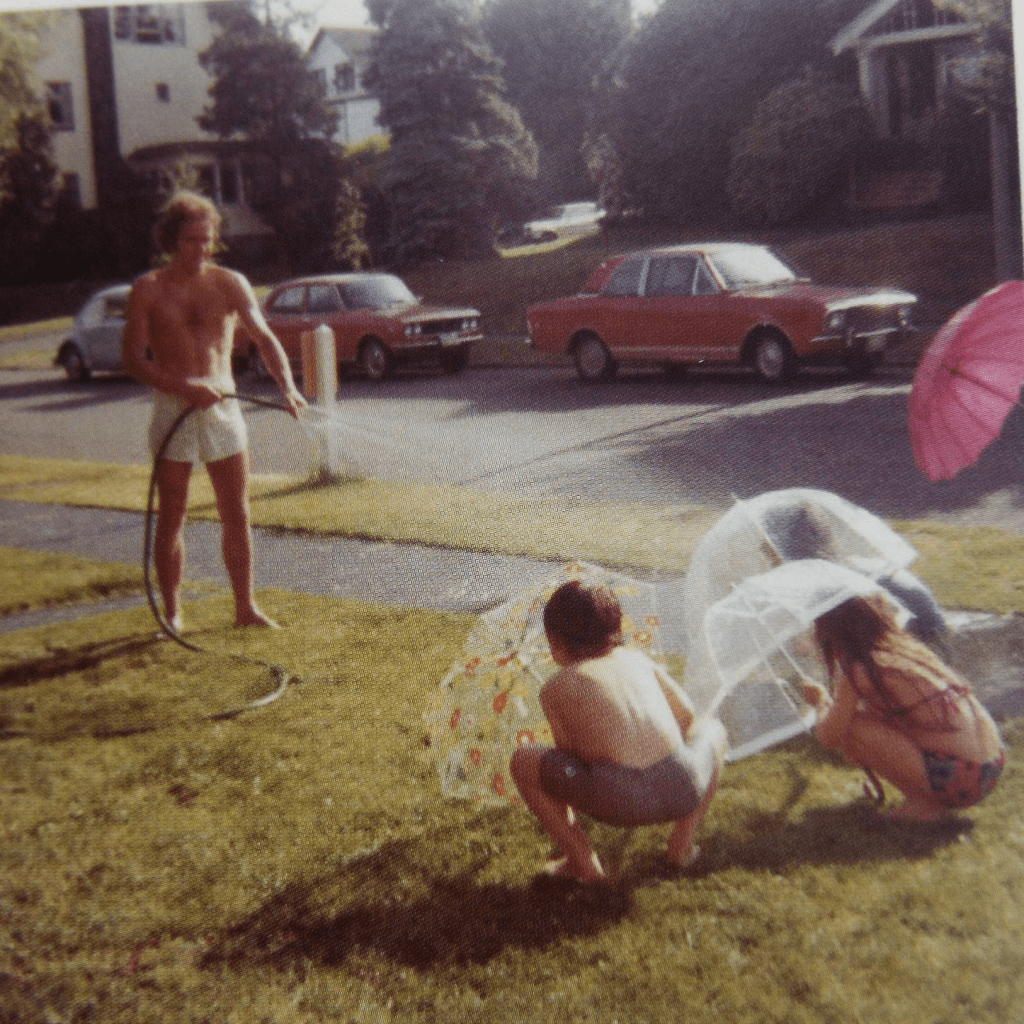
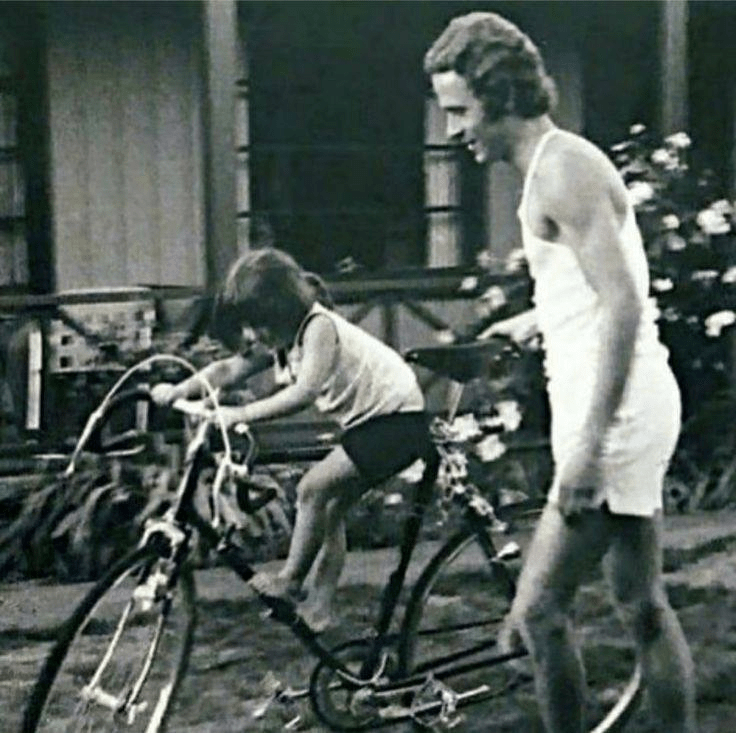
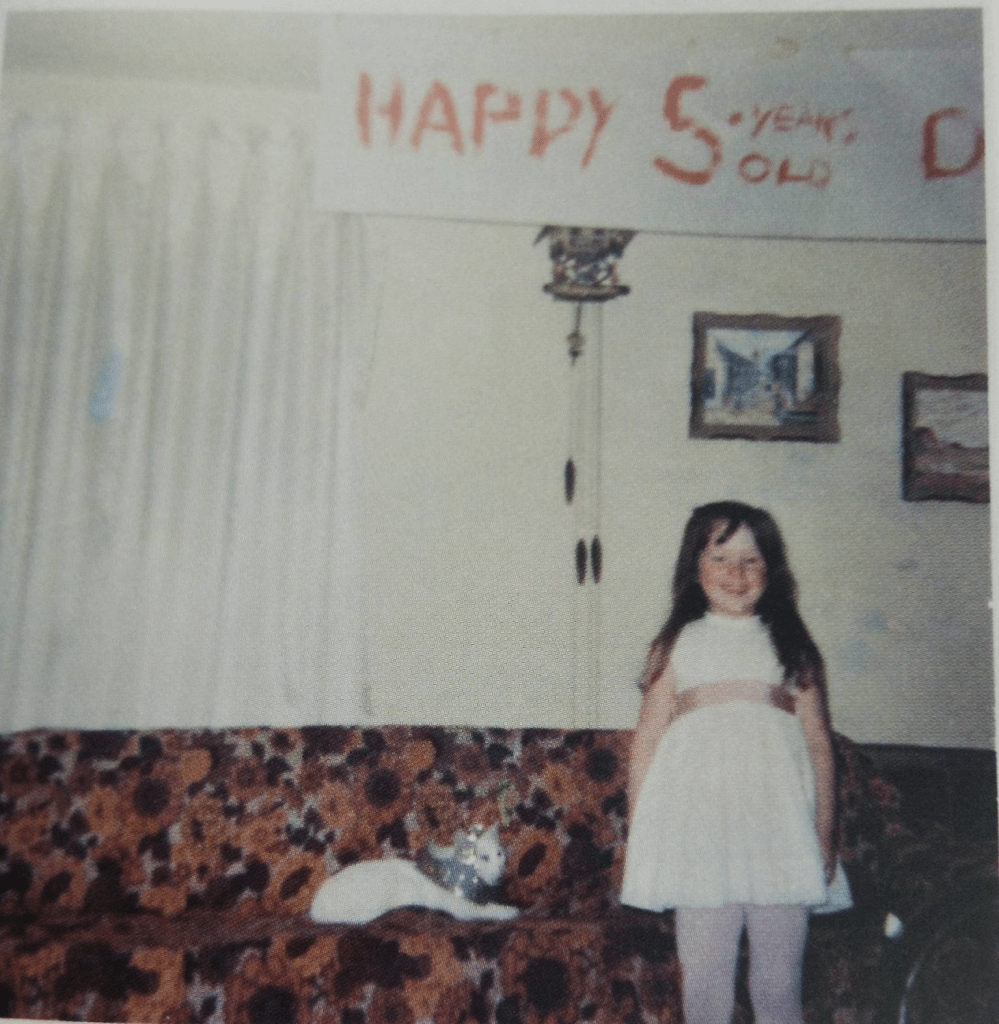
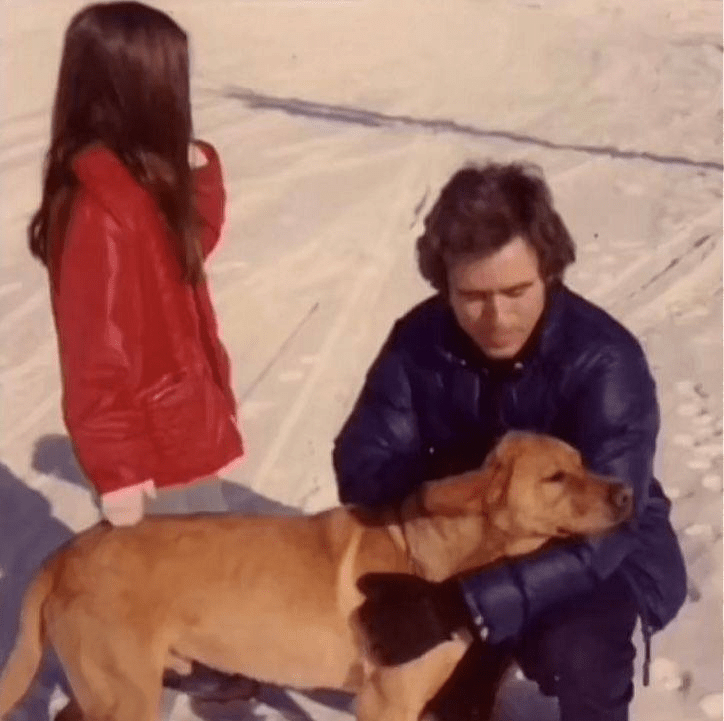
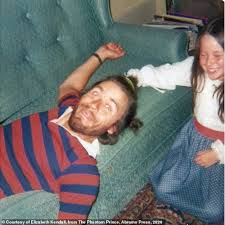
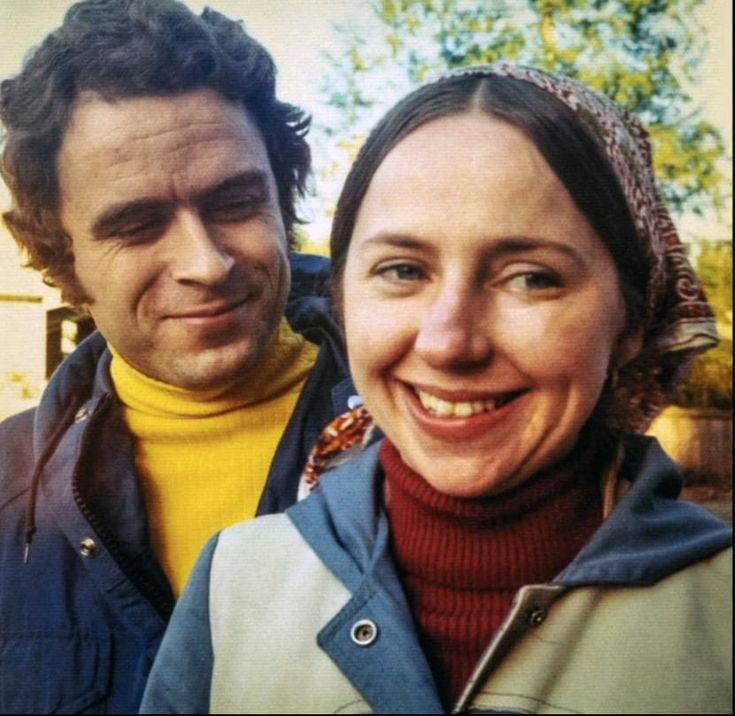
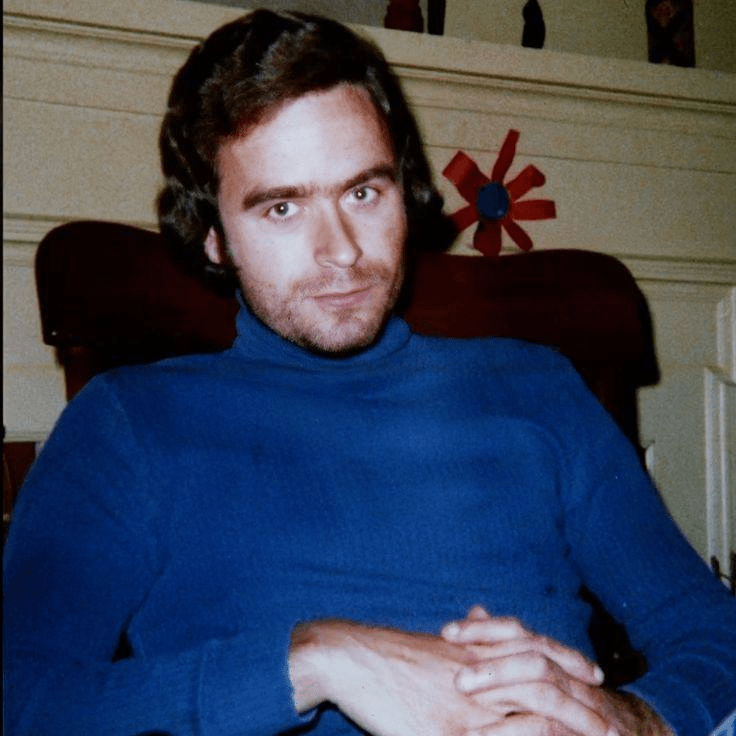
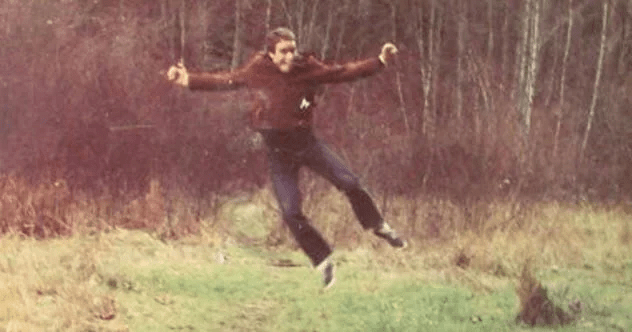
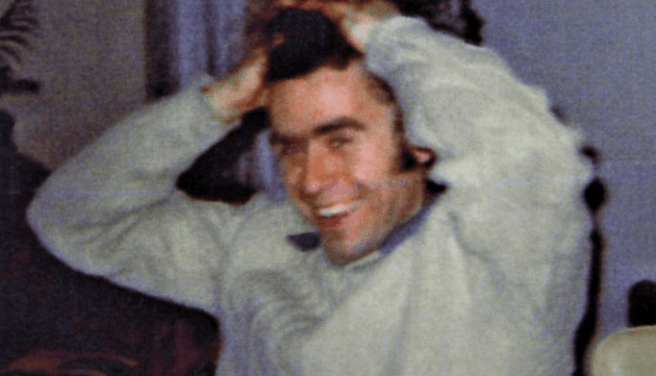
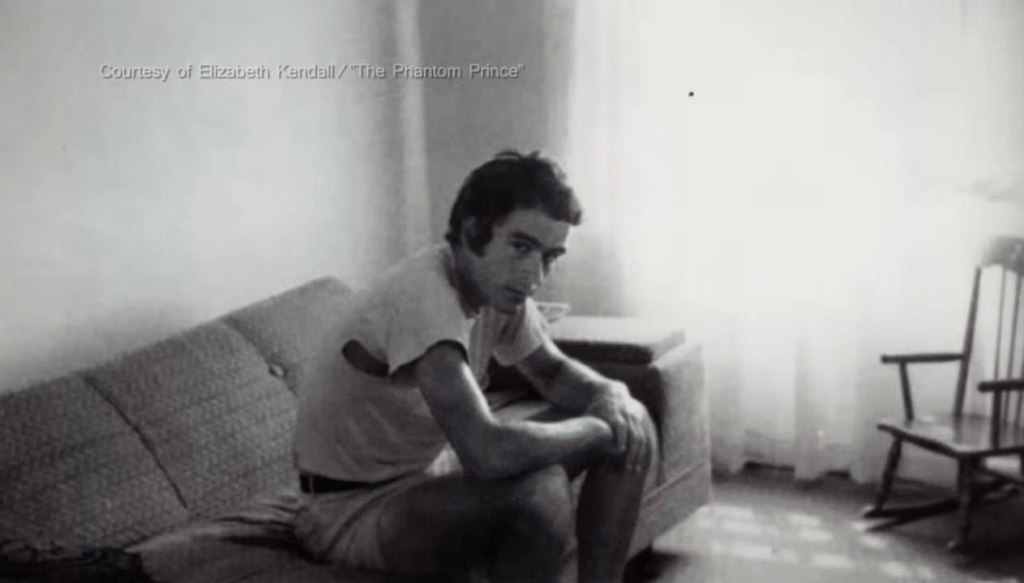
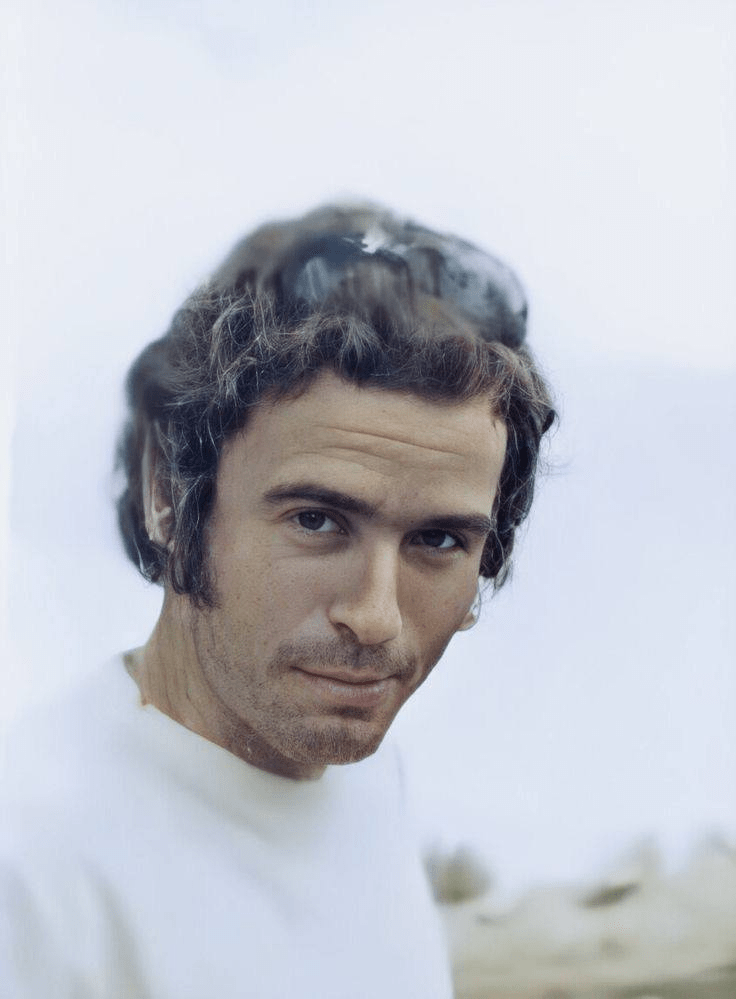
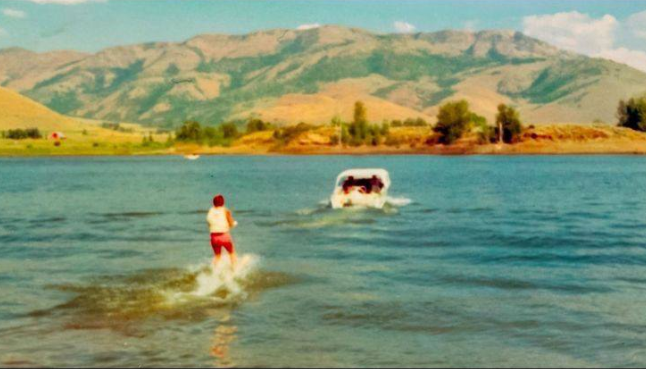
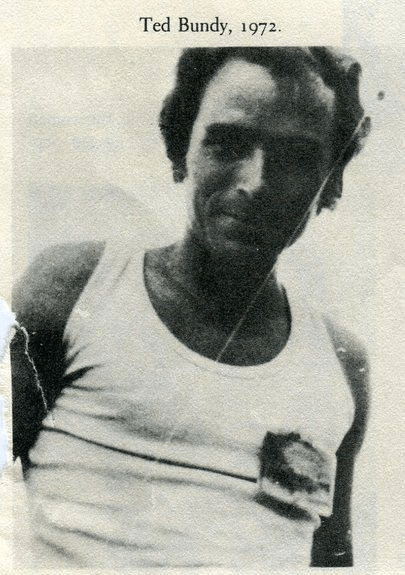
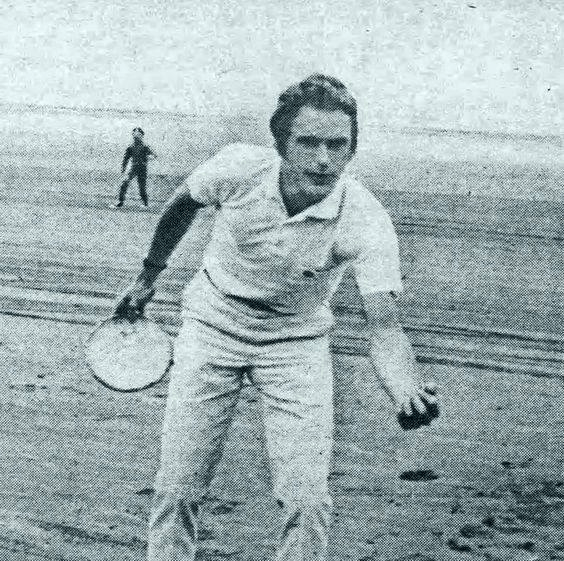
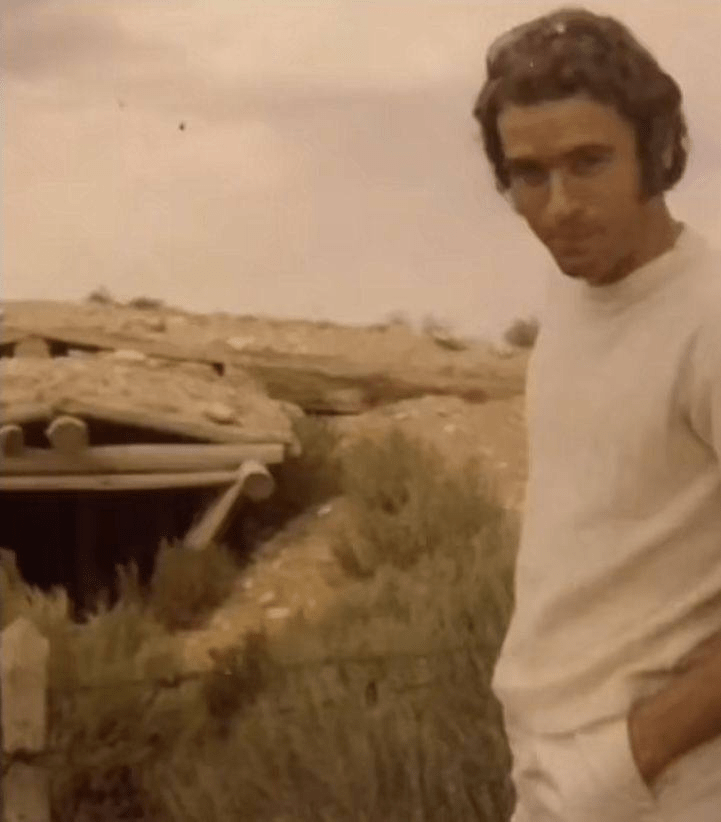
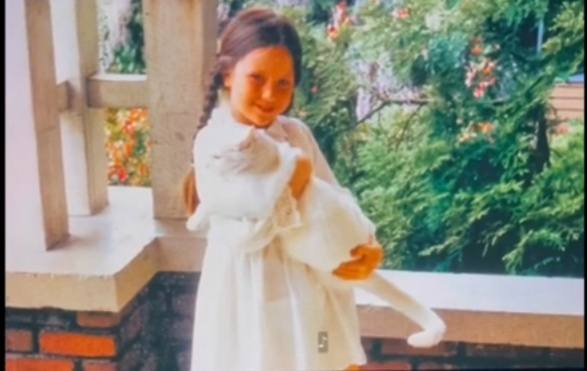
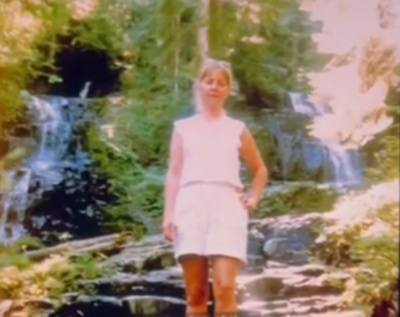
I was able to find a few pictures of Ted, Liz, and Molly these past few days and I wanted to share them here. Ted and Liz had a tumultuous relationship that began in September 1969 and eventually fizzled out after his kidnapping conviction in 1976. Both Liz and Molly are alive as of December 2024 and they reside in Seattle, Washington.
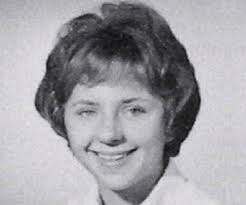


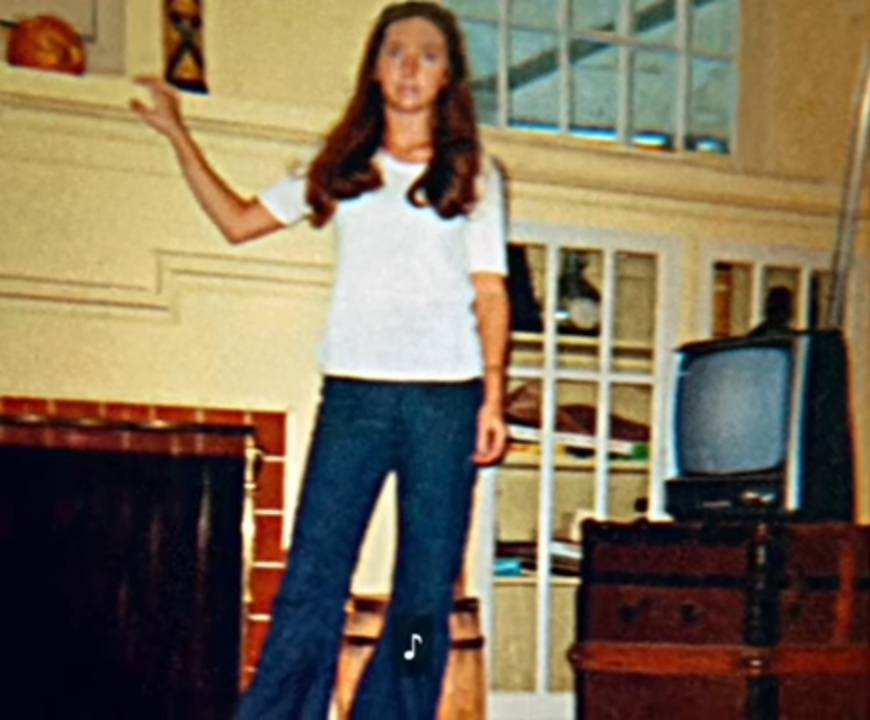


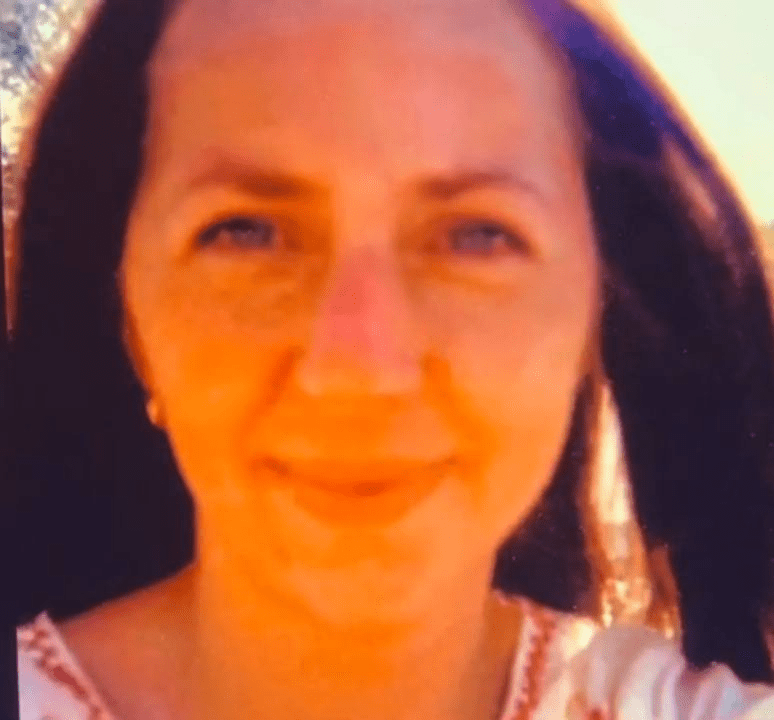

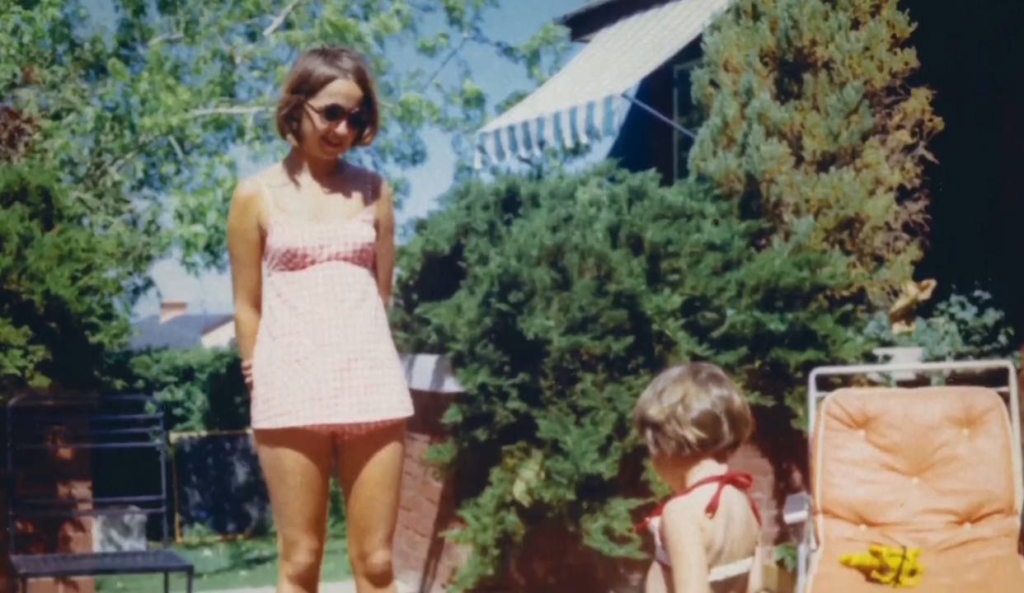
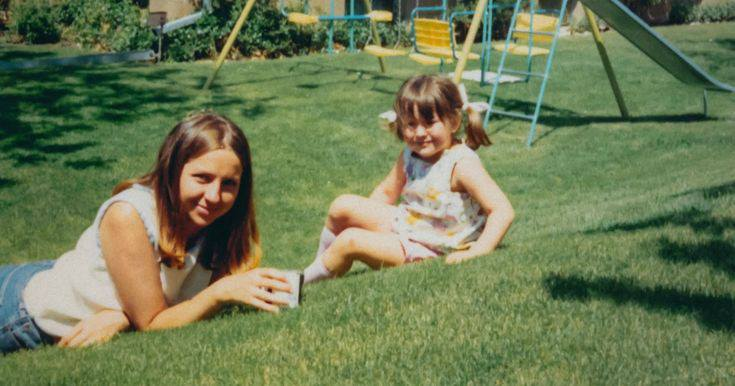
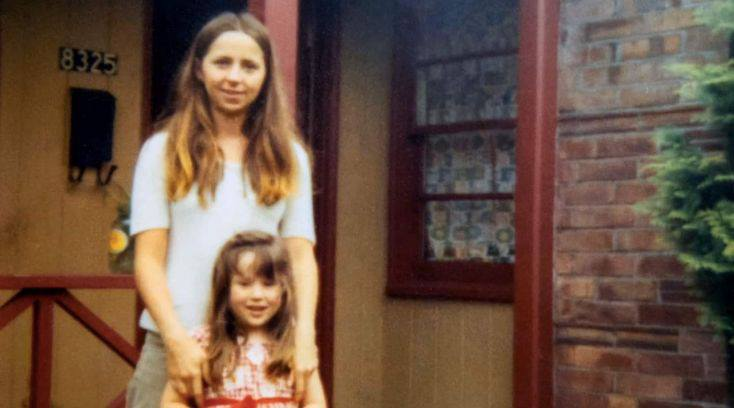

















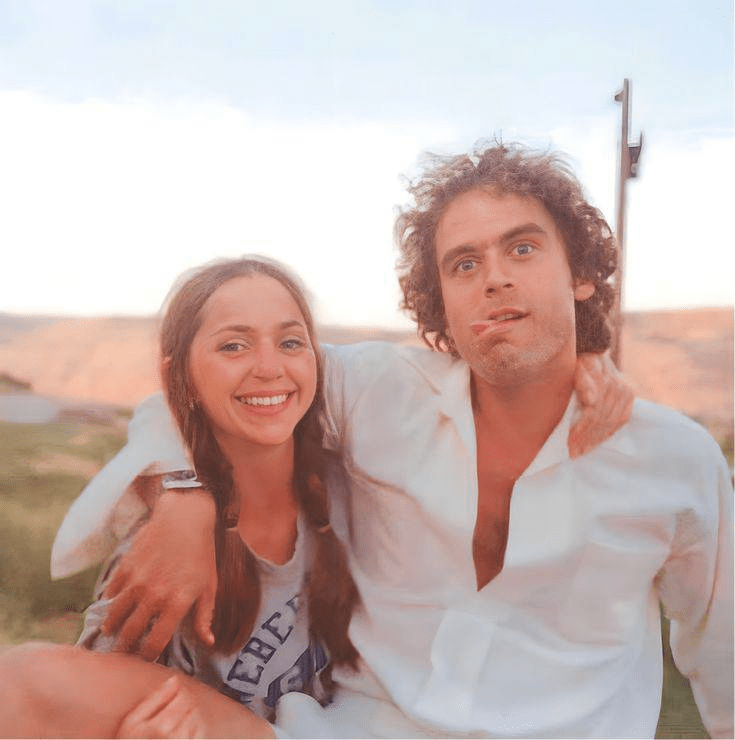


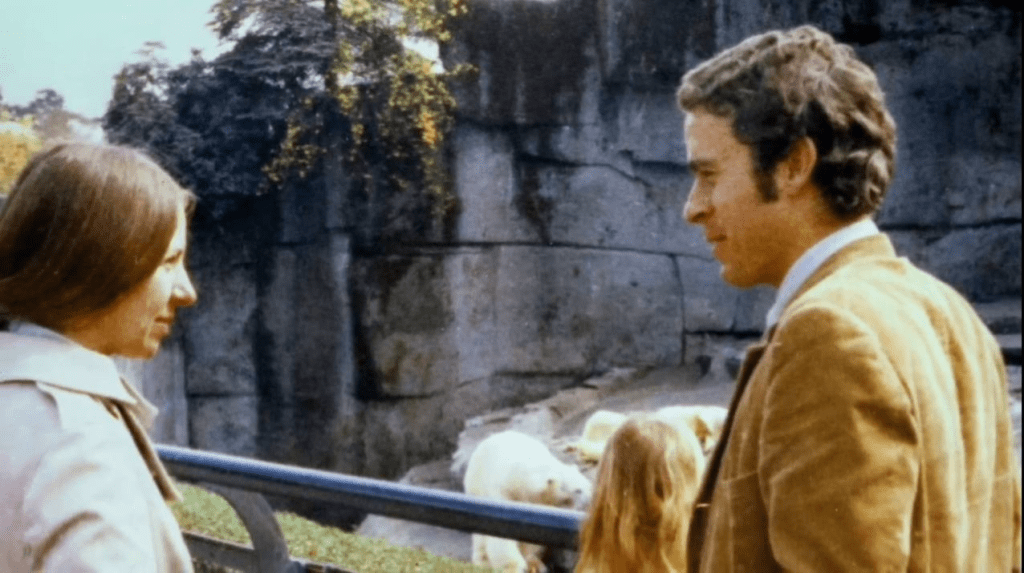
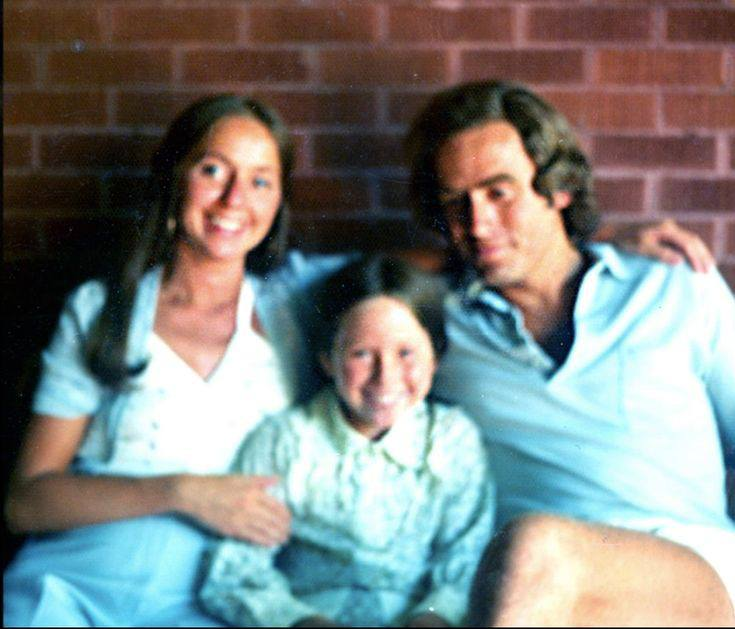
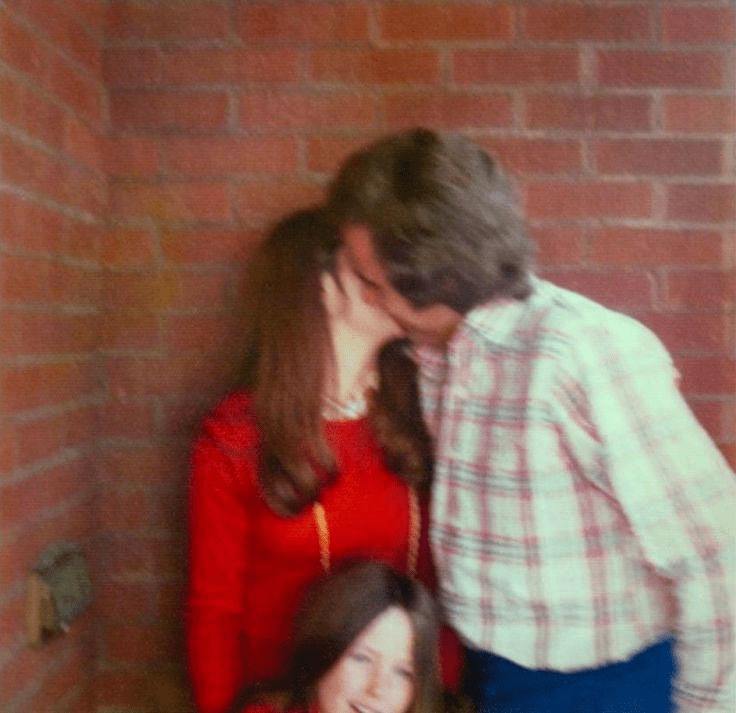









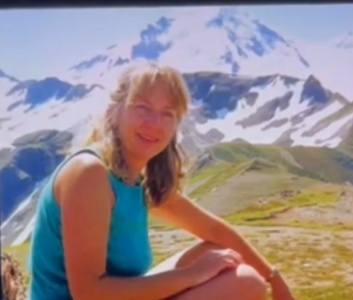

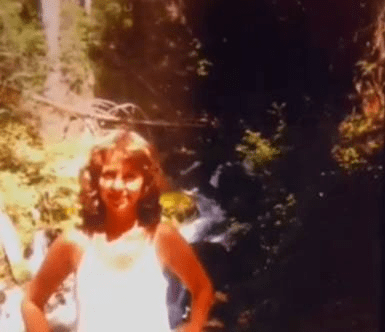

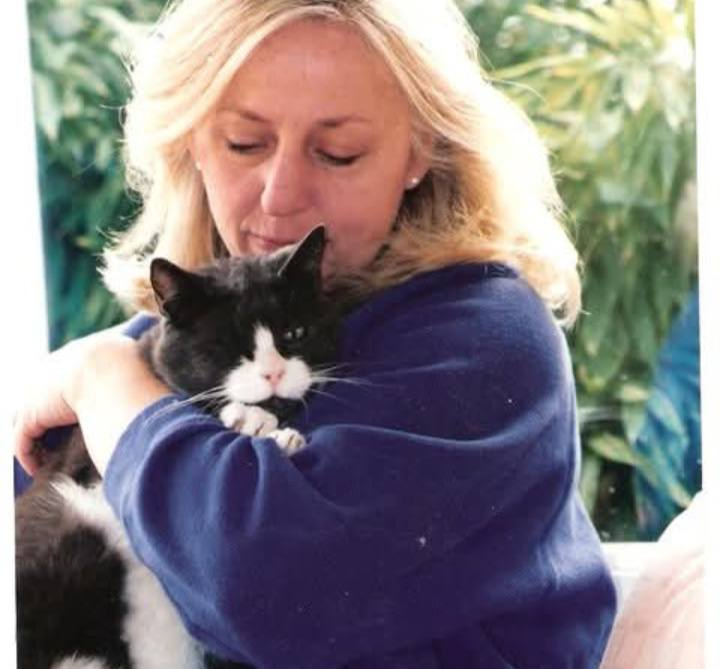


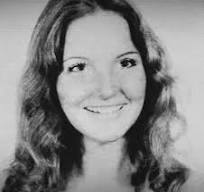
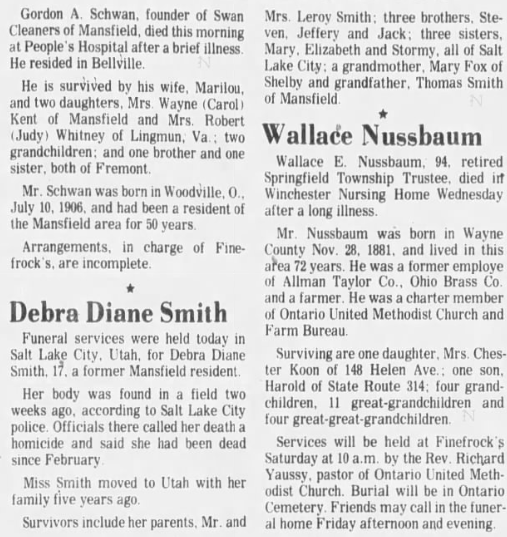
Debra Diann Smith was born on December 26, 1958 to Thomas Leroy and Thelma Lorene (nee Hoover) Smith in Mansfield, OH. Mr. Smith was born on December 14, 1938 in Lucasville, OH, and I wasn’t able to find when Thelma was born but the couple were wed in October 1957. They had seven children together but eventually divorced, and in 1971 Debra relocated with her family to Salt Lake City. According to the Utah Department of Public Safety website, Debbie Smith had brown eyes, brunette hair, was 6’7″ tall and weighed 180 lbs… but considering the picture that the website used is wrong, I’m only going to assume those stats are incorrect as well.
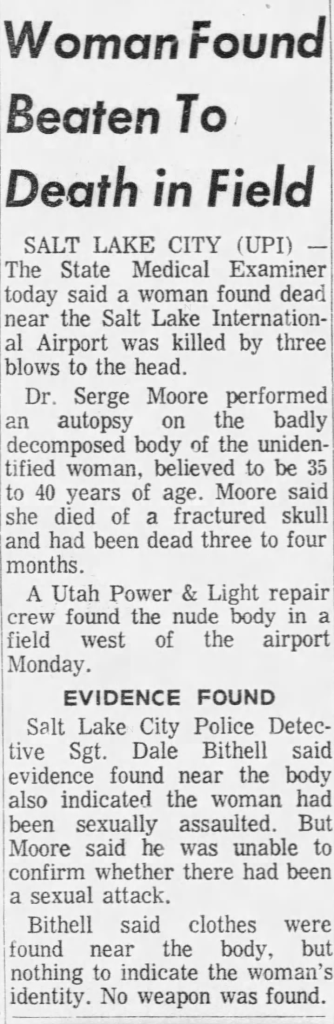
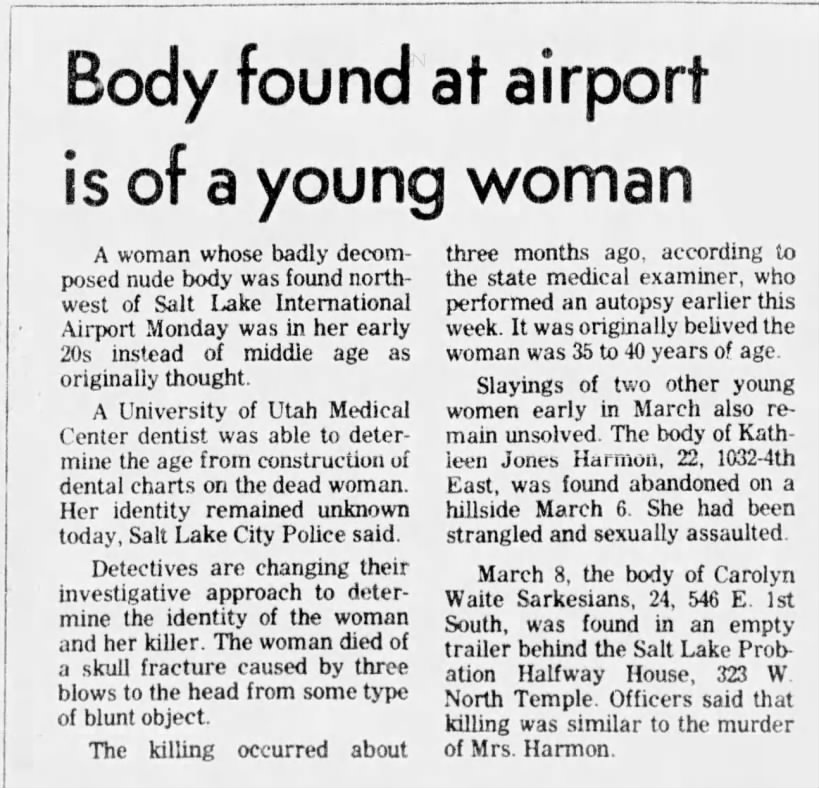
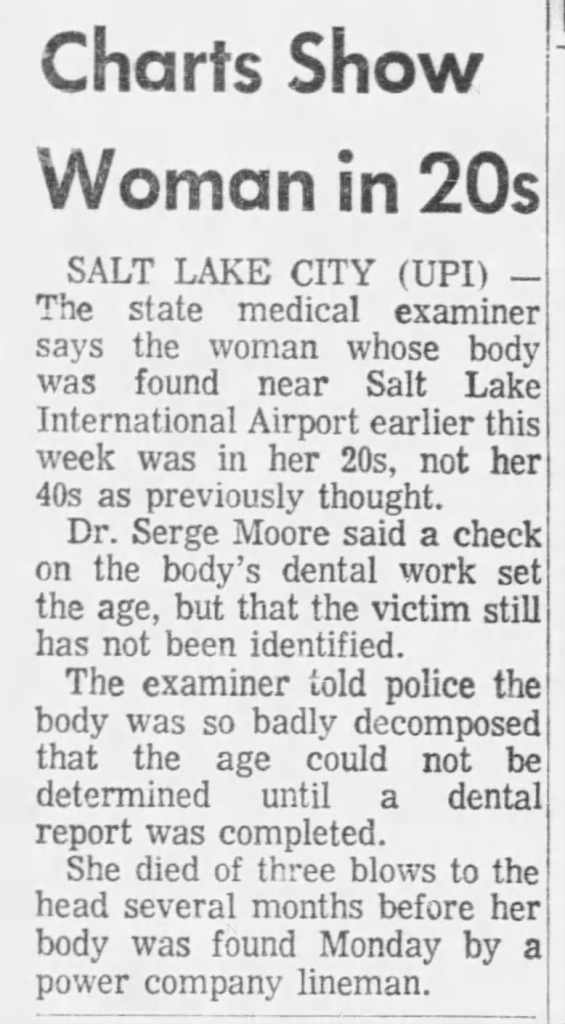
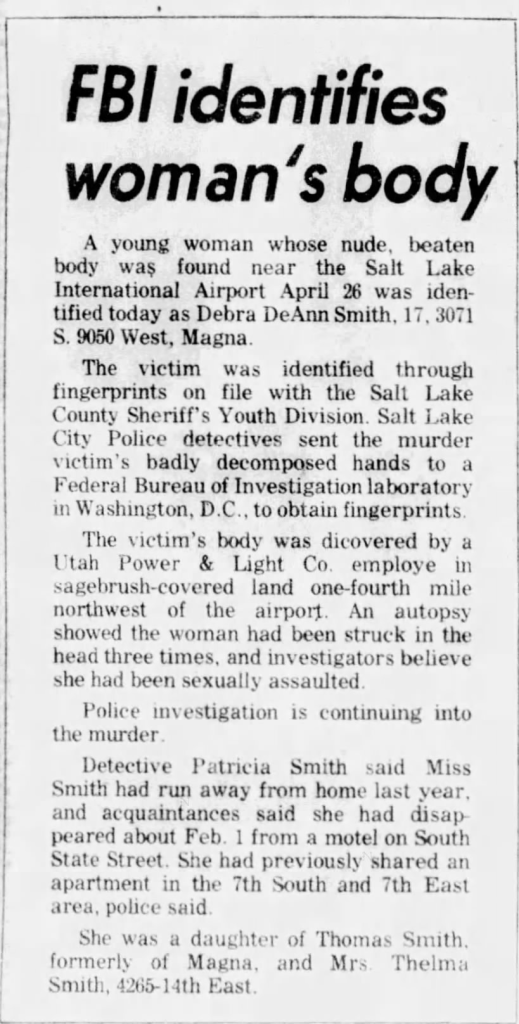
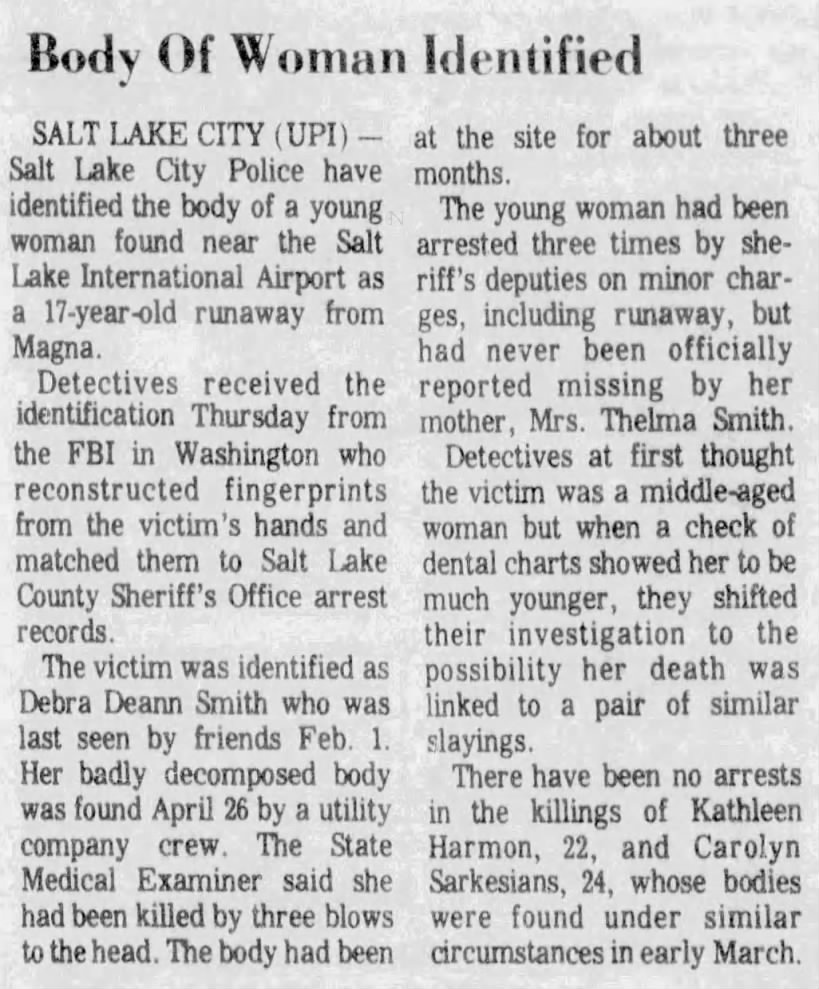
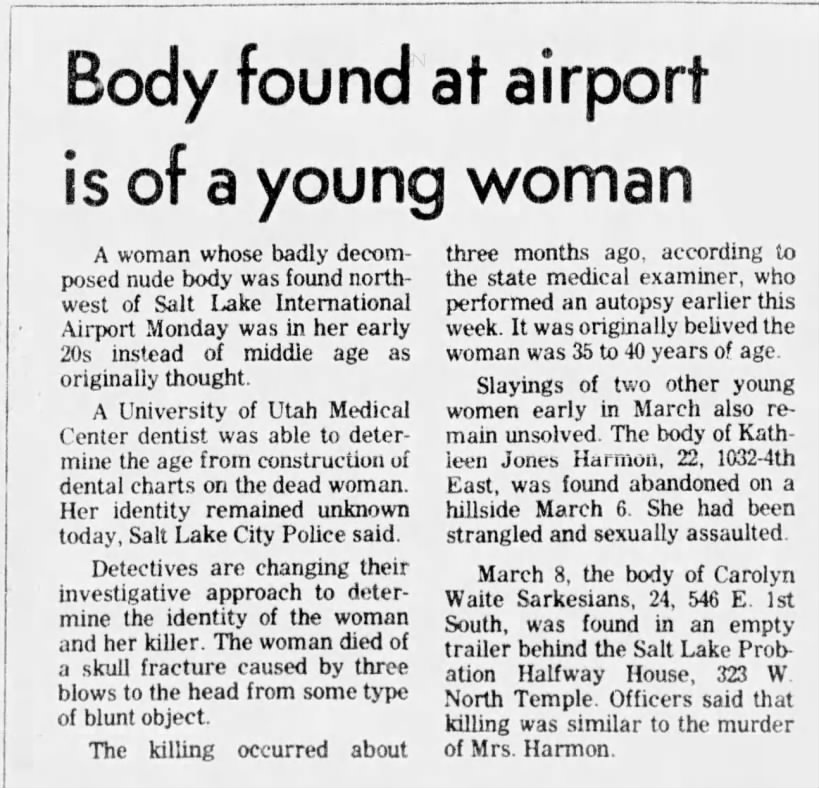
According to reports Smith was a frequent runaway before she was killed, and left home for the final time in early February 1976. According to an article published in The Bellingham Herald on December 5, 1998, Thelma Smith said that she never reported her daughter as missing because she figured she would just change her mind about leaving and would eventually just come home on her own. On Monday, April 26, 1976 her badly decomposed and nude remains were found by a Utah Power and Light worker checking on poles in an open pasture in some ‘sagebrush covered land’ located one quarter mile NW of the Salt Lake International Airport. It’s often incorrectly reported that Smith was discovered on April 1, however according to newspaper reports it was April 26, 1976.
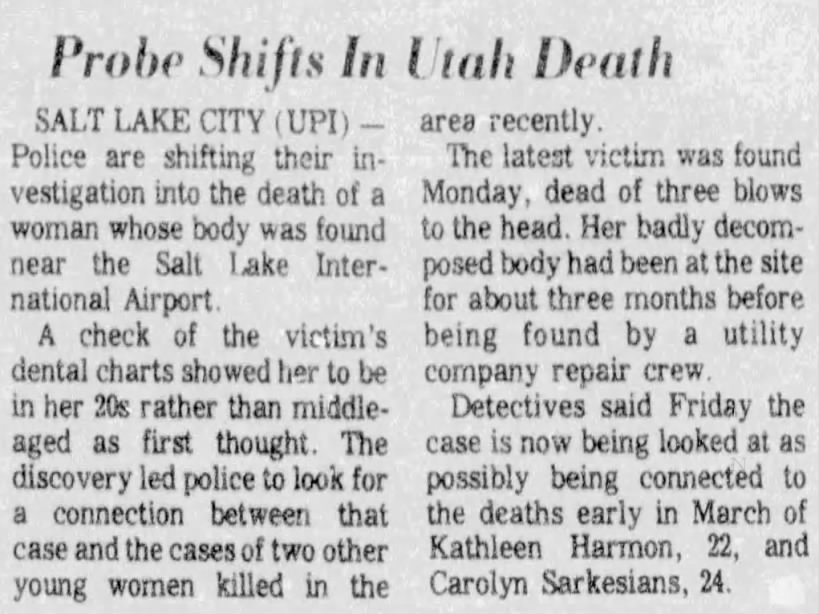
In the beginning of the investigation forensic experts incorrectly estimated the victim to be ‘middle aged’ and was anywhere from 35 to 45 years old, but when they studied her teeth they realized she was much younger. SLC Coroner Serge Moore performed Smith’s autopsy, and he determined that she suffered from three blows to the head and died from a fractured skull. He also said that she had been deceased for three to four months by the time her remains were discovered. SLC Detective Sergeant Dale Bithell said that evidence found near the scene of the crime indicated that she had been sexually assaulted and clothes were found near the body. Her identity remained a mystery until May 13, 1976, and it was only when Smith’s degraded fingerprints were reconstructed by the FBI that a positive identification was able to be made. The seventeen year olds prints were on file with the SLC Sheriff’s Department after she was arrested three separate times on minor charges.
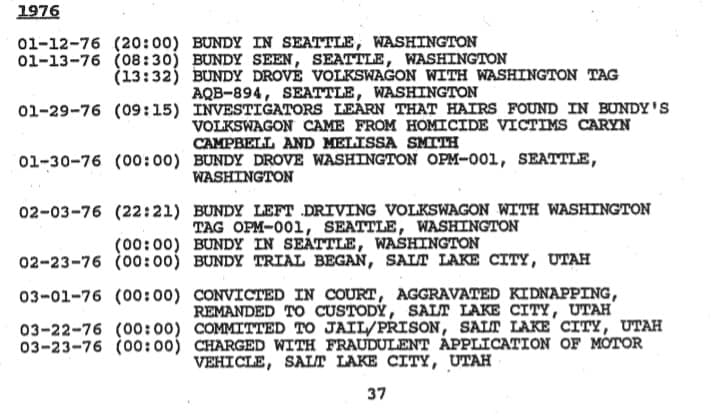
In the early spring of 1976 when Debra Smith was killed Ted was still with Liz Kloepfer (although they were getting towards the end of their rocky romance) and he was living at his third SLC residence, located at 413 B Street East (which he moved into at some point before March 22nd, 1976). According to the ‘1992 TB FBI Multiagency Report,’ Bundy was in Seattle on January 12, 13, 30 and was in SLC on February 23, which is when his kidnapping trial started. Although he was heavily under police surveillance around the time Smith was killed, on the report his whereabouts are mostly unaccounted for and he was remanded into custody on March 1, 1976, where he remained until he escaped in June 1977.
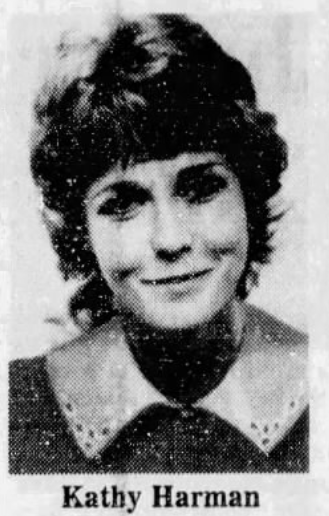
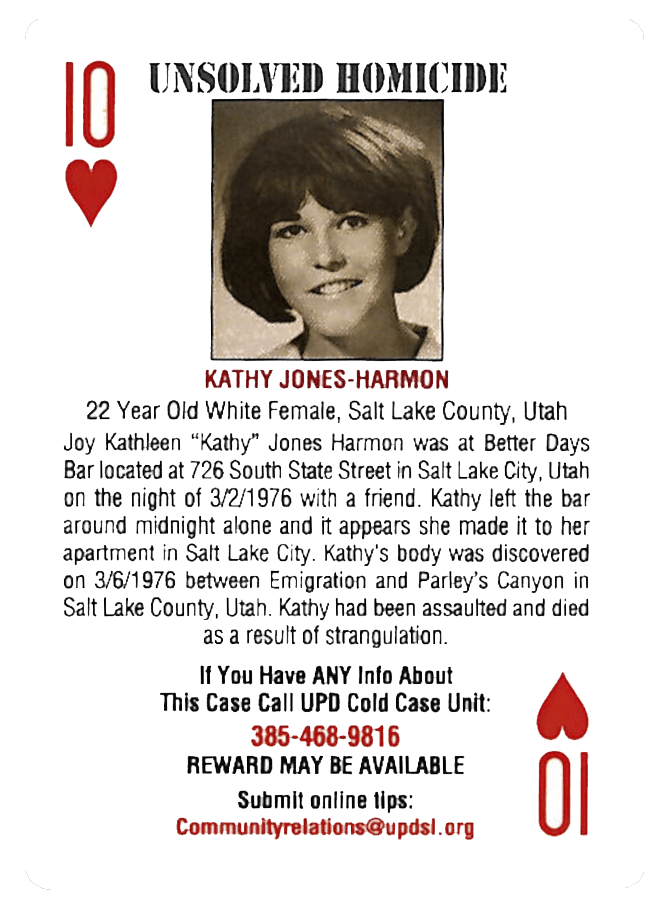
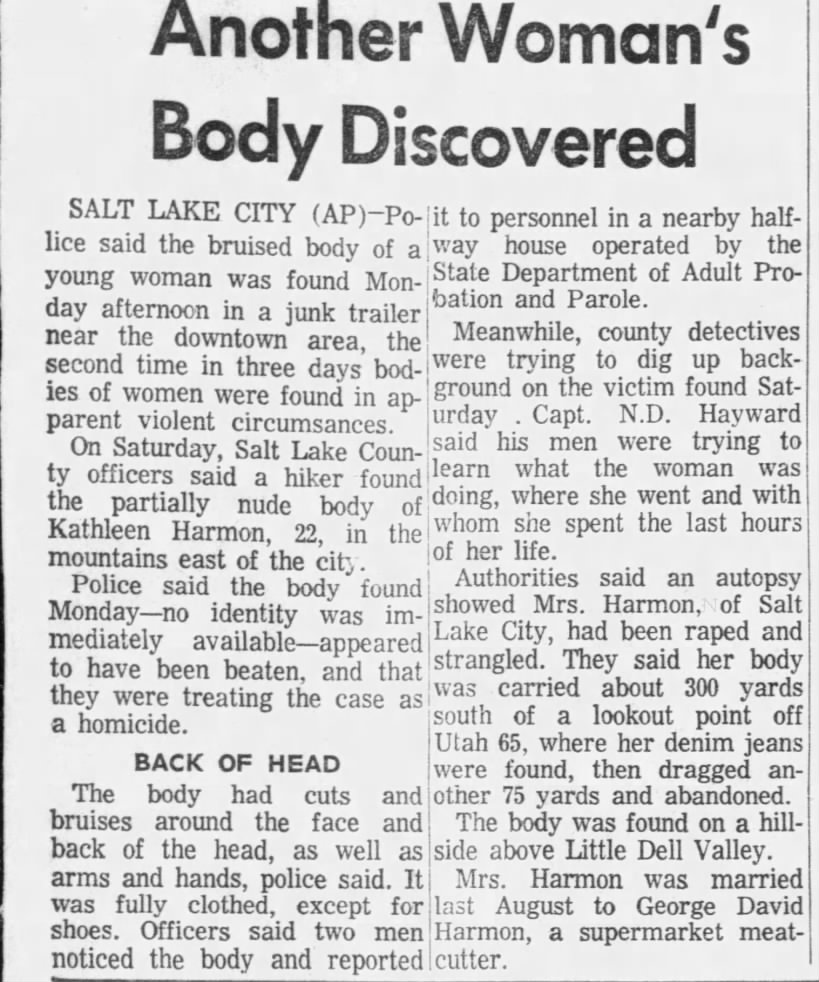
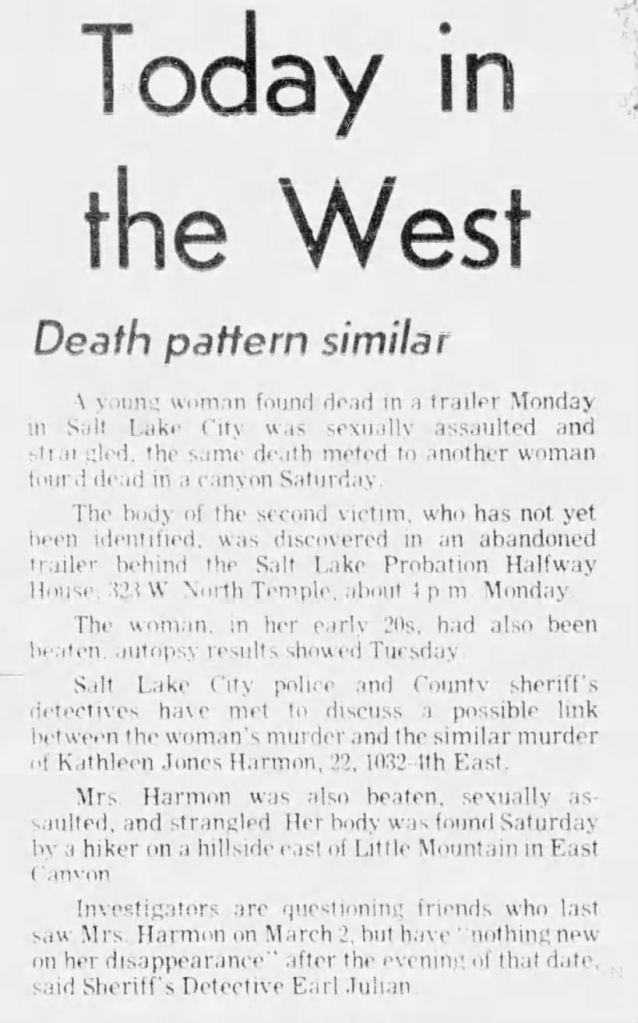
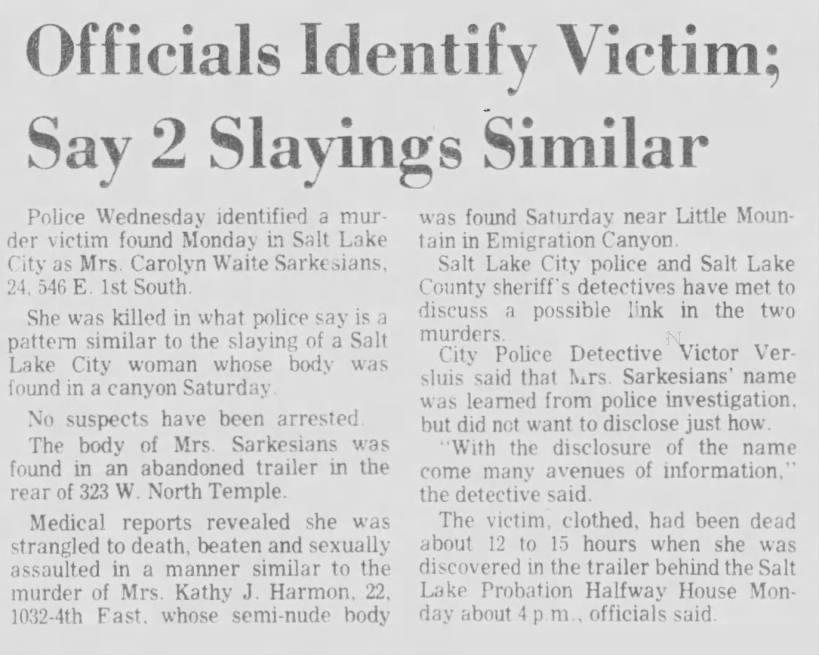
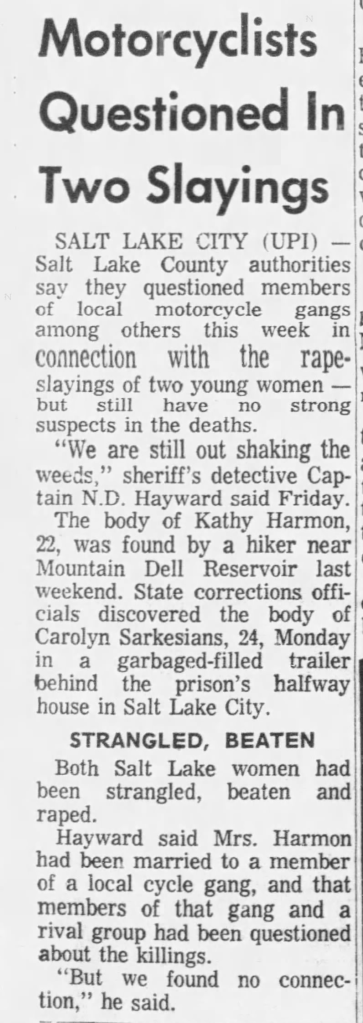
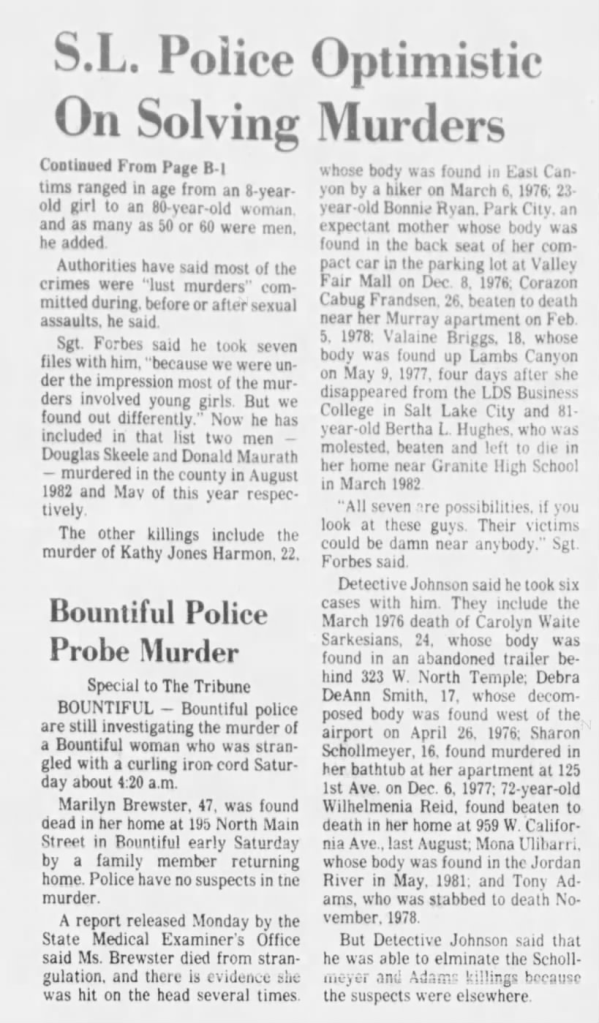
In the early stages of the investigation law enforcement thought that Smith’s murder could be linked to two other homicides in the SLC area: Kathy Harmon and Carolyn Sarkessian, who were both found dead on March 6, 1976. Harmon was a newlywed, and was last seen at the Better Days Bar four days before she disappeared. A University of Utah student out walking his dog found Kathy’s half nude remains between Parley’s Canyon and Emigration Canyon north of the Interstate-80. She had been raped, beaten, and strangled. As of December 2024 Harmons murder remains unsolved.
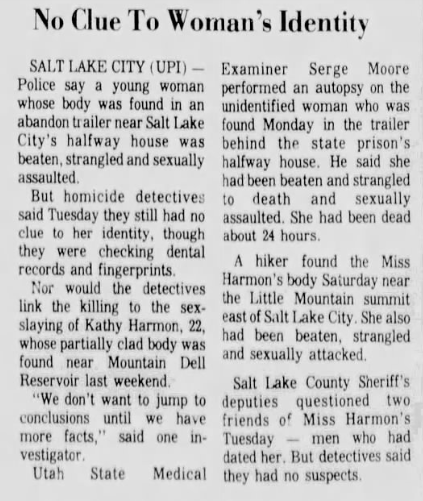
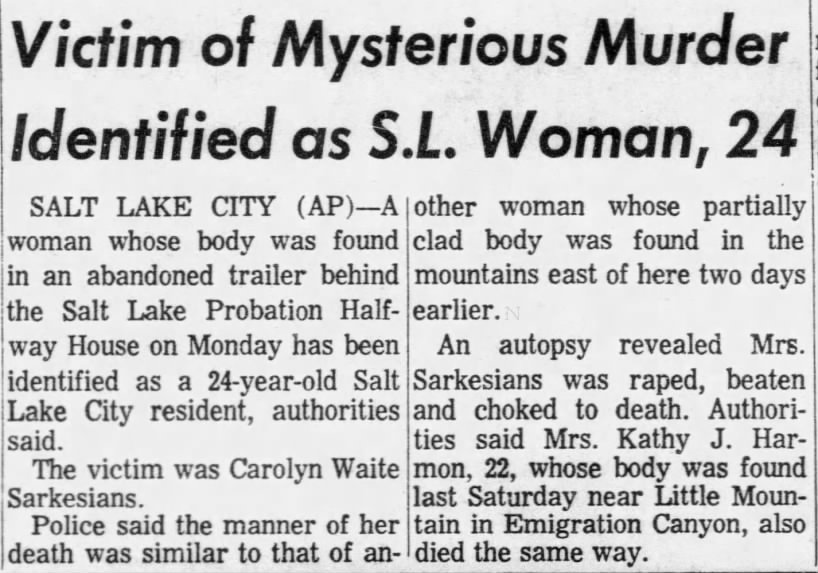
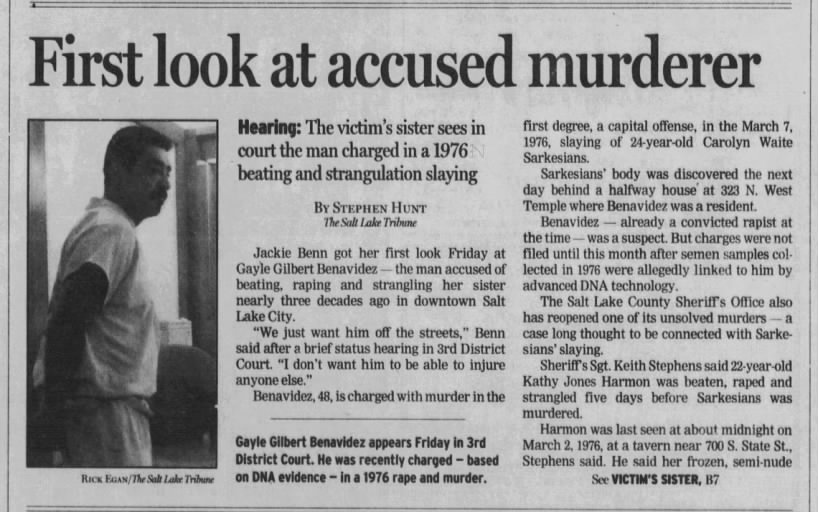
Also on March 6, 1976 SLC police discovered the remains of 24 year old Carolyn Sarkessian, brutally beaten and sexually assaulted; her cause of death is listed as strangulation and she suffered from a broken neck. In July 2004 it was determined that Gayle G. Benavidez was responsible for Sarkessian’s murder after a state-issued mouth swab destroyed his long-standing alibi; he was brought up on murder charge and took a plea deal of life imprisonment. Prior to his conviction of the murder of Carolyn he had two prior rape charges on his record.
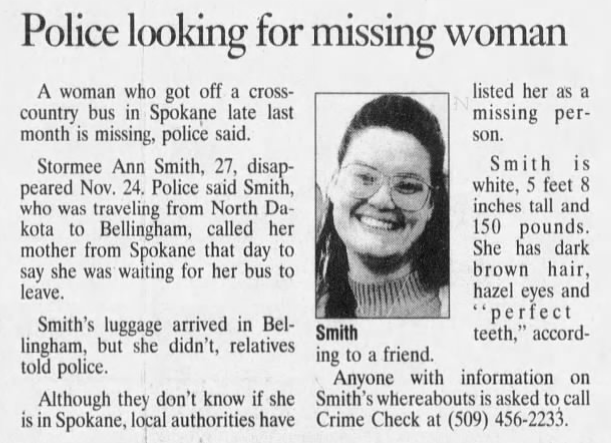
In an article published in the Bellingham Herald on December 5, 1998, Debra’s sister Stormee also disappeared briefly, much to the horror of her mother. At the time she vanished Stormee was in recovery from alcohol addiction, and had recently relocated to Fargo, ND where she completed a treatment program and was working on her sobriety. According to Thelma Smith, she had always managed to stay in touch with her (even ‘while drunk’), because she knew her mother worried about her after already losing one other daughter to murder: ‘the first time it happens to you, it’s totally devastating. because it was such a shock. I’m always concerned when I don’t hear from my girls. She (Stormee) knows that I worry and that’s why she’s so good about calling in.’ Mrs. Smith said that Stormee was outgoing and was comfortable in the company of strangers. and “she doesn’t seem to have a fear, even though her sister was killed.’ … ‘She’s never gone this long without giving me a call. She’s always called to let me know she’s ok. We haven’t heard anything this time. It’s fairly nerve wracking. But we’re holding up pretty well.’ Ms. Smith eventually turned up a few days later on December 9. Also in that same article, it confirms Debra as a Bundy victim and claims that he even confessed to her murder during his death row confessions in January 1989.
Stormee Ann Smith died at the age of forty-one in 2012 in Lynden, WA. Her brother Jeffrey Thomas passed away on March 7, 2020 at the age of thirty-eight. Wendy Jo Smith died at the age of fifty-five on April 5, 2019, and just two months later her twin Mary Francis passed away on July 21, 2019. Thomas Smith died at the age of 82 in January 2021 in Canada. As far as I can tell, Thelma Smith is still alive. As of December 2024 the murder of Debra Diann Smith remains unsolved.
* I have seen not only Debs first but also her middle name spelled a variety of different ways, and I decided to go with the spelling that is on her gravestone. I’ve also seen her middle name listed as DeAnn.
Works Cited:
bci.utah.gov/coldcases/deborah-diane-smith/
victims-of-serial-killers.fandom.com/wiki/Debbie_Smith


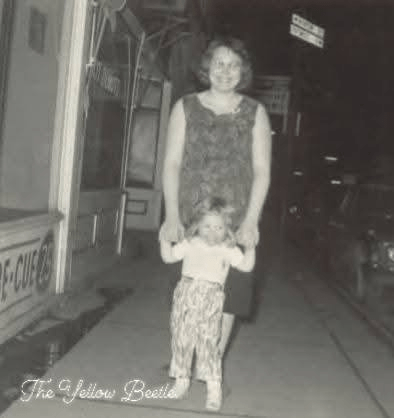


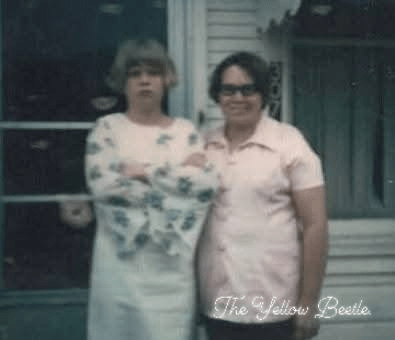
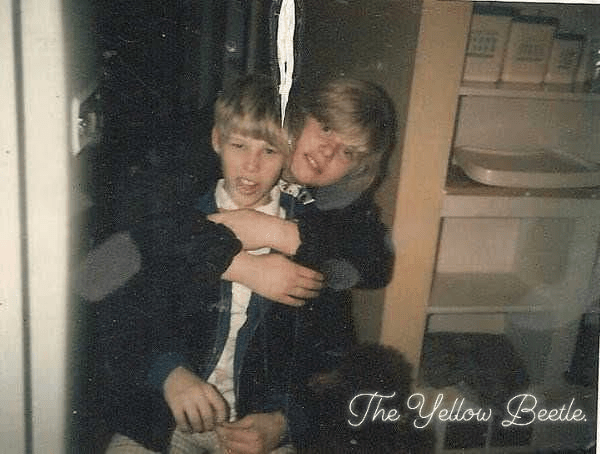


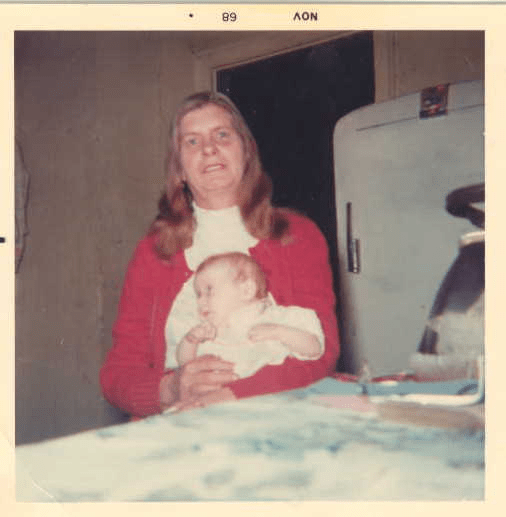











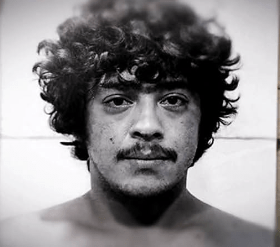

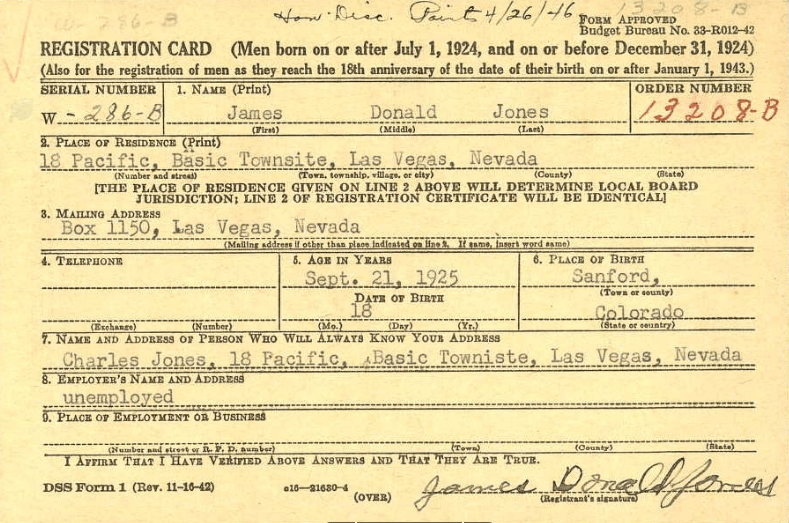
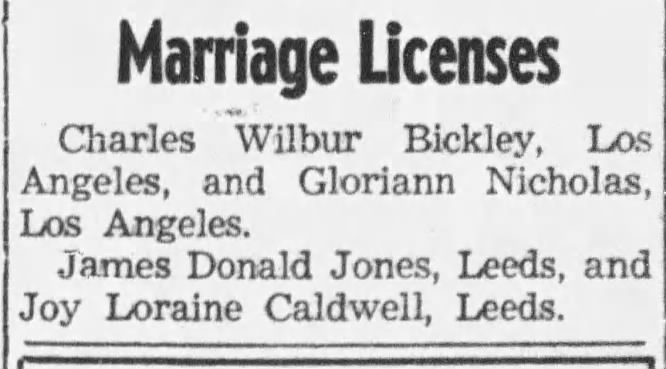
Joy Kathleen ‘Kathy’ Harmon was born on October 30, 1953 to James Donald and Joy Loraine (nee Caldwell) Jones. Her father was born on September 21, 1925 in Sanford, Colorado, and at the age of nineteen he was drafted into the Navy during World War II. He was a signalman in a landing craft vehicle personnel and served on the USS Dade until the end of his enlistment. Loraine was born on July 29, 1930 in Leeds, Utah and the couple were married in a SLC Temple on July 16, 1948; they briefly relocated to Alamosa, CO then Sheridan, Montana before eventually settling down in Southern Utah. The couple had six children together: Kathy, Whitney, Elbert, Jennifer, Matthew, Jackie, and Wesley. The Jones family was deeply involved in the Kearns 4th Ward in the Church of Jesus Christ of Latter-Day Saints, and Kathy married David George Harmon on August 9, 1975 in Elko, NV. Harmon was born July 12, 1948 in SLC and served in the Army during the Vietnam War as a ‘Specialist Four’ (which is a military rank in the US Army that is one step above a Private First Class); he was honorably discharged after being injured and his military decorations for his heroism in battle include one Purple Heart, one Bronze Star Medal, and The Army Commendation.
Harmon had brown eyes and brunette hair that she cut short just before her murder; she stood 5’4” tall and weighed 115-pounds. According to ‘thedeckpodcast,’ she had a reputation for being a little rough around the edges, and was ‘definitely no shrinking violet.’ Her husband was the chapter president of a notorious local outlaw motorcycle gang called The Sundowners (he went by the nickname ‘Easy’), and because of this no one was overly concerned about her being left alone when David was out on the road for work (he also worked PT at a supermarket as a meat wrapper).
In the early spring of 1976 twenty two year old Kathy Harmon had been married for six months, and on the evening of March 2nd the twenty-two year old newlywed (along with her roommate Vicki) stopped by the Better Days Bar in downtown SLC for a nightcap. The two were regulars at the establishment, and when they stopped that rainy Tuesday night they were greeted by owner Van Brown, who was a longtime friend of the Harmon family. When David was out on the road he knew his wife was in good hands, as she had a close knit group of girlfriends that frequently checked in on her when he was away. On that quiet evening out, Vicki said that Kathy seemed unusually sad, and according to her: ‘they were the only ones in there for a while. I sat with them for a while. We just talked. She seemed kinda down.’
Around midnight Vicki decided to call it a night but her friend wasn’t quite ready to leave yet, so she left Kathy behind and made her way to her boyfriends house; despite living together she had recently started spending a large amount of time with her boyfriend and had plans to move in with him shortly after Kathy’s murder. According to public records, by the time Harmon decided to leave the temperature had dropped to a frigid 21 degrees, so she asked Brown for a ride home, who said: ‘all right. But she had to wait till I closed up; that was the deal.’ He then went into the kitchen to wash some dishes and when he came back Kathy was gone. No-one saw her leave the pub that evening, and what happened to her after is mystery.
In case Kathy didn’t want to sit and wait for a ride, Vicki left behind her very warm, thick coat so she didn’t have to walk home in the light jean jacket that she brought with her. When Vicki arrived at their shared residence the following morning she noticed that Harmons purse was there along with her winter jacket. The strange thing is, she not only missed work on the day she disappeared, but she wasn’t there the day before either. Harmon’s uncle owned the store that she was employed at, so Mrs. Jones was kept well informed when it came to the comings and goings of her daughter. Kathy’s parents grew worried, as it was out of character for her to blow off work and after they couldn’t reach her by phone, they decided to call the police and report her as missing. Law enforcement disregarded the usual customary waiting period and took the report immediately, and stopped by her Salt Lake City apartment later in the day. While there, they talked to her roommate about her purse and coat that was found at the residence, which pointed to the concept that she had made it home from the bar the night before but something happened between the time of her arriving and when she was supposed to leave for work. When questioned, one of her neighbors gave officers testimony about a strange car they saw idling outside Harmon’s residence in the early morning hours of March 6: a blue Volkswagen Beetle, with a tall, thin man in his 20’s standing next to the passenger door.
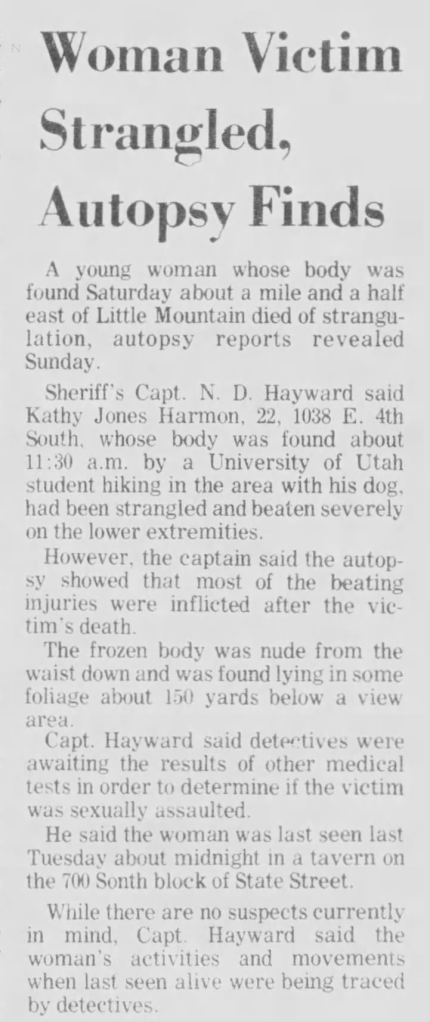
Just four days after she was last seen at 11:30 AM on March 6, 1976, the remains of Kathy Harmon were found by a University of Utah student that was out walking his dog in between Emigration Canyon and Parley’s Canyon; she was fully clothed on top but her pants and underwear had been removed. After parking his vehicle her killer had carried (then eventually dragged) her body (most likely at dark) nearly 96 yards up the still-frozen slopes of the canyon just north of I-80. It was clear to detectives that an intense struggle had taken place between Harmon and her killer, and that she had put up quite a fight: investigators found skin fragments underneath her fingernails and she had cuts and bruises all over her face, arms, and hands. Although she had a wound on her head, she died from strangulation.
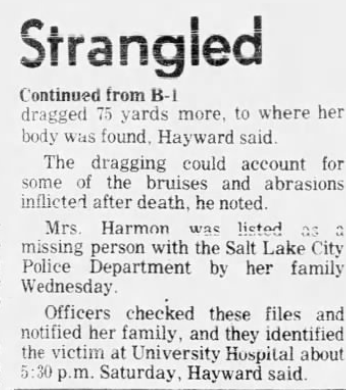
Located next to Kathy’s remains, detectives found her underwear, turned inside out, with semen on the waistband (presumably from her attacker). Robbery did not seem to be the motive of the crime, as detectives found cash in her jeans pocket and her necklace and rings (including her wedding ring) were still present. The Utah state medical examiner said that Harmon had suffered from extensive bruising and had a large amount of abrasions on the lower half of her body, injuries that most likely occurred post-mortem. According to (retired) SLC Captain Pete Haywood, ‘we feel she was carried about 300 years south of the lookout off Utah-65, where her jeans were found, and dragged 75 additional yards to where her body was eventually recovered. The dragging could account for some of the bruises and abrasions inflicted upon her after death.’
It was easy for detectives to rule out David Harmon as a suspect for the murder of his wife, as they quickly determined that he had been out of town for work when she was killed. The homicide investigation soon became bogged down by the discovery of a similar murder that took place at almost exactly the same time as Harmon: on March 6, 1976 on the same day that her body was discovered, the battered, raped, and strangled remains of 24-year-old Carolyn Sarkesian were discovered by SLC police in a trailer in a vacant lot behind a prison halfway house on the 300 West block of North Temple. At the time nineteen year old Gayle Gilbert Benavidez was considered a ‘person of interest,’ but despite being looked at closely by detectives there was no evidence that linked him to Sarkesian’s murder and he was released.
In February 2004, the cold case unit of the Salt Lake City Police Department reviewed Sarkesian’s files and sent the suspect’s DNA to the Utah state crime lab; it came up as a match to genetic material that was left behind at the crime scene. Benavidez pleaded guilty to ‘murder in the first degree’ (which was the law at the time the capital crime took place), which carried a penalty of either death or life in prison with the possibility of parole; he accepted a plea bargain that recommended life in prison. At the time of the homicide took place he was residing in SLC after serving a brief prison term for the 1974 rape of a 15-year-old girl, who had been beaten and choked during that attack. Police say Benavidez had a second rape charge on his record and was in and out of prison until 1991.
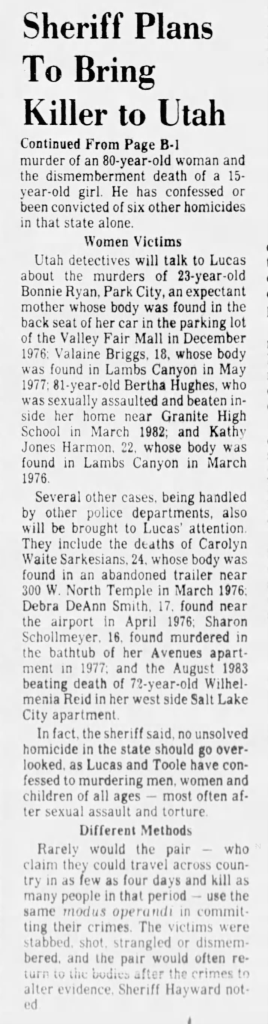
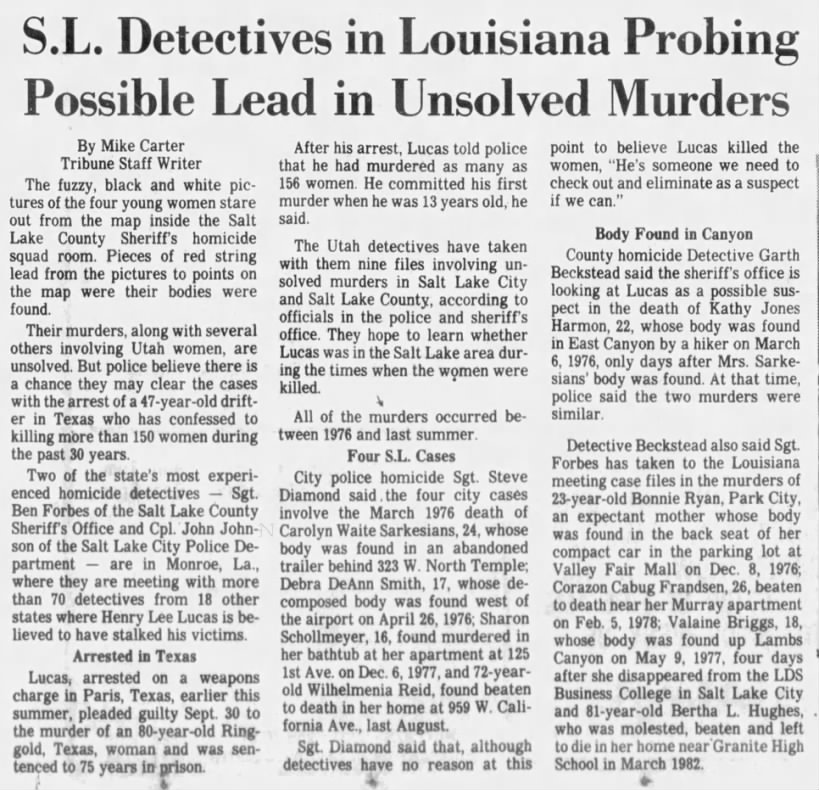
In addition to Sarkessian there was a third homicide that was initially tied to the murder of Kathy Harmon, a young woman I have brought up on this blog multiple times: Debbie Smith, whose remains were found by a Utah Power and Light employee in an open pasture near the Salt Lake City International Airport on April 1, 1976. Debbie was born on December 26, 1958 in Mansfield, OH and had been arrested three times in her short life on minor charges, including being a runaway. She ran away from SLC home on an unknown date and was last seen alive in February 1976. In the early stages of the investigation it was believed her remains belonged to an older woman, and she died from three blows to the head. Smith’s murder has also been linked to Ted Bundy and as of December 2024 remains unsolved.
According to a news clip provided by Captain Borax, a man was seen near Kathy’s apartment complex that matched Bundy’s description on the night of her murder, and over the years I’ve seen her name included in a few different sources listed as a Ted Bundy victim. A quick glance at the ‘TB MultiAgency Report 1992’ tells me that he was already in custody by the time she was killed, and as far as I can tell, there is no real evidence linking him to Harmon’s murder, and it’s unknown when the theory was first presented.
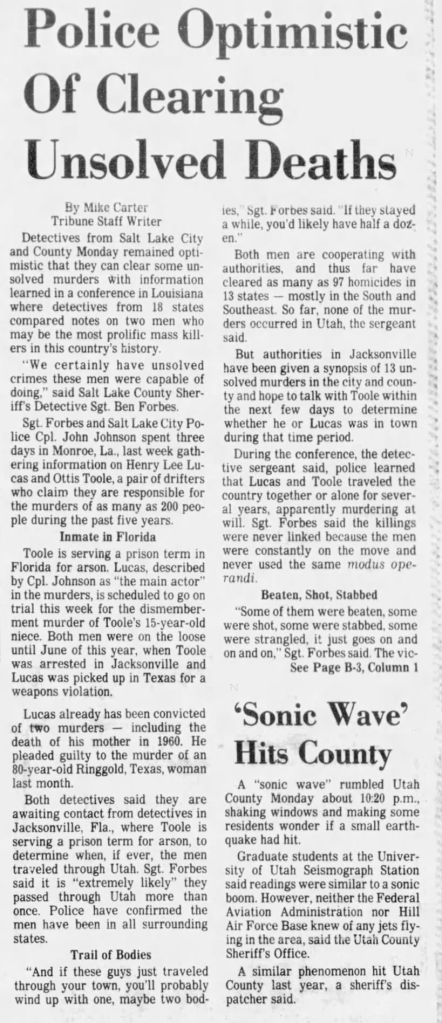
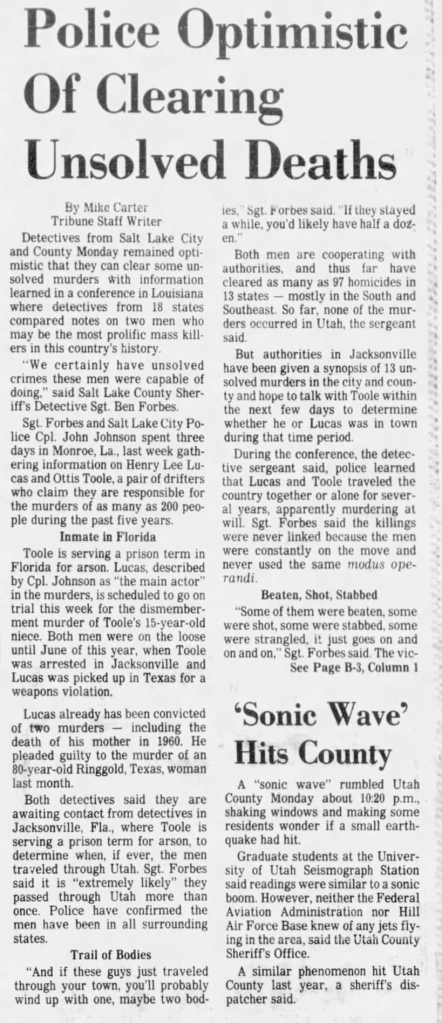
According to an article published in The Salt Lake Tribune on October 18, 1983,’ notorious killer (and liar) Henry Lee Lucas was investigated for the murder of Kathy Harmon. In December 1971, he was charged and sentenced to roughly five years in prison for the attempted abduction of a 15-year-old girl at gunpoint, and while serving his sentence he became penpals with a family friend (and the widow of his cousin), Betty Crawford. After being released in August 1975, he moved to Port Deposit, Maryland where he married Crawford and moved in with her and her two daughters in Pennsylvania. Their marriage didn’t last long and ended the following year when Betty accused him of molesting her children. He then relocated to Jacksonville, Florida in 1976, where he met fellow transient and PT transvestite Ottis Elwood Toole in a soup kitchen and struck up a friendship with him. Lucas roamed the US with Toole and went on to kill three more women before the law caught up with him again and he was arrested in 1983. While in custody he confessed to killing hundreds of people, despite there being no evidence linking him to any more than his three known victims. Lucas was sentenced to death which was later commuted to life in prison by then Texas Governor and complete shitbag George W. Bush, and he died from natural causes at the age of 64 on March 12, 2001. No evidence was ever found tying Lucas to the death of Harmon.
In February 2009, a witness came forward to LE and told them about her (then) 20-year-old boyfriend who had come home one night in early March 1976 with scratches all over his face; at the time he told her that his sister was responsible for his injuries, but she never believed him. She also shared that a week after the incident he was acting unusually and at one point was ‘quite upset’ and ‘crying.’ She also said that he had been with a friend (name withheld) and the two had picked up a girl at a party in SLC then took her to Emigration Canyon, where they had sex with her and left her there.’ She also reported that she remembered that her boyfriend told her ‘she had been found, and he felt bad.’ Strangely enough, despite his horrifying confession she still married him and they were still together when she went to police in 2009 (although in the few years prior their relationship had turned into estrangement). Within days of the eyewitness coming forward, a warrant was issued to collect saliva samples from her 68-year-old Taylorsville resident, and according to witnesses, the woman was there when he was swabbed by LE, and at the time was ‘being treated (by paramedics) because she was having an anxiety attack.’
During the execution of the search warrant investigating officer (retired) Salt Lake County Sheriff’s Lieutenant Don Hutson confirmed that there was a yellow VW Beetle found on the side of the friends house, but it was not the same one that he owned in 1976, which was a vehicle she told investigators her then-boyfriend drove ‘from time to time.’ Detectives also took saliva samples from the friend, whom the witness also claimed may have somehow been involved in Kathy’s murder. Lieutenant Hutson also said that ‘some of the DNA testing may be items that were collected at the scene, at the time of the incident. There is also some evidence that we have collected since then that is also being analyzed. This is something that occurs in a lot of cold cases where we develop new information.’ … ‘and we have techniques available to us to make it possible for us to take the case in a new direction. There’s nothing imminent. In cold cases we want to take our time and not rush anything. They are very complicated and very complex. It may be weeks if not months before we actually come to a conclusion with this particular case.’ Hutson said that at the time that Harmon’s body was recovered, due to the weather and the mountainous terrain it was difficult to collect evidence at the scene, and that ‘we would not open a case, or re-invigorate it so to speak, unless we felt there was something that would really work associated with the case.’
Mr. Jones died on October 4, 2018 Kearns, UT, and Kathy’s mom passed away on June 28, 1998. Joy was active in her local 4th Ward as the Relief Society President, Young Women’s President, and had even earned the prestigious ‘Golden Gleaner Award.’ David Harmon went on to remarry a woman named Laura, who he was with for 33 years before he died at the age of 75 on January 29, 2024. The couple had two daughters together, Brandy and Angela (who has also passed away), and he also had a stepson named Cody Golden. As of December 2024 Kathy’s murder remains unsolved.
Works Cited:
Thompson, Linda. “Life term given for ‘cold case’ killing.” (May 27, 2005). Taken December 6, 2024 from deseret.com/2005/5/27/19894623/life-term-given-for-cold-case-killing/
thetruecrimedatabase.com/case_file/kathy-harmon/, article written by the user ‘Nucleus.’
victims-of-serial-killers.fandom.com/wiki/Kathy_Harmon
















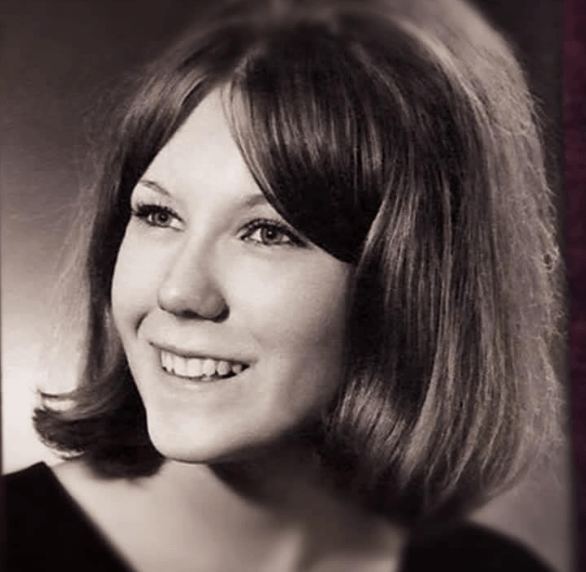





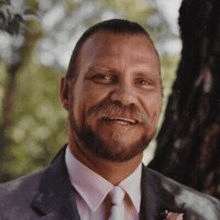
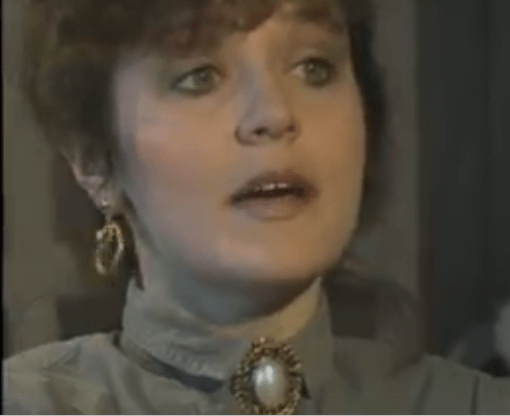


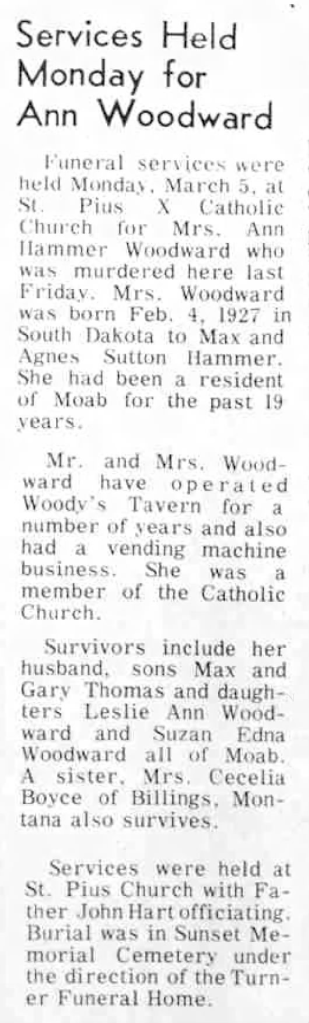
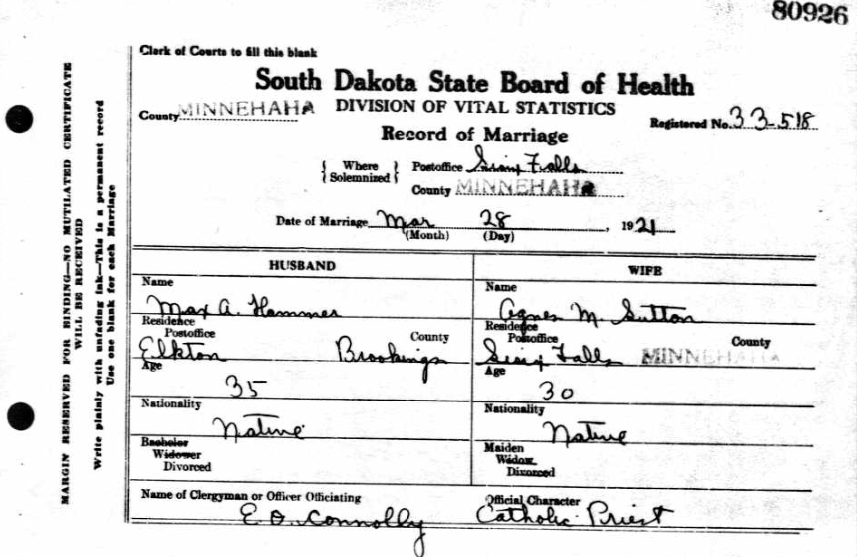
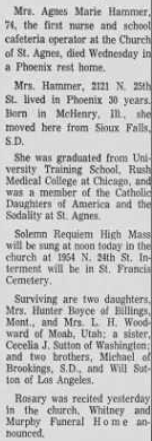
Ann Marie Hammer was born on February 4, 1927 to Maxwell Algernon and Agnes Marie (nee Sutton) Hammer in Aberdeen, SD. She had an older sister named Cecelia Mae (Boyce) and a brother named Lowden William, who was born in December 1921 and sadly only lived to the age of three. Maxwell was born on April 7, 1887 in Hubbard, Iowa, and Agnes was born on August 31, 1890 in Illinois. I wasn’t able to find out very much about Ann’s background, and wasn’t even able to find the name of the high school she graduated from. According to Ancestry.com, the Hammer family lived in Aberdeen, SD in 1930 and in 1935 they moved to Rural, SD. Ann’s father was a WWII vet and was the owner and operator of the Hammer Realtor Company, and president of the Co-operative Building and Sales Company. Sadly he shot himself in the chest in November 1940 with a .410 shotgun, and according to his obituary he had been in poor health for several months prior to his death and had recently learned he had malignant cancer. In late 1940 Mrs. Hammer took her two daughters and moved to Maricopa, AZ.
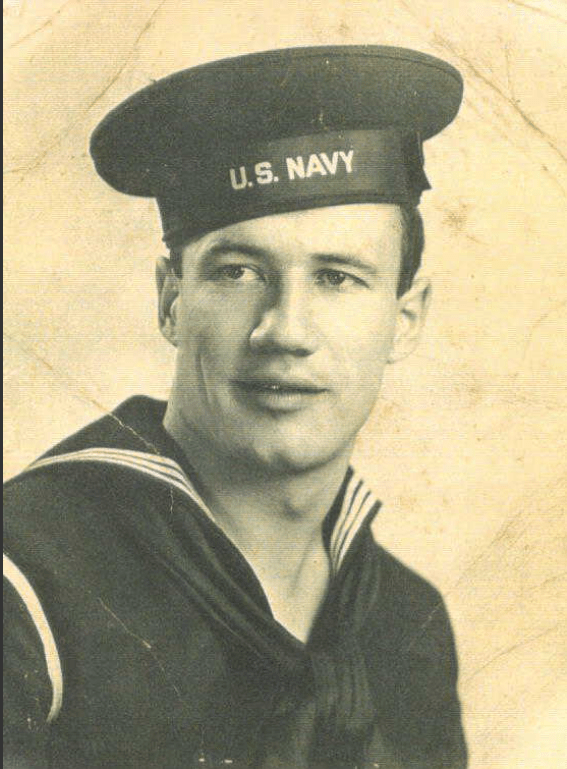
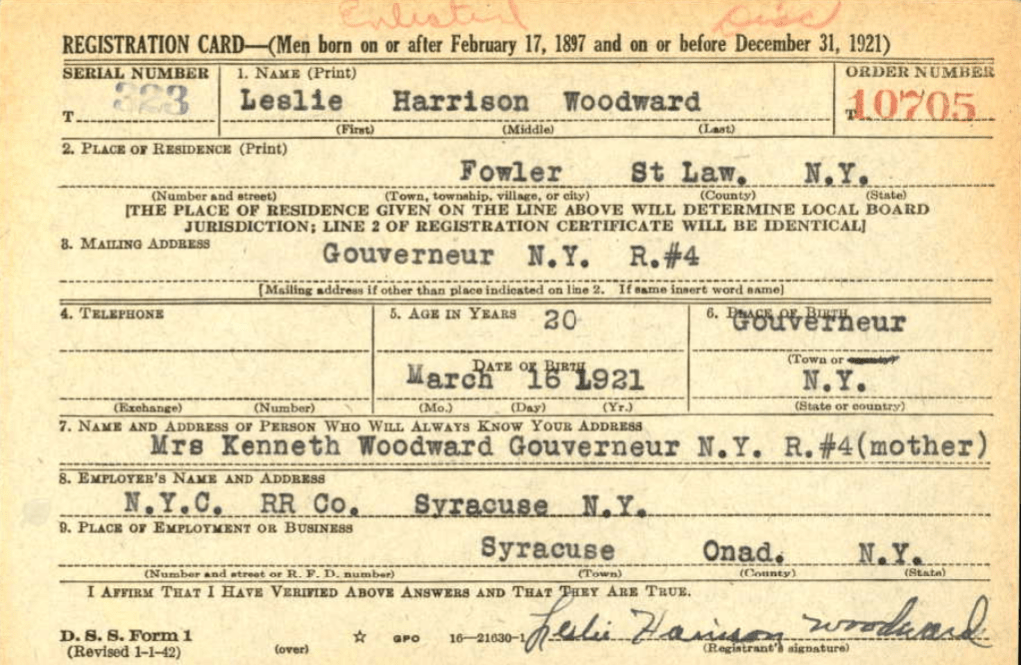
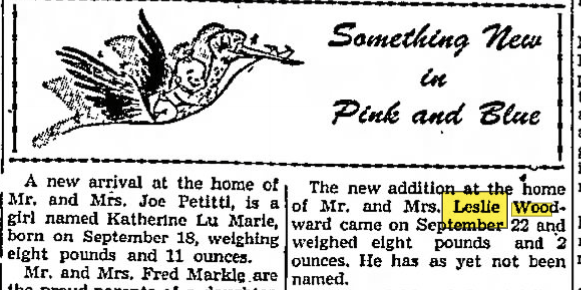
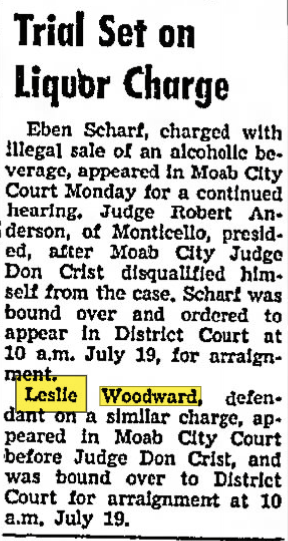
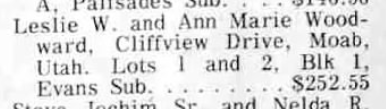
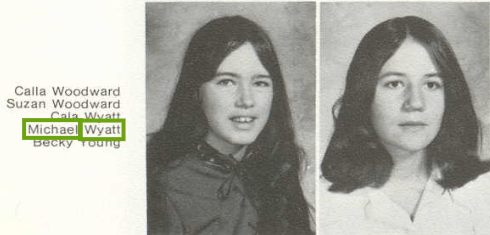
Ann was married twice: she wed her first husband Clarence George Sutherland in Juárez, Mexico, and her second Leslie Harrison ‘Woody’ Woodward on November 17, 1953 in Gallup, NM (she was his third wife). Sutherland was born in June 1912 in Peoria, Illinois and died in June 1996 in San Diego. ‘Woody’ was born on March 19, 1921 in New York, and the couple had four children together: Leslie Ann, Maxwell Joseph, Suzan Edna, and Guy Thomas.
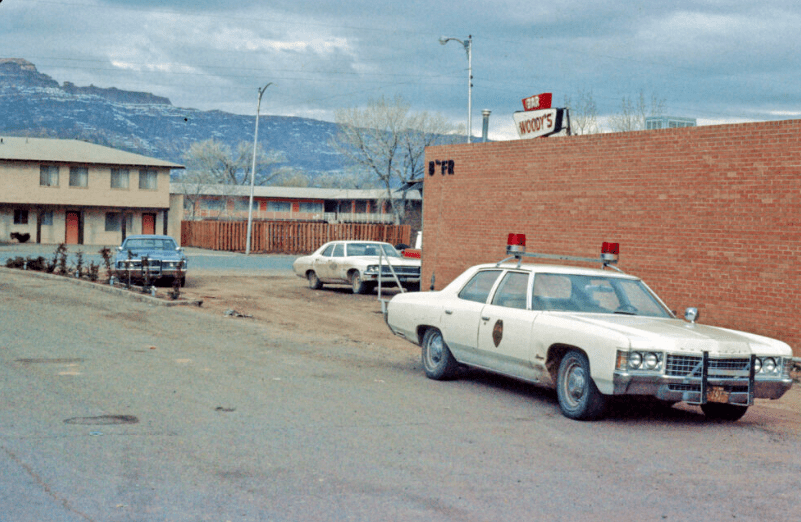
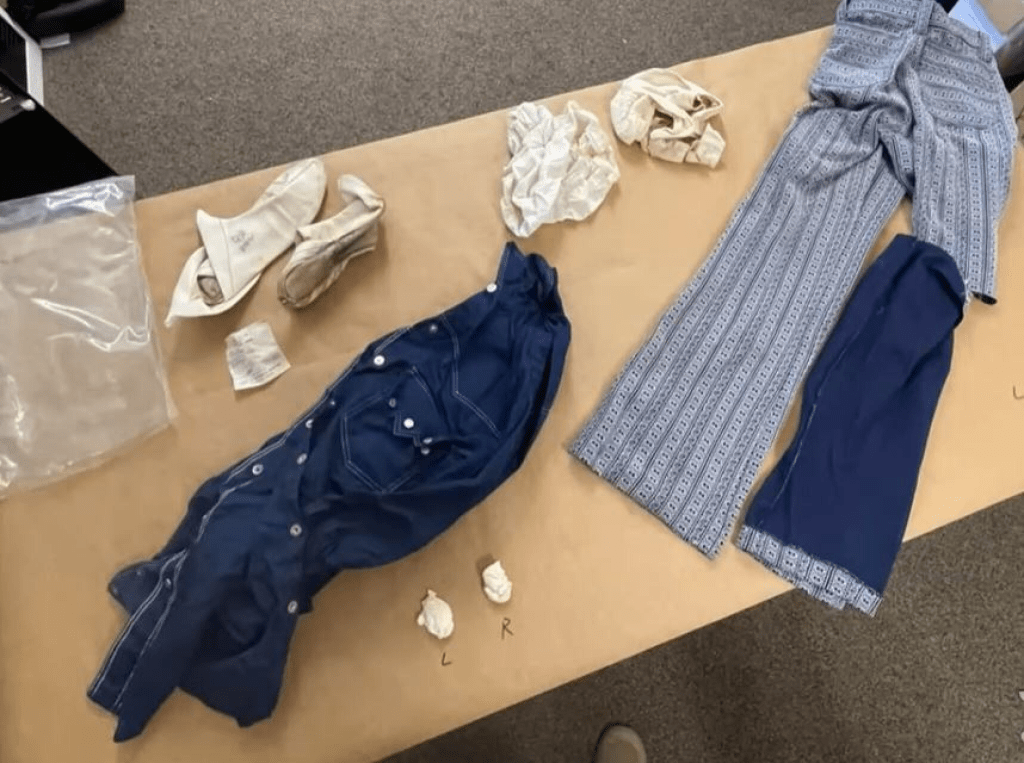
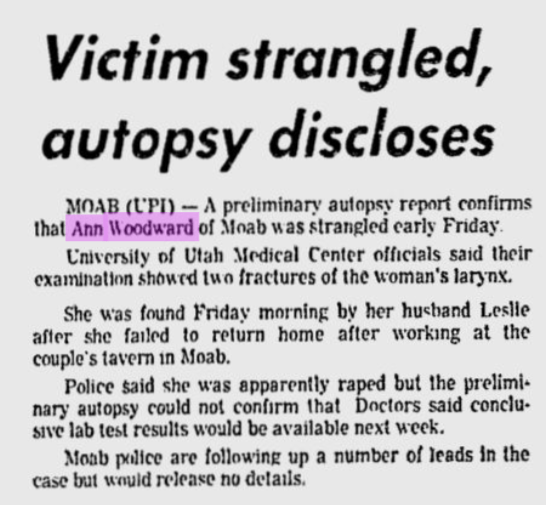
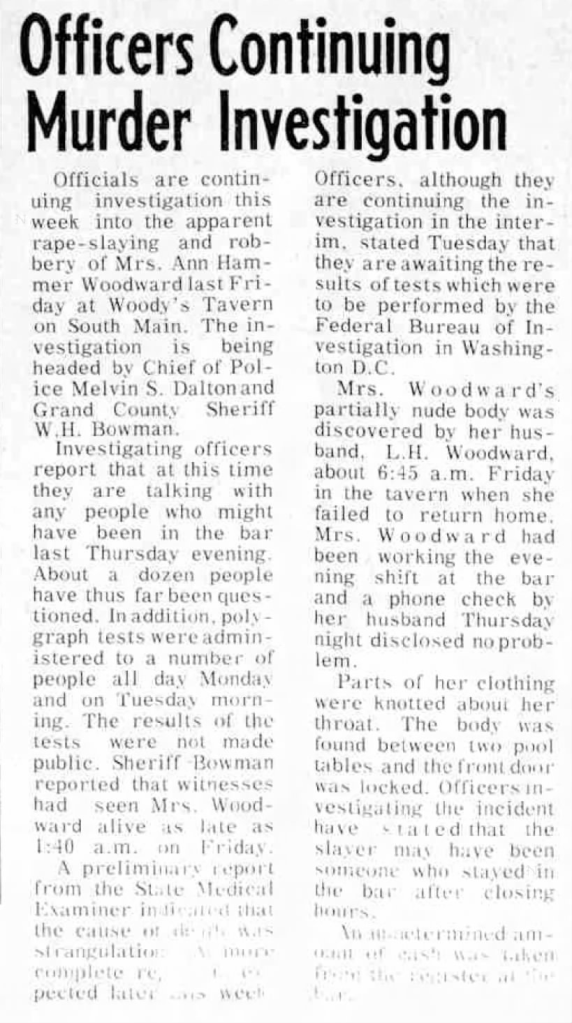
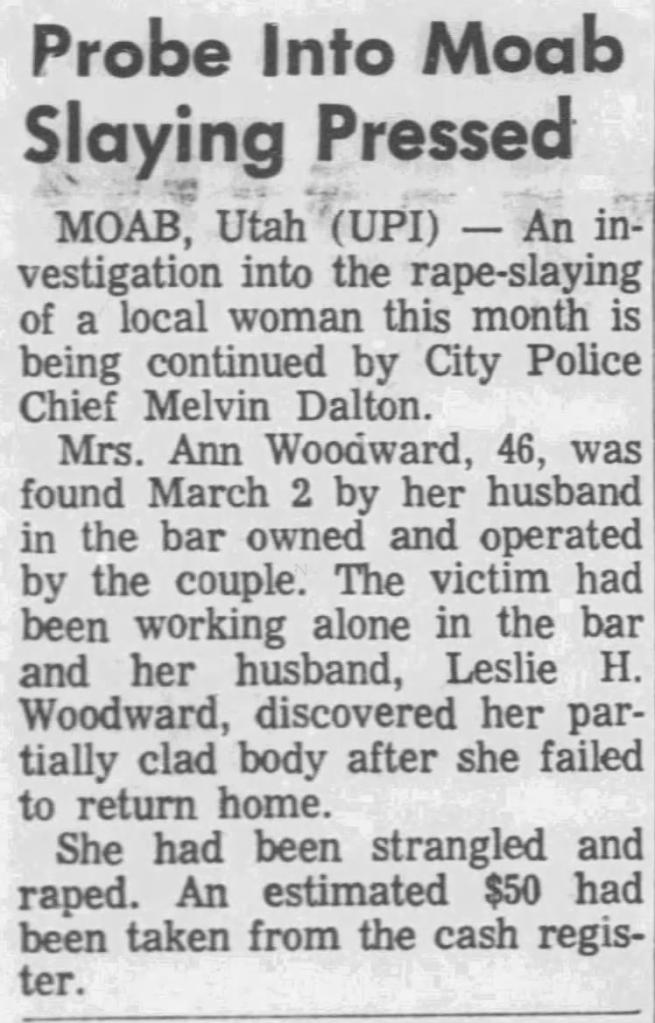
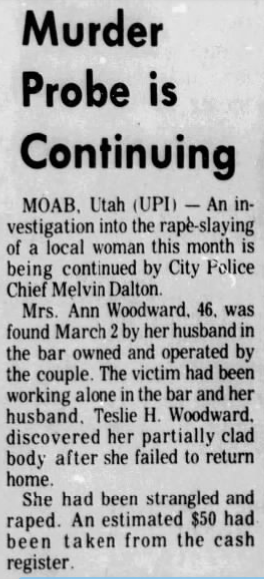
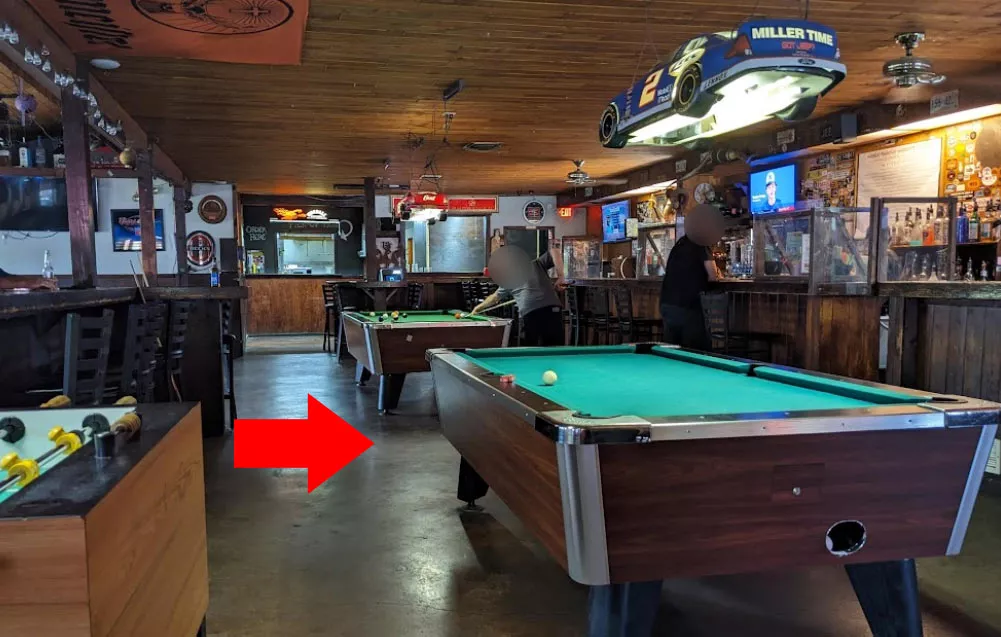
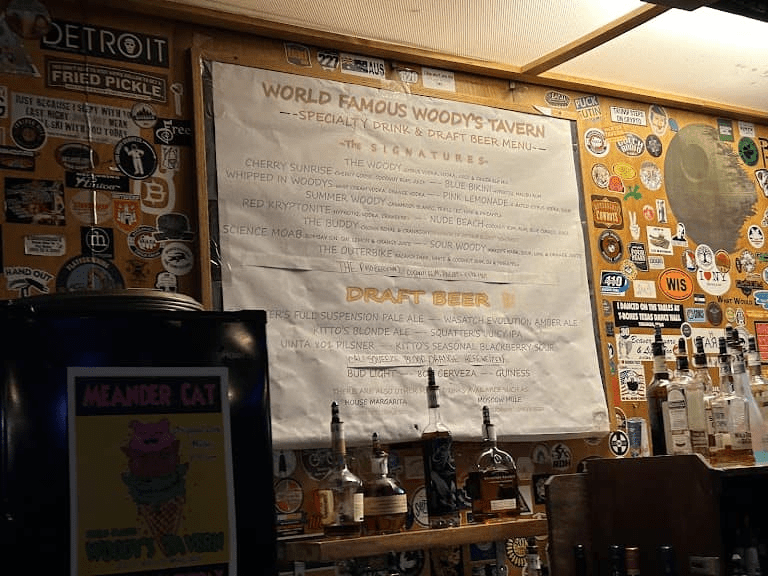
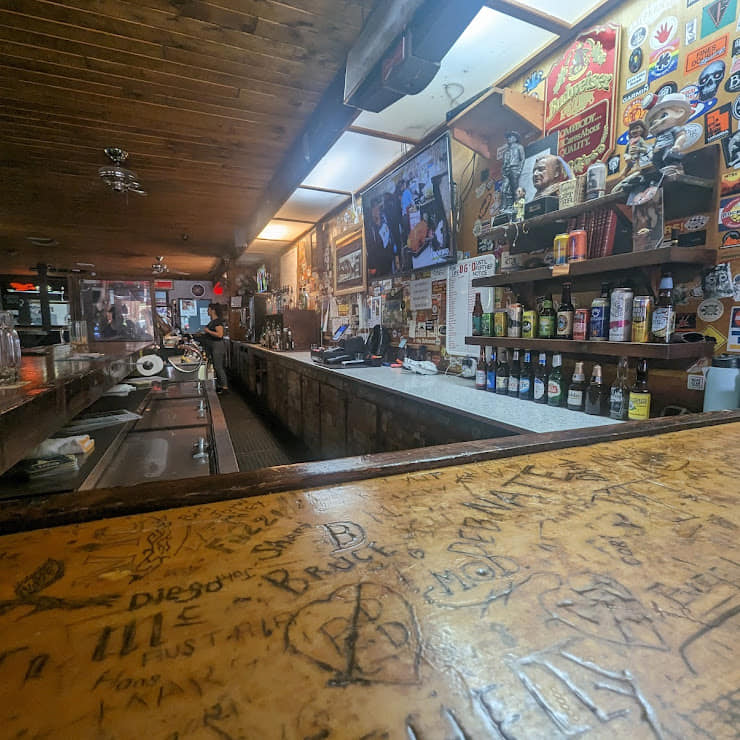
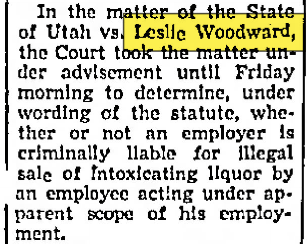
In the early morning hours between 1:40 and 2:30 AM on March 2, 1973 Woodward was killed in the bar she worked at and owned with her husband. After his wife failed to return home Leslie went into the establishment between 6:30 and 6:45 AM to look for her, and stumbled upon a gruesome sight: Ann, deceased. She was half-dressed with her shirt completely unbuttoned and bra exposed, and she had no pants on and was lying on the floor in between two pool tables, with the right leg of her white striped slacks still tied around her neck. Next to her discarded pants were eight dimes and one tissue, and Moab Detective Jeremy Drexler said there were tissues in every one of Ann’s pockets, except for the left pocket. The mother of four had been beaten, raped and strangled. Woody immediately called his friend Heck Bowman, who was the Grand County Sheriff even though the bar was outside his jurisdiction. Typically the case would have fallen into the lap of the Moab PD instead of the sheriff’s, and that ended up playing a large role in how the investigation was handled and why it was mishandled. Detective Drexler commented that based on the notes he read in Woodward’s case file, there seemed to be some bad blood between the two policing agencies, and they didn’t really get along and couldn’t really seem to work together.
In the early morning hours between 1:40 and 2:30 AM on March 2, 1973 Woodward was killed in the bar she worked at and owned with her husband. After his wife failed to return home Leslie went into the establishment between 6:30 and 6:45 AM to look for her, and stumbled upon a gruesome sight: Ann, deceased. She was half-dressed with her shirt completely unbuttoned and bra exposed; she had no pants on and was lying on the floor in between two pool tables, with the right leg of her white striped slacks still tied around her neck. Next to her discarded pants were eight dimes and a single Klenex, and Detective Drexler said there were tissues in every one of Ann’s pockets except for the left one. The mother of four had been beaten, raped and strangled. Woody immediately called his friend Heck Bowman, who was the Grand County Sheriff even though the bar was outside his jurisdiction. Typically the case would have fallen into the lap of the Moab PD instead of the sheriff’s, and this ended up playing a large role in how the investigation was handled (and why it was mishandled). Detective Drexler commented that based on the notes he read in Woodward’s case file, there seemed to be some bad blood between the two policing agencies, and they didn’t really get along or work together.
Found at the scene were two sets of bar glasses as well as some cigarette butts which helped point investigators to where Ann and her killer were most likely sitting. According to Detective Drexler, ‘they wanted to identify that person who sat next to Ann in the worst way. You can see from the original case notes that they were really hoping that fingerprints on the bar glasses would identify him.’ But, sadly that never worked out, and the glassware was sent to the FBI but came back inconclusive.
In recent years Moab police admitted that they didn’t handle the crime scene as well as they should have, and a lot of important evidence was mishandled and lost. While the (now retired) Police Chief Melvin Dalton was meticulous in his investigation, the method in which things were done 51 years ago muddied the waters, and while ‘very neatly put together and ready for our taking’ there was no records management system in place at the time. The two boxes of information related to Woodward’s murder were eventually removed from the sheriff’s office and placed in a building off campus and was eventually forgotten about. Once Drexler discovered the evidence that was lost so many years before things broke wide open: ‘it was 50 years and six months later, but we got it and I knew we had it. I called my wife and told her I had the evidence in the backseat of my truck and I got emotional. It was a treasure trove.’
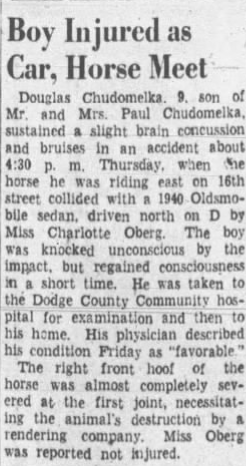
The evidence related to Woodward’s murder sat collecting dust in the archives of the Grand County Sheriff’s Department until September 14, 2023, when Detective Drexler found them after taking over the investigation. According to him, ‘it was actually on a shelf back next to some Geiger counters. So the evidence was not labeled as evidence, I guess you could say. It’s just a beat-up cardboard box with dust on it.’ … ‘It was truly amazing. We found these boxes in a store room, and they were absolutely pristine. We opened one box and saw that it was Ann’s clothing. I knew right then: we’re going to get him.’ Two months later DNA related to the case was sent to the Utah State Crime Lab for analysis. In May 2024, that genetic evidence was returned and pointed to Chudomelka. Drexler said: ‘He could explain away having his DNA on the outside of her clothes, but not the inside of her pants. No way.’
Upon taking over the case, Detective Drexler initially thought Ted Bundy was his guy using the logic that he was known to be in the general area at the time Ann was killed… but this isn’t really the case, and a quick glance at the ‘1992 TB MultiAgency Investigative Team Report’ would have told him that Ted was nowhere near Utah at that time. In March 1973 Bundy worked for the King County Program Planning and he was still in a long term relationship with Liz Kloepfer (although by this time he was seeing multiple other women and wasn’t being entirely faithful to her). He wouldn’t go on to commit his first (proven) murder until the beginning of 1974, and wasn’t even active in the state until October 2 when he killed Nancy Wilcox.
In recent years former Moab Police Chief Melvin Dalton sat down with The Deseret Morning News and shared that when he arrived at the scene of the crime it was chaotic and almost like a party: ‘people were going in and out like they were going to church.’ The former police chief also said that because the sheriff’s had taken over the investigation the Moab PD didn’t have access to very much evidence, and that the case was not handled well by them despite his admission that he and his officers weren’t trained to handle a murder: ‘I wasn’t really trained in homicide, I always felt if we had a really good trained detective, we’d have been in a lot better shape.’
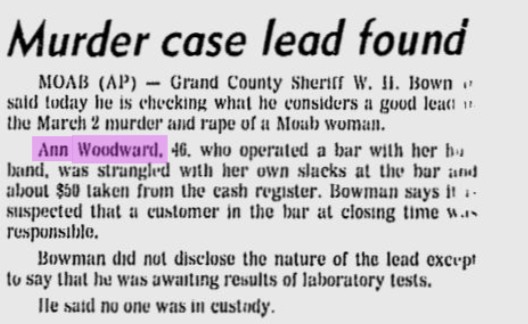
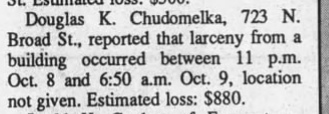
Shortly after the murder took place in March 1973, the Deseret News newspaper reported that Sheriff Bowman had a good lead in the case, but nothing ever came of it. Chief Dalton recalled administering polygraph tests and even came up with a few strong potential suspects, however they both got lawyers and stopped talking. The investigation quickly went cold but was reopened in October 2006 after Ann’s daughter Suzan (who was 16 when her mom was killed) sent a letter to (now retired) Moab Police Chief Mike Navarre asking him for help. The homicide remained unsolved until the summer of 2024 when forensic experts were able to determine that a man named Douglas Keith Chudomelka killed the 46 year old wife and mother.
Detective Drexler speculated that Ann’s killer was angry at her for beating him at poker, but clarified that he wasn’t 100% sure and it could also have been a crime of opportunity versus rage. He said that he does know without a doubt that night that the two played cards and Chudomelka ‘drank beer and smoked Camel cigarettes.’ Using modern scientific techniques, he was able to separate the 29 pieces of evidence (which included ashtrays, fingernails, hair, fingerprints and salt shakers) that were part of the original investigation and break them down into about 80, helping the department analyze the components more thoroughly.
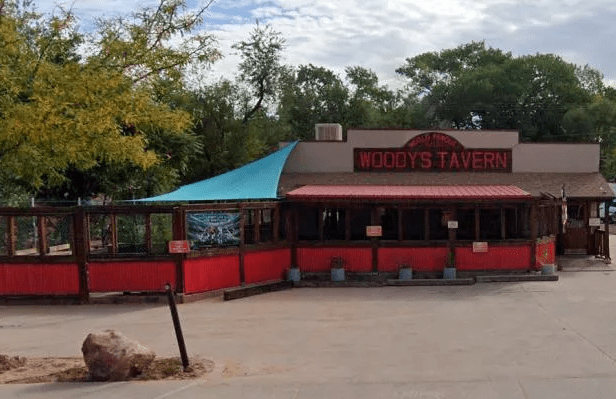
Chudomelka worked at the Rio Algom Mine in the Moab area during the early to middle 1970’s and rented a trailer in the Walnut Lane Mobile Home Park for $100 a month. He was known to frequent Woody’s Tavern when he was done with work for the day and had a long paper trail of documented violence. After he killed Woodward, he went into the establishments cash register and helped himself to $75; he also took the $50 out of her left pants pocket that she won from him playing poker (some sources say it was an undetermined amount of money), and two days later he paid his rent with five $20 bills. Detective Drexler said he has no idea if he gave the landlord the stolen money but it’s definitely a possibility.
The current Moab Police Chief Lex Bell said: ‘that pair of pants is what led us to her killer,’ and Detective Drexler said that in addition to the inside of the slacks Ann was wearing, all the buttons on her shirt had Chudomelka’s DNA on them as well. Forensic testing was also done on items found at the bar as well, which confirmed his presence at the establishment on the night Woodward was murdered.
According to Moab reporter Emily Arnsten, the area was much more conservative in 1973, and the Mormon Church had a much greater influence on the community than it does today. But at the same time, there was also a large, blue-collar mining community that contained a large amount of transient workers that may not have been the most pious of people, and Woody’s was the perfect stomping grounds for these individuals. The establishment was perhaps a bit more wild than it is today as well, as they used to employ the likes of go-go dancers and there was lots of gambling that took place on the premises.
According to Ann’s granddaughter Annie Dalton, Woodward was unlike most of the other more ‘traditional’ women in the area: firstly, she was Catholic, not Mormon, and wasn’t originally from the area. She also ran a bar in a conservative area where a lot of people maybe didn’t drink and was a pretty avid card player. Dalton and Woodward family friend Tim Buckingham wonder if her grandmother’s worldly lifestyle had anything to do with the Moab police’s lack of urgency regarding this murder: ‘’I think that when something that horrific happens in a town like this, to convince yourself that it could never happen to you, to feel safe in that, you do what you can to distance yourself from the person that it happened to. That’s most of what I got, the sense of people who were trying to come up with stories that made sense.’ About her grandmother’s murder, Annie said: ‘it was this thing that my mom carried that was grief and loss, and she ended up passing away from COPD. They say that you carry grief in your lungs, and I’ve always felt like it was just grief that she never was able to process. So they were all carrying this burden in different ways and it never got resolved. It’s a tragedy that just keeps being tragic over and over.’
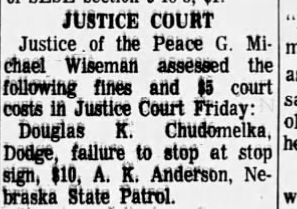
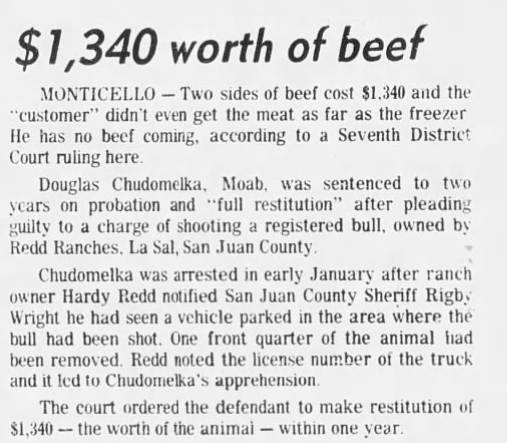
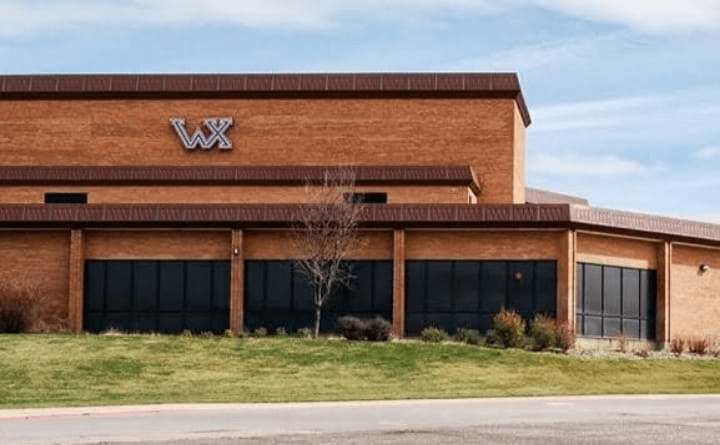
When questioned Chudomelka told investigators that he had not been in Woody’s on the night of the murder, but had instead spent the evening drinking at The Westerner Grill. His girlfriend, Joyce, provided him with an alibi, and told investigating officers that he came home at about 2 AM, however the bartender at The Westerner Grill told police that he was not in at all the night of March 1. Law enforcement asked Chudomelka if he was willing to take a polygraph test, to which he agreed, but in the end they were unable to administer it because when he arrived at the station he was drunk. Eventually, he stopped talking to police and asked for a lawyer and no charges ever stuck. Before he left the area Doug would later be convicted of cattle rustling (which is ‘the act of stealing livestock’) in San Juan County and served out a term of probation. Detective Drexler said he was found guilty of additional crimes in other states, including an atrocity involving a 10-year-old child in Alabama. In 1978, Chudomelka returned to Nebraska, where he managed to (mostly) fly under the radar until his death.
Chudomelka was always considered to be a prime suspect in Woodward’s murder and was one of 25-30 suspects, a number that included acquaintances, bar patrons, and members of the Moab community. Anyone that had been in the tavern on the night of the homicide or was known to be a regular at the establishment was considered a suspect… but he had more going against him than the others: the mid-1960’s Ford sedan that he owned matched the description of the car witnesses reportedly saw parked next to Woodward’s truck late in the evening on March 1, 1973. According to Detective Drexler: ‘they were looking at Doug, they just couldn’t get him. He easily could have killed her and made it home by 2 AM, but the bartender at the Westerner told police Chudomelka was not in at all the night of March 1.’ … ‘They wanted to solve it. All the evidence was there, but they just didn’t have the technology at the time to solve this case beyond a doubt.’
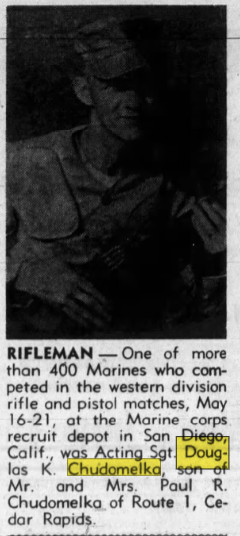
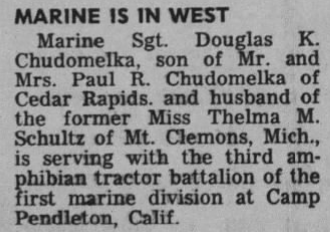
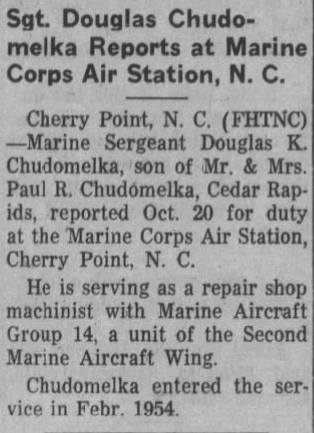
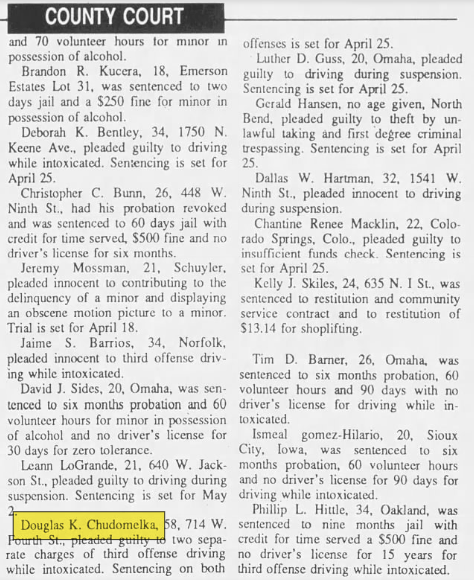
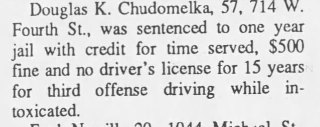
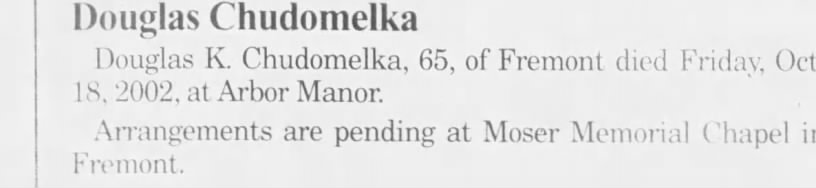
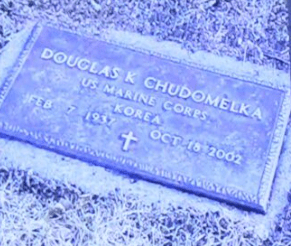
Douglas Keith was born to Paul and Magdalena (nee Arps) Chudomelka in rural Dodge, NE on February 7, 1937. On February 9, 1954 he joined the US Marine Corps and he was married three times: he wed Thelma Mae Scheulz on May 16, 1958 in San Diego, California and the couple had four children together. After they parted ways he met Ernestine Winnie Jolly, and the two were wed on December 3, 1976 in Galveston, TX; I don’t know any details about their divorce but he married Vickie Flowers for a third time at some point before his death. Chudomelka left the military on December 13, 1961 with the rank of sergeant after serving in Korea, then went on to get his CDL and worked as a long haul trucker for several companies across the United States. According to his obituary, at some point after Ann’s murder he moved to Fremont, Nebraska, where he became a lifetime member of the VFW Post 7419 in Nickerson. According to his obituary he had no kids (this is a complete lie) and only left behind siblings (five sisters and two brothers) and three ‘special friends…’ He died on October 18, 2002.
Just a few days after Ann’s murder on March 6, Chief Dalton received permission to pull hairs from the suspects body, and took samples from his belly button, chest, pubic area and head; cigarette butts (which were Camels, like the ones found at the scene of the crime) were also recovered from an ashtray in his residence to see if a saliva sample could be pulled. After the evidence was meticulously collected and preserved it was sent to the FBI, however in 1973 the Bureau was not yet equipped to test hair or saliva, and according to Drexler, ‘this case hinged on the hair Dalton pulled in 1973. I have no idea how he knew that we would be able to do that today. Dalton made this case very easy for us in that aspect.’ The box of evidence was returned (unopened) to the Sheriff’s department along with a letter that (essentially) read: ‘this is a great idea, but we don’t have the technology to do that.’
Douglas Keith Chudomelka was born to Paul and Magdalena (nee Arps) Chudomelka in rural Dodge, NE on February 7, 1937. On February 9, 1954 he joined the US Marine Corps and he was married three times: he wed Thelma Mae Scheulz on May 16, 1958 in San Diego, California and the couple had four children together. After they parted ways he met Ernestine Winnie Jolly, and the two were wed on December 3, 1976 in Galveston, TX; I don’t know any details about their divorce but he married Vickie Flowers for a third time at some point before his death. Chudomelka left the military on December 13, 1961 with the rank of sergeant after serving in Korea, then went on to get his CDL and worked as a long haul trucker for several companies across the United States. According to his obituary, at some point after Ann’s murder he moved to Fremont, Nebraska, where he became a lifetime member of the VFW Post 7419 in Nickerson. According to his obituary he had no kids and only left behind siblings (five sisters and two brothers) and three ‘special friends…’ He died on October 18, 2002.
After Ann died Leslie went on to remarry Jane Jaramillo on November 17, 1985, in Las Vegas (I also saw the date listed as November 11, 1984); the two stayed together until his death on Christmas day in 2015 at the age of 84 in Newton, Kansas. According to his obit, Woody served in the US Navy during WWII, where he earned 13 battle stars. He was an entrepreneur and ran several businesses across Moab, including laundromats, gas stations, and Woody’s Tavern, and in his spare time he enjoyed hunting, fishing and exploring the country while on vacation.
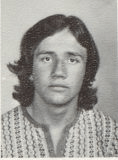
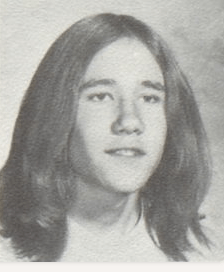
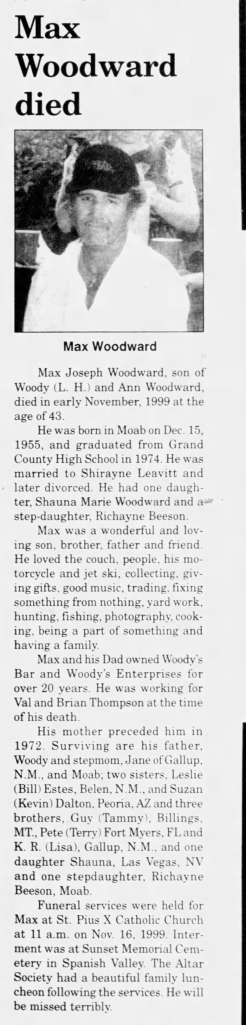
Ann’s sister Cecelia passed away on August 12, 2004. As of November 2024 three of her four children have passed away and the only one remaining is her older daughter Leslie Ann (Estes). According to Estes, ‘there’s no closure for me. It’s still going to go on. She’s still going to be gone tomorrow, and my grandkid, my children have never seen her and don’t ever know what a wonderful grandmother she would have been.’ Max Woodward died in early November 1999 at the age of 43, and Ann’s daughter Suzan passed away on June 1, 2019. According to her obituary, she ‘loved sewing, cross-stitching, driving across the country on adventures, playing with her grandchildren, talking to her daughters and friends, laughing and joking with Pug, going to the mountains, watching sunsets, making pots, and staying in little old hotels with character.’ Guy ‘Bugsy’ Woodward died at the age of fifty on March 13, 2009, and according to his obituary in The Times-Independent, he was a sweet, funny, and loving brother, dad, son, uncle and friend that loved the outdoors, music, yard work, fishing, hunting, making jewelry, heckling his sisters, and being a part of Narcotics Anonymous. His three daughters were the jewels in his crown and were the ‘best accomplishments of his life.’
According to Detective Drexler, ‘if he was alive today, I would be asking Grand County District Attorney Stephen Stocks for an arrest warrant for Douglas K. Chudomelka for the crime of first-degree murder for his actions on March 2, 1973.’ Stacks seemed to be in agreement with Drexlers statement, and said, ‘had he not passed, we would have filed criminal information against him. I hope today brings some closure to the family. I truly believe if this case would have been presented to the jury, he would have been found guilty beyond reasonable doubt for the murder of Ann Woodward.’ Leslie Ann said that her father was the first suspect that LE investigated, and the locals always seemed to be whispering that he was the one responsible for her death; Estes hopes that now these rumors can finally be put to rest. About her father, Leslie Ann said ‘he was larger than life, and it just, it broke our, it broke his heart, but it broke our family, like the splinter never was healed. It never really did even begin to heal.’
Chief Bell said that (as of June 2024) his department was still testing additional items found at Woody’s Tavern, and Detective Drexler commented that both the Moab PD and the Grand County Sheriff’s are ready to start digging into other cold cases.
Works Cited:
‘Leslie “Woody” Woodward passed away Dec. 25.’ Published on December 28, 2005 in The Times-Independent. Taken on October 28, 2024 from https://www.moabtimes.com/articles/leslie-woody-woodward-passed-away-dec-25/
McMurdo, Doug. “Two raves and a Rant.” Published on July 3, 2024 in The Times-Independent. Taken October 28, 2024 from https://www.moabtimes.com/articles/two-raves-and-a-rant/
McMurdo, Doug. “MPD solves 51-year-old cold case murder.” Published on July 10, 2024 in The Times-Independent. Taken October 28, 2024 from https://www.moabtimes.com/articles/mpd-solves-51-year-old-cold-case-murder/

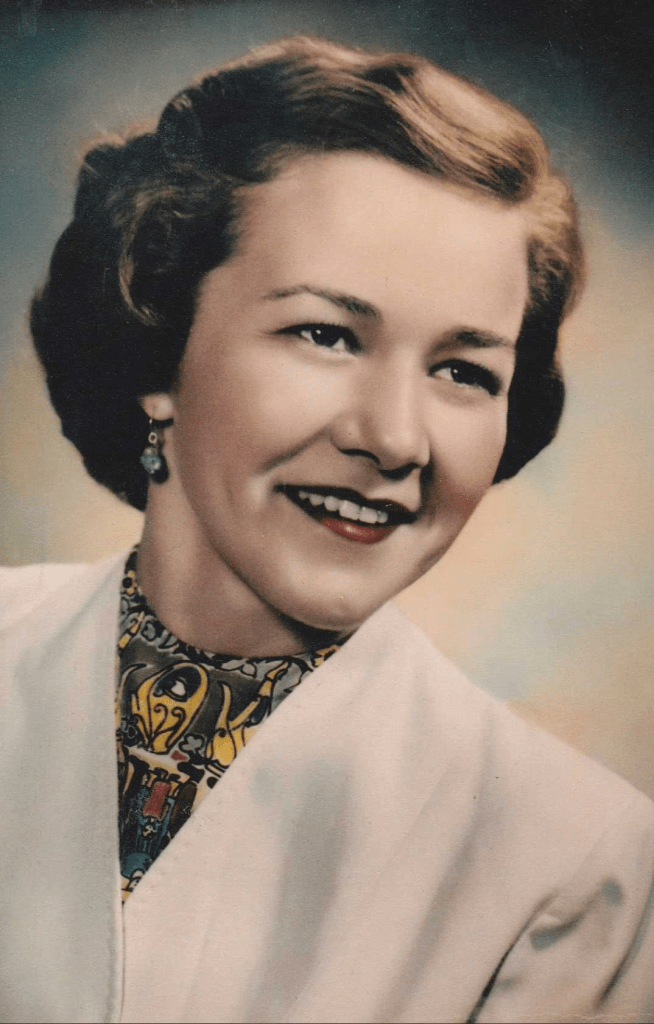
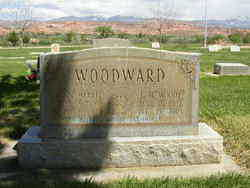









































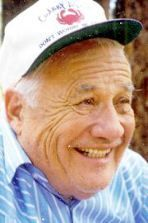


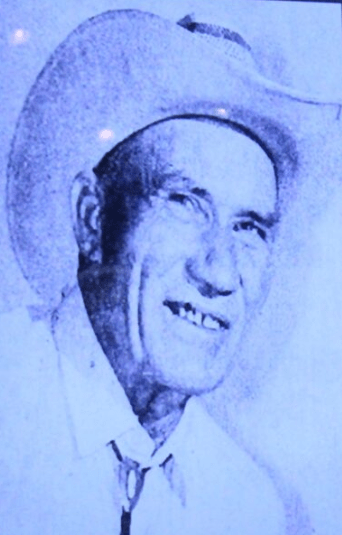


Thank you to my wonderful friend Erin Banks and her blog CrimePiper for this document.


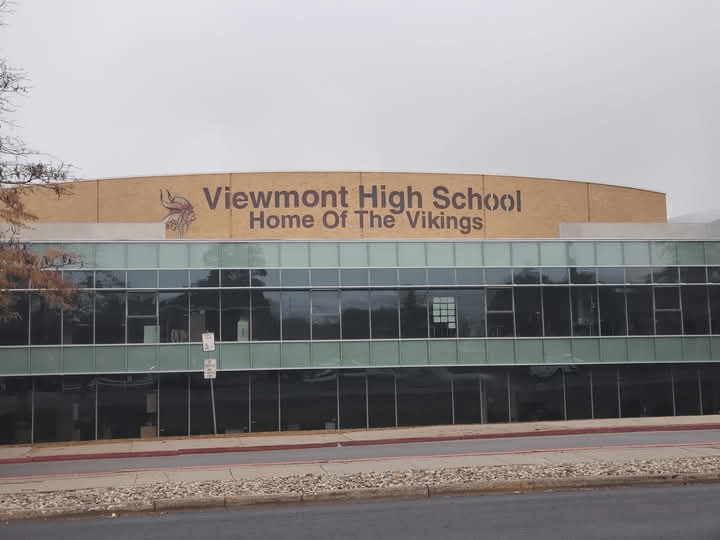
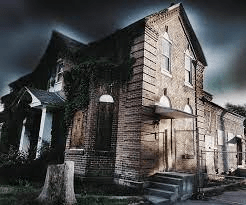
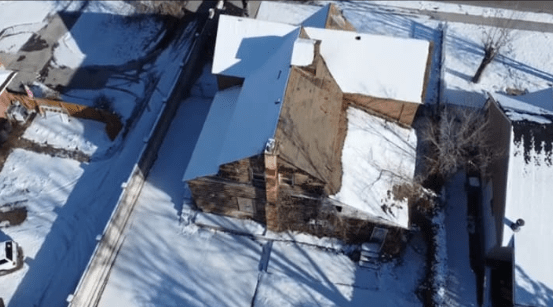
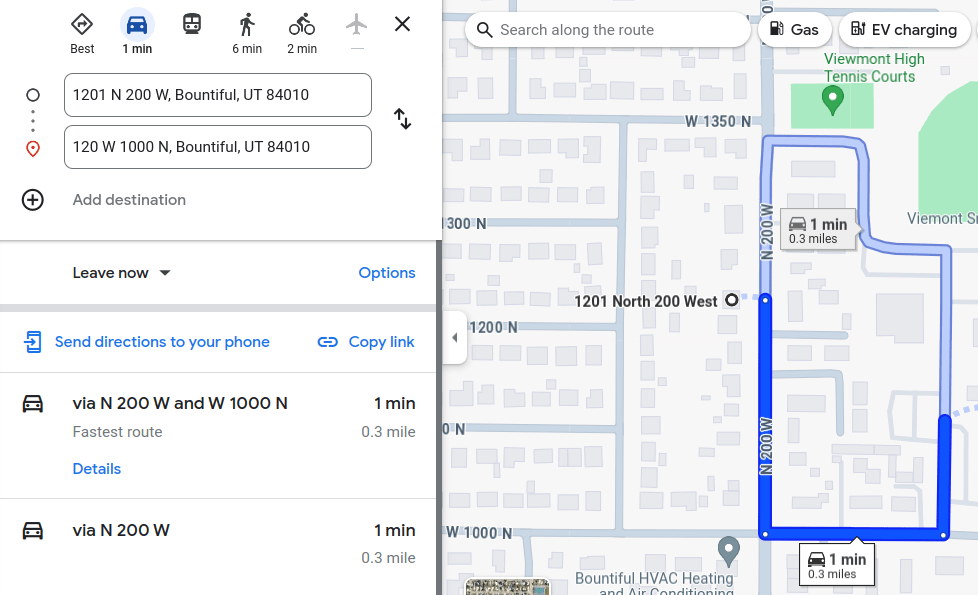
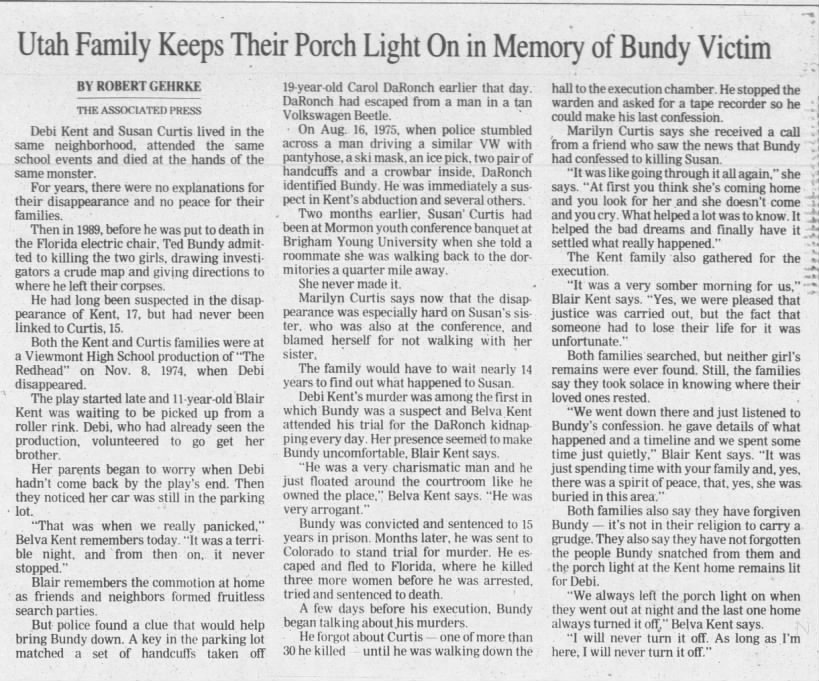
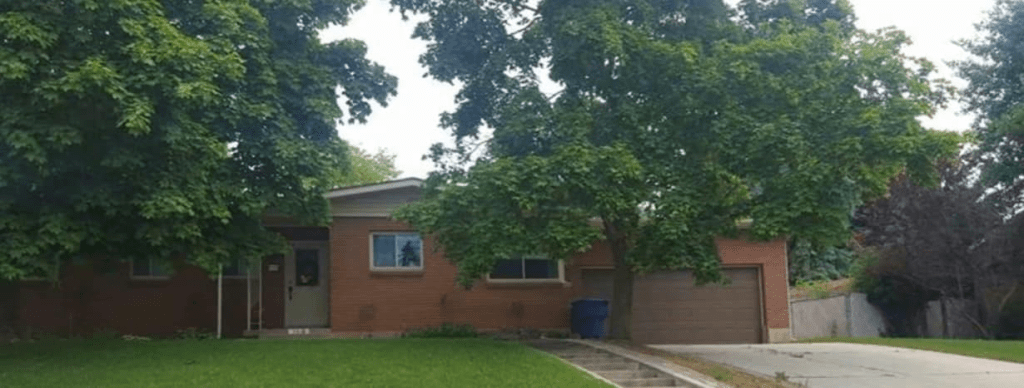
When I went to Utah in November 2022 there was one location I was completely unaware existed that I wish I (somehow) knew to include in my list: the supposed ‘Ted Bundy Ritual House’ just outside of SLC in Bountiful. The duplex-style residence is located at 1201 North 200 West, and is said to be ‘just across the street’ from Viewmont High School, which is where Deb Kent was abducted by Bundy on November 8, 1974 after his botched kidnapping attempt of Carol DaRonch just 45 minutes away in Murray. Kent was last seen at roughly 10:30 PM after leaving a showing of ‘The Redhead’ to go and pick up her brother from the nearby Rustic Roller Rink. According to eyewitnesses, there were loud screams heard from the parking lot at roughly the same time that she was last seen, and after the Kents realized that the family car had never left the parking lot they immediately contacted the police.
Before Bundy was executed in January 1989, he confessed to killing then 17 year-old Kent and pointed investigators to where he dumped her body. Upon searching Fairview Canyon later that May the only human remains that search crews located was a patella, which was found among the ten bags of animal bones that were collected. The kneecap was presumed to belong to Debra and was given to her family to hold onto, and it remained unidentified until 2015 when DNA testing confirmed that it belonged to her. After the positive ID the Bountiful PD returned the bone to Belva Kent along with her daughter’s official death certificate.
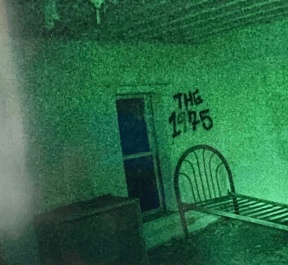
According to Redditor ‘je-m-en-fiche,’ Bountiful residents that lived in the area referred to it as the ‘Viewmont House’ because of its close proximity to the local high school. Looking into the residence, it’s in no way ‘close’ (in my opinion, anyways) to Viewmont HS, nor should it be considered just across the street (it’s actually 0.2 miles away, and is about a five minute walk). It was featured on the Travel Channel television show Ghost Adventures, ‘starring’ Zak Bagans and his group of cronies (including Aaron Goodwin and Nick Groff), specifically for the limited spin-off mini-series ‘Serial Killer Spirits.’ The episode, titled ’The Ted Bundy Ritual House,’ aired on October 26, 2019, and focused on the abandoned structure that has been uninhabited since a gas leak led to an explosion on July 4, 1997. The show’s creator and ‘lead investigator’ Zak Bagans claims that Bundy took Debra Kent there after abducting her after she left a showing of ‘The Red Head’ to go pick up her brothers from a nearby roller skating rink.
In addition to the TB ritual house, Ghost Adventures did episodes on HH Holmes (he killed a nine year old kid in a house in Irvington, Indiana and the current owner felt that dark and sinister forces had ‘overtaken the property’), Joliet Prison in Illinois (where John Wayne Gacy spent only a small amount of time), and an episode titled ‘Axe Killer Jail,’ where the team investigated a prison in Council Bluffs, IA, where SK Jake Bird was once housed.
Because the events of the episode are so ridiculously absurd, I’m not going to spend much time on a synopsis of it. In a nutshell, it began with some little ginger-haired boy that supposedly lived next door to the house (knowing Bagans it’s probably his own kid) peeing on a log on the front steps (Zak tells one of his cronies to smell it ‘for research,’ and he does), and of course the GA’s crew followed him home and gave him (and his mother) the third degree and told them exactly what they wanted to hear… and the guys ate it up like a piece of fucking cheesecake. When asked how he felt about the house the kid told Bagans that there were ten mean child-aged spirits that lived there and were trying to kill him and they ‘better not go in there because they might kill you.’
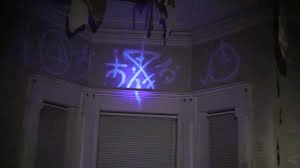
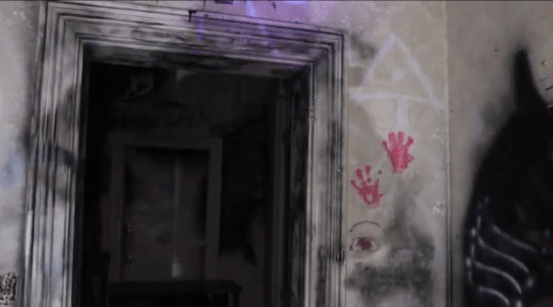
In the beginning of the episode, a one-time resident of the home named Peter Kingston claimed that when they first moved in his family found weird, mysterious satanic symbols drawn on the walls, including various ‘devils signs’ (including a ‘big pentagram’ on the wall) and ‘666’s all over the place.’ At some point during the episode some guy named Vincent (who does not appear to be with Bagans’ crew and I don’t care enough about him to do any additional research) said that when he was in the house prior to the episode he was pushed down the stairs and almost went through the side railings. As the show progresses, the ghost hunters break out all their fancy bullshit equipment meant to detect supernatural activity, and of course everything they do results in some sort of captured phenomenon (I mean, no one would watch it if nothing happened), and plenty of jump scares and ‘sledgehammers of evil’ (Zak’s words, not mine) ensues.
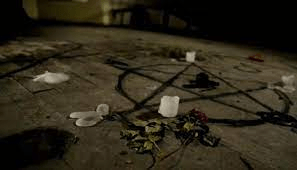
One of the first things the GA team does upon entering the residence is attempt to open a portal on the floor near a pentagram using what Bagans calls a ‘geophone device,’ which he said ‘measures temperature and electromagnetic energy.’ However, according to the website HiggyPop that’ ‘isn’t strictly true. A geophone doesn’t detect heat or electromagnetic energy, as the name suggests it’s to do with geological movement and it actually detects vibration. The gadget Zak is using is called an EDI meter which has several functions built in, including EMF and thermometer as well as a geophone. Ironically the geophone is the one function of the device that Zak is not using.‘
In addition to the ‘geophone’ (that really isn’t a geophone), Bagans used night vision cameras, digital recorders, and a spirit box, which is a device that rapidly scans AM/FM radio frequencies in an attempt to pull paranormal messages out of the static and white noise. Two additional pieces of equipment the team used (that I have also never heard of before) is the Ovilus V (which is a tool that supposedly allows spirits to communicate with the living by selecting words from a internal database using their ‘energy’) and a TriField meter, which measures EMF in the form of radio-frequency, magnetic, and electric fields.
Zak and Aaron used an SLS camera in the upstairs part of the house, which is a device which ‘looks for’ human-like shapes in the darkness and supposedly can capture images in the absence of light that the human eye can’t see. According to the investigators, while using the camera in a hallway they captured what they described as a ‘mind-blowing figure,’ which was shown in the form of a ‘glitching and dancing stickman on the camera’s screen for a brief moment’ (I cannot make this up, they pulled it out of thin air).
After doing some research into the history of the structure, Bagans was wrong: Bundy never could have brought Deb Kent to this house, because it was actually occupied by two different families at the time of her abduction in November 1974. In an interview with KSNV, the Peterson family had five daughters residing there at the time Kent was abducted in November 1974, and ‘people have said that Ted Bundy took women over here and killed them in this house at the time that Debbie Kent got taken. We were living here. Two families were living here and never saw anything like that happen.’ … ‘I think it’s ridiculous because Ted Bundy never came over here. Nothing like that ever happened here.’ Cindy’s mother Rolean did share that she felt the residence was haunted (just not by Ted Bundy), and that the family experienced several strange things during their time in the house: on one occasion they were sitting in a front room and a white ball flew out the wall, seemingly out of nowhere.
Despite Bundy never having any actual ties to their former residence, Mrs. Peterson said that as mother of five young girls she made sure to always keep the doors locked, and ‘it was a really terrifying time for everybody here.’ She also commented that linking Bundy to the old residence only further exploits his victims, and that ‘he was a monster. And I don’t think he should be glorified in any manner at all. If they’re going to tell a story, they need to get their facts straight.’ KUTV out of Salt Lake reached out to Mrs. Belva Kent about the Travel Channel’s episode on the residence and she said that every time a movie or TV special is made about her daughter’s killer her family is forced to relive their pain and that the show only glorified the man that killed Debra.
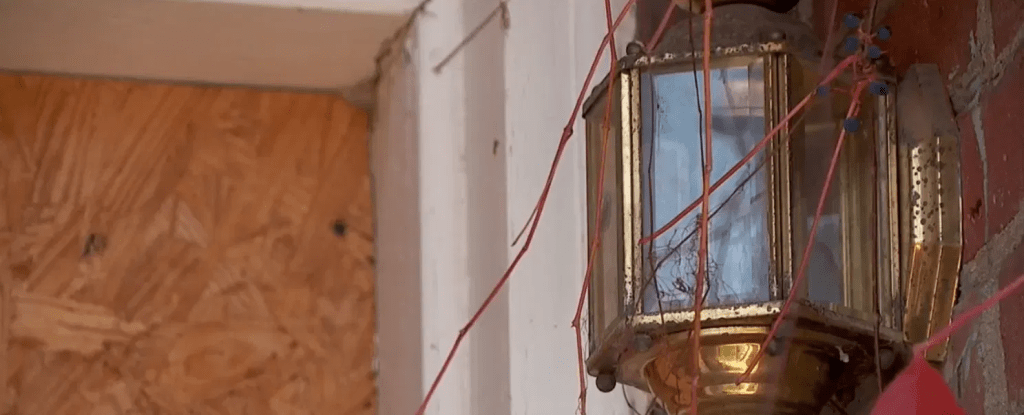
According to a ‘deseret.com’ article published on July 5, 1997, the duplex went up in flames the day before after gas accumulated underneath the basement ceiling from a leak which caused the explosion (which was most likely ignited after the water heater kicked on). After an assessor was able to investigate the fire it was determined there was nearly $100K worth of damage done to the structure, with the first-floor apartment suffering the majority of it.
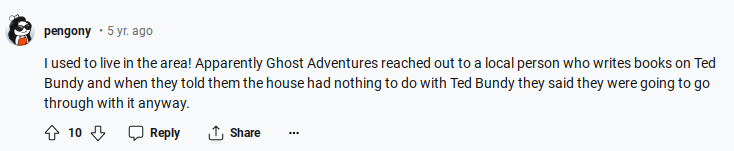
According to Redditor ‘OatyBisc,’ ‘I grew up in Bountiful (I even went to Viewmont HS where the abduction happened!) and this house has nothing to do with Ted Bundy other than proximity. I was excited to see an episode from my hometown but there were so many inaccuracies it drove me crazy! Debbie Kent’s body was never found, but they did find a patella at a site where they found bones from other murder victims and a few years ago they verified it was hers through DNA. This was maybe 20 miles or so from Bountiful, not 100 miles. Her headstone is in the city cemetery, but her body is not there. When she disappeared this house was occupied. It only looks bad now. I drive past it occasionally and it’s pretty worn and clearly burnt on the North end, but the fire was much later. It’s a spooky looking house and they have ghost tours there occasionally, but the Ted Bundy angle is a stretch.’ In addition to this, a Redditor going by the handle ‘pengony’ pointed out that when Bagans was told by locals that the house was completely unrelated to Bundy he told them that he didn’t care and was going to film there anyway.
Just as a side note, the episodes IMDB page gives a completely different narrative and outright fabrication of the truth: ‘Zak and the crew investigate an abandoned house in Bountiful, Utah, where locals claim notorious serial killer Ted Bundy murdered one of his victims. Overloaded with satanic rituals and violence, the home is drenched in a dark, sinister energy.’
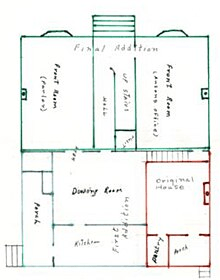
Now… this isn’t just some old, dilapidated house with a possible (but, not really) link to Ted Bundy: referred to as the ‘Anson Call House,’ the residence was built by a pioneer of the Mormon faith (Anson Call, obviously) in the early days of Bountiful when it was known as Session’s Settlement (or North Canyon). The building, which began as a one-room cabin, was initially constructed in 1855 and the first additions to the home were made two years later when a dining room and kitchen area were built as well as a basement. Over the years a second floor was added, and it eventually turned into the structure you see today (or, before it blew up).
Interestingly enough though, Ted Bundy isn’t the house’s only murderous link: In Adam Call-Roberts blog post titled, ‘Mary & Anson Call: Hosts to a Killer,’ in October of 1857, Anson and Mary Call hosted then Utah Congressman John Doyle Lee overnight, blissfully unaware that just one month prior their guest participated in the ‘Mountain Meadows massacre.’ In September 1857 an emigrant group from Arkansas known as the Baker–Fancher party set up camp in Utah’s Mountain Meadows, which was a staging area in the southern part of the state that was used to get ready for the long crossing of the Mojave Desert by groups that were going west to California.
In the early morning hours of September 7, 1857 a group of Paiute Indian and Mormon militia men that were dressed as Native Americans attacked the circled wagons without warning. The party fought off their aggressors the best they could and the conflict went on for four days; in the process fifteen emigrant men were killed either in battle or while attempting to escape. Congressman Lee didn’t get involved in the dispute until the third day, when he approached the wagon party and convinced them to surrender their possessions and weapons in return for safe passage to nearby Cedar City. The emigrants (who were low on ammunition and supplies) accepted his offer and surrendered, and it was then that roughly 120 people from the Baker–Fancher party were then slaughtered, leaving only 17 small children behind. In 1874, Lee was arrested for leading the massacre: his first trial ended with a hung jury and two years later a second one took place in which the prosecuting attorneys put the blame solely on his shoulders. He was convicted and sentenced to death. On March 23, 1877, Lee was executed by firing squad at the very site of the massacre that took place twenty years before.
In conclusion, there’s a lot of different videos and podcasts on this residence, but one thing is for certain: Ted Bundy had absolutely nothing to do with this house.
Works Cited:
Deseret.com/1997/7/5/19321700/fiery-4th-home-goes-up-in-flames/
Roe, Ginna. (October 25, 2019). ‘Travel Channel links Bountiful house to Ted Bundy, former residents say ‘it’s ridiculous.’’ Taken May 22, 2024 from https://kutv.com/news/local/travel-chanel-links-bountiful-house-to-ted-bundy-former-residents-say-its-ridiculous
utah.com/things-to-do/attractions/mormon/mountain-meadows/


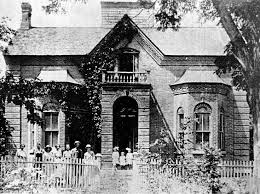











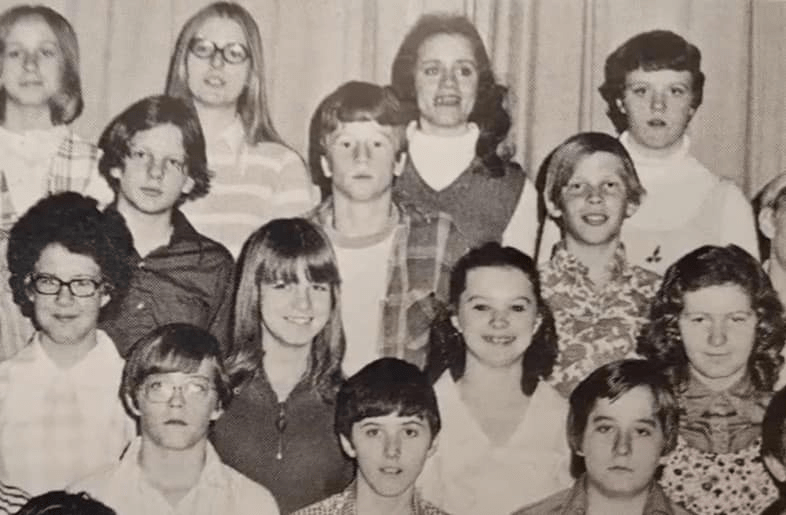
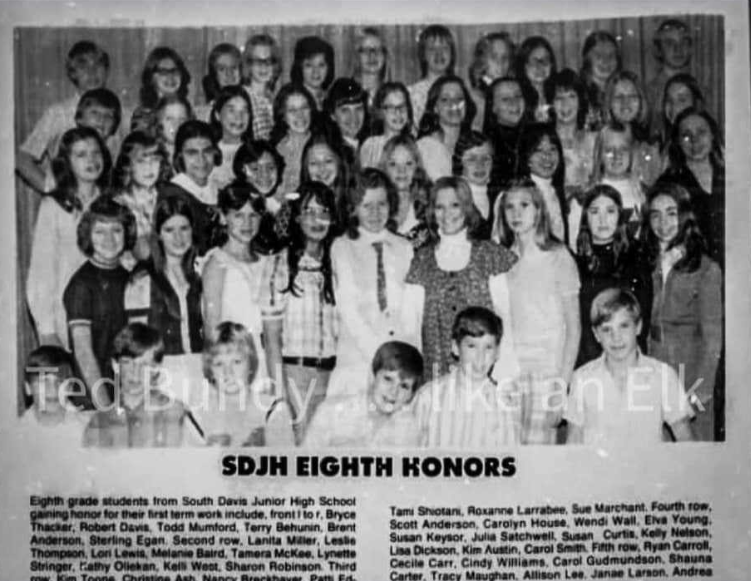
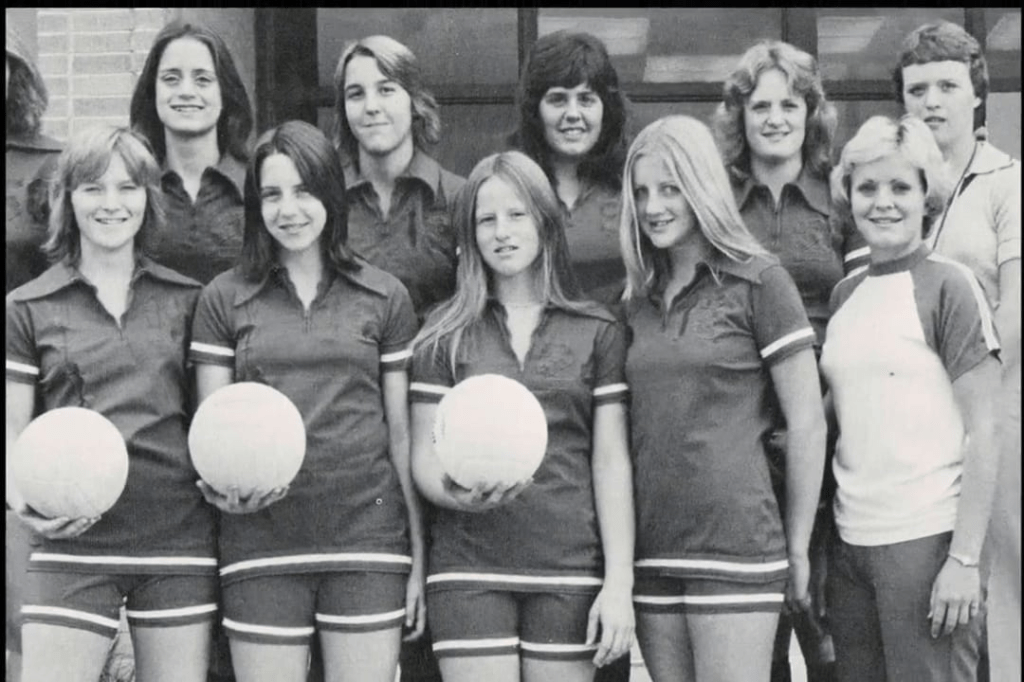
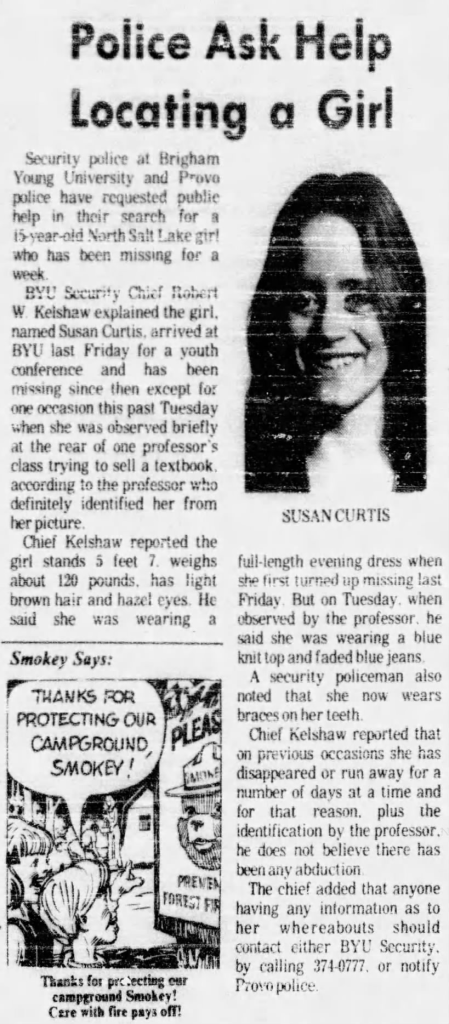
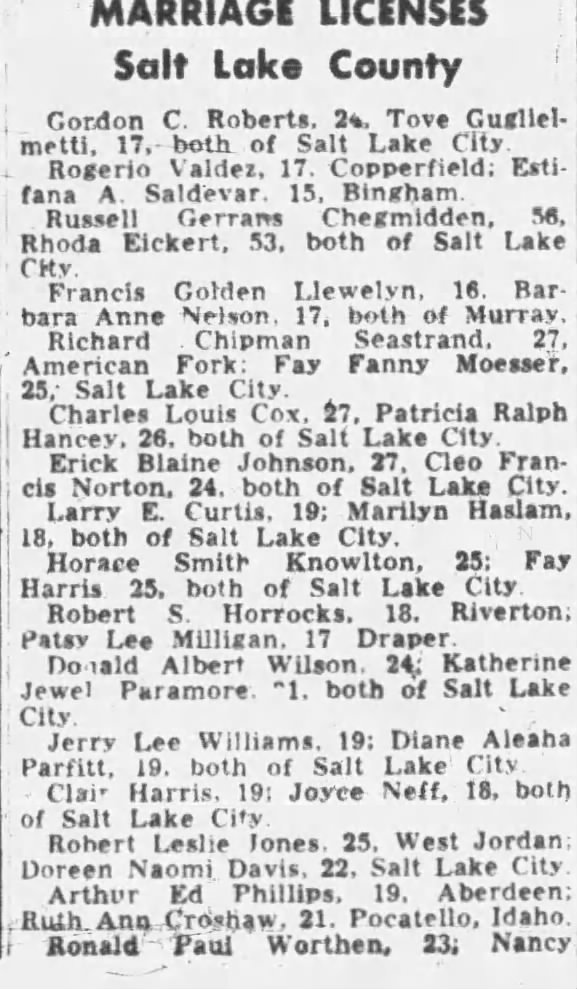
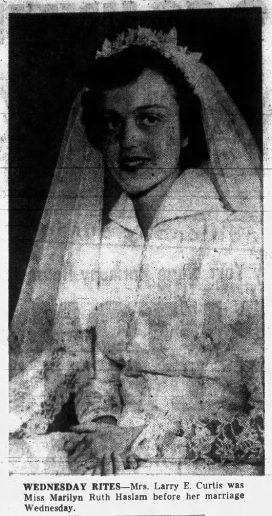
Susan ‘Sue’ Curtis was born on May 18, 1960 to Larry Eugene and Marilyn Ruth (Nee Haslam) in Salt Lake City, Utah. Larry Curtis was born on February 6, 1935 in Salt Lake, and Mrs. Curtis was born on August 27, 1936. The couple were wed on September 22, 1954 and eventually settled down in Bountiful. They had six children but unfortunately I wasn’t able to find out much else about the family. Sue was an honor student that also excelled in athletics and was involved in quite a few extracurricular activities at her high school: she played baseball and volleyball, and was also on the school’s track and basketball teams. She stood at 5’7” tall, weighed 120 pounds, had hazel eyes, and brown hair that she wore long and parted down the middle. Curtis had pierced ears and had just gotten braces the month before she was murdered.
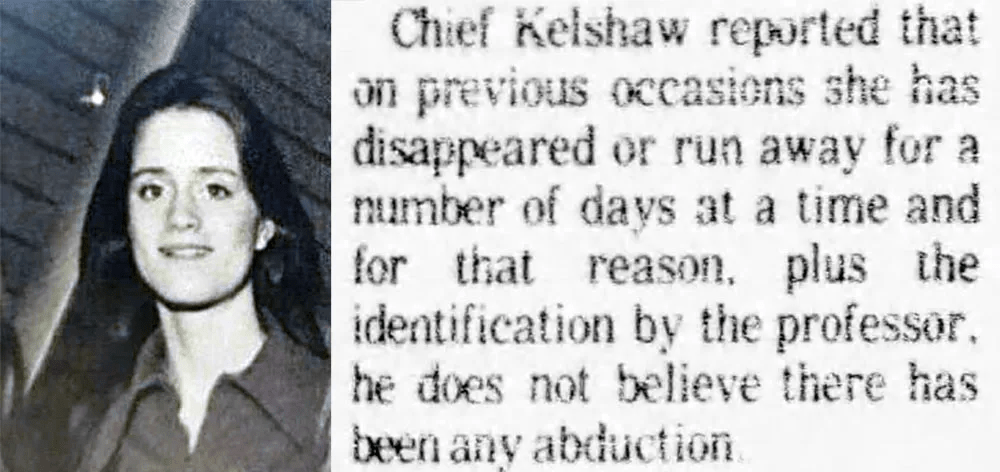
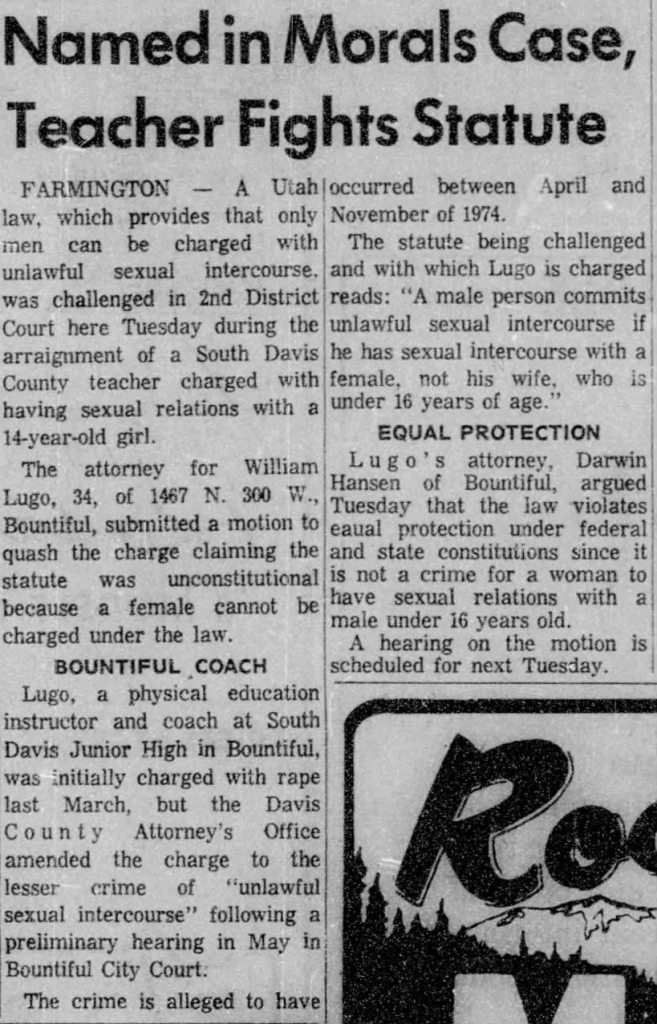
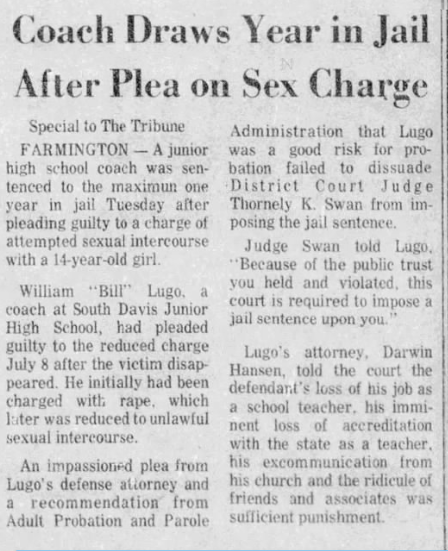
In the summer of 1975, Susan Curtis was fifteen and about to go into her sophomore year at Woods Cross High School. Due to an unhappy home life she had a history of running away, but she was never gone for very long and would always return home after just a few days. Sue hada lot of mental health concerns, and attempted suicide on a couple different occasions. She was also an ongoing victim of sexual assault at the hands of from a former physical education teacher and coach named William ‘Bill’ Lugo, who taught at South Davis Junior High School in north SLC (he was eventually convicted of his crimes)*. In an interview with true crime researcher Chris Mortensen (also known as Captain Borax), Lieutenant Arnold Lemmon from the Brigham Young University campus Police Department (and close friend of the Curtis family) said that Lugo and Sue ran away together the week before she was murdered. He even flew her to Phoenix and put her up in a hotel room. They got caught after Susan had a pregnancy scare and (using the fake name of a friend) arranged for her to go to a clinic and take a test (there was apparently a mix up and the results were mailed to that friend’s parents). He was eventually court ordered to stay away from the FOURTEEN year CHILD and in July 1975 was sentenced to a year in jail for his crimes. Lugo was initially charged with rape but pleaded guilty to the reduced charge of unlawful sexual intercourse. The defendant’s lawyer as well as the ‘Adult Probation and Parole Administration’ both said that the teacher was a good fit for probation, and that he suffered sufficient punishment in the form of his loss of accreditation as a teacher, excommunication from his church, and derision of friends and associates. Thankfully this wasn’t enough to dissuade District Court Judge Thornley K. Swan from imposing the maximum allowed jail sentence: ‘because of the public trust you held and violated, this court is required to impose a jail sentence upon you.’ It’s been reported that the entire experience was pretty traumatizing to Sue, and because of the ‘relationship’ she suffered from a lot of behavioral health issues.
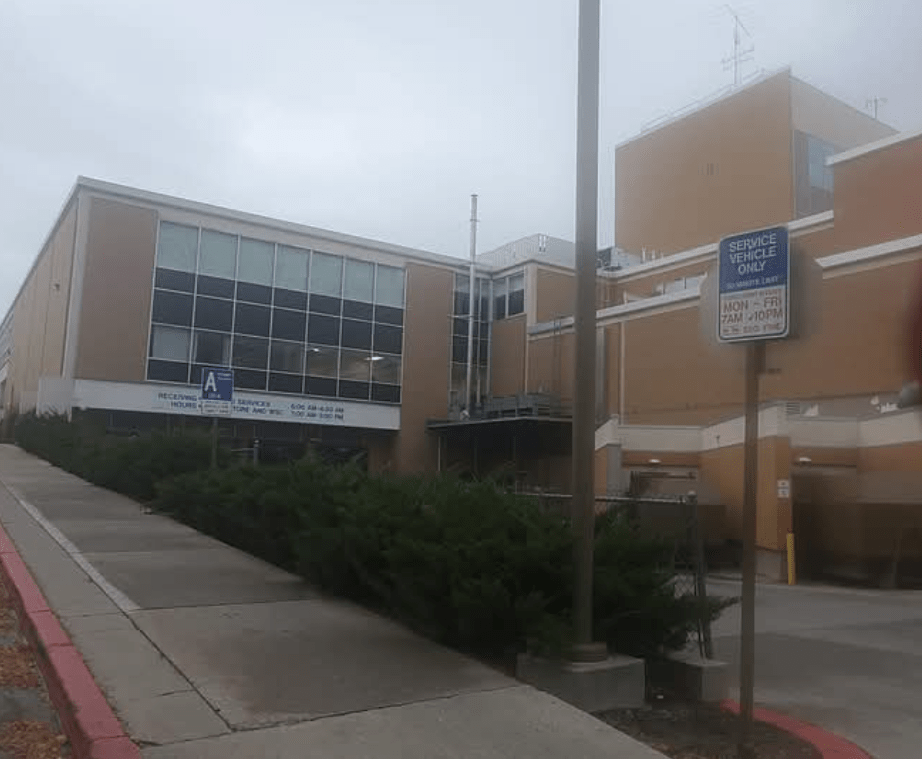
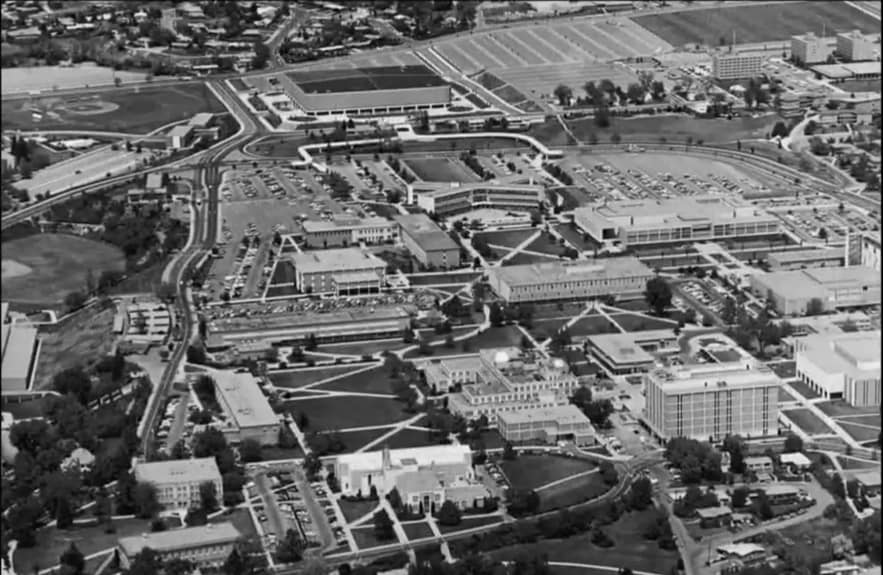
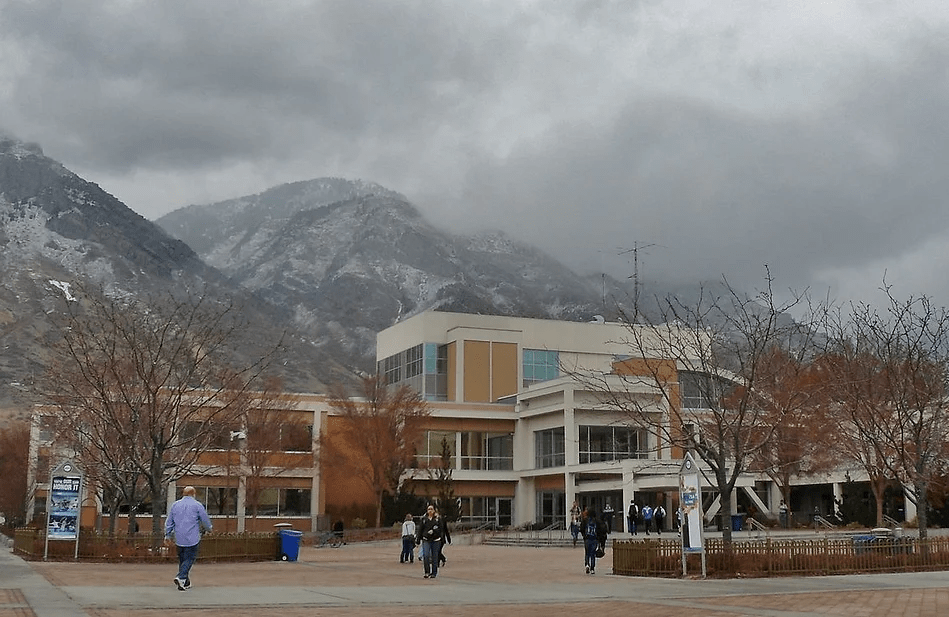
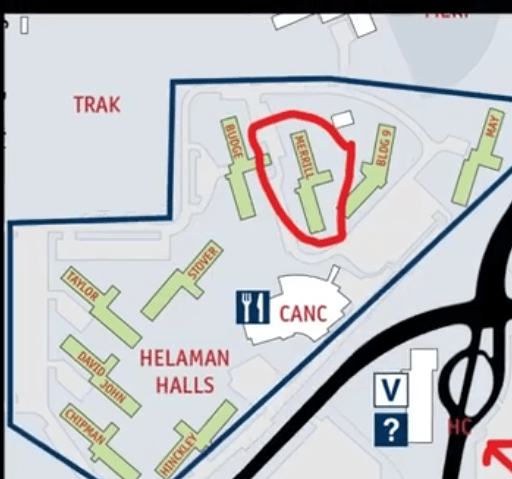
The summer before she disappeared Curtis had been spending much of her time at a friend’s house in Centerville, which is a suburb community north of Bountiful. She wasn’t getting along very well with her family and in an attempt to reconcile with them was picked up by her older sister Barbara on June 24, 1975, who (along with Mr. and Mrs. Curtis) were attempting to bring their ‘Sue-Sue’ back into the family fold. She also registered Sue for a two-day Latter Day Saints conference at Brigham Young University. On June 26, 1975 the sisters rode their bikes (along with a friend named Lynette Stringer) 50 miles from Bountiful to Provo. The girls met up with some other kids from Bountiful’s ‘Orchard Youth Ward’ at the Orchard Stake building in north SLC, and they all made the long ride together. They even stayed the night ‘in a yard at the residence of Eva Smith of Lehi, UT.’ On multiple occasions during the journey, Sue complained of stomach problems, as well as feeling suicidal. They made it to the Mormon university sometime in the mid-morning the following day, and quickly settled into their assigned rooms. Once at the conference, she was going to room with Lynette in Merrill Hall in the Helaman Halls, which is a group of dormatores; Curtis was staying in the all female dormitory in a second story room, specifically number 2121. According to the missing persons report, Barbara was staying nearby in room 2118.
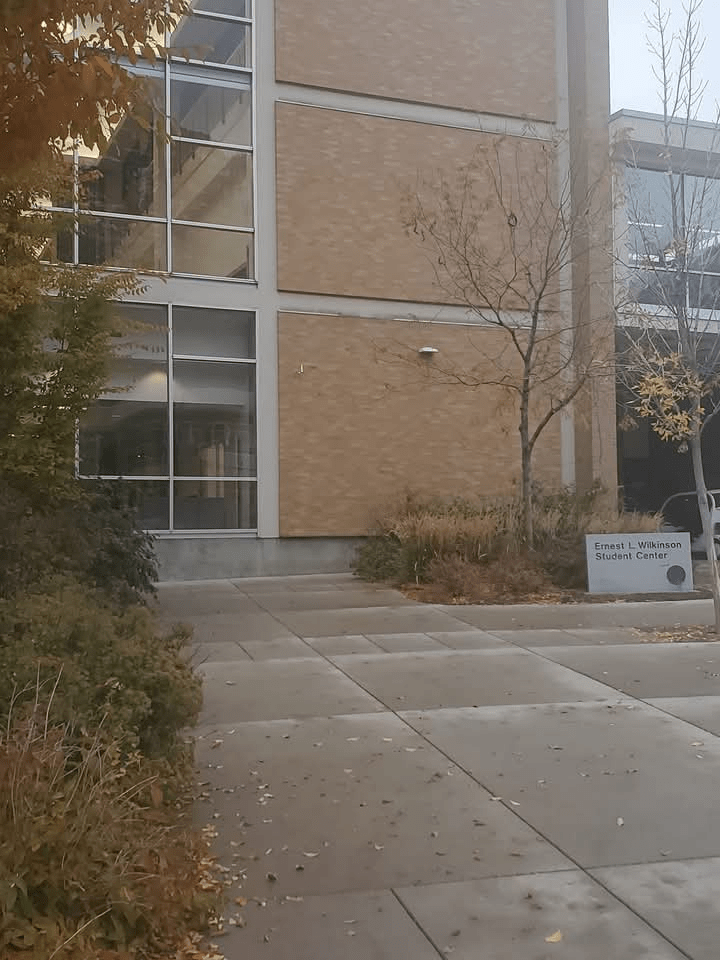
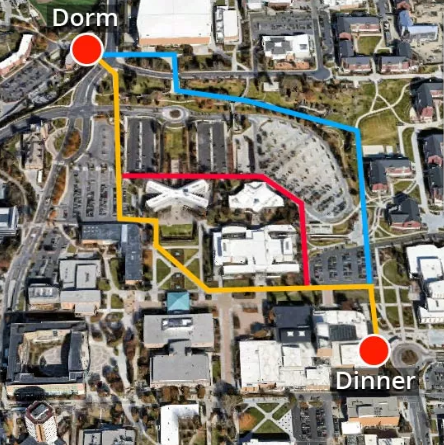
There was a formal banquet early in the evening on the first day of the conference that was held at the Wilkinson Student Center. Curtis was last seen at around 7 PM wearing a full-length, yellow evening gown. She had just eaten dinner and was worried about food possibly being stuck in her new braces, and left her friends to walk the quarter mile back to her room to brush her teeth, telling one of them she’d be back in a few minutes. Although we have to keep in mind that Sue wasn’t a student at BYU and wasn’t incredibly familiar with the layout of its campus (her high heels didn’t help), the journey was fairly short and should have only taken her about 10 to 13 minutes (it was about 0.6 miles in length). When she didn’t come back to the banquet Barbara went looking for her, and when she went to inspect her toothbrush it was bone dry, meaning she never made it back to her room. All of her clothes, money, and personal possessions were left behind, and Susan Curtis was never seen alive again. After Barbara made the initial report with BYU police, the Provo Police, Utah Highway Patrol, Utah County Sheriff, and Orem Police Departments were all notified.
When officers looked through Susans possessions they found $21 in a jewelry box on the dresser. Also left behind were a pair of jeans and some other clothes folded and hanging up in the closet, along with several pairs of shoes, a pendant, and ring that she reportedly would never have left behind. It’s worth noting that there’s a parking lot near the Helaman Halls dormitory buildings, and in the past Bundy had successfully snatched quite a few of his victims from college campuses: Donna Manson, Sue Rancourt, Georgann Hawkins, and Roberta Kathleen Parks… When you think about these other abductions it makes sense he would park his VW in a secluded spot that was slightly out of the way but still within walking distance. This explains why no one witnessed the attack even though it happened in the early evening on a busy college campus.
According to an article published by The Salt Lake Tribune on January 27, 1989, Curtis’ disappearance stirred only a small amount of buzz in the media, although it caused great concern to investigators at BYU. Despite her habit of running away, law enforcement wasn’t hesitant to immediately start investigating her disappearance as an abduction, which is a surprising (but good) change of pace. I feel the need to comment that it didn’t take long for me to notice that a bunch of Bundy related cases weren’t taken seriously in the beginning because the girls were considered ‘runaways…’ even though she’s a unconfirmed victim, Brenda Joy Baker immediately comes to mind, whose disappearance didn’t make the news at all until they found her body. I suspect this is most likely because by this time in mid-1975 there were quite a few young women that had vanished around the general SLC area, and investigators knew that they were all most likely related.
BYU Campus Police and the Provo Police Departments investigated the disappearance, and in the beginning a few witnesses came forward claiming to have seen Curtis around town and on campus. One professor reported he saw her trying to sell a textbook in the back of his class four days after she went missing. He said she was wearing a blue knit top and faded jeans, and was able to positively identify her from a picture. Others claimed to have seen her hitchhiking in the Provo, Orem, and Spanish Fork areas, and one person reported that he saw her hiking up by the ‘Y-mountain’ directly to the east of the Woods Cross football field. According to the missing persons report Barbara gave to the BYU police, at the time Sue disappeared she was seeing a ‘social counselor’ about her mental health issues, who at one time shared with her dad that she had a lot of concerns as well as suicidal tendencies.
The gym teacher quickly became the chief suspect. Dan Clark, who was the lead detective on Sue’s case, polygraphed Lugo, however the examination was determined to be biased and was deemed inadmissible. Lieutenant Lemmon said that nowadays something like that would never fly, and typically an investigator would never be allowed to administer a polygraph to a suspect. In an interview with Captain Borax, Lemmon recently tracked down Lugo (he still lived locally) and asked him about his relationship with Curtis; he lived in an upscale neighborhood and still had all of his mental faculties about him. Lemmon shared that he was working on Curtis’s disappearance and understood that they had an affair many years ago. They briefly discussed it, and Lemmon asked him ‘point blank’ if he killed her, to which he responded ‘no.’ Lugo additionally said no when asked if he was aware of where her body was buried. Nothing ever officially tied him to Sue’s disappearance.
Here’s an interesting fact I learned from Kevin Sullivans book, ‘The Bundy Murders: A Comprehensive History:’ The Curtis family attended the same viewing of ‘The Redhead’ at Viewmont High School as the Kent family the night Deb was abducted in November 1974. This means that Susan was in the same auditorium as Bundy before she became one of his victims roughly seven months later. I wonder if he noticed her that evening? Sue and Deb grew up in the same Bountiful neighborhood and went to the same high school.
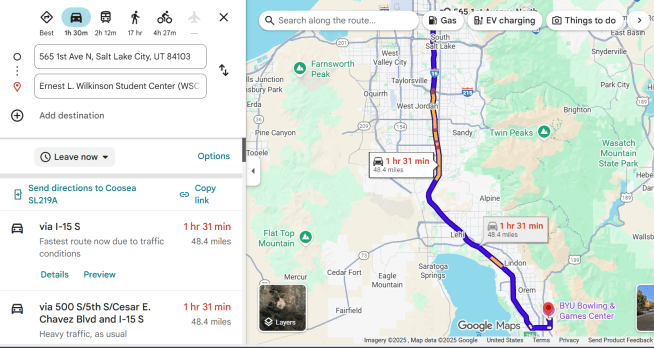
Apparently the Curtis family was so desperate for answers as to what happened to Sue that they hired multiple psychics, but sadly nothing ever came of it. At the time of her abduction Bundy was a law student at the University of Utah and was living at 565 1st Avenue North in SLC. Per my ‘handy dandy TB job chart,’ in June and July 1975 he was employed as the night manager in charge of Bailiff Hall at the University (but was terminated after showing up for work drunk). He was still with Liz Kloepfer, although things were getting ready to fizzle out for the final time (they officially broke up after Ted went to prison for the attempted kidnapping of Carol DaRonch in 1976). Also according to Kloepfer he started growing a beard in June 1975, so there’s a good chance he had one when he abducted Curtis.
After Curtis was murdered Bundy wasn’t on the run for long: Utah Highway Patrol Sergeant Bob Hayward pulled him over in Granger at around 2:30 AM on August 16, 1975 after he saw his unfamiliar tan VW Beetle pass by him while he was out on patrol. The officer knew the neighborhood well and had no memory of ever seeing that particular vehicle before. When he turned his lights on to get a better view of its license plate, the driver turned off their headlights and attempted to flee. Sergeant Hayward began to follow the car, which went through two stop signs and eventually pulled into a gas station. When he asked the driver why he was out driving around so late, Bundy replied that he was on his way home from the Redwood Drive-In after seeing the Towering Inferno but lost his way. Two more officers arrived on the scene, and after noticing that the passengers seat was missing they searched the car (with Bundy’s permission) and discovered some incredibly unusual items: a black duffle bag that contained a pair of handcuffs, an ice pick, rope, a crowbar, a flashlight, a ski-mask, a pair of gloves, wire, a screwdriver, large green plastic bags, strips of cloth, and a pantyhose mask.
In addition to his ‘kill kit,’ LE also found maps, brochures of ski resorts, and gas receipts in the VW’s glove compartment box. When asked why he had such strange instruments in his car, Ted told the officers that he was in law school and was studying how to arrest criminals. While they weren’t completely convinced the law student was the ‘crazed murderer of young women’ that they were looking for, investigators did know he wasn’t completely innocent and arrested him for possession of burglary tools; they didn’t have enough evidence to detain him and he was ROR’ed.
It didn’t take long after his first arrest that investigators began to connect the dots between the attempted kidnapping of Carol DaRonch and the other Utah abductions, and they quickly began to suspect that the young law student was responsible. Perhaps one of the most damning pieces of evidence against Bundy were the handcuffs that were found in his car, which were the same style and brand as the ones found on DaRonch’s wrist after her attack. Additionally, the crowbar that officers found in his ‘murder kit’ was identical to the weapon used to threaten her the previous November, and his tan car matched the description of the one her abductor was driving. There were too many similarities for the police to ignore, but they also knew they needed more evidence to help support their case. A few days after his arrest on August 21, investigators searched Ted’s apartment and found various brochures from the areas where some of the women were missing from, however they failed to search the building’s utility room. Years later, the killer revealed to his lawyer Polly Nelson that he had kept a box of Polaroids of his victims inside that room in a shoebox, which he later destroyed.
Curtis is Ted’s last confirmed victim until his escape in late 1977 (although there are some suspected/unconfirmed victims that disappeared after, including Sandra Weaver, Nancy-Perry-Baird, Shelley Kay Robertson, and Debbie Smith). Just a few days after Sue vanished on July 1, 1975 Shelley Kay Robertson was abducted from Golden, Colorado; her remains were found less than two months later on August 21 in a mine in Berthoud Pass. Four days after Robertson was last seen on July 4, 1975, Nancy Perry-Baird was abducted from the gas station where she worked in East Layton, UT and was never seen or heard from again. After Susan Curtis Bundy didn’t kill again until January 1978, when he escaped incarceration for the second time and escaped to Florida, and killed Lisa Levy and Margaret Bowman.
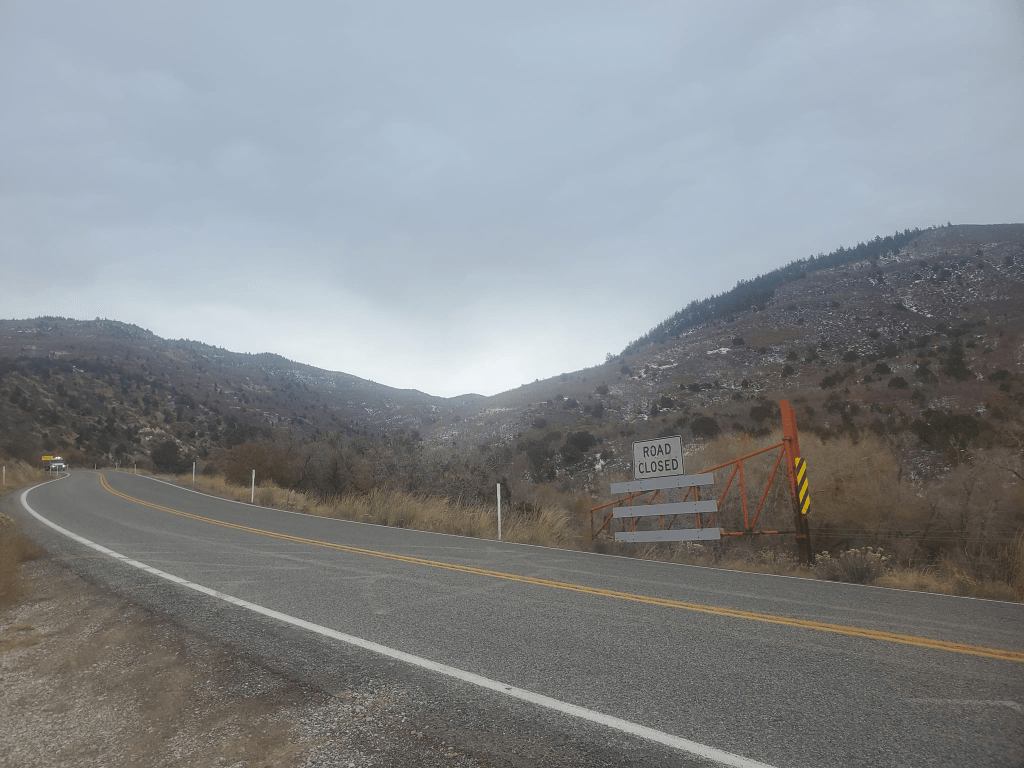
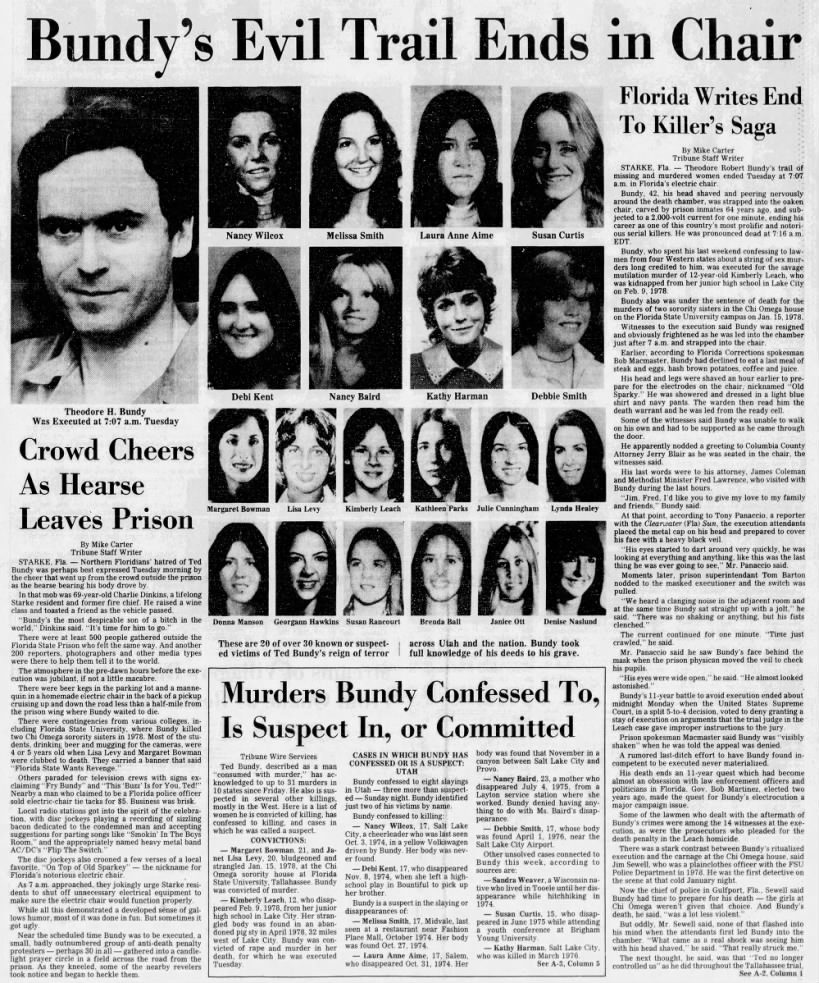
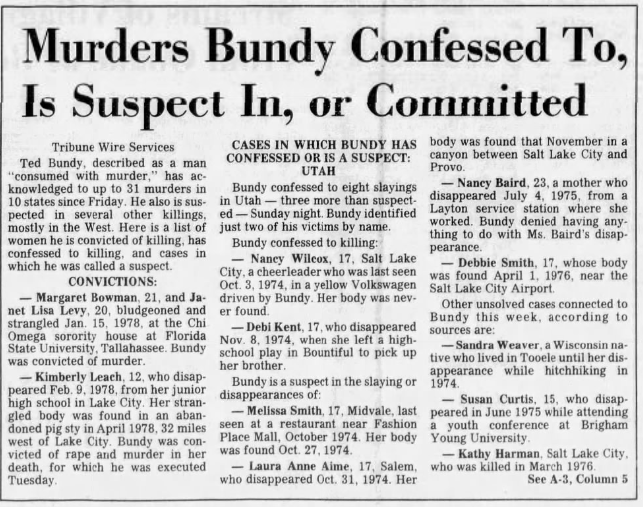
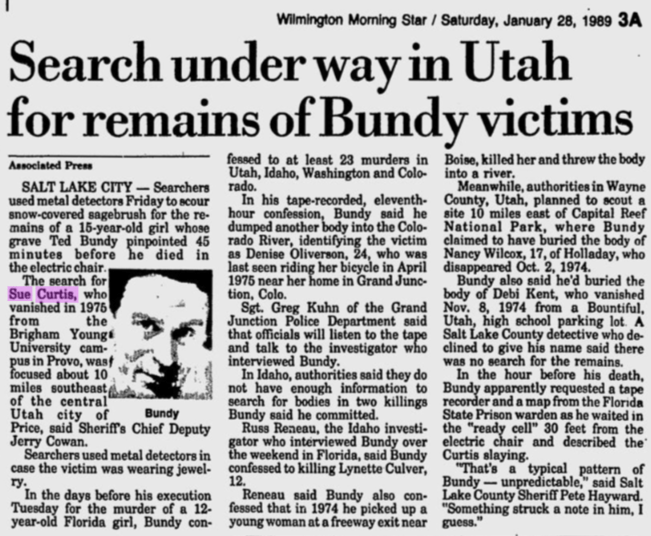
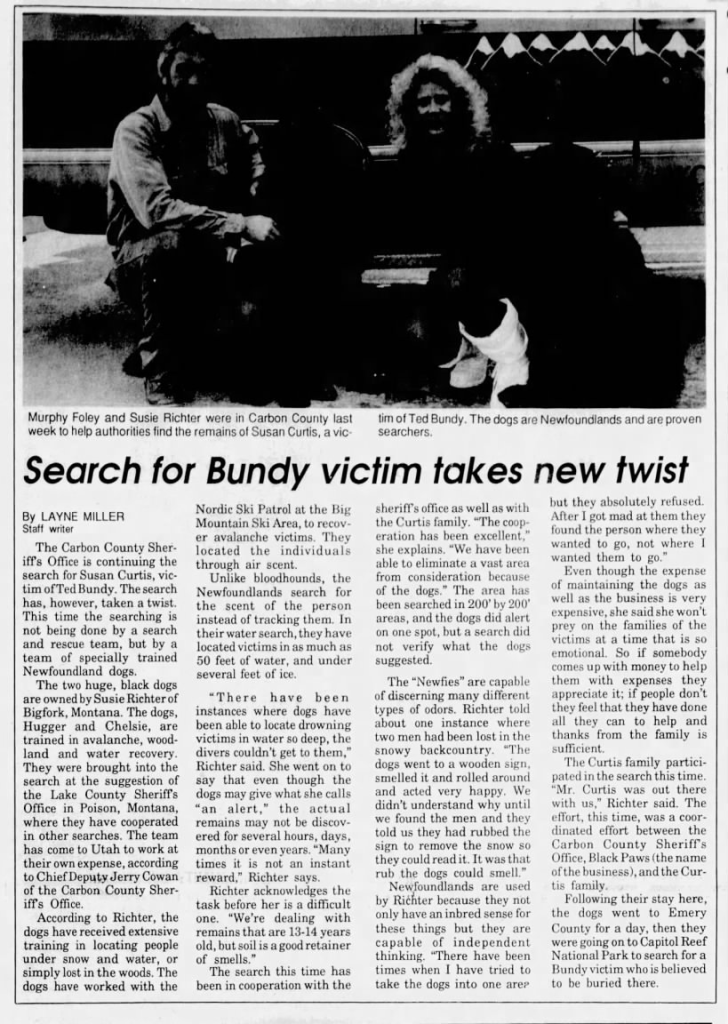
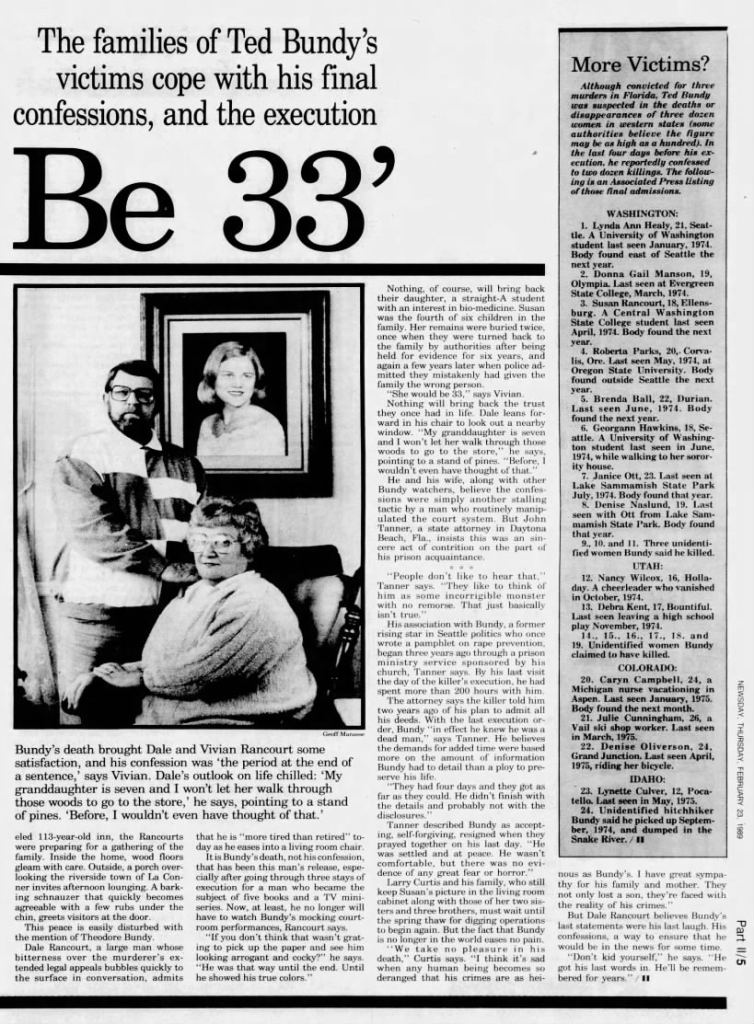
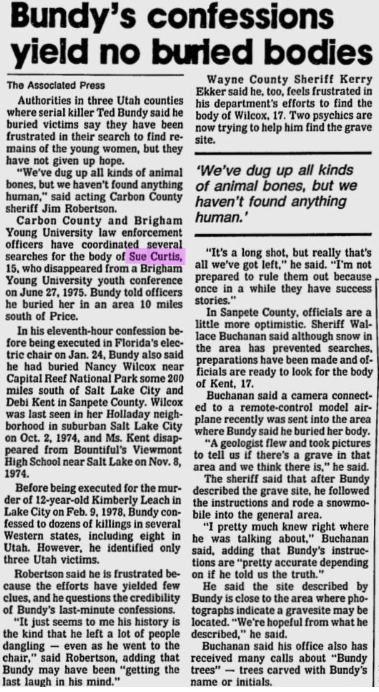
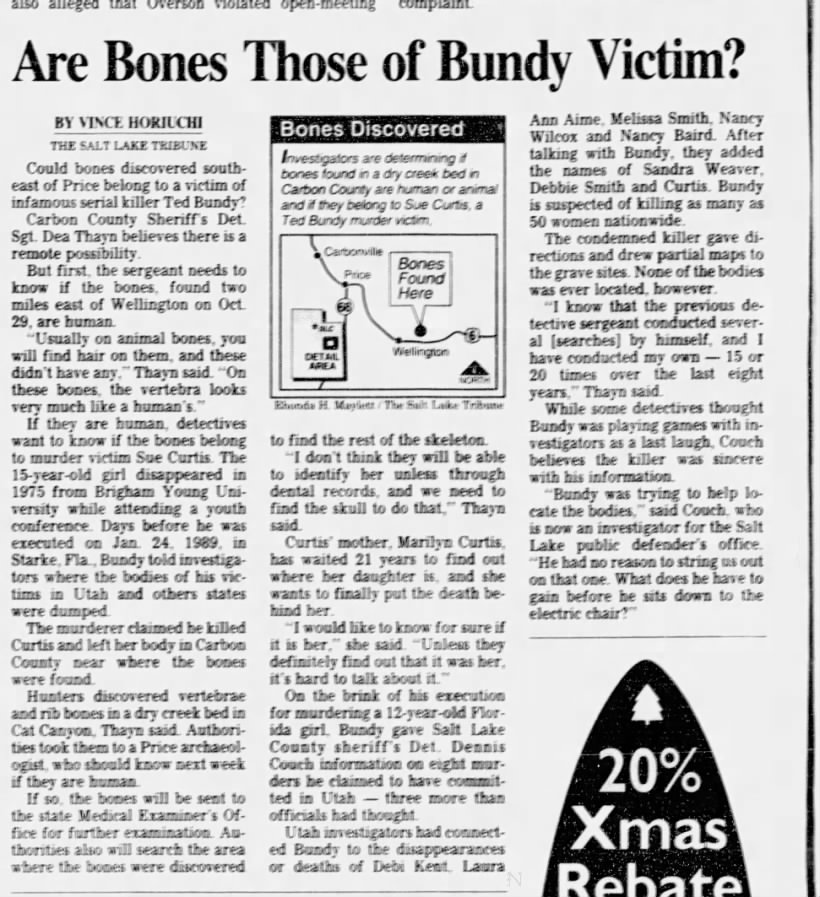
In a last minute, taped confession that took place less than an hour before he was put to death, Bundy confessed to Florida State Prison Superintendent Thomas Barton that he killed Susan Curtis. He also volunteered information as to where investigators would find her body and how they could get to it. Ted said that he dumped her body five to ten miles south of Price right before the Green River, and that he ‘turned left on a side road’ and after about a quarter of a mile took another left. He then drove roughly 200 yards down that dirt road and dumped her remains about 50 yards off of it, to the left. He also shared that he wasn’t aware of her name or identity. In the same confession, he took responsibility for the death of Denise Oliverson, who was last seen riding her bike in Grand Junction in April 1975. He dumped her body in the Colorado River, about five miles west of Grand Junction and specified that she ‘was not buried.’ Ted confessed to killing at least eight young women in the state of Utah: Curtis, Nancy Wilcox, Deb Kent, Melissa Smith and Laura Ann Aime; three more remain unidentified. The Curtis family found out with the rest of the world that their daughter was murdered by the serial killer: they heard it on the news after Bundy was executed.
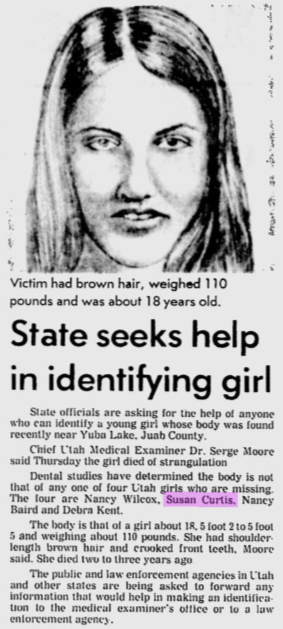
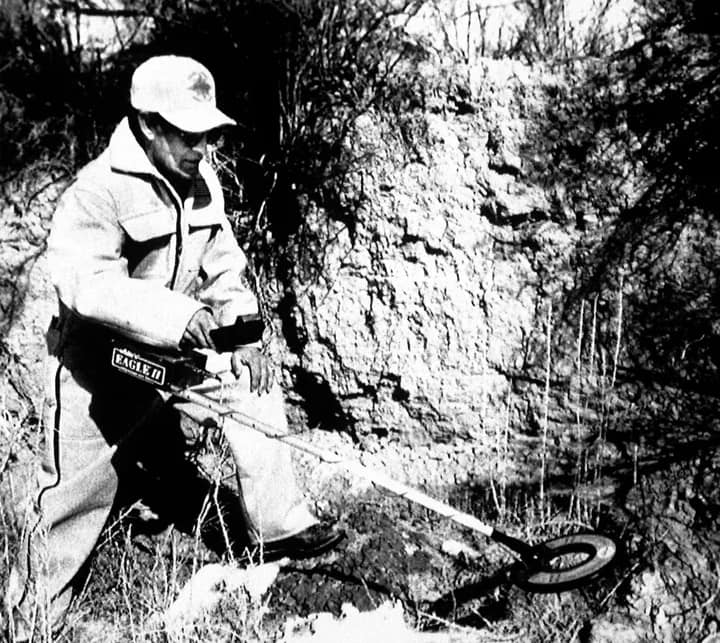
When Bundy confessed to Curtis’s murder in January 1989 fourteen years had passed by. This gave local wildlife a lot of time to pick apart her remains and move them around, dispersing them around the area. After he was executed law enforcement was forced to put off the search efforts until the following spring because of the cold, snowy conditions. Because of the incredible amount of attention the case had garnered, at first Florida law enforcement gave the media only small pieces of his confession related to Curtis’s murder. This was most likely so people wouldn’t take it upon themselves to go check out the crime scene and potentially destroy evidence, or attempt to disrupt recovery efforts. The search team was headed up by the Salt Lake County and the Carbon County Sheriff’s departments, and volunteers combed the area looking for any trace of Curtis. They were hopeful that their metal detectors would be able to pick up her braces, however all they found were pieces of scrap metal, old tires, beer cans, and shell casings. They also used cadaver dogs in their search efforts, mostly because of the deep layer of snow that covered the area. In the years that followed the initial search, Curtis’s family and cold case detectives have searched the hills and fields, with the help of (multiple) mediums and psychics. They also used helicopters in their recovery efforts, but with every attempt they came back with nothing.
As I sit here writing, the abduction of Georgann Hawkins immediately comes to my mind when I think about the circumstances of this case, as they share a lot of similarities: they both took place on college campuses, with the girls walking back to their living spaces. They were both thin, and had brown hair they wore long and parted down the middle. Nancy Wilcox as well (to a point), who was on her way to her high school after getting into an argument with her father about her bf’s truck leaking oil on their driveway (my dad is the same way). She just… vanished into thin air. They all did. I know that with Hawkins Bundy used his ‘injury ruse’ in his abduction technique, I wonder if he did the same type of thing with Curtis. It wasn’t like he could have easily hit her over the head with a crowbar and dragged her away: she was abducted from a busy college campus at around 6-7 in the evening in the middle of summer. I’m leaning towards him using some sort of ruse to lure her back to his car, then he pounced. Maybe he faked a broken arm and told her he needed help carrying his briefcase to his car. Or maybe he faked a broken leg somehow… The possibilities are endless, and we’ll never know what actually happened.
Lieutenant Lemmon collected DNA swabs from Larry and Marilyn Curtis in hopes of one day positively identifying their daughters remains. Mrs. Curtis said that Susans disappearance was especially hard on Barbara, who blamed herself for not walking back to the dorms with her sister. I couldn’t find any record of either one of Susan’s parents passing away. Because her remains have never been recovered she officially remains a missing person. Susan Curtis would be 63 as of December 2023.
*As a personal note, I initially hesitated including this information in this piece. But I learned it from Captain Borax, so obviously it’s out there in the Bundy community, although it doesn’t seem to be widely discussed (I also saw it discussed on WebSleuths as well).




























 Another Bundy Blog.