I’m posting this because things have been going really well for me lately and I need to knock myself down a peg (edit: my mom passed away almost right after I wrote this then I had a miscarriage shortly after that). I worked really hard on my itinerary before I went to Seattle in April 2022 in order not to miss out on anything and unfortunately, I went to the wrong location for this case. The correct address where Lonnie Ree Trumbull and Lisa Eleanore Wick were brutally assaulted is 2415 8th Avenue North in Seattle (98109),’ and I went to 2415 8th Avenue South (98134). I didn’t catch my mistake until I got home when it was obviously too late. This is a case that I slowly became obsessed with while in Washington. I really wish I figured out my mistake in time because I would have gone back.
Roughly eight years before the brutal murder of Lynda AnnHealy,two flight attendants living in a basement apartment in the Queen Anne District of Seattle were brutally assaulted as they lay in their beds in the early morning hours of June 23, 1966;one of them didn’t make it.Trumbull was born on April 4, 1946 in Portland, OR; after graduating from Madison High School in 1964 she attended stewardess school (where she met Wick). Like Lisa, Trumbull was born and raised in Portland and had recently graduated from flight attendant school about a month earlier. At the time of her murder in 1966, Lonnie had just taken a job working for United Airlines and lived with two other flight attendants: Lisa and JoyceBowe. Thankfully, Joyce was not home at the time of the attacks. At first, it was speculated that the assaults occurred around midnight based on eyewitness testimony of a car speeding away from the scene of the crime around 12:15 AM, however evidence eventually led detectives to believe the attacks may have occurred as late as 3 AM. Additionally, the night of the murders a United Airlines coworker of theirs stated that he called the girls apartment regarding a change in flight plans at roughly 11:45 PM and had spoken to Wick, who said she would pass a message along to Trumbull, who was already asleep. He placed a second call to them the next morning at roughly 5:45 AM, which went unanswered. In a strange twist of fate, former King County Sheriff’s Deputy TerryAllman came forward that he was in a romantic relationship with Trumbull and spent most of the day before her murder at her apartment, leaving around 5:00 PM. The last contact he had with her was later that night when he called her around 10 PM.
The girls were not discovered until around 9:30 AM the following morning when Joyce came home. She discovered the front door was unlocked and the living room light was still on; knowing this was completely out of character for her roommates, she immediately knew something wasn’t right. Standing outside of the apartment door, Bowe cautiously called out to her friends and was met with complete silence. She slowly ventured in and was met with a gruesome sight: both Lisa and Lonnie were viciously attacked, their walls and bedding completely saturated with blood. Joyce dropped everything and ran screaming, ‘my girlfriends are killed, they’re bleeding!’ to their landlord, who immediately called the police. Per the Patreon, ‘hi: I’m Ted,’ Joyce said, ‘I looked at Lonnie and didn’t believe my eyes. Then I started to wake Lisa and she was in the same state.’ Wick was immediately rushed to either King County Hospital or Harborview County Hospital (I’ve seen both in articles), where surgeons performed emergency surgery in order to help ‘relieve pressure on her brain caused by multiple depressed skull fractures.’ Lonnie was determined to already have beendeceased; according to medical records neither victim was sexually assaulted. At the time of the attacks, both girls were in bed, wearing their nightclothes, and Lisa was wearing large, bulky curlers in her hair which Doctors theorize may have helped cushion the blows of her assailant which in turn saved herlife.
Although the investigation of the Queen Anne apartment resulted in detectives finding a fair amount of evidence, it didn’t result in much helpful information. They determined there were no signs of forced entry (meaning the door had either been unlocked or was poorly made and was easy to pick) although they did find a full palm print and several fingerprints at the scene as well as the murder weapon. In a nearby vacant lot, Seattle Detective Sergeant Herb Arnold found a five pound, one and a half foot long log completely covered in blood that the perpetrator used to bludgeon the girlswith. Next to the discarded piece of wood detectives found a white girdle belonging to one of the victims as well as both of their traveling bags (containing only a small amount of change).
Aside from these small personal items that were taken from the victims nothing else of value was taken from the crime scene, which further strengthens the argument that this event was a planned assault (instead of a robbery). GeorgeStoss (another tenant from the girls apartment building) told police he saw a car speed away from the complex at roughly 12:15 AM. He specified that ‘he took off so fast that I wondered if he was going to make the turn.’
Aside from these small personal items that were taken from the victims, nothing of value was missing from the crime scene, which further strengthens the argument that this event was a planned assault (instead of a robbery). Purses of both girls were found but police refused to share where. Another tenant from the girls apartment building named GeorgeStoss told police that he saw a car speed away from the complex at roughly 12:15 AM and ‘at the same time I heard someone scream.’ He specified that ‘he took off so fast that I wondered if he was going to make the turn.’ On June 25, 1966, law enforcement talked to another neighbor who reported she heard the car, where others heard nothing. Police administered a polygraph examination to a 17-year old local boy on June 24, but he passed and was released. On June 29, 1966 at least six additional polygraphs were administered but everyone passed.
On June 24, 1966, former Seattle Police Captain Paul Lee released a statement to the press saying, ‘we don’t have much to go on right now. The girls had been in Seattle for such a limited period of time, we don’t know whether it was an acquaintance or a prowler. But we are not ruling out other motives, such as robbery.’ Due to the sick nature of the heinous crime, King County police felt that the attack was more personal than random and that the assailant most likely knew either one or both of the victims. On June 24, 1966 police developed a ‘vengeance theory,’ and that they have no evidence showing the crime was committed by a ‘casual prowler.’ Using this theory, detectives questioned close to one hundred friends, family, coworkers, and acquaintances of all three roommates, even going so far to polygraph a few of the stronger suspects. As Ms. Wick healed from her injuries and got stronger, she regained some of her memory, and on July 15 she helped a sketch artist come up with a composite drawing of the assailant (which unfortunately resulted in no real leads). According to Wick, the assailant was 5’10” tall and weighed about 165 pounds; he was about 30 years old and had thinning blond hair. She could not say for certain whether or not she had ever seen him before, but said she felt she would have been able to ID the man if she ever saw him again. The surviving stewardess told detectives she was awake when the attacker killed her friend then turned on her.
On June 30, a bartender named Homer Sims went to law enforcement and reported that a man ‘about 30 years old’ was in his establishment on June 15 at around 8:00 or 9:00 PM asking directions. He said the individual had a city map and asked how to reach the 2400 block on 8th Avenue, which is the same area where Wick and Trumbull lived. According to Lieutenant Frank Moore, investigators were not overly ‘excited about this lead.’ On July 20, 1966, Lisa Wick was shown pictures of a variety of different suspects, including one of Richard Speck, a suspect in the murders of eight student nurses in Chicago. Nothing ever came of this.
It wasn’t until Bob Keppel of the Kings County Sheriff’s Department started poking around into Bundy’s past that he started piecing together his background. Specifically he noticed some striking similarities between the Wick/Trumbull case and the Chi Omega Sorority attacks that happened in Florida in 1978: both involved a heavy log as the assailants weapon of choice and took place in the middle of the night when the victims were asleep in their beds. We know this was at the end of Bundy’s reign of terror when he was spiraling, but the case of Wick and Trumbull varied drastically from his typical MO: as the assaults happened at a single location, the girls were left behind, there was a survivor, and there were two victims. As a side note, Rita Curran comes to mind when I write this, as she was also killed while in bed and was also left behind (even though I know Bundy was cleared of her murder in 2023 and there was no forestry involved in her tragic death). There is obviously a lot of variation in these characteristics when compared to his later atrocities; I also want to point out that the only other time we know of Bundy taking two victims ‘at once’ was at Lake Sammamish in the summer of 1974 (even though both girls were abducted separately hours apart, they were still taken in the same day). Unless DNA evidence is found hidden in police archives somewhere, we’ll most likely never know what actually happened in the case of Lonnie Trumbull and Lisa Wick. There is also another unconfirmed TB case involving two victims: the 1969 Garden State Parkway murders of Elizabeth Perry and Susan Davis, but at this time his involvement is purely speculative.
On September 3, 1966, Wick was discharged from Harborview and went home to her family in Portland, Oregon. That October she returned to work at United Airlines and got married in 1967; Joyce Bowe served as maid of honor and several members of the Seattle police department attended the wedding. Asked if she lived her life in fear after the attack, Wick said ‘the fear that I have is not an ‘afraid’ fear. It’s just something that happened and that shouldn’t have happened.’ Ted denied any involvement in the assaults (because he told the truth so often), however Wick confided in Bundy bff AnnRule that she felt he was her attacker and that his eyes ‘deeply disturbed her.’ Lisa and her husband divorced in May 1970 on the grounds of ‘cruel and unusual punishment’; she got married for a second time in 1976.
In 1966 at the time of the attacks, Ted Bundy was a 19 year old University of Washington student living at his parents’ house on North Skyline Drivein Tacoma, WA. I know first hand walking around Tacoma and Seattle for days on end that they are about an hour apart and are not nearly as close as you’d think. Shortly before the murders in April 1966 Ted sold his first vehicle, a 1933 Plymouth Coupe and bought a 1958 VW Bug. It’s widely known that Bundy didn’t officially begin his crime spree until the brutal assault of Karen Sparks in 1974 (who was also attacked as she slept in her bed), however most true crime scholars agree he is a strong suspect in the disappearance of five year old Ann Marie Burr when Ted was only 14 years old on August 31, 1961. He denied involvement in both Burr and Trumbulls murders. It wasn’t until Bundy was arrested that investigators compared his fingerprints to those discovered at the site of the Trumbulls murder and determined they were not a match. However, crime scenes in the 1960’s were far less ‘secure’ than they are now and there is a chance the prints found belonged to someone else not involved with law enforcement (supposedly there was even a photographer from the local newspaper that was allowed on the scene). As recently as 2018 Washington state investigators re-examined DNA left behind at the crime scene and attempted to link it to Bundy’s, however no match has ever successfully been made. About the Wick/Trumbull case, Bundy researcher Tiffany Jean wrote on her ‘hi: I’m Ted’ Patreon site that: ’notably, in his death row conversations with journalists Stephen Michaud and Hugh Aynesworth, Bundy did mention a possible early assault on a woman with a piece of lumber, but the scenario he described was much different from the 1966 crime. In his third-person, pseudo-confession as recorded in Conversations with a Killer, Bundy said: ‘on one particular occasion, he saw a woman park her car and walk up to her door and fumble for her keys. He walked up behind her and struck her with a… a piece of wood he was carrying. And she fell down and began screaming, and he panicked and ran. What he had done terrified him.’
Aside from Bundy there are a few other suspects in the attack of Lisa Wick and the murder of Lonnie Trumbull, including a grocery store clerk who had an unreturned crush on Lonnie and a used car salesman who stood accused of raping an 8 year old child. It is also worth mentioning that the apartment owners son committed suicide only a few months after the assaults and newspaper clippings about the case were found left behind in his belongings. Was he just a concerned citizen interested in a crime that took place on his fathers property, or was he connected to it in some way? There is another possible suspect named MikeBoylan: in the same police report that mentions the used car salesman and the grocery clerk is the sentence: ‘I still say Mike Boylan did it!!’ That’s it, there is no elaboration as to who exactly Mr. Boylan was or what the context. Per ‘hi: I’m Ted,’ the only Michael Boylan on public record listed as living in the Seattle area in 1966 was an Irish immigrant who worked as a Seattle-Tacoma Airport police officer who later went on to work for the Seattle Police Department, the King County Sheriff’s Department, and eventually the Issaquah Police Department. In 1966, Boylan lived within walking distance to Wick and Trumbulls Queen Anne basement apartment. There is obviously more to this than what I’m saying here, and maybe one day I’ll delve into it deeper but I’m writing a blog about Ted Bundy, not Mike Boylan.
I assumed that at the time of the attacks Bundy worked at the nearby Safeway in Seattle that the girls were known to shop at (it’s rumored that’s where he first spotted them), however it was determined he didn’t start his employment there until April 12, 1968. Per the ‘Ted Bundy Multiagency Investigative Team Report 1992,’ in 1966 Bundy worked a summer job at ‘Tacoma City Lights‘ while saving up for his first year at the University of Washington in Seattle (he dropped out of the University of Puget Sound after only a year). I never heard of this employer before, and according to its Wikipedia page, Tacoma City Light was opened in 1893 when the citizens of Tacoma voted to buy the privately owned Tacoma Light & Water Company to ensure its safety and longevity.
Despite a $10,000 reward offered by United Airlines for any information leading to the arrest and conviction of the assailant of Lisa Wick and the murderer of Lonnie Trumbull, no arrests have ever been made. The case remains unsolved to this day.
Works Cited: McFadden, Casper. ‘Bundy: Lonnie Trumbull (Suspected).’January 12, 2021.Retrieved May 4, 2022 from http://www.themorbidlibrary.coma Jean, Tiffany. ‘The Unconfirmed Cases: Lisa Wick and Lonnie Trumbull, 1966.’ November 10, 2019. Retrieved May 4, 2022 from hiimted.blog.
A picture of Lisa Wick from the 1962 Wilson High School yearbook.Lisa Wick in a group picture of the ‘Tae Club’ from the 1962 Wilson High School yearbook.A picture of Lisa Wick from the 1963 Wilson High School yearbook.A picture of Lisa Wick from the 1963 Wilson High School yearbook for the ‘Tae Club,’ where she was the Fall President.Lisa Wick in a group picture for the ‘Tae Club’ from the 1963 Wilson High School yearbook.Lisa Wick in a group picture for the ‘Choreography Seminar’ from the 1963 Wilson High School yearbook.A picture of Lisa Wick from the 1964 Wilson High School yearbook.Lisa Wick in a group picture for the ‘Tae Club’ from the 1964 Wilson High School yearbook.A photo of Lisa Wick taken on June 23, 1966, courtesy of ‘hi: I’m Ted.’‘Nearly Recovered,’ an article on the progress of Lisa Wicks recovery published by The Missoulian on September 6, 1966.The Sunday Oregonian on January 1, 1967.Lisa Wick on her wedding day, 1967. Photo courtesy of ‘hi: I’m Ted.’Lisa and her mother, photo taken from The Oregon Daily Journal on September 5, 1966.Lisa Wick, photo taken from The Oregon Daily Journal on September 5, 1966.Lisa’s first husband Melvin Craig Carlson, from the 1964 Wilson High School yearbook.The Oregon Daily Journal on January 21, 1967.Lisa Wick’s marriage certificate.Lisa Wick’s Record of Marriage.An article about Lisa Wick’s wedding published in The Bellingham Herald on January 11, 1967.An article about Lisa Wick’s wedding published in The Statesman Herald on January 12, 1967.Lisa and Craig’s divorce declaration. A record of Lisa’s second marriage that took place on May 29, 1976.Lonnie Trumbull in 1961 Madison High School.A picture of Lonnie Trumbull from the 1962 Madison High School yearbook.A group picture including Lonnie Trumbull from the 1962 Madison High School yearbook.A picture of Lonnie Trumbull from the 1963 Madison High School yearbook.A picture of Lonnie Trumbull from the 1964 Madison High School yearbook.A group picture including Lonnie Trumbull from the 1964 Madison High School yearbook.Lonnie Trumbull’s senior year activities according to the 1964 Madison High School yearbook.Lonnie Trumbull in high school in Portland, Oregon. Lonnie Trumbull’s death certificate.Lonnie Trumbull’s obituary published in The Oregonian on June 25, 1966.A notice for Lonnie Trumbull’s funeral services published in The Oregonian on June 27, 1966.The Oregonian on July 11, 1998.‘A Composite Sketch of Slayer as Described by Stewardess,’ photo courtesy of the Seattle Times.Handwritten note regarding Mike Boylan, from Seattle Police files courtesy of ‘hi: I’m Ted.’Detective notes regarding Bundy’s fingerprint check, from Seattle Police files courtesy of ‘hi: I’m Ted.’A description of the layout of the crime scene of the murder of Lonnie Trumbull and the brutal assault of Lisa Wick, photo courtesy of The Seattle Times.A photo from the crime scene of the murder of Lonnie Trumbull and the brutal assault of Lisa Wick, courtesy of The Seattle Times.An undated article about the Wick/Trumbull case.An undated article on on Lisa Wick and Lonnie Trumbull.An undated article about the Wick/Trumbull case.An article about the Wick/Trumbull case published by The Centralia Daily Chronicle on June 23, 1970.An article about the Wick/Trumbull case published by The Walla Walla Union Bulletin on June 23, 1966.An article about the Wick/Trumbull case published by The Walla Walla Union Bulletin on June 24, 1966.An article about the Wick/Trumbull case published by The Santa Ana Register on June 24, 1966.An article about the Wick/Trumbull case published by The Kingsport News on June 24, 1966.An article about the Wick/Trumbull case published by The Helena Independent Record on June 24, 1966.An article about the Wick/Trumbull case published by The Helena Independent Record on June 24, 1966.An article about Lisa Wick and Lonnie Trumbull published by The El Paso Herald Post on June 24, 1966.An article about Lisa Wick and Lonnie Trumbull published by The Idaho State Journal on June 24, 1966.An article about Lisa Wick and Lonnie Trumbull published by The Oxnard Press Courier on June 24, 1966.An article about Lisa Wick and Lonnie Trumbull published by The Bluefield Daily Telegraph on June 24, 1966.An article about Lisa Wick and Lonnie Trumbull published by The Terre Haute Star on June 24, 1966.An article about Lisa Wick and Lonnie Trumbull published by The Mount Vernon Register News on June 24, 1966.An article about Lisa Wick and Lonnie Trumbull published by The San Rafael Daily Independent Journal on June 24, 1966.An article about Lisa Wick and Lonnie Trumbull published by The Fairbanks Daily News Miner on June 24, 1966.An article about the Wick/Trumbull case published by The Centralia Daily Chronicle on June 25, 1966.An article about the Wick/Trumbull case published by The Oregon Daily Journal on June 25, 1966.Pictures of the three stewardesses published in The Waxahachie Daily Light on June 26, 1966.An article about the Wick/Trumbull case published by The Santa Ana Register on June 26, 1966.An article about the murder of Lonnie Trumbull and the attack of Lisa Wick published in The Sunday Oregonian on June 26, 1966.An article about the murder of Lonnie Trumbull and the attack of Lisa Wick published in The Oregon Daily Journal on June 27, 1966.An article about the Wick/Trumbull case published by The Port Angeles Evening News on June 28, 1966.An article about the Wick/Trumbull case published by the Walla Walla Union Bulletin on June 28, 1966.An article about the murder of Lonnie Trumbull and the attack of Lisa Wick published in The Oregon Daily Journal on June 28, 1966.An article about the Wick/Trumbull case published by The Walla Walla Union Bulletin on June 29, 1966.An article about the Wick/Trumbull case published by The Port Angeles Evening News on June 30, 1966.An article about the Wick/Trumbull case published by The Port Angeles Evening News on June 30, 1966.An article about the Wick/Trumbull case published by The Centralia Daily Chronicle on June 30, 1966.An article about the Wick/Trumbull case published by The Walla Walla Union Bulletin on June 30, 1966.An article about the Wick/Trumbull case published by The Walla Walla Union Bulletin on June 30, 1966.An article about the Wick/Trumbull case published by The Oregon Daily Journal on July 1, 1966.An article about the murder of Lonnie Trumbull and the attack of Lisa Wick The Oregonian on July 1, 1966.An article about the murder of Lonnie Trumbull and the attack of Lisa Wick published in The Oregonian on July 1, 1966.An article about the Wick/Trumbull case published by The Oregon Daily Journal on July 2, 1966.An article about the Wick/Trumbull case published in The Daily Review on July 3, 1966.An article about the Wick/Trumbull case published by The Sunday Oregonian on July 3, 1966.An article about the Wick/Trumbull case published by The Oregon Daily Journal on July 4, 1966.An article about the Wick/Trumbull case published by The Oregon Daily Journal on July 5, 1966.An article about the Wick/Trumbull case published by The Oregonian on July 5, 1966.An article about the Wick/Trumbull case published by The Oregonian on July 6, 1966.An article about the Wick/Trumbull case published by The Oregon Daily Journal on July 7, 1966.An article on on Lisa Wick and Lonnie Trumbull published by The Las Vegas Sun dated July 15, 1966.An article about the Wick/Trumbull case published by The Centralia Daily Chronicle on July 15, 1966.An article on on Lisa Wick and Lonnie Trumbull published by The Sarasota Herald Tribune dated July 15, 1966.An article on on Lisa Wick and Lonnie Trumbull published by The Chicago Tribune dated July 15, 1966.An article about the Wick/Trumbull case published by The Centralia Daily Chronicle on July 15, 1966.An article about the Wick/Trumbull case published by The Oregon Daily Journal on July 15, 1966.An article about the Wick/Trumbull case published by The Walla Walla Union Bulletin on July 15, 1966.An article about the Wick/Trumbull case published by The Oregonian on July 15, 1966.An article about Wick/Trumbull titled ‘Seattle Slayer Described’ published by The Capital Journal on July 15, 1966.An article about the Wick/Trumbull case published by The Oregon Daily Journal on July 19, 1966.An article about the Wick/Trumbull case published by The Oregonian on July 19, 1966.An article about the Wick/Trumbull case published by The Eau Claire Leader on July 16, 1966.Part one of an article about the murder of Lonnie Trumbull and the attack of Lisa Wick published in The Sunday Oregonian on July 17, 1966. Part two of an article about the murder of Lonnie Trumbull and the attack of Lisa Wick published in The Sunday Oregonian on July 17, 1966.Part one of an article about the murder of Lonnie Trumbull and the attack of Lisa Wick published in The Oregonian on July 18, 1966.Part two of an article about the murder of Lonnie Trumbull and the attack of Lisa Wick published in The Oregonian on July 18, 1966.An article about the Wick/Trumbull case published by The Oregon Daily Journal on July 19, 1966.An article about the Wick/Trumbull case published by The Oregonian on July 19, 1966.An article about the Wick/Trumbull case published by The Daily Chronicle on July 20, 1966.An article about the Wick/Trumbull case published by The Modesto Bee And News Herald on July 20, 1966.An article about the Wick/Trumbull case published by the Port Angeles Evening News on July 20, 1966.An article about the Wick/Trumbull case published by The Oregonian on July 20, 1966.An article about the Wick/Trumbull case published by Centralia Daily Chronicle on July 22, 1966.A newspaper clipping about a reward for information leading to an arrest for the attack of Lisa Wick and the murder of Lonnie Trumbull published in The Oregon Daily Journal on July 23, 1966.An article about the Wick/Trumbull case published by The Sunday Oregonian on July 24, 1966.An article about Lisa Wick and Lonnie Trumbull published by The Oregon Daily Journal on July 25, 1966.An article about the Wick/Trumbull case published by Centralia Daily Chronicle on July 25, 1966.An article about the Wick/Trumbull case published by The Oregonian on July 26, 1966.An article about the murder of Lonnie Trumbull and the attack of Lisa Wick published in The Oregon Daily Journal on August 10, 1966.An article about Lisa Wick taken from The Oregon Daily Journal on September 5, 1966.An article about the Wick/Trumbull case published by the Walla Walla Union Bulletin on September 5, 1966.An article about the murder of Lonnie Trumbull and the attack of Lisa Wick published in The Oregonian on September 6, 1966.An article about the murder of Lonnie Trumbull and the attack of Lisa Wick published in The Oregon Daily Journal on October 1, 1966.An article about the Wick/Trumbull case published by The Oregonian on October 1, 1966.An article about the Wick/Trumbull case published by The Oregonian on October 5, 1966.An article about the Wick/Trumbull case published by Centralia Daily Chronicle on December 27, 1966.An article about the Wick/Trumbull case published by The Sunday Oregonian on January 1, 1967.An article about the Wick/Trumbull case published by the Walla Walla Union Bulletin on January 1, 1967.An article about Lisa Wick published in The Oregon Daily Journal on January 11, 1967.A ‘letter to the editor’ regarding Lisa Wick published in The Oregonian on January 25, 1967.An article about the murder of Lonnie Trumbull and attack of Lisa Wick published in The Oregon Daily Journal on November 12, 1969.An article about murdered stewardess Eileen Condit referencing Lonnie Trumbull published in The Centralia Daily Chronicle on June 1, 1970.An article about the Seattle stewardess murders published in The Oregonian Portland on January 25, 1989.An advertisement for United Airlines, from 1966.A United Airlines airplane from the 1960’s.A model shows off curlers that are similar to what Lisa Wick wore the night of her assault that may have saved her life.A more current picture of the apartments at 2415 Eight Avenue North / Seattle WA, 98109 courtesy of ‘hi: I’m Ted.’A Google Earth image of the CORRECT current location of the apartments at 2415 Eight Avenue North / Seattle WA, 98109.The driving route from Lisa Wick and Lonnie Trumbulls apartment to Ted’s childhood home on North Skyline Drive in Tacoma.A picture of the Queen Anne Hill Safeway Wick and Trumbull shopped at from the 1960’s, courtesy of Rob Dielenberg.Bundy’s whereabouts are vague in 1966 in the ‘Ted Bundy Multiagency Investigative Team Report 1992.’According to the ‘Ted Bundy Multiagency Investigative Team Report 1992,’ Bundy didn’t start working at Safeway until April 12, 1968.A photo of Mike Boylan.For obvious reason I’m not posting a ton of my pictures of the wrong address (even though I have exactly one million of them). I guess I should have figured out this established truck lot wasn’t anything close to apartment complexes. In my mind, I rationalized that after the murders the apartment owners bulldozed over the buildings and sold the lot; I was completely wrong.2415 Eight Avenue South / Seattle WA, 98134.2415 Eight Avenue South / Seattle WA, 98134.
He lives alone. Never married and failed in relationships with women.” – Theodore Robert Bundy regarding the identity of the Green River Killer, 1984.
Gary Leon Ridgway was born February 18, 1949 to Thomas and Mary (nee Steinman)ma Ridgway of Salt Lake City, Utah. The family eventually relocated to Washington state where Thomas got a job as a bus driver and would frequently complain about the presence of sex workers on his driving route. His mother was employed as a sales clerk at JCPenney’s and was frequently called domineering by the people around her. Gary was the middle child and had two brothers (Gregory Leon born in November 1947 and Thomas Edward) and it’s widely known that his older sibling Gregory was the family favorite. It’s often theorized that he felt inferior to him, who ran for student office while in high school and went on to major in physics at Studied Physics Major at the University of Washington. In comparison, Gary was diagnosed with dyslexia, was held back twice in school, and had an IQ in the low 80’s. An attorney for the prosecution, Patty Eakes was able to shed some insight into Ridgway’s state of mind, claiming the only time she ever saw him express any sort of real emotions was when talking about his own intelligence: ‘he was so obviously limited, intellectually. The one time he genuinely cried was when he talked about how afraid he was of being put on the ‘short bus.’ I suspect that having a brilliant brother was a big thing that shaped him. Gary’s the troubled one, not the smart one. I suspect that was a big issue for him throughout his life. Perhaps being a killer of women was something he could succeed at.’ … ‘He came from a very middle-class family. There was nothing really that remarkable about him.’
Aside from feeling inferior to his older brother, Ridgway’s home life was considered incredibly dysfunctional: he was a chronic bed-wetter until the age of 13, and after each episode Mrs. Ridgway would wash her sons’ genitals. He would later tell psychologists that he had both feelings of extreme rage and sexual attraction toward her, and often fantasized about killing her. Some behavioral scientists feel that his crimes may have been a case of ‘displaced matricide’ and he was unconsciously ‘killing his mother over and over again’ even though he didn’t actually take her life.
Gary graduated from Tyee High School in 1969 at twenty years old and the following year married Claudia Kraig, his longtime sweetheart. He then joined the Navy and served onboard a supply ship after being sent to Vietnam. During his time in the service Ridgway was frequently unfaithful to his new wife, often engaging in activities with sex workers. Despite becoming angry after contracting gonorrhea, he continued his risky behavior without using any sort of barrier protection; the couple divorced in 1972. Ridgway wasn’t single for long and married Martha Wilson in 1973. This relationship also ended in divorce because of his frequent infidelity. He encouraged Wilson to participate in risqué activities like sex in locations where he dumped some of his victims and she even accused him of putting her in a chokehold at some point during their marriage. Ridgway shared a son with her they named Matthew (b. 1975), and reportedly had him in his truck during some of the murders that took place on the weekends. He later admitted to detectives that if his son would have developed any sort of inkling as to what was going on he would have killed him immediately to silence him.
After returning from Vietnam, Ridgway got a job painting semis at the Kenworth Trucking Company, and in 1982 bought his house on 32nd Place South. The same year, teenage runaways and prostitutes began disappearing from major roadways throughout King County, Washington. Throughout the 1980’s and 90’s, Ridgway confessed to murdering at least 71 teenage girls and women in the Seattle/Tacoma area (although that number is speculated to be about 90 or more). In order to gain their trust and lower their defenses, on occasion Ridgway would show the women a picture of his son. After a few minutes of sexual intercourse from ‘behind,’ he would often strangle his victims by wrapping his forearm tightly around their necks, then use his other arm to pull back as tightly as he could. Ridgway killed the majority of his victims in his home then dumped their remains in wooded areas. Multiple bodies wound up making their way to the river and eventually washed up to shore, giving him the nickname ‘The Green River Killer.’ Ridgway would frequently contaminate the crime scenes with gum and cigarette butts (even though he wasn’t a smoker or a gum chewer) just to throw law enforcement off his trail. He would also dump his victims body in one place, leave it for a while, then return and transport it to a second location in order to create a false trail; at least two of his victims were transported as far away as Portland, Oregon.
In the early 1980’s, the King County Sheriff’s Office formed the ‘Green River Task Force.’ In November 1984, Ted Bundy contacted the department after seeing an article in a local newspaper about the Green River case. The doomed serial killer was on death row when the murders began in 1982, and a part of me thinks he was jealous of the attention that ‘the Riverman’ was receiving, as he was no longer in the spotlight. So, six years into his death sentence Bundy sent a 22-page letter to King County chief criminal investigators Robert Keppel and Dave Reichert asking if they’d like his assistance to help solve the Green River case. In the letter, Bundy said: ‘don’t ask me why I believe I’m an expert in this area, just accept that I am and we’ll start from there.’ Regarding being contacted by Bundy, Dr. Keppel said: ‘it was a letter from a ‘wanna-be’ consultant and the most unlikely person I ever expected to be of assistance in the Green River murders. The letter came from a cell on death row in Florida; the sender was Theodore Robert Bundy. I was stunned.’ Turns out I was right about my jealousy theory: Keppel and Reichert both stated that they sensed a bit of jealousy from Ted regarding the GRK stealing his thunder. At the time Bundy sent the letter to detectives he was still the primary suspect in many unsolved homicides across multiple states. Because of this, the two detectives accepted the serial killer’s ‘help’ when in actuality they were only interested in seeing if they could get any sort of information regarding their unsolved cases.
In 1972, Bundy graduated from the University of Washington with a Bachelor’s degree in Psychology, and around 1974 young girls and women in the general Seattle area started disappearing. There were rumblings of an attractive young man wearing an arm sling or using crutches as a ruse to help lure pretty young coeds into his car by asking for assistance. After he made a mistake at Lake Sammamish on July 14, 1974 by not only taking two victims on the same day (from the same place) AND using his real name, he quickly left the area and enrolled in law school at the University of Utah in Salt Lake City. We all know he was eventually pulled over and arrested there on August 16, 1975. After Bundy escaped not once but twice, he fled to Florida where he was eventually caught after killing Chi Omega sisters Lisa Levy and Margaret Bowman as well as sweet little 12-year-old Kimberly Leach.
Two years before Bundy ‘created’ his criminal profile of the GRK, in 1982 FBI Special Agent John E. Douglas had already come up with his own profile that was fairly accurate and mentioned a few key points: the unsub was a divorced, white male who drove an older model vehicle. He often visited with sex workers and was very familiar with the area where he disposed of the bodies. Douglas also felt the killer was somewhere between the ages of 25-35, and it just so happens that at the beginning of his rampage Gary Ridgway was 33-years-old. However, a profile is not considered to be evidence, simply a tool used to help narrow down a list of suspects. Despite Bundy’s impact on the Ridgway case being completely overblown, numerous movies, documentaries, and books have been made over the years simply for the sake of shock value. This is a great example as to how Ted’s capabilities and ‘intelligence’ is frequently exaggerated for the sake of a good story. For some, the idea of a serial killer helping track down another serial killer is straight out of a movie, and the fact that it may have sort-of happened is far too fascinating to be thwarted by facts.
Ted also theorized to Keppel and Reichert that the GRK was returning to his dump sites to have ‘intimate relations’ with his victims: ‘I think he might be … intending to return to the scene to either view his victim, or in fact, interact with the body in some way.’ He went on to tell the detectives that if they ever stumbled upon a ‘fresh grave’ they should stake it out and wait for him to come back. During his allocution, Ridgway admitted that he did indeed return to his victims’ remains and violated their corpses. Bundy also told the detectives that they could possibly catch the killer if they staked out his old dump sites, and Keppel admitted they did that but the media would often show up and blow their cover.
Reichert: ‘Do you think that he parks his vehicle?’ Bundy: ‘Oh sure and just watches. My feelings about the guy is he’s very low key and inoffensive.’ He went on to say: ‘I think there’s an excellent chance that he picked up a number of prostitutes that he has later released for any number of reasons. He knows what these girls are like and what they need. Employment, money, or drugs.’
Once again, Bundy got it right: after he was in custody, Ridgway did share with detectives that he not only would park his pickup truck and watch the prostitutes walk by, but he also promised some of them extra cash or a chance of ‘honest’ employment, even going so far as to staying in touch with few of them by the phone. They were all empty promises, and not a single one was fulfilled.
Bundy also advised Keppel and Reichert that the police department most likely already had contact with the perpetrator of these heinous crimes at some point in the past, saying: ‘there’s a chance this guy has already been reported. Field card here, arrested there, reported over here, license plate shows up over here.’ Again, Bundy got another trait correct: in the 1980’s, Ridgway came into contact with the police at least ten times. Some matters were routine but others involved some of his victims.
One victim did stand out to Ted as not being a victim of the GRK: Amina Agisheff, saying, ‘it seems to me those circumstances, but not necessarily, eliminates Agisheff as a victim of the Riverman. This is most likely because at 36 she was older than many of the other victims, and the minute amount of time between Agisheff’s disappearance and that of Wendy Coffield.’ When Ridgway was in custody, detectives inquired about an unsolved murder just to see if he would confess; he denied it saying, ‘why if it isn’t mine? Because I have pride ….. in what I do, I don’t wanna take it from anybody else.’
About the convicted serial killer, Keppel said ‘Bundy was right on the money all the way around. He knew what to expect out of this guy. That’s the experience of a real killer.’ Reichert commented that Bundy had several traits in common with Ridgway, especially regarding his mindset: ‘first off, there’s no remorse. He doesn’t have any feelings toward anybody, his family included. And that’s what I saw in Bundy and what I saw in Ridgway.’ In an interview with the New York Times, Reichert said: ‘like Mr. Bundy… Mr. Ridgway craved attention and control and was prideful when discussing his killings.’
In 1985, Ridgway started seeing Judith Mawson after they met at the White Shutters Tavern; he eventually made her his third wife in 1988. Mawson claimed in a 2010 TV interview that when she moved into his house the floors were bare and there was no carpet. Detectives told her that Ridgway most likely wrapped a body in the carpet and never bothered to replace it. He did in fact bring most of his victims back to his house before murdering them. In that same interview, Mawson mentioned that her husband would frequently leave for work very early in the morning on some days, telling her it was for ‘overtime.’ She theorized that Gary must have committed some of his atrocities while allegedly working this early morning OT. Judith went on to say that she had no knowledge of his activities until she was contacted by detectives in 1987, even claiming to have had no knowledge of the Green River Killer at all due to the fact that she did not watch the news or read the paper.
During an interview with writer Pennie Morehead in prison, Ridgway pointed out that while he was married to Mawson his kill rate greatly decreased due to the fact that he was happy and genuinely loved her. In fact, of the 49 women he slaughtered he only killed three while he was involved with Judith. In an interview with the same reporter, Mawson said: ‘I feel I have saved lives … by being his wife and making him happy.’ She at one time called Ridgway the ‘perfect husband’ and that despite being together for 17 years he always treated their relationship as if they were newlyweds. Ridgway did confess he was tempted to kill Mawson on multiple occasions, and the feeling only passed when he realized it would have increased the odds of him getting caught. Despite his psychopathic tendencies, Ridgway did admit that he loved his wife.
Gary Ridgway’s first attempt at murder wasn’t a very successful one: he was sixteen and went after a six-year-old boy in his neighborhood. The children weren’t fighting or disagreeing about anything in any capacity: they were just two kids from the same neighborhood that had just met moments earlier. The young boy was close to home when Ridgway asked if he wanted to go build a fort in the wooded area nearby. Moments later, he stabbed the child in his midsection, puncturing his liver. ‘Why did you kill me?’ the young child implored to Ridgway, who simply laughed and answered, ‘I always wanted to know what it felt like to kill someone.’ He served no jail time for this crime. About this, Ridgway told Bob Keppel, ‘a boy was playing and I stabbed him inside. Didn’t kill him…. I just took the knife outta my pocket and stabbed him in the ah, side…I wanted to see how to stab somebody.’
Many of Ridgway’s victims were known to be sex workers, teenage runaways, and women in other vulnerable circumstances. After the first five bodies were pulled out of the river the press granted him the nickname ‘The Green River Killer.’ Ridgway typically strangled his victims by hand but on occasion would use ligatures. After taking their lives, he would leave their bodies in overgrown, wooded areas in King County, often returning to the bodies to have sexual intercourse with them. As a side note, this sounds almost exactly like behavior Bundy participated in. Ridgway was originally convicted of 48 murders, however in 2011 one more conviction was added to the count, bringing the total number up to 49. This helped establish him as the second most prolific serial killer in United States history. The first is Samuel Little, who confessed to the murders of 93 women across multiple states between 1970 and 2005. He died in prison in 2020.
Ridgway was arrested in 1982 and 2001 on charges related to soliciting prostitution. He officially became a suspect in the Green River killings in April 1983 when 18-year-old Marie Malvar disappeared after being seen getting into a truck that looked exactly like Ridgways. Her pimp and boyfriend Robert Woods remembered the vehicle because of the way it ‘sped up:’ from his experience, Johns usually drove away much slower. The following day, Woods and Malvar’s father went looking for the mystery pickup and found it parked outside of Ridgway’s house in his SeaTac neighborhood. Unfortunately, there was not enough evidence for police to arrest him, and of course he denied any contact with the missing teenager. Even though police had no evidence to prove he was lying it did help put Ridgway on their radar.
It wasn’t until June 1983 when Keli Kay McGinness was last seen getting in a pickup truck that looked exactly like Ridgways that he was officially bumped up to a ‘top priority’ suspect. After the 18-year-old vanished without a trace, law enforcement immediately zeroed in on Ridgway and got a search warrant for his house, and despite searching the property with a fine-toothed comb there was not enough evidence found to incriminate him in any crimes. In 1984 Ridgway was administered a polygraph test and passed. On April 7, 1987, law enforcement obtained warrants for samples of his hair and saliva, which was used to successfully match him to semen left behind at the crime scenes.
Roughly 20 years after being identified as a potential suspect in the Green River murder case, on November 30, 2001 Gary Leon Ridgway was arrested as he was leaving his place of employment. He was officially charged for the brutal slayings of four women thanks to DNA evidence as well as paint flecks found at the crime scenes and at his job. A forensic scientist found microscopic particles that matched a specific brand and composition of spray paint he used at his job during the specific time period when these victims were killed.The four victims were Marcia Chapman, Opal Mills, Cynthia Hinds, and Carol Ann Christensen. This means it was actually science that led to Ridgway’s arrest, NOT Ted Bundy’s criminal profile. In March 2003 three more victims were added to the indictment: Wendy Coffield, Debra Bonner, and Debra Estes.
As part of his plea bargain arrangement, Ridgway was given a sentence of life imprisonment without the possibility of parole. He was spared the death penalty on the condition that he tell law enforcement where he left the bodies of his victims. He took law enforcement to the locations of where he dumped several of his victims, even sharing with them intimate details on how he killed each one. On December 18, 2003, Ridgway was sentenced to 48 consecutive life sentences at the Washington State Penitentiary; ten additional years were added to each sentence for the crime of tampering with evidence which increased his prison term by 480 years. In 2011, a 49th body was discovered and linked to the Green River killer, adding another life sentence to his already absurdly long term. Gary Ridgway took the lives of more people than Jeffrey Dahmer, Son of Sam, and BTK combined.
Keppel stated, “Our man Ridgway is as clever or maybe even cleverer than Bundy ever thought he was. Because this guy has a methodology to him that is unprecedented anywhere. Try and find a killer that’s gone on as long as he had, as intense as he did, with the apparent ability to turn the faucet on and off any length of time that he wants.”
Ted Bundy was put to death in Florida’s electric chair in January 1989 and wasn’t alive to see the capture of the Green River Killer; he’ll never know how accurate his profile of the serial killer was. Dr. Robert Keppel wrote the book “The Riverman: Ted Bundy and I Hunt for the Green River Killer” about his time spent with the serial killer, and where Bundy didn’t really aide law enforcement in solving the case of “the Riverman,” he was pretty spot on regarding his profile. Unlike Bundy, Gary Ridgway is alive today and is currently 72 years old. He will spend the rest of his life behind bars at the Washington State Penitentiary in Walla Walla, Washington. In Thomas Harris’s 1988 best selling novel “Silence of Lambs,” Bundy was used as inspiration for the villainous Buffalo Bill, who feigned injury when approaching women asking for help before knocking them out then abducting them. Like Buffalo Bill, one of Bundy’s primary methods of killing was strangling his victims. Although Harris has not publicly spoken about the similarities between his fictional killer and Ted Bundy, he did attended parts of Bundy’s Florida trial and even sent him a copy of Red Dragon, which introduced the character of Hannibal Lecter.
Ted Bundy was put to death in Florida’s electric chair in January 1989 and wasn’t alive to see the capture of the Green River Killer. Gary Ridgway is alive as of September 2023 and is currently 74 years old. He will spend the rest of his life behind bars at the Washington State Penitentiary in Walla Walla, Washington. Truthfully, before I started this article I didn’t know much about him; I knew he was married three times but I was shocked to learn he fathered a child. I dug a little deeper into Matthew Ridgway and was a little surprised to learn he wasn’t like Bundy’s daughter Rose/a, and has done some interviews with the media. I want to mention an article I found about Matthew, who remembers a very different version of his father than the one depicted on TV… To him, Gary Leon Ridgway was just ‘Dad’: a frugal, chill man who rarely yelled or raised his voice. That helped teach him how to play sports and never missed one of his baseball or soccer games. The day after his dad was arrested, Matthew told investigators: ‘even when I was in fourth grade, when I was with soccer, he’d always, you know, be there for me… I don’t think I ever remember him not being there.’ He told detectives that he had no idea who his father really was until he was 24 years old, after he was arrested. Gary Ridgway had given him a normal and happy childhood, something that he would always be thankful for. After high school Matthew joined the Marines, got married, and now works as a trained chef. Gary’s father Thomas passed away in 1998 at the age of 71 and his mother died on August 15, 2001.
A young Gary Ridgway strangling a cat. A pic of Ridgway as a child in coloreakes.Gary Ridgway’s freshman year picture from the 1966 Tyee High School yearbook.Gary Ridgway’s sophomore year picture from the 1967 Tyee High School yearbook.Gary Ridgway in (one of) his sophomore year pictures 1968 Tyee High School yearbook.Gary Ridgway’s senior year picture from the 1969 Tyee High School yearbook.Ridgway joined the Navy in 1969 after graduating from high school (he was 20-years-old). He was almost immediately sent to fight in the Vietnam War.A photo of Ridgway’s arrest from soliciting a prostitute on May 12, 1982. Ridgway was long suspected in the killings but not arrested until 2001.Ridgway’s first wife, Claudia L Kraig-Barrows. They were married from 1970-1972. Photo courtesy of the 1969 Lincoln High School yearbook.Ridgway’s second wife, Marcia Lorraine (Brown) Coldiron. They were married from 1973–1981.Washington, US, Marriage Records from December 19, 1973 for Gary Leon Ridgway and his second wife, Marcia Brown.Washington, US, Divorce Index, June 23, 1991 for Gary L Ridgway.Judith Mawson.Gary and Judith Ridgway on their wedding day.Gary and Judith cutting the cake on their wedding day.Gary and Judith sharing a drink on their wedding day.Judith Mawson was Ridgway’s third wife, the pair met and danced at the White Shutters Tavern on Highway 99 in 1985 and were married three years later. Following their marriage, Ridgway’s murder rate dropped significantly: only about 6% of his 71 suspected murders took place between 1988 and 2001.Ridgway and Judith.Gary and Judith.Gary and Judith standing in front of one of the semi’s from the Kenworth Truck Factory.Gary and Judith with one of their pups standing in front of an RV.Judith and one of her dogs.A handwritten note from Gary to Judith from an old birthday card.A handwritten note from Gary to Judith from an old card.A handwritten note from Gary to Judith from an old card.Regarding his crimes, Ridgway said: ‘I have tried a long time to get these things out of my mind. I tried for a long time to keep from killing any more ladies.’Gary Ridgway’s mugshot from his 2001 arrest.Ridgway sat stoic throughout the entirety of his court appearances and broke down only once: when Robert Rule forgave him for killing his 16-year-old daughter (Linda) in September 1982: ‘There are people here that hate you. I’m not one of them. I pity you, sir. You won’t have a Christmas. You won’t have the love around you that everyone needs at Christmas time.’I looked everywhere to see if Ridgway suffers from trichotillomania, which is a compulsion to rip ones hair out due to underlying anxiety. I couldn’t find anything telling me he has this condition, so this must have been on a bad hair day.After listening for more than two hours as his victims’ loved ones told him how he’d devastated their lives, Ridgway apologized, saying: ‘I’m sorry for killing all those young ladies. I have tried to remember as much as I could to help the detectives find and recover the ladies. I’m sorry for the scare I put in the community.’A 2017 mugshot of Ridgway from Walla Walla, Washington.A side by side of the Green River Killer and Ted Bundy, ‘The Ladykiller.’Gary Ridgway’s dad, Thomas.Mr. Ridgway with Gregory in 1948.Mary Ridgway. Friends and family described her as someone who frequently would wear short skirts, low cut tops, lots of make-up and bigger hair, which was not the norm at the time. A friend of the family stating that she ‘always looked glamorous.’Thomas Jr. and Mary Ridgway in 1995. She died on August 15, 2001; the cause of her death is not public information. She was 73 years old is laid to rest in Federal Way, WA. Mary Ridgway.Mary Rita Ridgway was born on January 22, 1928 and died on August 15, 2001 at age 73. She was laid to rest in Gethsemane Cemetery in Federal Way, WA next to her husband Thomas Jr, who was 74 when he passed in early 1998.Gary’s older brother, Gregory Leon Ridgway.On December 1, 2001 Matthew Ridgway told investigators, ‘even when I was in fourth grade, when I was with soccer, he’d always, you know, be there for me.’ … ‘I don’t think I ever remember him not being there.’Gary Ridgway was married three times, and Matthew (b. 1975) is a product from his second marriage to Marcia Lorene Brown. They got married in 1973 and divorced in 1981. Because of the separation, Gary was not a constant presence in Matthew’s life, but he did have visitation rights for every other weekend.Gary Ridgway’s victims. As you can see, he did not discriminate by age or race, as some of his victims are as young as 14 years old.A picture of Ridgway in shackles at court.A photograph of detectives searching a shed in the back yard. Despite scouring the property from top to bottom, investigators were unable to find any evidence to incriminate him.Investigators move the body of a woman found slain on July 11, 1983. Photo courtesy of MOHAI.On November 22, 1983, Jenne Gibbs was one of about 36 people who demonstrated demanding that police crack down on prostitution along state Route 99 near Jackson International Airport in south King County. Police say victims of the Green River killer were linked to prostitution in the area. Photo courtesy of MOHAI.Bill Haglund, right of the King County Medical Examiner’s Office helps remove human remains found near a baseball field just north of Sea-Tac Airport in March 1984. Photo courtesy of MOHAI.On September 20, 1984 an elderly couple found the body of a young woman who apparently was killed within the prior few days and was found yards from the Green River. Photo courtesy of MOHAI.On June 20, 1985, Washington County, Oregon deputy sheriffs and explorer scouts search a heavily wooded area on for clues that may link the deaths of two women to Seattle’s Green River killer. Numerous bones were found at the site and were expected to be linked to an unidentified teenage girl. Another set of bones found last week were identified as the remains of Denise Darcel Bush, 23, who disappeared near Sea-Tac Airport in October 1982. Photo courtesy of MOHAI.On August 13, 1983 members of an Explorer Search & Rescue unit comb a field north of Sea-Tac Airport. Photo courtesy of MOHAI.On October 27, 1983, port police and investigators for the King County Medical Examiner’s Office comb the area where a full human skeleton was found. It was partially buried in a grave some 200 yards north of South 192nd Street. Photo courtesy of MOHAI.A photo of the Green River taken sometime in the 1980’s.Detectives Dave Reichert (center, green jacket) and Pat Ferguson gather evidence from sites where bodies were found south of Sea-Tac Airport in the fall of 1983. Photo courtesy of MOHAI.A photo of the Green River Task force.One of the members of the Greek River Task Force.Two members of the Green River Task Force.One of the victims of Ridgway.A victim of the Green River Killer being loaded into a transport vehicle.A dive team exploring the Green River.Members of the Green River Task Force.The Green River Task Force bringing a body to a transport vehicle.Law enforcement investigating the Green River.The Green River.This police sketch of the Green River Killer was drawn in 1986 from a description by Paige Miley.In response to the volatile fuel prices and shortages resulting from the oil embargo of the 1970’s, Kenworth engineers developed the industry’s first truly aerodynamic model, the Kenworth T600 with its sloped hood. In this pic, Kenworth employees look on as the first production model T600 rolls off the assembly line at the Seattle manufacturing plant in 1985. Photo courtesy of Kenworth Truck Co’s Facebook page.Ridgway’s pickup truck.Ridgway took his victims to his master bedroom at his first house to have sex. Ironically he choose a wall mural that resembled the lonely woods where he planned to leave their bodies.A letter from Gary to his lawyers Michelle Shaw and Mark Prothero.A Google Street View image from September, 2011. Photo courtesy of oddstops. An older photograph of the back yard. On the left, you can see two trailers. On the right, you can see a wooden shed. Photo courtesy of oddstops. A dead end sign at the beginning of Gary Ridgway’s former neighborhood on 32nd Pl South in SeaTac, Washington. Photo taken in April 2022.Gary Ridgways home. Photo taken in Aprl 2022.Ridgway sold the house on May 28th, 1999 for $112,950, two years before he was arrested as the Green River Killer. Photo taken in April 2022.In 2021, Zillow estimated that the 32nd Pl S address is worth $392,800. Photo taken in April 2022.The 3 bedroom/1 bath house is 1,150 square feet and it was built in 1970. Photo taken in April 2022.This guard pup reminded me of the Seattle PD car stationed near the scene where Georgann Hawkins was abducted. Photo taken in April 2022.Gary Ridgways former backyard at his first home. Photo taken in April 2022.The backyard of Ridgways first home. Photo from April 2022.A side view of Ridgways first home. Photo from April 2022.Ridgway got his nickname because of his habit of dumping his victim’s bodies near the Green River in Washington. Photo from April 2022.A satellite photograph of the Green River Killer’s house in SeaTac. Photo courtesy of oddstops.An aerial photograph showing the back of the property. Photo courtesy of oddstops. In September of 1997, Gary and Judith move to this home at 4633 South 348th St. in Auburn, WA.A cover of ‘The Riverman: Ted Bundy and I Hunt for the Green River Killer,’written by Robert D. Keppel and William J. Birnes. Robert D. Keppel was the chief consultant to the Green River Murders Task force who helped develop the strategy behind the arrest of current suspect Gary Ridgway. He has since retired as the chief criminal investigator for the Washington State Attorney General’s Office. He has received a number of grants from the U.S. Bureau of Justice Administration to aid local police agencies in tracking serial homicides.A poster for ‘The Riverman’, a made for TV movie made in 2004 starring Bruce Greenwood as Robert Keppel, Sam Jaeger as Dave Reichert, Cary Elwes as Ted Bundy and David Lawrence Brown as Gary Ridgway. This is the best movie adaptation of the story (in my opinion). It also has the highest IMDB score of the lot as well,with a whopping 5.9/10.A movie poster for ‘The Capture of the Green River Killer,’ a TV Mini Series made in 2008 that starred Tom Cavanaugh. The actor who plays Gary Ridgway, John Pielmeier, co-wrote the script.A poster for the 2005 straight to video film, ‘Green River Killer.’ This got the lowest IMDB score of the bunch, coming in at an impressive 1.8/10. The most interesting piece of trivia I could find regarding this was that it recycled the same sets from Zombie Nation (2004) and Cannibal (2006).A poster for ‘Bundy and the Green River Killer’ made in 2019. Most of the dialogue between Detective Richards and Gary Ridgway in the police interview scene is based on the real life taped interview between King County Sheriff David Reichert and Gary Ridgway that was recorded shortly after his arrest in 2001.A second movie poster for ‘Bundy and the Green River Killer’ made in 2019.
When I went to Seattle in April 2022 I really tried to focus on going to locations related to the confirmed victims (largely because I was new at writing and was just sort of getting my bearings about me). However, I did find a few cases that were particularly intriguing to me and that didn’t seem to have any other real suspects worth looking into other than Bundy. I already wrote about the United Airlines flight attendants Lisa Wick and Lonnie Trumbull that were attacked in their Queen Anne Hill neighborhood in Seattle (Trumbull didn’t survive), but there’s another much younger victim I now want to focus on: Brenda Joy Baker. I can’t seem to find much on her background or tragic death AT ALL, not just information related to TB’s involvement.
Bespectacled Brenda Joy Baker was born on July 13, 1959, to Benjamin and Margaret (nee Stephens) Baker in Enumclaw, WA. The couple had seven children: three boys (Larry, Victor, and Randall) and four girls (Brenda, Margaret, Leslie, and Tina). Mr. Baker was born on March 1, 1924 in Bay County, Florida and Mrs. Baker was born on January 29, 1920 in Sedalia, Missouri. Margaret (who went by Maggie) was previously married to a man named John Beard Jr. (who passed on October 11, 1969). Brenda seems to come from a tragicroots, having two brothers that also passed away extremely young: Benjamin was born in 1956 and died at the age of 25 in 1982 and Victor (who was born in 1960) sadly died in 1981 at the age of 21. Her sister Tina passed away at the age of 51 on June 27, 2009.
Mr. and Mrs. Benjamin Baker raised their family at 21907 237th Ave SE in Maple Valley, Washington. At the time she was murdered, fourteen-year-old Brenda was attending Tahoma Junior High School and despite her young age, she was a frequent hitchhiker and liked to run away from home. She was last seen roughly four blocks away from her home near Puyallup, WA on May 25, 1974tryingto thumb a ride ‘south’ to Fort Lewis. Before she disappeared, Brenda shared with her friends that she was ‘planning to meet a soldier.’ Baker had a history of running away from home and even lived in a foster home for an unknown period of time. However, this time her absence was immediately noticed by her family and a missing person’s report was filed the same day. This was the second runaway report submitted by the Bakers: she was apprehended by Olympia police in one prior incident. The body of Brenda Joy Baker was found 31 days later on the outskirts of Millersylvania State Parknot far from the Restover Truck Stop.**
When her body was first found, Tacoma based pathologist Dr. Charles P. Larson thought the individual was between 28-32 years old, approximately 5’2″ and was ‘slightly overweight.’ She also had a surgical scar located somewhere on her body. Dr. Larson was summoned from Tacoma after two local Pathologists were unavailable. He said the victim appeared as if she had been dead for about four weeks and there were no clues found on or around the body. They were found dressed in brown leather alligator shoes, white socks, bright red stretch knit bell-bottom pants and a large tan corduroy mid-waist jacket.
On June 17, 1974 the body of Brenda Joy Baker was found on a small road in an inaccessible area located on the outskirts of Millersylvania State Park just outside of Seattle. Her remains were covered by two logs as well as some brush and it appeared that some attempts were made to try to conceal her body.She was almost completely decomposed from the waist up. Her body was found slightly after noon by Tom Albert Ismay and his two friends, Mary Etta Rinehart and May Harnit. According to Sergeant Mike Celund, Ismay owned 195 acres west of Millersylvania State Park and told officers he came across the young girl’s remains about five feet off the roadway as he was walking down a dirt pathway off McCorkle Road at the north end of the park. He immediately called the sheriff’s department, who in turn summoned Deputy Coroner WW Frazier and Captain Harold Bade. Ismay told law enforcement that ten days before the discovery he placed an old tree across the road to keep trespassers off his property and was checking the effectiveness of his roadblock when he stumbled upon the remains, which were about 25 feet away. Despite some discrepancies in the possible age of the victim by medical experts in the beginning, the body was quickly identified as Brenda Joy Baker by Thurston County Sheriff’s investigators; this most likely happened so quickly because of a missing persons report her parents filed with King County Sheriff’s Department. Law enforcement also compared the body to Bakers dental records, the clothes she was last seen wearing, and the jewelry found with the body (specifically two bracelets, an earring, and a ring); everything came back a match. Her father also said that the body belonged to his daughter as well. Despite the body’s advanced decomposition it was determined tat the victim’s throat had been cut. Anything beyond that is unknown, as detectives admitted they couldn’t find any additional physical evidence or foreign DNA on (or near) her remains because it had been in a state of decomp for far too long.
Following a preliminary autopsy, Dr. Larson and his two assistants, Dr. Harvey Snyder and Dr. Jack Bohanan felt the victim’s age was somewhere between 28 and 34 years. In a separate, unrelated study using X-ray waves and other ‘extensive examinations,’ radiologist Dr. William Veach determined the body to be between 14 to 19 years old. Even though age is not the most important factor when attempting to identify an unknown victim, Undersheriff Jack Crawford did point out that the discrepancy helped to create a wider search field and it’s not abnormal to have extensive variances in age assumptions: ‘it’s not abnormal to have such a discrepancy in age. Right now we are working on the theory this woman is anywhere between the ages of 12 and 50. We are working on names not ages. We will try to identify her by her clothing and the like. Besides that, one man says one age, another is sure it’s another age. It’s only an opinion on their part. What we are doing is working as fast as we can, as accurately as we can to get this person identified, then worry about the age. … ‘Both are experts, but that’s only their opinion. We will continue to work on the 12 to 50 age bracket.’ … ‘There are many people who are worried sick now that it might be their relatives we might have. If we lower the age to 14 or so we open the door for a whole bunch more people.’ Crawford also cited King County missing persons and runaway statistics as 10,000 people in the age category of 14 to 19: ‘we have 40 of 50 here in Thurston county alone.’ … ‘ We are working around the clock because the sooner we come up with a name, the sooner we will see the case through. It’s critical to identify the dead person as soon as possible.’ Obviously they did something right because it was eventually determined the body was Bakers.
In a joint announcement between County Fultzand the Thurston County Sheriff‘s Department, there was no doubt that the body belonged to Brenda Joy Baker. Fultz listed her death as a homicide and that she most likely died either by strangulation or knife wounds. Regarding the 48 hour identification process, Crawford said it was ‘like the spokes on a wheel. All the clues we had seemed to lead back to one hub and that hub was Brenda Joy Baker.’ He also said that the King County runaway report helped lead deputies to the final conclusion and that the clothing found with the body was sent to an FBI laboratory for analysis. Fultz released the body to the Baker family to bury. After the ID was made, Crawford said that they had no material witnesses in Brenda’s death but they ‘had a lot of people to talk to.’ On Thursday June 20, 1974, the Thurston County sheriff’s department traveled to Seattle in an attempt to retrace the last steps of the child. Because both girls were last seen hitchhiking, there was a brief period of speculation that Baker’s disappearance was somehow linked to the murder of 14 year-old Kathy Devine (also from the Seattle area): about six months before Baker disappeared on November 25, 1973 Devine was last seen hitchhiking near Olympia. Her body was found in the Capitol State Forest on December 6, 1973 after a young couple stumbled upon her remains. It was eventually determined that Bundy had nothing to do with the young girls murder: on March 7, 2002 Thurston County authorities revealed that recently discovered DNA evidence cleared him and pointed to a different man as her killer: WilliamE. Cosden Jr. (who coincidentally was already in prison for rape).
In an article about the Baker case published in the Olympian on June 23, 1974,an anonymous male called the Thurston County Sheriff’s Department and told them he had been grouse hunting in late November 1973 when he came across a shack in the woods, where he saw a male with two girls, around 12 to 14 years old at a time that roughly corresponded with the murders of Kathy Devine and Brenda Baker. He returned to the secluded shack on the Black River in January 1974 and found it abandoned, but scattered around the structure were the carcasses of six dogs and one cat, all of which had been skinned with the bones removed. The shack apparently remained vacant until the beginning of June 1974, when the caller said he returned and saw the same man. The mystery caller returned for a final time on June 20th with a friend, but on this occasion he said they were ‘fired upon.’ He told law enforcement that the time he saw the man at the shack was very close to the time of the two homicides. Additionally, the same article reported that a Seattle man and his wife told police they saw a girl matching Bakers description hitchhiking near the Scott Lake interchange on the I-5 in May. Additionally, a man named Bill Sullivan (also from Seattle) reported that he stopped with his wife at a truck stop at the Scott Lake interchange and saw a young girl matching Bakers description. She was hitchhiking and had gotten into an older model, light colored panel truck driven by a bearded man that came from the direction of Scott Lake.
According to the ‘TB Multiagency Investigative Team Report 1992,’ Bundy was in Seattle the day Brenda disappeared, which wasn’t that far away from Puyallup and Millersylvania State Park (it was about an hour and a half one way, I made the drive with no problems). In May 1974, he was living at the Rogers Rooming House in Seattle on 12th Avenue and was employed at the Department of Emergency Services in Olympia (he was there from May 3, 1974 to August 28, 1974). Ted was in between schooling at the time and didn’t start at the University of Utah School of Law until September 1974; he was also dating LizKloepfer at the time.
There has been an effort to tie Bakers murder to Ted Bundy, however during his death row confessions he told Dr. Robert Keppel that he had no knowledge of the girl or her murder. I mean, who knows if he was telling the truth or not (Lord knows he didn’t do it often). Since he went to the electric chair in Florida on January 24, 1989 we’ll probably never know what really happened to young Brenda Baker (unless some unearthed, long lost evidence comes to light). Her murder is still treated as a cold case. I wish I had more time to hike through Millersylvania State Park when I was in Seattle, because the little of it I did see was beautiful. Ted committed SO MANY atrocities in Washington state alone that I barely had enough time to cram everything into my eight-day trip (I literally finished at 8 PM the night before I went home). When I told my husband about all the states I need to go to for my ‘little writing project, he was absolutely shocked. His exact words: ‘what a monster.’ I married a smart man.
Sadly both of Brenda’s parents passed away before her murder was solved: Mr. Baker died on January 18, 1979 at only 54 years old in King County, WA; he was cremated and per his last request his ashes were scattered in the Gulf of Mexico. Margaret Baker passed away on January 18, 1989 (just a few days before Bundy was executed) at the age of 68.
* Edit, July 2024: I had someone in Washington state that was in touch with the Baker family reach out and tell me that a good amount of information out there on Brenda’s case was wrong, including the most commonly used picture of her. However she didn’t elaborate beyond that and I’m unsure what I needed to fix.
**Edit, October 23, 2023. The Restover Truck Stop is oddly enough where William Cosden Jr. worked (it was owned by his father. I was chatting with Kathy Devine’s sister Charlene the other day and we talked about the idea that Cosden killed Brenda, and it was like a light bulb went off in my head. The more I think about the more it makes sense.
One of the very few photos I could find of Brenda Joy Baker that according to her family isn’t even her.One of the very few photos I could find of Brenda Joy Baker.The grave site for Brenda Joy Baker, photo courtesy of FindAGrave.Bennie Baker and his first cousin, Christine Williams. Mr. Baker was born on March 1, 1924 in Panama City, Florida to Victor (26) and Elizabeth (20) Baker. In 1976 he married Margaret ‘Maggie’ Frances (nee Stephens) and relocated to Washington state. He passed away at the age of 54 on January 18, 1979 in Maple Valley.Bennie Baker receiving his brother Victor’s Silver Star awarded posthumously, published by The Panama City News Herald on September 26, 1951.Margaret Baker.Margaret Baker is the second from the right and Bennie Baker is on the far left.Margaret Baker and family.Margaret Baker and family.The grave site for Brenda’s mother, Margaret Frances ‘Maggie’ Stephens Baker, photo courtesy of FindAGrave.Brenda’s sister Margaret and her son, John.Tina Louise Baker’s freshman picture from the 1974 Tahoma High School yearbook. Tina was born on April 16, 1958 in Enumclaw and died at the age of 51 on June 27, 2009 in Maple Valley.Tina Louise Baker’s sophomore picture from the 1975 Tahoma High School yearbook.Tina Louise Baker’s senior picture from the 1978 Tahoma High School yearbook.Randy Baker’s sophomore picture from the 1978 Tahoma High School yearbook.Leslie Baker’s freshman picture from the 1994 Tahoma High School yearbook.Leslie Baker’s junior picture from the 1996 Tahoma High School yearbook.This is the only picture I could find of Brenda’s brother, Benjamin Lawrence ‘Larry’ Baker, photo courtesy of FindAGrave. Baker was born on December 4, 1956 in Enumclaw and died on January 13, 1982 in Grants Pass, OR. He was buried in Auburn, Washington.The Baker family tree, screen shot courtesy of myheritage.Margaret Bakers first marriage application.Margaret Bakers first marriage certficate.The home the Baker family resided in located at 21907 237th Ave SE in Maple Valley, WA.A map from the Rogers Rooming House where Bundy was living at the time to Millersylvania State Park where Brenda was dumped. Bundy absolutely could have made that drive from Seattle, where the ‘Ted Bundy Multiagency Investigative Team Report 1992’ places him the day Brenda was abducted (she was found 2 days later in Millersylvania State Park. A possible route Bundy took the day he abducted Brenda Joy Baker, from the Rogers Rooming House to Puyallup to Millersylvania State Park. Bundy’s whereabouts the day Brenda Joy Baker disappeared according to the ‘Ted Bundy Multiagency Investigative Team Report 1992.’Brenda Bakers death certificate.An article about a found body that turned out to be Brenda Baker, published by The Olympian on June 18, 1974.An article about a found body that turned out to be Brenda Baker, published by The Olympian on June 19, 1974.An article about Brenda Baker, published by The Tri-City Herald on June 20, 1974.An article about Brenda Baker, published by The Ellensburg Daily Record on June 20, 1974.An article about Brenda Baker, published by The Longview Daily News on June 20, 1974.An article about Brenda Baker published by The Spokane Chronicle on June 20, 1974.An article about Brenda Joy Baker, published by The Centralia Daily Chronicle on June 20, 1974.An article about Brenda Joy Baker, published by The Olympian on June 20, 1974.An article about Baker, published by The Kitsap Sun on June 20, 1974.An article about Brenda Joy Baker, published by The Columbian on June 20, 1974.An article about Brenda’s murder published by The Olympian on June 21, 1974.An article about Brenda’s murder published by The News Tribune on June 21, 1974.An article about Brenda’s disappearance published by The News Tribune on June 21, 1974.An article about Brenda Baker published in the Daily Chronicle on June 22, 1974.An article about Brenda Baker published in the Olympian on June 23, 1974.An article mentioning Brenda Baker published in The Daily Chronicle on June 26, 1974.An article mentioning Brenda Baker published in The Daily Chronicle on June 28, 1974.An article about Brenda Baker published in The Olympian on June 30, 1974.An article about Brenda Joy Baker, published by The Walla Walla Union Bulletin on July 1, 1974.An article about Brenda Joy Baker, published by the Centralia Daily Chronicle on July 2, 1974.An article about Baker published by The News Tribune on July 2, 1974.An article about Brenda Joy Baker, published by The Daily Chronicle on July 2, 1974.An article about Brenda Joy Baker, published by the Daily Sitka Sentinel on July 2, 1974.An article about Brenda Joy Baker, published by The News Tribune on July 3, 1974.An article about the missing Seattle victims mentioning Brenda Joy Baker, published by The Olympian on July 4, 1974.An article about the missing Seattle victims mentioning Brenda Joy Baker, published by The Spokesman-Review on July 4, 1974.An article mentioning Baker, published by the Albany Democrat-Herald on July 4, 1974.An article about Brenda Joy Baker, published by The Columbian on July 4, 1974.An article about the missing Seattle girls that mentions Brenda’s disappearance published by The Daily Chronicle on July 5, 1974.An article about the missing Seattle girls that mentions Brenda’s disappearance published by The News Tribune on July 28, 1974.The first part of an article that mentions Brenda Baker published by the Cooper Point Journal on August 11, 1974, photo courtesy of the Evergreen State College Archives.The second part of an article that mentions Brenda Baker published by the Cooper Point Journal on August 11, 1974, photo courtesy of the Evergreen State College Archives.An article mentioning Brenda Baker, but if you look at the far right column you’ll see a short blurb about the Issaquah dump site published by The Daily Chronicle on September 19, 1974.An article about Brenda Baker published published on June of 1974.An article about the missing Seattle girls that mentions Brenda’s disappearance.An article mentioning Brenda Baker.An article mentioning Brenda Baker.An article about Ted regarding his execution mentioning Brenda Baker at the bottom.A mugshot of William Cosden Jr. in his younger days. A photo of William Cosden Jr.’s burnt truck, which coincidentally caught fire a little after midnight the day after Kathy Devine disappeared on November 26, 1974. An eyewitness reported seeing blood inside the truck.Millersylvania State Park, April 2022.Millersylvania State Park, April 2022.Millersylvania State Park, April 2022.Millersylvania State Park, April 2022.Millersylvania State Park, April 2022.Millersylvania State Park, April 2022.Millersylvania State Park, April 2022.Millersylvania State Park, April 2022.Millersylvania State Park, April 2022.Millersylvania State Park, April 2022.Millersylvania State Park, April 2022.Millersylvania State Park, April 2022.Millersylvania State Park, April 2022.Millersylvania State Park, April 2022.Millersylvania State Park, April 2022.Millersylvania State Park, April 2022.Millersylvania State Park, April 2022.Millersylvania State Park, April 2022.Millersylvania State Park, April 2022.Millersylvania State Park, April 2022.
Janice Ann Blackburn-Ott was born on February 14, 1951 in McMinnville, Oregon to Dr. Donald Edwin and Ferol Lorraine (nee Hunter) Blackburn. Donald was born on May 14, 1922 in Lovell, WY, andduring WWII he was in the US Navy; when he was done serving his country he continued with his education and earned his PhD from the University of Idaho. Ferol was born on August 2, 1921 in Moscow, ID and the couple were wed on July 18 1946. They had two children together: Janice and her older sister, Illona Lynn (who was born in February 1949). Dr. Blackburn was a high school teacher and coach in Idaho before the family relocated to Washington state, where he became a counselor and administrator for the Spokane School District (specifically at school #81).
Well-liked by her peers, Janice was bright and bubbly (this trait even earned her the nickname ‘Sunshine Girl’ at her job), and had a very busy schedule while she was a student at Shadle Park High School: she was a member of the ‘Hi-Lassies’ (which looks like some sort a cheerleading squad), the ski club, the ‘Eldah Tra Art Club,’ and helped out in the library. In a strange twist of fate, she was high school sweethearts with Susan Rancourt’s (another Bundy victim) older brother, Dennis. She graduated from high school in 1969 with high honors and went on to earn her Bachelor’s degree in social work from Eastern Washington State University.
Janice was a petite girl, and only stood at 5’1” tall and was estimated to weigh less than 100 pounds; she had long blonde hair that she wore long and parted down the middle and had smokey green eyes. Affectionately nicknamed ‘Jan’ by her loved ones, she married James Douglass Ott on December 15, 1972 and at the time of her murder worked as a probation case worker for the King County Youth Service Center.After her car was broken into while living in Seattle, Janicefelt that living in a smaller community would be safer and moved in with a roommate in nearby Issaquah (located just two doors down from ‘The Issaquah Press’). At the time of his wife’s disappearance, Jim Ott was in graduate school in California (some articles reported that he was in medical school, where others said he was earning ‘an advanced degree in prosthetics’).
On the morning of Sunday, July 14, 1974 Janice spent a few hours washing her clothes at the laundromat, and from there she had a cup of coffee with a friend. After her chores and errands were finished, she went home and put on her black bikini, cut-off shorts, and a white blouse she wore tied at her midriff. Before leaving she made sure to leave a note for her roommate, one that read, ‘I’ll be at Lake Sammamish sunin’ myself. See ya.’ The park is still a popular destination for Issaquah locals, which is a suburb located right outside of Seattle. It contains several beaches and is known to get very crowded during the hot summer months. Ott then hopped on her yellow 10-speed Tiger bicycle and rode to the park; when she arrived at roughly around 12:00-12:30 PM, many beachgoers noticed the attractive young woman, and some even said they remembered her stripping down to her bathing suit and applying a layer of cocoa butter to her skin. That day at the park, Rainier Beer Company was hosting its annual summer picnic, and it was said that there were upwards of 40,000 people there. In addition to happy park goers, Theodore Robert Bundy was there as well, prowling for his next victim (or in this case, victims).
Before Bundy abducted Ott, he approached a young park goer named Janice Graham at the bandstand area. After he said hello and introduced himself to her as Ted, he asked the 22-year-old if she would be able to help him load a sailboat onto the top of his car. She initially agreed, however once the pair reached his vehicle she quickly noticed there was no sailboat, andit was then that her new friend shared that it was actually at his parents’ house that was ‘just up the hill.’ Realizing it was going to be more than just a quick favor, Janice told Ted that she was unable to help him because she was supposed to meet up with her husband and parents shortly. Bundy replied ‘Oh, that’s OK. I should have told you that it wasn’t in the parking lot.’ He then walked the young woman back to the bandstand area, apologized one last time then took off to his right. Graham later reported to law enforcement that the man was wearing a ‘beige sling’ and on three separate times during their short walk from the bandstand to the VW he stopped to rub his ‘injured’ arm, claiming it was from a racquetball injury. Immediately after he parted ways with Graham was when he ran into Janice Ott, as she lay in her black bikini soaking up the rays on Lake Sammamish’s Tibbett’s Beach.
Before Bundy abducted Ott, he approached a young woman named Janice Graham at the bandstand area, and after he said hello and introduced himself to her, he asked the 22-year-old if she would be able to help him load a sailboat onto the top of his car. She initially agreed, however once the pair reached his vehicle she quickly noticed there was no sailboat, and it was then that her new friend shared that it was actually at his parents’ house that was ‘just up the hill.’ Realizing it was going to be more than just a quick favor, Janice told Ted that she was unable to help him because she was supposed to meet up with her husband and parents shortly. Bundy replied ‘Oh, that’s OK. I should have told you that it wasn’t in the parking lot.’ He then walked the young woman back to the bandstand area, apologized one last time then took off to his right. Graham later reported to law enforcement that the man was wearing a ‘beige sling’ and on three separate times during their short walk from the bandstand to the VW he stopped to rub his ‘injured’ arm, claiming it was from a racquetball injury. Immediately after he parted ways with Graham was when he ran into Janice Ott, as she lay in her black bikini soaking up the rays on Lake Sammamish’s Tibbett’s Beach.
Janice was only at Lake Sammamish for about twenty minutes before she was approached by a tall, dark-haired man dressed in tennis shorts (white with a red stripe on the side), a white shirt, and tennis shoes. People nearby that overheard small pieces of their exchange reported that he asked Ott for her assistance with putting a sailboat on his car, which was ‘just down the road’ at his parents’ house in Issaquah. She invited the handsome stranger to sit down next to her so they could ‘talk about it,’ and he did. Fellow beach goers heard Jan say to Bundy that she always had an interest in sailing but never really tried to learn, and flirtatiously asked if she could ‘have a ride in the boat;’ she seemingly agreed to help if he would take her out for a ride afterwards. People also overheard her tell the man that she had her bike with her and she didn’t want to leave it behind out of fear that it would get stolen. He assured her that there was lots of room in his trunk for it, and she then said to him, ‘OK, I’ll help you.’ As the pair walked away, one witness overheard Ott say, ‘hi, I’m Jan,’ to which the man responded, ‘hi, I’m Ted.’ She was never seen alive again.
There were a few people that were sitting close to Ted and Ott that had a first hand account as to what happened: Jerry/Kelly Snyder is a retired DEA agent that was sitting roughly 30 feet away when the exchange occurred, and hehas said that he noticed Bundy was only asking women for help, and that he appeared to be ‘trying to find someone who met certain qualifications.’
About the exchange, Snyder said: ‘I noticed a guy that was walking down the beach. A young man. Probably in his mid-to-late twenties. He was wearing white shorts and they had a red stripe, which immediately caught my eye. When he got close, I noticed he had really curly hair and his left arm was in a sling. It piqued my interest because every time he approached a woman, or a group of two or three women, he was getting turned down. And I just kept watching him and he eventually ended up being right in front of me, where he approached a young girl. She was a young and attractive blonde girl. And he asked her… words to the effect of… ‘I need some help.’ She’s saying that she just got here… So obviously, going through her mind is ‘I’d like to help you out, but I’m here to relax.’ He kept on and on and on, and he talks her into whatever he talked her into. He said something about a catamaran. And ultimately, she gets up… reluctantly… because her head is down and she is like ‘I can’t believe I’m doing this.’ And then she started walking back past me. She had this frown on her face, like, ‘I’m helping this guy when I should be enjoying myself on the beach.’ And the end, the result is, she’s no longer with us because she was a nice person.’
Theresa Marie Sharpe was much closer to Ott than Snyder, and thankfully she was able to give investigators a detailed description about the exchange between the two strangers and what exactly they said. Sharpe also shared with LE that she ‘didn’t feel his arm was really hurt. I do remember he took his arm out of the sling and moved it around.’A second young woman named Sylvia Valint was sitting closest to the pair, and where she was incorrect about his height (she said he was roughly 5’6” to 5’7”) she got the rest of his physical description correct. The fifteen-year-old was also able to tell detectives what was said between the two almost verbatim and provided them with details that no other witness was able to. Per a police report, ‘at about 12:30 hours, Sylvia Valint was laying on the beach at the park with her two friends. Jerry Snyder was about 15 feet from Valint with his wife. Theresa Sharp was with her family about 10 feet from Valint. They were all on the beach, about 200 yards directly in front of the east restroom. The above three witnesses all observed Janice Ott arrive on the beach and position herself between them.’
As we know, Bundy returned only four hours later and abducted Denise Naslund from the same park at around 4:30 PM, and it is the first time that he drastically switched up his MO and took two victims in the same day. It is strongly speculated that he abducted Ott, incapacitated and gagged her, then returned to Lake Sammamish to hunt again. Many TB scholars have theorized that by doing so he was attempting to increase the ‘high’ by taking one woman and returning to the scene only a few hours later to take a second one.
Although Bundy did (sort of) admit to journalists Hugh Aynesworth and Stephen Michaud what happened on July 14, 1974, it was during one of his third person, pseudo-confessions that didn’t directly incriminate him. When asked about Ott and Naslund, the killer theorized that ‘one of the women would probably have watched the other die; he lateradmitted that it was true while speaking to FBI Agent Bill Hagmaier during his time on death row. Despite finally (maybe… possibly??) telling the truth about how the two women were killed he refused to tell investigators the exact location of where he held them, or if the murders took place indoors or outside in a wooded area. We know that Ted was a liar and a narcissist, so we really need to be careful about taking his word as fact. It’s also possible that Ted tied Ott to a tree somewhere and left her there while he went and hunted for Naslund, and since the area he took the women to was most likely secluded and off the beaten track, it was highly unlikely that anyone would have stumbled upon her, especially if she was silenced (gagged).
Another possible theory is that Bundy lied completely, and he murdered Ott right away, then returned to Lake Sammamish to abduct Denise. Logically, there is a large chunk of time between when she was abducted at 12:30 PM and Ted’s return to Lake Sam at around 4 PM, and if we consider the length of the journey (12 miles, each way) between the park and the Issaquah dump site it means that he was most likely with poor Ott for a good 2-3 hours. If the original plan was to kidnap two women then attack them at the same time, it seems like a lot of time to spend with just one victim. I am including this thought while editing this article in July 2024, but I wonder if he did unspeakable horrors to the poor young woman for the entire 2-3 hours, and brought her to the brink of death over and over… only to revive her each time, so that she was alive when he brought Naslund back. Or, maybe Bundy took a second victim that day because something happened during Otts murder that prevented him from achieving complete sexual gratification. Or… perhaps the event wasn’t planned out at all, and he just wanted to try something brand new, right then and there. We will most likely never know.
A few hours later (at roughly 4 PM), Bundy returned to the same parking lot that he parked in earlier and began his ruse all over again. He approached Sindi Siebenbam and asked her for help getting his sailboat. The 19-year-old was on her way back from the bathroom when a visibly nervous Ted approached her asking for help. She immediately asked what happened to his arm, and he told her that he sprained it. Siebenbam also said that the man used his injured arm to gesture with his elbow, and even tugged on her arm in a way that somehow seemed to point her in the direction of his car. When she looked into his cold, dark eyes, she finally had enough of him and firmly told him, ‘no, I’m sorry. I’ve got people waiting.’ Even still, Ted almost seemed reluctant to accept her answer, and even tried a few more times to get her to go with him. The last time she saw him he was wandering towards the restrooms.
Patricia Ann Turner reported a very similar encounter with a stranger that matched Bundy’s description: at around 4:15 PM a tall, dark haired man with his arm in a sling approached her on her way to the concession stand. They chatted briefly and it didn’t take long for him to ask ‘a really big favor.’ Turner told him that she was in a hurry and wasn’t able to help and after that he just sort of wandered away. Approximately five minutes later, Jacqueline Plischke arrived at Lake Sam wearing a bikini and cut-offs, and as she was locking up her bike she noticed a man just staring at her from a short distance away. He quickly walked up to her and asked for help, but she was quick to tell him that she wasn’t very strong and was waiting for someone. Plischke also advised him that he might be better off if he asked someone that was alone (as she was waiting for a friend). Not willing to waste time on someone unwilling to help him, Ted quickly moved on and approached Naslund, who (as we all know) unfortunately agreed to help him.
I’m not going to get super in-depth about Denise Naslund’s background because I’m going to write a separate piece on her (but for obvious reasons, it’s important to discuss her in some capacity as she plays an important role in the murder of Jan Ott). Naslund was a 19-year-old student studying software development at night school. She worked in an office setting during the day to make money to help pay for college, and at the time of her abduction she was living with her mother and seeing a man named Ken Little.
At around 1 PM, Denise and Little arrived at Lake Sammamish along with her dog and another couple, Bob Sargent and Nancy Battema. The small group of friends decided to sit on the lawn on the east side of the park, roughly 200 feet north of the restrooms. According to Battema, Naslund took four Valium tablets when they arrived, and at some point in the afternoon she and her boyfriend got into an argument. Shortly after 4 PM, Ken and Bob fell asleep after the group had eaten hot dogs and potato chips and Denise then told her friend that she was ‘feeling high’ and after a short discussion about the time, she got up and walked towards the restrooms. It was the last time Battema ever saw her. Naslund had driven her friends to the park in her car, and as it got later and later in the day her vehicle stood out in the lot by itself. Over the next couple of days, it started to dawn on investigators that not one but two women had gone missing from Lake Sammamish on the exact same day, just hours apart from each other. Denise was well known for her sweet nature and friendly personality, and her family said she would have most likely agreed to help any person that was in need without a second thought, especially if they were hurt or handicapped.
After Bundy killed Ott and Naslund, he dumped their bodies along the side of a service road near Issaquah. Roughly eight weeks after their abduction on September 6, 1974,a pair of grouse hunters stumbled across their remains scattered amongst a grassy patch in a wooded area near Issaquah, roughly seventeen miles east of Seattle and two miles from Lake Sammamish. The hunters reported to police that they ‘found two shallow graves, and there’s one with long, black hair.’ King County police immediately sealed off the area and after a three-day search found two skulls as well as some other bones, teeth, and tufts of reddish blonde and dark brown hair. By that time, the remains had fully decomposed and had been dispersed throughout the area by forest critters. An absence of clothing and jewelry on or near the victims made investigators believe that the bodies were left at the scene completely naked. Using dental records as well as hair samples (taken from the victims hairbrushes), the skulls were identified to be those of Janice Ott and Denise Naslund. In addition, there was a third set of remains discovered in the form of a femur as well as several vertebrae believed to have belonged to Georgann Hawkins, but sadly they were impossible to identify.
As the investigation heated up investigators learned that Ted had scoped out the park the weekend before the murders, which would have been July 6/7, 1974. They were also able to place him in Issaquah on July 14 by matching up his credit card receipts, and it has been confirmed thathe filled up his car at a gas station located at the northwest corner of Front Street and Sunset Way, where the Issaquah Library now stands. Before he murdered Ott it’s speculated that Bundy may have stopped at ‘The Issaquah Press,’ and after his mugshot was released to the public, their bookkeeper insisted that she had sold him a copy of the newspaper (if you recall, I brought this business up earlier as it was two doors down from where Janice was living at the time).
By this time in the summer of 1974 most Washington residents were aware there was a predator targeting young women in the Pacific Northwest, butdespite this the abductions at Lake Sammamish still came as a huge shock to locals. But thankfully, because Bundy had asked several women for help before finding Ott and Naslund, for the first-time law enforcement was able to put together a composite sketch of the infamous ‘Ted:’ Fliers were hung up throughout the Seattle/Issaquah area and women were told to be cautious of men matching the description.
A little over six months after the Issaquah dump site was discovered on March 1, 1975 forestry students from Green River Community College stumbled upon the skull of Brenda Ball on Taylor Mountain while doing field work; this is approximately thirty miles away from the Flame Tavern, where she was last seen. Two days later, King County Detective Bob Keppel found the skull of Susan Rancourt, who had vanished from Central Washington State University in Ellensburg on April 17, 1974, roughly eighty-seven miles away from where she was recovered; like Ball, her skull had been fractured from blunt force trauma. Roberta ‘Kathy’ Parks was found next: the twenty year old was abducted from the campus of Oregon State University, which is 265 miles (or a 4.5 hour drive) away from the Issaquah dump site. Like the others, her skull showed signs of trauma. The last of the remains found on Taylor Mountain were those of Lynda Ann Healy, and unlike the previous victims only her mandible was found, which was later identified through dental records. No remains of Donna Manson or Georgann Hawkins were ever recovered.
Because of the distance between them, Janice and Jim Ott would frequently write to each other, and after her death he received a letter she had sent right before her abduction. In it, she complained about how long it took for mail to be delivered from Washington to California, saying: ‘five days! Isn’t that a drag? Someone could expire before you ever got wind of it.’ Jim waited by the phone all evening on July 14, 1974, and after dozing off a bit he woke up around 10:45 PM, claiming he heard her voice calling his name over and over in his head, begging him to come help her; the following day, he woke up to learn that she was missing. In the true crime classic ‘The Stranger Beside Me,’ Ann Rule tells of a conversation she had with Ott regarding Jan’s disappearance, and in his last letter to her he begged her to be careful: ‘And then I wrote at the bottom (and I don’t know why I choose those words) ‘please take care of yourself. Be careful about driving. Be careful of people you don’t know. I don’t want anything to happen to you. You’re my source of peace of mind.’’
On January 24, 1989 Bundy was put to death by Florida’s ‘Old Sparky’ electric chair, and he confessed to both Ott and Naslunds murders less than 24 hours before his execution: hetold FBI Agent Bill Hagmaier that he drove an unconscious Jan to a secluded cabin 2-3 miles from Lake Sammamish and repeatedly raped her before knocking her out again and tying her up, and when he returned with a second victim, he said she at some point regained consciousness. He then raped and murdered Denise in front of her before eventually taking her life as well. After this confession came to light Dr. Blackburn said that he would have rather not known what happened to Janice, saying ‘would you like to hear the story of what happened to your daughter?
While doing research into Dr. and Mrs. Blackburn in the years following their daughter’s murder, I discovered there was an ongoing legal battle between them and the King County Sheriff’s department over Janice’s remains: police told the Ott and Naslund families that their remains could not be turned over for burial because they were needed as evidence but unfortunately, this wasn’t true and it turned out that they were misplaced. Bothfamilies filed a lawsuit against the county in 1984, and where a trial had been set for December a settlement was reached on November 2: Denise’s mother Eleanor Rose originally sought $750,000 (she got roughly $112,500), and James Ott and the Blackburns sought $2 million each (in the end they received about the same amount as Rose, which was divided equally between the two parties). Additionally, Denise’s father Robert sought $750,000 but the county refused to settle with him (although they gave her brother Bob about $5,000).
Dr. and Mrs. Blackburn were married for 64 years at the time of his death on June 3, 2010; he was 88.Ferol Blackburn died at the age of 97 on December 8, 2018 in Spokane, WA and is buried in Fairmount Memorial Park in Spokane. Janice’s sister Illona married a man named Gary Clark in 1971 and relocated to Lompoc, CA; the couple have two children together.
* Edit, July 2024: I would like to thank an individual named Anna, who was kind enough to reach out and let me know that I included a picture of the wrong Jim Ott’s grave stone on here. Looking at it I can’t believe I made such a glaringly obvious mistake, and I’m now even more confident in my decision to put off writing any new articles until I go back and make sure that my old stuff is up to snuff. Also, thank you for being so kind about it. So many people would have publicly blasted me, via a comment at the end of the post pointing out all of my errors. Reaching out through email was very classy, and I appreciate you.
A photo of Janice Ott from high school. Jan’s sophomore year picture the 1967 Shadle Park High School yearbook.Janice Blackburn in a group picture from the “ASB Fall Council,’ taken from the 1967 Shadle Park High School yearbook.Jan’s junior year picture the 1968 Shadle Park High School yearbook.A photo of Janice Blackburn from the 1968 Shadle Park High School yearbook.Jan Blackburn’s senior year pic from the 1968 Shadle Park High School yearbook.A blurb from the 1969 Shadle Park High School yearbook that mentions Jan Blackburn.A picture of Jan in a group shot for the “Hi-Lassies’ from the 1969 Shadle Park High School yearbook.A photo of Janice Blackburn from the 1969 Shadle Park High School yearbook.A photo of Janice Blackburn from the 1969 Shadle Park High School yearbook (she is in the top row in the middle).A photo of Janice Blackburn from the 1969 Shadle Park High School yearbook.A photo of Janice Blackburn from the 1969 Shadle Park High School yearbook (she is on the bottom row, far right).A photo of Janice Blackburn from the 1969 Shadle Park High School yearbook.A shot of Janice Blackburn in a group photo for the dance committee from the 1969 Shadle Park High School yearbook (she is in the middle row, second from the right).A shot of Janice Blackburn in a group photo for the ski club from the 1969 Shadle Park High School yearbook (she is in the bottom row, far right).Photo taken on June 16, 1974. Janice is wearing the same pair of shorts from the day of her abduction and she is standing next to her Volkswagen.A picture of Janice Ott and Dennis Rancourt. Photo courtesy of Tiffany Jean.Janice Ott. Photo courtesy of Tiffany Jean.Jan Ott. Photo courtesy of Tiffany Jean.Janice Ann Ott, July 1974.A candid picture of Jan Ott.Janice and Jim Ott.Janice and Jim Ott.James and Janice Ott in the Fall of 1972.A photo of Janice Ott from October 1972.A photo of Jim and Janice Ott from October 1972.James and Janice Ott. After Janice passed he got remarried Angela (Reed) Ott.Some photos of Jim and Janice Ott from October 1972.An excerpt from Ann Rule’s ‘The Stranger Beside Me’ that mentions Ott, published in 1980.James Ott sitting in a motel room waiting on word regarding the search for his missing wife. James Ott.A photo of James Ott posting the first of hundreds of missing posters asking for information about his wife.James and Janice Ott’s marriage certificate. Photo courtesy of Erin Banks/CrimePiper.A picture of a young Dr. Blackburn published in The Spokesman-Review on February 23, 1938. He was on the track team at the University of Idaho, where he earned all three of his degrees including his doctorate.A picture of Dr. Donald Blackburn, courtesy of Legacy. Don and his father owned and operated a Pepsi Cola Bottling Company in McMinnville, OR, and at some point during his career he was also employed with the local Welfare Department and Board of Prison Terms and Parole for the state of Washington. A screen shot of Dr. Donald Blackburn pleading for the safe return of his daughter.An article mentioning Dr. Blackburn titled ‘Safer, More Creative Playgrounds Stressed’ that was published in The Spokesman-Review on December 19, 1974.This is the house Janice Ott lived in Issaquah when she disappeared, located at 75 Front Ave. It’s only a five minute drive away from where her remains were discovered.This is the house Janice Ott grew up in located at 2337 West Longfellow Avenue in Spokane. Photo courtesy of Google Earth from August 2023.A description of the different accessories of the Tiger model bike Janice Ott was riding the day of her abduction.A photo of the same model Tiger bike Janice Ott rode.It would have taken roughly 10-15 minutes to drive from Lake Sam and the dump site at Issaquah; the drive is about four miles long.It would have taken Jan little more than 15 minutes to ride her bike to Lake Sam from her home on Front Street in Issaquah.This aerial map of Lake Sammamish shows the locations where Bundy approached Janice Ott and Denise Naslund and also points out the general area where his VW was parked. Photo courtesy of OddStops.That afternoon, Ted Bundy parked his VW Bug in the middle of the car park. Photo courtesy of ThisInterestsMe.An aerial photograph of the park from 1977; the layout of the park has remained the same. Photo courtesy of ThisInterestsMe.Early in the afternoon on the day of the Lake Samammish abductions Bundy approached Janice Graham at the bandstand area wearing a beige colored sling. After politely introducing himself as Ted, he asked the 22-year-old if she could help him load a sailboat onto his car. After agreeing to help, they walked towards the parking lot, but once they reached the car she quickly realized there was no boat and got spooked and rescinded her offer. Photo courtesy of OddStops.Roughly 40,000 people visited Lake Sammamish state park on the afternoon of Ott and Naslunds abduction. It was sunny and the temperature ranged between 80 and 90 degrees Fahrenheit. This nice weather provided people with a much-needed break from the typical damp and gloomy climate of the Pacific Northwest. Photo courtesy of the Kings County Sheriffs Department.An older map of the Lake Sammamish/Issaquah area. Photo courtesy of the Kings County Sheriffs Department.Another aerial image of the dump site from September of 1972. Photo courtesy of OddStops.An old map of Issaquah from 1950. Bundy’s dump site was north of an abandoned cabin, on the north side of the railway (that no longer exists), and its exact location is just a hair to the left of the red dot. Photo courtesy of OddStops.An aerial photograph of the Issaquah dump site where they found the remains of Janice Ott from 1977. Photo courtesy of OddStops.The area in red is where the Issaquah dump site is located. Photo courtesy of OddStops.A labeled police photograph of the Issaquah dump site. Ted left the women’s bodies at a clearance right before the trees. The location of the red dots probably isn’t too precise as the remains were strewn around the location by wildlife. Photo courtesy of OddStops.On the left is an older map showing the exact location of the dump site, and on the right is a recent aerial photograph of the area. Photo courtesy of OddStops.A hand drawn map of Lake Sammamish. Photo courtesy of the Kings County Sheriffs Department.A wide view of Lake Sammamish Park.Off duty DEA agent Jerry (or Kelly Snyder) was at Lake Sam on the day of Ott and Naslund’s abductions and was close enough to see Bundy approach Jan. Photo courtesy of OddStops.A news anchor giving a report regarding the abductions from Lake Sammamish, 1974. Photo courtesy of OddStops.A picture taken at Lake Samammish on July 14, 1974. Photo courtesy of OddStops.A picture snapped of a police car with what looks like Bundy’s VW Bug in the background.A B&W picture snapped of a police car with what looks like Bundy’s VW Bug in the background.If you take a screen shot from these stop slides, you can make out the license plate in the shadow of the young man. I will leave that up to you, but no combinations are associated with any plate Bundy ever had. He even told Bob Keppel he didn’t park there.After the girls were reported missing every picture and video that was turned over to police was meticulously analyzed. If you look closely behind this group of people you can see a yellowish/tan VW Bug.If you take a screen shot from these stop slides, you can make out the license plate in the shadow of the young man. I will leave that up to you, but no combinations are associated with any plate Bundy ever had. He even told Bob Keppel he didn’t park there.A pic of Lake Sam the day of Ott and Naslund’s disappearance.A member of the search team goes through the Issaquah dump site looking for remains of the missing Seattle girls.Once the remains were discovered, an extensive search was carried out.Some of the remains found at the Issaquah dump site on September 6, 1974 by two grouse hunters.The skull of Bundy’s ninth victim, Denise Naslund, discovered by two grouse hunters close to Issaquah, Washington.Some of the remains found at the Issaquah dump site on September 6, 1974 by two grouse hunters.Ott’s death certificate.A 1974 Rainer Beer advertisement.A 1974 Rainer Beer advertisement.An article mentioning Ott standing up in a friends wedding published by The Spokesman-Review on June 5, 1970.Janice and Jim Ott’s wedding announcement published by The Spokane Daily Chronicle on January 17, 1973. An article mentioning Ott published in The Tacoma News Tribune on July 17, 1974.An article on Jan Ott published on The Times on July 26, 1974.An article mentioning Ott published in The News Tribune on July 28, 1974.The Spokane Chronicle on July 31, 1974.An article mentioning Ott published in The News Tribune on July 31, 1974.An article about the disappearance of Janice Ott published by The Albany Democrat-Herald on August 27, 1974.An article about the disappearance of Janice Ott published by The Daily Olympian on August 28, 1974.An article about the disappearance of Janice Ott published by The Daily News on September 8, 1974.An article about the identification of Janice Ott published by The Spokane Chronicle on September 10, 1974.The Capital Journal on September 10, 1974.An article about the disappearance of Janice Ott published by The Albany Bellingham Herald on September 11, 1974.An article about the disappearance of Janice Ott published by The Enterprise-Record on September 11, 1974.An article about the disappearance of Janice Ott published by The News Tribune on September 11, 1974.An article about the disappearance of Janice Ott published by The Napa Valley Register on September 11, 1974.An article about the disappearance of Janice Ott published by (my hometown newspaper) The Buffalo News on September 11, 1974.Part one of an article about the disappearance of Janice Ott published by The Albany Lexington Herald on September 12, 1974.Part two of an article about the disappearance of Janice Ott published by The Albany Lexington Herald on September 12, 1974.An article mentioning Ott published in The News Tribune on September 12, 1974.An article about the disappearance of Janice Ott published by The News Tribune on September 13, 1974.Ott’s obituary published by The Spokesman-Review on September 13, 1974.Part one of an article mentioning Ott published by The Bradenton Herald on September 15, 1974.Part two of an article mentioning Ott published by The Bradenton Herald on September 15, 1974.An article mentioning Ott published in The Olympian on September 16, 1974.An article mentioning Ott published by The Philadelphia Inquirer on September 17, 1974.An article mentioning Ott published by The Spokane Chronicle on September 18, 1974.An article about Jan Ott published by The News Tribune on September 22, 1974.An article about the disappearance of Janice Ott published by The Fort Worth Star-Telegram on September 27, 1974.An article mentioning Ott published in The Capital Journal on October 14, 1974. The killer they’re talking about is Warren Leslie Forrest. An article on another missing girl, Nellie Davis published by The Daily Herald on January 30, 1975.The Spokesman-Review on February 2, 1975.An article mentioning Ott published in The Spokane Chronicle on March 4, 1975.An article mentioning Ott published by The Coeur d’Alene Press on March 5, 1975.An article mentioning Ott published in The News Tribune on March 6, 1975.An article mentioning Ott published in The News Tribune on March 9, 1975.An article mentioning Ott published in The San Francisco Examiner on March 9, 1975.An article mentioning Ott published in The Albany Democrat-Herald on March 11, 1975.An article mentioning Ott published in The Playground Daily News on March 13, 1975.An article mentioning Ott published in The News Tribune on March 18, 1975.An article mentioning Ott published in The News Tribune on March 26, 1975.An article mentioning Ott published in The Daily Herald on March 27, 1975.An article mentioning Ott published in The News Tribune on July 1, 1976.This is an interesting find I came across while doing my research on Ott: an article published by The Detroit Free Press on August 29, 1975 that suggests the killer from the Pacific Northwest also killed two women in Florida. This is obviously well before Bundy’s second escape in late 1977.The News Tribune on February 17, 1978.Part one of an article mentioning Ott after Teds arrest in Florida published in The Daily Sentinel on February 21, 1978.Part two of an article mentioning Ott after Teds arrest in Florida published in The Daily Sentinel on February 21, 1978.Part one of an article written about Ted’s first Florida trial that mentions Ott published in The Pensacola News on July 9, 1979.Part two of an article written about Ted’s first Florida trial that mentions Ott published in The Pensacola News on July 9, 1979.An article mentioning Ott published in The Santa Fe New Mexican on July 11, 1979.An article mentioning Ott published in The Vancouver Sun on September 8, 1979.An article about Bundy killing Ott after he was already incarcerated published by The News Journal on January 6, 1980.An article about Ann Rule’s true crime classic, ‘The Stranger Beside Me’ that mentions Ott published in The Miami News on October 23, 1980.A police sketch of Ted after the Lake Sammamish abductions in July 1974.The unibrow could definitely use some work, but this composite sketch of Bundy after the Lake Sammamish murders is pretty good. Even his coworkers and a professor at his college recognized the sketch as Bundy, however police weren’t so sure. It was hard to believe that a law student with no record could be responsible. As a result, Bundy kept on killing.A colorized composite sketch of ‘Ted,’ seen at Lake Sammamish State Park on July 14, 1974.On Monday, July 22, the Seattle Times ran a sketch (above) of a man named ‘Ted,’ who had been observed by witnesses talking to both the young women who disappeared from Lake Sammamish the previous week. A co-worker of Ted’s GF Liz showed her the drawing, saying, ‘Do you think this looks like someone you know? … Doesn’t your Ted drive a VW?’ She knew he was joking, but had to admit the sketch did resemble her BF. The only clue to the baffling disappearance is this police sketch of ‘Ted,’ who was seen with at least one of the missing girls.Some of the cleared suspects from the July 14, 1974 murder of Janice Ott and Denise Naslund.A magazine piece about the missing Seattle girls…Denise Naslund, who was Bundy’s second Lake Sam victim on July 14, 1974.A special news bulletin about the abduction of Denise Naslund.This is Eleanor Rose, the mother of Denise Naslund. After her daughter was murdered she suffered from severe agoraphobia to the extent of where she could not leave her house. Until the day she died, Eleanors grief consumed her and it was as if her life stopped the day her daughter was murdered.A photo of Bundy’s VW, sitting in police lock up.Donald Blackburn’s WWII draft card.The back of Donald Blackburn’s WWII draft card.Donald and Ferol Blackburn’s wedding certificate.Illona (‘Lonnie’) Lynn Blackburn’s junior year photo from the 1966 Shadle Park High School yearbook.Janice’s sisters wedding announcement published by The Spokane Daily Chronicle on September 9, 1970.Dr. Donald & Mrs. Ferol Blackburn, parents of Janice Anne Ott. Photo courtesy of The Yakima Herald.Dr. Donald & Mrs. Ferol Blackburn, parents of Janice Anne Ott. Photo courtesy of The Yakima Herald.Dr. Donald & Mrs. Ferol Blackburn, parents of Janice Anne Ott. Photo courtesy of The Yakima Herald.Ferol Lorraine Blackburn. Photo courtesy of Legacy.I thought these two memories for Mrs. Blackburn on the website ‘We Remember,’ and I thought they were so sweet that I had to include them. Screenshots courtesy of Legacy.A memorial site for Ferol, Donald, and Janice Ott.A close up of the memorial site for Ferol, Donald, and Janice Ott.After Janice’s murder James Ott got remarried to a woman named Angela. This is his daughter, Casie Rebecca Ott, born on June 13, 1983 and she passed away on July 22, 2006 at age 24 after a long battle with heart disease.
This (short) article is mostly going to be about the memorial garden that Central Washington University in Ellensburg, Washington dedicated to Susan Rancourt in October of 2012; I will focus on her life and murder in a separate article at a different point in time.
The life of Ted Bundy victim Susan Rancourt was memorialized on Friday, October 12, 2012 during the grand opening of the newly renovated Barto Hall at Central Washington University. Rancourt attended the university in 1973 and 1974 before she was abducted on campus and later killed; a beautiful garden was planted near the newly renovated dormitory and dedicated to her memory. While attending CWU as a Biology major, Sue lived at Barto Hall, a dormitory named after the schools’ former registrar, Harold Peter “Pete” Barto. In addition to serving as registrar, Barto also taught history PT and eventually left the role to teach full time (and served as chair of the Division of Social Work for roughly a year). He retired from teaching in 1961 and sadly passed away just a few years later. After his death, CWU built a three-story dormitory and named it after him; it fit 174 beds and opened in 1962.
In attendance at the ribbon cutting ceremony was Susan’s mother Vivian and her husband Bob Winters from Ephrata, WA (unfortunately Susan’s father Theodore “Dale” Rancourt passed away in August, 1990); her sister Judy and (her husband) Tom Zimmerman from La Conner, WA; her brother Dennis Rancourt from Orcas Island, WA; two of Judy’s daughters and Rancourt’s niece, Elena Carter. Mrs. Winters proudly cut the bright red ribbon outside the newly updated Barto Hall, where the beautiful, horseshoe-shaped garden was built in memory of her beautiful Susan. Judy said a few words on behalf of the family during the ribbon cutting ceremony:
“In the late ’60s my brother, Dennis, played football for the Wildcats and graduated with a teaching degree. Four years later my sister, Susan, told my parents she was attending Central.” … “My folks lived in Alaska at that time, my husband and I lived in La Conner.” … “We brought her to Ellensburg and moved her into Barto Hall.”
Zimmerman said that it was a “day of celebration,” and that her little sister really loved life while attending CWU. “On April 18, 1974, Sue’s roommate at Barto Hall phoned me to tell me Susan had not come home from a dorm-leaders meeting the previous evening.” … “My brothers and sisters, my mom and dad, Tom and I immediately came to Ellensburg from all points” … “We were supported in every way by this campus family in the following days” … “We would not find Susan’s body until the following year.” She said that during this incredibly hard time for them, the staff at Central Washington University took very good care of them, putting the family up in dorms and giving them food vouchers for the dining hall on campus. This must have been especially convenient for Dale and Vivian, as they were living in Alaska at the time of their daughters abduction.
“Eighteen years later our son, Tyler, announced to us that he wanted to become a CWU student. My heart froze,” Judy said. But while attending a parent session, any anxiety or fear she felt quickly dissipated, and both of her sons went on to attend the school. It was the right environment, both boys said, and it “felt like home.” Coincidentally, the day of the garden dedication ceremony would have been Susan’s 56th birthday: “It’s just dumb coincidence that this is the day,” Judy said. She went on to thank her niece for helping organize the event: at the time Elena Carter was a senior at CWU and played soccer for the school. “My family is thrilled that you are honoring Susan today. We really are. We humbly thank you for helping us remember our beautiful young Susan, happy and healthy and in her element on this great campus,” Judy said.
The associate dean of students for Student Living Richard DeShields said he hoped that many of Rancourt’s traits would be emulated in today’s students, such as her love for CWU, her passion for learning, and her helpful and kind nature. Sue was premed, majoring in Biology with plans to attend medical school after undergrad. Not only did Sue do very well academically but she also was very active in extracurricular activities around campus: she would sew patches on the uniforms of campus police officers and even went running with them after class. She was also an avid baker and tutored struggling students in German and Biology. About Rancourt, university President James Gaudino said, “she was taken from us too soon.” … “We are honored today to celebrate her life in this memorial.”
On March 2nd, 1975, two forestry students discovered the skull of Brenda Ball while doing field work over 90 miles away from CWU on Taylor Mountain (or as the locals call it, Tiger Mountain)… a day later, King County detective Robert Keppel was combing the area when he fell over a branch and stumbled across the skull of Susan Rancourt. After this gruesome discovery, it immediately became clear to law enforcement that they were dealing with another one of “Ted’s” dump sites: six months prior (and only 12 miles away), two grouse hunters discovered Ted’s Issaquah dump site.
On January 24, 1989 Theodore Robert Bundy was put to death for his heinous crimes against humanity, including the murder of Susan Elaine Rancourt. That morning, Seattle based news station KOMO-TV invited Susan Rancourt’s mom, Mrs. Vivian Winters to appear on TV through satellite from her home to share memories of her daughter as well as her feelings regarding Ted Bundy’s impending death. Just two days earlier, Bundy confessed to her daughters murder and I can only imagine the raw emotion she must have been feeling that morning of his execution. On top of Mrs. Rancourt being live on air, KOMO-TV reporter Dana Middleton Silberstein went to the Bundy family home in Tacoma and asked the emotionally fragile Mrs. Bundy if she would like to talk to one of the mothers of the victims (live, while on air of course). The reporter said that “John Bundy” was surprisingly easy to locate in the Tacoma phone book (despite the family having to change their number multiple times over the years due to threats and obscene calls). Surprisingly, Louise said yes and agreed to talk to Vivian live on air later that morning. On air, Mrs. Rancourt said to the timid Mrs. Bundy: “First of all, we send hugs to her, too” … “It has to be terrible for her. Our suffering is over, our answers are all there, and I think hers are probably just beginning.” When asked if she would like to say anything in response to Vivian, Louise hesitated then says, “I’m glad to be able to say it directly to one of the moms” … “We don’t know why this happened, we feel so desperately sorry for you. We didn’t want our son to do these things. We have two beautiful daughters of our own, and we know how we would feel. I am sorry.” In that moment, they were just two mothers who lost a child.
Despite this being slightly off topic I’m including it anyways (just because this only helps show what a monster Ted actually was, not the handsome, clean cut law student Bundyphiles drool over): When Dana Middleton-Silberstein went to visit Mrs. Bundy the morning of her son’s execution, she made a comment that he was “popular.” Middleton-Silberstein thought to herself that this “popular” man bit one of his victims nipples off during an attack, had sex with their dead corpses, and eventually dismembered them. One of his own lawyers described him as “the very definition of heartless evil.”
I would like to finish this short piece with a quote from Susans Mom: she pointed out that many of the women that became Bundy’s victims attempted to help assist him in some way (he was known to have frequently worn an arm sling or leg cast when hunting for victims). “They did not invite him into their lives.” … “The worst thing most of them did was to try and do a good thing. They offered him help. And it turned out to be the worst mistake they made in their lives.”
I wish I got the see the garden in spring, when the flowers were in bloom. 2022.The Susan Rancourt Memorial Garden, April 2022.The Susan Rancourt Memorial Garden, April 2022.The Susan Rancourt Memorial Garden, April 2022.The Susan Rancourt Memorial Garden, April 2022.One thing I loved about going to Seattle was how many bookstores I got to go to! I love this placard I found at CWU: it took me 38 years to figure myself out. I’m glad I stuck it out.A quick shot of Barto Hall (my rental car is slightly out of shot)…Surrounded by family, Vivian Winters cuts a ribbon for a garden at Barto Hall dedicated to the memory of her daughter, Susan Rancourt. Photo courtesy of Brian Myrick.Vivian Winters looks at her daughter Susan’s name in the concrete of a Memorial bench in front of Central Washington University’s new Barto Hall on Fridau, October 12, 2012. Susan, who was a former CWU student and a resident of the original Barto Hall, was murdered by serial killer Ted Bundy in 1974. Photo courtesy of Brian Myrick.A painting of former Central Washington University student and original Barto Hall resident Susan Rancourt sits in front of the room as CWU president James Gaudino speaks during a dedication ceremony at the new Barto Hall, on Friday October 12, 2012. Photo courtesy of Brian Myrick.What you see as you’re driving up to CWU in Ellensburg, WAI had a little bit of trouble finding the memorial garden so I stopped and asked some students. They had NO idea what I was talking about, and there were three people there too. Thankfully a super helpful gal at res life helped me out and pointed me in the right direction. Something else I noticed in Seattle: no one cares about Ted Bundy anymore. I actually got the impression he is a bit of a stain on the city.One big theme I noticed while doing my Bundy-hunting in Seattle was safety: This is what we used to call “blue rape phones” (which are really just an automatic line to campus safety). It’s found right outside of Barto Hall, where Sue used to live. Outside of where Georgann Hawkins was abducted was a Seattle police officer just watching the area. Also, a dog was chained to a tree in front of Gary Ridgway’s old home, almost like it belonged there simply to guard the house.An article about the disappearance of Susan Rancourt.Mr. and Mrs. Rancourt pleading with the public for the safe return of their daughter.A missing poster for Susan Rancourt after her mysterious disappearance in 1974.
“Leaves and soil stuck to his tires helped send Ted Bundy to the electric chair. The monster kidnapped, raped and murdered at least 30 women across the US from 1974 to 1978. His last victim was Kimberly Leach, who was 12 when she was snatched from her Florida high school. Weeks later, traffic cops pulled him over for loitering and erratic driving. His tires had leaves and soil on them that was later linked to the wooded area where he dumped Kimberly’s body. Bundy, who kept the severed head of some of his victims, was executed in 1989, aged 42.”
– Nigel Bunyan & Rachel Howarth, July 16, 2022.
Kimberly Diane Leach.Kim Leach.Kim with friends.A news report discussing Bundy’s possible relation to the murder of Kim Leach, photo courtesy of Carol DaRonch YouTube.An aerial view of the search of Kim Leach, photo courtesy of Carol DaRonch YouTube. Kim was 12 when she disappeared on February. 9, 1978 from Lake City Junior High School. Her body was found in an abandoned pig shed 32 miles west of Lake City. in April 1978.An airplane aiding in the search of Kim Leach, photo courtesy of Carol DaRonch YouTube.A still of law enforcement recovering the body of Kim Leach. A still of law enforcement recovering the body of Kim Leach. The white van Bundy stole from FSU.The inside of the van Bundy stole from FSU.The hog shed Bundy used to dispose of Leach’s body.The courtroom at Kim Leach’s Florida trial.The set up of Kim Leach’s junior high school, courtesy of oddstops..This is the junior high school where Bundy abducted Kimberly Leach. It’s located at 372 West Duval Street in Lake City, Florida.The arrow indicates where Ted abducted Leach from, courtesy of oddstops.An aerial view of where law enforcement found Kim Leach’s body, courtesy of oddstops.A layout of Bundy’s actions surrounding Kim Leach’s abduction, courtesy of oddstops.A picture from Kim Leach’s funeral.Kim’s parents, Tom and Freida Leach.A Chi Omega student peers out the window after the murders in 1978…An article about the Chi Omega murders that took place before the murder of Leach.An article about the murder of Kim Leach.An article about Bundy’s credit card history.An article mentioning the murder of Kim Leach.An article about the murder of Kim Leach.An article about Bundys stays of execution.An article about Bundy’s execution.Kim’s gravestone.
So… a few people have inquired why this group is called ‘The Yellow Beetle,’ as Ted’s Beetle has been described as tan. Or gold. Or bronze. Or even light brown.
Well, personally I look at it and I see yellow. If I were to describe it, I would call it a yellow Bug. But I think that adds to the mystery.
I won’t lie, the two Washington victims I have left to write about (Denise Naslund and Brenda Ball) are also the ones I know the least about, and the thought of doing another deep dive is incredibly overwhelming to me and I’ve been putting it off. So, I’m going to do one more unconfirmed abduction that strangely enough wasn’t discussed for the first time until February 2018. To be honest, of ALL the unusual spots I made a point of seeing during my time in Seattle, perhaps the strangest and most boring one was the bus stop where Sotria Kritsonis was allegedly abducted from, located at the intersection of Rainier Ave South and South Orcas South. If you don’t recognize the name of this victim don’t worry: much like Rhonda Stapely, Ms. Kritsonis held onto her experience for a very large portion of her life. It wasn’t until 2018 when she finally opened up and walked KIRO-7 reporter Dave Wagner through what happened to her that snowy winter day in early 1972.
Finding this site in Seattle was a bit of a challenge for me. It took a fair amount of internet sleuthing to figure it out, but with some time and effort I pulled it off. I must have driven around for a solid two hours searching for it too… When I finally was able to find it, a very curious but polite gentleman watching me from across the street seemed genuinely baffled as to why I was so interested in taking pictures of an old, run down bus stop. He kept offering to give me directions to where I was trying to go and couldn’t quite seem to grasp that was my intended destination. And now that I think about it, I’m pretty sure this was my VERY last Bundy-location I visited and I doubt he would have been able to properly understand why I was so excited: I was DONE!
Sotria Linda Kritsonis was born on April 29, 1949 in Bellevue, WA. In early 1972, the twenty two year old student was waiting in the cold for a city bus to arrive and take her to school. After about an hour of waiting a VW Bug pulled up alongside of her, and the handsome young driver politely asked if she was waiting for a bus. After sharing that he didn’t see a bus coming for miles, he asked if she would like a ride to school. Sotria didn’t think for a second that this friendly stranger would do her any harm in the middle of the day so she happily accepted his offer to get out of the brutal Seattle cold and into a warm car: ‘he goes, ‘I’ve come down Rainier Avenue and that’s a long way and there’s no bus in sight. Would you like a ride?’’ The little tan Bug immediately started driving south on I-5 toward Tukwila, which was the opposite direction of where she told him her school was located (in Renton). Sotria became increasingly concerned when he began reaching under the seats: ‘he just started yelling at me, ‘why did you take this ride? Why did you even think about taking this ride? You’re never going to make it to school.’ It was then that Kritsonis considered jumping out of the vehicle but when she reached for where the door handle should have been she realized it was missing: ‘He said, ‘don’t even think about that. You’re not making it. I told you that before.’ Despite sobbing and pleading with him to let her go, her assailant continued to yell at her to shut up and stop screaming.
It was then that Sotria said Bundy made a strange request that made her realize he’d seen her before: ‘‘take your hat off.’ And I said, ‘what do you mean, take my hat off? What for?’’ … ‘I took my hat off and he saw that something was different about me.’ Just the week prior, she cut her once long brown hair up to her shoulders. Her abductor looked at her as though he was somehow aware of this change: ‘He goes, ‘Why did you cut your hair?’’ … ‘I keep thinking, did he stalk me? Did he see me somewhere?’ … ‘Was he waiting for me, or was he watching me?’ Kritsonis felt that he must have followed her previously, in a way marking her as his next victim. It’s widely speculated that Bundy had a preference for slim, long haired brunettes, and up until about a week before she would have been his ideal victim. After aimlessly driving around for about an hour, the man eventually dumped Sotria off in front of her college, saying she was ‘lucky’ as he threw her onto the sidewalk. She never filed a police report and only told her family about what happened: ‘I didn’t talk about it, because I was a little bit embarrassed.’ It wasn’t until about a year and a half later when she saw Bundy on the news that Kritsonis realized who exactly her abductor had been: ‘I knew 100 percent that was the guy.’ … ‘I’m more than lucky. I just thank God I’m alive, every day.’
Perhaps my biggest issue with Ms. Kritsonis’ story (aside from the part about Ted not liking her new hairdo) is her account of the missing door handle. Most Bundy scholars firmly believe that the passengers door in the serial killers car was completely intact and undisturbed, which is obvious when you study the story of an actual confirmed escapee like Carol DaRonch, who never once mentioned a missing handle (and she obviously was able to use it to get away from her attacker). It’s also worth mentioning that DaRonch was abducted on November 8, 1974, which is after Sotria claimed her abduction occurred. Now, let’s really think about this: I don’t think Bundy would have done something so outlandish like taken the door handle off his vehicle when he was trying to pass as a normal, everyday law student. Also, if Ted drove Liz or Molly around I’m sure they would have been alarmed if the car’s door handle mysteriously disappeared. Personally, I think she stole this detail from Rhonda Stapley, who most likely got her serial killers mixed up: it was Ed Kemper who jacked up the passengers side door handle, often shoving something inside it (usually a tube of chapstick), preventing it from opening on the inside, essentially trapping the victim inside his deathwagon.
I’m only briefly touching on Ms. Stapley as I haven’t been to Utah yet and am not super well versed with her story. I do want to mention how similar it is to what happened to Sotria: both started at a bus stop and were able to escape their attacker. In 2016, Ms. Stapley shared her story with KUTV-2 out of Salt Lake City, telling them: ‘I was waiting for a city bus downtown by Liberty Park. A tan Volkswagen came by and offered me a ride and I got in.’ … ‘Instead of taking me back up to campus where he told me he was going to take me, we ended up in Big Cottonwood Canyon, and I was assaulted. I didn’t tell anyone for 40 years. I felt shame.’ Stapley claimed that on October 11, 1974,Bundy noticed her waiting at a bus stop in Utah and asked if she’d like a ride to her college campus. Instead, he took her to a deserted canyon, where he brutally raped and assaulted her for hours. Additionally, he strangled her multiple times to the brink of death then revived her: ‘he did that several times.’ … ‘Revive me and choke me again.’ Rhonda made her escape when Bundy turned his back on her and she bolted: ‘I was able to run. And then I tripped and fell into a mountain river that swept me away from my attacker and saved my life.’ She then hiked 10 miles back to her dormitory at the University of Utah and kept the secret to herself until 2016, when she published her book, ‘I Survived Ted Bundy: The Attack, Escape & PTSD that Changed My Life.’ About the attack, she said: ‘I bathed and just decided never to tell anybody.’ … ‘I was afraid that people would treat me differently if they knew what happened. I wanted to put it behind me and get on with my life, pretend it never happened.’ Now, I do NOT want to victim doubt or shame, I don’t know what happened to Rhonda and there’s only two people (maybe three) in the entire world that do: Ted, Rhonda, and the potential assailant if it wasn’t Bundy. I feel one of the most important things worth mentioning is, like Kritsonis, Rhonda claimed the passengers side door of the VW Beetle had no inside handle, and that’s why she couldn’t escape.
While doing research for this article I stumbled upon a piece written by Shane Lambert titled, ‘Bundy, His Timeline, and Sotria Kritsonis: Filling in a Gap,’ published on January 6, 2021. In it, he dissects Sotria’s story and claims based largely on information found in the ‘Ted Bundy Multiagency Team Report 1992,’ which has been described as ‘exhaustive documentation of Bundy’s activities… in the hopes that his suspected participation in crimes other than those he confessed to can be clarified’ (from the report’s ‘Director’s Comments’). Not only does it contain important events related to Ted’s murders (for example the time and places of where he was when he killed his confirmed victims), but it also includes normal, everyday events, like what supermarket he did his grocery shopping at and where he bought gas. Lambert comments that the news piece done by KIRO-7 is not entirely accurate because it doesn’t give complete information; for example, the exact date of Kritsonis’ encounter isn’t given as well as the address where the abduction occurred. But, in a way I sort of get that: Bundy was a hot topic at the time the story was on the news and people were clamoring for any information related to him. Plus, in a way it was just a fluff piece for a local news station, not a scholarly journal article that required every single minute detail. I mean, let’s say the story is true. It doesn’t help that it happened over 45 years ago, and the memory doesn’t usually improve with time. However, the general time frame in question was given (winter of 1972) and the location can be found (obviously, as I was able to go there). Now, did it occur in early 1972 or late 1972? Living in Buffalo I am well aware you can have snow at two completely different times of the year: beginning (January, February, and March), and end (October, November, December). Lambert feels (and I agree) that the alleged abduction most likely occurred in early 1972 because Kritsonis says she was 22 at the time and at the end of the year she would have been 23. Thus, the time frame in question is January to March of 1972, and there’s no information provided during that time period in the ‘TB Multi agency Report 1992.’ It shows an entry for Bundy on New Year’s Eve in 1971 then nothing until April 15th, 1972. The encounter between Bundy and Kritsonis appears to be somewhere in that period of time and if we take her story to be true, then it shows that he was active during this period.
I’m not going to talk about everything Lambert discussed in his article (you can read it yourself, I’ll include the link at the end) but another important thing I want to touch on is that the news piece says that Kritsonis saw Bundy on television a year and a half after her botched kidnapping. If this is true, and she did in fact see him on the news in 1973, then what was it related to? Ted didn’t get arrested until August 1975, seeing him on TV before then makes absolutely no sense. I mean, we all know about how Bundy posed as a college student during 1972’s election and that he secretly traveled with Governor’s Dan Evans Democratic opponent monitoring their campaign activities. That did make the news in August of 1973 and could have been when Sotria claims she saw, but I doubt it.
Like Lambert, I don’t believe this woman’s story, however I disagree with his timeline on when Bundy started killing: he thinks it was in 1974, however I feel the murders started years earlier and Lynda Ann Healy wasn’t his first victim (although I think he thought he killed Karen Sparks). Just my personal opinion, I guess I’ll elaborate more at a different time. I also did not read the ‘Ted Bundy Multiagency Investigative Team Report 1992’ so I can’t comment much on that either (in fact I didn’t know it existed until now). Lambert also pointed out that it was a coincidence a good amount of the victims had long dark hair parted down the middle, as it was the style at the time (I can attest to this, in a picture from 1974 my Mom is a dead ringer for Kathy Parks). However, not all of his victims had brown hair:Lynette Culvers hair was light blonde, and little Kim Leach had dirty blonde locks (both girls were coincidentally only 12 years old by the way, and were also Bundy’s youngest confirmed victims). It’s also worth mentioning that the only victim Ted admitted to letting go was a woman in Seattle who claimed she had a child waiting for her at home.
I do want to touch on another unconfirmed escaped victim briefly, just because I want to ‘share the wealth of Bundy-knowledge,’ so to speak. When I was in Seattle I didn’t sleep very well being away from my new husband so I spent many late nights going down the true crime rabbit hole, so to speak. One of the WEEEEEEEEEEEEEEIRDEST things I discovered was a book written by another supposed living victim named Sara A. Survivor. The review on Amazon says, ‘Reconstructing Sara is not a ‘story.’ It is testimony. Anyone thinking of buying the book and expecting some dramatic recounting of events that reads like a story is going to be disappointed. Sara does not have the ability to do that even though she writes for a living. Her mind simply can’t function that way due to the severe trauma she sustained while under the control of Ted Bundy.’ In a nutshell, this woman claims to have been repeatedly raped and assaulted by Ted Bundy; she also alleges that Bob Keppel mocked victims and destroyed important evidence related to the Bundy case. About the author, Amazon says, ‘Sara A Survivor is a pseudonym for the actual victim of Ted Bundy. She is writing the book under a pseudonym to protect her identity as she continues to move through the healing process as a survivor and tries to rebuild her life. The impact of the kidnappings and ‘relationship’ with Ted developed through intimidation, stalking, rape and coercion, lasted nearly a lifetime. The memory loss of the events of that time period for so many decades delayed the healing; but she was lucky in that she survived. What happened to Sara may help others in similar situations.’ I don’t want to get too off topic but this is something worth looking into (if just because she’s a wacko and this is entertaining) and there’s a wealth of information on her website despite the book being out of print. Per Amazon, ‘Reconstructing Sara is being taken out of circulation to be rewritten by a professional writer with new areas of information added. The original version will be available to professionals only upon request. Reconstructing Sara is not a story, it is a testimony.’ Maybe I’ll do a separate piece on this at a later point in time (after I do my research), but I do want to comment that I couldn’t find a copy of this book ANYWHERE and I tried looking in some pretty unconventional spots. I got nada. So, the search continues.
I am good friends with Erin Banks, and before I even went to Seattle I remember being surprised when I stumbled upon her write-up on this victim, because I never heard about her. At the end of Ms. Banks article on her wonderfully written blog ‘The Crimepiper” was a comment left by Ms. Kritsonis’s brother defending his sister, saying something along the lines of ‘you didn’t see the look on her face that day she saw him on the news…’ I don’t know. I guess a part of me kind of gets it: he believes her, and wants to defend his sister, who he loves and wants to protect.
Now, keep in mind this is my personal opinion. Take this information and please formulate your own thoughts. I feel perhaps Ms. Kritsonis was briefly kidnapped by a man in a VW Bug (it was after all a very popular car at the time), but I don’t think it was Ted Bundy who did it. It just makes no sense to me, especially when she claims she saw him on TV only a year and a half later in 1973. Also, I don’t think her new haircut would have stopped him either, not when she was already in his vehicle, unable to escape. And why would he randomly ask her to take her hat off? It’s almost as if Kritsonis was searching for excuses that Bundy didn’t assault and take her life. That paired with the obvious door handle lie just doesn’t add up.
Kritsonis’ sophomore year picture from the 1965 Franklin High School yearbook.A photo of Kritsonis in the 1970’s, courtesy of KIRO-7.A photo of Sotria Kritsonis with her brown hair cut short, courtesy of KIRO-7.A close-up of Kritsonis’ short haircut Sotria Kritsonis in 2018, walking the route of her abduction with KIRO-7 reporter Dave Wagner.A photo of Kritsonis as she give an interview to KIRO-7 reporter Dave Wagner, courtesy of KIRO-7.A more current photo of Sotria Kritsonis, courtesy of Facebook.A more current photo of Sotria Kritsonis, courtesy of Facebook.A more current photo of Sotria Kritsonis, courtesy of Facebook.TB’s whereabouts in early 1972 according to the ‘Ted Bundy Multiagency Investigative Team Report 1992.’An article mentioning Bundy before his 1975 arrest published by The Tri-City Herald on May 17, 1973.An article mentioning Bundy spying on Dan Evans Democratic opponent before his 1975 arrest published by The Olympian on August 29, 1973. An older shot of the bus stop where Sotria Kritsonis said she was kidnapped from by Ted Bundy in 1972.A current shot of the scene across the street from where Sotria Kritsonis claims she was abducted from, 2022.A current shot of the scene across the street from where Sotria Kritsonis claims she was abducted from, 2022.A current shot of the scene across the street from where Sotria Kritsonis claims she was abducted from, 2022.A current shot of the scene across the street from where Sotria Kritsonis claims she was abducted from, 2022.A current shot of the scene across the street from where Sotria Kritsonis claims she was abducted from, 2022.A current shot of the scene across the street from where Sotria Kritsonis claims she was abducted from, 2022.A current shot of the scene across the street from where Sotria Kritsonis claims she was abducted from, 2022.A current shot of the scene across the street from where Sotria Kritsonis claims she was abducted from, 2022.It’s worth noting that the water levels at the time Stapley claims she was assaulted in the canyon were checked by some dedicated Bundy researchers and they came to the conclusion that they weren’t high enough to have swept her away.‘I said, ‘My name is Rhonda, and I’m a first-year pharmacy student.’ And he said, ‘My name is Ted, and I’m a first-year law student. It didn’t seem scary or wrong. He just seemed like a fellow college student,” said Stapley. ‘There was nothing alarming at all about him.’A more current photo of Ms. Rhonda Stapley, who claims she was sexually assaulted by Bundy in 1975 but didn’t come forward with her story until 2016. ‘I thought he was going to kiss me & instead he said I’m going to kill you. And then he started strangling me.’‘She was an innocent Mormon girl. He was America’s most notorious serial killer. When their paths crossed on a quiet autumn afternoon, he planned to kill her. But this victim had an incredible will to survive and would live to tell her story nearly three decades after he met death in a Florida electric chair. Ted Bundy brutally attacked Rhonda Stapley in a secluded Utah canyon in 1974. She miraculously escaped and hid her dark secret until now. This compelling real story of triumph over tragedy is both shocking and inspiring and told with the true courage of a victim turned survivor (foreword by Ann Rule).’Sara A. Survivor, at the age of 17. Photo courtesy of reconstructingsara.com.Sara with the 1972 Daffodil Princesses, photo courtesy of Facebook.Here is a picture of the inside passengers side door of Bundy’s VW Beetle. You can clearly see the door handle is in perfect condition on the car. Today, Bundy’s tan 1968 VW Beetle is among the star attractions at the Alcatraz East Crime Museum in Pigeon Forge, Tennessee.Edmund Emil Kemper III is an American serial killer who murdered six college students before murdering his mother and her best friend from September 1972 to April 1973, following his parole for murdering his paternal grandparents.On the outside it seemed a harmless ride to the next destination, but inside was a murderous trap: Ed Kemper’s car was a used yellow 1969 Ford Galaxie 500 with a black interior and hardtop. He bought it with the money he received after suing a female driver after he broke his left arm in a motorcycle accident. Not long after he got the Ford Galaxie, he crashed it, causing some damage to the left rear fender. Kemper roughly patched the rear bumper and light himself and it was in this condition when he was arrested. While driving around, he noticed a large number of young women hitchhiking, and began storing plastic bags, knives, blankets, and handcuffs in his car. He then began picking up girls and peacefully letting them go, and according to Kemper, he picked up around 150 hitchhikers before he began acting on his homicidal sexual urges, which he called his ‘little zapples.’ As a side note, the first thing that popped in my head after reading about this was BTK’s ‘factor X,’ which he described as the internal, insatiable drive to kill that he does not comprehend.Heres an interesting tidbit: while in prison, Ed Kemper voiced many audio books, including Star Wars and Flowers in the Attic.Ed Kempers deathwagon. He often jammed a foreign object (usually a chapstick tube) in the passengers side door handle so his victim couldn’t escape. Rhonda Stapley most likely confused her serial killers when she concocted her story in 2016.A photo of Clarnell State after she was killed by her son, Edward Kemper on April 21, 1973.Aside from having to travel to court a few days here and there, after the attack DaRonch said, ‘My life continued normally.’ … ‘I was able to detach myself from an event that could have ruined my life.’ … ‘It may not be a reasonable solution for everyone, but it is how I have been able to move on.’ Aside from an incident right after the attempted kidnapping, when a magazine-seller approached her car in a grocery store parking lot, DaRonch has expressed that she’s experienced no fear regarding the attempted kidnapping has lingered in her. However, she grew ‘more cautious around strangers, more aware of my surroundings and less trusting,’ however she didn’t allow Bundy to take up space in her head. Bundy’s periodic trials were only pauses in her return to normalcy, including night classes and weekends away to the lake with her boyfriend. DaRonch went on to earn a degree in business management and has long worked in the telecommunications industry, where she met Michael, her current partner of over 15 years. They live together in a suburb of Salt Lake City, the same place she was living with her parents when Bundy first approached her. ‘Even reliving it now, I’m not entirely comfortable.’ … ‘I enjoy my anonymity, when I have it. I also realize that it is an important story to tell, and if someone can benefit in a positive way from it, then that’s what I want.’
I was looking up information on Denise Naslund when I stumbled upon this picture of her Mother, Eleanore Mary (Deeb) Naslund when she was younger, before the tragic loss of her daughter.
I don’t think it’s possible to measure grief. No one can say, ‘that family’ had a harder time dealing with the loss of their daughter; they mourned longer and on a deeper level than the others.’ We don’t know what’s going on inside someone’s head or how they act behind closed doors.
However, I can say for ABSOLUTE certain that Ted Bundy destroyed Eleanore’s life. Look at that beautiful smile and those bright, sparkling eyes. One of the kindest compliments I ever recieved was, ‘your smile goes up to your eyes.’ That is the first thing I thought of when I saw this picture. Every single time I see this poor woman in a photograph or documentary it breaks my heart a little more. Her sadness is palpable. I don’t even want to do a side by side with her in later years, I don’t want to take away from the beauty of this picture.
Whenever you want to glamorize or sexualize a monster like Ted Bundy, think of this woman and what he put her through.

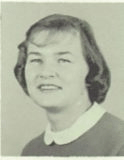
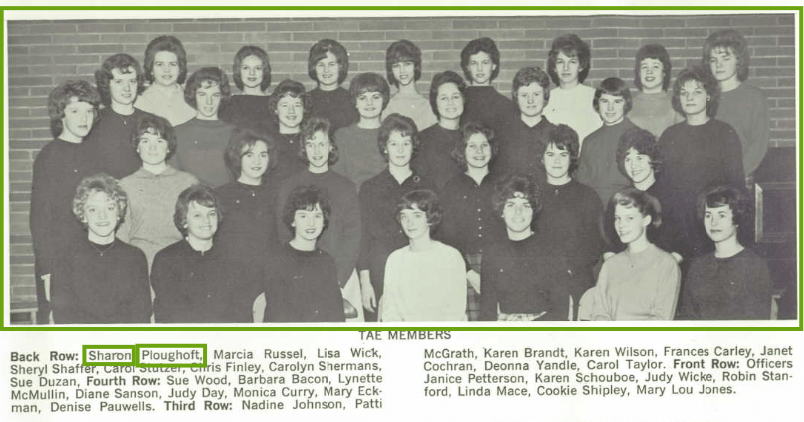
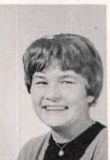


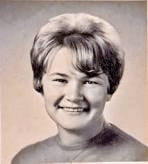

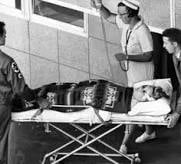
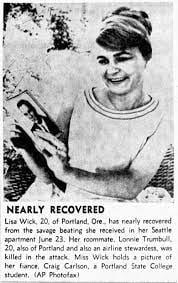
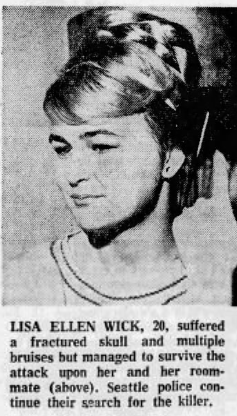
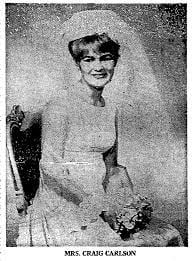


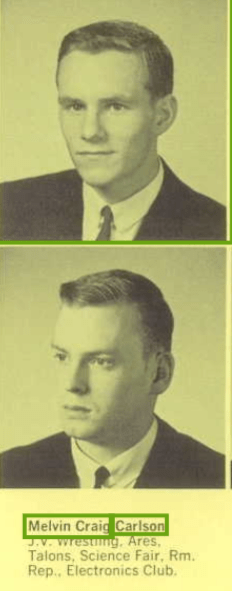
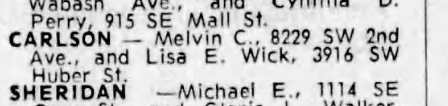
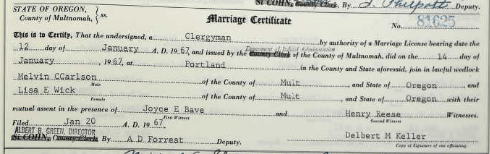
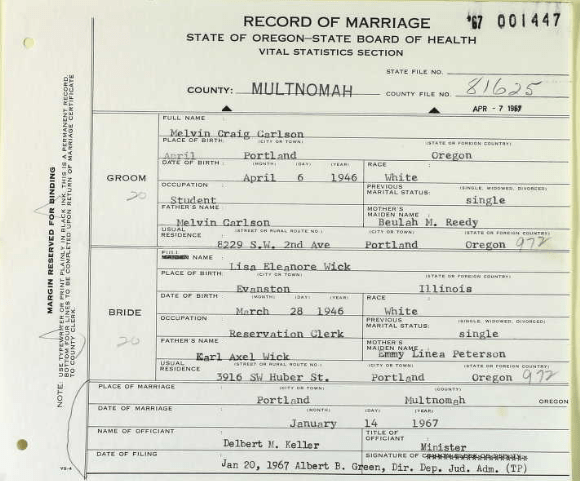


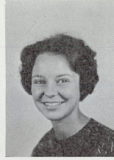


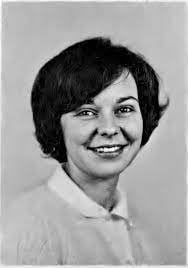


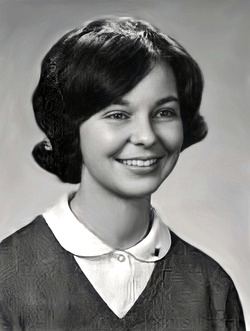


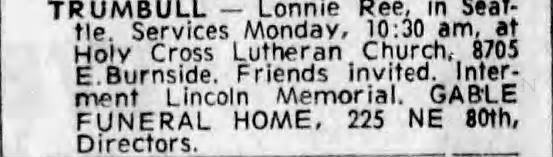

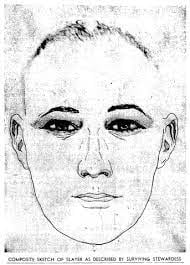


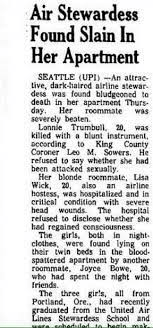
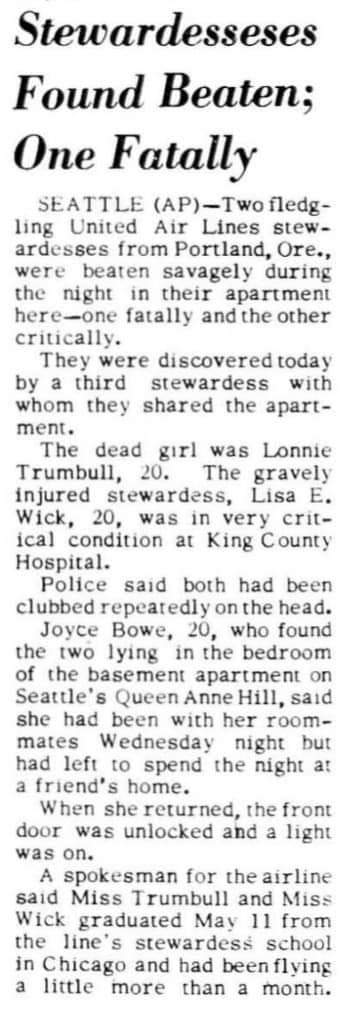


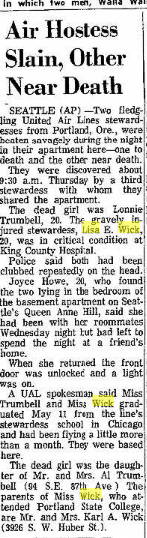

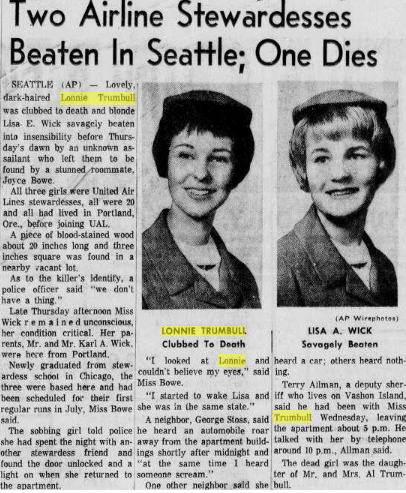
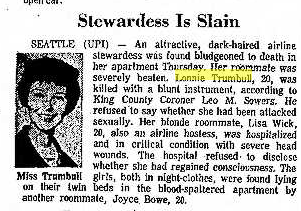
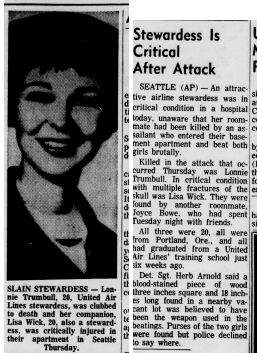

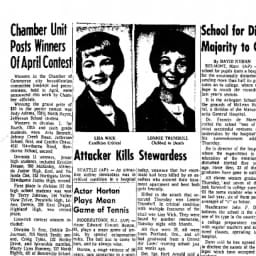


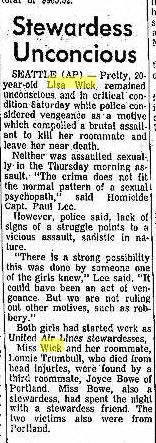

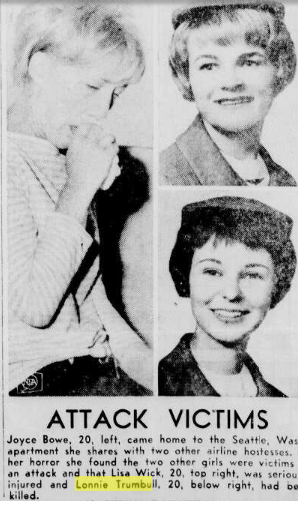


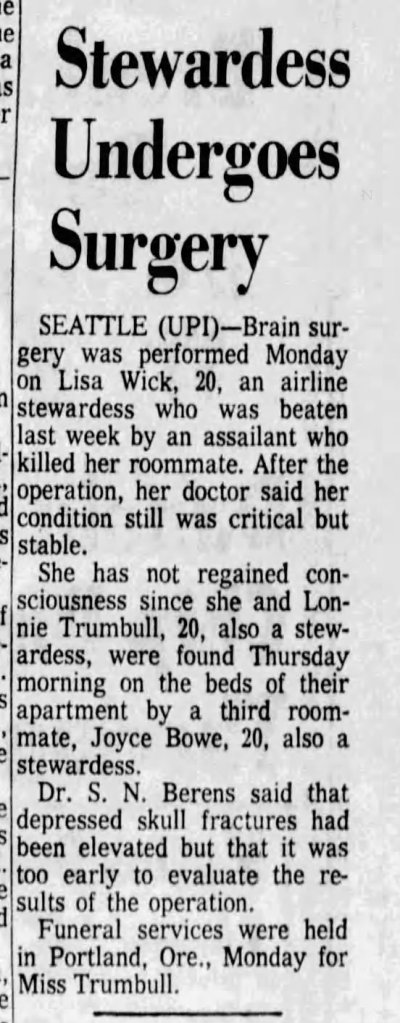


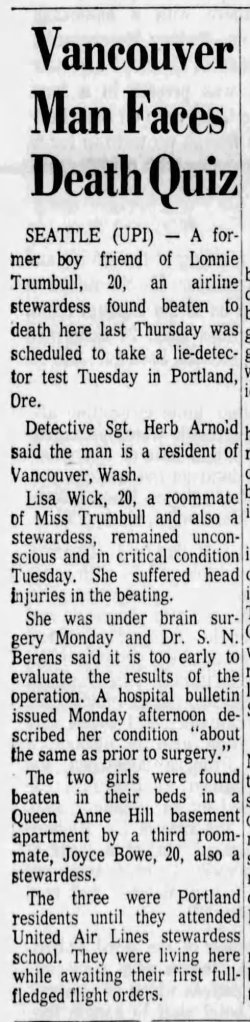
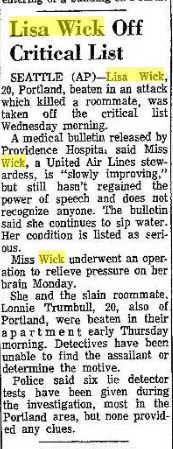
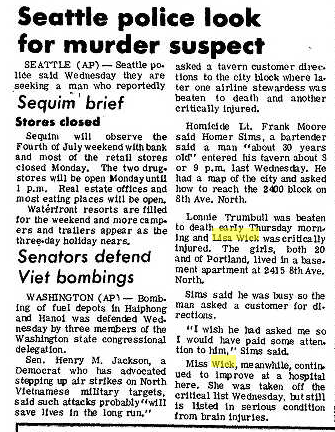
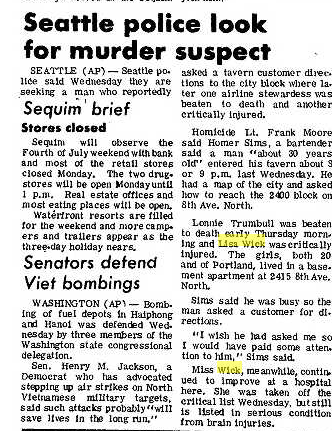


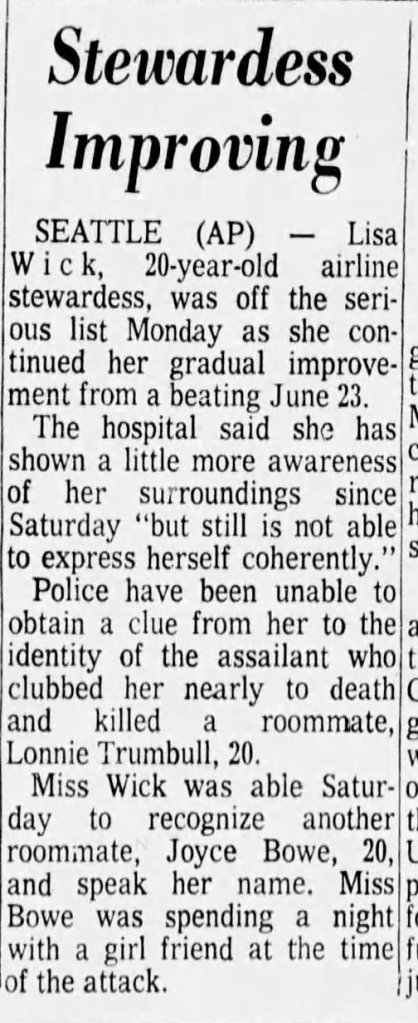

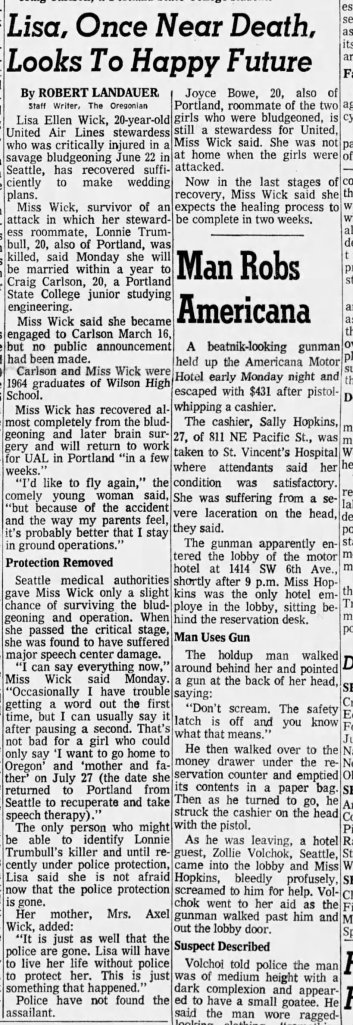
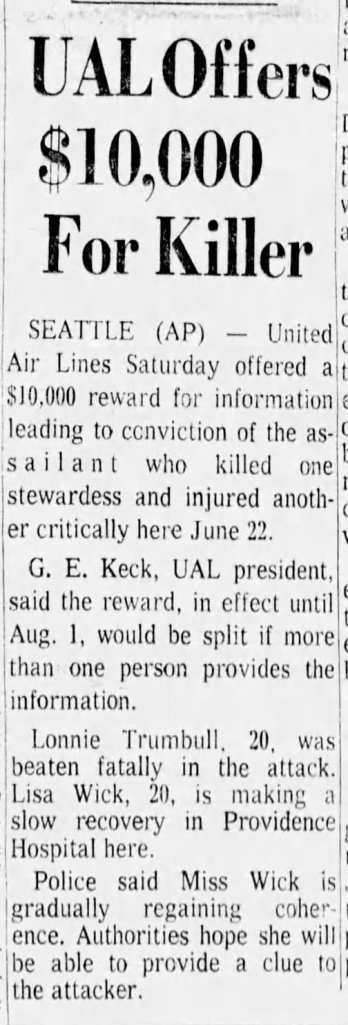

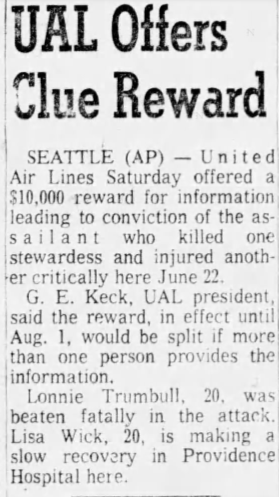
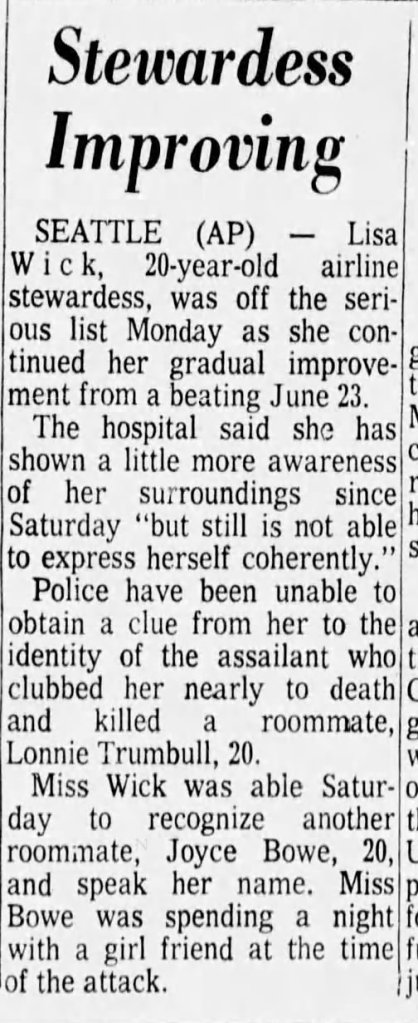


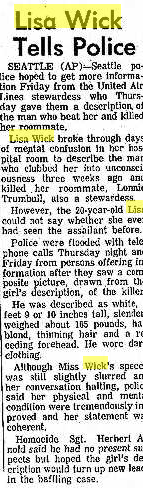

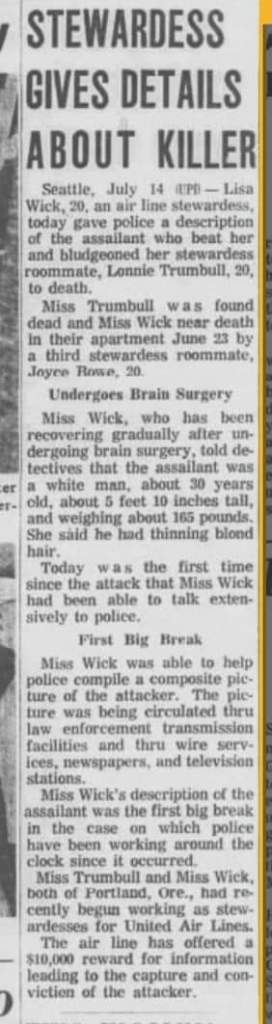


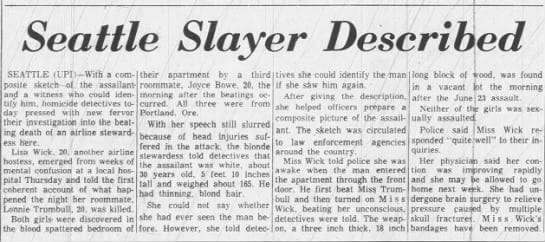

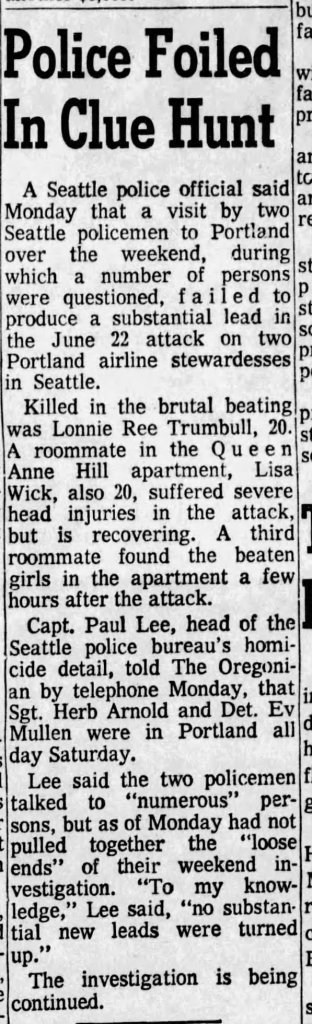

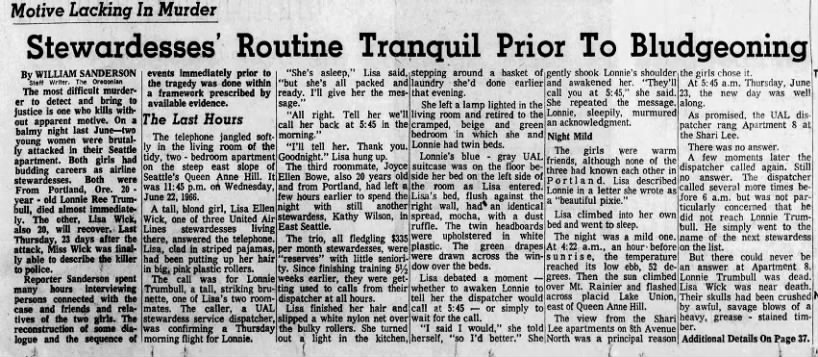
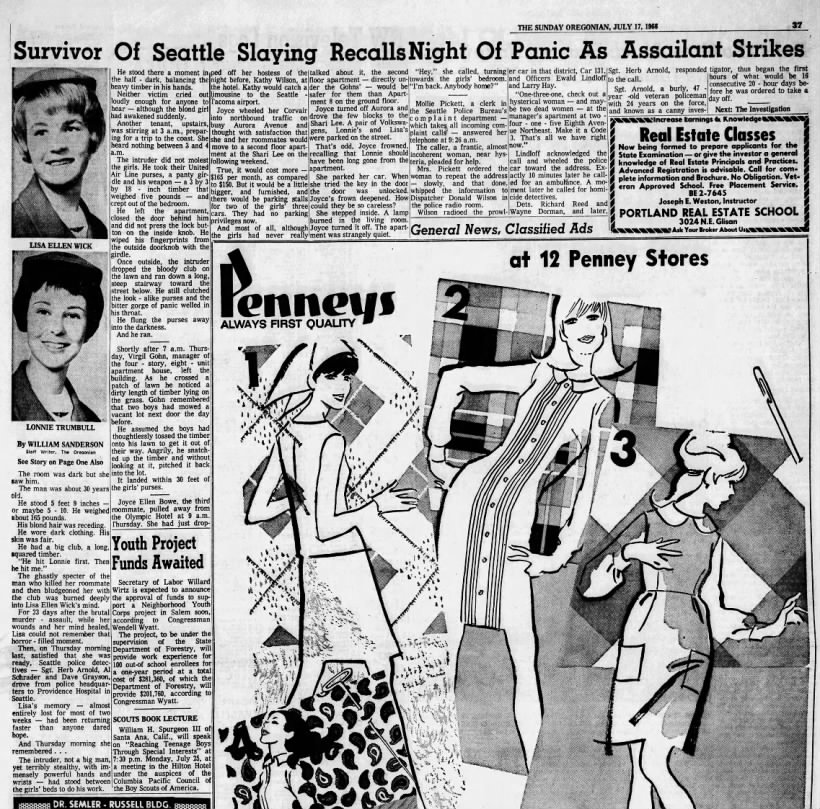

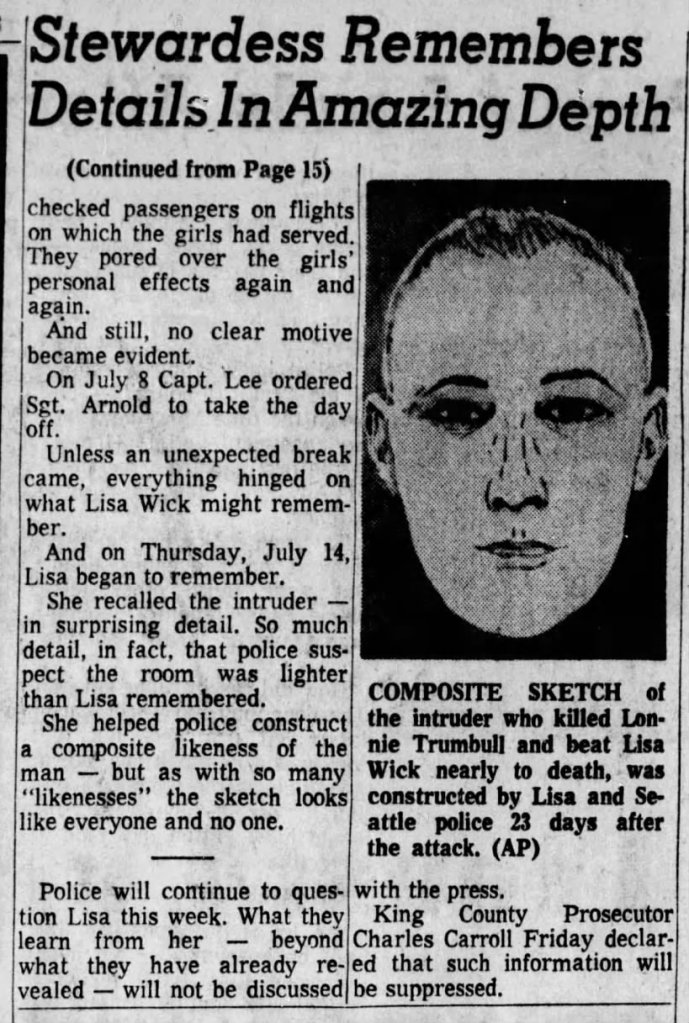


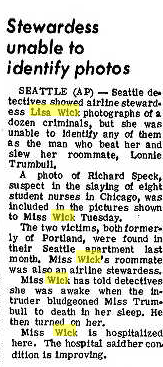

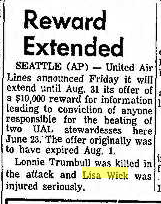
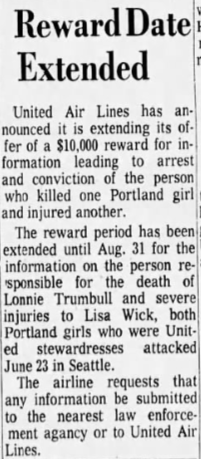

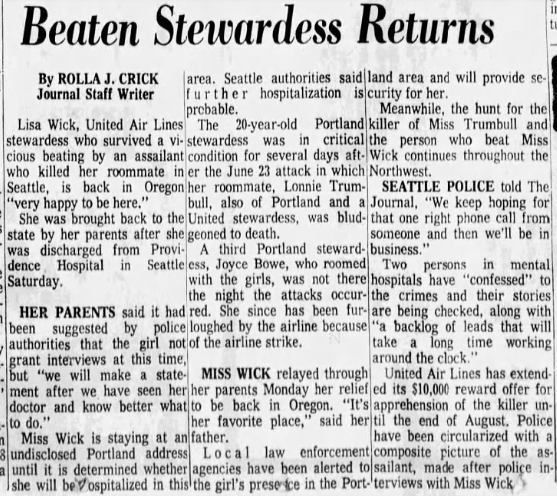


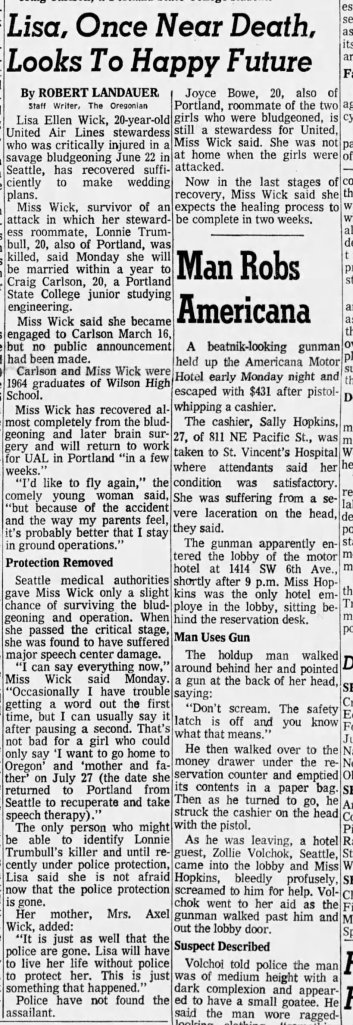
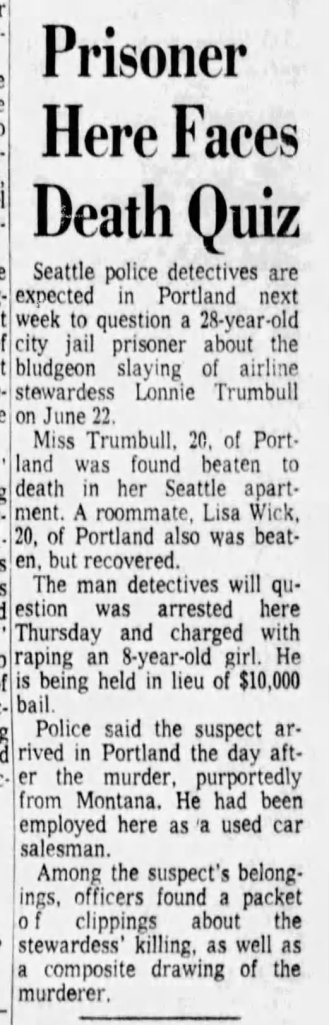
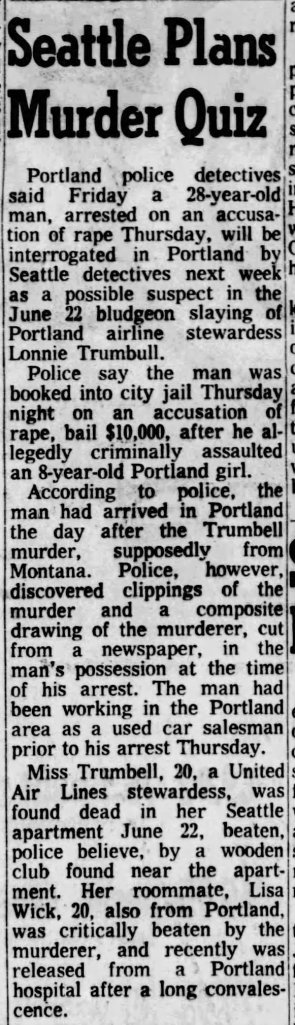


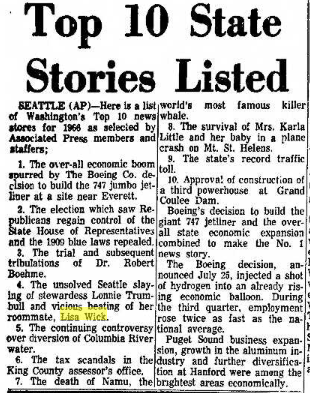

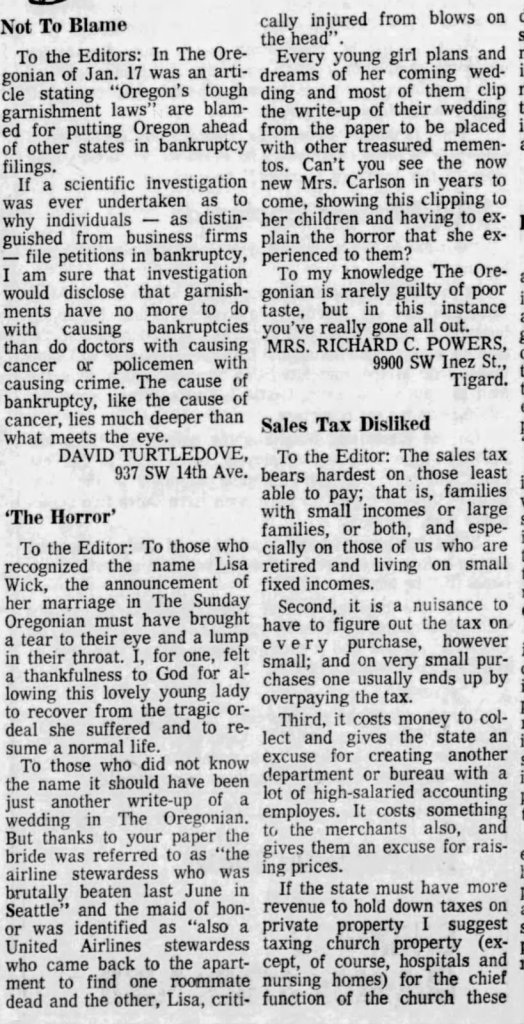
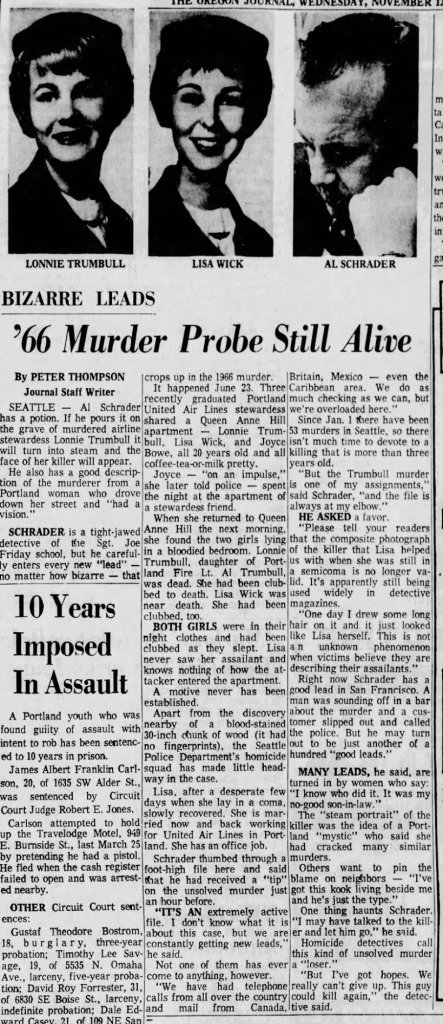
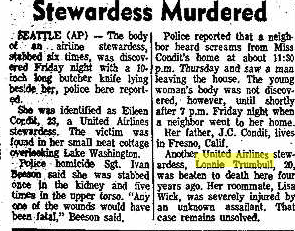
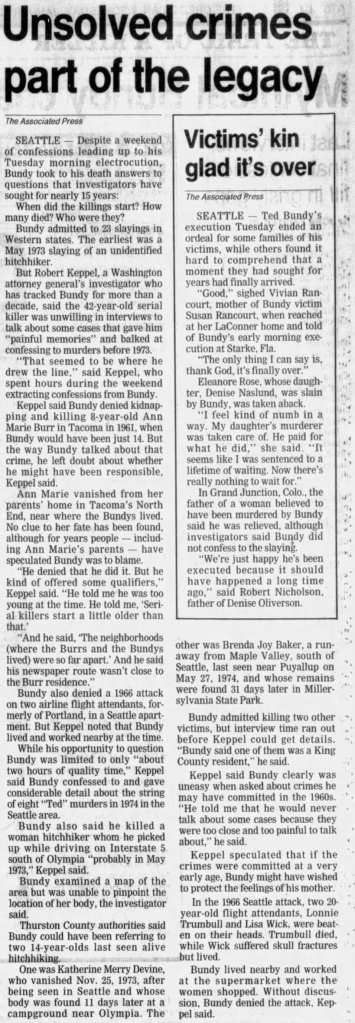



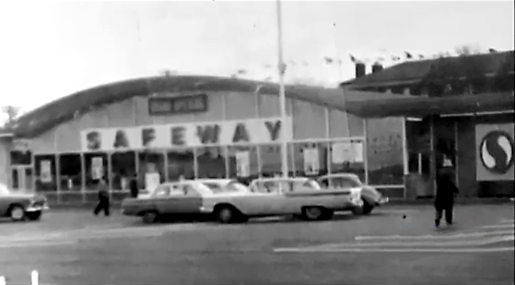

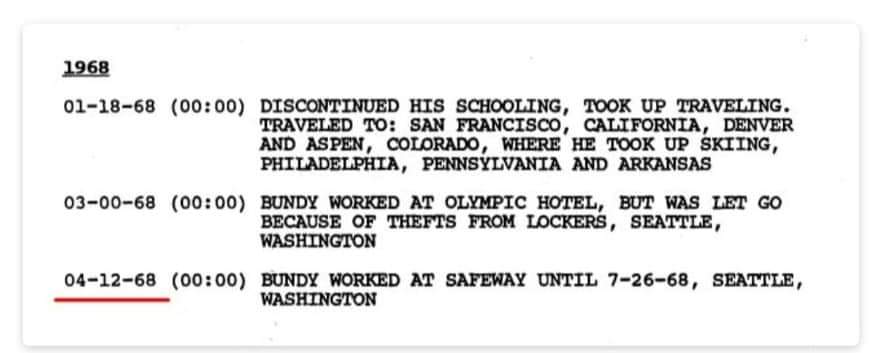
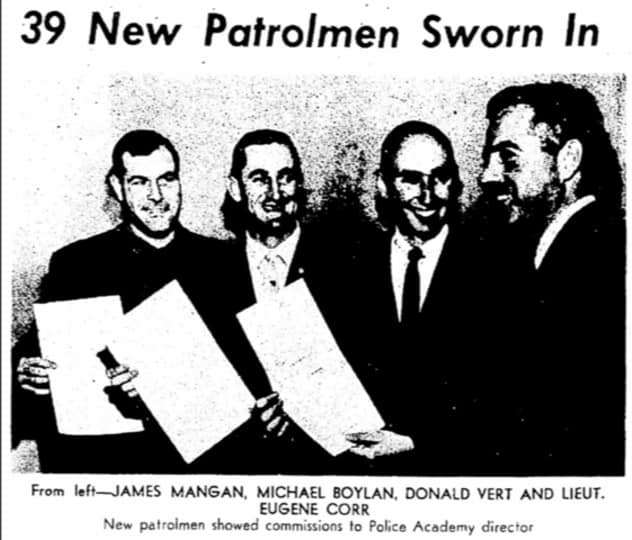


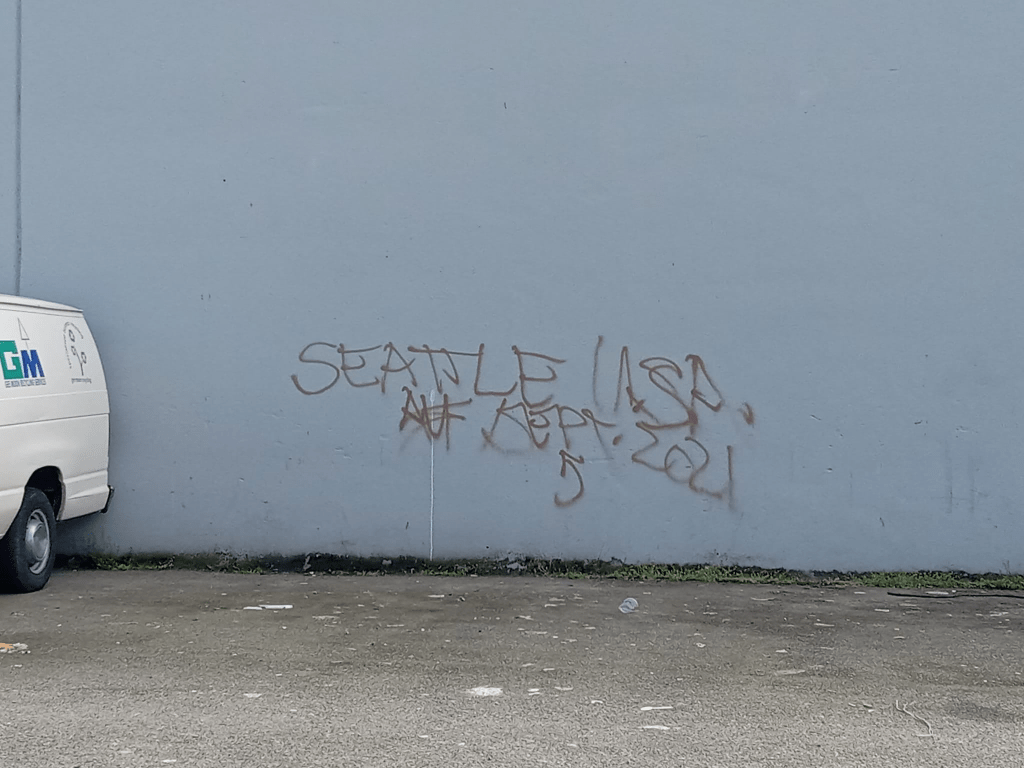


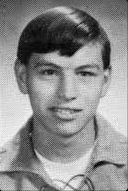


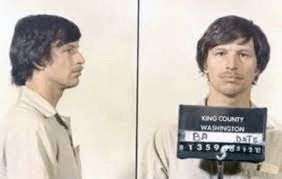


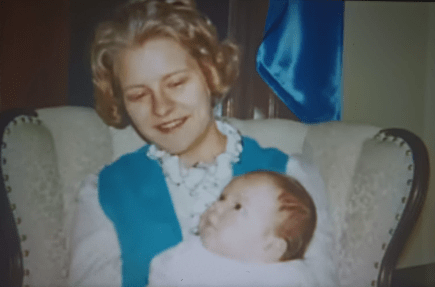


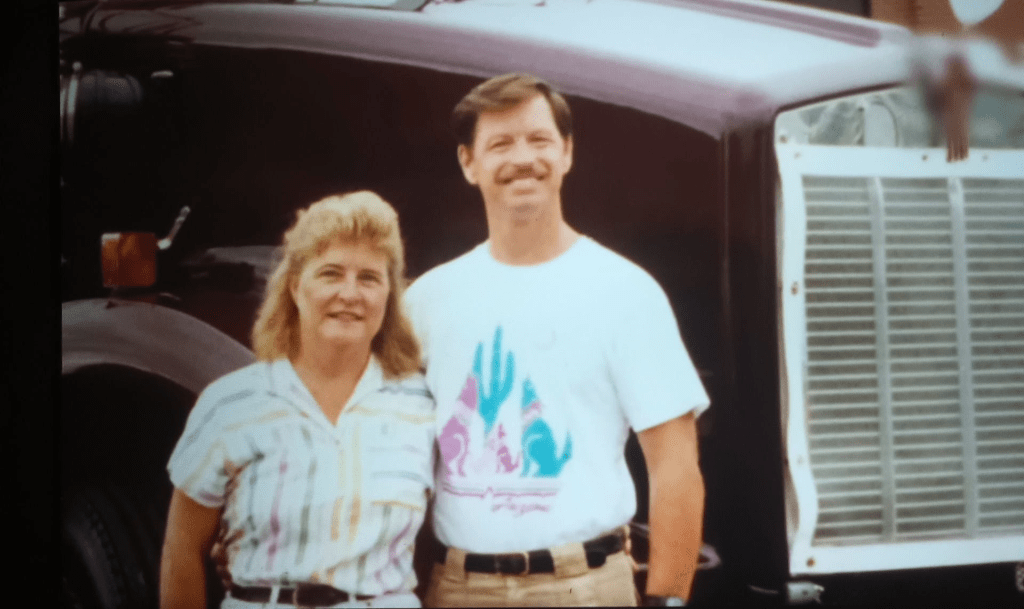

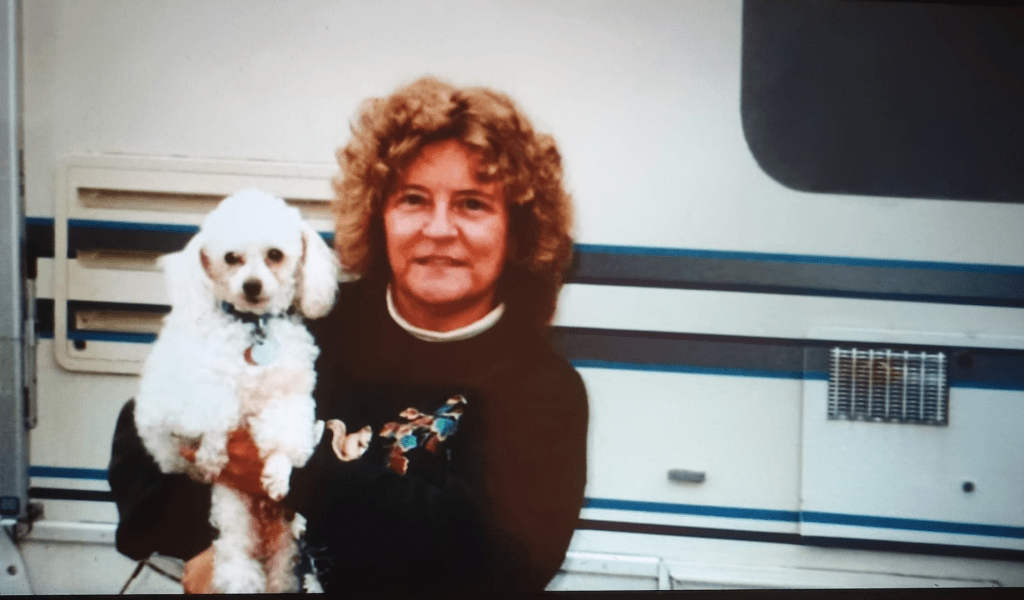

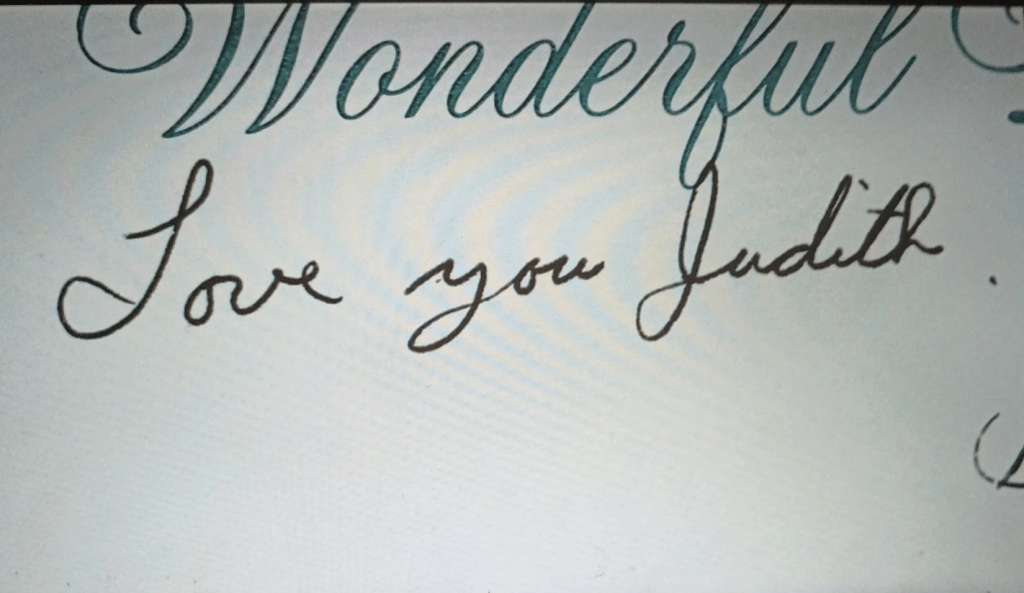


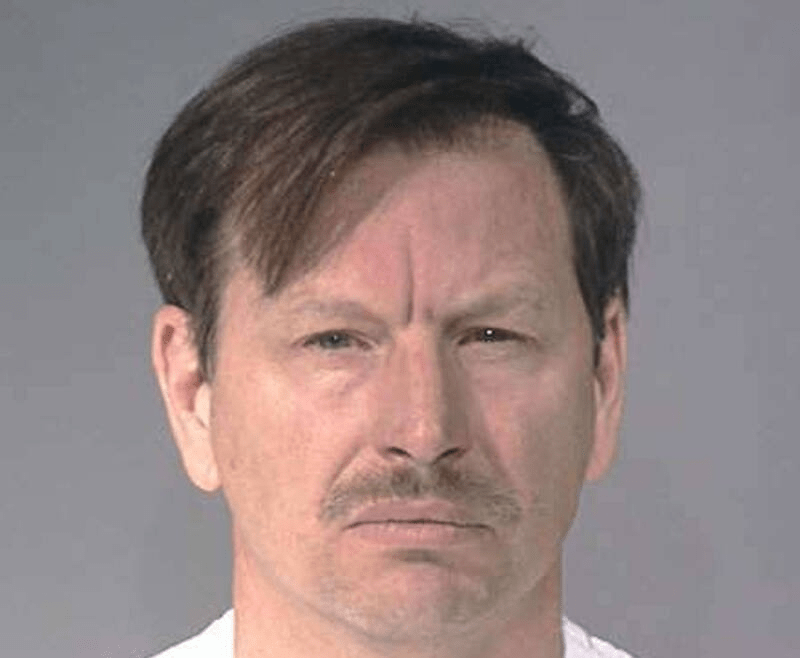
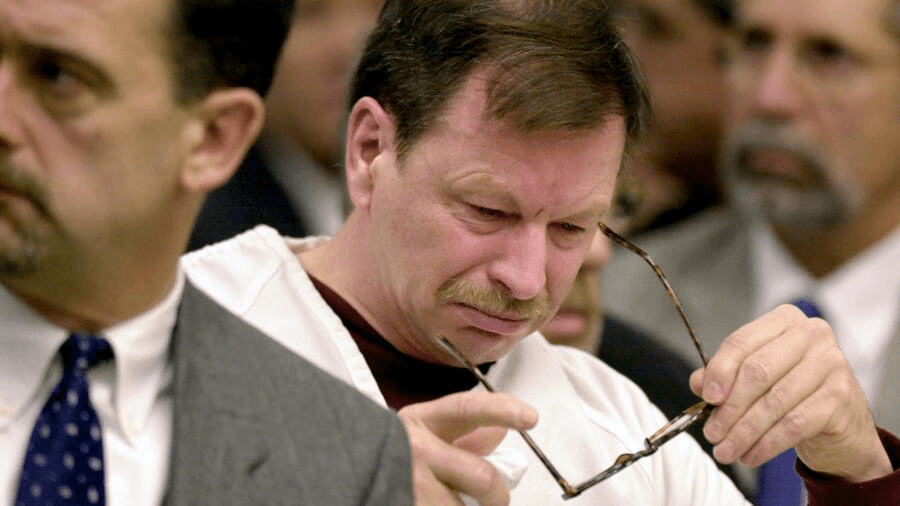


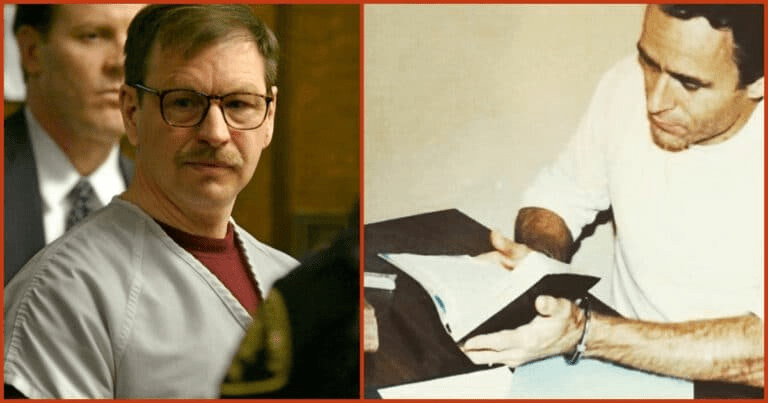



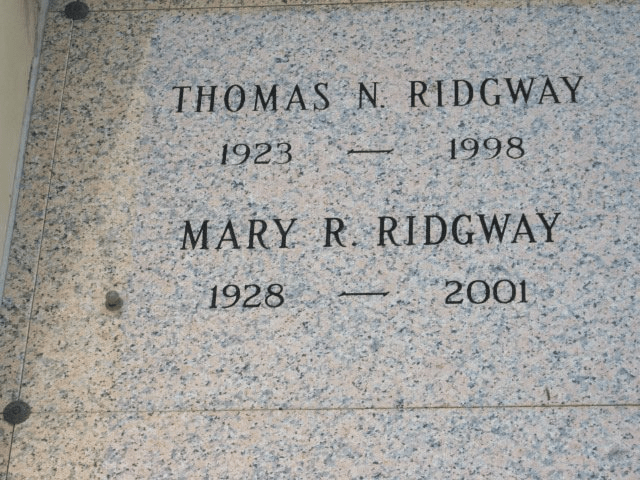


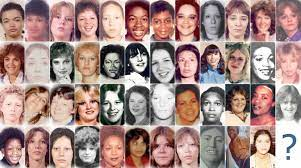

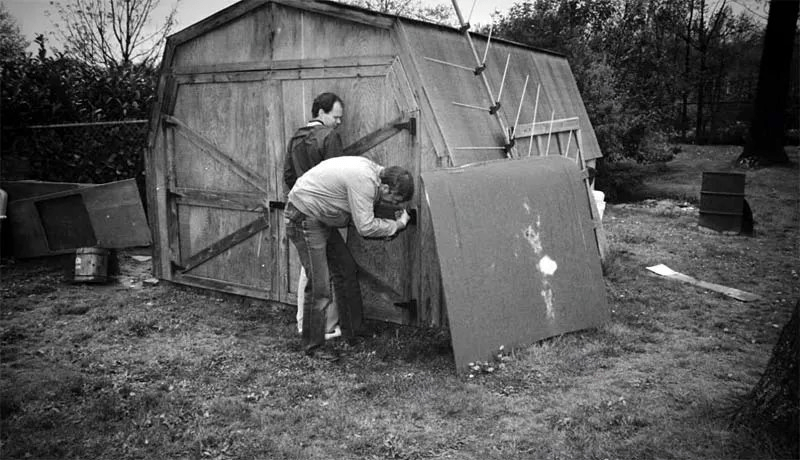


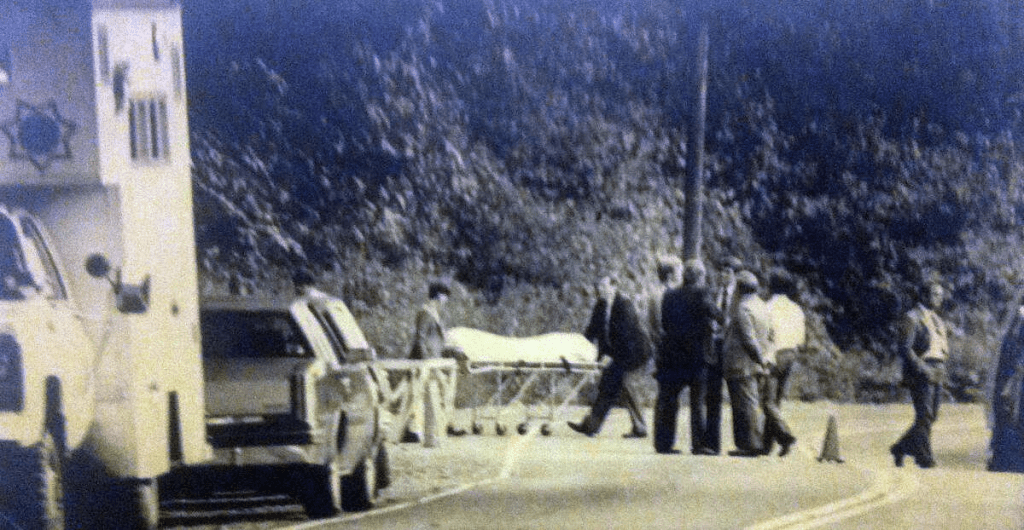





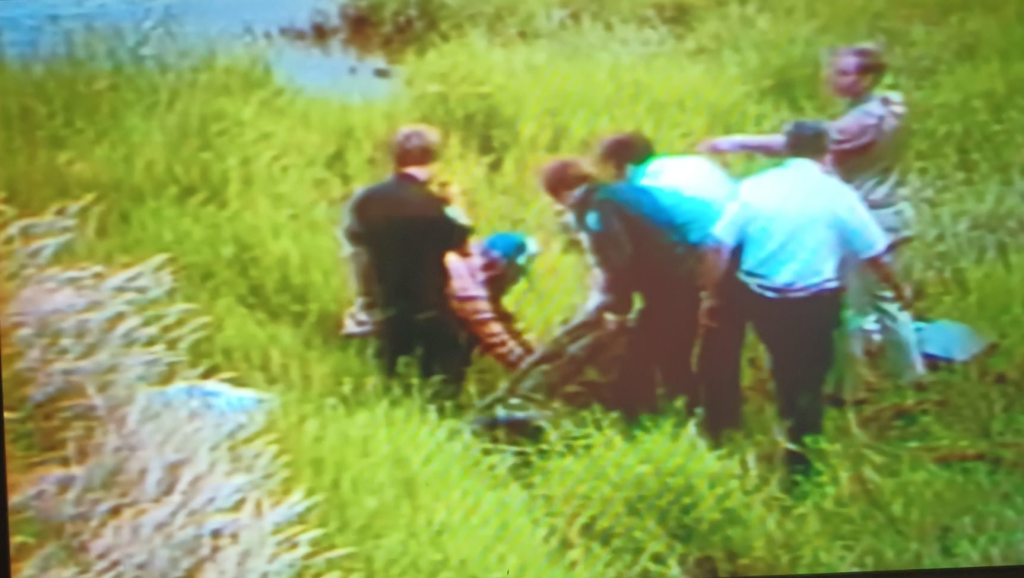
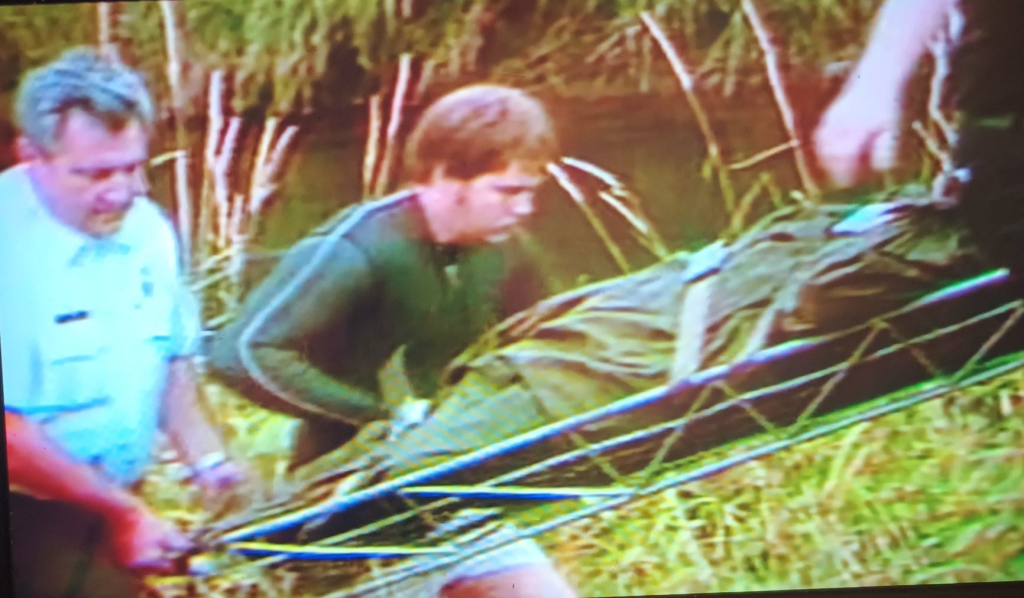

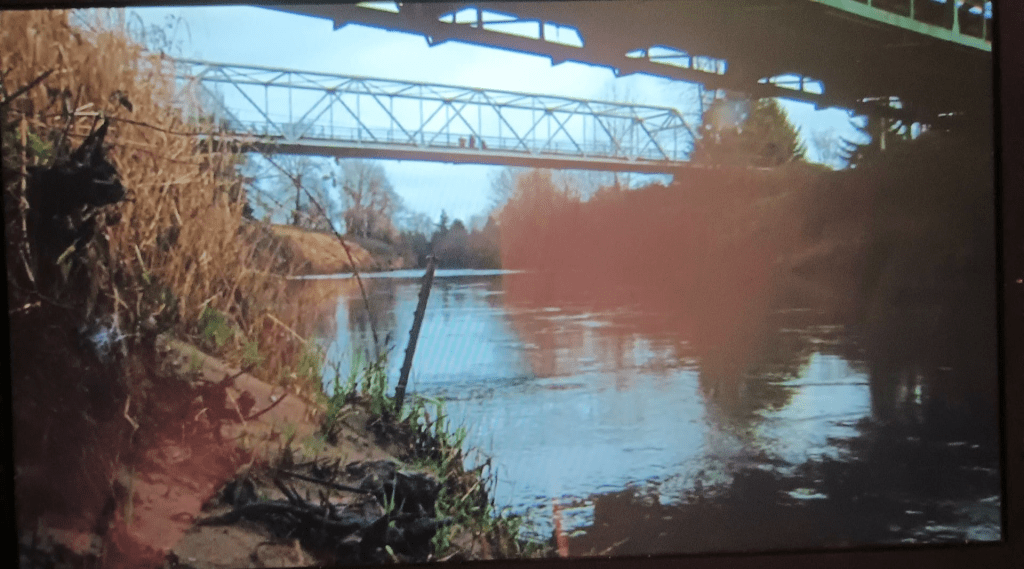


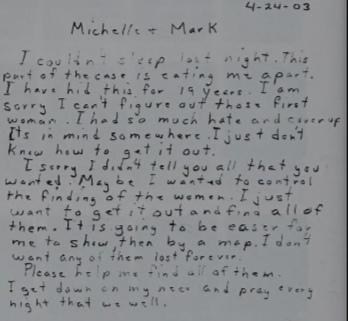
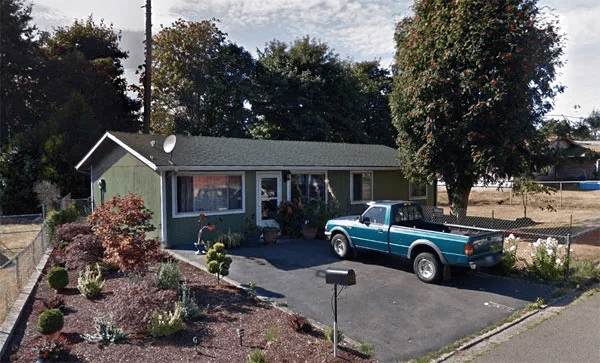

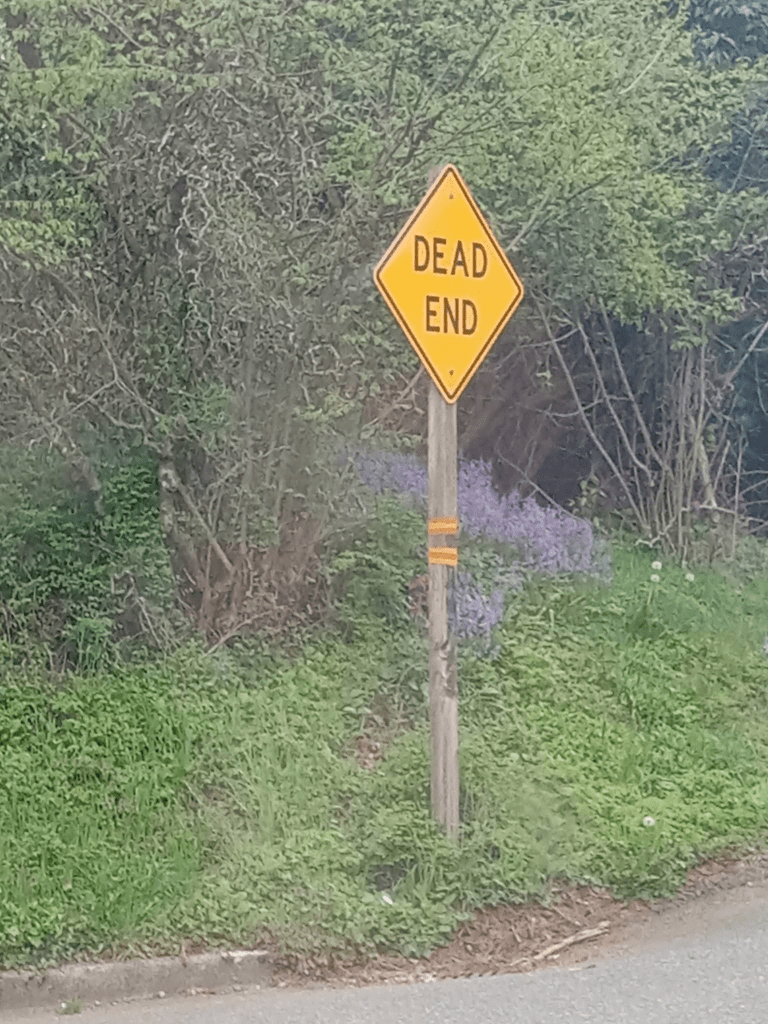

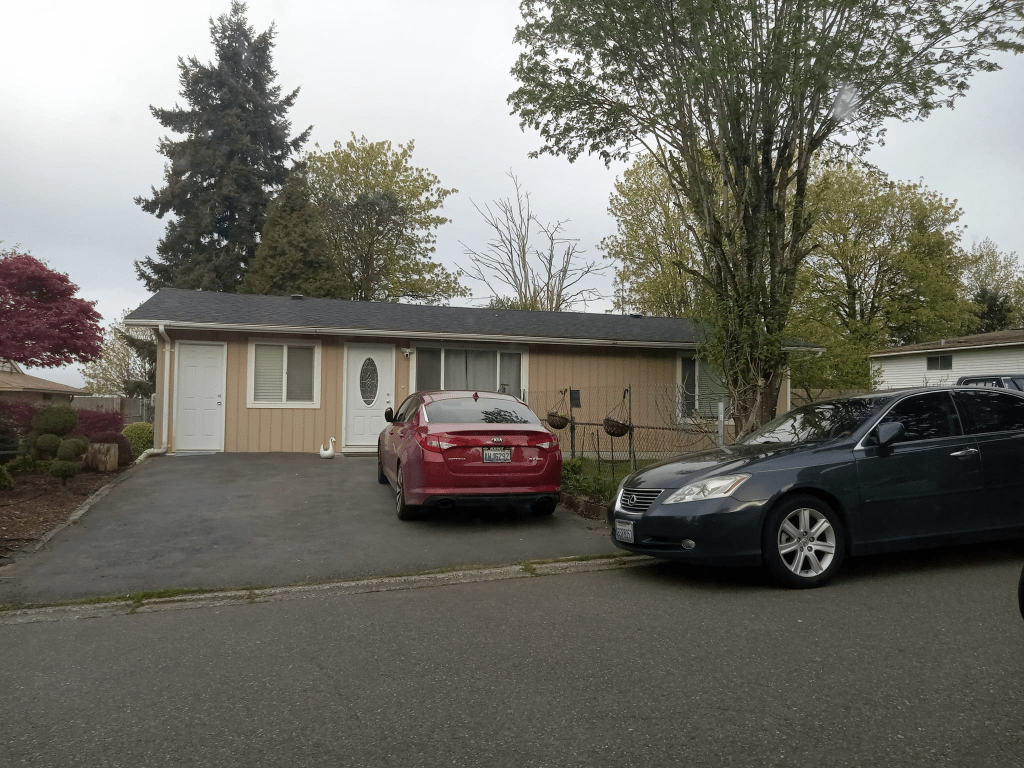

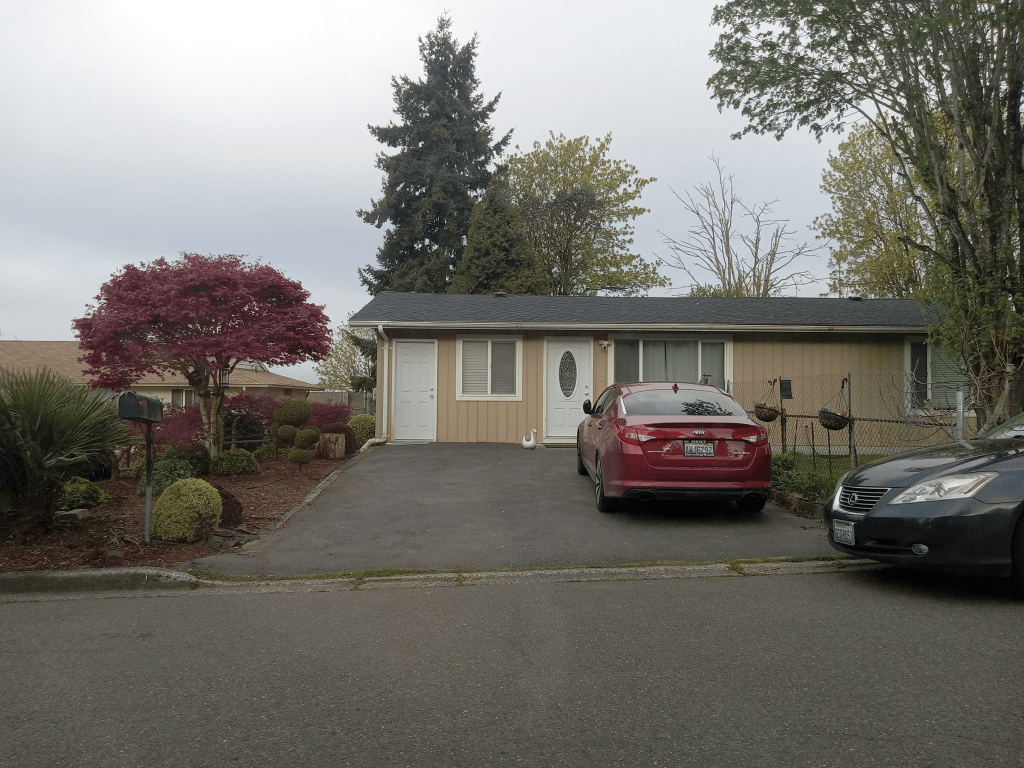
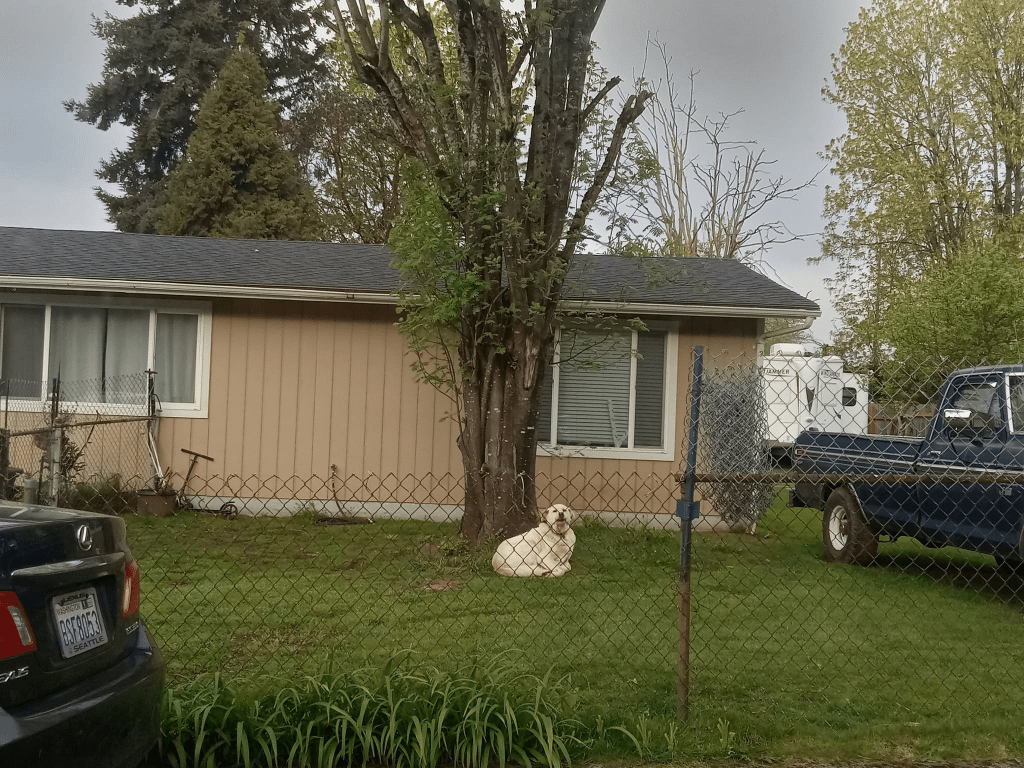
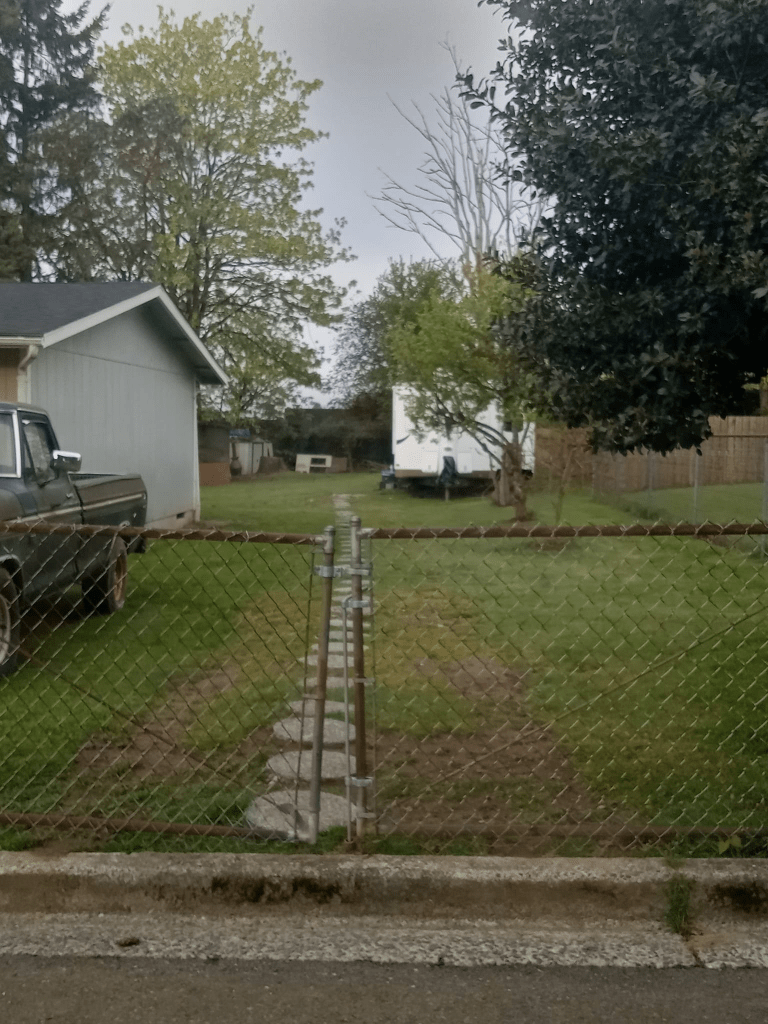


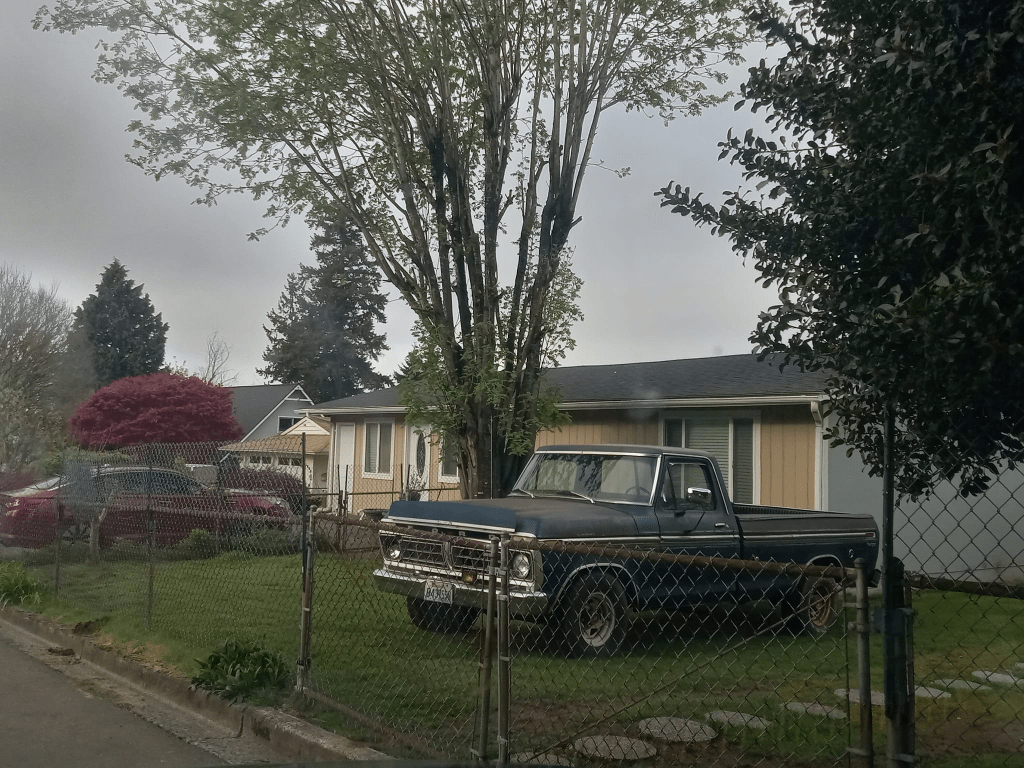

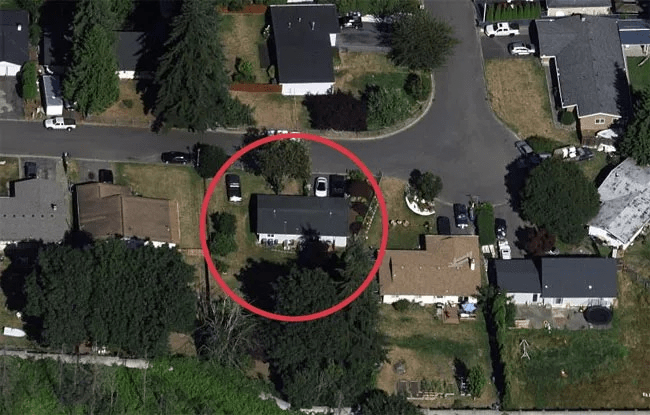
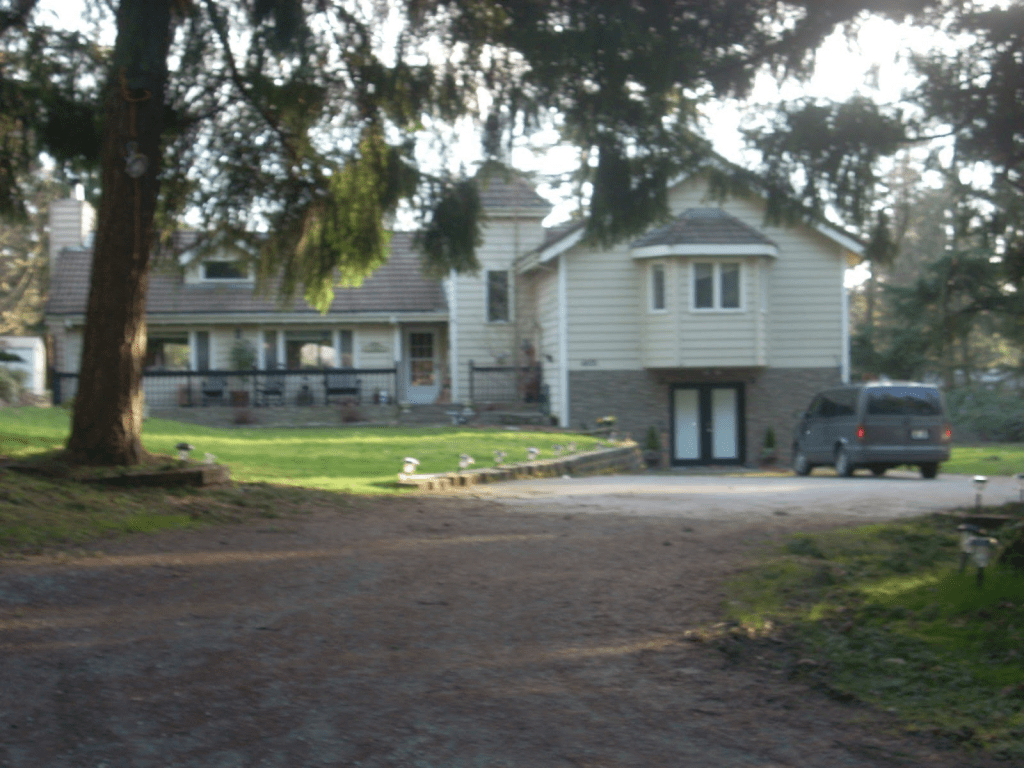







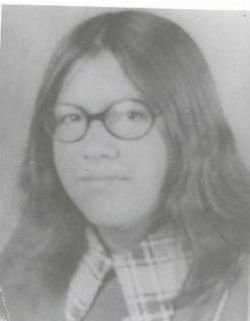

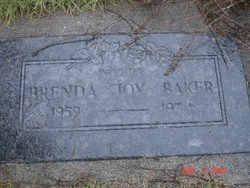


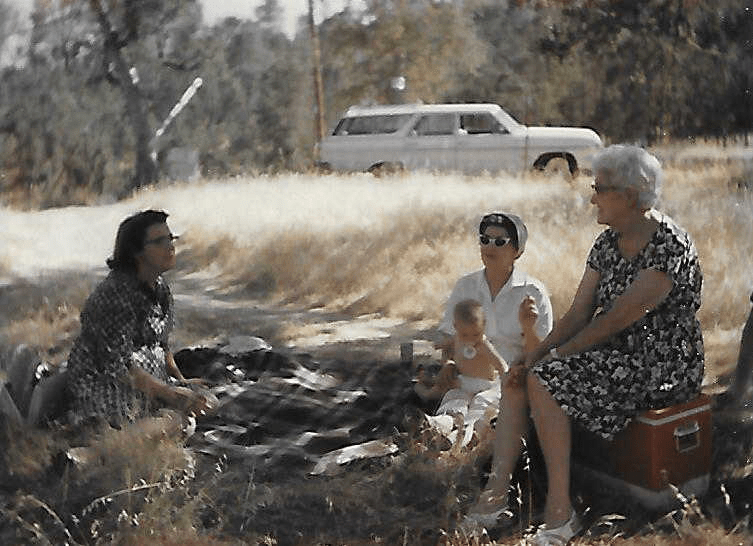


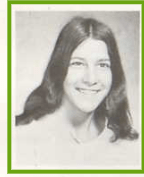
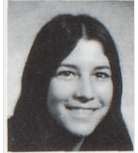
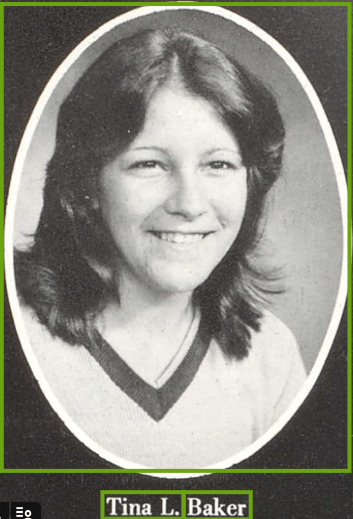

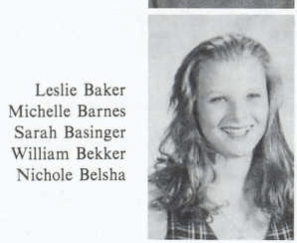
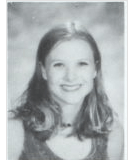

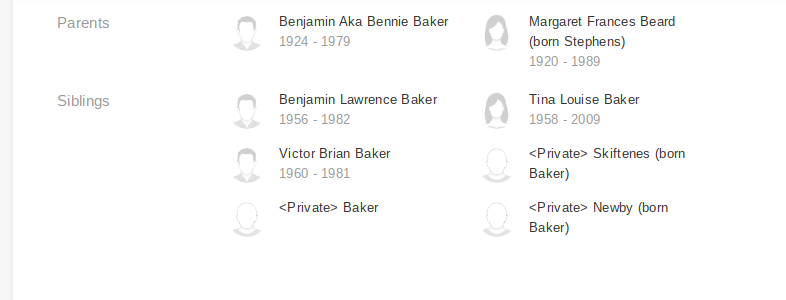
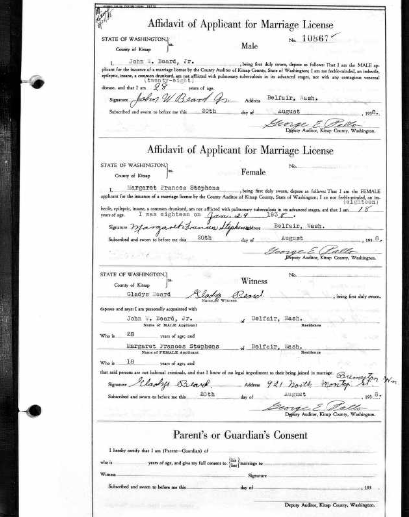


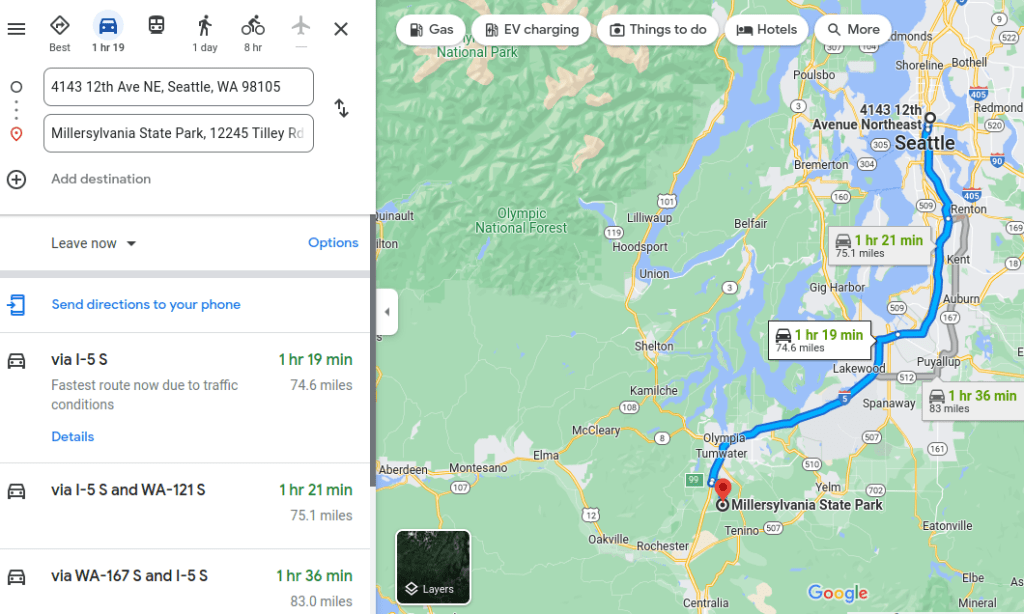
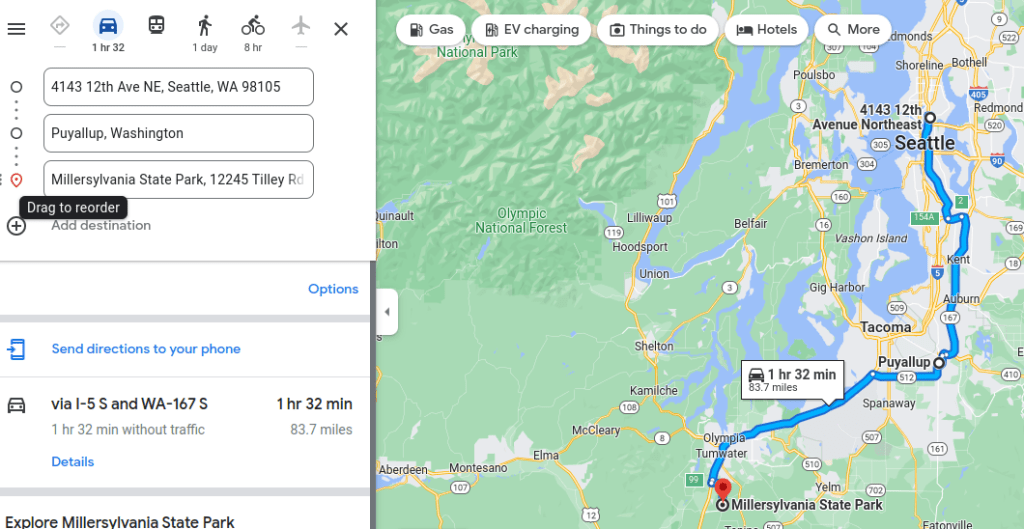


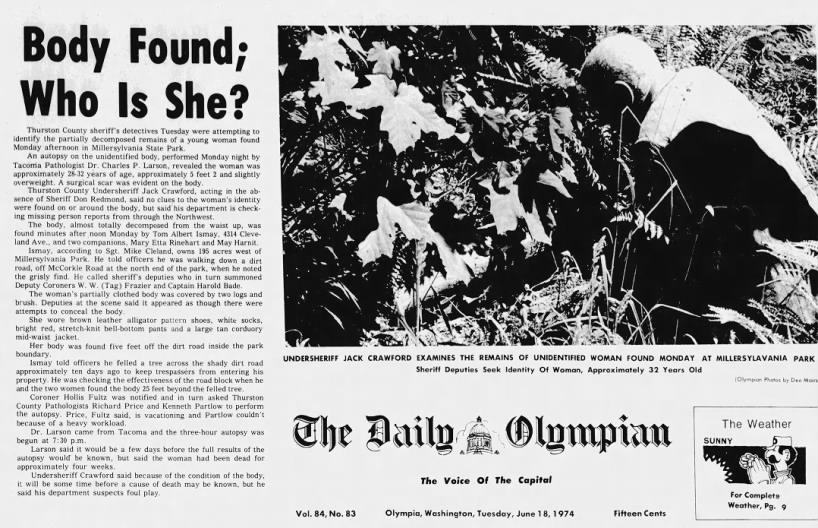


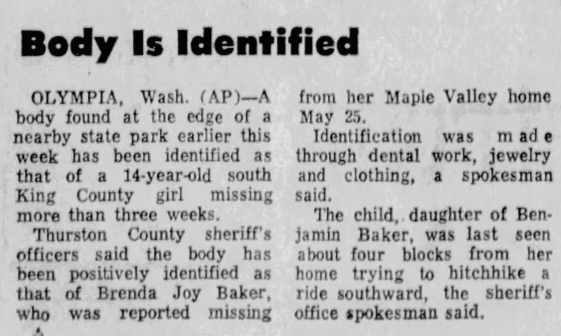


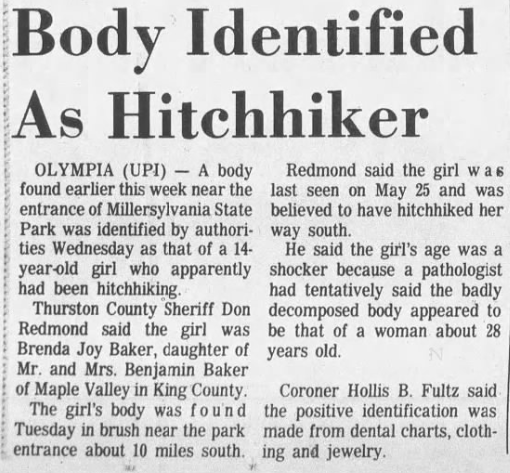
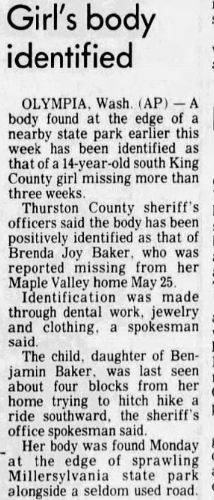

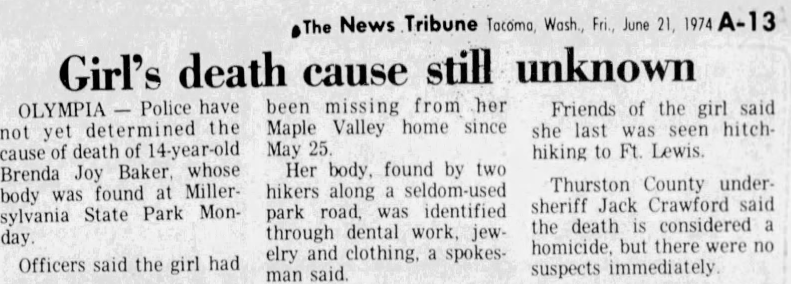

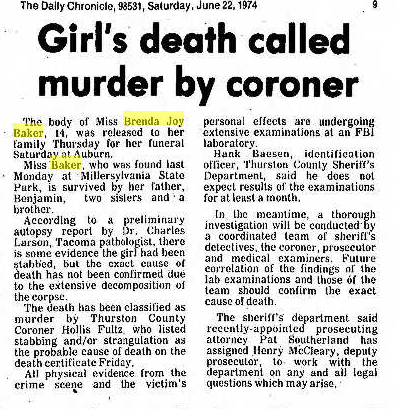


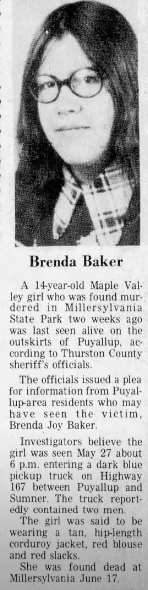


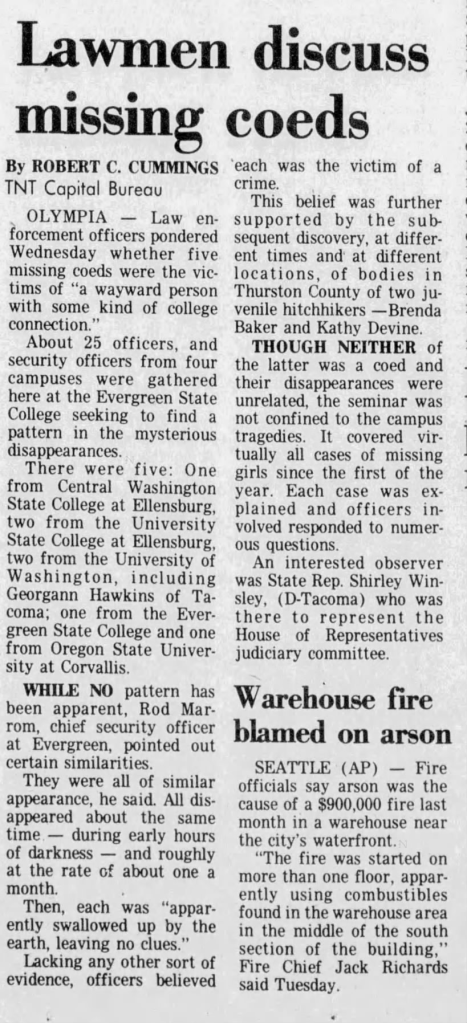


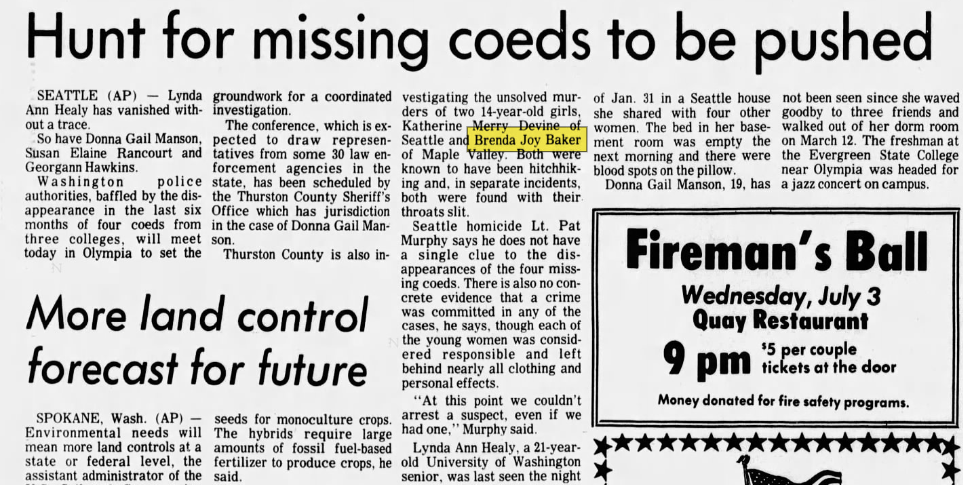
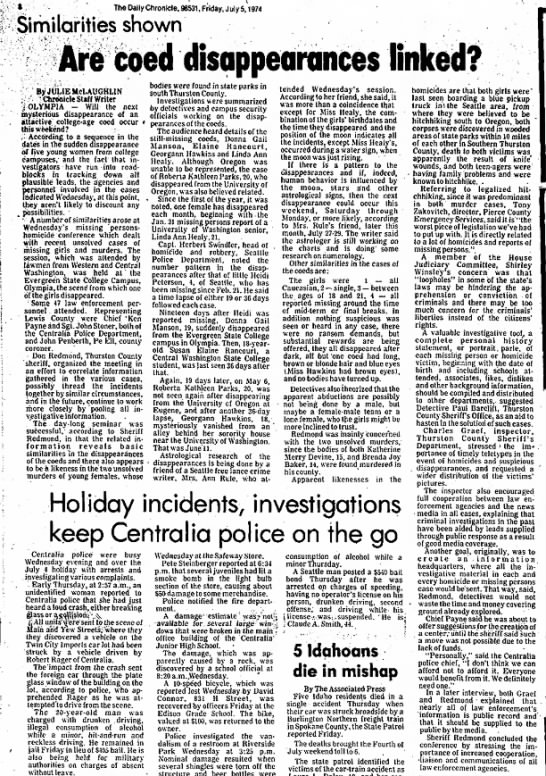


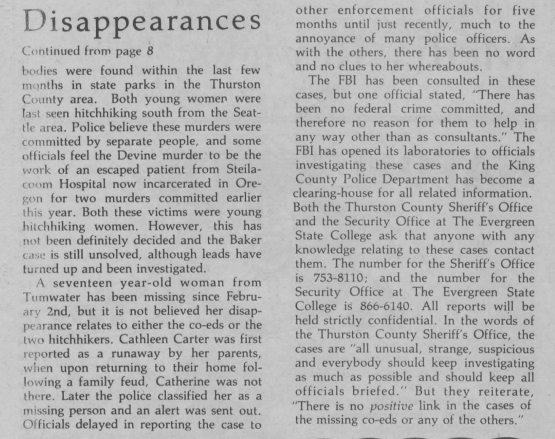


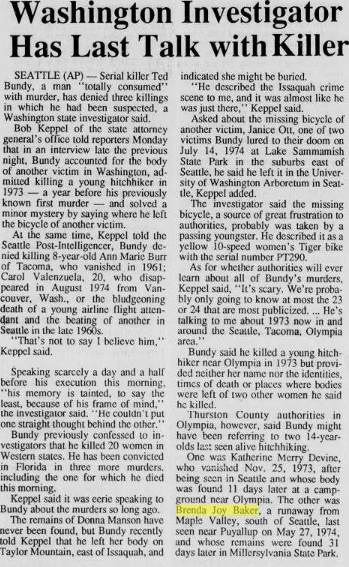

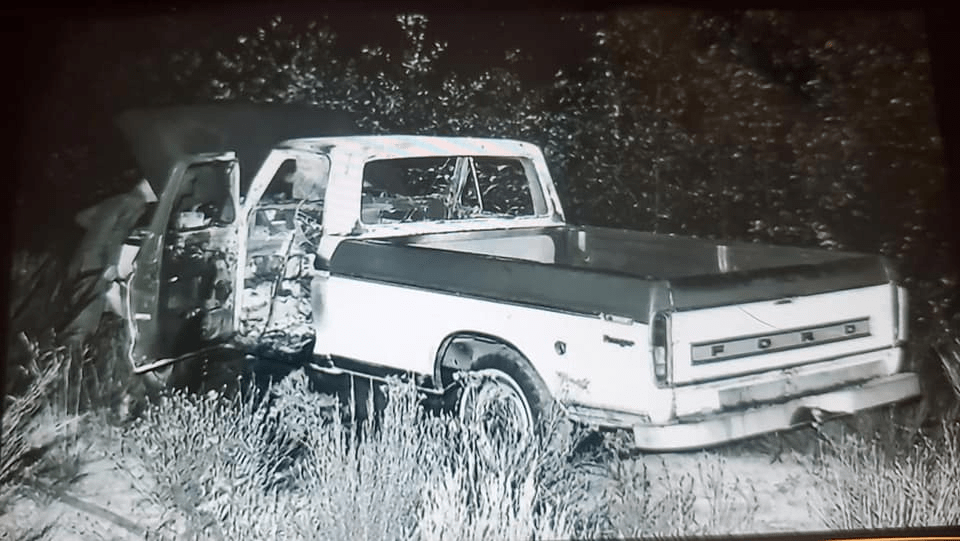



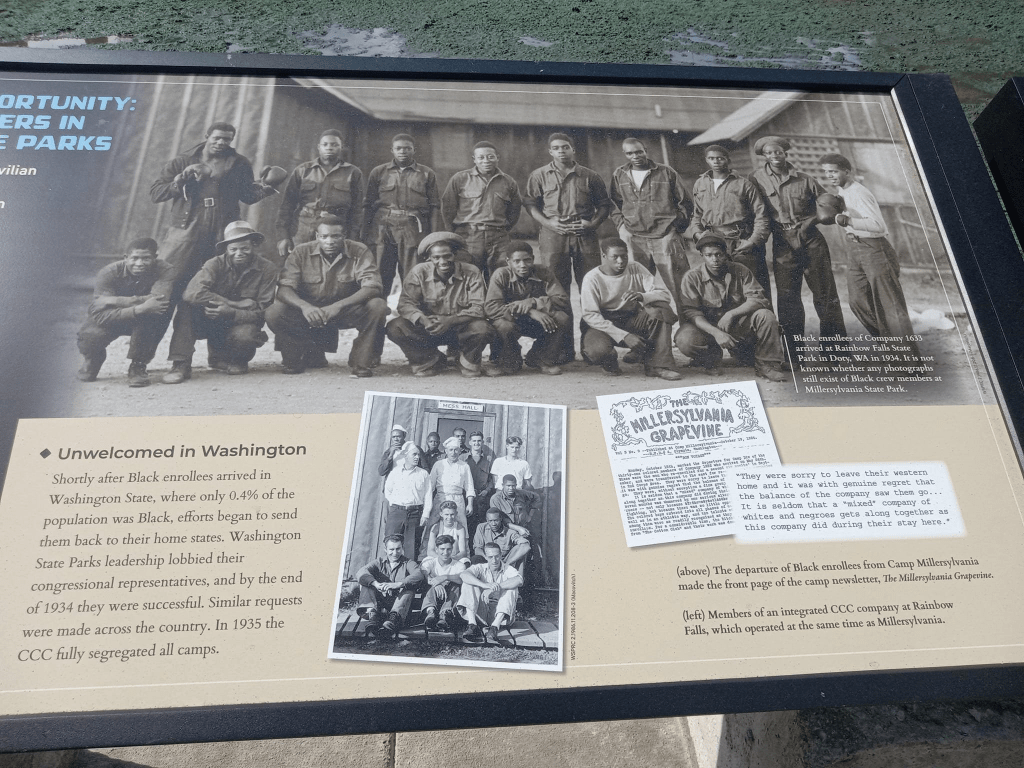
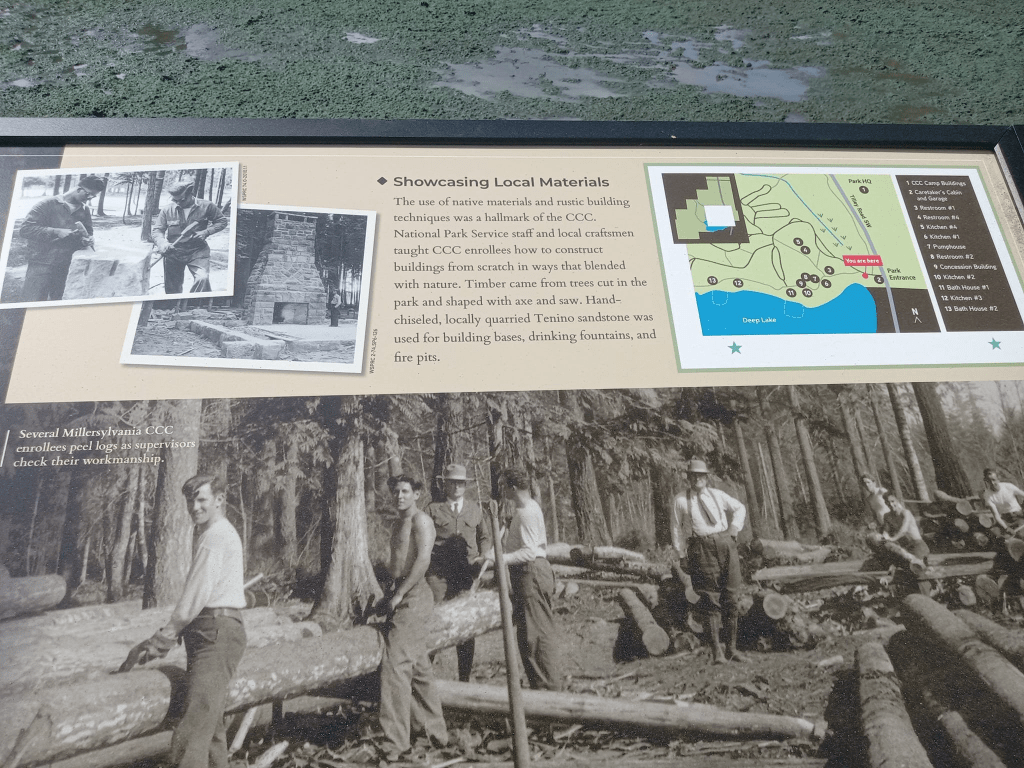



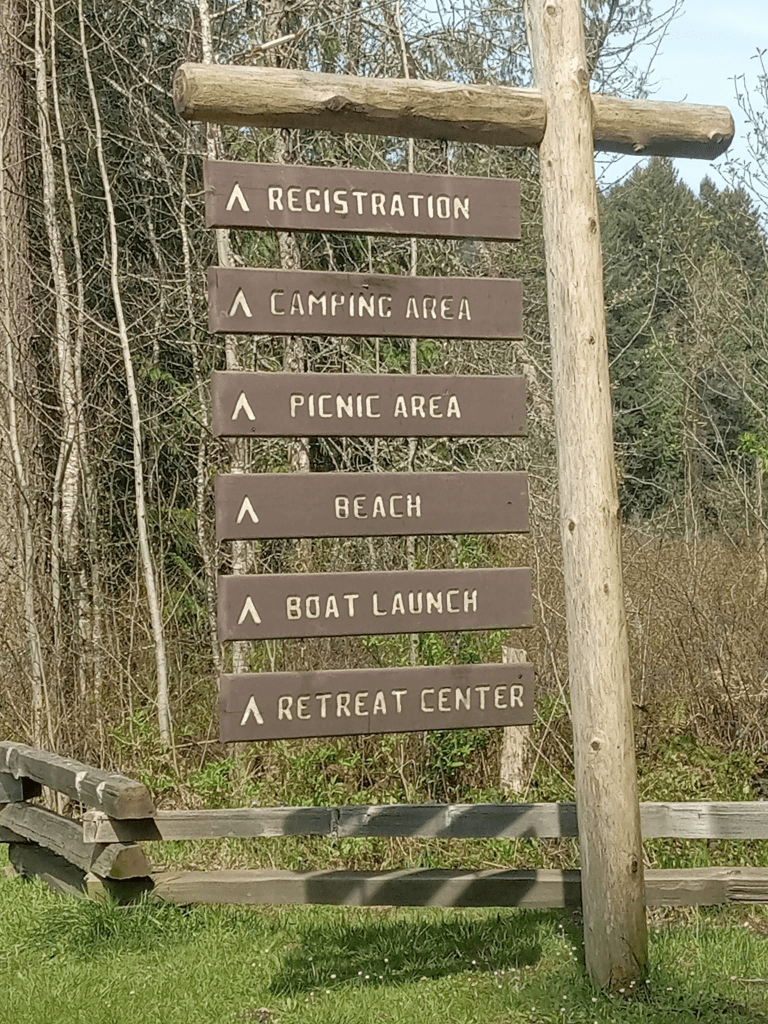

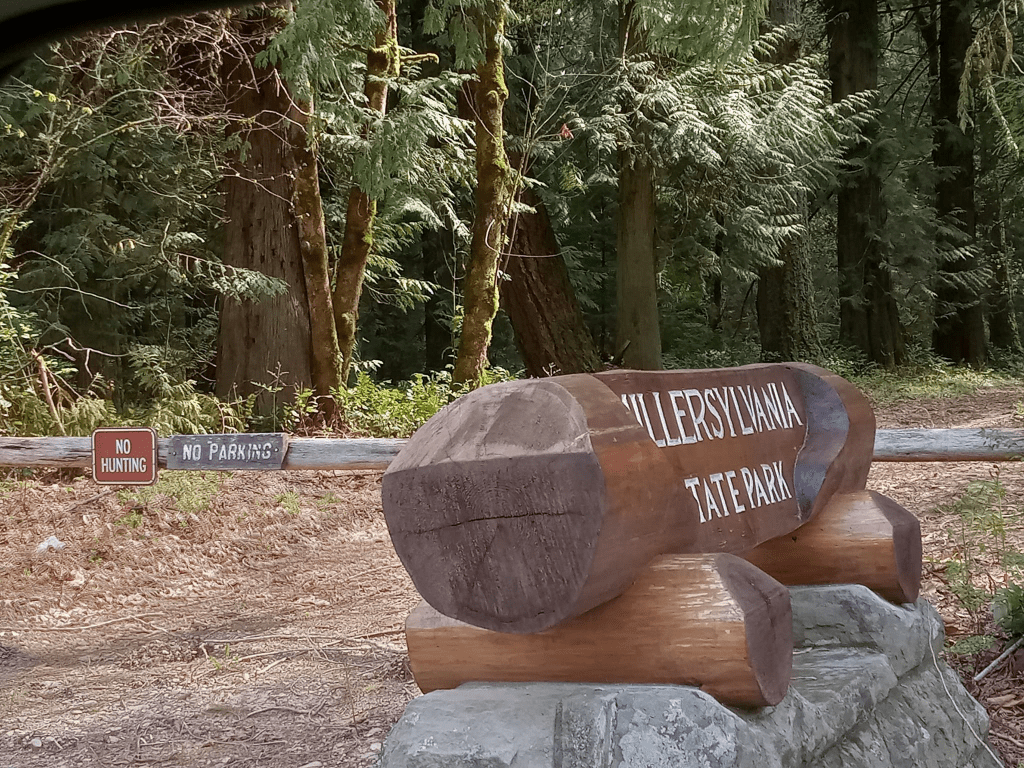

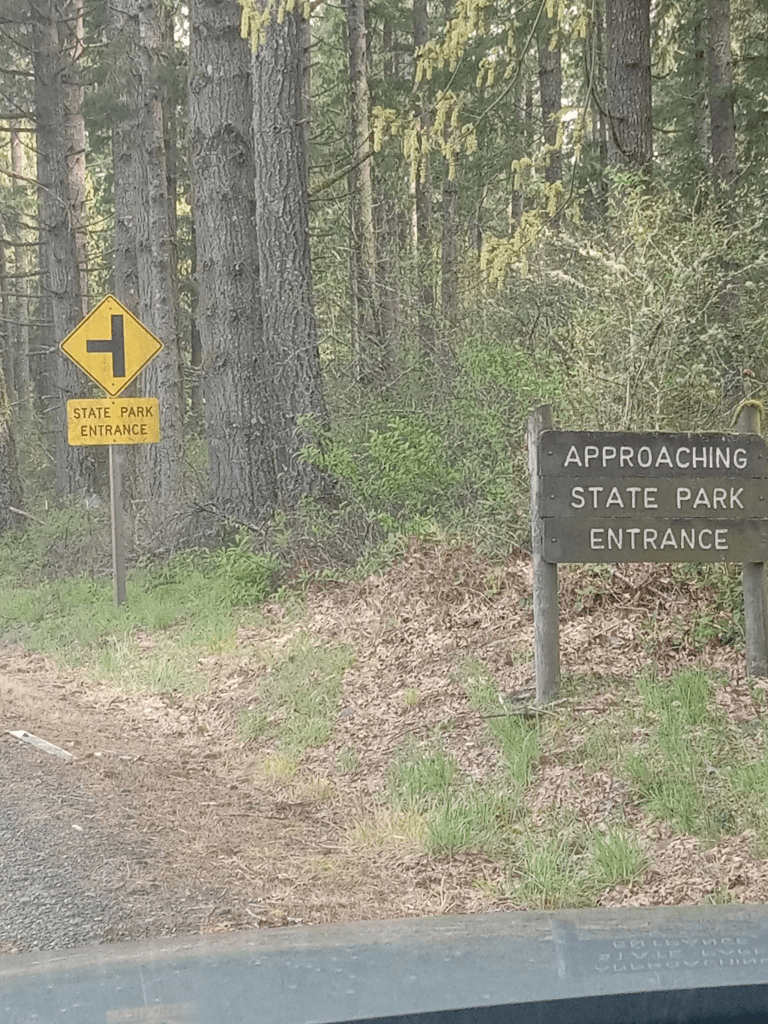


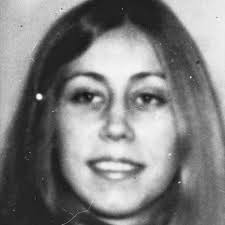






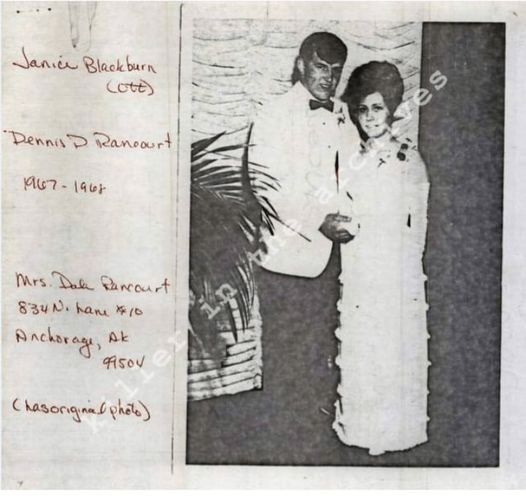


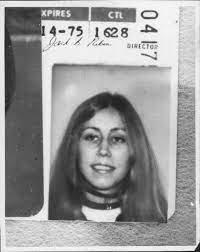
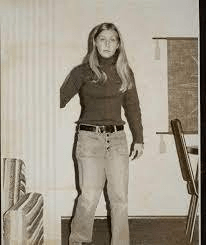

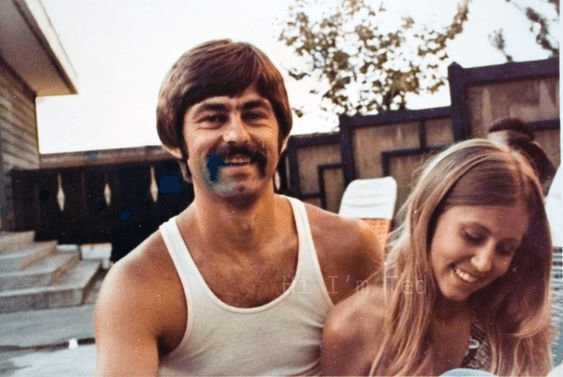
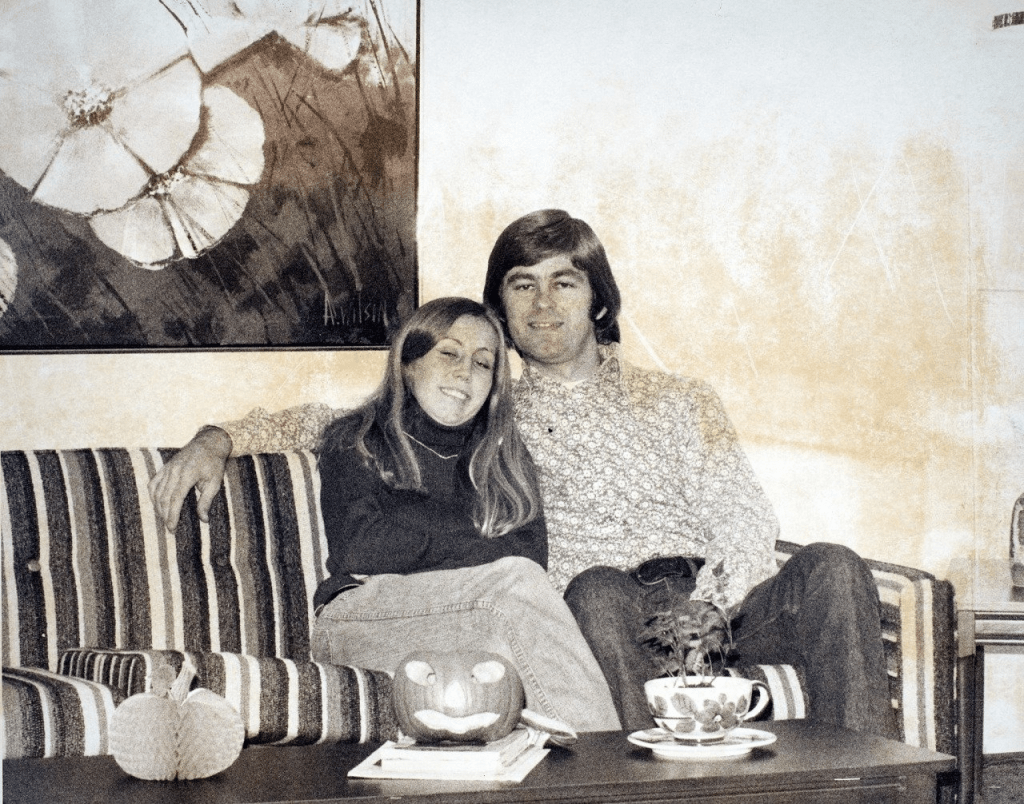

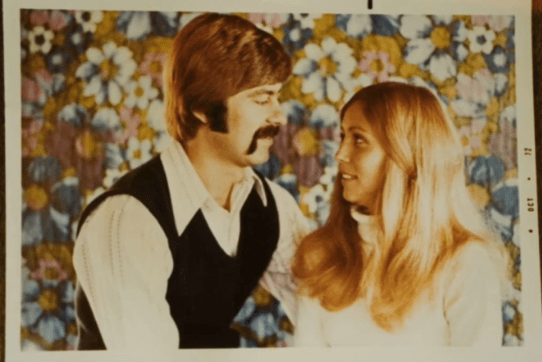
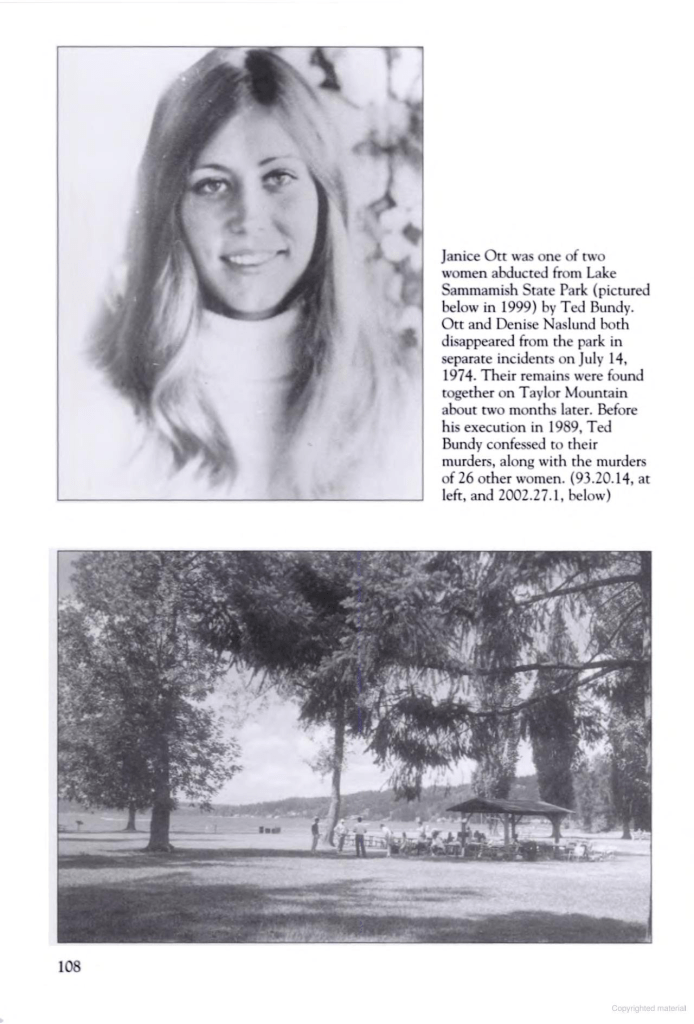

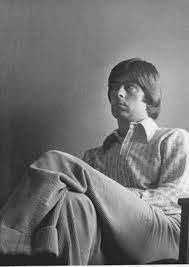







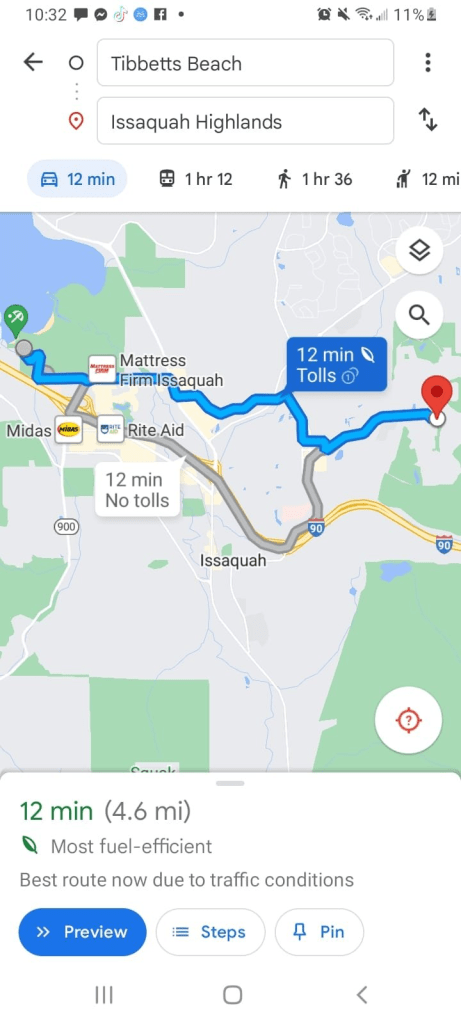

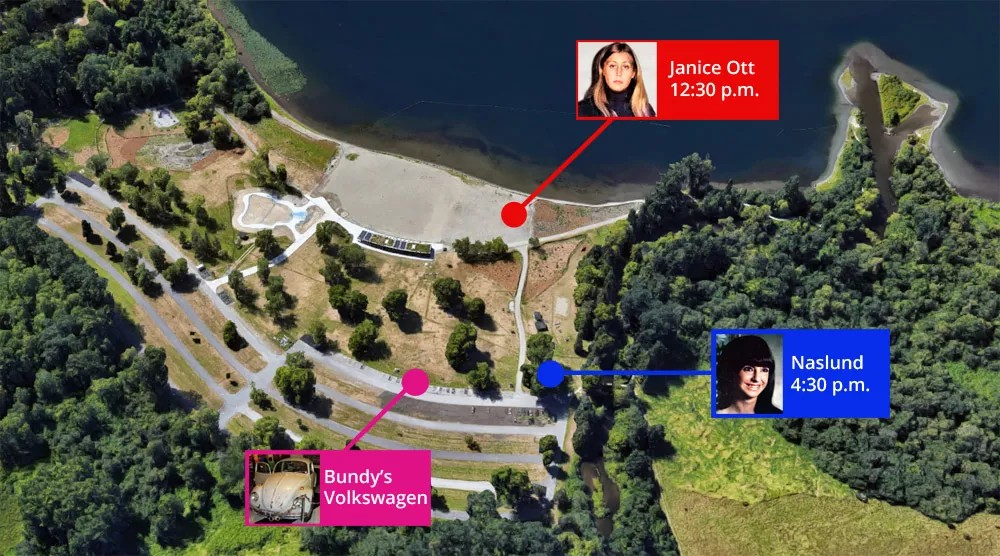

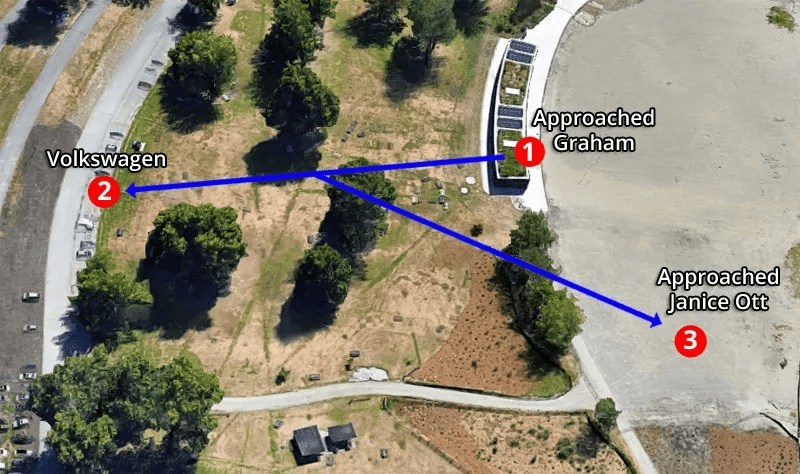


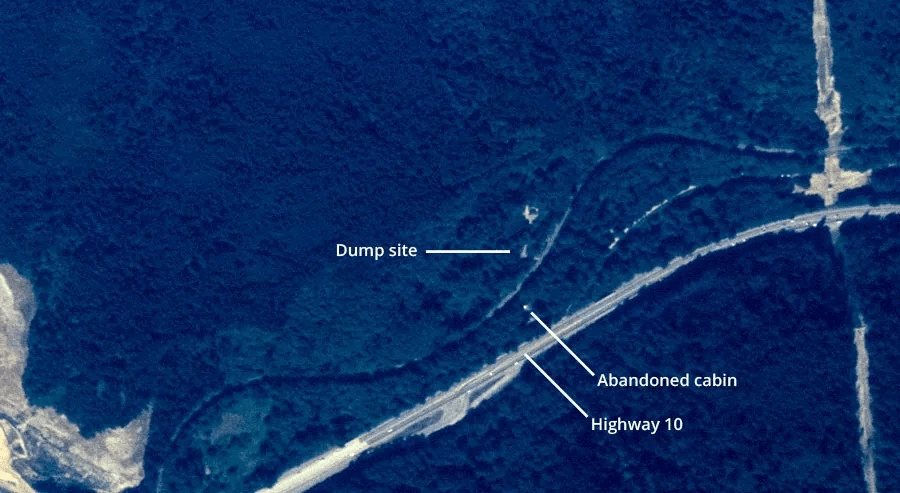
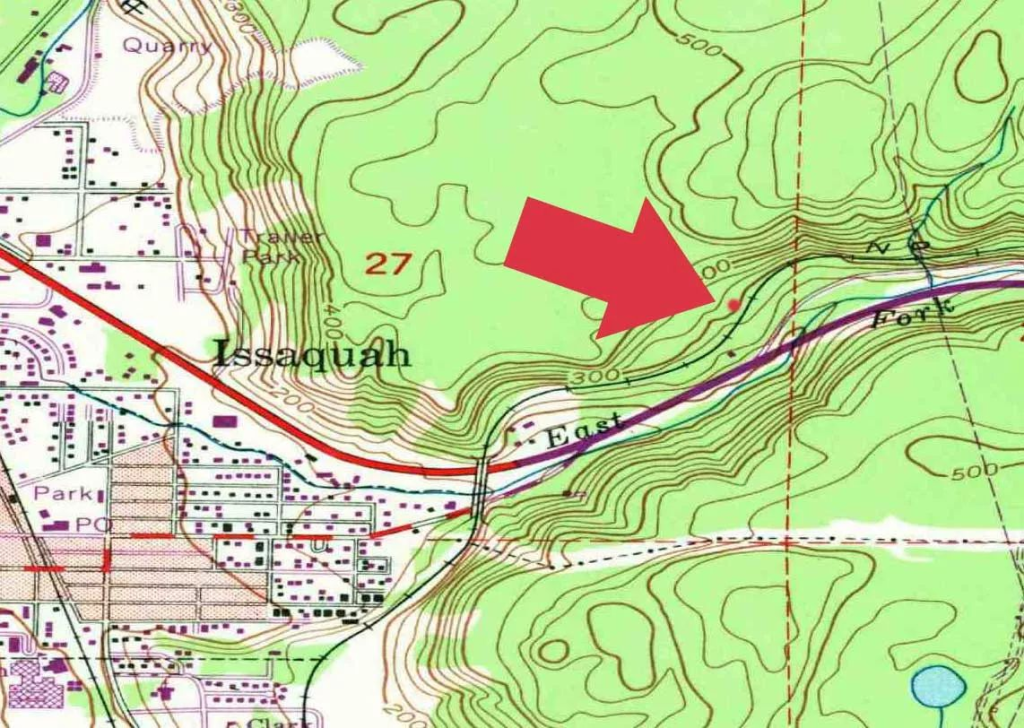

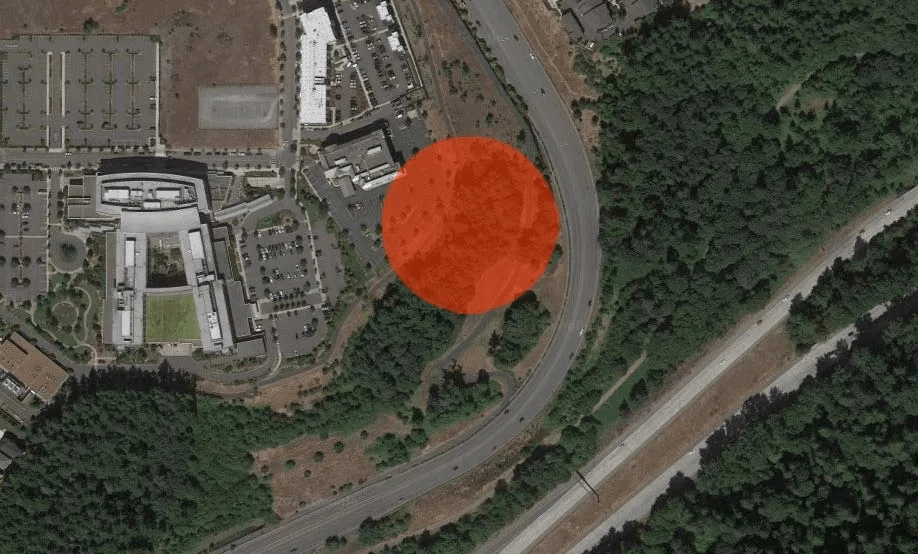


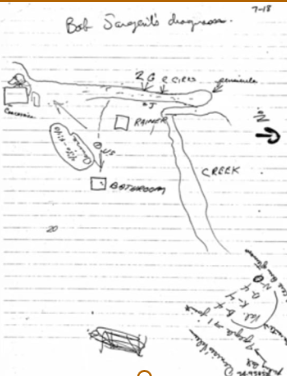


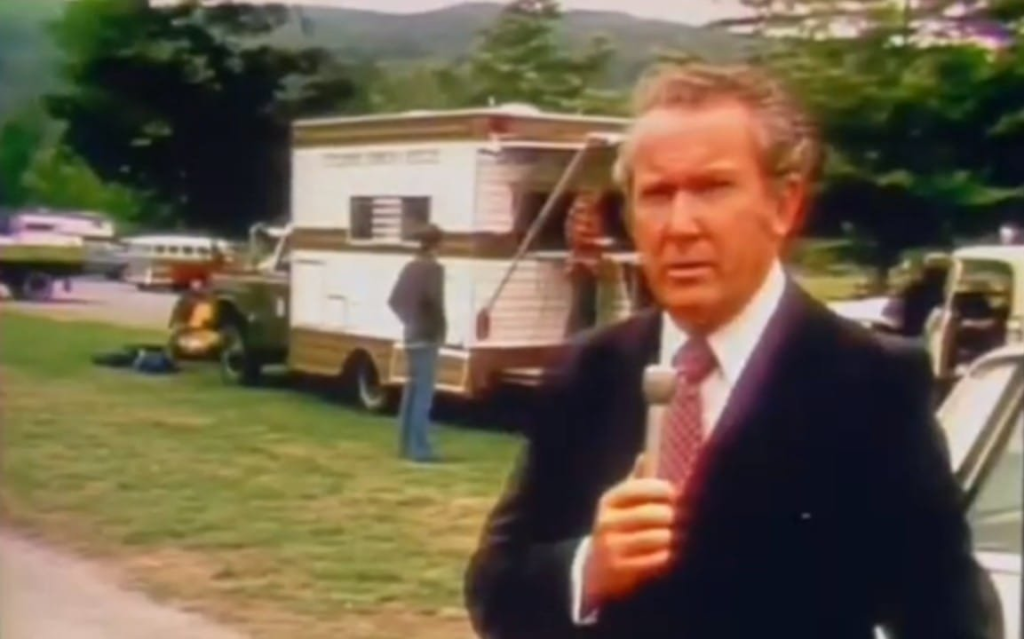
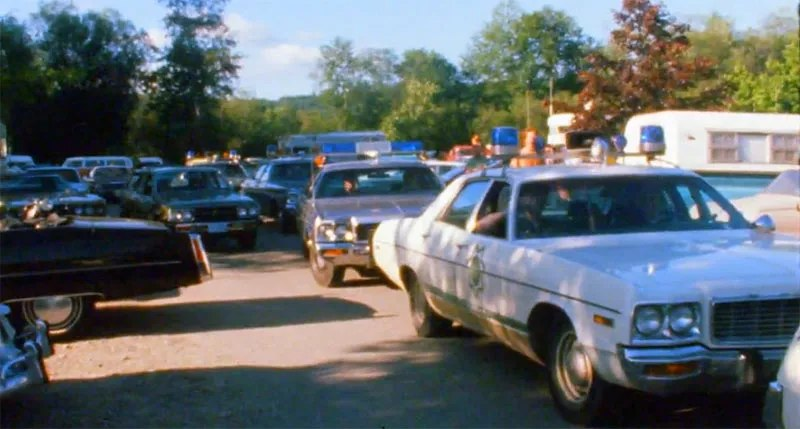



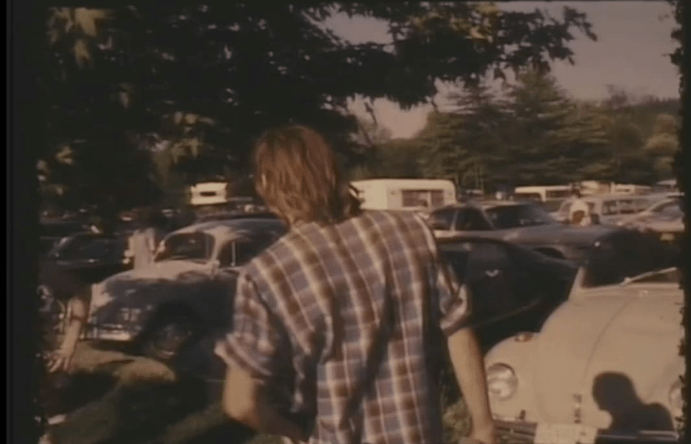

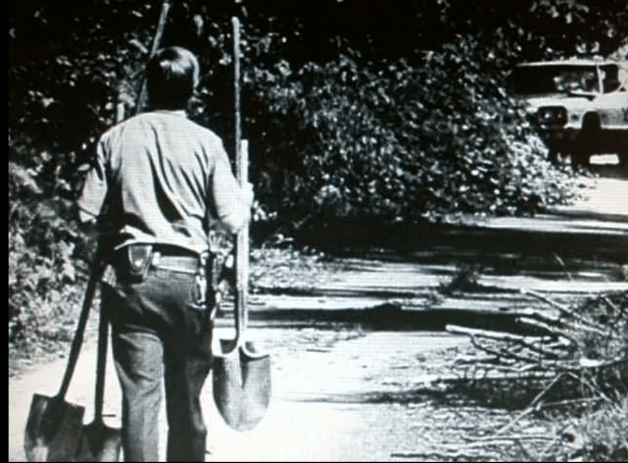
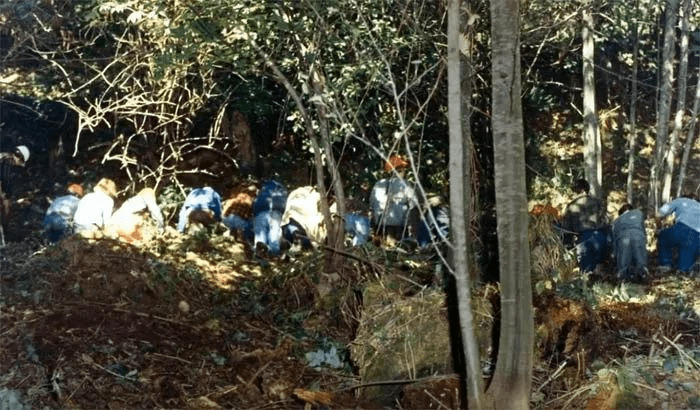
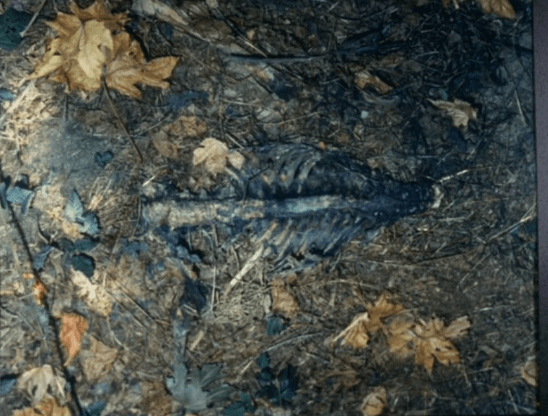

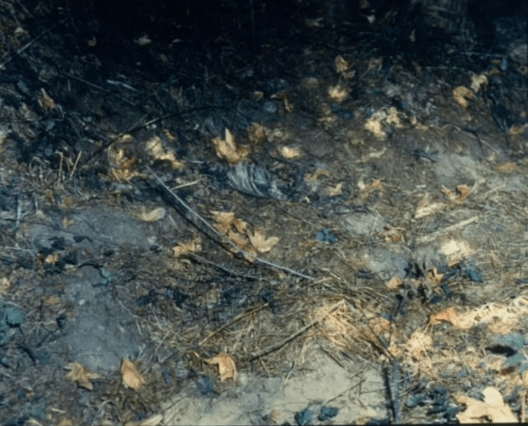


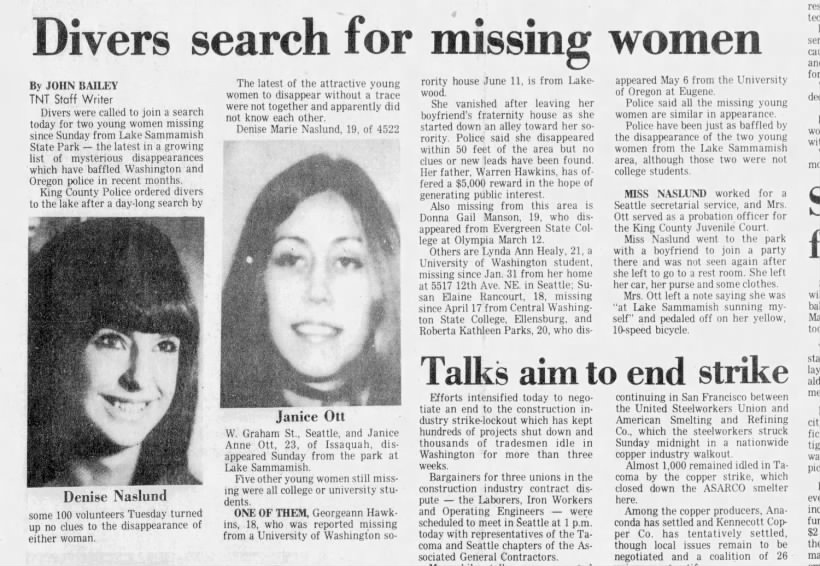

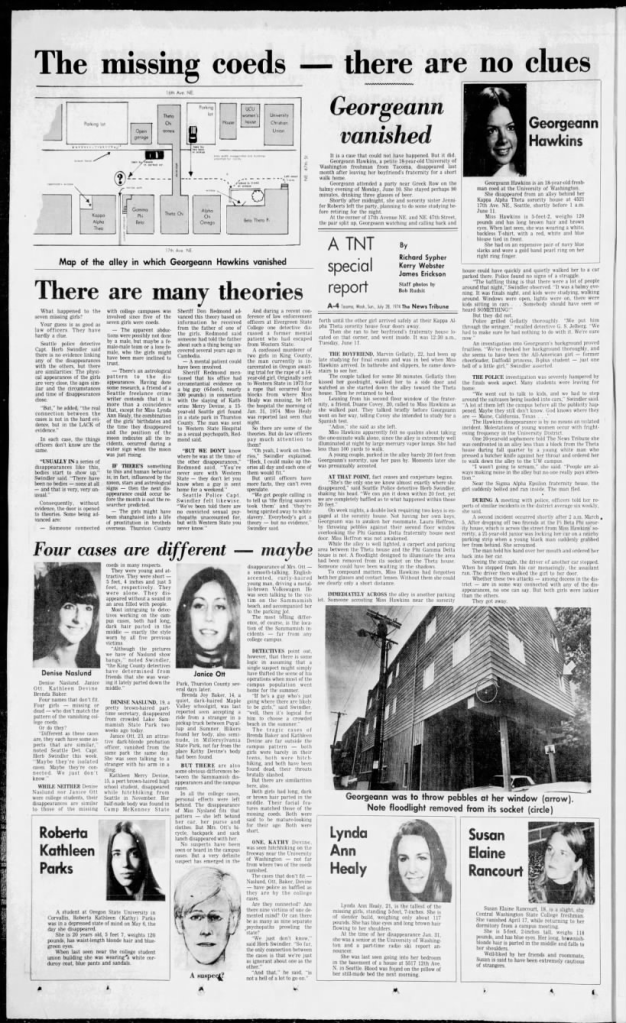
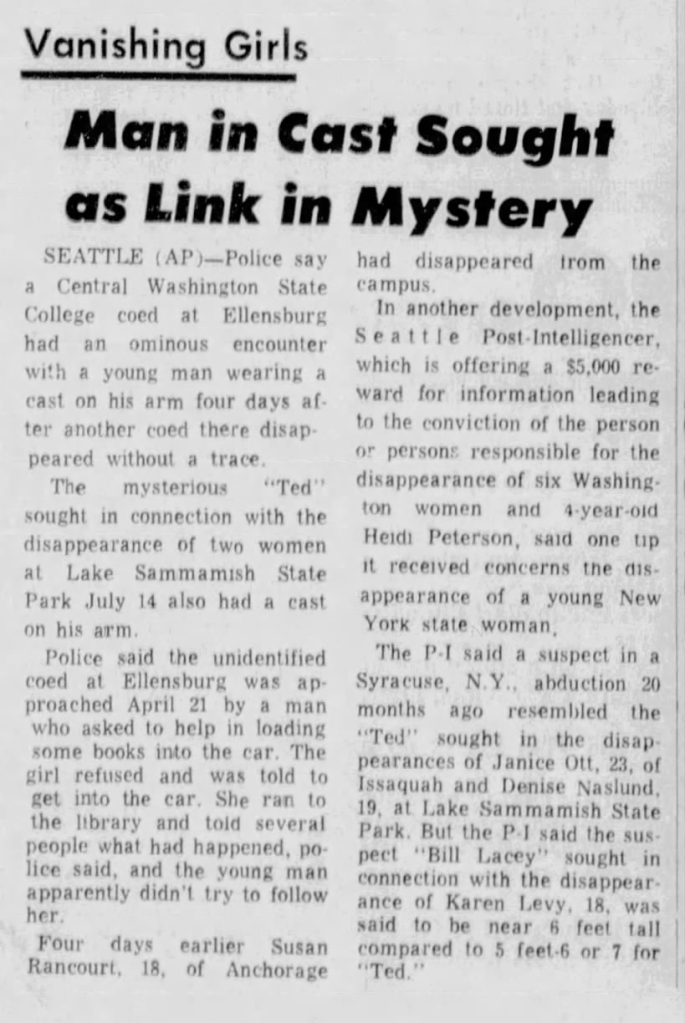


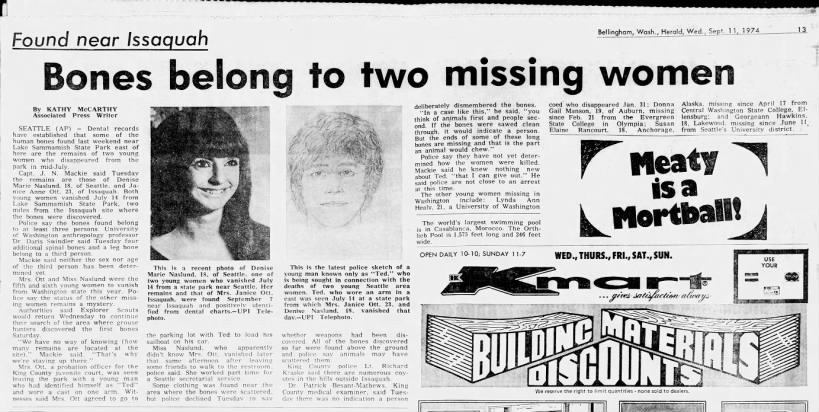
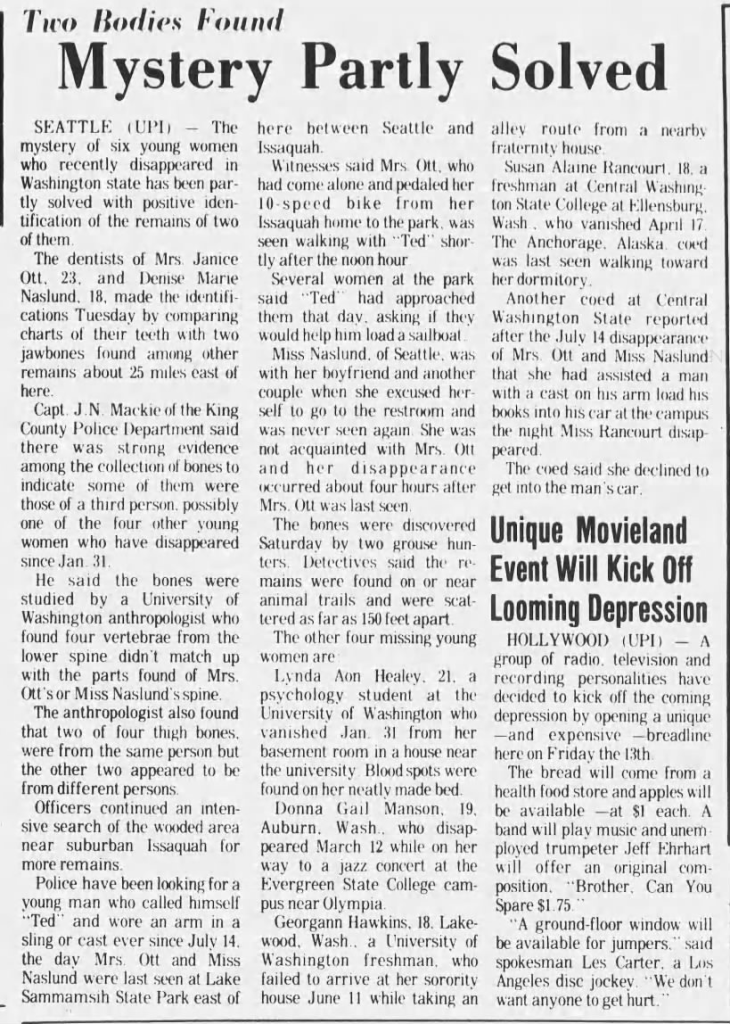
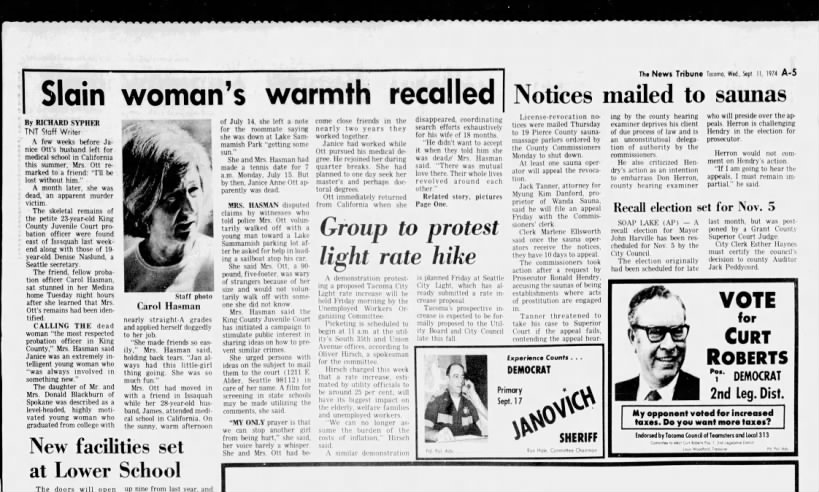


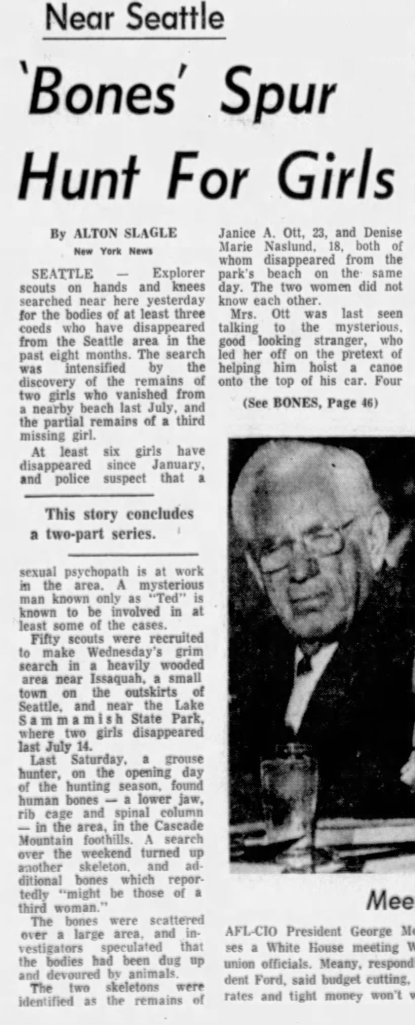
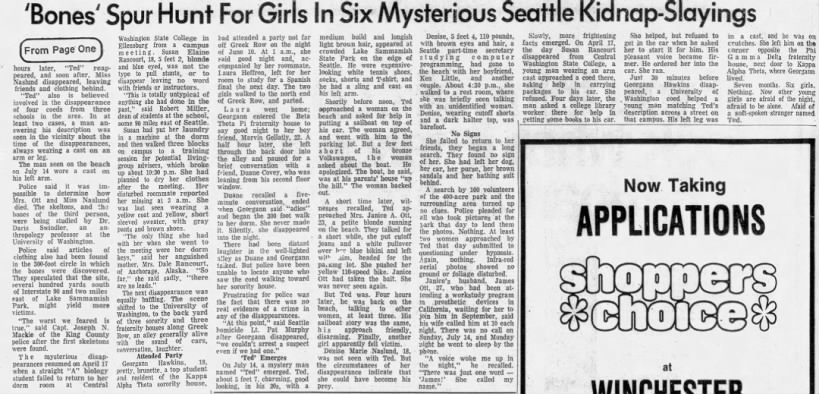
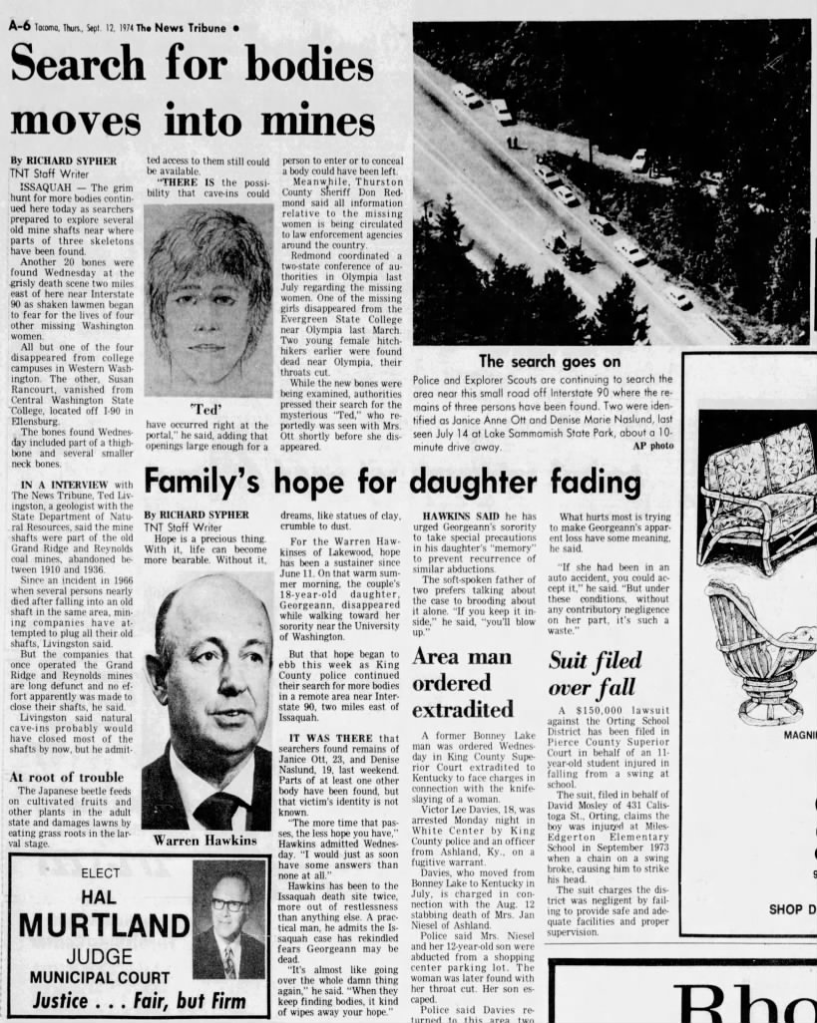
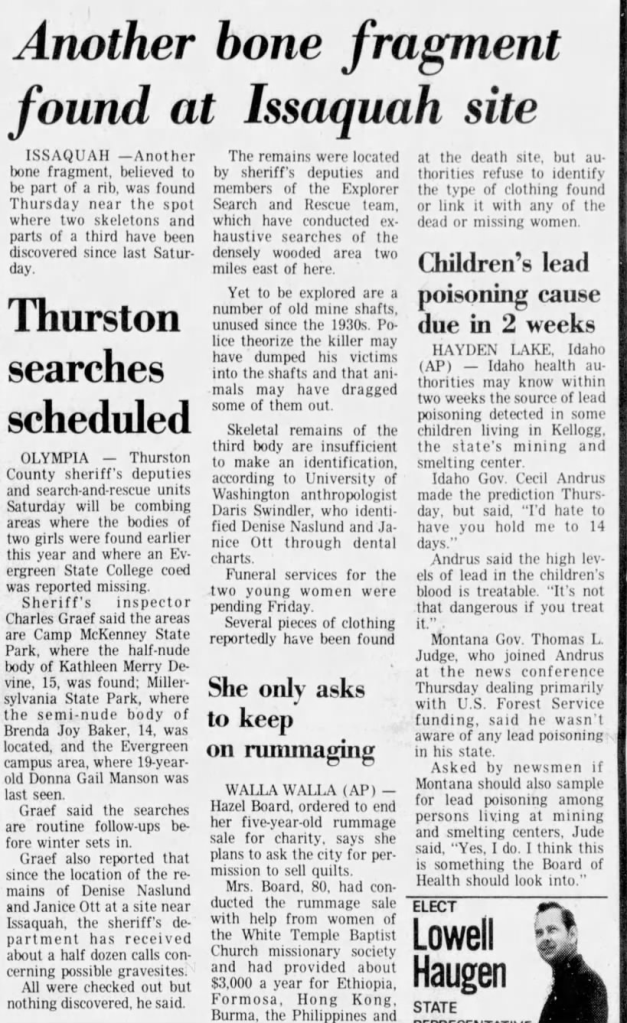

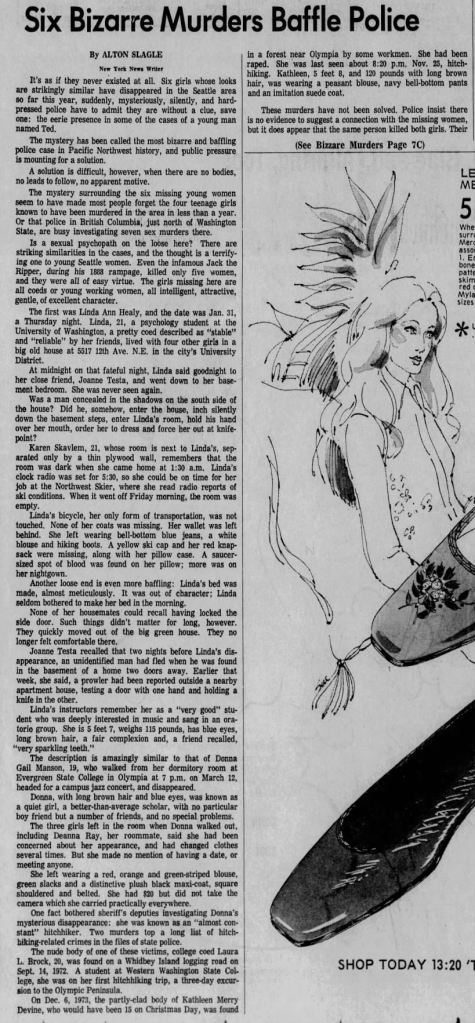


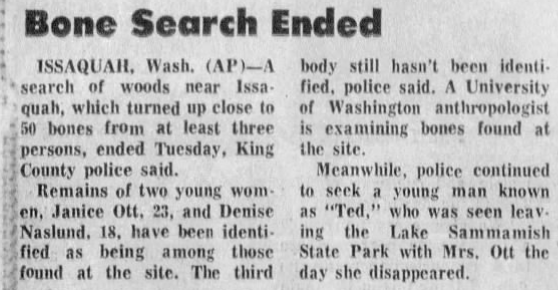

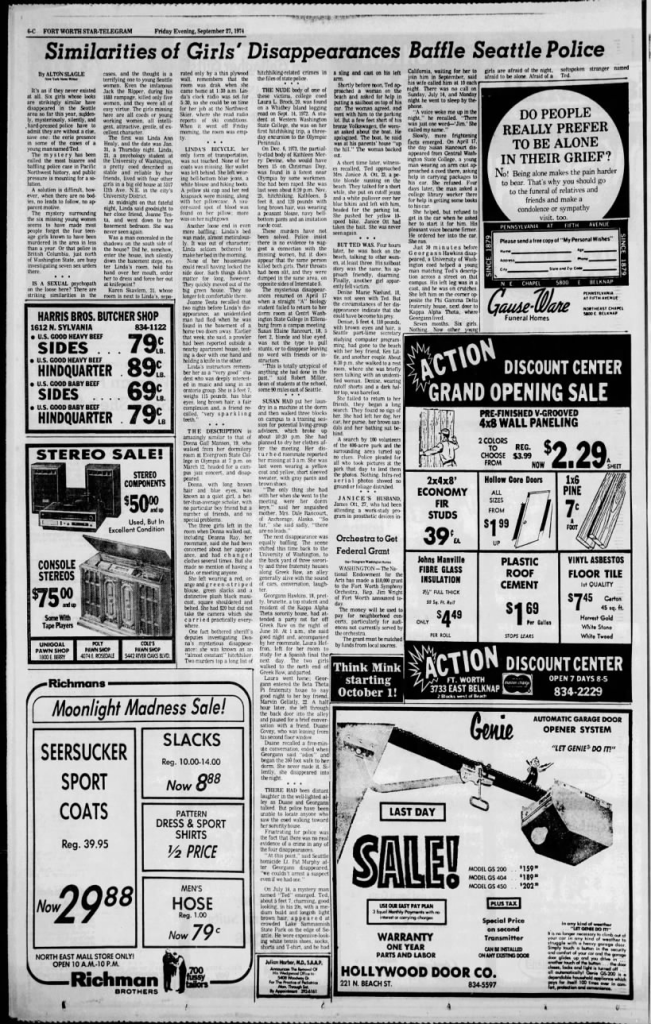


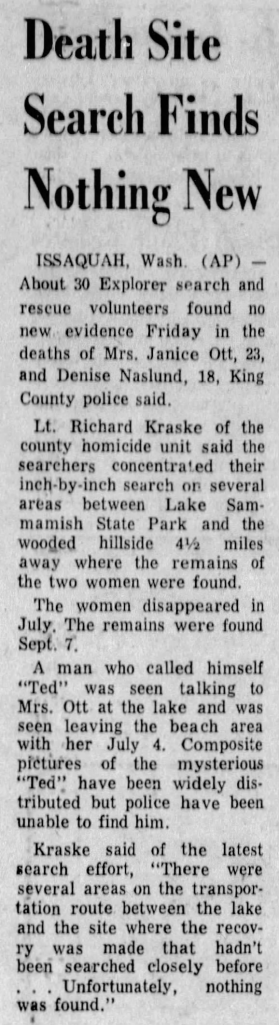

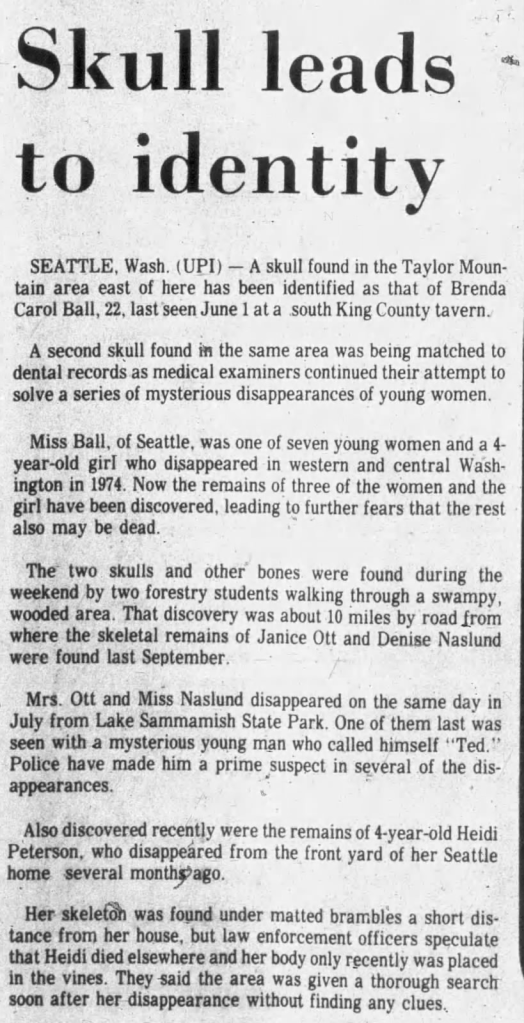

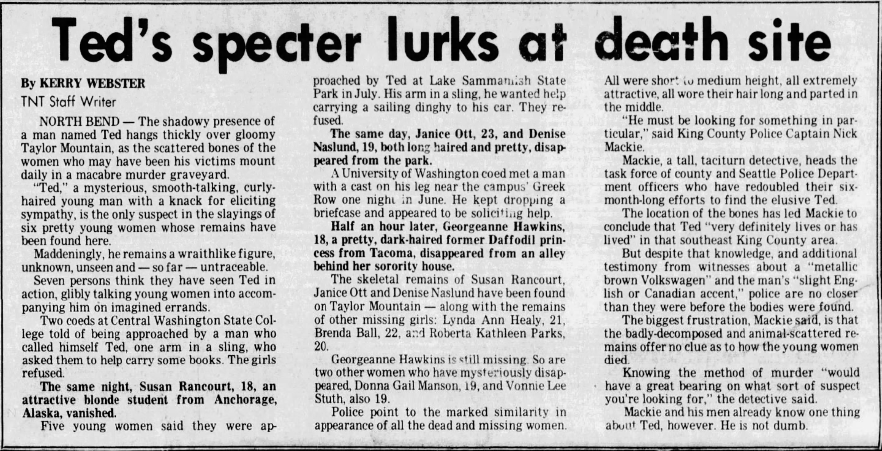

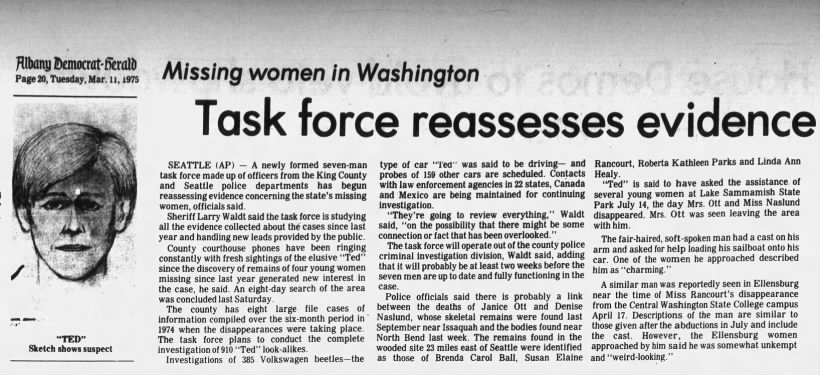


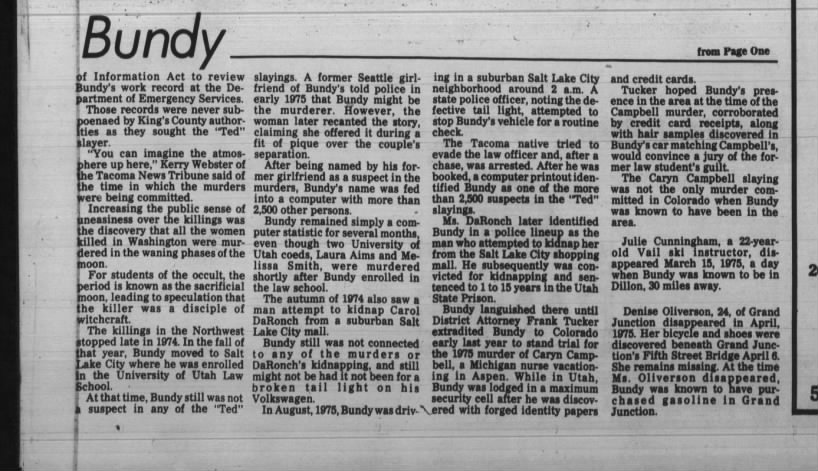

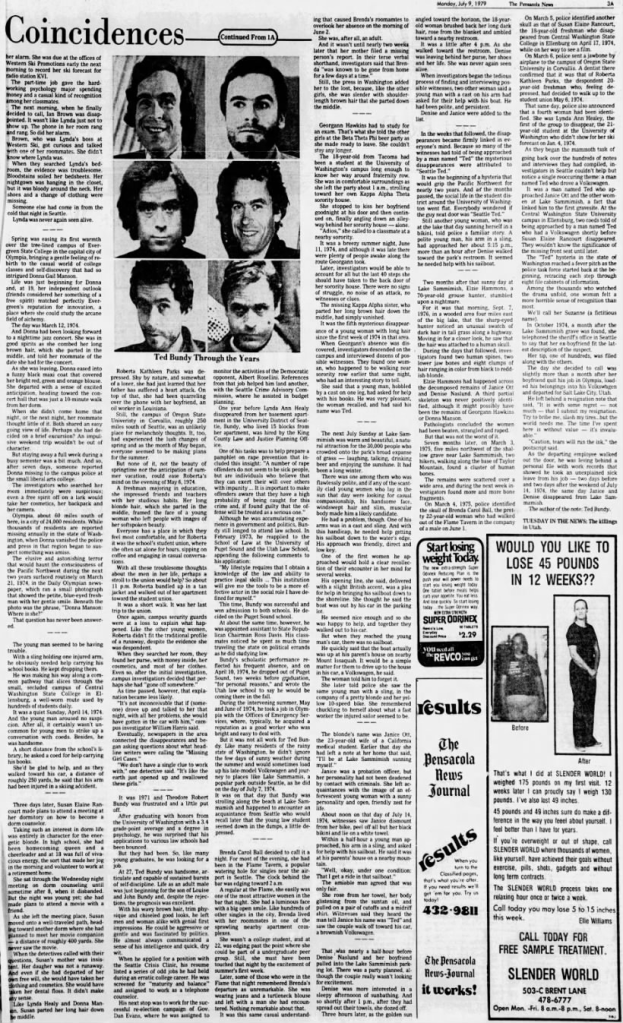
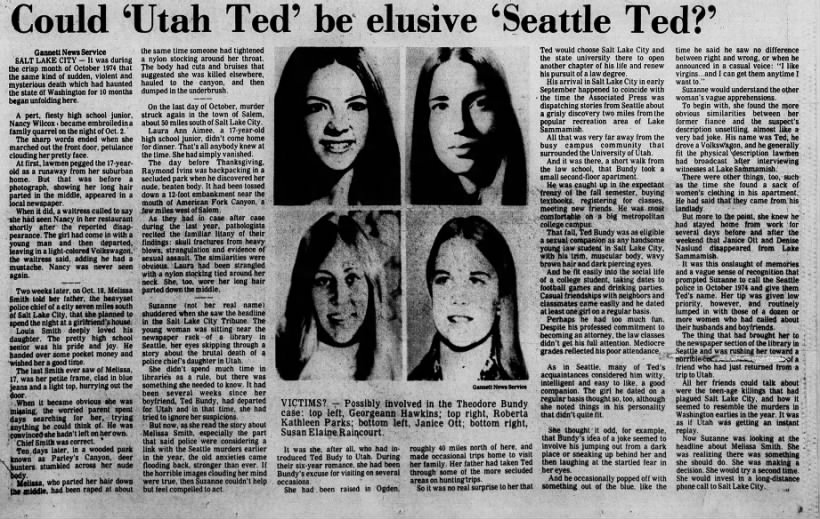
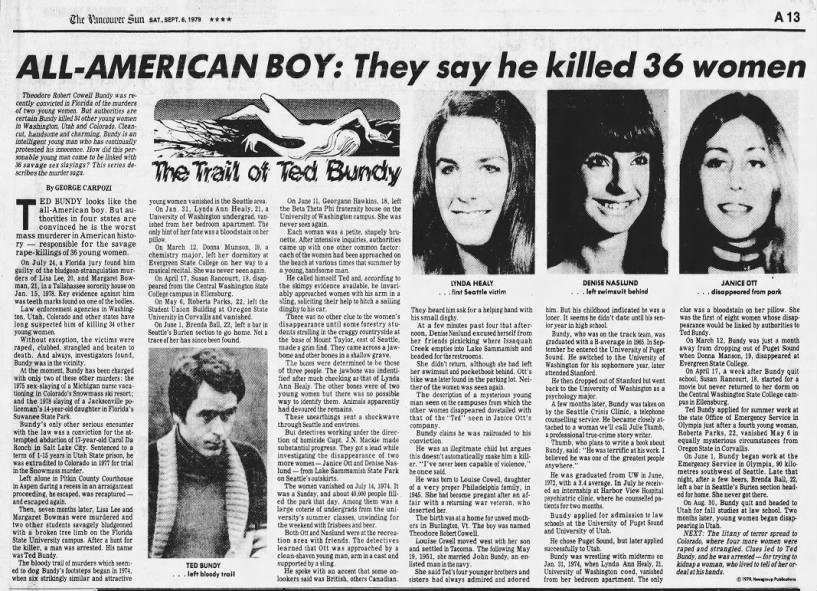

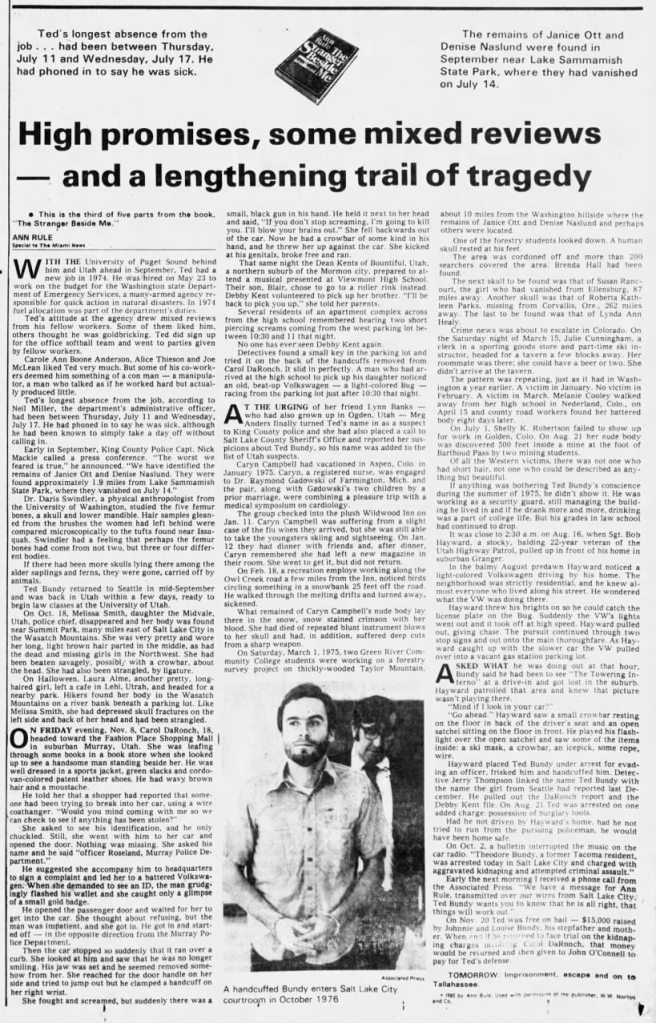


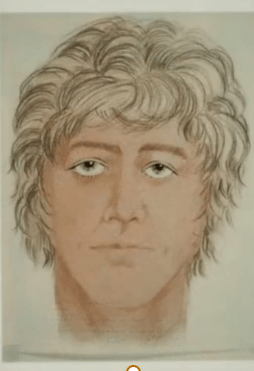

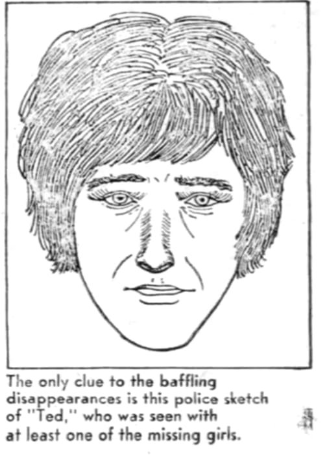
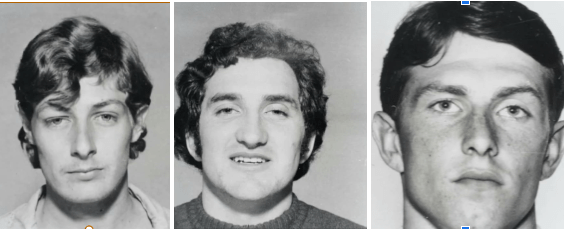
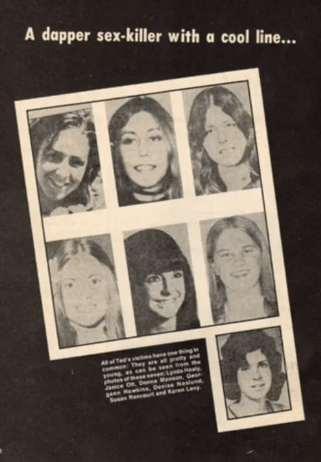

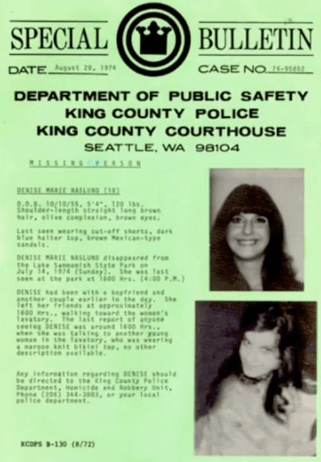

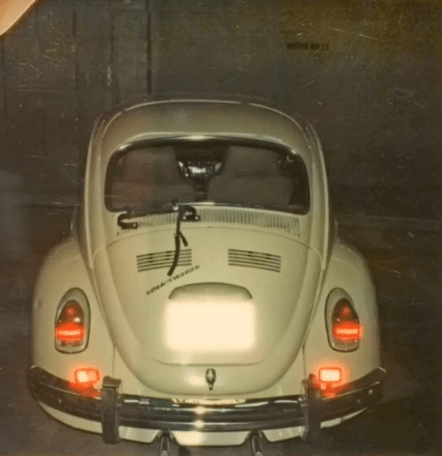


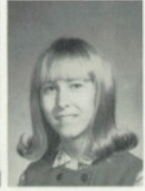
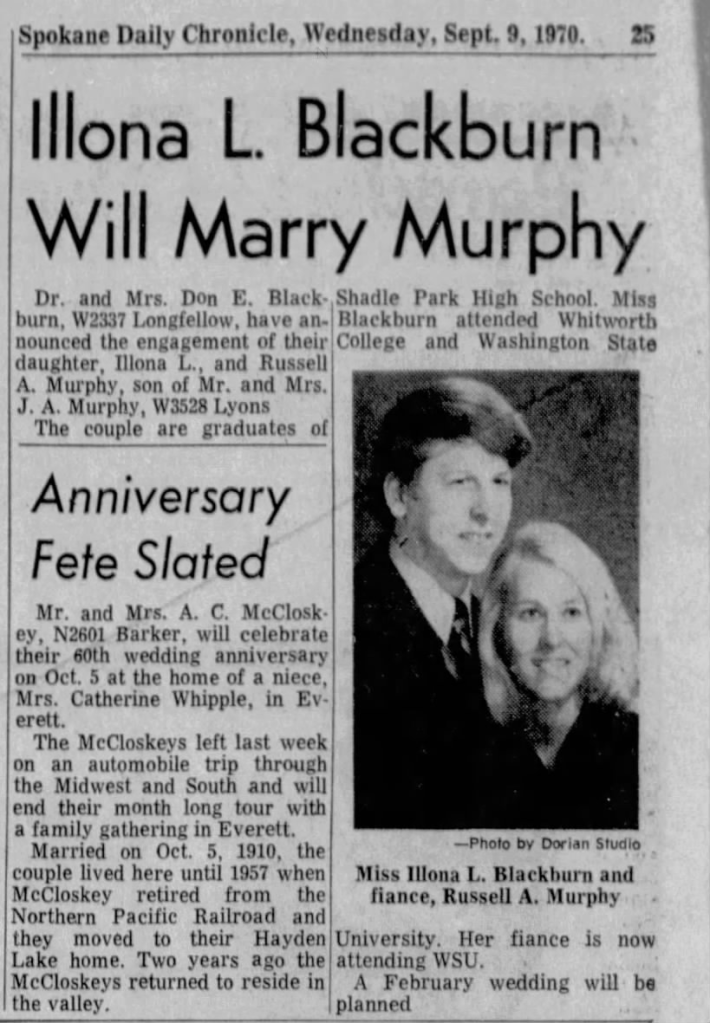


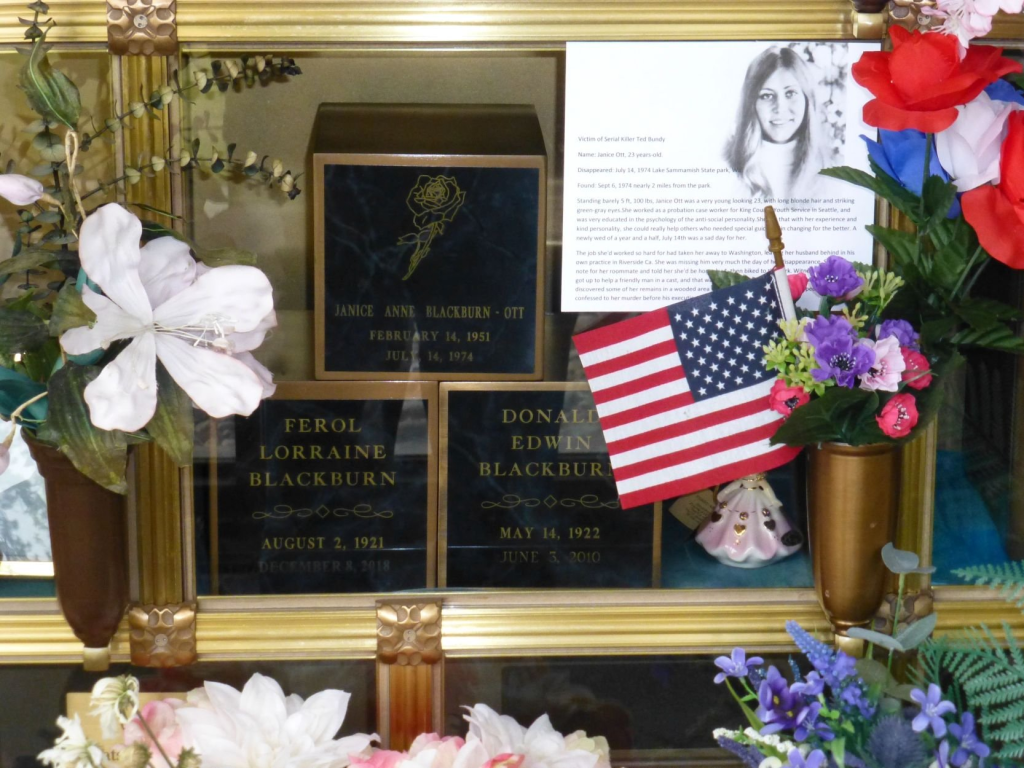






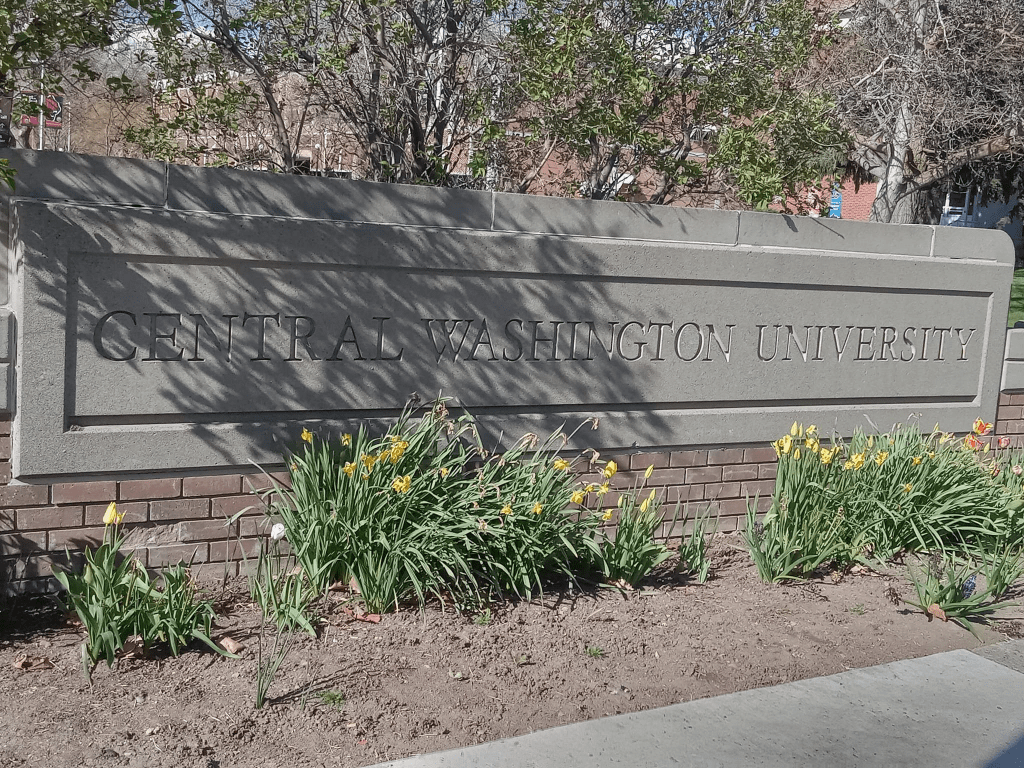

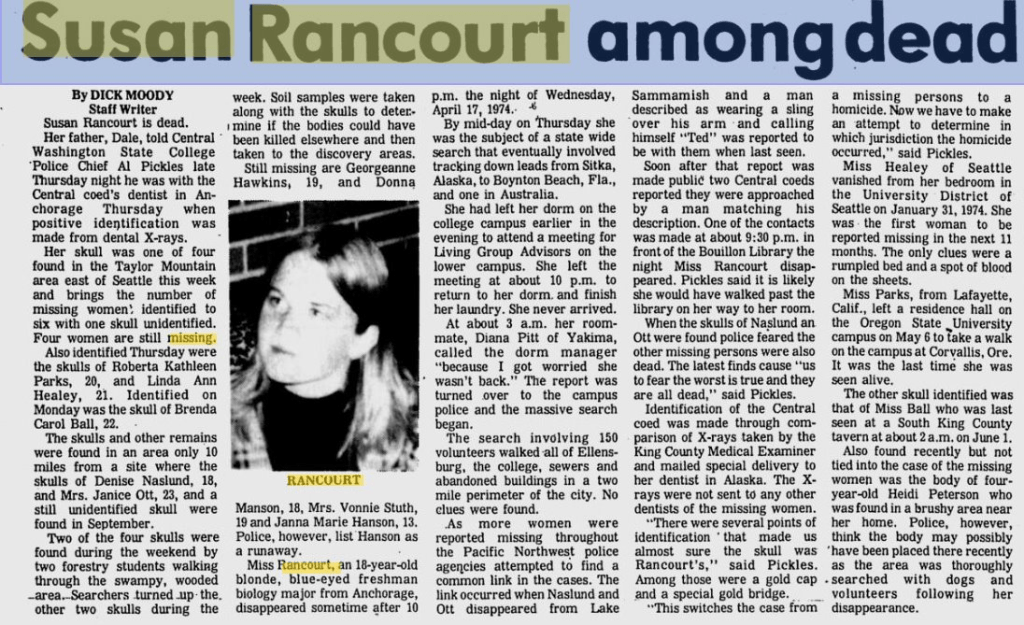
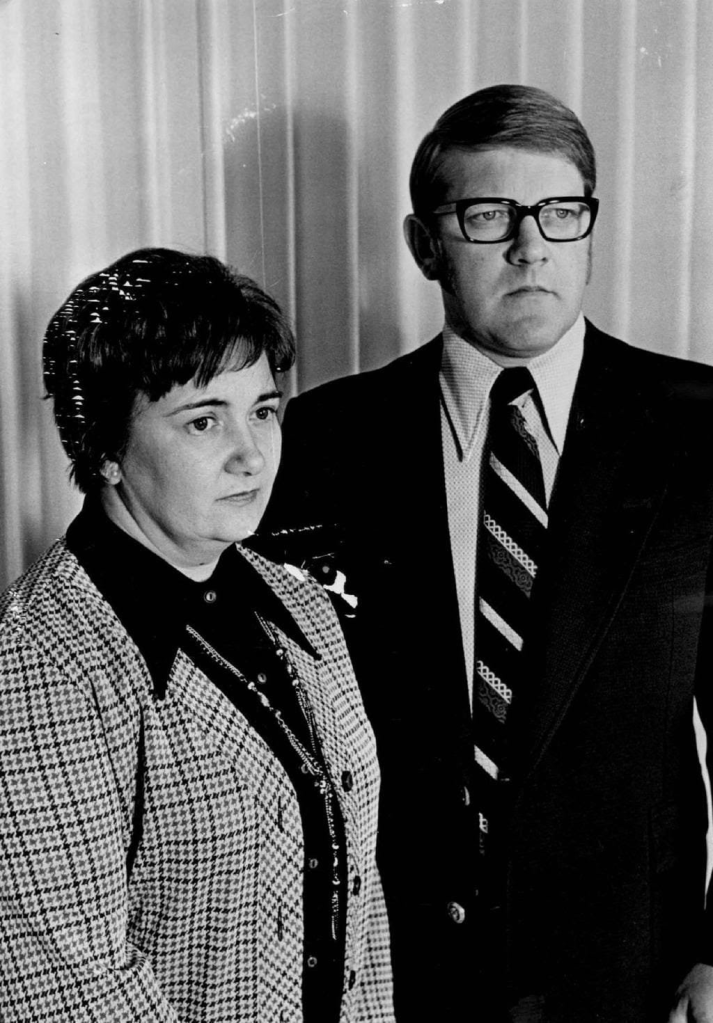


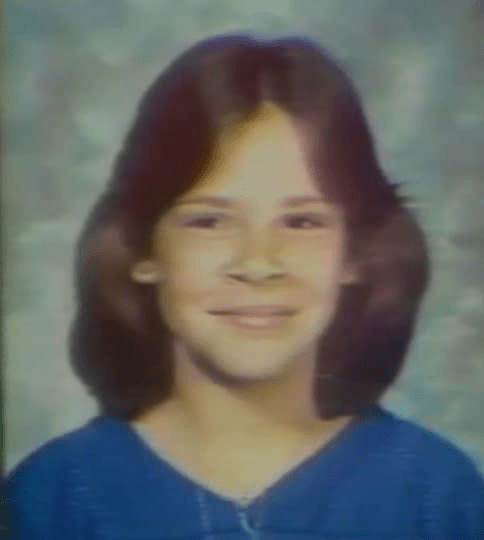
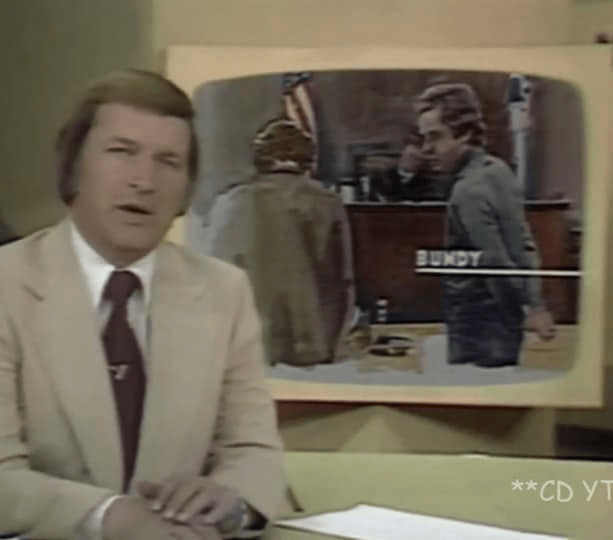






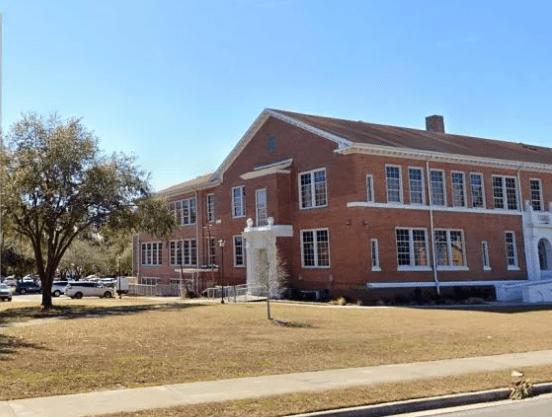


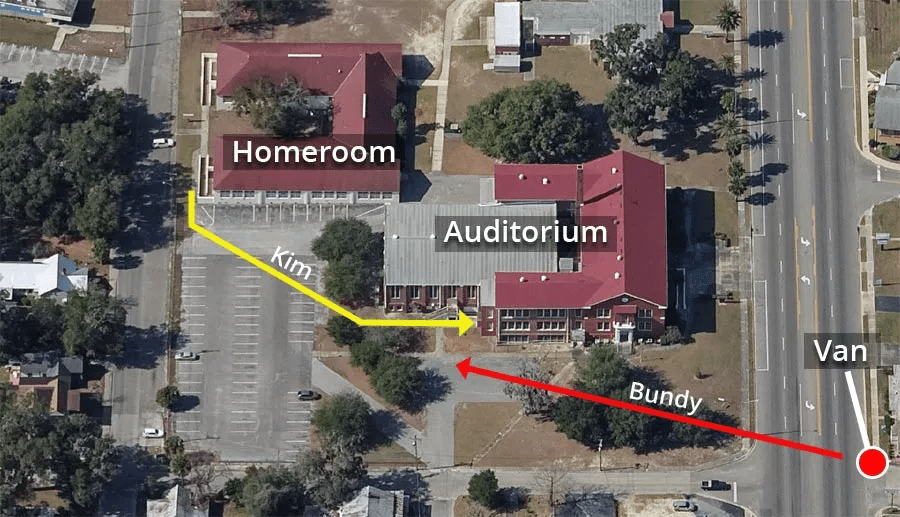
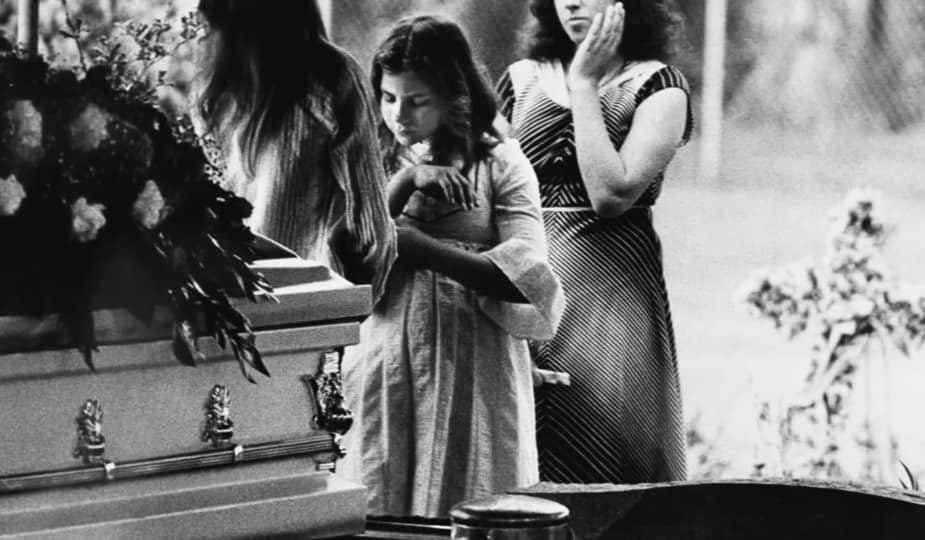
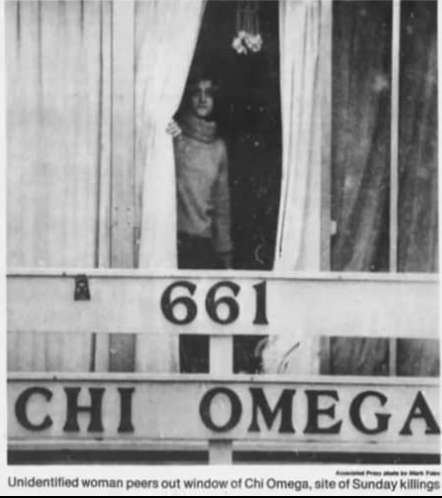


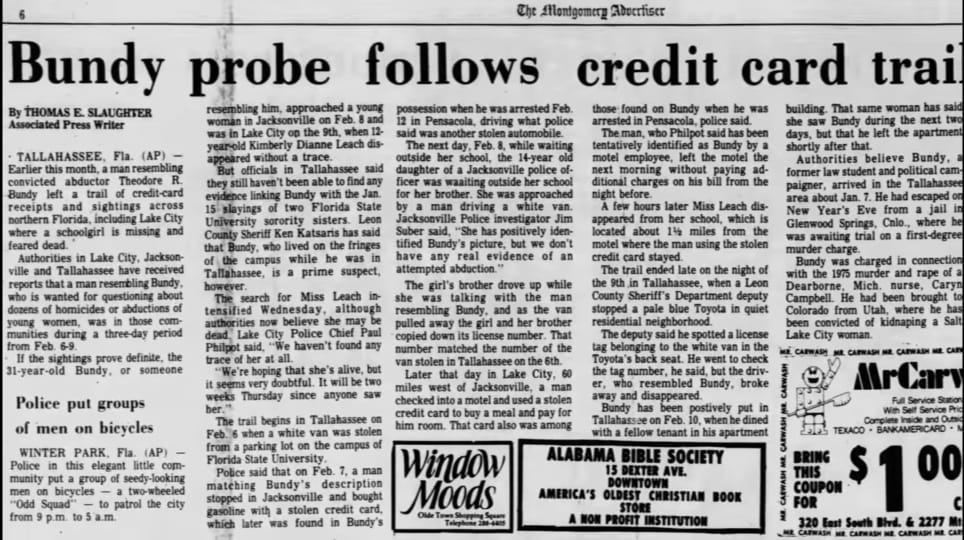


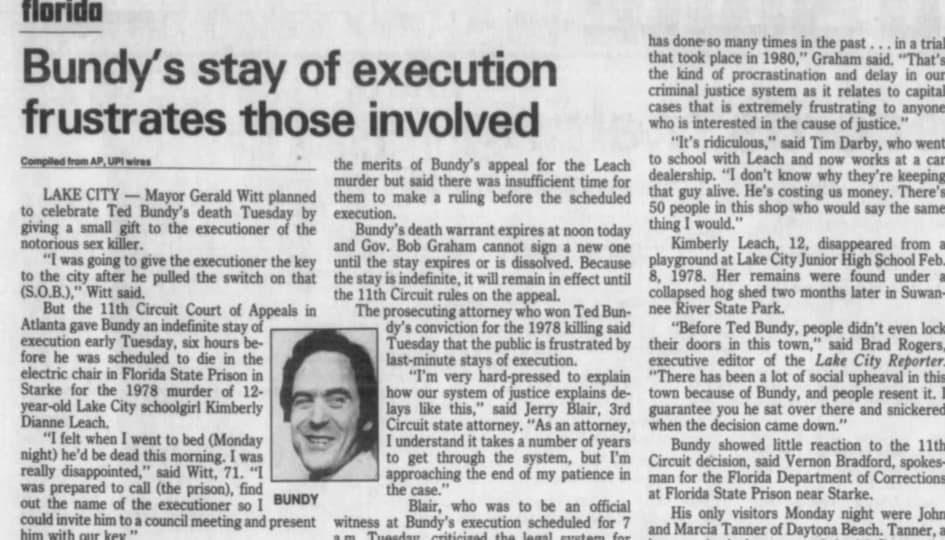

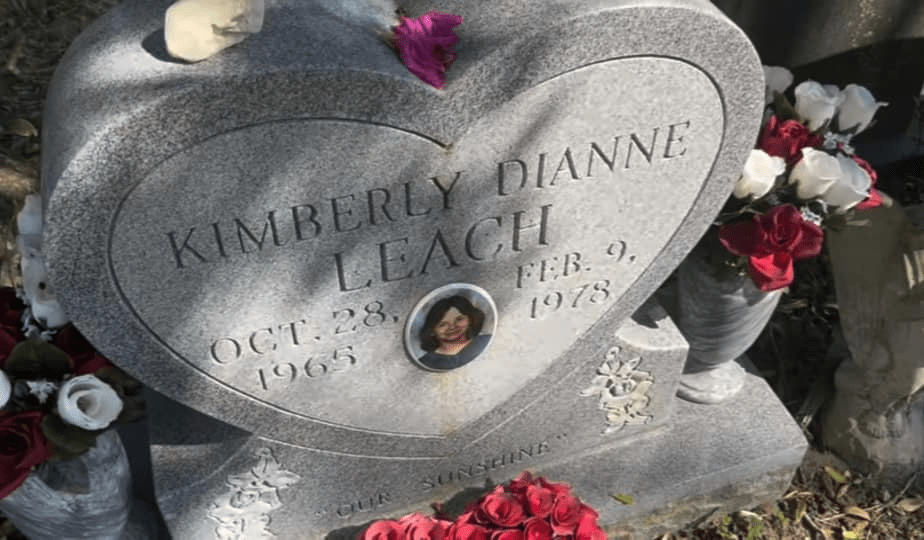
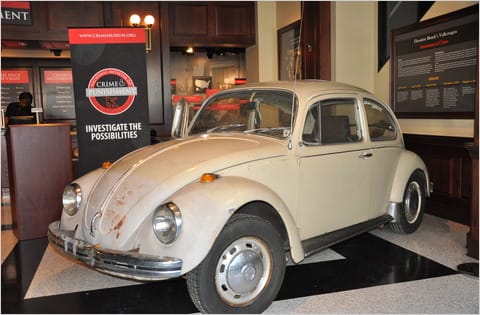


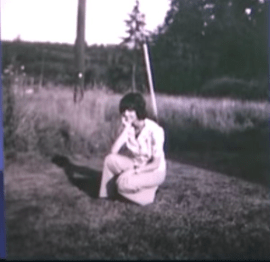




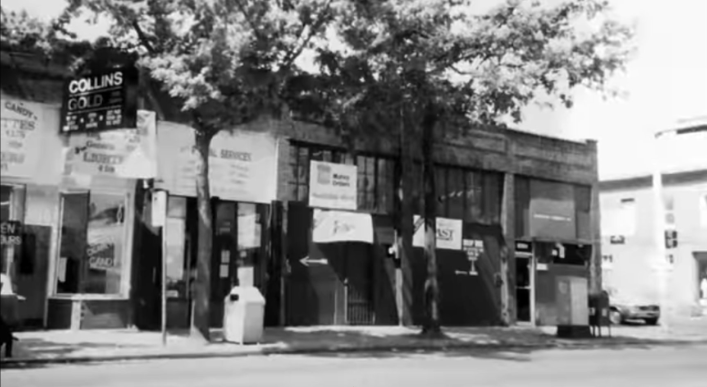

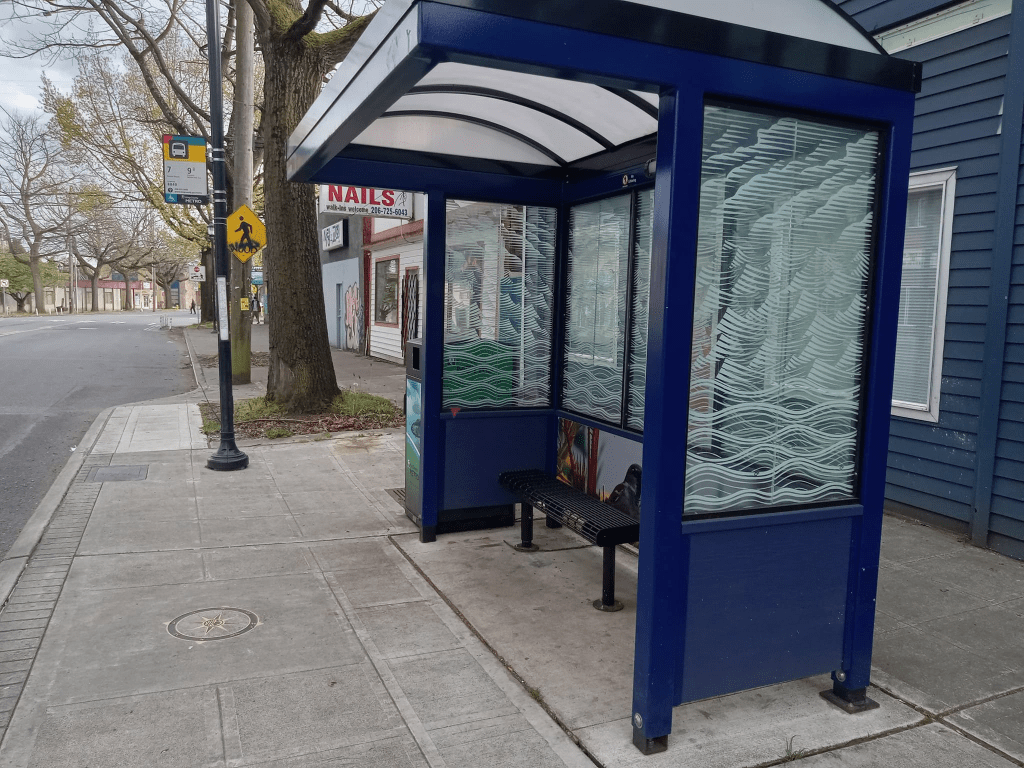
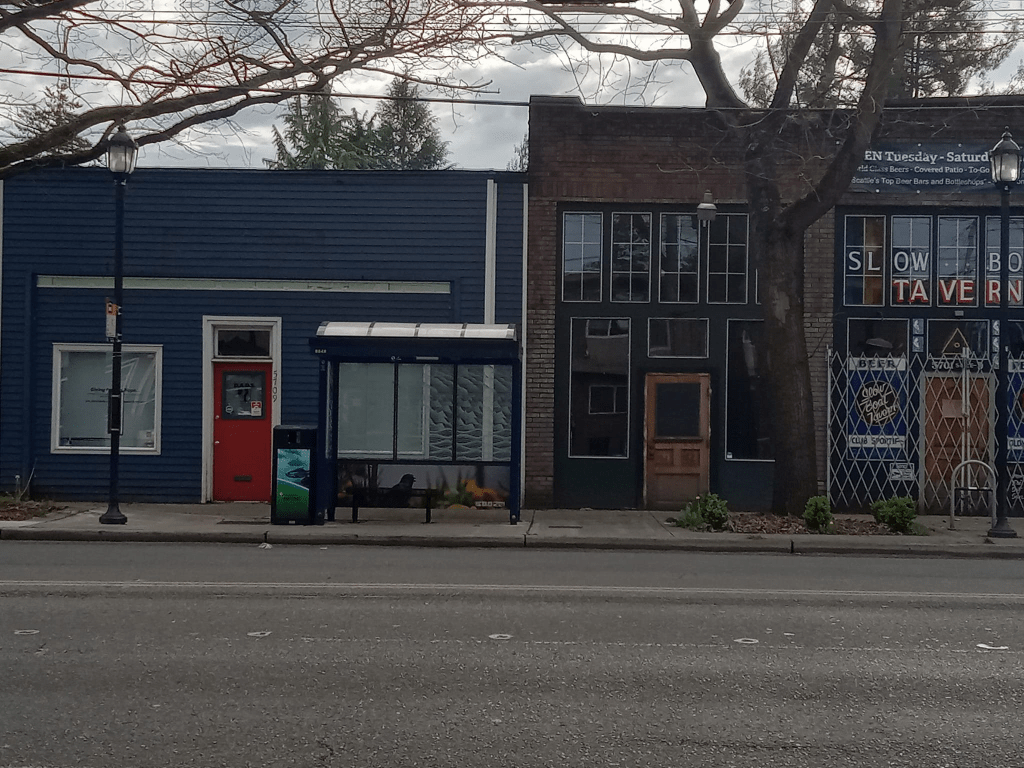
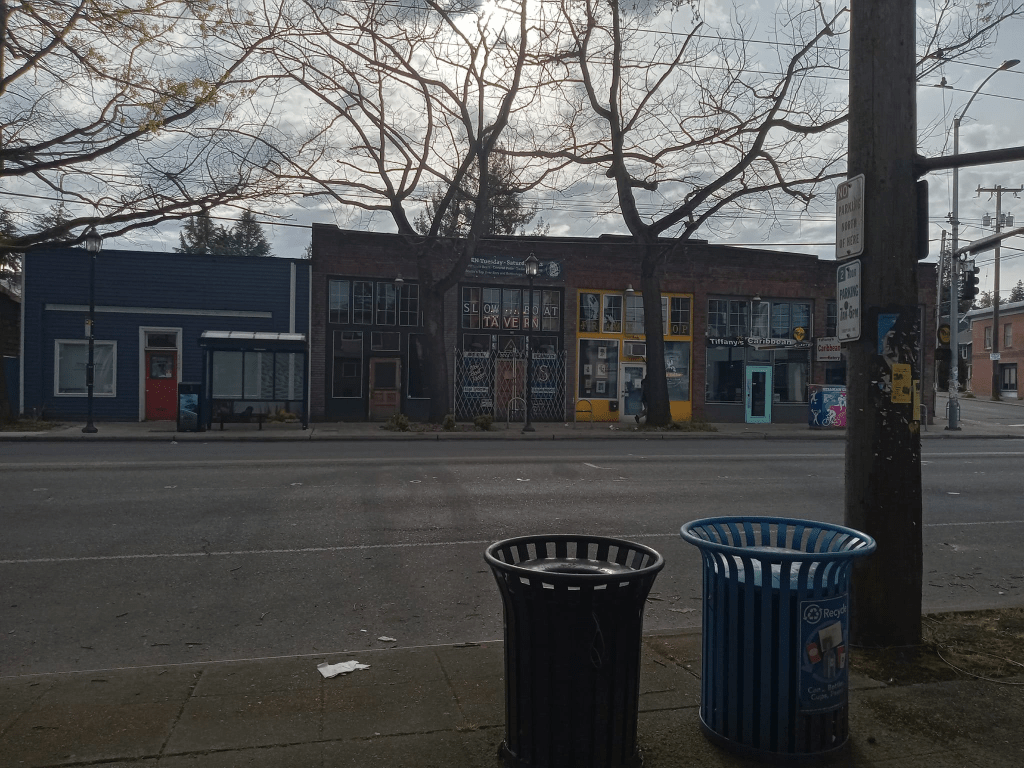
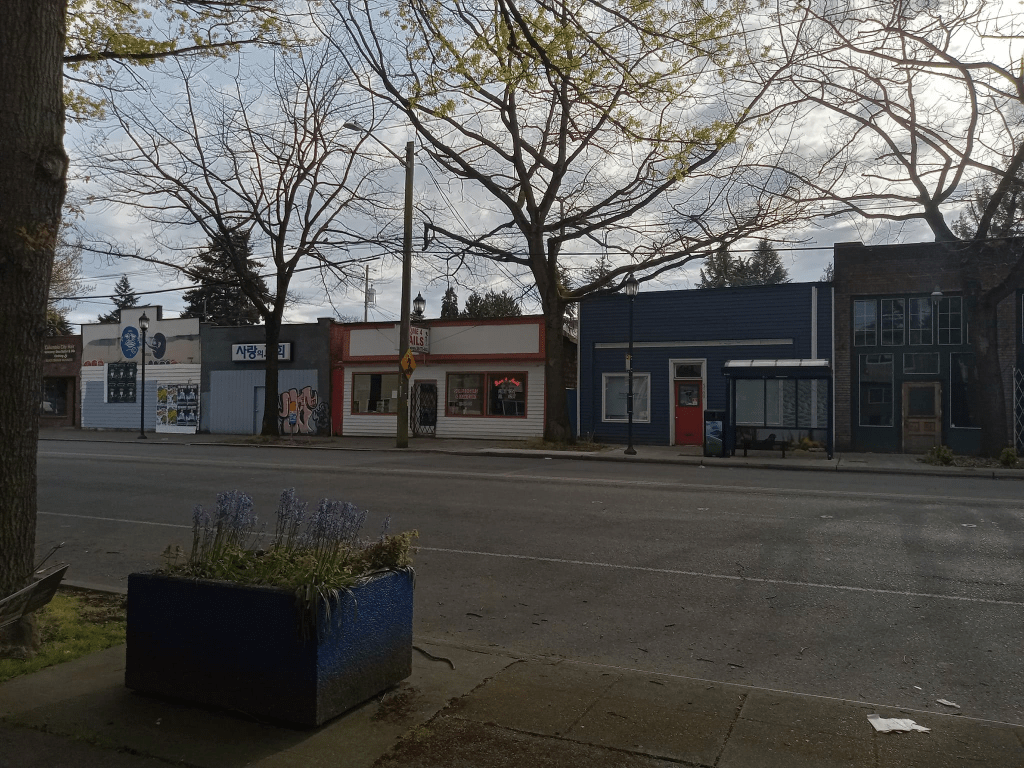
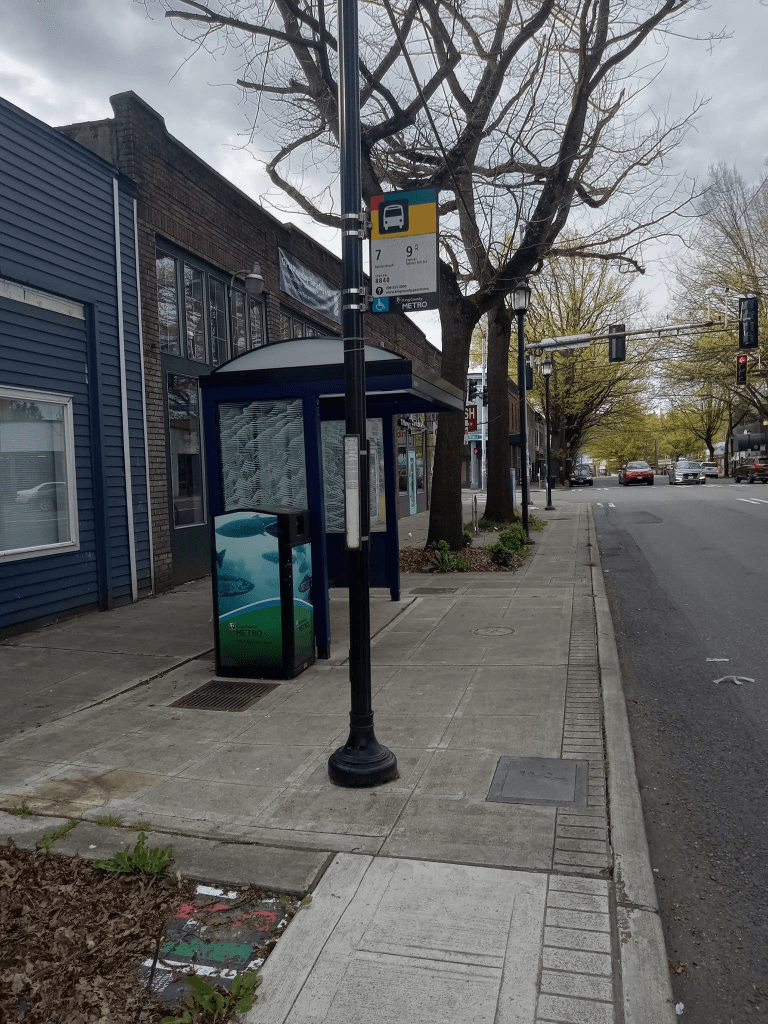


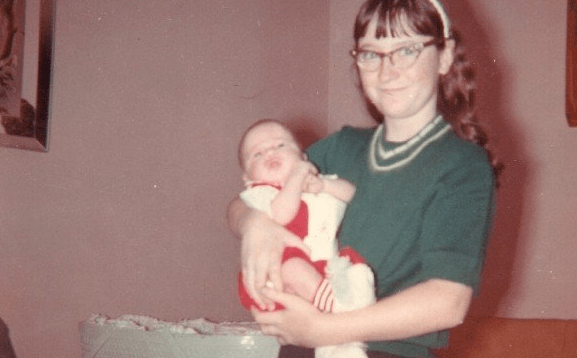


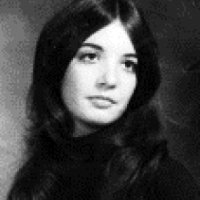

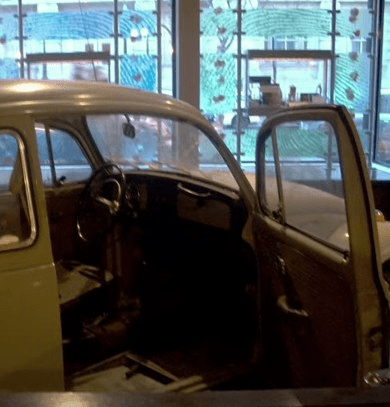
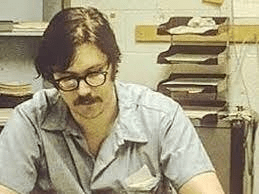

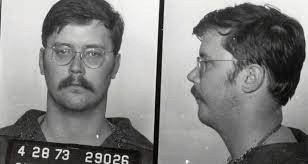


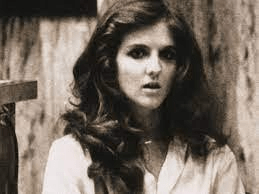
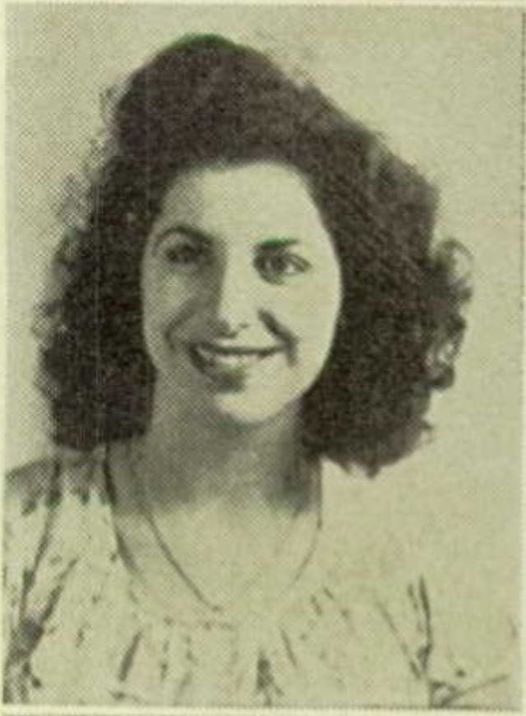
 Another Bundy Blog.