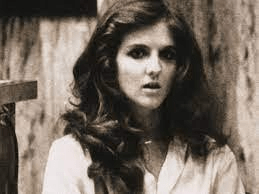
Sherry Rae Deatrick.

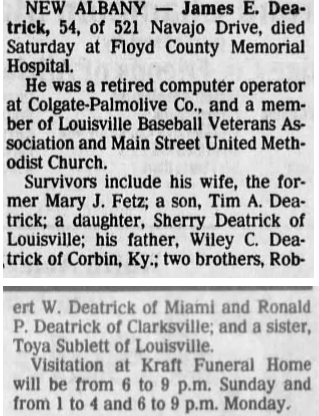
Sherry Rae-Deatrick was born on September 12, 1956 to James and Mary (nee Fetz) Deatrick in New Albany, Indiana. Mr. Deatrick was born on August 20, 1931 and Mary was born on November 28,1935 in New Albany, IN. The couple were wed on March 16, 1956 and had two children together: Sherry and her brother, Timothy. James was employed as a computer operator for the corporate offices of Colgate-Palmolive Corporation and was a member of the Louisville Baseball Veterans Association, and the family was active at the Main Street United Methodist Church.

Sherry graduated from New Albany High School in 1976 and went on to earn her BA in Psychology from the University of Louisville, graduating magna cum laude. She briefly lived in NYC, where she was employed with Brooklyn Legal Services and at an insurance defense law firm while she was attending graduate school.  At some point she married a man named Donald Paul Breitfield Kaler, and when she returned home to Indiana in 1992 she enrolled in night classes at the Louis D. Brandeis School of Law at the University of Louisville, and worked full time while maintaining top grades. In Deatricks first year of law school she earned the Marilyn Meredith Memorial Award for top female student, and she was a member of the Journal of Family Law.

After graduating from law school in 1997 Deatrick worked at various law firms across the United States, and according to her ‘Linked In’ profile, she has worked as an attorney for herself since 2008, and specializes in both Social Security disability and Department of Veterans Affairs appeals. From November 2004 to 2008 she worked as a Project Manager for Tichenor & Associates, where she was responsible for several government contracts, bankruptcy debtor audits, and state healthcare programs. From 1999 to 2002 she worked as General Counsel under Governor Paul Patton in Frankfort, KY.

On her law practice’s (public) Facebook page, ‘Sherry R. Deatrick, Attorney,’ on February 23, 2012 she announced: ‘I am now admitted to practice in the US District Court, Southern District of Indiana.  Looking for office space in my hometown of New Albany.’ And almost ten years later on October 14, 2021 she said; ‘I’m back! I have relocated back home from Florida and I’m re-establishing my solo law practice again. My main focus is on social security disability law and bankruptcy. Serving Kentucky and Southern Indiana.’

Deatrick claims that she had an encounter with prolific serial killer Ted Bundy in the summer of 1974, and although she doesn’t provide an exact date that rough time frame fits perfectly into when he was active. I do want to say that on two separate occasions I tried to reach out to Sherry for clarification on this, but she didn’t see either of my messages. One day during summer school Sherry had gotten into an argument with her fiance and stormed away from him in a fit of anger, and as she was walking she was offered a ride from none other than Ted: “I’d had an argument with my fiancé and as he ­usually gave me a lift home from summer school, I set off home on foot. Then this cute guy pulled up and asked if I wanted a ride.’ She hesitated briefly, as she wasn’t one to take rides from strangers but after the man reassured her that she was safe, and he ‘was an assistant professor at the local school’ and ‘acting out of anger at my fiancé, I got in.’

Sherry told the man her address, which was roughly three miles away from where he picked her up in New Albany, Indiana, but instead of driving her directly home he stopped at a store to buy some beer: ‘he hadn’t asked my age and I wasn’t going to tell him how young I was. As we drank the beers, he said, ‘Why don’t we go for a ride?’’ She agreed. As the pair crossed the Ohio River and drove into a different state she began to feel nervous, and ‘felt a little worried but things were different in the 70’s. People were a lot more free sexually and I was no exception. It was all quite exciting and I decided to follow his lead though that seems pretty stupid now.’

At the time, Deatrick said that she was titillated at the thought of a romantic encounter with a handsome stranger, and called Bundy ‘handsome and ­hypnotic,’ which are words that are frequently used to describe him. After cruising around for about thirty minutes or so they arrived in Louisville, Kentucky, and the young man suddenly pulled off the main drag and into a parking lot: ‘it’s clear Bundy knew exactly where he was headed when he’d started driving. He must have scoped it out before picking me up. At the time I thought the ­location was a bit weird as the new housing estate wasn’t finished but I was quite adventurous.’ ‘Ted’ then led Sherry into a house that was under construction and “I thought it was nice that he was kissing me. I was still mad at my boyfriend and wanted to get back at him so I was up for it. Then all of a sudden, his hands were both going around my throat. I started to say, ‘Wait. Hold on.’

It was at that moment that they heard construction workers calling out nearby: they had returned from a break. About how things played out, Sherry said that ‘he was clearly ­rattled when he heard the ­voices and it was like he’d been shaken out of a trance.’ The man immediately took her back to his Beetle, thus ending their brief encounter: ‘I didn’t understand what had gone wrong. Why had he driven us all this way to make out, and then stopped suddenly? I worried I’d done something wrong?’ After driving back to New Albany in complete silence, ‘Ted’ dropped Deatrick off near her parents’ house then drove away into the night. She never saw him again.

Sherry kept the event to herself, and didn’t tell anyone about what happened to her. It wasn’t until the 1980’s that she read a book about Bundy and strongly felt there was a ‘good chance’ he was the man that she shared a brief romantic entanglement with in the summer of 1974. She speculates that maybe he was in the area looking at law schools to possibly attend: ‘maybe Bundy had gone there to scout it out and ­happened across me walking home. Later I heard Bundy say there were women in Kentucky who were lucky to be alive. I am certain I was one of those women. I fit the profile for most of his victims, walking alone, upset.’ Only in recent years did Deatrick tell her mother, who has since passed away: ‘she was so shocked but grateful I hadn’t been harmed. I hope young girls who read my story now will be more cautious than I was at that age. I was so naive and trusting and it almost cost me my life.’

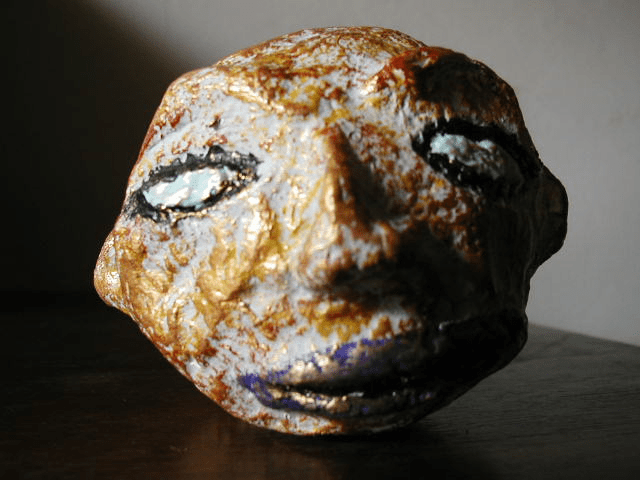
In addition to being an attorney Deatrick has worn many hats over the duration of her career: she’s been a playwright, gallery curator, theatre critic, award-winning journalist, and (according to one blogger/artist) ‘a creator of whimsical and mysterious artistic creations.’ According to the website ‘annenberg.usc.edu,’ Sherry was at one time an ‘affiliated freelancer’ with the ‘Louisville Eccentric Observer’ that is based out of Kentucky (she was their theatre critic and won three awards three years in a row for her contributions to the paper). During her time at LEO, she largely focused on the arts and wrote pieces about celebrities like John Waters and local curiosities like Specific Gravity Ensemble (a group known for putting on micro-plays in elevators). Also, according to blogger and artist Jeffrey Scott Holland, Sherry at one time had her own art studio called the ‘Deatrick Gallery,’ which was located in Louisville; her medium included mosaics, crochet amigurumi, and ‘paper-mache miniature heads.’ According to the galleries ‘Geocities’ website, Deatrick’s gallery housed the work of several artists, including Jefferey Holland, Lila Afiouni, and Steve Rigot. She also put on a ‘one-woman performance’ named ‘Heads’ at her gallery in 2004, where she also sold her paper-mache heads that were painted bright colors.

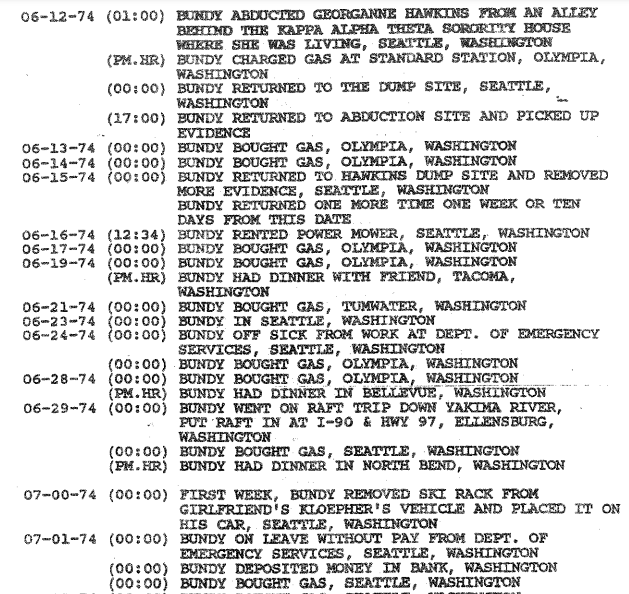
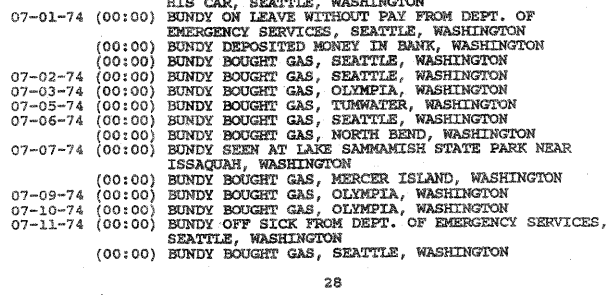
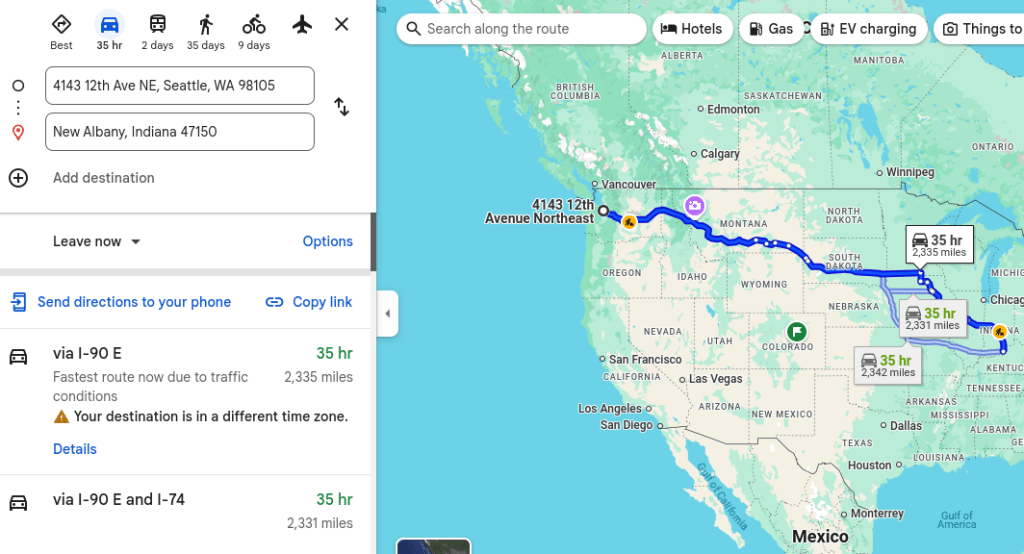
I included Ted’s whereabouts in the summer of 1974 below, and nowhere in it does it say he visited the state of Indiana at any point in time. I understand that not every single one of his movements was recorded, but Indiana is many states away from the Rogers Rooming House in Seattle (where he was living at the time), and was a whopping thirty five hour drive away (and that’s just one way, without stops!). One would think he would have used a credit card to purchase gas at some point in the trip, and therefore would have been listed in the ‘1992 TB Multi agency Team Report.’

The summer of 1974 was a busy time for Bundy: in the late spring/early summer on May 30/June 1, 1974 he abducted and killed Brenda Carol Ball after she saw a band play at The Flame Tavern in Burien, WA. On June 11, 1974 Ted abducted then killed Georgann Hawkins from outside her sorority house at the University of Washington in Seattle. A little over a month later on July 14 he abducted and killed both Jan Ott and Denise Naslund from Lake Sammamish Park in Issaquah, and in late summer/early fall on September 2, 1974 he abducted and killed the unknown Idaho hitchhiker during his move from Seattle to SLC. At the time Bundy was also in a fairly committed, long term relationship with Elizabeth Kloepfer and was gearing up for his second attempt at law school in Salt Lake City. He also worked from May 3, 1974 to August 28, 1974 at the Department of Emergency Services in Olympia, WA.

Sherry Deatrick is the fourth living victim I’ve written about since I started writing about Ted Bundy (I briefly forgot about Susan Roller/’Sara A. Survivor’). The first was Sotria Kritsonis, who claims she escaped an encounter with Ted in the winter of 1972 after he asked if she wanted a ride while she was waiting at a bus stop on Rainer Street. The two drove around for a while, and after he realized she got her hair cut short he got angry and threw her out of his car. Kritsonis claims she saw him the following year on TV and immediately knew it was him… but it couldn’t have been Ted, because he wasn’t arrested for his crimes against women until August 1975, and he didn’t purchase his tan VW until the spring of 1973. Now, I suppose it’s possible she saw the news story about how he got caught wearing a disguise while infiltrating an event for the Washington state Democratic party, but I highly doubt it.

Rhonda Stapley is one of the more ‘out there’ living Bundy victims, and by this I mean she has been featured in various television specials and mini-series about the serial killer. Stapley was a twenty-one -year-old pharmacy student at the University of Utah when she claims Ted pulled over and asked if she wanted a ride back to her dormitory after a painful dental surgery in the fall of 1974. Like Kritsonis, she was sitting at a bus stop, and not long into the drive he looked at her and said, ‘do you know what? I am going to kill you now.’ He then knocked her unconscious and drove to a secluded canyon just outside of the city, where he beat and sexually assaulted her over and over again for hours before she was finally able to escape by jumping in a nearby stream. She eventually made her way back to the University of Utah, and because she was worried that her mother would pull her from school Rhonda kept the event to herself until 2011,: ‘I imagined people whispering, ‘that’s that girl who was raped.’ I didn’t want attention. I still don’t.’

Susan Lorrayne Roller (who writes under the pseudonym Sara A. Survivor) is an alleged repeat victim and long-time acquaintance of Bundy during the time he was active (and possibly before) in Washington state. She claims that she was friends with Georgann Hawkins as well, and where I couldn’t find any proof of any friendship (as in, pictures of them together) they were Pierce County Daffodil Princesses a year apart (Susan in 1972, Georgann in 1973). Roller claims that she dated Ted briefly before he began to routinely mentally and physically abuse her, and that he also stalked her during their time together at the University of Washington.

Roller has published three books about Bundy: the first is a memoir published in July 2016 and only a limited number of copies were printed (it has since been completely pulled to be ‘rewritten’); her website has disappeared as well because the domain wasn’t properly maintained. The second and third books are more based in facts, and are directly related to the Bundy investigation. In ‘Defense of Denial: Ted Bundy’s Final Prison Interview, 1989’ (published on April 5, 2016), Sarah released some interviews between Ted and Bob Keppell that supposedly provides evidence there were additional victims, and shows proof that police kept information related to the case from the public. Her third book, ‘Reflections on Green River: The Letters of, and Conversations with, Ted Bundy,’ was also published on April 5, 2016 and is ‘a collection of actual documents related to the interviews that took place between WA State authorities in 1984 and 1988 that were released to Roller after years of coming forward.’

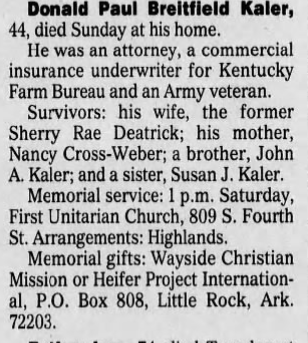
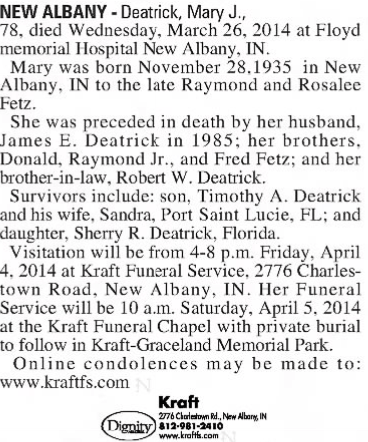
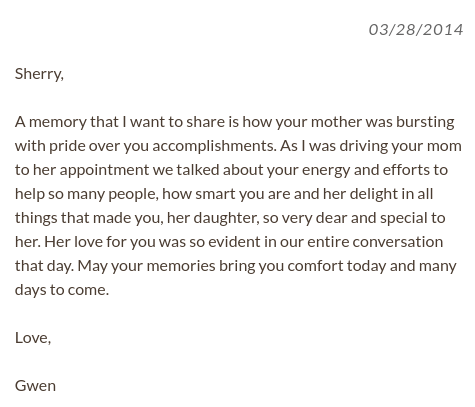
James E. Deatrick died at the age of fifty-four on November 24, 1985, and Sherry’s mother Mary died at the age of 78 on March 26, 2014 at Floyd Memorial Hospital in New Albany, IN. Sherry is 67 years old (as of February 2025), and is a widow currently living in Largo, Florida. Her husband Donald Paul Breitfield Kaler died on January 30, 2000 at the age of forty-four, and according to his obituary, he was a US Army Veteran and a licensed attorney; he worked as a commercial insurance underwriter for the Kentucky Farm Bureau. Her brother Timothy A. Deatrick lives in Port Saint Lucie, Florida with his wife, Sandra.

Works Cited:
Deatrick, Sherry. (April 2, 2020). ‘Hypnotised by a Handsome Stranger.’ Taken February 25, 2025 from vtfeatures.co.uk
Deatrick, Sherry. (April 2, 2020). ‘True Life Lucky Escape: Hypnotised by a Handsome Stranger.’ Taken February 24, 2025 from vtfeatures.com
‘Deatrick Law Firm: Sherry R. Deatrick, Attorney at Law.’ Taken February 25, 2025 from piattorneylist.com/online/memberDetail38461.htm
Holland, Jeffrey Scott. ‘Unusual Kentucky: Sherry Deatrick.’ (June 7, 2010). Taken February 25, 2025 from unusualkentucky.blogspot.com
Punteha van Terheyden. (July 27, 2019). ‘Hitching a ride with handsome stranger Ted Bundy nearly cost me my life.’ Taken February 24, 2025 from ‘The Mirror.’
geocities.ws/deatrickgallery/deatrick.html

A picture of Deatrick from ‘The Mirror.’
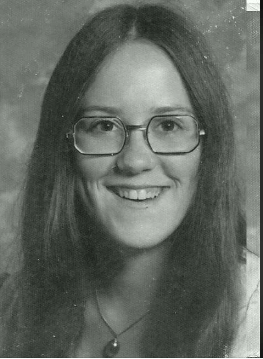
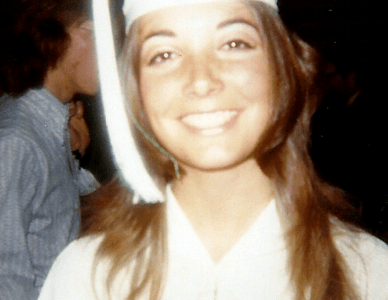
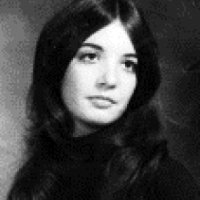
A picture of Sherry Deatrick from her sophomore year from the 1972 New Albany High School yearbook.
Deatrick.
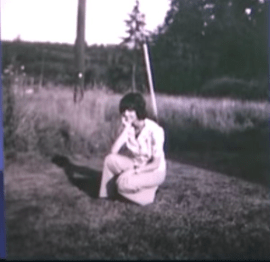
A picture of Deatrick I found on Pinterest.
A picture of Deatrick taken from the website ‘UnusualKentucky.blogspot.’
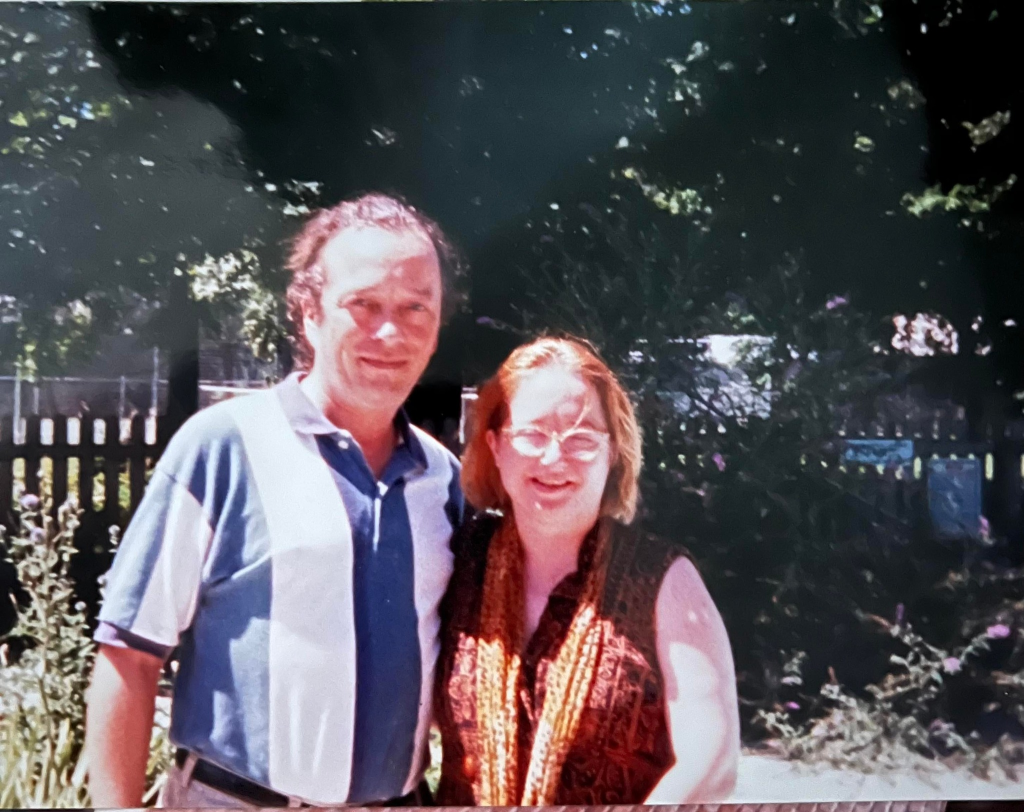
A picture of Sherry with her husband, Don. Photo courtesy of Facebook.
Deatrick.
A picture of Sherry and her mother Mary taken sometime in the 1990’s. Photo courtesy of Facebook.
Another picture of Sherry with a male friend. Photo courtesy of Twitter.
A recent picture of Sherry with a male friend. Photo courtesy of Twitter, because I refuse to call it X.
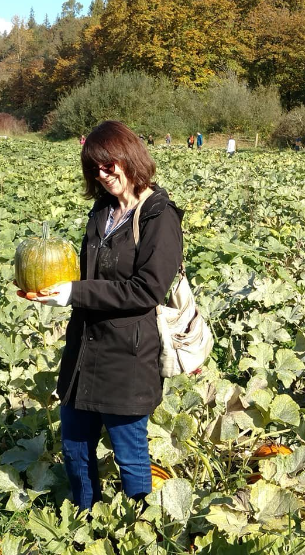
Another recent picture of Deatrick. Photo courtesy of Twitter.
Information related to Sherry’s law practice, taken from the website ‘UnusualKentucky.blogspot.’
The spread Deatrick did titled ‘Hypnotised by a Handsome Stranger.’
The layout of an article Deatrick did with the UK magazine ‘The Mirror.’
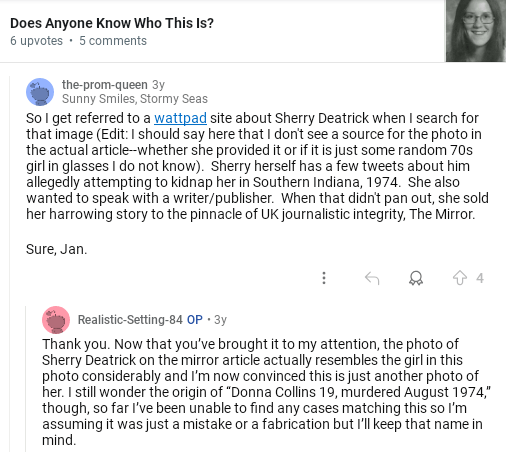
A comment from a Reddit post asking why a picture on Pinterest was for a woman named Donna Collins but it’s really for Sherry Deatrick.
A paper-mache head that blogger Jeffrey Scott Holland purchased after attending Deatricks one-woman show at her gallery in 2004.
Another piece of Sherry’s artwork, photo courtesy of geocities.ws/deatrickgallery/deatrick
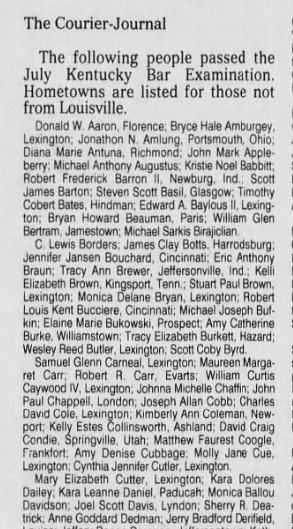
Sherry mentioned in a list of people that passed the Kentucky bar exam in July 1997 published in The Courier-Journal on November 3, 1997. ·
A newspaper blurb mentioning Deatrick getting a position with the Louisville office of Dinsmore & Shohl LLP published in The Courier-Journal on December 3, 1997.
Deatrick’s name in an article about a lawsuit published in The Lexington Herald-Leader on January 19, 2005. 
Bundy’s whereabouts in the summer of 1974 according to the ‘FBI TB MultiAgency Team Report 1992.’
A possible route Bundy could have taken going from Seattle to New Albany, Indiana.
Deatricks fathers obituary published in The Courier-Journal on November 24, 1985.
Sherry’s husband Donald’s obituary published in The Courier-Journal on February 2, 2000.
Deatricks mother’s obituary published in The Courier-Journal on April 2, 2014.
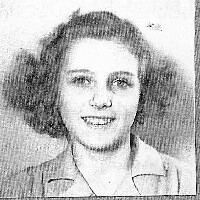
Mary Fetz’s yearbook photo from the 195 New Albany High School yearbook.
A picture of Sherry’s mother.
Mary Deatrick.
A kind word about Deatrick’s mother taken from her memorial page on dignitymemorial.com.
Sotria Kristonis.
Susan L. Roller.
Rhonda Stapley.

Sotria Kritsonis.

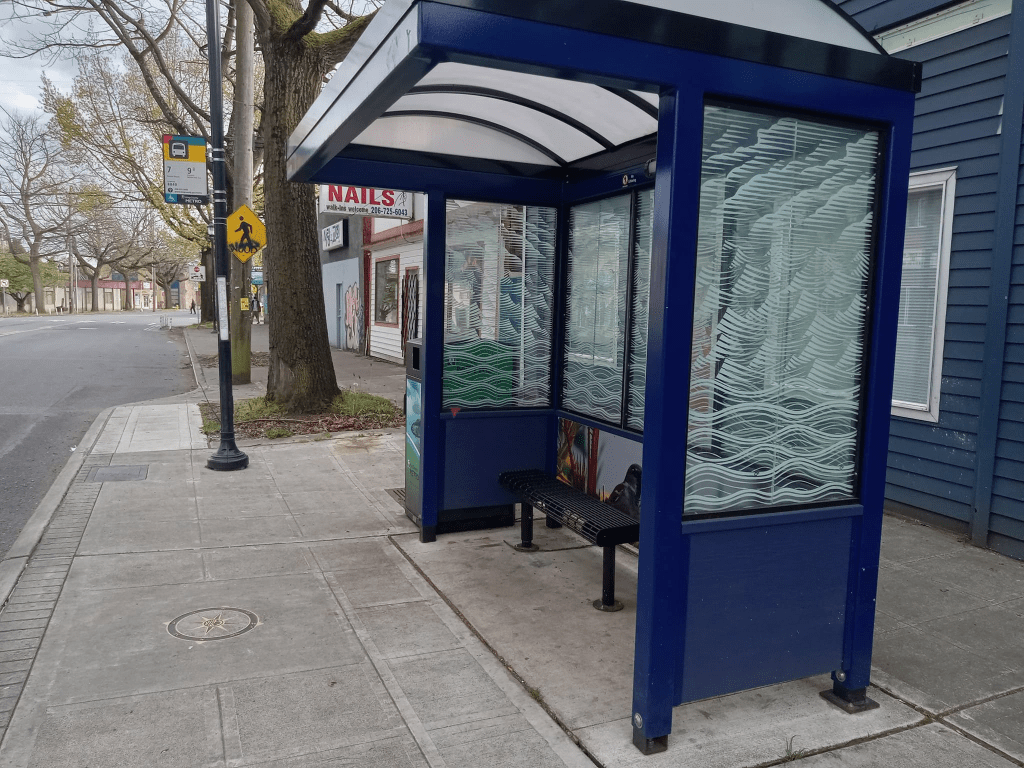
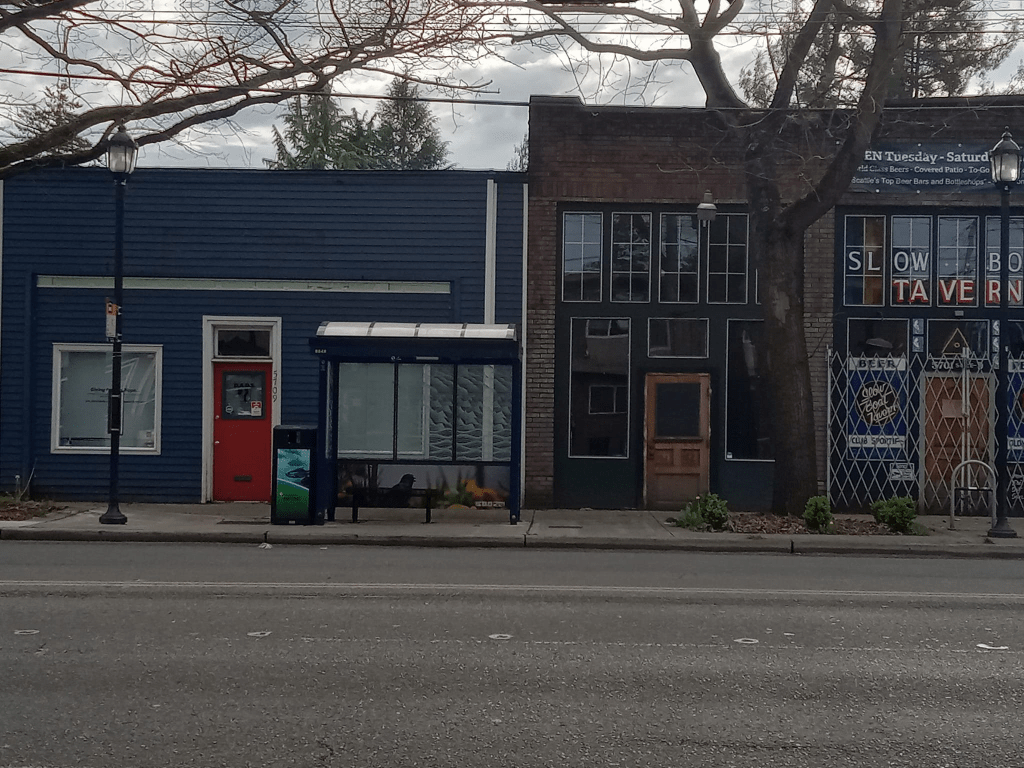
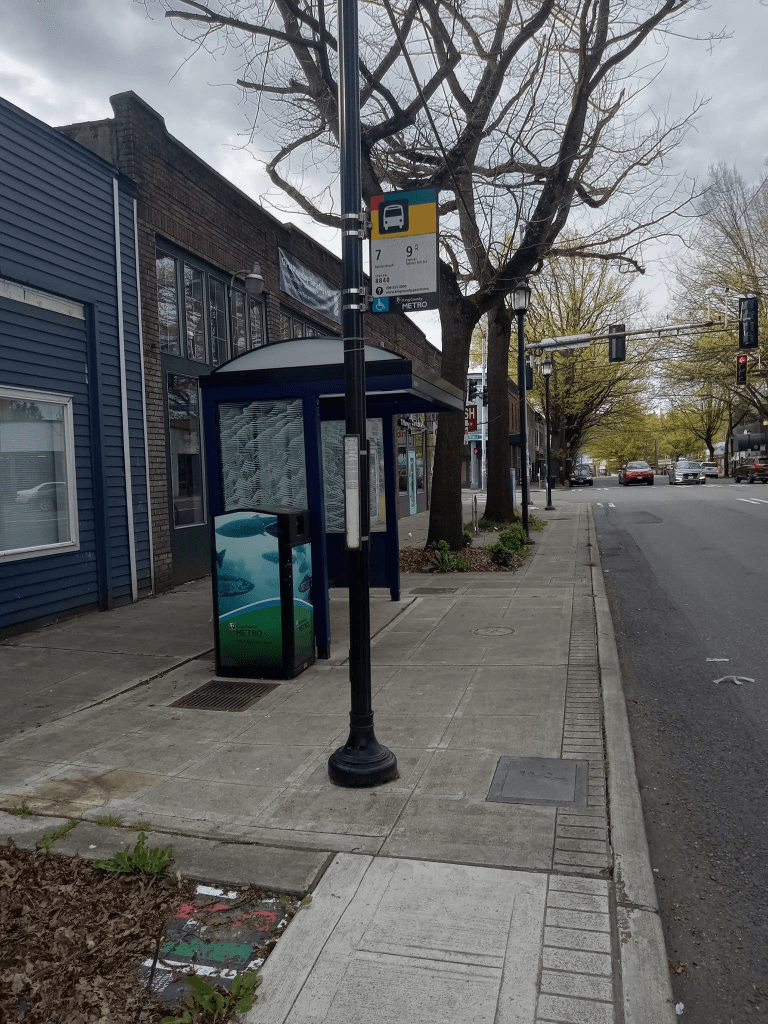
I won’t lie, the two Washington victims I have left to write about (Denise Naslund and Brenda Ball) are also the ones I know the least about, and the thought of doing another deep dive is incredibly overwhelming to me and I’ve been putting it off. So, I’m going to do one more unconfirmed abduction that strangely enough wasn’t discussed for the first time until February 2018. To be honest, of ALL the unusual spots I made a point of seeing during my time in Seattle, perhaps the strangest and most boring one was the bus stop where Sotria Kritsonis was allegedly abducted from, located at the intersection of Rainier Ave South and South Orcas South. If you don’t recognize the name of this victim don’t worry: much like Rhonda Stapely, Ms. Kritsonis held onto her experience for a very large portion of her life. It wasn’t until 2018 when she finally opened up and walked KIRO-7 reporter Dave Wagner through what happened to her that snowy winter day in early 1972.

Finding this site in Seattle was a bit of a challenge for me. It took a fair amount of internet sleuthing to figure it out, but with some time and effort I pulled it off. I must have driven around for a solid two hours searching for it too… When I finally was able to find it, a very curious but polite gentleman watching me from across the street seemed genuinely baffled as to why I was so interested in taking pictures of an old, run down bus stop. He kept offering to give me directions to where I was trying to go and couldn’t quite seem to grasp that was my intended destination. And now that I think about it, I’m pretty sure this was my VERY last Bundy-location I visited and I doubt he would have been able to properly understand why I was so excited: I was DONE!

Sotria Linda Kritsonis was born on April 29, 1949 in Bellevue, WA. In early 1972, the twenty two year old student was waiting in the cold for a city bus to arrive and take her to school. After about an hour of waiting a VW Bug pulled up alongside of her, and the handsome young driver politely asked if she was waiting for a bus. After sharing that he didn’t see a bus coming for miles, he asked if she would like a ride to school. Sotria didn’t think for a second that this friendly stranger would do her any harm in the middle of the day so she happily accepted his offer to get out of the brutal Seattle cold and into a warm car: ‘he goes, ‘I’ve come down Rainier Avenue and that’s a long way and there’s no bus in sight. Would you like a ride?’’ The little tan Bug immediately started driving south on I-5 toward Tukwila, which was the opposite direction of where she told him her school was located (in Renton). Sotria became increasingly concerned when he began reaching under the seats: ‘he just started yelling at me, ‘why did you take this ride? Why did you even think about taking this ride? You’re never going to make it to school.’ It was then that Kritsonis considered jumping out of the vehicle but when she reached for where the door handle should have been she realized it was missing: ‘He said, ‘don’t even think about that. You’re not making it. I told you that before.’ Despite sobbing and pleading with him to let her go, her assailant continued to yell at her to shut up and stop screaming.

It was then that Sotria said Bundy made a strange request that made her realize he’d seen her before: ‘‘take your hat off.’ And I said, ‘what do you mean, take my hat off? What for?’’ … ‘I took my hat off and he saw that something was different about me.’ Just the week prior, she cut her once long brown hair up to her shoulders. Her abductor looked at her as though he was somehow aware of this change: ‘He goes, ‘Why did you cut your hair?’’ … ‘I keep thinking, did he stalk me? Did he see me somewhere?’ … ‘Was he waiting for me, or was he watching me?’ Kritsonis felt that he must have followed her previously, in a way marking her as his next victim. It’s widely speculated that Bundy had a preference for slim, long haired brunettes, and up until about a week before she would have been his ideal victim. After aimlessly driving around for about an hour, the man eventually dumped Sotria off in front of her college, saying she was ‘lucky’ as he threw her onto the sidewalk. She never filed a police report and only told her family about what happened: ‘I didn’t talk about it, because I was a little bit embarrassed.’ It wasn’t until about a year and a half later when she saw Bundy on the news that Kritsonis realized who exactly her abductor had been: ‘I knew 100 percent that was the guy.’ … ‘I’m more than lucky. I just thank God I’m alive, every day.’

Perhaps my biggest issue with Ms. Kritsonis’ story (aside from the part about Ted not liking her new hairdo) is her account of the missing door handle. Most Bundy scholars firmly believe that the passengers door in the serial killers car was completely intact and undisturbed, which is obvious when you study the story of an actual confirmed escapee like Carol DaRonch, who never once mentioned a missing handle (and she obviously was able to use it to get away from her attacker). It’s also worth mentioning that DaRonch was abducted on November 8, 1974, which is after Sotria claimed her abduction occurred. Now, let’s really think about this: I don’t think Bundy would have done something so outlandish like taken the door handle off his vehicle when he was trying to pass as a normal, everyday law student. Also, if Ted drove Liz or Molly around I’m sure they would have been alarmed if the car’s door handle mysteriously disappeared. Personally, I think she stole this detail from Rhonda Stapley, who most likely got her serial killers mixed up: it was Ed Kemper who jacked up the passengers side door handle, often shoving something inside it (usually a tube of chapstick), preventing it from opening on the inside, essentially trapping the victim inside his deathwagon.

I’m only briefly touching on Ms. Stapley as I haven’t been to Utah yet and am not super well versed with her story. I do want to mention how similar it is to what happened to Sotria: both started at a bus stop and were able to escape their attacker. In 2016, Ms. Stapley shared her story with KUTV-2 out of Salt Lake City, telling them: ‘I was waiting for a city bus downtown by Liberty Park. A tan Volkswagen came by and offered me a ride and I got in.’ … ‘Instead of taking me back up to campus where he told me he was going to take me, we ended up in Big Cottonwood Canyon, and I was assaulted. I didn’t tell anyone for 40 years. I felt shame.’ Stapley claimed that on October 11, 1974, Bundy noticed her waiting at a bus stop in Utah and asked if she’d like a ride to her college campus. Instead, he took her to a deserted canyon, where he brutally raped and assaulted her for hours. Additionally, he strangled her multiple times to the brink of death then revived her: ‘he did that several times.’ … ‘Revive me and choke me again.’ Rhonda made her escape when Bundy turned his back on her and she bolted: ‘I was able to run. And then I tripped and fell into a mountain river that swept me away from my attacker and saved my life.’ She then hiked 10 miles back to her dormitory at the University of Utah and kept the secret to herself until 2016, when she published her book, ‘I Survived Ted Bundy: The Attack, Escape & PTSD that Changed My Life.’ About the attack, she said: ‘I bathed and just decided never to tell anybody.’ … ‘I was afraid that people would treat me differently if they knew what happened. I wanted to put it behind me and get on with my life, pretend it never happened.’ Now, I do NOT want to victim doubt or shame, I don’t know what happened to Rhonda and there’s only two people (maybe three) in the entire world that do: Ted, Rhonda, and the potential assailant if it wasn’t Bundy. I feel one of the most important things worth mentioning is, like Kritsonis, Rhonda claimed the passengers side door of the VW Beetle had no inside handle, and that’s why she couldn’t escape.

While doing research for this article I stumbled upon a piece written by Shane Lambert titled, ‘Bundy, His Timeline, and Sotria Kritsonis: Filling in a Gap,’ published on January 6, 2021. In it, he dissects Sotria’s story and claims based largely on information found in the ‘Ted Bundy Multiagency Team Report 1992,’ which has been described as ‘exhaustive documentation of Bundy’s activities… in the hopes that his suspected participation in crimes other than those he confessed to can be clarified’ (from the report’s ‘Director’s Comments’). Not only does it contain important events related to Ted’s murders (for example the time and places of where he was when he killed his confirmed victims), but it also includes normal, everyday events, like what supermarket he did his grocery shopping at and where he bought gas. Lambert comments that the news piece done by KIRO-7 is not entirely accurate because it doesn’t give complete information; for example, the exact date of Kritsonis’ encounter isn’t given as well as the address where the abduction occurred. But, in a way I sort of get that: Bundy was a hot topic at the time the story was on the news and people were clamoring for any information related to him. Plus, in a way it was just a fluff piece for a local news station, not a scholarly journal article that required every single minute detail. I mean, let’s say the story is true. It doesn’t help that it happened over 45 years ago, and the memory doesn’t usually improve with time. However, the general time frame in question was given (winter of 1972) and the location can be found (obviously, as I was able to go there). Now, did it occur in early 1972 or late 1972? Living in Buffalo I am well aware you can have snow at two completely different times of the year: beginning (January, February, and March), and end (October, November, December). Lambert feels (and I agree) that the alleged abduction most likely occurred in early 1972 because Kritsonis says she was 22 at the time and at the end of the year she would have been 23. Thus, the time frame in question is January to March of 1972, and there’s no information provided during that time period in the ‘TB Multi agency Report 1992.’ It shows an entry for Bundy on New Year’s Eve in 1971 then nothing until April 15th, 1972. The encounter between Bundy and Kritsonis appears to be somewhere in that period of time and if we take her story to be true, then it shows that he was active during this period.

I’m not going to talk about everything Lambert discussed in his article (you can read it yourself, I’ll include the link at the end) but another important thing I want to touch on is that the news piece says that Kritsonis saw Bundy on television a year and a half after her botched kidnapping. If this is true, and she did in fact see him on the news in 1973, then what was it related to? Ted didn’t get arrested until August 1975, seeing him on TV before then makes absolutely no sense. I mean, we all know about how Bundy posed as a college student during 1972’s election and that he secretly traveled with Governor’s Dan Evans Democratic opponent monitoring their campaign activities. That did make the news in August of 1973 and could have been when Sotria claims she saw, but I doubt it.

Like Lambert, I don’t believe this woman’s story, however I disagree with his timeline on when Bundy started killing: he thinks it was in 1974, however I feel the murders started years earlier and Lynda Ann Healy wasn’t his first victim (although I think he thought he killed Karen Sparks). Just my personal opinion, I guess I’ll elaborate more at a different time. I also did not read the ‘Ted Bundy Multiagency Investigative Team Report 1992’ so I can’t comment much on that either (in fact I didn’t know it existed until now). Lambert also pointed out that it was a coincidence a good amount of the victims had long dark hair parted down the middle, as it was the style at the time (I can attest to this, in a picture from 1974 my Mom is a dead ringer for Kathy Parks). However, not all of his victims had brown hair: Lynette Culvers hair was light blonde, and little Kim Leach had dirty blonde locks (both girls were coincidentally only 12 years old by the way, and were also Bundy’s youngest confirmed victims). It’s also worth mentioning that the only victim Ted admitted to letting go was a woman in Seattle who claimed she had a child waiting for her at home.

I do want to touch on another unconfirmed escaped victim briefly, just because I want to ‘share the wealth of Bundy-knowledge,’ so to speak. When I was in Seattle I didn’t sleep very well being away from my new husband so I spent many late nights going down the true crime rabbit hole, so to speak. One of the WEEEEEEEEEEEEEEIRDEST things I discovered was a book written by another supposed living victim named Sara A. Survivor. The review on Amazon says, ‘Reconstructing Sara is not a ‘story.’ It is testimony. Anyone thinking of buying the book and expecting some dramatic recounting of events that reads like a story is going to be disappointed. Sara does not have the ability to do that even though she writes for a living. Her mind simply can’t function that way due to the severe trauma she sustained while under the control of Ted Bundy.’ In a nutshell, this woman claims to have been repeatedly raped and assaulted by Ted Bundy; she also alleges that Bob Keppel mocked victims and destroyed important evidence related to the Bundy case. About the author, Amazon says, ‘Sara A Survivor is a pseudonym for the actual victim of Ted Bundy. She is writing the book under a pseudonym to protect her identity as she continues to move through the healing process as a survivor and tries to rebuild her life. The impact of the kidnappings and ‘relationship’ with Ted developed through intimidation, stalking, rape and coercion, lasted nearly a lifetime. The memory loss of the events of that time period for so many decades delayed the healing; but she was lucky in that she survived. What happened to Sara may help others in similar situations.’ I don’t want to get too off topic but this is something worth looking into (if just because she’s a wacko and this is entertaining) and there’s a wealth of information on her website despite the book being out of print. Per Amazon, ‘Reconstructing Sara is being taken out of circulation to be rewritten by a professional writer with new areas of information added. The original version will be available to professionals only upon request. Reconstructing Sara is not a story, it is a testimony.’ Maybe I’ll do a separate piece on this at a later point in time (after I do my research), but I do want to comment that I couldn’t find a copy of this book ANYWHERE and I tried looking in some pretty unconventional spots. I got nada. So, the search continues.

I am good friends with Erin Banks, and before I even went to Seattle I remember being surprised when I stumbled upon her write-up on this victim, because I never heard about her. At the end of Ms. Banks article on her wonderfully written blog ‘The Crimepiper” was a comment left by Ms. Kritsonis’s brother defending his sister, saying something along the lines of ‘you didn’t see the look on her face that day she saw him on the news…’ I don’t know. I guess a part of me kind of gets it: he believes her, and wants to defend his sister, who he loves and wants to protect.

Now, keep in mind this is my personal opinion. Take this information and please formulate your own thoughts. I feel perhaps Ms. Kritsonis was briefly kidnapped by a man in a VW Bug (it was after all a very popular car at the time), but I don’t think it was Ted Bundy who did it. It just makes no sense to me, especially when she claims she saw him on TV only a year and a half later in 1973. Also, I don’t think her new haircut would have stopped him either, not when she was already in his vehicle, unable to escape. And why would he randomly ask her to take her hat off? It’s almost as if Kritsonis was searching for excuses that Bundy didn’t assault and take her life. That paired with the obvious door handle lie just doesn’t add up.

Please refer to the following for works cited:
https://kutv.com/news/local/survival-story-utah-woman-says-she-was-attacked-by-ted-bundy-and-lived-to-tell-about-it
https://reconstructingsara.com/
https://www.kiro7.com/living/dating/ted-bundy-kidnapping-victim-shares-story-of-1972-kidnapping-and-how-she-escaped/696691973/
http://missingpersonscommentary.blogspot.com/2021/01/ted-bundy-his-timeline-and-sotria.html

Kritsonis’ sophomore year picture from the 1965 Franklin High School yearbook.
A photo of Kritsonis in the 1970’s, courtesy of KIRO-7.
A photo of Sotria Kritsonis with her brown hair cut short, courtesy of KIRO-7.
A close-up of Kritsonis’ short haircut
Sotria Kritsonis in 2018, walking the route of her abduction with KIRO-7 reporter Dave Wagner.
A photo of Kritsonis as she give an interview to KIRO-7 reporter Dave Wagner, courtesy of KIRO-7.
A more current photo of Sotria Kritsonis, courtesy of Facebook.
TB’s whereabouts in early 1972 according to the ‘Ted Bundy Multiagency Investigative Team Report 1992.’
An article mentioning Bundy before his 1975 arrest published by The Tri-City Herald on May 17, 1973.
An article mentioning Bundy spying on Dan Evans Democratic opponent before his 1975 arrest published by The Olympian on August 29, 1973.
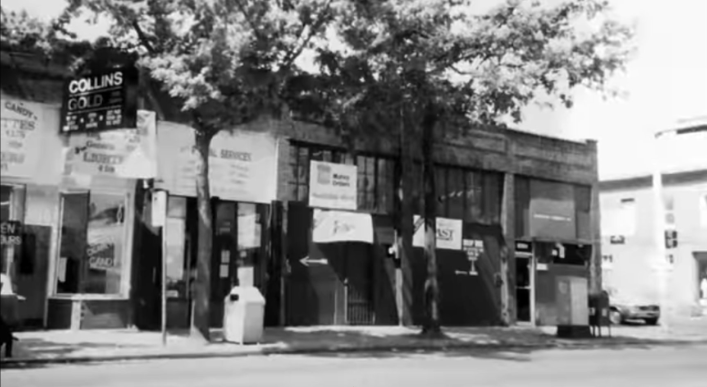
An older shot of the bus stop where Sotria Kritsonis said she was kidnapped from by Ted Bundy in 1972.
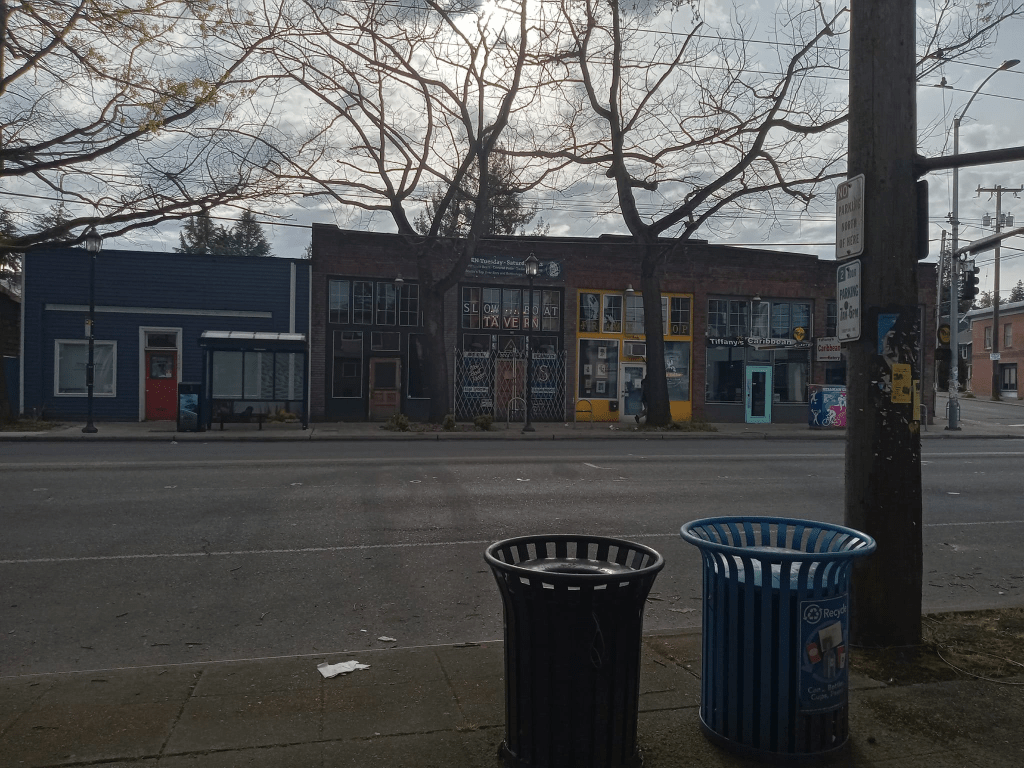
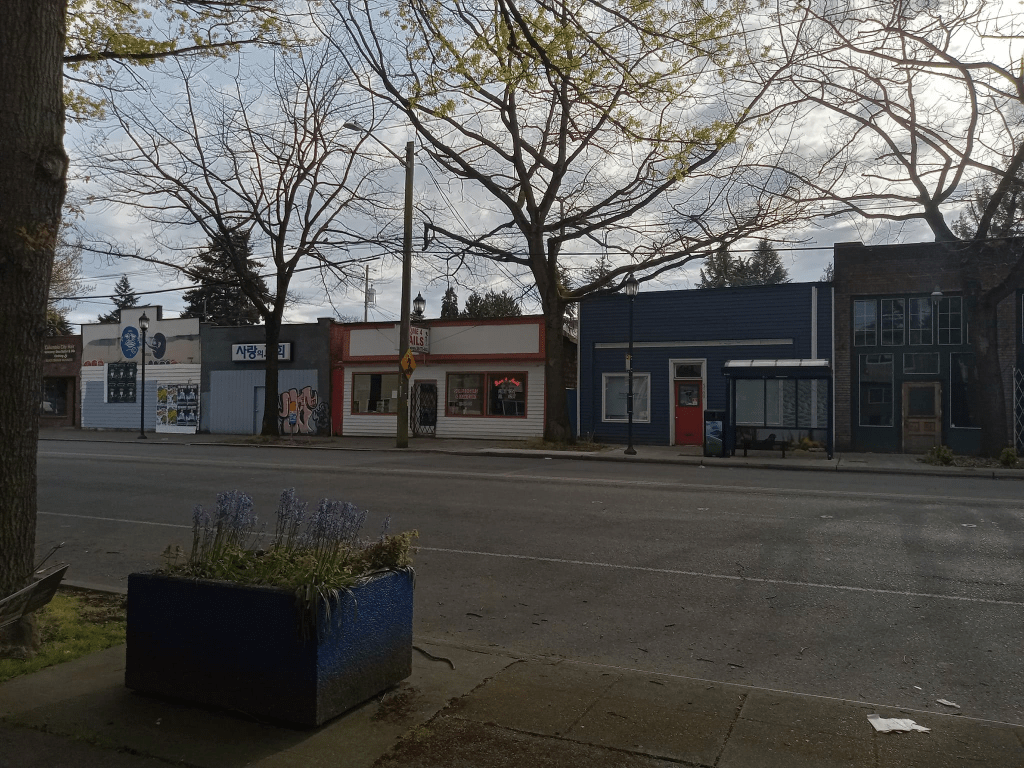
A current shot of the scene across the street from where Sotria Kritsonis claims she was abducted from, 2022.
It’s worth noting that the water levels at the time Stapley claims she was assaulted in the canyon were checked by some dedicated Bundy researchers and they came to the conclusion that they weren’t high enough to have swept her away.
‘I said, ‘My name is Rhonda, and I’m a first-year pharmacy student.’ And he said, ‘My name is Ted, and I’m a first-year law student. It didn’t seem scary or wrong. He just seemed like a fellow college student,” said Stapley. ‘There was nothing alarming at all about him.’
A more current photo of Ms. Rhonda Stapley, who claims she was sexually assaulted by Bundy in 1975 but didn’t come forward with her story until 2016. ‘I thought he was going to kiss me & instead he said I’m going to kill you. And then he started strangling me.’
‘She was an innocent Mormon girl. He was America’s most notorious serial killer. When their paths crossed on a quiet autumn afternoon, he planned to kill her. But this victim had an incredible will to survive and would live to tell her story nearly three decades after he met death in a Florida electric chair. Ted Bundy brutally attacked Rhonda Stapley in a secluded Utah canyon in 1974. She miraculously escaped and hid her dark secret until now. This compelling real story of triumph over tragedy is both shocking and inspiring and told with the true courage of a victim turned survivor (foreword by Ann Rule).’
Sara A. Survivor, at the age of 17. Photo courtesy of reconstructingsara.com.
Sara with the 1972 Daffodil Princesses, photo courtesy of Facebook.
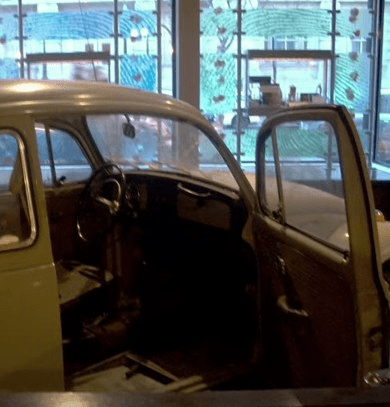
Here is a picture of the inside passengers side door of Bundy’s VW Beetle. You can clearly see the door handle is in perfect condition on the car. Today, Bundy’s tan 1968 VW Beetle is among the star attractions at the Alcatraz East Crime Museum in Pigeon Forge, Tennessee.
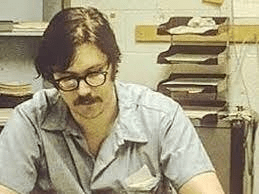
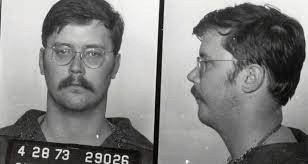
Edmund Emil Kemper III is an American serial killer who murdered six college students before murdering his mother and her best friend from September 1972 to April 1973, following his parole for murdering his paternal grandparents.
On the outside it seemed a harmless ride to the next destination, but inside was a murderous trap: Ed Kemper’s car was a used yellow 1969 Ford Galaxie 500 with a black interior and hardtop. He bought it with the money he received after suing a female driver after he broke his left arm in a motorcycle accident. Not long after he got the Ford Galaxie, he crashed it, causing some damage to the left rear fender. Kemper roughly patched the rear bumper and light himself and it was in this condition when he was arrested.
While driving around, he noticed a large number of young women hitchhiking, and began storing plastic bags, knives, blankets, and handcuffs in his car. He then began picking up girls and peacefully letting them go, and according to Kemper, he picked up around 150 hitchhikers before he began acting on his homicidal sexual urges, which he called his ‘little zapples.’ As a side note, the first thing that popped in my head after reading about this was BTK’s ‘factor X,’ which he described as the internal, insatiable drive to kill that he does not comprehend.
Heres an interesting tidbit: while in prison, Ed Kemper voiced many audio books, including Star Wars and Flowers in the Attic.
Ed Kempers deathwagon. He often jammed a foreign object (usually a chapstick tube) in the passengers side door handle so his victim couldn’t escape. Rhonda Stapley most likely confused her serial killers when she concocted her story in 2016.
A photo of Clarnell State after she was killed by her son, Edward Kemper on April 21, 1973.
Aside from having to travel to court a few days here and there, after the attack DaRonch said, ‘My life continued normally.’ … ‘I was able to detach myself from an event that could have ruined my life.’ … ‘It may not be a reasonable solution for everyone, but it is how I have been able to move on.’
Aside from an incident right after the attempted kidnapping, when a magazine-seller approached her car in a grocery store parking lot, DaRonch has expressed that she’s experienced no fear regarding the attempted kidnapping has lingered in her. However, she grew ‘more cautious around strangers, more aware of my surroundings and less trusting,’ however she didn’t allow Bundy to take up space in her head.
Bundy’s periodic trials were only pauses in her return to normalcy, including night classes and weekends away to the lake with her boyfriend. DaRonch went on to earn a degree in business management and has long worked in the telecommunications industry, where she met Michael, her current partner of over 15 years. They live together in a suburb of Salt Lake City, the same place she was living with her parents when Bundy first approached her. ‘Even reliving it now, I’m not entirely comfortable.’ … ‘I enjoy my anonymity, when I have it. I also realize that it is an important story to tell, and if someone can benefit in a positive way from it, then that’s what I want.’