Forrest was active in Washington/Oregon roughly the same time as Bundy.
Warren Leslie Forrest, Miscellaneous Information.

Forrest was active in Washington/Oregon roughly the same time as Bundy.

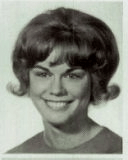
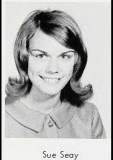
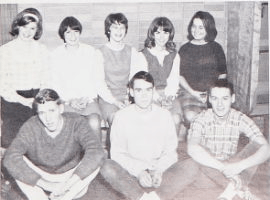
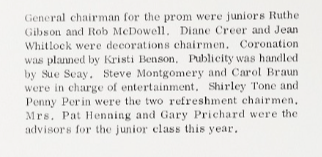
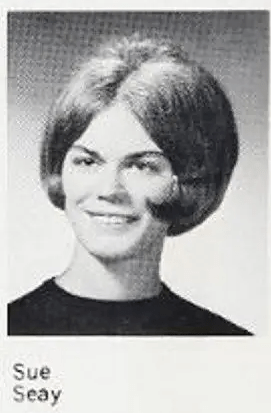
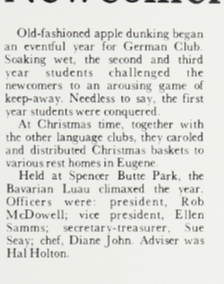
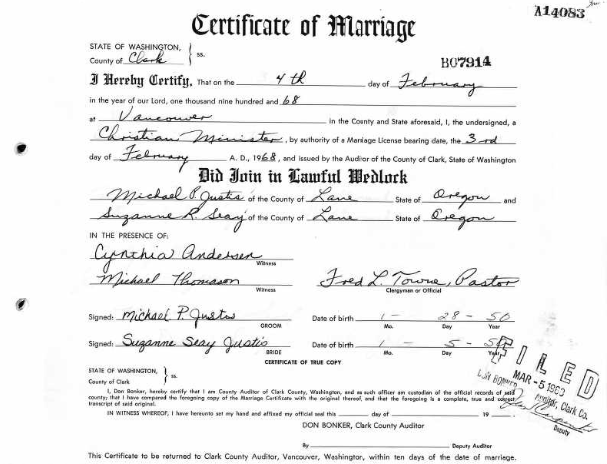
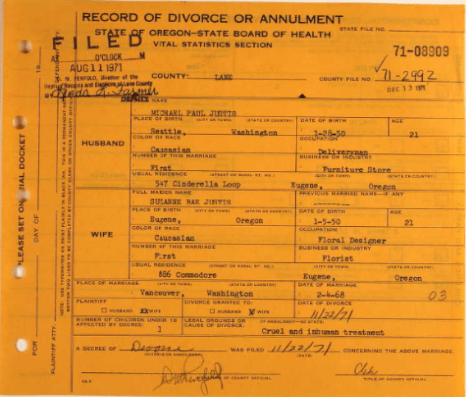
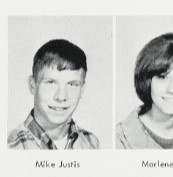
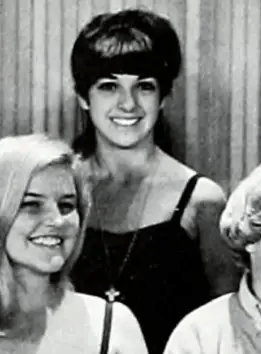
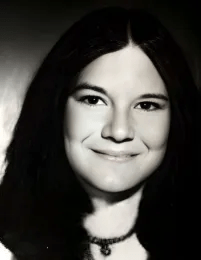
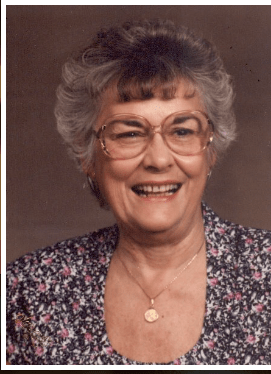
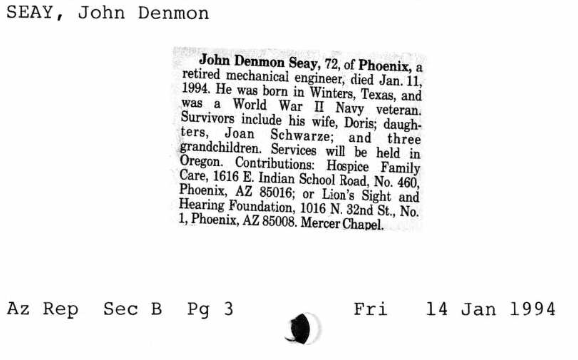
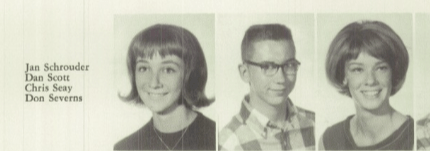
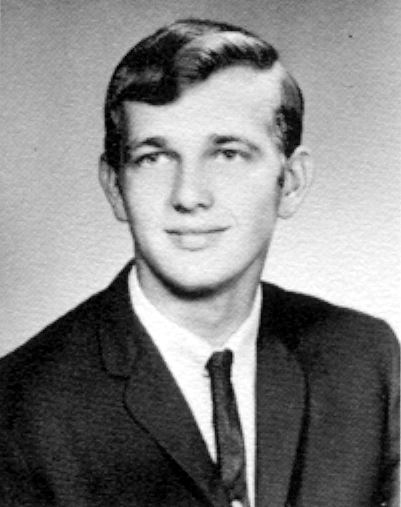
Suzanne “Sue” Rae Justis was born to John and Doris (Smeed) Seay on January 5, 1950 in Vancouver, Washington. The couple were wed on December 25, 1954 and eventually relocated to Eugene, Oregon; they had three daughters (Suzanne, Chris, and Joan) and a son (Gary). Sue attended North Eugene High School and about halfway through her senior year on February 3, 1968 she married Mike Justis (who I’m deducing was her high school sweetheart as they went to school together and were so young); the couple had a son together however they divorced in November 1971. Sue was 5’3,” weighed 110 pounds and had blue eyes; she also had a mole on the left side of her face underneath her bottom lip. Like so many of the other unconfirmed victims I write about, there isn’t a lot of information out there on her (the majority of the pictures I found were from high school).
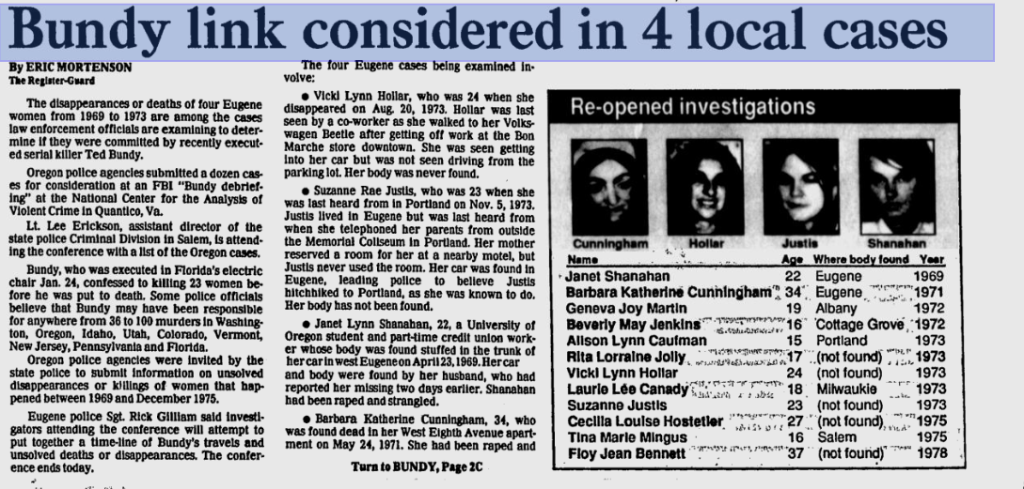
At the time she disappeared in 1973 Justis was 23 years old and wore her brown hair long and parted down the middle. Most of what we know about the last hours of Suzanne Justis’ life is because of a conversation she had with her mother: at some point on November 5, 1973 Mrs. Seay spoke with her daughter on the phone. Sue told her that she was in the general area of what was (at the time) The Memorial Coliseum in Portland, OR and was planning on returning home the next day so she could pick her son up from school (which makes me think she didn’t have to be back until around 2 or 3 PM). Mrs. Seay (who for obvious reasons was concerned about her daughter) got her a hotel room although there are no details about what one she set it up with. Despite owning a car Suzanne was known to hitchhike frequently: according to one article, law enforcement found her vehicle in her hometown of Eugene so it’s believed that she got to Portland through ulterior means (most likely hitchhiking). Sue never used the room her Mom got for her and she never returned home, making law enforcement speculate that she tried to thumb a ride home and most likely was abducted by the individual that picked her up. As we all know, Bundy often targeted hitchhikers and would quickly subdue then incapacitate them once they were securely in his vehicle. For reasons that have never been made known, a missing persons report was never filed for Justis until 1989.
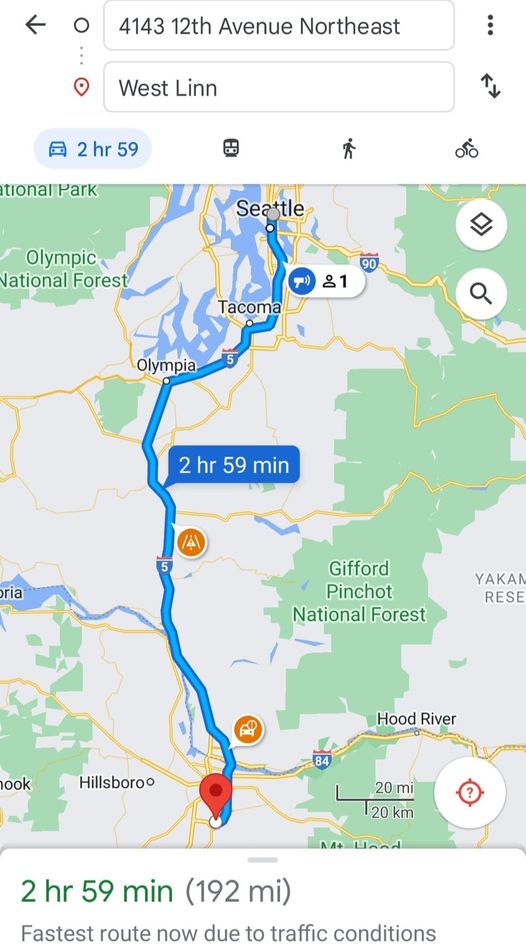
One frequent route Bundy liked to take when hunting for prey was the I-5, which is the main north-to-south Interstate Highway located on the West Coast of the US. It extends throughout California, Oregon, and goes right through Seattle, WA (where Bundy was living at the time Justis disappeared in 1973). The Memorial Coliseum is located right off the I-5, which is where Sue told her Mom she was close to on the night they last spoke. Additionally, when Vicki Lynn Hollar was abducted from the nearby college town of Eugene (the University of Oregon is located there as well, which is where Kathy Parks was abducted form) she was taken right off the I-5 as well.n As we all know, Bundy’s ‘official’ reign of terror began on January 4, 1974 when he brutally assaulted and left Karen Sparks for dead in Seattle. According to the ‘Ted Bundy Multiagency Investigative Team Report 1992,’ when Justis vanished on November 5, 1973 he purchased gas in Seattle. At the time Ted was in between jobs: in September 1973 he was briefly employed as the Assistant to the Washington State Republican Chairman and he remained unemployed until May 3, 1974, when he got a job at the Department of Emergency Services in Olympia (he was there until August 28, 1974). In September 1973 he started law school at the University of Puget Sound but quickly grew disenchanted with the schools ‘lack of prestige’ and stopped attending classes. At the time he was still in a fairly committed relationship with Elizabeth Kloepfer, his longtime girlfriend in Seattle.
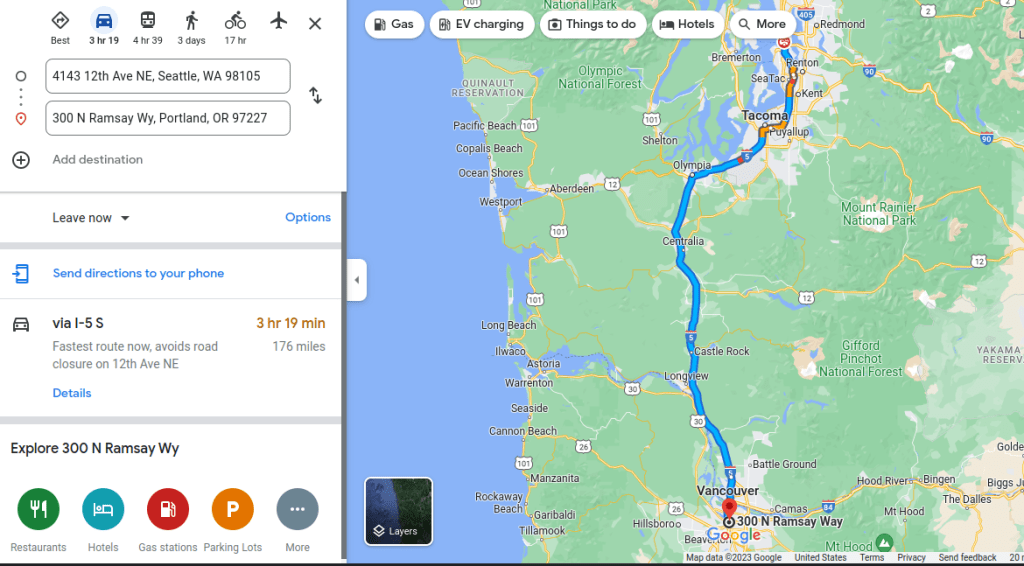
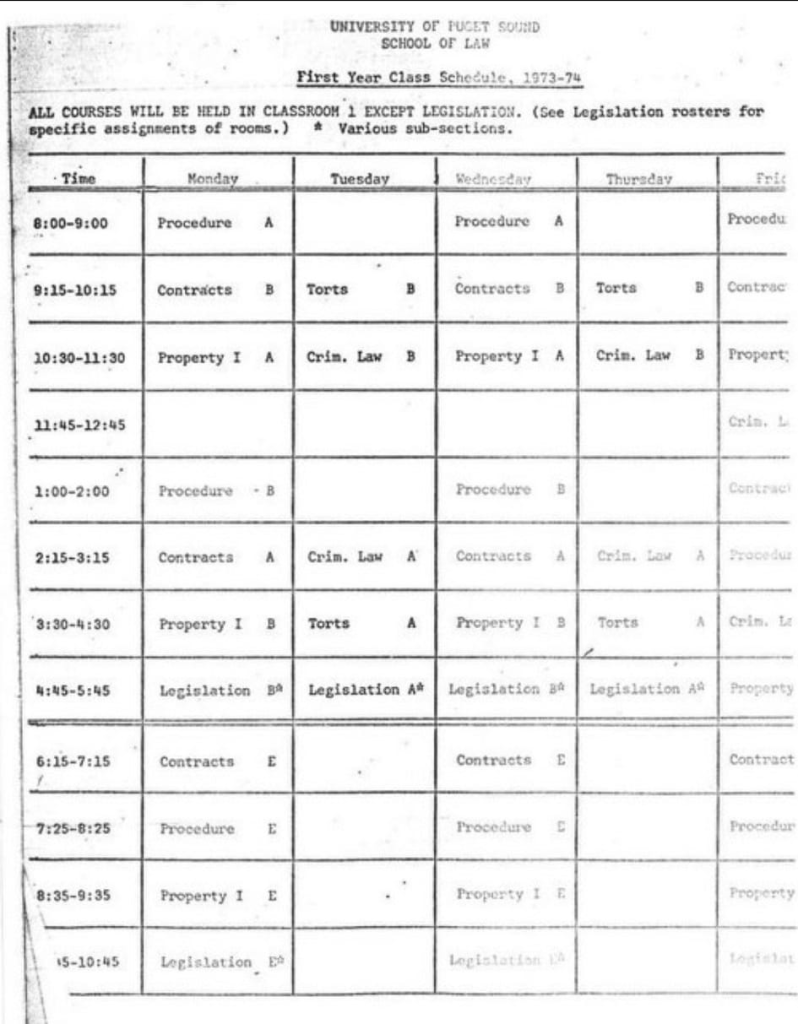
Is it really that far-fetched that Bundy would have gone out driving around aimlessly on a random Monday night, maybe after studying or seeing Liz? The trip would have been roughly three hours and nineteen minutes away (one way) from the Rogers Rooming House where he was living at the time. Did he just happen to drive past the Memorial Coliseum and stumble across Justis, thumbing a ride around Portland? We know he abducted Kathy Parks while living at the same place and she was roughly the same distance away (even though she was found in Washington state’s Taylor Mountain). I know the TB Investigative Report places him in Seattle (it doesn’t specify at what time), but the round trip would have been an easy one for Ted. I don’t know, if I can be honest, I don’t think he killed a lot of the girls I write about (maybe 70% of them)… but, I’m leaning towards him killing Suzanne Justis. I personally think that all these girls are going to be found in a dump site together: Rita Jolly. Vicki Hollar. Suzanne Justis. I speculate that when they find one, they’ll find them all. ‘Steve the Amateur Historian’ points out in his YouTube video about Justis that the week she disappeared Ted wasn’t going to class: he attended on Friday, November 2, 1973 then there’s a break until the following Friday, November 9. What was he doing in this time? Skipping class because he was hunting for a victim (who happened to be Suzanne)? I was able to track down his school schedule and on Monday nights he had night class from 6:15-10:45 PM (with a few ten-minute breaks in between). I would think if this happened more recently, I could search for the school’s Academic Calendar and check if maybe there was a weird mid-semester break for those dates, but considering the University of Puget Sounds Law School doesn’t even exist anymore I’m not wasting my time.
As far as I know, Bundy never discussed Justis in any capacity. When being questioned by Dr. Bob Keppel about the murder of WSU student Joyce LePage, the following exchange occurred between the two men:
Ted Bundy: ‘Yeah, I can tell you– I can tell you — yeah, we can do it that way if you’d like, too. And maybe in some ways that’s easier. I can tell you what, that’s, you know, what I’m not involved in. You know; if you have a list of that type in your head.’
Robert Keppel: ‘There’s a gal in 1971, Thurston County.’
TB: ‘No.’
RK: ‘Not that far back. Nothing that far back?’
TB: ‘1972.’
(…)
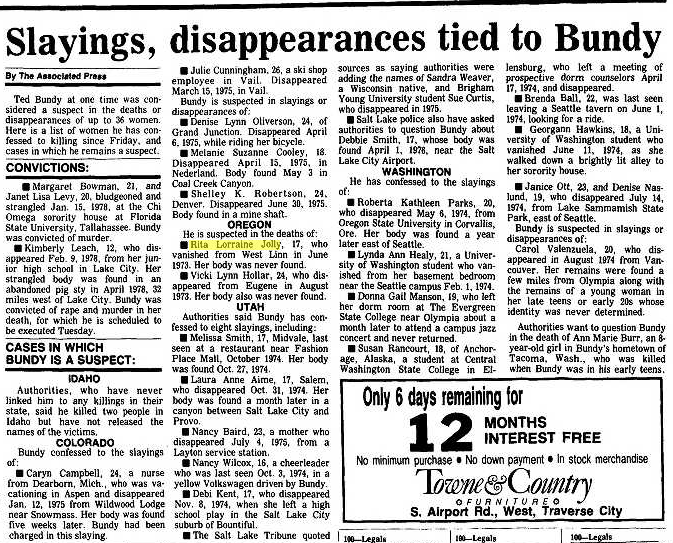
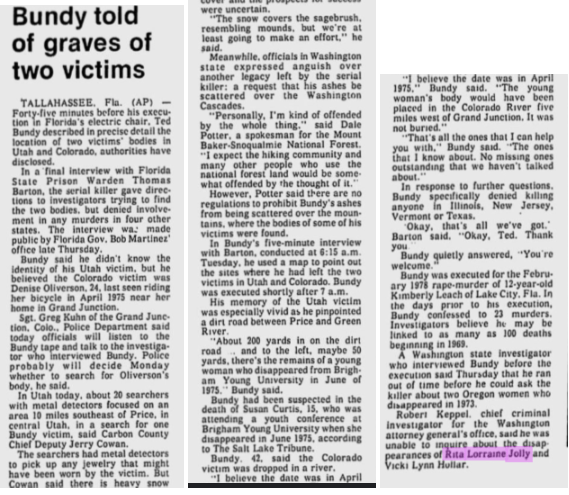
In this interview Bundy claims he started killing in 1972, meaning it isn’t that much of a reach that he would have abducted more girls from Oregon than he admitted to. Before he was executed Ted admitted to killing three women there in that state (including Parks). Who knows if he was being truthful with this number, but most Bundy scholars feel Rita Jolly and Vicki Hollar were these victims… but at this point we’ll probably never know. Ted was often under the influence while he was committing his atrocities (whether it was booze, weed, or a combination of the two)…. what’s to say there weren’t additional girls he either lied about killing or straight up didn’t remember?
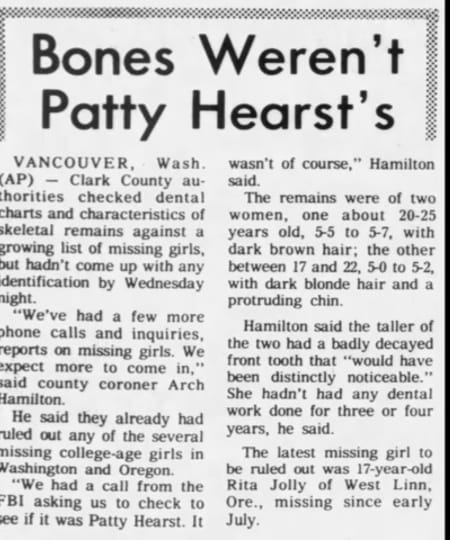
Another possible suspect that was investigated but eventually ruled out was Warren Leslie Forrest, a serial killer who operated mostly in the Washington state area from 1972 to 1974. Forrest was 5’9,” 155 pounds, had light brown shoulder length hair, blue eyes, and a bushy mustache. He was employed with the Clark County Parks and Recreation Department in Washington from January 1, 1971 to October 2, 1974, when he was arrested; he could have anywhere from one to six victims. At the time of his arrest Warren was 25 years old and living with his wife and two kids on 18th Avenue in Battleground, WA. I’m not sure if he is a candidate for Suzanne Justis’ murder as he seemed to gravitate towards younger, more adolescent girls (in their mid to late teenage years). There was an obvious difference between a teenage girl and 23 year old Justis (in my opinion). Also, he seemed to ‘hunt’ more around the Vancouver area, as his only confirmed victim from Portland was Martha Morrison.
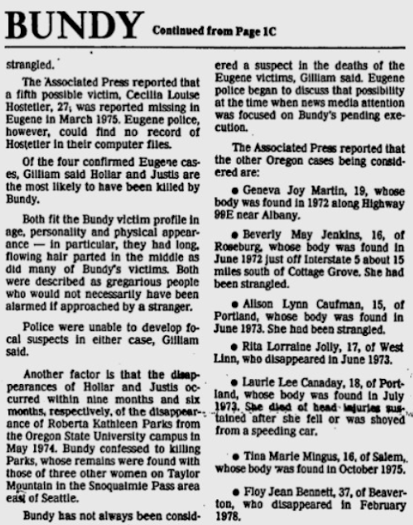
Around the same time in 1973 multiple other girls went missing from the same general area in Oregon: Fifteen year old Alison Lynn Caufman was found strangled to death in June 1973. Rita Jolly disappeared from West Linn while out on a nightly walk on June 29, 1973 and Susan Wickersham was abducted while waiting for a ride home from friends in Bend, OR on July 11, 1973. Her body was found on January 20, 1976 with a gunshot wound in the head (it’s strongly speculated Bundy didn’t have anything to do with her death as it didn’t fit his MO). Vicki Lynn Hollar disappeared after leaving her new job as a seamstress at Bon Marche in Eugene on August 20, 1973 (her black 1965 VW Beetle has also never been recovered). In 1973 Laurie Lee Canady died from massive head injuries after being shoved out of a moving vehicle at a high rate of speed in Portland (I wasn’t able to find ANYTHING else about her).
I don’t mean to immediately jump to Bundy (or any other serial killer) when I hear about any woman in the Pacific Northwest that was abducted and/or murdered in the early to mid-1970’s, but I guess I just can’t help myself. Who knows, maybe Justis met her demise at the hands of a random killer who only targeted her. Look at the recently solved case of Rita Curran, who was brutally butchered by William DeRoos. Whenever I hear about deaths like this in the 1970’s my mind automatically jumps to Bundy, but what if it was just some random nut?
If Suzanne were alive in May 2023 she would be 73 years old. Because she had a son to care for I highly doubt she would just up and leave on her own (especially since she spoke with her mother the night she vanished and mentioned her intentions of coming home the next day). Mr. Seay passed on January 11, 1994 and Suzanne’s mom Doris died at the age of 82 on March 12, 2012.


















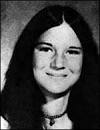
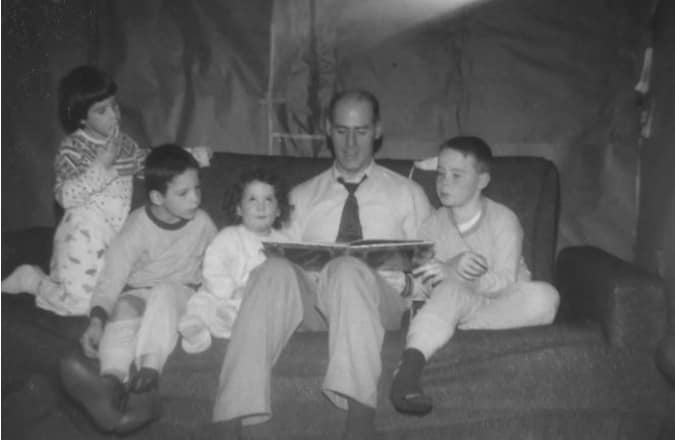
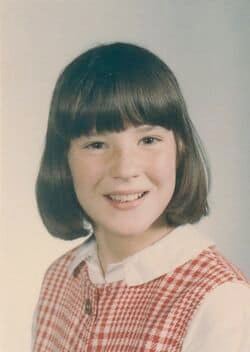
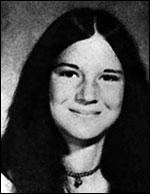
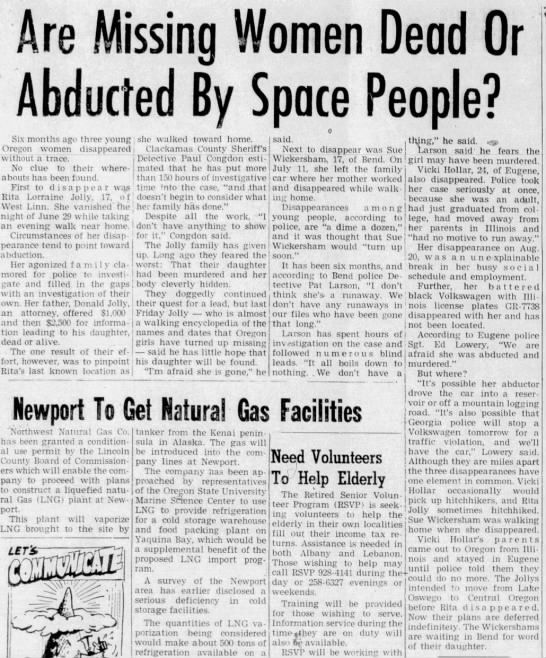
Rita Lorraine Jolly was born on December 6, 1955 to Donald Clover and Mary Elizabeth (nee Horner) Jolly of West Linn, Oregon. Mr. Jolly was an attorney and Rita was the youngest of four children: she had two brothers (Jeffrey and Bryan) and a sister (Jill). The couple met at the University of Minnesota Law School and were married on April 24, 1947 in Hennepin, Minnesota; they relocated to West Linn in 1949. After graduating, the couple opened a law office: Mr. Jolly worked as an attorney and Mary was his legal secretary. Because Don and Mary were both survivors of the Great Depression, they were often considered to be ‘frugal and liberal for their time.’ Above all else, the Jolly family valued education and pushed for their children to have strong critical thinking skills.
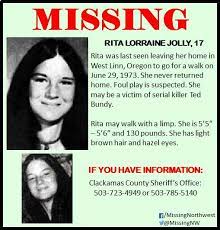
A tall girl, at the time of her disappearance, Rita stood between 5’5 and 5’6” tall, weighed around 130 pounds, had hazel eyes and medium length brown hair she wore parted down the middle. She had a small scar on her face just below her right eyebrow and her front teeth were slightly crooked and overlapped a little bit. She also had her wisdom teeth pulled and had small pit fillings in the buccal (cheek) side of her lower molars. In an interview with the website ‘Uncovered,’ Jill Jolly said that her sister enjoyed ‘nature, animals, and creativity’ and spent her time after school ‘immersed in books, writing poetry, and creating art.’ … ‘she had a real talent. I have folders filled with her writings. I am ashamed to admit that it’s very difficult for me to go through these writings. They are such intimate windows into her life, and often the anguish in them bleeds through. I feel a responsibility to preserve these writings. I have a good flatbed scanner now, and hope to be able to focus on making digital copies so that I may more easily share them.’
Per Uncovered: ‘growing up, Rita struggled with emotional regulation and sensitivity, which led her parents to seek help from a child psychologist.’ Jill said that she now believes her sister may have been on the autism spectrum, a concept not widely understood in the 1960’s and 70’s. Disillusioned by cliques and peer pressure, Rita faced bullying for being different, and in her junior year of high school was reprimanded for writing a derogatory statement on the school wall. Her parents defended her, challenging the school to ‘improve its culture.’
At around thirteen, the Jolly’s bought Rita a gelding quarter horse named Sugar that became her best friend. I read from multiple sources that she walked with an uneven stride due to an improperly knitted fracture of her lower left leg, however according to a comment Jill (username ‘JillElaine‘) left on the YouTube video ‘Mystery Murders: The 1973 Disappearance of Rita Jolly,’ (done by ‘Steve the Amateur Historian‘): ‘as for Rita’s ‘limp’, she was still in the process of healing from her broken leg (a horse she was riding fell over on a muddy trail and crushed it). But whatever limp she might have had was almost unnoticeable.’ … ‘she was healthy & strong, and a horse owner. She went for walks in the evening almost daily, often several miles in length.’ Rita’s front teeth were slightly crooked, and overlapped a little bit; she also had her wisdom teeth pulled and had small pit fillings in the buccal (cheek) side of her lower molars.
Mr. and Mrs. Jolly said their daughter was incredibly bright and mature for her age and took academics very seriously. A user going by the name of ‘Cheryl Klawitter’ commented on the ‘The Morbid Library’ article about Rita that she ‘was in a couple of classes with Rita at Clackamas Community College in Oregon City in 1973. I won’t claim we were friends, just casual acquaintances. But we talked some. She had told me she’d hitchhiked to a concert in Eugene, (sometime in the month prior to her disappearance). So the image of her being a naive high school girl, out for an evening walk is misleading. Of note: there was a full lunar eclipse Saturday the 30th, the night after she disappeared. From what I knew if her personality, that would have excited her. She could have been hitchhiking just about anywhere that Friday night (the 29th), looking to party. If she was on I-5 it is just not that unlikely she may have crossed paths with Bundy. Or for that matter some other predator. I knew the Chief of Police in West Linn at that time and he confided (later) they suspected Bundy. I assume that was after excluding people she knew.’* Per Jill Jolly, ‘As a senior, Rita attended full-time classes at Clackamas Community College through a special program for scholastically-advanced high school seniors. Excelling in Creative Writing and art programs, Rita thrived in this environment. Though she did not attend classes at West Linn High School during her senior year, she insisted on participating in the graduation ceremony in June 1973.’
At about 7:15-7:30 PM on June 29, 1973, Jolly left her family home to take a walk, something she did almost daily according to her sister. Jill said that she ‘left with a smile on her face’ and Mr. Jolly said ‘she smiled at us and went out the door. I went out to cut the grass. She never came back.’ Rita was last seen wearing a brown wool Pendleton shirt jacket, a red and blue cotton shirt, olive colored army fatigue pants (or blue jeans depending on the source), and low-cut blue tennis shoes with buckskin heels. She seemed okay and in decent spirits; her family said she didn’t have any known problems with anyone in her life and Jill commented that she ‘struggled with angst that affects so many young people, and it’s possible she initially ran away. But her social security number has never had any activity, as far as I know.’ Ms. Jolly was ‘in the Robinwood area and/or on Sunset Ave around 8:30 to 9:00 PM’ and was seen for the last time around 9:30 PM walking uphill on Sunset Avenue near the Oregon City Arch Bridge that crosses the Willamette River into West Linn. Shortly after she vanished two young men in Portland went to law enforcement claiming they saw her the night after she disappeared, but when approached she said her name was Mary. The men that reported the alleged sighting did not leave their contact information with police so no follow-up was made and their story was never confirmed. Regarding the incident, Jill said that: ‘the following night, two young men reported to the police that they tried to pick up a girl who looked like Rita, but this young lady was not her.’ Mr. Jolly told law enforcement that all of his daughters personal belongings were left behind and there was nothing missing from her bedroom. He said she that was an ‘independent thinker with few dates or close friends.’ Detective D. Calhoun (who worked the case and immediately had a gut feeling that Rita was murdered) commented that: ‘people don’t usually just disappear and have no contact.’
Almost from the beginning, information related to Jolly’s mysterious disappearance stopped trickling in and leads dried up almost immediately. By July 15, the idea of Rita having left home willingly had morphed into the possibility that she was most likely abducted under sinister circumstances. Mr. Jolly was crucial in keeping his daughters case in the news and relevant: not only did he hand deliver letters to local police precincts and news stations begging them to help find her, he also offered a $2,500 reward for any information leading to her whereabouts. Rita’s case was being investigated at the city, county, and state level, but despite all the help the investigation went nowhere. Apparently (per ‘The Morbid Library‘), her brother believed that the perpetrator was someone local who possibly knew her, and in an edit on their article about Ms. Jolly, author CJ Lynch said: ‘thanks to a comment on this post, we now know a bit more about Rita as a person. She is an adventurous person: at the time of her disappearance, she often hitchhiked to get where she was going, and she enjoyed concerts and parties. She is a free spirit, enjoying the freedom and independence that comes with being in college.’ (this edit was because of comments left by readers).
YouTuber ‘Whitney Dahlin‘ pointed out that a ‘hit and run is also possible. she was walking alone in the evening I feel like it’s entirely possible someone hit her and then hit her body or buried her body so they wouldn’t go to prison for it. I feel like a a lot of missing person cases where the missing person was last seen taking a walk in the evening are really hit by a car cases. Abductions are very rare compared with pedestrian car accidents.’
Within a six-month period in 1973 four young women went missing from the same general area in Oregon: first Rita in late June, then seventeen-year-old Susan Wickersham from Bend just two weeks later on July 11 (her body was discovered in January 1976 just five miles south of her hometown). Ms. Wickersham is sadly yet another unconfirmed Bundy victim I never heard of, although realistically he most likely didn’t kill her, as she was found with a gunshot wound in her head which wasn’t his MO… Next to disappear was twenty-four-year-old Vicki Lynn Hollar, a petite girl (only 5’1” and 115 pounds) with dark eyes and brown hair. Ms. Hollar was last seen getting in her black 1965 Volkswagen Beetle with the running boards removed (Illinois plates GR 7738) on August 20, 1973. She was leaving her place of employment at the Bon Marché (now Macy’s), where she had been employed as a seamstress for about two weeks. It’s been theorized that Vicki was headed home to her apartment at 600 West 27th Avenue in Eugene with the intention of meeting up with a friend to attend a party in her neighborhood later that evening (but she never showed up). Friends shared with police that Hollar had a habit of picking up hitchhikers; her VW and personal belongings have also never been recovered. Lastly is Suzanne Rae Justis, who disappeared on November 5, 1973. Recently divorced, Justis was from Eugene and hitchhiked to Portland, and in a phone call to her mother from outside the Memorial Coliseum that day said she would return home the next day to pick up her son from school. Sue’s mom booked a room for her for the night at a nearby hotel, but it was never used. She never came home and has never been heard from again. For unclear reasons, a missing persons report wasn’t filed until 1989.
I’ve been finding most of the ‘unconfirmed victims‘ have very weak commonalities without a lot of substance… Rita did look like one of Ted’s victims: she was attractive and slim, with long brown hair and dark features. Her abduction was most likely a crime of opportunity (like so many of the others), meaning the perpetrator took advantage of a particular situation most likely with no prior plans to go out and commit the atrocious act. Additionally, Jolly fit neatly into his preferred age range: she was seventeen, and he typically targeted younger females anywhere from twelve years old (possibly even as young as eight if you throw Ann Marie Burr into the mix) all the way up to twenty-six (Colorado ski instructor Julie Cunningham). But that’s about it. And it’s important to keep in mind how common the ‘long hair parted down the middle’ look was during that time period: even my own mother looked like she could have been one of Bundy’s victims.
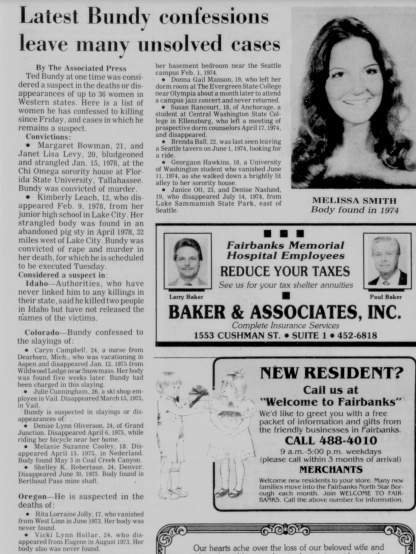
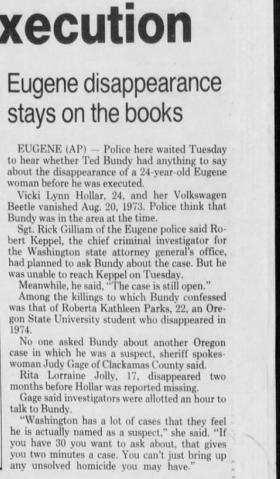
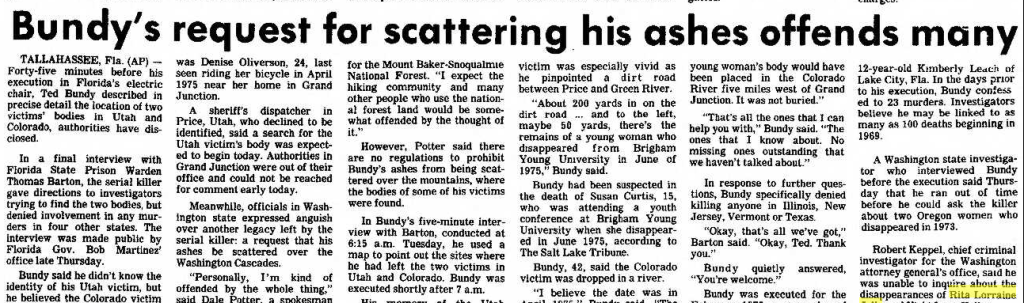
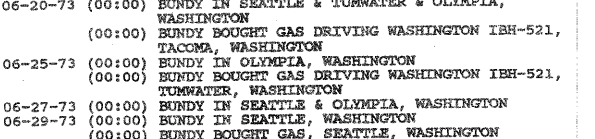
During his death row confessions Ted admitted to abducting Roberta Kathleen Parks from Oregon State University on May 6, 1974; he claimed to have raped and killed her at Taylor Mountain, over 250 miles away from her school and about 25 miles southeast of Seattle. Because Parks was found in Washington state she is typically not included in his Oregon victim count. In interviews, Bundy confessed to killing two additional women in Oregon but refused to elaborate on the details; according to most detectives, Rita Jolly and Vicki Hollar are the best candidates. Law enforcement tried but were unable to question Ted about Rita’s disappearance before his execution in 1989, eliminating the chance of possibly closing her case. Jill Jolly said of Bundy’s execution: ‘as I recall, my mother told me that the local detectives managed to get a direct question about Rita through to him before his execution, and his reply was ‘No. No more in Oregon.’’ Dubbed Ted’s ‘bones-for-time scheme,’ he withheld many secrets right up until the very end of his life in hopes to parlay the untold stories into yet another stay of execution. ‘There are other buried remains in Colorado…’ Bundy said, refusing to elaborate any further. He then took his secrets with him to the grave. Colorado Detective Matt Lindvall felt this was a direct conflict between his desire to postpone his execution by giving up information and his need to remain in ‘total possession: the only person who knew his victims’ true resting places.’
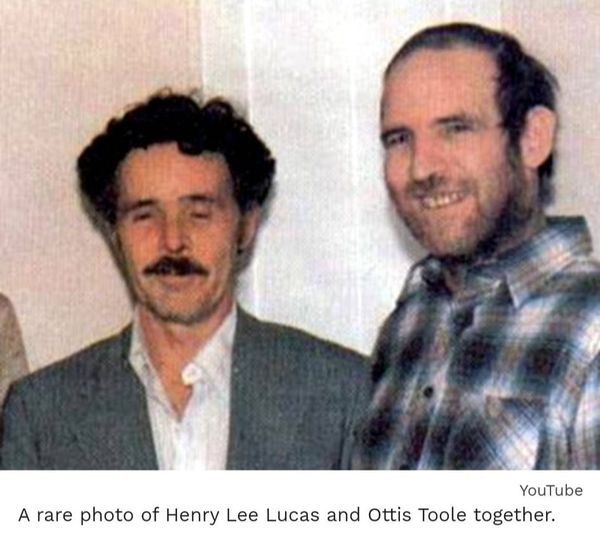
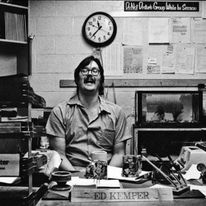
Regarding suspects, Ted is one of only two seriously considered individuals I could find that was investigated for the abduction of Rita Jolly; the other one is Warren Leslie Forest. Two additional names that are almost casually thrown around when ANY unclaimed victim is brought up from that time are Henry Lee Lucas and Ottis Toole. The pair were lovers, united in their shared childhood traumas and together they terrorized the United States throughout the 1970’s and 80’s. Lucas falsely claimed he killed upwards of 600 people (Toole said he participated in 108 of them), however it was eventually determined he was responsible for two of them and was strongly suspected of only eight more. But, investigating both men a little further, at the time Rita disappeared in mid-1973 Lucas was serving a 5-year prison stint for attempting to kidnap three schoolgirls in 1971, and Toole’s history is a little fuzzy between 1966 and 1973, but his first strongly suspected kill was the 1974 murder of Patricia Webb. Oddly enough, Toole died at the same Florida State facility that executed Ted in 1989: he entered the Raiford prison in 1983 and died in 1996 from cirrhosis of the liver. Additionally, Ed Kemper and Gary Ridgway both popped in my head as possible suspects, but Kemper was apprehended on April 24, 1973 and operated more in the California area (Rita disappeared June 29 which is obviously after he was arrested) and Ridgway didn’t start his atrocities until 1982. In her interview with Uncovered, Jill said that: ‘there are five possible suspects that have been identified.’ I’m unsure who else it could have been (I’m sure police are playing close to the vest with what information they have). If I think of any additional potential suspects I will update my article.
Warren Leslie Forrest was convicted of abducting and stabbing to death nineteen-year-old Krista Kay Blake in 1974 then burying her remains near Battle Ground on Tukes Mountain. He’s been in prison since October 2, 1974 and for decades Clark County law enforcement tried (with no success) to link him to other murders in the area. On October 12, 1974, the human remains of two women were found in Dole Valley near Vancouver, Washington. One was immediately identified as Carol Platt-Valenzuela but the other individual remained unidentified for over 40 years. But, thanks to DNA profiling and some blood left behind on the dart gun Forrest used to subdue his victims, in 2015 those remains were finally determined to be those of Martha Morrison, who disappeared from the Portland area under mysterious circumstances in September 1974. Two of his suspected victims have never been found: Diane Gilcrest (14) and Jamie Grissim (16). Before Warren was identified as the killer, Bundy was considered a person of interest in Morrison’s death (he’s still a suspect in Valenzuela’s murder). In 2020, Forrest was charged with the murder of Martha Morrison.
‘Historywmystery.blogspot.com‘ said about the Jolly disappearance: ‘It’s also important to remember that this was the 1970’s and there were numerous women, especially young ones, hitchhiking along I-5 back in the 1970’s and some of them met with death at the hands of someone who couldn’t have been Ted Bundy. There was an extensive article I found in a 1975 paper discussing the perils of young women who were hitchhiking in Oregon, many of whom knew the danger and yet continued to hitchhike. There was Martha Morrison, who was a frequent runaway who vanished from Portland on September 1, 1974. Her remains were discovered a little over a month later and were not identified until 2017 using DNA testing. She, for a long time, was considered a possible Ted Bundy victim until her remains were identified and it was found she had been killed by William* Forrest, a serial killer working out of the Vancouver, Washington area. Interestingly enough, Forrest was someone that I considered as a possible culprit in the Rita Jolly case, something that’s still possible but definitely something I am calling more into question now.’
*they meant Warren Forrest.
Jill Jolly gave the following quote in her interview with ‘Uncovered:’ ‘…the truth is that we really don’t know what happened to her. We all have theories. Our dad thought she had called several times, mostly just silence on the phone but once he said that he heard her voice, ‘Mom? Mom?’, then ”Dad?’, then a click on the phone hanging up. Could she have gotten involved in a cult or some other situation where it was hard to leave? I find myself wondering how folks can help with solving the mystery of what happened to Rita. After 50 years, I don’t think it’s likely that we will have answers before all of us who knew her are gone from this earth. The advent of DNA gave us so much hope! But the number of unidentified bodies and the expense & difficulty of the tests has been discouraging. It’s not a quick fix. Nonetheless, perhaps someday she will be one of the humans who are ‘given their name back’.’
2022 marks the 49th anniversary of Rita Lorraine Jolly’s mysterious disappearance. Sadly, Mr. and Mrs. Jolly both passed away before learning what happened to their daughter: Mary died in 2005 and Donald on July 2, 2010. Mr. Jolly always held onto hope that Rita was still alive. As of December 2022, all three of her siblings are alive and are still desperate for answers. Rita’s dental records are available and her DNA was entered into CODIS in 2000.
Jill Jolly also pointed out that: ‘there are literally thousands of unidentified bodies in NamUs database at https://www.namus.gov/ Thanks to DNA, some of them are finally being given their names back. Unfortunately, running DNA is expensive and can be difficult to extract from older remains. Please support efforts to fund attempts to give these poor souls back to their families.’
* Jill Jolly researched the lunar calendar extensively and couldn’t find any record of there ever being an eclipse on the evening her sister disappeared.
I’mWorks Cited:
doenetwork.org/cases/2503dfor.html
namus.gov/MissingPersons/Case#/7780
newspapers.com/clip/38129030/rita-jolly-missing-oregon/
clackamas.us/sheriff/case/73-9833
missingin.org/reg4206/rita_lorraine_jolly.htm
salem-news.com/articles/march022008/cold_cases_3-1-08.php
newspapers.com/newspage/565976821/
historylink.org/File/2637
obits.oregonlive.com/obituaries/oregon/obituary.aspx?n=donald-clover-jolly
uncovered.com/cases/rita-jolly


























 Another Bundy Blog.