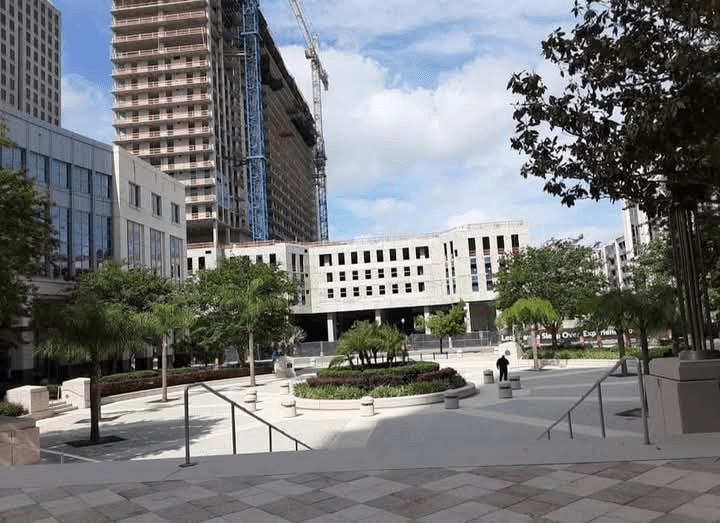
Document from the King County Sheriff’s Department: Part One.

I recently put in a request with the King County Sheriff’s Department for information related to the Bundy investigations, and they’ve sent me a lot of stuff and will most likely send a lot more int he future. I’m working on putting the pictures in a blog post, and it’s proving to be exhausting due to the fact that there are SO many of them (I’m working as fast as I can with two jobs and a needy husband). Here are some interesting documents they sent me that are worth a read. I’ve never encountered them out in ‘the wild.’
Pamela Lorraine Darlington.

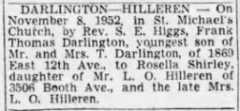
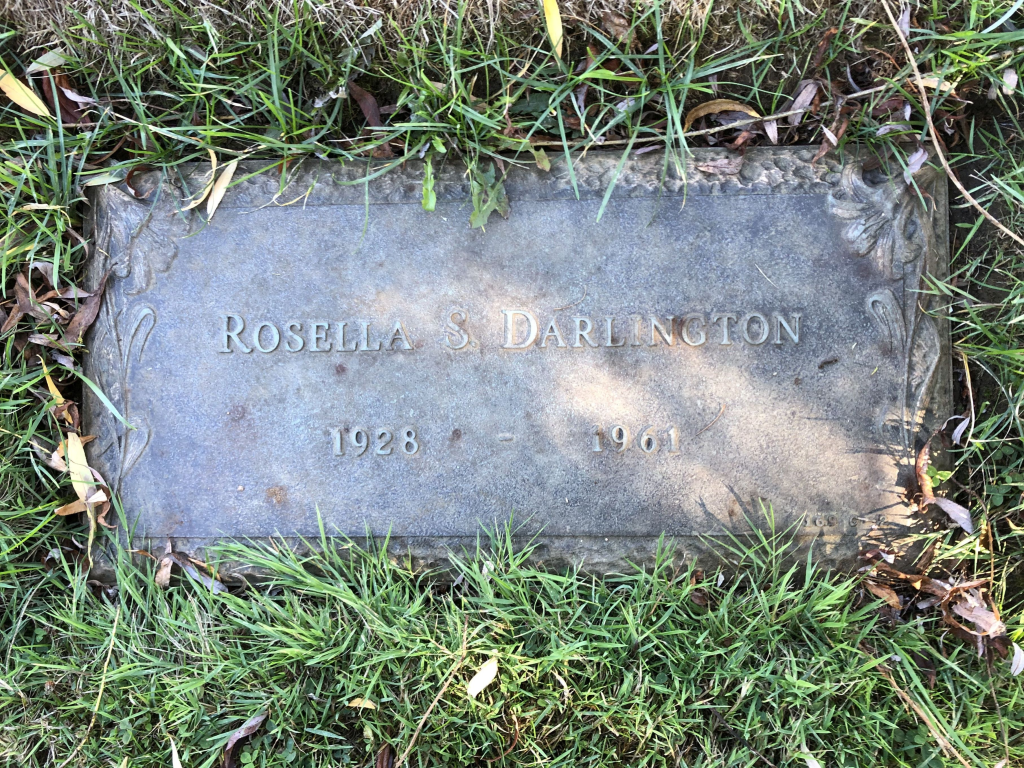
Background: Pamela Lorraine Darlington was born on October 21, 1954 to Frank and Rosella Shirley (nee Hilleren) Darlington in British Columbia, Canada. Frank Thomas Darlington was born on July 4, 1926 in Vancouver, and Rosella was born on June 11, 1928 in Calder, Saskatchewan. The couple were wed on November 8, 1952 at St. Michael’s Church in Vancouver, and had three children together: Pamela, Joseph, and Tara. Sadly, Mrs. Darlington passed away at the age of thirty-three on June 14, 1961; Frank remarried a woman named Arlene Ilvi Moisio and the couple had a son together named Thomas. At the time of her murder, Pamela wore her blonde hair at her shoulders and according to an article published in a British Columbia based newspaper, she weighed 120 pounds and stood at 5’5″ tall; she had been employed as an operator at BC Telephone for roughly one year.

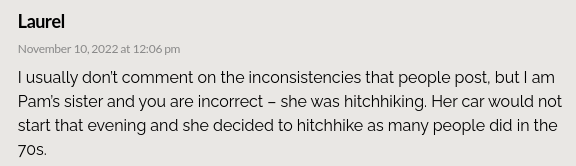
According to an (unidentified) newspaper article published in November 1973, Ms. Darlington was last seen hitchhiking towards Kamloops on Tranquille Road in front of the Village Hotel at around 10:30 PM on Tuesday, November 6, 1973. While investigating, I learned that there is a bit of uncertainty surrounding her final few hours of life: according to her sister Laurel, when she realized her car wouldn’t start she decided to hitchhike into town to meet up with some friends, as it was common back thing to do at that time and everyone did it. However, in an interview with true crime blogger ‘Eve Lazarus,’ Pam’s cousin Sharon said that friends told the Darlington family that she was at The David Thompson Pub sometime in the evening in the company of an attractive (but unknown) gentleman with ‘shaggy hair.’ She added that hercousin Joe (Pam’s brother) always thought it was someone who Pam knew, who was infatuated with her, who committed suicide a year after she died.’

Murder: at roughly 3:30 in the afternoon on Wednesday, November 7th, 1973 Darlington’s remains were discovered in shallow water on the south bank of the Thompson River by seventeen-year-old Frank Almond, who had been out walking with his dog at a nearby park when the animal veered off towards the river that flowed nearby: ‘The dog kinda ran up to something and it looked like a body, so I kinda got a little nervous.’ Almond immediately returned home and told his father what he had seen, and together they went back to where the young woman was lying face down in the riverbed: ‘he came back, he was kinda white as a ghost and he said, ‘Yup that’s a body.’ So we went back and called the police.’ Investigators said that the young woman had been brutally beaten and had been sexually assaulted, and according to an article published in The Times on October 15, 1974, she had been hit in the head with rocks but ultimately died of drowning, and was found with bite marks on her breasts.

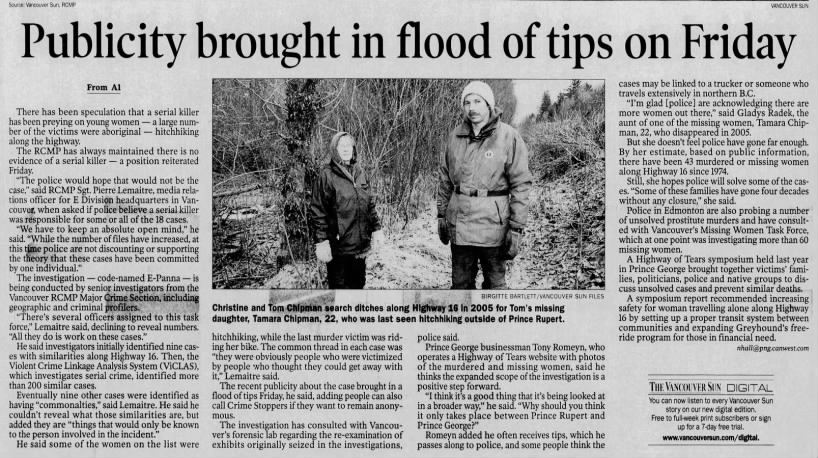
About her cousin, Sharon Darlington said that she was an outgoing person that loved her friends and family and was always laughing: ‘it was many years ago, but I remember it like yesterday.’ … ‘When we were little, I was shy and reserved. Pam wasn’t scared of anything,’ In the initial years following the murder Ms. Darlington said that her family were told by the Royal Canadian Mounted Police that they suspected that none other than Ted Bundy had murdered Pamela, and they were ‘relieved when he was put to death;’ it wasn’t until years later that they learned her case was a small part of an investigation being conducted by the RCMP’ E-Pana Task Force that was set up to look into the eighteen murders and disappearances of female victims along the ‘Highway of Tears,’ a stretch of highway in BC that is notorious for disappearances and murders of women (particularly Indigenous ones) beginning in 1969. Darlington met all three of the task force’s criteria for a victim: she was hitchhiking (which they considered to be ‘high risk activity’), was found near Highway 16/97/5, and was most likely killed by a stranger.

Retired RCMP Constable David Sabean said that Pam’s case remains a priority among unsolved cases, and that ‘there was a big list of suspects, never anyone who came out of it, though.’ At approximately 4:30 AM on the morning that her remains were found a late 1950’s, off-white, four-door sedan in poor working condition was seen leaving the boat launch area near to where her remains were discovered; the male driver was described as having long brown or blond hair and he may have been passengers with him. The vehicle nor its driver have ever been identified and as of April 2025 remain of interest.

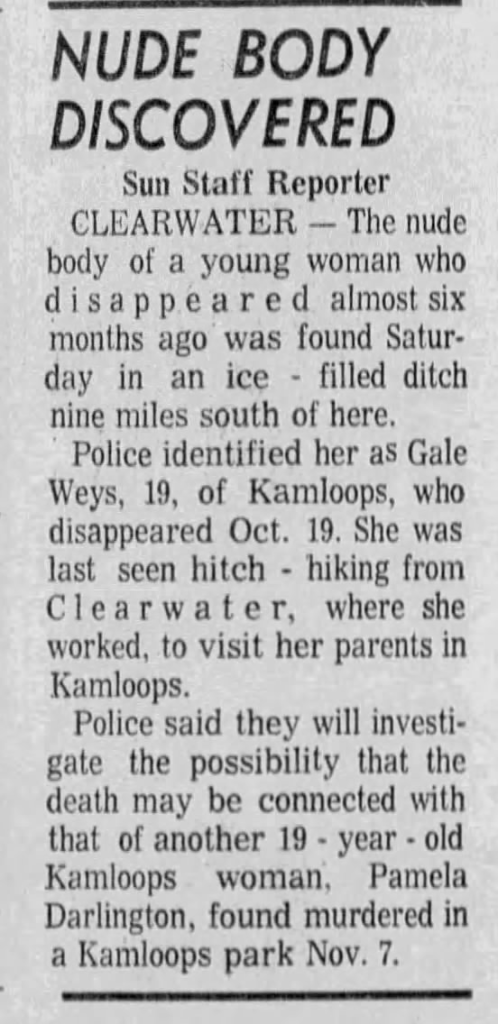
Gale Ann Weys: Less than three weeks before Pam Darlington’s murder, on October 19, 1973 the body of nineteen-year-old Gale Weys was recovered after she disappeared while hitchhiking to her parents’ house in Kamloops from her residence in Clearwater after she finished her shift as an attendant at a local gas station; her remains were discovered six months later in a ditch along Highway 5.

On the evening Weys disappeared a local banker named Ron Hagerman told investigators that he ate a meal at The Thompson Hotel where she worked, and she shared with him her plans to hitchhike the more than 75 miles to her parents house in Kamloops. He also reported that he observed she had been asking around the bar if anyone would have been able to give her a ride: ‘I know that night she was asking around for someone to drive her to Kamloops because her parents lived there. No one was going to Kamloops, and so she just walked outside and stuck out her thumb.’ It is strongly speculated that she may have instead went north of Quesnel after some reports claimed that she had been trying to hook up with the staffing agency ‘Canada Manpower Centre,’ but nothing ever came of this. Her remains were discovered in a water-filled ditch on April 6, 1974 off Highway 5, roughly seventy-eight miles north of Kamloops; according to law enforcement, her clothing was never recovered.

The second of nine brothers and sisters, Gale’s siblings recall her as being an independent, funny, and protective big sister that spent her time spare time working as a lifeguard and Girl Guide leader. She had recently moved to Clearwater and was working two jobs at the time of her murder to help save for college, and volunteered at a local school helping care for special-needs children. According to her mother Rowena, she was also a swimming instructor and often took trips with the scout group that she helped lead, and at the time of her death was saving for a vacation to Mexico. Mrs. Weys recalled that her daughter was a wonderful and upbeat young woman, and her Uncle Ted said that she was kindhearted, and: ‘was a hell of a nice girl, very outgoing and friendly.’ He also commented that his niece and Colleen MacMillen looked so similar that they could have been mistaken for sisters (more on Colleen in a bit).

Both the Weys’ family as well as the Darlington’s felt that their daughters’ murders were not ‘personal,’ and were more ‘crimes of opportunities’ versus passion; they also felt that there could have been some connection in the murders due to some striking similarities in the girls’ appearance as well as the circumstances surrounding their deaths. Shortly after Pam’s death Frank Darlington said he strongly believed they were more than just murders in a city by a lone psychopath, and ‘for all we know, this could be a Manson-type murder,’ and that the slayings were most likely committed by ‘a psychopath.’

Colleen MacMillen: On September 4, 1974 the remains of sixteen year old Colleen Rae MacMillen were discovered roughly thirteen miles south of 100 Mile House, a district municipality located in the South Cariboo region of central British Columbia. MacMillen was born on April 11, 1958 in Kamloops, BC and had left home on August 9 with plan to hitchhike to a friend’s house a few miles away; she was reported missing by a member of her family two days later when they realized she never made it to her destination. Although newspapers said MacMillen was going to see a girlfriend, ‘The 100 Mile Press’ reported that she was on her way to meet up with her boyfriend when she disappeared.

MacMillen’s clothes were discovered at Mile 102 on Highway 97 on August 25, 1974 by a tourist even though her nude body wasn’t discovered until early September (she was completely naked except for her socks). One of seven brothers and sisters, her father knew that she would never run away because she ‘wasn’t that type of girl:’ ‘She was a quiet sort of girl, not what you would call a bubbly effervescent type of girl but very friendly.’ Retired Staff Sergeant Fred Bodnaruk with the North Vancouver RCMP said that hair samples were taken from a suspicious 1966 Meteor Montcalm that was found abandoned near 100 Mile that did not match MacMillen’s, and the vehicle had a crumpled right fender that may have been the result of an accident that took place after it was stolen. Although no cause of death could be determined, (retired) RCMP Constable Mel Weisgerber said that there was blood in MacMillen’s inner ear which is ‘indicative of a drowning victim.’ 

At the time of her death, MacMillen had a twenty-one year old boyfriend named Ron Musfelt, who came out in recent years and said that he ‘lived under a cloud of suspicion for many years:’ ‘I was going out with Colleen, and one night I phoned her, and I was talking to her, and she said ‘meet me down Lac Le Hache.’ So I went down the highway to wait by K&D General Store. I went back up to the house, and phoned her house and they said she had already left. And I waited and waited and waited and waited, and she never showed up.’ For years after Colleen’s death Musfelt was a key suspect in her murder, and he ‘was taken into town and they interrogated me, and they did everything to me. Lie detector tests, everything like you wouldn’t believe, and to this day it’s always bothered me, never knowing who did it. I remember back then there were probably people who thought I had something to do with it.’ … ‘The thing that really bothers me is knowing I was standing on the highway, waiting for her to come through town, and she probably came past me in this vehicle, with this guy, wanting to get out of his vehicle.’

About the death of his sister, Shawn MacMillen said that Colleen was ‘a lovely, sweet, innocent sixteen-year-old kid and there are no words to express how terribly she was wronged.’ Regarding Colleen, Pam, and Gale’s death, Frank Darlington said he believed that it was more than just a murder in a city by a lone psychopath, and that ‘for all we know, this could be a Manson-type murder,’ and he feels sure the killings were done by a psychopath. On September 25, 2012, it was announced by the RCMP that DNA taken from MacMillen’s clothes matched with a man named Bobby Jack Fowler, who managed to fly under the radar until his arrest in 1995.

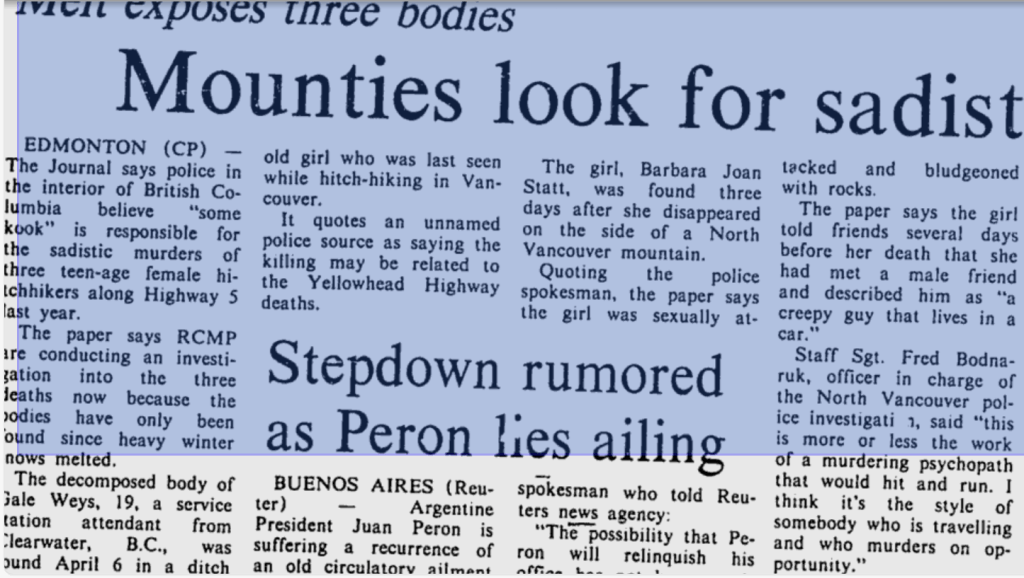
Barbara Joan Statt: A name that only came up once during my research is Barbara Joan Statt, who was only seventeen when she was last seen hitchhiking in Vancouver on July 26, 1973. Her remains were discovered three days later on the side of a mountain in Northern Vancouver; she had been sexually assaulted and had been hit on the head with a rock (that was found nearby). Friends told law enforcement that right before she was killed, Statt told them that she’d met a new male friend, but they referred to him as the ‘creepy man that lives in a car.’

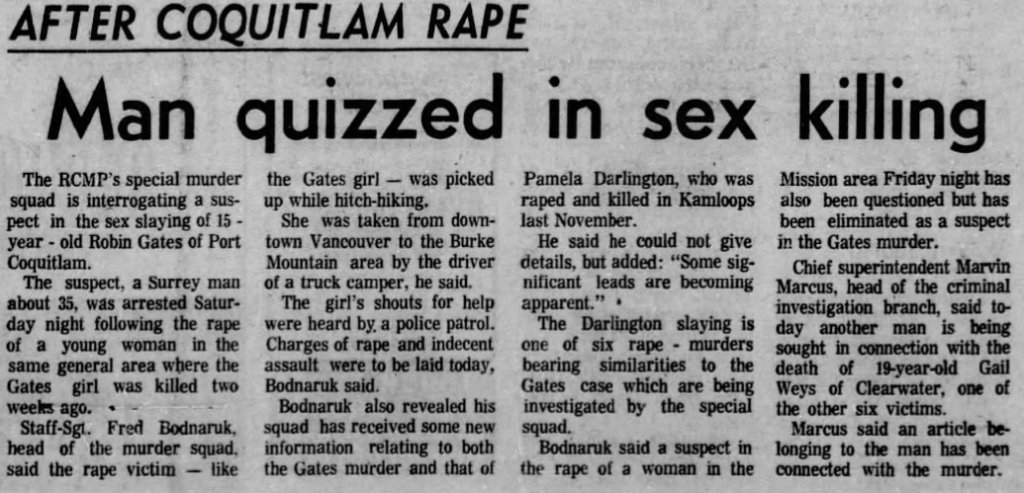
Statt’s homicide was investigated in relation to the three others (Darlington/Weys/MacMillen) that took place along Highway 5 in BC in 1973/74. Sergeant Bodnaruk described the killer as a ‘murdering psychopath that would hit and run,’ and in the beginning stages of the investigation it made sense that she was included with the other victims: like two of the three others, Barbara was sexually assaulted and was of similar height and build, however I quickly learned that there was a good reason why she wasn’t included more frequently: it was quickly determined that a Toronto resident named Paul Cecil Gillis was responsible for her death, who was apprehended for her murder in 1974. He was also convicted of killing fifteen-year-old Robin Gates of Coquitlam, and thirty-three-year-old Lavern Johnson.

Gloria Moody: Another name I came across is Gloria Moody, who was only twenty-seven when she was killed during a weekend away with her family on October 25, 1969. A member of the Bella Coola Indian Reserve with the Nuxalk Nation in British Columbia, Moody’s body was found a day after she disappeared by hunters on a cattle trail roughly six miles west of Williams Lake. Her autopsy report said that she bled to death after being beaten and was sexually assaulted, and she is the oldest unsolved murder in Project E-Pana.

The ’Trail of Tears:’ Pamela Darlington, Gale Weys, and Colleen MacMillen are just three of (at least) eighteen missing and murdered women that are being investigated by the Royal Canadian Mounted Police ‘E-Pana Task Force’ that focused on the infamous ‘Highway of Tears,’ a 447-mile stretch of Highway 16 between Prince George and Prince Rupert in British Columbia beginning in 1969. On that list is a disproportionately high number of Indigenous women, hence its association with the ‘Missing and Murdered Indigenous Women Movement.’ The exact number of missing and murdered women varies depending on the source: according to RCMP’s E-Pana task force, the count is around eighteen, where Aboriginal organizations estimate the number to be over forty. Wikipedia lists seventy-nine victims, including a family of four so technically that would be eighty-two.

Proposed explanations for the years-long span of disappearances and homicides (along with the limited progress in the case) include poor economic conditions, substance abuse, domestic violence, the foster care system, and Canadian Indian residential school system. Thanks to the high rate of poverty in the area many people were unable to buy a car, and as a result hitchhiking was a common way to travel large distances. There was also a lack of public transportation at one time, and it didn’t help that the area is remote and largely uninhabited; also, it wasn’t until December 2024 that much of the roadway didn’t have cellular telephone signal. Along the highway, soft soil in many areas made discarding a body incredibly easy, and local wildlife only helped.

Bobby Jack Fowler: Convicted serial killer and rapist Bobby Fowler was born on June 12, 1939 to Selva ‘Mutt’ and Oma Lee (nee Hathaway) Fowler, and was active in the US and Canada between 1973 to 1995. On March 6, 1959, he married Theresa Patton and they had five children together: Johnny, Janey, Pam, Loretta and Randell. After he was arrested twice in 1969, Theresa decided that she had enough of his shenanigans and the couple divorced on May 17, 1971, shortly before he moved to British Columbia.

For the most part Fowler was a transient, and worked menial construction jobs all over North America and Canada, and it is confirmed he spent time in Florida, British Columbia, Iowa, Texas, Washington, South Carolina, Arizona, Tennessee Louisiana, and Oregon. An addict in many regards (he was known to abuse a variety of substances, including alcohol, amphetamines, and methamphetamines), Fowler had a criminal record a mile long that included a firearms offense, sexual assault, and attempted murder.

In 1969, Fowler was charged with killing a couple in Texas but was only convicted of ‘discharging a firearm within city limits.’ He did spend some time in a prison in Tennessee for sexual assault and attempted murder because (in the words of the investigating attorney), ‘he tied a woman up, beat the hell out of her with her own belt, covered her with brush and left her to die.’

Bobby was known to drive long distances and enjoyed traveling in ‘beat-up old cars,’ and often picked up transients and hitchhikers along the way. He also spent a lot of time in seedy bars and motels and believed that the young women that he picked up wanted to be hurt, and were somehow asking for it. According to Deputy Commissioner Craig Callens, ‘he believed that the vast majority of women he came in contact with… Women that hitchhike and went to taverns and bars, desired to be sexually assaulted and violently sexually assaulted.’

In addition to Darlington, MacMillen, and Weys, The Royal Canadian Mounted Police also believe that Fowler is either suspected or is considered a ‘person of interest’ in (at least) an additional ten murders (possibly upwards of twenty) between British Columbia and Oregon going as far back as 1969. It’s important to keep in mind that quite a few of the ‘Trail of Tears’ murders took place after he was incarcerated in 1996, and geographic profiler Kim Rossmo said that (in his educated opinion) Fowler is not responsible for any of the deaths along Highway 16 that took place between 1989 and his arrest in 1995. Additionally, it’s worth mentioning that the only thing linking the killer to the area is the fact that he worked for a local roofing company in 1974, called ‘Happy’s Roofing.’

Fowler was arrested on June 28, 1995 after an incident in Newport, Oregon involving a woman jumping out of a second floor window at the Tides Inn Motel with a rope tied to her ankle. Luckily she survived and reported the incident to the local police, and he was arrested and charged. On January 8, 1996 Bobbly Fowler was convicted of kidnapping in the first degree, attempted rape in the first degree, sexual abuse in the first degree, coercion, assault in the fourth degree, and menacing; he was sentenced to 195 months in prison with the possibility of parole.

On September 25, 2012, the Royal Canadian Mounted Police along with Lincoln County DA Rob Bovett named Bobby Jack Fowler as a suspect in the murders of Pam Darlington, Colleen MacMillen, and Gale Weys after it was determined that his DNA was found on MacMillens’ remains. Unfortunately, in May 2006 Fowler died from lung cancer at the age of 66 in Oregon State Penitentiary before he was able to be held accountable for his actions. Colleen’s brother Shawn commented that his family was ‘comforted by the fact he was in prison when he died, and he can’t hurt anyone else.’

In the mid-1970s, newspapers reported that Pams clothes were never found, however Sharon remembers that her dad told her they were discovered folded up near her body. If that’s true, then they are most likely long gone, which is tragic because DNA evidence found on the fabric could have confirmed that Fowler murdered her (or that he didn’t). Despite what the RCMP called ‘similar fact evidence,’ there wasn’t enough direct evidence to conclusively link the killer to the murders of Pam Darlington and Gale Weys, a fact that’s heartbreaking for both families because the cases will most likely remain forever unsolved.

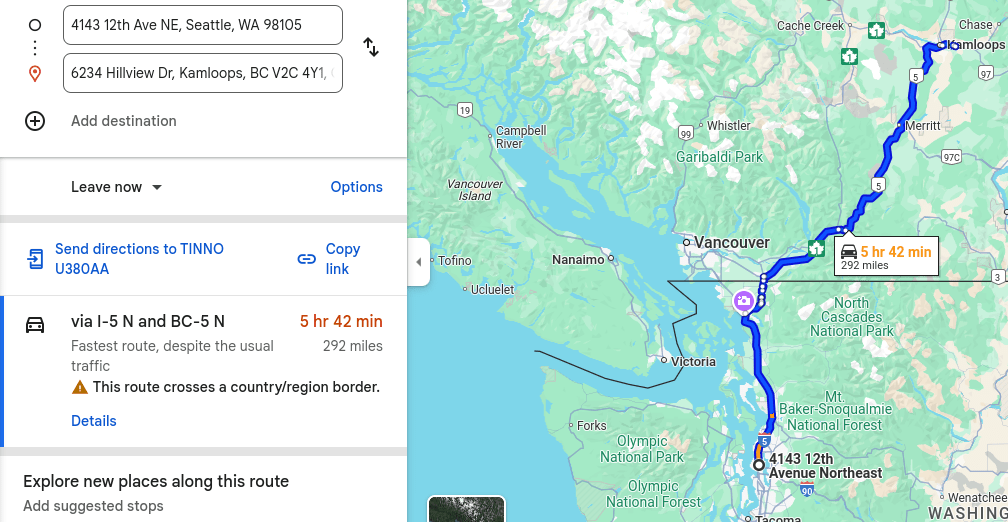
Ted Bundy: In November 1973 when Pam Darlington was killed Theodore Robert Bundy was living in Ernst and Frieda Roger’s rooming house on 12th Avenue NE in Seattle and was in a long-term relationship with Elizabeth Kloepfer. At the time he was in between jobs, and in September he had been the Assistant to the Washington State Republican Chairperson and remained unemployed until May 3 of the following year when he started a position with the Department of Emergency Services in Olympia (he was only there until August 28, most likely because he left for law school in SLC a few days later). At the time he was attending the University of Puget Sounds law school, and according to the ‘TB FBI Multiagency Report 1992′ on November 7 he visited the unemployment office in Seattle.

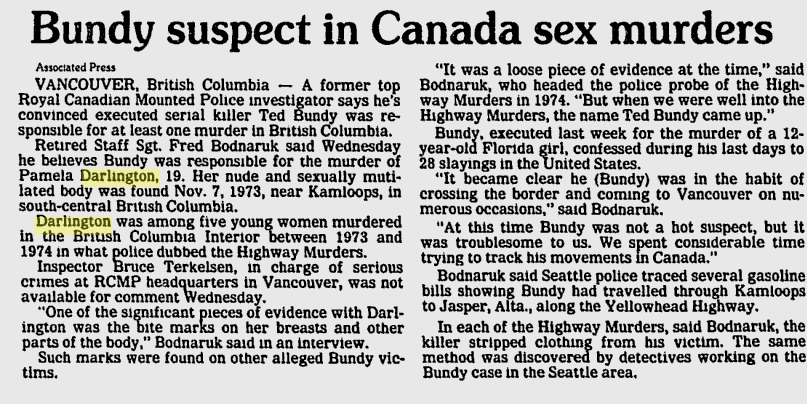
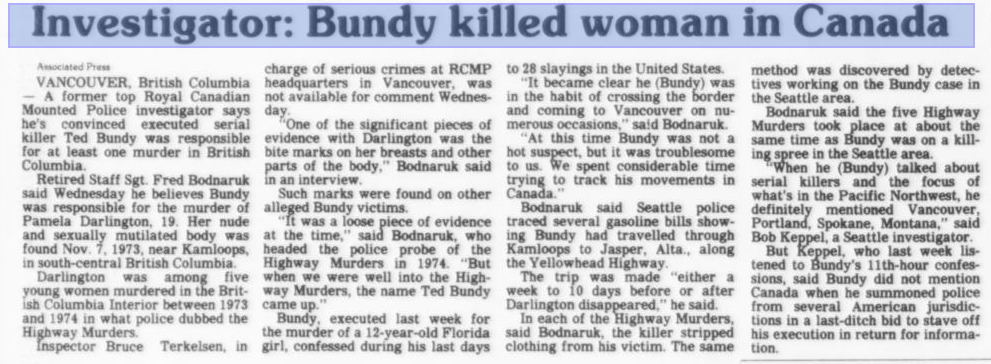
In her 1981 book ‘The Phantom Prince’ Liz Kloepfer wrote that Vancouver was a ‘favorite playground’ for her one-time beau, and when the two went there in October 1969 he ‘showed her all of his favorite places,’ specifically the saloon ‘Oil Can Harry’s,’ and after spending the night at the former ‘Devonshire Hotel’ they walked through Chinatown as well as a German neighborhood before returning home to Seattle. According to retired RCMP Inspector Bruce Terkelsen, ‘one of the significant pieces of evidence with Darlington was the bite marks on her breasts and other parts of the body.’ As we know, Bundy was known to bite some of his victims, and Terkelsensaid ‘it was a loose piece of evidence at the time. But when we were well into the Highway Murders, the name Ted Bundy came up. It became clear that he was in the habit of crossing the border and coming to Vancouver on numerous occasions.’ He also said that the killer had ‘long ago’ been a suspect in the murders but ‘it became clear that he was in the habit of crossing the border and coming to Vancouver on numerous occasions.’ … ‘At this time Bundy was not a hot suspect, but it was troublesome to us. We spent considerable time trying to track his movements in Canada.‘ Sergeant Bodnaruk also said that King County police placed Ted at several gas stations in the area, which proved he had traveled through Kamloops ‘either a week to ten days before or after Darlington disappeared.’

Living incredibly close to the Canadian border in Buffalo, I immediately wondered about the logistics of Bundy sneaking in and out of Canada to murder young women: I know how strict and regulated things are today (and that’s not even factoring all of this Trump nonsense into the equation), but how hard was it to leave the US in the early 1970’s and go into British Columbia (and return)? After some simple internet sleuthing (and asking my Dad, who was alive and dating my mother in 1973), in the early 1970’s crossing the US-Canada border in Washington state (particularly on the American side going into Canada) was considered relatively easy and straightforward, and there were few (if any) requirements to get over (my dad said he remembers showing them his Erie County Sheriff’s card). Obviously, security has gotten significantly tighter since the days of Ted Bundy, with the introduction of passports/enhanced drivers licenses/real ID’s, enhanced screenings, and stricter identification requirements. 

Clifford Robert Olson Jr.: Another serial killer that was investigated for the murder of Pamela Darlington is Clifford Olson, who operated out of Canada in the early 1980’s and confessed to killing eleven children between the ages of nine and eighteen. He was arrested on August 12, 1981 on suspicion of attempting to kidnap two girls, and was later charged with the murder of Judy Kozma, a fourteen-year-old from New Westminster that he raped then strangled to death. Olson eventually came to an unusual and controversial deal with the RCMP: he agreed to confess to the eleven murders and give investigators the location of his victims that were not yet found, and in return for each one that he confessed to they would put $10,000 into a trust for his (then) wife, Joan Hale (who he was with from 1981 to 1985) and their infant child. As a result, Hale and her child received $100,000, as he gave them the eleventh victim as a ‘freebie.’

In January 1982, Clifford Olson pleaded guilty to eleven counts of murder, and was given as many concurrent life sentences to be served out in the Special Handling Unit of the ‘Regional Reception Centre’ in Sainte-Anne-des-Plaines, Quebec. According to forensic psychiatrist Stanley Semrau, who interviewed the killer at great length in prison, Olsen scored a 38/40 on the Psychopathy Checklist; he died from terminal cancer at the age of seventy-one on September 30, 2011.

Miscellaneous Suspects: Another suspect that was investigated for the murder of Pam Darlington is Jerry Baker, who had a history of sex crimes (including rape) and subsequently spent time in prison. On September 19, 1990 it was reported that he had eight convictions for various sexual assault and weapons offenses, as well as a rape conviction in 1970 (for which he received five years) and two separate convictions in 1990 for assault (which drew suspended sentences). His record also notes that he violated his parole conditions in June 1972. 

After he was released, Baker returned to the Williams Lake area around the same time that Colleen MacMillen was killed. In late June 1989 seventeen-year-old Norma Tashoots had been visiting family in 100 Mile House, British Columbia and shared with them her plans of hitchhiking her way back to Vancouver. She was last seen by relatives on June 25, 1989 and her body was found in a wooded area near 100 Mile House on July 10; she had been shot in the head. 

In October of 1989 an anonymous resident of 100 Mile House came forward and suggested that Baker be investigated for Tashoots’ murder, and law enforcement quickly learned that he had reported his .44 caliber Ruger handgun as stolen the day after she was last seen alive. On February 1, 2002, he was arrested and charged with the first-degree murder of Norma Tashoots, and later that May police recovered the ‘lost’ handgun from 1989 in a sewage lagoon near Forest Grove: it was in excellent condition and was registered to Jerry Baker. On March 2, 2018, a jury in Williams Lake found him guilty of first-degree murder and he was sentenced to life in prison with no chance of parole.

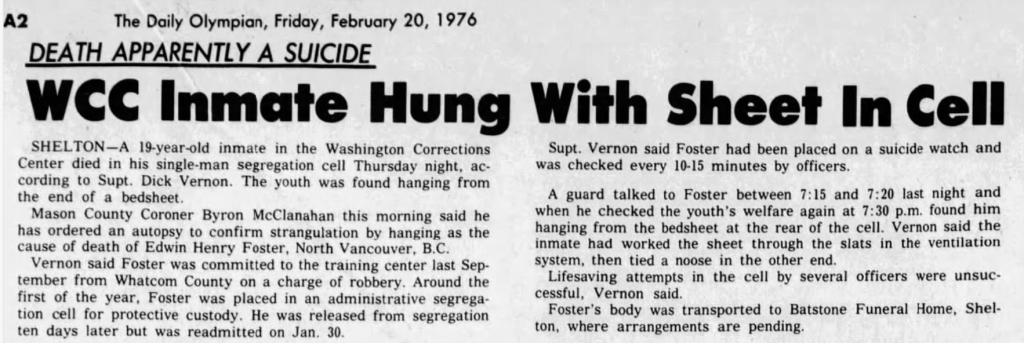
Additionally, In an article published by ‘The Daily News’ on December 19, 2009, it was disclosed that a man named Edwin Henry Foster confessed to detectives that he was responsible for the murder of Pam Darlington while he was serving an eight year prison sentence for a gas station robbery, however this wound up being bogus and he hung himself in a Washington state prison in 1976.

Sharon Darlington is now retired from Canada’s Border Services Agency, and during her long career she worked closely with various law enforcement agencies, and ‘tried hard to find out why Pam’s case remained open, even after they identified Bobby Fowler as her ‘probable murderer.’ I have never understood why DNA would not solve the case. I pursued this for many years, only to hear that the case had many problems with preservation of evidence and I am convinced that evidence was not properly maintained or even kept.’ About her cousin, Sharon said, ‘we were very close. We had plans to move out, get an apartment and start our young lives together. Everyone truly wanted to know the truth about Pam, but my uncle, aunt, father and mother are now all dead.’

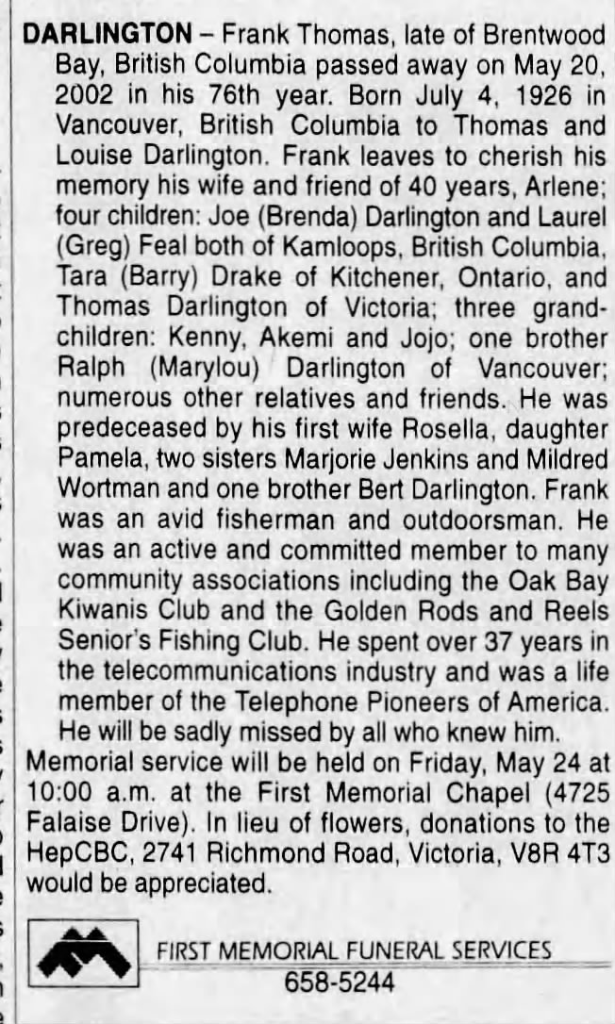
Frank Darlington died at the age of seventy-five on May 20, 2002 in Victoria, BC, and Arlene died at the age of 79 on June 17, 2013 in Victoria. Laurel Darlington-Feal still lives in Kamloops with her husband, Gregory. As of March 2025 the RCMP considers Bobby Jack Fowler a ‘strong suspect’ in the murders of Pamela Darlington and Gale Weys despite there being no DNA evidence linking him to their remains, and as a result both homicides are considered unsolved.

Works Cited:
Blackburn, Mark. (September 25, 2012). ‘US serial killer Bobby Jack Fowler linked to 3 Highway of Tears murders.’ Taken April 1, 2025 from aptnnews.ca
Bujold, Dani. ‘Two Cold Cases And A Solved Homicide: Gale Weys, Pamela Darlington and Colleen MacMillen (1973–1974).’ Taken March 20, 2025 from medium.com
Lazarus, Eve. ‘The Pamela Darlington Murder.’ (November 6, 2022). Taken March 20, 2025 from evelazarus.com
LaRosa, Paul. (May 27, 2016). Crime Mystery of missing, murdered women along Highway of Tears.’ Taken April 1, 2025 from cbsnews.com
Martell, Allison. (September 25, 2012). ‘Canadian Mounties solve 1974 murder of 16-year-old girl.’ Retrieved February 17, 2024, from reuters.com
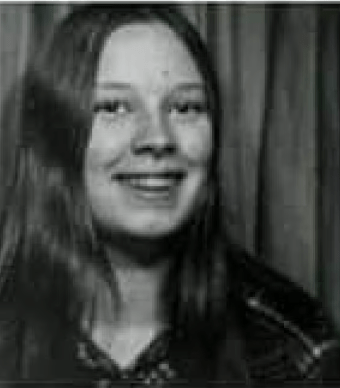
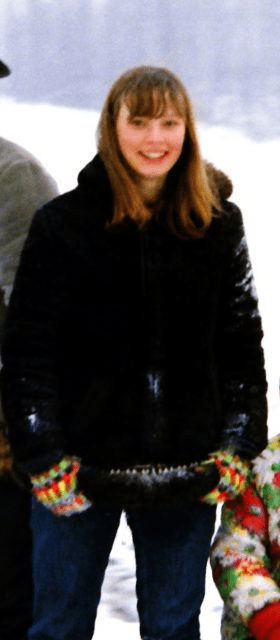
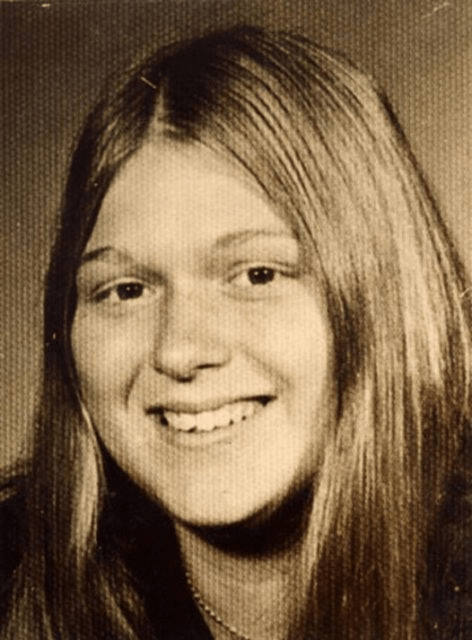
Pam Darlington.
A picture of Pam Darlington, courtesy of Sharon Darlington/Eve Lazarus.
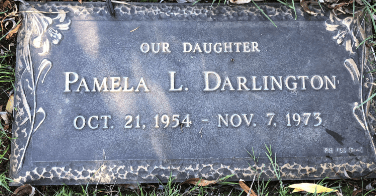
A picture of Darlington’s grave site, photo courtesy of FindAGrave user ‘renegade13.’
A map of where Pamela’s body was in comparison to Gale Weys and Colleen MacMillen, photo courtesy of ‘Eve Lazarus.’
Pictures of Colleen MacMillen, Pam Darlington, and Gale Ann Weys on display during a Royal Canadian Mounted Police news conference that took place in Surrey, BC on September 25, 2012. Photo courtesy of Andy Clark & Reuters.
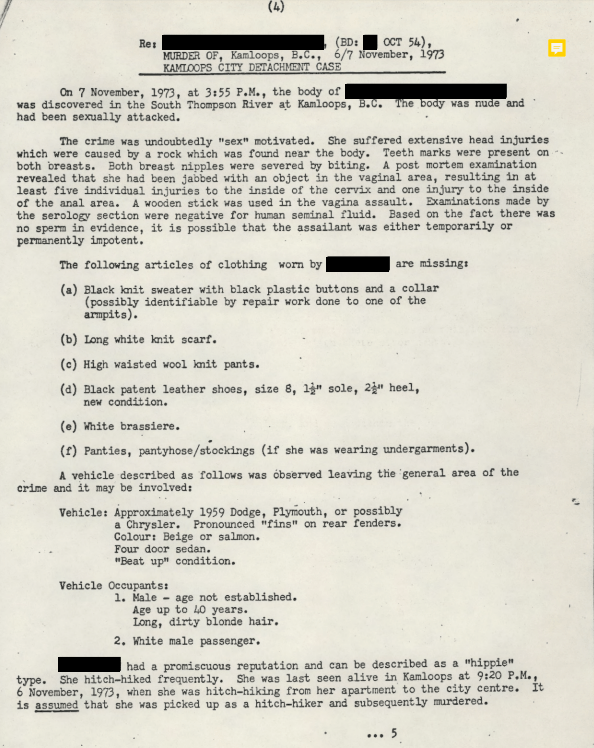
A memo to the King County Sheriff’s Department from the RCMP, courtesy of the King County Sheriff’s Department.
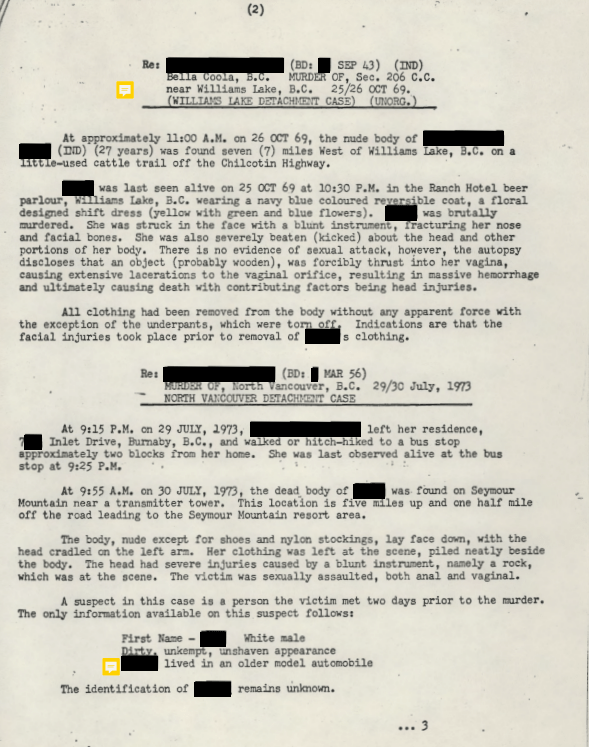
A statement in relation to the murder of Pamela Darlington, courtesy of the King County Sheriff’s Department.
A continuation of the statement in relation to the murder of Pamela Darlington, courtesy of the King County Sheriff’s Department.
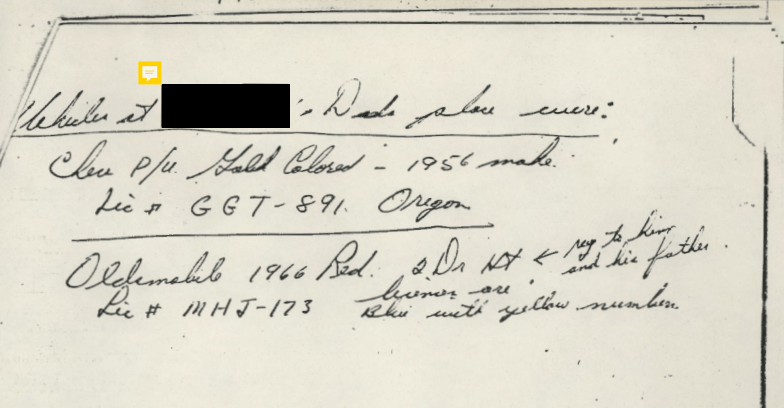
Some hand-written notes in relation to the murder of Pamela Darlington, courtesy of the King County Sheriff’s Department.
Some fingerprints in relation to the murder of Pamela Darlington, courtesy of the King County Sheriff’s Department.
A police circulation in relation to the murder of Pamela Darlington, courtesy of the King County Sheriff’s Department.
Police notes in relation to the murder of Pamela Darlington, courtesy of the King County Sheriff’s Department.
Some case notes in relation to the murder of Gale Weys and Pamela Darlington, courtesy of the King County Sheriff’s Department.
Some more case notes in relation to the murder of Pamela Darlington, courtesy of the King County Sheriff’s Department.
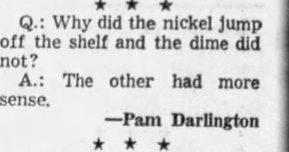
A newspaper clipping of a joke by Pamela Darlington published by The Vancouver Sun on June 4, 1963.
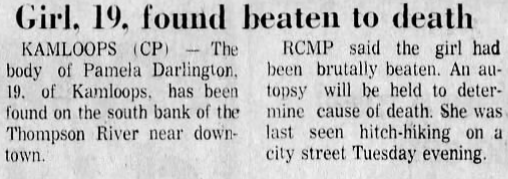
An article about the discovery of the remains of Pam Darlington published in The Province on November 9, 1973 .
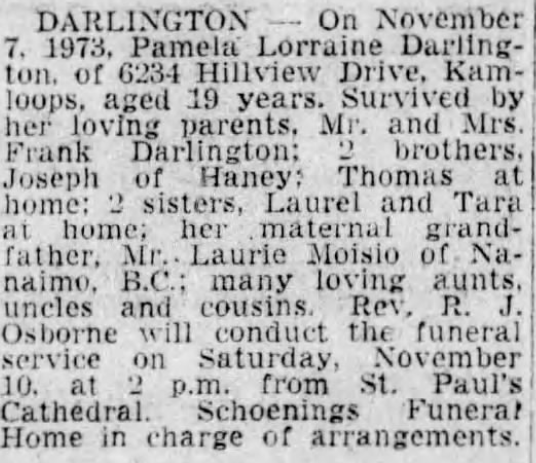
The obituary of Pam Darlington published in The Vancouver Sun on November 9, 1973.
An article about a reward for any information leading to the arrest of the killer of Pam Darlington published in The Vancouver Sun on November 15, 1973.
An article about some of the murder of Barbara Joan Statt that mentions Pam Darlington published in The Vancouver Sun on November 21, 1973.
An article about similarities between Barbara Statt and Pam Darlington’s murders published in The Times on November 23, 1973.
An article about the discovery of the remains of Pamela Darlington published in The Alberni Valley Times on April 8, 1974.
An article about the murder of Gale Weys that mentions Pam Darlington published in The Quesnel Cariboo Observer on April 17, 1974.
An article about the murder of Barbara Joan Statt that mentions Pam Darlington titled ‘Mounties look for Sadist’ published in The Montreal Gazette on June 28, 1974.
An article about the killer of young women in British Columbia in the early 1970’s that mentions Pam Darlington published in The Star-Phoenix on June 29, 1974.
An article about the discovery of another body that mentions Pam Darlington published in The Leader-Post on June 29, 1974.
An article about the murder of Gale Weys that mentions Pam Darlington published by The Leader-Post on June 29, 1974.
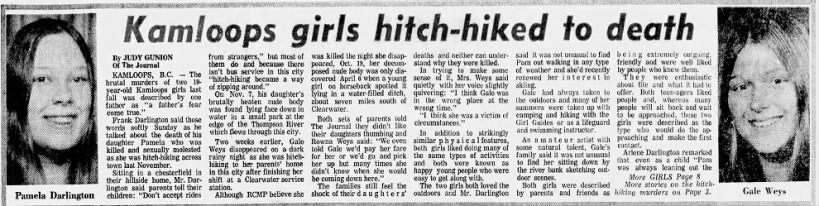
Part one of an article about the murders of Pam Darlington and Gale Weys published in The Edmonton Journal on July 2, 1974.
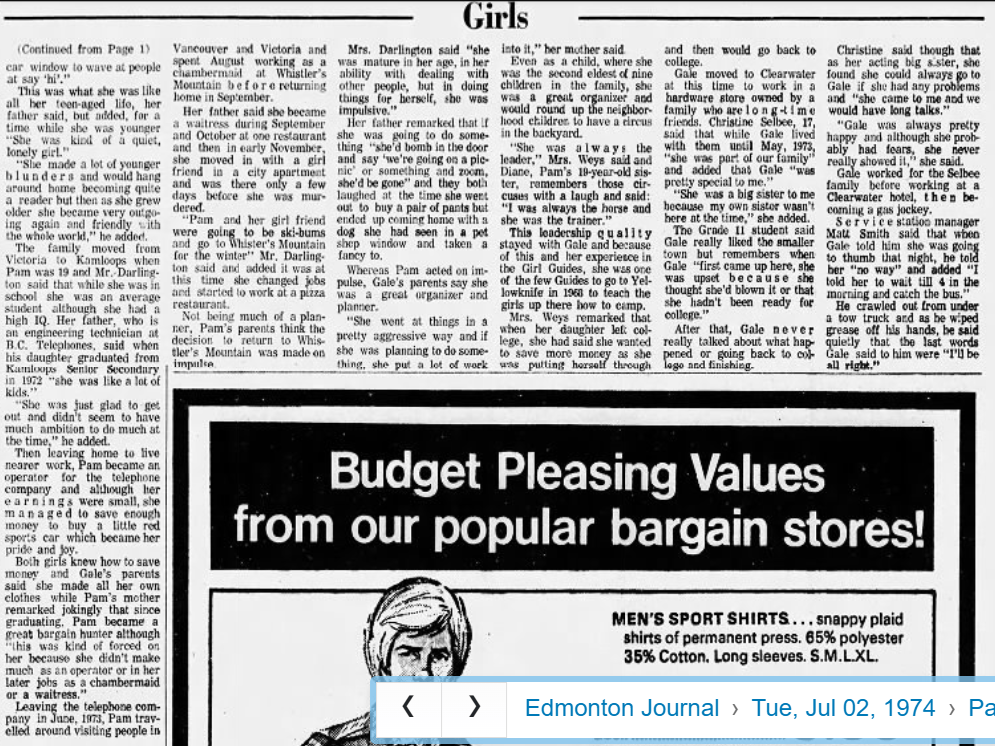
Part two of an article about the murders of Pam Darlington and Gale Weys published in The Edmonton Journal on July 2, 1974.
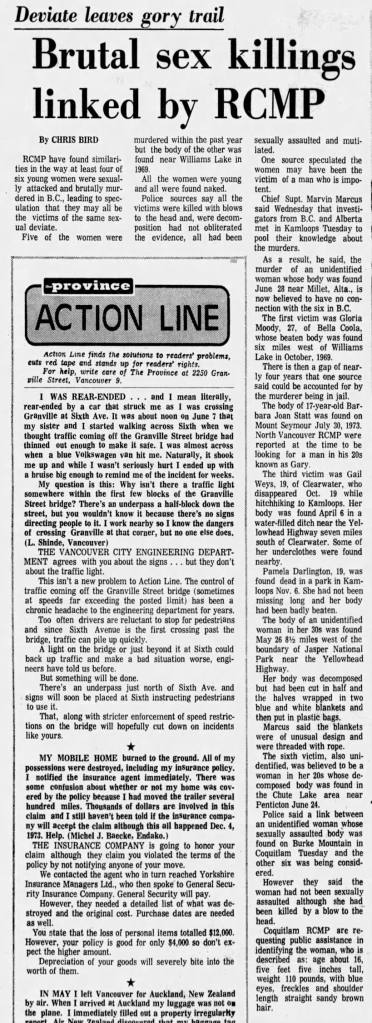
An article about the murders in BC in that took place 1973/74 published in The Province on July 11, 1974.
An article about the recent murder of Robin Gates that mentions Pam Darlington published in The Vancouver Sun on July 22, 1974.
An article about the murder of Robin Gates that mentions Pam Darlington published in The Vancouver on July 22, 1974.
An article about the murders on the ‘trail of tears’ that mentions Pam Darlington published in The Quesnel Cariboo Observer on July 24, 1974.
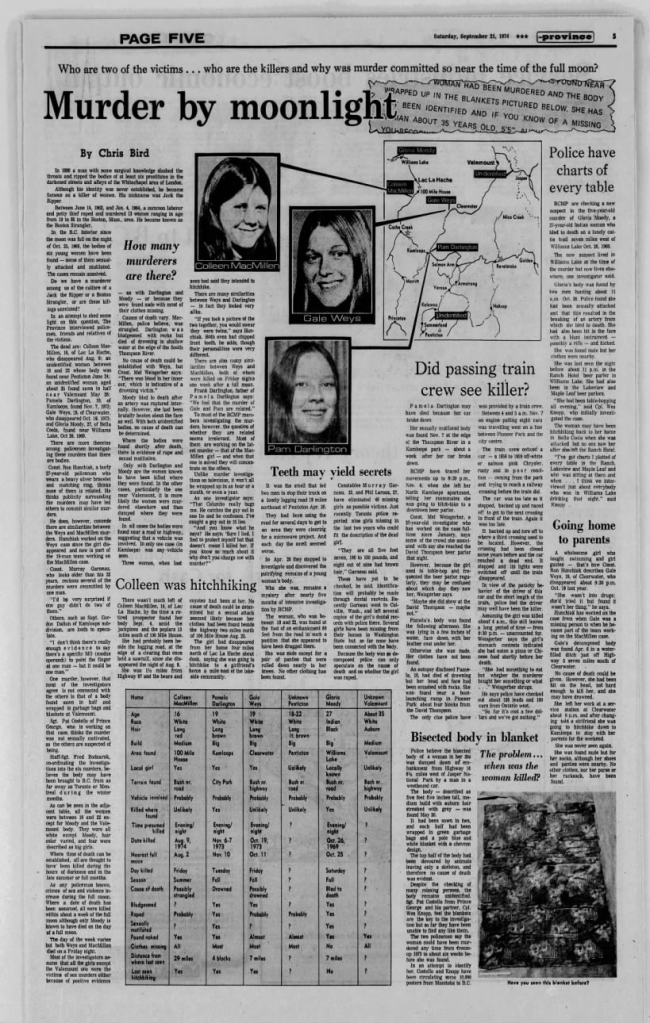
An article about Pamela Darlington published by The Province on September 21, 1974.
An article about the murders on the ‘trail of tears’ that mentions Pam Darlington published in The Montreal Gazette on October 16, 1974.
An article about the murders on the ‘trail of tears’ that mentions Pam Darlington published in The Sault Star on October 23, 1974.
An article about the murder of twelve year old Carolyn Lee that mentioned both Pam Darlington and Barbara Statt published by The Times Colonist on May 2, 1977.
An article mentioning Pam Darlington published by The Edmonton Journal on July 18, 1981.
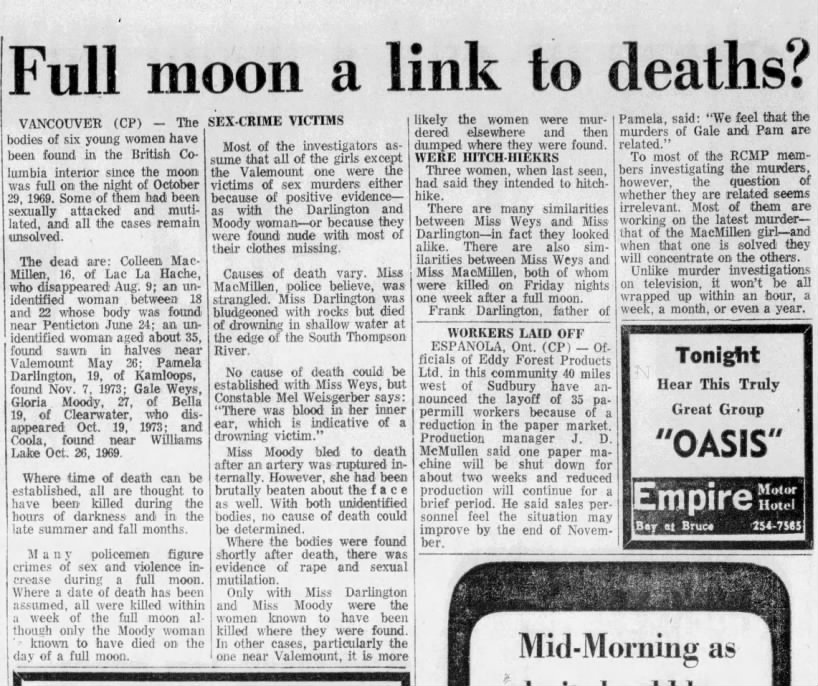
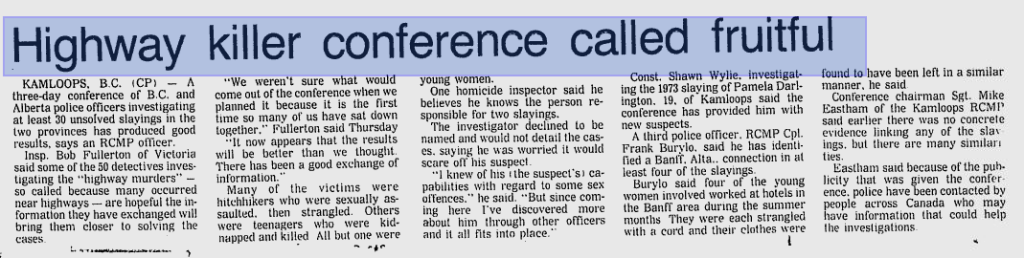
An article about a conference for British Columbian and Alberta LE surrounding the thirty unsolved murders between the two provinces that mentions Pam Darlington published in The Phoenix on November 20, 1981.
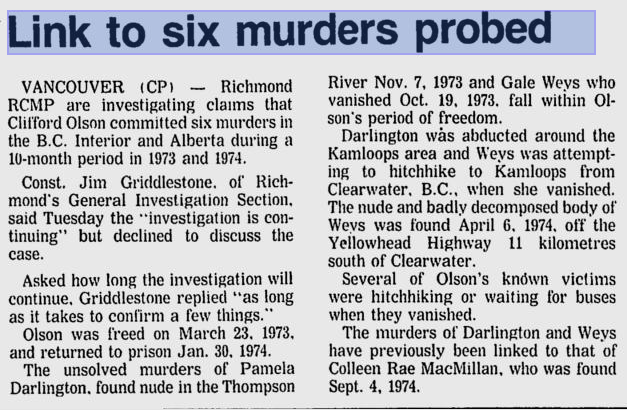
An article about the murders of Clifford Olsen that mentions Pam Darlington published in The Leader-Post on February 19, 1982.
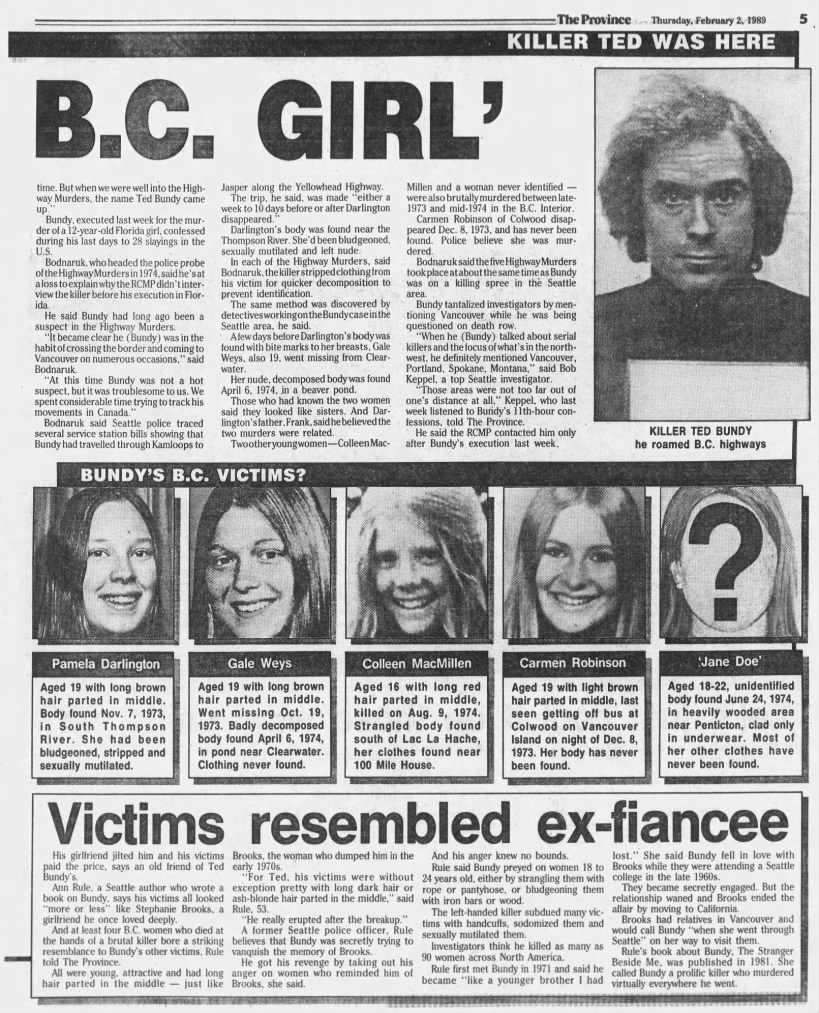
Part one of an article about murders Ted Bundy may have committed in Canada published in The Providence on February 2, 1989.
Part two of an article about murders Ted Bundy may have committed in Canada published in The Providence on February 2, 1989.
According to an article published in 'The Vancouver Sun'
An article published after Ted Bundy’s execution that discusses the fact that he was investigated for the murder of Pam Darlington (along with others) published in The Spokesman-Review on February 3, 1989.
An article about the possibility that Bundy may have killed women in Canada that mentions Pamela Darlington published in The Spokesman-Review on February 3, 1989.
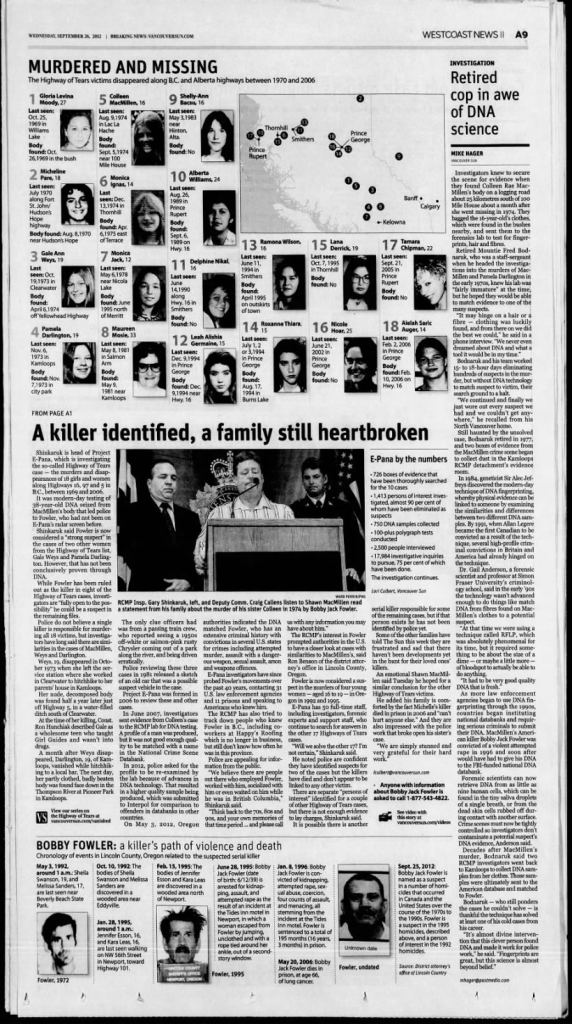
An article about Bobby Fowler that mentions Pam Darlington published in The West Coast News on September 26, 2012.
A comment made by Pam’s sister Laurel on the article written about her sister on the blog ‘Eve Lazarus.’ Taken from EveLazarus.com
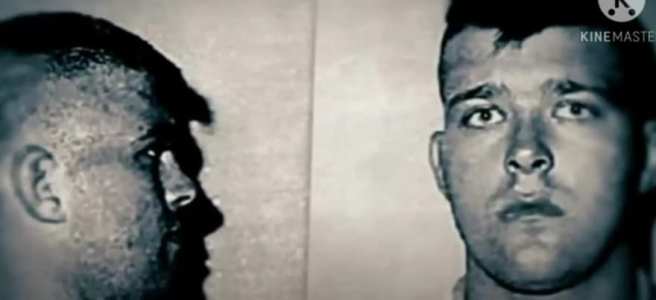
A young Bobby Fowler.
Bobby Jack Fowler.
A Websleuth’s comment about Bobby Jack Fowler, made by user ‘hkristen’ on January 21, 2020.
Bundy’s whereabouts in November 1973 taken from the ‘1992 FBI Bundy Multiagency Team Report.’
One possible route that Bundy could have taken to Pams parents house in Kamloops, BC.
Clifford Robert Olson, who is nicknamed ‘The Beast of British Columbia.’
An article about the suicide of Edwin Henry Foster published in The Olympian on February 20, 1976.
Gale Weys.
An article about the murder of Gale Weys published in The Quesnel Cariboo Observer on December 27, 1973.
A newspaper article about the murder of Gale Weys published in The Vancouver Sun on April 8, 1974.
Colleen MacMillen.
Colleen MacMillen.
An article about the murder of Colleen MacMillen published in The Province on September 11, 1974.
The Highway of Tears corridor, including some paved offshoots of outlying communities near Highway 16. Photo courtesy of Wikipedia.
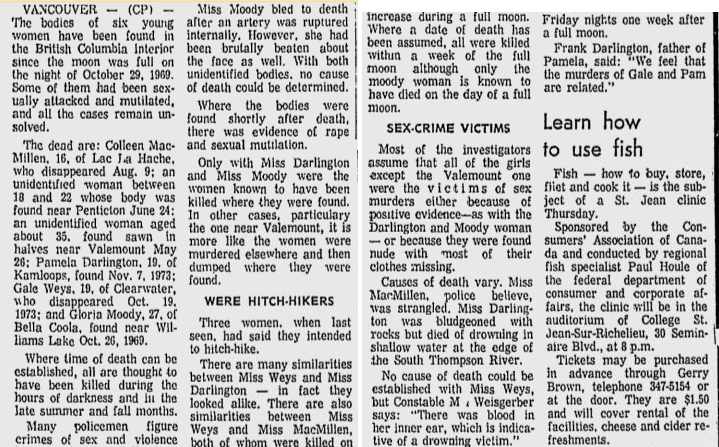
Part one of an article about the ‘trail of tears’ that mentions Pam Darlington published in The Vancouver Sun on October 13, 2007.
Part two of an article about the ‘trail of tears’ that mentions Pam Darlington published in The Vancouver Sun on October 13, 2007.
An article about the engagement of Pam’s parents published in The Vancouver Sun on November 3, 1952.
A newspaper clipping announcing the wedding of Pam’s parents published in The Vancouver Sun on November 13, 1952.
A newspaper clipping about the wedding of Pamela’s parents published in The Vancouver Sun on November 14, 1952.
An obituary for Pam’s Mother published in The Nanaimo Daily News on June 15, 1961.
Pamela’s mothers grave site, photo courtesy of FindAGrave user ‘renegade13.’
Arlene Ilvi Moisio-Darlington, Pam’s stepmother.
Thomas Darlington’s obituary published in The Times Colonist on May 24, 2002.
An article that mentions the fact that Pam’s Dad Thomas Darlington contracted Hepatitis-C in 1979 after coming into contact with tainted blood, published The Times Colonist on July 26, 2006.
Pam’s stepmother’s obituary, published in The Times Colonist on June 27, 2013.
A marriage announcement for Pam’s sister Laurel published in The Times Colonist on April 23, 1983.
Pam’s sister Laurel, photo courtesy of Ancestry.

Katherine Merry Devine, Case Files: Part Three.

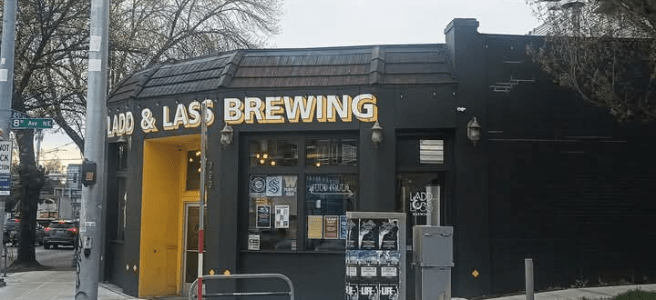
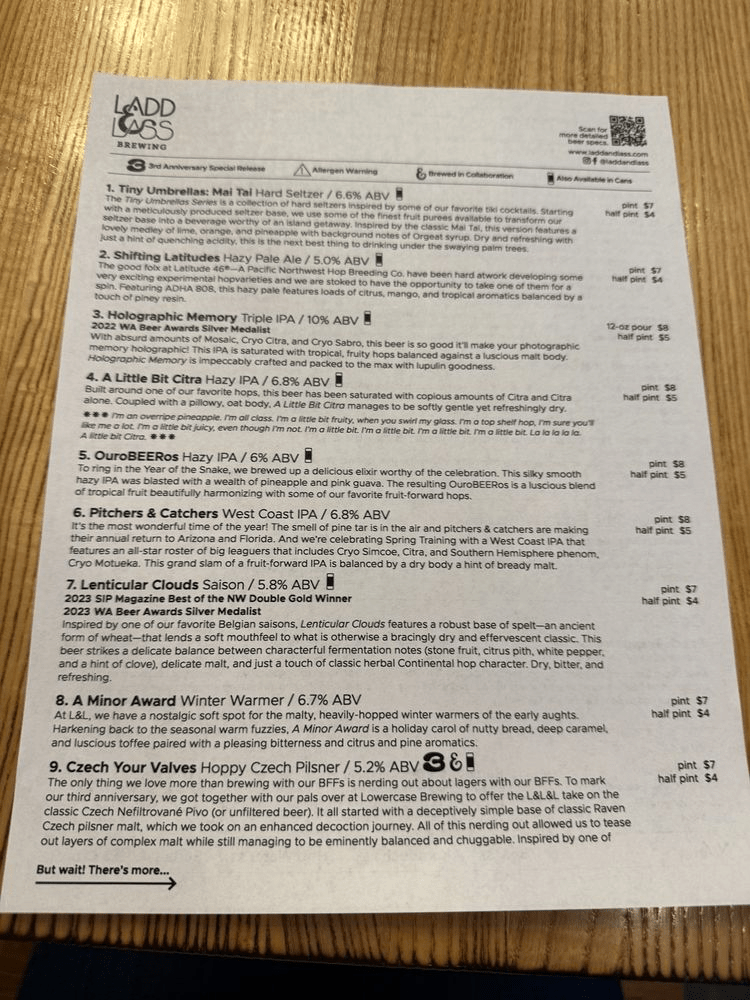
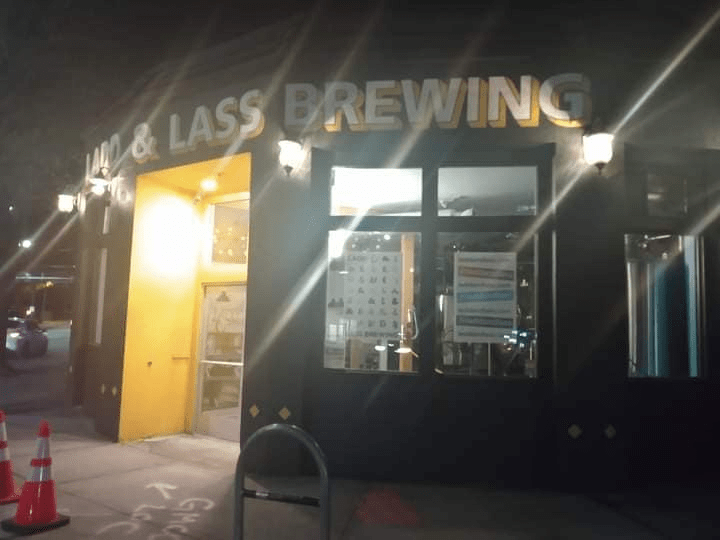
Ladd & Lass, formerly ‘The Sandpiper Tavern.’

It’s a story most Bundy fans know well: in September 1969 Elizabeth Kloepfer was new in Seattle, and one night along with her friend and fellow Utah transplant Mary Lynn Chino went to a small college bar called The Sandpiper, where she met Ted Bundy. The two went on to have a tumultuous, on again/off again six year relationship, and Ted played a big part in raising Kloepfer’s young daughter, Molly. Over the years The SandPiper Tavern has changed hands (and names) a few times, and most recently has been dubbed ‘Ladd & Lass Brewing.’
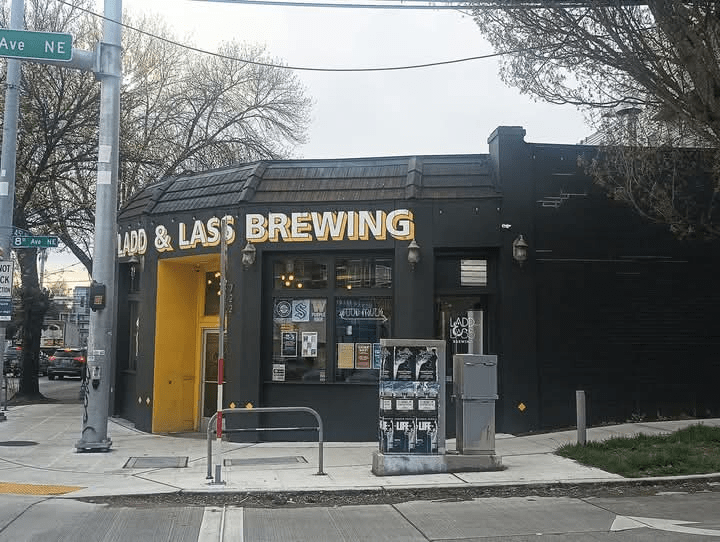
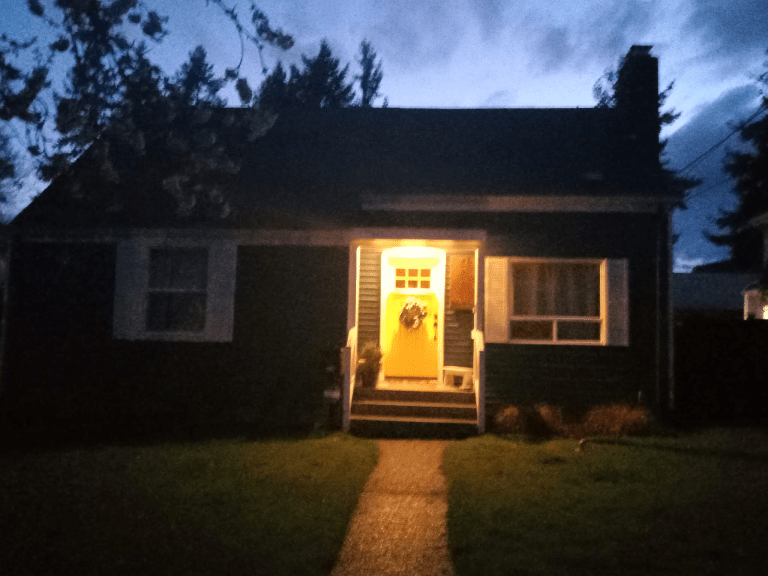
The outside of The (former) SandPiper Tavern, now called ‘Ladd & Lass Brewing.’ I took most of these pictures in April 2024 when I went to Seattle for the second time, and this time around I was able to go in and have (half) of a beer, as I am not a big drinker but at the same time wanted to be able to say I had a drink here.
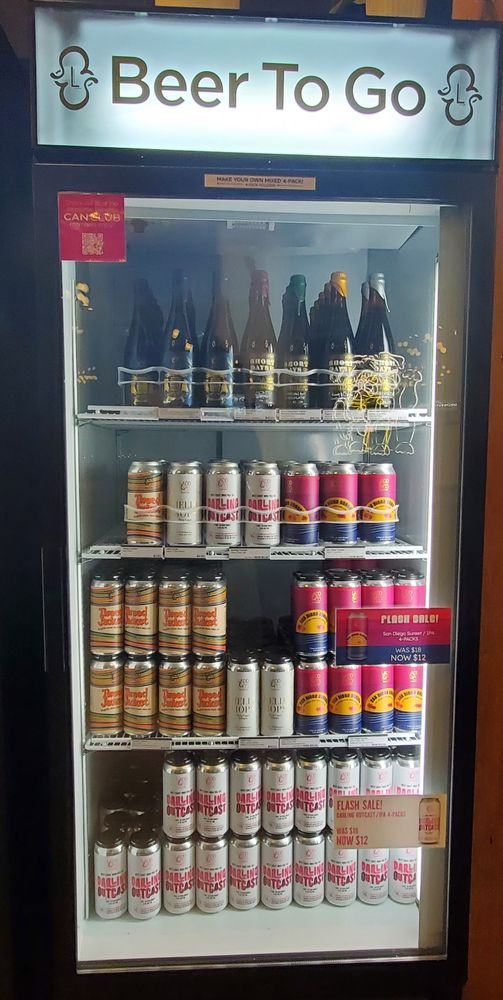
The entrance of Ladd & Lass Brewing, photo taken in April 2024.
A picture taken the first time I went to Seattle, looking from the outside in, taken in April 2022.
Another picture taken the first time I went to Seattle, looking from the outside in, taken in April 2022.
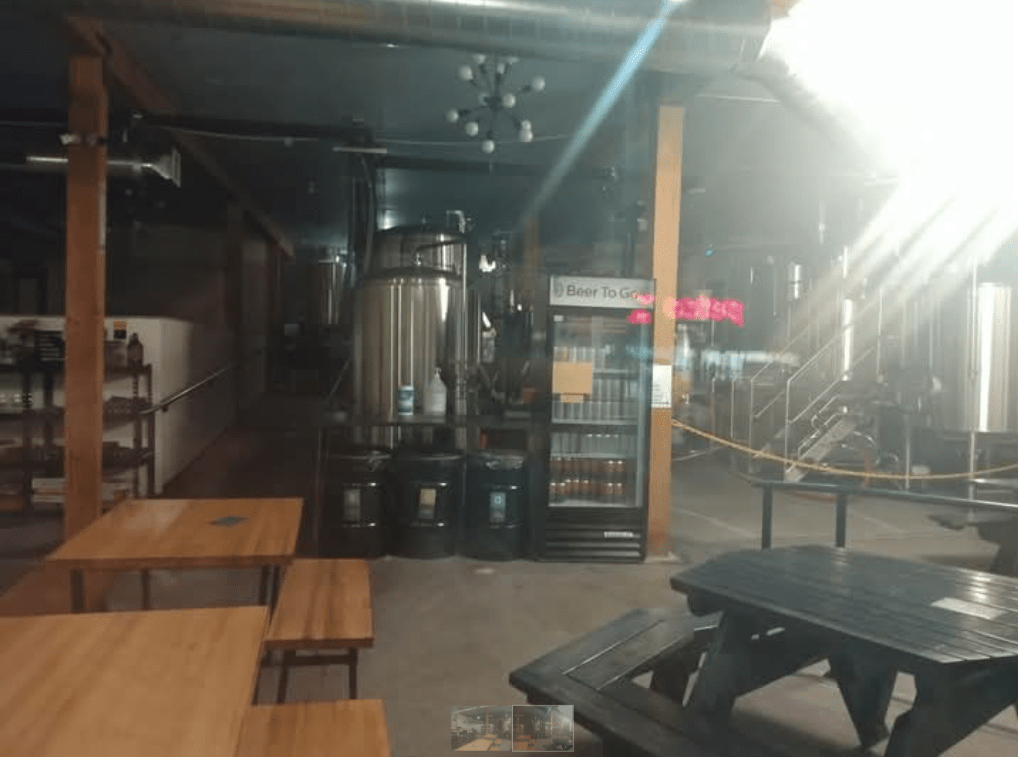
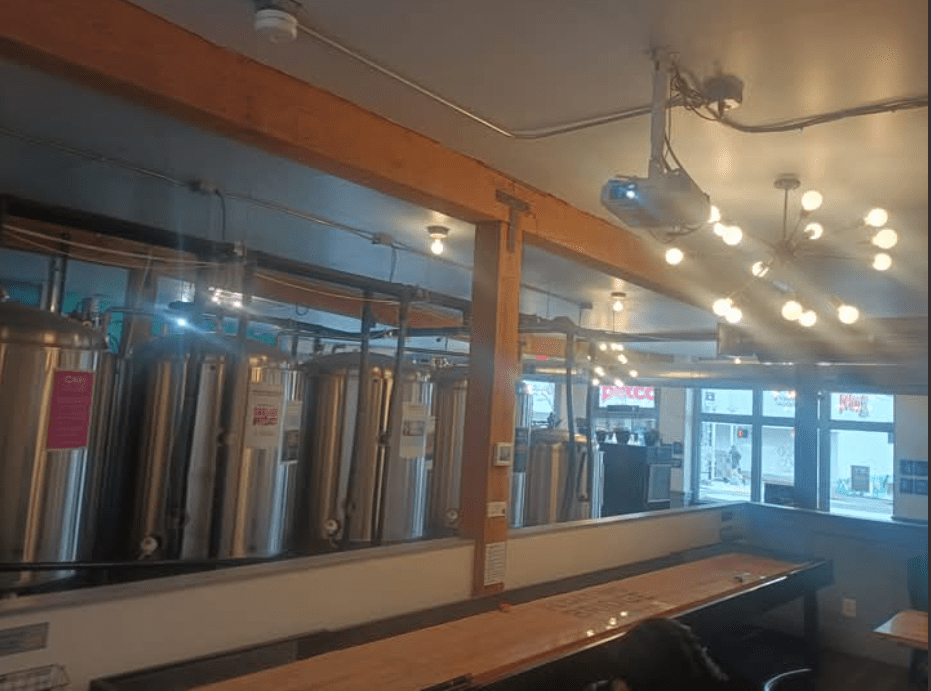
The brew room at Ladd & Lass Brewing, photo taken in April 2024.
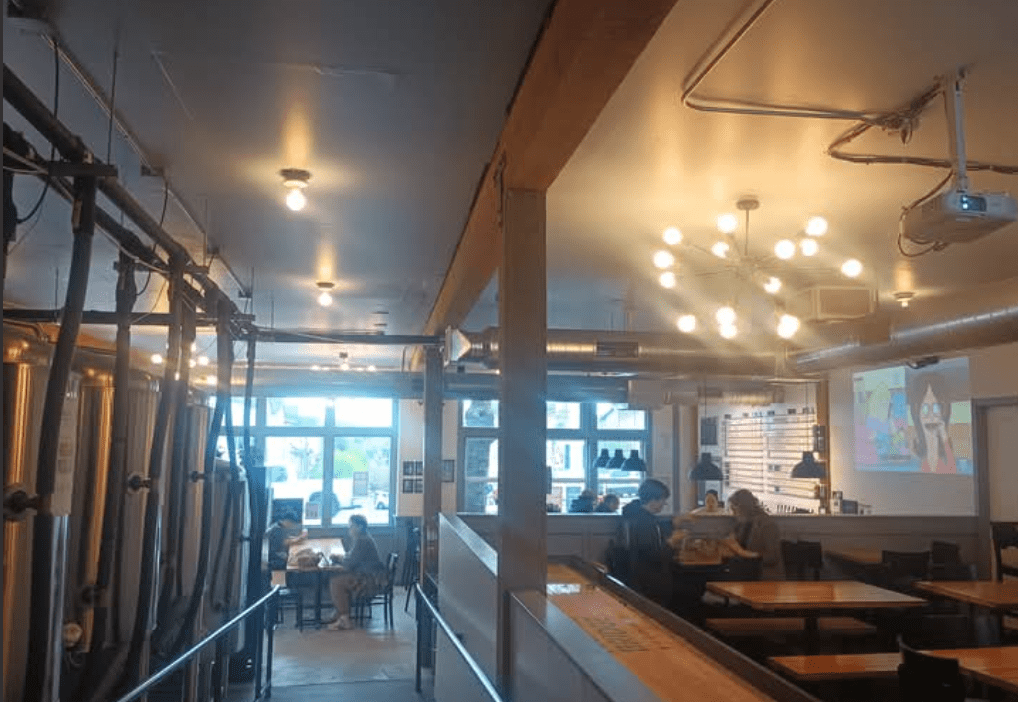
A shot of the front part of Ladd & Lass Brewing, photo taken in April 2024.
Another shot of the front part of Ladd & Lass Brewing, photo taken in April 2024.
Another part of the brewery room at Ladd & Lass Brewing, photo taken in April 2024.
The back part of Ladd & Lass Brewing. Photo taken in April 2024.
A close up of the side wall at Ladd & Lass Brewing. Photo taken in April 2024.
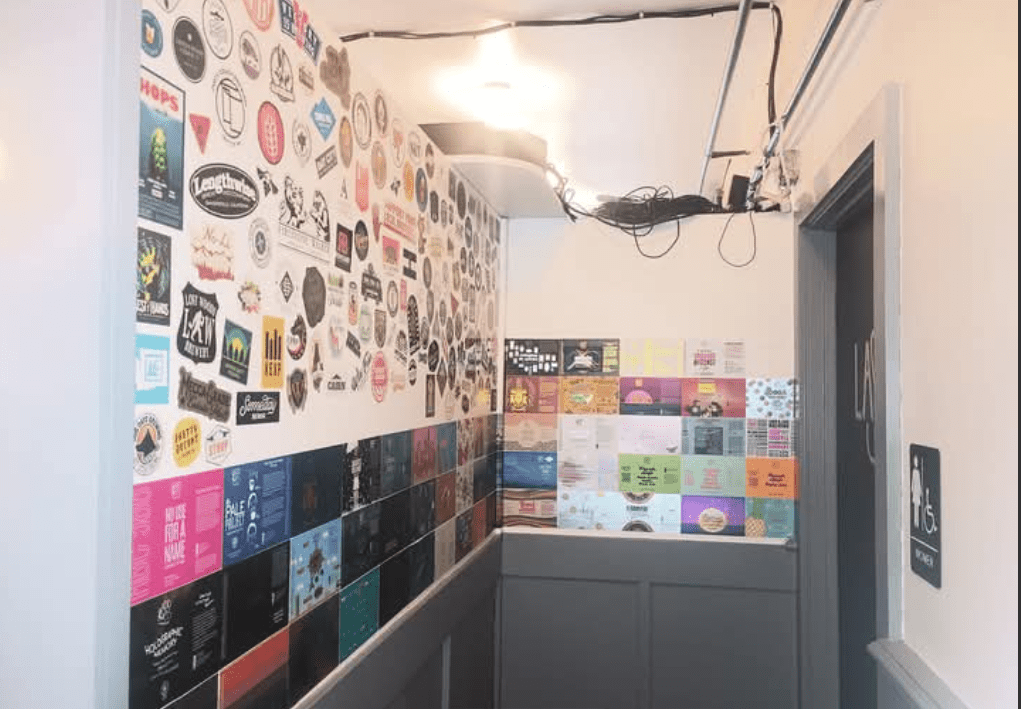
The back part of Ladd & Lass Brewing, by the bathrooms. Photo taken in April 2024.
The front part of the bar, photo courtesy of Yelp and was uploaded by the user ‘Nick L.’
A picture of a wall of the brewery with the beers on the wall at Ladd & Lass Brewing, taken from Yelp and posted by user ‘Jessica Z.’
A picture of the tasing menu from Ladd & Lass Brewing, taken from Yelp and posted by user ‘Erica W’ on March 29. 2025.
A picture of the beer cooler, where customers can take beverages with them when they go. Picture taken from Yelp and posted by user ‘Marcus S.’

Ted Bundy Crime Scene Locations as they Appear Today, My Personal Pictures.

Up until about five years ago I lived paycheck to paycheck, and after getting two really good jobs I banked quite a bit of money and decided to start traveling. In April 2022 I went to Seattle and since then have been to Florida, Philadelphia, Salt Lake City, Colorado, Cobleskill (in NY, for a suspected Bundy victim) and Portland (on that trip I also went back to Seattle). I’ve been retracing the steps of Ted Bundy and taking pictures along the way.
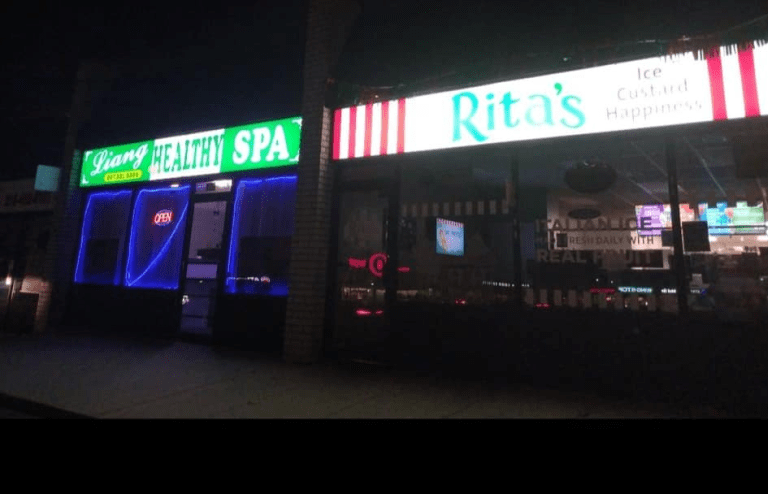
Where Bundy’s very first home once stood in the Roxborough neighborhood of Philadelphia, where he lived with his mother, aunt, and maternal grandparents until he was three years old; it was formerly located at ‘7202 Ridge Avenue’ and is now ‘499 Domino Lane.’ Picture taken in May 2023.
The Cowell family’s second home. A diabetic (and agoraphobic), Eleanor Cowell had suffered a stroke in the mid-1950’s and underwent electroconvulsive therapy (ECT) for depression. She passed away at the age of 76 in April 1971, and in December 1983 Samuel passed away at the age of 85.
Ted’s Uncle Jack Cowell’s house, located at 1514 South Alder Street in Tacoma, WA. Louise and Ted lived here briefly when they moved to Washington state in 1951. Picture taken in April 2022.
The Bundy family’s first home, April 2022. During an interview with author Stephen G. Michaud, Ted talked about his time living here: ‘Our house was on Sheridan Street in Tacoma. It was the second house from the corner, on the west side of the street. We moved there, I would guess, in about 1951. My boyhood on Sheridan Street was not an unpleasant one. I remember those days, of roaming with my friends. The adventure, the exploration. Those were the days of frog hunting and marble playing.’
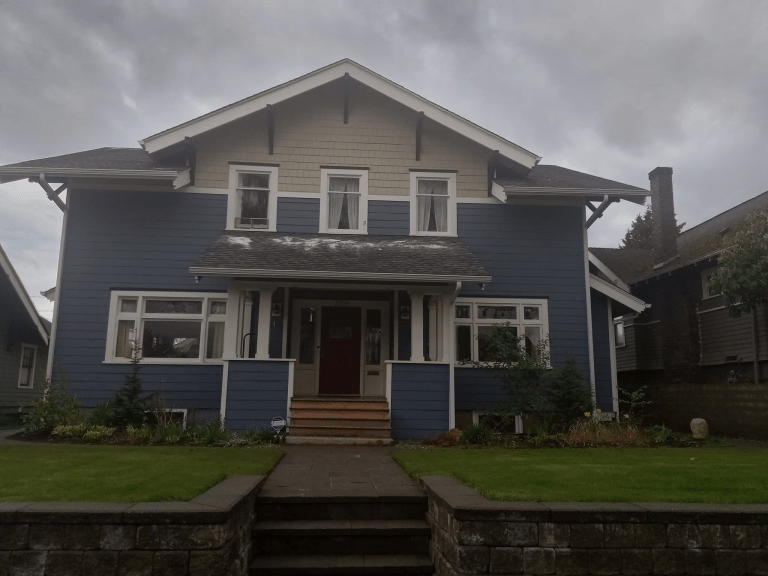
The Bundy family’s second home, located at 658 North Skyline Drive in Tacoma; Ted spent a good portion of his adolescent years living here. Picture taken in April 2022.
The former house of eight-year-old Ann Marie Burr, located at 3009 North 14th Street in Tacoma, WA. The oldest of five, on the morning she went missing on August 31, 1961 her mother, Beverly, woke up early and noticed that Ann wasn’t in her room, and after walking downstairs, she noticed that the front door was slightly open along with the living room window. There’s so many rumors about Bundy and Ann Marie Burr: my favorite is that his Uncle Jack was her piano teacher, and where she did take lessons, he wasn’t her instructor. Also, it’s said that Ted was her neighbor as well as the Burrs’ paperboy… and where he did deliver newspapers as a youngster, he was not hers, and where they didn’t live super far away from one another they were hardly neighbors (I made the 3.3 mile walk from the Ann’s house to Ted’s during my first trip to Seattle). Picture taken in April 2022.
The front of Ann Marie Burrs house, picture taken in April 2022. I thought the trees were beautiful.
The third and final home of Johnnie and Louise Bundy, located at 3214 North 20th Street in Tacoma. The family moved here in 1968 after selling their second house on North Skyline Drive and lived there until the late 2000’s. In May 2007, Johnny died at the age of 86 and two years later, Louise sold the property for $305,301. In December 2012, Mrs. Bundy passed away at the age of 88. Picture taken in April 2022.
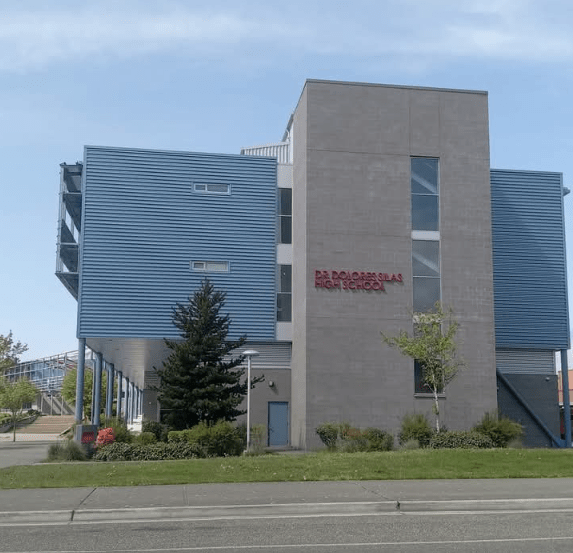
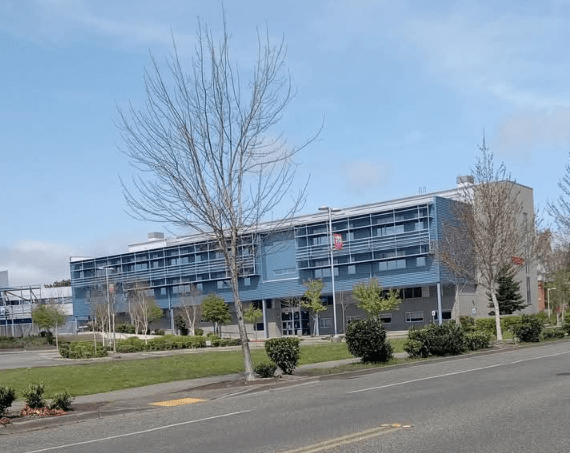
This is the front of Silas High School, formerly Woodrow Wilson High School, where Ted graduated from in 1965. Picture taken in April 2022.
Ted Bundy’s alma mater: Dr. Dolores Silas High School, located at 1202 North Orchard Street in Tacoma. From its founding in 1958 until July 2021 it was called Woodrow Wilson High School. Picture taken in April 2022.
Dr. Dolores Silas High School, in Tacoma, WA. Pictures taken in April 2022.
The music building at Silas High School in Tacoma, WA. Picture taken in April 2022.
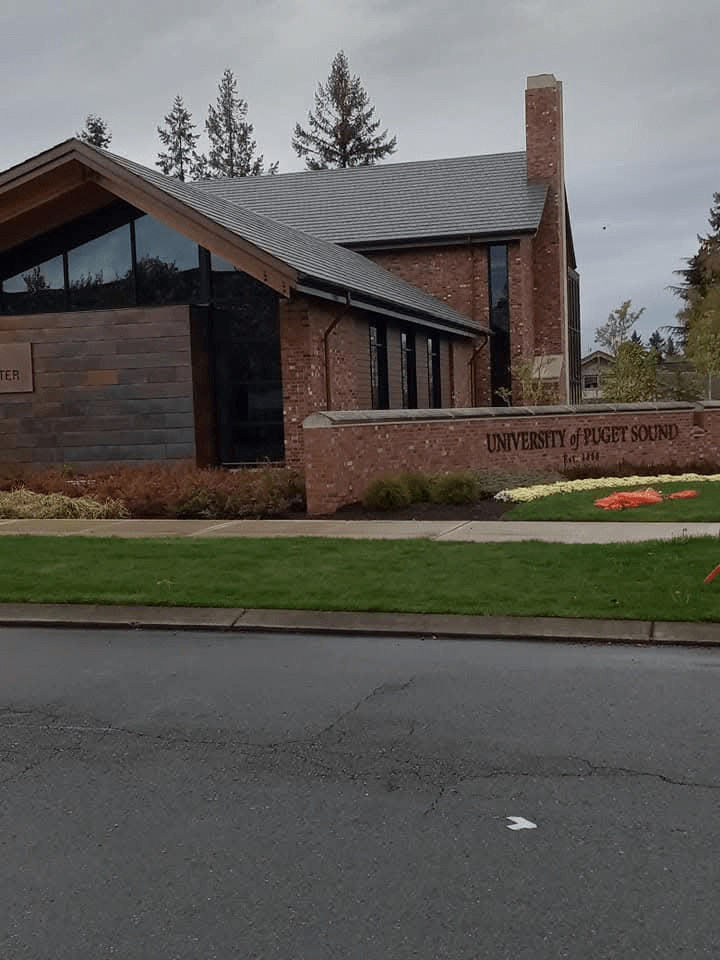
The entrance to the University of Puget Sound, a school that Ted attended twice: right after he graduated from high school (then dropped out) then again for his (first attempt) at law school (he once again dropped out). Picture taken in April 2022.
The University of Puget Sound, picture taken in April 2022.
Another shot of the entrance to the University of Puget Sound in Tacoma, WA. Picture taken in April 2022.
While getting a cup of tea at the University of Puget Sounds coffee shop, one of the baristas reminded me that Louise Bundy used to work at the school, and that she had a brick on campus near the water fountain. Picture taken in April 2022.
A broader shot of Johnnie and Louise’s brick on the campus of the University of Puget Sound, picture taken in April 2022.
McMahon Hall located at the University of Washington. In 1966 during Ted’s first year at the school he lived on the 4th floor of the dormitories South Tower, and reportedly kept a key after ‘officially’ moving out and would return there on occasions to take naps. Picture taken in April 2022.
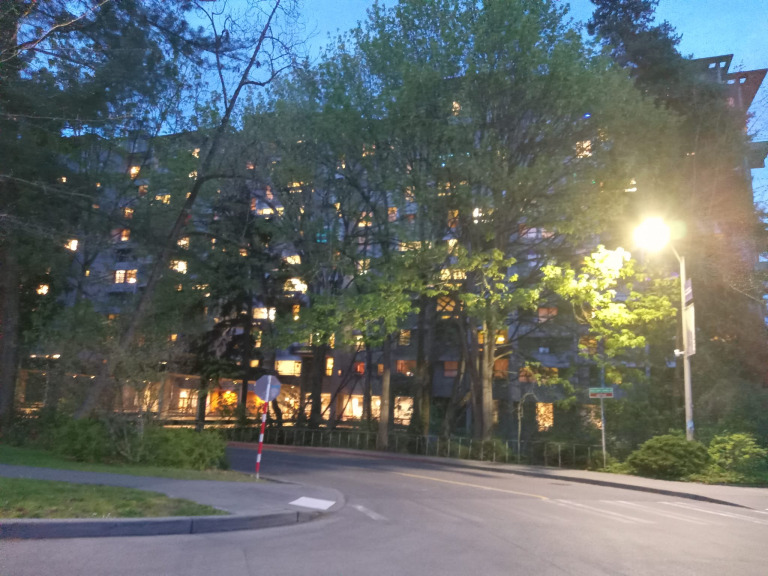
The apartment building where flight attendants Lisa Wick and Lonnie Trumbull lived when they were attacked in the early morning hours of June 23, 1966, located 2415 8th Ave North in the Queen Anne district of Seattle. Ted is still considered a suspect in their attacks (Wick survived but Trumbull sadly did not). Picture taken in April 2024.
Another shot of ‘The Sherri Lee Apartments,’ picture taken in April 2024.
The back portion of ‘The Sherri Lee Apartments,’ picture taken in April 2024.
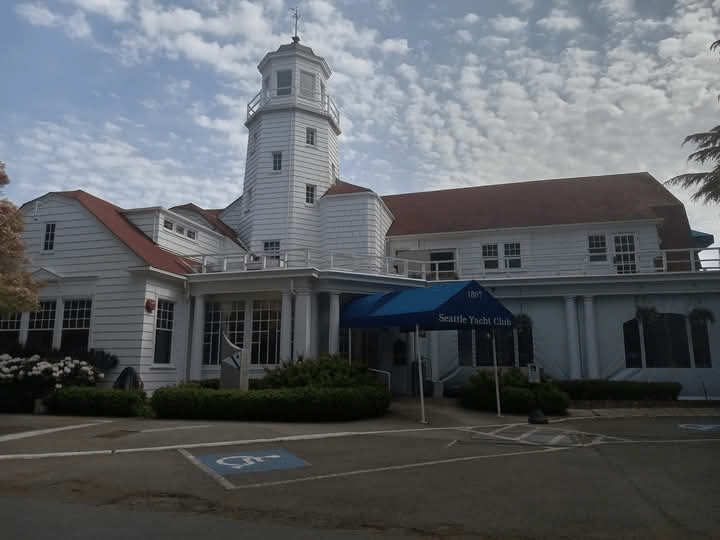
The Seattle Yacht Club, where Ted worked as a busboy until he was fired for stealing food. Its strongly thought he began his employment there in September 1967, but how long he was there for seems to be a bit of a gray area: Mrs. Ferris said he was there for roughly six weeks, but Ann Rule wrote in ‘The Stranger Beside Me’ that he worked there for six months. Additionally, Dr. Robert Dielenberg’s true crime masterpiece ‘A Visual Timeline’ said he parked cars at the club and left in January 1968.
The Seattle Yacht Club, located at 1807 E Hamlin Street in the Montlake neighborhood of Seattle. Picture taken in April 2022.
A sign at the entrance of The Seattle Yacht Club, picture taken in April 2022.
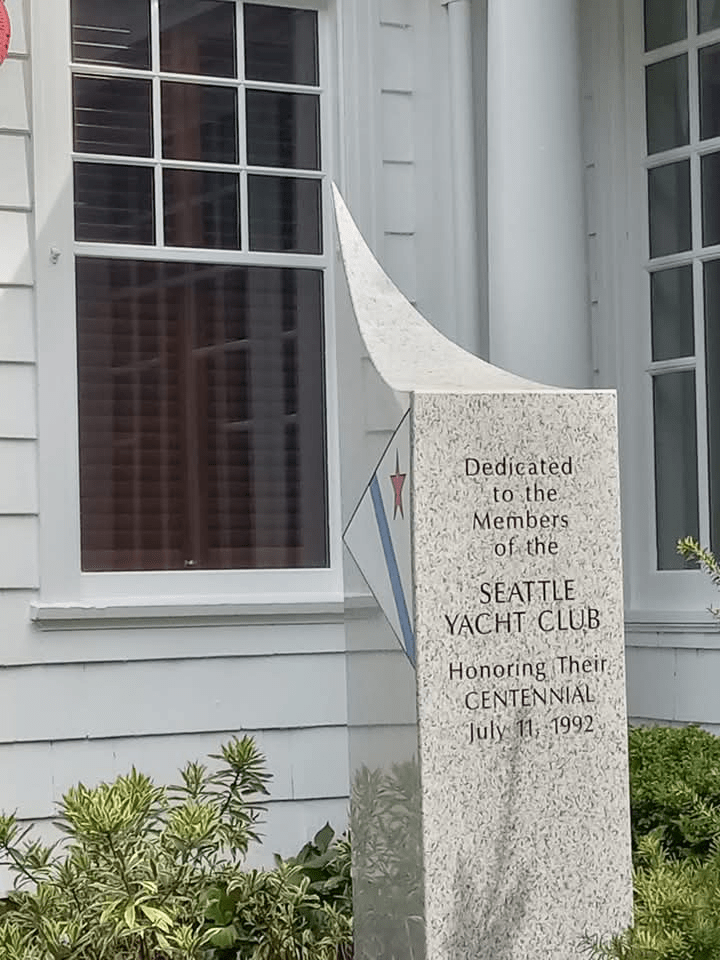
A memorial outside The Seattle Yacht Club, picture taken in April 2022.
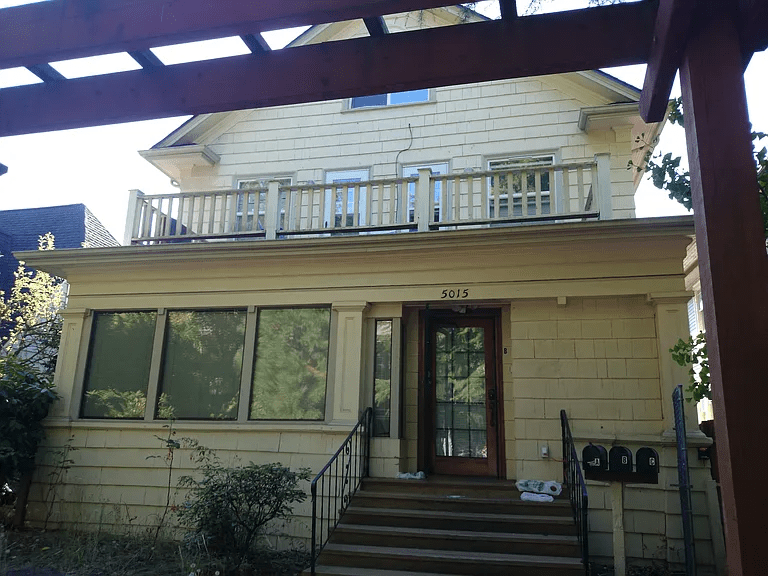
5015 16th Street Seattle, WA, Picture taken in April 2024. According to the ‘1992 FBI TB Multiagency Report,’ Ted lived here sometime in 1967. Picture taken in April 2024.
One of Bundy’s residences, located at 5015 16th Northeast Avenue in Seattle. The dates and circumstances of Ted living here are unknown, however according to the ‘1992 TB Multiagency Report 1992,’ he lived here at various intervals between 1966 and 1967 (which is before his relationship with Liz and roughly around the time he started seeing Diane Edwards). I will say, I’m not sure if this address is a mistake, as it is incredibly similar to 5015 16th Street, but who knows. Picture taken in April 2024.
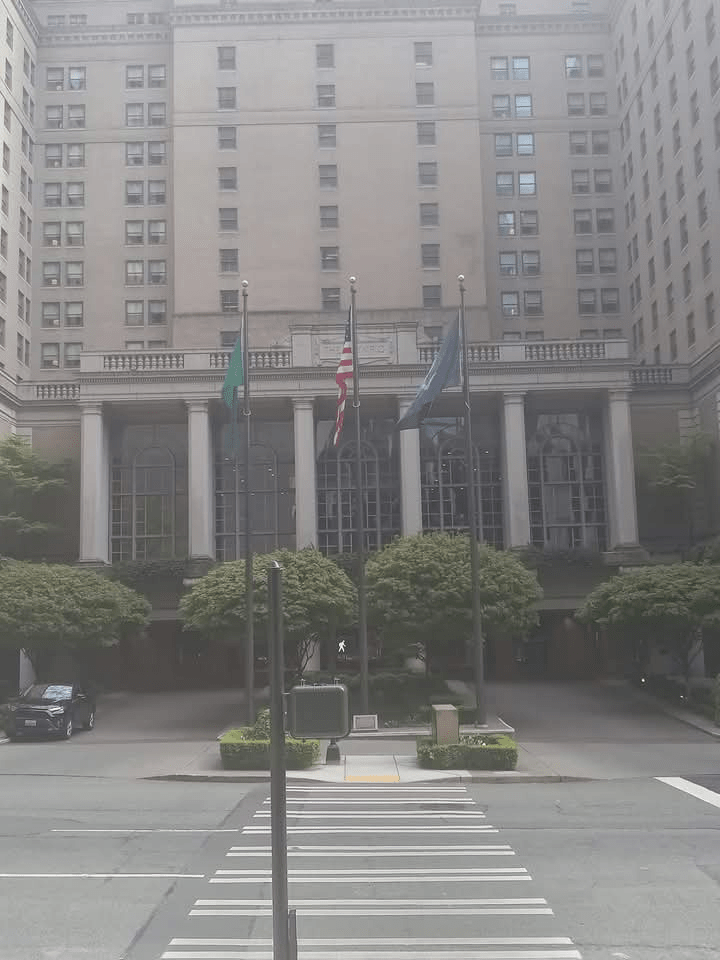
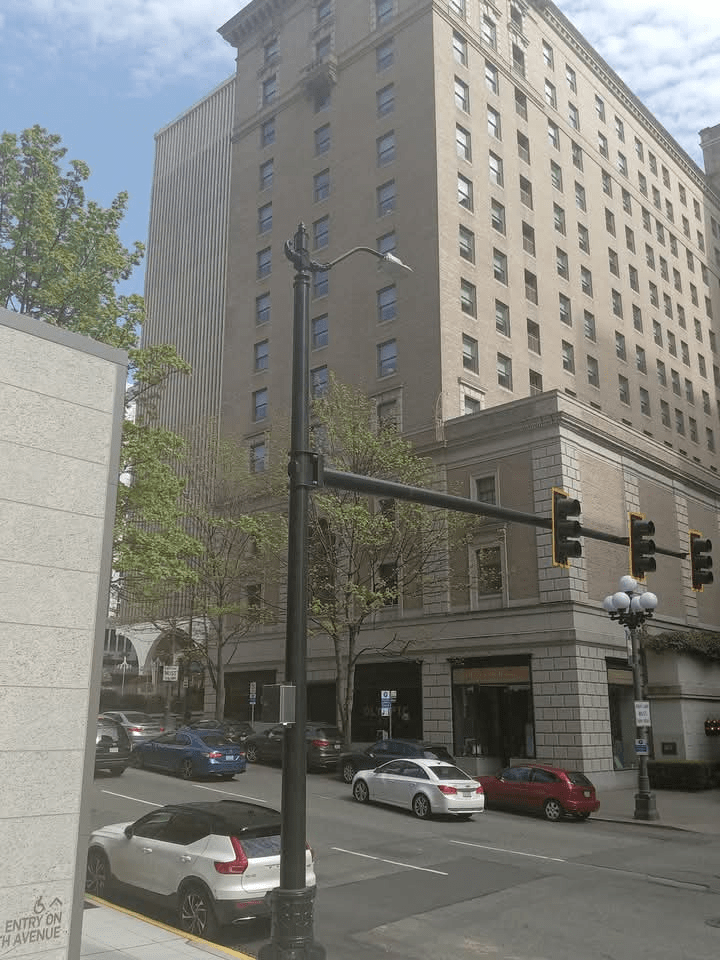
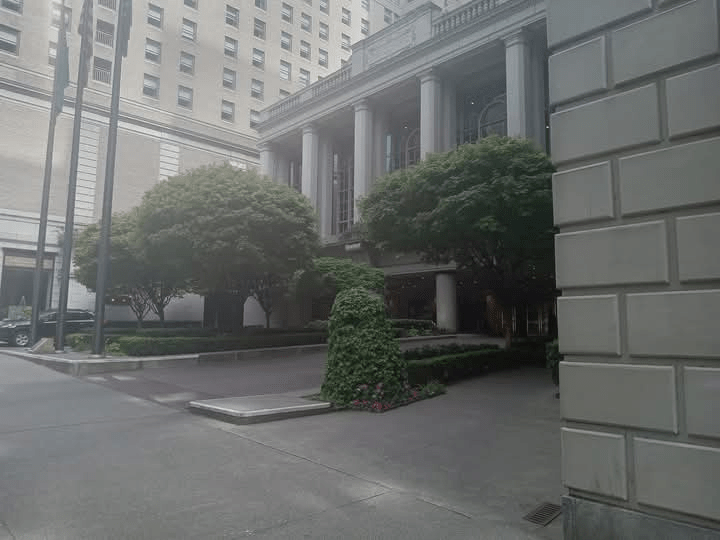
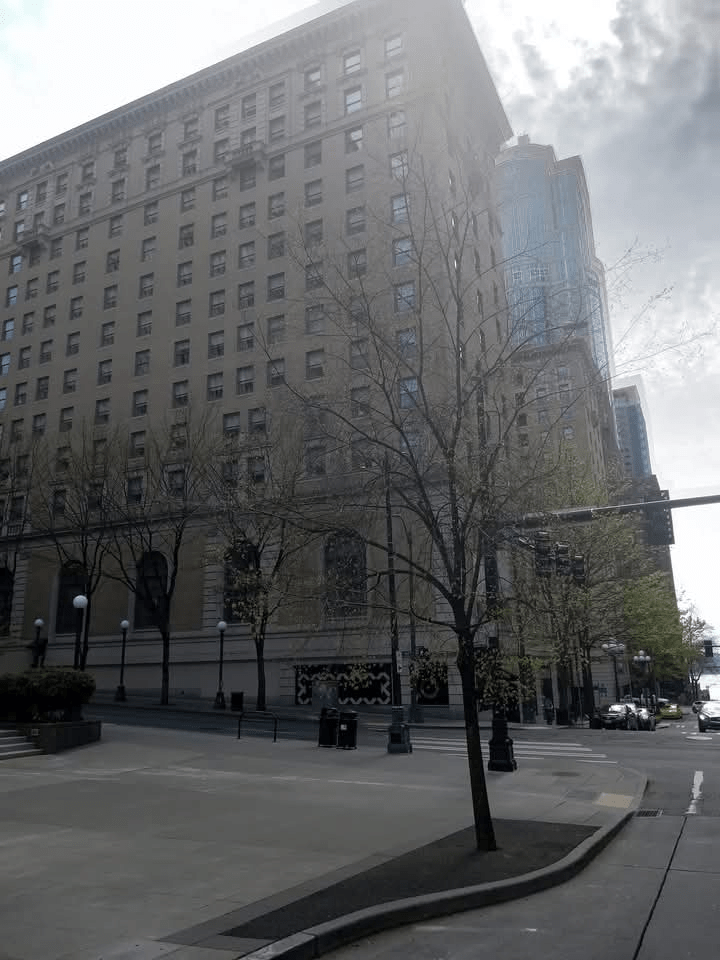
The (former) Olympic Hotel in Seattle, where Ted worked in March 1968. This is where he met his friend Sybil Ferris, who was employed here as a pastry chef. The establishment, now called The Fairmont Olympic Hotel, was built in 1924 on the original site of the University of Washington and was originally part of a larger development plan that included the Metropolitan Theatre. He was fired for stealing from lockers. Picture taken in April 2022.
The sign outside the entrance for The Fairmont Olympic Hotel, picture taken in April 2022.
The Fairmont Olympic Hotel, picture taken in April 2022.
The entrance to The Fairmont Olympic Hotel, picture taken in April 2022.
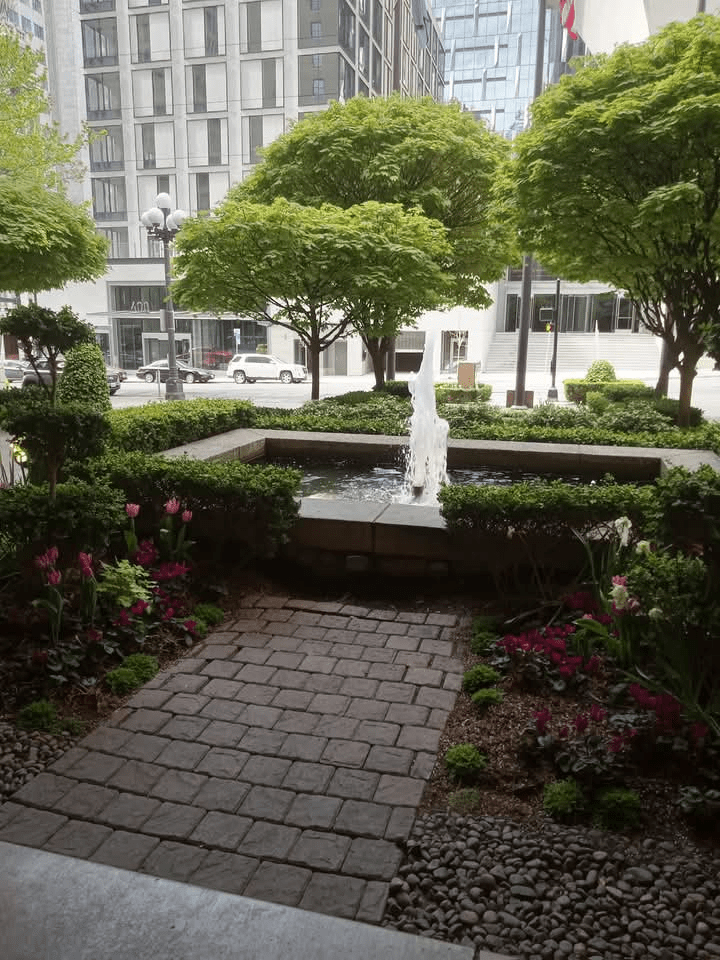
The fountain in the plaza outside The Fairmont Olympic Hotel, picture taken in April 2022.
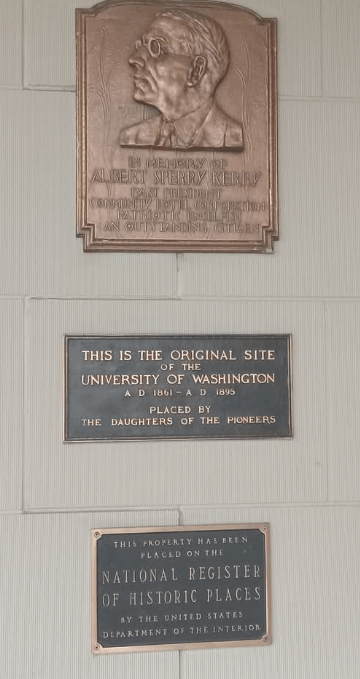
Some plaques on the side of the entrance of The Fairmont Olympic Hotel, picture taken in April 2022.
The Fairmont Olympic Hotel, picture taken in April 2022.
The Safeway that Bundy worked at as a stock boy in the Queen Ann neighborhood of Seattle from April 12, 1968 to July 26, 1968. According to his friend Sybil Ferris: ‘I helped him get a job at Safeway for a short while and he just quit, not even going back to work to tell them he was leaving.’ Picture taken in April 2022.
The inside of the Seattle Safeway where Ted Bundy worked, picture taken in April 2022.
This is Ted’s Aunt Julia’s house, and he stayed here while attending Temple University in Philadelphia during the late 1960’s, located at 4039 South Warner Road in Lafayette Hill (in the outskirts of Philadelphia). Picture taken in May 2022.
The University of Washington campus in Tacoma, picture taken in April 2022.
The entrance of the University of Washington in the heart of Seattle. Picture taken in April 2022.
What the former SandPiper looked like in April 2022.
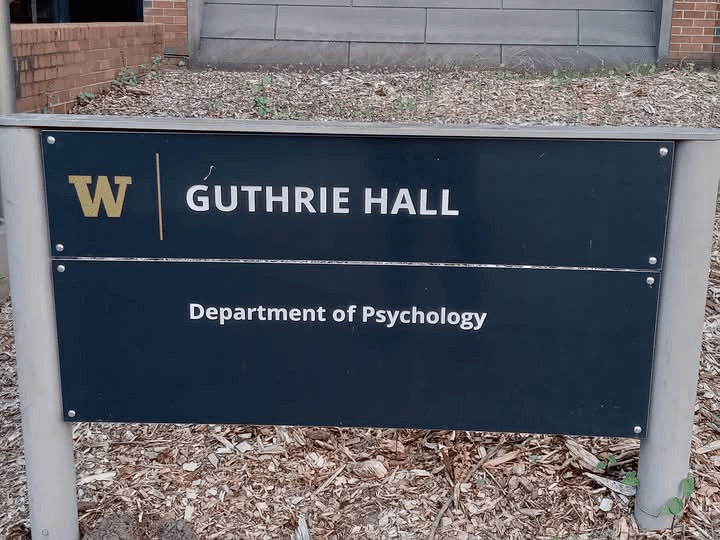
During his time at The University of Washington Ted was a psychology major, and the main building on campus for psych majors is Guthrie Hall. Picture taken in April 2022.
The back of Guthrie Hall, picture taken in April 2022.
A sign for Guthrie Hall, picture taken in April 2022.
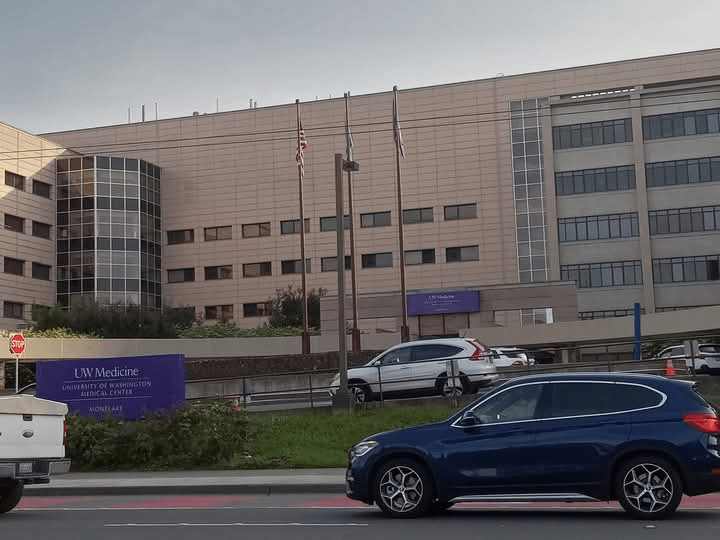
The University of Washington School of Medicine, where Liz Kloepfer worked when she was in a relationship with Ted Bundy. Picture taken in April 2022.
When employed at The University of Washington, Liz Kloepfer worked for the Medical School on campus. Picture taken in April 2022.
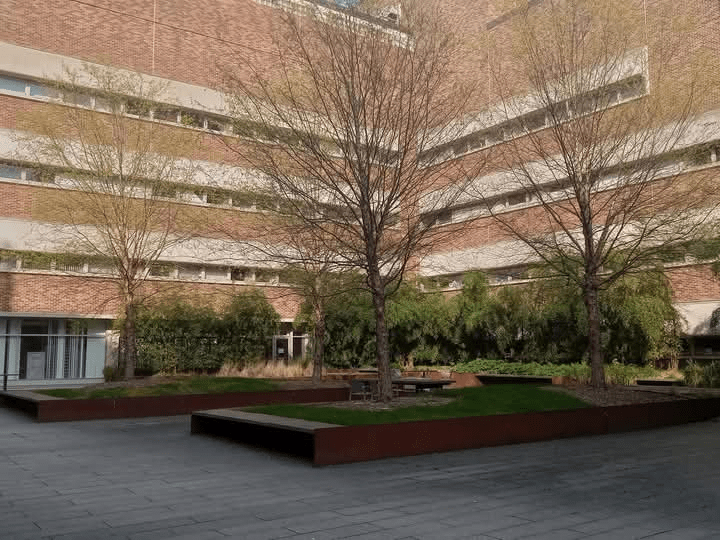
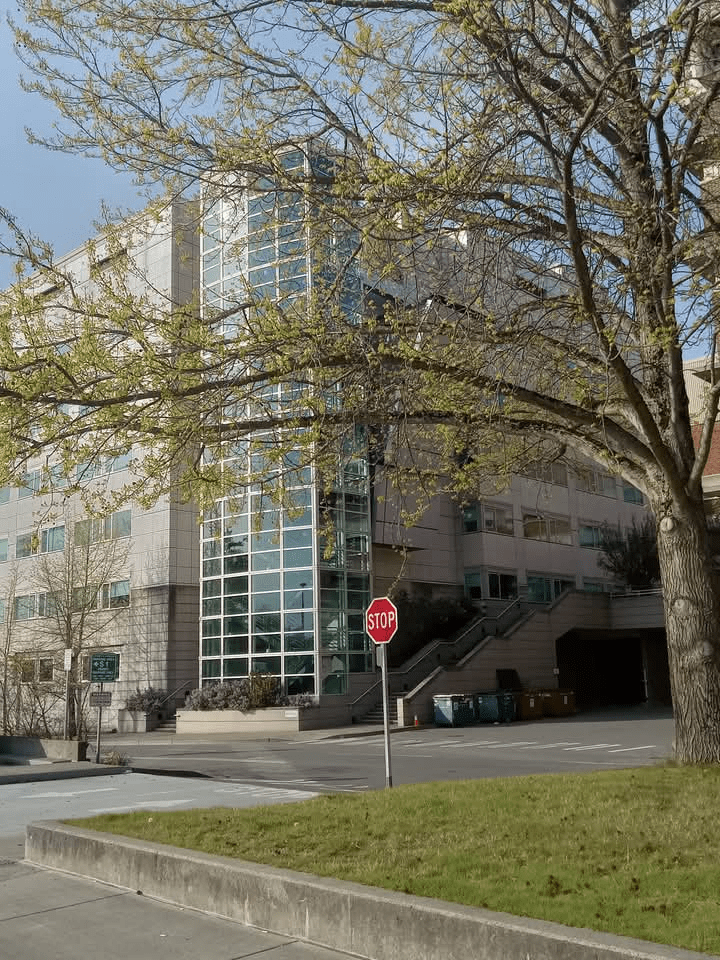
The University of Washington School of Medicine, which opened in 1946 and was founded as part of a larger School of Health Sciences. It quickly gained recognition and received full accreditation from the AMA and AAMC in 1949 and by 1970, it had become a national leader in biomedical research grants. Picture taken in April 2022.
Another shot of the University of Washington School of Medicine, picture taken in April 2022.
The parking lot where Dante’s once stood, April 2022.
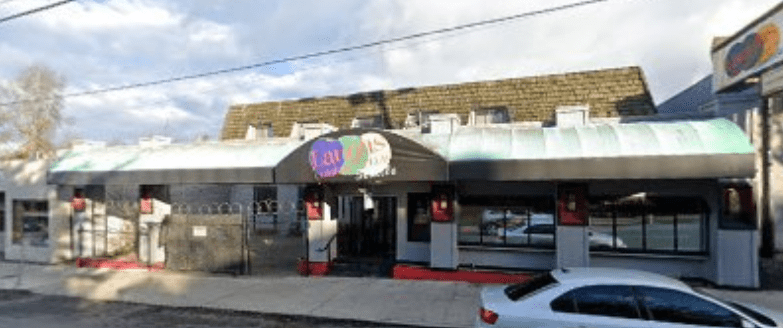
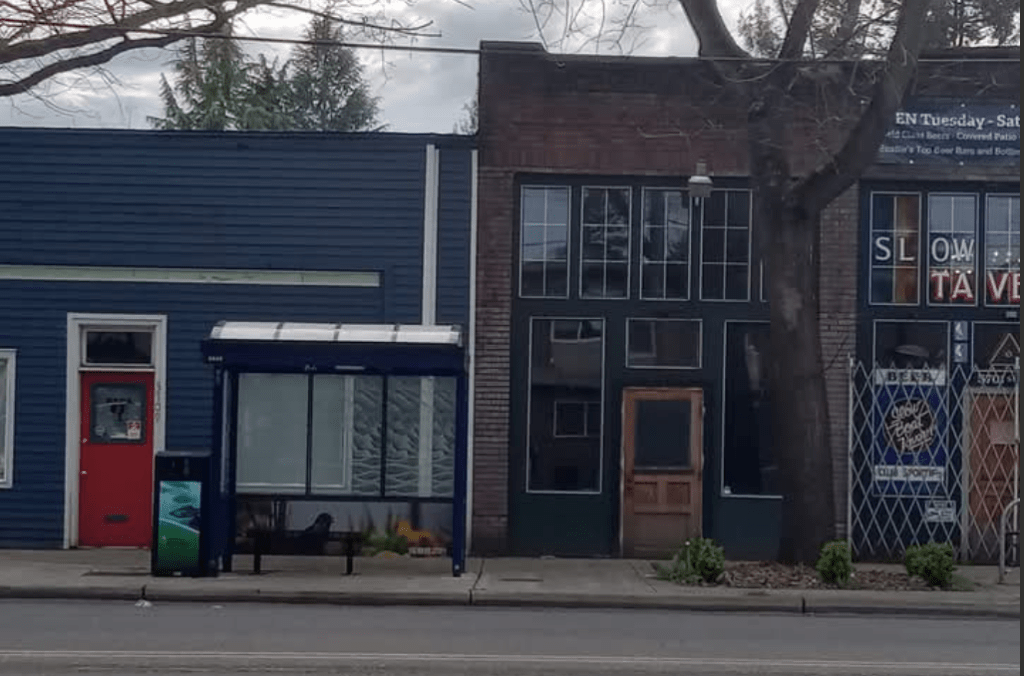
The former ‘O’Banion’s Tavern,’ where Bundy frequented during his time living in Seattle located at 5220 Roosevelt Way NE. As of April 2025,it is the home of the Laughs Comedy Club. In an interview with the King County Sheriff’s Department Elizabeth Kloepfer, told investigators that Bundy and his neighbor, John Neeler went to O’Banion’s Tavern a few times each month, along with Dante’s Tavern and The Pipeline Tavern. It’s also only a few steps away from where Dante’s Tavern once stood. Picture taken on April 2022.
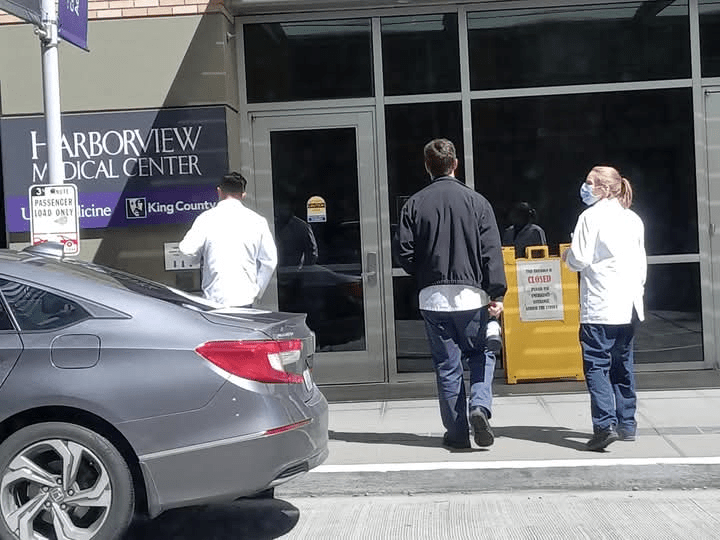
Harborview Medical Center, where TB interned from June 1972 to September 1972. He had a lot of jobs and never seemed to stick around for very long. Picture taken in April 2022.
Harborview Medical Center, picture taken in April 2022.
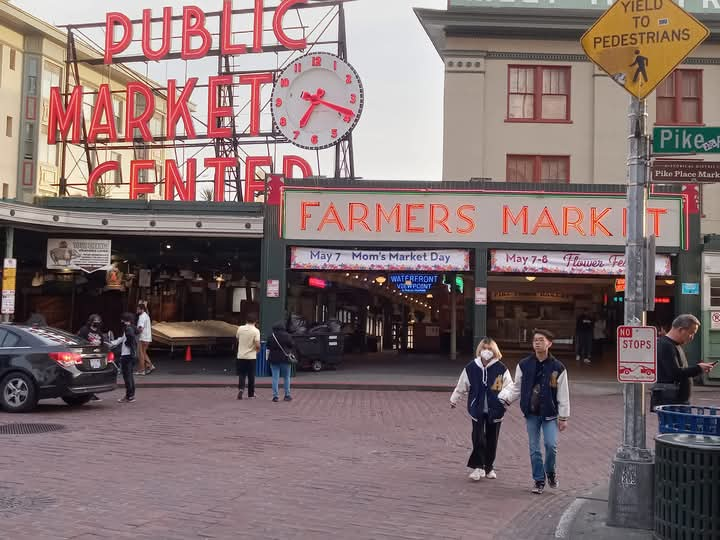
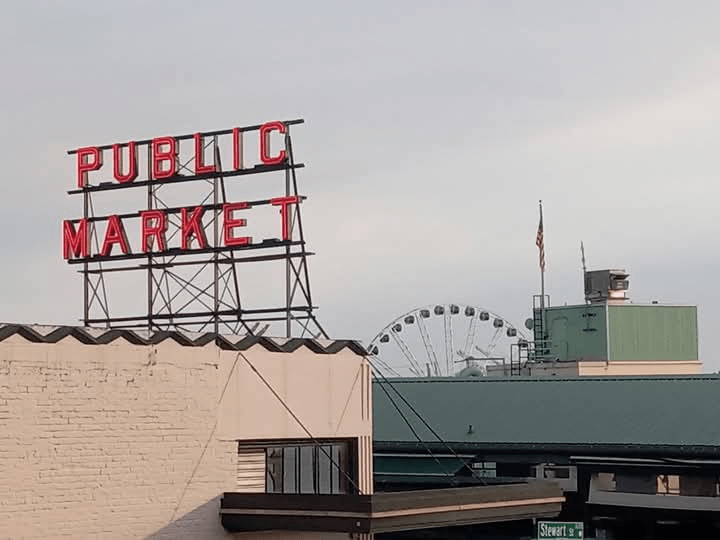
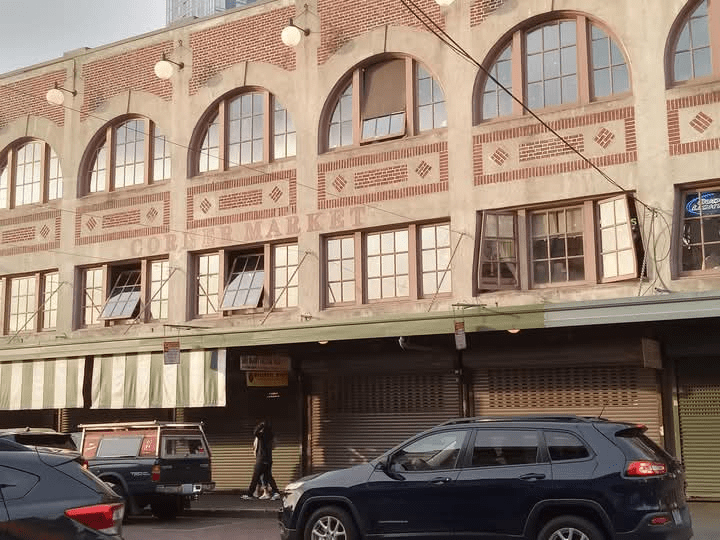
The Pike Place Market, located in Seattle, Washington. The open market was created on August 17, 1907 in response to public outcry over high food costs, and is one of the oldest continuously operating public farmers’ markets in the US. Picture taken in April 2022.
Another shot of The Pike Place Market, Picture taken in April 2022.
Another shot of the Pike Place Market, picture taken in April 2022.
I love this shot, picture taken in April 2022.
Another part of The Pike Place Market, picture taken in April 2022.
Another part of The Pike Place Market, taken in April 2022.
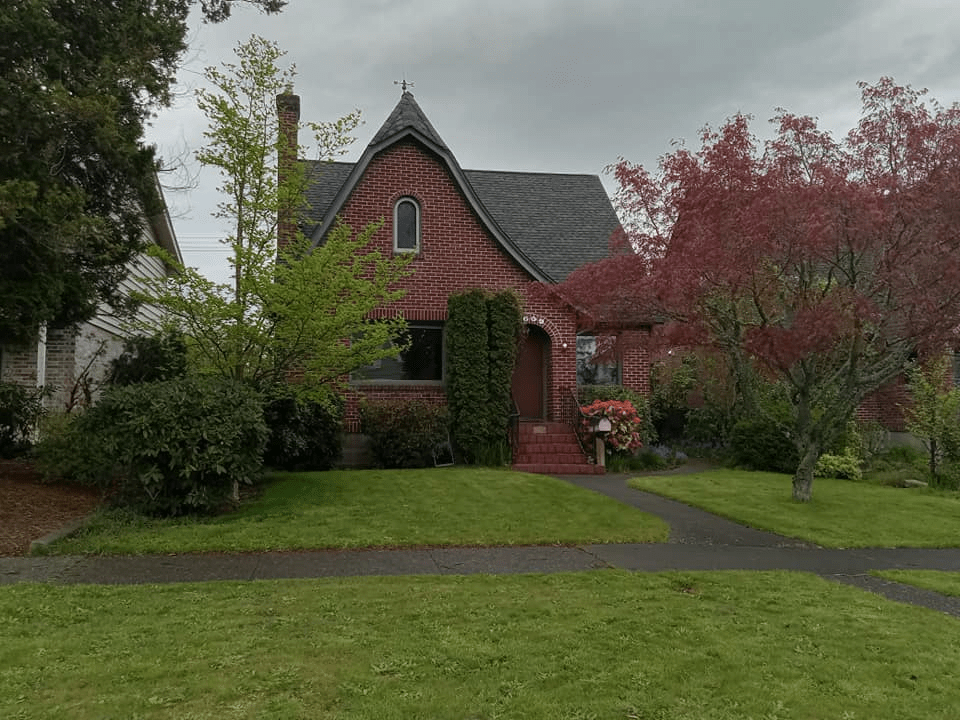
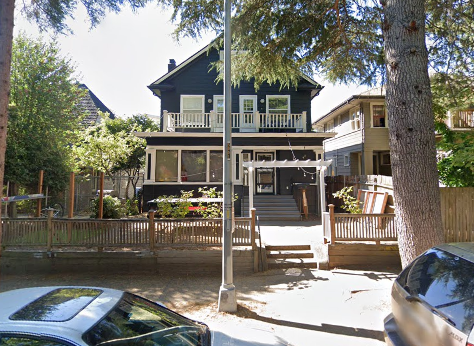
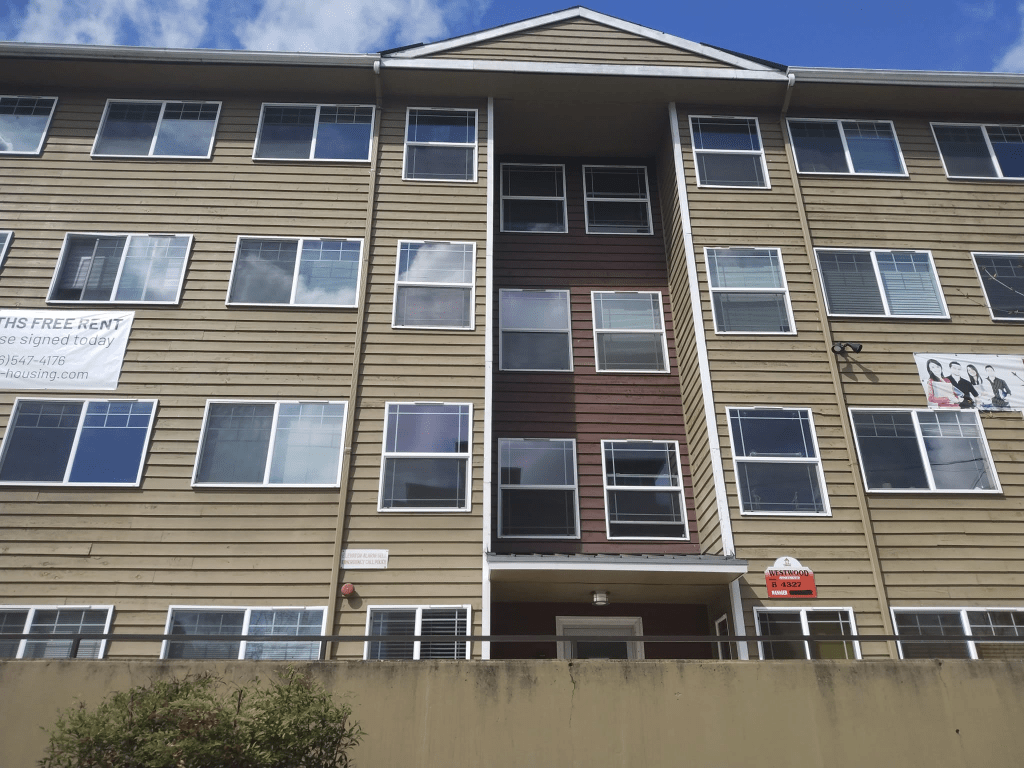
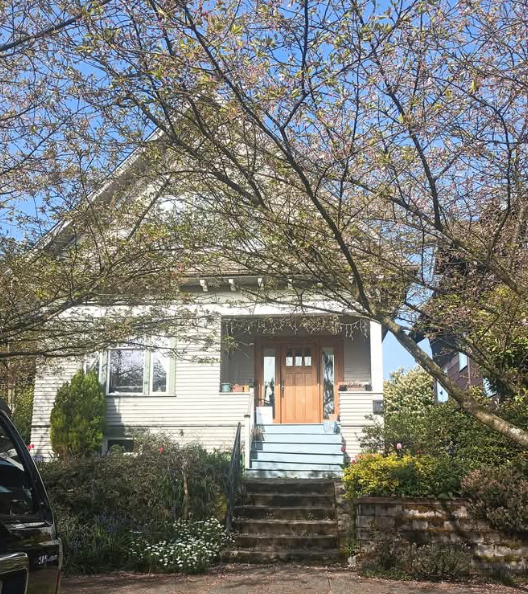
The front of the Rogers’ Rooming House, located at 4143 12th Northeast Avenue in Seattle, Washington. Bundy lived here from September 1969 to September 2, 1974. Picture taken in April 2022.
The residence housed multiple tenants (along with the owners, Ernst and Freda Rogers) that shared the same facilities. Ted lived in a room on the second floor for four years until he left for his second attempt at law school on September 2, 1974. Picture taken in April 2022.
This is the apartment where Liz Kloepfer lived in when her and Bundy began dating, located at 5208 18th Avenue NE in Seattle. She lived here with her daughter, Molly in an apartment on the first floor, on the right side of the building. Although Bundy was known to stay here a lot he still formally lived at the Rogers’ Rooming House. Picture taken in April 2022.
According to the ‘1992 TB Multiagency Report 1992,’ Ted lived here briefly with Marlin Vortman and his wife sometime in late 1973, located at 3510 West Elmore Street in Seattle. Photo taken in April 2024.
A shot of where Sotria Kritsonis claims she was abducted from, picture taken in April 2022.
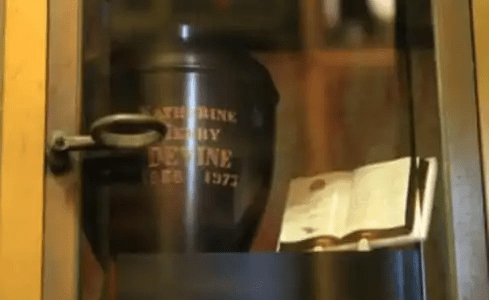
The final resting place of Katherine Merry Devine, picture taken in April 2024.
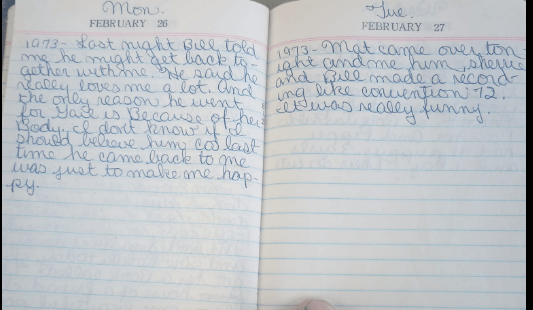
Kathy Devine’s diary, courtesy of Charlene Devine-Gonzales. Picture taken in April 2024.
A picture of a page taken from Kathy Devine’s diary, courtesy of Charlene Devine-Gonzales. Picture taken in April 2024.
Where the apartment of Karen Sparks once stood, who Bundy attacked and left for dead in her basement apartment on January 4, 1974. Picture taken in April 2022.
This is the house where Ted Bundy attacked and abducted his first known murder victim, Lynda Ann Healy located at 5517 12th Avenue NE in Seattle, Washington. Picture taken in April 2024.
A path located on the side of the house (and in the back) that Lynda Ann Healy was renting at the time of her murder. Picture taken in April 2024.
A picture of Lynda Ann Healy’s former house taken in April 2022. On the evening of January 31, 1974, Healy and her roommates were drinking at Dante’s Tavern, but because she needed to be at her job the following morning at 5:30 to read the ski report they didn’t stay out late and returned home around 10 PM (their friend Pete also had to catch a bus back to his place).
A picture of the side of Lynda Healy’s former house, taken in April 2022.
Donna Manson’s former dormitory located on the campus of The Evergreen State Collegein Olympia, WA. Picture taken in April 2022.
A path near Manson’s dormitory, picture taken in April 2022.
A path in the back of the dorm buildings that Donna may have taken the night of her murder, picture taken in April 2022.
Some interesting trees in front of the Daniel J. Evans Library on the campus of The Evergreen Sate College. Picture taken in April 2022.
The Library on the campus of The Evergreen State College, picture taken in April 2022.
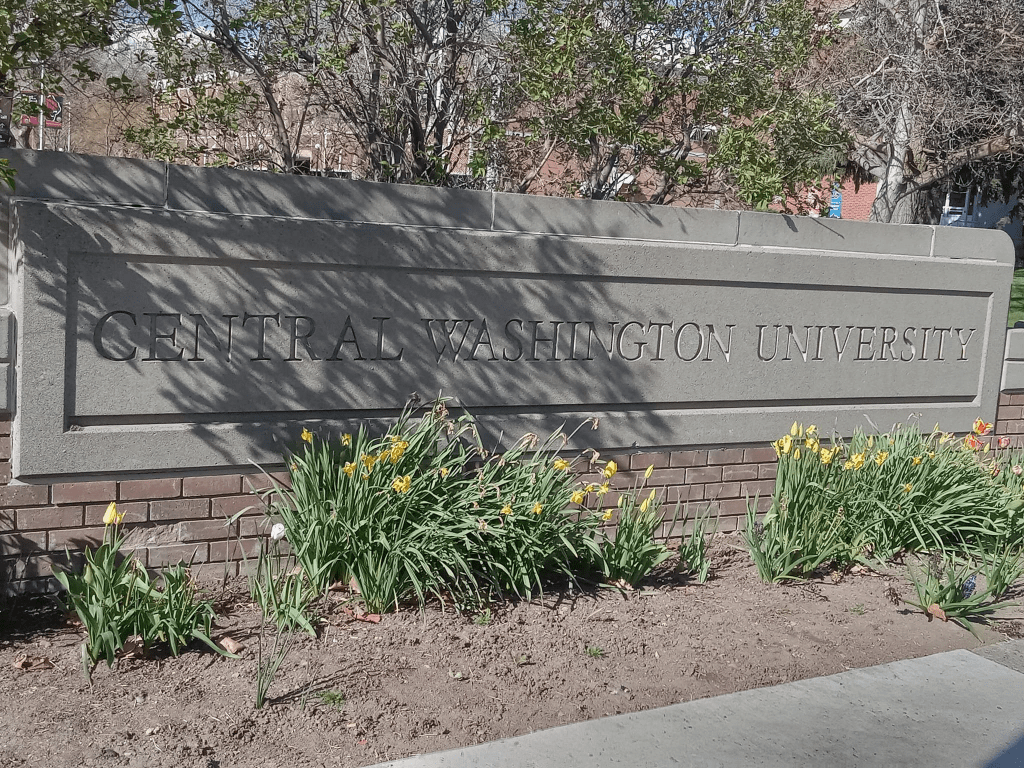
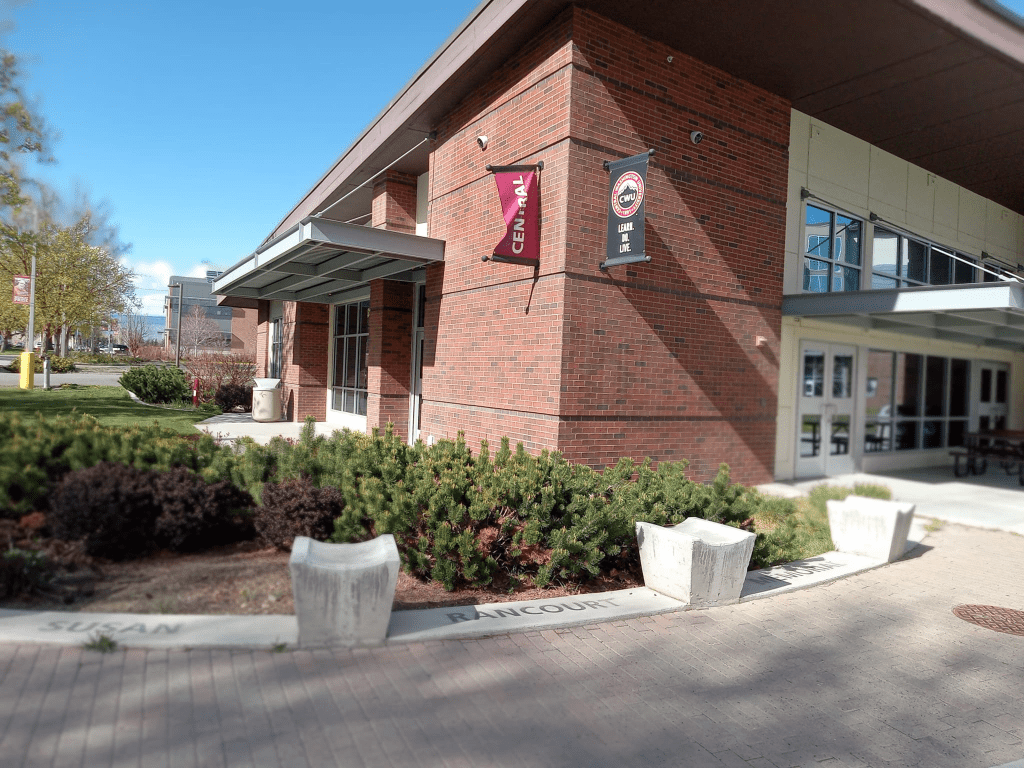
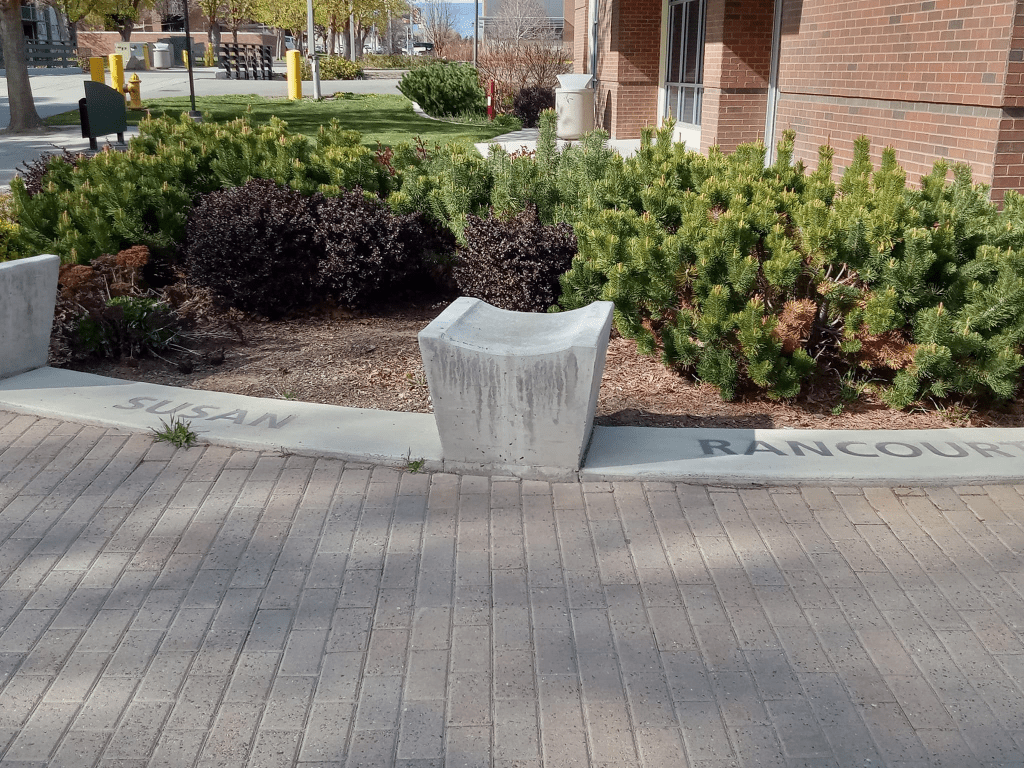
A picture taken at the entrance of Central Washington University from April 2022. Susan Rancourt was abducted from campus on April 17, 1974.
Before Bundy came across Sue Rancourt he approached two other young women, Jane Curtis and Katherine Clara D’Olivo. Earlier in the evening both women said they were approached by a man with his arm in a sling onthe schools campus.
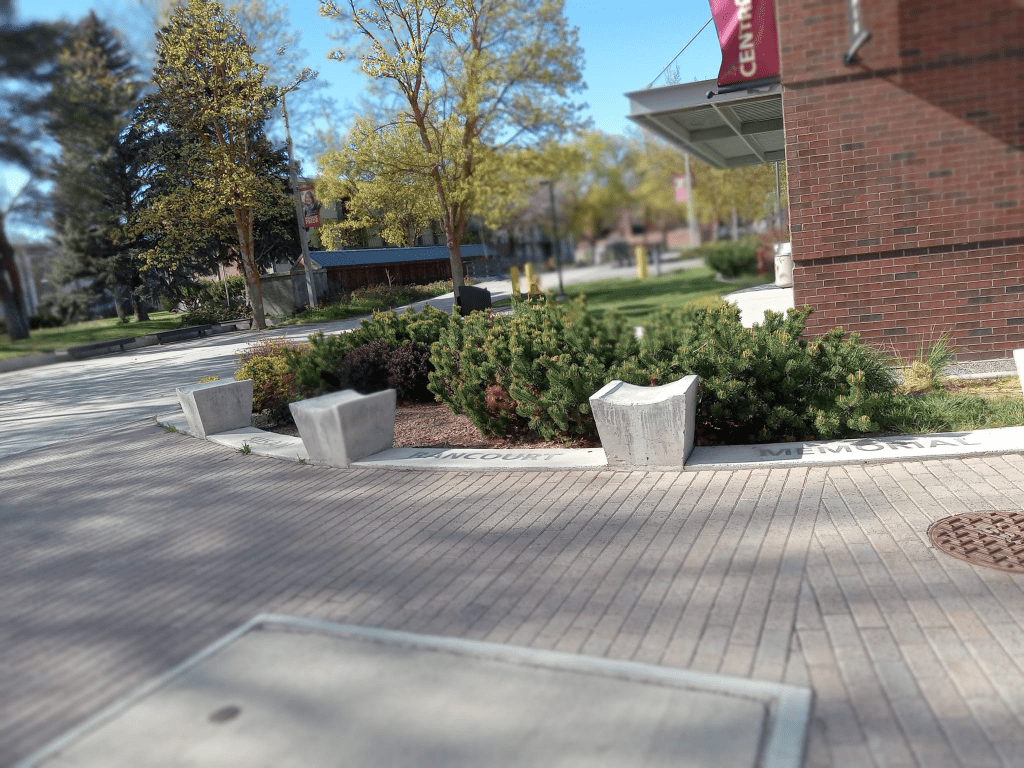
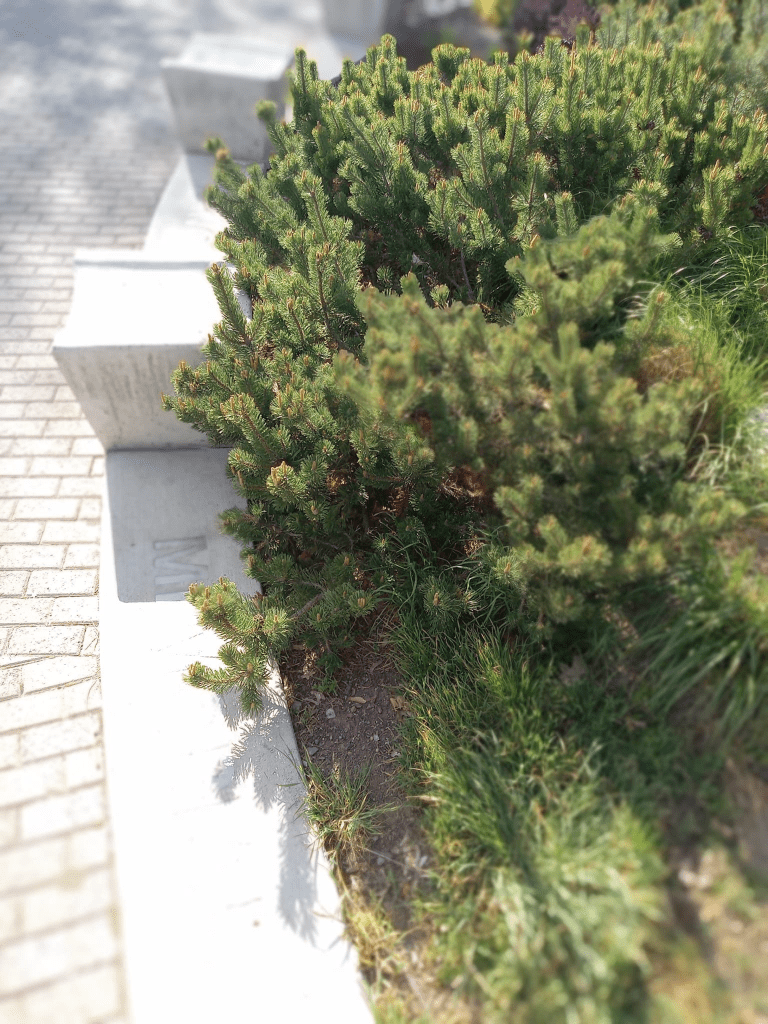
Another picture of the Susan Rancourt Memorial Garden located on the campus of Central Washington University. Picture taken in April 2022.
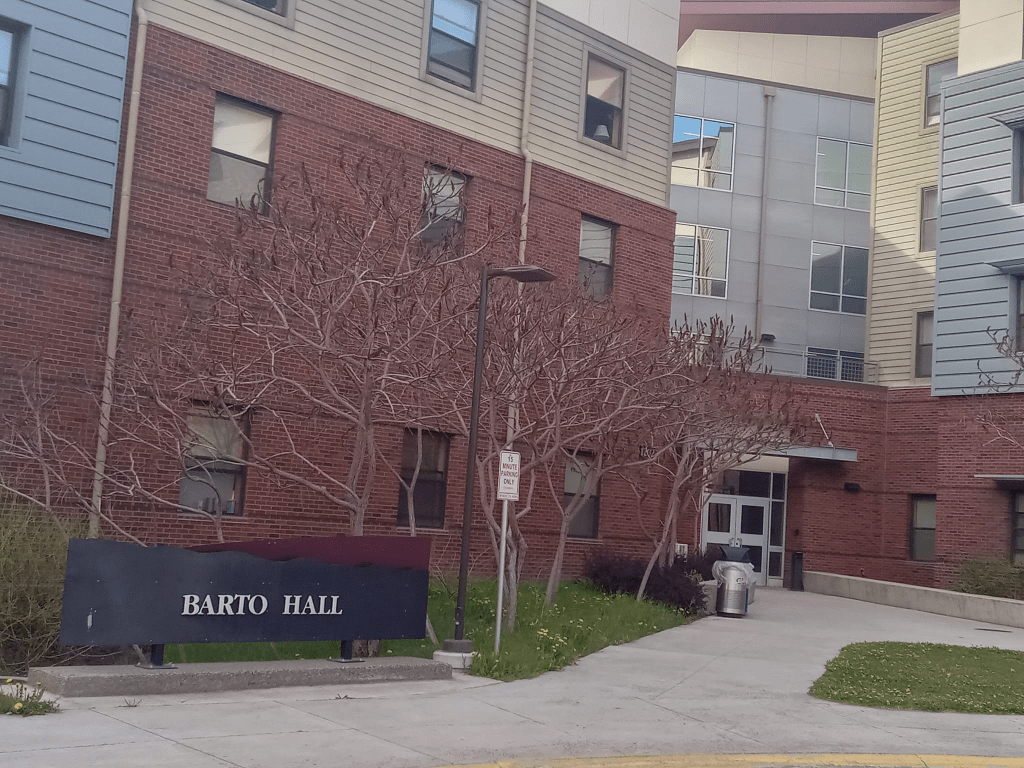
Barto Hall, where Rancourt was living at the time of her murder. Picture taken in April 2022.
Before her murder Sue Rancourt was attending a meeting about being a residential advisor the following school year, picture taken in April 2022.
A safety phone on the campus of Central Washington University. Picture taken in April 2022.
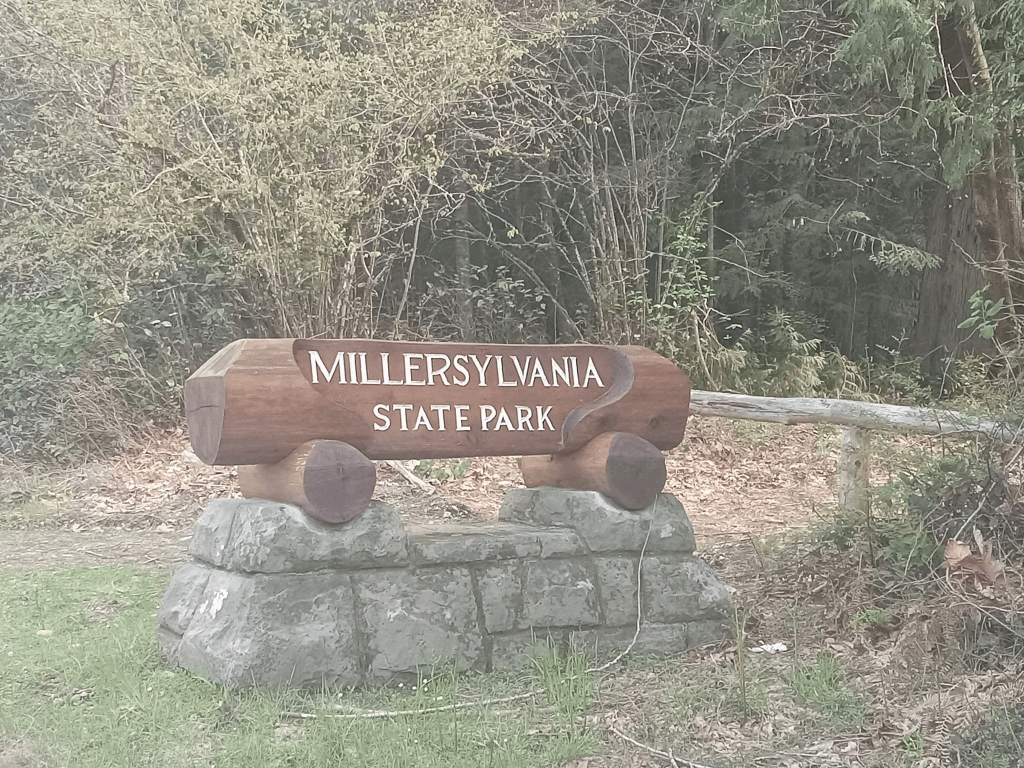
Millersylvania State Park as it looked in April 2022. This is where the remains of Brenda Joy Baker were discovered in May 1974. Most likely Brenda was killed by a man named William Cosden Jr., but because no DNA was ever taken at the crime scene we will most likely never know for sure who took her life.
One of the signs for the entrance of Millersylvania State Park as it looked in April 2022.
The sign for the entrance of Millersylvania State Park as it looked in April 2022.
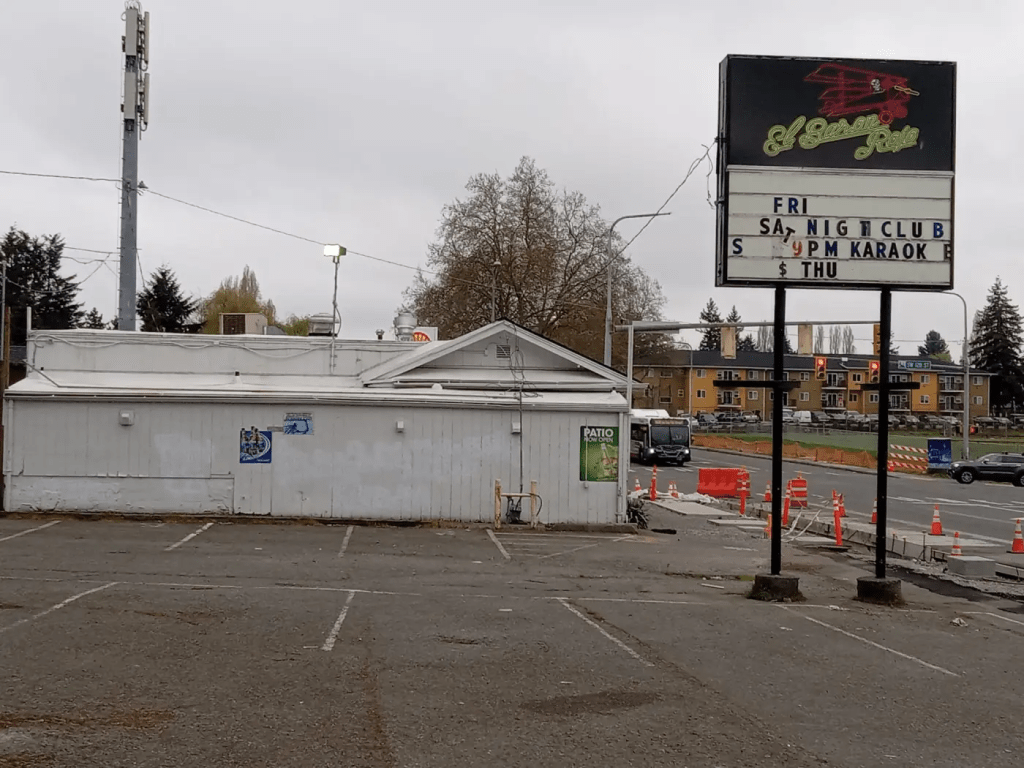
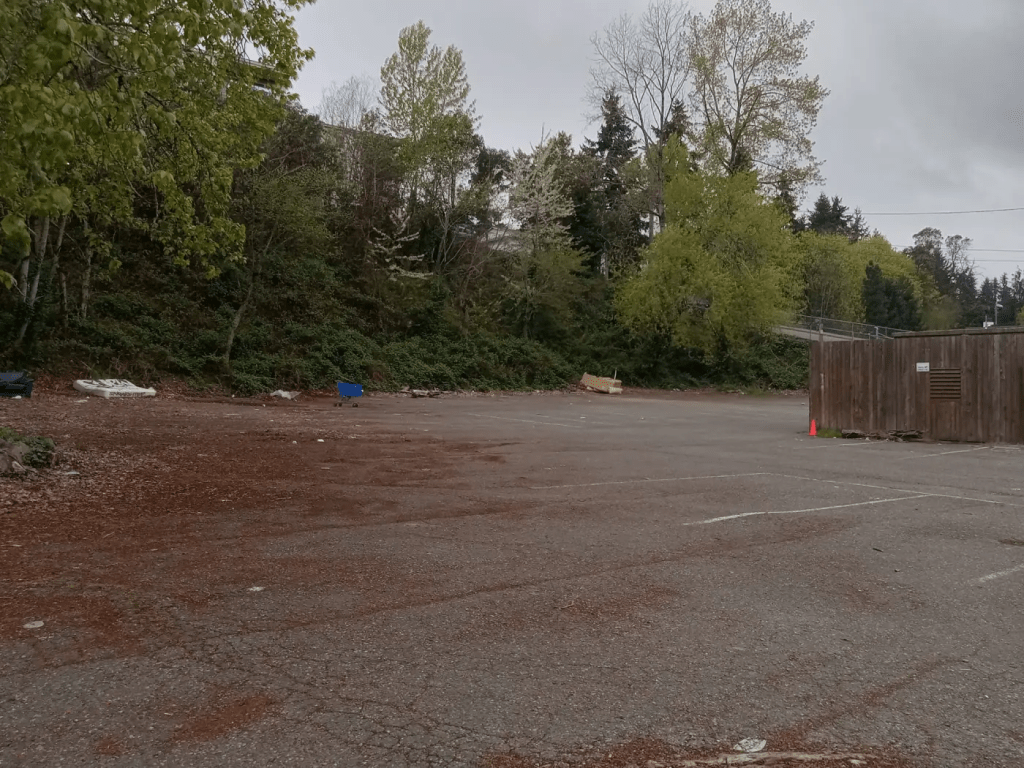
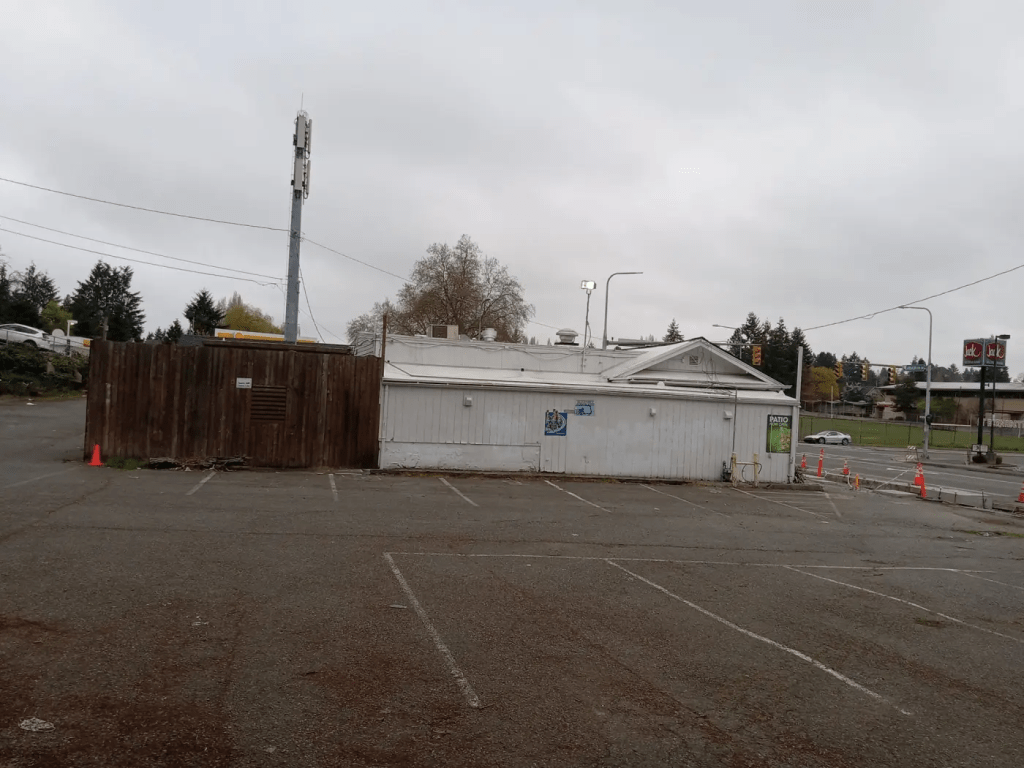
The former Flame Tavern as it looked in April 2022. On May 31, 1974 Brenda Ball vanished without a trace after seeing a band play here, and was last seen in the company of a handsome man with his arm in a sling.
The former Flame Tavern as it looked in April 2022.
The alley where Bundy first encountered Georgann Hawkins, picture taken in April 2022.
The alleyway where Ted first encountered Hawkins, picture taken in April 2024.
The parking lot where Bundy abducted Georgann Hawkins on June 11, 1974 from outside the Phi Sigma Sigma sorority house on the University of Washington campus. Picture taken in April 2024.
Another shot of the parking lot where Bundy first encountered Georgann Hawkins, taken in April 2024.
A sign at the entrance of Lake Samammish State Park in Issaquah, WA. Picture taken in April 2022.
The entrance of Lake Sammamish, picture taken in April 2022.
Lake Sammamish, picture taken in April 2022.
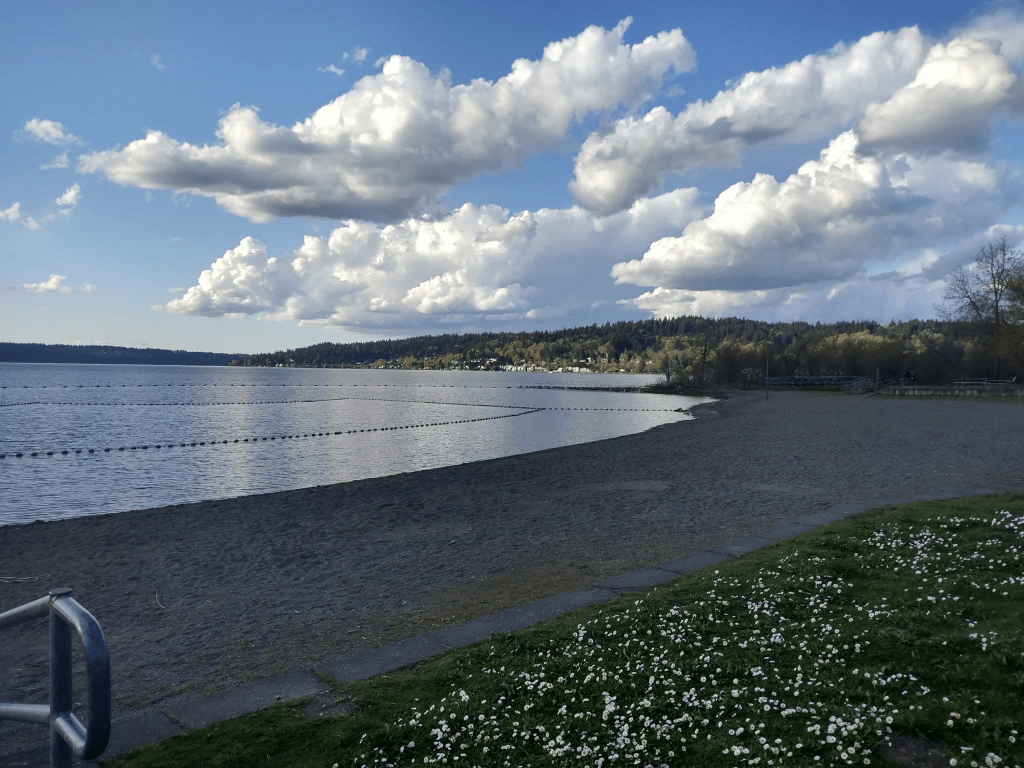
A beach at Lake Sammamish for Tibbetts Beach. Picture taken in April 2022.
A sign at Lake Sammamish for Tibbetts Beach. Picture taken in April 2022.
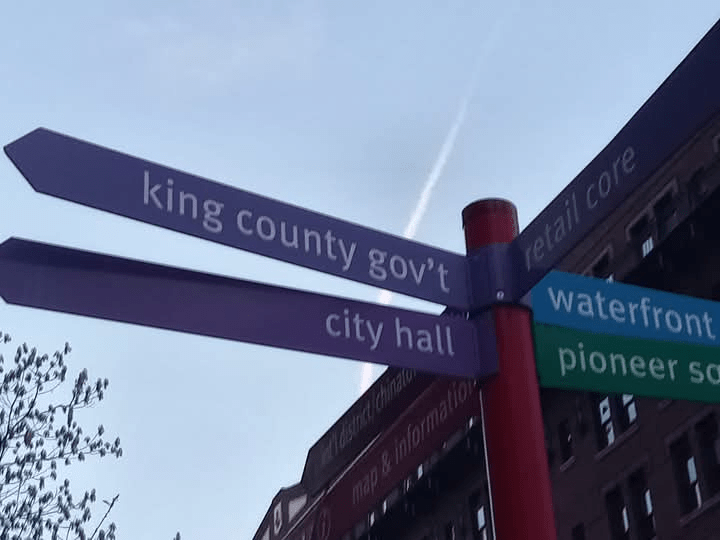
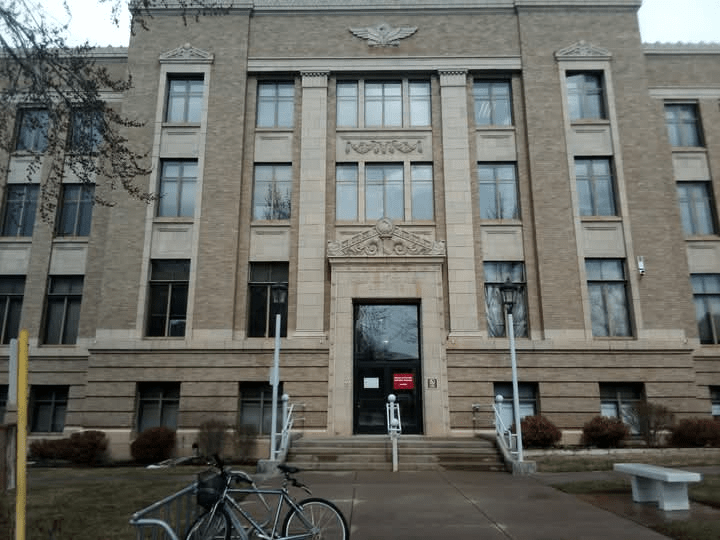
A sign for some King Country Government buildings, picture taken in April 2022.
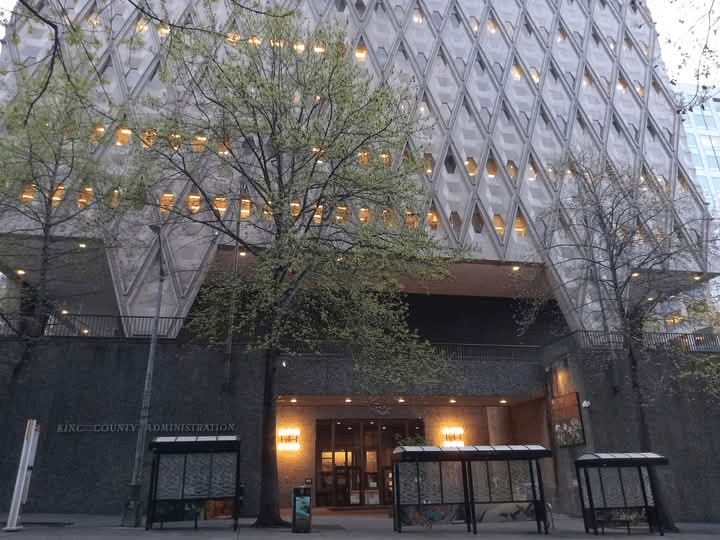
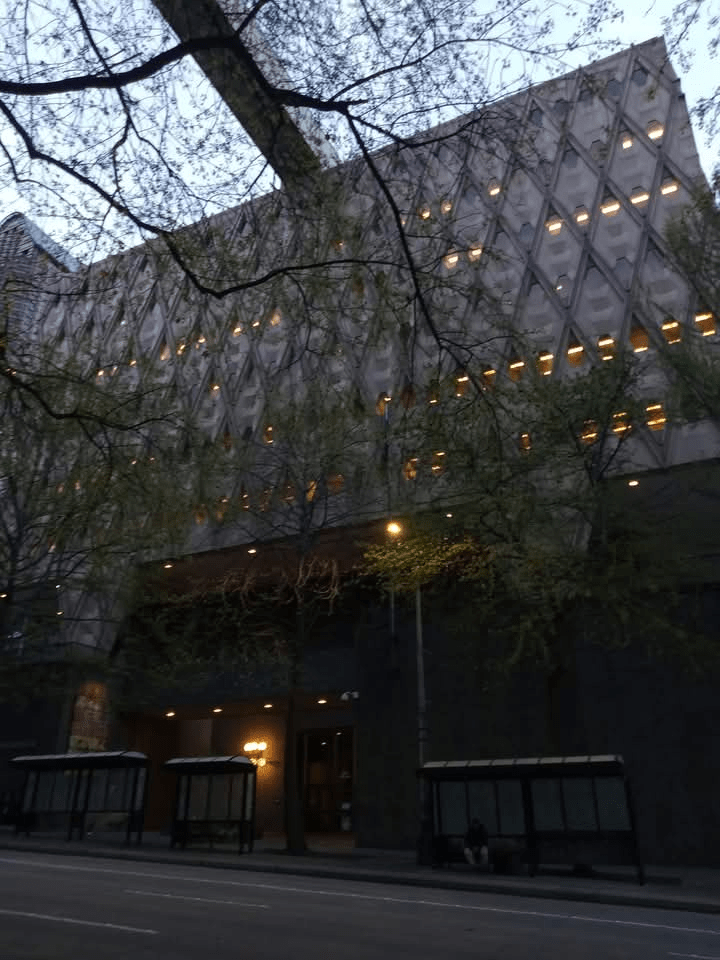
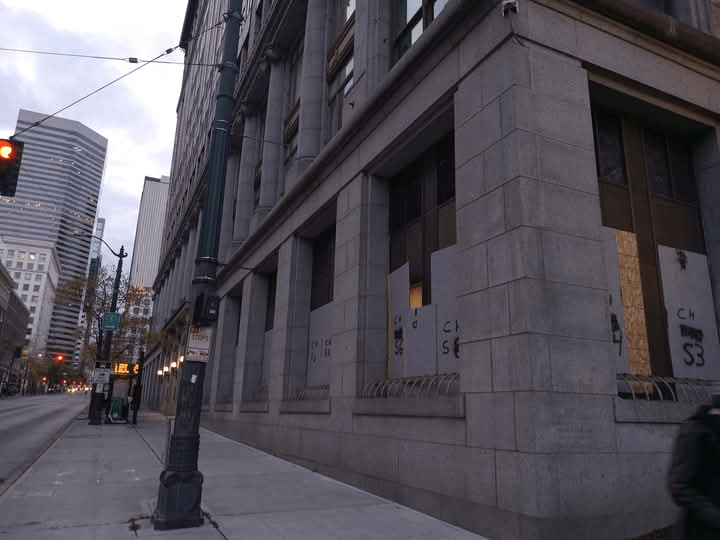
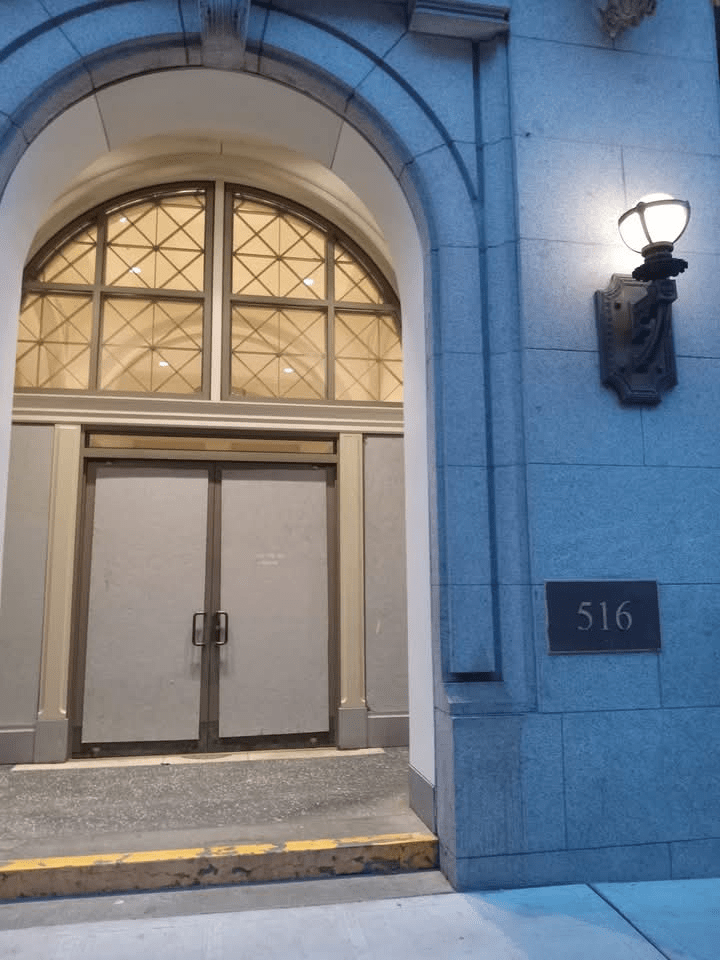
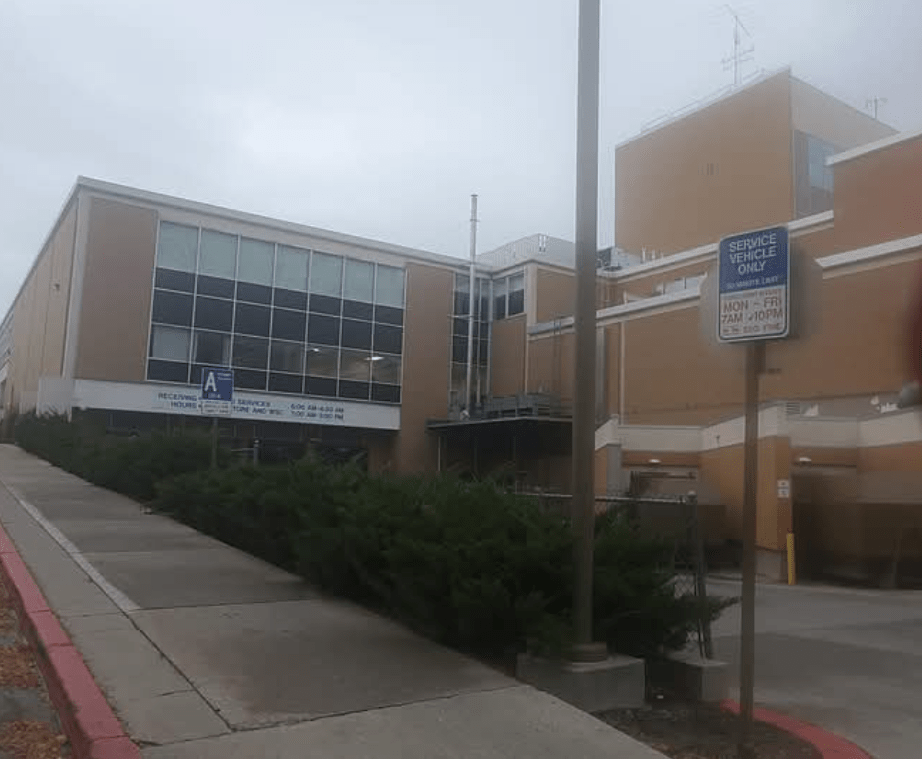
The King County Sheriff’s office, located at 516 3rd Ave in Seattle… To be honest, I went here right before I was due to come home, and as I was walking around taking my pictures I saw a young man smoking crack in one of the buildings alcove. In that moment, I was ready to come home, and I had enough of my vacation. Like so many other things I experienced that week, if was definitely a first. Picture taken in April 2022.
Another shot of the King County Sheriff’s Department, picture taken in April 2022.
The King County Sheriff’s Department, picture taken in April 2022.
The side of the King County Sheriff’s Department, picture taken in April 2022.
A door to the King County Sheriff’s Department, picture taken in April 2022.
Another door at the King County Sheriff’s Department, picture taken in April 2022.
A photo I took of the Issaquah Dump Site in April 2024.
This is the former boarding house where Bundy rented a room in during his second attempt at law school in SLC, located at 565 1st Avenue; he lived here from September 2, 1974 to September 1975. Picture taken in November 2022.
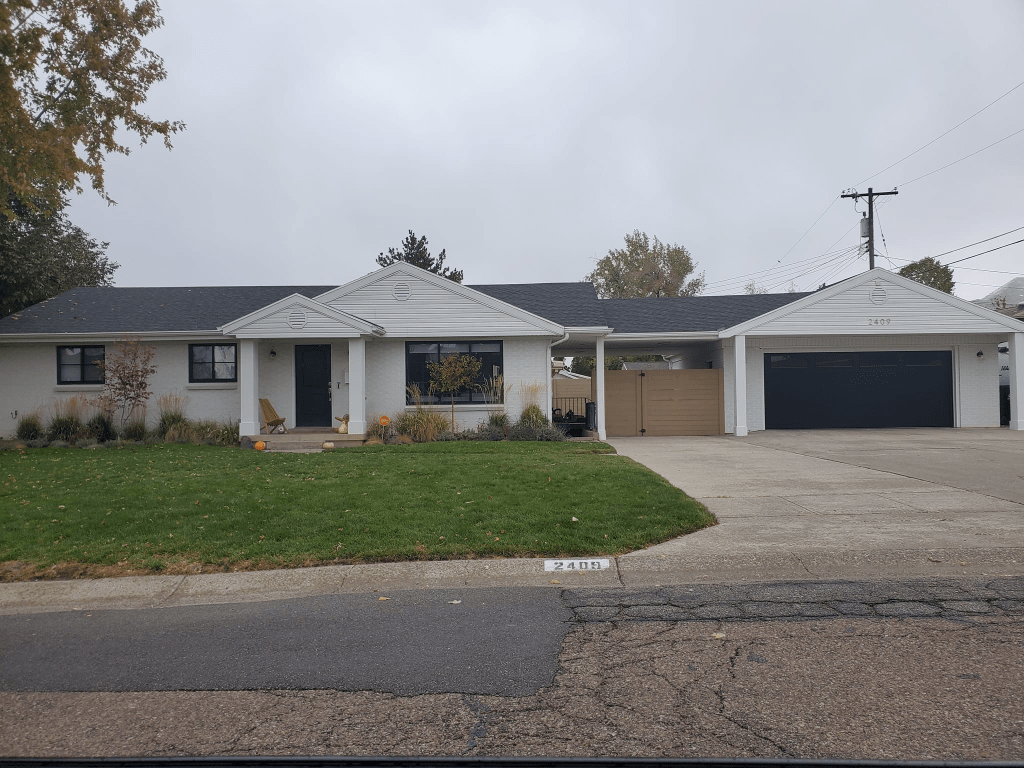
The house where Nancy Wilcox lived when she was abducted and killed by Bundy. It’s located at 2409 Arnette Drive in Salt Lake City, is 1,482 square feet in size and was built in 1957. I took this picture in November 2022.
A picture of where the orchard once stood located across the street from Nancy Wilcox; I took this picture in November 2022.
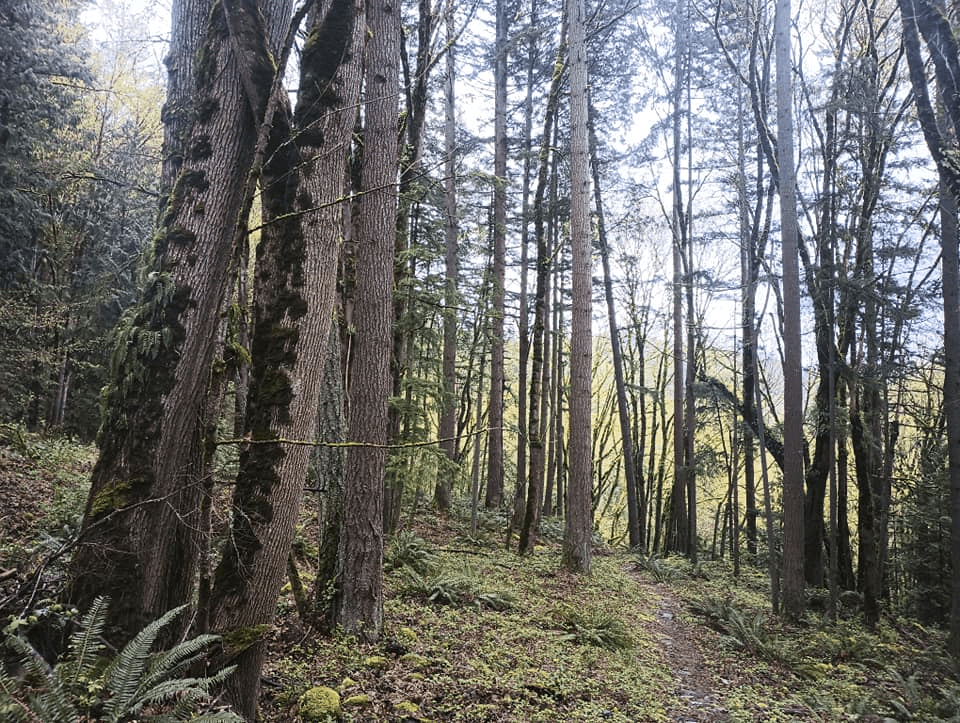
A picture of Big Cottonwood Canyon taken in November 2022. This is where Rhonda Stapley claims Ted took her after abducting her in October 1974.
A picture of a couple signs from Big Cottonwood Canyon taken in November 2022.
Where The Pepperoni Pizza restaurant once stood, where Melissa Smith died with a friend before she was last seen. Picture taken in November 2022.
The intersection close to where the remains of Melissa Smith were found, picture taken in November 2022.
On October 18th, 1974, Bundy abducted Melissa Anne Smith from outside of a pizzeria in Midvale, and her nude remains were discovered twenty-three miles away by deer hunters nine days later, on this hillside in Summit Park. The seventeen-year-old had a man’s blue nylon sock tied around her neck raped, beaten, and then strangled. She was found face down in some scrub oak. Picture taken in November 2022.
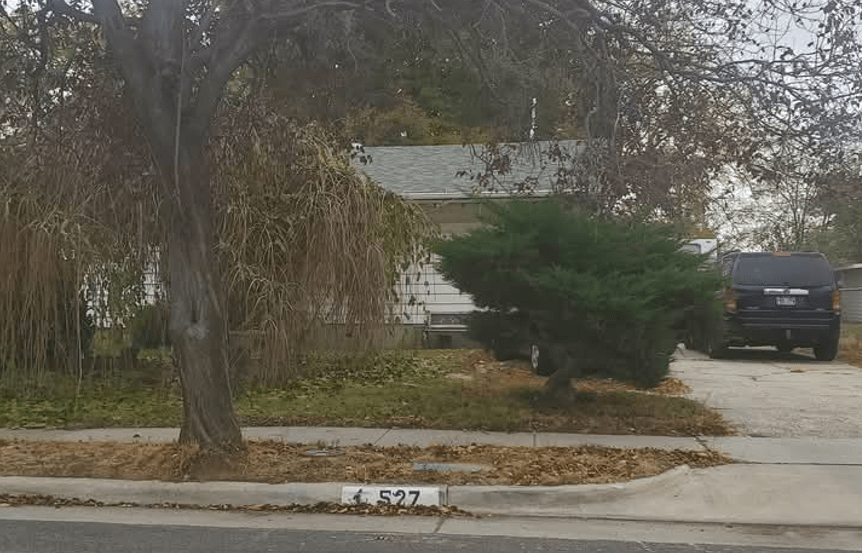
The home of Melissa Smith, located at 527 Fern Drive in Midvale, Utah. Picture taken in November 2022.
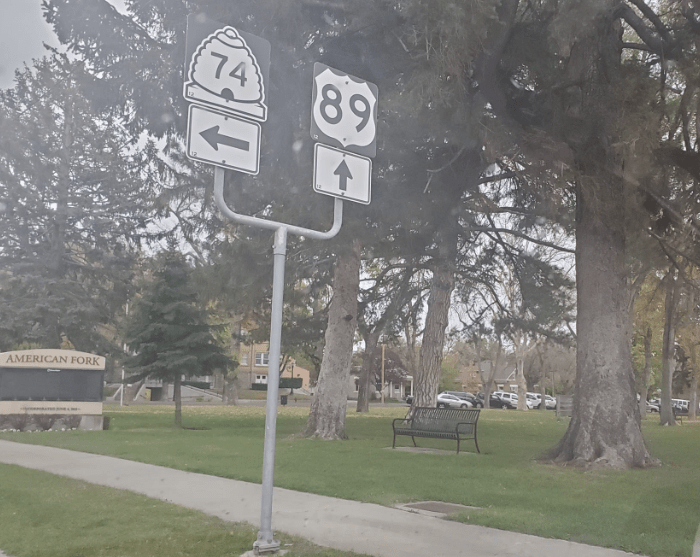
William S. Robinson Park in American Fork, which is one of the places Laura Aime was possibly last seen alive. Picture taken in November 2022.
Where Laura Ann Aime was possibly last seen, this is where ‘The Knotty Pine’ was once located in Lehi, UT. Picture taken in November 2022.
This white SUV is where Bundy dumped the remains of Laura Ann Aime, and is located off Utah State Route 92 in American Fork (per the OddStops website). Pictures taken in November 2022.
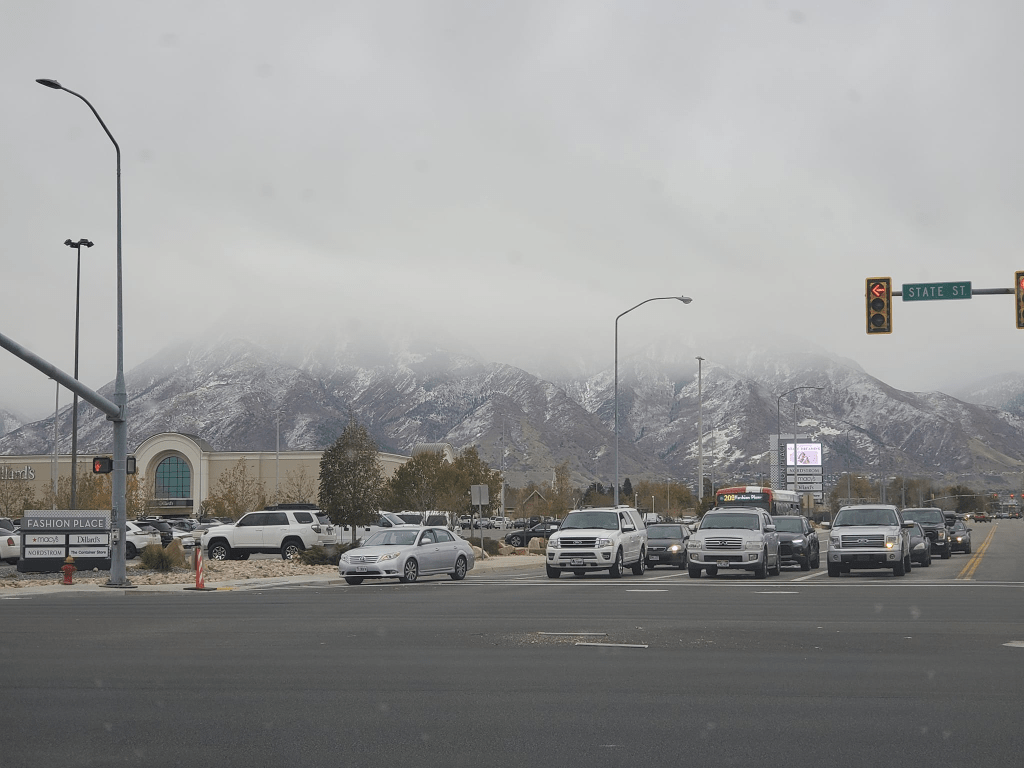
A beautiful shot in front of The Fashion Place Mall in Murray, where Carol DaRonch was abducted from. Photo taken in November 2022.
A shot of front sign for The Fashion Place Mall in Murray. It’s where Bundy attempted to abduct 18 year old Carol DaRonch from on November 8th, 1974. At the time the store was home to Sears, now it is a Dillards Department Store. Photo taken November 2022.
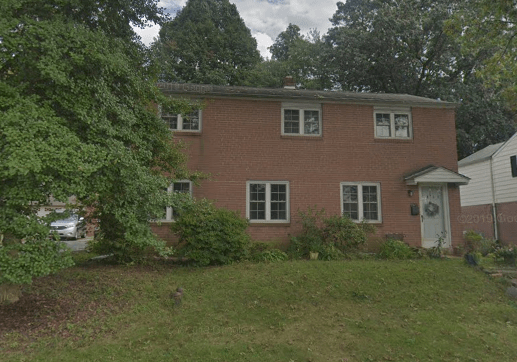
The ‘police substation’ that Bundy took Carol DaRonch to when he pretended to be a police officer in an attempt to abduct and most likely kill her. Picture taken in November 2022.
The door to the entrance of the ‘police substation.’ Photo taken in November 2022.
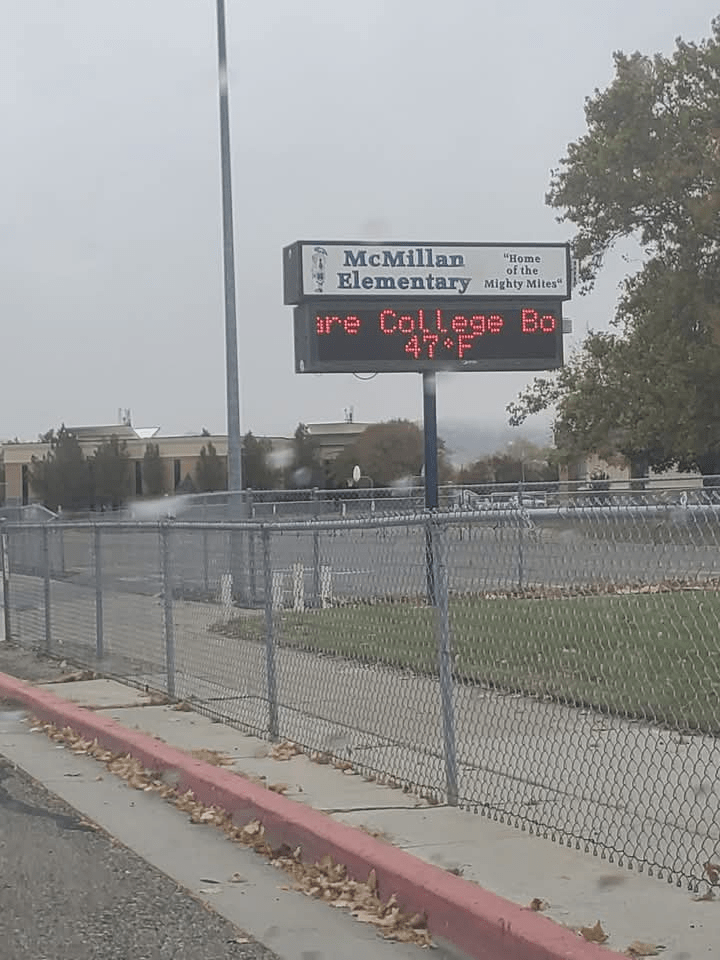
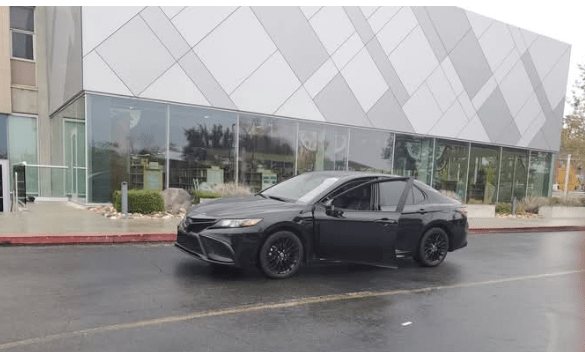
Where my rental car sits is where Carol DaRonch fled Bundy’s car. It’s on the western side of McMillan Elementary School, close to the intersection between South Fashion Boulevard and 5900 South. Photo taken in November 2022.
McMillan Elementary School, located close to the intersection between South Fashion Boulevard and 5900 South. Photo taken in November 2022.
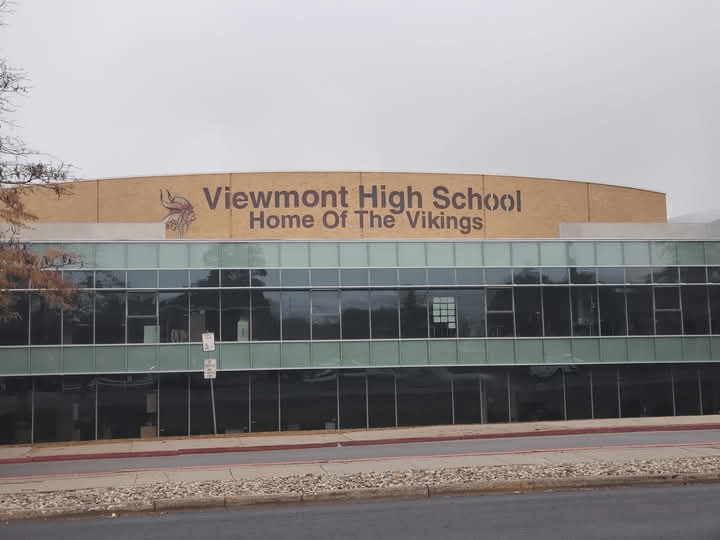
Viewmont High School in Bountiful, UT. Picture taken in November 2022.
Viewmont High School, located at 120 West 1000 North in Bountiful, UT. Photo taken in November 2022.
Viewmont High School, in Bountiful, UT. Picture taken in November 2022.
The doors for the auditorium at Viewmont High School, where Debra Kent was abducted from. Picture taken in November 2022.
The parking lot in Viewmont High School that Bundy abducted Deb Kent from. Picture taken in November 2022.
Where Deb Kent was abducted from, picture taken in November 2022.
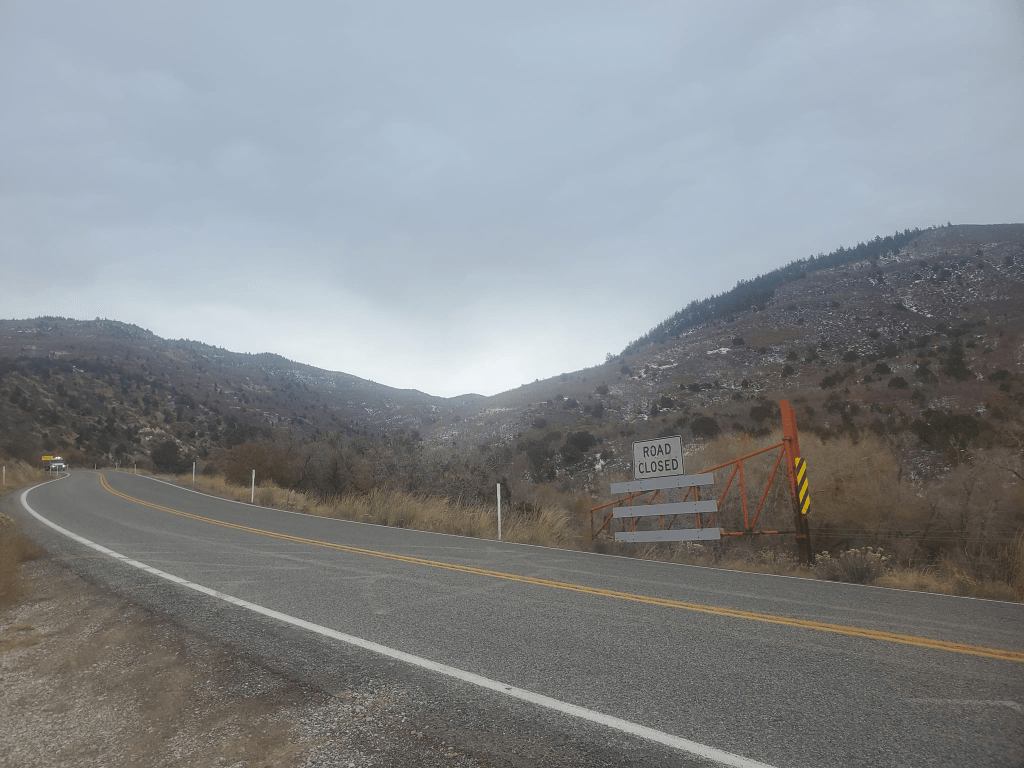
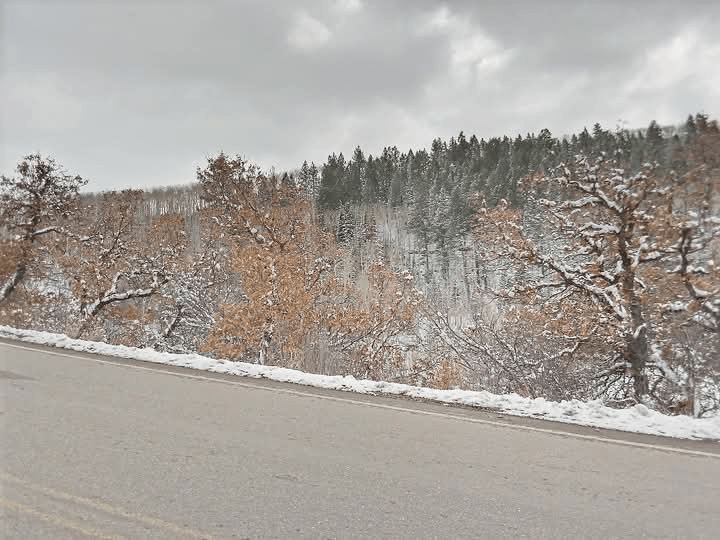
A broader shot of the entrance to Fairview Canyon, where Deb Kent’s remains were found. It’s about an hour and a half outside of Salt Lake City. Photo taken in November 2022.
This is close to where Bundy buried the remains of 17-year-old Debra Jean Kent, near a dirt road in Fairview Canyon around 105 miles away from Viewmont High School. During one of his final confessions, he said he left her near a steep dirt road that ‘wound up to the left’ and buried her about three feet deep and then covered her with heavy rocks. Photo taken in November 2022.
The entrance to where the remains of Deb Kent were found
A shot of the entrance to Fairview Canyon, where Deb Kent’s remains were found. Photo taken in November 2022.
A sign for the Wildwood Hotel (formerly Inn) located in Aspen. I’m shocked at how squished together everything is, I imagined this beautiful, sprawling hotel… but it was all so close together. 2/10, would not recommend.
The Wildwood Hotel (formerly Inn), where twenty-three-year-old Michigan nurse Caryn Campbell was staying with her fiancé when she disappeared on January 12, 1975; her body was found on February 17, 1975, 3.1 miles away on the side of Owl Creek in the outskirts of Aspen. Picture taken in March 2025.
This is the GPS coordination’s where Caryn Campbells remains were discovered on Owl Creek Road in Aspen. Picture taken in March 2025.
Bundy moved into an apartment on the right side of the top floor of this residence located at 364 Douglas Street in SLC on September 26, 1975. He claims that he moved here because it was within walking distance of the University of Utah. Picture taken in November 2022.
A picture of where Caryn Campbells remains were found on Owl Creek Road, picture taken in March 2025.
On January 12, 1975 Bundy bought gas in Glenwood Springs and Bundy abducted 23-year-old Caryn Campbell from the Wildwood Lodge in Snowmass, Colorado. Picture taken in March 2025.
Bundy’s Douglas Street apartment, located at 413 ‘B’ Street in SLC, Utah. He moved here some time before March 22, 1976, during his trial for the kidnapping of Carol DaRonch, and was also under heavy police surveillance. He didn’t live here for very long: on March 1, 1976, he was found guilty of kidnapping Carol DaRonch and was immediately taken intp custody. Picture taken in November 2022.
A photo I took of the entrance to the Taylor Mountain Dump Site in April 2024. On March 3, 1975 the remains of Lynda Ann Healy, Susan Rancourt, Roberta Parks, and Brenda Carol Ball were discovered by two forestry students at Green River Community College.
A photo I took of the Taylor Mountain Dump Site in April 2024.
A photo I took of the road from the Taylor Mountain Dump Site in April 2024.
On March 15, 1975 Bundy came across 26-year-old ski instructor Julie Cunningham near this covered bridge by Gore Creek Drive in Vail, Colorado. Picture taken in March 2025.
An area close to the parking garage where Julie Cunningham was abducted from. Picture taken in March 2025.
The parking lot where Bundy abducted Julie Cunningham from, picture taken in March 2025.
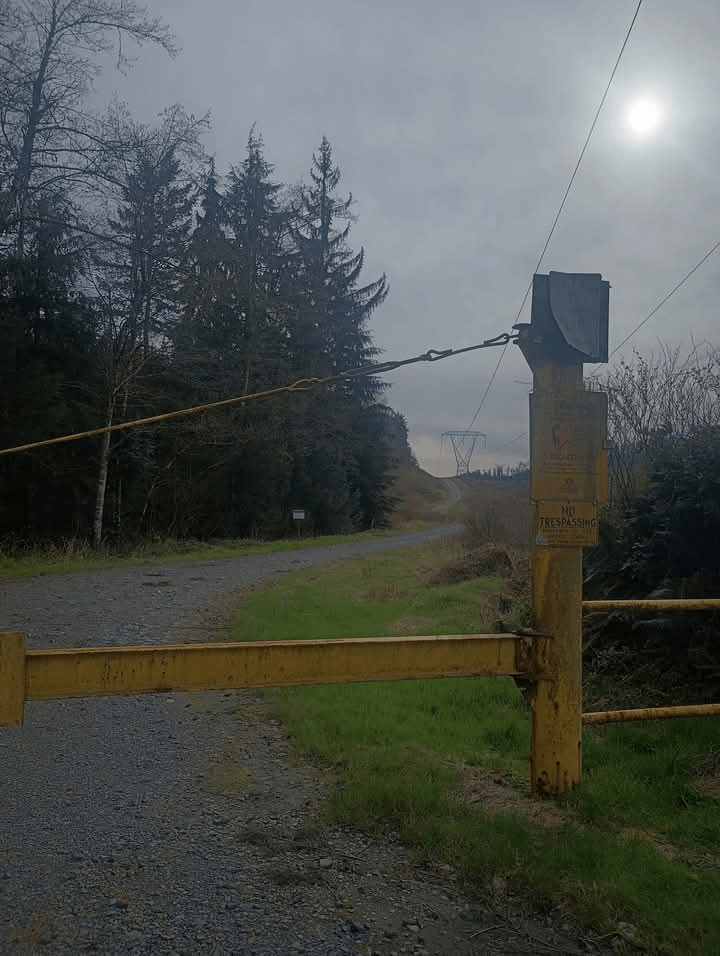
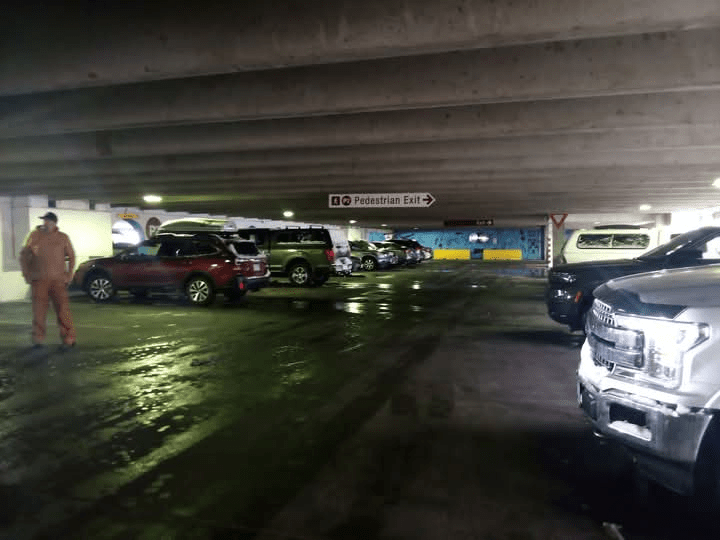
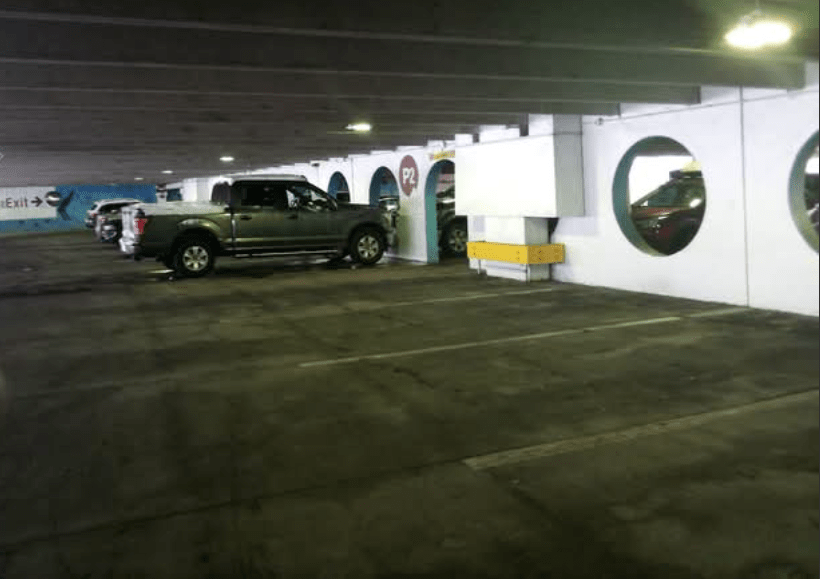
The parking lot where Bundy abducted Julie Cunningham that is located at 395 South Frontage Road in Vail, Colorado. At the time of the murder, it was a regular ground-level parking lot however in more recent times it is home to a multi-story car park. Picture taken in March 2025.
The underground parking lot where Bundy abducted Julie Cunningham from in Vail, Colorado. Picture taken in March 2025.
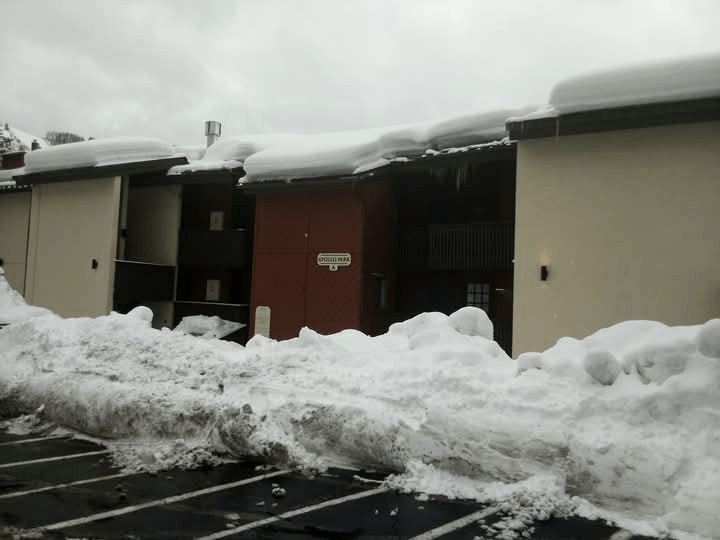
The entrance to the Apollo Park Apartments, where Julie Cunningham was living at the time of her murder. Picture taken in March 2025.
The Apollo Park Apartments, where Julie Cunningham was living at the time of her murder. Picture taken in March 2025.
The back of Cunningham’s apartment complex in Vail, picture taken in March 2025.
1619 LaVita Street in Grand Junction, Colorado, where Denise Oliverson lived at the time of her murder. Picture taken in March 2025.
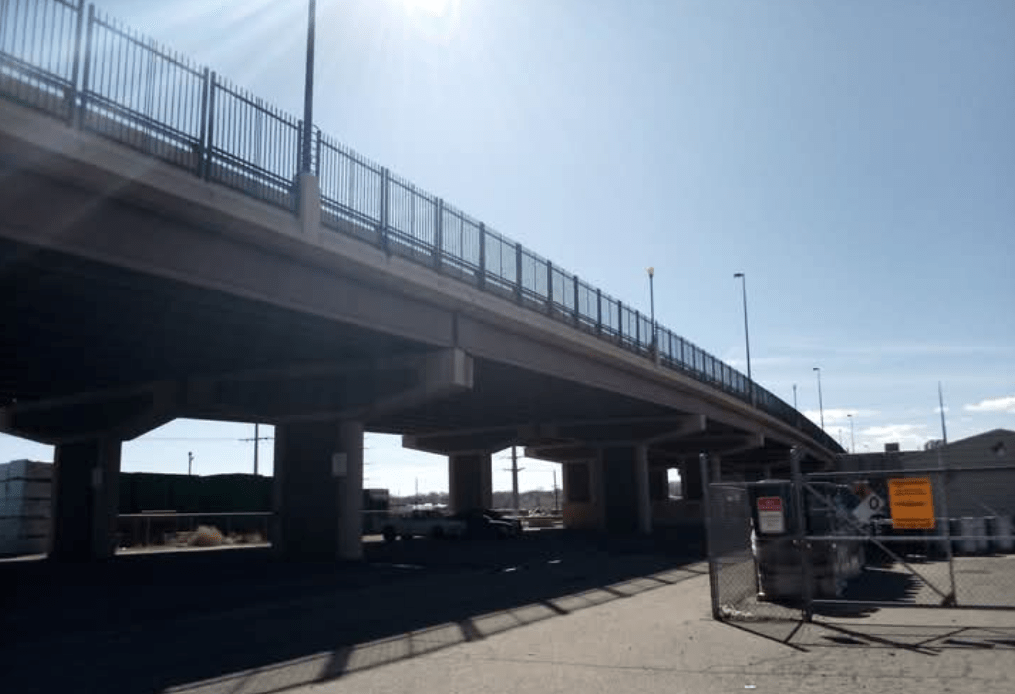
This is the South 5th Street Bridge in Grand Junction, where Bundy abducted Denise Lynn Oliverson from on April 6, 1975.
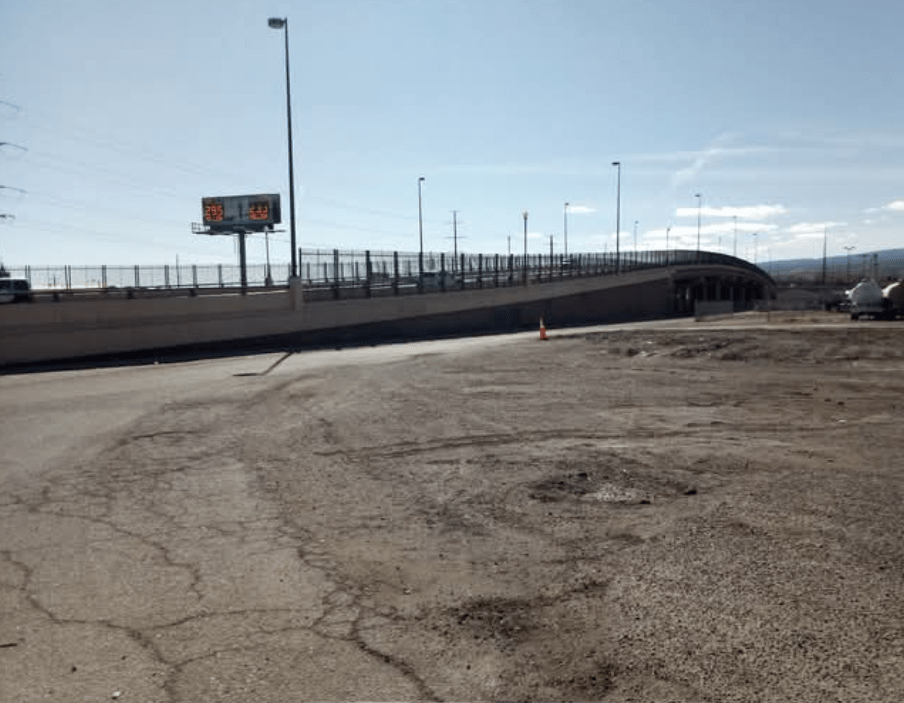
A (blurry) shot of the South 5th Street Bridge where Denise Oliversons’ bike was found the day after she disappeared. Picture taken in March 2025.
The South 5th Street Bridge, in Grand Junction. Denise Oliverson vanished after leaving her nearby house on April 6th, 1975, and the next day, a railway worker found her yellow bike and sandals underneath this overpass. Photo taken in March 2025.
A shot of the alley next to the South 5th Street Bridge in Grand Junction, picture taken in March 2025.
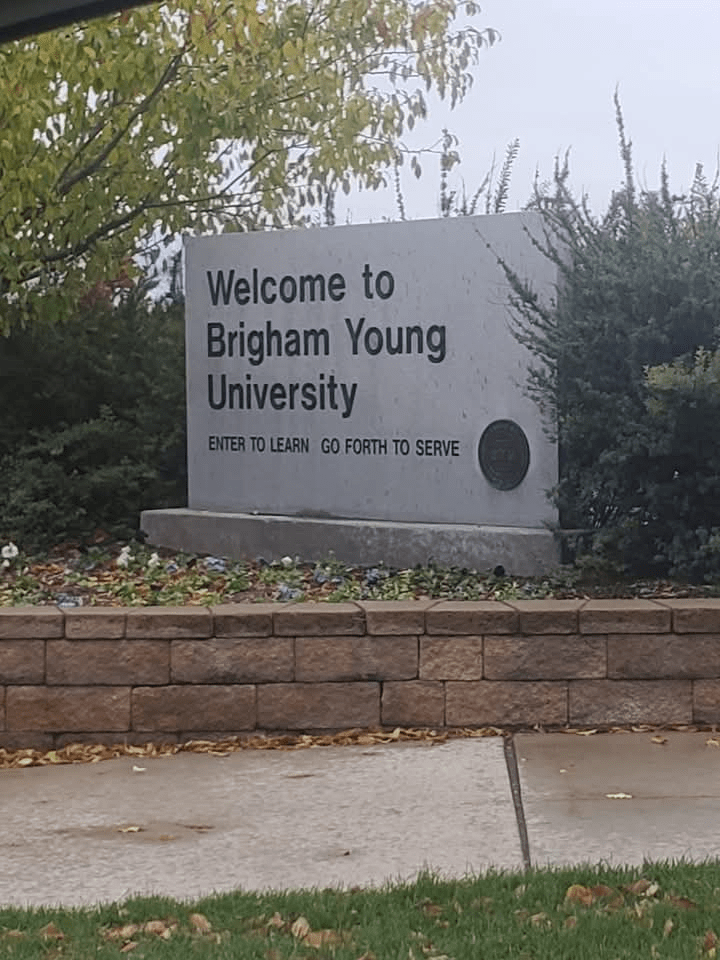
The entrance of Brigham Young University, where Ted Bundy abducted Susan Curtis in June 1975. Originally from Bountiful, the fifteen-year-old was attending the Bountiful Orchard Youth Conference at the school when she disappeared. She had ridden her bicycle fifty miles to Provo to attend the conference and was last seen on June 27, 1975, the first day of the conference. After a formal banquet that evening, Susan left her friends and made the quarter mile walk to her room to brush her teeth. No trace of Curtis has ever been recovered. Picture taken in November 2022.
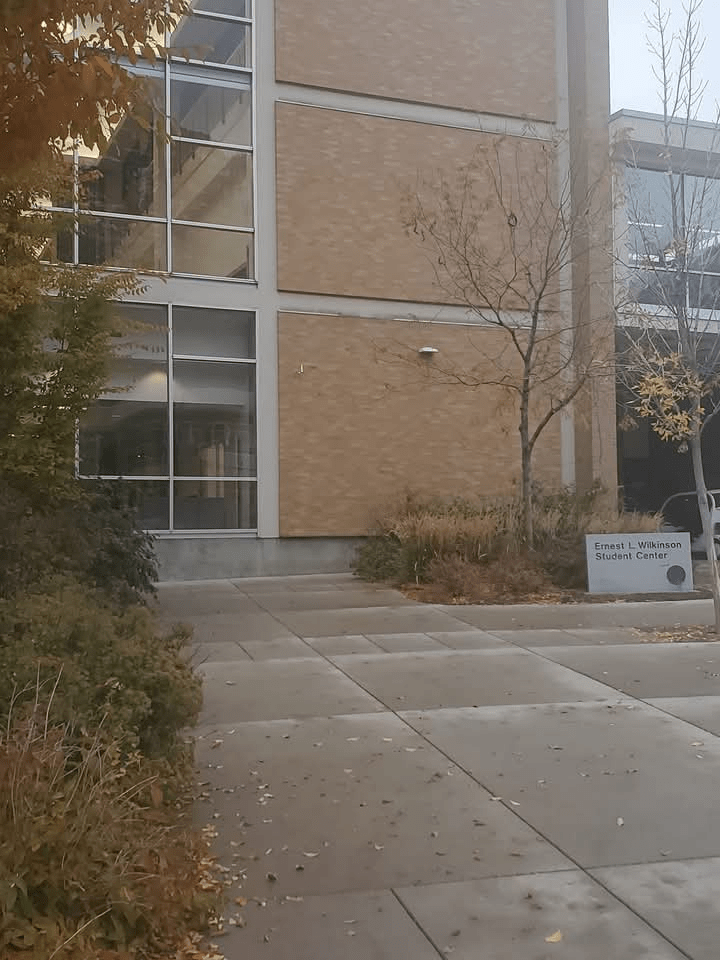
Brigham Young University, where Ted Bundy abducted Susan Curtis from in Provo, Utah On June 27th, 1975, Curtis attended the Bountiful Orchard Youth Conference at the Wilkinson Student Center. Picture taken in November 2022.
The Wilkenson Student Center on Brigham Young’s campus, where Susan Curtis was last seen alive. Picture taken in November 2022.
I had great plans of hiking Berthoud Pass, where the remains of Shelley Kay Robertson were found on August 23, 1975, but my rental car kept getting stuck so this was as far as I was able to go. On July 1, 1975, the twenty-three-year-old failed to come into work at her family’s printing business in Colden, and she was last seen earlier that same day and was in ‘the company of an unknown man.’ Picture taken in March 2025.
A picture of a sign announcing my arrival in Pitkin County, taken in March 2025.
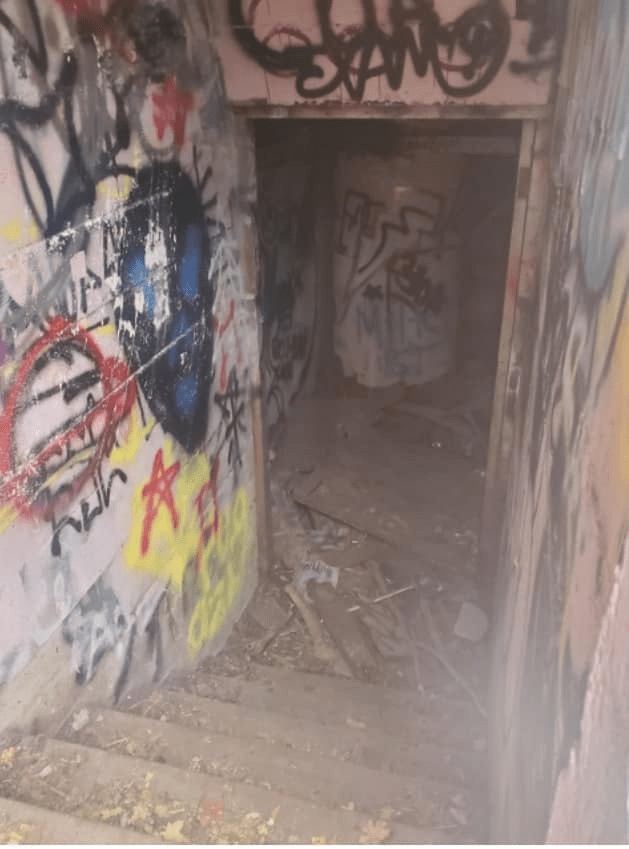
The ‘Ted Bundy Murder Cellar,’ which is a urban legend of sorts where locals claim he brought victims to (there is no evidence that proves this). Picture taken in November 2022.
The inside of the TB Murder cellar. Even though it was two o’clock in the afternoon when I visited this location this was as far as I would venture in. My momma didn’t raise no fool, taken in November 2022.
This house was the focus of a Ghost Adventuress episode about Ted, and is located near Viewmont High School in Bountiful where Deb Kent was abducted from. Zak Baggins claims that Bundy brought her back her to torture her, but there’s no evidence to back this up (in fact, there’s proof that a family lived there at the time). The (fuzzy) picture was taken in November 2022.
A current picture of where Bundy got arrested for the first time, taken in November 2022.
A horrible quality picture of Bundy’s first arrest site (as I am no master photographer), taken in November 2022.
The entrance to the Utah State Corrections Facility, picture taken in November 2022. I was actually wrong that Ted was housed here before he was transferred to Colorado to stand trial: he actually was in Utah State Prison, and in July 2022 (just a few mere months before I went there) it was replaced by the Utah State Correctional Facility.
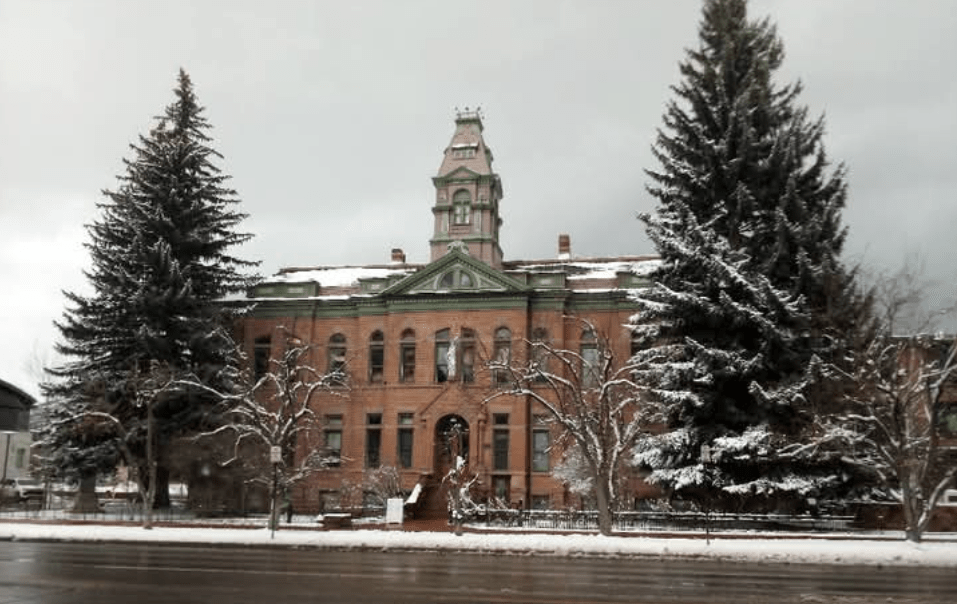
The Pitkin County Courthouse, where Bundy escaped for the first time on June 7, 1977.
A close up shot of the side of the building Bundy escaped from, picture taken in March 2025.
A (terrible) shot of the window Bundy would have jumped out of when he escaped from the Pitkin County courthouse on June 7, 1977. Picture taken in March 2025.
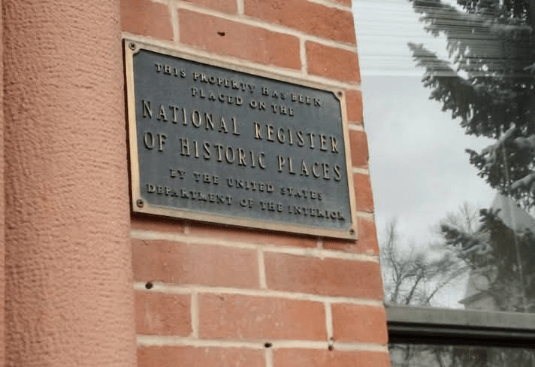
A plaque on the Pitkin County Courthouse that it is in the ‘National Registry of Historic Places.’ Picture taken in March 2025.
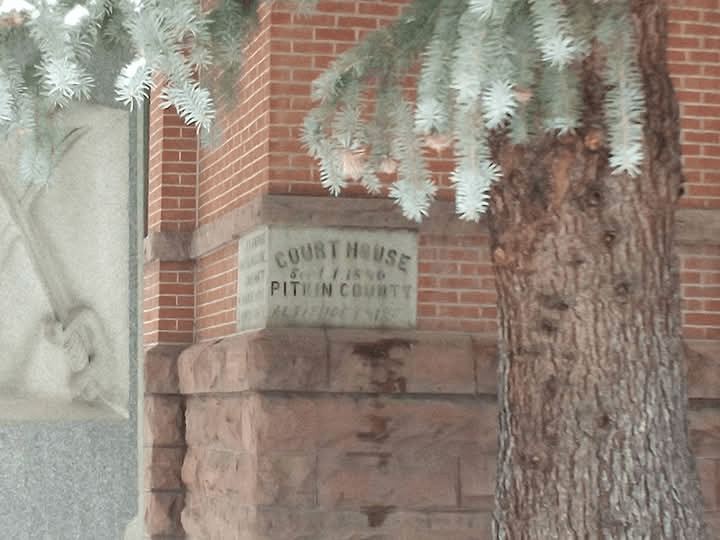
An inscripted stone on the Pitkin County Courthouse. Picture from March 2025.
This is (roughly) the grassy area that Bundy would have landed on when he jumped out the second story window of the Pitkin County Courthouse in Aspen on  June 7th, 1977. Picture taken in March 2025.
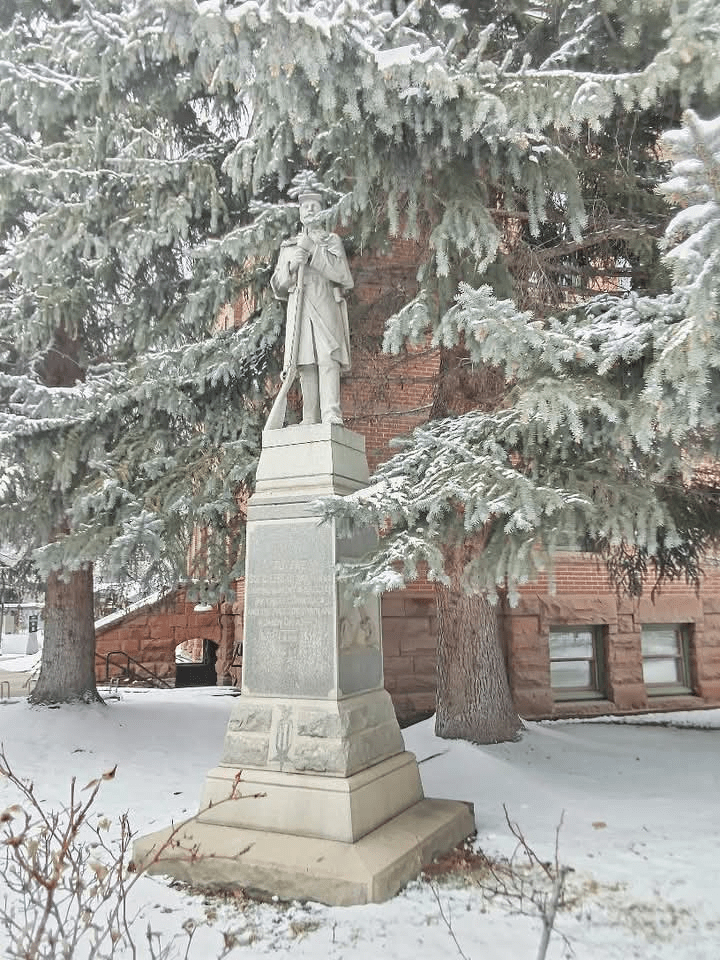
A picture I took in March 2025 of a statue of a generic Civil War soldier that’s located in front of the Pitkin County Courthouse in Aspen. The monument, which is dedicated ‘to the soldiers of 1861-1865’ and is intended as a symbol of national healing, does not representing either the Union or Confederacy and was erected on Memorial Day in 1899 and is dedicated to all of the soldiers that fought in the Civil War.
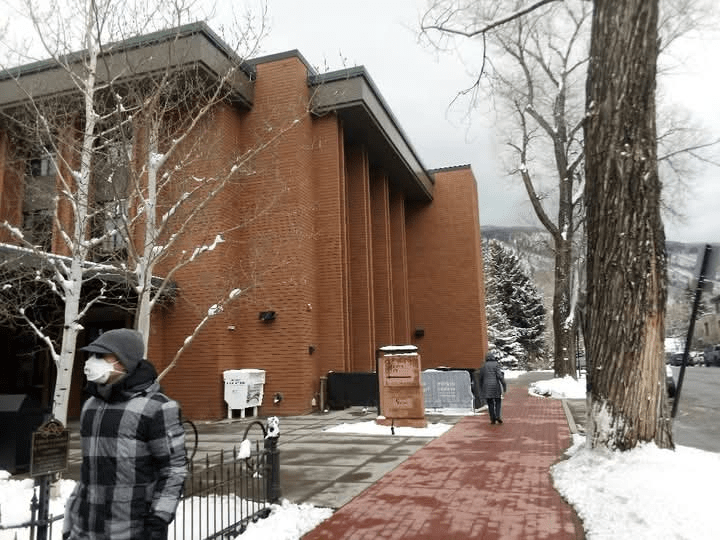
The Pitkin County Clerk and Recorder building located at 530 East Main Street next to the Pitkin County Courthouse in Aspen, Colorado. Picture from March 2025.
The Aspen Police Department, located two buildings down from the Pitkin County Courthouse. Picture taken in March 2025.
The house that Bundy stole a Cadillac from in the early hours of June 13, 1977, located at 805 Bonita Drive in Aspen. Picture taken in March 2025.
This is the only picture I was able to get that was close to where (I think) Fritz Kaeser’s cabin is located… I rented a piece of junk Ford Focus with bald tires and got stuck on a back road searching for it. I have no problem admitting I underestimated my husbands warnings of how bad Aspen winters can be, as I’m from Buffalo and have no problems driving in the snow… but what I have never encountered before is snow AND mountains. Where I hate admitting defeat, I knew I would have to take the L on this one. I didn’t have cell phone signal on top of it all and I was STUCK stuck, but thankfully the girls house I got stuck in front of helped me get out thanks to kitty litter and a board). It all worked out.
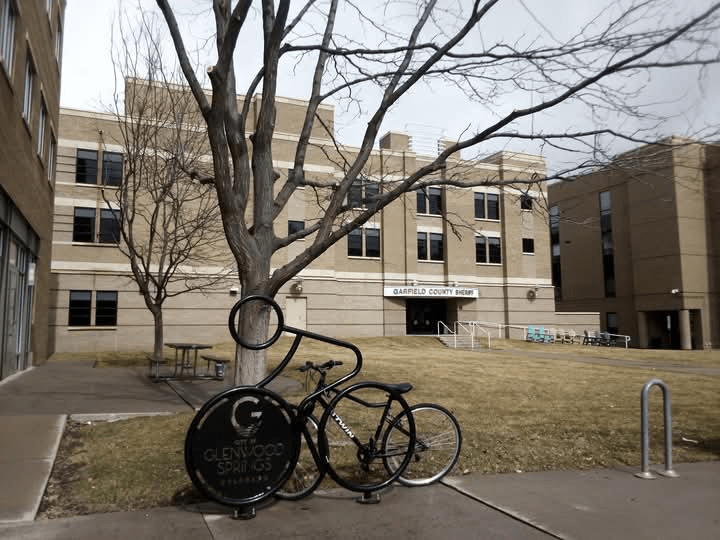
The entrance to the Glenwood Springs government building, picture taken in March 2025.
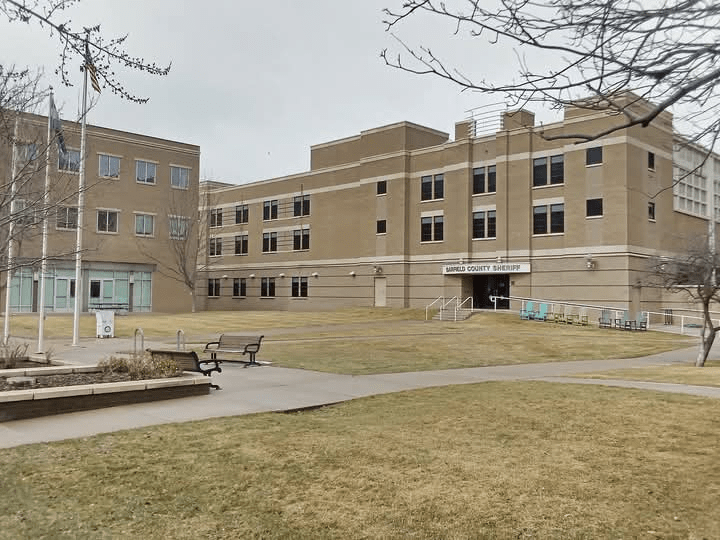
A picture of the Garfield County Jail, taken in March 2025.
Another shot of the Garfield County Sheriff’s Department, picture taken in March 2025.
A picture of the Garfield County Jail, taken in March 2025.
The keystone on the Garfield County Court Building, picture taken in March 2025.
The Chi Omega sorority house, located at 661 West Jefferson Street in Tallahassee. On January 15, 1978
Bundy entered the dormatory armed only with a piece of firewood, and killed twenty-one-year-old Margaret Bowman and twenty-year-old Lisa Levy; he also brutally harmed Karen Chandler and Kathy Kleiner, but thankfully both women survived. Picture taken in May 2023.
Another shot of the Chi Omega sorority house.
Where Sherrod’s night Club once stood, located next door to the Chi Omega sorority house at 675 West Jefferson Street in Tallahassee. Photo taken in May 2023.
The road sign for Dunwoody Street and Pensacola Street, photo taken in May 2023.
This is where Ted brutally attacked (and most likely left for dead) twenty-one-year-old dancing student Cheryl Thomas, in her residence located in one side of a duplex located at 431 Dunwoody Street in Tallahassee. Photo taken in May 2023.
The area near Dunwoody Street where Cheryl Thomas was living at the time she was attacked by Ted Bundy. Photo taken in May 2023.
The sporting goods store where Ted Bundy purchased a hunting knife on February 8, 1978, located at 8764 Normandy Boulevard in Jacksonville. Picture taken in May 2023.
This is where the mall parking lot was once located on Blanding Boulevard where on February 8th, 1978 Bundy attempted to abduct-fourteen-year-old Leslie Parmenter. The daughter of Jacksonville PD’s Chief of Detectives, Parmenter was confronted by Ted (who had introduced himself as Richard Burton from the Fire Department) after leaving Jeb Stuart Junior High School, but said he backed down when her older brother showed up. Back in 1978 it was home to a Kmart, and today it houses an Amazon Hub. Photo taken in May 2023.
This is the school where Bundy abducted twelve-year-old Kimberly Dianne Leach located at 372 West Duval Street in Lake City, Florida. Photo taken in May 2023.
On the morning of February 9th, 1978, Kim left her gym class in the auditorium and walked over to her homeroom when she realized that she had lost her purse. After going back and getting it, Leach started back to the auditorium but never got there. Picture taken in Mat 2023.
The house where Bundy stole an orange VW ‘Super Bug’ from its owner Rick Garzaniti. On February 12, 1978 Garzaniti and his wife parked their 1972 Volkswagen outside this residence located at 515 East Georgia Street in Tallahassee and went inside to pick up their toddler from the babysitter. He admitted to leaving the keys in the vehicle, as they weren’t sticking around for very long. Picture taken in May 2023.
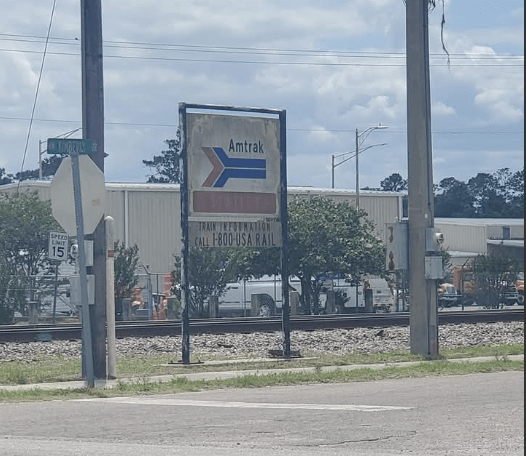
The location of Ted Bundy’s final arrest, picture taken in May 2023. This is where he was arrested by Officer David Lee at roughly 1 AM on February 15, 1978, located at West Cross Street in Pensacola.
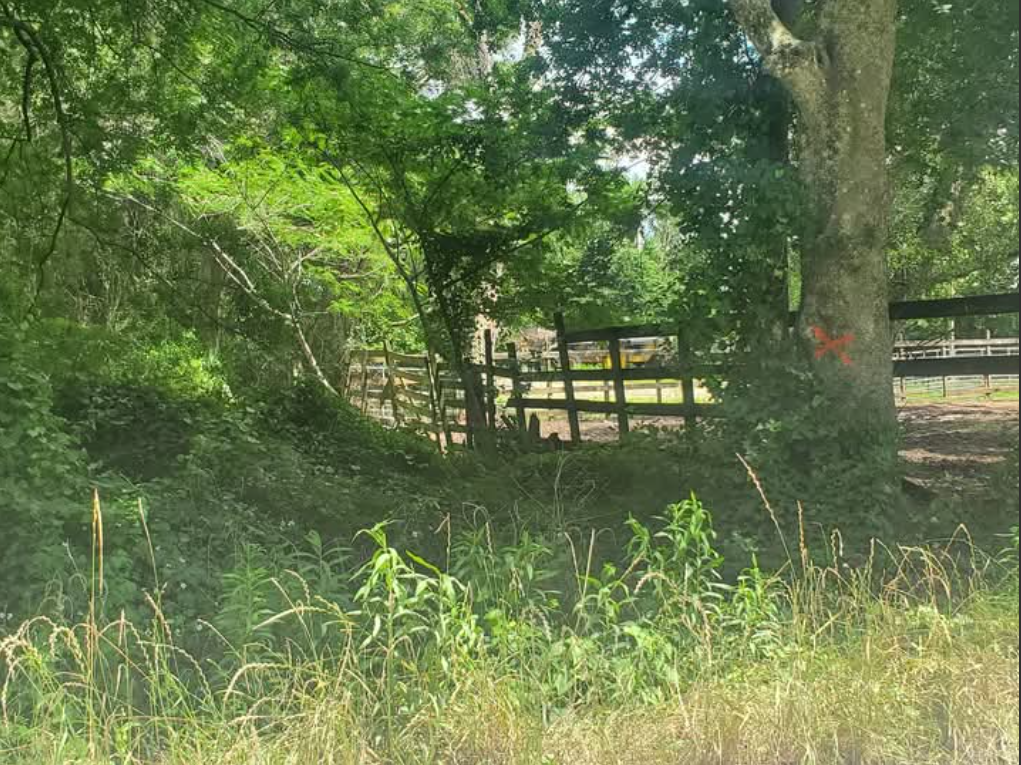
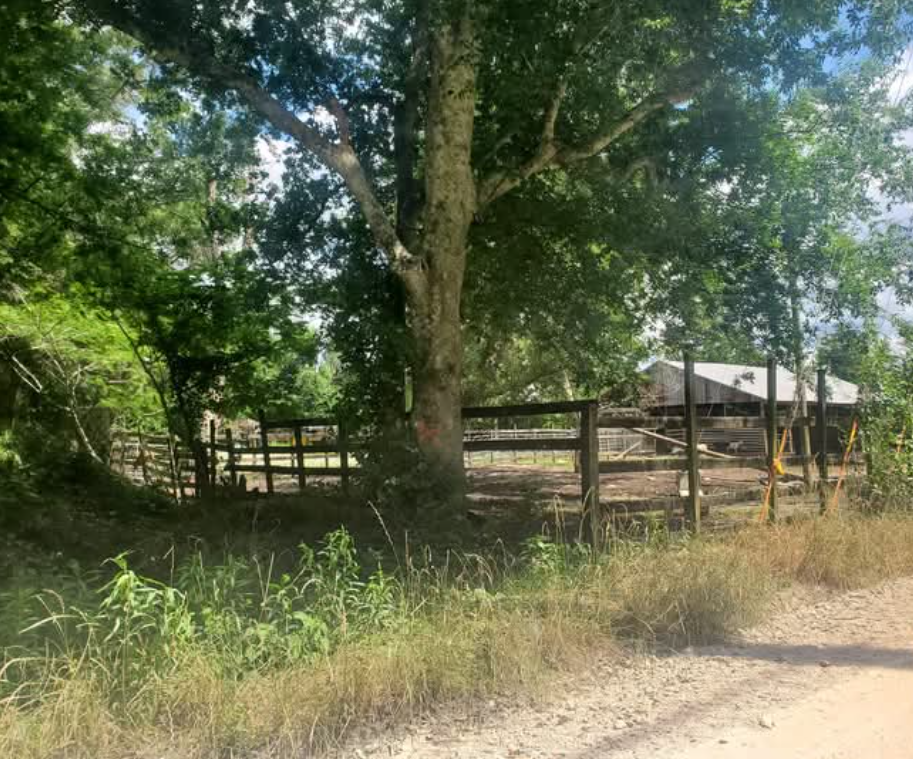
A broad shot of an area of the farm where Kim Leach’s body was recovered, photo taken in May 2023.
Another area of the farm where Kim Leach’s body was recovered, photo taken in May 2023.
An area of the farm where Kim Leach’s body was recovered, photo taken in May 2023.
Another shot of an area of the farm where Kim Leach’s body was recovered, photo taken in May 2023.
An area of the farm where Kim Leach’s body was recovered, photo taken in May 2023.
A road named ‘Kimberly’ that is located close to the cemetery where Kim Leach is buried. Photo taken in May 2023.
The entrance to the cemetery where Kim Leach is buried in Memorial Cemetery in Lake City. Picture taken in May 2023.
The gravesites of Kim Leach and her brother, Michael. Photo taken in May 2023.
The entrance to the Leon County Detention Center, picture taken in May 2023.
The Leon County Courthouse, where Bundy stood trial in 1980 for the Chi Omega/Cheryl Thomas attacks. Picture taken in May 2023.
The courtyard in front of the Leon County Courthouse, picture taken in May 2023.
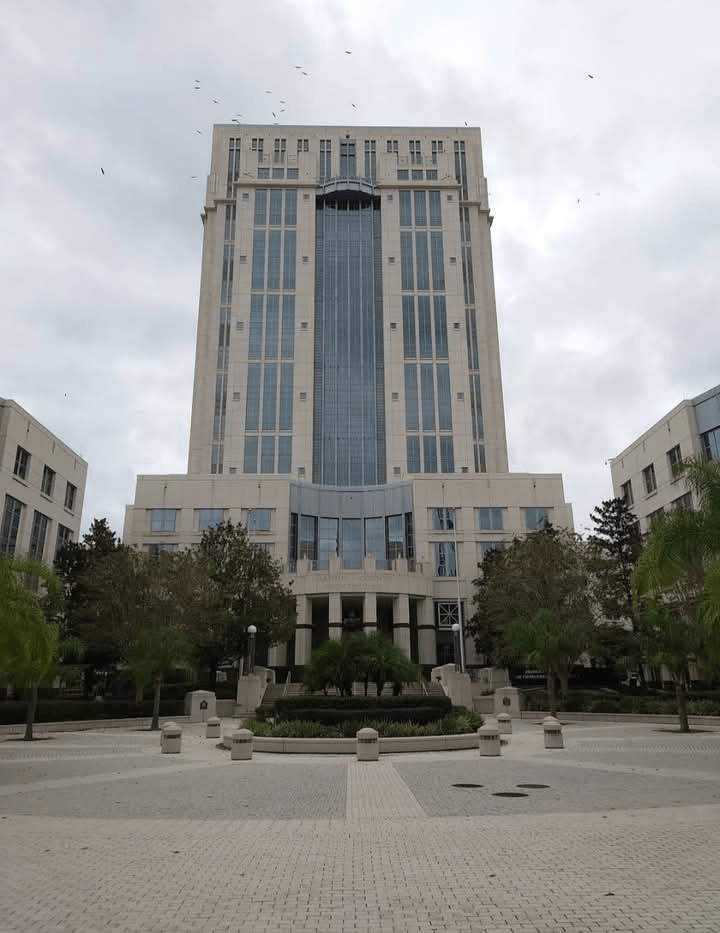
The entrance to the Richard E. Gerstein Justice Building, located at1351 NW 12th Street in Miami. Picture taken in May 2023.