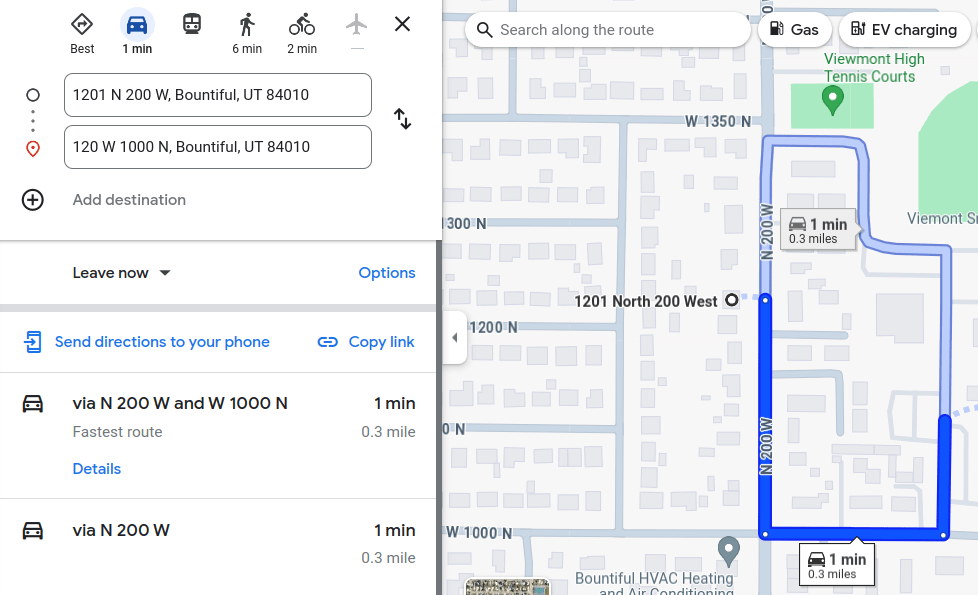
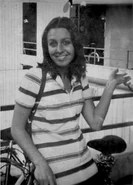
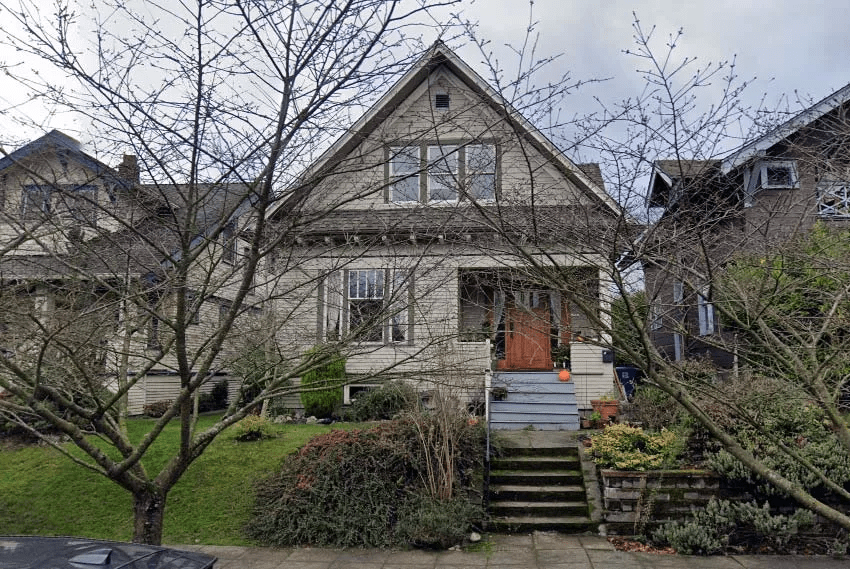
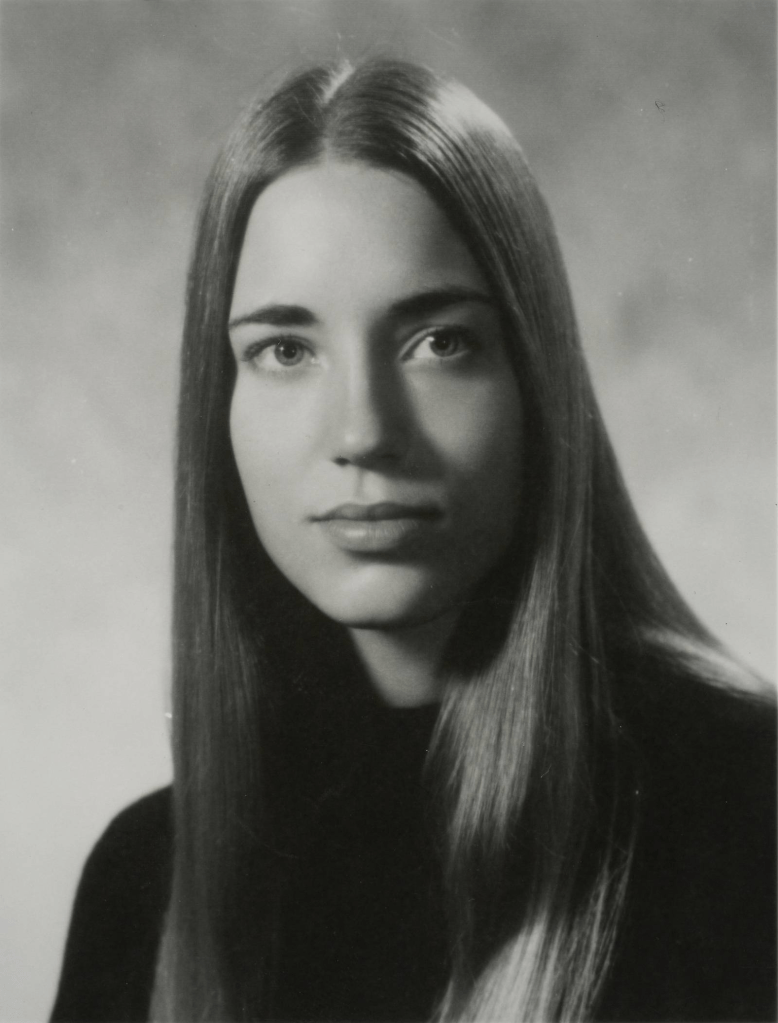
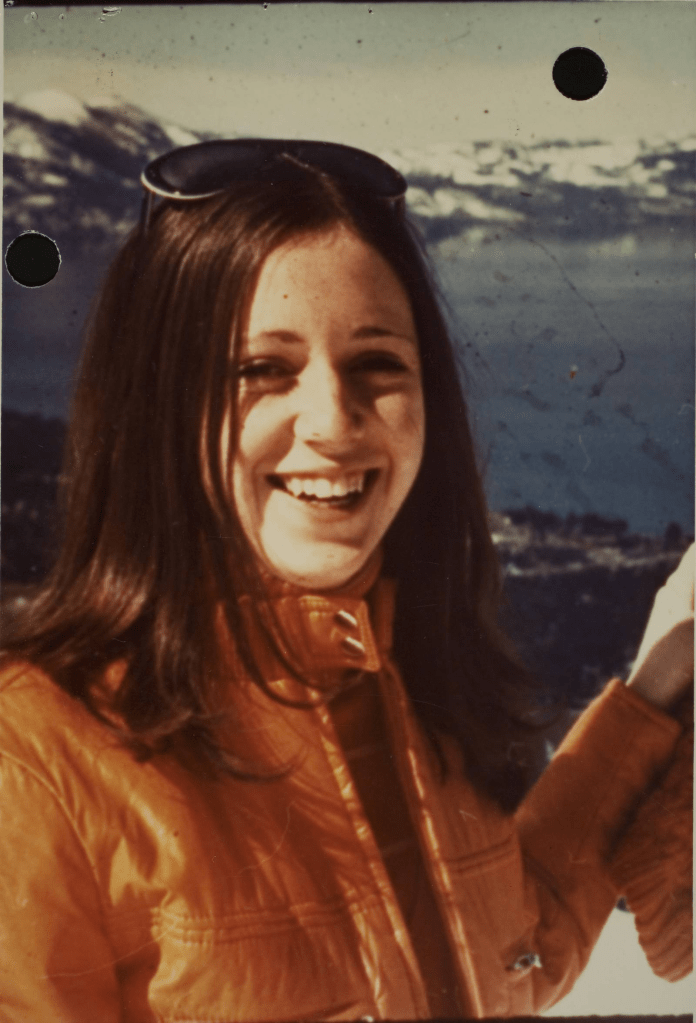
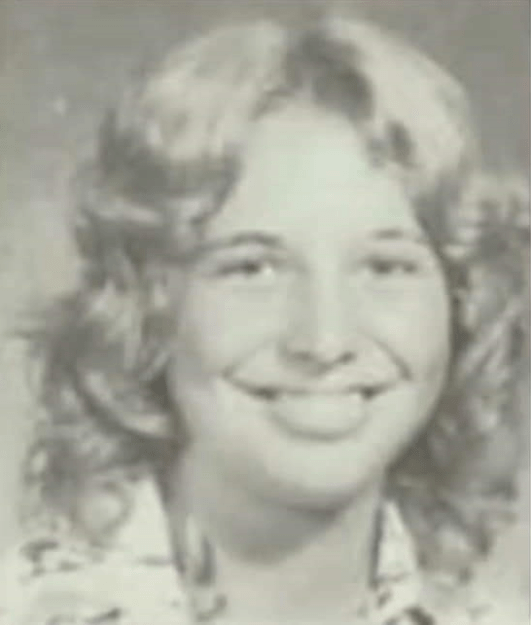
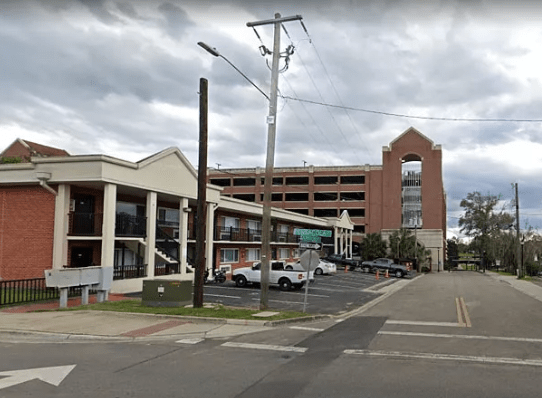
When I went to Utah in November 2022 there was one location I was completely unaware existed that I wish I (somehow) knew to include in my list: the supposed ‘Ted Bundy Ritual House’ just outside of SLC in Bountiful. The duplex-style residence is located at 1201 North 200 West, and is said to be ‘just across the street’ from Viewmont High School, which is where Deb Kent was abducted by Bundy on November 8, 1974 after his botched kidnapping attempt of Carol DaRonch just 45 minutes away in Murray. Kent was last seen at roughly 10:30 PM after leaving a showing of ‘The Redhead’ to go and pick up her brother from the nearby Rustic Roller Rink. According to eyewitnesses, there were loud screams heard from the parking lot at roughly the same time that she was last seen, and after the Kents realized that the family car had never left the parking lot they immediately contacted the police.
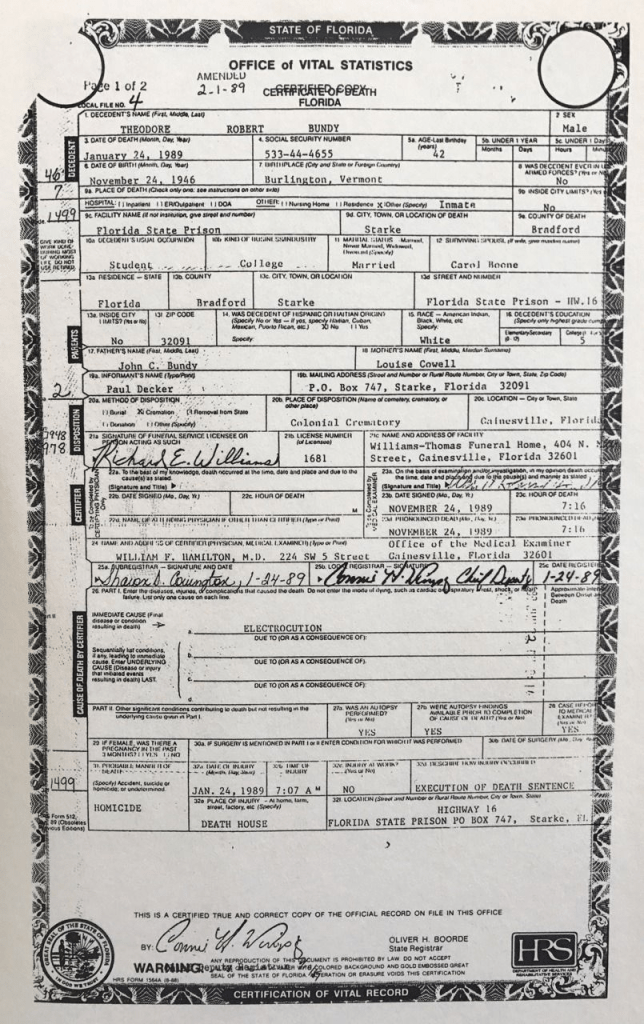
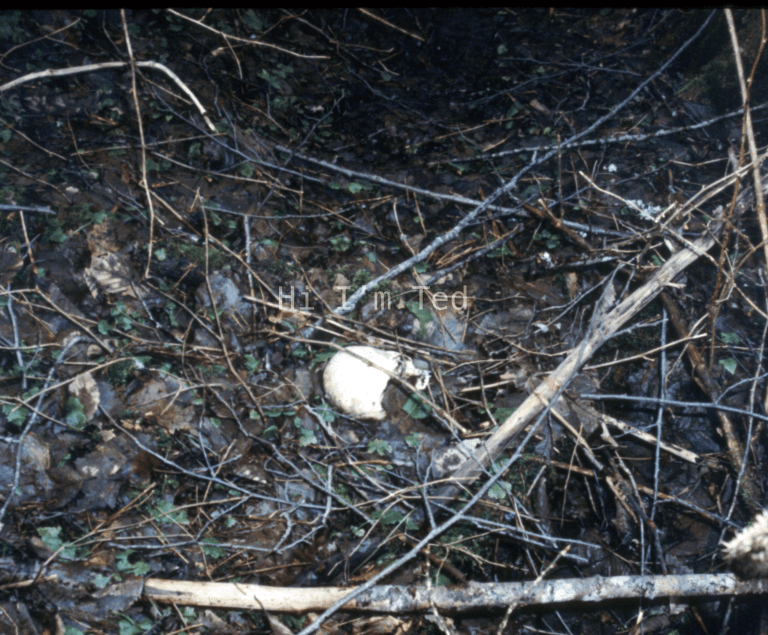
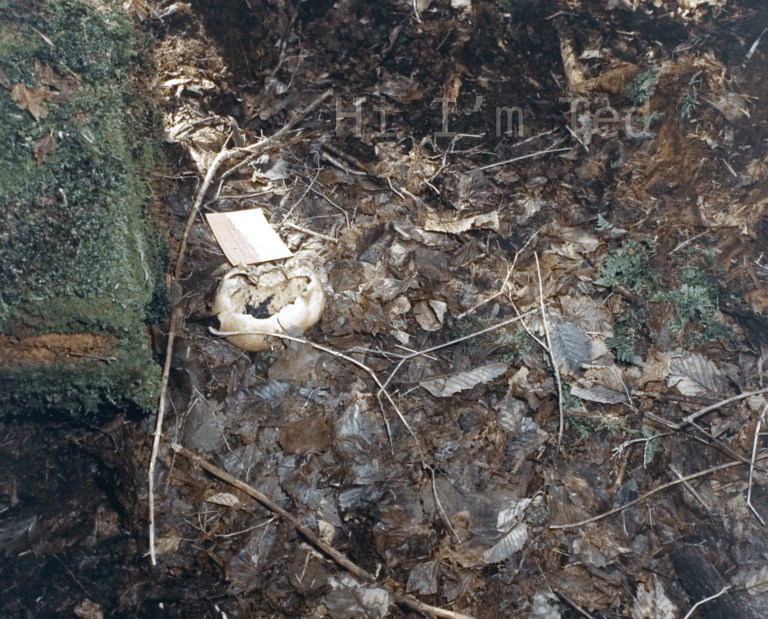
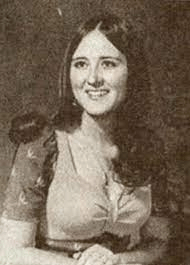
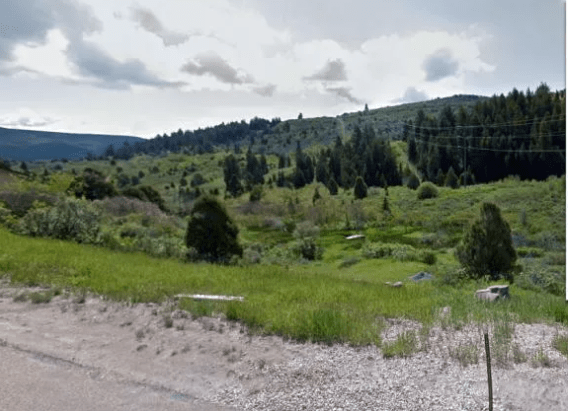
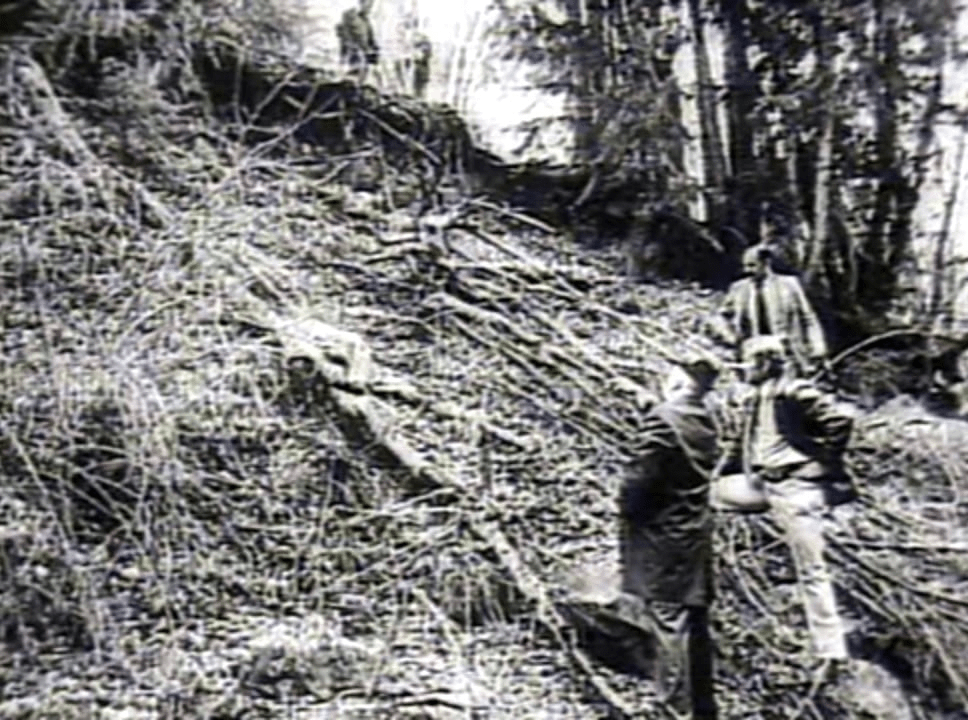
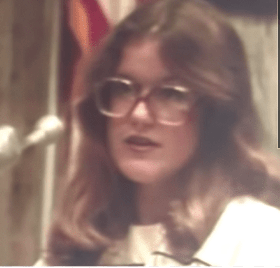
Before Bundy was executed in January 1989, he confessed to killing then 17 year-old Kent and pointed investigators to where he dumped her body. Upon searching Fairview Canyon later that May the only human remains that search crews located was a patella, which was found among the ten bags of animal bones that were collected. The kneecap was presumed to belong to Debra and was given to her family to hold onto, and it remained unidentified until 2015 when DNA testing confirmed that it belonged to her. After the positive ID the Bountiful PD returned the bone to Belva Kent along with her daughter’s official death certificate.
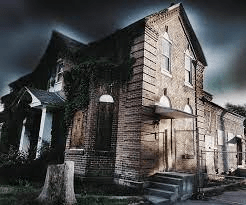
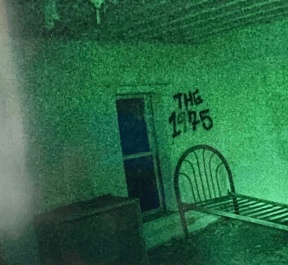
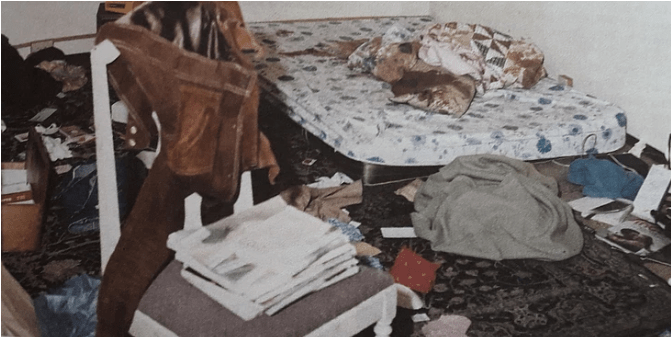
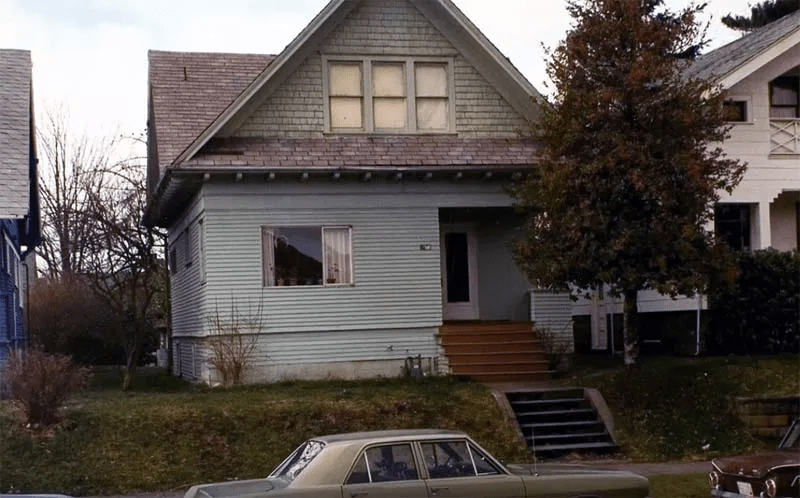
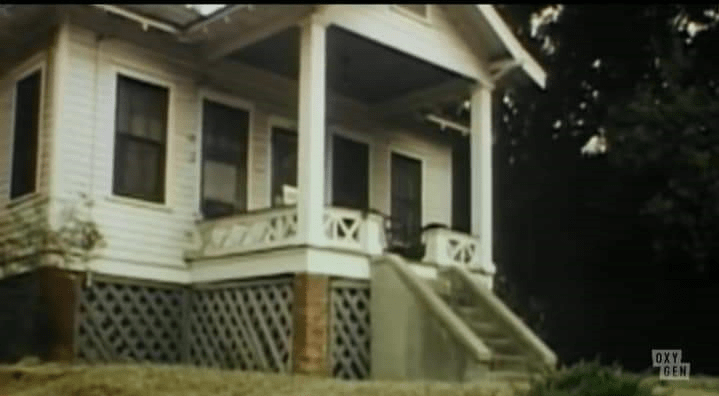
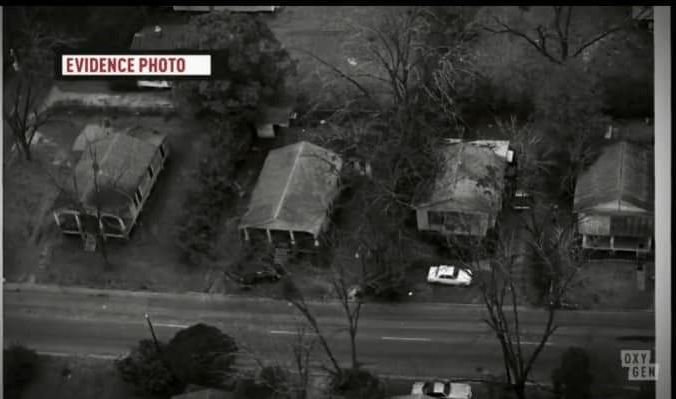
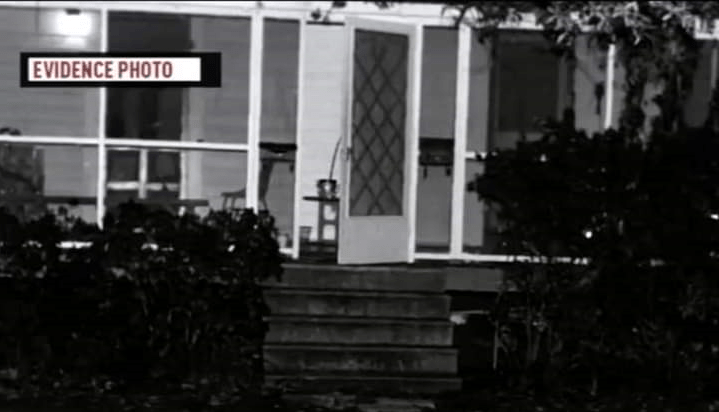
According to Redditor ‘je-m-en-fiche,’ Bountiful residents that lived in the area referred to it as the ‘Viewmont House’ because of its close proximity to the local high school. Looking into the residence, it’s in no way ‘close’ (in my opinion, anyways) to Viewmont HS, nor should it be considered just across the street (it’s actually 0.2 miles away, and is about a five minute walk). It was featured on the Travel Channel television show Ghost Adventures, ‘starring’ Zak Bagans and his group of cronies (including Aaron Goodwin and Nick Groff), specifically for the limited spin-off mini-series ‘Serial Killer Spirits.’ The episode, titled ’The Ted Bundy Ritual House,’ aired on October 26, 2019, and focused on the abandoned structure that has been uninhabited since a gas leak led to an explosion on July 4, 1997. The show’s creator and ‘lead investigator’ Zak Bagans claims that Bundy took Debra Kent there after abducting her after she left a showing of ‘The Red Head’ to go pick up her brothers from a nearby roller skating rink.
In addition to the TB ritual house, Ghost Adventures did episodes on HH Holmes (he killed a nine year old kid in a house in Irvington, Indiana and the current owner felt that dark and sinister forces had ‘overtaken the property’), Joliet Prison in Illinois (where John Wayne Gacy spent only a small amount of time), and an episode titled ‘Axe Killer Jail,’ where the team investigated a prison in Council Bluffs, IA, where SK Jake Bird was once housed.
Because the events of the episode are so ridiculously absurd, I’m not going to spend much time on a synopsis of it. In a nutshell, it began with some little ginger-haired boy that supposedly lived next door to the house (knowing Bagans it’s probably his own kid) peeing on a log on the front steps (Zak tells one of his cronies to smell it ‘for research,’ and he does), and of course the GA’s crew followed him home and gave him (and his mother) the third degree and told them exactly what they wanted to hear… and the guys ate it up like a piece of fucking cheesecake. When asked how he felt about the house the kid told Bagans that there were ten mean child-aged spirits that lived there and weretrying to kill him and they ‘better not go in there because they might kill you.’
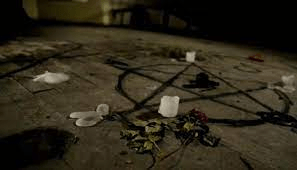
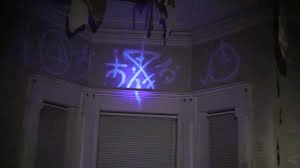
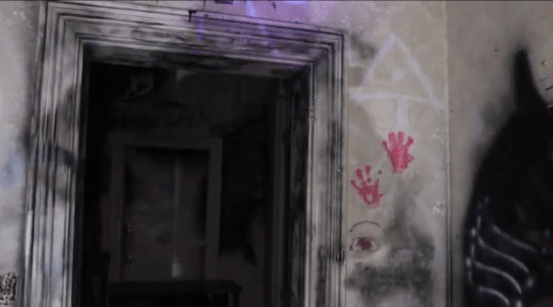
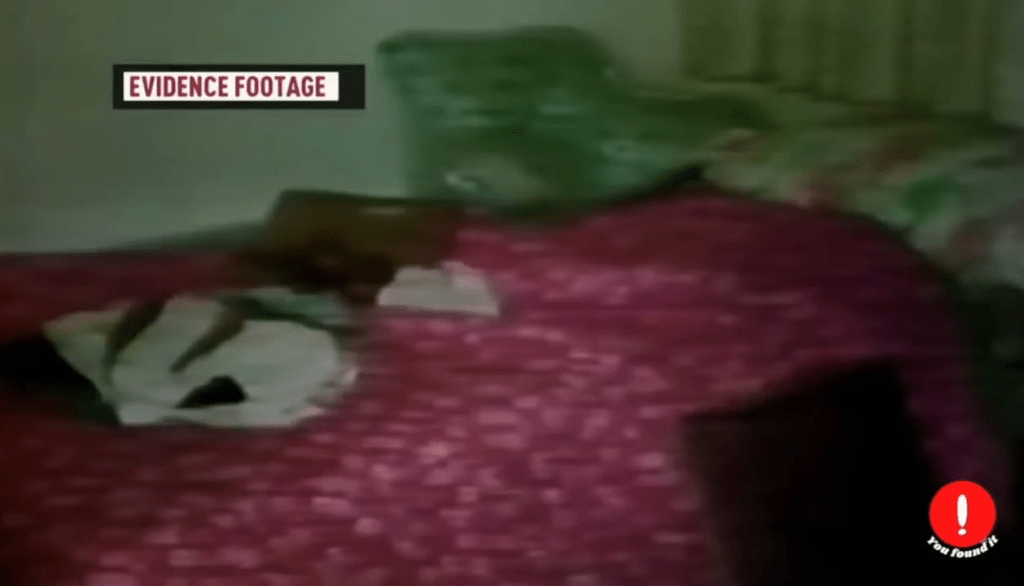
In the beginning of the episode, a one-time resident of the home named Peter Kingston claimed that when they first moved in his family found weird, mysterious satanic symbols drawn on the walls, including various ‘devils signs’ (including a ‘big pentagram’ on the wall) and ‘666’s all over the place.’ At some point during the episode some guy named Vincent (who does not appear to be with Bagans’ crew and I don’t care enough about him to do any additional research) said that when he was in the house prior to the episode he was pushed down the stairs and almost went through the side railings. As the show progresses, the ghost hunters break out all their fancy bullshit equipment meant to detect supernatural activity, and of course everything they do results in some sort of captured phenomenon (I mean, no one would watch it if nothing happened), and plenty of jump scares and ‘sledgehammers of evil’ (Zak’s words, not mine) ensues.
One of the first things the GA team does upon entering the residence is attempt to open a portal on the floor near a pentagram using what Bagans calls a ‘geophone device,’ which he said ‘measures temperature and electromagnetic energy.’ However, according to the website HiggyPop that’ ‘isn’t strictly true. A geophone doesn’t detect heat or electromagnetic energy, as the name suggests it’s to do with geological movement and it actually detects vibration. The gadget Zak is using is called an EDI meter which has several functions built in, including EMF and thermometer as well as a geophone. Ironically the geophone is the one function of the device that Zak is not using.‘
In addition to the ‘geophone’ (that really isn’t a geophone), Bagans used night vision cameras, digital recorders, and a spirit box, which is a device that rapidly scans AM/FM radio frequencies in an attempt to pull paranormal messages out of the static and white noise. Two additional pieces of equipment the team used (that I have also never heard of before) is the Ovilus V (which is a tool that supposedly allows spirits to communicate with the living by selecting words from a internal database using their ‘energy’) and a TriField meter, which measures EMF in the form of radio-frequency, magnetic, and electric fields.
Zak and Aaron used an SLS camera in the upstairs part of the house, which is a device which ‘looks for’ human-like shapes in the darkness and supposedly can capture images in the absence of light that the human eye can’t see. According to the investigators, while using the camera in a hallway they captured what they described as a ‘mind-blowing figure,’ which was shown in the form of a ‘glitching and dancing stickman on the camera’s screen for a brief moment’ (I cannot make this up, they pulled it out of thin air).
After doing some research into the history of the structure, Bagans was wrong: Bundy never could have brought Deb Kent to this house, because it was actually occupied by two different families at the time of her abduction in November 1974. In an interview with KSNV, the Peterson family had five daughters residing there at the time Kent was abducted in November 1974, and ‘people have said that Ted Bundy took women over here and killed them in this house at the time that Debbie Kent got taken. We were living here. Two families were living here and never saw anything like that happen.’ … ‘I think it’s ridiculous because Ted Bundy never came over here. Nothing like that ever happened here.’ Cindy’s mother Rolean did share that she felt the residence was haunted (just not by Ted Bundy), and that the family experienced several strange things during their time in the house: on one occasion they were sitting in a front room and a white ball flew out the wall, seemingly out of nowhere.
Despite Bundy never having any actual ties to their former residence, Mrs. Peterson said that as mother of five young girls she made sure to always keep the doors locked, and ‘it was a really terrifying time for everybody here.’ She also commented that linking Bundy to the old residence only further exploits his victims, and that ‘he was a monster. And I don’t think he should be glorified in any manner at all. If they’re going to tell a story, they need to get their facts straight.’ KUTV out of Salt Lake reached out to Mrs. Belva Kent about the Travel Channel’s episode on the residence and she said that every time a movie or TV special is made about her daughter’s killer her family is forced to relive their pain and that the show only glorified the man that killed Debra.
According to a ‘deseret.com’ article published on July 5, 1997, the duplex went up in flames the day before after gas accumulated underneath the basement ceiling from a leak which caused the explosion (which was most likely ignited after the water heater kicked on). After an assessor was able to investigate the fire it was determined there was nearly $100K worth of damage done to the structure, with the first-floor apartment suffering the majority of it.
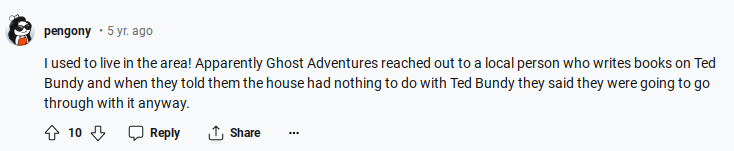
According to Redditor ‘OatyBisc,’ ‘I grew up in Bountiful (I even went to Viewmont HS where the abduction happened!) and this house has nothing to do with Ted Bundy other than proximity. I was excited to see an episode from my hometown but there were so many inaccuracies it drove me crazy! Debbie Kent’s body was never found, but they did find a patella at a site where they found bones from other murder victims and a few years ago they verified it was hers through DNA. This was maybe 20 miles or so from Bountiful, not 100 miles. Her headstone is in the city cemetery, but her body is not there. When she disappeared this house was occupied. It only looks bad now. I drive past it occasionally and it’s pretty worn and clearly burnt on the North end, but the fire was much later. It’s a spooky looking house and they have ghost tours there occasionally, but the Ted Bundy angle is a stretch.’ In addition to this, a Redditor going by the handle ‘pengony’ pointed out that when Bagans was told by locals that the house was completely unrelated to Bundy he told them that he didn’t care and was going to film there anyway.
Just as a side note, the episodes IMDB page gives a completely different narrative and outright fabrication of the truth: ‘Zak and the crew investigate an abandoned house in Bountiful, Utah, where locals claim notorious serial killer Ted Bundy murdered one of his victims. Overloaded with satanic rituals and violence, the home is drenched in a dark, sinister energy.’
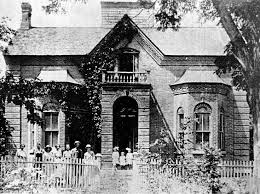
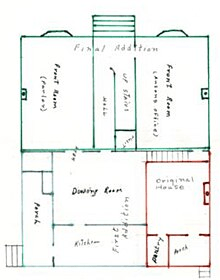
Now… this isn’t just some old, dilapidated house with a possible (but, not really) link to Ted Bundy: referred to as the ‘Anson Call House,’ the residence was built by a pioneer of the Mormon faith (Anson Call, obviously) in the early days of Bountiful when it was known as Session’s Settlement (or North Canyon). The building, which began as a one-room cabin, was initially constructed in 1855 and the first additions to the home were made two years later when a dining room and kitchen area were built as well as a basement. Over the years a second floor was added, and it eventually turned into the structure you see today (or, before it blew up).
Interestingly enough though, Ted Bundy isn’t the house’s only murderous link: In Adam Call-Roberts blog post titled, ‘Mary & Anson Call: Hosts to a Killer,’ in October of 1857, Anson and Mary Call hosted then Utah Congressman John Doyle Lee overnight, blissfully unaware that just one month prior their guest participated in the ‘Mountain Meadows massacre.’ In September 1857 an emigrant group from Arkansas known as the Baker–Fancher party set up camp in Utah’s Mountain Meadows, which was a staging area in the southern part of the state that was used to get ready for the long crossing of the Mojave Desert by groups that were going west to California.
In the early morning hours of September 7, 1857 a group of Paiute Indian and Mormon militia men that were dressed as Native Americans attacked the circled wagons without warning. The party fought off their aggressors the best they could and the conflict went on for four days; in the process fifteen emigrant men were killed either in battle or while attempting to escape. Congressman Lee didn’t get involved in the dispute until the third day, when he approached the wagon party and convinced them to surrender their possessions and weapons in return for safe passage to nearby Cedar City. The emigrants (who were low on ammunition and supplies) accepted his offer and surrendered, and it was then that roughly 120 people from the Baker–Fancher party were then slaughtered, leaving only 17 small children behind. In 1874, Lee was arrested for leading the massacre: his first trial ended with a hung jury and two years later a second one took place in which the prosecuting attorneys put the blame solely on his shoulders. He was convicted and sentenced to death. On March 23, 1877, Lee was executed by firing squad at the very site of the massacre that took place twenty years before.
In conclusion, there’s a lot of different videos and podcasts on this residence, but one thing is for certain: Ted Bundy had absolutely nothing to do with this house.
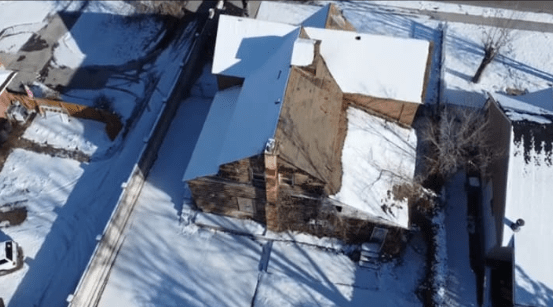
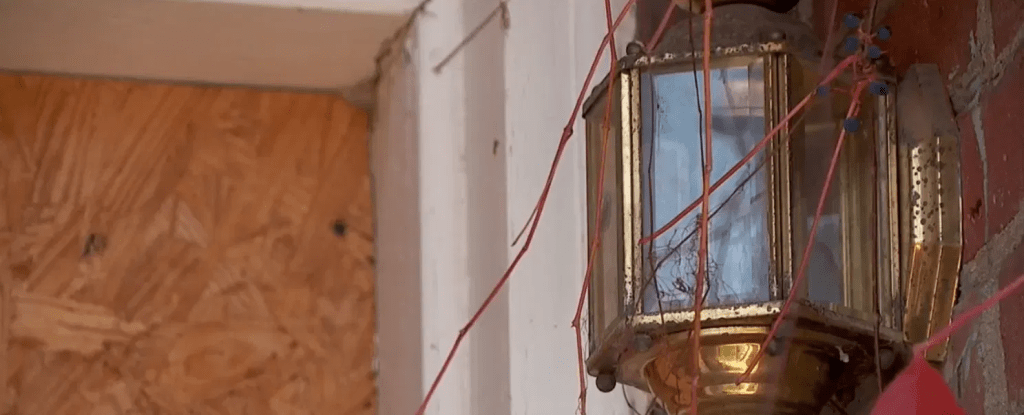
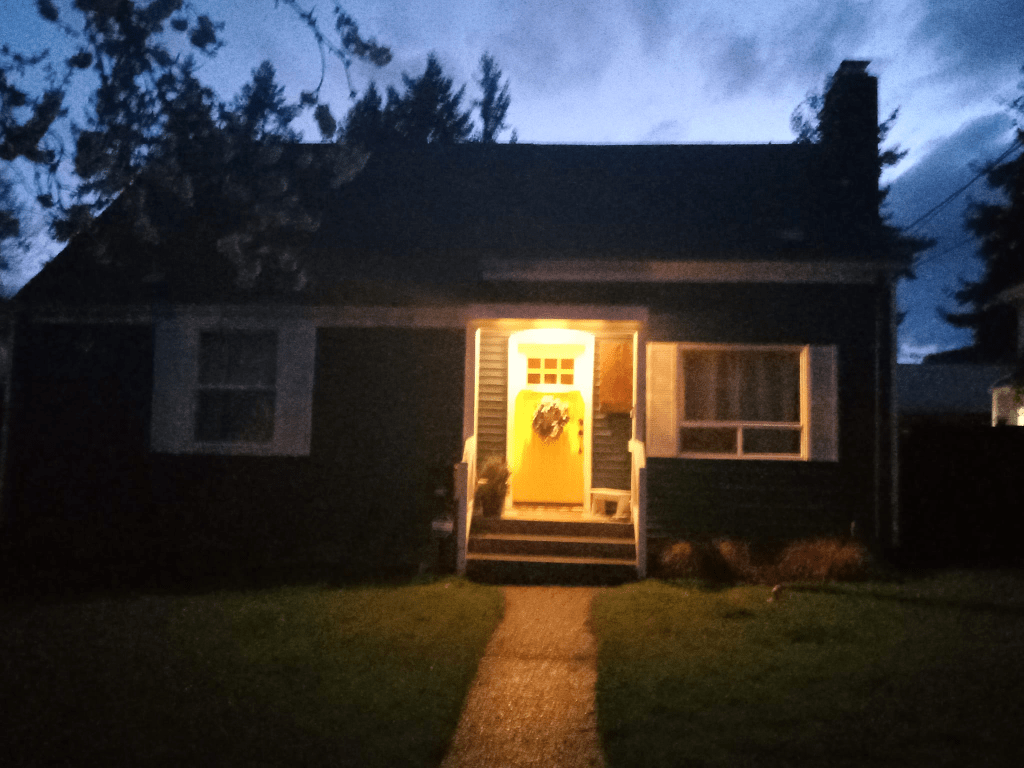
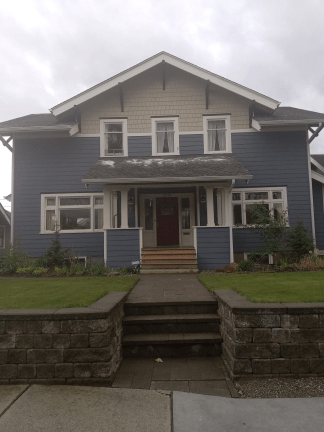
A picture of the Anson Call House taken around 1920 with attached ‘milk diet’ sanitarium on the south side of the residence. Photo courtesy of Lewis and Jean Call.The Anson Call house around 1940 after the Sardoni remodel. Photo courtesy of Lewis and Jean Call.Another shot of the Anson Call House, showing the southeast corner. An older shot of the Anson Call House before the fire.The front of Anson Call home showing picket fence and old enclosed brick entrance and balcony.A side view of the house after the 1997 fire.The Anson Call House as it looks today.The entrance to those house, notice the ‘private property’ signs posted everywhere. Photo courtesy of news3lv.com.The side of the Anson Call House in its more recent years. Photo courtesy of The Travel Channel.An aerial view of the Anson Call House. Photo courtesy of The Travel Channel.The houses front porch light. Photo courtesy of news3lv.com. A drawing of the layout of the first floor of the Anson Call House. Photo courtesy of Lewis and Jean Call.The back entrance to the house as it looks today.The best screenshot I could get of the no trespassing sign on the Anson Call House. Screenshot courtesy of YouTube Channel ‘Lazarus Unknown.’Zak Bagans standing in the kitchen of the Anson Call House. Screenshot courtesy of The Travel Channel.A recent view of the kitchen in the Anson Call House. Screenshot courtesy of YouTube Channel ‘Lazarus Unknown.’Another shot of the kitchen in the Anson Call House. Screenshot courtesy of YouTube Channel ‘Lazarus Unknown.’Another shot of the kitchen in the Anson Call House. Screenshot courtesy of YouTube Channel ‘Lazarus Unknown.’A pentagram drawn on the living room floor of the Anson Call House. Screenshot courtesy of The Travel Channel.Some satanic drawings on the first floor walls in the Anson Call House. The GA team used UV flashlights to capture ‘hidden’ messages drawn on the walls of the Anson Call House. Screenshot courtesy of The Travel Channel.Some satanic drawings on the first floor walls in the Anson Call House. Screenshot courtesy of The Travel Channel.One of the living rooms in the duplex in the Anson Call House as it looks today. Screenshot courtesy of YouTube Channel ‘Lazarus Unknown.’Another shot of one of the living rooms in the duplex in the Anson Call House as it looks today. Screenshot courtesy of YouTube Channel ‘Lazarus Unknown.’Another shot of some ‘hidden’ messages drawn on the walls of the Anson Call House. Screenshot courtesy of The Travel Channel.Some more ‘hidden’ messages drawn on the walls of the Anson Call House. Screenshot courtesy of The Travel Channel.Some spray painted artwork on the wall in the Anson Call House. Screenshot courtesy of YouTube Channel ‘Lazarus Unknown.’A bedroom in the Anson Call House as it looks today. Screenshot courtesy of YouTube Channel ‘Lazarus Unknown.’A comment on a Reddit post about the TB Ritual House from the user ‘penogy.’ A comment on a Reddit post about the TB Ritual House from the user ‘Coleyb23.’ A comment on a Reddit post about the TB Ritual House from the user ‘lordglo.’ Deb Kent.Deb Kent’s patella, which remained unidentified until 2015. Photo courtesy of Tiffany Jean.Viewmont High School, located at 120 West 1000 North in Bountiful, UT. Photo taken in November 2022.The parking lot at Viewmont High School where Deb Kent was abducted from.A possible route from the Anson Call House to Viewmont High School in Bountiful, Utah.Anson and Mary Call.A picture of John D. Lee taken in December 1857. Photo courtesy of Adam Call Roberts.A picture of Congressman Lee just prior to his execution sitting next to his own coffin; how dark but appropriate for what he did.
I always knew John Wayne Gacy created artwork while in prison but I didn’t know Bundy did as well. Referred to as ‘the Ted Bundy Drawings,’ these five pieces of artwork were supposedly sketched by the killer himself, and it’s strongly speculated they depicted images that utilized metaphors as well as allusions and weren’t of his victims. They offer no explanation for his crimes against humanity, but do share some general, very loose commonalities, such as dark and intense eyes, over-exaggerated mouths, and a consistent ‘phallic’ type of shape.
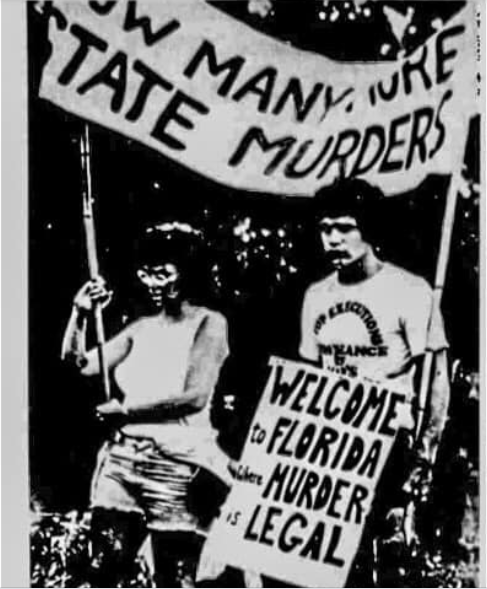
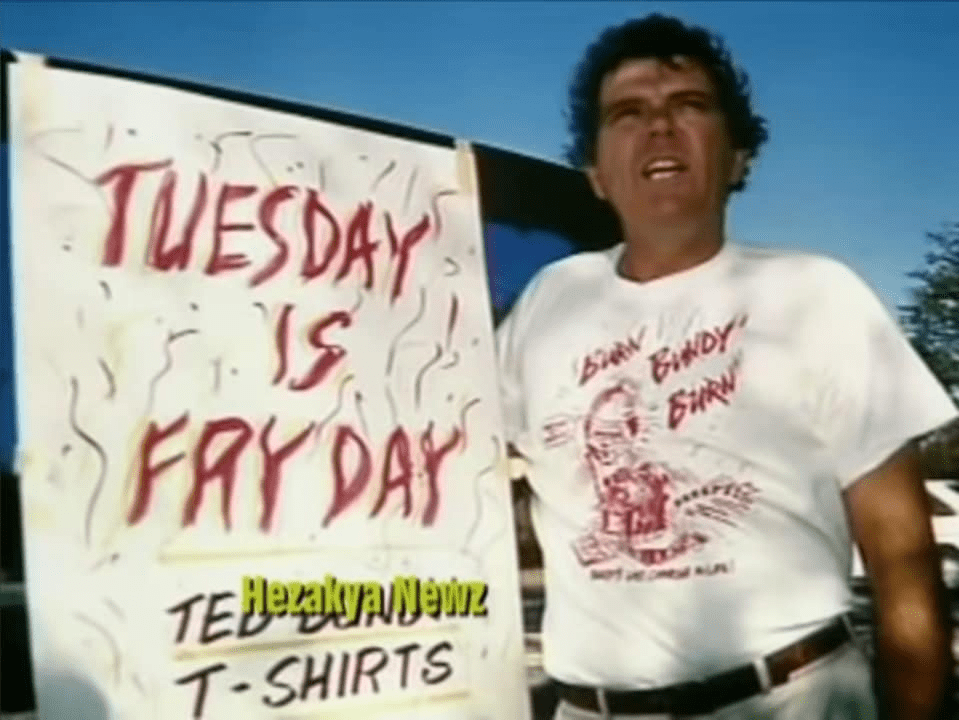
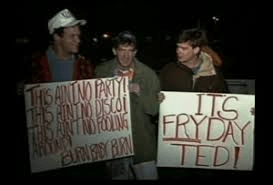
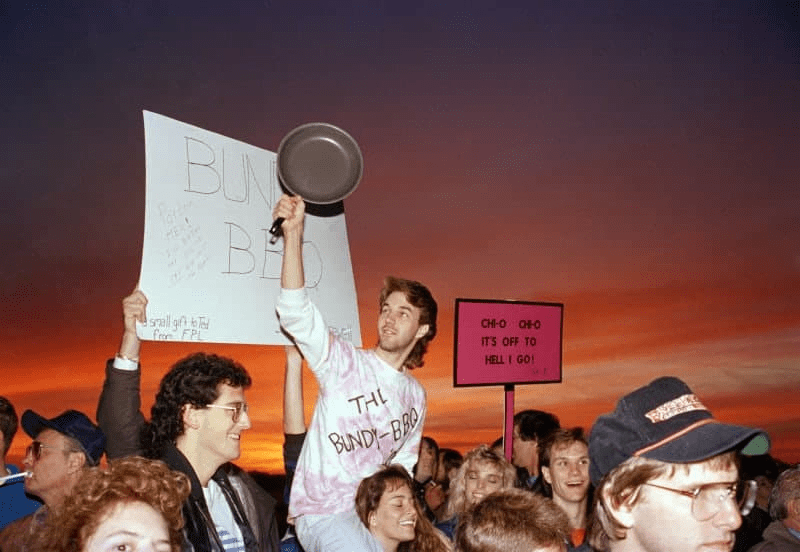
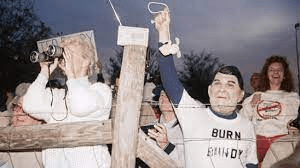
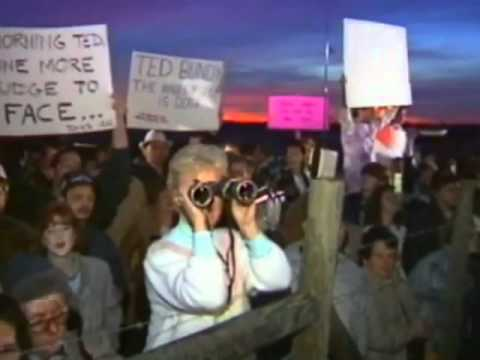
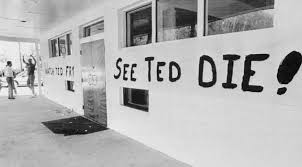
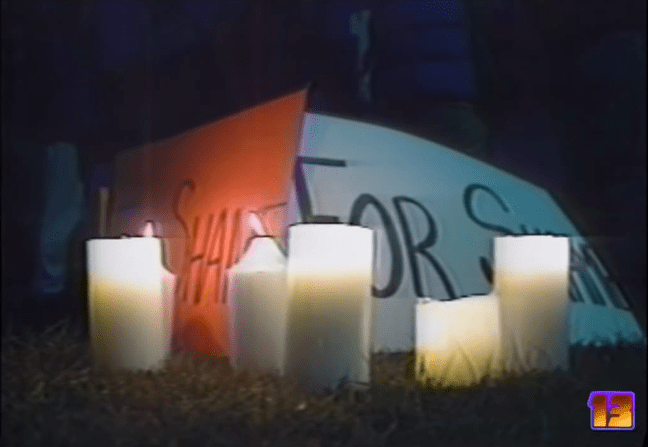
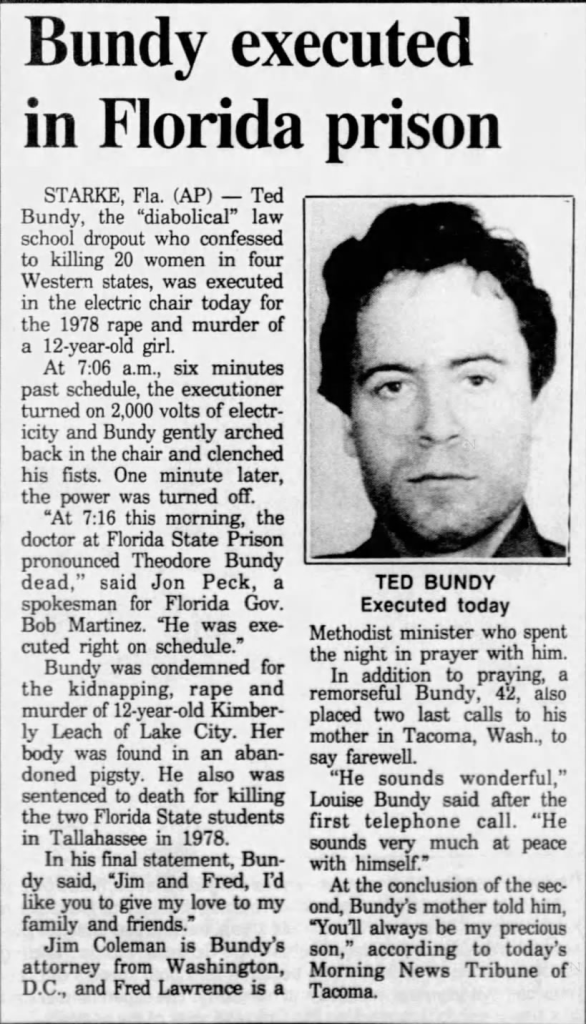
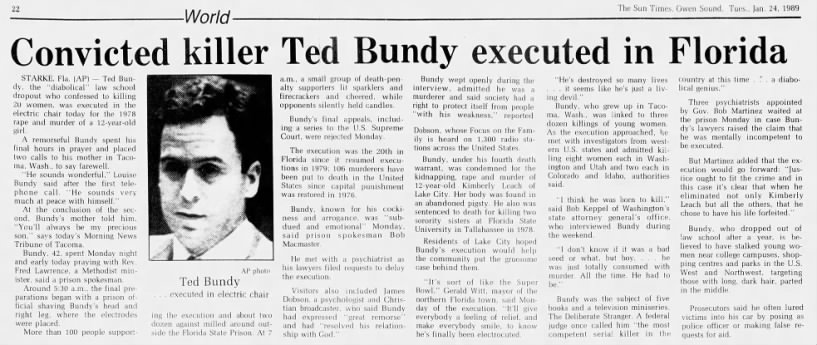
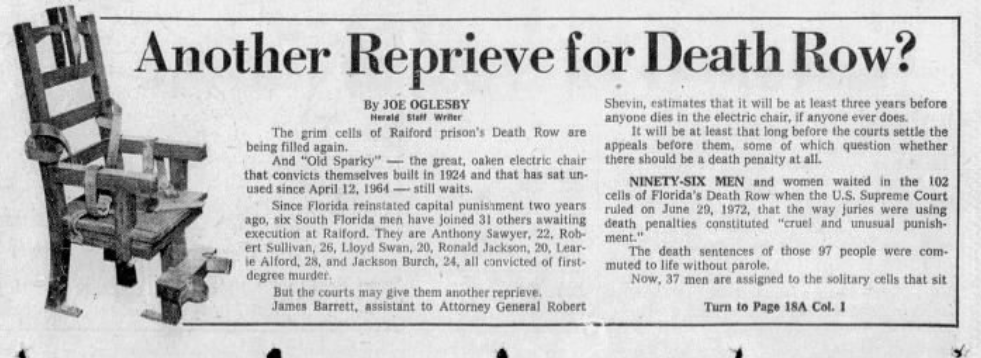
Theodore Robert Bundy was executed in Florida’s Prison’s electric chair on January 24, 1989 after brutally raping and killing dozens of young women between 1974 and 1978 (most likely earlier than that). The infamous serial killer was sentenced to capital punishment after brutally killing three young women in Florida (and countless others across the Pacific Northwest) and had been given the death penalty three times before he was finally killed. Bundy sat on death row for almost a decade when he was finally executed at 7:16 AM EST, and the event became a celebration of sorts for Floridians. On January 23, as the condemned man was spilling his guts in a last ditch effort to push off his execution, a crowd of almost 500 gathered outside the Florida Prison chanting phrases such as ‘die, Bundy, die’ and ‘burn Bundy, burn,’ drinking drank beer and holding signs that read ‘watch Ted fry, see Ted die!’ But not everyone was excited, there was also a small group of anti-death penalty protesters that didn’t want to see the event take place.
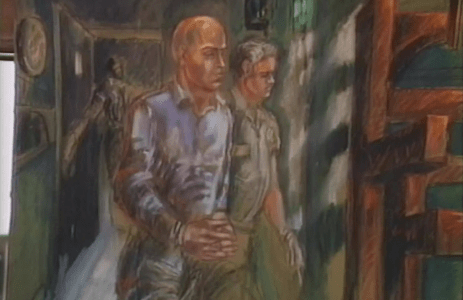
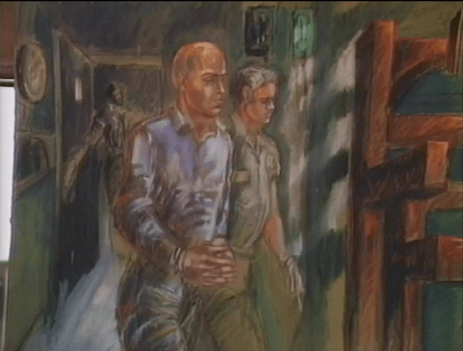
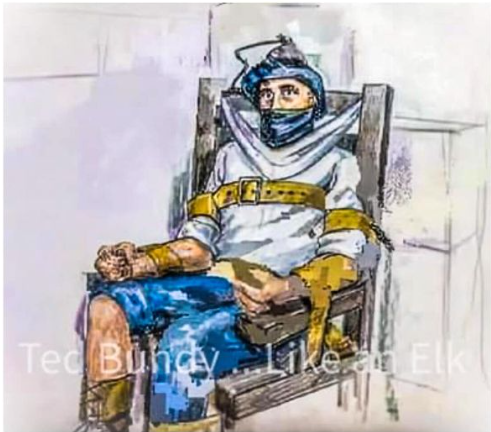
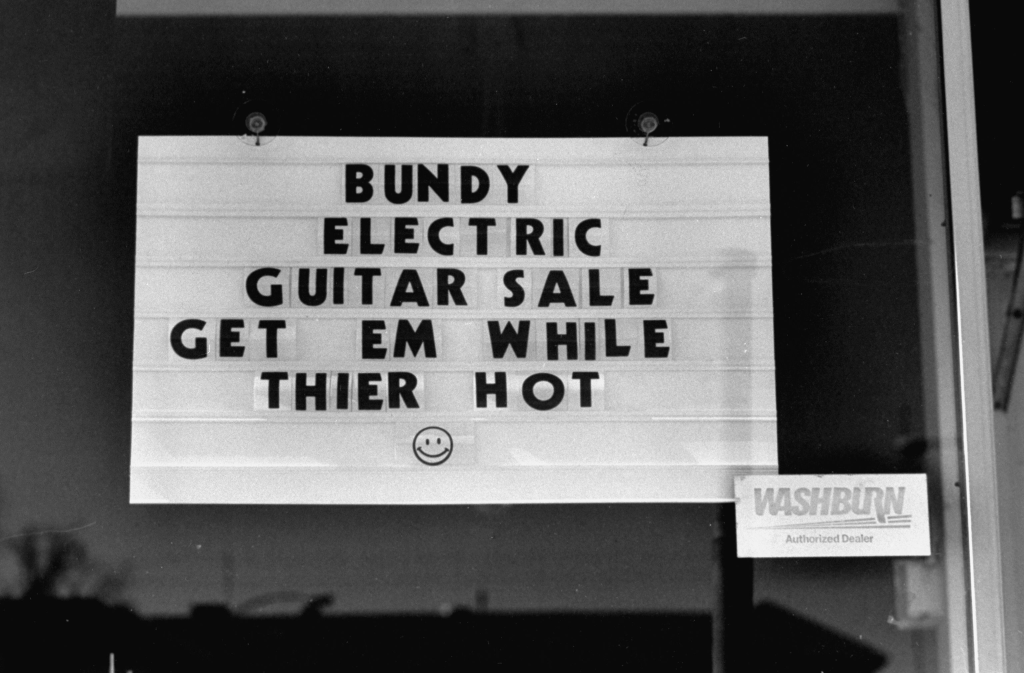
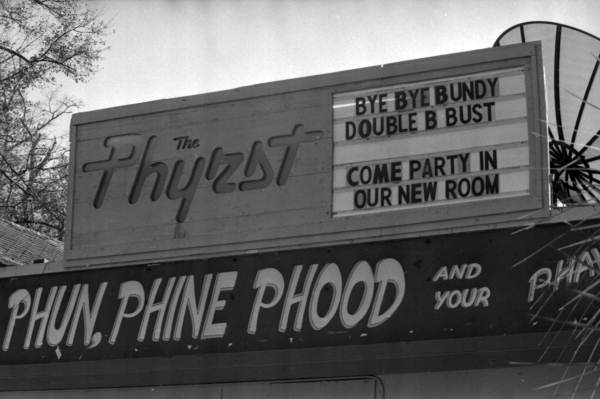
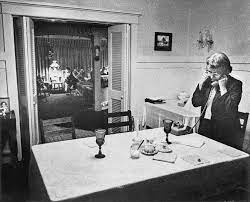
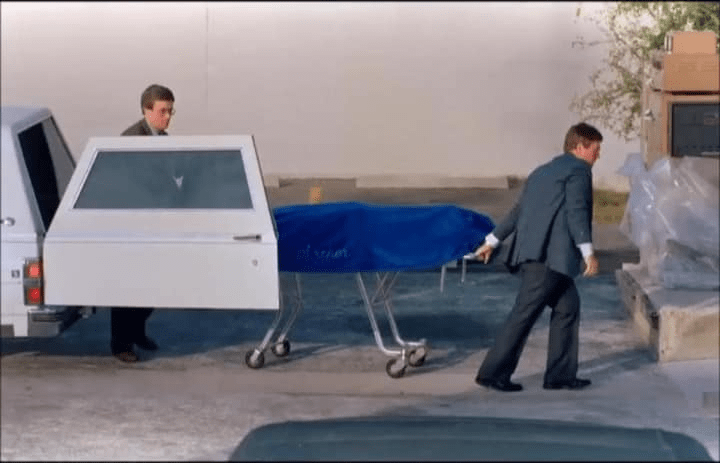
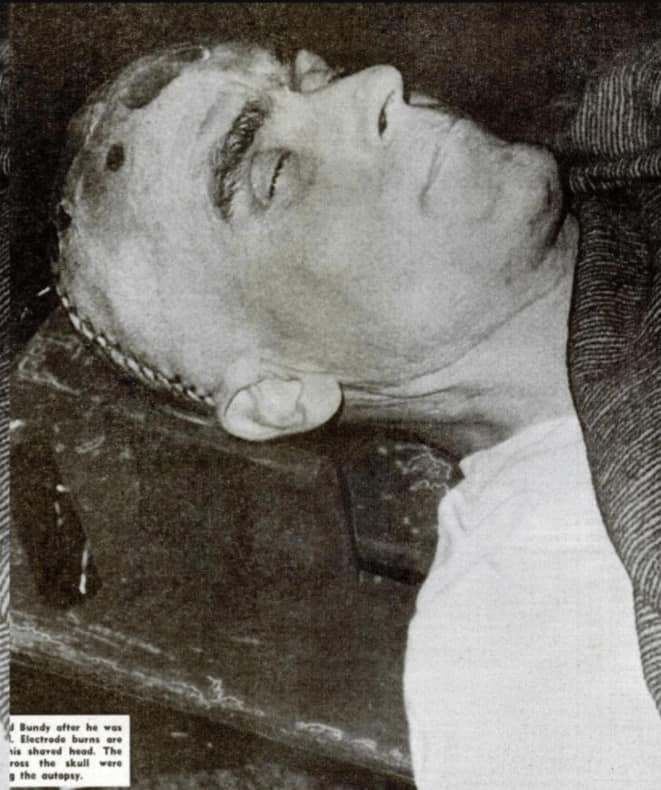
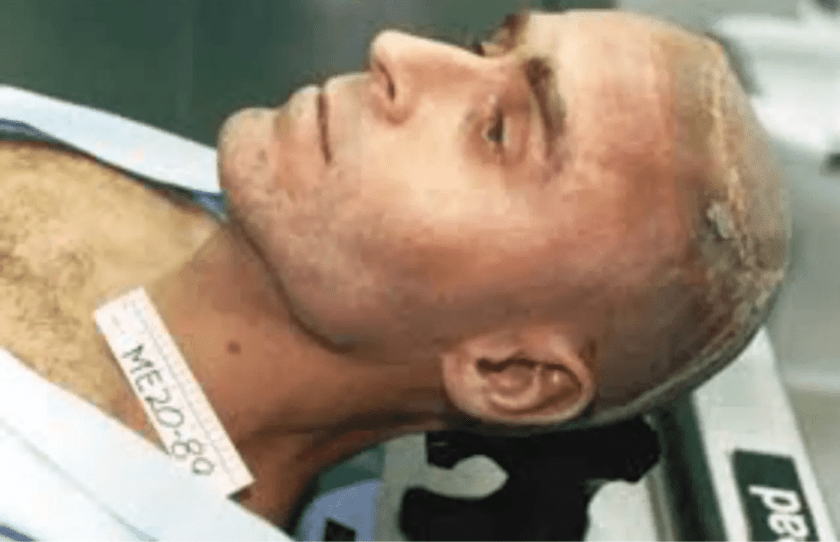
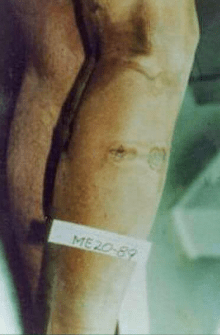
Bundy in prison with some of his fellow inmates. Photo courtesy of Supernaught.Ol’ Sparky, the electric chair at Florida State Prison. Bundy peering out from behind the bars at Florida State before he was executed. Photo courtesy of Hezakya News.A drawing of Bundy walking to the execution chair. A drawing of Bundy on his way to the execution chair. A drawing of Bundy in the execution chair. Photo courtesy of ‘Ted Bundy: I was Trying to Think like an Elk.’ A drawing of Ted sitting in the electric chair.A picture from a Florida newspaper after Bundy was executed.The crowd outside of Florida State Prison before Bundy’s execution in the early morning hours of January 24, 1989. Photo courtesy of Fox 13 News.The crowd outside of Florida State Prison before Bundy’s execution in the early morning hours of January 24, 1989. Photo courtesy of Fox 13 News.News crews gathering outside of Florida State Prison before Bundy’s execution in the early morning hours of January 24, 1989. Photo courtesy of Hezakya News.A gentleman wearing a ‘Burn Bundy, Burn’ t-shirt outside Florida State Prison before Bundy was executed. Photo courtesy of Hezakya News.A picture taken the morning of Bundy’s execution.A picture taken the morning of Bundy’s execution.A picture taken the morning of Bundy’s execution.A picture taken the morning of Bundy’s execution.A picture taken the morning of Bundy’s execution outside Florida State Prison.A sign someone was holding outside Florida State Prison before Bundy was executed. Photo courtesy of Fox 13 News.A sign someone was holding outside Florida State Prison before Bundy was executed. Photo courtesy of Fox 13 News.A sign someone was holding outside Florida State Prison before Bundy was executed. A picture taken before Bundy’s execution.Some pro-death penalty demonstrators standing outside of Florida State Prison the morning of Ted’s execution.Some anti-death penalty protesters standing outside of Florida State Prison the morning of Ted’s execution.Some anti-death penalty protesters standing outside of Florida State Prison the morning of Ted’s execution.A sign hung in the window of a Florida musical instrument store the morning of Bundy’s execution.A sign hung in the window of The Phyrst, a bar in Florida on the morning of Bundy’s execution. Mrs. Bundy talking on the phone the morning of Ted’s execution. The hearse pulling out of Florida State Prison carrying Bundy’s remains after he was executed.The hearse driving Ted’s remains to the ME’s office after he was executed.A photo of Ted arriving at the Medical Examiners office after his execution.A B&W of Bundy after his execution.A close-up B&W of Bundy after his execution.A picture of Bundy, post-mortem. Photo courtesy of the Florida state Department of Corrections.Bundy after his execution.The top of Bundy’s head after his execution.Bundy’s legs after his execution.An article written the day Bundy was executed published by The Greenwood Commonwealth on January 24, 1989.An article written the day Bundy was executed published by The Enterprise-Journal on January 24, 1989.An article written the day Bundy was executed published by The Elizabethton Star on January 24, 1989.An article written the day Bundy was executed published by The Sun Times on January 24, 1989.Bundys death certificate. A mock obituary for Ted Bundy created by ‘theodorerobertcowellnelsonbundy.wordpress.com.’ The description reads: ‘I thought he deserved a proper obituary, not some sensationalized news article about the monstrous serial killer celebrating his death.’ An interesting opinion piece Bryan Kohberger’s mother sent to a newspaper about Ted Bundy’s execution, published by The Daily News on February 16, 1989.
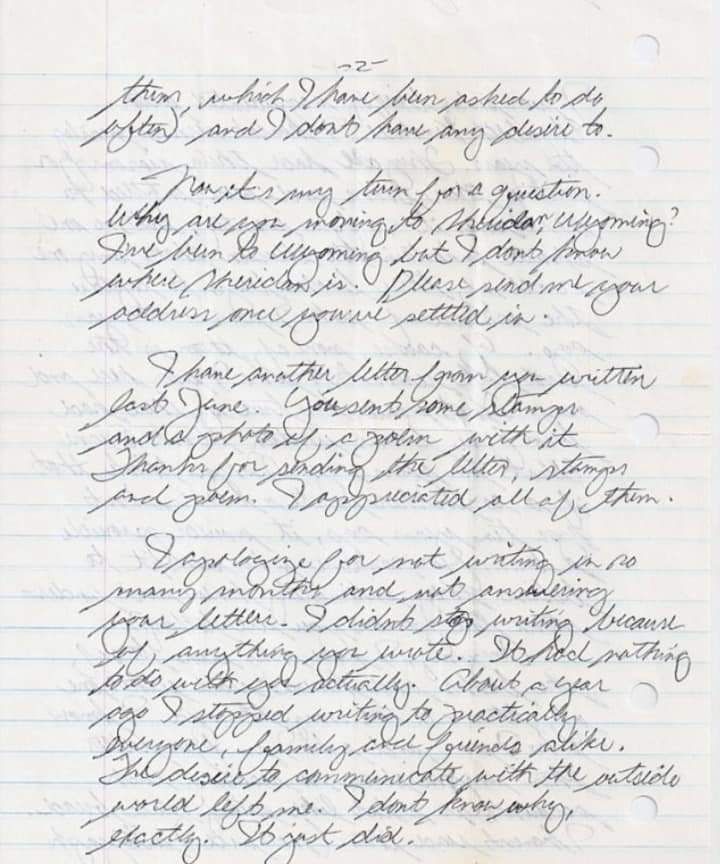
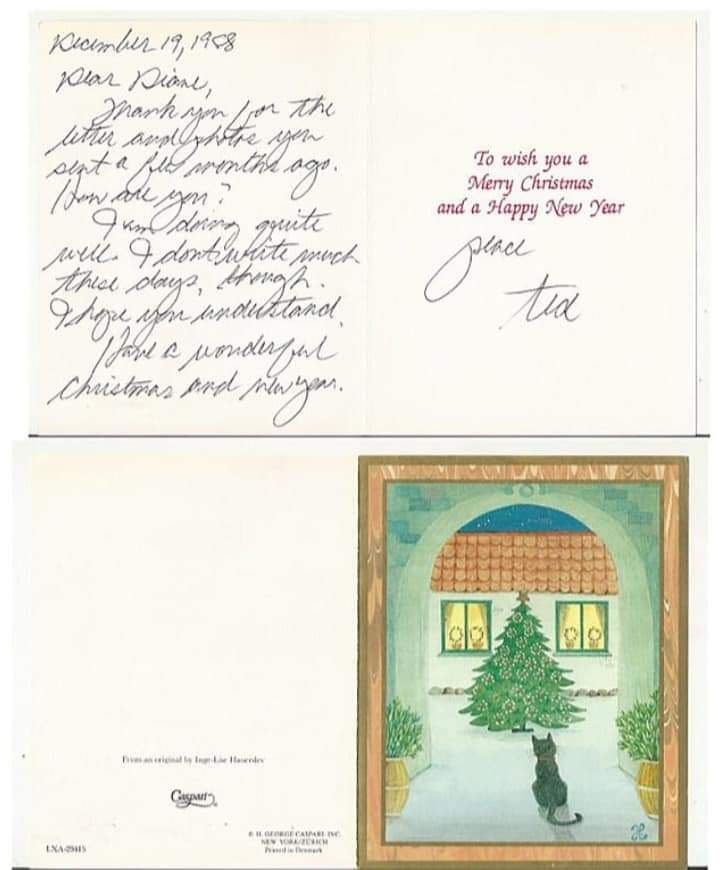
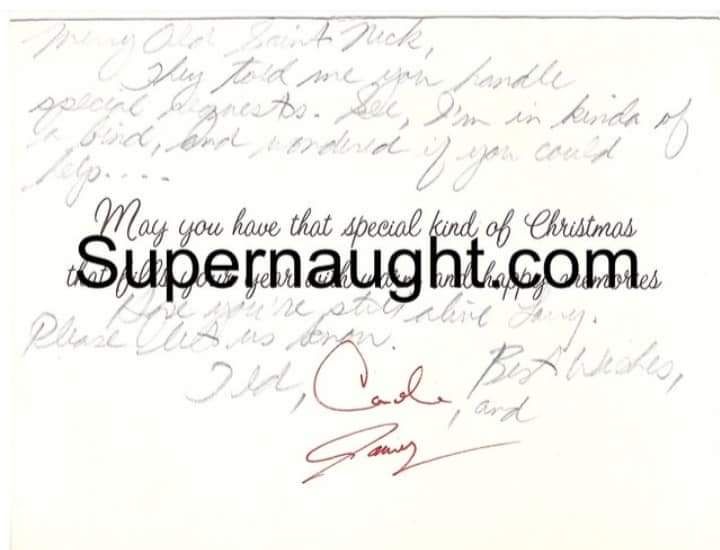
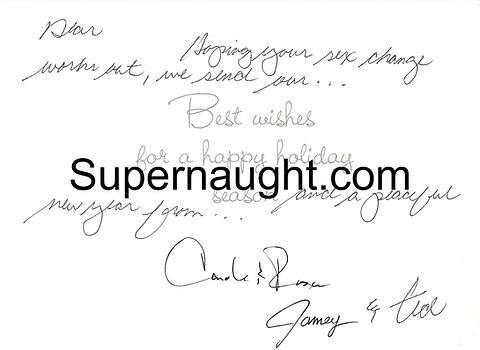
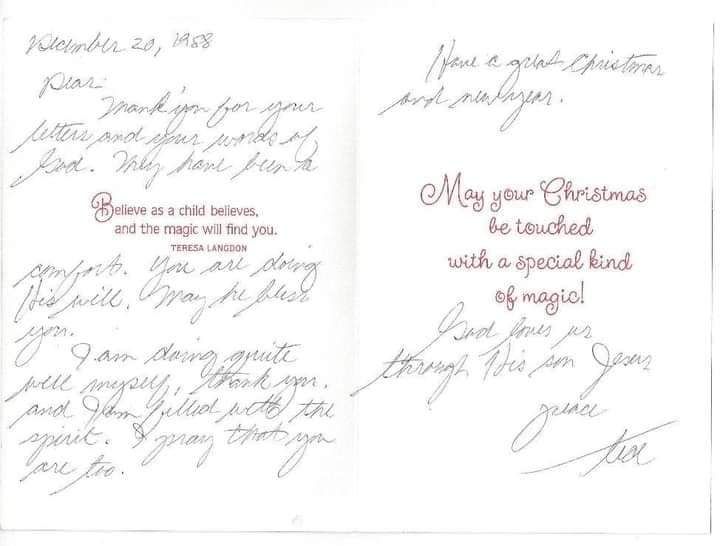
Bundy sent this Christmas card in 1985 from his time on death row while at Florida State Prison while awaiting execution for his long string of assaults and murders. Photo courtesy of The Daily Mail.In the card (which came with a letter) Bundy continued to deny his crimes but said photographs in books about them ‘brought back memories.’ Photo courtesy of The Daily Mail.Page two of the letter. Photo courtesy of The Daily Mail.Page three of the letter. Photo courtesy of The Daily Mail.The card was written to a pen pal of Bundy, who said looking at it was ‘chilling.’ Photo courtesy of The Daily Mail.In this card, Bundy speaks of his disdain for the many books written about him. Photo courtesy of The Daily Mail.An updated Christmas card signed from Bundy.The front of an envelope from a Christmas card from Carol Boone in 1980. Photo courtesy of Supernaught.The back of an envelope for a Christmas card from Carol Boone in 1980. Photo courtesy of Supernaught.The front of a Christmas card from Carol Boone in 1980. Photo courtesy of Supernaught.The inside of a Christmas card from Carol Ann Boone, Ted, and Jamey in 1980. Photo courtesy of Supernaught.The back of a Christmas card from Carol Boone in 1980. Photo courtesy of Supernaught.A Christmas letter to one time Bundy attorney Polly Nelson in 1987.Ted 1985 Christmas card. Photo courtesy of Supernaught.The envelope from a Christmas card sent from Bundy the December before he was executed in 1988.The front of a Christmas card sent from Bundy the December before he was executed in 1988.A Christmas card sent from Bundy the December before he was executed in 1988.
Over the years I’ve only come across a few pictures from Bundy’s crime scenes, for the simple fact that there’s not many of them. This is because he usually left little to no trace of himself behind, and there were no bodies recovered until they were completely decomposed (well, until the end in 1978). I came across a website last night on TikTok (as silly as that sounds), and it contained a bunch of pictures I’ve never seen before, I was pretty amazed. So, here they are. I also went through my own collection and found some additional crime-scene related pictures and included those as well. Because, why not? If anyone has more, please feel free out reach out to me. I will give you credit.
Edit: I wanted to thank Tiffany Jean for all of the hard work she does on the Bundy case. Because of her we have information never before accessible, and she is a wonderful educator and TB resource. Thank you for all that you do.
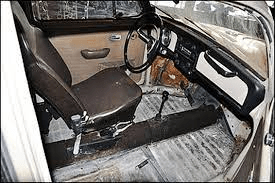
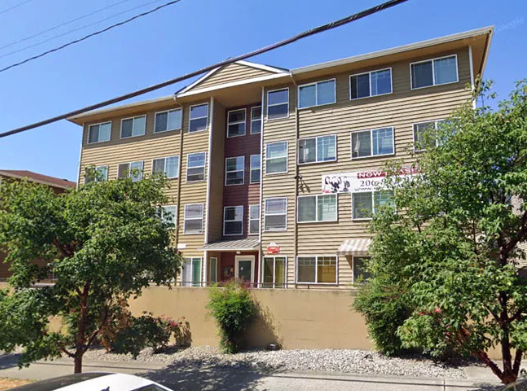
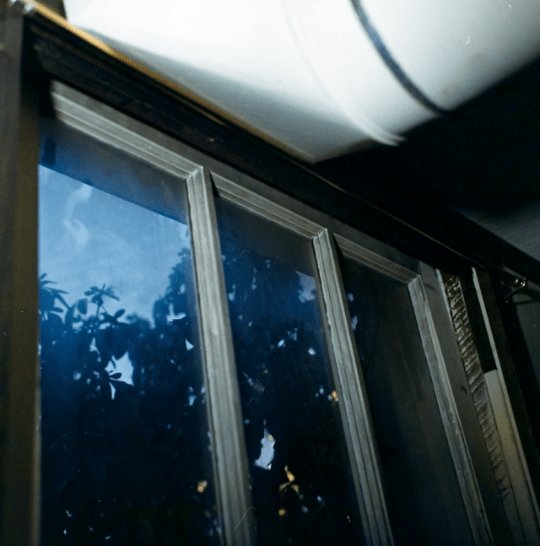
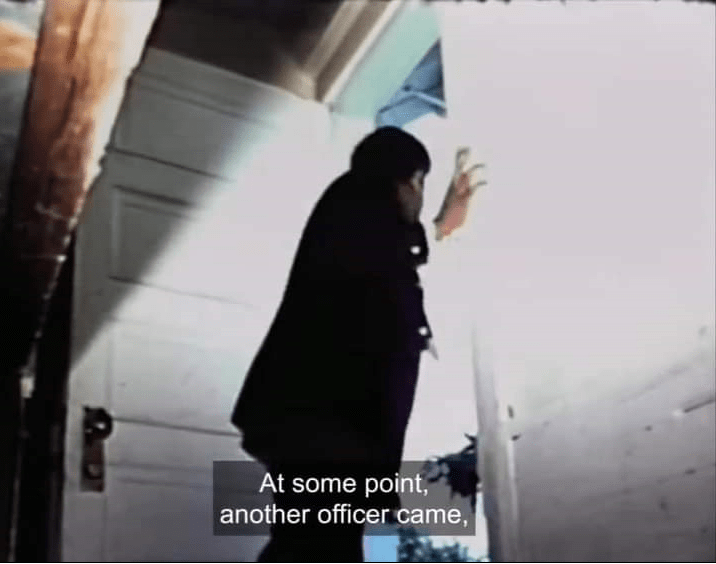
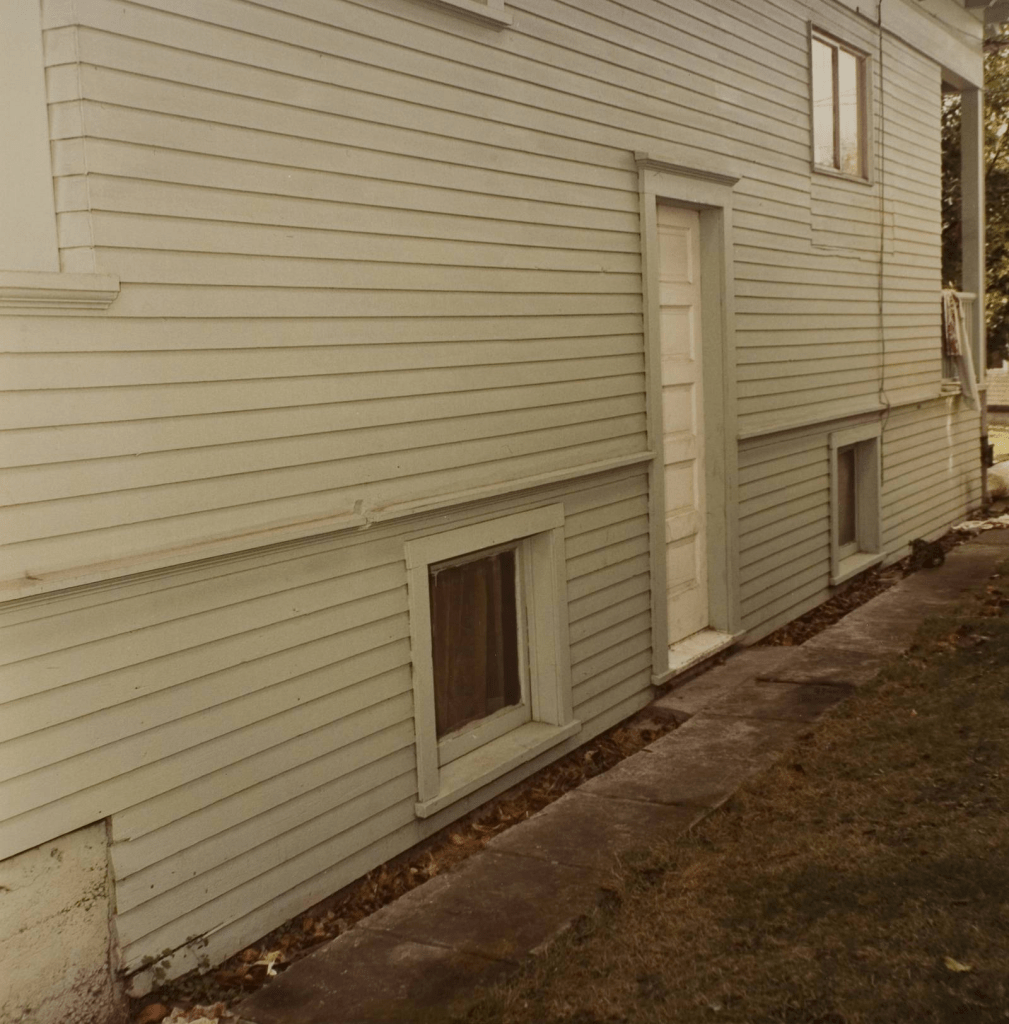
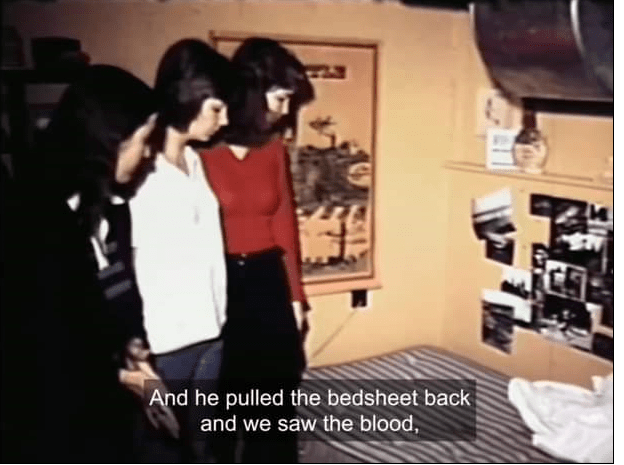
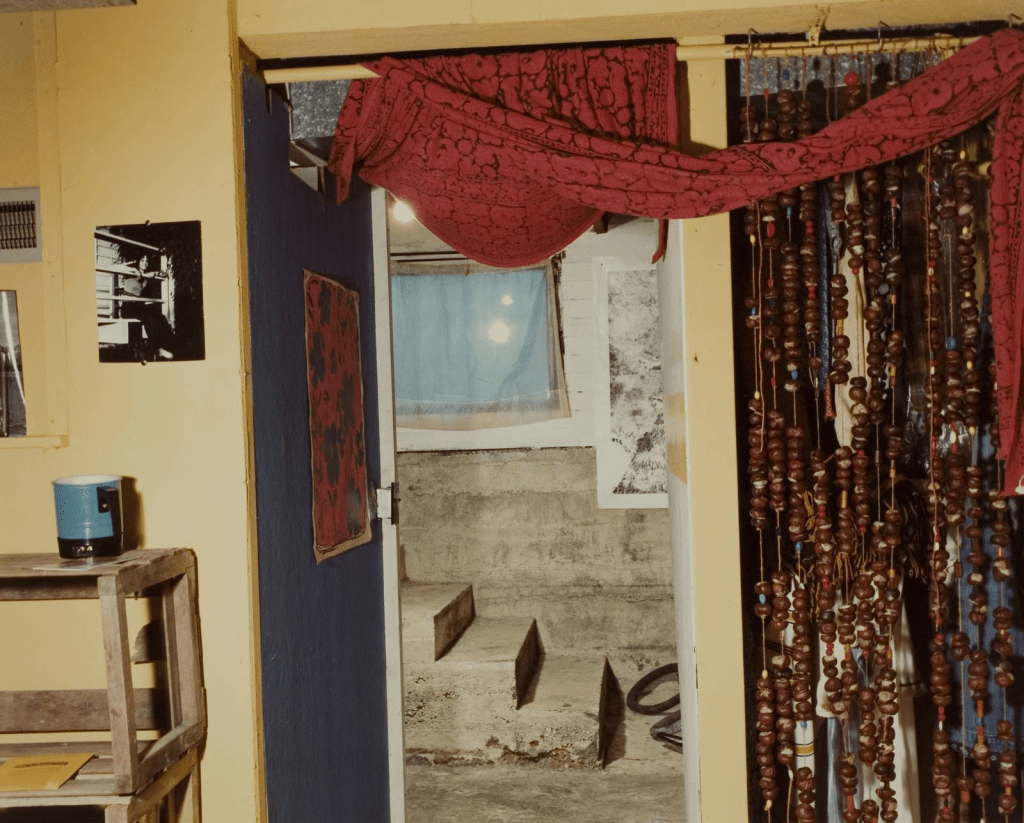
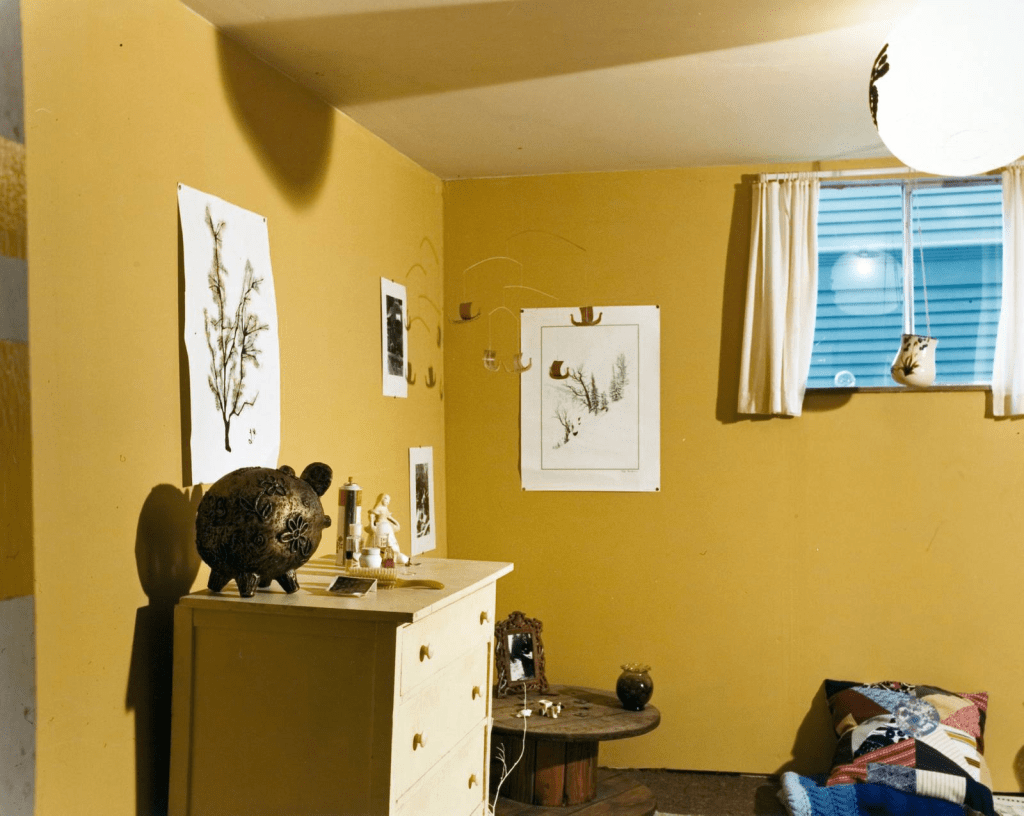
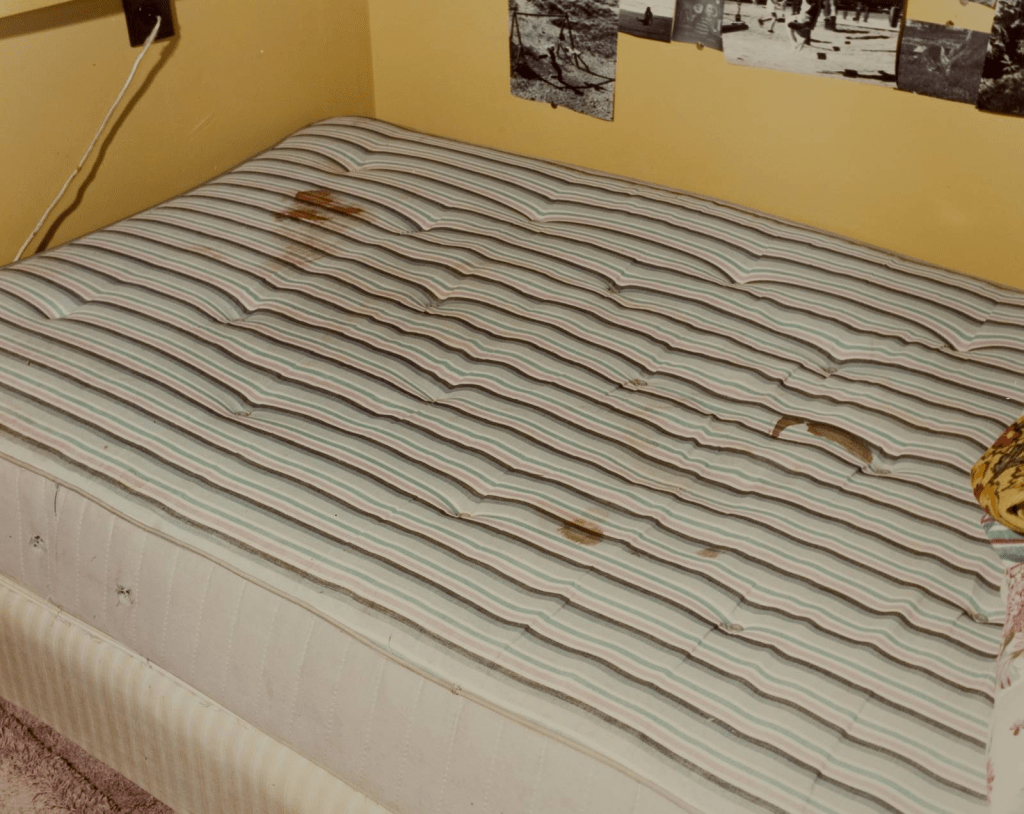
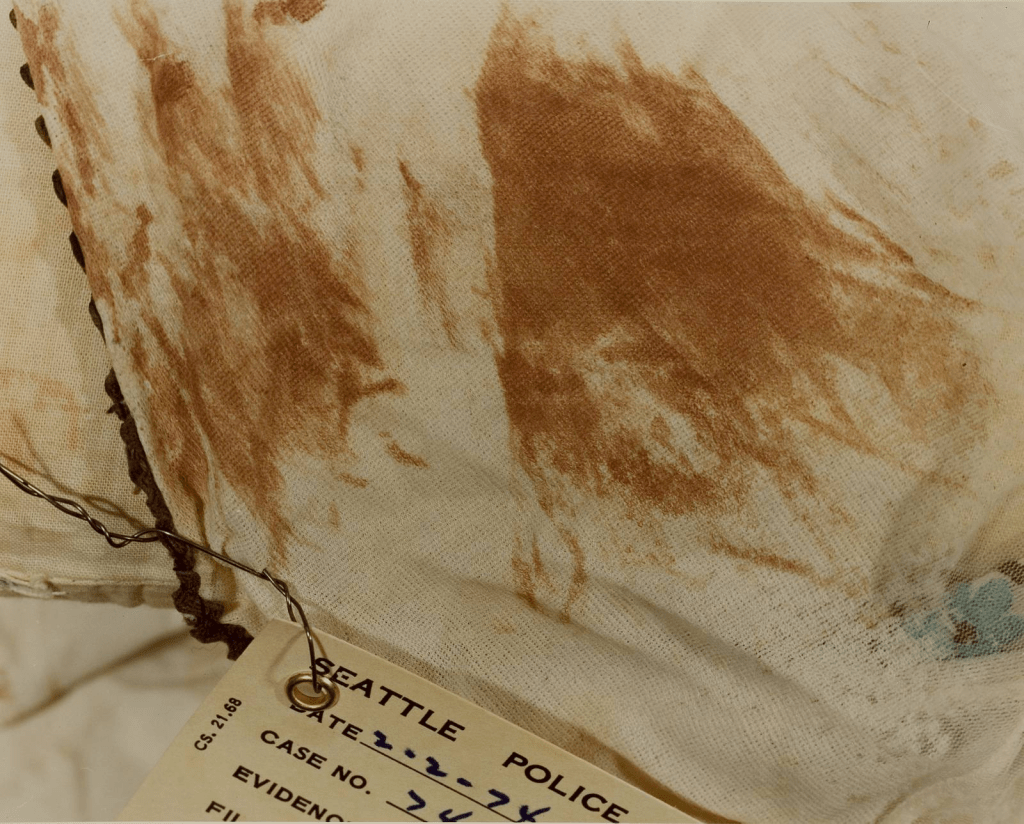
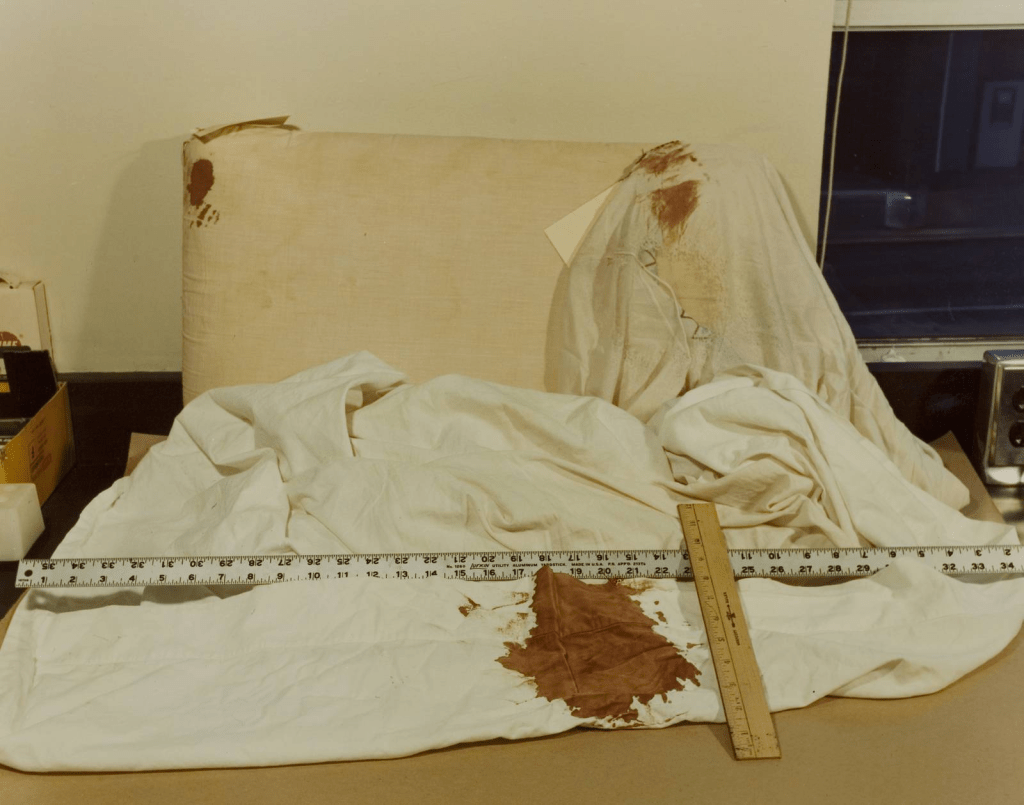
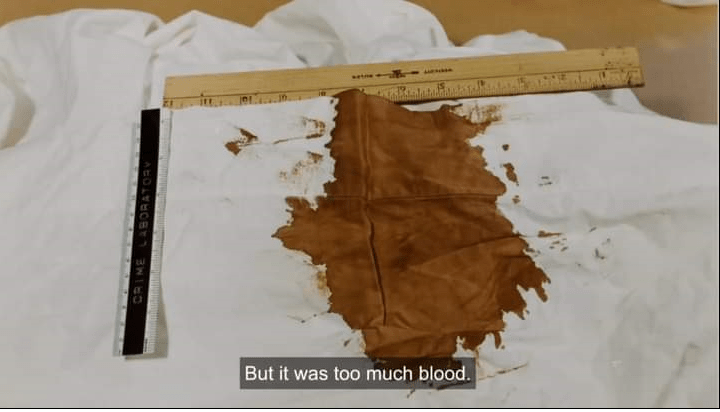
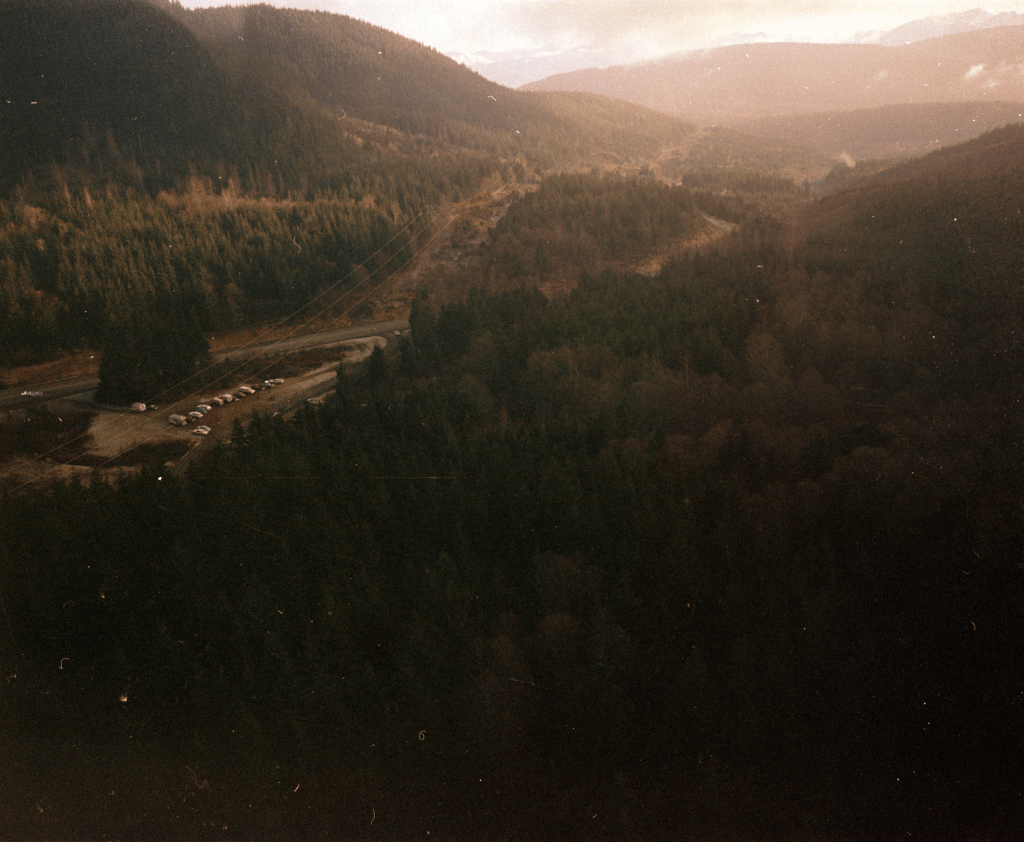
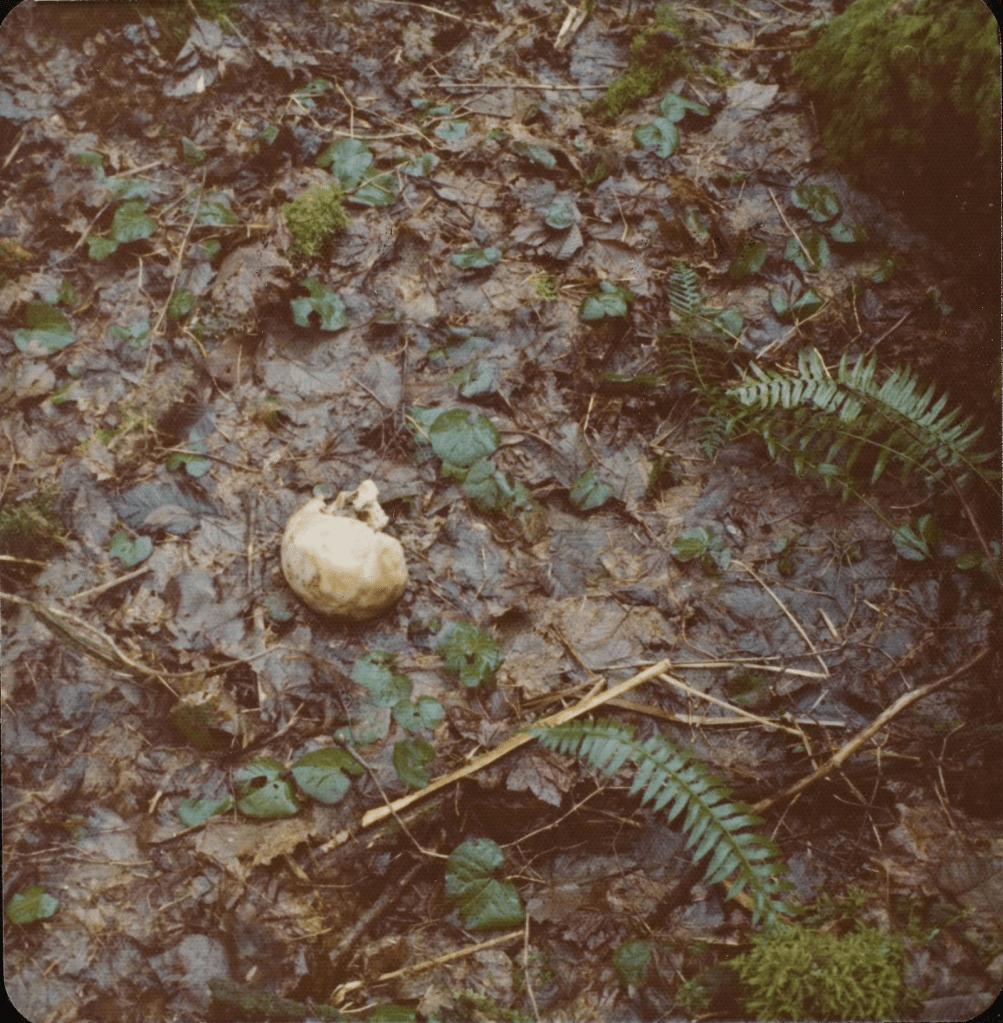
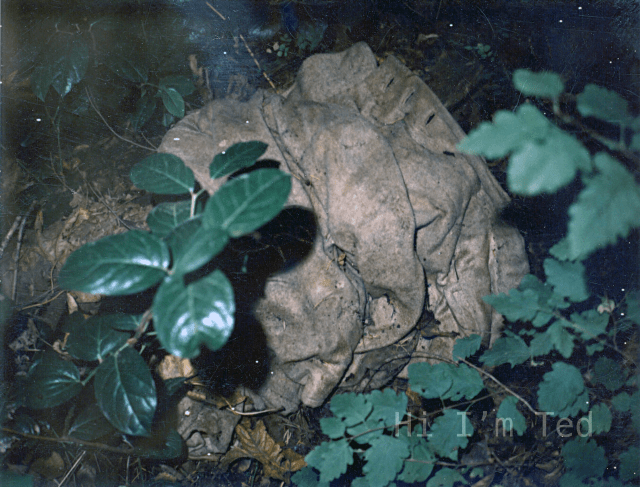
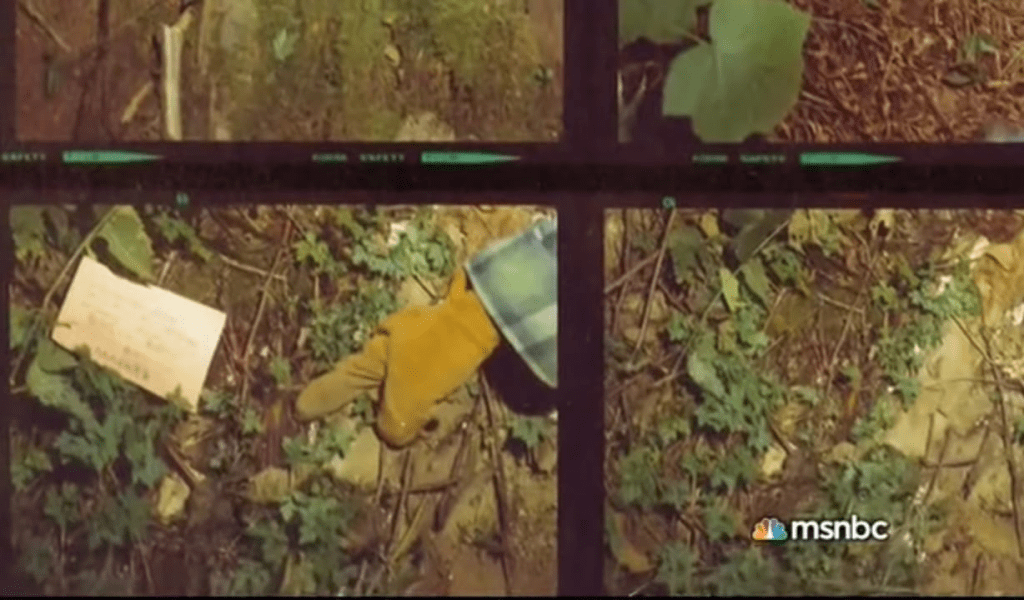
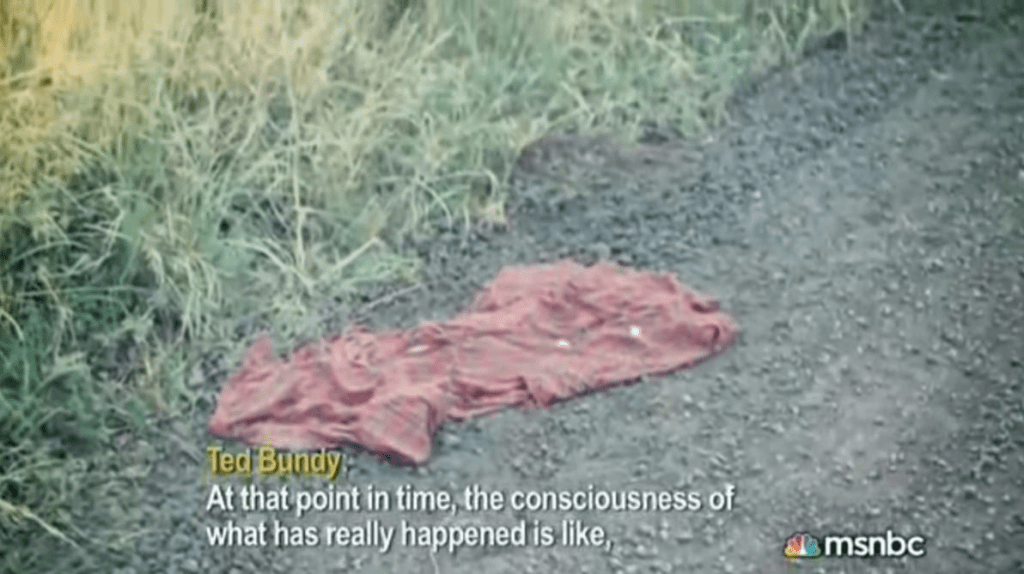
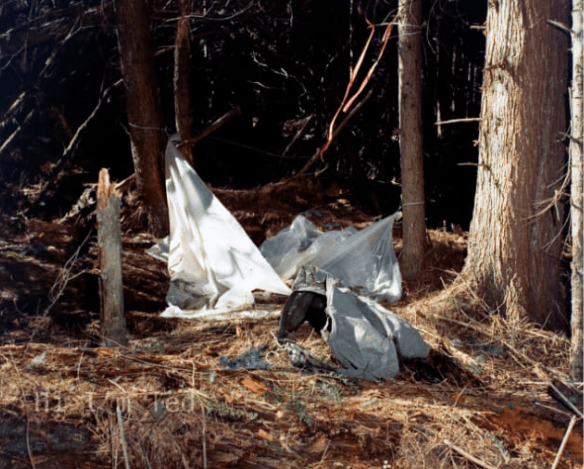
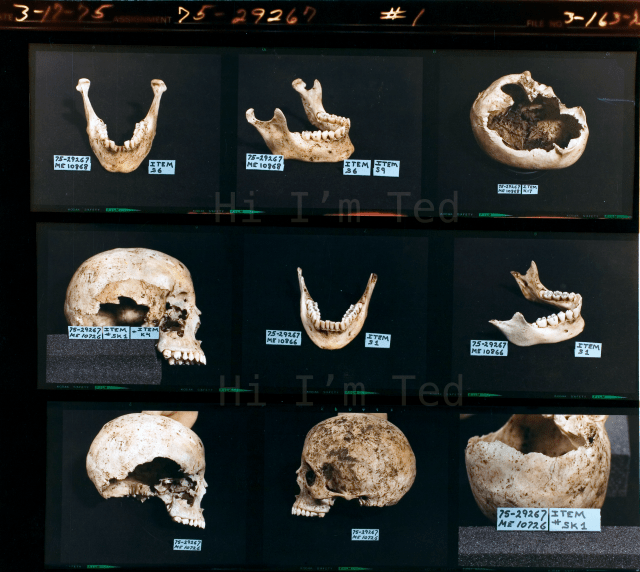
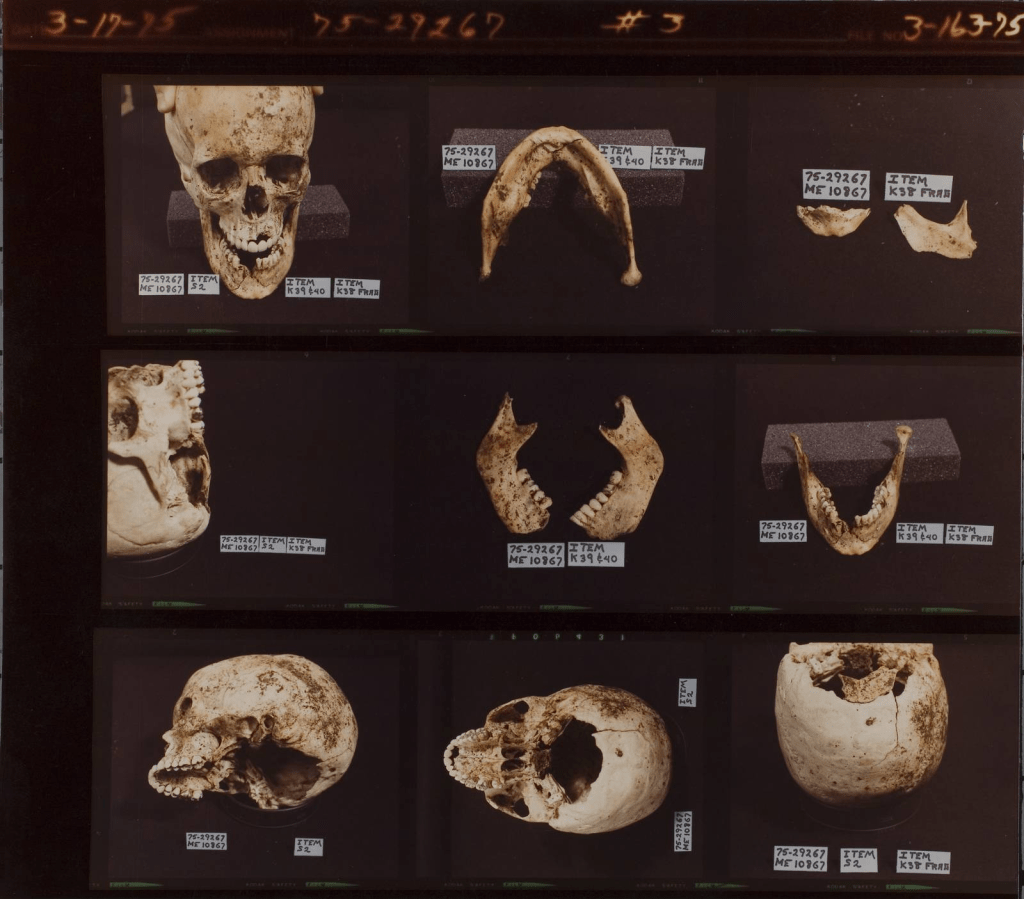
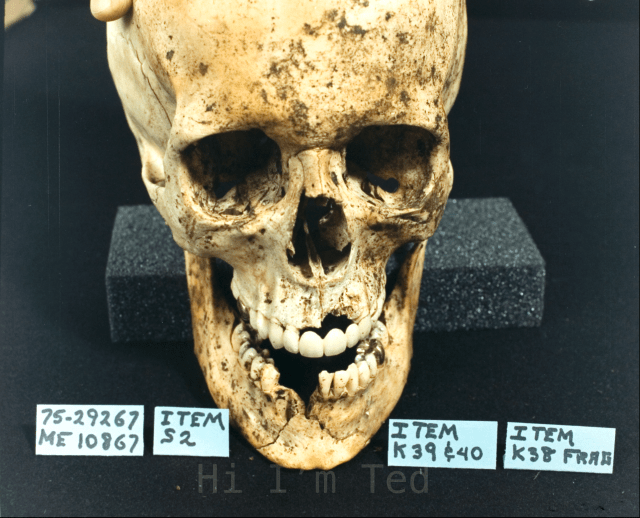
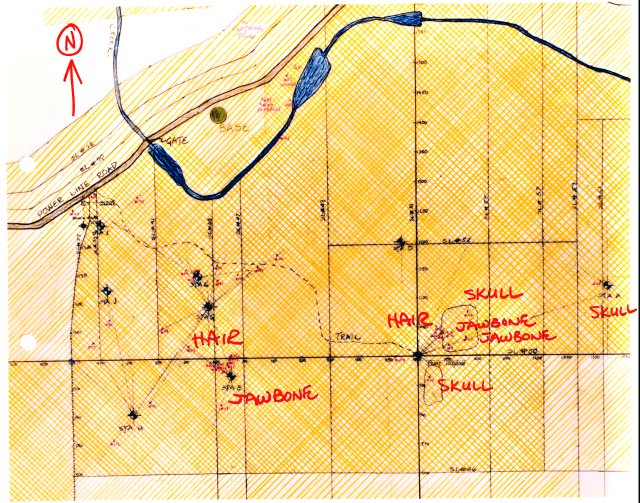
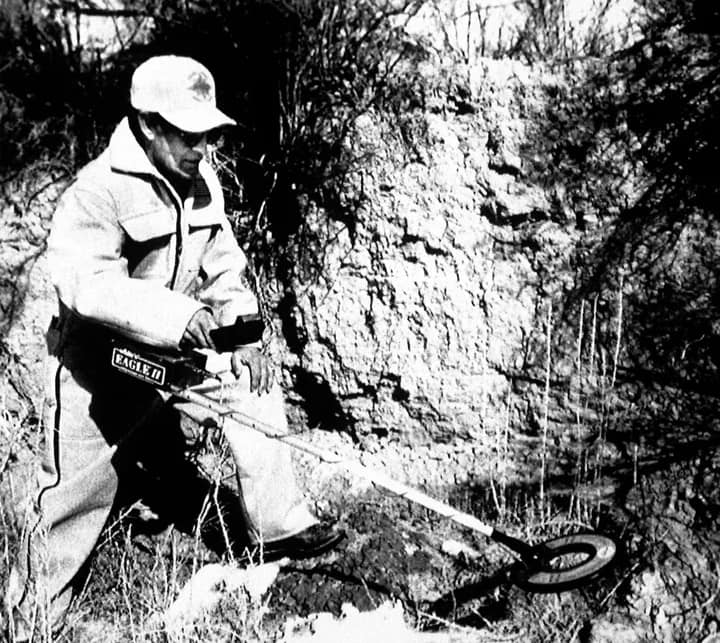
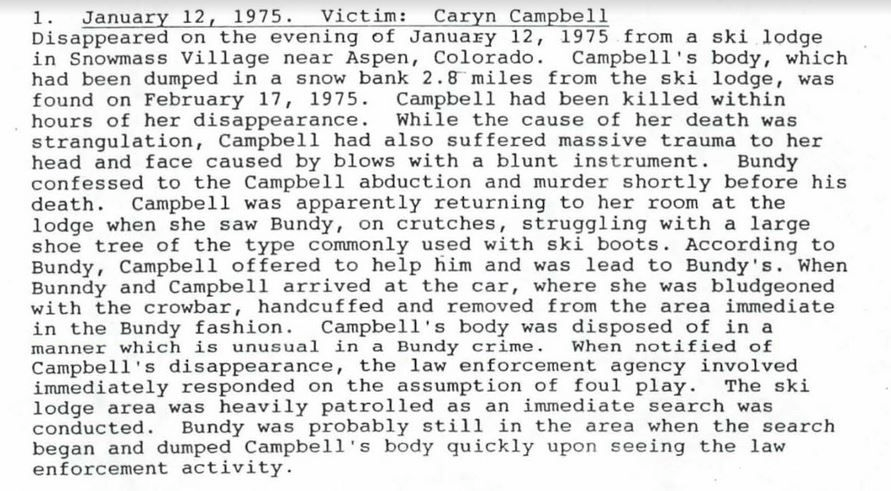
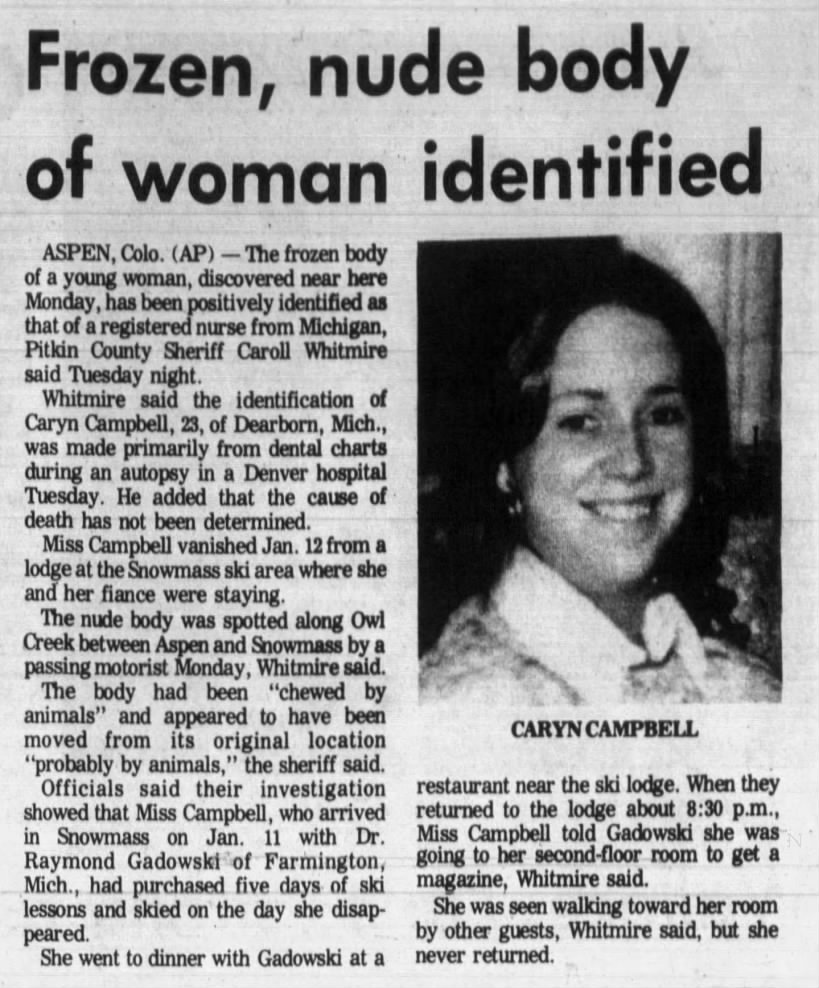
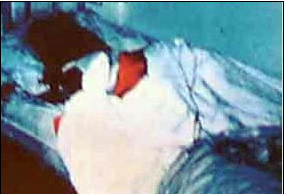
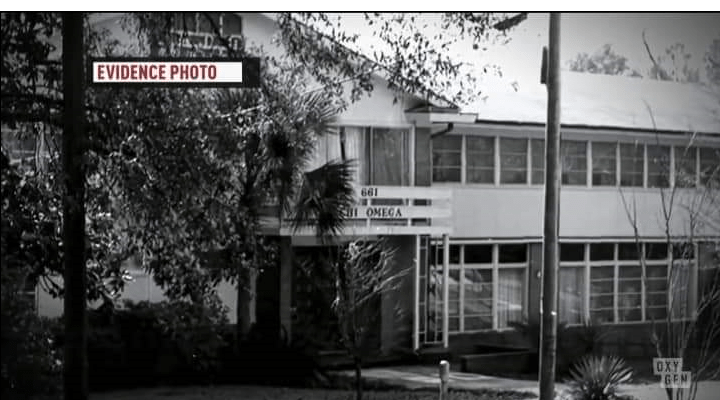
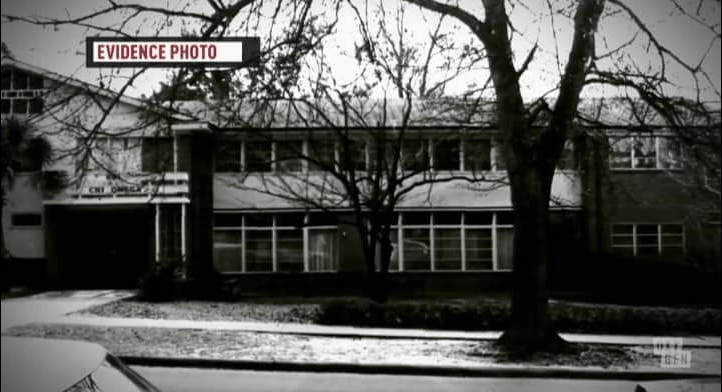
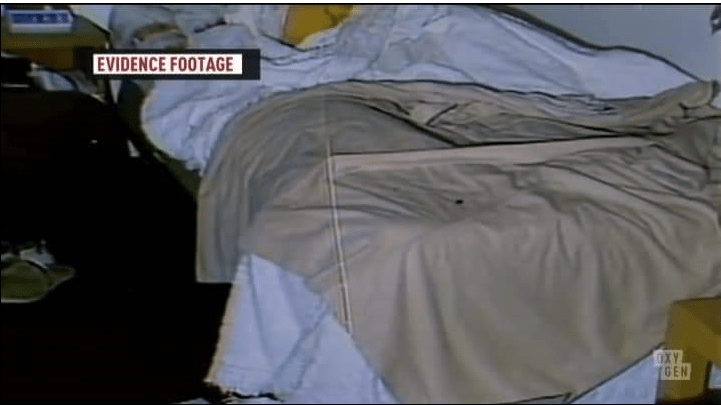
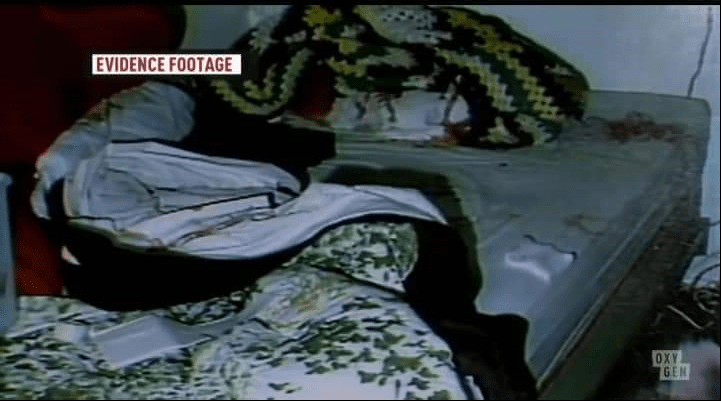
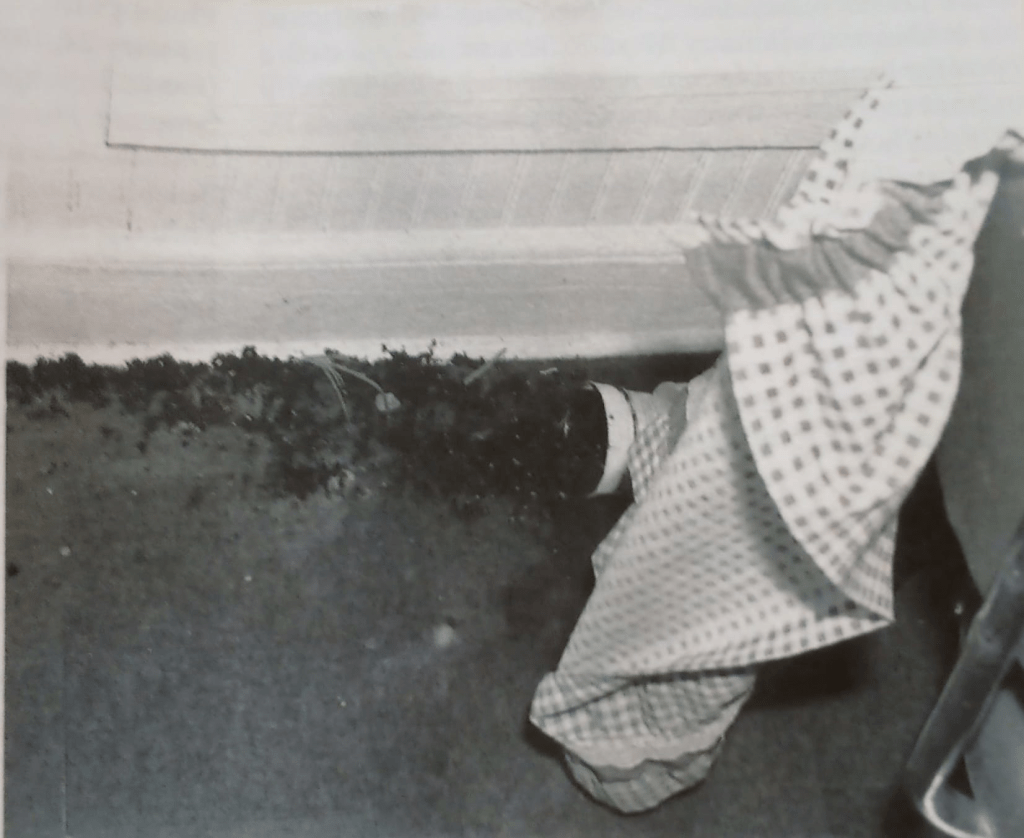
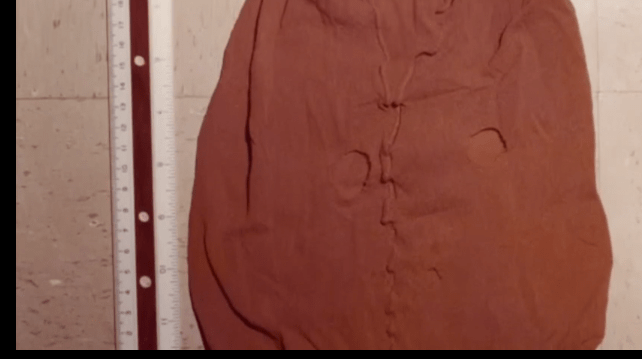
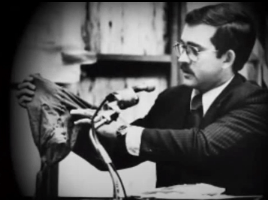
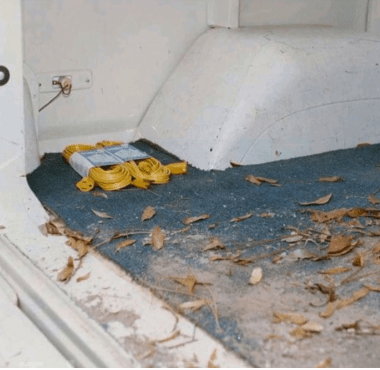
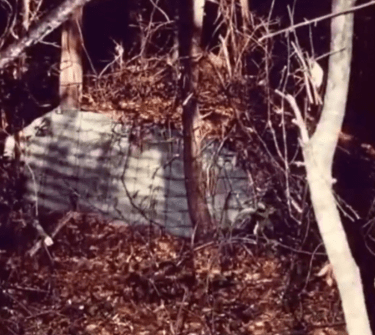
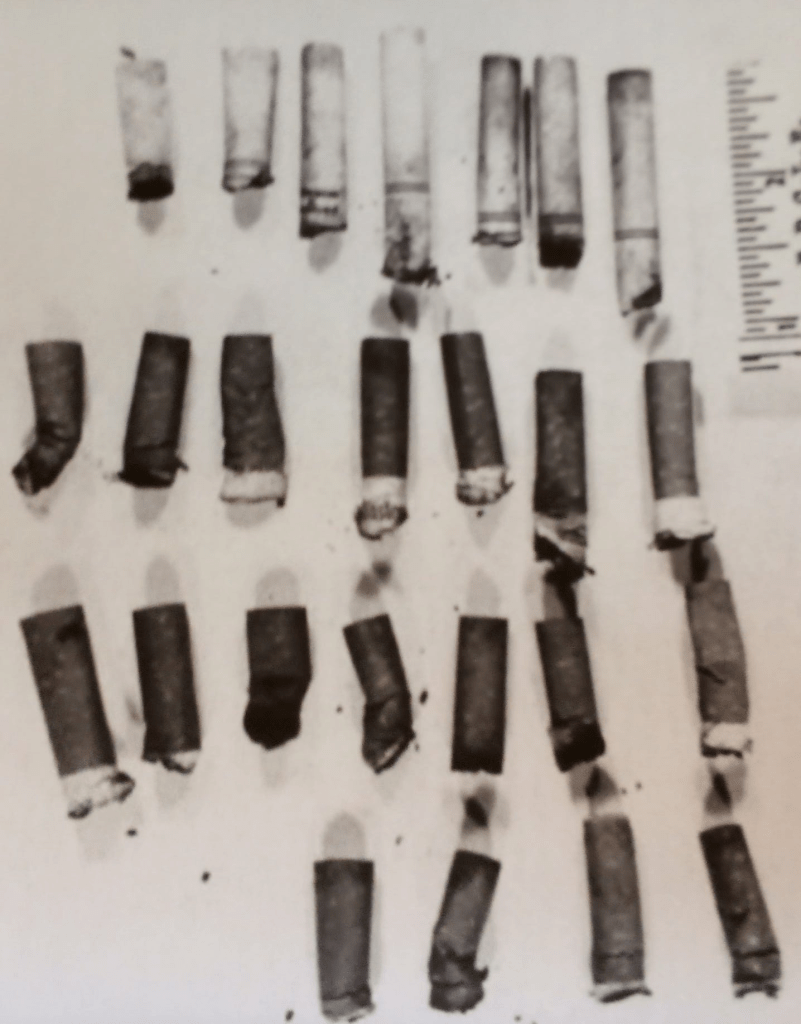
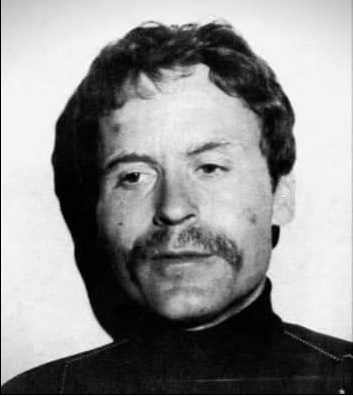
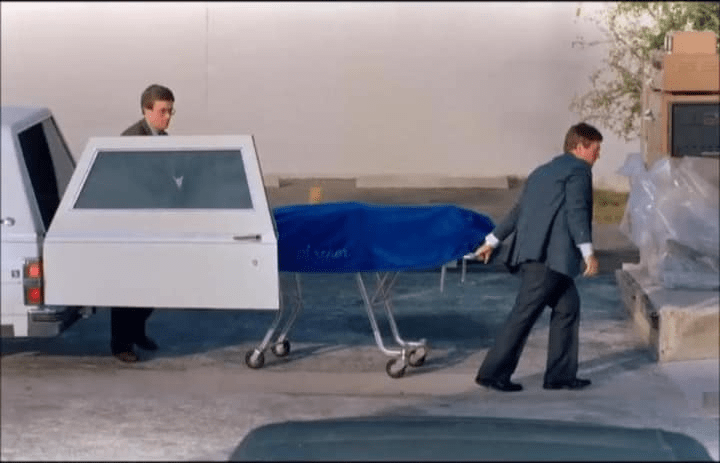
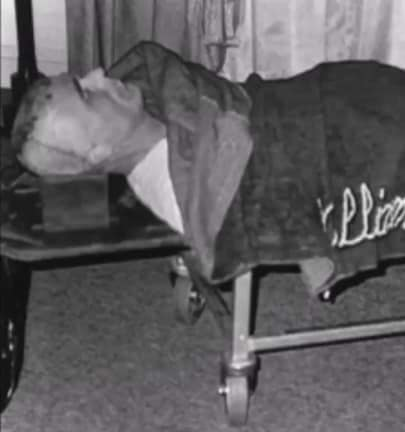
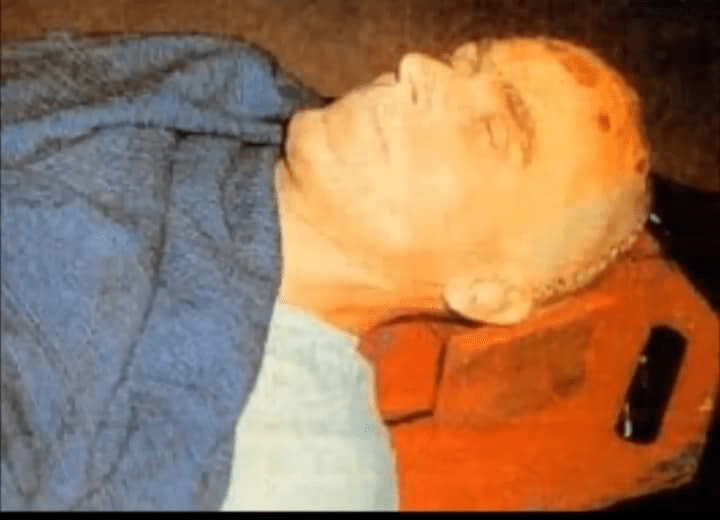
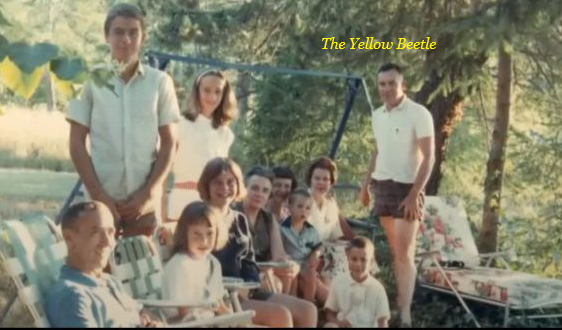
TB’s kill kit.Some more items from Bundy’s kill kit. Photo courtesy of Kevin Sullivan.The outside of Bundy’s VW Beetle. It’s confirmed that at least eighteen of his victims were transported in this vehicle.The inside of Ted’s VW Beetle. Bundy took out the cars passenger seat so that his victims could lie vertically without being seen by others.Another shot of the inside of Bundy’s VW.Bundy’s VW Beetle notes from the ‘Ted Bundy Multiagency Investigative Team Report 1992.’ He bought the infamous tan Bug in the spring of 1973 from a woman named Martha Helms.First confirmed Bundy victim, Karen Sparks-Epley (formerly known as Joni Lenz). Karen Sparks-Epley’s residence where was attacked by Ted Bundy on January 4, 1974. This is a police photograph of 4325 8th Avenue NE, Sparks’ bedroom is circled in white. The house was torn down at some time in 1985. These days the site of the house is now home to the Westwood apartments, which were built in 1985.The window at Karen Sparks apartment Bundy used to break in.The bedroom of Karen Sparks after her assault. Photo courtesy of KIRO-7.The close-up of Sparks bed after her assault. Photo courtesy of Amazon.The bedroom of Karen Sparks after her assault. Photo courtesy of KIRO-7.The doorway of Karen Sparks bedroom after her assault. Photo courtesy of KIRO-7.The floor of Karen Sparks bedroom after her assault. Photo courtesy of KIRO-7.The bedroom of Karen Sparks after her assault.The bedroom of Karen Sparks after her assault.The bedding of Sparks. Photo courtesy of Amazon.A crime scene photo from the assault of Karen Sparks.Lynda Ann Healy, TB’s first confirmed kill. Healy was born on July 3,1952 in Seattle and was abducted on January 31, 1974.Healy’s house as it looked in the 1970’s.Healy’s apartment in 2021.A photo of the trail behind Lynda Ann Healy’s apartment; her house is circled in red. Photo courtesy of OddStops.A King County Detective walking out of the side door of Healy’s apartment. Photo courtesy of Amazon.The entrance of Healy’s apartment, via the side door of the house. Photo courtesy of KIRO-7.The side door of Healy’s apartment. Photo courtesy of KIRO-7.Lynda’s roommates standing around her bed. Photo courtesy of Amazon.The entrance of Healy’s bedroom and the stairs leading outside. Photo courtesy of KIRO-7.Another shot of the entrance of Lynda Healy’s bedroom. Photo courtesy of KIRO-7.One side of Healy’s bedroom. Photo courtesy of KIRO-7.Another shot of Healy’s bedroom. Photo courtesy of KIRO-7.A shot of Healy’s mattress. Photo courtesy of KIRO-7.A close-up of the blood stain on Lynda Ann Healy’s mattress. Photo courtesy of KIRO-7.The blood stain on Lynda Ann Healy’s bedding. Photo courtesy of Amazon.A close-up of the blood stain on Lynda Ann Healy’s bedding. Photo courtesy of Amazon.The blood stain at the crime scene of Healy. Photo courtesy of Amazon.A close-up of the blood stain at the crime scene of Lynda Healy. Photo courtesy of Amazon.Susan Elaine Rancourt.Roberta Kathleen Parks.Brenda Ball’s drivers license. Photo courtesy of KIRO-7.The following is borrowed from Dr. Robert Keppel’s true crime classic ‘The Riverman: Ted Bundy and I Hunt for the Green River Killer:’ ‘The final tally of remains for Taylor Mountain paled in comparison to Issaquah: three crania, three mandibles, two small pieces of a skull, one tooth, and a small blond hair mass. Not one other remnant of a human skeleton was discovered. The remains of four women were identified from the sparse skeletal remains we had recovered: Susan Rancourt, who disappeared April 17, 1974, from the library at Central Washington State College; Kathy Parks, last seen May 5, 1974, at Oregon State University, over 260 miles from Taylor Mountain; Brenda Ball, who was last seen May 31, 1974, at the Flame Tavern in Seattle; and Lynda Healy, who was reported missing from her basement bedroom at the University of Washington on January 31, 1974.’ Powerline Road on Taylor Mountain. Photo courtesy of KIRO-7.Another shot of the Taylor Mountain burial site. Photo courtesy of KIRO-7.An aerial shot of Taylor Mountain. Photo courtesy of KIRO-7.The skull of Brenda Ball at the Taylor Mountain burial site. Photo courtesy of KIRO-7.Another shot of the skull of Brenda Ball at the Taylor Mountain burial site. Photo courtesy of KIRO-7.Another shot of the skull of Brenda Ball at the Taylor Mountain burial site. Photo courtesy of KIRO-7.A close-up shot of the skull of Brenda Ball. Photo courtesy of the KIRO-7.A shot of Lynda Ann Healy’s mandible with teeth taken from about 15 feet away. Photo courtesy of the King County Archives.A shot of Lynda Ann Healy’s mandible taken from roughly four feet away. Photo courtesy of the King County Archives/Tiffany Jean.Susan Rancourt’s beautiful blonde hair. Photo courtesy of the King County Archives/Tiffany Jean.Susan Rancourt’s skull. Photo courtesy of the King County Archives/Tiffany Jean.Kathy Parks’ skull. Photo courtesy of the King County Archives/Tiffany Jean.One of the skulls recovered from Taylor Mountain. Photo courtesy of the King County Archives/Tiffany Jean.LE pointing out something at the Taylor Mountain burial site. Photo courtesy of Oxygen.A member of law enforcement pointing something out at the Taylor Mountain burial site.Members of law enforcement at the Taylor Mountain burial site. Photo courtesy of KIRO-7.A green, military-style type coat, item #K-35. Photo courtesy of the King County Archives/Tiffany Jean.Dense underbrush at the Taylor Mountain burial site. Photo courtesy of the King County Archives/Tiffany Jean.A shot from the Taylor Mountain burial site. Photo courtesy of the King County Archives/Tiffany Jean.A shot from the Taylor Mountain burial site. Photo courtesy of MSNBC.A shot from the Taylor Mountain burial site. Photo courtesy of MSNBC.A shot from the Taylor Mountain burial site. Photo courtesy of MSNBC.The tattered remains of a sloppily made, lean-to shelter found at Taylor Mountain. Photo courtesy of the King County Archives/Tiffany Jean.Clockwise from the top left: Parks mandible, Parks mandible, Parks skull, Healy mandible, Ball skull, Ball skull, Ball skull, Ball skull, Healy mandible center. Photo courtesy of the King County Archives/Tiffany Jean.Clockwise from top left: Parks skull and mandible, Parks skull and mandible, Rancourt skull, Parks skull, Parks skull, Parks skull, Parks skull, Parks skull, Parks skull at center. Photo courtesy of the King County Archives/Tiffany Jean.Another group of bones found at Taylor Mountain. Photo courtesy of KIRO-7. I believe these are all bones in Susan Rancourts skull.Brenda Ball’s skull. Photo courtesy of the King County Archives/Tiffany Jean.Susan Rancourt’s skull. Photo courtesy of the King County Archives/Tiffany Jean. Kathy Parks’ skull. Photo courtesy of the King County Archives/Tiffany Jean.Janice Ott.Denise Naslund.TB’s Issaquah burial site as it looks today.The entryway to Ted’s Issaquah burial site as it looks today.The Issaquah dirt road and grassy area in September 1974. Photo courtesy of the King County Archives/Tiffany Jean.Denise Naslunds hair at the Issaquah burial site. Photo courtesy of the King County Archives.Another shot of Denise Naslunds hair at the Issaquah burial site. Photo courtesy of the King County Archives.A rib cage at the Issaquah burial site. Photo courtesy of the King County Archives.Another shot of the rib cage at the Issaquah burial site. Photo courtesy of the King County Archives.Denise Naslunds skull from the Issaquah burial site. It was found by two hunters on a hillside just east of Issaquah, less than ten miles from Lake Sammamish where she was abducted. Photo courtesy of KIRO-7.A picture from the Issaquah burial site. Photo courtesy of Oxygen.A mapping of where the different bones were found at the Issaquah burial site.Ted at the Issaquah burial site; he was there with Liz that day.Georgann Hawkins.A snapshot taken at the Issaquah burial site on February 15, 1989. Investigators were looking for the remains of Georgann Hawkins, after Bundy confessed to her murder during his death row confessions. Photo courtesy of the King County Archives.Another picture taken at the Issaquah burial site on February 15, 1989.A picture of the possible burial site of Georgann Hawkins taken in February 1989.The ESAR map Keppel brought with him to the Florida State Prison for his final interview with Bundy. Photo courtesy of the King County Archives/Tiffany Jean.Susan Curtis.Joe Ruden from the Carbon County Search and Rescue team uses a metal detector to search for the burial site of Susan Curtis, who disappeared from the BYU campus in Utah in the summer of 1975. Bundy confessed to killing Curtis during his death row confessions and that he buried her about ten miles south east of Price, UT. Jim Simone from the Carbon County Search and Rescue team sets out in search for the remains of Sue Curtis. Debra Kent.Deb Kent’s patella. Photo courtesy of Tiffany Jean. Right before he was put to death in January 1989, Bundy finally confessed to killing Deb Kent. He said that he brought her back to his apartment and after ‘keeping her for a while’ murdered her. He then put her body in his car and drove 105 miles away to Fairview Canyon, where he buried her remains about 3 feet deep, under some heavy rocks. After searching the Canyon, law enforcement found a patella (kneecap), and it is likely that her other bones were scavenged and spread around by wildlife over time. Although the ME’s office determined that the bone was human, they weren’t able to test it beyond that until 2015, when a cold-case detective stumbled across Kent’s DNA that had never been entered into the NamUs database. At that point, he reached out to Mrs. Kent, who held onto the only piece of her daughter she had left and asked if he could take the bone for genetic testing. Although she gave the detective the patella, Mrs. Kent told him that she didn’t want to know the results. In her mind, it belonged to Debra and didn’t want to be told otherwise. Thankfully her fears were put to rest five months later, when the results came back that the bone belonged to Debra.Melissa Smith.Where the remains of Melissa Smith were found, on Kilby Road in Park City, Utah.Investigators at the scene where the remains of Laura Ann Aime were found. Caryn Campbell. Photo courtesy of KIRO-7.A shot of the remains of Caryn Campbell in the snow. Photo courtesy of Vanessa West.The skull of Caryn Campbell. Photo courtesy of Vanessa West.Thank you to my friend Samantha Shore for letting me know the identity of this victim.Vince Lahey holding a crowbar over Campbells autopsy photo. Photo courtesy of Erin Banks.Caryn Campbell, Bundy’s MO. Photo courtesy of Erin Banks.An article about the discovery of Caryn Campbell’s remains, published by The Daily Sentinel on February 19, 1975.A photo of Bundy’s shoe print in the snow after his second escape on December 30, 1977. Photo courtesy of The Coloradoan.Margaret Bowman, a victim of Bundy’s 1978 Florida rampage.Lisa Levy, a victim of Bundy’s 1978 Florida rampage.Kathy Kleiner testifying at Bundy’s trial.Kathy Kleiner, today.Karen Ann Chandler testifying at Bundy’s trial.Karen Chandler, today.The crime scene of Chi Omega victim, Margaret Bowman. Photo courtesy of Vanessa West.Margaret Bowman, who was murdered while defenseless in her bed. Photo courtesy of Vanessa West.Chi Omega victim, Margaret Bowman. Photo courtesy of Vanessa West.Chi Omega victim, Margaret Bowman. Photo courtesy of Vanessa West.Chi Omega victim, Margaret Bowman. Photo courtesy of Vanessa West.Chi Omega victim, Margaret Bowman. Photo courtesy of Vanessa West.A photo of Chi Omega victim, Lisa Levy. Photo courtesy of Vanessa West.A bite mark on Chi Omega victim, Lisa Levy. Photo courtesy of Vanessa West.Another shot of Bundy’s bite mark on Lisa Levy’s buttock. Photo courtesy of Vanessa West.The layout of the rooms at the Chi Omega sororiety house.The Chi Omega House right after the murders took place in 1978. Twenty year old Lisa Levy and twenty-one year old Margaret Bowman were brutally murdered in their beds by Bundy. He also viciously attacked and left for dead Karen Ann Chandler and Kathy Kleiner, but thankfully both women survived. Photo courtesy of Oxygen.Another shot of the Chi Omega House right after the murders. Photo courtesy of Oxygen.Another shot of the Chi Omega House right after the murders. I love the old LE vehicle parked out front. Photo courtesy of Oxygen.The unlocked door of the Chi Omega House that Bundy snuck into. Photo courtesy of Oxygen.An area outside of the Chi Omega house. Photo courtesy of Oxygen.A shot of the logs outside of the Chi Omega house Bundy used to attack the four sleeping co-eds. Photo courtesy of Oxygen.Another shot of the logs outside the Chi Omega house. Photo courtesy of Oxygen.One of the beds in the Chi Omega house. Photo courtesy of Oxygen.Another one of the beds from the Chi Omega house. Photo courtesy of Oxygen.Another bed from the Chi Omega house. Photo courtesy of Oxygen.Another one of the beds from the Chi Omega house. Photo courtesy of Oxygen.Another bed at Chi Oh.Another bed at Chi Oh.A picture of one of the bedrooms in the Chi Omega house after Bundy’s murders. A picture of a hallway at the Chi Omega house after Bundy’s murders. A photo related to Bundy’s January 1978 Tallahassee crime scene. Photo courtesy of Oxygen.Cheryl Thomas. Bundy used the same log to attack Thomas that he used in the Chi Omega assaults. Photo courtesy of Oxygen.A photo of the house on Dunwoody Street Cheryl Thomas shared with friends from FSU. Photo courtesy of Oxygen.Another shot of the house that Cheryl Thomas shared with friends from FSU. Photo courtesy of OddStops.An aerial shot of where Cheryl Thomas lived and was attacked, located at 431 Dunwoody Street in Tallahassee; the house has since been torn down. Photo courtesy of Oxygen.What the area on Dunwoody Street looks like in 2023.The door at the residence of Cheryl Thomas in Tallahassee. Photo courtesy of Oxygen.The open window in Cheryl Thomas’s kitchen that Bundy climbed into. Photo courtesy of Oxygen.The fly screen on Thomas’ window that Bundy knocked loose when he climbed into her kitchen the night of her assault. Photo courtesy of Rob Dielenberg.The flower pot that Bundy knocked over when he broke into Cheryl Thomas’ apartment. Photo courtesy of Rob Dielenberg.The window in Thomas’s kitchen that Bundy crawled through.The back door at Cheryl Thomas’s apartment. Law enforcement took chunks out of the doors of both sides of the house; the perpetrator left his fingerprints behind on both. Photo courtesy of Oxygen. The crime scene of Cheryl Thomas. Photo courtesy of Oxygen. Pantyhose found in Cheryl Thomas’ apartment. According to court documents, a knotted pair of pantyhose was found in her bedroom with holes cut into the nylon to create a mask. Photo courtesy of Oxygen.The lath that Thomas used to prop her bedroom window open. Photo courtesy of Rob Dielenberg.The pantyhose mask found in Cheryl Thomas’ apartment. An expert holding up the pantyhose mask found in Cheryl Thomas’ apartment at Bundy’s Chi Omega trial. Kimberly Dianne Leach.The white van Bundy stole from FSU. It’s the vehicle he used to abduct Kim Leach with.The inside of the van Bundy stole from FSU.Another shot of the inside of the van Bundy stole from FSU.Another shot of the inside of the van Bundy stole from FSU.The hog shed Bundy used to dispose of Leach’s body.A screen shot from Leach’s crime scene. This was all could find, I apologize for the poor quality.The first three rows of butts were found discarded on the ground in Suwannee River State Park, and the single column on the right were the ones ground discarded in the FSU van. Photo courtesy of Rob Dielenberg. Bundy’s final mug shot from February 1978 after he was arrested in Jacksonville. The bruise on his face occurred after he got into a brief tussle with the arresting officer, who hit him in the cheek with his gun.Former Leon County Sheriff Ken Katsaris looking at pictures related to the Bundy case. A dentist taking a mold of Bundys teeth. Photo courtesy of Oxygen.Another shot of a dentist taking a old of Bundys teeth. Photo courtesy of Oxygen.Molds of Bundy’s teeth. Photo courtesy of Oxygen.Molds of Bundy’s teeth. Photo courtesy of Oxygen.Bundy’s teeth. Photo courtesy of Vanessa West.Bundy’s gross teeth.Bundy’s bite mark. Photo courtesy of Vanessa West.A photo of Ted arriving at the Medical Examiners office after his execution.A B&W of Bundy after his execution.Bundy after his execution.A picture of Bundy, post-mortem. Photo courtesy of the Florida state Department of Corrections.Bundy after his execution.The top of Bundy’s head after his execution.
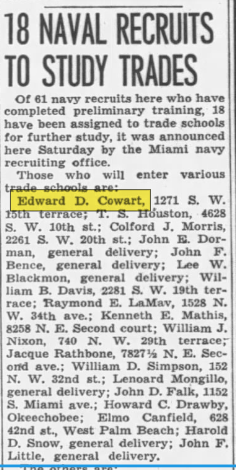
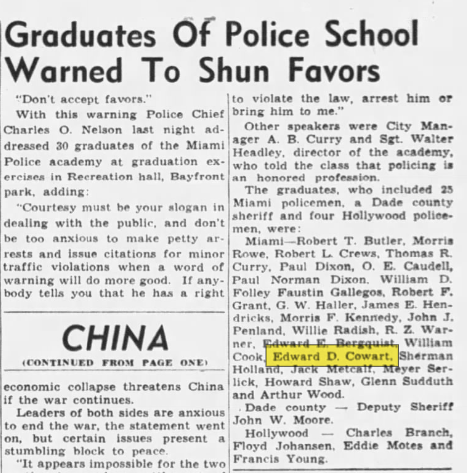
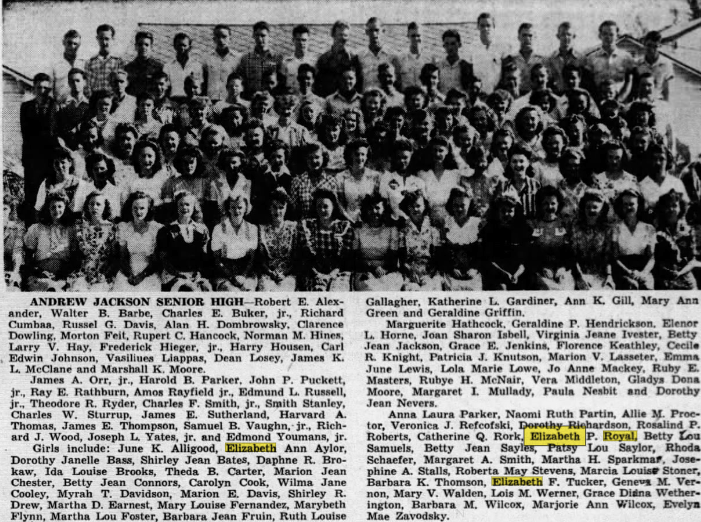
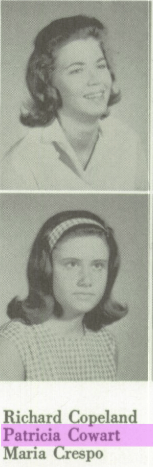
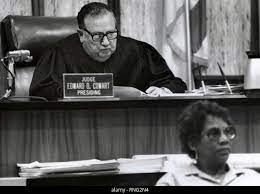
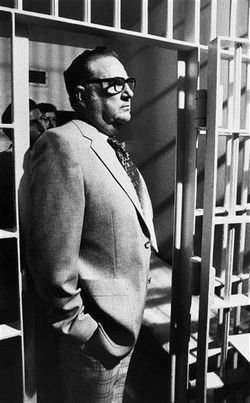
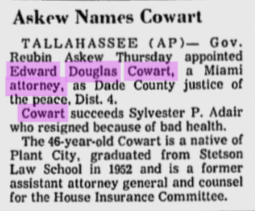
Edward Douglas Cowart was born on February 17, 1925 to William and Helen (nee Douglas) in Plant City, FL. He had an older brother named William that was born in 1920. Judge Cowart served in the Navy from 1942 to 1946 and when he returned married Elizabeth Pearl Royal on July 22, 1946. The couple had two daughters, Susan and Patricia. Cowart worked as a motorcycle officer in the Miami Police Department before returning to school to earn his degrees in law: he got a BA in 1950 from the University of Miami and a JD from Stetson University in 1952.
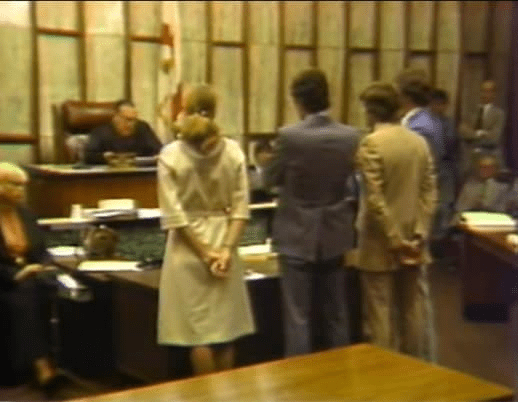
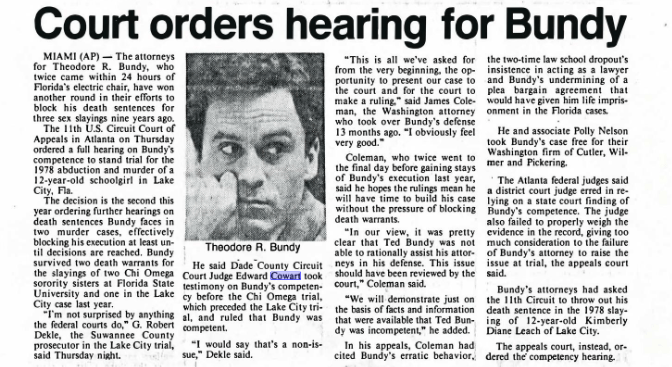
Cowart worked as a Dade County Circuit Court Judge for 14 years. He was highly respected in the law community and was well-known for his almost Southern hospitality and long drawl. The trial that helped make him famous is that of Ted Bundy, who had a messy, incomplete background in law himself and was originally arrested for a series of murders in the Pacific Northwest on August 16, 1975 in Utah (between at the very least 1974 and 75). The judge imposed a death sentence on the serial killer, and he is frequently remembered for his unusually sympathetic post-sentencing remarks to Bundy:
‘The court finds that both of these killings were indeed heinous, atrocious and cruel. And that they were extremely wicked, shockingly evil, vile and the product of a design to inflict a high degree of pain and utter indifference to human life. This court, independent of, but in agreement with the advisory sentence rendered by the jury does hereby impose the death penalty upon the defendant Theodore Robert Bundy. It is further ordered that on such scheduled date that you’ll be put to death by a current of electricity, sufficient to cause your immediate death, and such current of electricity shall continue to pass through your body until you are dead. Take care of yourself, young man. I say that to you sincerely; take care of yourself. It is an utter tragedy for this court to see such a total waste of humanity, I think, as I’ve experienced in this courtroom. You’re a bright young man. You’d have made a good lawyer and I would have loved to have you practice in front of me, but you went another way, partner. I don’t feel any animosity toward you. I want you to know that. Once again, take care of yourself.’
Cowart replaced Gerald Kogan in the position of Dade County Circuit Court, as he was appointed to the Florida state Supreme Court. About Cowart, Kogan said that he was ‘one of those human beings who was destined to be a judge. He was intelligent, he was compassionate, he was understanding, and when he had to be, he was tough as nails.’
In 1982 then Dade State Attorney and (former) US Attorney General Janet Reno hired Cowart to be her chief assistant, in between his stints on the bench. He stayed in the position until 1984, when he went back to be a judge at the Dade County Circuit Court. Every year he was in that role, Cowart ranked either at or close to the top in the annual Dade Bar poll of judges.
Just after midnight on August 3, 1987 Edward Douglas Cowart died of a massive heart attack at Coral Reef hospital in Miami at the age of 62. He was cremated and the location of ashes is unknown. In his obituary published by The Miami Herald on August 7, 1987, ‘from jail guards to Supreme Court justices, traffic cops to traffic judges,the wept together and swapped favorite stories on Thursday (August 6, 1987) at a memorial service for Dade Circuit Court Judge Edward Cowart.’ The 25 minute long service in the massive Old Cutler Presbyterian Church (which seats 1,500) was standing room only.
What is so upsetting to me is that Bundy outlived the judge, as he wasn’t executed until January 1989 (after a number of unsuccessful appeals to Cowart and the Court of Appeals in attempts to overturn his death sentence or be granted a new trial). Elizabeth Cowart passed away on April 5, 2001 in Danbury, CT. Their daughter Susan passed away on October 4, 2007.
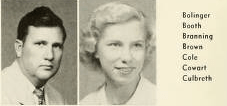
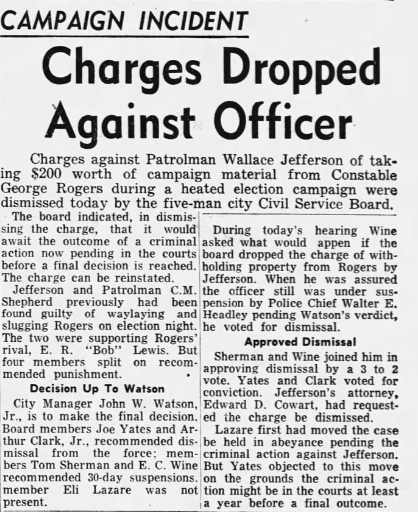
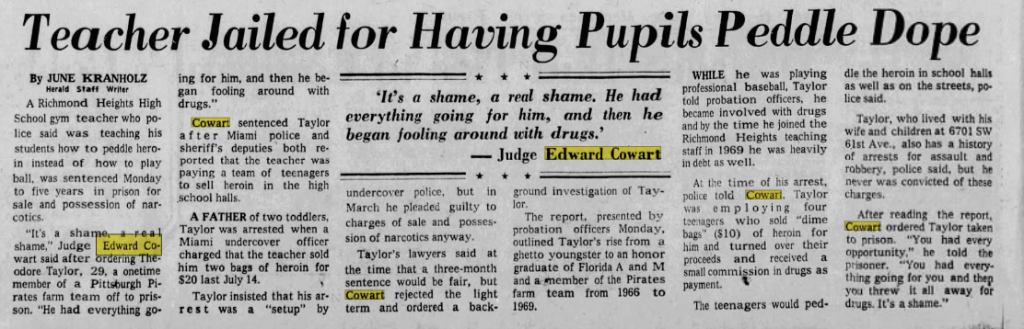
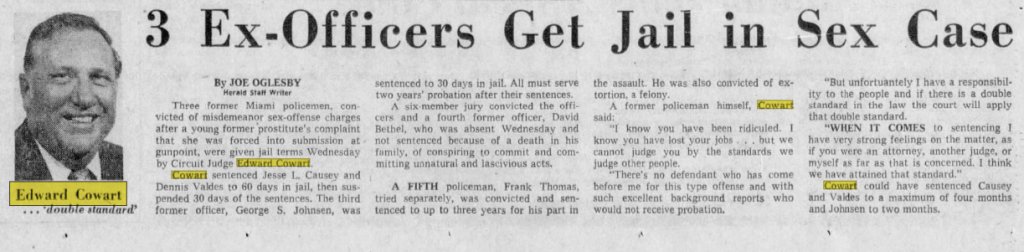
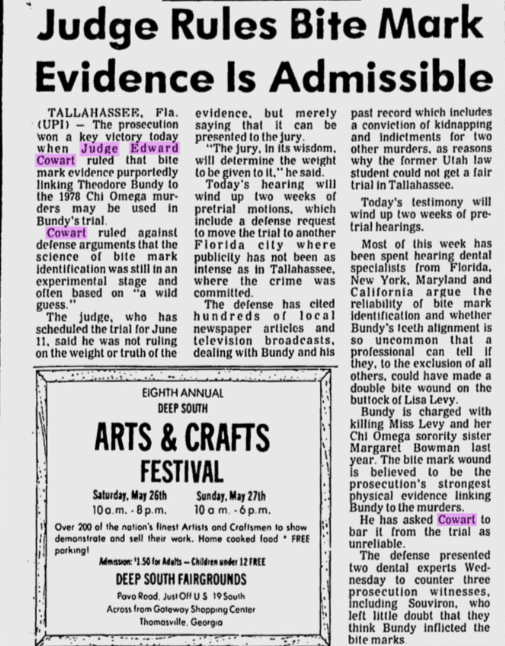
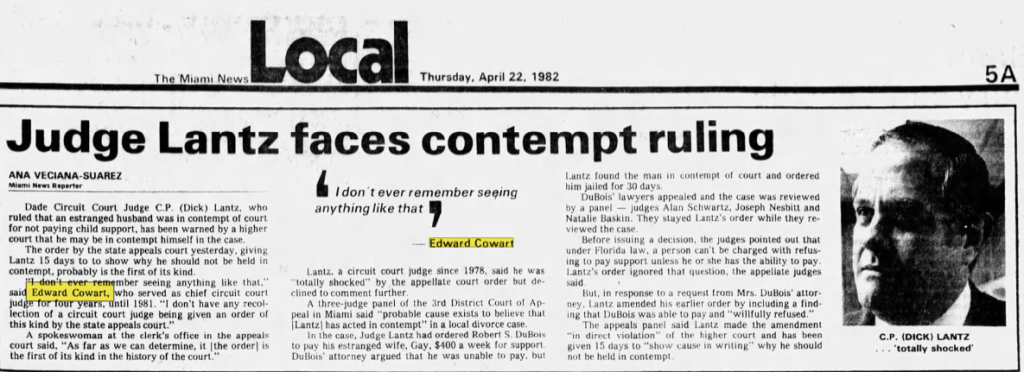
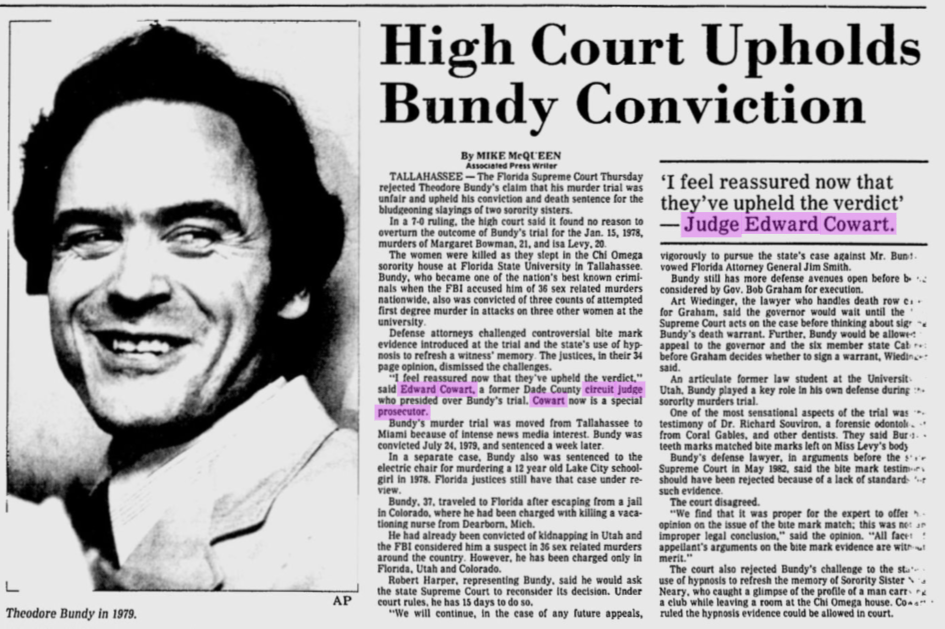
Edward Douglas Cowart World War II Draft Card.Edward Cowart at his Police Academy graduation.A news clipping mentioning Cowart learning a trade published in The Miami News on May 17, 1942.An article from Cowart was a cop published by The Miami News on June 30, 1942.Judge Cowarts wife, then Elizabeth P. Royal, in a group photo from Alma Jackson High School, published in The Miami News on May 28, 1944.Judge Cowarts wedding announcement published in the Fort Myers New Press on July 28, 1946.An article from Cowart was a cop published by The Miami Herald on November 12, 1949.Judge Cowarts picture for his second year of law school from the 1951 Stetson University yearbook.Judge Cowarts law school graduation picture from the 1952 Stetson University yearbook. In 1952 Judge Cowart graduated with his bachelors in law from Stetson University.Judge Cowarts senior year activities at law school from the 1952 Stetson University yearbook.Judge Cowarts name is mentioned under the student register from the Stetson University Bulletin.Cowarts Phi Delta Phi picture in the 1952 Stetson University yearbook. A certificate for Edward Cowart, courtesy of the Carol DaRonch YouTube page.Patricia Cowarts freshman picture from the 1965 Coral Gables High School yearbook.Patricia Cowarts junior picture from the 1967 Coral Gables High School yearbook.A photo of Judge Cowarts daughter, Susan Irene. She was born on June 20, 1952 and passed away on October 4, 2007.Irene Susan Cowarts junior picture from the 1969 Miami Palmetto High School yearbook.Sue Cowarts senior picture from the 1971 Miami Palmetto High School yearbook.A picture of Cowart acting as a prosecutor.A b&w of Judge Cowart on the bench at Bundy’s trial.Judge Cowart examining evidence at Bundy’s trial.Carol DaRonch and Judge Cowart at Bundy’s trial.Judge Cowart at Bundy’s trial.Judge Cowart examining the conditions of Bundy’s cell during his trial.Another shot of Judge Cowart examining the conditions of Bundy’s cell during his trial.Judge Cowart sitting on the bench.Bundy and his lawyers in front of Judge Cowart.A short blurb mentioning Cowart published by The Miami News Journal on June 30, 1951.A short blurb mentioning Cowart published by The Miami News-Press on April 20, 1952.A short blurb about Cowart published by The Daytona Beach Morning Journal on January 7, 1972.An about about Cowart presiding over a case published by The Miami Herald on May 1, 1973.An article about Cowart presiding over a case published by The Miami Herald on November 13, 1973. I noticed he used a lot of similar statements like those he said in the Bundy trial in other situations.An about about Cowart presiding over a case published by The Miami Herald on July 18, 1974.Part one of an article about the death penalty featuring Edward Cowell published by The Daytona Miami Herald Journal on January 7, 1975.Part two of an article about the death penalty featuring Edward Cowell published by The Daytona Miami Herald Journal on January 7, 1975.An article about Bundys trial mentioning Judge Cowart published by The Albany Herald on May 24, 1979.An article about Judge Cowart and the Bundy trial published by The Deseret News on June 13, 1979.An article mentioning Judge Cowart n relation to the Bundy trial published by The Press-Courier on June 26, 1979.An article about Judge Cowart published by The Miami News on April 22, 1982.An article about Bundy’s conviction being upheld that mentions Judge Cowart published by The Daytona Beach Morning Journal on June 22, 1984.An article about Judge Cowart published by The Miami Herald on July 3, 1984.An article about Judge Cowart returning to the bench published by The Miami Herald on July 10, 1984.An article on Cowart published by The Miami Herald on July 4, 1985.An article about one of Bundy’s stay’s of execution published by The Press-Courier on December 21, 1985.An article mentioning Cowart published by The Miami Herald on April 26, 1986.An article about one of Bundy’s stay’s of execution published by The Spokesman-Review on June 24, 1986.Another short blurb about one of Bundy’s stays published by The Catholic Press on June 25, 1986.An article about Bundy’s appeal mentioning Judge Cowart by The Boca Raton News on June 30, 1986.An article mentioning Judge Cowart published by The Ogden-Standard Examinser on April 3, 1987.Judge Hanson’s obituary published by The Palm Beach Post on August 4, 1987.Another one of Judge Cowarts obituaries, published by The Miami Herald on August 7, 1987.Another article about the passing of Judge Cowart published by The Miami Herald on August 12, 1987.The Honorable Edward D. Cowart won the Selig Goldin Honoree post-humorously in 1989.Former US Attorney General, Janet Reno.
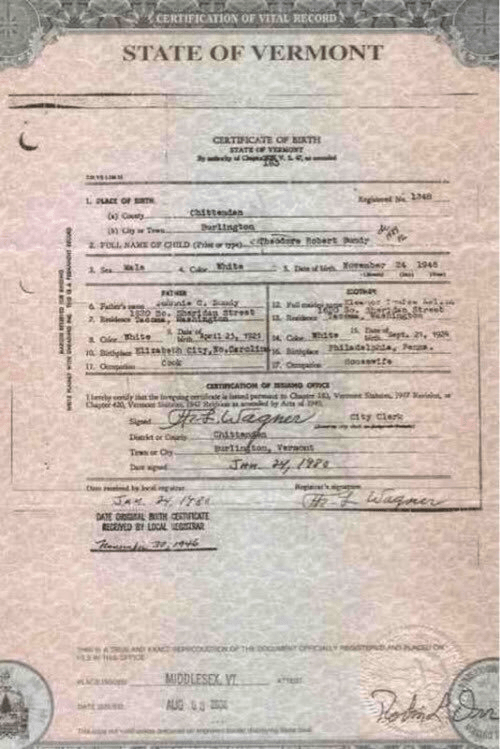
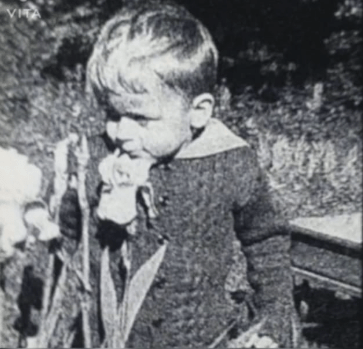
Ted Bundy was born out of wedlock on November 24, 1946 to Eleanor ‘Louise’ Cowell. His paternal lineage is unknown but his Grandfather was ruled out as a contender thanks to a DNA test. Ted was born at The Elizabeth Lund Home for Unwed Mothers in Burlington, Vermont (also referred to as ‘Lizzie’s Home for Naughty Ladies’). Louise initially left her little boy behind but his Grandparents forced her to bring him home, and because their daughter was young and unmarried Samuel andEleanor planned to raise the child as their own. For the first five years of his life Ted lived in Philadelphia, Pennsylvania.
In 1950 Louise moved little Teddy across the United States to Tacoma, Washington, where she gave him the last name of Nelson and moved in with her Uncle Jack Cowell, a music professor at the nearby University of Puget Sound. In May of 1951 Louise married an army cook named Johnnie Bundy. The couple met at a church function and married shortly after. The couple went on to have 4 children together and Johnnie formally adopted Ted in 1951.
While Louise has said Ted’s father was a ‘sailor,’ true crime writer Ann Rule claimed that on the serial killer’s birth certificate an Air Force veteran named Lloyd Marshall was listed as his father. However, in the book ‘The Only Living Witness: The True Story of Serial Sex Killer Ted Bundy,’ journalists Stephen Michaud and Hugh Aynesworth claim that a war veteran named Jack Worthington was his father. The truth of Ted’s fathers identity will most likely never be known.
When Ted was 21 years old he took a trip to the east coast, where he visited Burlington and obtained a copy of his birth certificate. It was then that he realized for certain he was an illegitimate child, a fact he didn’t take well. According to loved ones he was extremely bitter about the circumstances surrounding his birth and his parental lineage. He also resented Louise for keeping it a secret from him.
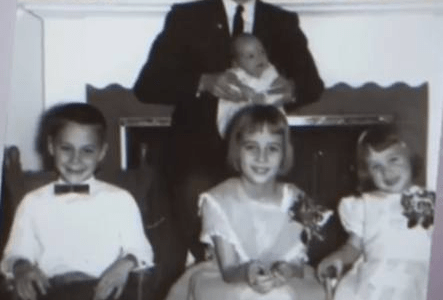
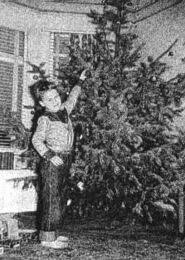
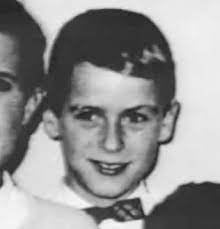
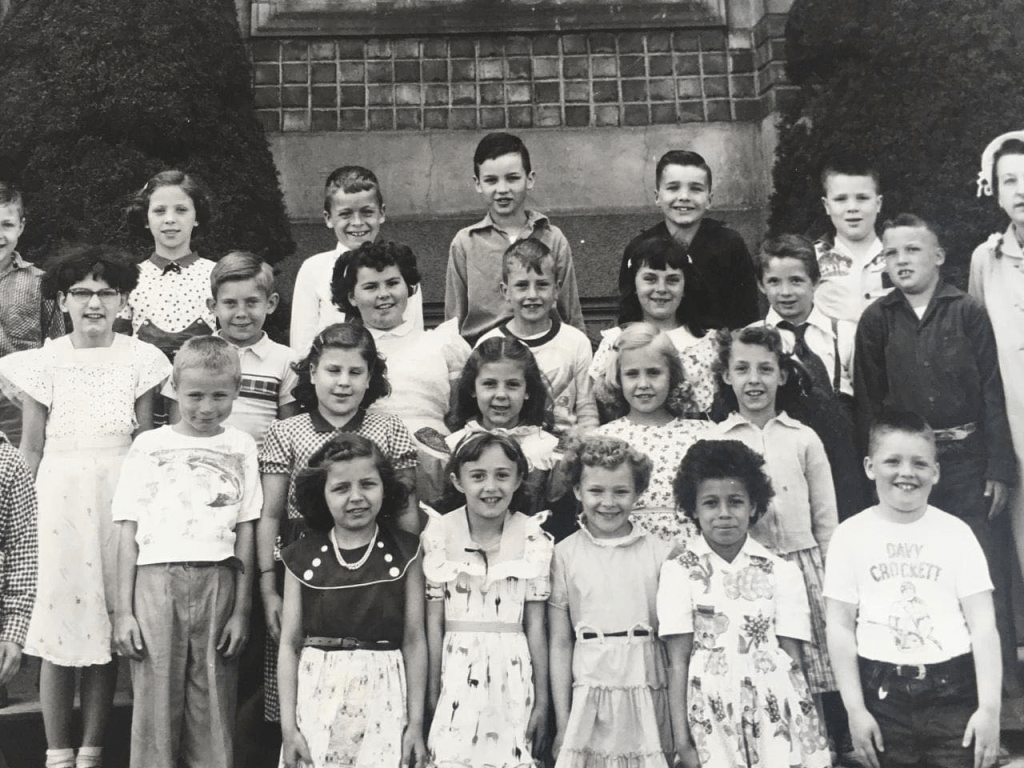
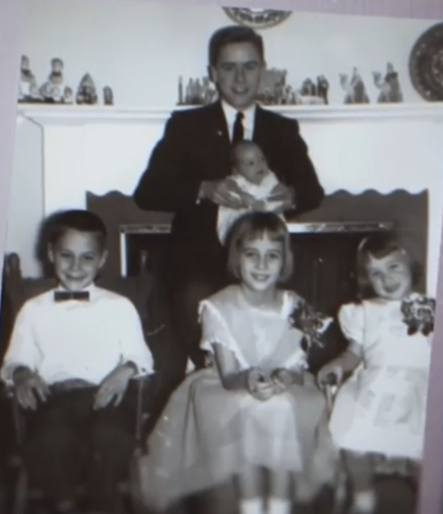
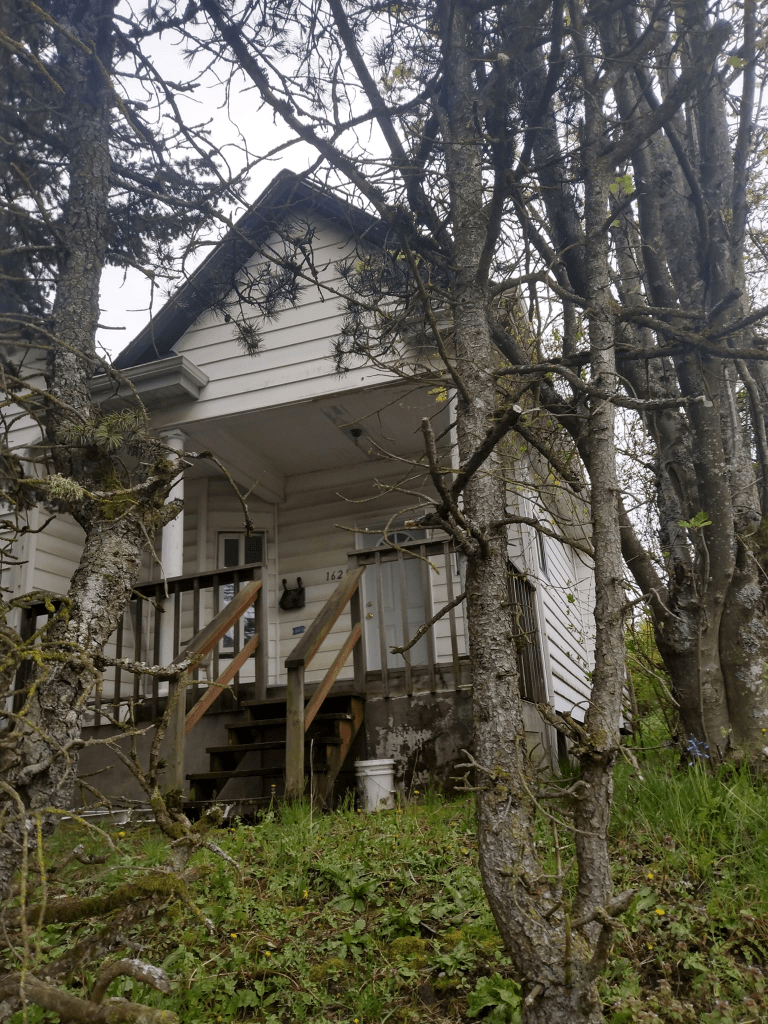
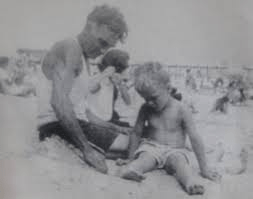
A copy of Teds birth certificate. Ted Bundy’s amended birth certificate. Note that this birth certificate was issued in 1951 after Louise married Johnny Bundy. The original document will remain sealed until 2045.Bundy as a small child.Bundy on a sled posing with a snowman.Little Teddy and Louise Bundy at the Jersey Shore.Little Teddy and his Grandfather at the Jersey Shore.Ted and his Grandfather.Little Ted.A young Ted posing at a Christmas tree.Bundy (far right) with some friends. Bundy with 2/4 of his step-siblings.Tucker Carlson or Ted Bundy? You decide.Bundy in elementary school.Ted and Johnnie Bundy.Ted in a group shot from elementary school, he is in the back row, third from the left. Photo courtesy of Tiffany Jean.Another shot of Ted at boy scout camp.Another shot of Ted at camp.Ted shooting a rifle at camp. Bundy on a rowboat.An adolescent Ted.Ted with his half brothers and sisters.Ted and his brothers and sisters (he’s holding a baby Richie).A blurry shot of the Bundy siblings in B&W.The Bundy family, in color.Bundy’s senior picture.A new Bundy family picture courtesy of Edna Cowell-Martin.In May of 1951 Johnnie and Louise Bundy moved into this house at 1620 South Sheridan Avenue in Tacoma. It was the family’s first home and when they moved in Ted was only four years old. Before they moved in Louise and Ted lived at his great Uncle Jacks house at 1514 South Alder Street.I took this picture of the Bundy family’s second home on North Skyline in April 2022. It reminds me of a watercolor painting.This is the third and final house the Bundy family lived in, located at 3214 North 20th Street in Tacoma, WA; the family moved into the house in 1968. Johnny and Louise stayed here until the late 2000’s.
The Stranger Beside Me is a 1980 true crime classic written by Ann Rule about her one-time suicide hotline colleague Ted Bundy. Rule met Ted in 1971 when he was a psychology major at the University of Washington in Seattle and contemplating a career in law and politics.
So, most true crime fans are aware that Ted Bundy’s paternal lineage is unknown: Louise either had a completely anonymous one night stand, was with a man who lied to her about his real name/identity, or had a relationship with a guy who just up and left her and she took his identity with her to the grave (or a combination of these theories). There are multiple rumors surrounding the identity of Ted’s father: it’s been said he was a sailor that went by the name of Jack Worthington, an Air Force vet and salesman named Lloyd Marshall, and even Louise’s own father SamuelCowell (even though DNA evidence proves he wasn’t). The name of Ted’s father was listed as Lloyd Marshall on his birth certificate (before Johnnie Bundy adopted him). Per ‘wikiwand,’ ‘census records reveal that several men by the name of ‘John Worthington’ and ‘Lloyd Marshall’ lived near Louise when Bundy was conceived.’ Mrs. Bundy told the FBI that Ted’s father was a man named Jack Worthington and that she only slept with him once (she also told Agent Bill Hagmaier that she was aware of the rumors and Samuel wasn’t Ted’s Dad).
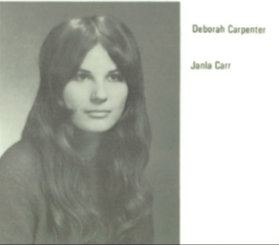
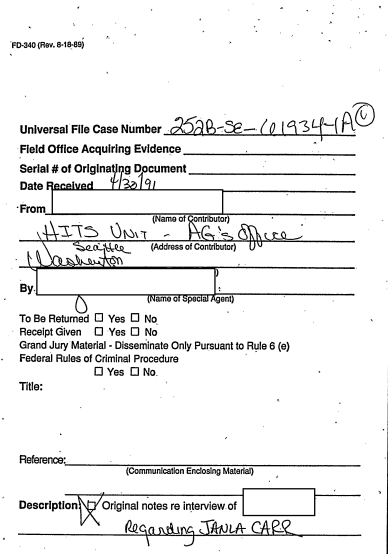
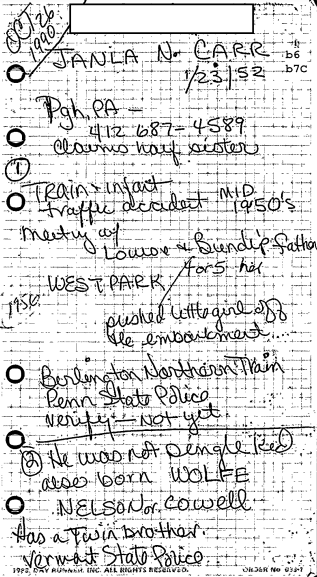
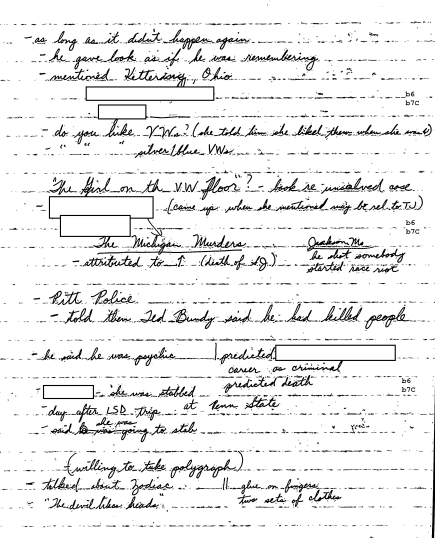
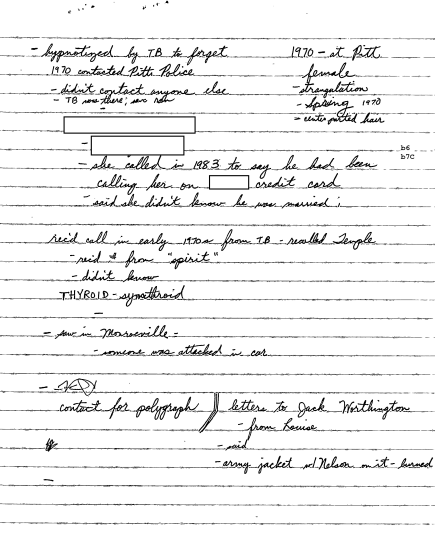
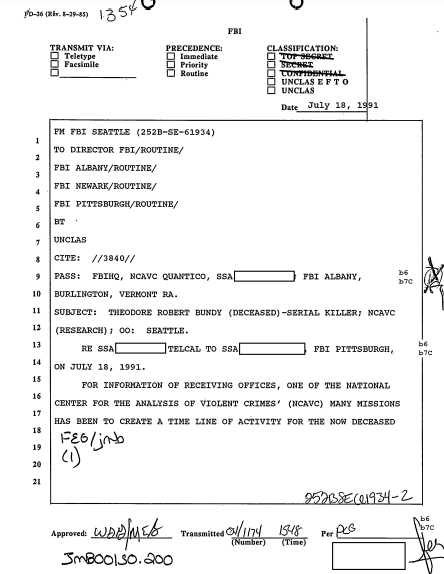
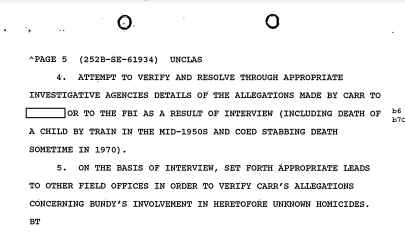
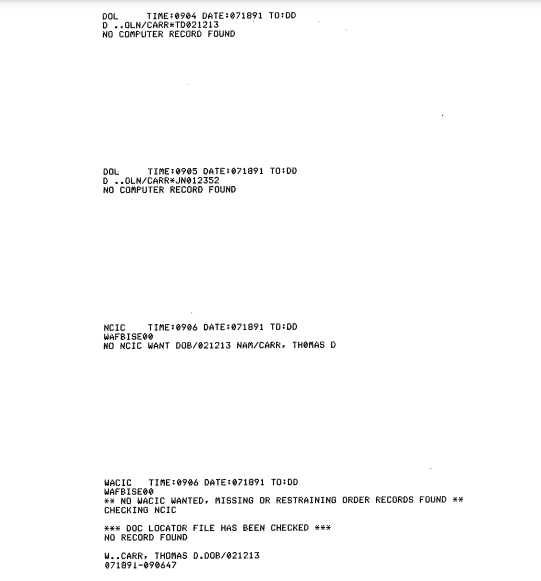
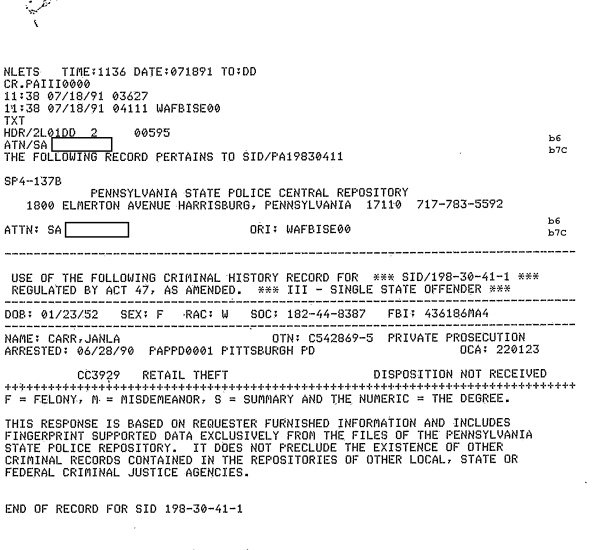
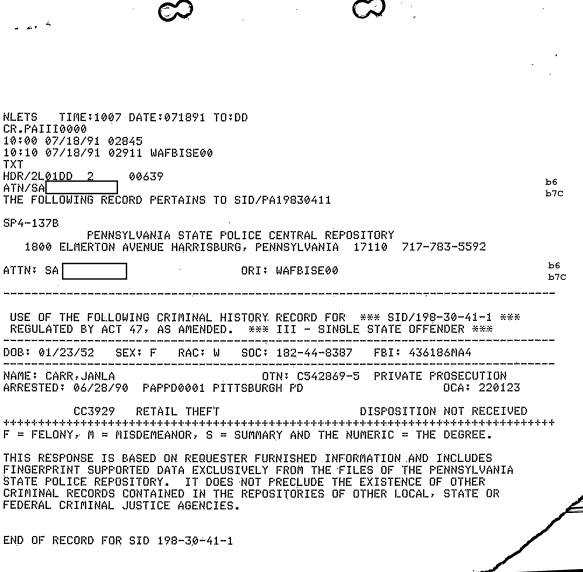
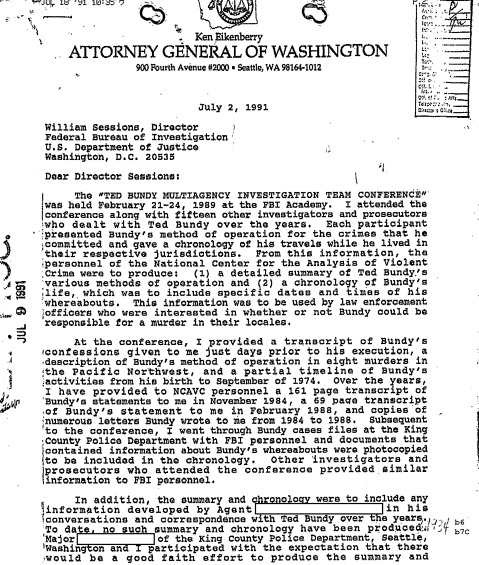
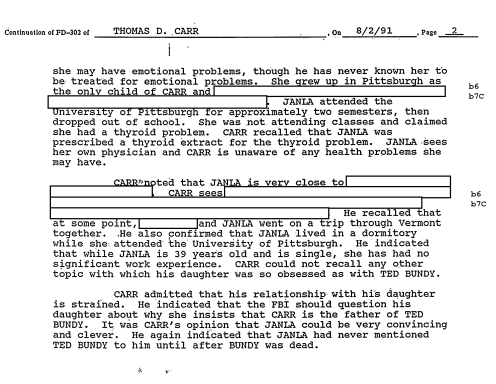
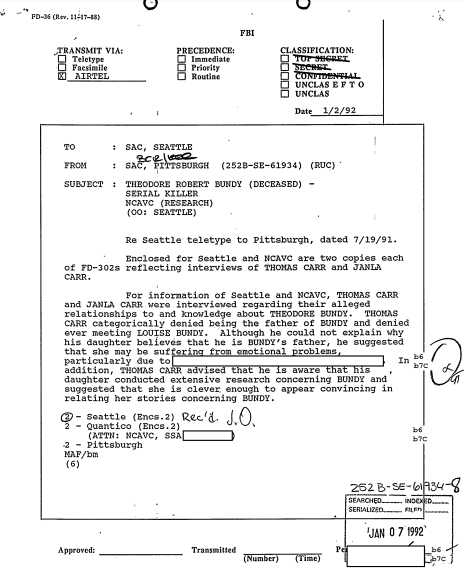
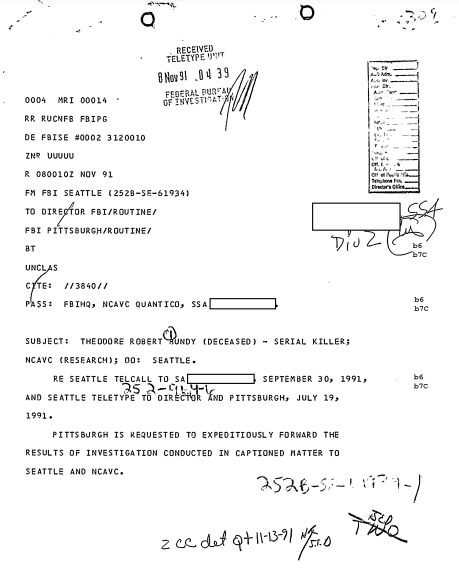
I’m not sure of the year, but ‘vault.fbi.gov’ released three separate documents that contained an absolute gold mine of information about the Bundy case (I included the portions about the Carrs in full at the bottom, as I don’t like leaving my readers hunting for additional information). Part one begins with a document from Salt Lake City law enforcement going over the details of Teds first escape on June 7, 1977 (as we all know he was quickly recaptured but escaped again to Florida later that same year on December 30). The beginning of the third portion is about a Pennsylvania woman named Janla N. Carr, who claims her dad (Thomas Dowling Carr) is Ted Bundy’s real Father. For the tl;dr type of people: Janla Carr claims Ted Bundy is her half-brother, he apparently had a twin brother, and he committed additional murders during early childhoodandadolescence (well before 1974).
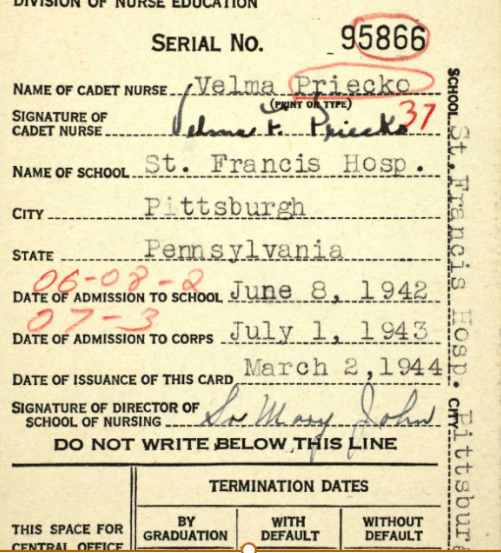
Janla N. Carr was born on January 23, 1952 to Thomas Dowling Carr and Velma F. Priecko out of Pittsburgh, Pennsylvania (Mrs. Carr’s maiden name is occasionally incorrectly listed as Nriecko). Janla was 5’5″ tall, weighed 150 pounds and had brown hair and brown eyes. The son of an undertaker, Thomas was born on February 12, 1913 in Columbus, Ohio and bounced around the country quite a bit before the family eventually settled down in Pittsburgh, PA in 1937 (he went to grade school in Reading, PA and oddly enough lived in Spokane, WA while attending high school, which is only about 4.5 hours away from Bundy’s hometown of Tacoma). After successfully taking a civil service exam, Mr. Carr got a job with the Railroad Mail Service (he began work for them in 1936, at some point became a supervisor, and retired in 1975) and Velma was a Nurse at the Western State Psychiatric Institute & Clinic in Pittsburgh. Family and friends told police that Janla and Thomas had what they would consider a ‘love-hate’ relationship. Additionally, Janla would frequently tell her friends that her dad had abused her and her mother, who passed away from cancer in 1983.
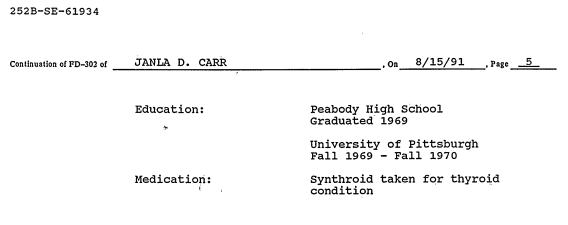
In 1969 Janla graduated from Peabody High School in Pittsburgh and later that fall started college at the University of Pittsburgh (she attended for two semesters). Carr eventually started skipping class before dropping out completely, claiming she had some sort of thyroid condition (I’ll bring this up again later). At some point in her life she experimented with LSD, which can result in altered memories. The use of hallucinogens (even infrequently) can interfere with the action of Glutamate (which helps to regulate pain perception), responses to the environment, and memory. It’s also worth noting that people who use LSD often experience blackouts: even though they may appear to be awake and conscious the entire ‘trip’ in actuality they have no recollection of what happened for either a portion or the entire time they were under the influence. Some users of LSD find their short-term memory is permanently affected and even after they stop using the drug their memories never come back.
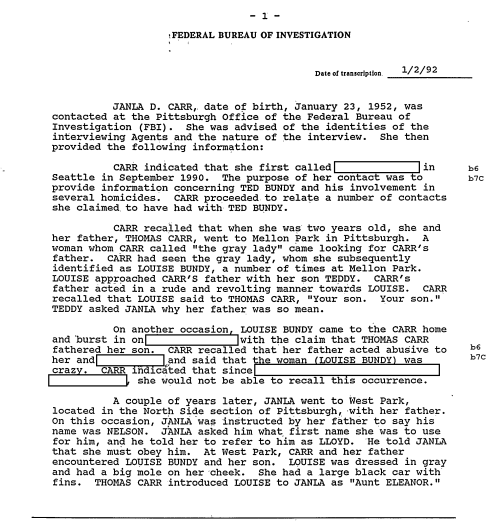
The first time Carr claims she met Ted was when she was two years-old: Mrs. Bundy brought her young son to meet up with Thomas and Janla at Mellon Park in Pittsburgh. Per the document released by the FBI, Janla told them that ‘a woman whom Carr called ‘the gray lady’ came looking for Carrs father. Carr had seen the gray lady, who she subsequently identified as Louise Bundy, a number of times at Mellon Park (although there isn’t a time or any other details of this introduction other than she remembers Louise as appearing gray in color). Thomas Carr denies ever knowing Louise Bundy. I don’t think I believe this story, as Louisemoved Ted from Pennsylvania to Tacoma in 1950 and married Johnnie Bundy the next year. Teds half-sister Lindawas born in 1952 and Louise had three more children after (Richie is the youngest Bundy-sibling and he was born in 1961)… why would Mrs. Bundy take her little boy ALL THE WAY across the country on multiple occasions and leave her new husband (who as we know stepped up and acted like a Father figure to Ted after he married his mom) and baby(ies) behind to go visit the Carrs? Janla told the FBI that on that occasion her ‘father acted in a rude and revolting manner towards Louise,’ and Teddy even asked Janla why her father was so mean to his mother. She also recalled that Louise said to Thomas Carr, ‘Your son. Your son.’
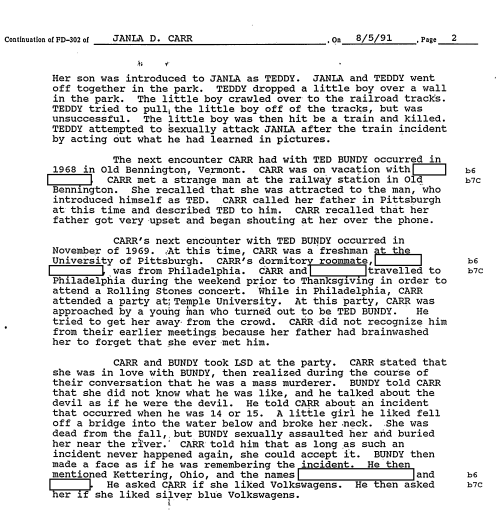
The next time Ms. Carr saw Ted was at West Park in Pittsburgh a couple years later in the mid-1950’s. On this occasion, Thomas instructed his daughter to call Louise ‘Aunt Eleanor’ and to tell her that ‘his name was Nelson. Janla asked him what first name she was to use for him, and he told her to refer to him as Lloyd. He told Janla she must obey him.’ When they met with Louise this time, Carr said she was dressed in gray, had ‘a big mole on her cheek,’ and drove a ‘big black car with fins.’ Like with so many of the other living unconfirmed victims, when writing this I relied heavily on Erin Banks book, ‘Ted Bundy: Examining the Unconfirmed Survivor Stories.’ In it, she discusses that during this second visit the two children wandered away from where the adults were sitting. ‘Janla and Ted went off together in the park. Teddy dropped a little boy over a wall in the park.The little boy crawled over to the railroad tracks. Teddy tried to pull the little boy was then hit by a train and killed.’the child’s mother allegedly witnessed the event. After the murder, Carr insisted that Bundy attempted to rape her and that he was ‘acting out what he had learned in pictures.’ I mean… where do I even start? Erin took all the work out of the equation for me (thanks friend), and pointed out that no police report exists regarding this alleged incident. If the mother witnessed another child murder her precious baby in such a horrifically gruesome way, where is the paper trail that would obviously exist? Or some form of proof of the repercussions of Teds actions? And why was it never discussed before in any Bundy related books or documentaries? It’s a pretty substantial event, much larger than something that could be expunged from a juveniles record at 18 (obviously something like that would make the papers, I would think). Also, Ted was born in 1946, which would have made him only 8 or 9 years-old when this event took place. Banks also points out that the average age that males in the 1950’s reached puberty remained as it was in decades prior at 12.5 years old. I mean, there’s always outliers to the average but how could it be possible that Ted rape Janla if he wasn’t physically able to? Janla discusses another time (there are no details given about when exactly it occurred) where Louise ‘burst in on [redacted] with the claim that Thomas Carr fathered her son. Carr recalled that her father acted abusive to her and [redacted] and said that the woman (Louise Bundy) was crazy. Carr indicated that since [redacted], she would not be able to recall this occurrence.’
Interestingly enough, Ms. Carrs run-ins with Ted didn’t end when they were children (it actually seems as if the encounters happened more frequently when the two were adults). Janla told the Pittsburgh branch of the FBI that the next time she saw her half-brother was while on vacation in Vermont in 1968: she ‘met a strange man at the railroad station’ in Old Bennington who introduced himself to her as Ted and that she was attracted to him. When she called her Dad and told him about her new friend he became very angry and started yelling at her. After that Carr claimed that she ran into Ted at a Rolling Stones concert in Philadelphia (sometime between 1968 and 1970) whilehe was attending Temple University and living at his Aunt Julia’s house in Lafayette Hill. It’s worth noting that Bundy did briefly live in Pennsylvania from December 1968 until May 1969 when he moved back to Tacoma (per the ‘TB FBI Multiagency Report 1992.’). Next up: at some point in November 1969 Carr said they ran into each other at a party shortly when she was a freshman at the University of Pittsburgh. She claimed that she didn’t recognize him because at some point in the past her father and Ted hypnotized and brainwashed her (I’ll elaborate more on that later). The two took LSD together while at the party and determined then that she was ‘in love with him’ despite him confessing to her that he was a ‘mass murderer.’ Bundy told Carr that she didn’t know what he was really like, and he talked about ‘the devil as if he were the devil.’ During that trip he started disclosing all of his deepest, darkest secrets to her, including the fact that he already committed several murders at that point in time (even though he told Bob Keppel that he started killing women in 1972) and that one time he incited a race riot after he shot a man in Jackson, Mississippi (you know, because he was known to do that), which ‘bears certain Manson-esque connotations’ (Banks, 54). Carr also claims that Ted confessed to being responsible for the 1969 slayings of Elizabeth Davis and Susan Curtis (also known as the Jersey Parkway Murders). I do want to note, the FBI file said that Ted shared with Janla that he was responsible for A murder on the Jersey Parkway (as in one).. and I don’t know if this is an error or intentional. In her book, Banks points out that ‘Bundy had allegedly intimated to Dr. Ron Holmes that he had killed the two women, yet no recording of it exists. It is noteworthy that Bundy was incarcerated with GeraldStano at the time, who was a suspect in the case and may have filled Bundy in on several details of the double homicide.’ Carr claims that Ted confessed to a series of murders that was discussed in the book, ‘The Michigan Murders’ as well as some slayings in Ohio. Additionally (although he didn’t give the victims name), she claimed that Ted took responsibility for the disappearance of eight year old Ann Marie Burr from his hometown of Tacoma, WA. Carr claimed that Ted described pushing the little girl off a bridge which resulted in her neck breaking. After she was dead, the fifteen year old sexually assaulted her before he buried ‘her body near a river.’ After this encounter, Bundy hypnotized Janla so she would forget the encounter ever happened.
Thomas Carr first remembers his daughter talking about Bundy for the first time at some point in the late 1980’s: he told the FBI that she called someone in Washington about Ted and that he tried to discourage her from doing it again. Thanks to these documents released by the FBI, we know that Janla didn’t begin her delusions of Bundy being her half-brother until around 1990, and she first contacted Seattle law enforcement that September about her speculations (conveniently this was after he was executed in January 1989). Carr told them she wanted to help provide information about his involvement in ‘several homicides.’ At some point in 1991, Ms. Carr learned that Louise Bundy named Jack Worthington as Ted’s father, which per the document ‘relates Janla’s claim that her father told Louise his name was eitherLloyd Nelson or Jack Worthington.’ Unfortunately the (handwritten) notes aren’t completely clear (to me, anyways) and it’s tough deciphering what is meant in some parts. It appears Janla attempted to contact the agency multiple times and they finally granted her an interview on October 26, 1990, when she shared with them her alleged past experiences with Ted Bundy (she even offered to undergo a polygraph examination proving she was being truthful). Carr claims Ted was given the surname Wolfe, Nelson, or Cowell at birth and that her Dad ‘thinks she’s nuts’ and that her ‘stories are fabrications.’ Thomas Carr commented that he ‘could not recall any other topic with which his daughter was so obsessed as with Ted Bundy.’ (Fun side note: she also claimed he had two toes that were stuck together).
Additionally she points out that she feels that older pictures of her father ‘bears a resemblance to published photographs of Ted Bundy.’ Carr included a picture of her father from 1946 in the handwritten letters she sent to the FBI, who she felt bore a ‘striking resemblance to Bundy.’ Janla shared that she wrote to Louise on several occasions and that she even wrote her back: in the response Ms. Carr said that Louise ‘discounted everything Carr had written and about.’ She termed Louise Bundy’s response as the ‘original poison pen letter;’ she also claimed that her father destroyed letters from Louise Bundy that were addressed to Jack Worthington as well as ‘an Army jacket with the name Nelson on it.’
Another thing I want to circle back on is the concept that Ted apparently had a twin brother: I’m including this snippet from Banks book because it gave me a good laugh but it also brings up a really good point: ‘Carr is adamant that Bundy had a twin brother. Those leaning towards believing Carr posit that Louise may have taken turns taking Bundy or his twin brother to these family reunion meetings with the Carrs. One person even suggested that it may have been Bundy’s twin who later sought Carr out in Pittsburgh. Obviously this logic is flawed. This isn’t ‘Breaking Bad’ and we’re not talking about the Salamanca twins in real life. The fact aside that the Lund Home did not record a twin birth in Louise’s case, why would Louise not have brought both boys to meet Mr. Thomas Dowling Carr and his daughter Janla? Where exactly was this twin brother when Bundy grew up in the Cowell and later Bundy household? Where is he on any family photos that found their way onto the internet over the decades? He should have been in at least one photo together with his twin. And where is he now? If he resembles Bundy, just imagine the terror and panic that would have followed, had he been spotted someplace after Bundy’s conviction, let alone after his execution. He would have been the most (wrongfully) arrested man in the history of the USA.’ I mean… yeah. This is written so perfectly I don’t need to elaborate further. The idea that Bundy had a twin no one knew about is absurd.
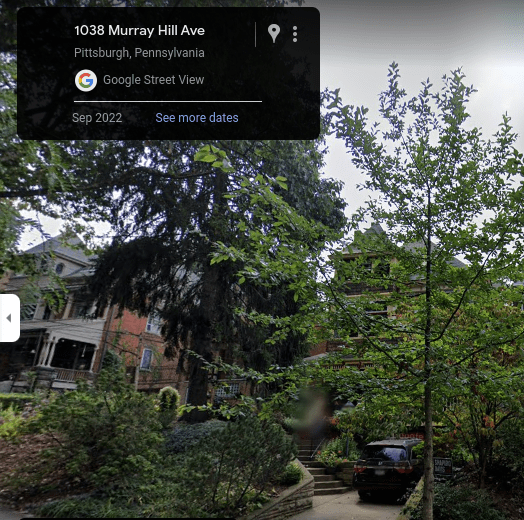
It shouldn’t come as a surprise that Janla had a long history of mental illness: her father claims that she never held a job and he paid the rent for her apartment (located in an old mansion at 5705 Fifth Avenue in the Oakland area of Pittsburgh). Even though Thomas said she didn’t work a company called ‘Telefundraiser / Public Interest Communications’ is listed in the FBI document as Janla’s place of employment with a notation of of April 1990 written by it (I don’t know if they meant that was her current POE and started that April or if it was the only place she’s ever worked, it’s not clear). She also had numerous inpatient stays at the Western Psychiatric Institute and Clinic in Pittsburgh. Her father also shared with the FBI that his daughter also had some sort of ‘thyroid condition‘ and took ‘Synthroid,’ a Doctor prescribed thyroid medication that is used to treat a condition called hypothyroidism in adults and children. It is meant to replace a hormone that is usually made by an under-producing thyroid gland. Looking into the condition, it appears that individuals suffering with this thyroid disease often experience changes in mood, specifically anxiety and depression. It seems that the more advanced the thyroid condition, the more severe the mood shifts.
Janla said she saw Ted next in the spring of 1970: she was a student (and resident) at the University of Pittsburgh and ran into him on campus. Around the same time, a Pittsburgh coed (who wore her ‘hair parted in the center’) was strangled to death. She said that time he ‘told her he had killed people;’ she immediately took this information to the University of Pittsburgh Campus Police. Carr commented that she doesn’t know if they did anything with the information. There isn’t any additional information about this encounter but apparently after it took place Bundy ‘disappeared;’ she doesn’t know if the Campus Police ever checked him out. After that incident Bundy contacted Janla on the telephone at some time in the early 1970’s: he told her that a spirit gave him her unlisted phone number; it was at that time that she remembered meeting up with him while he was at Temple (vault.fbi.gov/TedBundy, page 40).
Janla told the Pittsburgh branch of the FBI that she didn’t begin to remember these events until several years before the interview took place because ‘both her father and Bundy had hypnotized her.’‘ She claims that the two men had hypnotized her in order to make her ‘forget about the family connection;’ per the FBI document, Carr broke free from this spell at some point in 1969. She also said that she did not always recognize Ted when she see him or remember that he was her half-brother. Janla also claimed that Bundytold her that he was psychic and one time predicted that ‘a woman named [redacted] was going to be stabbed.’ She went on to claim that the next day ‘a woman named [redacted] was stabbed at Penn State University.’ He also said that ‘he would have a career as a criminal, and that he would be killed for his crimes.’ Carr claims that at the end of this encounter Bundy hypnotized her so that she would forget everything he told her.
In 1983 Janla said Bundy called her from Florida State Prison and gave her the name of Angela Woods. ‘Also in 1983, Carr received a call from [redacted], who identified herself as [redacted]. She told Carr that Bundy had used [redacted] credit card to call Carr. Carr told [redacted] that she did not know Bundy was married’ (this makes me think redacted is CaroleAnn Boone). About four years go by before Carr is contacted by Bundy again: in 1987 she received a phone call from Ted but she ‘didn’t recognize his voice.’ He told her he was ‘the most evil person in the world.’ Carr shared with the FBI that she was ‘half-asleep when he called’ and she didn’t realize until later that it was Ted who called her.
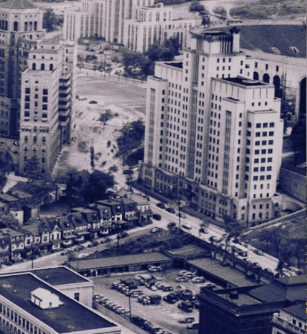
Thomas Carr denied that Ted Bundy is his son and is not sure why his daughter thinks this is true. In an interview with the FBI, he shared that Janla never talked about Ted until after he was executed and that he sought her out because she had ‘incriminating information about him.’ In order to find information that would help corroborate her stories, Thomas said that she would tirelessly research Bundy’s background, trying to find some random fact that would help prove her case. He also shared that Janla became practically obsessed with the serial killer, and would read anything she could get her hands on about him: magazines, newspapers, books. She also utilized computer databases at various libraries in the area (specifically the Carnegie Library as well as the libraries at Carnegie Mellon University and the University of Pittsburgh). Carr claims that his daughter is ‘clever enough to appear convincing in relating her stories concerning Bundy.’
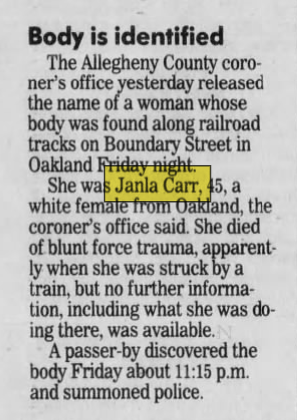
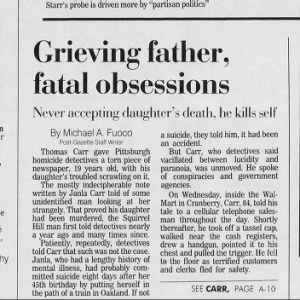
Eight days after her 45th birthday on January 31, 1997 Janla Carr was found dead in a subway tunnel near Central Catholic High School in the Oakland area of Pittsburgh following a stay at a psychiatric hospital. The area was a known hangout for people experiencing homelessness. Friends of Carr told law enforcement that she seemed happy before she died despite the fact that she stopped taking her medication. Pittsburgh Homicide Sergeant Paul Marraway described Janla as ‘eccentric,’ and that ‘she had been in the hospital for psychological problems.’ Because Janla wasn’t a victim of sexual assault and had no physical defensive wounds, investigating officers ruled her death as a suicide (the ME listed her death as ‘undetermined’). But her father knew differently: Thomas Carr went to Pittsburgh law enforcement multiple times over the following year regarding his daughters death. One time he gave homicide detectives a 19 year-old torn piece of newspaper that contained Janla’s handwriting all over it: she claimed that there was an unusual man in her apartment who stood up from the couch he was sitting on and looked at her in an ‘unsettling way’ (Banks, 57). The note was deemed mostly nonsense by the police, however Mr. Carr felt it proved his daughter had been murdered. Police said that it was as if he became obsessed with that piece of paper. Over and over again, detectives patiently told him that his daughters death was a suicide, and if it wasn’t, it was an accident. She wasn’t murdered.
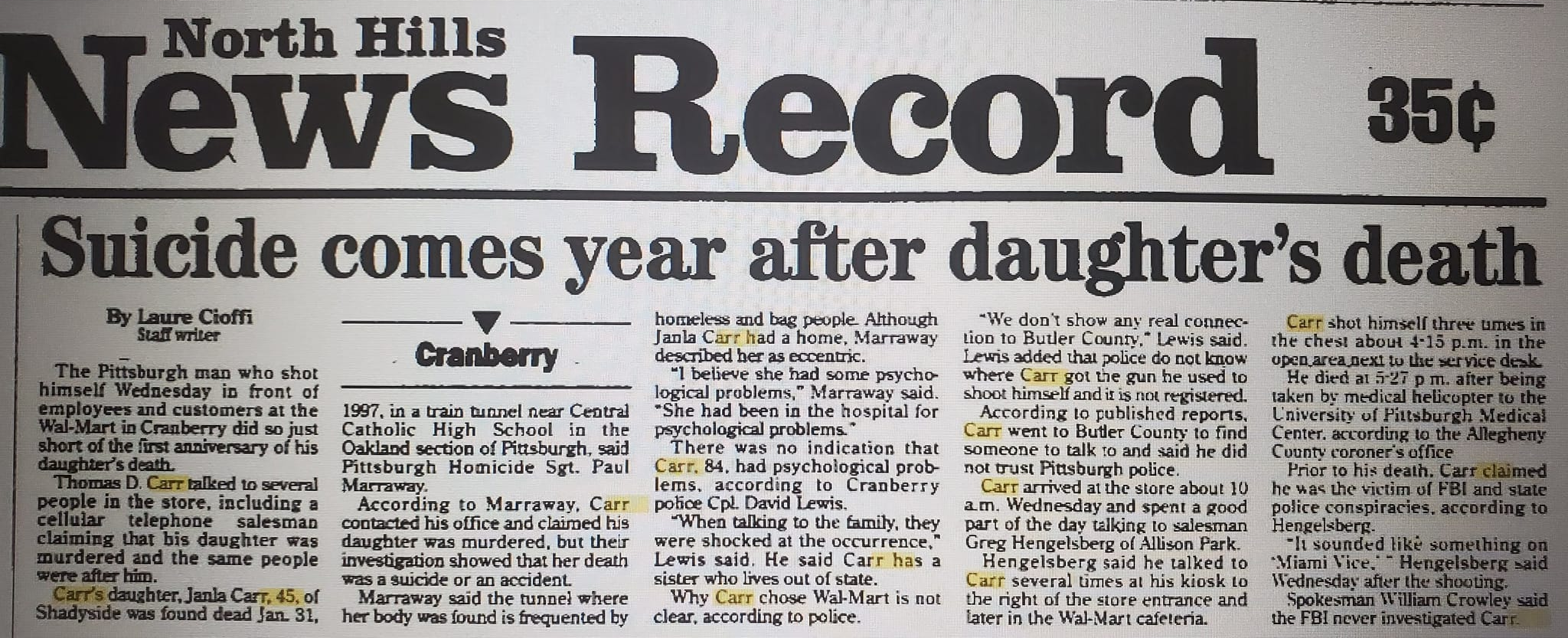
The Pittsburgh branch of the FBI looked into Janla’s story and they eventually determined that it lacked credibility (obviously, as we are all aware Bundy’s paternal lineage remains unknown). Finally Thomas Carr’s delusions of his daughter being murdered by the FBI got the best of him and he had enough: on Wednesday, January 28, 1998 Carr went to the Walmart in Cranberry, PA multiple times. He spent a few hours wandering through the isles and sharing his story with Greg Hengelsberg, a cell phone salesman working at the store. Among the things he shared was that his neighbor broke into his house and stole his stamp collection and that his phone was being tapped by the FBI and whoever is doing that also killed his daughter. Regarding the conversation, Hengelsberg commented that ‘it sounded like something on ‘Miami Vice.’’ Per an article published by the North News Record on January 30, 1998: ‘he said the same people tapping phones were the ones who killed his daughter. He said he was wanted by the FBI and the state police.’ … ‘One minute it would be a normal conversation, and then he would get serious… that they had gotten to his daughter and now were after him and whoever was tapping his phones had played it for the woman he was in love with and and she had duped him and never spoke to him again.’ When he was finished walking the store, Carr took off the tasseled hat he was wearing, walked near the cash registers, pulled out a handgun, pointed it to his chest and pulled the trigger. Clearly hurt, he quickly fired two more shots into his chest; he died later that day. The day before he took his life, Thomas went to the Butler Eagle Newspaper offices and told a member of their staff that he wanted to talk about his daughter’s death. He said that he wanted to talk about his attempts to get the Pittsburgh Police interested in the case but he no longer felt he could trust them. He also said that he was ‘on the run from the law’ and that Janla’s murder involved a top political aide of a gubernatorial candidate. He was referred to Post-Gazette reporter Dennis B. Roddy. According to one-time Cranberry Police Corporal David Lewis, Carr showed no signs of having any psychological problems, and when his family was contacted they were surprised at the news. Lewis further commented that police didn’t know how Carr obtained the gun used to shoot himself and that it’s not registered.
I personally don’t think Janla was Ted’s half sister. I think she suffered from a terrible case of untreated mental illness and the only reason she knew so much about him was because she obsessively and tediously studied him. On the website ‘documentingreality,’ a user going by the name of ‘Susan’ said that Janla ‘knows far too much for her to have been dismissed the way she was later on.’ I mean… I wish Susan would have elaborated a bit on what information she thought was so unique, but there’s so much information out there about Bundy, even back then (as the places Carr utilized contained a lot of helpful sources). Janla easily could have learned a great deal of information about Bundy simply by reading books and newspaper articles.
Thomas Carr was 84 years old when he killed himself.
Janla’s senior picture from the 1969 Peabody High School yearbook.Janla’s senior year activities according to the 1969 Peabody High School yearbook.An article about Janla Carr’s death published by The Pittsburgh Post-Gazette on February 3, 1997.An article about the suicide of Thomas Carr published by The Pittsburgh Post-Gazette on January 30, 1998. An article about the suicide of Thomas Carr published by The North Hills News Record on January 30, 1998.Part one of an article about the suicide of Thomas Carr, published by the North News Record on January 30, 1998.Part two of an article about the suicide of Thomas Carr, published by the North News Record on January 30, 1998.Thomas Carr’s WWII Veteran Compensation Application, dated 1950.Thomas Carr’s Registration card for the service.Janla Carr’s Mothers information in the US City Directories listing.Velma Carr’s nursing school credentials.Teds birth certificate.Little Teddy with his grandfather Samuel.William Lloyd Marshall.Page five of a document regarding Janla Carr/Ted Bundy from vault.fbi.gov.Page six of a document regarding Janla Carr/Ted Bundy from vault.fbi.gov.Page seven of a document regarding Janla Carr/Ted Bundy from vault.fbi.gov.Page eight of a document regarding Janla Carr/Ted Bundy from vault.fbi.gov.Page nine of a document regarding Janla Carr/Ted Bundy from vault.fbi.gov.Page ten of a document regarding Janla Carr/Ted Bundy from vault.fbi.gov.Page eleven of a document regarding Janla Carr/Ted Bundy from vault.fbi.gov.Page twelve of a document regarding Janla Carr/Ted Bundy from vault.fbi.gov.Page thirteen of a document regarding Janla Carr/Ted Bundy from vault.fbi.gov.Page fourteen of a document regarding Janla Carr/Ted Bundy from vault.fbi.gov.Page fifteen of a document regarding Janla Carr/Ted Bundy from vault.fbi.gov.Page sixteen of a document regarding Janla Carr/Ted Bundy from vault.fbi.gov.Page seventeen of a document regarding Janla Carr/Ted Bundy from vault.fbi.gov.Page eighteen of a document regarding Janla Carr/Ted Bundy from vault.fbi.gov.Page nineteen of a document regarding Janla Carr/Ted Bundy from vault.fbi.gov.Page twenty of a document regarding Janla Carr/Ted Bundy from vault.fbi.gov.Page twenty-one of a document regarding Janla Carr/Ted Bundy from vault.fbi.gov.Page twenty-two of a document regarding Janla Carr/Ted Bundy from vault.fbi.gov.Page twenty-three of a document regarding Janla Carr/Ted Bundy from vault.fbi.gov.Page twenty-four of a document regarding Janla Carr/Ted Bundy from vault.fbi.gov.Page twenty-five of a document regarding Janla Carr/Ted Bundy from vault.fbi.gov.Page twenty-six of a document regarding Janla Carr/Ted Bundy from vault.fbi.gov.Page twenty-seven of a document regarding Janla Carr/Ted Bundy from vault.fbi.gov.Page twenty-eight of a document regarding Janla Carr/Ted Bundy from vault.fbi.gov.Page twenty-nine of a document regarding Janla Carr/Ted Bundy from vault.fbi.gov.Page thirty of a document regarding Janla Carr/Ted Bundy from vault.fbi.gov.Page thirty-one of a document regarding Janla Carr/Ted Bundy from vault.fbi.gov.Page thirty-two of a document regarding Janla Carr/Ted Bundy from vault.fbi.gov.Page thirty-three of a document regarding Janla Carr/Ted Bundy from vault.fbi.gov.Page thirty-four of a document regarding Janla Carr/Ted Bundy from vault.fbi.gov.Page thirty-five of a document regarding Janla Carr/Ted Bundy from vault.fbi.gov.Page thirty-six of a document regarding Janla Carr/Ted Bundy from vault.fbi.gov.Page thirty-seven of a document regarding Janla Carr/Ted Bundy from vault.fbi.gov.Page thirty-eight of a document regarding Janla Carr/Ted Bundy from vault.fbi.gov.Page thirty-nine of a document regarding Janla Carr/Ted Bundy from vault.fbi.gov.Page forty of a document regarding Janla Carr/Ted Bundy from vault.fbi.gov.Page forty-one of a document regarding Janla Carr/Ted Bundy from vault.fbi.gov.Page forty-two of a document regarding Janla Carr/Ted Bundy from vault.fbi.gov.Page forty-three of a document regarding Janla Carr/Ted Bundy from vault.fbi.gov.Page forty-four of a document regarding Janla Carr/Ted Bundy from vault.fbi.gov.Page forty-five of a document regarding Janla Carr/Ted Bundy from vault.fbi.gov.Page forty-six of a document regarding Janla Carr/Ted Bundy from vault.fbi.gov.Page forty-seven of a document regarding Janla Carr/Ted Bundy from vault.fbi.gov.Page forty-eight of a document regarding Janla Carr/Ted Bundy from vault.fbi.gov.Page forty-nine of a document regarding Janla Carr/Ted Bundy from vault.fbi.gov.Page fifty of a document regarding Janla Carr/Ted Bundy from vault.fbi.gov.Page fifty-one of a document regarding Janla Carr/Ted Bundy from vault.fbi.gov.Thomas Carr’s address of 1038 Murray Hill Road in Pittsburgh, PA. It’s the house to the right and the view is obscured due to trees.The Western Psychiatric Institute and Clinic in Pittsburgh, PA.
A Preliminary Research Proposal written by Theodore R. Bundy (consultant to Department of Budget & Program Planning) for King County, ‘Misdemeanants who Recidivate,’ dated January 26, 1973. Document courtesy of the Internet Archives, user ‘Marionumber1.’ From February to the end of April in 1973 Bundy worked for King County Program Planning.