Documents courtesy of the Whitman County Sheriff’s Department.
Joyce Margaret LePage, Case Files.

Documents courtesy of the Whitman County Sheriff’s Department.
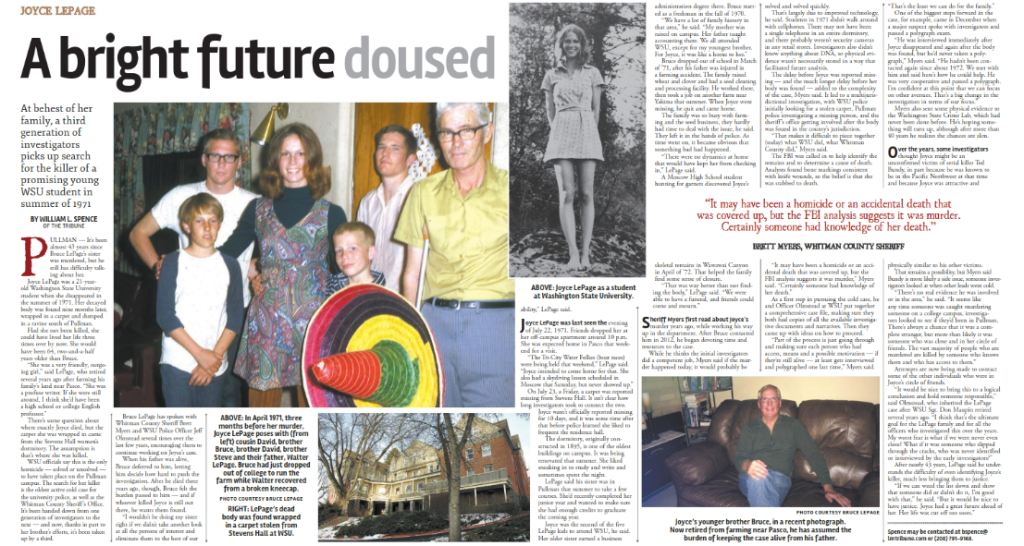
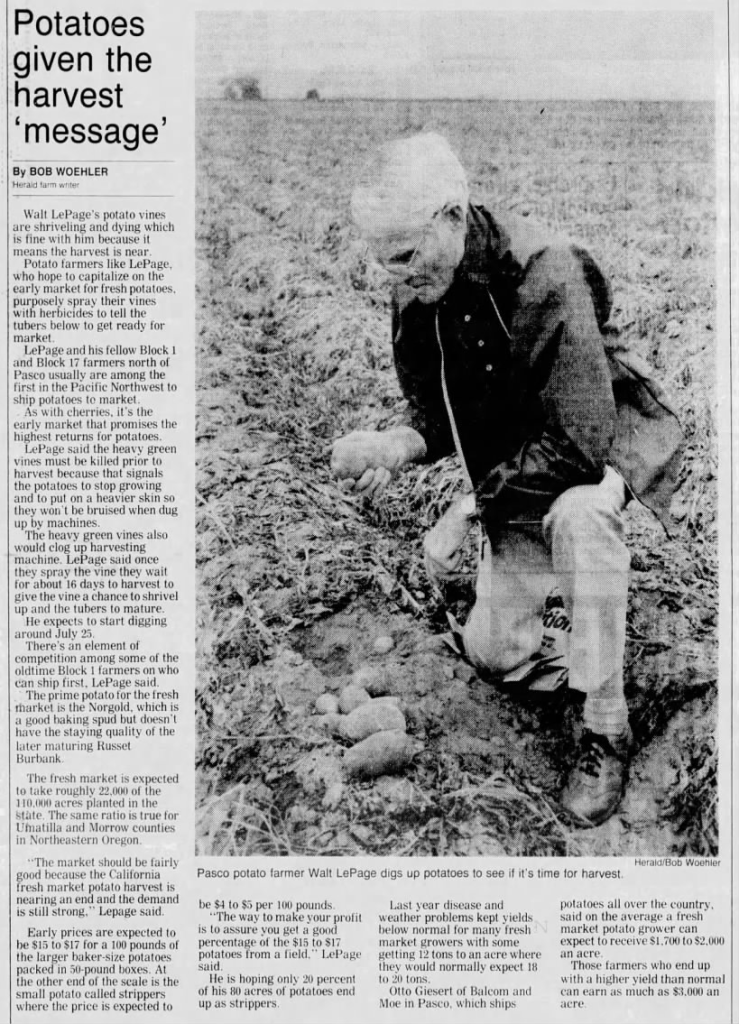
Joyce Margaret LePage was born to Walter and Florence (nee Ham) LePage on December 4, 1949 in Pullman, Washington. Mr. LePage was born on August 13, 1913 in Santa Ana, CA, and even though he dropped out of high school due to his family’s frequent moves, he enrolled in college in 1936 after seeing an ad that Brownsville Junior College accepted adult learners with no high school diploma as long as they were able to maintain a C average. About the experience, he said ‘That ad really excited me. I really worked to keep up that freshman year and was up until midnight studying a lot of nights … and, yes, did come through with the C average.’ In the summer months in between school, he hitchhiked and took odd jobs (like shoveling sand in Zapata, Mexico, for two weeks). Walter eventually went on to attend Central Missouri State Teachers College (where a full quarters tuition only cost $20) and graduated in 1940 with a dual BS in physics and chemistry (with minors in both education and math); his first teaching job was in a one-room schoolhouse in Missouri. Mrs. LePage (who preferred to go by her middle name of Ethelyn), grew up in Pullman where her father taught accounting at Washington State University.
In 1943 while working at Hanford Engineer Works as an instrument technician Walter met his future wife, who was a student and employed in their chemistry department; the couple were wed on October 5th, 1945. Before WWII, Mr. LePage learned how to fly airplanes and for most of the war training pilots near Cuero, TX; when the flight school closed in 1948 the couple purchased some undeveloped farmland just north of Pasco, WA and began the W.A. LePage Seed Company, which was family owned and operated for 46 years. Additionally, Mr. LePage helped found the Washington State Potato Commission.
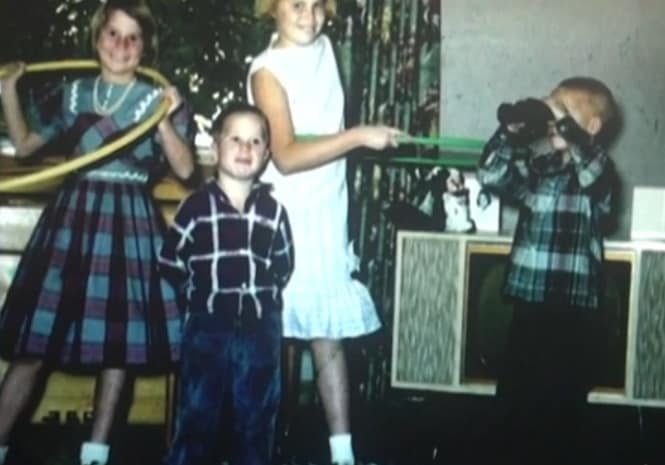
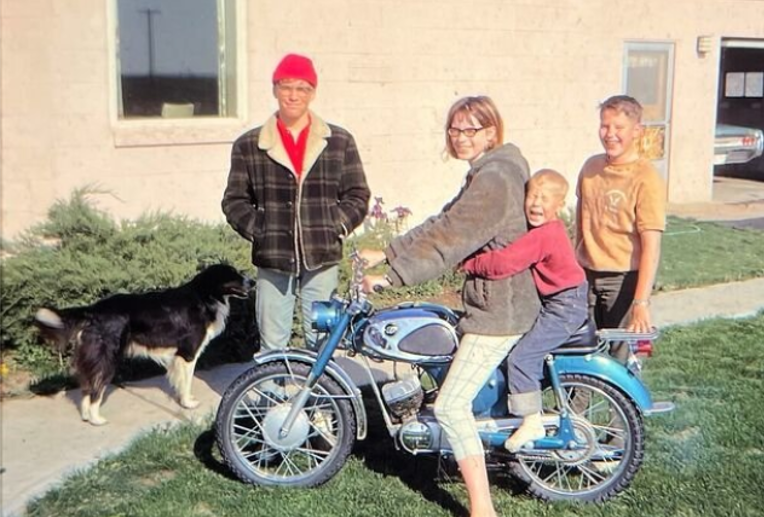
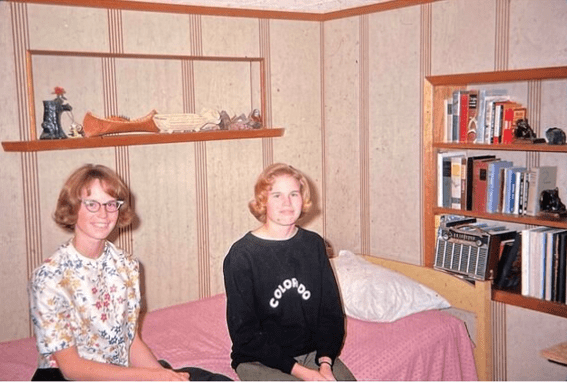
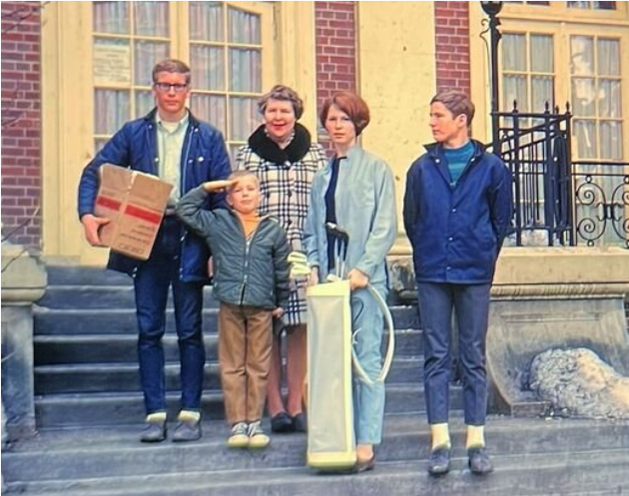
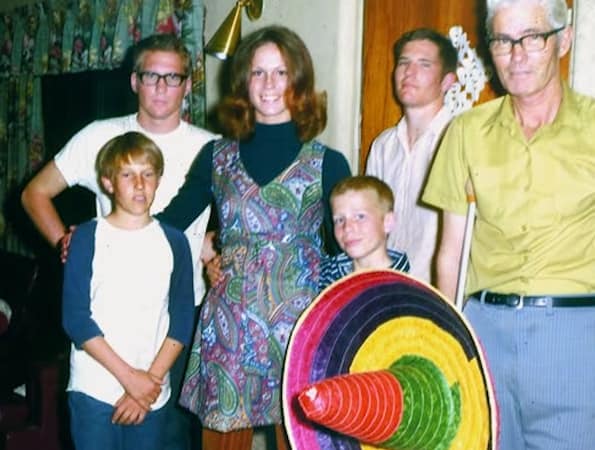
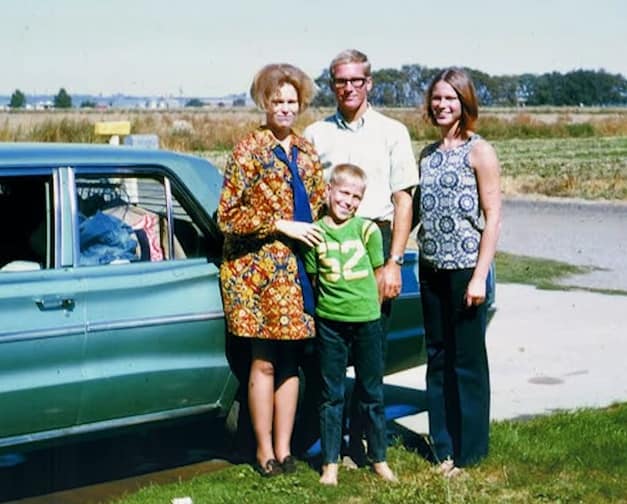
Joyce was the second of five children, and had an older sister named Phyllis and three younger brothers: Bruce, Steven and David. She came from a highly driven, working class family that strongly valued education and spent a lot of time on the family farm on LaPorte Drive. Due to the long hours the LePage’s put in on the farm, the siblings didn’t partake in many after school activities, and because of this their bond was incredibly strong. When they were kids, Joyce loved bothering her younger brothers, and would often leave ‘scattered notes’ around the yard to keep them occupied and out of her hair when they were too loud or annoying. Of their childhood, Bruce said: ‘we never had to deal with financial stress. Just good family memories. My dad took a lot of photos and videos of us kids. We all have something to look back on.’
Joyce inherited her fathers love for flying and in the small amount of spare time she had earned her pilot’s license at only 18 years old. Some interesting facts about Ms. LePage: she was a phenomenal student throughout her entire academic career, and took grades very seriously. She got an 86/100 on her drivers test, and lost 6 points because ‘she slightly inched out of her lane six times.’ Joyce loved using vivid describing words when writing, and one time used the word ‘delicious’ to describe a tempting, beautifully wrapped gift she wanted to open. She enjoyed listening to rock bands like Steppenwolf, and particularly loved the Petula Clark classic ‘Downtown.’ Bruce said that his sister had a great passion for writing and ‘was going to go places in her life, and I think she could very well have ended up being an educator at some level, high school, junior high, middle school, or possible college level because she loved to write and was talented at it.’ … ‘Joyce had a great future ahead of her.’ Described by loved ones as vivacious, hardworking, and friendly, Joyce was the second of her siblings to attend WSU (her sister Phyllis earned a degree in business administration). As I said earlier, their maternal Grandfather was a professor of accounting at Wazzu so it seemed natural for the LePage children to continue their education at the institution (Bruce eventually enrolled there as well).
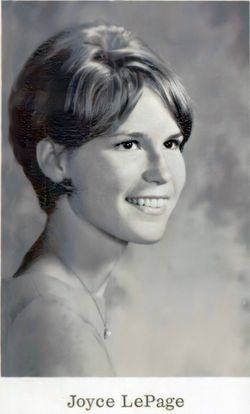
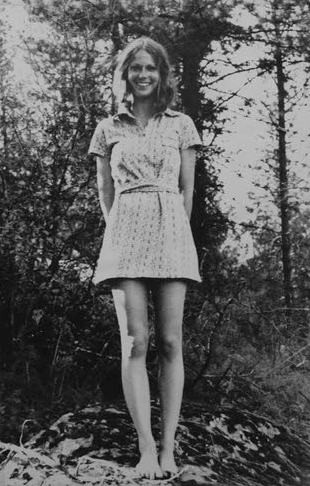
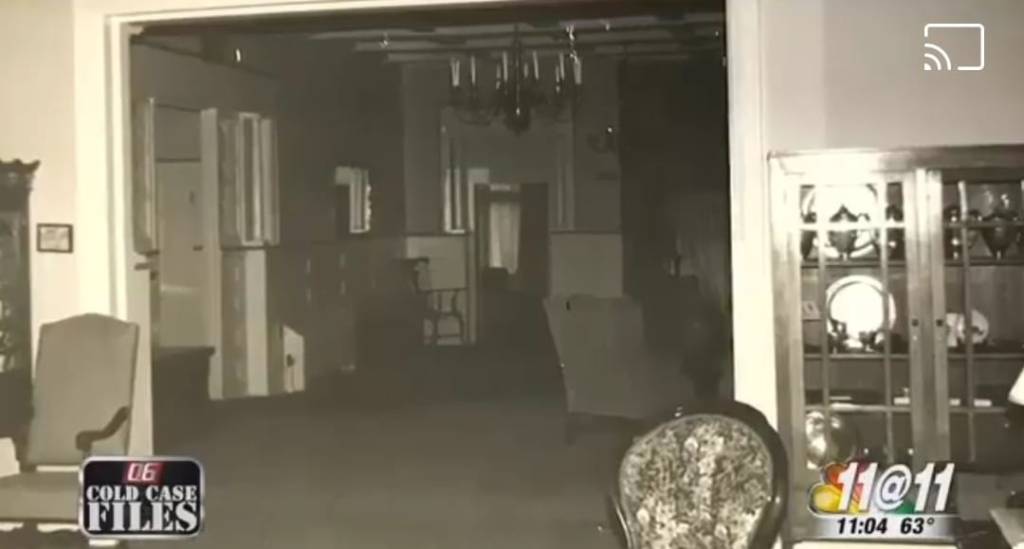
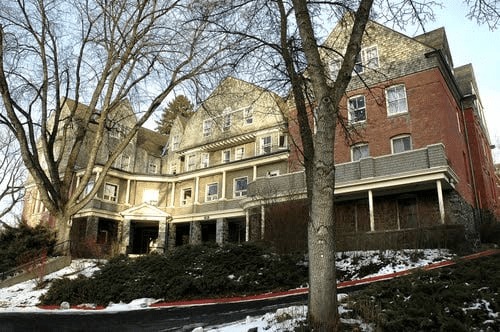
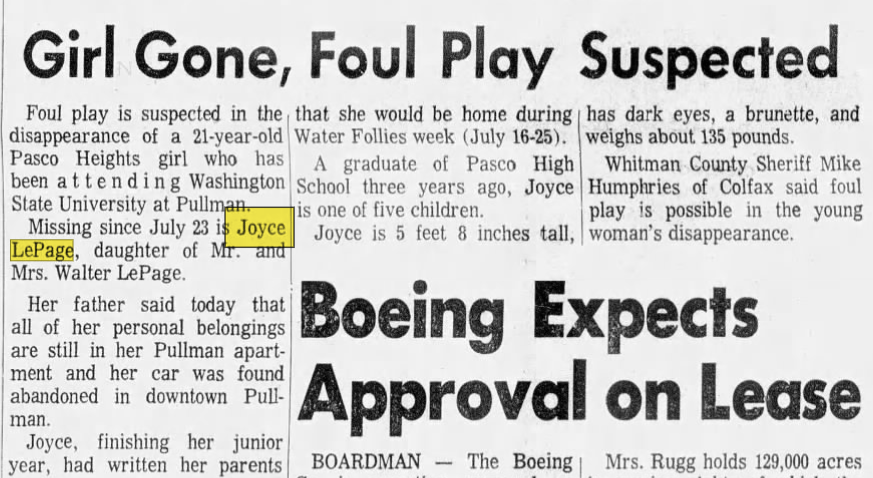
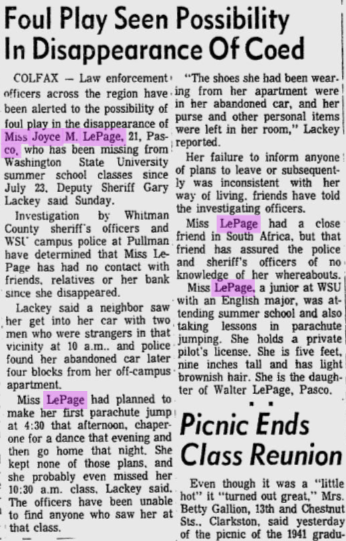
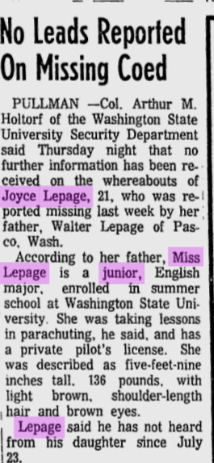
At the time of her murder in 1971, LePage was 21 years old and a junior at WSU. Despite it being summertime, the young coed was still living near campus on Maiden Lane, taking accelerated courses so she could graduate on time. Described by loved ones as athletic, ambitious, and attractive, she was 5’9”, weighed 136 pounds, had brown eyes and medium length light brown hair. Despite having her own apartment, Joyce enjoyed spending time in Stevens Hall, a vacant, all-girls dormitory on the university’s campus, which was under construction at the time of her murder. She enjoyed the quiet atmosphere and would frequently hang out on the first floor and study, write letters to her long distance boyfriend, and play the baby grand piano when the stress from the semester became too much; she would also (on occasion), spend the night there. About his sister, Bruce commented that: ‘she would slip up there. She had a window she could slide open and slip inside. She would go in there and do her writing.’ Retired WSU Sergeant Don Maupin said of Joyce: ‘clearly she was entering the hall, going in and out of there. And it wouldn’t be hard for someone else to do the same thing, particularly if they’re observing her’ … ‘Some of her friends knew she was going into Stevens Hall. In fact, the people who dropped her off said, ‘You’ve got to quit doing that. It’s dangerous, and besides that you’re going to get in trouble.’’ In the early stages of the investigation, law enforcement wasn’t aware that LePage liked to spend her down time in the unoccupied dormitory.
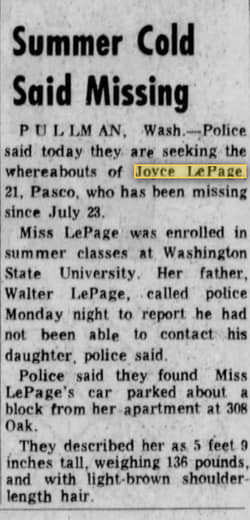
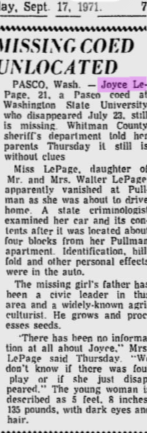
Joyce disappeared under mysterious circumstances on Thursday, July 22, 1971; she had been wearing cutoff jeans and a blue blouse late in the day when friends dropped her off at her apartment around 10 PM. Most likely because she lived away from home and took place before cell phones existed, it took ten days for Mr. LePage to report his daughter missing after she didn’t come home for a planned weekend visit. During their investigation, investigators found her car parked about 3-4 blocks away from her apartment on Oak Street; in it were her shoes and purse (sans her ID and keys). LePage had been taking skydiving lessons and her first parachute jump was scheduled for the following day (which she never showed up for). Regarding his sister as missing, Bruce said that ‘she had no reason to take off, and was planning to come down for the Water Follies (boat races) that coming weekend. She just never showed up.’ Joyce left behind all of her personal belongings and told none of her loved ones that she had any plans of taking off, and because of this, detectives immediately felt that some form of foul play was involved.
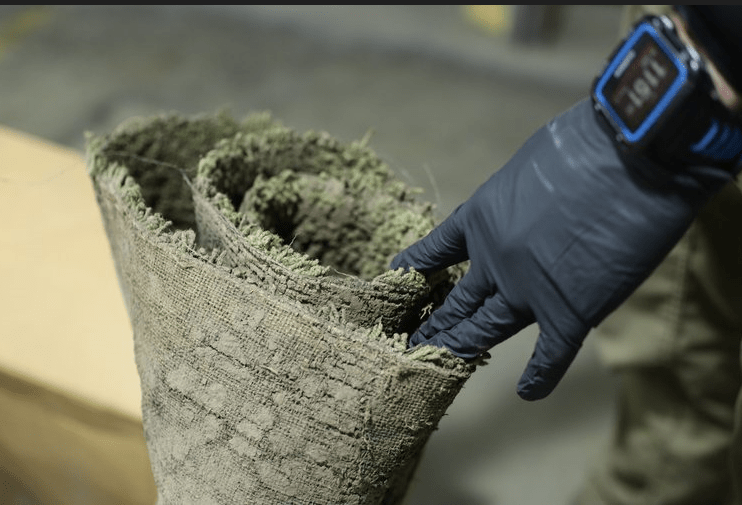
Oddly enough, a second crime took place on WSU’s campus on the evening LePage went missing: on July 23, 1971, a 5’x6’ chunk of green carpet was discovered to be missing from the lobby of Stevens Hall by school custodians. At first, campus police chalked it up to a random act of vandalism, but when they explored the residence hall further they stumbled upon blood splatter in the back corner of a room at the basement level of the hall.
It is strongly speculated that there was a party in Stevens Hall on the evening LePage disappeared: WSU custodian Rosy Lord said that on the morning of July 23, 1971 the cleaning crew came into a mess, and there were pizza boxes and ‘drug paraphernalia’ strewn all over the place. A friend of Joyce’s told law enforcement that she was planning on going to the residence hall the evening she disappeared, but no one could place her there. A neighbor told police that they saw her getting into a car with two unknown men early in the morning on the 23rd, but nothing ever came of this report. There were additional rumors being floated throughout the community: some suspected the attractive young woman ran off to join a commune, while others felt it was her that she stole the piece of carpet and took off with it (but why?). Additionally, a psychic came forward and told police he had a vision of the young girl getting on a plane for Argentina with a ‘Latin boyfriend.’
As time went by, the case created some jurisdictional complications: WSU investigated the missing patch of carpet, Pullman law enforcement was responsible for the missing persons case, and the Whitman County Sheriff’s Department was eventually put in charge of the murder investigation. This means that multiple police agencies were responsible for different parts of the case, and no one really knows how long it took them to connect Joyce’s remains to the missing carpet from Stevens Hall. The current (as of July 2024) Whitman County Sheriff Brett Myers commented: ‘that makes it difficult to piece together (today) what WSU did, what Whitman County did.’ As we know from other Bundy cases, this really throws a wrench in things as investigating agencies from that time period weren’t overly interested in sharing information with one another.
The letters that Joyce wrote to her boyfriend were handed over to police and became part of her case file, and thanks to them detectives were able to verify that she often liked to sneak into the vacant dormitory. Sergeant Maupin commented: ‘there’s little doubt that (Stevens Hall) is where the stabbing took place because she was stabbed multiple times and she was removed from the hall later on.’ … ‘Clearly she was entering the hall, going in and out of there, and it wouldn’t be hard for someone else to do the same thing, particularly if they’re observing her.’
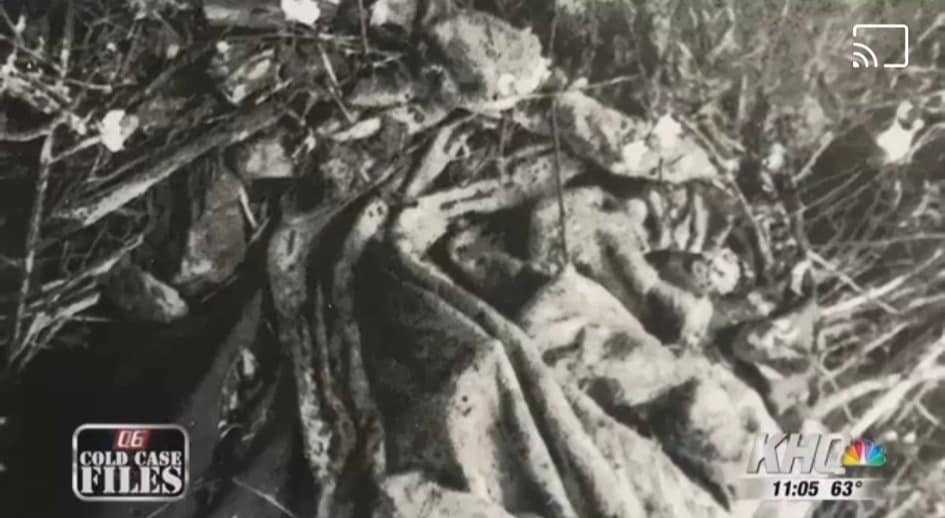
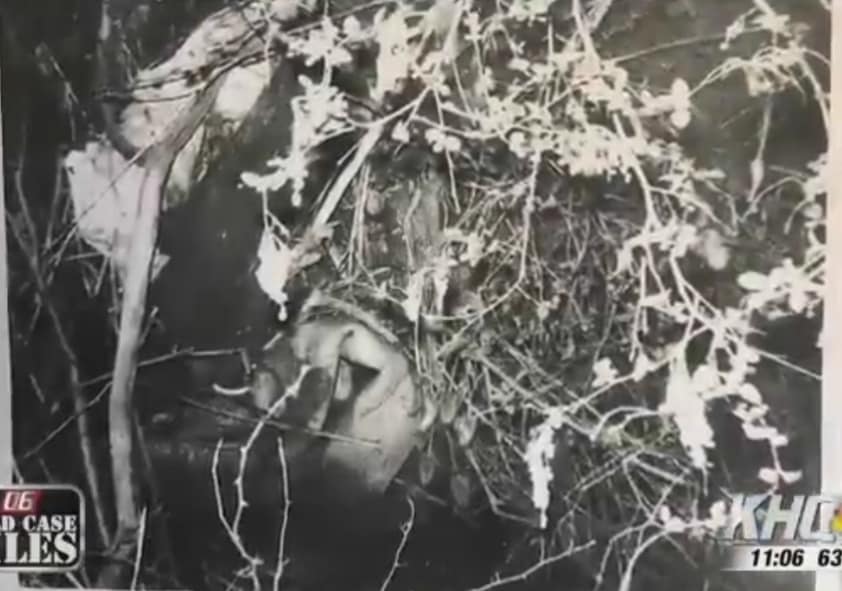
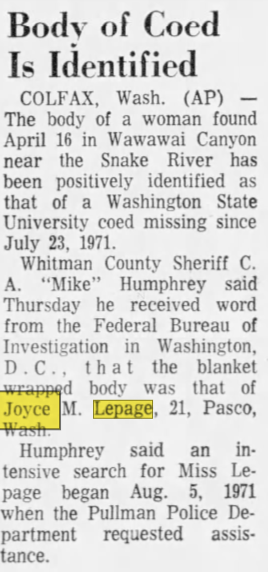
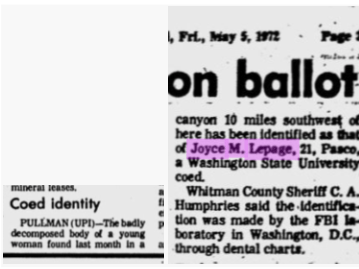
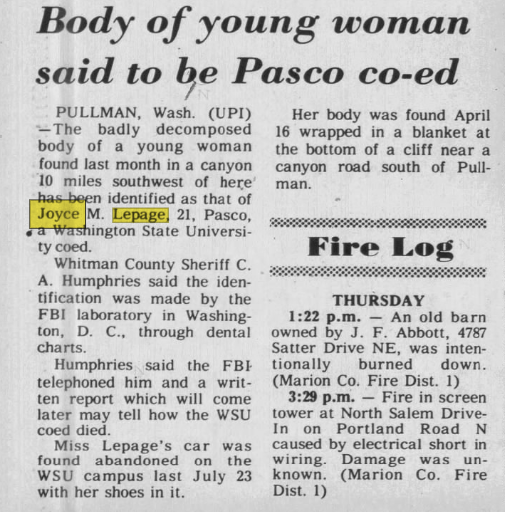
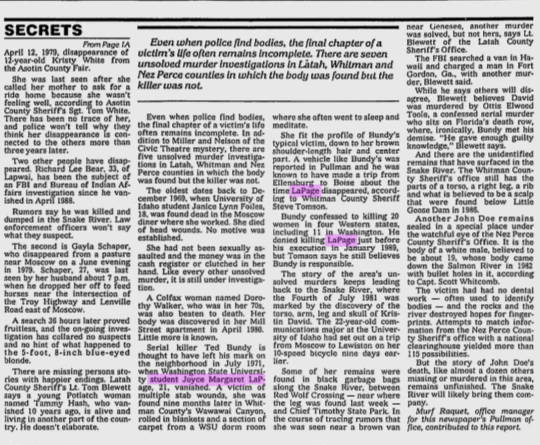
Roughly nine months after her mysterious disappearance, on April 16, 1972, a teenager scouring the area for gemstones with his mom (some reports say they were looking for opals, another says garnets) discovered the skeletal remains of LePage along a dry creek bed in a gully roughly 10-15 miles south of Pullman, just off Wawawai Road in Wawawai Canyon. Her remains were well hidden by dense brush at the bottom of a deep ravine that was only accessible by a narrow gravel road, and she was enveloped in her school’s missing carpet as well as two military-style blankets then bound with rope (she was wrapped in the blankets first and then the carpet). Sheriff Myers said: ‘it starts as a missing person’s case. It starts out also as a missing piece of carpet from a WSU building.’ … ‘We have a theft case and a missing person case, but it was not until April of 1972 that we discovered that her body was deliberately put somewhere in the carpet.’ A positive identification was made thanks to Joyce’s dental records as well as genetic testing that was conducted by the FBI. Former Whitman County Sheriff Mike Humhprey said: ‘there definitely was foul play, but the official and specific cause of death has not been determined.’
The FBI performed some forensic tests on Joyce’s remains and determined that her cause of death was most likely the result of multiple stab wounds, as they found three puncture wounds close to her rib cage (I do want to mention that in one article it was reported she had seven wounds, but three is the number that is most frequently reported). Police determined that she had most likely been killed in the front foyer of Stevens Hall, and afterwards her assailant wrapped her body up in the missing hunk of carpet then quickly snuck her out to his waiting vehicle, then transported it to the ravine, where he disposed of it.
After Joyces body was found in 1972, the LePage family didn’t want much to do with the investigation: her father seemed to keep up with it the most, and after he passed away Bruce stepped up and seemingly became the family spokesperson, saying: ‘there wasn’t anything we or the public could do, so we had to wait until her body was found. If her body had been found immediately, at the site she was murdered, we could have looked into closure. My family has come to terms with the case pretty well, myself included. But with the nine month time frame, and the lack of evidence where her body was disposed of, there was nothing to go on.’ He further elaborated that he knew his sister had a lot of male attention: ‘I just know there were a lot of guys who would have loved to have dated her.’ … ‘This could very well be a person she turned down.’
At the time of her disappearance, Joyce was seeing a guy that was living in South Africa; he was investigated and was quickly cleared. Another possible scenario could be that LePage did attend the party at Stevens Hall on the evening she was killed and perhaps turned down the advances of a young man… When you combine that with the drug paraphernalia (I’m assuming the kids drank as well) that was found in the Hall on the morning after LePage’s murder it makes me wonder if maybe her killer wasn’t in the most rational frame of mind when he took her life.
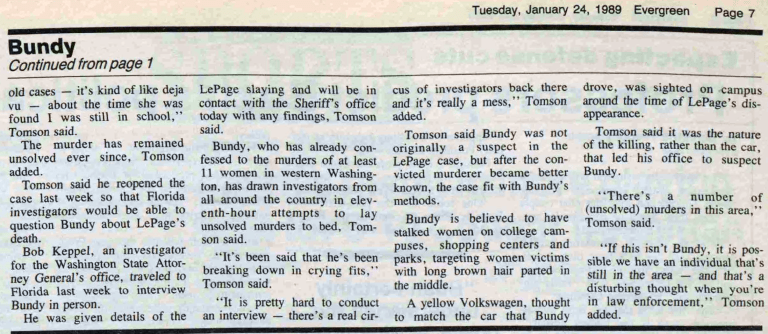
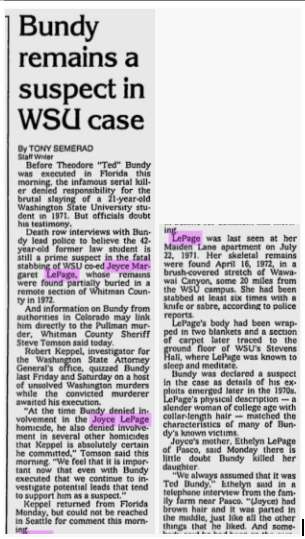
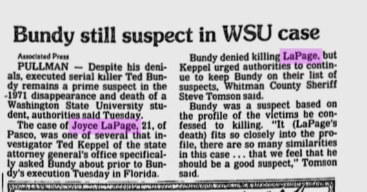
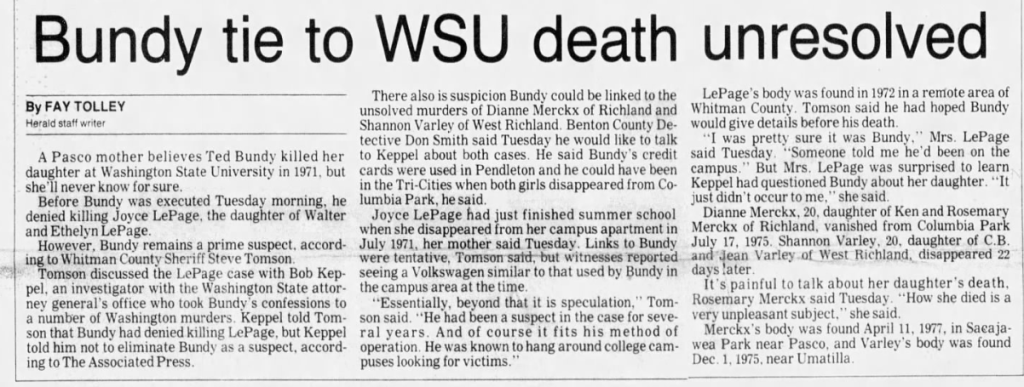
There’s a few things that jump out at me when it comes to Bundy’s possible involvement with LePage’s murder, the biggest is the timing. As I’ve said in every single other piece I’ve ever written about a pre-Karen Sparks (suspected) victim: we know that his murder ‘career’ didn’t officially begin until early 1974 when he brutally attacked the young coed in her basement apartment then left her for dead… but when it comes to Ted I don’t think very much is set in stone, as there is no concrete, set-in-stone date that he began murdering young women. It’s pretty obvious that Joyce fit his typical victim profile, and I’m not even referring to her brown hair parted down the middle: she was a beautiful, slim, well-educated woman that disappeared off a college campus. If that doesn’t scream Ted Bundy then I don’t know what does. Sergeant Maupin said of his possible involvement: ‘profile-wise, she did fit the description (of Bundy’s victims)’ … ‘there’s no real evidence he was involved or in the area and Bundy was probably only suggested as other leads went cold.’
I’ve read in multiple sources that a ‘yellow VW Bug’ was seen cruising around WSU’s campus at roughly the time of Joyce’s murder, and that an ‘unknown person matching Bundy’s description was seen at the time of the disappearance.’ I do want to point out that per the FBI’s ‘TB MultiAgency Investigative Team Report 1992,’ he didn’t purchase his infamous tan 1968 Beetle until the spring of 1973 (he owned it until October 3, 1975), and where he did have another one prior to that he didn’t own it in the summer of 1971.
The way Joyce was murdered is also a big variation from Bundy’s typical method: much like the NJ Turnpike victims Elizabeth Perry and Susan Davis (who were killed in May of 1969), Joyce was stabbed to death. Aside from his final victim (little Kimberly Dianne Leach), Bundy was never known to use a knife while committing his atrocities, and even then he didn’t stab her. Just as an interesting side note regarding Leach: some pathologists theorized that he may have used a blade to slit her throat, while others strongly felt that he used a ligature but cinched it so tightly that her throat appeared cut. Additionally, it ‘appeared’ that none of Ted’s other victims had any sort of stab wounds, and he never said a word about using a knife in any capacity during his death row confessions… I use the word ‘appear’ because we didn’t often see his victims immediately after they were attacked, and experts really aren’t 100% certain how he murdered them (aside from Karen Sparks). It really wasn’t until Florida at the end of his rampage that he began unraveling and began leaving remains in places where they’d almost immediately be seen (like Chi Oh). It’s also worth mentioning that LePage was found wrapped up in a piece of carpet and some old blankets, and that was something Bundy wasn’t known to do.
Based on the remains that were uncovered in Washington state it looks like Ted preferred to bludgeon his victims and/or strangling them. He admitted that fact to Bill Hagmaier during one of their numerous conversations in the mid to late 1980’s, when he shared that he preferred strangling his victims so that he could watch them take their last breath. Bundy further elaborated that he choked his first victim to death with his bare hands at some point in May of 1973, but found this method to be too difficult and began using a ligature.
Because of Joyce’s advanced level of decomposition it was impossible to determine if she had been sexually assaulted or not, and it’s important to remember that the sexual component was a big part of Bundy’s drive to kill. Regarding the level of breakdown present, Sheriff Myers commented that: ‘her body was badly decomposed. We don’t know exactly how she was killed.’ Additionally, little forest creatures and other scavengers had disturbed her remains and spread parts of her all over Wawawai Canyon.
1971 was a busy year for Ted: in January he enrolled as a psychology student at the University of Washington. Pullman is only about a five hour drive from Ernst and Freda Roger’s boarding house on 12th Ave, and we know he drove a little less than four and a half hours to the University of Oregon when he killed Kathy Parks. At the time of LePage’s murder Bundy was working at Pedline Medical Supply Company and was taking summer classes; he was also in a (mostly) committed relationship with Liz Kloepfer at this time as well. According to her book ‘The Phantom Prince: My Life With Ted Bundy,’ things between the two were still pretty steamy in 1971, and in March she began pushing for marriage (again, according to her). When he resisted she told him that there was another guy that was interested in her and that she was going to go out on a double date with him and her friend Angie (most likely Mary Lynn Chino) and her bf . In response to this threat Ted seemed to be mostly apatheticc but would later follow Kloepfer and the date to The Walrus Tavern; lots of drama ensued and Bundy wound up leaving alone. In July, Liz and Molly moved into a two story apartment in the University District (located at 5208 18th Ave NE) that was closer to the Rogers rooming house, which would make you think they would have started spending a good chunk of their time together but according to Liz he became distant and ‘out of sync, and started spending most of his nights away from her.
Ted enjoyed toying with his audience, and frequently told different stories to different people, and usually refused to discuss his earlier crimes. He told one of his attorneys (during his latter years) Polly Nelson that he attempted his first kidnapping in Ocean City, NJ in 1969 but didn’t commit murder until sometime in 1971 in Seattle. However at a different time he told psychologist Dr. Arthur Norman that he killed two women in 1969 near the Jersey Shore while living with his aunt in Philadelphia. According to Robert A. Dielenberg’s ‘TB: A Visual Timeline,’ Bundy told both Dr. Nelson and Dr. Dorothy Lewis that sometime in June/July 1971 he ‘follows a woman, picks up two-by-four in a lot, lays in wait, but the woman enters her house before she reaches his hiding spot. A few nights later he saw a woman park her car, walk up to her door, and fumble for her keys. He walked up behind her and struck her with a piece of wood he was carrying. She fell down screaming. He panicked and ran.’ In September of 1971, Bundy began working at the Seattle Crisis Clinic on Capitol Hill.
Ted also hinted to former King County Detective Dr. Robert Keppel that he committed a murder in Seattle in 1972 and another the following year that involved a hitchhiker near Tumwater, but he refused to elaborate on either. By his own admission, he had by then mastered the necessary skills (keep in mind, this was in the days before DNA became a thing) to leave minimal incriminating forensic evidence behind at crime scenes. Before Bundy was executed in Florida, the Whitman County Sheriff’s Department gave Dr. Keppel information related to the LePage case, and the following is an exchange between the two men in January 1989:
Robert Keppel: ‘I guess what I need then, I want to eliminate any suggestions of rather than me throwing out stuff for you to say, you know, this is what we need to talk about or not, like the August 2nd, if there’s only eleven, then that’s fine. I don’t want to do any guess work. I mean, I’ve got girls like in 1971 at WSU that’s been murdered that I’m curious about.
Ted Bundy: ‘Yeah, I can tell you– I can tell you — yeah, we can do it that way if you’d like, too. And maybe in some ways that’s easier. I can tell you what, that’s, you know, what I’m not involved in. You know; if you have a list of that type in your head.’
RK: ‘There’s a gal in 1971, Thurston County.’
TB: ‘No.;
RK: ‘Not that far back. Nothing that far back?’
TB: ‘1972.’
(…)
TB: ‘I have no hesitation about talking about things that I have done… No hesitation about telling you about what I haven’t done. Ok. So if I tell you something, I may not tell you something. I might not tell you something right now or every single detail right now, but if I tell you something, you can rely on it. And when I say, yes, I did it or no, I didn’t do something, that’s the way it is.’
About LePage’s murder, ‘hi: I’m Ted’ researcher Tiffany Jean points out that ‘the location is also unusual for an early Bundy murder. Bundy’s earliest known attacks occurred quite close to his residence in Seattle’s University District, usually just blocks away. This way he was able to stalk his victims, probably peeping into their windows and learning their routines. This was easy for him to do, as he was essentially their neighbor, and felt comfortable roaming about the neighborhood.’ Redditor ‘janiceian1983’ also made a great point that: ‘this is a problem because the thing with Bundy is that he had a ‘generally unremarkable face’ which he CONSTANTLY changed the appearance of through different facial hair styles, that’s why it had been so hard to identify him for a while. People generally didn’t remember him because he was generic-looking.’
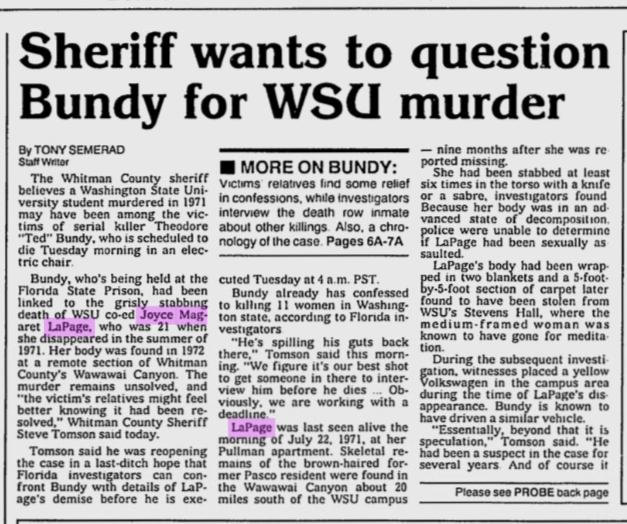
In 1989, former Whitman County Sheriff Steve Thomson said ‘there were certain similarities between this case and others that brought us to Bundy, and we later placed him in this area at about that time.’ Sergeant Maupin points out that: ‘profile-wise, she did fit the description (of Bundy’s victims). She had auburn hair. She was beautiful. She was tall, athletic and college-age.’ … ‘I don’t want to rule anybody completely out, but, my personal opinion is no. It wasn’t Ted Bundy. My gut feeling is this was someone she knew.’ Current Whitman County Sheriff Brett Myers said that ‘there were certain things that kind of leaned toward Ted Bundy, and there were things that leaned away. There were reports of a person matching Bundy’s description being in the area.’ Myers followed every reported lead and spent nearly his entire 26-year career trying to solve LePage’s murder, even going so far as to try to interview Ted while on death row. Regarding Bundy as a suspect in his sister’s murder, Bruce said: ‘we have to broaden it (the case) out and take all the possibilities. Ted Bundy is one of them. But sometimes you get too broad and get distracted and the probability goes out.’
Law enforcement administered polygraph tests to not only suspects but also friends and acquaintances of Joyce to no avail: Lieutenant Del Brannan of WSU campus police said that: ‘we have given tests to not only suspects but also associates of LePage’s who wanted to verify that they had nothing to do with it.’ … ‘we can have all the theories we want but we have to have proof.’ A (one time) major suspect was interviewed again in 2012 and passed a polygraph test, officially eliminating him from the suspect pool. About him, Sheriff Myers said: ‘he was interviewed immediately after Joyce disappeared and again after the body was found, but he’d never taken a polygraph. He hadn’t been contacted again since about 1972. We met with him and said here’s how he could help. He was very cooperative and passed a polygraph. I’m confident at this point that we can focus on other avenues. That’s a big change in the investigation in terms of our focus.’
Law enforcement administered polygraph tests to not only suspects but also friends and acquaintances of Joyce to no avail: Lieutenant Del Brannan of WSU campus police commented: ‘we have given tests to not only suspects but also associates of LePage’s who wanted to verify that they had nothing to do with it.’ … ‘we can have all the theories we want but we have to have proof.’ A (one time) major suspect was interviewed again in 2012 and passed a polygraph test, officially eliminating him from the suspect pool. Sheriff Myers commented that: ‘he was interviewed immediately after Joyce disappeared and again after the body was found, but he’d never taken a polygraph. He hadn’t been contacted again since about 1972. We met with him and said here’s how he could help. He was very cooperative and passed a polygraph. I’m confident at this point that we can focus on other avenues. That’s a big change in the investigation in terms of our focus.’
In 2014 evidence related to LePage’s case was re-submitted to the Washington State Crime Lab for forensic analysis but with no luck; additionally, LE also attempted to track down people from her circle of friends in recent years but didn’t come up with anything helpful. WSU Police Officer Jeff Olmstead (who took over the case after Sargent Maupin retired) said: ‘It would be nice to bring this to a logical conclusion and hold someone responsible. I think that’s the ultimate goal for the LePage family and for all the officers who investigated this over the years. My worst fear is what if we were never even close? What if it was someone who slipped through the cracks, who was never identified or interviewed by the early investigators?’
When researching this case I found a comment from Bruce LePage on Tiffany Jean’s article on Joyce: ‘DNA testing and fingerprint testing have been unsuccessful. Please remember that Joyce’s body was found nine months after her murder. Until then, her’s was just a missing person case. Once her body was found my father had her remains cremated. The Washington State crime lab was not able to identify definitive DNA samples. The prime person of interest in this case knows he is being watched.’
I did look into a few additional serial killers when researching this case, the first being Gary Gene Grant, who was only eighteen when he raped and murdered four young women (three of which were minors) in Renton, WA between 1969 and 1971 (which is less than a five hour drive to WSU in Pullman). But he was quickly ruled out, as he was apprehended on April 30, 1971 and Joyce wasn’t murdered until late July. On August 25, 1971, Grant was convicted of murder and was sentenced to life in prison, and as of July 2024 he is serving his sentence at the Monroe Correctional Complex.
Ottis Toole immediately came to mind as well, as his activity (sort of) fits into the right time frame of LePage’s murder. But after looking into him he didn’t really begin his criminal career until 1976 when he met his lover and co-killer Henry Lee Lucas at a Jacksonville soup kitchen. Warren Leslie Forrest was another active serial killer in the state at roughly the same time LePage was killed, and although he was only charged with two murders it is strongly suspected that he killed at least six women in Clark County between 1971 and 1974. In 1974, he was arrested for the kidnapping and attempted murder of a 15-year-old girl, who went to police after she escaped on July 17, 1974. She told them that she had been abducted by Forrest after he picked her up while she was attempting to hitchhike out of Ridgefield, and after they reached the slopes of Tukes Mountain he bound and gagged her then tied her to a tree; he then proceeded to rape and beat her. Thankfully she managed to escape by chewing through her gag and hiding in a nearby bush until the morning, when she emerged and looked for help.
On October 1, 1974 Forrest met a young woman in Portland and lured her into his van under the guise of a photo shoot for a modeling gig. But instead of take her picture, he drove the 20-year-old to a city park and repeatedly shot her with an air-powered dart gun and raped her. He then took her to Camas, where he stabbed her six times near Lacamas Lake then attempted to strangle her; she fell unconscious, and as her assailant most likely believed she was dead, he undressed her and left her remains in some nearby bushes. Thankfully, she woke up two hours later and was able to flag down some passers-by, who drove her to the hospital. She survived, and once she was in a stable condition, the young woman gave detectives a description of her attacker as well as the very particular features of his vehicle, which was a blue 1973 Ford van.
Forrest was identified the following day and was taken into custody; he was charged with the kidnapping and attempted murder of the 20-year-old woman. His legal team quickly filed a motion for a psychiatric evaluation, which determined he was legally insane, and because of this he was acquitted by reason of insanity and was ordered to undergo treatment at the Western State Hospital in Lakewood. He went on trial for the murder of another victim in 1979, then another in 2023 and was found guilty in both cases. I have found no evidence tying him to the murder of LePage, and it doesn’t sound like he would exactly fit in on a college campus. Just as a side note, police strongly feel that Forrest is responsible for several more unsolved homicides in Washington, including two that were initially thought to be Bundy. He is currently being held at Airway Heights Corrections Center in Washington.
Robert Lee Yates is another active serial killer that operated in Washington state at roughly the same time LePage was killed, however after a bit of investigating the date of her murder actually falls a bit outside of when he was active. Also referred to as ‘The Grocery Bag Killer,’ in 1975 Yates got a job as a corrections officer at the Washington State Penitentiary, and in October 1977 he enlisted in the US Army. Between 1975 and 1998 Yates killed at least eleven women in Spokane, two in Walla Walla in 1975, and one in Skagit County in 1988; his total victim count is unknown but he confessed to murdering at least eighteen women. He mostly went after sex workers, and after having intercourse with them he would then shoot them in the head. He managed to evade capture until 2000 but was arrested after evidence found in his car tied him to one of the murders. Although he took a plea to avoid the death penalty, after evidence of two additional murders came to light he was given the charge anyway. In 2018 his guilty verdict was changed to life in prison after the capital punishment was abolished in Washington; he is currently being held at the same prison where he was once employed in Walla Walla.
It does go without saying that any average Joe could have killed Joyce, and she wasn’t killed by a serial killer. Was it a fellow student at WSU? An employee, possibly? Someone just passing through that happened to be there because of the party that may have taken place the night of the murder? With so much advancement in genomics over the past few years hopefully the police are able to do a bit more work on her case soon.
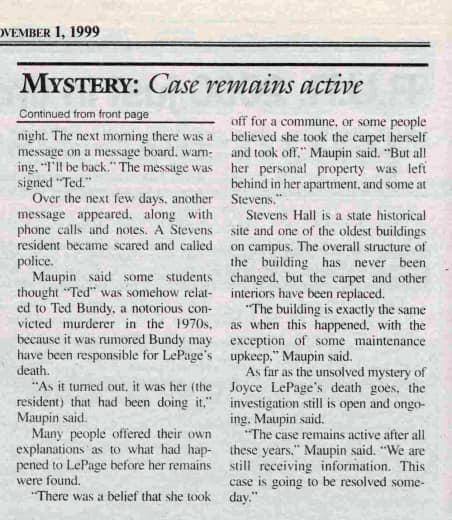
Stevens Hall is the second oldest building at WSU, and as of July 2024 LePage’s murder is the only homicide that took place on school grounds. Over the years many spooky stories have come out of the residence hall: girls that lived there have reported disembodied screams, strange noises, and doors opening and closing on their own. In the early 90’s some of its residents were telling ghost stories late one night, and the next morning woke up to a scribbled note on a message board that said, ‘I’ll be back. – Ted.’ More messages appeared, along with other strange notes and mysterious phone calls, however it was eventually determined to be a prank after a student came forward and confessed it was them the whole time.
As of January 2023, Joyce LePage’s murder is the oldest unsolved case in Whitman County, and because it is still considered an ‘ongoing, open investigation’ the sheriff’s office will not release her case file to the public. To this day, Bruce LePage still holds onto hope that his sisters murder will be solved, and is offering a $100,000 reward to anyone with information that helps lead to the arrest and conviction of the person responsible ($60,000 for an arrest and an additional $40,000 for a conviction): ‘in a way it sounds foolish to do a reward at this time. If there was going to be one it might have helped if it was done earlier on. But I guess I don’t care.’ … ‘I will remain involved and keep the reward up for $100,000 for as long as I am alive.’
Sheriff Myers said that: A unique set of hurdles have been placed for this case: She wasn’t reported missing for 10 days and DNA testing didn’t really hit the scene for another 20 years.’ … ‘it’s sad that it’s been 50 years since Joyce’s murder and we still don’t have resolution or a positively identified suspect. Maybe once or twice a year, we get new leads.’ Sadly Joyce’s parents both passed away before their daughters killer was caught: Mr. LePage passed away on January 13, 2011 at the age of 97 and Mrs. LePage on October 7, 2017 at 93.
Bundy was only recently ruled out of another unconfirmed victim from 1971 that I wrote about: Rita Patricia Curran. It was speculated that Ted was in Vermont looking into his roots when Curran was murdered on July 19, 1971, and it was determined in February 2023 that she was actually killed by her upstairs neighbor, William DeRoos. Curran was a second grade school teacher at Milton Elementary School when she was found lying naked on her bedroom floor on Brooks Avenue in Burlington. It’s a popular Bundy rumor that Rita lived next door to the Elizabeth Lund Home for Unwed Mothers, but it was actually a few streets over. Thanks to advanced DNA technology and a discarded cigarette butt found at the scene of the crime, genetic genealogist CeCe Moore was able to tie DeRoos to Curran’s murder and it was eventually determined that his wife that alibied him was lying. DeRoos died of a drug overdose in San Francisco in 1986.
Sadly both of Joyce’s parents passed away before their daughters killer was caught: Mrs. LePage died at the age of 93 on October 7, 2017; she was an active member of the Pasco Heights Community Club and taught Sunday school. Walter LePage died at the age of 97 on January 12, 2011. In the 1950’s, he helped establish the Franklin Fire District #3, and between 1957-67 he was a member of the county Parks and Recreation board, and helped develop Chiawana Park and the Sun Willows Golf Course. Joyce’s little brother David passed away at the age of 59 on Valentines Day in 2021. He enjoyed fireworks, garage sales, shopping at Costco, music, science, and conspiracy theories. He even created and published his own newspaper on conspiracy theories, and delivered it throughout the Northwest.
Sheriff Maupin commented that: ‘it’s sad that it’s been 50 years since Joyce’s murder and we still don’t have resolution or a positively identified suspect. Maybe once or twice a year, we get new leads. But we don’t get as much solid and credible information about the case. We will keep hoping for new information.’ Anyone with information on Joyce LePage’s disappearance and homicide should contact the Whitman County Sheriff’s Office at 509-397-6266.



































 Another Bundy Blog.