I am constantly updating my articles when I stumble across new information and boy did I find a great new source. Needless to say, I’m reading through this now and will be updating Sandra’s article shortly.
Suzanne “Sue” Rae Justis was born to John and Doris (Smeed) Seay on January 5, 1950 in Vancouver, Washington. The couple were wed on December 25, 1954 and eventually relocated to Eugene, Oregon; they had three daughters (Suzanne, Chris, and Joan) and a son (Gary). Sue attended North Eugene High School and about halfway through her senior year on February 3, 1968 she married Mike Justis (who I’m deducing was her high school sweetheart as they went to school together and were so young); the couple had a son together however they divorced in November 1971. Sue was 5’3,” weighed 110 pounds and had blue eyes; she also had a mole on the left side of her face underneath her bottom lip. Like so many of the other unconfirmed victims I write about, there isn’t a lot of information out there on her (the majority of the pictures I found were from high school). At the time she disappeared in 1973 Justis was 23 years old and wore her brown hair long and parted down the middle. Most of what we know about the last hours of Suzanne Justis’ life is because of a conversation she had with her mother: at some point on November 5, 1973 Mrs. Seay spoke with her daughter on the phone. Sue told her that she was in the general area of what was (at the time) The Memorial Coliseum in Portland, OR and was planning on returning home the next day so she could pick her son up from school (which makes me think she didn’t have to be back until around 2 or 3 PM). Mrs. Seay (who for obvious reasons was concerned about her daughter) got her a hotel room although there are no details about what one she set it up with. Despite owning a car Suzanne was known to hitchhike frequently: according to one article, law enforcement found her vehicle in her hometown of Eugene so it’s believed that she got to Portland through ulterior means (most likely hitchhiking). Sue never used the room her Mom got for her and she never returned home, making law enforcement speculate that she tried to thumb a ride home and most likely was abducted by the individual that picked her up. As we all know, Bundy often targeted hitchhikers and would quickly subdue then incapacitate them once they were securely in his vehicle. For reasons that have never been made known, a missing persons report was never filed for Justis until 1989.
One frequentroute Bundy liked to take when hunting for prey was the I-5, which is the main north-to-south Interstate Highway located on the West Coast of the US. It extends throughout California, Oregon, and goes right through Seattle, WA (where Bundy was living at the time Justis disappeared in 1973). The Memorial Coliseum is located right off the I-5, which is where Sue told her Mom she was close to on the night they last spoke. Additionally, when Vicki Lynn Hollar was abducted from the nearby college town of Eugene (the University of Oregon is located there as well, which is where Kathy Parks was abducted form) she was taken right off the I-5 as well.n As we all know, Bundy’s ‘official’ reign of terror began on January 4, 1974 when he brutally assaulted and left Karen Sparks for dead in Seattle. According to the ‘Ted Bundy Multiagency Investigative Team Report 1992,’ when Justis vanished on November 5, 1973 he purchased gas in Seattle. At the time Ted was in between jobs: in September 1973 he was briefly employed as the Assistant to the Washington State Republican Chairman and he remained unemployed until May 3, 1974, when he got a job at the Department of Emergency Services in Olympia (he was there until August 28, 1974). In September 1973 he started law school at the University of Puget Sound but quickly grew disenchanted with the schools ‘lack of prestige’ and stopped attending classes. At the time he was still in a fairly committed relationship with Elizabeth Kloepfer, his longtime girlfriend in Seattle. Is it really that far-fetched that Bundy would have gone out driving around aimlessly on a random Monday night, maybe after studying or seeing Liz? The trip would have been roughly three hours and nineteen minutes away (one way) from the Rogers Rooming House where he was living at the time. Did he just happen to drive past the Memorial Coliseum and stumble across Justis, thumbing a ride around Portland? We know he abducted Kathy Parks while living at the same place and she was roughly the same distance away (even though she was found in Washington state’s Taylor Mountain). I know the TB Investigative Report places him in Seattle (it doesn’t specify at what time), but the round trip would have been an easy one for Ted. I don’t know, if I can be honest, I don’t think he killed a lot of the girls I write about (maybe 70% of them)… but, I’m leaning towards him killing Suzanne Justis. I personally think that all these girls are going to be found in a burial site together: Rita Jolly. Vicki Hollar. Suzanne Justis. I speculate that when they find one, they’ll find them all. ‘Steve the Amateur Historian’ points out in his YouTube video about Justis that the week she disappeared Ted wasn’t going to class: he attended on Friday, November 2, 1973 then there’s a break until the following Friday, November 9. What was he doing in this time? Skipping class because he was hunting for a victim (who happened to be Suzanne)? I was able to track down his school schedule and on Monday nights he had night class from 6:15-10:45 PM (with a few ten-minute breaks in between). I would think if this happened more recently, I could search for the school’s Academic Calendar and check if maybe there was a weird mid-semester break for those dates, but considering the University of Puget Sounds Law School doesn’t even exist anymore I’m not wasting my time. As far as I know, Bundy never discussed Justis in any capacity. When being questioned by Dr. Bob Keppel about the murder of WSU student Joyce LePage, the following exchange occurred between the two men: Ted Bundy: ‘Yeah, I can tell you– I can tell you — yeah, we can do it that way if you’d like, too. And maybe in some ways that’s easier. I can tell you what, that’s, you know, what I’m not involved in. You know; if you have a list of that type in your head.’ Robert Keppel: ‘There’s a gal in 1971, Thurston County.’ TB: ‘No.’ RK: ‘Not that far back. Nothing that far back?’ TB: ‘1972.’ (…) In this interview Bundy claims he started killing in 1972, meaning it isn’t that much of a reach that he would have abducted more girls from Oregon than he admitted to. Before he was executed Ted admitted to killing three women there in that state (including Parks). Who knows if he was being truthful with this number, but most Bundy scholars feel Rita Jolly and Vicki Hollar were these victims… but at this point we’ll probably never know. Ted was often under the influence while he was committing his atrocities (whether it was booze, weed, or a combination of the two)…. what’s to say there weren’t additional girls he either lied about killing or straight up didn’t remember? Another possible suspect that was investigated but eventually ruled out was Warren LeslieForrest, a serial killer who operated mostly in the Washington state area from 1972 to 1974. Forrest was 5’9,” 155 pounds, had light brown shoulder length hair, blue eyes, and a bushy mustache. He was employed with the Clark County Parks and Recreation Department in Washington from January 1, 1971 to October 2, 1974, when he was arrested; he could have anywhere from one to six victims. At the time of his arrest Warren was 25 years old and living with his wife and two kids on 18th Avenue in Battleground, WA. I’m not sure if he is a candidate for Suzanne Justis’ murder as he seemed to gravitate towards younger, more adolescent girls (in their mid to late teenage years). There was an obvious difference between a teenage girl and 23 year old Justis (in my opinion). Also, he seemed to ‘hunt’ more around the Vancouver area, as his only confirmed victim from Portland was MarthaMorrison. Around the same time in 1973 multiple other girls went missing from the same general area in Oregon: Fifteen year old Alison Lynn Caufman was found strangled to death in June1973. Rita Jolly disappeared from West Linn while out on a nightly walk on June 29, 1973 and Susan Wickersham was abducted while waiting for a ride home from friends in Bend, OR on July 11,1973. Her body was found on January 20, 1976 with a gunshot wound in the head (it’s strongly speculated Bundy didn’t have anything to do with her death as it didn’t fit his MO). Vicki Lynn Hollar disappeared after leaving her new job as a seamstress at Bon Marche in Eugene on August 20, 1973 (her black 1965 VW Beetle has also never been recovered). In 1973 Laurie Lee Canady died from massive head injuries after being shoved out of a moving vehicle at a high rate of speed in Portland (I wasn’t able to find ANYTHING else about her). I don’t mean to immediately jump to Bundy (or any other serial killer) when I hear about any woman in the Pacific Northwest that was abducted and/or murdered in the early to mid-1970’s, but I guess I just can’t help myself. Who knows, maybe Justis met her demise at the hands of a random killer who only targeted her. Look at the recently solved case of Rita Curran, who was brutally butchered by William DeRoos. Whenever I hear about deaths like this in the 1970’s my mind automatically jumps to Bundy, but what if it was just some random nut? If Suzanne were alive in May 2023 she would be 73 years old. Because she had a son to care for I highly doubt she would just up and leave on her own (especially since she spoke with her mother the night she vanished and mentioned her intentions of coming home the next day). Mr. Seay passed on January 11, 1994 and Suzanne’s mom Doris died at the age of 82 on March 12, 2012.
Sue’s sophomore picture from the 1966 North Eugene High School yearbook.Sue in the sophomore class officers picture from the 1966 North Eugene High School yearbook.Sue posing with the cheerleading squad in 1966.Sue with the cheerleading squad in 1966.Suzanne’s picture in the 1967 North Eugene High School yearbook.Sue posing with the Evaluation Committee in 1967.Sue in a group picture from 1967.Sue in a group picture from her 1967 yearbook.A blurb mentioning Sue in the prom committee in the 1967 yearbook.Sue posing with the Junior Class Council in 1967.Students practicing for the all language caroling party at Christmas time in 1967.A blurb mentioning Sue’s position in the German Club in the 1967 North Eugene High School yearbook.Sue’s senior picture from the 1968 North Eugene High School yearbook.A blurb mentioning Sue’s position in the German Club in the 1968 North Eugene High School yearbook.Sue Justis, photo courtesy of the King County Sheriffs Department.A picture of Sue taken from The Register-Guard on February 24, 1989.Michael and Suzanne Justis’ marriage application.Michael and Suzanne Justis’ marriage certificate.Michael and Suzanne Justis’ divorce papers filed on November 22, 1971.A clipping that mentions Sue Seay and her father that was published in The Register-Guard on August 4, 1960.Sue Seay expressing ‘what Christmas means to me’ that was published in The Register-Guard on December 18, 1960.An article about Seay being featured in a segment for KING-TV that was published in The Oregonian on October 13, 1961.A clipping that mentions Joanne and Sue Seay in relation to the local YMCA that was published in The Register-Guard on April 29, 1963.An article about Sue Seay winning a $25 scholarship that was given out annually by the FBLA to the most deserving senior in the organization that was published in The Register-Guard on May 29, 1963.A clipping about Sue Seay participating in a track meet that was published in The News-Review on October 23, 1963.An article about Sue Seay being voted as an officer of her sophomore class that was published in The Register-Guard on November 3, 1965.An article about Sue and her sister standing up in their aunts wedding that was published in The Register-Guard on July 26, 1964.Sue’s name is listed in a list of students that ran the mile that was published in The Register-Guard on July 26, 1964A clipping that mentions Sue Seay being the historian of her high school’s International Relations League that was published in The Register-Guard on October 12, 1966.An article about Sue Seay being in charge of publicity for her high schools prom that was published in The Register-Guard on November 16, 1966.A clipping that mentions Sue Seay being co-chair of her high schools Christmas dance that was published in The Register-Guard on December 7, 1966.Sue’s name is mentioned in relation to cheerleading that was published in The Register-Guard on May 3, 1967.Sue’s name is mentioned in relation to her school yearbook staff (she was the ad manager) that was published in The Register-Guard on May 24, 1967.An article about Sue working on her high schools yearbook that was published in The Register-Guard on May 24, 1967.An article about Sue being voted secretary/treasurer of her high schools German Club that was published in The Register-Guard on June 7, 1967.Michael and Sue Justis in a list of high school graduates that was published in The Register-Guard on June 5, 1968.Divorces granted on November 22, 1971 in Eugene, OR published by The Eugene Register-Guard on November 28, 1971.A citation about custody of Mike and Suzanne’s son, Timothy published by The Eugene Register-Guard on April 1, 1974.Mike Justis’ picture from the 1967 North Eugene High School yearbook.A list of the missing girls from Oregon from 1969-78.A blurb mentioning Suzanne serving cake at her Aunts wedding.An article mentioning Suzanne before she vanished published by The Eugene Register-Guard on November 28, 1971.Part one of an article about the missing Oregon girls published by the Eugene Register-Guard on February 24, 1989.Part two of an article about the missing Oregon girls published by The Eugene Register-Guard on February 24, 1989.The Memorial Coliseum in Portland, OR. The Memorial Coliseum in Portland, OR. Bundy’s whereabouts on November 5, 1973 according to the ‘Ted Bundy Multiagency Investigative Team Report 1992.’ A Google Maps route from the Rogers Rooming House where Bundy was living at the time to the Memorial Coliseum in Portland, where Justis told her Mother last she was.A poorly made map of where Bundy’s unconfirmed Oregon victims were last seen (aside from Kathy Parks, who is considered one of his confirmed casualties).Route I-5, highlighted in red. Bundy’s class schedule from his first semester at ‘The University of Puget Sounds Law School.’Vicki Lynn Hollar.Rita Jolly.A younger Warren Leslie Forrest.Warren Leslie Forrest.Martha Morrison.Suzanne’s mother, Doris Seay.John Seay’s obituary, published in The Arizona Republic on January 14, 1994.John Seay’s obituary, published in The The Register-Guard on March 15, 2012.Suzanne’s sister Joan from the 1966 North Eugene High School yearbook.
Shelley Kay Robertson was born on July 24, 1951 to Elmer and RobertaRobertson of Arvada, Colorado. The couple had four children: three boys (Mark, Gary, and Rick) and Shelley; they divorced at some point and Mr. Robertson remarried. Elmer was the owner of Silver State Printers and it seemed to be a bit of a family affair: per Steve Winn’s book, ‘Ted Bundy: The Killer Next Door,’ both Shelley and her brother Gary helped out with the business (she was a bookkeeper and binder). Shelley attended Arvada High School, and after graduating in 1969 she spent a year on a missionary trip in Biloxi, Mississippi run through the United Church of Christ. Her faith was important to her and she was an active member of the Church of Christ. Roberta encouraged her only daughter to travel and experience the world, often telling her that ‘you can always come back to your hometown.’ After returning from Biloxi, Shelley enrolled in Red Rocks Community College as a Spanish major; she even went to Barra de Navidad (a fishing village in Mexico) for a semester with her class (after the school trip she returned once to visit on her own). At one point in her short life she spent a year in Alaska with a friend (Susan), where they processed fish in Clam Gulch. Mrs. Robertson said that growing up, Shelley dreamed that one day a white horse would come into her life and she would name him Brownie. It was a story she knew well, and one day her daughters dream somehow came true (although it was a neighbor’s horse). This sweet encounter hinted at the future that she would eventually get her own horse: a sweet little gray mare named Bonnie she rode around bareback. Shelley was 5’8” tall, weighed 150 pounds, and had brown eyes with long brown hair she wore parted down the middle. At the time of her disappearance she was attending a Transactional Analysis group.
Shelley had an apartment in Denver and a boyfriend named Ron, who seemed to have been in the process of going to California right before she disappeared (I couldn’t find the reason or the length of his visit), which upset her (one of her brothers said she was crying and upset at one point right before she disappeared). It’s speculated that the day before she vanished Shelley had gotten into a fight with him where she got out of his red Karman Gia and thumbed a ride home. Robertson was a frequent hitchhiker and thought nothing of catching a ride states away ‘for fun.’ Shelley was last seen dressed in bell-bottom jeans, a T-shirt with the name of a rock band on the front (most likely either Yes or ‘Emerson, Lake & Palmer’) and hiking boots by friends near a local watering hole called ‘Tony’s Bar’ on June 29th. Per a document provided by the Pitkin County Sheriff’s, Shelley was last seen at 34th and Sheridan Streets in Denver hitchhiking to work. Additionally, according to her brother Gary, missing from her wardrobe were a pair of blue denim cutoffs, a blouse, a brown and white striped dress, and ‘Earth” sandals. On Tuesday, July 1, 1975 Robertson never showed up for work at Mr. Robertson’s printing press in Golden. The same day, she was seen by a policeman that noticed her at a service station with a bushy haired bearded man in a beat up old red Chevrolet pick up truck (from around 1952-57). It was the last time she was seen alive but it’s reported she made a phone call later that night.
Days then weeks passed with no word from Shelley. On August 21, 1975 two students conducting Amex testing for gas content from the ‘Colorado School of Mines’ came across the body of Shelley Robertson in a mine in Berthoud Pass, Colorado near the Winter Park Resort. About 500 feet in they smelled something unusual: humandecomposition. Using their flashlights, they strained to see what was down the narrow tunnel, seeing something large and white. Upon further inspection they realized they were looking at a foot and “bare buttocks” and that “we’ve got body, lets get out of here.” They notified law enforcement and the Clear Creek County Sheriff’s returned on August 23 to find the naked, decomposing remains of Shelley Robertson discarded in the mine. Her body was ‘badly molded’ and bound with duct tape. Although it was determined she had been struck on the front side of the head, the top rear of the head, and the right side of her chest too much time had passed and because of the advanced levels of decomp forensic experts were unable to pinpoint the exact cause of death. Found at the scene were two torn pieces of furnace tape (one on the body and one discarded nearby) as well as discarded beer can and a plastic wrapper from a package of ham. Leads quickly ran dry.
Law enforcement looked into multiple suspects aside from Bundy, including Warren Leslie Forrest, OttisToole, “a chronic sex offender that lived nearby,” a man in Shelley’s Transactional Analysis group that claimed he was alive during the Civil War, a “quietfriend” of hers that oddly enough drove a VW Bug, and a mystery man named JakeTeppler. Forrest and Toole were both quickly ruled out as Forrest was already in jail at that point (he was incarcerated since 1974) and the latter was placed in Jacksonville, FL at the time (after drifting and hitchhiking throughout the Southern part of the US). According to Steve Winn, Teppler was a graduate of Tufts University and a resident of the nearby Snowmass Village in CO as well as a former employee of a “condominium complex.’ According to a former part time coworker (who worked a 9-5 job as a music therapist), Teppler was ‘very sick, the kind of person who would go in the corner and jack off.” He seemed to be a bit of a nomad, and wandered the area going through jobs quickly as he was unable to keep them (remind you of anyone?). Looking into Teppler I couldn’t find anything related to a criminal record.
At the time Shelley was murdered Bundy was attending law school at the ‘University of Utah’ and was living at 565 1st Avenue North in Salt Lake City. Per my ‘handy dandy TB job chart,’ in June and July 1975 Ted was employed as the night manager in charge of Bailiff Hall at the University (he was terminated after showing up for work drunk). It also said that Bundy worked as a PT security guard for the school in July and August but due to budget cuts he lost that position as well. When researching this piece I kept seeing in multiple sources that ‘crumpled up credit card receipts found in his VW’ placed Bundy in Golden either a few days before Shelley disappeared or the day of (sources have reported both), but the ‘TB Multiagency Report 1992’ puts him in Salt Lake City during that time frame. I scoured the internet for the receipts but couldn’t find them. I do want to point out that Bundy did own an old pickup truck until about November/December 1975 (he bought it to help transport his belongings to Utah when he started law school).
On June 27, 1975 (just a few days before Shelley was last seen), Bundy abducted and murdered Susan Curtis while she attended a youth conference at Brigham Young University in Salt Lake City. Four days after Robertson was last seen on July 4, 1975, Nancy Perry-Baird was abducted from the gas station where she worked in East Layton, UT and was never seen or heard from again. We know Bundy was quickly approaching the end of his reign of terror: he was pulled over by Utah State Trooper Bob Haywood on August 21, 1975 and was arrested for the possession of burglary tools, which eventually resulted in his arrest for the attempted kidnapping of CarolDaRonch.
At some point when Bundy was incarcerated in Utah (he was transferred to Aspen, Colorado on January 28, 1977 to face charges for the murder of Caryn Campbell), former Cold Creek County Undersheriff Bob Denning traveled to Salt Lake City to interview him about the murder of Shelley Robertson. When the law enforcement officer asked him about her Ted is reported to have answered, ‘I don’t want to talk about that.’ Denning has commented that he is ‘99% sure that Shelley’s killer is Ted Bundy.’ Additionally, I read in multiple sources that Bundy confessed to Shelley’s murder before he was put to death however I can’t find it anywhere in the transcripts of his death row interviews.
A really interesting source I came across was an article by Shelley’s brothers one-time girlfriend, Kristen Iversen. Kristen is a writer as well (at a much more professional level) and in a piece she wrote for ‘The American Scholar” titled ‘When Death Came to Golden,’ she talks about the disappearance of Shelley and shares an intimate account of how the Robertson family adapted to life after she was taken from them. In response to Mrs. Robertson pulling her close after they met and whispering in her ear, ‘you can save this family,’ Kristen commented that: ‘I couldn’t save Mark’s family. I know this now. I couldn’t save Shelley, whose brief life had already been forgotten and erased by the town, by the media, by the nation. I couldn’t save Mark’s father, a blue-collar man who worked hard all his life and had to bear sorrows no man should have to bear. I couldn’t save Mark’s mother, who for years left Shelley’s bedroom untouched.’ That’s why I write about these girls, because they’ve largely been forgotten about. There’s not much out there on these victims; I seem to find the same little pieces of information over and over.
When Bundy was executed in January 1989 Roberta Robertson traveled from Colorado (she lived in the same house she raised her family in) to Florida and stood in a crowd of candle-holders outside the prison, waiting for word that he was officially dead. She told a journalist, “killing Ted Bundy won’t make me feel better and it won’t bring back Shelley. A lot of people seem to want it out of a vengeance. But it gives people a false sense of security. And it’s terribly expensive.” Mrs. Robinson passed away on September 23, 2009 in Lakewood, CO. Almost as tragic as Shelley’s murder, her brother Mark passed away at the age of 24 in a rock-climbing accident in 1979.
Kristen Iversen’s essay about Shelley will be included in an anthology published later this year. Her website is http://www.kristeniversen.com. When it’s released I’ll post a link to my FB page.
Works Cited: David Merrill & Steven Winn. “Ted Bundy: The Killer Next Door.” 1979. Kristen Iversen. The American Scholar: “When Death Came to Golden.” March 5, 2018.
Shelley’s photo from the Arvada High School yearbook in 1967.Shelley’s photo from the Arvada High School yearbook in 1969.Shelley’s activities in the Arvada High School 1969 yearbook.Shelley’s graduation picture.Shelley Robertson.Shelley and her one time love (and my wonderful friend), JD Longwell. Shelley, photo courtesy of Gary Robertson/JD Longwell.A picture of Shelley napping with her guitar. Photo courtesy of JD Longwell.A picture of Shelley holding a really cute dog. Photo courtesy of JD Longwell.Shelley Kay Robertson. Photo courtesy of JD Longwell.A memorial plaque for Shelley and her brother, Mark. Photo courtesy of JD Longwell.Flowers left for Shelley. Photo courtesy of JD Longwell.An article mentioning Shelley published in The Deseret News on October 27, 1975.An article mentioning Robertson from the Greeley Daily Tribune published on October 27, 1975.An article mentioning Robertson from The News Tribune published on October 27, 1975.An article mentioning Robertson from the Logan Herald Journal published on October 27, 1975.An article mentioning Robertson from the Walla Walla Union Bulletin published on November 2, 1975.An article mentioning Robertson from the Tri-City Herald published on November 2, 1975.An article mentioning Robertson from The Albany Democrat-Herald published on November 14, 1975.An article mentioning Robertson from the Centralia Daily Chronicle on March 8, 1976.An article mentioning Shelley Robertson from the Colorado Springs Gazette Telegraph published on January 18, 1989.An article mentioning Robertson published by The Daily Sentinel on January 18, 1989.The portion of an article mentioning Mrs. Robertson published in The St. Lucie News Tribune on January 25, 1989.An article mentioning Robertson from the Daily Kent Stater on January 26, 1989.A short clipping mentioning Shelley from ‘The Hartford Courant’ after Bundy was executed.An aerial shot of Red Rocks Community College, where Shelley attended school.Berthoud Pass in Colorado.Berthoud Pass in Colorado.The logo for the Colorado School of Mines.Ted’s whereabouts when Shelley was abducted according to the ‘Ted Bundy Multiagency Investigative Team Report 1992.’The ‘Ted Bundy Multiagency Investigative Team Report 1992’ mentioning that Ted purchased gas in Golden, CO on April 4, 1975. A report mentioning police finding the remains of Shelley.Denise Oliverson went missing in Grand Junction on April 8, 1975; Cunningham was murdered On March 15th, 1975.A Facebook comment mentioning Shelley.A map of Bundy’s victims in Colorado; I’m not good at artsy stuff so please excuse my sloppy red arrow. This is Golden, where Shelley was abducted from. Shelley’s ‘myheritage’ page listing her family members.The only gas receipt I could find related to the Bundy case.The 1950 United States Federal Census record for Elmer Robertson. Mr. Robertson’s WW2 draft card.Elmer Robertson’s marriage certificate from his second marriage. His divorce from Shelley’s mom was finalized on December 6, 1971.Shelley’s brother Rick Robertson from the 1961 Arvada High School yearbook.Shelley’s brother Gary Robertson from the 1964 Arvada High School yearbook.Shelley’s brother Mark Robertson from the 1973 Arvada High School yearbook.Information related to Shelley Robertson’s murder investigation, courtesy of The King County Sheriff’s Department. Information related to Shelley Robertson’s murder investigation, courtesy of The King County Sheriff’s Department. Information related to Shelley Robertson’s murder investigation, courtesy of The King County Sheriff’s Department. Information related to Shelley Robertson’s murder investigation, courtesy of The King County Sheriff’s Department. Information related to Shelley Robertson’s murder investigation, courtesy of The King County Sheriff’s Department. Information related to Shelley Robertson’s murder investigation, courtesy of The King County Sheriff’s Department. Information related to Shelley Robertson’s murder investigation, courtesy of The King County Sheriff’s Department. Information related to Shelley Robertson’s murder investigation, courtesy of The King County Sheriff’s Department. Information related to Shelley Robertson’s murder investigation, courtesy of The King County Sheriff’s Department. Information related to Shelley Robertson’s murder investigation, courtesy of The King County Sheriff’s Department. Information related to Shelley Robertson’s murder investigation, courtesy of The King County Sheriff’s Department. Information related to Shelley Robertson’s murder investigation, courtesy of The King County Sheriff’s Department. Information related to Shelley Robertson’s murder investigation, courtesy of The King County Sheriff’s Department. Information related to Shelley Robertson’s murder investigation, courtesy of The King County Sheriff’s Department. Information related to Shelley Robertson’s murder investigation, courtesy of The King County Sheriff’s Department. Information related to Shelley Robertson’s murder investigation, courtesy of The King County Sheriff’s Department. Information related to Shelley Robertson’s murder investigation, courtesy of The King County Sheriff’s Department. Information related to Shelley Robertson’s murder investigation, courtesy of The King County Sheriff’s Department. Information related to Shelley Robertson’s murder investigation, courtesy of The King County Sheriff’s Department. Information related to Shelley Robertson’s murder investigation, courtesy of The King County Sheriff’s Department. Information related to Shelley Robertson’s murder investigation, courtesy of The King County Sheriff’s Department. Information related to Shelley Robertson’s murder investigation, courtesy of The King County Sheriff’s Department. Information related to Shelley Robertson’s murder investigation, courtesy of The King County Sheriff’s Department. Information related to Shelley Robertson’s murder investigation, courtesy of The King County Sheriff’s Department. Information related to Shelley Robertson’s murder investigation, courtesy of The King County Sheriff’s Department. Information related to Shelley Robertson’s murder investigation, courtesy of The King County Sheriff’s Department. Information related to Shelley Robertson’s murder investigation, courtesy of The King County Sheriff’s Department. Information related to Shelley Robertson’s murder investigation, courtesy of The King County Sheriff’s Department. Information related to Shelley Robertson’s murder investigation, courtesy of The King County Sheriff’s Department. Information related to Shelley Robertson’s murder investigation, courtesy of The King County Sheriff’s Department. Information related to Shelley Robertson’s murder investigation, courtesy of The King County Sheriff’s Department. Information related to Shelley Robertson’s murder investigation, courtesy of The King County Sheriff’s Department. Information related to Shelley Robertson’s murder investigation, courtesy of The King County Sheriff’s Department. Information related to Shelley Robertson’s murder investigation, courtesy of The King County Sheriff’s Department. Information related to Shelley Robertson’s murder investigation, courtesy of The King County Sheriff’s Department. Information related to Shelley Robertson’s murder investigation, courtesy of The King County Sheriff’s Department. Information related to Shelley Robertson’s murder investigation, courtesy of The King County Sheriff’s Department. Information related to Shelley Robertson’s murder investigation, courtesy of The King County Sheriff’s Department. Information related to Shelley Robertson’s murder investigation, courtesy of The King County Sheriff’s Department. Information related to Shelley Robertson’s murder investigation, courtesy of The King County Sheriff’s Department. Information related to Shelley Robertson’s murder investigation, courtesy of The King County Sheriff’s Department. Information related to Shelley Robertson’s murder investigation, courtesy of The King County Sheriff’s Department. Information related to Shelley Robertson’s murder investigation, courtesy of The King County Sheriff’s Department. Information related to Shelley Robertson’s murder investigation, courtesy of The King County Sheriff’s Department. Information related to Shelley Robertson’s murder investigation, courtesy of The King County Sheriff’s Department. Information related to Shelley Robertson’s murder investigation, courtesy of The King County Sheriff’s Department. Information related to Shelley Robertson’s murder investigation, courtesy of The King County Sheriff’s Department. Information related to Shelley Robertson’s murder investigation, courtesy of The King County Sheriff’s Department. Information related to Shelley Robertson’s murder investigation, courtesy of The King County Sheriff’s Department. Information related to Shelley Robertson’s murder investigation, courtesy of The King County Sheriff’s Department. Information related to Shelley Robertson’s murder investigation, courtesy of The King County Sheriff’s Department. Information related to Shelley Robertson’s murder investigation, courtesy of The King County Sheriff’s Department. Information related to Shelley Robertson’s murder investigation, courtesy of The King County Sheriff’s Department. Information related to Shelley Robertson’s murder investigation, courtesy of The King County Sheriff’s Department. Information related to Shelley Robertson’s murder investigation, courtesy of The King County Sheriff’s Department. Information related to Shelley Robertson’s murder investigation, courtesy of The King County Sheriff’s Department.
Aleca Renee Manning was born on March 13, 1952 in Fairbanks, Alaska and was adopted shortly after by James and Norma Manning. I wasn’t able to find out a lot about her background and childhood but apparently she ‘has a few half-siblings out there.’ Ms. Manning had green eyes, brownhair, was roughly 5’2” tall, weighed 125pounds and was biracial (white and Native American). Aleca was described as ‘friendly, a happy flower child, and probably a bit naive… too trusting.’ Norma Manning worked as a receptionist and bookkeeper for a few different employers in Alaska, Arizona, and Texas. It was reported that she had an incredibly toxic relationship with her husband and after they divorced she took Aleca and moved to Arizona (James eventually moved there too and remarried). After finishing high school, Mr. Manning attended the University of Idaho and the Pacific Coast Banking School in Seattle and got a job in the banking industry; at one time he was the VP/Manager of Valley National Bank in Metha, AZ.
Also referred to as ‘Leca’ and ‘Lisa’ (pronounced ‘uh-Lisa’), in 1970 Aleca graduated from Westwood High School in Mesa, AZ (it’s incorrectly listed as 1971 in multiple sources). Leca was supposedly a bit of a wild child and reportedly struggled with some substance abuse issues. According to a family member, alcoholism ran in the Manning family: ‘her grandmother (who is Norma sister) died of alcoholism living homeless at a YMCA. And when Lisa was young Norma had a very volatile relationship with her husband. They left Alaska either to get away from him or because he died. Aunt Norma told me he was very abusive.’ (I realize this wouldn’t really apply to Aleca since she was adopted but maybe growing up in an environment with lots of alcohol around her trigger a budding problem).
Aleca was last seen on February 17, 1975 at roughly 10:30 PM at the Celebrity Theatre located at 440 North 32nd Street in Phoenix, Arizona. The twenty-two year old went to a Jerry Jeff Walker concert but at some point got separated from her friend group. She failed to come home that night and never showed up for work the following day. It’s hypothesized that she may have indulged in some form of drug use at the concert (no judgment, we were all young once) and I wonder if this made her more vulnerable and easier to abduct or lure away. DeniseNaslund apparently took a few Valiums with alcohol before she was abducted from LakeSammamish in July 1974 and I hope this doesn’t come off the wrong way (I say this as an addict with over 12 years sober) but I hope whatever she took dulled her senses enough that she wasn’t aware of the fact that her life was ending. Aleca was last seen wearing a dark green floor-length coat, a light green blouse with moss green pants, and dark tan shoes.
As of April 2023 no one has been charged in the disappearance of Aleca Manning but foul play is suspected. Leca’s family feels that whoever she left that concert with is most likely who abducted her and that her killer most likely dumped her remains in a desert. What’s interesting is when I was doing research on this case I stumbled upon some comments from a relative of Aleca’s on the website ‘Websleuths’ (user name is Kristine55 andNorma was her great Aunt): ‘Norma Manning is sisters with my father’s mother. Leca (I will use Lisa so I can dictate). She would be very touched to know that people still care. Now that Norma is gone I look from time to time to see if there’s any updates and that’s how I found you all.’ … ‘One more thing I don’t think that Lisa would have run away and never contacted her mom again… There was no reason. The way Norma described the relationship it was these two against the world and that she was a precious wonderful little girl. Lisa was the center of Normas life.’ … ‘Her family thinks that a serial killer got her and that she probably left with him. And there is a possibility but she was taking drugs at night. We have always felt that her body is somewhere in the desert. The only good thing I can say is I know that they were united now I don’t believe this because of religion but because of physics and the fact that everything in life is waves of energy… Matter cannot be destroyed it can only be changed. I feel like they found each other again. I was born in January 1975 and I never met Lisa or if I did I was less than two months old. She still has an effect on my life because I’m still thinking about her. Her and I look eerily similar at the same age. I feel like I’m just checking up to see what’s going on because I’m carrying the torch for aunt Norma. Incidentally, I graduated high school in Tucson Arizona. I wanted to go see Morrissey in concert in Phoenix when I was 17… I was not allowed to go without my stepmother. I don’t think my dad’s forgotten what happened to Lisa either.’
At the time Manning disappeared Ted was living in Salt Lake City and was enrolled in law school for a second time. He was unemployed and still in a long-distance relationship with Liz Kloepfer (although its common knowledge he was routinely unfaithful to her). The drive from his apartment to the Celebrity Theater in Phoenix, Arizona would have been slightly over a twenty-two hour trip for Bundy (or about 1,421 miles one way). If you look at the ‘TB MultiAgency Investigative Team Report 1992,’ it was noted that he took a phone call in SLC the day Manning disappeared (also Caryn Campbell’s body was found 2.8 miles away from The Wildwood Inn in Aspen). In my opinion, it seems unlikely that Bundy killed Aleca (but apparently there are some sort of errors/inaccuracies in the report so who knows).
As we know, Ted didn’t have a problem driving hundreds of miles in one night while hunting for his prey. Another two abductions that fit in Bundy’s mid-1970’s time frame are Cynthia and Jackie Leslie, who vanished in Mesa, AZ on July 31, 1974 (Teri is covering the sisters’ background in Part One so I won’t be redundant here). They were last seen In Mesa walking to a friend’s house shortly after leaving their residence in the Desert Shores Mobile Home Park. We know at the time they disappeared in 1974 Bundy was living at the Rogers Rooming house in Seattle, so if he killed them he would have had to drive to Mesa, then back again to Seattle… one way is over 22 hours, that’s almost an entire days worth of driving just one way with no breaks. In my opinion, that’s a bit of a stretch. Additionally, I drove a newer VW for over three years and that’s a very long trip for a car like that. And Bundy drove a LOT… how long could an old Beetle last with him driving around the country like that?
There really isn’t much out there on whether or not Bundy was active in Arizona (when you search ‘Ted Bundy’ and ‘Arizona’ together you mostly get a lot of news articles on Ted from AZ based newspapers). I’ve never seen it discussed in any TB related literature, and even searching websites like Reddit/YouTube (where people LOVE weird conspiracy type shit like this) relevant information is slim pickings. Oddly enough, one of the only things I found was a really popular BuzzFeed video (with a whopping 4.5 million views) titled ‘Was my Mom Followed by Ted Bundy?,’ where a young man simply going by the name of ‘Chris’ discusses an alleged encounter his Mom had with Ted Bundy in the middle-1970’s in Oak Creek Canyon in Arizona. Unfortunately, Chris doesn’t give much of a time frame beyond it was ‘summer in the mid-70’s’ (I asked for a better idea of when this event took place with no response and searched through the YouTube comments for clarification with no success), which obviously leaves us wide open as far as where Bundy was living at the time and how long his drive to the Canyon would have been. The story goes (I’m only going to briefly summarize this because you can find the transcript in Teri’s article): Chris’s Mother, Aunt, and their friend went to Oak Creek Canyon in Arizona, and while sitting at a pond just hanging out, enjoying the day they noticed a well-dressed man staring at them from across the water. Eventually he got up and started walking over to them ‘with intent,’ so the three friends got in their car and got out of there to not escalate the situation. Surprisingly, the mystery man got in his vehicle and followed them in a ‘yellowish, cream colored VW Beetle.’ Panicked, they finally pulled into a gas station and thankfully the man drove right by them. Fast forward about 15 years: Chris’ Mom (I’m not exactly sure what else to call her) is watching the news and sees that Bundy is about to be put to death in Florida. She sees his face and immediately realizes it was the man that followed her that day in the 1970’s. Oddly enough, her sister was watching the same news broadcast and immediately called to say that she felt it was him that followed them as well.
If this encounter happened on the earlier end of the mid-70’s when he was living in Seattle it would have been over a twenty-one hour drive just one-way (or roughly 1,375 miles). Ted moved into a room at Ernst and Freda Rogers boarding house in September 1969 lived there until September 2, 1974 when he moved from Salt Lake City to attend law school at the University of Utah. Now, if he would have driven to Oak Creek Canyon in Arizona while living in Utah it would have been about a little overan eight and a half hour drive, one way. But let’s not forget, he did abduct Roberta Kathleen Parks from the University of Oregon in Corvallis while living in Seattle, which was almost a five hour drive away (I know that’s still over 3.5 hours closer than Oak Creek Canyon but it helps prove my point that Bundy had no problem driving long distances).
What doesn’t make sense to me about this is I’ve never heard of Bundy going after three victims at once. Shit, it isn’t even confirmed he abducted more than one girl at the same time, even though it’s speculated he may have been involved in the 1969 Jersey Parkway murders where two girlfriends on vacation Memorial Day weekend were killed as well as the brutal assault of two stewardesses from the Capitol Hill area of Seattle in 1966. I mean, I’m not saying it wasn’t Ted, but I’m also not saying it was. About this story my friend Erin Banks points out in her book ‘Ted Bundy: Examining the Unconfirmed SurvivorStories‘ that he ‘had coveralls in the trunk at all times. I have some trouble imagining that Bundy, dressed in a suit and tie, would chase after a group of women.’ Good point Erin.
We know Ted has never officially been linked to Arizona (no unconfirmed victims are from there either) but in my mind it really isn’t that far-fetched that he would have driven states away to commit more crimes against humanity. In fact, the more jurisdictions to help trip up the police the better (law enforcement in the 70’s were notorious for not sharing information with one another). In the only other semi-useful piece of information I could find about this topic, (a Reddit thread titled ‘Ted Bundy was active in Arizona’), user ‘Gothkatt’ begins by breaking down Chris’ BuzzFeed video, pointing out that the incident took place in the mid-70’s, which as we all know aligns up with Bundy’s murder spree (which officially went from 1974 to 1978 even though he was incarcerated for a good chunk of 1976 and almost all of 1977). What’s interesting about this time frame is that there are five unsolved missing female cases in Arizona from 1974-1975. The first case from this period took place on September 20, 1973: law enforcement deemed the disappearance of 14 year old Dorothy Mildred Clitheroe to be ‘fairly unremarkable’ and they strongly speculated that she ran away from home to a different state. I discussed the disappearance of Aleca Manning and Teri covered the two Leslie sisters. The fifth and final individual from that time period vanished on September 10, 1975, which was after Ted was arrested (a 21 year-old named Kristina Ann Perkins). After Perkins disappeared in Fall 1975 there was a two year gap and the next missing woman’s case didn’t occur until 1977.
Oddly enough as I was proofreading this (and almost ready to release it) I stumbled upon a third source of information in the form of a TikTok video: a user by the name of ‘mattyicerants‘ said that in 1969 his Mother drove her VW Beetle from New York to Arizona and took a pit stop at the Grand Canyon. While there she ran into a gentleman (driving a tan colored Bug) and asked if he ‘wouldn’t mind taking her picture;’ ‘Bundy’ agreed (the user couldn’t find the print but claims to have seen it). ‘Mattyicerants’ went on to elaborate that the same year Bundy went through a break up (with DianeEdwards) and because of that heartache he drove ‘all around the country.’ This is easily debunk-able as the ‘TB Multiagency Investigative Team Report 1992’ pinpoints that Ted bought his tan/gold/bronze/tan/cream/off-white/yellow Beetle in spring 1973. Also, in 1969 Ted was in Pennsylvania for roughly the first half of the year and when he went home to Tacoma he was driving a professors car (dropping it off in California then going to Tacoma). I was unable to find what kind of car it was.
Exactly seven years to the day she disappeared, in 1982 Norma Manning had her daughter officially declared dead in the state of Texas. She moved to Myra, TX to be close to her Father and died on July 12, 2008 at the age of 86; she never fully recovered from her daughter’s disappearance. James Manning passed away in August 1971. As of April 2023 the disappearance of Aleca Manning remains unsolved.
Works Cited.Aleca Renee Manning’s 1968 Westwood High School senior picture.Aleca Renee Manning’s 1970 Westwood High School senior picture.Aleca’s senior year activities according to the 1970 Westwood High School yearbook.Aleca Renee Manning.Aleca Renee Manning.Leca Manning.A missing persons poster for Aleca Renee Manning.A gravesite for Aleca despite her remains never being recovered.The Celebrity Theatre in Arizona.Aleca’s father, James Manning. He was apparently married three times and had one son and two daughtersThe obituary for Aleca’s Father, James Manning published by The Lewiston Tribune on August 9, 1971.Aleca’s Mother Norma’s senior yearbook picture from the 1940 Gainesville High School yearbook.The obituary for Aleca’s Mother, Norma Manning.An article about the Jerry Jeff Walker published in The Arizona Republic on February 18, 1975.The Leslie sisters with their Mother. Obviously Teri is covering the girls so I’m not putting an overabundance of information about them here.A photo of Jackie and Cindy Leslie’s Mother holding a picture of her missing daughters.A missing persons poster for the Leslie sisters.Teds whereabouts in 1969 according to the ‘Ted Bundy Multiagency Investigative Team Report 1992.’ The whereabouts of Ted Bundy when Cynthia and Jackie Leslie were abducted on July 31, 1974 according to the ‘Ted Bundy Multiagency Investigative Team Report 1992.’ The whereabouts of Ted Bundy when Aleca Manning was abducted on February 17, 1975 according to the ‘Ted Bundy Multiagency Investigative Team Report 1992.’ A list of Teds vehicles according to the ‘Ted Bundy Multiagency Investigative Team Report 1992.’ Missing women in Arizona from the period Bundy was active according to the Doe Network.Just as a point of reference, the Celebrity Theatre where Aleca was last seen is only about 25 minutes away from where the Leslie sisters were last seen.A possible route Bundy would have taken from his first Utah apartment on 1st Ave N to Oak Creek Canyon in Arizona.Oak Creek Canyon in Arizona.A possible route Bundy would have taken from the Rogers Rooming House in Seattle to Oak Creek Canyon in Arizona.A possible route Bundy may have taken from the Rogers Rooming House to the University of Oregon in Corvallis.A comment on a message board from a family member about Aleca’s disappearance.A comment from a family member (‘Websleuths’ user ‘Kristine55’) about Aleca’s disappearance.A comment from a family member (Websleuths user ‘Kristine55’) about Aleca’s disappearance.A comment from a family member (Websleuths user ‘Kristine55’) about Aleca’s disappearance.A comment from a family member (‘Websleuths’ user ‘Kristine55’) about Aleca’s disappearance.A comment from a family member (‘Websleuths’ user ‘Kristine55’) about Aleca’s disappearance.The thumbnail for the Buzzfeed video I discussed above.A screen grab for the TikTok video I discussed above.
Was it ever confirmed? No. Could he have killed in Arizona? Absolutely. I am here to convince you it could have happened. Keep your mind open, we are dealing with Bundy, after all. Anything is possible. I don’t have concrete proof, but no one will ever know how many more states he committed murder in. The times do line up and he killed girls in Colorado, Utah, Washington, Idaho, Oregon, and Florida. Utah is right above Arizona and Colorado is very close too, so why wouldn’t he also travel to Arizona?
A map of the US.
The second map is the US in the 1970s. Both maps show how easy it would have been to come into Arizona from the other states he was active in. Arizona has miles of desert, and he could have buried girls never to be found again. Looking at the chart, in 1974, he was in four states: Utah, Washington, Oregon, and Idaho. Arizona is right there.
Here is a video I found: This person is wondering the same thing: If Bundy ever was in AZ. Here again, no real proof, only the suggestion of him being in Arizona. This video has the author raising the same questions as I had. It really could have happened. As a reminder, it was hard to track someone in the 70s. He could have easily paid cash for gas as a lot of us did at that time. I believe this was why he got away with murdering so many girls because it was so hard to track someone. The 70s was also a time when we were raised to help others, which was the downfall of the victims.
YouTube Video, “Ted Bundy was Active in Arizona.”
Next is a video and I provided the transcript to read. Three women claimed to have been chased by a well-dressed man in a cream-colored VW bug. Listen and see.
BuzzFeed Video, “Was My Mom Followed By Ted Bundy?”
My mom was followed by a murderer, and this is that story. All right so this story goes all the way back to the mid-1970s. So, this is my mom’s junior year of high school. Well it was the end of her junior year of high school, I guess I should say. Actually, it was the start of her summer vacation. It was a beautiful day so my mom, her sister, and her friend, decided to take a little day trip. So, the three of them hop in the car and they’re off. So, it takes them about two and a half hours to get there. They’re listening to the radio, talking about things they wanna do for the summer, and eventually they arrive at their destination, Oak Creek Canyon Park. So, for context this trip and this entire story is all taking place in Northern Arizona. The park they’re at sits in the middle of Coconino National Forest. So, one of the main reasons they wanted to go to this park is because it’s absolutely gorgeous over there. There’s trees, mountains… One of the things they notice when they get there is that it is very open. Almost too open. So, they park their car in a small parking lot and they start scoping out an area for them to hang out. They end up plopping down at a small pond by the park with plans to just hang out for a few hours. They had bought some food, they were maybe gonna do a picnic. They didn’t really know, other than the fact that they were just enjoying, that summer had just begun. I feel like it’s important to mention that my mom has been to this park before. She’s been there a few times with some friends and what not. But it was very empty that day. Which was strange for such a nice day. Anyway, so there they are just hanging out, when suddenly my mom notices a man across the pond. A couple minutes go by and my mom is sitting there trying to stay engaged in the conversation with her sister, when she stares back across the pond. The man is still standing there. He’s staring at them, rubbing his chin thoughtfully like, I see you. Obviously, my mom’s first thought is, “what they hell is this guy doing out here by himself?” and “why is he staring at us like that?” Trying her best not to stare back she does a few quick glances at best and she notices his clothes. He’s really well dressed. Which is just another weird detail that didn’t seem to add up to my mom. “We should just move to another area. “I’m getting really creeped out”, she thought to herself. After deciding that the situation isn’t normal, she gets the attention of her sister and her friend, pointing at the man staring at them across the pond. They tell her she’s overthinking it and she’s just being crazy. He’s probably there just enjoying the park like anyone else would. It is a public park after all. And you know they were probably right. People are allowed to be outside. People are allowed to go to public parks. Whatever. Still feeling uneasy, my mom tries her best to go back to just enjoying her day. Out of the corner of her eye, she notices a slight movement. Instantly her eyes dart back across the pond. The man isn’t there anymore. Suddenly she catches sight of the man. He’s walking along the edge of the pond, headed their direction. The scariest part, he was walking with intention. He was walking toward them. And to my mom, that was it. So as to not escalate the situation any further, because my mom had no idea what was going to happen, my mom softly but sternly pointed out the man walking across the pond. Finally, they all agree that something wasn’t right about this situation, and that they should move, now. As quickly and quietly as they could, they gathered their things and headed back to the car. All the while, my mom is sneaking glances at him. He was still there, walking with an even quicker pace than he was before. Closing in on where they had just been seconds before. My mom will say to this day, she had the worst feeling in the pit of her stomach. She was practically hyperventilating. Out of fear, instinct, caution, whatever you wanna call it, my mom picks up a rock on the way to the car. They reach the car; they throw their stuff in the trunk and they pile in. My mom is hunched over in the back seat clutching the rock for dear life. She peaks out the back window as the car starts. She doesn’t see him. Wherever he was, they needed to get outta there. With the tires practically squealing out of the parking lot, they race down the same road they drove in on. At this point, everyone’s eyes are glued to the rearview mirror. “So that was weird,” my mom thought to herself. Rock in hand, my mom was definitely shaken up. My mom’s sister, the one who was driving the car, quickly looks in the rearview mirror, and she says, “oh my god look.” The energy in the air, they felt cold. They just felt wrong. Slowly my mom peers out the back window one more time. To her horror, she sees a car emerging from the same parking lot, following them. She’ll never forget the feeling of watching a yellowish, cream-colored, Volkswagen Beetle slowly gaining ground on them. Now, everyone was truly terrified. What did this person want? Why was he following them? All my mom knew was this person is evil. She could feel it. Her sister floors the gas peddle, and luckily, they were able to maintain a distance between themselves and this man. Eventually they get to a gas station, and they pull over to what they hope is safety. To their surprise, and ultimately their relief, the man drives right by them. My mom, my mom’s sister and her friend, they were all really unsettled by the whole thing. Now, you’re probably wondering why I just told you that story, please don’t go anywhere. I’m about to explain the craziest part. So about 15 years go by. My mom’s just at home, minding her own business watching the news, when she sees that convicted serial killer Ted Bundy is about to be sentenced to death. She’s watching the news learning more about this man, and she learns that he was well dressed, he drove a yellow, cream-colored Volkswagen Beetle, and he committed several murders in Colorado. Which is right about Arizona. And as she’s watching the news, the phone rings. My mom’s sister, my aunt who was with her when this happened all those years ago, is watching the same broadcast when she calls my mom. And without even saying hello, the very first thing my aunt says is, “Do you think it was him?” And without missing a beat, my mom slowly says, “I know it was him.”
Now, I know you might be thinking that Ted didn’t chase his victims, but he did chase Carol DaRonch after she got away so he could have done that. So, he was not above chasing his victims.
There are many missing girls from Ted Bundy’s timeline, and we may never know if he killed them or not. There are several missing girls from this timeline in Arizona. The ones that stick out for me are 2 sisters that went missing in 1974. If you check the timeline, you can see he was active in all states in 1974. He could have easily come down to Arizona and tricked those girls in his car. He could have had another car he was using too. The first two are sisters who both went missing on July 31st, 1974. They were 13 and 15 years old. Bundy was very active during 1974 and is confirmed to have murdered two young women near Seattle. Two weeks later the two Arizona girls go missing. Could he be responsible? And why would he have traveled that far? Well, Bundy had moved to Utah for law school during this time, which is a state above Arizona, why wouldn’t he also travel to Arizona?
The third unsolved Arizona missing female went missing on February 17, 1975. She was a beautiful 22-year-old woman, Bundy’s type. Bundy has a known murder in January of that year, and March, but February is missing. Again, the times line up. (I will find info on this third girl and hand it over to Jessica to cover.)
Here is the story of the missing sisters:
On July 31st, 1974, Cindy Leslie, 15 and Jackie Leslie, 13 disappeared from Mesa, Arizona. They were both born to parents, Jack, and Erma Leslie. Cindy Leslie was born on February 1st, 1959, and Jackie Leslie on February 15th, 1961. Cindy was 5’6 and 109 pounds with brown hair and blue eyes. Jackie had brown hair and blue eyes and was 110 pounds at 5’4.
Their parents, Jack, and Erma Leslie had been at church and their grandmother was home at the time the girls left. She later told police, Cynthia had received a phone call just before leaving, wrote a note to her parents, and left with Jackie. That warm July evening, the two girls were seen walking down Baseline Road away from their home at the Desert Sands Mobile Home Park, near the intersection at Sossaman Road. They had left a note for their parents saying they were going to babysit at the “same place,” referencing a family’s home where they had babysat before.
Erma later learned that the girls had planned on going to a party about three blocks from their residence on Power Road. Cynthia wanted to see a boy that her parents had forbidden her to see. It is not clear if they ever arrived at the party. Some who attended said they never arrived; others who went said they did attend. That evening when the girls didn’t arrive home. Erma worriedly slept on the couch waiting for them. Remember this was a time before cell phones, GPS, and the Internet. The only means they had was to either leave a note or call on a landline. They lived at a
time when Phoenix and the surrounding areas were still quite rural. You could smell the sweet orange blossoms drifting from the acres of orchards; families still sat outside their homes chatting and backyard barbecues brought families together. At that time Phoenix was still safe and no one worried about their daughters being out. The girls left a note that they were going to go babysit. The girls were seen walking down Baseline Road away from their house. This was the last time they would be seen. Back in 1974, it was a remote desert surrounded by cotton fields and orange groves. Police searched the area, but no evidence of the girls was ever found. It was a time when kids could run around outside, and parents weren’t concerned about murderers wandering the streets preying upon their children.
Or at least that was the perception. At the time of the girl’s disappearance, the Leslie family was new to the desert mobile home community. They had moved from Page, Arizona, about four hours north. Jack Leslie, their father, had terminal lung cancer so they moved to be closer to his doctors but sadly, Jack passed away seven months after his daughters disappeared.
Erma says the girls would have never left during their father’s illness as they were very close. Forty-four years later, the girls’ mother Erma Leslie, and their sister continue the search despite the lack of evidence and the amount of time passed. “I was sure that they would call me and tell me to come and get them,” Erma said. “But it didn’t happen. It still hasn’t happened.” As deputies ran out of theories and leads, Erma took charge. She brought fliers to sheriff’s departments in Arizona and southern California. Desperate for answers, she visited a psychic in the Los Angeles area who told her at the time the girls were alive and near water, so she drove up the California coast looking for them. She received an anonymous phone call from Casa Grande from someone who said Cindy and Jackie were on a train that was going to go through Douglas, Arizona. Erma and Linda drove there and searched the train, but didn’t find anything.
One neat thing about this project is I’m constantly finding new information and pictures of victims I already wrote about. I always update my pieces too (by the way) with the new things I learn and recently I discovered that there was an auditorium dedicated to the memory of Elizabeth Perry located at the Humane Society in Golden Valley, Minnesota (she is one of the girls killed by the Jersey Shore in NJ during Memorial Day weekend in 1969).
Elizabeth Perry.A sign for the Elizabeth Potter Perry Memorial Auditorium.A second sign for the Elizabeth Potter Perry Memorial Auditorium.Elizabeth Perry and Susan Davis.In May 2022 Lewis and Clark CC dedicated a memorial bench in memory of Susan Davis and Elizabeth Perry.
Instead of another in-depth deep dive here’s a brief summarization of each girls case along with a few pictures of Bundy’s more frequently discussed unconfirmed victims. I’ve written about multiple other “suspected” victims (like Kathy Kolodziej or RitaCurran) but those I didn’t include in this list as they are “easily debunked” (obviously Bundy didn’t kill Kolodziej as he was in Seattle at the time and she was in school in Cobleskill, NY and William DeRoos killed Rita Curran in Vermont).
Ann Marie Burr, 8, August 31, 1961 (disappeared). Tacoma, WA
Ann Marie Burr was born on December 14, 1952, in Del Morte County, California, to Donald and Beverly Ann (nee Leach) Burr. Eight year old Ann Marie Burr vanished from her bed without a trace on a stormy night in late August 1961. She lived a little over 3 miles away from Ted and contrary to popular belief, he was not her paperboy and his Uncle Jack did not give Ann Marie piano lessons.
Beverly Burr pregnant with Ann.Ann Marie.Ann Marie at her first communion in 1961.
Lisa Wick (20) (survived) & Lonnie Trumbull (20), June 23, 1966. Seattle, WA.
Early in the morning on June 23, 1966, roommates Lonnie Trumbull and Lisa Wick were brutally attacked as they slept in their basement apartment in the Queen Anne Hill region of Seattle. Both victims were originally from Portland, Oregon and were employed with United Airlines as flight attendants; they had only been living in the apartment for a month and (for some reason) had intentions to move into another unit in the complex later that week. Trumbull and Wick had a third roommate (Joyce Bowe), who came home around 9:30 AM to find her roommates brutally beaten. Thankfully Wick was wearing large hair curlers which helped cushion the blows of the assailant that probably saved her life. Sadly Trumbull wasn’t so lucky and she succumbed to her injuries.
Lonnie Trumbull.Lisa Wick.Lisa Wick. and Lonnie Trumbull.Lisa Wick on her wedding day.
Susan Perry (19) & Elizabeth Davis (19), May 39, 1969. Ocean City, New Jersey.
On May 30, 1969, 19 year-old co-eds Susan Davis and Elizabeth Perry were stabbed to death near mile marker 31.9 of the New Jersey Parkway in Somers Point, NJ. The young women visited the Jersey Shore on vacation for Memorial Day since the Tuesday before. Susan had just completed her degree at an all-girls school in Godfrey, Illinois called Monticello Junior College and was set to graduate on May 25 with an associates of arts degree; Elizabeth started after her friend so she still had a ways to go in her studies before she graduated. Around 4:30 AM they left their boarding house to head back to Camp Hill, Pennsylvania in hopes of beating the holiday traffic, and before they hit the road stopped to grab a bite to eat at The Somers Point Diner. No one is really certain what happened after the girls left the restaurant roughly an hour later: A NJ trooper found their light blue 1966 Chevrolet convertible abandoned on the side of the Turnpike around noon that day and had it towed. On June 2 at about 1:30 PM, the bodies of the friends were discovered by a Garden State Parkway maintenance worker named Elwood “Woody” Faunce Jr. who searched the area of the parkway where the convertible was found. Their remains were found hidden under piles of leaves in dense woods roughly 200 yards away from the Parkway and about 150 yards from the abandoned Chevy. Davis was found completely naked and her clothes were found neatly folded in a pile nearby; Perry was fully clothed except her underwear was missing. There’s varying reports on whether or not the girls were sexually assaulted: some sources say that Perry was not raped but no determination could be made for Davis. Others claim that both girls remains were too decomposed to be able to tell, and still others that said there was “some evidence of sexual assault” but didn’t go any further in their explanation. Later news reports claim that neither girl had been sexually assaulted.
Elizabeth Perry and Susan Davis.Susan Davis and Elizabeth Perry.
Kerry May-Hardy, 22, June 24, 1972. Seattle, Washington.
Kerry May-Hardy was born on April 3, 1950 in Seattle, Washington to John and Sheila (most recently Olson) Hardy. She grew up in the Capitol Hill district of Seattle, and attended Lincoln High School in Seattle before she dropped out her senior year. Kerry married James Garvey May on May 15, 1971 at Central Lutheran Church in the Capitol Hill area of Seattle but by the time she disappeared the couple were reportedly separated. The evening before Kerry disappeared in June of 1972 she spent the night at a girlfriends house in the Woodland Park area of Washington and from there (per a note she left behind) was going to a second girlfriends house roughly ten miles away on Beacon Hill. Years into the investigation Seattle cold case detective Mike Clestnski said that at some point it was reported she was last seen alive hitchhiking around the Woodland Park area on June 13, 1972 (a day after what was initially reported). Her remains were discovered at a golf course in September 2010 after her burial site was disturbed. May-Hardy physically fit Bundy’s victim profile, however he was executed in 1989 and never mentioning her name or claimed responsibility for her murder. Additionally Gary Ridgway has reportedly not commented on her case either.
Kerry May-Hardy in her high school yearbook.Kerry May-Hardy in her high school yearbook.Kerry May-Hardy.
Vicki Lynn Hollar, 23, August 20, 1973 (disappeared). Eugene, OR.
Vicki Lynn Hollar was born in Illinois on March 8, 1949, and after graduating from Southern Illinois University she moved to Eugene, OR in June 1973. At 5:00 PM on August 20, 1973 Hollar was last seen getting into her 1965 black Volkswagen Beetle with the running boards removed; she was leaving her job at Bon Marche (she was a seamstress) at 8th Avenue and Washington Street in Eugene, Oregon. Vicki and her supervisor walked out to their vehicles together after work and it’s suspected she may have been on her way to her apartment located in the 6600 block of West 27th Avenue. She had plans to attend a neighborhood party with a friend at 8:00 PM but she never came home. Vicki was never seen or heard from again. Her friends reported that she did have a habit of picking up hitchhikers and all of her possessions and clothes were found at her residence; she also never picked up her last paycheck. Vicki’s parents said that their daughter was a happy girl that was content with her life: she liked her new job and had no reason to just up and leave.
Vicki Hollar from her Southern Illinois University college yearbook, ‘The Obeslisk.’Vicki Lynn Hollar.
Rita Lorraine Jolly, 17, June 29, 1973(disappeared). West Linn, OR.
Rita Lorraine Jolly was born on December 6th, 1955 to Donald and Mary Elizabeth (nee Horner) Jolly of West Linn, Oregon. Jolly left her residence on Horton Road in West Linn, Oregon at 7:15 PM on June 29, 1973 to go for a nightly walk and vanished without a trace. The 17 year-old was last seen between 8:30 and 9:00 PM walking uphill on Sunset Avenue. Like so many other Bundy victims she was slender and had long, dark brown hair and hazel eyes. Jolly walked with a slight limp after a horse she was riding fell over and crushed her leg. Rita’s front teeth may have overlapped slightly and she had a small scar above her right eye just below the eyebrow.
Rita Jolly.Rita Jolly.
Joyce LePage, 21, July 22, 1974 (disappeared). Pullman, WA.
Joyce Margaret LePage was born to Walter and Florence Ethelyn (nee Ham) LePage on December 4, 1949 in Pullman, Washington. Described by her family as an athletic and intelligent student, after graduating from high school she decided to attend Washington State University, which wasn’t a surprise to the LePage’s as they had a history at the school and her grandfather taught there. Despite having an off campus apartment, Joyce enjoyed sneaking into Stevens Hall, a vacant dormitory on WSU’s campus (which was also under construction at the time in the summer): she hung out on the first floor and enjoyed the quiet atmosphere and would study, write letters to her long distance boyfriend, and play the baby grand piano when the stress from the vigorous, quick-paced semester became too much. At 21 years-old, she was last seen on the schools campus on July 22, 1971. Her remains were discovered nine months later in a deep ravine south of Pullman, Washington wrapped in military blankets and a piece of missing (stolen??) carpet from Stevens Hall bound with rope. Multiple suspects have never been cleared.
The LePage family.Joyce LePage.Joyce and friend (James Krumstick) at a school event in 1968.
Brenda Joy Baker, 14, May 25, 1974 (disappeared). Puyallup, WA.
Bespectacled Brenda Joy Baker was born on July 13, 1959, to Benjamin and Margaret (Stephens) Baker in Enumclaw, WA. Fourteen-year-old Baker was attending Tahoma Junior High School when she ran away from home on May 25, 1974; despite her young age, Baker was a frequent hitchhiker. She was last seen near Puyallup, WA on May 2, 1974 trying to thumb a ride “south” to Fort Lewis; her remains were found 31 days later on the outskirts of Millersylvania State Park not far from the Restover Truck Stop. Before she vanished, the young lady told her friends she was “planning to meet a soldier.” Baker had a long history of running away from home, even living in a foster home for an unknown period of time. However, this time the young child’s absence was immediately noticed by her family, and a missing person’s report was filed the same day. On June 17, 1974, Bakers body was found on a small road located on the outskirts of Millersylvania State Park by hikers. The young girl was positively identified as Brenda Joy Baker by Thurston County sheriff’s investigators in part due to a police report filed by her parents with King County Police as well as dental records, clothing, and jewelry (two bracelets, an earring, and a ring) found with the body. Brenda seems to come from a tragic roots, having two brothers who also passed away extremely young: Benjamin was born in 1956 and passed away at the age of 25 in 1982 and Victor who was born in 1960 but sadly died in 1981 at the age of 21.
Brenda Joy Baker.Brenda Baker.
Sandra Jean Weaver, 19, July 1, 1974 (disappeared). Salt Lake City, UT.
Sandra Jean Weaver (who went by Sandy) was born on August 5, 1955 to Bruno and Marlene of Arcadia, Wisconsin. An investigator for Mesa County Colorado Sheriff’s office said that Sandra left Wisconsin in the summer of 1974 and moved to Salt Lake City; she hitchhiked the whole way there with a girlfriend and a male friend. After the friends arrived they went to Toole and either stayed with ‘a girlfriend and a couple boys in a trailer’ or in an apartment (I read conflicting reports). She got a job roughly forty miles away in Salt Lake and hitchhiked everyday back and forth to work. Sandra was last seen leaving the “Wycoff Building” from the Salt Lake area on her lunch hour around 10/11 AM on Monday, July 1, 1974 after two individuals picked her up at her residence around 8 AM and dropped her off at her place of employment. The body of Sandra Weaver was discovered the next day on July 2, 1974 around 4:00 PM by tourists hiking in the area near DeBeque, CO by the Colorado River about sixteen to eighteen miles east of Grand Junction. Her naked body was found beaten and strangled off a service road in the Palisades Canyon (some sources say it was DeBeque Canyon) in Colorado. She had been sexually assaulted and died by suffocation due to strangulation; her fingernails were freshly manicured shortly before her death. Unfortunately her body wasn’t identified until January 1975: according to an article titled “Services Pending for Murder Victim,” she was identified through a nationwide check of persons reported missing. Law enforcement also found a very particular type of contact lens on the victims remains, and using optemetric tests forensic experts were able to determine that lens belonged to Weaver; dental records were also used.
Sandra Jean Weaver.Sandra Jean Weaver.
Laurie Partridge, 17, December 4, 1974 (disappeared). Spokane WA.
Laura ‘Laurie’ Lynn Partridge was born on May 31, 1957 to Ken and Mary Partridge of Santa Monica, California. The family relocated to Spokane from Fountain Valley, CA when Mr. Partridge was transferred by the outdoor advertising firm that he worked for in August of 1974. At first Laurie was incredibly upset about the move to Washington state and had hopes of going back to California as soon as possible but she quickly settled into her new life. She even broke up with her old boyfriend in CA and started dating a new guy in Spokane. At roughly 12:30 PM on December 4, 1974 Laurie went to the administrative offices at her school after telling friends she was starting to experience menstrual cramps; she wanted to go home and lay down before her shift at work later. She didn’t have a car of her own so she called both of her parents for a ride, but they were working and told her to just hang out and wait for the bus (I read in a news article that it was rainy that day). Not willing to sit around and hoping the walk and some fresh air might help soothe her cramps, Laurie decided to trek the two miles home. She was never seen or heard from again.
Debbie Diane Smith, 17, birth date unknown. February 1975 (disappeared), SLC International Airport.
Not much is known about Deborah Diane Smith. Her stats on ‘bci.utah.gov’ website list her as 6’7” tall and 180 pounds but I wonder if this is a typo. Additionally the website says “the victim was located deceased in an open pasture located North/West of the Salt Lake International Airport. The victim was located by a Utah Power and Light worker checking on poles.”
One of the few pictures of Debbie out there, this is on her grave stone.A part of me wonders if this was from a bogus site but it’s from bci.utah.gov and looks legit.
Melanie ‘Suzi’ Cooley, 18, April 15, 1975 (disappeared). Nederland, CO.
Melanie Suzanne Cooley (also called Suzi by family and friends) was born on October 27, 1956 to Bob and Nina Cooley in Boulder, Colorado. The middle child in a family of six, Ms. Cooley was 18 years old when she disappeared close to the high school she attended in Nederland (which is about 50 miles away from Denver) on April 15, 1975. After classes were over on Tuesday, April 15, 1975, Melanie left the high school she attended in Nederland, Colorado where she was a senior and was never seen or heard from again. She was last seen by friends hitchhiking nearby campus, and it’s unclear where or when exactly she got picked up; no one saw the vehicle the young girl climbed into that day. On Friday, May 2, 1975 the body of Melanie Suzanne Cooley was discovered fully clothed and frozen by a maintenance worker on Twin Spruce Road near Coal Creek Canyon about 20 miles away from where she was last seen. Of the discovery, Jefferson County Sheriff Brad Leach said: “she had been bludgeoned, perhaps with a stone. Her hands were tied in front with a yellow nylon cord; many, many feet of it, wrapped around and around. She died from a blow to the head and strangulation. Her face had been beaten repeatedly with a rock … One contact lens was missing. The body was in pretty bad shape. What with freezing and thawing, and the wild things, two weeks lying there.”
Melanie ‘Suzi’ Cooley.Melanie Cooley.
Shelley Kay Robertson, 23, July 1, 1975 (disappeared). Golden, CO.
Shelley Kay Robertson was born on July 24, 1951 to Roberta and Elmer Robertson of Arvada, Colorado. She graduated from Arvada High School in Colorado in 1969 then spent a year doing missionary work for the United Church of Christ in Biloxi, Mississippi. After returning she attended Red Rocks Community College where she majored in Spanish. I’ve read varying reports that say she disappeared on either June 29 or July 1, 1975… what I’m deducing is she was last seen on June 29 and failed to show up to work on July 1, 1975 (I could be wrong). Seven weeks later her body was discovered in a mine shaft near Georgetown by mining students. Clear Creek County investigator Bob Denning went to Salt Lake City to discuss Robertson’s disappearance with Bundy and when asked about Robertson he said “I don’t want to talk about that.” Denning said he is 99% sure that it was Bundy who murdered Shelley.
Shelley Kay Robertson in grade school.Shelley Kay Robertson.Shelley Kay Robertson dressed up for graduation.
Nancy Perry-Baird, 23, July 4, 1975 (disappeared). East Layton, UT.
Nancy Perry-Baird was born on January 14, 1952 to Kenneth and Elna (nee Dee) Perry of Provo, Utah. Nancy was divorced and had a young son when she disappeared on July 4, 1975. She was working a 3-11 PM shift (some sources say it was until midnight) as an attendant at the Fina self-service gas station in East Layton, Utah. A little after five o’clock Officer David Anderson stopped and chatted with Nancy for a bit during her shift; he bought a soda water before leaving a few minutes later to investigate a potential alcohol violation at the Shamrock gas station on the other side of the highway. When Nancy’s manager Bonnie Peck popped in to get some soda water at around 5:30 she came into a line of customers and no cashier. What happened between Officer Anderson leaving and Bonnie Peck arriving? Somehow in that 15-20 minute time frame Nancy had vanished off the face of the earth. All of her personal belongings including her car, purse, and cashed paycheck were left behind. The only thing out of the ordinary was that $10 worth of gas on a pump that hadn’t been paid for. Nancy has never been recovered.
Nancy Perry-Baird as a child.Nancy Perry-Baird.Nancy Perry-Baird.
Susan Ann Wickersham was born on November 21, 1955 to Roy and Sharon Wickersham of 905 SE Roosevelt Ave in Bend, Oregon. ‘Susie’ (as she was called by family and friends) was 5’3” tall, weighed 110 pounds, and had medium length blonde hair.One of three children, at the time she disappeared Susan was 17 years old and had just completed her junior year at Bend High School. Family and friends described her as ‘a likable young lady with a bubbly, outgoing personality.’
In 1973, Bend, Oregon had a population of approximately 37,000* people and contained only one high school, and (for the most part) its residents were trusting and everyone residing there felt safe. At that time in the 1970’s hitchhiking was common (and legal), as people believed in the goodness of others. At roughly 11:30 PM on Wednesday July 11th, 1973, Susan dropped the family car off at the Sage Room Restaurant where her mother was employed after joyriding around town with a girlfriend (some conflicting reports say she was at a party with friends). Sharon let Susan borrow the vehicle on the condition that she return it before her shift ended. The restaurant has since closed but was located at 855 NW Wall Street in Bend, OR. Mrs. Wickersham asked her daughter if she wanted to sit and wait with her until the restaurant closed and they could drive home together, but Susan said she was going to hitch a ride with friends across the street in front of the Owl Pharmacy. When they didn’t show up she decided to trek the two miles home. Susan was last seen walking away from the drug store toward the intersection of Wall and Franklin streets wearing a ‘brown car coat,’ white slacks, white shoes and a blue and white checkered shirt; she was carrying a brown handbag.
After Susan never came home that summer night, the Wickersham family became frantic with worry and traveled all over Bend in hopes to locate their daughter. They showed anyone willing to look her picture, begging for any information they may know about what may have happened the night she disappeared. Police said that disappearances among young people at the time were a ‘dime a dozen’ and theorized that she took off but would ‘turn up soon.’ Mr. and Mrs. Wickersham immediately suspected foul play and told law enforcement that Susan didn’t runaway and would never leave voluntarily: she had a steady job and no problems in her personal or family life. Unfortunately they didn’t agree and suspected the teen ran away from home. In the months following Wickersham’s disappearance, police received multiple reports of possible sightings of her: former Bend Police Chief Emil Moen said they received calls that she was seen in Vancouver, Klamath Falls, Portland, and Bend. Most of these reports were from people who had seen girls that they felt looked like Susan. Two of them said she was in Klamath Falls a few days after Wickersham disappeared; another report was given by a salesman who said he recognized her as a girl he saw eating breakfast at a restaurant in Klamath Falls after he saw a story about Susan on the news. A Bend woman said that she spoke with a girl fitting Wickersham’s description at a bus stop in Klamath Falls. All reports lead to nothing. Wickersham’s little sister Rhonda McMurran said that ‘the police tried to tell them she had run away. I just don’t think they took it real seriously at the time. We knew better.’ … ‘I just knew she was gone, but you still have to hold hope.’ The family knew deep down that something bad had happened to their Susan. Because at first they weren’t taken seriously, the Wickersham family feels that law enforcement lost valuable time and evidence in the first few years after she disappeared. The police however claim that’s not true at all, and they did follow up on multiple leads and claim they made a real effort to locate her.
Denice Blake was at the Sage Room Restaurant waitressing the night Susan disappeared in 1973 and told police she remembers seeing her childhood friend briefly when she stopped in to return her mothers car. In 2015, Denice told KTVZ: ‘It was just a sunny ordinary day. This was Bend, Oregon in 1973, stuff like that didn’t happen here. I worked at the Sage Room Restaurant with (Susan’s) mom. She came in that day and we said ‘hi’ and exchanged greetings. A couple minutes later, I was waiting on a table and I saw her standing across the street in front of what was then the Owl Pharmacy, and the next time I happened to look out the window, she was gone.’ A different eyewitness claimed to have seen Wickersham near the Tower Theater a little later on in the night.
On January 20, 1976, Susans remains were discovered about three to five miles south of Bend in the Deschutes River Woods; I read conflicting reports that said a man scouring the area for firewood stumbled upon them and others that said, ‘a logger near a truck weigh station close to Highway 97 found her remains near a cinder pit.’ With the body were some ‘personal items’ and scraps of clothing that helped identify her. Like most other cases involving a burial site in a remote location, forest creatures had scattered Wickersham’s bones all over the area. Her skull had a bullet hole behind the right ear with no exit wound, and because of this police feel that she most likely met her demise from a small caliber weapon (possibly a .22 pistol). Portland Deputy State Medical Examiner Larry Lewman determined that the bones were there for probably two years or more’ and were those of an individual in their late teens/early 20’s (but had no idea if the skeleton belonged to a male or female). Because Susan’s dental records couldn’t be located (for unknown reasons), Bend law enforcement had to mail the skull to her former dentist, Dr.David Mason (who moved to Stewart, British Columbia to treat Eskimos) in hopes he could ID his former patients’ teeth from memory. Dr. Lewman said that ‘we’re depending on memory. There are some distinctive dental characteristics (residual baby teeth, impacted wisdom teeth) which he (Mason) might remember.’ Thankfully Dr. Davis did remember because he was able to confirm that the skull belonged to Wickersham as he ‘recognized the dental work as his own.’ Former Deschutes County District Attorney Mike Dugan said that ‘there was no doubt that she was dead, there’s no question she met death by a homicidal act, so it became a whodunit.’
Unfortunately the amount of evidence found with Susans remains was next to nothing and the case once again went cold. To this day law enforcement has an unnamed person of interest in mind but unfortunately not enough evidence to prosecute them. In 2004 (one source said it was 2005), the Deschutes County Sheriff’s Office assembled their ‘Cold Case Team,’ which consists of veteran law enforcement whose mission is to investigate cases that have long gone nowhere and still remain unsolved. According to a 2011 article published in the Bend Bulletin, ‘the squad consists of four retired law enforcement officials who volunteer about 20 hours each week poring over binders filled with information on unsolved crimes. And it’s Wickersham’s long-unsolved case that sparked the start of the cold case squad.’ They are hoping for members of the public to come forward and help provide new information to help link the suspect to Susan’s murder. On September 12, 2006, the Cold Case Squad joined forces with a FBI crime scene processing team from Portland that included 15 volunteers from the sheriff’s office search and rescue unit. Together they searched an area near Knott and Scalehouse Roads in hopes to collect new evidence related to Wickersham’s case (however they didn’t come up with much).
In July 1973, Ted Bundy was in between jobs: from November 1972 to April 1973 he worked for the Seattle Crime PreventionAdvisory Commission helping draft the state’s new hitchhiking laws (ironically, he also wrote a rape-prevention pamphlet). He remained unemployed until September 1973 when he was the assistant to the Washington State Republican chairman. The ‘FBI Multi-Agency Team Report 1992‘ has no record of Teds whereabouts on 7.11.1973 (although he was in Olympia the day before and after). Bundy was in between schooling at the time as well: later on in the year he enrolled in the of University of Puget Sound’s Law School in Tacoma (that endeavor didn’t last long). He was also in a long-term relationship with Liz Kloepfer at the time as well. The drive from the Rogers Rooming House in Seattle where Ted was residing at the time to the Sage Room Restaurant in Bend was a bit over six hours, one way (or roughly 330ish miles). Receipts put him in Seattle the day before and after but in my opinion, Ted definitely could have made that trip easily with no issues. and what if he bought gas in cash (so there was no real paper trail)? Now, I know I’m not a cop or criminologist. I know that none of Bundy’s victims suffered from gunshot wounds BUT (and I’m just throwing this out there): in a 2022 interview with People magazine, Carol DaRonch said Ted ‘brandished a gun’ when he attempted to kidnap her in 1975 in Utah. Did Bundy experiment with alternative methods aside from a crowbar and strangulation? In my article about the homicides of Susan Davis and Elizabeth Perry (also known as the New Jersey Parkway Murders), I wrote about how the two girls were vacationing at the Jersey Shore Memorial Day weekend in 1969 and were stabbed to death shortly after they departed for home. Were these early murders ones Bundy committed before he honed and ‘perfected’ his technique? The human body contains a shockingly large amount of blood; was stabbing and shooting too ‘messy’ for Ted, which is why he never returned to these methods again (that we know of anyways)? We do know he carried an extra set of clothes in his car with him at all times in case of emergencies. Personally, I do think this case is a bit of a stretch and poor Miss. Wickersham was most likely murdered by someone else. I don’t think she is a victim of Ted Bundy.
On April 19, 2022 a Reddit user suggested that Wickersham may be the victim of John Arthur Ackroyd. Born on October 3, 1949, Ackroyd was raised in the small logging town of Sweet Home, Oregon (a little over 2 hours away from where Susan was last seen); in 1977 he started working for the Oregon state highway department along US Route 20. That same year, he sexually assaulted Marlene Gabrielson and in 1978 he abducted and murdered Kaye Turner (with the ‘help’ of an accomplice, Roger Dale Beck). Ackroyd’s stepdaughter Rachanda Pickle went missing in 1990 and he was officially charged with her murder in 2013 (he pleaded no contest). He is also suspected of killing Sheila Swanson and Melissa Sanders in 1992 in Lincoln County, Oregon. ‘The Oregonian’ newspaper further alleges he was involved in the murders of several additional women. Despite Ackroyd’s shady history, it was determined that he was stationed oversees in the Army between 1969 and 1976 so he couldn’t have been responsible for Susan’s death. He died on December 30, 2016.
For former Deschutes County Sheriff’s Captain Marc Mills, Susan’s case was personal. The two were classmates at Bend High School, and said that ‘Susan was happy, free-spirited. We would occasionally be at the same lunch table. It was sad when Susan went missing, and a shock when the town learned how she died. It was disturbing for our Class of 1974.’ … ‘It was one of the first things I wanted to do, was pick this file up as a young detective, the youngest detective at the time. This is one of the cases I really, truly wanted to have closure.’ Mills said it was upsetting for everyone in the community when Wickersham went missing, and a horrible shock when everyone learned how she died: ‘it was disturbing for our Class of 1974. It’s disheartening. Of course, a lot of my classmates had hope, had hope in me.’ He said that detectives are ‘only a clue or two away from cracking the case, but the clock is ticking.’ The cold case team uses the 1974 Bend High School yearbook in their interviews to help ‘jog memories and spark conversation’ when trying to obtain new information about Susan. In 2022 former Deschutes County District Attorney Mike Dugan told KTVZ news that ‘it’s more of a case of a lack of concrete proof than a lack of a theory,’ and that ‘they absolutely believed they knew who did it. The cold case unit came and tried to get us to do a prosecution. My chief deputy district attorney and I reviewed what they had and said, ‘we still don’t have enough’.’
It’s speculated that Susan’s disappearance could be linked to Rita Jolly from West Linn, OR and Vicki Lynn Hollar from Eugene, OR. Jolly vanished on June 29, 1973 while out on a nightly walk and Hollar disappeared while leaving her job at Bon Marche (she was employed there as a seamstress) on August 20, 1973. Unlike Susan, both girls haven’t been recovered. As I said earlier, I don’t think Bundy killed Wickersham but I do think he murdered Jolly and Hollar.
Rhonda said that Susan is never far from her thoughts, ‘probably because we never had closure. I couldn’t even imagine then that it would take this long to solve.’ She hopes that one day she will learn why Susan was taken from them, saying ‘someday, I’d like to look the guy in the eye and say, ‘Why’d you do this?’ She was just a nice person. You think of all those things that could have been, and all the people who loved her.’
Despite her case being cold for many years, Bend police as well as Susans loved ones still think they have a pretty good idea who is responsible for her murder; they hope one day they’ll come up with enough evidence to be able to make an arrest. Rhonda thinks that she has a good idea who the killer is, saying: ‘it’s probably going to surprise many of us, and it’s probably going to surprise how close in proximity they were to a number of us in Bend community.’ In 2015, Captain Mills said he still holds onto hope that Wickersham’s killer will be caught, and has a message for anyone that knows something but is holding back: ‘you’re 42 years older. You’re probably near the end of your life. Put some things in motion… at least in the event of your death, so investigators at the sheriff’s office can put this case to rest and give what family is left closure.’ Sadly, both of Susan’s parents died before police were able to solve their daughters murder: Mr. Wickersham passed away in 1993 and Mrs. Wickersham in 2006.
* I’ve had numerous residents of Bend reach out to tell me they feel this number is wrong. I would know nothing about that, I pulled that figure off the website ‘oregon.reaproject.org.’
Susan in her 1972 yearbook photo.Susan Wickersham.Susan Wickersham’s gravestone.The Owl Pharmacy in Bend, OR where Susan was last seen; it’s no longer open.An older shot of Bend, OR.An older shot of Bend, OR.An article on Susan Wickersham published by The Bulletin on July 17, 1973.An article on Susan Wickersham published by The Bend Bulletin on July 23, 1973.
An article on Susan Wickersham published by The Bulletin on September 19, 1973.
Article courtesy of ‘Ted Bundy: I was trying to Think like an Elk.Article courtesy of ‘Ted Bundy: I was trying to Think like an Elk.An article on the missing Oregon girls published by The Greater Oregon on December 21, 1973.An article on Susan Wickersham published by The Bulletin on January 17, 1975.An article on Susan Wickersham published by The Bulletin on January 21, 1976. An article about Susan after her remains were found published in The Capital Journal. I couldn’t find the publication date.An article on Susan Wickersham published by The Bulletin on January 26, 1976.An article on Susan Wickersham published by The The Bulletin on January 29, 1976. An article on Susan Wickersham published by The Eugene Register-Guard on February 11, 1976.A newspaper piece on the Deschutes County Cold Case Squad.Out of respect I left Susan’s SIL’s name off this Facebook post. When I see posts like this my heart drops to my feet. On occasion I need to ground myself and remember why I’m doing this: for the victims, not Ted Bundy. Monsters like him need to stop being glorified. Another post from Susans SIL. Ted’s whereabouts for July 11, 1973’s are unaccounted for in the ‘Ted Bundy Multiagency Investigative Team Report 1992.’Susan Ann Wickersham listed in the Oregon US, Death Index from 1898-2008.The house the Wickersham family was living in when Susan was murdered located at 905 Southeast Roosevelt Avenue in Bend, OR. The most logical route from the Rogers Rooming house where Ted was living at the time to the Sage Room Restaurant in Bend, OR.A Google Maps route of Susan Wickershams possible walk home from the Sage Room Restaurant.A Google Maps view of where Susan Wickersham was last seen compared to where her remains were discovered at the Deschutes River Woods.A Google Maps view of where a recent search for Susan Wickersham took place compared to where her body was found.Susan’s sisters Rhonda’s write up for her ten year high school reunion booklet, courtesy of bendhigh1969.com/clients/869621/File/10thReunionBookletPart3.pdf.John Arthur Ackroyd.Vicki Lynn Hollar.Rita Jolly around age 10-11.
Edit, November 2023: One thing I routinely try to do is go through my resources and update my articles when I find more information. When I was in Florida this past May I came across a 59 page document from the Trempealeau County Sheriff’s Department in Wisconsin regarding the case of Sandra Jean Weaver. At first, I thought about putting the new information in a simple addendum, but there’s so much that I’m just going to rewrite the entire piece. The report is broken down into four parts: the first is a write up (almost like a report) that Detective Daryl L. McBride had with Weaver’s friend, Joan Elkins at the LaCrosse Police station on January 11, 1975. The second is a verbatim interview between Glade Gamble and the Toole County Sheriff’s Department, Detective Jerry Thompson from the Salt Lake County Sheriff’s department, and Officer Milo Vig from the Mesa Co. Sheriff’s Department on January 22. The third is an interview between Ken Jones and the same members of LE as the Gamble interview that took place on January 22, 1975, and the last portion is an interview with the same officers and Phillip Quintana on January 21, 1975.
Sandra ‘Sandy’ Jean Weaver was born on August 5, 1955 to Bruno and Marlene of Arcadia, Wisconsin. She had two brothers (Randy and Billy) and two sisters (Nancy and Julie); the Weavers also had a son named Joseph who sadly passed away two days after he was born in 1961. Sandy had blue eyes, was 5’7” and weighed 120 pounds; she wore her brown hair long and parted down the middle. She attended Arcadia High School, and during her time there was on the drill team, participated in the Future Homemakers of America, Girls Athletic Association, worked PT as a librarian and was the junior editor of the newspaper. After graduating in 1973, she studied commercial art at Western Wisconsin Technical Institute in La Crosse, WI.
Sandra left home in the summer of 1974and moved to Salt Lake City, hitchhiking the entire way there with her two friends, Joan Elkins and Jeffrey L. Skarboszewski. According to an investigator for the Mesa County Sheriff’s office, after arriving in Utah the friends went to Toole, where they stayed in a canyon for a few days. It was there they met a guy named Ken Jones, who invited them to come stay in his trailer near Toole. Jeff got a job part time working with Jones father and both girls found employment full time for the Manpower program. Looking into it, Manpower appears to be sort of on the job training program based out of SLC. For their first week the girls took inventory of motion picture products, and the second week they were sent to the Wycoff warehouse (which was a trucking company); Weaver had been on the job for a little over a week when she was murdered. The position was roughly forty miles away from Jones’ trailer, and the friends hitchhiked back and forth everyday. In a conversation with her mother in June 1974, Sandra said she was planning on going home for her sister Nancy’s wedding on July 27th, but didn’t specify an exact date she planned on being back. It’s known that Weaver was a frequent, heavy drug user and had a tendency to ‘sleep around’ (oh good Lord, weren’t we all young once?). The guy she was with the night before her disappearance (a young man named Glade Gamble) said that they engaged in intercourse the night before she vanished (but more on him later)…
On Friday, June 28 Sandra and Joan bought some groceries in SLC then hitchhiked back to Jones’ trailer, arriving around 7 PM. At around 11:00 that evening a friend from their new job named Phillip Quintana (aka Phillip Martinez) showed up with the intention of spending the weekend with them (he arrived with a random friend). In addition, Jones had a friend that was staying with him that was between 18 to 20 years old and was an ‘athletic freak.’ That night, Sandra slept with Ken and Joan slept with Phill (his friend spent the night in a chair). The following day, Weaver left the residence and went to a friend named Jeanine’s trailer in Toole. There, Weaver met Glade Gamble and the two took a drive through the canyon in Jeanine’s blue VW Beetle.
At roughly 7 PM on June 29th, Weaver returned to Jones’ trailer and picked up Joan, Phillip, and his friend. From there, the group got dinner then went to a party at Jeanine’s trailer. At the gathering, Weaver introduced Elkins to a guy named Bruce Bolinder, who she had met that afternoon while driving around with Gamble. According to Weaver, Bolinder was supplying Gamble with THC. It is speculated Sandy snorted some THC and used some phenobarbital (and possibly Nembutal) at some point in the evening. There were roughly 25 people at the gathering and most of them were imbibing in some form of drug use. At some point early in the evening Phillip fell asleep on the floor of the trailer, and after a while Joan woke him up to go sleep outside in Gambles VW van. Around midnight she woke Phillip up for a second time to let him know they could catch a ride back to Jones’ trailer with Bolinder. Weaver stayed behind at Jeanine’s trailer. At some point in the conversation with law enforcement Elkins mentioned that when she left her friends trailer with Phillip, there were four vehicles in the driveway: Bruce Bolinders gold Cadillac, Glades red and white VW Bus, Jeanine’s VW Bug, and a fourth vehicle (she wasn’t sure of the make and model or its owner).
At some point during the day, Weaver purchased $15 worth of phenobarbital from Bolinder. Joan said Sandy used some the night of the party as well as on June 30 and July 1, and during this time she stayed at Jeanine’s trailer. At some point on Sunday, June 30 Elkins called Jeanine’s trailer and talked to Gamble, asking to speak to Sandy. He told her she was sleeping but that he would take them to work the next morning. On Monday, July 1, 1974 Sandra returned to Ken’s trailer to change her clothes and wake up Joan for work. Elkins told her she wasn’t feeling well and wasn’t going in that day. Weaver asked to borrow some cash, and she gave her $5 from her purse (which at some point during the day Elkins noticed was missing). Joan said Sandy was wearing blue corduroy shorts and a halter top, and this was the last time she saw her friend. The next day on July 2, she received a call from the secretary at Manpower asking why either of them hadn’t come into work. Joan told her that she was sick, to which the secretary replied, ‘yes I know, Sandy told me.’ She went on to tell her that Weaver had worked until 11:30 in the morning the day before then left and never returned.
The body of Sandra Weaver was discovered the next day on July 2, 1974 around 4:00 PM by tourists hiking in the area near DeBeque, CO by the Colorado River about sixteen to eighteen miles east of Grand Junction. Her naked body was beaten and strangled, found off a service road in the Palisades Canyon (some sources say it was DeBeque Canyon) in Colorado; the only item found on her body was ‘a tiny wooden cross on a gold chain around her neck’ (which she was most likely wearing when she was last seen). I know I’m jumping the gun a bit here but something odd is jumping out at me: two other Utah victims (Laura Ann Aime and Melissa Smith) were also both found the same way: naked only wearing a ‘small necklace.’ Additionally, both girls were strangled in the same fashion as Weaver. Sheriff Haywood has ‘no doubt’ that the killer of Aime and Smith killed Sandra as well. Additionally, Salt Lake City DetectiveJerry Thompson said that the facts in the Weaver case ‘are very similar’ to the ones surrounding those of the Smith and Aime murders. She had been sexually assaulted and died by suffocation due to strangulation; her fingernails were also freshly manicured shortly before her death. Because there were no footprints or drag marks found anywhere near Weaver’s remains it’s speculated she was killed somewhere else then dumped off at the top of the canyon, and she just sort of rolled down it. Unfortunately her body wasn’t identified until January 1975: according to an article titled ‘Services Pending for Murder Victim, Weaver was identified through a nationwide check of persons reported missing. Law enforcement also found a very particular type of contact lens on the victim, and using optometric tests forensic experts were able to determine that it belonged to Weaver; dental records were also used.
In a conversation with detectives on January 11, 1975, Elkins said that Sandra was ‘pretty doped up’ when she returned to Jones’ trailer on the morning of July 1, 1974. She suspects this may have been the reason that she showed up to work without shoes on. Later in the day on July 2nd, Bolinder came to Jones’ home and visited a bit with Joan. He came to see her a few more times in the next few days and eventually invited her to move in with him, which she did a little over two weeks later in the latter part of July 1974 (bringing Glade Gamble with her). Joan finally reported Weaver as missing to the SLC police around the 5th or 6th of July; they advised her to call the Toole County Sheriff’s as well. She also shared the news with Sandra’s mother in Wisconsin. She told LE that she asked Bolinder to help her locate Weaver, but he just pushed her request off. Elkins stayed with him for about three weeks then moved in with another friend named Danny Quinn. She eventually left SLC and returned home to LaCosse on August 15, 1974. She brought all of Sandra’s belongings back with her, returning them to her parents.
Seventeen year old Dick Pehrson was a former employee of the Wycoff warehouse and a friend of the girls. He told Joan that Phillip Quintana got dropped off with Sandra the morning she disappeared but he didn’t know who was driving. He also told her that Quintana told a secretary at Manpower that Weaver had been talking to a truck driver the morning she disappeared. Additionally, the same secretary told Marlene Weaver that Quintana told her that her daughter had been seen on a bus headed for Idaho.
Bruno Weaver traveled from Arcadia to Salt Lake and Toole in November 1974 and got in touch with a number of his daughter’s friends/acquaintances; he also spoke with Quintana on the phone around the same time. During that conversation, Phillip denied going to Jeanine’s party the night of July 29 but said that his friend ‘Martinez’ was there. Mr. Weaver also spoke with Bruce Bolinder, who shared with him that a friend named Steve Symonds gave Sandra and Phillip a ride to Salt Lake City the morning of July 1st. The police report stated that ‘all of the men seemed uncooperative and hesitant to talk to Mr. Weaver.’ Jones did tell Mr. Weaver that he had a pair of Sandra’s shoes at his trailer despite both Joan and Jeff telling him she only brought two pairs with her (which were already accounted for). Skarboszeski told LE that to the best of his memory he never saw Sandra go to work without shoes on and didn’t think she would ever go to her POE barefoot.
Elkins admitted to using some of the phenobarbital Weaver bought on June 30 and July 1, but couldn’t explain how the drugs got back to Jones residence because her friend hadn’t been back to his trailer at that point (she briefly came back the morning of July 1 to borrow money and change her clothes before leaving right away for work). Strangely enough, the blue corduroy shorts that Joan claims she last saw Sandy wearing were found amongst her belongings that were returned to the Weavers.
In the second portion of the document from the Trempealeau County Sheriff’s Department, Glade Gamble sat down with members of law enforcement (specifically, the Toole County Sheriff’s Department, Jerry Thompson, and Milo Vig). The interview began at 1:35 in the afternoon on January 22, 1975 and lasted for 45 minutes. In the beginning, Gamble is shown a picture of Weaver and was asked if it resembled the individual he spent time with in June of the previous year. He said yes it did and that she was ‘a good looking girl.’ I mean, most of the ‘interview’ is traditional back and forth between suspect and police, however one particularly interesting portion jumped out at me: investigators questioned, ‘within hours of leaving you, she was murdered brutally, and I am not kidding you when I say brutally. I probably shouldn’t do this but there is a little difference isn’t there? As you can see, I don’t think many human lives deserve that kind of treatment. So if you can help me for God’s sake, give me some information. I don’t care if any drugs were involved, cause we’re not here or have no interest at all in petty crimes or drugs at this time, I am interested in that.’ In response to that, Glade said that he told them everything he knew the first time they spoke except for dates, which he didn’t elaborate on so I don’t know if he meant he forgot them or was purposely withholding information. He said the only phone number Sandra probably had was Ken Jones’ at his trailer.
Some of the key points I took away from this interview are as follows: Mr. Weaver met with Gamble at his house sometime in November 1974. He said the majority of the time he saw the two friends they were wearing shorts, although he thinks he remembers Sandy wearing pants the last time he saw her (since she was on her way to work). He made it clear to the detectives that he didn’t remember if she was wearing shoes or not the last time he saw her and had to be told by a friend that she showed up at work barefoot later that morning. Gamble was able to tell LE that he remembered she normally wore a pair of slip-on clogs but she left them behind at Jeannine’s (if she’s anything like me she probably figured she’d be back there soon enough and it was no big deal). He also speculated that Elkins may have picked the clogs up with the rest of Sandra’s belongings before she returned home to WI. He left Jeanine’s trailer at around 6 AM and speculated that Weaver was stopping back at Jones’ residence before going into work and that she would just pick up another pair of shoes there. He did share that he remembers someone saying that Joan’s purse got stolen, and wondered if it happened at the party the Saturday before Sandy disappeared. He also said that he took off the Tuesday after she disappeared but couldn’t remember the reason why.
When LE asked Gamble how Elkins felt about Bruce Bolinder he replied that she may have been a bit afraid of him in the sense that she worried he might kick her out and send her home. Apparently, he had a bit of a reputation as a ‘ladies man’ and speculated that Joan was probably aware of this and was nervous that he might get sick of her and move on; he didn’t remember the two ever arguing or fighting in any way. Also on the topic of Bruce being a ladies man, Gamble said that he thought that girls in general seemed to like him but didn’t get close with him. He also said that he thought Sandra and Joan met him on June 29th (which was the night of the party) and that he asked Sandy out a time or two but nothing ever came of it. When asked if Bollinder had a violent temper, Gamble replied that he ‘heard of him fighting but had never been there.’ He also allegedly had deep contacts in the local drug world that neither girl was aware of. When Glade was questioned on whether or not he knew of anyone that would have a reason to kill Weaver, he said he had no idea why anyone would want to ‘brutally murder a girl like this.’ and that ‘nobody really argued with her that he knew about.’ He speculated that Joan probably left them to go back to Kenny’s trailer with Phillip because she most likely ‘just got tired of Bruce.’
The detective repeated the question: why would anyone want to brutally murder a girl like Sandra, asking: ‘you certainly couldn’t say it was a sexual act because she certainly would have given in (gross).’ Gamble told them that the only thing about Weaver that upset him was that she was kind of ‘slow mentally’ and wasn’t very quick to react to things, but that he would never act on his frustrations and didn’t know how anyone could do that. When questioned about when he became aware that Sandy may have either been abducted or murdered, he said that he quickly grew suspicions after no one heard from her and that both him and Joan almost immediately wondered if she was dead after she stopped coming around: ‘I didn’t know why anyone would kill her or how or anything else but I figured she would have gotten ahold of somebody sooner or later.’ He also told detectives that he was aware that Joan had some minor drug charges but nothing major and he had some minor charges as well as a drunk driving arrest. He told them that he had no contact with Elkins in any capacity after Sandy disappeared.
Per Gamble, Sandy had taken two downers he gave her on Friday night, and that he wasn’t sure if Joan ever reported her friend as missing as he never witnessed her make a call to Toole LE. He also said he wasn’t sure if he was there when she talked to Sandy’s parents on the phone but that he was there when she made some calls to Wisconsin regarding her friend. The last time he claimed to have sex with Weaver was sometime after midnight on Sunday night/early Monday morning, but wasn’t sure what the exact time was. When asked if they engaged in anal intercourse Gamble didn’t respond to the question. To the best of his knowledge he said that he wasn’t sure if Sandy had slept with anyone else in that Friday/Saturday/Sunday time frame other than him, and that he ‘wasn’t with her all the time,’ but did clarify that he spent two nights with her. The last time he saw her she was getting into a car with Steve Simons and Scott Williams to go to SLC for work around 6 AM on Monday, July 1. He said that he learned of Weaver’s death after seeing it on the news but didn’t know when she died. By the time of the interview in early 1975 Gamble sold his VW bus and purchased a 1972 Grand Prix. He shared that even though he didn’t know her very well he knew that Joan wasn’t overly fond of cops and wasn’t sure if she would hold anything back for that reason. The interview ended with Gamble agreeing to take a voluntary polygraph examination.
The third interview took place with the same members of law enforcement and Kenneth H. Jones on January 22, 1975. He told the detectives that he met all three friends when they were ‘up hitchhiking up in Settlement Canyon’ around June 10/11, 1974 and that somehow turned into them coming and staying with him. He further shared that Glade Gamble met the girls at his trailer and that he didn’t know Bruce Bolinder very well. In the beginning of the conversation LE told him that the reason they are speaking to him for a second time is because it was determined that Sandra had been murdered shortly after leaving his trailer. There’s a lot of back and forth between the officers and the suspect, with LE saying they ‘needed to get some answers if we can. I realize this was six months ago and it is hard to remember, and I don’t expect you to remember everything. We have had a chance to go over this and some other things that have come up that need to be answered, and I was hoping that you could help me or hide me to the right person. Now correct me if I’m wrong. I understand that Sandy left the trailer on Monday morning, July 1st to go to work with a Mexican kid by the name of Phillip Quintana, who had stayed at the trailer that night with Joan. Is that correct?’ To this, Jones simply answered, ‘ah huh.’ He said that he didn’t attend the party at Jeanine’s trailer the Saturday before Sandy disappeared and wasn’t home when Joan and Phillip got back early Sunday morning. He also shared that he wasn’t sure who was left behind at the trailer when Sandy and Quintana departed for Salt Lake around 7/7:30 AM the Monday morning she disappeared. He did say that when he came home from work around 4 PM Elkins was still there and ‘it wasn’t right away but she couldn’t figure out why she didn’t come back. You know she figured maybe she would come back later, and she never did. She was worried about her.’ … ‘Well right at first, you now she thought she might have had a pretty good excuse and then after she didn’t show up for a day or so, well then she was getting worried.’ When detectives inquired, ‘I don’t know how much attention you paid, but this is a really critical point in the line of clothing, I understand both these girls had very little clothing when they lived here, is that correct?’ .. ‘ As far as you seen, give me an idea, five or six changes, one of two? Can you give me an idea? Did they wear shorts much of the time, a lot?’ He replied, ‘yeah, they wore shorts,’ but did specify that Elkins had a home made dress made out of Levi’s jean material.
Like with the other interviews, the investigators were very focused on the girl’s footwear and asked Jones if Weaver had a lot of shoes, to which he replied she had a pair of sandals and some clogs and that Elkins took them with her when she went home to Colorado. About a week after Sandy disappeared Elkins left Ken’s trailer and moved in with a guy named Danny Quinn; she didn’t give an explanation as to why she left but it was on her own accord and he didn’t ask her to leave. Jones told LE that he was aware that the girls mainly hitch hiked to get around and frequently caught rides with both friends and strangers. He also shared that at no point after her friend disappeared did Elkins ever mention that she was going to go look for her, but that she ‘contacted Sandra’s parents and they decided to put it in the paper, her picture, and I think she turned it in, she said she turned it in.’ Jones said that when Joan finally got around to notifying the Toole County Sheriff’s department about Weaver’s disappearance they told her to also get in touch with SLC LE as well. When asked if he thought Sandy and Elkins were ‘close’ he replied, ‘yes, they were real close.’ He also commented that she seemed to be almost smitten with Bruce Bolinder and talked about him a lot. He said the weekend before Sandra disappeared she wasn’t at his trailer at all but that she most likely came back early Monday morning to get Joan and get ready to go to work. When asked if he knew of anyone that had ‘heard if Sandy came back into town that Monday morning after she left and went back to work that morning,’ Jones simply said ‘no.’
According to Ken, Sandy’s father came to see him about a month and a half before the interview (so November/December 1974). When asked what he thought happened to Weaver he replied that if she made it to work that day then it must have been someone from her POE that she ‘decided to go with.’ Ken said he felt it ‘must have been somebody she didn’t know or she just met that day or somebody she just went with. Maybe they told her they would give her a ride home or take her out somewhere else overnight or something.’ He also shared that Joan had no idea what happened to her friend and she thought that maybe she left with somebody from work or ‘something like that.’ When Ken was confronted with ‘well like I said, we realize the drug traffic. We are not here to bother anyone, that we are not trying to make a case. Did she know anything about any major drug deals and somebody thought she knew too much that you know of?;’ he again replied with a simple, ‘no.’ When the detectives inquired, ‘you wouldn’t have to kill her to rape her, correct?,’ Jones answered ‘uh huh’ and that she would probably just go along with it.
Ken said that when he returned home from work at 4:30 around that Monday, Joan was there (she was sick and didn’t go into work) and the last time he saw Sandy was on Friday the night before she left for the party. When the investigators commented that they understood he told Mr. Weaver that he had a pair of his daughter’s shoes, he clarified ‘after she had left and it was either that night or the next day she didn’t show up Joan said something about ‘that is the only pair of shoes or something.’ And she left them and she ain’t got no shoes or something. She couldn’t figure out why she would leave without shoes.’ There was a lot of back and forth about the missing footwear, with the investigators trying to make Jones admit that he had them (which he vehemently denied). When they asked if Weaver’s last paycheck ever got mailed to his trailer or if Joan ever mentioned what happened to it he said that Elkins had it but he wasn’t certain if she cashed it or not (but he strongly suspects that she did).Jeff Skarboszewski left SLC about a week before Sandra disappeared and went to Phoenix. About the trios mystery friend, Jones said that Jeff seemed to treat both girls real good and always wanted to do what was best for them. At the end of the interview he agreed to a voluntary polygraph examination.
In between the third and fourth parts is a photocopy of Bruce Bolinder’s drivers license.
The fourth part of the document is an interview between investigators and Phillip Quintana that took place on January 25, 1975 (this is where things get interesting). The conversation starts out strong right from the get go, with LE asking if he remembers telling a friend named Dirk that Sandra had gone to Idaho or someplace out of state, and where he got that information from. To this, Phillip said it was one of two hitchhiking incidents that took place in the second half of 1974 in which Weaver’s name came up: ‘this guy that picked her up hitchhiking, but I can’t remember his name. He said he saw her and she was supposed to be living with this guy that she was living with in Memory Grove she was supposed to leave with him to Idaho.’ … ‘I was just asking if he knew Joan and Sandy from Toole and he said yeah, that Sandy was supposed to be living in Memory Grove with some guy.’ Quintana said the man was driving a newer model white Ford and was around 21/22 years of age, between 6’2″/6’3” tall, and had shaggy brown hair. One of the detectives told him it was a man named Danny Brumfield that picked him up that day and the event took place sometime aroundAugust/September of 1974.
The second hitchhiking incident took place around Halloween 1974 and involved a 23/24 year old man driving an older model light red/dark orange GMC pickup truck. When asked by this mysterious stranger if he wanted to go to a party that both Joan and Sandy would be at, Phillip told him that he had just been to one and had no interest in attending another: ‘well, I was hitchhiking. He picked me up then asked if I wanted to go to a party, he said do you smoke dope, I said yeah, and he said do you want to go to a party, and I said no, and he lit up a joint, and he asked me if I wanted to go to a party out in Toole and said no, and he said, and then I said who is going to be out there, do you know a lot of people out there and he said, ‘I know a chick named Joan and one named Sandy and this dude named Glade, that Glade was supposed to be having it,’ and I told him no I was, and he just dropped me off.’ … ‘They said Sandy and Joan, I don’t know if they were the same chicks but he said Sandy and Joan. Might be two different chicks, I don’t know.’ When questioned about the day Sandra disappeared Phillip said that he ‘thought she was going back to work, she was going to work, and anyway they didn’t want me back over there and so I just went down to my moms’ and that he never saw either girl again after July 1st (I deduced that he was briefly employed with Manpower but was terminated). He acknowledged to LE that he was aware that Elkins was trying to get in contact with him around the 13th of July but wasn’t successful in her attempts. When asked if he knew that Weaver was missing at this point in time Phillip said no and that he didn’t know she was gone until the month before (which would have been December 1974).
Quintana said that he and Joan went back to Jones’ trailer at around 3 or 4 in the morning and crashed immediately; they woke up around 6 PM the following evening. He said Monday morning Sandy called Joan at Ken’s trailer and asked if she was going to go to work, and he told her that Joan wasn’t going to but he was getting a ride to SLC and could bring her along. He reported that Manpower attempted to get in touch with him about Sandra’s disappearance around the 1st or 2nd week of December but that he never talked to Bruno Weaver. In response to that, investigators said that ‘he claims he did, how about him calling you on the phone Phillip. I am going to try to refresh your memory. And you told him: ‘he asked you if you were at a party with his daughter in Toole, and you said no not me but my friend Martinez.’ Do you recall that?’ … ‘see, I talked to Mr. Weaver, Sandra’s Dad and he said he called you on the phone, I have the date written down and I will be getting it; him and his attorney was out here and he called you on the phone and he asked you, he talked to Phillip Quintana, he asked about the party, you said, or this Quintana said that he knew Sandra, that he didn’t attend the party in Toole but a friend Martinez did. You don’t recall him saying that to you?’ In response to the third degree, Phillip said, ‘I don’t even remember talking to him, I am pretty sure I didn’t.’
This is when he talked about his two last names, clarifying that his legal name is Quintana and it’s the one he always went by: ‘I guess you came out to my moms, she said that you were looking for me, she said that you asked for Phillip Martinez, or a Phillip Quintana, and she asked me if I was using another name and I told her no. Because I found well, when my Dad got married when he first married my mother I was on probation and I started using his last name and it took them six months to find me, and when they did they told me if I used it again they would stick me in state school because I was using an illegal name.’ When asked what theillegal name he used was he responded with ‘Gurule,’ but that he has used his real name ever since and that he now has a clean record. Later in the interview he repeated himself that he never spoke with Bruno Weaver and when asked if anyone at the party went by the last name of Martinez he said he wasn’t sure because people mostly only went by their first names.
When the investigators asked how the girls got to work everyday Phillip said that after the first day they all drove in together, and ‘when Manpower had a job for them they have them a call out in Toole and they hitchhiked to the job. The very first day they started Manpower called them about 8:00 I guess, they got there around 10:00 10:30.’ When asked if he recalled what time Sandra arrived back at the trailer the Monday morning she disappeared Phillip responded that ‘she had to be to work at 8:00 AM so it was around 7:00 AM;’ he also shared that after she left for the day he wasn’t sure who was left behind in the trailer. Also in the vehicle were two other guys, Steve Simons and Scott Williams; they dropped Weaver off near the Wyckoff building at 3rd West but that she wanted to stop at the store before her shift started to buy some cigarettes. The boys dropped Phillip off at his moms, which wasn’t far from Weaver’s POE. He commented that on their drive Williams and Simons mostly talked to each other and didn’t really seem interested in chatting with him or Sandy. When LE asked him if ‘Sandy gave him any indication when she got off that she was going to come back at noon, or that she didn’t feel well, or that she was going to go back and see Joan or anything like that,’ Quintana responded that ‘she said that cause she didn’t feel well that morning she was kind of burned she said that if she still felt that way at lunch she was just going to go back to Toole’ but didn’t elaborate on how she was going to get there. The detectives shared with him that they knew she took some speed that morning before she left for work and that he took some as well (she gave him five and a friend named Danny another five). To that Phillip responded that he thought she took downers and had a baggie of about 50 of them with her (apparently she purchased 100 of them at the beginning of the weekend but was going through them pretty quickly).
After Phillip mentioned that Joan wasn’t feeling well and had menstrual cramps the detectives asked if she started her period the day before. He replied that he thought ‘she started it that day because the night she was starting to get them bad’ and that she might have gotten her monthly on Sunday night (but he ‘didn’t check’). In response to this, the officers replied: ‘oh Jesus, you know you got me almost to think I am going to send you out to the nut farm and have you checked out there. Was she pretty well smashed out, Joan, that Monday morning or was it mainly from her cramps.’ (wow). To this, he responded it was ‘mainly from her cramps.’ When asked if Joan had a thing for Glade Gamble, Quintana replied that he wasn’t sure but it wouldn’t have surprised him because she ‘acted kind of funny towards him.’ When asked how she may have felt about Bruce Bolinder he said that it seemed as if she wanted nothing to do with him and when they all got in the car together she made a comment about Gamble sitting next to him, and seemed irritated when he refused. When the investigators asked him how the girls may have felt about Kenny Jones he said that ‘they said they liked him, he was a pretty nice guy, but they were just staying because of their relationship, just a place to stay I guess. I guess they were giving him something to say there, some money or something to stay with him but they never did say. He said that he showed up at the party but ‘came a little later.’ When the investigators asked Phillip if Elkins was afraid of any of the guys that they hung around with he answered ‘no, not that I know of, she didn’t tell me’ and when they asked the same question about Weaver he said ‘well they got along real good with everybody out there as far as I know.’
When asked if any of the guys Weaver hung out with ‘would kill that girl,’ Phillip’s initial answer was ‘I can’t really say… I don’t know them, but I know what kind of people they are.’ However he quickly changed his tune and said that the owner of the gold Cadillac (Bruce Bolinder) was the only person he could think of that ‘looked like he could do something like that.’ He elaborated that he didn’t talk much and was kind of mean; Bolinder was also where Gamble was getting his dope from. There’s something interesting that jumps out at me at the end of page 56: the detectives ask Phillip if he remembers telling anyone that ‘he saw Sandy talking to a Wycoff truck driver at about 11:30 on the 1st of July,’ to which there is no verbal (or written) answer. Quintana later stated that the last time he saw her was when she was dropped off at her POE and doesn’t remember ever seeing her talk to a truck driver. He also shared that he didn’t hear from Joan at all after she left for CO and that he knew she lived in WI but wasn’t exactly sure where. Just like with the other gentleman, LE asked if he was willing to undergo a polygraph examination, to which he responded sure and that he had nothing to hide.
As far as the confirmed victims go, Bundy killed 18 year-old Georgeann Hawkins on June 11, 1974 after abducting her from the University District in Seattle (just eleven days earlier he murdered Brenda Ball on June first). Almost two weeks after Weaver was abducted and killed on July 14, 1974 he abducted both Janice Ott and Denise Naslund from Lake Sammamish State Park in Issaquah. When it comes to the unconfirmed victims, Brenda Joy Baker disappeared on May 27, 1974 from Puyallup and on August 2, 1974 Carol Valenzuela was last seen hitchhiking near Vancouver, WA. At the time of Weavers murder Ted was living at the Rogers Rooming house on 12th Ave in Seattle and was employed with the Department of Emergency Services in Olympia (he was there from May 3, 1974 to August 28, 1974). Obviously the drive to SLC wasn’t exactly impossible, as he eventually moved there for law school, but it definitely wasn’t just a quick jaunt down the street. The route Ted would have driven to SLC from Seattle then to DeBeque, Colorado where her remains were found was roughly 1,150 miles ONE WAY (he obviously would have had to take the same trip BACK to Seattle). This is a lot of driving. He was in between schooling at the time, as he graduated from the University of Washington in 1972 and didn’t move to Salt Lake City for law school (part deux) until September 2, 1974. Did Bundy kill Weaver on a trip to Utah to do something for his upcoming education (maybe he had to fill out something at the bursar’s office or check out an apartment)? According to the ‘TB Multiagency Investigative Team Report 1992,’ Ted went on leave (without pay) from the Department of Emergency Services in Seattle, WA on July 1, 1974 (the same day of Weavers abduction); additionally, gas receipts put him in Seattle the same day. Lets not also forget he was in a relationship at the time with Liz Kloepfer, which was just one more thing taking up his time.
This is a rare instance where the more I researched the more information I found, which I know sounds fairly obvious but I have run into countless dead ends writing about some of these girls. For example, I can’t even find Deborah Lee Tomlinson on Ancestry, so I tried to think outside the box and joined a few Facebook groups related to her hometown of Creswell OR, in hopes that maybe I would find a relative or an old friend of hers that could help fill in the gaps surrounding her background… but again, I got nothing. Right before I was about to re-publish this I found even more information about Weaver on cavdef.org… nothing huge or ground breaking, just a few small details. In a comment on the website ExecutedToday.com, an individual going by the name of Philip Conrad commented that he ‘knew Sandra Weaver, the Colorado detectives talked to me and my x wife in lacrosse wi because we thought the guy that left with her might have had something with her death. I do believe Ted Bundy killed her.’ Additionally I found Glade Gambles obituary (which I included below).
In an article written by a Salt Lake journalist after Bundy was executed, Pete Haywood said that authorities placed Bundy in Utah as early as 1970 when he was only 23, which ‘certainly widens the window of time we are looking at in terms of unsolved cases.’ There’s conflicting reports that say the serial killer mentioned Weavers during his death row confessions: some sources say he did, others say he didn’t. Former Mesa County Sheriff said two different television stations ran stories claiming that Bundy took responsibility for Weavers death, and the Salt Lake Tribune ran a story saying the same.
Weaver in her freshman year photo from the 1970 Arcadia High School yearbook. Weaver in a group picture for the drill team from the 1970 Arcadia High School yearbook. She’s the first girl in the first row. Sandra Weaver in a group picture for the Future Homemakers of America from the 1970 Arcadia High School yearbook. Sandra Jean Weaver’s sophomore year picture from the 1971 Arcadia High School yearbook.Sandra Jean Weaver in a group shot for the Future Homemakers of America from the 1971 Arcadia High School yearbook.Weaver in a group picture from the Drill Team from the 1971 Arcadia High School yearbook.Weaver in a group picture from the 1972 Arcadia High School yearbook. Weaver in a group picture for the newspaper from the 1972 Arcadia High School yearbook.Weaver in a group picture for the Girls Athletic Association from the 1972 Arcadia High School yearbook.Sandra Jean Weaver’s senior picture from the 1973 Arcadia High School yearbook.I pulled this from ‘Classmates.com;’ it looks like Weaver signed above her picture in the 1973 Arcadia High School yearbook.Weaver in a group picture for the school play from the 1973 Arcadia High School yearbook.Another shot of Weaver in a group picture for the school play from the 1973 Arcadia High School yearbook. It looks like she is in the middle row, second from the right.Weaver’s senior year activities from the from the 1973 Arcadia High School yearbook.Sandra Jean Weaver.Sandra Jean Weaver.A caricature of Sandra Weaver drawn by John Krupa (from the ‘Freedom to Draw Unsolved Mysteries’ YouTube page).An announcement that Bruno Weaver was going to serve in the Korean War, published by The Winona Daily News on February 29, 1952.Bruno and Marlene Weaver’s marriage announcement, published in The Winona Daily News on July 14, 1954.An article about Bruno and Marlene Weaver’s son, who was born in March 1961 but passed away shortly after; death notice published in The Winona Daily News on March 29, 1961.Nancy Weaver from the 1971 Arcadia High School yearbook. Cheryl Weaver’s freshman year picture from the 1972 Arcadia High School yearbook.Randall Weaver’s picture from the 1973 Arcadia High School yearbook.Bryan Weaver’s picture from the 1978 Arcadia High School yearbook.Marlene Weavers picture fro the 1974 Arcadia High School yearbook. It looks like she worked there as a cook.A more recent picture of Marlene Weaver, courtesy of Facebook.A more recent picture of Nancy Weaver, courtesy of Facebook.Bruno Weaver’s death notice from by The Winona Daily News published on June 17, 1996.Some notes about Sandra Weaver from a document titled ‘Bundy History’ on the Internet Archives (it’s a document from the Pitkin County Sheriff’s Department that was released on November 24, 1975).Page two of a document pertaining to Weavers murder from the SLC PD.Page three of a document pertaining to Weavers murder from the SLC PD.An article about Sandra Jean Weaver, published by the Wisconsin Rapids Daily Tribune on January 11, 1975. An article about Sandra Jean Weaver, published by The La Crosse Tribune on January 11, 1975. An article titled ‘Services Pending for Murder Victim’ about Sandra Jean Weaver, published by the Eau Claire Leader Telegram on January 11, 1975. An article about Sandra Jean Weaver, published by The Sheboygan Press on January 11, 1975. An article about Sandra Jean Weaver, published by The Daily Sentinel on January 11, 1975. An article about Sandra Jean Weaver, published by the Stevens Point Daily Journal on January 11, 1975. An article about Sandra Jean Weaver, published by The Ironwood Globe on January 11, 1975.An article about Sandra Jean Weaver, published by The Janesville Gazette on January 11, 1975. An article about Sandra Jean Weaver, published by the Racine Journal Times on January 11, 1975.An article titled ‘Murder Victim may be Arcadia Girl’ about Sandra Jean Weaver, published by the Winona Daily News on January 12, 1975. An article about Sandra Jean Weaver, published by The Daily Sentinel on January 13, 1975.An article about Sandra Jean Weaver, published by the Winona Daily News on January 13, 1975. An article about Sandra Jean Weaver, published by the Madison Capital Times on January 13, 1975.An article about Sandra Jean Weaver, published by the Winona Daily News on January 14, 1975.An article titled ‘Services Pending for Murder Victim’ about Sandra Weaver, published by the Winona Daily News on January 16, 1975. Part one of an article titled ‘Services Pending for Murder Victim’ about Sandra Jean Weaver, published by the Winona Daily News on January 16, 1975. An article about Sandra Jean Weaver, published by the Winona Daily News on January 17, 1975. An article about Sandra Jean Weaver, published by The Daily Sentinel News on January 17, 1975. An article about Sandra Jean Weaver, published by The Desert News on January 20, 1975.An article about Sandra Jean Weaver, published by The Daily Sentinel on January 21, 1975.An article about Sandra Jean Weaver, published by The Logan Herald Journal on January 21, 1975. An article about the murder of Sandra Jean Weaver published in The Daily Herald on January 21, 1975.An article about Sandra Jean Weaver, published by The Salt Lake Tribune on January 21, 1975.An article about Sandra Jean Weaver, published by The Ogden Standard-Examiner on January 21, 1975.An article about Sandra Jean Weaver, published by the La Crosse Tribune on July 2, 1975.An article about Sandra Jean Weaver, published by The Daily Sentinel on October 3, 1975.An article about Sandra Jean Weaver, published by The Daily Sentinel on October 13, 1975.An picture mentioning Sandra Jean Weaver, published by The Salt Lake Tribune on January 23, 1989 before Bundy was executed.An picture mentioning Sandra Jean Weaver, published by The Salt Lake Tribune on January 23, 1989 before Bundy was executed.An article about Sandra Weaver published by the La Crosse Tribune on January 24, 1989.An article about Bundy possibly being linked to the murder of Sandra Weaver published by The Winona Daily News on January 25, 1989.An article mentioning Sandra Weaver after Bundy was executed in 1989.An article mentioning Sandra Weaver after Bundy was executed in 1989.An article mentioning the possible discovery of the remains of Sandra Weaver published by The Salt Lake Tribune on November 9, 1996.Photo courtesy of journal6other.files.wordpress.com.A picture of Sandra’s friend Joan Elkins from the 1971 Logan High School yearbook.Another picture of Joan Elkins from the 1971 Logan High School yearbook.A picture of Sandra’s friend Jeff Skarboszewski from the 1970 Central High School yearbook.Bruce L. Bolinder from the 1965 Grantsville High School yearbook.Bruce L. Bolinder’s wedding announcement published in The Tooele Bulletin on April 11, 1967.Bruce Bolinder’s divorce announcement published in The Transcript-Bulletin on September 12, 1969.A photocopy of Bruce L. Bolinder’s ID pulled from the investigative documents regarding her murder from the Trempealeau County Sheriffs Department.Glade A. Gamble obituary published in The Tooele Transcript-Bulletin on January 21, 1997.A map of the (one way) route Ted would have had to drive to SLC from Seattle then to DeBeque,Colorado. He obviously would have had to take the same trip BACK to the Rogers Rooming house. This is a lot of driving. I tried finding a picture of the old Manpower building Sandra worked at but wasn’t successful. Weavers grave site. Notice her brother that passed away in March 1961 is buried next to her.
Nancy Perry-Baird was born on January 14, 1952 to Kenneth and Elna (nee Dee) Perry of Provo, Utah. On July 21, 1947 Kenneth and Elna wed and the couple eventually settled in Layton, Utah. They had five children: a son (Don) and four daughters, Norma (Pitt), Pat (Lindeman), Gail (Fleming), and Nancy. I couldn’t find what Mr. Perry did for a living but he was in the military at one point and was married twice (he got hitched to his first wife Wanda in 1939 but sadly she passed away in 1945). Elna was a graduate of Brigham Young University and earned degrees in both accounting and education; she retired from the IRS in Ogden after working there for 15 years. Nancy had fair skin with long strawberry blonde hair and hazel eyes; she stood 5’2”/5’3″tall and had scars on the inside of both wrists (interesting factoid: she had type O-positive blood). At the time of her disappearance she was living at 471 Wasatch Drive in Layton, Utah and was employed at the Triangle Oil Company’s Fina Gas Station at 1378 North Highway 89. I wasn’t able to find a lot about Nancy’s early life or family background, but everything I came across pointed towards her having a relatively normal childhood; she did however at one point attempt suicide. She went to Layton High School in Utah and got married to FloydD. (Dee) Baird in 1970 after she graduated (they were both 18). Floyd was employed as a master electrician and the couple had a son together in the Winter of 1971; they sadly got divorced in the Spring of 1975.
On July 4, 1975,23 year-old Nancy was working a 3-11 PM shift (some sources say it was until midnight) as an attendant at the Fina self-service gas station in East Layton, Utah. At the time of her disappearance she lived close to her job, her son lived with family, and her ex-husband lived in Wyoming state. A little after five o’clock OfficerDavidAnderson stopped and chatted with Nancy a little bit during her shift; he bought a soda water before leaving a few minutes later to investigate a potential alcohol violation at the Shamrock gas station on the other side of the highway. He returned to the Fina station shortly after at around 5:30, when he noticed a green van and a couple of lingering ‘hippie-types’ and wanted to assess the situation. When Perry-Baird’s manager Bonnie Peck popped in to pick up some soda water at around 5:30 she came into a line of customers and no cashier. After Officer Anderson returned he encountered Peck and quickly realized that sometime in the past 15-20 minutes Nancy Perry-Baird had vanished off the face of the earth. The only thing out of the ordinary was that there was $10 worth of gas on a pump that hadn’t been paid for (the average cost of a gallon of gas in 1975 was .57 cents so that was a good amount of fuel). Not only was Nancy’s locked car left behind but her handbag containing her cashed paycheck ($167), car/house keys, headache medications, and other personal belongings was left in the gas station as well. Former East Layton Police Chief Ray Adams said Baird’s purse was left inside the station and that she was checked on by an officer out on patrol no more than 15 minutes before she disappeared. She was last seen wearing a blue halter top with blue shorts, a gold pinky ring inlaid with a ruby in the center, with two smaller rubies on each side of the center stone. Over her street clothes was her work attire: a blue pinstriped smock-type shirt with the Fina Gas Station logo embroidered on it. At the time Nancy was working her son was with relatives.
By July 7 law enforcement exhausted their land and air searches and shifted their focus to talking to Nancy’s family, friends, acquaintances, and customers. Police were able to obtain receipts from the gas station for the hours she worked and were able to track down a good number of her customers. One by the name of Denzel G. Williams was contacted by law enforcement because a credit card receipt proved that he had purchased gasoline during the time Nancy was there. Mr. Williams told police that he was there to fill up the family car and a gas can before a trip to Park City the next morning, and was there with his son David and nine-year-old daughter, Jana; he estimated they were there between roughly 5:10 and 5:15 PM. He never entered the service station but his daughter went in to buy a bottle of raspberry soda (she only had 28 cents and the beverage cost 29 but Nancy let the penny slide and gave it to her anyways). The young girl said that two young white men, roughly in their early 20’s, were chatting with Nancy at the end of the counter, but didn’t appear to be buying anything. The Williams children were able to provide police with descriptions of the individuals they saw, which allowed them to use a tool called an ‘Identi-kit’ which helped build composite images of the suspects. Police labeled the men ‘subject #1’ and ‘subject #2,’ and both were determined to be ‘hippie type individuals.’ Subject #1 was described as ‘skinny, had shoulder-length hair, a beard and mustache and wore a denim jacket with frayed edges.’ Subject #2 also had a beard and mustache, however his hair only came to the bottom of his ears and he was wearing a yellow long-sleeve shirt.
Mr. Williams remembered seeing what he thought was a bright yellow 1973 four-door Ford Maverick with a white stripe along the side. He also reported seeing a third man outside the gas station, who he described as being between 55 to 60 years old and very slender, with a full head of gray hair and overly prominent veins on his arms. The man went into the exterior men’s restroom and came out while he was still pumping his gasoline. Williams said the gentleman never went inside the station and after he filled up his gas tank gave his credit card to his son, who went inside and paid. He said that it takes about four to five minutes to drive to his house from the Fina station and he very clearly remembered being home before 5:30, which was exactly when his brother came over for a visit.
Another important eyewitness is Mrs. Henry Heath, who reached out to the police because she had stopped by the gas station around 5:30 PM to buy film and witnessed several people milling around the counter waiting for assistance. She distinctly remembered a Caucasian man in his late 20’s with medium length brown hair styled neatly with a bit of facial stubble buying what appeared to be a canned beverage. Mrs. Heath further reported that she saw a Mexican man with two small boys that were also standing at the counter waiting to purchase some items. Lastly, there was a visibly irritated tall, thin, white male in his 50’s who (most likely upset by the lack of customer service) put a six pack of beer down and walked out. It was at this point that the older woman started poking around the store to see exactly what was going on. She checked the women’s restroom and noticed the door was open and there was no one inside; the man with the two boys looked in the office, which also was unoccupied. Mrs. Heath also reported seeing a yellow pickup truck hauling a shell camper with a young couple inside; they stopped to get gas and when they weren’t serviced right away blew their horn. Within about 5-7 minutes of waiting around for help Peck came in to purchase some soda water, and as she was in a hurry made a beeline to the counter. A male customer (obviously a regular that recognized her) made a joke asking if she stepped away for a moment to grab a beer, which is when she asked what was going on and where her cashier was. At this point three people in a van pulled up asking for directions to the Sheriff’s Office, announcing that one of their vehicles had been impounded. Peck quickly jumped into action and cashed out the waiting customers; Mrs. Heath paid for her film and remembers getting home roughly 10 minutes before 6:00.
What happened in the 15-20 minutes between Mr. Williams leaving the gas station and Mrs. Heath showing up? One of the stranger parts of this case is (to me) how she was abducted in the middle of the day on a holiday during peak business hours. Why abduct someone then? Why not wait until 9:00 or 10:00 at night when there’s fewer customers and you’re protected by darkness? The FBI briefly got involved because at first they felt maybe Nancy was kidnapped but after about six weeks and no leads they eventually left things in the hands of local law enforcement (as they were unable to prove anything and weren’t able to officially take on the case if she was abducted). Over the years hundreds of Nancy’s family, friends, and acquaintances were interviewed and polygraphed and everyone passed.
In a joint statement released by former Davis County Sheriff William J. ‘Dub’ Lawrence and Chief Adams, it was reported there were no signs of a struggle or theft from the Fina station (aside from the $10 worth of gas). Thankfully Nancy’s disappearance was taken seriously from the start. I mean, that makes sense when comparing this disappearance to the other missing girls in Utah at the time… after all, she had a son, a stable job, and was a bit older than most of the other victims (even though Caryn Campbell was also 23, Denise Oliverson was 24, and Julie Cunningham was 26). Family and friends told police there were no signs that Nancy had any intention of leaving or taking off. All of her personal belongings were left behind in her residence and no money was taken, which almost makes me think she was an intended target and the attack was not meant to be a robbery. Additionally, her manager said she was always on time to work and was a good employee, making me think she wouldn’t just walk off the job or just leave. Law enforcement interviewed Perry-Baird’s family the night she disappeared but they weren’t able to offer much help. They felt it especially odd that Nancy left behind $167 in cash… but what if she was possibly attempting to stage an abduction so she could disappear? Maybe then it might make sense? Law enforcement spoke with RichardMarinoka from the employment office in Ogden, UT on July 8, who said that Nancy had come in to speak with someone in March because she was apparently unhappy at her job and wanted to find a better one. Was she depressed about her current situation and trying to disappear?
When police searched Nancy’s bedroom they found a phone number scribbled on a pad of paper near the phone that belonged to a female relative in Lakewood, Colorado. When they called the family member she claimed she hadn’t had any contact with Perry-Baird for about two and a half years. Law enforcement also collected a sampling of her hair brushes from her home as well as her birth control pills, which showed that she hadn’t taken any since April 7. Now…. why does a woman stop taking her pill? She’s either not having any sex at all, she WANTS to get pregnant, or she already is. This (in my opinion) throws a wrench in things. Apparently (according to the police report) there were nine different men that Nancy had some sort of past or current romantic involvement with, so my educated assumption is she was having some sort of sex life.
Sheriff Lawrence brought 14 deputies to the area early on Saturday, July 5, and those deputies joined four East Layton officers in a ground search of the mountains and roads of North Davis County over the course of the day. Lawrence commented that: ‘we’re treating it as if it were the worst, but hoping she’ll come home.’ A SLC Police Department helicopter was brought in for about three hours to search both sides of the highway but with no success. The sheriff said that all leads were checked out; however the case quickly ran dry and eventually went cold. About two months after she vanished two residents in Castle Rock, Utah reported that they thought they saw Nancy shopping at a local food store (unfortunately nothing came from that sighting). It’s worth mentioning that Castle Rock is only a 30 minutes drive away from Lakewood, which is where that female relative of Nancy’s lives whose phone number was written down on the pad of paper next to her bed.
Floyd Baird was out of state when his ex-wife disappeared and was officially cleared by authorities in 1975. He had been working on an electrical job in Rexburg, Idaho that fourth of July holiday and spent the day in Jackson Hole with a friend (Rick Thomas) either river running or kayaking. Interestingly enough, he did tell police that despite being divorced he still went on the occasional date with his ex-wife.
According to neighbors, Monty Torres was a man who Nancy hired to mow her lawn the month before she disappeared. When law enforcement spoke with Torres, he seemed visibly nervous, however told them he was in Pocatello, ID the afternoon of July 4. He was able to provide them with alibis that confirmed they saw him at 1 PM and again at 7 PM. Torres told investigators the last time he saw Nancy was about a month before she disappeared (his mom volunteered that she hadn’t seen her son in about three months). When police showed Mr. Williams’ daughter some pictures from Nancy’s personal photo album, she positively identified Torres as being one of the two men she saw at the gas station the afternoon of July 4th. Additionally, two other male acquaintances of the young divorcee were questioned in relation to Nancy’s disappearance: Reed Miller and a man whose name was redacted. Deputy Ben Reichel interviewed Miller, who was also in the Jackson Hole area that holiday weekend. He shared that he knew Nancy for roughly two and a half years (since the winter of 1972) and at one point the two were pretty serious but after he told her that he didn’t have any interest in getting married things cooled down quick. The two saw each other for the last time on June 28 when they went out on a date. Miller, Torres, and Baird were polygraphed and all three men passed.
Only one of the men Nancy was involved with had their name redacted and all we know about him is that police tried to speakwith him multiple times but he dodged their every attempt. In a report completed by Officer Anderson dated July 8, Baird’s parents provided police with two pictures of a boyfriend whose name they have currently redacted due to the fact he is still under investigation for this abduction. According to reports, the ‘redacted’ man reportedly worked in a warehouse setting and his Foreman shared that he left for Phoenix to see his parents on July 2nd and wasn’t supposed to be back to work until either July 12/13. Because they couldn’t reach him, law enforcement tried to locate his family members and the closest ones they found were a cousin and an aunt. The cousin shared that despite ‘reacted’ getting divorced in June 1975 he was supposedly thinking about getting back together with his ex-wife. His Aunt, Mrs. Frank Olson stated she didn’t associate with her brother or his side of the family.
At the time Nancy was abducted in the summer of 1975, Sheriff Lawrence said the department was investigating quite a few high-profile cases and for about a month after she vanished they talked to multiple people of interest but were unable to pinpoint a suspect. He commented that: ‘when a police officer does this for years you develop a sixth sense. You feel it. (Bundy) was the worst of the worst criminals and it took its toll on most of us. We had five missing women at one time. Half we found part of the bodies, some of them.’
Enter Ted Bundy… in the summer of 1975, Ted was enrolled in classes at the University of Utah School of Law and was living at 565 1st Avenue in SLC (he was there from September of 1974 to September of 1975). He was briefly employed as the night manager in charge of Bailiff Hall from June to July 1975 (he was fired for showing up drunk) and from July to August 1975 he was a PT security guard at the University of Utah (his position was terminated due to budget cuts). His activity is unaccounted for on July 4, 1975 in theFBI Bundy Multiagency Investigative Team Report 1992. It’s obvious by her physical description that Nancy fit Bundy’s typical victim profile, however the crime scene is outside of a school setting, and I never heard of Ted going after anyone in a retail/gas station setting before. Before Perry-Baird’s disappearance, Bundy’s last confirmed kill was Susan Curtis on June 28, 1975 out of Provo, Utah: the 12 year old girl vanished from Brigham Young University and Ted told law enforcement he buried her roughly 75 miles away. Now, if you’re considering the unconfirmed victims, on June 29, 1975, Shelley K. Robertson also vanished without a trace; her body was found in a mine shaft near Georgetown seven weeks later. Ted’s reign of terror didn’t last much longer after Nancy disappeared: early in the morning on August 16th, 1975 Utah State Trooper Sergeant Bob Hayward arrested him in Granger, Utah after leading him on a mile and a half long car chase.
Bundy living in the area is really the only thing police have linking him to Perry-Baird’s disappearance. No one at the Fina station reported seeing a man that fit his physical description or his VW nearby (lets face it, a Bug is a fairly memorable vehicle). Unlike Nancy Wilcox (for example), there was never any mention of a mysterious law student in Nancy’s life (it’s been speculated Ted went into the restaurant where Wilcox worked and flirted with her). When asked about Nancy Perry-Baird’s disappearance during his death row interviews, Bundy denied any responsibility. This obviously means he was either lying or telling the truth, and if he was telling the truth it means that someone else abducted her.
After Ted was arrested in SLC, Sheriff Lawrence’s team of detectives started looking into him in relation to Nancy’s abduction, saying ‘we had him in Rock Springs, Wyoming which put him on Interstate-80 coming back from Colorado.’ From Rock Springs, Lawrence said Bundy headed west into Utah and chose to return to Salt Lake using Interstate-84: ‘we don’t have any gas receipts that he stopped in the area.’ The Sheriff theorized that Bundy at one point headed south on Highway-89, the same roadway where the Fina gas station Nancy worked at was located, saying ‘there’s no women missing (along I-80). There was no abduction on 80-coming in.’ He strongly believes that the serial killer murdered Baird then disposed of her remains in Lambs Canyon, saying ‘Ted Bundy was tired, he had driven all day. I believe he went to somewhere that was close. It was handy it was safe, it was secure.’ Lawrence also said that Bundy was familiar with the area and that the body of Melissa Smith was found just about ten miles away in Parleys Canyon: ‘it’s what we call the law of probability. It’s not provable but if you work back by process of elimination you come up with the most logical scenario.’ In the pictures section I included a Websleuths comment saying that East Layton law enforcement said Bundy fueled up at the Fina station at least once in 1975.
According to researcher Tiffany Jean, records from the Carol DaRonch kidnapping case show that during the summer of 1975 Bundy briefly dated a woman from SLC named Leslie Knudson. Jean said that Knudson was able to provide law enforcement with an alibi for her beau on that fourth of July weekend in 1975: the pair had attended a family reunion at her family’s ranch. Her maternal grandfather was a sheep rancher and owned property in Fruitland, UT, which is more than 100 miles from the gas station where Nancy Perry-Baird disappeared from.
Sadly, at the end of the day Ted’s involvement with the disappearance of Nancy Perry-Baird is just a theory with nothing but weak, circumstantial evidence: there just wasn’t enough for prosecutors to bring him up on charges. Before he was put to death he was interviewed by a Salt Lake Sheriff, and told him that he didn’t kill Baird. According to the audio tapes, Bundy said: ‘Nancy Baird, who is that? I’m not sure who you are talking about. No. I didn’t have anything to do with that.’
Despite Ted denying any involvement with Baird’s death, Sheriff Lawrence doesn’t believe him: ‘he admitted that he had some of the heads of his victims in Utah at his apartment. He mentioned Lamb’s Canyon.’ Perry-Baird’s in-laws don’t believe Bundy either and also felt he was responsible for her murder: her FIL Wally Baird felt Ted’s denial could have possibly been a cover-up: ‘he may have been that way because he didn’t know at the time that she had kids, a child and had been married. That was something that was contrary to his MO.’
Law enforcement commented at the time that they found no evidence making them think Nancy’s disappearance had anything to do with the then nine month old disappearance of Debbie Kent from Bountiful, UT. Kent was abducted from the parking lot of Viewmont High School on November 8,1974; as of March 2023 only her patella has been found. For reference, the school was about a 45-minute drive away from the gas station. Here’s an interesting tidbit of information: according to a 1975 news story published by the Davis County Clipper, Kent’s father was an official of the Triangle Oil Company that owned the Fina gas station that Baird was employed at.
Recently a new theory on Perry-Baird’s strange disappearance has emerged: The Utah Cold Case Coalition noticed that the investigation pretty much stopped after Bundy came into the picture.One of the coalitions co-founders Karra Porter commented that ‘a lot of the investigation stopped there. So we talked to quite a few people that were never interviewed.’ Some of the people interviewed include former law enforcement that worked the case when Nancy first disappeared. The coalition has recently come across two possible persons of interest, the first was a young man that was trying to date Baird (the feeling wasn’t mutual) and that ‘one of the names we’ve been given by former law enforcement does have a subsequent history of sex offenses and a criminal record and so that at least adds to the red flag.’ (he even had a history that landed him in prison) … ‘What we’ve learned so far is that one of the two suspects would be consistent with potentially having a pickup like that.’ Porter elaborated that new witnesses that were never before interviewed reported seeing a pickup truck leaving the area at roughly the time Nancy was abducted, which jumps out at me because when Bundy moved from Seattle to SLC he did buy an old pickup truck. She also said that of the two potential suspects one stands out a touch more than the other. The Coalition is currently attempting to interview him, however as of March 2023 the Covid pandemic is still getting in the way.
It’s speculated that Nancy’s case may somehow be related to the disappearance of another young woman named Cheryl Scherer. Nineteen year-oldScherervanished out of thin air from Rhoades Pump-Ur-Own self service station in Scott City, Missouri sometime between 11:40 and 11:50 AM on April 17, 1979. The two women shared many similar characteristics (such as age, body type, and hairstyle) and disappeared under incredibly similar circumstances. Two hours before her shift ended, Cheryl called her mother who later told police nothing about the conversation was out of the ordinary and that her daughter seemed to be in a good mood. A coworker eventually came in to find the station deserted and ransacked. Just like Perry-Baird, Scherer’s car was left in the parking lot (with the keys inside) and her purse and checkbook were left inside her POE (however in this situation $480 was missing from the cash register). Police speculated the young girl was abducted after a robbery but there were no witnesses. The depraved serial killers OtisToole and Henry Lee Lucas admitted to an abduction during that time and it’s strongly suspected they are responsible for Scherers disappearance. Both men denied any involvement in either girls disappearance.
When Nancy vanished in July of 1975, a young reserve officer named Thomas Jackson was the newest member of the East Layton police force, and Nancy’s case file shows he didn’t play a huge role in her investigation. However he shared with the COLD podcast that he didn’t feel Ted Bundy was responsible for Perry-Baird’s disappearance. Instead, he speculated it was his colleague officer Dave Anderson that might have been responsible for the young mothers demise. At the time of her disappearance, he had only been a police officer for about ten months. A few former law enforcement-related sources familiar with East Layton police operations in the 1970’s shared with the podcast that most of Anderson’s time was spent patrolling US Highway 89, which is the same stretch of road that Nancy’s place of employment was located on. In former Officer Jackson’s opinion, ‘Anderson spent too much time looking at women.’ Anderson left his job with the East Layton PD almost right after Nancy vanished, and case records do not show that he was ever investigated or challenged in any way regarding his account of her disappearance.
After she disappeared, Perry-Baird’s young son was told that ‘his mother is vacationing’ and he was sent to live with relatives. Newer technology at a Texas University helped forensic experts create a DNA profile for Baird based on genetic samples provided by her family. Nancy Perry-Baird would be 71 years old as of March 2023. Her ex-husband passed away on March 17, 2018 after years of battling Idiopathic Pulmonary Fibrosis. Despite her remains never being recovered, she has a memorial stone in a Provo City Cemetery. Her date of death is listed as the fourth of July, 1975.
***
Update, August 2023.
I’m always updating my articles as I come across new information, and recently I found the initial police report (thanks to the COLD podcast) as well as a newly published article by ksltv.com. After initially being denied a request for Nancy’s case file by Davis County Sheriff’s Office, the podcast filed an appeal, and the original determination was overturned and the request was granted (with portions redacted).
Perry-Baird’s name came to the attention of the podcast’s co-collaborators Dave Cawley and Keira Fairmont while conducting research on the Sheree Warren case. Apparently an informant named William Babbel began communicating with the FBI in February of 1989 while incarcerated at Florida State Prison. Babbel shared that he was at one point incarcerated with Warren’s ex-boyfriend Cary Hartmann, who at the time was serving a prison sentence of 15-years-to-life for an aggravated sexual assault in Ogden, Utah. Although she vanished years after Nancy in 1985, their cases had some eerie similarities: both women were recently divorced from (or were in the process of the act) their spouses and were primary caregivers for their young sons. They were about the same age at the time of their disappearances (Sheree was 25 and Nancy was 23) and both were last seen at their places of employment.
Babbel reportedly claimed that ‘Hartmann had been ‘openly talking about Warren’s disappearance,’ and the FBI states that he told one of their agents that ‘Hartmann questioned why Ted Bundy was blamed for the disappearance of Nancy Baird.’ … ‘on one occasion, Hartmann was looking at a newspaper article depicting Ted Bundy along with photos of many of his victims. Hartmann placed a X by the photos of five of Bundy’s alleged victims.’ FBI Special Agent Gregory Hall later commented that Babbel ‘learned that Cary Hartmann was an acquaintance of Nancy Baird. Baird’s disappearance allegedly occurred while Hartmann was experiencing a divorce.’ At the time Nancy disappeared in July 1975, Hartmann had been between his two marriages, so Babbel’s information seemed to have at least a glimmer of credibility. However the agency later dropped the inmate as an informant, claiming he was unreliable. In addition to Perry-Baird and Warren, he also attempted to tell the FBI about information related to the disappearance of Joyce Yost.
One new piece of information I gathered from the case file that I didn’t know beforehand was an account from a friend of Nancy’s named Deloris Drake. She told a detective that on the evening of July 2, 1975 the two girls went to a few bars together along Ogden’s Washington Boulevard, including Rigos and the Iron Horse. She drove the pair back to her house at around 2:30 AM early the morning of July 3, 1975 and from there Nancy left for her own home in East Layton. About 30 minutes after leaving, she returned to her friends home, and she ‘appeared to be quite shaken and frightened because a man named Tom in a yellow van had followed her home.’ Tom had apparently pursued Perry-Baird to Drake’s home and was making threatening comments toward her as she opened her door. Deloris told law enforcement that she had seen a second man with ‘Tom’ that was on a motorcycle.
A baby picture of Nancy from 1952.A baby picture of Nancy from 1952.Nancy Perry-Baird as a child, photo taken in 1960 when she was around 8 years old.Nancy Perry-Baird as a child, photo taken in 1960 when she was around 8 years old.Nancy Perry-Baird in her youth sitting at a piano.Nancy Perry-Baird as a child.Nancy with a cat.Nancy Perry-Baird in grade school.Nancy Perry as a sophomore in 1968; photo courtesy of Layton High School yearbook. Nancy Perry-Baird from the 1969 East Layton yearbook.Nancy Perry-Baird from the 1969 East Layton yearbook.A wedding invitation from Floyd and Nancy’s wedding.Nancy on her wedding day.Floyd and Nancy on their wedding day.Nancy with family on her wedding day.A photo from Nancy’s wedding day.Nancy and her son.Nancy on a motorcycle.Floyd and Nancy at her high school graduation.Nancy Perry-Baird compared to the Finley Creek Jane Doe.Another composite sketch of the Finley Creek Jane DoeFloyd Dee Baird.Floyd Dee Baird.Nancy’s Mother, Elna Lorraine Perry; she was born on September 11, 1924 and passed away on May 28, 2010. Nancy’s Father Kenneth Stewart Perry; he was born on October 19, 1917 and passed away on December 2, 1979.A birth announcement for Floyd and Nancy’s son published in The Ogden Standard-Examiner on October 14, 1970. Photo found by Teri Offield. An article about Nancy’s disappearance, published in The Salt Lake Tribune on July 6, 1975.An article about Nancy’s disappearance, published in The Salt Lake Tribune on July 7, 1975.An article about Nancy’s disappearance, published in The Ogden Standard-Examiner on July 7, 1975.An article about Nancy’s disappearance titled ‘Police Question Friends of Missing Woman, 23’ published by The Daily Herald on July 7, 1975.An article about Nancy’s disappearance, published in The Ogden Standard-Examiner on July 8, 1975.An article about Nancy’s disappearance, published in The Salt Lake Tribune on July 8, 1975.An article about Nancy’s disappearance published by The Ogden Standard-Examiner on July 9, 1975.An article about Nancy’s disappearance published by The Salt Lake Tribune on July 9, 1975.An article about Nancy’s disappearance published by The Ogden Standard-Examiner on July 10, 1975.An article about Nancy’s disappearance titled ‘Help Sought to Locate Woman, 23′ published by The Daily Herald on July 10, 1975.An article about Nancy’s disappearance published by The Logan Herald Journal on July 10, 1975. An article about Nancy’s disappearance published by The Salt Lake City Tribune on July 10, 1975. An article about Nancy’s disappearance published by The Deseret News on July 10, 1975. An article about Nancy’s disappearance published by The Utah Provo Daily Herald on July 10, 1975. An article about Nancy’s disappearance titled ‘Case of Missing Mother Baffles Officers in Davis’ published by The Ogden Standard-Examiner on July 15, 1975.An article about Nancy’s disappearance published by The Deseret News on July 28, 1975.An article about Nancy’s disappearance published by The Salt Lake City Tribune on August 25, 1975,An article about Nancy’s disappearance titled ”Authorities Still Baffled By Missing Woman, 23′ published by The Ogden Standard-Examiner on September 2, 1975.An article about Nancy’s disappearance titled ‘Missing Layton Woman Spotted? Story Checked’ published in The Ogden Standard-Examiner on September 5, 1975.An article about Nancy’s disappearance, published in The Ogden Standard-Examiner on November 19, 1975.An article about Nancy published by The Ogden Standard-Examiner on January 13, 1976.An article mentioning Nancy published by The Tampa Tribune on April 5, 1978.A 1976 article about the disappearance of Nancy Perry-Baird.An article mentioning Nancy’s disappearance published by The Deseret News on July 10, 1978. Photo found by Teri Offield.An article about Nancy’s disappearance published by The Walla Walla Union Bulletin on May 23, 1986.An article mentioning Nancy’s disappearance, published in The Texan Newspaper on March 2, 1988.An article mentioning Nancy among the list of Ted’s victims after his 1989 execution.Some articles about the disappearance of Nancy Perry-Baird.The FBI Bundy Multiagency Investigative Team Report 1992; Bundy’s activity is unaccounted for on July 5 when Nancy disappeared.Courtesy of Websleuths.Courtesy of Websleuths. I think the most interesting part is “I have followed this case and know that Bundy used his credit card at that location, at least once (per the East Layton police).”Courtesy of Reddit.A ‘NamUs’ missing persons poster for Nancy.Nancy’s gravestone.Jana Williams Grow and David Williams as they look today from the article titled, ‘Blamed on Bundy: COLD Podcast Challenges Popular Theory in Nancy Baird Cold Case’ published on May 15, 2023 and written by Dave Cawley and Keira Fairmont. David and Jana Williams provided information to the Davis County Sheriff’s Office about two men they’d seen speaking to Nancy Baird minutes prior to her disappearance. A detective used that information to generate these two Identi-kit composites.What is an identi-kit, you may ask? (I did). It’s a 1970’s-era kit that helped law enforcement to generate composite facial sketches by stacking transparencies of individual features.The Identi-kit composite of ‘subject #1’ in the Nancy Perry-Baird case. Photo courtesy of thecoldpodcast. The Identi-kit composite of ‘subject #2’ in the Nancy Perry Baird case. Photo courtesy of thecoldpodcast. The Identi-kit composite of ‘subject #3’ in the Nancy Perry Baird case. Photo courtesy of thecoldpodcast.Nancy Perry-Baird went to this bar with a friend two days before she vanished. Photo courtesy of thecoldpodcast.A Google Earth view of the Fina station where Nancy worked.The Fina station where Nancy worked.A map from Layton to Rock Springs, CO where Nancy was reported being seen.A Google Maps view of 471 Wasatch, Layton UT.Google Maps view from the Fina gas station to Bundys boarding house.A yellow 1973 four-door Ford Maverick.Cheryl Scherer.Sheriff William “Dub” Lawrence.Bonnie Peck.Cheryl Scherer.A map of reference from East Layton, UT where Nancy Perry-Baird was possibly abducted from to Scott Hill, Missouri, where Cheryl Scherer was last seen alive.William Babbel, who briefly acted as an FBI informant in February of 1989. Photo courtesy of The Weber County Attorneys Office.


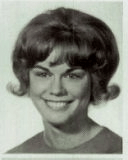
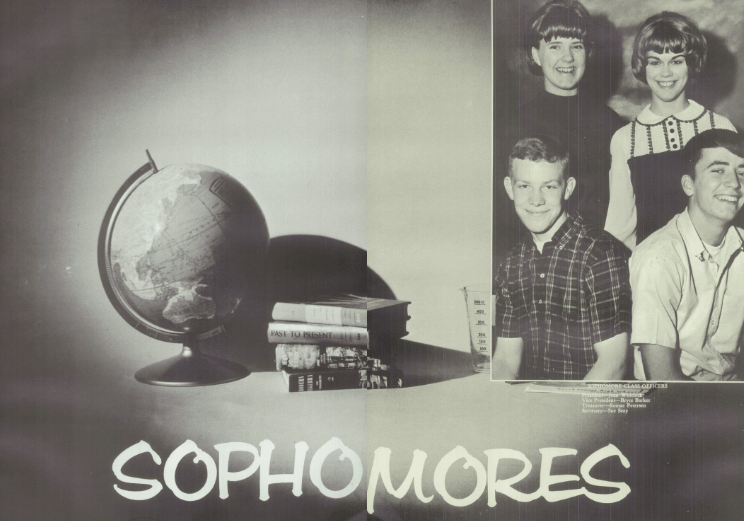

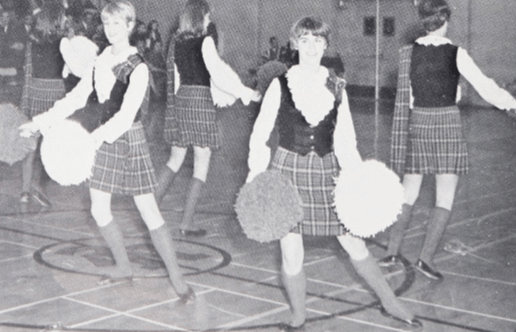
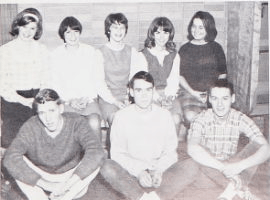


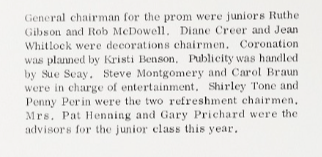


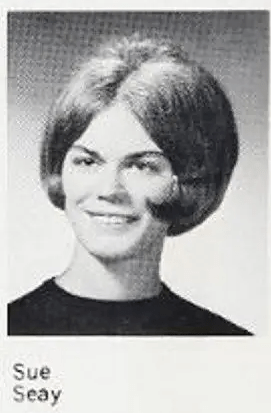
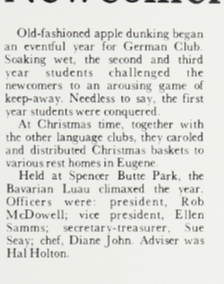

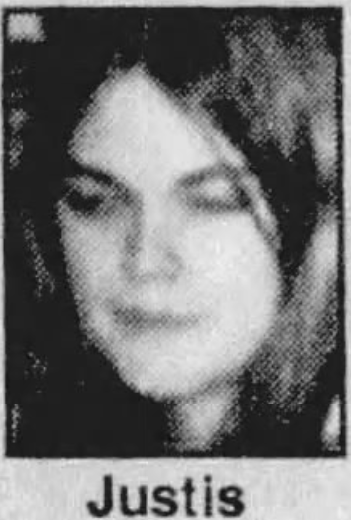

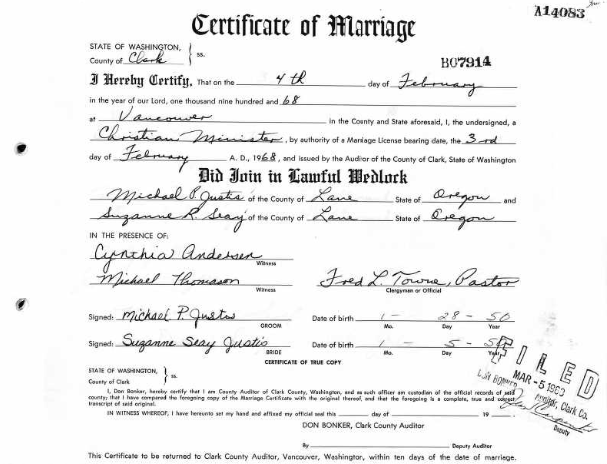
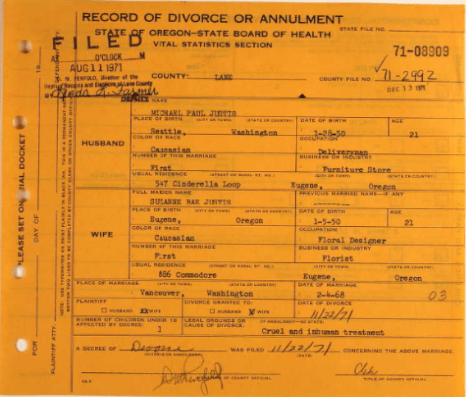
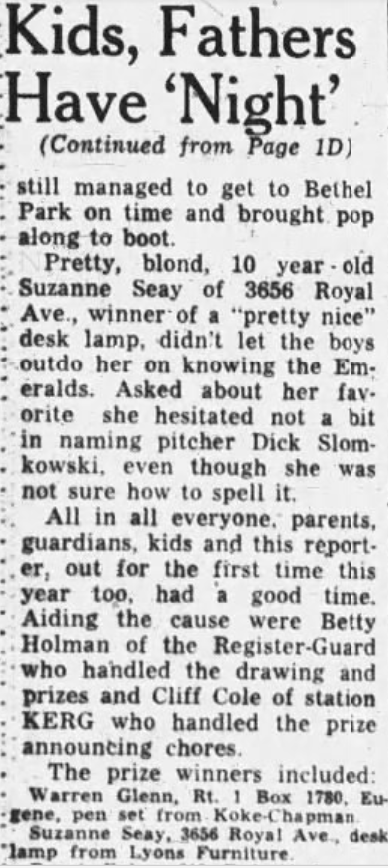
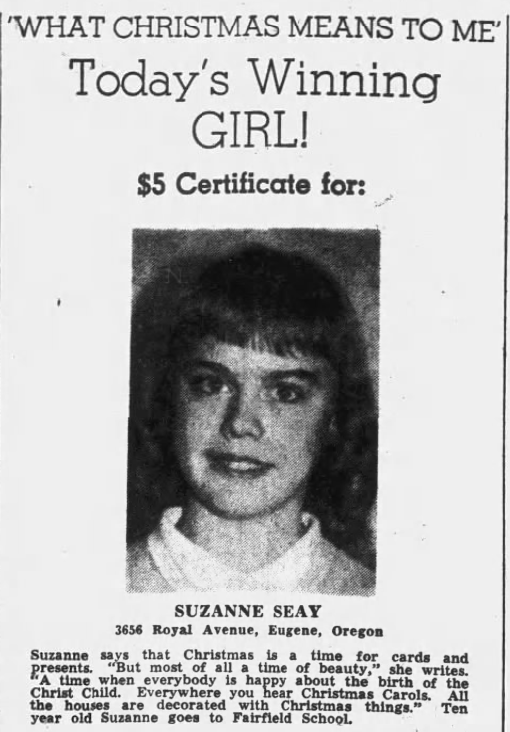
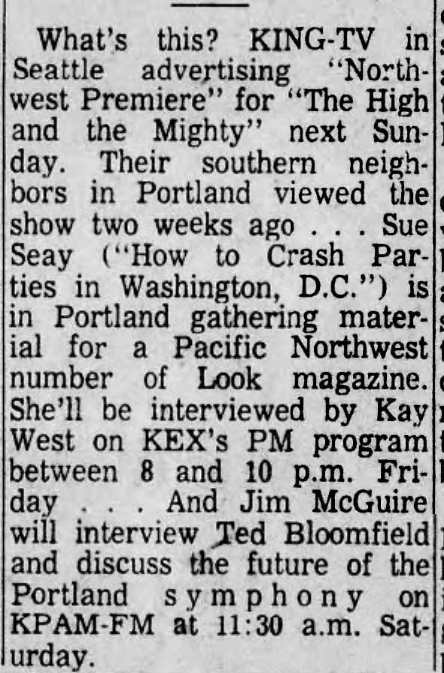
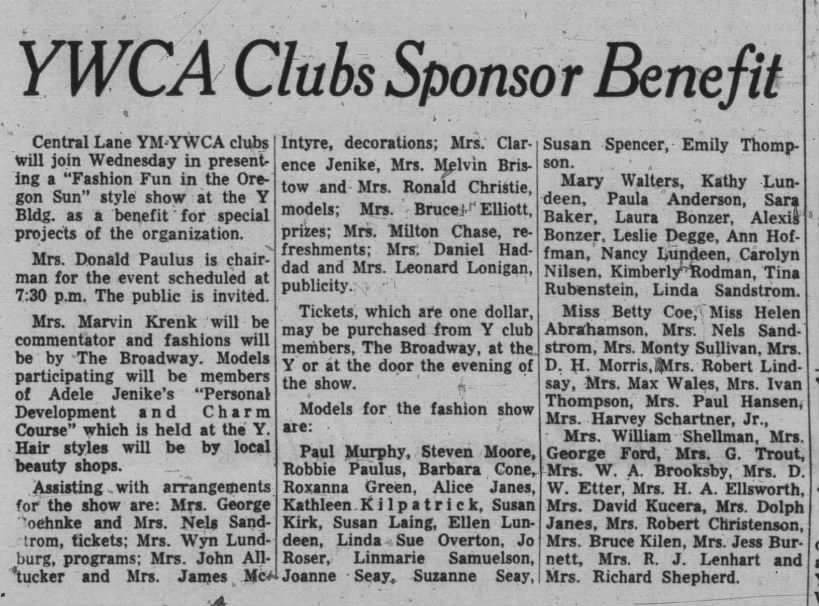
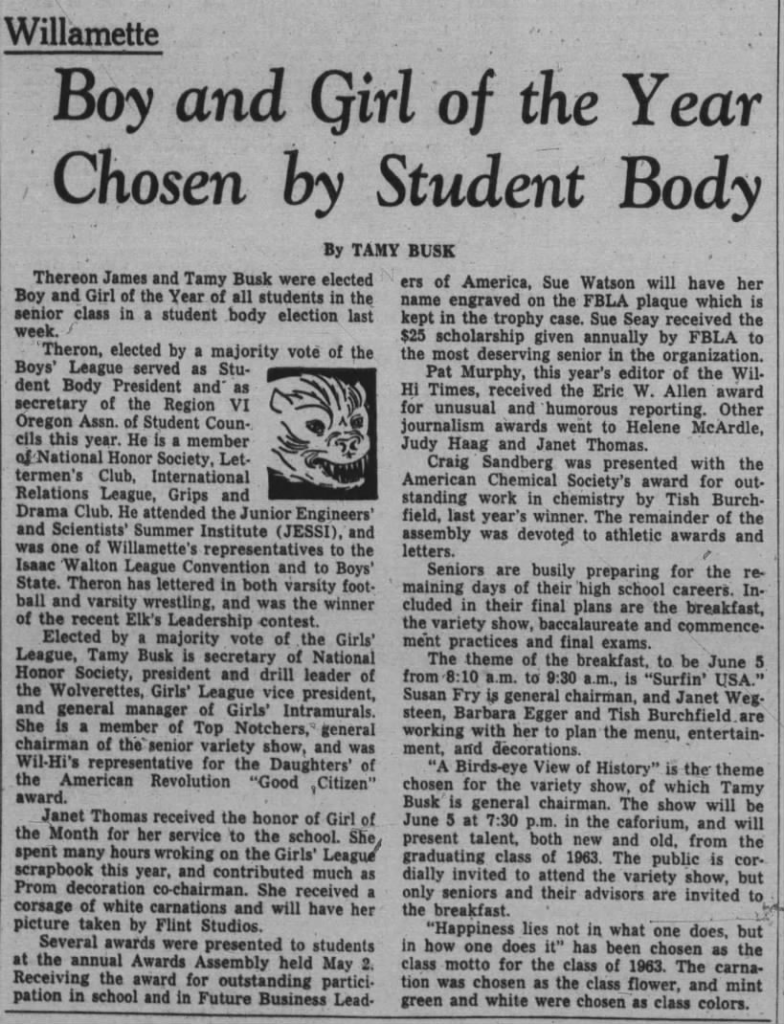
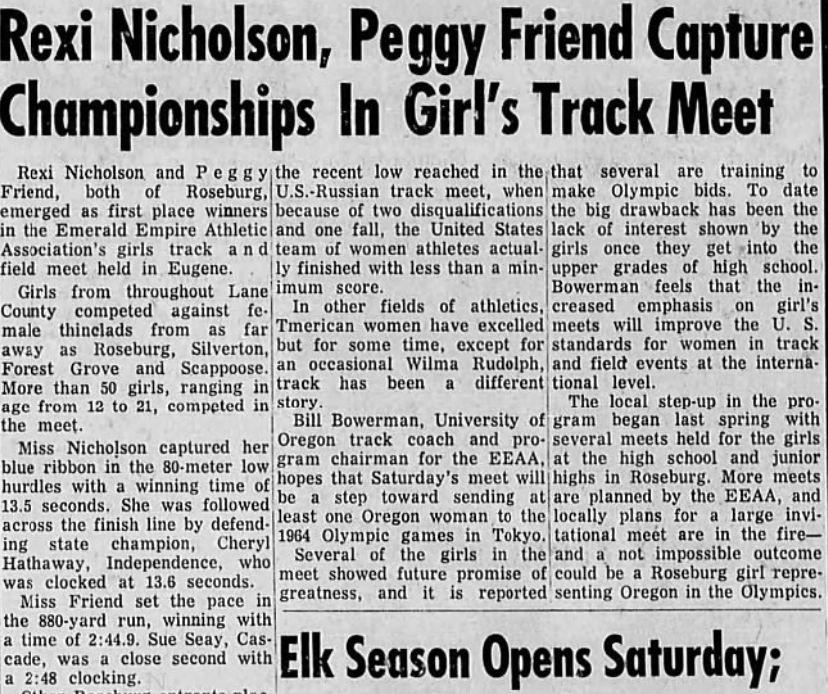
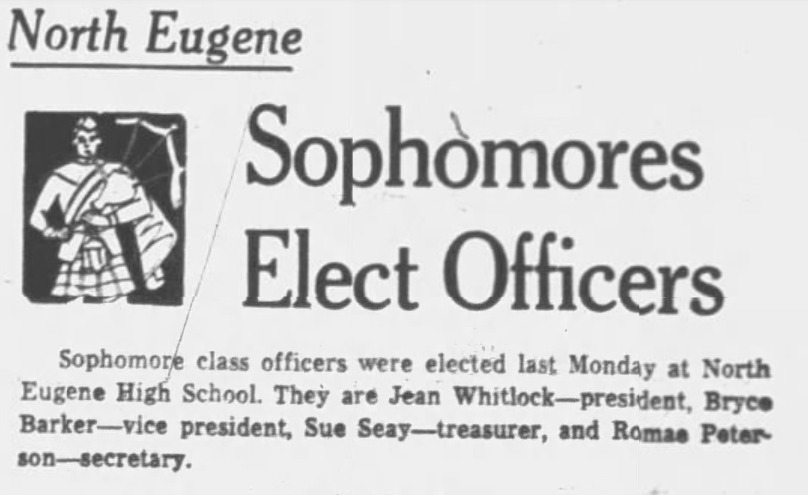
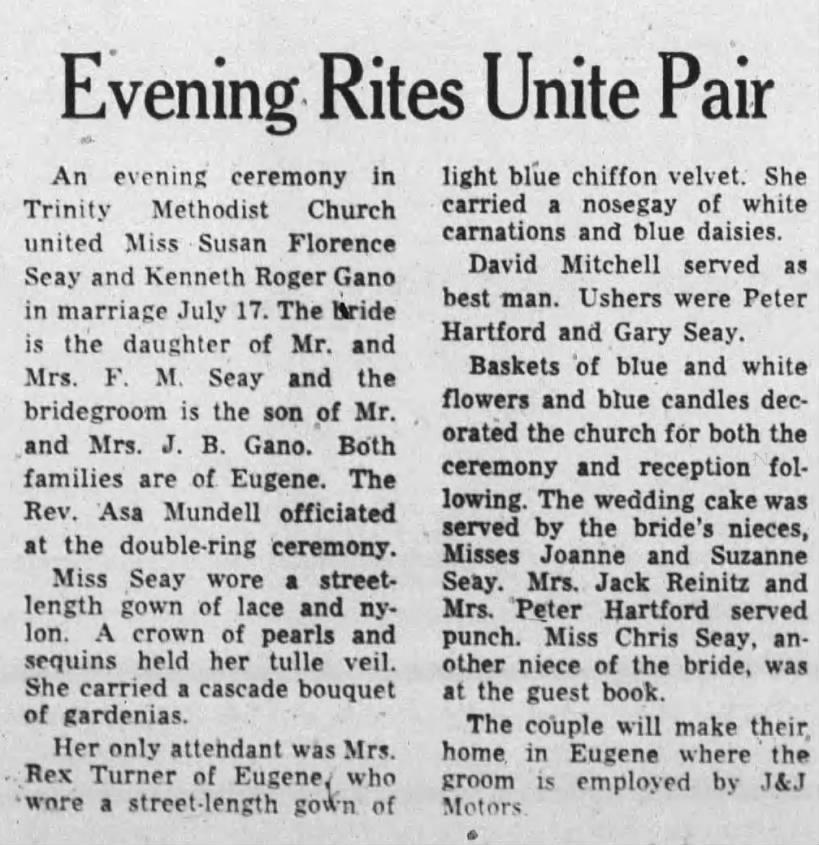
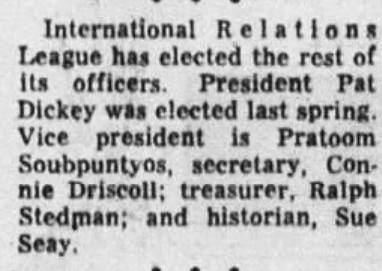
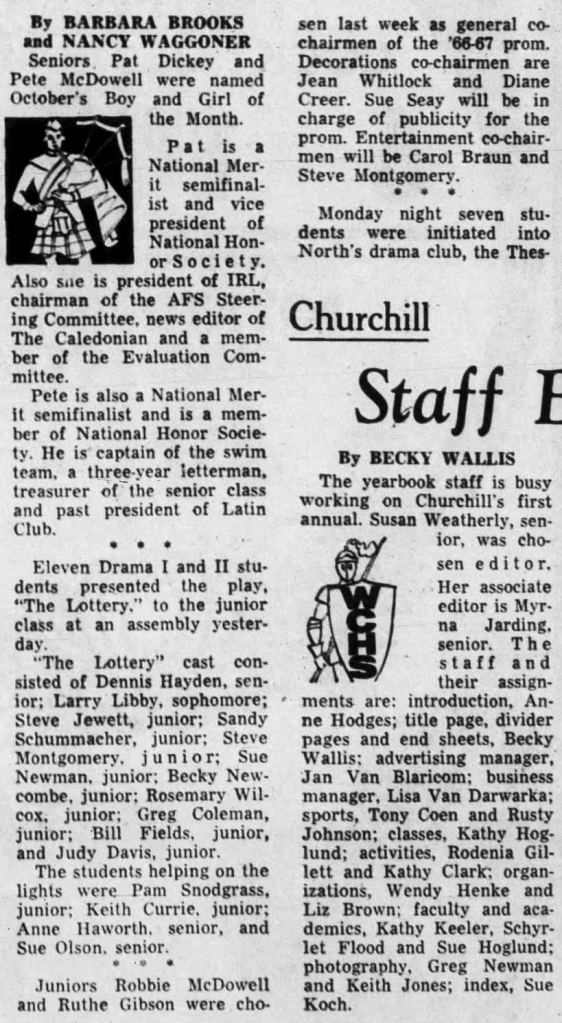
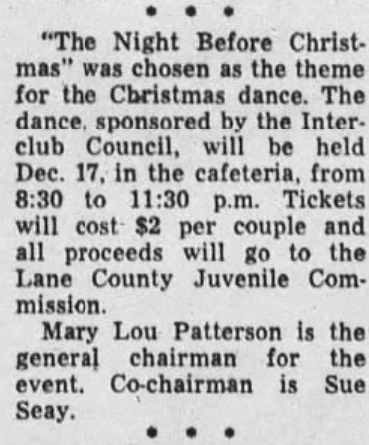
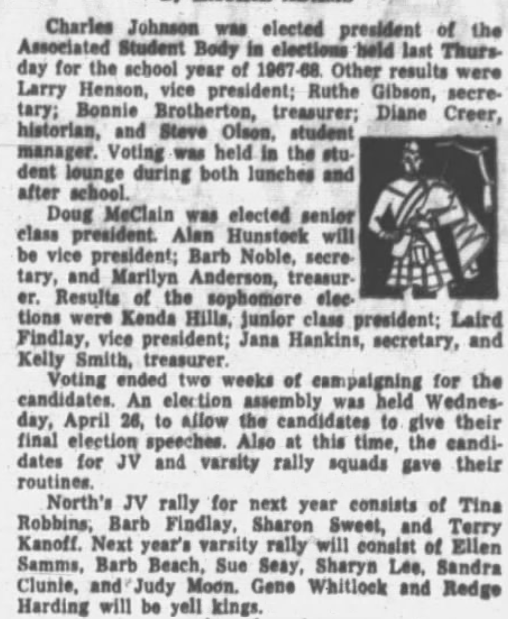
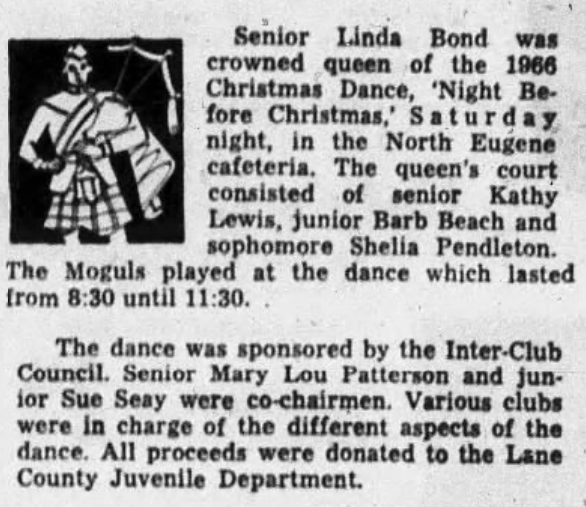
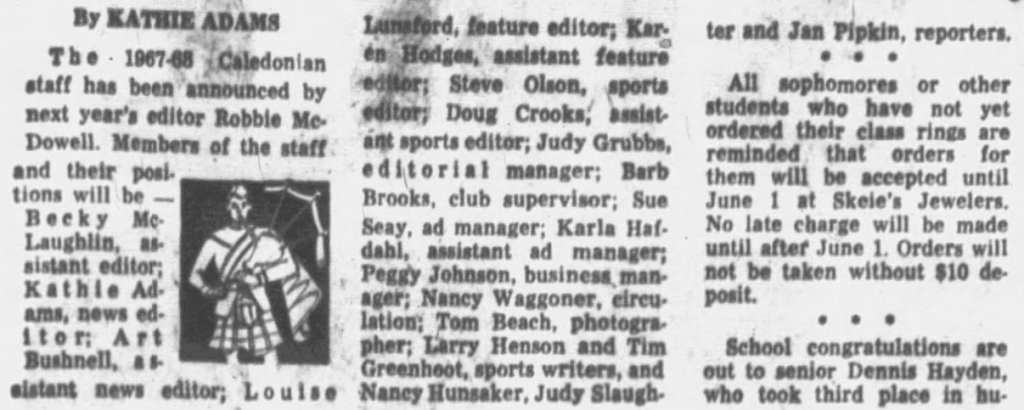
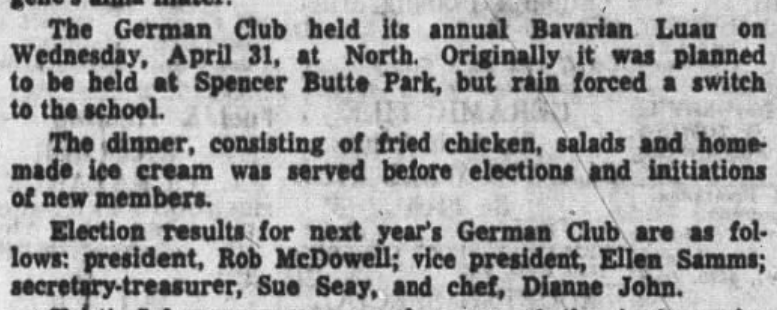
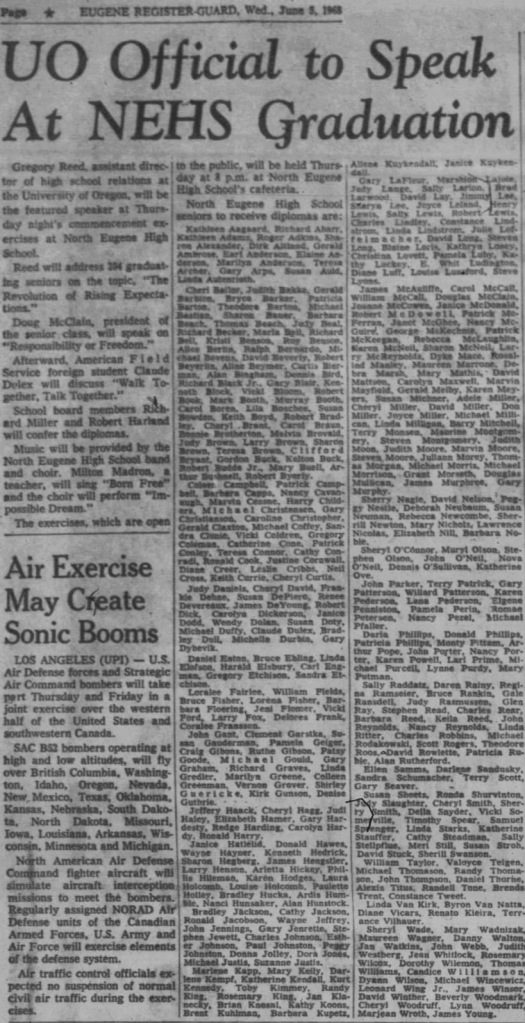


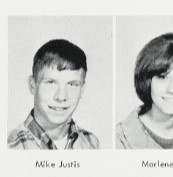


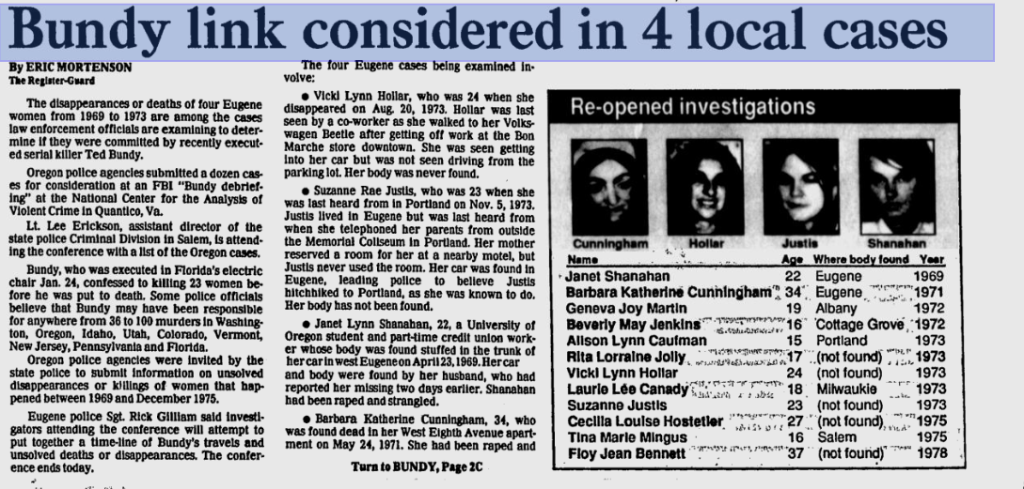
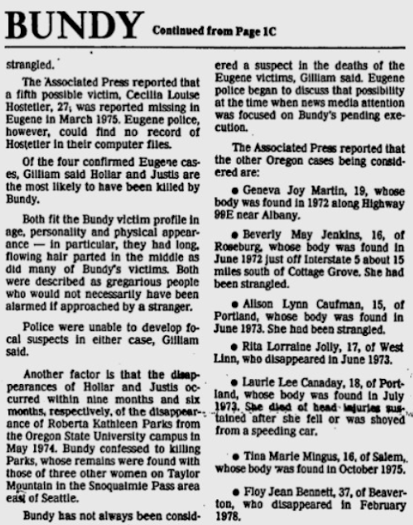


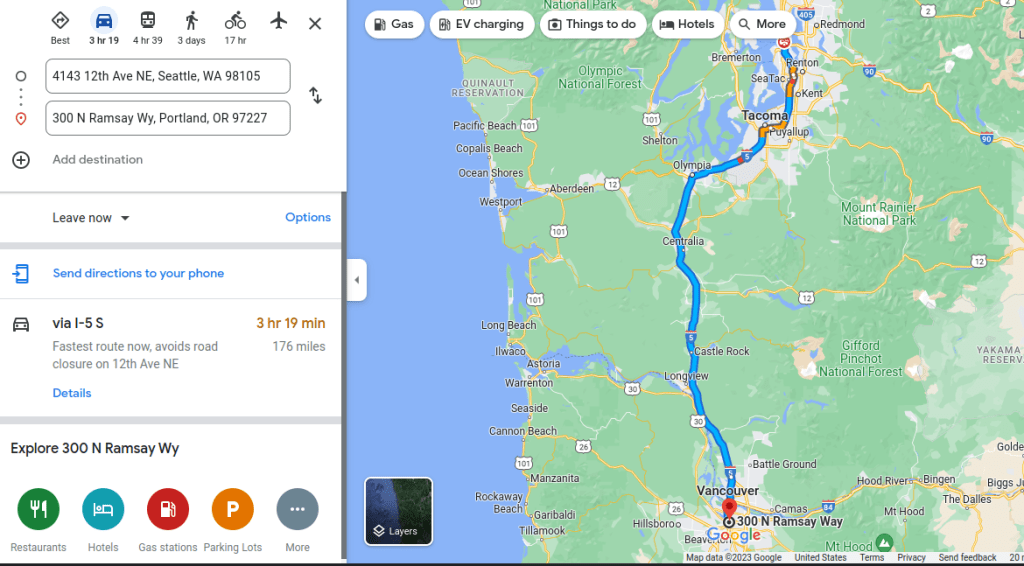


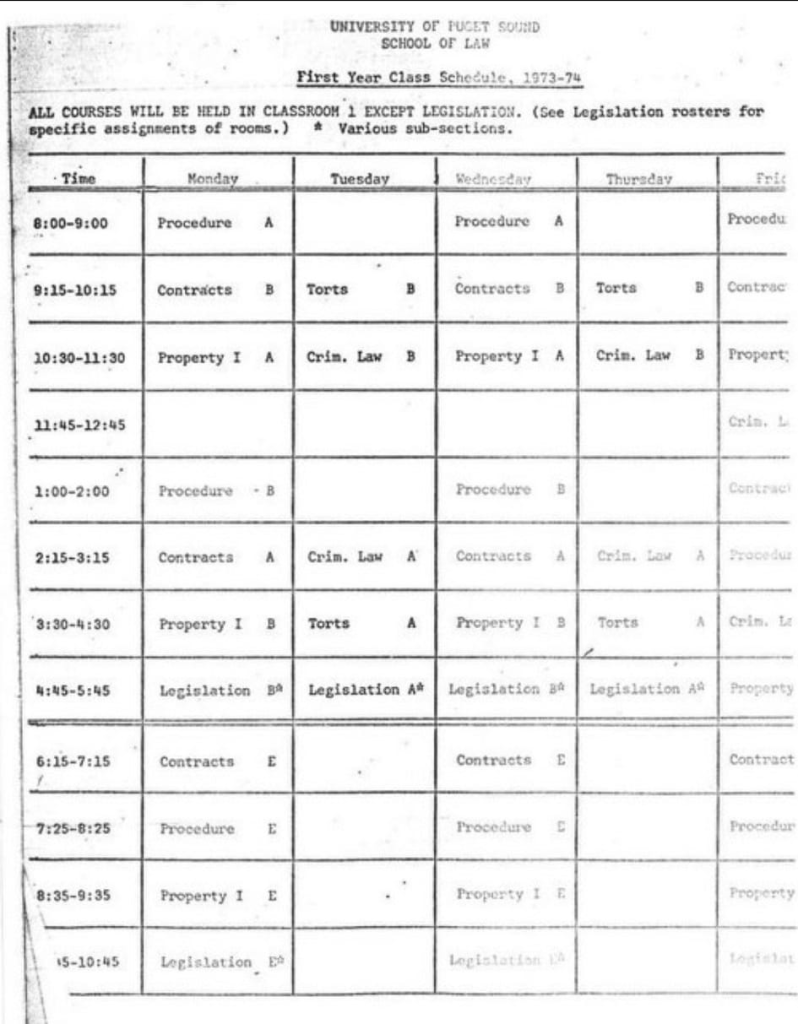
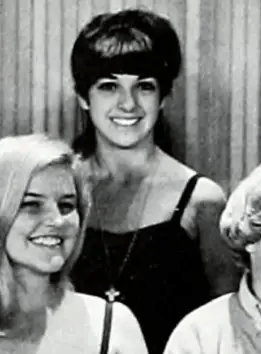
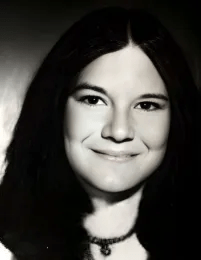


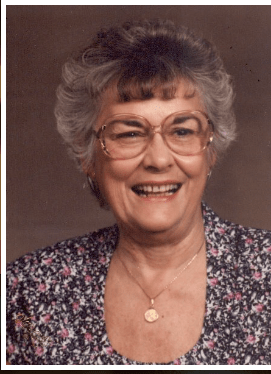
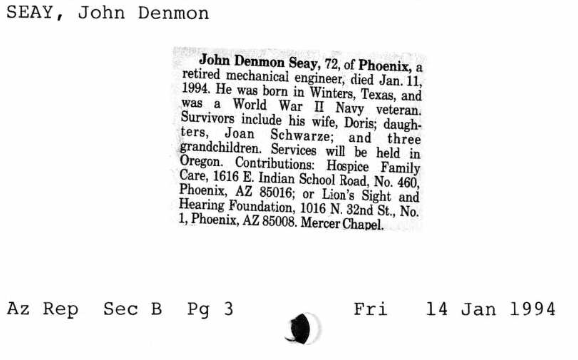
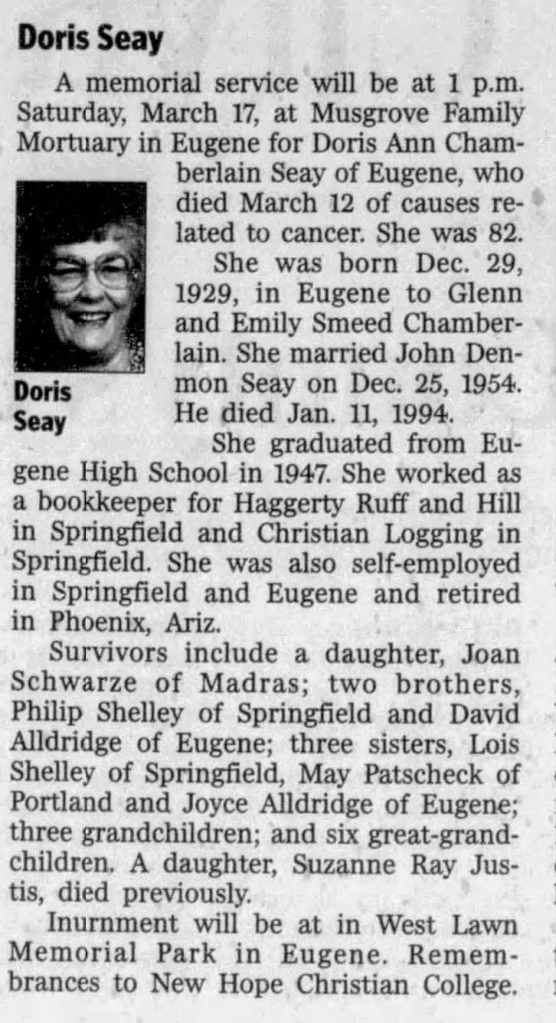


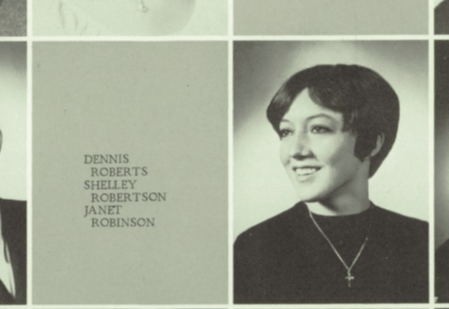
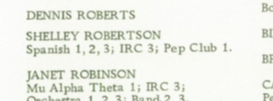
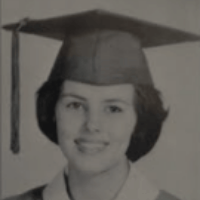

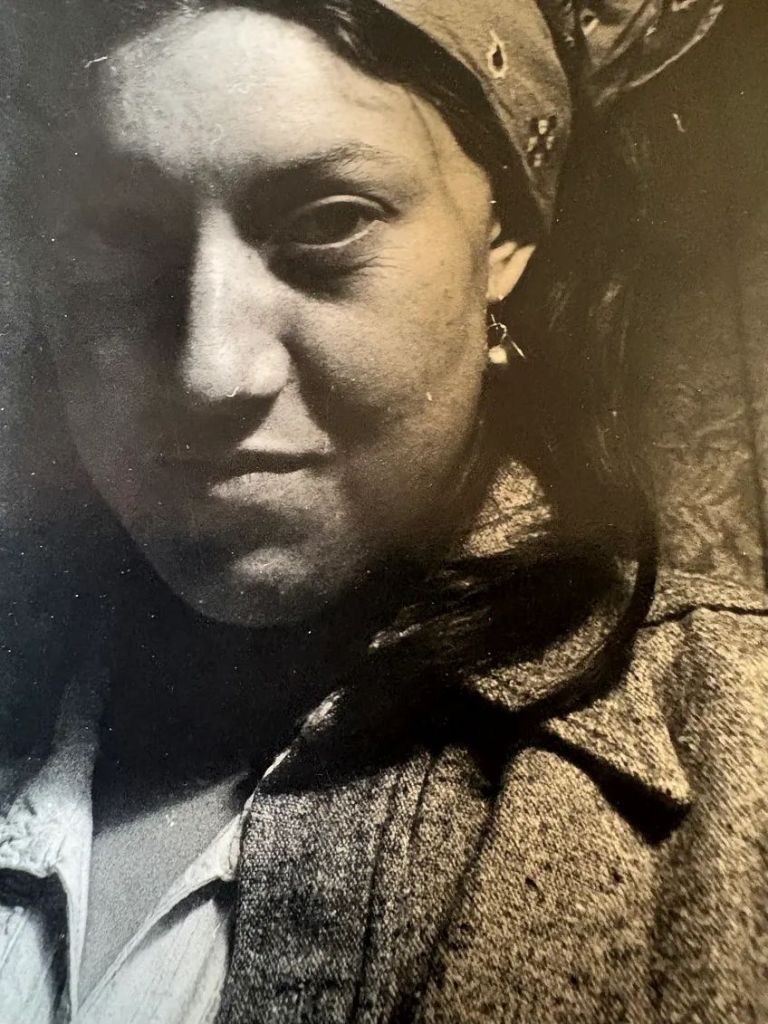


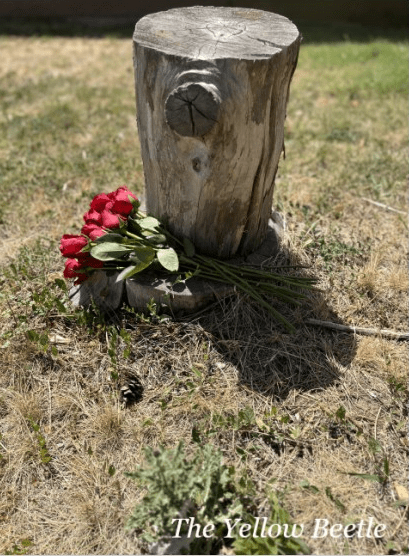
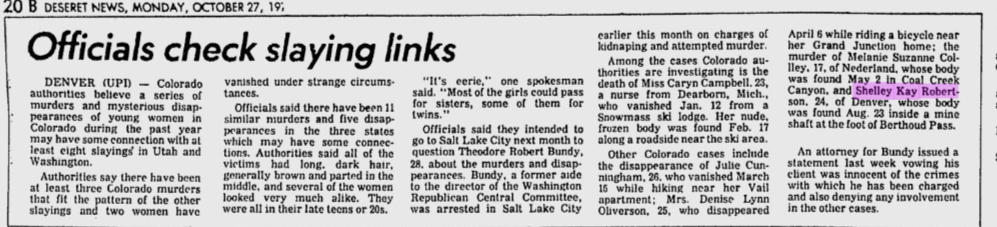
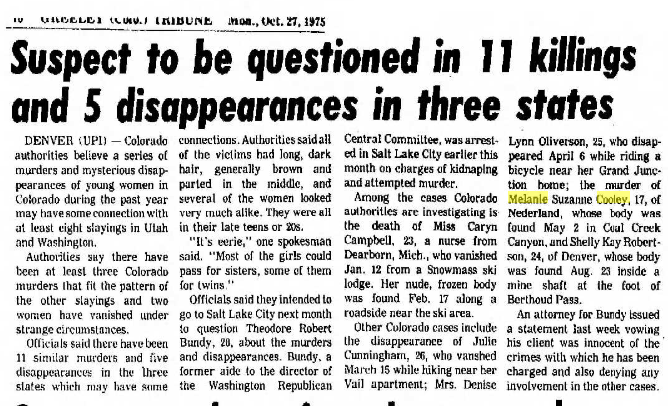
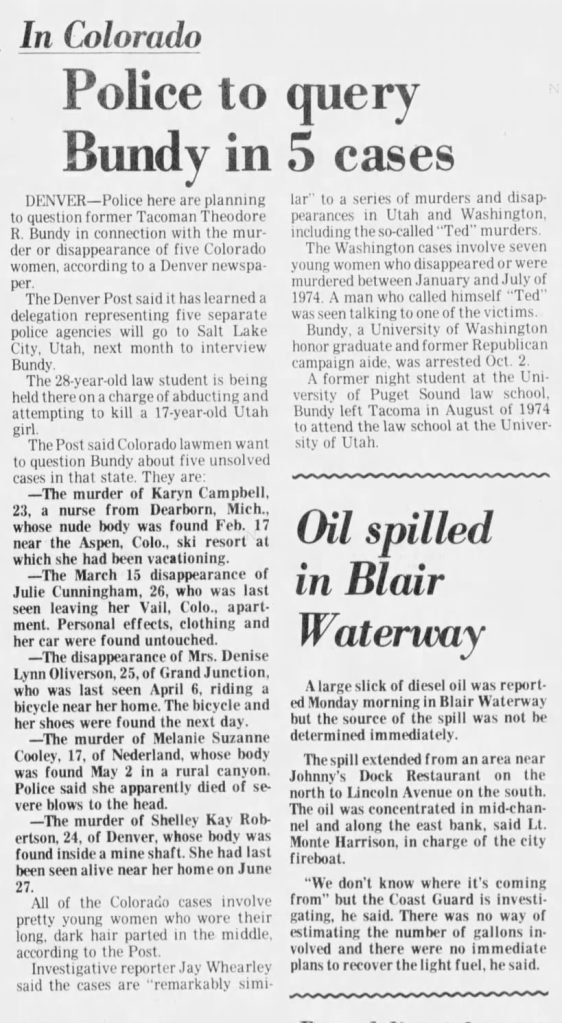
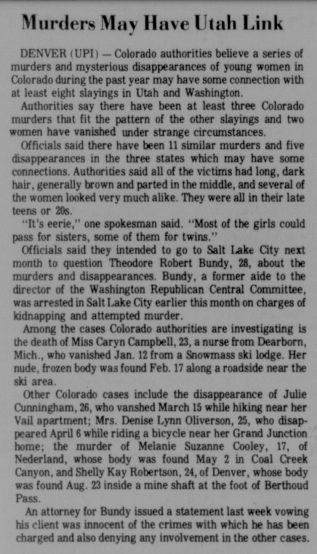


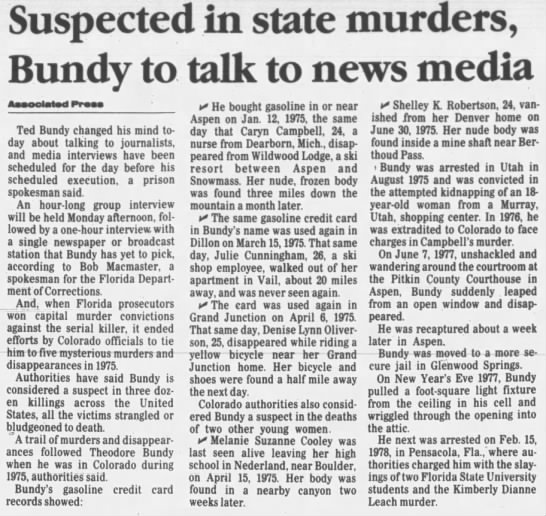
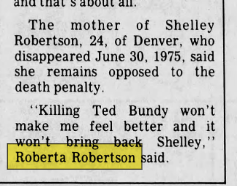


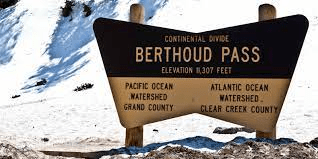
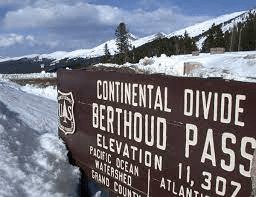

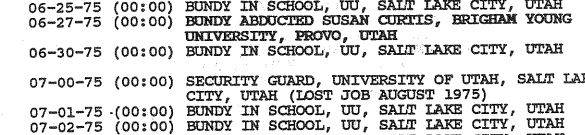

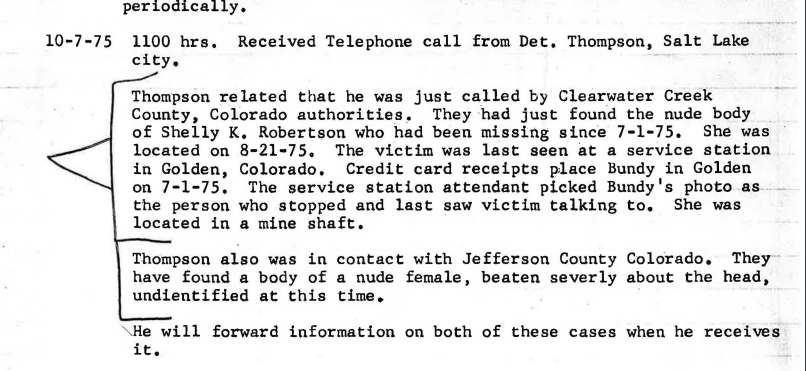
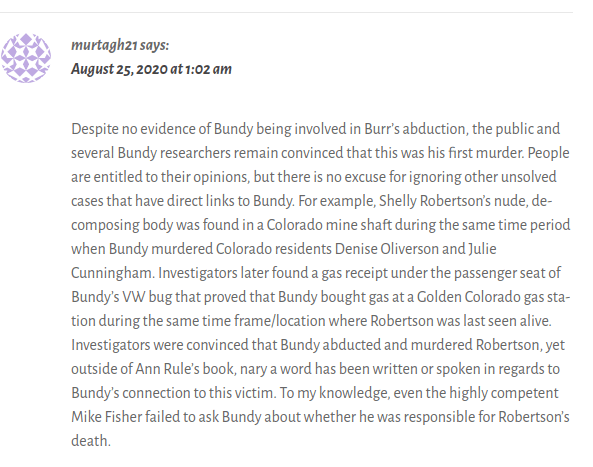
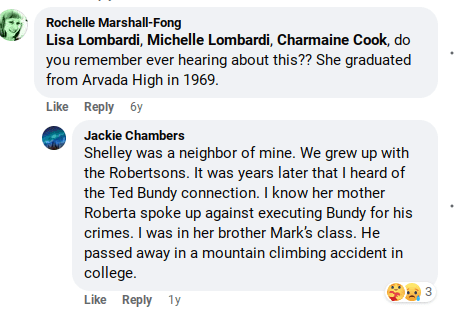
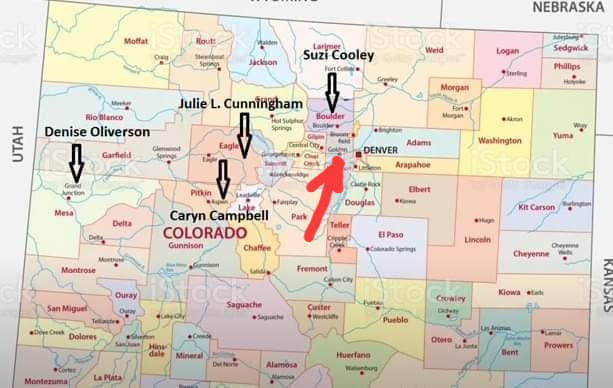
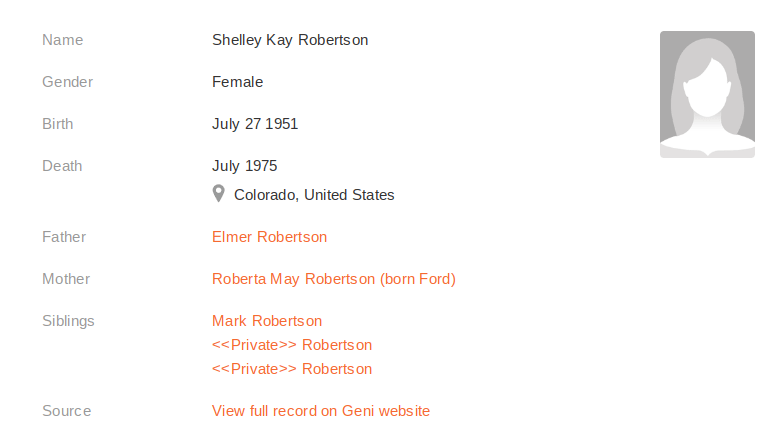
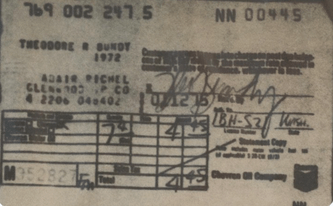

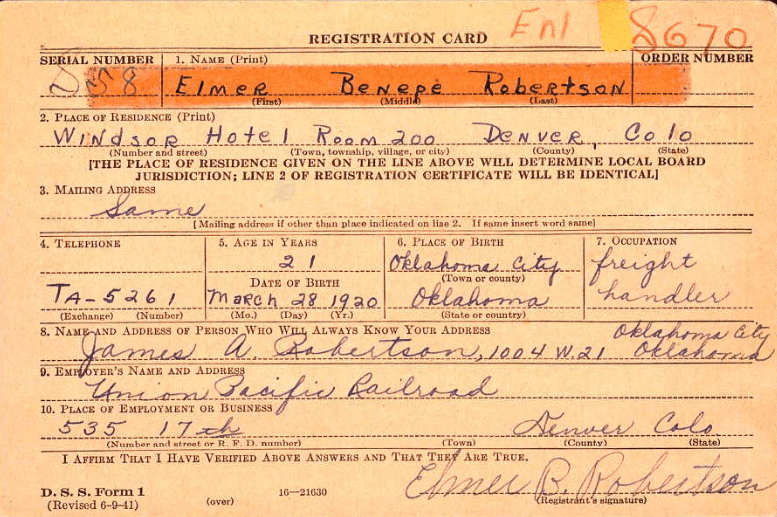
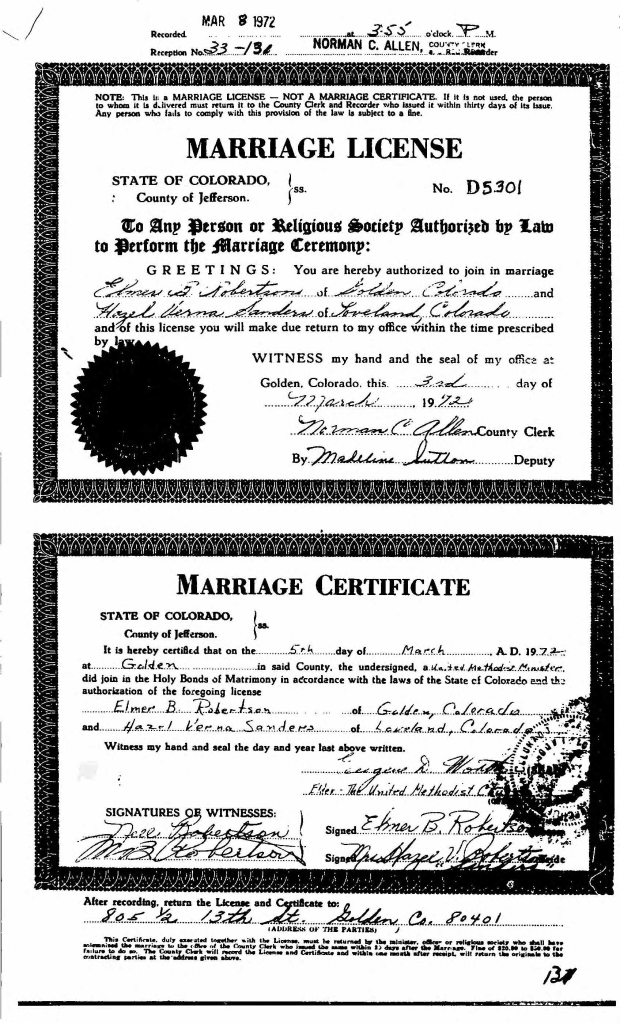

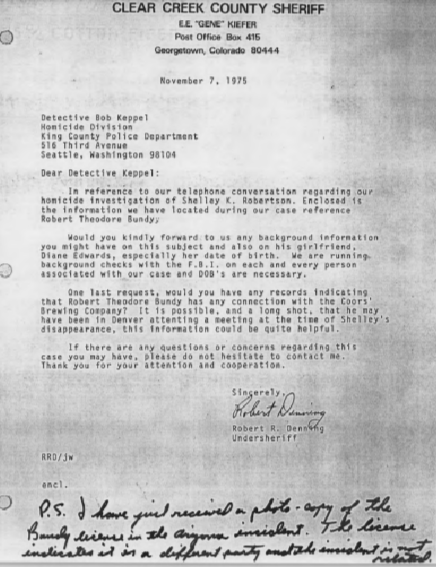
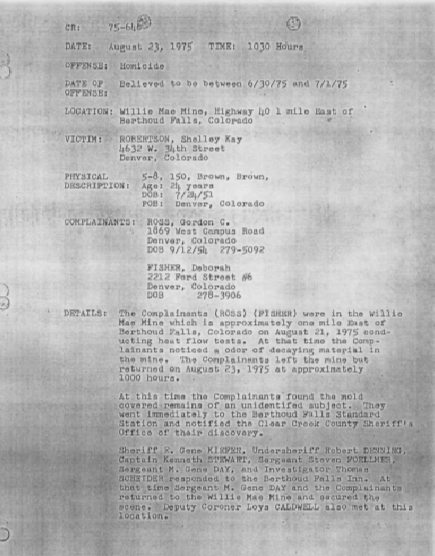
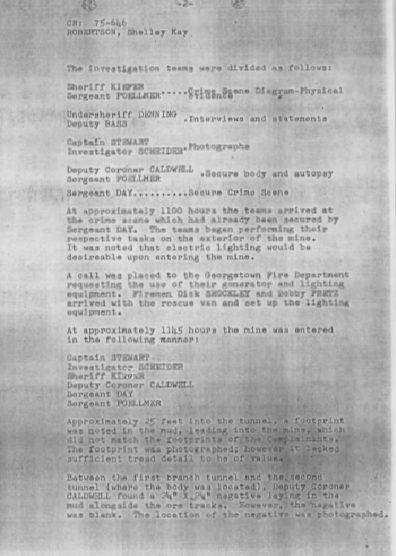
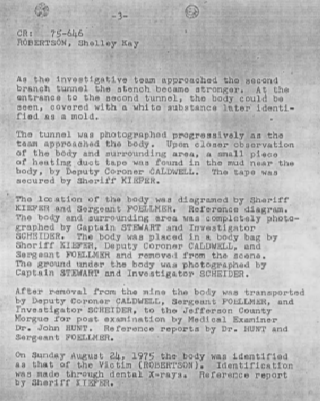
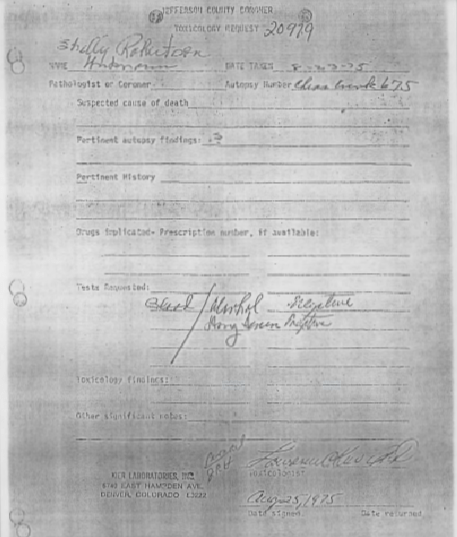
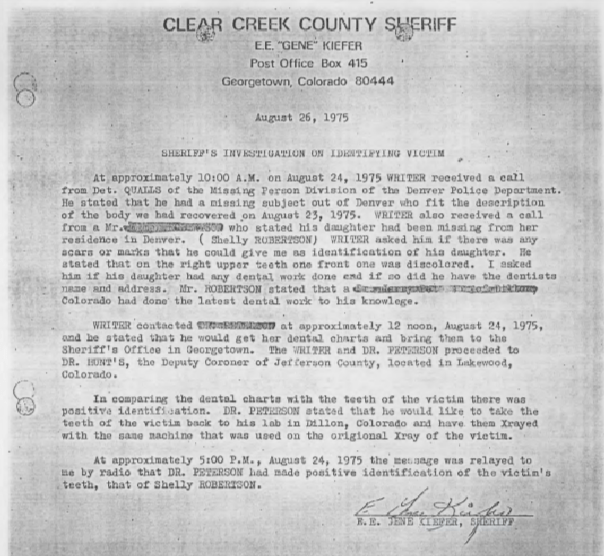
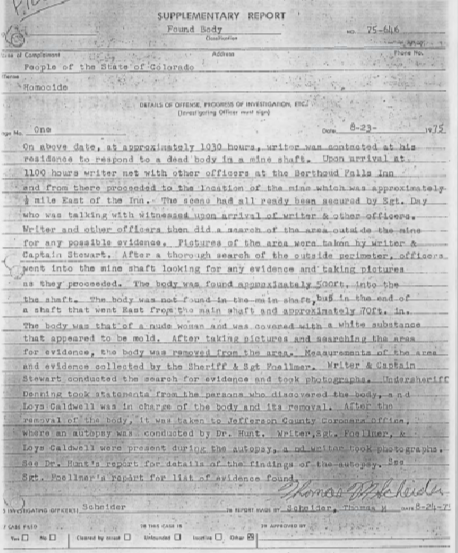

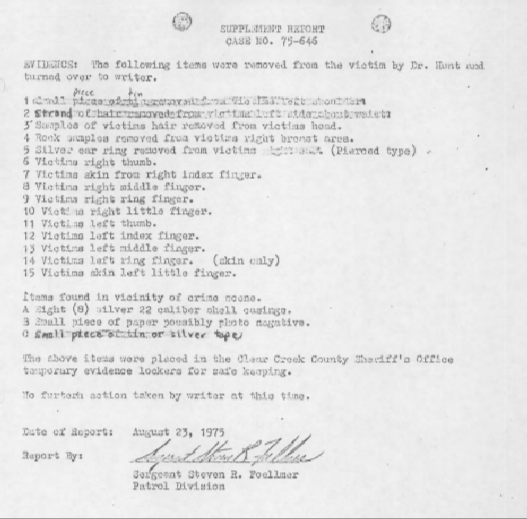
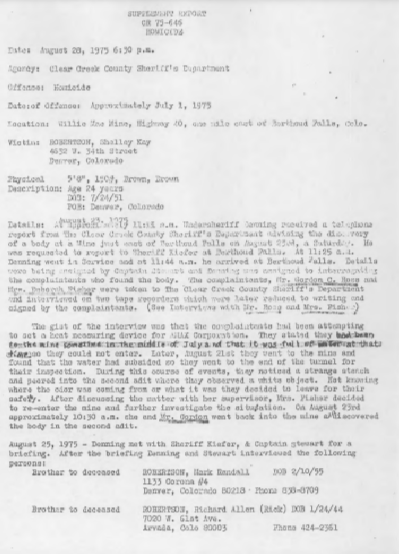
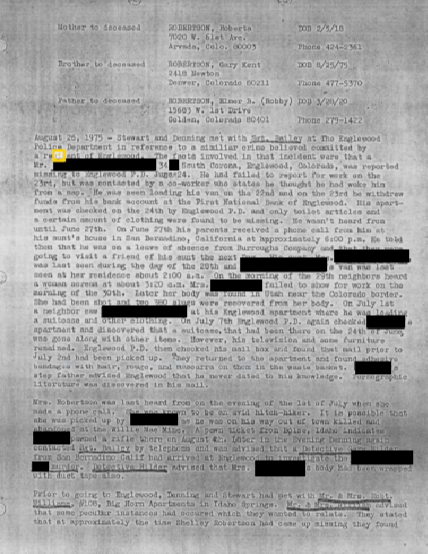
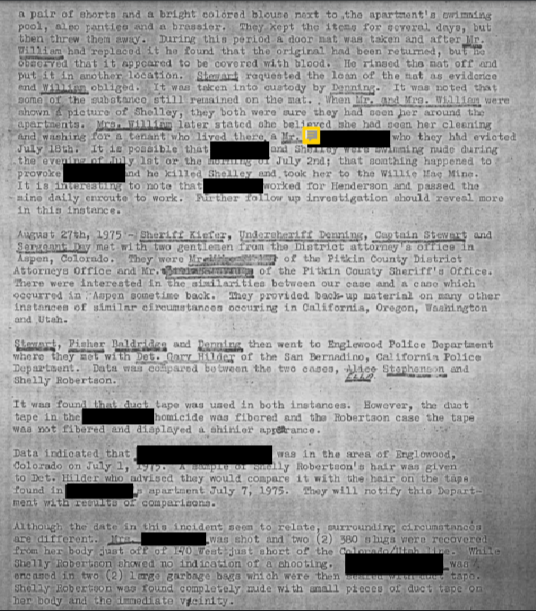


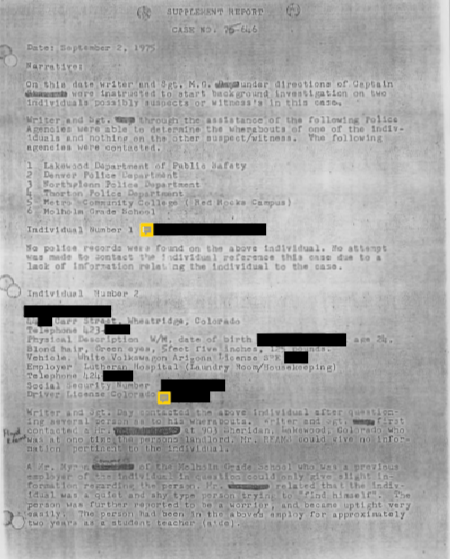

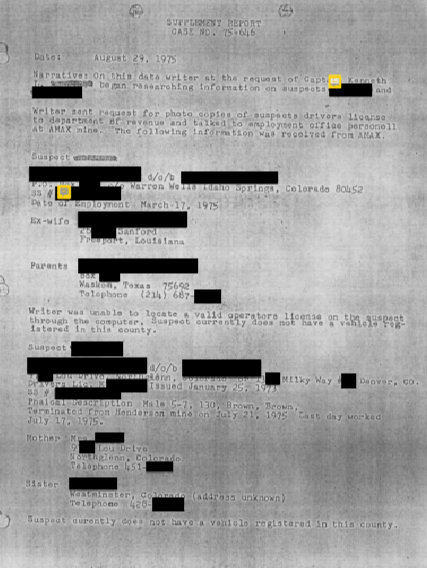
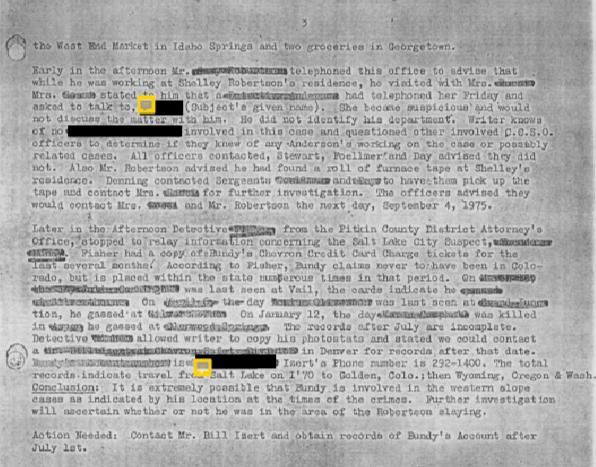
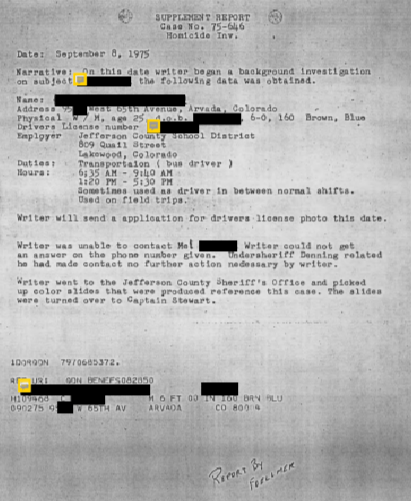


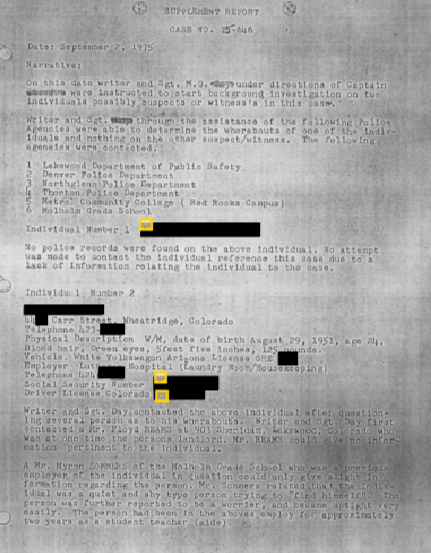


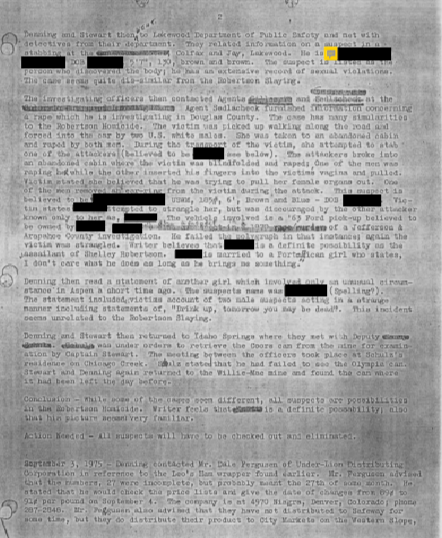

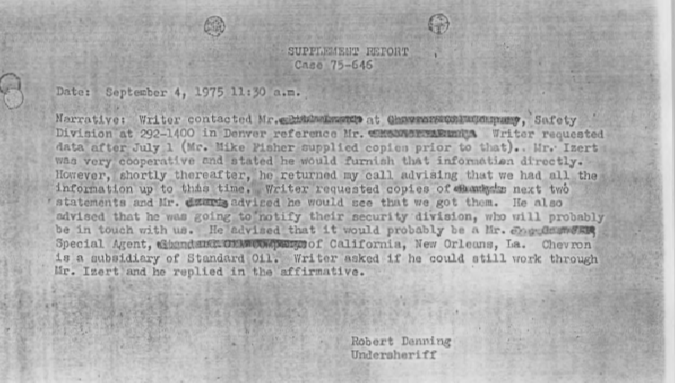
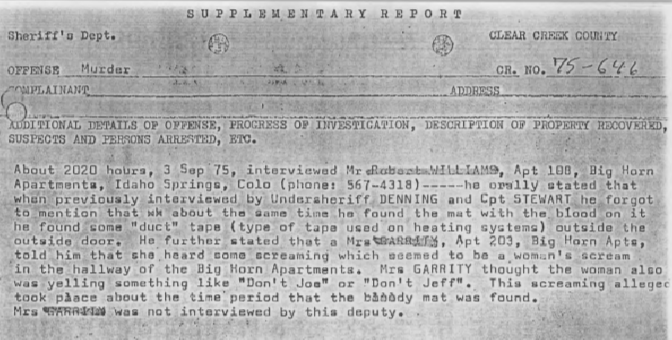
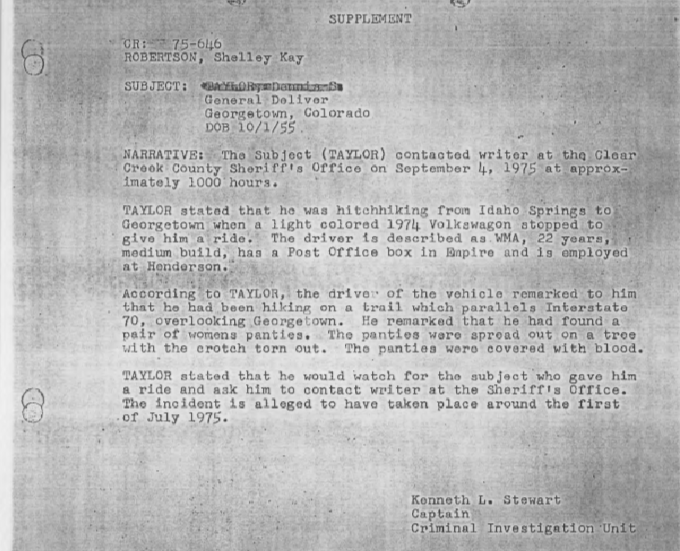
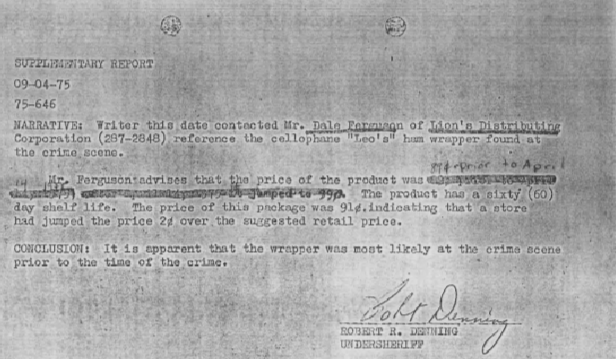


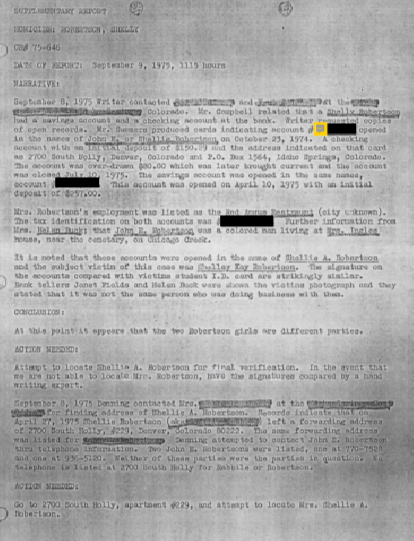


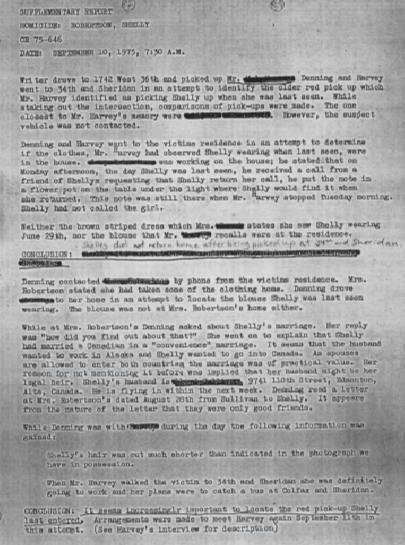


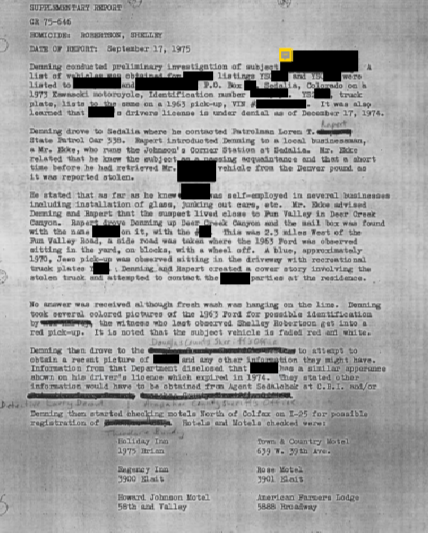

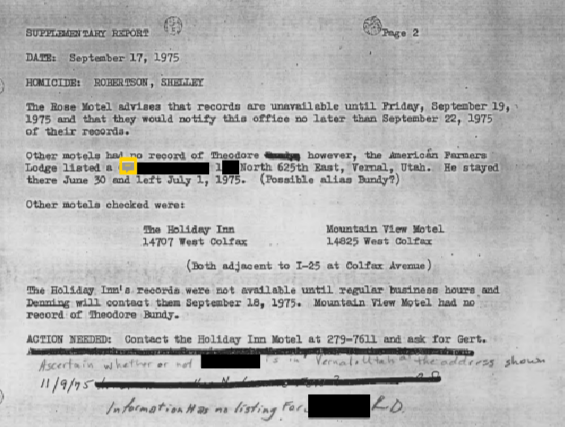
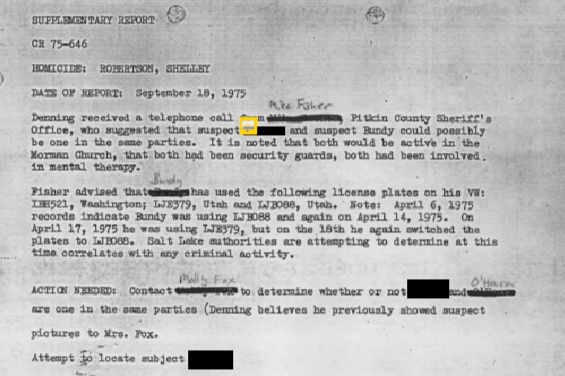


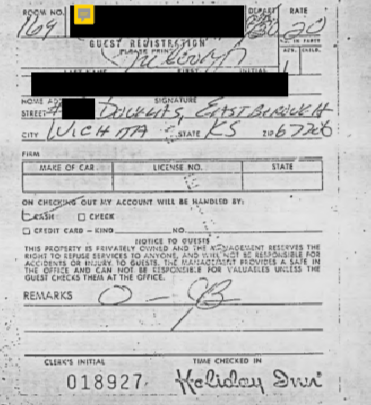

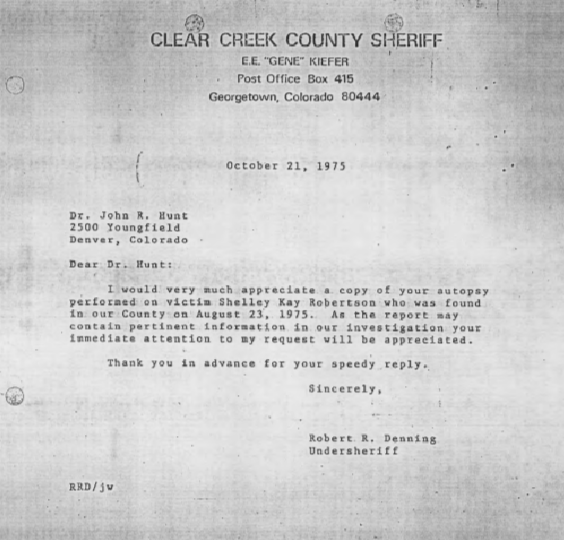
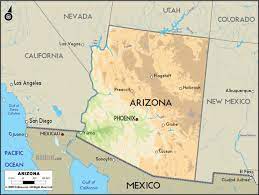



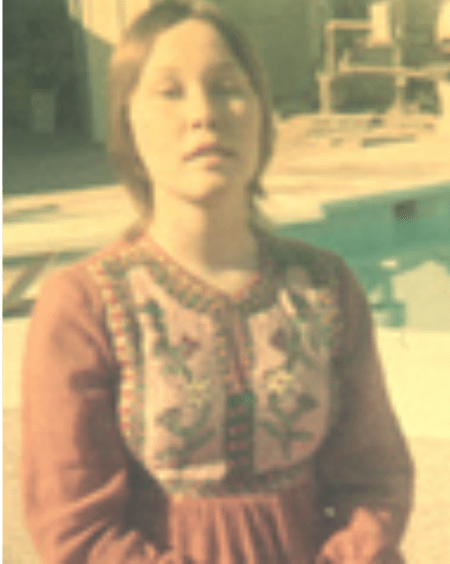
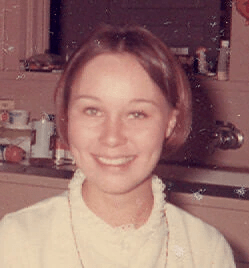

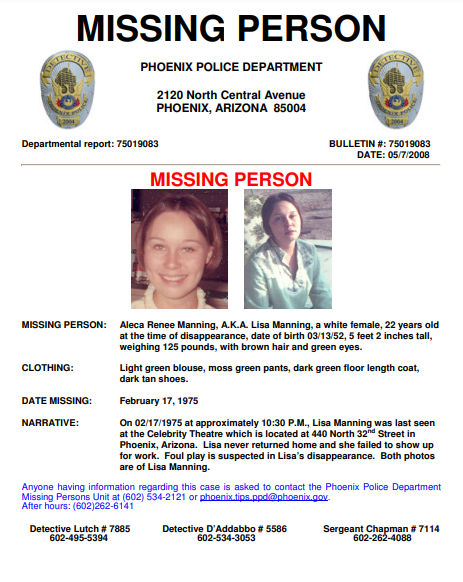


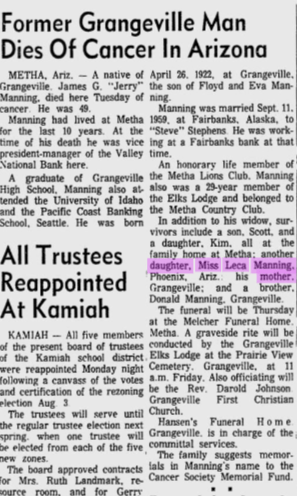


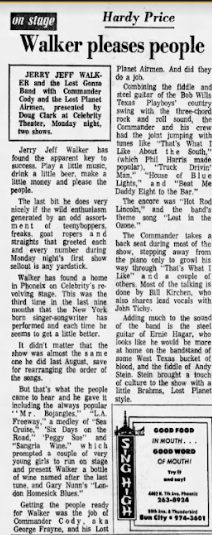

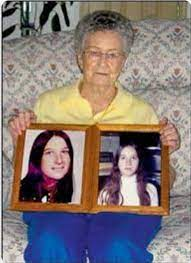

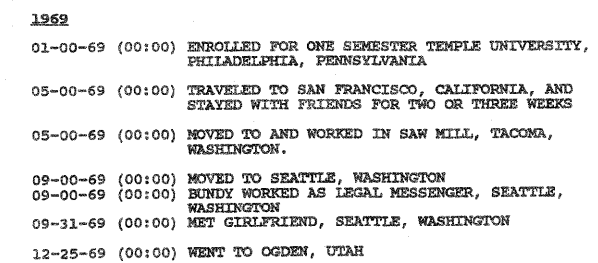


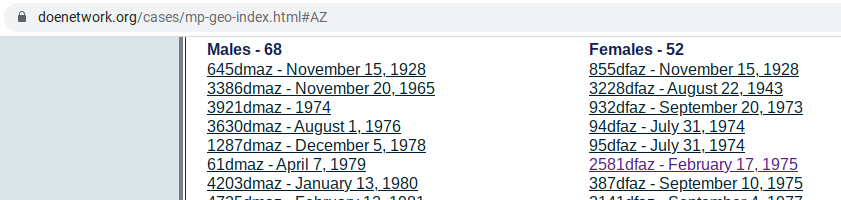


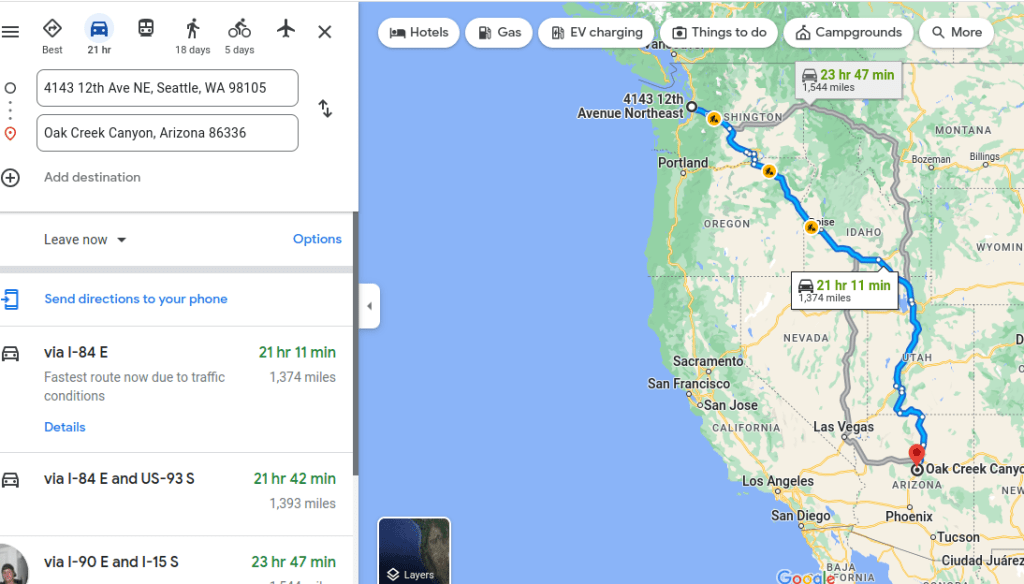
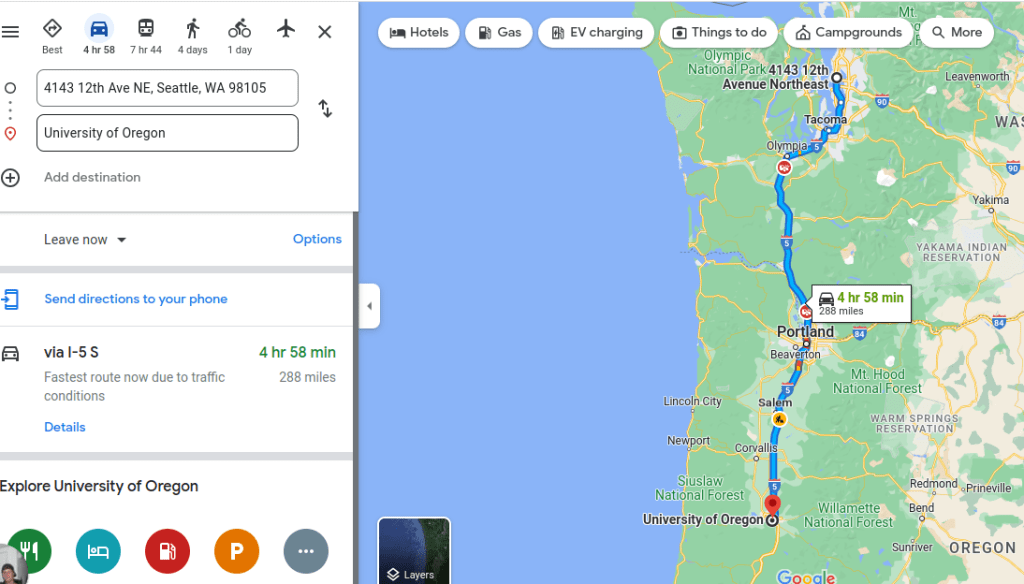

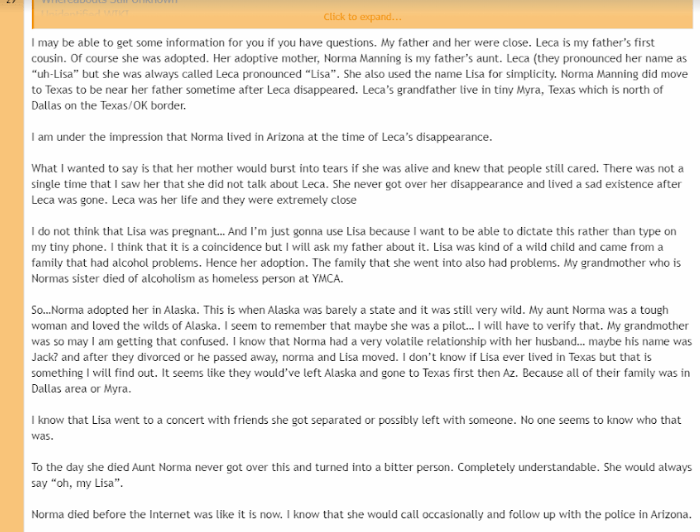


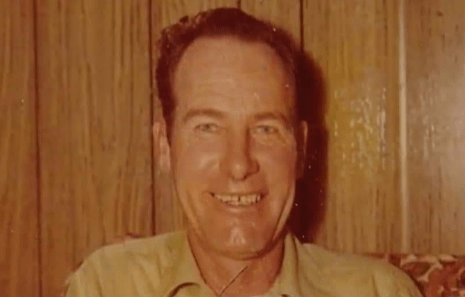

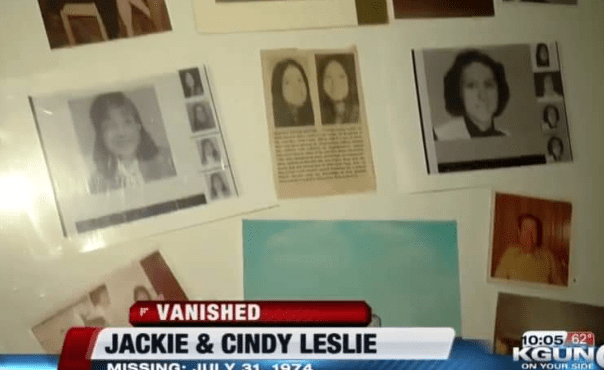
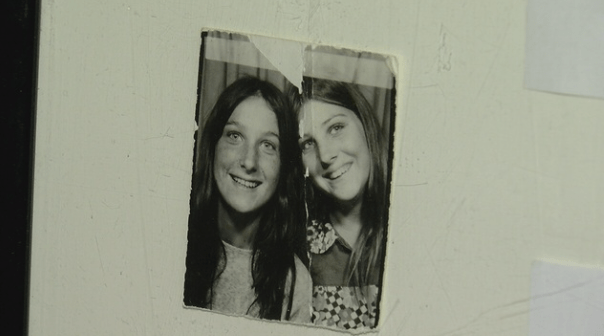
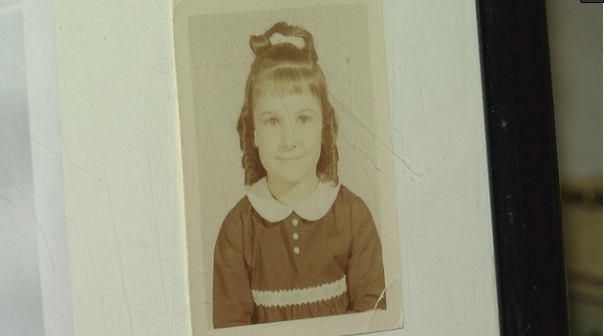
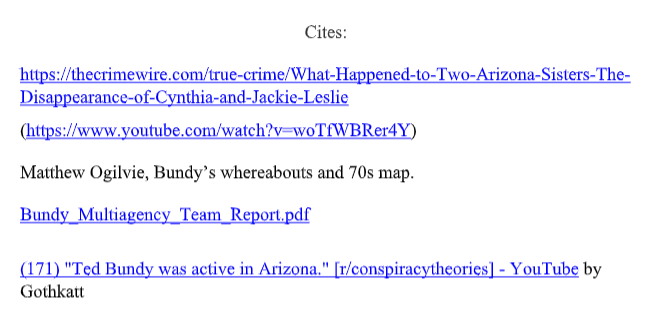


 Another Bundy Blog: My Adventures around the Pacific Northwest (and everywhere else).