Courtesy of the Pitkin County Sheriff’s Department.
True Crime
Theodore Robert Bundy vs. State of Florida, May 9, 1985.

Denise Lynn Oliverson: Case File.
I paid the Grand Junction police department $240 for this, I hope it’s useful to somebody.
Lynda Ann Healy.
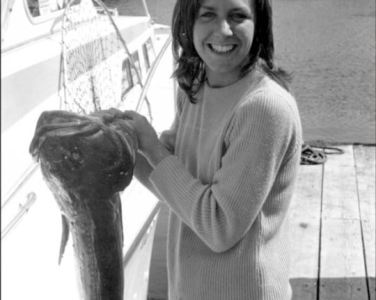
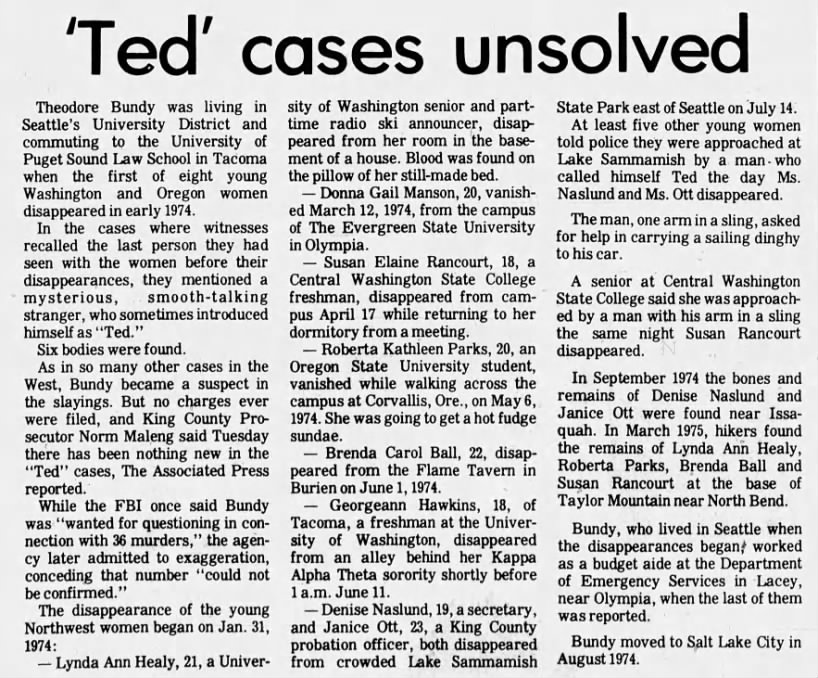
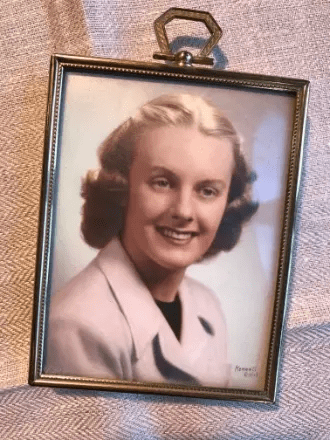
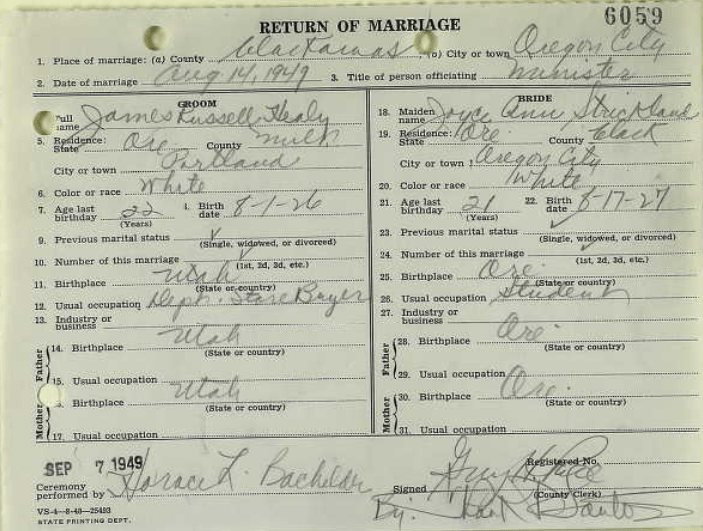
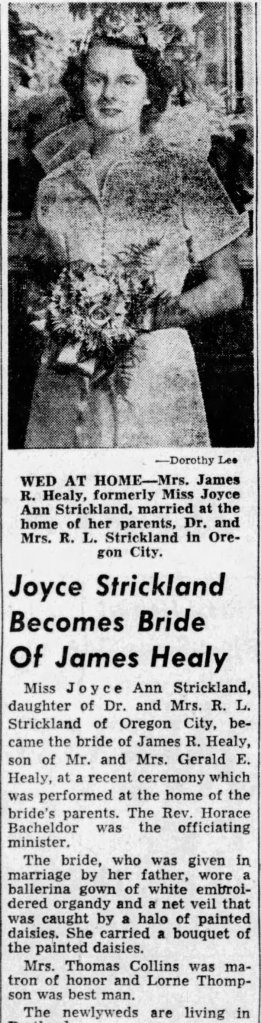
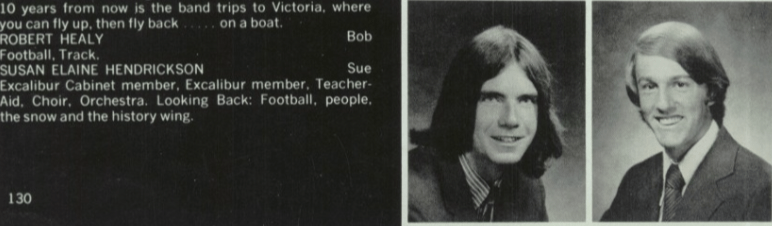
Background: Lynda Ann Healy was born on July 3, 1952 to James and Joyce (nee Strickland) Healy in Portland, Oregon. James Russell Healy was born on August 1, 1926 in Logan, Utah, and after graduating from Grant High School he went on to attend Notre Dame University, where he earned a degree in military sciences. At some point he went to the University of Oregon, where he met his future wife. The daughter of a prominent physician, Joyce Ann Strickland was born on August 17, 1927 in Forest Grove, OR and after high school attended the University of Oregon, where she was a member of the Alpha Phi sorority and graduated with a business degree in 1949. James and Joyce were married at her parents’ house in Oregon City on August 14, 1949, and in their early years as husband and wife lived in a house on Siskiyou Street in the northwest part of Portland. Before her kids were born, Mrs. Healy was employed at ‘Meier & Frank’ (a prominent department store chain that operated primarily in Oregon, Washington, and Utah) for several years before she left the workforce and became a dedicated stay at home mother. The couple had three children together: Lynda, Robert (b. 1954), and Laura (b. 1957).
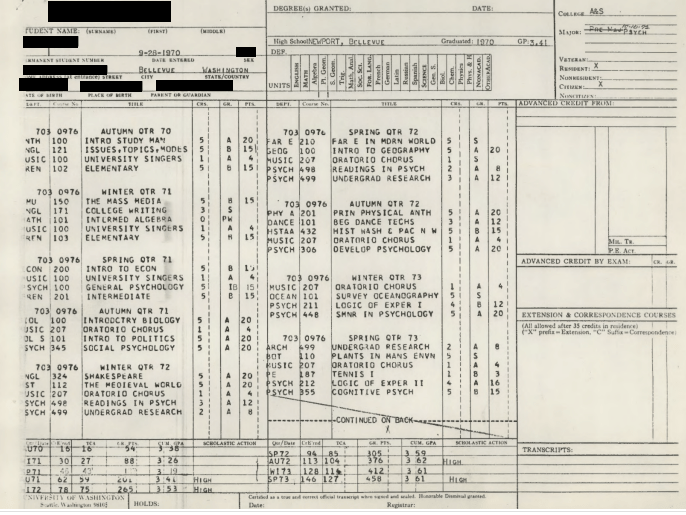
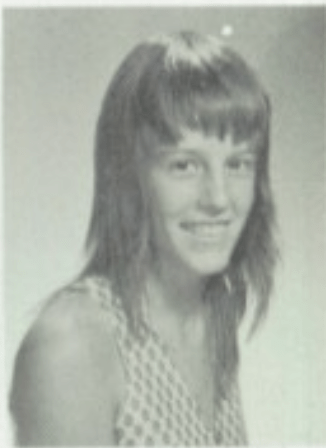
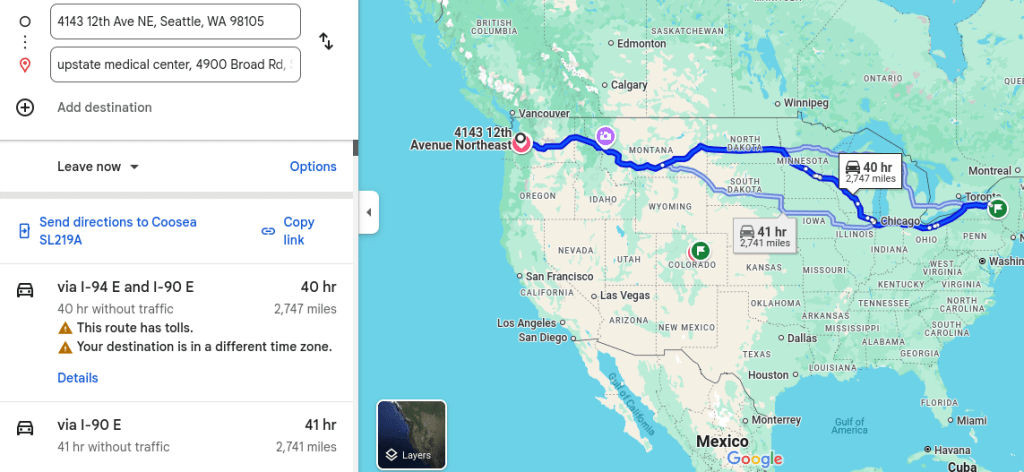
In 1962 the Healy’s moved to Washington state and bought a house in the Newport Hills area of Bellevue, located just five miles away from Seattle and Lynda grew up in a happy, middle-upper class home. According to those that were close with her, she was a talented musician, excellent singer, and was ‘full of life’ as well as self-confidence, and was looking forward for her future. Lynda stood at 5″7″ tall and wore her brown hair long and parted down the middle; she had blue eyes and had a 1/2 inch long scar on the bridge of her nose. An above-average student, she enjoyed school and had dreams of one day working with children with disabilities. After she graduated from Newport High School in Bellevue in 1970, Healy went on to attend the University of Washington in Seattle, and during her first few years lived in residence halls on campus (she even resided in McMahon Hall at one point, which is where Bundy lived years prior) before she eventually moved to a house off campus towards the end of her education.
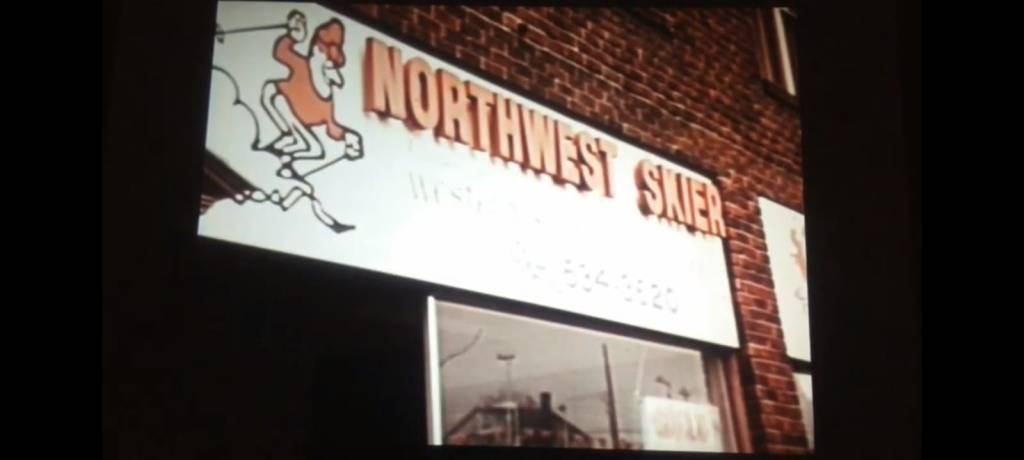
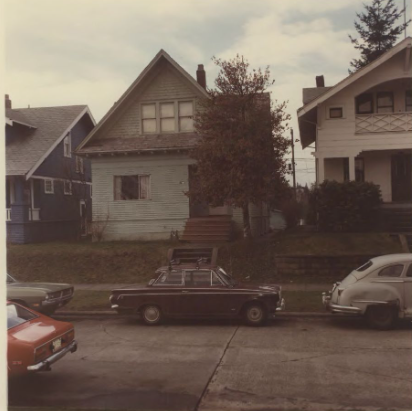
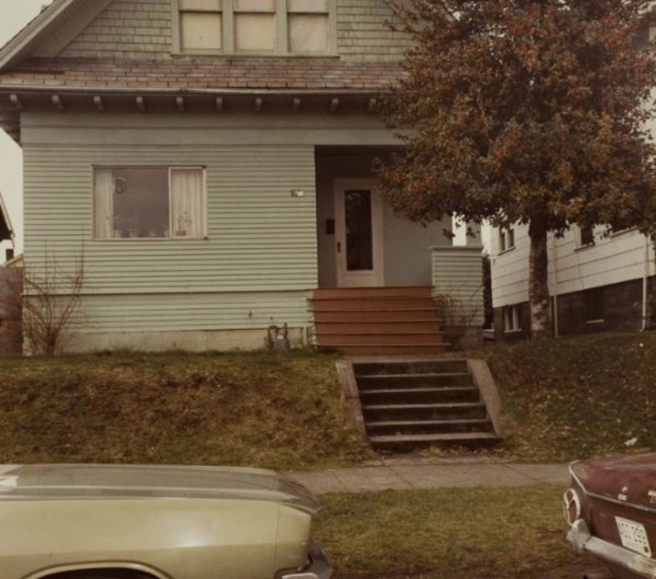
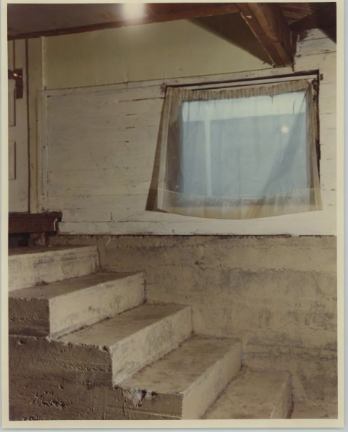
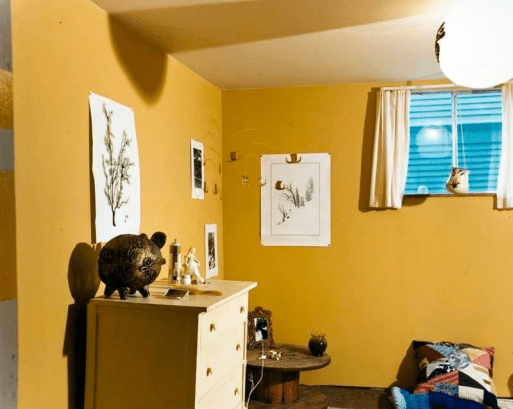
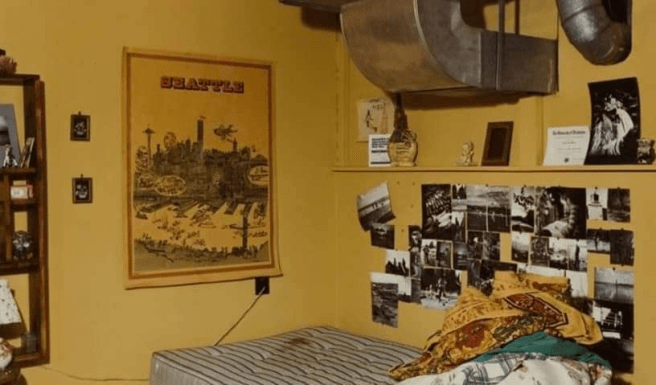
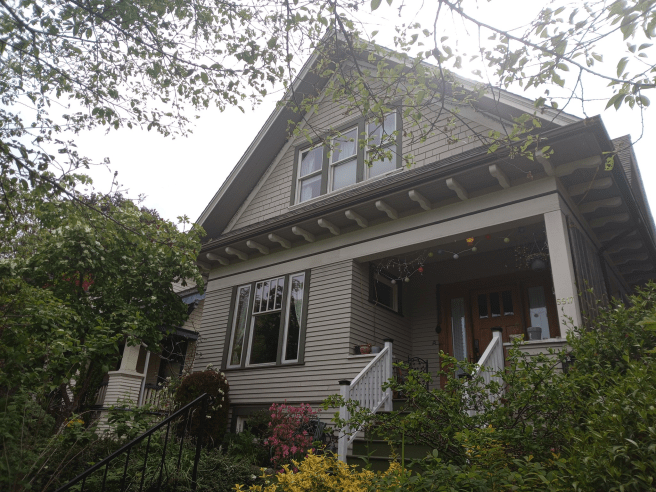
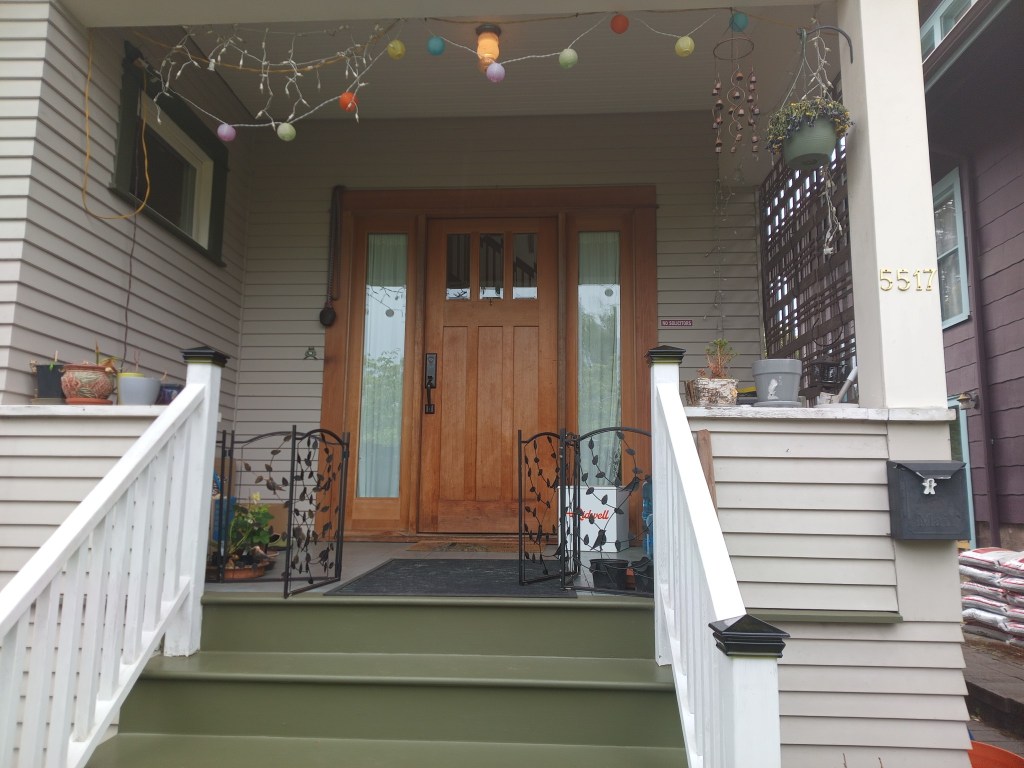
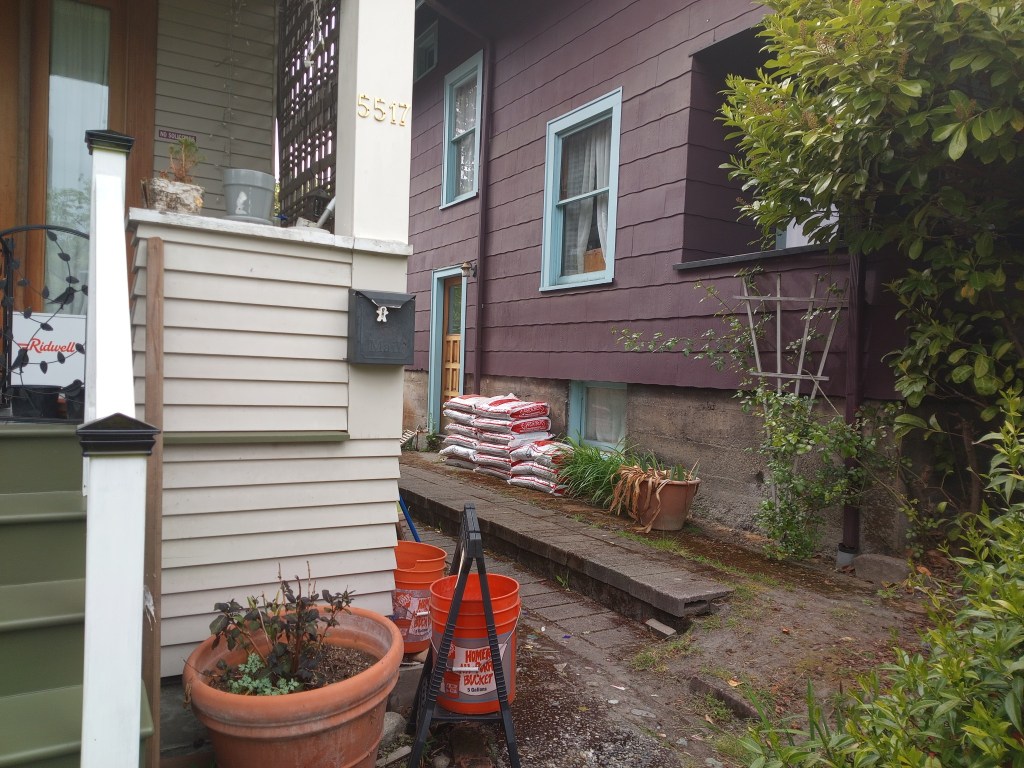
University of Washington: In early 1974, the 21-year-old psychology major lived in a pale green house that wasn’t very far from the University of Washington campus on 12th Avenue Northeast in the northern end of the ‘U-District, with four other women: Joanne Testa, Ginger Heath, Karen Skaviem, and Monica Sutherland. Lynda shared the basement with one of her roommates, their designated spaces separated only by a thin piece of plywood, and she worked part-time for ‘Western Ski Promotions’ broadcasting the ski condition report that was played on twenty different radio stations across Washington and Oregon; she concluded each sixty-second spot with her catchphrase: ‘this has been Lynda with your Cascade ski report.’
January 31, 1974: The day started out like any other normal day for Lynda Ann Healy: in the morning she woke up to her alarm at 5:30 AM, got dressed, then hopped on her bike and rode over to the ski report office, located just a few blocks away. After work she went on to spend the day in class, and attended chorus practice on campus sometime in the afternoon.
At one point in the day Healy wrote a quick note to a good friend, describing how she was going to make what her mother called ‘company casserole’ for dinner for her parents and brother the following evening on February 1. It was an upbeat, happy letter, and in it she shared with her girlfriend how happy she was with life lately and how great things were going for her.
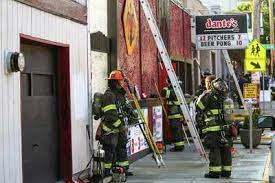
According to Ann Rule’s true crime classic, ‘The Stranger Beside Me,’ at 5 PM that evening her roommate ‘Jill Hodges’ (which is a pseudonym, and really Joann Testa) picked Lynda up on campus and and they went home and ate dinner with their other roommates; when Lynda was finished eating she borrowed one of the girls cars and ran to a nearby Safeway, returning home around 8:30 PM. From there, Lynda, along with Joanne, Ginger, and a young man named Pete Neil, went to Dante’s Tavern, which was only a five-minute walk away. Because Pete had to catch the 9:41 bus home, the friends shared some beers and called it an early night and left shortly after 9:30 PM. When the group of friends arrived back at Healy’s house, Neil grabbed some of his records and left to catch the bus.
At some point after Pete left Heath’s brother and one of his friends stopped by for a visit, and as everyone settled down in front of the TV Lynda left the room to call her boyfriend, and the two talked for about an hour. Even though everyone hadn’t returned home yet the atmosphere in the house was beginning to settle down, and the girls started to get ready for bed.
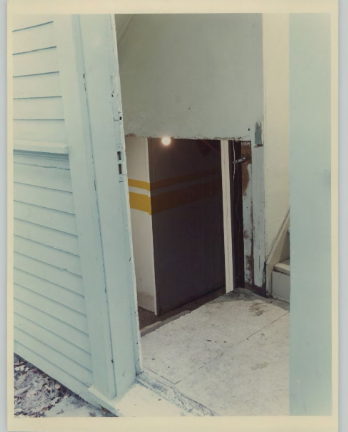
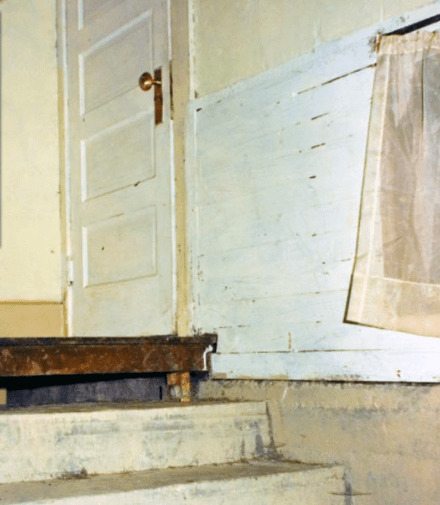
According to Kevin Sullivan’s 2009 book, ‘The Bundy Murders: A Comprehensive History,’ in an odd foreshadowing of events, it has been reported that one of the young women saw a ‘shadow’ that night which ‘moved’ just outside a window on the side of the house, but apparently thought little else about it. Karen Skaviem, who had been out studying at the library before she went out with her boyfriend for a few drinks, returned home around midnight, and noticed that ‘a single living room light was on,’ When she got inside Karen notices that Joann’s light was still on and stopped by her room for a chat, and around 12:45 PM the two women said goodnight and Skaviem went to the basement, where she had the room next to Healy’s. As she walks down the steps she didn’t check to make sure the door leading out of the basement was locked, and noticed that the only light that was on was in the storage area, and as Karen walked by, she noticed that Healy’s lights were off and she assumed she was asleep. She would later tell detectives that she had some problems settling down that night and didn’t fall asleep until around 1:30 AM; she heard nothing out of the ordinary the rest of the night.
In the time that the girls lived in the mint green house on 12th Avenue Northeast, they had lost a few sets of keys for their front door, and although they intended to get replacement sets made they usually just left it open ‘as a courtesy to those coming and going late at night. This would prove to be a fatal mistake, for the killer of young woman, long before anyone had gone to bed that evening, would place his hand on the doorknob and turn it ever so gently until the door gave way and he was free to enter the house, something he chose not to do. No, he reasoned, he could return later when everyone was in a deep sleep and explore the dwelling at that time (Sullivan, ‘The Bundy Murders, 17-18).’
At 5:30 AM on February 1, 1974 Skavien woke to her roommates alarm going off, but stayed in bed until her own clock went off at 6 AM. This was unusual. Karen got up and turned off both alarms and immediately noticed that Lynda’s room had been cleaned and was near spotless and that her bed was made, which was unusual as it was something that she usually waited to do when she got back from work. Even though the partition between the girls rooms was thin, Karen said that she hadn’t heard any disturbances during the night.
Skavien said ‘I got up, Lynda’s alarm was still going. I went past her room and heard the radio but thought she was lying in bed listening to it and didn’ have to go to work. At 6:30 the phone rang, it was Northwest Ski Promotions asking why Lynda wasn’t at work. I went to her room and called her. When she didn’t answer I turned on the light and went in. Her radio was still going and her bed was made, perfectly. I was concerned she hadn’t slept in it because there were no wrinkles and the spread was ticked neatly under the pillow.’ As Karen slowly began to assess the situation she realized that the back door was left open, which was out of character for Lynda: typically she would leave her bicycle parked inside of the house in the hallway just next to the side door ‘on the landing,’ and would make sure the door was locked behind her.
Skavien said she then called up the stairs to see if any of the other girls knew where Lynda may have been, but they told her that no one had seen her. Monica responded that perhaps she was out somewhere with her boyfriend, a suggestion that was immediately shot down by the others because it was atypical of their friend, as she wouldn’t blow off her responsibilities like that. Around 6:30 AM the Northwest Ski Promotions called and asked where Lynda was, as she never made it into work. They quickly realized that her bike was still in the basement, which caused fear and panic among the girls who were beginning to suspect the worst, as Lynda was very dependable and had never missed a day of work. One of the housemates said that the last time that she saw her was at midnight on Thursday before, and ‘it just isn’t like Lynda. She was just 15 minutes late once, and she felt terrible about it.’’
At around 4 PM Joann started calling around to Healy’s friends and acquaintances to see if anyone could provide an explanation as to where she may have been. No one had heard from her, and she hadn’t been seen around campus all day. When Jim and Robert arrived for dinner at 6 PM on the evening of February 1st (Joyce was supposed to meet them shortly after) they were told that Lynda was missing, and right away the family knew that the situation was serious. Mr. Healy called his wife and told her their daughter was gone, and where Jim wanted to wait a little longer to see if she would eventually show up, Mrs. Healy immediately called the police.
Two members of the Seattle PD showed up shortly after 6 PM and spoke with the roommates and Mr. Healy, and took down some general information about Lynda and took a brief look inside of her bedroom. When the officers and the Healy’s left Monica said they received a strange telephone call with nobody on the other end, clarifying the ‘line was open but the caller ‘refused to speak’ and she could hear only the faint sound of breathing.’ After that incident the roommates received two more phone calls of a similar nature, and despite telling police nothing ever came of it.
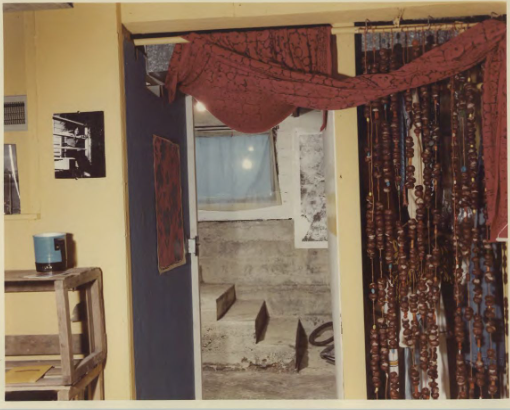
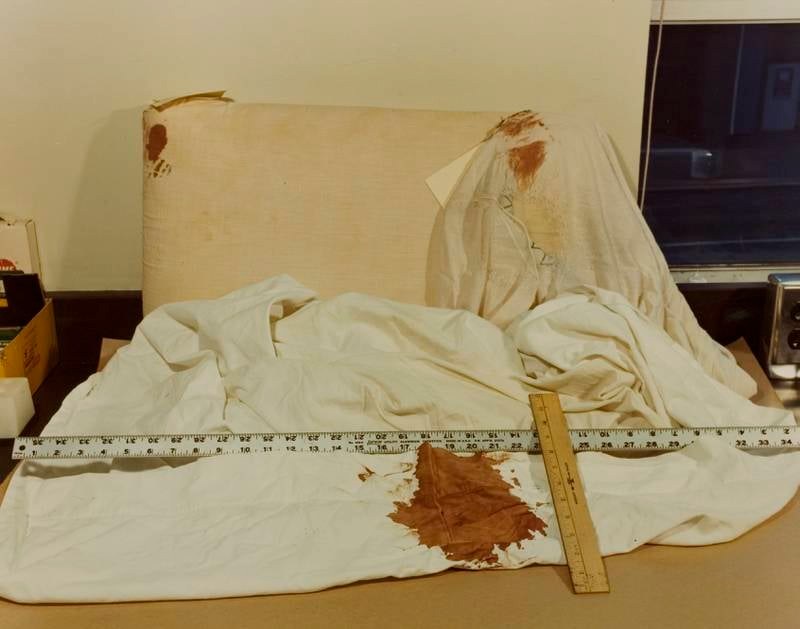
A few hours later around midnight a Seattle homicide detective stopped by the house and did a walk through of the residence, and when he pulled back Lynda’s bed sheets to the girls horror they found a blood soaked pillow and blood soaked sheets; missing from the scene was her pink satin pillowcase, house keys, and red backpack (that possibly contained a yellow ski cap and some random books). When they looked in her closet, they discovered the nightgown she had been wearing earlier, which had dried blood on the neckline. They also noticed that the clothes she had worn the day prior were missing, which included a pair of jeans, a blue-trimmed white smock, waffle stomper boots, a belt, several turquoise rings; this suggests her abductor took off her pj’s and dressed her before he stole her away into the night. One of Healy’s roommates also commented that her bed was made up in an unusual manner, and that she never ‘tucked the blanket with the pillow underneath,’ and always placed it on top. According to Joann Testa, she ‘a policeman pulled back the spread for the first time. I saw that the pillowcase was gone and that there were blood stains on the pillow as well as one fairly large blood stain on the sheet near the pillow. As far as I know, Lynda always kept a pillowcase on her pillow.’
In the early stages of the investigation it was briefly suspected that maybe Lynda had gotten a nosebleed, and had taken off her nightgown, changed back into her clothes then ran to seek medical attention. According to Lieutenant Pat Murphy with the Seattle Police Department: ‘the room was very neat. There was no signs of foul play in the rooms except some blood on the pillow and head area of the sheets of Lynda’s bed;’ he also noted that her bed had been ‘made up neatly.’
According to Kevin Sullivan’s book, ‘Ted Bundy’s Murderous Mysteries: The Many Victims of America’s Most Infamous Serial Killer,’ in the weeks prior to her disappearance, Healy had talked to her roommates about some acute stomach pain she was having that were so bothersome that she scheduled a Doctors appointment for… but that night they said she was ‘lively, talkative and feeling good. Their conversation was light, from psychology to music, not focusing on any specific subject.’
The police searched every inch of Lynda’s room, but came up with no explanation as to where she could have gone. Several days after Lynda was last seen alive on February 4, 1974 a call was received by 911 from an unknown male caller that told the operator, ‘listen, and listen carefully: the person who attacked that girl on 8th last month and the person who took Lynda Healy are one and the same. He was outside both houses. He was seen.’ When the 911 operator asked who was calling, the man said, ‘no way are you going to get my name,’ and immediately hung up; nothing further came from the incident.
In the days that immediately followed, Healy’s disappearance barely made the news: the very first story about her was buried on the 35th page of the February 4, 1974 edition of The Seattle Times. Almost immediately after their daughter disappeared Jim and Joyce Healy hired a private investigator to look into the case, and the family initially wondered if maybe she ran off to live with family in Oregon. After some time, the PI came back to the Healy’s and told them that all the leads he received hit ‘dead ends.’ A reward was offered for information leading to her safe return, and it didn’t take long for Seattle investigators to strongly suspect foul play.
‘The Seattle Eight’ (or nine, officially):’ Before Lynda Ann Healy vanished Bundy’s first confirmed, ‘on-the-record’ victim was Karen Sparks, who had been asleep in her basement bedroom when he attacked her in the residence that she shared with three male friends located near the University of Washington campus. According to Sparks, who was a dance major that miraculously survived the attack and went on to get married and have a family: ‘he took some metal thing and he rammed it up my vagina and it split my bladder.’ In the days prior to the assault, she told detectives that she remembered seeing an older man staring at her in a nearby laundromat, and ‘I’d look at him, he’d look away. I didn’t really think too much about it.’
Sparks lived on 8th Avenue Northwest, which was only eleven blocks away from 12th Avenue NE where Lynda lived. After Karen fell asleep, Bundy attacked her and relentlessly beat her in the head with a metal rod from her bed frame, which he also used to penetrate her vagina so brutally that she experienced severe internal damage: ‘he took some metal thing and he rammed it up my vagina and it split my bladder.’ I’ve also seen it reported that her assailant used a speculum and it is worth mentioning that Ted did at one time work as a delivery driver for Pedline Supply Company (which is a family-owned medical supply company), however one was not found left behind at the scene of the crime.
Sparks lived on 8th Northwest, just eleven blocks away from Lynda Ann Healy. After Karen fell asleep, Bundy attacked her and relentlessly beat her in the head with a metal rod from her bed frame, which he used to penetrate her vagina so brutally that she experienced severe internal damage: ‘he took some metal thing and he rammed it up my vagina and it split my bladder.’ I’ve also seen it reported that the assailant used a speculum, and Bundy did at one time work as a delivery driver for Pedline Supply Company, a family-owned medical supply company, however one was not found behind the scene of the crime.
Thankfully, before Bundy could take the attack to the point of no return he got spooked and fled Karen’s bedroom. Sparks was left beaten, unconscious, and bleeding until around 7:00 PM the following evening when one of her roommates checked on her: ‘Bob came down and he saw blood on my pillow, and he called 911 right away and then called my mother.’ The attack had been so severe that she was unconscious for ten days, and when she came to, she had no memory of what happened and was not able to give detectives any details about her assailant. When Lynda disappeared less than a month later Karen’s father immediately connected the dots between her and the attack on his daughter, although LE was much slower to make the connection.
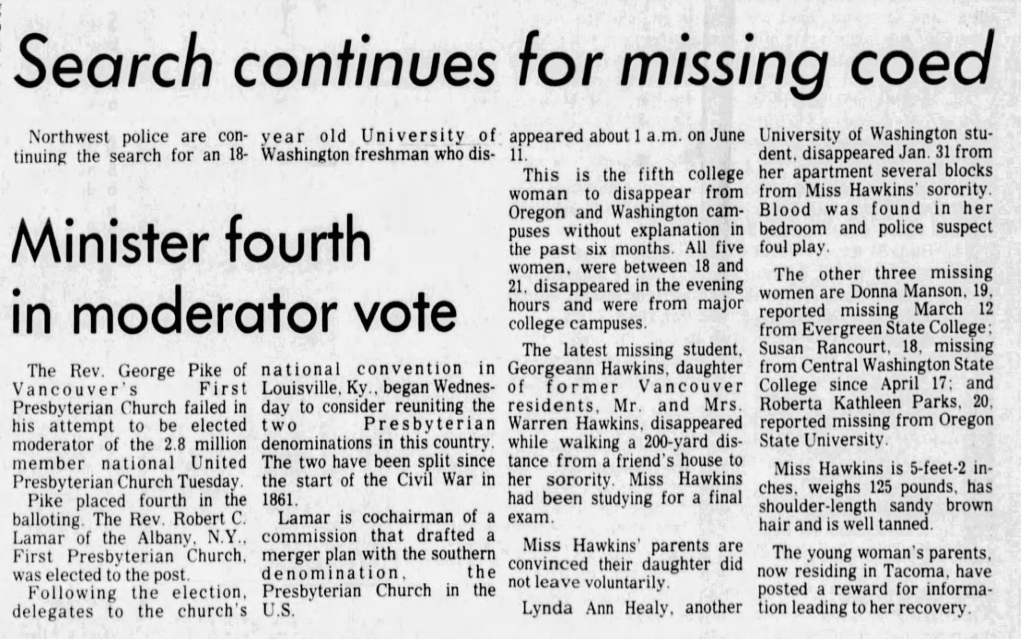
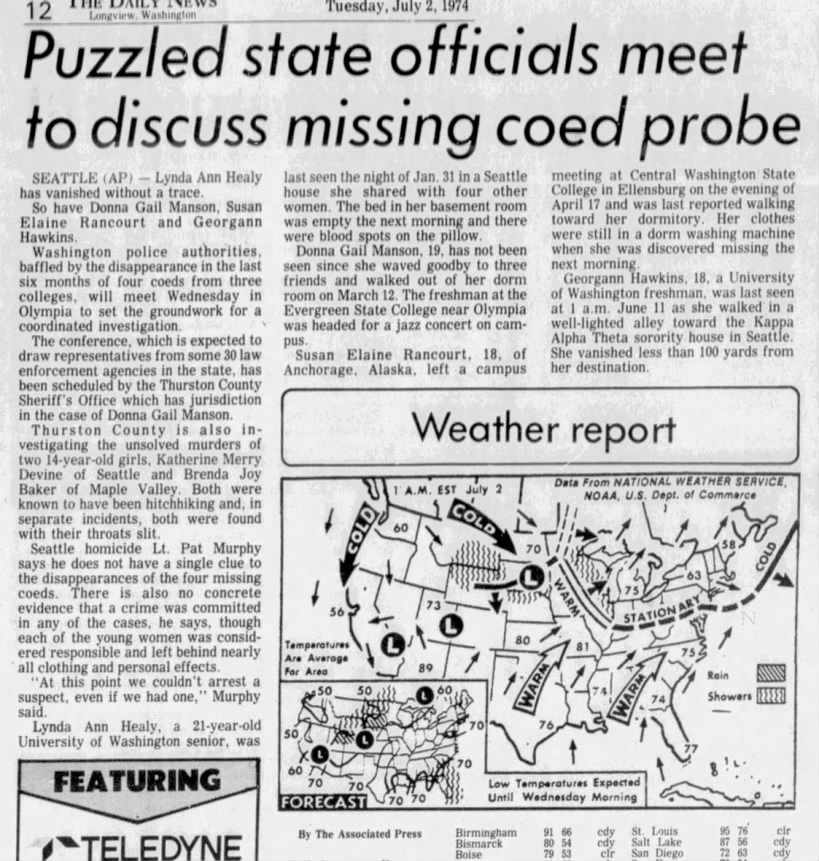
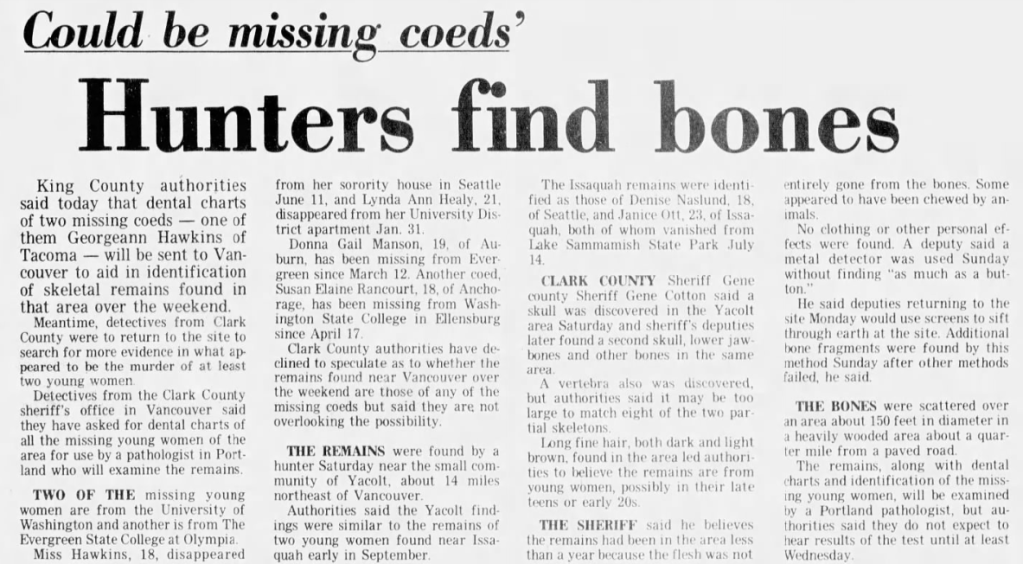
A little over five weeks after Healy vanished into thin air nineteen-year-old Donna Gail Manson was last seen waving goodbye to her roommates early in the evening on March 12, 1974. The Evergreen State College student had plans to attend a jazz concert on campus, and had changed her outfit a few times before eventually settling on a red/orange/green striped top, blue or green slacks, and a black fuzzy maxi-coat.Manson was a highly intelligent young woman, but not great at school and only a ‘better-than-average’ student, however she was incredibly creative and was an accomplished flautist, that always had her camera with her (just like Lynda Healy did). Donna never made it to the concert, and as the months passed by more and more young college aged women around Washington state began to go missing.
After Donna, on April 17, 1974 eighteen-year-old student Susan Elaine Rancourt was the next to disappear. Rancourt was a straight-A student at Central Washington University in Ellensburg where she studied biology, and in order to afford school she worked full time hours over two different jobs. From the get-go, the Rancourt’s knew that something terrible had happened to their daughter, and according to her father, Dale: ‘she always knew what she wanted, and was a very logical person, very predictable.’
After Sue Rancourt the next to vanish was Brenda Carol Ball, a recent college drop-out that was last seen leaving The Flame Tavern in Burien after seeing band play late on May 31, 1974. The 22-year-old seemed to be at a crossroads in her life, and roughly two weeks before had stopped attending class at Highline Community College. Her sister told reporters that her family hadn’t given up hope after she went missing, and when her remains were eventually recovered they: ‘thought we were prepared for it, but we weren’t.’
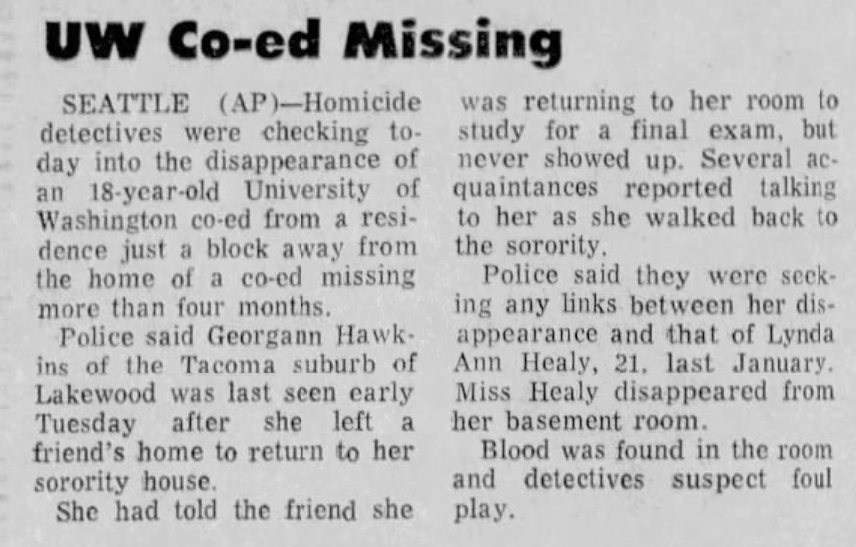
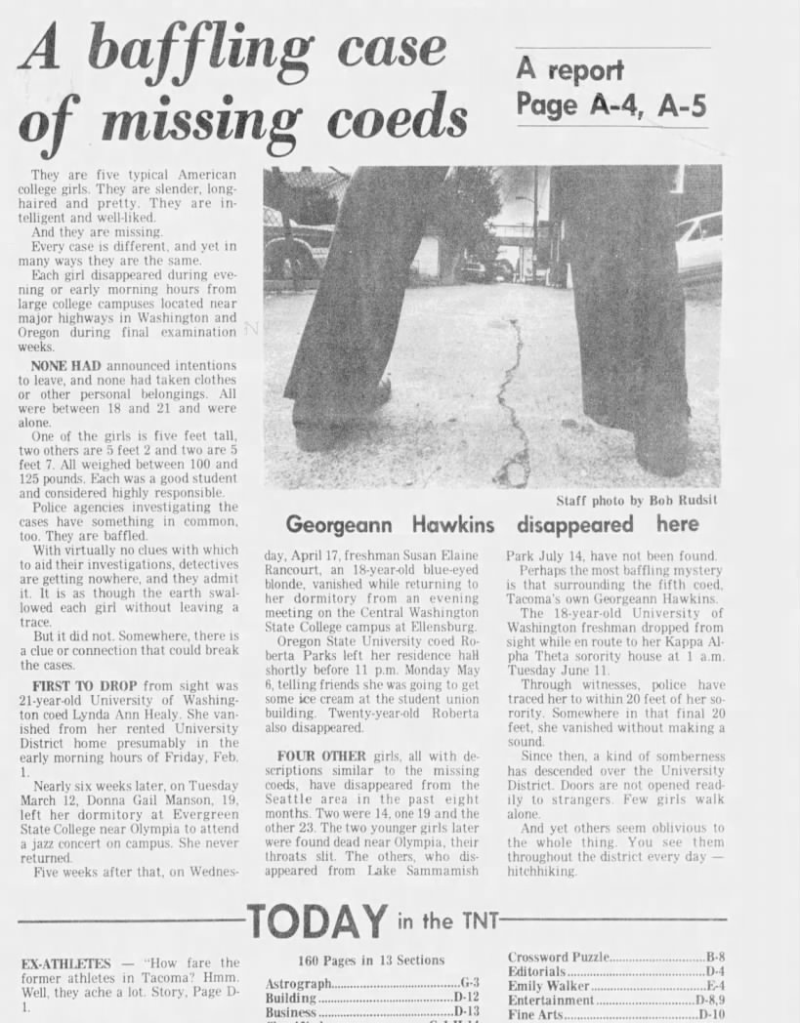
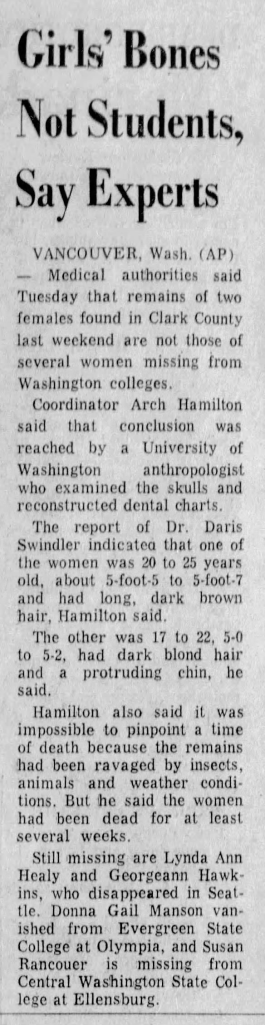
Less than two weeks later on June 11, 1974 eighteen-year-old Georgann Hawkins disappeared from an alleyway outside of her Kappa Alpha Theta Sorority house on the University of Washington campus. She had left a party early (and by herself) but before returning home had stopped by her boyfriend’s frat house to pick up some Spanish notes for her final that was the next day. In the days that followed, Warren and Edith waited by the phone waiting for word that their daughter was safe, which never came, and according to her father: ‘it doesn’t look very good.’
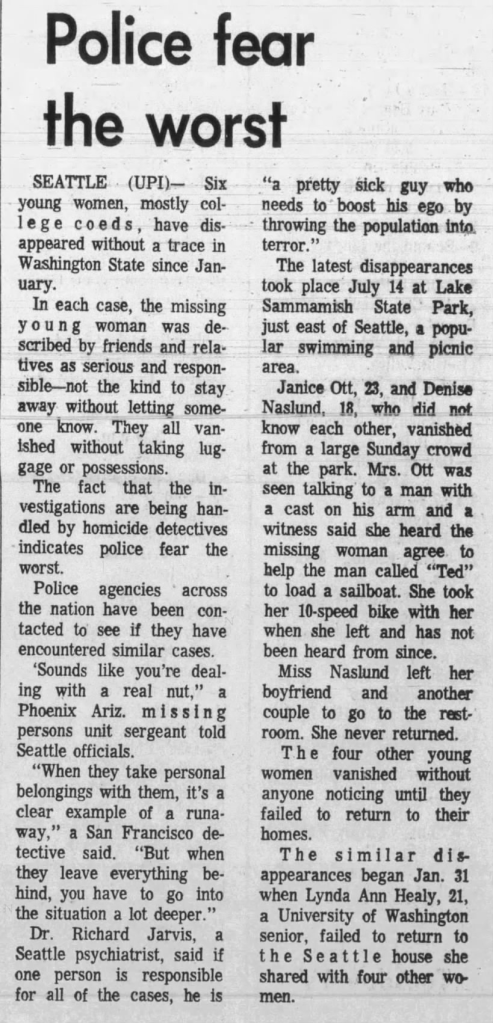
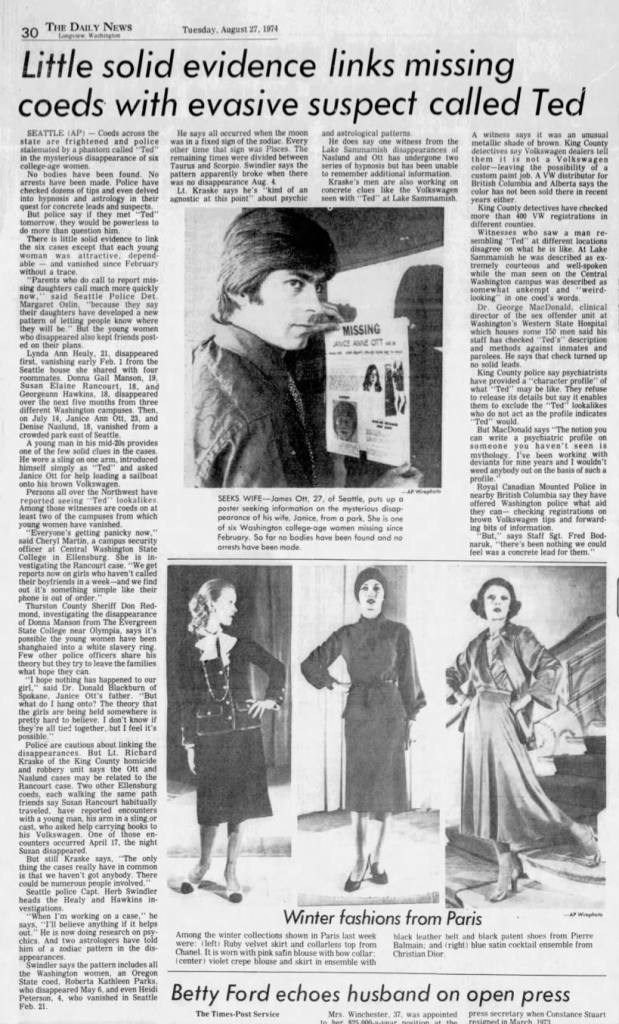
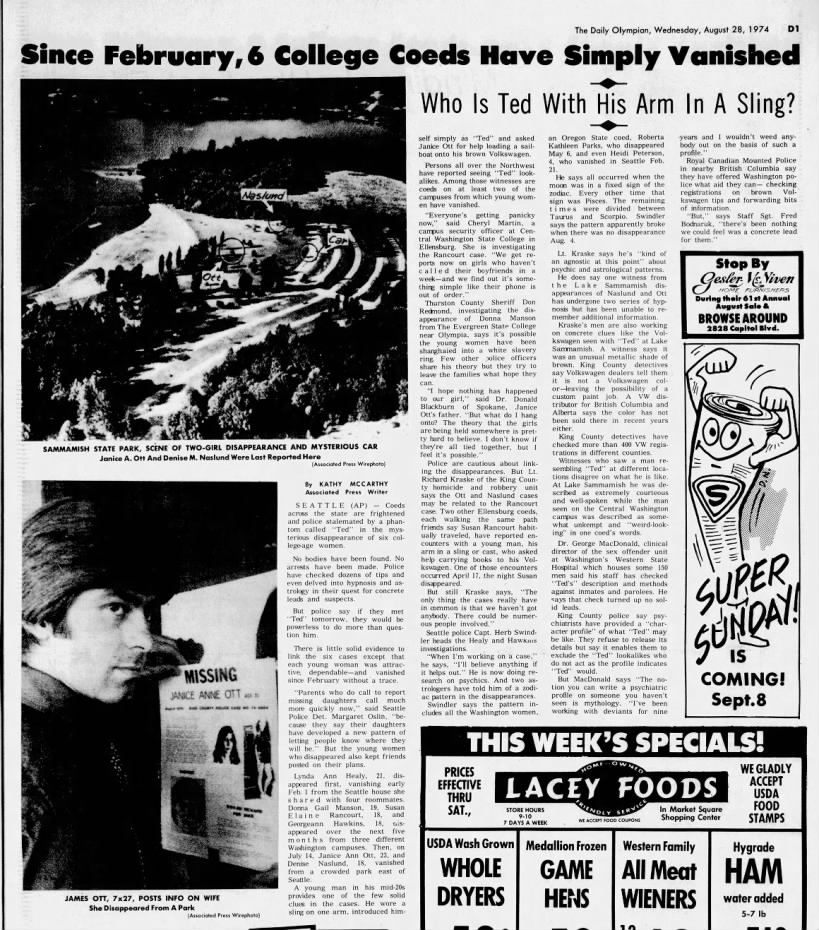
After George was the two infamous Lake Sammamish murders that took place on July 14, 1974 in Issaquah, WA: Twenty-three-year-old newlywed Janice Ann Blackburn-Ott lived in Issaquah and worked as a caseworker for King County’s Youth Services Center, while her husband Jim was away attending graduate school in California. In the early afternoon before she left her shared house on her yellow Tiger bicycle, Jan scribbled a note for her roommate letting them know that she was going sunbathing at Lake Sam, and at the bottom had drawn a sun. Two eyewitnesses that were at Lake Sam that afternoon reported seeing her at roughly 12:30 PM leaving with an attractive young man whose arm was in a cast.
Only four hours later that same young man returned to Lake Sammamish, and abducted eighteen year old computer programming student Denise Marie Naslund, who was enjoying an afternoon at the beach with her boyfriend and another couple. She had had a few beers and taken a few valiums, and disappeared after she went off to the restroom by herself at roughly 4:30 PM; her mother Eleanore Rose said Denise had the kind of ‘helpful nature’ that would directly place her in the line of danger. Just as with Ott, witnesses that were at Lake Sam that afternoon reported that they saw a young man with his arm in a cast at roughly the time that Naslund went missing.
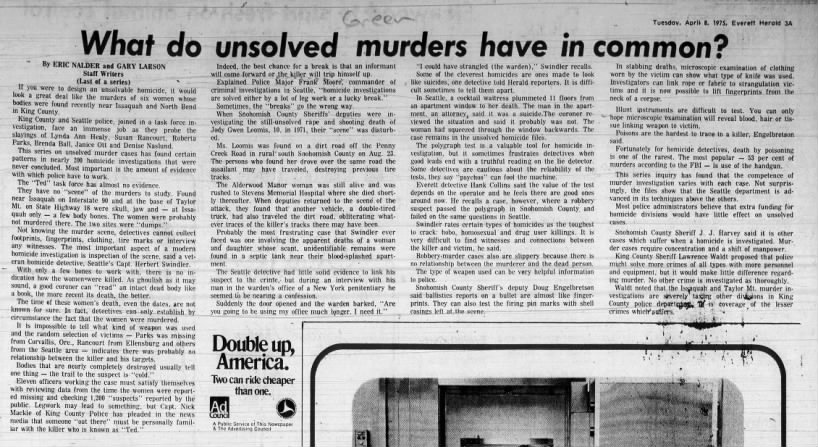
(Now deceased) Seattle Police Captain Herb Swindler was assigned to work the Healy investigation and eventually the other missing Seattle women. In July 1974 he publicly stated that there was no evidence that pinpointed any of the disappearances with the others, however he did admit that there were some similarities: ‘but, the real connection between the cases is not in the hard evidence, but in the lack of evidence. Usually in a series like this, bodies start to show up. There have been no bodies, none at all, and that is very unusual.’ About the disappearances, Captain Swindler said there were many theories about what may have happened to the young women, and that they ‘get people calling in to tell us ‘the flying saucers took them’ and ‘they’re being spirited away to white slavery’. Everybody’s got a theory, but no evidence.’
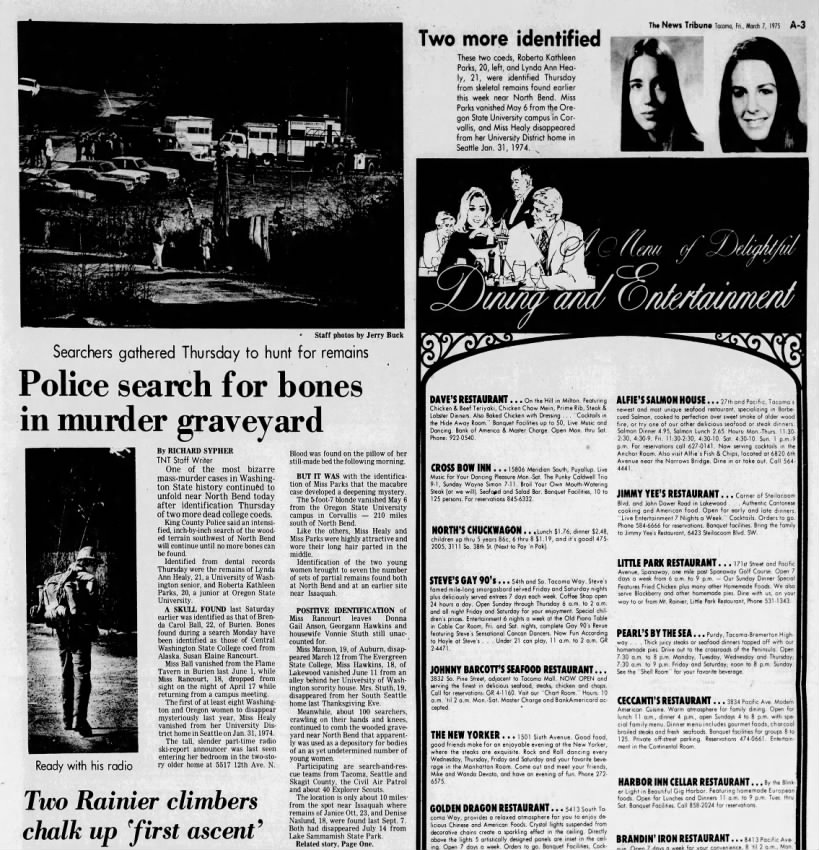
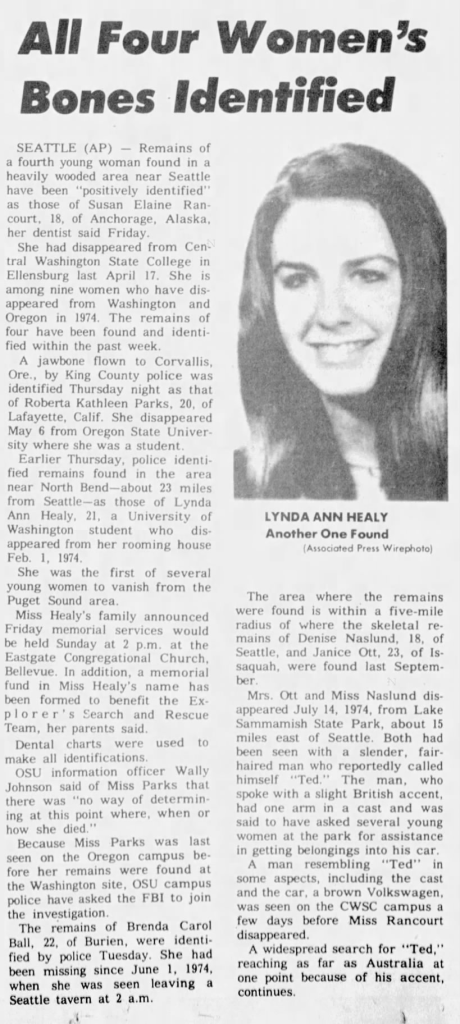
Well over a year after Healy was last seen alive, on March 1, 1975 two Green River College students found human remains in a thick wooded area on Taylor Mountain, located just outside of Seattle. A skull uncovered by detectives would later be identified as belonging to Brenda Ball, which is a tad ironic because police initially were hesitant on linking her to the other missing women because she was a bit older than them, was not (technically) a college student, and was abducted from a bar and not an academic type setting. A further search of the area uncovered more bones, and just two days later on March 3, 1975 they came across Lynda Healy’s lower mandible as well as parts of Susan Rancourt and Roberta Parks.
Upon further examination by the Medical Examiner, it was noted that Healy’s skull bore marks that hinted that she had suffered a brutal beating in her final moments of life; Sue Rancourts decapitated skull was also found to be severely fractured.
Third-Person Confession: While Ted was on death row in Florida on April 4, 1980 he had his first sit down with journalists Hugh Aynesworth and Stephen G. Michaud, and during their time together they discussed the abduction and murder of Lynda Ann Healy: Bundy said that earlier in the afternoon on January 31, 1974 the killer had stalked the young coed and followed her to a Safeway store, and even claims that he broke ‘into her home whilst she was out running errands.’ He also told them that the killer had plans of returning later that evening, unsure if she would be home and what situation he would walk into. During this pseudo-confession, Ted clarified that Healy was ‘battered unconscious’ in her bed then carried out of her bedroom and placed her in his waiting Volkswagen; he also volunteered that he had already taken out the front passenger seat of his car so he could better transport his ‘cargo.’
From 12th Avenue NE, Bundy took the unconscious Lynda to Taylor Mountain, located roughly twenty miles east of Seattle, where he forced her to remove her pajama’s (not clothes?) and raped her. When he was finished, he bludgeoned her to death and left her body only partially buried, where scavengers quickly dispersed it throughout Taylor Mountain. Both journalists said Ted briefly appeared to show some remorse over killing Healy, but it didn’t last very long. He then tried to justify the murder by telling himself. ‘well, listen you, you fucked up this time, but you’re never going to do that again. So let’s just stay together, and it won’t ever happen again.’
Ted told the journalists that he was stuck in a position where he couldn’t just let the young woman go out of fear of getting caught, and told them that he had to kill her; both men later said that although he was ‘mostly confident,’ he did stutter a few times when he got nervous, which was something they noticed happened when he talked about aspects of the murders which made him feel uncomfortable.
However, Ted said that he eventually HAD to do it again, and after a brief period of inactivity his urge to possess, to control and kill another young woman would soon come back to him and he would begin to think about killing another victim. He also explained that with each murder, he would feel less confusion, fear, and apprehension and the dormancy period in between victims would become shorter and shorter as he got over the feeling of remorse and self-loathing over what he had done at a faster rate as time went by.
Dr. Bob Keppel, who at that time was a fresh faced detective with the King County Sheriff’s Department, said that the crime scene related to the disappearance of Lynda Healy was ‘unique,’ and stood out in his memory for a long time: ‘I had never seen a crime committed before and that’s where I got my start.’ … ‘We couldn’t do anything except sit and man a telephone. It was pretty bad.’ He elaborated that it almost seemed that someone had broken into Lynda’s residence, brutally bludgeoned her, took her pj’s off then put her street clothes back on her, neatly made the bed, then carried her off into the night without leaving behind a trace. In the days after she vanished, detectives spoke with over sixty-five of her friends, acquaintances, family members, schoolmates, and former boyfriends, but didn’t come up with anything helpful.
In January 1974 Bundy had been living in a second story room at the Rogers Boarding house located on 12th Avenue NE, which was only three blocks away from where Lynda Healy lived. At the time of her disappearance, Ted had been attending night law school at the University of Puget Sound, and according to his schedule he had class late on Monday’s, Wednesday’s, and Friday’s, however on Tuesday’s and Thursday’s things wrapped up for him early. Lynda went missing after midnight on a Thursday night, so Bundy wouldn’t have been tied up with school. Also, according to his long-term girlfriend Elizabeth Kloepfer, he often went to the bar that Healy went to with her friends the evening she was last seen alive. Additionally, Ted was in between jobs at the time: his previous position as the Assistant to the Washington State Republican Chairman ended in September 1973, and he remained unemployed until May 3, 1974 when he got a job at the Department of Emergency Services in Olympia (he was there until August 28, 1974).
A Frightening Incident: According to Lynda’s roommate Monica Sutherland, roughly two months before she disappeared she was alone in the laundromat on the avenue close to their home when she noticed a man in an orange pickup truck stop and begin to stare at her. He then parked the truck and came in without any clothing and briefly fooled around with a washing machine before proceeding to check the back door of the building as he was leaving. He never said a word to Lynda, but the incident was unusual and she said that it frightened her.
Sutherland also told detectives about another incident that took place only a month before Lynda vanished: she had come home and was by herself inside the residence when suddenly she heard the neighbor’s dog start barking, and when she looked outside the front door she saw a young man standing on the bottom step. He had been holding a little dog firmly around the neck, and had been roughly shaking it. Sutherland remembered that she ran outside and heard neighbors yelling at the man, who had claimed that the dog had attacked him, put it down, then fled from the scene.
A coincidence that is not widely discussed (and only recently made public with the release of the book, ‘Dark Tide’) is that Ted’s cousin, Edna Cowell had once lived with two previous roommates of Lynda Healy while she was attending the University of Washington; it is unknown if he ever had been introduced to Healy through these channels. Also strange: in 1972, both Ted and Lynda were both Psychology majors at the University of Washington, however no evidence exists proving that they had any sort of class or seminar together.
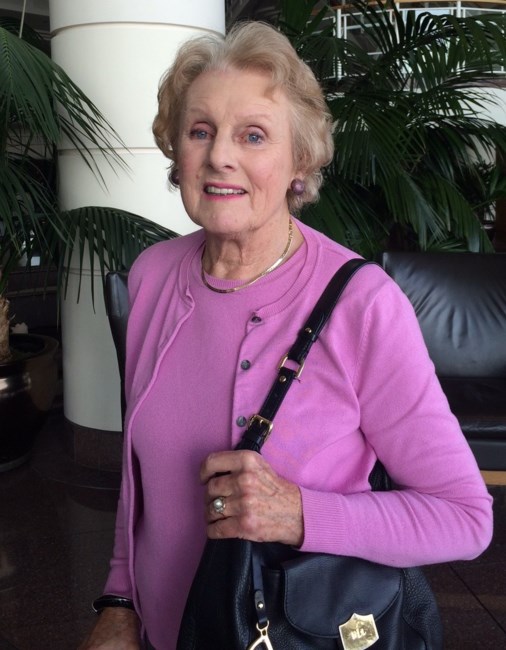
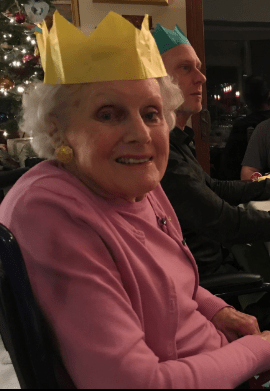
Jim Healy passed away at the age of 72 on June 22, 1998 in Bellevue WA, and Joyce Ann Healy died from complications of COVID at the age of ninety-three on December 27, 2020 in Redmond, WA. According to her obituary, Joyce loved the beach, and the family would often vacation in Ocean Shores, WA where they spent their time beachcombing, riding dune buggies, and roasting hotdogs. After her children flew the nest she went back to school and got a BS in Computer Science from Bellevue College; she learned Cobol (or Common Business Oriented Language) and Fortran (Formula Translation) and went on to have an incredibly successful second career as a computer programmer.
Joyce enjoyed ballroom dancing, and when her husband was alive the two often took cruises together and went just about everywhere; they even became ‘Gold Members’ on several Cruise Lines. In 2012, Mrs. Healy moved into the Emerald Heights Retirement Community in Redmond, where she made lots of new friends and continued to have many adventures while living there.
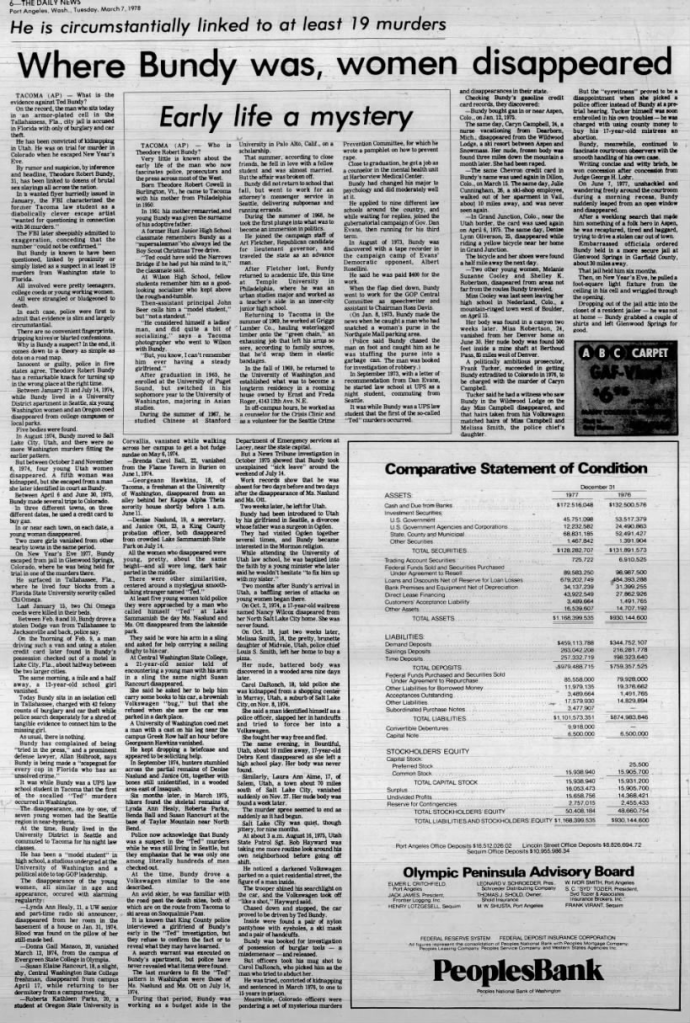
Lynda’s siblings Robert and Laura Healy-Friedman both still reside in Washington, along with their spouses and children. In the days prior to his execution in January 1989, Ted told Seattle detectives about quite a few unsolved murders across Washington, Utah, Oregon, Colorado, California, and Idaho, and he finally claimed responsibility for killing Lynda Ann Healy, who he said was his ‘first victim.’
Works Cited:
Pasqualini, Kym L. ‘Ted Bundy’s First Victims: Lynda Ann Healy’ (December 16, 2020). Taken June 12, 2025 from https://kympasqualini.medium.com/ted-bundys-first-victims-lynda-ann-healy-9bdb3177c3c4
Sullivan, Kevin M. ‘The Bundy Murders: A Comprehensive History.’ (2009).
Winn, Stephen. ‘Ted Bundy: The killer next Door.’ (1979).

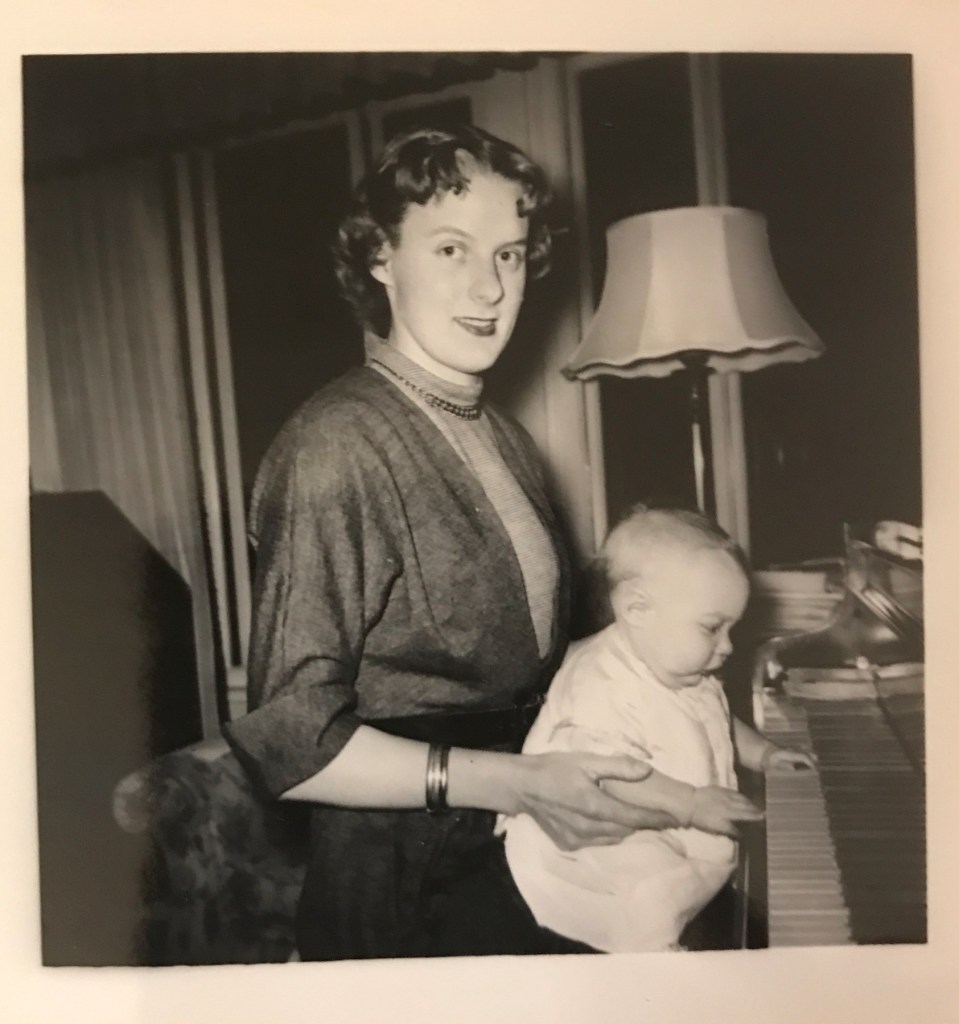

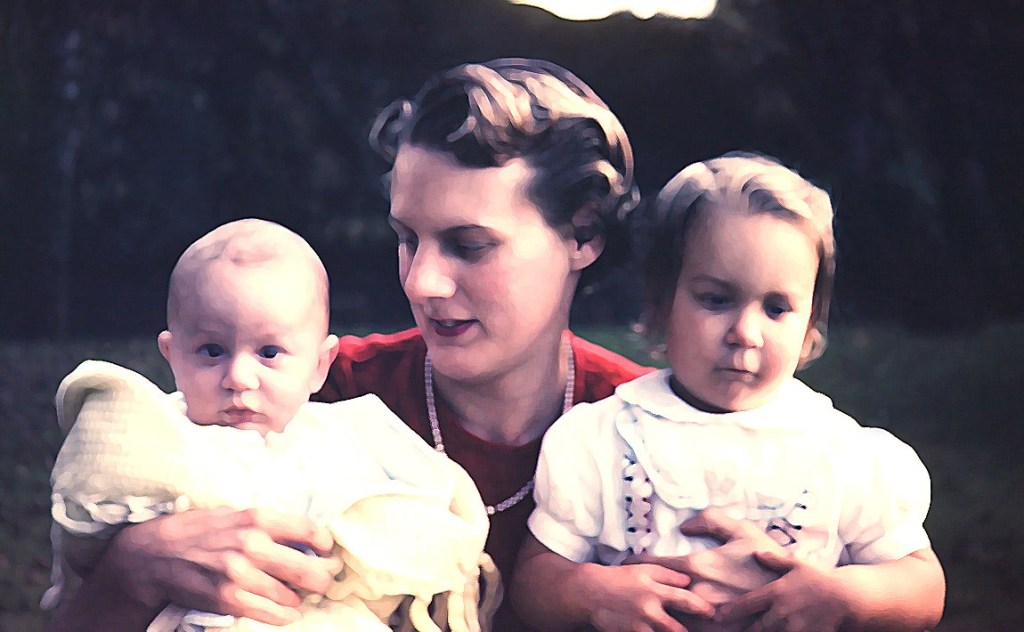


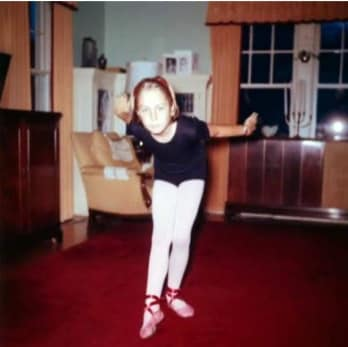
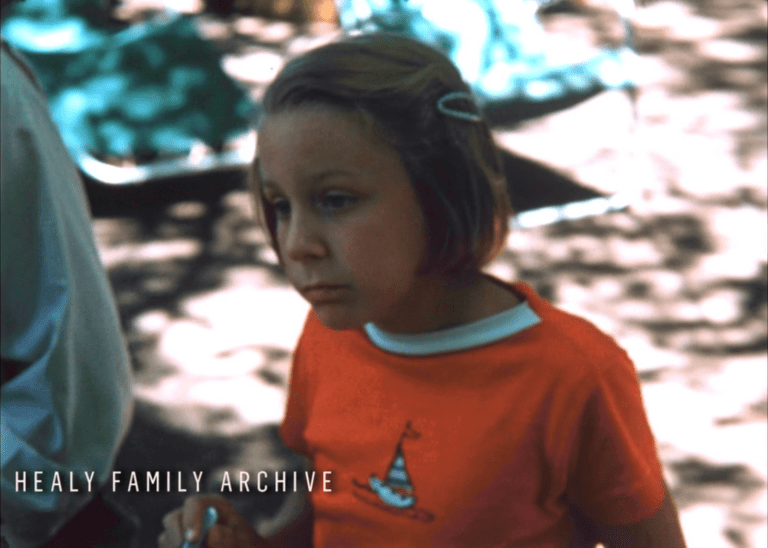

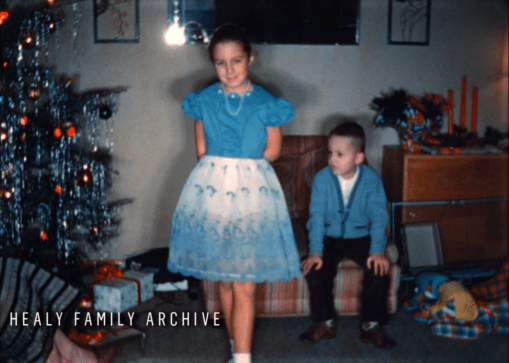


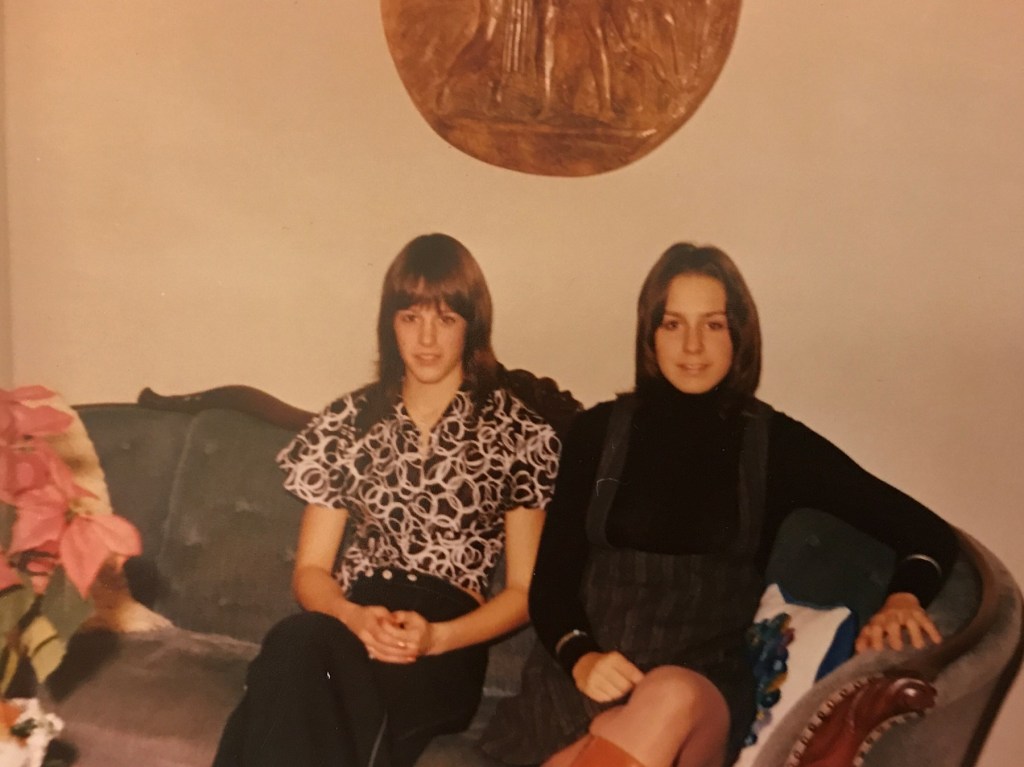

































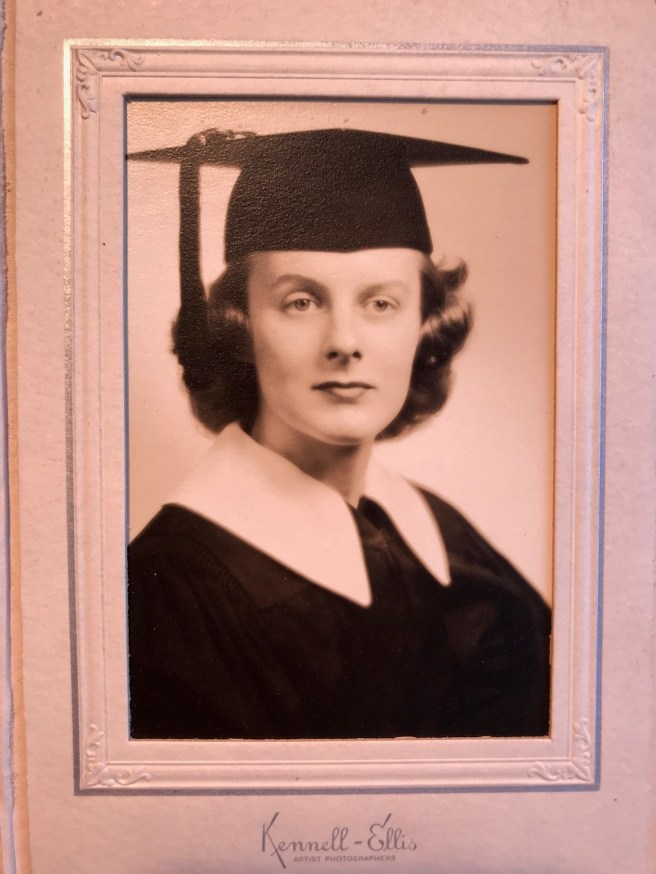
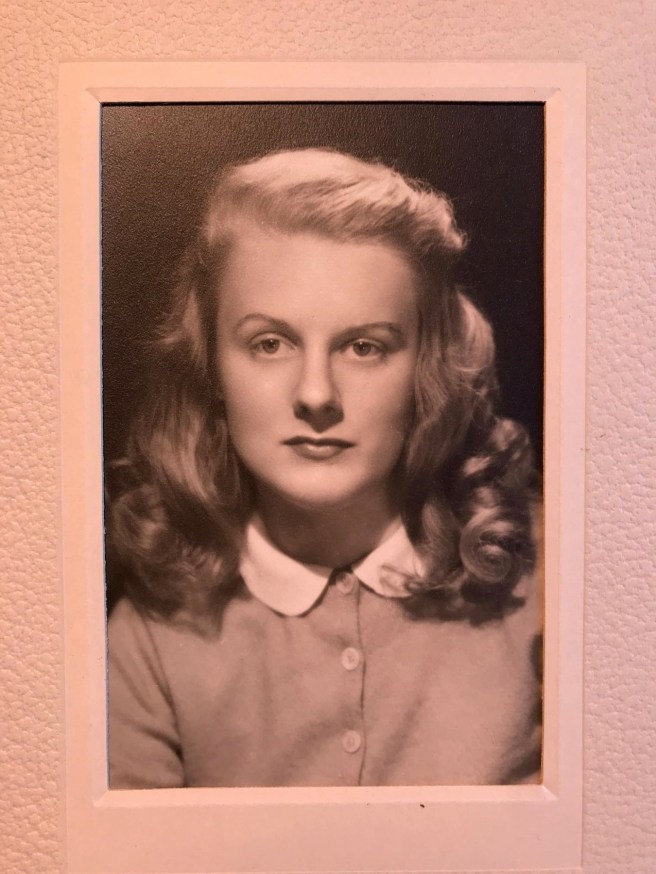



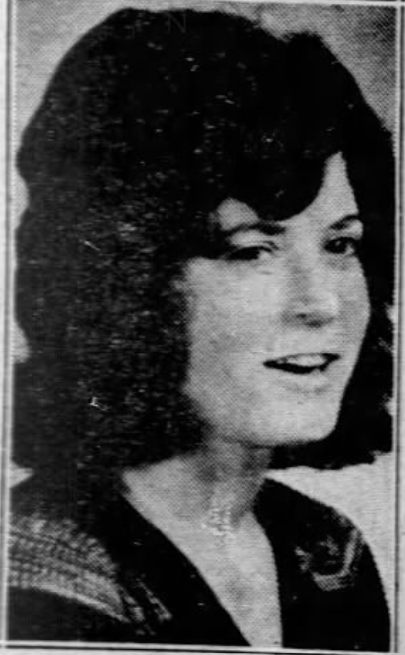
Karen Merle Levy.

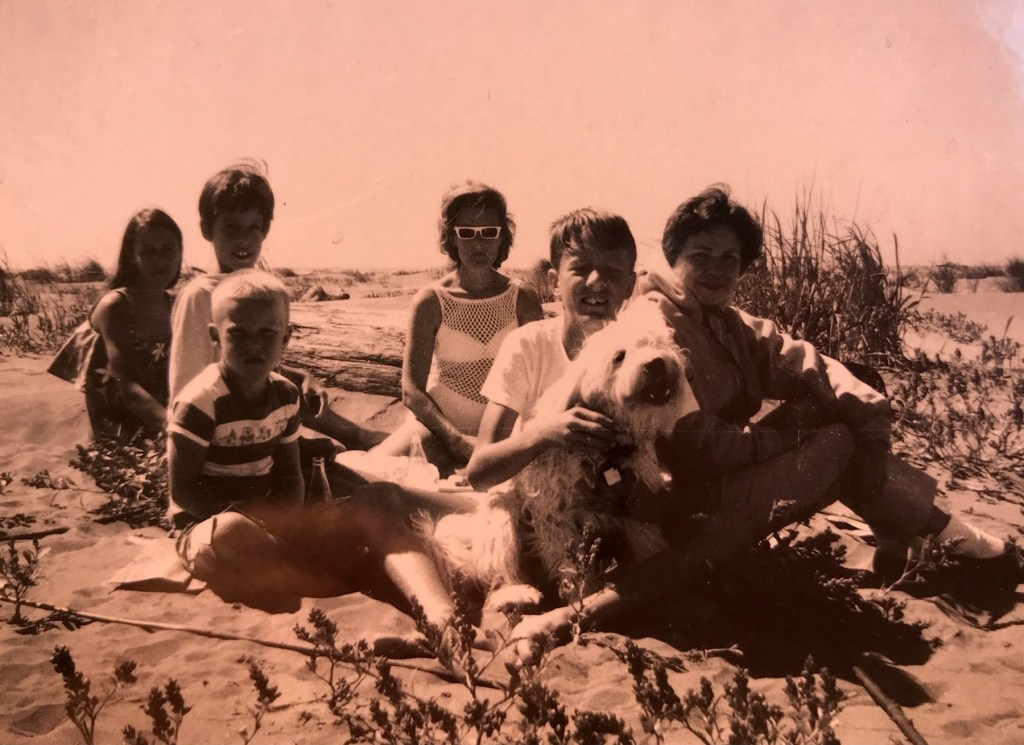
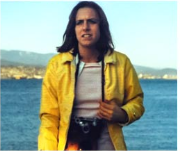
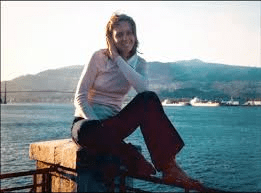
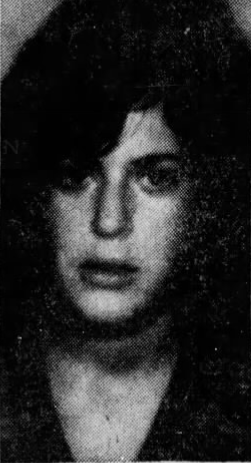
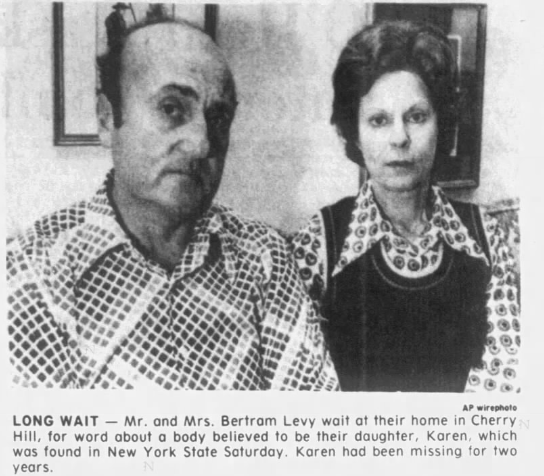
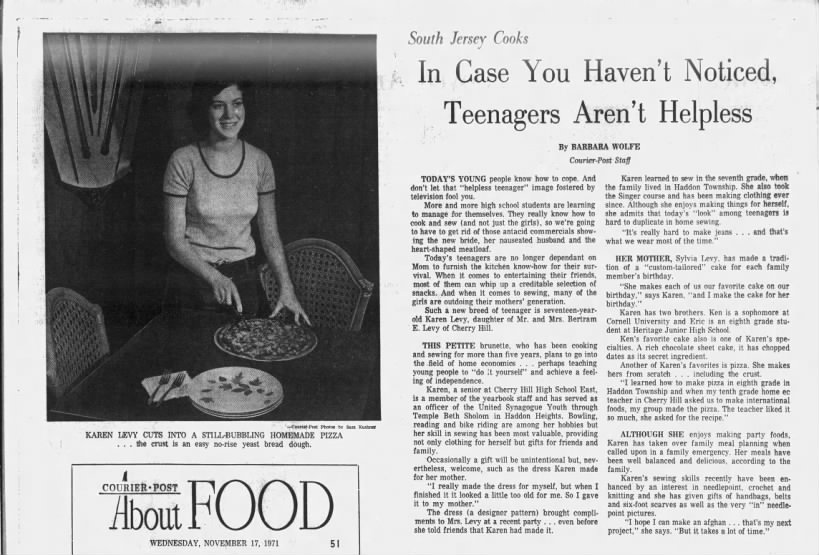
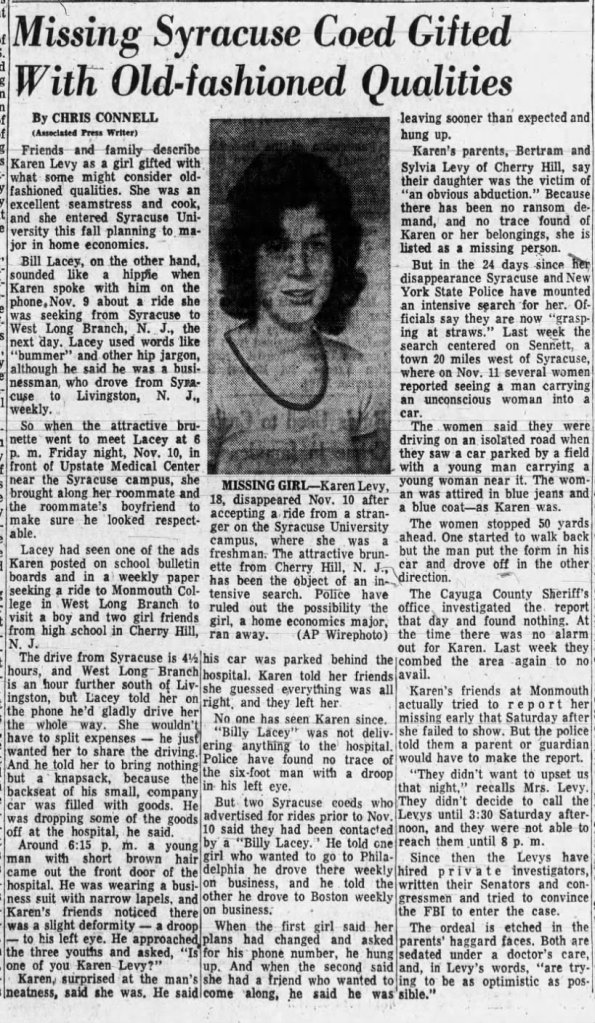
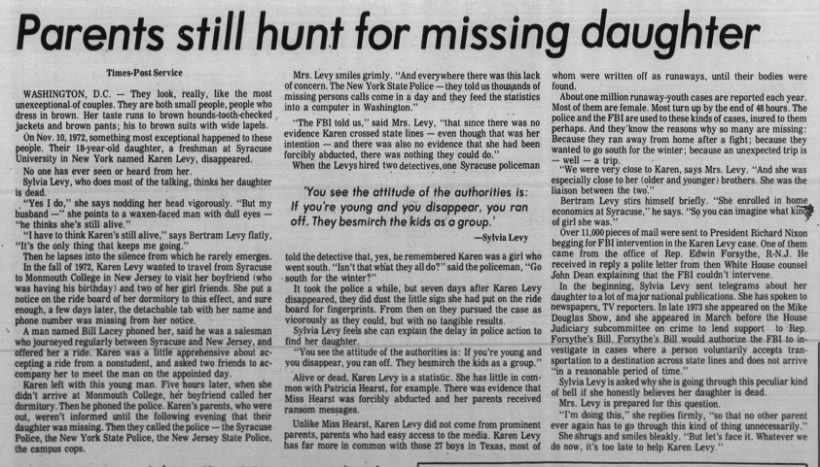
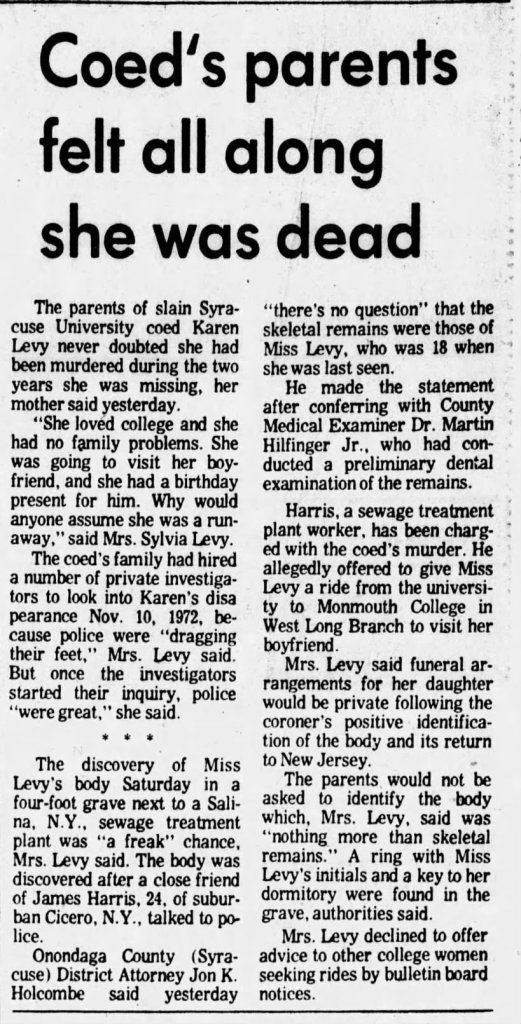
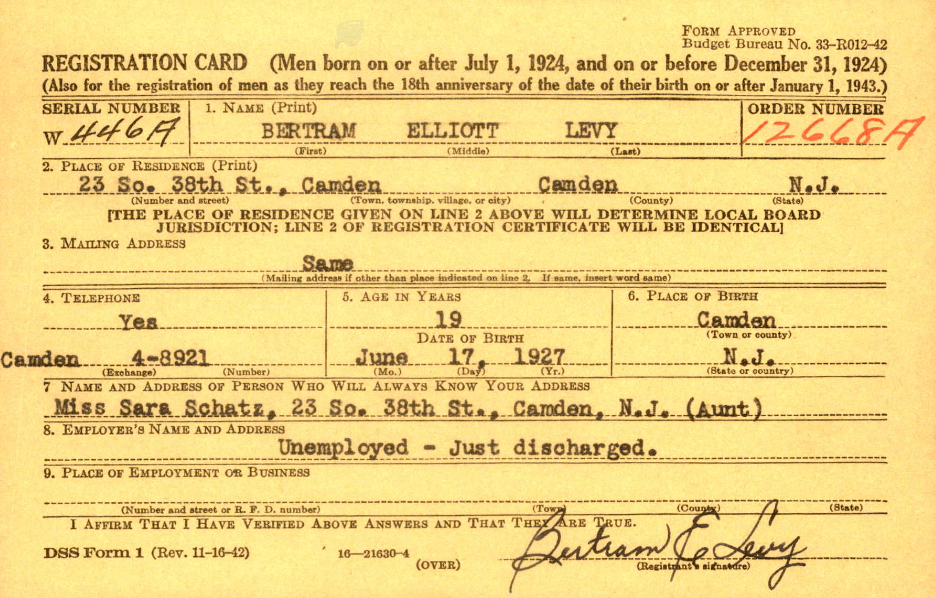
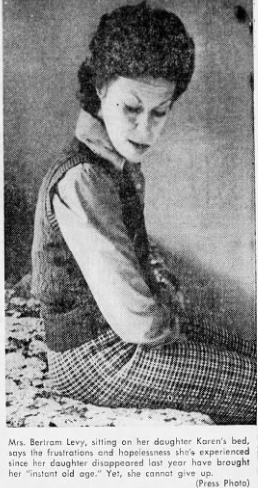
Background: Karen Merle Levy was born on October 28, 1954 to Bertram and Sylvia (nee Neifield) Levy in Cherry Hill, New Jersey. Bertram Elliott Levy was born on June 17, 1927 in Camden NJ and Sylvia was born on May 29, 1929 in Pennsylvania. After graduating from Camdem High School in 1944, Mr. Levy went on to serve in WWII, and upon returning home married Sylvia in the summer of 1950; the couple went on to have three children together: Karen, Eric, and Richard. Bertram was the chairman of the board for Parts Distributors Incorporated in Cherry Hill, and according to the 1950 census, Mrs. Levy’s profession was listed as ‘a secretary at a sweater manufacturer.’ According to her father, before she was killed Karen had recently made a ‘prayer shall’ for her brother, Rick, and she ‘was very creative, good at cooking and sewing. Not a great student.’ He went on to say that ‘she enrolled in home economics at Syracuse University, so you can imagine what kind of girl she was. And there were some who felt she was very pretty, and that’s how I felt too.’
Syracuse University: After graduating from Cherry Hill East High School in 1972, Karen went on to attend Syracuse University, majoring in Home Economics. According to Karen’s family, her hobbies included bowling, reading, and riding her bike, and those that knew her well said that she possessed a lot of ‘old-fashioned qualities’ and really excelled at cooking and sewing. At the time of her death she was working on making an afghan and had it with her when she left for New Jersey. Ms. Levy stood at 5 feet tall even, weighed between 100 to 105 pounds, and wore her dark brown hair at her shoulders; she also had brown eyes and wore gold-rimmed, ‘granny-type’ glasses.
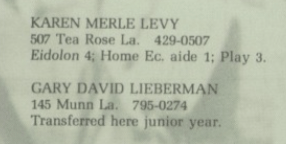
At the time of her murder Karen was in a long-distance relationship with a young man named Gary Lieberman, who transferred to Cherry Hill East High School in the beginning of their junior year in 1970. Lieberman’s name came immediately after hers in their school’s yearbook, and because of that a part of me wonders if they were brought together for semi-logistical reasons. After graduating high school he went on to attend Monmouth College, located in West Long Branch, New Jersey.
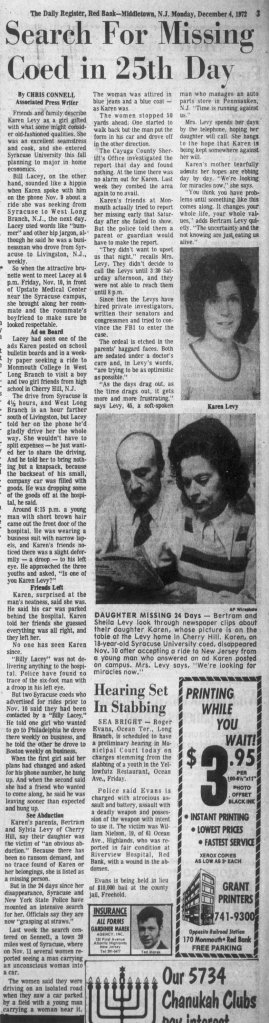
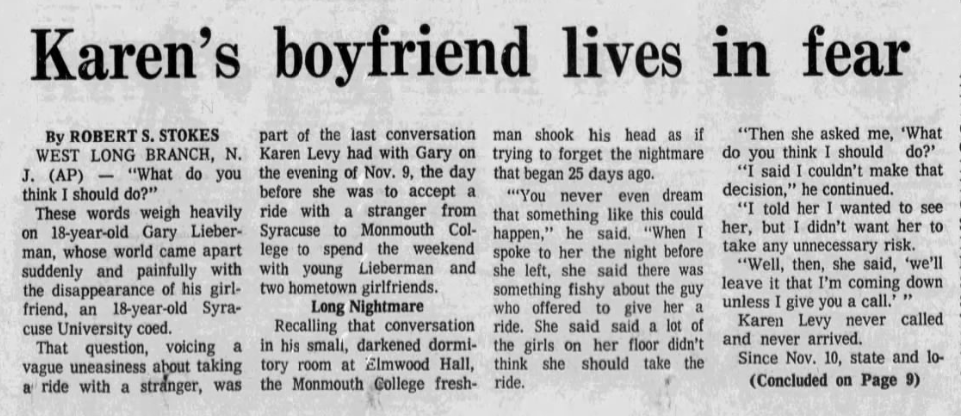
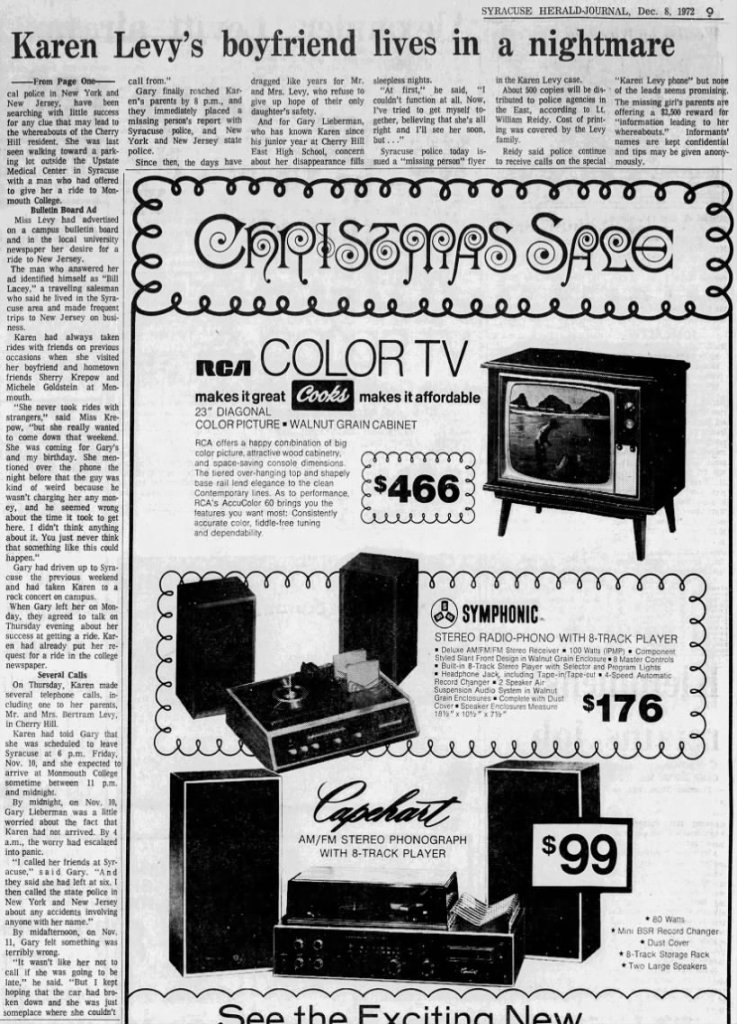
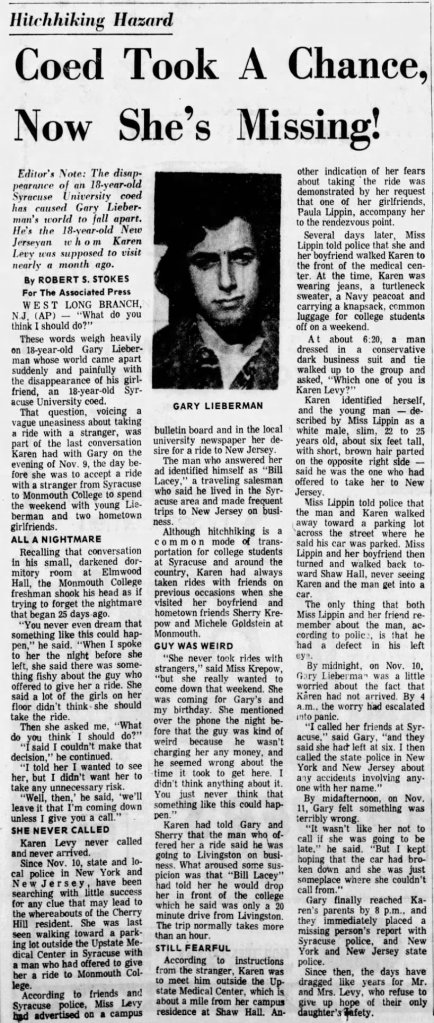
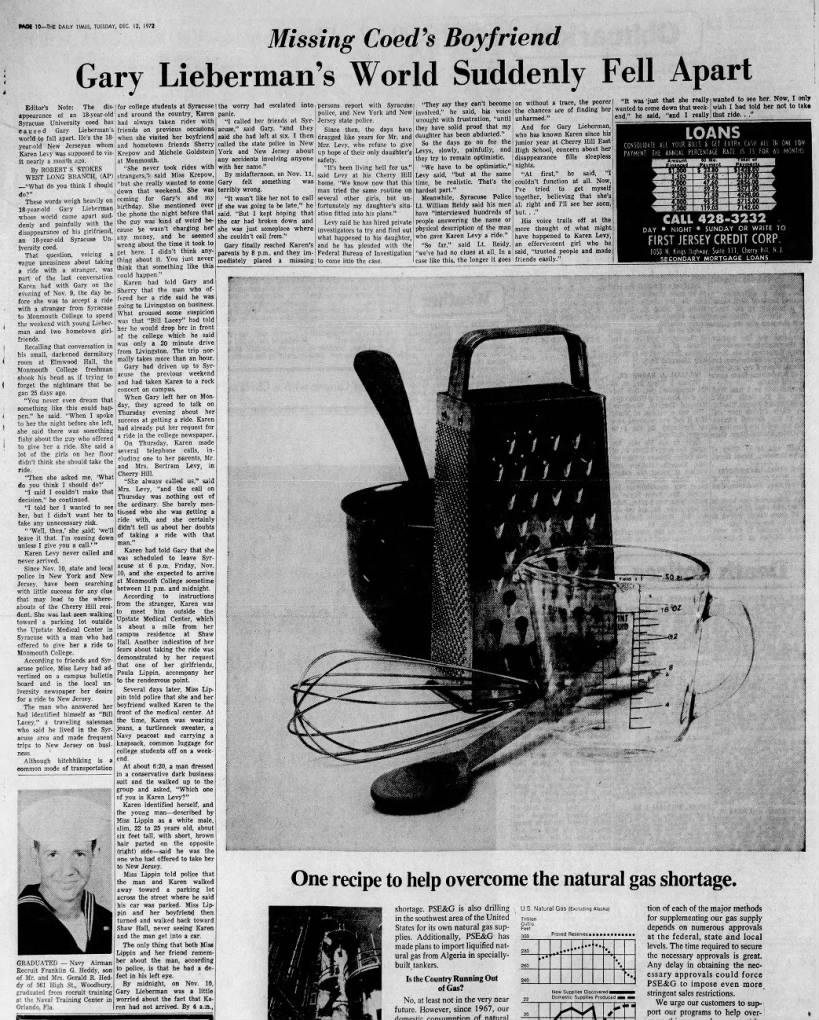
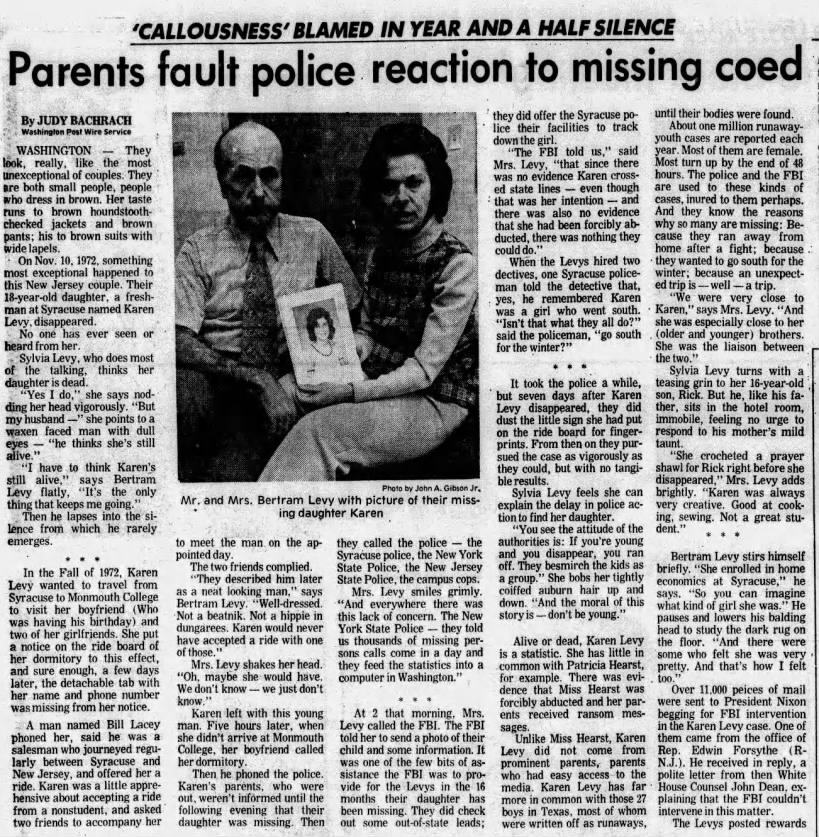
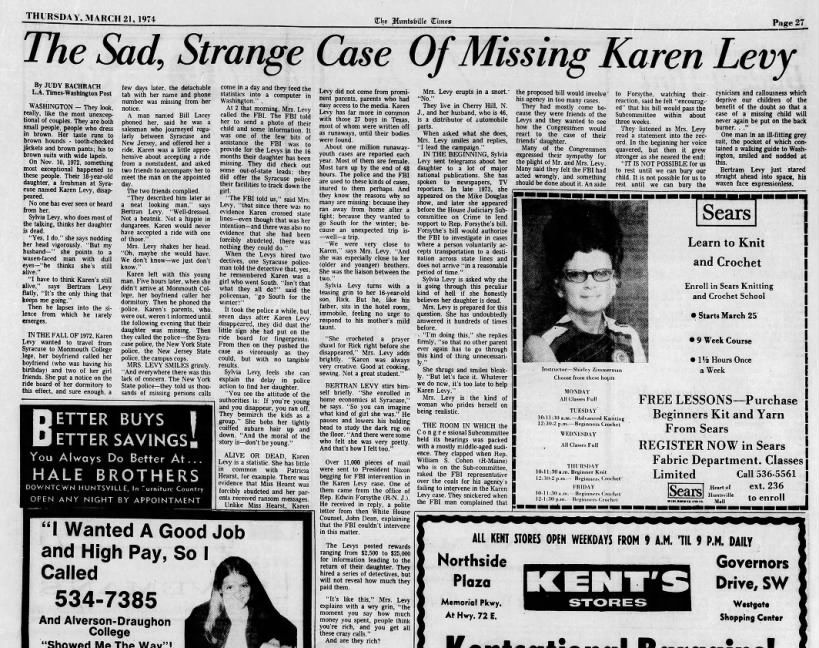
In her daughters first few months away from home, Mrs. Levy said that she ‘couldn’t keep her in writing paper, she wrote to us and her grandmother and her friends all the time. She called home more than once a week.‘ The Levy’s saw Karen for the last time roughly three weeks before she disappeared, during parents weekend on October 28, 1972, which also happened to be her 18th birthday. At that time Karen shared with them her plans of borrowing one of her brothers cars to go and visit Gary the weekend of November 10, 1972, but he wound up needing it. So, she did what many other young students at SU did at the time: she posted a three-by-five index card on a bulletin board on campus that said ‘ride wanted’ that contained her name, contact information, and final destination. Mrs. Levy said that ‘she told her friends he sounded strange over the phone and asked them to come along with her to meet him. The man looked alright and she took the ride.’
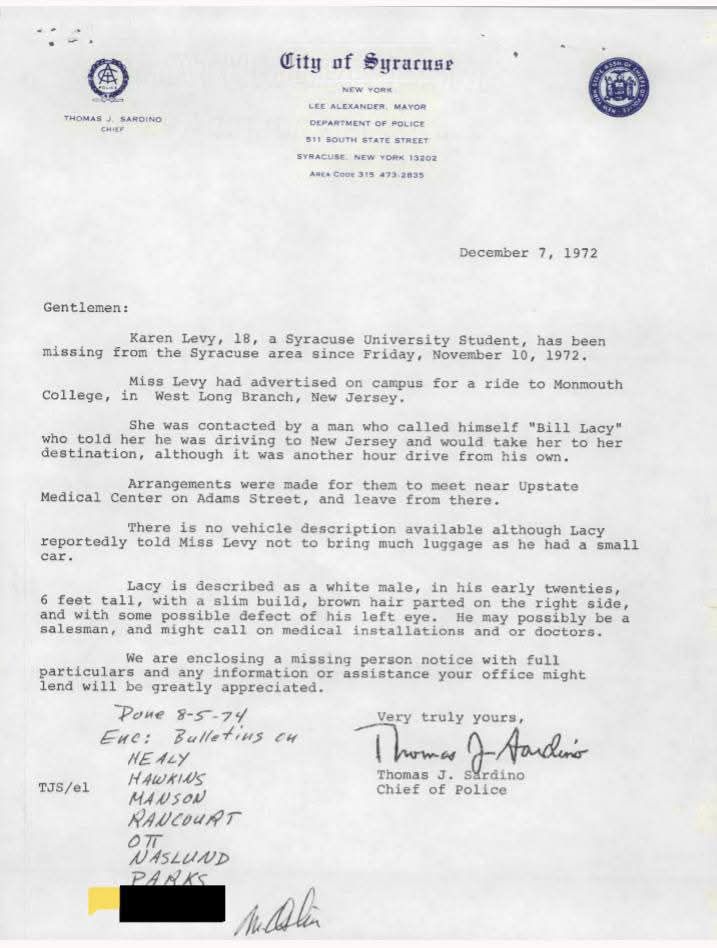
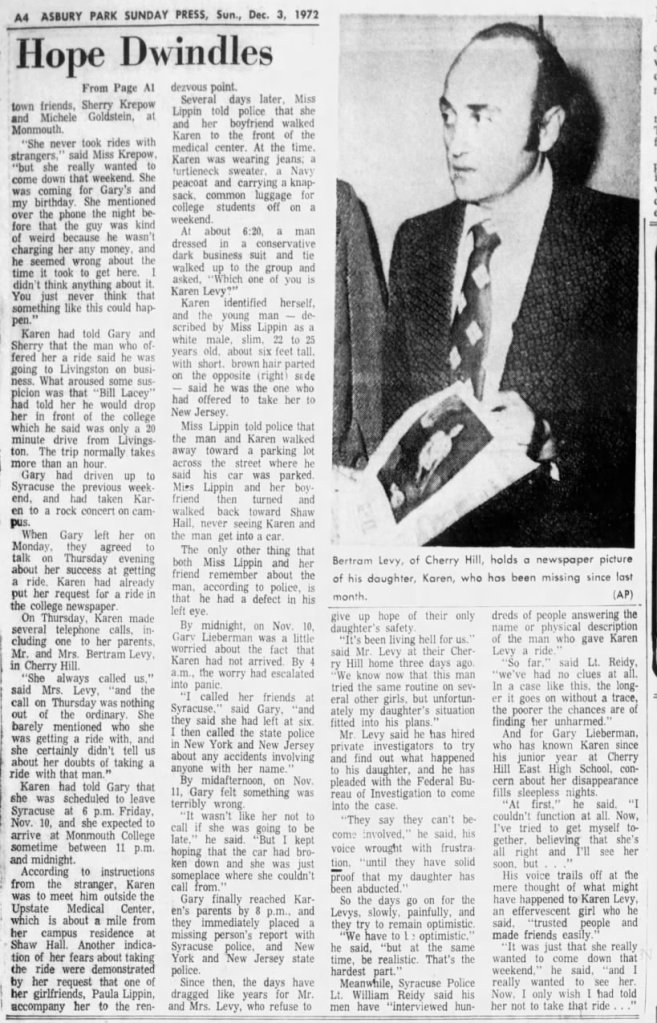
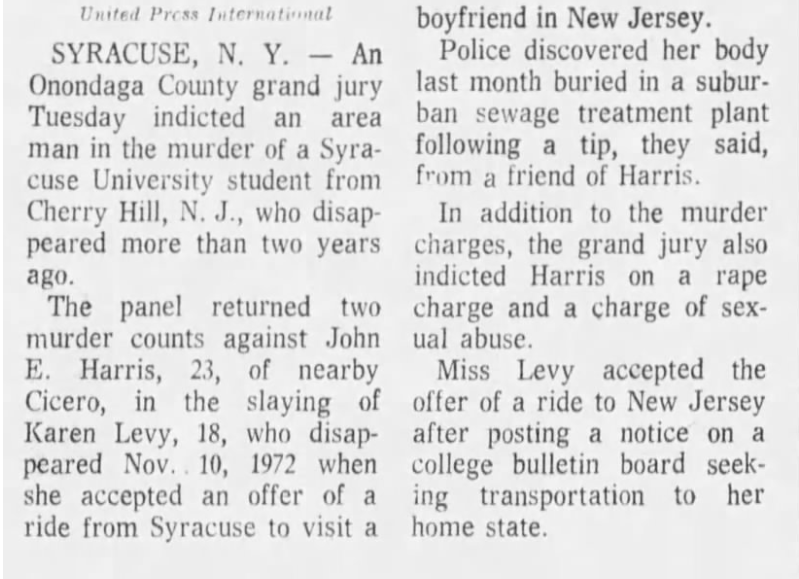
Monmouth College: On November 9, 1972 a ‘non-student’ and self-proclaimed ‘businessman*’ from Livingston, NJ calling himself ‘Bill Lacey’ reached out to Levy by phone and agreed to take her to Monmouth College, and the two made plans to meet at the Upstate Medical Center near campus at 6 PM the following day (*one report said he claimed to be a ‘traveling salesman’). Levy was accompanied by her friend Paula Lippin and her boyfriend Mitchell Sakofs, and they were able to confirm that she did meet up with an individual that introduced himself as Bill Lacey and was last seen walking away from them in his company. She was last seen wearing a navy blue peacoat, blue bell bottom ‘dungarees,’ a multi-colored V-neck vest, and brown shoes; she was carrying with her a blue knapsack and told Gary she was due to arrive at around 11 PM.
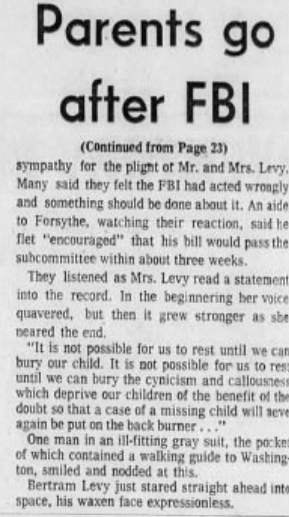
Disappearance: When Karen never arrived at Monmouth police were immediately notified and she was officially listed as a ‘missing person’ due to the fact they had no solid evidence that she had been abducted or was forced into ‘Bill Lacey’s’ car. After they felt that her case wasn’t being taken seriously enough, the Levy’s hired two New Jersey private investigators to assist, including one named John Begley, who brought her disappearance to the attention of the Albany Branch of the Federal Bureau of Investigation on November 13, 1972. Also on the same date, Sylvia Levy reached out to the Newark Division of the FBI, and on November 14th the Identification Division was asked to release a missing persons notice. About her daughter, Mrs. Levy said ‘she loved college and she had no family problems. She was going to visit her boyfriend and she had a birthday present for him. Why would anyone assume she was a runaway?’ She also said that in the initial stages of her daughter’s disappearance things were mishandled by the Syracuse police department, who she said didn’t have the resources to make a thorough investigation. She also charged the department with ‘cynicism and callousness in not conducting a prompt probe of Karen’s disappearance, and that no one lifted a finger for days, and those days were crucial, because they would not believe in the honesty and the sincerity and goodness of our child.’ About the delay in the initial stages of the case, Sylvia said ‘you see the attitude of the authorities is: if you’re young and you disappear, you ran off. They besmith the kids as a group. And the moral of the story is: don’t be young.’
Three policing jurisdictions were investigating Levy’s case: University Police, local Syracuse law enforcement, and the NYS Troopers, and in the early parts of the investigation at least twelve detectives were assigned to work full time on the case. In the first few days after she disappeared investigators focused their search efforts on Sennett, NY after they received multiple reports on November 11th that a man was seen carrying what seemed to be an unconscious woman to his car. One of the women that reported the incident said she was driving on an isolated road when she saw a car parked next to a field and a man walking towards it while carrying a woman that appeared to be unconscious that was dressed in a blue coat and jeans. Unfortunately, nothing came of this.
Investigators combed the general Central New York area and expanded their search into New Jersey, but came up with nothing. Syracuse police conducted over 500 interviews over the course of the investigation and tracked down anyone and everyone that was confirmed to be in the area when Levy was last seen. They also investigated all locals that were named Bill Lacey (or had variations of the name) and spoke with other young women that requested rides in the same method as Levy and whether or not they had any strange encounters with a man that matched his description. Additionally, detectives checked out local newspapers looking for advertisements that were posted by men offering rides in the same time frame that Levy vanished.
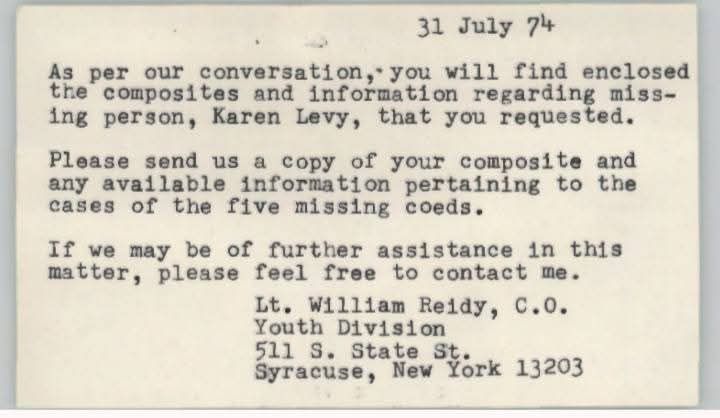
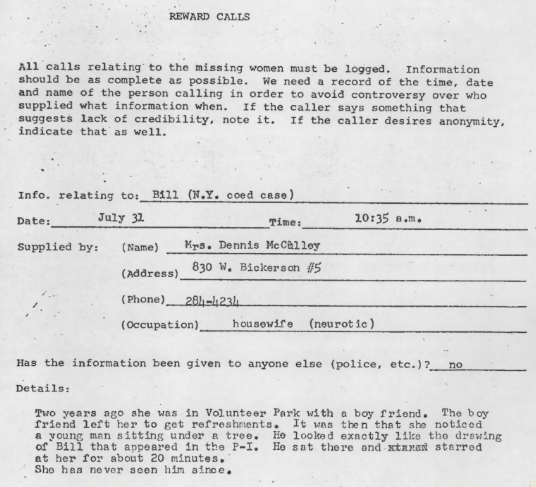
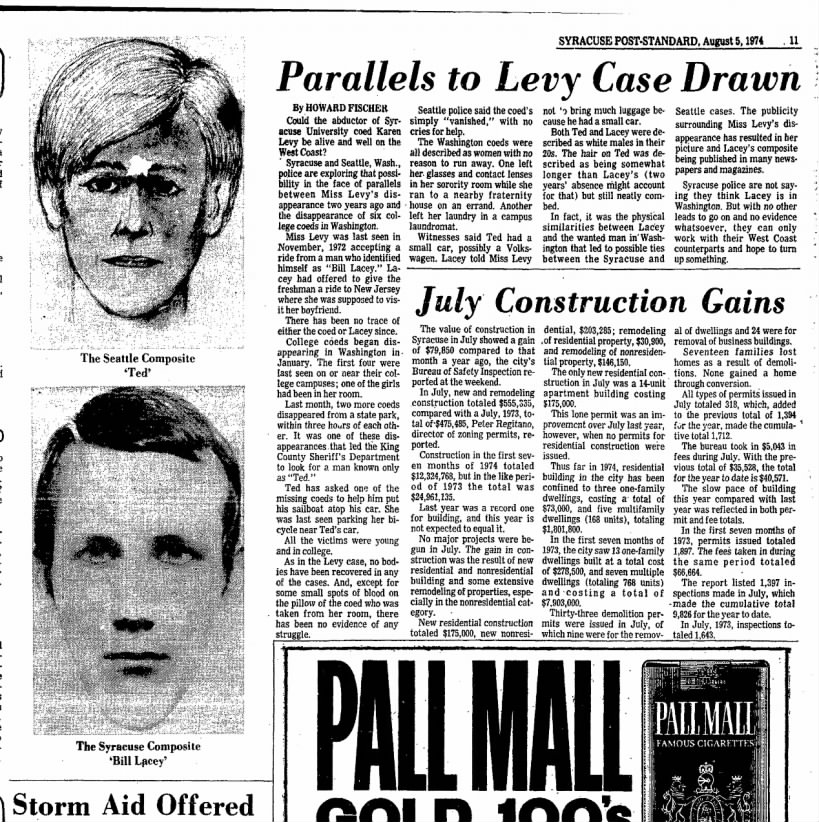
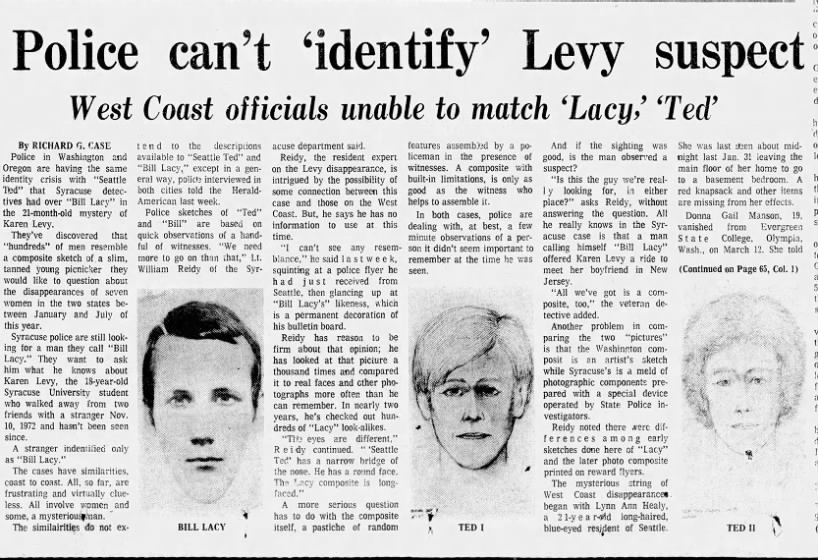
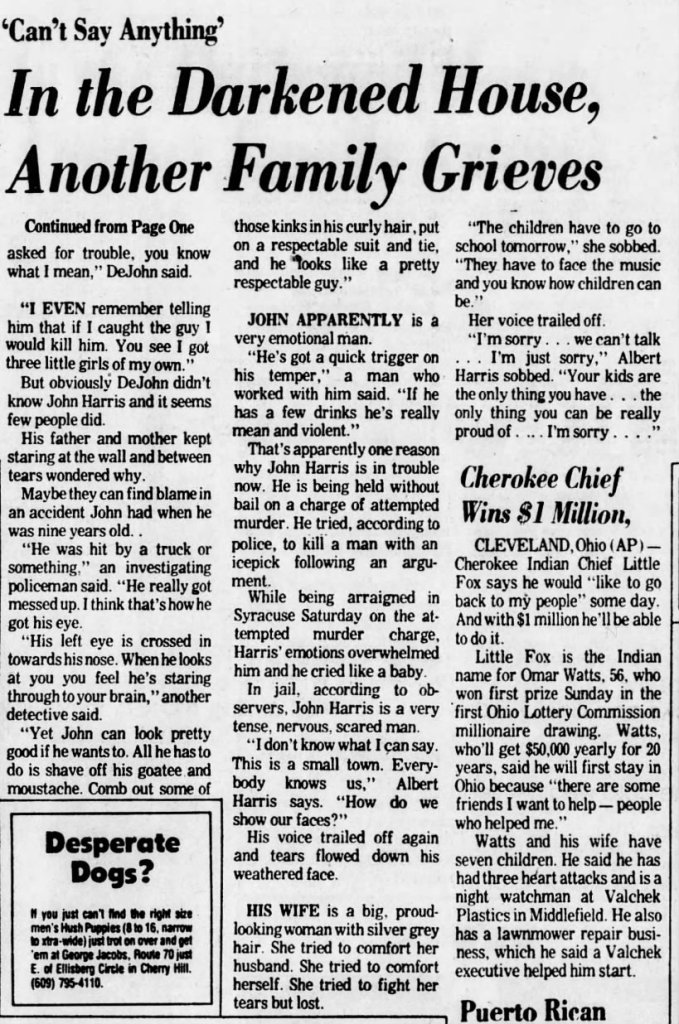
Every single tip that investigators received regarding the disappearance of Karen Levy was looked into, and many of the leads were related to the bulletin boards on Syracuse University’s campus. Additionally, NYS Police used helicopters, airplanes, and dogs in their search efforts, and conducted foot searches all over the two most likely routes of travel from SU to Monmouth College, combing through long stretches of highways and secluded ‘lovers’ lanes’… but to no avail. Because Levy’s friend and her boyfriend were able to get a good look at ‘Bill Lacey,’ a sketch artist was able to come up with a composite drawing of him, which was shared all over New York state. According to them, the man looked like ‘half the guys in the country’ aside from his left eye, which was either crossed or unable to completely focus.
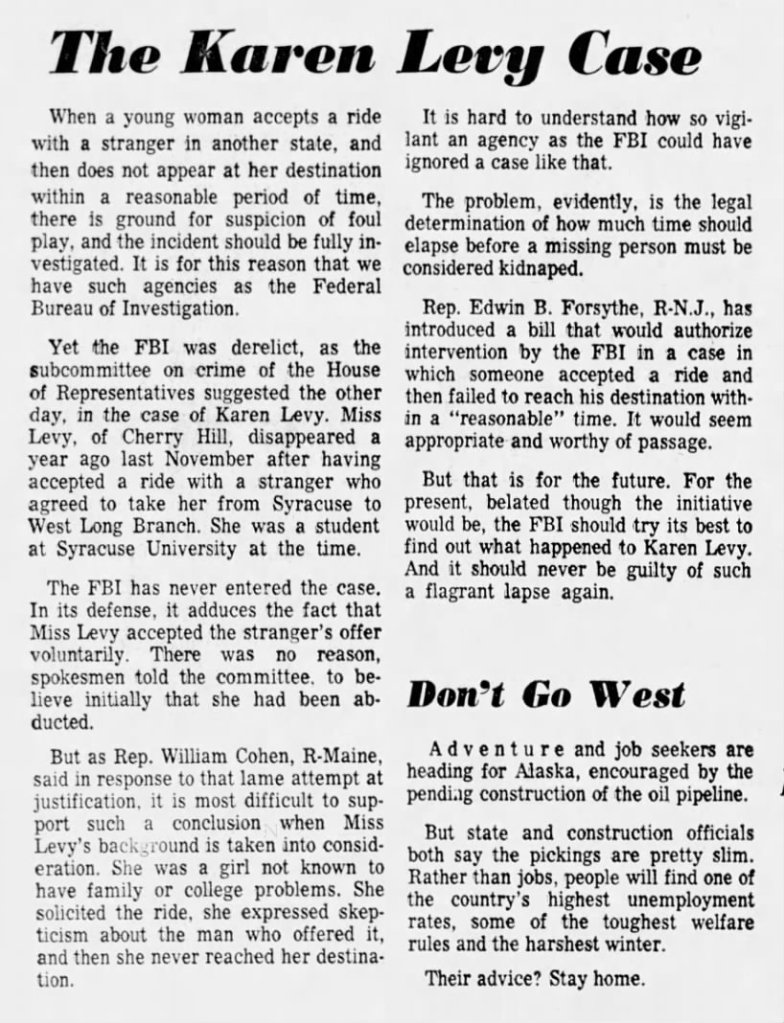
At the request of the Syracuse PD, the Albany Branch of the FBI (most likely as a cooperative measure, as they weren’t officially involved) conducted investigations regarding Levy’s disappearance in Oklahoma City, New York City, Chicago, Memphis, Charlotte, Newark, Dallas, Honolulu, and Detroit, which helped eliminate suspects. Because Ms. Levy left with Lacey voluntarily and of her own free will there was no violation of the Federal Kidnaping Statute., therefore the FBI didn’t ‘officially’ join in on the investigation. Despite this, Mr. and Mrs. Levy felt their daughter would never leave on her own with a stranger, and her father commented that: ‘it’s just not consistent with her or her nature to disappear purposefully,’ and about the possibility that someone may have taken his Karen he said that he had ‘no feeling toward that man who has abducted her, I can’t feel vindictive. We just want her home safe and sound. We don’t have any Thanksgiving plan, hopefully we will celebrate Karen’s safe return.’
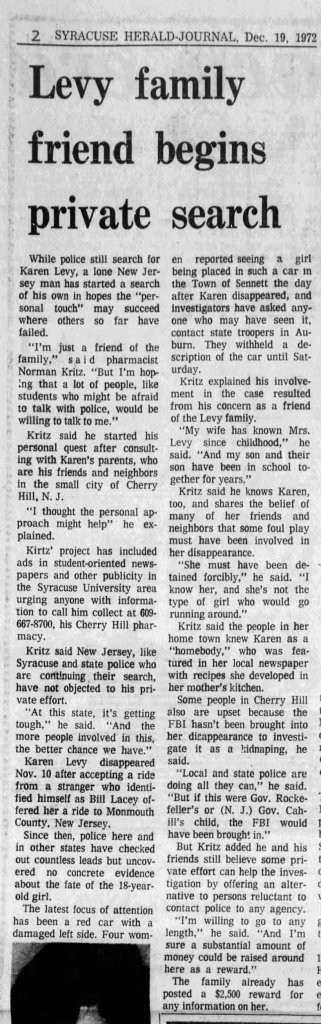
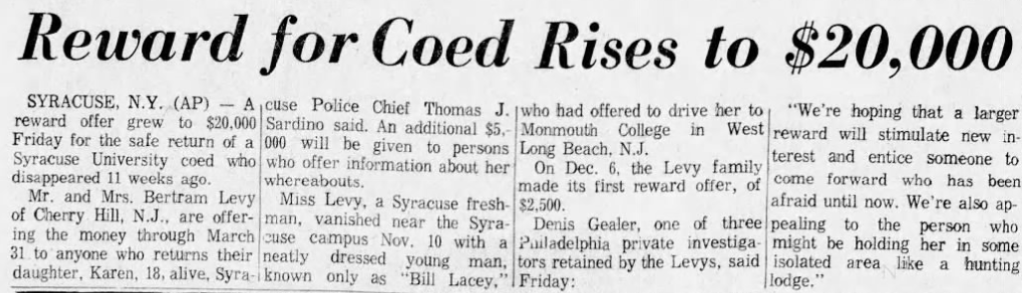
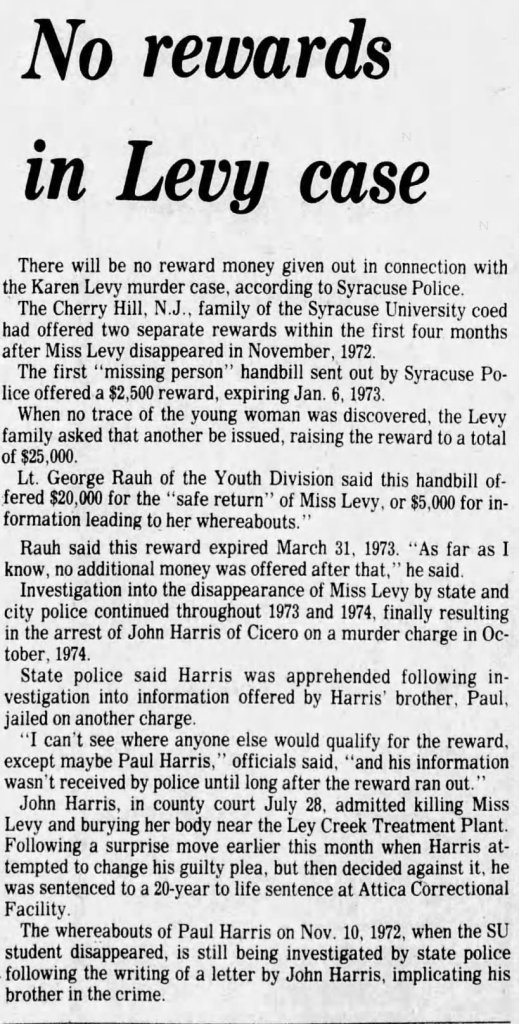
The Levy’s knew that their daughter would never voluntarily go anywhere with a strange man that she didn’t know. and immediately knew that something sinister had happened to her. In December 1972 they posted a $2,500 reward for any information that lead to the return of their daughter (it was never redeemed), and paid for thousands of missing persons fliers that contained a picture of Karen on it along with the police composite sketch of ‘Bill Lacey’ as well as both of their complete physical descriptions.
Police tracked down a few young men that matched Bill Lacey’s description, and all of them were brought in for questioning and were released. One of the suspects was identified by both of Levy’s friends from a photograph, however when it came to a line-up they said they were only ‘uncertain’ it was him. After a long, in-depth interrogation the man passed a lie‐detector test, and was able to come up with an alibi for his whereabouts on November 10, 1972.
‘Bill Lacey:’ According to Karen’s friends, she had shared that she was slightly suspicious of the man that would be driving her to New Jersey after a weird conversations they had over the telephone the day before she vanished, as they were dotted with ‘hippie-type’ phrases such as ‘bummer’ and he seemed vague in his knowledge about the distance to Gary’s college. They were all surprised when ’Bill Lacey’ showed up dressed as a clean-cut businessman, wearing a grey suit with a vest, his brown hair cut short and parted neatly on the right; they also said that he was between 20 to 25 years old, roughly six feet tall, and told them that he was from Cleveland.
Detectives went to Upstate Medical Center where Lacey said he delivered medical supplies to, and spoke with members of their staff, and they said they had never heard of him. They also learned that two other coeds that were looking for rides were also contacted by a man named ‘Bill Lacey:’ one girl needed to get to Philadelphia and the other one to Boston, and in each case Lacey told them that he made weekly deliveries to their city. The girl in Philadelphia got spooked after she asked for a phone number and he simply hung up on her, and the one from Boston said when she told him that she wanted a friend to come with her he suddenly said that he needed to leave earlier than he originally anticipated and hung up on her.
One of the last people to talk to Karen during the final hours of her life was Gary, who had driven to Syracuse University the weekend prior to attend a rock concert on campus, and when he left Monday morning they had agreed to talk on the phone the following Thursday about her possibly coming to visit him the following weekend. He said that: ‘she said there was something fishy about the guy who offered her a ride. She said a lot of girls on her floor didn’t think she should take the ride.’ When she asked him what she should do, Lieberman thought about it briefly then said he ‘couldn’t make that decision. I told her I wanted to see her, but didn’t want her to take any unnecessary risk.’ He said that in response to this, she said they would ‘leave it that I’m coming down unless I give you a call.’ But he never heard from her again after that.
According to her high school friends Sherry Frepow and Michele Goldstein, who both went to attend Monmouth College with Gary, Karen had always bummed rides with friends on previous visits, and according to Frepow, ‘she never took rides with strangers, but she really wanted to come down that weekend. She was coming for Gary’s and my birthday. She mentioned over the phone the night before that the guy was kind of weird because he wasn’t charging her any money, and he seemed wrong about the time it took to get here. I didn’t want to think anything about it. You just never think that something like this could happen.’
After Karen talked to her boyfriend she spoke with her parents, and Mr. Levy said that: ‘she called all excited about getting a ride. She gave no details.’ Mr. Levy described Karen as ‘steady and reliable,’ and if anything, she was ‘too trustworthy,’ and that attending school at Syracuse University was the first time that she was ever away from home. According to them, she always called us and the call on Thursday was ‘nothing out of the ordinary and barely mentioned who she was getting a ride with, and she certainly didn’t tell us about her doubts of taking a ride with that man.’ About the individual, Bertram Levy said that ‘they described him later as a neat looking man, well dressed. Not a beatnik. Not a hippie in dungarees. Karen would never have accepted a ride with one of those.’ To this, Mrs. Levy shook her head and said ‘Oh, maybe she would have. We don’t know, we just don’t know.’
In a document I found that included a great deal of information related to the Levy case titled, ‘Hearings before the Subcommittee on Crime of the Committee on the Judiciary House of Representatives, Record Session, HR 4191 and HR 8722, Amendments to the Federal Kidnapping Statute, dated February 27, 1974 and April 10, 1974’ (which was obviously compiled before the apprehension of John E. Harris): ‘The Syracuse University Police Department’s initial report listed the only person who accompanied Karen to meet ‘Bill Lacey’ on November 10, as Amy Krackovitz, Karen’s roommate. However, two people, not one, accompanied Karen, and Amy Krackovitz was not one of them. Similarly, the report listed the suspected abductor as one ‘Charles Lacey,’ and the University Police has devoted some time and effort in preparing a preliminary background report on a ‘Charles Lacey’ for their initial report. However, Karen Levy’s abductor had identified himself as ‘Bill Lacey’ not ‘Charles,’ and again precious time was lost. In fact, it was not until two days after Karen’s disappearance that the Syracuse University Police Department mapped a coordinated plan of investigation. Yet, even after mapping the plan, it was not until the afternoon of November 13, when at the suggestion of the Levys’ private detective that the Syracuse University Police Department went to the ride boards to check for fingerprints on Karen’s ride notices, which were the tab type requiring anyone removing a tab with Karen’s phone number on it to touch the notice.’
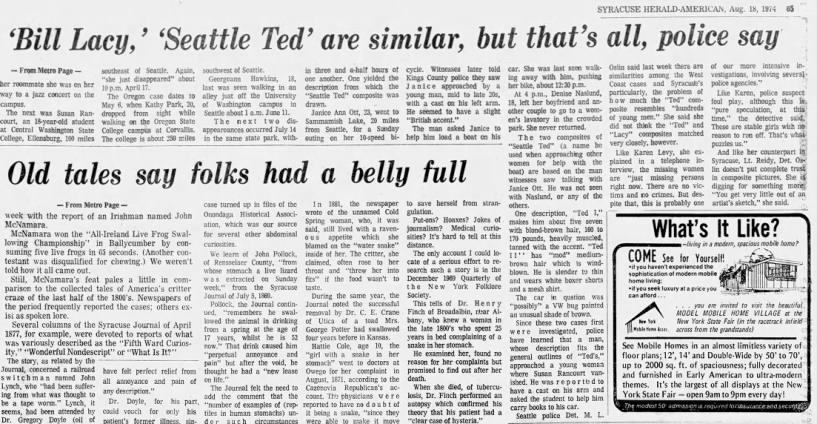
Ted of the West Coast?’: Months ticked by, then eventually years, and Levy’s homicide remained unsolved. By the summer of 1974 the murders in Seattle had started, and the infamous ‘Ted of the West Coast’ had begun his reign of terror throughout the Pacific Northwest. Briefly, in the summer of 1974 it was speculated that the crazed killer had made his way to New York state and had something to do with the disappearance of Karen Levy, however that theory quickly was tossed out when her real killer was apprehended that fall. At the time of Levy’s disappearance in November 1972 Bundy was employed at Seattle’s Department of Law & Justice Planning (he was there from September 1972 to January 1973) and was in his first semester of law school at The University of Puget Sound in Tacoma. He was in a committed relationship with Elizabeth Kloepfer and was living at the Rogers Rooming House on 12th Avenue in Seattle’s University District.
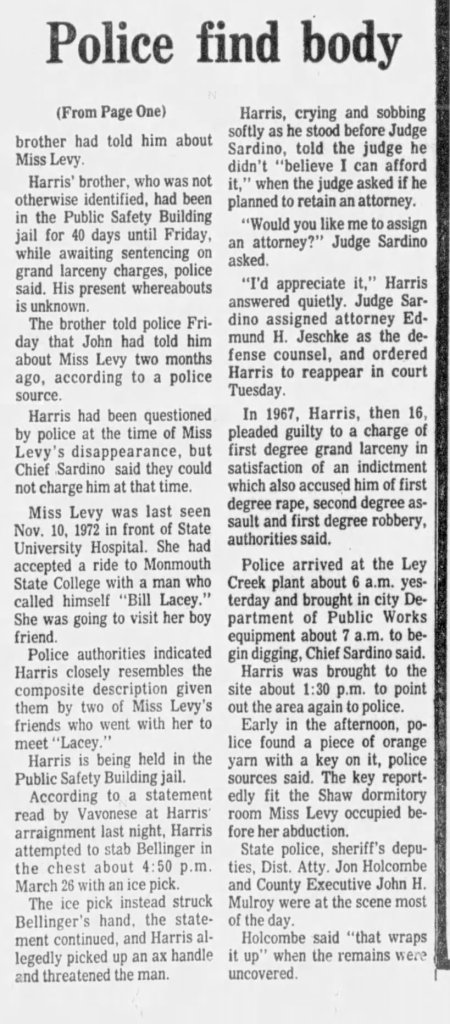
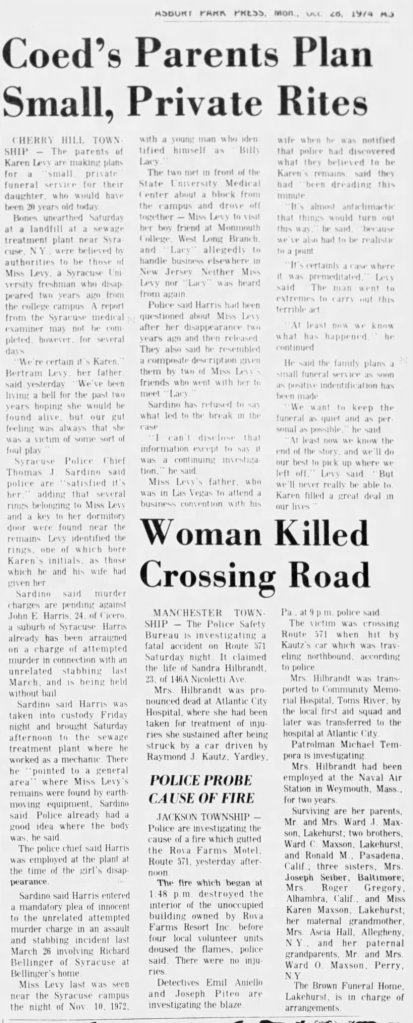
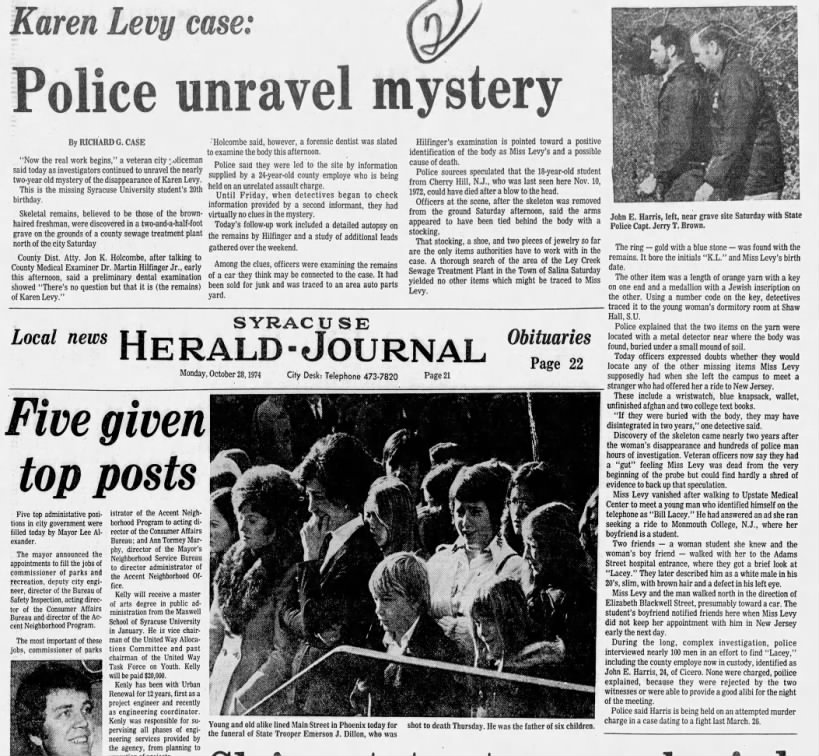
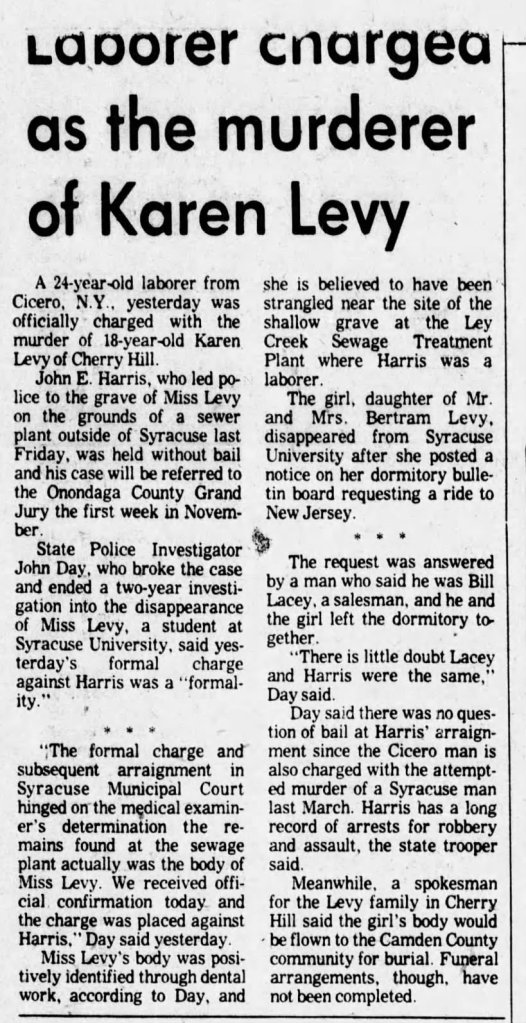
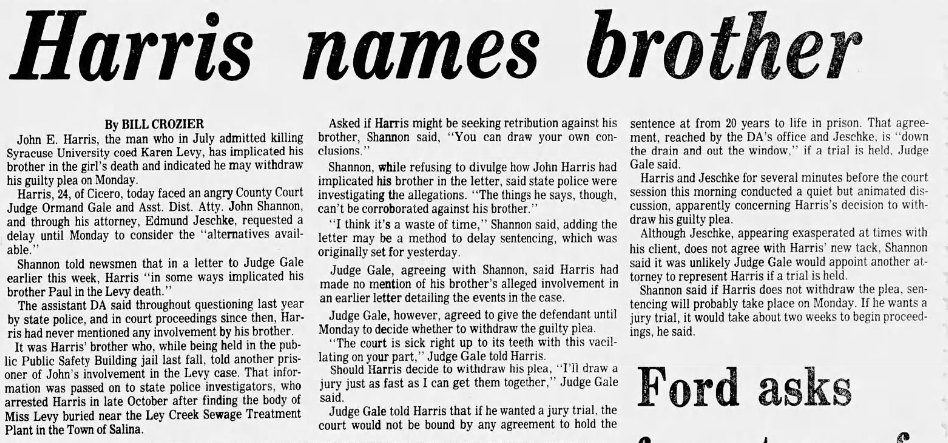
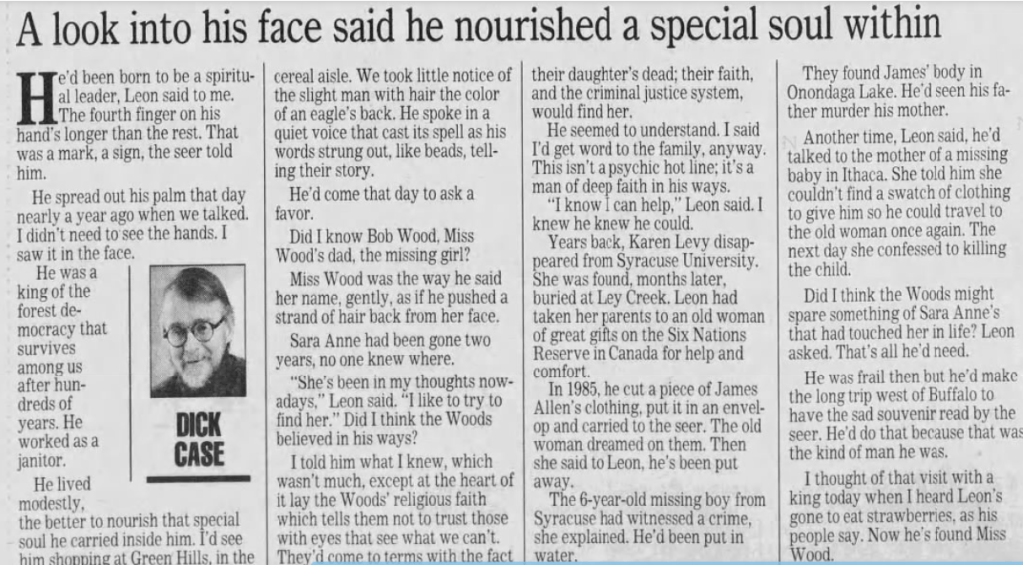
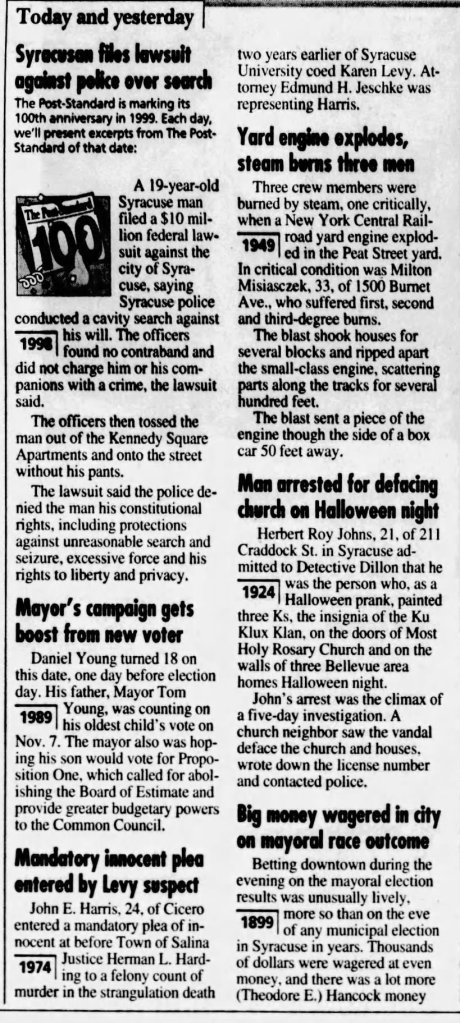
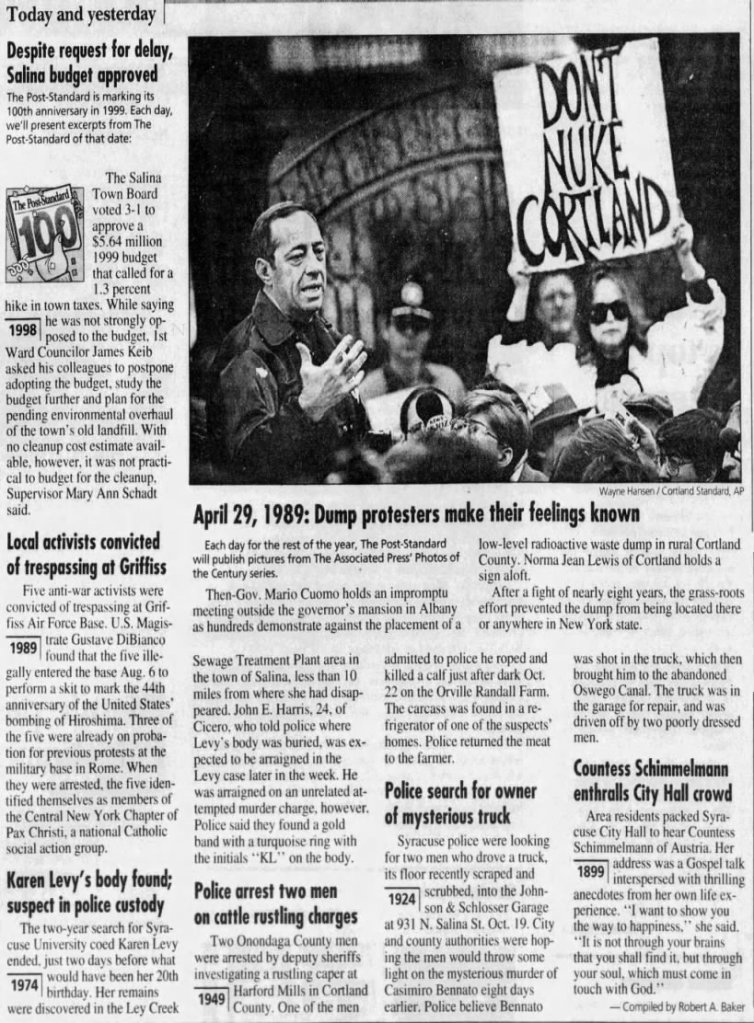
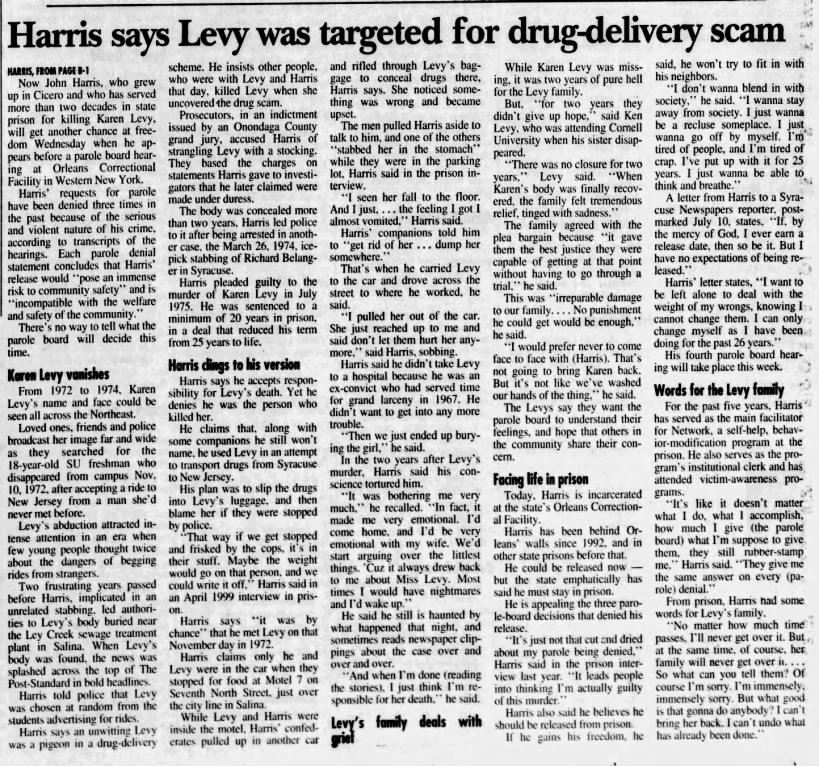
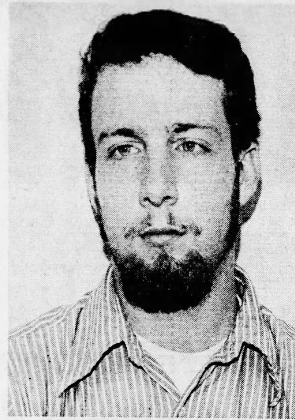
Murder: According to an anonymous member of the Syracuse Police Department’s criminal investigation division, in late October 1974 ‘it was a confession to a friend by the suspect that finally helped to break the case.** Syracuse Deputy Police Chief John Dillon said that he got a tip from a friend of twenty-four-year-old John E. Harris of Cicero, NY who shared with him that he tried to stab thirty-four-year old Richard Bellinger with an ice pick on March 26, 1974, and that he killed Karen Levy. Bellinger was the business agent for John’s wife of a year-and-a-half Donna Lee Harris, who according to detectives was ‘a 21‐year‐old go‐go dancer.’ Unfortunately he told police that he didn’t get a good look at his attacker and wouldn’t be able to recognize him. Harris, who by that time had grown a big bushy beard, told investigators that Levy had gotten ‘hysterical’ when he attacked her and he killed her to ‘shut her up.’ During the interrogation his wife sat beside him, softly coaxing her husband to ‘tell them everything. If you did anything wrong, tell them.’ At that time he also volunteered that at the age of sixteen he had been arrested for rape and spent five years inside a reformatory. ** I have seen varying reports as to how police learned about the identity of John Harris: a different source says that while in jail in 1973 John’s brother Paul shared with another inmate what his brother had done to Levy, and that was eventually passed on to NYS investigators who arrested Harris as a result. Another article said that Paul told his girlfriend who told a friend who told another friend who eventually came forward and told law enforcement.
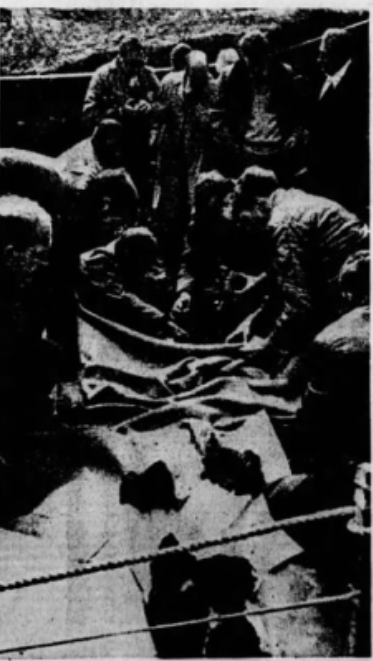
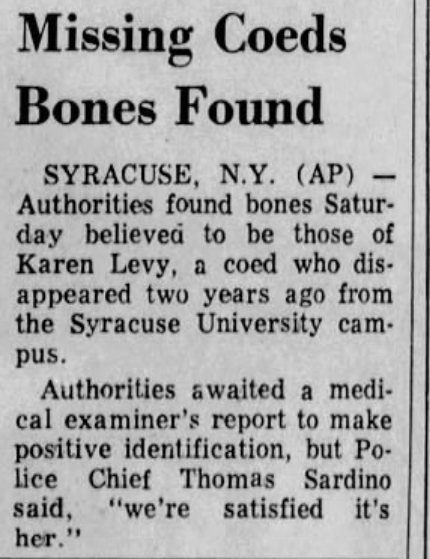
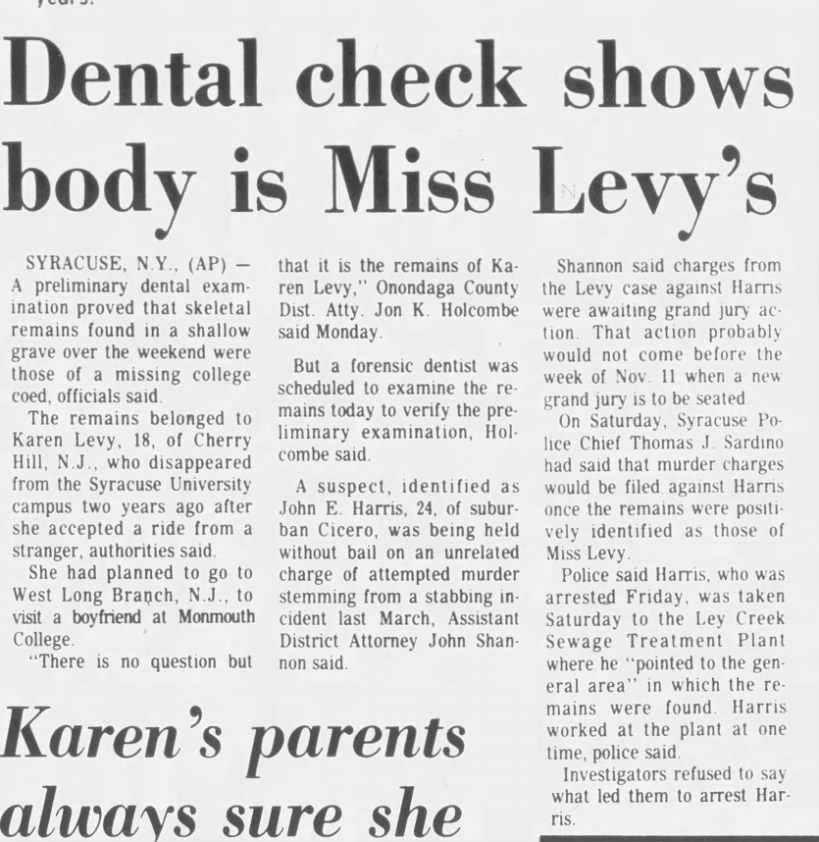
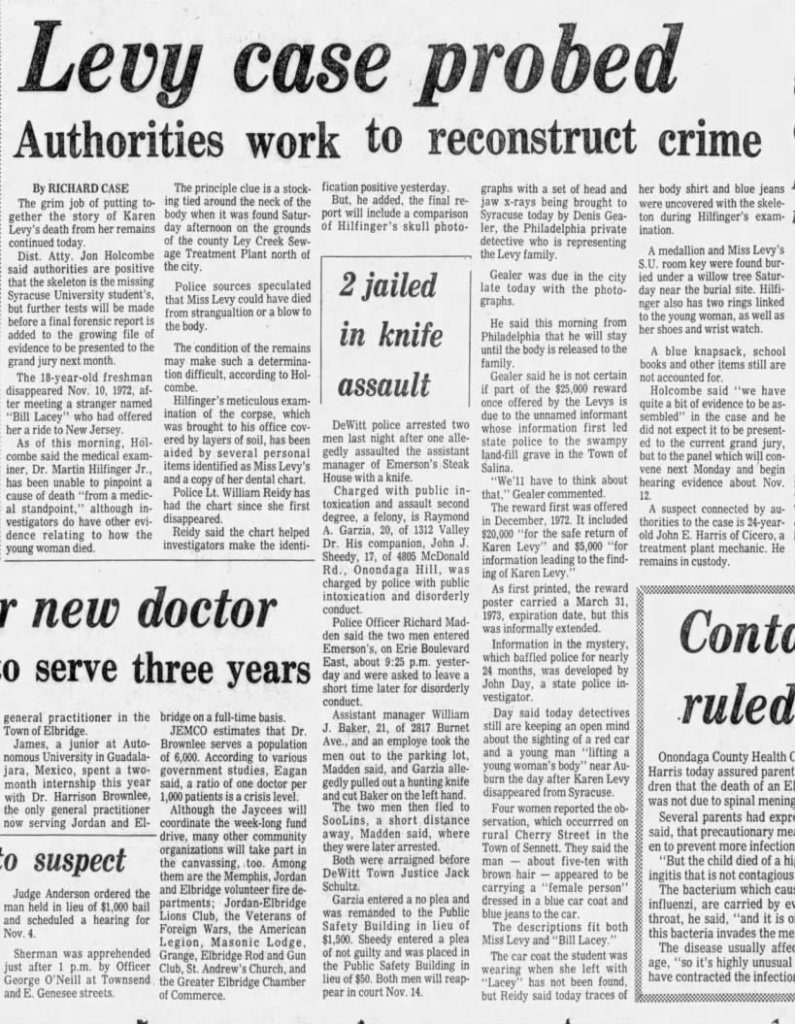
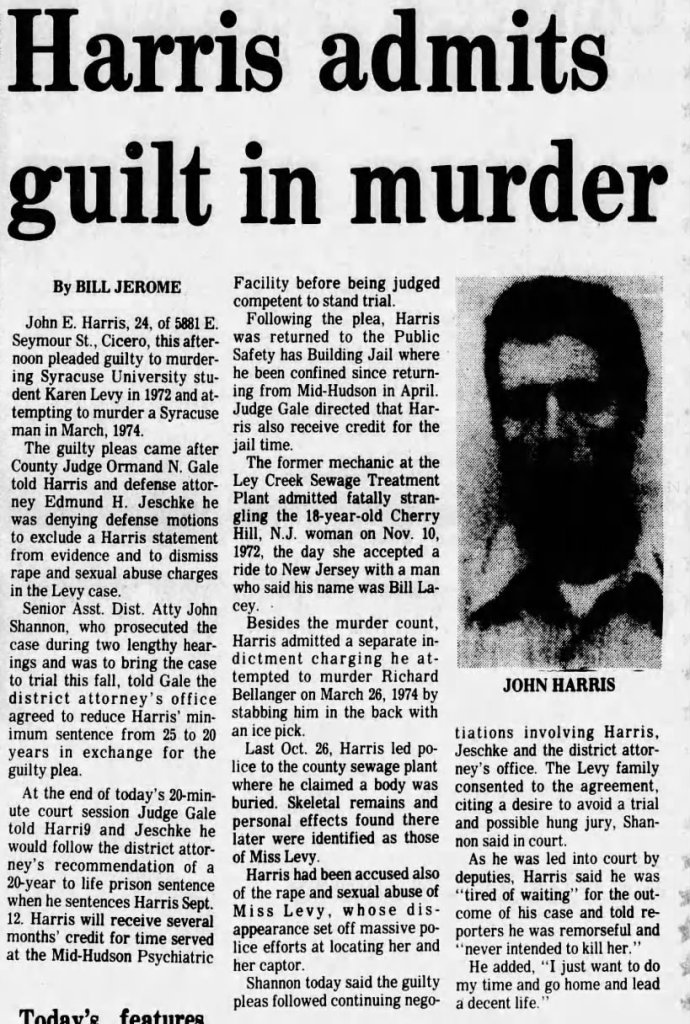
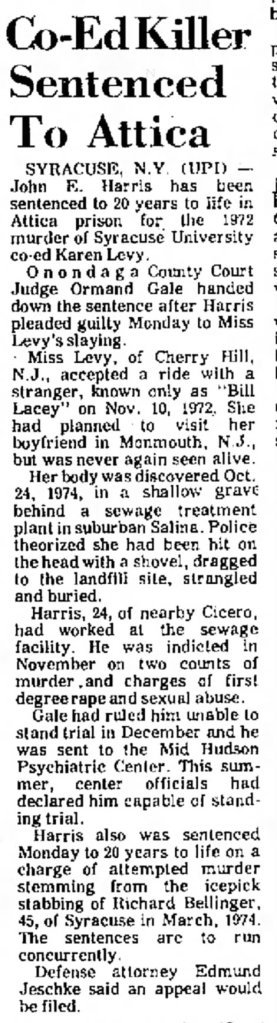
On Saturday, October 26, 1974 John E. Harris led investigators to the body of Karen Merle Levy in a shallow grave at his POE of five years: Ley Creek Sewage Treatment Plant in Salina, NY: she had been found underneath four feet of landfill and had been stabbed and strangled with a nylon stocking, which was still cinched around her neck. Detectives working the case theorized that Harris had hit Levy over the head with a shovel then dragged her to the landfill, where he strangled and buried her. Also at the scene investigators found a ring with Karen’s initials engraved on it, a medallion that had ‘keep holy the Commandments’ inscribed on it, and a set of keys, one of which fit the lock to her one-time dorm room. A 100% positive identification was made after a forensic dentist was brought in to examine Levy’s skeletal remains and according to Deputy Chief Dillon, the preliminary investigation had shown that Levy was killed less than an hour after she was last seen. After Karen’s body was discovered, Mr. Levy said that they could now ‘pick up our lives now and try to live a halfway normal life. We were hoping, wishing for a miracle, but did not truly expect it.’ According to Ken Levy, ‘for two years they didn’t give up hope, there was no closure for two years, when Karen’s body was finally recovered the family felt enormous relief, followed with sadness.’
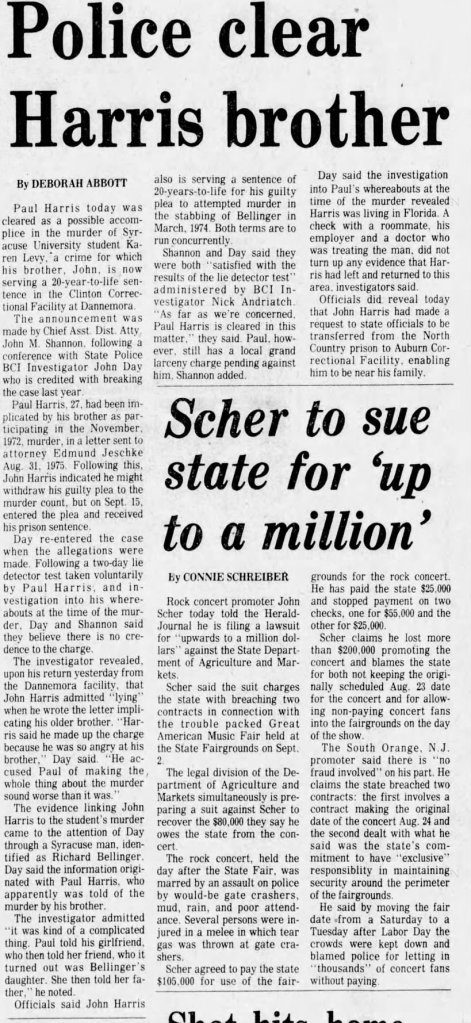
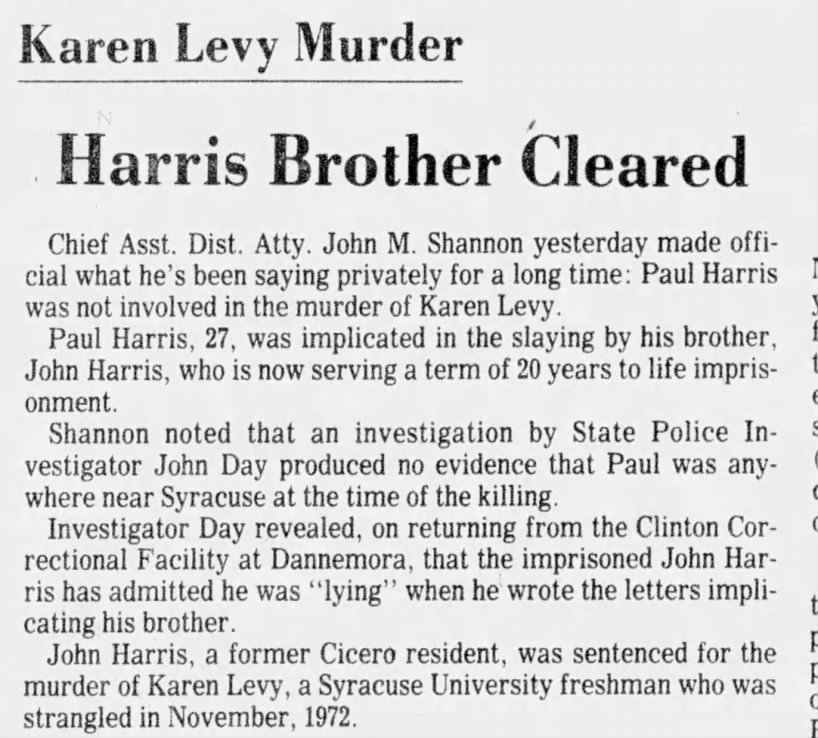
According to an article published in The Syracuse Herald-Journal on September 17, 1975, John Harris implicated his brother Paul for the murder of Karen Levy in a series of letters, and claimed that he was with him that night in November 1972 when he picked her up and said that he was the killer, not him. Paul denied having anything to do with killing the young coed and after multiple interrogations and lie detector tests he was eventually cleared of any wrong-doing. In an article published in The Post-Standard on September 13, 1975, Paul said that he didn’t think his brother acted alone and that he thought ‘there was someone with him or someone forcing him to do it.’ When asked why he thought this, he said that John was ‘into some pretty heavy stuff’ and was ‘involved with gambling and the sale of drugs, as well as taking pictures of nude models: ‘John would pick the models up, sometimes from Syracuse University, and take them to a photo shoot where he would wait until the photographer was finished. Sometimes he would actually pose with her.’
Paul went on to say that John was involved with a group he dubbed ‘The Utica Bunch,’ and was ‘in this for the money, and maybe a little for the girls.’ When asked why he would want to blame him for the murder, Paul said he was asking himself the same thing and that ‘something happened in his mind. His memory is gone. Either he is trying to grasp onto the only escape left or it has just become a game for him. He probably doesn’t know I didn’t do that. I didn’t tell police. I just told my girlfriend who told somebody who told somebody. The police finally got wind of it.’ Paul Harris was a bartender by trade but after charges were dismissed he volunteered in an interview that he was thinking about leaving the area, saying the murder had ‘ruined his reputation’ and that he was at ‘the point where I might have to leave Syracuse. At least twice, enemies of John’s have actually tried to kill me.’ He also said that in November 1974 he was shot at while walking down Clinton Street, and in the beginning of September 1975 someone had tried to run him off the road on Route 81 by approaching him at an angle that ‘could only have been an attempt to get me.’ He also said that on one occasion a woman threw a drink in his face.
After Harris was held without bail, police records showed that in 1966 he was arrested on a rape charge and served five years in Coxsackie Reformatory. Pretrial proceedings began on November 1, 1974, and he was indicted on two counts of murder, along with additional charges of first‐degree rape and first‐degree sexual abuse. Additionally, John Harris was charged with attempted murder and possession of a dangerous weapon in relation to his crimes against Richard Bellinger.
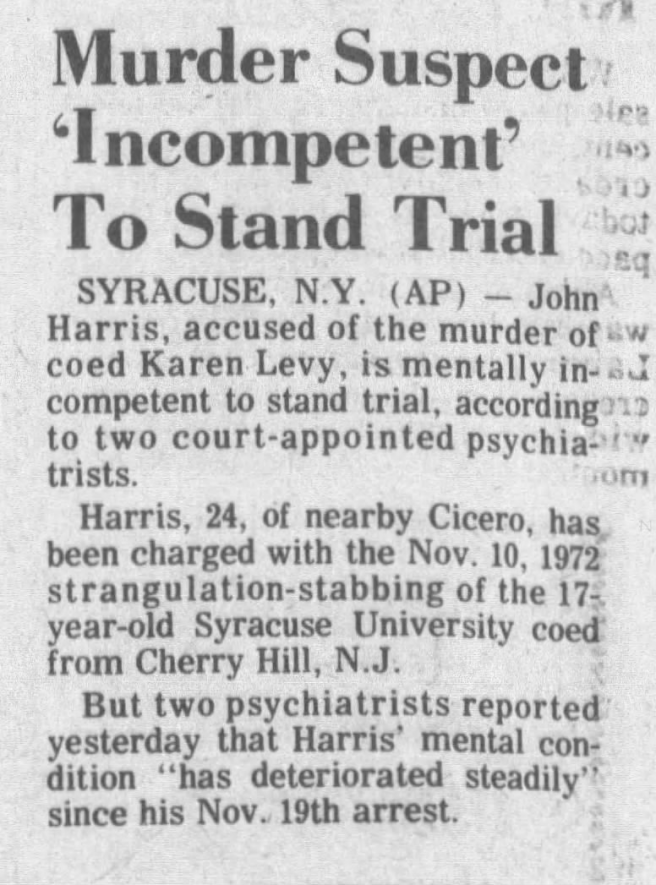
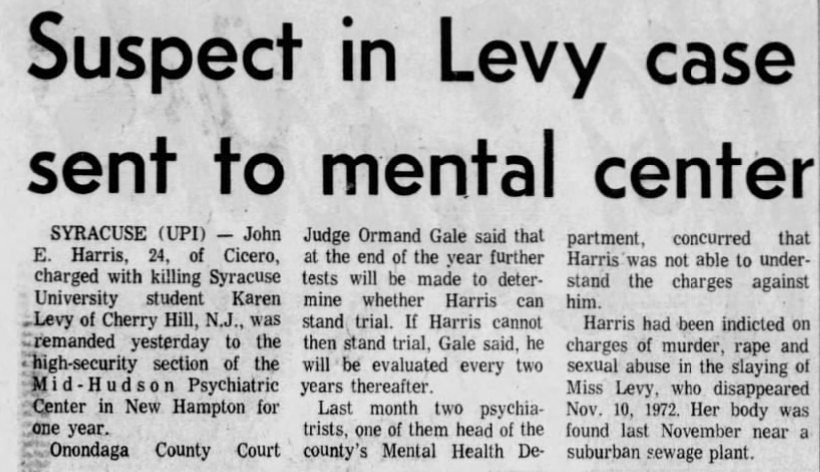
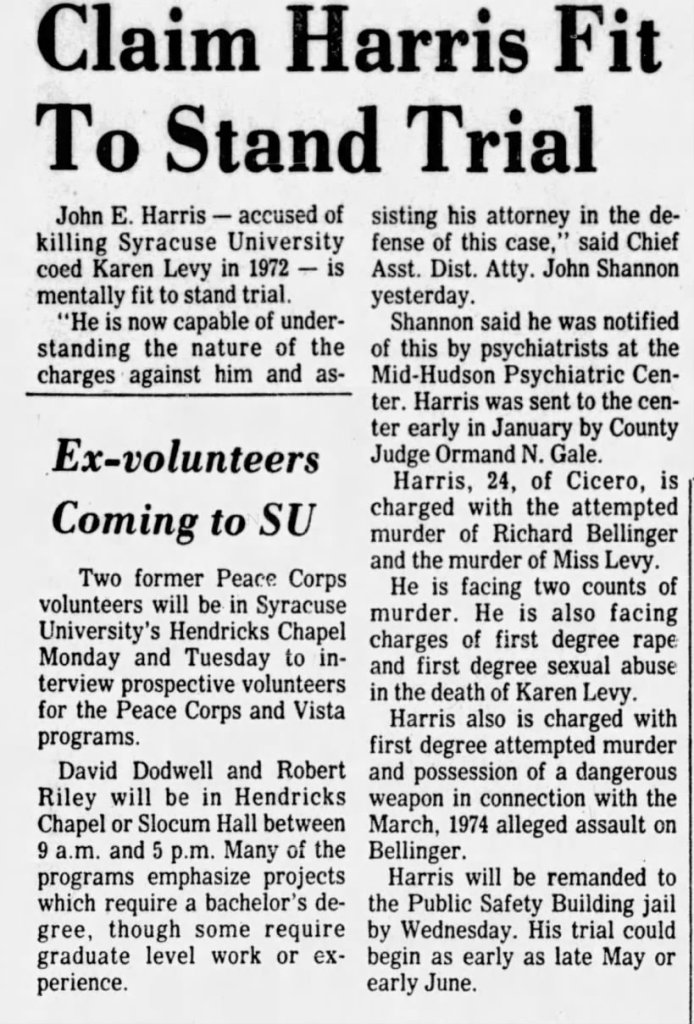
Judge Gale ruled that Harris was unable to stand trial on December 23, 1974 and ordered him be sent to the Mid-Hudson Psychiatric Center on January 9, 1975, where he spent three months being evaluated. Although center professionals determined that he was capable of standing trial for Karen’s murder, two psychiatrists (one of them being the Head of the County’s Mental Health Department) said that he has ‘deteriorated steadily’ since his arrest. According to Chief Assistant District Attorney John Shannon, Harris was ‘capable of understanding the nature of the charges against him and assisting his attorneys in the defense of this case.’
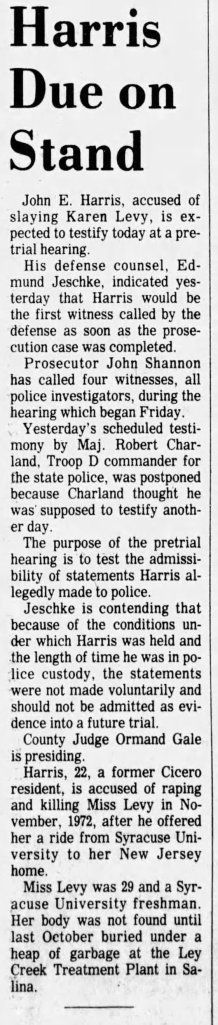
At the sanity hearing, a psychiatrist from Mid-Hudson Psychiatric Center testified that the defendant told him that he was able to trick two separate doctors into believing that he was insane: ‘he (Harris) told me that when he was in his cell, he was told by the other inmates to keep looking at the floor. They told him to blink and mumble.’ At the hearing Harris took the stand and said that he didn’t know what his rights were when he gave the NYS Troopers a written confession, which was reportedly ‘peculiar and false.’ In it, he said that he drove her to the treatment plant and ‘asked her for a kiss,’ and when she refused he strangled her, and then ‘hit her and she hit me with her purse. So I knocked her out. She tried to claw my face so I hit her several times in the head. I thought she was unconscious. I took her out of the car and carried her on the lawn. I removed her jacket. The grass was wet so I rubbed her arm on the grass and splashed a mud puddle. She wouldn’t wake up. I started to cry. I walked around her, hoping she was all right.’ He said when he realized she was dead he stuffed her remains in an incinerator, and turned her all except her skull and bones. With a crowbar he crushed the bones to dust, and put them in a truck and buried ‘some place in Skaneateles.’
During his trial, Harris testified that he was ‘tired and sick’ when he spoke with police after his initial arrest, and that ‘when police asked him to sign the statement, he said, ‘shouldn’t I have a lawyer?” In response, they said, ‘if you don’t sign it, you’re going to be here all night until you do.’ He went on to say that during the interrogation he ‘had an upset stomach, and I was nervous and tired’ and that at one point a screaming match broke out between him and an investigator. He also claimed that the signature on the confession was forged and not his, which went nowhere. After Levy’s murder between November 1972 and October 1974 police had two separate (unrelated) interactions with Harris: one time he was pulled over for ‘failure to use his direction signal,’ and after he told the NYS Trooper he was ‘tired of being harassed by the fuzz’ they brought him into a nearby police station, questioned him for an hour, and was eventually issued a citation.
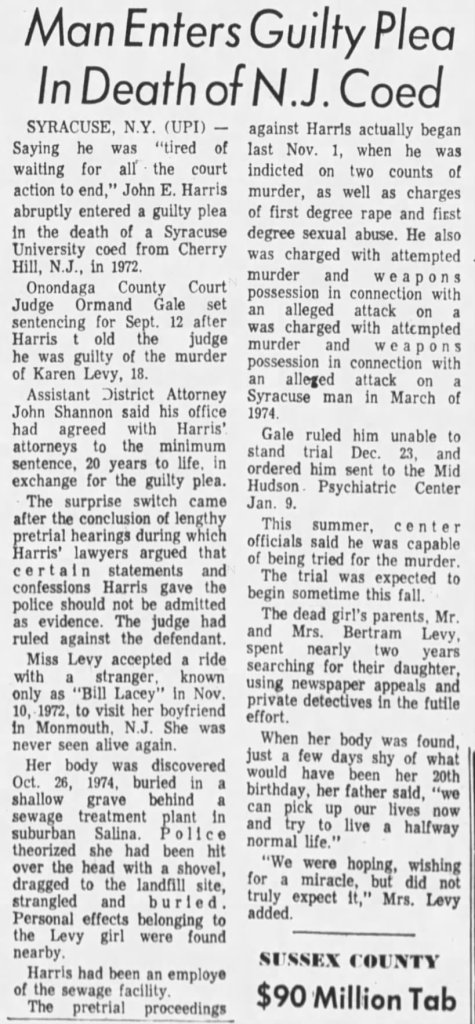
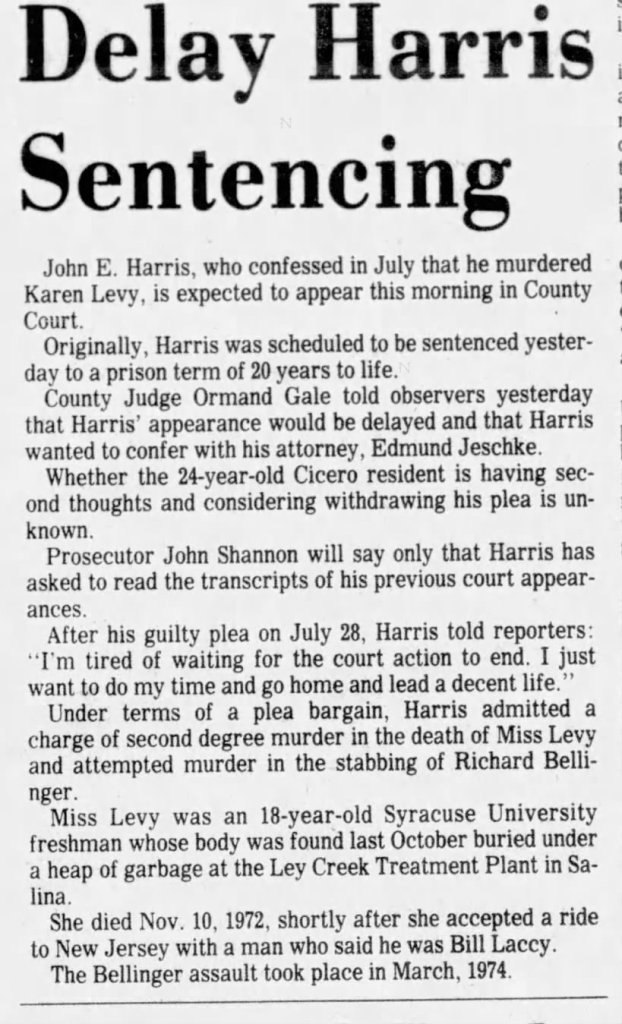
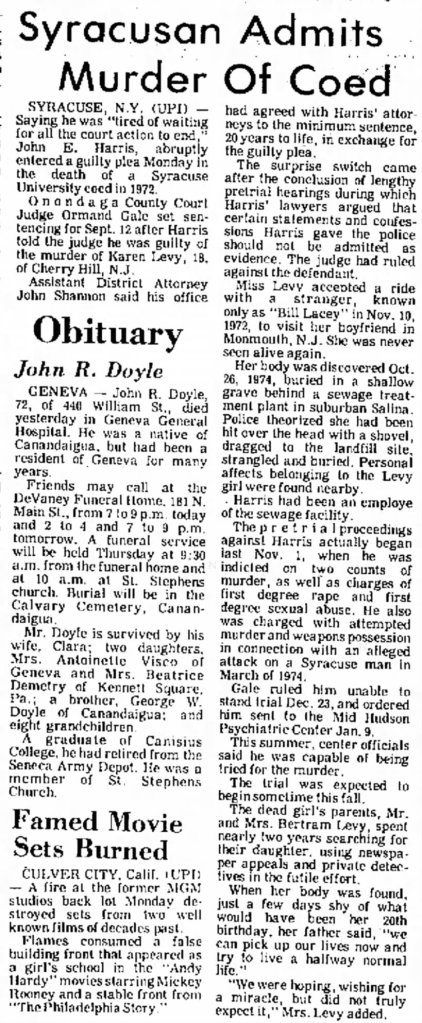
To the surprise of everyone, on July 25, 1975 Harris plead guilty to the rape and murder of Karen Levy because he was ‘tired of waiting for all the court actions to end.’ Under the terms of a plea bargain that was approved by the Levy family, he accepted a twenty year to life prison term for the murder, and began the sentence September 12, 1975. In an emotional interview with reporters, Harris said that he just wanted ‘to do my time and go home and lead a decent life.’ Mr. Levy said that he agreed with the plea bargain because ‘it gave them the best justice they were capable of getting at that point without having to go through a trial’ and that he ‘would prefer never to come face to face with Harris. That’s not going to bring Karen back. But it’s not like we’ve washed our hands of the thing.’ Harris was initially housed at Auburn Correctional Facility and after bouncing over a few prisons he was briefly moved to Clinton Correctional before going to Orleans Correctional Facility in 1992.
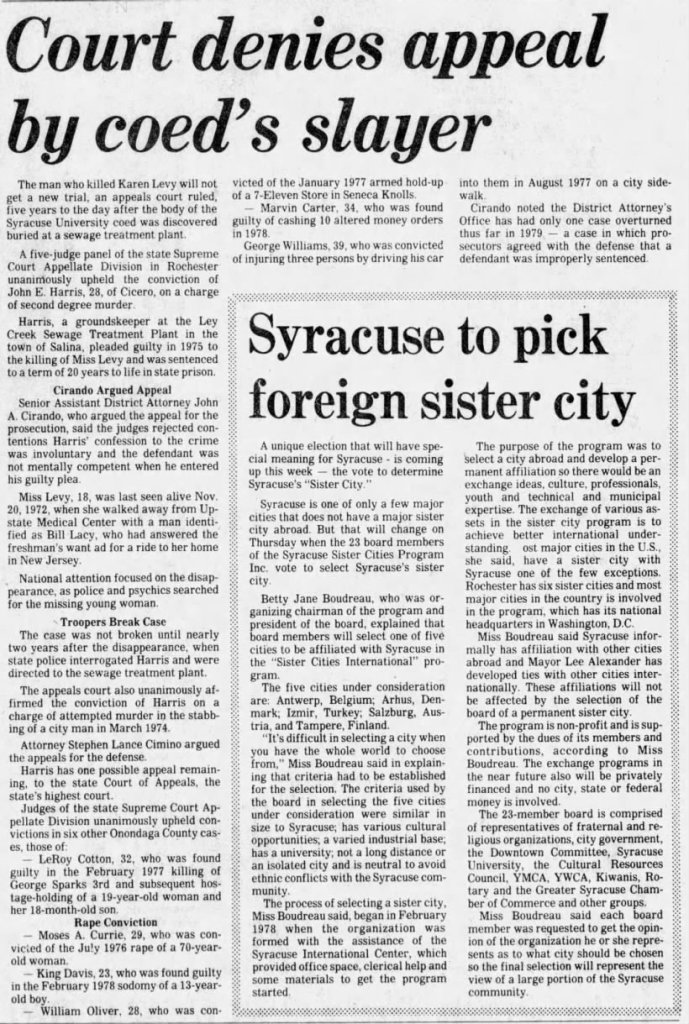
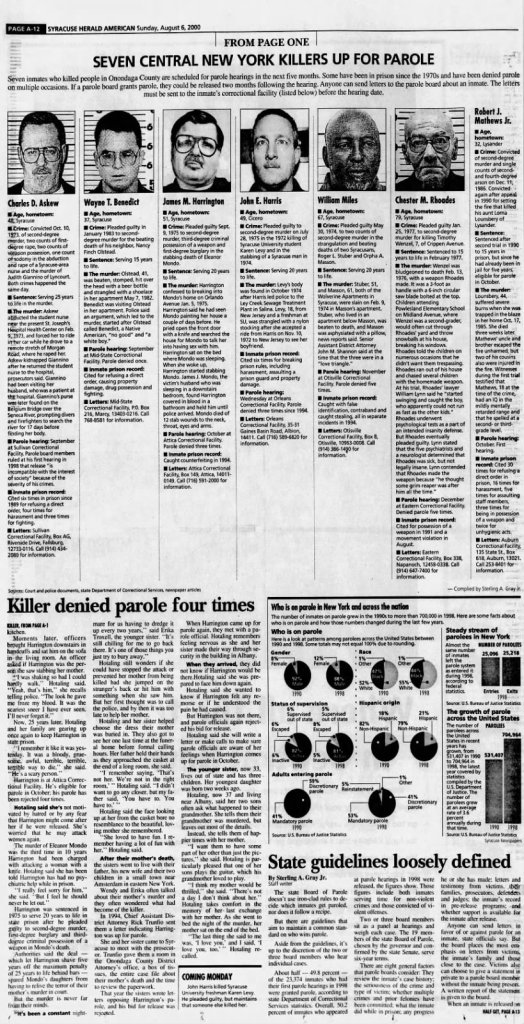
In September 1979 Harris attempted to appeal his conviction based on ‘arguments that he didn’t knowingly waive his right to remain silent or have his attorney present when he was questioned by police,’ and that he didn’t knowingly waive his right to a jury trial when he pleaded guilty. It was ultimately denied. In August of 2000 Harris was up for parole for the fourth time, but was denied due to the fact that he still ‘posed an imminent threat to community safety’ and was ‘incompatible with the welfare and safety of the community.’ According to an article published in The Post-Standard on August 6, 2000, he was cited (meaning he received a formal warning for violating rules/regulations) six times for breaking prison rules, including harassment, assaulting a prison guard, and property damage.
By 1999 Harris had completely changed his story again: in an article published in The Post-Standard on August 7, 2000, in an April 1999 interview with LE he said that he accepted responsibility for Karen’s death, however claimed he wasn’t the one that killed her. He went on to elaborate that he (along with some companions that he refused to name) planned on using Levy to transport drugs from Syracuse to New Jersey and their plan was to slip them into her luggage then blame her if they were stopped by law enforcement: ‘that way if we got stopped and frisked by the cops, it’s in their stuff, and we could write it off.’ He claimed it was ‘by chance’ that he met Karen and it was only the two of them in the car when they stopped for food at a Motel 7 on Seventh North Street just over the city line in Salina.
While Karen was inside the motel a second vehicle pulled up and they said they put the drugs in her bags, which were still in the car, but she noticed that ‘something was wrong’ and got upset. The men pulled Harris aside and as they were talking one of them ‘stabbed her in the stomach’ and he ‘just saw her fall to the floor. And I just… the feeling I got I almost vomited.’ The friends told him that he had to ‘get rid of her,’ and he had to ‘dump her body somewhere.’ He said that he ‘pulled her out of the car. She just reached up to me and said don’t let them hurt me anymore.’ When asked by investigators why he didn’t drop her off at a hospital, he said he was afraid because he was an ex-con that had ‘served time for grand larceny in 1967,’ and he ‘didn’t want to get in anymore trouble,’ and he ‘just ended up burying the girl. It was bothering me very much, in fact, it made me very emotional. I’d come home and I’d be very emotional with my wife. We’d start arguing over the littlest things. ‘Cuz it always drew back to me about Miss Levy. Most times I would have nightmares and I’d wake up.’ During that 1999 interview Harris also claimed that the incident ‘still haunted him,’ and that sometimes he would read newspaper clippings about the case over and over again: ‘and when I’m done reading the stories I just think I’m responsible for her death.’
About his release being denied Harris said that ‘it’s not that cut and dry.’ … ‘It leads people into thinking I’m actually guilty of this murder.’ If released Harris said that he wasn’t trying to fit into society and wasn’t interested in making friends with his neighbors: ‘I don’t wanna blend in with society, I wanna stay away from society. I just wanna be a recluse someplace. I just wanna go off by myself. I’m tired of people, and I’m tired of crap. I’ve put up with it for twenty-five-years, I just wanna be able to think and breathe.’
According to an article published in The Post Standard on August 7, 2000, while in prison Harris served as a ‘facilitator’ in ‘Network,’ a self-help, behavioral modification program at the prison and served as the program’s ‘institutional clerk’ and went to ‘victim awareness programs.’ About being up for parole so many times, he said that ‘it’s like it doesn’t matter what I do, what I accomplish, how much I give (the parole board) what I’m suppose to give them. they still rubber stamp me. They give me the same answer on every parole denial.’ From prison, Harris had some words for the Levy family: ‘no matter how much time passes, I’ll never get over it. But at the same time, of course her family will never get over it… So what can you tell them? Of course I’m sorry. I’m immensely, immensely sorry. But what good is that gonna do anybody? I can’t bring her back, I can’t undo what has already been done.’ Sadly I learned in a Facebook post made by Rick Levy in July 2022 that Harris’s parole had been approved and he was released from prison shortly after.
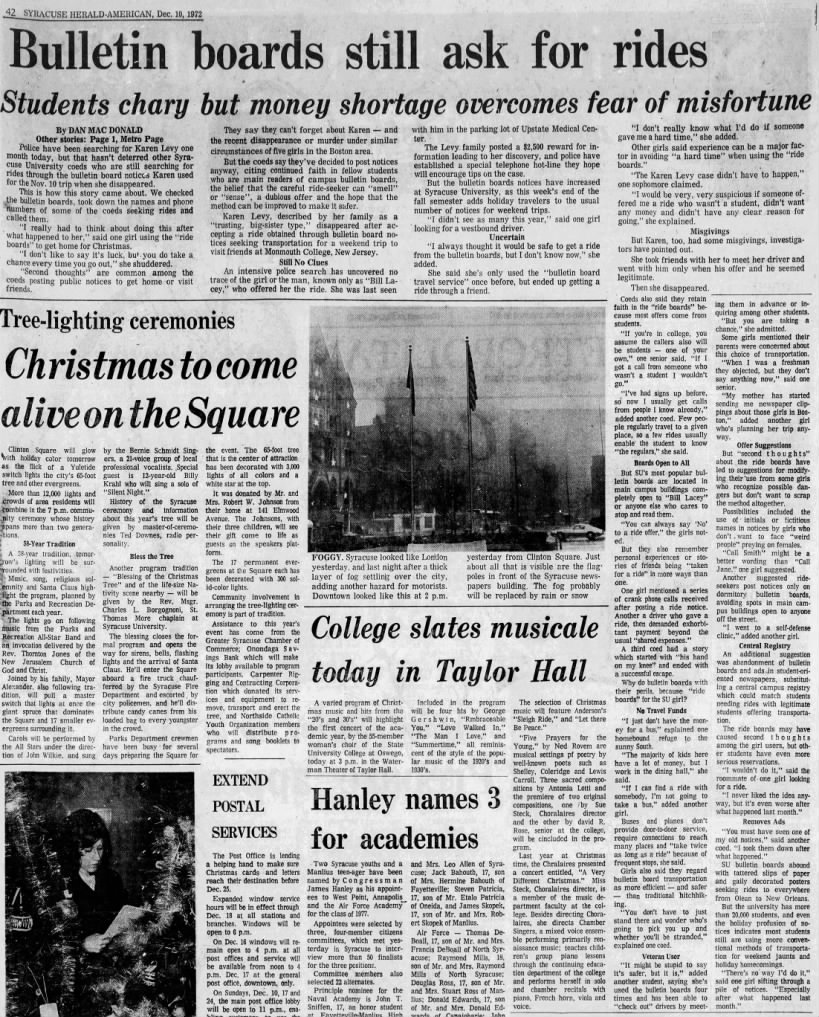
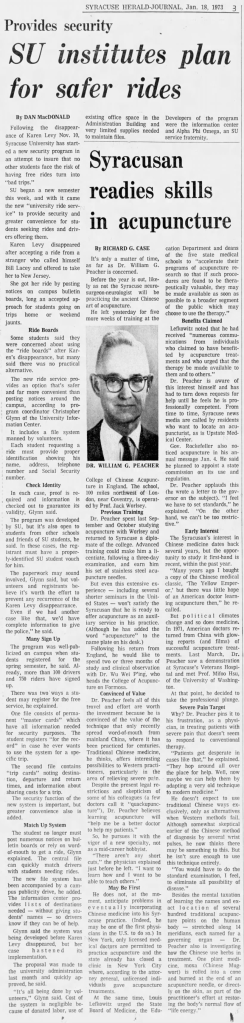
After Levy’s disappearance students at Syracuse University continued to use ‘the bulletin board method’ as a way of old-fashioned ‘ride-sharing,’ and there was no noticeable decline in the amount of students that stood around, bumming rides. One 17-year-old Syracuse University student said that she was ‘just a little more choosy,’ and that her ‘new attitude’ was based not so much on the disappearance of Karen Levy but more because the last time she had accepted a ride from a stranger, the person had raped her.
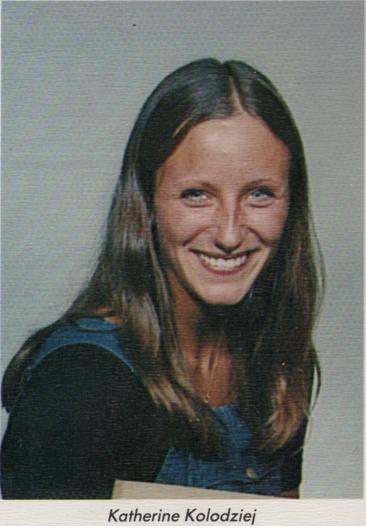
Strangely enough, Karen Levy is not the only young woman from New York state that Bundy was (briefly) suspected of killing: on November 2, 1974 Katherine Kolodziej disappeared after a night out at The Vault Tavern in Cobleskill, NY. The 17-year-old from Ronkonkoma was a freshman majoring in Equestrienne Studies at SUNY Cobleskill, and less than four weeks later on November 28, 1974 her remains were found on a rock wall on nearby McDonald Road in Richmondville, NY. It was reported that a yellow VW Beetle was seen driving away from the tavern on the evening Kathy was last seen alive, however at the time she was killed Bundy was placed on the phone in Salt Lake City (per the ‘1992 TB Multiagency Investigative Report’).
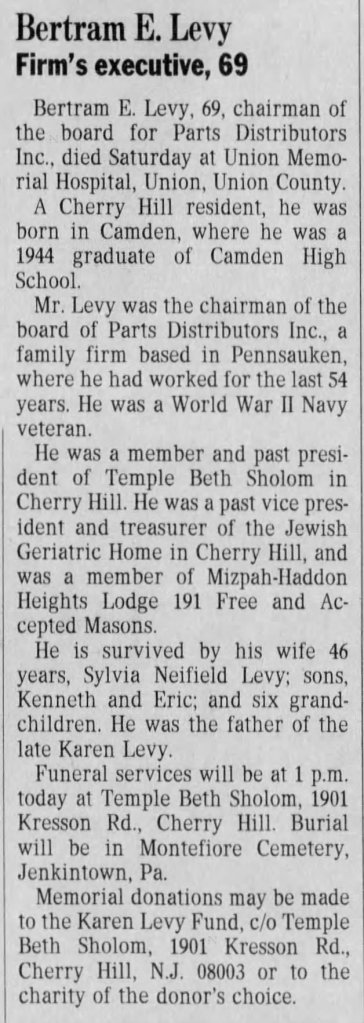
Mr. and Mrs. Levy were married for forty-six years when Bertram passed away at the age of 69 on October 12, 1996 in Union Township, NJ. According to his obituary, Mr. Levy worked at his job for fifty-four years, was a member and former president of the board of Temple Beth Shalom in Cherry Hill, a past VP and treasurer of the Jewish Geriatric Home, and a member of the Mizpah-Haddon Heights Lodge 191 Free and Accepted Masons. Sylvia Levy passed away on July 16, 2020 at the age of 91. I reached out to Rich Levy after I saw a post he made on Facebook asking that people reach out to the parole board on his family’s behalf regarding Harris being up for release, but I completely misread his tone and he seemed incredibly reluctant to speak to me due to the fact that it was too painful to talk about, so I dropped it. Because of that I didn’t include any details or pictures about his, Eric’s, or Gary Leiberman’s lives, past or present.
Works Cited:
https://caselaw.findlaw.com/court/ny-supreme-court/1163667.html
McQuiston, John T. ‘Suspect’s Friend Led to Arrest in ’72 Slaying of Jersey Student.’ October 28, 1974. Taken May 28, 2025 from https://www.nytimes.com/1974/10/28/archives/suspects-friend-led-to-arrest-in-72-slaying-of-jersey-student.html#
The New York Times. July 29, 1975. ‘Man Admits Guilt in Death Of Jersey Coed at Syracuse.’ Taken May 28, 2025 from https://www.nytimes.com/1975/07/29/archives/man-admits-guilt-in-death-of-jersey-coed-at-syracuse.html










on December 3, 1972.

on December 3, 1972.








































State of Utah vs. Theodore Robert Bundy, Defendant and Appellant, September 4, 1975 .
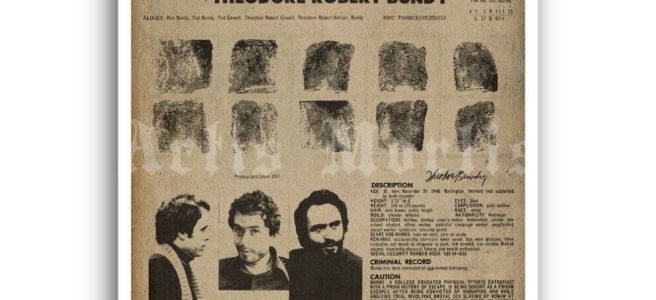
Document courtesy of Brigham Young University School of Law.
Notes from a Meeting Regarding Ted Bundy that took place on November 13 & 14, 1975, Courtesy of the Pitkin County Sheriff’s Department.
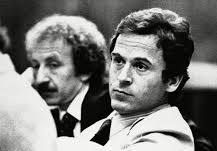
A copy of the notes from a meeting about Bundy that took place on November 13 and 14, 1975 at the Aspen Holiday Inn. The document begins with a letter from Lieutenant William H. Baldridge of the Pitkin County Sheriff’s Department, and was organized by Pitkin County deputy Mary Wiggins.
The Bill of Sale for Ted Bundy’s VW Beetle, Courtesy of the Pitkin County Sheriff’s Department.

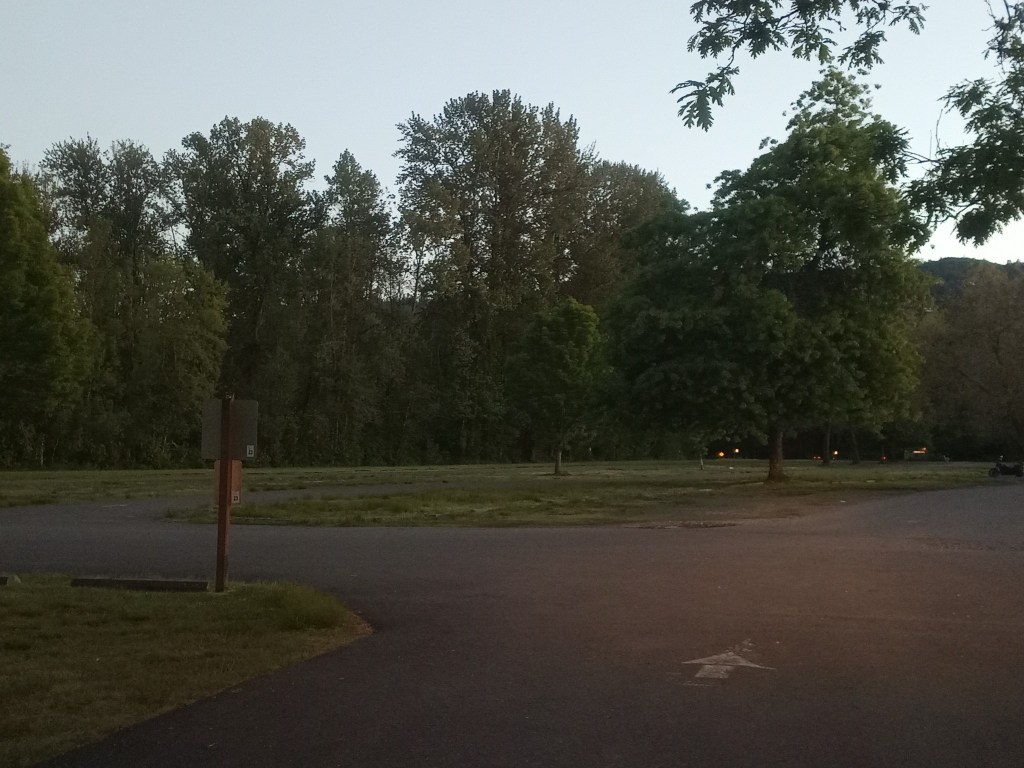
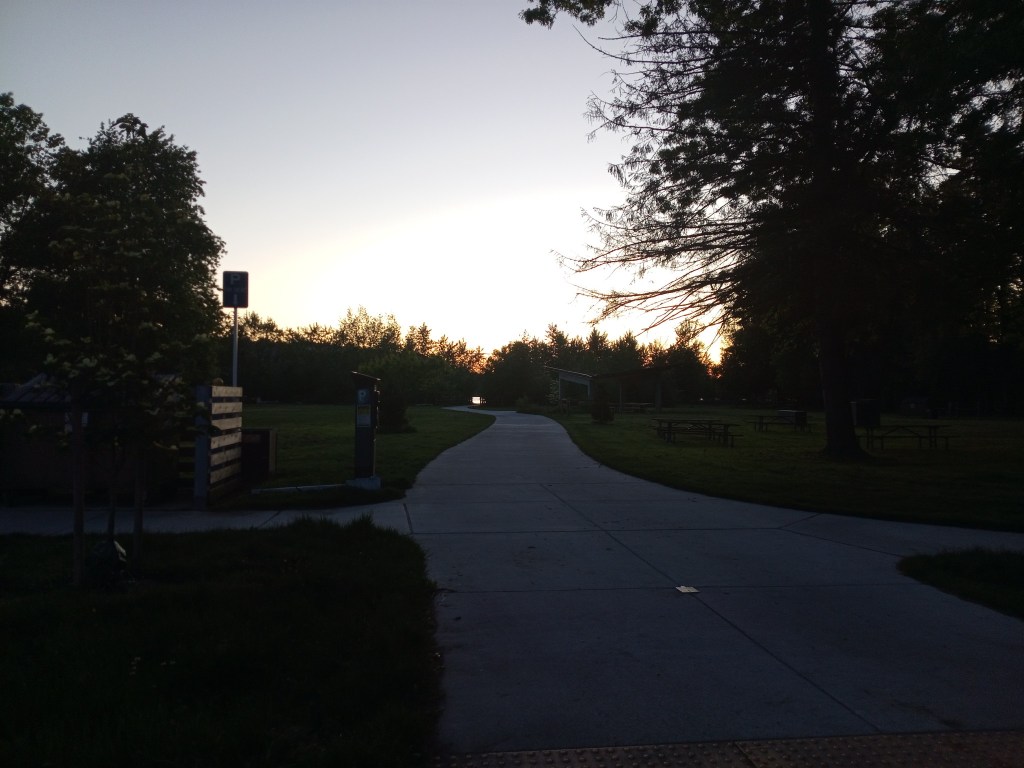
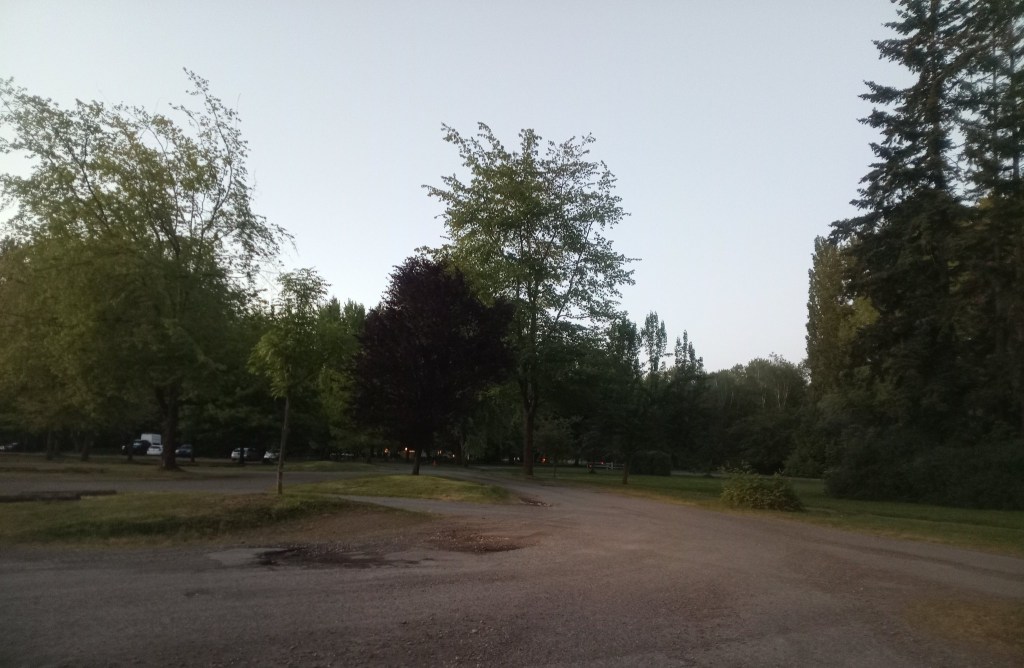
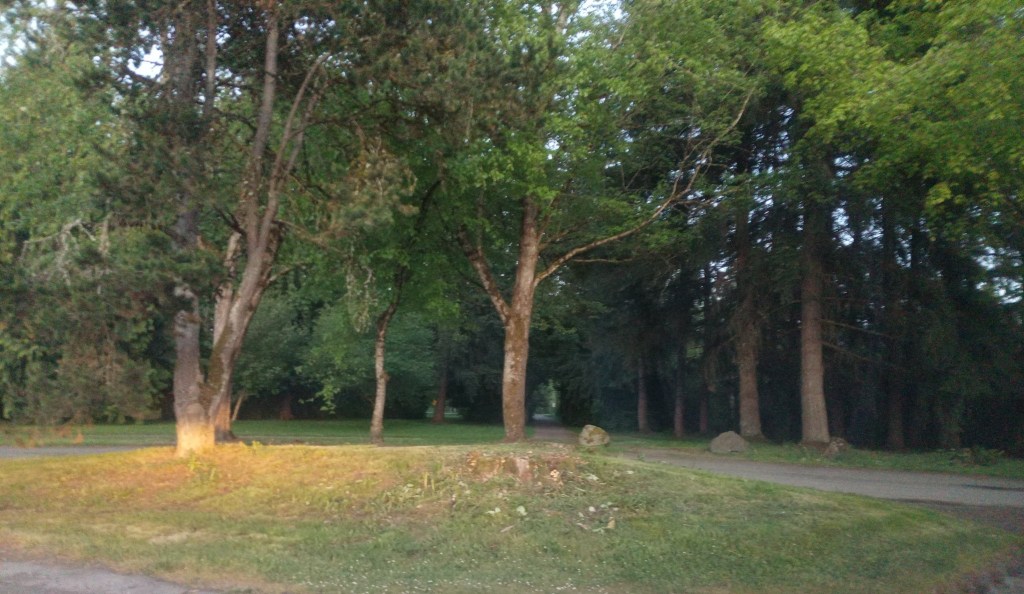
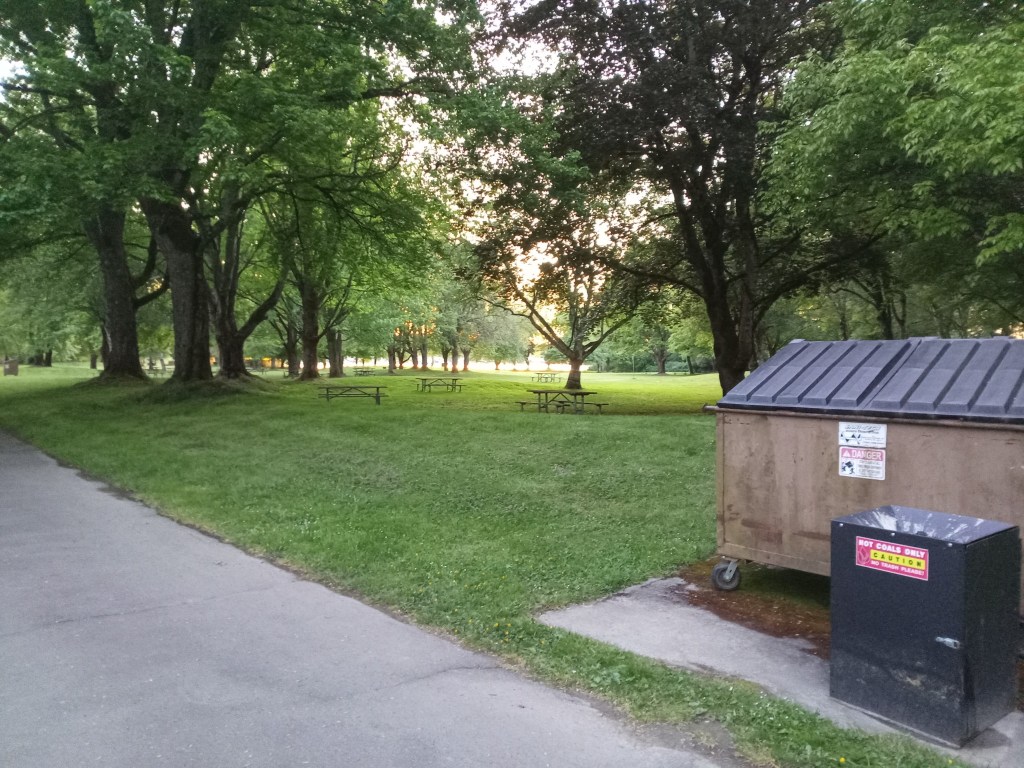
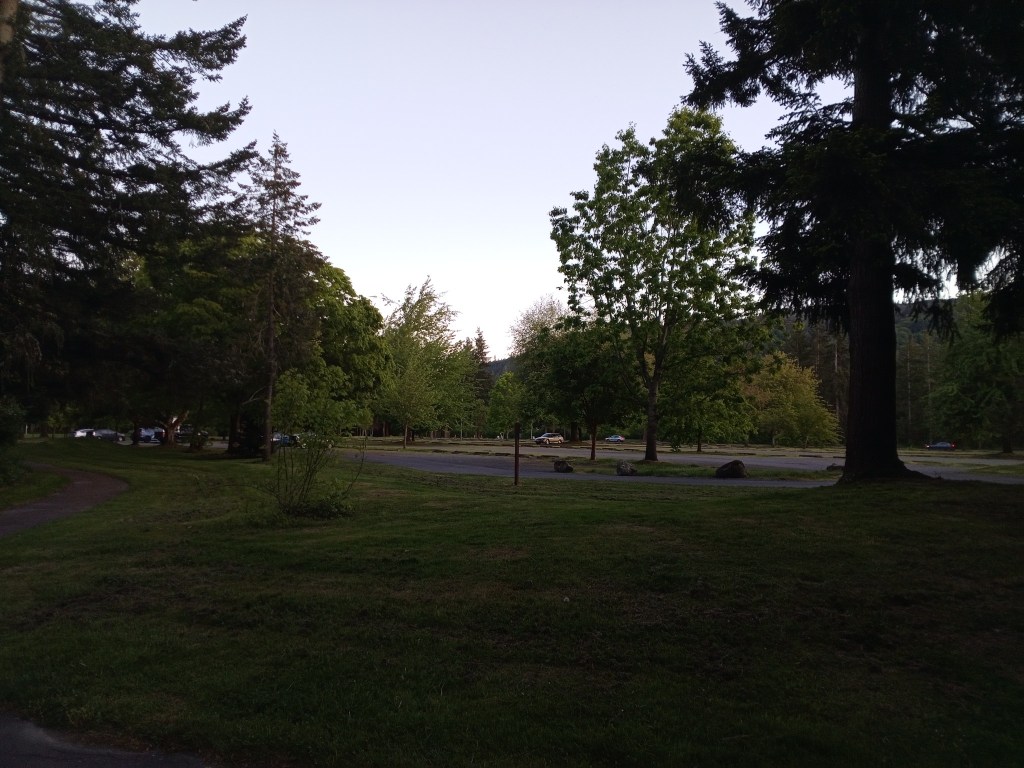
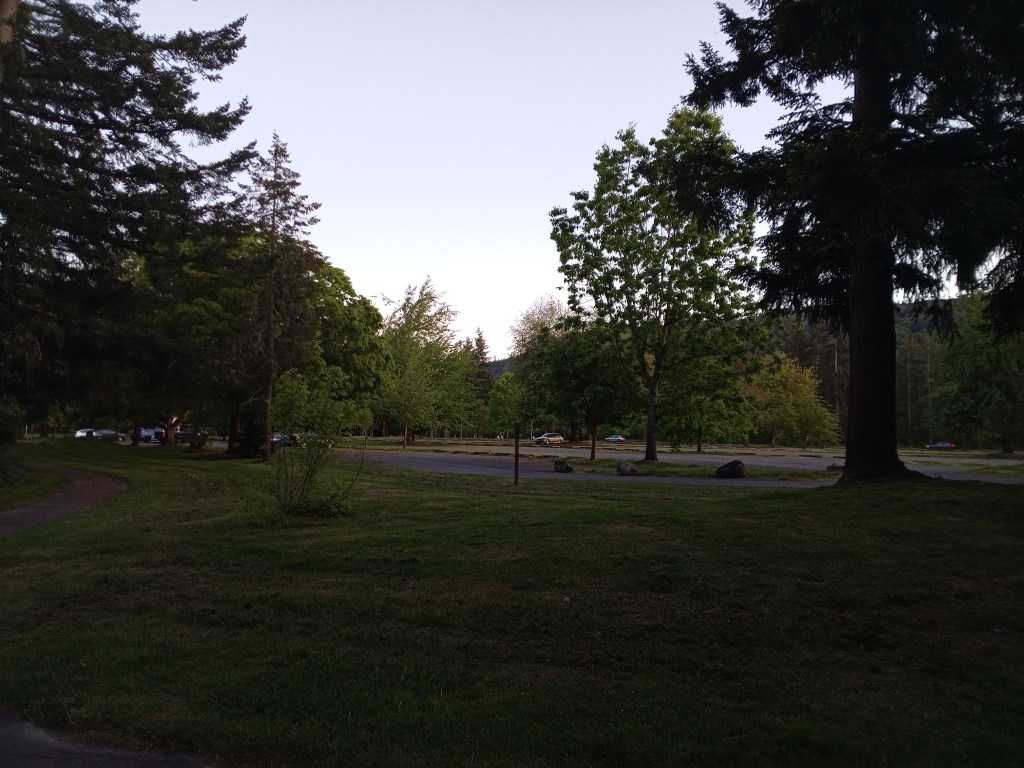
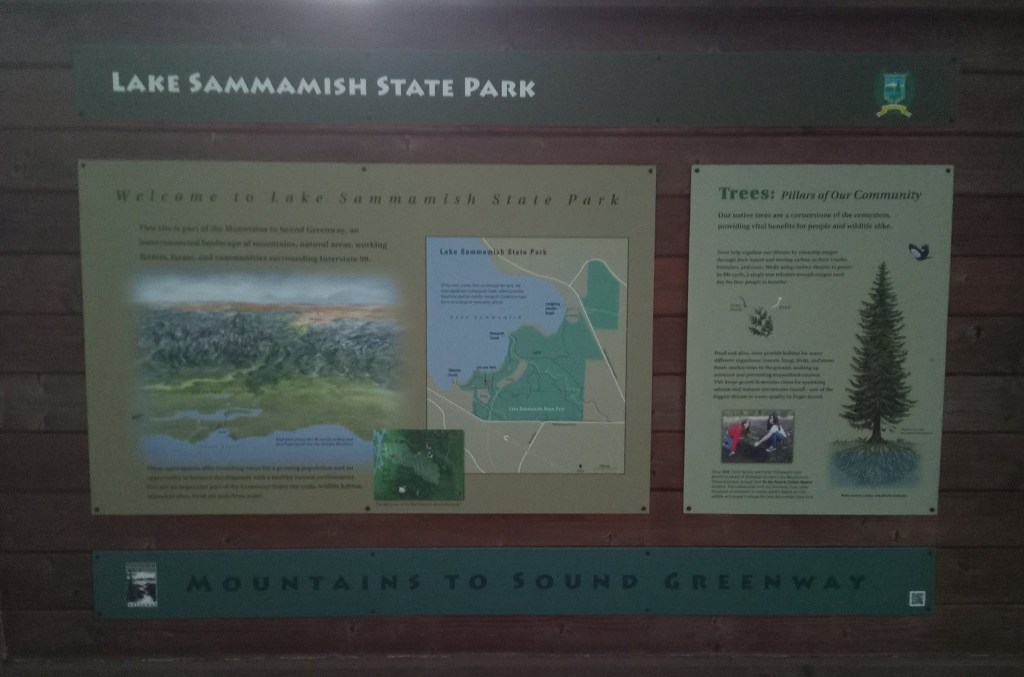
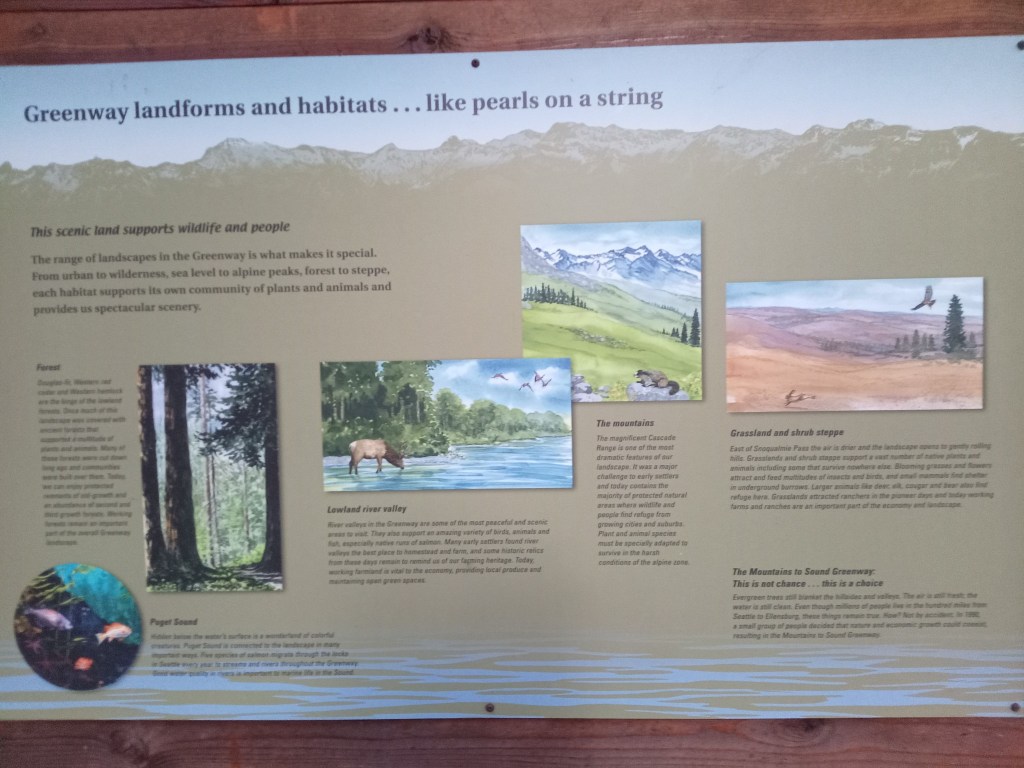
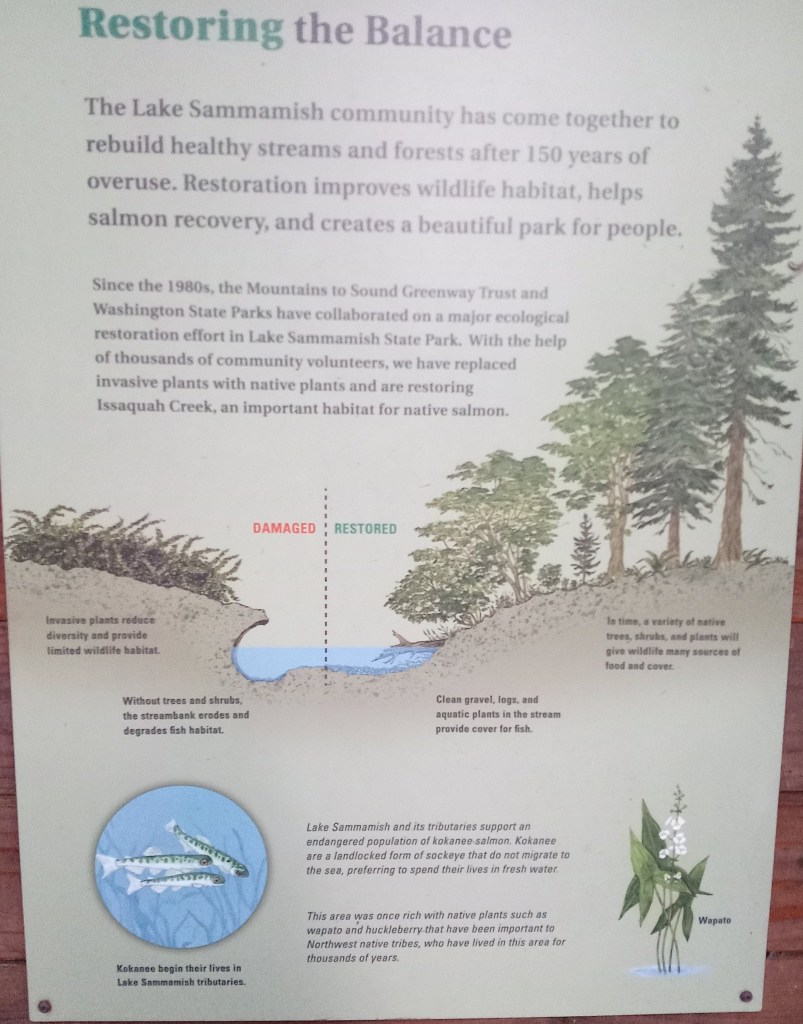
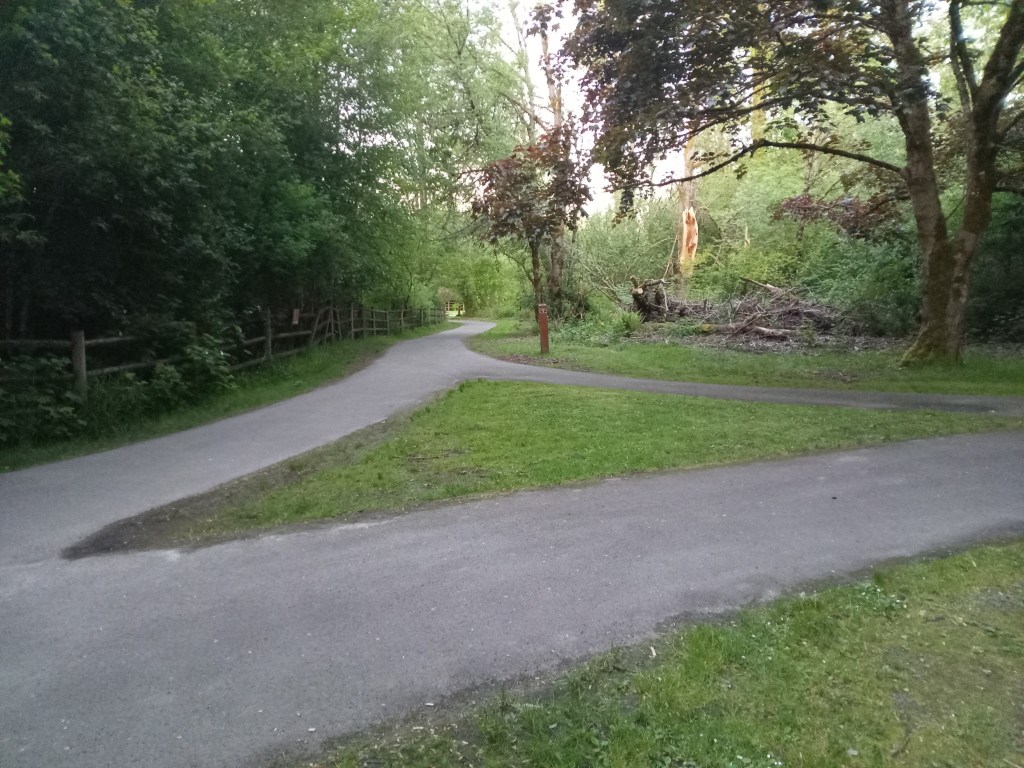
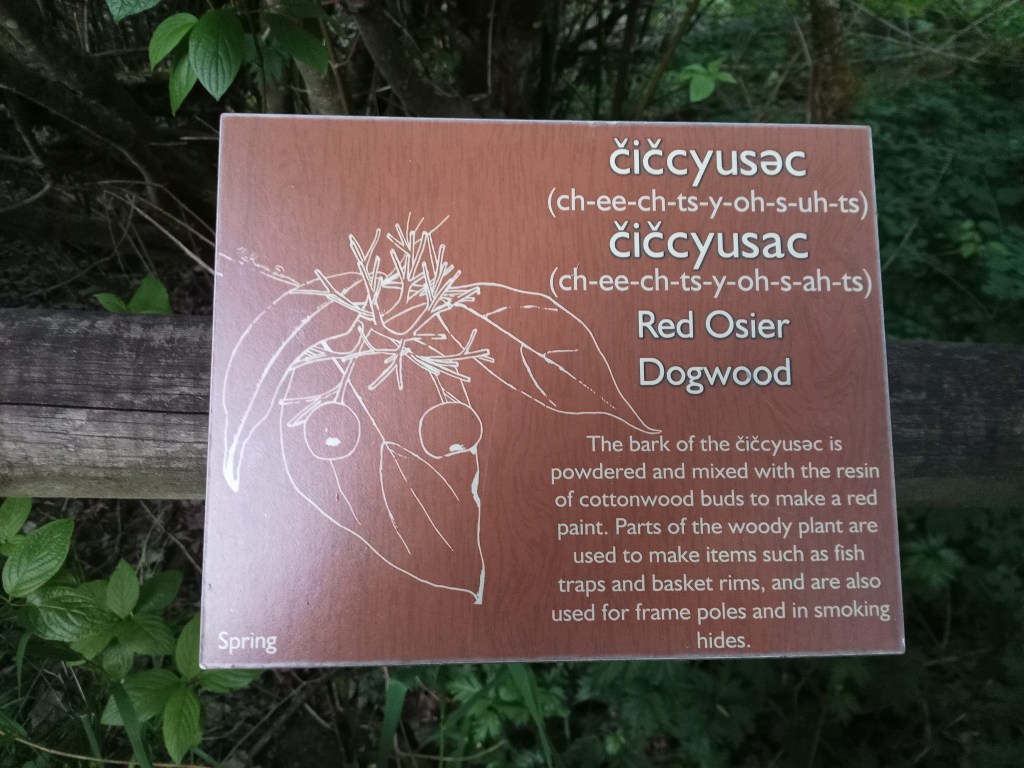
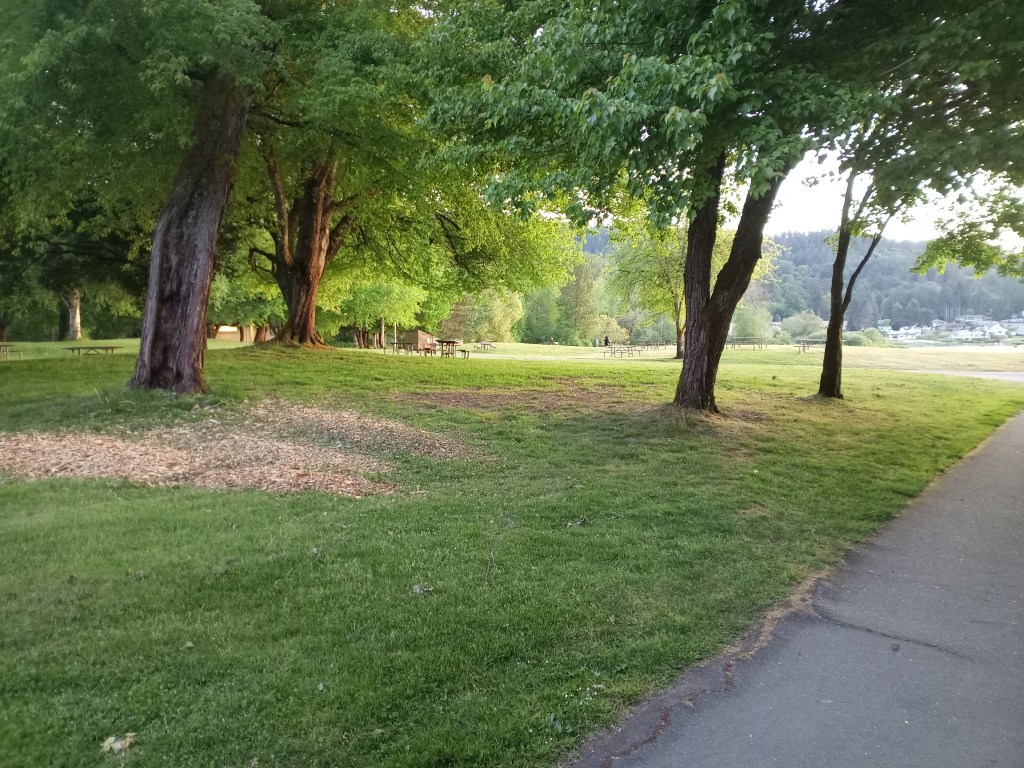
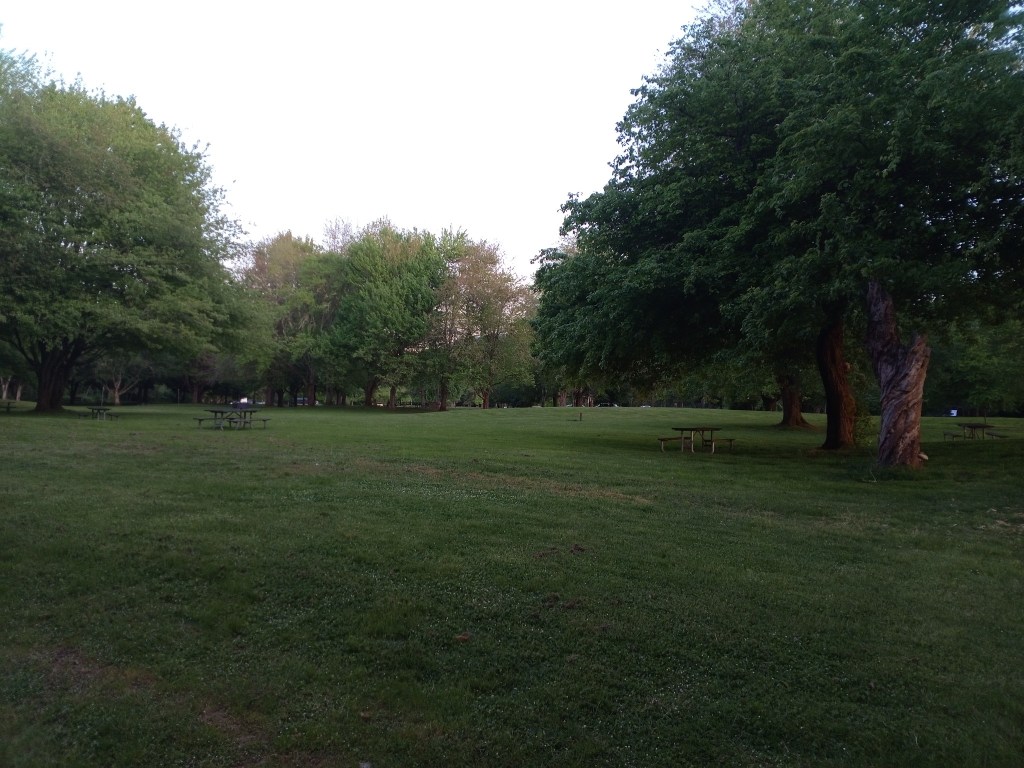
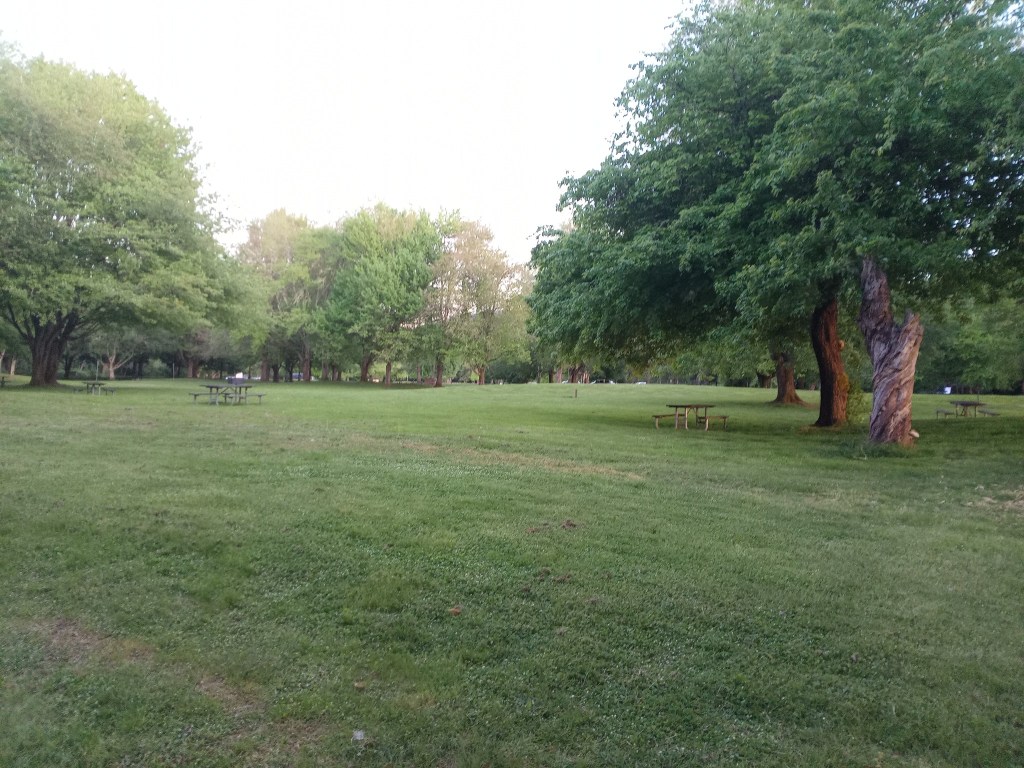
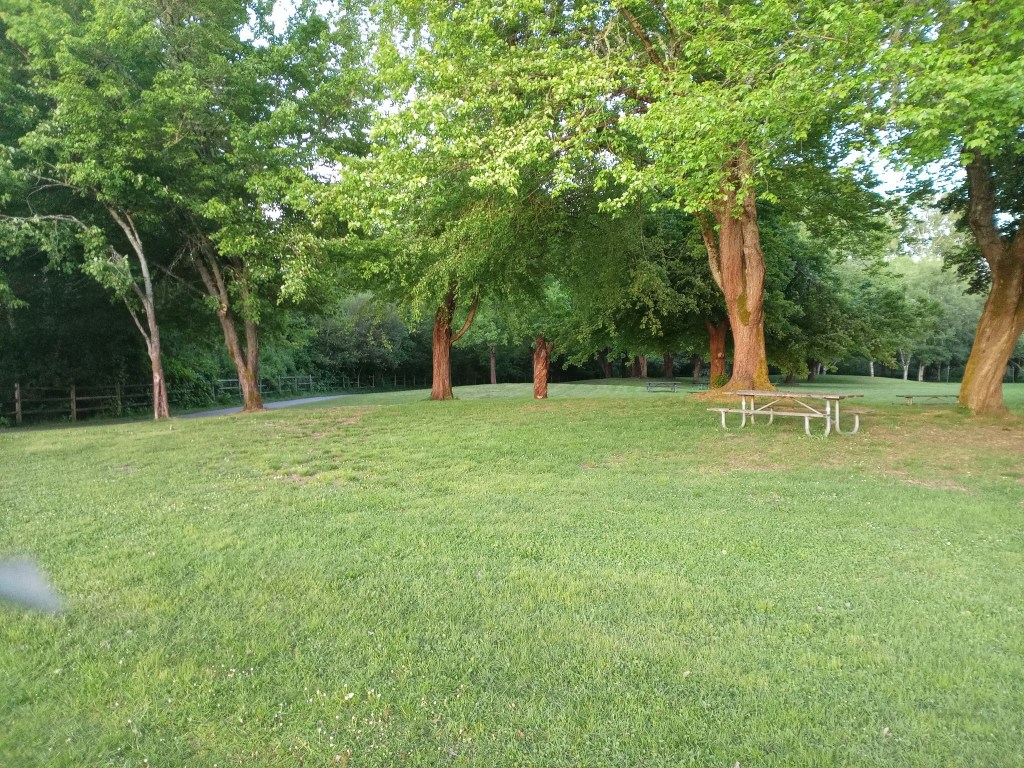
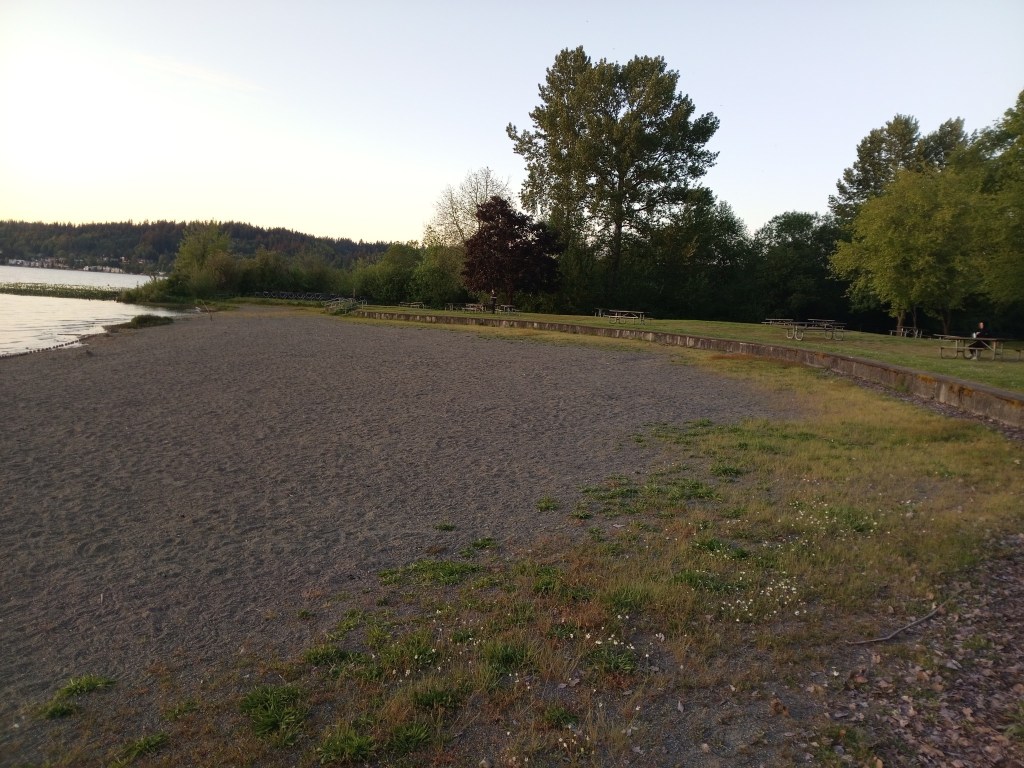
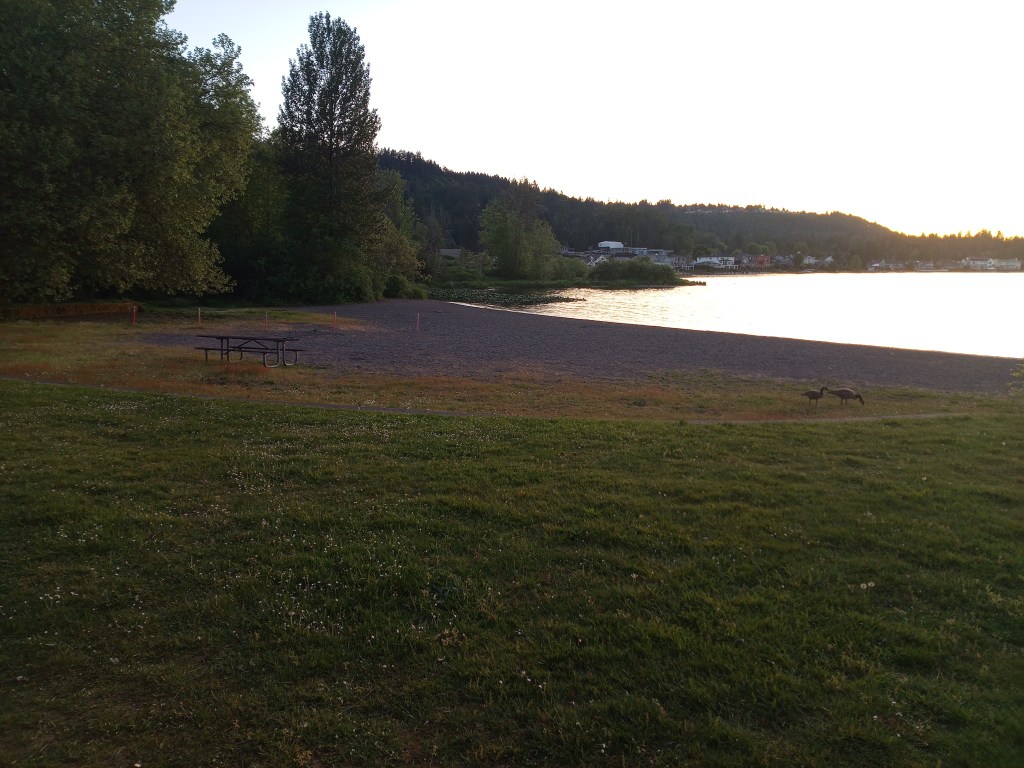
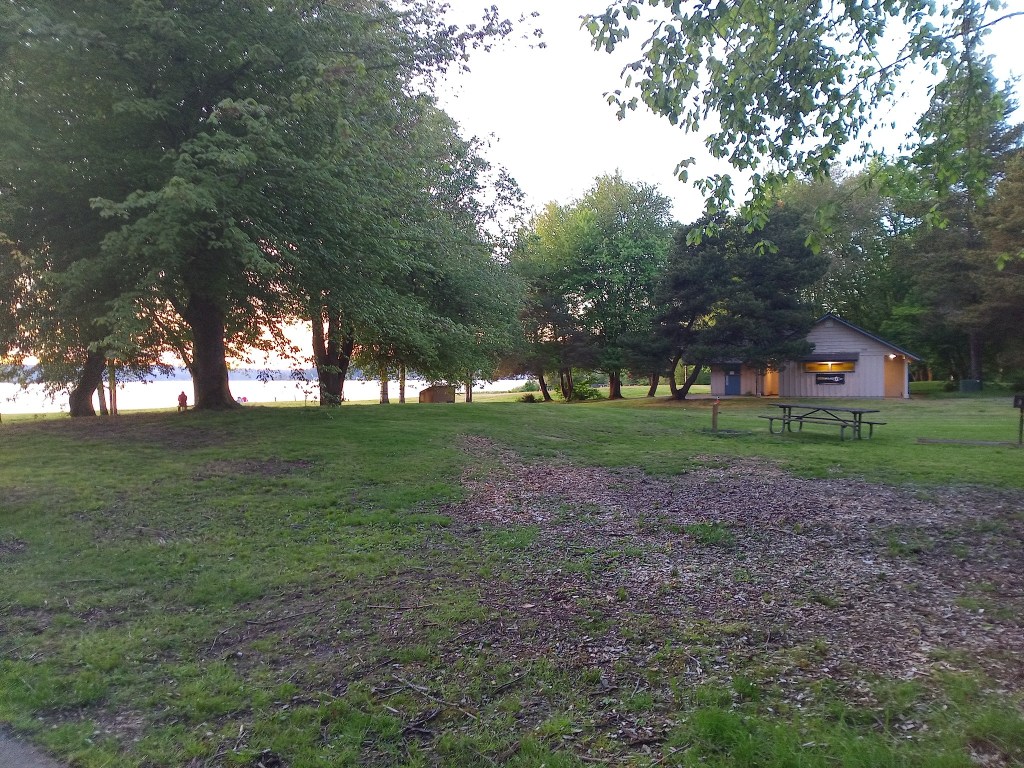
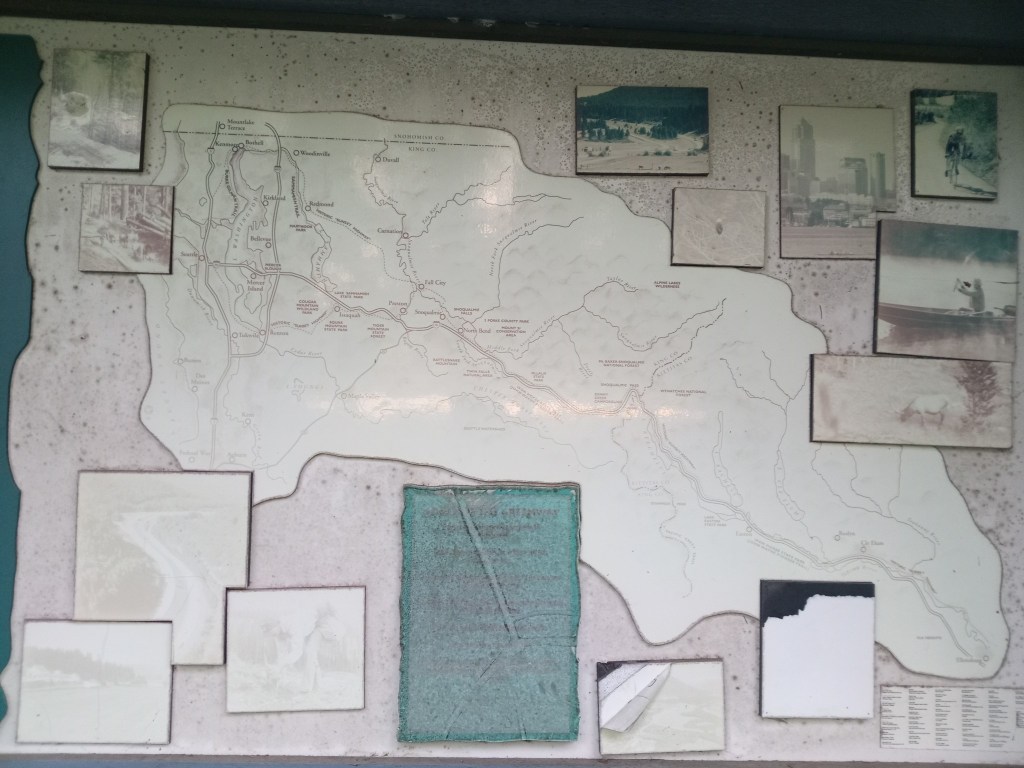
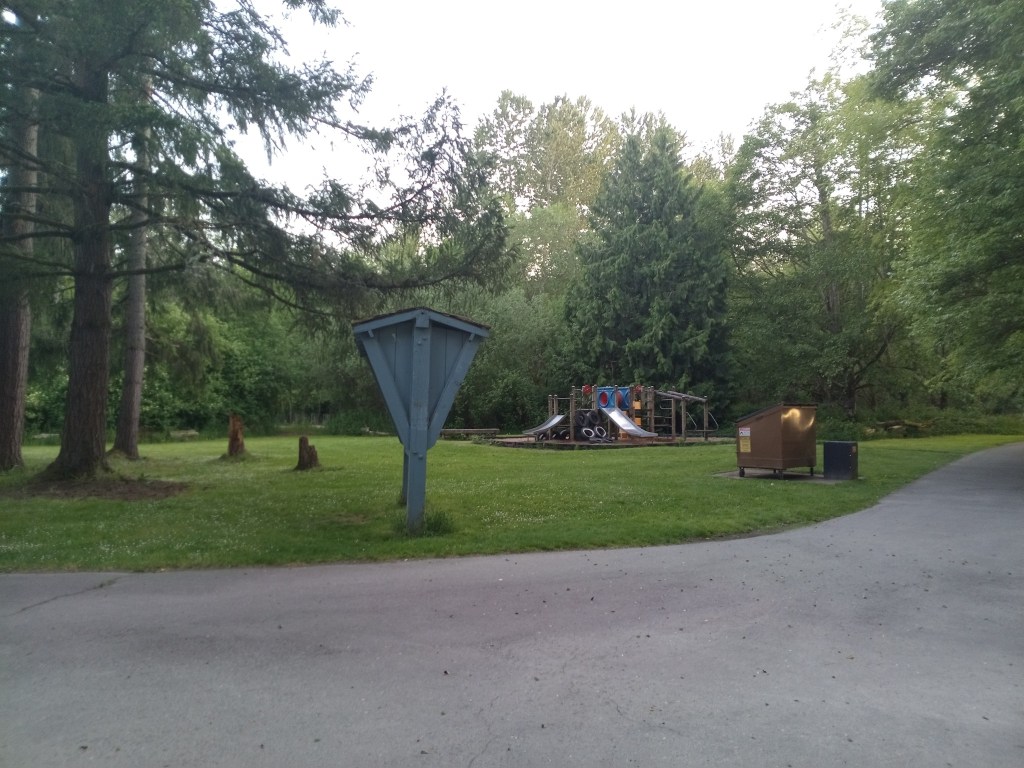
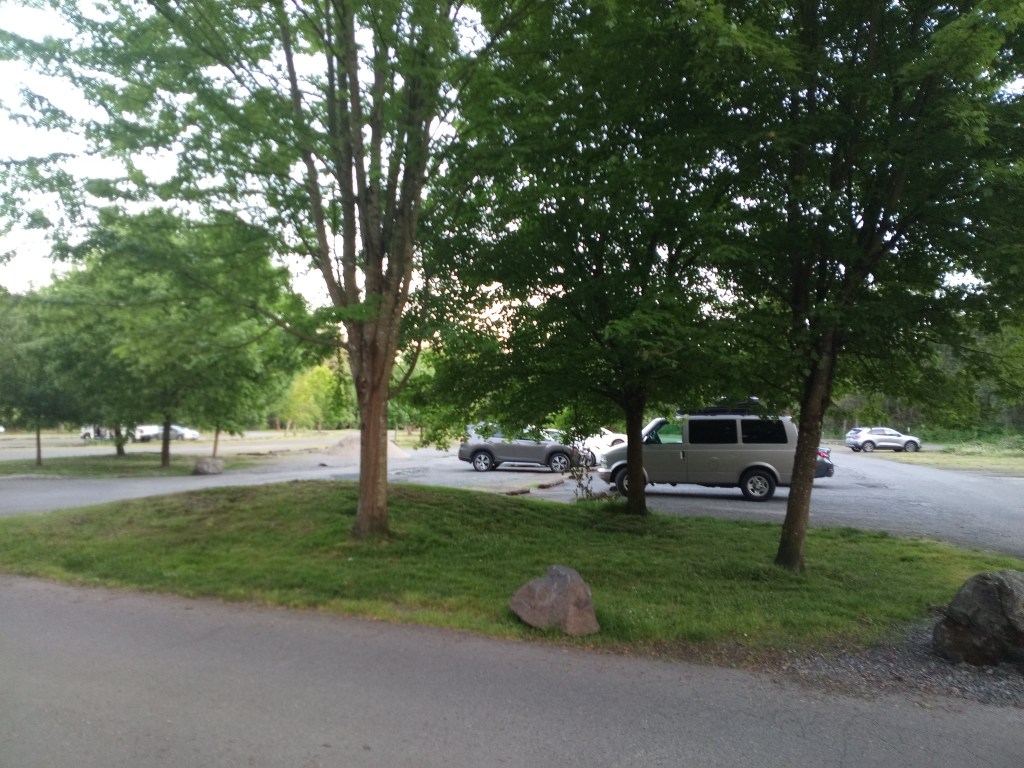
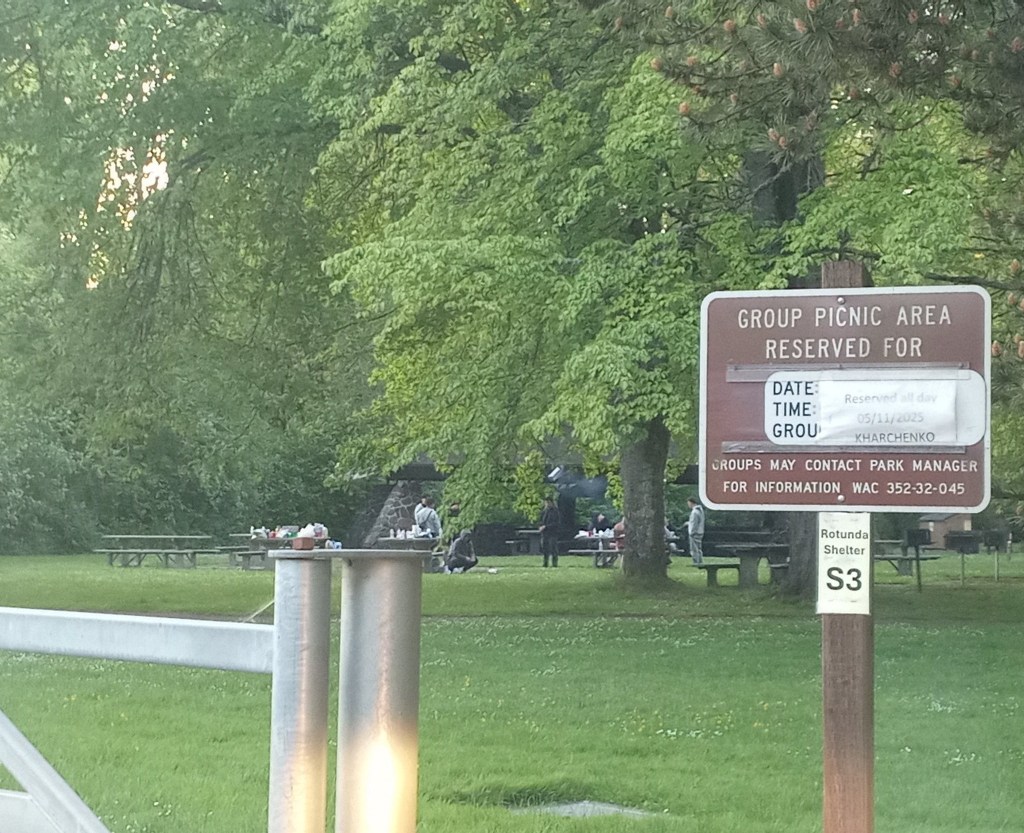
Lake Sammamish State Park, May 2025.




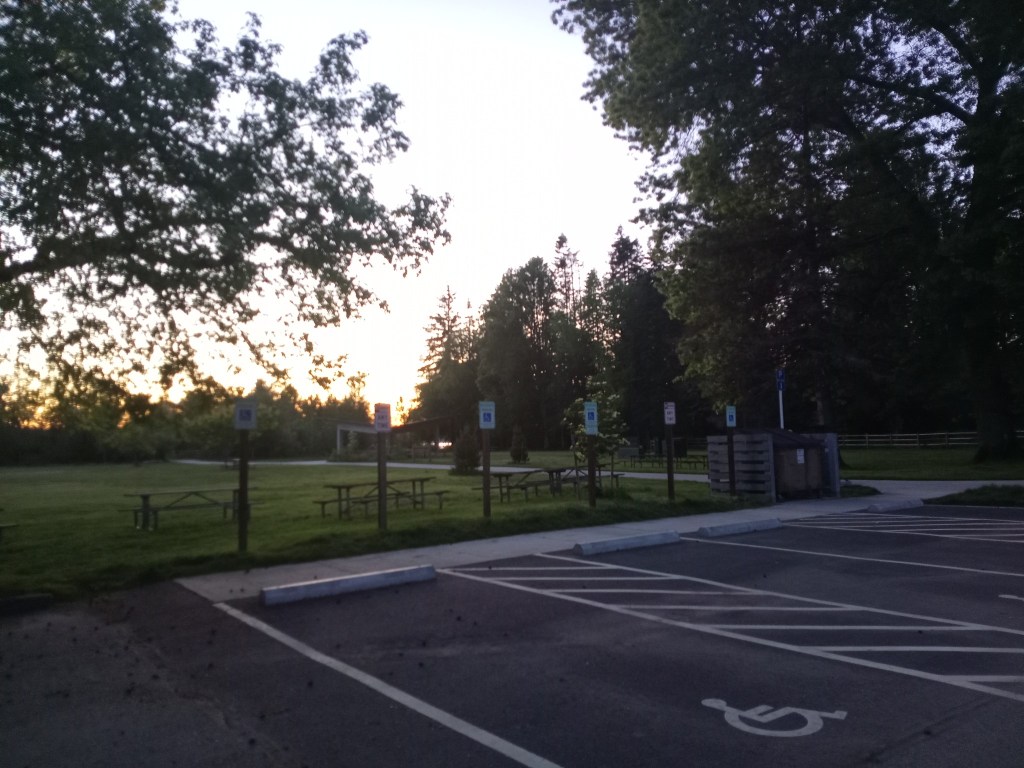


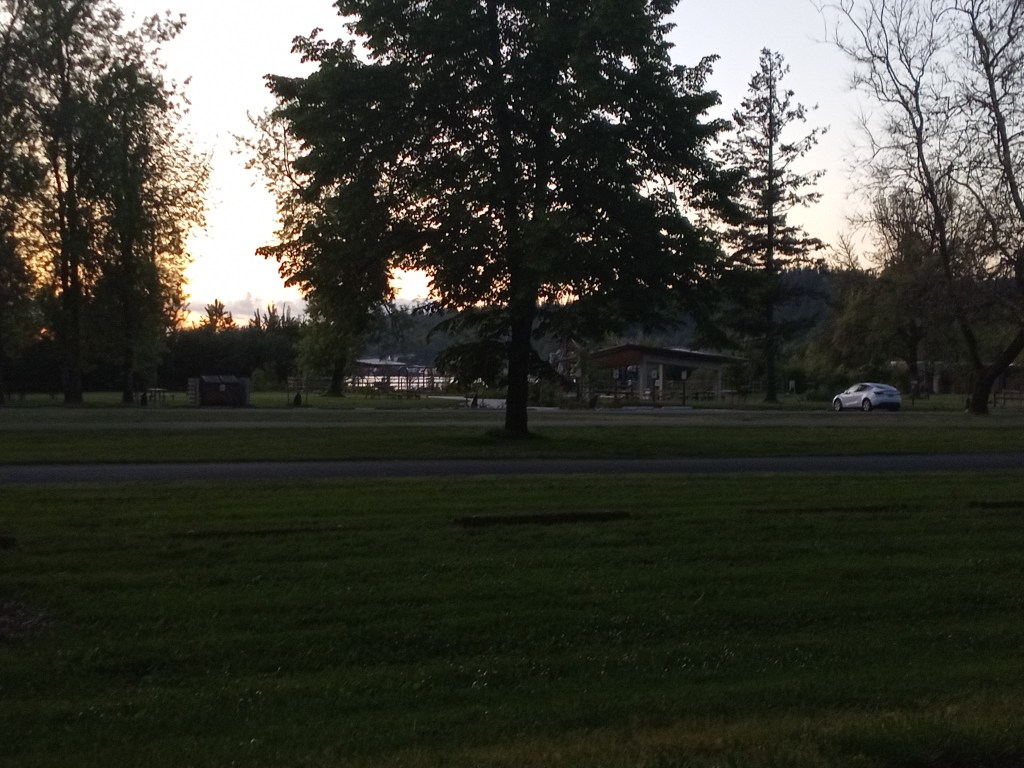

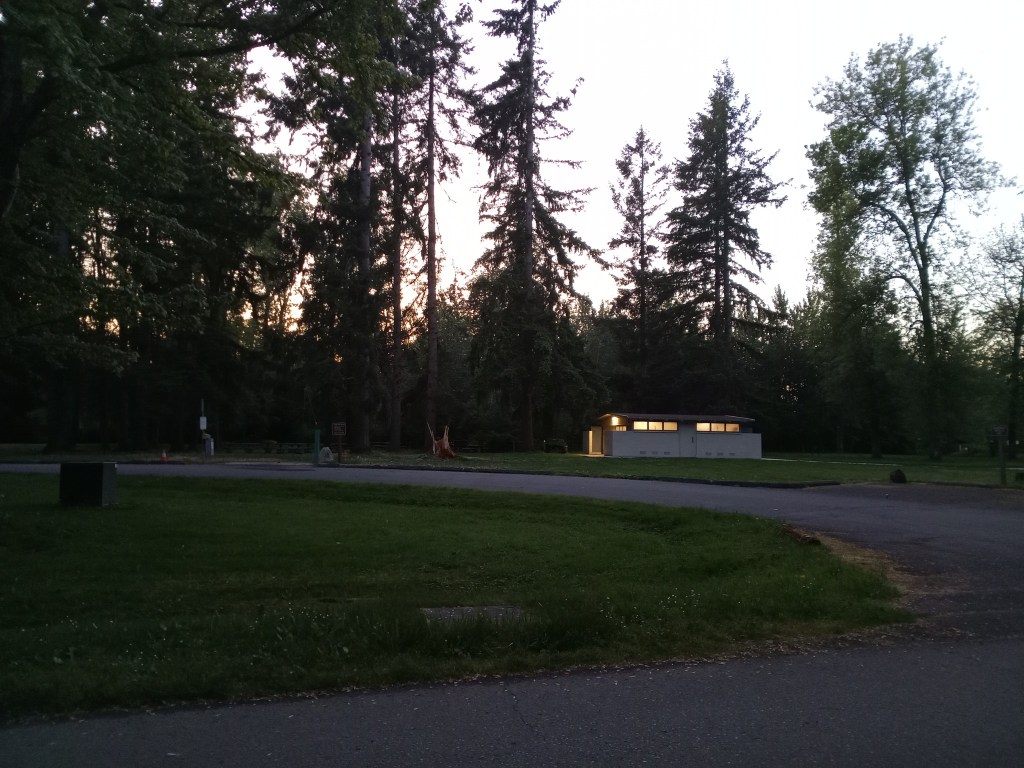

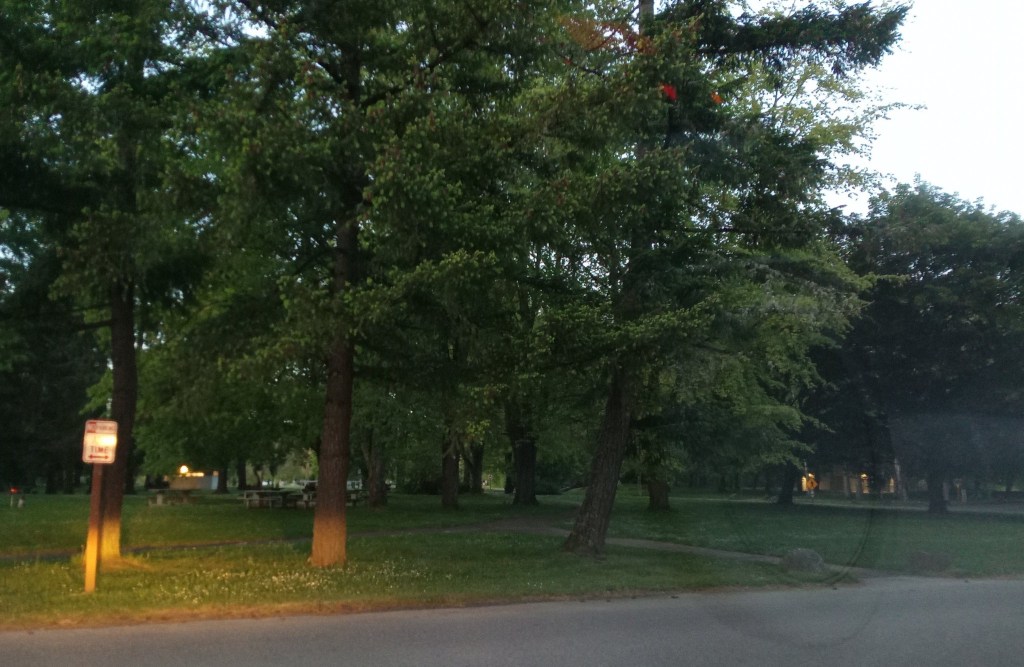

















Ted Bundy, Credit Card Receipts.

Courtesy of the King County Sheriff’s Department.
 Another Bundy Blog.