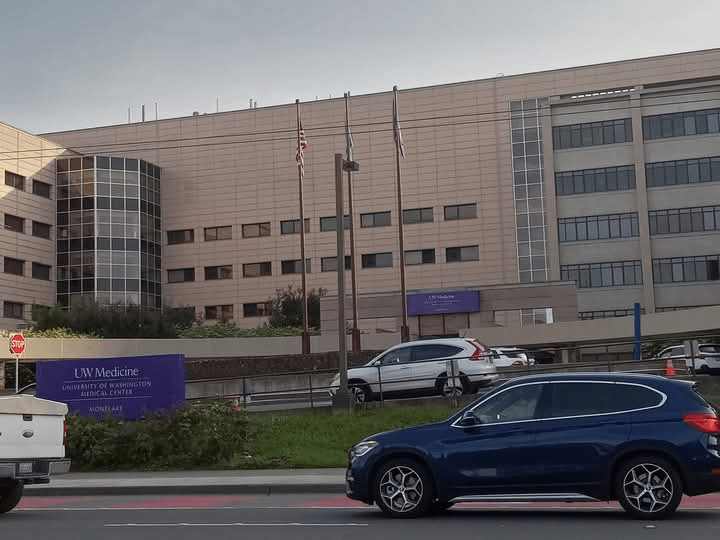
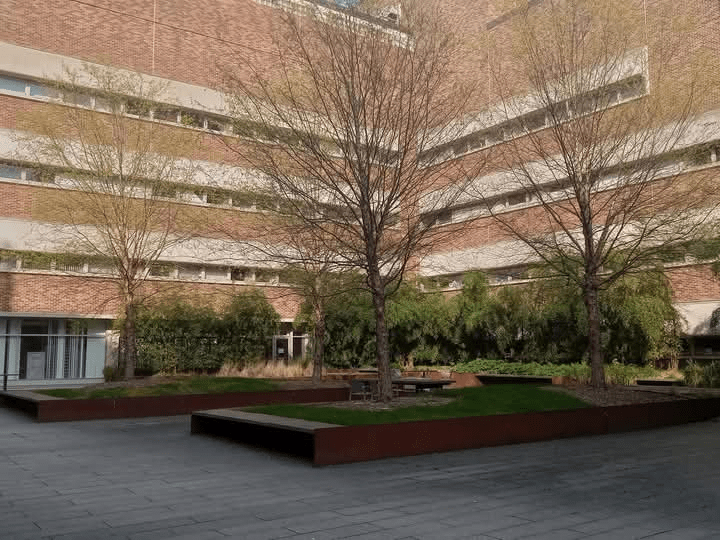
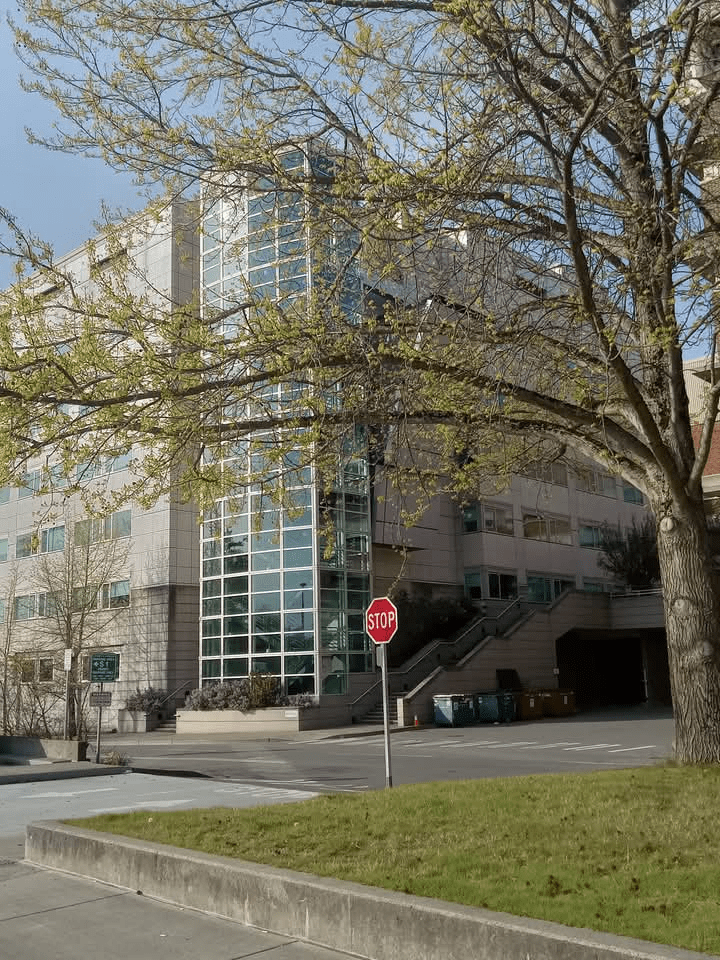
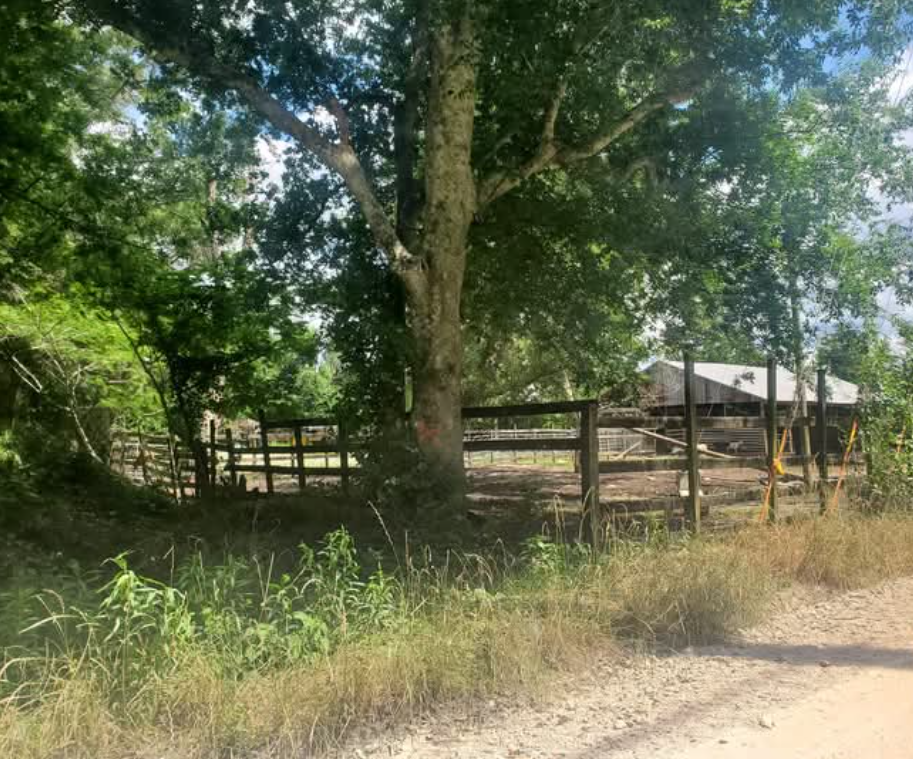
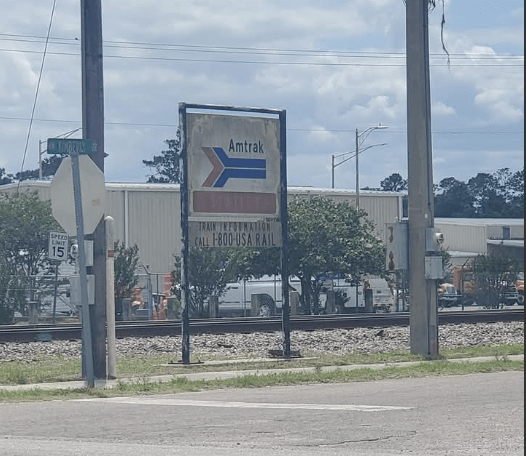
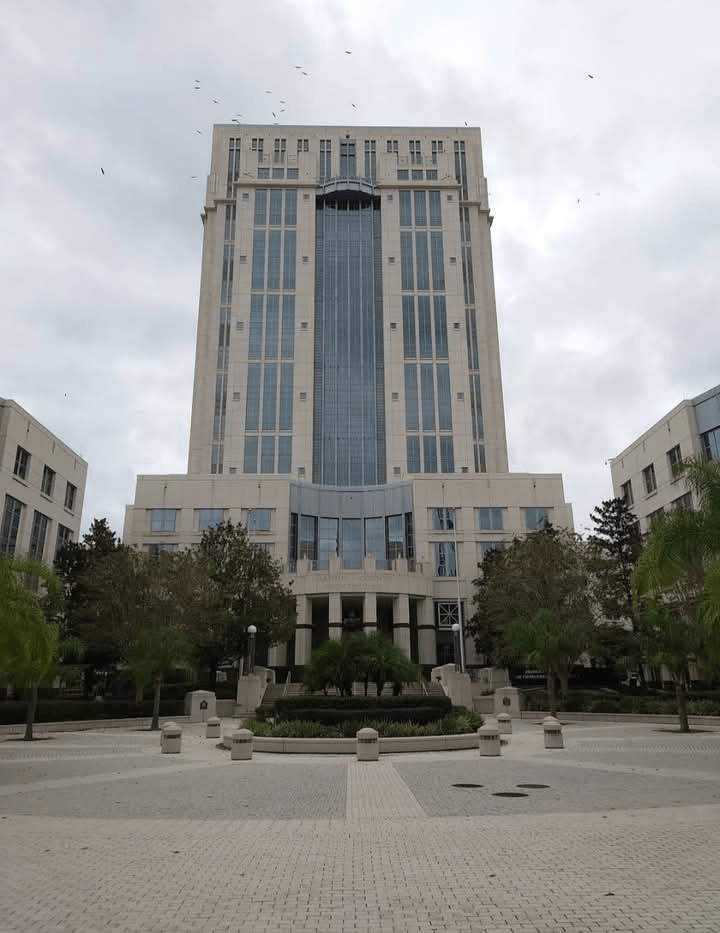
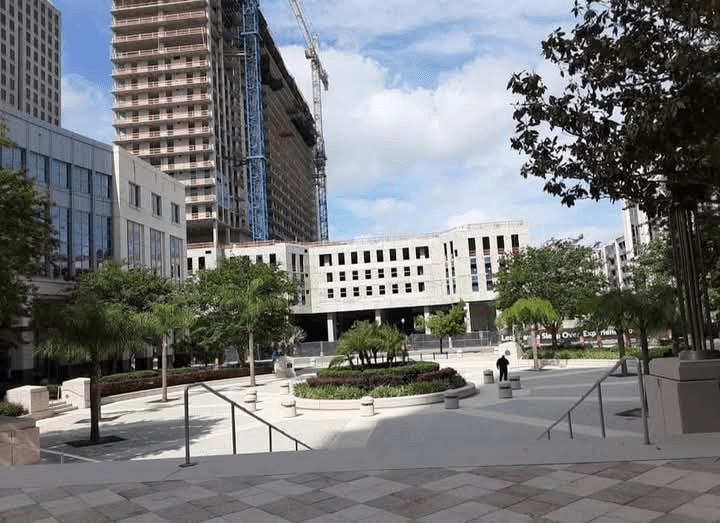
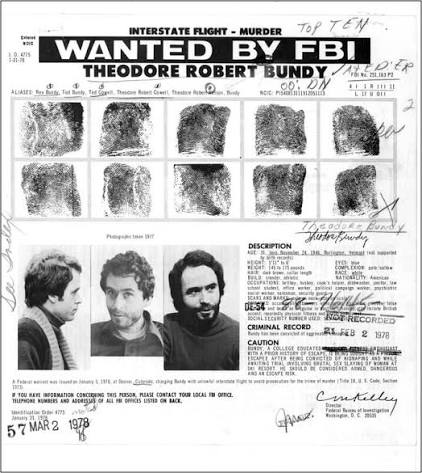
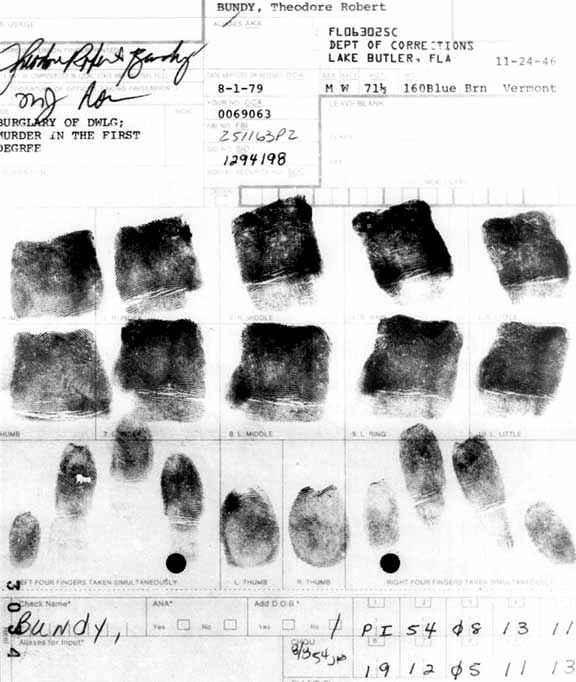
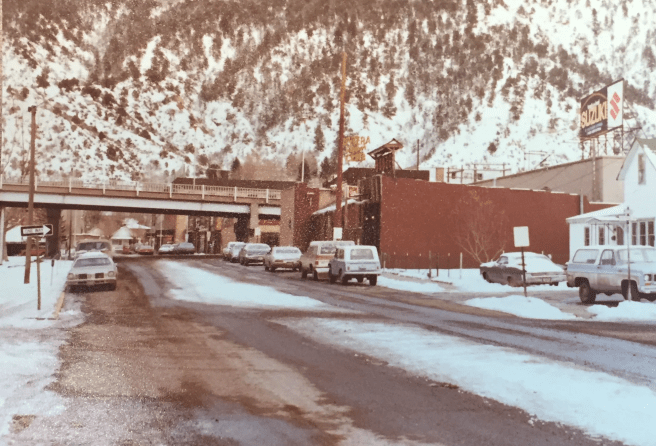
Up until about five years ago I lived paycheck to paycheck, and after getting two really good jobs I banked quite a bit of money and decided to start traveling. In April 2022 I went to Seattle and since then have been to Florida, Philadelphia, Salt Lake City, Colorado, Cobleskill (in NY, for a suspected Bundy victim) and Portland (on that trip I also went back to Seattle). I’ve been retracing the steps of Ted Bundy and taking pictures along the way.
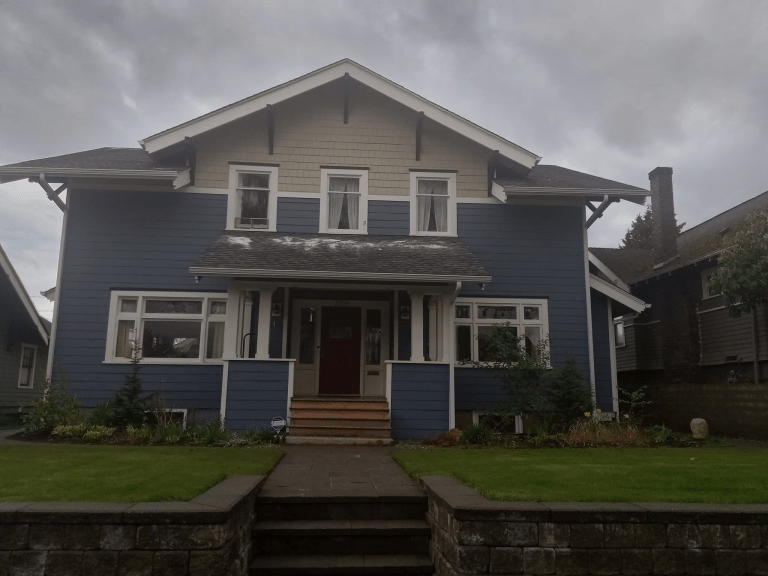
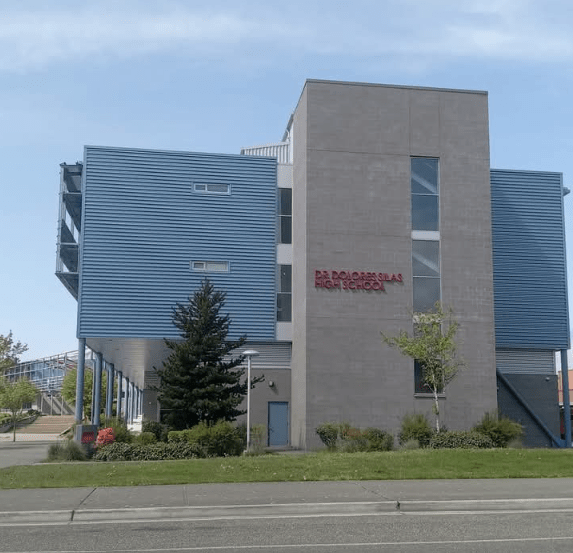
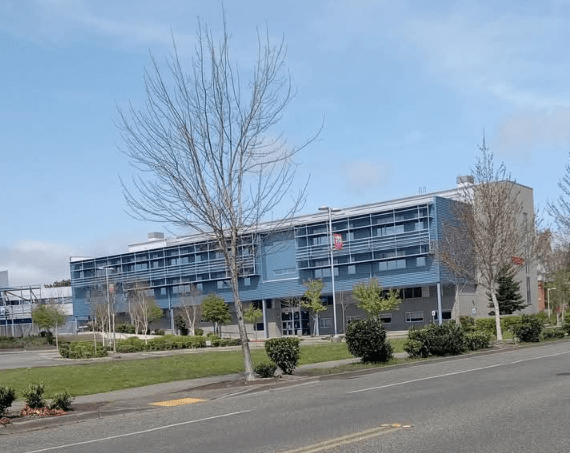
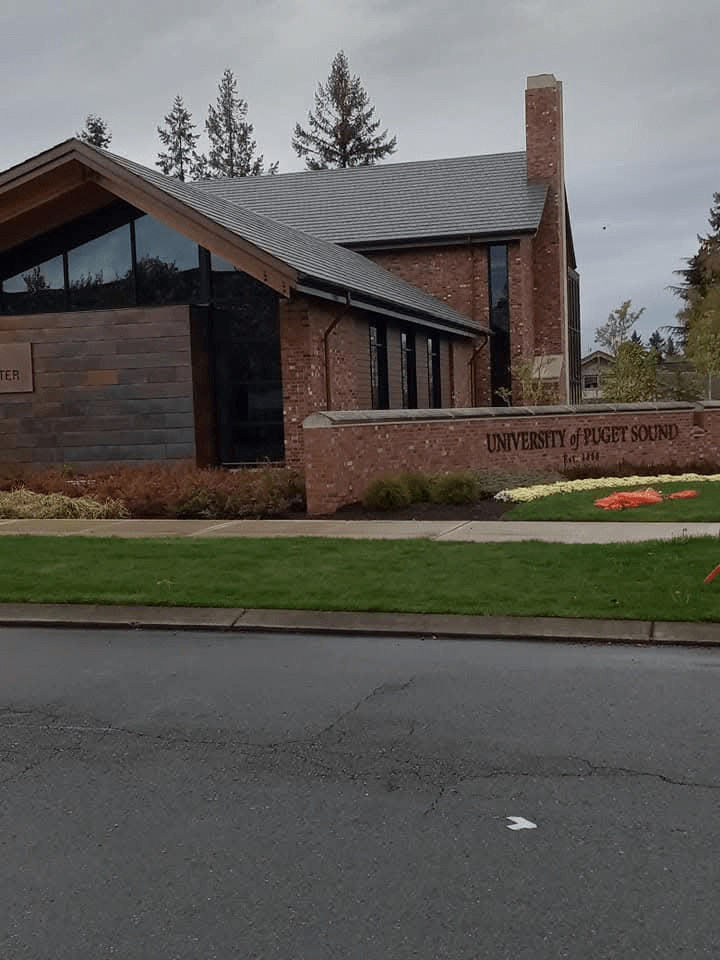
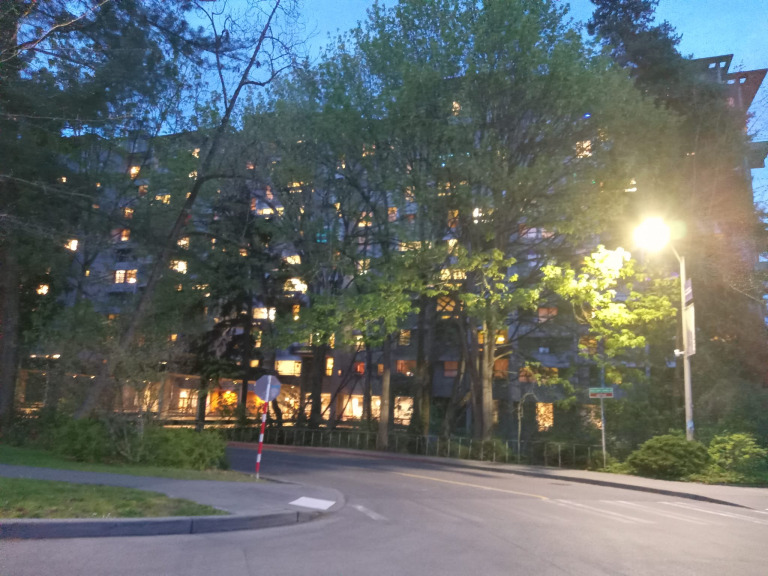
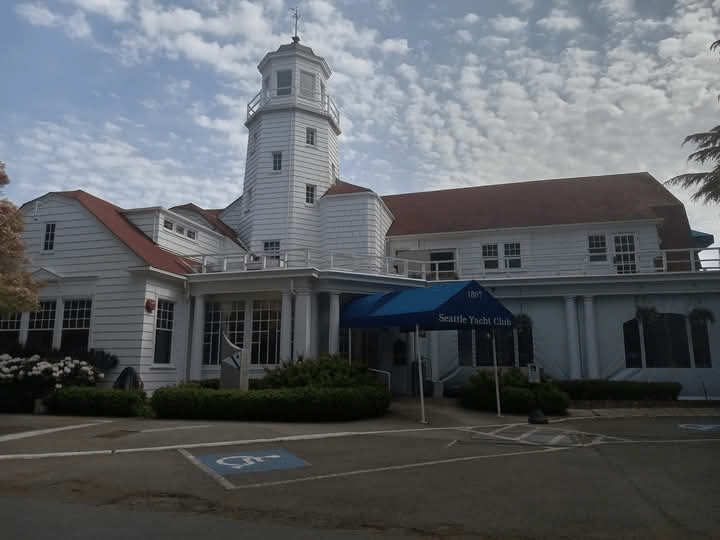
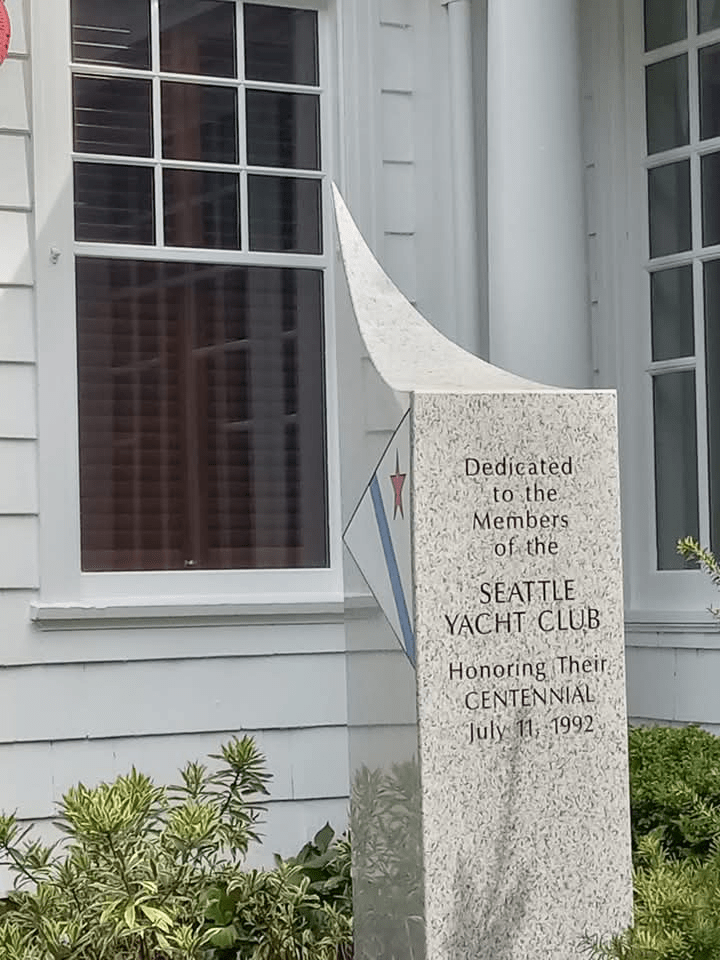
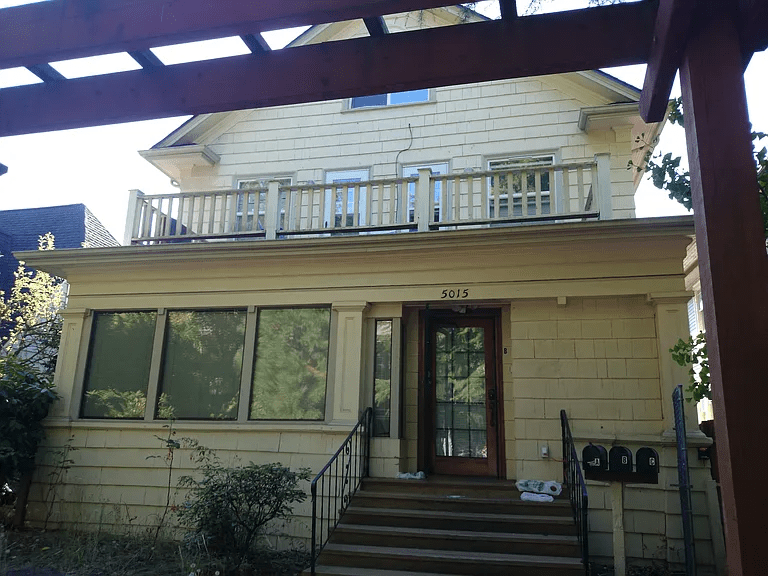
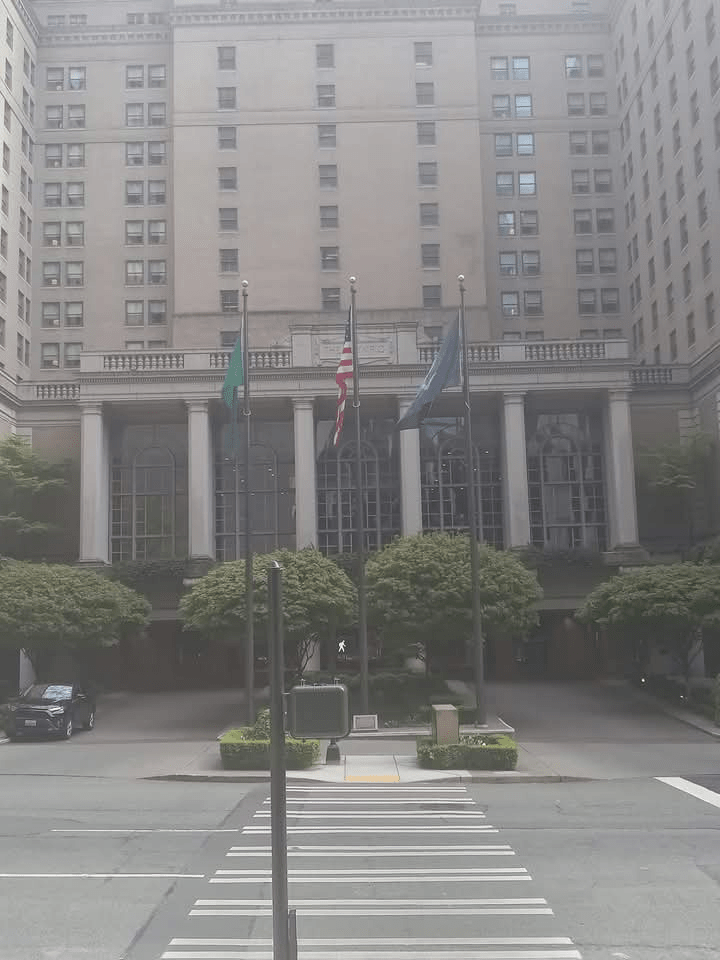
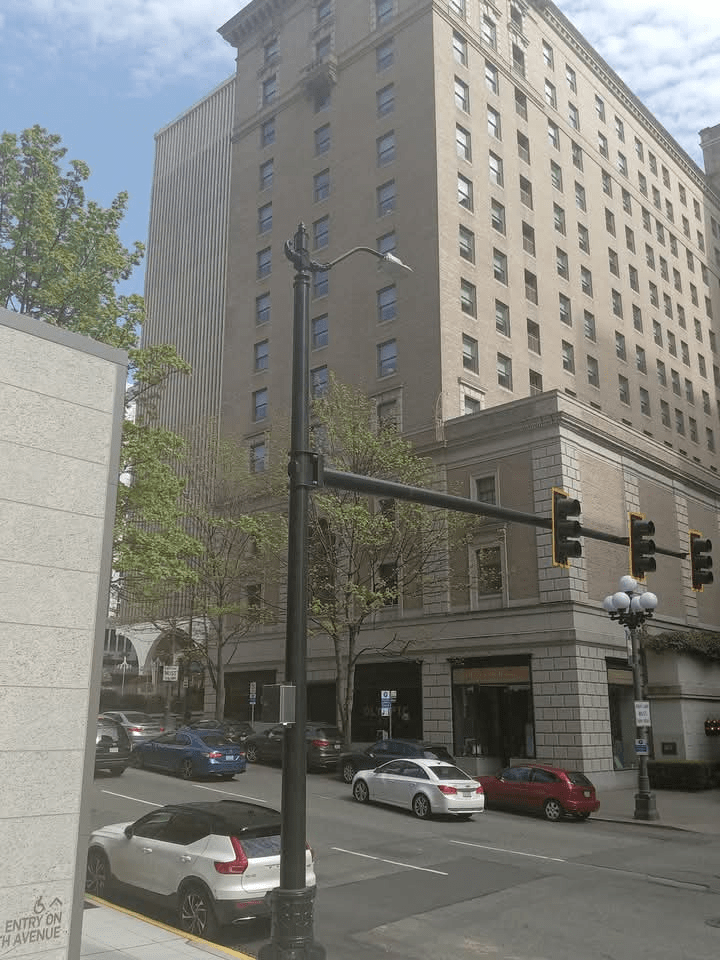
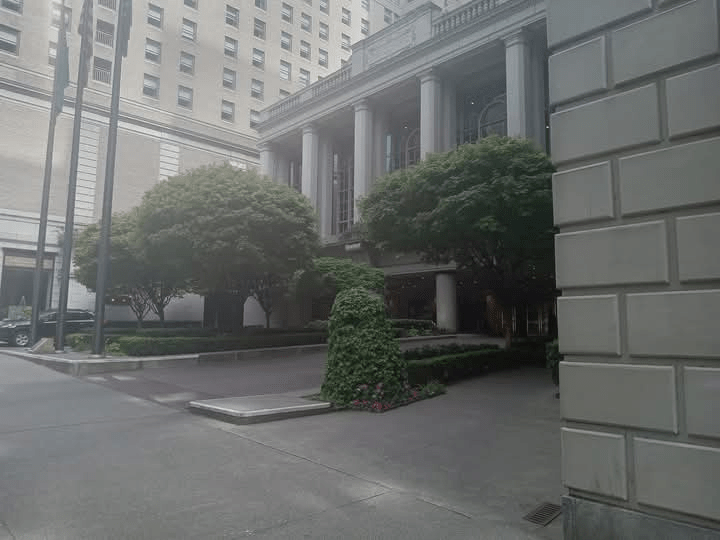
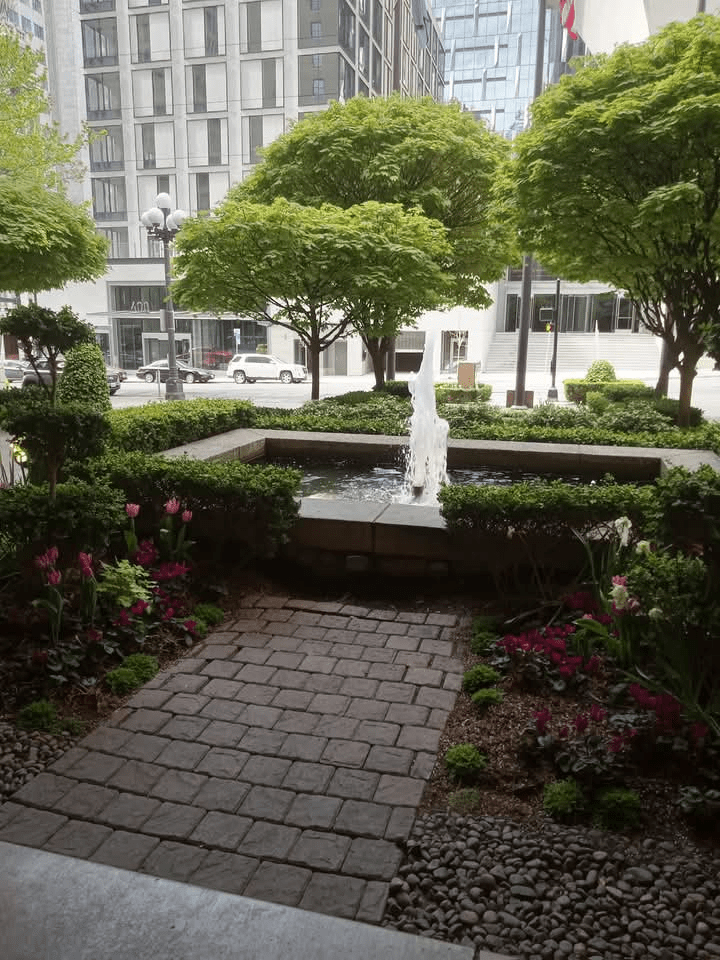
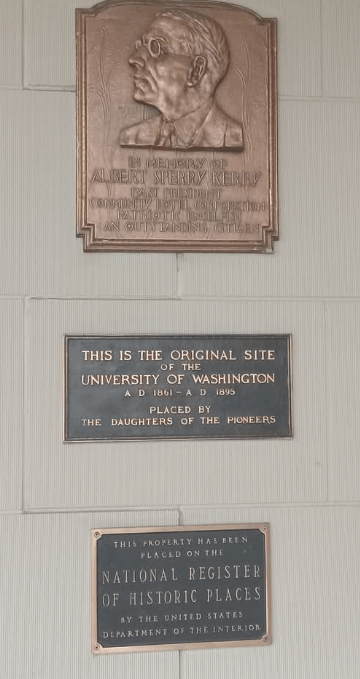
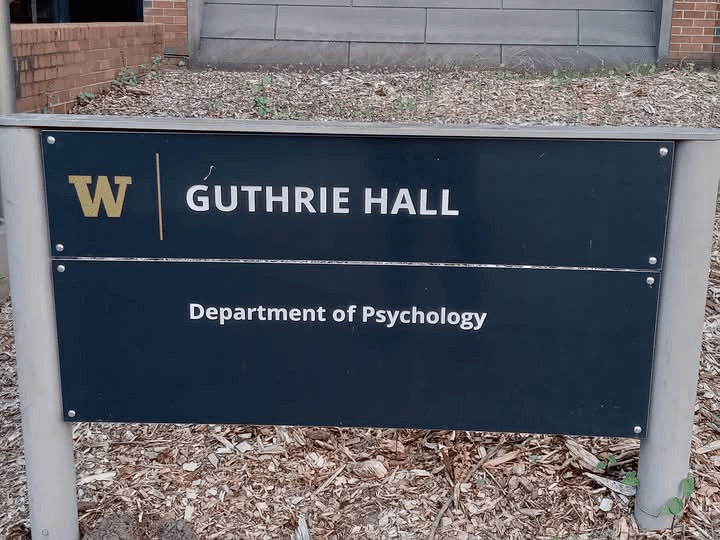
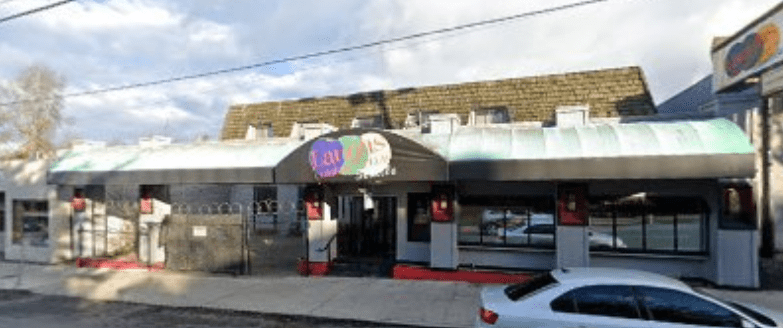
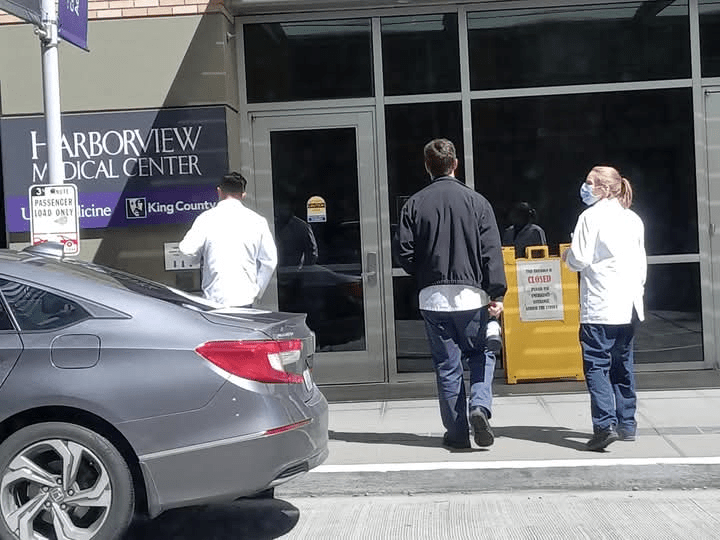
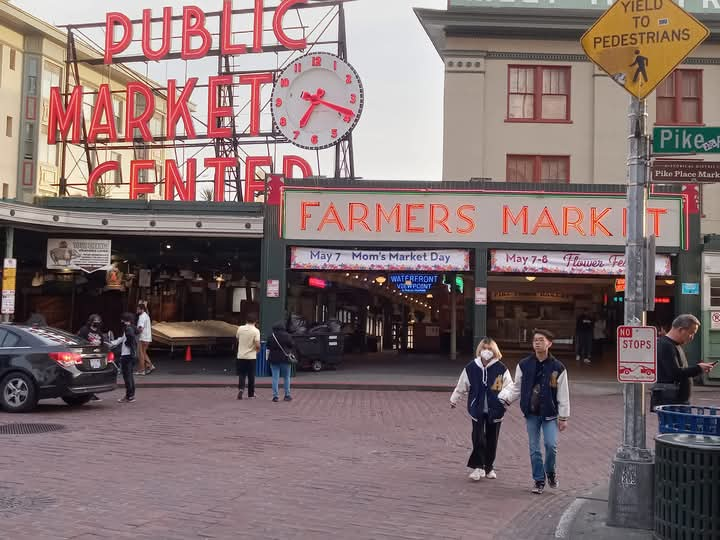
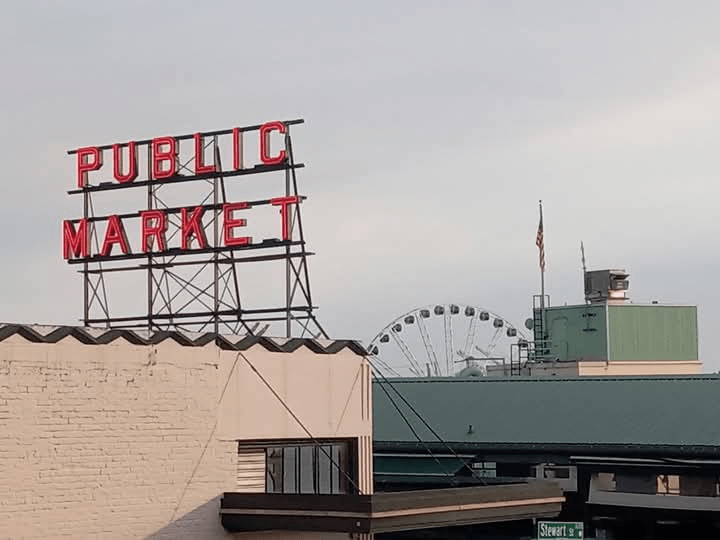
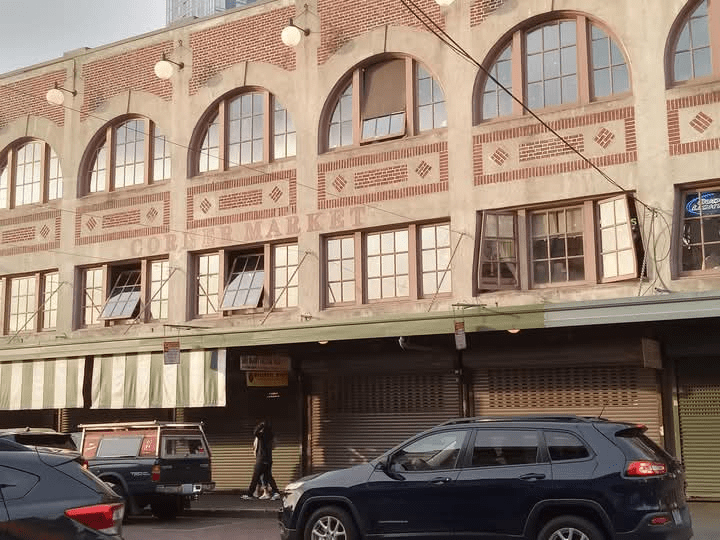
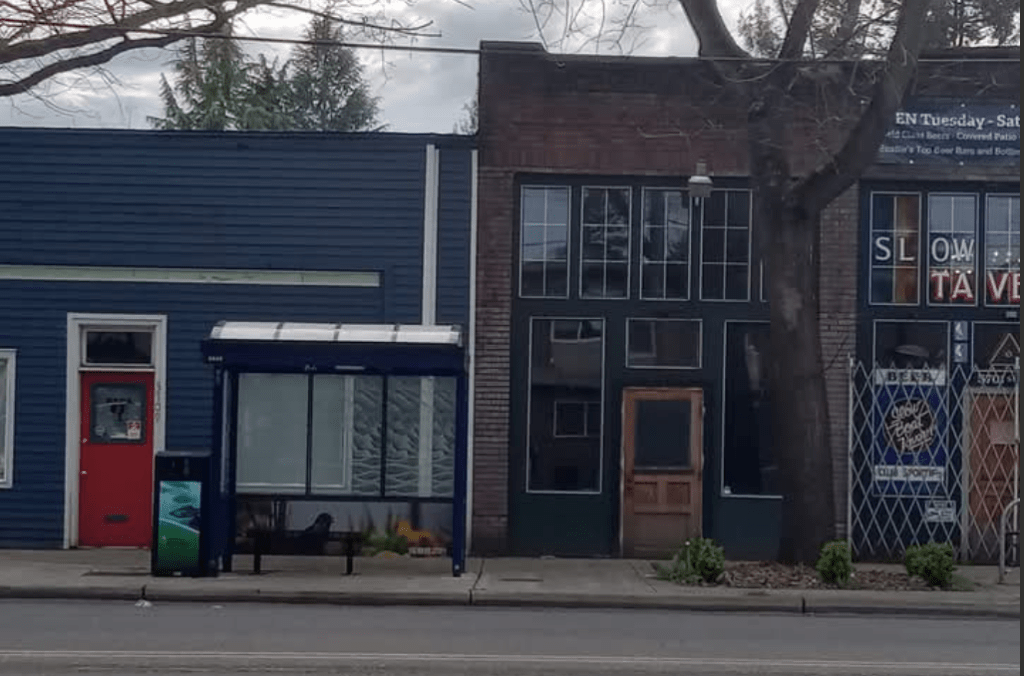
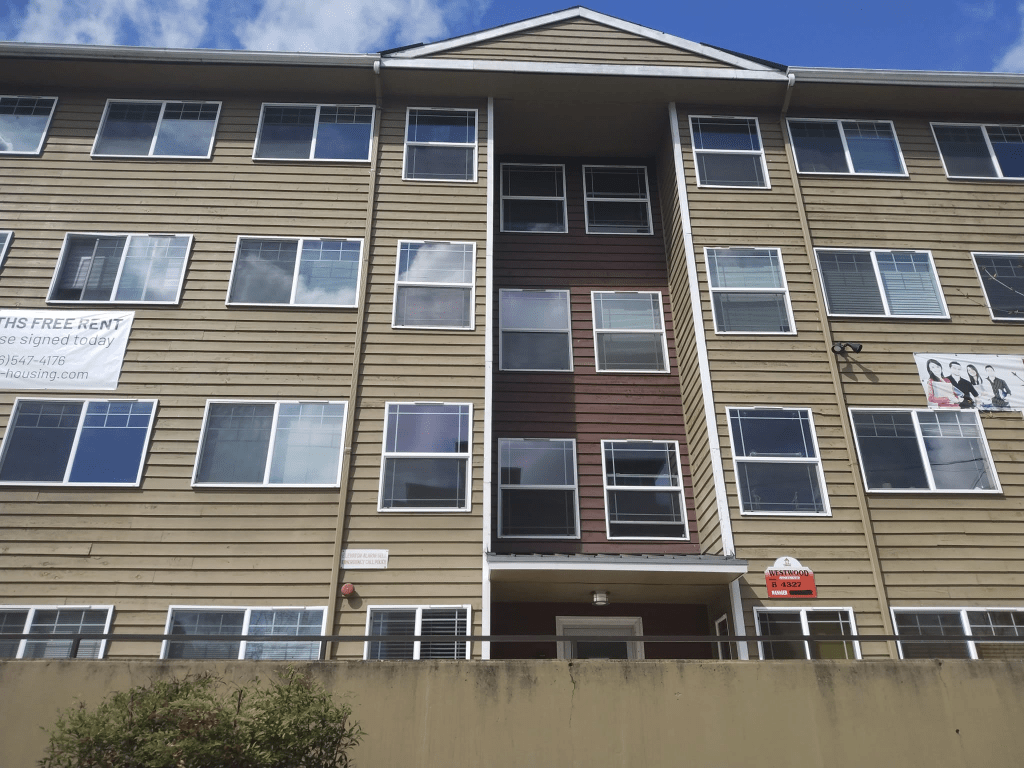
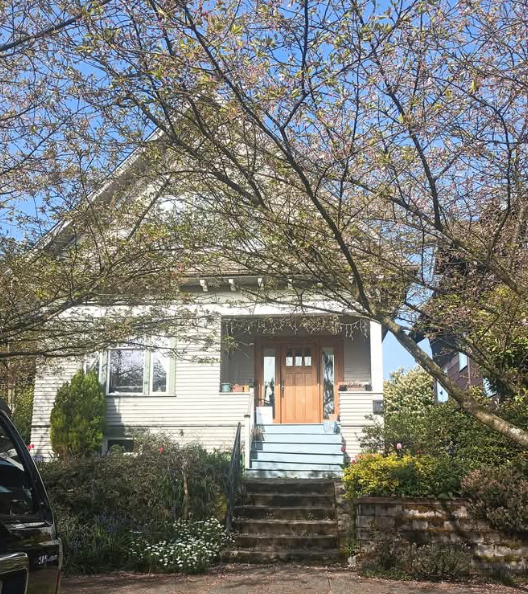
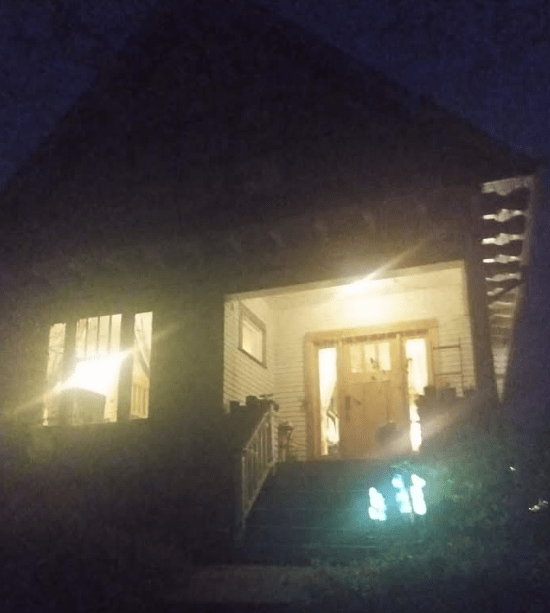
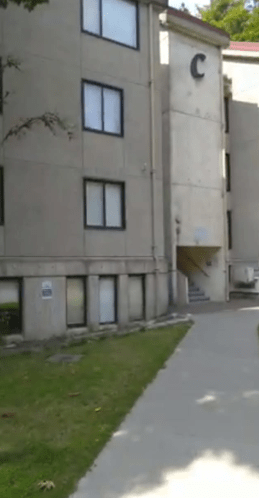
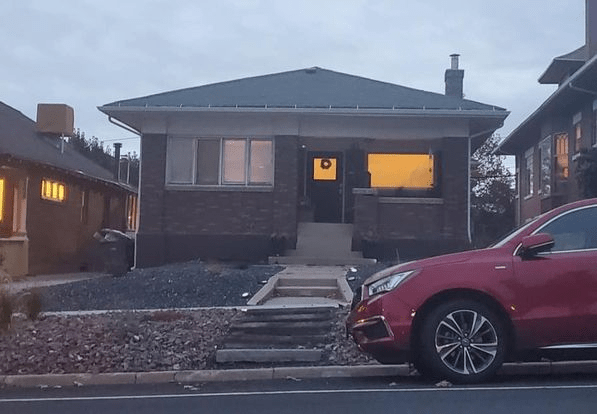
Where Bundy’s very first home once stood in the Roxborough neighborhood of Philadelphia, where he lived with his mother, aunt, and maternal grandparents until he was three years old; it was formerly located at ‘7202 Ridge Avenue’ and is now ‘499 Domino Lane.’ Picture taken in May 2023.The Cowell family’s second home. A diabetic (and agoraphobic), Eleanor Cowell had suffered a stroke in the mid-1950’s and underwent electroconvulsive therapy (ECT) for depression. She passed away at the age of 76 in April 1971, and in December 1983 Samuel passed away at the age of 85.Ted’s Uncle Jack Cowell’s house, located at 1514 South Alder Street in Tacoma, WA. Louise and Ted lived here briefly when they moved to Washington state in 1951. Picture taken in April 2022.The Bundy family’s first home, April 2022. During an interview with author Stephen G. Michaud, Ted talked about his time living here: ‘Our house was on Sheridan Street in Tacoma. It was the second house from the corner, on the west side of the street. We moved there, I would guess, in about 1951. My boyhood on Sheridan Street was not an unpleasant one. I remember those days, of roaming with my friends. The adventure, the exploration. Those were the days of frog hunting and marble playing.’The Bundy family’s second home, located at 658 North Skyline Drive in Tacoma; Ted spent a good portion of his adolescent years living here. Picture taken in April 2022.The former house of eight-year-old Ann Marie Burr, located at 3009 North 14th Street in Tacoma, WA. The oldest of five, on the morning she went missing on August 31, 1961 her mother, Beverly, woke up early and noticed that Ann wasn’t in her room, and after walking downstairs, she noticed that the front door was slightly open along with the living room window. There’s so many rumors about Bundy and Ann Marie Burr: my favorite is that his Uncle Jack was her piano teacher, and where she did take lessons, he wasn’t her instructor. Also, it’s said that Ted was her neighbor as well as the Burrs’ paperboy… and where he did deliver newspapers as a youngster, he was not hers, and where they didn’t live super far away from one another they were hardly neighbors (I made the 3.3 mile walk from the Ann’s house to Ted’s during my first trip to Seattle). Picture taken in April 2022.The front of Ann Marie Burrs house, picture taken in April 2022. I thought the trees were beautiful.The third and final home of Johnnie and Louise Bundy, located at 3214 North 20th Street in Tacoma. The family moved here in 1968 after selling their second house on North Skyline Drive and lived there until the late 2000’s. In May 2007, Johnny died at the age of 86 and two years later, Louise sold the property for $305,301. In December 2012, Mrs. Bundy passed away at the age of 88. Picture taken in April 2022.This is the front of Silas High School, formerly Woodrow Wilson High School, where Ted graduated from in 1965. Picture taken in April 2022.Ted Bundy’s alma mater: Dr. Dolores Silas High School, located at 1202 North Orchard Street in Tacoma. From its founding in 1958 until July 2021 it was called Woodrow Wilson High School. Picture taken in April 2022.Dr. Dolores Silas High School, in Tacoma, WA. Pictures taken in April 2022.The music building at Silas High School in Tacoma, WA. Picture taken in April 2022.The entrance to the University of Puget Sound, a school that Ted attended twice: right after he graduated from high school (then dropped out) then again for his (first attempt) at law school (he once again dropped out). Picture taken in April 2022.The University of Puget Sound, picture taken in April 2022.Another shot of the entrance to the University of Puget Sound in Tacoma, WA. Picture taken in April 2022.While getting a cup of tea at the University of Puget Sounds coffee shop, one of the baristas reminded me that Louise Bundy used to work at the school, and that she had a brick on campus near the water fountain. Picture taken in April 2022.A broader shot of Johnnie and Louise’s brick on the campus of the University of Puget Sound, picture taken in April 2022.McMahon Hall located at the University of Washington. In 1966 during Ted’s first year at the school he lived on the 4th floor of the dormitories South Tower, and reportedly kept a key after ‘officially’ moving out and would return there on occasions to take naps. Picture taken in April 2022.The apartment building where flight attendants Lisa Wick and Lonnie Trumbull lived when they were attacked in the early morning hours of June 23, 1966, located 2415 8th Ave North in the Queen Anne district of Seattle. Ted is still considered a suspect in their attacks (Wick survived but Trumbull sadly did not). Picture taken in April 2024.Another shot of ‘The Sherri Lee Apartments,’ picture taken in April 2024. The back portion of ‘The Sherri Lee Apartments,’ picture taken in April 2024.The Seattle Yacht Club, where Ted worked as a busboy until he was fired for stealing food. Its strongly thought he began his employment there in September 1967, but how long he was there for seems to be a bit of a gray area: Mrs. Ferris said he was there for roughly six weeks, but Ann Rule wrote in ‘The Stranger Beside Me’ that he worked there for six months. Additionally, Dr. Robert Dielenberg’s true crime masterpiece ‘A Visual Timeline’ said he parked cars at the club and left in January 1968.The Seattle Yacht Club, located at 1807 E Hamlin Street in the Montlake neighborhood of Seattle. Picture taken in April 2022.A sign at the entrance of The Seattle Yacht Club, picture taken in April 2022.A memorial outside The Seattle Yacht Club, picture taken in April 2022.5015 16th Street Seattle, WA, Picture taken in April 2024. According to the ‘1992 FBI TB Multiagency Report,’ Ted lived here sometime in 1967. Picture taken in April 2024. One of Bundy’s residences, located at 5015 16th Northeast Avenue in Seattle. The dates and circumstances of Ted living here are unknown, however according to the ‘1992 TB Multiagency Report 1992,’ he lived here at various intervals between 1966 and 1967 (which is before his relationship with Liz and roughly around the time he started seeing Diane Edwards). I will say, I’m not sure if this address is a mistake, as it is incredibly similar to 5015 16th Street, but who knows. Picture taken in April 2024.The (former) Olympic Hotel in Seattle, where Ted worked in March 1968. This is where he met his friend Sybil Ferris, who was employed here as a pastry chef. The establishment, now called The Fairmont Olympic Hotel, was built in 1924 on the original site of the University of Washington and was originally part of a larger development plan that included the Metropolitan Theatre. He was fired for stealing from lockers. Picture taken in April 2022.The sign outside the entrance for The Fairmont Olympic Hotel, picture taken in April 2022.The Fairmont Olympic Hotel, picture taken in April 2022.The entrance to The Fairmont Olympic Hotel, picture taken in April 2022.The fountain in the plaza outside The Fairmont Olympic Hotel, picture taken in April 2022.Some plaques on the side of the entrance of The Fairmont Olympic Hotel, picture taken in April 2022.The Fairmont Olympic Hotel, picture taken in April 2022.The Safeway that Bundy worked at as a stock boy in the Queen Ann neighborhood of Seattle from April 12, 1968 to July 26, 1968. According to his friend Sybil Ferris: ‘I helped him get a job at Safeway for a short while and he just quit, not even going back to work to tell them he was leaving.’ Picture taken in April 2022.The inside of the Seattle Safeway where Ted Bundy worked, picture taken in April 2022.This is Ted’s Aunt Julia’s house, and he stayed here while attending Temple University in Philadelphia during the late 1960’s, located at 4039 South Warner Road in Lafayette Hill (in the outskirts of Philadelphia). Picture taken in May 2022.The University of Washington campus in Tacoma, picture taken in April 2022.The entrance of the University of Washington in the heart of Seattle. Picture taken in April 2022.What the former SandPiper looked like in April 2022.During his time at The University of Washington Ted was a psychology major, and the main building on campus for psych majors is Guthrie Hall. Picture taken in April 2022.The back of Guthrie Hall, picture taken in April 2022.A sign for Guthrie Hall, picture taken in April 2022.The University of Washington School of Medicine, where Liz Kloepfer worked when she was in a relationship with Ted Bundy. Picture taken in April 2022.When employed at The University of Washington, Liz Kloepfer worked for the Medical School on campus. Picture taken in April 2022.The University of Washington School of Medicine, which opened in 1946 and was founded as part of a larger School of Health Sciences. It quickly gained recognition and received full accreditation from the AMA and AAMC in 1949 and by 1970, it had become a national leader in biomedical research grants. Picture taken in April 2022.Another shot of the University of Washington School of Medicine, picture taken in April 2022.The parking lot where Dante’s once stood, April 2022.The former ‘O’Banion’s Tavern,’ where Bundy frequented during his time living in Seattle located at 5220 Roosevelt Way NE. As of April 2025,it is the home of the Laughs Comedy Club. In an interview with the King County Sheriff’s Department Elizabeth Kloepfer, told investigators that Bundy and his neighbor, John Neeler went to O’Banion’s Tavern a few times each month, along with Dante’s Tavern and The Pipeline Tavern. It’s also only a few steps away from where Dante’s Tavern once stood. Picture taken on April 2022.Harborview Medical Center, where TB interned from June 1972 to September 1972. He had a lot of jobs and never seemed to stick around for very long. Picture taken in April 2022.Harborview Medical Center, picture taken in April 2022.The Pike Place Market, located in Seattle, Washington. The open market was created on August 17, 1907 in response to public outcry over high food costs, and is one of the oldest continuously operating public farmers’ markets in the US. Picture taken in April 2022.Another shot of The Pike Place Market, Picture taken in April 2022.Another shot of the Pike Place Market, picture taken in April 2022.I love this shot, picture taken in April 2022.Another part of The Pike Place Market, picture taken in April 2022.Another part of The Pike Place Market, taken in April 2022.The front of the Rogers’ Rooming House, located at 4143 12th Northeast Avenue in Seattle, Washington. Bundy lived here from September 1969 to September 2, 1974. Picture taken in April 2022.The residence housed multiple tenants (along with the owners, Ernst and Freda Rogers) that shared the same facilities. Ted lived in a room on the second floor for four years until he left for his second attempt at law school on September 2, 1974. Picture taken in April 2022.This is the apartment where Liz Kloepfer lived in when her and Bundy began dating, located at 5208 18th Avenue NE in Seattle. She lived here with her daughter, Molly in an apartment on the first floor, on the right side of the building. Although Bundy was known to stay here a lot he still formally lived at the Rogers’ Rooming House. Picture taken in April 2022.
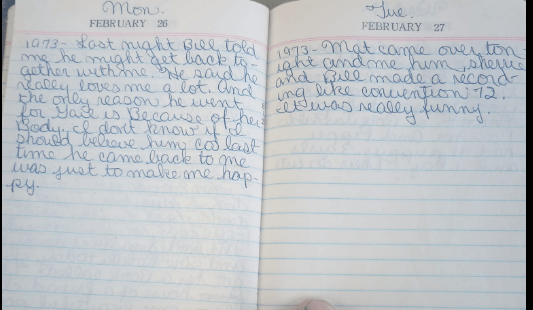
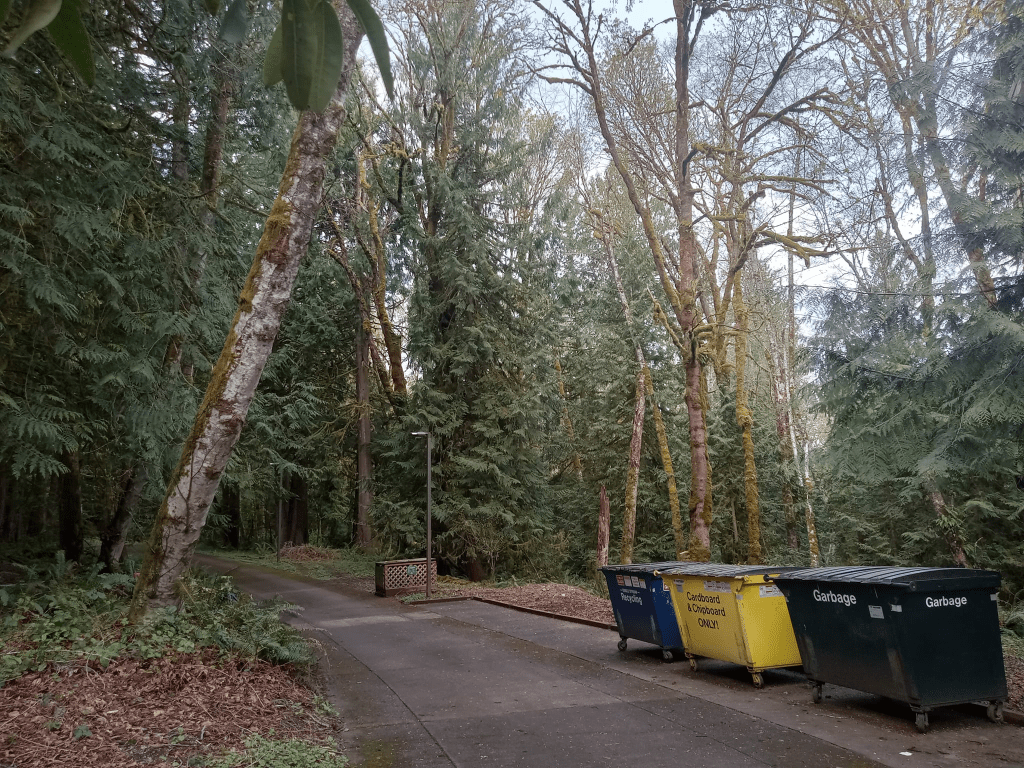
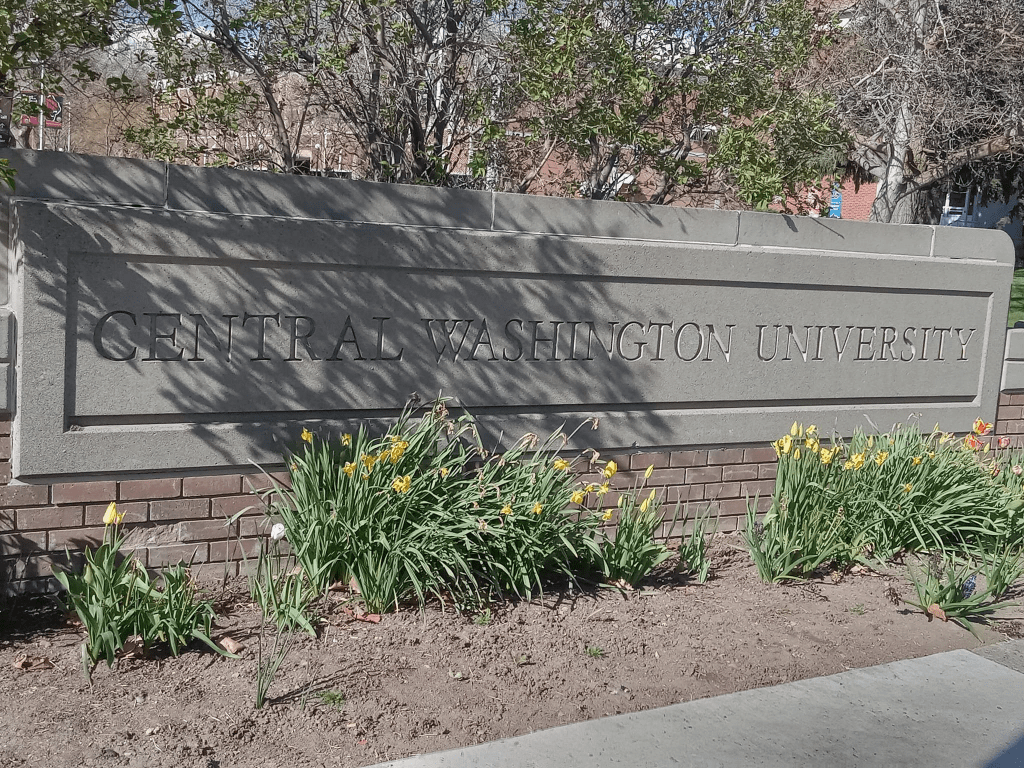
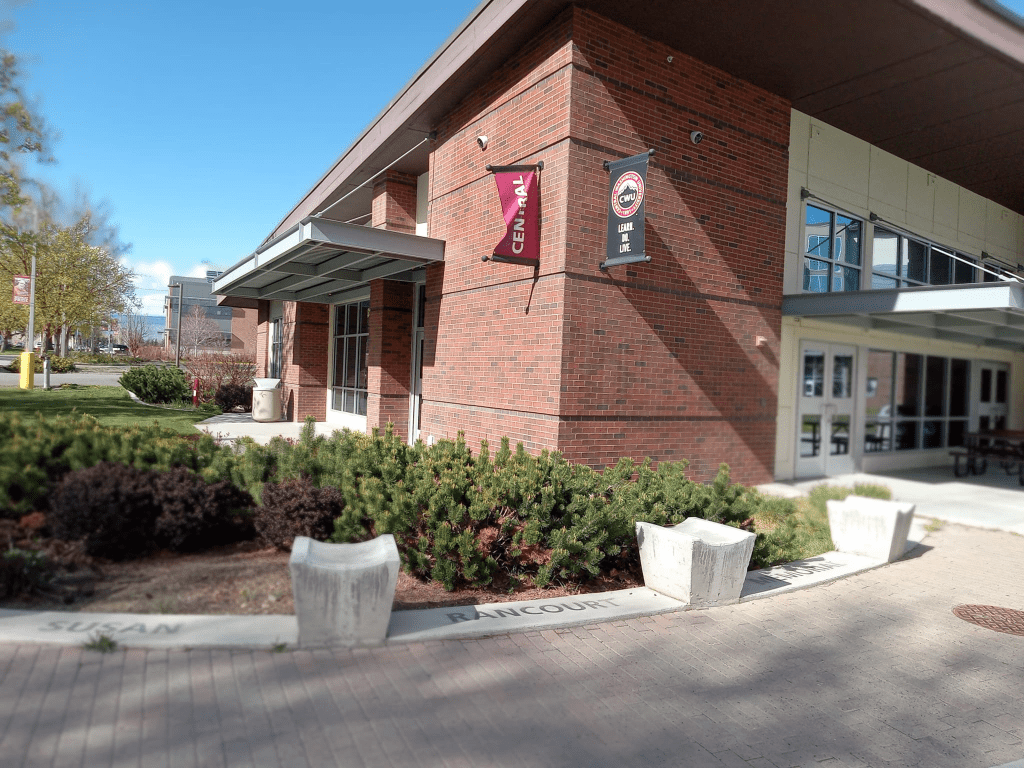
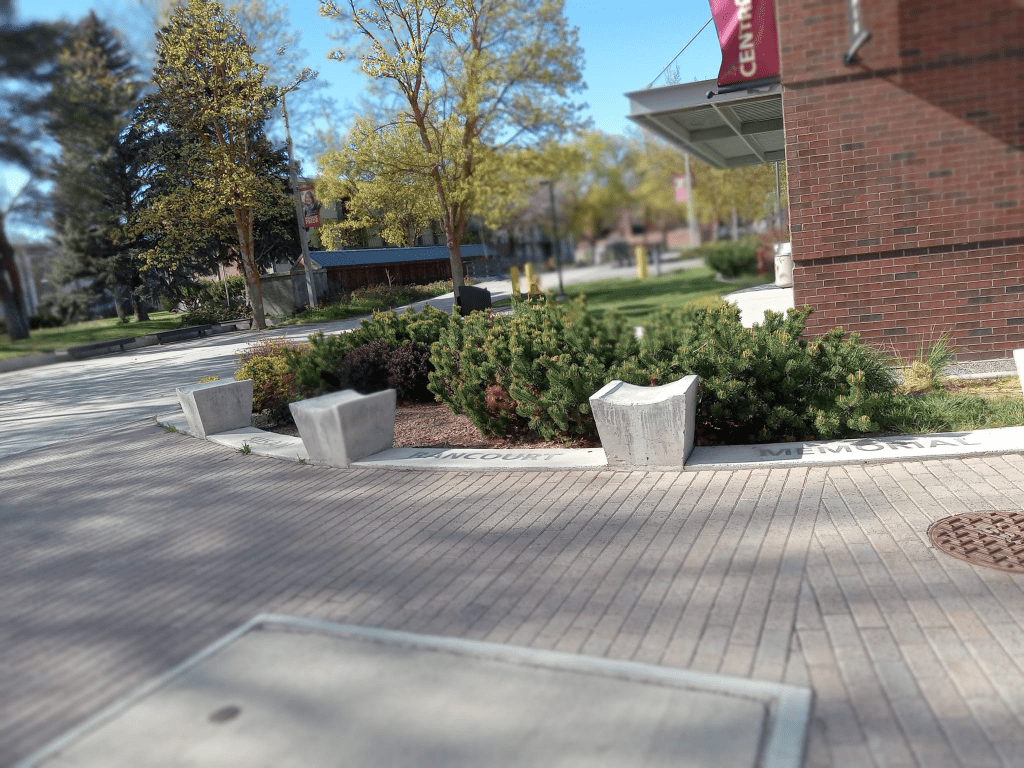
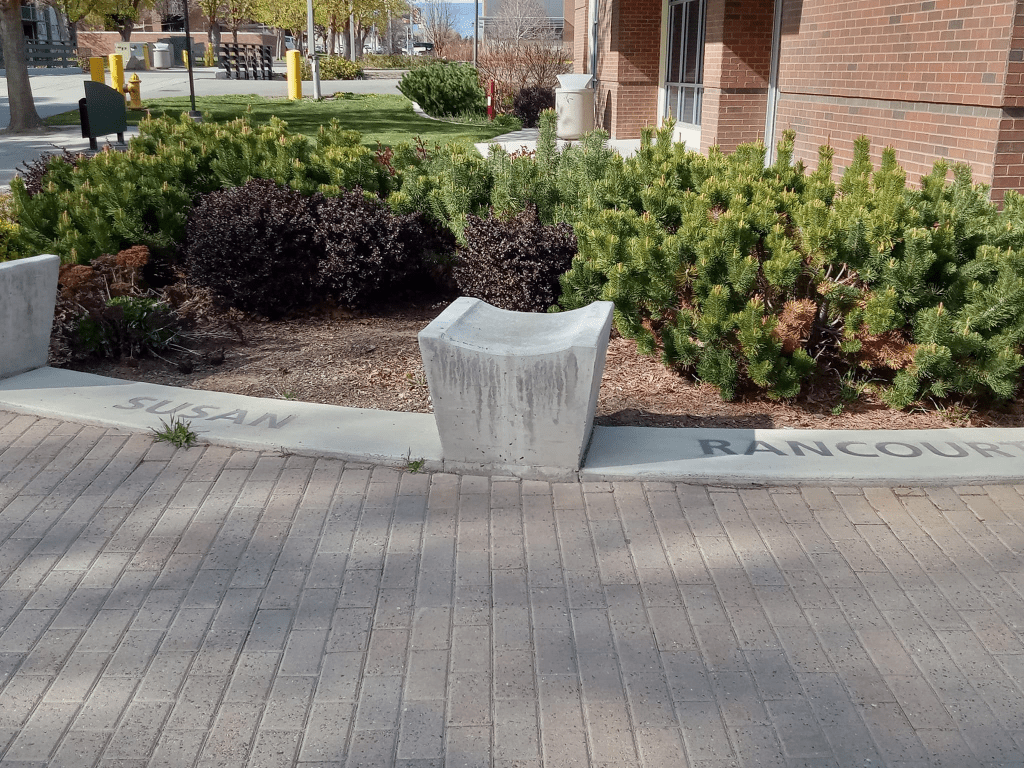
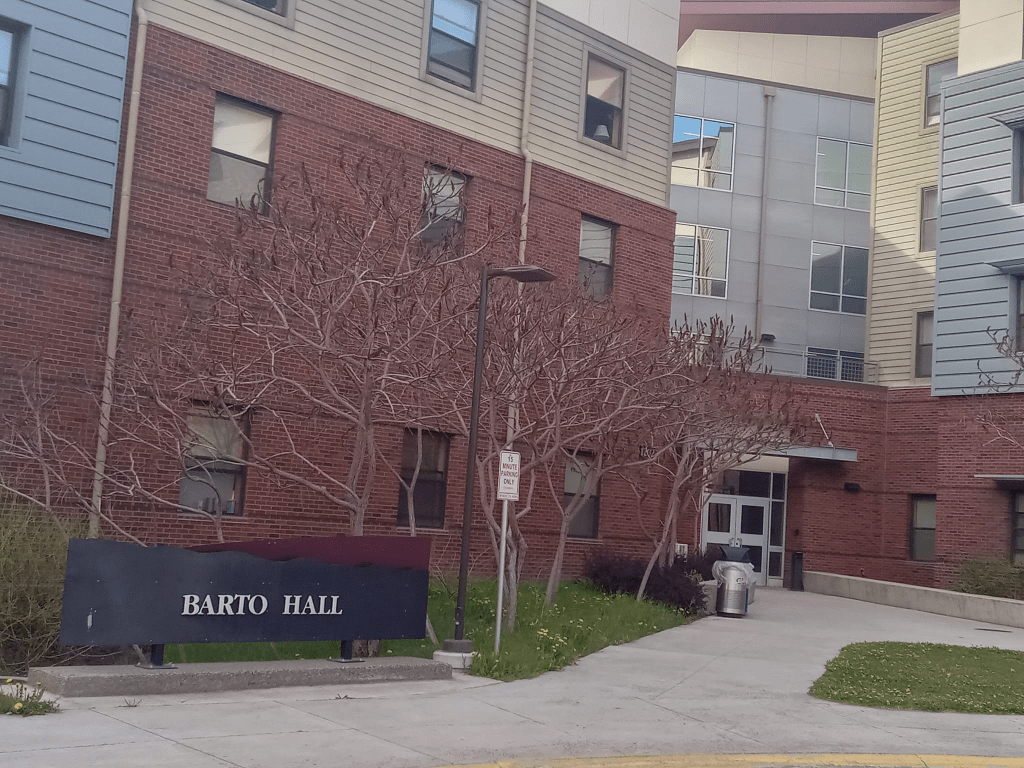
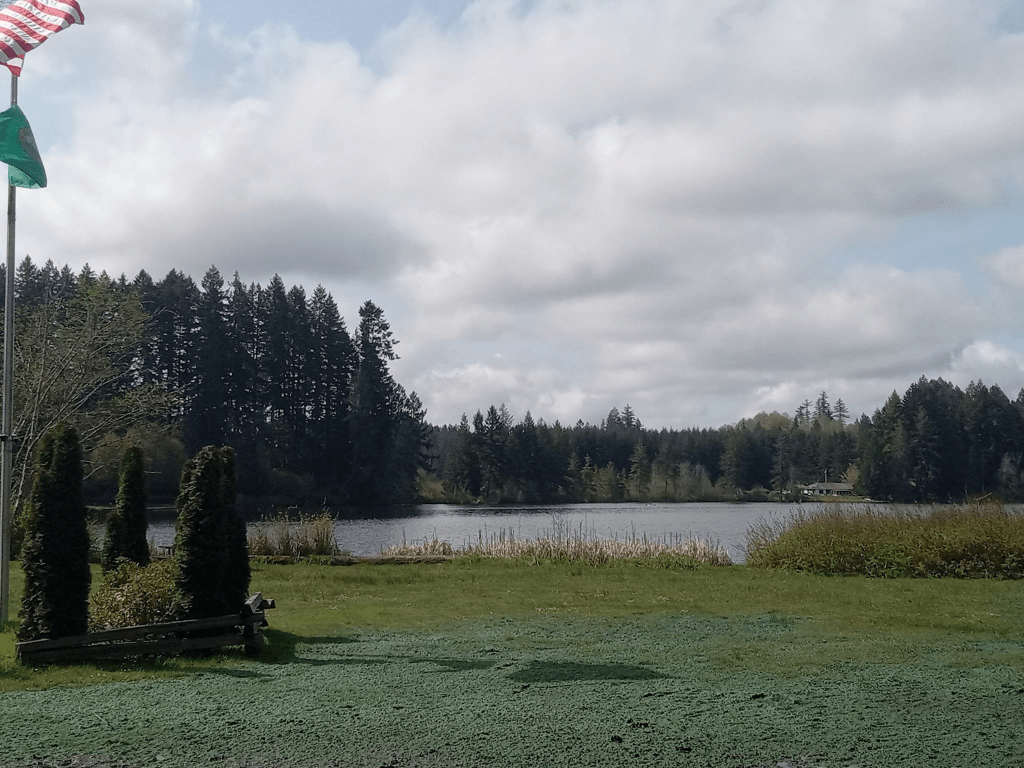
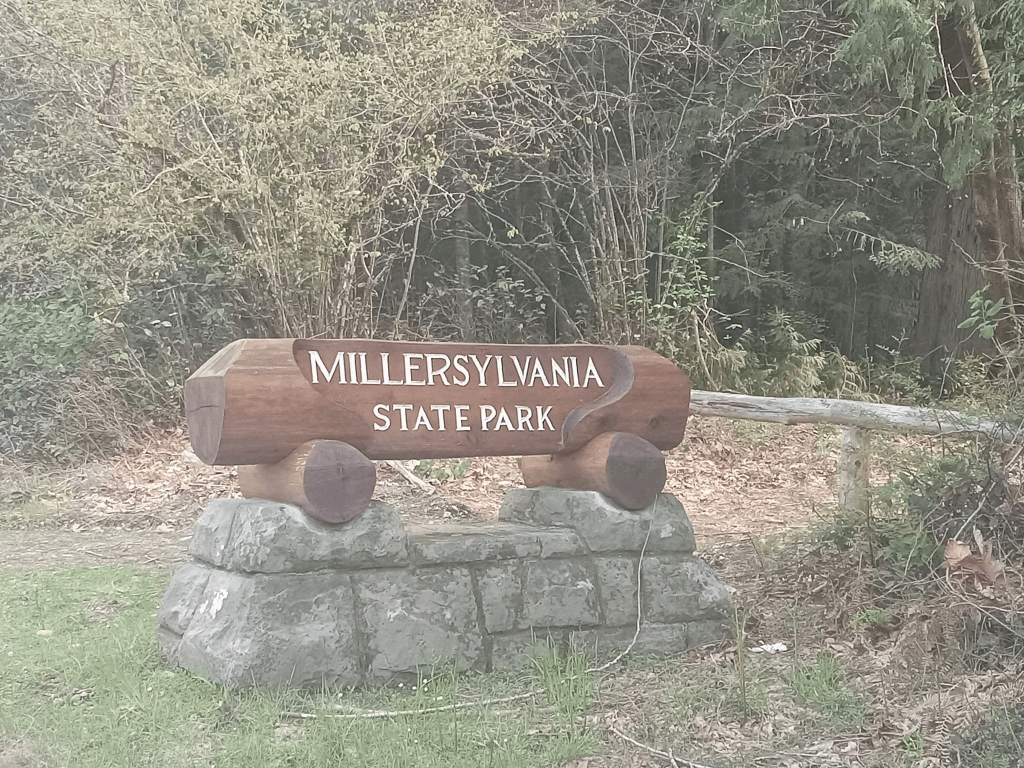
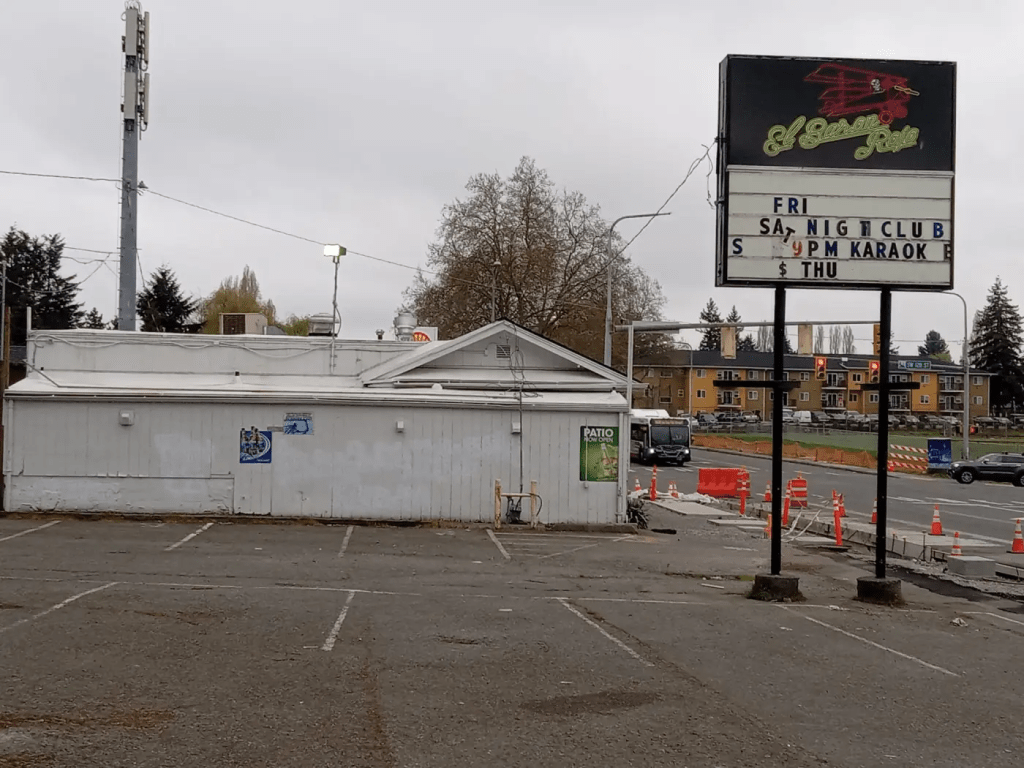
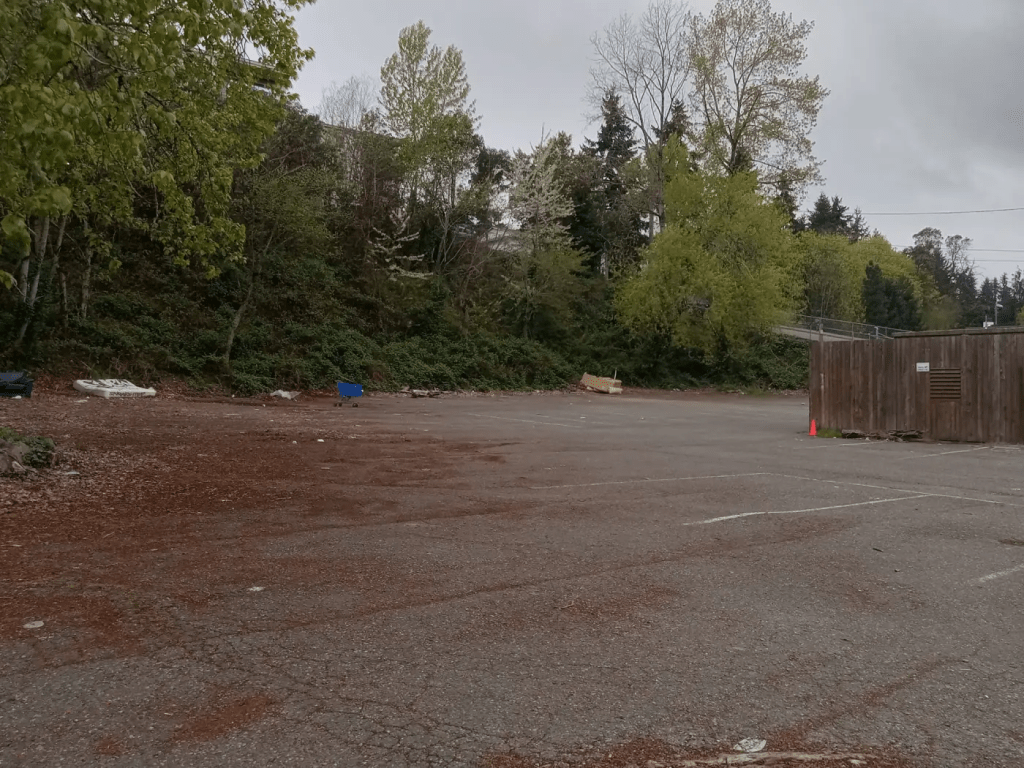
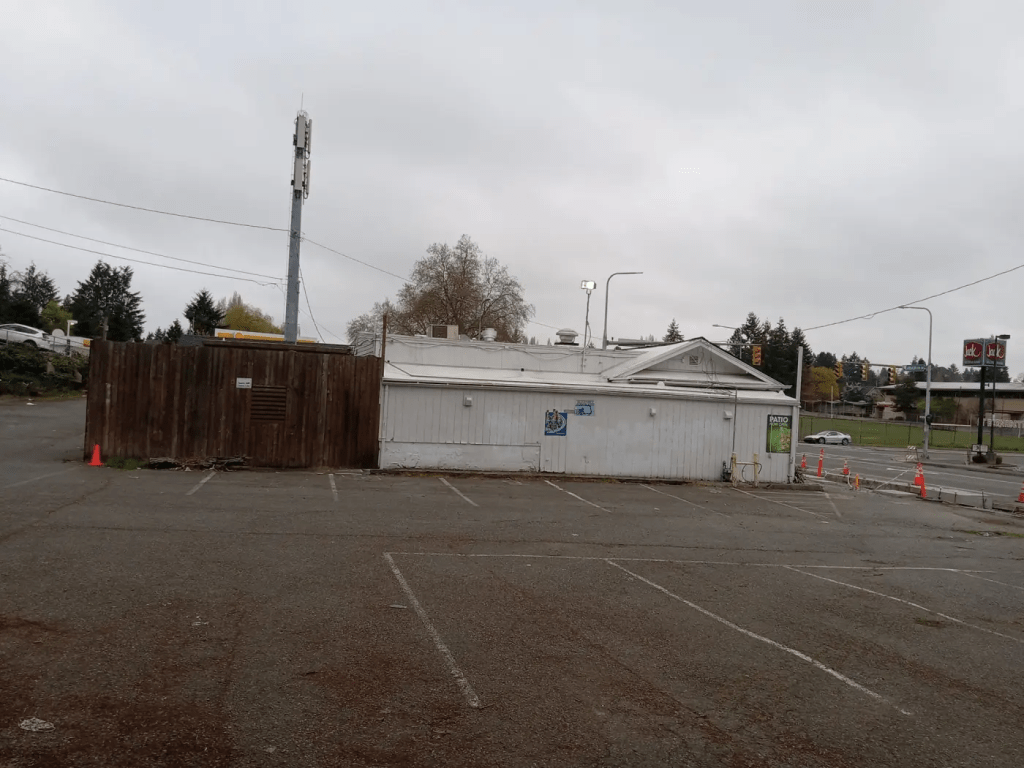
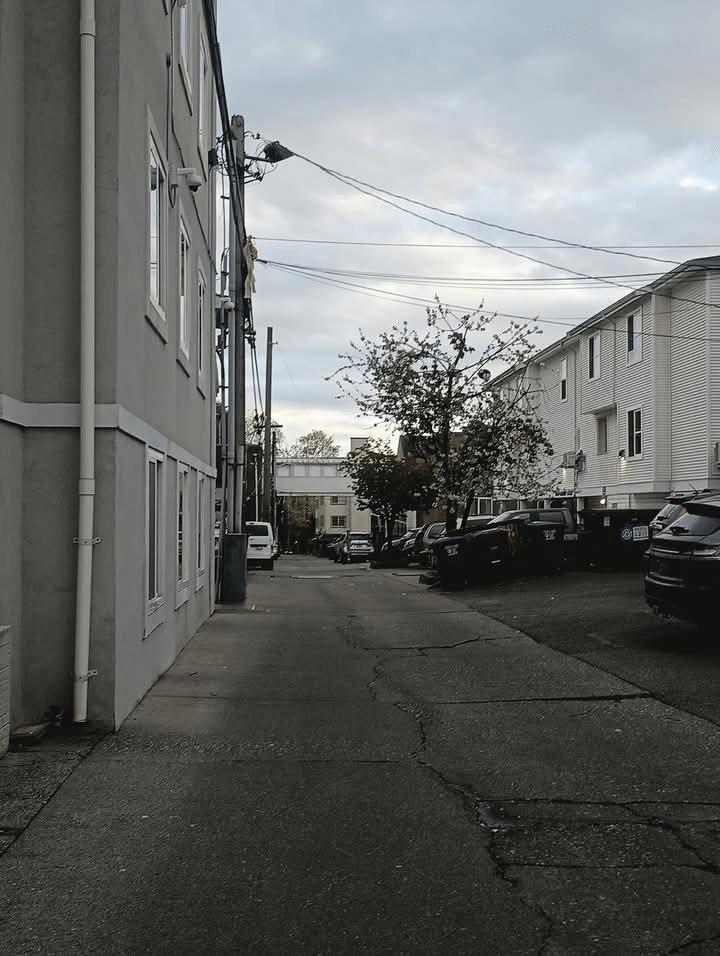
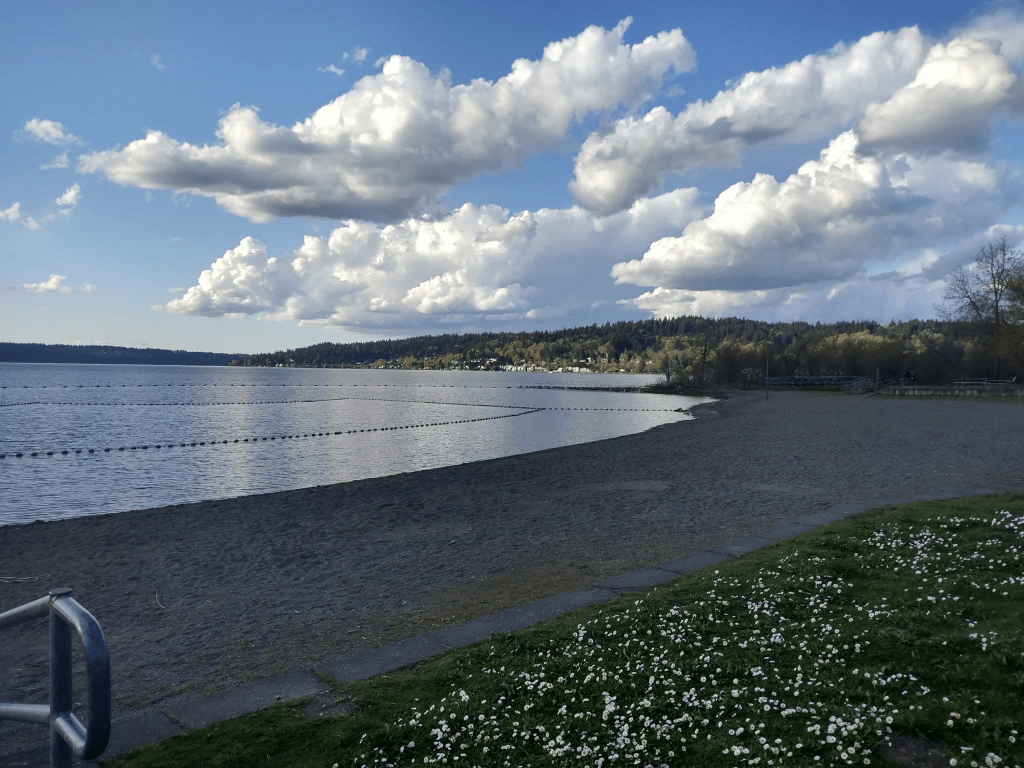
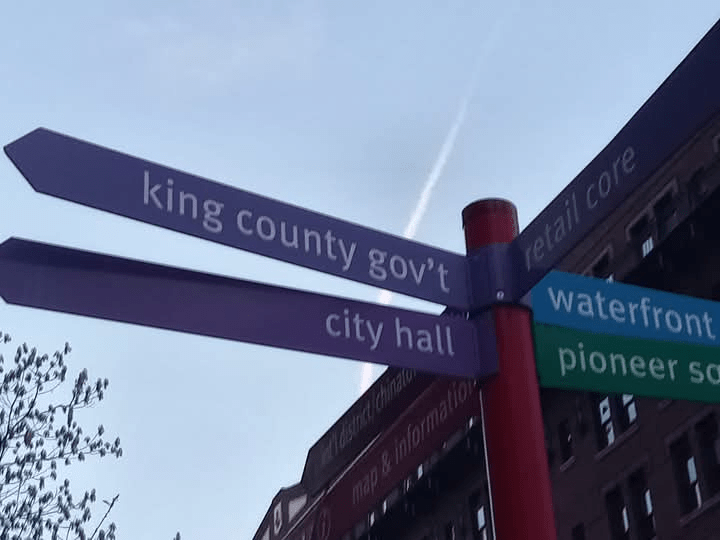
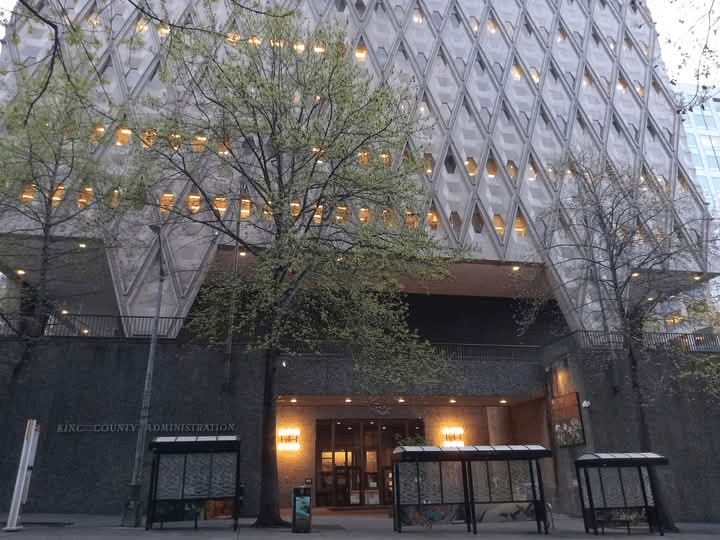
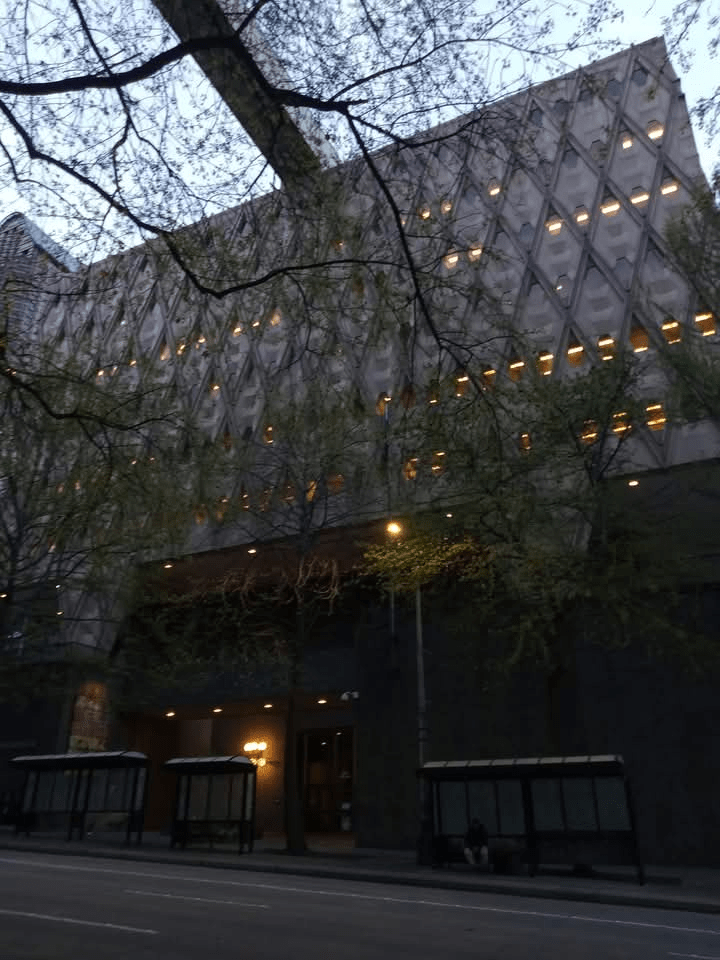
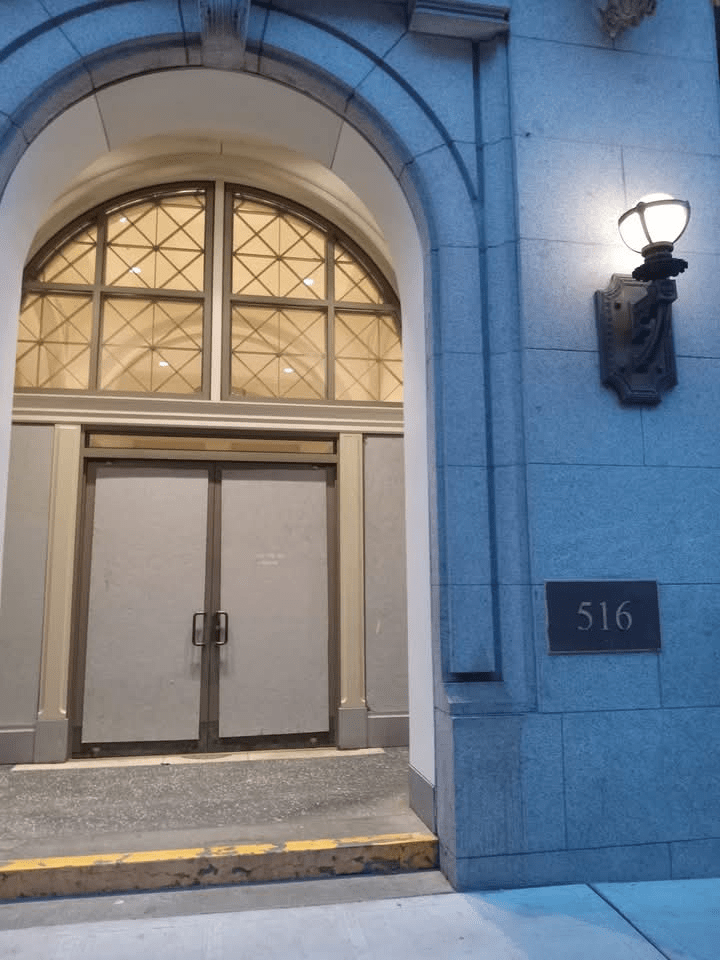
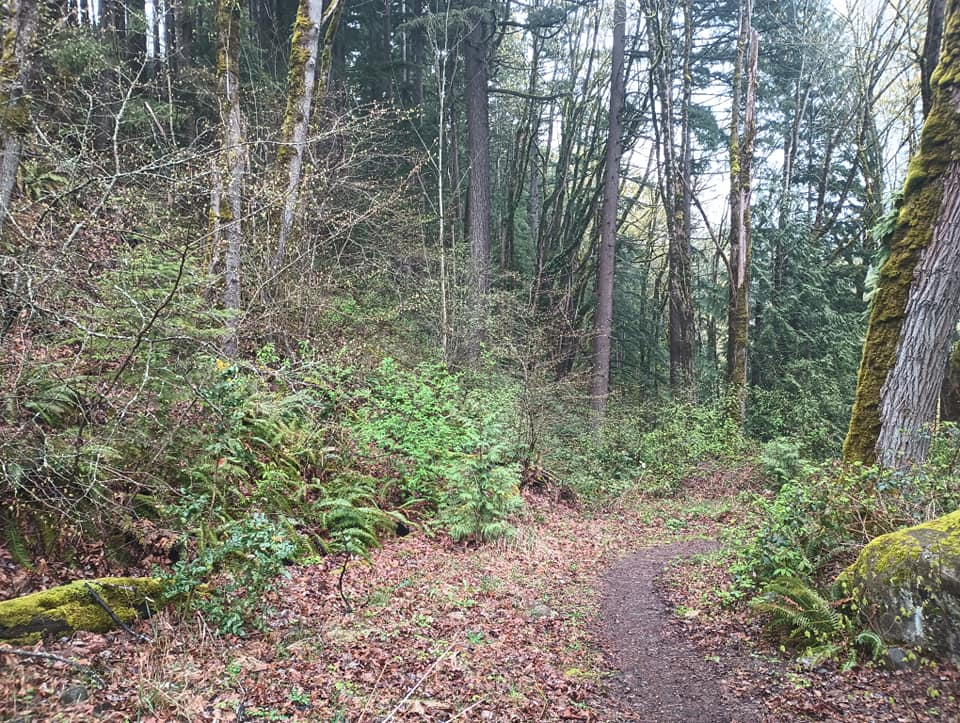
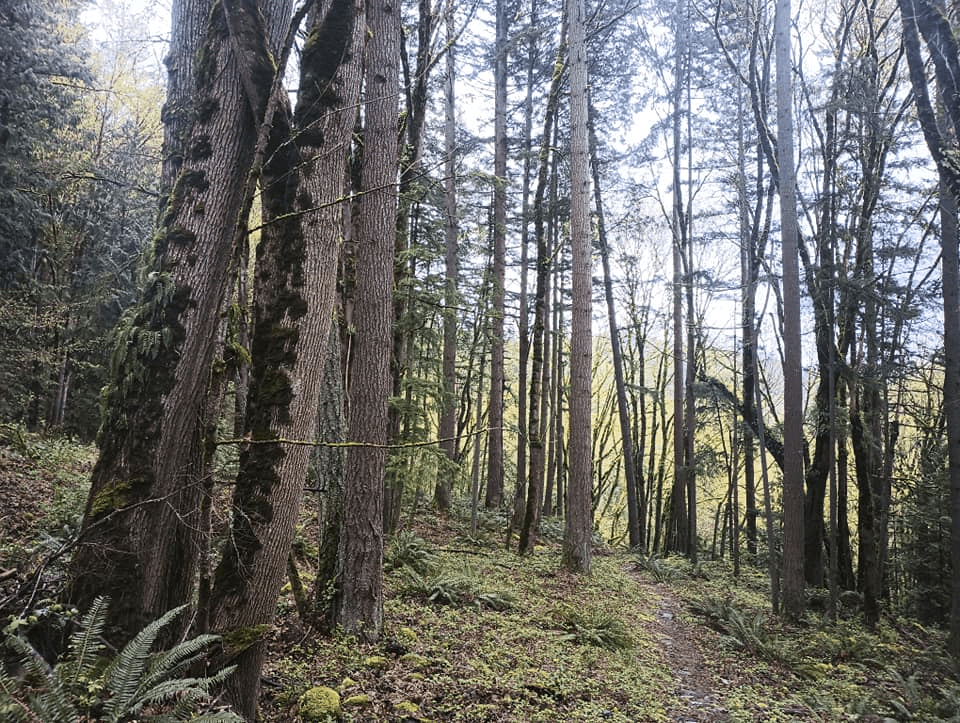
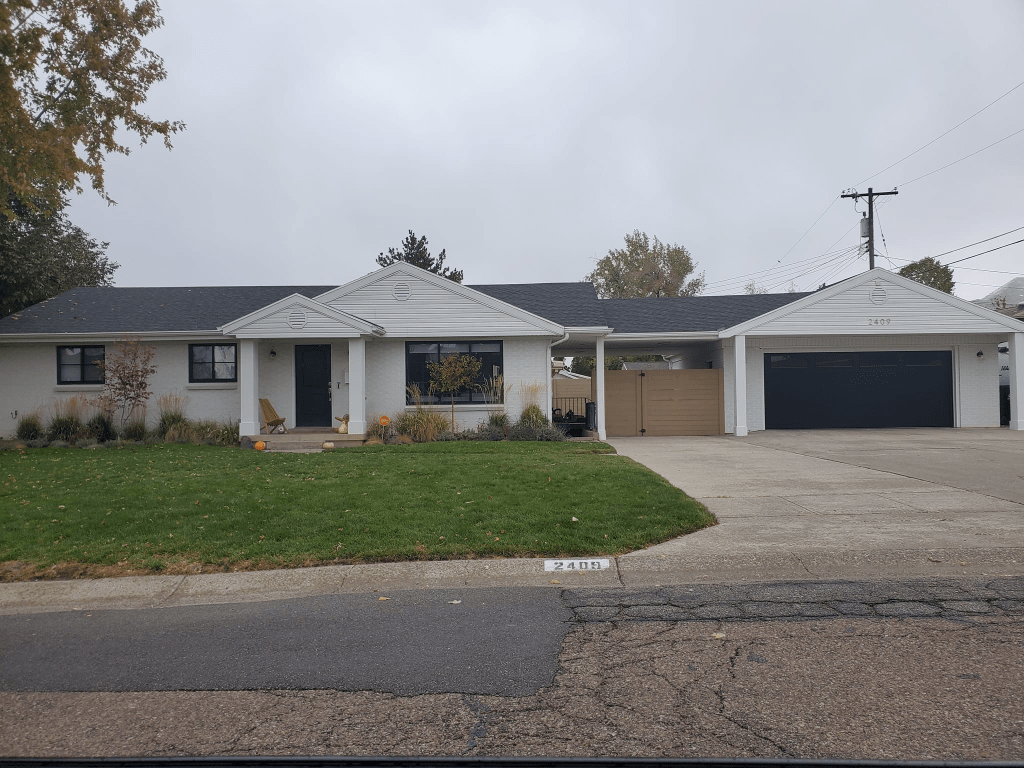
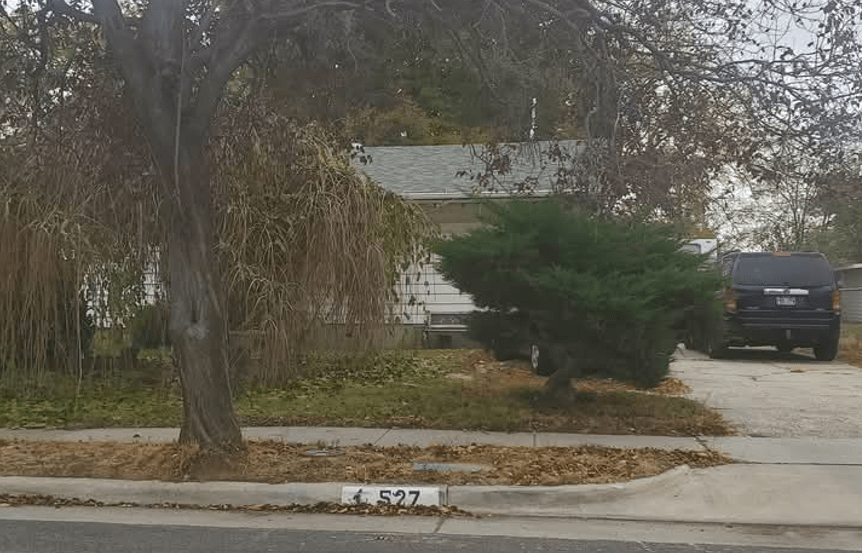
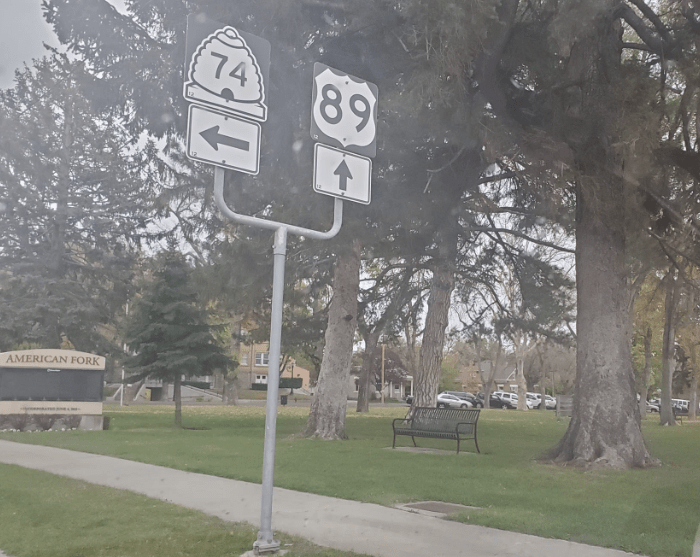
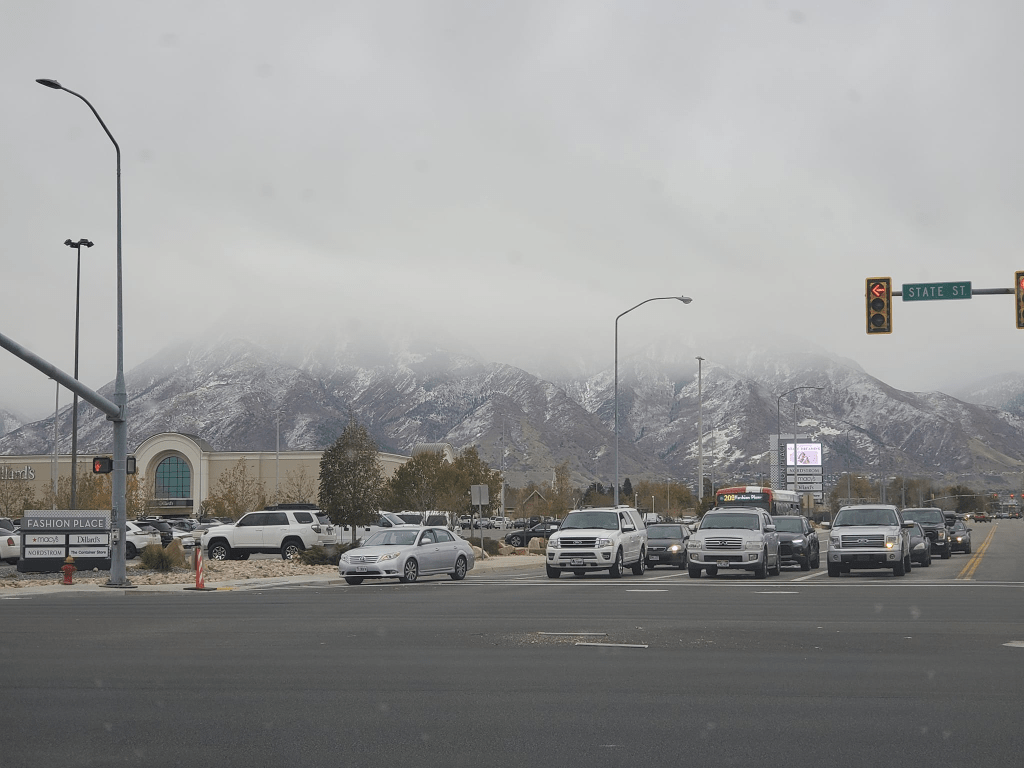
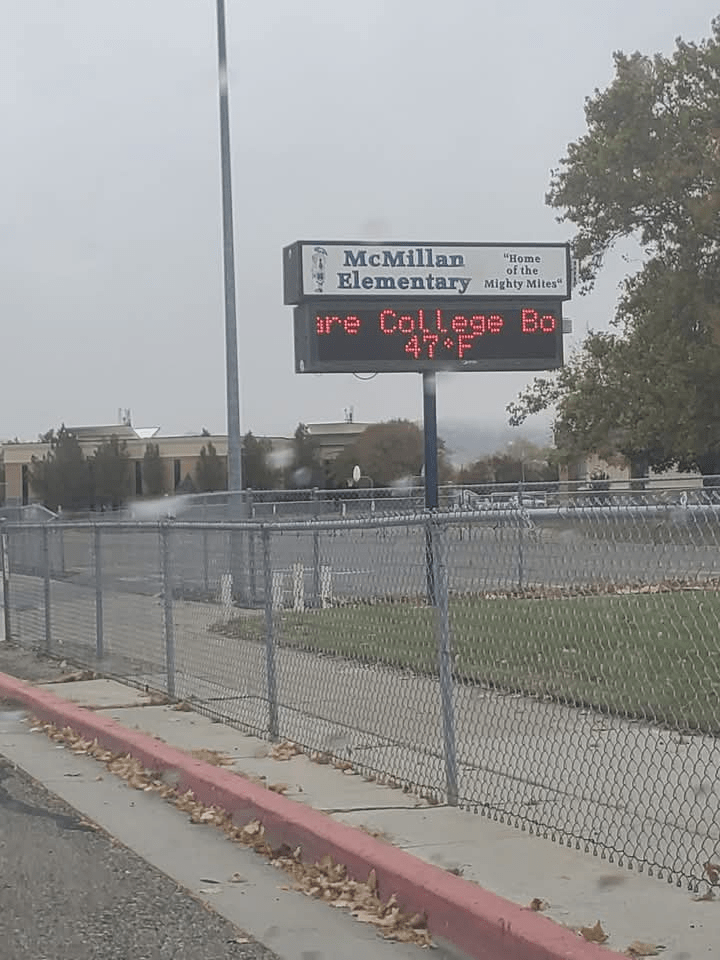
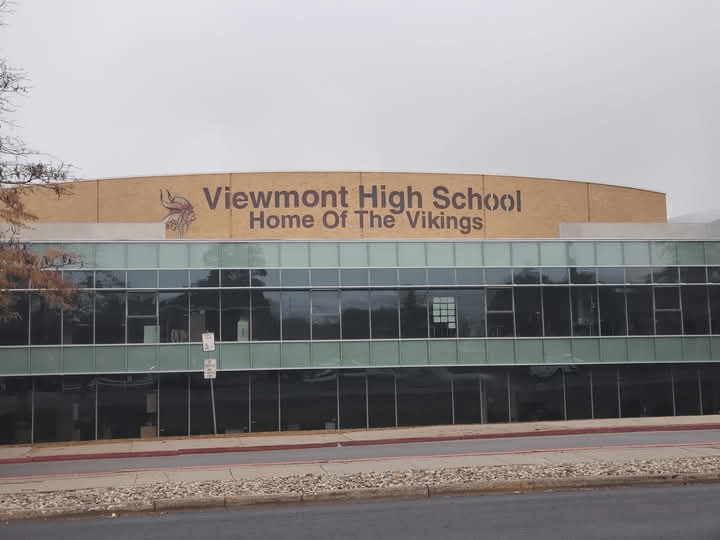
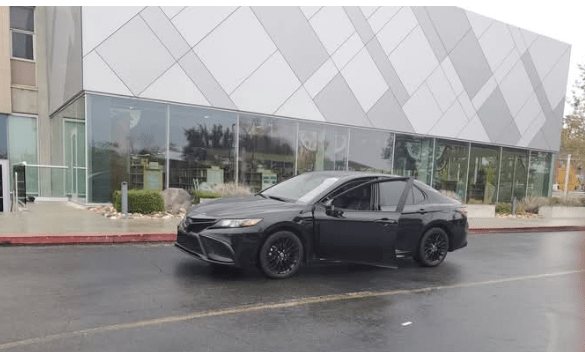
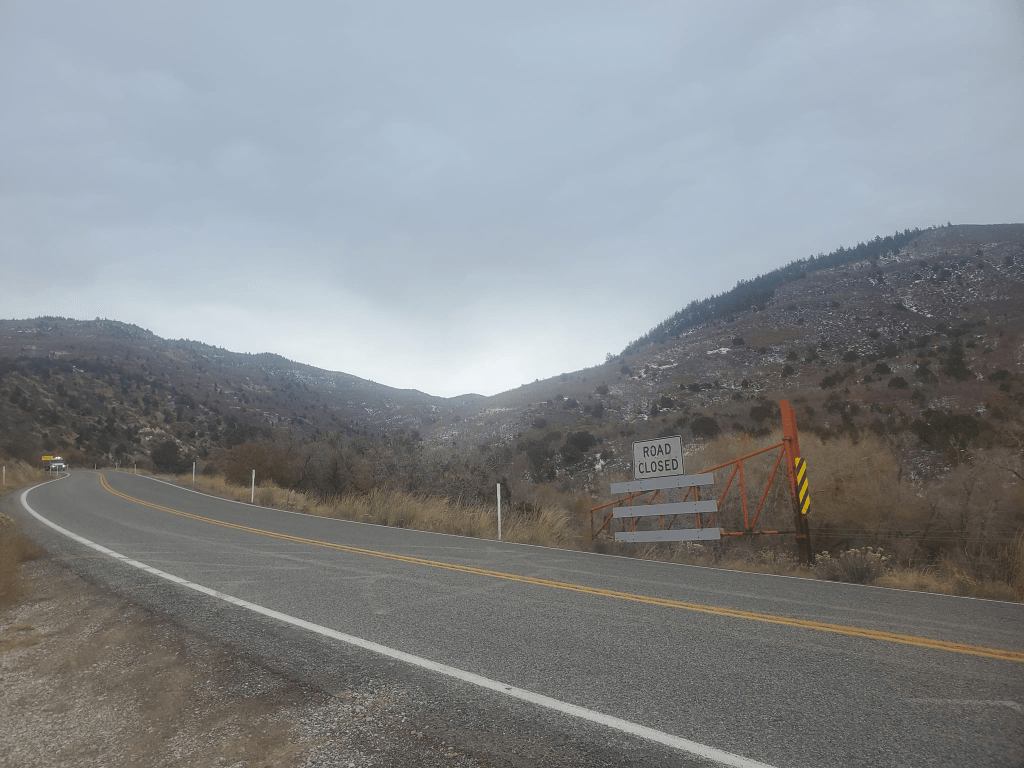
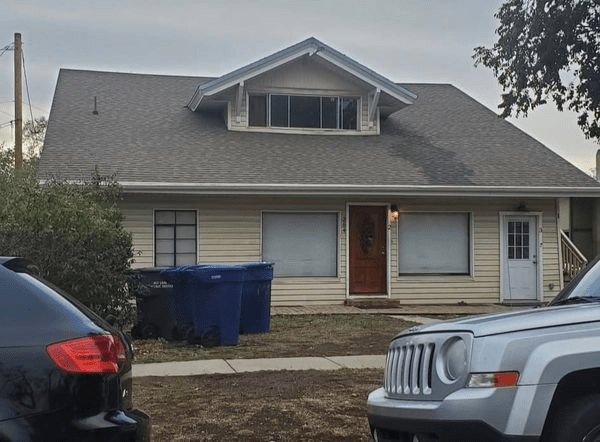
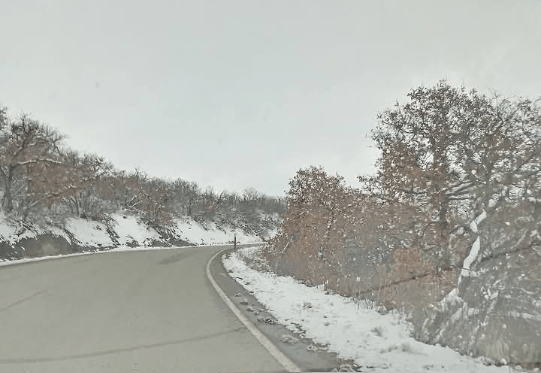
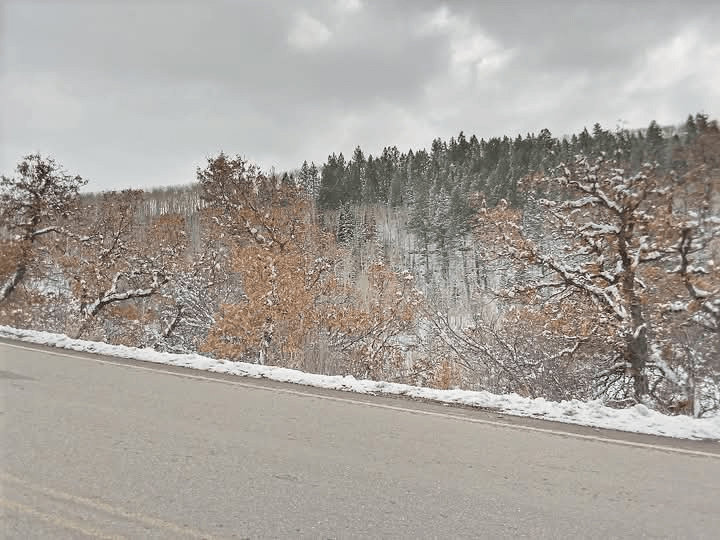
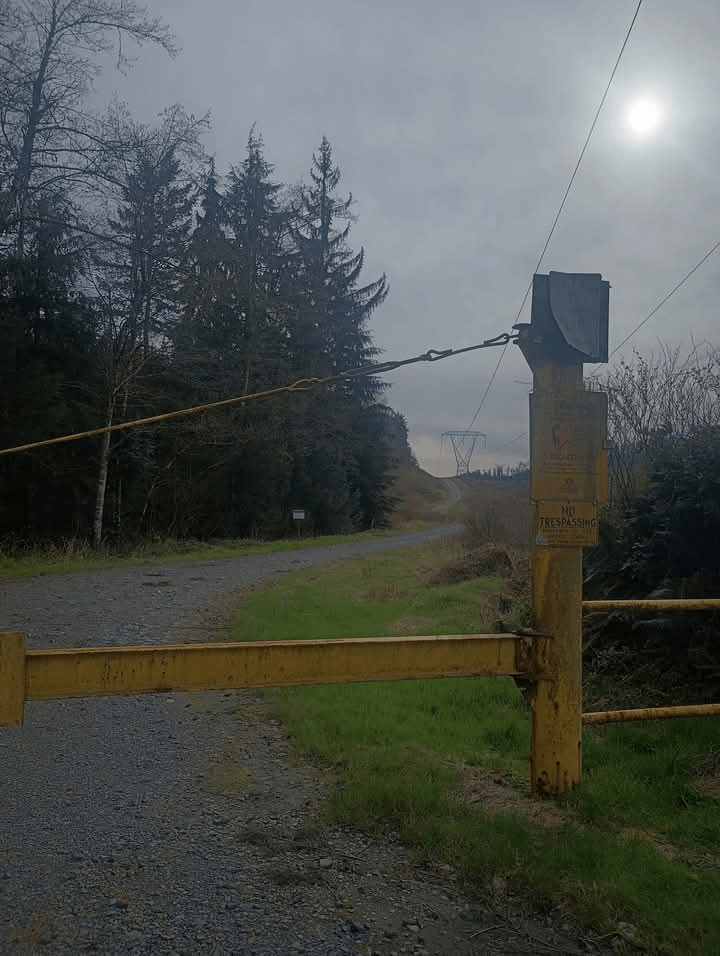
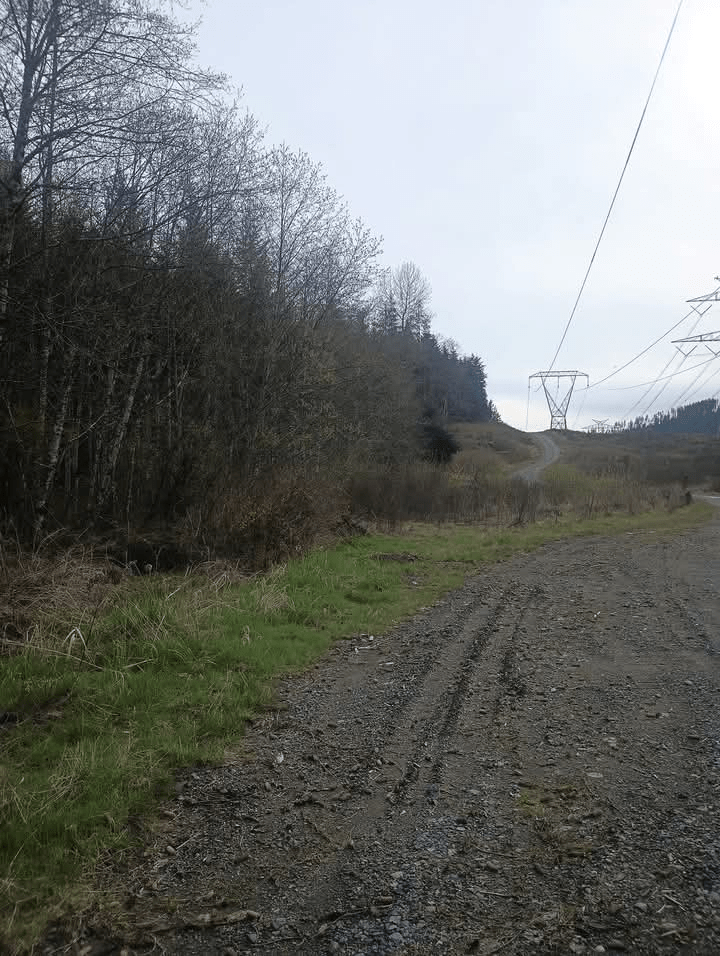
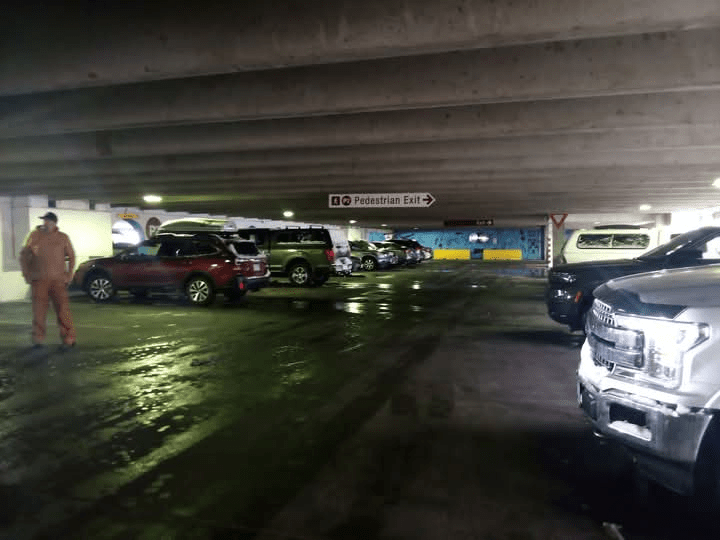
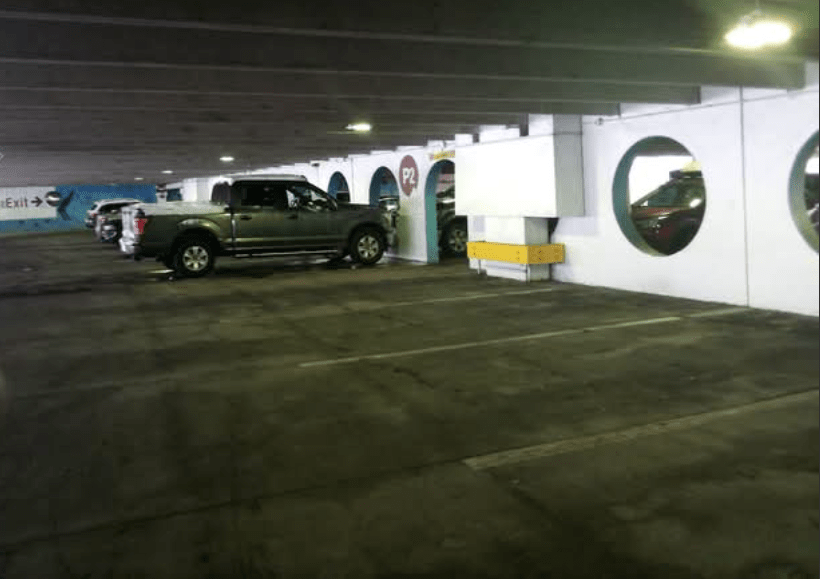
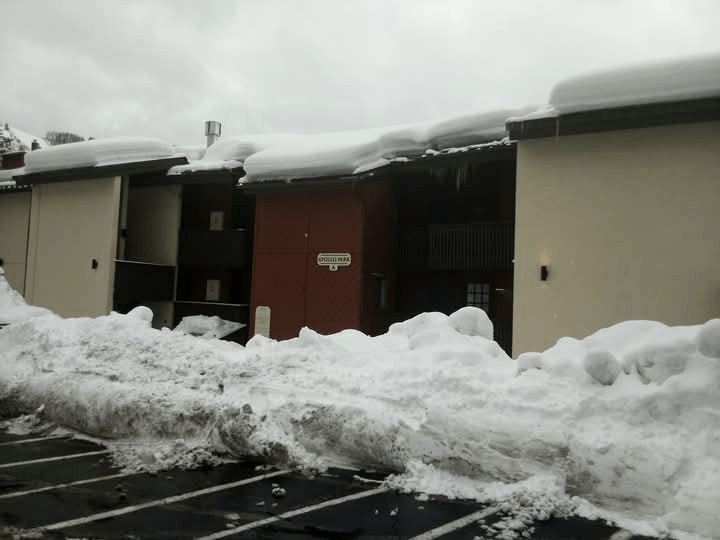
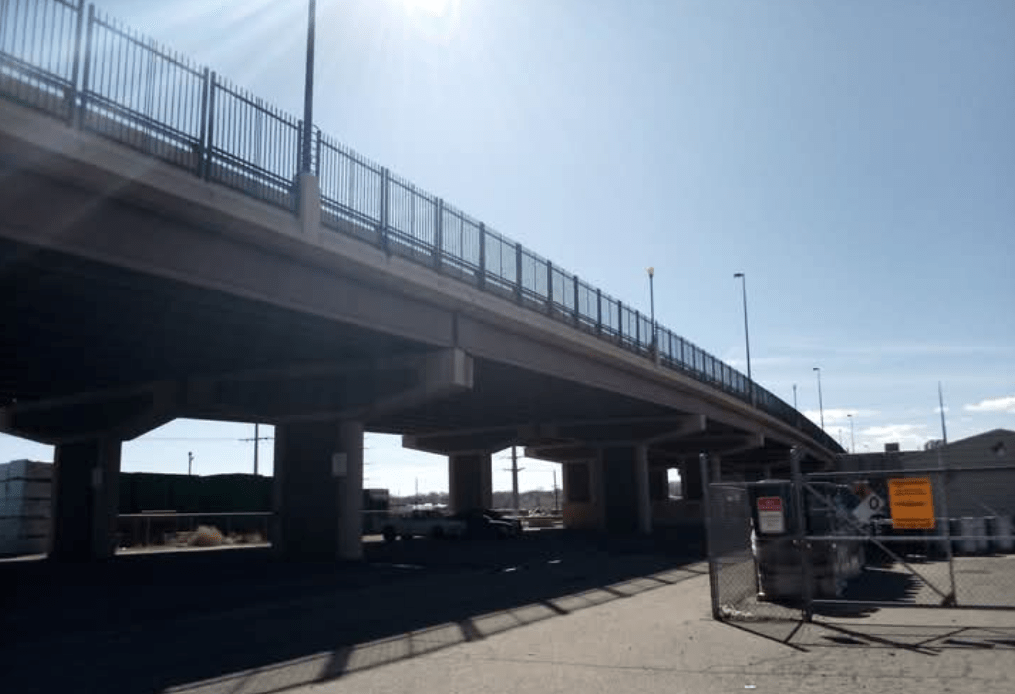
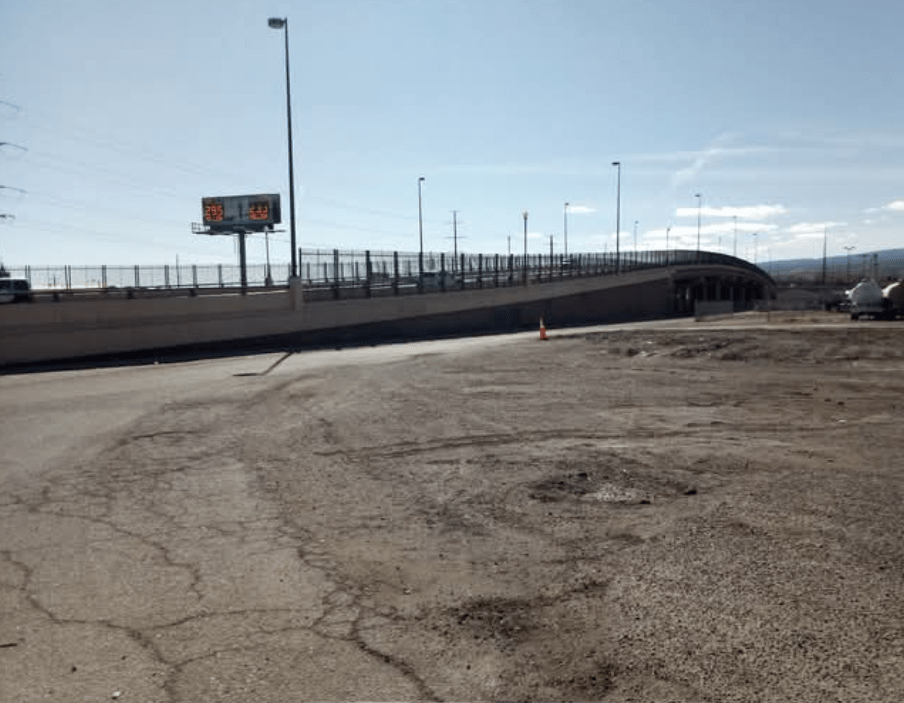
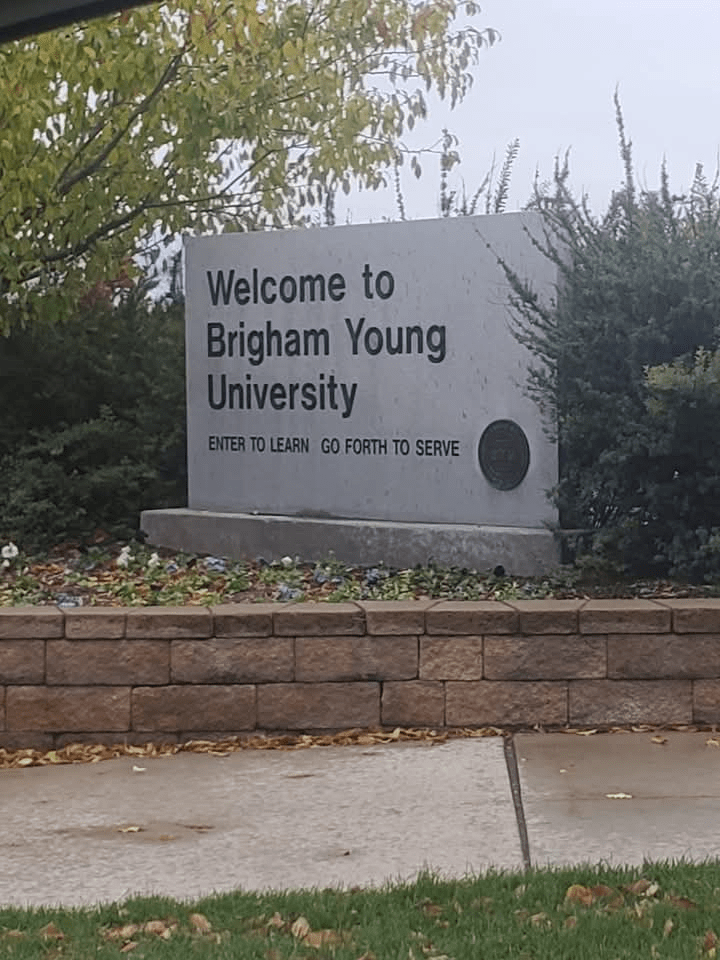
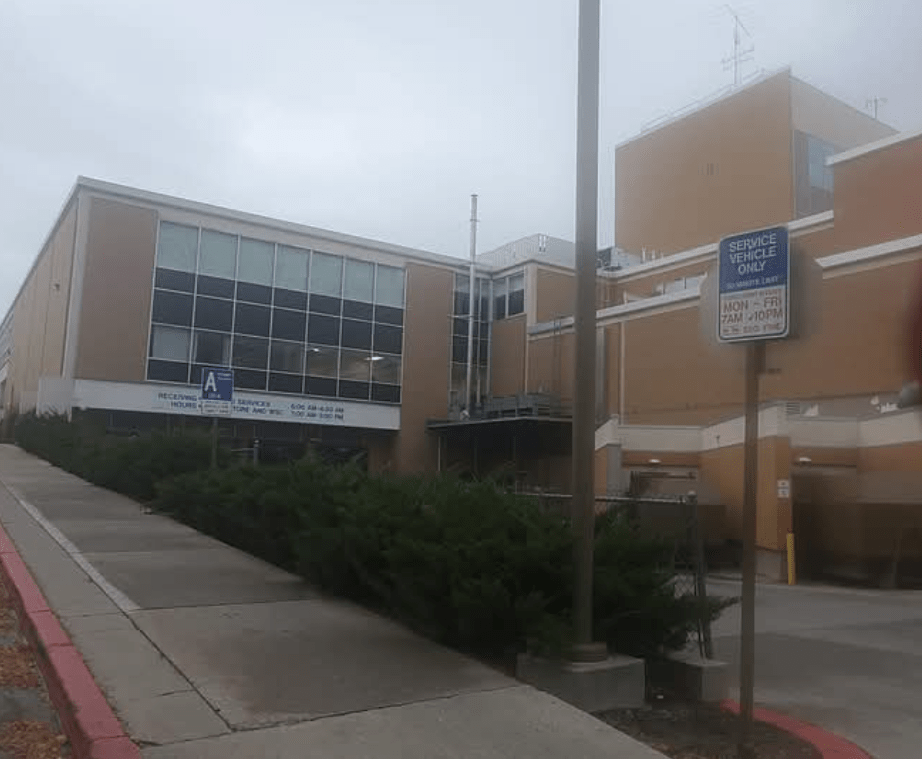
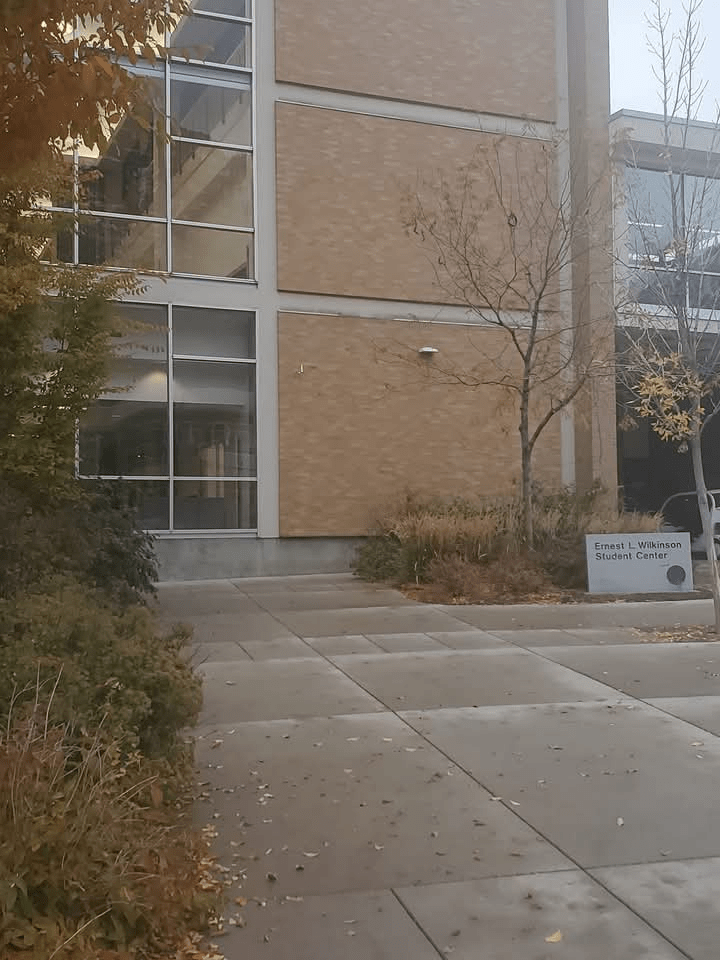
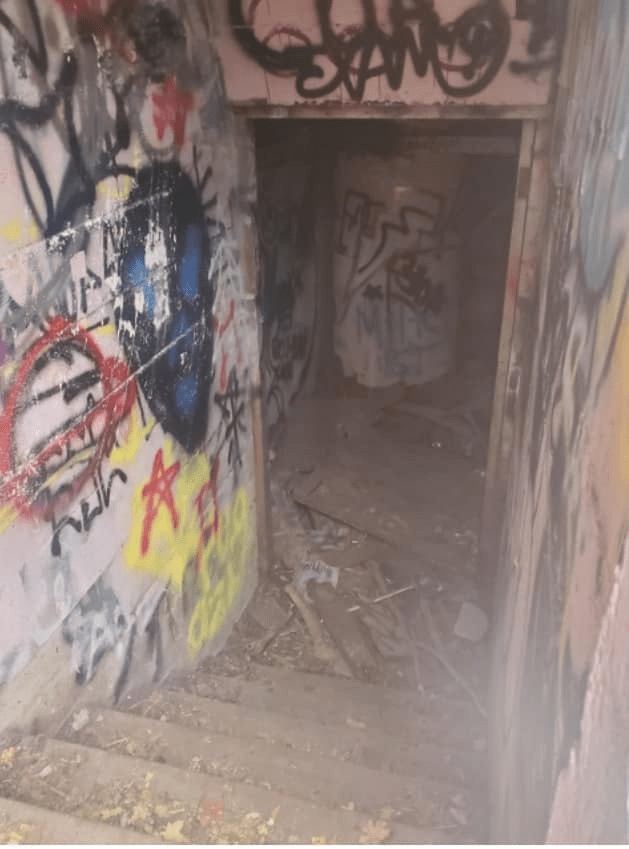
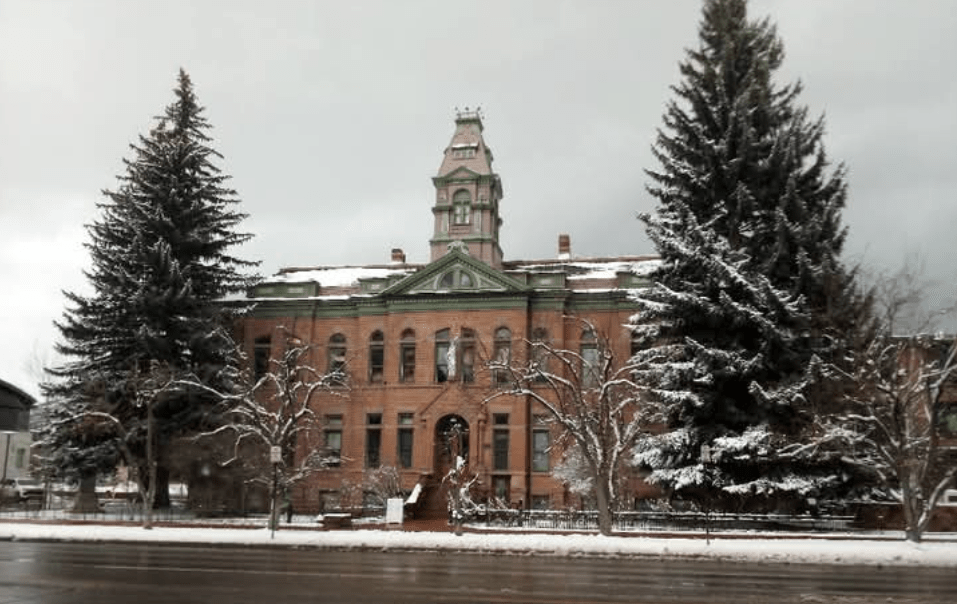
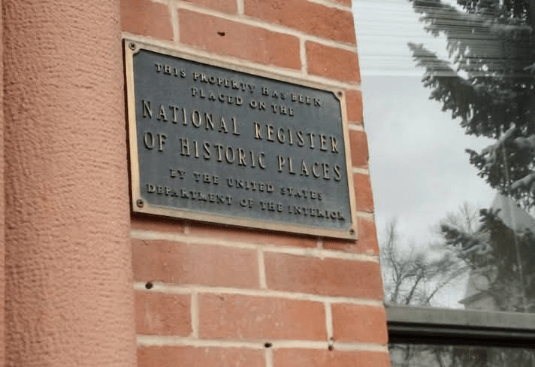
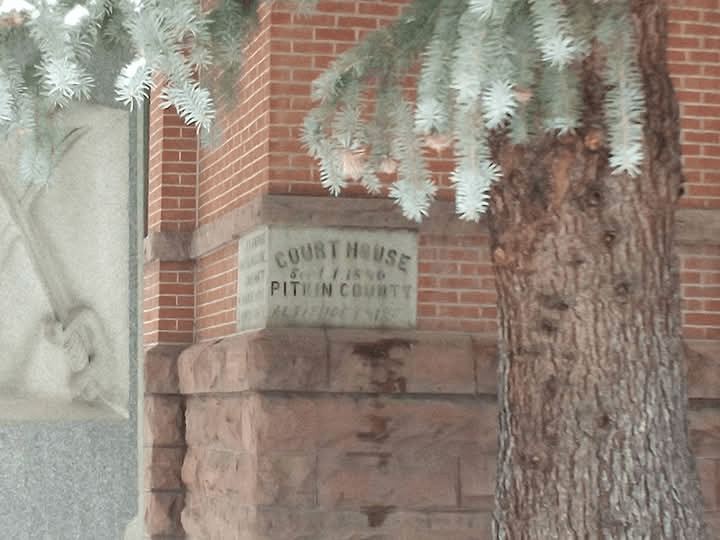
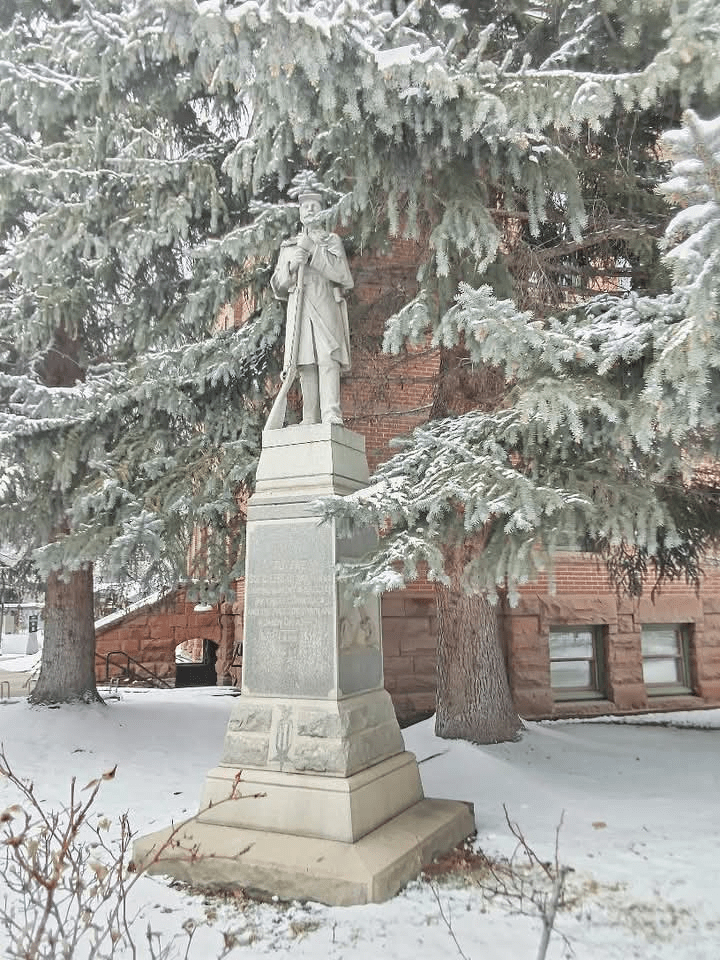
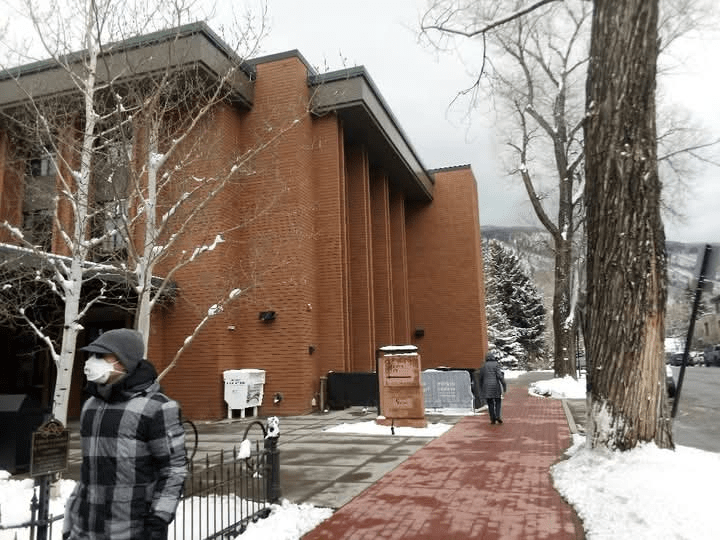
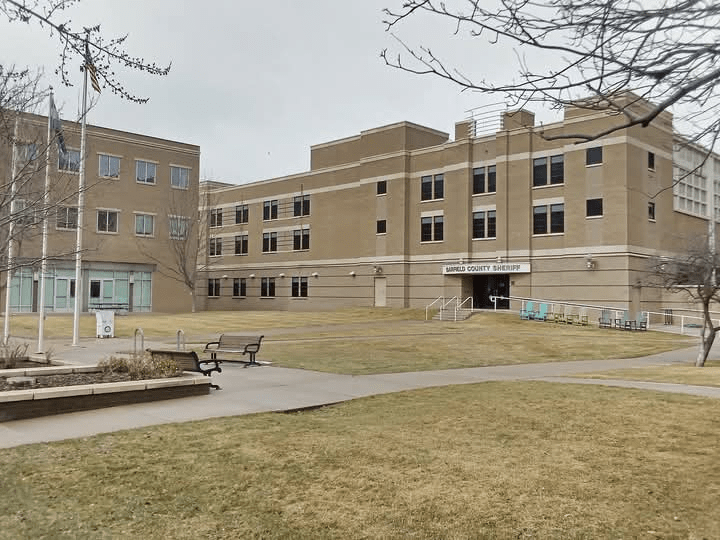
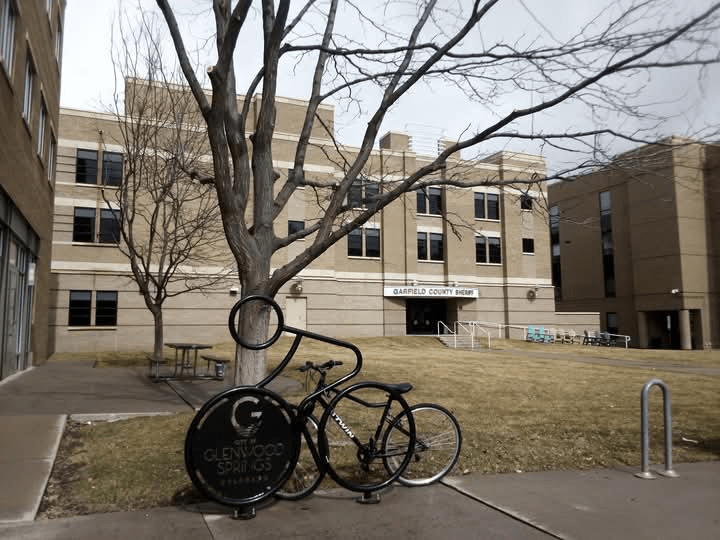
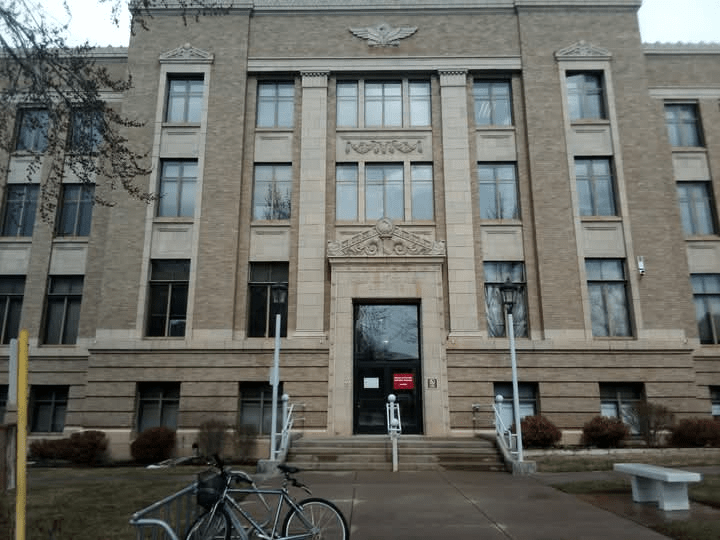
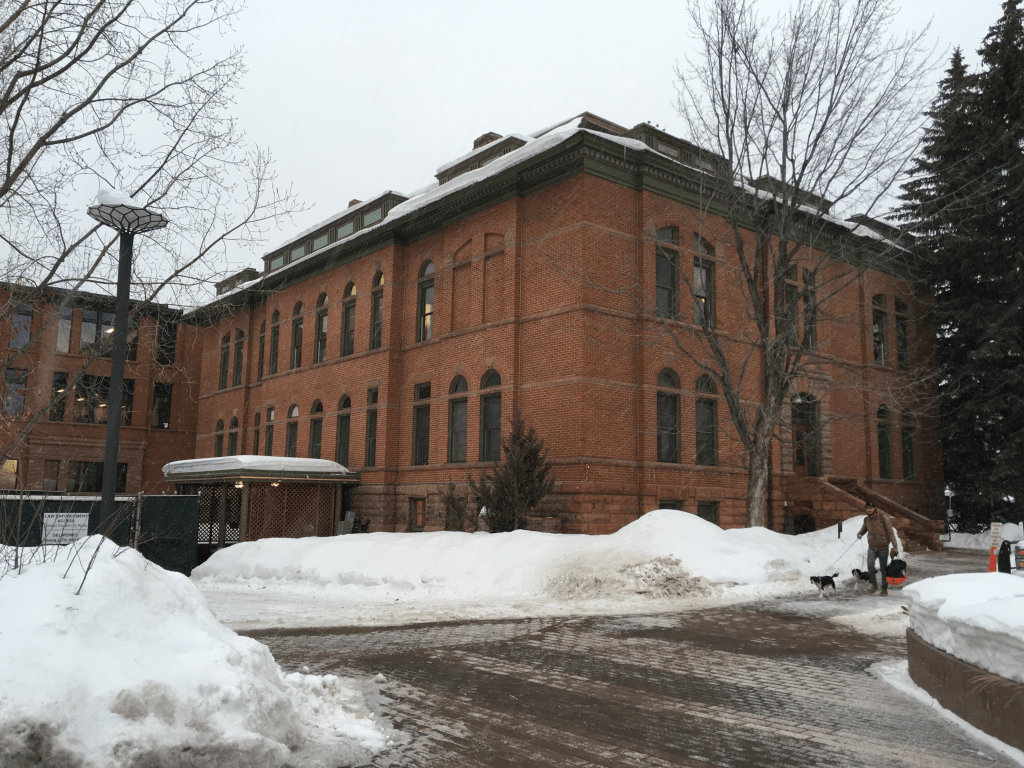
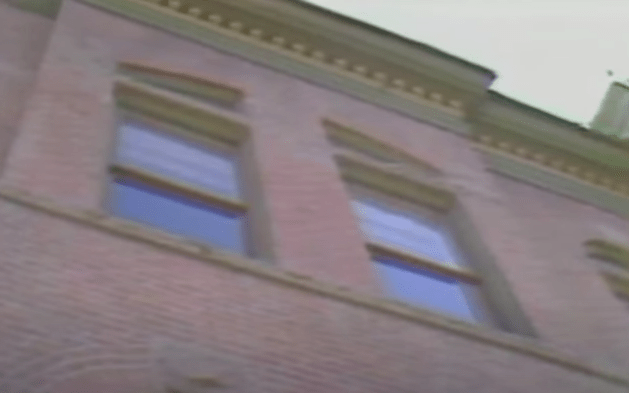
According to the ‘1992 TB Multiagency Report 1992,’ Ted lived here briefly with Marlin Vortman and his wife sometime in late 1973, located at 3510 West Elmore Street in Seattle. Photo taken in April 2024.A shot of where Sotria Kritsonis claims she was abducted from, picture taken in April 2022.A shot of where Sotria Kritsonis claims she was abducted from, picture taken in April 2022.A shot of where Sotria Kritsonis claims she was abducted from, picture taken in April 2022.The final resting place of Katherine Merry Devine, picture taken in April 2024.Kathy Devine’s diary, courtesy of Charlene Devine-Gonzales. Picture taken in April 2024.A picture of a page taken from Kathy Devine’s diary, courtesy of Charlene Devine-Gonzales. Picture taken in April 2024.Where the apartment of Karen Sparks once stood, who Bundy attacked and left for dead in her basement apartment on January 4, 1974. Picture taken in April 2022.This is the house where Ted Bundy attacked and abducted his first known murder victim, Lynda Ann Healy located at 5517 12th Avenue NE in Seattle, Washington. Picture taken in April 2024.A path located on the side of the house (and in the back) that Lynda Ann Healy was renting at the time of her murder. Picture taken in April 2024.A picture of Lynda Ann Healy’s former house taken in April 2022. On the evening of January 31, 1974, Healy and her roommates were drinking at Dante’s Tavern, but because she needed to be at her job the following morning at 5:30 to read the ski report they didn’t stay out late and returned home around 10 PM (their friend Pete also had to catch a bus back to his place). A picture of the side of Lynda Healy’s former house, taken in April 2022. Donna Manson’s former dormitory located on the campus of The Evergreen State Collegein Olympia, WA. Picture taken in April 2022.A path near Manson’s dormitory, picture taken in April 2022.A path in the back of the dorm buildings that Donna may have taken the night of her murder, picture taken in April 2022.Some interesting trees in front of the Daniel J. Evans Library on the campus of The Evergreen Sate College. Picture taken in April 2022.The Library on the campus of The Evergreen State College, picture taken in April 2022.A picture taken at the entrance of Central Washington University from April 2022. Susan Rancourt was abducted from campus on April 17, 1974.Before Bundy came across Sue Rancourt he approached two other young women, Jane Curtis and Katherine Clara D’Olivo. Earlier in the evening both women said they were approached by a man with his arm in a sling onthe schools campus.Another picture of the Susan Rancourt Memorial Garden located on the campus of Central Washington University. Picture taken in April 2022.Another picture of the Susan Rancourt Memorial Garden located on the campus of Central Washington University. Picture taken in April 2022.Another picture of the Susan Rancourt Memorial Garden located on the campus of Central Washington University. Picture taken in April 2022.Barto Hall, where Rancourt was living at the time of her murder. Picture taken in April 2022.Before her murder Sue Rancourt was attending a meeting about being a residential advisor the following school year, picture taken in April 2022.A safety phone on the campus of Central Washington University. Picture taken in April 2022.Millersylvania State Park as it looked in April 2022. This is where the remains of Brenda Joy Baker were discovered in May 1974. Most likely Brenda was killed by a man named William Cosden Jr., but because no DNA was ever taken at the crime scene we will most likely never know for sure who took her life.One of the signs for the entrance of Millersylvania State Park as it looked in April 2022.The sign for the entrance of Millersylvania State Park as it looked in April 2022.The former Flame Tavern as it looked in April 2022. On May 31, 1974 Brenda Ball vanished without a trace after seeing a band play here, and was last seen in the company of a handsome man with his arm in a sling. The former Flame Tavern as it looked in April 2022.The former Flame Tavern as it looked in April 2022.The former Flame Tavern as it looked in April 2022.The alley where Bundy first encountered Georgann Hawkins, picture taken in April 2022.The alleyway where Ted first encountered Hawkins, picture taken in April 2024.The parking lot where Bundy abducted Georgann Hawkins on June 11, 1974 from outside the Phi Sigma Sigma sorority house on the University of Washington campus. Picture taken in April 2024.Another shot of the parking lot where Bundy first encountered Georgann Hawkins, taken in April 2024.A sign at the entrance of Lake Samammish State Park in Issaquah, WA. Picture taken in April 2022.The entrance of Lake Sammamish, picture taken in April 2022.Lake Sammamish, picture taken in April 2022.A beach at Lake Sammamish for Tibbetts Beach. Picture taken in April 2022.A beach at Lake Sammamish for Tibbetts Beach. Picture taken in April 2022.A sign at Lake Sammamish for Tibbetts Beach. Picture taken in April 2022.A sign for some King Country Government buildings, picture taken in April 2022.The King County Sheriff’s office, located at 516 3rd Ave in Seattle… To be honest, I went here right before I was due to come home, and as I was walking around taking my pictures I saw a young man smoking crack in one of the buildings alcove. In that moment, I was ready to come home, and I had enough of my vacation. Like so many other things I experienced that week, if was definitely a first. Picture taken in April 2022.Another shot of the King County Sheriff’s Department, picture taken in April 2022.The King County Sheriff’s Department, picture taken in April 2022.The side of the King County Sheriff’s Department, picture taken in April 2022.A door to the King County Sheriff’s Department, picture taken in April 2022.Another door at the King County Sheriff’s Department, picture taken in April 2022.A photo I took of the Issaquah Dump Site in April 2024.A photo I took of the Issaquah Dump Site in April 2024.A photo I took of the Issaquah Dump Site in April 2024.A photo I took of the Issaquah Dump Site in April 2024.A photo I took of the Issaquah Dump Site in April 2024.A photo I took of the Issaquah Dump Site in April 2024.A photo I took of the Issaquah Dump Site in April 2024.A photo I took of the Issaquah Dump Site in April 2024.This is the former boarding house where Bundy rented a room in during his second attempt at law school in SLC, located at 565 1st Avenue; he lived here from September 2, 1974 to September 1975. Picture taken in November 2022.The house where Nancy Wilcox lived when she was abducted and killed by Bundy. It’s located at 2409 Arnette Drive in Salt Lake City, is 1,482 square feet in size and was built in 1957. I took this picture in November 2022.A picture of where the orchard once stood located across the street from Nancy Wilcox; I took this picture in November 2022.A picture of Big Cottonwood Canyon taken in November 2022. This is where Rhonda Stapley claims Ted took her after abducting her in October 1974.A picture of a couple signs from Big Cottonwood Canyon taken in November 2022.Where The Pepperoni Pizza restaurant once stood, where Melissa Smith died with a friend before she was last seen. Picture taken in November 2022.The intersection close to where the remains of Melissa Smith were found, picture taken in November 2022.On October 18th, 1974, Bundy abducted Melissa Anne Smith from outside of a pizzeria in Midvale, and her nude remains were discovered twenty-three miles away by deer hunters nine days later, on this hillside in Summit Park. The seventeen-year-old had a man’s blue nylon sock tied around her neck raped, beaten, and then strangled. She was found face down in some scrub oak. Picture taken in November 2022.The home of Melissa Smith, located at 527 Fern Drive in Midvale, Utah. Picture taken in November 2022.William S. Robinson Park in American Fork, which is one of the places Laura Aime was possibly last seen alive. Picture taken in November 2022.Where Laura Ann Aime was possibly last seen, this is where ‘The Knotty Pine’ was once located in Lehi, UT. Picture taken in November 2022.This white SUV is where Bundy dumped the remains of Laura Ann Aime, and is located off Utah State Route 92 in American Fork (per the OddStops website). Pictures taken in November 2022.A beautiful shot in front of The Fashion Place Mall in Murray, where Carol DaRonch was abducted from. Photo taken in November 2022.A shot of front sign for The Fashion Place Mall in Murray. It’s where Bundy attempted to abduct 18 year old Carol DaRonch from on November 8th, 1974. At the time the store was home to Sears, now it is a Dillards Department Store. Photo taken November 2022.The ‘police substation’ that Bundy took Carol DaRonch to when he pretended to be a police officer in an attempt to abduct and most likely kill her. Picture taken in November 2022.The door to the entrance of the ‘police substation.’ Photo taken in November 2022.Where my rental car sits is where Carol DaRonch fled Bundy’s car. It’s on the western side of McMillan Elementary School, close to the intersection between South Fashion Boulevard and 5900 South. Photo taken in November 2022.McMillan Elementary School, located close to the intersection between South Fashion Boulevard and 5900 South. Photo taken in November 2022.Viewmont High School in Bountiful, UT. Picture taken in November 2022.Viewmont High School, located at 120 West 1000 North in Bountiful, UT. Photo taken in November 2022.Viewmont High School, in Bountiful, UT. Picture taken in November 2022.The doors for the auditorium at Viewmont High School, where Debra Kent was abducted from. Picture taken in November 2022.The parking lot in Viewmont High School that Bundy abducted Deb Kent from. Picture taken in November 2022.Where Deb Kent was abducted from, picture taken in November 2022.A broader shot of the entrance to Fairview Canyon, where Deb Kent’s remains were found. It’s about an hour and a half outside of Salt Lake City. Photo taken in November 2022.This is close to where Bundy buried the remains of 17-year-old Debra Jean Kent, near a dirt road in Fairview Canyon around 105 miles away from Viewmont High School. During one of his final confessions, he said he left her near a steep dirt road that ‘wound up to the left’ and buried her about three feet deep and then covered her with heavy rocks. Photo taken in November 2022.The entrance to where the remains of Deb Kent were foundA shot of the entrance to Fairview Canyon, where Deb Kent’s remains were found. Photo taken in November 2022.A sign for the Wildwood Hotel (formerly Inn) located in Aspen. I’m shocked at how squished together everything is, I imagined this beautiful, sprawling hotel… but it was all so close together. 2/10, would not recommend.The Wildwood Hotel (formerly Inn), where twenty-three-year-old Michigan nurse Caryn Campbell was staying with her fiancé when she disappeared on January 12, 1975; her body was found on February 17, 1975, 3.1 miles away on the side of Owl Creek in the outskirts of Aspen. Picture taken in March 2025.This is the GPS coordination’s where Caryn Campbells remains were discovered on Owl Creek Road in Aspen. Picture taken in March 2025.Bundy moved into an apartment on the right side of the top floor of this residence located at 364 Douglas Street in SLC on September 26, 1975. He claims that he moved here because it was within walking distance of the University of Utah. Picture taken in November 2022.A picture of where Caryn Campbells remains were found on Owl Creek Road, picture taken in March 2025.On January 12, 1975 Bundy bought gas in Glenwood Springs and Bundy abducted 23-year-old Caryn Campbell from the Wildwood Lodge in Snowmass, Colorado. Picture taken in March 2025.Bundy’s Douglas Street apartment, located at 413 ‘B’ Street in SLC, Utah. He moved here some time before March 22, 1976, during his trial for the kidnapping of Carol DaRonch, and was also under heavy police surveillance. He didn’t live here for very long: on March 1, 1976, he was found guilty of kidnapping Carol DaRonch and was immediately taken intp custody. Picture taken in November 2022.A photo I took of the entrance to the Taylor Mountain Dump Site in April 2024. On March 3, 1975 the remains of Lynda Ann Healy, Susan Rancourt, Roberta Parks, and Brenda Carol Ball were discovered by two forestry students at Green River Community College.A photo I took of the Taylor Mountain Dump Site in April 2024.A photo I took of the Taylor Mountain Dump Site in April 2024.A photo I took of the Taylor Mountain Dump Site in April 2024.A photo I took of the road from the Taylor Mountain Dump Site in April 2024.On March 15, 1975 Bundy came across 26-year-old ski instructor Julie Cunningham near this covered bridge by Gore Creek Drive in Vail, Colorado. Picture taken in March 2025.An area close to the parking garage where Julie Cunningham was abducted from. Picture taken in March 2025.The parking lot where Bundy abducted Julie Cunningham from, picture taken in March 2025.The parking lot where Bundy abducted Julie Cunningham that is located at 395 South Frontage Road in Vail, Colorado. At the time of the murder, it was a regular ground-level parking lot however in more recent times it is home to a multi-story car park. Picture taken in March 2025.The underground parking lot where Bundy abducted Julie Cunningham from in Vail, Colorado. Picture taken in March 2025.The entrance to the Apollo Park Apartments, where Julie Cunningham was living at the time of her murder. Picture taken in March 2025.The Apollo Park Apartments, where Julie Cunningham was living at the time of her murder. Picture taken in March 2025.The back of Cunningham’s apartment complex in Vail, picture taken in March 2025.1619 LaVita Street in Grand Junction, Colorado, where Denise Oliverson lived at the time of her murder. Picture taken in March 2025.This is the South 5th Street Bridge in Grand Junction, where Bundy abducted Denise Lynn Oliverson from on April 6, 1975.A (blurry) shot of the South 5th Street Bridge where Denise Oliversons’ bike was found the day after she disappeared. Picture taken in March 2025.The South 5th Street Bridge, in Grand Junction. Denise Oliverson vanished after leaving her nearby house on April 6th, 1975, and the next day, a railway worker found her yellow bike and sandals underneath this overpass. Photo taken in March 2025.A shot of the alley next to the South 5th Street Bridge in Grand Junction, picture taken in March 2025.The entrance of Brigham Young University, where Ted Bundy abducted Susan Curtis in June 1975. Originally from Bountiful, the fifteen-year-old was attending the Bountiful Orchard Youth Conference at the school when she disappeared. She had ridden her bicycle fifty miles to Provo to attend the conference and was last seen on June 27, 1975, the first day of the conference. After a formal banquet that evening, Susan left her friends and made the quarter mile walk to her room to brush her teeth. No trace of Curtis has ever been recovered. Picture taken in November 2022.Brigham Young University, where Ted Bundy abducted Susan Curtis from in Provo, Utah On June 27th, 1975, Curtis attended the Bountiful Orchard Youth Conference at the Wilkinson Student Center. Picture taken in November 2022.The Wilkenson Student Center on Brigham Young’s campus, where Susan Curtis was last seen alive. Picture taken in November 2022.I had great plans of hiking Berthoud Pass, where the remains of Shelley Kay Robertson were found on August 23, 1975, but my rental car kept getting stuck so this was as far as I was able to go. On July 1, 1975, the twenty-three-year-old failed to come into work at her family’s printing business in Colden, and she was last seen earlier that same day and was in ‘the company of an unknown man.’ Picture taken in March 2025.A picture of a sign announcing my arrival in Pitkin County, taken in March 2025.The ‘Ted Bundy Murder Cellar,’ which is a urban legend of sorts where locals claim he brought victims to (there is no evidence that proves this). Picture taken in November 2022.The inside of the TB Murder cellar. Even though it was two o’clock in the afternoon when I visited this location this was as far as I would venture in. My momma didn’t raise no fool, taken in November 2022.This house was the focus of a Ghost Adventuress episode about Ted, and is located near Viewmont High School in Bountiful where Deb Kent was abducted from. Zak Baggins claims that Bundy brought her back her to torture her, but there’s no evidence to back this up (in fact, there’s proof that a family lived there at the time). The (fuzzy) picture was taken in November 2022.A current picture of where Bundy got arrested for the first time, taken in November 2022.A horrible quality picture of Bundy’s first arrest site (as I am no master photographer), taken in November 2022.The entrance to the Utah State Corrections Facility, picture taken in November 2022. I was actually wrong that Ted was housed here before he was transferred to Colorado to stand trial: he actually was in Utah State Prison, and in July 2022 (just a few mere months before I went there) it was replaced by the Utah State Correctional Facility.The Pitkin County Courthouse, where Bundy escaped for the first time on June 7, 1977.A close up shot of the side of the building Bundy escaped from, picture taken in March 2025.A (terrible) shot of the window Bundy would have jumped out of when he escaped from the Pitkin County courthouse on June 7, 1977. Picture taken in March 2025.A plaque on the Pitkin County Courthouse that it is in the ‘National Registry of Historic Places.’ Picture taken in March 2025.An inscripted stone on the Pitkin County Courthouse. Picture from March 2025.This is (roughly) the grassy area that Bundy would have landed on when he jumped out the second story window of the Pitkin County Courthouse in Aspen on June 7th, 1977. Picture taken in March 2025.A picture I took in March 2025 of a statue of a generic Civil War soldier that’s located in front of the Pitkin County Courthouse in Aspen. The monument, which is dedicated ‘to the soldiers of 1861-1865’ and is intended as a symbol of national healing, does not representing either the Union or Confederacy and was erected on Memorial Day in 1899 and is dedicated to all of the soldiers that fought in the Civil War.The Pitkin County Clerk and Recorder building located at 530 East Main Street next to the Pitkin County Courthouse in Aspen, Colorado. Picture from March 2025.The Aspen Police Department, located two buildings down from the Pitkin County Courthouse. Picture taken in March 2025.The house that Bundy stole a Cadillac from in the early hours of June 13, 1977, located at 805 Bonita Drive in Aspen. Picture taken in March 2025.This is the only picture I was able to get that was close to where (I think) Fritz Kaeser’s cabin is located… I rented a piece of junk Ford Focus with bald tires and got stuck on a back road searching for it. I have no problem admitting I underestimated my husbands warnings of how bad Aspen winters can be, as I’m from Buffalo and have no problems driving in the snow… but what I have never encountered before is snow AND mountains. Where I hate admitting defeat, I knew I would have to take the L on this one. I didn’t have cell phone signal on top of it all and I was STUCK stuck, but thankfully the girls house I got stuck in front of helped me get out thanks to kitty litter and a board). It all worked out.The entrance to the Glenwood Springs government building, picture taken in March 2025.A picture of the Garfield County Jail, taken in March 2025.Another shot of the Garfield County Sheriff’s Department, picture taken in March 2025.A picture of the Garfield County Jail, taken in March 2025.The keystone on the Garfield County Court Building, picture taken in March 2025.The Chi Omega sorority house, located at 661 West Jefferson Street in Tallahassee. On January 15, 1978 Bundy entered the dormatory armed only with a piece of firewood, and killed twenty-one-year-old Margaret Bowman and twenty-year-old Lisa Levy; he also brutally harmed Karen Chandler and Kathy Kleiner, but thankfully both women survived. Picture taken in May 2023.Another shot of the Chi Omega sorority house.Where Sherrod’s night Club once stood, located next door to the Chi Omega sorority house at 675 West Jefferson Street in Tallahassee. Photo taken in May 2023.The road sign for Dunwoody Street and Pensacola Street, photo taken in May 2023.This is where Ted brutally attacked (and most likely left for dead) twenty-one-year-old dancing student Cheryl Thomas, in her residence located in one side of a duplex located at 431 Dunwoody Street in Tallahassee. Photo taken in May 2023.The area near Dunwoody Street where Cheryl Thomas was living at the time she was attacked by Ted Bundy. Photo taken in May 2023.The sporting goods store where Ted Bundy purchased a hunting knife on February 8, 1978, located at 8764 Normandy Boulevard in Jacksonville. Picture taken in May 2023.This is where the mall parking lot was once located on Blanding Boulevard where on February 8th, 1978 Bundy attempted to abduct-fourteen-year-old Leslie Parmenter. The daughter of Jacksonville PD’s Chief of Detectives, Parmenter was confronted by Ted (who had introduced himself as Richard Burton from the Fire Department) after leaving Jeb Stuart Junior High School, but said he backed down when her older brother showed up. Back in 1978 it was home to a Kmart, and today it houses an Amazon Hub. Photo taken in May 2023.This is the school where Bundy abducted twelve-year-old Kimberly Dianne Leach located at 372 West Duval Street in Lake City, Florida. Photo taken in May 2023.On the morning of February 9th, 1978, Kim left her gym class in the auditorium and walked over to her homeroom when she realized that she had lost her purse. After going back and getting it, Leach started back to the auditorium but never got there. Picture taken in Mat 2023.The house where Bundy stole an orange VW ‘Super Bug’ from its owner Rick Garzaniti. On February 12, 1978 Garzaniti and his wife parked their 1972 Volkswagen outside this residence located at 515 East Georgia Street in Tallahassee and went inside to pick up their toddler from the babysitter. He admitted to leaving the keys in the vehicle, as they weren’t sticking around for very long. Picture taken in May 2023.The location of Ted Bundy’s final arrest, picture taken in May 2023. This is where he was arrested by Officer David Lee at roughly 1 AM on February 15, 1978, located at West Cross Street in Pensacola.A broad shot of an area of the farm where Kim Leach’s body was recovered, photo taken in May 2023.Another area of the farm where Kim Leach’s body was recovered, photo taken in May 2023.An area of the farm where Kim Leach’s body was recovered, photo taken in May 2023.An area of the farm where Kim Leach’s body was recovered, photo taken in May 2023.Another shot of an area of the farm where Kim Leach’s body was recovered, photo taken in May 2023.An area of the farm where Kim Leach’s body was recovered, photo taken in May 2023.An area of the farm where Kim Leach’s body was recovered, photo taken in May 2023.An area of the farm where Kim Leach’s body was recovered, photo taken in May 2023.A road named ‘Kimberly’ that is located close to the cemetery where Kim Leach is buried. Photo taken in May 2023.The entrance to the cemetery where Kim Leach is buried in Memorial Cemetery in Lake City. Picture taken in May 2023.The gravesites of Kim Leach and her brother, Michael. Photo taken in May 2023.The entrance to the Leon County Detention Center, picture taken in May 2023.The Leon County Courthouse, where Bundy stood trial in 1980 for the Chi Omega/Cheryl Thomas attacks. Picture taken in May 2023.The courtyard in front of the Leon County Courthouse, picture taken in May 2023.The entrance to the Richard E. Gerstein Justice Building, located at1351 NW 12th Street in Miami. Picture taken in May 2023.
An interview that took place on February 18, 2019 at roughly 7:45 AM CBI between Chris Watts and Agent Tammy Lee, FBI SA Grahm Coder, and Frederick PD Detective Dave Baumhover at the Dodge Correctional Institute.
A .PDF document of reports related to the extensive searches made in the Issaquah and Taylor Mountain areas in relation to Ted Bundy.
According to the Issaquah Dump Site report, the skeletons were badly scattered by animals and no evidence of trauma, dismemberment or assault could be detected, and no clothing, jewelry, or other personal effects were near the scene. The report concluded that the victims were probably killed elsewhere and dumped at the dump sites shortly after they disappeared. After the search made in the area, three sets of bones were found, and two of them were determined to have belonged to Janice Ott and Denise Naslund. The skull of Janice Ott was still missing as were the skull and mandible of the third person, and for the third set of bones the two possible victims were thought to have been Georgann Hawkins and Donna Manson. A large quantity of immature elk bones were found 1/4 mile east of the scene on ‘Sunset Highway.’
According to the Taylor Mountain DS report, the skulls and/or mandibles of Lynda Healy, Susan Rancourt, Kathy Parks, and Brenda Ball were found at this location; several other bones were also found at this location, but were eventually determined to be non-human. The report specifies that this gave rise to the theory that the girls had been decapitated, but no cervical vertebrae were found in the search. The report further specifies that animals in the area included coyotes, bears and rodents, adding that the possibility of their consuming all bones of the body was slim.
The Taylor Mountain Dump Site report also states that the area at all times of the year was very brushy and would have been extremely dense during June when Brenda Ball disappeared, positing that the killer could have dumped the bodies in an area of evergreens nearby where there was less underbrush but no grease spots were found in that area either.
Courtesy of ‘archives.org’ user ‘Marionumber’ and the Pitkin County DA.
In the early morning hours on August 6, 1975 Utah Highway Patrol Trooper Bob Hayward pulled Bundy over in Granger, UT over after noticing his unfamiliar VW Beetle driving through his residential neighborhood. After the officer made his first attempt to pull him over, the man killed his front headlights and attempted to flee the scene (he also went through two stop signs). After Ted eventually did pull over Hayward noticed that his front passenger’s seat had been removed and was put in the backseat; when the tan Bug was searched officers found a crowbar, a ski mask, handcuffs, a pantyhose mask, an ice pick, garbage bags, rope, as well as additional items that are generally considered to be ‘burglary tools.’ Bundy told the officers that he found the handcuffs in a dumpster and that the mask was for skiing (I mean, of course it was); he tried to pass the rest of the things off as ‘common household items.’After a search of his apartment, it was determined that LE didn’t have enough evidence to detain Ted and he was charged for evading and the possession of burglary tools and was ROR’ed the following day. Ted later confessed that when they searched his residence, they missed a hidden collection of Polaroids of his victims, which he immediately destroyed when he was released
After being brought up to speed on Bundy’s arrest, (now retired) SLC Homicide DetectiveJerry Thompson vaguely recalled that he matched the description of the suspect from the attempted kidnapping of Carol DaRonch that occurred the prior November; he also remembered Bundy’s name from a phone call he received from Liz Kloepfer roughly a month later in December. While going through Ted’s Salt Lake apartment on First Avenue, investigators found a playlet from Viewmont High Schools production of ‘The Redhead’ from the same night that Deb Kent disappeared, as well as a guide for ski resorts in Aspen with a checkmark next to the Wildwood Inn (which is where Dearborn, MI nurse Caryn Campbell was abducted from). LE compared the items found in his car to what DaRonch reportedly saw in her kidnappers VW, and it was eventually determined that the handcuffs that her abductor put on one of her wrists were the same type as the ones in his ‘kit.’ After she picked Bundy out of a line up, detectives said they had enough evidence to charge him with attempted kidnapping, and after being formally arrested Johnnie and Louise paid $15,000 to bond Ted out of jail.
In February 1976 Ted’s case went to trial: he was found guilty after waiving his right to a jury trial and was sentenced to fifteen years in prison. By this time investigators were well into connecting the dots between the missing and murdered women across Utah, Colorado, and Washington. In October 1976 Bundy was charged with the murder of Caryn Campbell, and on January 28, 1977 he was extradited from SLC to Glenwood Springs, CO to stand trial for her murder. Upon arriving to Colorado, (now retired) Pitkin County Sheriff Dick Kienast commented that he felt the prisoner should be shackled at all times while in the courtroom, however Judge George Lohr disagreed. Partly due to the Sheriff’s fears about Bundy being supervised and watched, he was transferred to the Garfield County Jail in Glenwood Springs and was transported wearing handcuffs to hearings.
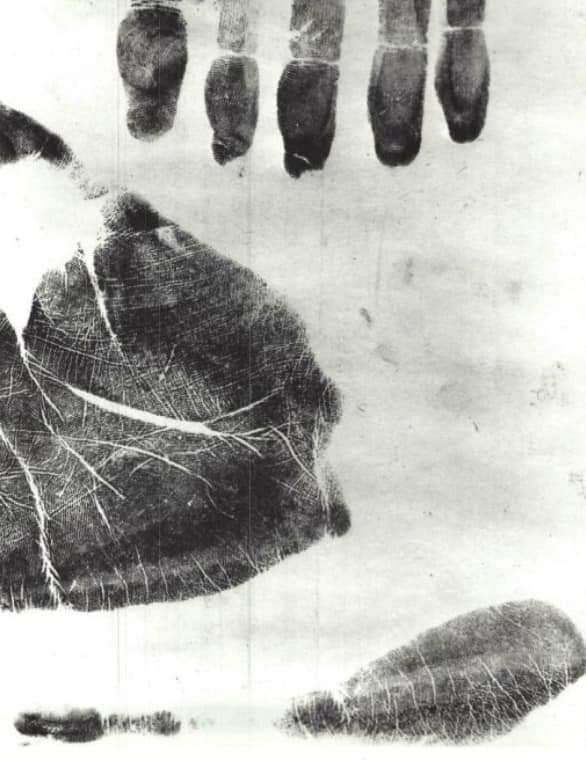
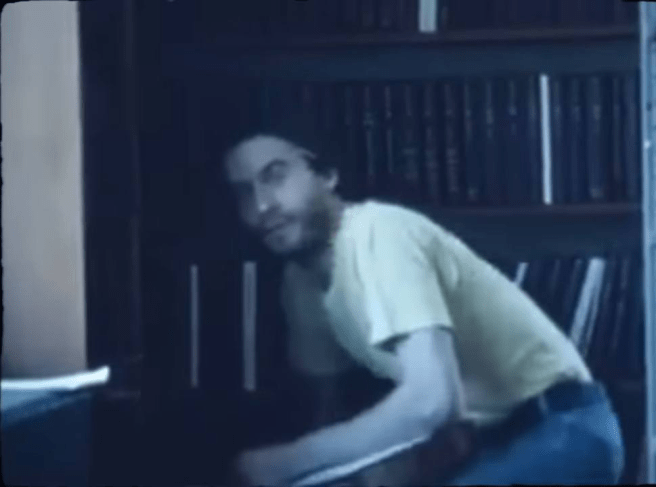
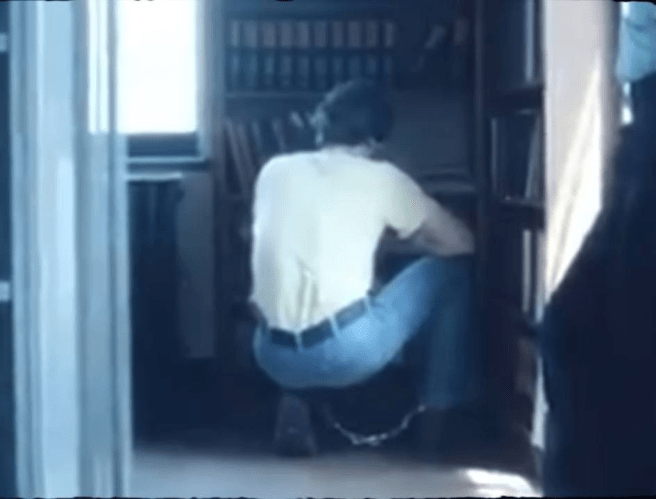
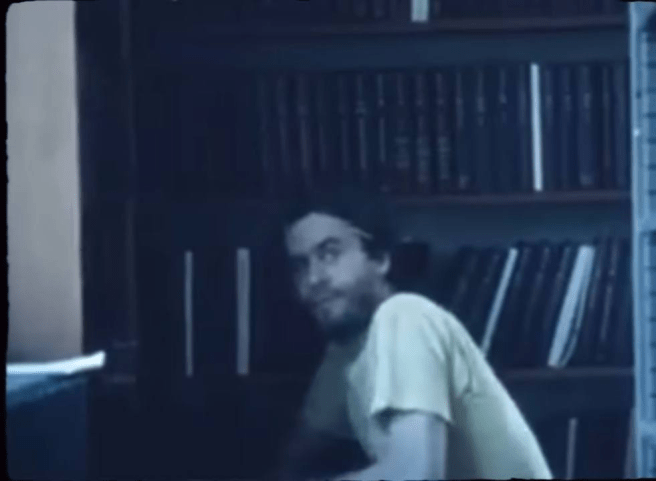
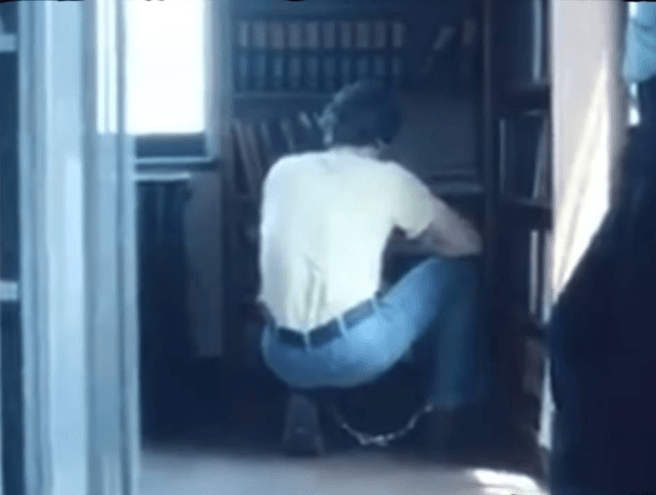
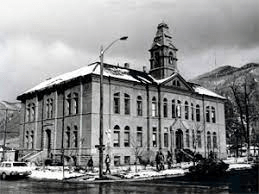
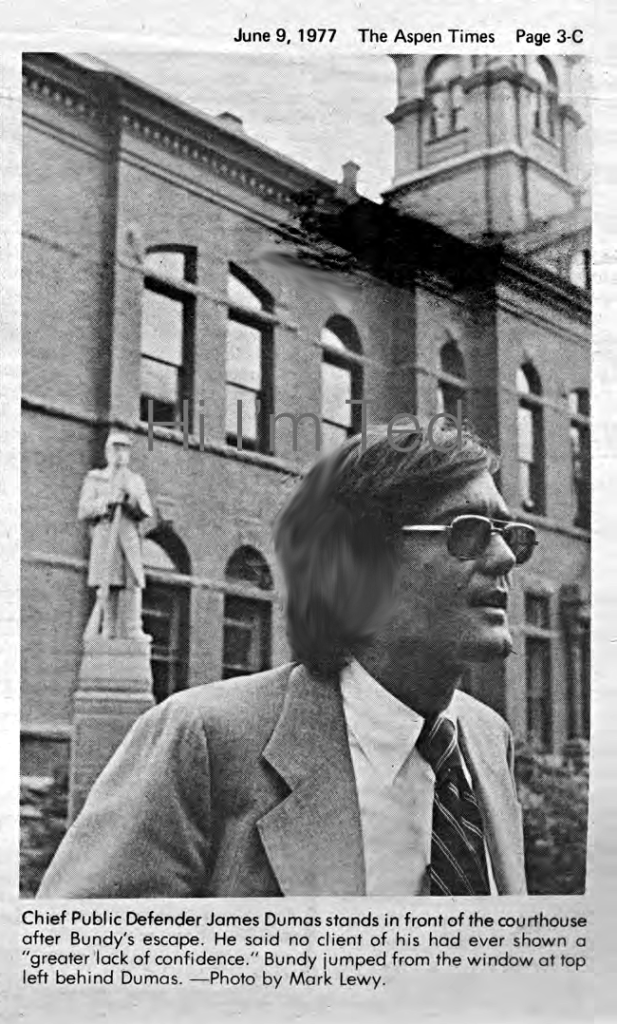
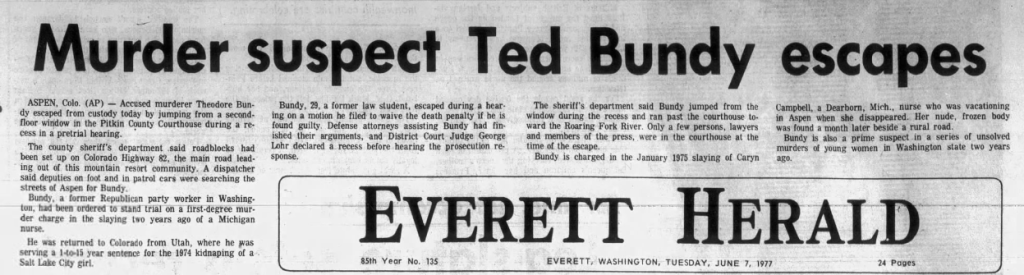
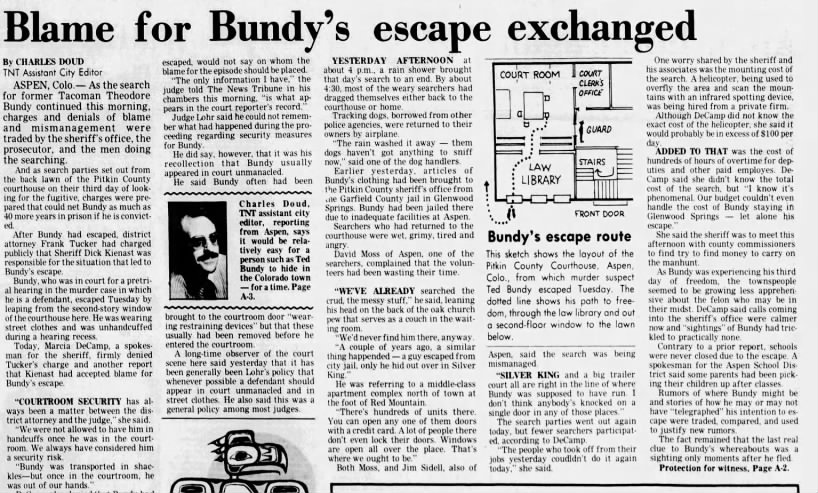
So, in a nutshell: because the one-time law student was acting as his own legal counsel he was allowed to appear in front of the judge while without leg shackles, which gave him the opportunity to walk without any physical restraints or limitations; this also granted him use of the courthouse’s second story law library. Onthe morning of June 7 after he was first escorted to the court room Bundy said that he almost made his attempt right away but was interrupted by Judge Lohr exiting his chambers. He said that a second attempt was foiled at recess when the courtroom cleared, and he was moved to the window that he would later jump from, but was interrupted by a reporter that came back to retrieve her purse. As she left Bundy decided to give her some time to exit the building and leave the area, saying he also wanted to avoid landing upon her as he fell. After quite a bit of waiting around, he felt that the conditions were finally satisfactory, and he finally was able to make his leap. leap from a more ‘modern’ building. After he escaped it took the deputy that oversaw guarding him several minutes to realize that he was no longer in their custody, which obviously helped give him a decent head start. Upon inspection, LE was able to find several footprint-shaped impressions that were deeply embedded in the earth where the now fugitive had jumped out of the window (there were also handprints, as Bundy fell to his hands after he jumped).
Upon inspection, LE found several foot and hand shaped impressions deeply embedded in the earth from where Ted had landed, and because of the building’s high ceilings it was much further down than if he made the leap from a more ‘modern’ building. After he escaped it took the deputy that oversaw guarding him several minutes to realize that he was no longer in his custody, which obviously helped give the now fugitive a decent head start.
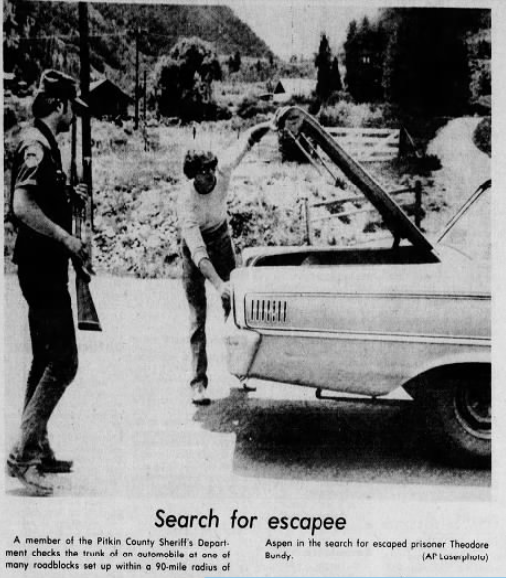
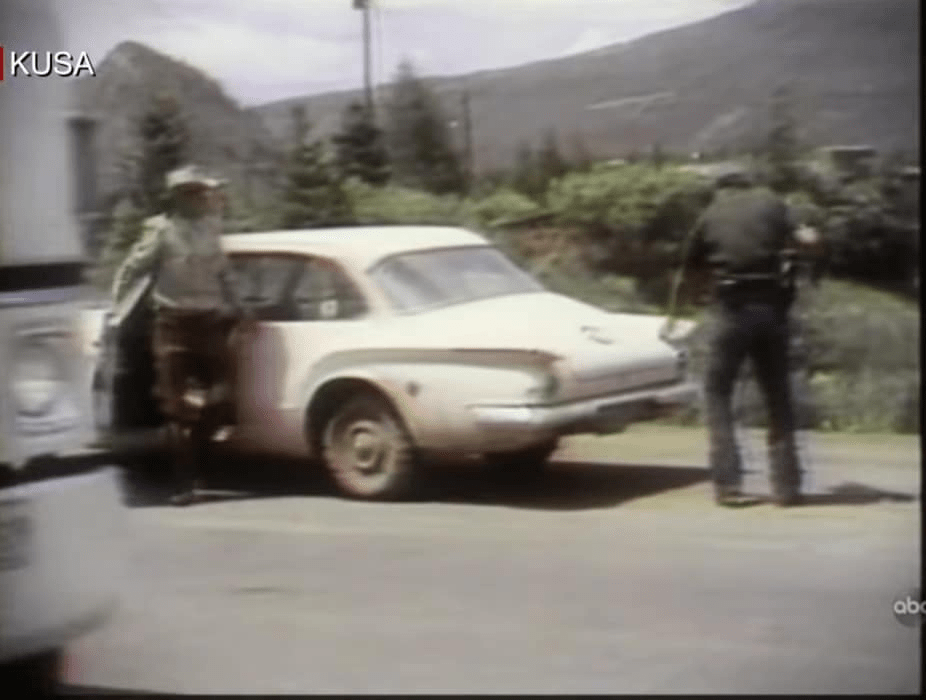
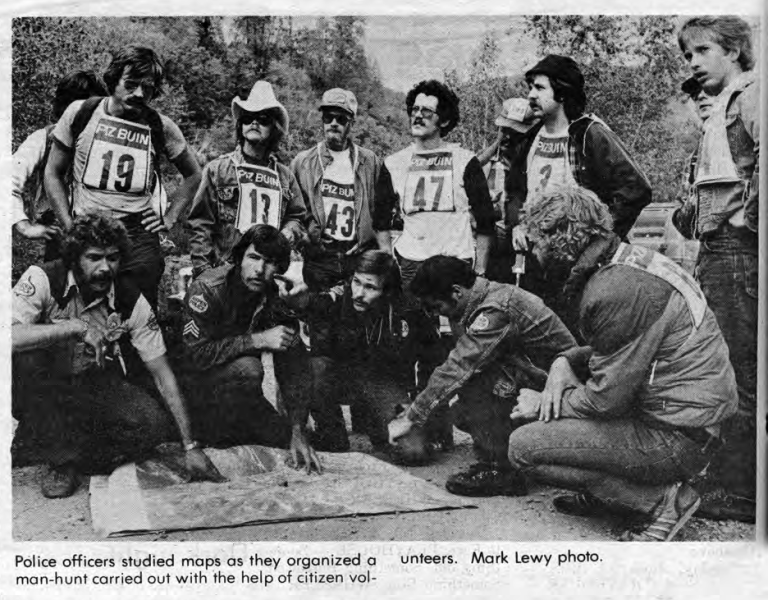
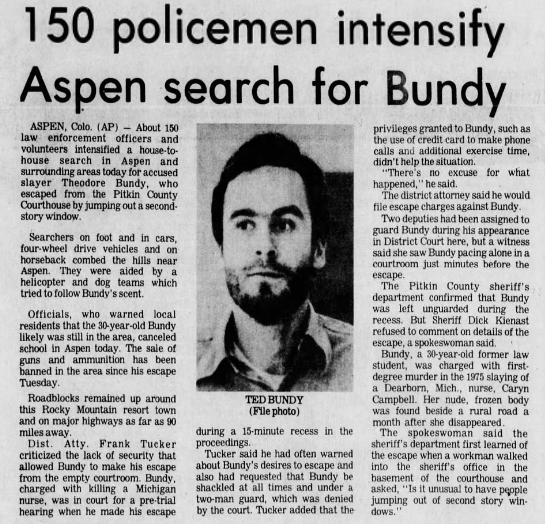
It was Deputy David Westerlund’s practice to stand in the corridor and look into the courtroom while also keeping an eye on the door (that had a window) to make sure whoever he was guarding was still present and accounted for. Only about five minutes into recess a reporter returned to the courtroom and noticed that it was empty, and when Westerlund noticed her concern, he reassured her that ‘I think he’s in there,’ and it was only then that he poked his head into the courtroom and realized that it was completely empty. Immediately after everyone realized Ted had escaped an intensive manhunt began, which included helicopters with infrared scanners to detect body heat, tracking dogs, mountain rescue search squads, and hundreds of unpaid volunteers. Within a half hour of his escape police had roadblocks set up at every main road going out of Aspen, and members of law enforcement combed the city, going house by house looking for the fugitive.
While in court on the morning he jumped, Ted was wearing a ribbed brown turtleneck, a striped sweater and brown corduroy pants. After he escaped custody it was mentioned that he may have altered his appearance by taking off his sweater and turtleneck which revealed a blue and white striped shirt underneath. A courthouse secretary named Casey Armstrong saw Bundy land in front of her from where she was looking out a basement window, as he ran past the building’s northwest corner (where she was standing). An unnamed eyewitness told LE that at around 10:50 AM he saw Ted almost immediately after he escaped run by Freddie’s Restaurant, which was on Main Street just two blocks east of the courthouse. Members of LE that were combing the area also ran into a group of kids from The Riverside Trailer Park, who reported that they saw Bundy cross Aspens Roaring Fork River shortly after jumped. These are the only two confirmed sightings of the killer after his first escape. As the minutes turned into hours turned into days, Bundy’s escape and the way it was handled showed serious deficiencies in the capabilities of local Aspen LE (this will be discussed in length later on).
Between roughly 10:40/10:45 in the morning, an unidentified person walking by the courthouse noticed a man jump out of its second story window, and said that he landed hard but immediately got up and ran across the front lawn, past the bus depot, then out of view. The eyewitness then went into the Sheriff’s office and asked if it was ‘normal for people to jump out of second story windows around here?’ Standing at the front counter, Kralicek cursed when he heard and knew right away that it had to be Bundy. The officer and Coleen Curtis (who was another Pitkin County employee) raced up the stairs, and it was only when Deputy Westerlund saw Curtis that he acknowledged Bundy’s absence.
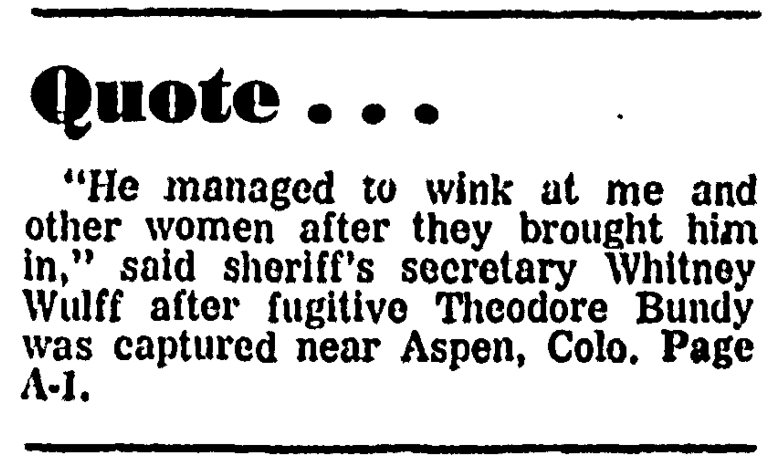
According to the dispatch office logs, at 10:48 AM on June 7, 1977 Westerlund put out a frantic call on his radio: ‘Bundy has escaped!’ Upon hearing the news the sheriff’s secretary Whitney Wulff immediately notified her boss, then ran out of the front doors of the courthouse and surveyed the scene: near the lilac bush at the building’s west corner she found some of Bundy’s foot/hand prints as well as some of his law papers. Curtis eventually located the sweater that he was seen wearing earlier in the day left behind in the courthouse, and it was later used as scent for the trained tracking dogs that were flown in to assist in the investigation.
By means of local radio stations, LE informed the residents of Aspen about Bundy’s escape, and warned them to stay inside and lock their doors and windows.In the early stages of the investigation, it was speculated that Bundy fled the state, and strangely enough, Sheriff Kienast had been anticipating the escape (or at least an attempted one) and said that he originally thought it would occur in the beginning of 1976 when he was first extradited to Colorado. The Sheriff went on to say, what better place to ‘make a break’ than Aspen?
After Ted’s escape Captain Pete Hayward out of SLC expressed concern that he could possibly be killed during the manhunt, and that he hoped that didn’t happen because he had ‘a lot of things I want to talk to him about.’
On the morning of Ted’s escape, the two sheriff’s deputies that transported him said that when they arrived he was dressed in street clothes and was ready to go. During the drive from the jail to the courthouse he sat in the front seat, and according to both officers he was silent for a good portion of the 40 minute drive. Sergeant Murphy sat directly behind him and while he was driving Sheriff Kralicek kept his left hand on the steering wheel and his right hand free, close to his service weapon. At that point in 1977 Kralicek had spent a large amount of time guarding Ted, and he later said that it wasn’t out of the norm and was typical behavior. On the opposite end of the spectrum Sergeant Murphy was more nervous.
When they reached their destination, Kralicek brought Ted into the courthouse by taking him firmly by the arm, while Murphy followed behind, keeping an eye on him and carrying his box of legal documents. As they walked into the courthouse a reporter from The Aspen Times named Mark Lewy took a picture of the three men (I‘ll include it in the bottom): initially, it was simply a picture for a routine assignment, a file shot to use when the trial began, but since the reporter was the only member of the press that was at the courthouse that day, his photo became the most recent and up-to-date shot that LE had of Bundy. After realizing this Lewy quickly rushed to make prints to take to the Sheriff’s department, who immediately put it on ‘wanted’ signs all over Aspen and used it for their roadblock search.
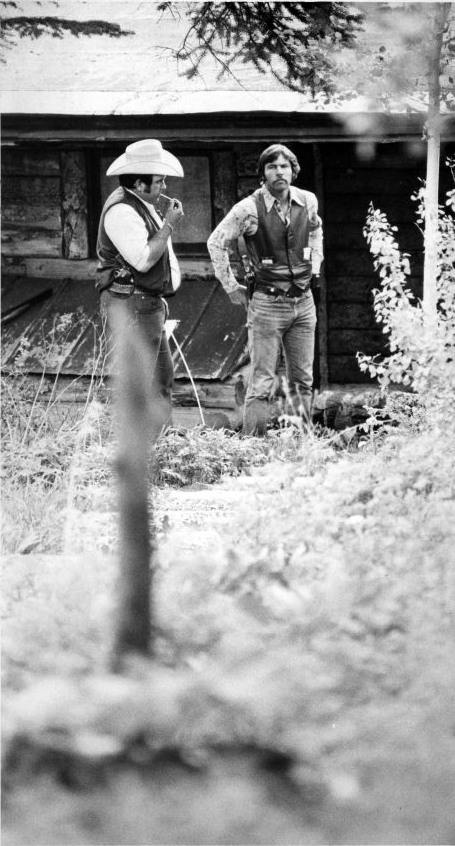
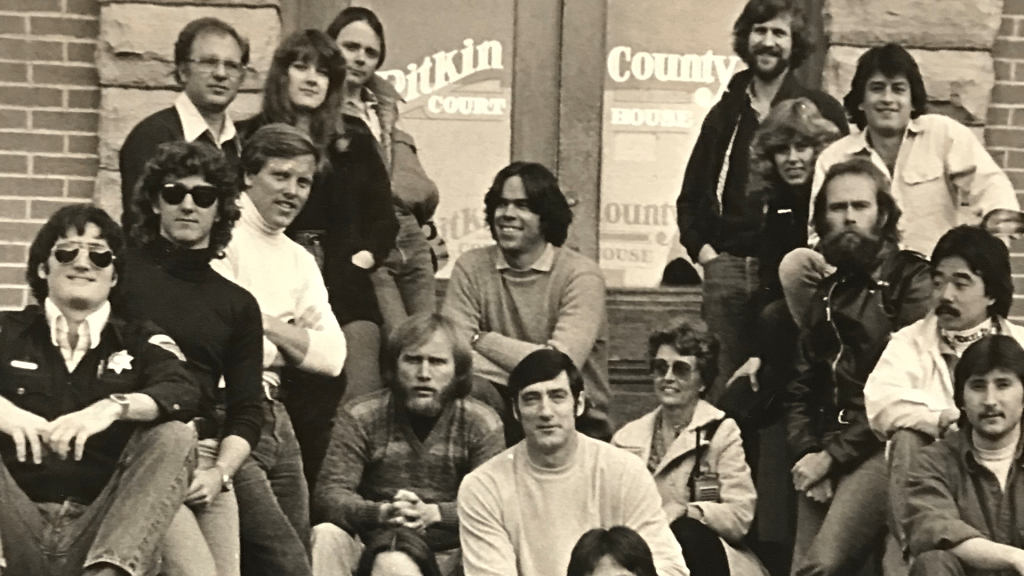
It should be noted that Ted frequently exercised in his cell and his guards reported that he was in excellent shape and physical condition, and on multiple occasions they observed him studying the Hunter Valley area as well as the slopes of Red and Smuggler Mountains. Members of Pitkin County LE strongly felt that if Bundy was on foot, he was probably headed towards Hunter Creek, a popular hiking trail that began just a short distance from downtown Aspen. Immediately after he escaped, off-duty officers from various branches of Aspen law enforcement began arriving at the sheriff’s office to volunteer their services, as well as the members of the reserve sheriff’s department. They were wearing civilian clothes and were all heavily armed.
After Ted jumped, officers were reasonably confident that he wouldn’t make it in the wilderness for very long. According to an article published by The Straight Creek Journal on June 9, 1977, after his escape (retired) Police Chief Art Hougland and City Attorney Dorothy Nuttall quickly decided to ‘go ahead and place a temporary ban on the sale of firearms and I’ll find some justification.‘ Additionally, immediately after Bundy’s jump people were asked to pick up their kids from school, to travel in pairs, and not to go camping alone. Long lines quickly formed at roadblocks, where officers searched every single car that passed through. At one of the checkpoints that was located near a small mom and pop shop called ‘Catherine’s Store,’ Garfield County PD made nine arrests that were unrelated to Bundy, and confiscated nearly 500 pounds of marijuana. Additionally, they arrested a federal fugitive on the run from California that had weapons in his vehicle.
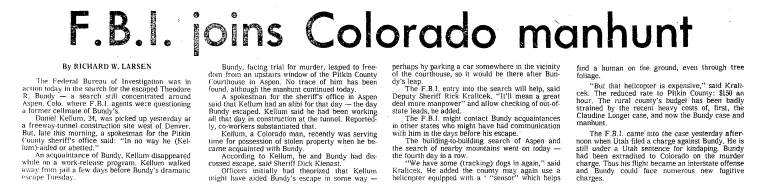
Later the same day Bundy escaped, just before 3 PM investigators took a tracking dog to the area where he was last confirmed to have been seen. His shoes and sweater gave the canine his scent, and he was able to track him for roughly a quarter mile, but eventually lost his scent right after. It’s thought that perhaps that was where he may have stolen a vehicle, and because he got away so smoothly authorities briefly considered the possibility that he had an accomplice, and realized that his one time cellmate at the Pitkin County Jail Daniel Kellum happened to be absent without leave from his work release program. Kellum was briefly a suspect but was cleared. LE also put traces out on Bundy’s girlfriends, however they were all out of the general Aspen area at the time.
As the day progressed and it got later and later, the intensity of the search slowed down. Tired members of Aspen law enforcement were sent home to rest, but were told to report back for duty at 4:30 AM. Four roadblocks were maintained throughout all hours of the rainy night, and constant patrols were kept up on trails, highways, and most local roadways. On the morning of July 8th, Sheriff Kienast called for members of the community to volunteer and help them assist in a house to house search for the fugitive.
At 10:40 AM on June 10 Bob Keppel reached out to Liz Kloepfer at her POE at the University of Washington. She told the detective that she didn’t think he would come back to Seattle and that the last time she spoke with him was the previous Monday at 9:30 AM and that he was in a good mood and was optimistic about his upcoming trial. She further elaborated that she had not heard from Ted since he escaped but promised that if he did reach out to her that she would call them right away. Kloepfer also volunteered that she had no knowledge of any plan to escape but Bundy was making her life miserable, and she almost hoped that he would be found dead.
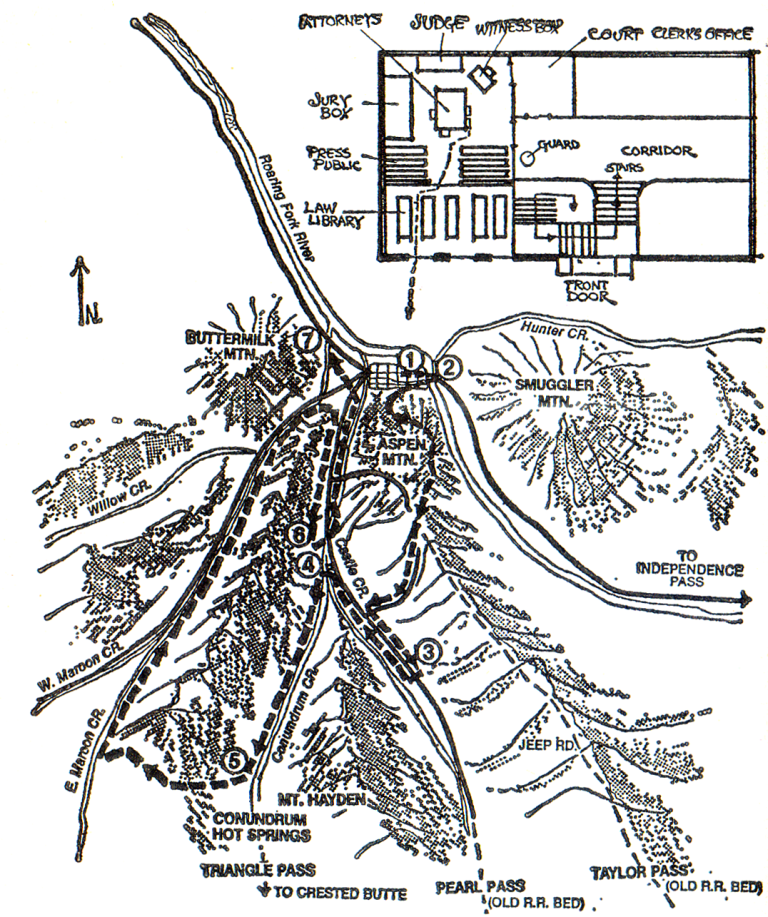
When he was recaptured and back in police custody investigators were able to piece together Ted’s activities and pin down exactly where he went: after he jumped out the courthouse window he said that he immediately got to his feet and ‘vaulted’ over both fences on the sides of the front walkway. He then ran down an alleyway and to the Roaring Fork River, then walked east along its bank until he got to the Neale Avenue Bridge. Bundy then returned to the road and walked half of a block to West End Street, which he followed to its southern terminus and climbed over 3,000 feet to the very top without taking a single break. He eventually found his journey obstructed by a ridge and had to replan his route, and while traveling upstream he noticed Fritz Kaeser’s cabin at the intersection of Castle Creek and Conundrum Creek Roads, and where he determined that it was most likely deserted he didn’t stop at that time. Ted continued exploring the area, and at around 5:00 PM he wandered into a residential area in Conundrum Creek, spending around four hours there looking for away out of the area.
At approximately 11:00 PM, Bundy continued with his hike along the Conundrum Trail. It had been raining since earlier in the evening, and he was still dressed as he had been right after he escaped. Soaked to the bone and suffering from exhaustion, he only was able to make it a total of two to three miles in the next three or four hours, as he kept getting lost and dozing off. At approximately 3:30 AM in the morning on the day after he escaped, Ted finally decided that he needed to get out of the rain and find a warm and dry place to rest and remembered the little hunting cabin and went back to it, arriving a half hour later.
Not wanting to risk getting caught, Bundy sat at a distance and watched the cabin until around 8:00 AM, where he then entered through the back after first trying to break a window in the front and realizing he couldn’t enter that way. After he finally made his way inside after successfully breaking a window he ate what little food he was able to find (including brown sugar, tomato sauce and tea) then slept for a few hours. Ted left the cabin shortly after midnight on June 9, bringing with him anything useful he found, including a .22 caliber high-powered deer rifle with no scope, two boxes of ammunition, a flashlight, a couple of extra shirts, a jacket, and a few items from a first aid kit. When Aspen Police Officer David Garms analyzed the fingerprints that were left behind on some dishes at the scene it was determined they belonged to Ted. Upon leaving, he left a note on the window in a poor attempt to conceal the break-in, that read, ‘TOM, sorry, broke this when putting in plywood. Will have another put in immediately. – AMY.’ When analyzed by experts, it was determined that the note had similar characteristics of Bundy’s handwriting. The cabin had previously been checked on June 4 by its caretaker Wayne Smuggler, who determined that the property appeared to be in order. He took care of the property and checked in on it from time to time when its owners couldn’t make it out there (they live in Arizona full time). When Smuggler returned to check the property on June 11 he found evidence of an attempted forced entry and immediately contacted the Pitkin County Sheriff’s Department.
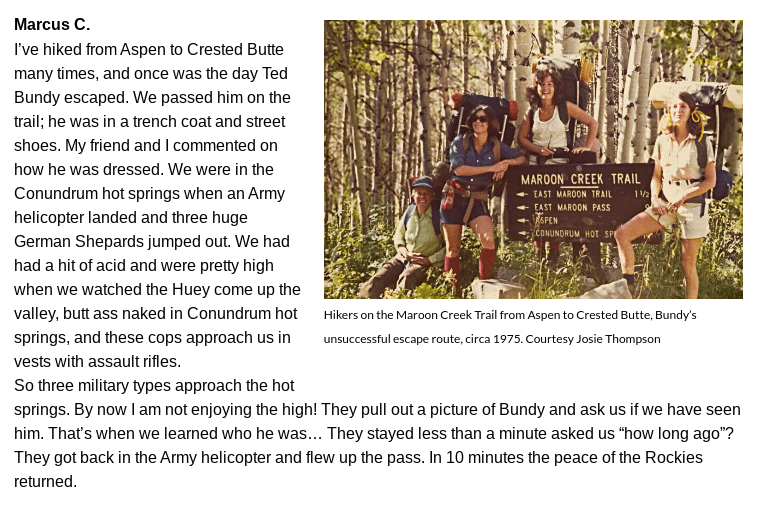
After Bundy departed Kaeser’s cabin he hiked back up Conundrum Trail, stopping high up on the west side of the valley, where he slept in a secluded grove from mid-dawn until about 2:00 in the afternoon. When he woke up he started climbing the side of the valley, trekking across the ridge over the top of Keefe Peak before he dropped into the Maroon Creek Valley at about 9:30 PM, when he stopped to rest and build a fire; he stayed until 2:00 AM. Early on June 9 he continued his mission to the valley floor, only to discover he was on East Maroon Creek. Ted later recalled this as his ‘second emotional low,’ the first being when he had to return to the cabin.
A couple ‘behind the scenes, law enforcement related’ events also took place on June 9, 1977 as well: the Salt Lake City Attorney’s Office filed an escape warrant against Ted, with no bond. Additionally, Sheriff Kienast requested that reporting CBI agent Leo Konkel open up an internal investigation surrounding the circumstances of Bundy’s escape, asking that they be studied so that appropriate action could be taken against the county employees that were tasked that day to watch him.
At 6:30 PM on June 10, 1977 CBI Agent Leo Konkel interviewed the Pitkin County deputy that was in charge of watching Bundy on the morning he escaped, David Westerlund. He had been employed with the sheriff’s department in Minnesota for roughly 26 years and joined the Pitkin County Sheriff’s Office after relocating to Colorado on July 1, 1976. Westerlund shared that the first time he had anything to do with Bundy was when he transported him (along with Deputy Carol Kempfert) from the Pitkin County Jail to the Garfield County Jail on April 11, 1977, which took place without incident; the day of his June 1977 escape was his second encounter with him. The following was taken verbatim from Agent Konkel’sInvestigative Report regarding Bundy’s escape: ‘On June 7, 1977, he came on duty at approximately 7:00 AM. At the morning briefing, he was advised that he would probably aid in the security for the Bundy hearings. At approximately 9:00 a.m., Pitkin County Deputy Sgt. Kralicek and Deputy Murphy brought Bundy into the courtroom, directly to the counsel table. Deputy Murphy was off-duty and was discharged by Kralicek after Bundy was secured in the courtroom. He was not handcuffed nor restrained in any other manner. None of the deputies in the courtroom were armed, as is the understood policy of Judge Lohr’s courtroom (CBI).’
Judge Lohr called court to session at about 9:00 AM, and roughly 15 minutes later Sergeant Kralicek told Deputy Murphy that he was free to leave. Later that same morning at 9:10 AM Westerlund sat down next to Sheriff Kralicek, and Bundy was sitting in the railed-in section at the counsel table that is typically reserved for lawyers and their clients that are ‘parties to actions.’ Right before he went into the courtroom Kralicek had some things to take care of in the Sheriff’s Office downstairs and said that Westerlund was officially the deputy designated to be in charge of Bundy, but aside from that, he was not given any additional instructions.
When Judge Lohr called a recess at roughly 10:30 AM, everyone except Bundy and Westerlund left the courtroom. He began pacing in and about the enclosed railing area as well as around the clerk’s office, and the deputy also walked a few times along with him then remained stationary. At some time that morning Ted mailed some letters at the court clerk’s office, and on a separate occasion he approached Westerlund and told him that he needed to make some copies; the deputy showed no acknowledgement that he heard the request, so Bundy sat back down at the counsel table. Westerlund then just went and stood just outside of the courtroom door, where he could still keep eyes on the defendant, and at one point he saw Ted get up, walk around the room, then sit back down at the table. He said that the last time he saw Bundy he was standing by the counsel table before his attention was diverted for about 1.5 to two minutes because of some activity that was taking place downstairs.
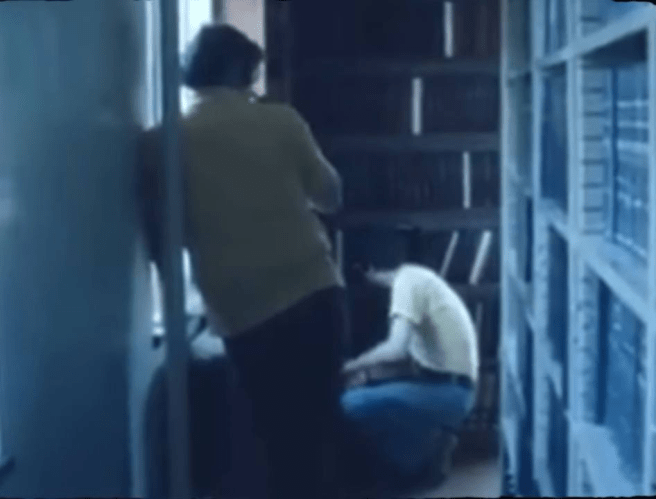
When I said earlier that Ted escaped from the Pitkin County Courthouse’s ‘law library,’ your mind probably immediately went to a beautiful room with lots of leather bound books and the smell of rich mahogany… but in this case, it was just the back part of the second floor courtroom that contained a couple of six foot tall shelves filled with law books and is separated from the rest of the room by a five foot tall divider.
Deputy Westerlund reported that he was never given any additional instructions when it came to how prisoners like Ted Bundy were handled in the courtroom, and as far as he knew, the prisoner was not to be handcuffed or shackled; it was also his understanding that the presiding Judge didn’t allow deputies to wear guns in his courtroom. Westerlund acknowledged that he understood how serious Bundy’s charges were and that ‘he was responsible for his custody.’
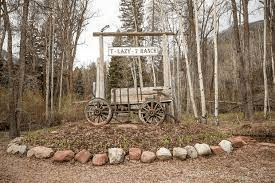
Bundy discarded the hunting rifle somewhere ‘on the Eastern Slope of the Ridge,’ and began moving north to the junction of East and West Maroon Creeks. Sometime around 3 PM he began feeling pain in his right knee, so he stopped to rest it at the junction, where he stayed for the next six hours. After continuing with his travels, he moved steadily along the east side of the creek but his right knee locked-up as he made his way close to the vicinity of the T-Lazy-7 Ranch. According to their website, ‘the authentic T-Lazy-7 Ranch has been the jumping off point for a variety of adventure activities since 1938. T-Lazy-7 is the gateway to the world famous Maroon Bells, and has exquisite scenery for weddings, family fun, and outdoor enthusiasts.’ Despite not being able to bend his knee, he continued to cross the creek on the bridge at the ranch and onto the pavement of Maroon Creek Road.
Making sure to avoid major roadways and traffic routes at the first sign of daylight, Bundy continued his trek along Castle Creek Road and eventually made his way back to Kaeser’s cabin. Upon his arrival at roughly 4:30 AM on Sunday, June 12 he realized that police had been there, and because of this he was afraid to stay any longer, fearing they would return. Ted called this discovery his ‘third and worst emotional low.’
Upon this event, Bundy then made his way back to a parking lot on Conundrum Trail, and at roughly 8 AM one of the search helicopters landed roughly 200 yards from him as he laid resting in some tall grass, almost giving away his hiding place. This spooked him, and from there he made his way back to Aspen Mountain, which he had originally escaped down four days prior. Because he was so physically weak he started heading back towards Aspen, and it was during this ascent on Sunday morning that he ran into a local resident that called himself ‘Sinclair’ (most likely Bruce), who told him that he was ‘hunting for Ted Bundy.’ The fugitive told Sinclair that he was from Pennsylvania but he promised that he would ‘watch for Bundy.’
On Saturday, June 11, 1977 trained canines were flown into Aspen from Denver to help with the manhunt, which was moved from the eastern part of Aspen to the Castle Creek region after the discovery of the break-in at the cabin. The use of dogs had been previously suspended Wednesday, June 8 after rain showers caused the mutts to lose track of Bundy’s scent.
That Sunday, July 12 Ted made what he considered to be good progress in his journey: he kept walking north towards Aspen, passing the local sewage plant and meandering down the western side of the mountain. He then made his way back into the Castle Creek Canyon area, moving west and eventually crossing into a golf course at the Prince of Peace Chapel via Colorado Highway 82. While walking through the course he tripped and fell in a thick patch of brush, and because of his extreme state of distress he remained there, unable to get it together enough to keep going. After roughly an hour he was finally able to gather the strength to get up and keep going, and eventually entered a residential area in the Cemetery Lane area, where he wandered around for a few hours before deciding to steal a car and get out of the area once and for all.
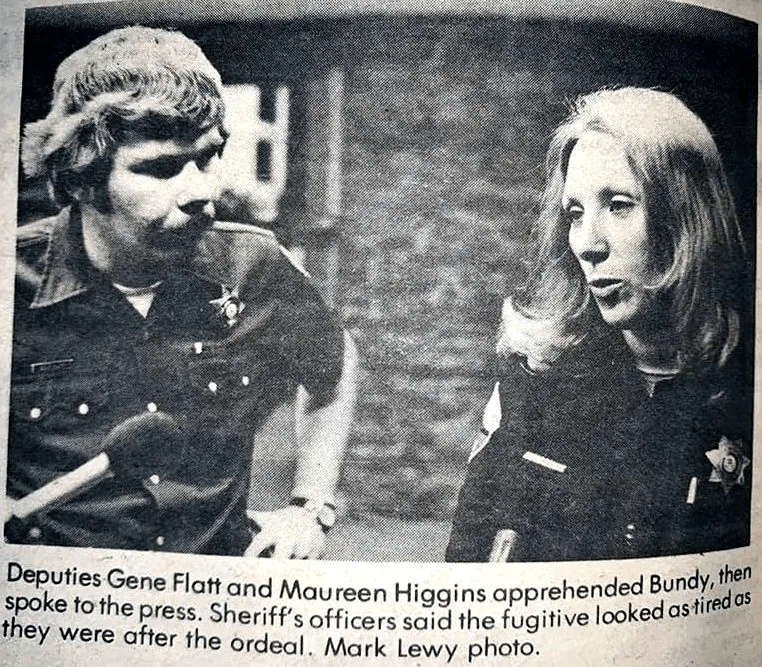
On the law enforcement side of things, at around 1:00 PM on June 12, 1977 the FBI reached out to the Pitkin County Sheriff’s asking about some friends of Ted, and they officially became involved in the investigation due to the fact that he was being looked into for charges related to an unlawful flight to avoid imprisonment. Also on the 12th Bundy walked the five miles back to Aspen and stole a blue Cadillac from the Cemetery Lane area; it was unlocked and the keys were in it. As he was making his way through Independence Pass at around 2 AM on June 13, 1977 he came across a sign that read ‘CLOSED- ROCK SLIDE’ and pulled a u-turn, making the decision that he was going to attempt to bypass another checkpoint on his way out of Aspen; if successful, he had plans to barter the expensive camera that he found in the car for gas money. It was then that he ran into Officers Gene Flatt and Maureen Higgins in front of the Cresta Haus Lodge located on the outskirts of eastern Aspen not far from the Pitkin County Courthouse. In the very early stages of the investigation, the two simply pulled him over on the suspicion he was intoxicated, but that’s when he was apprehended (I will have more to say regarding this event later). For the entire six days Bundy was free he had only been about five to eight miles away from the Pitkin County Courthouse.
The usually clean cut Ted had grown a scraggly beard and he had scratches all over his body, and had lost anywhere from fifteen to twenty pounds; he was also suffering from extreme exhaustion and was incredibly confused and disoriented. After he was recaptured a Physician saw him in his cell, and reported that he had blistered feet, a knee strain, and scratches all over his body. There had been a road block fairly close to where he was driving right before he was apprehended, so there was a fair chance that he would have had no other choice than to have driven through it and would have wound up being taken into custody anyways. After the arrest was made someone from the Sheriff’s department came clean and saidthat the cruiser that pulled the fugitive over was in such bad shape that it only had a max speed of 30 miles per hour, and ‘it’s a good thing Bundy didn’t try to outrun them.’ In fact, all five of the patrol vehicles that were assisting in the manhunt were reportedly in poor working condition.
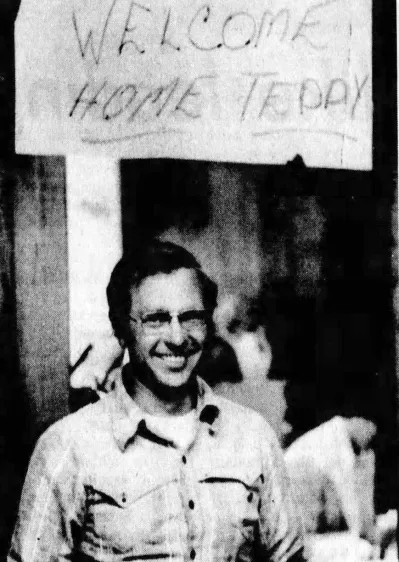
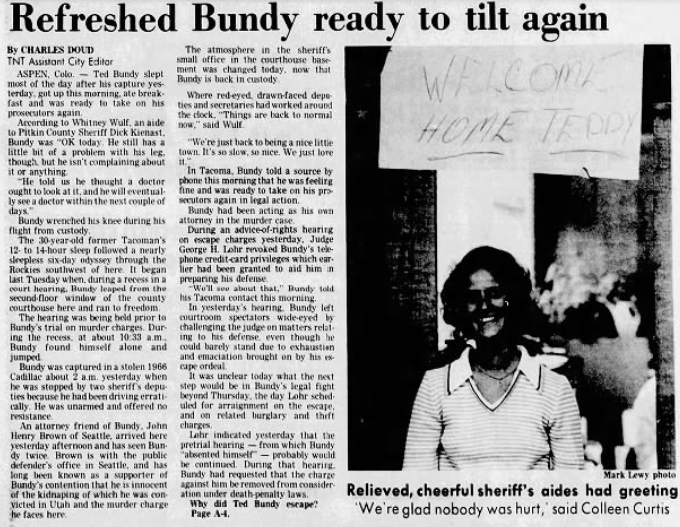
At around 7:15 AM the news broke that he was back in police custody. About Bundy’s capture, (now retired) deputy Gene Flatt said that ‘at first I didn’t recognize him..’ Gaunt and almost hollow-looking, Bundy had been wearing some sort of disguise, and was dressed in a plaid shirt (that he stole from the cabin), a yellow hat, and wire-rimmed glasses (which were swiped from the Caddy), as well as a Band-Aid on his nose. When he was brought in, Sheriff Kienast greeted him while smiling, and said ‘welcome home, Ted,’ to which Bundy replied, ‘thank you.’ In an interview with TV reporter Barbara Grossman, Officer Flatt said: ‘I noted a vehicle driving erratically about an eighth of a mile east of Aspen on Highway-82. We observed this vehicle for a matter of seconds and I turned around and pursued it and found Mr. Bundy driving.’ When asked if he immediately recognized the fugitive, Flatt said that ‘it took me about two glances, he was pretty… altered. His appearance had been altered by glasses and uh, a minor growth of beard.’ When asked if Ted mentioned where he was headed Officer Higgins replied ‘that he didn’t say,’ and Flatt said that he was ‘most likely going to leave the Valley, if possible.’ When asked in an interview if the height of the second story courtroom worried him as he was making the jump, Bundy replied, ‘it could have been six stories, I still would have done it.’
Under intense guard and a high level of security, Ted was brought back to the Pitkin County courthouse later the same morning he was recaptured; he was barefoot and wearing jail issued, dark green coveralls, and thanks to a new court order it was now mandatory that he wear leg shackles at all times while in court. As he was led inside, he engaged in a little bit of back and forth with reporters, and when a photographer tripped a bit while attempting to take his picture, Bundy joked: ‘don’t hurt yourself.’ His recapture caused elation amongst the Pitkin County Sheriff’s department, who had suffered a large amount of embarrassment thanks to his escape, and about it, (now retired) Undersheriff Ben Meyers said, ‘we’re very, very relieved, to say the least.’ Bundy was then given some new charges by Judge George Lohr: escape, second degree burglary, misdemeanor theft (for stealing a .22 caliber rifle), and felony theft (the Caddy). In response to this, Ted (in his exhausted and drained mental state), didn’t say much; if convicted of the new charges alone Ted could have faced up to ninety years in prison.
Oddly enough, it was an attempted rape not committed by Bundy that may have led to his recapture: at around 1:00 AM on June 13, 1977 a 17-year-old student suffered an attempted sexual assault as she was walking home along West Hopkins Street in Aspen. She went to police and told them that her assailant had followed her briefly then knocked her down and kicked her in an attempt to subdue her. He then tried to drag her by the hair, but she screamed and struggled until he got spooked and ran away. The young woman described him as between 19-28 years old, 5’10” tall, and 165 pounds; he was clean shaven with dark blonde, collar-length hair and was wearing blue jeans and a white T-shirt, and after the altercation she told investigators that she remembered hearing a car pull away from the scene. Upon hearing that a then unidentified Bundy had been pulled over, Aspen Police officer Terry Quirk reached out to the Pitkin County Sheriff’s and asked if they needed assistance, and when he arrived on the scene he quickly realized that neither deputy (Higgins or Flatt) was in complete control of the situation nor did they immediately recognize who they were dealing with: but thankfully Quirk arrived and realized who they were dealing with and gained control over the arrest, taking the wanted man back into custody.
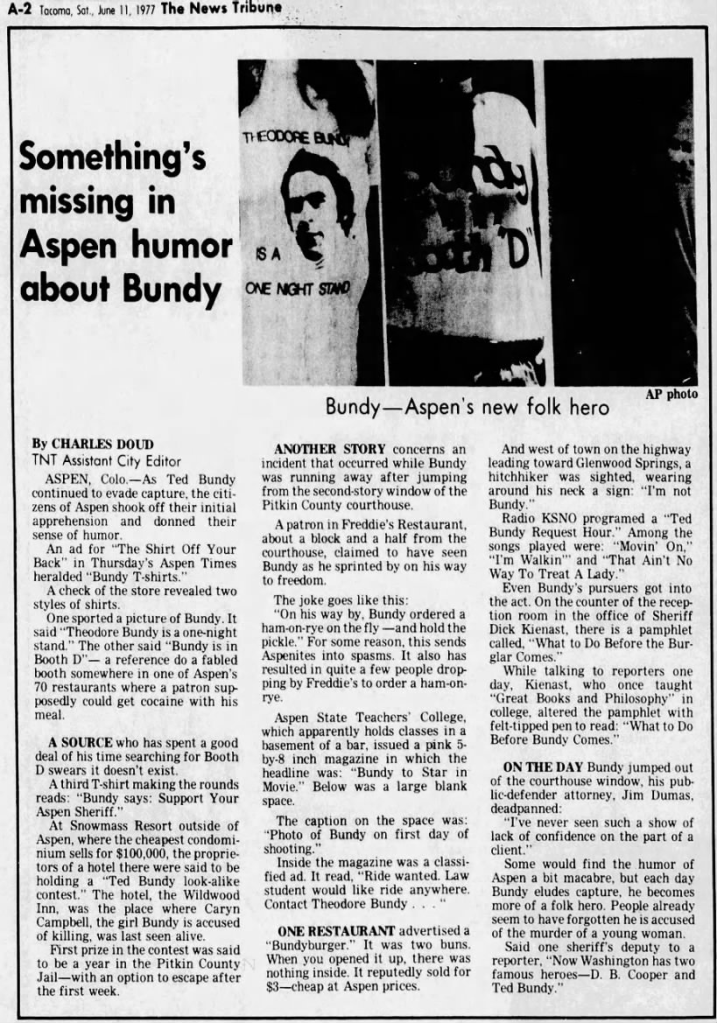
Long-time Bundy researcher and respected reporter Richard Larsen said that he often wondered if this escape may have been loosely premeditated, as he waived extradition to Colorado. I mean, he had nothing left to lose, why not take a chance and return to laid back and easy going Aspen, where the local keystone cops could possibly make a mistake? And I mean, he wasn’t wrong because that’s exactly what happened. And while on that topic, why was the security in the courtroom practically nonexistent? After he was rearrested in the early morning hours of Monday, June 13, 1977, Larson sat down with Bundy in Sheriff Kienast’s office for an interview surrounding his activities and whereabouts during his six day siesta. He shared that he thinks the last time he was in Aspen for a motion hearing was on May 23, and it was then that he made the decision that the next time he came there he was going to escape. He had been carefully and methodically getting ready for a jailbreak for months, but had not made concrete plans until then. Ted also said that although he had become more focused on his plan roughly 30 days before his escape it still took him a while to get over his worries on how it could possibly affect his upcoming murder trial.
As we all know, Bundy wasn’t in Colorado for long: later that same year on December 30 he escaped for a second time, this time getting all the way to Tallahassee in the ‘Sunshine State.’ He rented a room at ‘The Oakes’ Rooming House near Florida State University under the alias Chris Hagen (who was a real, one time student at the school)…. But I’m going to end this article at that, and leave the circumstances regarding this other escape for another time.
Interestingly enough, Bundy wasn’t the only dangerous convict that escaped from police custody in June 1977: On April 4, 1968, James Earl Ray killed Martin Luther King, Jr. with a single shot from his Remington rifle while the civil rights activist was standing on the second-floor balcony of the Lorraine Motel in Memphis, Tennessee. On June 10, 1977 Ray (along with six other prisoners) escaped from Brushy Mountain State Penitentiary in Petros, Tennessee, and remained at large for 54 hours before he was recaptured during a massive manhunt on June 13. He was charged for his prison break and an additional year was added to his existing sentence, officially making it a full century.
Ted standing in the Pitkin County Courthouse before his first escape.Another picture of Ted standing in the Pitkin County Courthouse before his first escape.Another picture of Ted standing in the Pitkin County Courthouse before his first escape.Another picture of Ted standing in the Pitkin County Courthouse before his first escape.Another picture of Ted standing in the Pitkin County Courthouse before his first escape.Another picture of Ted standing in the Pitkin County Courthouse before his first escape.Another picture of Ted standing in the Pitkin County Courthouse before his first escape.One of the only two piof Ted Bundy from the day of his disappearance; it was taken as he was walking into the Pitkin County Courthouse along with Sheriff Kralicek and Sergeant Murphy. Photo taken by reporter, Mark Lewy.A B&W picture of the Pitkin County Courthouse taken in 1974. Photo courtesy of ‘HistoryColorado.’A more recent picture of the Pitkin County Courthouse.Another shot of the Pitkin County Courthouse taken in 1974. Photo courtesy of ‘Denver7.’The courtroom in the Pitkin County Courthouse as it looks today; Ted jumped out the far right window. Photo courtesy of Vince Lahey.Another close-up picture of the window Bundy jumped from, screenshot courtesy of the Carol DaRonch YouTube page. Isn’t it ironic there’s a yellowish colored Beetle parked right outside?A shot from the inside looking of the window Bundy jumped from. Screenshot courtesy of the Carol DaRonch YouTube page.A close-up of the window Bundy jumped from taken from the outside, screenshot courtesy of the Carol DaRonch YouTube page.A close-up of the second story window Bundy jumped out of at the Pitkin County Courthouse. Screenshot courtesy of ABC News.A photo of a reporter standing outside the Pitkin County Courthouse on the morning Bundy escaped. Screenshot courtesy of ABC News.A photo of Chief Public Defender James Dumas standing inn front of the Pitkin County Courthouse, published in The Aspen Times on June 9, 1977. Photo courtesy of Tiffany Jean.Tracking dogs sniffing the grounds in front of the Pitkin County Courthouse getting a sense of smell for him. Screenshot courtesy of the Carol DaRonch YouTube page.A second shot of tracking dogs sniffing the grounds in front of the Pitkin County Courthouse getting a sense of smell for him. Screenshot courtesy of the Carol DaRonch YouTube page.The footprints Bundy left behind when he jumped out of the law library second story window at the Pitkin County Courthouse. Screenshot courtesy of the Carol DaRonch YouTube page.A hand-drawn diagram of the Pitkin County Courthouse courtroom done by CBI Agent Leo Konkel. Photo courtesy of Tiffany Jean.A hand-drawn sketch of the area where Bundy escaped from published by The Aspen Times on June 9, 1977. Photo courtesy of Tiffany Jean.A picture of two Pitkin County Sheriff deputies standing outside the Kaeser cabin that was published in The Aspen Times on June 13, 1977. Courtesy of The Aspen Historical Society and Tiffany Jean.A member of the Pitkin County Sheriffs office looking in the truck of a car at one of the roadblocks during the manhunt for Bundy. Photo from an article published by The Fort Collins Coloradoan on June 8, 1977.The Garfield County jail in Glenwood Springs in 1977.A shot from the search from Bundy’s first escape in Aspen. Screenshot courtesy of ABC News.Cars waiting to be searched after Bundy’s first escape in Aspen in June 1977. Screenshot courtesy of ABC News.Bob Braudis inspecting vehicles (while smoking a cigarette) during Bundy’s manhunt. Photo courtesy of KOAA News.Officers searching cars during the Bundy manhunt Photo published in The Aspen Times on June 9, 1977.A member of Aspen LE holding up the picture taken of Bundy as he was walking into the courtroom the morning he escaped. Photo courtesy of ABC News.A helicopter searching for Bundy after his first Aspen escape. Screenshot courtesy of the Carol DaRonch YouTube page.The cabin Bundy broke into during his June 1977 escape. Screenshot courtesy of the Carol DaRonch YouTube page.A screenshot of the cabin Bundy stayed in during his first escape. Another screenshot of the cabin Bundy stayed in during his first escape. Screenshot courtesy of the Carol DaRonch YouTube page.A bent fence at the cabin Bundy broke into during his first Aspen escape. Screenshot courtesy of the Carol DaRonch YouTube page.A close up shot of the cabin Bundy broke into during his June 1977 escape. Screenshot courtesy of the Carol DaRonch YouTube page.Reporter Barbara Grossman standing in front of the cabin Bundy stayed at during his escape. Screenshot courtesy of the Carol DaRonch YouTube page.A photo of Fritz Kaeser taken in 1978. Photo courtesy of Chris Cassett for The Aspen Times/Tiffany Jean.The items Bundy stole from the Kaeser cabin. Courtesy of Tiffany Jean.Officers looking at maps during Bundy’s manhunt. Published in The Aspen Times on June 9, 1977.A tracking dog getting Bundy’s scent from his discarded sweater. Picture published in The Aspen Times on June 9, 1977. Courtesy of Tiffany Jean.Some negatives found in 2017 from Bundy’s escape. They’re pictures of police searching vehicles going out of Aspen. Photo courtesy of Post Independent.A note to DA Yokum from Detective Pete Haywood. Photo courtesy of Chris Mortensen. Bundys personal journal entry for May 23, 1977, which is the day he originally planned to escape. Photo courtesy of Tiffany Jean.Some guidelines for guarding Bundy written by Sergeant Pete Murphy. Photo courtesy of Tiffany Jean.Bundy walking into the courtroom with officer Higgins. Screenshot courtesy of the Carol DaRonch YouTube page.Bundy being lead down the stairs at the Pitkin County Courthouse after he was recaptured.Bundy being lead back into the Pitkin County Courthouse after he was recaptured.Newscaster Sandy Gilmour during a broadcast after Bundy was recaptured. Screenshot courtesy of the Carol DaRonch YouTube page.Whitney Wulff. Screenshot courtesy of the Carol DaRonch YouTube page.Former Pitkin County Sheriff Dick Kienast.Former Pitkin County Sheriff Dick Kienast.Retired Pitkin County Sheriff Dick Kienast and a sign after Bundy was recaptured early June 13, 1977. When he was brought in, the Sheriff said, “welcome home, Ted,’ and to this he replied, ‘thank you.’ Photo taken on June 14, 1977, courtesy of Tiffany Jean.Whitney Wulff, of the Pitkin County Sheriff’s Department. Screenshot courtesy of the Carol DaRonch YouTube page. A quote made by Wulff that was published in The Seattle Post-Intelligencer on June 14, 1977The staff of the Pitkin County Sheriff’s Office in 1977. Photo courtesy of Bob Braudis.A picture of deputies Gene Flatt and Maureen Higgins published in The Aspen Times on June 14, 1977.One of Bundys arresting officers, Gene Flatt. Screenshot courtesy of the Carol DaRonch YouTube page.One of Bundys arresting officers, Maureen Higgins. Screenshot courtesy of the Carol DaRonch YouTube page.A photo of Maureen Higgins and Bob Braudis (standing in the front) from the 1970’s. Courtesy of Tiffany Jean.Some members of the Aspen Police Department from the 1983 Saab APD ski team; Officer Terry Quirk is at the far right.A shot of the Cadillac Bundy stole during his first escape. Screenshot courtesy of the Carol DaRonch YouTube page.A shot of the side of the Cadillac Bundy stole during his first escape. Screenshot courtesy of the Carol DaRonch YouTube page.A B&W shot of the 1966 Cadillac Bundy stolen and was driving when he was apprehended. Photo courtesy of Marc Demmon/Tiffany Jean.The inside of the Cadillac Bundy stole during his first escape. Screenshot courtesy of ABC News.A wanted poster for Bundy after his first escape. Courtesy of Tiffany Jean.Bundy’s activities in 1977 according to the ‘TB Multiagency Investigative Team Report 1992.’A drawing of Bundy’s cell that he drew in May 1977. Courtesy of Garfield County.Bundys fingerprints from the cabin. Courtesy of Tiffany Jean.A note to Sheriff Pete Hayward from Pitkin County DA David Yocom. Courtesy of the Haywood family and Chris Mortensen.An article about Bundy’s first escape published by The Daily Chronicle on June 7, 1977.An article about Bundy’s first escape published by The Daily Herald on June 7, 1977.An article about Bundy’s first escape published by The Fort Collins Coloradoan on June 8, 1977.A blurb about who is responsible for Bundy’s first escape published by The News Tribune on June 9, 1977.A blurb about Carol DaRonch receiving protection after Bundy’s first escape published by The News Tribune on June 9, 1977.An article about the FBI joining the manhunt during Bundy’s first escape published by The Seattle Times on June 10, 1977. Courtesy of Tiffany Jean.An article about Bundy’s first escape published by The News Tribune on June 10, 1977.The second article written about Bundy’s escape published by The News Tribune on June 10, 1977.One of two articles written about Bundy’s escape published by The News Tribune on June 11, 1977.The second article written about Bundy’s escape published by The News Tribune on June 11, 1977.An article written about Bundy’s escape published by The News Tribune on June 12, 1977.An article written about Bundy’s escape published by The Seattle Post-Intelligencer on June 12, 1977. Courtesy of Tiffany Jean.An article written about Bundy’s escape published by The Columbian on June 13, 1977.An article written about Bundy’s escape published by The Colorado Springs Gazette-Telegraph on June 13, 1977.One of three articles written about Bundy’s escape published by The Longview Daily News on June 13, 1977.An article written about Bundy’s first escape published by The News Tribune on June 14, 1977.The first of two articles written about Bundy’s recapture published by The News Tribune on June 16, 1977.The second article written about Bundy’s recapture published by The News Tribune on June 16, 1977.Two short blurbs regarding Bundy;s first escape that were published in The Straight Creek Journal on June 23, 1977. Courtesy of Tiffany Jean.An article about the fallout of the Bundy escape, published by The The Seattle Post-Intelligencer on June 30, 1977.A map of where LE suspected Bundy may have been lurking during his first escape, published by The Aspen Times. Photo courtesy of Tiffany Jean.A trail map of the Aspen Highlands where Bundy roamed throughout his first escape from 1974. Photo courtesy of The Aspen Historical Society and Tiffany Jean.This photo was taken in 1975 during the filming of a Marlboro commercial on the T-Lazy-7 Ranch. Photo courtesy of ‘tlazy7.’T-Lazy-7 Ranch in Aspen, CO.The site of the Crestahaus Lodge today, located on the eastern outskirts of Aspen. Bundy was stopped along Highway 82 just outside. Photo courtesy of David Wood/Tiffany Jean.The main street mall in downtown Aspen from a postcard made in the 1970’s. Courtesy of Tiffany Jean.A picture of some Bundy related clothing after his first escape, published in The Seattle Post-Intelligencer on June 11, 1977. Courtesy of Tiffany Jean.The Aspen State Teacher’s College was a fictitious school that published a humorous newsletter called ‘Clean Sweep,’ in the style of ‘The Onion.’ The theme of the June 1977 issue was largely Bundy themed, thanks to his escape. Page 1 of 4, courtesy of Tiffany Jean.These images are courtesy of Marc Demmon, who wrote the issue and ran the fake school. Demmon said that Aspen in the 1970′ had a hippie college town-vibe, just without the college, so logically he made one up. Page 2 of 4, courtesy of Tiffany Jean.In an interview with archivist Tiffany Jean, the satirist remembered that during Bundy’s first escape many of the Aspen residents didn’t know much about the full extent his atrocities, and just knew that he was being prosecuted for the murder of Caryn Campbell but it was universally thought to be a weak case. Page 3 of 4, courtesy of Tiffany Jean.Because Ted was good looking, seemingly smart and well educated he became a ‘folk hero’ of sorts in Aspen. Page 4 of 4, courtesy of Tiffany Jean.A detailed encounter that a hiker had with Bundy during his first escape. Courtesy of Tiffany Jean.
Denise Lynn Oliverson (née Nicholson) was born on August 10, 1950 to Robert ‘Bob’ Dale and Nina Marie (nee Jackson) Nicholson in Missouri.Mr. Nicholson was born on June 12, 1927 in Saint Joseph, MO and served in the US Navy during WWII. Denise’s mother was born in St. Louis, Missouri on August 15, 1923 and after graduating from high school enlisted in the US Navy. When the war ended, Nina enrolled at Denver Art Institute, where she met her future husband. The twogot married on June 29, 1949 and had two daughters: Denise and her younger sister, Renee. The couple eventually relocated to Colorado and Robert got a job as a commercial artist at The Daily Sentinel. The family settled down in Grand Junction in 1963 after moving from Colorado Springs; after Denise was murdered Mr. Nicholson said he regretted moving there and said that it was ‘a mistake.’
Oliverson had blue eyes, brown hair that she wore long and parted down the middle, and stood at 5’4” tall. She had some lingering facial acne, pierced ears, and a discolored lump on the back of her right hand; she was petite, and only weighed around 105 pounds. After graduating from Grand Junction High School in 1968 she got a job with a company called Ultronix (at least, according to her engagement announcement published in The Daily Sentinel on May 20, 1970). Looking into them, Ultroni was a manufacturing plant that produces electronic resistors, components and log converters but they have since left the Colorado area and moved out of state.
In 1969 Denise was charged with a misdemeanor after being arrested in GJ for marijuana possession, and at some point in the early 1970’s she lived in Spokane, WA with an individual named JC Harrison. Described by her friends and loved ones as being a ‘great, kind person,’ she married Joseph Franklin Oliverson on September 26, 1970. Joe was born in March 1950 in Idaho but his family relocated to Alaska; he was a 1968 graduate of Dimond High School in Anchorage, where he grew up. Oliverson attended Mesa College and when the couple first got married he was employed in Alaska; he eventually relocated to Grand Junction to be with his wife and got a job in insurance and real estate. After going through a rough patch the couple divorced on March 13, 1972. When she was killed Denise was in a new relationship with a man named Raymundo Esteban Romero (who simply went by ‘Steve’). According to her dad, Denise was a frequent drug user and in the early stages of her disappearance he suspected that she may have imbibed in some sort of illegal substances and taken off. Despite a history of running away (she would always return after a few days), Oliversons history in the year prior to her disappearance hinted that she changed a lot and didn’t participate in that behavior anymore. In a letter to Denise dated March 27, 1975 sent from her behavioral health counselor, Lois Kanaly shared that the young divorcee was accepted by the Division of Rehabilitation for services because of her disability, andher anxiety diagnosis was considered ‘a handicap to her employment.’ From there, the letter stated that she had an upcoming therapy appointment on March 31 at 1 PM. At the bottom was a postscript that read: ‘I am pleased. Come in very soon as you can start school this quarter. Enclosed is the Mesa College application.’ Kanaly also advised Denise to look into the schools J.E.T. program. So, obviously Oliverson was in the process of making some big changes in her life, and seemed to be in the process of applying to go to college.
Denise and Steve weren’t together for very long, and seemed to have a healthy relationship at first, however cracks were beginning to show and according to Oliversons friend from high school Marie Parish she wanted him out of her house. At first it appears that she lived at her one bedroom house located on LaVeta Street in GJ alone, but was pressured by Romero to move in with her as a ‘safety precaution’ because of a dangerous former flame. It appears that he was a very jealous and controlling boyfriend and it’s speculated that his motives weren’t entirely gentlemanly and he did it more to get in her house so he could keep an eye on her versus doing it for her safety. Oliverson had a dog named Toma.
On Sunday, April 6th, 1975 Ted Bundy abducted Denise Oliverson at the South 5th Street Bridge in Grand Junction, Colorado. According to the missing persons report dated April 8, 1975, Mr. Nicholson said that the day that his daughter disappeared she stopped by his house with Steve at roughly 1:00 in the afternoon, and from there they went to Lincoln Park. They were taking advantage of a beautiful spring day and were enjoying being outside. Denise saw a friend at the park named Fred Gallegos, but the two didn’t interact. The couple then explored Grand Junction for a bit before returning home. That’s when they got into an argument and around 3 PM Denise said that she was going to ride her bike to her parents house. She left with no coat or personal possessions and Steve said that it’s possible she went back to the park to see her friend. Detectives strongly felt that she was biking down a short path on the east side of the South 5th Street Bridge in Grand Junction when she encountered Ted, which was about 1.7 miles away from her home on LaVeta Street. According to Kevin Sullivans ‘The Encyclopedia of the Ted Bundy Murders,’ several stories about what Denise was doing before she was abducted have emerged or the years since she disappeared, but authorities are certain that she had an argument with her boyfriend and left the one bedroom home she shared with him to go to her parents house, on her a yellow Coast to Coast 10 speed bicycle, serial number 2C174568 to go to her parents house. She never made it.
When Oliverson didn’t come home that night Romero just assumed she spent the night at her parents, as that was a typical occurrence when they had a disagreement. But he immediately became concerned the next day when he called her parents’ house to talk to Denise about coming home and he was told she wasn’t there. Consequently, Mr. Nicholson contacted law enforcement at some point early on April 7, 1975 and reported his daughter as missing; Denise’s parents gave them pictures of her but let them know that they wanted them back. Police didn’t wait to investigate and immediately sprang into action, mapping out the route Oliverson most likely would have taken and searching the road along it. They spoke with members of her family, friends, coworkers, and acquaintances and were told nothing of value. Oliverson’s Dad contacted the FBI for further assistance but was told that they wouldn’t be able to assist in the case unless there was indication that she had been kidnapped or was killed as a result of foul play. At the time she disappeared Denise was employed with Dixson Inc. as an assembler; she wasn’t there for long and only got the position the year before.
On April 7, 1975 an unknown caller from the Denver and Rio Grande Railroads got in contact with the Grand Junction Police Department and told them about an abandoned yellow bicycle that was leaning against a pillar underneath the 5th Street viaduct near the railroad tracks. Retired GJ police officer Lew Fraser was dispatched to the scene at 8:48 AM, and upon arriving he met up with railroad engineer Wilbur M. Class, who shared with him that it had snowed the night before and he had seen what looked like sandals as well as some additional things sitting on the bike’s seat. According to a second railroad employee, the items were scattered haphazardly all over the tracks before he neatly set them out of the way (more on that later). According to Officer Lew there was nothing strange or unusual about the scene that jumped out at him, and it was just another lost bicycle to him. He made a property report, tagged it with a ‘lost and found’ sticker then turned it into the Grand Junctions ‘Old City Shop,’ classifying it as abandoned. When it was eventually determined that the items belonged to Oliverson, LE immediately suspected that foul play was involved but were unable to come up with much else. According to a deep dive by Bundy archivist Tiffany Jean, the investigating officer said in his report that ‘as I was checking it an engineer in a passing locomotive hollered at me and said it had been there since yesterday and that there were some clothes on it and it could have been stolen or something. I checked the immediate area and all I found was a light brown rolled up women’s belt. I checked the bike for stolen and it had not been stolen. Brought the bike to old city shop and filed an abandoned property report and put a found property tag on bike. No further investigation at this time.’
In the early stages of Denise’s disappearance the Grand Junction PD considered Romero a suspect due to his strange and suspicious manner, but nothing conclusive tied him to her disappearance and he was never charged. Law enforcement deemed that he was an unbalanced person but gave him the benefit of the doubt and said that maybe he acted that way because of his girlfriends disappearance. Unfortunately for Oliversons family they were forced to sit back and watch as her case grew cold, and there don’t seem to be any reports of any tips or leads until Bundy confessed on death row in 1989.
After Bundy was thrown into the spotlight because of his arrest in Granger, (retired) GJ Police Chief Ed VanderTook admitted that he was hesitant at first to acknowledge that Bundy was responsible for Oliverson’s disappearance, however after it was proven that credit card receipts placed him in the area he quickly changed his tune. I mean, thinking about it logically, it wasn’t like he could have easily hit her over the head with a crowbar and dragged her away: she was abducted in the middle of the afternoon. I’m leaning towards him using some sort of ruse to lure her back to his car and then he pounced. It’s strongly speculated that Bundy parked his VW underneath the overpass on South 5th Street, as it was a relatively secluded spot in the mid 1970’s. Did he fake a broken arm and tell her he needed help carrying something back to his car? Or perhaps a broken leg, somehow? Did he ask her to place his briefcase in his car then whack her over the head, shove her in then sped off? Or, was he fearless and blitzed her by the bridge, then dragged her back to his Bug, which was waiting nearby? The possibilities are endless, and we’ll never know what actually happened. There’s yet another theory that maybe Denise was experiencing mechanical problems with her bike and that Ted may have come to her assistance.
Oliverson was last seen wearing a long-sleeved green Indian-print blouse, a pair of Levi’s, sandals and a silver ring on her right pinky finger. According to (retired) GJPD Homicide Investigator Doug Rushing and his then partner Jim Fromm, many of Denise’s personal possessions didn’t make it to the evidence file: her purse, a light brown rolled up belt, and additional personal items were stolen by a Grand Junction officer, who gave the items to his girlfriend because of their high market value and the fact that they were considered ‘nice items.’ In addition to her personal things and handbag, Denise’s bike was taken to Grand Junctions ‘Old City Shops’ with the intent of being stored under ‘unknown owner,’ but unfortunately (according to journalist Steven Winn and multiple other sources), it vanished from police custody; it was also never dusted for prints. About it disappearing, a Grand Junction LEO commented that ‘kids had access to those racks,’ and in response to this, Denise’s father snapped back that it ‘was ‘the only piece of evidence that they had’ (I will discuss this in depth more later). Also according to Winn, shortly after Oliverson disappeared retired chief criminal investigator for the ninth Judicial District in the State of Colorado Mike Fisher received a call from police in Roseburg, OR about a man named Jake Teppler who he was interested in speaking with about her disappearance. After multiple interviews and a polygraph examination, it was eventually determined that Teppler had nothing to do with her case, and his alibi’s were successfully verified.
At around 11:00 AM on July 16, 1976, a sergeant from the Grand Junction PD was contacted by Robert Nicholson, who told him that he and his wife wanted their daughter’s bicycle returned to them, if at all possible. After some back and forth between internal departments in the Grand Junction PD, it was determined that the bike had been removed from the ‘City Shops’ and it was seemingly common knowledge that it was missing (and most likely had been stolen). After it vanished Mr. Nicholson was never informed of the incident nor was a report ever written and upon further investigation the theft took place sometime between April 7 and May 25, 1975. At approximately 4:00 PM later that same day the sergeant reached back out to Mr. Nicholson and shared with him that his daughters bike was missing and had been for some time. After hearing this Robert became very depressed and said that he should have been told about the theft immediately after it happened. He was given a formal apology from the GJ Chief of Police for not keeping him informed and in the loop and was promised that if the bicycle was ever found it would be immediately returned to him.
Early in the morning a few weeks after Denise disappeared on April 19, 1975 an officer from the GJPD was dispatched to Oliverson’s residence to look into a noise complaint: when they arrived at 5:18 AM, he spoke with the complainant, another resident of LaVeta Street (a Mr. Jeff Burns), who said he heard what sounded like a loud gunshot roughly 15 to 20 minutes before reaching out to LE. Upon first hearing the unusual noise, Burns looked out the window but saw nothing out of the ordinary and went back to bed. A few minutes later he heard a voice whimpering and groaning, and when he looked out his window for a second time he saw a man lying in Romero’s driveway, rocking back and forth while groaning; it was then that he decided to call 911. When arriving on the scene, the responding LEO first checked out the driveway as well as the yard in front of the residence but didn’t find anything out of the ordinary. When they peered in the front door and looked in, he noticed a light on and a dog that immediately got up and started barking at him; it was then that he noticed a man of Spanish descent sleeping on the floor.
The policeman knocked on the door several times and it took a couple attempts to wake Romero up. When he finally opened the door he appeared to be crying and distressed, and the officer explained that he was investigating a reported gunshot as well as an individual lying in his driveway. The man replied that he didn’t know anything about a gunshot but that he was the crying man that was lying in the driveway. When the officerasked if there was anything he could do to help he said no, because the police were unable to find his girlfriend, who was missing and he feared might never be found, and was even possibly dead. The LEO asked why he felt that way, and he replied that it was just ‘a feeling he had.’ Throughout the entire conversation Romero was upset and crying, and overall seemed very disturbed. After being given permission to look around the residence the policeman walked around; he saw nobody else and nothing out of the ordinary. Despite being allowed admittance on this occasion, in a separate event on a different day detectives reached out and asked him if they could look through the house for something that might help aid them in their investigation, but he refused them admittance. Although the LEO did feel that it was most likely Romero that shot off the gun they didn’t see a weapon in the house or feel that he was a threat in any way.
On May 25, 1975 that same officer was requested to do a follow-up visit with Romero after Denise’s father called the department asking if there was any movement on his daughters case. Investigators also spoke with a good friend of hers named Marie Parish, who last saw Oliverson on April 4, 1975. Parish told detectives that she reached out to Romero on April 27, 1975 and asked if there was anything she could do to help with the investigation. She reported that he got angry and said that it was none of her business but if she did learn anything new that she better get in contact with him, and not the Nicholsons. On May 18 she saw Steve riding a yellow boys 10 speed bike roughly three blocks from his house but he refused to look at her; she wondered if it was the same bicycle that Oliverson was last seen riding. She also shared that Romero seemed very possessive and jealous of her friend and the few times they did interact he seemed very angry and had a bad temper. Parish told investigators that Denise was recently hung up on by the young man named Fred that she ran into at the park earlier on the day she disappeared. A few days before she disappeared Oliverson had learned that he had recently gotten married, which greatly upset her. Marie also shared that she had mentioned his name a few times in front of Steve, and it made him very upset.
On May 29, 1975, Grand Junction investigators sat down with another one of Oliversons friends Lynn Kaufman, who shared that on occasion Denise would take off for a while but always came back after a few days. She said at the very least she would contact her mother to let her know she was ok. When asked if she knew where Oliverson might have gone to she replied that she didn’t know why but thought it possible that she may have wound up in California, and she had been there once before and enjoyed it there. Kaufman also said that she never learned how to drive and didn’t have a driver’s license.
On May 27, 1975 investigators spoke with Mr. Nicholson, who shared that his daughters friend Marie would probably be the best person to speak with about details regarding her life. By the time Denise disappeared she hadn’t lived at home for quite a few years and he wasn’t always aware of what she was up to, although she did have the habit of coming to visit every Friday and Sunday. He further told investigators that on the day his daughter disappeared it was on a Sunday and she got there after seeing ‘Tim and Fred Gallegos at Lincoln Park.’ After her sister disappeared Renee Nicholson turned herself in to Pueblo State Hospital ‘for treatment of an unknown ailment’ (I got the impression it was most likely mental health and/or depression related due to Denise vanishing without a trace). The officer reached out to Parish and asked if she knew if Oliverson showed up at the hospital to visit her, and was told no (Jean, 2019). I got the impression that Mr. Nicholson and Steve didn’t get along but it appeared that he was friendly and in contact with Renee. Thanks to Captain Borax (Chris Mortenson) I was able to find a copy of a letter he sent her which was basically just generic, filler sentences (you know, like ‘how are you. I hope you’re doing great, I don’t have a lot to say but I’ll write to you again soon’), but he did attempt to offer her some reassuring words and let her know that he would take care of her house and cats while she was away (it looks like it was sent while she was in the hospital).
On May 28, 1975 law enforcement sat down with Steve Romero, who volunteered that by that date in time Denise had been missing for 52 days. He told investigators that the afternoon she vanished they had gone to a local park and he witnessed her acknowledge a man that he didn’t know and became upset when he refused to talk to her. Oliverson appeared to have developed feelings for this individual, as she became visibly upset when she learned he had gotten married. At one point in the past the two apparently had a sexual relationship, but I don’t know if it went beyond that or if they dated at all. Romero said when they were done at the park (I’m not sure if they were walking or biking) they moved onto exploring the downtown area of Grand Junction before returning home. After the couple got home from their excursion Denise told Romero that she was going out for a bicycle ride and was going to stop at her parents house before coming home; He said it was the last time he ever saw her alive.
The following is an interview that took place on June 3, 1975 between former Grand Junction Police Officer James Fromm and Oliverson’s boyfriend at the time she disappeared, Steve Romero:* (I went ahead and put the important parts in bold).
Officer Fromm: Steve the day that Denise disappeared do you remember what day of the week it was? Steve Romero: It was Sunday. JF: It was definitely a Sunday? SR: Definitely… at 3:30, about 3:30 pm. JF: There was no possible way it could have been a Saturday? SR: No sir, it was a Sunday. JF: Did she take any money with her when she left? SR: She might have had about $8, cause we went to go get her some shampoo for her hair, but that’s all if anything, that’s all, no identification at all. JF: Was she wearing earrings? SR: No she wasn’t, she was wearing only… all the jewelry that I can think she was wearing and maybe I’m not for sure, she was wearing a small band ring. It’s a silver ring. She was wearing it on her… I think it was her right hand. And she might have had a St. Christopher medal on. JF: Around her neck? SR: Yeah, she might have, I don’t know. She had a long shirt. She might have had it on, because it was mine you see and it had my name on it. It was gold. The whole thing is gold, the chain and the St. Christopher medal. JF: It is my understanding that you and Denise were living in the same house is that right? SR: Yes we were. JF: Did you ever go to bed with her? SR: No. JF: Did you ever make a pass at her? SR: Sure. JF: Did you ever go out and get drunk together? SR: Yeah. JF: Party together? SR: Yeah. JF: Did you have another girlfriend Steve? SR: Yeah, I know a lot of girls you know. I don’t know how to say it, I know she wanted someone to help her out with the rent so, and I didn’t want to stay at home anymore, so I moved over there. JF: Are you actively seeing any doctor right now? SR: Not since I got out of the service. I had a foot injury and that was about it. JF: When you were in the service did you see any psychiatrist or psychologist or anything like that? Are you actively seeing one now? SR: No, never, never, never. Never have. JF: Did Denise entertain any boyfriends while you were living with her? SR: I don’t know. I don’t know how to answer that really. She liked other people, she liked other dudes. We’re just good friends. She didn’t like me in particular, you know, not as a boyfriend. We had a mutual understanding. We could communicate with each other. JF: When you were living with her, were there any guys who came over and spent the night? SR: No, but there were some who wanted to. You see, that’s why she wanted me to move in. There was a cat that was bothering her and he was scaring her pretty bad I guess. JF: While you were over there was there anyone going to bed with her that you know of? SR: No, she wasn’t like that. JF: Can you think of anybody she might have taken off with? SR: No. I thought the guy from Delta (Gallegos), but it wasn’t. JF: Did Denise take any other clothes with her when she left? SR: No, just what she had on. JF: Do you remember what kind of day it was? SR: Yeah, it was a nice day then all of a sudden it was really cloudy and ugly. I didn’t report it for about three days because you know, we got into a hassle one time. She went out and told me she was coming home that night and I got worried about her when she didn’t come home that night. So I says, okay, you know, this chick took off on her bicycle and I figures she is 24 years old so she knows what she is doing. So I didn’t bother to report her until the third day. Then I went and told her parents. JF: Did she take off with her girlfriends often and not come back at night? SR: It happened before. I never knew her that well. I didn’t spend that much time with her but she did do it that one time so I figured I won’t call in because she… you know… she might get mad at me. JF: Ok Steve, that will do for now. SR: I’ll be glad to help you out, cause I’m concerned too. If there is anything I can do for you, let me know.
To summarize: it’s strange, in this interview the narrative he tells police seems to completely contradict everything else I heard about this guy. I mean, he denied him and Denise were a couple, and said that they never had sex, and according to every other source I read about this guy and their relationship, that is a complete and utter lie. Romero also said that he only moved in with her because ‘some cat was bothering her’ and he knew she needed help with paying rent, and that he wasn’t seeing anyone and that she wasn’t dating anyone else either.
In the beginning of the investigation authorities originally felt that Oliverson’s boyfriend had murdered her and hid her body in a crime of passion, but witness testimonies claim that they saw Oliverson leave his house and he did not go after her. The Colorado Bureau of Investigation conducted a polygraph examination on Romero on July 21, 1975 in an attempt to determine if he knew what happened to Denise, her location at that current time, or if he knew whether or not she was harmed in any way (by either him or someone he knew). He said that on Sunday, April 6, 1975 he went to the store with Denise to buy more shampoo from a drug store on North Avenue, and from there they went to the park and visited with several of their friends. Romero then said from there they ‘just messed around town’ then went home, and it was then that she told him she was leaving to go for a bike ride. Denise got her yellow ten speed bicycle out from the front room (where she kept it) and left at approximately 3:30 in the afternoon. She said that she was going to swing by her parents house before returning home, and that was the last time he ever saw her. Romero told police that he didn’t know what happened to Denise but that he didn’t harm her in any way but he strongly felt that something bad happened to her. The officer that administered the polygraph said that it was in their expert opinion that the subject was being truthful. After this, the leads went dry and the case quickly went cold.
In an anonymous letter from an unidentified ‘psychic friend,’ postmarked February 10, 1976, they claimed they saw in a vision that, in addition to being kidnapped, raped, murdered and her remains thrown in river in Dubuque Canyon, Oliverson suffered a violent head wound (by a weapon made of either steel or iron) and her hands were bound in some way (again, using some form of steel or iron) when she was thrown into a river. The psychic also said that a car was also somehow involved in her murder and that her remains would not be found for a very long period of time, if ever. She also said that Denise’s body traveled a long ways downstream from where it was originally thrown in.
Joe Oliverson sat down with Grand Junction law enforcement on May 29, 1975 to go over some details about his ex-wife’s disappearance.He shared that he married Denise in late September 1970 but had divorced her by mid-March 1972; he remarried shortly after it was finalized. In April 1975, Oliverson was employed at a company called Steel Fabricating and the last time he had heard from Denise was about a year prior. He said after their split she always seemed to be in some sort of relationship and always appeared to have a boyfriend, and he knew that she was seeing a guy from either Portland or Seattle but wasn’t sure if he was ever told his name.Joe knew that his ex-wife had a few close friends in Grand Junction and was incredibly trusting, almost to the point of being gullible. He also said that she was a very independent person and was exactly the type that would ‘just take off’ (which strangely enough is the exact opposite of what her friend said about her).
Law enforcement was able to track down Fred Gallego and spoke with him by telephone on May 29, 1975. In the beginning of the conversation when he was asked about Oliverson at first he denied knowing her, then said that he didn’t recall her name (or at least her surname). After the officer refreshed his memory a bit he finally admitted that he did remember her and their fling. Gallego said that when they were together he saw her once or twice every two or three weeks and talked to her for the last time a few months prior to her disappearance in February 1975. He shared that the last time he saw her was the day that she disappeared in the park, but clarified that he had not interacted with her in any capacity. Gallego also said that the reason why he cut off all contact with her was that he had recently gotten married and didn’t want to encourage any future contact with her. When he was questioned if Oliverson had gone back to the park later that day that he last saw her to see him he said no because he never saw her again. Gallego told investigators that he was aware that she had fairly major mental health concerns and always seemed to be looking for an escape from her problems, but he knew that she was talking to a counselor and trying to work through her issues.
Early in the morning on the day his daughter disappeared an unidentified male called his residence and asked if Denise was there. When he answered ‘no’ and asked who was calling, they immediately hung up without answering. The morning after that (Tuesday, April 7) Mr. Nicholson said the same person called again and asked ‘if Denise Oliverson was there.’ Once again, he replied, ‘no, she is not’ and asked who was calling, and it was then that the caller finally answered, ‘this is Steve.’ Later that same day Romero told Robert in a separate phone call that Denise had ‘been hurt by a car.’ Considering this wasn’t true, it’s speculated that Steve said that because he was still incredibly distraught and upset about Denise missing and wanted to make her dad feel pain as well (as if he wasn’t already).
On June 2, 1975 GJ investigators sat down for an interview with railroad engineer Wilbur M. Class, who is one of the employees that found Oliverson’s bike at around 7:30 AM on April 7, 1975. When investigators showed Class the sandals that were found near Denise’s ten speed he positively ID’d them as the ones he saw. Steve Romero also identified them as the pair that belonged to Denise. Mr. Class told LE that the yellow bike wasn’t there the previous day, meaning there was a possibility that he may have overlooked it (which he felt surely was something he would not do). He strongly speculated that someone may have placed the bike there in the dark, late night/early morning hours of April 6th or 7th.
Investigators spoke with a second employee of the railroad named Fidel Lopez that took place on June 25, 1975. Lopez said that while he was switching an engine he noticed a yellow bike and a pair of red sandals laying across the railroad tracks, under the overpass; he retrieved the bicycle then leaned it against a pillar underneath the viaduct, and placed the sandals and other items on its seat. When asked to describe the items and events, Lopez responded that he remembers the bike being yellow and that the shoes were sandals however he didn’t recall on what day he found them (but records within the railroad department showed that he had reported finding the items on April 6, 1975). He specified that he found the bike laying across one rail of the far south railroad track with its front wheel pointing north. Both shoes were found between the two rails on the same track: one was on the east side of the bicycle and the other was on its west side. In his opinion, when he stumbled upon the items they weren’t on the tracks for very long, as they would have probably been noticed right away and removed by someone else. Lopez said he didn’t notice anything that would have made him think a struggle took place in the area and he had not seen anyone in the immediate area.
At the time of Oliverson’s abduction Bundy was a law student at the University of Utah and was living at565 1st Avenue North in SLC. It looks like it’s roughly 285 miles away from his boarding house to the 5th Street Bridge in Grand Junction, which is about a four hour and forty minute drive, one way. Per my ‘handy dandy TB job chart,’ it appears he was unemployed in April 1975: the last place he worked was at the Department of Emergency Services in Olympia. He resigned on August 28, 1974. Bundy remained without a job until June of the following year, when he became the night manager in charge of Bailiff Hall at the University of Utah (he was fired the next month after coming in drunk). He was still in a long-distance relationship with Liz Kloepfer, although things were getting ready to fizzle out for the final time (they officially broke up after Ted went to prison for the attempted kidnapping of Carol DaRonch in 1976).
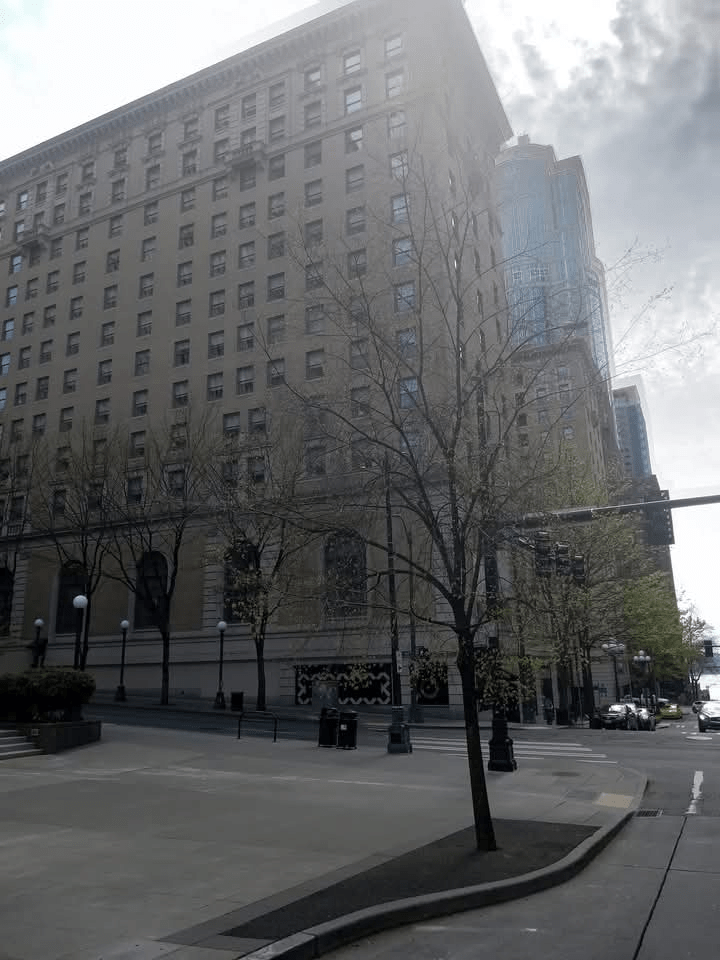
When Denise was murdered in April 1975 Bundy wasn’t on the run for much longer: Utah Highway Patrol Sergeant Bob Hayward pulled him over in Granger at around 2:30 AM on August 16, 1975 after he saw his unfamiliar tan VW Beetle pass by him while he was out on patrol. The officer knew the neighborhood and its residents well and had no memory of ever seeing that particular vehicle before. When Hayward turned on his lights to get a better view of its license plate, the driver turned off their headlights and attempted to flee. The Sergeant began to follow the car, which went through two stop signs and eventually pulled into a gas station. When he asked the driver why he was out driving around so late, Bundy replied that he was on his way home from the Redwood Drive-In after seeing the Towering Inferno but lost his way. Two more officers arrived on the scene, and after noticing that the passengers seat was missing they searched the car (with Bundy’s permission) and discovered some incredibly unusual items: a black duffle bag that contained a pair of handcuffs, an ice pick, rope, a crowbar, a flashlight, a ski-mask, a pair of gloves, wire, a screwdriver, large green plastic bags, strips of cloth, and a pantyhose mask.
In addition to his ‘kill kit,’ LE also found maps, brochures of ski resorts, and gas receipts in Bundy’s glove compartment box. When asked why he had such strange items in his car, Ted told the officers that he was in law school and was studying how to arrest criminals. While they weren’t completely convinced the law student was the ‘crazed mass murderer of young women’ that they were looking for, investigators did know he wasn’t completely innocent and arrested him for possession of burglary tools; they didn’t have enough evidence to detain him and he was ROR’ed.
It didn’t take long after his first arrest that investigators began to connect the dots between the attempted kidnapping of Carol DaRonch and the other Utah and Colorado abductions that were taking place during the same time, and they quickly began to suspect that the young law student was responsible. Perhaps one of the most damning pieces of evidence against Bundy were the handcuffs that were found in his car, which were the same style and brand as the ones found on DaRonch’s wrist after her attack. Additionally, the crowbar that officers found in his ‘murder kit’ was identical to the weapon used to threaten her the previous November, and his tan car matched the description of the one her abductor was driving. There were too many similarities for the police to ignore, but they also knew they needed more evidence to help support their case. A few days after Ted’s arrest on August 21, investigators searched his apartment and found various brochures from the areas where some of the women were missing from, however they failed to search the building’s utility room. Years later, the killer revealed to his lawyer Polly Nelson that he had kept a box of Polaroids of his victims inside that room in a shoebox, which he later destroyed.
On February 19, 1976 FBI forensics laboratories sent a letter confirming that they received a sample of Oliverson’s hair for comparison to evidence taken from Bundy’s Bug but nothing came back a match.She is Ted’s second to last confirmed victim (Sue Curtis was his last) until his second escape in late 1977 (although there are some suspected/unconfirmed victims that disappeared after, including Melanie Cooley, Sandra Weaver, Nancy-Perry-Baird, Shelley Kay Robertson, and Debbie Smith). Less than two weeks after Denise vanished on Tuesday, April 15, 1975 eighteen year old Melanie ‘Suzi’ Cooley disappeared out of Nederland, CO. After class was over for the day Cooley left the high school she attended where she was a senior and was never seen or heard from again. She was last seen by friends hitchhiking nearby campus, and it’s unclear where or when exactly she got picked up as no one saw the vehicle the young girl climbed into that day. Just a few weeks later on May 2, the body of Cooley was discovered fully clothed and frozen by a maintenance worker on Twin Spruce Road near Coal Creek Canyon about twenty miles away from where she was last seen.
According to Kevin Sullivan’s true crime classic, ‘The Bundy Murders,’ when Ted was asked about his possible involvement in Oliversons disappearance during his death row confessions by Detective Fisher, he ‘told me again of his tiredness and his wanting to get back to his cell to rest. I explained simply that he had promised to resolve all the questioned murder cases and now at the last minute he wasn’t keeping his side of the deal.’ As Fisher was walking out of the room the condemned man told him, ‘I’ll get back to you on that, I promise.’ The two men never spoke again. In a last minute, taped confession that took place less than an hour before he was put to death at 6:16 AM, Bundy confessed to Florida State Prison Superintendent Thomas Barton that he killed Denise Oliverson (it’s also listed on her ‘Charlie Project’ page that Dr. Robert D. Keppel, PhD was present as well). He said that he killed her in his car then transported her to the state border between Colorado and Utah and dumped her body in the Colorado River, about five miles west of Grand Junction. We don’t know if she was sexually assaulted, and he never shared exactly how he abducted her or took her life, but he specified that she ‘was not buried.’ In a sad, semi-related note, shortly after she disappeared Oliversons dad shared that she didn’t like water and wasn’t a big fan of swimming.
Bundy also shared that he came across Oliverson when he was returning from his second round of dumping Julie Cunninghams remains. Per Tiffany Jean in her case file of Denise, ‘Bundy claims that he encountered Oliverson as he passed through Grand Junction after he had buried Cunningham about 50 miles to the east’ (I have the link to the webpage below in my works cited). The twenty-six year old ski instructor was last seen the evening of March 15, 1975 after she left her apartment in the Apollo Park neighborhood in Vail. She was on her way to a local bar, and was last seen wearing jeans, a ski cap, brown suede jacket, and boots. On crutches and faking a ski injury, Bundy told investigators that he asked her for help carrying his ski boots to his VW, and when they arrived he knocked her unconscious, drove her to a remote area about eighty miles west of Vail and sexually assaulted her. He then strangled her to death then dumped her body in a shallow grave in a high desert area near Rifle, Colorado. Although Ted confessed to killing her on the morning he was executed, Cunningham’s remains have never been found, and her missing persons case still is considered open with the Vail Police Department.
After Bundy’s confession police said that they didn’t bother going to check out the potential dump site, as fourteen years had passed by and upwards of hundreds of thousands of people have walked through the area, trampling through evidence and destroying anything of possible value. Oliverson disappeared in early April, and according to environmental experts that is the time of year that the ‘runoff of the river would most likely have swept anything in it well downstream.’ It also gave local wildlife a good amount of time to pick apart her bones and disperse them throughout the area. Experts determined that if any trace of Denise were to turn up it would have happened by then.
The following is the transcript of a recording by Bundy regarding Denise Oliverson, dated the day of his death on January 24, 1989 at Florida State Prison; it took place in a five minute conversation roughly 45 minutes before his execution: ‘To the ah… Mike Fisher and the, the Colorado detectives ah… the last girl they wanted to talk about, Denise Oliverson, I believe, I’m not sure… out of Grand Junction that Mike Fisher wanted to discuss… ah, I believe that the date was in April 1975. Ah… the young woman’s body would have been placed in the Colorado River about five miles west of Grand Junction. It was not buried. That’s all the uh… the ones that I can help you with… it’s all the ones that I know about that uh… no missing ones outstanding that we haven’t talked about.’
In the same conversation Ted also volunteered that he abducted Susan Curtis from BYU on June 27, 1975 and gave investigators information as to where they would be able to find her body. Gas receipts placed Bundy in Grand Junction on the day that Denise disappeared: he put $3.16 in fuel at a gas station in Grand Junction on his Chevron card right before he abducted her. That same credit card was used to pay for fuel in Aspen and Vail on days his other victims Caryn Campbell and Julie Cunningham (respectively) were abducted as well. It was FBI agent Bill Hagmaier that Bundy confessed his total kill count to: eleven young women in Washington state, eight in Utah, three each in Colorado and Florida, two each in Idaho and Oregon, and one in California. The Oliverson family found out with the rest of the world that their daughter was murdered by the serial killer: they heard it on the news after he was executed.
In May 2019, the Grand Junction PD changed Denise’s disappearance from a missing persons case to a homicide after they reviewed Bundy’s confession tapes and talked to investigators that spoke with him while he was on death row.
In an interview with The Coloradoan in 2019, former Grand Junction detective Jim Fromm said ‘at the initial time we started the investigation, we didn’t believe that she was anything other than a missing person. And the more people we interviewed, the more concerned we got. It just, it did not make sense.’ With the news of Oliverson’s case closing, Julie Cunningham’s murder is now the only unsolved case directly linked to Bundy in the state of Colorado. A friend of Oliversons from high school named Linda Pantuso told the Coloradoan in the same article that she remembered hearing about her disappearance from Nina Nicholson, who she worked with: ‘We were just in the bathroom one day and I asked how Denise was doing. She went, ‘You haven’t heard? She’s been missing.’ I was just in shock. She was just a really great person.’
Dubbed by locals as ‘The Year of Fear,’ 1975 was a rough period for Grand Junction when it came to missing and murdered women: in addition to Oliverson, on July 28 twenty-four year old Linda Benson and her five year old daughter Kellie were brutally murdered in their residence at the Chateau Apartments. Just as a (strange) side note, according to the website cavdef.org, there is also a possibility that Bundy was present when the young mom and her child were killed: when a neighbor of Benson named Steve Goad saw him on TV after he was arrested in August 1975 he recognized him as a man that was in the apartment complex’s parking lot the evening Benson was murdered. In 2009 DNA linked serial rapist Jerry Nemnich to their murders. Strangely enough, she was friends with another Grand Junction woman that got murdered on August 23 in 1975: Linda Miracle. Twenty-four year old Miracle and her two young sons were killed by a neighbor, Ken Botham Jr. after he killed his wife at the home they shared. On December 27, Deborah Kathleen Tomlinson (not to be confused with Deborah Lee Tomlinson, who disappeared with a friend on her 16th birthday in October 1973 from Creswell, Oregon) was killed in her apartment complex in the 1000 block of Belford Avenue in GJ. She was found lying partially nude in her bathtub and had been sexually assaulted, bound and strangled. In December 2020 using DNA technology investigators identified Jimmie Dean Duncan as the man who killed Tomlinson.
In 2013, the Grand Junction PD collected DNA samples from Denise’s mother just in case they ever found remains. About his daughter missing, in 1986 Mr. Nicholson said ‘people need to finalize it in their minds, otherwise they’ll be bouncing back and forth. You don’t have a funeral, you can’t have a funeral. When the body is never found. A tragedy like this just tears the whole family up. I’ll never be the same. You raise a child, of course she wasn’t a child anymore. She was a young woman. It’s quite obvious when he got away from Glenwood Springs that he’s sick There’s something wrong up in the attic. There’s always the possibility that he’ll get out and do it again. They say he’s an intelligent young man, but it was channeled in the wrong direction. In the worst way’ Robert Nicholson also felt that Bundy ‘definitely’ should have been executed, and he was ‘just happy he’s been executed because it should have happened a long time ago.’
Denise’s father died at the age of 74 on October 2, 2001 in Grand Junction. Her mother passed away at the age of 94 on December 28, 2017. Nina remained a generous and kind woman despite the plethora of tragedies that took place during her life, and she loved to dance and was fascinated by Koala bears. Always hospitable, she wanted to make sure everyone around her was taken care of. Sadly, right before she passed Denise’s sister Renee died in the summer of 2017. Described in her obituary as a ‘gentle and loving soul,’ as a young woman Renee studied to be a dancer but was very ill in the final few years of her life, which restricted her activities. She died at HopeWest and Hospice Care Center on August 24, 2017. It looks like Steve Romero married a woman named Sandra on February 17, 1982 but they divorced just a few years later on May 22, 1984. He remarried a woman named Wilma on August 17, 1977 and died on November 3, 1996. Although her case has officially been closed, as of January 2024 no trace of Denise Lynn Oliverson has ever been found.
* Thank you to Archivist and Bundy researcher Tiffany Jean for the transcript of this interview.
Denise’s sophomore year picture from the 1966 Grand Junction High School yearbook.Denise’s junior year picture from the 1967 Grand Junction High School yearbook.Denise’s senior year picture from the 1968 Grand Junction High School yearbook.Denise Oliverson.Denise Oliverson.Oliverson and an ex-boyfriend. Photo courtesy of the Grand Junction PD.Some photography negatives of Denise. Courtesy of Captain Borax.Denise Oliverson on her wedding day.Oliverson’s mug shot after she was arrested in 1969 in Grand Junction for a misdemeanor after being caught with marijuana.A missing persons bulletin for Oliverson. Photo courtesy of the Grand Junction PD. A missing persons bulletin for Oliverson. Photo courtesy of the Grand Junction PD/Tiffany Jean.Oliversons wooden clogs that were found near the 5th Street viaduct close to her yellow bike. Photo courtesy of Captain Borax.The bottom of the pair of Oliversons sandals that were collected at the abduction site. Photo courtesy of Captain Borax.Oliversons underwear that were collected at the abduction site. Photo courtesy of Captain Borax.Denise and Joe’s engagement announcement published in The Daily Sentinel on May 20, 1970.Denise and Joe’s wedding announcement published in The Daily Sentinel on September 30, 1970.An article about Joe Oliverson visiting with his family published by The Herald-Journal on February 16, 1972.An article about Oliverson missing published by The Daily Sentinel on June 24, 1975.An article about the disappearance of Denise Oliverson published by The Daily Sentinel on October 13, 1975.An article about the disappearance of Denise Oliverson published by The High Point Enterprise on October 26, 1975.An article mentioning Denise Oliverson published by The Greeley Daily Tribune on October 27, 1975.An article mentioning the disappearance of Denise Oliverson published by The Greeley Daily Tribune on October 31, 1975.Oliverson is briefly mentioned in an article about Bundy’s victims published by The News-Press on June 26, 1979.An article about the disappearance of Denise Oliverson published by The Daily Sentinel on The Daily Sentinel on July 22, 1979.Oliverson is briefly mentioned in an article about Bundy’s victims published by The Spokesman-Review on August 22, 1979.Oliverson included in a list of Bundy’s victims published in The Tallahassee Democrat on October 2, 1980.Part one of article about the disappearance of Denise Oliverson published by The Daily Sentinel on February 23, 1986.Part two of article about the disappearance of Denise Oliverson published by The Daily Sentinel on February 23, 1986.Oliverson is mentioned in an list of Bundy’s confirmed victims published by The St. Petersburg Times on July 8, 1986.A poor quality picture of an article mentioning Oliverson that was written right before Bundy was executed. Published by The Standard-Examiner on January 27, 1989.An article about Bundy being executed that mentions Denise at the very bottom published by The Tribune on January 27, 1989.Oliverson is briefly mentioned in an article written about Bundy’s victims published by The Waycross Journal-Herald on January 28, 1989.An article about the disappearance of Denise Oliverson published by The Daily Sentinel on January 31, 1989.A picture of Denise Oliverson from the first part of an article published by The Daily Sentinel on May 29, 2011.Part two of an article published by The Daily Sentinel on May 29, 2011.A blurb about Oliverson published by The Windsor Beacon on February 17, 2019.Three retired investigators that worked Oliversons case. From left: Ron Smith, James Fromm, and Doug Rushing.Oliversons one bedroom residence located at 1619 LaVeta Street; she lived here with her boyfriend, Steve Romero. Photo courtesy of OddStops.Oliversons mailbox, at 1619 LaVeta Street.The inside of Denise’s house on LaVeta Street as it looks today.The inside of Denise’s house on LaVeta Street as it looks today.The inside of Denise’s house on LaVeta Street as it looks today.The side yard of Denise’s house on LaVeta Street as it looks today.Robert and Nina Nicholsons home, located at 801 Ouray Ave in Grand Junction. Photo courtesy of Google Maps.A bike ride from Denise’s residence to her parents house should have taken 20 minutes. A route from Denise’s house to Lincoln Park to her parents house should have taken her a little over 25 minutes. A possible route Bundy make have taken to the South 5th Street bridge n Grand Junction, Colorado.Bundys whereabouts on April 5, 1975 when Oliverson disappeared according to the ‘TB Multiagency Investigative Team Report 1992.’The former Chevron station where Bundy filled up the day he abducted and murdered Denise in Grand Junction.Denise and her husband listed in the Grand Junction City Directory in 1971.Joe and Denise Oliverson’s marriage certificate from September, 1970.Excerpts from Denise’s journal. Photo courtesy of the Grand Junction PD.Excerpts from Denise’s journal. Photo courtesy of the Grand Junction PD/Tiffany Jean.A letter to Denise from her counselor, Lois Kanaly. Photo courtesy of the Grand Junction PD/Tiffany Jean.A letter from Steve Romero to Denise’s sister, Renee. Photo courtesy of Captain Borax and The Grand Junction Police Department.Documentation related to Denise’s missing persons case from the Grand Junction PD. Photo courtesy of Captain Borax.Documentation that Denise’s property was checked into evidence at the Grand Junction PD. Photo courtesy of Captain Borax.A letter from the Grand Junction Chief of Police to Pitkin County Sheriff asking for assistance. Photo courtesy of the Grand Junction PD/Tiffany Jean.A letter dated February 19, 1976 from FBI forensics lab confirming receipt of Oliverson’s hair samples for comparison to evidence taken from Bundy’s car. Photo courtesy Grand Junction PD/Tiffany Jean.Some of Denise’s artwork. Photo courtesy of Captain Borax.A notation regarding Bundy’s Chevron receipts.Hand drawn map that came with the ‘psychic letter’ showing where Oliversons remains could be located. Courtesy of the Grand Junction PD/Tiffany Jean.An older photo of the bridge where Ted Bundy abducted Denise Lynn Oliverson. Photo courtesy of Captain Borax.A reporter standing underneath the South 5th Street Bridge with a bike much like the one Denise was last seen riding.Some more recent graffiti underneath the South 5th Street Bridge in Grand Junction.Some more recent graffiti underneath the South 5th Street Bridge in Grand Junction.Some more recent graffiti underneath the South 5th Street Bridge in Grand Junction.The underneath the South 5th Street Bridge in Grand Junction.The underneath the South 5th Street Bridge in Grand Junction.A shot of the Colorado River about five miles west of Grand Junction where Bundy says he dumped Denise Oliversons body.An x-ray of Denise Oliversons teeth. Photo courtesy of Captain Borax.Another x-ray of Denise Oliversons teeth. Photo courtesy of Captain Borax.Another x-ray of Denise Oliversons teeth. Photo courtesy of Captain Borax.Another x-ray of Denise Oliversons teeth. Photo courtesy of Captain Borax.Denise’s mother, Nina Marie (nee Jackson) Nicholson.Another shot of Denise’s mother, Nina.Denise’s parents engagement announcement published in The St. Joseph News-Press on June 12, 1949.Denise’s fathers grave site. Photo courtesy of findagrave.A notice in the newspaper about Nina Nicholsons death published by The Daily Sentinel on December 31, 2017.Denise’s moms obituary published by The Daily Sentinel on January 19, 2018.Renee Nicholson’s sophomore year picture from the 1971 Grand Junction High School yearbook.Renee Nicholson-West’s obituary published by The Daily Sentinel on September 12, 2017.Denise’s ex-husband Joe Oliverson’s junior year photo from the 1967 Dimond High School yearbook.An article about Denise’s husband being appointed as a ‘general life insurance agent’ in Grand Junction published by The Daily Sentinel on April 3, 1974.An quick blurb about Denise’s ex-husband Joe Oliverson being getting a job at Bray Real Estate in Grand Junction published by The Daily Sentinel on July 22, 2007.Raymundo Esteban (also known as Steve) Romero in 1970. Photo courtesy of Tiffany Jean.Fred Gallegos from the 1969 Delta High School yearbook.Linda Benson.Linda Miracle and her two sons, Troy and Chad.Miracle’s obit published by The Daily Sentinel on October 29, 1975.An article about some of the 1975 murders in rand Junction published by The Fort Collins Coloradoan on October 26, 1975.Patricia Botham.Ken Botham Jr.Deborah Kathleen Tomlinson.
This is the complete autopsy of Caryn Campbell. Document courtesy of Erin Banks/CrimePiper.
Page one of Caryn Campbell’s autopsy.Page two of Caryn Campbell’s autopsy.Page three of Caryn Campbell’s autopsy.Page four of Caryn Campbell’s autopsy.Page five of Caryn Campbell’s autopsy.Page six of Caryn Campbell’s autopsy.Page seven of Caryn Campbell’s autopsy.Page eight of Caryn Campbell’s autopsy.Page ten of Caryn Campbell’s autopsy.A shot of the remains of Caryn Campbell in the snow. Photo courtesy of Vanessa West.The skull of Caryn Campbell. Photo courtesy of Vanessa West.Thank you to my friend Samantha Shore for letting me know the identity of this victim.Vince Lahey holding a crowbar over Campbells autopsy photo. Photo courtesy of Erin Banks.
I’ve been spending a good chunk of my time writing about the unconfirmed victims so in this installment of ‘All Things Bundy,’ I’m going over his confirmed kills.
Karen Sparks-Epley (18). January 4, 1974. Survived, Seattle, WA.
Also referred to as ‘Joni Lenz,’ Sparks was brutally assaulted by Ted Bundy while asleep in her basement apartment in the University District of Seattle. She was his first known victim. Thankfully Bundy didn’t kill her, however she was badly beaten with a metal rod, sexually assaulted, and left unconscious for hours before her roommates discovered her later that night. Ted left her with a number of serious long-term injuries she still struggles with to this day.
Karen Sparks.Karen Sparks.Karen Sparks.Karen Sparks in the Amazon documentary, ‘Falling for a Killer.’
Lynda Ann Healy (21). February 1, 1974. Murdered, Seattle, WA.
On January 31st, 1974, Healy borrowed a friends car to go shopping for a family dinner she was preparing the next night and returned with her groceries at roughly 8:30 PM. Shortly after, Lynda and her roommates went drinking at a popular bar called Dante’s Tavern located at 5300 Roosevelt Way NE. The establishment was a five minute walk from her apartment but the friends didn’t stay out long because Lynda needed to be up at 5:30 AM to be at her job giving the ski report for a local radio station. A number of sources report that Bundy used to go to Dante’s often and it is hypothesized that he first saw Lynda there then followed her home. In the early morning hours of February 1, 1974, he broke into Healy’s basement room, beat her, took off her bloody nightgown (making sure to neatly hang it up in her closet), dressed her then carried her off into the night. It is theorized that Ted only took clothes to make it appear as if Lynda left on her own but obviously we’ll most likely never know the truth. Her body found in March 1975 on Taylor Mountain, near Issaquah outside of Seattle.
Lynda Healy, in the middle holding her little sister.Lynda Ann Healy (middle) with her siblings.Lynda Ann Healy.Lynda Ann Healy.
Donna Gail Manson (19). March 12, 1974. Murdered, Olympia, WA.
On the day of her abduction, Donna planned on going to a folk dancing class at the College Activities Building at Evergreen State College (where she attended). Later that same night, she made plans to go to a jazz concert at the Daniel J. Evans Library (also on campus), which was scheduled to start at 8 PM. Donna departed her dormitory just after 7 PM and set out for the dance class, which was just a two minute walk away. Despite how close the College Activities Building was to her dorm, no one recalls seeing her at either the dancing class or the jazz recital, making it highly unlikely that she ever made it that far. Manson was never seen alive again. After confessing to her murder, Bundy said he burned her skull in Liz Kendall’s fireplace.
Donna Gail Manson.Donna Gail Manson.Donna Gail Manson.Donna Manson.
Susan Elaine Rancourt (18). April 17, 1974. Murdered, Ellensburg, WA.
Shortly before 8 PM the evening she disappeared from her college campus at Central Washington University, Susan Rancourt put some clothes in a washing machine in Barto Hall (her dorm building). She then went to a meeting about becoming a Residential Advisor at Munson Hall. When it ended at 10 PM Sue left to walk back to her dorm to switch out her laundry but was never seen alive again. She had plans later that night to watch a movie with a friend but never showed up. Rancourts skull was later found near Taylor Mountain, where Bundy placed several bodies during his reign of terror.
Susan Elaine Rancourt.Susan Elaine Rancourt.Sue Rancourt.The Susan Rancourt Memorial Garden at CWU. Photo taken in April 2022.
Roberta Kathleen Parks (20). April 17, 1974. Corvallis, OR.
A student at Oregon State University in Corvallis, Parks was abducted from her college campus, which is over a four and a half hour drive for Bundy (who was living at the Rogers Rooming House on 12th Ave NE in Seattle at the time). Shortly before 11:00 PM the night she disappeared, Parks encountered Bundy in the Memorial Union Commons cafeteria at OSU. During Teds interviews with journalists Hugh Aynesworth and Stephen Michaud, he ‘confessed’ in the third-person that Kathy may have encountered her killer while in the cafeteria. Bundy then said he was able to convince her to leave with him and as soon as the opportunity presented itself he immediately overpowered her. He most likely bound and gagged Parks during the 250-mile trip back to Seattle, where then killed her and dumped her body on Taylor Mountain.
Roberta Parks, second from the left.Roberta ‘Kathy’ Parks.Kathy Parks.One of the more frequently used pictures of Kathy Parks.
Brenda Carol Ball (22). June 1, 1974. Murdered, Burien, WA.
In the wee hours of June 1st, 1974, Brenda Ball seemingly vanished into thin air after seeing a band play at The Flame Tavern located at 12803 Ambaum Boulevard in Burien, WA. She arrived at the bar alone and stayed until closing. As the act was wrapping up their set at the end of the night Brenda asked one of the members she knew for a ride home back to her house but he was heading in the opposite direction so he couldn’t help out. There are two conflicting reports about how she could have left the bar that night: one is that she left by herself and was planning on hitchhiking home, and the other claims that she left with an unidentified man wearing an arm sling. Despite law enforcement being hesitant to officially say her disappearance was related to the other missing girls in Seattle, her skull was the first discovered on Taylor Mountain in March of 1975.
Brenda Ball’s senior picture from the 1970 Mount Rainier High School yearbook.A barefoot Brenda Ball.Brenda Carol Ball.Brenda Ball.
Georgeann Hawkins (18). June 11, 1974. Murdered, Seattle, WA.
A student at the University of Washington, Georgann Hawkins disappeared from an alley behind her sorority house in June 1974. The night before she vanished, Hawkins went to a party, where she had a few mixed cocktails. Because she had a Spanish final coming up that she needed to study she didn’t stay long; she did mention to a sorority sister that she was planning on swinging by the Beta Theta Pi House to pick up some Spanish notes from her boyfriend. Hawkins arrived at the frat at approximately 12:30 AM on June 11 and stayed for approximately thirty minutes. After getting the notes and saying goodnight to her beau, Georgann left the fraternity house for her sorority house, Kappa Alpha Theta. Before he was executed, Ted told law enforcement that he approached her in an alley on her way home, feigning injury with a hurt leg (using his crutches as a ruse) while dropping his briefcase. Bundy asked Hawkins for help carrying the prop to his VW Bug, which was waiting in a parking lot roughly 160 yards north of the alley. She agreed and as she bent over to put the briefcase in his vehicle, Ted grabbed a conveniently placed crowbar and knocked her out with a single blow to the head. He then pushed George into his car and drove off into the night. Bundy claimed that while driving she regained consciousness and started to incoherently babble about her upcoming final, thinking he was her Spanish tutor. He again knocked her out with his crowbar. Once at his intended location, Ted took her unconscious body out of his car and strangled her with an old piece of rope. According to him, the parts of Georgann’s body he had not buried were recovered in Issaquah with the bodies of Janice Ott and Denise Naslund. He confessed to murdering Hawkins shortly before his 1989 execution.
Georgeann and her pom poms, from her time at Lakes High School, in Lakewood, WA.A photo of George from the 1973 Washington State Daffodil festival.A b&w photo of Georgeann Hawkins.Georgann Hawkins.
Janice Ann Blackburn-Ott (23). July 14, 1974. Murdered, Issaquah, WA.
At the time she was murdered, Janice Ott worked as a probation case worker at the King County Youth Service Center in Seattle, WA. In December of 1973, she married Jim Ott, who at the time of her death was in California for graduate school. After her car was broken into while living in Seattle, she moved in with a roommate to 75 Front Street in Issaquah (she felt the smaller community would be safer). The morning she disappeared, Janice spent a few hours at doing laundry and having a cup of coffee with a friend. After her errands and chores were completed, she rewarded herself with a trip to Lake Sammamish. Ott was abducted by Bundy at around 12.30 PM, and just a mere three and a half hours later he returned to the same park and abducted Denise Naslund.
Janice Ott and her younger sister standing outside her VW Bug.Janice Ott.Janice and Jim Ott.Janice Ott.
Denise Marie Naslund (18). July 14, 1974. Murdered, Issaquah, WA.
On a beautiful, picture perfect sunny day, Naslund disappeared from a very busy Lake Samammish State Park (that day was Rainier Beer’s annual picnic, there were over 40,000 people there). She was there with her boyfriend and another couple, and after telling them she was going to the restroom Denise was never seen alive again. Naslund lived with her mother in Seattle and was studying to become a computer programmer. Eleanor Rose said her daughter had the kind of helpful nature that would easily place her in danger. Denise’s remains were found on a hillside near Issaquah roughly two months later in September 1974, only two miles away from Lake Samammish. Bundy confessed to her murder shortly before his execution.
Denise Marie Naslund.Denise Marie Naslund.Denise Naslund.
Nancy Wilcox (16). October 2, 1974. Murdered, Holladay, UT.
The first of Teds confirmed Utah victims, Wilcox went missing after she went on a walk to buy a pack of gum (it’s also speculated that from there she was on her way to her high school to visit her boyfriend). She left the house in a huff after getting into a fight with her Dad about her bf’s pick-up truck leaking oil on the families driveway. Both Mr. and Mrs. Wilcox said that because of this law enforcement initially considered her to be a runaway even though they knew their daughter would never voluntarily leave home and had no troubles whatsoever in her personal life. Nancy left all of her personal belongings behind including some expensive jewelry that held deep sentimental value to her. Before he was executed Bundy confessed to sexually assaulting and strangling her, then burying her body about 200 miles away near Capitol Reef National Park. Sadly her body has never been found.
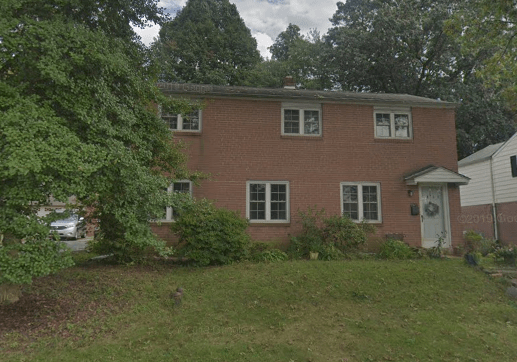
Nancy Wilcox.Nancy Wilcox.Nancy Wilcox.
Melissa Smith (17). October 26, 1974. Murdered, Midvale, UT.
Bundy abducted Smith shortly after she left a pizza parlor on West Center Street in Midvale at around 9.30 PM on October 26, 1974. One unconfirmed report suggests that he may have been asking women in the area to help him with a car issue. Melissa was the daughter of Midvale Police Chief Louis Smith, and her murder took place just sixteen days after Nancy Wilcox vanished from the nearby city of Holladay (and five days before Laura Aime). On the night she disappeared, Smith was supposed to sleep over at a girlfriend’s house but those plans fell through after she didn’t answer the phone. After realizing she had been stood up, she decided to leave the pizzeria and walk back to her house on Fern Drive. At some point during her walk, its speculated that Bundy grabbed Melissa off the street and killed her. She never made it home.
Melissa Smith.Melissa Smith.Melissa Smith.
Laura Aime (17). October 31, 1974. Murdered, Lehi, UT.
Shortly before she disappeared Aime dropped out of high school, left home (she frequently couch surfed at various friends’ homes), and worked a few menial part-time jobs. Surprisingly she still remained in contact with her family and according to her parents, they were just beginning to accept her ‘nomadic lifestyle.’ So, when she first disappeared no one really seemed overly concerned. Thanks to my newspapers.com subscription it didn’t take long for me to realize there were no news articles mentioning Laura Aime’s disappearance at first, and her name only began to appear in ink after two hikers discovered her remains in American Fork Canyon. Additionally, when her body was first discovered, law enforcement first speculated it belonged to Deborah Kent.
Laura Ann Aime, photo courtesy of ThisInterestsMe.Laura Ann Aime, photo courtesy of ThisInterestsMe.Laura Ann Aime.Laura Ann Aime.
Carol DaRonch (18). November 8, 1974. Survived, Murray, UT.
The evening she was abducted Carol DaRonch parked her maroon 1974 Camaro on the southern side of The Fashion Place Mall in Murray, UT. As she was window shopping outside Walden Books, DaRonch was approached by Bundy, who was posing as a police officer. He said that her car had been broken into and asked her to drive down ‘to the station’ with him to file a report with him. However as they were on their way he attempted to subdue and handcuff her but was unsuccessful: she was able to fend him off and escape. Of the encounter, DaRonch said that she ‘thought he was kind of creepy … I thought he was a lot older than he was.’ She also commented that she could smell alcohol on his breath.
Carol DaRonch.Carol DaRonch.Carol DaRonch.DaRonch as she looks today.
Debra Jean Kent (17). November 8, 1974. Murdered, Bountiful, UT.
After Bundy was unsuccessful in his attempts to kidnap Carol DaRonch he quickly realized he was going to need a new victim. So he made the twenty-two minute drive away to Viewmont High School, where he successfully abducted Debbie Kent. Kent was watching a play with her family but left the school at approximately 10:30 PM to pick up her brother from the nearby Rustic Roller Rink. She never made it to the rink and was most likely abducted in the parking lot. According to an eyewitnesses, there was loud screaming coming from the area at roughly the time that Debra was last seen, and another person saw a light-colored VW Beetle speeding away from the school. After the Kent’s realized their daughter hadn’t even made it out of the parking lot, they found a handcuff key on the ground by their car. Bundy confessed to killing Deb and burying her body in the same area as Nancy Wilcox.
Debra Kent.Debra Kent.Debra Kent.
Caryn Campbell (23). January 12, 1975. Murdered, Estes Park, CO.
Bundy abducted the 23-year-old nurse from the Wildwood Inn in Snowmass Village. While staying at the inn with her fiance and his children, Campbell went missing after going upstairs to her room to retrieve a magazine. Although we will never know for certain how exactly Ted managed to abduct the attractive young woman, it is highly likely he feigned an injury and asked her to help him carry something back to his vehicle. After he lured her away from the hotel to a darkened parking lot he hit her over the head then quickly snuck her into his Bug. Roughly five weeks after Campbell disappeared her body was found less than three miles away from the Wildwood Inn. Someone driving by her remains noticed a large amount of birds flying over the area. Using dental records, police determined that the remains belonged to Caryn. The postmortem examination revealed that her skull had sustained three heavy blows. Before Ted’s run in with Ol’ Sparky, he confessed to Campbells murder.
The day before Bundy was executed Campbell’s father Robert did an interview with the Free Press saying that ‘you never really forgive someone for something like that,’ Robert Campbell said. ‘You just try to put it behind you. … The thing I’d like to have back, I can’t have.’ … ‘I’m not a vindictive person, but certainly you can’t go around killing people. I suppose I approve of his execution reluctantly, but I don’t think executing Bundy will be a deterrent. People will keep killing.’Caryn Campbell.Caryn Campbell.
Julie Cunningham (26). March 15, 1975. Murdered, Vail, CO.
Cunningham disappeared early in the evening on March 15, 1975 after leaving her Apollo Park apartment in Vail to go a nearby bar to meet up with a friend. Bundy told law enforcement that he pretended to be an injured skier on crutches that needed help carrying a pair of ski boots to his car. According to Ted, the pair walked over half a mile together before they finally reached his vehicle. Once there, Bundy knocked her unconscious, put her in his car then drove to a remote area roughly eighty miles west of Vail and sexually assaulted her. When finished, he strangled her to death and dumped her remains in a shallow grave near Rifle, CO. Julie’s body has never been recovered.
Denise Oliverson (24). April 6, 1975. Murdered, Grand Junction, CO.
On April 6, 1975, Denise Oliverson set out on a bike ride to her parents house but was never seen alive again. The next day, a search party found her bicycle and shoes under the Fifth Street Bridge by some railroad tracks. Just days before he was executed in January 1989, Bundy told law enforcement he abducted Oliverson then disposed of her body in a river about five miles West of Grand Junction. Her remains have never been found.
Denise Oliverson.Denise Oliverson.Denise Oliverson on her wedding day.
Lynette Dawn Culver (12). May 6, 1975. Murdered, Pocatello, ID.
Although the details surrounding Culvers murder seem to vary between sources, it’s strongly speculated she was last seen at Alameda Junior High School. It’s worth mentioning, this was a two and a half hour drive from where Bundy was living at the time in Salt Lake City to Pocatello, Idaho. Some places say that she left campus during her lunch period, where others claim Lynette was last seen getting on a bus. When considering her healthy and happy relationship with family and friends as well as and her stellar academic performance, she most likely was taken against her will. In his death row interviews, Bundy confessed to killing Lynette then dumping her body in the Snake River. He also said he raped and drowned the 12 year old child in a hotel room after abducting her. Law enforcement didn’t fully accept his confession despite providing some convincing details.
Lynette Dawn Culver. Lynette Dawn Culver. Lynette Dawn Culver.Lynette Dawn Culver.
Susan Curtis (15). June 27, 1975. Murdered, Provo, UT.
At the time she was murdered, Susan was a freshman at Woods Cross High School. She had a history of running away from home for days at a time but never was gone for very long. Susan was originally from Bountiful, Utah but at the time of her disappearance was attending a youth conference at Brigham Young University in Provo. A natural athlete, Curtis had ridden her bicycle 50 miles from Bountiful to Provo to attend the conference. She vanished on the first evening of the conference after a formal banquet: she left her friends to make the quarter mile walk back to her dormitory to brush her teeth but was never seen or heard from again. As Bundy walked down to the hall to be executed Curtis was his last death row confession. Since her body has not been recovered she is still regarded as a missing person.
Susan Curtis.Susan Curtis.Susan Curtis.Susan Curtis.Susan Curtis.
Margaret Bowman (21). January 15, 1978. Murdered, Tallahassee, FL.
In the early morning hours of January 15, 1978, a group of young women residing at the Chi Omega house at Tallahassee’s Florida State University were asleep in their beds when evil crept in… Margaret Bowman was born in Honolulu and moved to Florida in 1973 after her father retired from the US Air Force. Bowman was one of four women Bundy attacked when he broke into the sorority house at around 3 AM on January 15, 1978. He beat her with a piece of firewood as well as a telescope and strangled her to death with her own tights. Despite the violent nature of the crime, the initial investigation failed to produce any evidence of sexual assault or struggle. The severity of the beating was so extreme that part of Bowman’s brain was visible.
A picture of Margaret Bowman from high school. I hate that it has ‘RIP’ on it but I couldn’t find another copy.Margaret Bowman.Margaret Bowman.Margaret Bowman.
Lisa Janet Levy (20). January 15, 1978. Murdered, Tallahassee, FL.
Lisa was born in St Petersburg, FL and attended Dixie Hollins High School, where she played flute in the band for two years. At FSU, she majored in fashion merchandising and worked at the Colony Shop near campus. When law enforcement got to the crime scene Levy’s was the first sister that officers found dead. Medical Pathologists discovered that she had been beaten on the head with a log, sexually assaulted with a hair spray bottle then strangled. Additionally, they found bite marks on her buttocks and one of her nipples had been so savagely bitten that it was almost completely severed from the rest of her breast.
Levy.Lisa Levy.Levy.Lisa Levy and her boyfriend.Lisa Levy and her boyfriend.
Kathy Kleiner-Rubin (20). January 15, 1978. Survived, Tallahassee, FL.
Kathy Kleiner-Rubin and Karen Chandler shared a room at the Chi Omega sorority house. That night she was attacked Kathy went to bed first, with Chandler following shortly after. After Bundy attacked and murdered Lisa Levy, he went into the room next door and brutally assaulted Kleiner-Rubin and Chandler. In an interview, Kathy said that was awoken that morning by the sound of her bedroom door opening. The assailant then tripped over a chest that was in-between the girls twin beds. Ted then assaulted her with a piece of firewood, which left her with a broken jaw, concussion, skull fracture, broken arm and finger. Miraculously, she survived her injuries and testified against Bundy in his death penalty trial.
Kathy Kleiner-Rubin at Bundy’s trial.Kathy Kleiner-Rubin.Kathy Kleiner-Rubin as she looks today.Kathy Kleiner-Rubin as she looks today.
Karen Chandler (22). January 15, 1978. Survived, Tallahassee, FL.
As I said earlier, Karen Chandler was Kathy Kleiner-Rubin’s roommate in the Chi Omega house. After Bundy was done brutally assaulting Kathy he moved onto Chandler. Bundy knocked out four of her teeth and beat her so severely that he broke her jaw and right arm. Somehow Chandler survived. She took the rest of the academic quarter off, but later returned to the Chi Omega house at FSU.
Karen Chandler.Karen Chandler.Karen Chandler.Karen Chandler.Karen Chandler as she looks today.
Cheryl Thomas (21). January 15, 1978. Survived, Tallahassee, FL.
After Bundy was finished with his atrocities at the Chi Omega sorority house, he wandered a few blocks over and climbed into an open kitchen window in Cheryl Thomas’ apartment. He attacked her and Thomas barely escaped with her life: her jaw was broken in two places, her shoulder dislocated, and she had five skull fractures, which left her permanently deaf in her left ear. In 1978 Thomas was a student at FSU and a member of the schools dance team. The night she was attacked was alone in her apartment but thanks to some attentive neighbors who heard the assault her life was saved.
Cheryl Thomas.Cheryl Thomas.Cheryl Thomas.Cheryl Thomas.A more recent picture of Thomas.
Kimberly Dianne Leach (12). February 9, 1978. Murdered, Lake City, FL.
In 1978, Kim Leach was a 12-year-old seventh-grader at Lake City Junior High School, where she was a straight-A student and the runner-up Valentine Queen. Leach was one of Bundy’s youngest and his last victim. On the morning of February 9, 1978, Kimberly arrived at Lake City Junior high School on time. Just before 9 AM, she left her first period class to go and pick up her purse that she had accidentally left behind in her homeroom. After she recovered the purse she headed back towards her classroom in the pouring rain but never arrived. That afternoon, Kimberly’s parents became concerned when their daughter didn’t come home after school. They called everybody they knew, but nobody could account for Kimberly. Their concern escalated to fear when they learned she had been at her first period class but then never returned. They immediately called law enforcement to report their daughter missing. A search party quickly formed and concentrated on Suwannee River State Park for weeks. Kims remains were eventually found on April 7, 1978 in an abandoned hog pen with a small metal lead-to. She was nude other than for a pullover jumper, her clothes were piled up beside her body. She was in an advanced state of decomposition, but she was identified thanks to dental records. Leach had suffered homicidal violence about the neck region.
Kim Leach.Kim Leach.Kim Leach.
Miscellaneous:
There is no consensus as to when or where Bundy began killing. He told different people varying stories to and refused to give the specifics of his earlier crimes, even as he shared in graphic detail to dozens of later murders in the days before he was his executed. He told one of his attorneys Polly Nelson that he attempted his first kidnapping in 1969 in Ocean City, NJ, however did not kill anyone until sometime in 1971 in Seattle. He told Portland forensic psychologist Dr. Art Norman that he murdered two women in Atlantic City while visiting family in Philadelphia in 1969. Bundy hinted to former homicide detective Dr. Robert Keppel that he committed a murder in Seattle in 1972 and another murder in 1973 that involved a hitchhiker near Tumwater, but he refused to elaborate. Rule and Keppel both believed that he might have started killing as a teenager. Bundy’s earliest documented homicides were committed in 1974, when he was 27 years old. By his own admission, he had by then mastered the necessary skills to leave minimal incriminating forensic evidence at crime scenes.
On September 2, 1974, Bundy drove through Boise while moving from Seattle to Salt Lake City and during that trip, he picked up a still unknown hitchhiker and killed her. Ted returned the next day to photograph and dismember the corpse then dumped her remains in the Snake River. Reports from Gonzaga University’s student newspaper ‘The Gonzaga Bulletin’ claim that Bundy stopped by a campus dorm for a party in the 1970’s and drove a female student to Pullman. She miraculously survived.
Bundy confessed to detectives from Idaho, Utah, and Colorado that he had committed numerous additional homicides, including several that were unknown to the police. He explained that when he was in Utah he could bring his victims back to his apartment, ‘where he could reenact scenarios depicted on the covers of detective magazines.’ A new ulterior strategy quickly became apparent: he withheld many details, hoping to parlay the incomplete information into yet another stay of execution. ‘There are other buried remains in Colorado,’ he admitted, but refused to elaborate. The new strategy (which was referred to as ‘Ted’s bones-for-time scheme’) served only to deepen the resolve of authorities to see Bundy executed on schedule, and yielded little new detailed information. In cases where he did give details, nothing was found. Colorado detective Matt Lindvall interpreted this as a conflict between his desire to postpone his execution by divulging information and his need to remain in ‘total possession, and the only person who knew his victims true resting places.’
in Oregon, 2 (both unidentified)
in Idaho, 2 (1 unidentified)
in California, 1 (unidentified)
After being sentenced to death, Bundy spent 11 years on death row, before he was executed by electric chair on 24 January 1989.
Shelley Kay Robertson was born on July 24, 1951 to Elmer and RobertaRobertson of Arvada, Colorado. The couple had four children: three boys (Mark, Gary, and Rick) and Shelley; they divorced at some point and Mr. Robertson remarried. Elmer was the owner of Silver State Printers and it seemed to be a bit of a family affair: per Steve Winn’s book, ‘Ted Bundy: The Killer Next Door,’ both Shelley and her brother Gary helped out with the business (she was a bookkeeper and binder). Shelley attended Arvada High School, and after graduating in 1969 she spent a year on a missionary trip in Biloxi, Mississippi run through the United Church of Christ. Her faith was important to her and she was an active member of the Church of Christ. Roberta encouraged her only daughter to travel and experience the world, often telling her that ‘you can always come back to your hometown.’ After returning from Biloxi, Shelley enrolled in Red Rocks Community College as a Spanish major; she even went to Barra de Navidad (a fishing village in Mexico) for a semester with her class (after the school trip she returned once to visit on her own). At one point in her short life she spent a year in Alaska with a friend (Susan), where they processed fish in Clam Gulch. Mrs. Robertson said that growing up, Shelley dreamed that one day a white horse would come into her life and she would name him Brownie. It was a story she knew well, and one day her daughters dream somehow came true (although it was a neighbor’s horse). This sweet encounter hinted at the future that she would eventually get her own horse: a sweet little gray mare named Bonnie she rode around bareback. Shelley was 5’8” tall, weighed 150 pounds, and had brown eyes with long brown hair she wore parted down the middle. At the time of her disappearance she was attending a Transactional Analysis group.
Shelley had an apartment in Denver and a boyfriend named Ron, who seemed to have been in the process of going to California right before she disappeared (I couldn’t find the reason or the length of his visit), which upset her (one of her brothers said she was crying and upset at one point right before she disappeared). It’s speculated that the day before she vanished Shelley had gotten into a fight with him where she got out of his red Karman Gia and thumbed a ride home. Robertson was a frequent hitchhiker and thought nothing of catching a ride states away ‘for fun.’ Shelley was last seen dressed in bell-bottom jeans, a T-shirt with the name of a rock band on the front (most likely either Yes or ‘Emerson, Lake & Palmer’) and hiking boots by friends near a local watering hole called ‘Tony’s Bar’ on June 29th. Per a document provided by the Pitkin County Sheriff’s, Shelley was last seen at 34th and Sheridan Streets in Denver hitchhiking to work. Additionally, according to her brother Gary, missing from her wardrobe were a pair of blue denim cutoffs, a blouse, a brown and white striped dress, and ‘Earth” sandals. On Tuesday, July 1, 1975 Robertson never showed up for work at Mr. Robertson’s printing press in Golden. The same day, she was seen by a policeman that noticed her at a service station with a bushy haired bearded man in a beat up old red Chevrolet pick up truck (from around 1952-57). It was the last time she was seen alive but it’s reported she made a phone call later that night.
Days then weeks passed with no word from Shelley. On August 21, 1975 two students conducting Amex testing for gas content from the ‘Colorado School of Mines’ came across the body of Shelley Robertson in a mine in Berthoud Pass, Colorado near the Winter Park Resort. About 500 feet in they smelled something unusual: humandecomposition. Using their flashlights, they strained to see what was down the narrow tunnel, seeing something large and white. Upon further inspection they realized they were looking at a foot and “bare buttocks” and that “we’ve got body, lets get out of here.” They notified law enforcement and the Clear Creek County Sheriff’s returned on August 23 to find the naked, decomposing remains of Shelley Robertson discarded in the mine. Her body was ‘badly molded’ and bound with duct tape. Although it was determined she had been struck on the front side of the head, the top rear of the head, and the right side of her chest too much time had passed and because of the advanced levels of decomp forensic experts were unable to pinpoint the exact cause of death. Found at the scene were two torn pieces of furnace tape (one on the body and one discarded nearby) as well as discarded beer can and a plastic wrapper from a package of ham. Leads quickly ran dry.
Law enforcement looked into multiple suspects aside from Bundy, including Warren Leslie Forrest, OttisToole, “a chronic sex offender that lived nearby,” a man in Shelley’s Transactional Analysis group that claimed he was alive during the Civil War, a “quietfriend” of hers that oddly enough drove a VW Bug, and a mystery man named JakeTeppler. Forrest and Toole were both quickly ruled out as Forrest was already in jail at that point (he was incarcerated since 1974) and the latter was placed in Jacksonville, FL at the time (after drifting and hitchhiking throughout the Southern part of the US). According to Steve Winn, Teppler was a graduate of Tufts University and a resident of the nearby Snowmass Village in CO as well as a former employee of a “condominium complex.’ According to a former part time coworker (who worked a 9-5 job as a music therapist), Teppler was ‘very sick, the kind of person who would go in the corner and jack off.” He seemed to be a bit of a nomad, and wandered the area going through jobs quickly as he was unable to keep them (remind you of anyone?). Looking into Teppler I couldn’t find anything related to a criminal record.
At the time Shelley was murdered Bundy was attending law school at the ‘University of Utah’ and was living at 565 1st Avenue North in Salt Lake City. Per my ‘handy dandy TB job chart,’ in June and July 1975 Ted was employed as the night manager in charge of Bailiff Hall at the University (he was terminated after showing up for work drunk). It also said that Bundy worked as a PT security guard for the school in July and August but due to budget cuts he lost that position as well. When researching this piece I kept seeing in multiple sources that ‘crumpled up credit card receipts found in his VW’ placed Bundy in Golden either a few days before Shelley disappeared or the day of (sources have reported both), but the ‘TB Multiagency Report 1992’ puts him in Salt Lake City during that time frame. I scoured the internet for the receipts but couldn’t find them. I do want to point out that Bundy did own an old pickup truck until about November/December 1975 (he bought it to help transport his belongings to Utah when he started law school).
On June 27, 1975 (just a few days before Shelley was last seen), Bundy abducted and murdered Susan Curtis while she attended a youth conference at Brigham Young University in Salt Lake City. Four days after Robertson was last seen on July 4, 1975, Nancy Perry-Baird was abducted from the gas station where she worked in East Layton, UT and was never seen or heard from again. We know Bundy was quickly approaching the end of his reign of terror: he was pulled over by Utah State Trooper Bob Haywood on August 21, 1975 and was arrested for the possession of burglary tools, which eventually resulted in his arrest for the attempted kidnapping of CarolDaRonch.
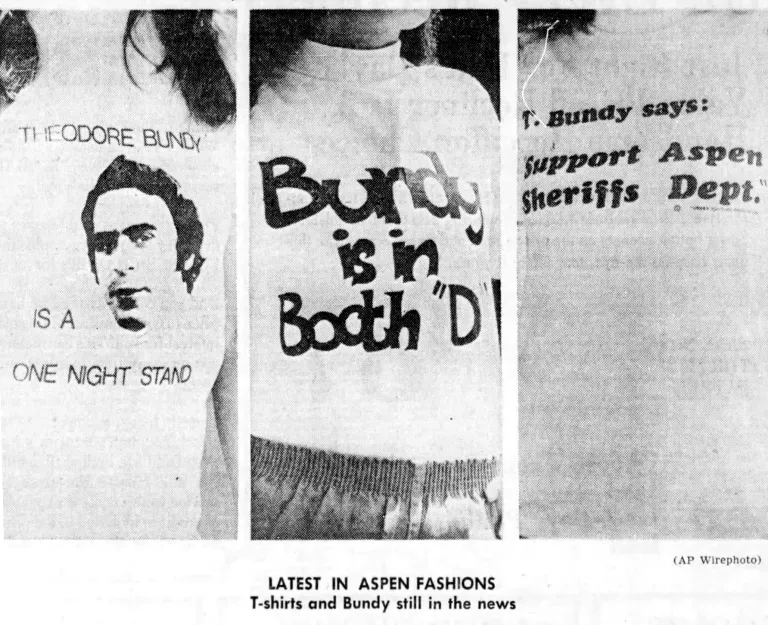
At some point when Bundy was incarcerated in Utah (he was transferred to Aspen, Colorado on January 28, 1977 to face charges for the murder of Caryn Campbell), former Cold Creek County Undersheriff Bob Denning traveled to Salt Lake City to interview him about the murder of Shelley Robertson. When the law enforcement officer asked him about her Ted is reported to have answered, ‘I don’t want to talk about that.’ Denning has commented that he is ‘99% sure that Shelley’s killer is Ted Bundy.’ Additionally, I read in multiple sources that Bundy confessed to Shelley’s murder before he was put to death however I can’t find it anywhere in the transcripts of his death row interviews.
A really interesting source I came across was an article by Shelley’s brothers one-time girlfriend, Kristen Iversen. Kristen is a writer as well (at a much more professional level) and in a piece she wrote for ‘The American Scholar” titled ‘When Death Came to Golden,’ she talks about the disappearance of Shelley and shares an intimate account of how the Robertson family adapted to life after she was taken from them. In response to Mrs. Robertson pulling her close after they met and whispering in her ear, ‘you can save this family,’ Kristen commented that: ‘I couldn’t save Mark’s family. I know this now. I couldn’t save Shelley, whose brief life had already been forgotten and erased by the town, by the media, by the nation. I couldn’t save Mark’s father, a blue-collar man who worked hard all his life and had to bear sorrows no man should have to bear. I couldn’t save Mark’s mother, who for years left Shelley’s bedroom untouched.’ That’s why I write about these girls, because they’ve largely been forgotten about. There’s not much out there on these victims; I seem to find the same little pieces of information over and over.
When Bundy was executed in January 1989 Roberta Robertson traveled from Colorado (she lived in the same house she raised her family in) to Florida and stood in a crowd of candle-holders outside the prison, waiting for word that he was officially dead. She told a journalist, “killing Ted Bundy won’t make me feel better and it won’t bring back Shelley. A lot of people seem to want it out of a vengeance. But it gives people a false sense of security. And it’s terribly expensive.” Mrs. Robinson passed away on September 23, 2009 in Lakewood, CO. Almost as tragic as Shelley’s murder, her brother Mark passed away at the age of 24 in a rock-climbing accident in 1979.
Kristen Iversen’s essay about Shelley will be included in an anthology published later this year. Her website is http://www.kristeniversen.com. When it’s released I’ll post a link to my FB page.
Works Cited: David Merrill & Steven Winn. “Ted Bundy: The Killer Next Door.” 1979. Kristen Iversen. The American Scholar: “When Death Came to Golden.” March 5, 2018.
Shelley’s photo from the Arvada High School yearbook in 1967.Shelley’s photo from the Arvada High School yearbook in 1969.Shelley’s activities in the Arvada High School 1969 yearbook.Shelley’s graduation picture.Shelley Robertson.Shelley and her one time love (and my wonderful friend), JD Longwell. Shelley, photo courtesy of Gary Robertson/JD Longwell.A picture of Shelley napping with her guitar. Photo courtesy of JD Longwell.A picture of Shelley holding a really cute dog. Photo courtesy of JD Longwell.Shelley Kay Robertson. Photo courtesy of JD Longwell.A memorial plaque for Shelley and her brother, Mark. Photo courtesy of JD Longwell.Flowers left for Shelley. Photo courtesy of JD Longwell.An article mentioning Shelley published in The Deseret News on October 27, 1975.An article mentioning Robertson from the Greeley Daily Tribune published on October 27, 1975.An article mentioning Robertson from The News Tribune published on October 27, 1975.An article mentioning Robertson from the Logan Herald Journal published on October 27, 1975.An article mentioning Robertson from the Walla Walla Union Bulletin published on November 2, 1975.An article mentioning Robertson from the Tri-City Herald published on November 2, 1975.An article mentioning Robertson from The Albany Democrat-Herald published on November 14, 1975.An article mentioning Robertson from the Centralia Daily Chronicle on March 8, 1976.An article mentioning Shelley Robertson from the Colorado Springs Gazette Telegraph published on January 18, 1989.An article mentioning Robertson published by The Daily Sentinel on January 18, 1989.The portion of an article mentioning Mrs. Robertson published in The St. Lucie News Tribune on January 25, 1989.An article mentioning Robertson from the Daily Kent Stater on January 26, 1989.A short clipping mentioning Shelley from ‘The Hartford Courant’ after Bundy was executed.An aerial shot of Red Rocks Community College, where Shelley attended school.Berthoud Pass in Colorado.Berthoud Pass in Colorado.The logo for the Colorado School of Mines.Ted’s whereabouts when Shelley was abducted according to the ‘Ted Bundy Multiagency Investigative Team Report 1992.’The ‘Ted Bundy Multiagency Investigative Team Report 1992’ mentioning that Ted purchased gas in Golden, CO on April 4, 1975. A report mentioning police finding the remains of Shelley.Denise Oliverson went missing in Grand Junction on April 8, 1975; Cunningham was murdered On March 15th, 1975.A Facebook comment mentioning Shelley.A map of Bundy’s victims in Colorado; I’m not good at artsy stuff so please excuse my sloppy red arrow. This is Golden, where Shelley was abducted from. Shelley’s ‘myheritage’ page listing her family members.The only gas receipt I could find related to the Bundy case.The 1950 United States Federal Census record for Elmer Robertson. Mr. Robertson’s WW2 draft card.Elmer Robertson’s marriage certificate from his second marriage. His divorce from Shelley’s mom was finalized on December 6, 1971.Shelley’s brother Rick Robertson from the 1961 Arvada High School yearbook.Shelley’s brother Gary Robertson from the 1964 Arvada High School yearbook.Shelley’s brother Mark Robertson from the 1973 Arvada High School yearbook.Information related to Shelley Robertson’s murder investigation, courtesy of The King County Sheriff’s Department. Information related to Shelley Robertson’s murder investigation, courtesy of The King County Sheriff’s Department. Information related to Shelley Robertson’s murder investigation, courtesy of The King County Sheriff’s Department. Information related to Shelley Robertson’s murder investigation, courtesy of The King County Sheriff’s Department. Information related to Shelley Robertson’s murder investigation, courtesy of The King County Sheriff’s Department. Information related to Shelley Robertson’s murder investigation, courtesy of The King County Sheriff’s Department. Information related to Shelley Robertson’s murder investigation, courtesy of The King County Sheriff’s Department. Information related to Shelley Robertson’s murder investigation, courtesy of The King County Sheriff’s Department. Information related to Shelley Robertson’s murder investigation, courtesy of The King County Sheriff’s Department. Information related to Shelley Robertson’s murder investigation, courtesy of The King County Sheriff’s Department. Information related to Shelley Robertson’s murder investigation, courtesy of The King County Sheriff’s Department. Information related to Shelley Robertson’s murder investigation, courtesy of The King County Sheriff’s Department. Information related to Shelley Robertson’s murder investigation, courtesy of The King County Sheriff’s Department. Information related to Shelley Robertson’s murder investigation, courtesy of The King County Sheriff’s Department. Information related to Shelley Robertson’s murder investigation, courtesy of The King County Sheriff’s Department. Information related to Shelley Robertson’s murder investigation, courtesy of The King County Sheriff’s Department. Information related to Shelley Robertson’s murder investigation, courtesy of The King County Sheriff’s Department. Information related to Shelley Robertson’s murder investigation, courtesy of The King County Sheriff’s Department. Information related to Shelley Robertson’s murder investigation, courtesy of The King County Sheriff’s Department. Information related to Shelley Robertson’s murder investigation, courtesy of The King County Sheriff’s Department. Information related to Shelley Robertson’s murder investigation, courtesy of The King County Sheriff’s Department. Information related to Shelley Robertson’s murder investigation, courtesy of The King County Sheriff’s Department. Information related to Shelley Robertson’s murder investigation, courtesy of The King County Sheriff’s Department. Information related to Shelley Robertson’s murder investigation, courtesy of The King County Sheriff’s Department. Information related to Shelley Robertson’s murder investigation, courtesy of The King County Sheriff’s Department. Information related to Shelley Robertson’s murder investigation, courtesy of The King County Sheriff’s Department. Information related to Shelley Robertson’s murder investigation, courtesy of The King County Sheriff’s Department. Information related to Shelley Robertson’s murder investigation, courtesy of The King County Sheriff’s Department. Information related to Shelley Robertson’s murder investigation, courtesy of The King County Sheriff’s Department. Information related to Shelley Robertson’s murder investigation, courtesy of The King County Sheriff’s Department. Information related to Shelley Robertson’s murder investigation, courtesy of The King County Sheriff’s Department. Information related to Shelley Robertson’s murder investigation, courtesy of The King County Sheriff’s Department. Information related to Shelley Robertson’s murder investigation, courtesy of The King County Sheriff’s Department. Information related to Shelley Robertson’s murder investigation, courtesy of The King County Sheriff’s Department. Information related to Shelley Robertson’s murder investigation, courtesy of The King County Sheriff’s Department. Information related to Shelley Robertson’s murder investigation, courtesy of The King County Sheriff’s Department. Information related to Shelley Robertson’s murder investigation, courtesy of The King County Sheriff’s Department. Information related to Shelley Robertson’s murder investigation, courtesy of The King County Sheriff’s Department. Information related to Shelley Robertson’s murder investigation, courtesy of The King County Sheriff’s Department. Information related to Shelley Robertson’s murder investigation, courtesy of The King County Sheriff’s Department. Information related to Shelley Robertson’s murder investigation, courtesy of The King County Sheriff’s Department. Information related to Shelley Robertson’s murder investigation, courtesy of The King County Sheriff’s Department. Information related to Shelley Robertson’s murder investigation, courtesy of The King County Sheriff’s Department. Information related to Shelley Robertson’s murder investigation, courtesy of The King County Sheriff’s Department. Information related to Shelley Robertson’s murder investigation, courtesy of The King County Sheriff’s Department. Information related to Shelley Robertson’s murder investigation, courtesy of The King County Sheriff’s Department. Information related to Shelley Robertson’s murder investigation, courtesy of The King County Sheriff’s Department. Information related to Shelley Robertson’s murder investigation, courtesy of The King County Sheriff’s Department. Information related to Shelley Robertson’s murder investigation, courtesy of The King County Sheriff’s Department. Information related to Shelley Robertson’s murder investigation, courtesy of The King County Sheriff’s Department. Information related to Shelley Robertson’s murder investigation, courtesy of The King County Sheriff’s Department. Information related to Shelley Robertson’s murder investigation, courtesy of The King County Sheriff’s Department. Information related to Shelley Robertson’s murder investigation, courtesy of The King County Sheriff’s Department. Information related to Shelley Robertson’s murder investigation, courtesy of The King County Sheriff’s Department. Information related to Shelley Robertson’s murder investigation, courtesy of The King County Sheriff’s Department. Information related to Shelley Robertson’s murder investigation, courtesy of The King County Sheriff’s Department.