Bundy’s Activities on November 8, 1974.

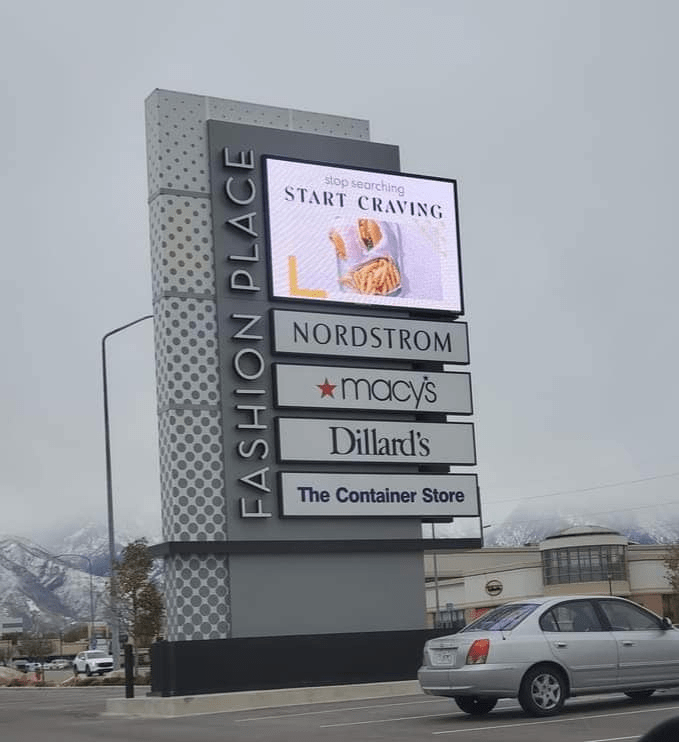
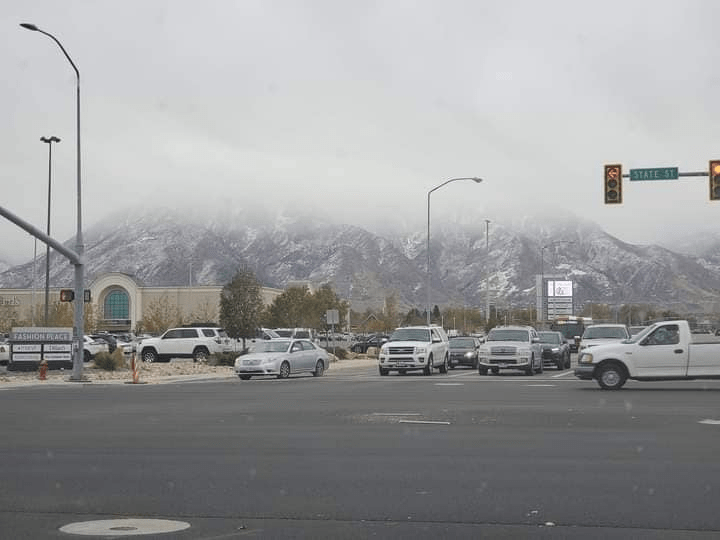
On November 8th, 1974, 27 year old Ted Bundy left his apartment on 1st Avenue North in Salt Lake City and drove to the Fashion Place Mall on South State Street in Murray. From there, he attempted to kidnap 18 year-old phone operator Carol DaRonch, who was there doing some shopping after parking her maroon 1974 Camaro on the southern side of the mall’s parking lot. At the time, the storefront was occupied by Sears but today is a Dillard’s.

That evening at around 7 PM, DaRonch was standing outside a WaldenBooks when a man approached her. He identified himself as ‘Officer Roseland’ and asked if she parked by the Sears entrance of the mall. She said the man was polite and sounded well-educated. After Carol confirmed that she did, the ‘policeman’ told her that he witnessed someone attempting to break into her vehicle and requested that she go with him to assess the damage and see if anything was taken. DaRonch agreed, thinking Bundy was a real officer of the law, but once they arrived immediately realized her car was untouched and nothing at all was missing.

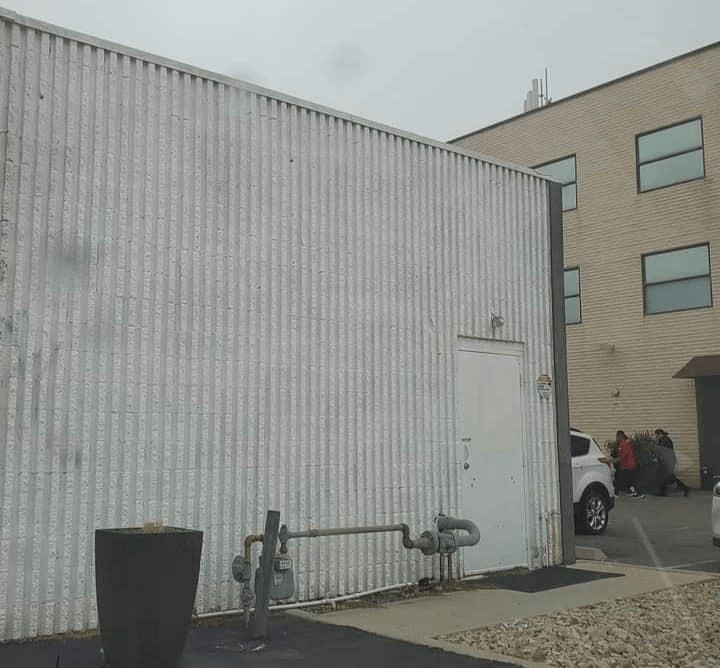
Despite assuring ‘Officer Roselund’ that everything was fine, Bundy was able to convince Carol to go with him back inside the mall and file an official complaint. Once inside, he began poking around the hallways, almost as if he were searching for someone. He then told Carol that ‘they’ must have taken the suspect to the nearby ‘police substation,’ then proceeded to walk her across the street to a closed laundromat on East St. South. The building was in a small, nondescript retail space and once there Ted tried to open its side door, which was conveniently locked (as the laundromat was closed). It was at that moment that DaRonch became suspicious of the ‘officer,’ and asked him for some identification. Almost as if he was waiting for the request, Ted pulled out his wallet and quickly flashed her a silver police badge. Carol immediately felt reassured and agreed to go with him to the main police station. Bundy then walked her back across the street to his waiting VW, and despite thinking it was an odd choice of vehicle for a police officer, she wondered that maybe he was working undercover and just went with it.

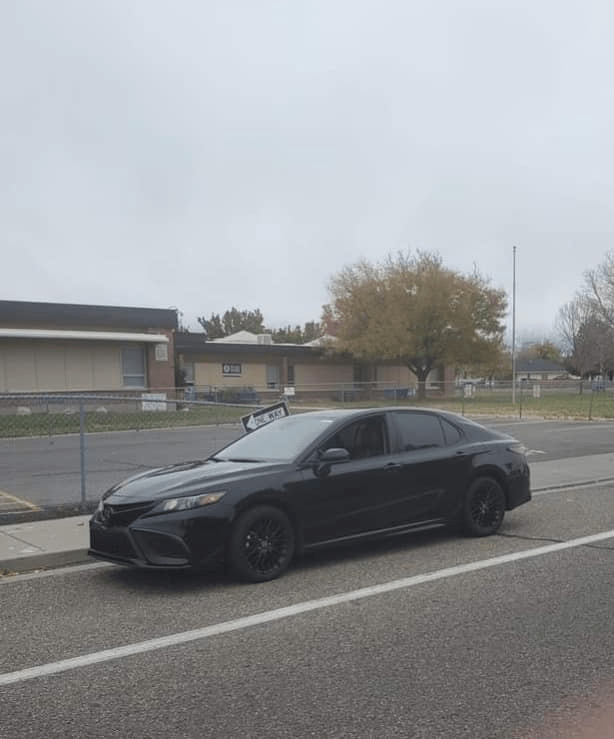
Once in Bundy’s Bug, the ‘officer’ immediately began heading in the opposite direction of the station. About driving for about a half-mile, he abruptly pulled the car over and onto a curb in front of McMillan Elementary School. Quickly realizing that something was wrong, Carol began panicking and demanded to know where they were going. Her captor seemed completely removed from the situation and just stared at her, not saying a word. While she tried to open the door to escape, Ted suddenly sprang to life, grabbed her left arm and slapped a handcuff on her wrist. During the struggle, DaRonch clawed and hit Bundy with such force that it prevented him from being able to get the handcuff on her other wrist.

In an effort to scare Carol, Bundy pulled out a small black pistol and threatened her with it. But instead of submitting, she continued to scream and fight against him until she was finally able to escape out of the passengers side door. Ted also got out of the car and pursued her with a crowbar, but thankfully Carol was able to flag down a passing motorist and get away.

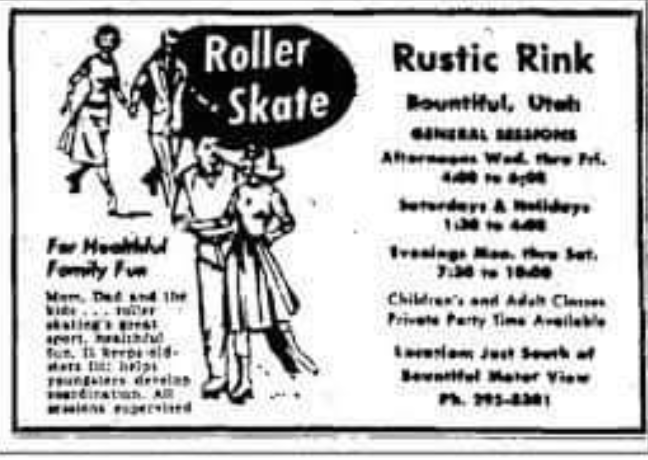
Bundy took advantage of a hysterical and preoccupied DaRonch to quickly flee, and jumped back into his Beetle and drove off, furious that he had just let a potential victim get away. He then drove twenty-one miles away to Bountiful, where Debra Jean Kent and her parents were attending a play at Viewmont High School. When the performance went longer than expected, Debra volunteered to take the family car and pick up her two younger brothers at a local skating rink. It was only three miles away, and if traffic was light it should have been only a twenty minute round trip. Eventually an hour passed and Deb never returned to the auditorium. As more and more time went by, Mr. and Mrs. Kent grew anxious and decided to go outside and find a payphone.

After exiting the school, they were met with a sight that filled them with pure terror: in the parking lot was the family car. The Kent’s quickly realized that not only was their daughter missing, but their sons were still at the roller rink. Later that same evening, a search of the schools grounds took place, and classrooms were opened to make sure that Deb hadn’t accidentally been locked inside somehow. The Kent family and friends also searched some of the hills and canyons around Bountiful, but unfortunately they found no trace of the missing teenager.

The police initially told Belva Kent that 24 hours needed to pass before they were able to organize a search for the missing girl. In the beginning of the investigation law enforcement strongly speculated that the seventeen year old was just another runaway, but they were soon pressured into taking action. The next day, police and forensic experts combed Viewmont High School’s parking lot, and despite not finding any signs of a struggle they did find a discarded handcuff key outside of the auditorium on the western part of the school grounds. It didn’t take long for experts to determine it was a perfect fit to the handcuffs that had been used during the attempted kidnapping of Carol DaRonch earlier that same day. It was now glaringly obvious that after DaRonch’s kidnapper fled the scene he quickly made the drive north to Bountiful, where he successfully abducted Debra Kent.

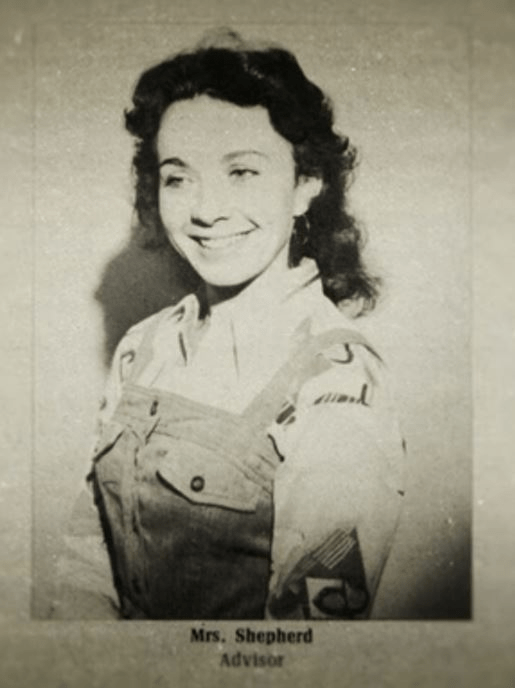
A man matching Bundy’s description was seen that evening lurking around the school, asking young women to help him ID a car in the parking lot. Raelynn Shepherd was a drama teacher at Viewmont High School who Ted repeatedly tried to lure outside. Shepherd said that he had a ‘nervousness’ about him that made her feel uncomfortable and didn’t care for the way he was looking at her. Because of that, she told him that she was too busy to help; when she saw him again at around 10:45 PM his hair was messed up and he was breathing heavily. This was about 20–30 minutes after Kent had left the school to pick up her brothers, which means Bundy returned to Viewmont after abducting her. His motivations for doing this are unclear: he may have been trying to establish an alibi by appearing in public immediately after the abduction. Or, perhaps he was looking for a second victim. We’ll never know. Additional eyewitnesses reported hearing a woman screaming in the parking lot at roughly the same time that Kent left the auditorium. Another individual came forward and reported that they saw a VW Beetle driving away from the high school.

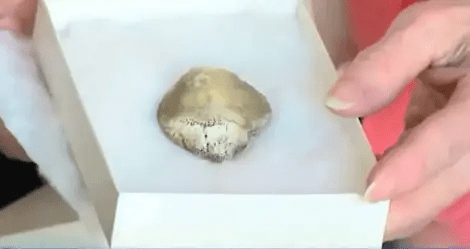
Bundy became the prime suspect behind Deb’s disappearance after he was arrested for the attempted kidnapping of Carol DaRonch. However, law enforcement didn’t have enough evidence to charge him with the abduction. As the years passed by, it seemed less and less likely that Kents’ remains would ever be recovered. The family lived at 23 East 3500 Street South in Bountiful, and after she disappeared her mother left their porch light on for years in hopes that it would somehow bring her home. Right before he was put to death in January 1989, Bundy finally confessed to killing Deb Kent. He said that he brought her back to his apartment and after ‘keeping her for a while’ murdered her. He then put her body in his car and drove 105 miles away to Fairview Canyon, where he buried her remains about 3 feet deep, under some heavy rocks. After searching the Canyon, law enforcement found a patella (kneecap), and it is likely that her other bones were scavenged and spread around by wildlife over time. Although the ME’s office determined that the bone was human, they weren’t able to test it beyond that until 2015, when a cold-case detective stumbled across Kent’s DNA that had never been entered into the NamUs database. At that point, he reached out to Mrs. Kent, who held onto the only piece of her daughter she had left and asked if he could take the bone for genetic testing.

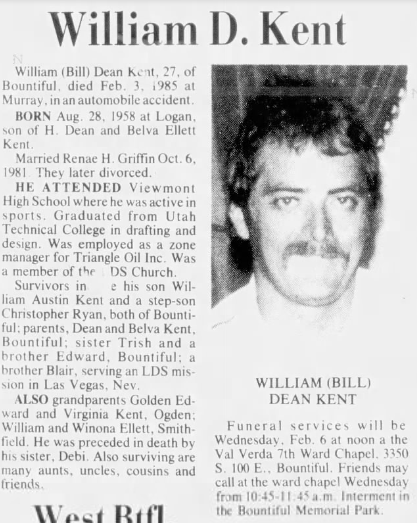
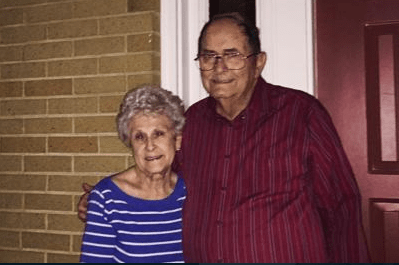
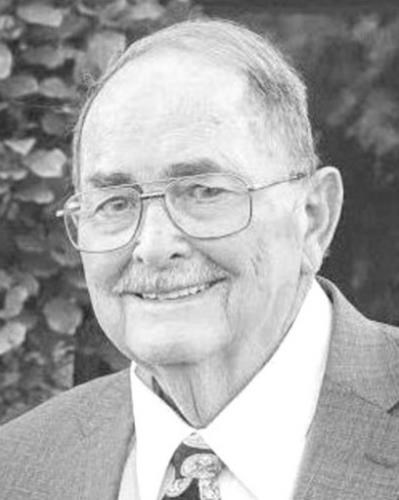
Although she gave the detective the patella, Mrs. Kent told him that she didn’t want to know the results. In her mind, it belonged to Debra and didn’t want to be told otherwise. Thankfully her fears were put to rest five months later, when the results came back that the bone belonged to Debra. Mrs. Kent said that her daughters murder destroyed her family: her younger son, Bill blamed himself for his sister’s death and died in an alcohol-related car accident on February 3rd, 1985. Shortly after Deb’s disappearance, Dean Kent quit his job as an oil executive, began drinking, walked out on his marriage, and fathered a child. He died from cancer at the age of 78 on January 2nd, 2016. In a 1989 interview, Belva Kent said that Ted Bundy was a ‘cancer’ that tore her family apart. She passed away on June 22, 2023.

What the Fashion Place Mall looked like in the 1970’s. Photo courtesy of OddStops.
When Bundy approached his ‘target,’ she was standing outside of this Walden Books. Photo courtesy of OddStops.
The Fashion Place Mall, located at 6191 South State Street in Murray, UT. Photo taken in November 2022.
A sign for the Fashion Place Mall. Photo taken in November 2022.
Bundy brought DaRonch from the Fashoin Place Mall to this building located at 139 E 6100 Street and pretended that it was a police substation. In reality, it was just a closed laundromat. Photo taken in November 2022.
The side view of the ‘police substation’ as it looks today. Photo taken in November 2022.
Photo taken in November 2022.
The ‘police substation.’ Photo taken in November 2022.
A beautiful shot in front of The Fashion Place Mall in Murray, where Carol DaRonch was abducted from. Photo taken in November 2022.
Where my rental car sits is where DaRonch fled Bundy’s car. It’s on the western side of McMillan Elementary School, close to the intersection between South Fashion Boulevard and 5900 South. Photo taken in November 2022.
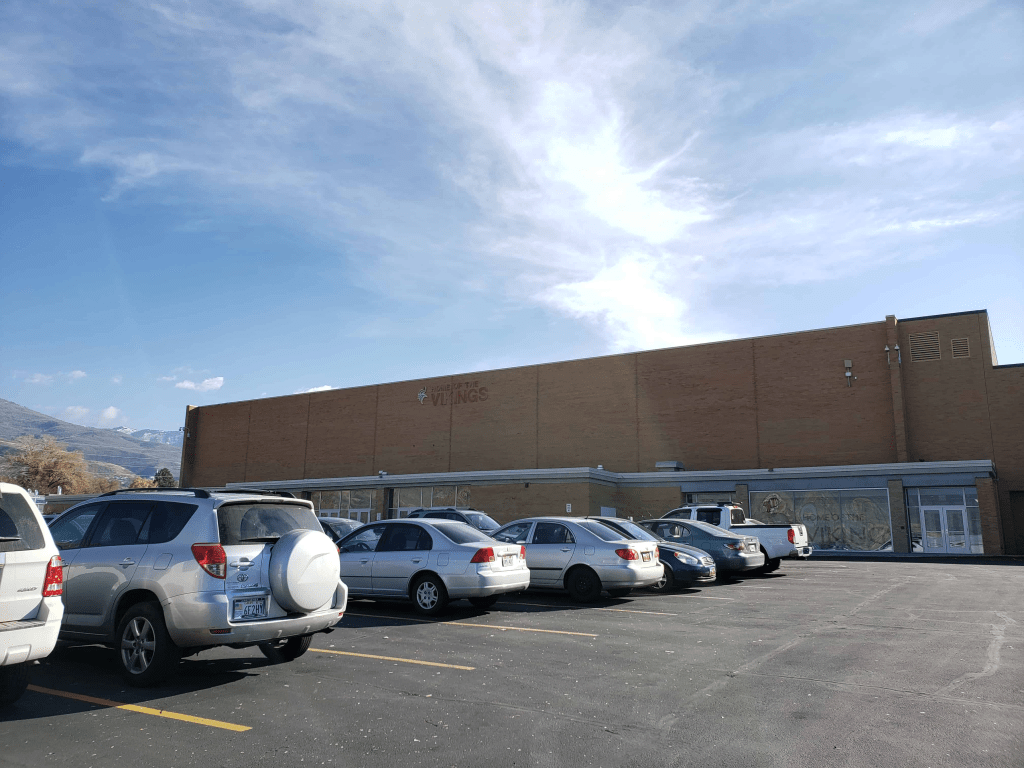
Viewmont High School, located at 120 West 1000 North in Bountiful, UT. Photo taken in November 2022.
The parking lot of Viewmont High School. Photo courtesy of Jacob Barlow.
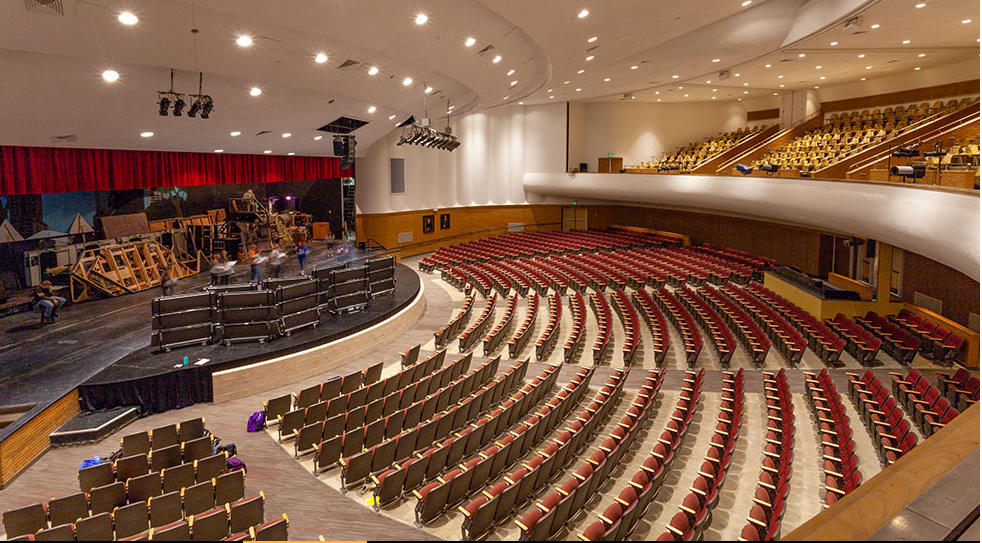
The auditorium of Viewmont High School as it looks today.
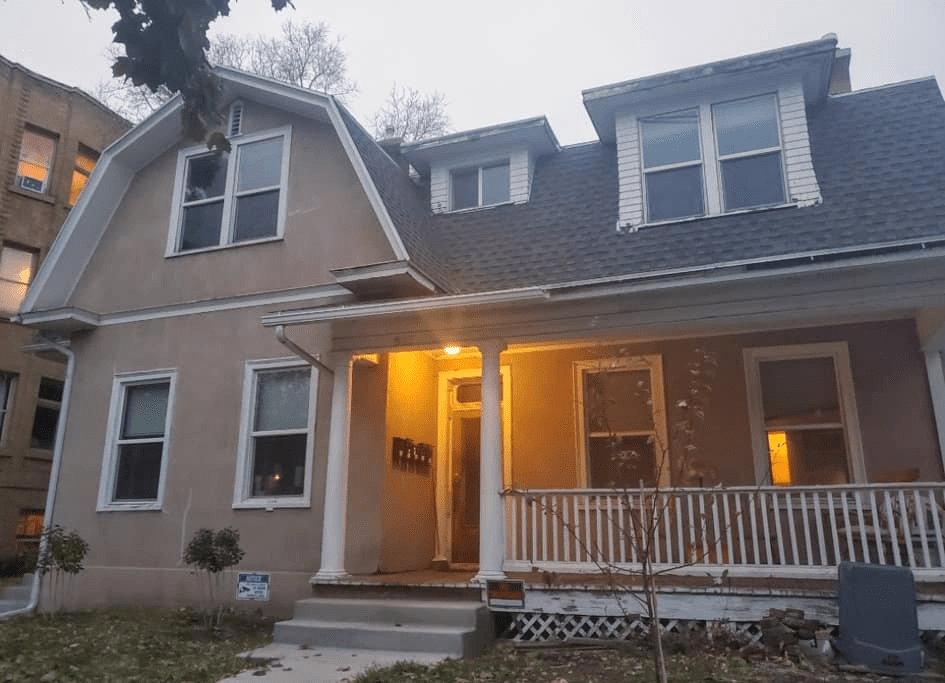
Ted’s first SLC apartment located at 565 1st Avenue. Photo taken in November 2022.
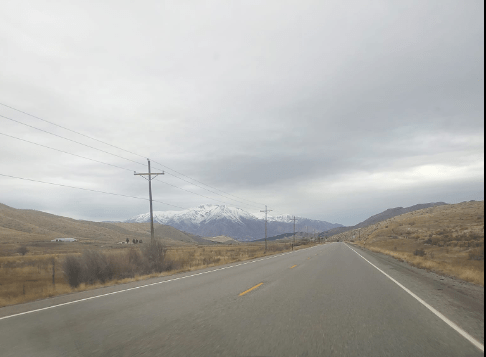
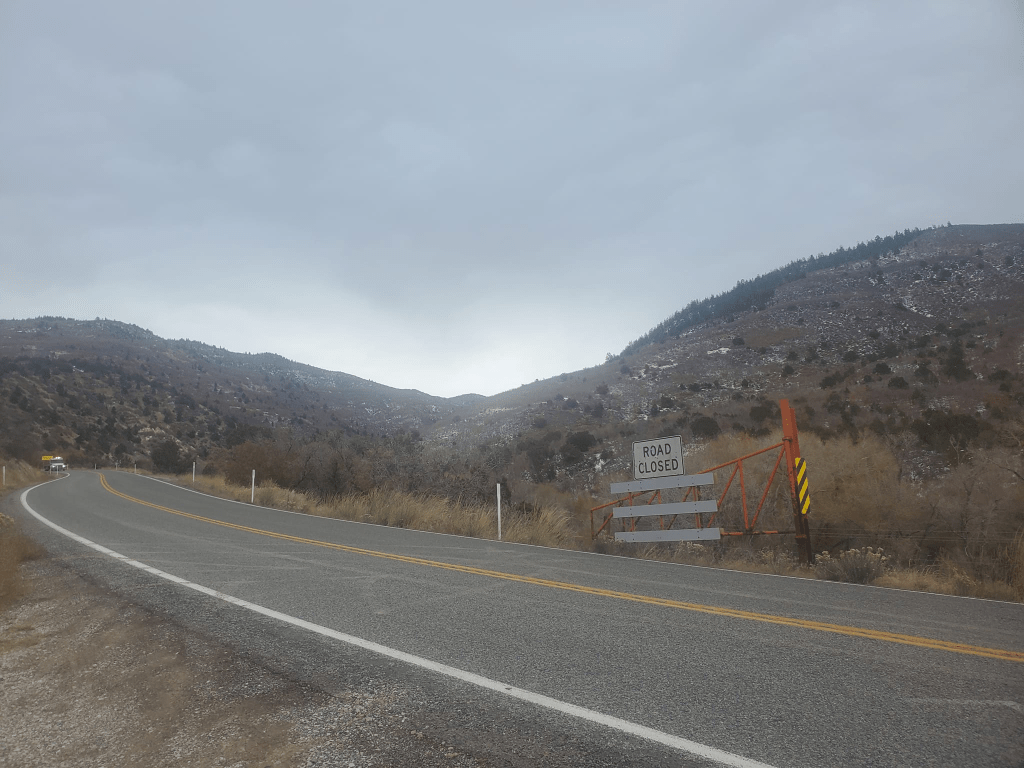
A broader shot of the entrance to Fairview Canyon, where Deb Kent’s remains were found. It’s about an hour and a half outside of Salt Lake City. Photo taken in November 2022.
The entrance to Fairview Canyon, where Deb Kent’s remains were found. It’s about an hour and a half outside of Salt Lake City. Photo taken in November 2022.
Another shot of the entrance to Fairview Canyon, where Deb Kent’s remains were found. Photo taken in November 2022.
A broader shot of the entrance to Fairview Canyon, where Deb Kent’s remains were found. It’s about an hour and a half outside of Salt Lake City. Photo taken in November 2022.
A Google maps route that Bundy may have taken from his apartment in SLC to Murray then eventually to Viewmont High School, where he abducted Deb Kent from.
The route from McMillian Elementary School to Viewmont High School.
Carol DaRonch.
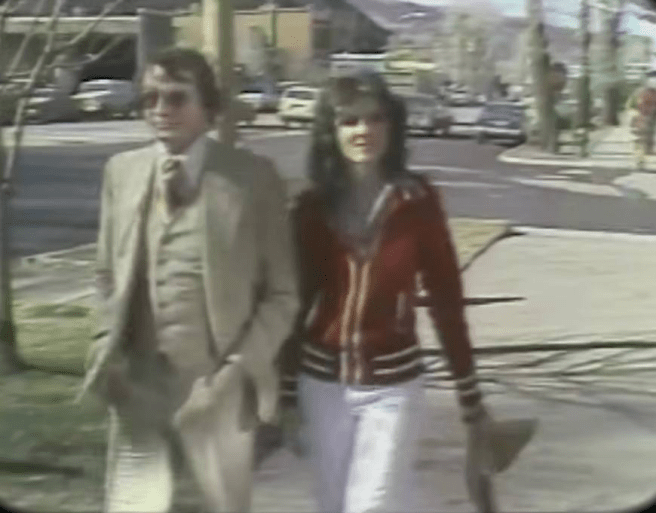
DaRonch walking into court.
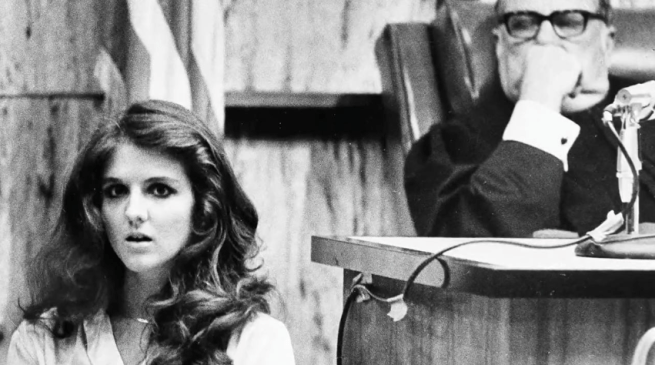
Carol sitting in court during Ted’s Florida trial.
DaRonch and her son.
A maroon, 1974 Camero.
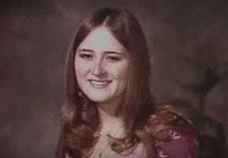
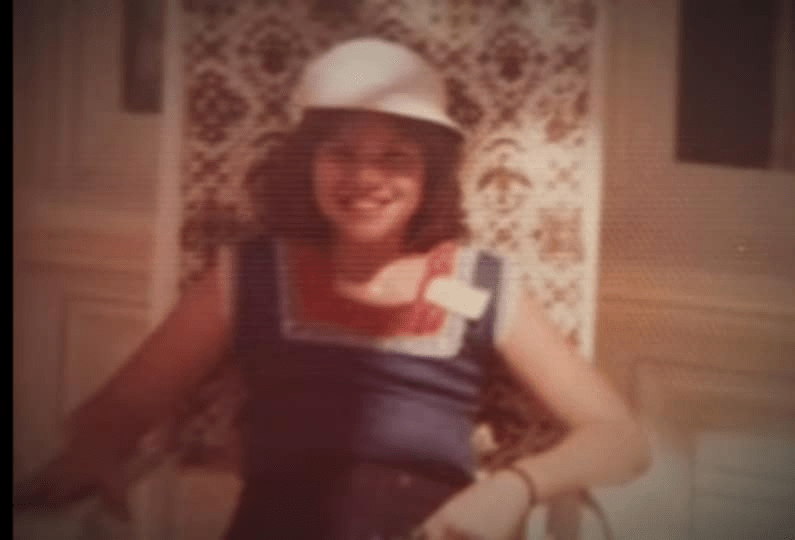
Debra Jean Kent.
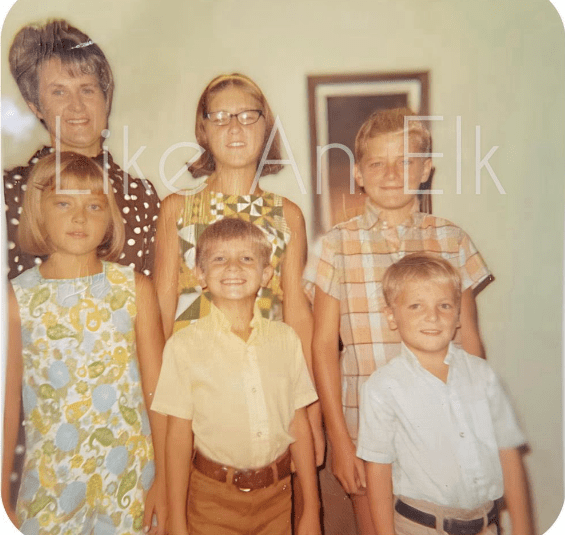
Deb (who is in the back row in the middle) in a family photograph, photo courtesy of the Facebook group, ‘Ted Bundy: I was trying to think like an Elk.’
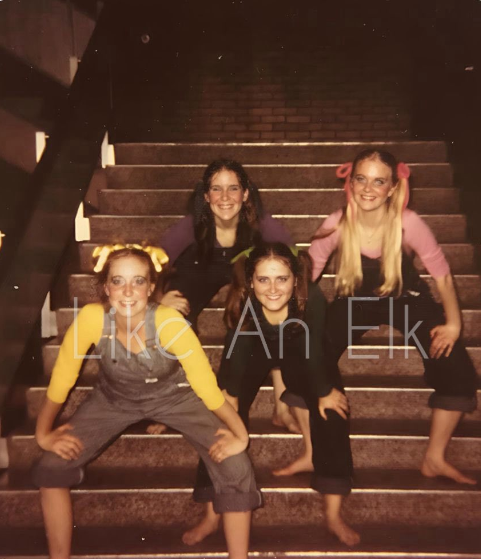
Deb is 3rd right in this photograph from a dance group, photo courtesy of the Facebook group, ‘Ted Bundy: I was trying to think like an Elk.’
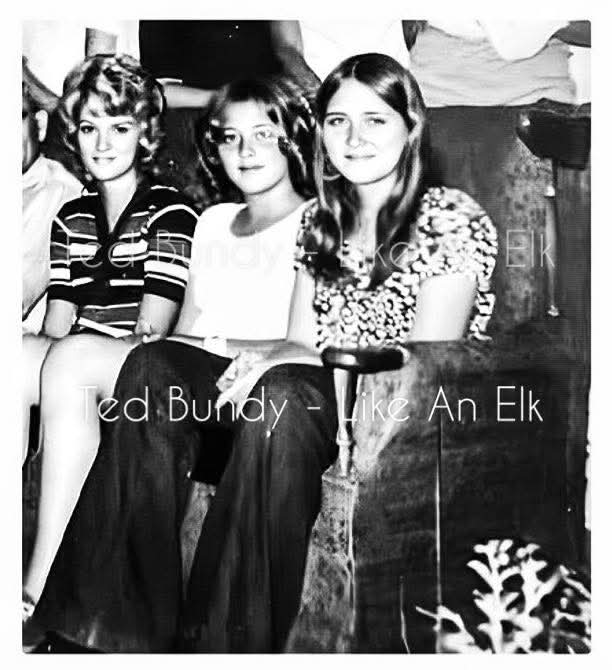
Deb Kent and friends. Photo courtesy of the Facebook group, ‘TB: I was Trying to Think like an Elk.’
Deb Kent and some school mates. Photo courtesy of the Facebook group, ‘TB: I was Trying to Think like an Elk.’
An obituary for Deb’s brother, Bill Kent published by The Davis County Clipper on February 6, 1985,
Belva Kent as a child.
Belva Kent.
Belva Kent.
Mr. Dean Kent.
Deb Kent’s patella, photo courtesy of Tiffany Jean.
Bundy’s whereabouts on November 8, 1974 according to the ‘TB Multiagency Investigative Team Report 1992.’
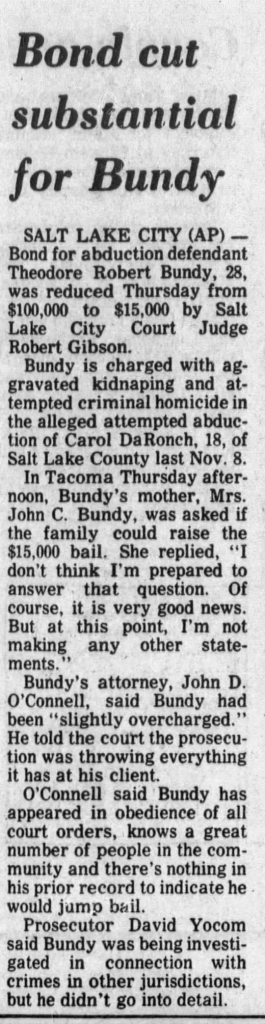
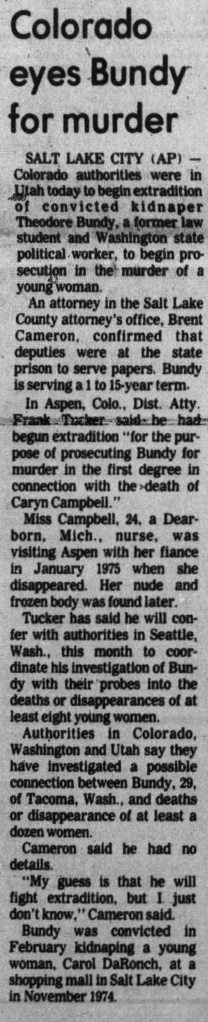
An article related to the DaRonch trial published by The Ogden Standard-Examiner on October 3, 1975.
An article related to the DaRonch trial published by The Spokesman-Review on October 31, 1975.
An article mentioning DaRonch published by The Albany Democrat-Herald on October 22, 1976.
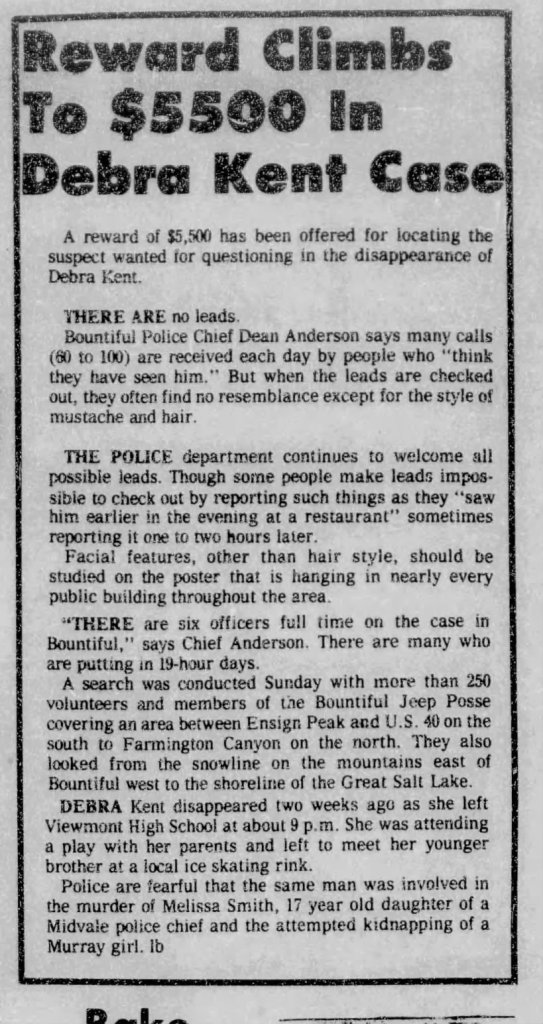
An article about a reward for Kent published by The Davis County Clipper on November 22, 1974.
An article about Deb Kent published by The Deseret News on November 27, 1974.
An article about Deb Kent published by The Salt Lake Tribune on April 24, 1975.
An article about Deb Kent published by The Ogden Standard-Examiner on November 13, 1977.
The Kent’s on the front page of The Tampa Bay Times on July 8, 1986.
Raelynne Shepherd.
Raylynne Shepherd. Photo courtesy of the Facebook group, ‘TB: I was Trying to Think like an Elk.’
Raelynne Shepherd.
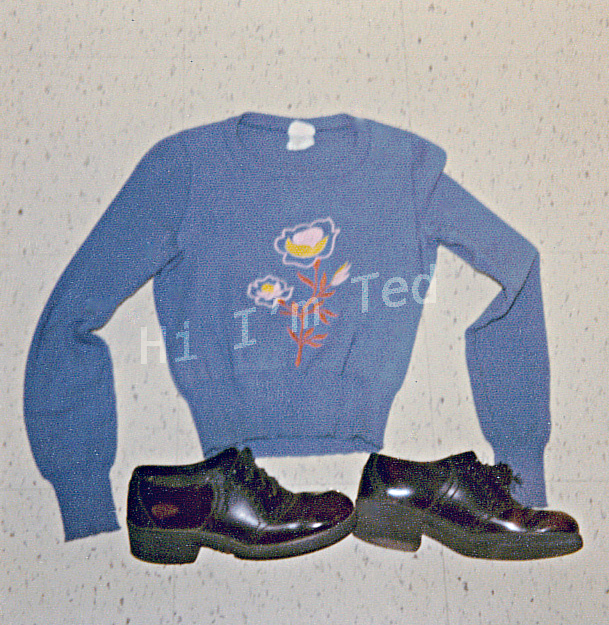
The clothes Kent was wearing when she was abducted. Photo courtesy of Tiffany Jean/Bountiful Police Department.
An advertisement for ‘Rustic Rink,’ where Kent was on her way to the night she was abducted.

FBI Report Serial Murder Multi-Disciplinary Perspectives for Investigators (2005).

A 71-page book produced in 2005 by the FBI Behavioral Analysis Unit-2 National Center for the Analysis of Violent Crime. It covers serial murders and killers in general and was distributed at the 2005 Serial Murder Symposium U.S. Department of Justice Federal Bureau of Investigation in San Antonio, Texas August 29 – September 2, 2005.

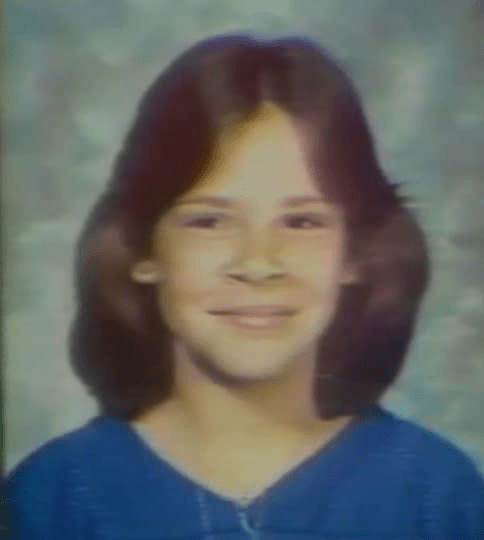
Kimberly Dianne Leach.

Kimberly Diane Leach.
Leach.
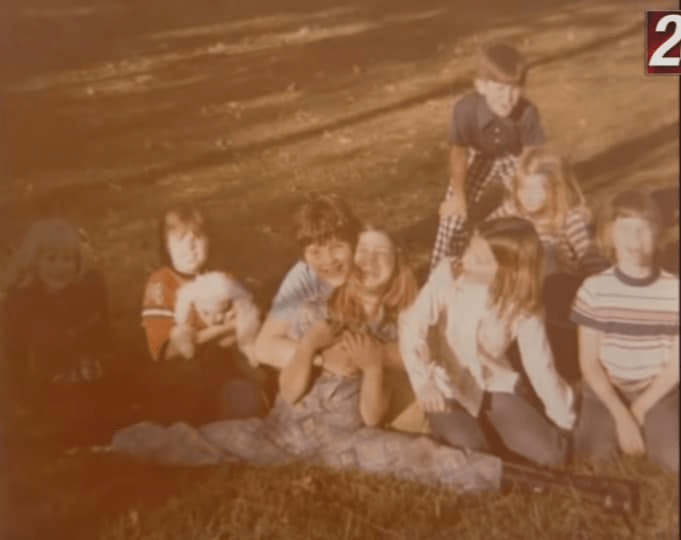
Kim with friends.
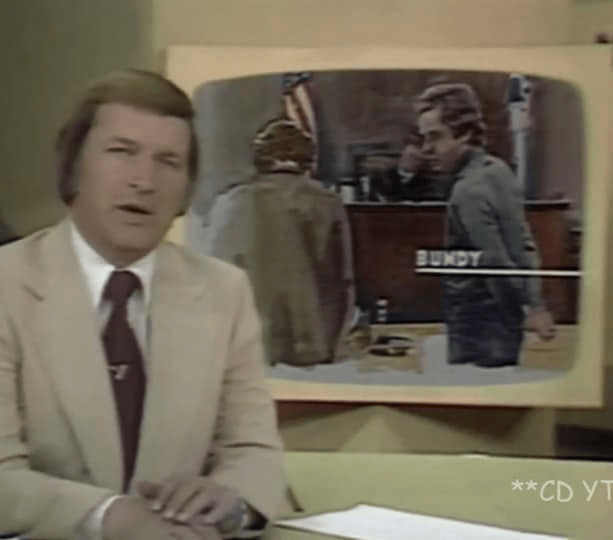
A news report discussing Bundy’s possible relation to the murder of Kim Leach, photo courtesy of Carol DaRonch YouTube.
An aerial view of where law enforcement found Kim Leach’s body, courtesy of oddstops.
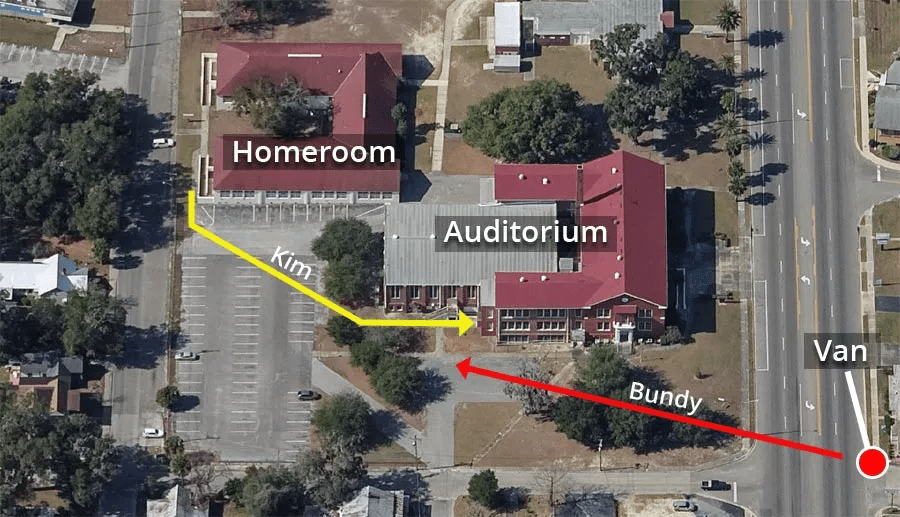
A layout of Bundy’s actions surrounding Kim Leach’s abduction, courtesy of oddstops.
The inside of the van Bundy stole from FSU.
The hog shed Bundy used to dispose of Leach’s body.

Bundy Siblings.

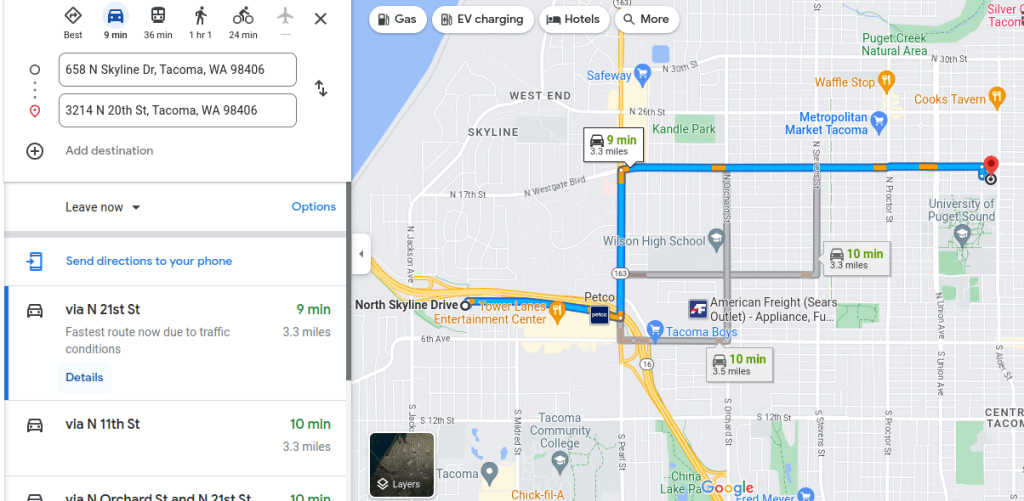
Ted Bundy attended Woodrow Wilson High School when growing up at 658 North Skyline Drive in Tacoma, WA. Some of his younger brothers and sisters however, went to Stadium High School when the family moved across town to the North End of Tacoma in 1968. I was hesitant to post about the Bundy siblings at first but all of this information I found in the public domain (mostly classmates.com).

The distance between the Bundy family’s second and third homes.
The Bundy family’s first home located at 1620 South Sheridan Avenue in Tacoma, Washington.
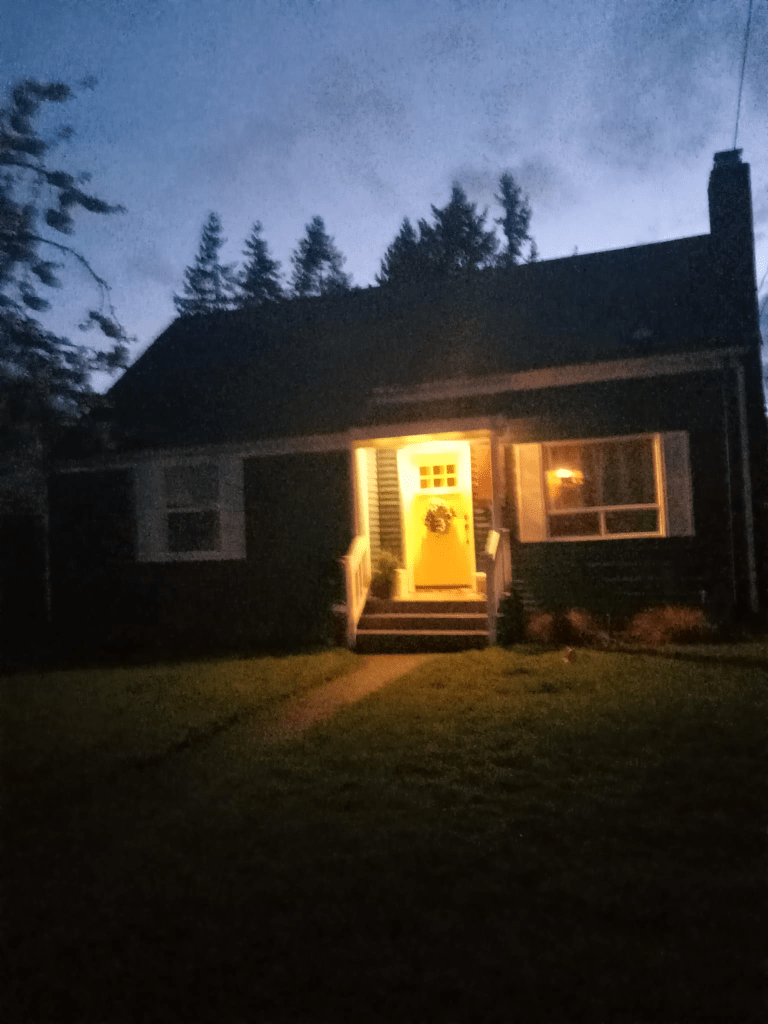
The Bundy family’s second home, where Ted spent a big part of his childhood; located at 658 North Skyline Drive in Tacoma, Washington.
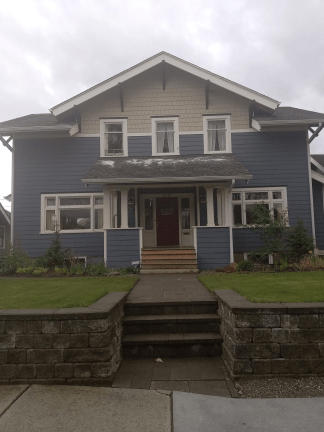
The Bundy family’s third home located at 3214 North 20th Street in Tacoma, Washington.
The distance between the Stadium High School and Ted’s alma mater, Woodrow Wilson High School (now Silas High School).
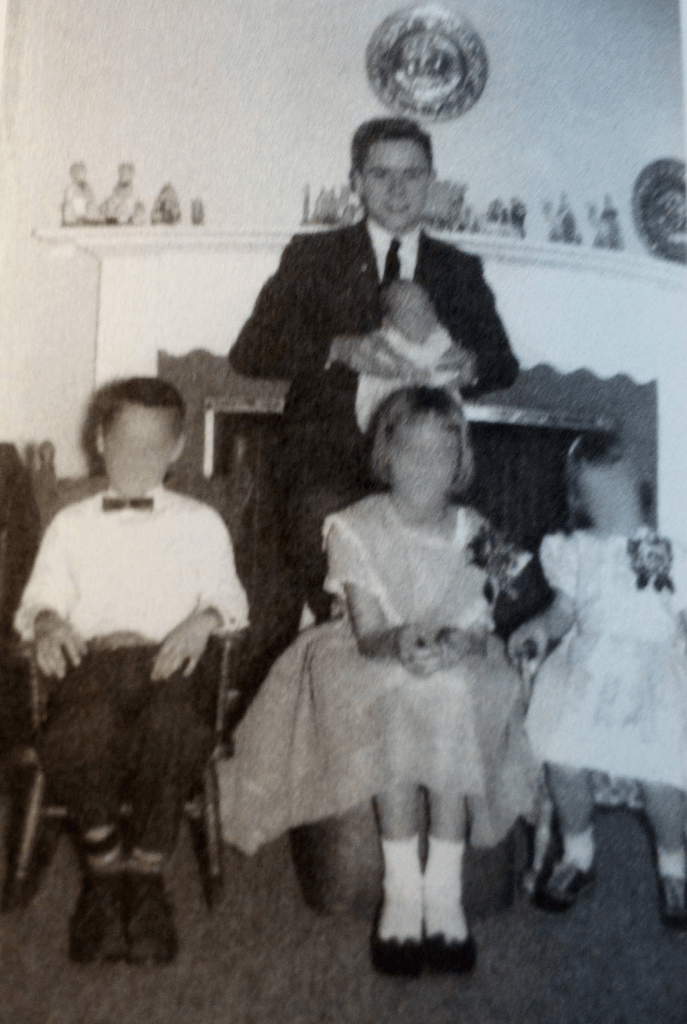
A picture of a young Bundy family, that’s Ted’s sister Louise is holding. Photo courtesy of Edna Cowell-Martin.
The Bundy family, Ted, Glenn, and his two sisters. Photo courtesy of Edna Cowell-Martin.
The Bundy family, Ted is holding baby Richie. Photo courtesy of Edna Cowell-Martin.
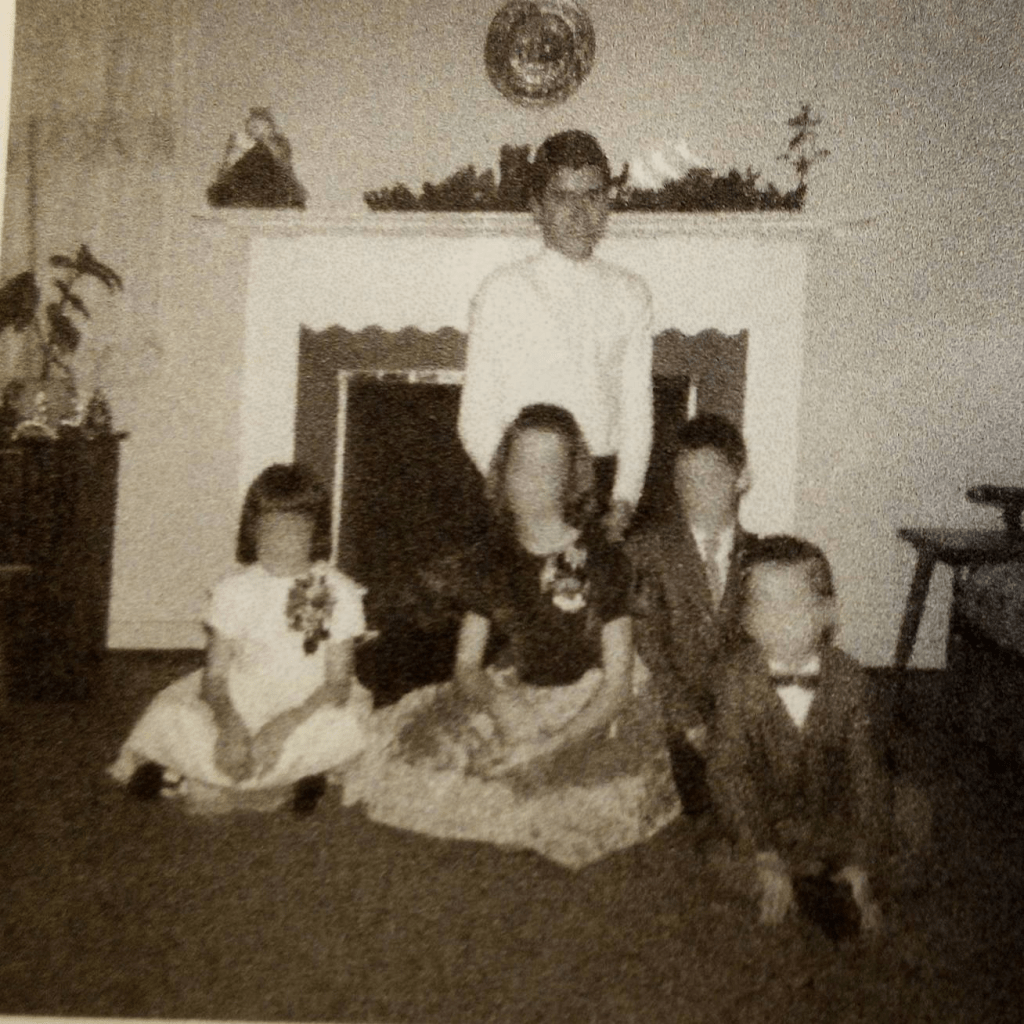
The a blurry shot of Bundy family… all these pictures are sans Mr. Bundy. He’s most likely the photographer.
Bundy family, in color.
Ted and his brothers and sisters. Photo courtesy of Edna Cowell-Martin.
Bundy family, in B&W.
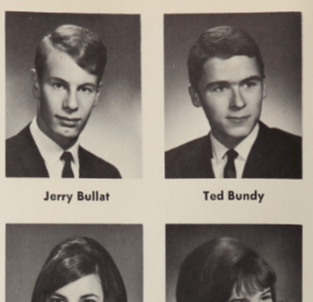
Ted’s senior picture in the 1965 Woodrow Wilson High School  yearbook.
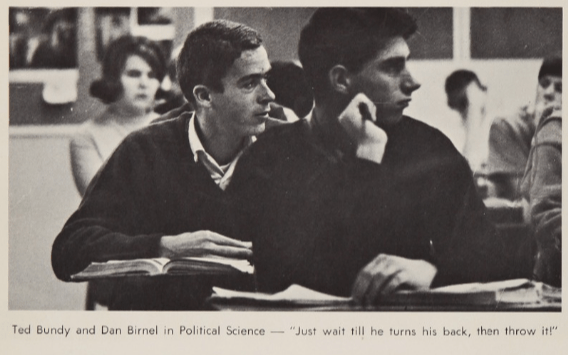
A candid shot of Ted in the 1965 Woodrow Wilson High School  yearbook.
Ted’s brother Glenn’s sophomore picture from the 1971 Stadium High School yearbook.
Ted’s brother Glenn’s senior picture from the 1973 Stadium High School yearbook.
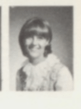
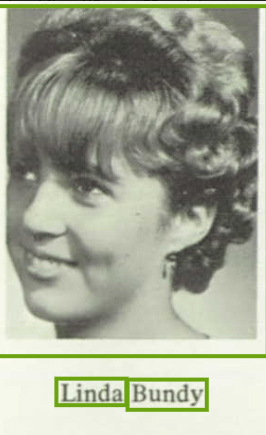
A picture of Linda Bundy from the 1970 Woodrow Wilson High School yearbook.
A group picture including Linda Bundy from the 1970 Woodrow Wilson High School yearbook.
A picture of Linda Bundy from the 1971 Woodrow Wilson High School yearbook.
Linda Bundy
Sandra Bundy’s sophomore picture from the 1973 Stadium High School yearbook.
Sandra Bundy in a group photo for the Girls Glee Club in the the 1973 Stadium High School yearbook.
Sandra Bundy’s junior picture from the 1974 Stadium High School yearbook.
Sandra Bundy’s senior picture from the 1975 Stadium High School yearbook.
An article about the Bundy family’s reaction to Ted’s confessions published in The Spokesman-Review on January 23, 1989.

Carol Louise Platt-Valenzuela.*

Carol Louise was born on December 30, 1955 to William and Barbara (nee Johnson) Platt in Bemidji, Minnesota. The couple had five children: Carol, David, Gary, Robert, and Gail. After high school Bill Platt attended Bemidji State University and worked in general construction before entering the US Navy during World War II. He returned to the Turtle River area of Minnesota after he was discharged and married Barbara on April 10, 1950. After the couple got hitched, Mr. Platt worked in the local mines, on the iron range, and was self-employed in his later years; Mrs. Platt was a trained cook and worked various jobs including at the Lake Julia Nursing Home, Markham Hotel, Viking Supper Club, and the Turtle Club. Carol eventually relocated to Camas, Washington. Like so many of the other unconfirmed victims I wasn’t able to find much about her background.

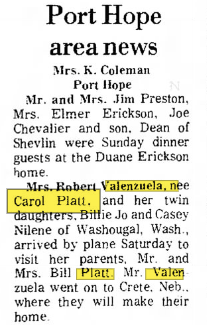
Seventeen-year-old Carol married Robert Valenzuela on August 17, 1973 and shortly after the couple became the parents of twins (they were ten months old when she was murdered). The couple were only married for about a year when on August 2, 1974 Carol disappeared after hitchhiking from Camas to Vancouver: she apparently made it to her intended destination and was last seen at a welfare office in Vancouver. At 11:00 AM a case worker told her to come back later that same afternoon at 1 PM to receive food stamps, however she never returned to the office and was never seen from again. Robert reported her missing two days later on August 4; she was eighteen years old. Ms. Valenzuela was not known to be involved in prostitution and had no criminal record. The case quickly went dry.

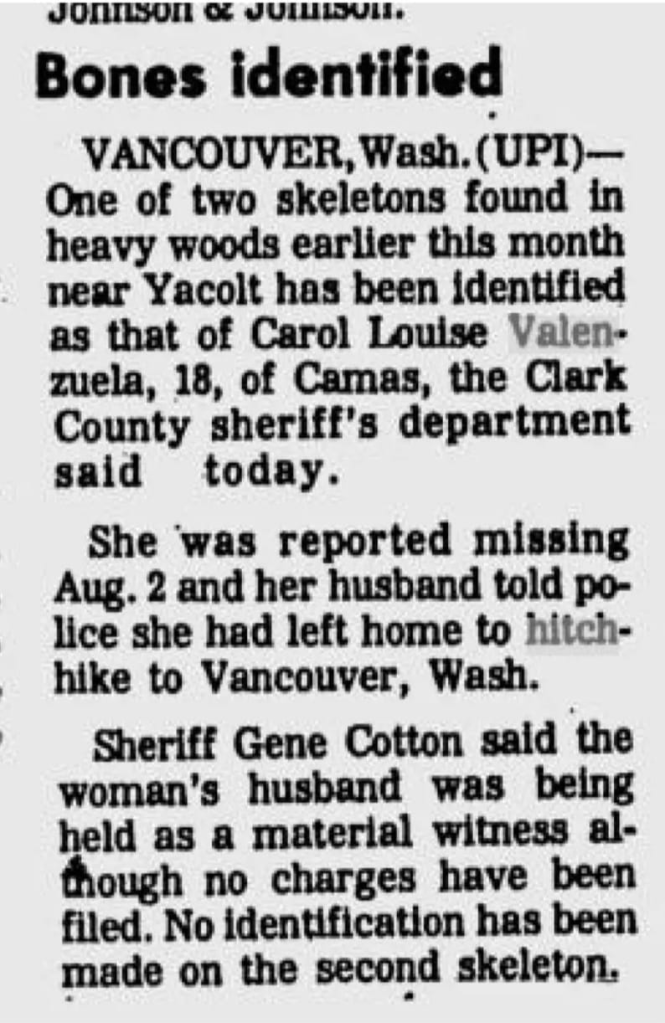
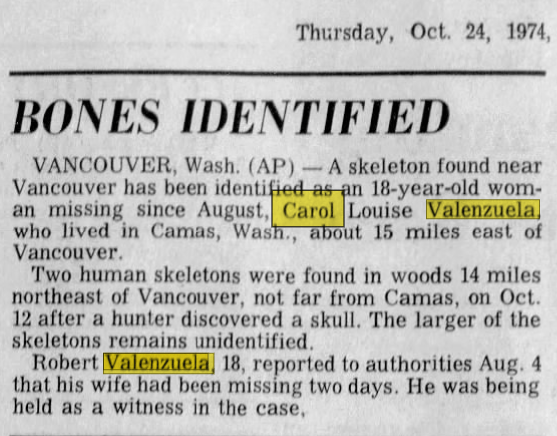
On the morning of October 12, 1974 a deer hunter stumbled upon a mass of hair in a heavily wooded area roughly fourteen miles northeast of Vancouver not far from the Oregon border. He thought it was an unusual place to find a wig and after investigating the mass with the shank of his gun quickly realized it was attached to a skull and that it wasn’t a wig at all. After law enforcement arrived they quickly realized there wasa second victim and their skeletal remains were scattered throughout the area. According to lab reports, the bones had not completely oxidized and it was determined that their deaths most likely did not occur suddenly, and possibly took place as a result of suffocation. Thebodies were discovered within a mile or so of where 16-year-old Jamie Grissim’s ID was found (she vanished on December 7, 1971 and to this day her remains have never been recovered). It was determined that the second woman’s death took place roughly six weeks before Valenzuela’s. Former Clark County Sheriff Gene Cotton reported that Robert Valenzuela was initially held as a ‘material witness’ although no charges were ever filed against him.

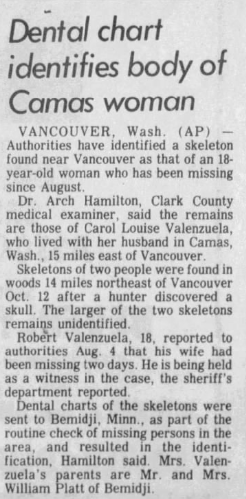
Eventually it was determined that the physical characteristics of the first skeleton matched those of Valenzuela. Former Curator of the Physical Anthropology department at the Smithsonian J. Lawrence Angel said that the second victim was ‘white, between 17 and 23 years old, and was of slender build, weighing about 125 or 130 pounds.’ … he also said that ‘the woman probably had a small face and long, dark brown hair which was coarse, thick and probably with a natural curl.’ He also commented that her upper teeth were ‘noticeably decayed’ and she had a ‘splayed back, protruding buttocks and had apparently given birth.’ When the two bodies were initially found their dental charts were sent to Bemidji, Minnesota as part of a routine check of missing persons in the area, which resulted in the identification of Mrs. Valenzuela. The remains of the second victim were sent to the FBI laboratory in Washington, DC but went unidentified for many years.

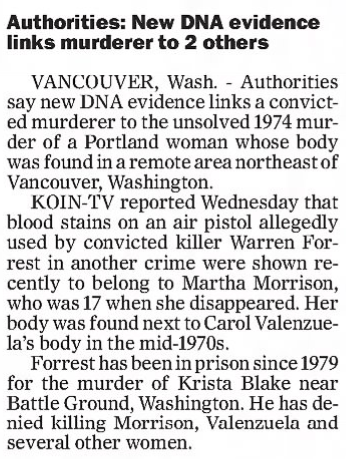
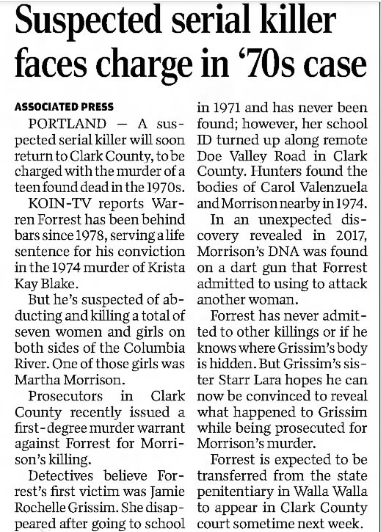
Martha Morrison resided in Portland, Oregon and vanished without a trace on September 1, 1974. She grew up in foster care while living in Lane County, Oregon and had a history of substance abuse and running away from home (both her biological and foster families). Morrison was last seen leaving the apartment she rented with a boyfriend; they had reportedly gotten into an argument. DNA was obtained from Morrison’s sister and half-brother, which helped develop a genetic profile to compare to potential matches. After the testing was complete, it was compared to the currently unidentified remains, whose DNA profile was developed in 2012. Similarities in the genetic material were noted, however a definite match was not immediately established. It didn’t help that Morrison’s skull and some other bones were mislabeled as Valenzuela’s while they were sitting in storage (which was one of the reasons why the remains were unidentified for so long). The National Center for Missing and Exploited Children paid to have Morrison’s Fathers body exhumed so they could obtain his DNA to compare it to the unidentified remains, which resulted in a positive identification that the remains were those of Martha Morrison on July 17, 2015. After her body was successfully ID’d, police went to the public, encouraging them to submit tips to help solve the case. In August 2017, law enforcement matched her blood with remnants on a pistol owned by Warren Leslie Forrest, who was a longtime suspect. Before Forrest was named as their killer both Ted Bundy and Randall Woodfield (the I-5 Killer) were both considered as ‘people of interest’ in both women’s murders. Forrest was officially charged with Morrison’s homicide in 2020.

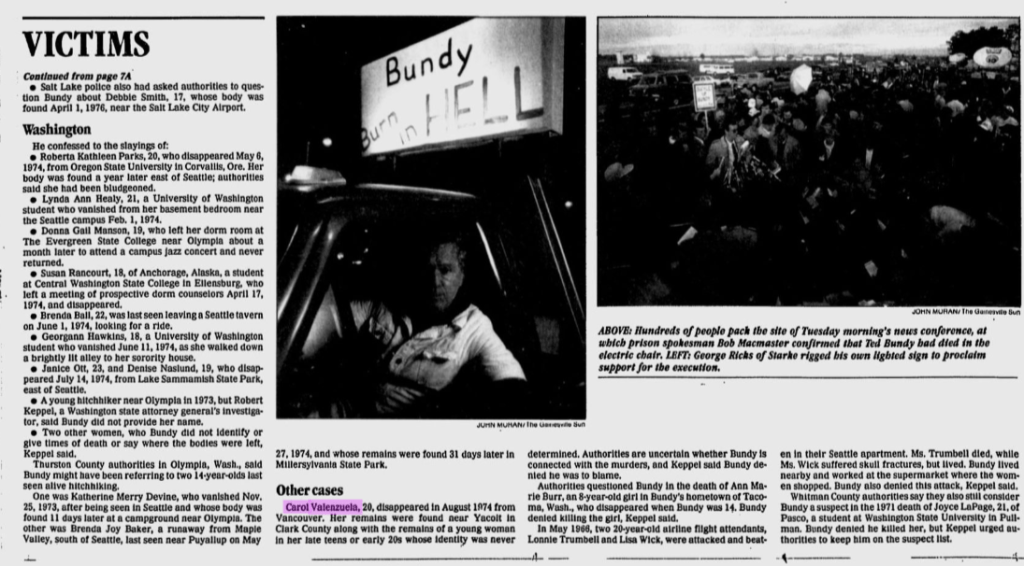
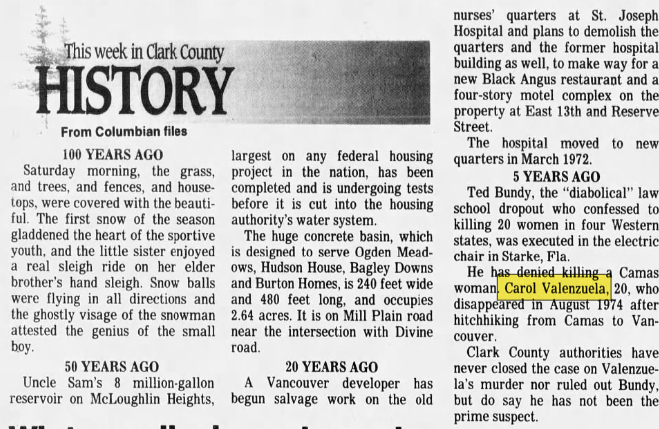
At the time Valenzuela disappeared in the summer of 1974 Bundy was still in a long term relationship with Liz Kloepfer and was residing in the Rogers Rooming House on 12th Avenue in Seattle. He was getting ready to move to Salt Lake City to begin his second attempt at law school and was employed with The Department of Emergency Services in Olympia (he worked there just for a few months from May 3, 1974 until August 28). Bundy told law enforcement that he wasn’t responsible for the death of Valenzuela, which is one of the only murders from the Pacific Northwest that he was suspected of that he denied. Most likely because Ted was a habitual liar he remained a suspect of Valenzuela’s murder for quite a few years, as he told investigators before he was executed he may or may not be responsible for additional murders other than the ones he was convicted of.

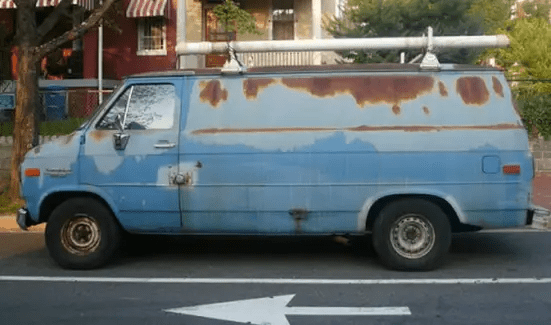
Enter Warren Leslie Forrest. Forrest apparently liked to pose as a Seattle University photography student and liked to approach women asking if they’d like to pose for pictures for a fee of thirty to forty dollars. The victims would leave with him in his blue murder van where he quickly subdued them and bound them with rope at the ankles and wrists. Forrest was a government employee with the Parks Department which gave him access to a lot of restricted areas in local recreation areas. One of his victims managed to escape after he kidnapped and brutally raped her, and thankfully she was able to get away and flag down a passing motorist who took her to the police. Forrest was eventually tracked down and although law enforcement couldn’t place him in the area at the time of Valenzuela’s disappearance detectives were intrigued by the recurring pattern of victims that were dumped in the woods. They were also struck by the testimony of Forrest’s friends, who were shocked at his actions and claimed he was just a normal, regular guy (which is similar to the way psychologists predicted Bundy acted with his friends).

Warren Leslie Forrest has been in prison on a single murder count since 1974, when he was charged with the murder of nineteen year old Krista Kay Blake. In 2014, detectives began taking another look at physical evidence related to Forrest’s criminal history to help link him to any possible unsolved crimes, but it wasn’t until 2019 that DNA evidence helped link him to the murder of Morrison. Forensic experts from the Washington State Police Crime Lab isolated a partial DNA profile from bloodstains found on Forrest’s dart gun and cross-referenced it with Morrison’s DNA, which led to the positive identification of her remains. As a result, Forrest was identified as her killer. In January 2020 Forrest was extradited to Clark County to await charges in Martha Morrison’s murder. For the first time in 40 years he appeared in court on February 7, 2020, pleading not guilty. The trial was originally scheduled to begin on April 6 2020, but was delayed several times due to the COVID pandemic. The trial finally resumed in early 2023 and on February 1, 2023 a jury found him guilty of the murder of Martha Morrison. Sixteen days later, Forrest was given another life sentence. During the proceedings, he was still apprehensive about admitting his guilt, but freely gave his opinion that ‘girls from socially disadvantaged environments should not hitchhike or get into cars with strangers due to their vulnerable disposition.’

Sadly, Carols father Bill and her brother David died on January 2, 1986 in a car accident north of Bemidji; Bill was 58 and David was 28. Barbara Platt passed away on February 9, 1993 at the age of 61 in Fargo, ND. It does seem that Robert Valenzuela did eventually remarry. I’m respecting Carols family and will not disclose anything about her twins.

* In October 2024 one of Carol’s grandchildren reached out to me to not only point out some things that were incorrect in my piece but to also voice concern that her grandmothers article didn’t belong on a website about Ted Bundy. After a bit of back and forth I told her I would not remove the article but would add a disclaimer that Carol was not a victim of the serial murderer and more likely was killed by the hands of Warren Leslie Forrest. This blog may have Ted Bundy in the title but it’s turned into so much more than that. And I also want to add that I didn’t pay someone to go find me secret files about Ms. Valenzuela: everything I found was in the public domain and was literally at my fingertips. Where I do understand that it must be incredibly invasive to do a Google search and find an entire article written about your grandmother that was murdered in an incredibly brutal way, but everything I found was either in a newspaper article or from some sort of historical website, like Ancestry/MyHeritage. Also, if something is misspelled (like a name), that is information I pulled from another source, so if it’s not correct in my article it’s also incorrect in the original. I didn’t pull it out of thin air, it came from somewhere. Instead of Googling someone and having to go through 7-8 websites to get everything you need, I’m trying my hardest to be a complete resource. All of this information was easily found, and was free.

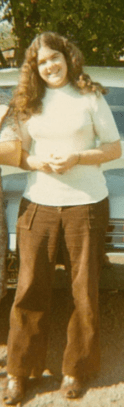
Carol Valenzuela.
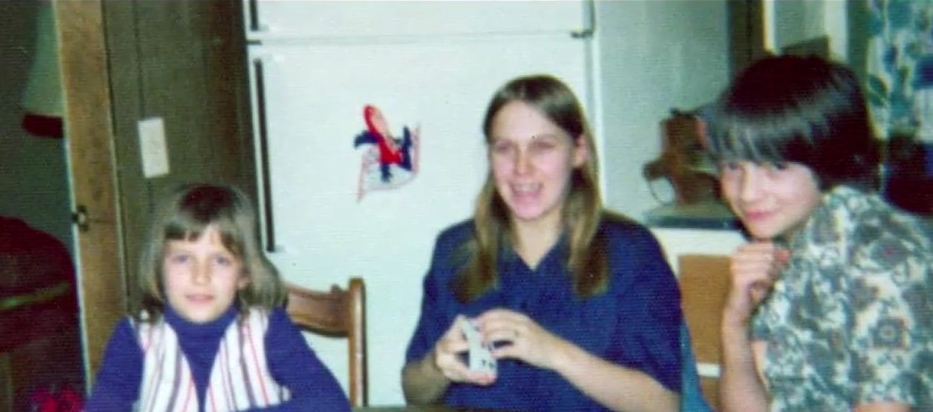
Carol (middle).
Carol with her twins; they were ten months old when she disappeared.
William Platts WW2 draft card.
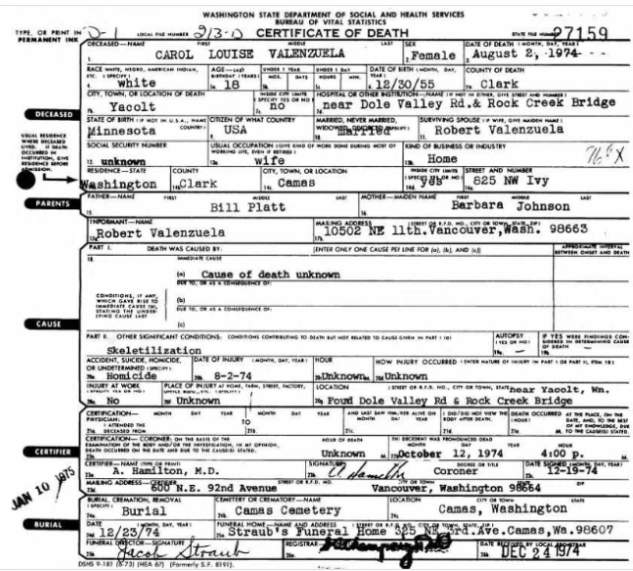
Carol Valenzuela’s death certificate.
An announcement about Robert and Carol published by The Pioneer on April 24, 1974.
Robert Valenzuela
A clipping about the murder of Carol. Published by The Ellensburg Daily Record on October 24, 1974.
A clipping about the murder of Carol published by The Corvallis Gazette-Times on October 24, 1974.
An article about the identification of Carol Valenzuela published by the Eugene Register-Guard on October 23, 1974.
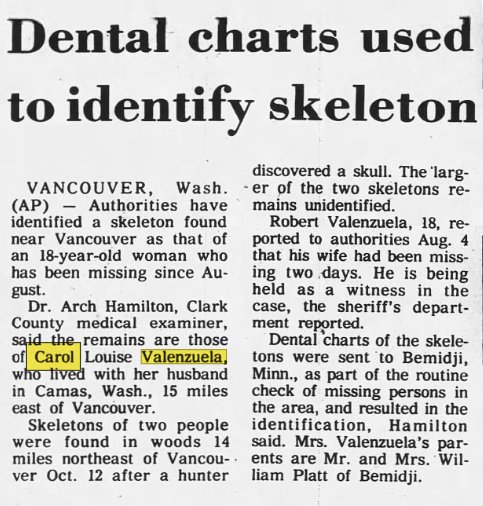
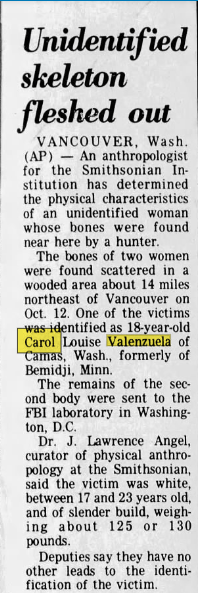
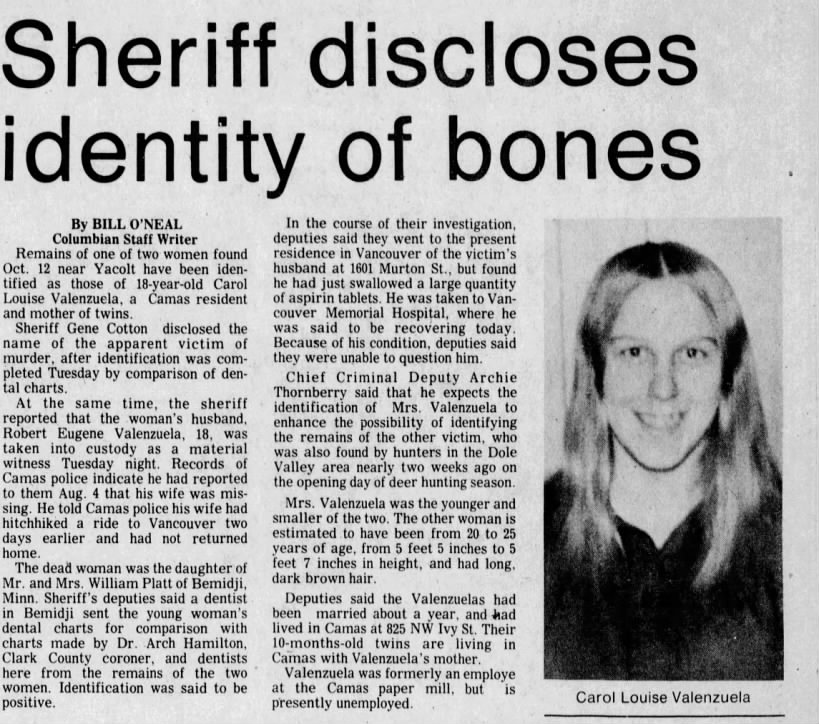
An article about the identification of Carol Valenzuela published by The Columbian on October 23, 1974.
An article about the identification of Carol Valenzuela published by The Albany Democrat-Herald on October 23, 1974.
An article about the identification of Carol Valenzuela published by The Longview Daily News on October 23, 1974.
An article about the identification of Carol Valenzuela published by The Spokesman-Review on October 24, 1974.
An article about the identification of Carol Valenzuela published by The Capital Journal on October 24, 1974.
An article about the identification of Carol Valenzuela published by The Capital Journal on November 30, 1974.
An article about the identification of Carol Valenzuela published by The News Tribune on November 30, 1974.
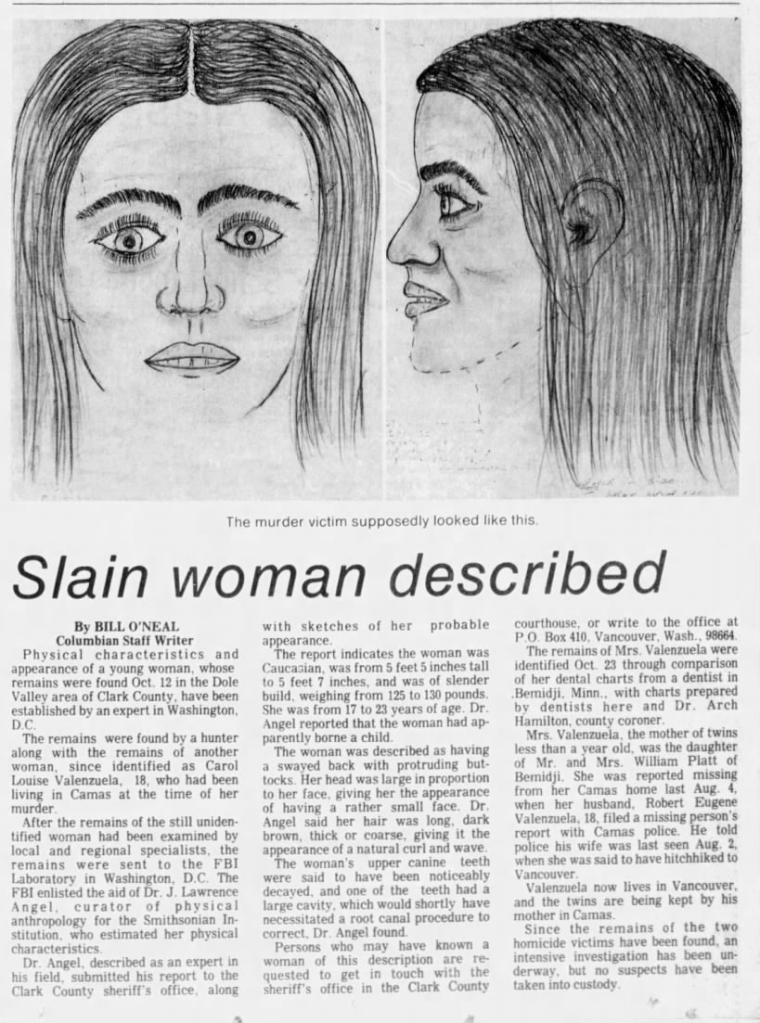
A picture about of the unidentified victim (that turned out to be Martha Morrison) in an article about the identification of Carol Valenzuela published by the Eugene Register-Guard on November 30, 1974.
An article about Carol published by The Columbian on November 29, 1974.
An article about the identification of Carol Valenzuela published by the Eugene Register-Guard on November 30, 1974.
An article about the identification of Carol Valenzuela published by the Columbian on December 2, 1974.
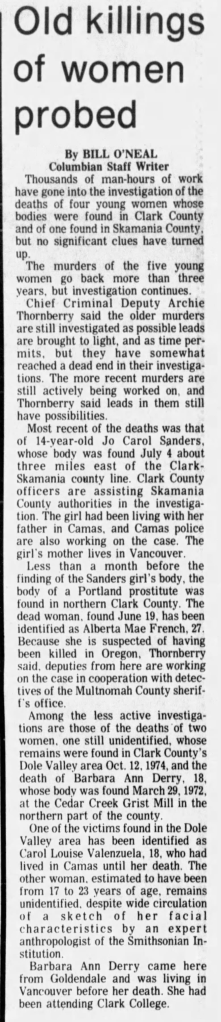
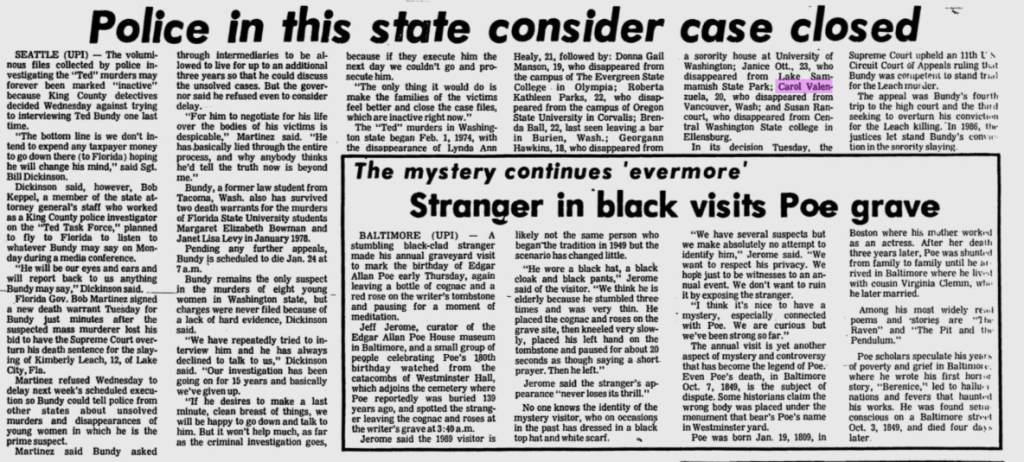
An article about Bundy’s King County victims and their possible relation to Valenzuela’s published by The Columbian on March 12, 1975.
An article mentioning Valenzuela published by The Columbian on July 20, 1975.
An article mentionong Carol published by The Columbian on July 30, 1978.
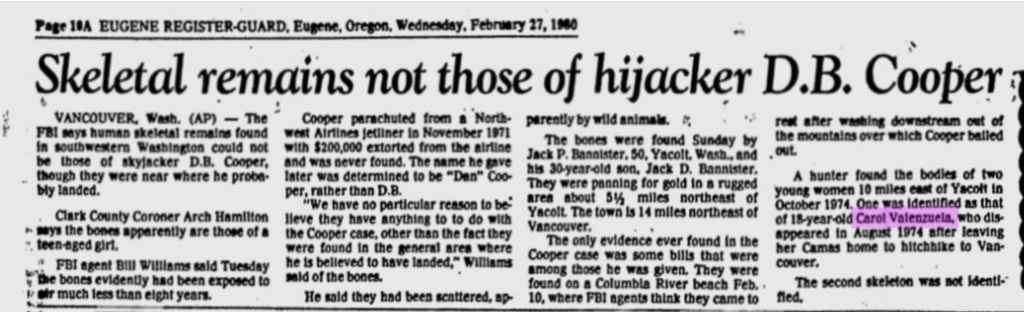
An article about the possible finding of the remains of plane hijacker DB Cooper that mentions Carol Valenzuela published by the Eugene Register-Guard on February 27, 1980.
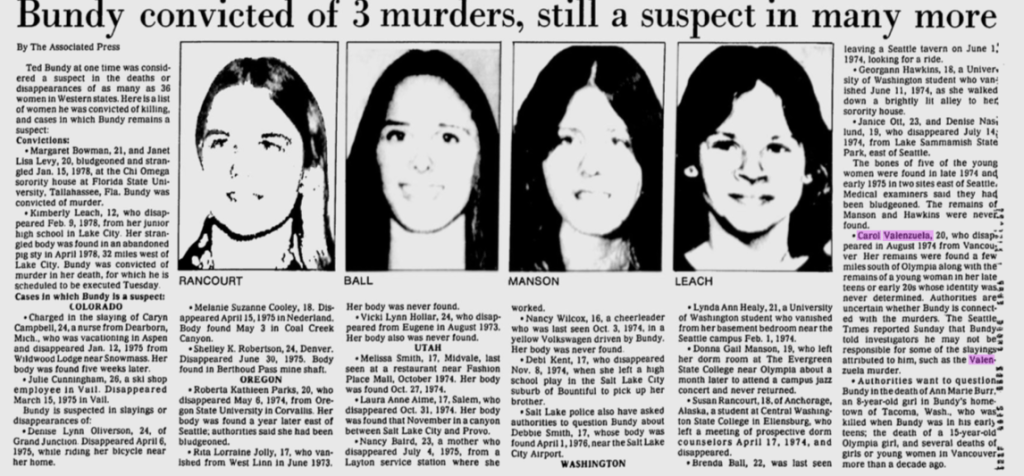
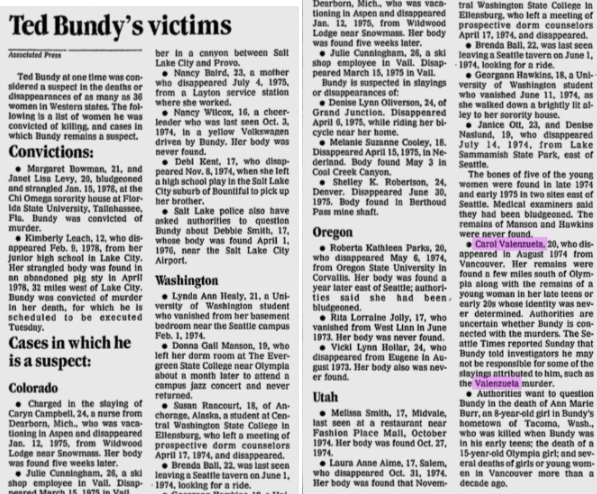
An article about Bundy’s victims that mentions Carol, published by The Ellensburg Daily Record on January 19, 1989.
An article about Bundy’s WA state victims that mentions Carol Valenzuela, published by The Telegraph on January 23, 1989.
Part two of an article about a possible stay for Bundy’s January 1989 execution that mentions Carol Valenzuela, published by The Ellensburg Daily Record on January 23, 1989.
An article about Bundy’s victims that mentions Carol, published by The Gainesville Sun on January 23, 1989.
An article about Bundy’s suspected victims that mentions Carol, published by The Pittsburgh Post-Gazette on January 24, 1989.
An article about Bundy’s suspected victims that mentions Carol, published by The Gainesville Sun on January 25, 1989.
An article that mentions Carol, published by The Columbian on January 27, 1994.
An article mentioning Valenzuela published by The Statesman Journal on August 25, 2017.
An article mentioning Valenzuela published by The Longview Daily News on January 20, 2020.
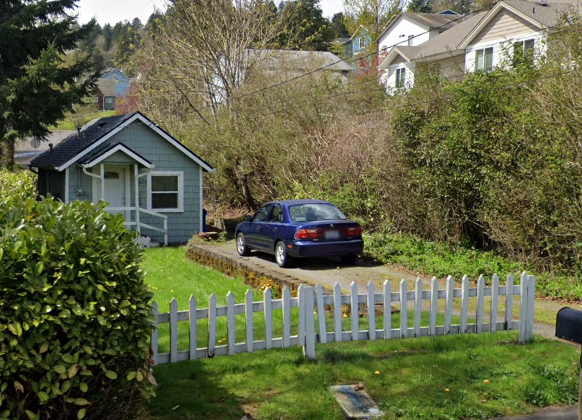
The house where Carol was living at the time she was abducted, located at 825 Northwest Ivy Street in Camas, Washington.
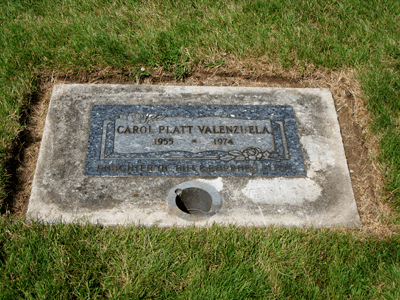
Carol’s grave stone.
Ted’s whereabouts on August 2, 1974 when Carol Valenzuela disappeared according to the ‘TB Multiagency Investigative Team Report 1992.’
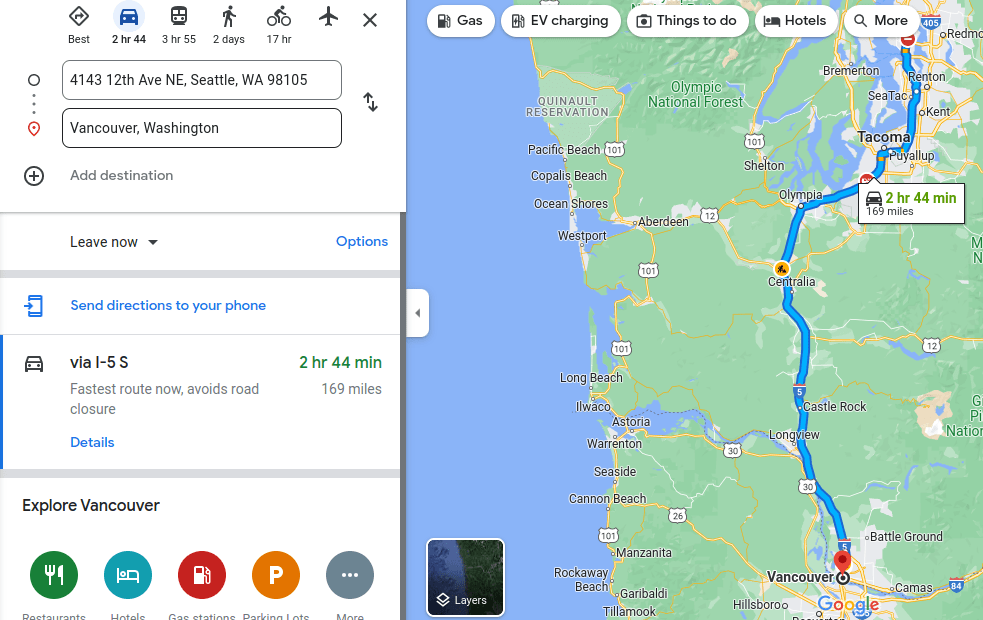
Bundy’s possible route from his room at the Rogers Boarding House to Vancouver, where Carol was last seen.
It’s important to keep in mind that Warren Leslie Forrest didn’t always look like the old, ragged dirtbag he is today: at one time he was young and handsome.
Some mugshots of a younger Warren Leslie Forrest.
A more recent picture of Warren Leslie Forrest.
Warren Leslie Forrest’s blue murder van. 
Bundy told law enforcement that he wasn't responsible for the death of Valenzuela, whhich is the only murder out of the PacficNorthwest that Bundy wassuspecterd of that he denied.
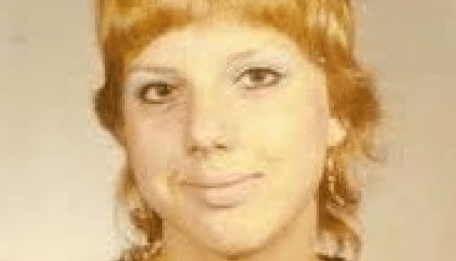
A picture of Warren Leslie Forrest victim Martha Morrison.
Jamie Grissim.
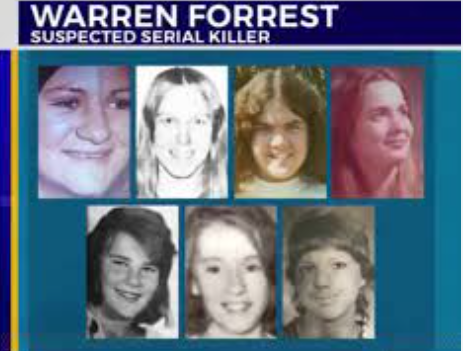
Some suspected victims of Warren Leslie Forrest.
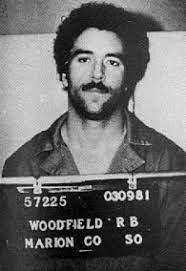
Randall Woodfield, an American serial killer nicknamed the I-5 Killer after the highway he hunted his prey (which ran from Washington to California). Originally from Oregon, Woodfield was convicted of three murders and is suspected of killing up to eighteen people. He is currently incarcerated at the Oregon State Penitentiary.