This is the second in a series about young women that were encountered by Ted Bundy on the Central Washington University campus in April 1974: Kathleen Clara D’Olivo was born on October 8, 1952 to Rinaldo and Elizabeth (nee Burk) D’Olivo in Tacoma WA. Rinaldo Anthony ‘Buzz’ D’Olivo was born on January 13, 1928 in Tacoma, and after graduating from Bellarmine Prep he served in the military during WWII; upon returning home he enrolled at Gonzaga University as a marketing major, and in 1974 he founded the company ‘Humdinger Fireworks.’ Kathy’s mother Elizabeth ‘Betty‘ Ann Burk was born on May 9, 1930 in Clare, Iowa. The couple were married on August 26, 1950 and went on to have three children together: Kathy, Douglas (b. 1954), and Rinaldo (b. 1956).
A traditional Italian beauty, Kathy was tall and slim, and stood at 5′ 9.5″ and weighed 125 pounds; she had hazel eyes and dark brown hair she wore long and parted down the middle. At the time of her encounter, she was living with a roommate in unit #21 at the Knissen Village Apartments located on 14th and ‘B’ Street.
On the evening of Wednesday, April 17, 1974, twenty-one-year-old D’Olivo dropped her roommate off near downtown Ellensburg and drove to CWU’s campus, arriving just after 8:00 PM; she parked her car in the lot next to the Hertz Music Hall (located kitty corner to the library) and went into the main entrance of the Bouillon Library. In an interview with Detective Robert Keppel of the King County Sheriff’s Department on March 1, 1975, Kathleen said that ‘it was a clear night. I don’t remember it being extremely cold or extremely warm.’ She also stated that she was certain she was wearing blue jeans but wasn’t 100% sure of the top she had on, however she thinks it was most likely a blazer. Kathy was wearing two rings (one of them being her engagement ring) and said that she may have also been wearing a bracelet; at the time she was using a navy-blue cross-body purse.
Kathy stayed on the second floor of the library until around 10 PM, studying in an area known as the curriculum laboratory (don’t forget this location, I’m going to bring it up again later). But when she saw the clock nearing 10, she began gathering up her things, as it was time to head home and call her fiancé (a ritual she did every Wednesday at the same time). D’Olivo left the library same way she came in: through the front entrance. She then made a quick right and stepped off the concrete path and began making her way across the grass.
D’Olivo said that she ‘hadn’t quite gotten off the lawn, or sidewalk (wherever I was, I hadn’t reached the main mall stretch) when I heard something behind me. It sounded like something following me, it didn’t startle me or anything, it wasn’t a loud noise and I turned around and there was a man dropping books, he was squatting, trying to pick up the books and packages was what he was doing and so I noticed that he had a sling on one arm, and a hand brace on the other. I didn’t really notice it at the time, I just noticed that he was unable to pick up that many things and I assumed that he was going into the library. I went over and said, ‘do you need help?’ He said, ‘Ya, could you?,’ or something to that affect. So I picked up what to me felt like a bicycle backpack, it was nylon material, kind of.’ Kathy later clarified that he had his right arm in a sling but had metal braces on fingers of both hands, specifically the type that were used on broken fingers.
Kathleen told Detective Keppel that she wasn’t sure what was in the backpack, but it felt like books, and he also had with him ‘some packages, three boxes that were small, not large. I think they were wrapped in parcel post, or brown paper bag-type thing and I think some of them had string ties on them, you know, like… I’m almost sure on that, but at any rate, I picked up the bag that I thought had books in it, the knapsack type bag, and he picked up the packages.’
When Detective Keppel asked Kathy where she thought he was taking her as they began their walk, she replied ‘I thought he was going in the library. He was headed that way, so I thought that’s where he was going. But that same sidewalk actually leads up over a little bridge that runs alongside the library, it’s just short bridge that goes over a pond (man-made pond) and that’s actually the direction that he was going in, but its right next to the library and the same sidewalk will angle off to go into the library so that’s where I thought he was going. We started walking and when we came to the bridge, it was obvious that he wasn’t turning off to go to the library, and I said wait a minute, you know, where are we going? He said, ‘oh my car is just parked right over here.‘ I said okay, or didn’t make any motion, but at the same time I know what I was carrying which I thought was books, or felt like books, was very heavy, and the way I was carrying them, I knew I could protect myself with it if the need arose.’
But instead of continuing on the pathway to the Library, the man started walking across the bridge, which immediately threw up a red flag for D’Olivo, and she said to him, ‘well, wait a minute, were are you going?’ He said, ‘well my cars just over here.’ I said, ‘okay,’ so we started walking across the bridge and we were maybe a quarter the way across the bridge and he began telling me about his ski injuries and that conversation took us up to by the other side of the bridge and a little ways beyond that, and then I asked him again, ‘well, where’s your car?’ I expected it to be parked on the street that’s right behind the library. He said, ‘oh, its just right here.’ Then we walked under the trestle to the right there, and it was just barely down that dark stretch.’ She said at that time she ‘assessed the situation,’ and said she ‘was extremely cautious while with him. I never gave him the opportunity of walking behind me.’
When Detective Keppel asked Kathleen what the man looked like, she said he ‘was no taller than I am, possibly, he could have been a few inches taller, maybe 6’ but absolutely not taller than 6’… I don’t remember thinking that he was a lot shorter than I, nor a lot taller. I would say he was probably around my height. He had brown, light brown kind of shaggy hair, no real style, no real cut, cut kind of long and shaggy. He was thin and his face is a blur to me. I don’t remember his features at all. I don’t really recall if he had a mustache or not. I picture him in my mind both ways, one with and without one. The same thing about glasses: in one thought in my mind, I picture him with wire rims, and another I don’t. I don’t really know. He was dressed kind of sloppily, not real grubby, but nothing outstanding.’
When asked about the condition of his arms, D’Olivo said ‘his left arm was in a sling, no cast, no plaster of Paris cast I know that, but it was in a sling. His right arm had like a hard brace, or finger brace.’ … ‘I think it was metal. He had bandages wrapped around it. It was supporting his fingers. I’m not sure if his arm that was in a sling was wrapped, but I think that it was. He told me that he had hurt it skiing.He’d run into a tree or something and bent his fingers back, and dislocated his shoulder (or did something to his shoulder).’ She clarified that he did not tell her where the accident happened.
When Keppel asked her if the man ever showed signs of being in any sort of pain from his injury, D’Olivo said that ‘he may have mentioned that he was in pain, maybe once, but he didn’t make a real big deal out of it; it was just so obvious that he was helpless that he’d have to be in pain, that’s the way it appeared to me, anyway. He told me that he’d been in an accident (ski) and this is what happened, and the way he was bandaged up it all made sense, the sling on his arms and shoulder, etc.’
Additionally, she recalled that he was soft spoken, and was dressed ‘sloppily, not real grubby, but nothing outstanding,’ and may have worn jeans with a wrinkled shirt, with ‘the tail hanging out.’ When asked if she recalled what the man was wearing, and if he had on for instance a short or jacket she said, ‘it seems to me that he had a shirt on, like a sport shirt, it was very sloppy or wrinkly looking. It seems to me he had a shirt-tail hanging out. I mean, intentionally hanging out, wearing it on the other side of his pants. I don’t remember what type of pants he had on, just all-around kind of grubby, like jeans or something like that.’
Kathy said that the strangers car was parked on 10th Street, and as they got closer to it she noticed that it was a ‘no parking’ area on the outskirts of campus and was in a secluded, dimly lit area that was ‘not well travelled.’ During their walk, D’Olivo said he talked about how much pain he w as in, and as they went under the railroad trestle, she said that she could vaguely make out the shape of a VW Bug in the distancethat was parked to the right of the large trestle: ‘it was a dark road. There were no streetlights on that road … but it wasn’t completely black.’ This would make sense, as the only light available to them was from the library and an adjacent building, both of which were a fair distance away.’
When they got to the car, Kathy said that she ‘set the pack down, well first of all, he went to unlock the door on the passenger side, which is the inside… I mean, the car was parked right next to a log and there was room between it for a person, and he went to unlock the car on the passengers side, and I set down the package (the pack) that I had been carrying and leaned it against the log and I think I said goodbye… anyways, my thought was well, I had done my deed and I was going to leave, and then he was supposedly unlocking the car and he dropped the key; then he felt for the key with his right hand and he couldn’t find it apparently and he said, ‘do you think you could find it for me because I can’t feel with this thing on my hand (meaning the brace on his right hand. I was cautious this time, I mean, even while we were walking I thought well, I’m not going to let him get behind me, I’m going to keep an eye on him, I’ve got these heavy books and I can use them. But I didn’t want to bend over in front of him so I said, lets step back and see if we can see the reflection in the light, so we stepped behind the car, kind of behind the car to the side, and I squatted down and luckily I did see the reflection of the key in the light so I picked up the key and dropped them in his hand and I said goodbye and good luck, or something with your arms, or something to that effect, and that was the end of the conversation.’ She also said that the lack of light made the VW appear shiny and brown in color and that it appeared to be in good shape (which we know isn’t exactly true), and as far as Kathy could remember it did not have a ski rack on top of it.
When Detective Keppel asked D’Olivo if she thought the man’s intentions were sincere, she told him, ‘yes, I did… Ya, and I thought he was just going into the library, it was just a short distance and her really did need help and I thought I could help him.’ She also said that nothing seemed unusual about his car when she was asked, and about it said: ‘it looked, just very normal, like any VW on the street.’ … ‘All I really noticed was that it was a nice VW, it was in good shape. And it was shiny.’
When Detective Keppel asked Kathy if she happened to notice if the VW’s front seat was missing on the passengers side, she replied that she ‘left before he opened the car. I didn’t notice it and I was right alongside the car on the passengers side. I think I would have if there had been a seat missing, but I can’t be certain on that, but it seemed all intact to me and in good shape.’ Like Jane Curtis, she said that the car had no particular odor associated with it, like cigarettes or marijuana smoke.
When asked if the man seemed disappointed when she left him, Kathleen said, ‘no, not at all. That’s why I wasn’t suspicious, because it was just a small thank you for helping me, was the attitude that I picked up anyway, and uh… he didn’t seem nervous that I was leaving. He didn’t say, ‘hey, do you need a ride home’ or ‘how ’bout a ride? or get in the car,’ or anything like that. So I still felt that it was on the up and up, and I was kind of mad at myself for even being suspicious.’ When asked if she remembered seeing him around campus (before and after the incident), she said: ‘there was nothing unique about him really that would. I may have seen him in a crows somewhere… I… his face… nothing about him was familiar to me. I don’t recall ever seeing him before.’ Kathleen also said that he was not ‘very appealing’ to her, and ‘he was shaggily, or sloppily, or however you want to say it, dressed and kind of scrawny looking. He didn’t appeal to me at all.’ Ms. D’Olivo further clarified that the stranger was not clean cut nor a hippy, but was ‘kind of weird looking, and when asked if he appeared to be athletic, she replied, ‘no, not at all. No, he just… he didn’t fit the stereotype in my mind of an athlete, or even a skier.’
Another young woman that may have had an encounter with Ted Bundy on Central Washington University’s campus is Jane Marie Curtis: at first I believed Jane’s encounter took place earlier in the same evening that Sue Rancourt was abducted (because that’s the date that was given in everything I’ve read about her), but after reading her interview with Detective Keppel I learned it actually took place on a Sunday evening, most likely on April 14, 1974 or April 21, 1974. Like Kathleen, Curtis had been spending time at the Curriculum Lab at CWU and ‘ran into’ Bundy as she was walking out of the main entrance at the Bouillon Library. She said he used the same ruse that he did with D’Olivo: he had been in a skiing accident and needed help carrying some heavy books to his car, as his arm was in a (poorly made) sling. Like Kathy, Curtis was lucky and managed to leave Bundy alive.
Kathy D’Olivo and Jane Curtis were both able to escape with their lives, but unfortunately Susan Rancourt was not so fortunate: later in the evening on April 17, 1974 around 10/10:30 PM Bundy stumbled upon the pretty young Biology major as she left a meeting about becoming an RA the following school year. After the meeting she had plans to see a German film with a friend but she never made it, and it didn’t take long for her friends and family to become worried, and by 3:00 AM her roommate Diana Pitt called the dorm manager, saying: ‘I got worried she wasn’t back.’ Parts of Rancourt’s skeleton were discovered in Taylor Mountain in March 1975 after two forestry students uncovered multiple sets of human remains; after combing the area, the King County Sheriff’s Department discovered four skulls in total as well as an assortment of other human bones.
In addition to Sue Rancourt, forensic experts were able to determine that the remains belonged to University of Washington coed Lynda Ann Healy, University of Oregon student Roberta Parks, and twenty-two-year-old loner Brenda Carol Ball. Later in the same day that Sue’s skull was identified, the King County ME took X-rays of her skull and mailed them special delivery to her dentist in Alaska, who confirmed it was her. According to CWU’s Police Chief Al Pickles: ‘there were several points of identification that made us almost sure the skull was Rancourt’s. This switches the case from a missing person to a homicide.’
Elizabeth D’Olivo passed away at the age of sixty-eight on March 15, 1999 in Mexico. According to her obituary, Betty was a member of St. Charles Borromeo Church and her life revolved around her friends and family, and sheespecially loved her four grandchildren. Kathy’s father Rinaldo passed away at the age of eighty on November 22, 2008 in their winter home in San Carlos, Mexico. According to his obit, he continued working in his family’s fireworks company until his time of his death. Kathy’s brother Ron died at the age of fifty-four on March 10, 2011 after a prolonged battle with lung disease. Douglas D’Olivo is currently a seventy-one-year-old resident of University Place, WA. Kathleen and David are still married and reside in University Place, WA; they have two grown daughters together: Amy and Emily.
Kathy D’Olivo’s junior year picture from the 1971 Aquinas Academy yearbook.Kathy Clara D’Olivo.Kathleen on her wedding day.A newspaper clipping about Kathleen being the flower girl in her aunts wedding published in The News Tribune on August 17, 1958.A newspaper clipping about Kathleen being a child model published in The News Tribune on March 1, 1959.A picture of Kathy from high school published in The News Tribune on May 9, 1970.Kathleen’s engagement announcement to David H. Swisher published in The Olympian on September 16, 1973.Kathy’s name in a list of graduates from CWU published in The Kitsap Sun on May 23, 1974.Kathleen and David’s names are listed on the ‘intent to wed’ list published in The News Tribune on August 7, 1974.Kathleen’s marriage announcement published in The Olympian on August 25, 1974.A picture taken in 1964 of the Curriculum Lab at Central Washington University in Ellensburg, WA (the name was changed to the the James E. Brooks Library in 2003).The route from Ted’s residence at the Rogers Rooming House in Seattle to the CWU Library.The first page of an interview Kathleen had with Detective Robert Keppel of the King County Sheriffs Department.The second page of an interview Kathleen had with Detective Robert Keppel of the King County Sheriffs Department.The third page of an interview Kathleen had with Detective Robert Keppel of the King County Sheriffs Department.The fourth page of an interview Kathleen had with Detective Robert Keppel of the King County Sheriffs Department.The fifth page of an interview Kathleen had with Detective Robert Keppel of the King County Sheriffs Department.The sixth page of an interview Kathleen had with Detective Robert Keppel of the King County Sheriffs Department.The seventh page of an interview Kathleen had with Detective Robert Keppel of the King County Sheriffs Department.The eighth page of an interview Kathleen had with Detective Robert Keppel of the King County Sheriffs Department.The ninth page of an interview Kathleen had with Detective Robert Keppel of the King County Sheriffs Department.The tenth page of an interview Kathleen had with Detective Robert Keppel of the King County Sheriffs Department.The eleventh page of an interview Kathleen had with Detective Robert Keppel of the King County Sheriffs Department.The twelfth page of an interview Kathleen had with Detective Robert Keppel of the King County Sheriffs Department.The thirteenth page of an interview Kathleen had with Detective Robert Keppel of the King County Sheriffs Department.The fourteenth page of an interview Kathleen had with Detective Robert Keppel of the King County Sheriffs Department.The fifteenth page of an interview Kathleen had with Detective Robert Keppel of the King County Sheriffs Department.A letter from Walt Stout of the Pierce County Sheriffs Department to Officer Cheryl Schmeizer of the CWU police department about Kathleen D’Olivo dated July 31, 1974.A statement from Kathleen to the Pierce County Sheriffs Department.The only thing I could find about a fourth possible encounter Bundy had with a coed on the campus of Central Washington University, screenshot courtesy of thetruecrimedatabase.com. This stories shares a lot of parallels with Jane Curtis’ encounter with Bundy, so I’m not sure how accurate this is.Kathleen’s mothers birth information. Mr. Rinaldo D’Olivo from the 1948 Bellarmine High School yearbook.A picture of Kathy’s father from the 1946 Bellarmine High School yearbook.Mr. D’Olivo’s WWII draft card.The announcement of Kathleen’s parents engagement published in The News Tribune on June 17, 1949.An article about the wedding of Kathleen’s parents published in The News Tribune on September 3, 1950.David Swisher from the 1968 Olympia High School yearbook.Doug D’Olivo in the 1971 Bellarmine Preparatory School yearbook.David Swisher from the Olympia High School-WW Miller High School yearbook.David Swisher in a list of CWU students that lived in Olympia that got a 4.0 GPA at CWU published in The Olympian on June 27, 1973.Kathy’s brother Doug’s marriage announcement published in The News Tribune on October 16, 1983.A newspaper clipping that mentions Kathy’s brother Doug and he fathers business, Humdinger Fireworks, published in The Daily Herald on July 4, 1985.Kathy’s uncles obituary that mentions her published in The News Tribune on January 15, 1997.Kathy’s mother’s obituary published in The News Tribune on March 22, 1999.Kathleen’s dads obituary, which was published in The News Tribune on November 29, 2008.Rinaldo A. D’Olivo, Kathy’s brother. According to his obituary, he also graduated from Central Washington University.Kathy’s brother Rons obituary, published in News Tribune on March 16, 2011.Kathy’s parents gravestone.An advertisement for Humdinger Fireworks.
This is a rare occasion I was unable to find out any background information about the woman I was writing about: typically, I can come up with some helpful tidbit that helps me dig up more information about them, however I was unable to do that with Ms. Griswold. If anyone knows anything more than what I have here and would like to reach out to me about it, I will give you credit for your help.
While I was driving to Michigan with my husband last week I stumbled across an article posted by another true crime Facebook Group called, ‘TB: I was Trying to Think Like an Elk’ that included an article published in February 1989 from The Oregonian discussing an encounter that Nellie Griswold may have had with Ted Bundy: Griswold, who lived in Halsey, Oregon in the early part of 1974, worked as a waitress in the restaurant part of The Pioneer Villa truck stop, located right off the I-5 in the southern part of Linn County.
In early 1974 (she wasn’t sure if it was January or February) Griswold was twenty-four years old, and one evening as she was working she noticed a man that matched Bundy’s description lingering around her POE: she told her boss ‘this guy kind of gives me the creeps,’ to which he replied, ‘don’t worry, that’s just Teddy’ and went on to tell her that he had been hanging around The Pioneer Villa’s bar semi-regularly for about a week and a half. Nellie said that she was going through a bad time in her life and at the time was newly divorced with an infant and was having relationship issues with her current-boyfriend (they eventually broke up); that night, she left her daughter with a friend so she could talk with her significant other about their relationship problems after she got out of work.
But as Nellie’s shift went on her worry only grew: the stranger kept trying to hustle her and repeatedly asked her out on a date (an offer that she politely declined) and stood in the hallway near the front door, just watching her. Before her workday ended at 9 PM she ‘told the manager I was going to leave by the back door because I didn’t want this guy to give me a hard time.’ A little after nine she left out the restaurants back door and got her 1964 Thunderbird and began the five mile drive to her apartment…. but as she made her way to Halsey she noticed a yellow VW Beetle trailing behind her: ‘I sped up and it speeded up. It was a race to my apartment. My car was faster. I got out of the car and unlocked the door and went inside. There were stores across the street from us and stores on both sides of us. Nobody was around. I made it inside and I shut the door.’
During an interview with reporter ‘John Painter Jr.’ with the newspaper ‘The Sunday Oregonian,’ Griswold said the strange man parked his car in front of her apartment building and stood out there a long time, just staring towards her residence: ‘I became afraid he would still be there when my boyfriend got off work at 11 PM. We already had been fighting, and I didn’t feel I needed to deal with a stranger at my door on the night that I was trying to put our relationship back together.’
According to Nellie, when she arrived home: ‘I watched him through the window. I didn’t turn any lights on. He sat there for maybe fifteen, twenty minutes. He tried to start the car, and it made some sort of sound and he got out of the car. He lifted up the back end and did something and put down the back end and it slammed the end of his hand.’
She went on to say that the next thing she remembered was the stranger frantically knocking on her apartment door: ‘he was banging the door, begging me to let him inside, (saying) that he was cold from sitting in the car, very cold, and he was bleeding and needed something to cover his hand, ice or something. I was stupid enough to fall for it and went and got some ice and handed it to him through the door. I became afraid. Like I said, I’d been trying to get rid of him… My boyfriend’s due home anytime and I wanted him out of there. So at this time I’m going to do anything just to get rid of him.’
Griswold went on: ‘I have no phone and anyway it took thirty-five minutes for the police to get to Halsey when you called them. I stepped outside and he made a statement that he knew my boyfriend was seeing somebody else. This really triggered me because this is what I basically had been arguing about with him.’
She also clarified that she was aware ‘Teddy’ had been drinking at bar most of the evening. “I figured he’d picked it up talking to some of the help in the bar; the girl who was tending bar was a friend and she pretty much knew what was going on.’ Intrigued, she agreed to go with him while the ice was on his hand: ‘he said he couldn’t drive because it hurt too much. We opened the car door. He sat in the driver’s side and closed the door. I sat on a pillow. There was no seat on the passenger’s side.’
Griswold went on to say: “I said, ‘What kind of a rig is this?,’ to which he replied that he didn’t have a job at the moment and it was the only option he had to get around: ‘I sat there on a pillow with the door open and my feet on the ground. I wouldn’t close the door. It became cold.’ When she announced that she was going to go back inside the stranger tried to stall her: ‘he asked where I was from and I told him I was from the Seattle area, which I was, and he knew different places. He was real interested in Golden Gardens Park and especially Carkeek Park on the sound and Green Lake. He seemed to know the Green Lake area where a lot of us girls used to hang out quite a bit.’ At the time in the 1970’s both Green Lake Park and Golden Gardens Park were popular hangouts for college kids.
Nellie continued: ‘I didn’t feel that uncomfortable at that time. He had something to drink and wanted me to drink some of it but wouldn’t. And then he was smoking something… I thought it was marijuana.’ After that, the man immediately appeared to become inebriated, and even nodded off periodically: ‘he was real in and out. He said he was too drunk to drive. I kept saying you’d better get out of here and he saying, ‘nope, I’m hurt and I’ve been drinking much.’’
Finally, the attractive young mother made the choice to finally leave, and ‘started to get out of the car and he reached out and tugged at my hair. I turned to him and said, ‘don’t do that,’ and at that time another car came around the corner and the lights flashed inside the car and I said, ‘that’s Alan (her boyfriend), let me go. And he let me go. He literally said, ‘get out of the car.’’
Griswold quickly ran to into her apartment and locked the door behind her, and after the other vehicle drove by, the man returned to her apartment and began pounding on the door, saying loudly, ‘I’m cold. Let me in.’ Thoroughly spooked, she went back to her bedroom and got her boyfriend’s large semi-automatic pistol that he had also taught her to shoot: ‘I told him I had a gun and knew how to use it and would shoot him if he did not leave.’ The pounding immediately stopped.
Looking out the window, Nellie said that the man went back to his Bug and just sat there for a while then circled the block a few times before he eventually disappeared for good; she never saw him again, and he never returned to The Pioneer Villa. Because of how much time had passed her story was impossible to corroborate, however investigators in SLC and Seattle said the man’s actions were consistent with Ted’s behavior. According to Dr. Robert Keppel, ‘you haven’t said anything to me that doesn’t sound like Bundy. She’s lucky she’s alive.’
It would be fair to say that at the time of Nellie’s attack Bundy had a lot of spare time on his hands: he was taking a break from school (he didn’t begin law school for the second time until later that September) and happened to be in between jobs at the time (in September 1973 he was the Assistant to the Washington state Republican chairman, and remained unemployed until May 3, 1974 when he started at the Department of Emergency Services in Olympia). He was still in a (fairly) committed relationship with Elizabeth Kloepfer at the time and was residing in the Roger’s Rooming House on 12th Avenue NE in Seattle.
As we know, Ted’s first confirmed attack took place on January 4, 1974 when he brutally assaulted Karen Sparks in her basement apartment near the University of Washington in Seattle. Additionally, he abducted and killed Lynda Ann Healy not far away on January 31, 1974… so its safe to say Bundy was definitely active at the time Griswold claims she was hassled by him.
According to Dr. Keppel, Bundy’s habit of roaming across the Pacific Northwest had always been ‘one of the biggest problems about the guy,’ and despite there being a trail of credit card receipts for gas there were many times that he paid for fuel in cash: meaning, he could travel across multiple state lines and investigators ‘never even know he’d been there.’ As for the yellow VW that Griswold so vividly remembers, Keppel said two witnesses from Central Washington University in Ellensburg told police about a man that drove a similar vehicle that tried to pick them up; also, on May 6, 1974 Roberta Parks vanished without a trace from the Oregon State University campus in Corvallis, which is only thirty miles northwest of the Pioneer Villa. I know there’s a lot of back and forth as to EXACTLY what color Ted’s car is… but I don’t think it’s a coincident that Death from Family Guy drove a bright yellow Beetle.
When showed a picture of the serial killer, Nellie was unable to ID Bundy, but she was able to identify a photo of him taken in 1973 that was released after his arrest two years later in Granger, Utah for the aggravated kidnapping of Carol DaRonch. She said that Ted’s ‘longer, curly hair’ was the most important part of her identification. Griswold told Painter that she felt ‘for the other victims. I just don’t understand why I’m still here.’ At the time of the interview in February 1989 Griswold said that she was a happily married mother of two and was living with her husband and kids in Southwest Washington.
The beginning part of Griswold’s story published in The Sunday Oregonian on February 12, 1989.The only article I could find about Nellie Griswolds claim about Ted Bundy, published in The Sunday Oregonian on February 12, 1989.Bundy’s route from the Roger’s Rooming House to Pioneer Villa Truck Stop in Halsey, Oregon.Bundy’s whereabouts in early 1974 according to the 1992 FBI TB Multiagency Team Report.Bundy’s whereabouts in early 1974 according to the 1992 FBI TB Multiagency Team Report.Bundy’s whereabouts in early 1974 according to the 1992 FBI TB Multiagency Team Report.A drawing for the Pioneer Villa Truck Plaza in Halsey, Oregon.A horse and buggy themed advertisement for the Pioneer Villa Truck Plaza in Halsey, Oregon where Nellie Griswold worked at the time she had her encounter with Ted Bundy.A Google Maps view of where Green River Park and Carkeek Park are in relation to one another.A map of Carkeek Park in Seattle.A sign for Green Lake Park in Seattle, Washington.
A copy of the notes from a meeting about Bundy that took place on November 13 and 14, 1975 at the Aspen Holiday Inn. The document begins with a letter from Lieutenant William H. Baldridge of the Pitkin County Sheriff’s Department, and was organized by Pitkin County deputy Mary Wiggins.
Information from the King County Police Department on TB’s Lake Sammamish murders: on July 14, 1974 Bundy abducted then killed Denise Naslund and Janice Ott, mere hours apart from one another. Document courtesy of Maria Serban and Dr. Rob Dielenberg.
Below is a copy of a letter that Ted Bundys one time girlfriend Liz Kloepfer sent his probation officer Don Hull, voicing her annoyance that detectives were prying into his personal life. It is part of Judge Stewart Hanson’s private collection and was digitized and sent to Maria Serban by Sean Papanikolas, Stewart’s grandson.
Introduction: ‘The Santa Rosa Hitchhiker Murders’ is a moniker for a group of unsolved homicides that took place in 1972 and 1973 in the general Santa Rosa area, located specifically in Sonoma County in the North Bay region of California. The perpetrator is responsible for at the murders least seven young female hitchhikers, who were all found completely naked in rural areas. Californian detectives strongly suspect that the killer spoke with and was familiar with some of his victims before he killed them.
Confirmed Victims: At roughly 9 PM on February 4, 1972 twelve-year-old MaureenLouise Sterling and thirteen-year-old Yvonne Lisa Weber disappeared after being dropped off at the Redwood Empire Ice Arena at around 7:30 PM. Weber was born in Carson City, Nevada on January 29, 1959 and Sterling was native to Santa Rose and was born on February 18, 1959. Maureen’s father Larry tragically died in a skiing accident in August of 1958 just months before her birth at the age of 23, leaving Arleen to raise both her and her older sister, Theresa alone during a time where that was easier said than done).The girls, who were both studentsat Herbert Slater Middle School, had no intention of staying at the skating rink that evening, and had plans to go somewhere else, most likely a nearby park with four older boys (who later took lie detector tests, which ruled them out as suspects). They were last seen getting into a car on Guerneville Road, northwest of Santa Rosa.
Sterling was last seen wearing blue jeans, a purple shirt, a red zip up hoodie and brown suede shoes, and Weber was also wearing jeans, a lavender and white tweed shirt, a black velvet coat, and brown suede shoes. Law enforcement only released that two pieces of evidence in relation to the case that were found with the victims: a single filigree type drop earring with orange beads and a basket weave mixed metal cross attached to a gold chain necklace. Neither item belonged to either one of the girls.
When one of the girls parents came to pick them up from the skating rink at 11pm, they were nowhere to be found, and in the early stages of the investigation LE had felt that they were runaways. Their heavily decomposed bodies were found on December 28, 1972 by 17-year-old Glen Frost and 18-year-old David Brooner, who were hiking through the area known as ‘The Devil’s Kitchen’ and down a steep embankment roughly 66 feet off the east side of the roadway. A single earring, orange beads and a 14-carat gold necklace with a cross were found at the scene, and the victims cause of death could not be determined, due to the advanced state of the remains. By that time Santa Rosa was in a panic, and a county wide program dubbed ‘The Secret Witness Program’ offered a $20,000 reward for any tip that would lead to the apprehension of the girls killer(s).
In 2019 an acquaintance of Weber and Sterling came forward and told detectives that she had spoken with them earlier on the evening they were last seen alive, and that the girls told her that a tall, slim man had asked them to smoke marijuana in the lobby of the ice arena (she declined to go with them), and that he strongly resembled Ted Bundy. However, that same friend was interviewed for the 2024 HBO Max documentary, ‘The Truth About Jim,’ and THAT time she said that Jim Mordecai (the subject of the documentary) was the man that was talking to her friends that evening.
There were also rumors that the girls had been looking for a ride to a nearby bowling alley so they could meet up with some friends, where other sources claim they were in contact with a gentleman who lived along the Russian River; detectives could confirm neither report. Schoolmates were questioned about the missing young women the week after they vanished, but nothing useful came of it.
Kim Wendy Allen was born on July 22, 1952 to Kimball and Roberta Allen, and had a sister named Annilee and a brother named Robert. Of her daughter, Mrs. Allen told The Press Democrat that: ‘she was never a speck of trouble to anyone from the day she came on this earth. She trusted everyone, believed that people were good.’ Kim graduated from the private, all-girls Ursuline High School in Santa Rosa, and despite being her senior class’s spirit leader she was an incredibly private person and usually kept her thoughts and opinions to herself, even with the people that knew her best. Allen lived in the 2200 block of Guerneville Road with two roommates and worked part-time at a natural health food store in Larkspur, located roughly forty miles south of Santa Rosa.
Kim was last seen on Saturday, March 4th, 1972, and in the morning she had been visiting with friends in San Francisco and hitchhiked her way to work in Larkspur shortly before her shift at Larkspur Natural Foods was due to start at noon. She worked for approximately five hours then began making her way back to Santa Rosa, and the second-year art student at Santa Rosa Junior College was picked up by two men outside of her POE. They dropped her off on San Rafael’s Belle Avenue, leaving her with nearly forty miles left to her destination. The men told investigators that they last saw her at roughly 5:20 PM trying to hitchhike near the Bell Avenue entrance to Highway 101, and was carrying an orange, aluminum-frame backpack and a large wooden sauce barrel with red Chinese characters on it. Like Sterling and Webster, she also frequently used hitchhiking as a means to get around despite multiple warnings from her mother and a professor about how dangerous it was.
Allen’s remains were found the following day at the bottom of an embankment in a creek bed roughly twenty feet off Enterprise Road in Santa Rosa. She had been bound at her wrists and ankles and had been strangled with a cord. She had been brutally sexually assaulted, and semen was found on her remains; a single gold hoop earring was found near the body. Detectives found skid marks at the top of the embankment and wondered if her assailant may have slipped or lost their footing while throwing or transporting the body. The two men that gave Allen the first ride (one which had passed a polygraph test) were both ruled out as suspects. Her checkbook was found in a drive-up mailbox across from the Kentfield (CA) Post Office sometime in the morning on March 24, 1972.
On November 11, 1972 thirteen year old Lori Lee Kursa was reported missing by her mother after disappearing while they shopped at a U-Save, and she was last seen on either November 20/21 in Santa Rosa while visiting friends. Someone reported possibly seeing her hitchhiking on November 30, however that was never positively confirmed by investigators. Kursa had a troubled home life, and she was a known hitchhiker and frequent runaway, and on December 14, 1972 her frozen remains were found in a ravine roughly fifty-feet off Calistoga Road, northeast of Rincon Valley in Santa Rosa. Lori’s murderer had thrown her body at least 30 feet over an embankment, and she was found wearing a single wire loop earring in each earlobe.
On her death certificate, Allens cause of death is listed as a broken neck with compression andhemorrhage of the spinal cord, and she most likely died one to two weeks before her remains were found; she not been raped. Two people later called in tips to LE about possible sightings of Kursa: one shared that they saw two men with a girl fitting her description on Calistoga Road. A second said they saw a young woman with a white male with ‘bushy hair’ driving a pickup truck that had been parked near where her remains were later found. Nothing ever came of either report.
A possible witness to Kursa’s abduction eventually came forward and told investigators that on an evening sometime in between December 3 and 9, 1972 he saw two men with a young woman fitting her description run across Parkhurst Drive then push her into the back of a van that had been parked on the side of the road. They said that the woman seemed to be physically impaired in some way and that the men were holding her up in between them. The driver was a Caucasian man with an afro-type hairstyle and after the three got in the van it quickly drove north on Calistoga Road.
At around 7 AM on February 6, 1973 fifteen year old Carolyn Nadine left her family residence in Shasta County and spent the next five months traveling. She was last seen wearing a brown leather jacket with a fur collar and faded jeans, and before leaving the Anderson Union High School student left a note for her mom and stepdad that read: ‘Dear Mom. Don’t worry too much about me, the only thing I’m gonna be doing is keeping myself alive. Love, Carolyn.’ In 2022 her older sister Judy Wilson told an interviewer that after she ran away Carolyn had stayed with her for a period in her apartment in Garberville, and that she had been an eyewitness to a double murder and was ‘afraid for her life.’
Wilson said that Carolyn was getting increasingly paranoid that she might be discovered by someone that that knew about the murders, and she left her duplex and hitchhiked to Illinois. Davis returned to Garberville in the summer of 1973 because her sister was going to have a baby, and she stayed with her grandmother for two weeks that July before returning to her boyfriend in Illinois. According to multiple reports, her grandma drove her to downtown Garberville on July 15,1973 and shared with her plans to hitchhike to Modesto, California, with plans of staying with friends. She parked in front of the post office located two city blocks away from Highway 101, andCarolyn was last seen hitchhiking in Garberville that afternoon near the Highway 101 ramp going southbound. Her remains were discovered in Santa Rosa on July 31, 1973, just three feet away from where the bodies of Maureen Sterling and Yvonne Weber had been found seven months before.
Carolyn’s naked body had been discovered face-down roughly twenty feet down the embankment, and the fact that the vegetation growing around the body was not disturbed told investigators that her remains had been thrown from the road and she rolled for a few feet after landing. The way detectives discovered her body told them that ‘either a very large, strong man had heaved the dead girl’s body off the roadside, or he had help.’
Davis’s cause of death is listed as strychnine poisoning, administered ten to fourteen days before her remains were found, however the ME could not determine whether the drug had been administered by needle or by pill. Strychnine is sometimes mixed with other poisons, however an autopsy showed no trace of either heroin or amphetamines in her system. Having heard of the unidentified young woman, Carolyn’s sister sent detectives her dental records, and two weeks after her body was discovered, Jane Doe finally had a name: Carolyn Nadine Davis.
The ME determined that Carolyn’s probable date of death was July 20, 1973, five days after her grandmother had last seen her. It could not be determined if she had been raped, and her autopsy reported that she had an injury to her right earlobe that seemed to be an attempted ear piercing; her left earlobe had not been pierced. Detectives strongly felt that her killer had thrown her body from the road, as the brush on the hillside seemed to be undisturbed, and one investigator said that a witchcraft symbol that meant ‘carrier of spirits’ was found close to her body. In 1975 LE shared that it was ‘a rectangle connected to a square, with bars running alongside’ made up of twigs and sticks, and was identified as an occult symbol going back to medieval England, and possibly hinted at a connection to the Zodiac Killer.
In the winter of 1973 twenty-three-year-old Theresa Diane Smith Walsh left home and hitchhiked across California, making her way to Los Angeles and often traveled using Highway 101. Back home in Miranda, her two-year-old son was in the care of her mother, and she was separated from her husband. In late 1973 Walsh was in Malibu but made plans to go to Garberville for Christmas. She tried to arrange a ride home and even reached out to a group known as ‘Hitchhiker’s Anonymous’ for help but had no luck. At around 9 AM on December 22, 1973 Walsh said goodbye to her friends, who dropped her off near Zuma Beach; she was last seen wearing bell bottoms, a lavender blouse, a faux-fur brown coat, brown hiking boots, and an olive-green Boy Scout knapsack. Her remains were discovered partially submerged underwater six days later by kayakers in Mark West Creek; she had been hogtied with rope, raped, and strangled to death. It was later determined that she had been dead for roughly one week before she had been found, and a combination of high water and heavy rains suggest that she may have floated several miles down the river from where her attacker initially left her.
On July 2, 1979 the skeletal remains of a young woman were found in a ravine off Calistoga Road, roughly 100 yards away from where the remains of Lori Kursa were found seven years prior. Due to the advanced level of decomp, at first forensic experts believed that the victim may have been Jeannette Kamahele until dental records later proved this to be false. The young woman had been hogtied, and her arm had been fractured during the struggle at the time of her death; her body had been stuffed into a bag of some sort (maybe a duffel bag) before it was dumped in the ravine. Sonoma County Sheriff’s deputy Rick Oliver said that several pieces of evidence were found near the scene, but didn’t elaborate further.
It was determined that the young woman was between sixteen and twenty-one-years-old, wore hard contact lenses (that she kept in a metal container with cherries on it), had red/auburn/brown hair, was about 5’3”, and had broken a rib at one point in her life. Her weight and eye color could not be determined and no clothes were found at the crime scene. One medical expert hired by the sheriff’s department determined that at the time of her death the victim was roughly nineteen years old and was most likely killed sometime between 1972 and 1973. It’s also worth noting that hard contacts weren’t typically sold in the US and Canada after the mid-1970’s as soft contact lenses had become available.
* I have seen the next young woman listed as both a confirmed and unconfirmed Santa Rosa Hitchhiker victim: Twenty-year-old Santa Rosa Junior College student Jeannette Kamahelewas last seen by her roommate on April 25, 1972 at around 9:30 PM, and had plans to hitchhike near the Cotati on-ramp of Highway 101. A friend may have (possibly) seen her abduction, and told investigators that she had seen Kamahele get into a faded brown Chevy pickup that had been fitted with a homemade wooden camper in the back and was being driven by a twenty to thirty-year-old white man with an afro-styles hairdo. Jeannette stood at 5’5” tall and weighed 120 pounds; she was of Pacific Island descent and had black hair, brown eyes, and had a large birthmark directly underneath her right breast. She was last seen wearing a dark brown short, Levi’s jeans, and gold-post style earrings.
Born on February 10th, 1952 Jeannette Kamahele spent her formative years in Japan thanks to her dads naval career, and attended Yokohama American High School, which was designated for American children of military service members stationed overseas. After she graduated from high school, Jeannette decided to move stateside, and decided to enroll at Santa Rosa Junior College and moved to Cotati, where she lived along the 900 block of Sierra Avenue with her roommate, Nora Morales. Because she didn’t have a car of her own Jeannette often hitchhiked to get around, and would often catch a ride to class by walking along the nearby Highway 101 on-ramp. No trace of Kamahele has ever been recovered.
Unconfirmed Victims: Seventeen year old Lisa Michele Smith was last seen hitchhiking just a short distance away from her foster home, located along Hearn Avenue in Santa Rosa. Her foster parents reported her as missing from Petaluma, California on March 16, 1971 and shortly after a young woman with the name of ‘Lisa Smith’ went into Novato General Hospital after an incident she had while hitchhiking on March 26, 1971. Smith told investigators that she was picked up by a man that pulled a gun on her and threatened to rape her but she was able to escape by jumping out of the pickup, which was going 55 miles per hour at the time. The young victim was treated for a skull fracture as well as multiple cuts and bruises by physicians, and a nurse at the facility said that she looked to be about twenty-one-years-old. At the time, she was wearing a white blouse with ruffles, a dark pea coat, green bell-bottom jeans, and cowboy boots.
In an article published in The Santa Rosa Press Democrat on April 1, 1971, the ‘Lisa Smith’ that was treated at Novato General Hospital was the same person as the missing 17-year-old Lisa Smith. The young woman that is believed to have been Smith left the hospital before detectives could speak with her, and she reportedly hitchhiked her way back to San Francisco. Her biological parents eventually caught up with her and took her back to their residence in Livermore, California.
In 2011 The Press Democrat reported that the two Lisa Smiths were not the same, and she was not actually found. As ofMarch2025 it’s still not certain if the two Lisa Smiths were the same person or two separate individuals, and all of the police reports and medical records pertaining to the case were deemed to be missing by 2011.
Fifteen-year-old Kerry Ann Graham and fourteen-year-old Francine Marie Trimbleof Forestville, California both disappeared on December 16, 1978 after leaving their respective homes to visit a shopping mall in Santa Rosa. Their remains were found wrapped in duct-taped garbage bags that were buried in an embankment of a heavily overgrown wooded area beside a remote part of Highway 20 the following July, roughly 80 miles north of their hometown. Because of the advanced level of decomp, their exact cause of death has never been determined. At first Graham’s remains were mistakenly ID’d as a male, until genetic testing proved otherwise. Both victims remained unknown until November 2015, when their identities were confirmed thanks to DNA profiling.
In 1975, the FBI issued a report stating that fourteen unsolved homicides that took place between 1972 and 1974 were committed by the same perpetrator, which consisted of six of the known SRHM victims as well as the following young women:
Twenty-year-old Rosa Vasquez was last seen May 26, 1973, and her body was found three days later on May 29 near the Arguello Boulevard entrance at Golden Gate Park in San Francisco; she had been strangled and her remains had been thrown seven feet off the road into some shrubbery. On June 10, 1973 fifteen-year-old Yvonne Quilantang was found strangled in a vacant Bayview district lot; she had been seven months pregnant and was out and about in the community buying groceries.
Angela Thomas was found July 2, 1973, smothered to death on the playground of Benjamin Franklin Junior High School in Daly City. The sixteen-year-old was a resident of Belton, Texas and was last seen at 9:00 PM the previous evening walking away from the Presidio in San Francisco; a locket was discovered near the crime scene. Nancy Patricia Gidleywas last seen at a Rodeway Inn motel on July 12, 1973, and her remains were found three days later behind the George Washington High School gymnasium. The 24-year-old radiographer had been strangled and was completely nude, except for a single fish-shaped gold earring. It was eventually determined that she died within the previous 24 hours. Gidley had served in the US Air Force for four years prior to her murder, and told friends and family members that she had plans of becoming a freelance writer for the San Francisco Chronicle and was going to San Francisco to be the maid of honour at the wedding of a friend from Hamilton Air Force Base. After some investigating, this was all proved to be false.
Twenty-three-year-old* separated mother of five Nancy Feusi disappeared after going dancing at a club called The PlumbersHallin the eastern part of Sacramento, and her nearly naked remains were recovered fifteen miles away by a fisherman at 6:30 AM on July 22, 1973, alongside Pleasant Grove Road and Steelhead Creekin Redding; her clothes were recovered nearby, and she had beenstabbed twenty-nine times, mostly in the stomach, chest, and arm. She was last seen alive roughly two miles away from the night club, only three and a half hours before her remains were discovered. Detectives found shoe prints and tire tracks close to where Nancy’s remains were found, which opened up the possibility she was possibly killed in another location and was brought to the scene where she was found.
In 2011, one of her daughters, Angela Darlene Feusi-McAnulty was accused of torturing, beating, and starving to death her 15-year-old daughter Jeanette Marie Maples. After she was convicted, McAnulty officially became the second woman in history to be sentenced to death in the state of Oregon, the first since the 1984 reinstatement of the death penalty. *Some sources say that Nancy was twenty-two.
Twenty-one-year old Laura Albright O’Dell was reported missing on November 4, 1973; her remains were discovered three days later in some shrubbery behind the Stow Lake boathouse in Golden Gate Park. Her hands had been tied behind her back, and her cause of death appeared to be from head injuries and/or strangulation.On February 1, 1974 nineteen year old Brenda Kaye Merchant was found dead at her apartment in Marysville; she had been stabbed over 30 times with a long bladed knife and had asphyxiated on her own blood. Her assailant left a bloody handprint behind on the screen door of the residence, and it is believed that she was attacked between 6 PM (when she was last seen) and midnight, when neighbors happened to overhear a loud argument. Donna Maria Braun was only fourteen when her strangled remains were discovered by a crop dusting pilot at 7 PM on September 29, 1974 in the Salinas River near Monterey.
Over the years, California investigators have strongly considered the possibility that the perpetrator of the Santa Rosa hitchhiker murders was also active in Oregon, Washington, Utah, and Colorado, and additionally have looked into the possibility that there was a link to the Flat Tire Murders, which took place in Miami-Dade County in the southern part of Florida between February 1975 and January 1976. Also, in 1986 author Robert Graysmith published a list of forty-nine confirmed and possible Zodiac Killer victims, which included the Santa Rosa victims as well as some additional murders with some striking similarities, including:
Seventeen-year-old Elaine Louise Davis disappeared from family’s home in Walnut Creek, California on December 1, 1969, when she was left to watch her younger sister while her mother went to nearby Concord to pick her husband up from work. When Mr. and Mrs. David arrived home shortly after 11 PM, they found their three year old daughter alone in the residence with no trace of Elaine. At the scene there was no sign of a struggle, however investigators were immediately suspicious of foul play due to the fact that her purse and glasses were left behind. After they arrived home, her little sister told her parents, ‘they took her away, she didn’t want to go,’ and ‘there was a Volkswagen,’ the latter part was corroborated by neighbors. The young woman’s coat was found two days later on the side of the road along Highway 17 near Santa Cruz.
On December 19, 1969the remains of Elaine Davis were discovered floating near Lighthouse Point near Santa Cruz, however a positive ID was not made until 2001. An initial examination determined that the victim was in her early twenties, which led investigators to dismiss her as a potential match. Her cause of death is undetermined, however medical experts leaned towards strangulation because of some damaged cartilage found in her neck. In 2000, the investigation was reopened as part of a routine review of cold cases and the following year a new examination of the remains were conducted, and the victims dental records proved that the body did belong to Elaine Davis.
Sixteen-year-old Leona LaRell Roberts had been kidnapped from her boyfriend’s home on December 10, 1969; eighteen days later her nude body was found on the beach at Bolinas Lagoon in Marin County, and although the official cause of death was listed as ‘exposure,’ her case was treated as a homicide. Twenty-three-year-old Marie Antoinette Anste was kidnapped in Vallejo after experiencing a blow to the head, and her body was recovered in rural Lake County on March 21; an autopsy revealed that she had drowned and had traces of mescaline in her bloodstream.
Seventeen-year-old Eva Lucienne Blau was found dumped in a roadside gully near Santa Rosa during the equinox on March 20, 1970, and the medical examiner determined that she had been hit in the head and discovered drugs in her system. Blau was last seen leaving Jack London Hall on March 12 after telling friends that she was going to go home. On the evening of December 3, 1969, twenty-one-year-old Sonoma State College student Kathy Sosic accepted a ride from a stranger outside her school’s library, and at some point during the drive the man pulled out a handgun and tried to assault her. Sosic managed to escape by jumping out of the moving vehicle, and thankfully she was not seriously injured.
Suspects: Over the years there have been quite a few men that have been investigated for the Santa Rosa Hitchhiker Murders, and the first I’m going to talk about isTed Bundy. When these murders took place in 1972 and 1973 Ted was in an active relationship with Elizabeth Kendall (and was seeing multiple other women as well) and he graduated from the University of Washington in the spring of 1972, and began law school at the University of Puget Sound in the fall of 1973. He had quite a few jobs during this time period, and from September 1971 to May 1972 he worked one night a week at the Seattle Crisis Clinic (with Ann Rule), and between June and September 1972 he had an internship as a counselor at Harborview Mental Health Center in Seattle. From September to November 1972 he worked for Governor Dan Evans’ re-election campaign, and between November of ‘72 and April 1973 he worked at the Seattle Crime Prevention Advisory Commission, and helped draft Washington’s new hitchhiking law, and even wrote a rape‐prevention pamphlet for women. From September 1972 to January 1973 he worked with the Law & Justice Planning in Seattle, and between February to the end of April 1973 he worked for the King County Program Planning, Additionally, in September 1973 he held the title of the Assistant to the Washington State Republican chairman.
s we all know, Ted didn’t ‘officially’ become active until January 1974, when he brutally attacked and left for dead University of Washington student Karen Sparks, but it’s widely speculated that he began killing much earlier than that. Some people even believe he may have begun killing as early as fourteen with the murder of Ann Marie Burr, who was stolen out of her Tacoma residence in late August of 1961. Additionally, it’s thought Bundy killed two young stewardesses in the Queen Anne district of Seattle in 1966, as well as two young friends vacationing in the Jersey Shore in May of 1969. More realistically, he may have started killing in 1973, with the murder of a young hitchhiker in Tumwater, WA.
After Ted was captured for similar crimes in Washington/Colorado/Utah/Idaho he was suspected in the Santa Rosa hitchhiker murders as well, however according to Sonoma County law enforcement he was ruled out as a suspect in the late-1970s then again in 1989 (as his credit card receipts reveal that he was in Washington on the dates of some of the disappearances). I mean, let’s be real: he was known to drive hundreds of miles to commit a murder, and he confessed to having killed in the Golden State before (the ‘1992 TB FBI Multi agency Report’ credits him with one kill in the state). Another reason investigators feel that Ted isn’t responsible for the SRHM is that they believe that the perpetrator most likely lived in the Santa Rosa area, and may have even worked a local job, like as a mail carrier or a public utility worker that would have been familiar with the remote, rural areas where the young women were left.
In an interview with The San Francisco Gate in 2011, retired Seattle Detective Dr. Robert Keppel said of Ted: ‘one of the last times I talked to Bundy, I mentioned California, and he looked at me like, ‘I can’t talk about that right now.’ I think he believed his execution would be stayed so he could talk for years about his crimes, but the governor had other ideas… Bundy is definitely a good suspect. The killings in Santa Rosa would fit his methods, he spent time in the area, and I’m sure he started killing well before 1974… it was an open market for Bundy.’
Some similarities between the cases and Ted’s victims sticks out to members of law enforcement, as the SRHM victim profile is nearly identical to his and were all young women between fifteen and twenty-five-years-old that wore their hair long and parted down the middle. Additionally, he also made sure to dispose of remains in out-of-the-way, rural locations completely nude, and the way the assailant subdued his victims was incredibly similar to Bundy’s, as they were strangled to death, either by hand or with a household item.
Bundy also matched the description of a young, ‘bushy haired’ man that was seen near the scene of at least two of the SRHM. The first is in relation to the disappearance of Jeannette Kamahele, who was last seen getting into the truck of a man with an afro which is a type of style that Bundy wore in 1972. Additionally, it’s worth noting that Ted did own a truck in the mid 70’s, as he bought an inexpensive one to help with his move from Seattle to SLC (I believe he gave it to his brother Glenn, or he at the very least drove it). Then there’s the abduction of Lori Kursa in November of 1972, where a similarly-described man with an ‘afro-styled hairstyle’ was seen waiting in the getaway van that Kursa was shoved into (although in this situation the driver would have been only one part of a three-man operation; whereas Bundy acted alone).
After his first arrest while investigators were looking into his background, they learned that Ted had been in California on several occasions in the late 1960’s/early 1970s, proving that he did have some ties to the area: in 1968 he attended Stanford University and in 1973 he visited Sonoma County while working on a political campaign for the Republican party. He had also driven through the region on numerous occasions between 1968 and 1974 while visiting with his one-time love Diane Edwards, who had lived in Palo Alto and San Francisco.
However, despite his (weak) ties to California, Bundy was not linked to any of the victims from the Santa Rosa Hitchhiker Murders, and investigators would later find evidence that placed him in Washington either right before or after several of the murders. In a January 1976 issue of ‘The Vallejo Times Herald,’ Sonoma County Sergeant Butch Carlstedt said: ‘I tried to tie Bundy to our cases but we found credit card receipts that put him in Seattle at the time of the murders here… He’s definitely cleared as far as we’re concerned.’ However, years later detectives in Sonoma County learned that this was anything but true, as on a few occasions there were two-day periods in between many of his gas receipts that supposedly placed him in Washington, which allowed Bundy upwards of two days to make the drive to California then back home to Seattle.
In 2011, authorities uploaded a sample of Bundy’s DNA into the FBI’s Combined DNA Index System (CODIS) in the hopes of matching to any victims that haven’t been tied to him yet. When speaking to ‘The San Francisco Gate’ in 2011, Sonoma County Lieutenant Steve Brown commented that: ‘the feeling was that one person committed the killings, and Bundy was looked at. But I always thought it must have been a utility worker or a postal worker, someone familiar with the area.’
Another suspect of the SRHM is The Zodiac, thanks to the timing of the murders as well as the general location of where they took place. Additionally, the killer was known to correspond in code using symbols and ciphers, and located on Kim Allen’s missing soy sauce barrel was some chinese characters. Also, there was a crudely constructed symbol made out of twigs close to Carolyn Davis’ remains that looked like it could have been constructed by the Zodiac. Investigators reportedly ruled out the killer as a suspect because the SRHM seem to have a sexual component to them, where the Zodiac murders did not and the killer progressing from homicides involving a knife/gun to brutal slayings involving rape would be a huge shift.
Zodiac suspect Arthur Leigh Allen of Vallejo owned a mobile home at Sunset Trailer Park in Santa Rosa at the time of the murders. In 1968 he had been let go from his job at The Valley Springs Elementary School for suspected child molestation, and in 1972-73 he was a full-time student at Sonoma State University. Allen was arrested by the Sonoma County Sheriff’s Office on September 27, 1974, and was charged with child molestation in an unrelated case involving a young boy. He pleaded guilty on March 14, 1975 and was imprisoned at Atascadero State Hospital until late 1977. In his book ‘Zodiac Unmasked’ true crime writer Robert Graysmith said that a Sonoma County sheriff said that chipmunk hairs were found on all of the Santa Rosa Hitchhiker victims, and that Allen had been collecting and studying the same species of the animal.
Forty-one year old US Army veteran Fredric Manalli was a writing instructor at Santa Rosa Junior College and San Quentin Prison, and after he was killed in a head-on collision after his van veered into oncoming traffic on Highway 12 on August 24, 1976 he was a suspect in the SAHM; at the time of the accident he had no illicit drugs or alcohol in his system, but was taking medication for epileptic seizures. After his death police found sadomasochistic drawings in his van, and amongst his artwork were pieces showcasing Kim Allen, who was one of his former students as well as additional works involving two other young women and himself in a sexual manner. It’s also heavily speculated that he had one of Allen’s backpacks in his possession.
According to Robert Graysmith, ‘when the teacher’s widow was cataloging his property, she came across drawings of people being whipped. The sketches suggested the husband had been involved in S&M. The instructor had drawn himself as a woman and labeled it with the female version of his own name. Chief Wayne Dunham felt the deceased man might have something to do with Kim Wendy Allen’s death.’ In Graysmith’s book ‘Zodiac UnMasked,’ Sergeant Steve Brown said ‘I’ve actually got a photocopy of two of the drawings that they found. He drew Kim and he drew himself as ‘Freda.’ He drew the other girl and those two girls had classes with him. They tested it, but it wasn’t Kim. He probably taught Kim, and when she shows up dead, he became really obsessed with her. A weird dude.’
In 2024 HBO Max created a documentary titled, ‘The Truth About Jim,’ which explored the idea that a high school vocational agriculture teacher and part-time landscape designer named JimMordecai might have been responsible for the SRHM. Mordecai was born August 27, 1941 in Santa Rosa, and as early as 1953 his name started appearing in local papers thanks to his skill in basketball and football. He died of cancer in 2008 and his family had an isolated ranch in Sonoma County near Santa Rosa, where he spent a lot of time in the early-1970’s.He had no known criminal record and after his death family members found a box of mismatched jewelry among his belongings, which belonged to no one in the family.One item, a hoop earring with orange beads attached, matched the description of a piece of jewelry that was worn by one of the SRHM victims…but his family threw out the evidence and didn’t hold onto anything. A DNA profile of Mordecai was turned over to the Sonoma County Sheriff’s Department in August 2022.
Philip Joseph Hughes Jr. resided in Pleasanton, CA and was convicted of three murders in Contra Costa County in the early-to-mid 1970’s: in November 1972 he stabbed nineteen-year-old Maureen Field to death after she disappeared after her shift at KMart was over. Two days after she was last seen, her family got a phone call from an unidentified male caller, who said: ‘I’m calling about your daughter. She is dead. I killed her,’ then hung up. Her badly decomposed remains were discovered on February 15, 1973 on Morgan Territory Road. Just over a year after her death on January 26, 1974 fifteen-year old Skyline High School sophomore Lisa Berry disappeared while hitchhiking. It was later determined that Hughes (along with his wife and accomplice Suzanne Perrin) kidnapped Berry at knife point after picking her up near her home then took her to a basement in Oakland, where they sexually assaulted her then stabbed her to death. They then wrapped her remains in a bed sheet then dumped her in a shallow grave in a desolate area in Contra Costa County; she was found five years later in Moraga.
On March 19, 1975, Hughes and Perrin abducted then strangled, raped, and beat (with a hammer) twenty-five-year-old Letitia Fagot. Her nude remains were discovered in her Walnut Creek home after coworkers called on a welfare check when she never showed up for her shift; she had experienced blunt force trauma to the head.Hughes managed to fly under the radar until July 1979 when a friend of his then wifewent to police and confessed on her behalf (this supposedly was due to Perrin’s intense fear of her husband). The day after the call to law enforcement was made, Suzanne met up with a Contra County Sergeant at a local restaurant and gave him information about her husband and the murder of Lisa Beery, and on July 13, 1979, detectives got a search warrant for their home. Because Hughes victims were stabbed it’s a deterrent to him being responsible for the SRHM and he is currently serving life imprisonment at California Correctional Institution.
Another serial killer JosephNaso was investigated for the SRHM: known as ‘The Double Initial Killer,’ Naso was born on January 7, 1934 in Rochester, NY and after serving in the US Air Force in the 1950’s he met his first wife, who he lived with in San Francisco. Together for eighteen years when they separated, Naso continued visiting her and the two had a child together that eventually developed schizophrenia, and he spent a good part of his life caring for him. Nicknamed ‘Crazy Joe’ for his unusual behavior, Naso took classes in a few different colleges in the general San Francisco area in the 1970’s, and in the 80’s resided in the Mission District of San Francisco, then in Piedmont and Sacramento; in 2004 he relocated to Reno, Nevada and worked as a freelance photographer. He also had a long history of lower-level crimes, like shoplifting, which he committed up to his arrest in his mid-seventies.
Nevada law enforcement arrested Naso in April 2010, and while searching his residence discovered a diary where he listed ten unnamed women along with some correlating geographical locations. The journal proved that he stalked and sexually assaulted his victims then photographed them in suggestive poses next to mannequin parts. He was charged with the murders of four sex workers on April 11, 2011 and was later charged with the murders of two additional victims. On August 20, 2013, Naso was given a guilty verdict by a Marin County jury and on November 22, 2013, a judge sentenced him to death.
Another name that came up in my research a few times in relation to the SRHM was Robert Kibbe, or the I-5 Strangler, who was known to target young, vulnerable hitchhikers in the later part of the 1970’s. Kibbe was first arrested for assault and battery in 1987, after he tried to handcuff a sex worker named Debra Ann Guffie, who managed to fight him off and flag down a nearby police officer for help. With her testimony, Kibbe was arrested and sentenced to eight months in country lock-up, and it was at this time that LE began to piece together their case against him. He was arrested in 1988 for the murder of Darcie Frackenpohl that took place the year prior, and was convicted of first degree murder and was sentenced to 25 years to life in prison. The SRHM’s fall a bit outside of when Kibbe was active, as he didn’t begin killing until September 10, 1977 when he met twenty-one-year-old Lou Ellen Burleigh for an interview; the two met again the following morning and she was never seen again. He was also known to cut off the hair of most of his victims in order to remove the duct tape before he would abandon them, and this was never seen in the SRHM murders.
Kenneth Bianchi and his cousin Angelo Anthony Buono Jr. were also briefly investigated for the SRHM but they were both ruled out as suspects, as they weren’t active until October 1977. Known as the Hillside Stranglers, they were convicted of killing ten young women in Los Angeles between October 1977 and February 1978 (Bianchi killed two women in Washington by himself). Buono died on September 21, 2002 and Kenneth Bianchi is currently serving a life sentence in Washington State Penitentiary.
Joaquin Cordova is another possible perpetrator in the SRHM: at the time of the murders in 1972/73, Cordova was a twenty-two-year old bartender that was arrested for the rape and assault of a twenty-nine year old woman in his home. During the assault he told his victim that she was ‘different from the other girls,’ hinting at him doing this multiple times prior. He was ruled out by investigators (as he was in jail during the murders).
I would like to give credit to the ‘unresolved’ true crime website, who said the following about a man named ‘Campo de Santos: ‘outside of these big name, serial offenders, there are a couple of other small-time criminals that I discovered during my research into this case. One is a man named Campo de Santos, who operated under the alias, ‘Deyo.’ By 1975 ‘Deyo’ was spending time on New Mexico’s death row, having been convicted for a crime that was almost identical to the hitchhiking crimes. He was believed to have been in Sonoma County when at least some of the crimes were carried out, but it’s unknown what kind of connection there may be if any. Speaking to The Press Democrat, Sonoma County Sheriff’s captain Jim Caufield would state the following about the suspect: ‘he could be out man in some of these, but he won’t talk to us. It’s essentially possible they’ll send him to the gas chamber and we’ll never know if he’s the man, in fact, it’s possible out killer is dead or locked up somewhere else on other charges.’
True crime writer Gray George strongly suspected that serial killer Jackie Ray Hovarter was responsible for the Santa Rosa Hitchhiker Murders. Hovarter was a long-haul trucker that routinely drove throughout the northern part of California, and he was convicted of kidnapping, raping, and killing 16-year-old Diana Walsh from Willits, CA in August of 1984. He raped a second girl from Fortuna a few months later in December and tried to kill her by shooting her in the head, but she survived; she testified at his trial and helped put him behind bars. George feels that he could be a strong suspect in the murders of Francine Trimble and Kerry Graham.
Another name I came across in my research was an individual named Byron Avion, who was described as ‘an odd, portly man that was admittedly obsessed with the Zodiac Killer.’ He had other eccentricities as well, not the least of which was his ‘large collection of cardboard boxes, carefully stacked and tied shut with white nylon rope.’ However, the only place I came across a possible link was one source: a book titled ‘Suspect Zero,’ published on May 15, 2003 and written by Michael D Kelleher. I didn’t read the book so I didn’t learn much about this individual.
Works Cited: Best, Joseph. ‘Jim Mordecai and the Santa Rosa Hitchhiker Murders.’ (Fenruary 29, 2024). Taken on March 8, 2025 from Medium.com Fagan, Kevin. ‘Ted Bundy a suspect in Sonoma County cold cases.’ (July 7, 2011). Taken March 8, 2025 from sfgate.com Hamilton, Francis. ‘Sonoma County Missing and Murdered.’ (September 11, 2019). Taken March 8, 2025 from sonomacountymissingandmurdered.wordpress.com March, Lisa. ‘Adventurous Shasta County Teen Last Seen in Garberville: An Unsolved Cold Case.’ (May 16, 2022). Taken March 8, 2025 from kymkemp.com Romano, Tricia. ‘The Case of the Double Initial Murders: An Odd History.’ Taken March 13, 2025 from crimelibrary.com ‘Serial Killer Database: HUGHES, Philip Joseph Jr.’ Taken March 13, 2025 from skdb.fandom.com The Santa Rosa Hitchhiker Murders. (March 21, 2020). Taken March 8, 2025 from killerqueenspodcast.com/the-santa-rosa-hitchhiker-murders/ Unresolved. ‘The Santa Rosa Hitchhiker Murders.’ Taken March 8, 2025 from https://unresolved.me
Yvonne Weber, who went missing on February 4th, 1972 with her friend Maureen Sterling and was last seen getting into a car in front of the Redwood Empire Ice Arena. Her body was found on December 26th, 1973 at the bottom of an embankment on the west side of Franz Valley Road roughly 2.7 miles from the intersection with Porter Creek Road.
Sterling’s obituary published in The Press Democrat on January 5, 1973.The only two pieces of evidence that LE released in relation to the murders of Sterling and Weber: a single filigree type drop earring w beads and a basket weave mixed metal cross attached to a gold chain necklace. Photo courtesy of ‘Sonoma County: Missing and Murdered WordPress’ page.Part one of an article about the murder of Sterling and Weber published in The Press Democrat on January 3, 1973.Part two of an article about the murder of Sterling and Weber published in The Press Democrat on January 3, 1973.Part one of an article about the funerals of Maureen Sterling and Yvonne Weber published in The Press Democrat on January 3, 1973.Part two of an article about the funerals of Maureen Sterling and Yvonne Weber published in The Press Democrat on January 3, 1973.Kim Allen, who went missing on March 4th, 1972 hitchhiking from her job in Larkspur in Marin County to her home in Santa Rosa. Her remains were found on March 5th, 1972 at the bottom of an embankment on the north side of Enterprise Road. She had been strangled.
An obituary for Lori Lee Kursa published in The Press Democrat on December 19, 1972.An article about the murder of Kori Kursa published in The Press Democrat on December 27, 1972.An article about Lori Kursa clipped from The Press Democrat on February 6, 1973. Kursa was last seen on November 20th, 1972 with her mother at U-Save Market ; her remains were found on December 14th, 1972 roughly 20′-30′ down an embankment on the western side of Calistoga Road. She died due to extreme trauma, and her first and second cervical vertebra were dislocated and her spinal cord had been compressed.Carolyn Davis, who went missing on July 15th, 1973 and was last seen hitchhiking on the on ramp of Highway 101 in Garberville, California. Her remains were recovered on July 31st, 1973 less than ten feet away from where Maureen Sterling and Yvonne Weber were found; she died from strychnine poisoning.
An article about the murder of Carolyn Davis published by The Press Democrat on August 16, 1973.The Sonoma West Times and News on August 23, 1973.The following symbol was left in sticks next to Santa Rosa Serial Killer victim, Carolyn Davis. Some think it was left by the Zodiac Killer.Theresa Walsh, who has been missing since December 22nd, 1973 when she was last seen hitchhiking north on Highway 101 to Maranda, California. Her body was recovered a few days later on December 28 found submerged under a log in Mark West Creek .I have seen her name also spelled ‘Terese,’ however ‘Theresa’ is what is on her death certificate.
An article about the Santa Rosa Jane Doe, who as of March 2025 still remains unidentified. An article about the thwarted abduction of Lisa Smith published in The Novato Advance on March 31, 1971.Jeannette Kamahele, who was last seen on April 25th, 1972 hitchhiking north on Highway 101 and was going from her residence to Santa Rosa Junior College. Her remains have never been recovered.Jeannette Kamahele.Jeannette Kamahele.An article about the disappearance of Jeanette Kamahele published in The Rohnert Park Cotati Clarion on May 2, 1972.An article about the disappearance of Jeanette published in The Press Democrat on April 28, 1972.
Kerry Ann Graham.Francine Trimble.An article about Francine Trimble and Kerry Ann Graham published in The Sacramento Bee on February 4, 2016.An article about Francine Trimble and Kerry Ann Graham published in The Fresno Bee on February 4, 2016.Rosa Vasquez.An article about the murder of Rosa Vasquez published by The Oakland Tribune on June 1, 1973.An article about the murder of Yvonne Quilantang published by The Oakland Tribune on June 15, 1973.An article about the murder of Yvonne Quilantang published by The San Francisco Examiner on June 24, 1973.An article about the murder of Angela Thomas published by The Oakland Tribune on July 5, 1973.An article about the murder of Angela Thomas published by The San Francisco Examiner on July 6, 1973.Angela Thomas’s obituary published in The Austin American on July 7, 1973.A picture of Nancy Gidley taken from The Idaho Statesman published on July 18, 1973.An article about the murder of Nancy Patricia Gidley published by The Idaho Statesman on July 18, 1973.An article about the murder of Nancy Gidley published by The Martinez News-Gazette on July 19, 1973.An article about the murder of Nancy Feusi published by The Sacramento Bee on August 9, 1973.An article about Nancy Feusi’s daughter being charged with the torture of her daughter published by The Corvallis Gazette-Times on February 11, 2011.An article about the murder of Laura O’Dell published by The San Francisco Examiner on November 7, 1973.An article about the murder of Brenda Merchant published by The Sacramento Bee on February 2, 1974.An article about the murder of Brenda Kaye Merchant published by The Colusa Sun-Herald on February 4, 1974.An article about the murder of Donna Marie Braun published by The Californian on October 1, 1974.An article about the murder of Kathy Sosic The Press Democrat on December 4, 1969.An article about the murder of Elaine Davis published by The Martinez News-Gazette on December 5, 1969.An article about the murder of Leona LaRell Roberts published by The Sacramento Bee on December 12, 1969.An article about the murder of Marie Antoinette Anstey published by The Berkeley Gazette on April 1, 1970.An article about the murder of Cosette Ellison published by The Concord Transcript on March 25, 1970.A general article about the Santa Rosa Hitchhiker Murders published in The Press Democrat on January 10, 1973.An article mentioning a man from Camarillo being arrested for the rape of a seventeen year old that is possibly related to the Santa Rosa Hitchhiker Murders published in The Press Democrat on May 11, 1973.A general article about the Santa Rosa Hitchhiker Murders published by The Ventura County Star on July 17, 1973.A general article about the Santa Rosa Hitchhiker Murders published by The Morning Union on July 17, 1973.A general article about the Santa Rosa Hitchhiker Murders published in The Press Democrat on September 13, 1973.A general article about the Santa Rosa Hitchhiker Murders published by The San Francisco Examiner on April 25, 1975.
Bundy’s whereabouts in the early part of 1972 according to the ‘Ted Bundy Multiagency Investigative Team Report 1992.’Bundy’s whereabouts in 1972 according to the ‘Ted Bundy Multiagency Investigative Team Report 1992.’Bundy’s whereabouts in the early part of 1973 according to the ‘Ted Bundy Multiagency Investigative Team Report 1992.’Bundy’s whereabouts in 1973 according to the ‘Ted Bundy Multiagency Investigative Team Report 1992.’Arthur Leigh Allen.Fred Manalli.Jim Mordecai.Philip Joseph Hughes Jr.NasoRobert Kibbe.Kenneth Bianchi.Angelo Buono.Joaquin Cordova.Jackie Rae Hovarter.A book about Byron Avion titled ‘Suspect Zero,’ written by Michael D. Kelleher
Over the years I’ve come across quite a bit of unusual artwork related to Ted Bundy, and I decided to compile the most unusual ones here. I will be updating this as I find new and interesting pictures.
A drawing of Ted is featured on the cover of Seattle Weekly published on March 14, 2012.A fake poster featuring Ted Bundy instead of Marky Mark on a poster for the Seth McFarland movie, ‘Ted.’ Photo created by Etsy user BatRavoili.A school project done by Melody Campbell titled: ‘Ted Bundy Info-graphic.’A pretend comic book titled Lassie, which was apparently the name of Ted’s first dog. Created by Etsy user GOREjessArtCreations.The cover of ‘Hi, I’m Ted: The Serial Killer Coloring Book for Adults.’ Published by by Brian Berry, photo courtesy of Amazon.A sticker of Ted Bundy holding a crowbar, created by DeviantArt user Nupao.TB holding a crowbar created by BeHance.net user Allie Waalbearite.A TB meme.Another silly Bundy meme.It’s the end of the road for Ted: this is a cartoon created by Alexandra Beguez and is appropriately titled, ‘The End of Evil.’A second cartoon created by Alexandra Beguez.A drawing of Bundy leaning against his VW taken from a card created by Etsy user BlackMagicMedia.A drawing of Ted and his VW Beetle created by DeviantArt user Seal-of-Metatron.TB on a tarot card, called ‘the ace of Carter.’ Photo taken from ‘alcarter14.tumblr.com’An ad for a t-shirt taken from the website neatoshop.A cute comic taken from the website Alncomics, titled weird_comics_128_20208.A photo of a cartoon version of Bundy standing in front of an orangish-red VW, which is most likely the one he stole from Rick Garzaniti and was caught driving during his final arrest. Photo from Medium contributor Charles Mahoney.Whatever the fuck this thing is. Photo courtesy of Kallyn Song-Nichols.A ‘shitty shark doodle with Ted Bundy’s face on it’ (those are the creators words, not mine) taken from imgur and drawn by user SnowflakeHooker.A weird advertisement for Mercedes Benz I found on DeviantArt, created by user Brassboy212.A young Ted created by artist Bernice Steinbaum.A drawing of Ted discovering his birth certificate taken from DeviantArt and created by the user SuburbanBeatnik.The drawing in the beginning of the music video for MACABRE’s ‘Wheels on the Bus.’ Photo courtesy of Deathblow Productions. A drawing of Ted with a victim in the background. Courtesy of DeviantArt user Yuriuwu0111.A drawing of Bundy wearing a suit with his hands in his pockets created by DeviantArt user LovableNightmare.Bundy as he might look like in a Pixar movie, photo courtesy of OpenArt.ai.A TB chibi taken from the website Creative Fabrica.A TB birthday card taken from Etsy and created by user DepressiveGhoul.A TB wedding card taken from Etsy and created by user DepressiveGhoul.The front of a Bundy themed Christmas Card drawn by DeviantArt creator OliverDer.A Ted Bundy Enamel Pin from the website RatBoneSkinny.Some Bundy themed refrigerator magnets that I found sold on Amazon by user Philevathan.Ted Bundy: ‘Thank You For Coming To My Ted Talk.’ Designed by TeePublic user DankFutura.Ted Bundy’s eyes, taken from Instagram user ‘chris.honeysuckle.ellis.’TB as he would look like as a character from South Park.The album cover of a band named Ondre Care, for the track name Ted Bundy.An album cover titled Tedd (not a typo) Bundy for a band named Streets Soprano.Ted Bundy applying lipstick to a severed head taken from YouTube Make-up artist She’s Been Drawing.A drawing of Bundy as well as some blood created by Vee Lary Mixed Media.A ‘saint-like’ Bundy, created by Creative Fabrica user Kristin Arnold.Ted Bundy breaking off in a million pieces, courtesy of TeePublic seller DrKooper.A picture of Ted Bundy during his second prison escape, found on the website FineArtAmerica, created by the user ‘K True-Crime.’A second picture of Ted Bundy during his second prison escape, found on the website FineArtAmerica, created by the user ‘K True-Crime.’A spray painted picture of TB with half of his face decayed. Photo courtesy of Lisa Suwansupa.Ted Bundy and his Demon Smiling in Court. Photo drawn by Redditor Kick_NarisinA drawing of Ted commenting on feeling like a vampire at times created by DeviantArt user Seal-of-Metatron.A drawing of TB from a podcast done by Captain Borax..Ted Bundy in the forefront, with the front seat of his VW in the background. It’s a lovely, monochromatic piece created by Aubree Eckhardt and found at aubreeeckhardt.com/about-this-ghoulie.Ted sitting in a lounge chair wearing a suit holding a ligature of some sort. Courtesy of the website ArtStation (titled: Ted Bundy).A fake (but eerily realistic) picture of Bundy created using AI, courtesy of OpenArt.ai.Another realistic pic of Ted using AI courtesy of OpenArt.ai.Another realistic pic of Ted using AI courtesy of OpenArt.ai.Bundy covered in blood, made with AI, taken from the website creator.nightcafe.studio and created by user Renbach.A poster of Ted found on Amazon, sold by the user ‘ZZAMUSDD.’A spooky Ted surrounded by flames made by Creative Fabrica user Don Gilman.A piece of TB artwork created by artist Nicholas Sprice.Ted Bundy Painting by Cristina Gradinaru.A painting of TB, courtesy of Etsy creator ‘ShadowlanderArt.’Ted wearing a suit created, by creator.nightcafe.studio user Poison lord.A painting of Ted created by Etsy creator DanSlayer666.Ted gripping the desk in the courtroom created by Etsy user Deepwithinthevoid.A painting of Ted created by Etsy user LittleDarkWorkshop.Ted with a colorful, pixelated background. Photo from the website creator.nightcafe.studio’ and created by the user KingBlackBeard.A picture of Ted on a t-shirt taken from the website Art Junky’s Bizarre.A piece of artwork called ‘Bundy Denial,’ painted by artist William DavidA shot of Ted with his face rotting away with his confirmed victims written on the side. Created by user Rachel Butchart on BeHance.net.A TB Canvas Painting taken from serialkillershop.A painting of Ted found on the website FineArtAmerica titled ‘Ted Bundy: Electric Poster,’ created by Norman Twisted.A picture of Bundy with melting eyes taken from Behance.net and created by user Brooke VanDevelder.I found this on the website ‘Flickr,’ it’s created by user Jasmin Visual Agnosia.A drawing of Ted created by DeviantArt user beef-tart.A photo of Ted looking like a zombie in court that I found on the website FineArtAmerica and was created by artist Justin Coffman.A drawing of Ted Bundy wearing a collared shirt and brown blazer. I found this on Pinterest but the link that took me to Instagram was bad. I’m not sure who drew this.A drawing of Ted created by DeviantArt user SuburbanBeatnick.A picture of Ted Bundy taken from DeviantArt and created by user Seal-of-Metatron.A picture of Ted Bundy taken from DeviantArt and created by user The-Real-NComics.A charcoal b&w sketch of Ted created by Etsy user DanSlayer666.A caricature of TB with an exaggerated chin and dark wavy hair courtesy of Zack Wallenfang.Bundy drawn in the style of Mike Judge, photo courtesy of OpenArt.ai.A Ted Bundy Coloring Page created by Creative Fabrica user Kristin Arnold. A drawing of Ted courtesy of Pinterest user Anastasia Ridgway.A geometric portrait of TB created by artist Christina Fairhead.A b&w drawing of Ted taken from BeHance.net created by user Allie Waalbearite.I found this from the website pixai.art made by the user Justina Maxina.An image of TB on the front of a t-shirt taken from swagshirt99.A zombified TB painted by Etsy creator DanSlayer666.A zombified TB created by Dribbble user ‘Lucian Radu.’A drawing of Ted Bundy created by DeviantArt user The-Real-NComics.A poster of Ted sold by the Amazon user RURUMING.TB with horns, image created by CV Smith.Ted rocking out in Ol’ Sparky, painting created by BeHance.net user Sonang Akbario.A painting of Bundy with the electric chair in the background by Paul Bridgman.A painting of Ted post-execution created by Nicolas Remy.A TB limited edition print featured in the Italian true crime book ‘Cronaca Nera,’ written by Le Foto Che Hanno Segnato Un’epoca.A piece titled ‘Ted Bundy’s Last Smile’ created by artist Sam Hane.A retelling of Blondie’s encounter with Bundy inspired artist Robert Williams to paint this work of art titled ‘Debbie Harry’s Fears’ (that looks like him in the middle).A drawing by artist Tom Neely titled ‘Ted Bundy, Dead Beat Dad,’ created in 2019; it recently sold for $300.A drawing by artist Tom Neely titled ‘Ted Bundy, Cologne Ad,’ created in 2019; it recently sold for $800.A drawing by artist Tom Neely titled ‘Ted Bundy: Crutch Thief,’ created in 2019; it recently sold for $500.A drawing by artist Tom Neely titled ‘Ted Bundy: Ejected,’ created in 2019; it recently sold for $800.A drawing by artist Tom Neely titled ‘Ted Bundy: Mechanic School,’ created in 2019; it recently sold for $200.A drawing by artist Tom Neely titled ‘Ted Bundy Gets Pulled Over,’ created in 2019; it recently sold for $200.A drawing by artist Tom Neely titled ‘Ted Bundy: Ski Shop Thief,’ created in 2019; it recently sold for $200.A drawing by artist Tom Neely titled ‘Ted Bundy Gets Pulled Over,’ created in 2019; it recently sold for $500.A drawing by artist Tom Neely titled ‘Ted Bundy Escapes,’ created in 2019; it recently sold for $400.A drawing by artist Tom Neely titled ‘Ted Bundy: They Are Wrong,’ created in 2019.
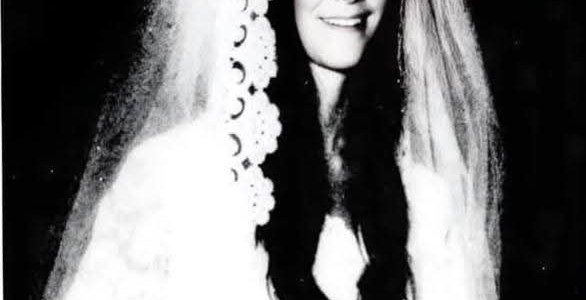
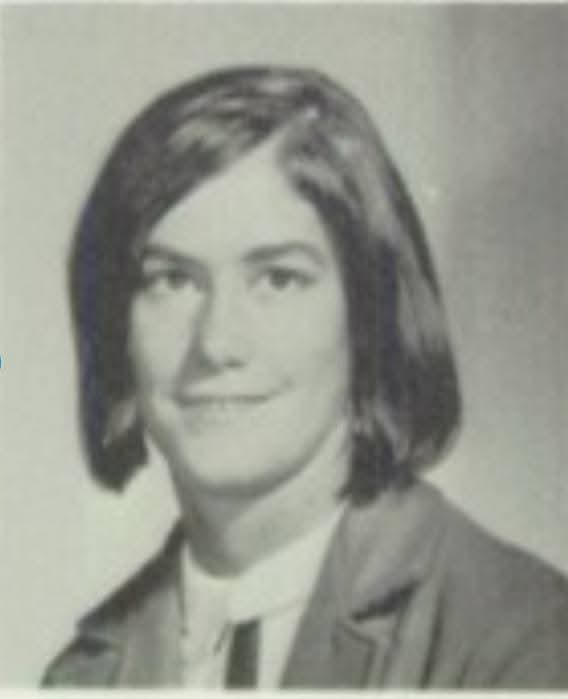
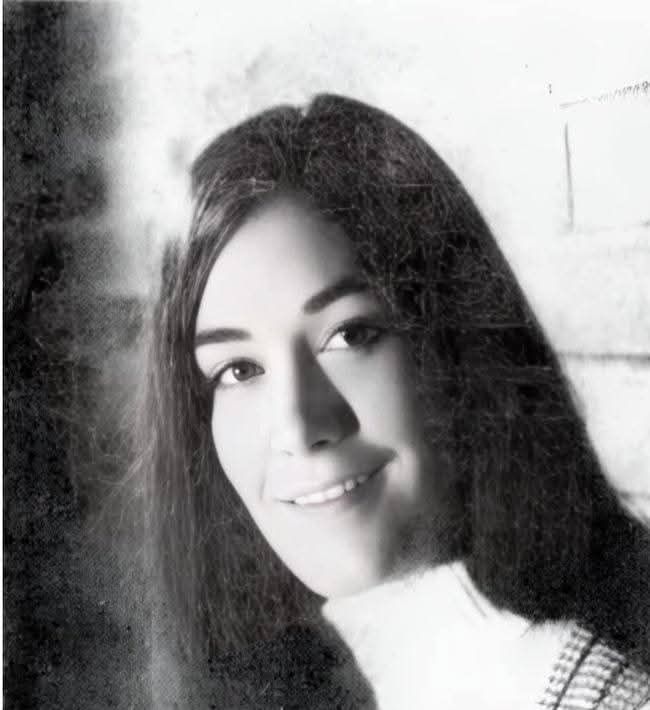

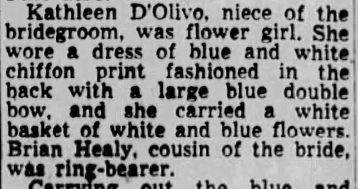
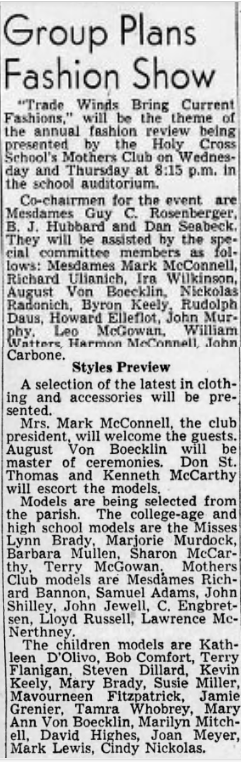


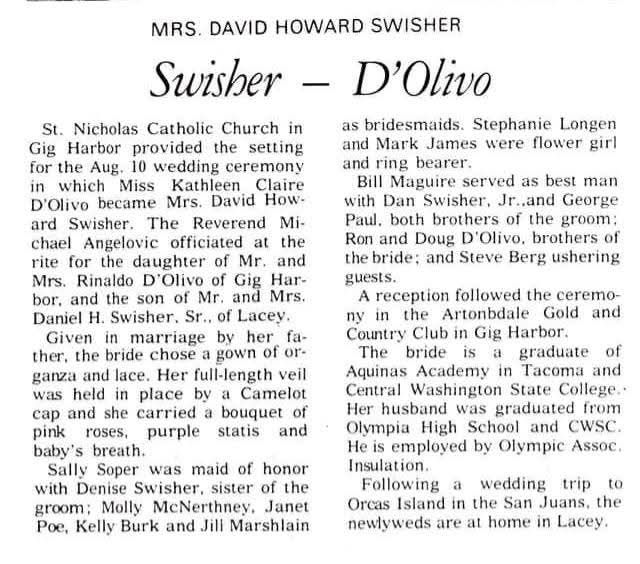


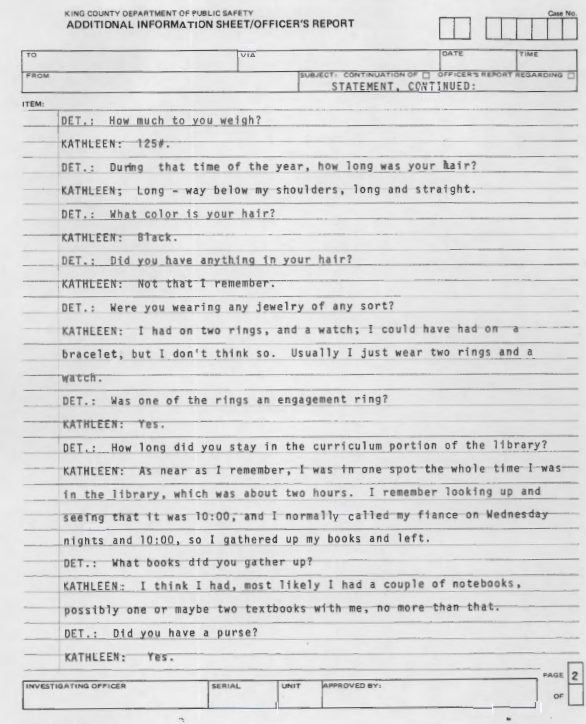

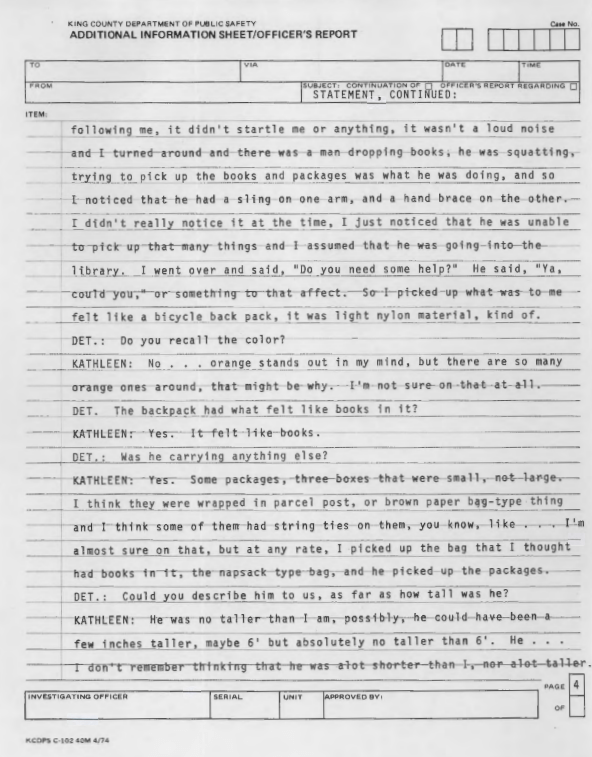
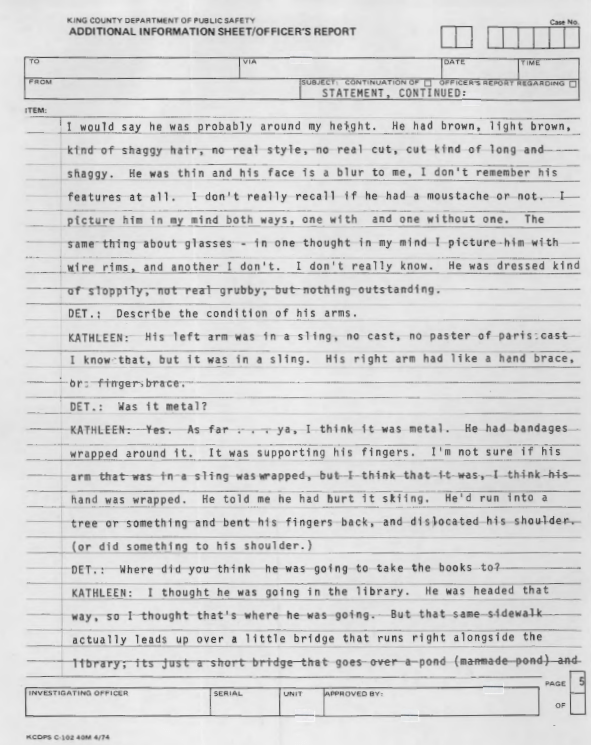
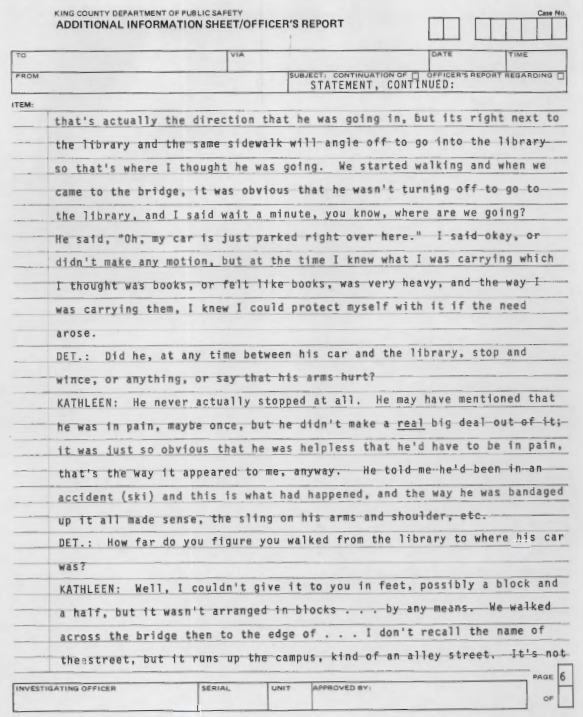
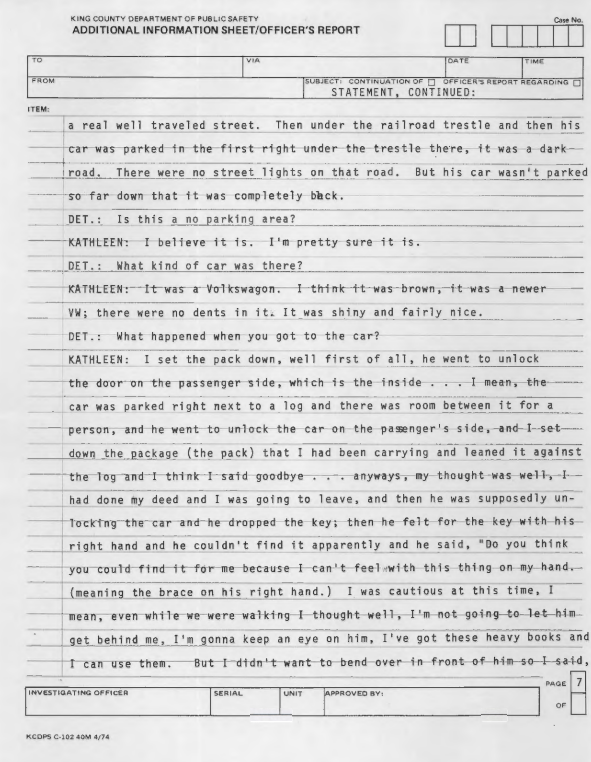

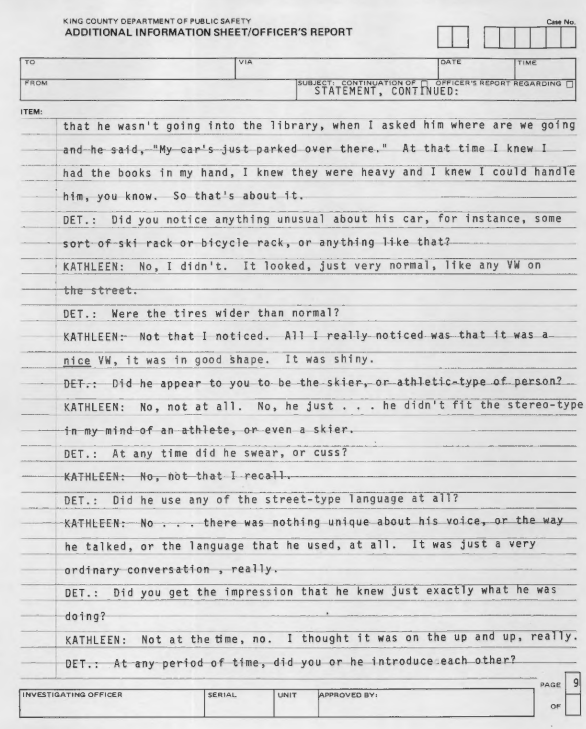

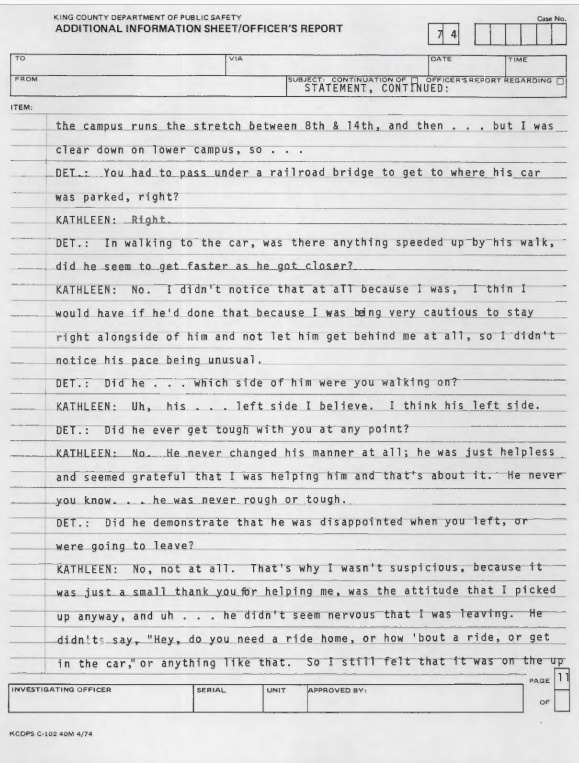
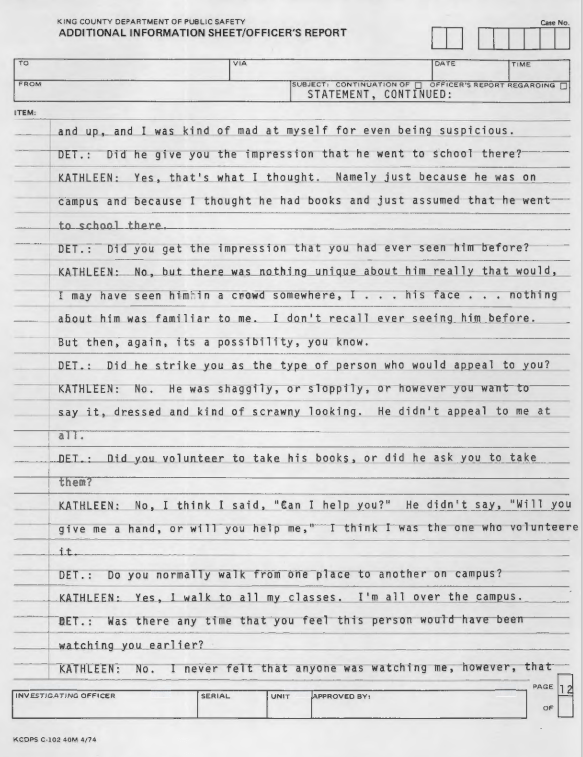


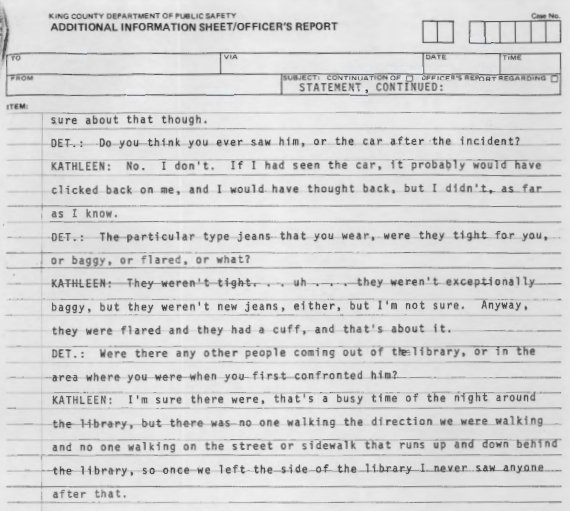
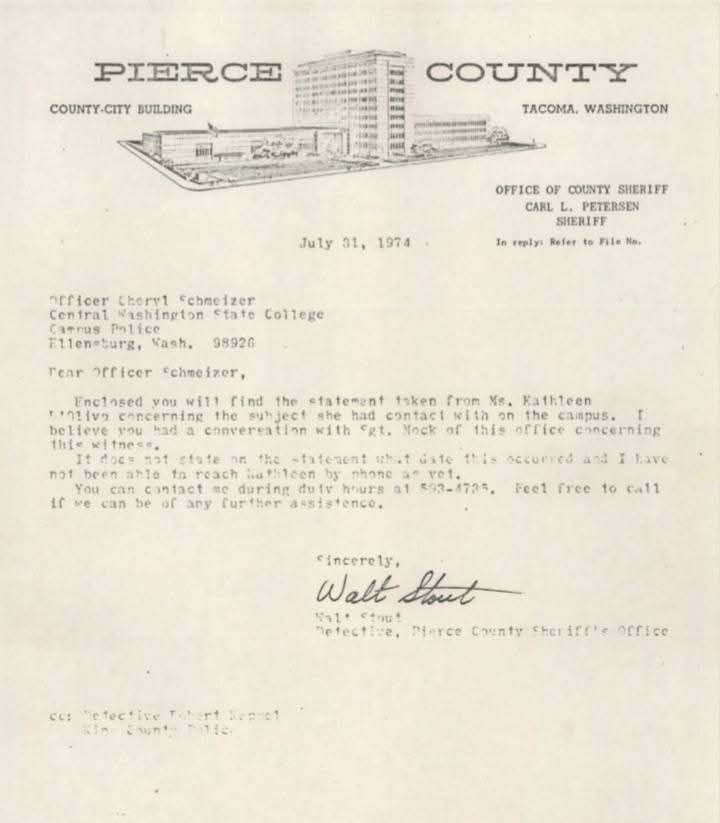


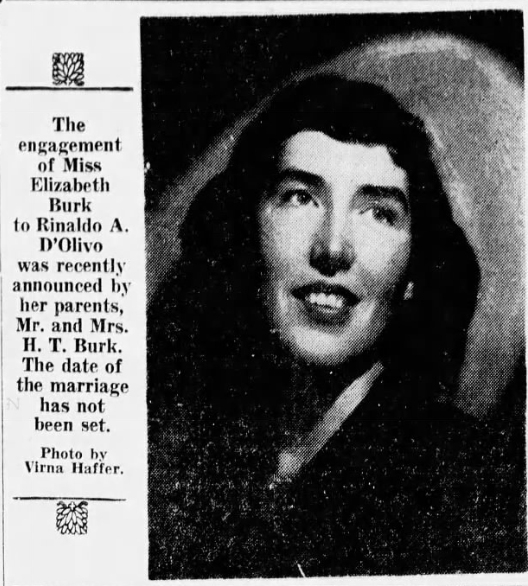


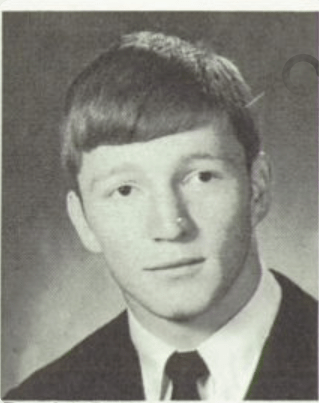
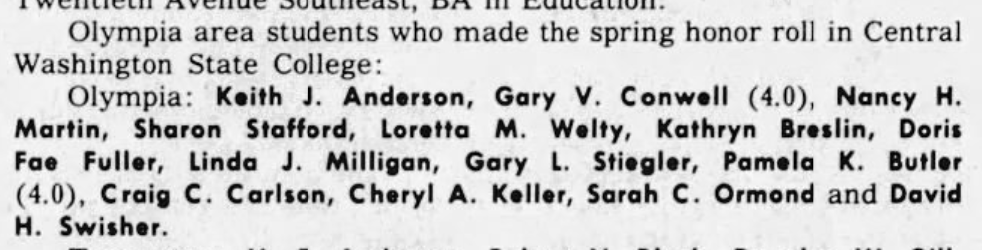


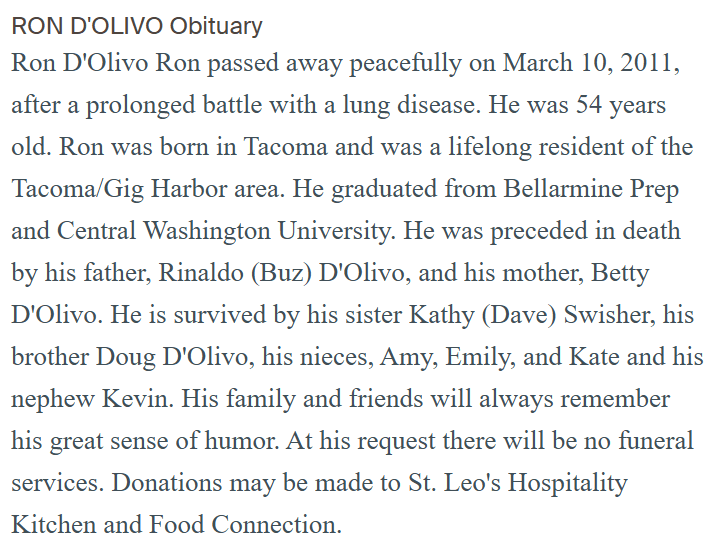
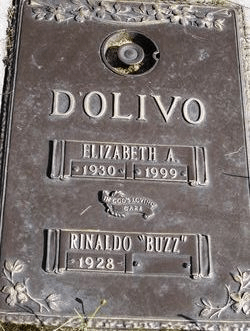

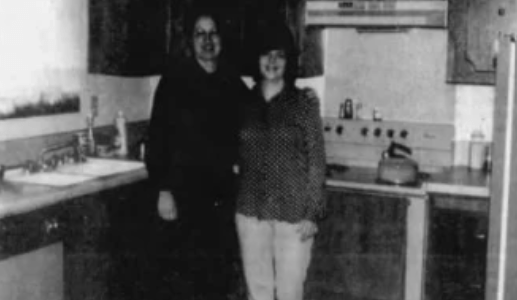

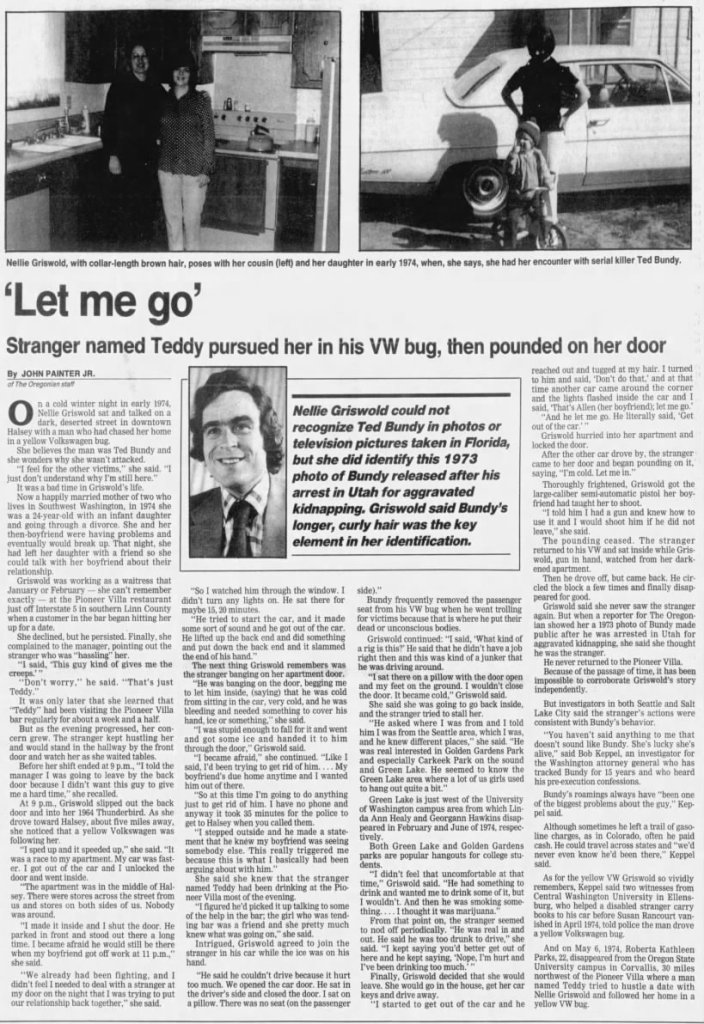

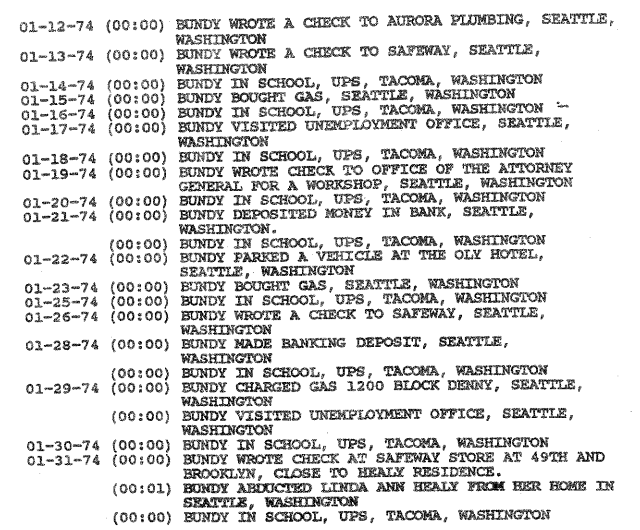
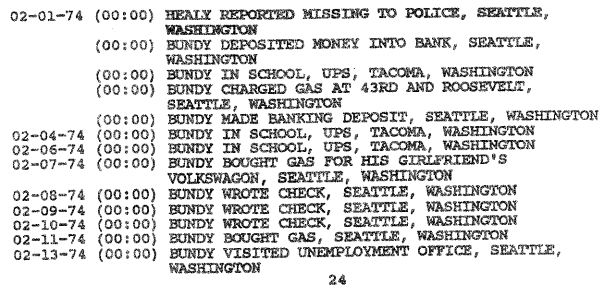
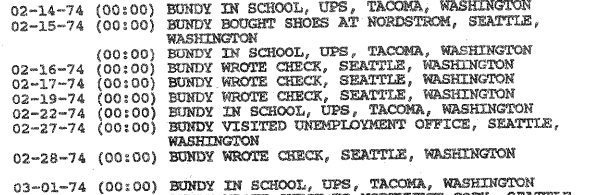

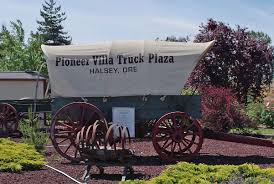


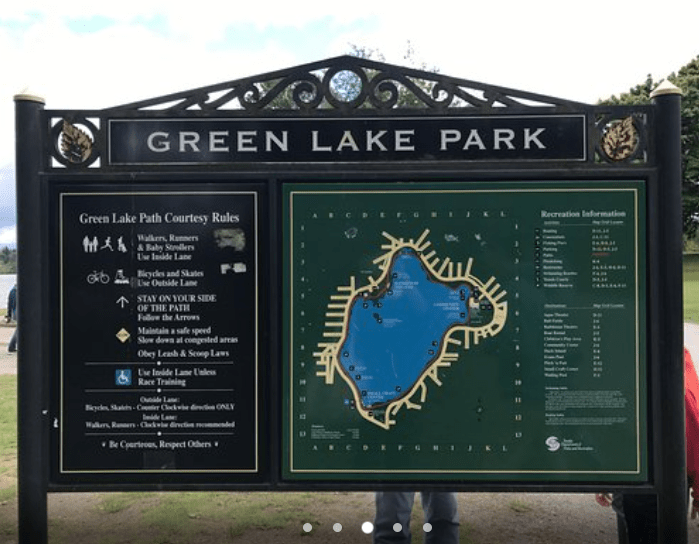
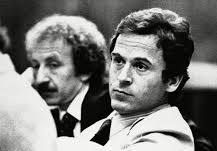


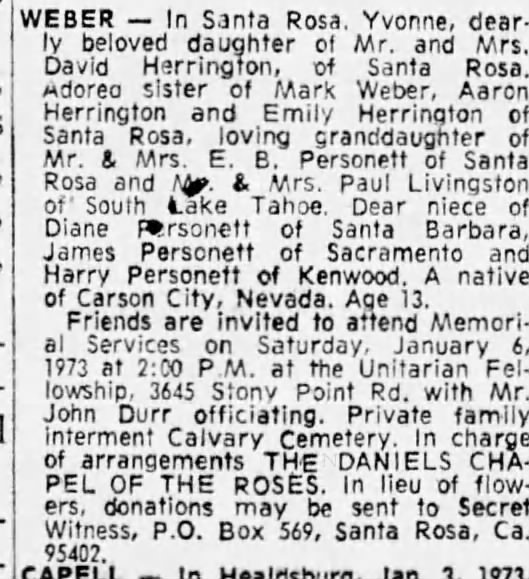
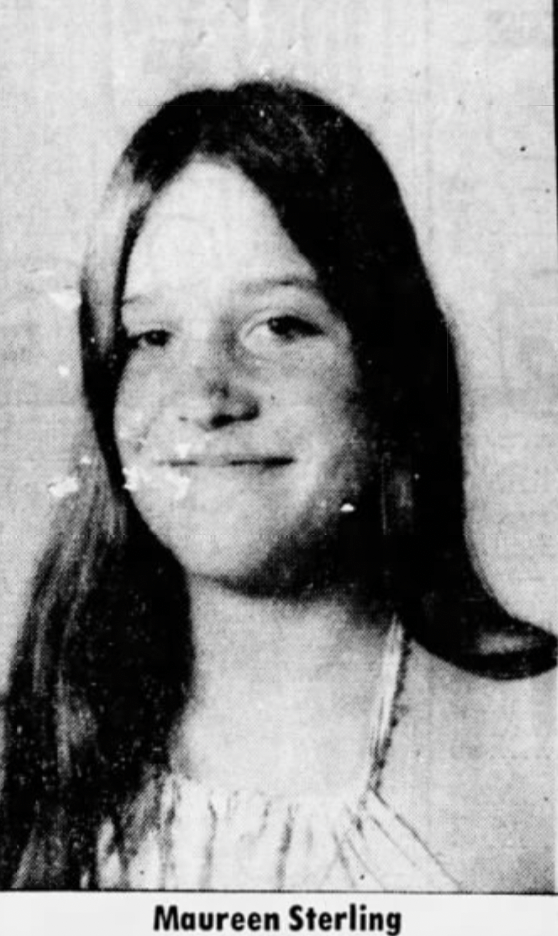


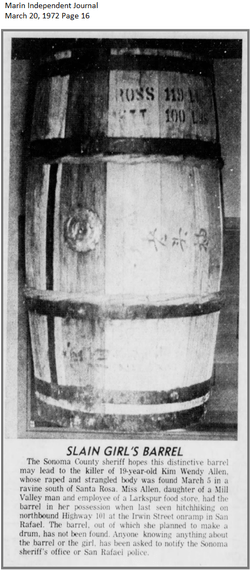


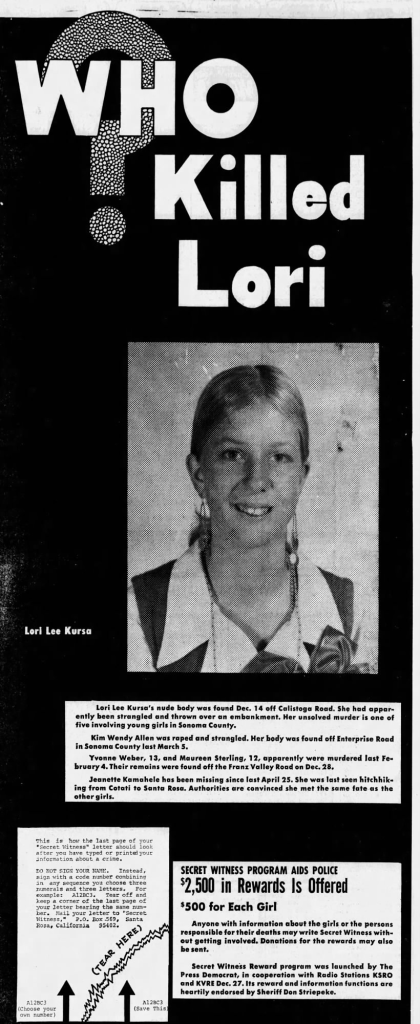
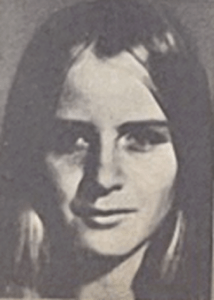

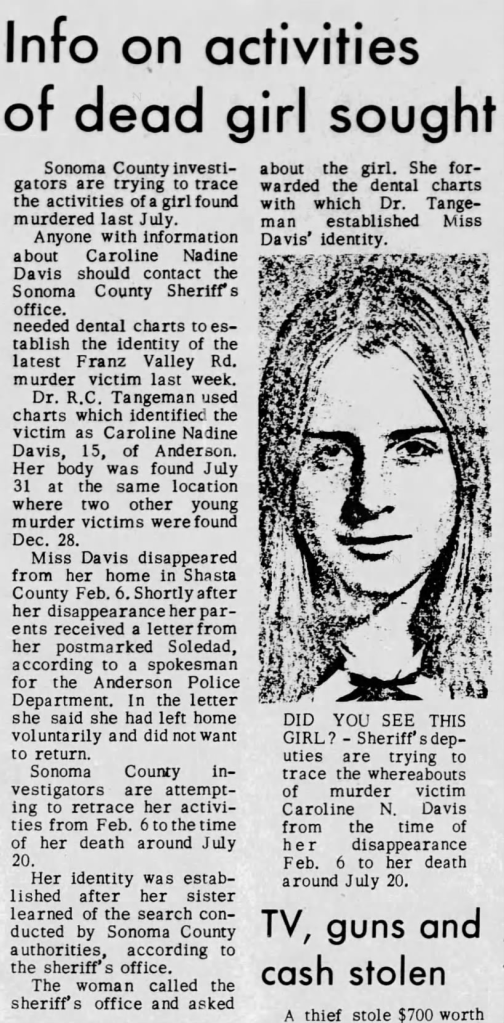
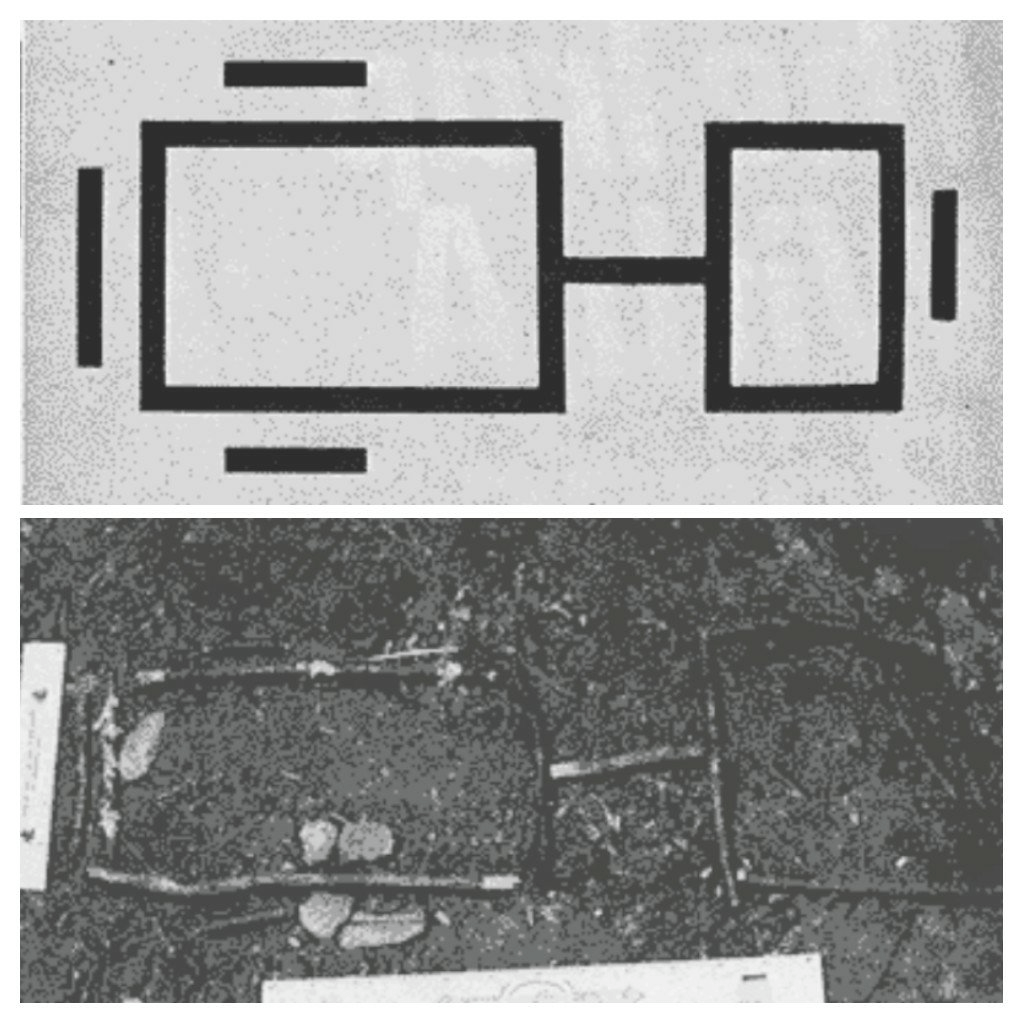
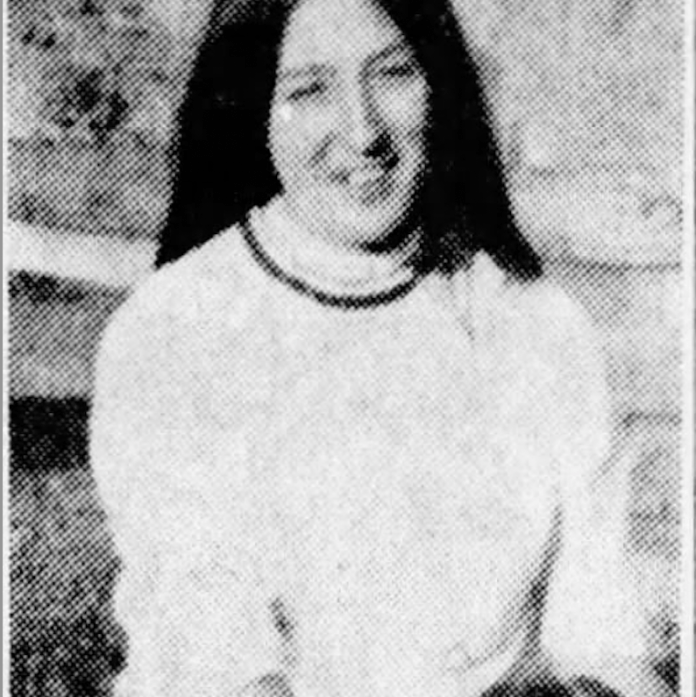
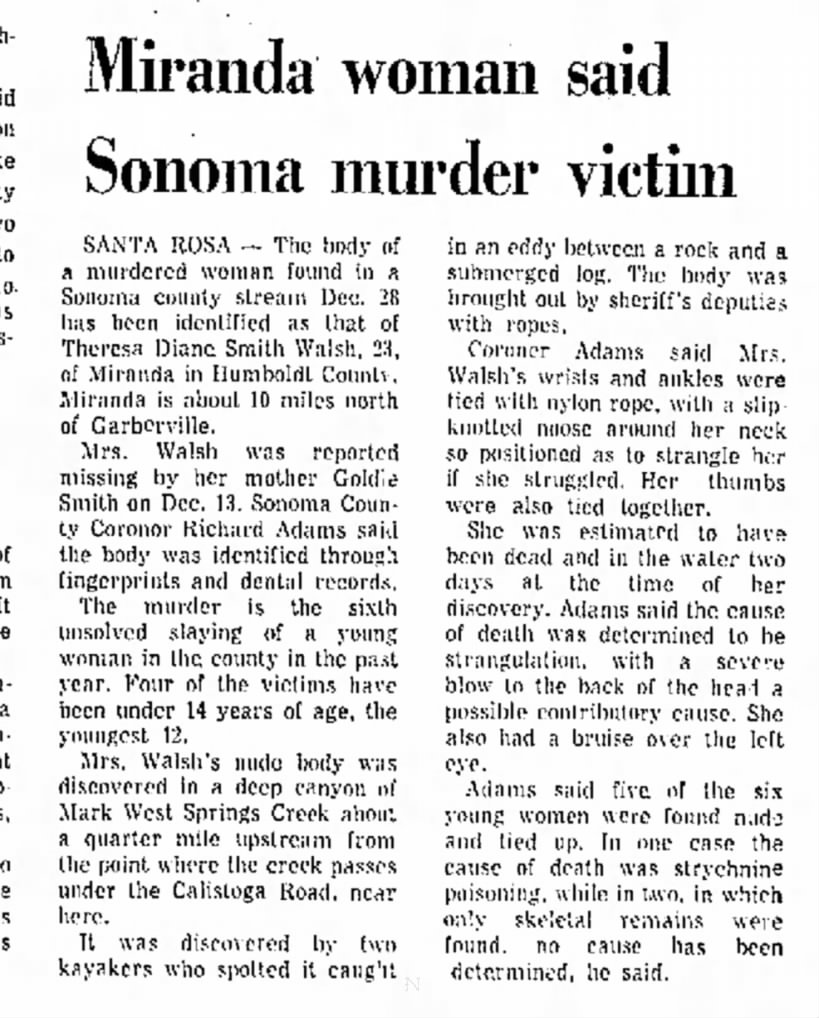
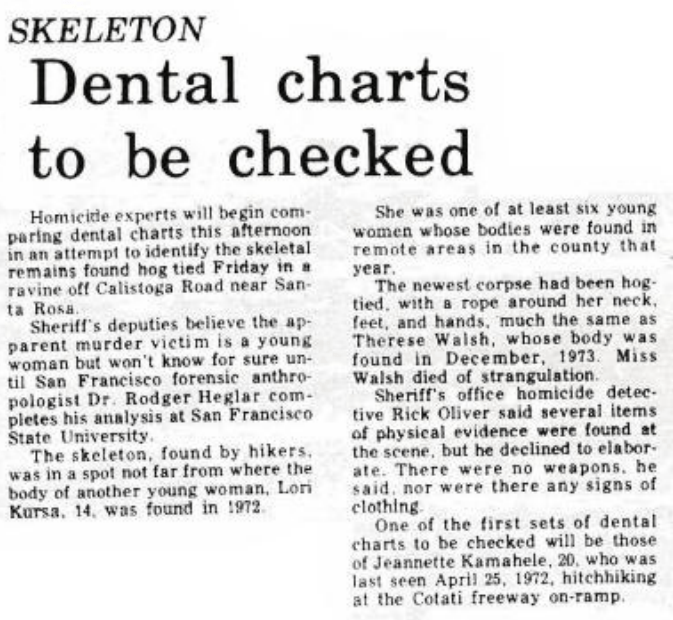


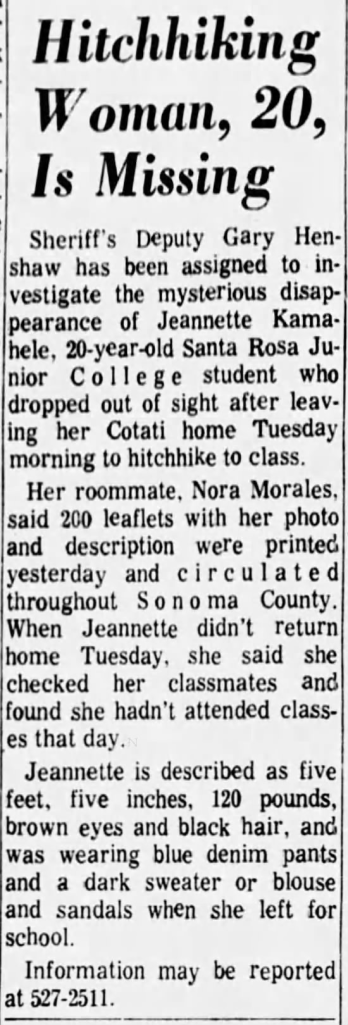


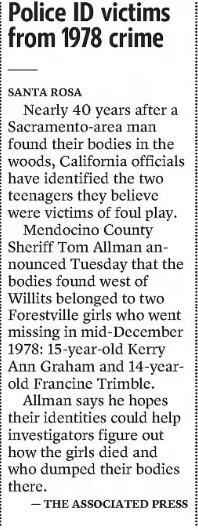
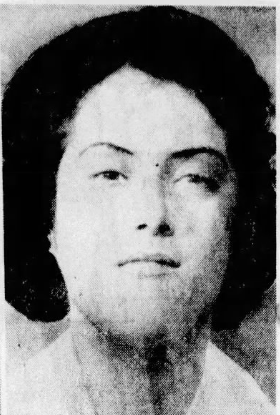
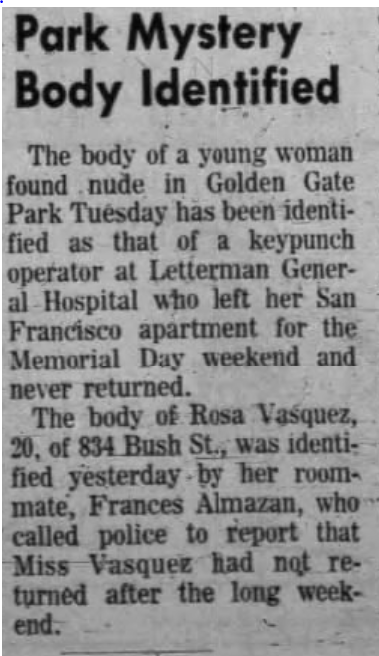
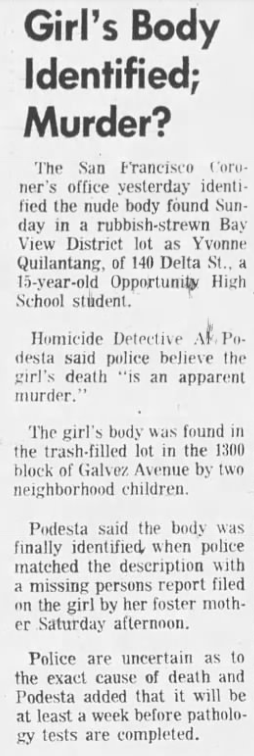

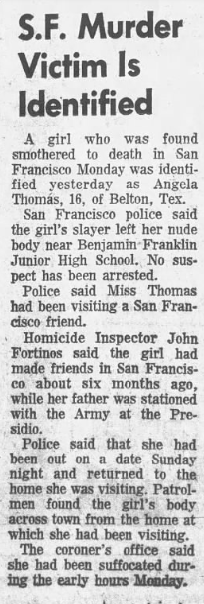

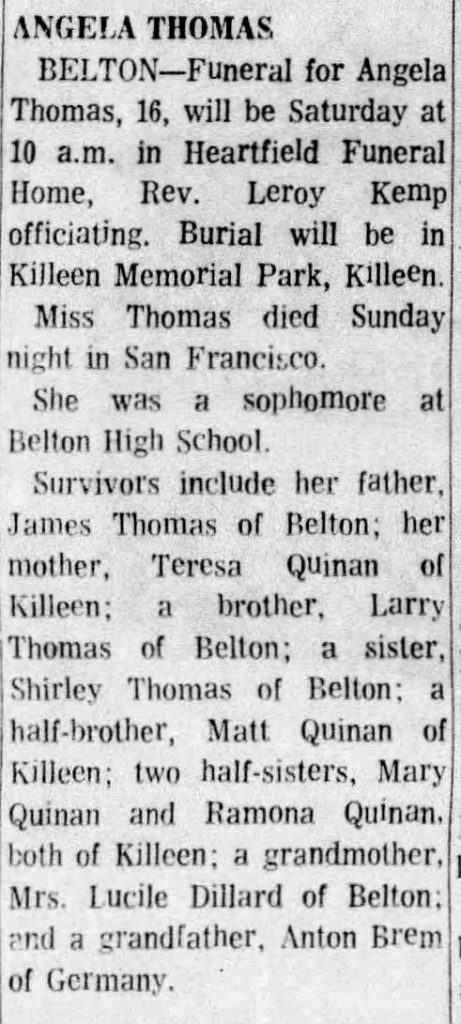


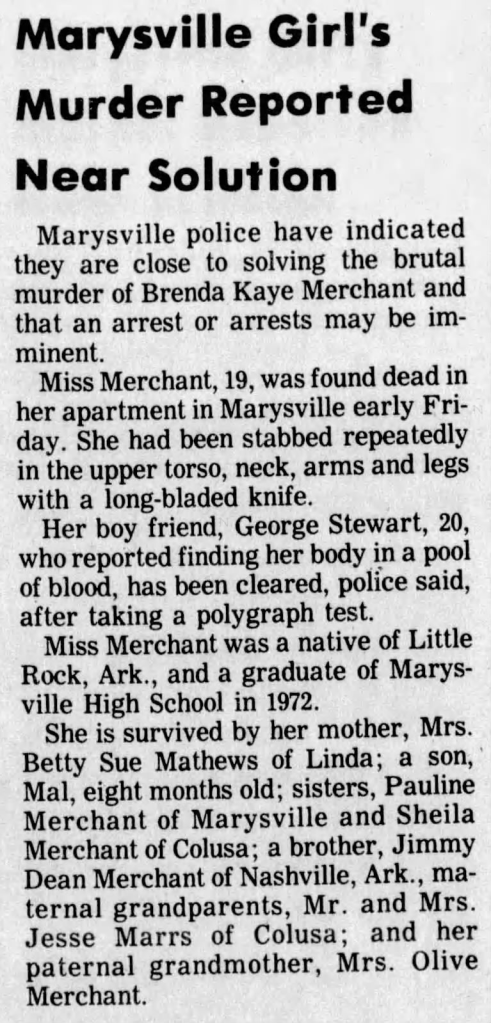
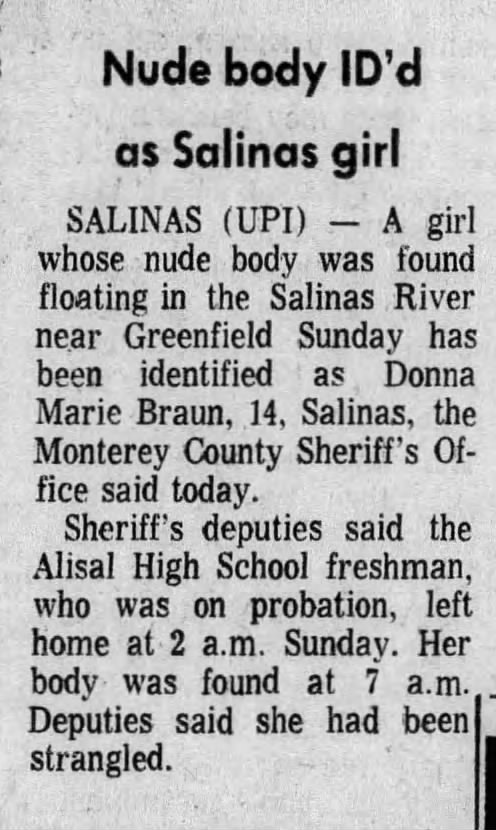
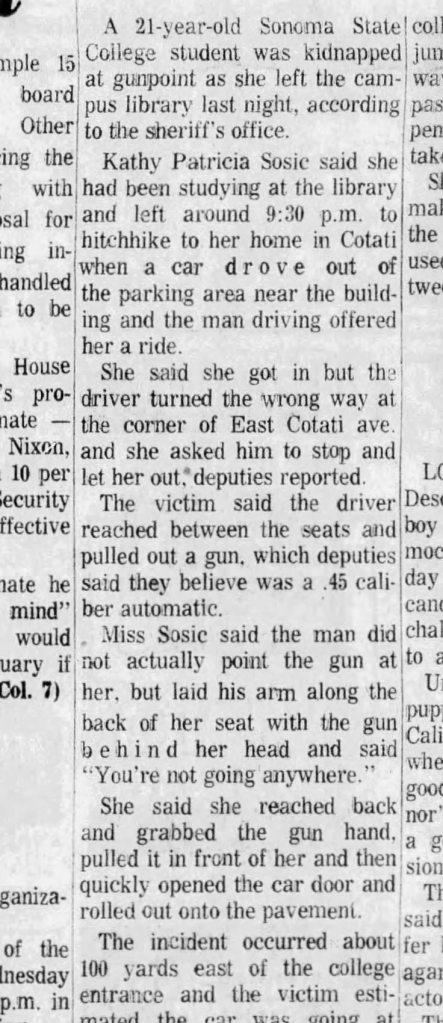


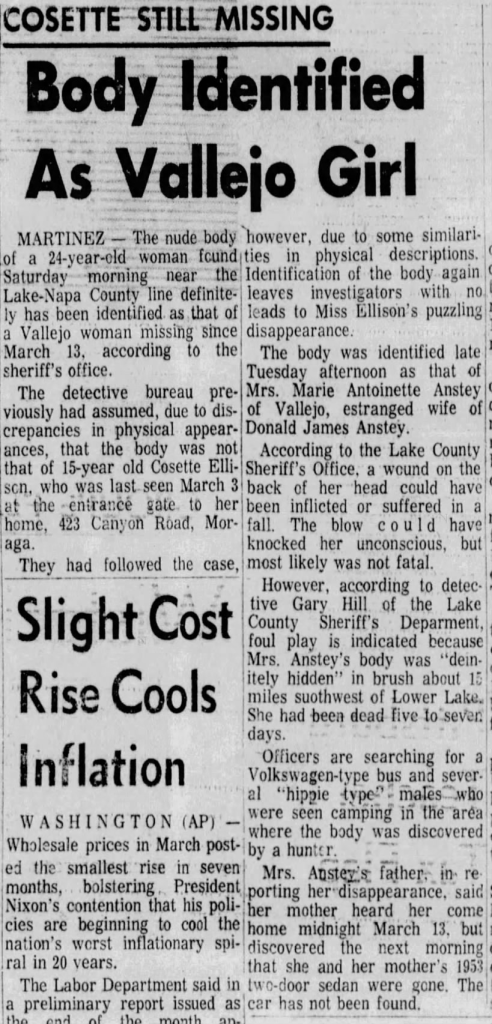

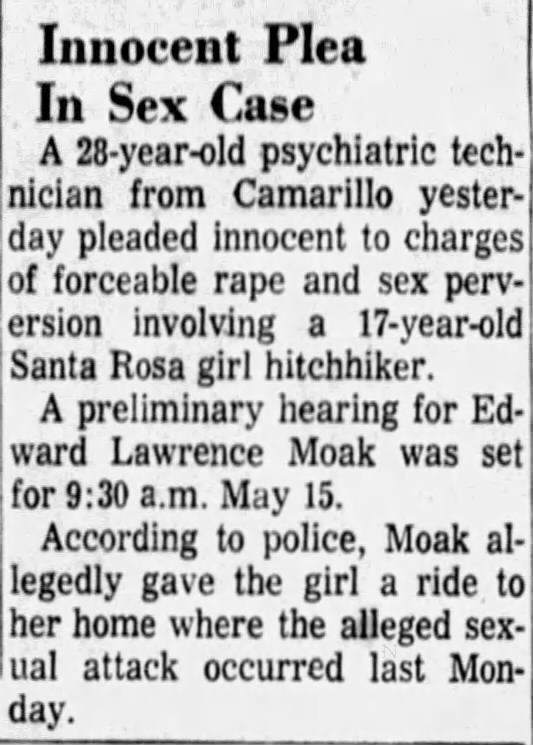
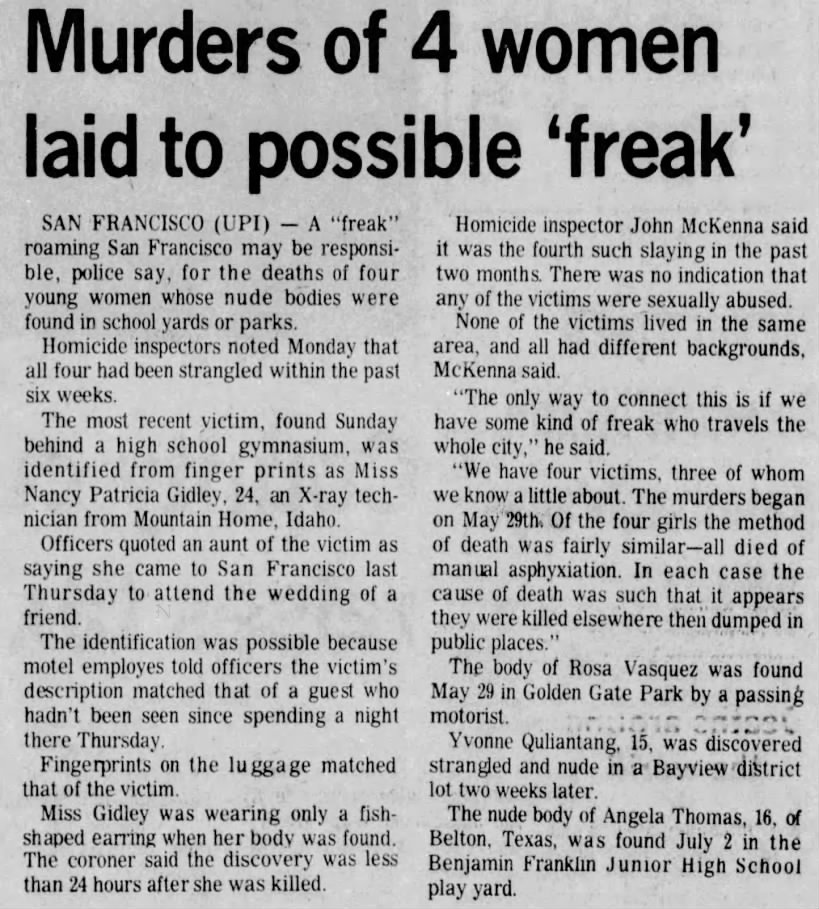


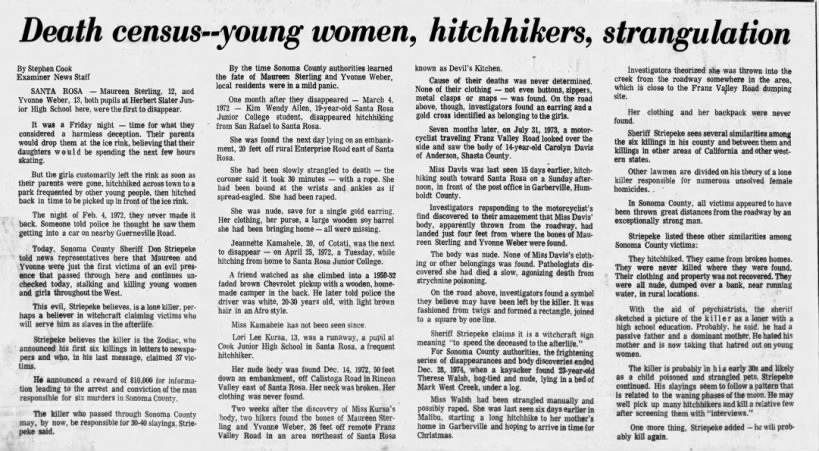





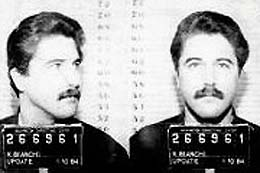



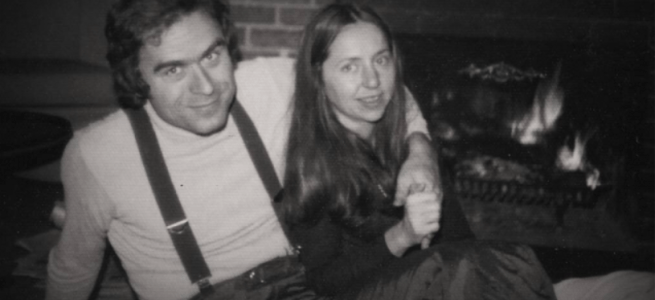




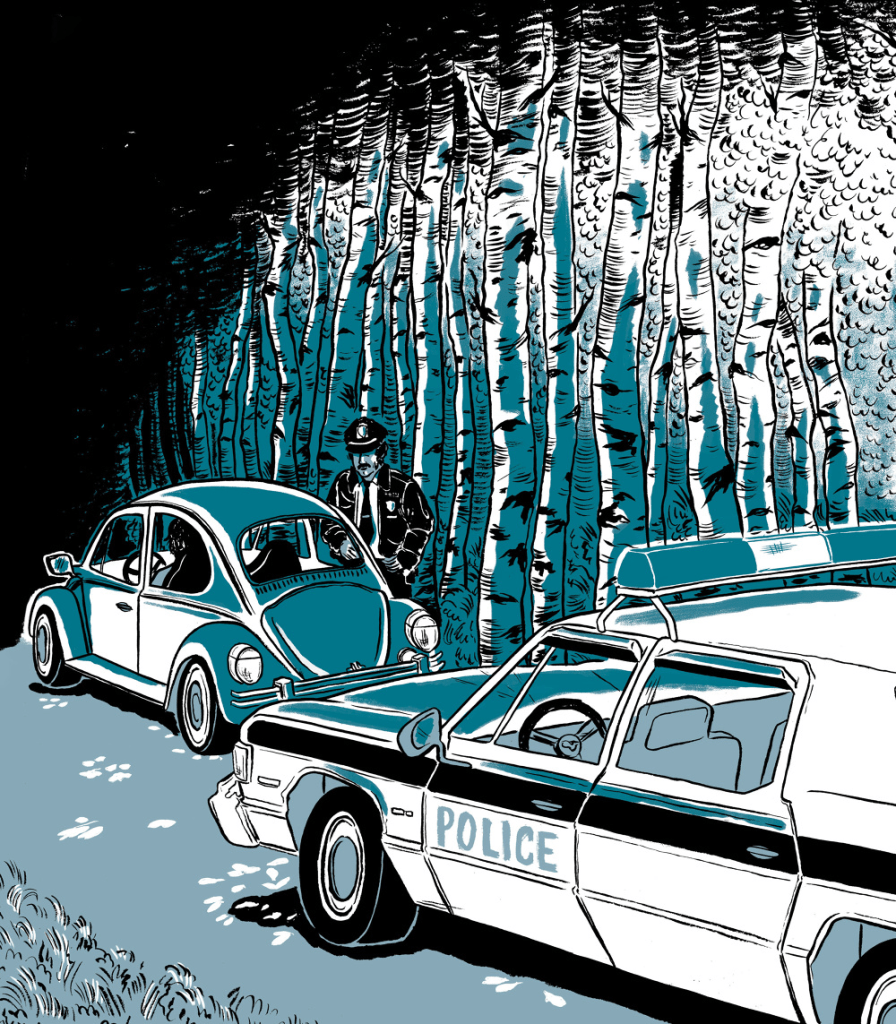



























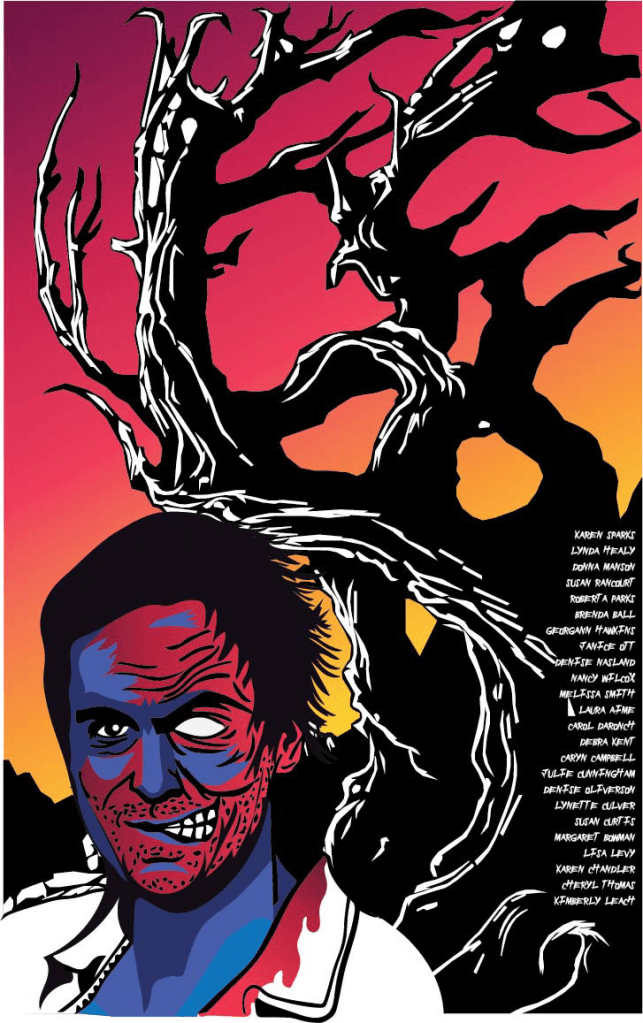















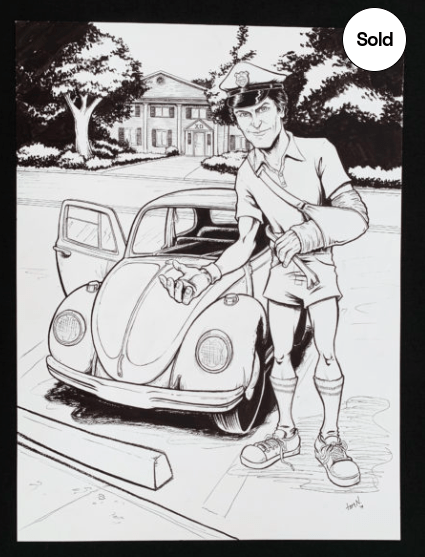

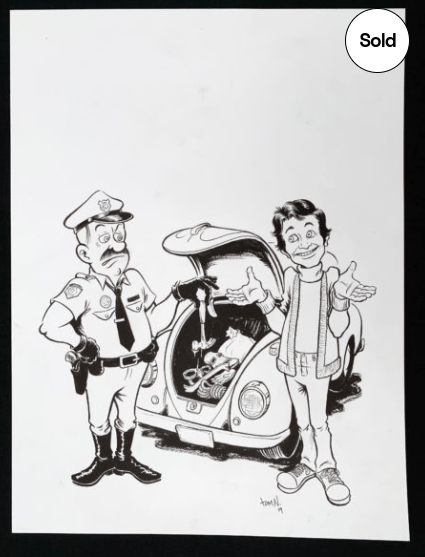
 Another Bundy Blog.