Katherine Merry Devine, Case Files: Part Eleven.

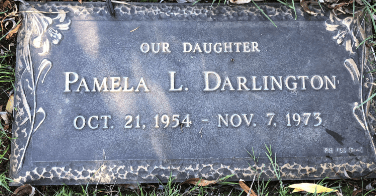
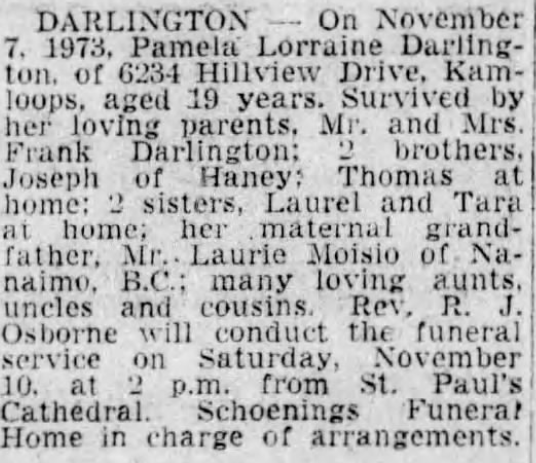
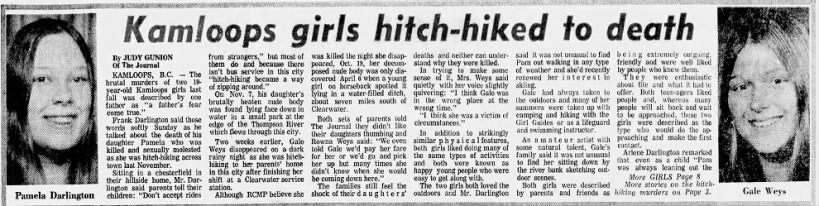
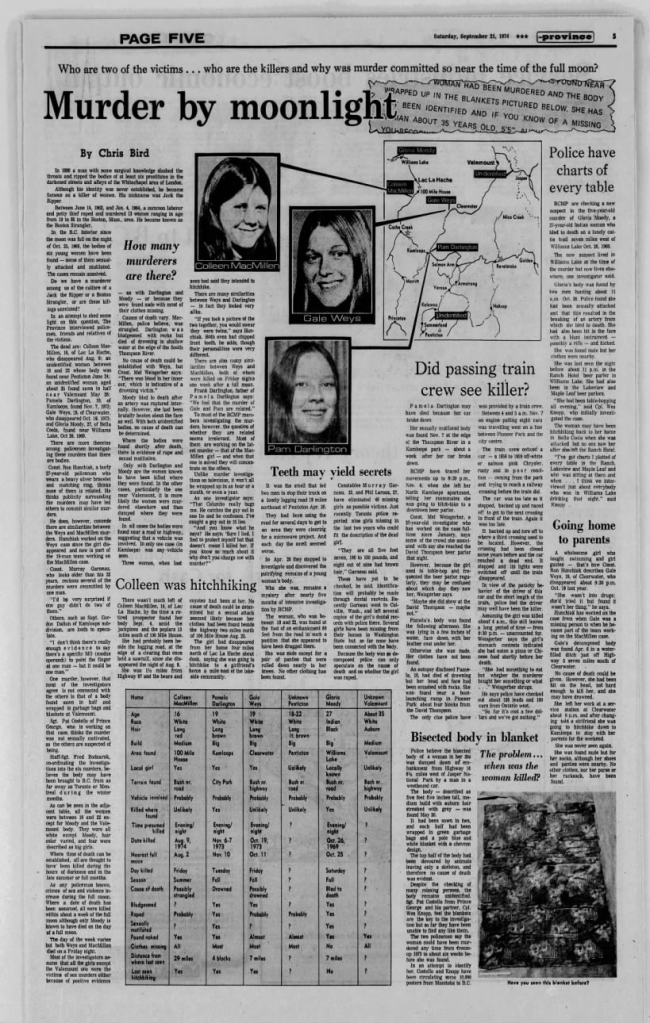
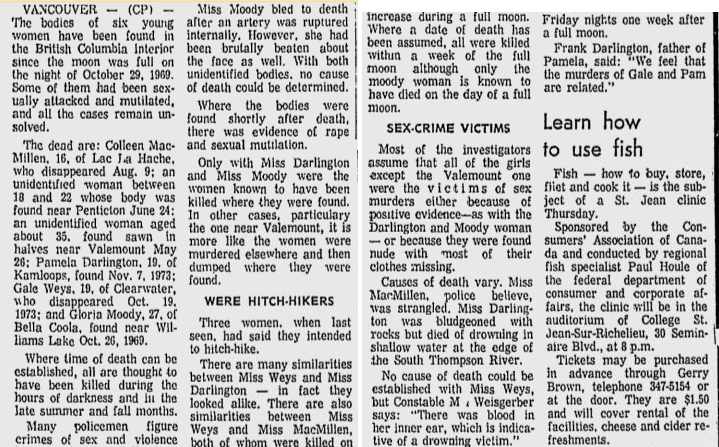
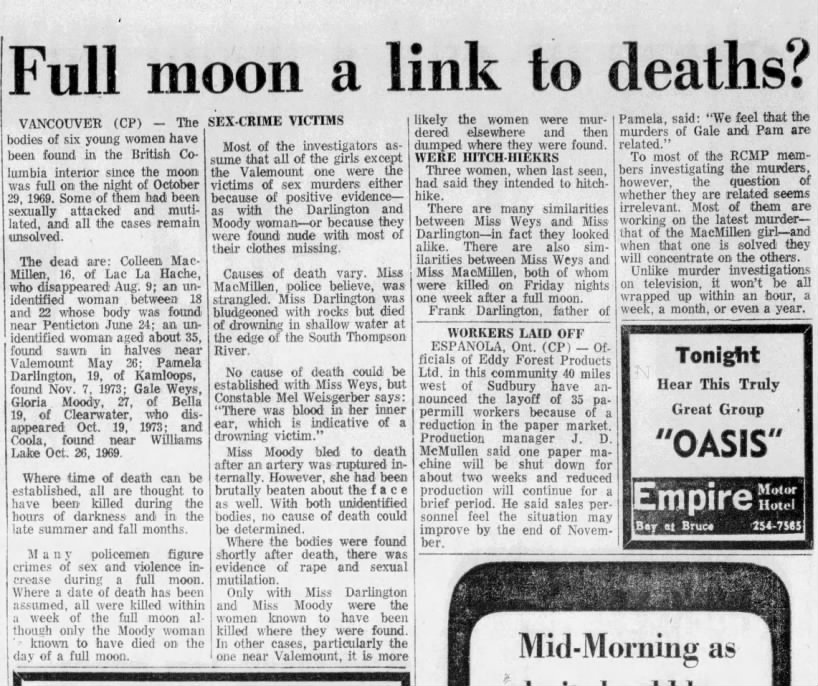
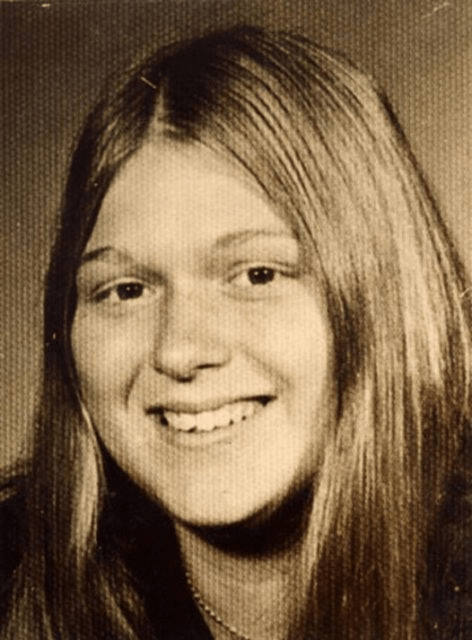
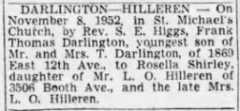
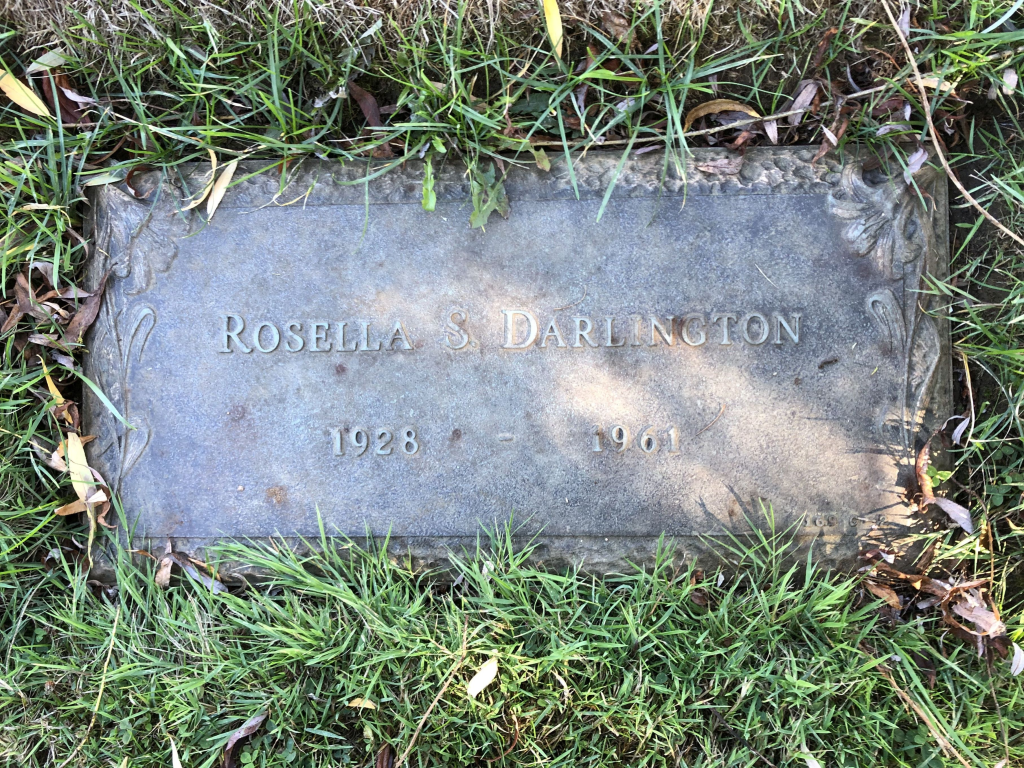
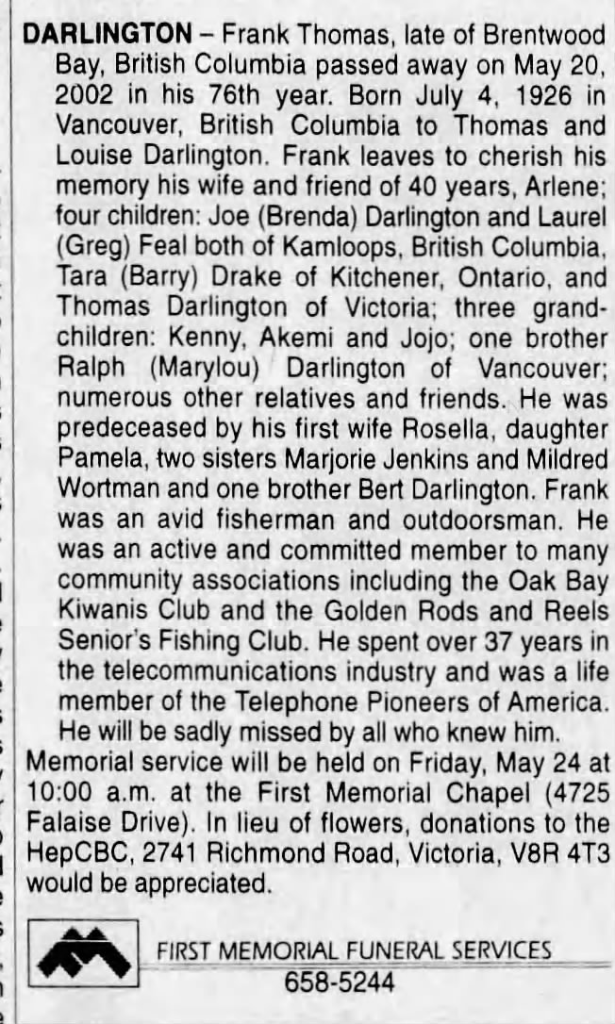
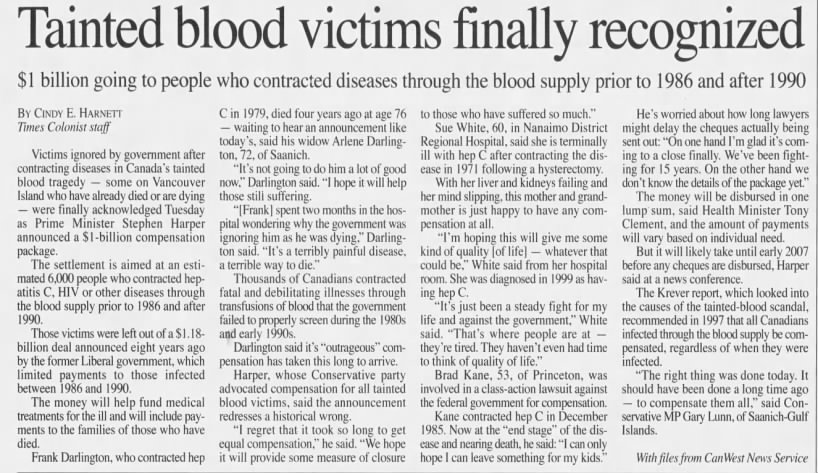
Background: Pamela Lorraine Darlington was born on October 21, 1954 to Frank and Rosella Shirley (nee Hilleren) Darlington in British Columbia, Canada. Frank Thomas Darlington was born on July 4, 1926 in Vancouver, and Rosella was born on June 11, 1928 in Calder, Saskatchewan. The couple were wed on November 8, 1952 at St. Michael’s Church in Vancouver, and had three children together: Pamela, Joseph, and Tara. Sadly, Mrs. Darlington passed away at the age of thirty-three on June 14, 1961; Frank remarried a woman named Arlene Ilvi Moisio and the couple had a son together named Thomas. At the time of her murder, Pamela wore her blonde hair at her shoulders and according to an article published in a British Columbia based newspaper, she weighed 120 pounds and stood at 5’5″ tall; she had been employed as an operator at BC Telephone for roughly one year.
According to an (unidentified) newspaper article published in November 1973, Ms. Darlington was last seen hitchhiking towards Kamloops on Tranquille Road in front of the Village Hotel at around 10:30 PM on Tuesday, November 6, 1973. While investigating, I learned that there is a bit of uncertainty surrounding her final few hours of life: according to her sister Laurel, when she realized her car wouldn’t start she decided to hitchhike into town to meet up with some friends, as it was common back thing to do at that time and everyone did it. However, in an interview with true crime blogger ‘Eve Lazarus,’ Pam’s cousin Sharon said that friends told the Darlington family that she was at The David Thompson Pub sometime in the evening in the company of an attractive (but unknown) gentleman with ‘shaggy hair.’ She added that her ‘cousin Joe (Pam’s brother) always thought it was someone who Pam knew, who was infatuated with her, who committed suicide a year after she died.’
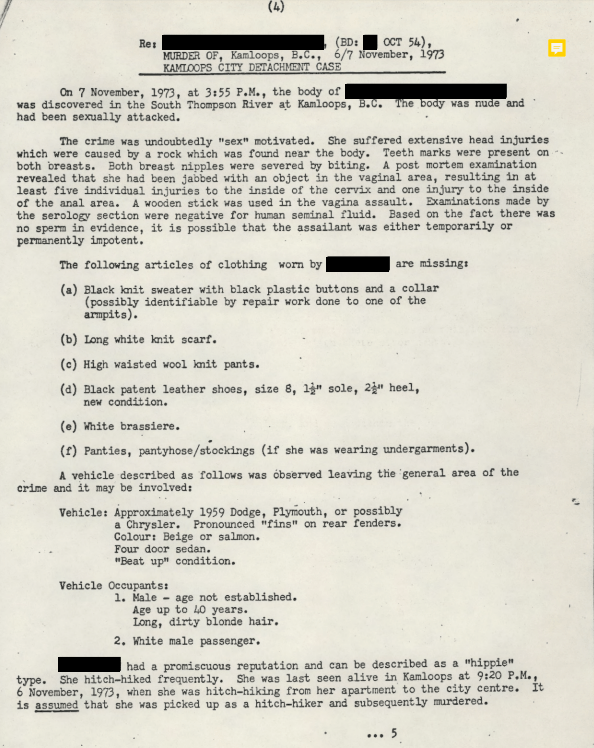
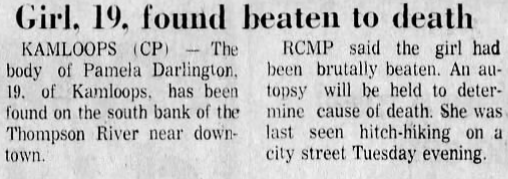
Murder: at roughly 3:30 in the afternoon on Wednesday, November 7th, 1973 Darlington’s remains were discovered in shallow water on the south bank of the Thompson River by seventeen-year-old Frank Almond, who had been out walking with his dog at a nearby park when the animal veered off towards the river that flowed nearby: ‘The dog kinda ran up to something and it looked like a body, so I kinda got a little nervous.’ Almond immediately returned home and told his father what he had seen, and together they went back to where the young woman was lying face down in the riverbed: ‘he came back, he was kinda white as a ghost and he said, ‘Yup that’s a body.’ So we went back and called the police.’ Investigators said that the young woman had been brutally beaten and had been sexually assaulted, and according to an article published in The Times on October 15, 1974, she had been hit in the head with rocks but ultimately died of drowning, and was found with bite marks on her breasts.
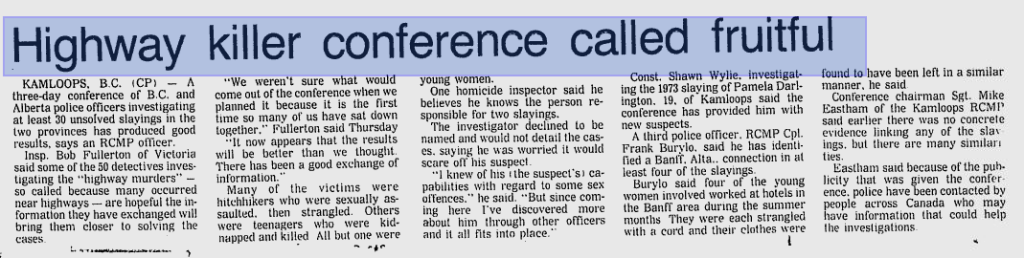
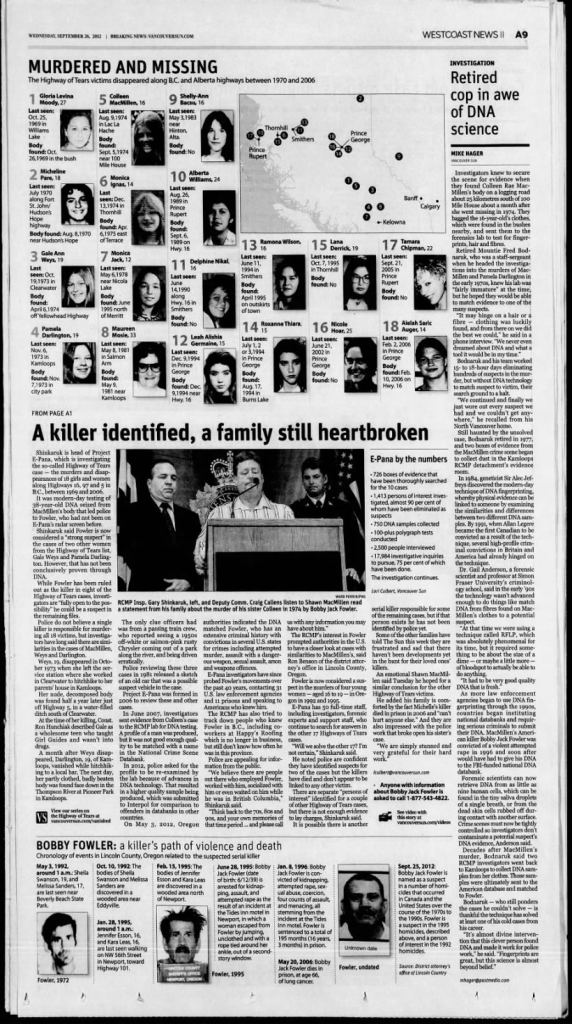
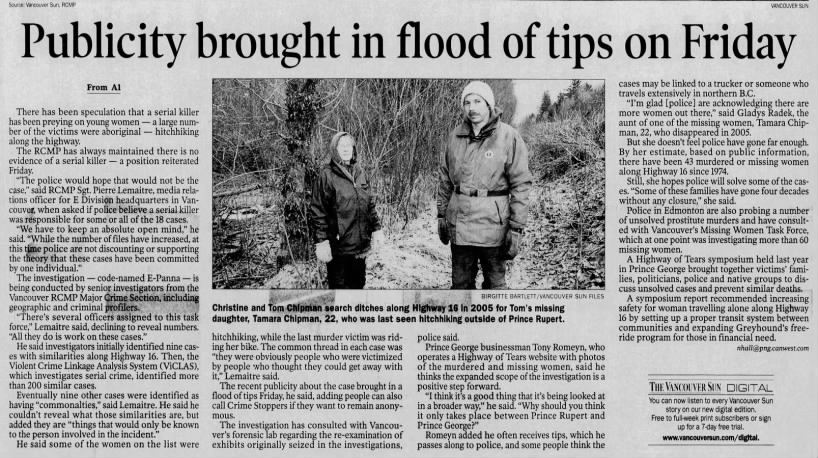
About her cousin, Sharon Darlington said that she was an outgoing person that loved her friends and family and was always laughing: ‘it was many years ago, but I remember it like yesterday.’ … ‘When we were little, I was shy and reserved. Pam wasn’t scared of anything,’ In the initial years following the murder Ms. Darlington said that her family were told by the Royal Canadian Mounted Police that they suspected that none other than Ted Bundy had murdered Pamela, and they were ‘relieved when he was put to death;’ it wasn’t until years later that they learned her case was a small part of an investigation being conducted by the RCMP’ E-Pana Task Force that was set up to look into the eighteen murders and disappearances of female victims along the ‘Highway of Tears,’ a stretch of highway in BC that is notorious for disappearances and murders of women (particularly Indigenous ones) beginning in 1969. Darlington met all three of the task force’s criteria for a victim: she was hitchhiking (which they considered to be ‘high risk activity’), was found near Highway 16/97/5, and was most likely killed by a stranger.
Retired RCMP Constable David Sabean said that Pam’s case remains a priority among unsolved cases, and that ‘there was a big list of suspects, never anyone who came out of it, though.’ At approximately 4:30 AM on the morning that her remains were found a late 1950’s, off-white, four-door sedan in poor working condition was seen leaving the boat launch area near to where her remains were discovered; the male driver was described as having long brown or blond hair and he may have been passengers with him. The vehicle nor its driver have ever been identified and as of April 2025 remain of interest.
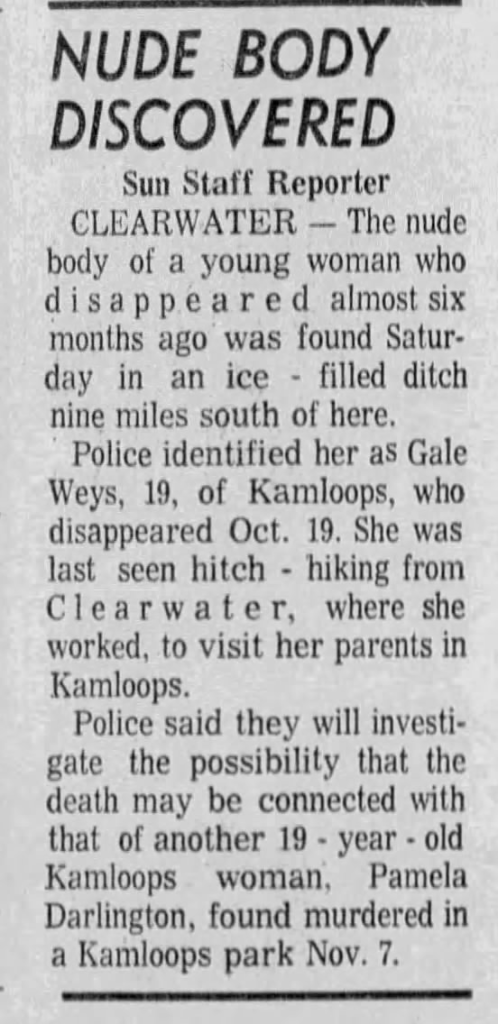
Gale Ann Weys: Less than three weeks before Pam Darlington’s murder, on October 19, 1973 the body of nineteen-year-old Gale Weys was recovered after she disappeared while hitchhiking to her parents’ house in Kamloops from her residence in Clearwater after she finished her shift as an attendant at a local gas station; her remains were discovered six months later in a ditch along Highway 5.
On the evening Weys disappeared a local banker named Ron Hagerman told investigators that he ate a meal at The Thompson Hotel where she worked, and she shared with him her plans to hitchhike the more than 75 miles to her parents house in Kamloops. He also reported that he observed she had been asking around the bar if anyone would have been able to give her a ride: ‘I know that night she was asking around for someone to drive her to Kamloops because her parents lived there. No one was going to Kamloops, and so she just walked outside and stuck out her thumb.’ It is strongly speculated that she may have instead went north of Quesnel after some reports claimed that she had been trying to hook up with the staffing agency ‘Canada Manpower Centre,’ but nothing ever came of this. Her remains were discovered in a water-filled ditch on April 6, 1974 off Highway 5, roughly seventy-eight miles north of Kamloops; according to law enforcement, her clothing was never recovered.
The second of nine brothers and sisters, Gale’s siblings recall her as being an independent, funny, and protective big sister that spent her time spare time working as a lifeguard and Girl Guide leader. She had recently moved to Clearwater and was working two jobs at the time of her murder to help save for college, and volunteered at a local school helping care for special-needs children. According to her mother Rowena, she was also a swimming instructor and often took trips with the scout group that she helped lead, and at the time of her death was saving for a vacation to Mexico. Mrs. Weys recalled that her daughter was a wonderful and upbeat young woman, and her Uncle Ted said that she was kindhearted, and: ‘was a hell of a nice girl, very outgoing and friendly.’ He also commented that his niece and Colleen MacMillen looked so similar that they could have been mistaken for sisters (more on Colleen in a bit).
Both the Weys’ family as well as the Darlington’s felt that their daughters’ murders were not ‘personal,’ and were more ‘crimes of opportunities’ versus passion; they also felt that there could have been some connection in the murders due to some striking similarities in the girls’ appearance as well as the circumstances surrounding their deaths. Shortly after Pam’s death Frank Darlington said he strongly believed they were more than just murders in a city by a lone psychopath, and ‘for all we know, this could be a Manson-type murder,’ and that the slayings were most likely committed by ‘a psychopath.’
Colleen MacMillen: On September 4, 1974 the remains of sixteen year old Colleen Rae MacMillen were discovered roughly thirteen miles south of 100 Mile House, a district municipality located in the South Cariboo region of central British Columbia. MacMillen was born on April 11, 1958 in Kamloops, BC and had left home on August 9 with plan to hitchhike to a friend’s house a few miles away; she was reported missing by a member of her family two days later when they realized she never made it to her destination. Although newspapers said MacMillen was going to see a girlfriend, ‘The 100 Mile Press’ reported that she was on her way to meet up with her boyfriend when she disappeared.
MacMillen’s clothes were discovered at Mile 102 on Highway 97 on August 25, 1974 by a tourist even though her nude body wasn’t discovered until early September (she was completely naked except for her socks). One of seven brothers and sisters, her father knew that she would never run away because she ‘wasn’t that type of girl:’ ‘She was a quiet sort of girl, not what you would call a bubbly effervescent type of girl but very friendly.’ Retired Staff Sergeant Fred Bodnaruk with the North Vancouver RCMP said that hair samples were taken from a suspicious 1966 Meteor Montcalm that was found abandoned near 100 Mile that did not match MacMillen’s, and the vehicle had a crumpled right fender that may have been the result of an accident that took place after it was stolen. Although no cause of death could be determined, (retired) RCMP Constable Mel Weisgerber said that there was blood in MacMillen’s inner ear which is ‘indicative of a drowning victim.’
At the time of her death, MacMillen had a twenty-one year old boyfriend named Ron Musfelt, who came out in recent years and said that he ‘lived under a cloud of suspicion for many years:’ ‘I was going out with Colleen, and one night I phoned her, and I was talking to her, and she said ‘meet me down Lac Le Hache.’ So I went down the highway to wait by K&D General Store. I went back up to the house, and phoned her house and they said she had already left. And I waited and waited and waited and waited, and she never showed up.’ For years after Colleen’s death Musfelt was a key suspect in her murder, and he ‘was taken into town and they interrogated me, and they did everything to me. Lie detector tests, everything like you wouldn’t believe, and to this day it’s always bothered me, never knowing who did it. I remember back then there were probably people who thought I had something to do with it.’ … ‘The thing that really bothers me is knowing I was standing on the highway, waiting for her to come through town, and she probably came past me in this vehicle, with this guy, wanting to get out of his vehicle.’
About the death of his sister, Shawn MacMillen said that Colleen was ‘a lovely, sweet, innocent sixteen-year-old kid and there are no words to express how terribly she was wronged.’ Regarding Colleen, Pam, and Gale’s death, Frank Darlington said he believed that it was more than just a murder in a city by a lone psychopath, and that ‘for all we know, this could be a Manson-type murder,’ and he feels sure the killings were done by a psychopath. On September 25, 2012, it was announced by the RCMP that DNA taken from MacMillen’s clothes matched with a man named Bobby Jack Fowler, who managed to fly under the radar until his arrest in 1995.
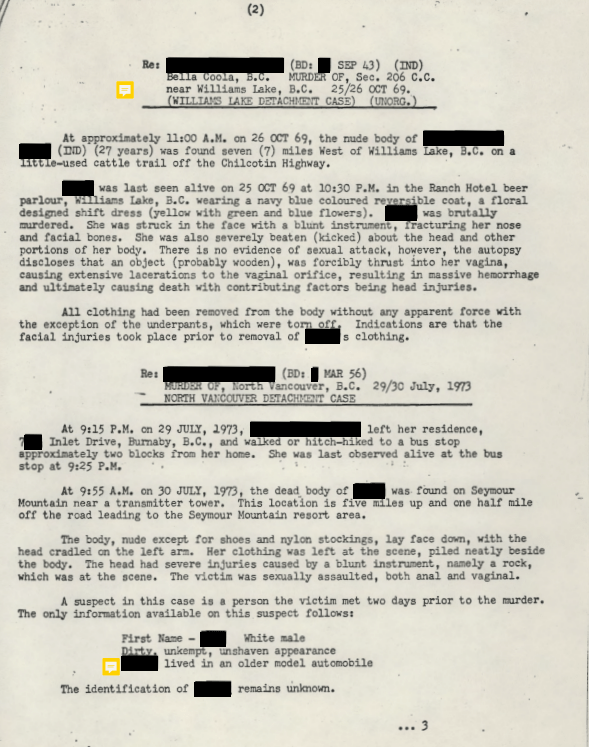
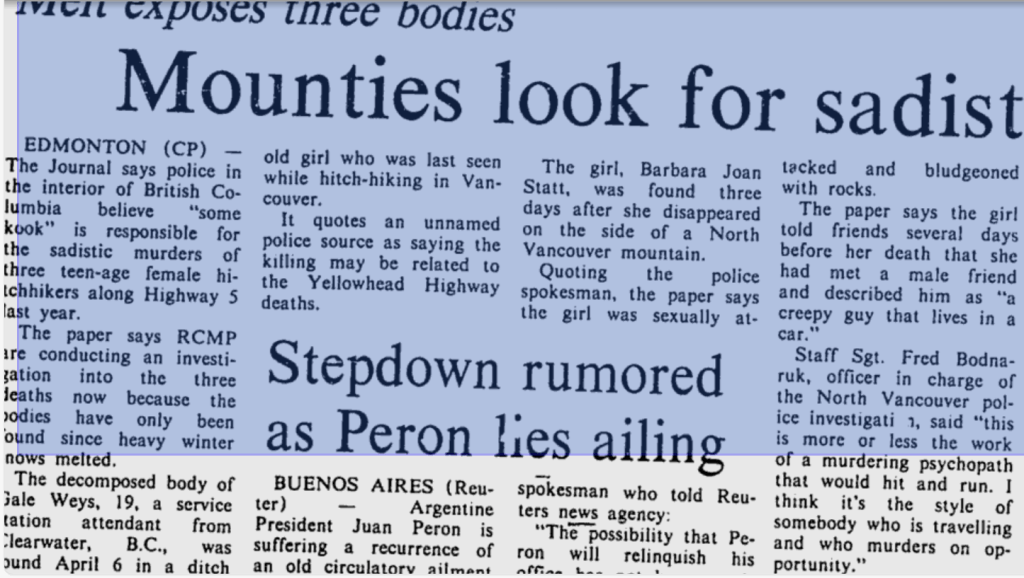
Barbara Joan Statt: A name that only came up once during my research is Barbara Joan Statt, who was only seventeen when she was last seen hitchhiking in Vancouver on July 26, 1973. Her remains were discovered three days later on the side of a mountain in Northern Vancouver; she had been sexually assaulted and had been hit on the head with a rock (that was found nearby). Friends told law enforcement that right before she was killed, Statt told them that she’d met a new male friend, but they referred to him as the ‘creepy man that lives in a car.’
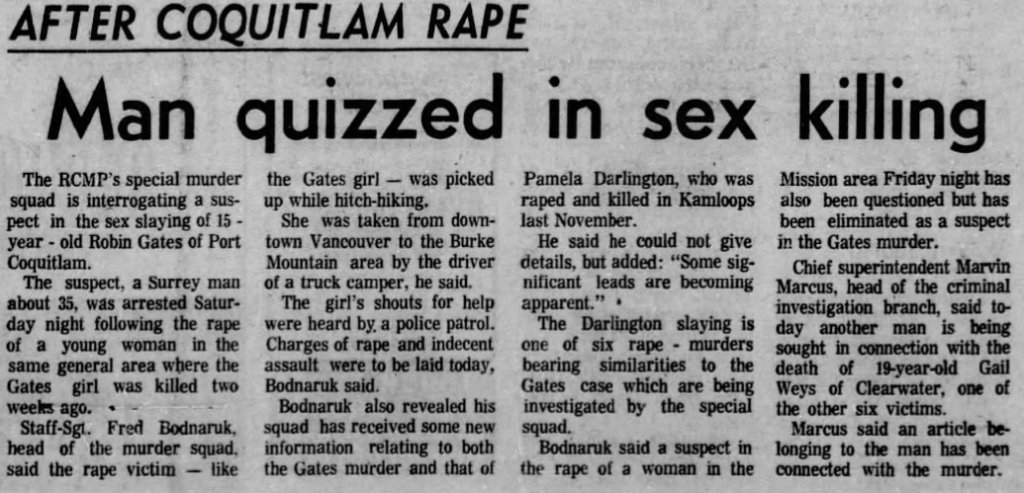
Statt’s homicide was investigated in relation to the three others (Darlington/Weys/MacMillen) that took place along Highway 5 in BC in 1973/74. Sergeant Bodnaruk described the killer as a ‘murdering psychopath that would hit and run,’ and in the beginning stages of the investigation it made sense that she was included with the other victims: like two of the three others, Barbara was sexually assaulted and was of similar height and build, however I quickly learned that there was a good reason why she wasn’t included more frequently: it was quickly determined that a Toronto resident named Paul Cecil Gillis was responsible for her death, who was apprehended for her murder in 1974. He was also convicted of killing fifteen-year-old Robin Gates of Coquitlam, and thirty-three-year-old Lavern Johnson.
Gloria Moody: Another name I came across is Gloria Moody, who was only twenty-seven when she was killed during a weekend away with her family on October 25, 1969. A member of the Bella Coola Indian Reserve with the Nuxalk Nation in British Columbia, Moody’s body was found a day after she disappeared by hunters on a cattle trail roughly six miles west of Williams Lake. Her autopsy report said that she bled to death after being beaten and was sexually assaulted, and she is the oldest unsolved murder in Project E-Pana.
The ’Trail of Tears:’ Pamela Darlington, Gale Weys, and Colleen MacMillen are just three of (at least) eighteen missing and murdered women that are being investigated by the Royal Canadian Mounted Police ‘E-Pana Task Force’ that focused on the infamous ‘Highway of Tears,’ a 447-mile stretch of Highway 16 between Prince George and Prince Rupert in British Columbia beginning in 1969. On that list is a disproportionately high number of Indigenous women, hence its association with the ‘Missing and Murdered Indigenous Women Movement.’ The exact number of missing and murdered women varies depending on the source: according to RCMP’s E-Pana task force, the count is around eighteen, where Aboriginal organizations estimate the number to be over forty. Wikipedia lists seventy-nine victims, including a family of four so technically that would be eighty-two.
Proposed explanations for the years-long span of disappearances and homicides (along with the limited progress in the case) include poor economic conditions, substance abuse, domestic violence, the foster care system, and Canadian Indian residential school system. Thanks to the high rate of poverty in the area many people were unable to buy a car, and as a result hitchhiking was a common way to travel large distances. There was also a lack of public transportation at one time, and it didn’t help that the area is remote and largely uninhabited; also, it wasn’t until December 2024 that much of the roadway didn’t have cellular telephone signal. Along the highway, soft soil in many areas made discarding a body incredibly easy, and local wildlife only helped.
Bobby Jack Fowler: Convicted serial killer and rapist Bobby Fowler was born on June 12, 1939 to Selva ‘Mutt’ and Oma Lee (nee Hathaway) Fowler, and was active in the US and Canada between 1973 to 1995. On March 6, 1959, he married Theresa Patton and they had five children together: Johnny, Janey, Pam, Loretta and Randell. After he was arrested twice in 1969, Theresa decided that she had enough of his shenanigans and the couple divorced on May 17, 1971, shortly before he moved to British Columbia.
For the most part Fowler was a transient, and worked menial construction jobs all over North America and Canada, and it is confirmed he spent time in Florida, British Columbia, Iowa, Texas, Washington, South Carolina, Arizona, Tennessee Louisiana, and Oregon. An addict in many regards (he was known to abuse a variety of substances, including alcohol, amphetamines, and methamphetamines), Fowler had a criminal record a mile long that included a firearms offense, sexual assault, and attempted murder.
In 1969, Fowler was charged with killing a couple in Texas but was only convicted of ‘discharging a firearm within city limits.’ He did spend some time in a prison in Tennessee for sexual assault and attempted murder because (in the words of the investigating attorney), ‘he tied a woman up, beat the hell out of her with her own belt, covered her with brush and left her to die.’
Bobby was known to drive long distances and enjoyed traveling in ‘beat-up old cars,’ and often picked up transients and hitchhikers along the way. He also spent a lot of time in seedy bars and motels and believed that the young women that he picked up wanted to be hurt, and were somehow asking for it. According to Deputy Commissioner Craig Callens, ‘he believed that the vast majority of women he came in contact with… Women that hitchhike and went to taverns and bars, desired to be sexually assaulted and violently sexually assaulted.’
In addition to Darlington, MacMillen, and Weys, The Royal Canadian Mounted Police also believe that Fowler is either suspected or is considered a ‘person of interest’ in (at least) an additional ten murders (possibly upwards of twenty) between British Columbia and Oregon going as far back as 1969. It’s important to keep in mind that quite a few of the ‘Trail of Tears’ murders took place after he was incarcerated in 1996, and geographic profiler Kim Rossmo said that (in his educated opinion) Fowler is not responsible for any of the deaths along Highway 16 that took place between 1989 and his arrest in 1995. Additionally, it’s worth mentioning that the only thing linking the killer to the area is the fact that he worked for a local roofing company in 1974, called ‘Happy’s Roofing.’
Fowler was arrested on June 28, 1995 after an incident in Newport, Oregon involving a woman jumping out of a second floor window at the Tides Inn Motel with a rope tied to her ankle. Luckily she survived and reported the incident to the local police, and he was arrested and charged. On January 8, 1996 Bobbly Fowler was convicted of kidnapping in the first degree, attempted rape in the first degree, sexual abuse in the first degree, coercion, assault in the fourth degree, and menacing; he was sentenced to 195 months in prison with the possibility of parole.
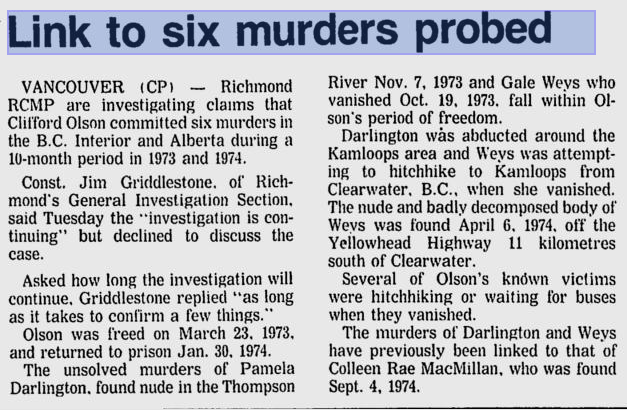
On September 25, 2012, the Royal Canadian Mounted Police along with Lincoln County DA Rob Bovett named Bobby Jack Fowler as a suspect in the murders of Pam Darlington, Colleen MacMillen, and Gale Weys after it was determined that his DNA was found on MacMillens’ remains. Unfortunately, in May 2006 Fowler died from lung cancer at the age of 66 in Oregon State Penitentiary before he was able to be held accountable for his actions. Colleen’s brother Shawn commented that his family was ‘comforted by the fact he was in prison when he died, and he can’t hurt anyone else.’
In the mid-1970s, newspapers reported that Pams clothes were never found, however Sharon remembers that her dad told her they were discovered folded up near her body. If that’s true, then they are most likely long gone, which is tragic because DNA evidence found on the fabric could have confirmed that Fowler murdered her (or that he didn’t). Despite what the RCMP called ‘similar fact evidence,’ there wasn’t enough direct evidence to conclusively link the killer to the murders of Pam Darlington and Gale Weys, a fact that’s heartbreaking for both families because the cases will most likely remain forever unsolved.
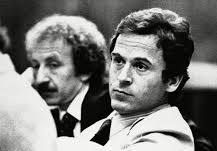
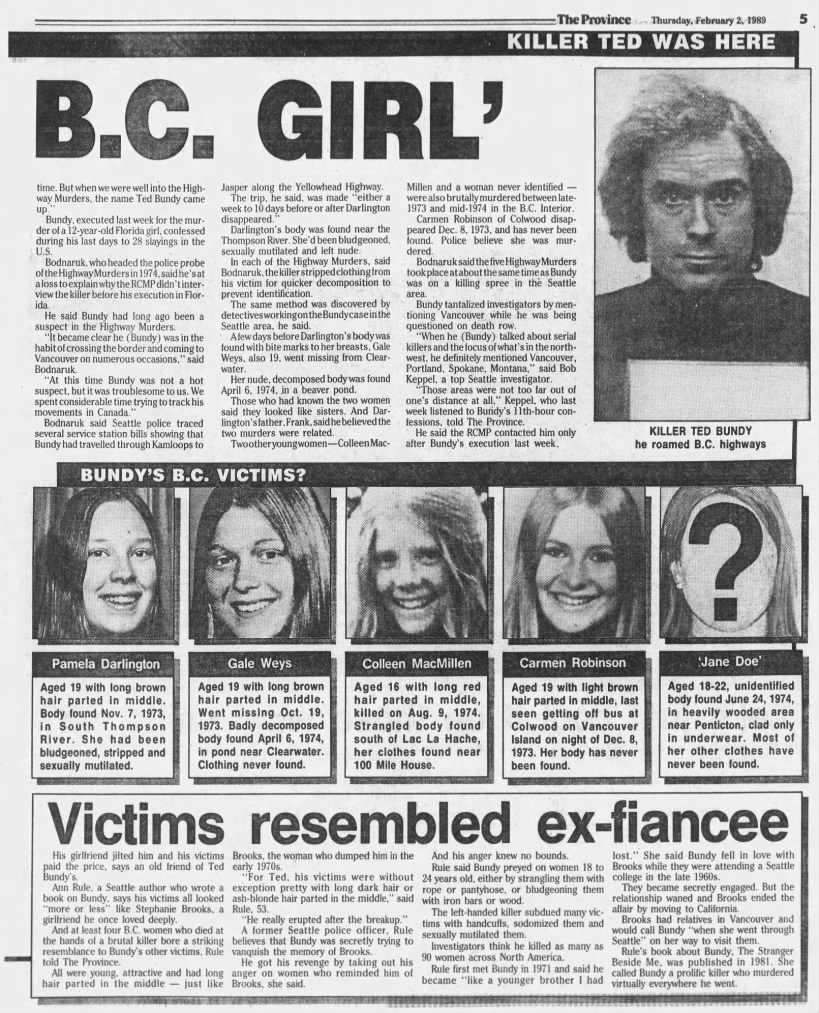
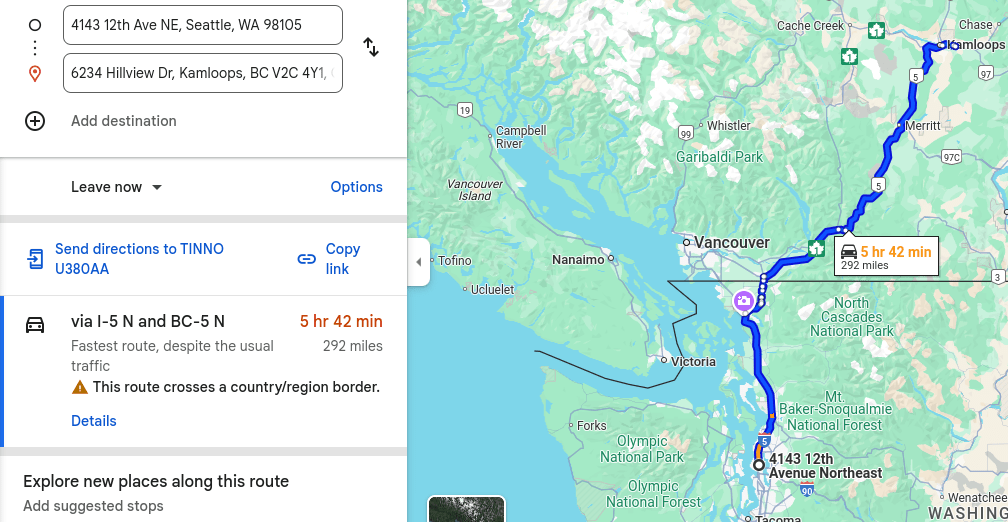
Ted Bundy: In November 1973 when Pam Darlington was killed Theodore Robert Bundy was living in Ernst and Frieda Roger’s rooming house on 12th Avenue NE in Seattle and was in a long-term relationship with Elizabeth Kloepfer. At the time he was in between jobs, and in September he had been the Assistant to the Washington State Republican Chairperson and remained unemployed until May 3 of the following year when he started a position with the Department of Emergency Services in Olympia (he was only there until August 28, most likely because he left for law school in SLC a few days later). At the time he was attending the University of Puget Sounds law school, and according to the ‘TB FBI Multiagency Report 1992′ on November 7 he visited the unemployment office in Seattle.
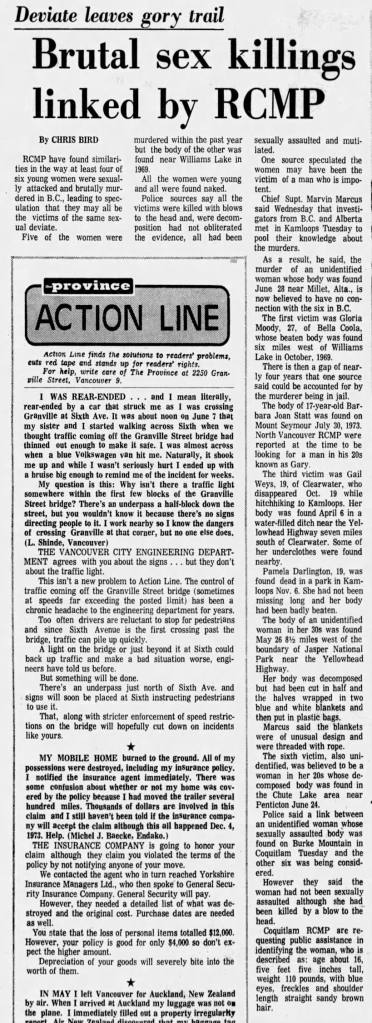
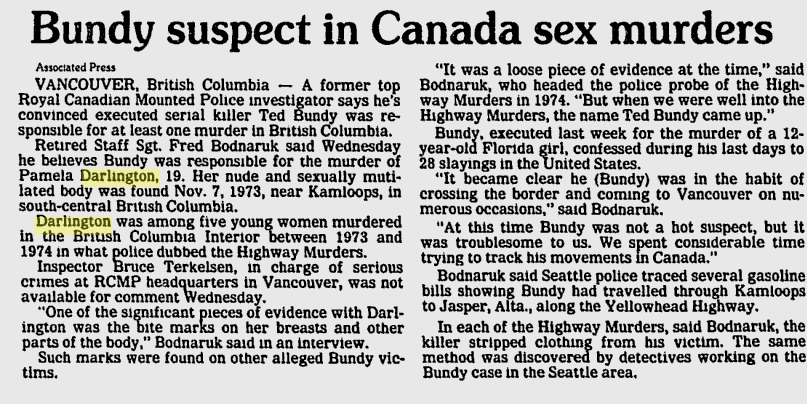
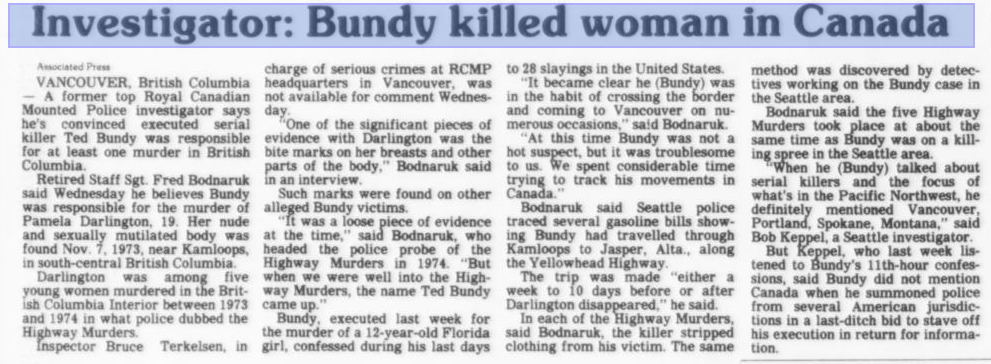
In her 1981 book ‘The Phantom Prince’ Liz Kloepfer wrote that Vancouver was a ‘favorite playground’ for her one-time beau, and when the two went there in October 1969 he ‘showed her all of his favorite places,’ specifically the saloon ‘Oil Can Harry’s,’ and after spending the night at the former ‘Devonshire Hotel’ they walked through Chinatown as well as a German neighborhood before returning home to Seattle. According to retired RCMP Inspector Bruce Terkelsen, ‘one of the significant pieces of evidence with Darlington was the bite marks on her breasts and other parts of the body.’ As we know, Bundy was known to bite some of his victims, and Terkelsensaid ‘it was a loose piece of evidence at the time. But when we were well into the Highway Murders, the name Ted Bundy came up. It became clear that he was in the habit of crossing the border and coming to Vancouver on numerous occasions.’ He also said that the killer had ‘long ago’ been a suspect in the murders but ‘it became clear that he was in the habit of crossing the border and coming to Vancouver on numerous occasions.’ … ‘At this time Bundy was not a hot suspect, but it was troublesome to us. We spent considerable time trying to track his movements in Canada.‘ Sergeant Bodnaruk also said that King County police placed Ted at several gas stations in the area, which proved he had traveled through Kamloops ‘either a week to ten days before or after Darlington disappeared.’
Living incredibly close to the Canadian border in Buffalo, I immediately wondered about the logistics of Bundy sneaking in and out of Canada to murder young women: I know how strict and regulated things are today (and that’s not even factoring all of this Trump nonsense into the equation), but how hard was it to leave the US in the early 1970’s and go into British Columbia (and return)? After some simple internet sleuthing (and asking my Dad, who was alive and dating my mother in 1973), in the early 1970’s crossing the US-Canada border in Washington state (particularly on the American side going into Canada) was considered relatively easy and straightforward, and there were few (if any) requirements to get over (my dad said he remembers showing them his Erie County Sheriff’s card). Obviously, security has gotten significantly tighter since the days of Ted Bundy, with the introduction of passports/enhanced drivers licenses/real ID’s, enhanced screenings, and stricter identification requirements.
Clifford Robert Olson Jr.: Another serial killer that was investigated for the murder of Pamela Darlington is Clifford Olson, who operated out of Canada in the early 1980’s and confessed to killing eleven children between the ages of nine and eighteen. He was arrested on August 12, 1981 on suspicion of attempting to kidnap two girls, and was later charged with the murder of Judy Kozma, a fourteen-year-old from New Westminster that he raped then strangled to death. Olson eventually came to an unusual and controversial deal with the RCMP: he agreed to confess to the eleven murders and give investigators the location of his victims that were not yet found, and in return for each one that he confessed to they would put $10,000 into a trust for his (then) wife, Joan Hale (who he was with from 1981 to 1985) and their infant child. As a result, Hale and her child received $100,000, as he gave them the eleventh victim as a ‘freebie.’
In January 1982, Clifford Olson pleaded guilty to eleven counts of murder, and was given as many concurrent life sentences to be served out in the Special Handling Unit of the ‘Regional Reception Centre’ in Sainte-Anne-des-Plaines, Quebec. According to forensic psychiatrist Stanley Semrau, who interviewed the killer at great length in prison, Olsen scored a 38/40 on the Psychopathy Checklist; he died from terminal cancer at the age of seventy-one on September 30, 2011.
Miscellaneous Suspects: Another suspect that was investigated for the murder of Pam Darlington is Jerry Baker, who had a history of sex crimes (including rape) and subsequently spent time in prison. On September 19, 1990 it was reported that he had eight convictions for various sexual assault and weapons offenses, as well as a rape conviction in 1970 (for which he received five years) and two separate convictions in 1990 for assault (which drew suspended sentences). His record also notes that he violated his parole conditions in June 1972.
After he was released, Baker returned to the Williams Lake area around the same time that Colleen MacMillen was killed. In late June 1989 seventeen-year-old Norma Tashoots had been visiting family in 100 Mile House, British Columbia and shared with them her plans of hitchhiking her way back to Vancouver. She was last seen by relatives on June 25, 1989 and her body was found in a wooded area near 100 Mile House on July 10; she had been shot in the head.
In October of 1989 an anonymous resident of 100 Mile House came forward and suggested that Baker be investigated for Tashoots’ murder, and law enforcement quickly learned that he had reported his .44 caliber Ruger handgun as stolen the day after she was last seen alive. On February 1, 2002, he was arrested and charged with the first-degree murder of Norma Tashoots, and later that May police recovered the ‘lost’ handgun from 1989 in a sewage lagoon near Forest Grove: it was in excellent condition and was registered to Jerry Baker. On March 2, 2018, a jury in Williams Lake found him guilty of first-degree murder and he was sentenced to life in prison with no chance of parole.
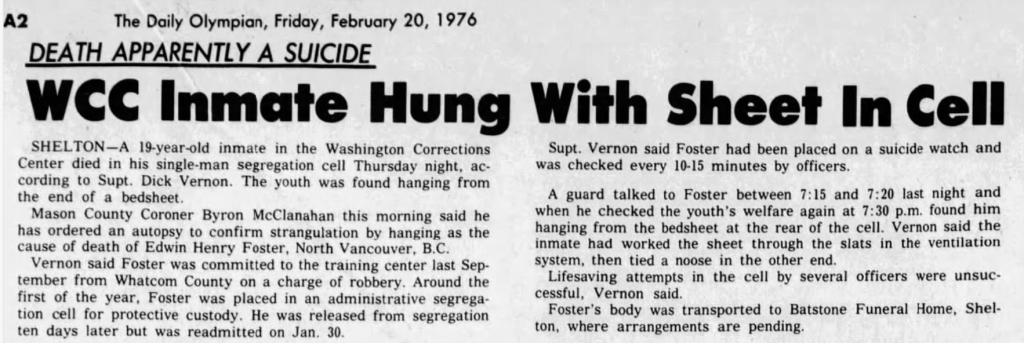
Additionally, In an article published by ‘The Daily News’ on December 19, 2009, it was disclosed that a man named Edwin Henry Foster confessed to detectives that he was responsible for the murder of Pam Darlington while he was serving an eight year prison sentence for a gas station robbery, however this wound up being bogus and he hung himself in a Washington state prison in 1976.
Sharon Darlington is now retired from Canada’s Border Services Agency, and during her long career she worked closely with various law enforcement agencies, and ‘tried hard to find out why Pam’s case remained open, even after they identified Bobby Fowler as her ‘probable murderer.’ I have never understood why DNA would not solve the case. I pursued this for many years, only to hear that the case had many problems with preservation of evidence and I am convinced that evidence was not properly maintained or even kept.’ About her cousin, Sharon said, ‘we were very close. We had plans to move out, get an apartment and start our young lives together. Everyone truly wanted to know the truth about Pam, but my uncle, aunt, father and mother are now all dead.’
Frank Darlington died at the age of seventy-five on May 20, 2002 in Victoria, BC, and Arlene died at the age of 79 on June 17, 2013 in Victoria. Laurel Darlington-Feal still lives in Kamloops with her husband, Gregory. As of March 2025 the RCMP considers Bobby Jack Fowler a ‘strong suspect’ in the murders of Pamela Darlington and Gale Weys despite there being no DNA evidence linking him to their remains, and as a result both homicides are considered unsolved.
Works Cited:
Blackburn, Mark. (September 25, 2012). ‘US serial killer Bobby Jack Fowler linked to 3 Highway of Tears murders.’ Taken April 1, 2025 from aptnnews.ca
Bujold, Dani. ‘Two Cold Cases And A Solved Homicide: Gale Weys, Pamela Darlington and Colleen MacMillen (1973–1974).’ Taken March 20, 2025 from medium.com
Lazarus, Eve. ‘The Pamela Darlington Murder.’ (November 6, 2022). Taken March 20, 2025 from evelazarus.com
LaRosa, Paul. (May 27, 2016). Crime Mystery of missing, murdered women along Highway of Tears.’ Taken April 1, 2025 from cbsnews.com
Martell, Allison. (September 25, 2012). ‘Canadian Mounties solve 1974 murder of 16-year-old girl.’ Retrieved February 17, 2024, from reuters.com






























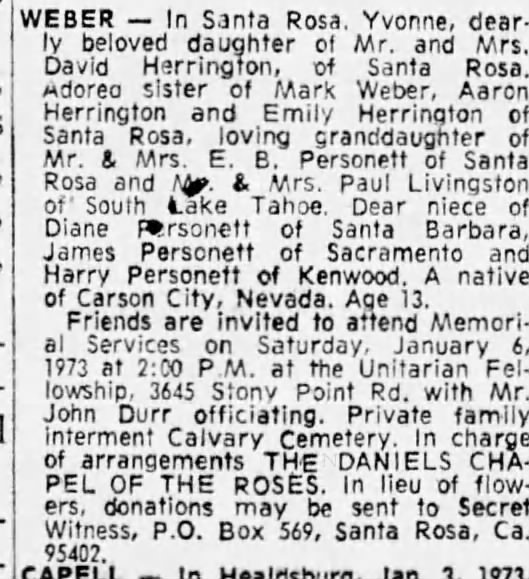
Introduction: ‘The Santa Rosa Hitchhiker Murders’ is a moniker for a group of unsolved homicides that took place in 1972 and 1973 in the general Santa Rosa area, located specifically in Sonoma County in the North Bay region of California. The perpetrator is responsible for at the murders least seven young female hitchhikers, who were all found completely naked in rural areas. Californian detectives strongly suspect that the killer spoke with and was familiar with some of his victims before he killed them.
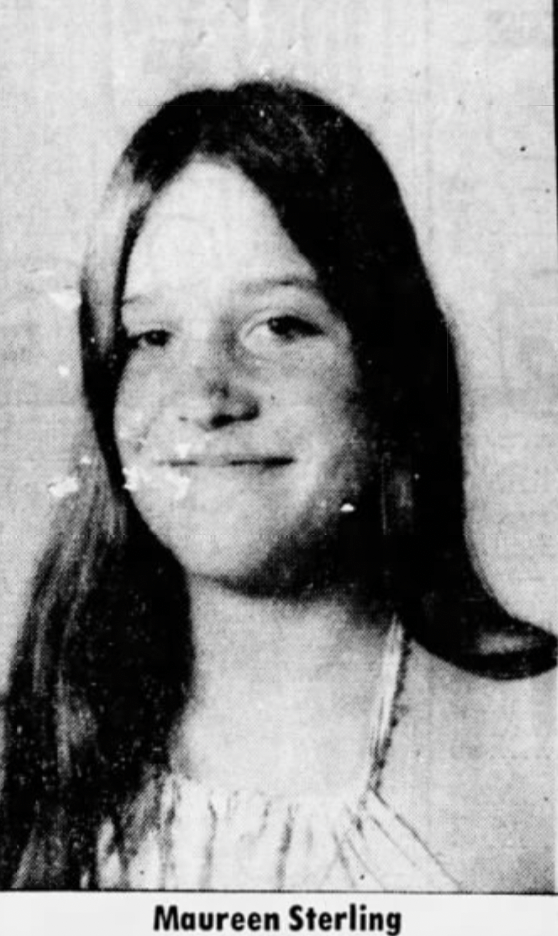
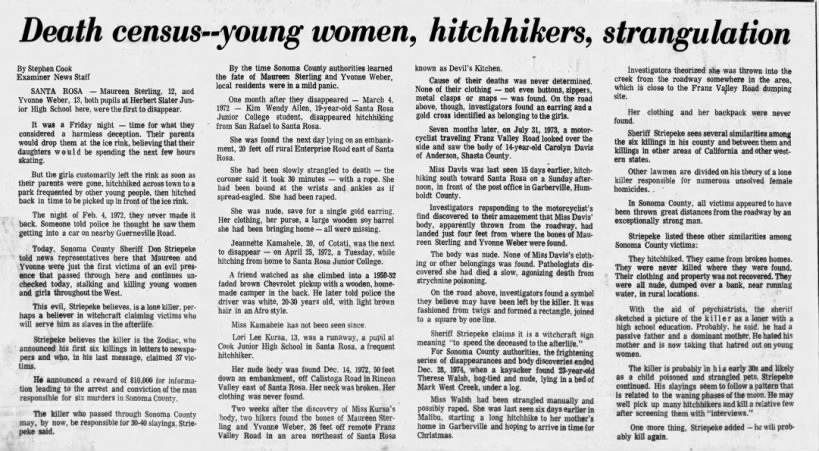
Confirmed Victims: At roughly 9 PM on February 4, 1972 twelve-year-old Maureen Louise Sterling and thirteen-year-old Yvonne Lisa Weber disappeared after being dropped off at the Redwood Empire Ice Arena at around 7:30 PM. Weber was born in Carson City, Nevada on January 29, 1959 and Sterling was native to Santa Rose and was born on February 18, 1959. Maureen’s father Larry tragically died in a skiing accident in August of 1958 just months before her birth at the age of 23, leaving Arleen to raise both her and her older sister, Theresa alone during a time where that was easier said than done).The girls, who were both studentsat Herbert Slater Middle School, had no intention of staying at the skating rink that evening, and had plans to go somewhere else, most likely a nearby park with four older boys (who later took lie detector tests, which ruled them out as suspects). They were last seen getting into a car on Guerneville Road, northwest of Santa Rosa.
Sterling was last seen wearing blue jeans, a purple shirt, a red zip up hoodie and brown suede shoes, and Weber was also wearing jeans, a lavender and white tweed shirt, a black velvet coat, and brown suede shoes. Law enforcement only released that two pieces of evidence in relation to the case that were found with the victims: a single filigree type drop earring with orange beads and a basket weave mixed metal cross attached to a gold chain necklace. Neither item belonged to either one of the girls.
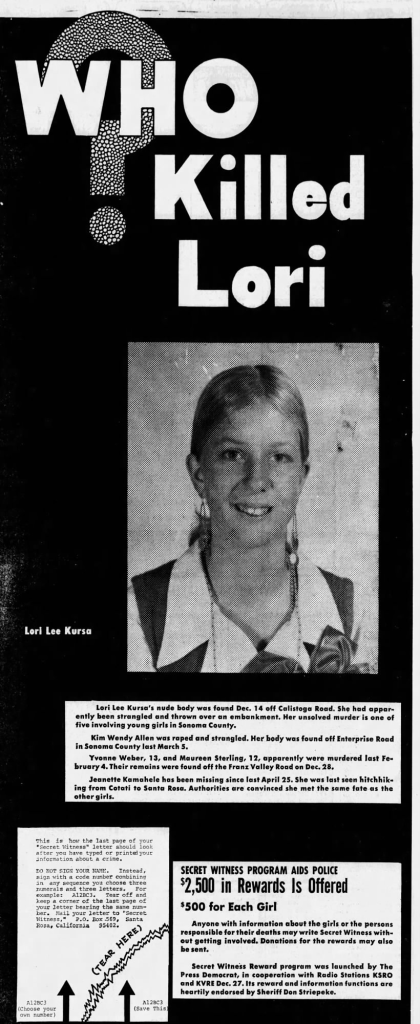
When one of the girls parents came to pick them up from the skating rink at 11pm, they were nowhere to be found, and in the early stages of the investigation LE had felt that they were runaways. Their heavily decomposed bodies were found on December 28, 1972 by 17-year-old Glen Frost and 18-year-old David Brooner, who were hiking through the area known as ‘The Devil’s Kitchen’ and down a steep embankment roughly 66 feet off the east side of the roadway. A single earring, orange beads and a 14-carat gold necklace with a cross were found at the scene, and the victims cause of death could not be determined, due to the advanced state of the remains. By that time Santa Rosa was in a panic, and a county wide program dubbed ‘The Secret Witness Program’ offered a $20,000 reward for any tip that would lead to the apprehension of the girls killer(s).
In 2019 an acquaintance of Weber and Sterling came forward and told detectives that she had spoken with them earlier on the evening they were last seen alive, and that the girls told her that a tall, slim man had asked them to smoke marijuana in the lobby of the ice arena (she declined to go with them), and that he strongly resembled Ted Bundy. However, that same friend was interviewed for the 2024 HBO Max documentary, ‘The Truth About Jim,’ and THAT time she said that Jim Mordecai (the subject of the documentary) was the man that was talking to her friends that evening.
There were also rumors that the girls had been looking for a ride to a nearby bowling alley so they could meet up with some friends, where other sources claim they were in contact with a gentleman who lived along the Russian River; detectives could confirm neither report. Schoolmates were questioned about the missing young women the week after they vanished, but nothing useful came of it.
Kim Wendy Allen was born on July 22, 1952 to Kimball and Roberta Allen, and had a sister named Annilee and a brother named Robert. Of her daughter, Mrs. Allen told The Press Democrat that: ‘she was never a speck of trouble to anyone from the day she came on this earth. She trusted everyone, believed that people were good.’ Kim graduated from the private, all-girls Ursuline High School in Santa Rosa, and despite being her senior class’s spirit leader she was an incredibly private person and usually kept her thoughts and opinions to herself, even with the people that knew her best. Allen lived in the 2200 block of Guerneville Road with two roommates and worked part-time at a natural health food store in Larkspur, located roughly forty miles south of Santa Rosa.
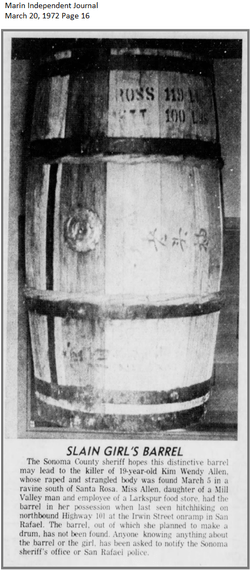
Kim was last seen on Saturday, March 4th, 1972, and in the morning she had been visiting with friends in San Francisco and hitchhiked her way to work in Larkspur shortly before her shift at Larkspur Natural Foods was due to start at noon. She worked for approximately five hours then began making her way back to Santa Rosa, and the second-year art student at Santa Rosa Junior College was picked up by two men outside of her POE. They dropped her off on San Rafael’s Belle Avenue, leaving her with nearly forty miles left to her destination. The men told investigators that they last saw her at roughly 5:20 PM trying to hitchhike near the Bell Avenue entrance to Highway 101, and was carrying an orange, aluminum-frame backpack and a large wooden sauce barrel with red Chinese characters on it. Like Sterling and Webster, she also frequently used hitchhiking as a means to get around despite multiple warnings from her mother and a professor about how dangerous it was.
Allen’s remains were found the following day at the bottom of an embankment in a creek bed roughly twenty feet off Enterprise Road in Santa Rosa. She had been bound at her wrists and ankles and had been strangled with a cord. She had been brutally sexually assaulted, and semen was found on her remains; a single gold hoop earring was found near the body. Detectives found skid marks at the top of the embankment and wondered if her assailant may have slipped or lost their footing while throwing or transporting the body. The two men that gave Allen the first ride (one which had passed a polygraph test) were both ruled out as suspects. Her checkbook was found in a drive-up mailbox across from the Kentfield (CA) Post Office sometime in the morning on March 24, 1972.
On November 11, 1972 thirteen year old Lori Lee Kursa was reported missing by her mother after disappearing while they shopped at a U-Save, and she was last seen on either November 20/21 in Santa Rosa while visiting friends. Someone reported possibly seeing her hitchhiking on November 30, however that was never positively confirmed by investigators. Kursa had a troubled home life, and she was a known hitchhiker and frequent runaway, and on December 14, 1972 her frozen remains were found in a ravine roughly fifty-feet off Calistoga Road, northeast of Rincon Valley in Santa Rosa. Lori’s murderer had thrown her body at least 30 feet over an embankment, and she was found wearing a single wire loop earring in each earlobe.
On her death certificate, Allens cause of death is listed as a broken neck with compression and hemorrhage of the spinal cord, and she most likely died one to two weeks before her remains were found; she not been raped. Two people later called in tips to LE about possible sightings of Kursa: one shared that they saw two men with a girl fitting her description on Calistoga Road. A second said they saw a young woman with a white male with ‘bushy hair’ driving a pickup truck that had been parked near where her remains were later found. Nothing ever came of either report.
A possible witness to Kursa’s abduction eventually came forward and told investigators that on an evening sometime in between December 3 and 9, 1972 he saw two men with a young woman fitting her description run across Parkhurst Drive then push her into the back of a van that had been parked on the side of the road. They said that the woman seemed to be physically impaired in some way and that the men were holding her up in between them. The driver was a Caucasian man with an afro-type hairstyle and after the three got in the van it quickly drove north on Calistoga Road.
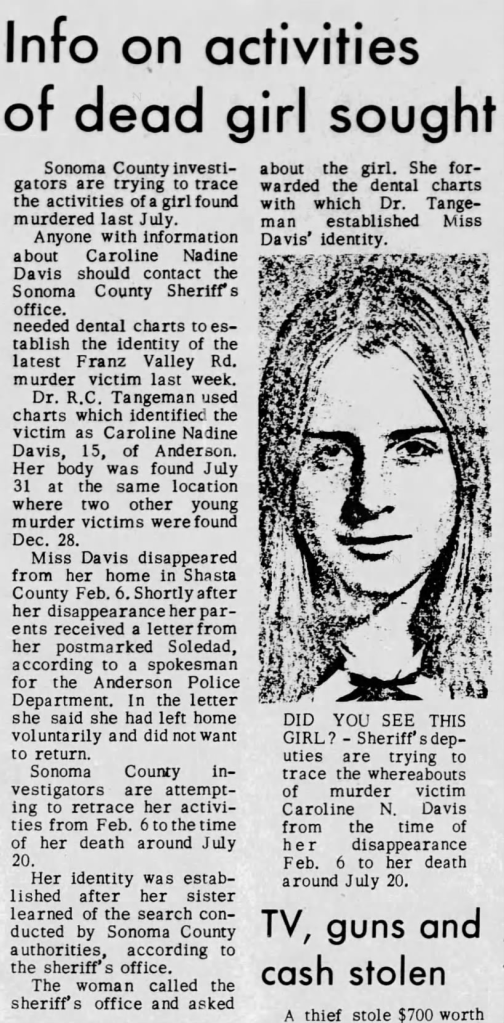
At around 7 AM on February 6, 1973 fifteen year old Carolyn Nadine left her family residence in Shasta County and spent the next five months traveling. She was last seen wearing a brown leather jacket with a fur collar and faded jeans, and before leaving the Anderson Union High School student left a note for her mom and stepdad that read: ‘Dear Mom. Don’t worry too much about me, the only thing I’m gonna be doing is keeping myself alive. Love, Carolyn.’ In 2022 her older sister Judy Wilson told an interviewer that after she ran away Carolyn had stayed with her for a period in her apartment in Garberville, and that she had been an eyewitness to a double murder and was ‘afraid for her life.’
Wilson said that Carolyn was getting increasingly paranoid that she might be discovered by someone that that knew about the murders, and she left her duplex and hitchhiked to Illinois. Davis returned to Garberville in the summer of 1973 because her sister was going to have a baby, and she stayed with her grandmother for two weeks that July before returning to her boyfriend in Illinois. According to multiple reports, her grandma drove her to downtown Garberville on July 15,1973 and shared with her plans to hitchhike to Modesto, California, with plans of staying with friends. She parked in front of the post office located two city blocks away from Highway 101, and Carolyn was last seen hitchhiking in Garberville that afternoon near the Highway 101 ramp going southbound. Her remains were discovered in Santa Rosa on July 31, 1973, just three feet away from where the bodies of Maureen Sterling and Yvonne Weber had been found seven months before.
Carolyn’s naked body had been discovered face-down roughly twenty feet down the embankment, and the fact that the vegetation growing around the body was not disturbed told investigators that her remains had been thrown from the road and she rolled for a few feet after landing. The way detectives discovered her body told them that ‘either a very large, strong man had heaved the dead girl’s body off the roadside, or he had help.’
Davis’s cause of death is listed as strychnine poisoning, administered ten to fourteen days before her remains were found, however the ME could not determine whether the drug had been administered by needle or by pill. Strychnine is sometimes mixed with other poisons, however an autopsy showed no trace of either heroin or amphetamines in her system. Having heard of the unidentified young woman, Carolyn’s sister sent detectives her dental records, and two weeks after her body was discovered, Jane Doe finally had a name: Carolyn Nadine Davis.
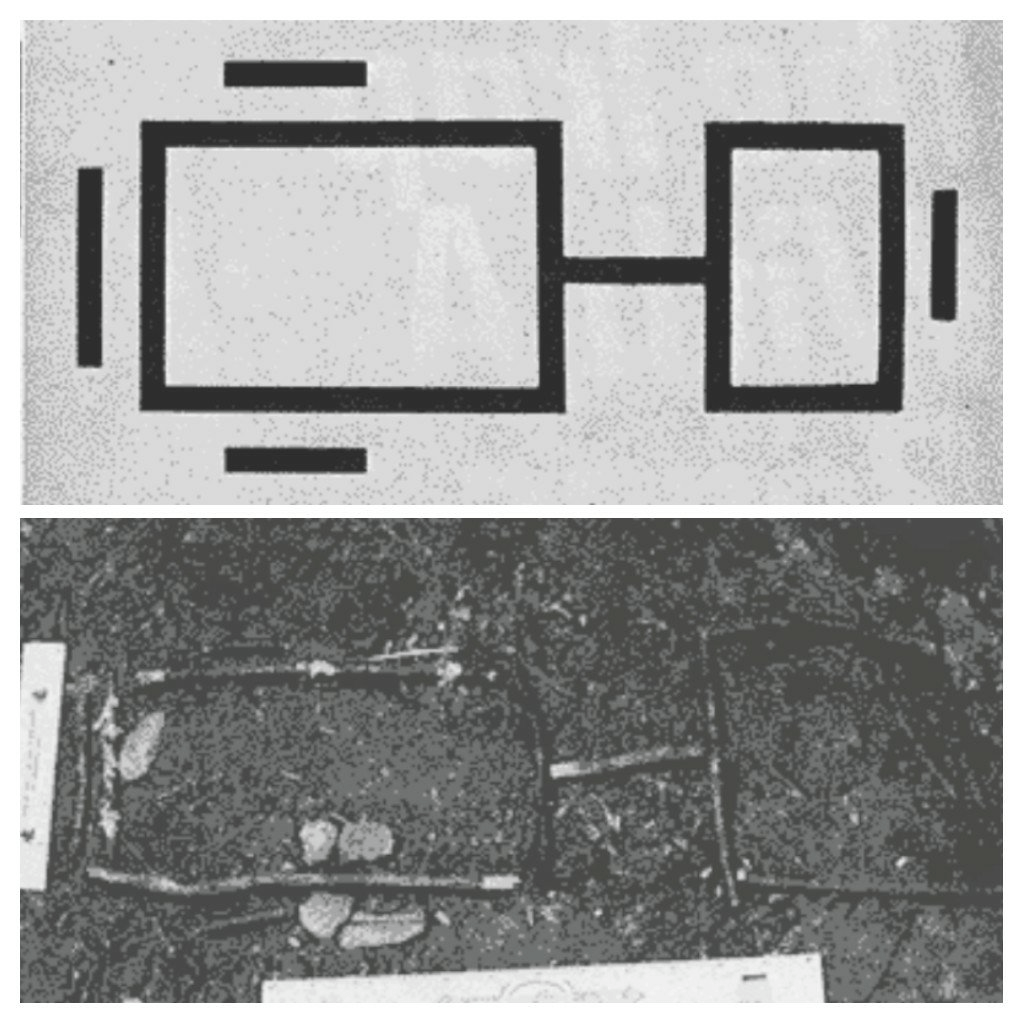
The ME determined that Carolyn’s probable date of death was July 20, 1973, five days after her grandmother had last seen her. It could not be determined if she had been raped, and her autopsy reported that she had an injury to her right earlobe that seemed to be an attempted ear piercing; her left earlobe had not been pierced. Detectives strongly felt that her killer had thrown her body from the road, as the brush on the hillside seemed to be undisturbed, and one investigator said that a witchcraft symbol that meant ‘carrier of spirits’ was found close to her body. In 1975 LE shared that it was ‘a rectangle connected to a square, with bars running alongside’ made up of twigs and sticks, and was identified as an occult symbol going back to medieval England, and possibly hinted at a connection to the Zodiac Killer.
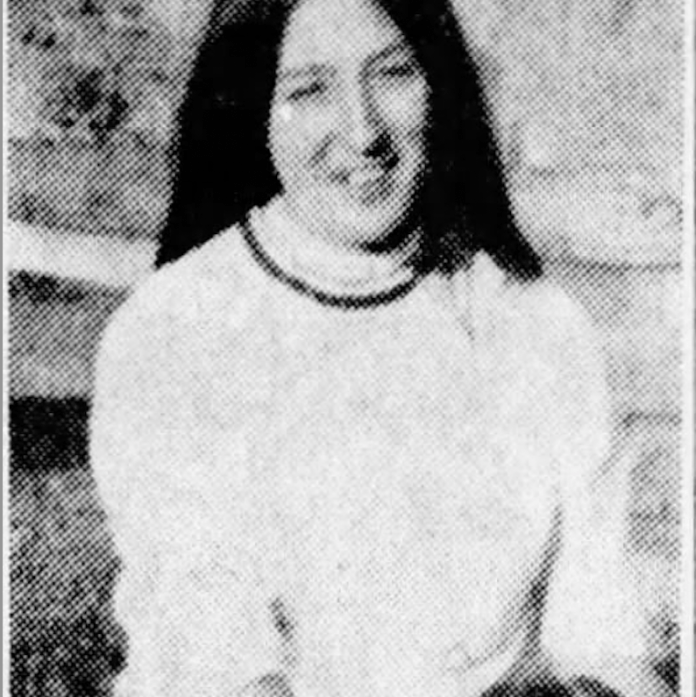
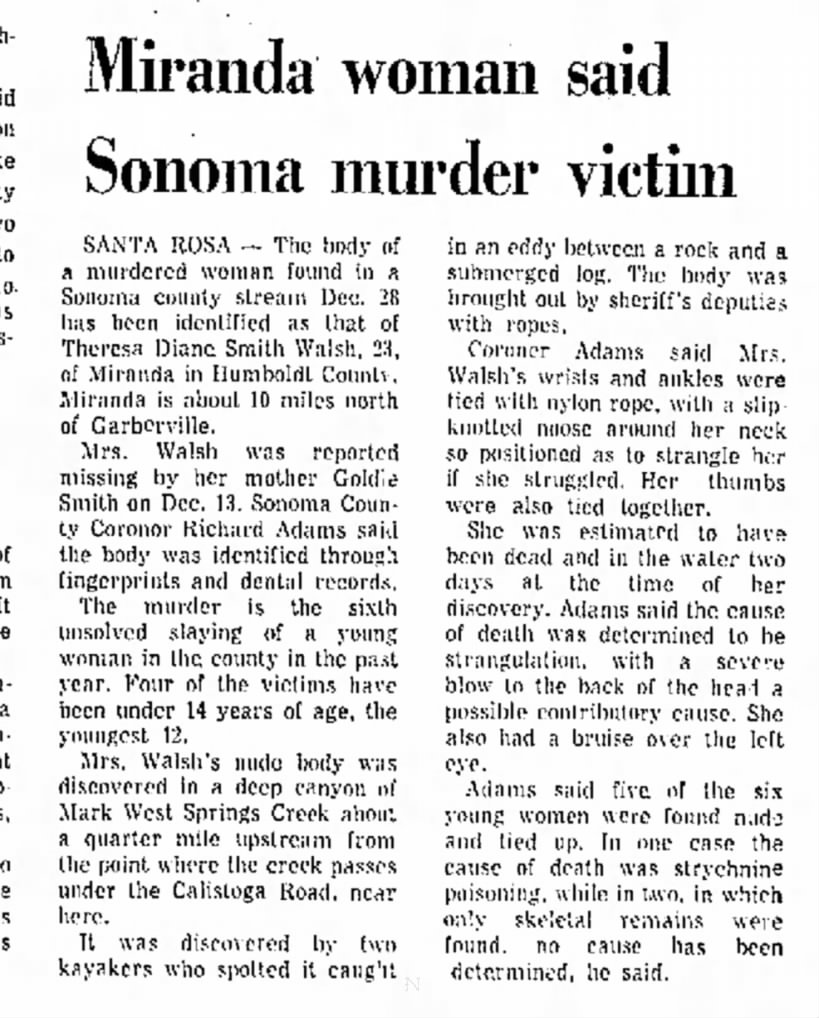
In the winter of 1973 twenty-three-year-old Theresa Diane Smith Walsh left home and hitchhiked across California, making her way to Los Angeles and often traveled using Highway 101. Back home in Miranda, her two-year-old son was in the care of her mother, and she was separated from her husband. In late 1973 Walsh was in Malibu but made plans to go to Garberville for Christmas. She tried to arrange a ride home and even reached out to a group known as ‘Hitchhiker’s Anonymous’ for help but had no luck. At around 9 AM on December 22, 1973 Walsh said goodbye to her friends, who dropped her off near Zuma Beach; she was last seen wearing bell bottoms, a lavender blouse, a faux-fur brown coat, brown hiking boots, and an olive-green Boy Scout knapsack. Her remains were discovered partially submerged underwater six days later by kayakers in Mark West Creek; she had been hogtied with rope, raped, and strangled to death. It was later determined that she had been dead for roughly one week before she had been found, and a combination of high water and heavy rains suggest that she may have floated several miles down the river from where her attacker initially left her.
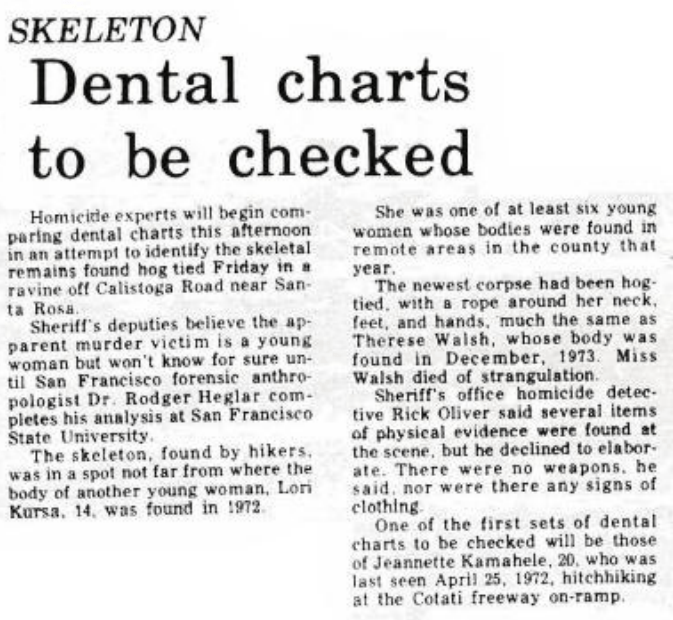
On July 2, 1979 the skeletal remains of a young woman were found in a ravine off Calistoga Road, roughly 100 yards away from where the remains of Lori Kursa were found seven years prior. Due to the advanced level of decomp, at first forensic experts believed that the victim may have been Jeannette Kamahele until dental records later proved this to be false. The young woman had been hogtied, and her arm had been fractured during the struggle at the time of her death; her body had been stuffed into a bag of some sort (maybe a duffel bag) before it was dumped in the ravine. Sonoma County Sheriff’s deputy Rick Oliver said that several pieces of evidence were found near the scene, but didn’t elaborate further.
It was determined that the young woman was between sixteen and twenty-one-years-old, wore hard contact lenses (that she kept in a metal container with cherries on it), had red/auburn/brown hair, was about 5’3”, and had broken a rib at one point in her life. Her weight and eye color could not be determined and no clothes were found at the crime scene. One medical expert hired by the sheriff’s department determined that at the time of her death the victim was roughly nineteen years old and was most likely killed sometime between 1972 and 1973. It’s also worth noting that hard contacts weren’t typically sold in the US and Canada after the mid-1970’s as soft contact lenses had become available.
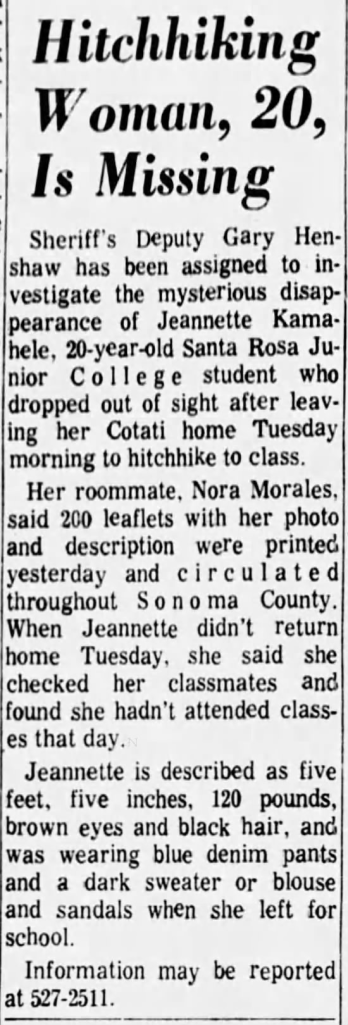
* I have seen the next young woman listed as both a confirmed and unconfirmed Santa Rosa Hitchhiker victim: Twenty-year-old Santa Rosa Junior College student Jeannette Kamahele was last seen by her roommate on April 25, 1972 at around 9:30 PM, and had plans to hitchhike near the Cotati on-ramp of Highway 101. A friend may have (possibly) seen her abduction, and told investigators that she had seen Kamahele get into a faded brown Chevy pickup that had been fitted with a homemade wooden camper in the back and was being driven by a twenty to thirty-year-old white man with an afro-styles hairdo. Jeannette stood at 5’5” tall and weighed 120 pounds; she was of Pacific Island descent and had black hair, brown eyes, and had a large birthmark directly underneath her right breast. She was last seen wearing a dark brown short, Levi’s jeans, and gold-post style earrings.
Born on February 10th, 1952 Jeannette Kamahele spent her formative years in Japan thanks to her dads naval career, and attended Yokohama American High School, which was designated for American children of military service members stationed overseas. After she graduated from high school, Jeannette decided to move stateside, and decided to enroll at Santa Rosa Junior College and moved to Cotati, where she lived along the 900 block of Sierra Avenue with her roommate, Nora Morales. Because she didn’t have a car of her own Jeannette often hitchhiked to get around, and would often catch a ride to class by walking along the nearby Highway 101 on-ramp. No trace of Kamahele has ever been recovered.
Unconfirmed Victims: Seventeen year old Lisa Michele Smith was last seen hitchhiking just a short distance away from her foster home, located along Hearn Avenue in Santa Rosa. Her foster parents reported her as missing from Petaluma, California on March 16, 1971 and shortly after a young woman with the name of ‘Lisa Smith’ went into Novato General Hospital after an incident she had while hitchhiking on March 26, 1971. Smith told investigators that she was picked up by a man that pulled a gun on her and threatened to rape her but she was able to escape by jumping out of the pickup, which was going 55 miles per hour at the time. The young victim was treated for a skull fracture as well as multiple cuts and bruises by physicians, and a nurse at the facility said that she looked to be about twenty-one-years-old. At the time, she was wearing a white blouse with ruffles, a dark pea coat, green bell-bottom jeans, and cowboy boots.
In an article published in The Santa Rosa Press Democrat on April 1, 1971, the ‘Lisa Smith’ that was treated at Novato General Hospital was the same person as the missing 17-year-old Lisa Smith. The young woman that is believed to have been Smith left the hospital before detectives could speak with her, and she reportedly hitchhiked her way back to San Francisco. Her biological parents eventually caught up with her and took her back to their residence in Livermore, California.
In 2011 The Press Democrat reported that the two Lisa Smiths were not the same, and she was not actually found. As of March 2025 it’s still not certain if the two Lisa Smiths were the same person or two separate individuals, and all of the police reports and medical records pertaining to the case were deemed to be missing by 2011.
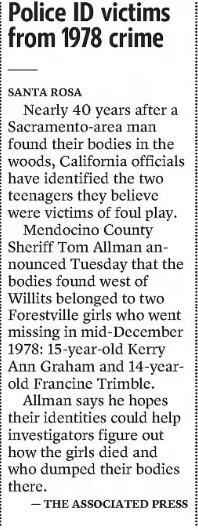
Fifteen-year-old Kerry Ann Graham and fourteen-year-old Francine Marie Trimble of Forestville, California both disappeared on December 16, 1978 after leaving their respective homes to visit a shopping mall in Santa Rosa. Their remains were found wrapped in duct-taped garbage bags that were buried in an embankment of a heavily overgrown wooded area beside a remote part of Highway 20 the following July, roughly 80 miles north of their hometown. Because of the advanced level of decomp, their exact cause of death has never been determined. At first Graham’s remains were mistakenly ID’d as a male, until genetic testing proved otherwise. Both victims remained unknown until November 2015, when their identities were confirmed thanks to DNA profiling.
In 1975, the FBI issued a report stating that fourteen unsolved homicides that took place between 1972 and 1974 were committed by the same perpetrator, which consisted of six of the known SRHM victims as well as the following young women:
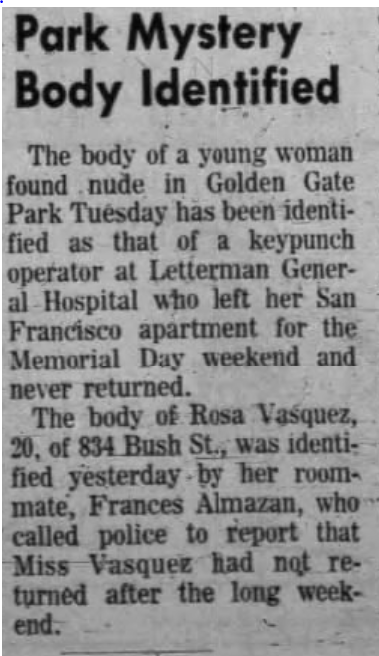
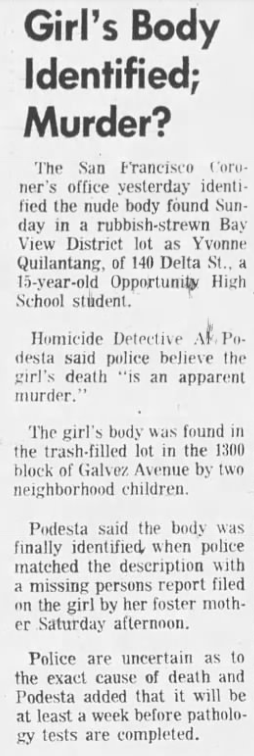
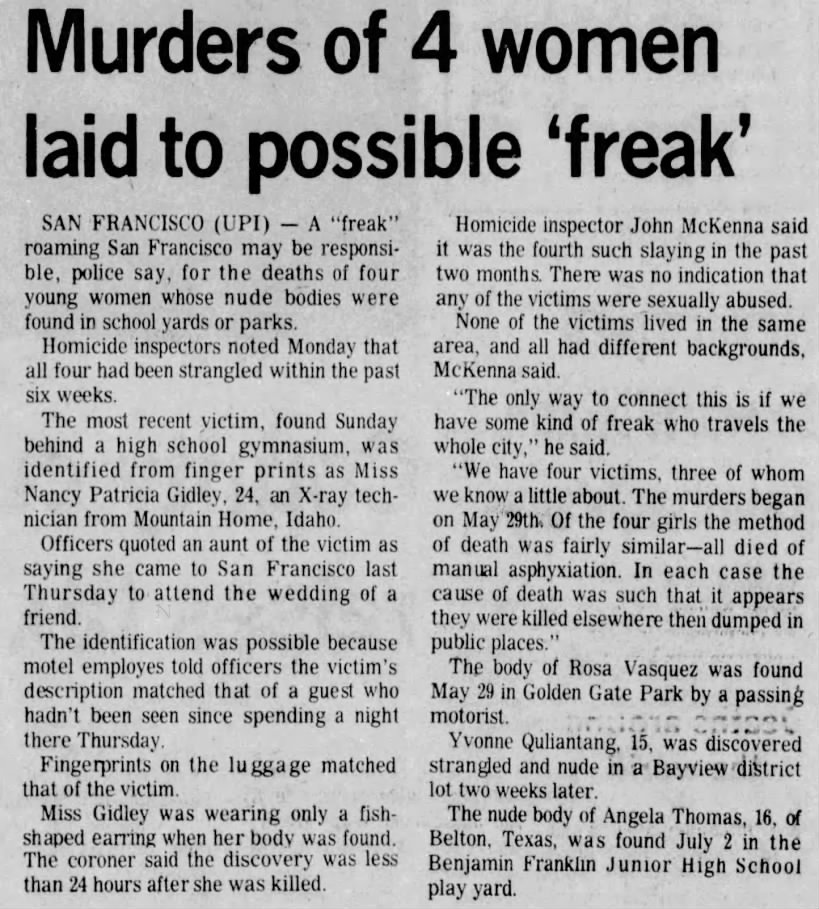
Twenty-year-old Rosa Vasquez was last seen May 26, 1973, and her body was found three days later on May 29 near the Arguello Boulevard entrance at Golden Gate Park in San Francisco; she had been strangled and her remains had been thrown seven feet off the road into some shrubbery. On June 10, 1973 fifteen-year-old Yvonne Quilantang was found strangled in a vacant Bayview district lot; she had been seven months pregnant and was out and about in the community buying groceries.
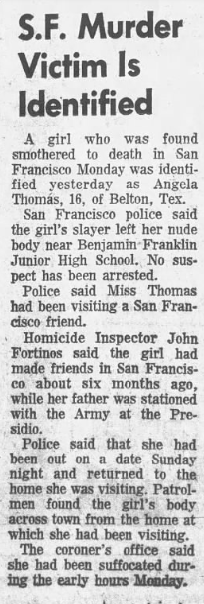
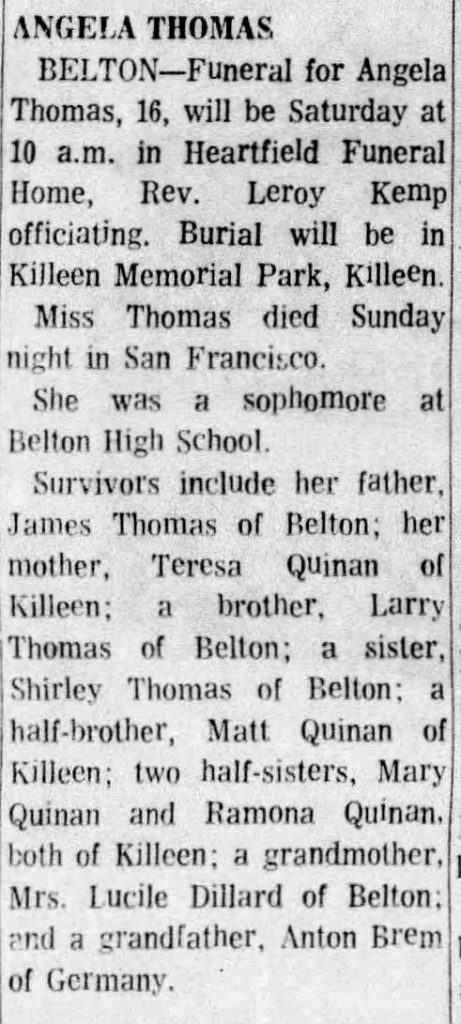
Angela Thomas was found July 2, 1973, smothered to death on the playground of Benjamin Franklin Junior High School in Daly City. The sixteen-year-old was a resident of Belton, Texas and was last seen at 9:00 PM the previous evening walking away from the Presidio in San Francisco; a locket was discovered near the crime scene. Nancy Patricia Gidley was last seen at a Rodeway Inn motel on July 12, 1973, and her remains were found three days later behind the George Washington High School gymnasium. The 24-year-old radiographer had been strangled and was completely nude, except for a single fish-shaped gold earring. It was eventually determined that she died within the previous 24 hours. Gidley had served in the US Air Force for four years prior to her murder, and told friends and family members that she had plans of becoming a freelance writer for the San Francisco Chronicle and was going to San Francisco to be the maid of honour at the wedding of a friend from Hamilton Air Force Base. After some investigating, this was all proved to be false.
Twenty-three-year-old* separated mother of five Nancy Feusi disappeared after going dancing at a club called The Plumbers Hall in the eastern part of Sacramento, and her nearly naked remains were recovered fifteen miles away by a fisherman at 6:30 AM on July 22, 1973, alongside Pleasant Grove Road and Steelhead Creek in Redding; her clothes were recovered nearby, and she had been stabbed twenty-nine times, mostly in the stomach, chest, and arm. She was last seen alive roughly two miles away from the night club, only three and a half hours before her remains were discovered. Detectives found shoe prints and tire tracks close to where Nancy’s remains were found, which opened up the possibility she was possibly killed in another location and was brought to the scene where she was found.
In 2011, one of her daughters, Angela Darlene Feusi-McAnulty was accused of torturing, beating, and starving to death her 15-year-old daughter Jeanette Marie Maples. After she was convicted, McAnulty officially became the second woman in history to be sentenced to death in the state of Oregon, the first since the 1984 reinstatement of the death penalty. *Some sources say that Nancy was twenty-two.
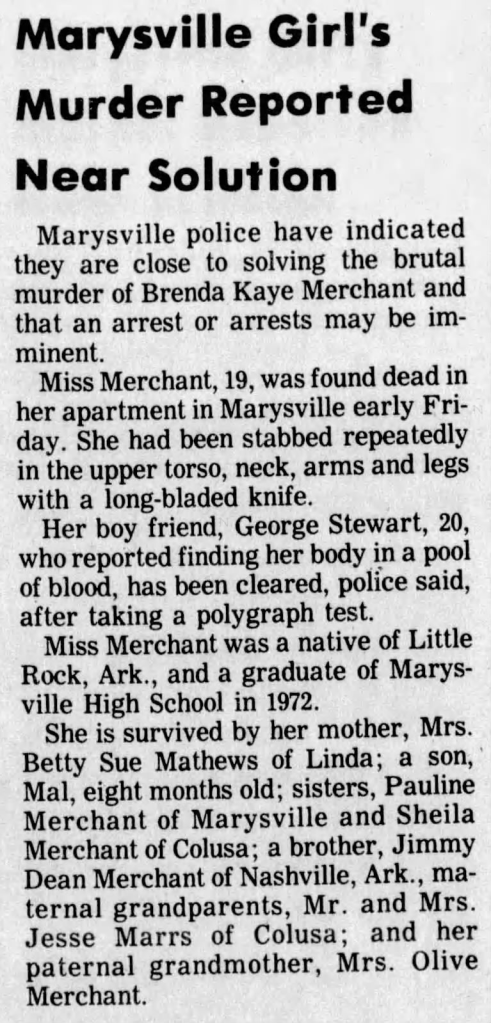
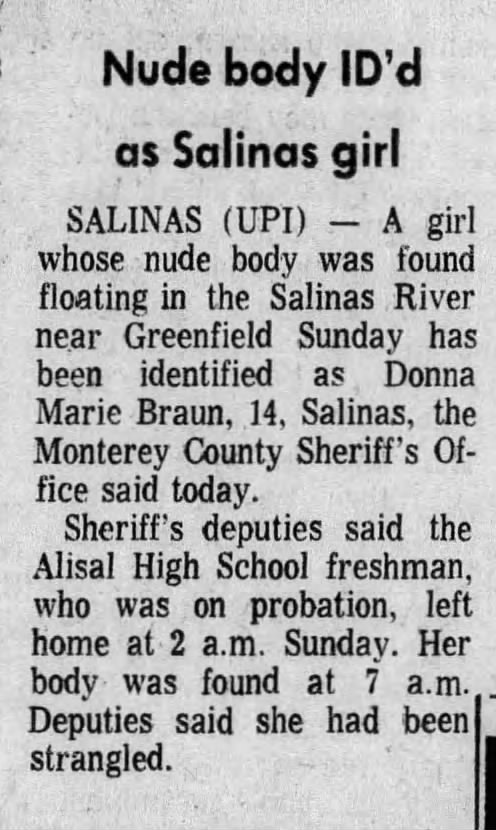
Twenty-one-year old Laura Albright O’Dell was reported missing on November 4, 1973; her remains were discovered three days later in some shrubbery behind the Stow Lake boathouse in Golden Gate Park. Her hands had been tied behind her back, and her cause of death appeared to be from head injuries and/or strangulation. On February 1, 1974 nineteen year old Brenda Kaye Merchant was found dead at her apartment in Marysville; she had been stabbed over 30 times with a long bladed knife and had asphyxiated on her own blood. Her assailant left a bloody handprint behind on the screen door of the residence, and it is believed that she was attacked between 6 PM (when she was last seen) and midnight, when neighbors happened to overhear a loud argument. Donna Maria Braun was only fourteen when her strangled remains were discovered by a crop dusting pilot at 7 PM on September 29, 1974 in the Salinas River near Monterey.
Over the years, California investigators have strongly considered the possibility that the perpetrator of the Santa Rosa hitchhiker murders was also active in Oregon, Washington, Utah, and Colorado, and additionally have looked into the possibility that there was a link to the Flat Tire Murders, which took place in Miami-Dade County in the southern part of Florida between February 1975 and January 1976. Also, in 1986 author Robert Graysmith published a list of forty-nine confirmed and possible Zodiac Killer victims, which included the Santa Rosa victims as well as some additional murders with some striking similarities, including:
Seventeen-year-old Elaine Louise Davis disappeared from family’s home in Walnut Creek, California on December 1, 1969, when she was left to watch her younger sister while her mother went to nearby Concord to pick her husband up from work. When Mr. and Mrs. David arrived home shortly after 11 PM, they found their three year old daughter alone in the residence with no trace of Elaine. At the scene there was no sign of a struggle, however investigators were immediately suspicious of foul play due to the fact that her purse and glasses were left behind. After they arrived home, her little sister told her parents, ‘they took her away, she didn’t want to go,’ and ‘there was a Volkswagen,’ the latter part was corroborated by neighbors. The young woman’s coat was found two days later on the side of the road along Highway 17 near Santa Cruz.
On December 19, 1969 the remains of Elaine Davis were discovered floating near Lighthouse Point near Santa Cruz, however a positive ID was not made until 2001. An initial examination determined that the victim was in her early twenties, which led investigators to dismiss her as a potential match. Her cause of death is undetermined, however medical experts leaned towards strangulation because of some damaged cartilage found in her neck. In 2000, the investigation was reopened as part of a routine review of cold cases and the following year a new examination of the remains were conducted, and the victims dental records proved that the body did belong to Elaine Davis.
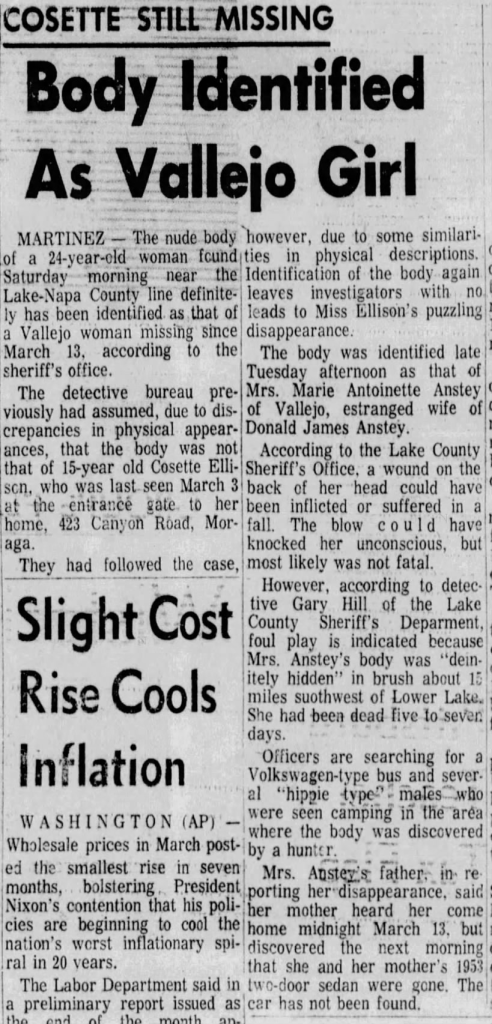
Sixteen-year-old Leona LaRell Roberts had been kidnapped from her boyfriend’s home on December 10, 1969; eighteen days later her nude body was found on the beach at Bolinas Lagoon in Marin County, and although the official cause of death was listed as ‘exposure,’ her case was treated as a homicide. Twenty-three-year-old Marie Antoinette Anste was kidnapped in Vallejo after experiencing a blow to the head, and her body was recovered in rural Lake County on March 21; an autopsy revealed that she had drowned and had traces of mescaline in her bloodstream.
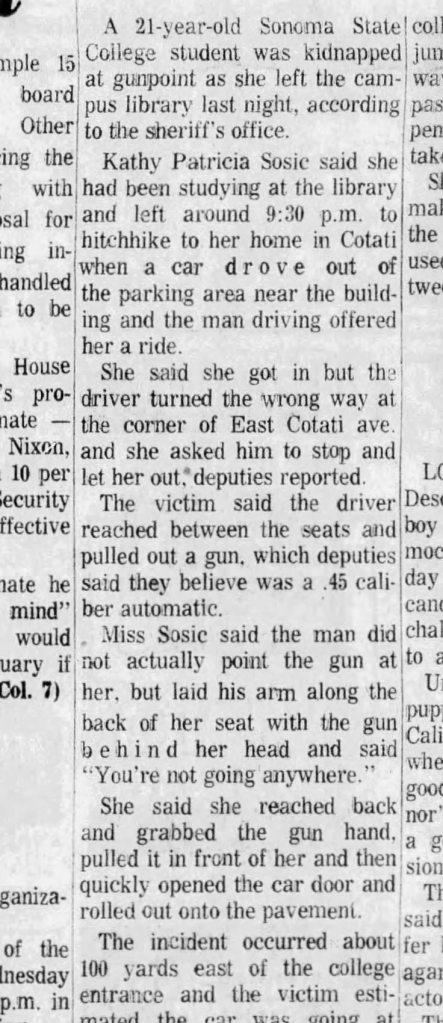
Seventeen-year-old Eva Lucienne Blau was found dumped in a roadside gully near Santa Rosa during the equinox on March 20, 1970, and the medical examiner determined that she had been hit in the head and discovered drugs in her system. Blau was last seen leaving Jack London Hall on March 12 after telling friends that she was going to go home. On the evening of December 3, 1969, twenty-one-year-old Sonoma State College student Kathy Sosic accepted a ride from a stranger outside her school’s library, and at some point during the drive the man pulled out a handgun and tried to assault her. Sosic managed to escape by jumping out of the moving vehicle, and thankfully she was not seriously injured.
Suspects: Over the years there have been quite a few men that have been investigated for the Santa Rosa Hitchhiker Murders, and the first I’m going to talk about is Ted Bundy. When these murders took place in 1972 and 1973 Ted was in an active relationship with Elizabeth Kendall (and was seeing multiple other women as well) and he graduated from the University of Washington in the spring of 1972, and began law school at the University of Puget Sound in the fall of 1973. He had quite a few jobs during this time period, and from September 1971 to May 1972 he worked one night a week at the Seattle Crisis Clinic (with Ann Rule), and between June and September 1972 he had an internship as a counselor at Harborview Mental Health Center in Seattle. From September to November 1972 he worked for Governor Dan Evans’ re-election campaign, and between November of ‘72 and April 1973 he worked at the Seattle Crime Prevention Advisory Commission, and helped draft Washington’s new hitchhiking law, and even wrote a rape‐prevention pamphlet for women. From September 1972 to January 1973 he worked with the Law & Justice Planning in Seattle, and between February to the end of April 1973 he worked for the King County Program Planning, Additionally, in September 1973 he held the title of the Assistant to the Washington State Republican chairman.
s we all know, Ted didn’t ‘officially’ become active until January 1974, when he brutally attacked and left for dead University of Washington student Karen Sparks, but it’s widely speculated that he began killing much earlier than that. Some people even believe he may have begun killing as early as fourteen with the murder of Ann Marie Burr, who was stolen out of her Tacoma residence in late August of 1961. Additionally, it’s thought Bundy killed two young stewardesses in the Queen Anne district of Seattle in 1966, as well as two young friends vacationing in the Jersey Shore in May of 1969. More realistically, he may have started killing in 1973, with the murder of a young hitchhiker in Tumwater, WA.
After Ted was captured for similar crimes in Washington/Colorado/Utah/Idaho he was suspected in the Santa Rosa hitchhiker murders as well, however according to Sonoma County law enforcement he was ruled out as a suspect in the late-1970s then again in 1989 (as his credit card receipts reveal that he was in Washington on the dates of some of the disappearances). I mean, let’s be real: he was known to drive hundreds of miles to commit a murder, and he confessed to having killed in the Golden State before (the ‘1992 TB FBI Multi agency Report’ credits him with one kill in the state). Another reason investigators feel that Ted isn’t responsible for the SRHM is that they believe that the perpetrator most likely lived in the Santa Rosa area, and may have even worked a local job, like as a mail carrier or a public utility worker that would have been familiar with the remote, rural areas where the young women were left.
In an interview with The San Francisco Gate in 2011, retired Seattle Detective Dr. Robert Keppel said of Ted: ‘one of the last times I talked to Bundy, I mentioned California, and he looked at me like, ‘I can’t talk about that right now.’ I think he believed his execution would be stayed so he could talk for years about his crimes, but the governor had other ideas… Bundy is definitely a good suspect. The killings in Santa Rosa would fit his methods, he spent time in the area, and I’m sure he started killing well before 1974… it was an open market for Bundy.’
Some similarities between the cases and Ted’s victims sticks out to members of law enforcement, as the SRHM victim profile is nearly identical to his and were all young women between fifteen and twenty-five-years-old that wore their hair long and parted down the middle. Additionally, he also made sure to dispose of remains in out-of-the-way, rural locations completely nude, and the way the assailant subdued his victims was incredibly similar to Bundy’s, as they were strangled to death, either by hand or with a household item.
Bundy also matched the description of a young, ‘bushy haired’ man that was seen near the scene of at least two of the SRHM. The first is in relation to the disappearance of Jeannette Kamahele, who was last seen getting into the truck of a man with an afro which is a type of style that Bundy wore in 1972. Additionally, it’s worth noting that Ted did own a truck in the mid 70’s, as he bought an inexpensive one to help with his move from Seattle to SLC (I believe he gave it to his brother Glenn, or he at the very least drove it). Then there’s the abduction of Lori Kursa in November of 1972, where a similarly-described man with an ‘afro-styled hairstyle’ was seen waiting in the getaway van that Kursa was shoved into (although in this situation the driver would have been only one part of a three-man operation; whereas Bundy acted alone).
After his first arrest while investigators were looking into his background, they learned that Ted had been in California on several occasions in the late 1960’s/early 1970s, proving that he did have some ties to the area: in 1968 he attended Stanford University and in 1973 he visited Sonoma County while working on a political campaign for the Republican party. He had also driven through the region on numerous occasions between 1968 and 1974 while visiting with his one-time love Diane Edwards, who had lived in Palo Alto and San Francisco.
However, despite his (weak) ties to California, Bundy was not linked to any of the victims from the Santa Rosa Hitchhiker Murders, and investigators would later find evidence that placed him in Washington either right before or after several of the murders. In a January 1976 issue of ‘The Vallejo Times Herald,’ Sonoma County Sergeant Butch Carlstedt said: ‘I tried to tie Bundy to our cases but we found credit card receipts that put him in Seattle at the time of the murders here… He’s definitely cleared as far as we’re concerned.’ However, years later detectives in Sonoma County learned that this was anything but true, as on a few occasions there were two-day periods in between many of his gas receipts that supposedly placed him in Washington, which allowed Bundy upwards of two days to make the drive to California then back home to Seattle.
In 2011, authorities uploaded a sample of Bundy’s DNA into the FBI’s Combined DNA Index System (CODIS) in the hopes of matching to any victims that haven’t been tied to him yet. When speaking to ‘The San Francisco Gate’ in 2011, Sonoma County Lieutenant Steve Brown commented that: ‘the feeling was that one person committed the killings, and Bundy was looked at. But I always thought it must have been a utility worker or a postal worker, someone familiar with the area.’
Another suspect of the SRHM is The Zodiac, thanks to the timing of the murders as well as the general location of where they took place. Additionally, the killer was known to correspond in code using symbols and ciphers, and located on Kim Allen’s missing soy sauce barrel was some chinese characters. Also, there was a crudely constructed symbol made out of twigs close to Carolyn Davis’ remains that looked like it could have been constructed by the Zodiac. Investigators reportedly ruled out the killer as a suspect because the SRHM seem to have a sexual component to them, where the Zodiac murders did not and the killer progressing from homicides involving a knife/gun to brutal slayings involving rape would be a huge shift.
Zodiac suspect Arthur Leigh Allen of Vallejo owned a mobile home at Sunset Trailer Park in Santa Rosa at the time of the murders. In 1968 he had been let go from his job at The Valley Springs Elementary School for suspected child molestation, and in 1972-73 he was a full-time student at Sonoma State University. Allen was arrested by the Sonoma County Sheriff’s Office on September 27, 1974, and was charged with child molestation in an unrelated case involving a young boy. He pleaded guilty on March 14, 1975 and was imprisoned at Atascadero State Hospital until late 1977. In his book ‘Zodiac Unmasked’ true crime writer Robert Graysmith said that a Sonoma County sheriff said that chipmunk hairs were found on all of the Santa Rosa Hitchhiker victims, and that Allen had been collecting and studying the same species of the animal.
Forty-one year old US Army veteran Fredric Manalli was a writing instructor at Santa Rosa Junior College and San Quentin Prison, and after he was killed in a head-on collision after his van veered into oncoming traffic on Highway 12 on August 24, 1976 he was a suspect in the SAHM; at the time of the accident he had no illicit drugs or alcohol in his system, but was taking medication for epileptic seizures. After his death police found sadomasochistic drawings in his van, and amongst his artwork were pieces showcasing Kim Allen, who was one of his former students as well as additional works involving two other young women and himself in a sexual manner. It’s also heavily speculated that he had one of Allen’s backpacks in his possession.
According to Robert Graysmith, ‘when the teacher’s widow was cataloging his property, she came across drawings of people being whipped. The sketches suggested the husband had been involved in S&M. The instructor had drawn himself as a woman and labeled it with the female version of his own name. Chief Wayne Dunham felt the deceased man might have something to do with Kim Wendy Allen’s death.’ In Graysmith’s book ‘Zodiac UnMasked,’ Sergeant Steve Brown said ‘I’ve actually got a photocopy of two of the drawings that they found. He drew Kim and he drew himself as ‘Freda.’ He drew the other girl and those two girls had classes with him. They tested it, but it wasn’t Kim. He probably taught Kim, and when she shows up dead, he became really obsessed with her. A weird dude.’
In 2024 HBO Max created a documentary titled, ‘The Truth About Jim,’ which explored the idea that a high school vocational agriculture teacher and part-time landscape designer named Jim Mordecai might have been responsible for the SRHM. Mordecai was born August 27, 1941 in Santa Rosa, and as early as 1953 his name started appearing in local papers thanks to his skill in basketball and football. He died of cancer in 2008 and his family had an isolated ranch in Sonoma County near Santa Rosa, where he spent a lot of time in the early-1970’s. He had no known criminal record and after his death family members found a box of mismatched jewelry among his belongings, which belonged to no one in the family. One item, a hoop earring with orange beads attached, matched the description of a piece of jewelry that was worn by one of the SRHM victims…but his family threw out the evidence and didn’t hold onto anything. A DNA profile of Mordecai was turned over to the Sonoma County Sheriff’s Department in August 2022.
Philip Joseph Hughes Jr. resided in Pleasanton, CA and was convicted of three murders in Contra Costa County in the early-to-mid 1970’s: in November 1972 he stabbed nineteen-year-old Maureen Field to death after she disappeared after her shift at KMart was over. Two days after she was last seen, her family got a phone call from an unidentified male caller, who said: ‘I’m calling about your daughter. She is dead. I killed her,’ then hung up. Her badly decomposed remains were discovered on February 15, 1973 on Morgan Territory Road. Just over a year after her death on January 26, 1974 fifteen-year old Skyline High School sophomore Lisa Berry disappeared while hitchhiking. It was later determined that Hughes (along with his wife and accomplice Suzanne Perrin) kidnapped Berry at knife point after picking her up near her home then took her to a basement in Oakland, where they sexually assaulted her then stabbed her to death. They then wrapped her remains in a bed sheet then dumped her in a shallow grave in a desolate area in Contra Costa County; she was found five years later in Moraga.
On March 19, 1975, Hughes and Perrin abducted then strangled, raped, and beat (with a hammer) twenty-five-year-old Letitia Fagot. Her nude remains were discovered in her Walnut Creek home after coworkers called on a welfare check when she never showed up for her shift; she had experienced blunt force trauma to the head. Hughes managed to fly under the radar until July 1979 when a friend of his then wife went to police and confessed on her behalf (this supposedly was due to Perrin’s intense fear of her husband). The day after the call to law enforcement was made, Suzanne met up with a Contra County Sergeant at a local restaurant and gave him information about her husband and the murder of Lisa Beery, and on July 13, 1979, detectives got a search warrant for their home. Because Hughes victims were stabbed it’s a deterrent to him being responsible for the SRHM and he is currently serving life imprisonment at California Correctional Institution.
Another serial killer Joseph Naso was investigated for the SRHM: known as ‘The Double Initial Killer,’ Naso was born on January 7, 1934 in Rochester, NY and after serving in the US Air Force in the 1950’s he met his first wife, who he lived with in San Francisco. Together for eighteen years when they separated, Naso continued visiting her and the two had a child together that eventually developed schizophrenia, and he spent a good part of his life caring for him. Nicknamed ‘Crazy Joe’ for his unusual behavior, Naso took classes in a few different colleges in the general San Francisco area in the 1970’s, and in the 80’s resided in the Mission District of San Francisco, then in Piedmont and Sacramento; in 2004 he relocated to Reno, Nevada and worked as a freelance photographer. He also had a long history of lower-level crimes, like shoplifting, which he committed up to his arrest in his mid-seventies.
Nevada law enforcement arrested Naso in April 2010, and while searching his residence discovered a diary where he listed ten unnamed women along with some correlating geographical locations. The journal proved that he stalked and sexually assaulted his victims then photographed them in suggestive poses next to mannequin parts. He was charged with the murders of four sex workers on April 11, 2011 and was later charged with the murders of two additional victims. On August 20, 2013, Naso was given a guilty verdict by a Marin County jury and on November 22, 2013, a judge sentenced him to death.
Another name that came up in my research a few times in relation to the SRHM was Robert Kibbe, or the I-5 Strangler, who was known to target young, vulnerable hitchhikers in the later part of the 1970’s. Kibbe was first arrested for assault and battery in 1987, after he tried to handcuff a sex worker named Debra Ann Guffie, who managed to fight him off and flag down a nearby police officer for help. With her testimony, Kibbe was arrested and sentenced to eight months in country lock-up, and it was at this time that LE began to piece together their case against him. He was arrested in 1988 for the murder of Darcie Frackenpohl that took place the year prior, and was convicted of first degree murder and was sentenced to 25 years to life in prison. The SRHM’s fall a bit outside of when Kibbe was active, as he didn’t begin killing until September 10, 1977 when he met twenty-one-year-old Lou Ellen Burleigh for an interview; the two met again the following morning and she was never seen again. He was also known to cut off the hair of most of his victims in order to remove the duct tape before he would abandon them, and this was never seen in the SRHM murders.
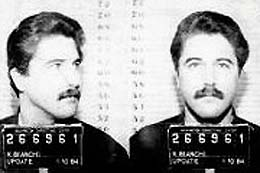
Kenneth Bianchi and his cousin Angelo Anthony Buono Jr. were also briefly investigated for the SRHM but they were both ruled out as suspects, as they weren’t active until October 1977. Known as the Hillside Stranglers, they were convicted of killing ten young women in Los Angeles between October 1977 and February 1978 (Bianchi killed two women in Washington by himself). Buono died on September 21, 2002 and Kenneth Bianchi is currently serving a life sentence in Washington State Penitentiary.
Joaquin Cordova is another possible perpetrator in the SRHM: at the time of the murders in 1972/73, Cordova was a twenty-two-year old bartender that was arrested for the rape and assault of a twenty-nine year old woman in his home. During the assault he told his victim that she was ‘different from the other girls,’ hinting at him doing this multiple times prior. He was ruled out by investigators (as he was in jail during the murders).
I would like to give credit to the ‘unresolved’ true crime website, who said the following about a man named ‘Campo de Santos: ‘outside of these big name, serial offenders, there are a couple of other small-time criminals that I discovered during my research into this case. One is a man named Campo de Santos, who operated under the alias, ‘Deyo.’ By 1975 ‘Deyo’ was spending time on New Mexico’s death row, having been convicted for a crime that was almost identical to the hitchhiking crimes. He was believed to have been in Sonoma County when at least some of the crimes were carried out, but it’s unknown what kind of connection there may be if any. Speaking to The Press Democrat, Sonoma County Sheriff’s captain Jim Caufield would state the following about the suspect: ‘he could be out man in some of these, but he won’t talk to us. It’s essentially possible they’ll send him to the gas chamber and we’ll never know if he’s the man, in fact, it’s possible out killer is dead or locked up somewhere else on other charges.’
True crime writer Gray George strongly suspected that serial killer Jackie Ray Hovarter was responsible for the Santa Rosa Hitchhiker Murders. Hovarter was a long-haul trucker that routinely drove throughout the northern part of California, and he was convicted of kidnapping, raping, and killing 16-year-old Diana Walsh from Willits, CA in August of 1984. He raped a second girl from Fortuna a few months later in December and tried to kill her by shooting her in the head, but she survived; she testified at his trial and helped put him behind bars. George feels that he could be a strong suspect in the murders of Francine Trimble and Kerry Graham.
Another name I came across in my research was an individual named Byron Avion, who was described as ‘an odd, portly man that was admittedly obsessed with the Zodiac Killer.’ He had other eccentricities as well, not the least of which was his ‘large collection of cardboard boxes, carefully stacked and tied shut with white nylon rope.’ However, the only place I came across a possible link was one source: a book titled ‘Suspect Zero,’ published on May 15, 2003 and written by Michael D Kelleher. I didn’t read the book so I didn’t learn much about this individual.
Works Cited:
Best, Joseph. ‘Jim Mordecai and the Santa Rosa Hitchhiker Murders.’ (Fenruary 29, 2024). Taken on March 8, 2025 from Medium.com
Fagan, Kevin. ‘Ted Bundy a suspect in Sonoma County cold cases.’ (July 7, 2011). Taken March 8, 2025 from sfgate.com
Hamilton, Francis. ‘Sonoma County Missing and Murdered.’ (September 11, 2019). Taken March 8, 2025 from sonomacountymissingandmurdered.wordpress.com
March, Lisa. ‘Adventurous Shasta County Teen Last Seen in Garberville: An Unsolved Cold Case.’ (May 16, 2022). Taken March 8, 2025 from kymkemp.com
Romano, Tricia. ‘The Case of the Double Initial Murders: An Odd History.’ Taken March 13, 2025 from crimelibrary.com
‘Serial Killer Database: HUGHES, Philip Joseph Jr.’ Taken March 13, 2025 from skdb.fandom.com
The Santa Rosa Hitchhiker Murders. (March 21, 2020). Taken March 8, 2025 from killerqueenspodcast.com/the-santa-rosa-hitchhiker-murders/
Unresolved. ‘The Santa Rosa Hitchhiker Murders.’ Taken March 8, 2025 from https://unresolved.me





















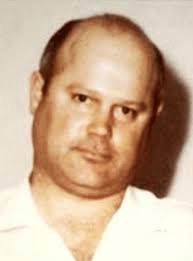
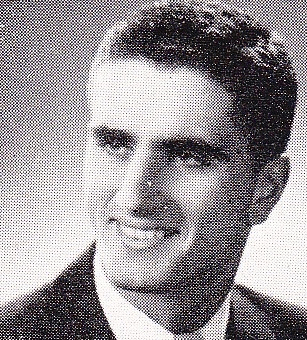







Ann Marie Hammer was born on February 4, 1927 to Maxwell Algernon and Agnes Marie (nee Sutton) Hammer in Aberdeen, SD. She had an older sister named Cecelia Mae (Boyce) and a brother named Lowden William, who was born in December 1921 and sadly only lived to the age of three. Maxwell was born on April 7, 1887 in Hubbard, Iowa, and Agnes was born on August 31, 1890 in Illinois. I wasn’t able to find out very much about Ann’s background, and wasn’t even able to find the name of the high school she graduated from. According to Ancestry.com, the Hammer family lived in Aberdeen, SD in 1930 and in 1935 they moved to Rural, SD. Ann’s father was a WWII vet and was the owner and operator of the Hammer Realtor Company, and president of the Co-operative Building and Sales Company. Sadly he shot himself in the chest in November 1940 with a .410 shotgun, and according to his obituary he had been in poor health for several months prior to his death and had recently learned he had malignant cancer. In late 1940 Mrs. Hammer took her two daughters and moved to Maricopa, AZ.
Ann was married twice: she wed her first husband Clarence George Sutherland in Juárez, Mexico, and her second Leslie Harrison ‘Woody’ Woodward on November 17, 1953 in Gallup, NM (she was his third wife). Sutherland was born in June 1912 in Peoria, Illinois and died in June 1996 in San Diego. ‘Woody’ was born on March 19, 1921 in New York, and the couple had four children together: Leslie Ann, Maxwell Joseph, Suzan Edna, and Guy Thomas.
In the early morning hours between 1:40 and 2:30 AM on March 2, 1973 Woodward was killed in the bar she worked at and owned with her husband. After his wife failed to return home Leslie went into the establishment between 6:30 and 6:45 AM to look for her, and stumbled upon a gruesome sight: Ann, deceased. She was half-dressed with her shirt completely unbuttoned and bra exposed, and she had no pants on and was lying on the floor in between two pool tables, with the right leg of her white striped slacks still tied around her neck. Next to her discarded pants were eight dimes and one tissue, and Moab Detective Jeremy Drexler said there were tissues in every one of Ann’s pockets, except for the left pocket. The mother of four had been beaten, raped and strangled. Woody immediately called his friend Heck Bowman, who was the Grand County Sheriff even though the bar was outside his jurisdiction. Typically the case would have fallen into the lap of the Moab PD instead of the sheriff’s, and that ended up playing a large role in how the investigation was handled and why it was mishandled. Detective Drexler commented that based on the notes he read in Woodward’s case file, there seemed to be some bad blood between the two policing agencies, and they didn’t really get along and couldn’t really seem to work together.
In the early morning hours between 1:40 and 2:30 AM on March 2, 1973 Woodward was killed in the bar she worked at and owned with her husband. After his wife failed to return home Leslie went into the establishment between 6:30 and 6:45 AM to look for her, and stumbled upon a gruesome sight: Ann, deceased. She was half-dressed with her shirt completely unbuttoned and bra exposed; she had no pants on and was lying on the floor in between two pool tables, with the right leg of her white striped slacks still tied around her neck. Next to her discarded pants were eight dimes and a single Klenex, and Detective Drexler said there were tissues in every one of Ann’s pockets except for the left one. The mother of four had been beaten, raped and strangled. Woody immediately called his friend Heck Bowman, who was the Grand County Sheriff even though the bar was outside his jurisdiction. Typically the case would have fallen into the lap of the Moab PD instead of the sheriff’s, and this ended up playing a large role in how the investigation was handled (and why it was mishandled). Detective Drexler commented that based on the notes he read in Woodward’s case file, there seemed to be some bad blood between the two policing agencies, and they didn’t really get along or work together.
Found at the scene were two sets of bar glasses as well as some cigarette butts which helped point investigators to where Ann and her killer were most likely sitting. According to Detective Drexler, ‘they wanted to identify that person who sat next to Ann in the worst way. You can see from the original case notes that they were really hoping that fingerprints on the bar glasses would identify him.’ But, sadly that never worked out, and the glassware was sent to the FBI but came back inconclusive.
In recent years Moab police admitted that they didn’t handle the crime scene as well as they should have, and a lot of important evidence was mishandled and lost. While the (now retired) Police Chief Melvin Dalton was meticulous in his investigation, the method in which things were done 51 years ago muddied the waters, and while ‘very neatly put together and ready for our taking’ there was no records management system in place at the time. The two boxes of information related to Woodward’s murder were eventually removed from the sheriff’s office and placed in a building off campus and was eventually forgotten about. Once Drexler discovered the evidence that was lost so many years before things broke wide open: ‘it was 50 years and six months later, but we got it and I knew we had it. I called my wife and told her I had the evidence in the backseat of my truck and I got emotional. It was a treasure trove.’
The evidence related to Woodward’s murder sat collecting dust in the archives of the Grand County Sheriff’s Department until September 14, 2023, when Detective Drexler found them after taking over the investigation. According to him, ‘it was actually on a shelf back next to some Geiger counters. So the evidence was not labeled as evidence, I guess you could say. It’s just a beat-up cardboard box with dust on it.’ … ‘It was truly amazing. We found these boxes in a store room, and they were absolutely pristine. We opened one box and saw that it was Ann’s clothing. I knew right then: we’re going to get him.’ Two months later DNA related to the case was sent to the Utah State Crime Lab for analysis. In May 2024, that genetic evidence was returned and pointed to Chudomelka. Drexler said: ‘He could explain away having his DNA on the outside of her clothes, but not the inside of her pants. No way.’
Upon taking over the case, Detective Drexler initially thought Ted Bundy was his guy using the logic that he was known to be in the general area at the time Ann was killed… but this isn’t really the case, and a quick glance at the ‘1992 TB MultiAgency Investigative Team Report’ would have told him that Ted was nowhere near Utah at that time. In March 1973 Bundy worked for the King County Program Planning and he was still in a long term relationship with Liz Kloepfer (although by this time he was seeing multiple other women and wasn’t being entirely faithful to her). He wouldn’t go on to commit his first (proven) murder until the beginning of 1974, and wasn’t even active in the state until October 2 when he killed Nancy Wilcox.
In recent years former Moab Police Chief Melvin Dalton sat down with The Deseret Morning News and shared that when he arrived at the scene of the crime it was chaotic and almost like a party: ‘people were going in and out like they were going to church.’ The former police chief also said that because the sheriff’s had taken over the investigation the Moab PD didn’t have access to very much evidence, and that the case was not handled well by them despite his admission that he and his officers weren’t trained to handle a murder: ‘I wasn’t really trained in homicide, I always felt if we had a really good trained detective, we’d have been in a lot better shape.’
Shortly after the murder took place in March 1973, the Deseret News newspaper reported that Sheriff Bowman had a good lead in the case, but nothing ever came of it. Chief Dalton recalled administering polygraph tests and even came up with a few strong potential suspects, however they both got lawyers and stopped talking. The investigation quickly went cold but was reopened in October 2006 after Ann’s daughter Suzan (who was 16 when her mom was killed) sent a letter to (now retired) Moab Police Chief Mike Navarre asking him for help. The homicide remained unsolved until the summer of 2024 when forensic experts were able to determine that a man named Douglas Keith Chudomelka killed the 46 year old wife and mother.
Detective Drexler speculated that Ann’s killer was angry at her for beating him at poker, but clarified that he wasn’t 100% sure and it could also have been a crime of opportunity versus rage. He said that he does know without a doubt that night that the two played cards and Chudomelka ‘drank beer and smoked Camel cigarettes.’ Using modern scientific techniques, he was able to separate the 29 pieces of evidence (which included ashtrays, fingernails, hair, fingerprints and salt shakers) that were part of the original investigation and break them down into about 80, helping the department analyze the components more thoroughly.
Chudomelka worked at the Rio Algom Mine in the Moab area during the early to middle 1970’s and rented a trailer in the Walnut Lane Mobile Home Park for $100 a month. He was known to frequent Woody’s Tavern when he was done with work for the day and had a long paper trail of documented violence. After he killed Woodward, he went into the establishments cash register and helped himself to $75; he also took the $50 out of her left pants pocket that she won from him playing poker (some sources say it was an undetermined amount of money), and two days later he paid his rent with five $20 bills. Detective Drexler said he has no idea if he gave the landlord the stolen money but it’s definitely a possibility.
The current Moab Police Chief Lex Bell said: ‘that pair of pants is what led us to her killer,’ and Detective Drexler said that in addition to the inside of the slacks Ann was wearing, all the buttons on her shirt had Chudomelka’s DNA on them as well. Forensic testing was also done on items found at the bar as well, which confirmed his presence at the establishment on the night Woodward was murdered.
According to Moab reporter Emily Arnsten, the area was much more conservative in 1973, and the Mormon Church had a much greater influence on the community than it does today. But at the same time, there was also a large, blue-collar mining community that contained a large amount of transient workers that may not have been the most pious of people, and Woody’s was the perfect stomping grounds for these individuals. The establishment was perhaps a bit more wild than it is today as well, as they used to employ the likes of go-go dancers and there was lots of gambling that took place on the premises.
According to Ann’s granddaughter Annie Dalton, Woodward was unlike most of the other more ‘traditional’ women in the area: firstly, she was Catholic, not Mormon, and wasn’t originally from the area. She also ran a bar in a conservative area where a lot of people maybe didn’t drink and was a pretty avid card player. Dalton and Woodward family friend Tim Buckingham wonder if her grandmother’s worldly lifestyle had anything to do with the Moab police’s lack of urgency regarding this murder: ‘’I think that when something that horrific happens in a town like this, to convince yourself that it could never happen to you, to feel safe in that, you do what you can to distance yourself from the person that it happened to. That’s most of what I got, the sense of people who were trying to come up with stories that made sense.’ About her grandmother’s murder, Annie said: ‘it was this thing that my mom carried that was grief and loss, and she ended up passing away from COPD. They say that you carry grief in your lungs, and I’ve always felt like it was just grief that she never was able to process. So they were all carrying this burden in different ways and it never got resolved. It’s a tragedy that just keeps being tragic over and over.’
When questioned Chudomelka told investigators that he had not been in Woody’s on the night of the murder, but had instead spent the evening drinking at The Westerner Grill. His girlfriend, Joyce, provided him with an alibi, and told investigating officers that he came home at about 2 AM, however the bartender at The Westerner Grill told police that he was not in at all the night of March 1. Law enforcement asked Chudomelka if he was willing to take a polygraph test, to which he agreed, but in the end they were unable to administer it because when he arrived at the station he was drunk. Eventually, he stopped talking to police and asked for a lawyer and no charges ever stuck. Before he left the area Doug would later be convicted of cattle rustling (which is ‘the act of stealing livestock’) in San Juan County and served out a term of probation. Detective Drexler said he was found guilty of additional crimes in other states, including an atrocity involving a 10-year-old child in Alabama. In 1978, Chudomelka returned to Nebraska, where he managed to (mostly) fly under the radar until his death.
Chudomelka was always considered to be a prime suspect in Woodward’s murder and was one of 25-30 suspects, a number that included acquaintances, bar patrons, and members of the Moab community. Anyone that had been in the tavern on the night of the homicide or was known to be a regular at the establishment was considered a suspect… but he had more going against him than the others: the mid-1960’s Ford sedan that he owned matched the description of the car witnesses reportedly saw parked next to Woodward’s truck late in the evening on March 1, 1973. According to Detective Drexler: ‘they were looking at Doug, they just couldn’t get him. He easily could have killed her and made it home by 2 AM, but the bartender at the Westerner told police Chudomelka was not in at all the night of March 1.’ … ‘They wanted to solve it. All the evidence was there, but they just didn’t have the technology at the time to solve this case beyond a doubt.’
Douglas Keith was born to Paul and Magdalena (nee Arps) Chudomelka in rural Dodge, NE on February 7, 1937. On February 9, 1954 he joined the US Marine Corps and he was married three times: he wed Thelma Mae Scheulz on May 16, 1958 in San Diego, California and the couple had four children together. After they parted ways he met Ernestine Winnie Jolly, and the two were wed on December 3, 1976 in Galveston, TX; I don’t know any details about their divorce but he married Vickie Flowers for a third time at some point before his death. Chudomelka left the military on December 13, 1961 with the rank of sergeant after serving in Korea, then went on to get his CDL and worked as a long haul trucker for several companies across the United States. According to his obituary, at some point after Ann’s murder he moved to Fremont, Nebraska, where he became a lifetime member of the VFW Post 7419 in Nickerson. According to his obituary he had no kids (this is a complete lie) and only left behind siblings (five sisters and two brothers) and three ‘special friends…’ He died on October 18, 2002.
Just a few days after Ann’s murder on March 6, Chief Dalton received permission to pull hairs from the suspects body, and took samples from his belly button, chest, pubic area and head; cigarette butts (which were Camels, like the ones found at the scene of the crime) were also recovered from an ashtray in his residence to see if a saliva sample could be pulled. After the evidence was meticulously collected and preserved it was sent to the FBI, however in 1973 the Bureau was not yet equipped to test hair or saliva, and according to Drexler, ‘this case hinged on the hair Dalton pulled in 1973. I have no idea how he knew that we would be able to do that today. Dalton made this case very easy for us in that aspect.’ The box of evidence was returned (unopened) to the Sheriff’s department along with a letter that (essentially) read: ‘this is a great idea, but we don’t have the technology to do that.’
Douglas Keith Chudomelka was born to Paul and Magdalena (nee Arps) Chudomelka in rural Dodge, NE on February 7, 1937. On February 9, 1954 he joined the US Marine Corps and he was married three times: he wed Thelma Mae Scheulz on May 16, 1958 in San Diego, California and the couple had four children together. After they parted ways he met Ernestine Winnie Jolly, and the two were wed on December 3, 1976 in Galveston, TX; I don’t know any details about their divorce but he married Vickie Flowers for a third time at some point before his death. Chudomelka left the military on December 13, 1961 with the rank of sergeant after serving in Korea, then went on to get his CDL and worked as a long haul trucker for several companies across the United States. According to his obituary, at some point after Ann’s murder he moved to Fremont, Nebraska, where he became a lifetime member of the VFW Post 7419 in Nickerson. According to his obituary he had no kids and only left behind siblings (five sisters and two brothers) and three ‘special friends…’ He died on October 18, 2002.
After Ann died Leslie went on to remarry Jane Jaramillo on November 17, 1985, in Las Vegas (I also saw the date listed as November 11, 1984); the two stayed together until his death on Christmas day in 2015 at the age of 84 in Newton, Kansas. According to his obit, Woody served in the US Navy during WWII, where he earned 13 battle stars. He was an entrepreneur and ran several businesses across Moab, including laundromats, gas stations, and Woody’s Tavern, and in his spare time he enjoyed hunting, fishing and exploring the country while on vacation.
Ann’s sister Cecelia passed away on August 12, 2004. As of November 2024 three of her four children have passed away and the only one remaining is her older daughter Leslie Ann (Estes). According to Estes, ‘there’s no closure for me. It’s still going to go on. She’s still going to be gone tomorrow, and my grandkid, my children have never seen her and don’t ever know what a wonderful grandmother she would have been.’ Max Woodward died in early November 1999 at the age of 43, and Ann’s daughter Suzan passed away on June 1, 2019. According to her obituary, she ‘loved sewing, cross-stitching, driving across the country on adventures, playing with her grandchildren, talking to her daughters and friends, laughing and joking with Pug, going to the mountains, watching sunsets, making pots, and staying in little old hotels with character.’ Guy ‘Bugsy’ Woodward died at the age of fifty on March 13, 2009, and according to his obituary in The Times-Independent, he was a sweet, funny, and loving brother, dad, son, uncle and friend that loved the outdoors, music, yard work, fishing, hunting, making jewelry, heckling his sisters, and being a part of Narcotics Anonymous. His three daughters were the jewels in his crown and were the ‘best accomplishments of his life.’
According to Detective Drexler, ‘if he was alive today, I would be asking Grand County District Attorney Stephen Stocks for an arrest warrant for Douglas K. Chudomelka for the crime of first-degree murder for his actions on March 2, 1973.’ Stacks seemed to be in agreement with Drexlers statement, and said, ‘had he not passed, we would have filed criminal information against him. I hope today brings some closure to the family. I truly believe if this case would have been presented to the jury, he would have been found guilty beyond reasonable doubt for the murder of Ann Woodward.’ Leslie Ann said that her father was the first suspect that LE investigated, and the locals always seemed to be whispering that he was the one responsible for her death; Estes hopes that now these rumors can finally be put to rest. About her father, Leslie Ann said ‘he was larger than life, and it just, it broke our, it broke his heart, but it broke our family, like the splinter never was healed. It never really did even begin to heal.’
Chief Bell said that (as of June 2024) his department was still testing additional items found at Woody’s Tavern, and Detective Drexler commented that both the Moab PD and the Grand County Sheriff’s are ready to start digging into other cold cases.
Works Cited:
‘Leslie “Woody” Woodward passed away Dec. 25.’ Published on December 28, 2005 in The Times-Independent. Taken on October 28, 2024 from https://www.moabtimes.com/articles/leslie-woody-woodward-passed-away-dec-25/
McMurdo, Doug. “Two raves and a Rant.” Published on July 3, 2024 in The Times-Independent. Taken October 28, 2024 from https://www.moabtimes.com/articles/two-raves-and-a-rant/
McMurdo, Doug. “MPD solves 51-year-old cold case murder.” Published on July 10, 2024 in The Times-Independent. Taken October 28, 2024 from https://www.moabtimes.com/articles/mpd-solves-51-year-old-cold-case-murder/

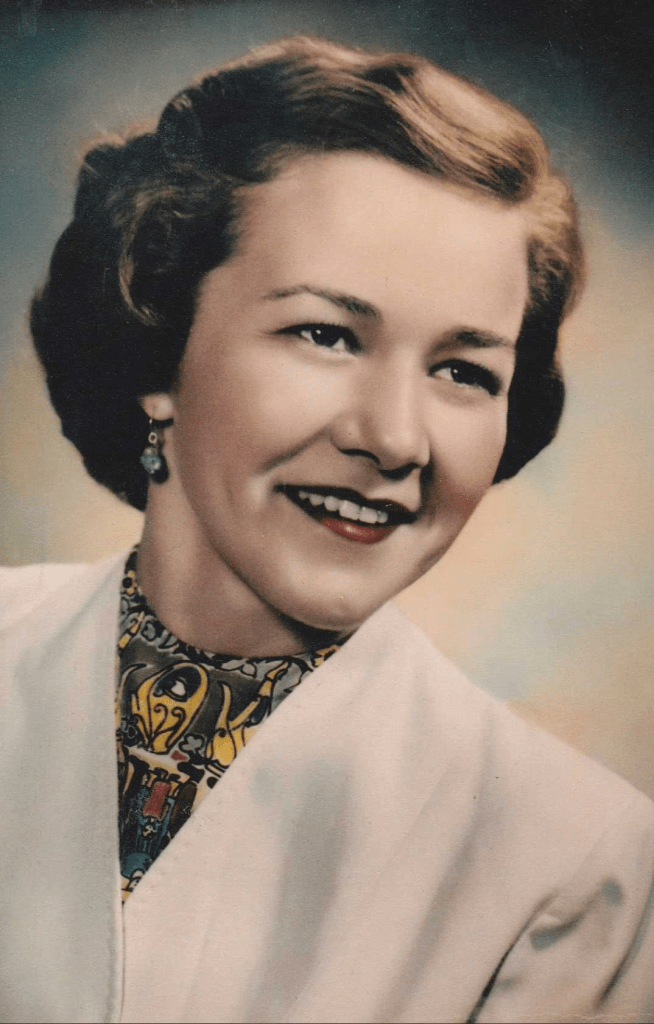
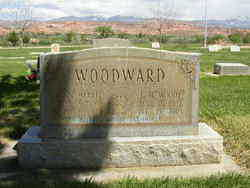
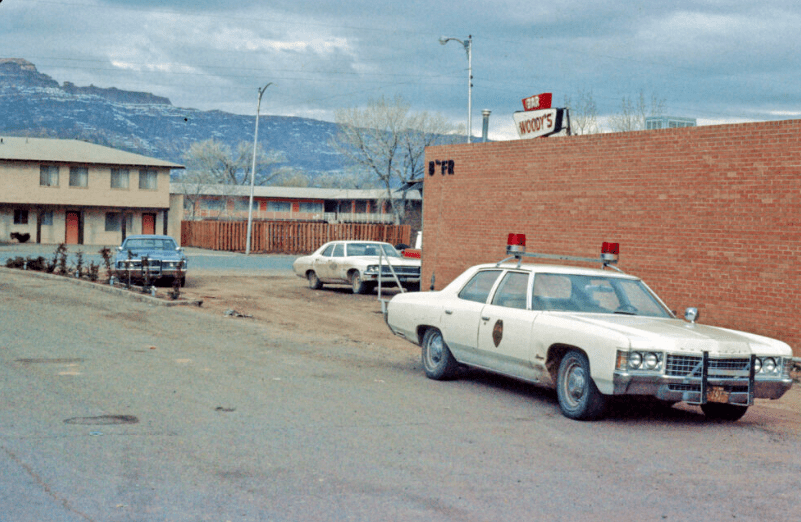
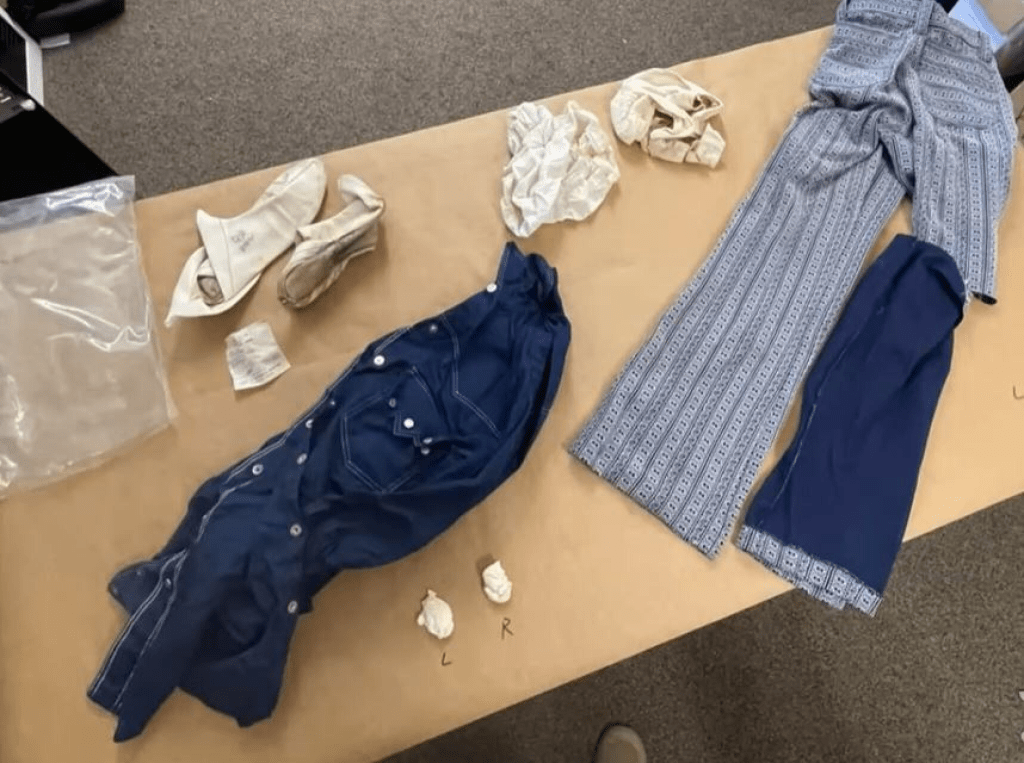


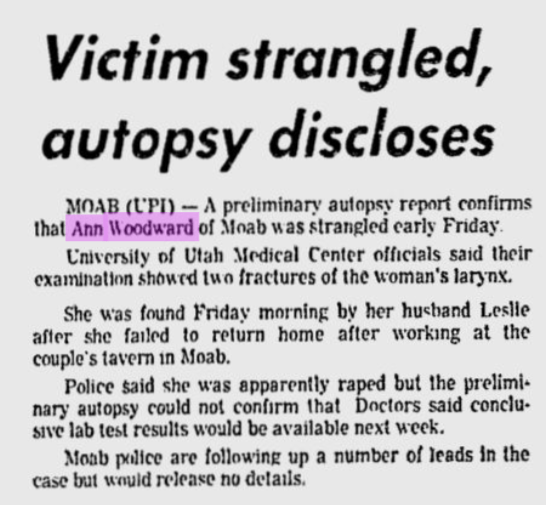


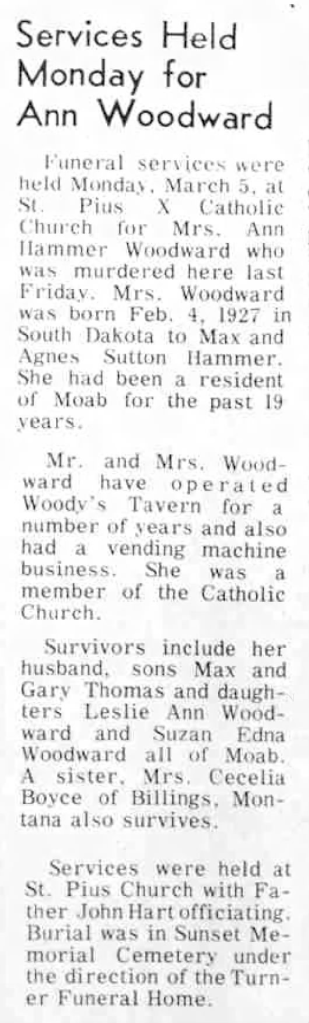
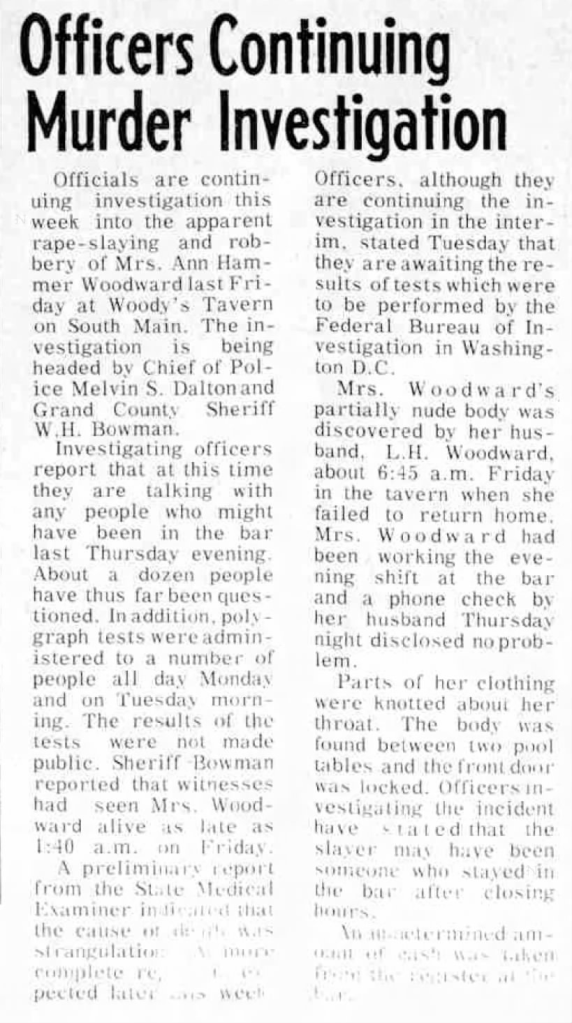


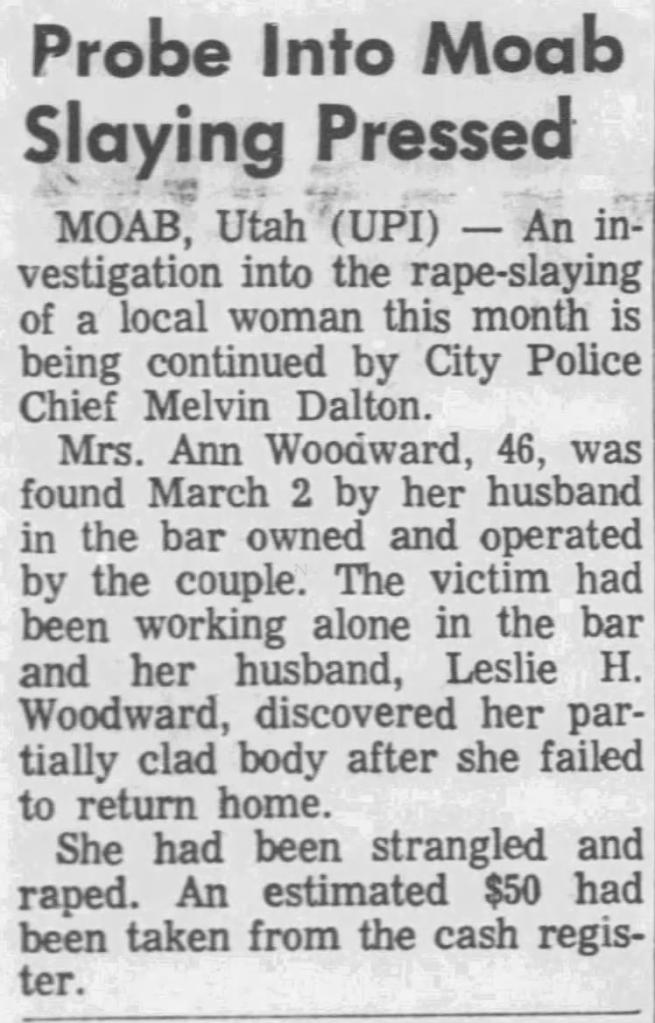
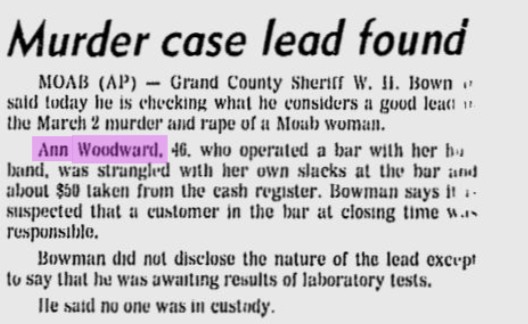
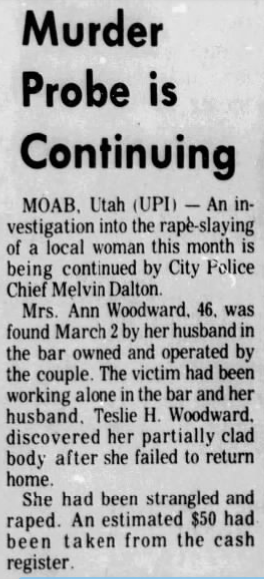




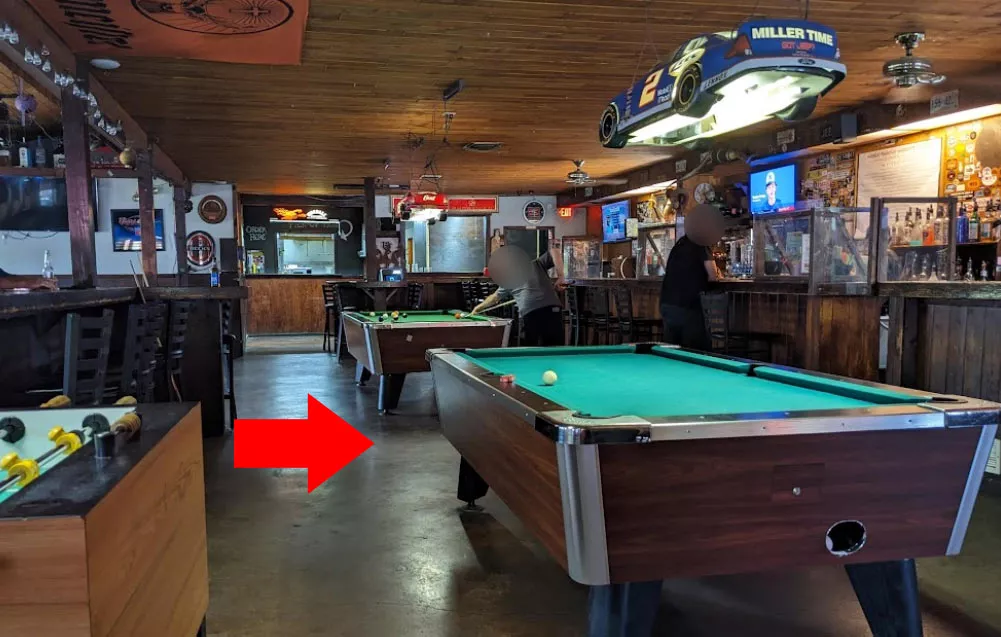
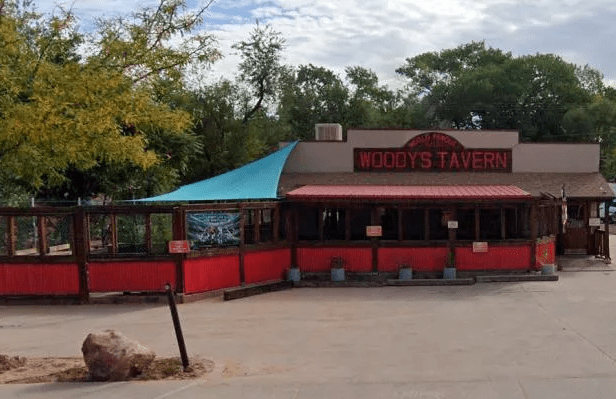
















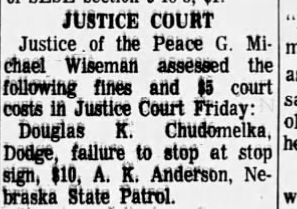


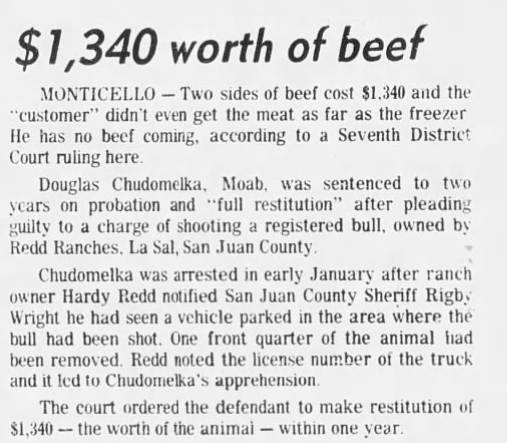






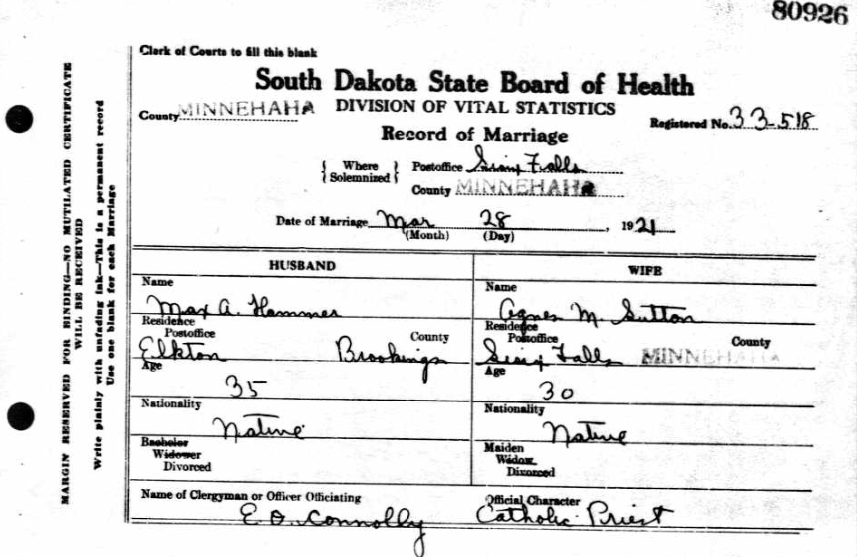
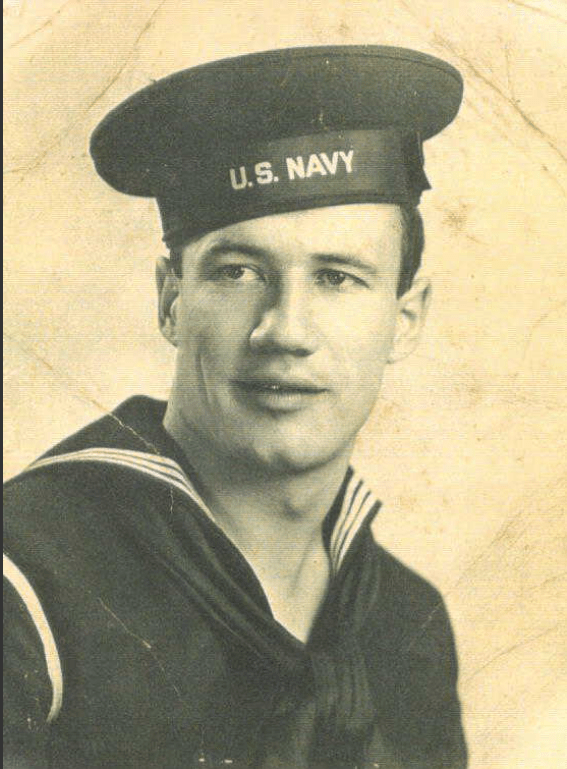

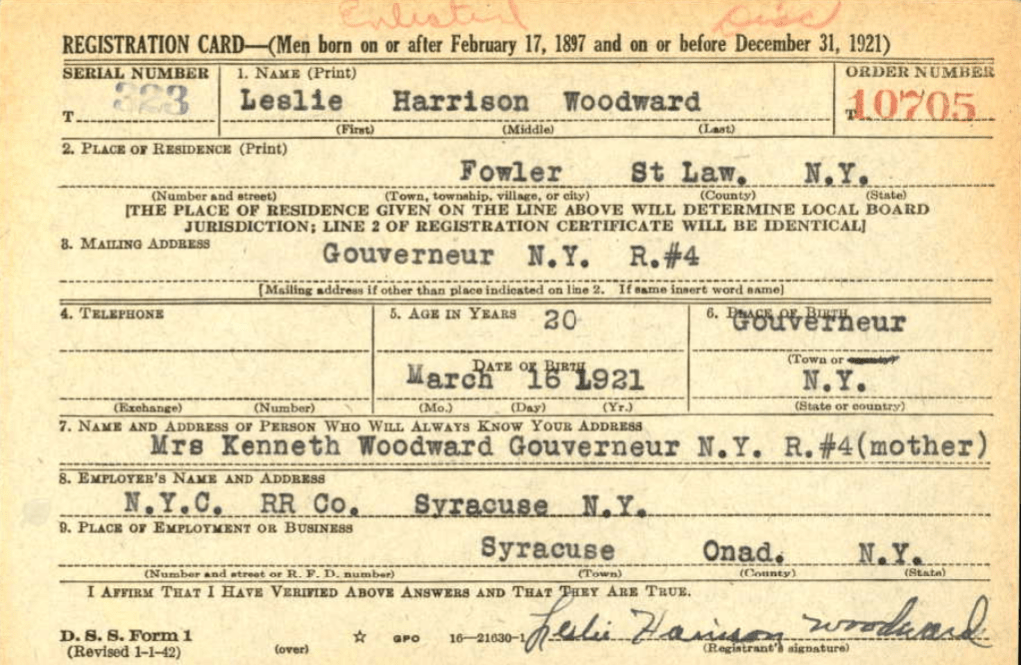


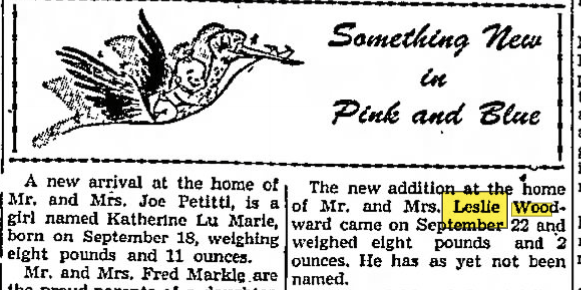

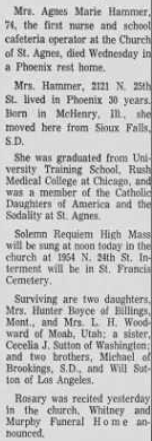
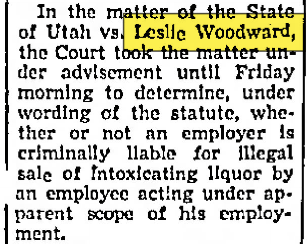
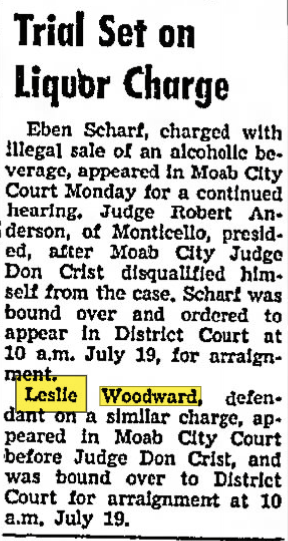
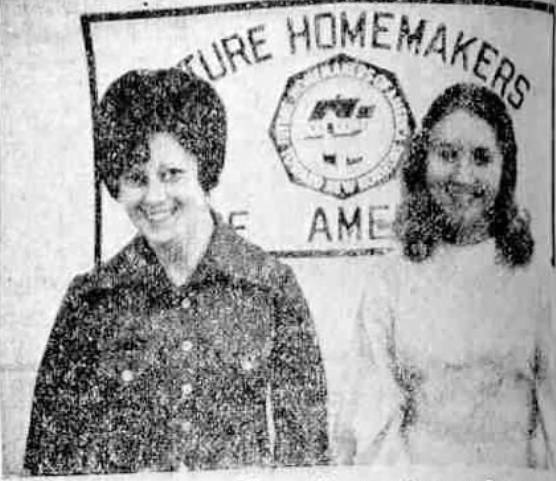



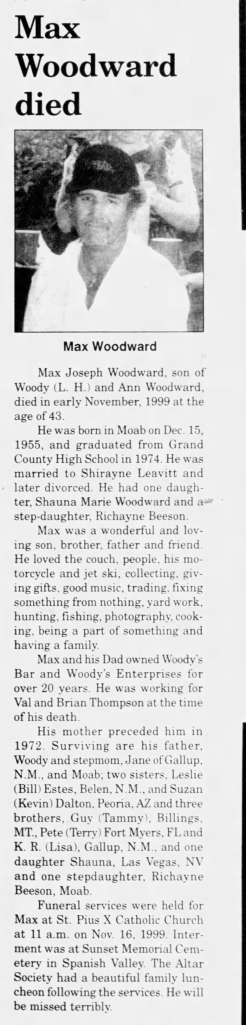




In late April 2024 I requested the files related to the murder of Kathy Devine from the Thurston County Sherrif’s department in Washington state, and they finally got around to getting them to me at the end of June. I shouldn’t be so salty, I’m very thankful they were willing to send them to me. Included in the information was a bunch of newspaper articles about Kathy, and I almost didn’t include them because most of them I found on newspapers.com (and are in my article), but it was important that I release Kathy’s case file in it’s entirety. They did tell me that sometime in August additional information will be ‘made available’ so… that’s also exciting.
Gayle Elizabeth LeClair was born on January 26, 1951 to Donald and Barbara LeClair in Gold Beach, Oregon. Mr. LeClair was born on June 4, 1930 and was employed as a car salesman, and Barbara Jean was born on July 8, 1930 in Redondo Beach, CA and worked as a bank teller at Western Bank. The couple were wed on February 10, 1950 and had two children together (Gayle and her younger brother Cleve*), but sadly divorced in September 1970. After his marriage ended he had a daughter named Leah with a woman he only dated for a short period of time. The woman put her up for adoption and Mr. LeClair wasn’t aware of her existence until around 2000. He went on to get remarried in December 1970 and had a son named Frank; the couple remained together until the early 1980’s. On September 22, 1985 Mr. LeClair remarried for a third time to a woman named Leola Wilson, who he remained with until his death.
Gayle LeClair was a petite, attractive young woman, with blue eyes and light blonde hair that she wore short while in high school but according to her mother grew out in college, and often wore it tied up with a leather barrette. After graduating from Gold Beach High School in 1969 LeClair went on to attend Southwestern Oregon Community College for two years. While at SWOCC she was active in the schools theater group, and during her first semester there was on the crew during a production of ‘Don’t Drink the Water.’ According to her mother, Gayle was a studious young woman that excelled in math and had dreams of continuing her education and becoming a teacher one day. When she lived at home she would (on occasion) attend service at Emmanuel Episcopal Church in Coos Bay. LeClair moved to Eugene in January 1972 after she graduated from community college and got a job at the Eugene Municipal Library as a clerk-typist.
After Gayle failed to come in for her scheduled shift at 10:30 AM on August 23, 1973 (or answer multiple phone calls) her supervisor went to her house to check on her. Upon arrival, there was no sign of forced entry and the front door was unlocked, and after walking towards LeClair’s bedroom the unidentified supervisor discovered her deceased from multiple stab wounds shortly after 11:00 AM; upon the discovery she immediately went next door and used a neighbor’s telephone to contact police. Gayle had a date with a known acquaintance the night before; they went to a drive-in movie then went back to her apartment for a nightcap. She was last seen alive by him at 1:30 AM, and after a conversation with detectives the young man was quickly cleared as a suspect.
Lieutenant Donald Lonnecker with the Eugene Police Department said the LeClair was dressed for bed when she was murdered and a ‘preliminary autopsy indicated no evidence of sexual assault.’ Before moving into the house she was killed in, from January 1972 to May 1973 she resided at 3760 Concord Street in the Bethel-Echo neighborhood of West-Eugene; she lived by herself in both residences. Mrs. Duane Brown lived next door to the victim on Concord Street and said where they weren’t close and didn’t talk often she said she was a ‘nice, pleasant person.’ Miss LeClair seemed to have a healthy relationship with her family, and before she was murdered her brother Cleve visited her (he lived in North Bend with their mother), and Barbara said of her daughter ‘she would pick up the phone in the evening just to ask how our day had been.’ Neither Gayle’s mother nor father could come up with any reason why anyone would want to hurt their daughter.
Members of law enforcement were immediately baffled at the motive behind the murder of LeClair. Lieutenant Lonnecker said that the victim ‘spent a lot of time socially with people’ and ‘had a lot of friends,’ and those that knew LeClair said she was ‘both outgoing and moody, depending on who knows her and in what way;’ he also said that she was ‘pleasant, and socially active,’ had a lot of friends, and a busy social life. Despite this, neighbors of LeClair didn’t seem to know her at all, and one of them even thought the house she lived in was vacant. According to an article published in The World on August 30, 1973, the small home that LeClair rented had lots of trees, shrubs and other greenery on the property despite being in a residential neighborhood, which would make it very easy for someone to hide in her yard and look through her windows. Her landlord, J. Sidney Armstrong, was a former Lane County District Attorney that moved into private practice, and at one point even dated the victim (although not recently). Armstrong told investigators that his ex ‘had a lot of boyfriends’ and was eventually cleared of any wrongdoing. On August 24, 1973 Lane County DA J. Pat Horton said they never recovered the murder weapon, but did clarify they think it was either a ‘knife or some other sharp instrument.’
At the time of her murder in August 1973, Ted Bundy seemed to be in between jobs: from February to April of that year he worked for King County Program Planning then took a break from employment until September 1973, when he got a position as the Assistant to the Washington State Republican chairman. Although it wasn’t as intense as their first few years together he was still in a relationship with Liz Kloepfer… but he was also seeing his ex-girlfriend Stephanie Brooks on the side as well (they rekindled their romance earlier that year). He was also getting ready to start law school at the University of Puget Sound (which he started the following month in September 1973). According to the ‘Ted Bundy Multiagency Investigative Team Report 1992,’ on the day of LeClair’s murder Bundy got into a car accident in Kloepfer’s eggshell blue VW Beetle.
Now, it’s widely accepted that Bundy’s murder rampage began in January 1974, when he brutally assaulted (and most likely left for dead) fellow University of Washington student Karen Sparks in her basement apartment. But, most people in the true crime community strongly suspect he started well before this (some people think as early as 1961 with little Ann Marie Burr in his hometown of Tacoma). I feel it’s worth mentioning that during his final death row interviews with Dr. Bob Keppel, Bundy confessed to starting his murder spree in 1972, not 1974:
Robert Keppel: ‘There’s a gal in 1971, Thurston County.’
Ted Bundy: ‘No.’
RK: ‘Not that far back. Nothing that far back?’
TB: ‘1972.’
Additionally, after Bundy was executed forensic psychologist Arthur Norman told New Jersey based news magazine ‘The SandPaper’ that the killer once told him that he murdered ‘two women in the Philadelphia area’ (most likely Elizabeth Perry and Susan Davis), which he suspected were his first two homicides. Dr. Norman even notified Atlantic City Prosecutor Jeffrey Blitz about his confession, who immediately shot down the story, calling it inconclusive. He never investigated it.
Ted confessed to abducting Roberta Kathleen Parks from Oregon State University on May 6, 1974: he drove her over 250 miles away to Taylor Mountain, where he raped and killed her. She is his only confirmed Oregon victim. In interviews with law enforcement, Bundy confessed to murdering two additional women in the ‘Beaver State’ but refused to elaborate any further; according to most law enforcement, Vicki Hollar and Rita Jolly are the best candidates. On June 29, 1973 seventeen year old Rita Lorraine Jolly left her family home to take a walk, something she did every night before bed. She never returned home. Not even two months later on August 20, 1973 twenty-four-year-old Hollar disappeared without a trace after leaving the Bon Marche in Eugene, where she had just gotten a new job as a seamstress two weeks prior. Detectives tried but were unable to question Ted regarding Vicki’s disappearance before his execution in 1989, eliminating the chance of closing the case in relation to the serial killer. I was not able to find anything from the Hollar family in regards to Bundy, however I did find a quote by Jill Jolly: ‘as I recall, my mother told me that the local detectives managed to get a direct question about Rita through to him before his execution, and his reply was ‘No. No more in Oregon.’ Bundy withheld many secrets in the end in hopes to parlay them into yet another stay of execution, and even told detectives that ‘there are other buried remains in Colorado’ (then of course he refused to elaborate any further).
Regarding how close the Bon Marche in Eugene was compared to LeClair’s residence, WebSleuths user BlueJean40′ points out that ‘both of these locations are relatively close on the same side of our city. Just wondered if anyone had read anything about them possibly being connected.’ Not even three months after LeClair was killed on November 5, 1973 twenty-three year old Suzanne Justis most likely hitchhiked from her home in Eugene to Portland, as her car was found left behind at home. She spoke to her mother from a phone booth located outside of the Memorial Coliseum. Justis told her mother she was planning on coming home the following day to pick up her young son from school but never showed up. No trace of her has ever been recovered.
Now, when I say this I’m in no way implying that Ted Bundy was responsible for every single murder that took place in the state of Oregon in 1973… but I am surprised that after two years of very intense research I’m still coming across names that I’ve never seen before. During my research into Gayle LeClair I learned about a young women named Faye Robinson (her high school yearbook spelled her first name ‘Fay’), who was found deceased from multiple stab wounds in the upper part of her body not even six months before LeClair in March 1973. Like Gayle, Robinson was educated and worked in county government: she graduated from the University of Oregon in 1970 and was employed by the Lane County Welfare Department.
Another girl I want to mention is 17 year old Susan Wickersham, who disappeared on July 11, 1973 after dropping off the family car at her mom’s POE in downtown Bend after joyriding around town with a girlfriend (some conflicting reports say she was at a party). Her remains were found on January 20, 1976 and her skull had a bullet hole behind the right ear with no exit wound. Lastly, a 15 year old girl named Alison Lynn Caufman disappeared out of Portland sometime in 1973 (I was unable to find an exact date or any more details about her) as well as eighteen year old Laurie Lee Caniday from nearby Milwaukie (yes, that’s spelled correctly).
Now, I want to (briefly) talk about the May 1969 Garden State Parkway killings separately from the other missing/murdered girls for a moment, just because I feel that they share some (very) general commonalities with the murder of Miss. LeClair (even though I personally don’t think Bundy was responsible for the murder of Susan Davis and Elizabeth Perry): like LeClair, both victims expired as a result of multiple stab wounds, and even though none of Ted’s other victims (that we know of, anyways) ever suffered from any similar types of injuries we do know that he used a (dull) knife to cut the throat of little Kimberly Dianne Leach in Florida on February 9, 1978.
Aside from Ted, another name that came up in relation to the murder of Gayle LeClair is Dayton Leroy Rogers, an American serial killer that has been linked to the slayings of at least eight ‘street’ women (which is code for sex workers/addicts/runaways) across Oregon. He was convicted of the murder of his final victim in 1988, and two years later in May 1989 he was sentenced to death after being found guilty of six additional homicides. Rogers was actually sentenced to death on three separate occasions, but all three times the Oregon Supreme Court vacated the decision and remanded the cases for a new trial; he was sentenced to death for a fourth time on November 16, 2015. According to Roger’s defense attorney, the killer said that he would have waived all future appeals and allocated to his atrocities in exchange for a life sentence rather than receiving the death penalty. His death sentence was overturned for the fourth time on November 12, 2021 partially thanks to a new law signed by Governor Kate Brown limiting the amount of ‘aggravating factors required for seeking the death penalty.’ Governor Brown commuted the death sentences of everyone on Oregon’s death row to life without parole on December 13, 2022. Dayton is still alive as of June 2024, and will live out the rest of his days behind bars.
Now, nothing in my research told me that Ted Bundy was ever considered a suspect in LeClair’s murder, despite her living in a fairly accessible area to him and fit neatly into his preferred age range, as he killed young females anywhere from 12 years old (possibly even as young as eight if you throw Ann Marie Burr into the mix) up to 26 years old (ski instructor Julie Cunningham). Miss. LeClair also fit the physical description of one of Ted’s victims, as she was beautiful and slim and had long hair and a petite build. But these superficial details are pretty much where any possible link to Bundy ends.
Mr. LeClair died at the age of 74 on January 27, 2009 due to a ‘smoking related illness.’ He was an avid outdoorsman, loved racing, and was a member of the Fraternal Order of Eagles. Gayle’s brother Cleve died of heart failure on May 9, 2009. He was active in a local HAM radio club and was trained to help run a radio station in the event of an emergency. Frank LeClair was able to tell me that Barbara LeClair passed away on December 11, 2024.
* Edit, January 2025: I would like to thank Gayle’s brother Frank, who was kind enough to reach out to me and point out a few mistakes I made and give me some updates about his sister’s case. He shared with me that a detective from the Eugene PD Cold Case Squad had been in touch with him in recent years, who shared they had uncovered a piece of evidence in relation to the murder that unfortunately at the time had not been properly processed into evidence, therefore there was no chain of custody and it wouldn’t hold up in court. But they did however send a piece of the sample to a laboratory that specializes in recovering DNA and they were able to uncover two partial but separate genetic profiles from the blood evidence. The detective shared with him that they needed a blood sample from an immediate family member in order to determine which portion belonged to Gayle, and unfortunately since Frank was only a half-sibling he didn’t qualify, as it needed to come from a ‘more direct relative.’ He helped them get in touch with Ms. LeClair’s mother Barbara, who happily volunteered a sample. After receiving it the lab was able to isolate the suspected killers DNA from the sample taken from the crime scene, however because of the age and the fact that the sample was degraded they weren’t able to obtain a full set of genetic markers.
But Frank did tell me that recently they were able to get genetic samples from every person of interest in relation to the case, and if they were deceased they got one from one of their children. So far investigators have been able to clear every suspect except for one, who died several years ago; his child has refused to voluntarily give up a DNA sample. The detective told Frank the names of a few different suspects that were eliminated after the DNA evidence was analyzed, but he forgot most of them. The ones that stuck out the most were Gayle’s date that night and the landlord, John Sydney Armstrong.



Deborah Lee Tomlinson was born on October 15, 1957 in Bitburg, Germany to Arthur and Sandra (nee Roup) Tomlinson. Arthur Vernon Tomlinson was born on September 22, 1937 in Modesto, California, and Sandra Lee Roup was born on December 31, 1939 in Livingston, Montana. According to the Tomlinson family tree, the couple had three daughters together: Deborah and her twin sisters, Jean and Joyce (b. 1958). At some point they divorced, and Mr. Tomlinson was briefly married again in 1968 (they quickly parted ways; he went on to have a relationship with Sally Morphis and in 1969 they had a son together named Daniel. He got married to Shelley Williams on August 30, 1975 in Orange, CA but their union also didn’t last long, and they split up in February of the following year. Mr. Tomlinson was married for a fourth time, and the couple had a son together. Sandra got remarried to Henry Nelson on May 10, 1963 in Billings, Montana.
After their parents parted ways Deborah, Jean, and Joyce went to live with their father and stepmother in California, and Sandra relocated to Oregon. Because of their parents’ divorce the girls were separated from their mother at a very young age, which Joyce felt prevented them from forming a strong bond because she wasn’t given a chance to raise her own babies.
According to most reports online, Deborah Lee Tomlinson disappeared from Creswell, Oregon** on her sixteenth birthday on October 15, 1973. Creswell is an incredibly small town with only one high school, and according to the 1970 census the reported population was made up of a mere 1,199 people (it went up to 5,031 in 2010). Referred to as ‘Debbie’ by family and friends (per Joyce, she hated being called ‘Deb’), Tomlinson had brown eyes, stood at 5’5” tall, and weighed 140 pounds (Joyce felt she may have been slightly heavier); she wore her golden-brown hair at her shoulders and had a ring of moles around her neck. In the initial days following her disappearance investigators strongly believed that she was a runaway, which most likely explains why I couldn’t find any newspaper reports or media coverage on her. One of the only other real takeaways I could find regarding her case was that she disappeared with an ‘unidentified teenage friend.’
** After I initially wrote the article on Deborah in April 2024 I was contacted by her sister Jean, and more recently Joyce. Both sisters were kind enough to help fill in some of the gaps in their family background and were able to provide me with some of their thoughts regarding her disappearance. According to Jean, their Aunt Helen told them in more recent years that Deborah had ran away from Eugene, not Creswell, and at one point the family had been contacted by a friend that claimed they had seen her in Santa Rosa, CA with ‘a black guy,’ which was a big deal as their father didn’t approve of people of color (Joyce also said she was there visiting a friend named Lyn). The family member also volunteered that they thought she may have been pregnant at the time as well, but nothing ever came out of that. About this alleged sighting, Joyce doesn’t feel it’s true, as that’s where their grandmother lived and Deborah would never have left the area without paying her a visit, especially if she had been pregnant (the two were especially close).
According to Jean, after their parents split up the girls were raised by their father in California, but because Deborah’s didn’t get along very well with their stepmother she had moved to Oregon to live with their mother (who she also clashed with). She also said that at the time her sister disappeared she seemed mostly happy but had been in a bit of a transition period in her life and may have been under the impression that moving out of state may have resulted in more lenient rules, but that wasn’t the case.
According to Joyce, Debbie was simply acting like any other teenager, doing things like sneaking out at night and smoking: one evening in a quick moment of anger their dad announced that he was pulling a ‘Pontious Pilot’ and was ‘washing his hands of her.’ When she left home Joyce said somehow she knew it would be the last time that she ever saw her, and to this day she struggles with her feelings towards her father about that event. Additionally, she strongly suspects that a missing person’s report was never filed in the days after she was last seen, as she never came across one after contacting local Oregon law enforcement. Because of this, I strongly feel that Debbie didn’t disappear exactly on October 15, 1973, and most likely vanished sometime around it.
Jean shared with me that in the years following her sister’s disappearance neither one of their parents wanted to talk much about her, as it brough up too many painful memories. Because of this she told me that she doesn’t know as much about her as she would like to, but she does know that Debbie loved rock n ’roll music and had gotten caught sneaking out at night several times while she still lived with them in California.
Shortly after Deborah disappeared Joyce told me that their stepbrother had reached out to let her know about a formerly missing woman had been found murdered that happened to have some moles around her neck in a pattern similar to Debbie’s (which she said appeared to be ‘almost like a spaced apart, like a necklace’); it obviously turned out not to be her.
When I asked if perhaps Debbie had run off with a guy, Jean shared with me that was what most likely happened, despite the fact the sisters weren’t allowed to date until they were sixteen. Regarding her feelings on the recent ‘genetic genealogy’ craze and if she thought it could help solve the mystery of what happened to her sister, she said that she has never been contacted by LE about it, however at one point she was told by the National Center for Missing & Exploited Children that any records possibly related to Deborah were destroyed in a fire.
In 1984 Joyce and her husband took a road trip with their grandkids to visit their great-grandmother and Hank, and while there her stepfather shared that he caught Debbie sneaking out one night and she had been smoking marijuana. He told them that this freaked him out and he tried to do a ‘scared straight’ type intervention and had reached out to the local county sheriff (who had happened to be a friend of his), who had come to the house and had a conversation with his teenage stepdaughter; Debbie disappeared shortly after that.
At the time Tomlinson disappeared in October 1973, Ted Bundy was living at the Rogers Rooming House on 12th Avenue Northeast in Seattle, and where it was a five-hour drive (one way) from his residence to Eugene/Creswell, we know he had no problem with traveling long distances to look for prey. Despite being in a long term, (supposedly) monogamous relationship with Liz Kendall, while on a business trip with the Republican Party to California in the summer of 1973 he rekindled his romance with one time girlfriend Diane Edwards. Ted’s former flame visited him in Seattle on multiple occasions in the latter part of the year, and the couple at one point were even briefly engaged… but the happy times didn’t last long, and in January 1974 he abruptly and without reason cut off all contact with her.
On top of juggling two women, in September 1973 Ted enrolled in law school at the University of Puget Sound, and according to the ‘TB MultiAgency Investigative Team Report 1992,’ on Monday, October 15, 1973 when Tomlinson disappeared, he was in class. Additionally, at the time he was in between employment: in September 1973 he was the Assistant to the Washington state Republican chairman and remained unemployed until May 3 of the following year when he got a position with the Department of Emergency Services in Olympia.
In addition to Ted Bundy multiple other serial killers roamed the Pacific Northwest in the early to middle 1970’s: the first one (aside from Ted) that popped in my head was Warren Leslie Forrest, a double murderer that has been sentenced to two life terms in prison for the murders of Krysta Blake and Martha Morrison in 1974; he is also considered the prime suspect in at least five additional murders and disappearances going back as far as 1971. He has been in police custody since 1974 and on February 4, 2023 he was convicted on another murder count after DNA linked him to the murder of Martha Morrison.
On June 8, 1961, Portland police received a call from a housewife whose dog had returned home with a human foot in a paper bag, and when detectives went to her home the animal came back with a hand. Upon investigating, LE found several additional body parts around the woman’s neighborhood, and all of the appendages were deemed to be fresh and were completely drained of blood. Police went through local missing people’s reports and came across the file of twenty-three year old Joan Caudle, a housewife and mother of two that had recently been reported missing by her husband (who of course was an immediate suspect).
Joan’s husband told detectives that where she wasn’t normally a big drinker she had been a bit depressed recently because her mother had been sick, therefore there was a chance she had been at a bar having a few. Police then tracked down a barfly that had a string of arrests for public drunkenness and she told them she had been in a bar on the night of June 7 and met a man going by the name Marquette. The pair had seemingly hit it off when a woman approached them and stole his attention away, and when detectives showed the eyewitness a photograph of Joan Caudle, she said that was definitely the same woman from the bar.
Upon his arrest Marquette admitted that he raped and murdered the Portland housewife then he drained her blood, dismembered her body, and left her head to rot in the woods. Despite being found guilty of first degree murder the jury recommended leniency, and Marquette was sentenced to life in prison.After serving only eleven years of his sentence (during which he was described as a model prisoner), he was released on parole in 1973.
Not even two and a half years after Marquette was released on parole in April 1975, a fisherman discovered a mutilated corpse floating in a Willamette River slough in Marion County, Oregon; it had been bled dry and had been dismembered. Detectives determined the remains were those of thirty-seven-year-old Betty Lucille Wilson (one report said she was thirty-five), a North Carolina native who led a life of extreme poverty and had seven children since marrying her abusive husband at the age of 16. At the time she was killed she was living in an abandoned school bus.
While he was confessing to Wilson’s murder, Marquette also shared with detectives that he killed a second woman in a similar fashion sometime in 1974, and he led them to two shallow graves where he had disposed of the bulk of the remains. Unfortunately because the head was never found, there was no way the victim could be identified, and Marquette admitted that he didn’t know who she was. Her identity remains unknown.
Within a five-month period in the latter part of 1973 five young women went missing in Oregon, and three more were found murdered: first was Rita Lorraine Jolly, who disappeared on June 29 while taking a nightly walk in her West Linn neighborhood; her remains have never been found. On July 9, 1973 the body of Laurie Lee Canaday was recovered in the middle of the road at the intersection of Southeast Scott Street and McLoughlin Boulevard in Milwaukee, OR. Next was seventeen-year-old Susan Wickersham from Bend on July 11; her body was discovered in January 1976, only five miles south of her hometown; she had suffered a gunshot wound to the head. Additionally, sometime in July 1973 fifteen-year-old Allison Lynn Caufman of Portland died as a result of head injuries after she was shoved from a car moving at a high rate of speed.
On August 20, 1973 twenty-four-year-old Illinois transplant Vicki Lynn Hollar was last seen getting in her black 1965 Volkswagen Beetle (with the running boards removed) after she left her place of employment at the Bon Marché in Eugene, where she had been working as a seamstress for about two weeks. It’s thought that she was headed home to her apartment, as she had plans of meeting up with a friend to attend a party in her neighborhood later that evening (she never showed up). Friends shared with police that she had a habit of picking up hitchhikers; her VW and personal belongings have also never been recovered. Just three days later on August 23, 1973, Gayle LeClair was found stabbed in her apartment in Eugene, OR. The twenty-two year old had recently moved to the area after she got a job at the Eugene City Library.
Just six days after Deborah Tomlinson was reportedly last seen, thirty-two-year-old Virginia Erickson disappeared from Sweet Home on October 21, 1973; although it’s never been proven, evidence points towards her husband being her killer and that it most likely took place while the two were ‘out on a hunting trip.’ Lastly, we have twenty-three-year-old divorcee Suzanne Justis, who went missing on November 5, 1973. From Eugene, Justis had hitchhiked to Portland (despite owning her own car), and had called her mom from a payphone outside of the Veterans Memorial Coliseum to let her know that she would be home the next day to pick up her son from school; she never showed up. Not one case has been solved.
Strangely enough, there was another young woman with the same first and last name as Deborah that had been brutally killed a little over two years after she was last seen in Colorado: nineteen-year-old Deborah Kathleen Tomlinson was murdered in her apartment complex on Belford Ave in Grand Junction on December 27, 1975. In the days that followed her murder, detectives quickly exhausted all leads and the investigation quickly went cold. Forty-five long years went by. In an article published on December 3, 2020 by the website ‘WesternSlopeNow,’ the Grand Junction PD announced a break in the case: they had partnered with a DNA Technology Company called Parabon to analyze the unknown semen and blood that had been found with the victim at the original 1975 crime scene.
About the process, Parabon’s Chief Genetic Genealogist CeCe Moore said that they analyze ‘the DNA, so we can look at 850,000 genetic markers that will allow us to predict relationships that are distant.’ Also, just as a side note, Moore is the scientist that helped solve the 1971 murder of Roman Catholic schoolteacher Rita Curran out of Vermont (who up until recently was also an unconfirmed Bundy victim). After the samples that were collected from the original 1975 crime scene were processed, Parabon built a family tree using public records in an attempt to identify the unknown person-of-interest, and it was concluded that a man named Jimmy Dean Duncan killed Deborah K. Tomlinson. As of April 2024, law enforcement has found no connection between Duncan and Tomlinson, but found that he had a family member that lived close to the college she was attending at the time of her death. Detective Sean Crocker from the Grand Junction Police Department commented that ‘we believe Mr. Duncan visited this relative, and that’s how possibly he could’ve encountered Ms. Tomlinson.’ Jimmy Dean Duncan passed away in 1987.
Arthur Tomlinson died at the age of sixty-four on January 29, 2001 in Las Vegas, NV. Deborah’s mother Sandra Lee Nelson passed away from lung cancer at the age of sixty-three on February 2, 2003, and according to her death certificate, she had been the owner/operator of a café. Sandy’s husband Henry died on March 16, 1994 at the age of 54, most likely in a medical facility in Spokane, WA. Deborah’s brother Daniel Sean Tomlinson died in 2022 at the age of fifty-three in California.
Deborah’s sister Jean retired after almost twenty years in the RV Business in November 2023, and she currently lives in Henderson, Nevada with her husband of almost twenty years, Dave. In 2019 Joyce retired from the Bureau for Child Support Enforcement with the State of West Virginia, and was married to the love of her life until he passed away on May 26, 2003. She currently resides in St Thomas, Pennsylvania. If Deborah was anything like her sisters, she was a kind, compassionate person that would have done a lot of good in this world.
In the years following Deborah’s disappearance the twins remain close, although Jean admitted her disappearance has been incredibly hard on their family. She also confessed that a small part of her always thought her big sister would reach out to one of them when they were adults, after everyone had grown up. More than anything they want closure, and at the very least wish they had a body to properly lay to rest so their sister could be with the rest of their family. Debbie would have been an aunt and great aunt multiple times over, and it’s heartbreaking to think of her never getting to meet either of her brother-in-laws, or nieces and nephews. As of October 2025, Deborah Lee Tomlinson’s case remains open and she would be 68 years old. Joyce said that the family’s DNA is on file with the NCMEC website.
* In October 2025 I finally came across the Tomlinson family’s Ancestry page, which helped give me a lot of background into Deborah’s family life and background. I also updated the article with information from an interview that I did with her sister Jean in February 2025 as well.
Works Cited:
Namus. Retrieved April 3, 2024 from namus.nij.ojp.gov/case/MP11096
Websleuths. ‘OR – Deborah Tomlinson, 16, Creswell, 16 Oct 1973.’ Retrieved April 3, 2024 from https://www.websleuths.com/forums/threads/or-deborah-tomlinson-16-creswell-16-oct-1973.319290/
Westernslopenow. December 3, 2020. ‘Cold case murder of Deborah Tomlinson solved after 45 years.’ Retrieved April 3, 2024 from https://www.westernslopenow.com/news/local-news/cold-case-murder-of-deborah-tomlinson-solved-after-45-years/
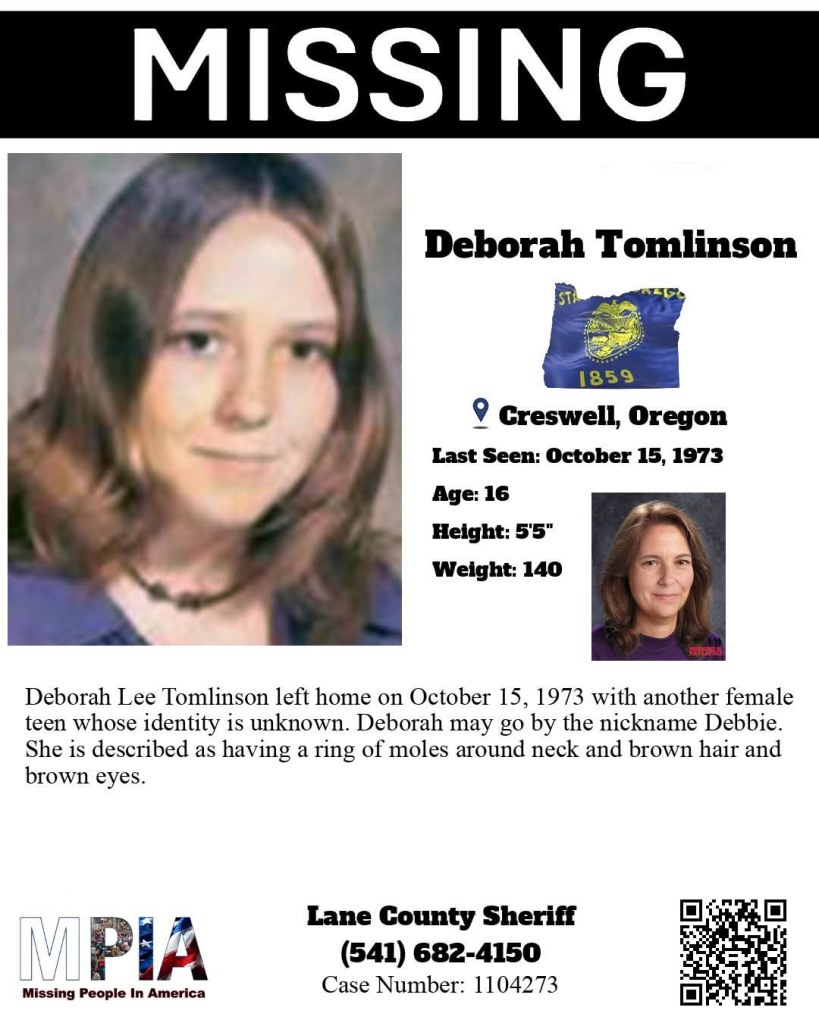

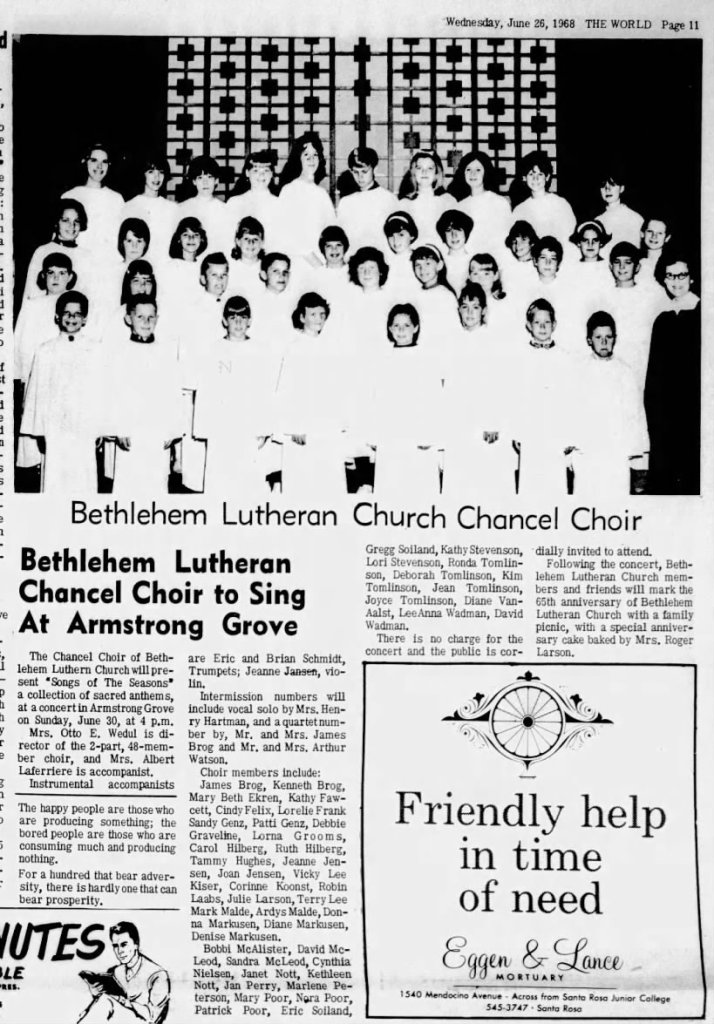
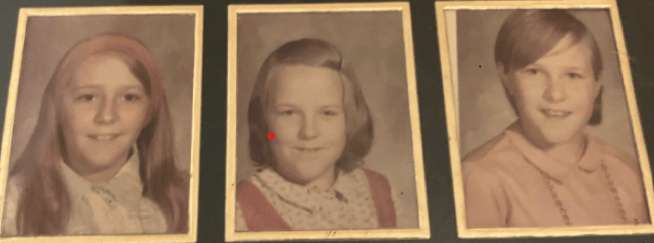
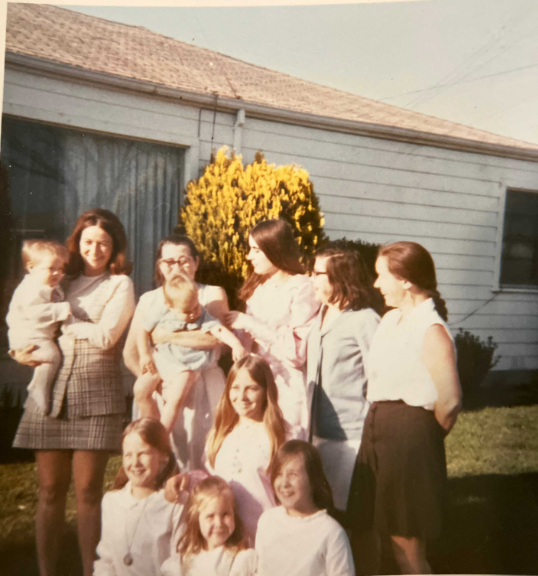





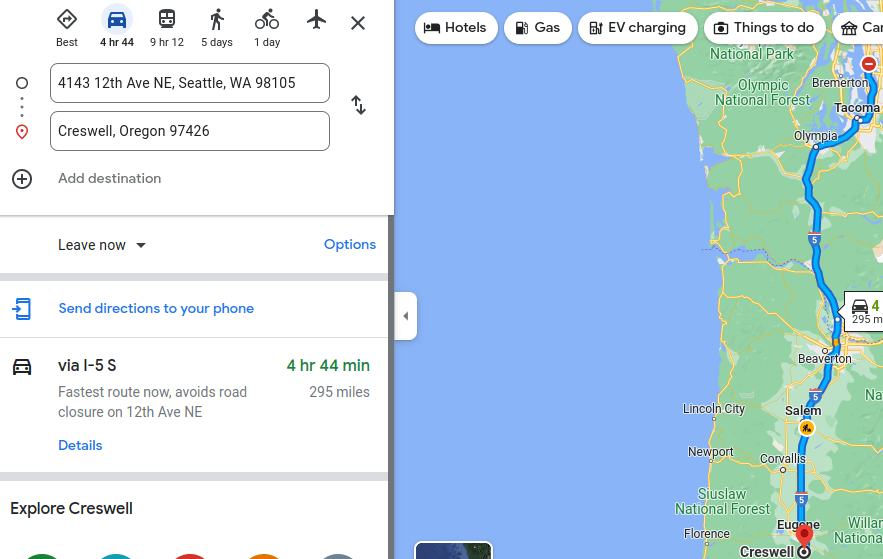



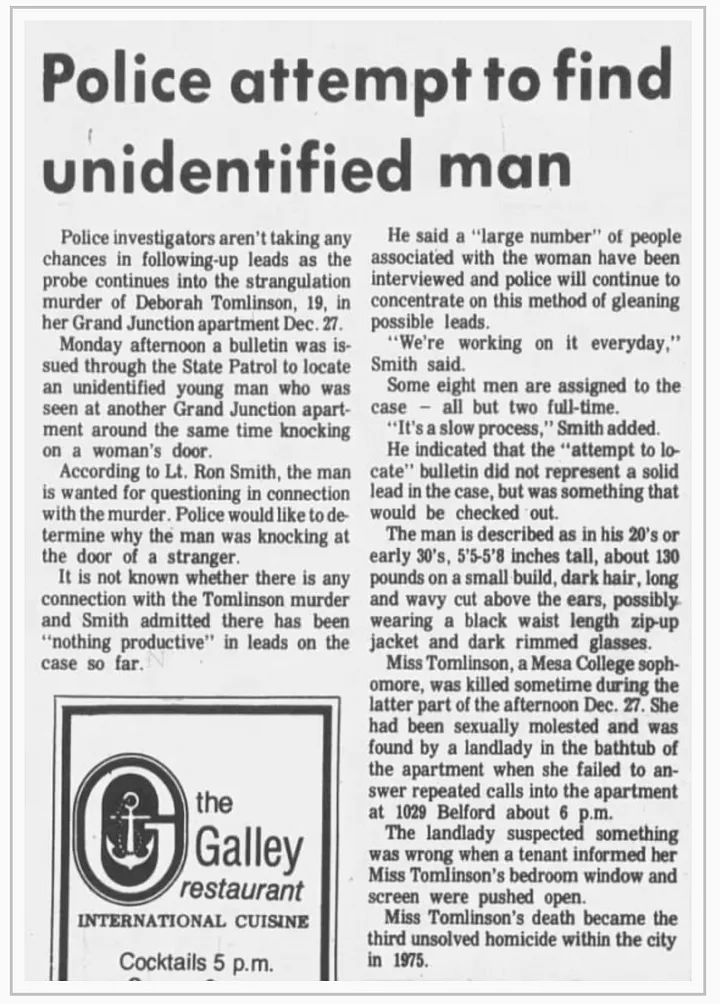
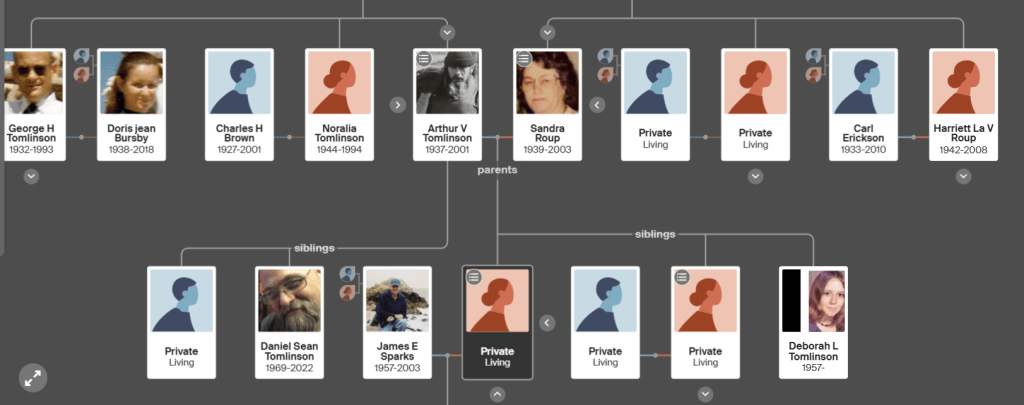








Written by Teri Phillips-Offield.
Intro: Jessica told you about the monster behind these heinous crimes, and now, I am going to tell you about the victims. I think it is important to know about their lives and not the fact that they died, but that they lived. The victims are the ones who should be remembered.
I feel that his sisters were among his first victims along with Helen Pilkerton. They suffered abuse at his hand and also were used to lure unsuspecting victims. To my utter disbelief, there were not much information for the beautiful lost souls, and none for the hitchhikers they fell victim to him. I want them to know that I, a complete stranger, do not know who you are or where you are, did not forget you.
I also feel that if his parents would have not covered for him and turned him in, many lives would have been saved. This is my opinion but after hearing the whole story from his sisters, my opinion is that they didn’t protect them and then did not protect the poor innocent girls from this monster.
Ted Bundy was suspected of Kathy’s death, but DNA proved to be William Cosden Jr. He was in prison for attacking Beverly Pearson already hiding right under their nose. It took 28 years and DNA evidence to find the truth. Here is the havoc this man created and the grief he inflicted on the families of his victims. I will start with his earliest victims, his sisters, and then go on to victims he raped, and killed, and finally Kathy Devine, his final known victim. A story full of senseless killings that never should have happened if he would have stayed in jail where he belonged.
Early Victim, Helen Pilkerton: Cosden was sent to a mental hospital in Maryland for killing a woman in 1967 and was serving a three to four-year term at the McNeil Island Corrections Center near Tacoma for a 1976 rape and murder conviction. Her name was Helen Patricia Pilkerton. She was an employee of the Lexington Park Motel and was just 20 years old. Helen Patricia Pilkerton was born on May 24th, 1945, in St. Mary’s, Maryland, her father, John was 22 and her mother Helen was 21. She had one brother and four sisters. She died on April 16, 1967, at the age of 21, and was buried in Hollywood, Maryland.
Helen was found in a stream by two teenage girls and her body was badly beaten. Cosden had just returned from active duty in Vietnam where he was discharged due to violent behavior. The family of the victim had to sue the Military because of the outrageous leniency of the sentence. To my utter disbelief, Cosden was free after 6 years to rape and kill again. Deputy Prosecutor Philip Harju said, “He is an obvious danger to society.” Yet, he was released to rape and kill again. The story should have ended here, better yet not allowed at all.
His sisters, Karen and Susan: They were told their brother was away at a hospital and so his sisters thought he was all better when he came home. There was no warning from their parents whatsoever. They never told them why he was away and never took steps to protect them. He would get in constant trouble at home and in school almost like he invited the punishment. He always had to be in control. His sisters wished their parents were more aware. He loved to torment his sisters and animals. He got pleasure in making his sisters cry. When Karen was 4, he started sexually abusing her. He warned her he would hurt the whole family if she told. The same thing happened to Susan in a few years. He took steps to encourage them to not be close.
When Susan was 8, her brother can downstairs all dressed up to go out. The next morning, she woke to find the sheriff at the kitchen table. They came for her brother. He had confessed to his father that he had killed a woman the night before. The sisters were beginning to see just how evil he was. He did four years in a mental hospital. Four years. His parents told the girls he had went to get well and he was well. That very night he came home, he sexually assaulted his sister.
He was also a firebug and burned down the family home. His mother suspected it was him but did nothing. Again. The cause of the fire was listed as electrical. A house down the block burned too. He seemed to get away with everything. He would also burn his truck to cover evidence.
Then one day the paper was showing about a body found. He got more and more agitated as the paper was read and screamed at them to stop reading. This turned out to be Kathy. He would go to “help” people on snow days when in fact he was looking for prey. One day after a snow day he was arrested for rape.
In 1986, Susan came across his file that showed he was going to be released, she freaked out. She went to the police department to talk about her abuse. The detective she talked to said he believed her brother killed Kathy and would not retire until he found out. Susan told her story and wanted to make sure he didn’t get out. DNA tests were done, and he was convicted. She even flipped him the bird as they were sentencing him. Her family was actually mad at her for doing this. Susan, you are a hero to me.
In 2015, he died alone of a heart attack. They had to deal with the effects of their traumatic past as adults, with one of the sisters even nearing death. Despite the difficulties, the sisters band together to discuss the harm done to them and make an effort to make things right. About a week after filming, Sisters in Silence, Karen Harris passed away following a battle with lung cancer. RIP Karen.
Hitchhikers: Restover Truck Stop in Tumwater, just off Interstate 5, focal point for hitchhikers where he worked there, and his father owned. As I pointed out, Susan says her brother Williams Cosden Jr. would use her as bait to pick up women hitchhikers. The women would feel safe getting into his truck with a little girl there. He would tell his mom he was taking Susan to get ice cream and then take her to pick up hitchhikers. Once the girls were in the truck, he would lock Susan in the back. Many hitchhikers would disappear during this time. We may never know all his victims and which ones were Bundy’s. I apologize for not finding any names of the hitchhiker victims, it makes me wonder how many girls are in unmarked graves all over because of men like Cosden. I wonder if these families ever knew what happened to their daughters. My heart goes out to these families. I hope they found some kind of closure.
Beverly Pearson: On November 30th, 1975, 24-year-old Beverly Pearson stopped to get gas. As she was filling up, she encountered Willian Cosden Jr. She recognized him, but finished getting gas and drove away. On her way home, she lost control of her truck and pulled over. She noticed that Cosden pulled over right behind her. She told him she was fine, but when she went to get back in her truck, he hit her with a rubber mallet. He then forced her into his truck and kept threatening her and she kept saying to not hit her again.
He pulled over at a wooded area and sexually assaulted her. She remembers thinking to try to get him to talk. Her step father was a police commissioner and taught her to try and get anyone who attacks you to talk. She asked him personal questions and told him if he let her go, he could come visit her at home. It worked and he took her back to her truck. She immediately called the police and Cosden was picked up Cosden was found guilty and was sentence to serve a 49-year sentence. Because of her bravery, he was off the streets.
Kathy Devine: I got most of Kathy’s story from Jessica because she wrote it better than any article I read. According to Jessica, Katherine Devine was born to Sally and William L. Devine in Seattle in King County, Washington, on December 25, 1958. She was a Christmas baby. Her family remembered how the kind-hearted teen thought she was destined to become a Minister after being born on Christmas Day. Kathy regularly brought home stray animals and homeless children living on the streets to take care of them. She had a big heart and always sought to help the less fortunate and helpless individuals.
Witnesses last saw the 14-year-old teen hitchhiking in Seattle near North 91st Street and Aurora Avenue North. Her mother stared Kathy had just broken up with her boyfriend and was headed south to visit relatives in Rockaway, Oregon. Her family had reported her to the authorities as a runaway. Little did they know that was the last time their daughter would be seen alive. On December 6, 1973, a young couple stumbled across the remains of the 14-year-old girl in Margaret McKenny Campground in Thurston County.
The victim’s throat had been slashed, and she was lying face down. An examination further revealed she had been brutally sodomized and strangled to death. According to police reports, the officers found the victim’s pants were deliberately torn. Authorities figured that since the place was deserted and it would take a local to know their way around the campground, the killer must be local. The decomposed remains were not immediately identified until Kathy’s sister Sherrie Devine, then 16, saw a television news program in Seattle of the discovery and recognized an embroidered patch on the pair of jeans the victim was reported wearing.
Witnesses saw Cosden come in the night of the murder with stains on his clothing. The witnesses called police. After leaving the truck stop, Cosden’s truck caught fire and was destroyed three miles from the truck stop. During initial interviews with police, Cosden denied ever seeing Kathy Devine.”
Kathy was first thought to be a victim of Ted Bundy. When Ms. Devine disappeared in 1973 Ted was attending the University of Puget Sound Law School and lived within two miles from where she was last seen. Everyone knows he drove the yellow, cream-colored Beetle for years before his arrest, but supposedly his brother owned a white pickup truck. During his death row confessions before his execution in 1989, Bundy told law enforcement that he picked up a hitchhiker in 1973, killed her then left her body close to where Kathy’s remains were found in Olympia, however he couldn’t remember the exact location. He denied having any involvement with Devine’s murder. But this makes me wonder if he did indeed kill Kathy. Cosden was surprised to be convicted and Bundy admitted to killing a hitchhiker and they only found Kathy at that site.
Kathy’s ex-boyfriend was a suspect but passed the polygraph. Another man said he saw the whole thing but was very uncooperative with police. While searching his house, a lot of newspaper articles about Kathy were found along with a blood-stained knife. When they brought him in, he denied all charges and said he could explain. He said the knife was for hunting and after testing, the knife did indeed have animal blood on it. He was cleared of the charges.
An anonymous man called detectives and suggested they investigate Cosden. The man said he looked in the back of Cosden’s truck and found a blood-soaked sleeping bag along with a single shoe. He was looking in Cosden’s truck because he claimed he was a co-worker and Cosden was stealing from him. Before the police had a chance to investigate Cosden’s truck “mysteriously” caught in fire. Remember, Kathy was found missing a shoe. The shoe found on Kathy matched what the man described but they never got the evidence since it burned.
The police went to the jail to confront Cosden and he denied it even though they have DNA proof found on Kathy. Luckily, they had enough to convince a jury and his sister, Susan helped, and he was convicted.
He lived in the area at the time of Kathy’s disappearance and murder. According to witnesses, William was seen wearing bloodstained clothes at the Truck Stop on November 26, 1973. He worked at the truck shop owned by his father and was reportedly working an early morning shift. After leaving the truck stop, Cosden’s truck caught fire and was destroyed three miles from the truck stop.
Additionally, witnesses claimed to find what appeared to be bloodstains inside William’s truck late on November 25, the very day Kathy was last seen alive.
William Cosden was already in prison for sexually assaulting Beverly Pearson when he was convicted of Kathy’s death. it was be the oldest open murder case in the state to have been solved by DNA “fingerprinting,” authorities said.
After Cosden was finally convicted of his daughter’s murder, Mr. Devine said: ‘It’s finished. There’s a justice system, and it works.″ ‘It doesn’t bring Kathy back, but it sure does help. “It was very creepy,” Sherrie Devine, the victim’s older sister, said of the court appearance. Devine’s mother, Sally, said she was nervous about seeing Cosden for the first time. “It would have been worse if we would have had to look directly at him,” I cannot help thinking that if the justice system kept this monster behind bars after his first murder and rape in 1967, Kathy would still be alive. And why weren’t his sisters protected from this monster? They were just little girls.
Conclusion: It took many years to finally catch her killer, but finally the family has answers and hopefully a little bit of peace. Such an unnecessary waste of her and of the beautiful souls who left this world too soon. My heart goes out to everyone whose life was touched by William Cosden Jr. I want to thank Jessica for not letting these girls be forgotten and reminding us they did live and not only die. And Charlene and Sherrie, you should have never had to endure this kind of horror in your family. My heart goes out to you and much respect for coming out the other side of this tragedy. A long as Jessica and I are here, we will not let her be forgotten.


Cites:
Katherine Devine Murder: Where is William Cosden Jr Today? Update (thecinemaholic.com)
Life term for man whom DNA linked to murder (seattlepi.com)
Closing ceremony, tour of McNeil Island prison (seattlepi.com)
Evil Lives Here, Sisters in Silence. Season 13, Episode 10.
Katherine Devine Murder: Where is William Cosden Jr Today? Update (thecinemaholic.com)
Katherine Merry “Kathy” Devine. | Another Bundy Blog. (wordpress.com)
Most pictures were taken from Another Bundy Blog: Kathy Devine
Facebook page Cowards ad Killers
Man sentenced to life in prison for 1973 murder | The Seattle Times
Historical Newspapers from 1700s-2000s – Newspapers.com
On the case with Paul Zahn, Season 12, Ep 4, Waving Goodbye.
Other info, Another Bundy Blog. (wordpress.com)
https://www.heraldnet.com/news/rapist-charged-in-1973-killing/
 Another Bundy Blog.