Taylor Mountain Victims, Dental Related Notes.


This highly detailed King County Police document summarizes the (circumstantial) evidence tying Ted to his murders in Washington state.
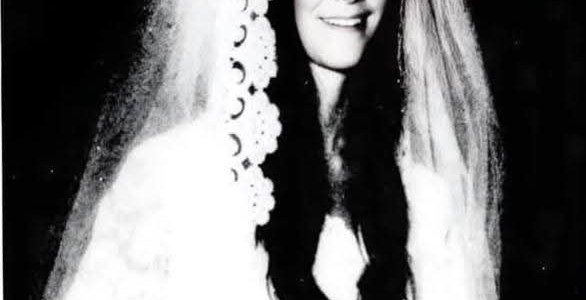
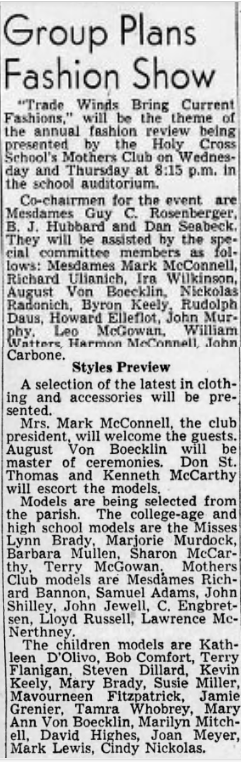
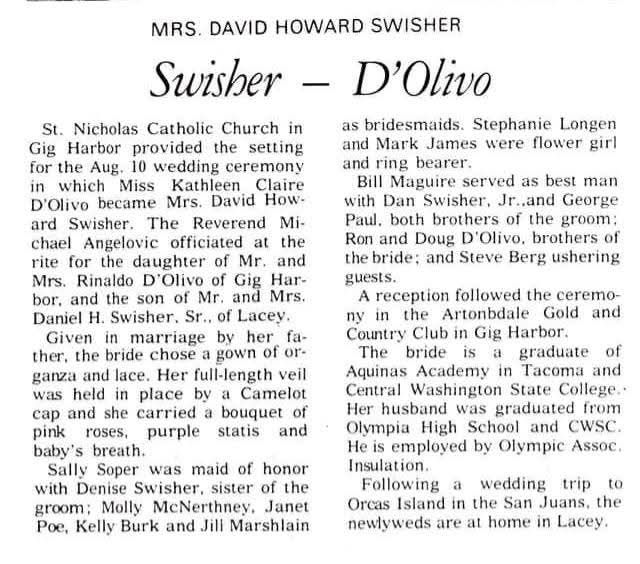
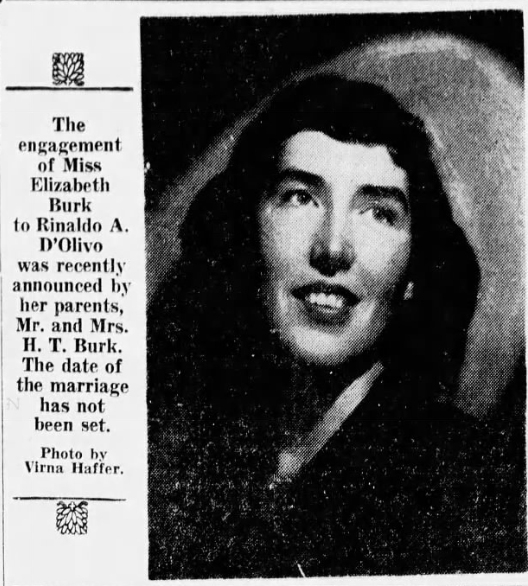
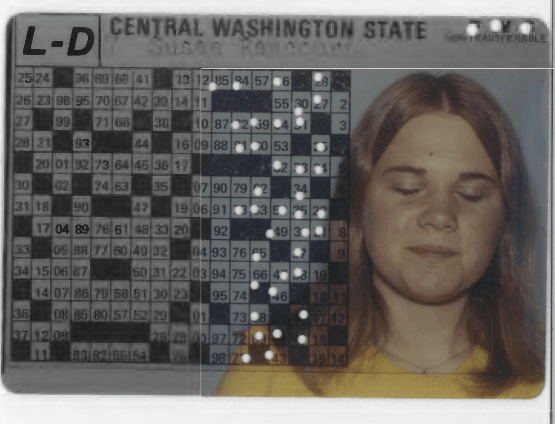
This is the second in a series about young women that were encountered by Ted Bundy on the Central Washington University campus in April 1974: Kathleen Clara D’Olivo was born on October 8, 1952 to Rinaldo and Elizabeth (nee Burk) D’Olivo in Tacoma WA. Rinaldo Anthony ‘Buzz’ D’Olivo was born on January 13, 1928 in Tacoma, and after graduating from Bellarmine Prep he served in the military during WWII; upon returning home he enrolled at Gonzaga University as a marketing major, and in 1974 he founded the company ‘Humdinger Fireworks.’ Kathy’s mother Elizabeth ‘Betty‘ Ann Burk was born on May 9, 1930 in Clare, Iowa. The couple were married on August 26, 1950 and went on to have three children together: Kathy, Douglas (b. 1954), and Rinaldo (b. 1956).
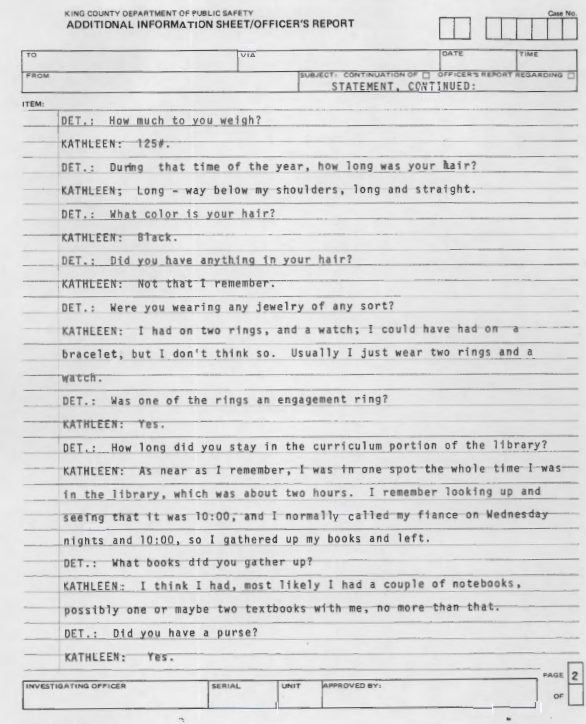
A traditional Italian beauty, Kathy was tall and slim, and stood at 5′ 9.5″ and weighed 125 pounds; she had hazel eyes and dark brown hair she wore long and parted down the middle. At the time of her encounter, she was living with a roommate in unit #21 at the Knissen Village Apartments located on 14th and ‘B’ Street.
On the evening of Wednesday, April 17, 1974, twenty-one-year-old D’Olivo dropped her roommate off near downtown Ellensburg and drove to CWU’s campus, arriving just after 8:00 PM; she parked her car in the lot next to the Hertz Music Hall (located kitty corner to the library) and went into the main entrance of the Bouillon Library. In an interview with Detective Robert Keppel of the King County Sheriff’s Department on March 1, 1975, Kathleen said that ‘it was a clear night. I don’t remember it being extremely cold or extremely warm.’ She also stated that she was certain she was wearing blue jeans but wasn’t 100% sure of the top she had on, however she thinks it was most likely a blazer. Kathy was wearing two rings (one of them being her engagement ring) and said that she may have also been wearing a bracelet; at the time she was using a navy-blue cross-body purse.
Kathy stayed on the second floor of the library until around 10 PM, studying in an area known as the curriculum laboratory (don’t forget this location, I’m going to bring it up again later). But when she saw the clock nearing 10, she began gathering up her things, as it was time to head home and call her fiancé (a ritual she did every Wednesday at the same time). D’Olivo left the library same way she came in: through the front entrance. She then made a quick right and stepped off the concrete path and began making her way across the grass.
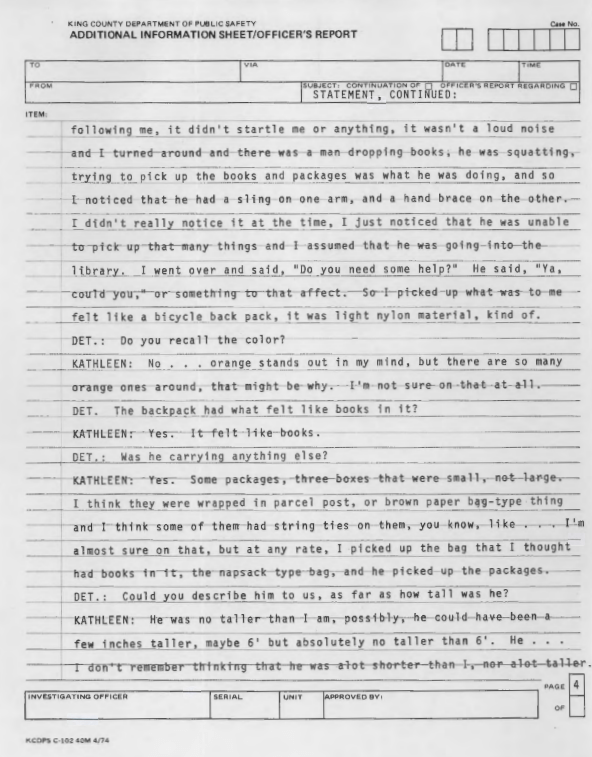
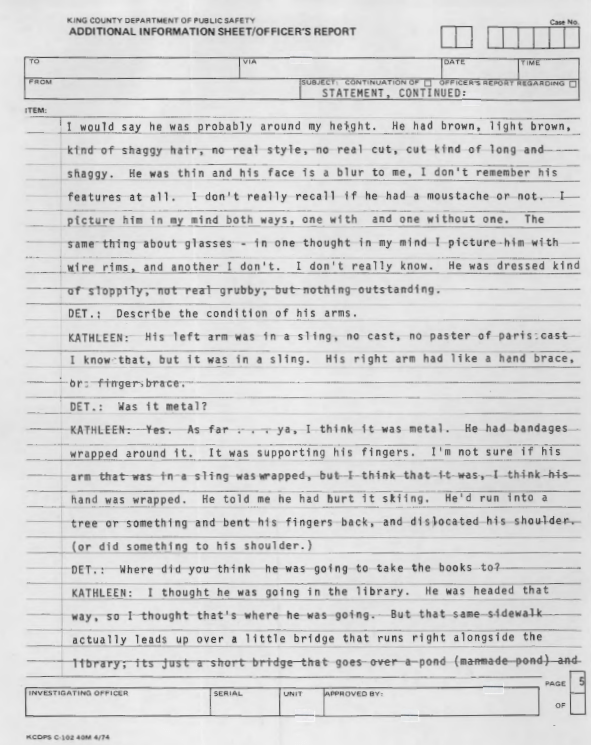
D’Olivo said that she ‘hadn’t quite gotten off the lawn, or sidewalk (wherever I was, I hadn’t reached the main mall stretch) when I heard something behind me. It sounded like something following me, it didn’t startle me or anything, it wasn’t a loud noise and I turned around and there was a man dropping books, he was squatting, trying to pick up the books and packages was what he was doing and so I noticed that he had a sling on one arm, and a hand brace on the other. I didn’t really notice it at the time, I just noticed that he was unable to pick up that many things and I assumed that he was going into the library. I went over and said, ‘do you need help?’ He said, ‘Ya, could you?,’ or something to that affect. So I picked up what to me felt like a bicycle backpack, it was nylon material, kind of.’ Kathy later clarified that he had his right arm in a sling but had metal braces on fingers of both hands, specifically the type that were used on broken fingers.
Kathleen told Detective Keppel that she wasn’t sure what was in the backpack, but it felt like books, and he also had with him ‘some packages, three boxes that were small, not large. I think they were wrapped in parcel post, or brown paper bag-type thing and I think some of them had string ties on them, you know, like… I’m almost sure on that, but at any rate, I picked up the bag that I thought had books in it, the knapsack type bag, and he picked up the packages.’
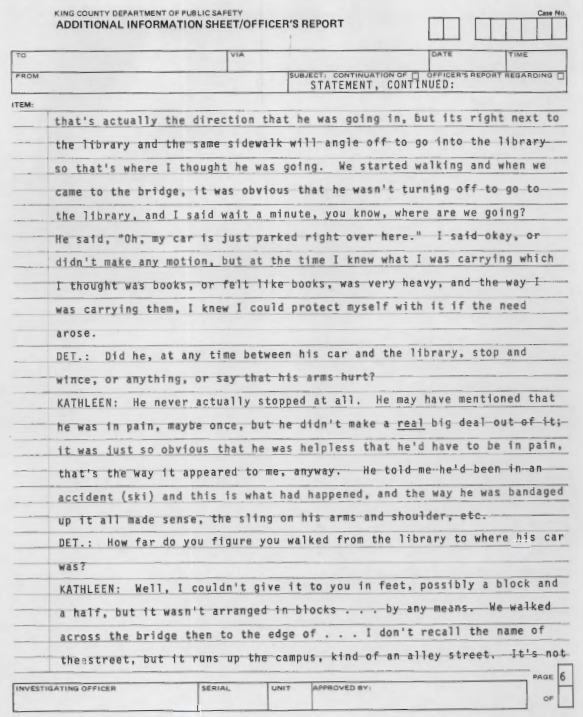
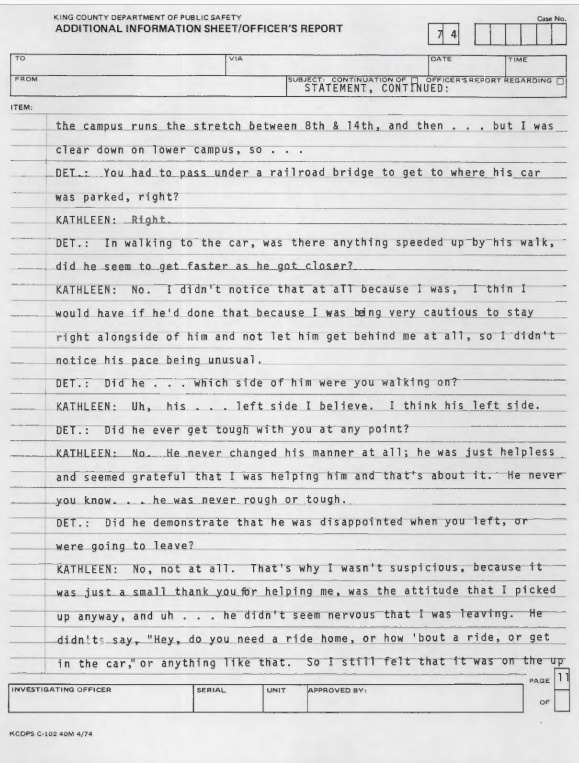
When Detective Keppel asked Kathy where she thought he was taking her as they began their walk, she replied ‘I thought he was going in the library. He was headed that way, so I thought that’s where he was going. But that same sidewalk actually leads up over a little bridge that runs alongside the library, it’s just short bridge that goes over a pond (man-made pond) and that’s actually the direction that he was going in, but its right next to the library and the same sidewalk will angle off to go into the library so that’s where I thought he was going. We started walking and when we came to the bridge, it was obvious that he wasn’t turning off to go to the library, and I said wait a minute, you know, where are we going? He said, ‘oh my car is just parked right over here.‘ I said okay, or didn’t make any motion, but at the same time I know what I was carrying which I thought was books, or felt like books, was very heavy, and the way I was carrying them, I knew I could protect myself with it if the need arose.’
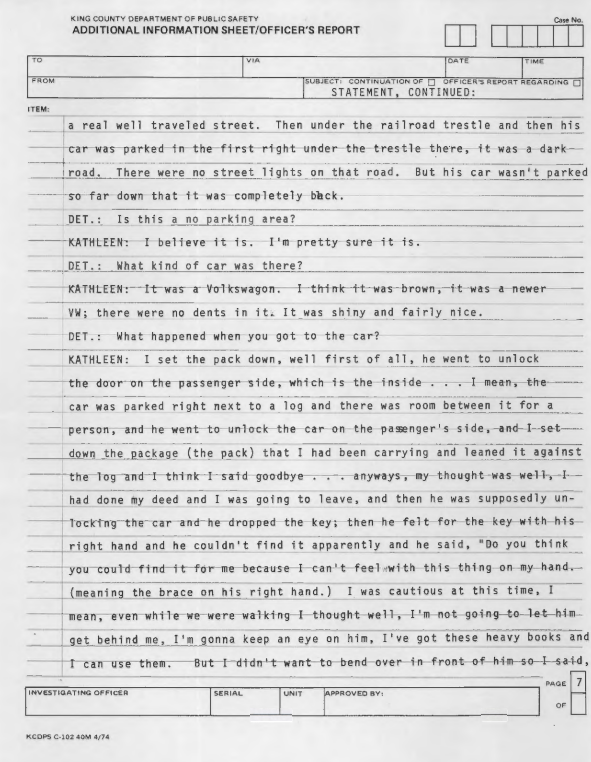
But instead of continuing on the pathway to the Library, the man started walking across the bridge, which immediately threw up a red flag for D’Olivo, and she said to him, ‘well, wait a minute, were are you going?’ He said, ‘well my cars just over here.’ I said, ‘okay,’ so we started walking across the bridge and we were maybe a quarter the way across the bridge and he began telling me about his ski injuries and that conversation took us up to by the other side of the bridge and a little ways beyond that, and then I asked him again, ‘well, where’s your car?’ I expected it to be parked on the street that’s right behind the library. He said, ‘oh, its just right here.’ Then we walked under the trestle to the right there, and it was just barely down that dark stretch.’ She said at that time she ‘assessed the situation,’ and said she ‘was extremely cautious while with him. I never gave him the opportunity of walking behind me.’
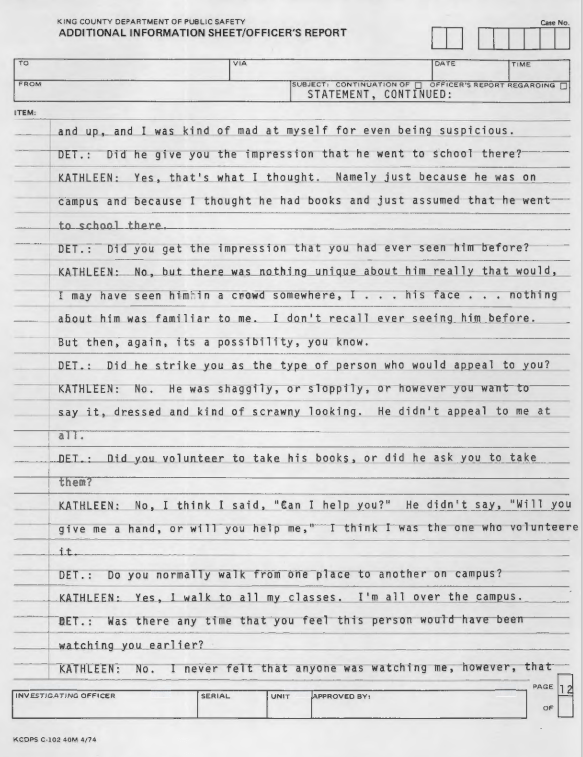
When Detective Keppel asked Kathleen what the man looked like, she said he ‘was no taller than I am, possibly, he could have been a few inches taller, maybe 6’ but absolutely not taller than 6’… I don’t remember thinking that he was a lot shorter than I, nor a lot taller. I would say he was probably around my height. He had brown, light brown kind of shaggy hair, no real style, no real cut, cut kind of long and shaggy. He was thin and his face is a blur to me. I don’t remember his features at all. I don’t really recall if he had a mustache or not. I picture him in my mind both ways, one with and without one. The same thing about glasses: in one thought in my mind, I picture him with wire rims, and another I don’t. I don’t really know. He was dressed kind of sloppily, not real grubby, but nothing outstanding.’
When asked about the condition of his arms, D’Olivo said ‘his left arm was in a sling, no cast, no plaster of Paris cast I know that, but it was in a sling. His right arm had like a hard brace, or finger brace.’ … ‘I think it was metal. He had bandages wrapped around it. It was supporting his fingers. I’m not sure if his arm that was in a sling was wrapped, but I think that it was. He told me that he had hurt it skiing. He’d run into a tree or something and bent his fingers back, and dislocated his shoulder (or did something to his shoulder).’ She clarified that he did not tell her where the accident happened.
When Keppel asked her if the man ever showed signs of being in any sort of pain from his injury, D’Olivo said that ‘he may have mentioned that he was in pain, maybe once, but he didn’t make a real big deal out of it; it was just so obvious that he was helpless that he’d have to be in pain, that’s the way it appeared to me, anyway. He told me that he’d been in an accident (ski) and this is what happened, and the way he was bandaged up it all made sense, the sling on his arms and shoulder, etc.’
Additionally, she recalled that he was soft spoken, and was dressed ‘sloppily, not real grubby, but nothing outstanding,’ and may have worn jeans with a wrinkled shirt, with ‘the tail hanging out.’ When asked if she recalled what the man was wearing, and if he had on for instance a short or jacket she said, ‘it seems to me that he had a shirt on, like a sport shirt, it was very sloppy or wrinkly looking. It seems to me he had a shirt-tail hanging out. I mean, intentionally hanging out, wearing it on the other side of his pants. I don’t remember what type of pants he had on, just all-around kind of grubby, like jeans or something like that.’
Kathy said that the strangers car was parked on 10th Street, and as they got closer to it she noticed that it was a ‘no parking’ area on the outskirts of campus and was in a secluded, dimly lit area that was ‘not well travelled.’ During their walk, D’Olivo said he talked about how much pain he w as in, and as they went under the railroad trestle, she said that she could vaguely make out the shape of a VW Bug in the distance that was parked to the right of the large trestle: ‘it was a dark road. There were no streetlights on that road … but it wasn’t completely black.’ This would make sense, as the only light available to them was from the library and an adjacent building, both of which were a fair distance away.’
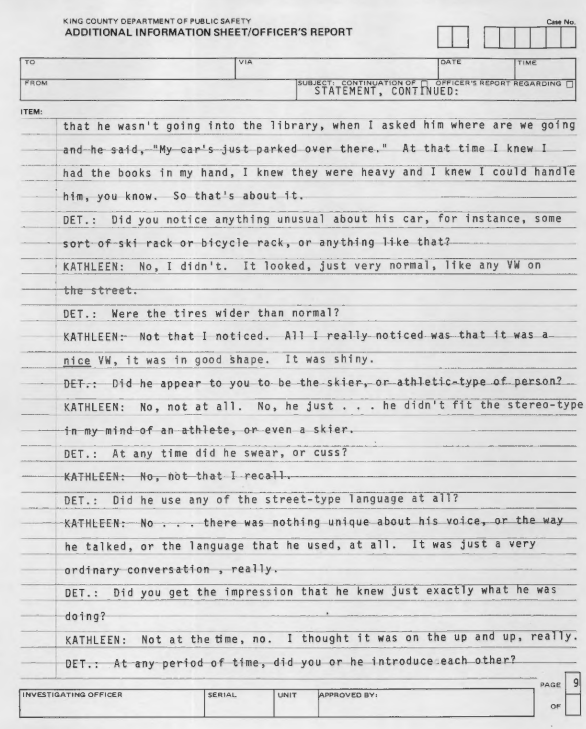
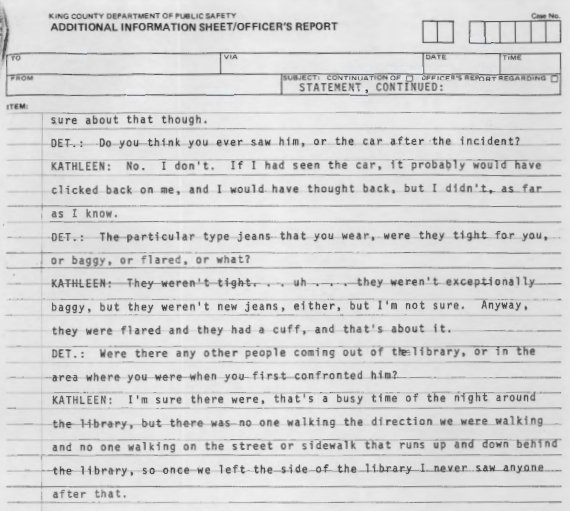
When they got to the car, Kathy said that she ‘set the pack down, well first of all, he went to unlock the door on the passenger side, which is the inside… I mean, the car was parked right next to a log and there was room between it for a person, and he went to unlock the car on the passengers side, and I set down the package (the pack) that I had been carrying and leaned it against the log and I think I said goodbye… anyways, my thought was well, I had done my deed and I was going to leave, and then he was supposedly unlocking the car and he dropped the key; then he felt for the key with his right hand and he couldn’t find it apparently and he said, ‘do you think you could find it for me because I can’t feel with this thing on my hand (meaning the brace on his right hand. I was cautious this time, I mean, even while we were walking I thought well, I’m not going to let him get behind me, I’m going to keep an eye on him, I’ve got these heavy books and I can use them. But I didn’t want to bend over in front of him so I said, lets step back and see if we can see the reflection in the light, so we stepped behind the car, kind of behind the car to the side, and I squatted down and luckily I did see the reflection of the key in the light so I picked up the key and dropped them in his hand and I said goodbye and good luck, or something with your arms, or something to that effect, and that was the end of the conversation.’ She also said that the lack of light made the VW appear shiny and brown in color and that it appeared to be in good shape (which we know isn’t exactly true), and as far as Kathy could remember it did not have a ski rack on top of it.
When Detective Keppel asked D’Olivo if she thought the man’s intentions were sincere, she told him, ‘yes, I did… Ya, and I thought he was just going into the library, it was just a short distance and her really did need help and I thought I could help him.’ She also said that nothing seemed unusual about his car when she was asked, and about it said: ‘it looked, just very normal, like any VW on the street.’ … ‘All I really noticed was that it was a nice VW, it was in good shape. And it was shiny.’
When Detective Keppel asked Kathy if she happened to notice if the VW’s front seat was missing on the passengers side, she replied that she ‘left before he opened the car. I didn’t notice it and I was right alongside the car on the passengers side. I think I would have if there had been a seat missing, but I can’t be certain on that, but it seemed all intact to me and in good shape.’ Like Jane Curtis, she said that the car had no particular odor associated with it, like cigarettes or marijuana smoke.
When asked if the man seemed disappointed when she left him, Kathleen said, ‘no, not at all. That’s why I wasn’t suspicious, because it was just a small thank you for helping me, was the attitude that I picked up anyway, and uh… he didn’t seem nervous that I was leaving. He didn’t say, ‘hey, do you need a ride home’ or ‘how ’bout a ride? or get in the car,’ or anything like that. So I still felt that it was on the up and up, and I was kind of mad at myself for even being suspicious.’ When asked if she remembered seeing him around campus (before and after the incident), she said: ‘there was nothing unique about him really that would. I may have seen him in a crows somewhere… I… his face… nothing about him was familiar to me. I don’t recall ever seeing him before.’ Kathleen also said that he was not ‘very appealing’ to her, and ‘he was shaggily, or sloppily, or however you want to say it, dressed and kind of scrawny looking. He didn’t appeal to me at all.’ Ms. D’Olivo further clarified that the stranger was not clean cut nor a hippy, but was ‘kind of weird looking, and when asked if he appeared to be athletic, she replied, ‘no, not at all. No, he just… he didn’t fit the stereotype in my mind of an athlete, or even a skier.’
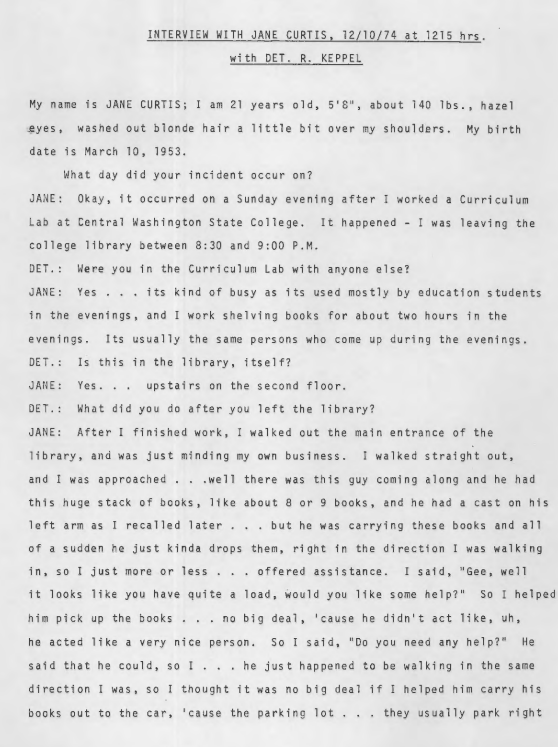
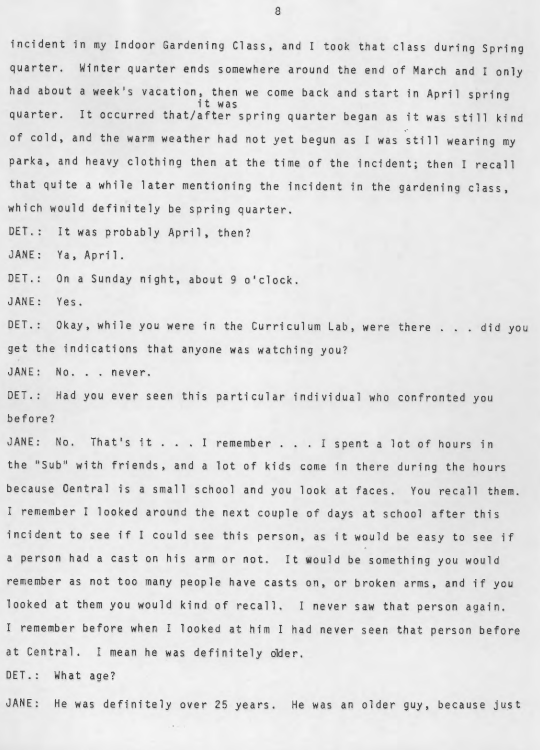
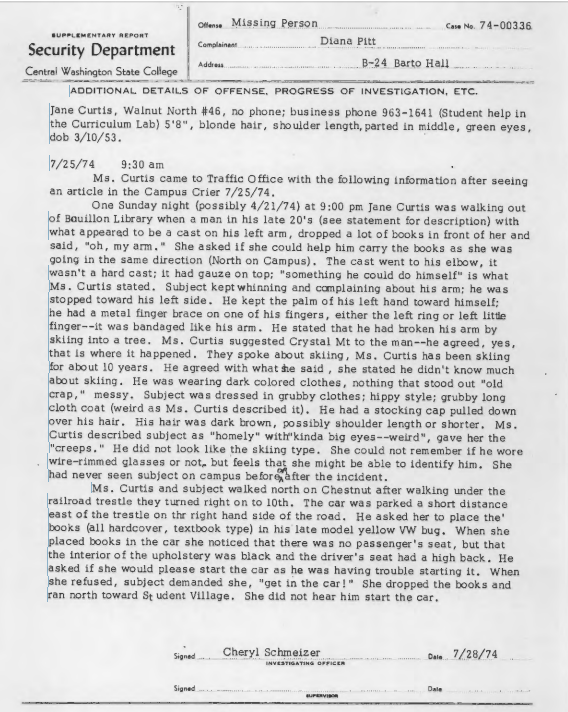
Another young woman that may have had an encounter with Ted Bundy on Central Washington University’s campus is Jane Marie Curtis: at first I believed Jane’s encounter took place earlier in the same evening that Sue Rancourt was abducted (because that’s the date that was given in everything I’ve read about her), but after reading her interview with Detective Keppel I learned it actually took place on a Sunday evening, most likely on April 14, 1974 or April 21, 1974. Like Kathleen, Curtis had been spending time at the Curriculum Lab at CWU and ‘ran into’ Bundy as she was walking out of the main entrance at the Bouillon Library. She said he used the same ruse that he did with D’Olivo: he had been in a skiing accident and needed help carrying some heavy books to his car, as his arm was in a (poorly made) sling. Like Kathy, Curtis was lucky and managed to leave Bundy alive.
Kathy D’Olivo and Jane Curtis were both able to escape with their lives, but unfortunately Susan Rancourt was not so fortunate: later in the evening on April 17, 1974 around 10/10:30 PM Bundy stumbled upon the pretty young Biology major as she left a meeting about becoming an RA the following school year. After the meeting she had plans to see a German film with a friend but she never made it, and it didn’t take long for her friends and family to become worried, and by 3:00 AM her roommate Diana Pitt called the dorm manager, saying: ‘I got worried she wasn’t back.’ Parts of Rancourt’s skeleton were discovered in Taylor Mountain in March 1975 after two forestry students uncovered multiple sets of human remains; after combing the area, the King County Sheriff’s Department discovered four skulls in total as well as an assortment of other human bones.
In addition to Sue Rancourt, forensic experts were able to determine that the remains belonged to University of Washington coed Lynda Ann Healy, University of Oregon student Roberta Parks, and twenty-two-year-old loner Brenda Carol Ball. Later in the same day that Sue’s skull was identified, the King County ME took X-rays of her skull and mailed them special delivery to her dentist in Alaska, who confirmed it was her. According to CWU’s Police Chief Al Pickles: ‘there were several points of identification that made us almost sure the skull was Rancourt’s. This switches the case from a missing person to a homicide.’
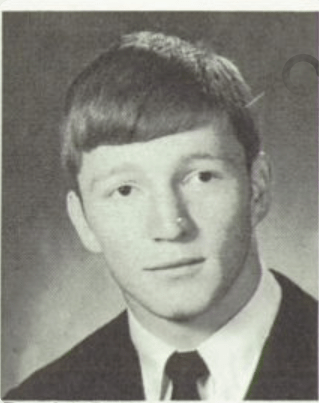
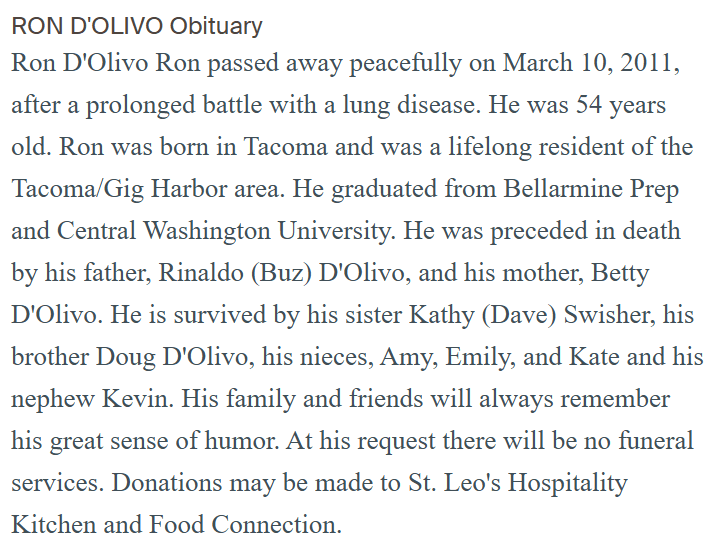
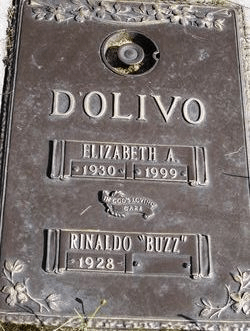
Elizabeth D’Olivo passed away at the age of sixty-eight on March 15, 1999 in Mexico. According to her obituary, Betty was a member of St. Charles Borromeo Church and her life revolved around her friends and family, and she especially loved her four grandchildren. Kathy’s father Rinaldo passed away at the age of eighty on November 22, 2008 in their winter home in San Carlos, Mexico. According to his obit, he continued working in his family’s fireworks company until his time of his death. Kathy’s brother Ron died at the age of fifty-four on March 10, 2011 after a prolonged battle with lung disease. Douglas D’Olivo is currently a seventy-one-year-old resident of University Place, WA. Kathleen and David are still married and reside in University Place, WA; they have two grown daughters together: Amy and Emily.
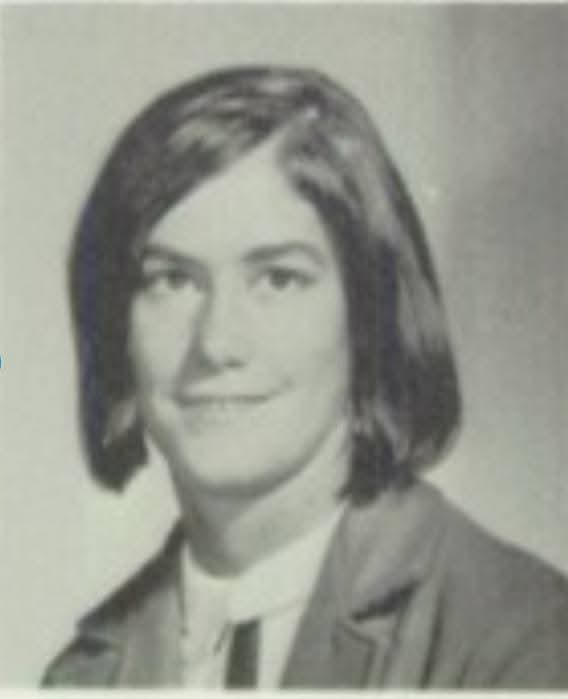
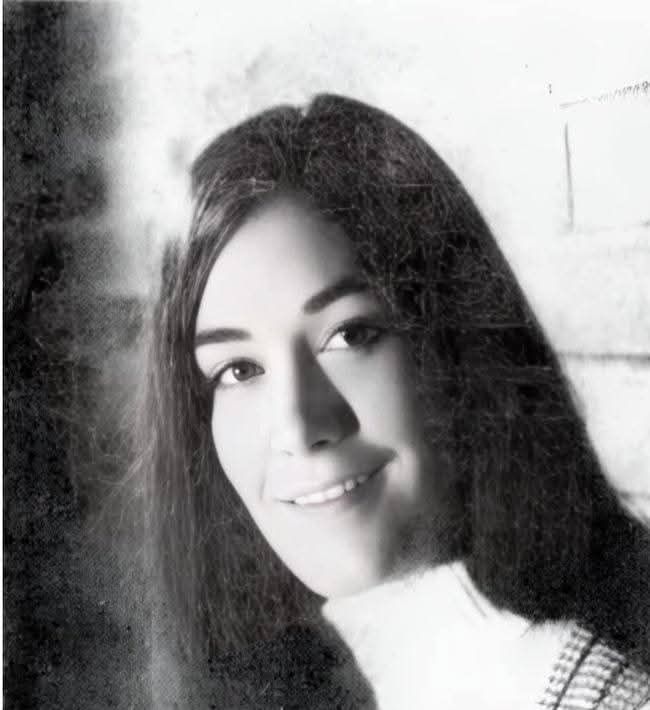

















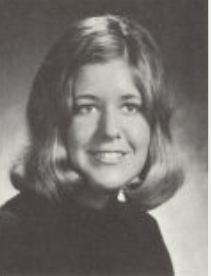
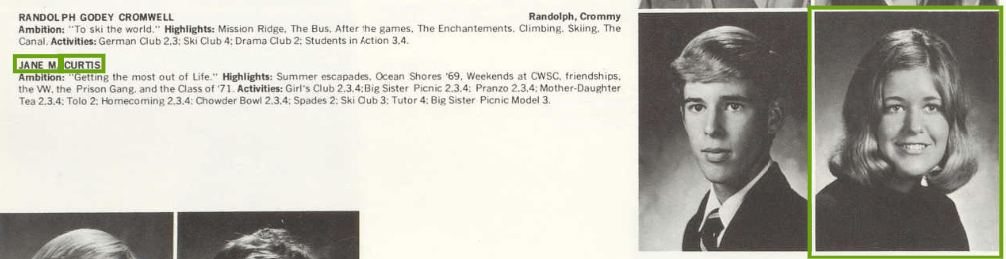
Jane Marie Curtis was born in Washington state in 1953, and grew up in Edmonds; she graduated from Bellevue High School in 1971 and during her time there she participated in multiple clubs and organizations, including ‘Girls Club,’ the Big Sister Picnic, Mother-Daughter Tea, Homecoming Committee, the Chowder Bowl, Spades, and Ski Club. After Curtis graduated from high school she enrolled at Central Washington University, and while there she was a sorority sister and in April 1974 she lived in the dormitories on campus, specifically at ‘Walnut North #46.’
At the time of her encounter with Bundy, Jane was a twenty-one-year-old student at CWU and stood at 5’6″ tall (one report listed her height as 5’8”) and weighed 140 pounds; she had hazel eyes (although one source said they were green), and had ‘washed out blonde hair’ that she wore at her shoulders.
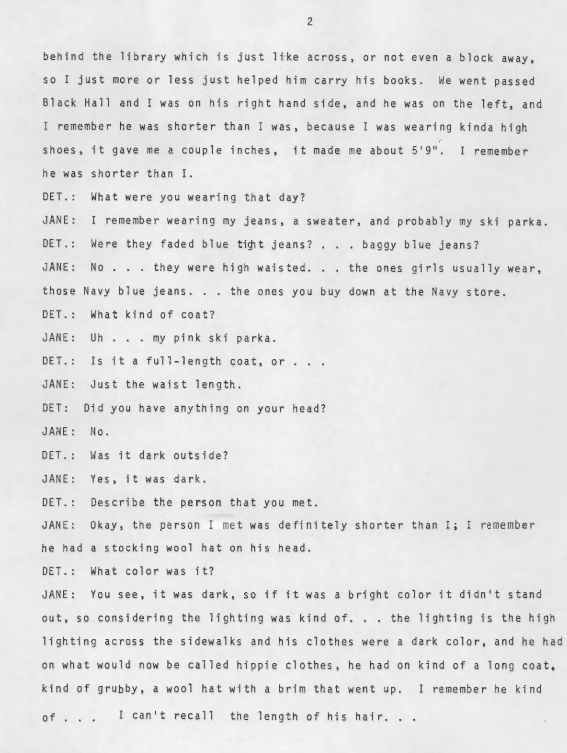
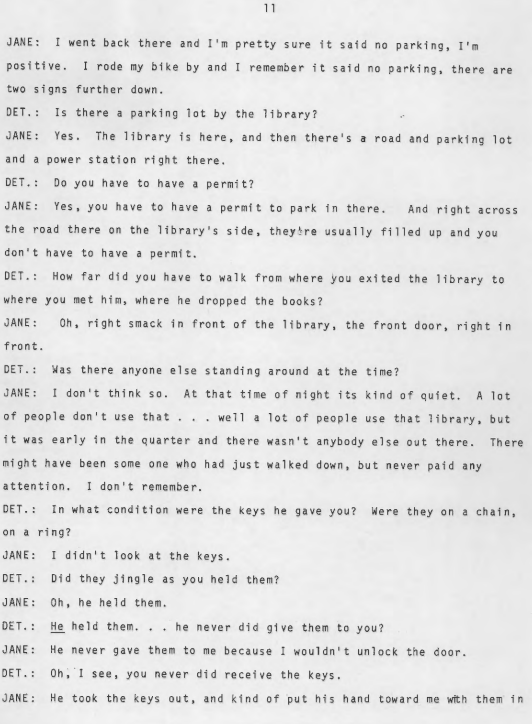
Most websites and articles about Jane’s run-in with Ted claim that she encountered him earlier in the evening on April 17, 1974 (which is earlier in the evening before Sue Rancourt was abducted), but after reading her interview with Detective Robert Keppel of the King County Sheriff’s Department, I learned that it actually took place on a Sunday, (either on April 14, 1974 or April 21,1974) after she left her job at the Curriculum Lab at the James E. Brooks Library at campus, sometime between 8:30 and 9 PM. She worked ten hours a week on the second floor, and upon leaving her POE she walked out of the front door, and shortly after was approached by a young man that was ‘carrying a huge stack of books, like about eight or nine books, and he had a cast* on his left arm as I recalled earlier. But he was carrying these books and all of a sudden he just kinda drops them, right in the direction I was walking in, so I just more or less… offered assistance. I said, ‘gee, well it looks like you have quite a load, would you like some help?’ so I helped him pick up the book, no big deal, cause he didn’t act like, uh, he acted like a very nice person. So I said, ‘do you need any help?’ He said that he could, so I…’ Curtis clarified that he did carry a few of his books, but she carried the majority of them and they were all hardcover. Jane also said that she remembered the man was a bit ‘shorter than she was,’ because she happened to have on platform shoes that day that placed her at around 5’9″. *One sources says that Bundy was using crutches when he approached Curtis, but she never mentioned it in her interviews with LE.
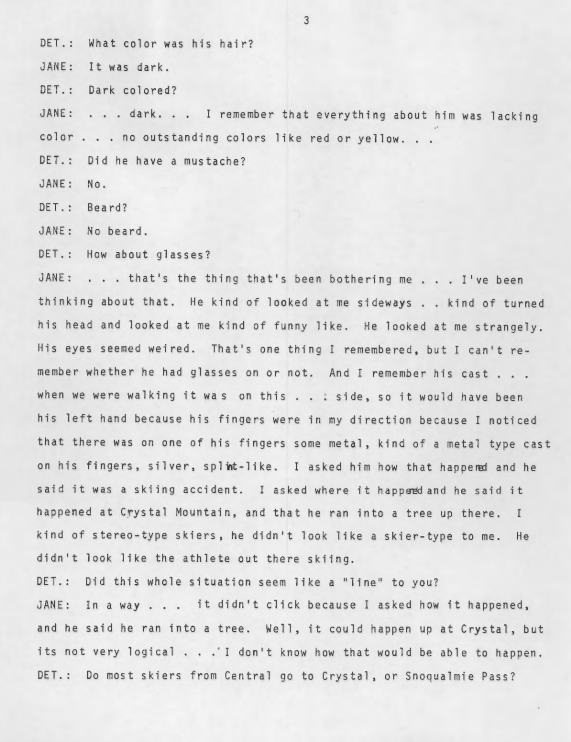
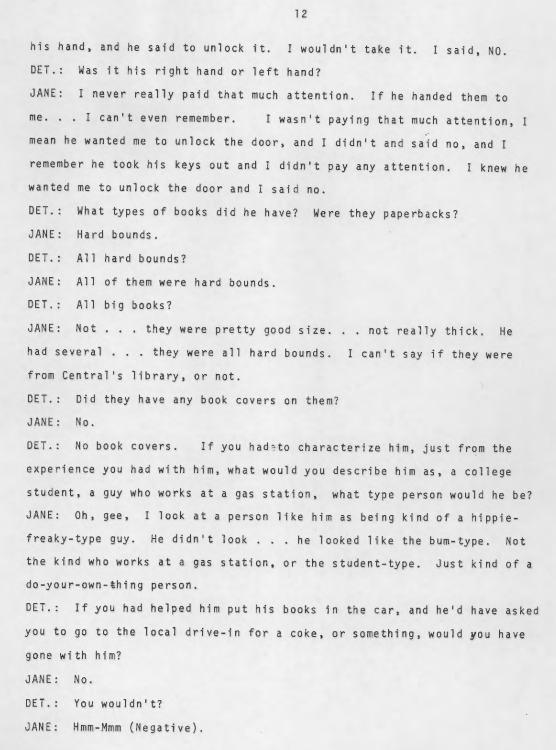
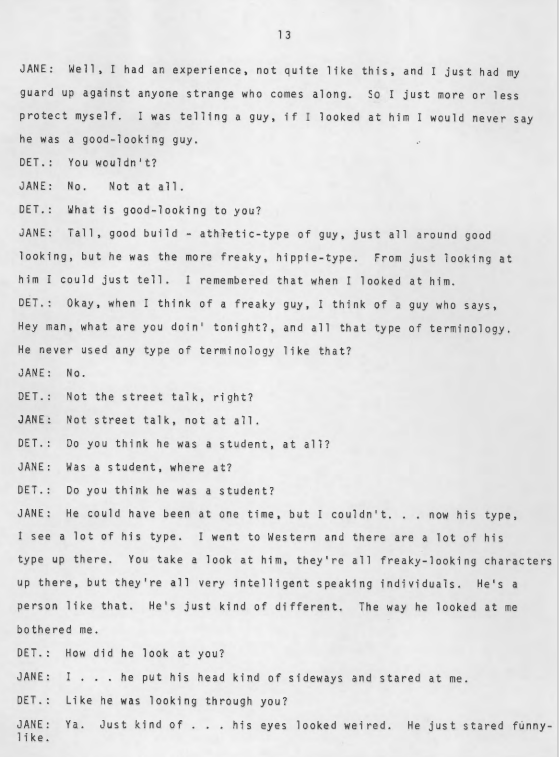
Curtis said the man was wearing a dark colored stocking hat that ‘went up’ on his head and that his ‘hippie clothes’ were on the blackish side and he also had on a long, ‘grubby’ coat. She also stated that he had dark hair and that ‘everything about him was lacking color:’ ‘no outstanding colors like red or yellow.’ She said where she was certain he had no beard or mustache she wasn’t completely certain if he wore glasses or not, as he looked at her ‘strangely,’ and his eyes looked: ‘weird. That’s one thing I remembered, but I can’t remember whether he had glasses on or not.’ In regard to what hand the cast was on, she said it would have been his left hand because when they were walking it was on (…) side, so it would have been his left hand because his fingers were in my direction because I noticed that there was on one of his fingers some metal, kind of a metal type cast on his fingers, silver, splint-like.‘ When Curtis asked the stranger how the injury happened, he said it was from a skiing injury but was reluctant to say much else on it, and after she suggested ‘Crystal Mountain’ as where the accident took place he immediately responded, ‘yes, that’s where it happened, and he elaborated that he ‘ran into a tree up there.’ She commented that he didn’t strike her as the skiing type, and that he didn’t appear to her to be much of an athlete; she also said she thought the scenario could have possibly happened, but she felt it was highly unlikely.
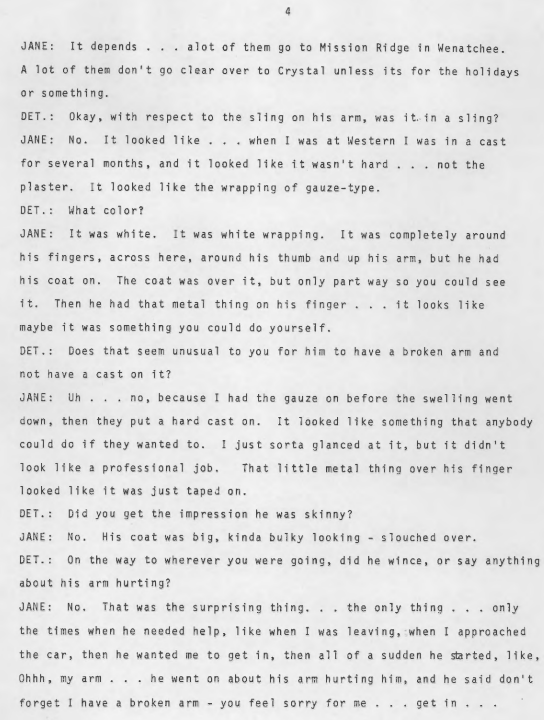
When Detective Keppel asked Jane if the man was skinny, she said no but that his ‘coat was big, kinda bulky looking, slouched over.’ She also said he didn’t appear to be in any pain from his injury and his arm only seemed to hurt when she started to allude that she didn’t want to further help him, or get in his car: ‘the only thing, only the times when he needed help, like when I said I was leaving, when I approached the car, then he wanted me to get in, then all of a sudden he started, like, ‘ohhhh my arm,’ he went on about his arm hurting him, and he said don’t forget I have a broken arm, you feel sorry for me… get in…’
When Keppel asked Curtis what the man’s sling looked like, she said that ‘it looked like, when I was at Western I was in a cast for several months, and it looked like, it wasn’t hard… not the plaster. It looked like the wrapping of gauze-type.‘ … ‘It was white, with white wrapping. It was completely around his fingers, across here, around this thumb and up his arm, but he had his coat up. The coat was over it, but only part way up so you could see it. Then he had that metal thing on his finger, it looks like maybe it was something you could do yourself.’ Curtis told the detective that it was unusual to her that he would have a broken arm and not have a real cast on it: ‘because I had the gauze on before the swelling went down, then they put a hard cast on me. It looked like something that anybody could do if they wanted to. I just sorta glanced at it, but it didn’t look like a professional job. That little metal thing over his finger looked like it was just taped on.’
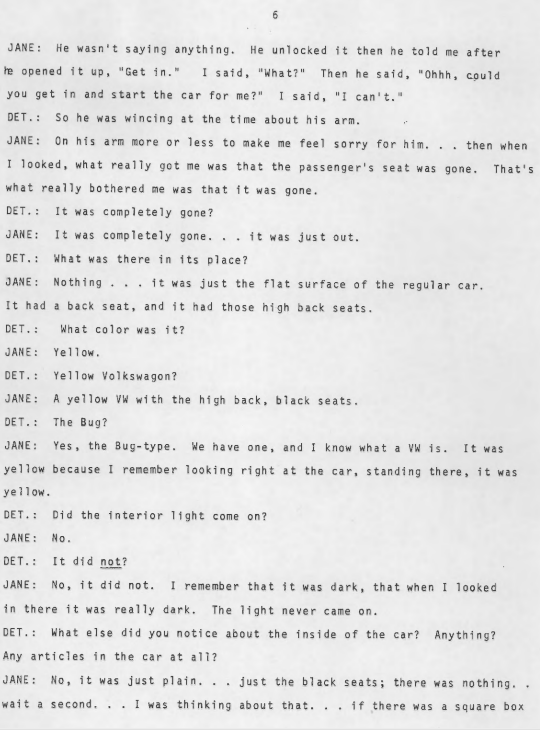
As they approached the car, Bundy told her to open it up, and after she replied ‘what?’ he handed her his car keys, to which she refused and told him no. When they arrived at the VW, the car was locked, and after he unlocked and opened the door, she peered inside of it and immediately noticed that there was no passenger seat: ‘it was simply gone, with nothing in its place.’ She said the man ‘wasn’t saying anything, and after he opened the door he said, ‘get in,’ to which she said ‘what,’ then he quickly said, ‘ohhhh, could you get in and start the car for me?’ I said, I can’t.’ So he was wincing at the time about his arm.’ When pressed about what was inside of the car, Curtis said there was a ‘square box in the back, way in the back in a cubby hole behind the back seat. There was something back there, but there was nothing unusual that struck me except the whole passengers seat was gone.’ Jane said that the car was for the most part non-descript and had no CWU stickers on it.
Curtis told Detective Keppel that the man never touched her and he ‘probably more or less just wanted me to feel sorry, and get in, and I just dropped his books after he told me that and I took off.’ When she turned around and left him she didn’t run, and only briskly walked away and he didn’t chase or come after her and she just went back to her on-campus apartment; she also said that as she was running away from him she never heard him start his car.
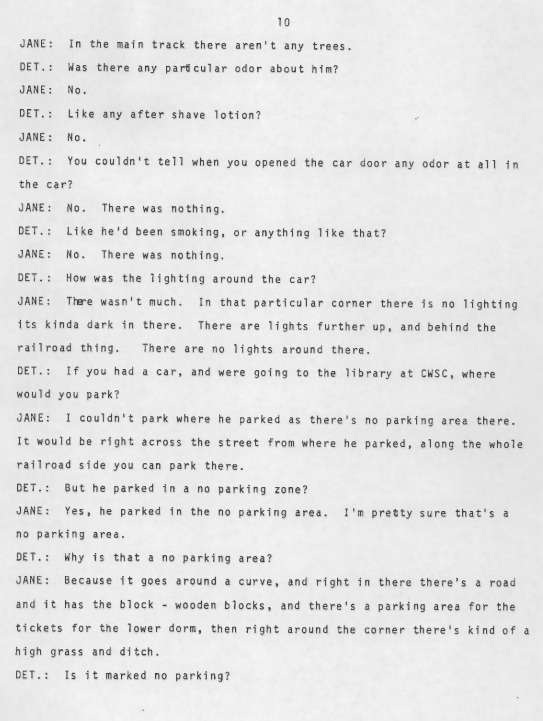
Curtis said the car was yellow in color and didn’t seem to have any particular smell, like he had been smoking in it, andthat it had been parked in a ‘no parking area,’ because it was in an spot that ‘went around a curve, and right in there there’s a road and it has the block-wooden blocks, and there’s a parking lot area for the tickers for the lower dorm, then right around the corner there’s kind of a high grass and ditch.’
At the end of the interview with Detective Keppel, Curtis said that the man told her to: ‘start the car for me, I remembered that. First of all, he told me to get in, I said what, then he went through his little pain bit, and said get in and start the car for me because I can’t. He said because of his arm he couldn’t start it. He wanted me to start it for him.’ She also clarified that the ignition on the VW was on the left hand side.
At around 8 PM on April 17, 1974 (which was about two hours before Sue Rancourt went missing) CWU student named Kathleen D’Olovio reported to police that she was approached by a man using the same ruse as Jane Curtis: he had his arm in a sling and was looking for some help carrying some books to his car. D’Oloviosaidwhen they reached his Volkswagen, the man dropped his keys and asked her for some help finding them, but her suspicions were raised after she noticed the cast on his arm didn’t look as if a medical professional put it on. Wisely, instead of bending over to look for the keys she suggested they look for them using the reflection from a car’s lights: once she found them she immediately snatched them up, tossed them at Bundy then quickly got out of there, an act that most likely saved her life. This most likely threw Ted off, as he was most likely hoping she would lean over so he would have had a good angle to bash her over the head from behind with a crowbar (or tire iron), and she was able to get away unharmed.
As we all know, after the failed abduction of both Jane Curtis and Kathleen D ‘Olivo Ted went on to find a victim in Sue Rancourt, who was last seen around 10 PM on April 17, 1974 leaving a meeting of ‘The Living Group Advisors’ at 9:30 PM in Munson Hall about possibly being an RA the following year (which would have helped her save in tuition costs).
* In November 2025 I received an email from Jane asking me to take the post down, and where I did spend a lot of time thinking about what to do I ultimately decided to take all of the personal details out, but leave the Bundy related information.







Tape three was completely removed by KCSO as unplayable in September 2000.
Bundy Tape 11, circa 1974: Detective Roger Dunn, follow-up, case 75-54324. Removed by KCSO as unplayable, September 2000.
Bundy Tape 15A, circa 1975: Statement of Jerry Snyder, case 74-123376. Removed by KCSO as unplayable, September 2000.
Tape 17, both sides unplayable.
Bundy Tape 18, circa 1984: Consultation on Green River Murder Case, removed by KCSO as unplayable, September 2000.

Due to the sheer mass of information I am dividing these documents into two separate articles.

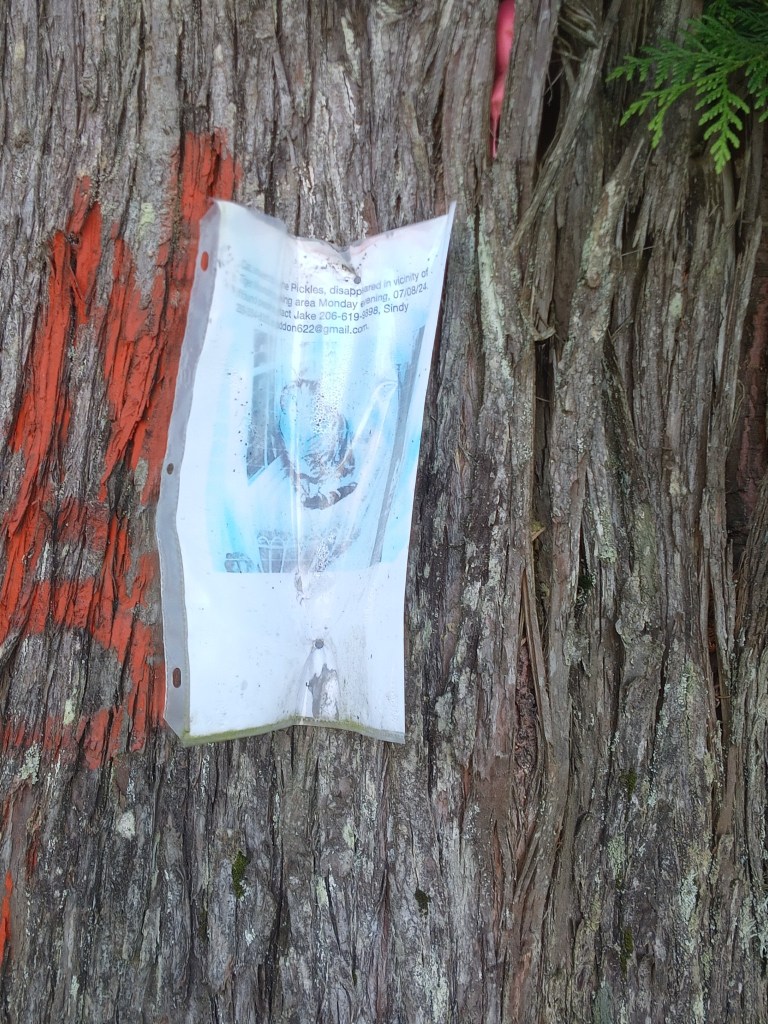
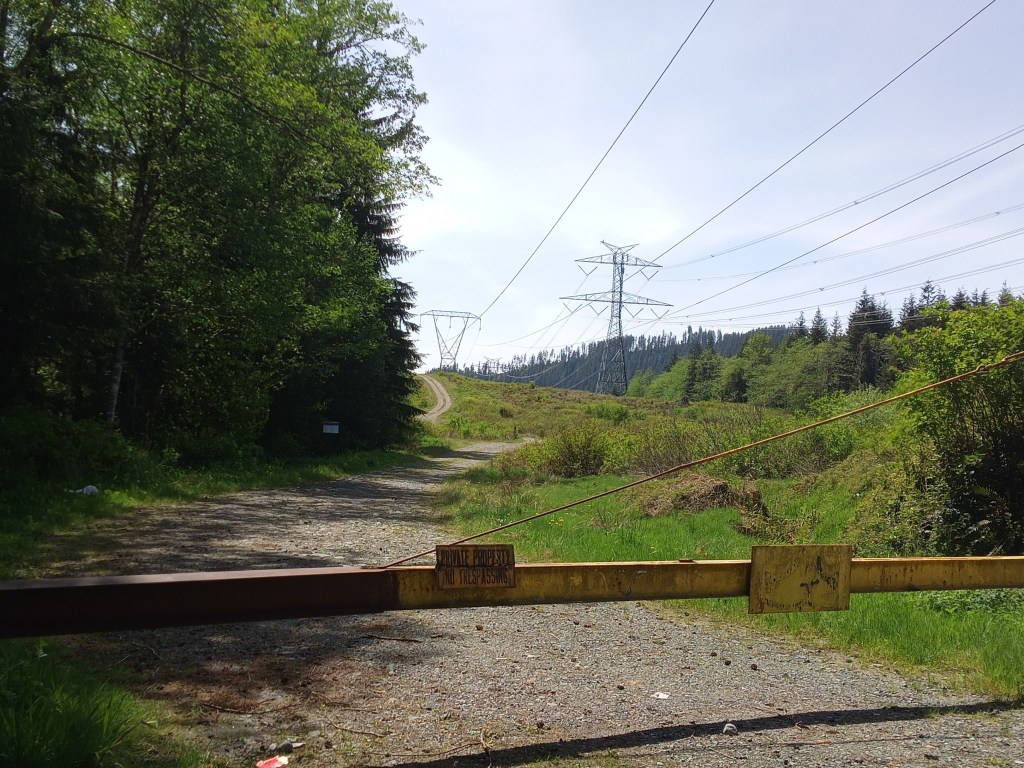
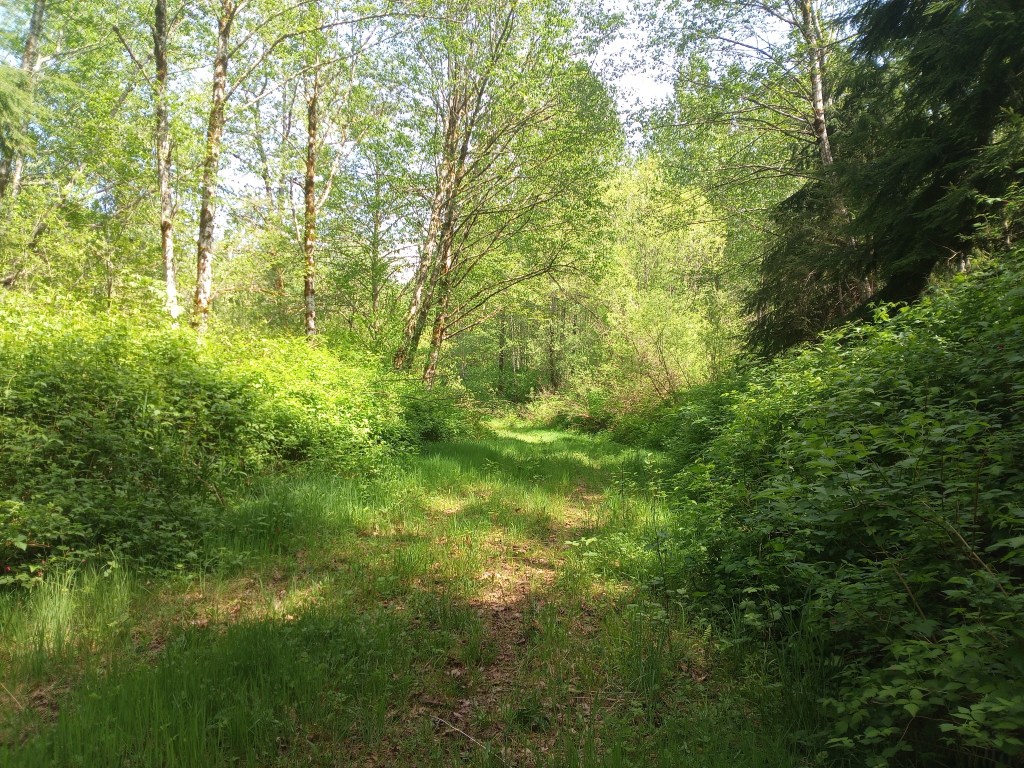
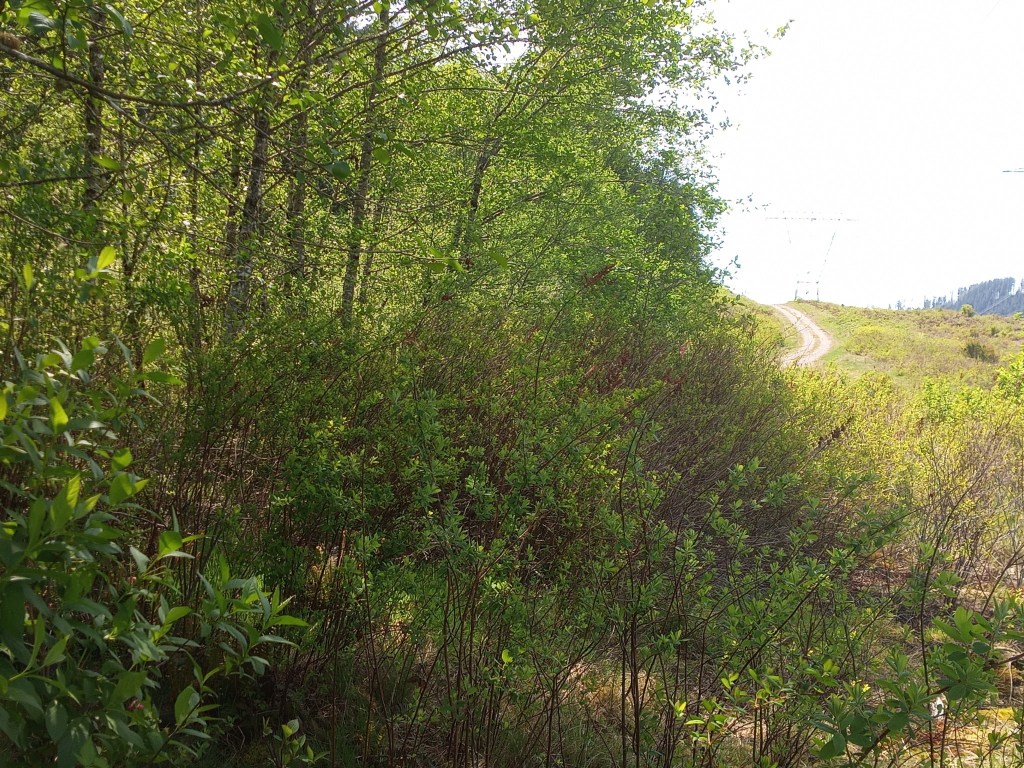
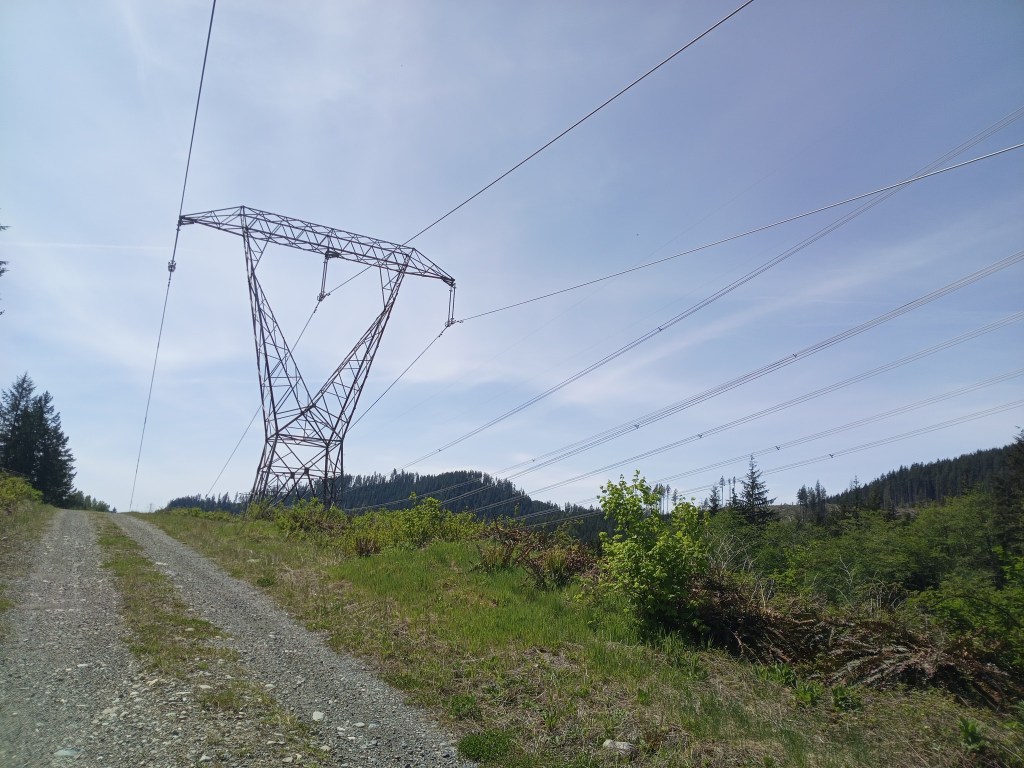
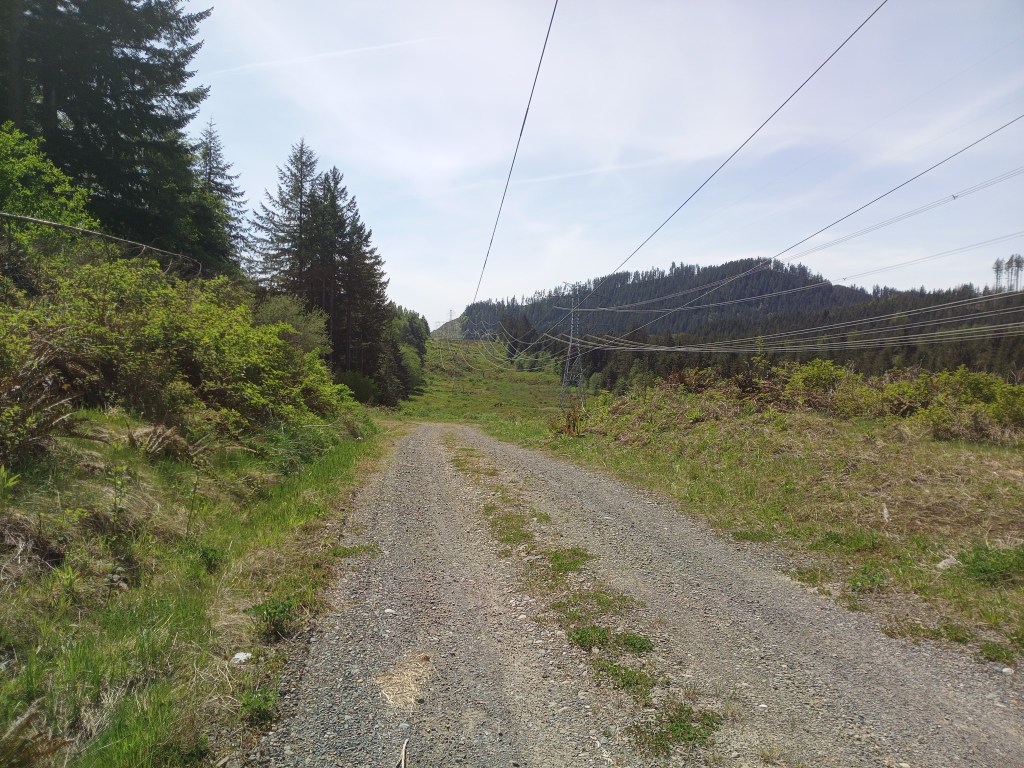
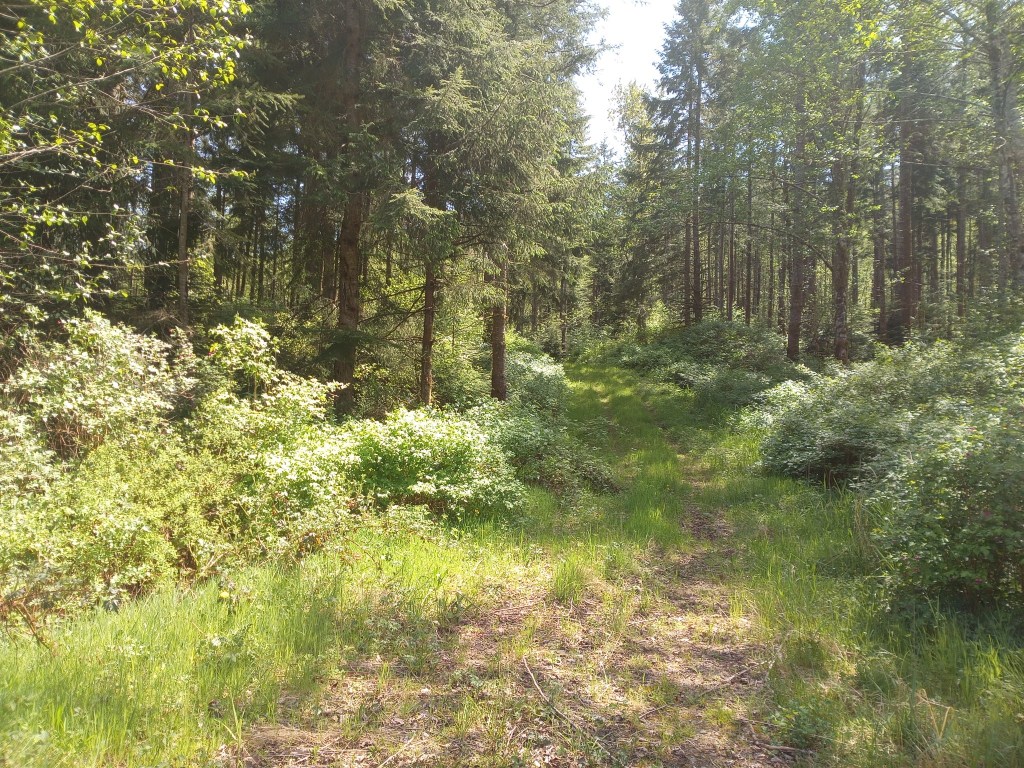
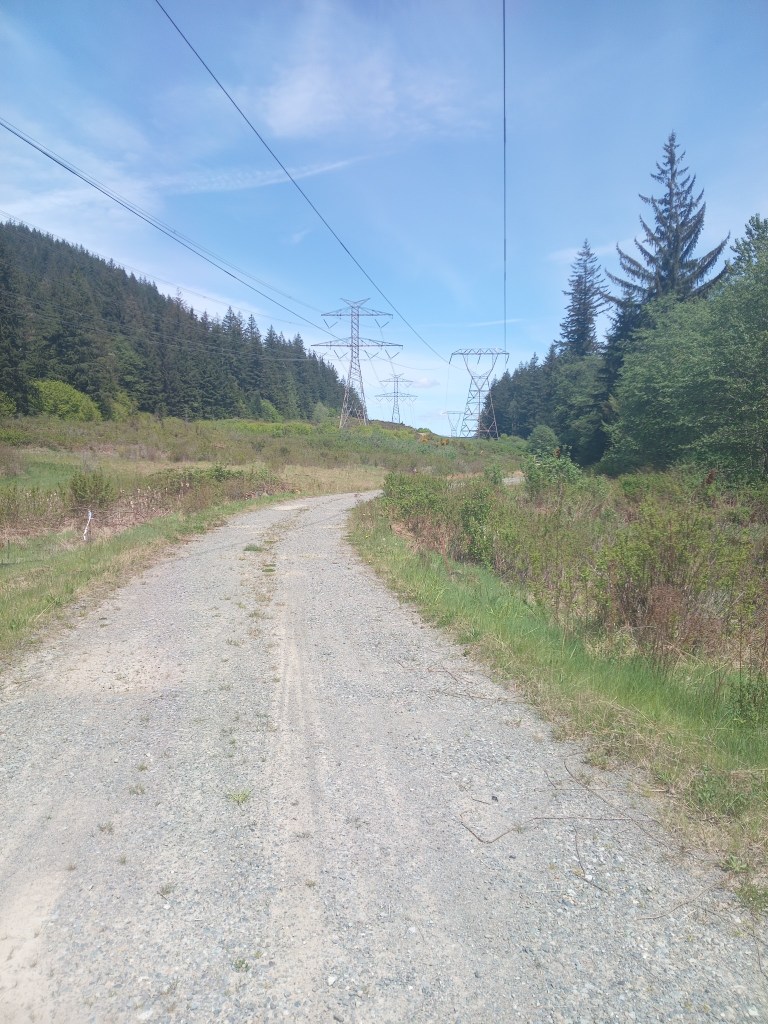
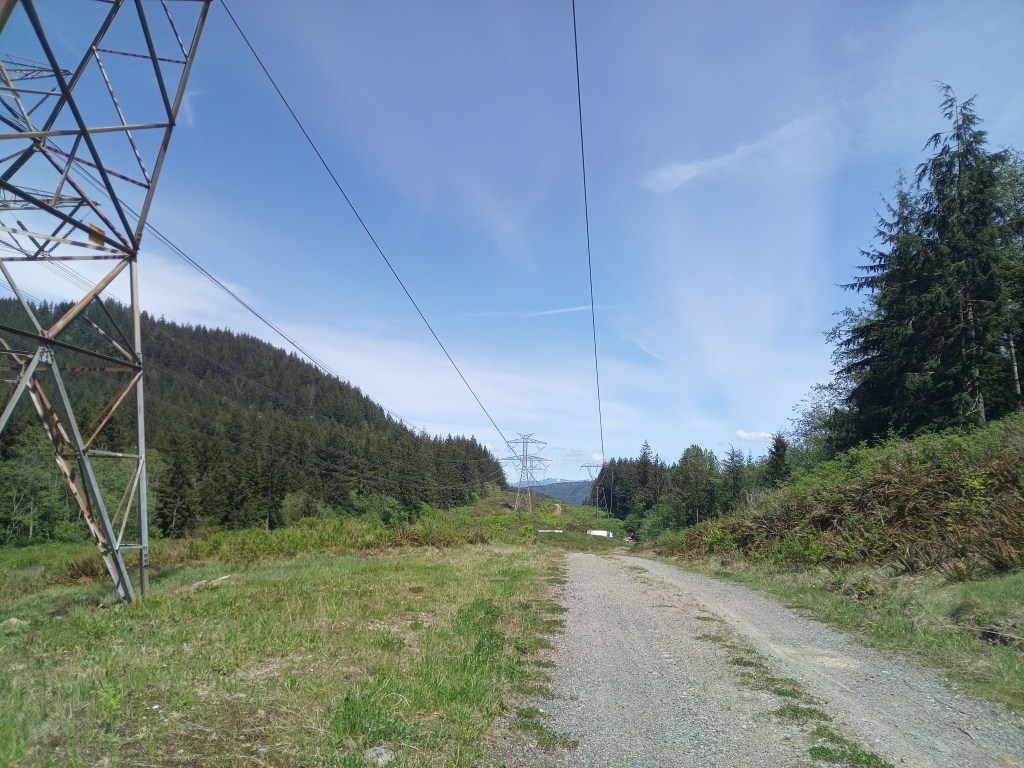
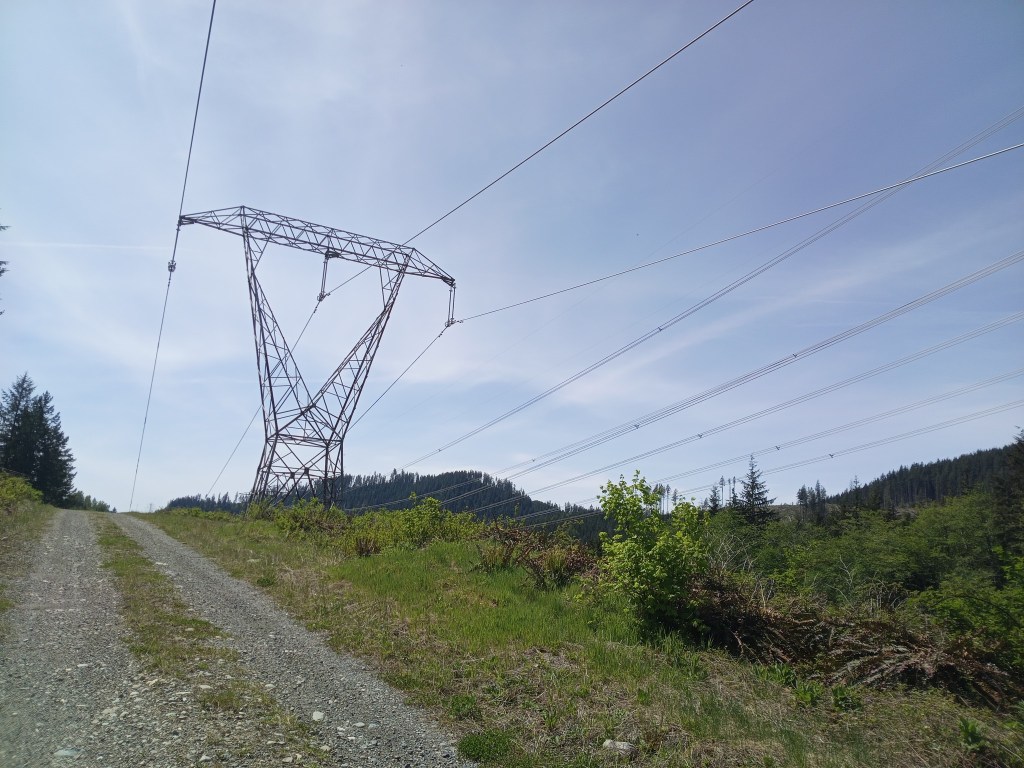
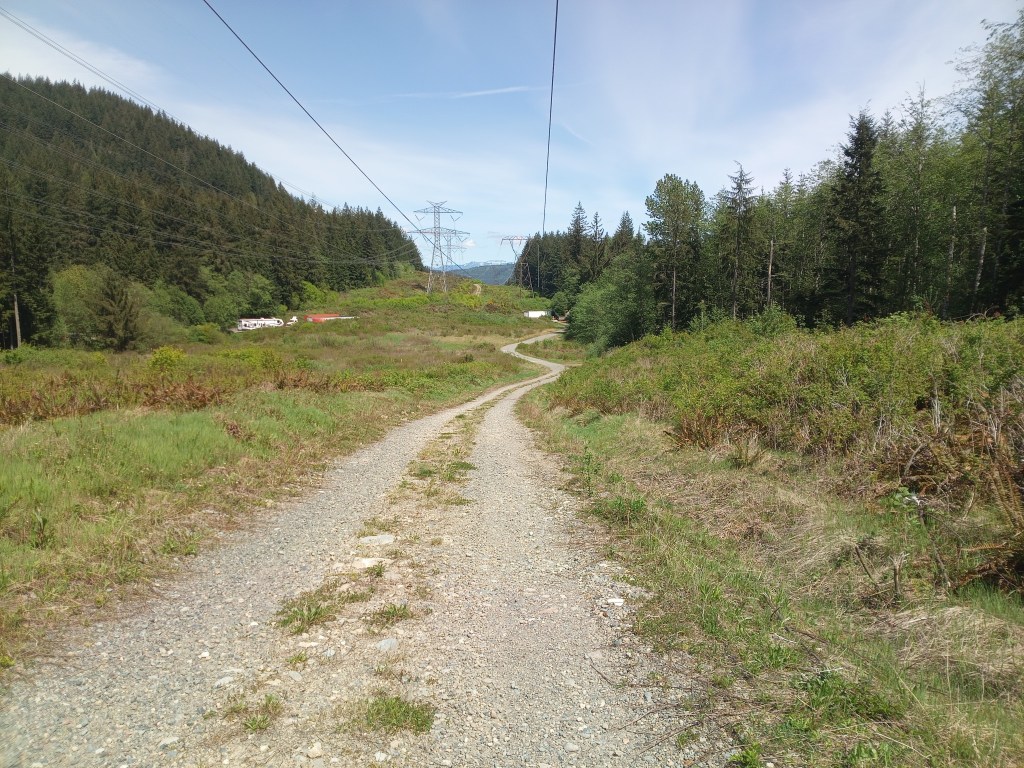
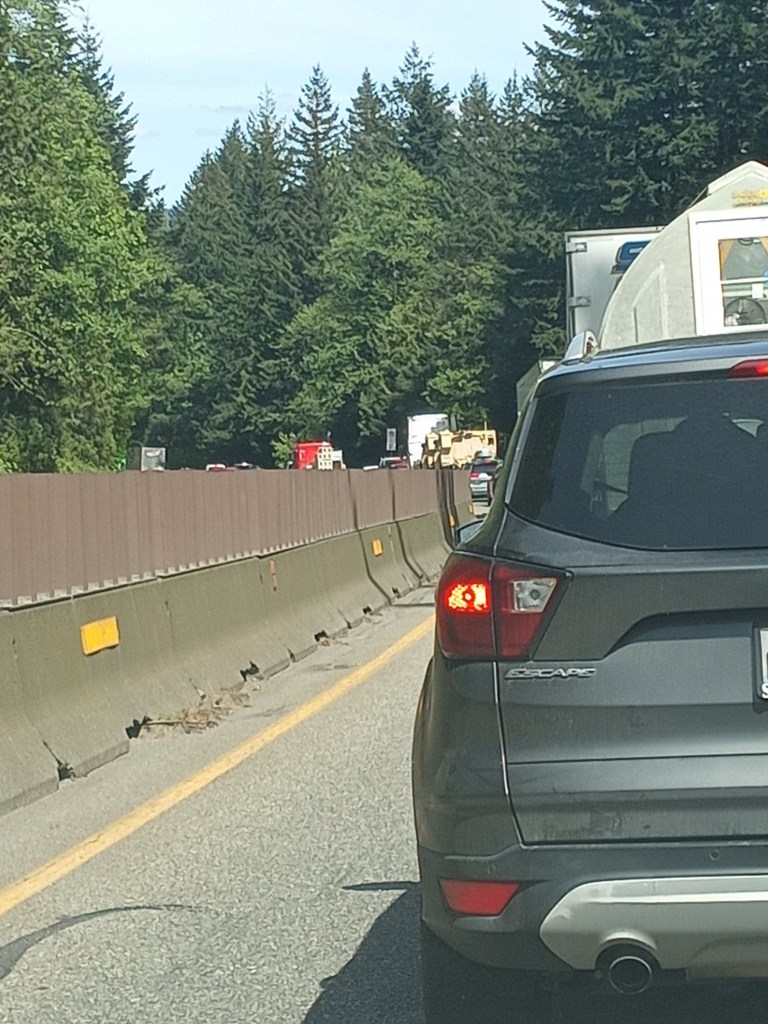
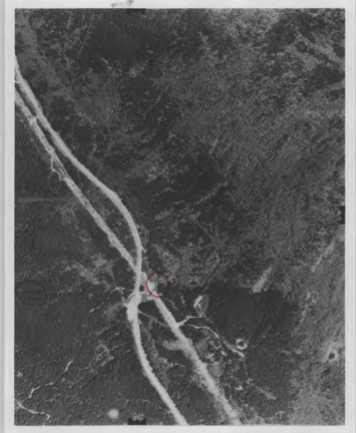
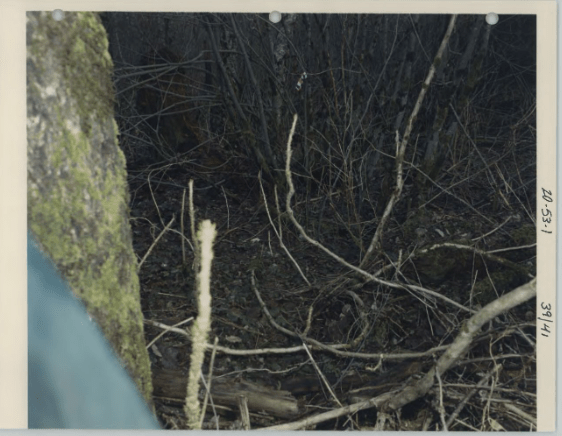
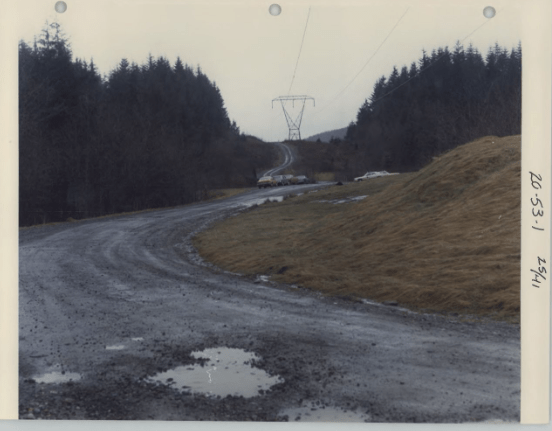
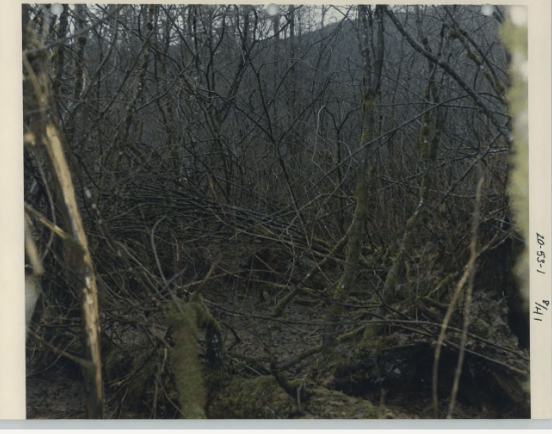
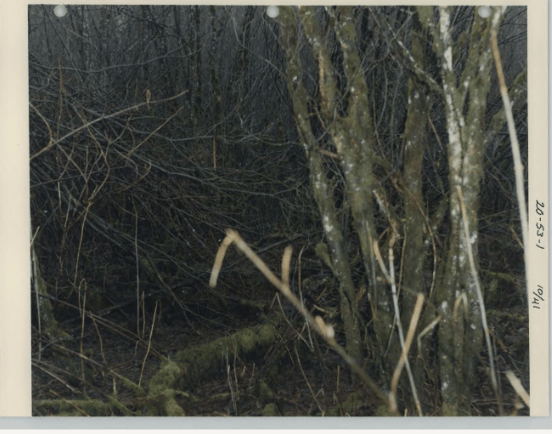
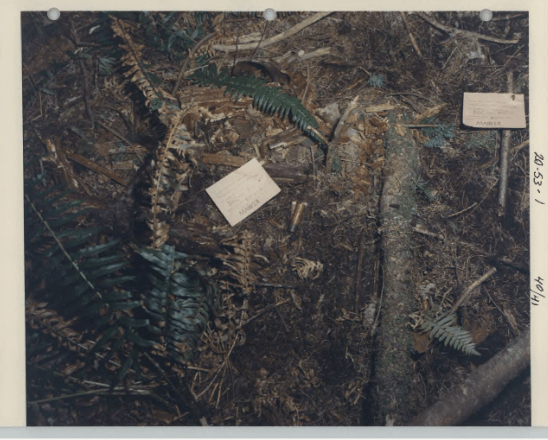
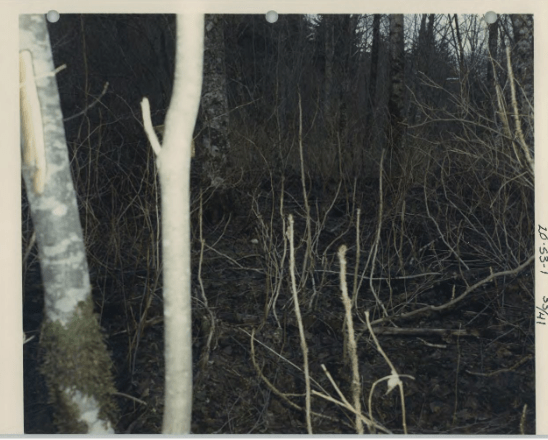
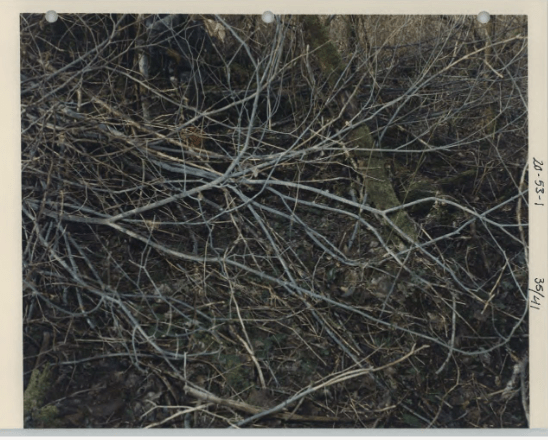
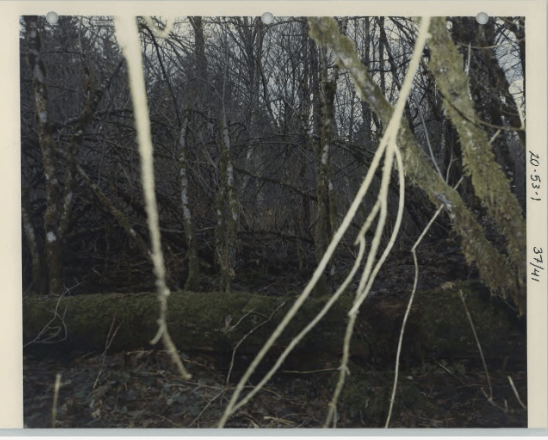
I needed to take a break from uploading the documents from the King County Sheriff’s Department and decided to post some pictures from my recent Seattle trip. Even before I checked in to my Air BnB, the first thing I did after leaving the Sea-Tac Airport was drive straight to Taylor Mountain, because I knew my time in Washington was limited and I wanted to make the most of it. When I went in 2022 and 2024 I didn’t venture in very far, and just took my pictures and left. This time I made sure to wear appropriate footwear and walked through the entire area, and I learned that it was much larger than I previously thought, and even had a lake and separate walking path.



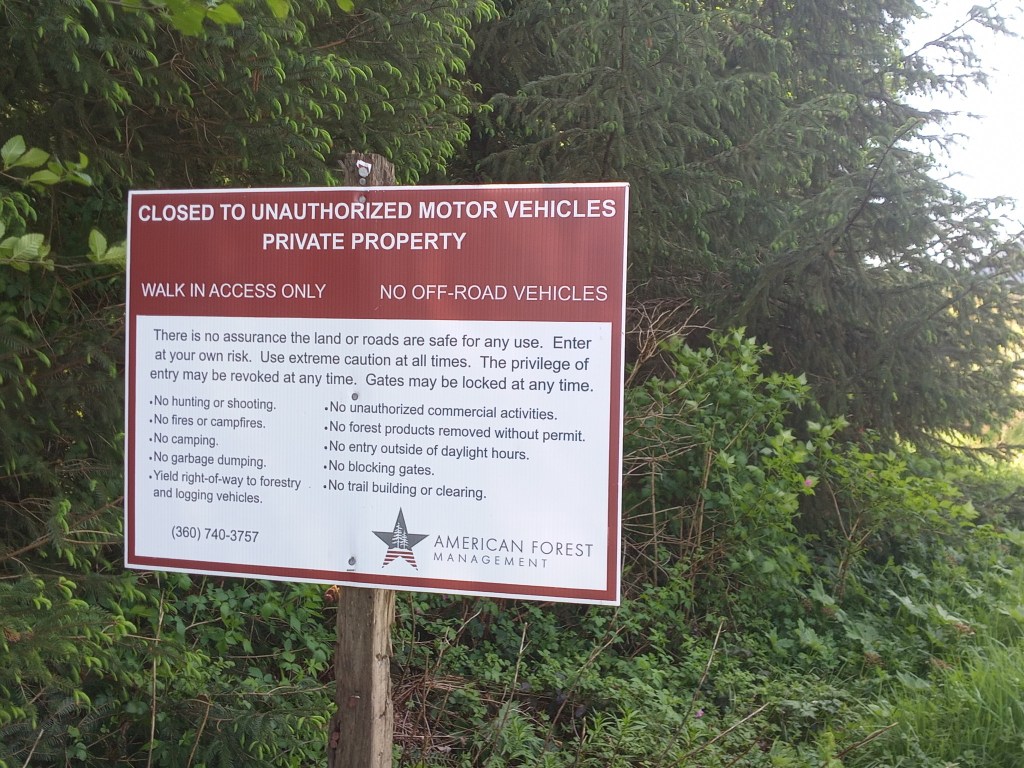

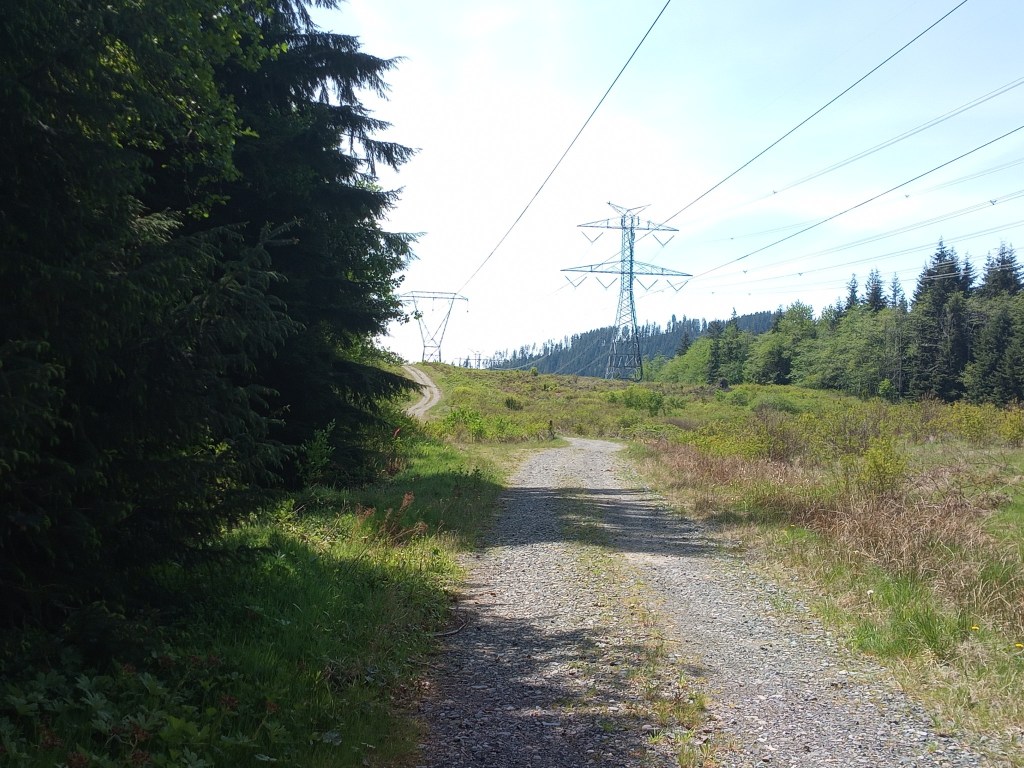
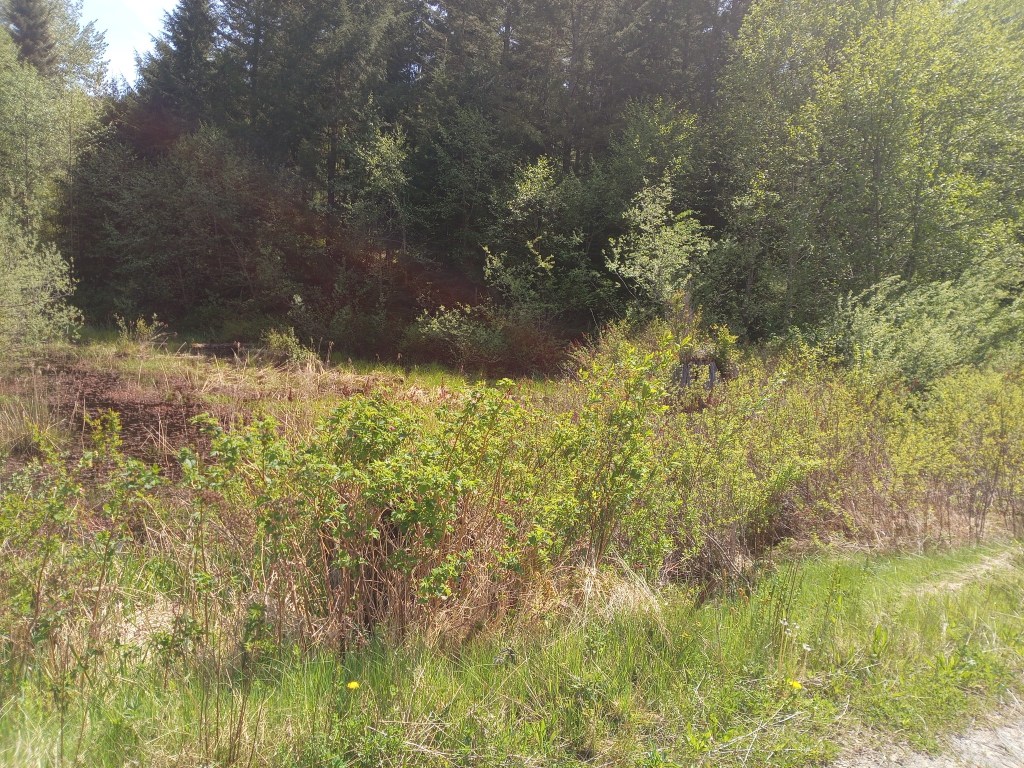
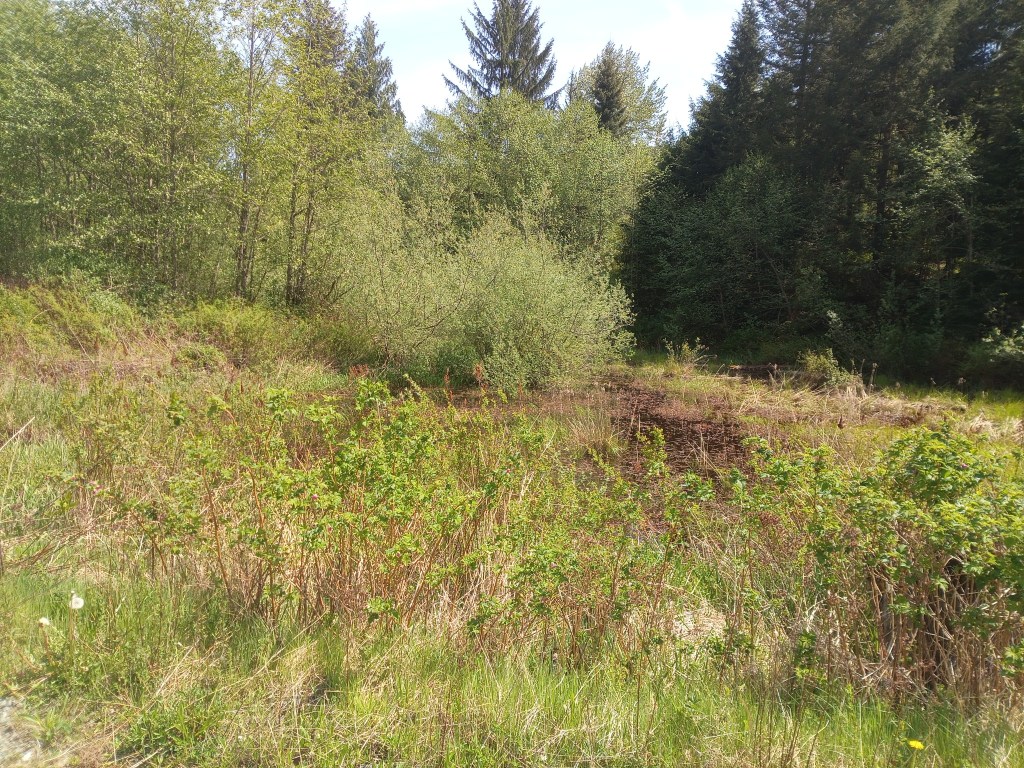















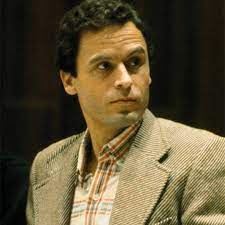
I’ve been spending a good chunk of my time writing about the unconfirmed victims so in this installment of ‘All Things Bundy,’ I’m going over his confirmed kills.
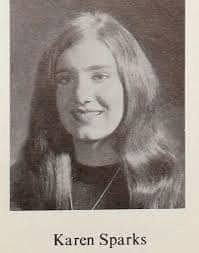
Also referred to as ‘Joni Lenz,’ Sparks was brutally assaulted by Ted Bundy while asleep in her basement apartment in the University District of Seattle. She was his first known victim. Thankfully Bundy didn’t kill her, however she was badly beaten with a metal rod, sexually assaulted, and left unconscious for hours before her roommates discovered her later that night. Ted left her with a number of serious long-term injuries she still struggles with to this day.


On January 31st, 1974, Healy borrowed a friends car to go shopping for a family dinner she was preparing the next night and returned with her groceries at roughly 8:30 PM. Shortly after, Lynda and her roommates went drinking at a popular bar called Dante’s Tavern located at 5300 Roosevelt Way NE. The establishment was a five minute walk from her apartment but the friends didn’t stay out long because Lynda needed to be up at 5:30 AM to be at her job giving the ski report for a local radio station. A number of sources report that Bundy used to go to Dante’s often and it is hypothesized that he first saw Lynda there then followed her home. In the early morning hours of February 1, 1974, he broke into Healy’s basement room, beat her, took off her bloody nightgown (making sure to neatly hang it up in her closet), dressed her then carried her off into the night. It is theorized that Ted only took clothes to make it appear as if Lynda left on her own but obviously we’ll most likely never know the truth. Her body found in March 1975 on Taylor Mountain, near Issaquah outside of Seattle.

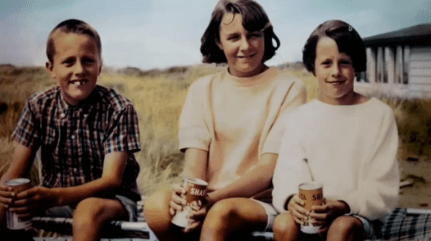
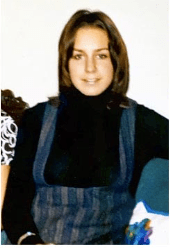

On the day of her abduction, Donna planned on going to a folk dancing class at the College Activities Building at Evergreen State College (where she attended). Later that same night, she made plans to go to a jazz concert at the Daniel J. Evans Library (also on campus), which was scheduled to start at 8 PM. Donna departed her dormitory just after 7 PM and set out for the dance class, which was just a two minute walk away. Despite how close the College Activities Building was to her dorm, no one recalls seeing her at either the dancing class or the jazz recital, making it highly unlikely that she ever made it that far. Manson was never seen alive again. After confessing to her murder, Bundy said he burned her skull in Liz Kendall’s fireplace.

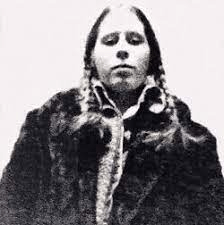

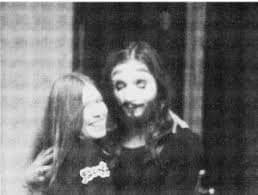
Shortly before 8 PM the evening she disappeared from her college campus at Central Washington University, Susan Rancourt put some clothes in a washing machine in Barto Hall (her dorm building). She then went to a meeting about becoming a Residential Advisor at Munson Hall. When it ended at 10 PM Sue left to walk back to her dorm to switch out her laundry but was never seen alive again. She had plans later that night to watch a movie with a friend but never showed up. Rancourts skull was later found near Taylor Mountain, where Bundy placed several bodies during his reign of terror.
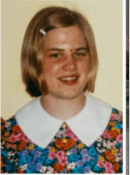
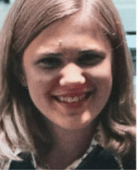
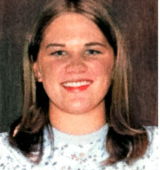

A student at Oregon State University in Corvallis, Parks was abducted from her college campus, which is over a four and a half hour drive for Bundy (who was living at the Rogers Rooming House on 12th Ave NE in Seattle at the time). Shortly before 11:00 PM the night she disappeared, Parks encountered Bundy in the Memorial Union Commons cafeteria at OSU. During Teds interviews with journalists Hugh Aynesworth and Stephen Michaud, he ‘confessed’ in the third-person that Kathy may have encountered her killer while in the cafeteria. Bundy then said he was able to convince her to leave with him and as soon as the opportunity presented itself he immediately overpowered her. He most likely bound and gagged Parks during the 250-mile trip back to Seattle, where then killed her and dumped her body on Taylor Mountain.


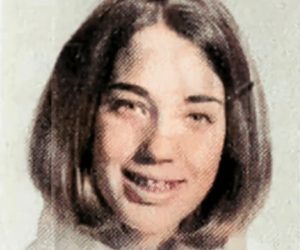

In the wee hours of June 1st, 1974, Brenda Ball seemingly vanished into thin air after seeing a band play at The Flame Tavern located at 12803 Ambaum Boulevard in Burien, WA. She arrived at the bar alone and stayed until closing. As the act was wrapping up their set at the end of the night Brenda asked one of the members she knew for a ride home back to her house but he was heading in the opposite direction so he couldn’t help out. There are two conflicting reports about how she could have left the bar that night: one is that she left by herself and was planning on hitchhiking home, and the other claims that she left with an unidentified man wearing an arm sling. Despite law enforcement being hesitant to officially say her disappearance was related to the other missing girls in Seattle, her skull was the first discovered on Taylor Mountain in March of 1975.
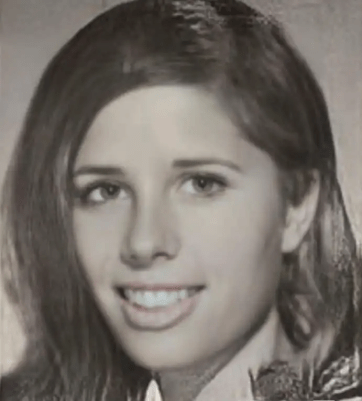

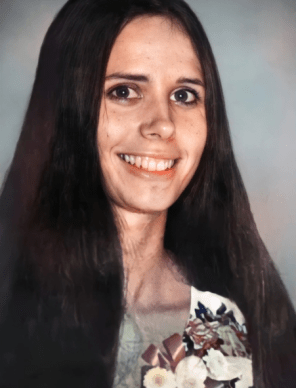
A student at the University of Washington, Georgann Hawkins disappeared from an alley behind her sorority house in June 1974. The night before she vanished, Hawkins went to a party, where she had a few mixed cocktails. Because she had a Spanish final coming up that she needed to study she didn’t stay long; she did mention to a sorority sister that she was planning on swinging by the Beta Theta Pi House to pick up some Spanish notes from her boyfriend. Hawkins arrived at the frat at approximately 12:30 AM on June 11 and stayed for approximately thirty minutes. After getting the notes and saying goodnight to her beau, Georgann left the fraternity house for her sorority house, Kappa Alpha Theta. Before he was executed, Ted told law enforcement that he approached her in an alley on her way home, feigning injury with a hurt leg (using his crutches as a ruse) while dropping his briefcase. Bundy asked Hawkins for help carrying the prop to his VW Bug, which was waiting in a parking lot roughly 160 yards north of the alley. She agreed and as she bent over to put the briefcase in his vehicle, Ted grabbed a conveniently placed crowbar and knocked her out with a single blow to the head. He then pushed George into his car and drove off into the night. Bundy claimed that while driving she regained consciousness and started to incoherently babble about her upcoming final, thinking he was her Spanish tutor. He again knocked her out with his crowbar. Once at his intended location, Ted took her unconscious body out of his car and strangled her with an old piece of rope. According to him, the parts of Georgann’s body he had not buried were recovered in Issaquah with the bodies of Janice Ott and Denise Naslund. He confessed to murdering Hawkins shortly before his 1989 execution.


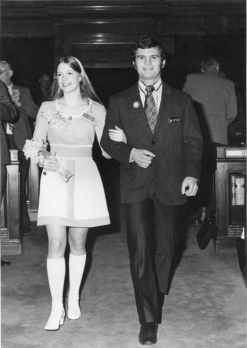
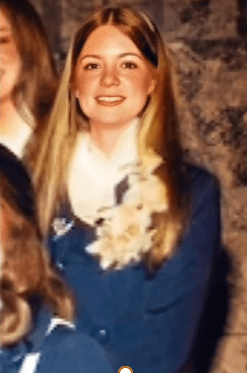
At the time she was murdered, Janice Ott worked as a probation case worker at the King County Youth Service Center in Seattle, WA. In December of 1973, she married Jim Ott, who at the time of her death was in California for graduate school. After her car was broken into while living in Seattle, she moved in with a roommate to 75 Front Street in Issaquah (she felt the smaller community would be safer). The morning she disappeared, Janice spent a few hours at doing laundry and having a cup of coffee with a friend. After her errands and chores were completed, she rewarded herself with a trip to Lake Sammamish. Ott was abducted by Bundy at around 12.30 PM, and just a mere three and a half hours later he returned to the same park and abducted Denise Naslund.

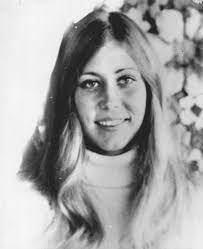

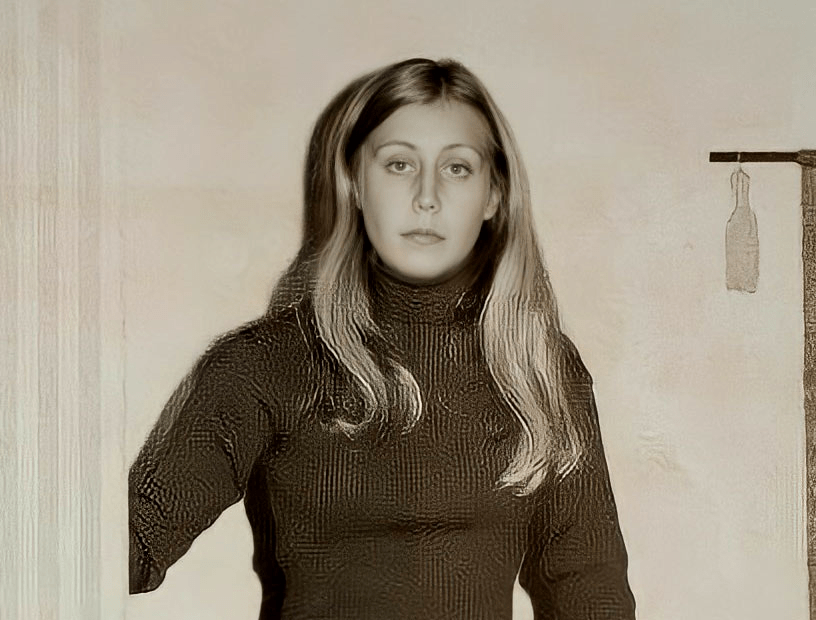
On a beautiful, picture perfect sunny day, Naslund disappeared from a very busy Lake Samammish State Park (that day was Rainier Beer’s annual picnic, there were over 40,000 people there). She was there with her boyfriend and another couple, and after telling them she was going to the restroom Denise was never seen alive again. Naslund lived with her mother in Seattle and was studying to become a computer programmer. Eleanor Rose said her daughter had the kind of helpful nature that would easily place her in danger. Denise’s remains were found on a hillside near Issaquah roughly two months later in September 1974, only two miles away from Lake Samammish. Bundy confessed to her murder shortly before his execution.

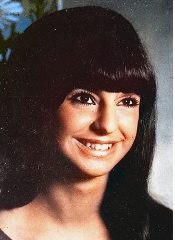
The first of Teds confirmed Utah victims, Wilcox went missing after she went on a walk to buy a pack of gum (it’s also speculated that from there she was on her way to her high school to visit her boyfriend). She left the house in a huff after getting into a fight with her Dad about her bf’s pick-up truck leaking oil on the families driveway. Both Mr. and Mrs. Wilcox said that because of this law enforcement initially considered her to be a runaway even though they knew their daughter would never voluntarily leave home and had no troubles whatsoever in her personal life. Nancy left all of her personal belongings behind including some expensive jewelry that held deep sentimental value to her. Before he was executed Bundy confessed to sexually assaulting and strangling her, then burying her body about 200 miles away near Capitol Reef National Park. Sadly her body has never been found.
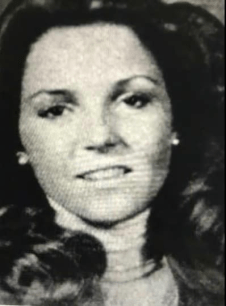

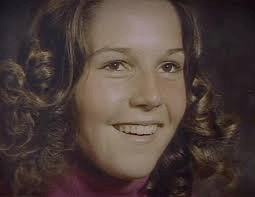
Bundy abducted Smith shortly after she left a pizza parlor on West Center Street in Midvale at around 9.30 PM on October 26, 1974. One unconfirmed report suggests that he may have been asking women in the area to help him with a car issue. Melissa was the daughter of Midvale Police Chief Louis Smith, and her murder took place just sixteen days after Nancy Wilcox vanished from the nearby city of Holladay (and five days before Laura Aime). On the night she disappeared, Smith was supposed to sleep over at a girlfriend’s house but those plans fell through after she didn’t answer the phone. After realizing she had been stood up, she decided to leave the pizzeria and walk back to her house on Fern Drive. At some point during her walk, its speculated that Bundy grabbed Melissa off the street and killed her. She never made it home.
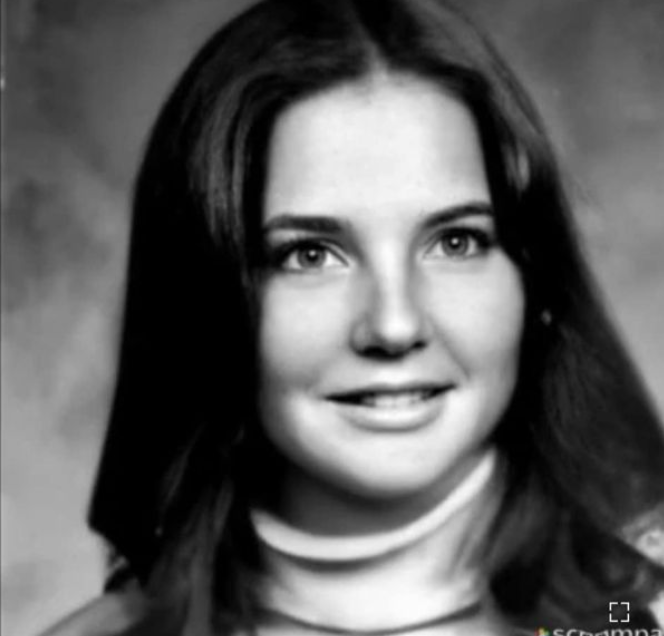

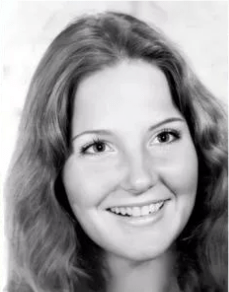
Shortly before she disappeared Aime dropped out of high school, left home (she frequently couch surfed at various friends’ homes), and worked a few menial part-time jobs. Surprisingly she still remained in contact with her family and according to her parents, they were just beginning to accept her ‘nomadic lifestyle.’ So, when she first disappeared no one really seemed overly concerned. Thanks to my newspapers.com subscription it didn’t take long for me to realize there were no news articles mentioning Laura Aime’s disappearance at first, and her name only began to appear in ink after two hikers discovered her remains in American Fork Canyon. Additionally, when her body was first discovered, law enforcement first speculated it belonged to Deborah Kent.
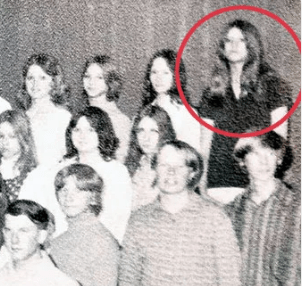
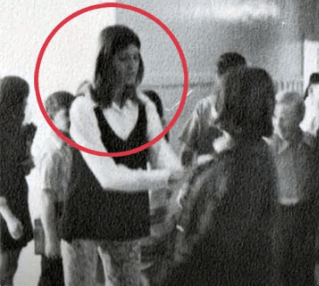
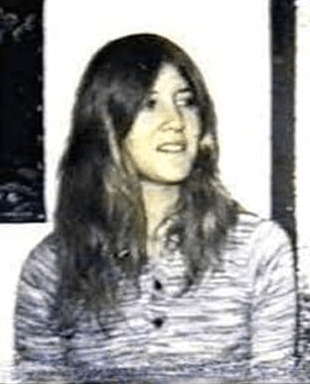

The evening she was abducted Carol DaRonch parked her maroon 1974 Camaro on the southern side of The Fashion Place Mall in Murray, UT. As she was window shopping outside Walden Books, DaRonch was approached by Bundy, who was posing as a police officer. He said that her car had been broken into and asked her to drive down ‘to the station’ with him to file a report with him. However as they were on their way he attempted to subdue and handcuff her but was unsuccessful: she was able to fend him off and escape. Of the encounter, DaRonch said that she ‘thought he was kind of creepy … I thought he was a lot older than he was.’ She also commented that she could smell alcohol on his breath.

After Bundy was unsuccessful in his attempts to kidnap Carol DaRonch he quickly realized he was going to need a new victim. So he made the twenty-two minute drive away to Viewmont High School, where he successfully abducted Debbie Kent. Kent was watching a play with her family but left the school at approximately 10:30 PM to pick up her brother from the nearby Rustic Roller Rink. She never made it to the rink and was most likely abducted in the parking lot. According to an eyewitnesses, there was loud screaming coming from the area at roughly the time that Debra was last seen, and another person saw a light-colored VW Beetle speeding away from the school. After the Kent’s realized their daughter hadn’t even made it out of the parking lot, they found a handcuff key on the ground by their car. Bundy confessed to killing Deb and burying her body in the same area as Nancy Wilcox.
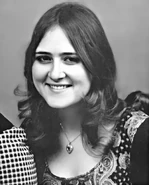

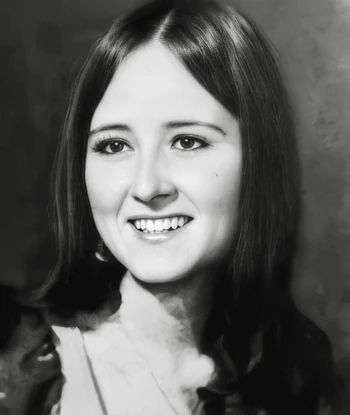
Bundy abducted the 23-year-old nurse from the Wildwood Inn in Snowmass Village. While staying at the inn with her fiance and his children, Campbell went missing after going upstairs to her room to retrieve a magazine. Although we will never know for certain how exactly Ted managed to abduct the attractive young woman, it is highly likely he feigned an injury and asked her to help him carry something back to his vehicle. After he lured her away from the hotel to a darkened parking lot he hit her over the head then quickly snuck her into his Bug. Roughly five weeks after Campbell disappeared her body was found less than three miles away from the Wildwood Inn. Someone driving by her remains noticed a large amount of birds flying over the area. Using dental records, police determined that the remains belonged to Caryn. The postmortem examination revealed that her skull had sustained three heavy blows. Before Ted’s run in with Ol’ Sparky, he confessed to Campbells murder.

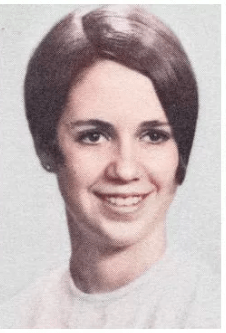

Cunningham disappeared early in the evening on March 15, 1975 after leaving her Apollo Park apartment in Vail to go a nearby bar to meet up with a friend. Bundy told law enforcement that he pretended to be an injured skier on crutches that needed help carrying a pair of ski boots to his car. According to Ted, the pair walked over half a mile together before they finally reached his vehicle. Once there, Bundy knocked her unconscious, put her in his car then drove to a remote area roughly eighty miles west of Vail and sexually assaulted her. When finished, he strangled her to death and dumped her remains in a shallow grave near Rifle, CO. Julie’s body has never been recovered.
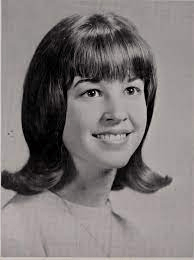
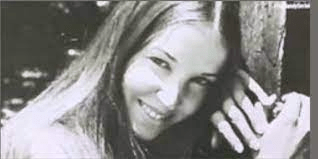
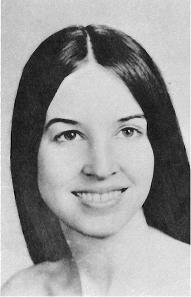
On April 6, 1975, Denise Oliverson set out on a bike ride to her parents house but was never seen alive again. The next day, a search party found her bicycle and shoes under the Fifth Street Bridge by some railroad tracks. Just days before he was executed in January 1989, Bundy told law enforcement he abducted Oliverson then disposed of her body in a river about five miles West of Grand Junction. Her remains have never been found.
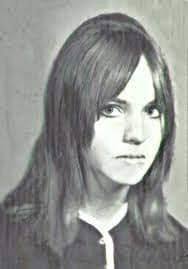
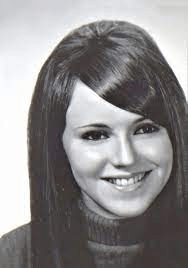

Although the details surrounding Culvers murder seem to vary between sources, it’s strongly speculated she was last seen at Alameda Junior High School. It’s worth mentioning, this was a two and a half hour drive from where Bundy was living at the time in Salt Lake City to Pocatello, Idaho. Some places say that she left campus during her lunch period, where others claim Lynette was last seen getting on a bus. When considering her healthy and happy relationship with family and friends as well as and her stellar academic performance, she most likely was taken against her will. In his death row interviews, Bundy confessed to killing Lynette then dumping her body in the Snake River. He also said he raped and drowned the 12 year old child in a hotel room after abducting her. Law enforcement didn’t fully accept his confession despite providing some convincing details.
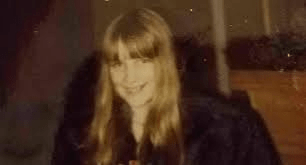

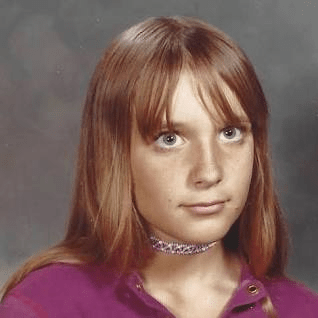
At the time she was murdered, Susan was a freshman at Woods Cross High School. She had a history of running away from home for days at a time but never was gone for very long. Susan was originally from Bountiful, Utah but at the time of her disappearance was attending a youth conference at Brigham Young University in Provo. A natural athlete, Curtis had ridden her bicycle 50 miles from Bountiful to Provo to attend the conference. She vanished on the first evening of the conference after a formal banquet: she left her friends to make the quarter mile walk back to her dormitory to brush her teeth but was never seen or heard from again. As Bundy walked down to the hall to be executed Curtis was his last death row confession. Since her body has not been recovered she is still regarded as a missing person.


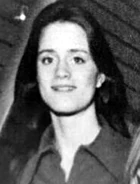

In the early morning hours of January 15, 1978, a group of young women residing at the Chi Omega house at Tallahassee’s Florida State University were asleep in their beds when evil crept in… Margaret Bowman was born in Honolulu and moved to Florida in 1973 after her father retired from the US Air Force. Bowman was one of four women Bundy attacked when he broke into the sorority house at around 3 AM on January 15, 1978. He beat her with a piece of firewood as well as a telescope and strangled her to death with her own tights. Despite the violent nature of the crime, the initial investigation failed to produce any evidence of sexual assault or struggle. The severity of the beating was so extreme that part of Bowman’s brain was visible.
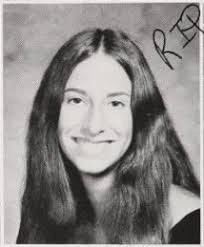
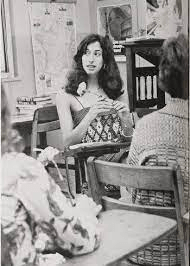
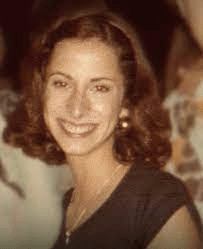
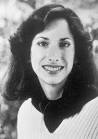
Lisa was born in St Petersburg, FL and attended Dixie Hollins High School, where she played flute in the band for two years. At FSU, she majored in fashion merchandising and worked at the Colony Shop near campus. When law enforcement got to the crime scene Levy’s was the first sister that officers found dead. Medical Pathologists discovered that she had been beaten on the head with a log, sexually assaulted with a hair spray bottle then strangled. Additionally, they found bite marks on her buttocks and one of her nipples had been so savagely bitten that it was almost completely severed from the rest of her breast.


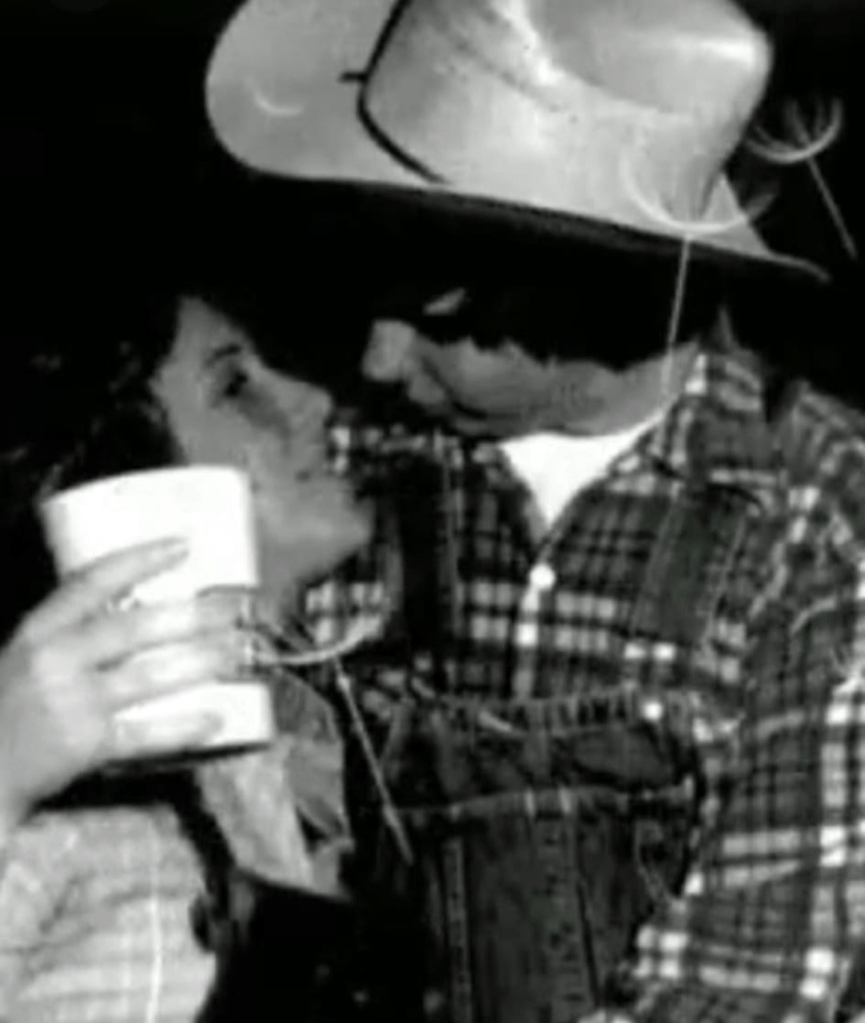
Kathy Kleiner-Rubin and Karen Chandler shared a room at the Chi Omega sorority house. That night she was attacked Kathy went to bed first, with Chandler following shortly after. After Bundy attacked and murdered Lisa Levy, he went into the room next door and brutally assaulted Kleiner-Rubin and Chandler. In an interview, Kathy said that was awoken that morning by the sound of her bedroom door opening. The assailant then tripped over a chest that was in-between the girls twin beds. Ted then assaulted her with a piece of firewood, which left her with a broken jaw, concussion, skull fracture, broken arm and finger. Miraculously, she survived her injuries and testified against Bundy in his death penalty trial.
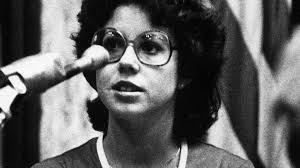
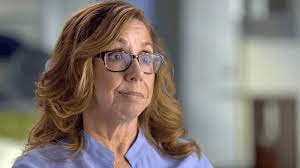

As I said earlier, Karen Chandler was Kathy Kleiner-Rubin’s roommate in the Chi Omega house. After Bundy was done brutally assaulting Kathy he moved onto Chandler. Bundy knocked out four of her teeth and beat her so severely that he broke her jaw and right arm. Somehow Chandler survived. She took the rest of the academic quarter off, but later returned to the Chi Omega house at FSU.


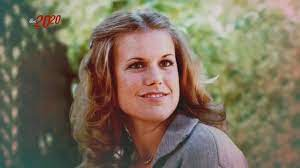

After Bundy was finished with his atrocities at the Chi Omega sorority house, he wandered a few blocks over and climbed into an open kitchen window in Cheryl Thomas’ apartment. He attacked her and Thomas barely escaped with her life: her jaw was broken in two places, her shoulder dislocated, and she had five skull fractures, which left her permanently deaf in her left ear. In 1978 Thomas was a student at FSU and a member of the schools dance team. The night she was attacked was alone in her apartment but thanks to some attentive neighbors who heard the assault her life was saved.



In 1978, Kim Leach was a 12-year-old seventh-grader at Lake City Junior High School, where she was a straight-A student and the runner-up Valentine Queen. Leach was one of Bundy’s youngest and his last victim. On the morning of February 9, 1978, Kimberly arrived at Lake City Junior high School on time. Just before 9 AM, she left her first period class to go and pick up her purse that she had accidentally left behind in her homeroom. After she recovered the purse she headed back towards her classroom in the pouring rain but never arrived. That afternoon, Kimberly’s parents became concerned when their daughter didn’t come home after school. They called everybody they knew, but nobody could account for Kimberly. Their concern escalated to fear when they learned she had been at her first period class but then never returned. They immediately called law enforcement to report their daughter missing. A search party quickly formed and concentrated on Suwannee River State Park for weeks. Kims remains were eventually found on April 7, 1978 in an abandoned hog pen with a small metal lead-to. She was nude other than for a pullover jumper, her clothes were piled up beside her body. She was in an advanced state of decomposition, but she was identified thanks to dental records. Leach had suffered homicidal violence about the neck region.


Miscellaneous:
There is no consensus as to when or where Bundy began killing. He told different people varying stories to and refused to give the specifics of his earlier crimes, even as he shared in graphic detail to dozens of later murders in the days before he was his executed. He told one of his attorneys Polly Nelson that he attempted his first kidnapping in 1969 in Ocean City, NJ, however did not kill anyone until sometime in 1971 in Seattle. He told Portland forensic psychologist Dr. Art Norman that he murdered two women in Atlantic City while visiting family in Philadelphia in 1969. Bundy hinted to former homicide detective Dr. Robert Keppel that he committed a murder in Seattle in 1972 and another murder in 1973 that involved a hitchhiker near Tumwater, but he refused to elaborate. Rule and Keppel both believed that he might have started killing as a teenager. Bundy’s earliest documented homicides were committed in 1974, when he was 27 years old. By his own admission, he had by then mastered the necessary skills to leave minimal incriminating forensic evidence at crime scenes.
On September 2, 1974, Bundy drove through Boise while moving from Seattle to Salt Lake City and during that trip, he picked up a still unknown hitchhiker and killed her. Ted returned the next day to photograph and dismember the corpse then dumped her remains in the Snake River. Reports from Gonzaga University’s student newspaper ‘The Gonzaga Bulletin’ claim that Bundy stopped by a campus dorm for a party in the 1970’s and drove a female student to Pullman. She miraculously survived.
Bundy confessed to detectives from Idaho, Utah, and Colorado that he had committed numerous additional homicides, including several that were unknown to the police. He explained that when he was in Utah he could bring his victims back to his apartment, ‘where he could reenact scenarios depicted on the covers of detective magazines.’ A new ulterior strategy quickly became apparent: he withheld many details, hoping to parlay the incomplete information into yet another stay of execution. ‘There are other buried remains in Colorado,’ he admitted, but refused to elaborate. The new strategy (which was referred to as ‘Ted’s bones-for-time scheme’) served only to deepen the resolve of authorities to see Bundy executed on schedule, and yielded little new detailed information. In cases where he did give details, nothing was found. Colorado detective Matt Lindvall interpreted this as a conflict between his desire to postpone his execution by divulging information and his need to remain in ‘total possession, and the only person who knew his victims true resting places.’
After being sentenced to death, Bundy spent 11 years on death row, before he was executed by electric chair on 24 January 1989.
 Another Bundy Blog.