Psychological Stress Evaluator, Ted Bundy Interview Analysis.


This highly detailed King County Police document summarizes the (circumstantial) evidence tying Ted to his murders in Washington state.
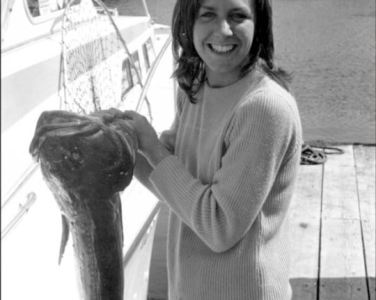
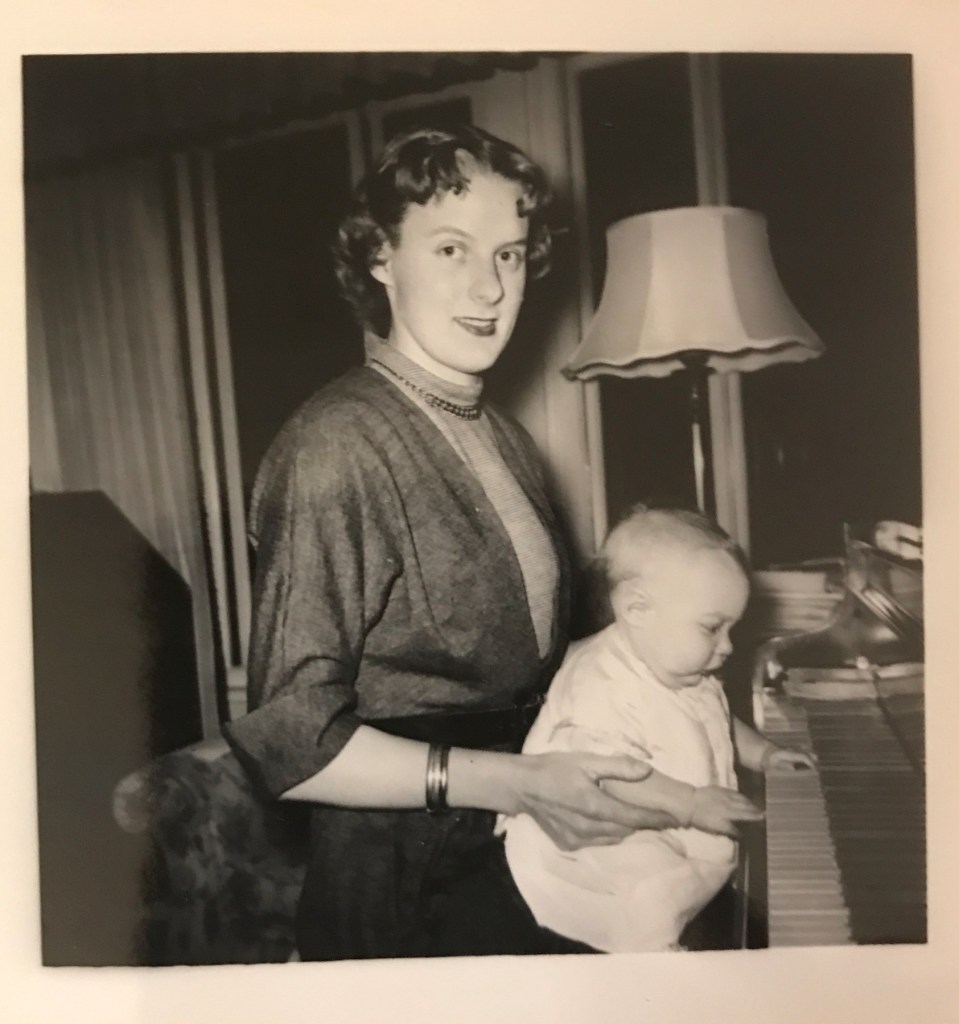
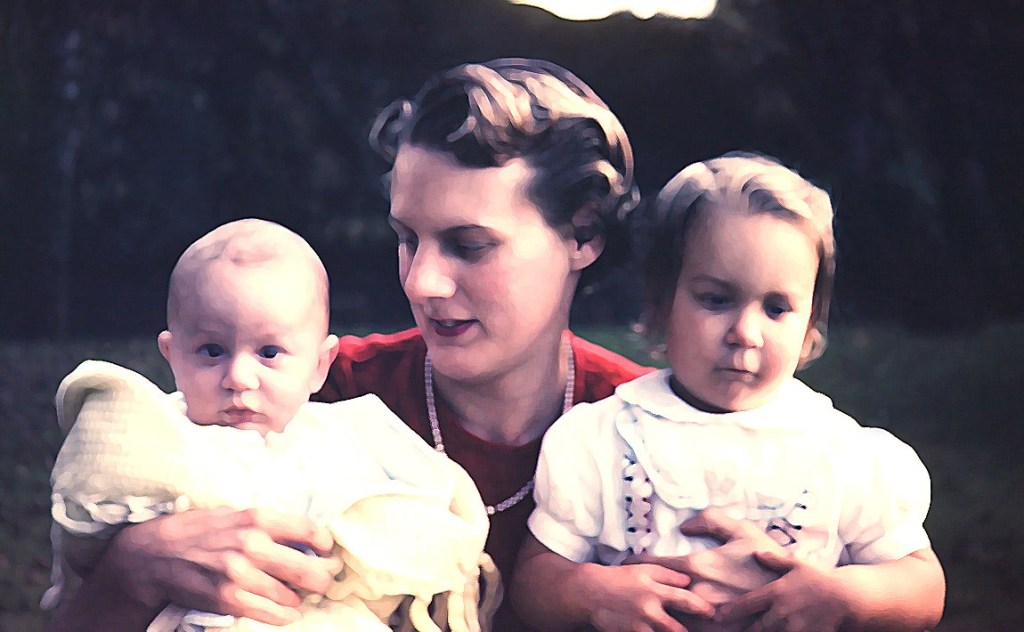
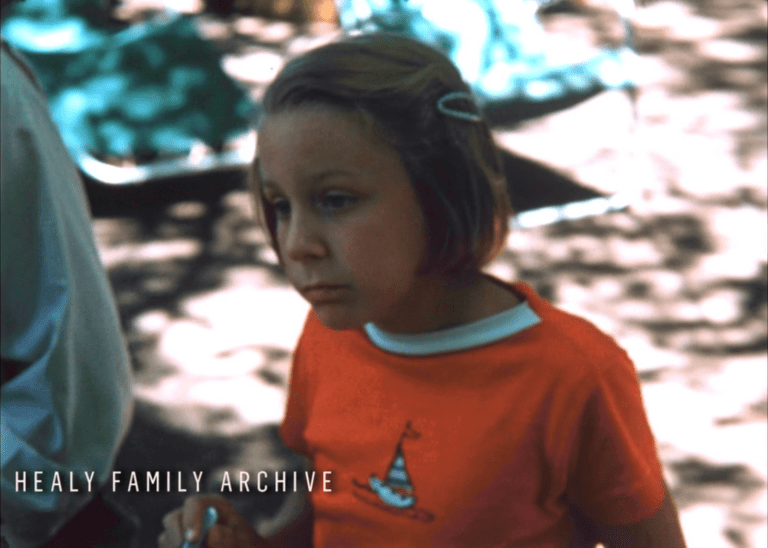
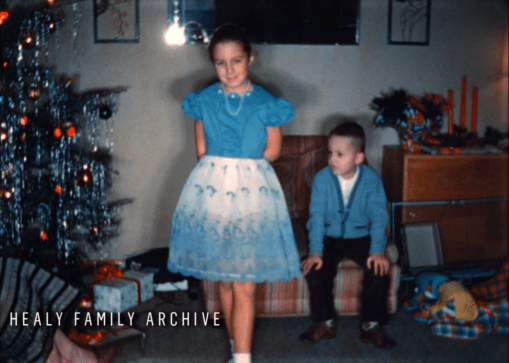
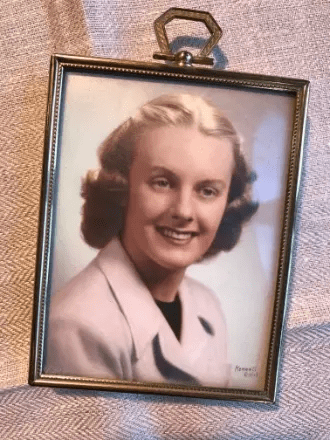
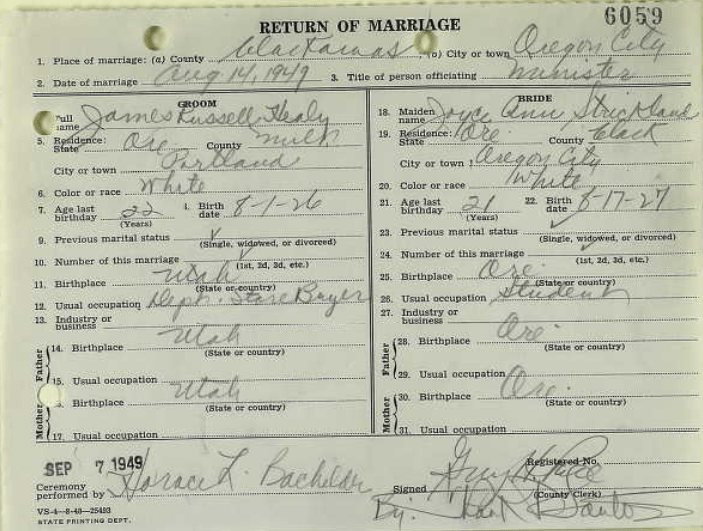
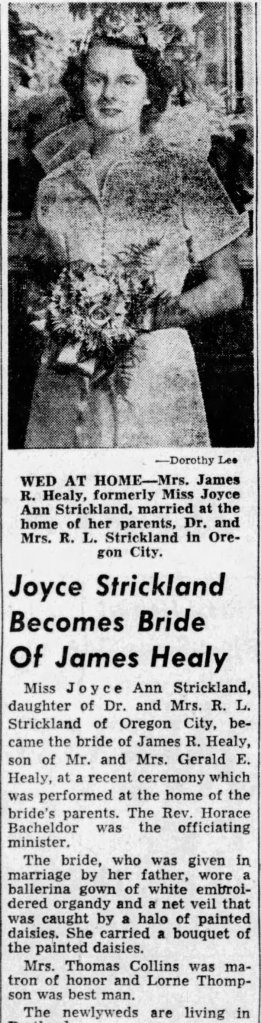
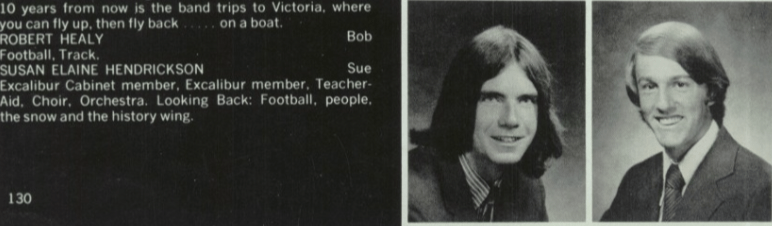
Background: Lynda Ann Healy was born on July 3, 1952 to James and Joyce (nee Strickland) Healy in Portland, Oregon. James Russell Healy was born on August 1, 1926 in Logan, Utah, and after graduating from Grant High School he went on to attend Notre Dame University, where he earned a degree in military sciences. At some point he went to the University of Oregon, where he met his future wife. The daughter of a prominent physician, Joyce Ann Strickland was born on August 17, 1927 in Forest Grove, OR and after high school attended the University of Oregon, where she was a member of the Alpha Phi sorority and graduated with a business degree in 1949. James and Joyce were married at her parents’ house in Oregon City on August 14, 1949, and in their early years as husband and wife lived in a house on Siskiyou Street in the northwest part of Portland. Before her kids were born, Mrs. Healy was employed at ‘Meier & Frank’ (a prominent department store chain that operated primarily in Oregon, Washington, and Utah) for several years before she left the workforce and became a dedicated stay at home mother. The couple had three children together: Lynda, Robert (b. 1954), and Laura (b. 1957).
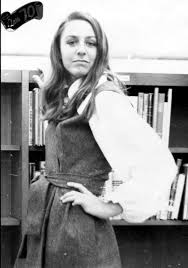
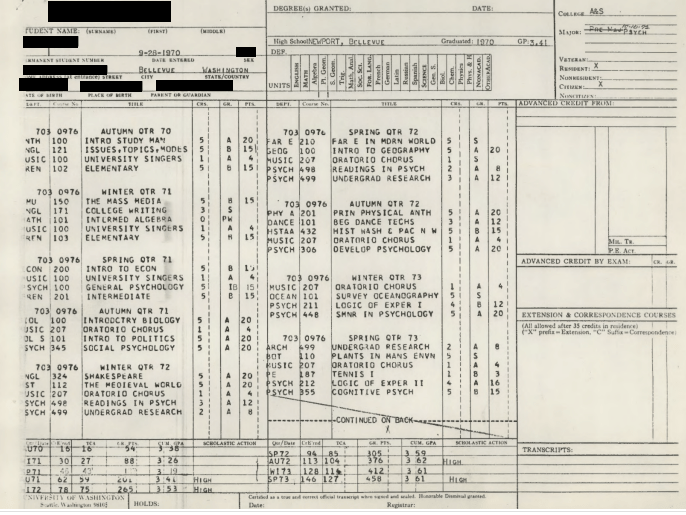
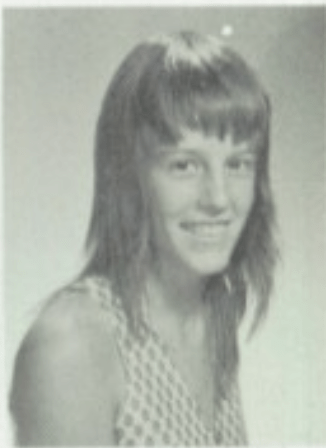
In 1962 the Healy’s moved to Washington state and bought a house in the Newport Hills area of Bellevue, located just five miles away from Seattle and Lynda grew up in a happy, middle-upper class home. According to those that were close with her, she was a talented musician, excellent singer, and was ‘full of life’ as well as self-confidence, and was looking forward for her future. Lynda stood at 5″7″ tall and wore her brown hair long and parted down the middle; she had blue eyes and had a 1/2 inch long scar on the bridge of her nose. An above-average student, she enjoyed school and had dreams of one day working with children with disabilities. After she graduated from Newport High School in Bellevue in 1970, Healy went on to attend the University of Washington in Seattle, and during her first few years lived in residence halls on campus (she even resided in McMahon Hall at one point, which is where Bundy lived years prior) before she eventually moved to a house off campus towards the end of her education.
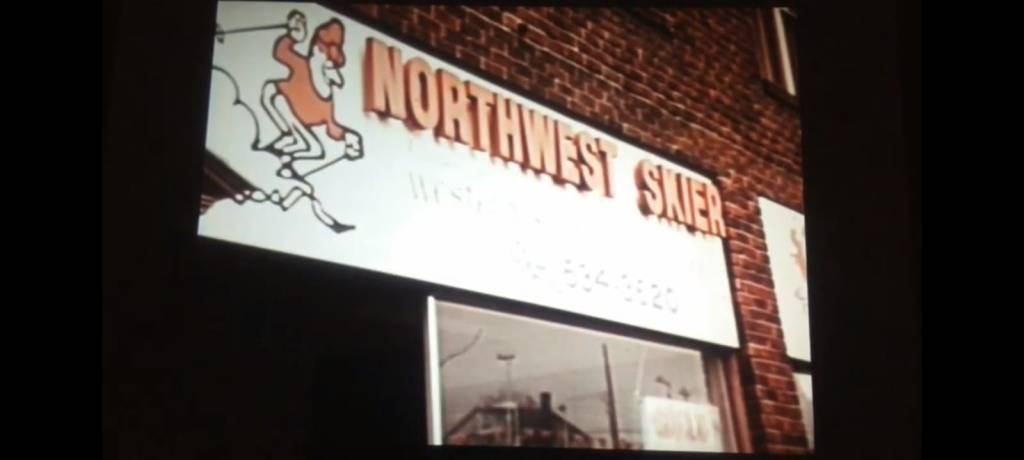
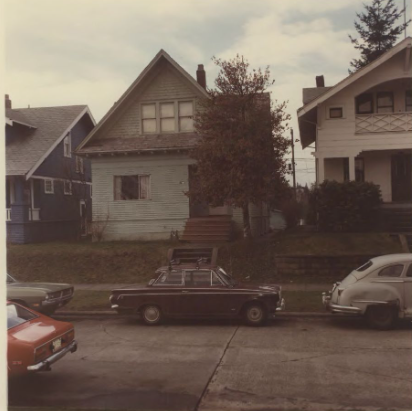
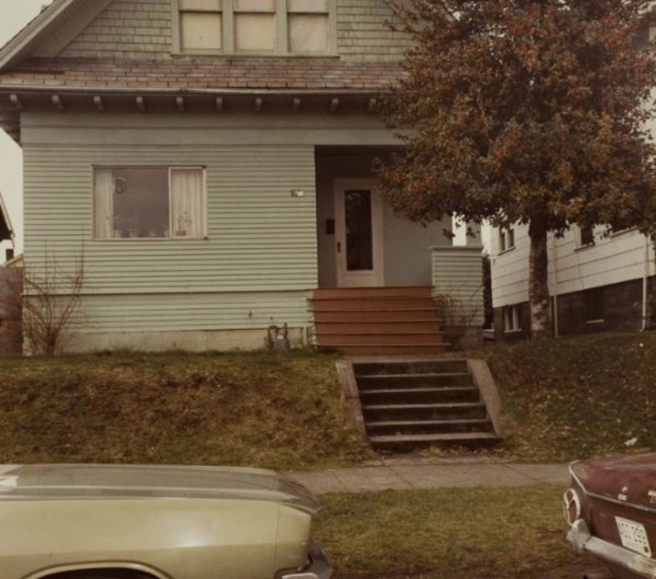
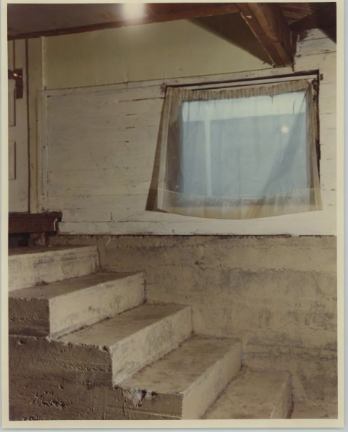
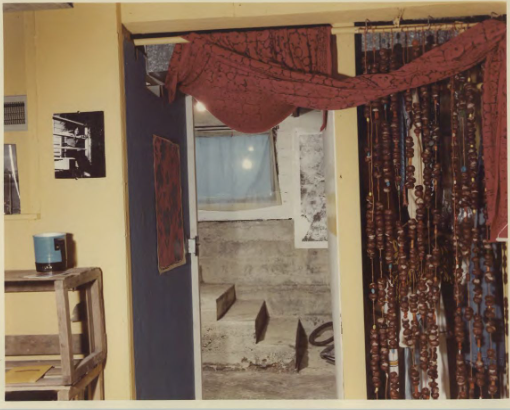
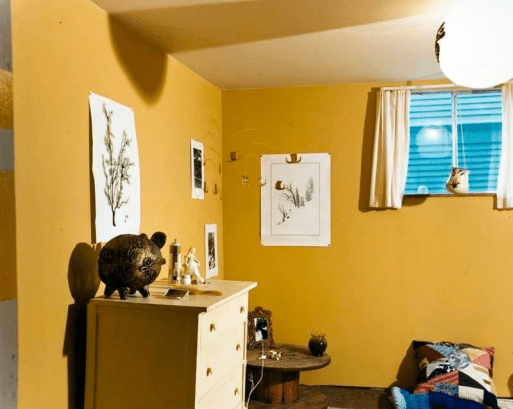
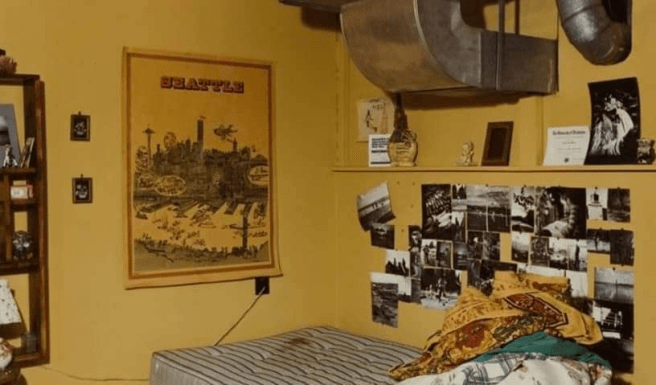
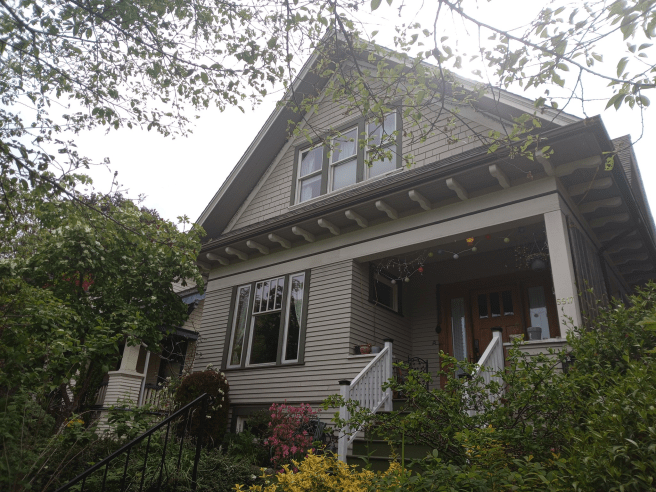
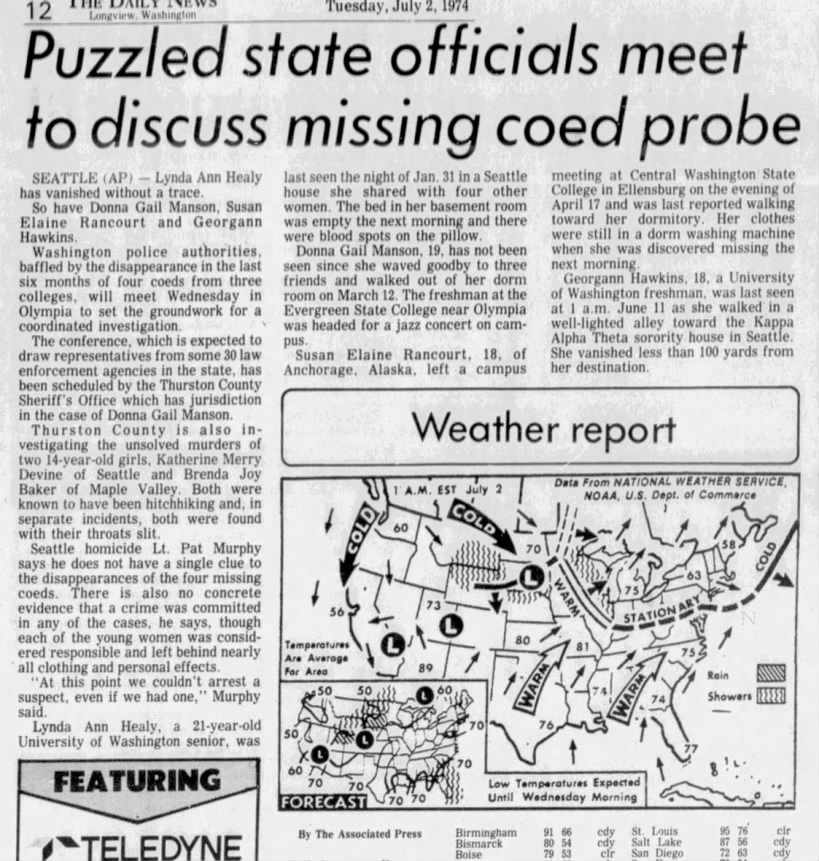
University of Washington: In early 1974, the 21-year-old psychology major lived in a pale green house that wasn’t very far from the University of Washington campus on 12th Avenue Northeast in the northern end of the ‘U-District, with four other women: Joanne Testa, Ginger Heath, Karen Skaviem, and Monica Sutherland. Lynda shared the basement with one of her roommates, their designated spaces separated only by a thin piece of plywood, and she worked part-time for ‘Western Ski Promotions’ broadcasting the ski condition report that was played on twenty different radio stations across Washington and Oregon; she concluded each sixty-second spot with her catchphrase: ‘this has been Lynda with your Cascade ski report.’
January 31, 1974: The day started out like any other normal day for Lynda Ann Healy: in the morning she woke up to her alarm at 5:30 AM, got dressed, then hopped on her bike and rode over to the ski report office, located just a few blocks away. After work she went on to spend the day in class, and attended chorus practice on campus sometime in the afternoon.
At one point in the day Healy wrote a quick note to a good friend, describing how she was going to make what her mother called ‘company casserole’ for dinner for her parents and brother the following evening on February 1. It was an upbeat, happy letter, and in it she shared with her girlfriend how happy she was with life lately and how great things were going for her.
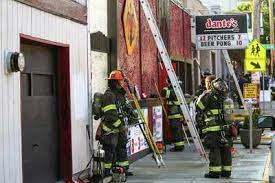
According to Ann Rule’s true crime classic, ‘The Stranger Beside Me,’ at 5 PM that evening her roommate ‘Jill Hodges’ (which is a pseudonym, and really Joann Testa) picked Lynda up on campus and and they went home and ate dinner with their other roommates; when Lynda was finished eating she borrowed one of the girls cars and ran to a nearby Safeway, returning home around 8:30 PM. From there, Lynda, along with Joanne, Ginger, and a young man named Pete Neil, went to Dante’s Tavern, which was only a five-minute walk away. Because Pete had to catch the 9:41 bus home, the friends shared some beers and called it an early night and left shortly after 9:30 PM. When the group of friends arrived back at Healy’s house, Neil grabbed some of his records and left to catch the bus.
At some point after Pete left Heath’s brother and one of his friends stopped by for a visit, and as everyone settled down in front of the TV Lynda left the room to call her boyfriend, and the two talked for about an hour. Even though everyone hadn’t returned home yet the atmosphere in the house was beginning to settle down, and the girls started to get ready for bed.
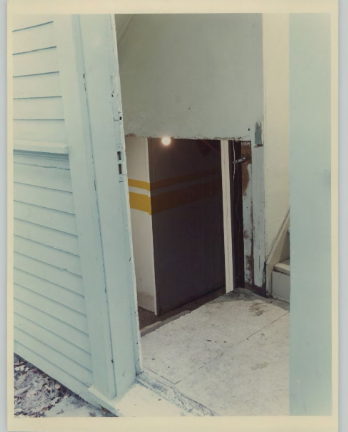
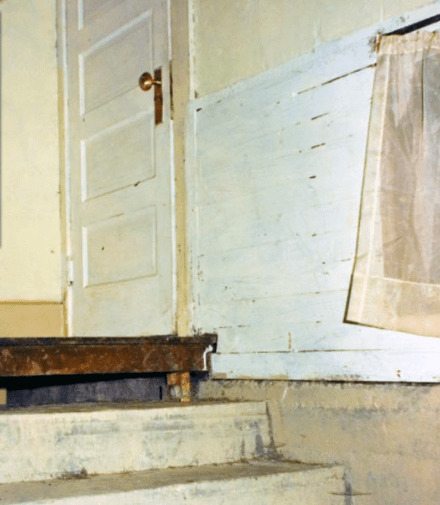
According to Kevin Sullivan’s 2009 book, ‘The Bundy Murders: A Comprehensive History,’ in an odd foreshadowing of events, it has been reported that one of the young women saw a ‘shadow’ that night which ‘moved’ just outside a window on the side of the house, but apparently thought little else about it. Karen Skaviem, who had been out studying at the library before she went out with her boyfriend for a few drinks, returned home around midnight, and noticed that ‘a single living room light was on,’ When she got inside Karen notices that Joann’s light was still on and stopped by her room for a chat, and around 12:45 PM the two women said goodnight and Skaviem went to the basement, where she had the room next to Healy’s. As she walks down the steps she didn’t check to make sure the door leading out of the basement was locked, and noticed that the only light that was on was in the storage area, and as Karen walked by, she noticed that Healy’s lights were off and she assumed she was asleep. She would later tell detectives that she had some problems settling down that night and didn’t fall asleep until around 1:30 AM; she heard nothing out of the ordinary the rest of the night.
In the time that the girls lived in the mint green house on 12th Avenue Northeast, they had lost a few sets of keys for their front door, and although they intended to get replacement sets made they usually just left it open ‘as a courtesy to those coming and going late at night. This would prove to be a fatal mistake, for the killer of young woman, long before anyone had gone to bed that evening, would place his hand on the doorknob and turn it ever so gently until the door gave way and he was free to enter the house, something he chose not to do. No, he reasoned, he could return later when everyone was in a deep sleep and explore the dwelling at that time (Sullivan, ‘The Bundy Murders, 17-18).’
At 5:30 AM on February 1, 1974 Skavien woke to her roommates alarm going off, but stayed in bed until her own clock went off at 6 AM. This was unusual. Karen got up and turned off both alarms and immediately noticed that Lynda’s room had been cleaned and was near spotless and that her bed was made, which was unusual as it was something that she usually waited to do when she got back from work. Even though the partition between the girls rooms was thin, Karen said that she hadn’t heard any disturbances during the night.
Skavien said ‘I got up, Lynda’s alarm was still going. I went past her room and heard the radio but thought she was lying in bed listening to it and didn’ have to go to work. At 6:30 the phone rang, it was Northwest Ski Promotions asking why Lynda wasn’t at work. I went to her room and called her. When she didn’t answer I turned on the light and went in. Her radio was still going and her bed was made, perfectly. I was concerned she hadn’t slept in it because there were no wrinkles and the spread was ticked neatly under the pillow.’ As Karen slowly began to assess the situation she realized that the back door was left open, which was out of character for Lynda: typically she would leave her bicycle parked inside of the house in the hallway just next to the side door ‘on the landing,’ and would make sure the door was locked behind her.
Skavien said she then called up the stairs to see if any of the other girls knew where Lynda may have been, but they told her that no one had seen her. Monica responded that perhaps she was out somewhere with her boyfriend, a suggestion that was immediately shot down by the others because it was atypical of their friend, as she wouldn’t blow off her responsibilities like that. Around 6:30 AM the Northwest Ski Promotions called and asked where Lynda was, as she never made it into work. They quickly realized that her bike was still in the basement, which caused fear and panic among the girls who were beginning to suspect the worst, as Lynda was very dependable and had never missed a day of work. One of the housemates said that the last time that she saw her was at midnight on Thursday before, and ‘it just isn’t like Lynda. She was just 15 minutes late once, and she felt terrible about it.’’
At around 4 PM Joann started calling around to Healy’s friends and acquaintances to see if anyone could provide an explanation as to where she may have been. No one had heard from her, and she hadn’t been seen around campus all day. When Jim and Robert arrived for dinner at 6 PM on the evening of February 1st (Joyce was supposed to meet them shortly after) they were told that Lynda was missing, and right away the family knew that the situation was serious. Mr. Healy called his wife and told her their daughter was gone, and where Jim wanted to wait a little longer to see if she would eventually show up, Mrs. Healy immediately called the police.
Two members of the Seattle PD showed up shortly after 6 PM and spoke with the roommates and Mr. Healy, and took down some general information about Lynda and took a brief look inside of her bedroom. When the officers and the Healy’s left Monica said they received a strange telephone call with nobody on the other end, clarifying the ‘line was open but the caller ‘refused to speak’ and she could hear only the faint sound of breathing.’ After that incident the roommates received two more phone calls of a similar nature, and despite telling police nothing ever came of it.
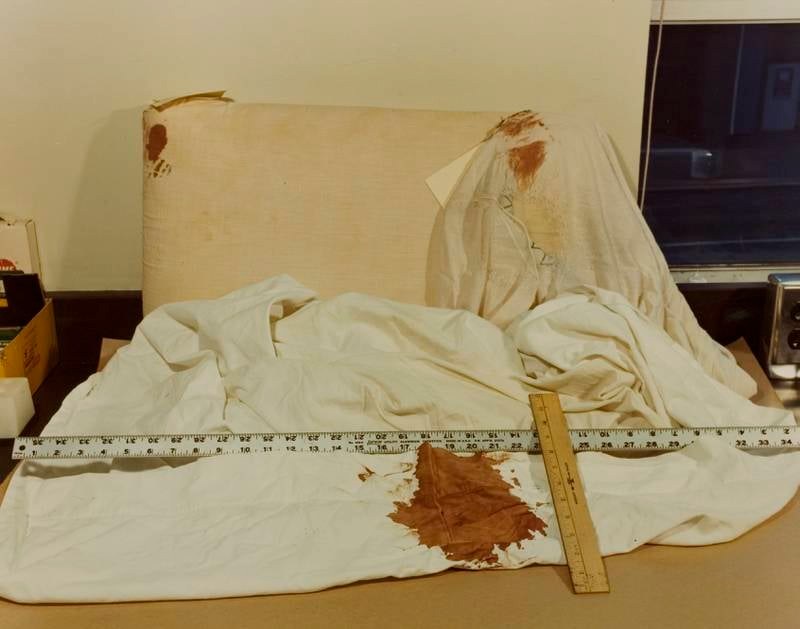
A few hours later around midnight a Seattle homicide detective stopped by the house and did a walk through of the residence, and when he pulled back Lynda’s bed sheets to the girls horror they found a blood soaked pillow and blood soaked sheets; missing from the scene was her pink satin pillowcase, house keys, and red backpack (that possibly contained a yellow ski cap and some random books). When they looked in her closet, they discovered the nightgown she had been wearing earlier, which had dried blood on the neckline. They also noticed that the clothes she had worn the day prior were missing, which included a pair of jeans, a blue-trimmed white smock, waffle stomper boots, a belt, several turquoise rings; this suggests her abductor took off her pj’s and dressed her before he stole her away into the night. One of Healy’s roommates also commented that her bed was made up in an unusual manner, and that she never ‘tucked the blanket with the pillow underneath,’ and always placed it on top. According to Joann Testa, she ‘a policeman pulled back the spread for the first time. I saw that the pillowcase was gone and that there were blood stains on the pillow as well as one fairly large blood stain on the sheet near the pillow. As far as I know, Lynda always kept a pillowcase on her pillow.’
In the early stages of the investigation it was briefly suspected that maybe Lynda had gotten a nosebleed, and had taken off her nightgown, changed back into her clothes then ran to seek medical attention. According to Lieutenant Pat Murphy with the Seattle Police Department: ‘the room was very neat. There was no signs of foul play in the rooms except some blood on the pillow and head area of the sheets of Lynda’s bed;’ he also noted that her bed had been ‘made up neatly.’
According to Kevin Sullivan’s book, ‘Ted Bundy’s Murderous Mysteries: The Many Victims of America’s Most Infamous Serial Killer,’ in the weeks prior to her disappearance, Healy had talked to her roommates about some acute stomach pain she was having that were so bothersome that she scheduled a Doctors appointment for… but that night they said she was ‘lively, talkative and feeling good. Their conversation was light, from psychology to music, not focusing on any specific subject.’
The police searched every inch of Lynda’s room, but came up with no explanation as to where she could have gone. Several days after Lynda was last seen alive on February 4, 1974 a call was received by 911 from an unknown male caller that told the operator, ‘listen, and listen carefully: the person who attacked that girl on 8th last month and the person who took Lynda Healy are one and the same. He was outside both houses. He was seen.’ When the 911 operator asked who was calling, the man said, ‘no way are you going to get my name,’ and immediately hung up; nothing further came from the incident.
In the days that immediately followed, Healy’s disappearance barely made the news: the very first story about her was buried on the 35th page of the February 4, 1974 edition of The Seattle Times. Almost immediately after their daughter disappeared Jim and Joyce Healy hired a private investigator to look into the case, and the family initially wondered if maybe she ran off to live with family in Oregon. After some time, the PI came back to the Healy’s and told them that all the leads he received hit ‘dead ends.’ A reward was offered for information leading to her safe return, and it didn’t take long for Seattle investigators to strongly suspect foul play.
‘The Seattle Eight’ (or nine, officially):’ Before Lynda Ann Healy vanished Bundy’s first confirmed, ‘on-the-record’ victim was Karen Sparks, who had been asleep in her basement bedroom when he attacked her in the residence that she shared with three male friends located near the University of Washington campus. According to Sparks, who was a dance major that miraculously survived the attack and went on to get married and have a family: ‘he took some metal thing and he rammed it up my vagina and it split my bladder.’ In the days prior to the assault, she told detectives that she remembered seeing an older man staring at her in a nearby laundromat, and ‘I’d look at him, he’d look away. I didn’t really think too much about it.’
Sparks lived on 8th Avenue Northwest, which was only eleven blocks away from 12th Avenue NE where Lynda lived. After Karen fell asleep, Bundy attacked her and relentlessly beat her in the head with a metal rod from her bed frame, which he also used to penetrate her vagina so brutally that she experienced severe internal damage: ‘he took some metal thing and he rammed it up my vagina and it split my bladder.’ I’ve also seen it reported that her assailant used a speculum and it is worth mentioning that Ted did at one time work as a delivery driver for Pedline Supply Company (which is a family-owned medical supply company), however one was not found left behind at the scene of the crime.
Sparks lived on 8th Northwest, just eleven blocks away from Lynda Ann Healy. After Karen fell asleep, Bundy attacked her and relentlessly beat her in the head with a metal rod from her bed frame, which he used to penetrate her vagina so brutally that she experienced severe internal damage: ‘he took some metal thing and he rammed it up my vagina and it split my bladder.’ I’ve also seen it reported that the assailant used a speculum, and Bundy did at one time work as a delivery driver for Pedline Supply Company, a family-owned medical supply company, however one was not found behind the scene of the crime.
Thankfully, before Bundy could take the attack to the point of no return he got spooked and fled Karen’s bedroom. Sparks was left beaten, unconscious, and bleeding until around 7:00 PM the following evening when one of her roommates checked on her: ‘Bob came down and he saw blood on my pillow, and he called 911 right away and then called my mother.’ The attack had been so severe that she was unconscious for ten days, and when she came to, she had no memory of what happened and was not able to give detectives any details about her assailant. When Lynda disappeared less than a month later Karen’s father immediately connected the dots between her and the attack on his daughter, although LE was much slower to make the connection.
A little over five weeks after Healy vanished into thin air nineteen-year-old Donna Gail Manson was last seen waving goodbye to her roommates early in the evening on March 12, 1974. The Evergreen State College student had plans to attend a jazz concert on campus, and had changed her outfit a few times before eventually settling on a red/orange/green striped top, blue or green slacks, and a black fuzzy maxi-coat.Manson was a highly intelligent young woman, but not great at school and only a ‘better-than-average’ student, however she was incredibly creative and was an accomplished flautist, that always had her camera with her (just like Lynda Healy did). Donna never made it to the concert, and as the months passed by more and more young college aged women around Washington state began to go missing.
After Donna, on April 17, 1974 eighteen-year-old student Susan Elaine Rancourt was the next to disappear. Rancourt was a straight-A student at Central Washington University in Ellensburg where she studied biology, and in order to afford school she worked full time hours over two different jobs. From the get-go, the Rancourt’s knew that something terrible had happened to their daughter, and according to her father, Dale: ‘she always knew what she wanted, and was a very logical person, very predictable.’
After Sue Rancourt the next to vanish was Brenda Carol Ball, a recent college drop-out that was last seen leaving The Flame Tavern in Burien after seeing band play late on May 31, 1974. The 22-year-old seemed to be at a crossroads in her life, and roughly two weeks before had stopped attending class at Highline Community College. Her sister told reporters that her family hadn’t given up hope after she went missing, and when her remains were eventually recovered they: ‘thought we were prepared for it, but we weren’t.’
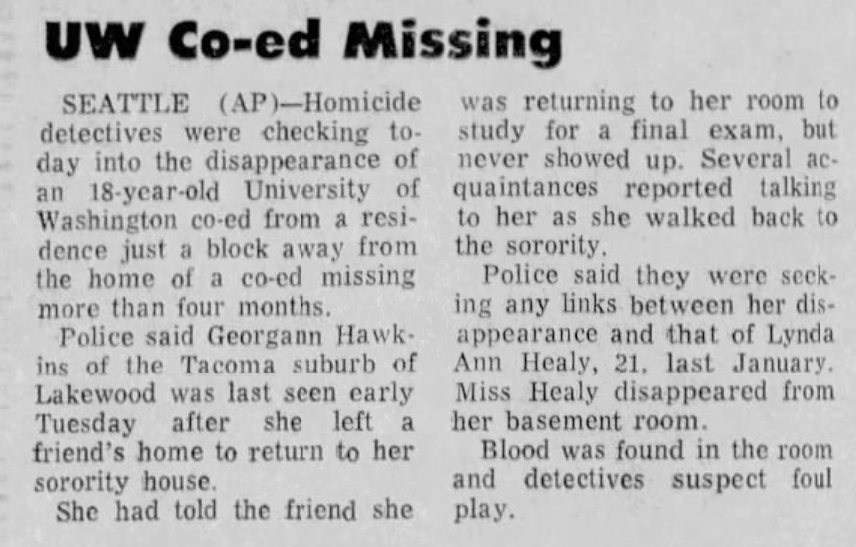
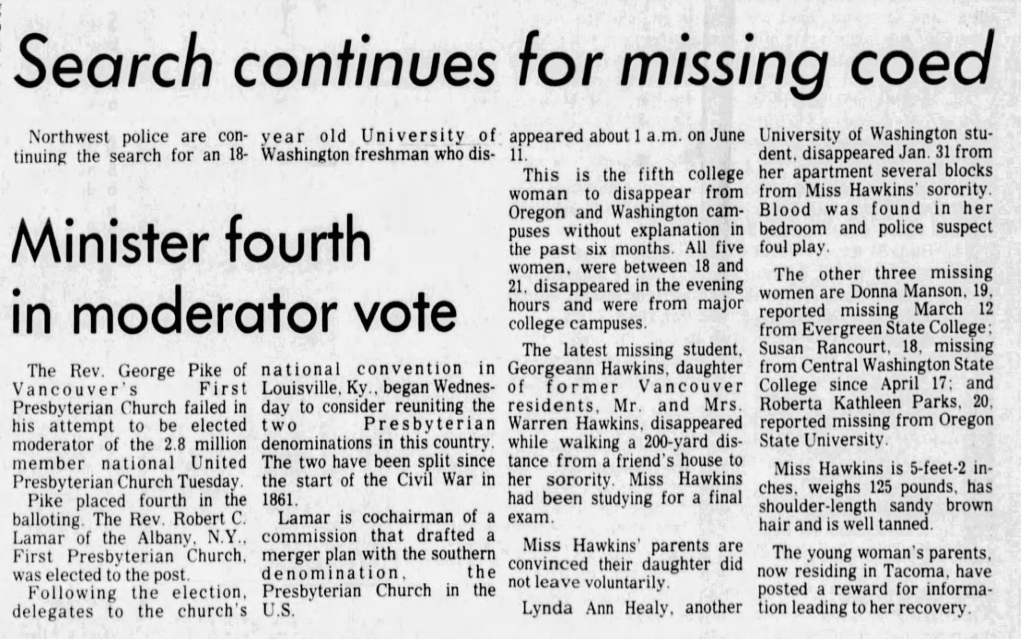
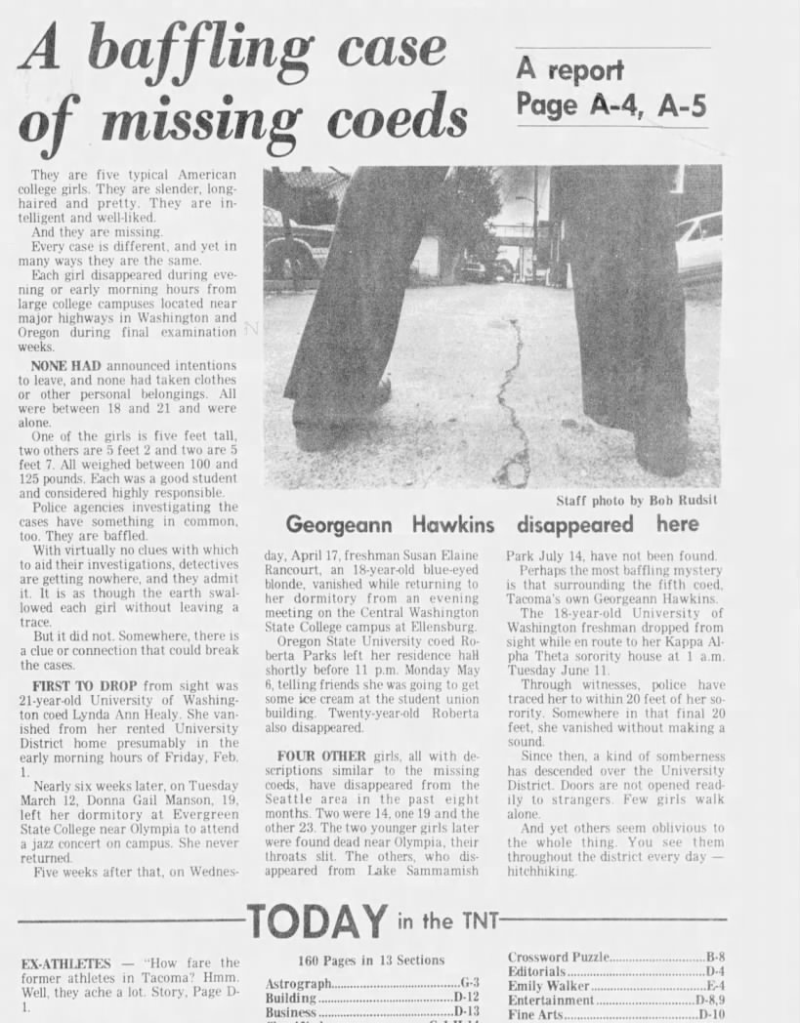
Less than two weeks later on June 11, 1974 eighteen-year-old Georgann Hawkins disappeared from an alleyway outside of her Kappa Alpha Theta Sorority house on the University of Washington campus. She had left a party early (and by herself) but before returning home had stopped by her boyfriend’s frat house to pick up some Spanish notes for her final that was the next day. In the days that followed, Warren and Edith waited by the phone waiting for word that their daughter was safe, which never came, and according to her father: ‘it doesn’t look very good.’
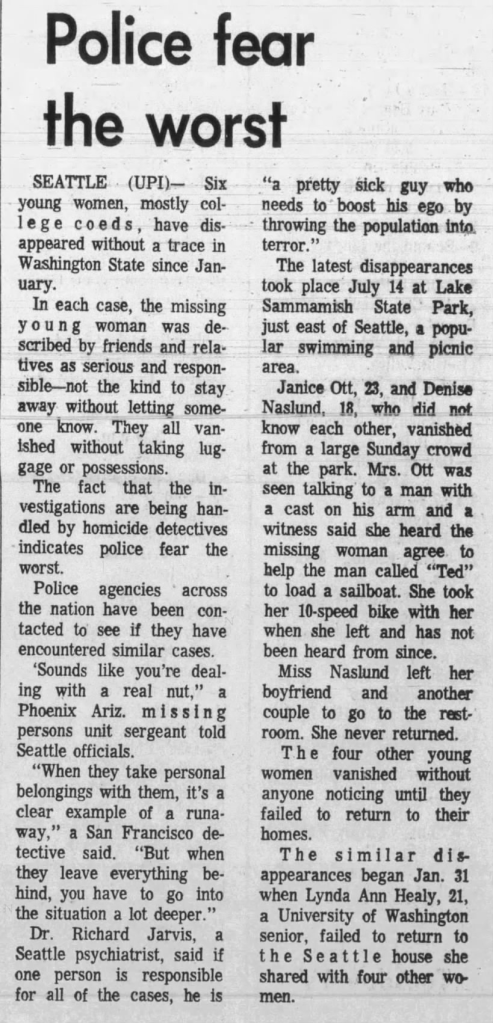
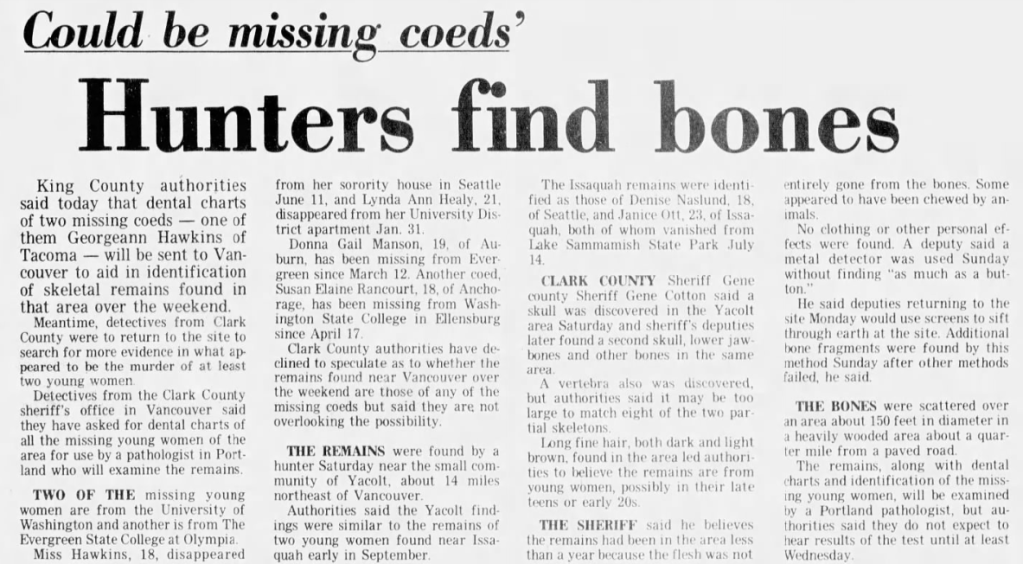
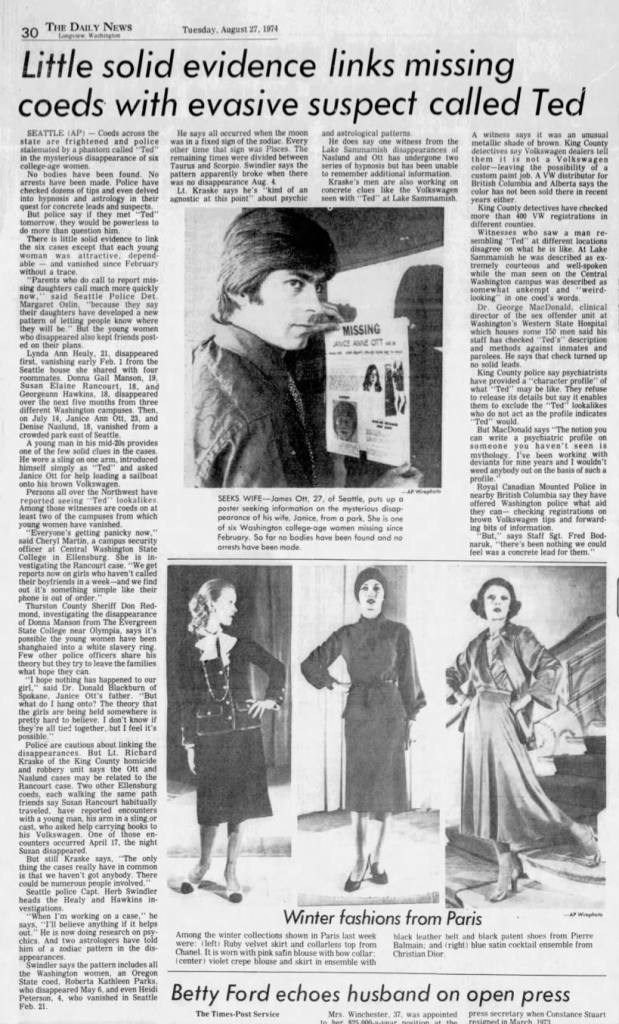
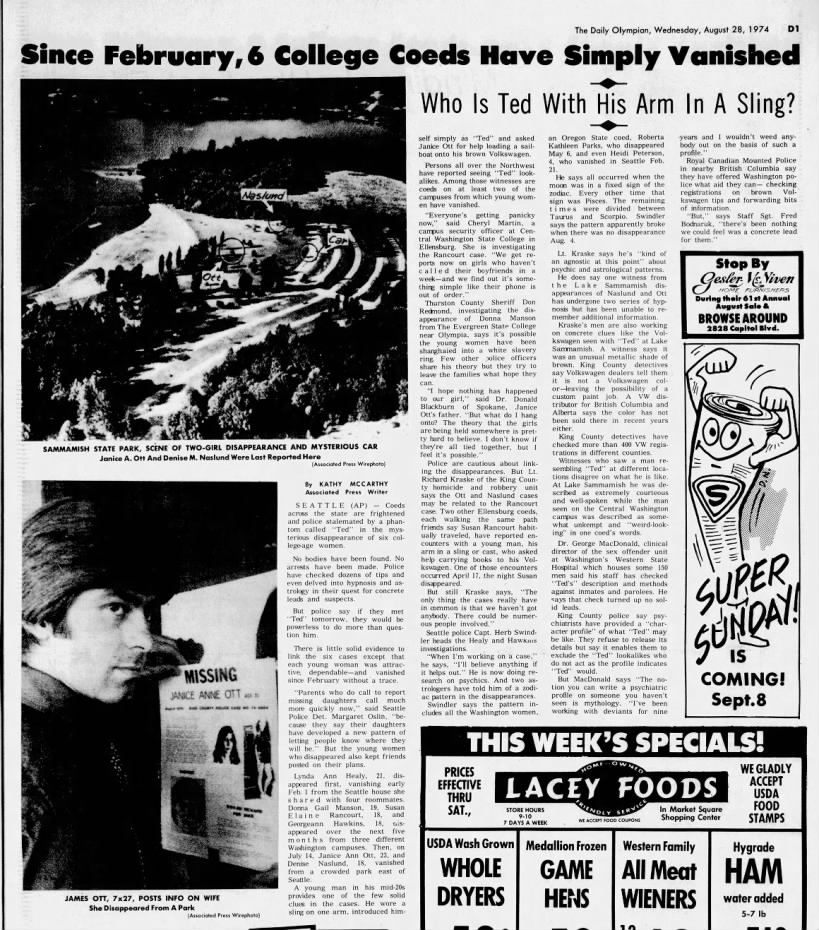
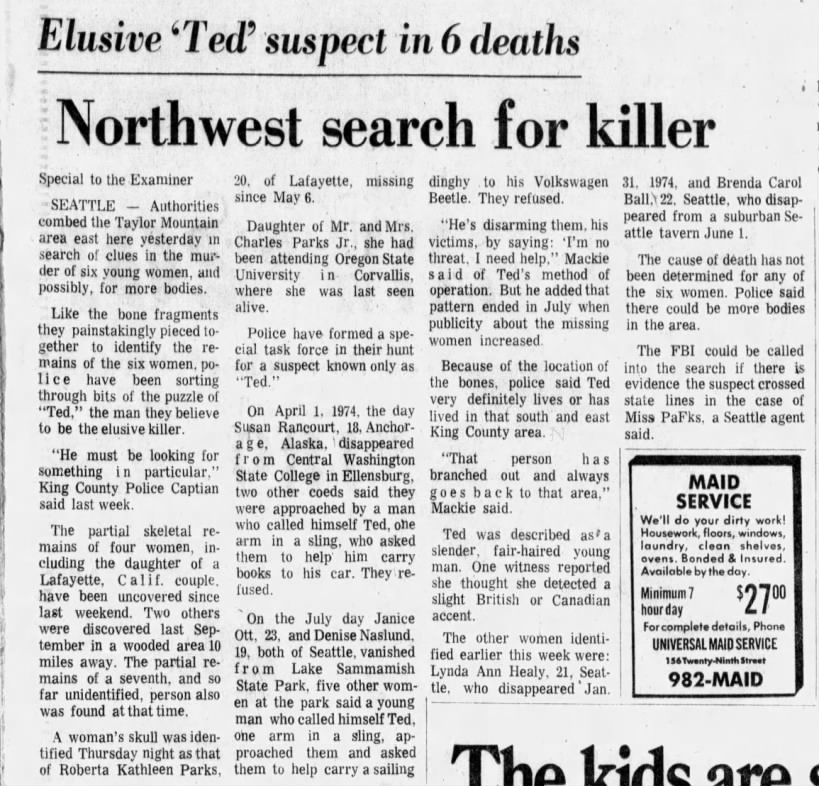
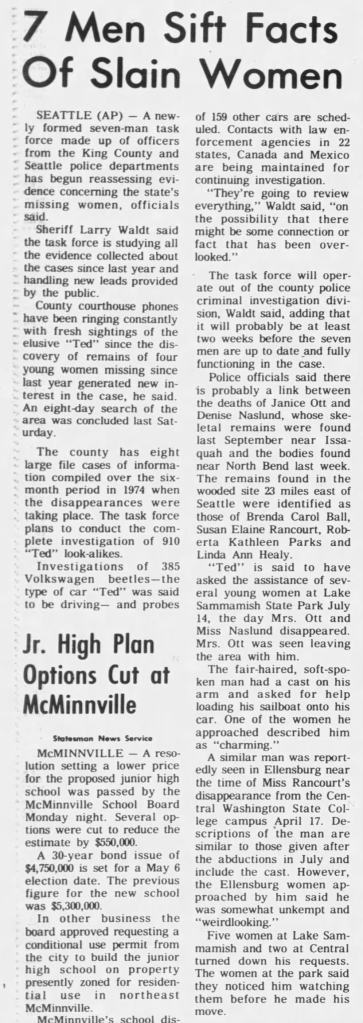
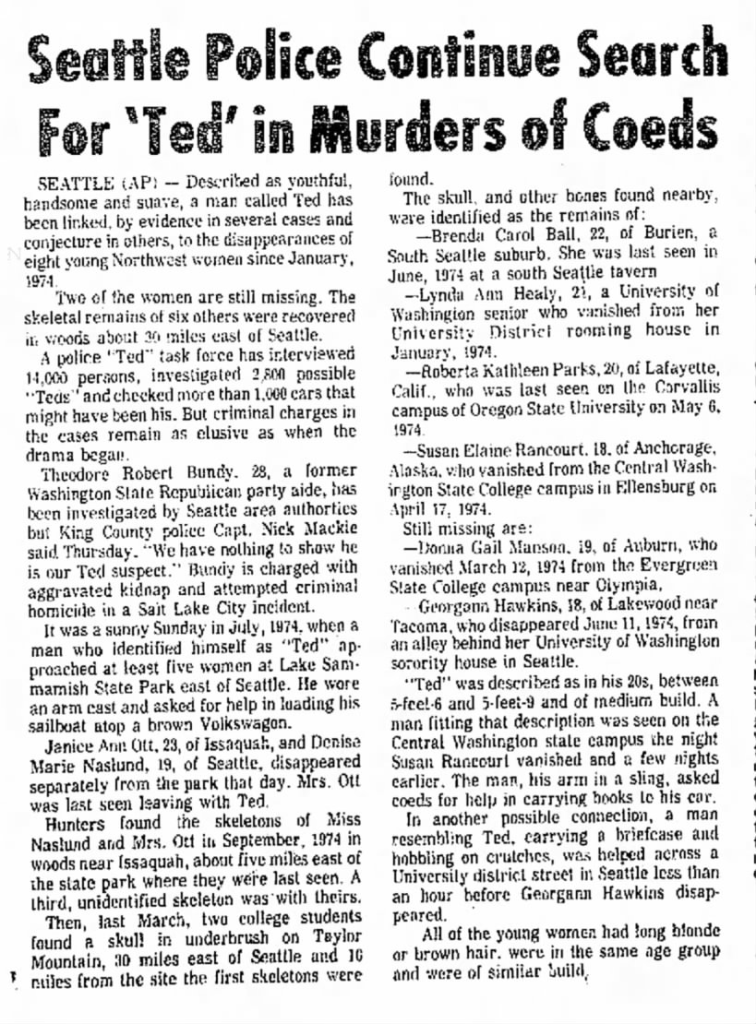
After George was the two infamous Lake Sammamish murders that took place on July 14, 1974 in Issaquah, WA: Twenty-three-year-old newlywed Janice Ann Blackburn-Ott lived in Issaquah and worked as a caseworker for King County’s Youth Services Center, while her husband Jim was away attending graduate school in California. In the early afternoon before she left her shared house on her yellow Tiger bicycle, Jan scribbled a note for her roommate letting them know that she was going sunbathing at Lake Sam, and at the bottom had drawn a sun. Two eyewitnesses that were at Lake Sam that afternoon reported seeing her at roughly 12:30 PM leaving with an attractive young man whose arm was in a cast.
Only four hours later that same young man returned to Lake Sammamish, and abducted eighteen year old computer programming student Denise Marie Naslund, who was enjoying an afternoon at the beach with her boyfriend and another couple. She had had a few beers and taken a few valiums, and disappeared after she went off to the restroom by herself at roughly 4:30 PM; her mother Eleanore Rose said Denise had the kind of ‘helpful nature’ that would directly place her in the line of danger. Just as with Ott, witnesses that were at Lake Sam that afternoon reported that they saw a young man with his arm in a cast at roughly the time that Naslund went missing.
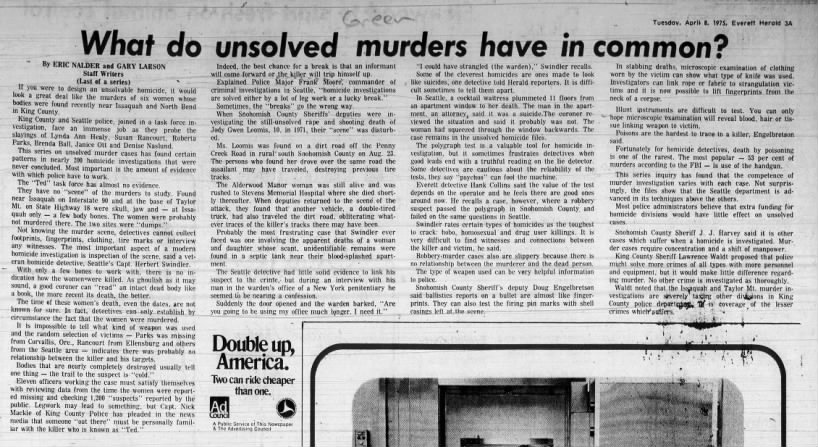
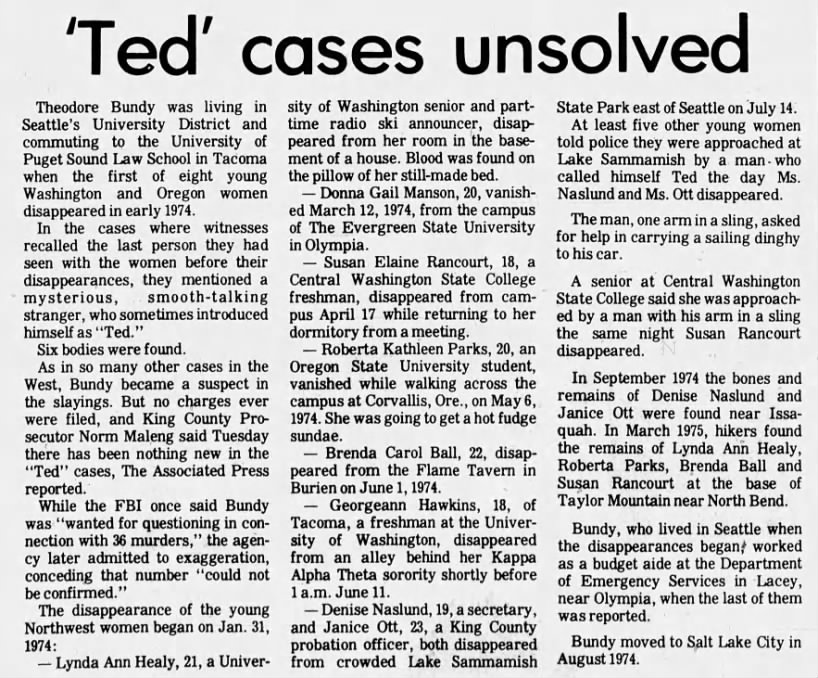
(Now deceased) Seattle Police Captain Herb Swindler was assigned to work the Healy investigation and eventually the other missing Seattle women. In July 1974 he publicly stated that there was no evidence that pinpointed any of the disappearances with the others, however he did admit that there were some similarities: ‘but, the real connection between the cases is not in the hard evidence, but in the lack of evidence. Usually in a series like this, bodies start to show up. There have been no bodies, none at all, and that is very unusual.’ About the disappearances, Captain Swindler said there were many theories about what may have happened to the young women, and that they ‘get people calling in to tell us ‘the flying saucers took them’ and ‘they’re being spirited away to white slavery’. Everybody’s got a theory, but no evidence.’
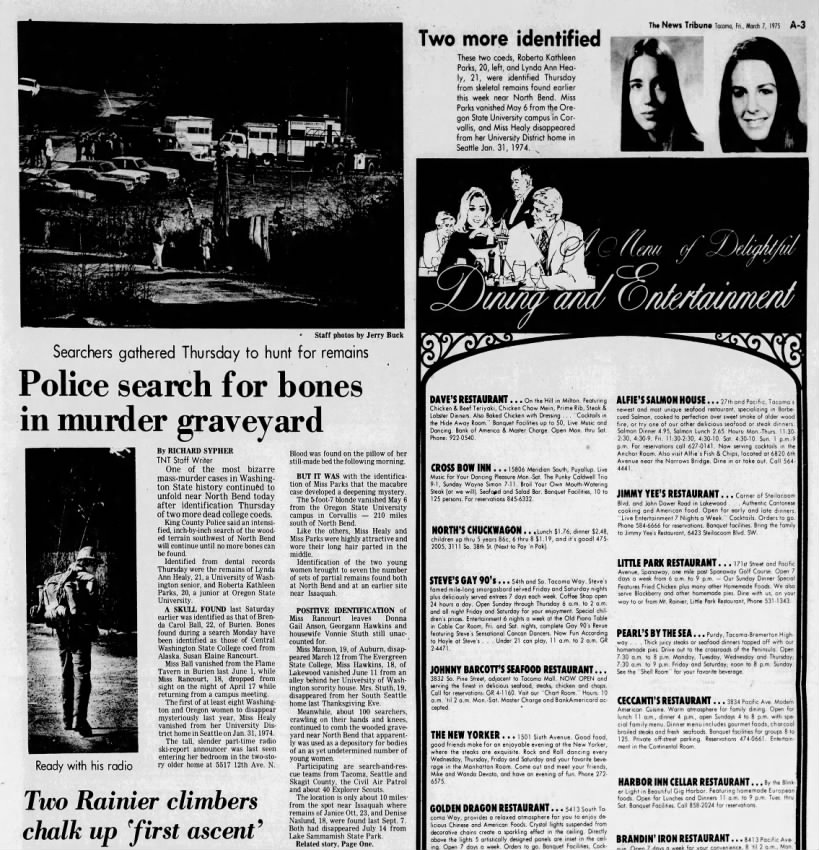
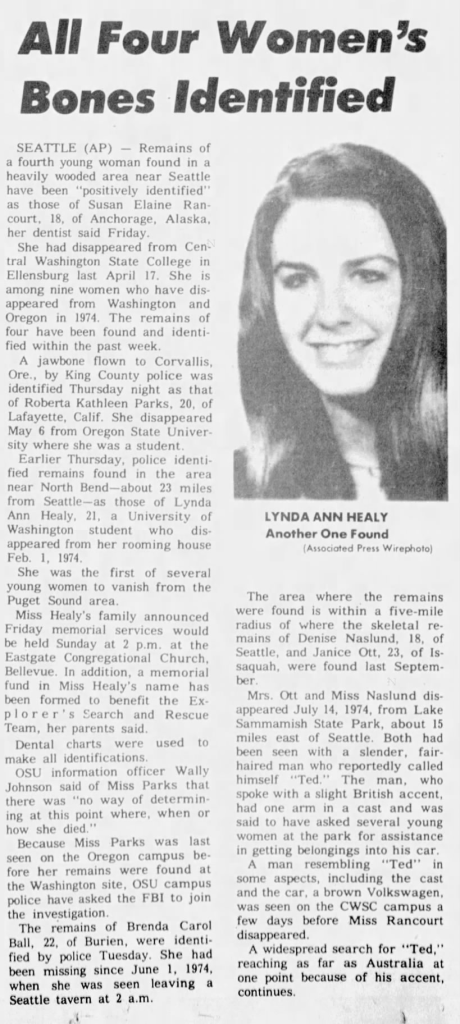
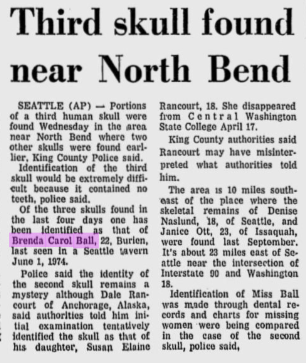
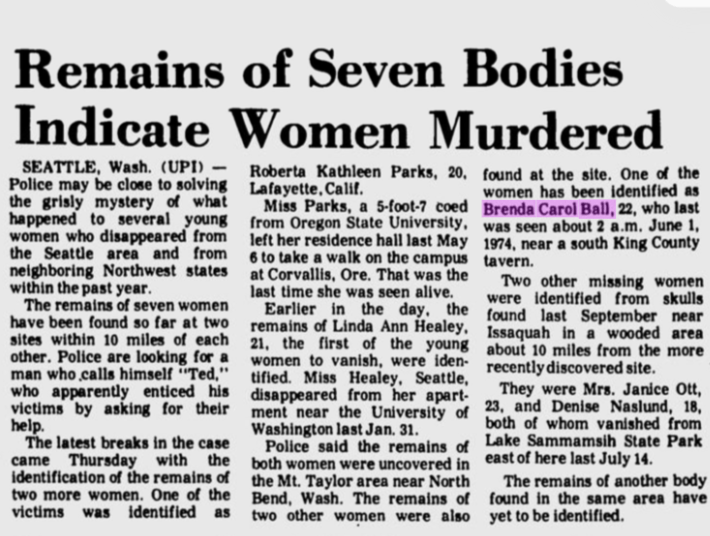
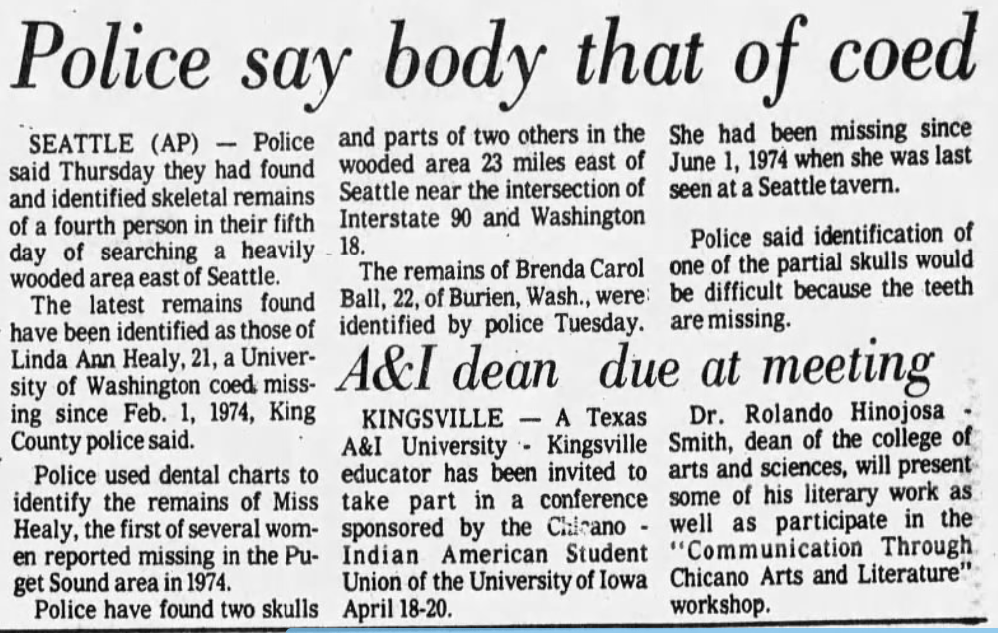
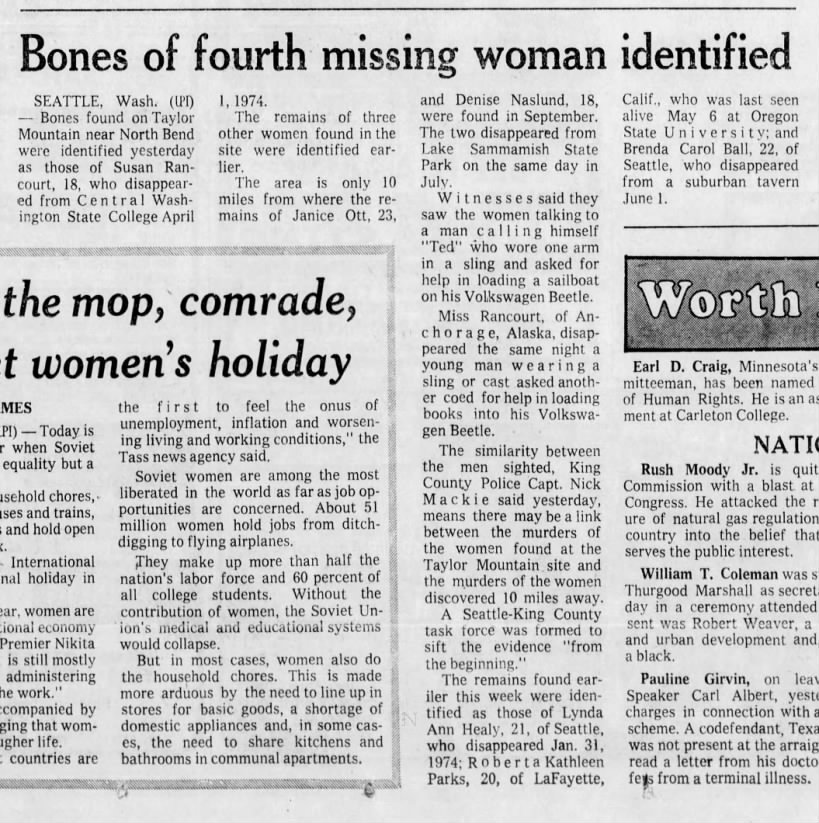
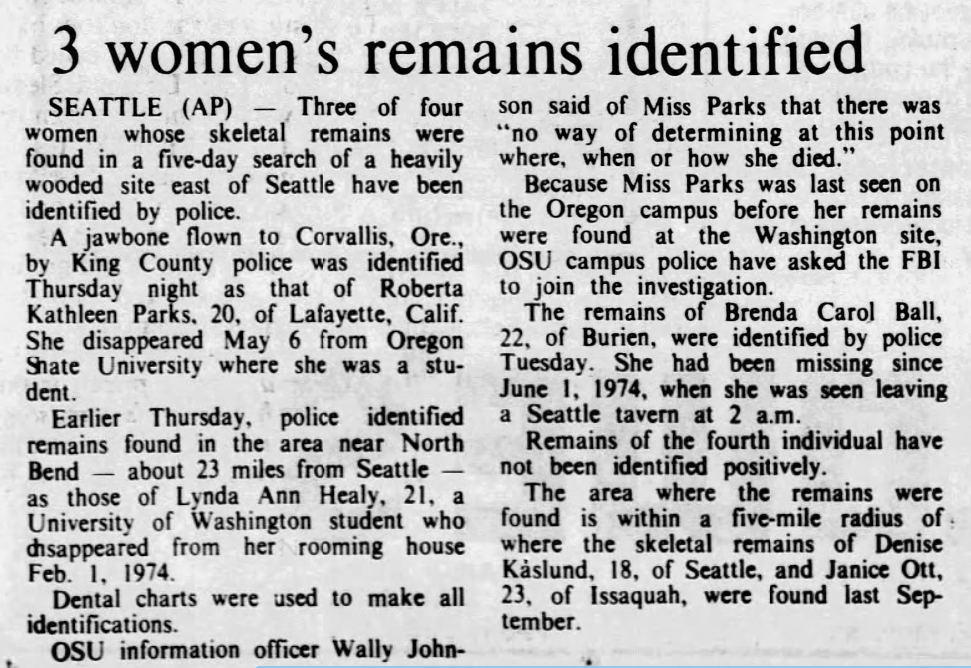
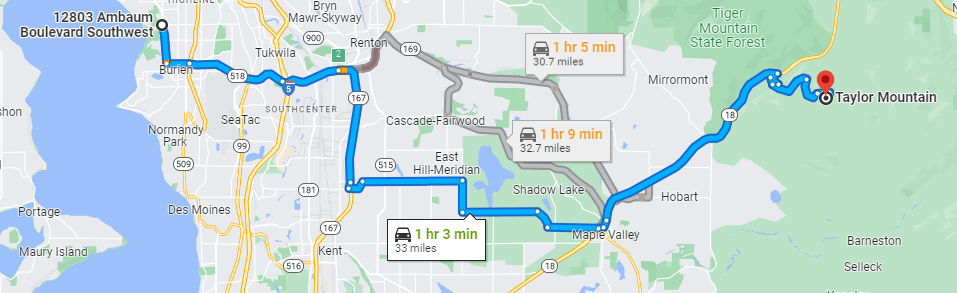
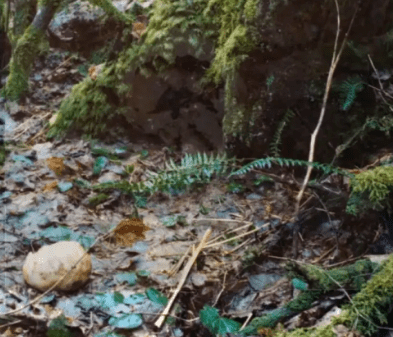
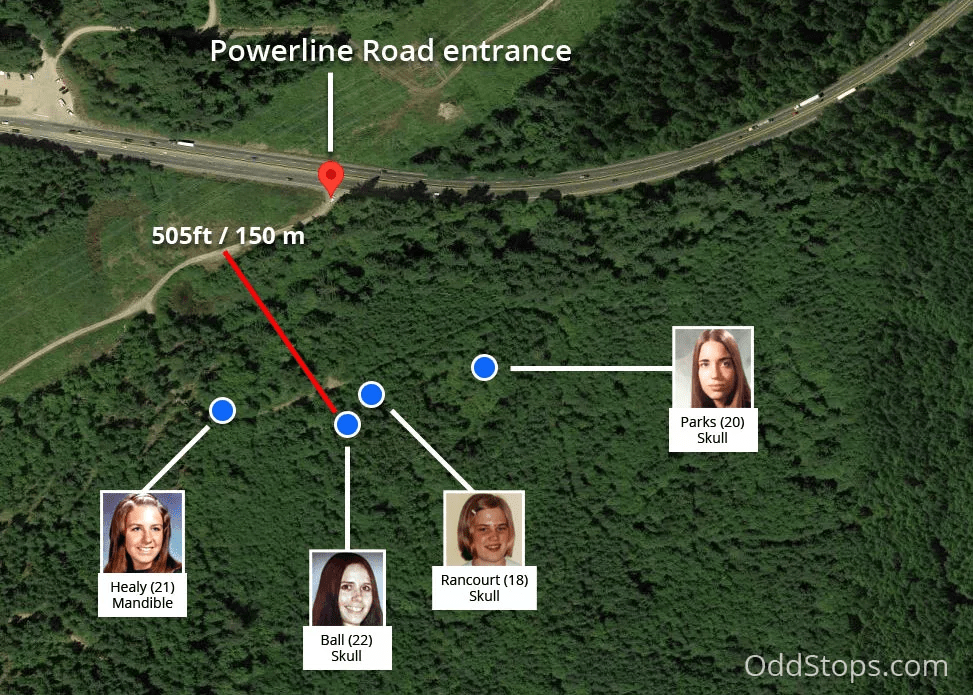
Well over a year after Healy was last seen alive, on March 1, 1975 two Green River College students found human remains in a thick wooded area on Taylor Mountain, located just outside of Seattle. A skull uncovered by detectives would later be identified as belonging to Brenda Ball, which is a tad ironic because police initially were hesitant on linking her to the other missing women because she was a bit older than them, was not (technically) a college student, and was abducted from a bar and not an academic type setting. A further search of the area uncovered more bones, and just two days later on March 3, 1975 they came across Lynda Healy’s lower mandible as well as parts of Susan Rancourt and Roberta Parks.
Upon further examination by the Medical Examiner, it was noted that Healy’s skull bore marks that hinted that she had suffered a brutal beating in her final moments of life; Sue Rancourts decapitated skull was also found to be severely fractured.
Third-Person Confession: While Ted was on death row in Florida on April 4, 1980 he had his first sit down with journalists Hugh Aynesworth and Stephen G. Michaud, and during their time together they discussed the abduction and murder of Lynda Ann Healy: Bundy said that earlier in the afternoon on January 31, 1974 the killer had stalked the young coed and followed her to a Safeway store, and even claims that he broke ‘into her home whilst she was out running errands.’ He also told them that the killer had plans of returning later that evening, unsure if she would be home and what situation he would walk into. During this pseudo-confession, Ted clarified that Healy was ‘battered unconscious’ in her bed then carried out of her bedroom and placed her in his waiting Volkswagen; he also volunteered that he had already taken out the front passenger seat of his car so he could better transport his ‘cargo.’
From 12th Avenue NE, Bundy took the unconscious Lynda to Taylor Mountain, located roughly twenty miles east of Seattle, where he forced her to remove her pajama’s (not clothes?) and raped her. When he was finished, he bludgeoned her to death and left her body only partially buried, where scavengers quickly dispersed it throughout Taylor Mountain. Both journalists said Ted briefly appeared to show some remorse over killing Healy, but it didn’t last very long. He then tried to justify the murder by telling himself. ‘well, listen you, you fucked up this time, but you’re never going to do that again. So let’s just stay together, and it won’t ever happen again.’
Ted told the journalists that he was stuck in a position where he couldn’t just let the young woman go out of fear of getting caught, and told them that he had to kill her; both men later said that although he was ‘mostly confident,’ he did stutter a few times when he got nervous, which was something they noticed happened when he talked about aspects of the murders which made him feel uncomfortable.
However, Ted said that he eventually HAD to do it again, and after a brief period of inactivity his urge to possess, to control and kill another young woman would soon come back to him and he would begin to think about killing another victim. He also explained that with each murder, he would feel less confusion, fear, and apprehension and the dormancy period in between victims would become shorter and shorter as he got over the feeling of remorse and self-loathing over what he had done at a faster rate as time went by.
Dr. Bob Keppel, who at that time was a fresh faced detective with the King County Sheriff’s Department, said that the crime scene related to the disappearance of Lynda Healy was ‘unique,’ and stood out in his memory for a long time: ‘I had never seen a crime committed before and that’s where I got my start.’ … ‘We couldn’t do anything except sit and man a telephone. It was pretty bad.’ He elaborated that it almost seemed that someone had broken into Lynda’s residence, brutally bludgeoned her, took her pj’s off then put her street clothes back on her, neatly made the bed, then carried her off into the night without leaving behind a trace. In the days after she vanished, detectives spoke with over sixty-five of her friends, acquaintances, family members, schoolmates, and former boyfriends, but didn’t come up with anything helpful.
In January 1974 Bundy had been living in a second story room at the Rogers Boarding house located on 12th Avenue NE, which was only three blocks away from where Lynda Healy lived. At the time of her disappearance, Ted had been attending night law school at the University of Puget Sound, and according to his schedule he had class late on Monday’s, Wednesday’s, and Friday’s, however on Tuesday’s and Thursday’s things wrapped up for him early. Lynda went missing after midnight on a Thursday night, so Bundy wouldn’t have been tied up with school. Also, according to his long-term girlfriend Elizabeth Kloepfer, he often went to the bar that Healy went to with her friends the evening she was last seen alive. Additionally, Ted was in between jobs at the time: his previous position as the Assistant to the Washington State Republican Chairman ended in September 1973, and he remained unemployed until May 3, 1974 when he got a job at the Department of Emergency Services in Olympia (he was there until August 28, 1974).
A Frightening Incident: According to Lynda’s roommate Monica Sutherland, roughly two months before she disappeared she was alone in the laundromat on the avenue close to their home when she noticed a man in an orange pickup truck stop and begin to stare at her. He then parked the truck and came in without any clothing and briefly fooled around with a washing machine before proceeding to check the back door of the building as he was leaving. He never said a word to Lynda, but the incident was unusual and she said that it frightened her.
Sutherland also told detectives about another incident that took place only a month before Lynda vanished: she had come home and was by herself inside the residence when suddenly she heard the neighbor’s dog start barking, and when she looked outside the front door she saw a young man standing on the bottom step. He had been holding a little dog firmly around the neck, and had been roughly shaking it. Sutherland remembered that she ran outside and heard neighbors yelling at the man, who had claimed that the dog had attacked him, put it down, then fled from the scene.
A coincidence that is not widely discussed (and only recently made public with the release of the book, ‘Dark Tide’) is that Ted’s cousin, Edna Cowell had once lived with two previous roommates of Lynda Healy while she was attending the University of Washington; it is unknown if he ever had been introduced to Healy through these channels. Also strange: in 1972, both Ted and Lynda were both Psychology majors at the University of Washington, however no evidence exists proving that they had any sort of class or seminar together.
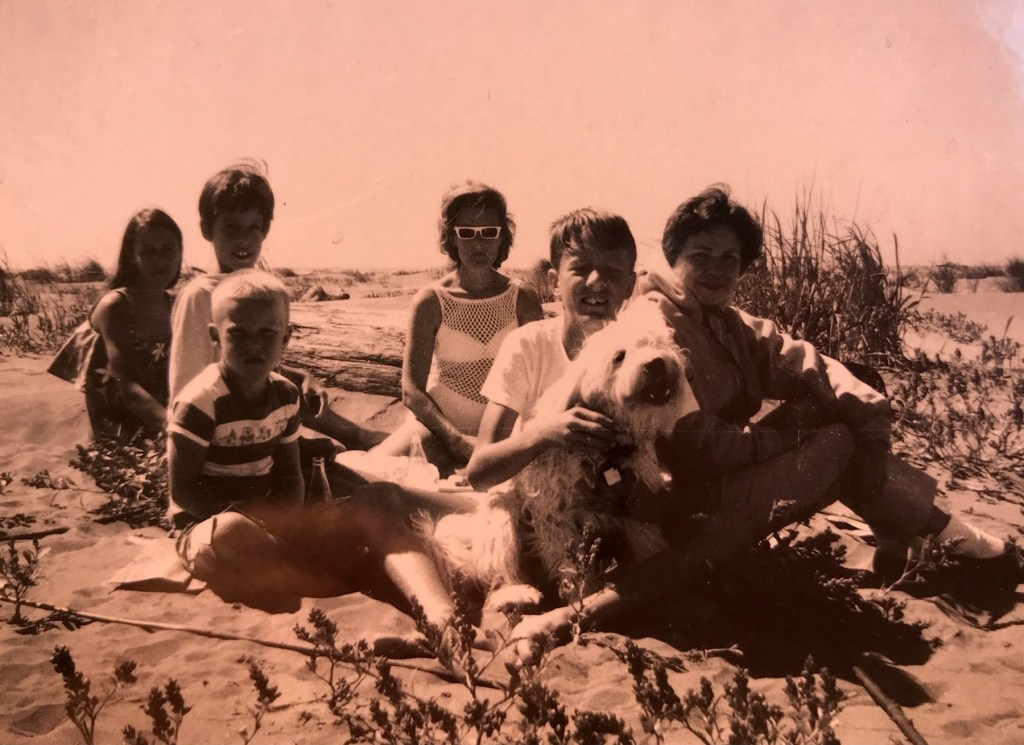
Jim Healy passed away at the age of 72 on June 22, 1998 in Bellevue WA, and Joyce Ann Healy died from complications of COVID at the age of ninety-three on December 27, 2020 in Redmond, WA. According to her obituary, Joyce loved the beach, and the family would often vacation in Ocean Shores, WA where they spent their time beachcombing, riding dune buggies, and roasting hotdogs. After her children flew the nest she went back to school and got a BS in Computer Science from Bellevue College; she learned Cobol (or Common Business Oriented Language) and Fortran (Formula Translation) and went on to have an incredibly successful second career as a computer programmer.
Joyce enjoyed ballroom dancing, and when her husband was alive the two often took cruises together and went just about everywhere; they even became ‘Gold Members’ on several Cruise Lines. In 2012, Mrs. Healy moved into the Emerald Heights Retirement Community in Redmond, where she made lots of new friends and continued to have many adventures while living there.
Lynda’s siblings Robert and Laura Healy-Friedman both still reside in Washington, along with their spouses and children. In the days prior to his execution in January 1989, Ted told Seattle detectives about quite a few unsolved murders across Washington, Utah, Oregon, Colorado, California, and Idaho, and he finally claimed responsibility for killing Lynda Ann Healy, who he said was his ‘first victim.’
Works Cited:
Pasqualini, Kym L. ‘Ted Bundy’s First Victims: Lynda Ann Healy’ (December 16, 2020). Taken June 12, 2025 from https://kympasqualini.medium.com/ted-bundys-first-victims-lynda-ann-healy-9bdb3177c3c4
Sullivan, Kevin M. ‘The Bundy Murders: A Comprehensive History.’ (2009).
Winn, Stephen. ‘Ted Bundy: The killer next Door.’ (1979).




































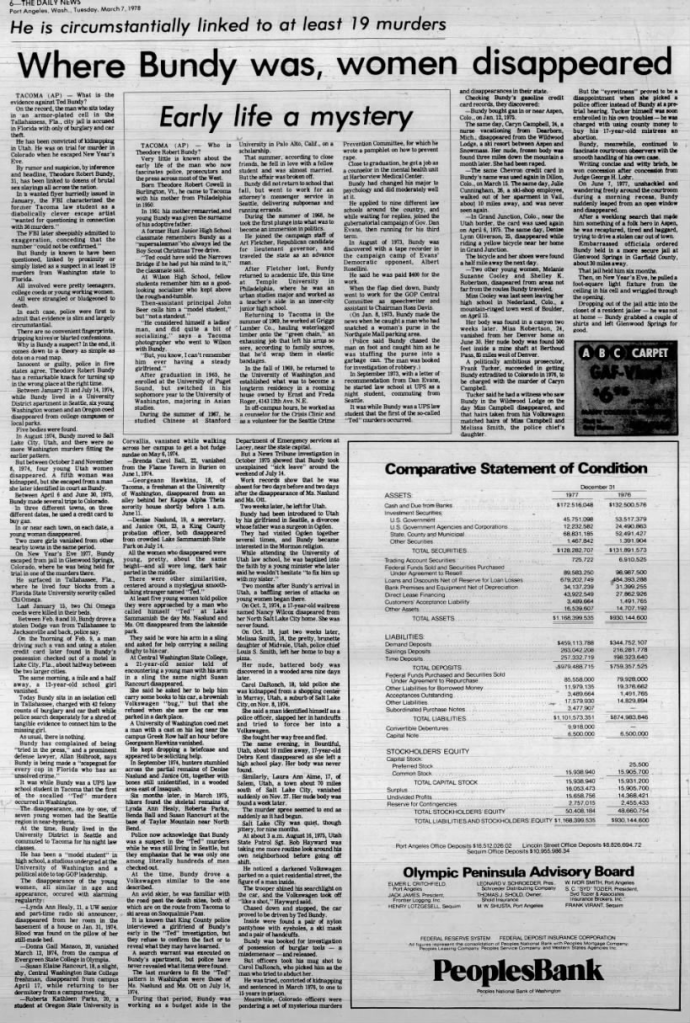







Tape three was completely removed by KCSO as unplayable in September 2000.
Bundy Tape 11, circa 1974: Detective Roger Dunn, follow-up, case 75-54324. Removed by KCSO as unplayable, September 2000.
Bundy Tape 15A, circa 1975: Statement of Jerry Snyder, case 74-123376. Removed by KCSO as unplayable, September 2000.
Tape 17, both sides unplayable.
Bundy Tape 18, circa 1984: Consultation on Green River Murder Case, removed by KCSO as unplayable, September 2000.

Due to the sheer mass of information I am dividing these documents into two separate articles.
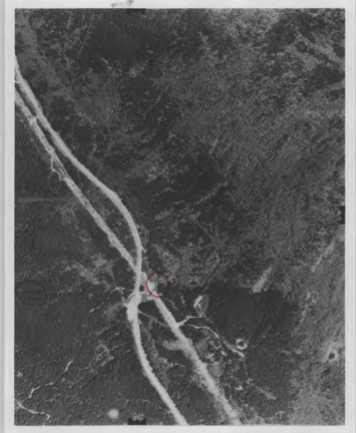


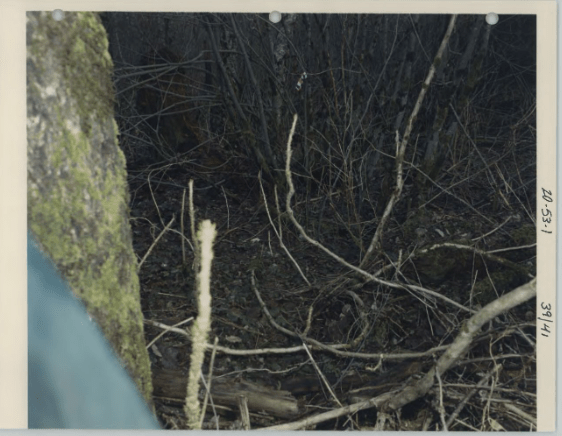

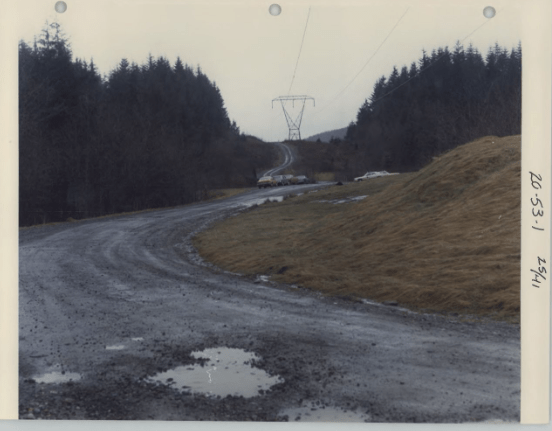


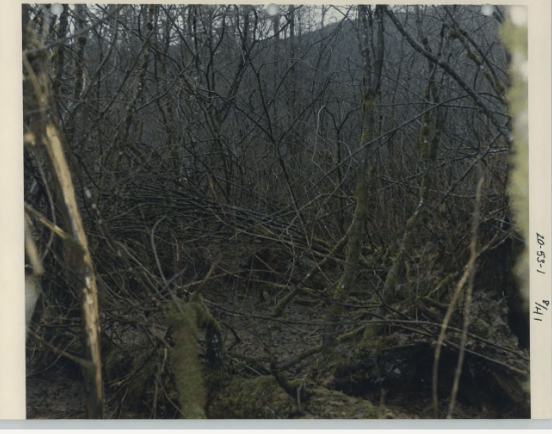
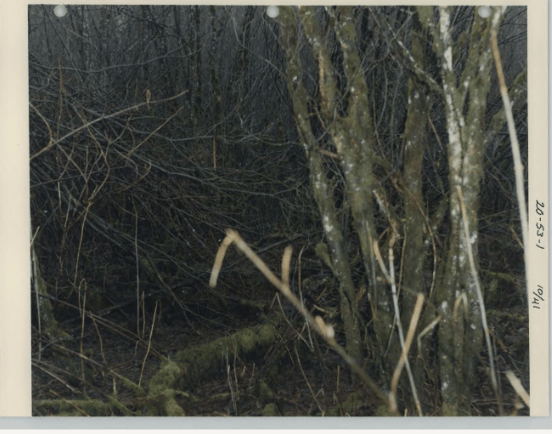

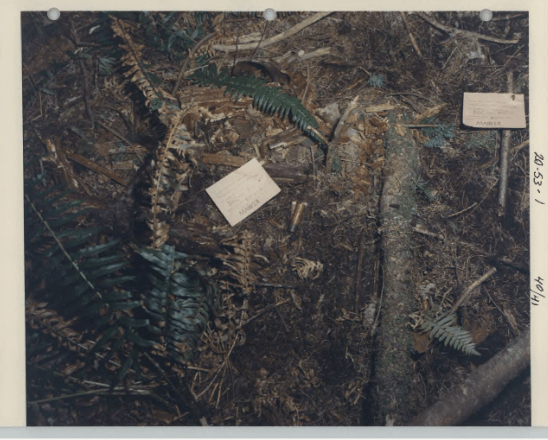
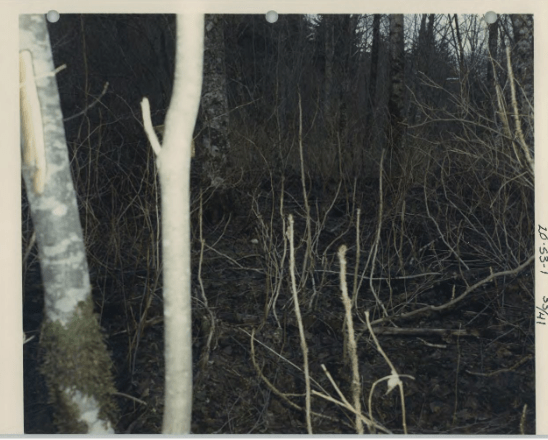
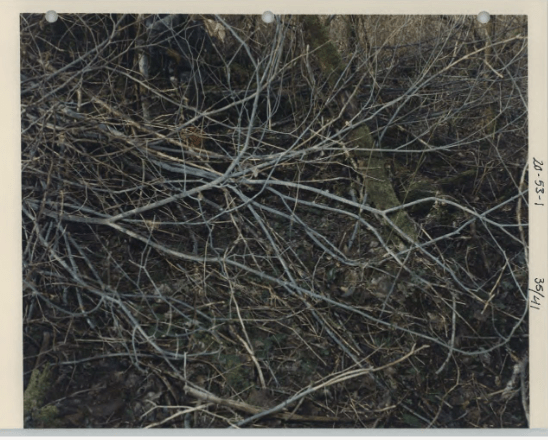
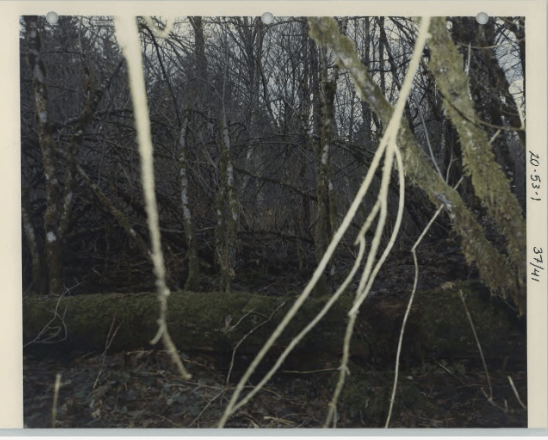
A .PDF document of reports related to the extensive searches made in the Issaquah and Taylor Mountain areas in relation to Ted Bundy.
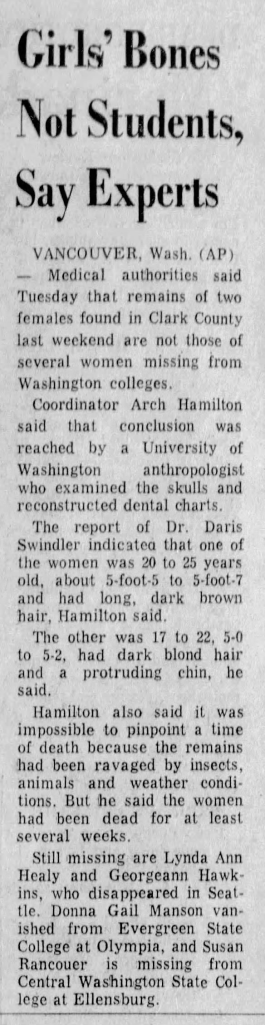
According to the Issaquah Dump Site report, the skeletons were badly scattered by animals and no evidence of trauma, dismemberment or assault could be detected, and no clothing, jewelry, or other personal effects were near the scene. The report concluded that the victims were probably killed elsewhere and dumped at the dump sites shortly after they disappeared. After the search made in the area, three sets of bones were found, and two of them were determined to have belonged to Janice Ott and Denise Naslund. The skull of Janice Ott was still missing as were the skull and mandible of the third person, and for the third set of bones the two possible victims were thought to have been Georgann Hawkins and Donna Manson. A large quantity of immature elk bones were found 1/4 mile east of the scene on ‘Sunset Highway.’
According to the Taylor Mountain DS report, the skulls and/or mandibles of Lynda Healy, Susan Rancourt, Kathy Parks, and Brenda Ball were found at this location; several other bones were also found at this location, but were eventually determined to be non-human. The report specifies that this gave rise to the theory that the girls had been decapitated, but no cervical vertebrae were found in the search. The report further specifies that animals in the area included coyotes, bears and rodents, adding that the possibility of their consuming all bones of the body was slim.
The Taylor Mountain Dump Site report also states that the area at all times of the year was very brushy and would have been extremely dense during June when Brenda Ball disappeared, positing that the killer could have dumped the bodies in an area of evergreens nearby where there was less underbrush but no grease spots were found in that area either.
Courtesy of ‘archives.org’ user ‘Marionumber’ and the Pitkin County DA.

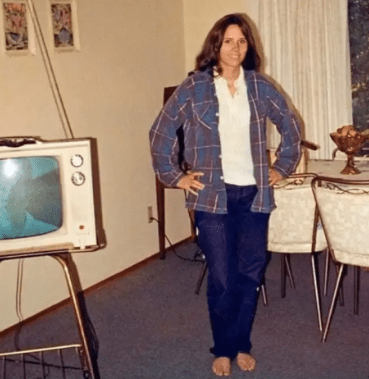
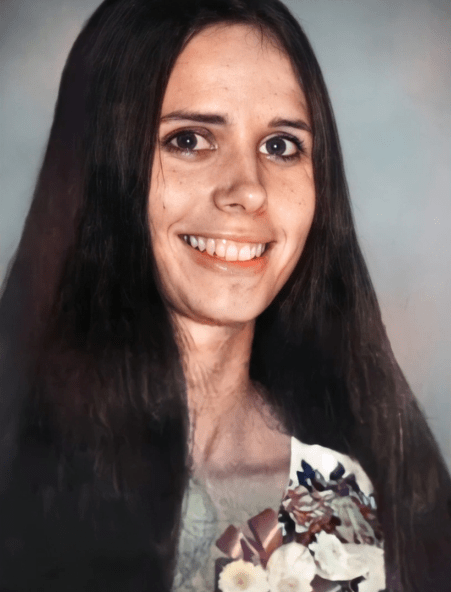
Before I started this piece all I really knew about Brenda Ball was that she had recently dropped out of college and disappeared from a dive bar just outside of Seattle (which I went to during my visit in April 2022); she (obviously) also fit his typical victim profile: she was young, thin, and beautiful, with dark chocolate eyes and brown hair that she wore long and parted down the middle.
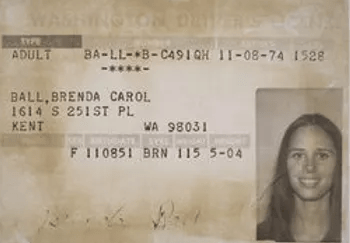
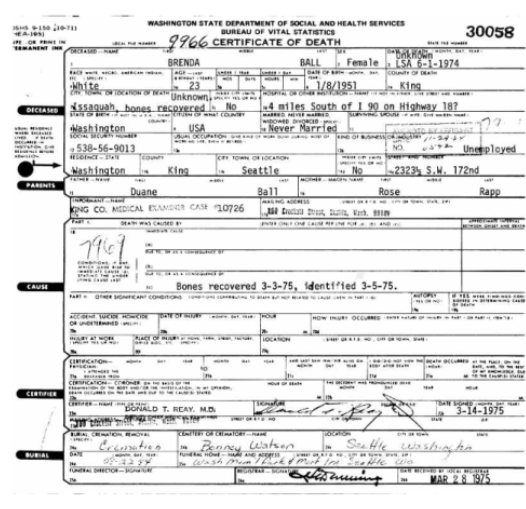
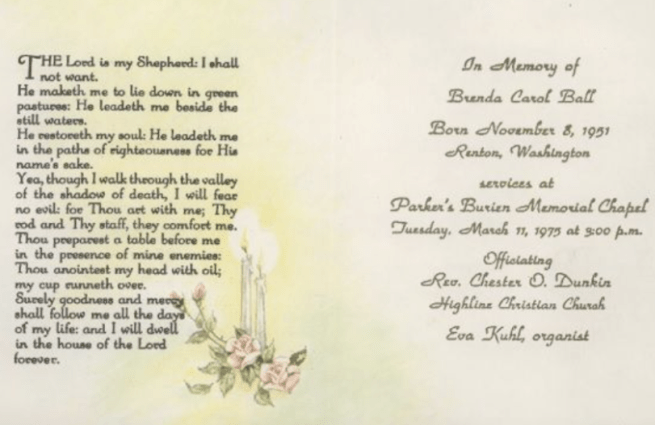
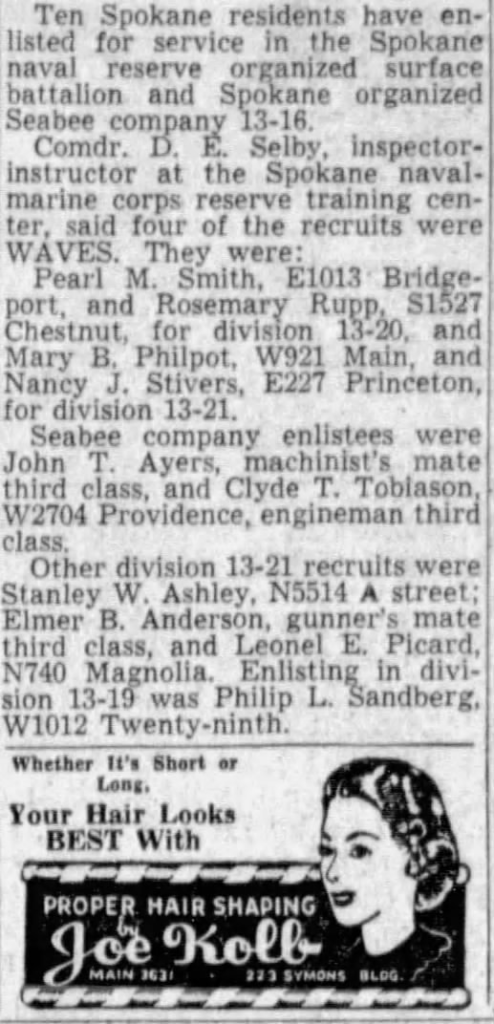
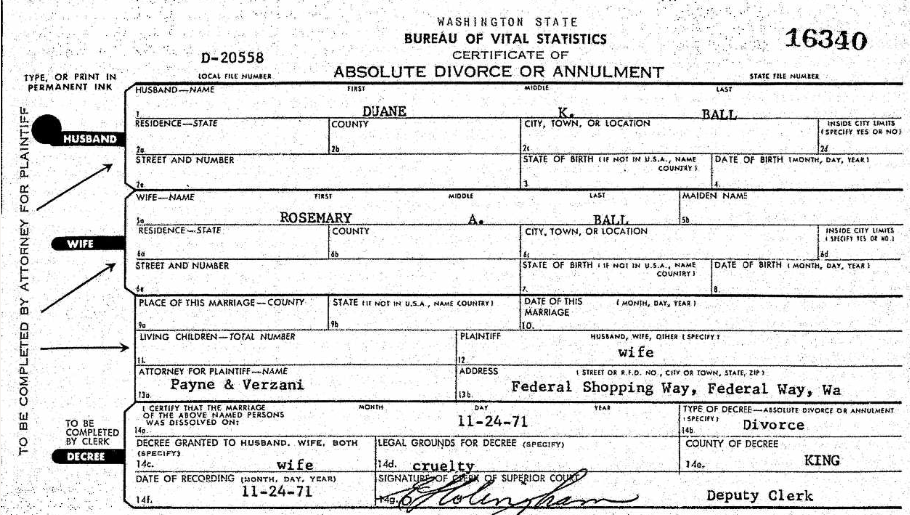
Brenda Carol Ball is Theodore Robert Bundy’s fifth (confirmed) murder victim. She was born on November 4, 1952, to Duane Kaye and Rosemary (nee Rupp) Ball; Mr. Ball was born on April 12, 1930 in Seattle, and Rosemary was born in September 1930; the couple were wed on March 31, 1953 and Brenda was their only child. They parted ways in November 1971 and the reason listed on their divorce certificate is ‘cruelty.’
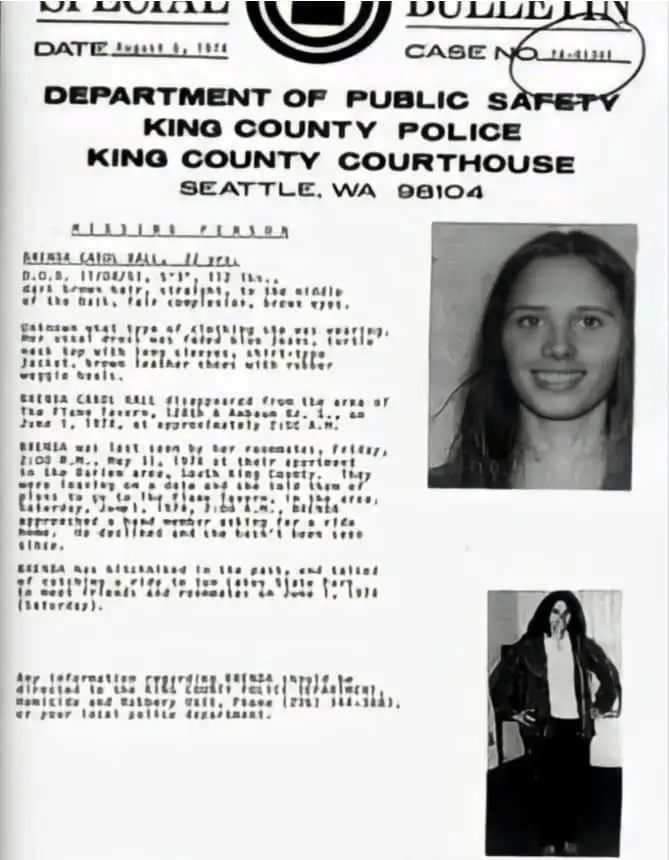
Brenda was twenty-two years old, 5’3” tall, and weighed a mere 112 pounds at the time of her disappearance… just a short side note, most of Bundy’s victims were incredibly ‘dainty’ and petite women: both Georgann Hawkins (5’2”) and Lynda Ann Healy (5’6”) only weighed 115 pounds, Donna Gail Manson was 5’ even and 100 pounds, and Janice Ott was 5’1” and 105 pounds. I wonder if this was due to his sexual preference or because smaller women (in theory) would be easier to subdue.
In 1970 Ball graduated from Mount Rainier High School in Des Moines, WA and at the time she disappeared in 1974 was taking classes at Highline Community College but mysteriously dropped out roughly two weeks before she vanished. She lived with two roommates in a five-bedroom house in Normandy Park, and according to them, she was content and happy regarding her decision to leave school, but was beginning to ‘party a lot.’
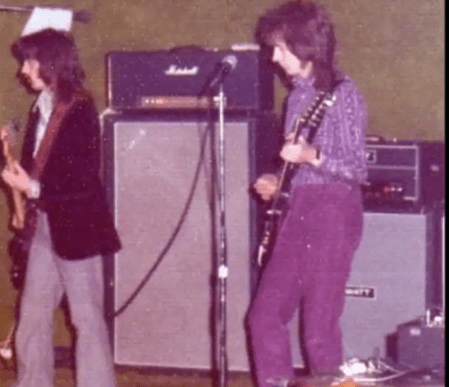
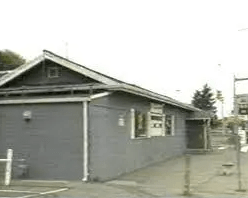
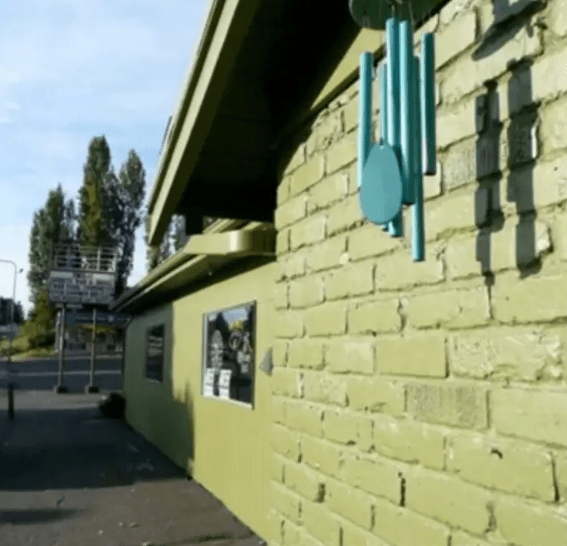
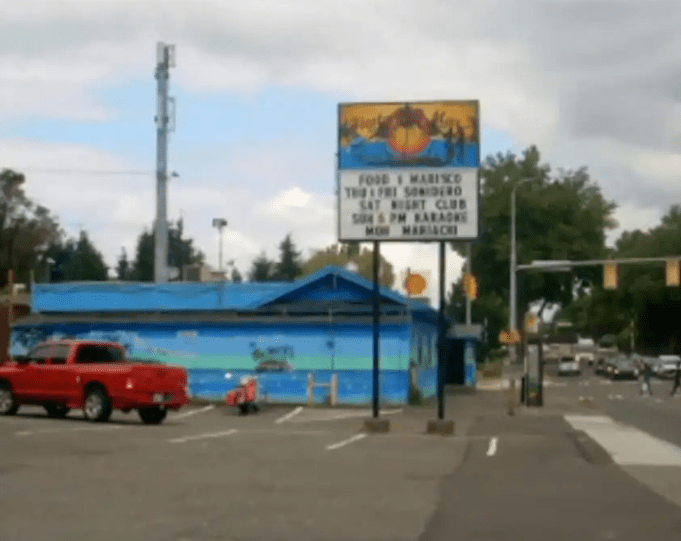
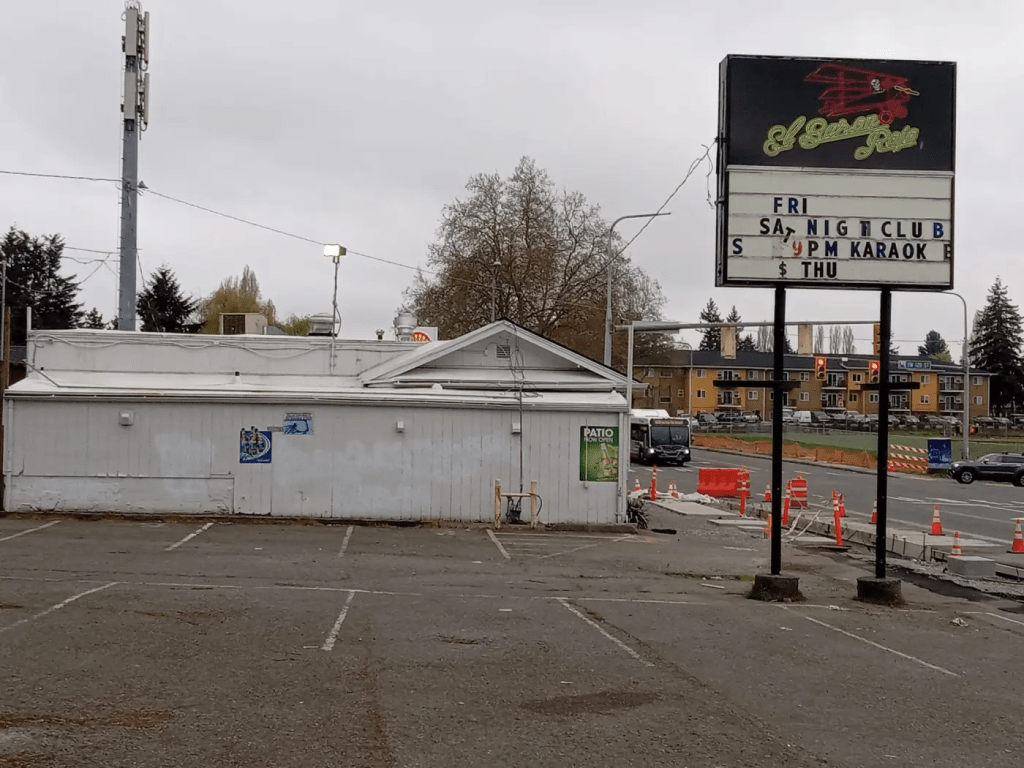
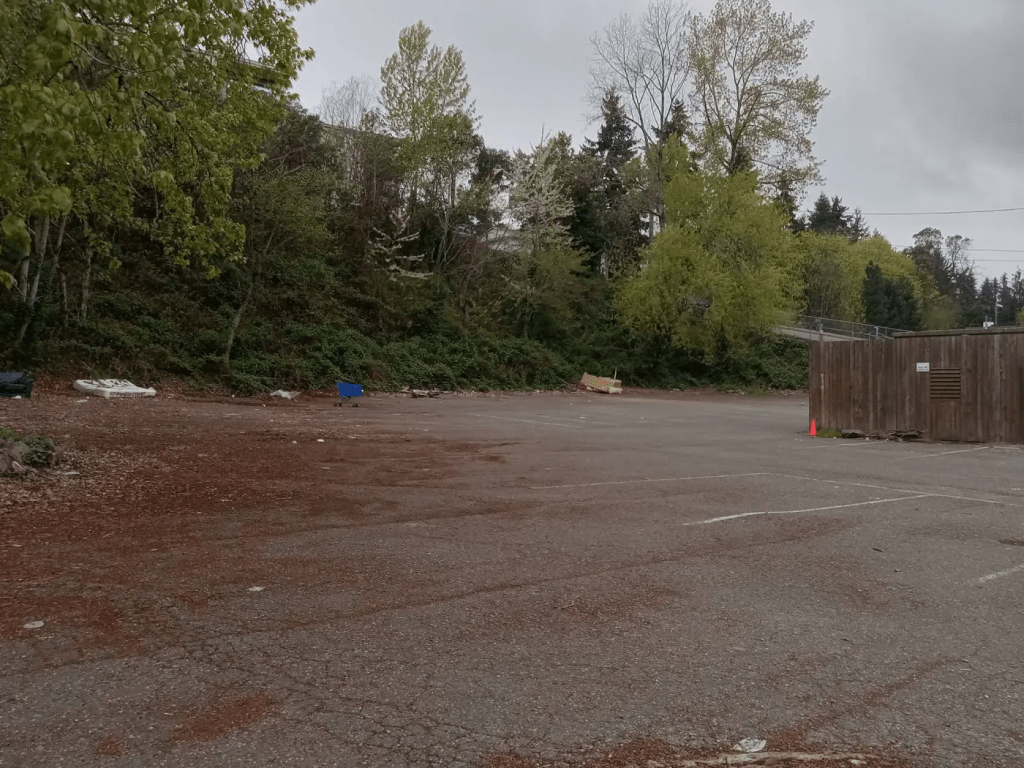
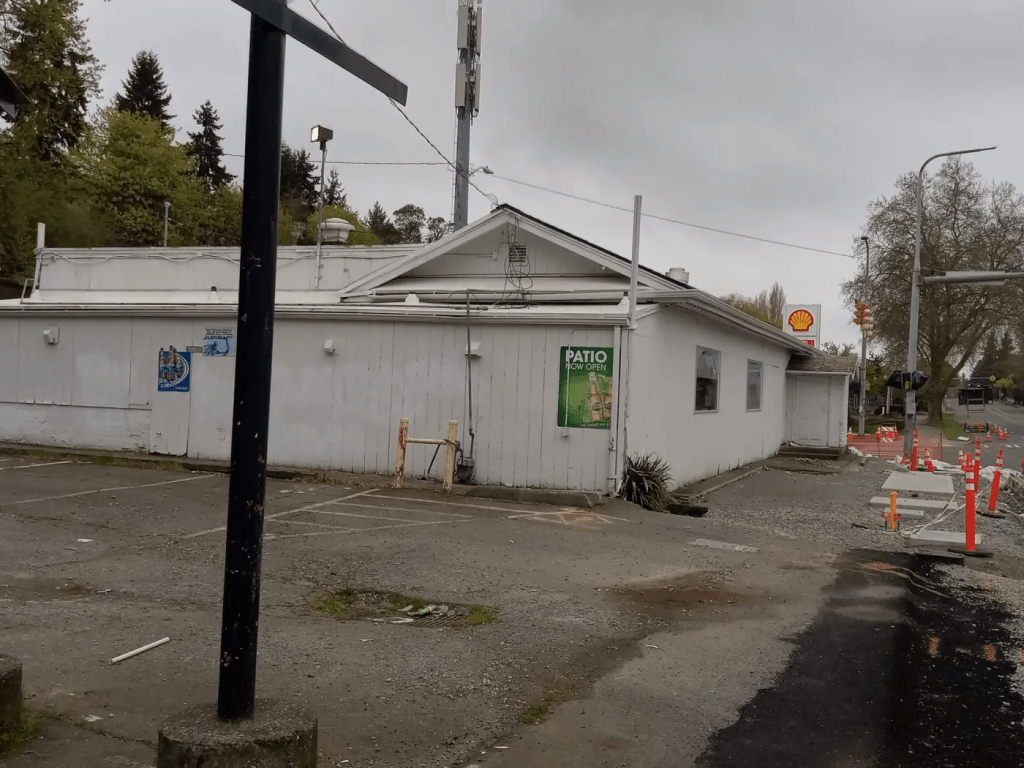
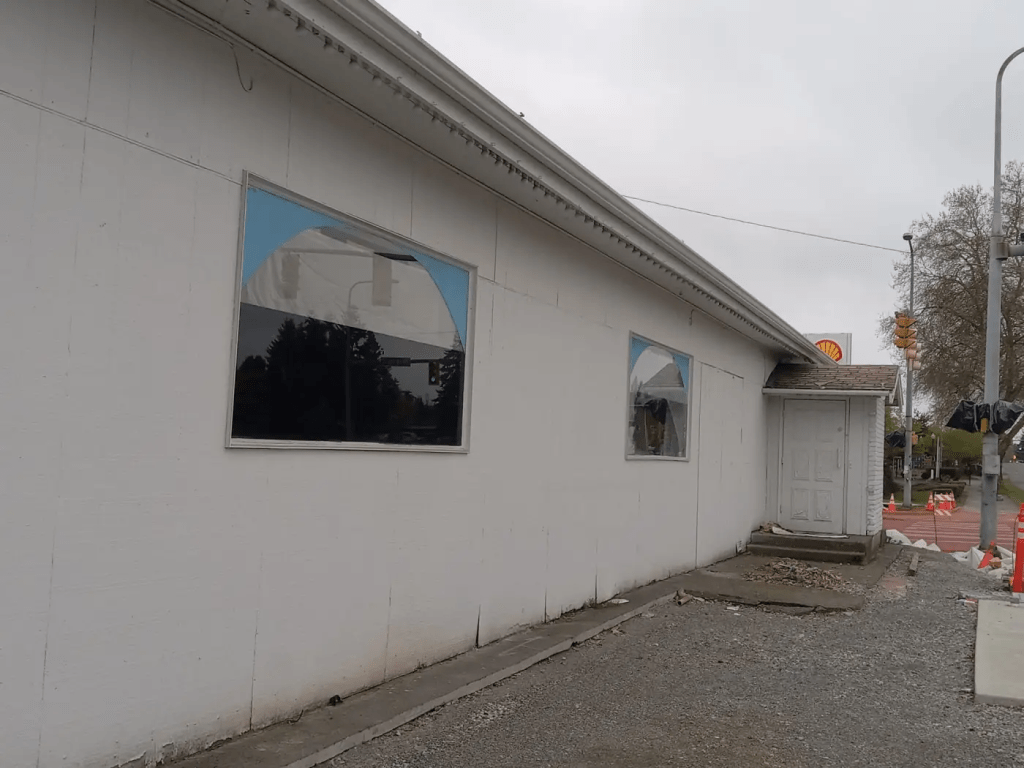
In the early morning hours of June 1, 1974, Brenda Ball seemingly vanished into thin air after seeing a band play at The Flame Tavern in Burien, WA. The topless dive bar had a seedy reputation for being a bit rough back in the 1970’s (it definitely isn’t in the greatest of neighborhoods), and has changed hands/names a few times since that fateful night in 1974: at one point it was called ‘El Baron’ before most recently being named ‘Fiesta del Mar.’ As of April 2022 the building sits abandoned (complete with multiple mattresses conveniently located in the back parking lot, for relaxation purposes). The night Brenda disappeared she was wearing blue jeans, a turtleneck with long sleeves, a ‘shirt-style’ jacket, and brown clog-like wedge-heeled shoes; she arrived at the establishment alone to see the band play and stayed until last call.
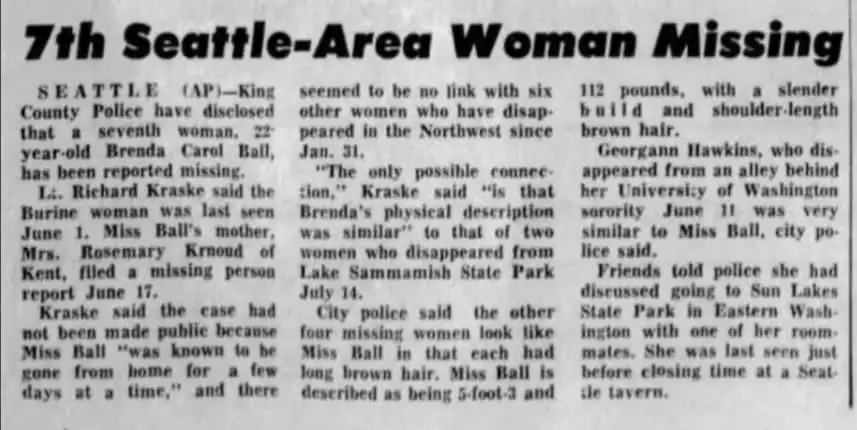
Immediately following Ball’s disappearance no one seemed overly concerned: her roommates said that she was an adventurous person and would often disappear on trips for days at a time without telling anyone (this reminds me so much of Donna Manson). I further feel that the two young women were similar in the sense that their almost nomadic lifestyles, casual drug use, and frequent habit of hitchhiking put them both in a higher risk pool. However, as time passed by it was glaringly obvious that something very serious was wrong, as Brenda wouldn’t leave for weeks on end without reaching out to somebody. Only adding to the mystery: all of her clothes and personal belongings were left behind, and eventually her roommates decided to reach out to her bank to inquire if there had been any recent activity related to her account. When they learned that there was none, alarm bells started to go off, and it was at this point they called her parents in nearby Kent. They told them that they hadn’t heard from their daughter either, and upon hearing that no one had heard or seen from her daughter, Mrs. Ball immediately called the police. This is why she was not reported missing until June 17, 1974: two and a half weeks later.
According to police reports, the day before she disappeared at roughly 2 PM on Friday, May 31, 1974 Brenda did tell friends that she was thinking about catching a ride to go camp with some friends at Sun Lakes-Dry Falls State Park in the eastern part of the state the Memorial Day weekend after her night at The Flame. The park is located a little over two hundred miles away, and is roughly a four hour drive from Normandy Park.
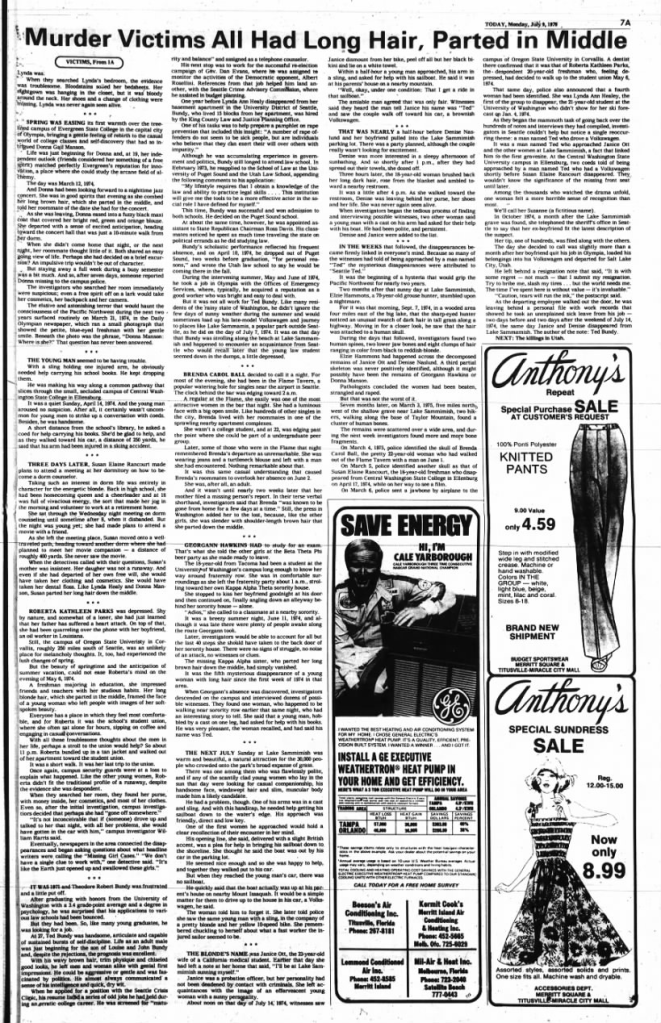
At first, police didn’t link Balls disappearance to the other missing Seattle girls: by this time in mid-1974, Lynda Ann Healy, Donna Gail Manson, Susan Rancourt and Roberta Kathleen Parks were all abducted from places directly related to a college campus (except Healy who technically lived in an off-campus apartment, but I’m being nitpicky and I think you understand what I’m getting at). Brenda, on the other hand, was a bit older than the other victims (at a whopping 22 years old) and had disappeared from a seedy dive bar. She also had a well-established history of disappearing then reappearing, usually for days at a time. Former King County Detective Bob Keppel claimed that her disappearance didn’t have anything in common with the other missing women, and because of this law enforcement didn’t release any information about her case to the media until August 7, 1974. The police weren’t the only ones that were hesitant to publicly connect the dots between Brenda and the other missing girls: it was incredibly challenging to find newspaper articles related to her, and maybe if her disappearance was treated the same as Lynda Ann Healy’s or Georgann Hawkins they would have caught Bundy sooner.
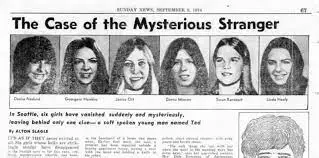
Although not calling Brenda by name, Seattle based paper ‘The Sunday News’ published an article about her disappearance roughly one month after her case became public. She wasn’t brought up again until the gruesome discovery of her skull at Taylor Mountain in March of 1975 (I’ll talk more about that shortly).
Towards the end of the night after the band wrapped up their set, Ball asked one of its members that she knew for a ride home back to her shared house, but he told her that he was heading in the opposite direction and couldn’t. Now, there are two conflicting possibilities regarding how Ms. Ball possibly left the tavern on the night she disappeared: the first being that she left alone with plans of hitching a ride home, and the second one is that she left with an unidentified man wearing an arm sling.
It was reported by an employee at the Flame Tavern that Brenda was seen talking to a good-looking man that had his arm in a sling towards the end of the evening on May 31, 1974. It is worth mentioning that this statement was probably made at some point later in time (most likely after the initial police report was made in mid-June), because if the witness told law enforcement about the assailant using an arm sling at the beginning of the investigation, then it is highly likely that they would have immediately made the connection between Brenda’s disappearance and the other missing Seattle girls. By August of 1974, King County law enforcement knew that the man they were looking for was using a fake injury ruse, and because of this, it would make one think that any report of Brenda talking to a good-looking man with his arm in a sling would have been more important or prioritized.
On May 31, 1974 Ted was spending the evening with his girlfriend Liz Kloepfer, her daughter Molly, and her parents that were visiting Seattle from Utah. Kloepfer said that Bundy took everyone out for a pizza dinner but was reportedly in a hurry to leave and get out of there at the end of the night. The following is a transcript from one of her interviews: ‘it was a Saturday night, and my parents came out from Utah. The tradition in the Mormon faith is that when you’re eight years old, you get baptized. And so I was going to have my daughter Molly baptized, and my father was going to do the baptism. We went out to dinner the night before, and Ted treated us all to pizza. He was in a big hurry to go after we were done with pizza. The next day, he didn’t show up. He completely missed the baptism. He was probably two hours late. And after it was all done, he showed up at the church. I forget what he said was the excuse. Car trouble or something like that. I was mad because he was making me look bad in front of my parents. But, you know, never in our wildest dreams did we think he was out abducting people.’
Personally, I think Ted was practically giddy at the thought of committing another murder and wanted to get out of there as soon as possible. The last time that he killed was on May 6, when he drove almost four and a half hours to Oregon State College in Corvallis to abduct Kathy Parks. Furthermore, the fact that he was late for Molly’s baptism the following morning citing ‘car troubles’ almost makes one think he was held up trying to get rid of Ball’s body and clean up any lingering mess and simply lost track of time… or, maybe he went back to the body that morning for sexual reasons and his girlfriend was the absolute furthest thing from his mind. We’ll never know.
I think I own every single piece of literature ever written about Ted Bundy (I’m joking, but I do have quite a few and between two jobs, school, and my husband I may one day get through them all). In Michaud and Aynesworth book ‘Conversations with a Killer,’ Ted would frequently speculate about what ‘may have’ happened to the victims while talking in the third-person, and according to him ‘the killer’ may have intentionally changed his modus operandi slightly in Balls case by picking up a hitchhiker. Also, going after a victim that was in a slightly different population helped him fly under the radar a bit as missing young women on college campuses were getting a lot of attention at the time. He furthered that in his journey that night, the killer stumbled upon Brenda, who was looking for a ride home from a bar and after picking her up the two got friendly, and her assailant attempted small talk in an attempt to help keep her distracted and unafraid. When he learned that she didn’t have any plans for the rest of the night/early morning he asked if she wanted to go to a party back at his place, an invitation that she accepted. The drive back to his rooming house may have seemed casual on the outside but it was coldly calculated on the inside: her killer wanted to appear friendly and jovial so as not to alarm and frighten her, as he wanted to keep her relaxed and at ease. But of course, when they arrived there was no gathering, and he then concocted a story about why it was just the two of them. Bundy said that at first Ball seemed slightly hesitant on coming in, however the boredom and drunkenness eventually took over and she went inside. He went on to say that they continued drinking until she was ‘exceptionally intoxicated’ and apparently the two had a ‘consensual’ sexual encounter.
Unfortunately for Ms. Ball, a night of drinking and sex that was ‘more or less’ consensual was not enough to completely squash her killer’s dark desires, and because of this, he waited until she was asleep then strangled her to death. Many members of law enforcement and true crime scholars doubt this pseudo-confession (for obvious reasons): if we pretend Ted is telling the truth then it means that he brought Brenda back to his room at the Rogers Rooming House, and considering that he had lived there for quite a few years by then and was in a well-established relationship with Liz Kloepfer, this would have been an incredibly risky move on his part. What if he ran into another resident, or Ernst and Frieda? I mean… It was 2:00 AM, and Ted lived there for quite a few years by then so I’m sure he knew the nocturnal patterns of his fellow tenants (especially since he was such a night owl himself). But… When you think about the fact that Bundy was often drunk and/or high during his murders, it makes me lean towards him being an impulsive person that didn’t seem to think through his attacks very well. I’m sure for the most part Bundy scholars are overthinking things a bit: drunk Ted didn’t think, he acted… therefore, I think he most likely had a tough time keeping his shit together during the 15-minute drive back to his room from The Flame, and it would have made more sense that he drove Ball to a remote location then killed her.
The following is a quick but super interesting snippet from Michaud and Aynesworth’s book ‘Conversations with a Killer’ regarding Balls disappearance:
Michaud: ‘He’d take her home?’
Bundy: ‘Sure.’
Michaud: ‘It would seem terribly risky.’
Bundy: ‘If you live with someone. But he had his own house.’
Obviously, we know part of this ‘confession’ isn’t true if Bundy is talking about himself: he obviously lived with the Rogers as well as MULTIPLE other people at the time of Brenda’s murder, not in a house, alone. Now what would have happened if he wasn’t perfect in his attempt to kill Ball and she put up a struggle, and let’s say (just a theoretical) she started kicking and screaming while trying to put up a fight? That would have drawn a LOT of attention to him and probably would have gotten him caught, and I think that was the very last thing that he wanted. During interviews while on death row, Bundy told investigators that he cut off the heads of twelve of his victims, and according to Dr. Robert Keppel, he told FBI Agent Bill Hagmaier once that he kept ‘as many as four heads’ in his room on 12th Avenue in Seattle. Was Brenda’s one of them?
I’m not exactly sure why but I absolutely adore Phyllis Armstrong from Netflix’s ‘Falling for a Killer.’ I found her very sweet and easy to like, and I could tell she genuinely loves Georgann, and misses her. In one of her segments during the documentary, Armstrong said that at around 11 PM on May 31, 1974 (roughly three hours before Ms. Ball disappeared) a man using crutches asked her for help carrying a can of gas to his VW Bug on the campus at the University of Washington. She said yes, and when they reached his vehicle he asked her to get inside and push a button located underneath the steering wheel, starting it. At this point Phyllis was starting to get the willies, and after making up an excuse and apologizing she quickly dropped the can got the heck out of there. That gut instinct probably saved her life.
Now think about it: this encounter took place just a few hours before Brenda Ball went missing, which means if the man Bundy was talking about was indeed himself, then his confession about ‘the killer’ changing up his MO to hunt an ‘older woman’ in order to avoid getting caught was just another lie. Meaning, he didn’t switch it up as part of a well thought out plan: he just bombed out with Phyllis and needed to find another girl to kill. I mean, look at what happened when he crapped-out with Carol DaRonach in SLC? He drove to a high school roughly twenty miles away and abducted Deb Kent. After Balls abduction Ted went back to taking his victims from a school setting: Georgann Hawkins was next, and her abduction took place not even two weeks later on June 11th, 1974. She was taken early in the morning on her way home from a party outside of her sorority house at the University of Washington.
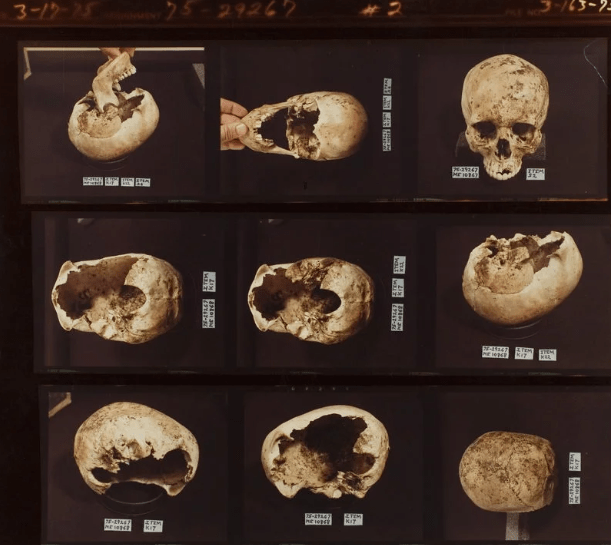
It’s also worth bringing up that Ball’s skull had a large fracture in the back of it when it was found on Taylor Mountain, and the King County Medical Examiner determined that she was missing one of her temporal bones, suggesting that her assailant may have struck her in the head with a blunt object (like a crowbar, as TB was known to have used). Bundy never mentioned this during his ‘confession,’ so if he really strangled her to death, then why was a large part of the right side of her skull missing? This injury completely contradicts the statement he made that he strangled her until she expired.
However, thinking in an ‘outside the box’ sort of way, what about foraging animals? Could they have been responsible for the giant hole that was found in Brenda’s skull? The wildlife population in Washington state is pretty diverse… It’s home to bobcats, lynxes, multiple types of bears, wolverines, deer and many other large animals. Could a large outdoor creature have stepped on her skull after Bundy dumped her in the forest, causing the fracture, maybe a bear? The area is home to both grizzly and black bears: an average sized adult male grizzly weighs anywhere from 300-650 pounds, and a male black bear can exceed 600 pounds. Well, apparently I wasn’t the only person that thought of this: according to the King County ME, there is a zero chance that Ball’s skull fracture occurred because of local wildlife. This means that if Bundy was telling the truth about strangling the young woman to death, then it is difficult to see why he would have also needed to inflict such a traumatic injury upon her as well.
The following is a short excerpt regarding Brenda Ball from ‘The Riverman: Ted Bundy and I Hunt for the Green River Killer,’ written by Dr Robert Keppel:
‘The dentition of the skull contained a pattern of silver fillings that were familiar to me. I had memorized the dental work detailed on [victim’s dental] charts and easily recognized the jawless expression of Brenda Carol Ball. My crude on-site identification was to be confirmed by a forensic odontologist three days later. We photographed the cranium from all angles and measured its position to two temporary triangulation stakes. We carefully picked up the skull and preserved it in the position in which it was resting. Since dusk was setting in, we decided to wait until the next day to resume our search for the remainder of the skeleton.’
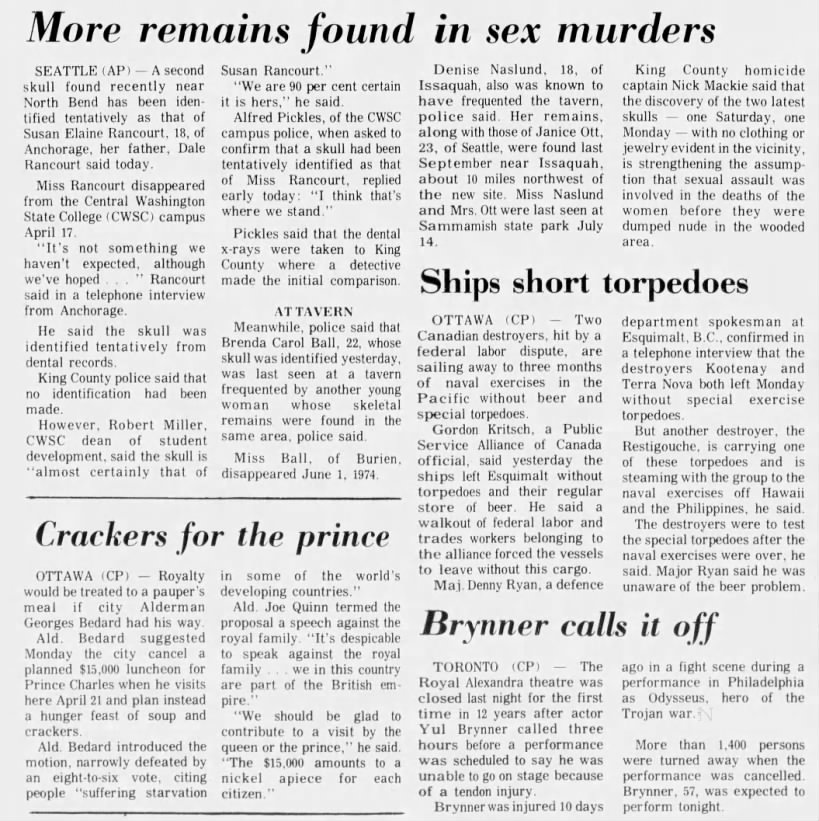
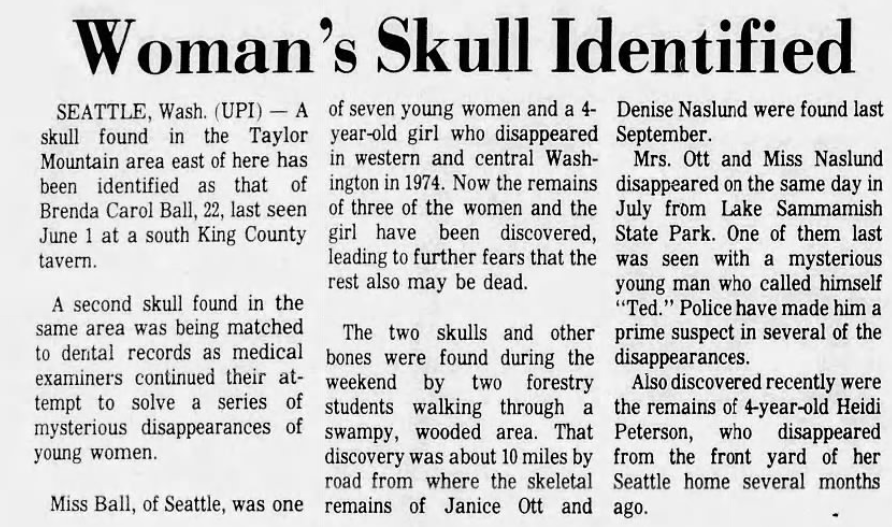
Despite the fact that LE was hesitant to link Ball to the other missing Washington state girls, ironically it was because of her that they were discovered in the first place: on Sunday, March 1st, 1975, two forestry students from a nearby community college were doing a project at Taylor Mountain when they spotted her skull lying among the damp, moss-covered trees. Shortly after, investigators unearthed the craniums of Lynda Ann Healy, Susan Elaine Rancourt, and Kathy Parks; in addition to skulls, search parties also found clumps of hair as well as an array of human bones, including a mandible and a femur that is strongly believed to have belonged to Georgann Hawkins (however they had nothing else to compare it to and it was eventually misplaced).
The following is an excerpt from the ‘SurivingSara’ GoodReads blogspot; I will include the direct link below if anyone is interested in reading all of it. Just as a side note, I wrote an article about ‘Sara A. Survivor,’ which is a pseudonym for her real name of Susan Roller. She reportedly is a surviving Bundy victim and claims that she suffered from long term abuse by him, and by this I mean she said they had a relationship (of sorts) and she sustained repeated physical and psychological abuse as a result, trauma that she alleges that she still suffers from today. I won’t go too far into her as there’s an entire separate article written about her, but she’s a real piece of work and REALLY has it out for the King County Sheriff’s, specifically Bob Keppel:
‘Skeletal remains at the scene, marked with evidence numbers, were sent to Superior Court, then returned back to the King County Sheriff Office and then sent to the ME: all the evidence numbers of the skeletal remains line up and those numbers verify they were found on site in March of 1975 at the time of the discovery of Taylor Mountain. Further, those remains were sent to Texas in 2005 and identified via DNA three of the four girls found on Taylor Mountain and another who could not be identified. In addition, records show that at least 1-2 individuals besides Ott and Naslund were found at Issaquah and at least 1 individual not matching the four girls found at Taylor Mountain was found at Taylor Mountain. Both crime scenes had girls’ clothing, jewelry, and other evidence. None of this appears to have been preserved.’
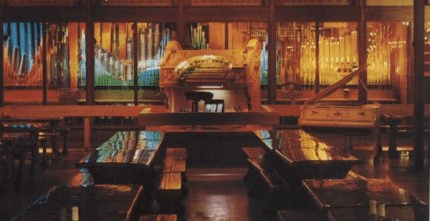
On Memorial Day weekend of 2022 I went on an overnight trip to explore Bundy’s former hood in Philadelphia, PA, and I made the drive from Attica, NY which was about a 6.5 hour drive, one way. Making that drive two days in a row was a bit nuts, but I absolutely LOVED it because I renewed my Audible subscription, put on ‘The Phantom Prince,’ and just drove… and I’m really glad I did that because it provided me with a lot of smaller details regarding Balls murder that I wasn’t aware of previously… Because Liz’s Mom kept a detailed journal, there is a detailed account as to exactly what happened on the evening of May 31, 1974:(as I said earlier), Ted treated everyone to dinner at Pizza & Pipes, however she mentioned that the meal seemed rushed and it only lasted for roughly an hour and a half. She went on to say that after everyone was finished eating, Bundy dropped them all off at Liz’s house and said that he was going home.
I am absolutely flabbergasted by how fearless Bundy was: for a good amount of his atrocities he operated VERY close to home, and when I was in Seattle I saw first hand just how close in proximity everything was to one another. When I went to the site of where Karen Sparks once lived (the residence was torn down to make room for apartment buildings) I literally looked up and there was The (former) Sandpiper! Also, The Flame Tavern is only 4.2 miles away from the Rogers Rooming House, which is less than a 15-minute drive. Plus he lived in the general Seattle area since he was a young boy: HOW DID HE NOT RUN INTO ANYONE HE KNEW??! I know if I was going to feign injury while committing multiple felonies I would at least do it in an area where I was positive that I wouldn’t be recognized. Piggybacking off that, the fact that he killed women from the same university that he attended further amazes me. He must have had gigantic stones.
As far as the truth goes… I really think Bundy liked screwing with his audience, whoever it was. Journalists. Members of law enforcement. Carole Ann Boone. He’d tell one person one thing then turn around and tell another something completely different. He would literally change his story for his audience, and lied so frequently about so much… Obviously, like so many other Ted related things, we’re going to have to take his pseudo-confession with a grain of salt, and unless someone discovers his long-lost diary, we’ll probably never know what happened to Brenda Ball. However, one thing is for certain: her life was cut short because of Ted Bundy.
Thanks to the website OddStops (which is amazing, and if you haven’t checked it out yet you totally should), I found some interesting facts about the former Flame Tavern, most recently called ‘El Baron Rojo:’ the building was built in 1928 and in 2007 it sold for $990,000. During the 1970’s, the tavern was known for its live music, and drunken brawls would frequently break out in their parking lot. Denise Naslund (another confirmed victim of Ted’s that he would go on to abduct then kill exactly one month and two weeks later from Lake Sammamish) was a frequent patron of the bar. In addition to Brenda Ball’s abduction, in 1977 twenty-one year-old Rhonda Louise Burse was last seen getting into a car in the tavern’s parking lot and was never seen or heard from again. At one point the watering hole went by the name ‘MVP Sports Bar,’ and in 2008 a man was shot and killed somewhere on the premises with an AK-47 assault rifle, and in 2020, former owner Sonia Olvera Jimenez was arrested for the murder of a gentleman that was renting a room in her house.
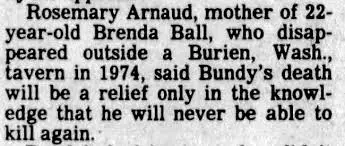
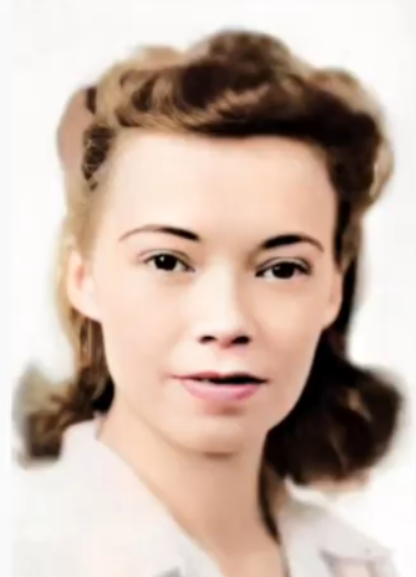
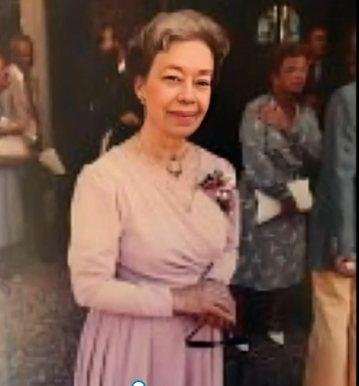
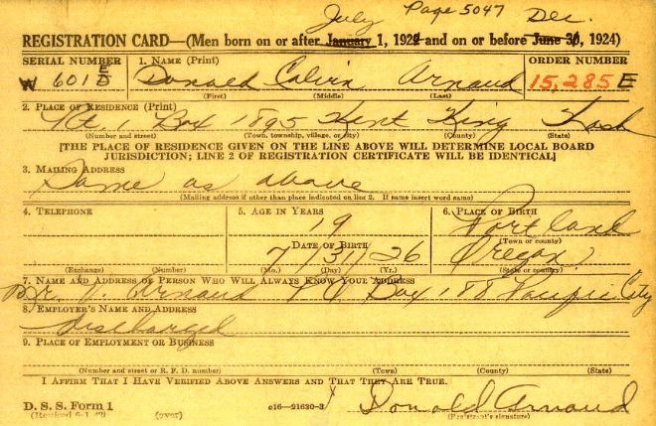
Mr. Ball passed away on August 13, 1988 somewhere in Pierce County, WA. Brenda’s mother remarried a man named Donald Arnaud on March 9, 1974 and despite looking EVERYWHERE (Google, Ancestry, MyHeritage, etc…) I was unable to find any record of her passing away (even though she would currently be in her 100’s, but it’s not completely unheard of). According to an Associated News article regarding Bundy’s execution: ‘Rosemary Arnaud, mother of 22-year-old Brenda Ball, who disappeared outside a Burien, Wash., tavern in 1974, said Bundy’s death will be a relief only in the knowledge that he will never be able to kill again.’
Works Cited:
https://www.goodreads.com/author_blog_posts/15965444-skeletal-remains-were-found-at-taylor-mountain
https://apnews.com/article/e83729933cf61be312252a25cf879025




























 Another Bundy Blog.