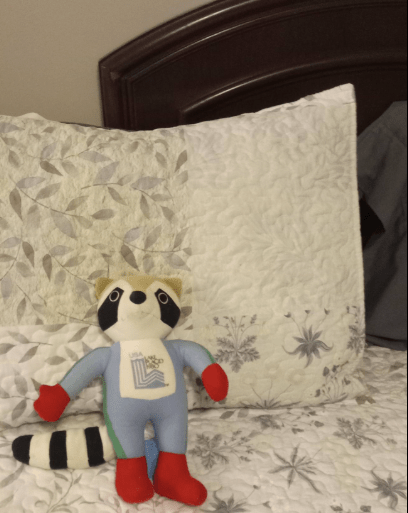
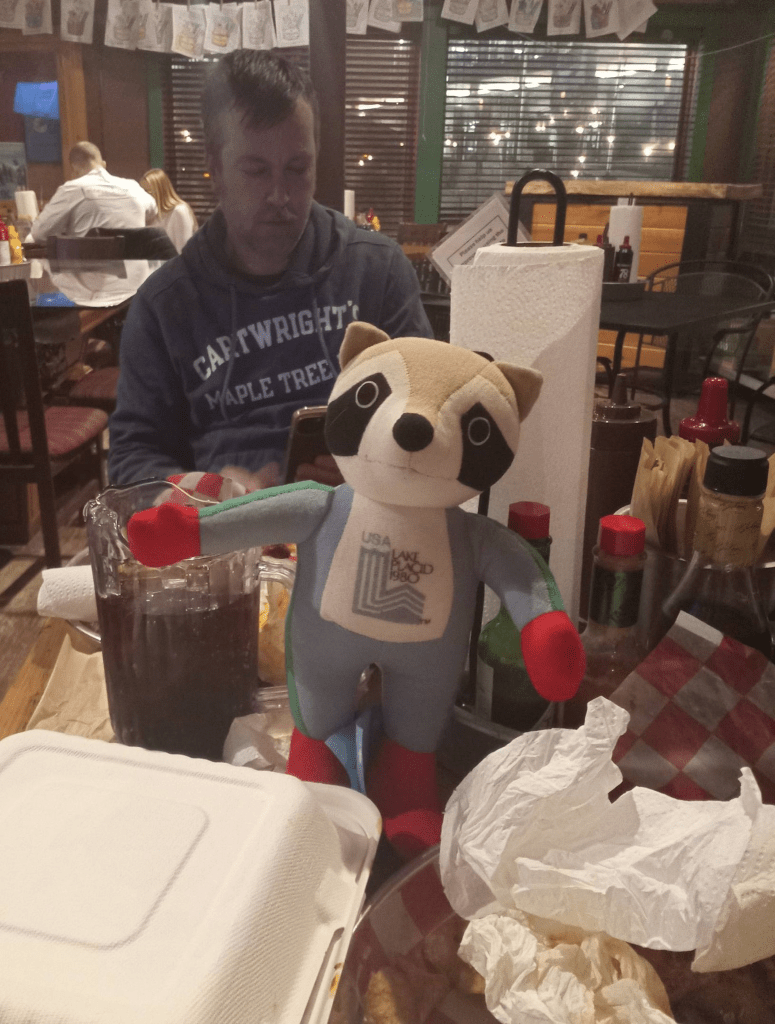
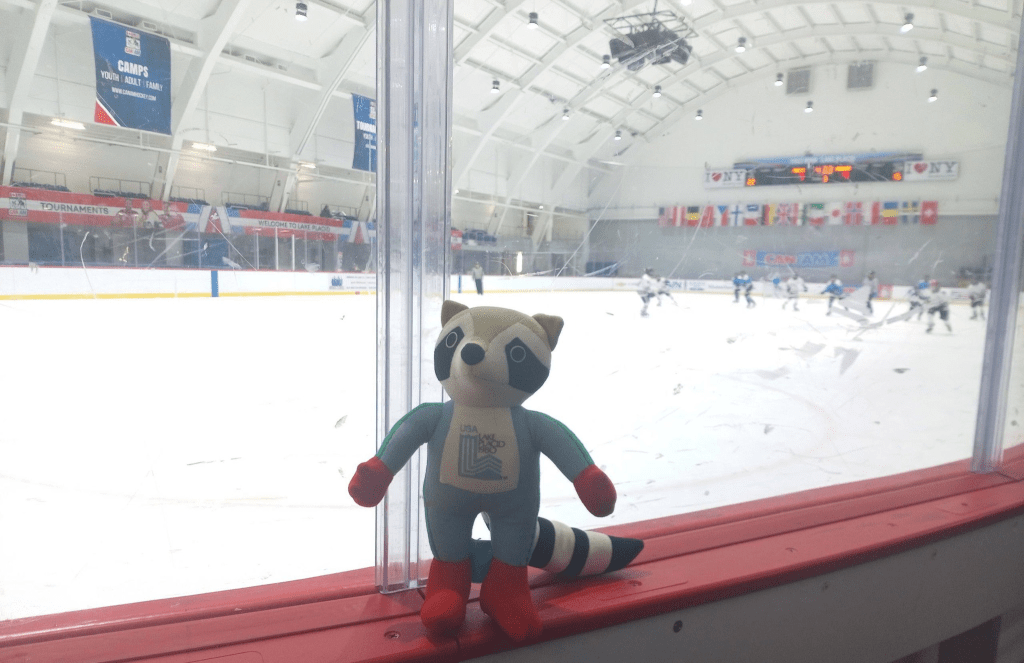
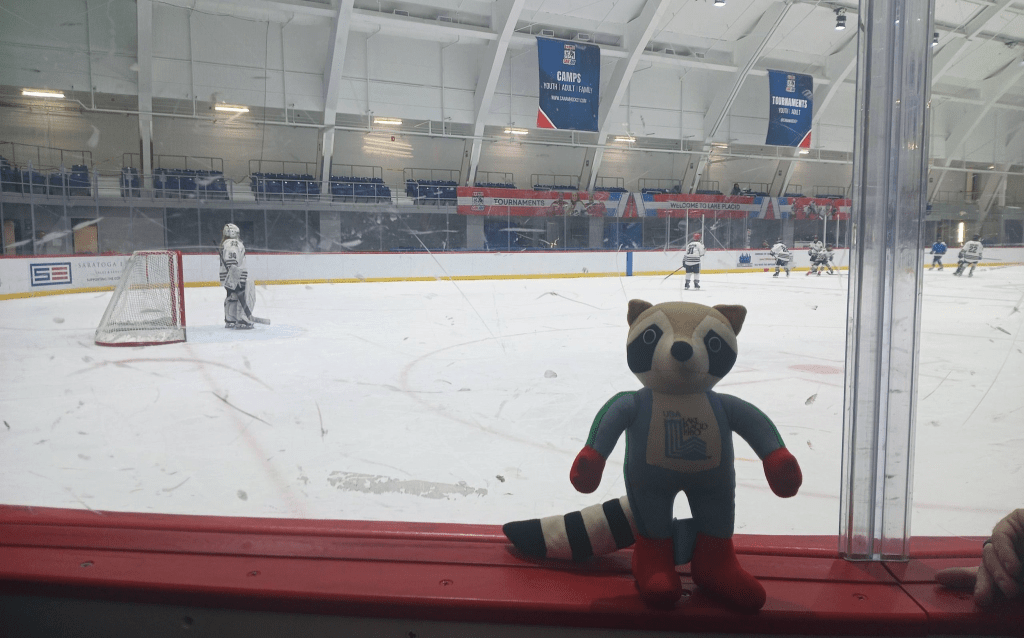
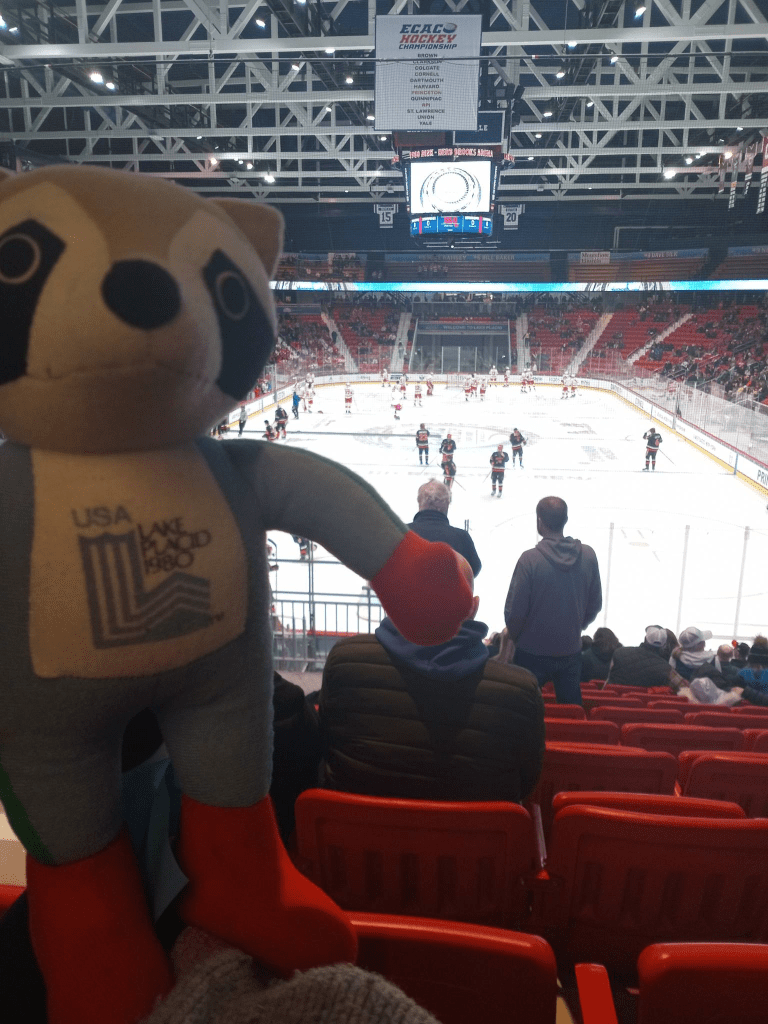
Introduction: For Christmas 2025 my SIL gifted my husband an incredibly clever present of an eight-inch-tall stuffed raccoon named ‘Roni’ that also happened to be the Olympics mascot for the 1980 Lake Placid Winter Olympics (we’re a big Adirondacks family). About a month later I started taking a creative writing class at GCC (our local community college), which is a subject that I always struggled with because with my true crime articles, everything is very structured, and black and white, and because of this I don’t often have to think outside the box. So… one night in early March, I started thinking about something I could do around our upcoming trip to Lake Placid (since most of my vacations revolve around some sort of writing project) and ‘the Adventures of Roni the Raccoon’ was born. I had a lot of fun with the first article, and it was great having my husband involved with something: he’s gone to some local true crime related places with me (think, Air BnB’s) but he never really tagged along to take pictures or investigate. It was fun doing something together. And going back to the area in the summer gave us a totally different perspective, as well as new things to explore (both activity and food-wise).
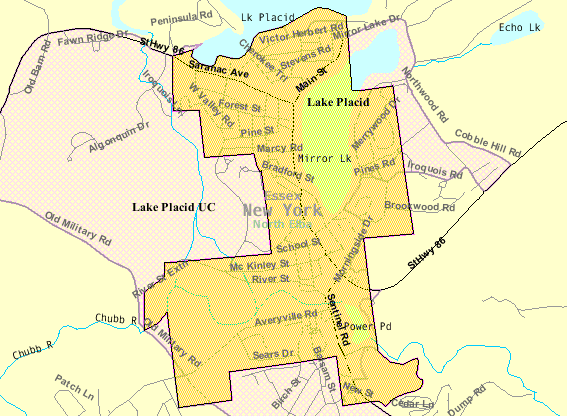
Background/History: Lake Placid is a village in Essex County, New York that is located near the southern end of the actual Lake Placid; it is inside the Adirondack Mountains and is close to the center of North Elba, and its population in the 2020 census was 2,205. Also in 2020, the average resident was 45.8 years old, 13.7% of its people were under the age of 18, and 19.7% were 65 years or older. According to the United States Census Bureau, the village is made up of a total area of 1.5 square miles, of which 1.4 square miles is land and 0.15 square miles (or 10.79%) is water. In the village, 33% of housing units are classified as ‘seasonally vacant,’ meaning they are strictly used only for ‘vacation purposes’ and are owned as second homes, vacation rentals (Air BnB/Vrbo), or seasonal properties.
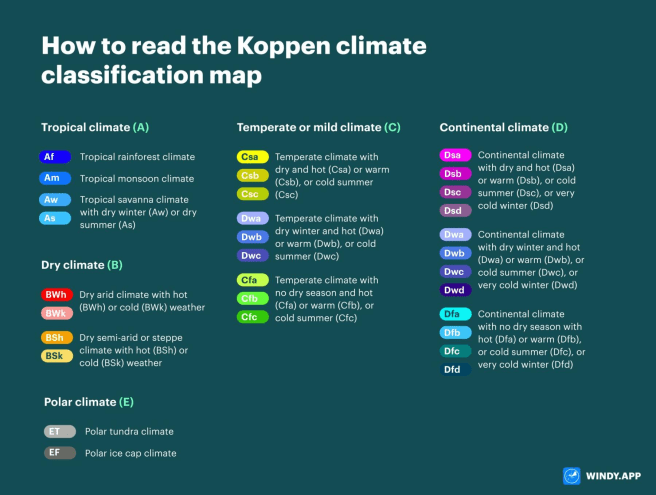
According to the Köppen classification system, Lake Placid has a warm-summer, humid continental climate (or Dfb), which are warm-summer humid continental climates that feature four distinct seasons; they are characterized by long, cold winters and mild, cool summers and there is consistent precipitation all year with no dry season and the average temperatures stays below 71.6° F in the warmest month. The three-letter breakdown for this climate zone means the following: D (Continental): The region experiences significant seasonal temperature differences, featuring freezing, snowy winters. The ‘f’ stands for ‘Fully humid,’ meaning there is no significant dry season, and precipitation is relatively even throughout the year., and lastly ‘b’ refers to ‘Warm Summer,’ meaning the summer months are warm but not hot.
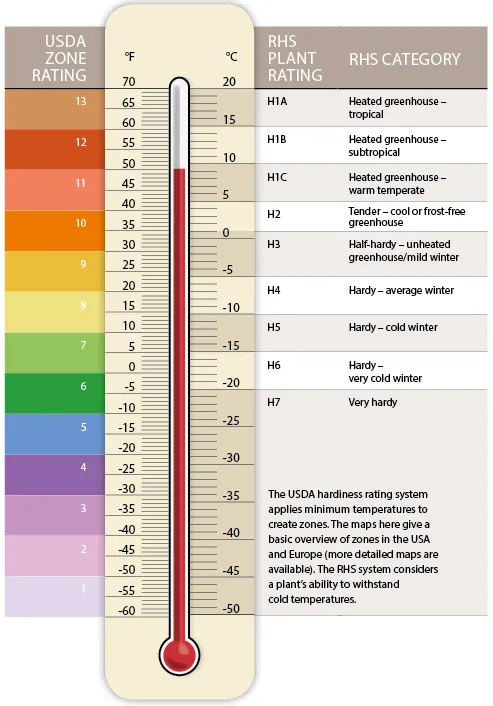
According to the AW Kuchler US potential natural vegetation types, Lake Placid has a dominant vegetation type of Northern Hardwoods/Spruce (108) (using the USDA Forest Service classification system) and has a dominant vegetation form of Northern Hardwoods (23). The plant hardiness zone is 4a, meaning it is a geographic region where the average annual lowest winter temperature drops to between -30°F and -25°F and it experiences long, very cold winters and a short growing season, therefore plants that grow here must be extremely cold-hardy to survive the frigid temperatures.
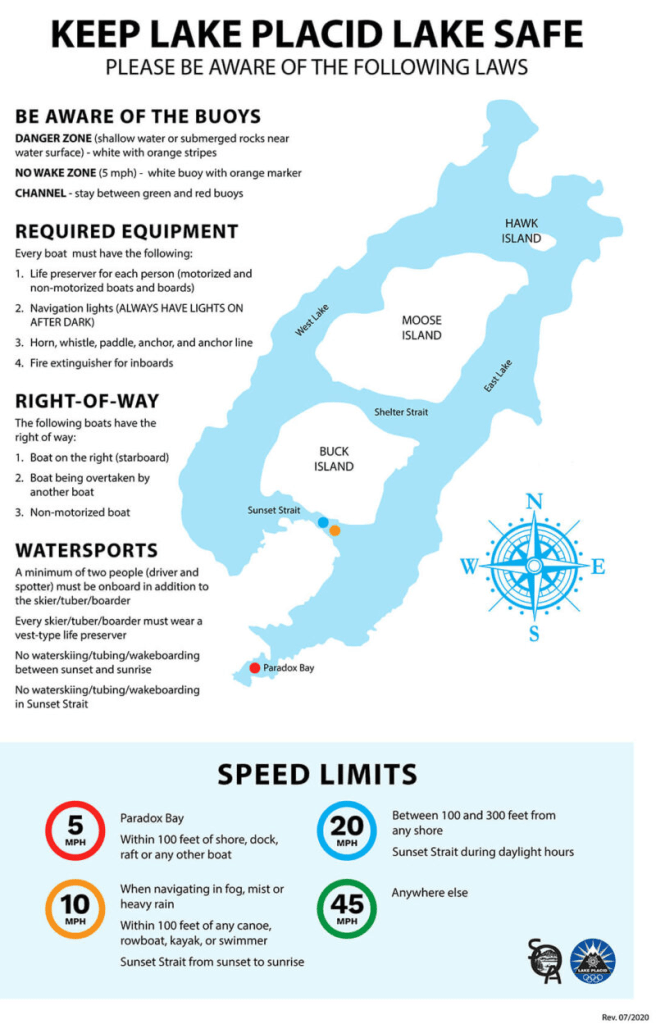
The actual body of water (Lake Placid itself) consists of approximately 2,170 acres and averages about fifty feet deep; it has an elevation of 1,858 feet, is around ~4 miles long/1.5 miles wide, and has a maximum depth of 151 feet. It fills a natural geologic basin, and drains the McKenzie Mountains to the west, Whiteface Mountain to the north and Mount Whitney to the east and is divided into two lobes (East Lake and West Lake) by a peninsula at the lake’s south end. It also contains three islands: Buck, Moose and Hawk; Sunset and Shelter Straits separate the cape from Buck Island and Buck from Moose.
The village of Lake Placid developed an iron ore mining operation, and by 1840, the population of ‘North Elba’ consisted of a mere six families and was located four miles southeast of the where it is today. In 1845, the philanthropist and abolitionist Gerrit Smith arrived in the area and bought a great deal of land around the village and granted large tracts to former slaves (which is a specific, continuous area of land that serves as a distinct legal unit), and helped reformed the laws related to land ownership.
John Brown heard about Smith’s reforms and in May 1849 he left his anti-slavery activities in Kansas and bought 244 acres of land in North Elba (which he bought for a whopping $244), a parcel that later became known as the ‘Freed Slave Utopian Experiment,’ Timbuctoo. Brown was a radical abolitionist who believed that armed insurrection was the only way to overthrow slavery in the US, and unlike most anti-slavery activists of his time who advocated for peaceful political reform, he often resorted to extreme violence and guerrilla warfare to get his point across. When he was executed in 1859 following the Harpers Ferry Raid, Browne’s wife buried him at their Lake Placid home, and today you can pay a visit to ‘the John Brown Farm State Historic Site’ in North Elba (which is now a National Historic Landmark). Also on the National Register in Lake Placid is the Mount Van Hoevenberg Olympic Bobsled Run, New York Central Railroad Adirondack Division Historic District, and US Post Office.
Winter Sports: Lake Placid’s deep entanglement with winter sports began with Melvil Dewey in the late 1800’s, who at the time was the director of the New York State Library (he also invented the Dewey Decimal Classification System). Dewey (along with his wife, Annie) designed what was then called the ‘Placid Park Club’ in 1895, which was a social and recreation club, which inspired the area to change its name to Lake Placid in 1900. Choosing to ignore his skeptics, Dewey brought in a large amount of sports equipment from Europe to the Lake Placid Club in the fall of 1904, so his business didn’t have to close the followingwinter; luckily, it worked out well for him and was a success. Along with his son (Godfrey), Dewey eventually started promoting winter sports in the area, and as a result an iconic winter resort was born. Interestingly enough, Lake Placid is one of only three places in the world to host the Winter Olympic Games twice, the other two being St. Moritz, Switzerland in 1928 and 1948 and Innsbruck, Austria in 1964 and 1976.
George White served as the first postmaster and town supervisor of the nearby settlement of Newman (now part of the Lake Placid area) starting in 1875, and he continued to serve in these leadership roles and as a businessman through the late 19th and early 20th centuries. He built the White Opera House in 1895, which still stands today on the banks of the Chubb River and at one time had seating for 500 people (today it is the home to Lisa G’s Restaurant). As the beautiful surroundings of Lake Placid became more known to people of nearby NYC, filmmakers including Harry Handworth started to use the village and its surroundings for shooting silent films around 1914; many movies, among them News Parade, Summer Bachelors, The Avalanche, and Out of the Snows, were shot in the area.
By 1921, Lake Placid boasted a ski jump, speed skating venue, and ski association and in 1929, Melvil’s son Godfrey was able to convince the International Olympic Committee that it had the best winter sports facilities in the United States. In 1932 Melvin Dewey secured the bid to host the third ever US Olympic Winter Games, and The Lake Placid Club was the headquarters for the International Olympic Committee for the 1932 and the 1980 Winter Olympics. It is also important to mention that The LPC did not allow Jews or Catholics, but there were other hotels in the area that did cater to them: especially around the time of World War Two, many cosmopolitan refugees from Hitler’s Germany and Austria spent their summers in Lake Placid. The original, historic Lake Placid Club ceased operations as a singular resort on March 30, 1980 right after it served as the headquarters for the IOC. While the original 9,600-acre resort grounds and its massive main buildings were later largely demolished or split up, the property lives on today through multiple active and separate entities (and a massive 45-hole golf course!).
Oddly enough, one Lake Placid wasn’t enough for Melvin Dewey and in 1925 he went to Lake Stearns, Florida and proposed to their local government that they change their name to his favorite place; for some reason they agreed, and in 1927 America’s second Lake Placid was officially established.
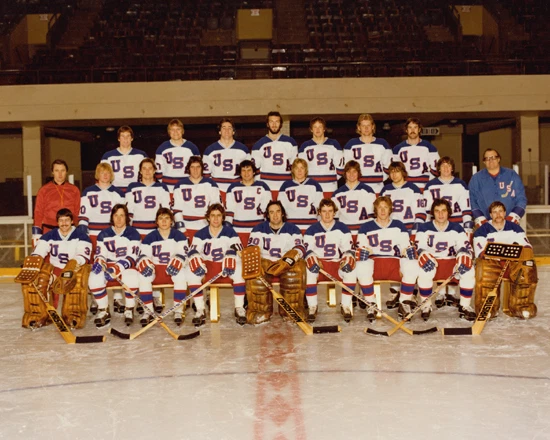
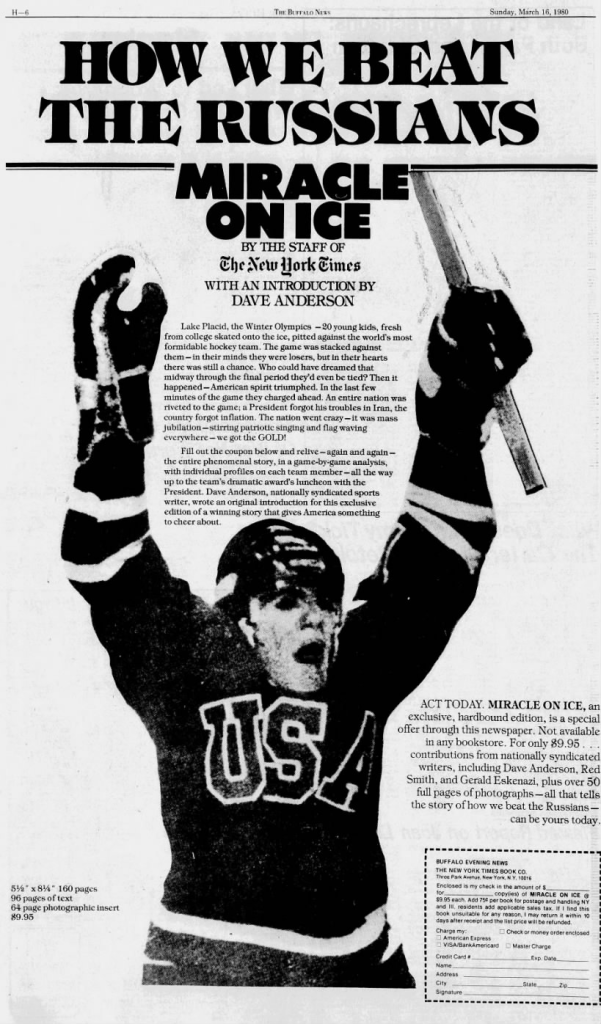
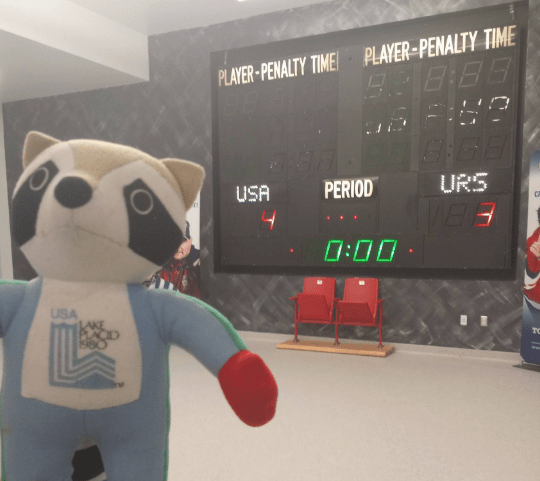
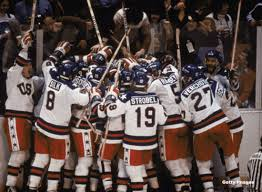
Jack Shea (who was a resident of the village at the time), became the first person to win two gold medals when he doubled in speed skating at the 1932 Winter Olympics. Lake Placid was also the site of the legendary ‘Miracle on Ice’ hockey game that took place on February 22, 1980, when Team USA (which was made up of young American college students) beat the heavily favored Soviet Union team, 4-3. It’s worth mentioning that the Soviets were all professional athletes who had won the previous four Olympic gold medals. Also during the 1980 Winter Olympics, American speed-skater Eric Heiden won five gold medals, which is a feat that has not been accomplished since.
Nicknamed ‘The Olympic Village, Lake Placid became known internationally for hosting the Winter Olympic games in both 1932 and 1980; it also hosted the 1972 and 2023 Winter World University Games as well as the 2000 Goodwill Winter Games. The Winter Empire State Games have also been held here every February since their inception in 1981, and The Lake Placid ice dance competition takes place annually in July or August in the 1980 Olympic Arena. The Lake Placid Summit Classic Lacrosse Tournament is held every August (since 1990) and has roughly 250 teams that participate in it. The World University Games took place there on two occasions (1972 and 2023) and they also hosted the 1972 Winter Universiade, which was an international winter sports event for college students. Lake Placid was also home to the 2023 Winter World University Games and the 2000 Goodwill Winter Games.
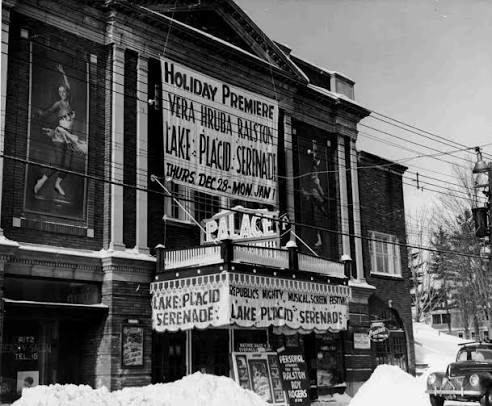
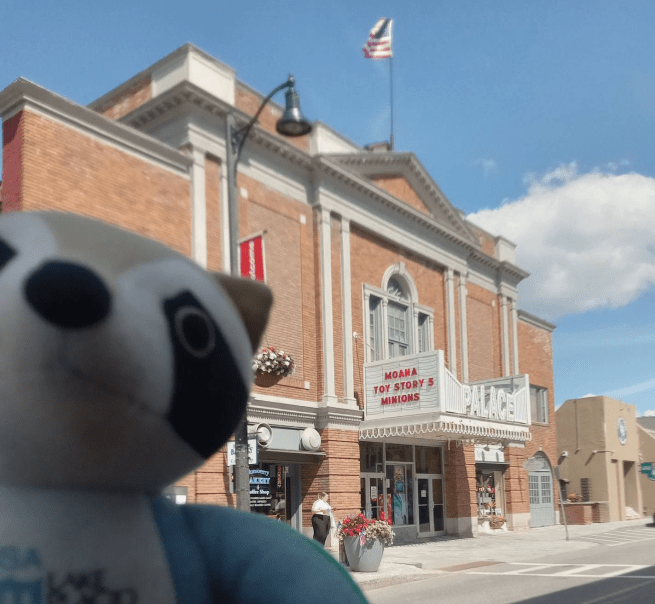
The Happy Hour Theatre: located directly on Mirror Lake, The Happy Hour Theatre was the first movie house in Lake Placid and was in business from 1911 to 1928. The Adirondack Theatre Corporation bought it in the 1920’s (who also owned and operated the newer Palace Theatre, which opened in 1926) on the same street. Movies were also shown several times a week at the Lake Placid Club, and in 1969, The Harbor Theatre (which was at times referred to locally as ‘The Holiday Harbor Theatre’ due to its proximity to the Holiday Harbor marina area) opened on the shores of Lake Placid and showed movies until 1986. The Palace Theatre is still operating at its original vintage location on Main Street.
Golf: Lake Placid built its first golf course in 1898 with the opening of the links at The Whiteface Inn, which was one of the first ever created in the US; the area now boasts more golf courses than any other venue in the Adirondacks. The geographic features of the Adirondacks are considered reminiscent of the Scottish landscape, which is where the game originated. Mountain golf is played at high altitudes and features courses that have steep slopes, uneven lies, and scenic views; also the thin air means less resistance, so the golf ball travels much further than it does near sea level.
The sport boomed in area during the early 1900’s thanks to the Lake Placid Club, which expanded to include the Links Course in 1909 and Mountain Course the following year, which was designed by golf legends Seymour Dunn and Alister MacKenzie. As of July 2026 Lake Placid has three main golf locations offering a total of 81 holes: The Lake Placid Club, which is a massive 45-hole facility with the Links course (18 holes), Mountain course (18 holes), and Pristine short course (9 holes). There’s also The Whiteface Club & Resort, which features an 18-hole championship course designed by Walter Travis and The Craig Wood Golf Course, which is a scenic 18-hole public course owned by the Town of North Elba.
Ironman Triathlon: Since 1999 Lake Placid has been a site for the annual Ironman Lake Placid Triathlon (officially referred to as the Athletic Brewing IRONMAN Lake Placid), which is the second oldest Ironman competition in North America; is also one of ten official Ironman Triathlons held in the continental US. The Lake Placid Ironman is one of the sport’s most legendary and honest courses and it takes full advantage of the region’s historic Olympic infrastructure as well as the demanding terrain of the Adirondack Mountains.
The 2026 competition will take place on Sunday, July 19, 2026, and athletes will take on a total grueling distance of 140.6 miles that must be finished under a strict seventeen-hour timeframe.The swimming portion consists of a 2.4 mile long loop and is held in Mirror Lake; it is highly famous for its underwater cable (which lies around five to six feet deep), which athletes visually follow like a guideline to swim perfectly straight lines. The biking part is 112 miles long and is comprised of a difficult two-loop route throughout the Adirondack Park and features over 6,000 feet of total elevation gain; it includes sweeping, fast descents down into Keene and is followed by challenging, sustained climbs back up into the mountain towns. The last part is running a full marathon: 26.2 miles along a rolling double loop that winds through downtown Lake Placid, along the river, and right past the historic Lake Placid Club. The race finishes outside the iconic Olympic Speed Skating Oval, the legendary site of the 1932 and 1980 Winter Olympic Games.
Skiing: Lake Placid is well known among winter-sports enthusiasts for its skiing, both Alpine and Nordic. Alpine skiing (which is also known as downhill skiing) emphasizes speed and adrenaline and uses gravity and ski lifts at resorts to ride down steep mountains; skis are shorter and wider and have ‘locked-in heels’ for control, and boots are stiff. Nordic skiing on the other hand (which is also referred to as cross-country skiing), relies on human power and endurance to travel across flat or rolling terrain. Skis are long and narrow, and bindings only attach at the toe, which leaves the heel free to lift for a natural walking or gliding motion.\
I’m not going to go too in depth about Whiteface (as I covered it fairly in-depth for my March article), but it is 4,867 feet tall and located in nearby Wilmington; it is around thirteen miles away from Lake Placid, and offers skiing, hiking, gondola rides, and mountain biking and is the only one of the High Peaks that can be reached by roadway. It has a vertical elevation of 3,430 feet (which is the highest vertical elevation in Eastern North America) and contains one of only sixteen bobsled runs in the Western Hemisphere.
Mirror Lake: during the cold, winter months Mirror Lake is another big draw to Lake Placid, as there’s a variety of activities to partake in, including snowshoeing, pond hockey, dogsled rides, tobogganing, cross-country skiing, and recreational ice skating on the two-mile long, plowed track that surrounds it (which was first created during the winter of 2014). The toboggan chute on Mirror Lake has been rebuilt in recent years, but there’s some cool history about its predecessor, as it was made from a recycled ski jump that was moved from its original location at the Lake Placid Club in the 1960’s. Today, the thirty-foot-high slide sends toboggans down ice covered chutes onto frozen Mirror Lake and is usually open by the beginning or middle of January and usually closes early spring (in spring 2026 operations concluded on March 6th).
The Lake Placid Sinfonietta: The area is also home to the Lake Placid Sinfonietta, a professional summer chamber orchestra that was established in 1917 and is made up of twenty top musicians from across the US. Known affectionately as ‘The Orchestra of the Adirondacks,’ outside of their summer residency, these musicians perform with prominent national symphonies (such as the Rochester Philharmonic and the Alabama Symphony) and serve on elite university music faculties. Under the leadership of Music Director Stuart Malina, the Sinfonietta structures its summer seasons around three core concert series:The Park Series (which are free, family-friendly outdoor concerts held on Wednesday evenings at 7:00 PM), The Symphony Series (a ticketed series that features full masterworks, distinguished soloists, and guest artists that are hosted on Sunday evenings at 7:30 PM across elegant local venues like St. Agnes Church), and The Adirondack Series (which is designed to strengthen regional community engagement and brings special classical and pops programming out to unique alternate venues and historic sites across the Adirondacks).
Shopping: Another big draw to Lake Placid is shopping along Main Street, which is fun to do at any time of year (although I am more likely to eat ice cream while spending money in the summer versus the winter). The cheerful stretch of roadway features a variety of different local eateries, souvenir shops, and the Lake Placid Olympic Museum; the area also features a thriving local craft beer scene, like the legendary Lake Placid Pub and Brewery (home to the famous Ubu Ale) and Big Slide Brewery.
The Wild Center: one thing that my husband and I both greatly enjoyed while on our vacation (despite not having children) was The Wild Cener, which was a fifty-minute drive from our Air BnB in Saranac Lake. Formerly known as the Natural History Museum of the Adirondacks, The Wild Center is a natural history center in Tupper Lake, NY near the center of the Adirondack Park and was founded in 1998 by Elizabeth Lowe. The museum opened in 2006 and in 2015 the outdoor Wild Walk exhibit opened to the public, which consists of over a thousand feet of bridges, pathways, and platforms.
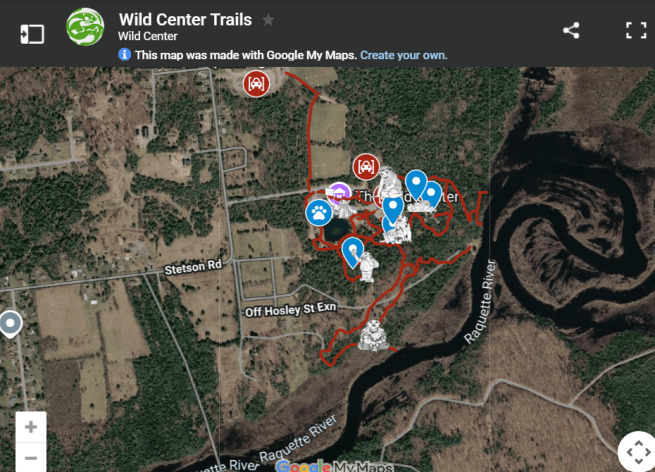
The center mixes up the indoors and outdoors and sits on a 115-acre campus; it has five primary indoor exhibit areas (along with approximately fifty species of live animals) and outdoor exhibits that take visitors into the various ecosystems that surround the center. There are canoe trips available on the river that runs through its campus, and daily guided trail walks are also offered (which are done with complimentary snowshoes in the winter).
Site of the Future Winter Olympics?? In June 2026, New York state Governor Kathy Hochul formed an exploratory committee to study a potential joint NYC/Lake Placid bid for the 2042 Winter Olympics which will spend one year evaluating the logistical, environmental, and financial feasibility of a dual-city hosting model before presenting its recommendations. The proposed model draws inspiration from the multi-site layout demonstrated during the Milan-Cortina Winter Olympics, and current concepts propose hosting outdoor snow and sliding disciplines (like bobsleigh, luge, and skeleton) in Lake Placid’s existing venues, while NYC’s high-capacity arenas like Madison Square Garden and Barclays Center would support indoor ice events. Because the 2034 games are awarded to Salt Lake City and Switzerland is the preferred bidder for 2038, 2042 is the first available opportunity for NYC to pursue a formal bid.
Interesting Facts about Lake Placid: (1) the term ‘vacation’ was coined there in the 19th century when NYC’s elite started ‘vacating’ the city in search for the cool northern woods and fresh air of the Adirondacks each summer, and ever since then Americans have ‘gone on vacation.’
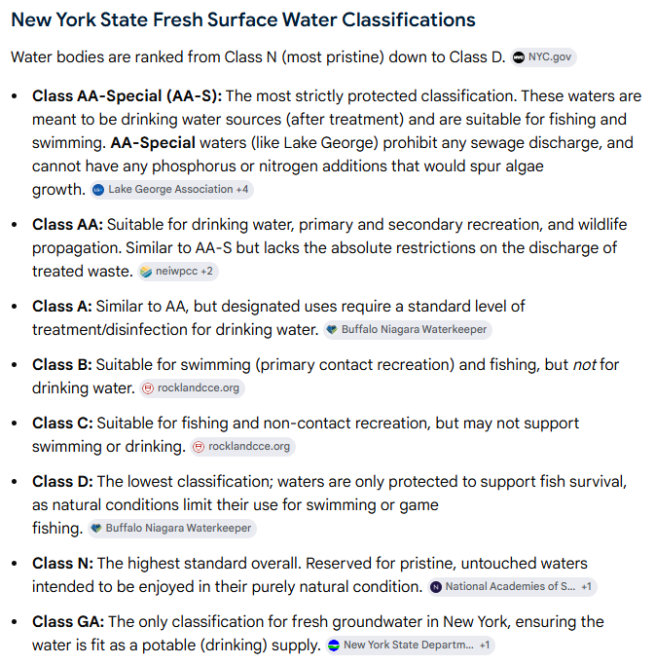
(2) Lake Placid is one of the purest lakes on earth: only 2.5% of the water on earth is fresh water, and of that only 1% is suitable for drinking. Lake Placid is included in that 1% and is classified as AA-Special, the highest rating for water quality.
Some interesting facts about The Adirondack Mountains: they’re so big you could fit Glacier, Yosemite, Great Smoky Mountains, Yellowstone, and Grand Canyon National Parks inside of it. They span an incredible 6.1 million acres and cover almost 20% of New York state, and they are the largest protected natural area in the lower 48 states: more than 2.5 million acres of its mountains, streams, and woods are protected under the Forever Wild status, which was established in 1892 and added to the New York State Constitution in 1894. It prohibits the removal, sale, or destruction of timber and ensures that the forests cannot be developed, logged, or used for commercial purposes and guarantees that they remain as wild forest lands forever.
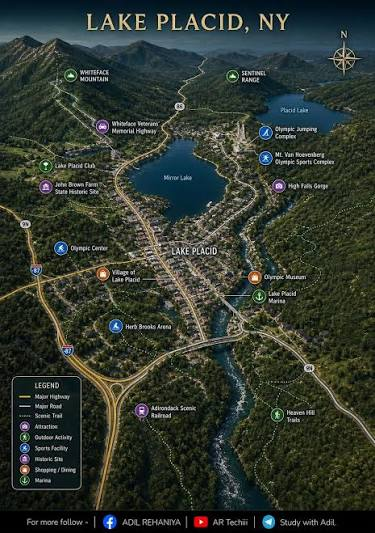
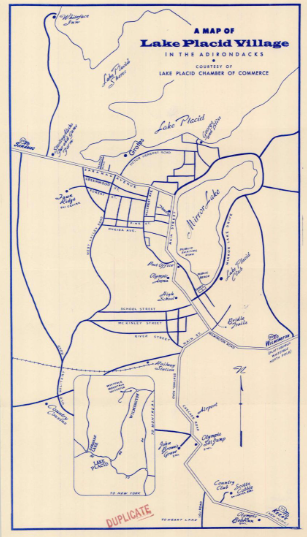
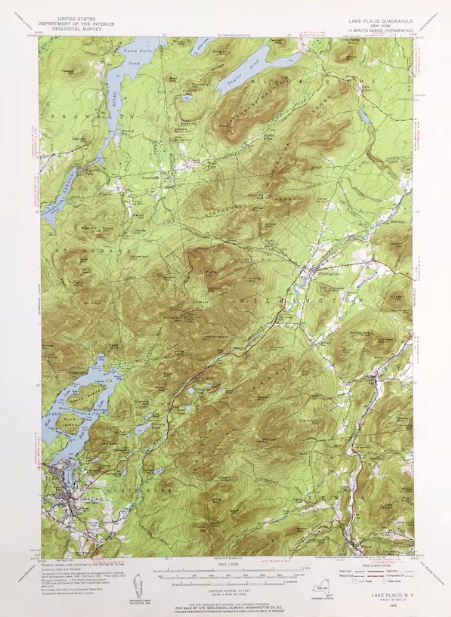
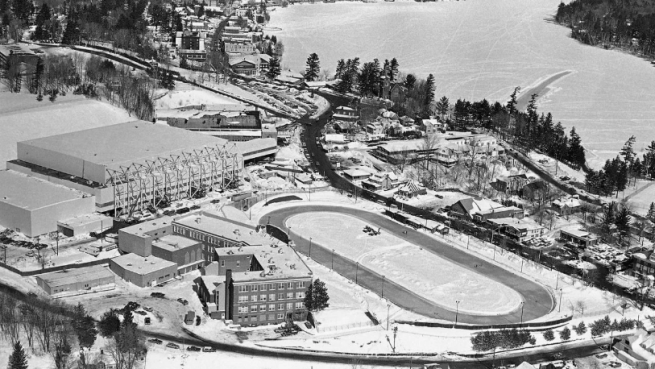
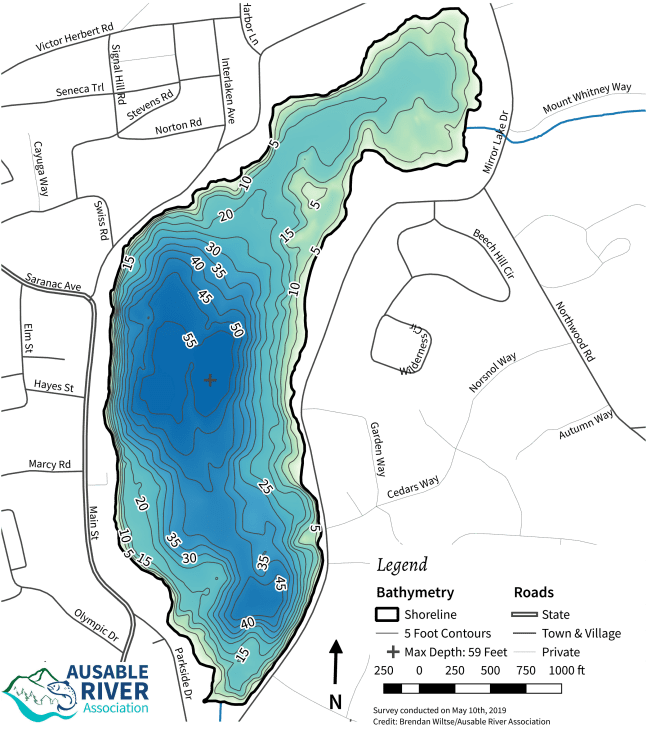
A map of the Village of Lake Placid in the Adirondacks.Some laws and rules surrounding Lake Placid. A map of the major roadways in Lake Placid along with its major landmarks.A map of Lake Placid courtesy of the local Chamber of Commerce.A 1953 US Geological Survey Map of Lake Placid.Lake Placid in 1979. Photo: AP Archives/ADKtaste.comNew York’s Fresh Surface Water Classifications, courtesy of Google.A guide to decipher the Köppen classification system, courtesy of Valerya Milovanova.A graph showing plant hardiness zones.
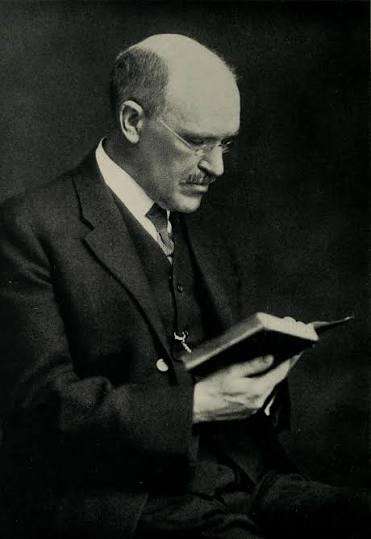
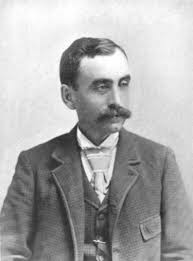
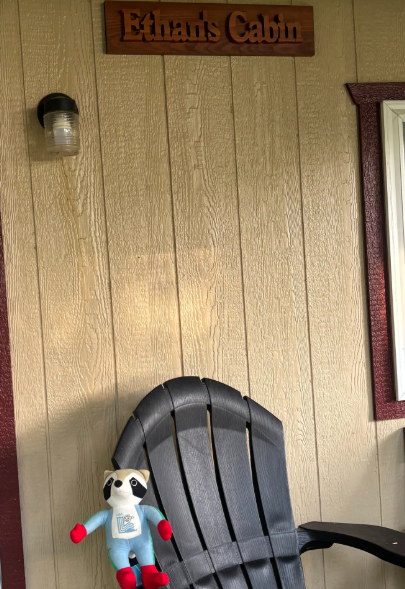
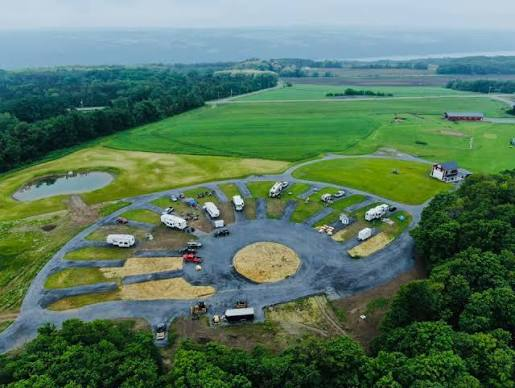
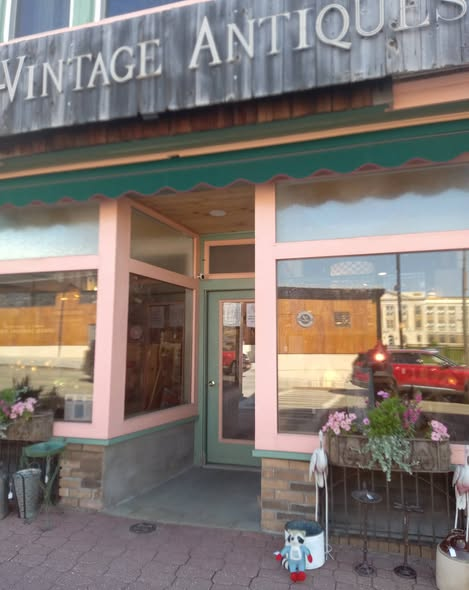
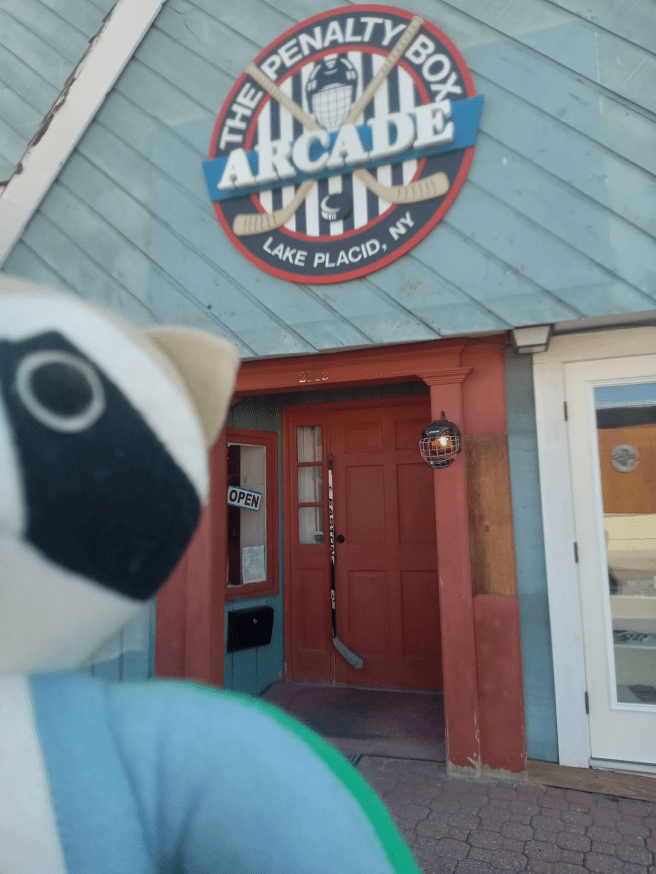
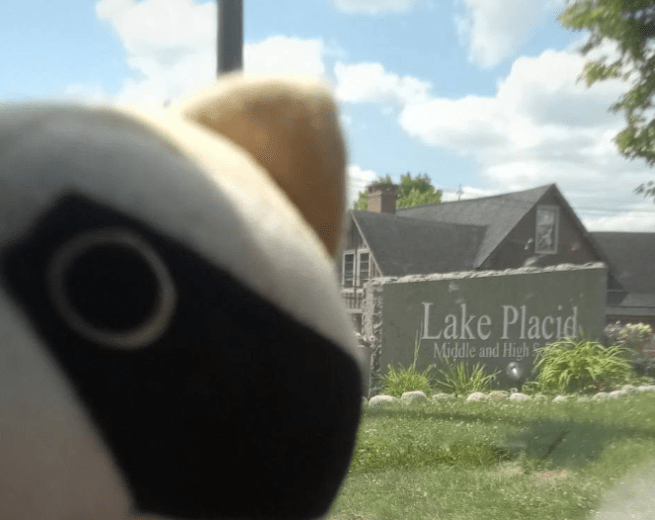
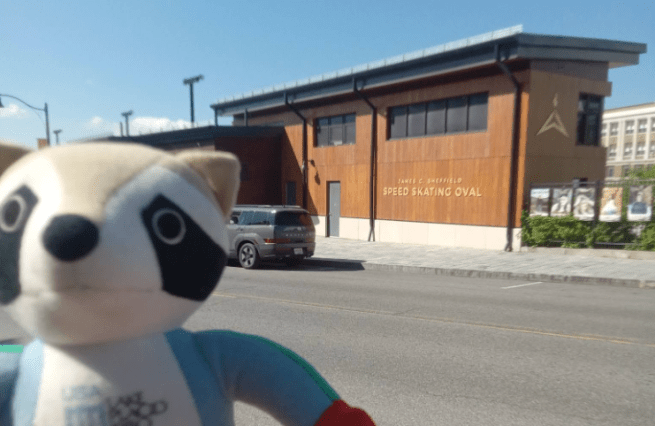
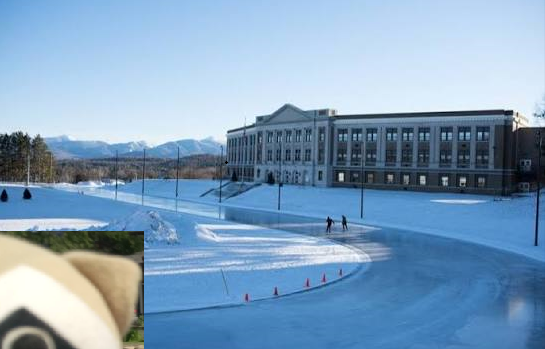
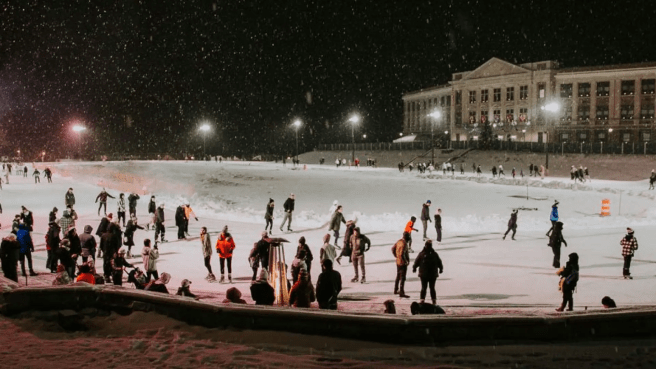
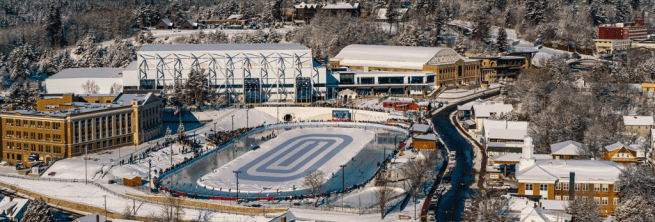
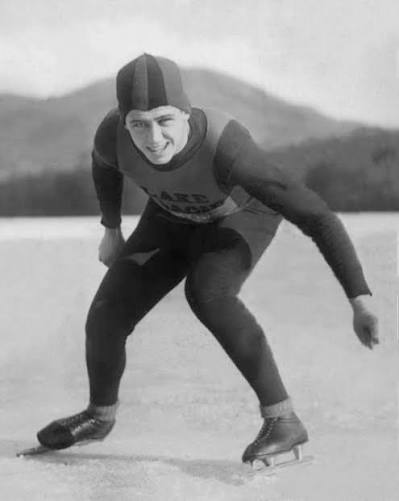
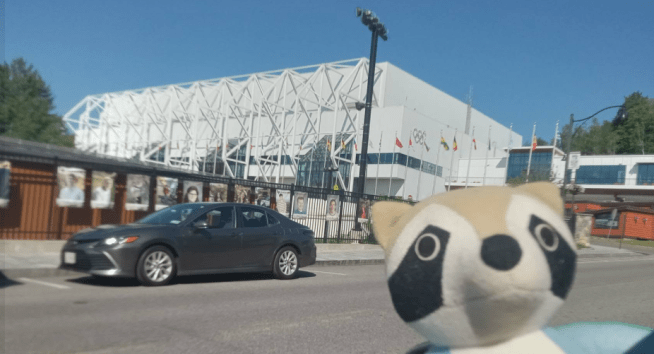
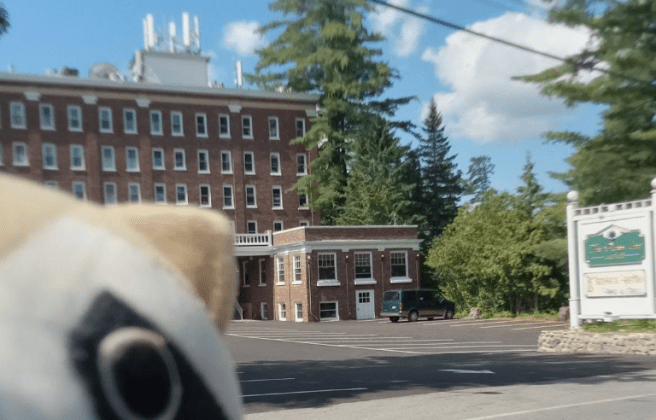
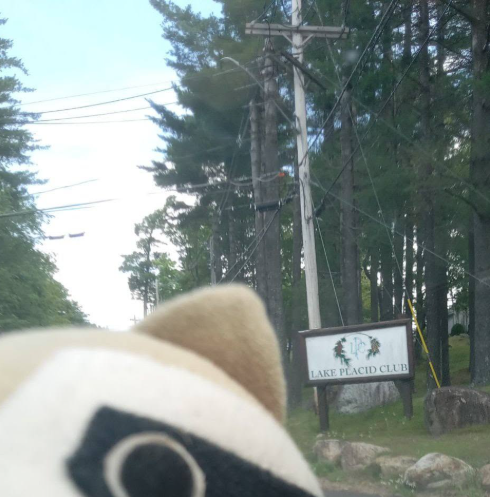
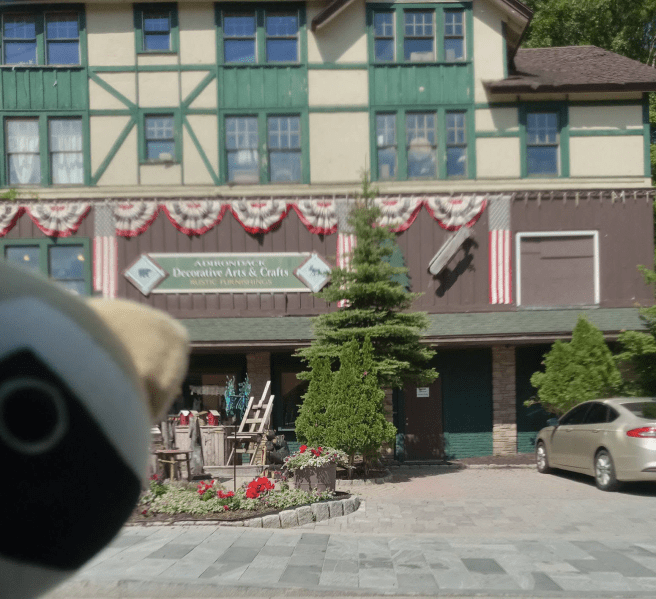
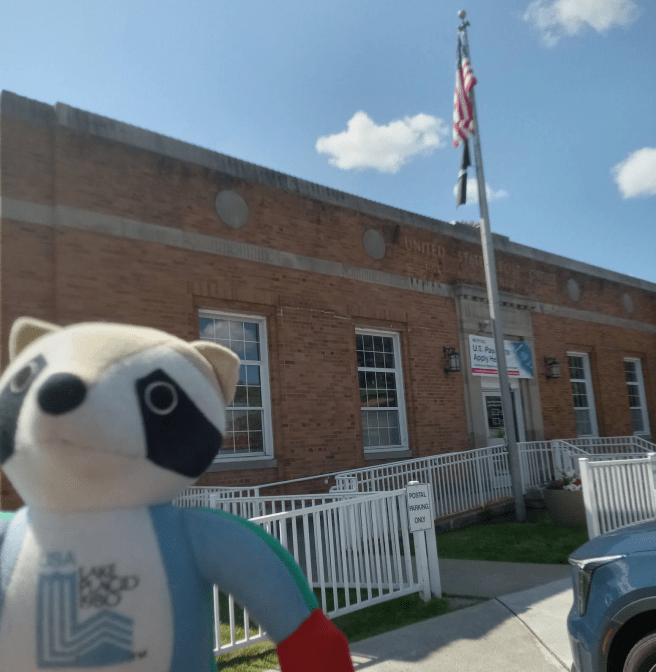
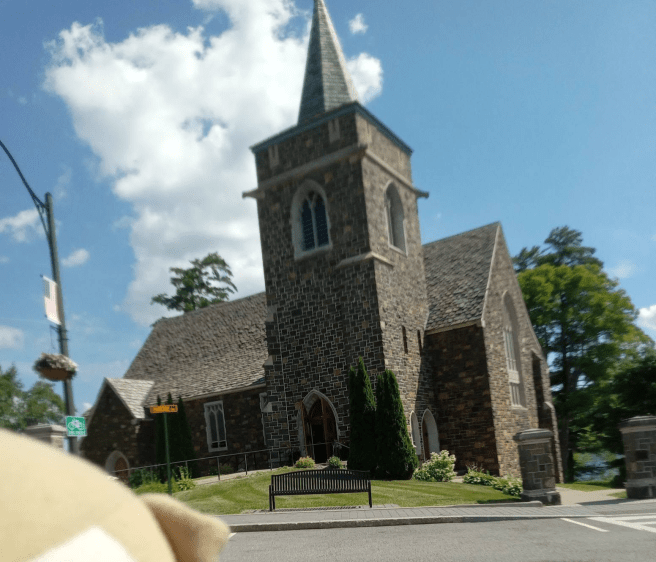
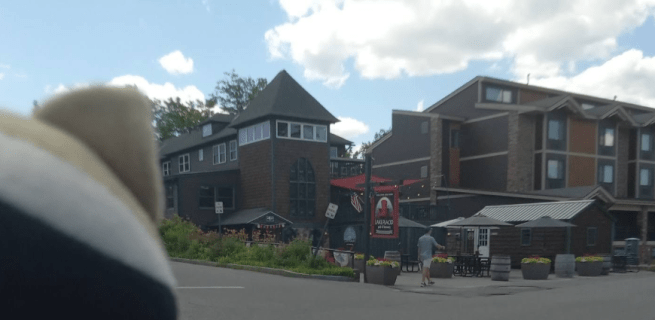
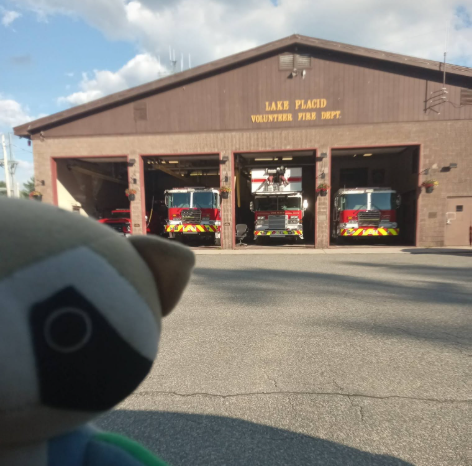
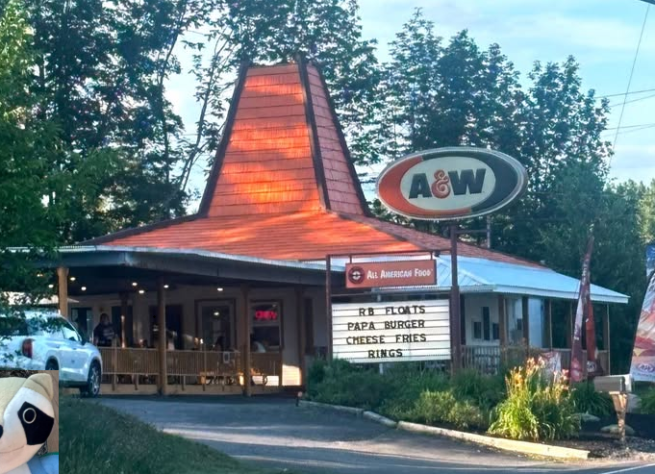
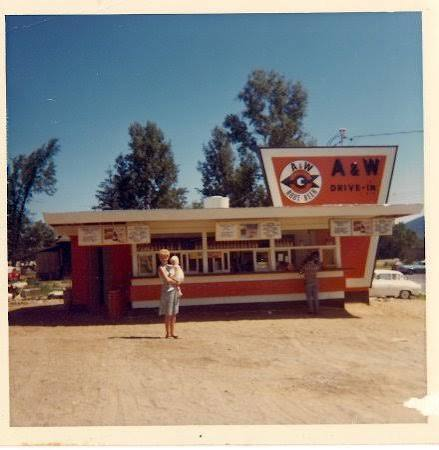
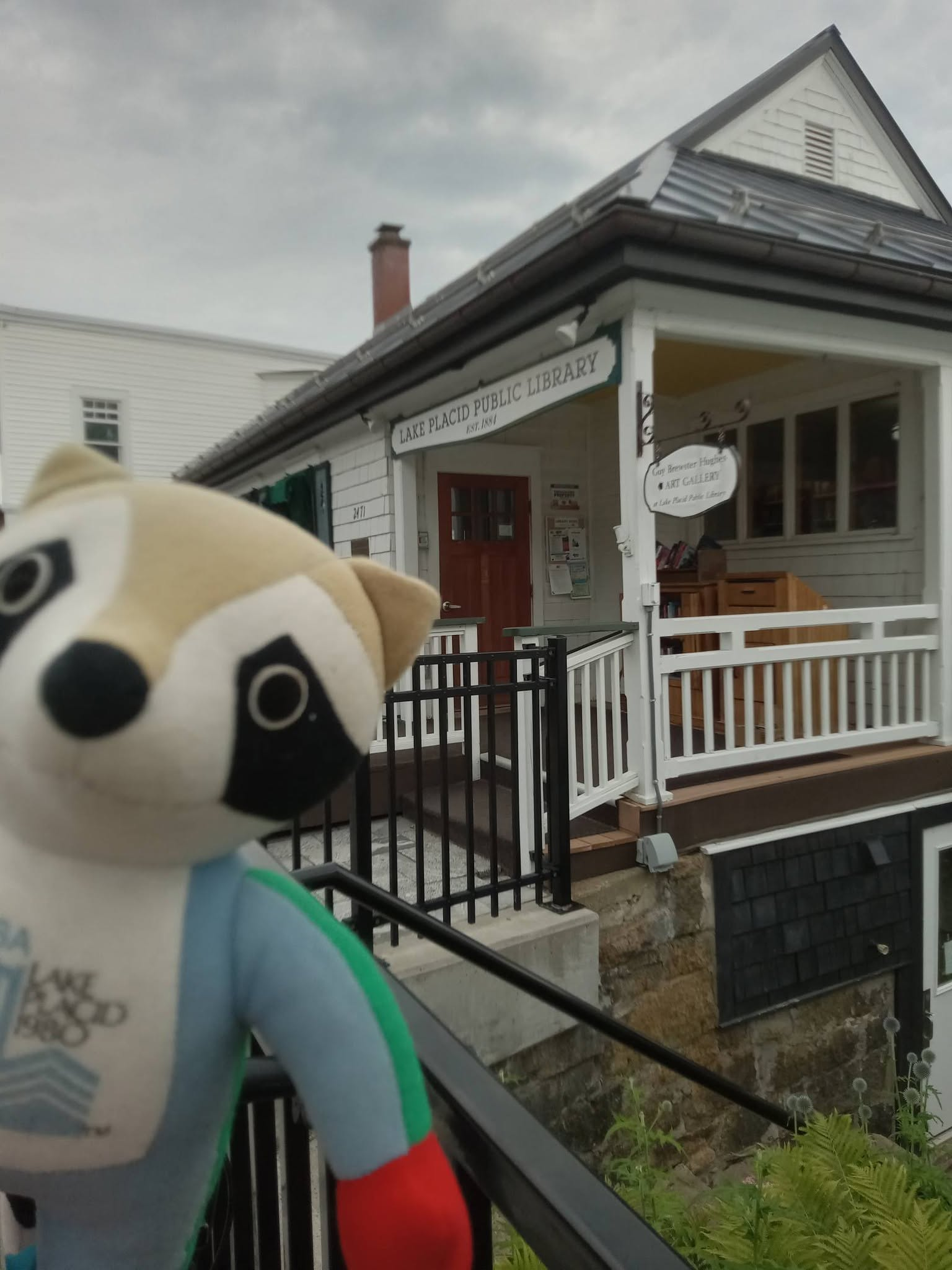
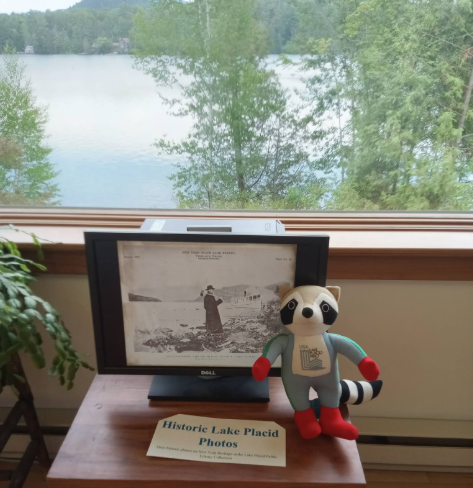
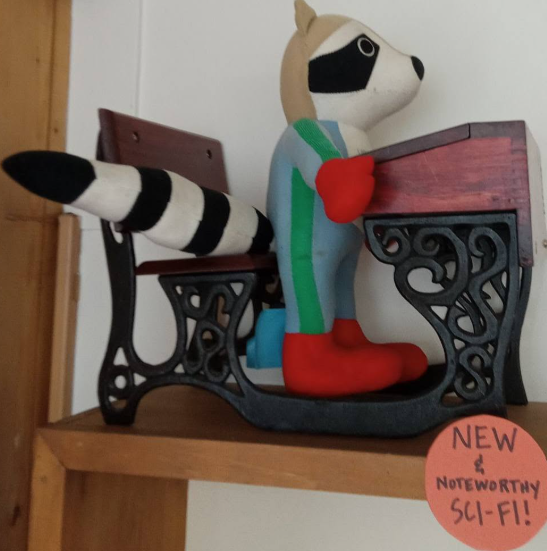
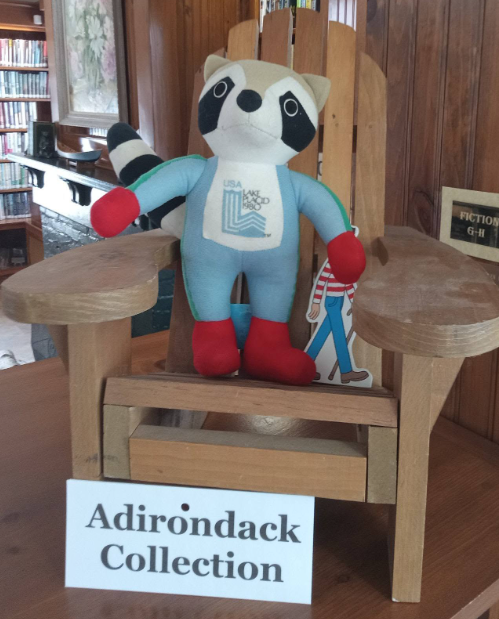
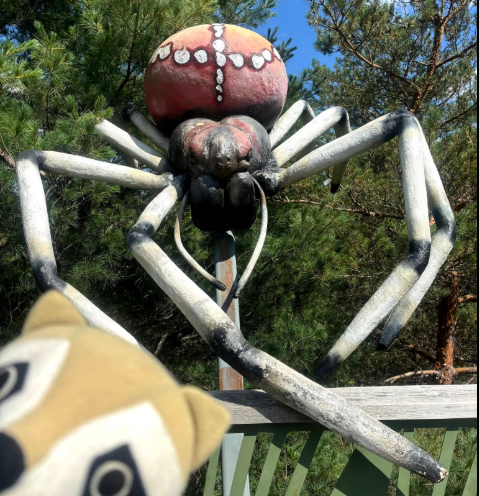
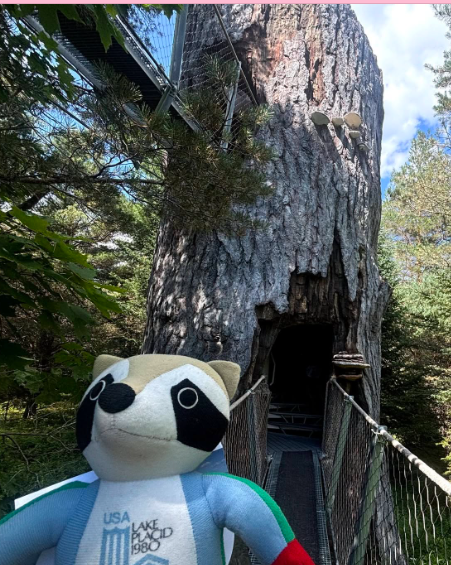
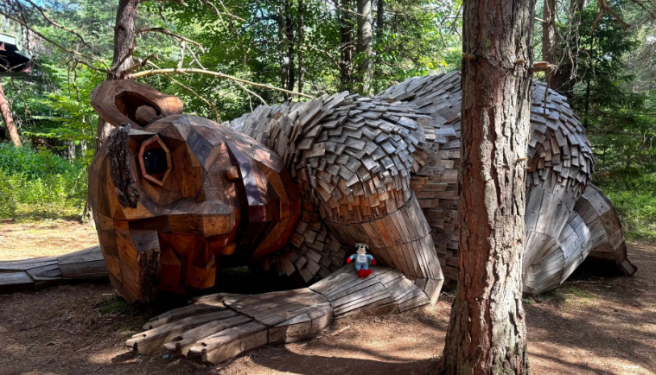
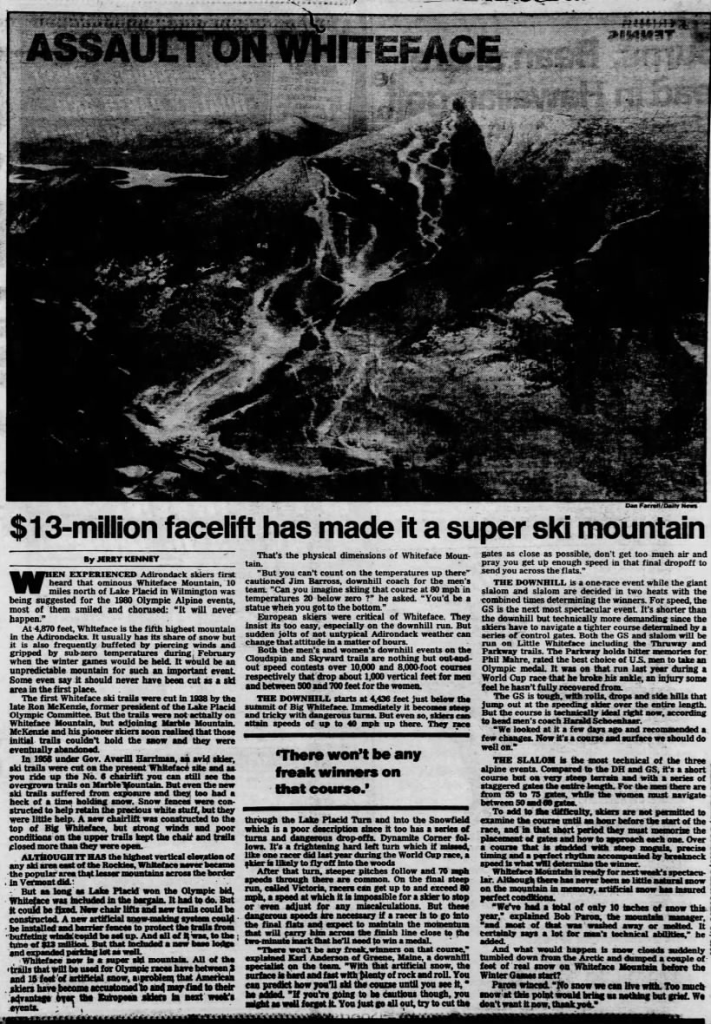
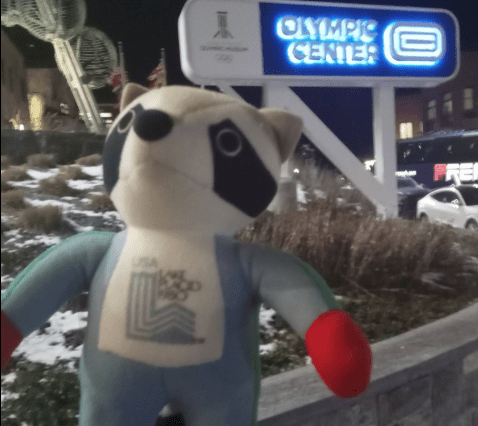
A picture of philanthropist Gerrit Smith., who was one of 19th-century America’s most prominent social reformers, abolitionists, and philanthropists; at one point was considered to be the wealthiest landowner in New York state. He died on December 28, 1874 while visiting relatives in New York City.A picture of John Brown, who spent much of his adult life moving across Ohio, Pennsylvania, Massachusetts, and New York; he attempted numerous vocations during his lifetime, and over the years found work as a tanner, sheep drover, cattle trader, surveyor, and land speculator; unfortunately, he was plagued by poor economic conditions and questionable business decisions and suffered at least fifteen failed business endeavors and was the target of dozens of lawsuits. Melville Louis Kossuth ‘Melvil’ Dewey, an American librarian and educator who collected many accolades over the years: he created the Dewey Decimal system of library classification, was a founder of the Lake Placid Club, was a chief librarian at Columbia College, was a founder of what would later become the Columbia University School of Library Service and was a founding member of the American Library Association. Although his contributions to the modern library are widely recognized, his legacy is marred by his sexual harassment of female colleagues, as well as his racism and antisemitism; he died on December 26, 1931.Some information about Florida’s Lake Placid. George White. When he first settled in the area in 1875 he lived in the only house standing, and during this time the town of Newman was separate from Lake Placid. The 1980 USA men’s hockey team. An advertisement for a book about the ‘Miracle on Ice’ hockey game that was published in The Buffalo News on March 16, 1980.Roni at ‘Marion’s cabin’ at the Happy Pastures Campground (which is located located between Skaneateles and Otisco Lakes in the town of Spafford), which is where we stayed the first night of our journey (it worked out that on Friday I took a half day at work and my husband’s soccer game was cancelled so we decided to roll with it and book a place somewhere mid-way). It was a pretty bare bones and didn’t even have a bathroom (I’m willing to take a walk to pee, because I’m cheap), but it did have a fire pit, a picnic table, and rustic surroundings.The logo for Happy Pastures Campground.An aerial shot of Happy Pastures Campground, located between Skaneateles and Otisco Lakes in the town of Spafford.The iconic ‘Entering Adirondack Park’ sign is a beloved landmark for travelers arriving in Upstate New York. Shaped like the unique, jagged outline of the Adirondack Blue Line border, the traditional sign features a rustic wooden backing with distinct yellow or gold lettering. They are managed by the New York State Department of Environmental Conservation and mark the boundaries of the 6-million-acre park. Photo courtesy of John Ziolkowski.Roni in front of the iconic wooden welcome sign for the village of Lake Placid, which acknowledges its famous history as the site of the 1932 and 1980 Olympic Winter Games. Roni at Origins Coffee Company, which is a popular, women-owned specialty shop located in the heart of Lake Placid that is known for its cozy atmosphere complete with an indoor fireplace. It serves as a favorite local hub for specialty espresso drinks, fresh bakery items, and chef-driven breakfast/lunch options.A screen grab from the Origin’s Coffee website about the owners.Formerly known as ‘The Lake Placid Antique Center,’ Vintage Antiques opened in the early 1980’s and is located right in the heart of downtown Lake Placid across from the Olympic Oval; it features an extensive variety of antiques, 1932 and 1980 Olympic memorabilia, vintage ice skates, and custom stained-glass lamps.The Penalty Box Arcade in Lake Placid, which opened in March 2025. The shop has a deeply nostalgic historical concept that seamlessly blends the local heritage of hockey with a classic retro gaming experience; it was established by passionate local hockey players and fans who wanted to build an energetic, family-friendly space celebrating both the sport and retro gaming culture.Originally constructed in 1922 to accommodate a booming student population, Lake Placid Middle and High School was expanded in the mid-1930’s (with the assistance from the Federal Emergency Administration of Public Works). During the first Lake Placid Winter Olympics in 1932, the adjacent outdoor Speed Skating Oval (which was co-owned by the school district) served as the venue where local legend Jack Shea won two gold medals, and during the second Winter Olympics, the school was issued a temporary liquor license and served as a bar for visitors, standing out as the only high school in the US to ever hold one.The James C. Sheffield Speed Skating Oval in Lake Placid, which is a world-renowned outdoor sports facility that is deeply rooted in Olympic history and is celebrated as the venue where speed skater Eric Heiden won five individual gold medals during the 1980 Olympic Games. Located in the heart of Lake Placid village, it remains one of the last outdoor, refrigerated Olympic-sized speed skating ovals still operating in the US.The speed skating circle in front of Lake Placid Middle and High School, which adapts dynamically to the seasons: during the winter, it opens up for outdoor ice skating and continues to host long-track speed skating competitions and training sessions. In the summer months, the ice is cleared so visitors can enjoy outdoor inline skating. Skate rentals (for both ice and inline skating) are available directly at the oval. Photo courtesy of lakeplacid.com.Skaters enjoying The James C. Sheffield Speed Skating Oval in Lake Placid, located in front of the local Middle and High School. Photo courtesy of lakeplacid.com.An aerial shot of the village of Lake Placid. Photo courtesy of ADKplace.comJohn Amos Shea (aka ‘The Chief’) was a double-gold medalist in speed skating at the 1932 Olympics and was the first American to win two gold medals at one Winter Olympics; Shea died on January 22, 2002. Roni standing outside of the Herb Brooks Arena at the Lake Placid Olympic Center, which is famous for hosting the 1980 ‘Miracle on Ice’ hockey game (at that time it was known as the Olympic Center Ice Rink). The venue was recently renovated and features three indoor ice rinks and the outdoor speed skating oval, and the museum inside (the Lake Placid Olympic Museum) showcases artifacts and mementos from the 1932 and 1980 Winter Olympic Games.
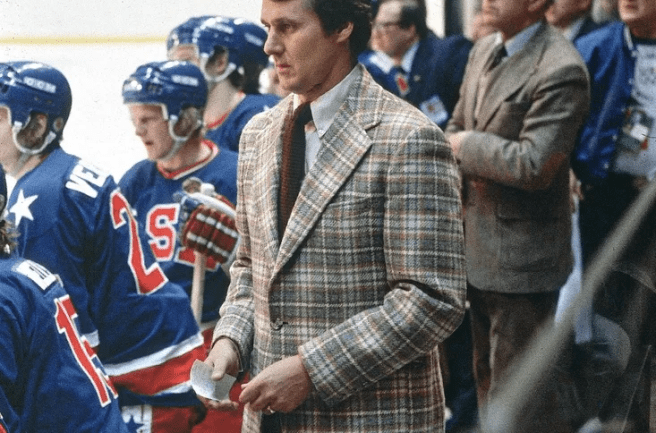
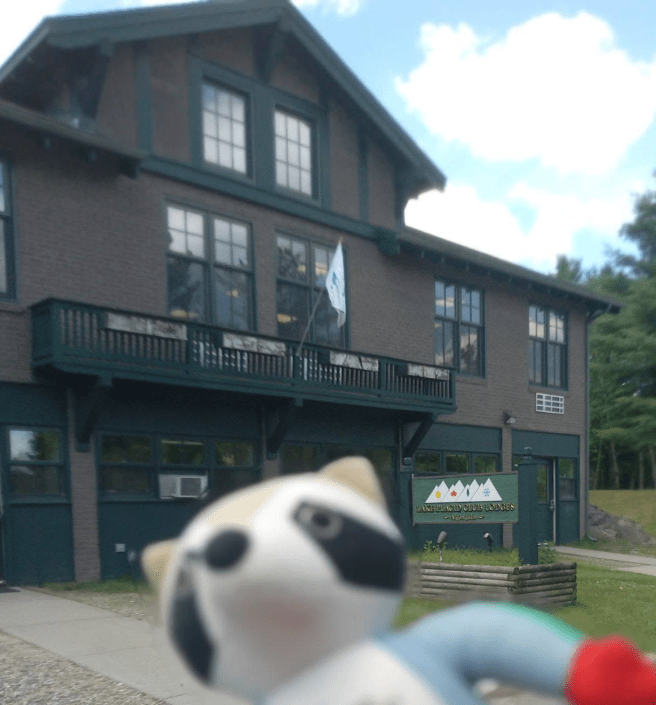
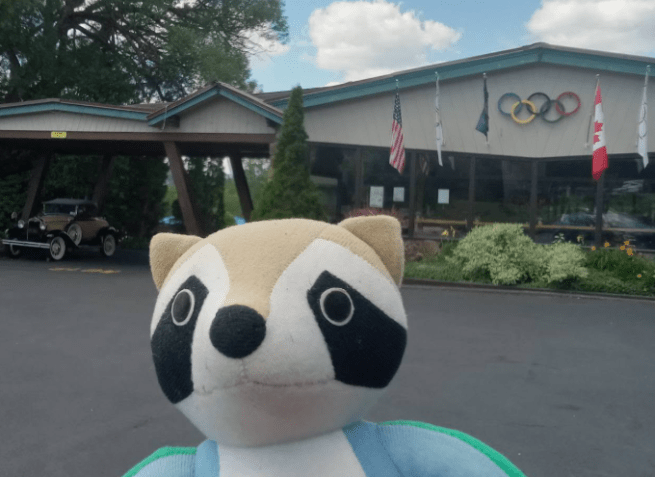
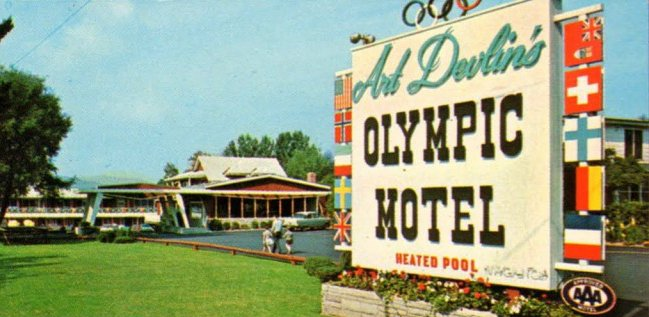
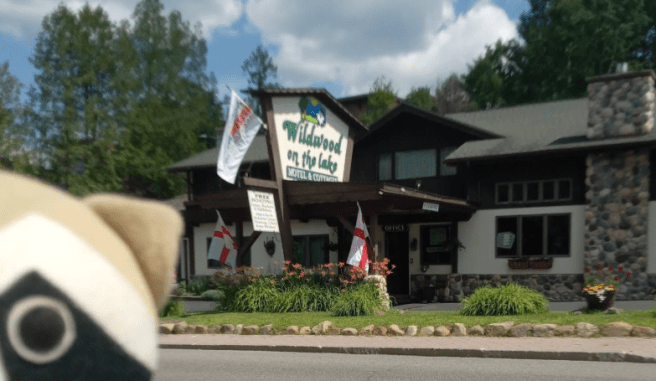
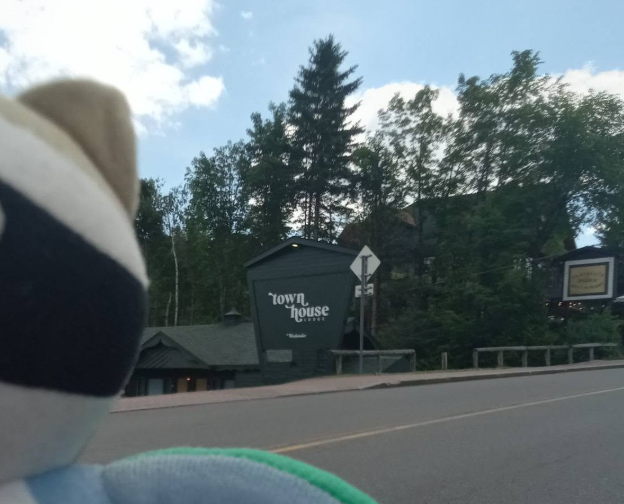
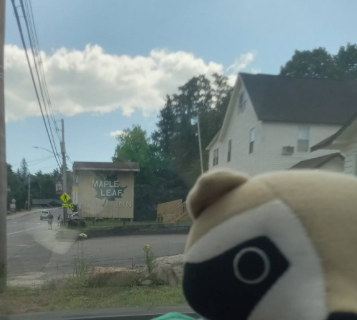
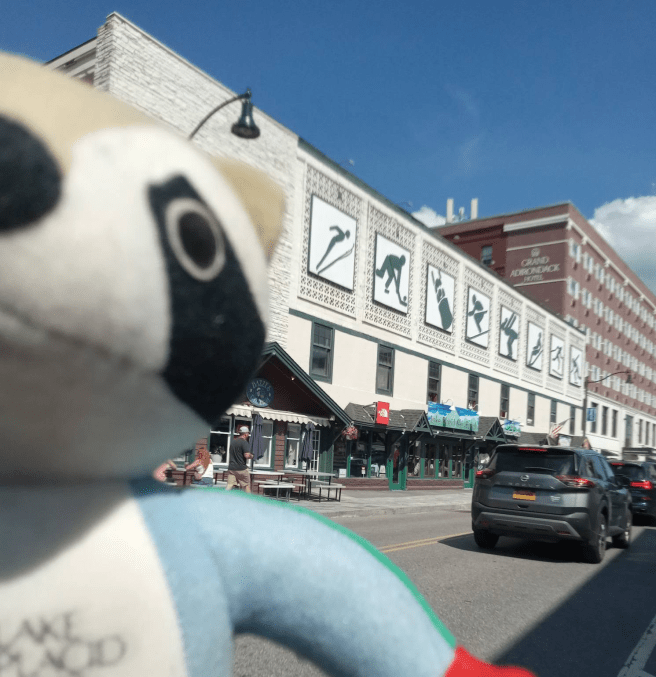
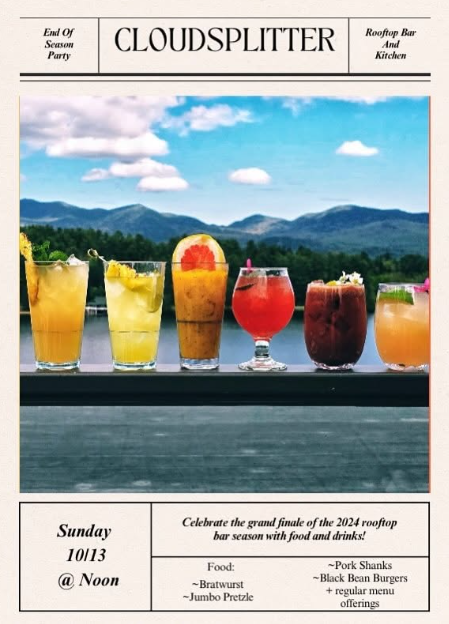
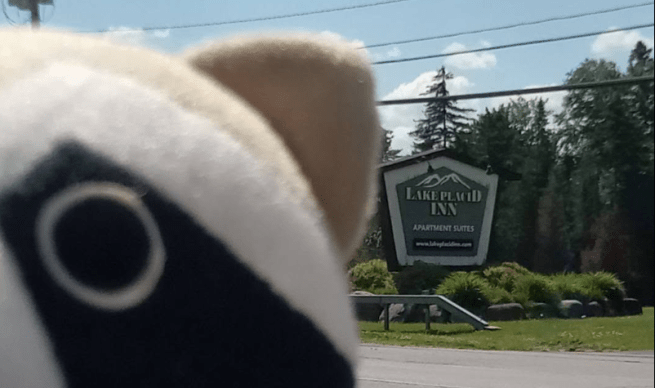
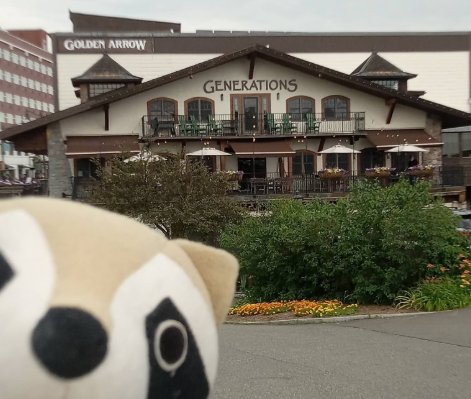
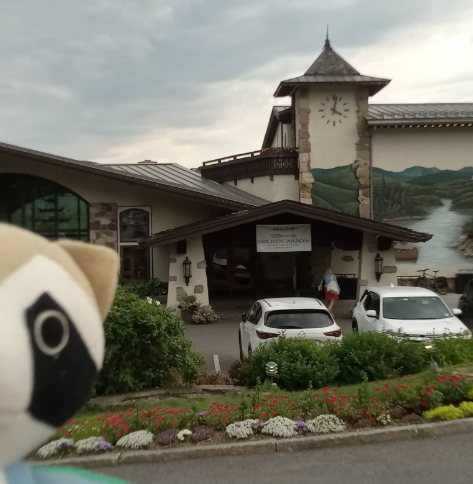
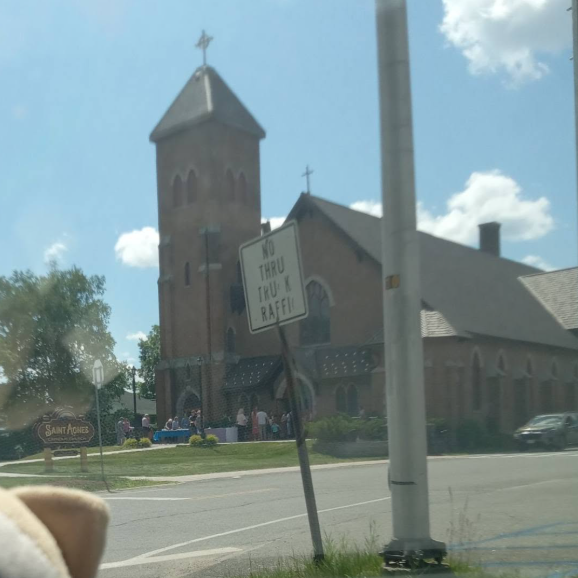
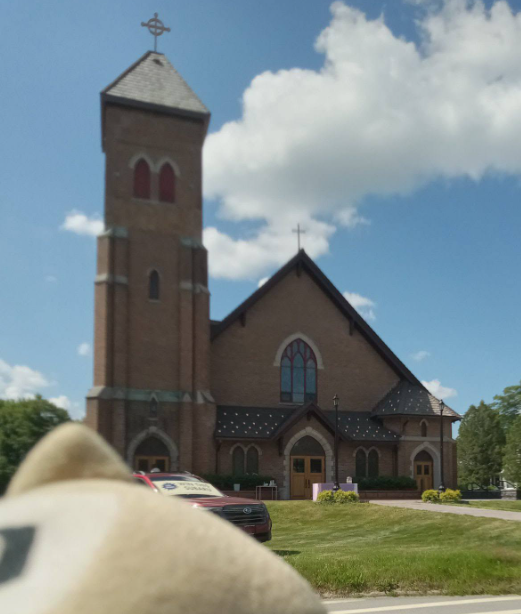
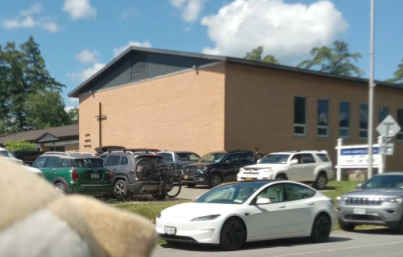
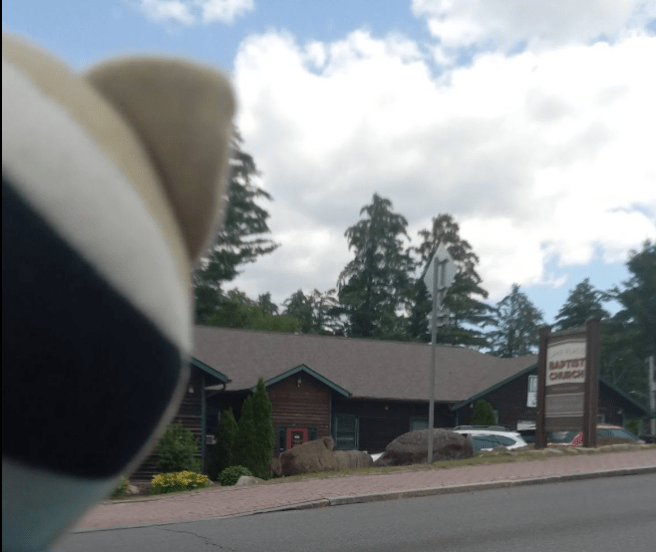
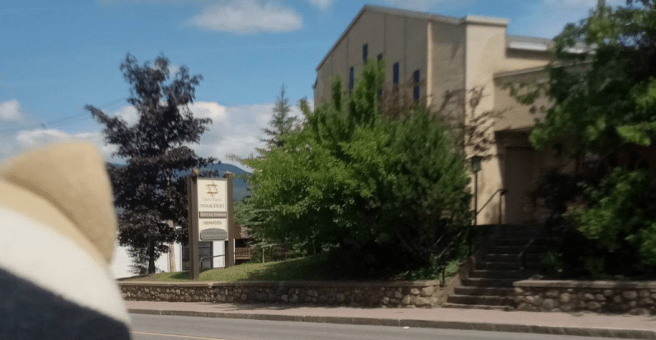
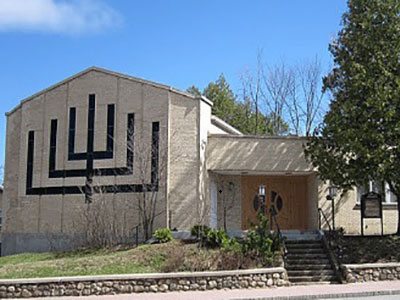
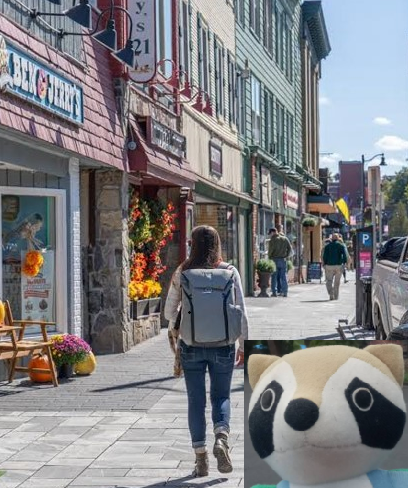
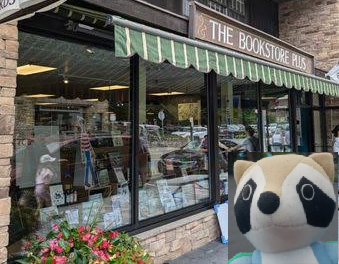
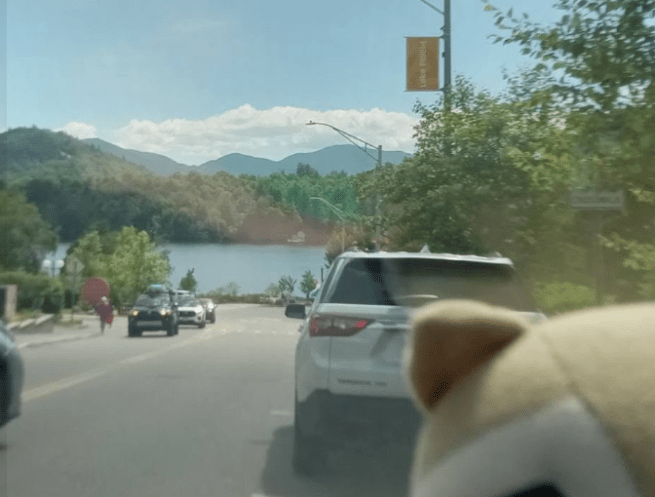
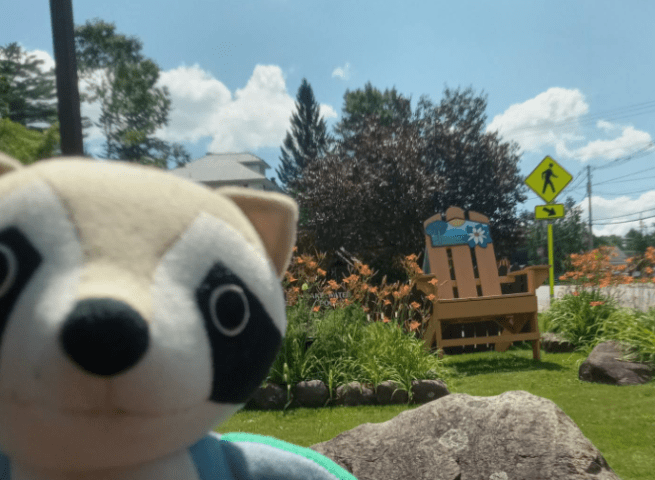
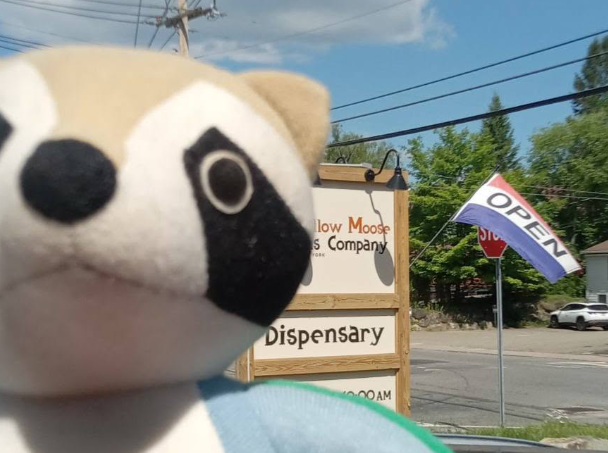
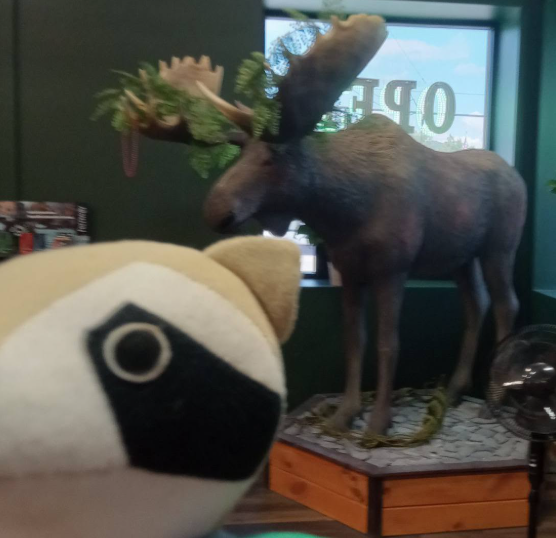
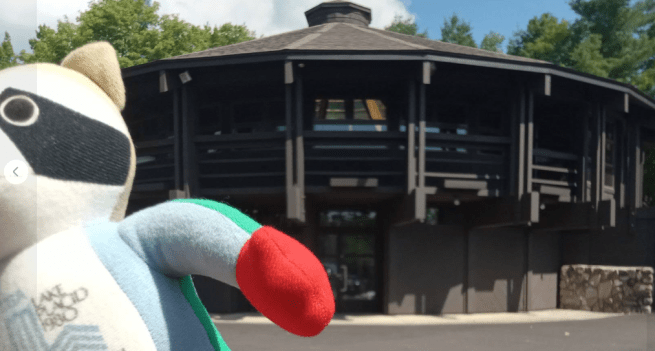
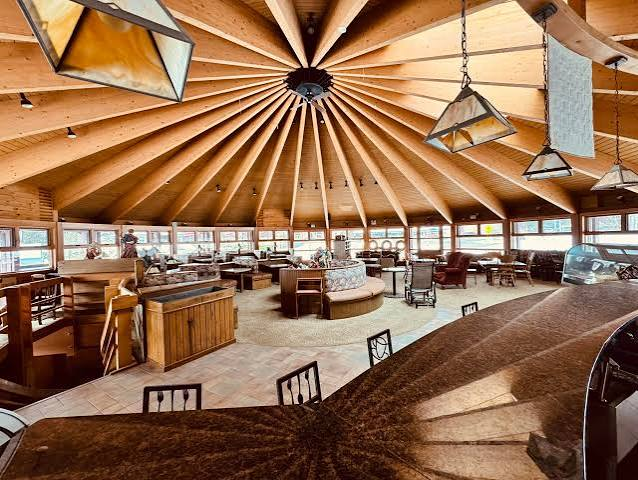
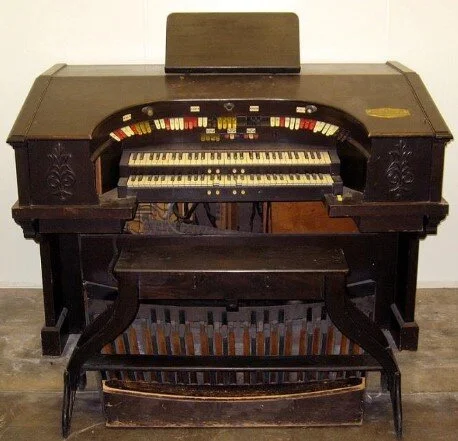
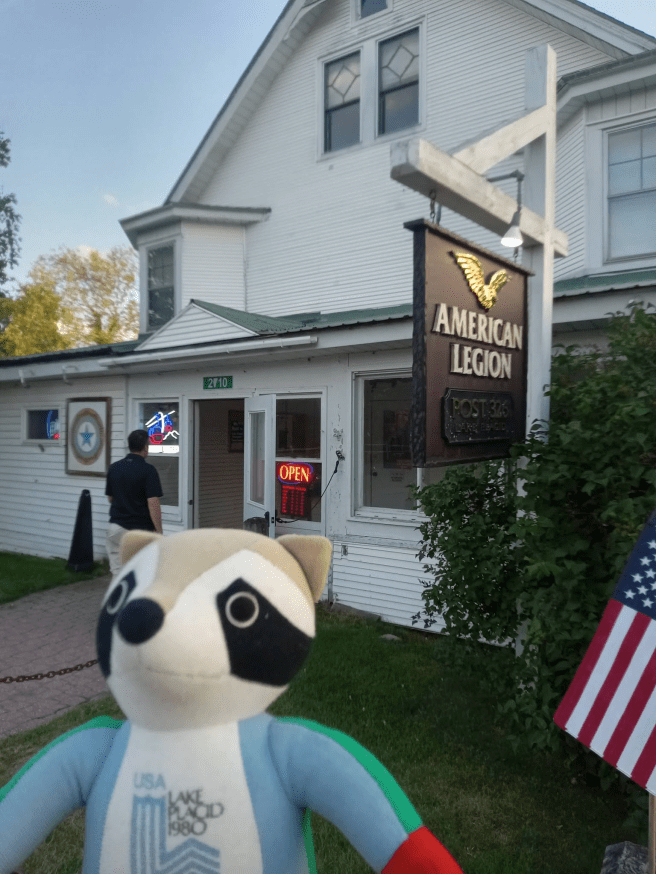
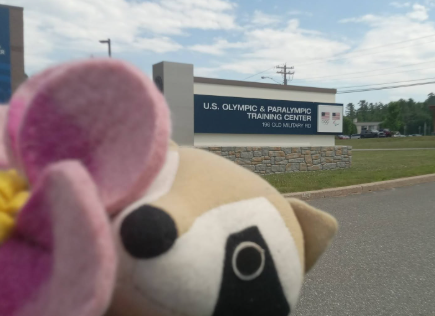
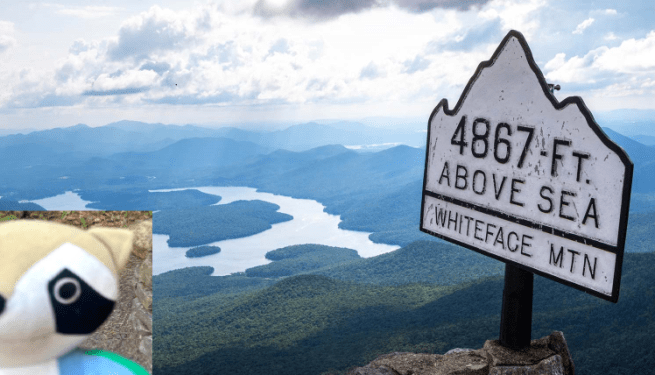
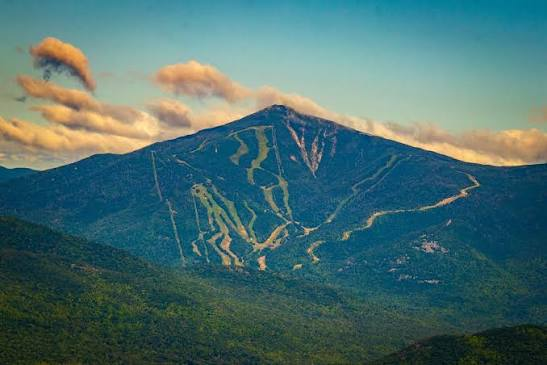
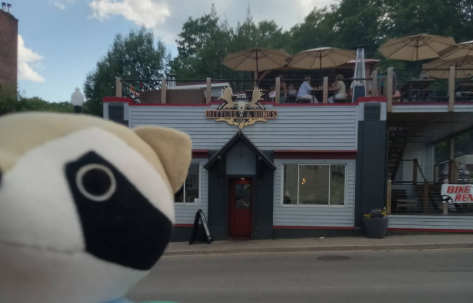
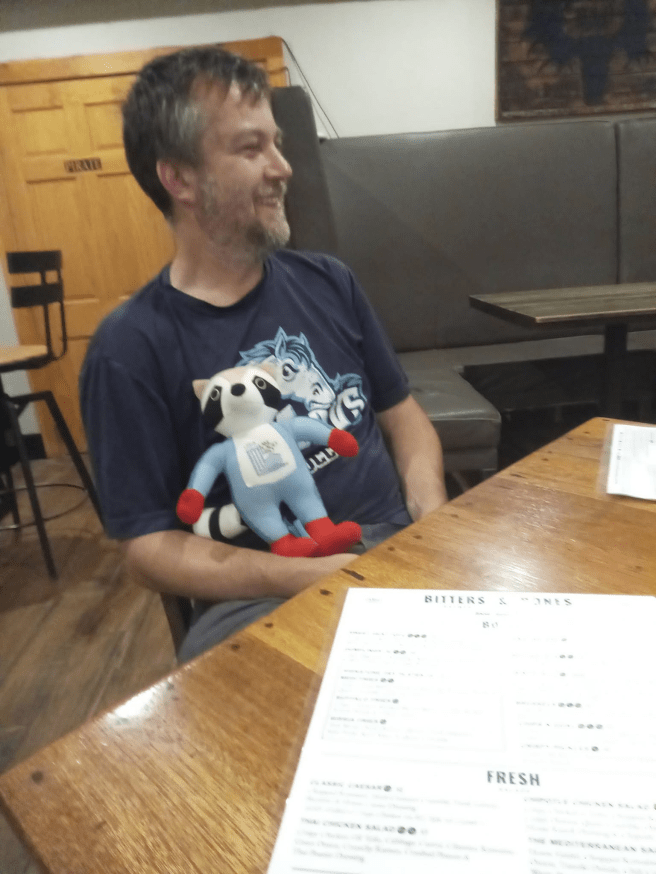
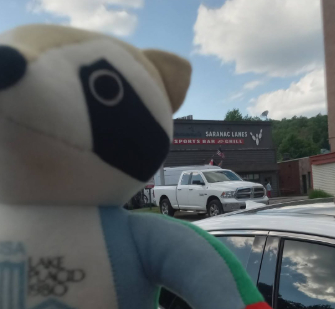
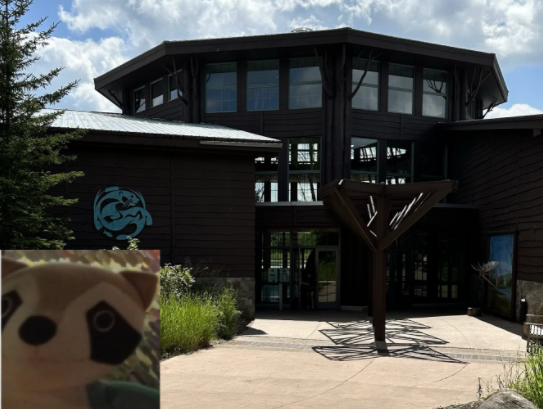
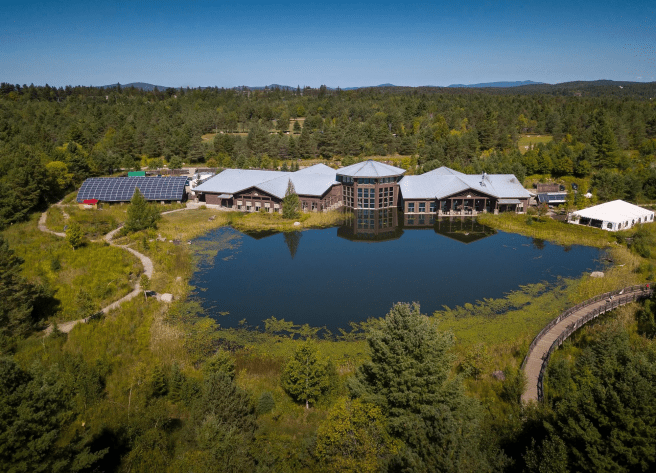
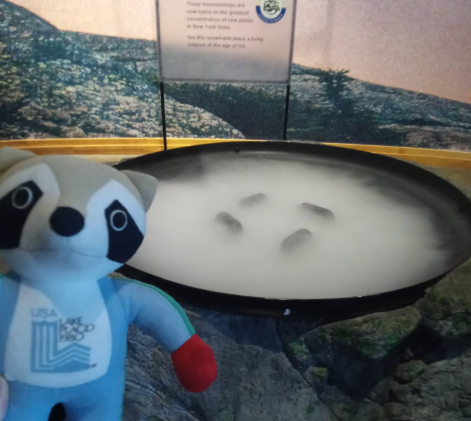
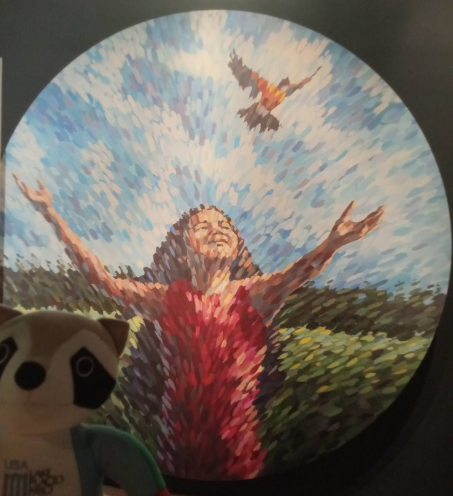
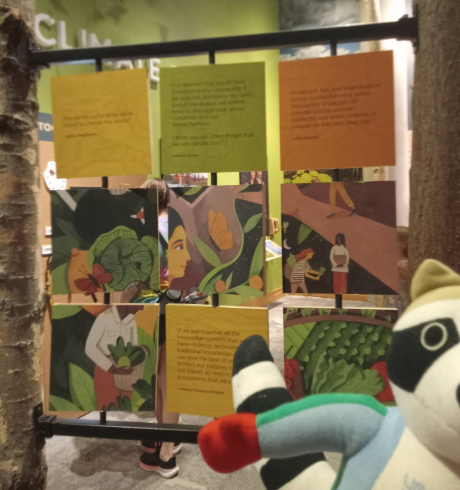
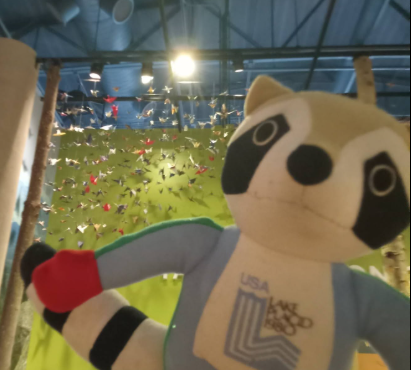
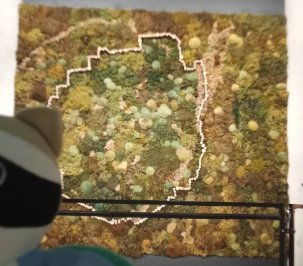
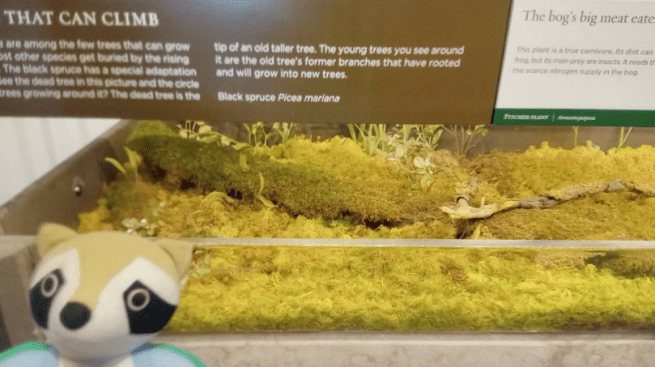
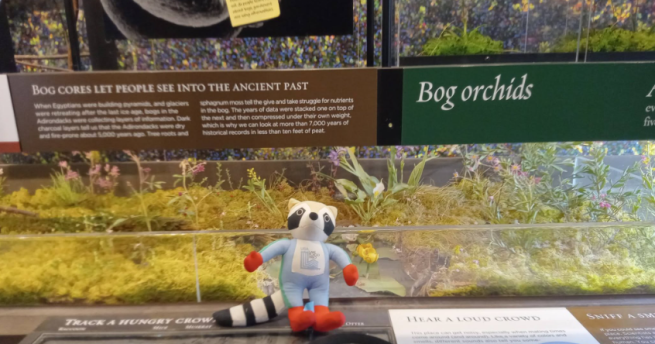
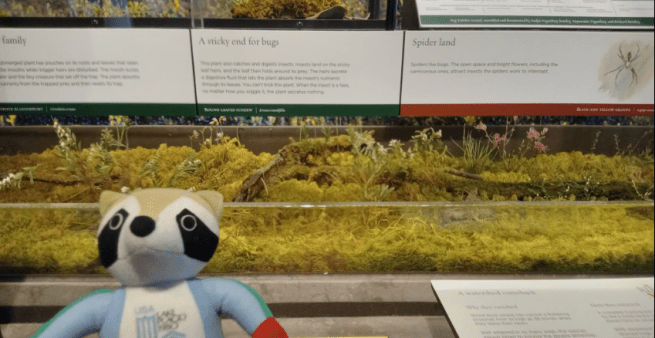
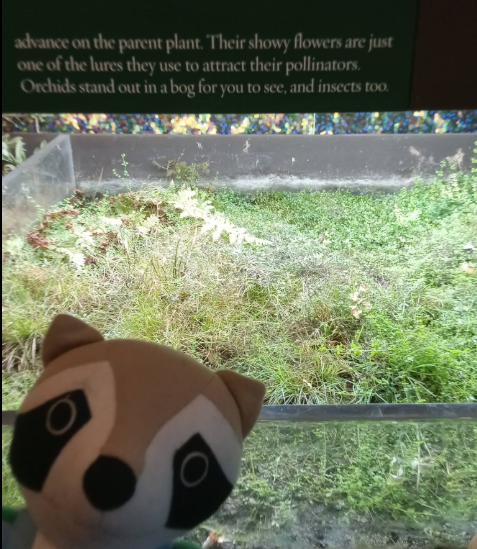
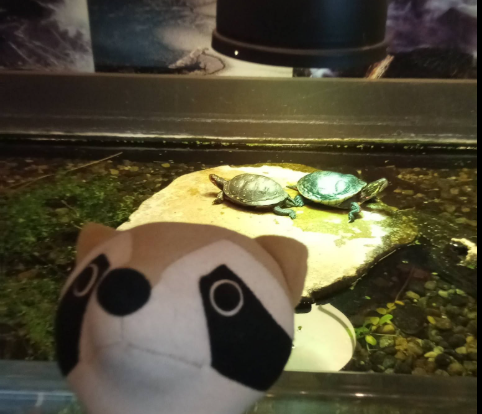
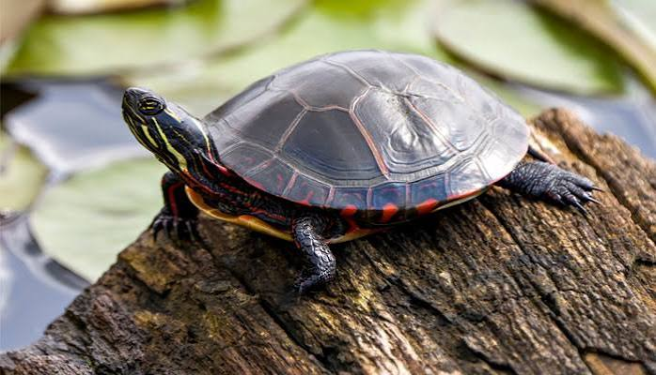
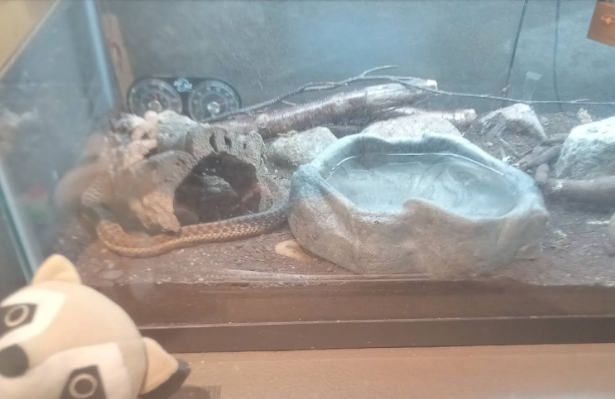
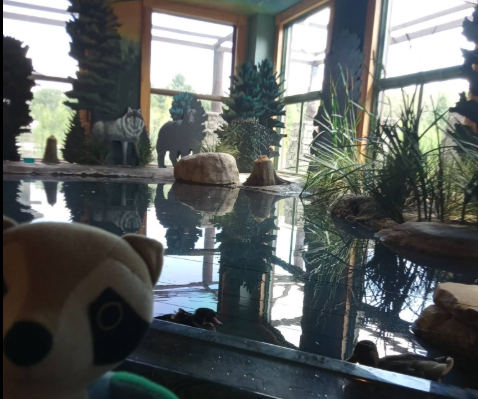
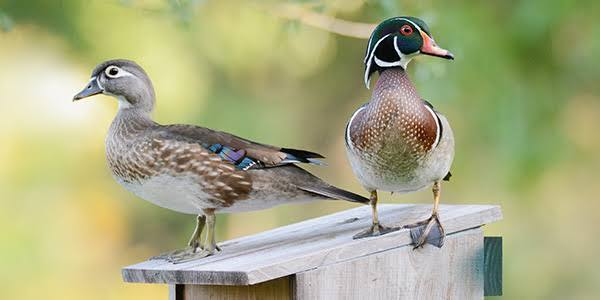
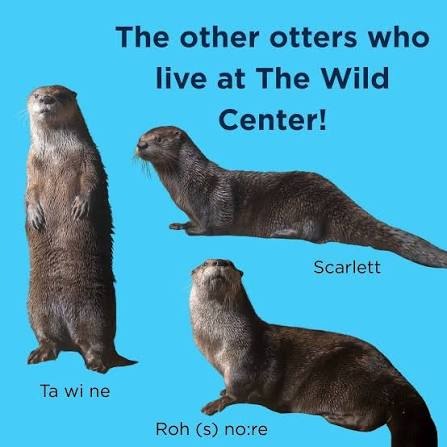
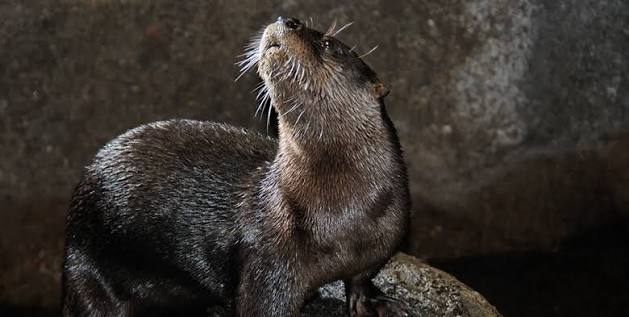
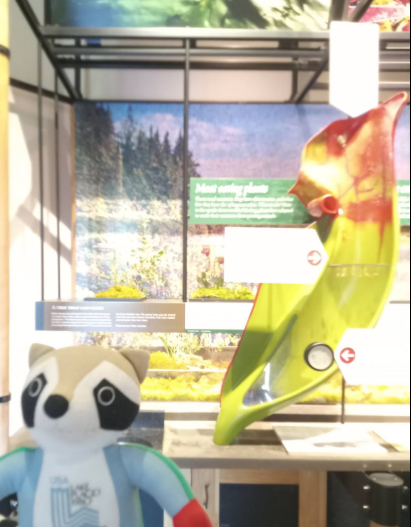
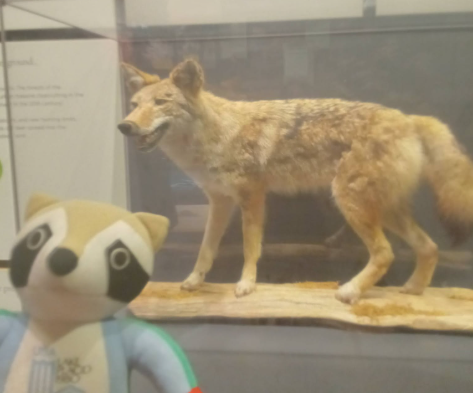
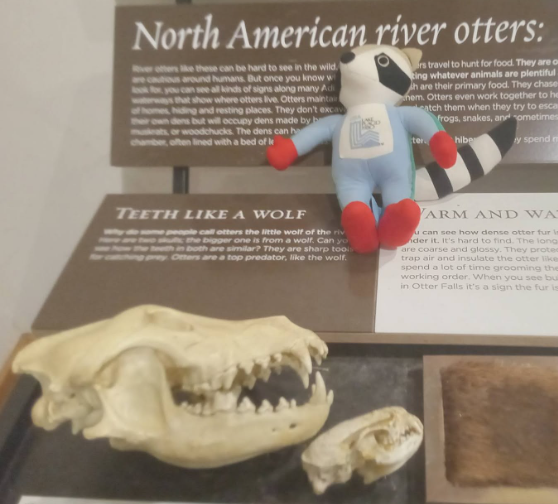
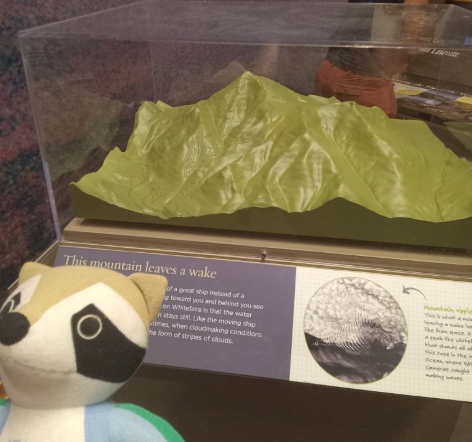
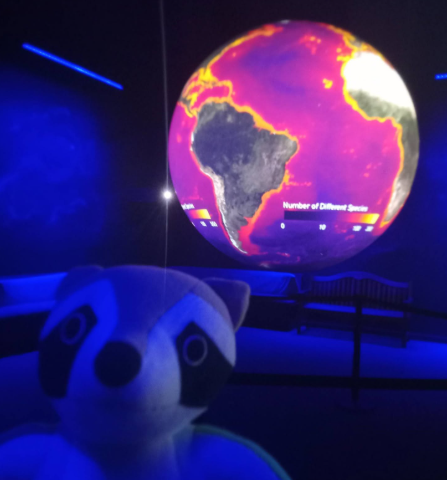
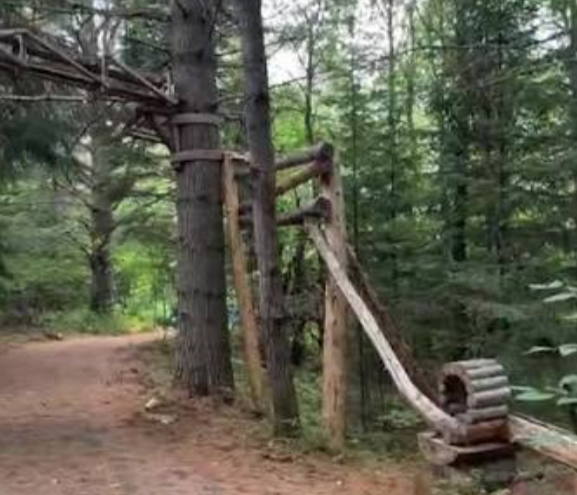
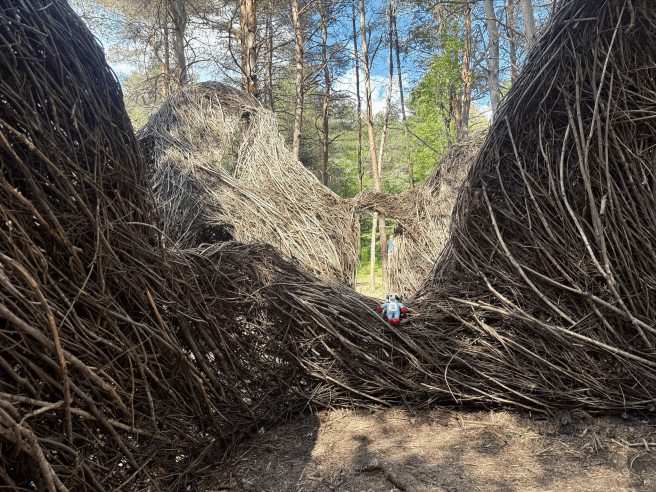
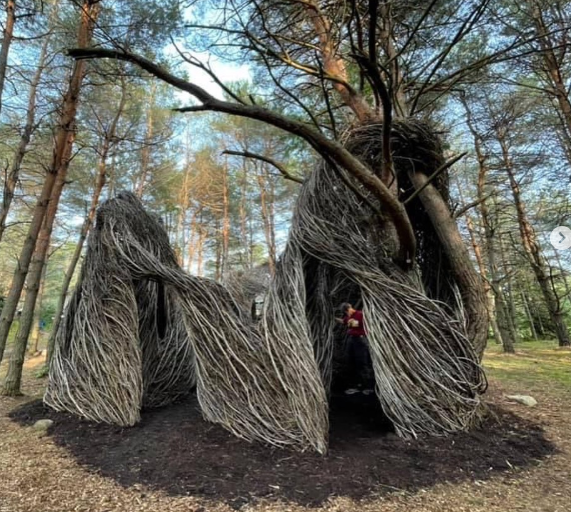
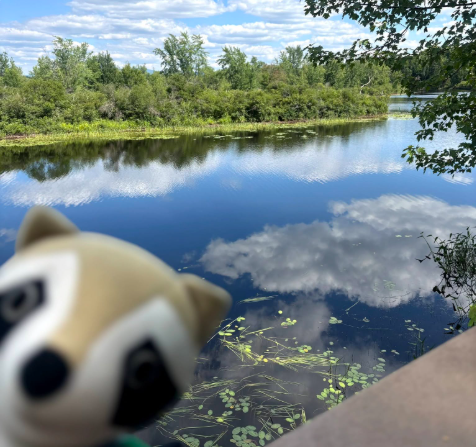
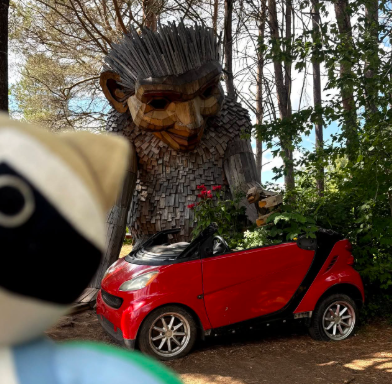
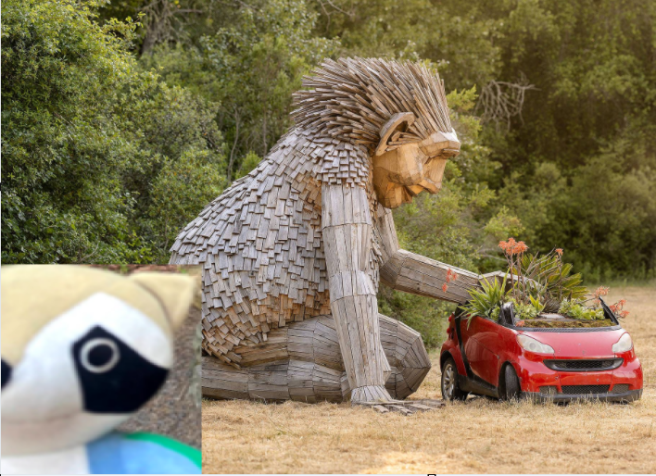
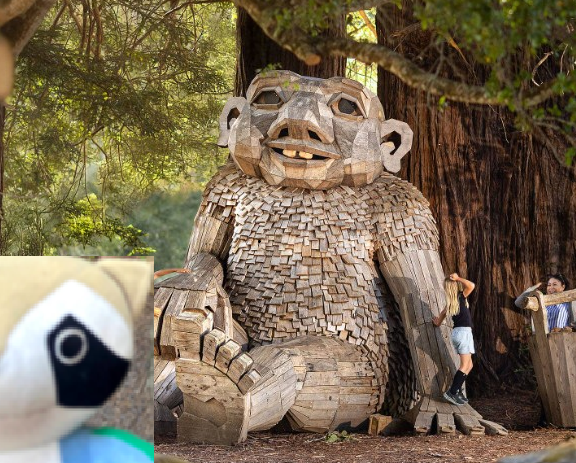
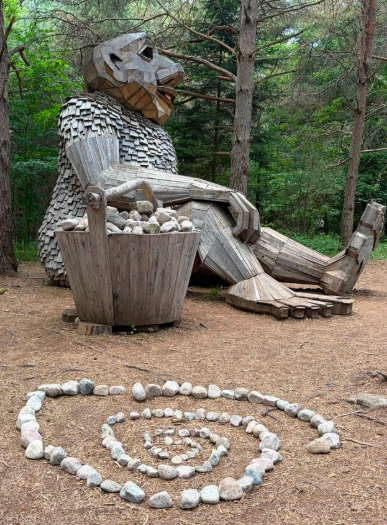
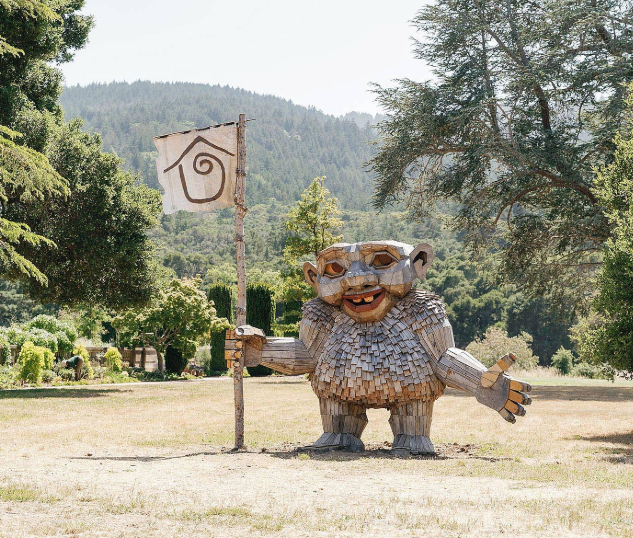
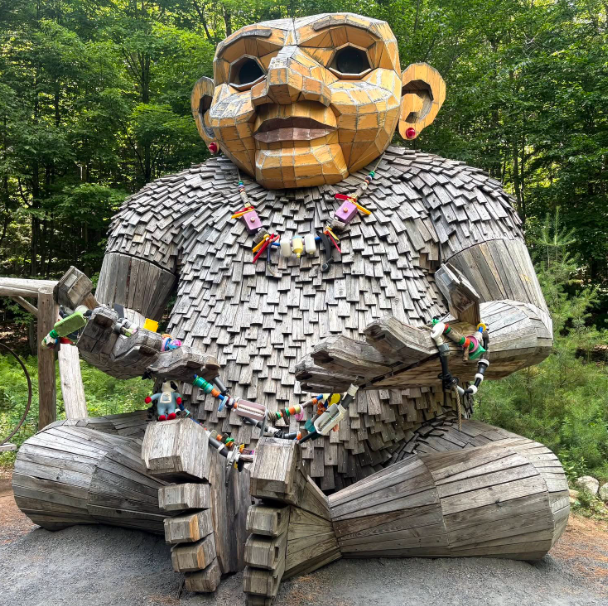
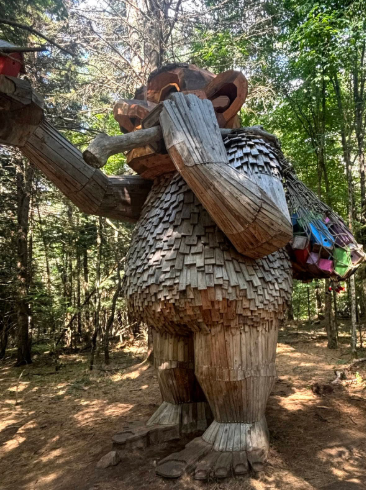
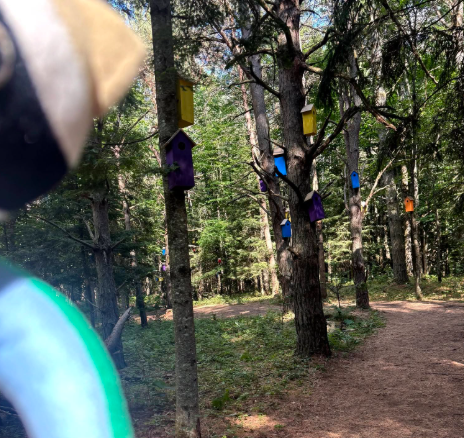
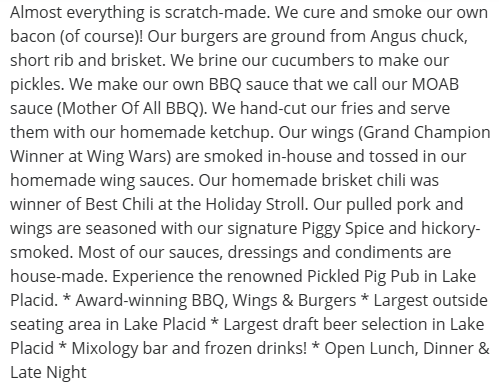
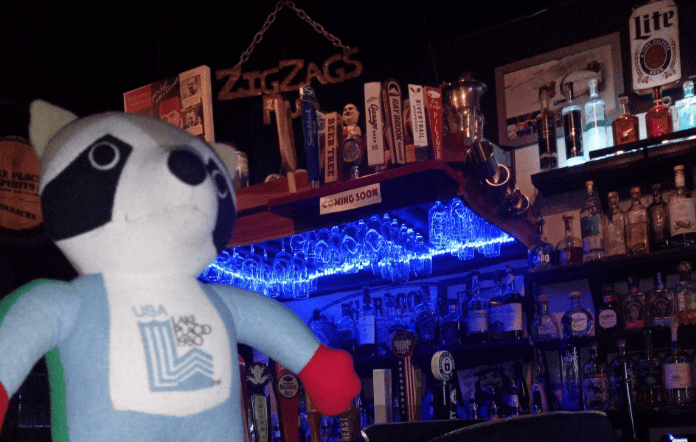
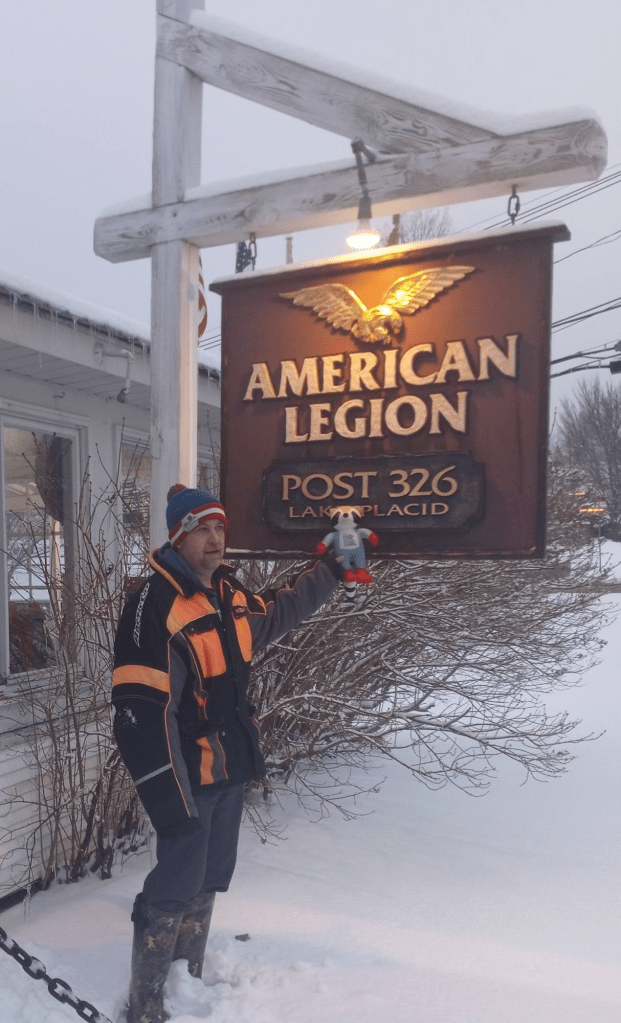
Herb Brooks, who was an American ice hockey player and the head coach of the 1980 U.S. Men’s Olympic Ice Hockey Team and is best known as the mastermind behind the historic ‘Miracle on Ice’ game; he died on August 11, 2003.Dr. Eric Heiden, who is an iconic American orthopedic surgeon and former long-track speed skater who is widely considered one of the greatest athletes in Olympic history: he became a household name at the 1980 games by achieving a feat that remains unmatched in winter sports when he became the only athlete to win five individual gold medals in a single Olympics. Notably, the night before his final 10,000-meter race, Heiden stayed up late cheering on the US ‘Miracle on Ice’ game and overslept the following morning, but he still went on to win gold after rushing to the track with only a few slices of bread for breakfast.Roni in front of the Lake Placid Club Lodges, a resort property located at 30 Lake Placid Club Way. The main building features classic Adirondack-style architecture, which is recognizable by its dark brown facade, dark green window frames and trim, and prominent wooden balconies.The Devlin (which is located at 2764 Main Street), formerly known as ‘Art Devlin’s Olympic Motor Inn.’ The property sits on the exact birthplace of Art Devlin Senior, who operated the inn for decades and was a central community figure who helped secure the 1980 Winter Olympics for Lake Placid. The distinctive Olympic rings mounted on the building’s facade were installed by Devlin before 1962, and because they predated the International Olympic Committee’s official trademarking of the symbol, the property was legally grandfathered in to display them. The main office lobby features a large, glass display case showcasing Art Devlin’s lifelong collection of international ski jumping trophies, medals, and unique Olympic memorabilia.A picture of the original ‘Art Devlin’s Olympic Motor Inn.’ Photo courtesy of thedevlinny.comArthur ‘Art’ Donovan Devlin Senior, an Olympic Ski Jumper/Community Leader and a native and lifelong ambassador of Lake Placid that has a long standing legacy that spans multiple areas: during World War II he served as a B-24 bomber pilot in the US Army Air Corps, flying 50 combat missions over Europe; he went on to earn three Purple Hearts and three Distinguished Flying Crosses. He qualified for five US Olympic teams (1940, 1948, 1952, 1956, and 1960) and competed in the 1952 and 1956 Winter Games. He was inducted into the US Ski & Snowboard Hall of Fame in 1963 and for over two decades, served as a television sports commentator and color analyst for CBS and ABC Sports, frequently acting as the ‘voice of ski jumping’ during Olympic broadcasts. He was also a vice-president of the organizing committee that successfully lobbied to bring the 1980 Winter Olympic Games to Lake Placid.Roni in front of Wildwood on the Lake, a family-owned, three-star lakeside motel located in Lake Placid. Operated by the Weber family since 1971, it functions as a relaxing ‘mini-resort’ destination and serves as a scenic, budget-friendly base camp for exploring the surrounding Adirondack region.The Town House Lodge in Lake Placid. Over the decades, it transitioned from a mid-century, roadside motor lodge into a modern, retro-inspired boutique property. It originated during the post-WWII American travel boom and was designed as a classic roadside motel that provided affordable, straightforward lodging for families, road-trippers, and outdoor enthusiasts coming to hike the High Peaks.The Maple Leaf Inn operates as a classic, comfortable 2-star budget-friendly motor lodge property located at 2234 Saranac Avenue. Positioned along Highway 86, the inn sits close to major landmarks like Paradox Bay, Mirror Lake, and downtown Main Street. Rather than the massive, all-inclusive luxury resort structures of the 19th century, the Maple Leaf Inn features a direct-access layout typical of mid-century motor lodges, and is engineered for independent tourists traveling via personal vehicles to nearby trailheads, ski slopes, and historic venue.Roni posing in front of The Pines Inn, a historic three-star hotel located at 2302 Saranac Ave in Lake Placid. Built originally in 1907 by Albert Stickney, from 1923 through the mid-20th century, it was famously known as the St. Moritz Hotel and operated as a bustling luxury getaway for historical figures (like Albert Einstein). It is recognized as the tallest building in Lake Placid Village, offering multi-story alpine views of the High Peaks. Roni outside of The Grand Adirondack Hotel is a historic, newly renovated 4-star property located at 2520 Main Street in Lake Placid. Originally built in 1927 as the Hotel Marcy, it has just a 5-minute walk from the Olympic Center and offers modern amenities, like high-speed internet and pet-friendly rooms. The hotel features the Marcy Bar for locally inspired cocktails and artisanal dishes and is most famous for the Cloudsplitter, a seasonal rooftop bar that provides panoramic views of Mirror Lake and the Adirondack High Peaks skyline.A Facebook ad for an event for the Cloudsplitter Rooftop Bar that was posted on October 9, 2024.Lake Placid Inn on Main Street. Situated directly on Lake Placid’s historic Main Street, these luxury apartment-style suites were designed based on direct feedback from early guests looking to stay in the heart of the village and feature full kitchens and accommodate larger groups of up to eight people.Roni in front of Generations Restaurant, a family-owned restaurant located at the Golden Arrow Lakeside Resort. German immigrants Wini and Stefanie Holderied bought the motel in 1974 and turned the property into a resort and opened the restaurant, which is currently being run by their grandchildren. The eatery offers casual American and Bavarian food and uses fresh, local ingredients from nearby Adirondack farms. Roni in front of Golden Arrow Lakeside Resort, a family-friendly destination located at 2559 Main Street. Situated directly in the center of the village, it sits right on the shores of Mirror Lake. It offers immediate walking access to local boutiques, dining, and the historic Lake Placid Olympic Center and guests can access a private white sand beach with complimentary summer rentals for kayaks, canoes, rowboats, and stand-up paddleboards and the property hosts Generations Restaurant, which serves meals crafted from locally sourced Adirondack ingredientsSt. Agnes Catholic Church in Lake Placid, which is a prominent parish located just up the hill from Mirror Lake and one block off Main Street. It serves both the local community and visitors to the Adirondack region with a beautiful worship environment featuring artfully designed altars and stained-glass windows.Roni in front of St. Agnes Church, which is a Neo-Gothic brick Catholic church located at 169 Hillcrest Avenue in Lake Placid, New York. Construction on the current building began in 1924 and remarkably, instead of dismantling the previous wooden building that was built in 1915, the crew literally built the new building directly over the top of the old one. Roni in front of Saint Agnes School in Lake Placid, which is a private, Catholic early elementary center that provides a co-educational, faith-based learning community. It offers year-round childcare tailored for infants and toddlers and has academic programs ranging from pre-school through the third grade.The contemporary Lake Placid Baptist Church that operates today has a unique origin story that is tied directly to the 1980 Winter Olympics: during the games Southern Baptists organized a massive evangelism and outreach campaign to minister to athletes, locals, and global tourists. Out of that temporary Olympic ministry, a small, dedicated group of believers saw a permanent need for a Gospel-centered community in the mountain resort town and they formally planted the modern Lake Placid Baptist Church later that same year.The primary Jewish house of worship in the immediate area is the Lake Placid Synagogue, which serves as a historic, welcoming spiritual and cultural hub. It hosts regular Shabbat services, educational programming, community events, and seasonal High Holy Day services. The congregation also maintains the Lake Placid Synagogue Cemetery, located nearby on Old Military Road.The Lake Placid Synagogue is the only year-round synagogue in the Adirondack Park. One of the only things that remains of Melvin Dewey’s ‘Lake Placid Club’ is its golf course (which my husband played the last day of our trip), which is operated by the neighboring Crowne Plaza Lake Placid; it is the only 45-hole golf property in the Adirondacks.A wide-shot of Main Street in Lake Placid. The locally owned and operated Ben & Jerry’s is located at 2423 Main Street (directly across from the local movie theatre) directly in the heart of Lake Placid. Operating as a classic franchised scoop shop, it serves up the brand’s signature euphoric flavors, freshly baked waffle cones, sundaes, and custom ice cream cakes. While the shop is a staple, it faces friendly local competition; for example, the nearby local establishment ‘Emma’s Lake Placid Creamery’ recently beat them in a community wide ‘Battle of the Cones’ contest.The Bookstore Plus, located on the main drag in Lake Placid. It was created in 1973 and was originally opened by Nancy Beattie as a music and art shop; in 1977, she acquired an existing book shop and combined the operations to form the bookstore as it is known today.The far end of Main Street in Lake Placid (we were standing at Stewarts). A view of the mountains and Mirror Lake in the village of Lake Placid. A map of Mirror Lake, featuring its characteristics and bathymetry, which is the science of measuring and mapping the depths and terrain of underwater environments.A giant Adirondack chair sitting on the property shared by The Dack Shack restaurant and its sister deli, Simply Gourmet. The eatery was established in 2015 and before it was turned into The Dack Shack, the building famously served as a classic Howard Johnson’s restaurant.Toni in front of The Mellow Moose Cannabis Company, which is a licensed recreational cannabis dispensary located in Lake Placid. As the first dispensary approved for off-site consumption in the village following a local referendum, and it opened in late 2025 and occupies a newly renovated retail space that previously housed CrossFit Lake Placid.Roni posing with a (stuffed) moose at ‘The Mellow Moose Cannabis Company.’A poster of Roni inside ‘The Mellow Moose Cannabis Company.’Roni posing with some posters inside the ‘Locker Room 5,’ a local sporting goods and memorabilia store at 2573 Main Street. Its owners Jake and Erica opened the shop in 2017 and they named their store after the ‘Locker Room 5’ at the nearby Herb Brooks Arena, which is the famous room the U.S. Men’s Hockey Team used during the 1980 ‘Miracle on Ice.’Roni posing with another poster inside the ‘Locker Room 5.’Roni and the ’round building, located at 2345 Saranac Avenue is a former 1980 Winter Olympics gathering spot. The Adirondack Land Trust bought the vacant structure in 2026 for $2.1 million. They will renovate it into their new nonprofit headquarters. The inside of the ‘tound building,’ that was originally built for the 1980 Olympics as the Austrian House for athletes and fans and was later repurposed completely as a sporting goods store then again as the Aroma Round coffee shop; it was recently purchased by the Adirondack Land Trust to become their permanent headquarters. A b&w picture of The Palace Theatre, which opened in 1926 and was originally named ‘The Adirondack Theatre.’ The building featured vaudeville acts and silent films accompanied by a rare, 1926 Robert Morton theatre organ. The local Clark family purchased the theatrr in 1961. Reginald Clark bought it as a wedding gift for his wife, Barbara. The Clark family still operates and owns the cinema today.A 1926 Robert Morton theatre organ much like the one originally at Palace Theatre. Located in the largest main auditorium, the instrument is valued at roughly $357,000 (in modern equivalents) and includes rare acoustic ‘toys,’ like drums and whistles that were used for silent film soundtracks. Roni in front of The Palace Theatre, which opened on Main Street in 1926 as a single-screen venue for both movies and vaudeville shows (which is a popular form of live variety entertainment in North America from the 1880’s to the 1930’s that featured ten to fifteen unrelated acts on a single bill, ranging from comedians and acrobats to musicians, magicians, and trained animals). Bought by Reg Clark in 1961, the historic venue was later renovated into a four-screen theatre while maintaining its original 1920’s vintage charm, and to this day it retains many of its original Neo-Classical architectural features, including cast plaster chandeliers, wall sconces, and a 1926 Robert Morton pipe organ (which is one of the only remaining theatre organs in the US).The inside of The Palace Theatre in Lake Placid. The auditorium’s ceiling originally featured painted angels watching over its patrons but they were covered over in the 1930’s with acoustic material to accommodate the transition to ‘talkies’ (which were early motion pictures that incorporated synchronized recorded dialogue, music, and sound effects).Roni in front of Adirondack Decorative Arts & Crafts, which is three-story shop featuring Adirondack-themed items, including gifts, décor, furniture and handmade goods.Roni in front of the Post Office in Lake Placid, which was designed and built in 1935–1936 and is one of a number of post offices in New York State designed by the Office of the Supervising Architect of the Treasury Department under Louis A. Simon. The building is in the Colonial Revival style and is a one-story, five-bay, steel-framed building on a raised foundation with a cast-stone watertable and clad in orange/buff-colored brick. The interior features a group of murals executed in 1937 by Henry Billings. It was listed on the National Register of Historic Places in 1988.Roni and the Adirondack Community Church in Lake Placid, which is made of stone and was built on the shores of Mirror Lake in 1927. The facility expanded in 1958 and underwent modern renovations in the 21st century to improve accessibility; the congregation operates as a United Methodist church while maintaining a community-focused spirit.Lake Placid Pub & Brewery, which is considered the area’s pioneer craft brewery and spans three floors overlooking Mirror Lake.An advertisement for Ubu Ale, which is a famous flagship craft beer brewed by the Lake Placid Pub & Brewery that is highly recognizable throughout the Adirondack region. It is an English-style ale (though often noted for having distinct, hardy characteristics) and is a deep garnet red to dark brown in color and features rich flavors of dark fruit and roasted malt, hints of toasty chocolate, and a slightly bitter finish; it has an ABV of 7.0%. and a Bitterness (IBU) of 33 (which ranges from 0 to 120+).The Lake Placid Volunteer Fire Department, which was established in 1905 and serves the community of Lake Placid and the surrounding Town of North Elba. Roni at the A&W Restaurant in Wilmington, New York (just outside of Lake Placid), which has served the Adirondacks since 1965. This seasonal roadside stand serves traditional A&W favorites like Papa Burgers, Coney Dogs, cheese curds, and root beer made fresh daily in frosty mugs. This was the second time we stayed in the same Air BnB and I had no idea it was there until two days into our second trip. A picture of the original A&W Restaurant in Wilmington when it was constructed in 1965. Roni posing outside of Lake Placid’s American Legion Post 326, which dates back to 1919. The current headquarters is located at 2710 Main Street and was a former rooming house.Roni outside of the Lake Placid Legion Post 326.Roni at the bar at the American Legion in Lake Placid.Wiseguy’s Bar in Lake Placid, which is described as casual dining joint that offers ‘classic pub grub,’ a variety of adult drinks, and bar games like pool & dart boards.Roni standing in front of the Lake Placid Public Library, which overlooks Mirror Lake and features over 27,000 items, free WiFi, and public computers; it also hosts a children’s room, a local history archive, and the Guy Brewster Hughes Art Gallery.Roni standing in front of some historic lake pictures (and Mirror Lake) at the Lake Placid Public Library. Roni at a miniature desk at the Lake Placid Library. Roni at a miniature Adirondack chair at the Lake Placid Library. Roni in front of the Lake Placid Olympic and Paralympic Training Center, which opened in November 1982 following the Winter Olympics and specializes in sports like bobsled, skeleton, luge, and biathlon. The campus features a 96-bed athletic facility and is currently home to one of three US Olympic Training Centers, which caters to a variety of different sports including speed skating, boxing, canoeing, kayaking, judo, rowing, synchronized swimming, team handball, water polo, and wrestling.Roni outside of the Lake Placid Olympic and Paralympic Training Center.Roni at the top of Whiteface Mountain, which transforms into a premier Adirondack summer destination during the summer months and offers a variety of high-alpine activities, from scenic drives and gondola rides to guided nature hikes and disc golf.Whiteface in the summer months. Picture courtesy of Lincoln Riddle.Roni in front of The Lake Placid Toboggan Chute, located on Parkside Drive on Mirror Lake and adjacent to the Post Office. It has been in operation since the 1960’s and is currently being run by The North Elba Park District. Recently rebuilt from the ground up, our current structure replaced a 30′ high converted ski jump trestle.Roni in downtown Saranac Lake, a small mountain village with a deeply unique history. Long before it became a popular year-round destination for outdoor recreation, it was recognized worldwide as a pioneer center for public health, scientific research, and fresh-air medical treatment.Roni at Bitters & Bones, a popular craft microbrewery and rustic kitchen located in downtown Saranac Lake, just a short drive from Lake Placid (we went on the way home from The Wild Center). Known for its unpretentious, community-driven atmosphere, the venue blends the charm of a local hometown tavern with an elevated culinary and brewing experience. We really enjoyed our food and out waitress was very nice.Roni sitting on the menu at Bitters & Bones.Romano’s Saranac Lanes & Family Fun Center, located at 11 Bloomingdale Avenue in Saranac Lake. It was known as Mar-Mac Bowling Center from 1955 to 1976 and in 2006 retired NYC correction officer Jeffrey Romano and his wife Cathy bought and renovated the building and renamed it Romano’s Saranac Lanes.Roni outside of The Wild Center. Original picture courtesy of The Wild Center.An aerial shot of The Wild Center in Saranac Lake taken from their website.A Google Maps view of The Wild Center taken from their website.Roni standing next to a cloud and fog simulation machine located at The Wild Center. It is meant to be an interactive exhibit, and visitors are encouraged to touch, swirl, and feel the dense vapor to learn how clouds and fog form. Roni with an interactive fruit and vegetable exhibit at The Wild Center.Roni in front of a painting at The Wild Center titled ‘Keep an Eye on the (green) Horizon’ that was created by Akwesasne Mohawk artist David Kanietakeron Fadden; it features Lillyana Thompson-Garrow, a young Akwesasne Mohawk environmental advocate, standing with her arms wide open toward the sky under a flying bird. The mural serves as a central centerpiece for the centers ‘Climate Solutions’ exhibition.Roni standing next to a vintage Western Electric Sculptura telephone, that is often referred to as a ‘donut phone’ due to its distinctive circular shape. Manufactured in the 1960’s/1970’s, this particular model features a push-button keypad and is considered a space-age or mod classic, reflecting the aesthetic of that era.Roni in front of a display that is a part of the award-winning ‘Climate Solutions’ exhibition located inside The Wild Center. The interactive grid consists of rotating wooden tiles featuring inspiring quotes from climate leaders, scientists, and indigenous activists, that is beautifully paired with custom illustrations by local artists. It focuses on humanity’s deep interconnection with the natural world and how grassroots efforts can heal the planet.Roni in front of a paper bird display at The Wild Center that features hundreds of colorful origami shapes hung like flying butterflies and birds across a prominent green backdrop.Roni in front of an ADK Map Moss Wall located at The Wild Center, which is a ‘collage’ of the outline of Adirondack Park (often referred to as the Blue Line) and made out of real, sustainably harvested moss specimens and other natural materials.Roni in front of a display at The Wild Center that highlights how unique flora adapts to acidic, nutrient-poor wetland environments. The interpretive text details a special adaptation called ‘layering,’ where the lower, former branches of an old tree touch the surrounding peat, take root, and eventually grow into entirely new, independent trees.Roni in front of an indoor bog habitat exhibit at The Wild Center, which replicates a classic northern wetland ecosystem that largely consists of living sphagnum moss, which acts as a dense sponge holding moisture and maintaining the acidic environment needed for flora. Another picture of Roni in front of an indoor bog habitat exhibit at The Wild Center; a bog is a soft, spongy wetland ecosystem that is characterized by acidic, nutrient-poor water as well as the accumulation of decaying plant matter, primarily sphagnum moss and peat.Roni in front of a grassy exhibit at The Wild Cener.Roni with some Painted Turtles, a common domestic species that are also often found on the trails of The Wild Center and as well as Greenleaf Pond.A painted turtle, which is the most widespread native turtle in North America and is known for its strikingly bright markings. It lives in slow-moving waters from southern Canada to northern Mexico and features a smooth, relatively flat upper shell that is dark green or black, and its edges boast distinct red and yellow pattern. Their skin is dark and has vivid yellow and red stripes running down the head, neck, and limbs; they also have characteristic yellow spots right behind their eyes. Adult females reach four to ten inches in length, while males are notably smaller and usually top out at around seven inches.Roni in front of a common garter snake, a frequent resident and native ambassador animal at The Wild Center.Roni with some Wood Ducks at The Wild Center, which are colorful perching ducks that live in wooded swamps and marshes. They are cavity nesters, meaning they lay eggs inside tree holes rather than on the ground, and females are the only North American waterfowl that raise two broods per year. Male Wood Ducks have bold, iridescent feathers, a crested head, and bright red eyes where female ones have gray-brown bodies and white teardrop shapes around their eyes. Adult ducks mainly eat seeds, nuts, and aquatic plants, where ducklings eat insects and spiders.A female (l) and male (r) Wood Duck.It’s hard to tell, but if you look super close there’s an otter in the top of this picture. The Wild Center is home to four North American River Otters, who are named Scarlett, Rohsnore, Tawine, and Gary.Three of the four otters that are currently at The Wild Center (this must have been taken before Gary joined their crew).A North American River Otter.Roni in front of a cross-section model of a carnivorous pitcher plant, which is found within The Naturalist’s Cabinet in the main indoor exhibit hall as part of an exhibit that highlights the Adirondack bog ecosystem. Bogs have highly acidic, nutrient-poor soil, forcing plants like pitchers (Sarracenia purpurea) and sundews to supplement their nutrition by capturing and digesting insects.Roni in front of a cross-section of earth showcasing distinct geological and soil layers, which is featured as part of a subterranean educational display at The Wild Center.Roni in front of an interactive display or model from The Wild Center, which showcases a macro view of two soil-dwelling invertebrates, specifically a segmented arthropod with pairs of legs on each body segment (which is commonly found breaking down organic matter in the forest floor) as well as the larval stage of a large beetle (like the stag or scarab beetle).Roni in front of a taxidermized mount of an Eastern Coyote inside the Dermestid Beetle Exhibit at The Wild Center, which is often referred to as a coywolf due to historical hybridization, which is a term for a genetic hybrid of coyotes, wolves, and domestic dogs. The exhibit is meant to give visitors a unique look at how natural history museums sometimes utilize flesh-eating dermestid beetles to clean tissue off of animal bones, which helps prepare skeletal specimens for study and display.Roni posing with a gray wolf skull replica, which has a pronounced sagittal crest along the top, a long snout, and distinctly large canine and carnassial teeth that were adapted for a carnivorous diet.Roni in front of a topographical terrain model of the Adirondack Mountains featured at The Wild Center; the scale model represents the regional peaks and valleys of the six-million-acres of the Adirondack Parks.Roni in front of an interactive, high-tech globe that displays real-time satellite views from space, including live storms, airplanes, and climate data that is located in the Planet Adirondack wing of The Wild Center. Roni at an area at The Wild Center where you can view the natural wildlife in its natural setting.Roni on Fen Trail, the primary, one mile, fully outdoor loop trail that winds through the forest and leads to a wetland area near Raquette River. A picture of part of the Raquette River Roll, which is a ball run experience on Fen Trail.Roni perched on a large-scale stickwork sculpture titled ‘Hopscotch’ that was created by artist Patrick Dougherty; the immersive piece of artwork was created using locally sourced saplings that were woven together by the creator as well as a team of volunteers.A full view of Hopscotch. picture courtesy of The Wild Center Instagram’s page.Roni posing on the banks of Raquette River, which connects to the larger Tupper Lake.The giant spider at The Wild Center, which is a massive, oversized art sculpture on the outdoor Wild Walk treetop trail that hovers over a giant, human-sized rope spider web that guests can climb and safely stand on.Roni in the interactive treehouse outside at The Wild Center, which covers more than 1,000 feet of bridges and platforms, which allows visitors to walk forty feet above the ground, and experience the Adirondack forest from a completely different perspective.Roni posing with a trail marker at The Wild Center that serves as a visual gateway and helps to guide hundreds of thousands of visitors as they set out to explore the property’s forested paths.Sofus Lotus, who is also known as the ‘Listening Troll.’ One of his favorite things to do is lie down with his ear pressed against the earth and listen to its rhythm, and by being quiet and listening carefully he is able to hear all the crackle, thud, and buzz happening right beneath his feet. Roni posing with Rosa Sunfinger, who is a shy, introverted troll who loves to care for plants and other green creatures. Her face is as gentle as her personality, and she always has a sweet, sunny smile on her cheeks.Roni and Rosa Sunfinger; despite being a tad introverted, Sunfinger is not afraid of speaking up if she has to, however when she does, she chooses her words carefully and finds that the best way of expressing herself is through nature and plants.Roni posing with Basse Buller, who is known as ‘The Painting Troll.’ This troll tends to be all over the place and likes to spread his message in mud paint on every available surface, and is a wild child at heart.Another picture of Basse Buller, who is widely recognized as the artistic ‘wild child’ of the group and is known for using mud paint, stones, leaves, and sticks to paint on every available surface in nature.Ronja Redeye, who is the known as the ‘Speaker Troll’ and is the official leader of the group (despite being the smallest); Ronja’s mission is to save humans and reconnect them with nature, and her eyes turn red when she is passionate and she has a mighty voice.Roni with the Kamma Cam troll; known as the ‘Treasure Troll,’ she has a unique personality, and finds human trash beautiful and wonders why people throw so many things away.Toni with Ibbi Pip, a troll that is known as the ‘Birdhouse Troll’ that hangs colorful birdhouses around the forest to remind humans to care for nature.The birdhouses leading to the troll, Ibbi Pip. She likes to hang colorful birdhouses around the forest to teach people to care for nature.
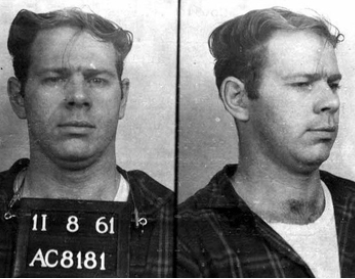
Introduction: My husband and I enjoy vacationing in the Adirondack Mountains for a variety of reasons, but mostly because we used to go there as kids, and it was the first getaway we ever went on together back in December 2015. For Christmas last year my SIL gifted him the mascot for the 1980 Lake Placid Olympic Games, a stuffed raccoon named ‘Roni.’ I do have plans (one day) of writing about serial killer Robert Garrow, who was a rapist, spree killer, and (suspected) serial murderer that was active in the Adirondack area in the early 1970’s (but that time is not now). After committing several rapes, he went on an eighteen-day long killing spree (from July 11–29, 1973) across the Mountains, and stabbed four people to death before he was apprehended. His criminal trial (dubbed ‘the Buried Bodies Case’) became vital in the area of legal ethics after his lawyers refused to disclose the location of the remains of two of his victims, citing ‘attorney–client privilege.’ Garrow was later shot while attempting to escape from prison on September 11, 1978 and died at the age of forty-two.
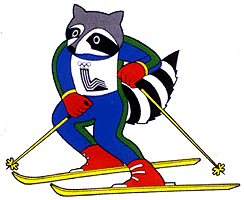
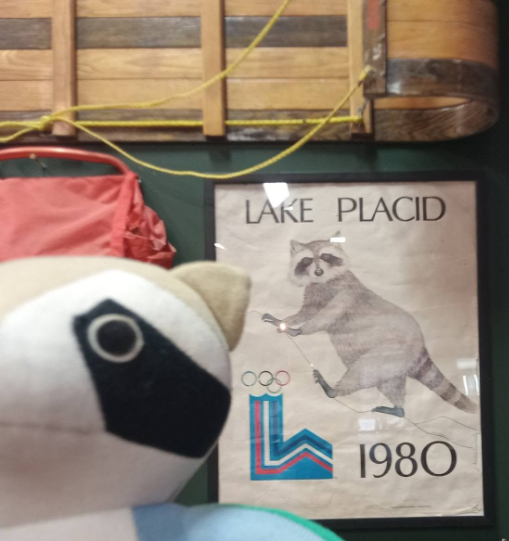
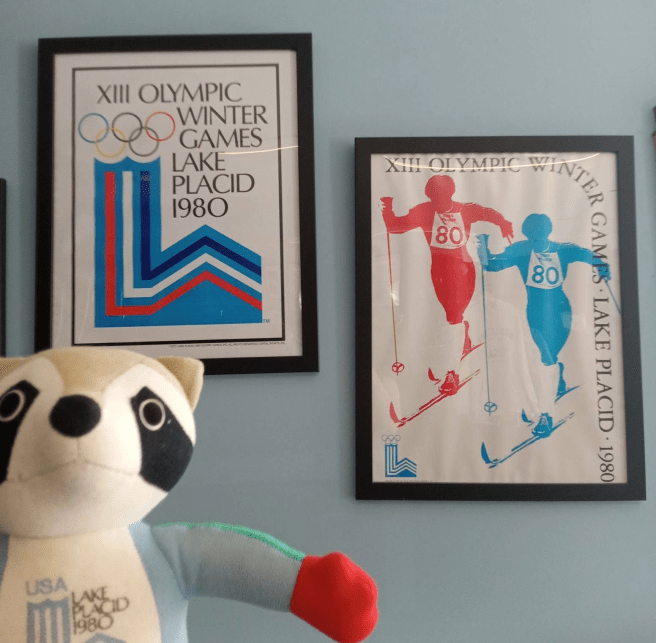
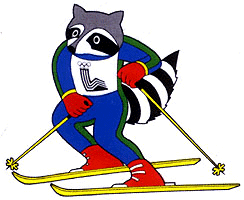
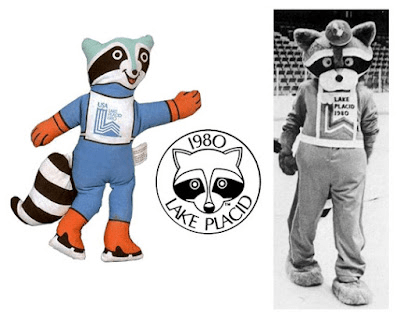
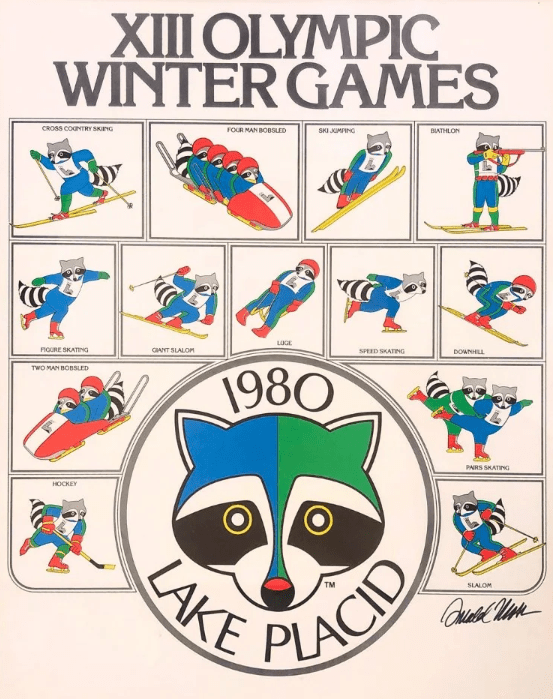
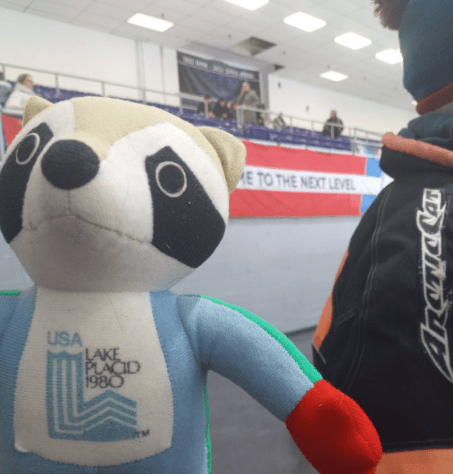
Back to Roni: Roni the Raccoon is the mascot of the 1980 Winter Olympics in Lake Placid that was dreamt up by Don Moss, a renowned sports artist and illustrator that worked for ‘Capital Sports.’ Roni is a raccoon, which is an indigenous woodland critter from the mountainous region of the Adirondacks where Lake Placid is located. The name ‘Roni’s comes from the word ‘racoon’ in Iroquoian, which is the language of the native people from the region of NYS, and was chosen by the children of the Lake Placid school system.
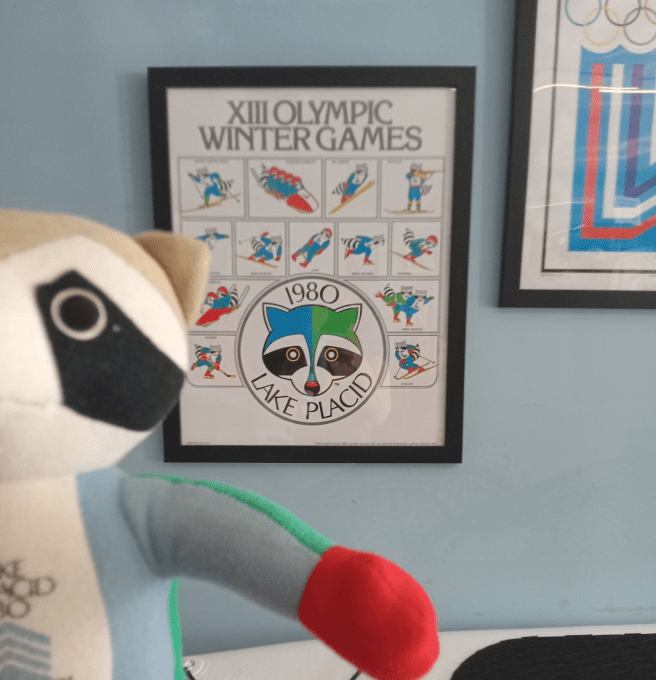
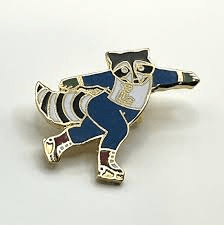
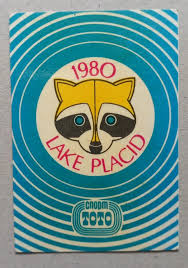
The top part of Roni’s face along with the black-and-white mask around his eyes are a nod to the sunglasses and hat worn by Olympic competitors, and there are different versions of him playing different sports (some even have the five colors of the Olympic rings); he is also the first Olympic mascot to be depicted doing various sports, and was featured on pins and other souvenirs. In the early stages of planning the event Lake Placid had a live four-legged mascot: a raccoon named Rocky, who was (controversially) switched out with Roni shortly before the Games started. The Organizing Committee also used real raccoons to promote The Games, and two residents of Utica Zoo were transported to Lake Placid to participate in a national TV broadcast.
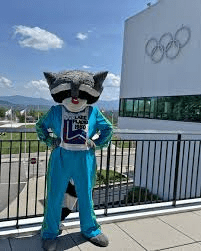
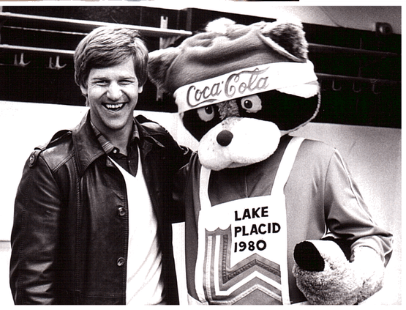
A Life-Sized Roni: serving as the face of the XIII Olympic Winter Games was Hawaiian-American athlete named Kriss Lambert, who performed as Roni Raccoon clad head-to-toe in a six-and-a half-foot tall raccoon costume. Lambert was filmed doing every event (except the ski jump, which he couldn’t do because the mask hindered his vision) before The Games took place, and the prerecorded footage was televised during the Olympics to introduce each event. He also represented the 1980 Lake Placid Olympics at major events like the Macy’s Day Parade, NBC’s ‘Today’ show, and Super Bowl XIV, and he was rink side during the ‘Miracle on Ice’ men’s ice hockey game between USSR and the USA; the USA won 4-3.
Lambert himself dreamt up the idea of portraying a real-life Roni even though there had never been a ‘live’ Olympic mascot before, and he was doing construction work in the Adirondacks before he decided to become a FT Olympic mascot: ‘since I am somewhat of an athlete, I thought it would be a good idea to have a character that could imitate the athletes.’ It’s worth noting that at the age of thirteen in 1973, he won the Junior Olympic gold medal in judo, and he practiced acrobatic skiing for nearly six years (he also ice skated since he was a child). Tragically, Kriss died suddenly on August 30, 2017 at the age of fifty-seven in Puyallup, WA.
Works Cited: Hale, Don. (February 25, 1980). Roni Raccoon Wins ‘Gold Medal’ in Fun.’ Taken March 23, 2025 from csmonitor.com
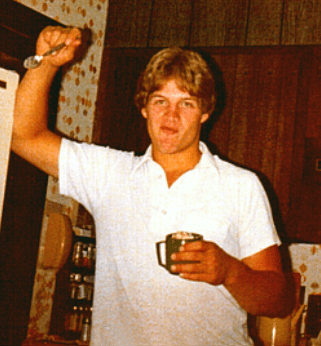
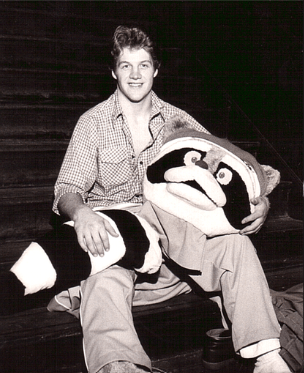
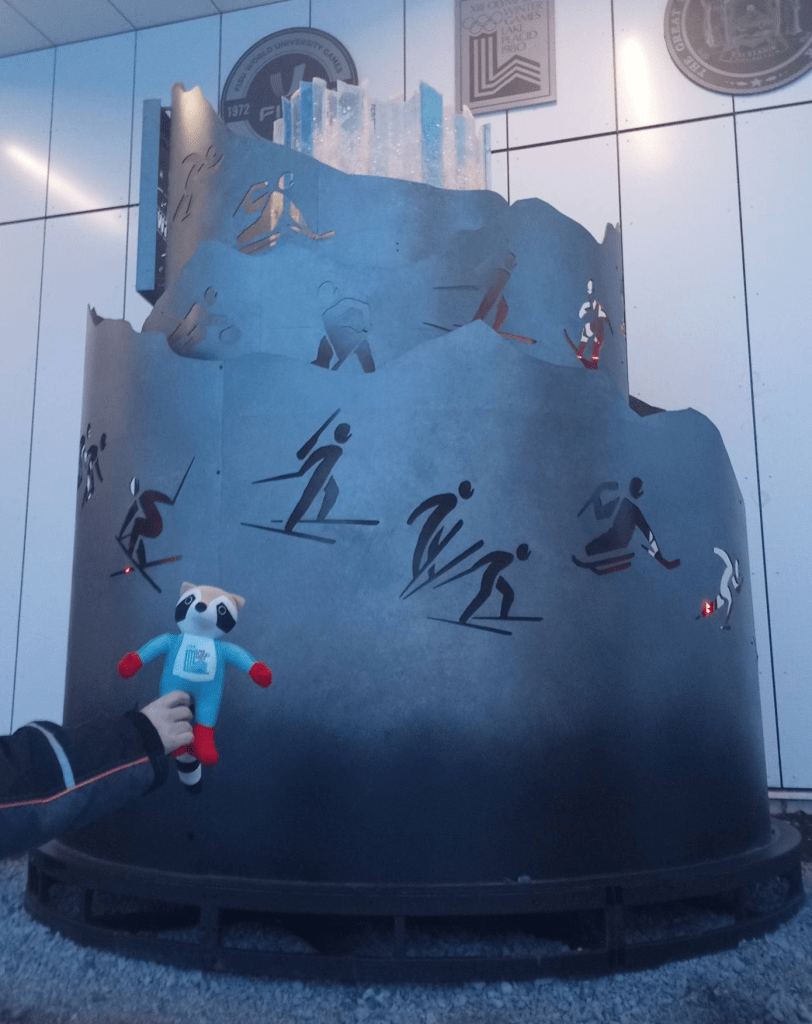
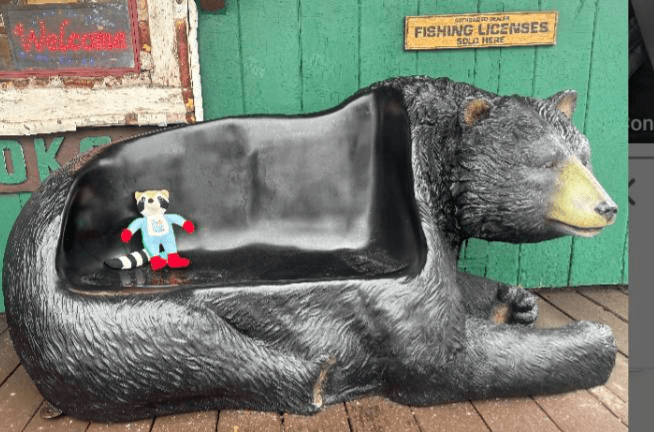
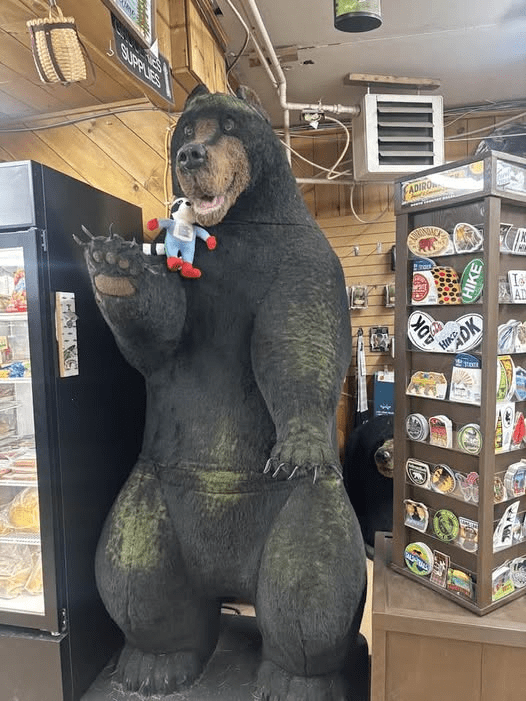
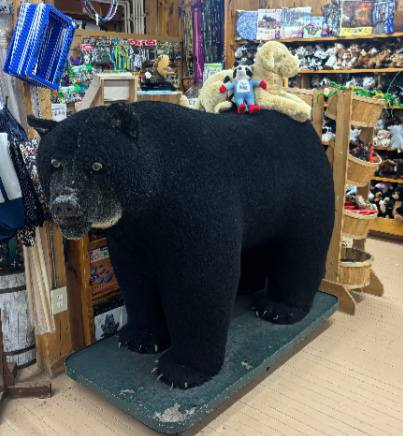
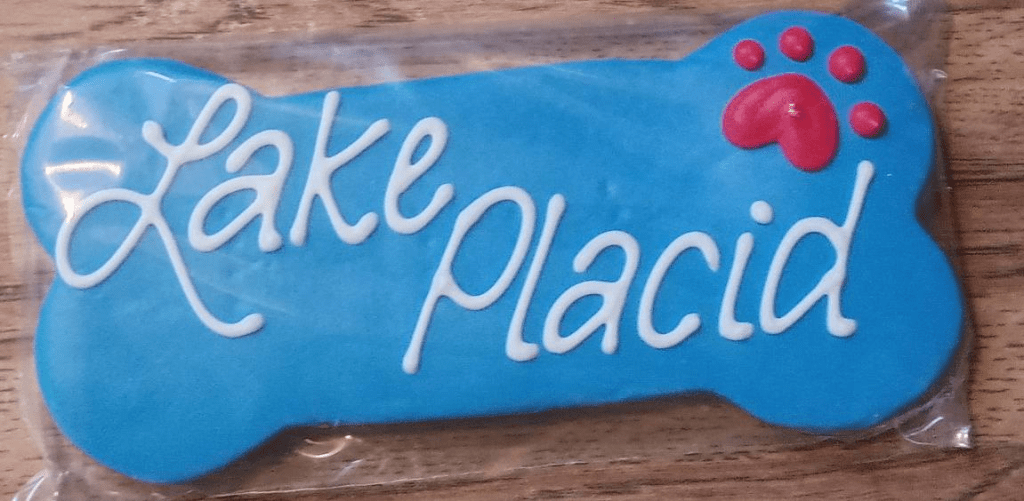
Robert Garrow.A cartoon of Roni.A second cartoon of Roni.Another cartoon of Roni.Roni skiing.Roni from 1980.Roni (far right) in a Simpssons episode about NYS.A life-sized Roni.A commemorative pin of Roni.A deck of Roni the Raccoon playing cards.Roni depicted competing in different winter sports.Kriss Lambert in his younger years; he was born on June 27, 1960 in Bourne, MA and died at the age of fifty-seven in Puyallup, WA on August 30, 2017.Kriss Lambert posing with Roni; he was a ‘serial entrepreneur’ that had many licenses and professional qualifications under his belt, and for many years he worked as a ship captain; he was also an accomplished musician that had many other hobbies and skills (like woodworking). Kriss posing with (parts of) his Roni suit; he is best remembered as being ‘outstandingly open-hearted’ and for giving ‘good hugs.’ When he passed in 2017 Kriss left behind his beloved wife Pam, many friends from all over the world, and close family in Washington state, Hawaii, Cape Cod, and Sweden. A later picture of Kriss with his wife, Pam; he was proud of his family, and according to his obituary ‘his comforting, lively home was always inviting.’
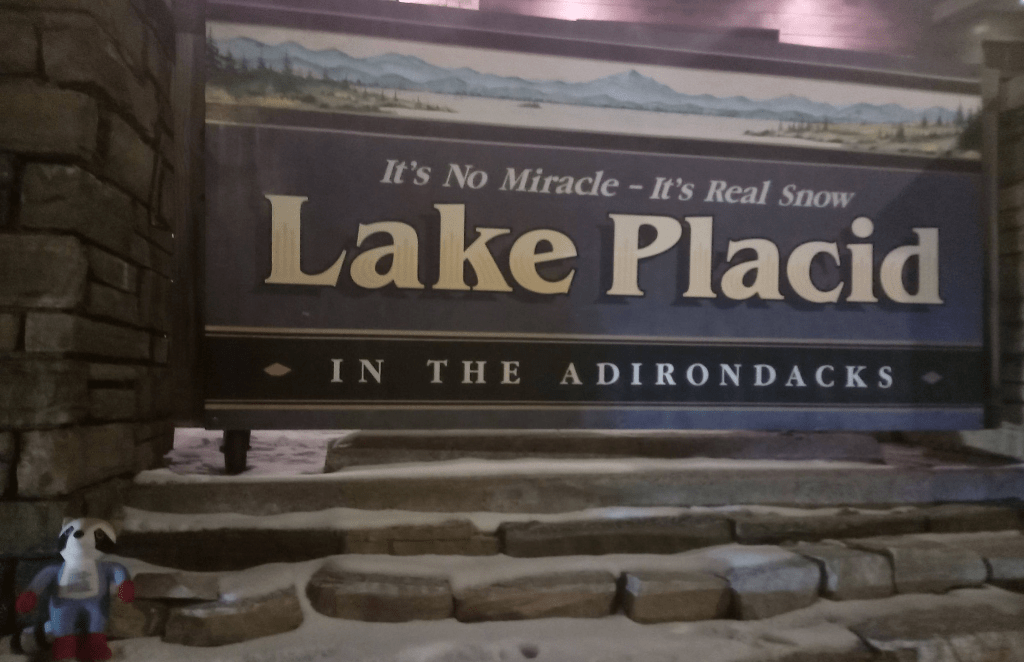
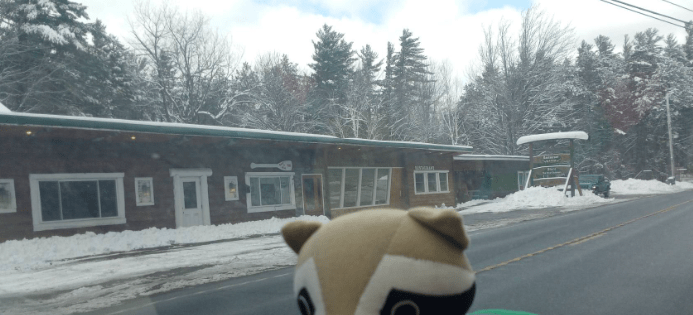
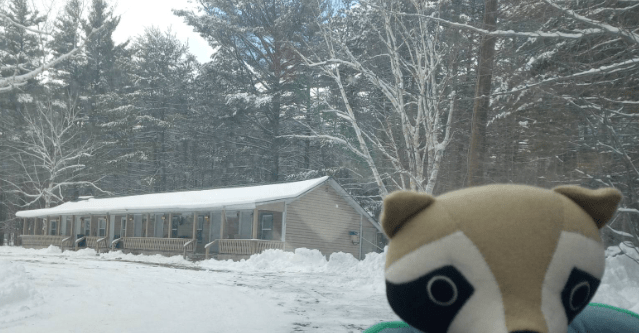
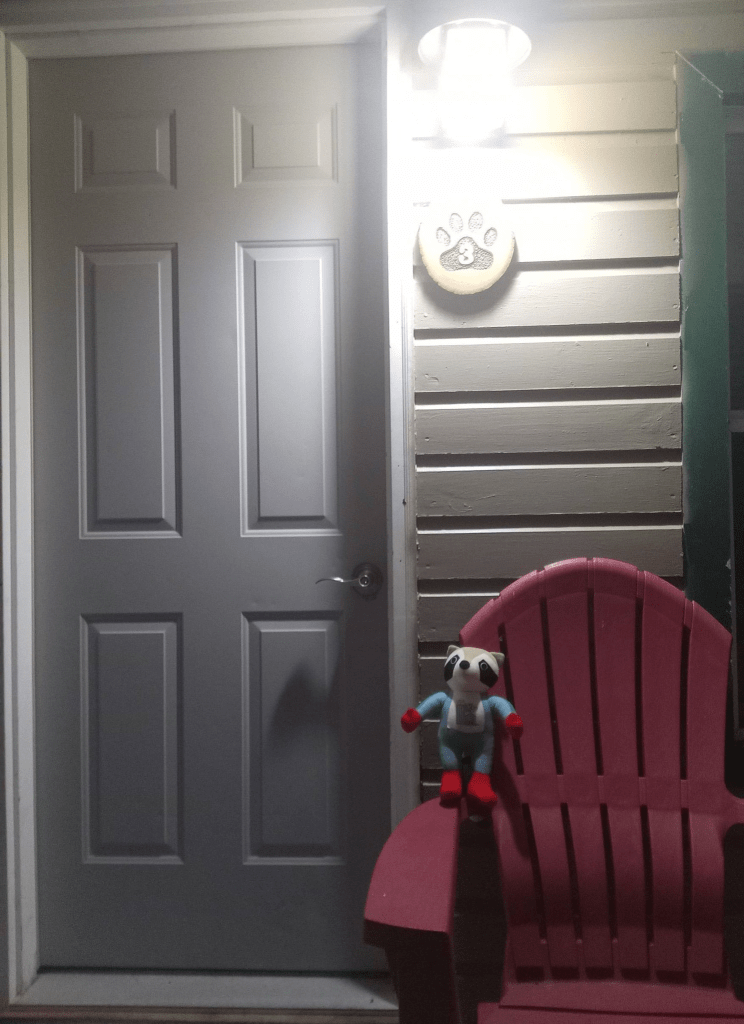
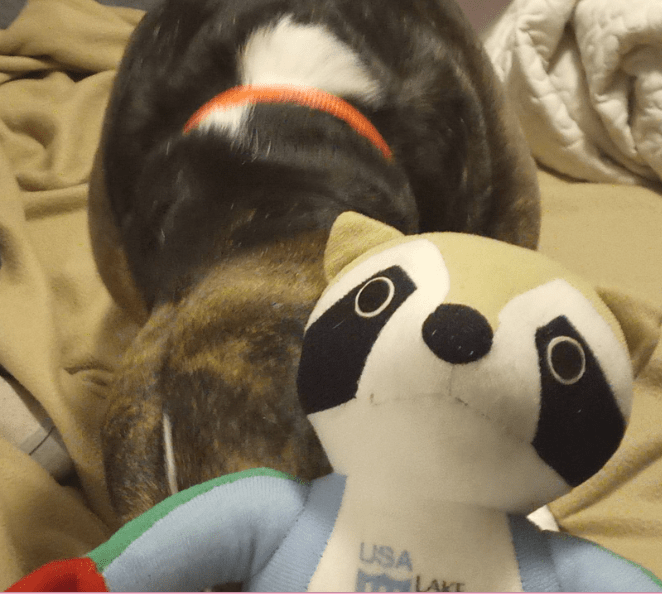
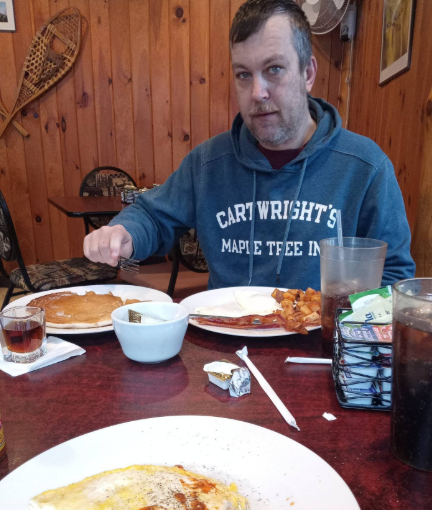
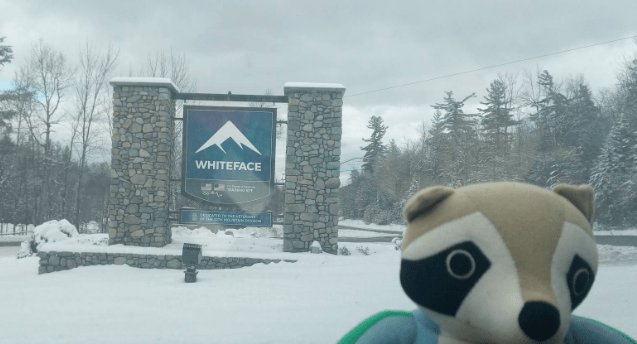
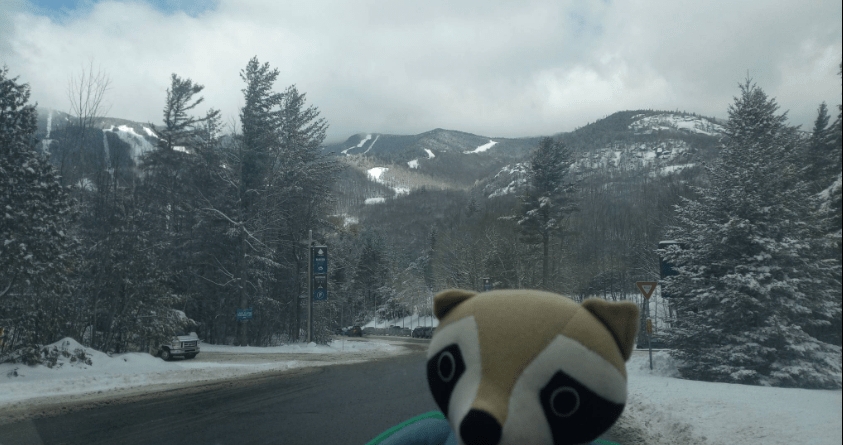
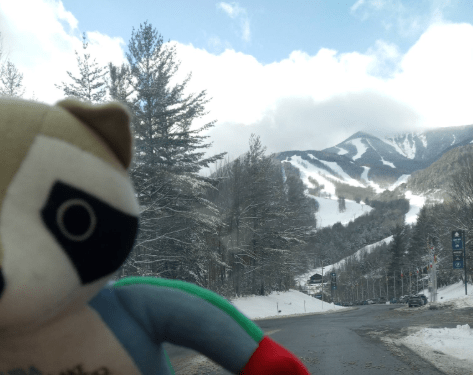
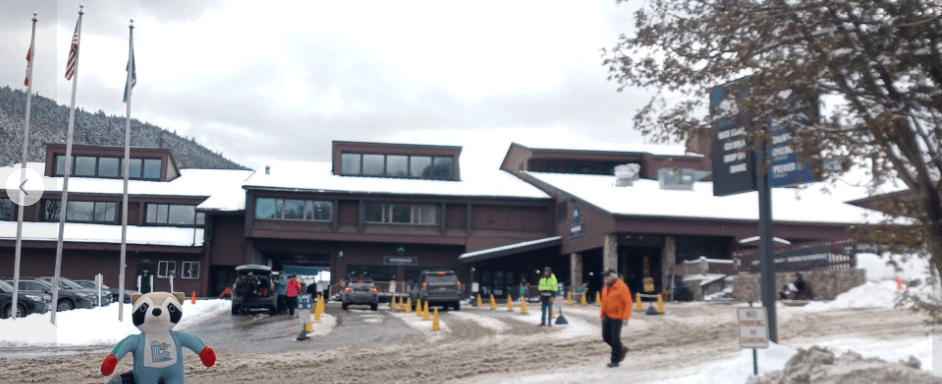
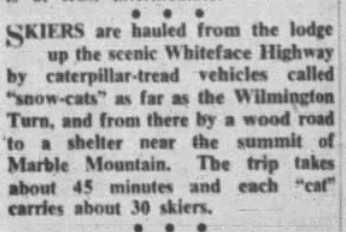
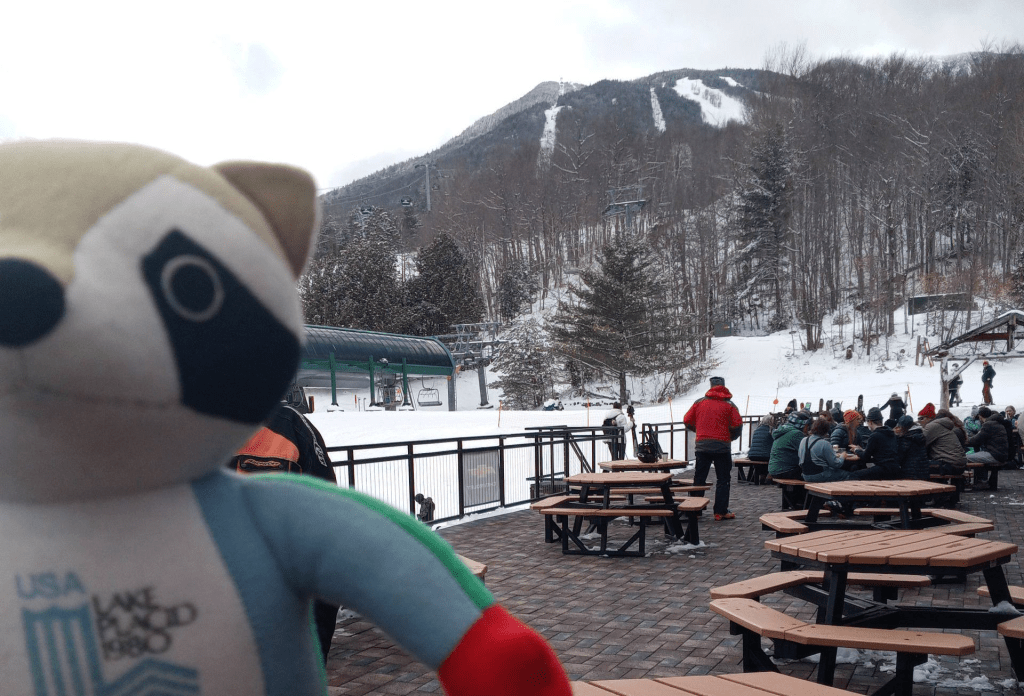
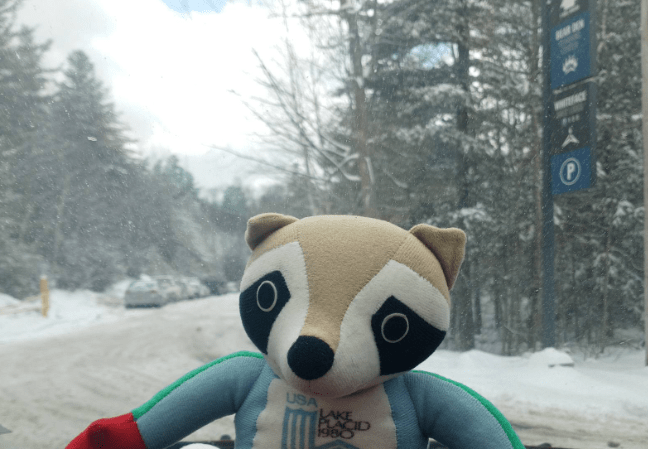
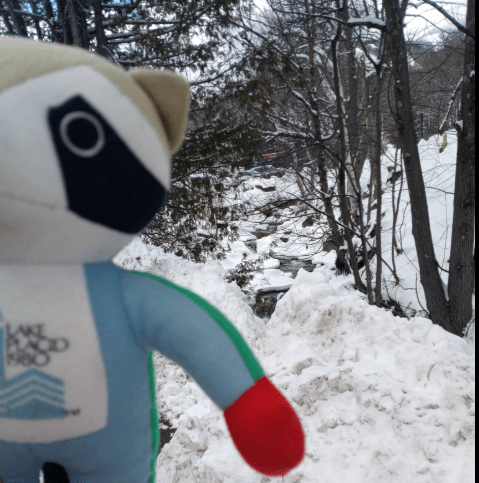
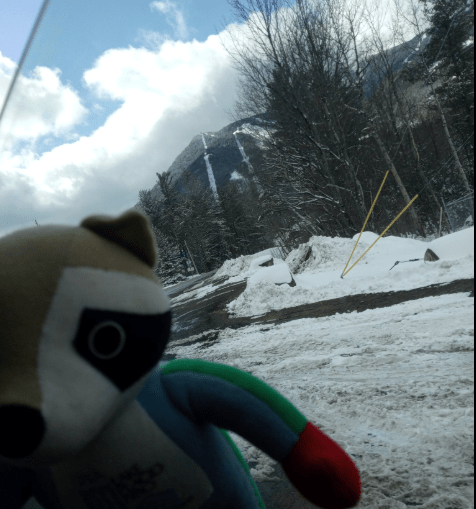
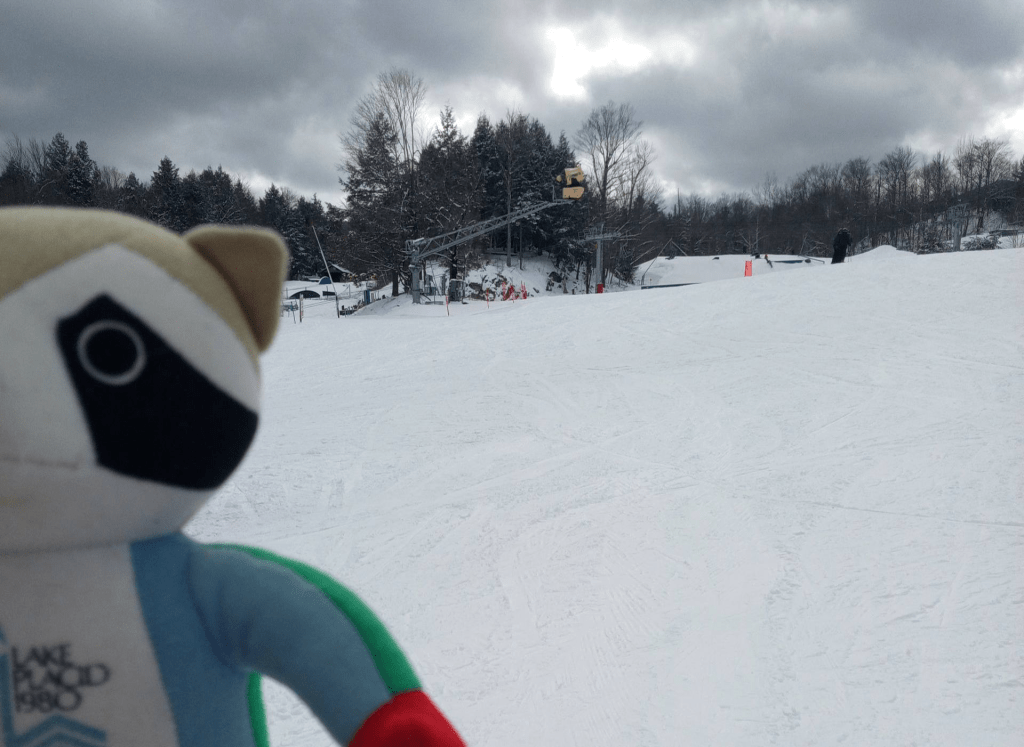
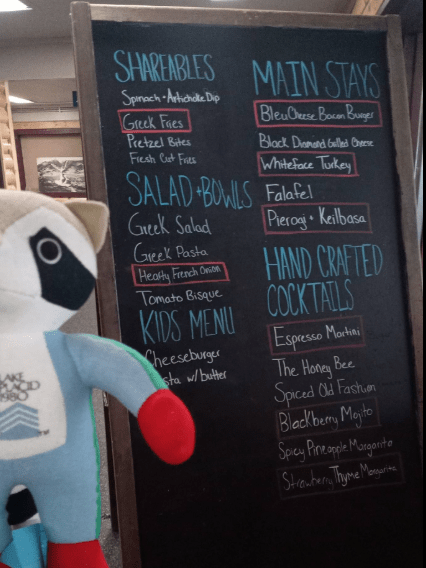
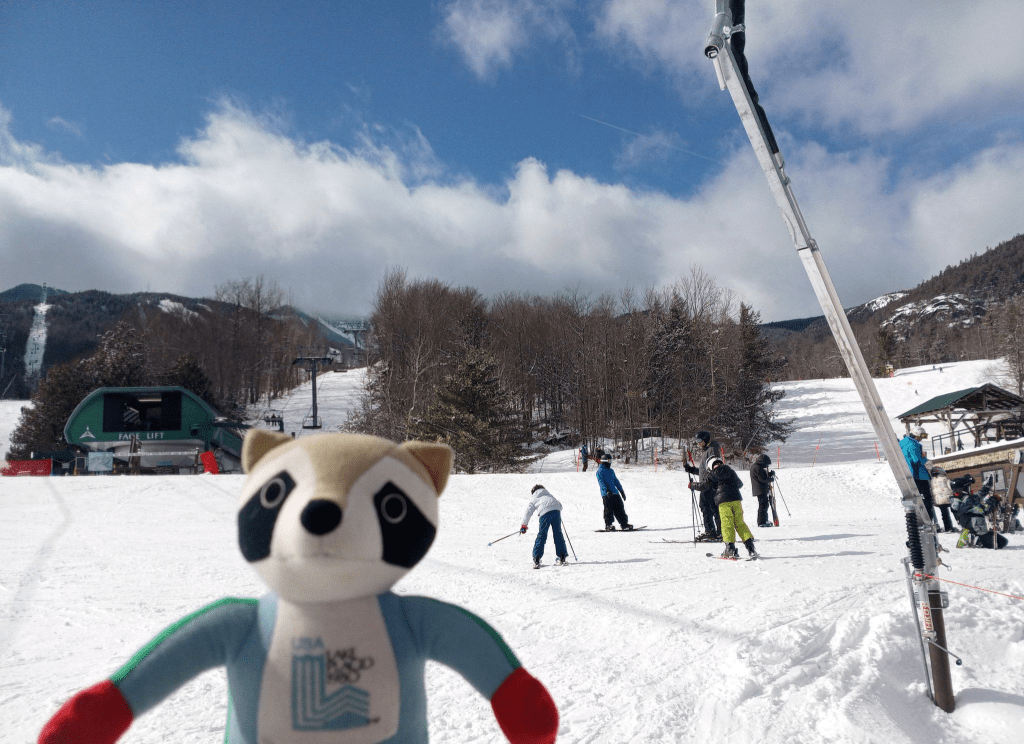
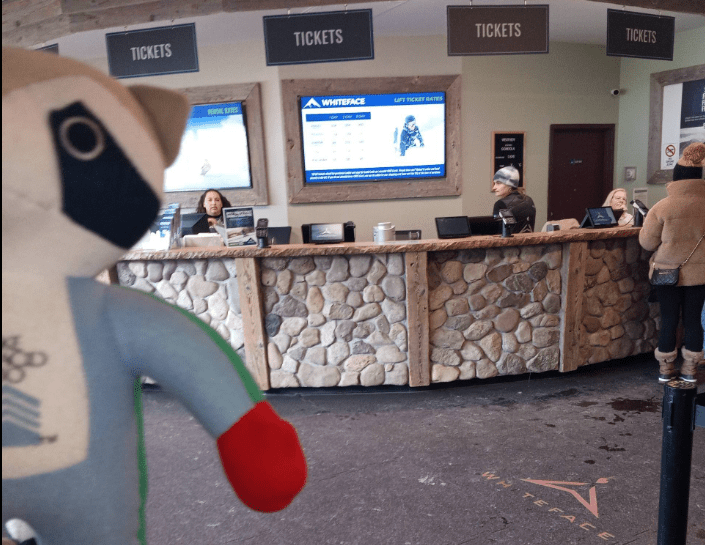
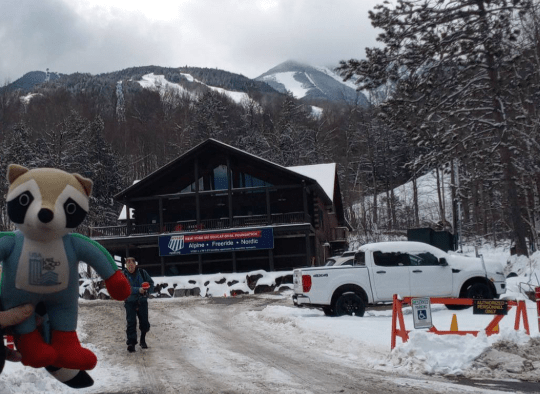
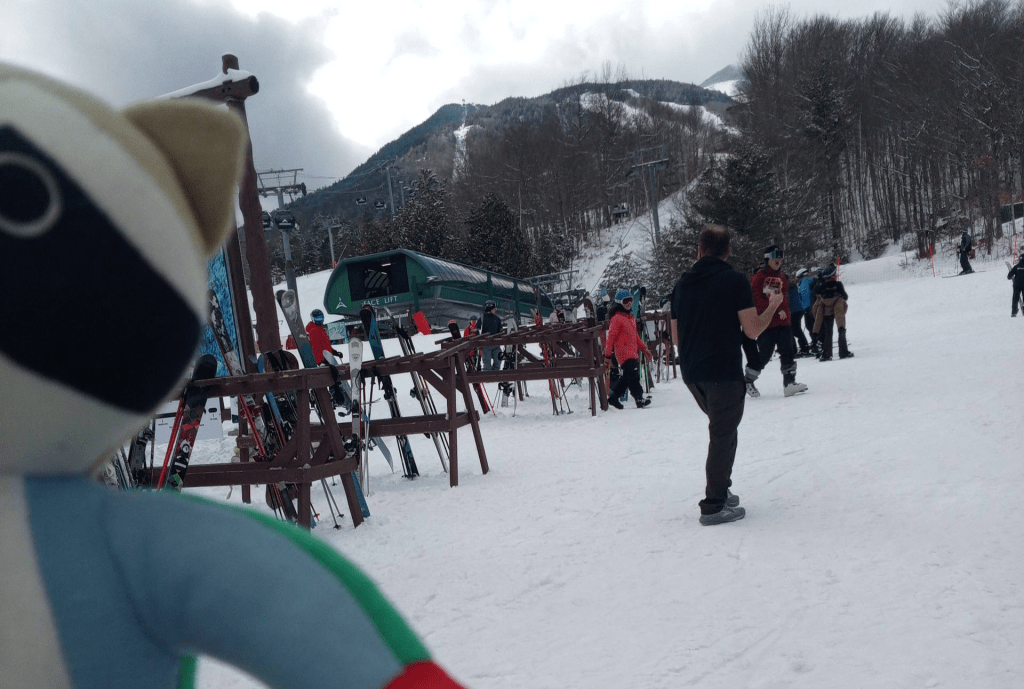
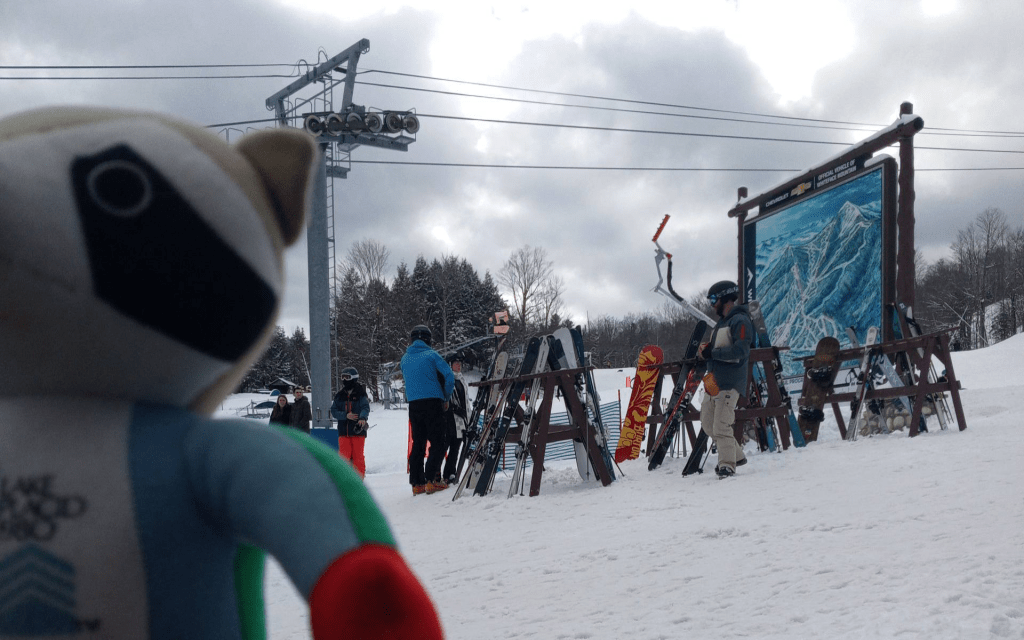
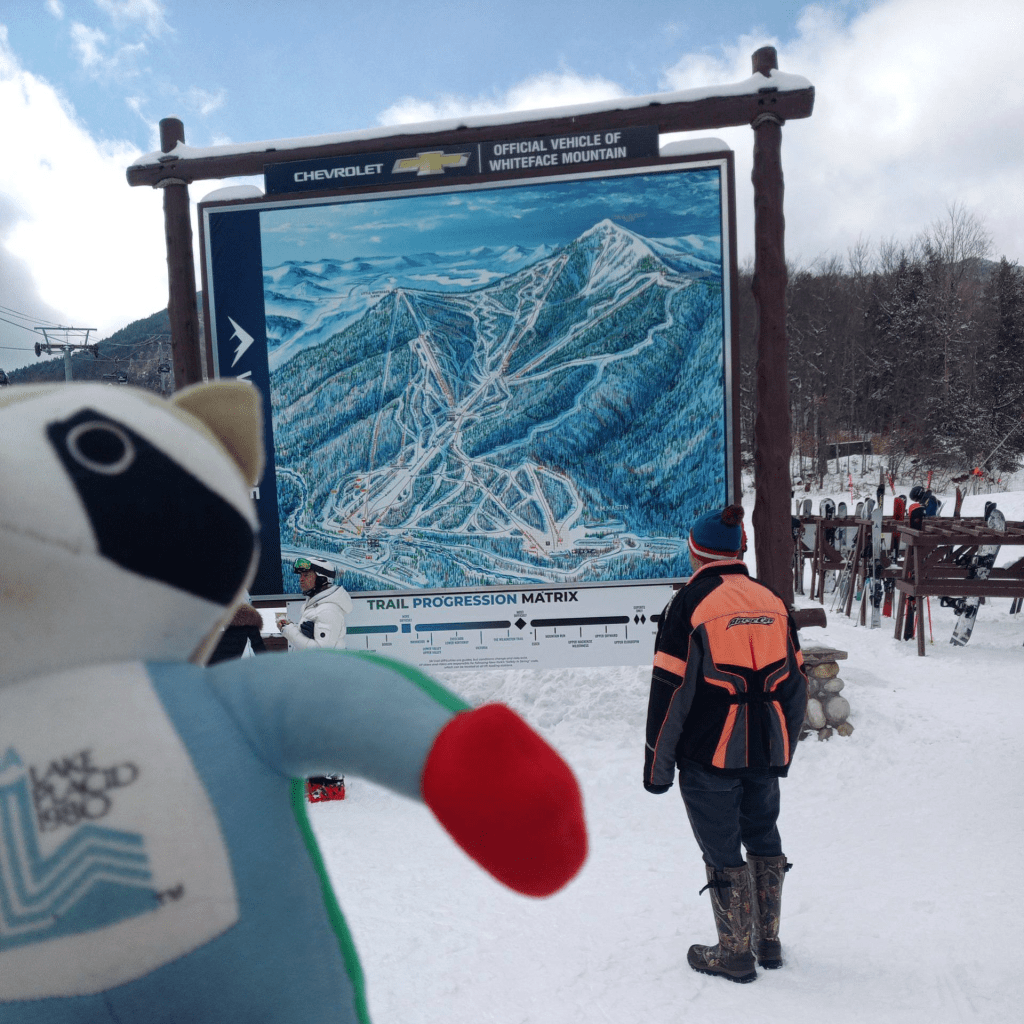
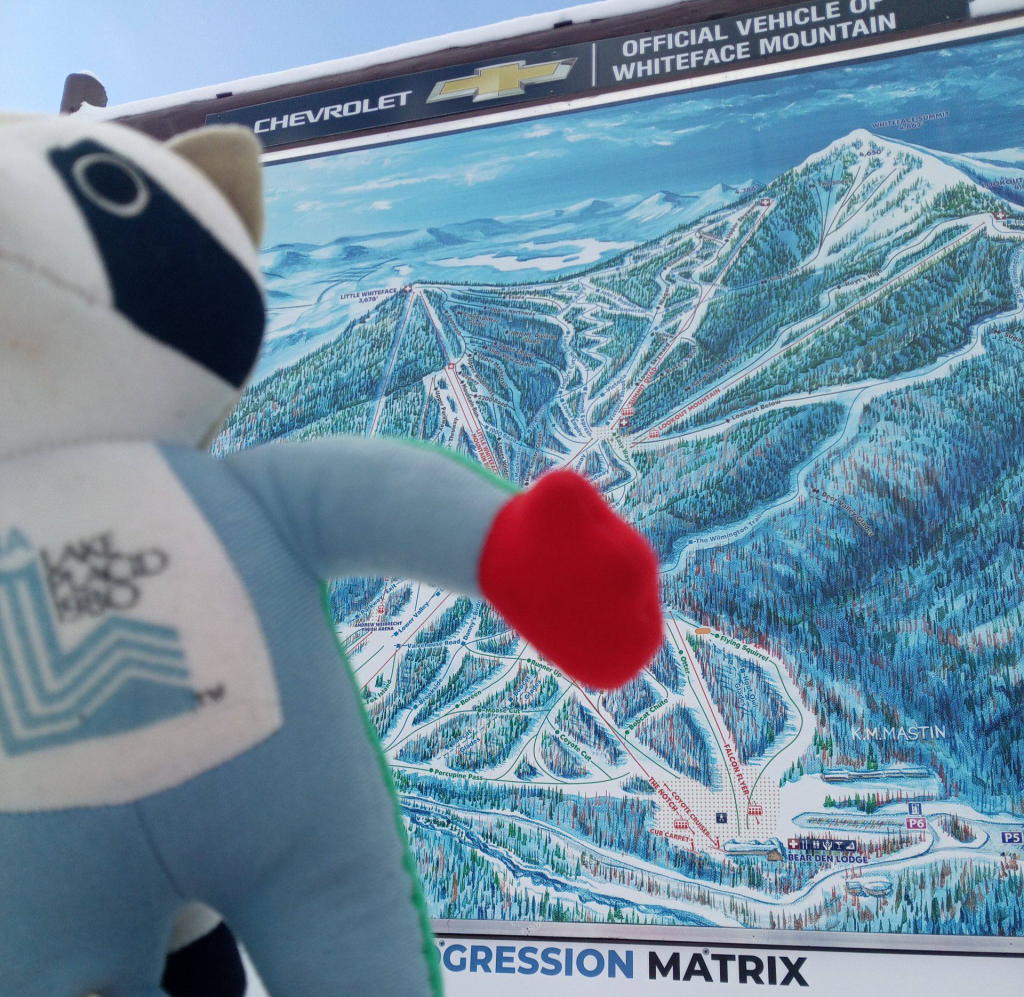
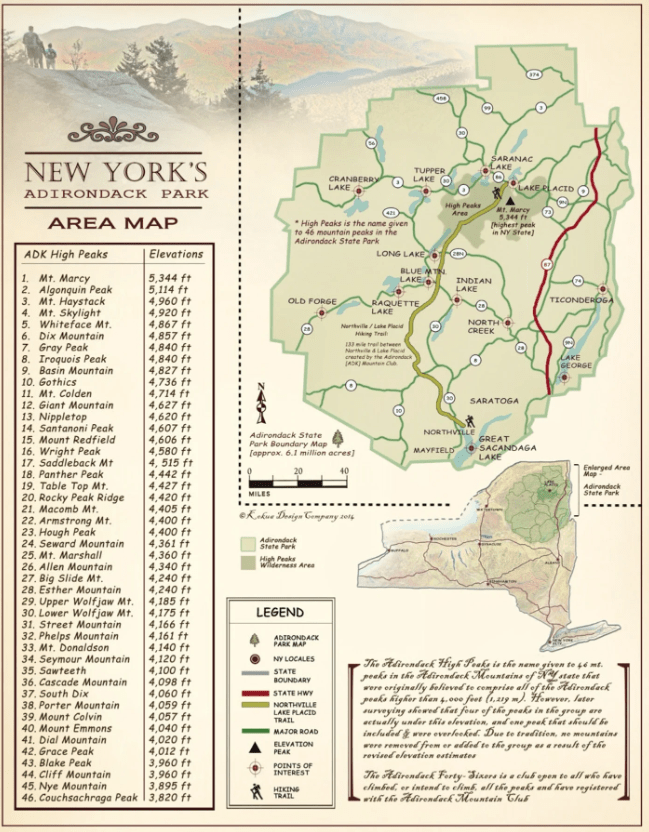
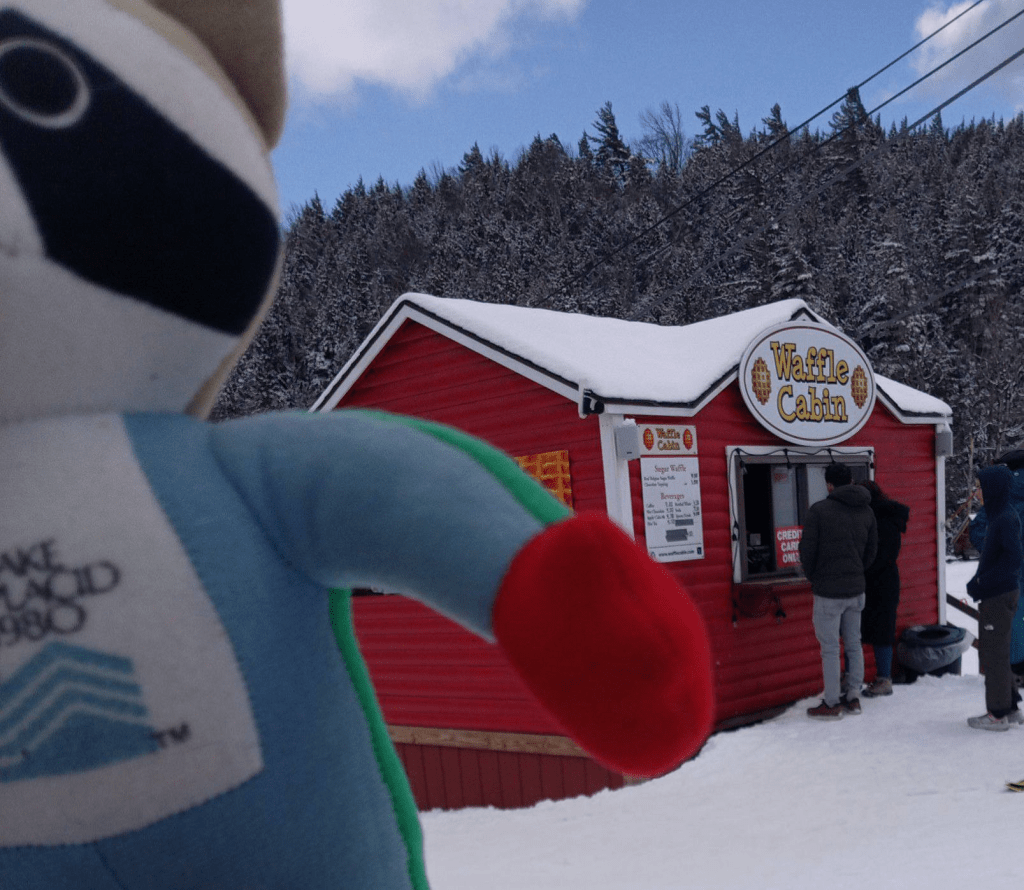
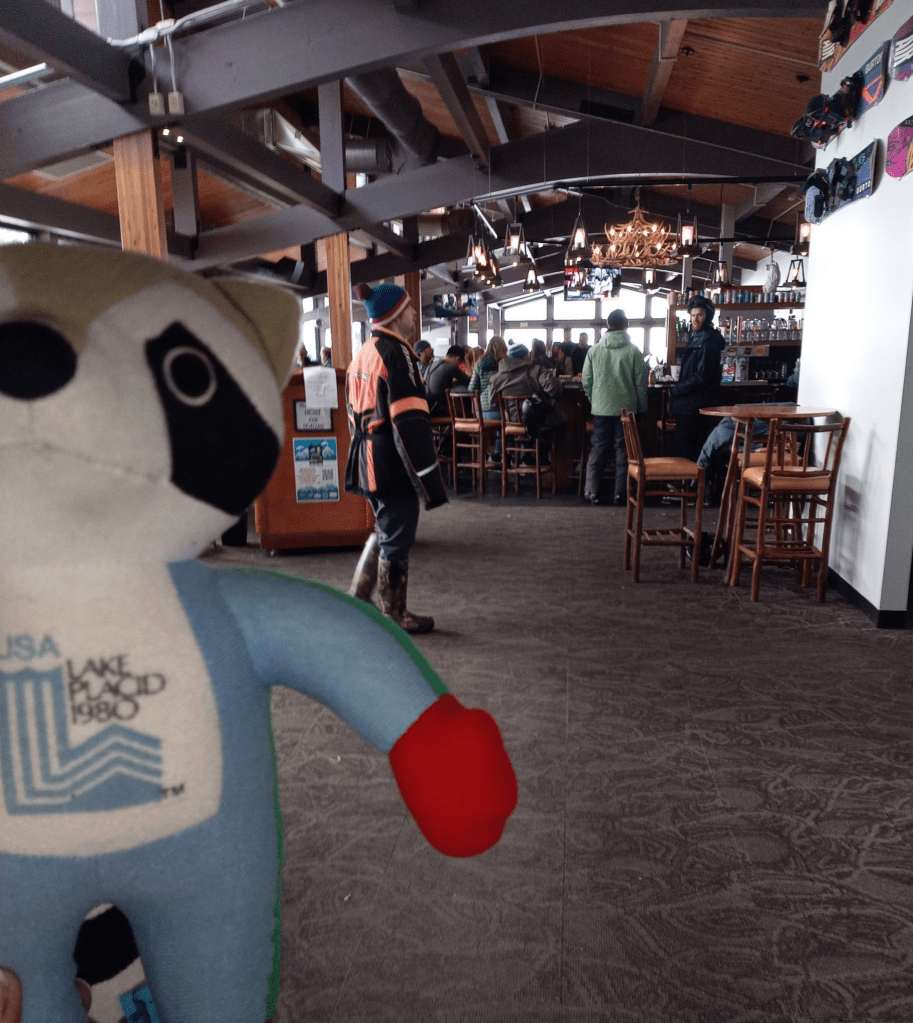
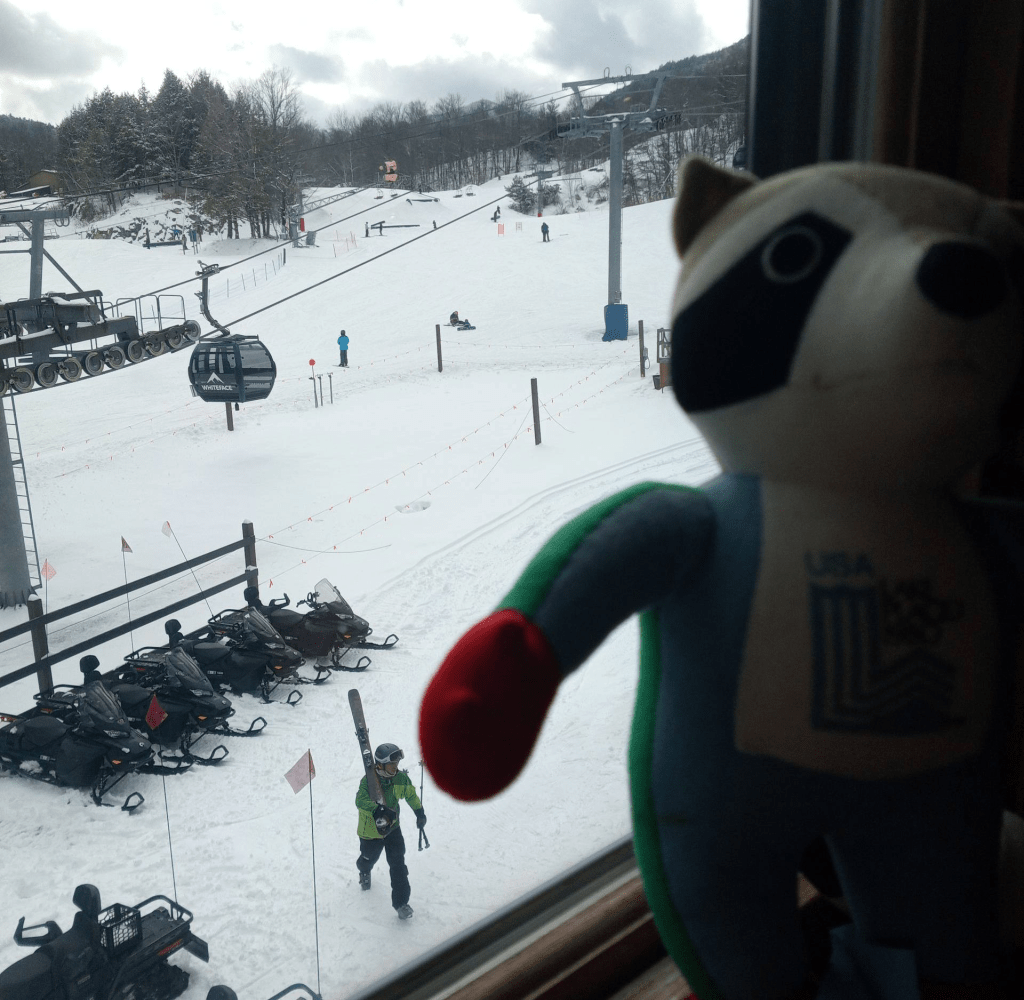
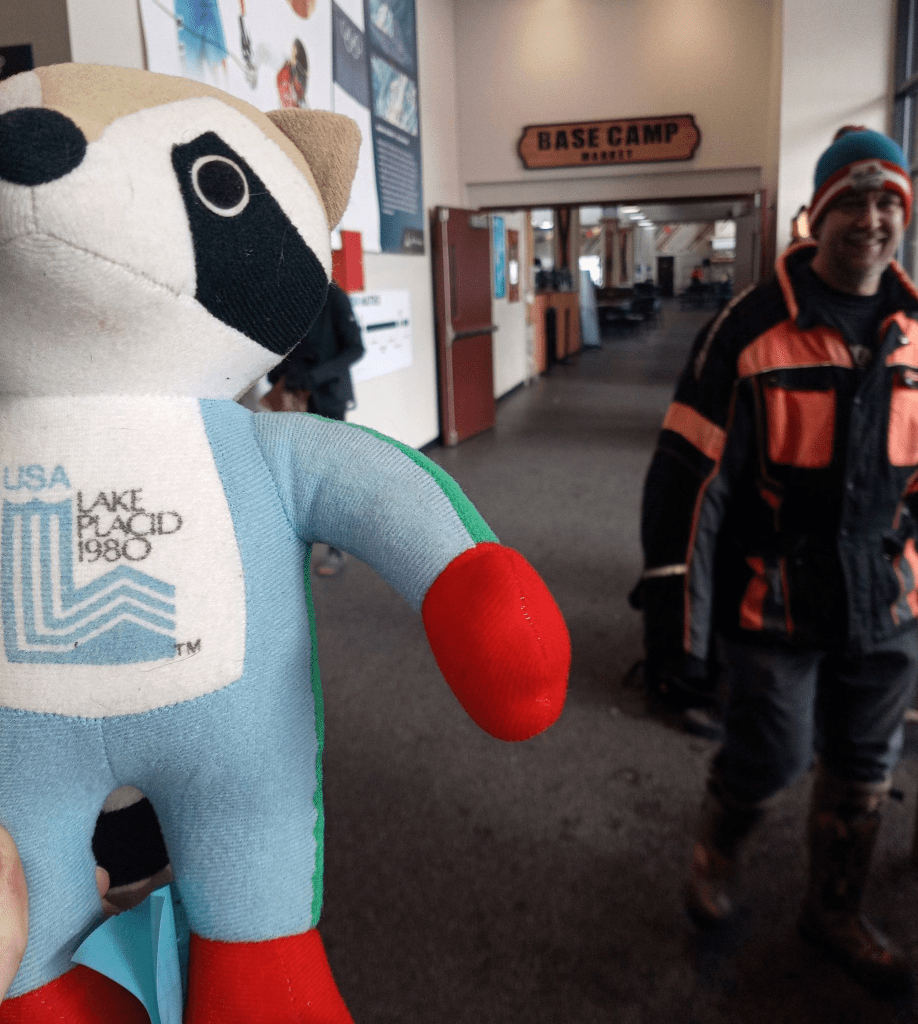
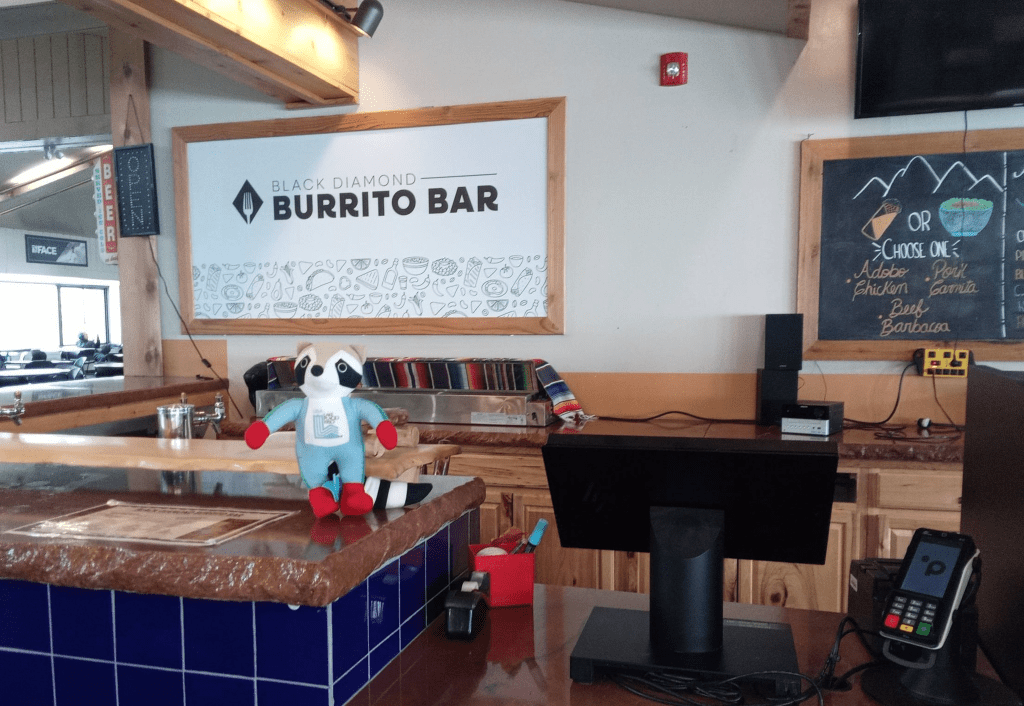
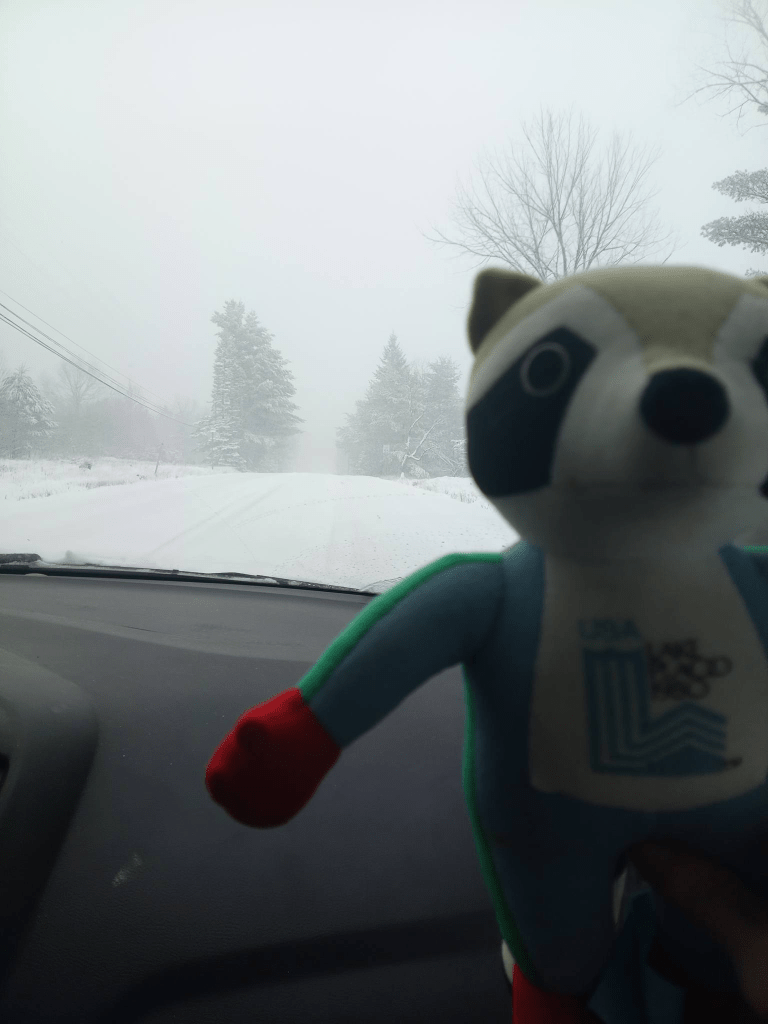
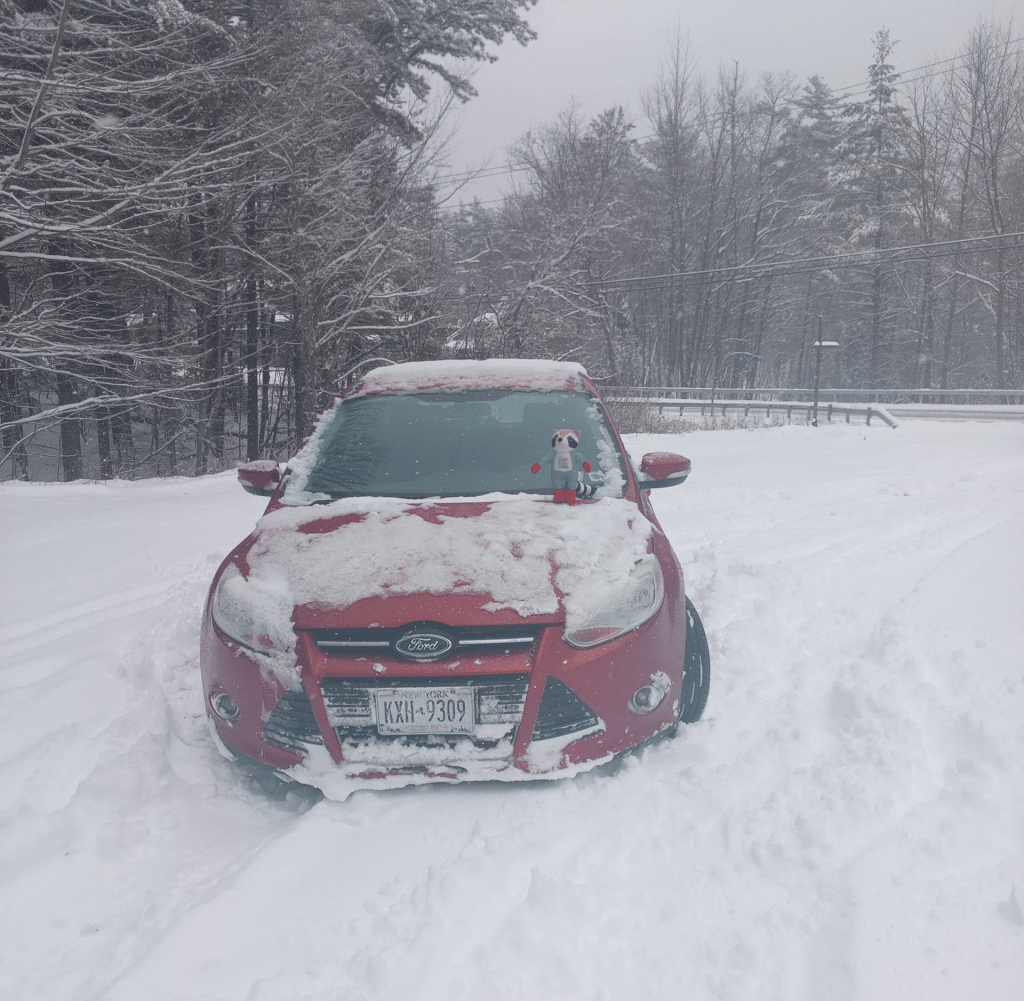
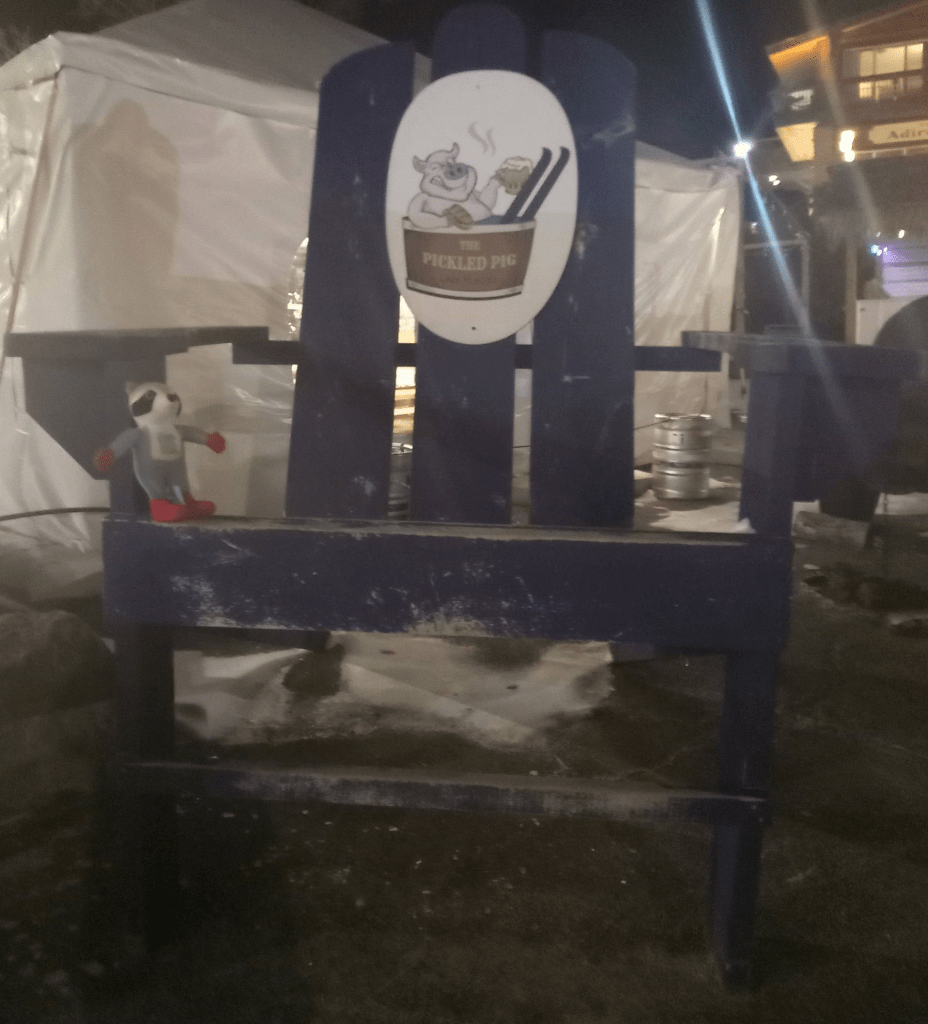
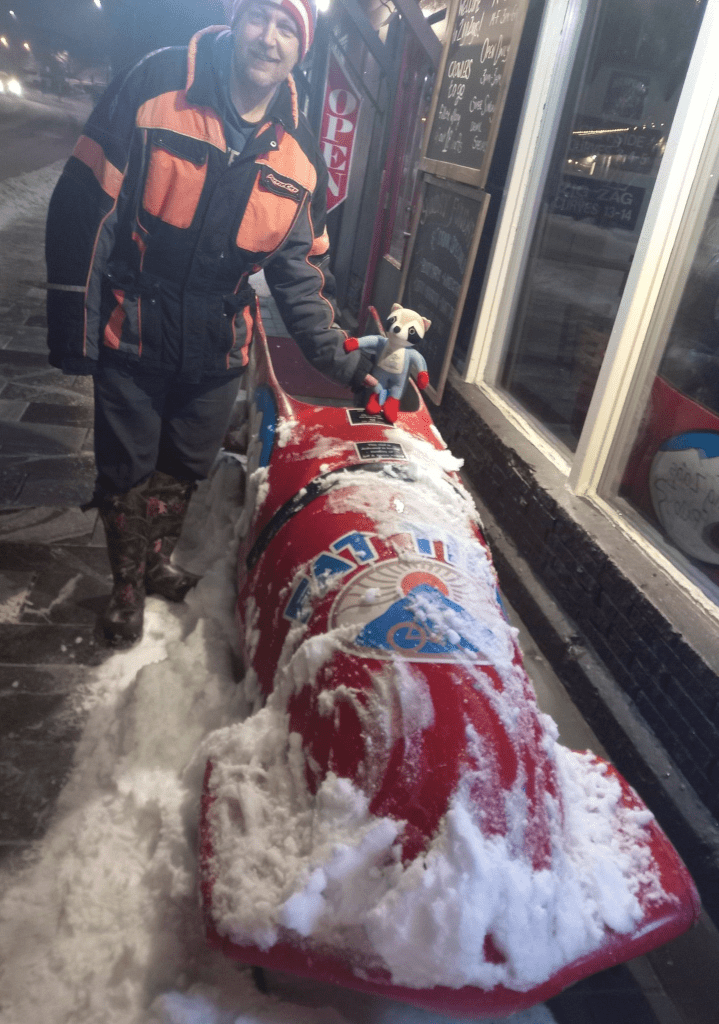
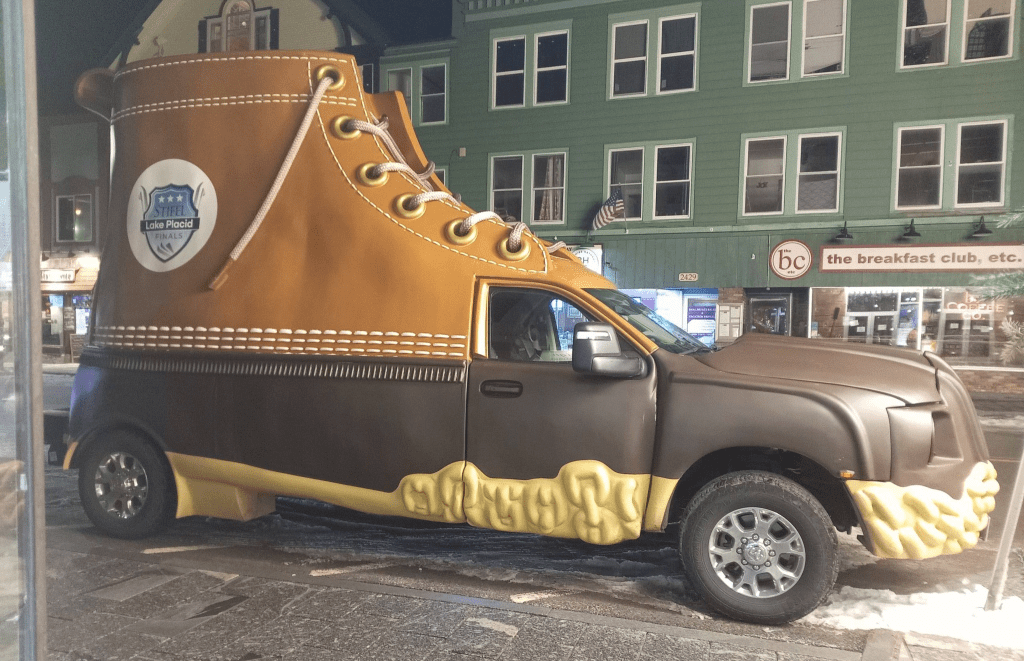
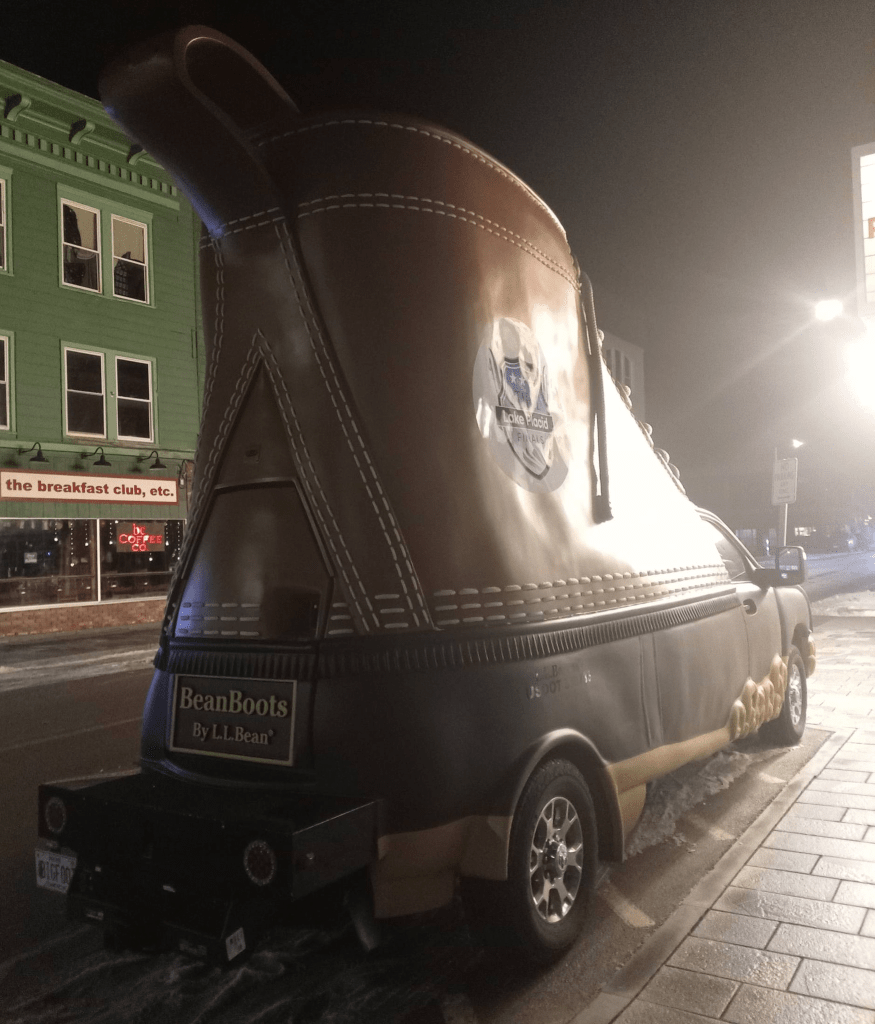
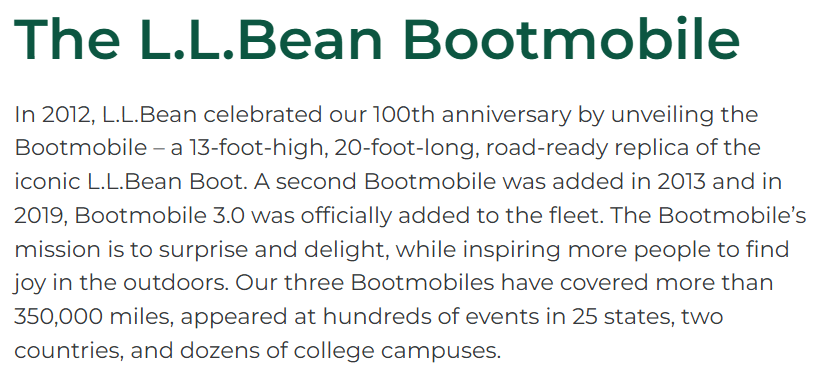
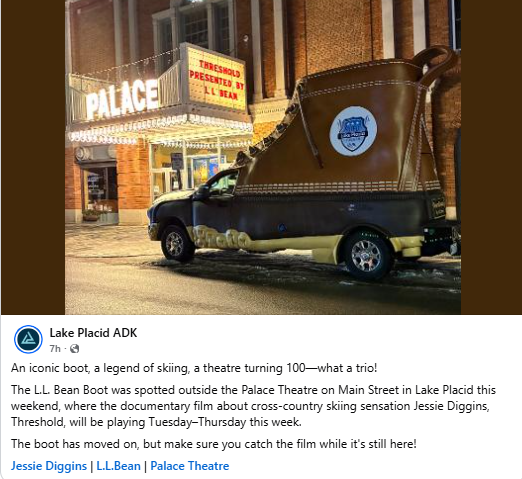
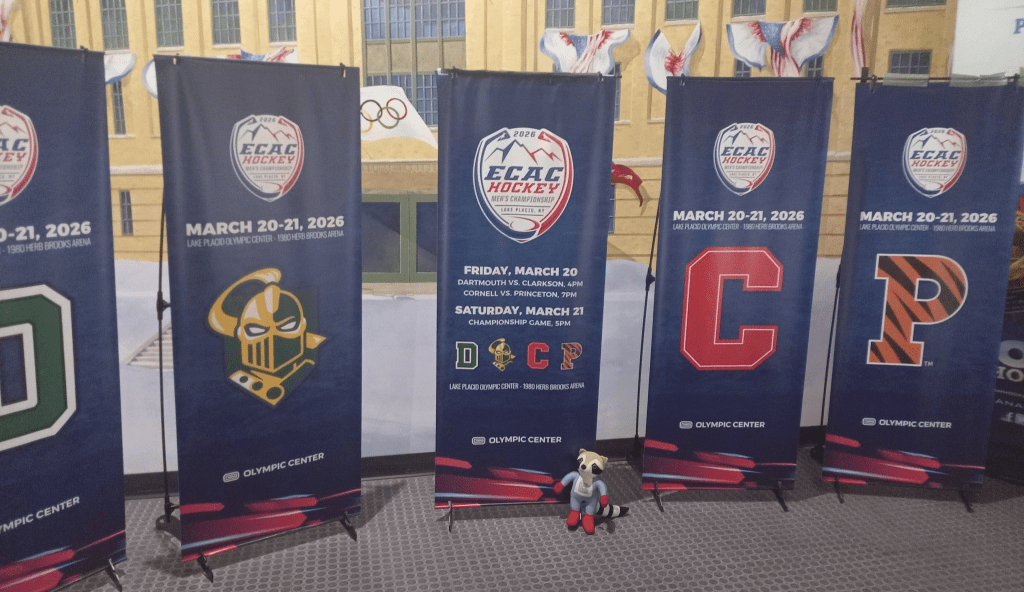
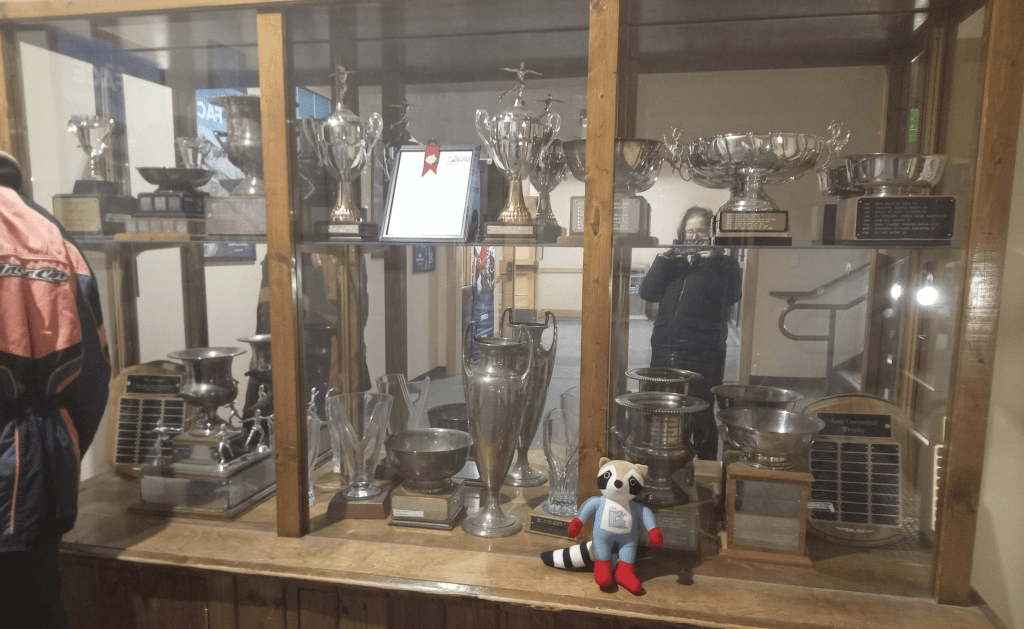
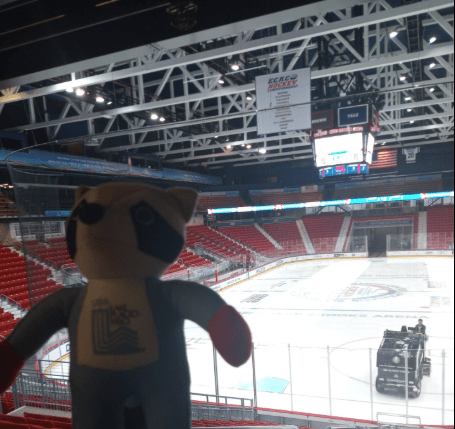
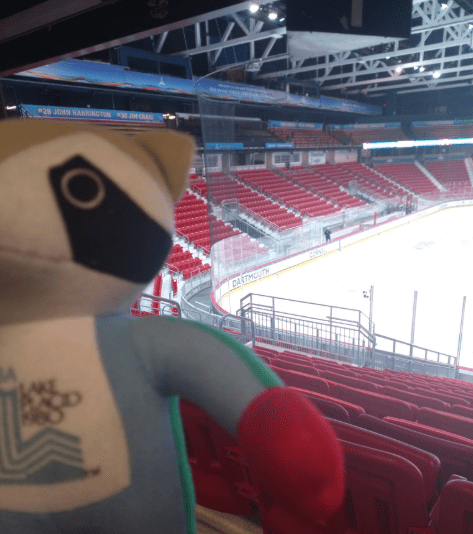
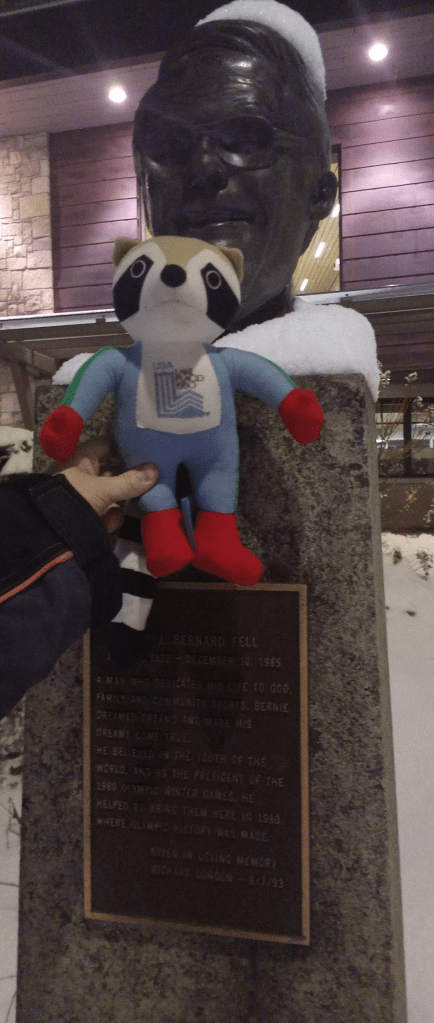
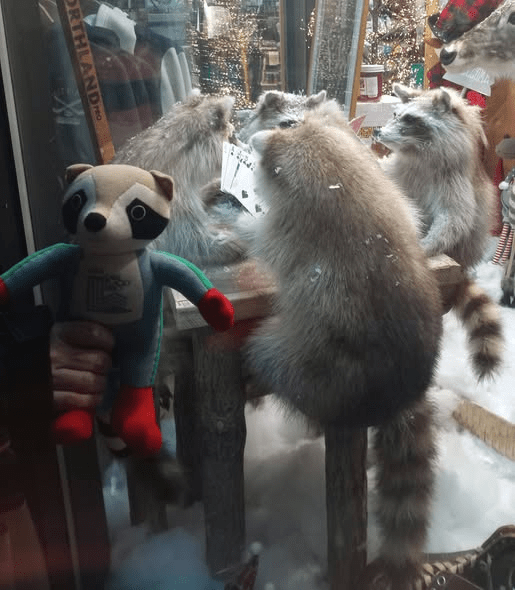
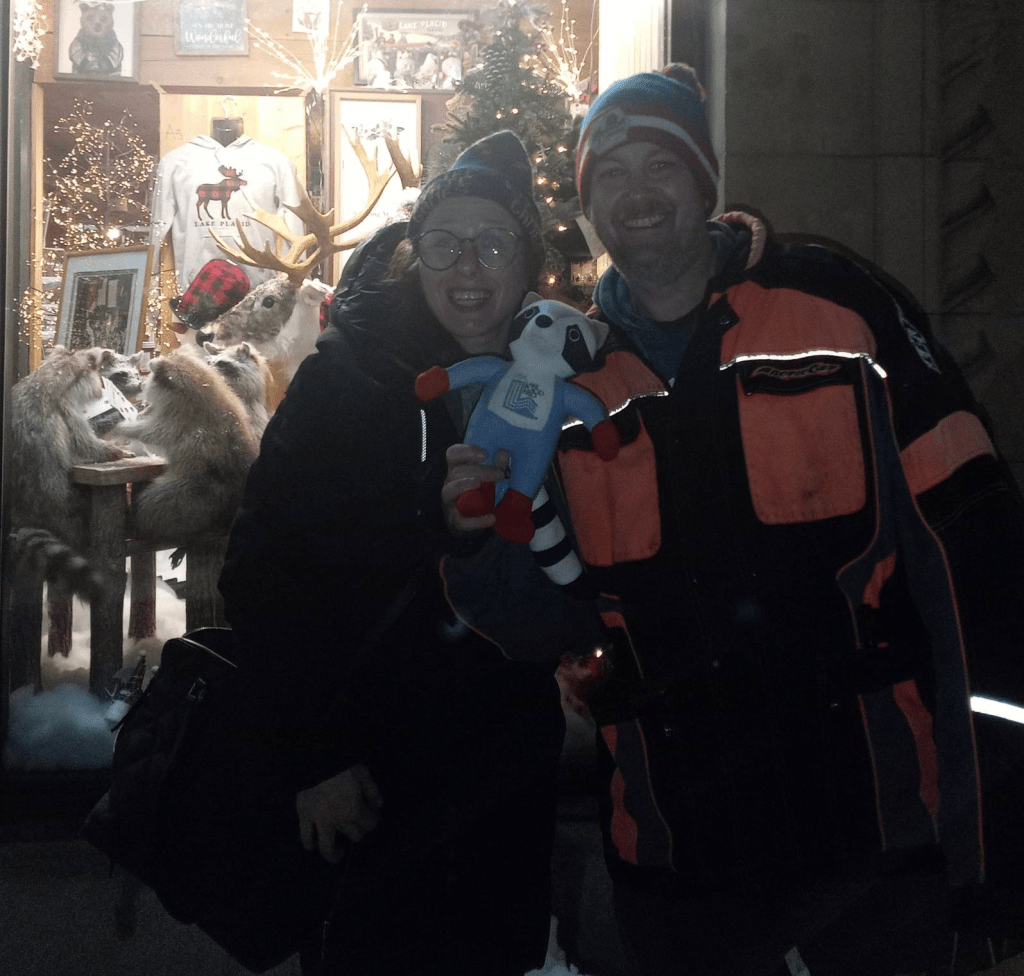
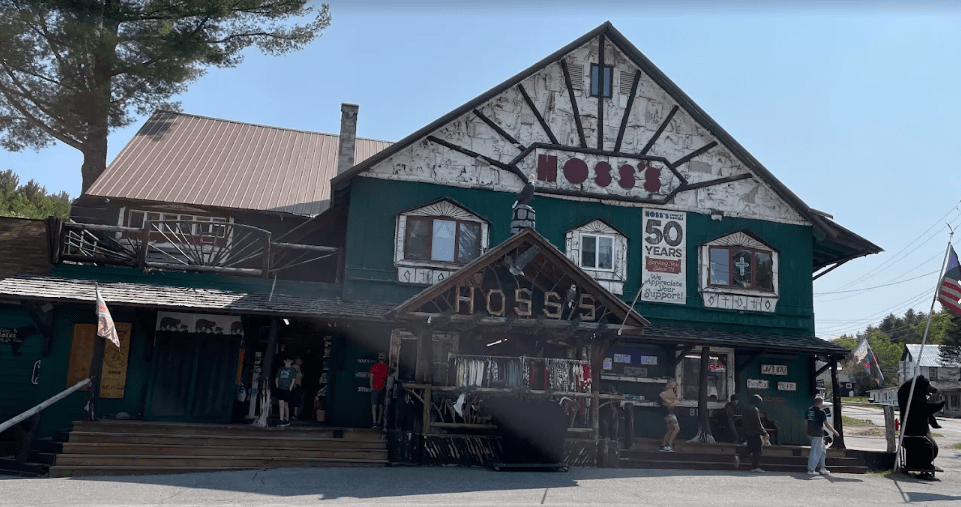
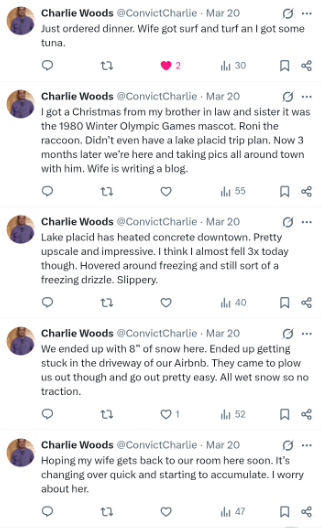
Roni at the sign welcoming us to Lake Placid. I did not realize both the 1932 AND the 1980 Olympics were held here (I thought it was just there in 1980). The 1932 Olympics were the first Winter Games that were held outside of Europe and were the first in North America. Held at the height of the Great Depression, the Games were marked by significant financial challenges, a record-low number of participating nations, and several major Olympic ‘firsts,‘ like a victory podium, indoor venue, and an official soft drink (Coca-Cola).The restaurant and store in front of our Air BnB; the little diner was called ‘Up A Creek’ and we had breakfast there one day (it was very good). According to its website, its open daily from 7 AM to 2 PM and serves breakfast and lunch (as well as homemade soup and daily specials).Roni in front of our Air BnB in Wilmington, NY (about eight miles from Lake Placid), which was called ‘The Great Outdoors.’ We got three nights for $330 and that’s WITH our dog… our room was VERY basic, but had a fridge, a (VERY clean) bathtub, and a comfortable bed. My husband and I didn’t spend much time in our room so it was perfect for us.Roni outside of our room at ‘The Great Outdoors.’Roni relaxing on my husbands side of the bed.Charlie in bed with Roni.Dolly sometimes likes to steal Roni.An action shot of Dolly trying to steal Roni.Charlie at breakfast at ‘Up a Creek’ restaurant, in front of our Air BnB.Roni at Whiteface Mountain, located in Wilmington, NY (its beautiful but is NO Mount Rainer). It’s the fifth-highest mountain in NYS and its summit offers a 360-degree view of the Adirondack Mountains, and on a clear-day you can catch glimpses of Vermont and Canada.Roni and another shot of Whiteface. The mountain’s east slope is home to a major ski resort that boasts ‘the greatest vertical drop east of the Rockies,’ and it hosted all six alpine skiing events at the 1980 Olympics.Roni at Whiteface Mountain, which offers ninety-four ski trails and over 300 acres.The main building at Whiteface Mountains Ski Resort. In 1941, voters in NYS approved funds for the construction of a ski area on the mountain, which was built by the Whiteface Mountain Authority after WWII. The ski area (known as Marble Mountain) was only functional between 1948 and 1960: because its slopes were regularly exposed to conditions that made skiing difficult (or impossible) in 1957 it was abandoned in favor of more modern and favorable environmental accommodations. The former base lodge of the ski slope is currently being used for additional meteorological observations by the Atmospheric Sciences Research Center.A newspaper clipping about Marble Mountain published in The Times-Union on December 14, 1950.An article about Whiteface that mentions Marble Mountain that was published in Daily News on February 10, 1980.Another shot of Roni at Whiteface; the mountain is named for the white rock and rime ice that covers the summit for roughly ten months of the year. Its bare vertex and isolated location (in addition to being exposed to strong westerly winds) make it an ideal location for meteorological studies. Weather observations have been recorded at the peak since 1937, when NYU and RPI established meteorological stations on the mountain; beginning in 1957, data has been collected by the University at Albany’s Atmospheric Sciences Research Center. Roni in the parking lot at Whiteface, which remains an official Olympic Training Site and frequently hosts US Alpine Championships as well as World Cup events.A really pretty stream we found while walking up to the resort at Whiteface Mountain.Roni at Whiteface Mountain; the earliest recorded ascent of the peak was made by surveyor John Richards in 1814 and it was the first mountain in the Adirondacks to attract attention from tourists (thanks to its proximity to Lake Placid); by 1859 there was a trail to the summit from nearby Wilmington.Roni standing in front of a machine that makes fake snow on Whiteface Mountain.Roni standing in front of a menu at a lodge at Whiteface (in addition to being a natural wonder, it is also a popular ski resort).Roni standing at the terminal of a ski lift at Whiteface Mountain.Roni in line to buy lift tickets; I really wanted to ride the gondola, but I wasn’t buying a $140 lift ticket when I don’t even know how to ski (a one-day pass for an adult between the ages of twenty and sixty-four is $134).Roni in front of a lodge at the Whiteface Mountain Ski Resort.Roni standing in front of a ski lift loading station (or terminal) at Whiteface Mountain.Roni with some skiers on Whiteface posing in front of a map of its trails. The mountain encompasses three distinct peaks: Whiteface Summit, Little Whiteface (which is known for its challenging Olympic-heritage runs), and Lookout Mountain.Roni and a map of the trails at Whiteface Mountain (with my husband in the background).A close-up shot of Roni and a map of the trails at Whiteface Mountain. The 46 peaks of the Adirondack Mountains.Roni in front of The ‘Waffle Cabin’ at Whiteface Mountain in the Adirondacks.A blurb about The ‘Waffle Cabin’ taken from the Whiteface Mountain website.Roni at a restaurant at Whiteface Mountain, in Wilmington, NY.Looking out the window at the gondolas at Whiteface Mountain, in the Wilmington Wild Forest of the New York Forest Preserve in the town of Wilmington, NY.Roni at Base Camp Market at Whiteface Mountain; like the surrounding Adirondack region, Whiteface was covered by large glaciers during the most recent ice ages, which left prominent features on the mountain’s slopes. The advertisement for the ‘Base Camp Market’ taken from the Whiteface Mountain website (whiteface.com).Roni at Burrito Bay, at Whiteface Mountain.A BBQ smoker at Whiteface.On my way home from getting tea on Friday afternoon I ran into a blizzard: it lasted only four hours and by the evening everything was clear.Our car got stuck in the snow after we tried to get food during the blizzard; my husband didn’t park in the front of the resort like I suggested so he was on his own with getting it out (he did, it took him fifteen minutes).A giant chair outside of The Pickled Pig. Their website says they are: ‘family-owned and operated restaurant with a fantastic extended family of staff. Almost everything on our menu is made in-house, from scratch.’The aftermath of The Pickled Pig; I liked my food (ribs), Charlie said his meal was ‘so-so’ (they put pickles on his sandwich even though he did specify that he didn’t want them… and once a pickle is on something its tainted by its juice and the entire dish is ruined).The description The Picked Pig’s owner Miona A. gave on her business’ Yelp page.Roni on a bobsled in front of Zig Zags Pub, which is supposedly the ‘only true bar in Lake Placid’ and is open daily all year from 3 PM to 3 AM.Another shot of Roni inside of Zig Zags Pub. Per their Facebook page, they have eighteen craft beers on tap, 40+ bottles and cans, premium tequilas, single malt scotches and small batch bourbons, as well as live music and nightly drink specials.Another view of Roni at Zig Zags; described as a ‘staple of Lake Placid’s nightlife,’ it’s widely recognized as the areas ‘premier’ Olympic-themed dive bar. Located on Main Street, it is popular with both locals and tourists for its ‘high-energy atmosphere’ and late-night hours, and features authentic Olympic memorabilia, including a red bobsled outside and Steve Holcomb’s 2010 Olympic Gold Medal speed suit inside.Roni (and Charlie) at the American Legion in Lake Placid, which has been advocating for US Veterans since 1919. We had plans of going in for a drink but didn’t make it; vets clubs like this are near and dear to my heart because I’ve worked at my bar (the Tonnewanta Veterans Club in Kenmore, NY) for almost three and a half years.Roni sitting next to a sign outside of the American Legion in Lake Placid.Roni crashed our fanciest dinner in Lake Placid, at The White Bear. According to their Facebook page, they are an ‘Italian-American restaurant’ and ‘lunch and dinner we serve every day, 11 AM to 9 PM.’A giant LL Bean bootmobile; I wish I had one.The back of the LL Bean boot.Some information about the bootmobile taken from their website.A Facebook post about the LL Bean boot made by the group ‘Lake Placid ADK.’We came across this sign on a walk through Lake Placid one night; have I worked at an insurance company for too long, or does that say ‘zuppa di claims?’The 2023 FISU World University Games Cauldron. According to the fisu.net website: ‘the twelve-foot, carbon steel cauldron from which the Lake Placid 2023 FISU World University Games symbolic flame will soon shine brightly took up its home in Brewster Park in Lake Placid one month before the opening ceremony. Designed and created by Adirondack Studios from Argyle, NY, this cauldron features top borders that depict the silhouettes of the High Peaks of the Adirondack Mountains. It is also ribboned with cut-outs of winter sport pictograms that enable the light from the LED-powered strobe to shine through. 300 hours of metal fabrication, 100 hours of resin molding and fabrication, and 100 hours of electrical labour went into producing this cauldron.’Roni posing in front of The Olympic Center in Lake Placid, which is a sports complex that acted as The Olympic Park for both the 1932 and the 1980 Winter Games.Roni posing at the scoreboard from the 1980 ‘Miracle on Ice’ hockey game.The 1980 ‘Miracle on Ice’ US mens hockey team.Roni with some banners for the 2026 ECAC Men’s Hockey Championship that took place in Lake Placid during the weekend of March 20-21, 2026.Roni with some (of the many) trophy’s on display at The Olympic Center in Lake Placid.Roni at The Herb Brooks Arena on Thursday, March 19, 2026, which was built for the 1980 Olympics. It’s a 7,700-seat venue that is most known for the 1980 ‘Miracle on Ice’ hockey game where the US won in a 4–3 victory over the Soviet Union.Another shot of Roni at The Herb Brooks Arena. Formerly known as The Olympic Center Arena, to commemorate the 25th anniversary of the 1980 American victory in the Lake Placid Olympics in 2005 it was renamed after the late Herb Brooks, who coached the American team during that fateful year. Other events the arena hosted during the 1980 Games include figure skating events and the closing ceremony, and it currently hosts ECAC Hockey Championships, USA Hockey events, and figure skating.Roni at The Jack Shea Arena, which is an indoor, artificial ice rink that was used for both figure skating and ice hockey competitions in the 1932 Winter Olympics; it’s part of The Olympic Center Complex and replaced an earlier outdoor facility called ‘The Lake Placid Rink,’ which was dismantled following the 1932 Games.Another picture of Roni at The Jack Shea Ice Rink. It was formally dedicated on January 16, 1932 and was previously called The Olympic Arena (or The 1932 Arena), and in 2005 it was renamed after Jack Shea, who had won two speed skating gold medals in 1932. At the time the facility was ninety years old and was in a ‘decrepit state,’ and instead of razing the venue The Olympic Regional Development Authority decided to renovate the building and after nine months of work, ‘The Jack Shea Arena’ reopened officially reopened on December 3, 2021.Roni and the back portion of The Jack Shea Arena; it was specially built for the 1932 Winter Olympics and hosted the figure skating competition and six of the twelve ice hockey games.Roni enjoyed the Princeton versus Cornell game on Friday, March 20, 2026 at The Herb Brooks Arena in Lake Placid. Princeton beat Cornell even though I think ‘Big Red’ played stronger in the beginning of the game. Neither me nor my husband are huge hockey fans, so we left at the end of the first period, but at dinner the restaurant had the game on the TV, and I’ll admit it was neat following it.Roni posing next to a bust of the Reverend J. Bernard Fell, who was a key figure in organizing the 1980 XIII Olympic Winter Games. As president of the Lake Placid Olympic Organizing Committee, Fell delivered a notable opening ceremony speech promoting international understanding, bridging his roles as a local community leader and international sports administrator.Roni posing with some raccoons playing cards in a display at ‘The Adirondack Store & Gallery;’ it could be yours for the low, low price of $2,850…A very nice girl stopped to chit chat with us about Roni in front of the ‘Adirondack Store & Gallery,’ and offered to take our picture.Hoss’s Country Corner in Long Lake, NY; a distinctive feature of the store is a live tree that grows directly through the building’s roof.Roni sitting on a bear outside Hoss’s Country Corner in Long Lake, NY. According to Martha Stewart: ‘if you can’t find it at Hoss’s, you probably don’t need it!’Roni posing with a bear at Hoss’s Country Corner, which is a third-generation general store owned by the Hosley family and has been open since 1972.Roni on a giant bear at Hoss’s Country Corner. Famous for having a full sized tree that grows through its roof, Hoss’s is open all year around and serves as a central Adirondack stop for items such as one-hundred-pound cheese wheels, local maple syrup, and Adirondack themed books.A biscuit I bought for my dad’s dog at Lake Placid; it cost $8 but Bella is worth it.Some of my husbands random thoughts on his Twitter feed from our time on vacation; we both write in different ways, I suppose (although he did used to run his own country music website many years ago).