Introduction:1975 in Grand Junction, Colorado was marked by a sudden and shocking wave of violent crimes, which included multiple murders (and disappearances) of young women (and children), which traumatized the local community. In the beginning stages of the investigations (long before modern DNA profiling was available), local suspicion frequently fell on acquaintances or family members of the victims, and all cases have been solved in subsequent years thanks to advanced scientific methods as well as dedicated cold case investigators.
The key cases include Denise Oliverson (April 1975), mother and daughter Linda and Kelley (Ketchum) Benson (July 1975), Patricia Botham, Linda Miracle and her two young sons, five-year-old Troy and three-year-old Chad (August 1975), and nineteen-year-old college student Deborah Tomlinson (December 1975).
Isaac Carmickle: on January 27, 1975, thirty-year-old Virgil Carmickle shot and killed his father, fifty-five-year-old Isaac Carmicle after an argument they had in the family home, located at 3047 F Road in Grand Junction. He was raised in Colorado but had lived in California before he returned to Rangely in March/April 1974; as a child he spent some time at Lookout Mountain School for Boys (a state run juvenile center for wayward youth) because of ‘inappropriate conduct,’ and despite having a residence in Rangely, Virgil was saying at his parents’ house at the time. Virgil’s mother Elsie called police after the shooting, who (along with his twelve-year-old sister, Mary) had witnessed the entire incident; they both were taken to St. Mary’s Hospital, where they were treated for shock. When Virgil was taken into custody, Sheriff’s Deputy Mike Martsolf also confiscated a 30-30 rifle as well as a box of ammunition from his vehicle.
In April 1975 he was found innocent by reason of insanity under the ‘irresistible impulse’ clause in the state’s mental defect statute,’ which states if a person is criminally insane if suffering ‘such an impairment of the mind by disease or defect as to destroy the willpower and render him in capable of choosing the right and refraining from doing the wrong;‘ he was committed to the Colorado Mental Health Institute in Pueblo, Colorado for ‘an indefinite period of time.’ About the plea, Mesa County District Attorney Terrance Farina said: ‘the people are not going to resist,’ and an investigation into Carmickle’s background indicated ‘a severe mental disorder.’ Since his release Virgil has had numerous run-ins with LE, the most serious being in June 2020 when he stabbed a truck driver (while highly intoxicated) who had been unloading merchandise outside of a store in Vernal, UT; he was charged with attempted murder he stabbed a truck driver unloading merchandise at a store.
Denise Lynn Oliverson:the pretty twenty-four-year-old brunette disappeared on April 6, 1975 while riding her bicycle to her parents’ house after getting into a fight with her boyfriend (it is a popular misconception that she was still married at the time of her abduction, but she was not); she never arrived at her intended destination and her ten-speed bicycle and sandals were discovered the following day under the Fifth Street Bridge near the Colorado River.
Ted Bundy:though long suspected to be a victim of Theodore Robert Bundy, Denise’s disappearance remained an official mystery for over four decades; investigators later found a gas receipt that placed the killer in Grand Junction on the same day that she disappeared, and during his January 1989 confession, he told investigators he that he abducted the young divorcee (although he did not give her name), killed her in his car near the Utah state line, then dumped her body in the Colorado River (about five miles west of the city). As of September 2026, her remains have never been recovered, but the Grand Junction PD officially closed the cold case in August 2019 after they uncovered an overlooked audio recording originally obtained by the Vail Police Department where Bundy explicitly referenced killing Denise Oliverson and discarding her body in the river.
Linda, Miles, and Knolly Clark:on June 6, 1975 twenty-four-year-old Linda Lee Clark shot her two children then turned the weapon on herself in an apparent ‘murder/suicide’: she killed four-year-old Miles, and her eight-month-old son Knolly sustained life-threatening injuries before she shot herself in the head. The three lived with Linda’s mom (Virginia Snyder) and her two younger brothers (sixteen-year-old Fred and thirteen-year-old Leonard) in her house in Whitewater. It was the older boy that made the gruesome discovery at around 6 PM when he found his sister and nephews in one of the back rooms of the house: the baby had been lying in his crib, and Miles was in his bed. Linda was lying next to Miles’s bed. A .38 caliber pistol was lying on the floorand sheriff’s deputies found three .38 caliber bullets in the vicinity of the bedroom.
None of Linda’s neighbors reported hearing gunshots, and one reported the young mother and her sons moved in about a month before the incident, and that they lived in Denver until about a year prior. She also said both Linda and Virginia were separated from their respective spouses, and both men were suspected to be living in the Denver area. The owner of the house said the last time her tenant stopped by to pay rent she seemed very ‘discouraged and down,’ and that she ‘wished she had made a harder try at marriage. Regarding the incident, Sheriff Dick Williams said there was ‘nothing to lead me to believe Mrs. Clark did not shoot her sons and then kill herself.’
Another neighbor of Clark’s said her marriage situation was ‘something ‘she didn’t talk about much,’ and marriage was a ‘part of her life she’d like to forget.’ A third neighbor named Edna Lawler babysat for her on occasion, and she said Linda ‘treated her kids perfectly,’ and had told her once, ‘if I give anything to my children, it would be their health.’ It is worth noting that, according to the user ‘marionumber1’ on the website ‘zodiackillerhoax.freeforum.net’ website, Linda’s mother disputes the fact that her daughter shot her children then herself and believes they were all murdered; additionally, Clark happened to know future victims Linda Benson and Linda Miracle.’ Knolly Clark was adopted by his biological aunt Kathy and lived in Brighton, CO until his mom and sister Rose died, when he moved back to Grand Junction. He died on September 6, 2022 at the age of forty-seven at the HopeWest Hospice Care Center.
Francis ‘Jerry’ Gerald Romisch: although the nineteen-year-old US Army soldier at Fort Carson wasn’t technically killed in Grand Junction, Jerry Romisch was born and raised in the area and was there the day prior to his death (he left GJ around 7 PM on June 16, 1975). As an adolescent he attended St. Joseph’s Immaculate Heart and Palisade High School, where he was a varsity wrestler; he was also a member of St. Ann’s Catholic Church. Romisch was shot ‘multiple times’ while in his vehicle (his autopsy report stated only that he suffered ‘multiple gunshot wounds’ and didn’t specify how many), which was a white two-door international brand pickup truck with license number NJ-379; the vehicle’s windshield had been ‘sprayed with bullets,’ and there were seventeen holes in total found scattered across it. It is believed he was shot while at a rest stop along Highway 115, south of Colorado Springs and it appears he tried to drive away afterwards only but made it a few hundred feet down the road (where his truck came to a stop against a barbed wire fence). His body was found lying on the ground outside the driver’s side door when he was discovered by a passing motorist. He had been wearing blue jeans, a brown belt, a brown shirt and green socks; the cowboy boots he had been wearing were not on his feet but were found close by. It’s also worth noting that Jerry’s brother Richard was also stationed at Fort Carson and was it rumored he had been working on a narcotics squad there. As of September 2026, the murder of Jerry Romisch remains an active and open cold case.
Linda Benson and her daughter Kelley Ketchum: on the evening of July 25, 1975, twenty-four-year-old Linda Benson and her five-year-old daughter Kelley Ketchum were found stabbed multiple times inside their residence at the Chateau Apartments in Grand Junction; they were found by Linda’s ‘common-law husband,’ Steve Benson, who had returned home from a multi-day work trip in Hayden (where he was working as a pipe fitter), and discovered their bodies inside their apartment. Linda had been nude on the floor of the master bedroom (one report said she was found at the foot of the bed), and though investigators noted the scene pointed to a sexually motivated crime, there were no clinical signs of rape; she had been stabbed multiple times. Kelley also suffered multiple stab wounds and was found in the hallway floor between two bedrooms (one source said she was specifically on the floor of a connecting bathroom).
Due to an extreme lack of evidence at the scene of the crime, the case quickly went cold, and for over three decades Linda and Kelley’s family were left desperately seeking answers. In 2007, the Grand Junction PD’s cold case unit re-examined the preserved physical evidence using modern forensic technology, and experts successfully isolated foreign DNA from underneath Linda’s fingernails as well as from blood spatter found in eight different spots across the apartment. Deputy District Attorney Jim Alvillar saw the apartment after the murders took place and described it as ‘a horrific scene.’ … ‘It was tragic. There was a young woman who had obviously fought, and then there was a dead little girl.’ According to reports, Steve Benson fled Colorado due to the judgment and rumors of possibly being involved with his wife and daughter’s death.
Jerry Louis Nemnich: there was a break in the case in April2009, when detectives entered DNA that had been collected from the crime scene into CODIS (Combined DNA Index System), which returned a perfect match for Jerry Nemnich, a convicted serial rapist with a long and violent criminal history dating back to the age of sixteen in 1960. He was convicted of first-degree sexual assault in 1977 and served a long prison sentence from 1978 until 1992. After his release he got a job as a long-haul trucker and he was arrested for the murders on April 9, 2009 at the Utah-Colorado border. At the time of his 2009 arrest, authorities were also looking into him regarding potential links to three or four additional unsolved murders in the Grand Junction area.
On October 27, 2010, a jury of his peers found Nemnich guilty of first-degree murder, and he was sentenced to two consecutive life terms without the possibility of parole. His subsequent appeals to the Colorado Court of Appeals and the Colorado Supreme Court were denied, ensuring he would spend the remainder of his life in prison. During his October 2010 trial, he took the stand in a surprise move and offered a highly improbable defense, claiming he had entered Linda’s apartment complex to buy marijuana when he was suddenly attacked by a mysterious, knife-wielding stranger, and he managed to wrestle the weapon away,and it was only then that he discover the bodies. The prosecution successfully dismantled his story as pure fiction, using advanced forensic techniques to prove that Nemnich’s blood was spattered directly onto Linda’s chest, and that his DNA under her fingernails, which proved she had fought him directly for her life.
Many Rumors Surround Linda’s Death: I took the following passage from a post about former Grand Junction Police Ben Meyers from the website ‘zodiackillerhoax1986.freeforums.net (made by user ‘marionuimber1’): ‘Linda Bensonand her 5-year-old daughter Kelly Ketchum are brutally murdered in a grisly scene at her apartment. It was found that ‘a cross was carved into her sternum, between her breasts’ (l.376 of The Killing Season by Alex French), which happens to be one of the alleged markers of Hand of Death cult murders. Rumors swirled that Linda’s ex-husband Steve Benson was in the drug and gun trafficking scene (l.710 of French), and at one point Benson’s mother Barbara Himmerite offered up a suspicion to police that Steven and Ted Bundy ‘ran dope together.‘ It is clear that Benson herself was a member of that scene; a member of a local church said to police (l.710 of French): ‘I’ll tell you what, though. Linda was into the drug scene. I believe she had knowledge of the numerous heavy pushers around the Valley and that put her into considerable danger. Once she said to me, ‘If you only knew who the dealers are . . . big shots.’ So Linda Benson was in a position to have known too much, and to top it off, she was friends with future victim Linda Miracle. A bizarre side note (l.913 of French): Steve Goad, who lived in the same apartment complex as Linda, was adamant that he saw Ted Bundy (!) there on the night of her murder. But ultimately, the case was closed through an apparent DNA hit, matching to Colorado serial rapist Jerry Nemnich. That does not, needless to say, rule out others from involvement.’
Linda Miracle, her two young sons, Troy (age five) and Chad (age three), and Patricia Botham: it’s worth noting that on June 15, 1975, it was reported that somebody tried to strangle Linda Miracle, but she survived the ordeal. On the evening of August 22, 1975, twenty-four-year-old Linda Miracle and her two young sons vanished from their home under highly unusual circumstances, and she even left a meal behind, still sitting on the kitchen table; oddly enough, their neighbor across the street, twenty-five-year-old Patricia Botham, also vanished. Weeks later, on September 26, 1975 the bodies of Linda, Patricia, Troy and Chad were recovered from the Gunnison River.The coroner determined both women had been suffocated, where Troy and Chad had been shot in the head with a .22-caliber weapon;post-mortem, he weighed their bodies down with railroad iron then threw them into the river.
Unlike most of the other murders that took place in Grand Junction in 1975, the Miracle/Botham slayings were solved relatively quickly: Patricia Botham’s twenty-eight-year-old husband, Kenneth Botham Jr. (a former electronics executive) was arrested on November 8, 1975 on four counts of first-degree murder for the deaths of his wife, Linda Miracle, and her two sons (authorities believed he killed the two boys because they would have been able to identify him). In December 1976 he was found guilty of first-degree murder for his wife’s death and three counts of second-degree murder for the deaths of Linda Miracle and her children.
The prosecution’s case relied heavily on circumstantial details, including the fact that the state argued Botham wanted to avoid paying alimony due to marriage difficulties, something that established a supposed motive; additionally, investigators found a .22-caliber pistol in a crawl space under his residence months after the murders, however, forensic testing by the Colorado Bureau of Investigation could never definitively tie that specific gun to the bullets that killed the Miracle children. Botham’s defense also strongly maintained that logistically, the timeline of events prevented him from being in Grand Junction when the murders took place because he had been somewhere else at the time.
Despite the lack of direct forensic evidence or eyewitness proof, a Mesa County jury convicted Botham of first-degree murder for his wife and three counts of second-degree murder for Linda Miracle and her sons, and he was sentenced to die in the gas chamber. In 1981, the Supreme Court of Colorado completely overturned Botham’s conviction when the high court ruled that pervasive, prejudicial pretrial publicity (such as local newspapers publishing unverified headlines about the .22 pistol before the trial) had fundamentally denied him a fair trial.
In 1982 he was retried, and because Colorado changed its statutes surrounding capital punishment during that window, Botham was instead sentenced to life in prison without the possibility of parole, where he has remained ever since. He has maintained his innocence for over fifty years, and in recent decades, independent true crime researchers and his family have championed his case, most notably via true-crime websites and podcasts like ‘the investigative podcast, ‘Junction’ and kenbotham.com.
Interestingly enough, on a forum about Ben Meyers on the website ‘zodiackillerhoax1986.freeforums.net,’the user ‘marionumbner1’ on said the following about the Miracle/Botham murders: ‘an aborted podcast on the case (soundcloud.com/junctionpodcast/welcome-to-junction) interviewed a couple who was friends with Botham and Miracle, and they said they were ‘told by Patricia that her and Linda were going to come forward with some news that was going to shock the whole town.’ What could they have been in a position to reveal? Both women were romantically involved with local law enforcement officers: Miracle was dating a Mesa County sheriff’s deputy named Truman Haley, and Botham was having an affair with Grand Junction PD officer Tom Montgomery. Also bizarrely, Haley stole several of Miracle’s diaries, one of which (per SUSPECTS: The Botham / Miracle Murders by Marti Talbott) was said to have recorded sexual liaisons that Miracle had with a large number of Grand Junction cops. Sounds like the town would have been left very shocked indeed if this information came out. The murders were ultimately pinned on Pat’s husband Ken Botham, although his sons believe he is innocent and run the aforementioned website on his case: kenbotham.com/overview.htm’ Later on in the same post about Ben Meyers, the same user points out that Linda Miracle knew Linda Miracle, and the two women had been friends since high school (drugs did play a role in their friendship).
Donald, Harlin, and Eva Sparks: on November 21, 1975 twenty-one-year-old Donald Lee Sparks shot and killed his parents Harlin and Eva (both forty-nine) while they were asleep in their beds in their home (located at 2107 Zion Road). Donald called Grand Junction PD around 12:320 AM to inform them he shot and killed both of his parents in the family residence, and upon hanging up turned the gun on himself. Upon entering the residences deputies found him dead on the living room floor from a self-inflicted gunshot wound, and his father and mother died of a gunshot wound to the head. According to Sheriff Don Williams, ‘ a .357 magnum revolver was lying underneath Don’s back near his hand; three bullets had been fired from the weapon, and there were three left.‘ and ‘at this time we feel Don apparently shot his parents called police and then shot himself. The parents were sleeping when they were shot. ‘No motive for the murders was known and there were no suicide notes left behind by any parties.
Deborah ‘Debi’ Tomlinson: nineteen-year-old Deborah Kathleen Tomlinsonwas a student at Mesa College that was found bound and strangled in her off-campus apartment on the 1000 block of Belford Avenue on December 27, 1975 by the apartment manager after her family reported multiple unanswered phone calls. Upon entry, she discovered Tomlinson’s bedroom window was open and her toilet was running. She had been partially clothed and was found in the bathtub. Investigators found that Deborah had been bound, sexually assaulted, and strangled; she also had a gash on her forehead, which was proof she most likely tried to fight off her attacker. Police found no evidence that a weapon was used in the murder.
Local detectives interviewed neighbors and potential suspects in 1975 and 1976 but ran out of leads by April 1976, and the case quickly went cold. For decades, Deb’s murder tore the Tomlinson family apart, because initial suspicion wrongfully swirled around her Uncle Tim, who was eventually excluded as a suspect via DNA evidence when the case was briefly revived in 2008.
Jimmie Dean Duncan: in 2019, the Grand Junction PD (along with Parabon NanoLabs), took a fresh look at the evidence in relation to the murder of Tomlinson, and the following year DNA allowed them to identify career criminal Jimmie Dean Duncan as the killer of the pretty young college student (I have also seen his first name spelled ‘Jimmy’). Duncan was twenty-six at the time of the murder, and by the time this discovery was made he was already dead, as he died of unknown causes on December 24, 1987, in Denver at the age of thirty-eight. Opinions on Reddit’s Unresolved Mysteries thread are mixed regarding the possible motives: some people feel it was related to a burglary, where others feel it was simply a crime of opportunity (given Duncan’s transient background). Jimmie Dean Duncan was born on April 24, 1949, in Monte Vista, Colorado, and before Tomlinson’s murder in 1975, he had been involved in an armed robbery and a separate shooting incident in Florida.
Donald Robert Laabs: twenty-eight-year-old Detective Sergeant Donald Robert Laabs with the Manitou Springs Police Department was shot and killed on December 18, 1975, the same day he was promoted to detective sergeant. It’s highly suspected that Laabs (a US Army and undercover narcotics officer) was on his way home from work, as eyewitnesses saw him exit the highway in the direction of his residence. Approximately two hours after he was last seen alive, he was found deceased inside his police cruiser parked along Interstate 25 near the Arvada Street exit in Colorado Springs; he had been shot eight times with a .22 caliber handgun.
Despite intensive investigations and interviews with dozens of personal and professional associates in the months that followed the murder, authorities never established a motive or identified any viable suspects. At the time of Laabs death, he was survived by his wife and two young sons, and the investigation into his death remains an active, open case monitored by the Colorado Springs Police Department Cold Case Files
Ben Meyers in Relation to ‘The Year of Fear:’Ben Meyers served as the Chief of Police in Grand Junction for the entirety of 1975 (he led the department from 1973 to 1976, when he was succeeded by Ed VanderTook); he had previously served as the police chief in Salem, Oregon, for eight years before he relocated to Colorado. However, his tenure at the Grand Junction Police Department was short-lived and highly controversial amidst rumors of corruption and a personal scandal following the murder of Deborah Tomlinson when he faced intense scrutiny over how his department handled the homicides in 1975, which created intense public and political pressure for a change in leadership. His administration was continually plagued by rumors of institutional misconduct, and there were additional (unproven) allegations that linked some of his officers to illicit narcotics and vice rings. The final catalyst occurred after Meyers reportedly threatened one of his subordinate officers that caught him buying drinks for his nineteen-year-old girlfriend at a local bar, which sparked an intense internal dispute, and he wasforced to step down.
In addition to shady practices regarding women less than half his age, Meyers was rumored to be involved in drug trafficking operations (despite being part of a Grand Junction ‘anti-drug’ task force), where he was rubbing shoulders with dope dealers; it was discovered that he had two separate bank accounts where many large deposits were made throughout his time as police chief, but a District Attorney and a Judge blocked any release of these records.
According to George from the website CAVDEF.org, Meyers ‘possible involvement makes sense considering Campbell was the sister of a Florida police officer, so there is the chance of her death involving threats related to drugs traffickers. Perhaps Temos* was his hit man. Meyers resigned as undersheriff after Bundy’s jail break. But the department claims his resignation was not related to that, and he left over disagreements with the Sheriff on some unknown ‘law enforcement philosophy.’ Meyers was found to have several ‘extra’ bank accounts with untraceable money. Cleared bank accounts and left Grand Junction in December 1976. Went to Telluride as Chief of Police. Alleged connections to the drug/traffic/prostitution community.’ * George is referring to Hugh Joseph Michael Temos, who was an alternative suspect in the murder of Caryn Campbell before Bundy was caught.
In addition to shady practices regarding women less than half his age, Meyers was rumored to be involved in drug trafficking operations (despite being part of a Grand Junction ‘anti-drug’ task force), where he was rubbing shoulders with drug dealers; it was discovered that he had two separate bank accounts where many large deposits were made throughout his time as police chief, but a District Attorney and a Judge blocked any release of these records. Unofficial accounts and cold case files from the era suggest a broader crime spree in the area, which may have targeted individuals who knew too much about drug activities tied to corrupt law enforcement. It’s also a belief by some people that Meyers framed Pat Botham for the murder of Linda Miracle, who was rumored to have been in sexual relationships with several members of the Grand Junction police department.
Upon leaving Grand Junction, Meyers moved to Aspen and took a job as the Undersheriff of Pitkin County, and in a strange twist during a 1977 Aspen preliminary court hearing for serial killer Ted Bundy, a star eyewitness named Lizabeth Harter was asked to identify Bundy in the courtroom, and instead of pointing to the killer, she mistakenly singled out Meyers thinking he was the man she had seen near the victim. But as usual with Bundy case testimony, Harter changed her version of events from ’nothing unusual,’ to ‘two men,’ to only Bundy in the span of 3 years, however she did admit she didn’t get a good look at the man due to poor lighting before Cambell’s disappearance; this mix-up fueled conspiracy theories and rumors regarding Meyers’ background and any overlap with the 1975 Colorado crimes.
A Google Maps layout of all the primary locations related to the ‘Year of Fear:’ The first is the 5th Street Bridge, where Denise Oliverson was abducted from. The second location is where Linda Benson and her daughter Kelley were killed. The third is where Patricia Botham and her neighbors Linda, Chad, and Troy Miracle were abducted from. The fourth location is the apartment complex where Deborah Kathleen Tomlinson was killed.An article about the uptick of crime in the 1970’s in Grand Junction that was published in The Daily Sentinel on January 1, 1980.An article about Bundy’s activity in Grand Junction in 1975 that was published in The Daily Sentinel on January 24, 1989.Part one of an article about the year of fear that was published in The Daily Sentinel on April 10, 2009.Part two of an article about the year of fear that was published in The Daily Sentinel on April 10, 2009.Part one of an article about 1975 being dubbed ‘the year of fear’ that was published in The Daily Sentinel on April 26, 2009.Part two of an article about 1975 being dubbed ‘the year of fear’ that was published in The Daily Sentinel on April 26, 2009.Isaac Carmickle’s WWII draft card.An article about the murder of Isaac Carmickle that was published in The Daily Sentinel on January 25, 1975.An article about the murder of Isaac Carmickle that was published in The Daily Sentinel on January 28, 1975.An article about the murder of Isaac Carmickle that was published in The Daily Sentinel on Febrauary 20, 1975.An article about Virgil Carmickle being found insane in relation to his father’s murder that was published in The Daily Sentinel on April 2, 1975.An article about Virgil Carmickle escaping from the Colorado State Hospital that was published in The Daily Sentinel on August 23, 1976.An article about Virgil Carmickle escaping the Colorado State Hospital that was published in The Pueblo Chieftain on November 1, 1978An article about Virgil Carmickle getting recaptured after his escape from the Colorado State Hospital that was published in The Pueblo Chieftain on November 30, 1979.A picture of Virgil Carmickle taken from his Facebook page, from 2019.Denise Lynn Oliverson.An article about divers looking for the remains of missing women around Colorado that mentions Denise Oliverson and Linda Benson published by The Daily Sentinel on October 13, 1975.An article about Bundy being executed that mentions him murdering Denise Oliverson at the very bottom that was published by The Tribune on January 27, 1989.Denise Oliverson’s page on the apps.colorado.gov/ website.Bundy’s whereabouts on April 5, 1975 when Oliverson disappeared according to the ‘TB Multiagency Investigative Team Report 1992.’A possible route Bundy make have taken to the South 5th Street bridge in Grand Junction, Colorado.A comment made by user ‘jaybland34141 on a post about Ben Meyers on the website ‘zodiackillerhoax1986.freeforums.net’
Knolly Clark as a baby.Linda (top right), Miles, and Knolly Clark.The final resting place of Linda and Miles Clark.A picture taken at the scene of the murder/suicide of the Clark family that was published in The Daily Sentinel on June 7, 1975.An article about the murder/suicide of Linda and Miles Clark that was published in The Daily Sentinel on June 7, 1975.An article about the murder/suicide of Linda and Miles Clark that was published in The Greeley Daily Tribune on June 7, 1975,The obituary for Miles Clark that was published in The Daily Sentinel on June 8, 1975.An article abut the recovery of shooting survivor, Knolly Lee Clark that was published in The Daily Sentinel on June 9, 1975.An article abut the recovery of shooting survivor, Knolly Lee Clark that was published in The Daily Sentinel on July 12, 1975.An opinion piece from someone disgusted by the fact that someone stole from the money that was supposed to go to Knolly Clark that was published in The Daily Sentinel on July 21, 1975.Knolly Lee Clark-Hetzels’s obituary that was published in The Daily Sentinel on September 11, 2022.Francis ‘Jerry’ Gerald Romisch.An article about the death of Jerry Romisch that was published in The Daily Sentinel on June 18, 1975.Linda Benson and her dad in 1955.A picture of Linda Benson taken from The Daily Sentinel on July 26, 1975.A picture of Kelly Benson-Ketchum taken from The Daily Sentinel on July 27, 1975.Steve Benson from his time at Grand Junction High School taken from an issue of The Daily Sentinel that was published on April 18, 2009.The Chateau Apartments in Grand Junction, where Linda and Kelley Benson were killed.An article about the murder of Linda and Kelley Benson that was published in The Daily Sentinel on July 26, 1975.Part one of an article about the murder of Linda and Kelley Benson that was published in The Daily Sentinel on July 27, 1975.Part two of an article about the murder of Linda and Kelley Benson that was published in The Daily Sentinel on July 27, 1975.An article about the funerals of Linda and Kelley Benson that was published in The Daily Sentinel on July 28, 1975.Funeral notices for Linda and Kelley Benson that was published in The Daily Sentinel on July 28, 1975.An article about Steve Benson ‘pretty much’ being cleared in relation to his wife and daughters murders that was published in The Daily Sentinel on July 29, 1975.An article about there being no developments in the investigation into the murder of Linda and Kelley Benson that was published in The Daily Sentinel on August 1, 1975.An article about the Grand Junction PD looking into any connections between the murder of Linda Benson and the murder of Debra K. Nadeau in nearby Lakewood that was published in The Daily Sentinel on August 20, 1975.An article about a murder task force that was set up to solve the 1975 murders in Grand Junction that was published in The Daily Sentinel on March 3, 1976.An article about updates in relation to the unsolved 1975 murders in Grand Junction that was published in The Daily Sentinel on January 20, 1977.Part one of an article about updates in relation to the murders of Linda and Kelley that was published in The Daily Sentinel on April 14, 2009.Part two of an article about updates in relation to the murders of Linda and Kelley that was published in The Daily Sentinel on April 14, 2009.Part one of an article about the arrest of Jerry Nemnich and the vindication of Steve Benson that was published in The Daily Sentinel on April 18, 2009.Part two of an article about the arrest of Jerry Nemnich and the vindication of Steve Benson that was published in The Daily Sentinel on April 18, 2009.The first part of an article about the conviction of Jerry Nemnich that was published in The Daily Sentinel on October 15, 2010.The second part of an article about the conviction of Jerry Nemnich that was published in The Daily Sentinel on October 15, 2010.The first part of an article about the conviction of Jerry Nemnich that was published in The Daily Sentinel on October 16, 2010.The second part of an article about the conviction of Jerry Nemnich that was published in The Daily Sentinel on October 16, 2010.The first part of an article about the conviction of Jerry Nemnich that was published in The Daily Sentinel on October 28, 2010.The second part of an article about the conviction of Jerry Nemnich that was published in The Daily Sentinel on October 28, 2010.The first part of an article about the conviction of Jerry Nemnich that was published in The Daily Sentinel on November 9, 2010.The second part of an article about the conviction of Jerry Nemnich that was published in The Daily Sentinel on November 9, 2010.A screen grab from the Colorado Department of Public Safety Cold Case Task Force Annual Report, October 1, 2011. spl.cde.state.co.us.An article about four prison convicts receiving honors in the American Penal Press contest for their work with ‘The Interpreters,’ (a prison magazine published entirely by prisoners) that mentions Jerry Nemnich that was published in The Pueblo Chieftain on February 9, 1970.A picture of Jerry Nemnich taken during one of his early stints in prison that was published in The Colorado Springs Gazette-Telegraph on February 22, 1970.An article about four prison convicts receiving honors in the American Penal Press contest for their work with ‘The Interpreters,’ (a prison magazine published entirely by prisoners) that mentions Jerry Nemnich that was published in The Pueblo Chieftain on February 26, 1971.An article about an easter egg hunt being held inside the walls of the Colorado State Penitentiary that mentions Jerry Nemnich taken during one of his early stints in prison that was published in The Pueblo Chieftain on April 9, 1971.An article about making a prison stay constructive that mentions Jerry Nemnich taken during one of his early stints in prison that was published in The Pueblo Chieftain on December 20, 1982.Jerry Nemnich.
Linda Miracle and her sons, Troy and Chad.Patricia Jane Jantz-Botham, who was born on January 21, 1950 in Enid, Oklahoma.Patricia Jantz-Botham’s birth announcement that was published in The Enid Morning News on January 24, 1950.Patricia Jantz and Kenneth Botham in a list of people that applied for a marriage license that was published in The Daily Sentinel on June 12, 1969.Patricia Botham’s funeral notice that was published in The Daily Sentinel on October 10, 1975.Patricia Jane Jantz-Botham’s obituary that was published in The Daily Sentinel on October 7, 1975.An article about the murders of Linda, Chad, and Troy Miracle that was published in The Anderson Herald on October 26, 1975.An article about jury selection beginning for the trial of Kenneth Botham Junior that was published in The Daily Sentinel on November 15, 1976.An article about Kenneth H. Botham’s guilty verdict that was published in The Rocky Mountain News on December 13, 1976.An article about Kenneth Botham being hospitailized after a suicide attempt that was published in The Fort Collins Coloradoan on December 13, 1976.An article about Kenneth Botham sitting on death row that features input from his mother that was published in The Daily Sentinel on October 24, 1978.An article about Kenneth Borham’s second trial that was published in The Daily Sentinel on January 17, 1982.A Reddit post made about the granddaughter of Steve Benson made by the Redditor ‘CannaLillie.’A picture of Kenneth Botham walking into court.A picture of Kenneth H. Botham taken from The Rocky Mountain News that was published on December 13, 1976.A comment made by user ‘thadbotham’ on a post about Ben Meyers on the website ‘zodiackillerhoax1986.freeforums.net.’An article about there being no foul play suspected in relation to the drowning death of Tracy Martee Freitas that was published in The Daily Sentinel on October 11, 1975.An article about the drowning death of Tracy Martee Freitas that was published in The Daily Sentinel on October 17, 1975.
A picture of Harlin, Eva, and Donald Sparks taken from The Daily Sentinel on November 21, 1975.Where the Sparks family lived at the time of the murder/suicide at 2107 Zion Rd in Grand Junction, CO.Harlin and Eva Sparks in a list of people that applied for a ‘dissolution of marriage that was published in The Daily Sentinel on January 1, 1974.An article about a funeral for the Sparks family that was published in The Daily Sentinel on November 23, 1975.A ‘letter to the editor’ from a childhood friend of Donald Sparks saying goodbye to him that was published in The Daily Sentinel on November 28, 1975.Deborah Kathleen Tomlinson.Deborah Kathleen Tomlinson.An article about the murder of Deborah K. Tomlinson that also mentions a few additional victims from ‘the year of fear’ that was published in The Daily Sentinel on December 28, 1975.An article about Deborah K. Tomlinson’s murder being solved that was published in The Daily Sentinel on December 3, 2020.Part one of an article about Deborah K. Tomlinson’s murder being solved that was published in The Daily Sentinel on December 4, 2020.Part two of an article about Deborah K. Tomlinson’s murder being solved that was published in The Daily Sentinel on December 4, 2020.Jimmie Dean Duncan.An article about Jimmie Dean Duncan being arrested that was published in The Pueblo Chieftain on April 7, 1972.An article about Jimmie Dean Duncan being arrested on derug charges that was published in The Pueblo Chieftain on September 30, 1972.An article about Jimmie Dean Duncan getting busted for drugs that was posted in The Pueblo Chieftain on August 31, 1975.An article about Jimmie Dean Duncan getting busted for drugs that was posted in The Pueblo Chieftain on February 7, 1976.An article that mentions Jimmie Dean Duncan getting shot during an altercation with police that was published in The Miami Herald on January 27, 1976.Some comments made on Jimmie Dean Duncan’s ‘FindAGrave’ page.A comment made about Jimmie Dean Duncan by user ‘marionumber1’ on a post about Ben Meyers on the website ‘zodiackillerhoax1986.freeforums.net.’
Detective Sergeant Donald Robert Laabs.Some information about Detective Sergeant Donald Robert Laabs taken from the website ‘odmp.org/officer/7790-detective-sergeant-donald-robert-laabs.’An article about the murder of Donald Laabs that was published in The Pueblo Chieftain on December 30, 1975.Ben Meyers.A question about why police chief Ben Meyeres brought in an outside hire that was also a friend to fill a position as an animal control officer that was published in The Capital Journal on September 20, 1967.An article about some embarrassment experienced by (then) Salem police chief Ben Meyers that was published in The Capital Journal on August 25, 1972.An article that mentions the fact that Ben Meyers was in a minor car accident at the ‘lousiest intersection in the county’ that was published in The Daily Sentinel on July 24, 1974.An article about a memorial scholarship being established for Deborah K. Tomlinson that mentions Ben Meyers that was published in The Daily Sentinel on December 31, 1975.Part one of an article that mentions that various murders from 1975 in Grand Junction as well as Ben Meyers that was published in The Daily Sentinel on January 1, 1976. Part two of an article that mentions that various murders from 1975 in Grand Junction as well as Ben Meyers that was published in The Daily Sentinel on January 1, 1976. An article about the Bundy case that mentions Ben Meyers that was published inThe Daily Sentinel on April 5, 1977.An article about Ben Meyers leaving his Pitkin County LE position that was published in The Daily Sentinel on July 1, 1977.Notes about Ben Meyers taken from kenbotham.comA second part of a comment made on a post about Ben Meyers by user ‘marionumber1’ on the website ‘zodiackillerhoax1986.freeforums.net.’A second part of a comment made on a post about Ben Meyers by user ‘marionumber1’ on the website ‘zodiackillerhoax1986.freeforums.net.’
I’ve had this sitting in my drafts folder for a while, and I decided I’m going to publish what I have and add to it as needed.
Sam Cowell is Ted’s Father: there’s a pretty commonly spread myth that Ted’s grandfather Samuel Cowell is his father... but a blood test performed in 2020 by psychiatrist Dorothy Otnow-Lewis determined this to be not true.
Ann Marie Burr: there’s a myth that Ted’s Uncle Jack was Ann’s piano teacher, he wasn’t (although he did live about three miles away)’; there’s also a rumor floating around that Ted was the Burr’s family paperboy, he wasn’t. He also lived over three miles away from her and not exactly in her neighborhood.
Karen Sparks: before she was brutally attacked on the night of January 4, 1974, Sparks recalled being watched by an older-looking man at the laundromat that she usually went to.
Lynda Ann Healy: on the day after she vanished Lynda had plans of making her family a home cooked meal called ‘company casserole;’ additionally, there’s also some evidence that Bundy stalked her before he abducted her in the early morning hours of February 1, 1974, as it was proven by the King County Sheriff’s Department that on the day she was last seen alive he was behind her in the check cashing line at the Safeway they both shopped at. Ted also frequented Dante’s,the bar Lynda went to on the evening that she was last seen alive.
Donna Gail Manson: there are some whispers that Ted was acquainted with Donna, and that she had been seen in the presence of a man that matched his description prior to her disappearance on her school’s campus.
Susan Rancourt: before Ted abducted Sue he approached two other women: Kathleen D’Olivio and Jane Curtis. He approached D’Olivio earlier in the evening on the April 17, 1974 (the same night Sue disappeared), however there’s some discrepancy as to when he approached Jane: in multiple sources it’s alluded that it occurred the same evening, however Curtis said she was approached on a Sunday (Sue was abducted on a Wednesday), so that means she encountered him either on April 14, 1974 or April 21,1974.
Georgann Hawkins: the day after Ted abducted Hawkins he returned to the area close to the crime scene and (very discretely) recovered a pair of her hoop earrings and one of her shoes from an adjoining parking lot (that had all flown off of her because he attached her with such incredible force).
Brenda Carol Ball: according to Bundy’s death row confessions, he admitted that he took twenty-two-year-old Ball back to his rooming house in Seattle after abducting her on June 1, 1974, and the two had consensual sex; he then claimed to he strangled her while she slept. This is inconsistent with the physical evidence, as her skull (which had been discovered in 1975 on Taylor Mountain), showed significant damage from blunt force trauma, proving that she had been severely beaten.
Lake Sammamish Murders: there’s multiple theories as to why he took two women in the same day. One is that because Jan Ott was so small he killed her ‘too quickly’ by accident, and his ‘urges’ weren’t completely satisfied so he had to go back and get another victim. The second theory is that he kept Janice alive and brought Denise back to where he was keeping her and killed the one in front of the other.
Nancy Wilcox: It’s speculated that Bundy may have been grooming Wilcox, as members of her family said she mentioned an older man who would come into the Arctic Circle drive-in that she briefly worked at and flirt with her.
Laura Ann Aime: there were apparently several reports made to police by people that knew Aime that said she claimed that a man matching Bundy’s description had hung out with her at Brown’s Café in Lehi, Utah, and at one point had called her his girlfriend. The man also had said he was going to rape her, and its thought she had been introduced to him by her friends. Additionally, Laura’s family has stated they believe Bundy stalked her and approached her on multiple occasions before he abducted her.
Denise Lynn Oliverson: Denise was not married at the time of her abduction/murder; she was divorced and was in a relationship with a man.
Pulled Over in Florida: before his final arrest in Florida in early 1978 Ted was pulled over in Tallahassee driving a stolen vehicle and as he was being questions by an officer. He simply, ran away… and he got away. This took place just four days before his final arrest on February 11, 1978: when the officer walked back to his patrol car to check the license plate, Bundy ran away and escaped into the night.
Valerie Ann Duke: a student at FSU at the time of Bundy’s Chi Omega murders, Duke had gone home the weekend of the murders and because of that her life was spared (Bundy’s fingerprints were found on her doorknob, meaning had she been there she would have been attacked); she lived with immense survivors guilt and shot herself in her vehicle on May 1, 1979, at the age of 22. She was born on July 27, 1956 and is buried at the Cenizo Hill Cemetery in Mathis, Texas.
Deborah Wharton Beeler: one of Ted’s Seattle attorney’s John Henry Browne dated a woman that was brutally murdered in the same fashion that Bundy killed his victims. Beeler had been found in her rented cottage on February 22, 1970 wearing a housecoat over a nightgown; the twenty-three-year-old had been strangled with an electric hotplate cord. Investigators initially believed she committed suicide because within reach were a pair of pliers that had apparently been used to righten the wire, however an autopsy showed she had been hit over the head and had crashing blows to the side and front of her head (injuries that may have been made by a fist).
A Third Escape?: in July 1984 guards at Florida State Prison found a cut bar, hacksaw blades, and a pair of gloves hidden in Bundy’s cell. Another inmate, Manuel Valle, also had a cut bar in his cell, which suggested a coordinated effort between the two men.
Two Beetles?: Ted actually owned two Volkswagen Beetles, not just one (Liz owned a pigeons egg blue VW Bug as well). In April 1966 he sold his a 1933 Plymouth Coupe to put money towards a pale blue 1958 VW Bug. At some time in the spring of 1973 he purchased his infamous tan 1968 VW Bug from a woman named MarthaHelms.
Susan Roller/Sara A. Survivor: a (living) supposed repeat victim of Ted named Susan Roller has published three books under the pseudonym ‘Sara A. Survivor;’ Roller also claims to be a friend of Georgann Hawkins as well, as the two were Daffodil Princesses (in different years)… however, I could find any proof that she knew either Bundy or Hawkins. In her book ‘Reconstructing Sara,’ Roller told her story about being repeatedly assaulted and raped by the SK; as of February 2026 is has been pulled from publication to be rewritten.
Zak Bagan’s, ‘Ghost Adventures’ Episode, ‘Serial Killer Spirits: Ted Bundy Ritual House’ that took place in Bountiful, Utah: also known as the ‘Anson Call house,’ Zak and his crew went in and investigated the old, abandoned house located in Bountiful, that he claims Ted took Debra Kent to after he abducted her on November 8, 1974… but, come to find out, the house was lived in at the time Kent was abducted from nearby Bountiful High School, so there’s no way he brought her back here to be murdered.
‘New’ Living Victims: in recent years multiple women have come forward claiming to be surviving victims of Ted Bundy, and only recently had the courage to come forward and tell their story: Susan Roller. Sotria Kritsonis. Rhonda Stapley. Sherry Deatrick. Rose Warriner.
Janla Carr: there’s some documents in a FBI file in relation to a woman from Philadelphia that alleged Bundy was her ‘half-brother.’ She also claimed he had a twin brother and made various other assertions about his family history that were widely considered by investigators and psychologists to be ‘unsubstantiated’ and ‘full of leaps.’ She passed away at age 45 in January 1997.
Caryn Eilene Campbell was born on September 20, 1951 to Robert and Audrian (nee Merryman) Campbell in Garden City, MI.Robert Campbell was born on on July 23, 1917 in Pana, Illinois, and Mrs. Campbell was born on April 16, 1918 in Kansas. The couple were married on October 22, 1937 and went on to have four children together: Sandra (b. 1938), Sandra (b. 1938), Caryn (b. 1951), and Robert ‘Bob.’ A petite woman, Caryn was 5’4” tall and weighed s mere 105 pounds; she had brown eyes, and at the time of her death wore her brown hair at her shoulders. She graduated from Dearborn High School in 1969, and according to the bio underneath her senior year picture, she was in skiclub, choir, and ‘intramurals.’ Ms. Campbell went on to attend nursing school, and eventually became a RN.
In early 1975 Caryn was working as a registered nurse at Hospital and was engaged to a co-worker named Ray Gadowski, a divorced cardiologist with two children, Gregory (eleven) and Jenny (nine). Dr. Raymond Francis Gadowski, DO was born on June 19, 1943, and despite the nine year age difference between the couple Caryn got along well with both children, and the couple seemed happy. Ray and ‘Car,’ as he called her (or on occasion ‘Cams’) had been living together for around a year when she was killed, and were residing in Farmington, MI (Winn, 63).
On Saturday, January 11, 1975 Caryn, along with Dr. Gadowski, Gregory, and Jenny, traveled from Michigan to The Wildwood Inn in Snowmass Village, Colorado for a medical conference turned impromptu ski vacation. Friends of the couple told investigators that she was looking forward to getting some skiing in, however other reports said they were arguing about their wedding date as well: unlike her, Gadowski was not particularly in any particular rush to get married, which upset her. Despite arriving with a slight case of the flu, she was still able to take the kids skiing and sightseeing the following day. According to an article published in The Ann Arbor News on January 25, 1975 the couple had ‘purchased five days worth of ski passes.’
On the evening of January 12, 1975 the quartet went to dinner at a restaurant down the slope from the lodge called ‘The Stew Pot,’ along with some other medical professionals they met at the conference (including Campbell’s one time boyfriend, Dr. Alan Rossenthal). At dinner, Caryn ordered beef stew, and while everyone else imbibed on beer and cocktails she was still feeling ‘queasy’ and stuck with milk. The meal ended around 6:30/6:45 PM, and despite the frigid temperatures they decided to walk back and forth from their hotel to the restaurant, leisurely walking the busy street window shipping on their way home, and the group stopped at a Walgreens to browse their magazine section, and according to Kevin Sullivan’s ‘The Bundy Murders:’ ‘apparently Brinkman (a pseudonym for Dr. Rosenthal) had a Playboy to keep him company on the trip, and as he and Caryn were joking about it, Caryn offered to switch with him what she insisted was a much better magazine, her current issue of Viva. With a laugh, Brinkman agreed to the offer.’
When they arrived back at about 8:30 PM everyone settled in front of a large fire in the front lounge: Dr. Gadowski read the evening paper, and it was then that Dr. Rosenthal reminded Caryn about the copy of Viva up in her room. With a sigh, and a small hope that her fiancé would offer to run up and get it (he declined), Campbell announced that she was returning to their room and would return shortly, taking with her the family’s only room key. Greg and Jenny trailed behind her and tried to tag along, but she left them at the elevator and told them to stay by the fire. As she left the lounge, so did Rosenthal, as he returned to his room to get that Playboy. It was the last time Dr. Gadowski ever saw her alive.
After getting off the elevator at the second floor, Campbell briefly chatted with several physicians that she’d met up with at the convention, including a nurse that she worked with at the hospital, and at the time, she had been wearing blue jeans, a light brown ‘wooly jacket,’ and boots. Two of her friends that were staying in the inn that night told investigators that they saw her walk out of the second-floor elevator going in the direction of her room, and was last seen in an open corridor overlooking the pool. According to court records (and Kevin Sullivan), a couple named Dr. and Mrs. Yoder ‘observed Caryn Campbell, with whom they were familiar, exit the elevator on the second floor of The Wildwood Inn. Miss Campbell told the Yoders that she was going to her room to get a magazine and that she would return immediately to the lobby, and they watched her walk down the hallway towards room 210.’ There may however, be some discrepancy as to the extent of the interaction that the couple had with Caryn: according to an article published in The Daily Sentinel on April 5, 1977: ‘Ida Yoder, whose husband is a Physician in Littlejohn, commented that she only saw Caryn and that they didn’t speak, and didn’t know what floor she got off of.’
Dr. Gadowski and the kids waited for Caryn to return in the lounge, and in the first few moments he wasn’t immediately concerned, however as the time passed by with no word from her he decided to go looking for her and returned to their room. As he didn’t have a key, upon arrival he knocked on the door, wondering if perhaps she was in the bathroom, as he knew that she wasn’t feeling well. After running to the front desk and getting a duplicate key, upon entering Gadowski found no signs of a struggle, and the room looked exactly as it did when they’d left earlier. Caryn’s purse was nowhere to be found, however the magazine that she’d intended to get was still on the nightstand next to their bed. Gadowski called the Aspen Police Department shortly after ten PM, and two Pitkin County Sheriff’s deputies arrived roughly an hour later.
When police arrived, they interviewed Dr. Gadowski, and almost immediately began searching the inn, inspecting elevator shafts and crawl spaces, but found no trace of Caryn. On January 13, 1975 uniformed members of the sheriff’s department conducted an extensive search of the buildings and grounds of The Wildwood Inn, including all 140 rooms. They came up with nothing. According to Kevin Sullivan’s ‘Ted Bundy’s Murderous Mysteries,’ ‘background information was obtained on all the employees of The Wildwood Inn and checked against the NCIC (National Crime Information Center) network for reported criminal records locally and out of state. No leads were developed (Sullivan, 158).’
In addition to staff, investigators obtained complete lists of registered lodgers in the general Aspen area around the time Campbell was last seen (starting on January 10), as well as the passenger manifests from Denver to Aspen (then back again) on the only two commercial airlines that served the area at the time. Chief Criminal Investigator for the Ninth Judicial District of the state of Colorado Michael Fisher and the other detectives did extensive background checks on Dr. Gadowski and Alan Rosenthal, as well as all of Campbell’s old boyfriends and male friends/co-workers/acquaintances, and came up with nothing (Sullivan, 158). Ultimately, Investigator Fisher interviewed more than 100 people in relation to the Caryn Campbell case, and he came across no evidence that would indicate that anyone was involved in her disappearance.
When Campbell disappeared it was well past sunset, and weather conditions had dropped significantly: according to historical records, the temperature in Snowmass Village on the evening of January 12, 1975 hovered around -2, therefore it stands to reason that the lot where Bundy parked his car was pretty deserted and absent of any people lingering. Additionally, in the days following her disappearance conditions were below freezing, and by January 15th detectives were fairly certain that the young nurse hadn’t left Colorado by any form of commercial transportation (plane, train, or bus). They also had checked out all of the area’s medical facilities and hotels/inns/resorts, and no unnamed young woman that matched Caryn’s description had been admitted or checked in. Airports and bus companies around the general Aspen area were notified of the missing young woman, and were given photos and a description of her (Sullivan, 159).
While staying in Colorado the couple did not rent a vehicle, and Caryn’s skis were found left behind in her room. It is strongly believed by those that knew her that she would never have never wandered away on her own, and because of the harsh weather Investigator Fisher said that ‘most people couldn’t walk more than 30 feet’ from the road.
In the early part of the investigation detectives focused on Dr. Gadowski, but he was quickly cleared. Additionally detectives did an extensive look into Dr. Rosenthal’s background as well, and he was also cleared of any wrongdoing. Both Gadowski and Dr. Rosenthal was polygraphed by Investigator Fisher (Raymond twice), and both men passed. According to Mike Fisher, ‘I’ve seen some gals take a quick walk on their boyfriends when they’ve got a beef, but this is another thing altogether.’ … ‘I’ve ruled out gypsies, flying saucers, occult people, and cattle rustlers.’
After Caryn disappeared, Dr. Gadowski stayed behind at The Wildwood Inn for a week with hopes that she would somehow return to him, but sadly that never happened and he returned home to Michigan. After weeks of combing the general Aspen area investigators determined that there was no evidence pointing towards Campbell having met with foul play, and called off their search. Almost immediately after her disappearance Investigator Fisher reached out to Campbells dentist and got a copy of her dental records and x-rays, a Dr. Richard H. Mentzer of Dearborn, MI.
Looking at the layout of The Wildwood Inn and its surroundings, at the time of Caryn’s abduction there were a number of smaller parking lots on the western side of the building, and when you consider Ted’s modus operandi (specifically the murders of Georgann Hawkins and Susan Rancourt) it is likely that he purposefully parked his Bug in the most out-of-the-way spot that he could find. After Bundy (somehow) convinced Campbell to come with him, he got her in his 1968 VW Bug and drove the 3.1 miles away to Owl Creek Road, which was (at the time) covered in snow and was most likely why he didn’t put a lot of effort into hiding her body. Although her body had been somewhat disrupted by scavenging animals, Caryn’s autopsy showed that she had died about two hours after she was abducted due to the level of digestion of the stew and milk in her stomach.
A little over a month since she was last seen alive, on February 17, 1975 Caryn Campbell’s frozen remains were found face down on a dirt road just outside Aspen on the south side of Owl Creek Road, just west of Sinclair Divide. A passing recreational employee stumbled upon her remains when the weather began to warm and he noticed birds of prey flying above her. The young victim had suffered extreme decomposition and damage to the upper body, most likely the result of animal predation (probably coyotes), which made immediate identification impossible. There were no footprints or tire tracks found at the scene, however according to Kevin Sullivan,’approximately three and a half feet from the south shoulder of the road was a deep depression which perfectly matched that of a body, which had laid on its side, head pointing west. It was also apparent that the body laid facing the open field (????) both earrings, small gold earrings for pierced ears, were found where the head had been positioned. Surrounding the depression were several coyote tracks. Leading from the depression were several coyote tracks. Leading from the depression (head position) were drag marks (Sullivan, TB’s Murderous Mysteries, 161).’ An extensive search of the area by law enforcement failed to locate Caryn’sclothing.
Upon arrival at the crime scene, Investigator Fisher spoke with Pitkin County DA Steve Waters, who told him, ‘Fish, you’ll never find out who did this. You’ve got nothing to work with’ (Sullivan, 124). According to her autopsy, Ms. Campbell had been badly beaten, and the back of her skull had sustained three heavy fractures. She had also suffered from deep cuts from an unknown sharp weapon, and her hyoid bone had been cracked; her left earlobe was slit. The ME was unable to determine if she had been strangled or sexually assaulted due to the advanced level of decomp, however the nude condition of her remains pointed to sexual gratification as a motive. Additionally, the pathologist was able to find phosphorus on the remains, however when interviewed Gadowski said that he and Caryn had sex on the evening of January 11th.
Almost immediately after her body was discovered Dr. Gadowski was interviewed by a reporter, and regarding the tentative identification, he said, ‘that’s kind of what we expected. We’ll have to wait and see what happens… This endless waiting has been very difficult for everyone involved. But I hope it’s not her.’ After a positive identification was made, Caryn’s remains were flown to Detroit for burial. In February and March 1975 Pitkin County investigators traveled to Michigan on multiple occasions in order to dig into Campbell’s background (as well as Dr. Gadowski and Dr. Rosenthals’).
The day after the discovery was made the remains were taken to Denver General Hospital, where Pathologist Dr. Donald Clark performed an autopsy and a positive ID was made thanks to dental records.* Also, Caryn’s dentist determined that ‘in his unqualified opinion, after comparing the dental charts and x-rays with the dental work on the body, that the body is in fact Caryn Eilene Campbell.’ *Just as a side note, Kevin Sullivan reported that she was flown to ‘Howards Mortuary,’ located in Denver.
After allowing the body to thaw out for roughly 24 hours, Caryn’s autopsy revealed that ‘the cause of death was blows to the back of the head with a blunt object combined with exposure to sub zero elements.’ She also had a cracked tooth, and suffered extreme tissue damage in her face, head, and one of her arms due to exposure to wildlife, and had bite marks on her cranium. She also had ligature marks on her wrists, which pointed towards her being tied up at one point. Based on the contents of her stomach, it’s strongly suspected that Campbell was killed within two to five hours after she disappeared, and according to (retired) Colorado DA Frank Tucker, ‘all indications are that this is a homicide.’
For some of the detectives that were familiar with the large amount of recent homicides in the general part of the US, it was suspected that Campbell had possibly fallen victim to a violent predatory killer who by that time had already claimed the lives of (at least) twelve other young women in the west. However when pressed about a possible connection in the cases FrankTucker said that he was ‘interested in convicting someone of this crime, not in hearing someone’s pipe dreams. We have no evidence to tie this murder to any other we’ve had in the West at all at this point.’
Seven months after the murder of Caryn Campbell, Utah Highway Patrol Sergeant Bob Hayward arrested twenty-eight-year-old law student Theodore Robert Bundy after a brief police chase. Inside Ted’s VW (which they were given verbal permission to do, a fact that Bundy later denied), officers found several items that commonly doubled as burglary tools, including a pantyhose mask, crowbar, (off-brand) handcuffs, and an ice-pick. While searching his apartment later that same day, detectives found a list of Aspen ski resorts with an x next to The Wildwood Inn, as well as a program from the play ‘The Redhead” that was performed at Viewmont High School, which is the school that Deb Kent was abducted from on November 8, 1974.Credit card receipts from January 12, 1975 seem to point towards Ted buying gas in Glenwood Springs, Colorado, which puts him in close proximity to The Wildwood Inn.
According to the ‘1992 TB Multiagency Team Report,’ on October 2, 1975 Bundy stood in a lineup in SLC for the attempted kidnapping of Carol DaRonch (which occurred earlier in the day that Deb Kent vanished), and after she picked him out he was arrested two hours later. Additionally, Ted’s Volkswagen matched the description of the vehicle that was used by the kidnapper.
At the time of Caryn’s murder in January 1975 Ted was a full-time law student at the University of Utah, and was living in his first SLC apartment located at 565 1st Avenue. He was unemployed at the time, and remained that way until June 1975 when he got the position of night manager of Bailiff Hall at the University of Utah (he was fired for showing up intoxicated). He was also in a long term relationship with Elizabeth Kloepfer, even though they were on the down swing of their romance.
Ted was bailed out of jail on November 20, 1975, and his trial for the kidnapping of Carol DaRonch began on February 23, 1976. During the trial Bundy decided to act as his own attorney, and openly admitted to having no accountability for his whereabouts on November 8, 1974, when DaRonch was abducted. Despite being adamant that he never met Carol DaRonch, he was ultimately found guilty and sentenced to between one and fifteen years in prison.
With a possible suspect behind bars, detectives in Washington and Colorado began to piece their cases together, and hunted for more proof that linked Bundy to the homicides in their state. Ted’s tan 1968 Volkswagen was impounded and picked apart by forensic technicians, and despite multiple deep cleanings he had missed important pieces of evidence. On January 29, 1976 investigators were told that a hair sample that was found in the vehicle matched that of Caryn Campbell, as well as three additional suspected victims. It was also determined that the wounds found in Campbell’s skull matched the pattern made by the crowbar that had been taken from Bundy’s vehicle on the night of his arrest.
On October 21, 1976 Ted was officially charged by Pitkin County for the murder of Caryn Campbell, and on January 28, 1977 he was transferred from custody in SLC to the Garfield County Jail in Glenwood Springs to stand trial. Once again, he decided to act as his own attorney, which allowed him access to the make-shift ‘law library’ located in the back of the second story courtroom, which he escaped from on June 6, 1977, and the rest is history… (in reality, I’ve already written about it a half dozen times before).
According to Kevin Sullivan’s 2016 book, ‘The Trail of Ted Bundy,’ a woman named Elizabeth Harter (who I’ve also seen called Lisbeth) was staying at The Wildwood Inn at the time of Caryn’s murder, and she said the evening she disappeared she happened to notice Ted standing next to a ‘outdoor service closet’ and across from an elevator because he looked so out of place, saying that he: ‘certainly wasn’t dressed for it (meaning the cold temperatures), as he was wearing dress slacks and a shirt. His appearance looked so odd that Elizabeth Herter noticed him and immediately wondered why he would be doing such a thing. He stood out, she later told police investigators, and she thought it was weird.’
In a way there’s a lot of parallels to the Campbell murder and the disappearances of Georgeann Hawkins from the University of Washington in June of 1974 and Sue Rancourt from Central Washington University on April 17, 1974 in Ellensburg. Both young women were most likely approached by a man that was using an injury ruse looking for help, and were lured away to a secondary location that involved his waiting vehicle. Did Ted lure Campbell from the second-floor hallway of The Wildwood Inn, perhaps pretending to have a broken appendage…? But why would anyone be at a ski resort with a broken arm or leg? I guess it would have made for an interesting conversation starter.
According to a 1979 KOMO news report, in the early portion of the investigation there was another suspect that was looked at for the disappearance of Caryn Campbell: an individual Ruth Walsh dubbed ‘Jones’ (a pseudonym), who happened to be in the Aspen area for at least eleven days prior to her murder and one day after. After about thirty seconds of investigating (reading through the documents related to the case that were recently released by the Pitkin County Sheriff’s Department), Jones’ real name is Hugh Joseph Michael Temos.
Temo had been employed (and fired) as a maid/dishwasher at (at least) four hotels/reports in the general Aspen/Snowmass Village area, specifically at the Holiday Inn (for three days), The Pomegranate Inn (for three days), The Plum Tree Inn (for seven days), and ‘The Top of the Village’ (for one week). His former coworkers testified that he was disruptive, weird,’ a sexual deviant, athletic, ‘physically attractive,’ hyperactive, scary, not playing with a full deck, crazier than hell, and hostile towards women.’ On January 13, 1975, Temos picked up his final paycheck and walked out, leaving the Aspen area for good. The next time he surfaced was at the city jail in Roseburg, Oregon, where other inmates described him ‘bursting into spontaneous laughter at empty space,’ and drinking his own urine, with one man even admitting he was ‘terrified of him.’
Chris Haper, one of the managers at ‘The Top of the Village,’ told Pitkin County investigators that the day before Campbell’s disappearance on January 11, 1975 he had tried to fire Jones, who had consequently became aggressive, and turned into an incident that made him ‘fear for his life.’ On the 12th of January Haper said that when Jones left work at The Top of the Village he announced that he was going to go watch cross-country skiers, and perhaps it’s worth mentioning that the TotV is only one block away from The Wildwood Inn. A maid at The Wildwood testified that she saw Temos near the pool on the night Campbell vanished, and it was because of this tidbit that detectives brought him in for a polygraph. The results found no indication that he killed the pretty young nurse and he was officially cleared, however it was determined that the test was administered without a blood pressure cuff, which may have affected the results.
Seattle polygraph expert Lieutenant Joe Nicholas, while not directly commenting on Temo’s test specifically, took a ‘dim view’ in regards to the validity of a polygraph test administered without a blood pressure cuff, and when pressed by Walsh he admitted that if any one of the three key elements were omitted, it would definitely affect its accuracy despite there being other things to look at (breathing, for example).
Walsh also mentions that there was ‘a postscript’ in regards to this Jones individual: she said that he was living in Seattle during Bundy’s heyday in 1974, and on September 8, 1974 (a day after the discovery of Ted’s Issaquah dump site) he was arrested by the King County Sheriff’s on a charge of indecent exposure (he flashed a cops wife), and went on to serve 180 days in jail. After getting out, he made his way to Colorado, and it was around this time that he developed a reputation for violence, largely towards the opposite sex, and exhibited a large amount of mental instability. In an on-air interview with King County Sheriff Lieutenant Jim Harris, Walsh asked him about Temos and if he served time in the King County Jail on the dates she provided him with, which he did confirm.
In another report conducted by the FBI, Sergeant Ivan Beason commented that ‘in checking records, the Seattle area was having almost one missing girl per month, but after the suspect (Jones) was incarcerated, the missing girl stopped. In the opinion of the reporting detective, Jones looks good as a suspect.’ The missing girls referred to in this report are of course the eight confirmed Bundy victims from 1974.
But wait, it gets even weirder: Temos lived only two blocks away from the alley that Georgiana Hawkins disappeared from in June 1974, which is a murder that has a lot of parallels with Caryn Campbell. He also lived within two blocks of Lynda Ann Healy, who vanished without a trace in the early morning hours of February 1, 1974. At the end of the segment Walsh reported that at the time of the broadcast in July 1979 nobody knew what had happened to Jones, and he had seemingly dropped completely off the radar.
Another person that was investigated for the murder of Caryn Campbell is Pitkin County undersheriff Ben Meyers. The true crime website ‘CAVDEF’ pointed out something odd involving the eyewitness Lisbeth Harter took place at Bundy’s pretrial hearing, an event that Ann Rule detailed in ‘The Stranger Beside Me:’ ‘this time, the eyewitness was the woman tourist who had seen the stranger in the corridor of The Wildwood Inn on the night of January 12, 1975. Aspen Investigator Mike Fisher had shown her a lay-down of mug shots a year after that night and she’d picked Ted Bundy’s. Now, during the preliminary hearing in April of 1977, she was asked to look around the courtroom and point out anyone who resembled the man she’d seen. Ted suppressed a smile as she pointed, not to him, but to Pitkin County Undersheriff Ben Meyers (Rule, 230).’
The creator of the ‘CAVDEF’ web page seems to write around conspiracy theories, and the idea that Ted Bundy (at the very least) either had help with his murders or he wasn’t responsible for all of the ones that he is (or both). In a blog post written about Caryn Campbell, they creator mentions that at first Harter’s identification of Meyers was quickly dismissed as a mistake, however when one considers his rumored connection to several murders in Grand Junction later in 1975 it almost makes you wonder if he was the man that she saw at The Wildwood Inn on the evening of January 12, 1975. As the Grand Junction murders (including Denise Oliverson) seemed to center largely around local organized crime, this suggests that if Meyers was somehow involved, Campbell’s murder was then most likely a targeted hit. On that note, it is worth mentioning that Caryn’s brother Bob is a retired Fort Lauderdale police officer, which is an area that remains a major center for drug trafficking activity to this day.
Denise Oliverson was the first of many young women to either disappear or be murdered in Grand Junction in 1975. All of these crimes were suspected of revolving around the drugs and prostitution activity in the city, in which many officers including police chief Meyers were complicit.Oliverson was known to be a fairly heavy drug user, which put her in at least some contact with the local drug scene.
Vail Colorado ski instructor Julie Cunningham, who disappeared on March 15, 1975, also may not have been just a random victim: she was reportedly good friends with the daughter of Salem Oregon chief of detectives Jim Stovall, who worked directly under Ben Meyers when he was Salem’s chief of police. In fact, Stovall was the very first officer of the department that Meyers nominated for a national law enforcement award, and the two traveled together to Atlantic City in New Jersey for the ceremony. Eagle County, where Vail is located, was also a known center for the nationwide drug trade: Allen Riverbark, a known trafficker that operated in the area during the 1970’suntil he died in a plane crash in November 1981, owned the Black Mountain Guest Ranch, which was located thirty miles outside of Vail. It doubled as a hideout for East Coast mobsters, and served as a distribution point for Rivenbark’s network of drug dealers, a ring that was based in Fort Lauderdale. FL (CAVDEF, 2022).
Harter was obviously the foundation of the state’s case, and they had no other ‘proof’ that placed Bundy inside of The Wildwood Inn on the evening Caryn disappeared, and that evidence disappeared with her identification of somebody other than him. The only things that the prosecuting attorneys had left in their arsenal was the gas receipt linking him to the general Snowmass Village area on January 12, 1975, an inconclusive (and since-discredited) DNA analysis conducted by the FBI that placed Campbell’s hairs in his VW, and an attempt to introduce cases in other states that he was only suspected of but never even stood trial for.
In an old audiotape that had been recorded by Bundy on February 2, 1980 for journalists Steven Michaud and Hugh Aynesworth (provided by Maria Serban on behalf of Dr. Rob Dielenberg), the killer talked about Mike Fisher’s dedication to his conviction in regards to the murder of Caryn Campbell: ‘And while this doesn’t have anything to do with Fisher, I think it’s interesting if you read the transcript of the preliminary hearing in the Campbell case, how thoroughly he was discredited as an investigator. This is chiefly with respect to the rather amateurish way in which he handled Elizabeth Harter who was allegedly the kingpin of the case: she was a woman who said she saw a man or men standing by elevator one evening at Snowmass, Colorado, on the evening that Caryn Campbell disappeared. It was a year later, when she returned to Snowmass for the same type of conventionthey have, that a photo display was shown to her and she picked up my photo as being the man standing by the elevator.’
‘You have to compare, to really appreciate how badly Fisher handled this situation… you must compare the language and the information in the Campbell case with the testimony which actually came out at the preliminary hearing. Basically, unusually, I guess, Fisher grossly exaggerated the statements made by Mrs Harter with respect to her photo identification and the set of circumstances which gave rise to that identification. Of course, when Mrs Harter was called in Aspen to make an identification, she failed to identify me… She also said that she had never told Michael Fisher that she was sure of what she was seeing and what she had seen, it was dark, she never got a good look at the man she had seen, that she was some 40 ft away from the man she had seen, and that the photo she picked out, she picked out as only remotely resembling the man that she had seen and she could not form an opinion that the man in that photo was exactly the man she had seen…’
‘Of course, the representation Fisher must have made toward getting the information in the first place is far different.’ … ‘The embarrassment suffered by the prosecution at that preliminary hearing as a result of Fisher’s half-hazardous, vague investigations, is the worst I’ve seen in any case that I’ve been the object of. Plus the bottom line of that handling of Miss Harter was that she not only failed to identify me in the courtroom – that is she did not identify me in the courtroom, but in fact identified the under-sheriff who had accompanied me from Utah to Aspen just a few weeks before. The name of the under-sheriff was Ben Meyers by the way.’
‘Anyhow, a law enforcement official of questionable character, he had held a number of jobs, he had been in a variety of law enforcement agencies throughout his career, and there were a number of rumors, most probably unsubstantiated of course as far as I can say, concerning his conduct in the various agencies that had employed him.
‘Interestingly enough, the last position he held before coming to Aspen was… before coming to the Pitkin County Sheriff’s Office as under-sheriff… was of chief of police in Grand Junction, Colorado, where there had been a series of murders of young women… And my understanding is that it took a great deal of pressure… and there was a failure of his department to solve these murders… I don’t believe that was the sole reason of him leaving.’ … ‘Ben Meyers himself was not effective in the investigation in the prosecution of my case, other than the fact that he was identified as most resembling the man that Mrs Harter saw the night of Caryn Campbell’s disappearance.’
‘I saw Fisher on numerous occasions: most in the courtroom, in Aspen, during the many months that I attended the pre-trial hearing there… The only occasion when he testified that I can recall was the occasion of the preliminary hearing. But it seems as though he was always present, whispering in the ear of Frank Tucker, the district attorney delegated to try the case for Fisher… Or sitting somewhere in the front row of the courtroom. It was clear he had a personal interest in this case. And I had been told, although I can say this from personal experience, that he had developed something of a close friendship with the former fiancé of Caryn Campbell. I always got the feeling that despite his rather laidback manner, his rather non-law enforcement demeanor, that he was deeply, deeply devoted and dedicated to obtaining a conviction of me in this case.’
‘After the preliminary hearing in Aspen, of course, there were numerous contacts with Michael Fisher which I will relate to you as I go on this tape… In many ways… I don’t know… certainly I had something of a dislike for him, because obviously, from where I stood… he did not seem to be equipped to handle the job that he had taken on for himself. It’s hard for me to describe that feeling any further… I wouldn’t call what I felt for him as a form of pity… that’s just not what I’m trying to say, but I just felt when I looked at the man and listened to him and watched him, I couldn’t believe that he was actually someone who had been delegated with the serious responsibility of a serious investigation of a serious criminal case. Certainly appearances are deceiving, but in Fisher’s case, his appearance, I think was reflected in his ability…’
‘After the day that I arrived in Aspen, Fisher asked me if I wished to talk to him. He and I never spoke directly again until I had been captured after my escape from Aspen jail in June 1977… I never saw him back in the jail area at the Pitkin County Jail where I was being held. I rarely saw him in the sheriff’s office. Mainly because the prosecuting attorney’s office where he worked was in a building maybe 15 yards away from the courthouse itself. But there is no doubt that whether he was experienced or not, whether he had the ability or not, or whether he was a policeman or a law enforcement officer or just someone who fancied themselves as a law enforcement officer… There is no doubt he had an active and major role investigating the Caryn Campbell case.’
‘I believe he was present… a peeping-tom policeman… No, I believe he was present at the autopsy of Caryn Campbell, although I can’t say for sure… I wish I’d known if he was present at the scene shortly after her body was discovered… I know that he examined a number of items in evidence or trace materials… One time a vehicle rented by a friend of Campbell’s fiancé was examined for dirt and other debris, which may have indicated whether Campbell was in contact with that vehicle. I know for instance that he tried to track down a number of suspects other than myself, and this would be reflected in the reports that you’ll find.’
And Ted seemed to be concerned with the things Fisher was doing during the period of time before Ted became a suspect in the Campbell case: ‘I know that he took a hair sample, sat in my car… As far as I know he came to take my statement…’ ‘He did a great deal of investigation, specifics of which I’m not familiar, but I believe that one time he represented to me that he and another investigator checked every hotel and motel in the Aspen vicinity to see whether there was someone like me who fit my description who registered there.’ … ‘I wish I had known everything he had done and that might be of some value to me in that case.’
Bundy then also says that he knows that Fisher traced down his credit cards and came up with a credit card that Fisher believed placed Bundy in Glenwood Springs, Colorado on the day when Caryn Campbell was last seen [according to press reports, police had discovered that Bundy used a credit card on Jan. 12, 1975, in Aspen, the day Caryn Campbell disappeared from her hotel room].
And Bundy then says that he believed Fisher also traveled back to Michigan, to the area where Caryn Campbell was from, and that Bundy’s discovery records indicated that Fisher sent out hundreds of letters to different law enforcement agencies inquiring about the Campbell case… ‘Many many letters to agencies followed up the lead on different suspects. No question he was chief investigator and he engaged in enormous amount of work in that case, both before and after the time I became a suspect. This portion should be reflected in many of the documents I collected in Colorado. So one cannot fault him for being diligent, being amateurish but diligent in pursuit of solving the Caryn Campbell murder.’
Bundy is then also heard saying that Fisher had no substantial case in the Campbell murder, and Fisher had ‘expectations, the unrealistic belief that given enough pressure of some sort, that I’d give him the easy way out, that I would confess to whatever it was that he wanted me to confess to. I think it’s interesting to know that following my arrest in Pensacola, Florida, in February of 1978, that he and Milt Blakey, special prosecutor from Colorado assigned to the Campbell case, immediately flew to Pensacola and were present while I was being interrogated by the police in Pensacola. But he [Fisher] never showed his face, I never knew he was there… or whatever made me aware of his presence there. Later when I was transferred to Tallahassee he too went to Tallahassee and was present during…’
Bundy ends the tape by saying that Fisher was absolutely convinced, in his own mind, that he was responsible for Caryn Campbell’s murder. And he is also heard, right before the tape ends, teasing that the real him would not be captured on those tapes… I received this tape from Rob Dielenberg, who had obtained it from David Von Drehle’s archive.
Before Bundy was executed in January 1989 Investigator Fisher flew to Raiford Prison in Starke and spoke with him regarding his Colorado murders, and according to ‘Ted Bundy’s Murderous Mysteries,’ he did a news conference in Aspen the following day to go over his findings: according to an article published in The Aspen Times, ‘Bundy told Fisher that he drive around Aspen several hours before the murder and then headed up to Snowmass Village carrying ski boots… Bundy told Fisher he stopped at the edge of The Wildwood’s pool and was hoping a woman nearby would help him carry his ski boots to the car. But the woman ignored Bundy and he waited for several minutes until Campbell, his second choice, walked across a balcony and asked Bundy if he needed some help.’ As the article continues, Bundy admitted to Fisher that it wasn’t long before he hit Caryn ‘with the boots’ (just incapacitating and not killing her) then ‘stuffed her into his vehicle (Sullivan, 163-164).’
The final thing that Investigator Fisher was asked by reporters was whether or not Campbell had been sexually assaulted, which was a question he briefly hesitated on then refused to answer (probably for the sake of the Campbell family and Dr. Gadowski). It wasn’t until he was being interviewed for Kevin Sullivan’s book, ‘Ted Bundy’s Mysterious Murders’ in 2009 that he finally admitted that he told him that he took her life ‘just like the others (hitting her in the head) just once,’ before mentioning that he ‘did his thing right there in the car (Sullivan, 124).’ Fisher also mentioned that Ted did confirm that he did kill Caryn away from The Wildwood Inn.
Raymond Gadowski remarried a woman named Marvelyn (née Moser) in 1979 and died at the age of 69 on February 20, 2022. According to his obituary, he graduated from Southfield High School in 1961 then went on to attend Michigan State University, graduating in 1965. He attended medical school at Chicago College of Osteopathic Medicine, and after completing his cardiology fellowship in 1978 he went on to practice medicine for 44 years in the Greater Detroit area. He had another child with his second wife and his son Gregory went on to become a Doctor. In addition to working as a physician and teaching Dr. Gadowski had a very active life, and enjoyed fishing, skiing, and playing golf at his beloved Oakland Hills Country Club. He loved spending time with his grandchildren and always shared his ice cream with his dogs.
The day before the execution of his daughter’s killer, Robert Campbell did an interview with The Free Press, saying: ‘you never really forgive something like that. You just try to put it behind you… the thing I’d like to have back, I can’t.’ He went on to say that despite Caryn’s senseless murder that he didn’t feel strongly one way or another when it came to capital punishment, and that he was ‘not a vindictive person, but certainly you can’t go around killing people… reluctantly, but I don’t think executing Bundy will be a deterrent. People will keep killing.’
Audrian Campbell passed away at the age of 67 on March 10, 1986 in Detroit, and Mr. Campbell died at the age of 79 on July 28, 1996. Caryn’s sister Sandra Lee ‘Sandy’ Leabo died on September 27, 2017 in Northport, MI and Nancy Ann passed away at the age of eighty in Wyandotte on January 5, 2023.
Works Cited: Sullivan, Kevin, ‘The Bundy Murders: A Comprehensive History.’ (2009). Sullivan, Kevin. ‘Ted Bundy’s Murderous Mysteries: The Many Victims Of America’s Most Infamous Serial Killer.’ (2019). Winn, Steven. ‘The Killer Next Door.’ (1979).
Caryn Campbells sophomore year picture from the 1967 Dearborn High School yearbook.Caryn Campbells junior year picture from the 1968 Dearborn High School yearbook.Caryn Campbells senior year picture from the 1969 Dearborn High School yearbook.A picture of Caryn that was published in The Ann Arbor News on February 19, 1975.Caryn Campbell.Campbell.Caryn Campbell.Caryn and a family member.Campbell’s driver’s license.The remains of Caryn Campbell in the snow.Another picture of the remains of Caryn Campbell in the snow.Another picture of the remains of Caryn Campbell in the snow.Another picture of the remains of Caryn Campbell in the snow.A shot of the remains of Caryn Campbell lying in the snow. Photo courtesy of Vanessa West.Vince Lahey holding a crowbar over Campbells autopsy photo. Photo courtesy of Erin Banks.The skull of Caryn Campbell. Photo courtesy of Vanessa West.Thank you to my friend Samantha Shore for letting me know the identity of this victim.The Stew Pot restaurant, where Caryn dined before she was killed by Bundy.A sign for The Stew Pot, where Caryn had dinner with Dr. Gadowski and her kids the night that she was abducted and murdered.A picture of The Wildwood Inn, taken in the 1970’s.A sign for The Wildwood Hotel (formerly Inn) located in Snowmass Village, Colorado. I’m shocked at how squished together everything is, I imagined this beautiful, sprawling hotel… but it was all so close together. 2/10, would not recommend.The Wildwood Hotel (formerly Inn), where twenty-three-year-old Michigan nurse Caryn Campbell was staying with her fiancé when she disappeared on January 12, 1975; her body was found on February 17, 1975, less than three miles away on the side of Owl Creek in the outskirts of Aspen. Picture taken in March 2025.A picture of how Room 210 at The Wildwood Inn looked in the 1970’s. Photo courtesy of Chris Mortensen, 2016.This is the GPS coordination’s where Caryn Campbells remains were discovered on Owl Creek Road in Aspen. Picture taken in March 2025.An aerial image of the area where a local worker discovered Campbell’s frozen remains located exactly 3.1 miles away from The Wildwood Inn in Snowmass Village. Photo courtesy of OddStops.A sign for the entrance of The Wildwood Inn as it looked in the 1970’s.The entrance of The Wildwood Inn as it looked in the 1970’s.The hallway at The Wildwood Inn leading to room 210 that Caryn walked down the evening she was abducted.The pool area of The Wildwood Inn.One of the parking lots on the western side of The Wildwood Inn. Photo courtesy of OddStops.Bundy had a number of parking lots to choose from. Once Campbell agreed to help him, it would have been a relatively short walk to his vehicle. This would explain why she seemingly vanished into thin air. Photo courtesy of OddStops.The layout of rooms at The Wildwood Inn, taken from Detective Kathy McChesney’s notes.The layout of The Wildwood Inn, taken from Detective Kathy McChesney’s notes.The temperatures in Snowmass Village on January 12, 1975.The temperatures in Snowmass Village in January 1975.The temperatures in Snowmass Village in February 1975.An article about the disappearance of Caryn Campbell published in The Aspen Times on January 23, 1975.An article about the disappearance of Caryn Campbell published by The Ann Arbor News on January 25, 1975.Part one of an article about the disappearance of Caryn Campbell published in The Detroit Free Press on January 25, 1975.Part two of an article about the disappearance of Caryn Campbell published in The Detroit Free Press on January 25, 1975.An article about the disappearance of Caryn Campbell published in The Battle Creek Enquirer on January 26, 1975.An article about the disappearance of Caryn Campbell published in The Gallup Independent on January 27, 1975.A newspaper article about the discovery of the remains of Caryn Campbell published in The Ann Arbor News on February 19, 1975. An article about the discovery of the remains of Caryn Campbell published by The Bay City Times on February 19, 1975.An article about the murder of Caryn Campbell published in The Detroit Free Press on February 19, 1975.A newspaper article about the murder of Caryn Campbell published in The Ann Arbor News on February 20, 1975.An article about the murder of Caryn Campbell published in The Detroit Free Press on February 20, 1975.The obituary of Caryn Campbell published by The Detroit Free Press on February 20, 1975.A newspaper article about the discovery of Caryn Campbell published in The Kalamazoo Gazette on February 26, 1975.An article about the death of Caryn Campbell published in The Petoskey News-Review on February 27, 1975.An article about the murder of Caryn Campbell published by The Petoskey News-Review on February 27, 1975.Part one of an article about the murder of Caryn Campbell published in The Jackson Citizen Patriot on May 25, 1975.Part two of an article about the murder of Caryn Campbell published in The Jackson Citizen Patriot on May 25, 1975.An article about Ted Bundy that mentions Caryn Campbell published in The Greeley Daily Tribune on October 27, 1975.An article about Ted Bundy that mentions Caryn Campbell published in The Greeley Daily Tribune on October 31, 1975.An article about Ted Bundy that mentions Caryn Campbell published in The Daily Sentinel on November 2, 1975.An article about Bundy being investigated for the death of Caryn Campbell published in The Jackson Citizen Patriot on February 23, 1976.An article about Ted Bundy being charged for the murder of Caryn Campbell that was published in The Ironwood Daily Globe on February 23, 1976.An article about Ted Bundy that mentions Caryn Campbell published in The Herald-Palladium on October 23, 1976.A newspaper blurb about Ted Bundy that mentions Caryn Campbell published in The Ann Arbor News on November 26, 1976.An article about Ted Bundy that mentions Caryn Campbell published in The Jackson Citizen Patriot on November 26, 1976.An article about Ted Bundy that mentions Caryn Campbell published in The Flint Journal Flint on November 28, 1976.An article about Ted Bundy being charged with the murder of Caryn Campbell published in The Herald-Palladium on November 30, 1976.An article about Ted Bundy that mentions Caryn Campbell published in The Ann Arbor News on February 1, 1977.An article about the murder of Caryn Campbell published in The Daily Sentinel on April 5, 1977.An article about Ted Bundy’s first escape that mentions Caryn Campbell published in The Jackson Citizen on June 8, 1977.An article about Ted Bundy that mentions Caryn Campbell published in The Jackson Citizen Patriot on June 8, 1977.An article about Ted Bundy that mentions Caryn Campbell published in The Ann Arbor News on June 24, 1977.An article about the trial of Ted Bundy that mentions Caryn Campbell published in The Record-Eagle on November 17, 1977.An article about the recapture of Ted Bundy in Florida that mentions Caryn Campbell published in The Flint Journal on February 17, 1978.Part one of an article about Ted Bundy that mentions Caryn Campbell published by The Daily Sentinel on February 21, 1978Part two of an article about Ted Bundy that mentions Caryn Campbell published by The Daily Sentinel on February 21, 1978Part one of an article about Ted Bundy being charged in Florida published by The Grand Rapids Press on July 28, 1978.Part two of an article about Ted Bundy being charged in Florida published by The Grand Rapids Press on July 28, 1978.An article about Bundy that mentions Caryn Campbell that was published in The Detroit Free Press on October 4, 1978.An article about Ted Bundy that mentions Caryn Campbell published in The Daily Sentinel on August 1, 1979.An article about Bundy’s execution that mentions Caryn Campbell published in The Herald-Palladium on January 24, 1989.An article about Bundy’s execution that features a quote from Robert Campbell published in The South Florida Sun Sentinel on January 25, 1989.The ski brochure for ski country in Aspen, Colorado from the 1974/75 season that was found amongst Bundy’s belongings and was used in his trial.The ski brochure for ski country in Aspen that has an ‘x’ next to The Wildwood Inn that was found among Bundy’s trial and was used in his trial.A picture of the credit card receipt that places Bundy around the Glenwood Springs area around the time of Caryn Campbell’s murder, courtesy of Vince Lahey.An interesting bit of information about the layout of The Wildwood Inn, courtesy of Reddit and Cynthia Walker.A Reddit comment about a suspicious looking man loitering around The Wildwood Inn on the evening of January 12, 1975. A screenshot of some information related to the murder of Caryn Campbell taken from the TB Facebook group, ‘TB: I was Trying to Think Like an Elk.’A comment made by Vince Lahey attempting to get in contact with Dr. Gregory Gadowski, taken from Facebook.A picture of Ted’s first apartment, located at 565 1st Avenue in SLC; he lived here in January 1975 when he abducted and killed Caryn Campbell.A possible route from The Wildwood Inn to where Caryn’s remains were found on Owl Creek Road.Bundy’s drive from his apartment in SLC to The Wildwood Inn in Snowmass Village, Colorado. Proof that Bundy was coming to Aspen since 1968: an index card with research on it from the Pitkin County Sheriff’s Department, found by Vince Lahey.A picture of Dr. Alan Rosenthal (if interested, you can find more information about him in the document below).Ted’s activities in January 1975 listed in the ‘1992 TB Multiagency Team Report.’The discovery of Campbells remains listed in the ‘1992 TB Multiagency Team Report.’One of Bundy’s mug shots taken in Glenwood Springs on April 12, 1977. Photo courtesy of the Facebook group, ‘TB: I was trying to Think Like an Elk.’ Ruth Walsh, reporter for KOMO. Screenshot courtesy of Tiffany Jean.‘Jones,’ a main suspect in Campbell’s murder before Bundy was identified. Screenshot taken from the 1979 KOMO News Special on Caryn Campbell featuring reporter Ruth Walsh screenshot courtesy of Tiffany Jean.Another sketch of ‘Jones,’ screenshot taken from the 1979 KOMO News Special on Caryn Campbell featuring reporter Ruth Walsh, courtesy of Tiffany Jean. Here is a fun fact about the Ted Bundy case (courtesy of Tiffany): Ms. Walsh was the roommate of Carole Ann Boone while they were staying in a Miami motel for the trial. Another picture of ‘Jones’ taken from the 1979 KOMO news special, screenshot courtesy of Tiffany Jean.Seattle polygraph expert Lieutenant Joe Nicholas, screenshot courtesy of Tiffany Jean.Investigator Mike Fisher.Robert Campbell from the 1935 Dearborn High School yearbook.Audrian Merryman in the 1936 Dearborn High School yearbook.Mr. Campbell’s WWII draft card. Caryn’s parents marriage license.Caryn’s parents marriage certificate.Caryn’s brother Bob’s senior year picture from Dearborn High School.Caryn’s sister Nancy Campbell’s picture from the 1960 Dearborn High School yearbook.Sandy Campbell in the Dearborn High School yearbook.The write-up for Sandra Campbells (second) wedding published in The Abilene Reporter-News on July 16, 1967.A picture of Sandra Campbell on her (second) wedding day published in The Abilene Reporter-News on July 16, 1967.Audrian Campbell.An article that mentions Caryn’s brother Bob published in The Fort Lauderdale News on March 11, 1980.The obituary for Mrs. Campbell published in The Detroit Free Press on March 13, 1986.Caryn’s Father, Robert Campbell.Robert Campbell’s obituary published in The Detroit Free Press on July 31, 1996.Robert Campbell’s obituary published in The Detroit Free Press on August 1, 1996.The final resting place of Robert and Audrian Campbell.Sandra Lee Campbell.Nancy Ann Campbell.The final resting place of Caryn’s sister Sandy.Greg, Ray, and Jenny Gadowski from 1972.A younger picture of Dr. Raymond Gadowski.Dr. Raymond Francis Gadowski.Dr. Gadowski’s gravestone.Raymond Gadowski’s obituary published in The Detroit Free Press on February 27, 2022.Page one of Caryn Campbell’s autopsy.Page two of Caryn Campbell’s autopsy.Page three of Caryn Campbell’s autopsy.Page five of Caryn Campbell’s autopsy.Page six of Caryn Campbell’s autopsy.Page seven of Caryn Campbell’s autopsy.Page eight of Caryn Campbell’s autopsy.Page ten of Caryn Campbell’s autopsy.A court document mentioning Caryn Campbell’s hair being found in Bundy’s car.How Ted said he killed Caryn.
Denise Lynn Oliverson (née Nicholson) was born on August 10, 1950 to Robert ‘Bob’ Dale and Nina Marie (nee Jackson) Nicholson in Missouri.Mr. Nicholson was born on June 12, 1927 in Saint Joseph, MO and served in the US Navy during WWII. Denise’s mother was born in St. Louis, Missouri on August 15, 1923 and after graduating from high school enlisted in the US Navy. When the war ended, Nina enrolled at Denver Art Institute, where she met her future husband. The twogot married on June 29, 1949 and had two daughters: Denise and her younger sister, Renee. The couple eventually relocated to Colorado and Robert got a job as a commercial artist at The Daily Sentinel. The family settled down in Grand Junction in 1963 after moving from Colorado Springs; after Denise was murdered Mr. Nicholson said he regretted moving there and said that it was ‘a mistake.’
Oliverson had blue eyes, brown hair that she wore long and parted down the middle, and stood at 5’4” tall. She had some lingering facial acne, pierced ears, and a discolored lump on the back of her right hand; she was petite, and only weighed around 105 pounds. After graduating from Grand Junction High School in 1968 she got a job with a company called Ultronix (at least, according to her engagement announcement published in The Daily Sentinel on May 20, 1970). Looking into them, Ultroni was a manufacturing plant that produces electronic resistors, components and log converters but they have since left the Colorado area and moved out of state.
In 1969 Denise was charged with a misdemeanor after being arrested in GJ for marijuana possession, and at some point in the early 1970’s she lived in Spokane, WA with an individual named JC Harrison. Described by her friends and loved ones as being a ‘great, kind person,’ she married Joseph Franklin Oliverson on September 26, 1970. Joe was born in March 1950 in Idaho but his family relocated to Alaska; he was a 1968 graduate of Dimond High School in Anchorage, where he grew up. Oliverson attended Mesa College and when the couple first got married he was employed in Alaska; he eventually relocated to Grand Junction to be with his wife and got a job in insurance and real estate. After going through a rough patch the couple divorced on March 13, 1972. When she was killed Denise was in a new relationship with a man named Raymundo Esteban Romero (who simply went by ‘Steve’). According to her dad, Denise was a frequent drug user and in the early stages of her disappearance he suspected that she may have imbibed in some sort of illegal substances and taken off. Despite a history of running away (she would always return after a few days), Oliversons history in the year prior to her disappearance hinted that she changed a lot and didn’t participate in that behavior anymore. In a letter to Denise dated March 27, 1975 sent from her behavioral health counselor, Lois Kanaly shared that the young divorcee was accepted by the Division of Rehabilitation for services because of her disability, andher anxiety diagnosis was considered ‘a handicap to her employment.’ From there, the letter stated that she had an upcoming therapy appointment on March 31 at 1 PM. At the bottom was a postscript that read: ‘I am pleased. Come in very soon as you can start school this quarter. Enclosed is the Mesa College application.’ Kanaly also advised Denise to look into the schools J.E.T. program. So, obviously Oliverson was in the process of making some big changes in her life, and seemed to be in the process of applying to go to college.
Denise and Steve weren’t together for very long, and seemed to have a healthy relationship at first, however cracks were beginning to show and according to Oliversons friend from high school Marie Parish she wanted him out of her house. At first it appears that she lived at her one bedroom house located on LaVeta Street in GJ alone, but was pressured by Romero to move in with her as a ‘safety precaution’ because of a dangerous former flame. It appears that he was a very jealous and controlling boyfriend and it’s speculated that his motives weren’t entirely gentlemanly and he did it more to get in her house so he could keep an eye on her versus doing it for her safety. Oliverson had a dog named Toma.
On Sunday, April 6th, 1975 Ted Bundy abducted Denise Oliverson at the South 5th Street Bridge in Grand Junction, Colorado. According to the missing persons report dated April 8, 1975, Mr. Nicholson said that the day that his daughter disappeared she stopped by his house with Steve at roughly 1:00 in the afternoon, and from there they went to Lincoln Park. They were taking advantage of a beautiful spring day and were enjoying being outside. Denise saw a friend at the park named Fred Gallegos, but the two didn’t interact. The couple then explored Grand Junction for a bit before returning home. That’s when they got into an argument and around 3 PM Denise said that she was going to ride her bike to her parents house. She left with no coat or personal possessions and Steve said that it’s possible she went back to the park to see her friend. Detectives strongly felt that she was biking down a short path on the east side of the South 5th Street Bridge in Grand Junction when she encountered Ted, which was about 1.7 miles away from her home on LaVeta Street. According to Kevin Sullivans ‘The Encyclopedia of the Ted Bundy Murders,’ several stories about what Denise was doing before she was abducted have emerged or the years since she disappeared, but authorities are certain that she had an argument with her boyfriend and left the one bedroom home she shared with him to go to her parents house, on her a yellow Coast to Coast 10 speed bicycle, serial number 2C174568 to go to her parents house. She never made it.
When Oliverson didn’t come home that night Romero just assumed she spent the night at her parents, as that was a typical occurrence when they had a disagreement. But he immediately became concerned the next day when he called her parents’ house to talk to Denise about coming home and he was told she wasn’t there. Consequently, Mr. Nicholson contacted law enforcement at some point early on April 7, 1975 and reported his daughter as missing; Denise’s parents gave them pictures of her but let them know that they wanted them back. Police didn’t wait to investigate and immediately sprang into action, mapping out the route Oliverson most likely would have taken and searching the road along it. They spoke with members of her family, friends, coworkers, and acquaintances and were told nothing of value. Oliverson’s Dad contacted the FBI for further assistance but was told that they wouldn’t be able to assist in the case unless there was indication that she had been kidnapped or was killed as a result of foul play. At the time she disappeared Denise was employed with Dixson Inc. as an assembler; she wasn’t there for long and only got the position the year before.
On April 7, 1975 an unknown caller from the Denver and Rio Grande Railroads got in contact with the Grand Junction Police Department and told them about an abandoned yellow bicycle that was leaning against a pillar underneath the 5th Street viaduct near the railroad tracks. Retired GJ police officer Lew Fraser was dispatched to the scene at 8:48 AM, and upon arriving he met up with railroad engineer Wilbur M. Class, who shared with him that it had snowed the night before and he had seen what looked like sandals as well as some additional things sitting on the bike’s seat. According to a second railroad employee, the items were scattered haphazardly all over the tracks before he neatly set them out of the way (more on that later). According to Officer Lew there was nothing strange or unusual about the scene that jumped out at him, and it was just another lost bicycle to him. He made a property report, tagged it with a ‘lost and found’ sticker then turned it into the Grand Junctions ‘Old City Shop,’ classifying it as abandoned. When it was eventually determined that the items belonged to Oliverson, LE immediately suspected that foul play was involved but were unable to come up with much else. According to a deep dive by Bundy archivist Tiffany Jean, the investigating officer said in his report that ‘as I was checking it an engineer in a passing locomotive hollered at me and said it had been there since yesterday and that there were some clothes on it and it could have been stolen or something. I checked the immediate area and all I found was a light brown rolled up women’s belt. I checked the bike for stolen and it had not been stolen. Brought the bike to old city shop and filed an abandoned property report and put a found property tag on bike. No further investigation at this time.’
In the early stages of Denise’s disappearance the Grand Junction PD considered Romero a suspect due to his strange and suspicious manner, but nothing conclusive tied him to her disappearance and he was never charged. Law enforcement deemed that he was an unbalanced person but gave him the benefit of the doubt and said that maybe he acted that way because of his girlfriends disappearance. Unfortunately for Oliversons family they were forced to sit back and watch as her case grew cold, and there don’t seem to be any reports of any tips or leads until Bundy confessed on death row in 1989.
After Bundy was thrown into the spotlight because of his arrest in Granger, (retired) GJ Police Chief Ed VanderTook admitted that he was hesitant at first to acknowledge that Bundy was responsible for Oliverson’s disappearance, however after it was proven that credit card receipts placed him in the area he quickly changed his tune. I mean, thinking about it logically, it wasn’t like he could have easily hit her over the head with a crowbar and dragged her away: she was abducted in the middle of the afternoon. I’m leaning towards him using some sort of ruse to lure her back to his car and then he pounced. It’s strongly speculated that Bundy parked his VW underneath the overpass on South 5th Street, as it was a relatively secluded spot in the mid 1970’s. Did he fake a broken arm and tell her he needed help carrying something back to his car? Or perhaps a broken leg, somehow? Did he ask her to place his briefcase in his car then whack her over the head, shove her in then sped off? Or, was he fearless and blitzed her by the bridge, then dragged her back to his Bug, which was waiting nearby? The possibilities are endless, and we’ll never know what actually happened. There’s yet another theory that maybe Denise was experiencing mechanical problems with her bike and that Ted may have come to her assistance.
Oliverson was last seen wearing a long-sleeved green Indian-print blouse, a pair of Levi’s, sandals and a silver ring on her right pinky finger. According to (retired) GJPD Homicide Investigator Doug Rushing and his then partner Jim Fromm, many of Denise’s personal possessions didn’t make it to the evidence file: her purse, a light brown rolled up belt, and additional personal items were stolen by a Grand Junction officer, who gave the items to his girlfriend because of their high market value and the fact that they were considered ‘nice items.’ In addition to her personal things and handbag, Denise’s bike was taken to Grand Junctions ‘Old City Shops’ with the intent of being stored under ‘unknown owner,’ but unfortunately (according to journalist Steven Winn and multiple other sources), it vanished from police custody; it was also never dusted for prints. About it disappearing, a Grand Junction LEO commented that ‘kids had access to those racks,’ and in response to this, Denise’s father snapped back that it ‘was ‘the only piece of evidence that they had’ (I will discuss this in depth more later). Also according to Winn, shortly after Oliverson disappeared retired chief criminal investigator for the ninth Judicial District in the State of Colorado Mike Fisher received a call from police in Roseburg, OR about a man named Jake Teppler who he was interested in speaking with about her disappearance. After multiple interviews and a polygraph examination, it was eventually determined that Teppler had nothing to do with her case, and his alibi’s were successfully verified.
At around 11:00 AM on July 16, 1976, a sergeant from the Grand Junction PD was contacted by Robert Nicholson, who told him that he and his wife wanted their daughter’s bicycle returned to them, if at all possible. After some back and forth between internal departments in the Grand Junction PD, it was determined that the bike had been removed from the ‘City Shops’ and it was seemingly common knowledge that it was missing (and most likely had been stolen). After it vanished Mr. Nicholson was never informed of the incident nor was a report ever written and upon further investigation the theft took place sometime between April 7 and May 25, 1975. At approximately 4:00 PM later that same day the sergeant reached back out to Mr. Nicholson and shared with him that his daughters bike was missing and had been for some time. After hearing this Robert became very depressed and said that he should have been told about the theft immediately after it happened. He was given a formal apology from the GJ Chief of Police for not keeping him informed and in the loop and was promised that if the bicycle was ever found it would be immediately returned to him.
Early in the morning a few weeks after Denise disappeared on April 19, 1975 an officer from the GJPD was dispatched to Oliverson’s residence to look into a noise complaint: when they arrived at 5:18 AM, he spoke with the complainant, another resident of LaVeta Street (a Mr. Jeff Burns), who said he heard what sounded like a loud gunshot roughly 15 to 20 minutes before reaching out to LE. Upon first hearing the unusual noise, Burns looked out the window but saw nothing out of the ordinary and went back to bed. A few minutes later he heard a voice whimpering and groaning, and when he looked out his window for a second time he saw a man lying in Romero’s driveway, rocking back and forth while groaning; it was then that he decided to call 911. When arriving on the scene, the responding LEO first checked out the driveway as well as the yard in front of the residence but didn’t find anything out of the ordinary. When they peered in the front door and looked in, he noticed a light on and a dog that immediately got up and started barking at him; it was then that he noticed a man of Spanish descent sleeping on the floor.
The policeman knocked on the door several times and it took a couple attempts to wake Romero up. When he finally opened the door he appeared to be crying and distressed, and the officer explained that he was investigating a reported gunshot as well as an individual lying in his driveway. The man replied that he didn’t know anything about a gunshot but that he was the crying man that was lying in the driveway. When the officerasked if there was anything he could do to help he said no, because the police were unable to find his girlfriend, who was missing and he feared might never be found, and was even possibly dead. The LEO asked why he felt that way, and he replied that it was just ‘a feeling he had.’ Throughout the entire conversation Romero was upset and crying, and overall seemed very disturbed. After being given permission to look around the residence the policeman walked around; he saw nobody else and nothing out of the ordinary. Despite being allowed admittance on this occasion, in a separate event on a different day detectives reached out and asked him if they could look through the house for something that might help aid them in their investigation, but he refused them admittance. Although the LEO did feel that it was most likely Romero that shot off the gun they didn’t see a weapon in the house or feel that he was a threat in any way.
On May 25, 1975 that same officer was requested to do a follow-up visit with Romero after Denise’s father called the department asking if there was any movement on his daughters case. Investigators also spoke with a good friend of hers named Marie Parish, who last saw Oliverson on April 4, 1975. Parish told detectives that she reached out to Romero on April 27, 1975 and asked if there was anything she could do to help with the investigation. She reported that he got angry and said that it was none of her business but if she did learn anything new that she better get in contact with him, and not the Nicholsons. On May 18 she saw Steve riding a yellow boys 10 speed bike roughly three blocks from his house but he refused to look at her; she wondered if it was the same bicycle that Oliverson was last seen riding. She also shared that Romero seemed very possessive and jealous of her friend and the few times they did interact he seemed very angry and had a bad temper. Parish told investigators that Denise was recently hung up on by the young man named Fred that she ran into at the park earlier on the day she disappeared. A few days before she disappeared Oliverson had learned that he had recently gotten married, which greatly upset her. Marie also shared that she had mentioned his name a few times in front of Steve, and it made him very upset.
On May 29, 1975, Grand Junction investigators sat down with another one of Oliversons friends Lynn Kaufman, who shared that on occasion Denise would take off for a while but always came back after a few days. She said at the very least she would contact her mother to let her know she was ok. When asked if she knew where Oliverson might have gone to she replied that she didn’t know why but thought it possible that she may have wound up in California, and she had been there once before and enjoyed it there. Kaufman also said that she never learned how to drive and didn’t have a driver’s license.
On May 27, 1975 investigators spoke with Mr. Nicholson, who shared that his daughters friend Marie would probably be the best person to speak with about details regarding her life. By the time Denise disappeared she hadn’t lived at home for quite a few years and he wasn’t always aware of what she was up to, although she did have the habit of coming to visit every Friday and Sunday. He further told investigators that on the day his daughter disappeared it was on a Sunday and she got there after seeing ‘Tim and Fred Gallegos at Lincoln Park.’ After her sister disappeared Renee Nicholson turned herself in to Pueblo State Hospital ‘for treatment of an unknown ailment’ (I got the impression it was most likely mental health and/or depression related due to Denise vanishing without a trace). The officer reached out to Parish and asked if she knew if Oliverson showed up at the hospital to visit her, and was told no (Jean, 2019). I got the impression that Mr. Nicholson and Steve didn’t get along but it appeared that he was friendly and in contact with Renee. Thanks to Captain Borax (Chris Mortenson) I was able to find a copy of a letter he sent her which was basically just generic, filler sentences (you know, like ‘how are you. I hope you’re doing great, I don’t have a lot to say but I’ll write to you again soon’), but he did attempt to offer her some reassuring words and let her know that he would take care of her house and cats while she was away (it looks like it was sent while she was in the hospital).
On May 28, 1975 law enforcement sat down with Steve Romero, who volunteered that by that date in time Denise had been missing for 52 days. He told investigators that the afternoon she vanished they had gone to a local park and he witnessed her acknowledge a man that he didn’t know and became upset when he refused to talk to her. Oliverson appeared to have developed feelings for this individual, as she became visibly upset when she learned he had gotten married. At one point in the past the two apparently had a sexual relationship, but I don’t know if it went beyond that or if they dated at all. Romero said when they were done at the park (I’m not sure if they were walking or biking) they moved onto exploring the downtown area of Grand Junction before returning home. After the couple got home from their excursion Denise told Romero that she was going out for a bicycle ride and was going to stop at her parents house before coming home; He said it was the last time he ever saw her alive.
The following is an interview that took place on June 3, 1975 between former Grand Junction Police Officer James Fromm and Oliverson’s boyfriend at the time she disappeared, Steve Romero:* (I went ahead and put the important parts in bold).
Officer Fromm: Steve the day that Denise disappeared do you remember what day of the week it was? Steve Romero: It was Sunday. JF: It was definitely a Sunday? SR: Definitely… at 3:30, about 3:30 pm. JF: There was no possible way it could have been a Saturday? SR: No sir, it was a Sunday. JF: Did she take any money with her when she left? SR: She might have had about $8, cause we went to go get her some shampoo for her hair, but that’s all if anything, that’s all, no identification at all. JF: Was she wearing earrings? SR: No she wasn’t, she was wearing only… all the jewelry that I can think she was wearing and maybe I’m not for sure, she was wearing a small band ring. It’s a silver ring. She was wearing it on her… I think it was her right hand. And she might have had a St. Christopher medal on. JF: Around her neck? SR: Yeah, she might have, I don’t know. She had a long shirt. She might have had it on, because it was mine you see and it had my name on it. It was gold. The whole thing is gold, the chain and the St. Christopher medal. JF: It is my understanding that you and Denise were living in the same house is that right? SR: Yes we were. JF: Did you ever go to bed with her? SR: No. JF: Did you ever make a pass at her? SR: Sure. JF: Did you ever go out and get drunk together? SR: Yeah. JF: Party together? SR: Yeah. JF: Did you have another girlfriend Steve? SR: Yeah, I know a lot of girls you know. I don’t know how to say it, I know she wanted someone to help her out with the rent so, and I didn’t want to stay at home anymore, so I moved over there. JF: Are you actively seeing any doctor right now? SR: Not since I got out of the service. I had a foot injury and that was about it. JF: When you were in the service did you see any psychiatrist or psychologist or anything like that? Are you actively seeing one now? SR: No, never, never, never. Never have. JF: Did Denise entertain any boyfriends while you were living with her? SR: I don’t know. I don’t know how to answer that really. She liked other people, she liked other dudes. We’re just good friends. She didn’t like me in particular, you know, not as a boyfriend. We had a mutual understanding. We could communicate with each other. JF: When you were living with her, were there any guys who came over and spent the night? SR: No, but there were some who wanted to. You see, that’s why she wanted me to move in. There was a cat that was bothering her and he was scaring her pretty bad I guess. JF: While you were over there was there anyone going to bed with her that you know of? SR: No, she wasn’t like that. JF: Can you think of anybody she might have taken off with? SR: No. I thought the guy from Delta (Gallegos), but it wasn’t. JF: Did Denise take any other clothes with her when she left? SR: No, just what she had on. JF: Do you remember what kind of day it was? SR: Yeah, it was a nice day then all of a sudden it was really cloudy and ugly. I didn’t report it for about three days because you know, we got into a hassle one time. She went out and told me she was coming home that night and I got worried about her when she didn’t come home that night. So I says, okay, you know, this chick took off on her bicycle and I figures she is 24 years old so she knows what she is doing. So I didn’t bother to report her until the third day. Then I went and told her parents. JF: Did she take off with her girlfriends often and not come back at night? SR: It happened before. I never knew her that well. I didn’t spend that much time with her but she did do it that one time so I figured I won’t call in because she… you know… she might get mad at me. JF: Ok Steve, that will do for now. SR: I’ll be glad to help you out, cause I’m concerned too. If there is anything I can do for you, let me know.
To summarize: it’s strange, in this interview the narrative he tells police seems to completely contradict everything else I heard about this guy. I mean, he denied him and Denise were a couple, and said that they never had sex, and according to every other source I read about this guy and their relationship, that is a complete and utter lie. Romero also said that he only moved in with her because ‘some cat was bothering her’ and he knew she needed help with paying rent, and that he wasn’t seeing anyone and that she wasn’t dating anyone else either.
In the beginning of the investigation authorities originally felt that Oliverson’s boyfriend had murdered her and hid her body in a crime of passion, but witness testimonies claim that they saw Oliverson leave his house and he did not go after her. The Colorado Bureau of Investigation conducted a polygraph examination on Romero on July 21, 1975 in an attempt to determine if he knew what happened to Denise, her location at that current time, or if he knew whether or not she was harmed in any way (by either him or someone he knew). He said that on Sunday, April 6, 1975 he went to the store with Denise to buy more shampoo from a drug store on North Avenue, and from there they went to the park and visited with several of their friends. Romero then said from there they ‘just messed around town’ then went home, and it was then that she told him she was leaving to go for a bike ride. Denise got her yellow ten speed bicycle out from the front room (where she kept it) and left at approximately 3:30 in the afternoon. She said that she was going to swing by her parents house before returning home, and that was the last time he ever saw her. Romero told police that he didn’t know what happened to Denise but that he didn’t harm her in any way but he strongly felt that something bad happened to her. The officer that administered the polygraph said that it was in their expert opinion that the subject was being truthful. After this, the leads went dry and the case quickly went cold.
In an anonymous letter from an unidentified ‘psychic friend,’ postmarked February 10, 1976, they claimed they saw in a vision that, in addition to being kidnapped, raped, murdered and her remains thrown in river in Dubuque Canyon, Oliverson suffered a violent head wound (by a weapon made of either steel or iron) and her hands were bound in some way (again, using some form of steel or iron) when she was thrown into a river. The psychic also said that a car was also somehow involved in her murder and that her remains would not be found for a very long period of time, if ever. She also said that Denise’s body traveled a long ways downstream from where it was originally thrown in.
Joe Oliverson sat down with Grand Junction law enforcement on May 29, 1975 to go over some details about his ex-wife’s disappearance.He shared that he married Denise in late September 1970 but had divorced her by mid-March 1972; he remarried shortly after it was finalized. In April 1975, Oliverson was employed at a company called Steel Fabricating and the last time he had heard from Denise was about a year prior. He said after their split she always seemed to be in some sort of relationship and always appeared to have a boyfriend, and he knew that she was seeing a guy from either Portland or Seattle but wasn’t sure if he was ever told his name.Joe knew that his ex-wife had a few close friends in Grand Junction and was incredibly trusting, almost to the point of being gullible. He also said that she was a very independent person and was exactly the type that would ‘just take off’ (which strangely enough is the exact opposite of what her friend said about her).
Law enforcement was able to track down Fred Gallego and spoke with him by telephone on May 29, 1975. In the beginning of the conversation when he was asked about Oliverson at first he denied knowing her, then said that he didn’t recall her name (or at least her surname). After the officer refreshed his memory a bit he finally admitted that he did remember her and their fling. Gallego said that when they were together he saw her once or twice every two or three weeks and talked to her for the last time a few months prior to her disappearance in February 1975. He shared that the last time he saw her was the day that she disappeared in the park, but clarified that he had not interacted with her in any capacity. Gallego also said that the reason why he cut off all contact with her was that he had recently gotten married and didn’t want to encourage any future contact with her. When he was questioned if Oliverson had gone back to the park later that day that he last saw her to see him he said no because he never saw her again. Gallego told investigators that he was aware that she had fairly major mental health concerns and always seemed to be looking for an escape from her problems, but he knew that she was talking to a counselor and trying to work through her issues.
Early in the morning on the day his daughter disappeared an unidentified male called his residence and asked if Denise was there. When he answered ‘no’ and asked who was calling, they immediately hung up without answering. The morning after that (Tuesday, April 7) Mr. Nicholson said the same person called again and asked ‘if Denise Oliverson was there.’ Once again, he replied, ‘no, she is not’ and asked who was calling, and it was then that the caller finally answered, ‘this is Steve.’ Later that same day Romero told Robert in a separate phone call that Denise had ‘been hurt by a car.’ Considering this wasn’t true, it’s speculated that Steve said that because he was still incredibly distraught and upset about Denise missing and wanted to make her dad feel pain as well (as if he wasn’t already).
On June 2, 1975 GJ investigators sat down for an interview with railroad engineer Wilbur M. Class, who is one of the employees that found Oliverson’s bike at around 7:30 AM on April 7, 1975. When investigators showed Class the sandals that were found near Denise’s ten speed he positively ID’d them as the ones he saw. Steve Romero also identified them as the pair that belonged to Denise. Mr. Class told LE that the yellow bike wasn’t there the previous day, meaning there was a possibility that he may have overlooked it (which he felt surely was something he would not do). He strongly speculated that someone may have placed the bike there in the dark, late night/early morning hours of April 6th or 7th.
Investigators spoke with a second employee of the railroad named Fidel Lopez that took place on June 25, 1975. Lopez said that while he was switching an engine he noticed a yellow bike and a pair of red sandals laying across the railroad tracks, under the overpass; he retrieved the bicycle then leaned it against a pillar underneath the viaduct, and placed the sandals and other items on its seat. When asked to describe the items and events, Lopez responded that he remembers the bike being yellow and that the shoes were sandals however he didn’t recall on what day he found them (but records within the railroad department showed that he had reported finding the items on April 6, 1975). He specified that he found the bike laying across one rail of the far south railroad track with its front wheel pointing north. Both shoes were found between the two rails on the same track: one was on the east side of the bicycle and the other was on its west side. In his opinion, when he stumbled upon the items they weren’t on the tracks for very long, as they would have probably been noticed right away and removed by someone else. Lopez said he didn’t notice anything that would have made him think a struggle took place in the area and he had not seen anyone in the immediate area.
At the time of Oliverson’s abduction Bundy was a law student at the University of Utah and was living at565 1st Avenue North in SLC. It looks like it’s roughly 285 miles away from his boarding house to the 5th Street Bridge in Grand Junction, which is about a four hour and forty minute drive, one way. Per my ‘handy dandy TB job chart,’ it appears he was unemployed in April 1975: the last place he worked was at the Department of Emergency Services in Olympia. He resigned on August 28, 1974. Bundy remained without a job until June of the following year, when he became the night manager in charge of Bailiff Hall at the University of Utah (he was fired the next month after coming in drunk). He was still in a long-distance relationship with Liz Kloepfer, although things were getting ready to fizzle out for the final time (they officially broke up after Ted went to prison for the attempted kidnapping of Carol DaRonch in 1976).
When Denise was murdered in April 1975 Bundy wasn’t on the run for much longer: Utah Highway Patrol Sergeant Bob Hayward pulled him over in Granger at around 2:30 AM on August 16, 1975 after he saw his unfamiliar tan VW Beetle pass by him while he was out on patrol. The officer knew the neighborhood and its residents well and had no memory of ever seeing that particular vehicle before. When Hayward turned on his lights to get a better view of its license plate, the driver turned off their headlights and attempted to flee. The Sergeant began to follow the car, which went through two stop signs and eventually pulled into a gas station. When he asked the driver why he was out driving around so late, Bundy replied that he was on his way home from the Redwood Drive-In after seeing the Towering Inferno but lost his way. Two more officers arrived on the scene, and after noticing that the passengers seat was missing they searched the car (with Bundy’s permission) and discovered some incredibly unusual items: a black duffle bag that contained a pair of handcuffs, an ice pick, rope, a crowbar, a flashlight, a ski-mask, a pair of gloves, wire, a screwdriver, large green plastic bags, strips of cloth, and a pantyhose mask.
In addition to his ‘kill kit,’ LE also found maps, brochures of ski resorts, and gas receipts in Bundy’s glove compartment box. When asked why he had such strange items in his car, Ted told the officers that he was in law school and was studying how to arrest criminals. While they weren’t completely convinced the law student was the ‘crazed mass murderer of young women’ that they were looking for, investigators did know he wasn’t completely innocent and arrested him for possession of burglary tools; they didn’t have enough evidence to detain him and he was ROR’ed.
It didn’t take long after his first arrest that investigators began to connect the dots between the attempted kidnapping of Carol DaRonch and the other Utah and Colorado abductions that were taking place during the same time, and they quickly began to suspect that the young law student was responsible. Perhaps one of the most damning pieces of evidence against Bundy were the handcuffs that were found in his car, which were the same style and brand as the ones found on DaRonch’s wrist after her attack. Additionally, the crowbar that officers found in his ‘murder kit’ was identical to the weapon used to threaten her the previous November, and his tan car matched the description of the one her abductor was driving. There were too many similarities for the police to ignore, but they also knew they needed more evidence to help support their case. A few days after Ted’s arrest on August 21, investigators searched his apartment and found various brochures from the areas where some of the women were missing from, however they failed to search the building’s utility room. Years later, the killer revealed to his lawyer Polly Nelson that he had kept a box of Polaroids of his victims inside that room in a shoebox, which he later destroyed.
On February 19, 1976 FBI forensics laboratories sent a letter confirming that they received a sample of Oliverson’s hair for comparison to evidence taken from Bundy’s Bug but nothing came back a match.She is Ted’s second to last confirmed victim (Sue Curtis was his last) until his second escape in late 1977 (although there are some suspected/unconfirmed victims that disappeared after, including Melanie Cooley, Sandra Weaver, Nancy-Perry-Baird, Shelley Kay Robertson, and Debbie Smith). Less than two weeks after Denise vanished on Tuesday, April 15, 1975 eighteen year old Melanie ‘Suzi’ Cooley disappeared out of Nederland, CO. After class was over for the day Cooley left the high school she attended where she was a senior and was never seen or heard from again. She was last seen by friends hitchhiking nearby campus, and it’s unclear where or when exactly she got picked up as no one saw the vehicle the young girl climbed into that day. Just a few weeks later on May 2, the body of Cooley was discovered fully clothed and frozen by a maintenance worker on Twin Spruce Road near Coal Creek Canyon about twenty miles away from where she was last seen.
According to Kevin Sullivan’s true crime classic, ‘The Bundy Murders,’ when Ted was asked about his possible involvement in Oliverson’s disappearance during his death row confessions by Detective Fisher, he ‘told me again of his tiredness and his wanting to get back to his cell to rest. I explained simply that he had promised to resolve all the questioned murder cases and now at the last minute he wasn’t keeping his side of the deal.’ As Fisher was walking out of the room the condemned man told him, ‘I’ll get back to you on that, I promise.’ The two men never spoke again. In a last minute, taped confession that took place less than an hour before he was put to death at 6:16 AM, Bundy confessed to Florida State Prison Superintendent Thomas Barton that he killed Denise Oliverson (it’s also listed on her ‘Charlie Project’ page that Dr. Robert D. Keppel, PhD was present as well). He said that he killed her in his car then transported her to the state border between Colorado and Utah and discarded her body in the Colorado River, about five miles west of Grand Junction. We don’t know if she was sexually assaulted, and he never shared exactly how he abducted her or took her life, but he specified that she ‘was not buried.’ In a sad, semi-related note, shortly after she disappeared Oliversons dad shared that she didn’t like water and wasn’t a big fan of swimming.
Bundy also shared that he came across Oliverson when he was returning from his second round of dumping Julie Cunninghams remains. Per Tiffany Jean in her case file of Denise, ‘Bundy claims that he encountered Oliverson as he passed through Grand Junction after he had buried Cunningham about 50 miles to the east’ (I have the link to the webpage below in my works cited). The twenty-six-year-old ski instructor was last seen the evening of March 15, 1975, after she left her apartment in the Apollo Park neighborhood in Vail. She was on her way to a local bar, and was last seen wearing jeans, a ski cap, brown suede jacket, and boots. On crutches and faking a ski injury, Bundy told investigators that he asked her for help carrying his ski boots to his VW, and when they arrived, he knocked her unconscious, drove her to a remote area about eighty miles west of Vail and sexually assaulted her. He then strangled her to death then dumped her body in a shallow grave in a high desert area near Rifle, Colorado. Although Ted confessed to killing her on the morning he was executed, Cunningham’s remains have never been found, and her missing persons case still is considered open with the Vail Police Department.
After Bundy’s confession police said that they didn’t bother going to check out the potential burial site, as fourteen years had passed by and upwards of hundreds of thousands of people have walked through the area, trampling through evidence and destroying anything of possible value. Oliverson disappeared in early April, and according to environmental experts that is the time of year that the ‘runoff of the river would most likely have swept anything in it well downstream.’ It also gave local wildlife a good amount of time to pick apart her bones and disperse them throughout the area. Experts determined that if any trace of Denise were to turn up it would have happened by then.
The following is the transcript of a recording by Bundy regarding Denise Oliverson, dated the day of his death on January 24, 1989 at Florida State Prison; it took place in a five minute conversation roughly 45 minutes before his execution: ‘To the ah… Mike Fisher and the, the Colorado detectives ah… the last girl they wanted to talk about, Denise Oliverson, I believe, I’m not sure… out of Grand Junction that Mike Fisher wanted to discuss… ah, I believe that the date was in April 1975. Ah… the young woman’s body would have been placed in the Colorado River about five miles west of Grand Junction. It was not buried. That’s all the uh… the ones that I can help you with… it’s all the ones that I know about that uh… no missing ones outstanding that we haven’t talked about.’
In the same conversation Ted also volunteered that he abducted Susan Curtis from BYU on June 27, 1975 and gave investigators information as to where they would be able to find her body. Gas receipts placed Bundy in Grand Junction on the day that Denise disappeared: he put $3.16 in fuel at a gas station in Grand Junction on his Chevron card right before he abducted her. That same credit card was used to pay for fuel in Aspen and Vail on days his other victims Caryn Campbell and Julie Cunningham (respectively) were abducted as well. It was FBI agent Bill Hagmaier that Bundy confessed his total kill count to: eleven young women in Washington state, eight in Utah, three each in Colorado and Florida, two each in Idaho and Oregon, and one in California. The Oliverson family found out with the rest of the world that their daughter was murdered by the serial killer: they heard it on the news after he was executed.
In May 2019, the Grand Junction PD changed Denise’s disappearance from a missing persons case to a homicide after they reviewed Bundy’s confession tapes and talked to investigators that spoke with him while he was on death row.
In an interview with The Coloradoan in 2019, former Grand Junction detective Jim Fromm said ‘at the initial time we started the investigation, we didn’t believe that she was anything other than a missing person. And the more people we interviewed, the more concerned we got. It just, it did not make sense.’ With the news of Oliverson’s case closing, Julie Cunningham’s murder is now the only unsolved case directly linked to Bundy in the state of Colorado. A friend of Oliversons from high school named Linda Pantuso told the Coloradoan in the same article that she remembered hearing about her disappearance from Nina Nicholson, who she worked with: ‘We were just in the bathroom one day and I asked how Denise was doing. She went, ‘You haven’t heard? She’s been missing.’ I was just in shock. She was just a really great person.’
Dubbed by locals as ‘The Year of Fear,’ 1975 was a rough period for Grand Junction when it came to missing and murdered women: in addition to Oliverson, on July 28 twenty-four year old Linda Benson and her five year old daughter Kellie were brutally murdered in their residence at the Chateau Apartments. Just as a (strange) side note, according to the website cavdef.org, there is also a possibility that Bundy was present when the young mom and her child were killed: when a neighbor of Benson named Steve Goad saw him on TV after he was arrested in August 1975 he recognized him as a man that was in the apartment complex’s parking lot the evening Benson was murdered. In 2009 DNA linked serial rapist Jerry Nemnich to their murders. Strangely enough, she was friends with another Grand Junction woman that got murdered on August 23 in 1975: Linda Miracle. Twenty-four year old Miracle and her two young sons were killed by a neighbor, Ken Botham Jr. after he killed his wife at the home they shared. On December 27, Deborah Kathleen Tomlinson (not to be confused with Deborah Lee Tomlinson, who disappeared with a friend on her 16th birthday in October 1973 from Creswell, Oregon) was killed in her apartment complex in the 1000 block of Belford Avenue in GJ. She was found lying partially nude in her bathtub and had been sexually assaulted, bound and strangled. In December 2020 using DNA technology investigators identified Jimmie Dean Duncan as the man who killed Tomlinson.
In 2013, the Grand Junction PD collected DNA samples from Denise’s mother just in case they ever found remains. About his daughter missing, in 1986 Mr. Nicholson said ‘people need to finalize it in their minds, otherwise they’ll be bouncing back and forth. You don’t have a funeral, you can’t have a funeral. When the body is never found. A tragedy like this just tears the whole family up. I’ll never be the same. You raise a child, of course she wasn’t a child anymore. She was a young woman. It’s quite obvious when he got away from Glenwood Springs that he’s sick There’s something wrong up in the attic. There’s always the possibility that he’ll get out and do it again. They say he’s an intelligent young man, but it was channeled in the wrong direction. In the worst way’ Robert Nicholson also felt that Bundy ‘definitely’ should have been executed, and he was ‘just happy he’s been executed because it should have happened a long time ago.’
Denise’s father died at the age of 74 on October 2, 2001 in Grand Junction. Her mother passed away at the age of 94 on December 28, 2017. Nina remained a generous and kind woman despite the plethora of tragedies that took place during her life, and she loved to dance and was fascinated by Koala bears. Always hospitable, she wanted to make sure everyone around her was taken care of. Sadly, right before she passed Denise’s sister Renee died in the summer of 2017. Described in her obituary as a ‘gentle and loving soul,’ as a young woman Renee studied to be a dancer but was very ill in the final few years of her life, which restricted her activities. She died at HopeWest and Hospice Care Center on August 24, 2017. It looks like Steve Romero married a woman named Sandra on February 17, 1982 but they divorced just a few years later on May 22, 1984. He remarried a woman named Wilma on August 17, 1977 and died on November 3, 1996. Although her case has officially been closed, as of January 2024 no trace of Denise Lynn Oliverson has ever been found.
* Thank you to Archivist and Bundy researcher Tiffany Jean for the transcript of this interview.
Denise’s sophomore year picture from the 1966 Grand Junction High School yearbook.Denise’s junior year picture from the 1967 Grand Junction High School yearbook.Denise’s senior year picture from the 1968 Grand Junction High School yearbook.Denise Oliverson.Denise Oliverson.Oliverson and an ex-boyfriend. Photo courtesy of the Grand Junction PD.Some photography negatives of Denise. Courtesy of Captain Borax.Denise Oliverson on her wedding day.Oliverson’s mug shot after she was arrested in 1969 in Grand Junction for a misdemeanor after being caught with marijuana.A missing persons bulletin for Oliverson. Photo courtesy of the Grand Junction PD. A missing persons bulletin for Oliverson. Photo courtesy of the Grand Junction PD/Tiffany Jean.Oliversons wooden clogs that were found near the 5th Street viaduct close to her yellow bike. Photo courtesy of Captain Borax.The bottom of the pair of Oliversons sandals that were collected at the abduction site. Photo courtesy of Captain Borax.Oliversons underwear that were collected at the abduction site. Photo courtesy of Captain Borax.Denise and Joe’s engagement announcement published in The Daily Sentinel on May 20, 1970.Denise and Joe’s wedding announcement published in The Daily Sentinel on September 30, 1970.An article about Joe Oliverson visiting with his family published by The Herald-Journal on February 16, 1972.An article about Oliverson missing published by The Daily Sentinel on June 24, 1975.An article about the disappearance of Denise Oliverson published by The Daily Sentinel on October 13, 1975.An article about the disappearance of Denise Oliverson published by The High Point Enterprise on October 26, 1975.An article mentioning Denise Oliverson published by The Greeley Daily Tribune on October 27, 1975.An article mentioning the disappearance of Denise Oliverson published by The Greeley Daily Tribune on October 31, 1975.Oliverson is briefly mentioned in an article about Bundy’s victims published by The News-Press on June 26, 1979.An article about the disappearance of Denise Oliverson published by The Daily Sentinel on The Daily Sentinel on July 22, 1979.Oliverson is briefly mentioned in an article about Bundy’s victims published by The Spokesman-Review on August 22, 1979.Oliverson included in a list of Bundy’s victims published in The Tallahassee Democrat on October 2, 1980.Part one of article about the disappearance of Denise Oliverson published by The Daily Sentinel on February 23, 1986.Part two of article about the disappearance of Denise Oliverson published by The Daily Sentinel on February 23, 1986.Oliverson is mentioned in an list of Bundy’s confirmed victims published by The St. Petersburg Times on July 8, 1986.A poor quality picture of an article mentioning Oliverson that was written right before Bundy was executed. Published by The Standard-Examiner on January 27, 1989.An article about Bundy being executed that mentions Denise at the very bottom published by The Tribune on January 27, 1989.Oliverson is briefly mentioned in an article written about Bundy’s victims published by The Waycross Journal-Herald on January 28, 1989.An article about the disappearance of Denise Oliverson published by The Daily Sentinel on January 31, 1989.A picture of Denise Oliverson from the first part of an article published by The Daily Sentinel on May 29, 2011.Part two of an article published by The Daily Sentinel on May 29, 2011.A blurb about Oliverson published by The Windsor Beacon on February 17, 2019.Three retired investigators that worked Oliversons case. From left: Ron Smith, James Fromm, and Doug Rushing.Oliversons one bedroom residence located at 1619 LaVeta Street; she lived here with her boyfriend, Steve Romero. Photo courtesy of OddStops.Oliversons mailbox, at 1619 LaVeta Street.The inside of Denise’s house on LaVeta Street as it looks today.The inside of Denise’s house on LaVeta Street as it looks today.The inside of Denise’s house on LaVeta Street as it looks today.The side yard of Denise’s house on LaVeta Street as it looks today.Robert and Nina Nicholsons home, located at 801 Ouray Ave in Grand Junction. Photo courtesy of Google Maps.A bike ride from Denise’s residence to her parents house should have taken 20 minutes. A route from Denise’s house to Lincoln Park to her parents house should have taken her a little over 25 minutes. A possible route Bundy make have taken to the South 5th Street bridge in Grand Junction, Colorado.Bundys whereabouts on April 5, 1975 when Oliverson disappeared according to the ‘TB Multiagency Investigative Team Report 1992.’The former Chevron station where Bundy filled up the day he abducted and murdered Denise in Grand Junction.Denise and her husband listed in the Grand Junction City Directory in 1971.Joe and Denise Oliverson’s marriage certificate from September, 1970.Excerpts from Denise’s journal. Photo courtesy of the Grand Junction PD.Excerpts from Denise’s journal. Photo courtesy of the Grand Junction PD/Tiffany Jean.A letter to Denise from her counselor, Lois Kanaly. Photo courtesy of the Grand Junction PD/Tiffany Jean.A letter from Steve Romero to Denise’s sister, Renee. Photo courtesy of Captain Borax and The Grand Junction Police Department.Documentation related to Denise’s missing persons case from the Grand Junction PD. Photo courtesy of Captain Borax.Documentation that Denise’s property was checked into evidence at the Grand Junction PD. Photo courtesy of Captain Borax.A letter from the Grand Junction Chief of Police to Pitkin County Sheriff asking for assistance. Photo courtesy of the Grand Junction PD/Tiffany Jean.A letter dated February 19, 1976 from FBI forensics lab confirming receipt of Oliverson’s hair samples for comparison to evidence taken from Bundy’s car. Photo courtesy Grand Junction PD/Tiffany Jean.Some of Denise’s artwork. Photo courtesy of Captain Borax.A notation regarding Bundy’s Chevron receipts.Hand drawn map that came with the ‘psychic letter’ showing where Oliversons remains could be located. Courtesy of the Grand Junction PD/Tiffany Jean.An older photo of the bridge where Ted Bundy abducted Denise Lynn Oliverson. Photo courtesy of Captain Borax.A reporter standing underneath the South 5th Street Bridge with a bike much like the one Denise was last seen riding.Some more recent graffiti underneath the South 5th Street Bridge in Grand Junction.Some more recent graffiti underneath the South 5th Street Bridge in Grand Junction.Some more recent graffiti underneath the South 5th Street Bridge in Grand Junction.The underneath the South 5th Street Bridge in Grand Junction.The underneath the South 5th Street Bridge in Grand Junction.A shot of the Colorado River about five miles west of Grand Junction where Bundy says he left Denise’s body.An x-ray of Denise Oliversons teeth. Photo courtesy of Captain Borax.Another x-ray of Denise Oliversons teeth. Photo courtesy of Captain Borax.Another x-ray of Denise Oliversons teeth. Photo courtesy of Captain Borax.Another x-ray of Denise Oliversons teeth. Photo courtesy of Captain Borax.Denise’s mother, Nina Marie (nee Jackson) Nicholson.Another shot of Denise’s mother, Nina.Denise’s parents engagement announcement published in The St. Joseph News-Press on June 12, 1949.Denise’s fathers grave site. Photo courtesy of findagrave.A notice in the newspaper about Nina Nicholsons death published by The Daily Sentinel on December 31, 2017.Denise’s moms obituary published by The Daily Sentinel on January 19, 2018.Renee Nicholson’s sophomore year picture from the 1971 Grand Junction High School yearbook.Renee Nicholson-West’s obituary published by The Daily Sentinel on September 12, 2017.Denise’s ex-husband Joe Oliverson’s junior year photo from the 1967 Dimond High School yearbook.An article about Denise’s husband being appointed as a ‘general life insurance agent’ in Grand Junction published by The Daily Sentinel on April 3, 1974.An quick blurb about Denise’s ex-husband Joe Oliverson being getting a job at Bray Real Estate in Grand Junction published by The Daily Sentinel on July 22, 2007.Raymundo Esteban (also known as Steve) Romero in 1970. Photo courtesy of Tiffany Jean.Fred Gallegos from the 1969 Delta High School yearbook.Linda Benson.Linda Miracle and her two sons, Troy and Chad.Miracle’s obit published by The Daily Sentinel on October 29, 1975.An article about some of the 1975 murders in rand Junction published by The Fort Collins Coloradoan on October 26, 1975.Patricia Botham.Ken Botham Jr.Deborah Kathleen Tomlinson.
I’ve been spending a good chunk of my time writing about the unconfirmed victims so in this installment of ‘All Things Bundy,’ I’m going over his confirmed kills.
Karen Sparks-Epley (eighteen). January 4, 1974. Survived, Seattle, WA.
Also referred to as ‘Joni Lenz,’ Sparks was brutally assaulted by Ted Bundy while asleep in her basement apartment in the University District of Seattle. She was his first known victim. Thankfully Bundy didn’t kill her, however she was badly beaten with a metal rod, sexually assaulted, and left unconscious for hours before her roommates discovered her later that night. Ted left her with a number of serious long-term injuries she still struggles with to this day.
Karen Sparks.Karen Sparks.Karen Sparks.Karen Sparks in the Amazon documentary, ‘Falling for a Killer.’
Lynda Ann Healy (twenty-one). February 1, 1974. Murdered, Seattle, WA.
On January 31st, 1974, Healy borrowed a friend’s car to go shopping for a family dinner she was preparing the next night and returned with her groceries at roughly 8:30 PM. Shortly after, Lynda and her roommates went drinking at a popular bar called Dante’s Tavern located at 5300 Roosevelt Way NE. The establishment was a five-minute walk from her apartment but the friends didn’t stay out long because Lynda needed to be up at 5:30 AM to be at her job giving the ski report for a local radio station. A number of sources report that Bundy used to go to Dante’s often and it is hypothesized that he first saw Lynda there then followed her home. In the early morning hours of February 1, 1974, he broke into Healy’s basement room, beat her, took off her bloody nightgown (making sure to neatly hang it up in her closet), dressed her then carried her off into the night. It is theorized that Ted only took clothes to make it appear as if Lynda left on her own but obviously, we’ll most likely never know the truth. Her body found in March 1975 on Taylor Mountain, near Issaquah outside of Seattle.
Lynda Healy, in the middle holding her little sister.Lynda Ann Healy (middle) with her siblings.Lynda Ann Healy.Lynda Ann Healy.
Donna Gail Manson (nineteen). March 12, 1974. Murdered, Olympia, WA.
On the day of her abduction, Donna planned on going to a folk dancing class at the College Activities Building at Evergreen State College (where she attended). Later that same night, she made plans to go to a jazz concert at the Daniel J. Evans Library (also on campus), which was scheduled to start at 8 PM. Donna departed her dormitory just after 7 PM and set out for the dance class, which was just a two-minute walk away. Despite how close the College Activities Building was to her dorm, no one recalls seeing her at either the dancing class or the jazz recital, making it highly unlikely that she ever made it that far. Manson was never seen alive again. After confessing to her murder, Bundy said he burned her skull in Liz Kendall’s fireplace.
Donna Gail Manson.Donna Gail Manson.Donna Gail Manson.Donna Manson.
Susan Elaine Rancourt (eighteen). April 17, 1974. Murdered, Ellensburg, WA.
Shortly before 8 PM the evening she disappeared from her college campus at Central Washington University, Susan Rancourt put some clothes in a washing machine in Barto Hall (her dorm building). She then went to a meeting about becoming a Residential Advisor at Munson Hall. When it ended at 10 PM Sue left to walk back to her dorm to switch out her laundry but was never seen alive again. She had plans later that night to watch a movie with a friend but never showed up. Rancourt’s skull was later found near Taylor Mountain, where Bundy placed several bodies during his reign of terror.
Susan Elaine Rancourt.Susan Elaine Rancourt.Sue Rancourt.The Susan Rancourt Memorial Garden at CWU. Photo taken in April 2022.
Roberta Kathleen Parks (twenty). April 17, 1974. Corvallis, OR.
A student at Oregon State University in Corvallis, Parks was abducted from her college campus, which is over a four-and-a-half-hour drive for Bundy (who was living at the Rogers Rooming House on 12th Ave NE in Seattle at the time). Shortly before 11:00 PM the night she disappeared, Parks encountered Bundy in the Memorial Union Commons cafeteria at OSU. During Teds interviews with journalists Hugh Aynesworth and Stephen Michaud, he ‘confessed’ in the third person that Kathy may have encountered her killer while in the cafeteria. Bundy then said he was able to convince her to leave with him and as soon as the opportunity presented itself, he immediately overpowered her. He most likely bound and gagged Parks during the 250-mile trip back to Seattle, where then killed her and left her body on Taylor Mountain.
Roberta Parks, second from the left.Roberta ‘Kathy’ Parks.Kathy Parks.One of the more frequently used pictures of Kathy Parks.
Brenda Carol Ball (twenty-two). June 1, 1974. Murdered, Burien, WA.
In the wee hours of June 1st, 1974, Brenda Ball seemingly vanished into thin air after seeing a band play at The Flame Tavern located at 12803 Ambaum Boulevard in Burien, WA. She arrived at the bar alone and stayed until closing. As the act was wrapping up their set at the end of the night Brenda asked one of the members she knew for a ride home back to her house, but he was heading in the opposite direction so he couldn’t help out. There are two conflicting reports about how she could have left the bar that night: one is that she left by herself and was planning on hitchhiking home, and the other claims that she left with an unidentified man wearing an arm sling. Despite law enforcement being hesitant to officially say her disappearance was related to the other missing girls in Seattle; her skull was the first discovered on Taylor Mountain in March of 1975.
Brenda Ball’s senior picture from the 1970 Mount Rainier High School yearbook.A barefoot Brenda Ball.Brenda Carol Ball.Brenda Ball.
Georgeann Hawkins (eighteen). June 11, 1974. Murdered, Seattle, WA.
A student at the University of Washington, Georgann Hawkins disappeared from an alley behind her sorority house in June 1974. The night before she vanished, Hawkins went to a party, where she had a few mixed cocktails. Because she had a Spanish final coming up that she needed to study she didn’t stay long; she did mention to a sorority sister that she was planning on swinging by the Beta Theta Pi House to pick up some Spanish notes from her boyfriend. Hawkins arrived at the frat at approximately 12:30 AM on June 11 and stayed for approximately thirty minutes. After getting the notes and saying goodnight to her beau, Georgann left the fraternity house for her sorority house, Kappa Alpha Theta. Before he was executed, Ted told law enforcement that he approached her in an alley on her way home, feigning injury with a hurt leg (using his crutches as a ruse) while dropping his briefcase. Bundy asked Hawkins for help carrying the prop to his VW Bug, which was waiting in a parking lot roughly 160 yards north of the alley. She agreed and as she bent over to put the briefcase in his vehicle, Ted grabbed a conveniently placed crowbar and knocked her out with a single blow to the head. He then pushed George into his car and drove off into the night. Bundy claimed that while driving she regained consciousness and started to incoherently babble about her upcoming final, thinking he was her Spanish tutor. He again knocked her out with his crowbar. Once at his intended location, Ted took her unconscious body out of his car and strangled her with an old piece of rope. According to him, the parts of Georgann’s body he had not buried were recovered in Issaquah with the bodies of Janice Ott and Denise Naslund. He confessed to murdering Hawkins shortly before his 1989 execution.
Georgeann and her pom poms, from her time at Lakes High School, in Lakewood, WA.A photo of George from the 1973 Washington State Daffodil festival.A b&w photo of Georgeann Hawkins.Georgann Hawkins.
Janice Ann Blackburn-Ott (twenty-three). July 14, 1974. Murdered, Issaquah, WA.
At the time she was murdered, Janice Ott worked as a probation case worker at the King County Youth Service Center in Seattle, WA. In December of 1973, she married Jim Ott, who at the time of her death was in California for graduate school. After her car was broken into while living in Seattle, she moved in with a roommate to 75 Front Street in Issaquah (she felt the smaller community would be safer). The morning she disappeared, Janice spent a few hours at doing laundry and having a cup of coffee with a friend. After her errands and chores were completed, she rewarded herself with a trip to Lake Sammamish. Ott was abducted by Bundy at around 12.30 PM, and just a mere three and a half hours later he returned to the same park and abducted Denise Naslund.
Janice Ott and her younger sister standing outside her VW Bug.Janice Ott.Janice and Jim Ott.Janice Ott.
Denise Marie Naslund (eighteen). July 14, 1974. Murdered, Issaquah, WA.
On a beautiful, picture-perfect sunny day, Naslund disappeared from a very busy Lake Sammamish State Park (that day was Rainier Beer’s annual picnic, there were over 40,000 people there). She was there with her boyfriend and another couple, and after telling them she was going to the restroom Denise was never seen alive again. Naslund lived with her mother in Seattle and was studying to become a computer programmer. Eleanor Rose said her daughter had the kind of helpful nature that would easily place her in danger. Denise’s remains were found on a hillside near Issaquah roughly two months later in September 1974, only two miles away from Lake Sammamish. Bundy confessed to her murder shortly before his execution.
Denise Marie Naslund.Denise Marie Naslund.Denise Naslund.
Nancy Wilcox (sixteen). October 2, 1974. Murdered, Holladay, UT.
The first of Teds confirmed Utah victims, Wilcox went missing after she went on a walk to buy a pack of gum (it’s also speculated that from there she was on her way to her high school to visit her boyfriend). She left the house in a huff after getting into a fight with her dad about her bf’s pick-up truck leaking oil on the family’s driveway. Both Mr. and Mrs. Wilcox said that because of this law enforcement initially considered her to be a runaway even though they knew their daughter would never voluntarily leave home and had no troubles whatsoever in her personal life. Nancy left all of her personal belongings behind including some expensive jewelry that held deep sentimental value to her. Before he was executed Bundy confessed to sexually assaulting and strangling her, then burying her body about 200 miles away near Capitol Reef National Park. Sadly, her body has never been found.
Nancy Wilcox.Nancy Wilcox.Nancy Wilcox.
Melissa Smith (seventeen). October 26, 1974. Murdered, Midvale, UT.
Bundy abducted Smith shortly after she left a pizza parlor on West Center Street in Midvale at around 9.30 PM on October 26, 1974. One unconfirmed report suggests that he may have been asking women in the area to help him with a car issue. Melissa was the daughter of Midvale Police Chief Louis Smith, and her murder took place just sixteen days after Nancy Wilcox vanished from the nearby city of Holladay (and five days before Laura Aime). On the night she disappeared, Smith was supposed to sleep over at a girlfriend’s house, but those plans fell through after she didn’t answer the phone. After realizing she had been stood up, she decided to leave the pizzeria and walk back to her house on Fern Drive. At some point during her walk, it’s speculated that Bundy grabbed Melissa off the street and killed her. She never made it home.
Melissa Smith.Melissa Smith.Melissa Smith.
Laura Aime (seventeen). October 31, 1974. Murdered, Lehi, UT.
Shortly before she disappeared Aime dropped out of high school, left home (she frequently couch surfed at various friends’ homes), and worked a few menial part-time jobs. Surprisingly she still remained in contact with her family and according to her parents, they were just beginning to accept her ‘nomadic lifestyle.’ So, when she first disappeared no one really seemed overly concerned. Thanks to my newspapers.com subscription it didn’t take long for me to realize there were no news articles mentioning Laura Aime’s disappearance at first, and her name only began to appear in ink after two hikers discovered her remains in American Fork Canyon. Additionally, when her body was first discovered, law enforcement first speculated it belonged to Deborah Kent.
Laura Ann Aime, photo courtesy of ThisInterestsMe.Laura Ann Aime, photo courtesy of ThisInterestsMe.Laura Ann Aime.Laura Ann Aime.
Carol DaRonch (eighteen). November 8, 1974. Survived, Murray, UT.
The evening she was abducted Carol DaRonch parked her maroon 1974 Camaro on the southern side of The Fashion Place Mall in Murray, UT. As she was window shopping outside Walden Books, DaRonch was approached by Bundy, who was posing as a police officer. He said that her car had been broken into and asked her to drive down ‘to the station’ with him to file a report with him. However as they were on their way he attempted to subdue and handcuff her but was unsuccessful: she was able to fend him off and escape. Of the encounter, DaRonch said that she ‘thought he was kind of creepy … I thought he was a lot older than he was.’ She also commented that she could smell alcohol on his breath.
Carol DaRonch.Carol DaRonch.Carol DaRonch.DaRonch as she looks today.
Debra Jean Kent (seventeen). November 8, 1974. Murdered, Bountiful, UT.
After Bundy was unsuccessful in his attempts to kidnap Carol DaRonch he quickly realized he was going to need a new victim. So, he made the twenty-two minute drive away to Viewmont High School, where he successfully abducted Debbie Kent. Kent was watching a play with her family but left the school at approximately 10:30 PM to pick up her brother from the nearby Rustic Roller Rink. She never made it to the rink and was most likely abducted in the parking lot. According to an eyewitness, there was loud screaming coming from the area at roughly the time that Debra was last seen, and another person saw a light-colored VW Beetle speeding away from the school. After the Kent’s realized their daughter hadn’t even made it out of the parking lot, they found a handcuff key on the ground by their car. Bundy confessed to killing Deb and burying her body in the same area as Nancy Wilcox.
Debra Kent.Debra Kent.Debra Kent.
Caryn Campbell (twenty-three). January 12, 1975. Murdered, Estes Park, CO.
Bundy abducted the twenty-three-year-old nurse from the Wildwood Inn in Snowmass Village. While staying at the inn with her fiancé and his children, Campbell went missing after going upstairs to her room to retrieve a magazine. Although we will never know for certain how exactly Ted managed to abduct the attractive young woman, it is highly likely he feigned an injury and asked her to help him carry something back to his vehicle. After he lured her away from the hotel to a darkened parking lot, he hit her over the head then quickly snuck her into his Bug. Roughly five weeks after Campbell disappeared her body was found less than three miles away from the Wildwood Inn. Someone driving by her remains noticed a large number of birds flying over the area. Using dental records, police determined that the remains belonged to Caryn. The postmortem examination revealed that her skull had sustained three heavy blows. Before Ted’s run in with Ol’ Sparky, he confessed to Campbells murder.
The day before Bundy was executed Campbell’s father Robert did an interview with the Free Press saying that ‘you never really forgive someone for something like that,’ Robert Campbell said. ‘You just try to put it behind you. … The thing I’d like to have back, I can’t have.’ … ‘I’m not a vindictive person, but certainly you can’t go around killing people. I suppose I approve of his execution reluctantly, but I don’t think executing Bundy will be a deterrent. People will keep killing.’Caryn Campbell.Caryn Campbell.
Julie Cunningham (twenty-six). March 15, 1975. Murdered, Vail, CO.
Cunningham disappeared early in the evening on March 15, 1975 after leaving her Apollo Park apartment in Vail to go a nearby bar to meet up with a friend. Bundy told law enforcement that he pretended to be an injured skier on crutches that needed help carrying a pair of ski boots to his car. According to Ted, the pair walked over half a mile together before they finally reached his vehicle. Once there, Bundy knocked her unconscious, put her in his car then drove to a remote area roughly eighty miles west of Vail and sexually assaulted her. When finished, he strangled her to death and left her remains in a shallow grave near Rifle, CO. Julie’s body has never been recovered.
Denise Oliverson (twenty-four). April 6, 1975. Murdered, Grand Junction, CO.
On April 6, 1975, Denise Oliverson set out on a bike ride to her parents house but was never seen alive again. The next day, a search party found her bicycle and shoes under the Fifth Street Bridge by some railroad tracks. Just days before he was executed in January 1989, Bundy told law enforcement he abducted Oliverson then disposed of her body in a river about five miles West of Grand Junction. Her remains have never been found.
Denise Oliverson.Denise Oliverson.Denise Oliverson on her wedding day.
Lynette Dawn Culver (twelve). May 6, 1975. Murdered, Pocatello, ID.
Although the details surrounding Culvers murder seem to vary between sources, it’s strongly speculated she was last seen at Alameda Junior High School. It’s worth mentioning, this was a two-and-a-half-hour drive from where Bundy was living at the time in Salt Lake City to Pocatello, Idaho. Some places say that she left campus during her lunch period, where others claim, Lynette was last seen getting on a bus. When considering her healthy and happy relationship with family and friends as well as and her stellar academic performance, she most likely was taken against her will. In his death row interviews, Bundy confessed to killing Lynette then dumping her body in the Snake River. He also said he raped and drowned the twelve-year-old child in a hotel room after abducting her. Law enforcement didn’t fully accept his confession despite providing some convincing details.
Lynette Dawn Culver. Lynette Dawn Culver. Lynette Dawn Culver.Lynette Dawn Culver.
Susan Curtis (fifteen). June 27, 1975. Murdered, Provo, UT.
At the time she was murdered, Susan was a freshman at Woods Cross High School. She had a history of running away from home for days at a time but never was gone for very long. Susan was originally from Bountiful, Utah but at the time of her disappearance was attending a youth conference at Brigham Young University in Provo. A natural athlete, Curtis had ridden her bicycle 50 miles from Bountiful to Provo to attend the conference. She vanished on the first evening of the conference after a formal banquet: she left her friends to make the quarter mile walk back to her dormitory to brush her teeth but was never seen or heard from again. As Bundy walked down to the hall to be executed Curtis was his last death row confession. Since her body has not been recovered, she is still regarded as a missing person.
Susan Curtis.Susan Curtis.Susan Curtis.Susan Curtis.Susan Curtis.
Margaret Bowman (twenty-one). January 15, 1978. Murdered, Tallahassee, FL.
In the early morning hours of January 15, 1978, a group of young women residing at the Chi Omega house at Tallahassee’s Florida State University were asleep in their beds when evil crept in… Margaret Bowman was born in Honolulu and moved to Florida in 1973 after her father retired from the US Air Force. Bowman was one of four women Bundy attacked when he broke into the sorority house at around 3 AM on January 15, 1978. He beat her with a piece of firewood as well as a telescope and strangled her to death with her own tights. Despite the violent nature of the crime, the initial investigation failed to produce any evidence of sexual assault or struggle. The severity of the beating was so extreme that part of Bowman’s brain was visible.
A picture of Margaret Bowman from high school. I hate that it has ‘RIP’ on it but I couldn’t find another copy.Margaret Bowman.Margaret Bowman.Margaret Bowman.
Lisa Janet Levy (twenty). January 15, 1978. Murdered, Tallahassee, FL.
Lisa was born in St Petersburg, FL and attended Dixie Hollins High School, where she played flute in the band for two years. At FSU, she majored in fashion merchandising and worked at the Colony Shop near campus. When law enforcement got to the crime scene Levy’s was the first sister that officers found dead. Medical Pathologists discovered that she had been beaten on the head with a log, sexually assaulted with a hair spray bottle then strangled. Additionally, they found bite marks on her buttocks and one of her nipples had been so savagely bitten that it was almost completely severed from the rest of her breast.
Levy.Lisa Levy.Levy.Lisa Levy and her boyfriend.Lisa Levy and her boyfriend.
Kathy Kleiner-Rubin (twenty). January 15, 1978. Survived, Tallahassee, FL.
Kathy Kleiner-Rubin and Karen Chandler shared a room at the Chi Omega sorority house. That night she was attacked Kathy went to bed first, with Chandler following shortly after. After Bundy attacked and murdered Lisa Levy, he went into the room next door and brutally assaulted Kleiner-Rubin and Chandler. In an interview, Kathy said that was awoken that morning by the sound of her bedroom door opening. The assailant then tripped over a chest that was in-between the girls twin beds. Ted then assaulted her with a piece of firewood, which left her with a broken jaw, concussion, skull fracture, broken arm and finger. Miraculously, she survived her injuries and testified against Bundy in his death penalty trial.
Kathy Kleiner-Rubin at Bundy’s trial.Kathy Kleiner-Rubin.Kathy Kleiner-Rubin as she looks today.Kathy Kleiner-Rubin as she looks today.
Karen Chandler (twenty-two). January 15, 1978. Survived, Tallahassee, FL.
As I said earlier, Karen Chandler was Kathy Kleiner-Rubin’s roommate in the Chi Omega house. After Bundy was done brutally assaulting Kathy he moved onto Chandler. Bundy knocked out four of her teeth and beat her so severely that he broke her jaw and right arm. Somehow Chandler survived. She took the rest of the academic quarter off but later returned to the Chi Omega house at FSU.
Karen Chandler.Karen Chandler.Karen Chandler.Karen Chandler.Karen Chandler as she looks today.
Cheryl Thomas (twenty-one). January 15, 1978. Survived, Tallahassee, FL.
After Bundy was finished with his atrocities at the Chi Omega sorority house, he wandered a few blocks over and climbed into an open kitchen window in Cheryl Thomas’ apartment. He attacked her and Thomas barely escaped with her life: her jaw was broken in two places, her shoulder dislocated, and she had five skull fractures, which left her permanently deaf in her left ear. In 1978 Thomas was a student at FSU and a member of the school’s dance team. The night she was attacked was alone in her apartment but thanks to some attentive neighbors who heard the assault her life was saved.
Cheryl Thomas.Cheryl Thomas.Cheryl Thomas.Cheryl Thomas.A more recent picture of Thomas.
Kimberly Dianne Leach (twelve). February 9, 1978. Murdered, Lake City, FL.
In 1978, Kim Leach was a 12-year-old seventh grader at Lake City Junior High School, where she was a straight-A student and the runner-up Valentine Queen. Leach was one of Bundy’s youngest and his last victim. On the morning of February 9, 1978, Kimberly arrived at Lake City Junior high School on time. Just before 9 AM, she left her first period class to go and pick up her purse that she had accidentally left behind in her homeroom. After she recovered the purse, she headed back towards her classroom in the pouring rain but never arrived. That afternoon, Kimberly’s parents became concerned when their daughter didn’t come home after school. They called everybody they knew, but nobody could account for Kimberly. Their concern escalated to fear when they learned she had been at her first period class but then never returned. They immediately called law enforcement to report their daughter missing. A search party quickly formed and concentrated on Suwannee River State Park for weeks. Kims remains were eventually found on April 7, 1978, in an abandoned hog pen with a small metal lead-to. She was nude other than for a pullover jumper, her clothes were piled up beside her body. She was in an advanced state of decomposition, but she was identified thanks to dental records. Leach had suffered homicidal violence about the neck region.
Kim Leach.Kim Leach.Kim Leach.
Miscellaneous: there is no consensus as to when or where Bundy began killing. He told different people varying stories to and refused to give the specifics of his earlier crimes, even as he shared in graphic detail to dozens of later murders in the days before he was his executed. He told one of his attorneys Polly Nelson that he attempted his first kidnapping in 1969 in Ocean City, NJ, however, did not kill anyone until sometime in 1971 in Seattle. He told Portland forensic psychologist Dr. Art Norman that he murdered two women in Atlantic City while visiting family in Philadelphia in 1969. Bundy hinted to former homicide detective Dr. Robert Keppel that he committed a murder in Seattle in 1972 and another murder in 1973 that involved a hitchhiker near Tumwater, but he refused to elaborate. Rule and Keppel both believed that he might have started killing as a teenager. Bundy’s earliest documented homicides were committed in 1974, when he was 27 years old. By his own admission, he had by then mastered the necessary skills to leave minimal incriminating forensic evidence at crime scenes.
On September 2, 1974, Bundy drove through Boise while moving from Seattle to Salt Lake City and during that trip, he picked up a still unknown hitchhiker and killed her. Ted returned the next day to photograph and dismember the corpse then left her remains in the Snake River. Reports from Gonzaga University’s student newspaper ‘The Gonzaga Bulletin’ claim that Bundy stopped by a campus dorm for a party in the 1970’s and drove a female student to Pullman. She miraculously survived.
Bundy confessed to detectives from Idaho, Utah, and Colorado that he had committed numerous additional homicides, including several that were unknown to the police. He explained that when he was in Utah he could bring his victims back to his apartment, ‘where he could reenact scenarios depicted on the covers of detective magazines.’ A new ulterior strategy quickly became apparent: he withheld many details, hoping to parlay the incomplete information into yet another stay of execution. ‘There are other buried remains in Colorado,’ he admitted, but refused to elaborate. The new strategy (which was referred to as ‘Ted’s bones-for-time scheme’) served only to deepen the resolve of authorities to see Bundy executed on schedule and yielded little new detailed information. In cases where he did give details, nothing was found. Colorado detective Matt Lindvall interpreted this as a conflict between his desire to postpone his execution by divulging information and his need to remain in ‘total possession, and the only person who knew his victims true resting places.’
in Oregon, 2 (both unidentified)
in Idaho, 2 (1 unidentified)
in California, 1 (unidentified)
After being sentenced to death, Bundy spent eleven years on death row at Florida State Prison in Starke, before he was executed by electric chair on January 24, 1989.
On July 14th, 1974, Ted Bundy abducted two women from Lake Sammamish state park in Issaquah, Washington. That bright and cheerful afternoon, Bundy approached Janice Ann Ott and Denise Marie Naslund in broad daylight and asked them to assist him unload a sailboat at his parent’s house. Bundy donned a fake sling and explained that his arm was injured and that he was unable to unload it by himself. He also claimed that his parent’s house was ‘just up the hill.’
The abductions of Ott and Naslund occurred separately, just four hours apart. On both of these occasions, he convinced his victim to get into his Volkswagen Bug and accompany him to his sailboat, which in reality did not exist. Once his victims got into his car, it is likely that he immediately drove them to a secluded burial site in Issaquah known as Taylor Mountain and murdered them. This is the same site where Ott and Naslund’s skeletal remains were discovered roughly two months later.
Janice Ann Ott was abducted at around 12.30 PM; three and a half hours after her abduction Bundy returned to look for a second victim, Denise Naslund. At roughly 4:30 PM, he approached Denise Naslund by the restrooms and, using the same technique he used with Ott, was able to convince her to help him as well.
During the investigation into the disappearance of Ott and Naslund, it emerged that a man calling himself ‘Ted’ had approached multiple women at Lake Sammamish that afternoon in 1974. Bundy’s decision to kidnap two women within four hours of each other was a brazen deviation from the norm. Because of this, many Bundy Scholars have speculated that he was attempting to ‘increase his high’ by attacking two women at the same time. In other words, it is speculated that he may have incapacitated Janice Ott, gagged her (not killing her) and then returned to the park to search for a second victim. Although Bundy did insinuate that one had to watch the other die, this ‘confession’ was during one of his third-person pseudo-confessions to Stephen Michaud. We also know that Ted was a narcissist and a habitual liar who loved to paint himself as a bold and highly-intelligent serial killer. Therefore, we need to be extremely careful about taking his word as fact.
It has been hypothesized that Bundy tied Ott to a tree and then left her there. The area in question was pretty secluded and it is fairly unlikely that someone would have stumbled upon her, especially if she was gagged. Another plausible theory is that Bundy murdered Ott before he returned to Lake Sammamish with his second victim. There is a noticeable gap between the abduction of Ott at 12.30 PM and Bundy’s return to the park at around 4 PM and if we take into account the length of the journey between the park and the burial site, then it means that he was with Ott for 2-3 hours. That seems like a lot of time if the original plan was to kidnap two women and then attack them at the same time. His decision to hunt for a second victim may have also been driven by other factors. For example, an event may have occurred during the murder of Janice Ott which prevented Bundy from achieving sexual gratification. At this point in time we’ll most likely never really know.
Janice Blackburn-OttJanice Blackburn-OttJanice Ott and her husband Jim.1974 was an eventful time for 23 year old Janice: she not only graduated from Eastern Washington State College, but she also had to come to terms with her husband moving away to California for school. She remained in Issaquah and worked as a probation case worker at the King County Youth Service Center in Seattle.Denise Marie Naslund.An old, aerial photograph of Lake Sammamish State Park, photo courtesy of King County Archives.This aerial map of Lake Sammamish state park shows the exact locations where Bundy approached Janice Ott and Denise Naslund. It also pinpoints the general area where Bundy’s VW Beetle was parked. Bundy approached Ott at 12.30 PM while she was sunbathing on the beach. Then, four hours later, he lured Naslund away from the restrooms by the parking lot. In 2022, the restroom in question no longer exists, photo courtesy of OddStops.The afternoon of the abduction Bundy parked his VW Beetle in the middle of the car park, photo courtesy of thisinterestsme.com.This aerial image of Lake Sam shows where Denise and her friends were sitting. Additionally it highlights the location of the restrooms, photo courtesy of thisinterestsme.com.On July 14th, 1974, Ted Bundy abducted two women from Lake Sammamish state park in Issaquah, Washington, photo courtesy of OddStops.An aerial photograph of the park from 1977; not much about it has changed, photo courtesy of OddStops.This map from the King County Sheriff’s Office shows the exact locations where Bundy approached several women, photo courtesy of OddStops. A Google Maps Street View image of the parking lot at the park; during the abduction of Ott, Bundy’s VW was parked beyond the cars that are circled in red, photo courtesy of thisinterestsme.com.It would have taken roughly 10-15 minutes to drive between Lake Sam and the burial site at Issaquah. The route in question is about four miles long. Driving this exact same route yesterday it was eerily close, he truly was fearless.A newspaper article about the disappearance of Ott and Naslund.Following Ott and Naslund’s disappearance, the police released a composite sketch of the suspect. After Liz saw it in the newspaper along with the name ‘Ted’ she immediately began to suspect that it was him, photo courtesy of OddStops.An off-duty DEA agent named Kelly Snyder was at Lake Sammamish that day. He was close enough to witness Bundy approaching Janice Ott. ‘I noticed a guy that was walking down the beach. A young man. Probably in his mid-to-late twenties. He was wearing white shorts and they had a red stripe, which immediately caught my eye. When he got close, I noticed he had really curly hair and his left arm was in a sling. It piqued my interest because every time he approached a woman, or a group of two or three women, he was getting turned down. And I just kept watching him and he eventually ended up being right in front of me, where he approached a young girl. She was a young and attractive blonde girl. And he asked her… words to the effect of… ‘I need some help.’ She’s saying that she just got here… So obviously, going through her mind is ‘I’d like to help you out, but I’m here to relax.’ He kept on and on and on, and he talks her into whatever he talked her into. He said something about a catamaran. And ultimately, she gets up… reluctantly… because her head is down and she is like ‘I can’t believe I’m doing this.’ And then she started walking back past me. She had this frown on her face, like, ‘I’m helping this guy when I should be enjoying myself on the beach.’ And the end the result is she’s no longer with us because she was a nice person.’ Photo courtesy of OddStops.A picture of a younger Eleanor Rose, Denise’s Mother.Mrs. Eleanor Rose, Mother of Denise Naslund taken on July 28, 1974. Denise was studying to become a computer programmer and worked part time to help pay her way through night school. Mrs. Rose said Denise had the kind of helpful nature that could place her in danger with the man who called himself ‘Ted.’This is Eleanor Rose, the mother of Denise Naslund. Ms. Rose left her daughters bedroom the same as it was in 1974 for many years after her abduction. Regarding her daughters abduction Ms. Rose has said, ‘I don’t think anything will ever been the same again or anywhere near it. Part of me is gone and I don’t know what I’m going to do.’ Denise was the last of the known eight ‘Ted’ victims in Washington state.Dr. DE Blackburn and his wife while in Seattle looking for their daughter, taken on July 28, 1974.James Ott is showed here on August 18, 1974 posting the first of hundreds of missing posters asking for information about Janice, who had been missing for five weeks at that point. He posted this it in front of the King County Juvenile Court, which had offered office space as well as the part time help of a probation officer, Carol Hasman, to the ‘Janice Ott Committee to find the Missing Woman.’Police arrive at Lake Sammamish, photo courtesy of OddStops.A still image from a video taken at Lake Sam the day Ott and Naslund were abducted from. Just about 40,000 people visited the state park the afternoon of Ott and Naslund’s disappearance. It was sunny and the temperature ranged between 80 to 90 degrees, photo courtesy of OddStops.At around 4:30 PM, Denise Naslund went to the bathroom by the parking lot and never came back. It wasn’t long before her boyfriend and friends realized that something was wrong. Don’t forget that only four hours earlier Janice Ott went missing at the same park. Due to the fact that a few other women had recently gone missing in the Seattle area, everyone was well aware that a predator was on the loose, so the authorities immediately responded to the scene, photo courtesy of OddStops.A Picture of a VW parked in the front row of cars at Lake Sammamish on Sunday, July 14, 1974. Behind it is a line of police vehicles blocking it, as they dealt with a problem pertaining to a biker gang that was taking place close to where the car was parked. The photo appears to have been taken in the afternoon, obviously before Denise Naslund was led away by Bundy. Years later, when Bob Keppel questioned Bundy about the photo (Keppel believed it was Bundy’s Bug), Bundy recognized the scene and said ‘law-breakers,’ insinuating that he knew what was happening there. What follows is from the record: Keppel: ‘Is that you? It’s Lake Sammamish State Park, 1974. The tree, cops roll in and take care of the …’ Bundy: ‘Law breakers.’ Keppel: ‘Ya?’ Bundy: ‘Well, I mean, we’re in the ballpark.’ By saying ‘law breakers’ and telling Keppel he was in the ballpark, Bundy was admitting he had personal knowledge concerning what was taking place. When Keppel asked him about the car, believing it was his and wanting him to admit it, Bundy responded ‘Well, I—is it?’ Bundy knew that wasn’t his car, but he was telling the investigator he was in the ballpark, meaning hid own Beetle was nearby. Photo courtesy of OddStops.One picture taken at the park that day Ott and Naslund vanished that shows a light colored VW Bug in the background, photo courtesy of OddStops.The police showed up at the park to deal with a group of bikers, photo courtesy of OddStops.A sign at the entrance of Lake Sammamish Park, April 2022.Beach at Lake Sammamish Park, 2022.Beach at Lake Sammamish Park, 2022.Beach at Lake Sammamish Park, 2022.Beach at Lake Sammamish Park, 2022.Concession stand at Lake Sammamish Park, 2022.A sign at Lake Sammamish Park, 2022.Beach at Lake Sammamish Park, 2022.Beach at Lake Sammamish Park, 2022.Lake Sammamish Park, 2022.Lake Sammamish Park, 2022.Lake Sammamish Park, 2022.Lake Sammamish Park, 2022.Lake Sammamish Park, 2022.


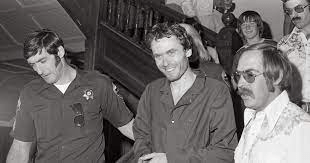


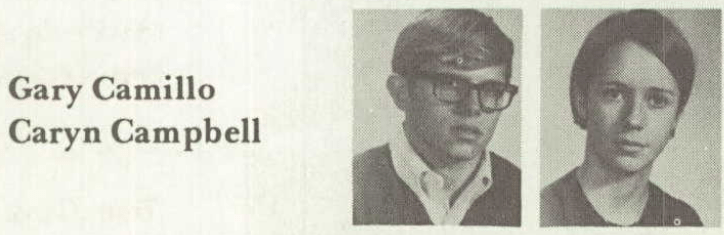



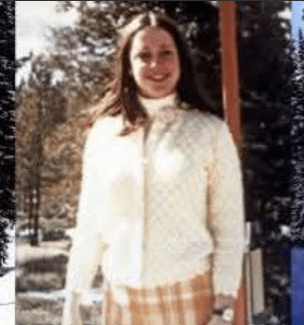




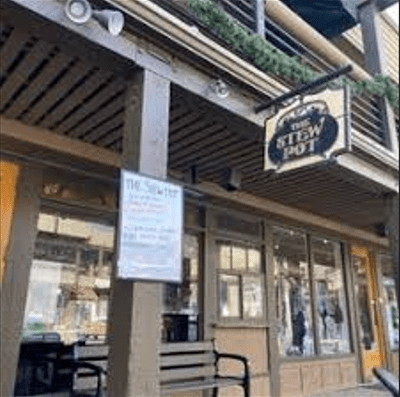

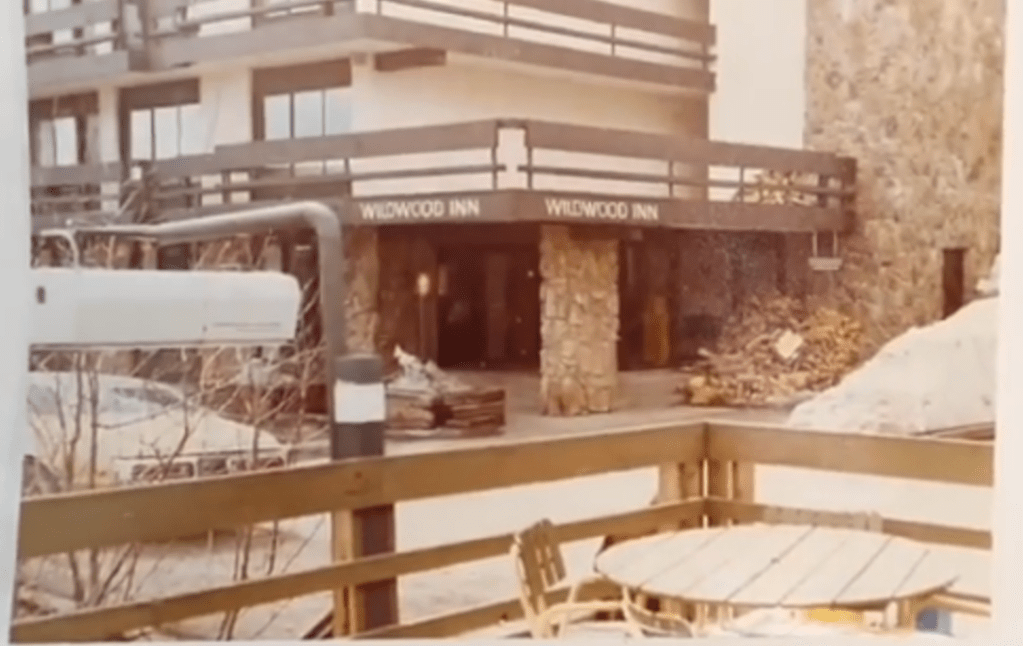
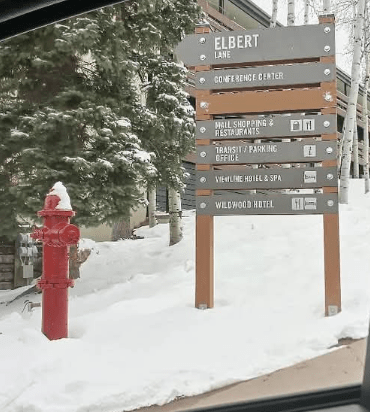
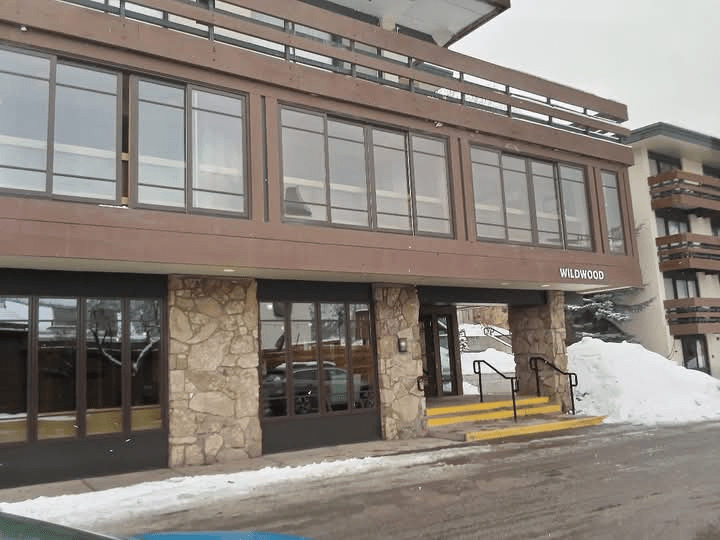




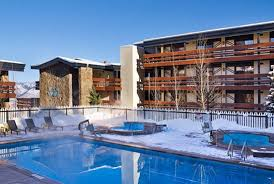

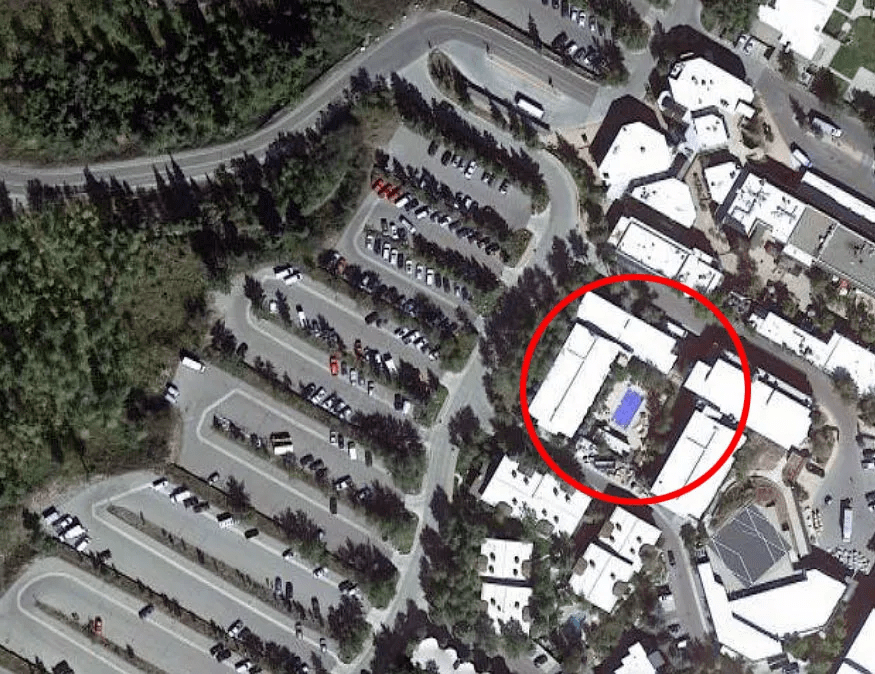


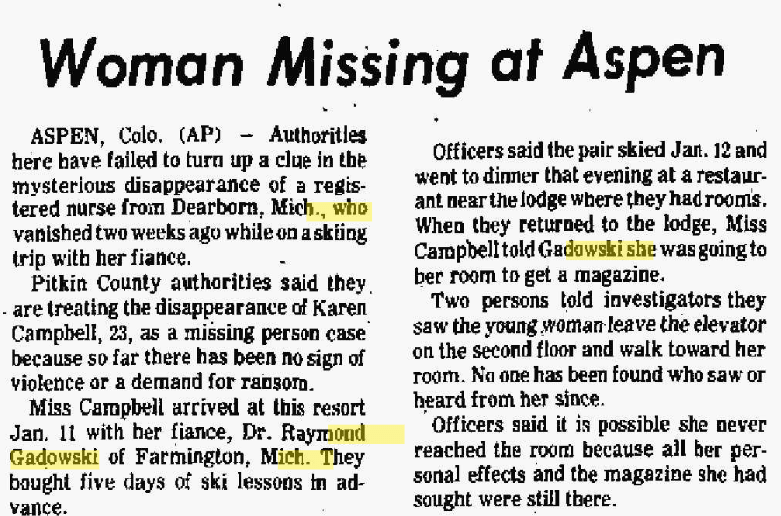
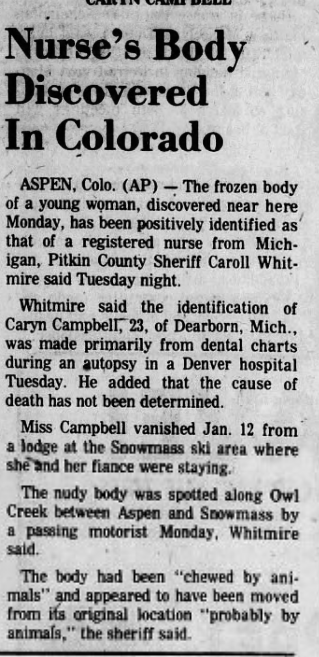

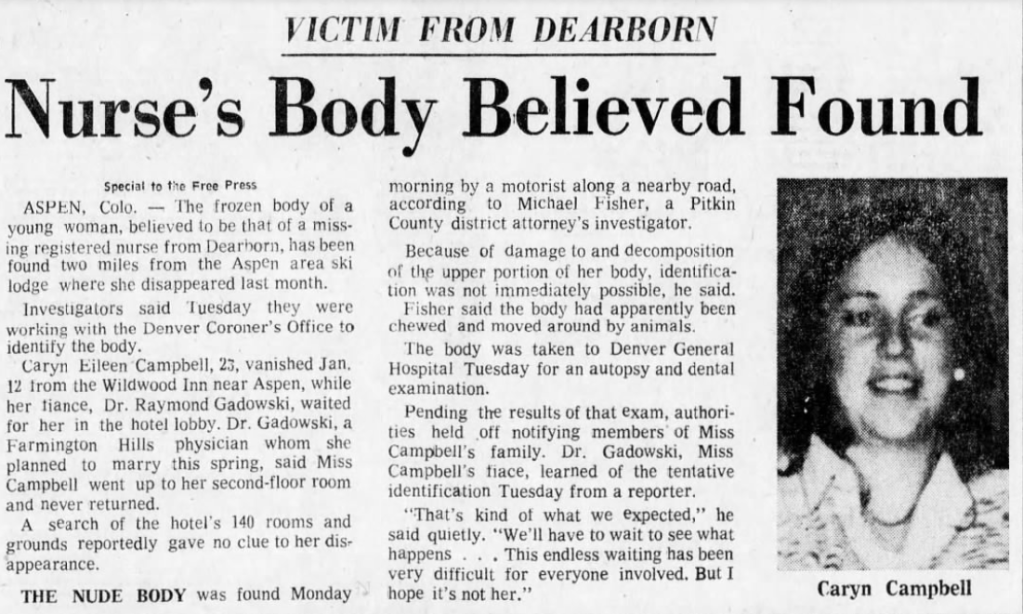
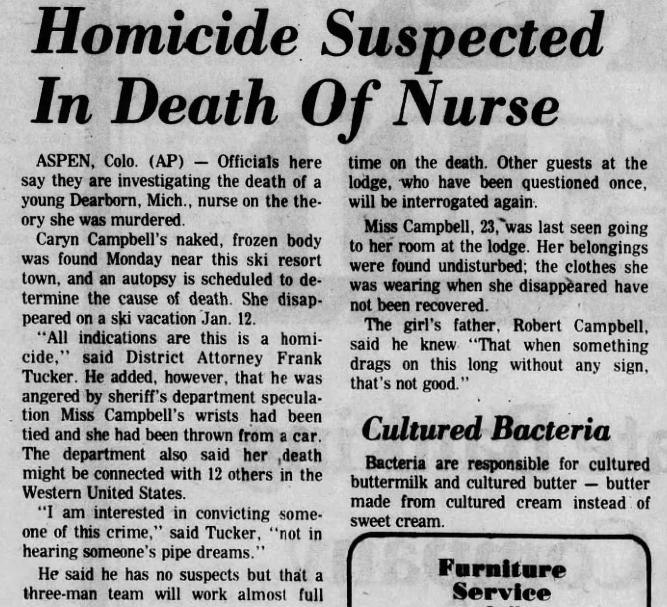

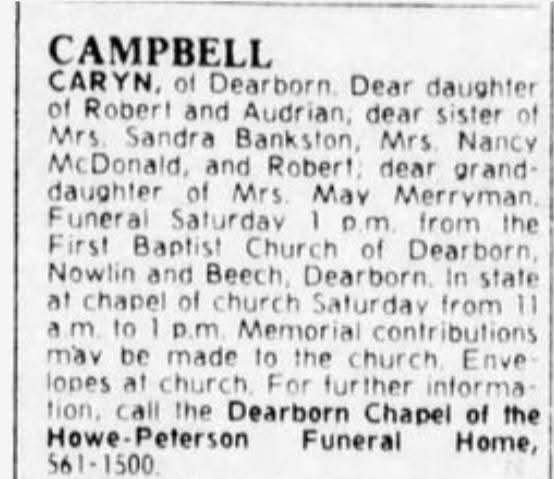

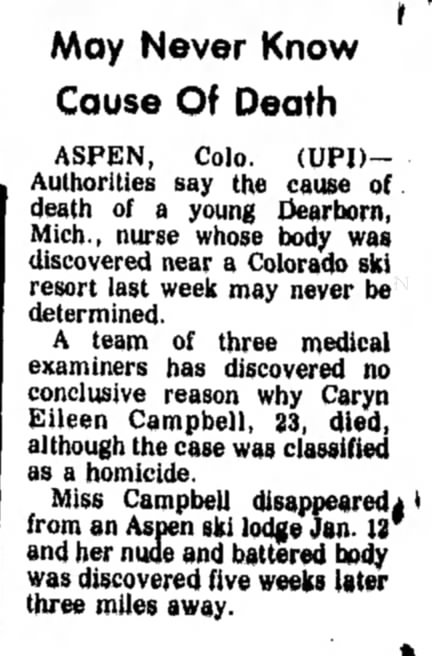
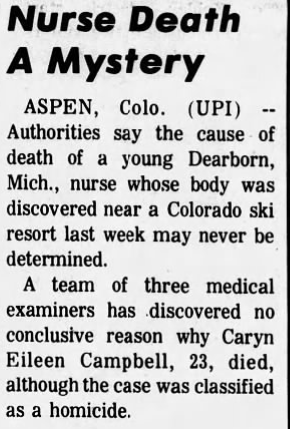
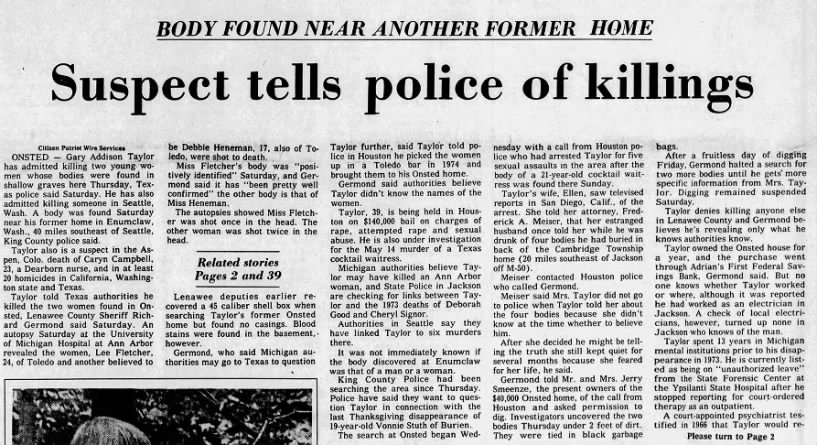
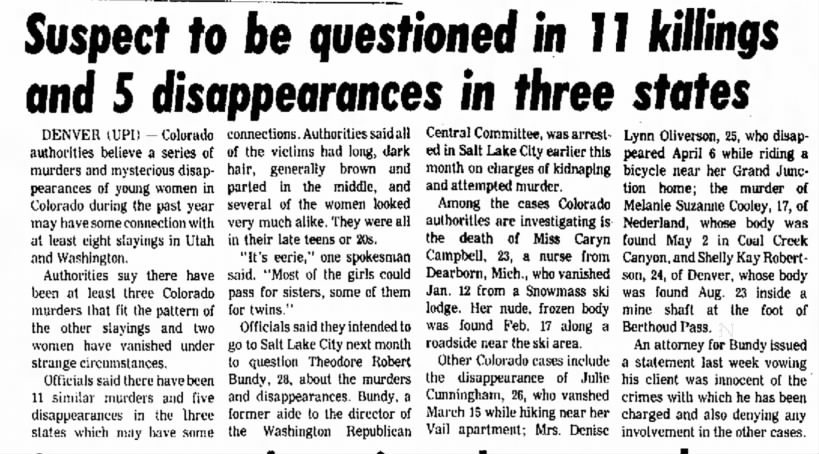

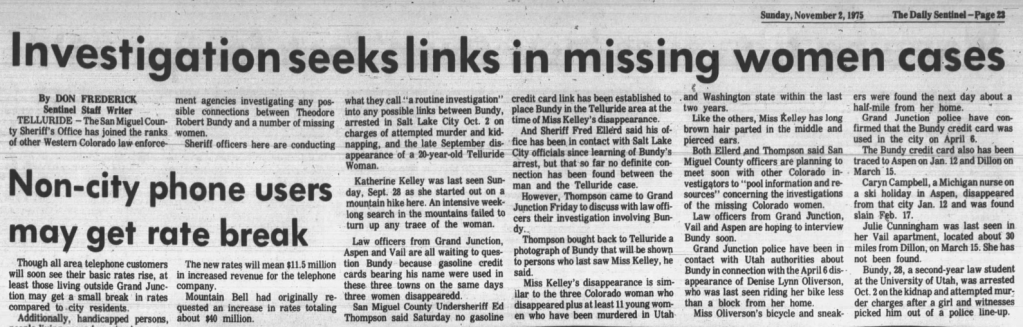

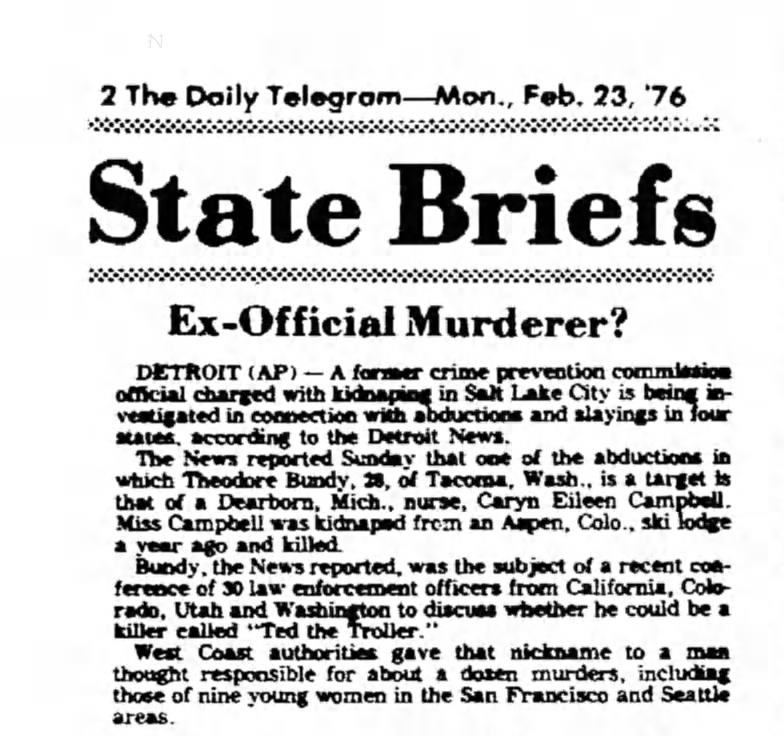
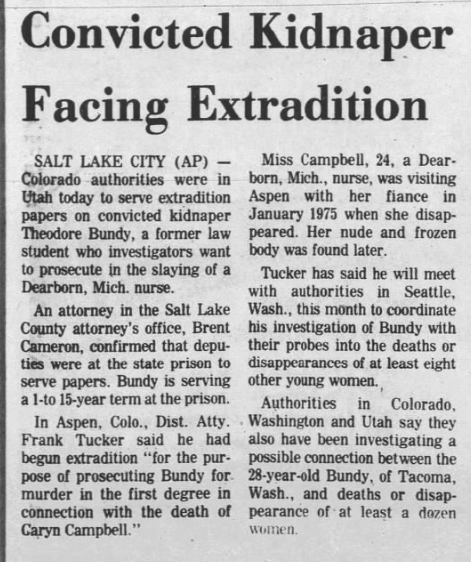



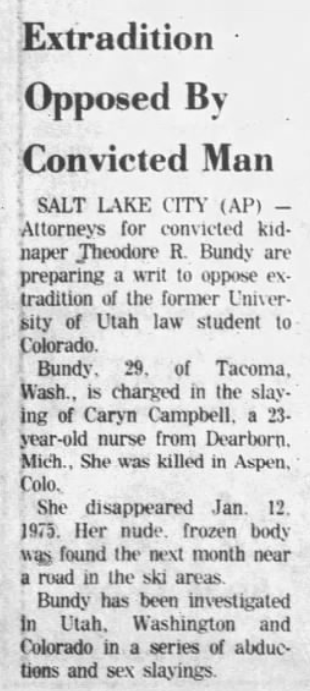
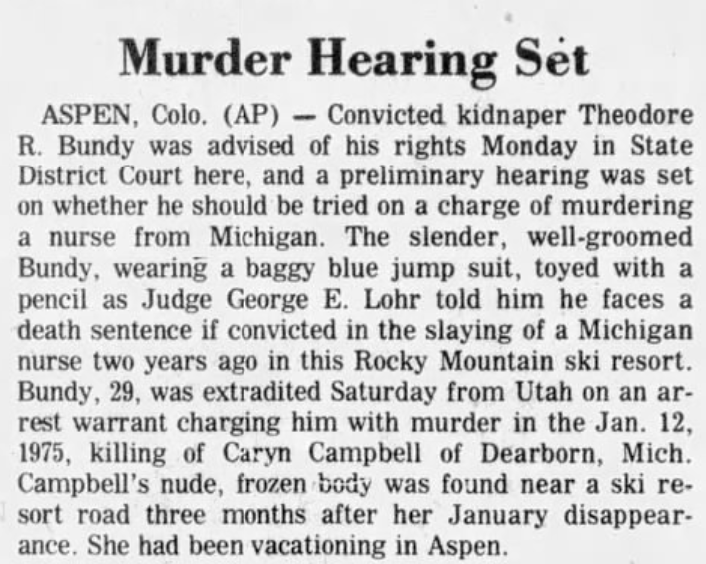
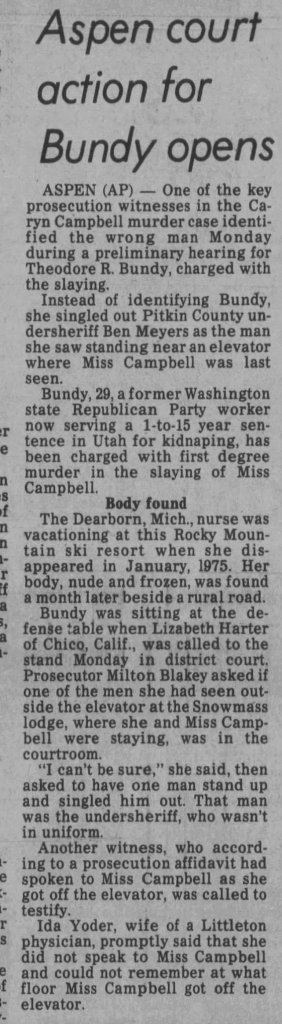


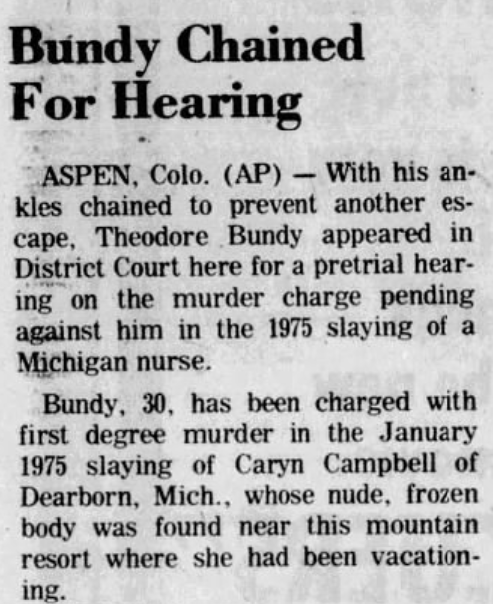


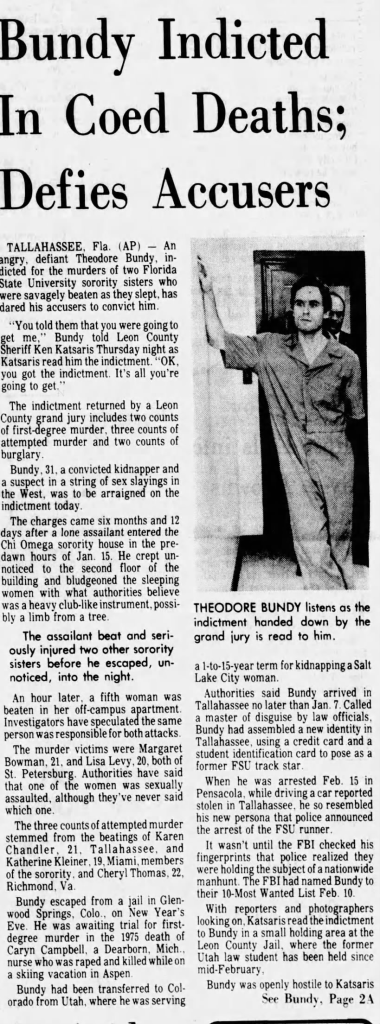


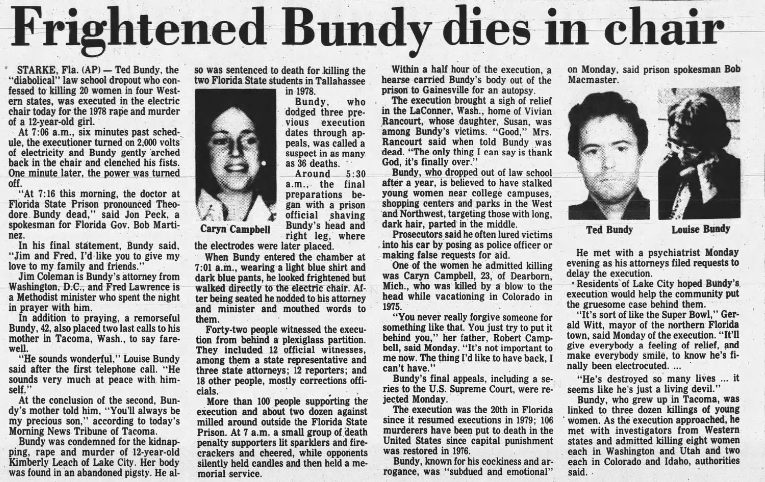
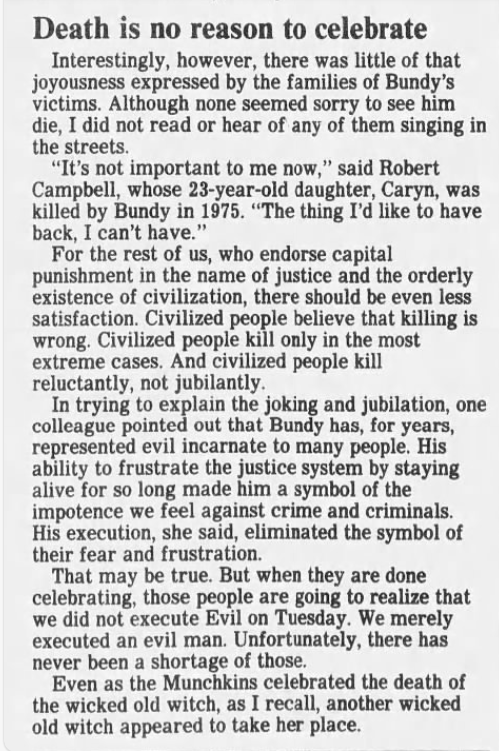
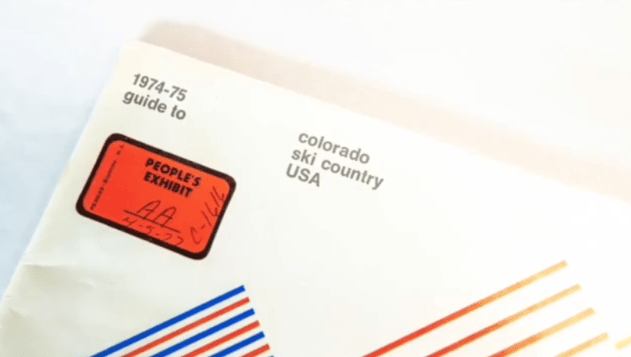
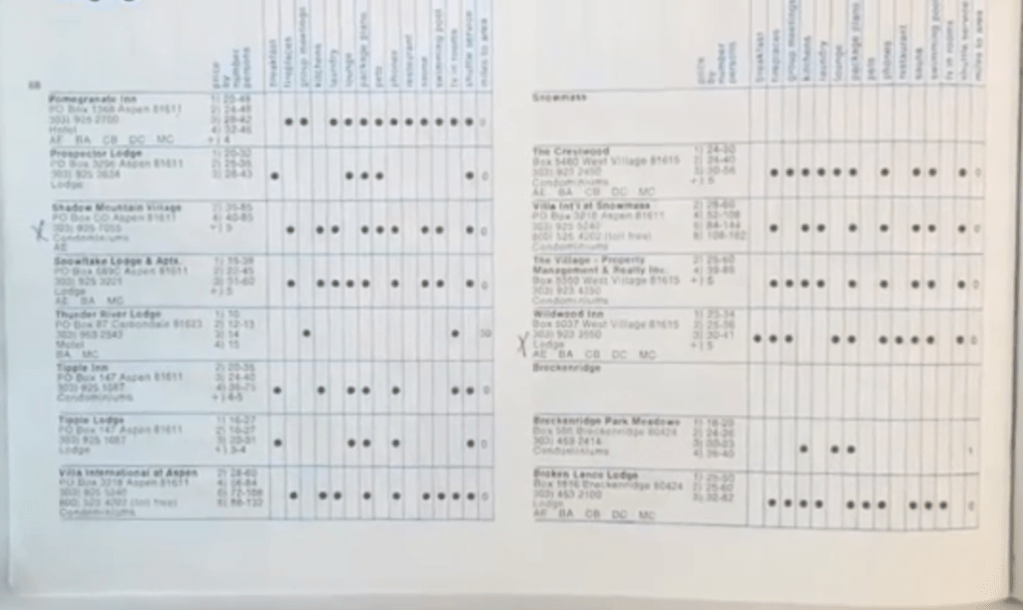

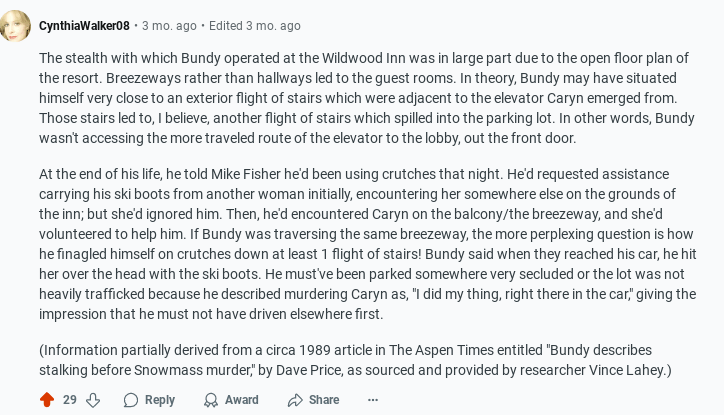
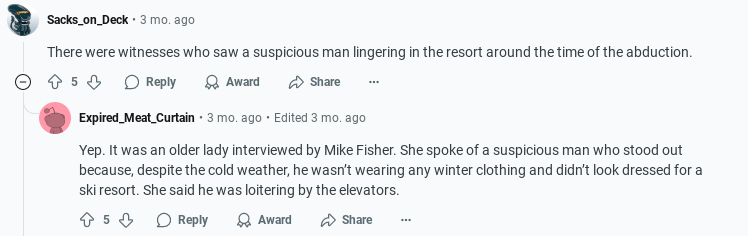
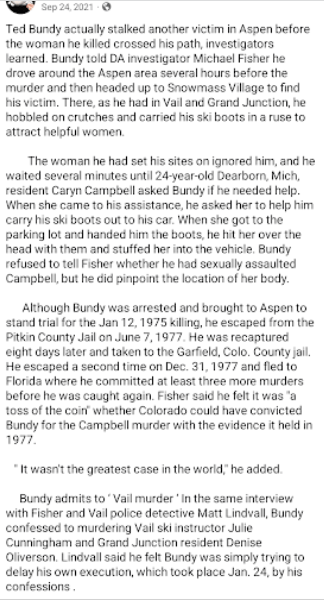

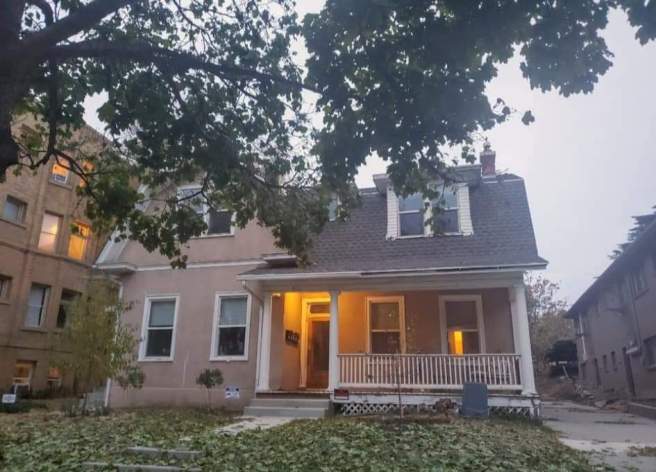

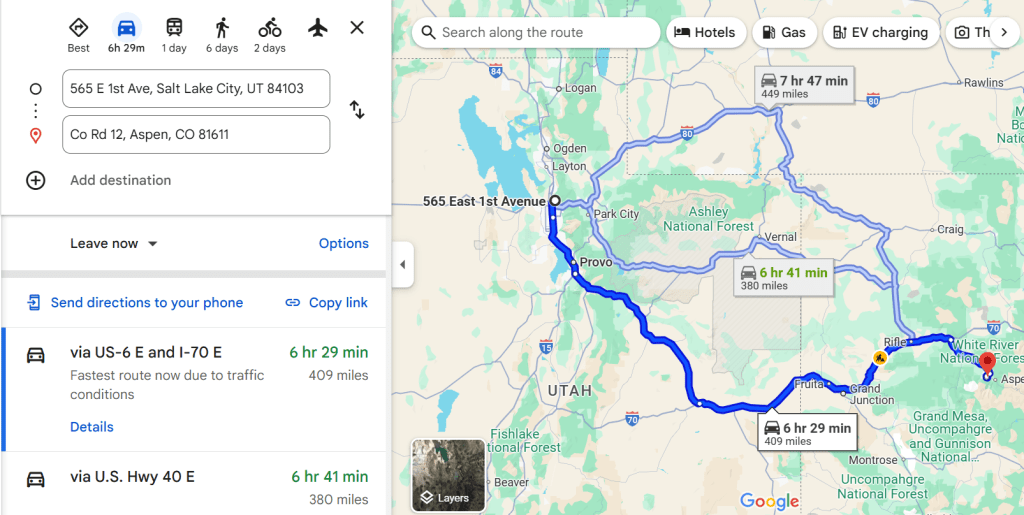

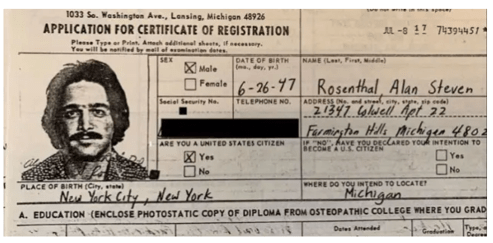



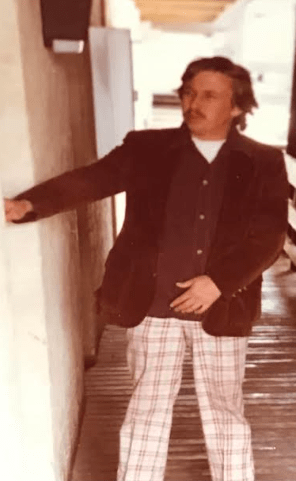
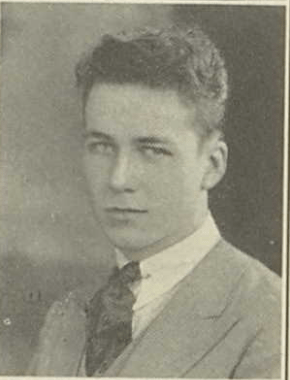


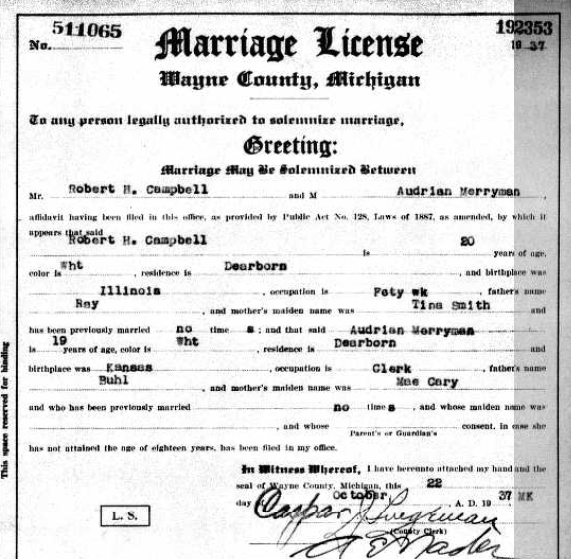
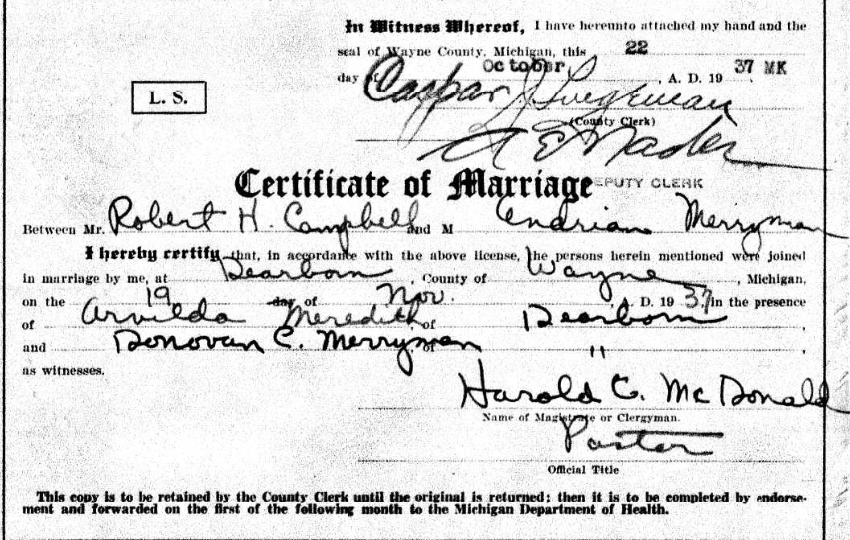
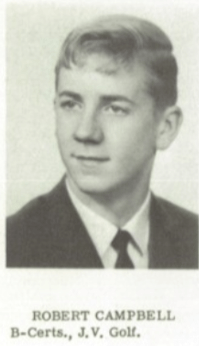

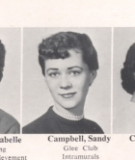




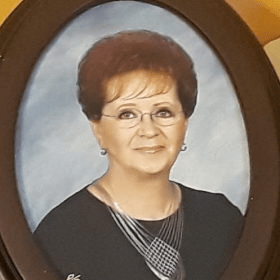

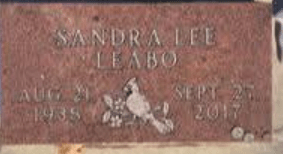


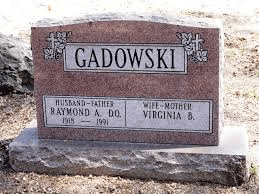


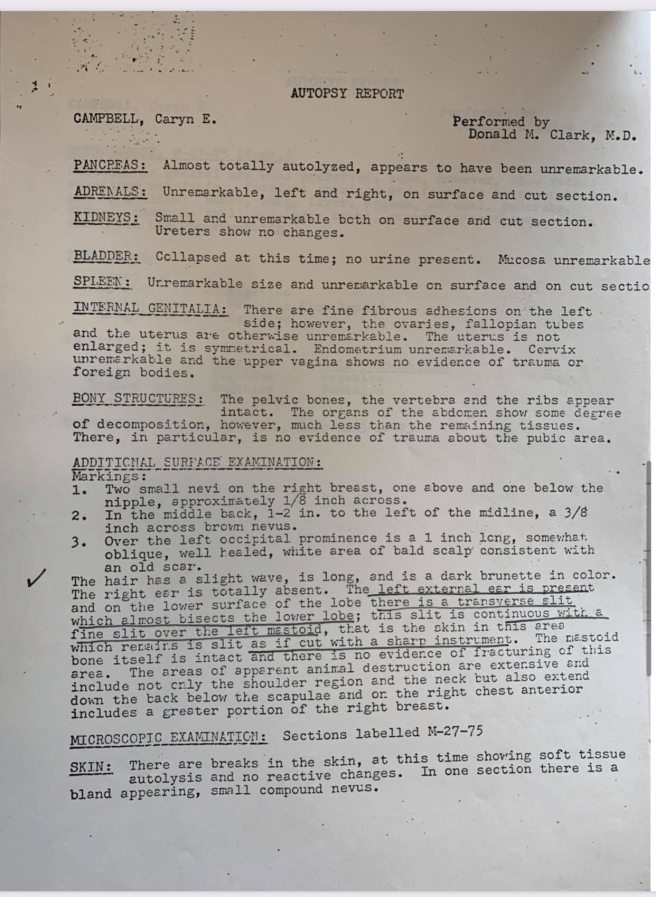


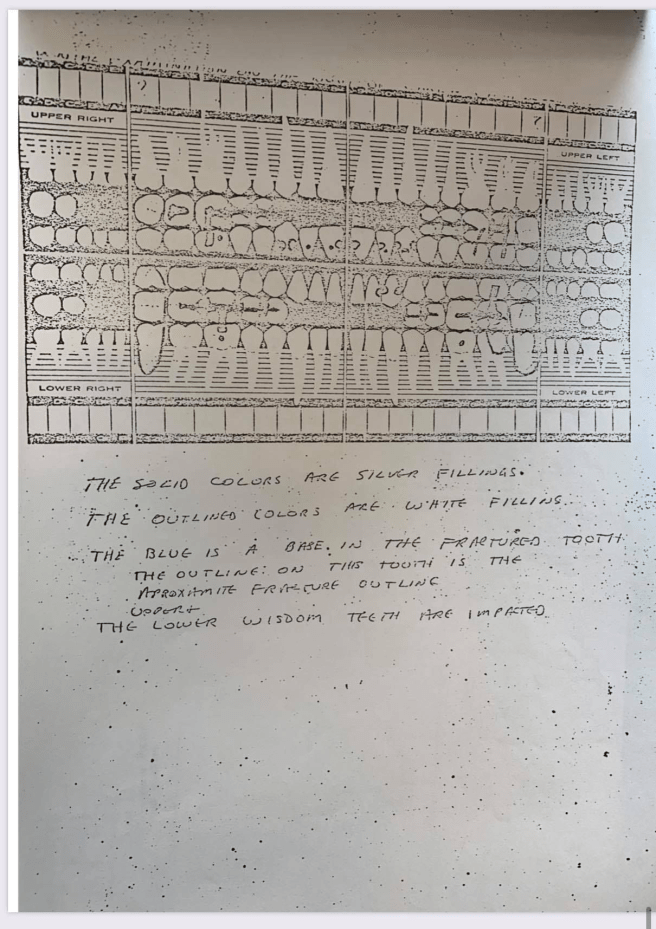
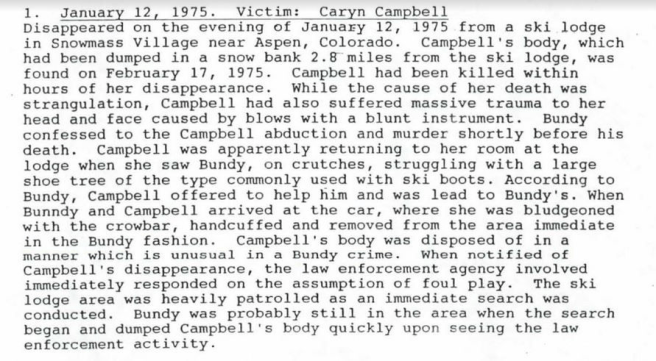


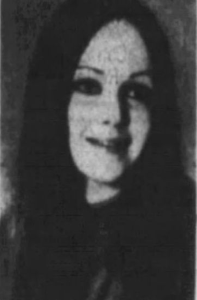
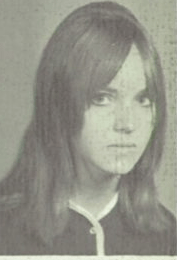

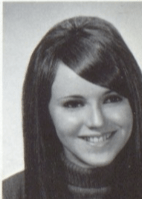
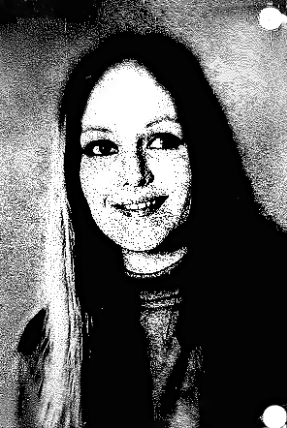
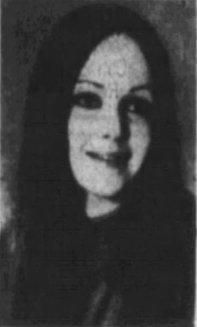


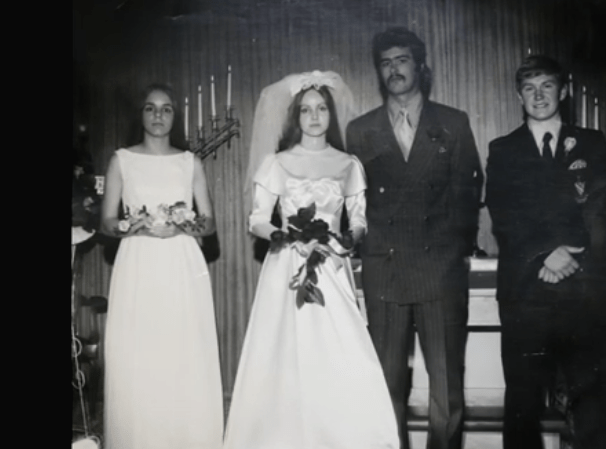

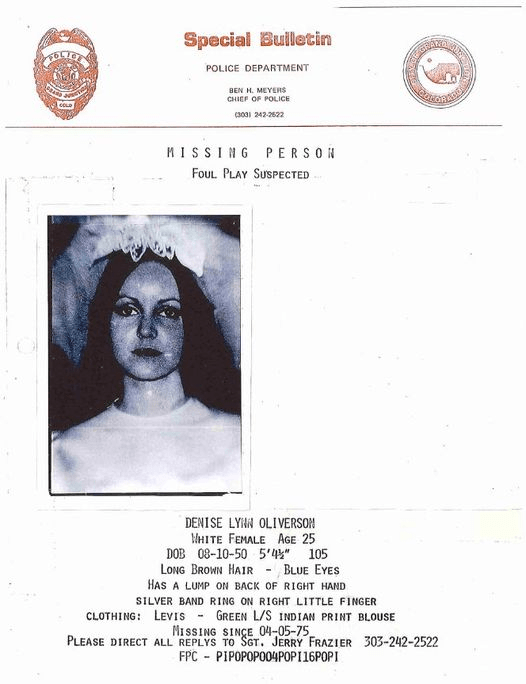


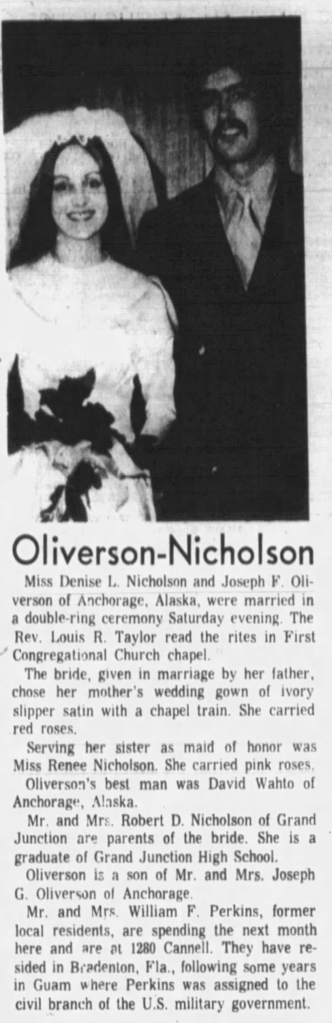
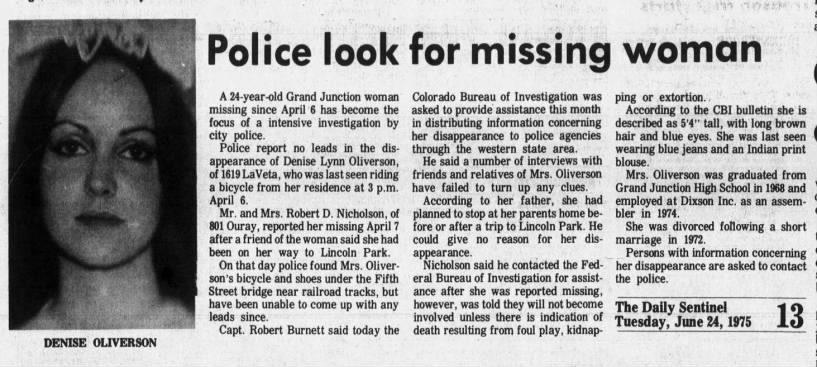


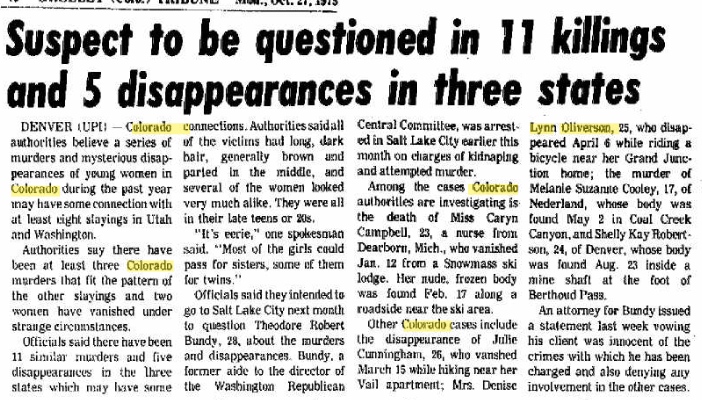

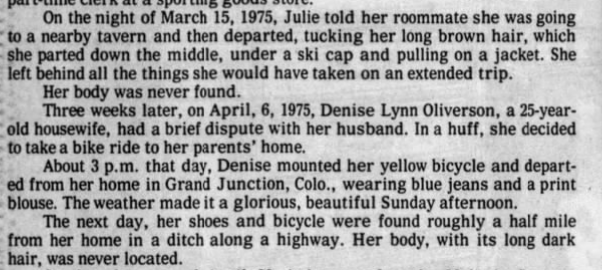

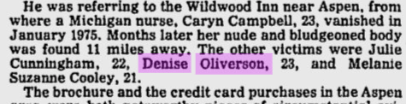
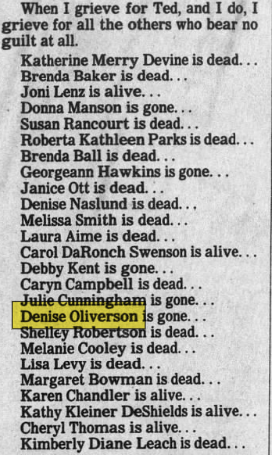


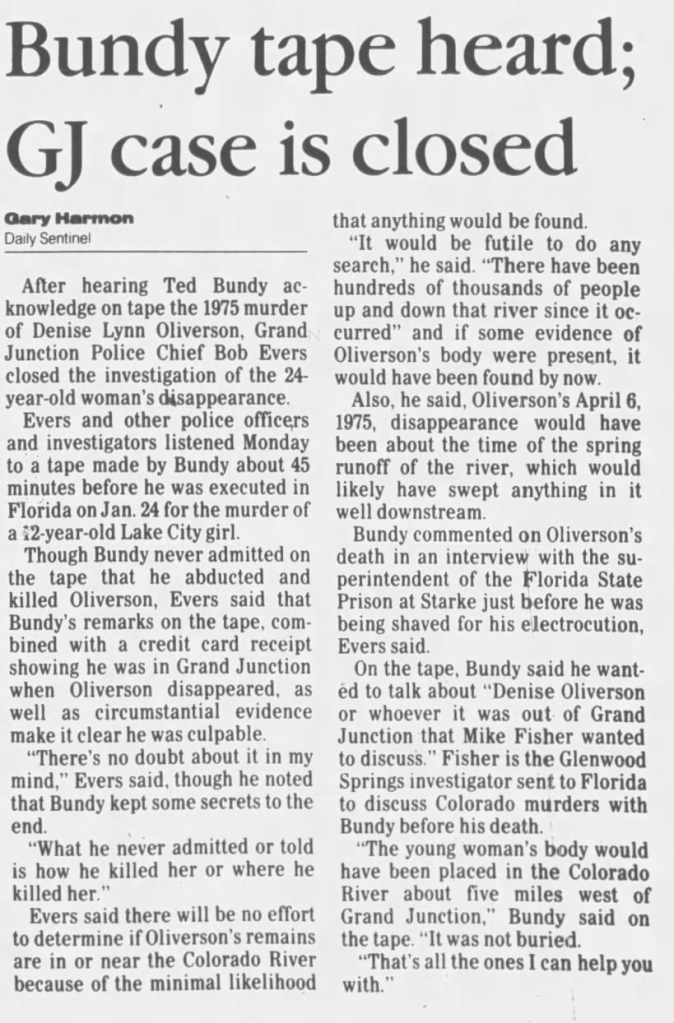

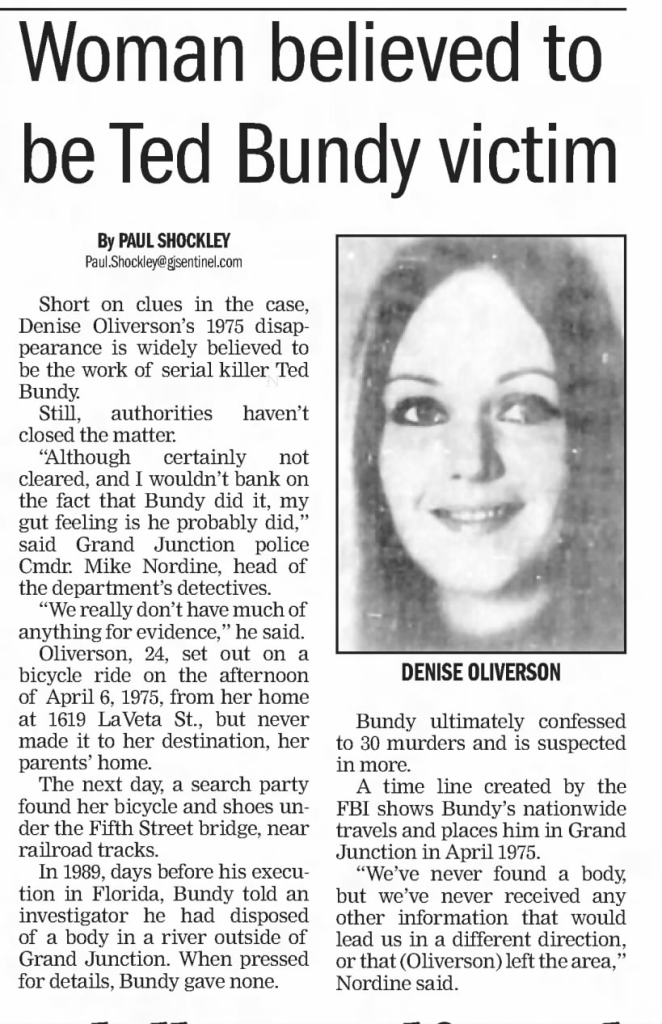

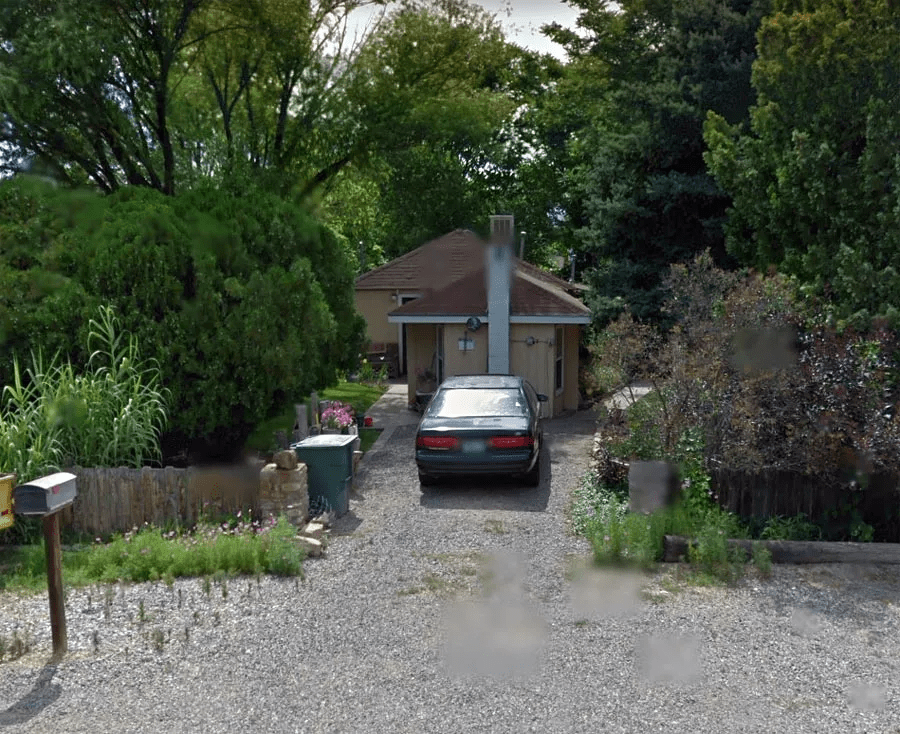



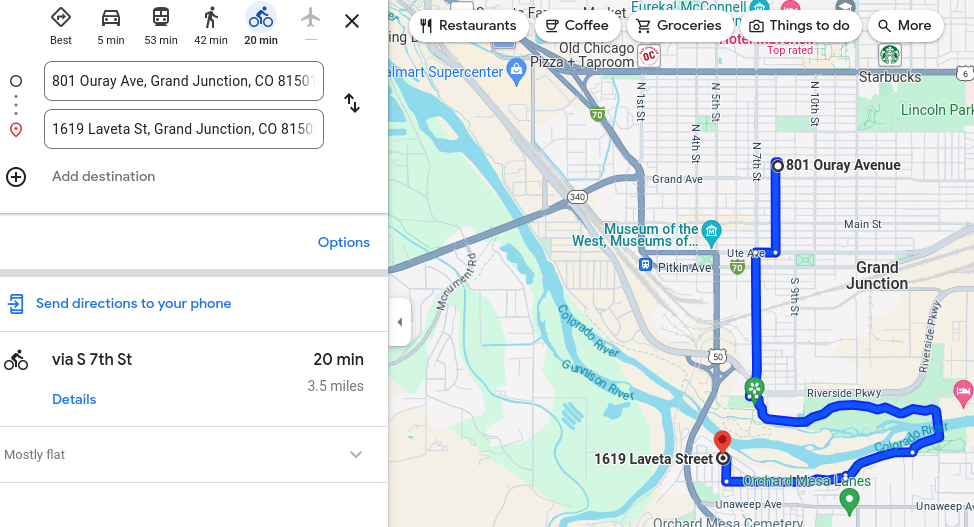
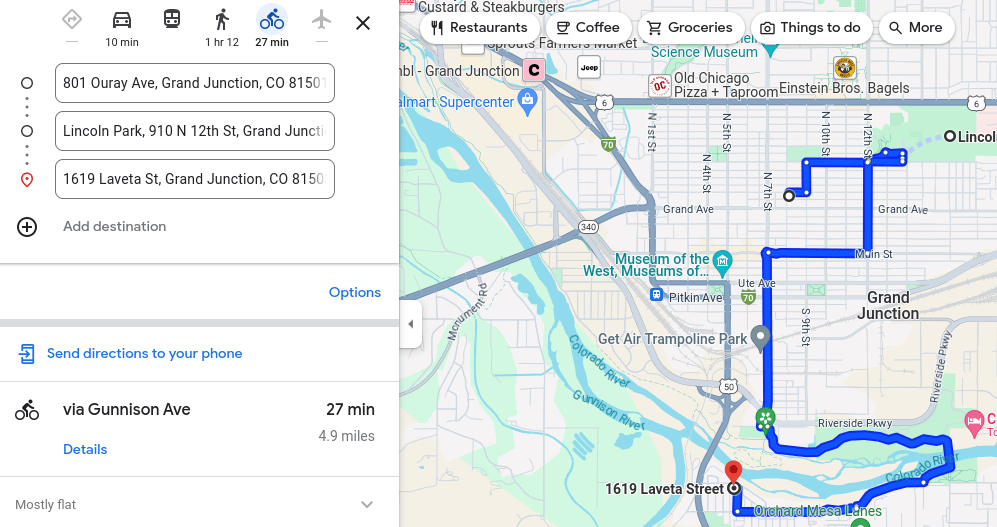
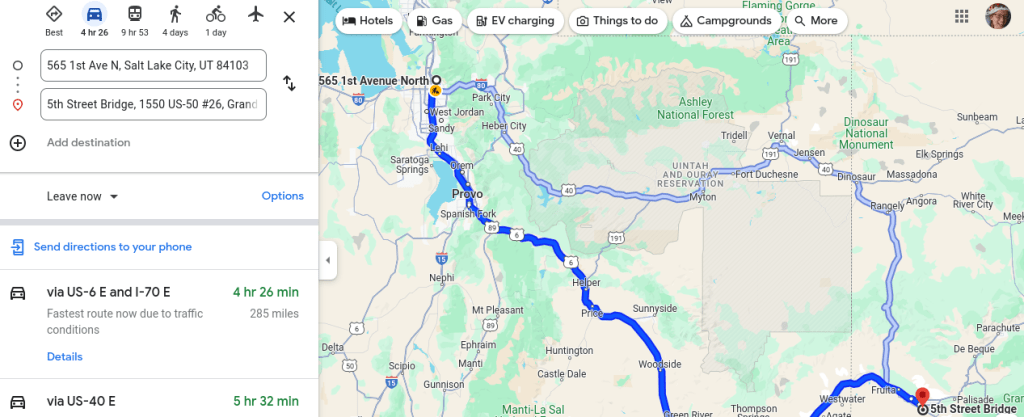

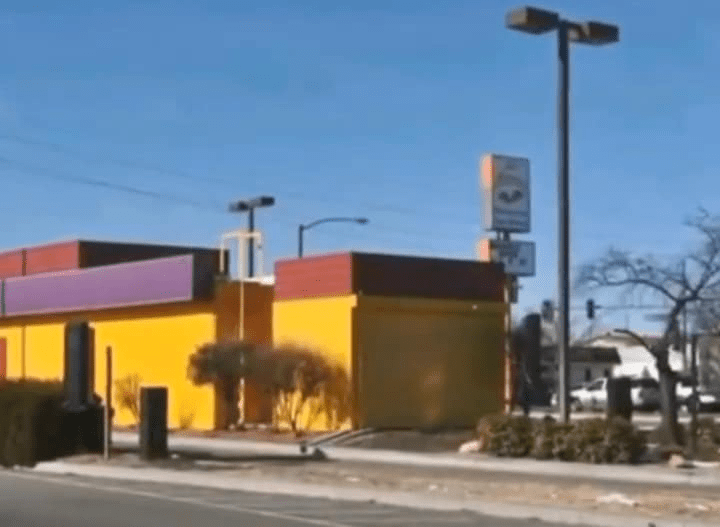


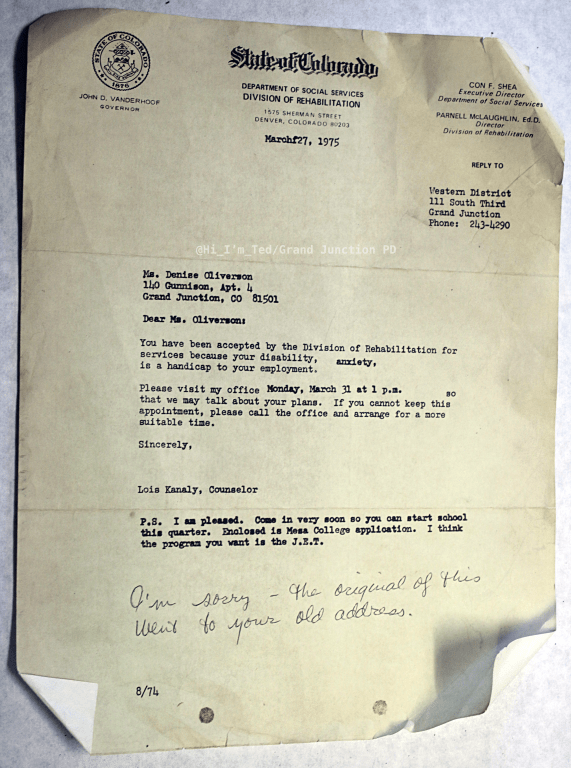

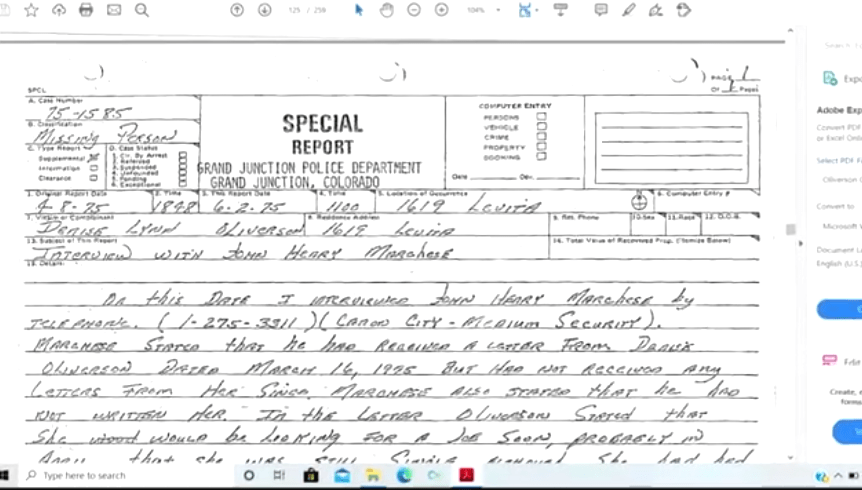


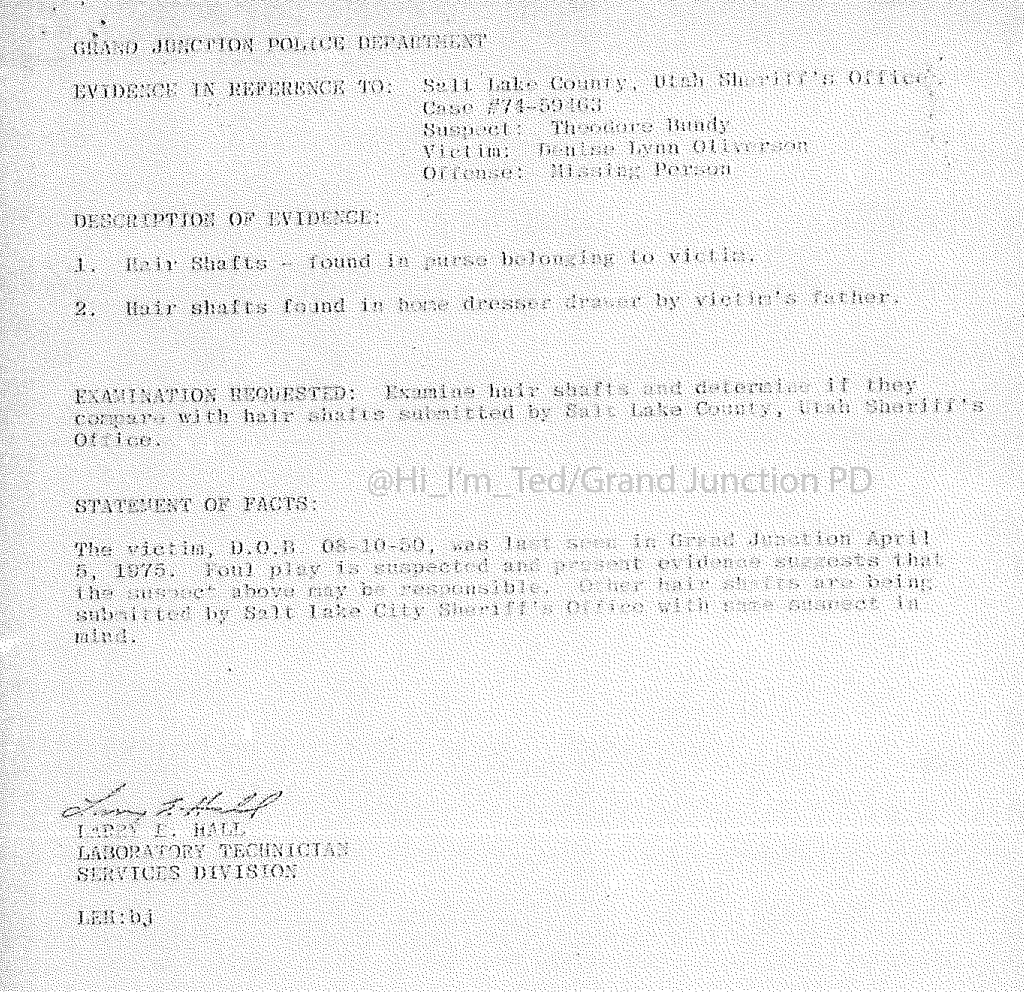

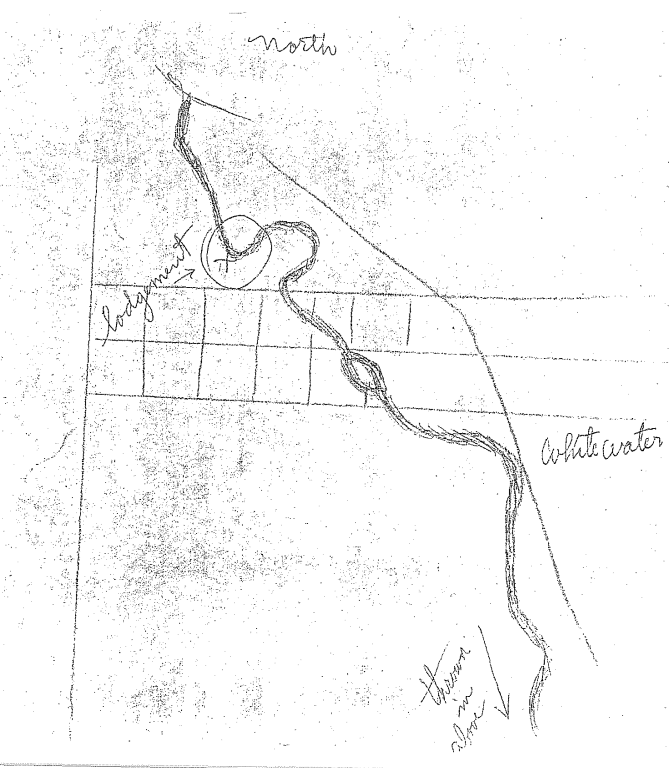
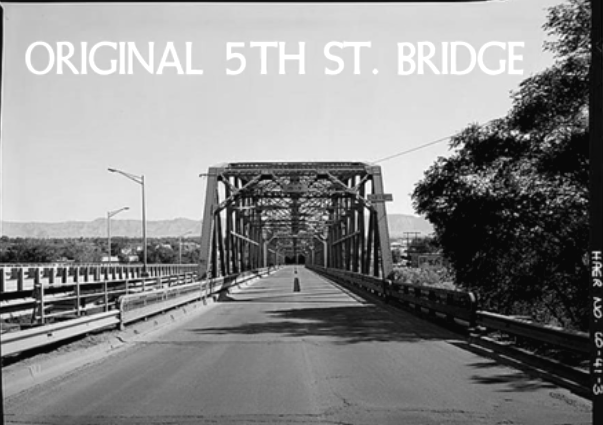
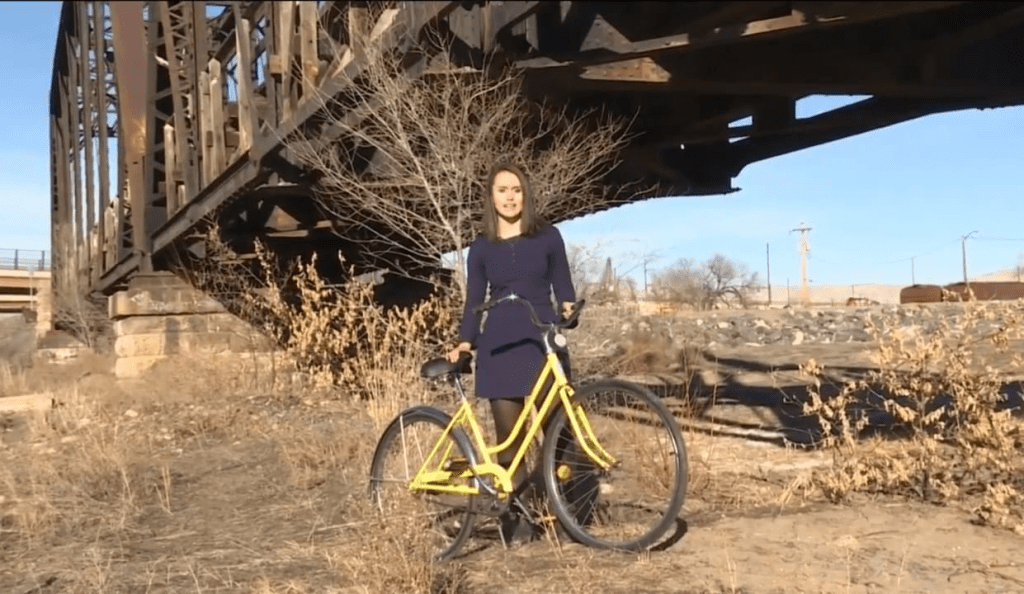







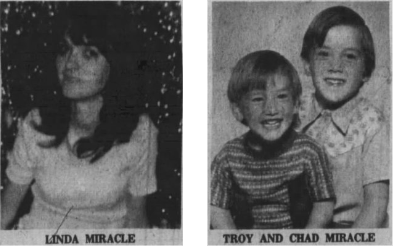
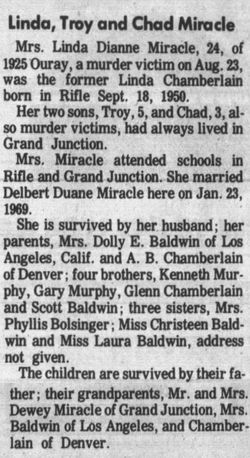


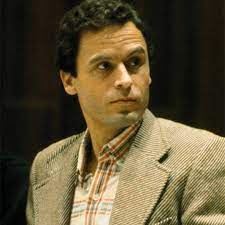
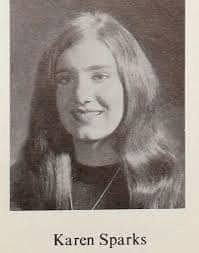


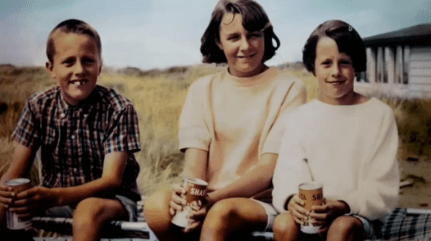
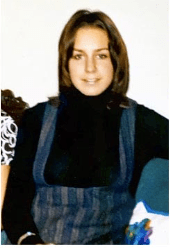


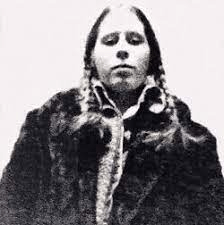

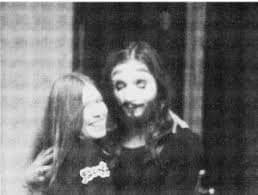
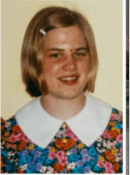
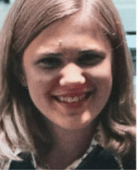
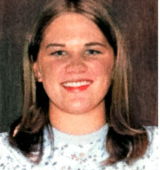


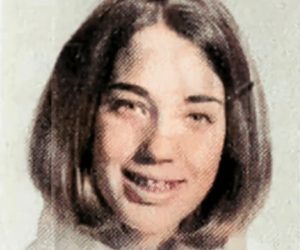

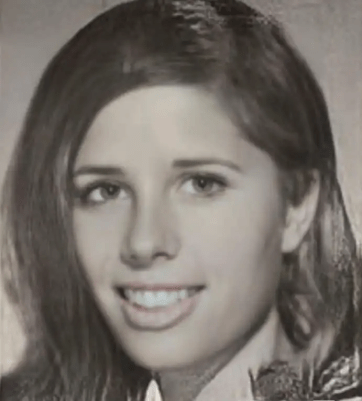

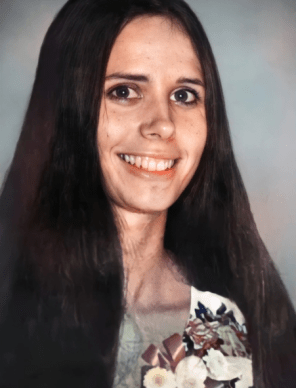


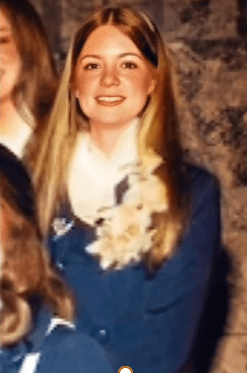

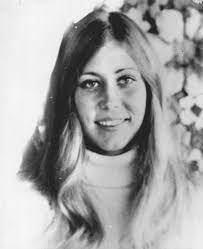

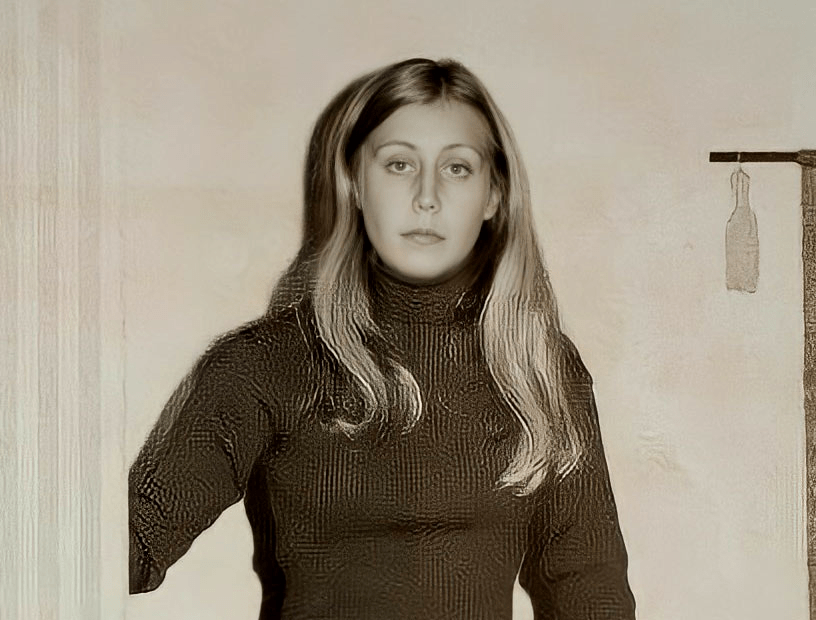

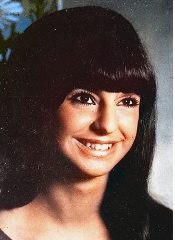
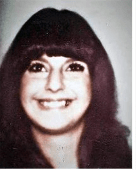
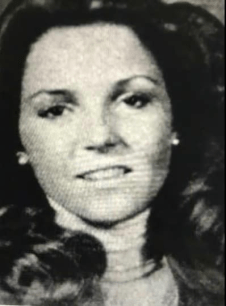

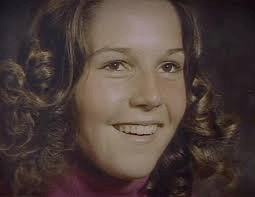
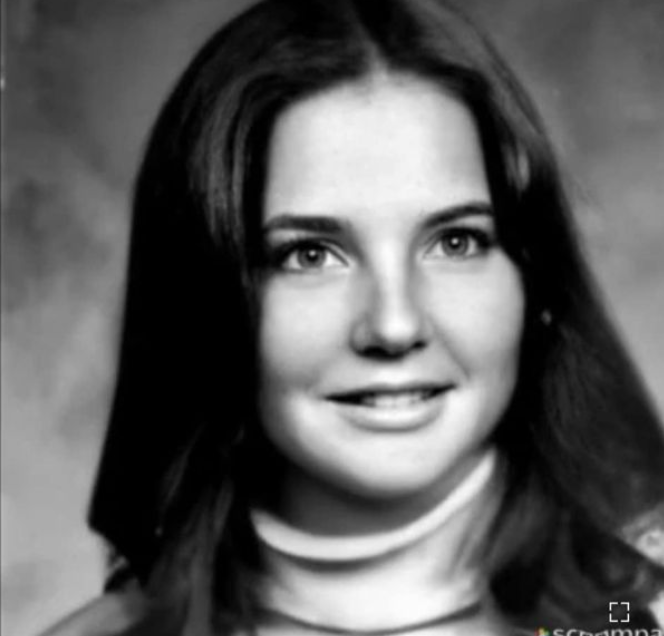

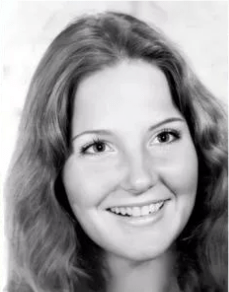
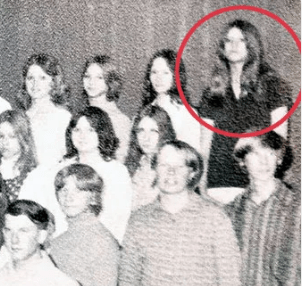
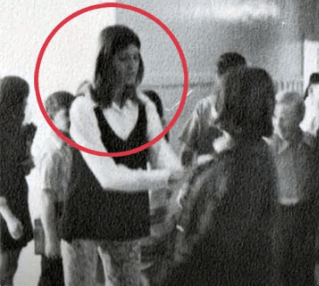
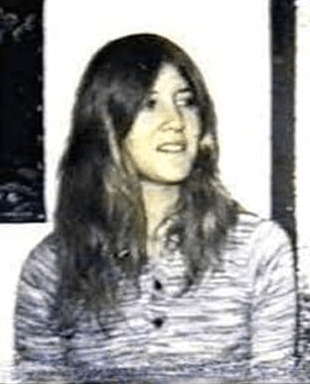

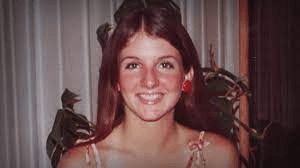

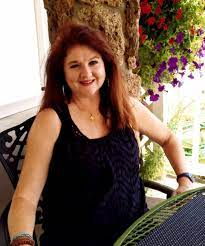
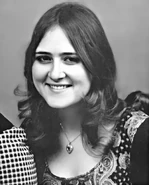

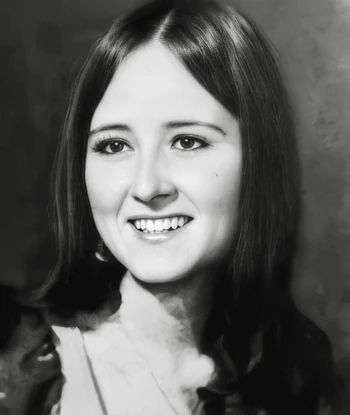

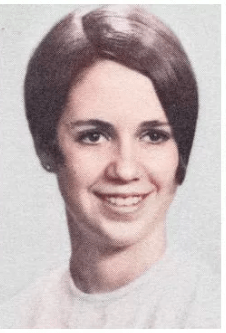

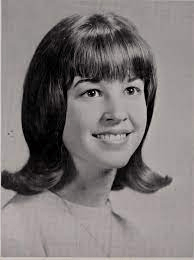
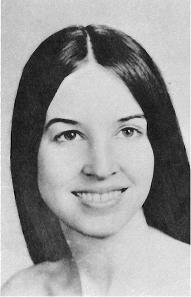
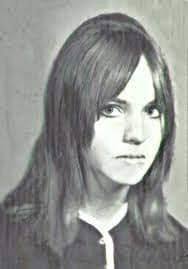
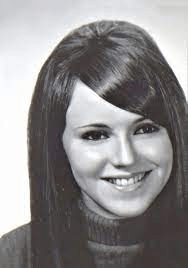

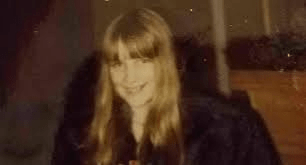

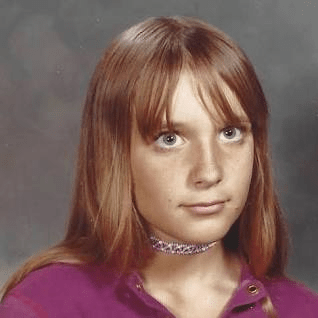


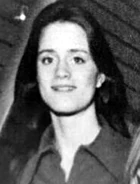

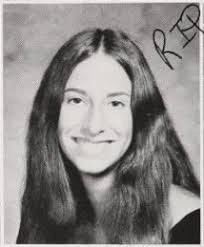
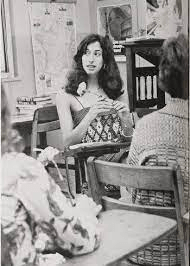
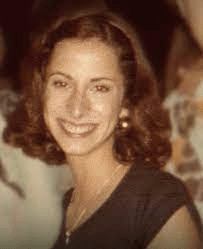








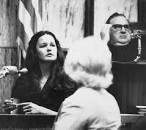



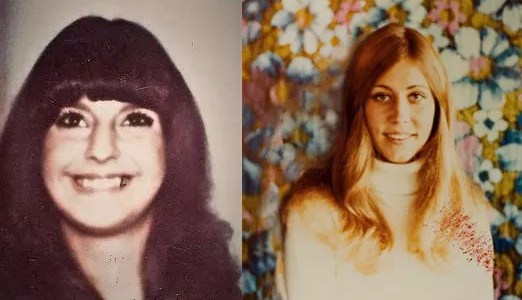

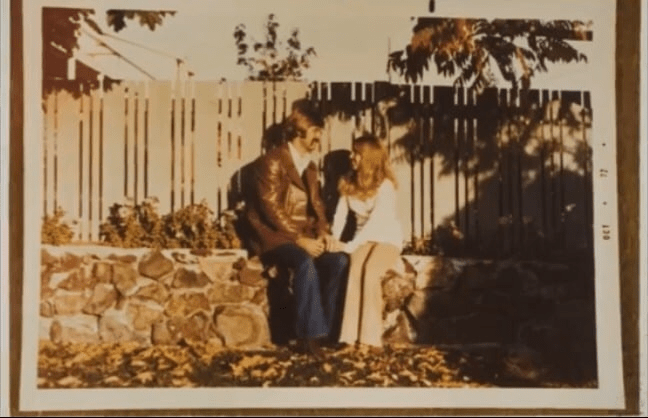
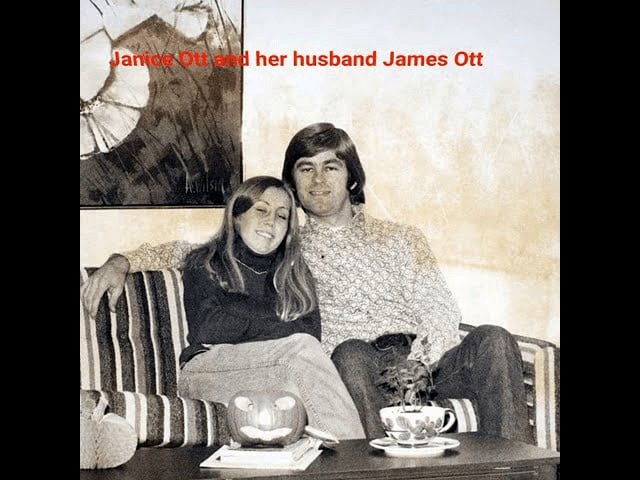
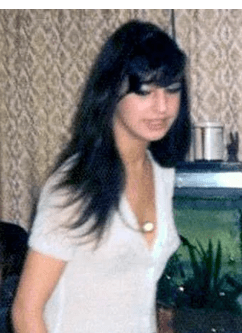


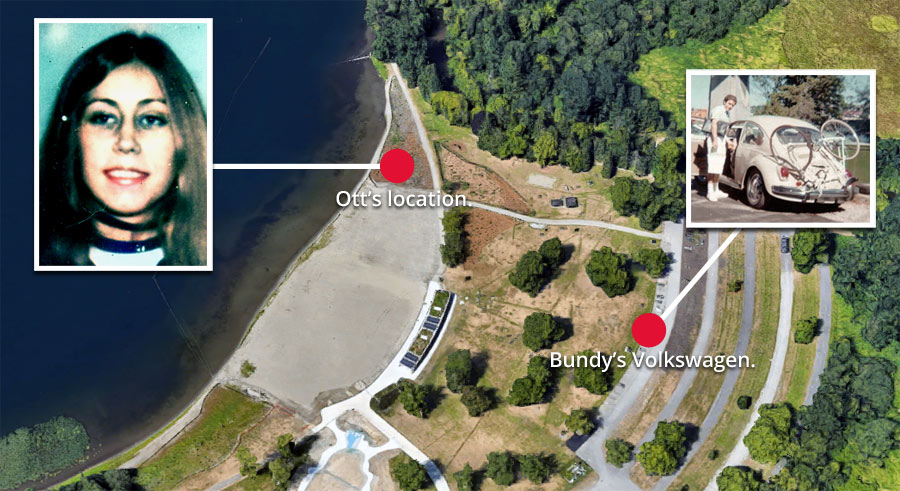
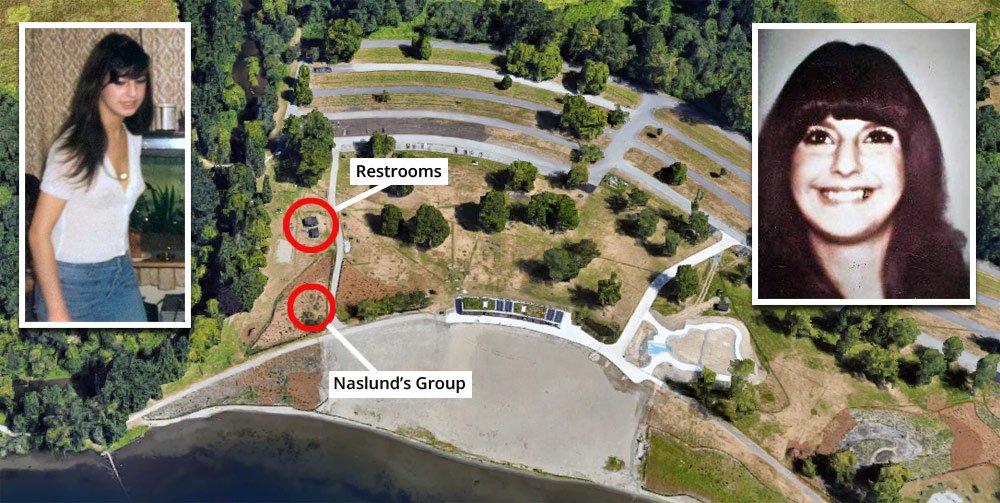


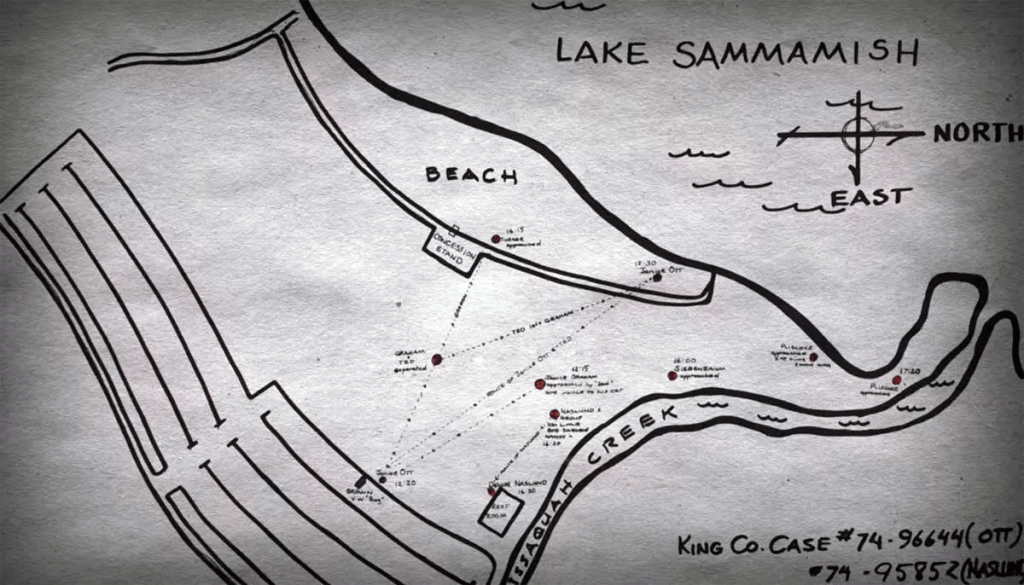


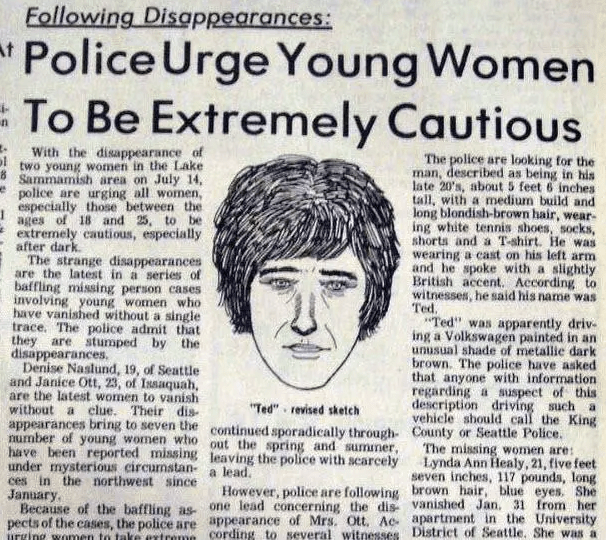










 Another Bundy Blog: My Adventures around the Pacific Northwest (and everywhere else).