Wendy Lee Coffield, Case Files: Part Two.

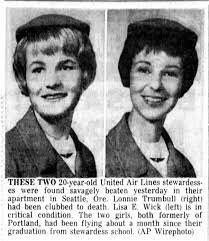
Installment one of my FOIA request for the case files related to the 1966 attack of Lonnie Trumbull and Lisa Wick, which includes eighty-six photos related to incident 1966-018450.
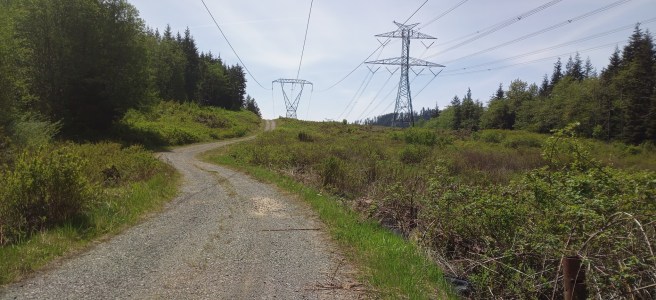
Pictures from the King County Sheriff’s Office investigation file 75-29267, for the Taylor Mountain homicide associated with Ted Bundy.
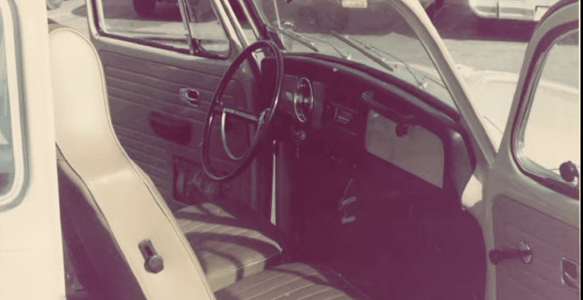
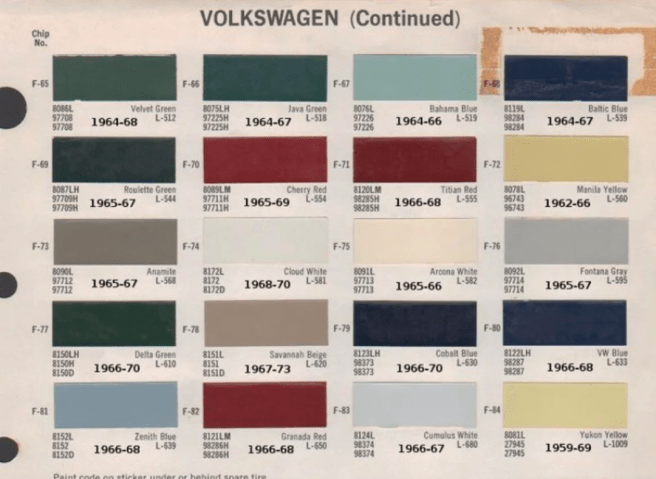
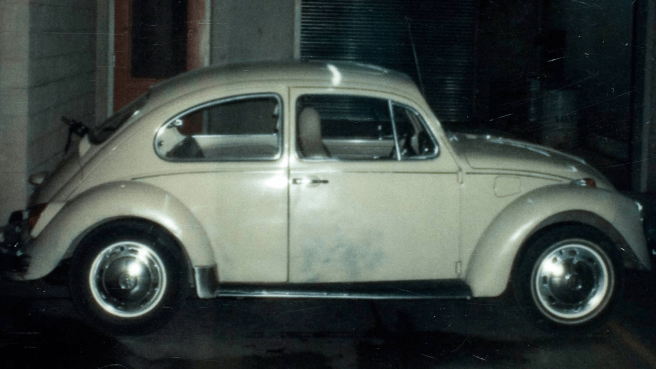
Technically, the color of Ted Bundy’s infamous 1968 Volkswagen Beetle is ‘Savannah Beige (also at times known as ‘Savanna Beige’), and in Volkswagen’s official 1968 paint catalog, this color is designated as L-620. Because of the extreme amount of weathering and fading (and rust), the car often appears to be a variety of different colors: over the years, I have heard it described as dusty, tan, ‘brownish,’ beige, off-white, cream, and of course yellow. As of July 2026, the vehicle is on display at the Alcatraz East Crime Museum in Pigeon Forge, Tennessee.
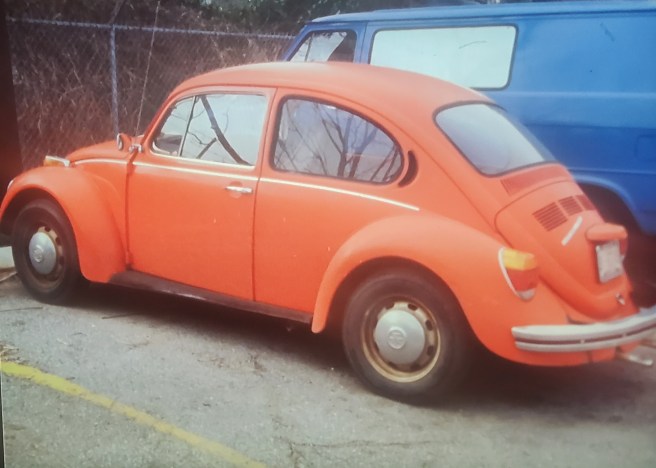
Although his 1968 Savanna Beige VW is Bundy’s most notorious car, he was caught for the last time in Pensacola on February 15, 1978 driving a completely different, stolen Volkswagen Bug: the orange 1972 orange ‘Super Beetle’ belonged to Rick Garzaniti, a massage therapist from Tallahassee, Florida. He had left his keys inside the car while he ran inside of a residence (I believe he was picking his kid up from the babysitter) as it was parked in an alleyway and as we know, the rest is history. After Ted’s arrest, law enforcement held the Super Beetle for about eight weeks to process it for evidence, and when it was finally returned to its rightful owner, it had been covered in fingerprint dust and forensic markings; because of this he no longer felt comfortable driving it, Garzaniti sold it four months later to a local family for $1,310.
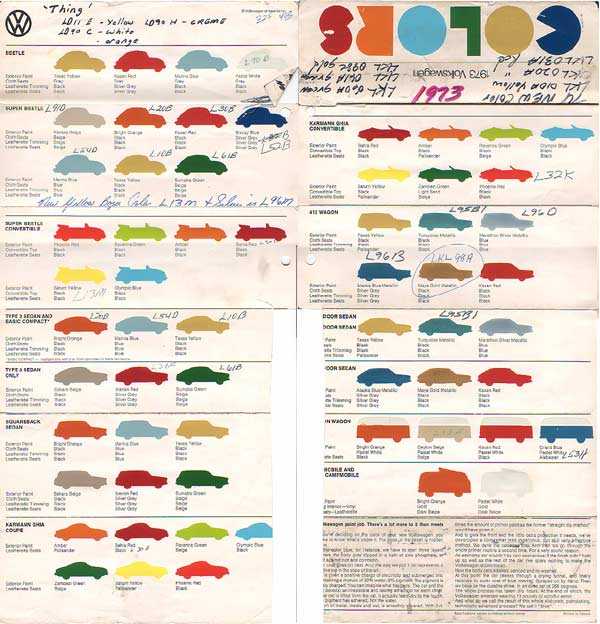
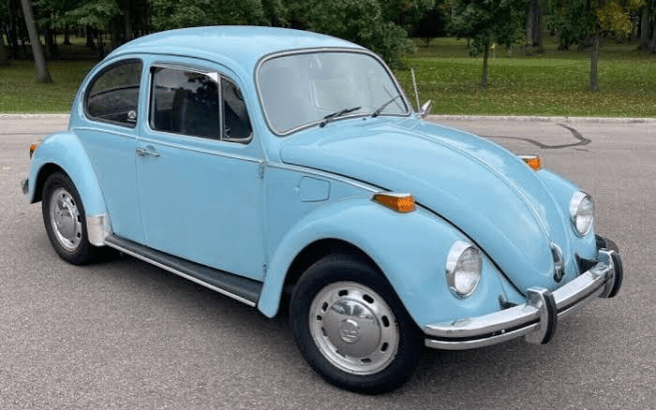
It is worth noting, Elizabeth Kendall owned a 1973 light blue Volkswagen Beetle (I couldn’t find any pictures of it) while she was dating Ted, I believe she referred to it was ‘robin’s egg blue’ in her memoir. According to Google, there could be two possible factory paint matches for the color: Neptune Blue (Color Code: L50K) or the slightly brighter Marina Blue (Color Code: L54D); it was never specified anywhere which color she drove. According to Kendall, he crashed it in 1974 and almost totaled it, but she got it fixed and ‘drove it another 50,000 miles.’





This document provides an update on the investigation of Ted Bundy that was sent from SLC to Denver, Butte, and Seattle that references earlier teletypes sent between these offices on January 4th and 5th, 1978 regarding the killer, who was wanted for murder in Denver. The update notes that additional information has been developed identifying Bundy’s use of an alias and vehicle in connection with the crimes under investigation.

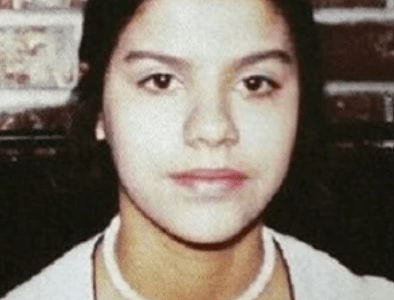
Rebecca R. ‘Becky’ Marrero was born in Seattle, Washington on August 4, 1962 and was killed by Gary Ridgway on December 3, 1982; she was his fourteenth known murder victim. Details surrounding Marrero’s childhood are largely unavailable, but it was known that she had a three-year-old daughter at the time she was killed. She was last seen by her mother on December 3, 1982 at their home: she left after receiving a phone call, and when she got off the phone, she told her mother to watch her daughter and left all of her belongings at home. A year and a half after her disappearance in July 1984 she was officially connected to the Green River killer. Becky’s skull was discovered in a ravine in Auburn, Washington, on December 20, 2010 close to where the remains of Marie Malvar were discovered in 2003. While her cause of death couldn’t be determined, her case was deemed a homicide.
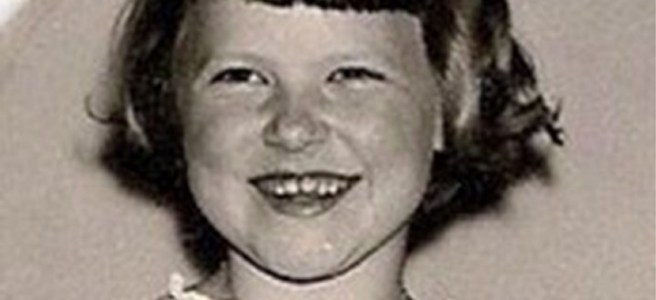
This document summarizes the case of the 1961 abduction of 8-year-old Ann Marie Burr from Tacoma, Washington. The document discusses two early suspects, Robert Bruzas and Ralph Everett Larkee. It then discusses claims that serial killer Ted Bundy may have been involved, but notes several issues with the timeline and logistics that make Bundy’s involvement unlikely. The document questions the credibility of sources that claimed Bundy knew or had contact with Ann Marie Burr. It concludes by discussing Bundy’s early criminal behavior and questioning whether he had the skill or motivation to have committed such a high-profile abduction as a teenager without leaving evidence or engaging in further crimes for over a decade.

