Missing/Murdered Women in Washington state, 1965 to 1975.

Here is a complete list of missing/murdered women from Washington state from 1965 to 1975.

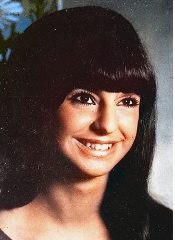
Lisa Wick and Lonnie Trumbull (June 23, 1966, Seattle): Wick and Trumbull were twenty-year-old United Airlines flight attendants who were brutally attacked in their Seattle apartment in 1966: Lonnie Ree Trumbull suffered a fractured skull and severe brain hemorrhaging and tragically succumbing to her injuries, but Lisa E. Wick survived, but was left critically injured and suffered permanent memory loss regarding the incident. A third roommate, Joyce Bowe, was not home at the time of the attacks. It is a case famously suspected of being linked to Ted Bundy (who had been nineteen at the time), however he denied any involvement and there is no official evidence tying him to the case.

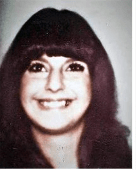
Ruby Agnes Schwanbeck-Lampson (reported as missing on June 6, 1967, Spokane): Lampson lived in an apartment above the Falls View Tavern (a popular local establishment with a rowdy reputation) and was known to frequent and even work at the establishment; she was last seen alive at the nearby Hi-Neighbor Tavern with an unidentified, much younger man. Four years after she vanished, on November 16, 1971, her skeletal remains were discovered in a shallow grave in the remote woods of the Seven-Mile ORV Park (a 600-acre off-road vehicle area located inside Riverside State Park near Spokane); due to the advanced decomposition of her body, medical examiners were unable to determine an exact cause of death. The suspected killer of Dorothy Fielding was Duke J. Pierson, a former detective for the Spokane County Sheriff’s Department.

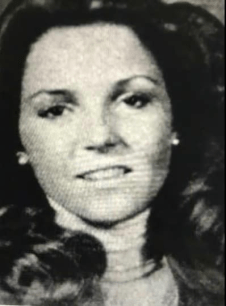
Dorothy Fielding (reported as missing on August 19, 1967, Spokane): frequented the same local tavern as Ruby Lampson; found in April 1968. disappeared in August 1967 and was found in a shallow grave eight months later in April 1968 at the Seven-Mile ORV Park. She was an avid member of the tavern’s bowling team. The suspected killer of Dorothy Fielding was Duke J. Pierson, a former detective for the Spokane County Sheriff’s Department.

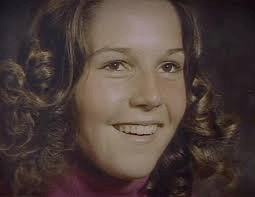
Susan Galvin (discovered on July 13, 1967, Seattle): the twenty-year-old records clerk for the Seattle Police Department had recently moved to the area from her childhood home in Spokane; after failing to show up for work, her body was discovered inside a parking garage elevator at the Seattle Center complex. Autopsy results revealed that she had been sexually assaulted and strangled.

Verla Helen Winter (October 21, 1968, Kent): Last seen at home after she had an argument with her estranged husband, who stayed at the residence and supposedly went to bed. When he awoke, his wife and all of her belongings had disappeared, as well as $400 in cash; she left behind two children who were raised by her parents. Prior to this, Verla was in frequent contact with her family by phone and mail.

Linda Mary Louise Garrison (November 19, 1968, Sumner): about a month before her disappearance the nineteen-year-old had been thrown from a horse and had been treated for back injuries; it’s unknown if the injuries she sustained resulted in scarring or indications of trauma to the bones. She left home after a horse ride.

Murders Linked to John Dwight Canaday (1968–1969, Renton): I am going to touch on the murders committed by John Canaday as a whole, who is a lesser-discussed serial killer from Washington state that killed three women between late 1968 and early 1969. On the evening of December 17, 1968, pregnant newlywed Sandra Darlene Bowman was stabbed to death in her home after she opened the door to her Ballard apartment and apparently let her killer in; she was later found in her bedroom, tied up, raped and stabbed repeatedly, court documents say. On the evening of January 4, 1969, twenty-one-year-old Mary Annabelle Bjornson was at her apartment preparing dinner for a friend when a man knocked on her door claiming he was experiencing car trouble to gain entry. Once inside, he threatened her with a knife, tied her wrists, and drove her to Seattle’s Seward Park, where he strangled her. Canaday’s final victim was twenty-year-old University of Washington junior (some records mention her attending Washington State University) Lynne Carol Tuski, who vanished while walking to her car in northern outside a north Seattle department store; according to her autopsy, he strangled her to death. John Dwight Canaday was apprehended by police on February 22, 1969; he confessed to the murders,saying he strangled his victims and left their remains in Snohomish County; he died on December 26, 2012, while serving his time at the Clallam Bay Corrections Center.

Laura Lee Asynithe Flink (February 21, 1969, Aberdeen): Flink was last seen driving her live-in boyfriend’s 1967 Red Ford Ranchero toward Moclips at about 4 PM on Friday, February 21, 1969 (where she was supposed to pick up some furniture and children’s clothing); she never arrived at her intended destination. Flink’s brown leather wallet was found on a Hoquiam, Washington sidewalk on February 23, 1969, and the vehicle was subsequently recovered on February 24, 1969 (also in Hoquiam). Flink’s wallet was mailed by the Hoquiam Police to her Aberdeen post office box, where it was never picked up. She never returned to her waitress job, and there has been no contact with any family or friends since; she had no alternate source of income, and she left behind a sixteen-month-old son, who she had just won full custody of through the courts.

Dorothy May Thompson (August 25, 1969, Walla Walla): Thompson was fifty-three-year-old at the time she was last seen alive and had been in the custody of Walla Walla penal authorities; upon her release, official records state she was provided with a bus ticket to travel to Vancouver along with explicit instructions to report to a designated officer immediately upon arrival. While penal authorities confirmed providing the ticket, investigators note there is no official verification or proof that she ever boarded the bus; she never checked in with the officer in Vancouver and has not been seen or heard from since.

Murders Linked to Gary Gene Grant (1969–1971, Renton): I am going to touch on the murders committed by Gary Grant as a whole, who is a lesser-known serial killer who raped and murdered four young women in the Renton area between 1969 and 1971. Often referred to as ‘Seattle’s Forgotten Serial Killer, Grant was only eighteen when he began his killing spree, targeting victims who were primarily children or young teenagers: he killed nineteen-year-old Carol Adele Erickson on December 15, 1969, while she was walking home from the Renton Municipal Library; she was stabbed and raped. Grant killed seventeen-year-old Joanne Zulauf on September 20, 1970 after she left her home to take a brief walk before dinner. When she failed to return, her family reported her missing, and her body was discovered two days later in a heavily wooded area; she had been attacked and strangled. On April 20, 1971, Grant committed his final two murders when he abducted two six-year-old boys that were in their front yard playing: he threatened Scott Andrews and Bradley Lyons with a knife and took them into the woods less than two miles away from the Bradleys’ residence; he beat them both and then stabbed Andrews then strangled Lyons. Their bodies were found two days later, and when examining the crime scene, investigators found footprints of the offender’s tennis shoes, of which plaster casts were taken. Following his arrest, Grant confessed to the four murders on April 30, 1971, however, during his trial, he denied legal guilt by claiming he was legally insane. On August 25, 1971, a jury rejected his insanity plea and convicted him of four counts of first-degree murder; he was sentenced to four consecutive life terms in prison.

Grace Foster (1970, Olympia): one-year-old Foster vanished during a family picnic in Olympia sometime in the summer of 1970. Despite the case going cold, Grace’s older brother, Daniel Foster, never gave up hope. He spent decades holding onto the belief that his little sister was still alive somewhere.

Patricia Garrison (January 5, 1970, Olympia): seventeen-year-old Patricia Garrison was found stabbed in a hospital parking lot on January 5, 1970 in Olympia; two days later she died from the over twenty stab wounds and injuries that she sustained in the attack.

Bertha Louise Burke (February 20, 1970, Port Angeles): Burke was a twenty-nine-year-old mother of three when she disappeared on a Friday night in early 1970: she had tucked her young children into bed at their East 13th Street home, and she was gone when they woke up in the morning. She left behind her purse, clothes, and all of her other personal effects.

Gladys Thelma Williams (February 20, 1970, Seattle): Williams was last seen on February 20, 1970 when she dropped her children off at her sister’s residence. Very little information is available about her disappearance.

Jeannette Rose Miller (September 16, 1970, Arlington): seventeen-year-old Miller was last seen walking on the Lincoln Bridge in Arlington, Washington.

Nancy Mae Richards-Winslow (July 26, 1970, Bellingham): twenty-three-year-old whose disappearance and murder became a noted unsolved cold case. Due to the timing, location, and nature of her disappearance, her case has frequently been studied by true-crime researchers investigating unconfirmed victims of the serial killer Ted Bundy.

Janice Marie Hannigan (March 1, 1971, Wapao): the sixteen-year-old was was discharged from a hospital on December 24, 1971. Janice was suffering from numerous bruises on her chest and head when she was admitted to a hospital three days prior. According to her hospital discharge summary, Janice was admitted to the hospital with multiple contusions around the head. It’s not known which hospital Janice was admitted to or the cause of her injuries. She was discharged in satisfactory condition. She never arrived home after her discharge and she hasn’t been seen since. At the time of her disappearance, Janice was living with her father on family land west of Harrah. Their parents were separated and the six younger children were with their mother in Buena.

Joyce Margaret LePage (July 22, 1971, Pullman): on the evening of Thursday, July 22, 1971, Joyce took a skydiving lesson with a friend, went out for a beer afterward, and was dropped off outside her off-campus apartment around 10:00 PM. This was the last time she was seen alive. She failed to show up for classes the next day and missed a planned weekend trip to visit her family in Pasco.

Marilyn Kay Pratt (October 8, 1971, Spokane): Marilyn was last seen on the evening of October 8, 1971 by her husband and friends at a local restaurant. Marilyn’s husband was working as a bartender at the race track. Marilyn was supposed to meet her husband at the track that evening, to bet on a race with him. She didn’t make it, so he placed the bet anyway and lost, which made him angry.

Jamie Grisim (December 7, 1971, Vancouver): climbing into Forrest’s light-blue van near downtown Vancouver. Her remains were found exactly two years later in a shallow grave on Clark County parks property at Tukes Mountain. Jamie Grissim has been missing since December 7, 1971, after she vanished while walking home from Fort Vancouver High School in Vancouver, Washington. Although she was initially categorized by police as a runaway, her high school identification card and purse were found months later along a rural road in the Dole Valley area, prompting authorities to treat her disappearance as a homicide. Her remains have never been found, and her disappearance stands as the oldest active missing person case in Clark County.

Ivah McDonnell (December 2, 1971, Pasco): the sixty-year-old was found dead inside her home at 5008 W. Sylvester Street; she had been brutally beaten with a blunt object, knocked unconscious, and strangled to death with her own pajama bottoms. Her wallet, a change jar, and items of lingerie were missing from the scene. DNA profiling matched Samuel Evans to the crime scene, though he died in prison for a separate murder.

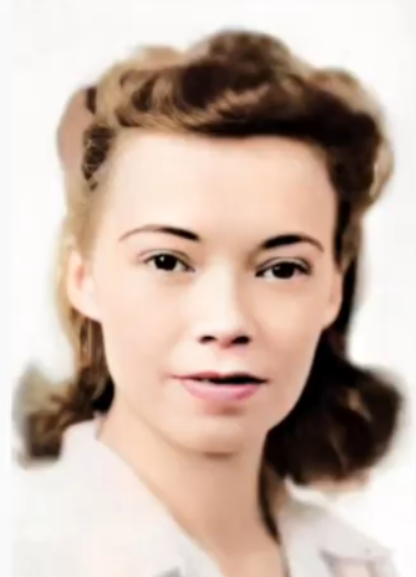
Alisa ‘Lisa’ Francine Watson (January 1, 1972, Tacoma): Alisa had left the family home and may have been living at an apartment in the Seattle area. No contact with family since 1972.

Pamela Burrows (January 1, 1972, Seattle): Pamela and her boyfriend were going to visit her sister in Minnesota, but they never arrived and she was never heard from again; he later told her sister that she had been killed, but it was never confirmed and her body has not been found.

Barbara Ann Derry (disappeared on February 11, 1972, Vancouver): was an 18-year-old homicide victim from Washington State who is believed to be one of the earliest victims of Southwest Washington serial killer Warren Leslie Forrest. Derry was last seen on February 11, 1972, hitchhiking along State Highway 14. She was traveling from Vancouver toward her hometown of Goldendale, Washington. On March 29, 1972, her body was discovered by a woman hunting.

Althea Dayle Blankinship (March 27, 1973, Port Townsend): Althea Blankinship and her son Jeffrey, were last seen in the City of Port Townsend, WA, where they were residing at the time. They were last reported to have been dropped off at SeaTac International Airport. Althea had made plans to travel to Greece with Jeffrey to meet her parents who were already there on vacation. Family members became concerned when it was evident that Althea and Jeffrey never arrived in Greece. They have not been heard from or seen since. Foul play is suspected.

Salie Belle Maxi Signani (June 1, 1973, Renton): she was recently divorced and left home to live with another man. She failed to show up for work on a Monday in early June 1973. Investigation done at that time was apparently lost. A new case originated in 2003.

Jody Loomis (August 23, 1972, Bothell): was a 20-year-old woman from Bothell, Washington, who was sexually assaulted and murdered on August 23, 1972. Her case went unsolved for nearly five decades until it was cracked using groundbreaking forensic genetic genealogy. On the afternoon of August 23, 1972, Jody left her home on her bicycle to visit her horse, Saudi, at a local stable. She never arrived. Roughly 30 minutes after she was last seen, two people discovered her disrobed and suffering from a gunshot wound to the head in a heavily wooded area of Snohomish County (in what is now Mill Creek Road). She was still barely breathing when found but was pronounced dead on the way to the hospital.

Teresa Kay Davis (November 1, 1973, Tacoma): Teresa was staying with her sister in Tacoma, Washington. On November 1, 1973, Teresa’s sister came home and found that Teresa was not there. The front door was left open and all of Teresa’s belongings remained in the home. Later, her sister reportedly received a letter from Teresa sent from Anchorage, Alaska, but there was no further contact.

Katherine Merry Devine (November 25, 1973, Olympia): fourteen-year-old Kathy was murdered after running away from her Seattle home and hitchhiking on November 25, 1973. Her remains were discovered on December 6, 1973, by caretakers at Camp Margaret McKenny in the Capitol State Forest near Olympia, Washington. An autopsy revealed she had been sexually assaulted and killed by a knife wound to the neck. The mystery was finally solved in 2001 when the Washington State Patrol Crime Lab utilized modern DNA technology to test physical evidence preserved from the crime scene. The DNA perfectly matched William Earl Cosden Jr., a convicted rapist who had already been serving a prison sentence since 1976.

Kerry Hardy-May (June 13, 1972, Seattle): in June 1972, Kerry was in a period of transition, having recently separated from her husband. After she failed to show up at her family home to help them pack for a trip, her mother reported her missing to the Seattle Police Department. Her whereabouts remained a complete mystery for nearly 40 years. On September 6, 2010, a backhoe operator digging a waterline trench near a golf course at the Suncadia Resort in Roslyn, Washington, uncovered human remains in a shallow grave. Along with the bones, investigators found a gold wedding band and remnants of blue material. In June 2011, the Kittitas County Sheriff’s Office officially identified the remains as Kerry May-Hardy. The breakthrough came after her family noticed a striking resemblance between a forensic composite sketch circulated by authorities and Kerry. The identity was conclusively confirmed via DNA testing by the University of North Texas Center for Human Remains, using a profile her mother had proactively submitted in 2004.

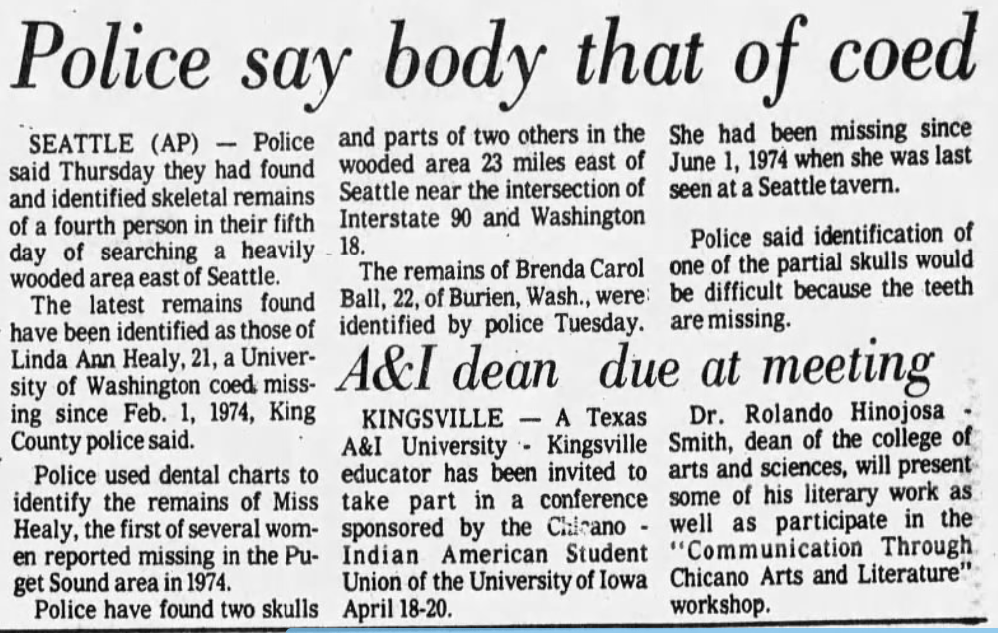
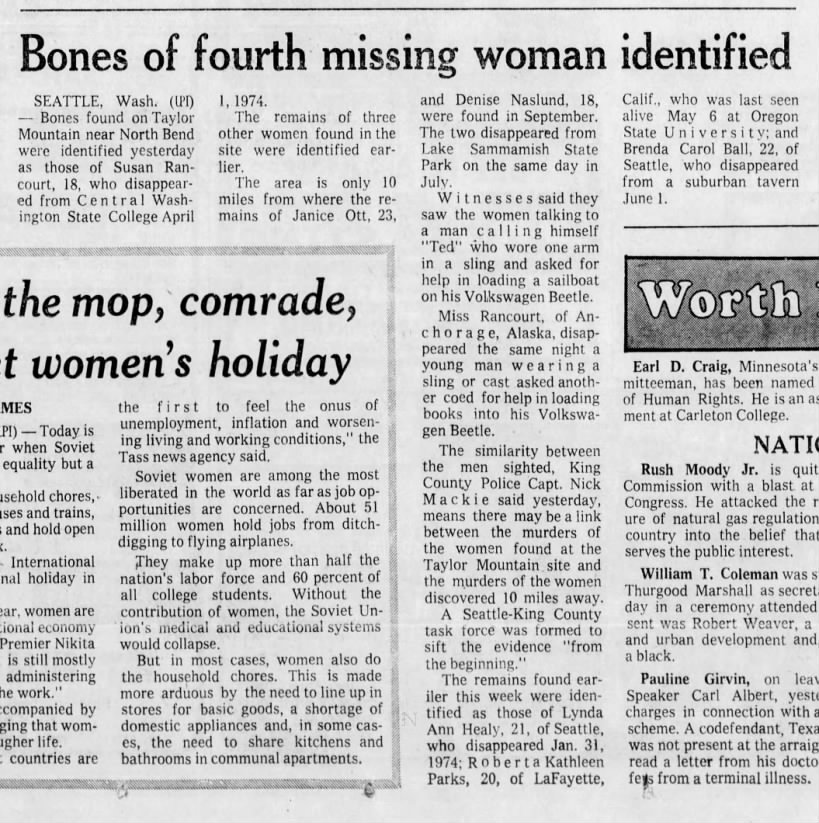
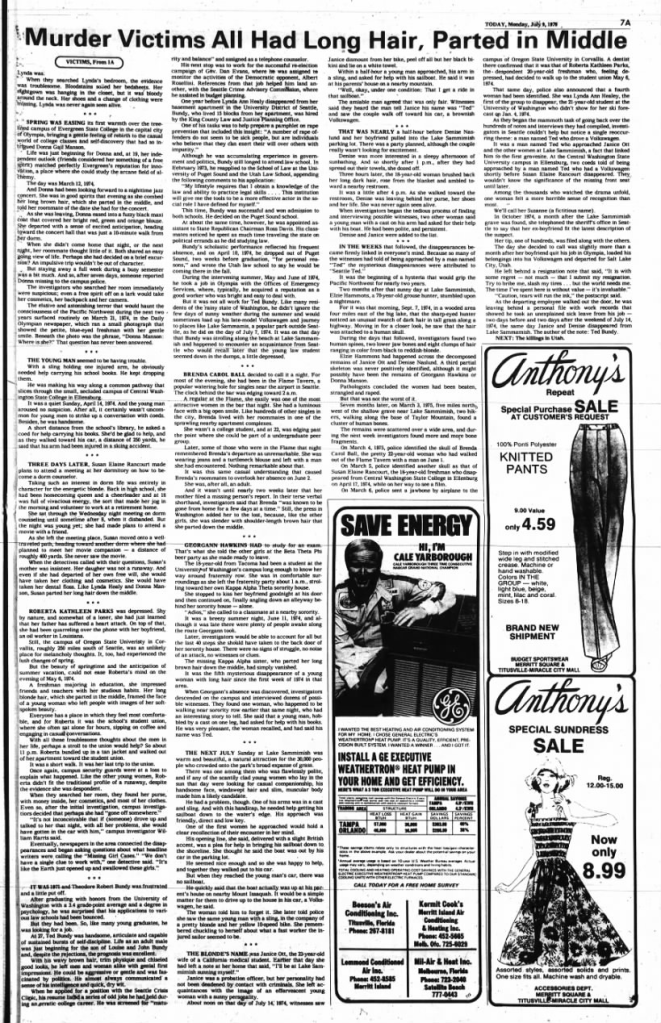
Lynda Ann Healy (January 31, 1974, Seattle): a 21-year-old American college student who became the first widely confirmed murder victim of the notorious serial killer Ted Bundy. She was known by her peers and family as a talented musician who was full of life, self-assurance, and compassion. She attended Newport High School before enrolling at the University of Washington (UW).At the time of her disappearance, she was a senior majoring in psychology and was scheduled to graduate that year. Deeply invested in helping others, she regularly worked with mentally handicapped children. Alongside her studies, she worked part-time for Western Ski Promotions, broadcasting morning weather and ski condition reports to 20 local radio stations across Washington and Oregon.Disappearance and MurderIn early 1974, Healy lived in a pale green off-campus house on 12th Avenue Northeast in Seattle’s University District with four female roommates.On the evening of January 31, 1974, Healy went out to a local establishment with friends, returned home, spoke to her boyfriend on the phone, and went to sleep. During the early morning hours of February 1, 1974, Ted Bundy broke into her basement bedroom. He knocked her unconscious, dressed her in blue jeans and a blouse, and carried her out to his vehicle while her roommates slept undisturbed upstairs.The next morning, her roommates noticed she was missing after her radio alarm clock kept buzzing continuously and she failed to show up for her scheduled morning broadcast. When police examined her room, they found her bed neatly made, but discovered her nightgown hanging in the closet with blood stains on the collar, along with blood on her mattress and pillowcase.

Heidi Birgit Peterson (February 21, 1974, Seattle): a four-year-old girl who was tragically abducted from the front yard of her Capitol Hill home in Seattle on February 21, 1974. Heidi was playing outside with her 2.5-year-old brother when she vanished. Her disappearance sparked one of the largest and most extensive law enforcement searches in the history of the Pacific Northwest at the time. Nearly a year later, on January 24, 1975, her remains were discovered in a park just a block away from her home. Investigators believed her remains had been moved there later, as the park had been thoroughly searched initially; o this day, her killer has never been identified.

Donna Gail Manson (March 12, 1974, Olympia): Manson was last seen at 7:00 PM on campus at Evergreen State College in Olympia by a college roommate whom she told she was going to attend a jazz concert being held on the campus; she was reportedly last seen between the dorms and library on the way to the concert. Ted Bundy confessed on death row to abducting Manson from the Olympia campus but never specifically said where he left her remains. As of July 2026 they have never been recovered.

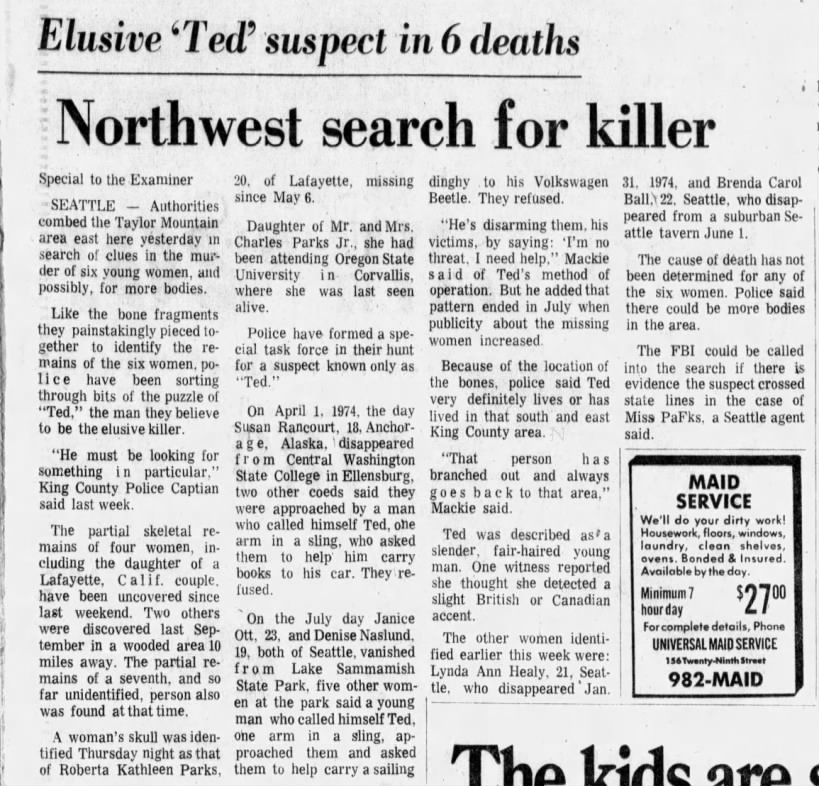
Susan Elaine ‘Sue’ Rancourt (April 17, 1974, Ellensburg): an eighteen-year-old college student who became the third known murder victim of Ted Bundy. On the evening of April 17, 1974, Sue attended a meeting for future residence hall leaders at Munson Hall. After the meeting concluded around 10:00 PM, she began walking back to her dormitory. Witnesses on campus later recalled seeing a man with his arm in a sling wandering near the parking lots (which is a common ruse Bundy liked to use).

Brenda Joy Baker (May 25, 1974, Maple Valley): the fourteen-year-old was brutally murdered in Washington state in May 1974. She has long been suspected of being an unconfirmed victim of the notorious serial killer Ted Bundy. The details surrounding her disappearance and the subsequent investigation include: Brenda lived with her family in Maple Valley, Washington, and had a history of running away from home. On May 25, 1974, she spent two days staying with friends in Sumner, Washington, who tried to convince her to go home. She refused, stating she was trying to hitchhike south toward Portland, Oregon. She was last seen alive getting into a pickup truck with two men at an on-ramp near Puyallup, Washington. Because her family immediately noticed her absence, they filed a missing person’s report the same day she vanished. On June 17, 1974, approximately three weeks after she went missing, her highly decomposed remains were discovered by chance in an isolated section of Millersylvania State Park in Thurston Count

Diane Sue Gilchrist (May 29, 1974, Vancouver): a teenager from Vancouver, Washington, who went missing on May 29, 1974, at the age of 14. Decades after her disappearance, she is heavily suspected by law enforcement to be a victim of convicted Washington serial killer Warren Leslie Forrest. She was last seen on May 27 or May 29, 1974, leaving her family’s home in the 1800 block of Franklin Street in downtown Vancouver, Washington.

Gloria Nadine Knudson (May 31, 1974, Vancouver): Gloria Nadine Knudson (which I’ve also seen spelled Knutson) was a nineteen-year-old woman that went missing on May 31, 1974 and is a suspected victim of serial killer Warren Leslie Forrest. At the time of her murder she was almost finished with her senior year at Hudson Bay High School and was last seen after visiting a friend’s house on Grant Street, where she reported that an unknown man had chased and stalked her. She left to walk home and never arrived. Her remains were later discovered in 1978 near Lacamas Lake.

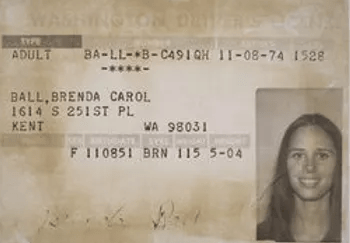
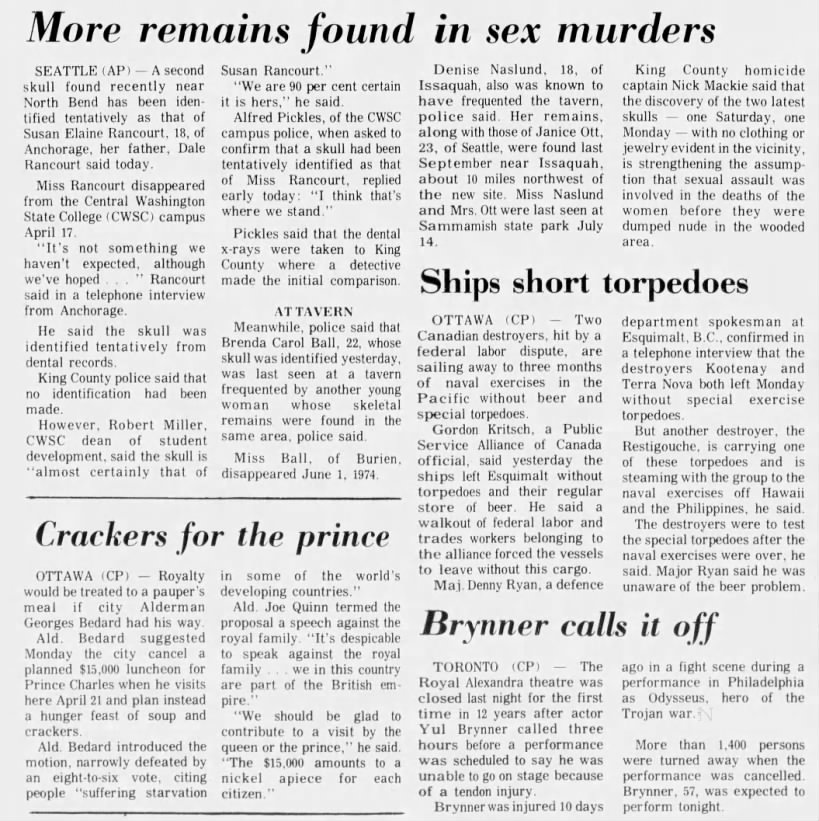
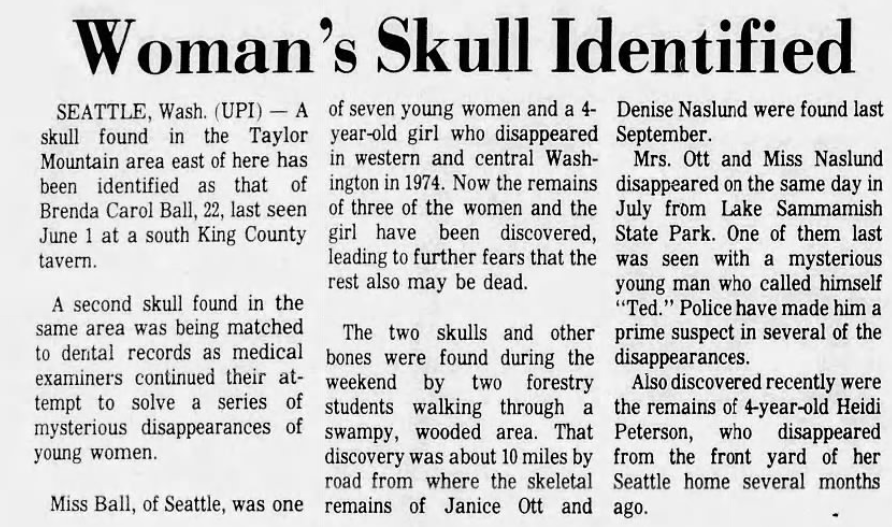
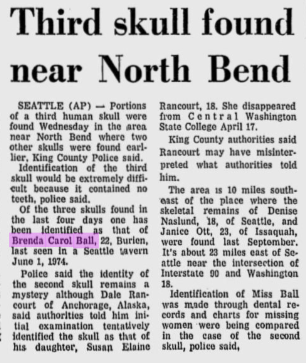
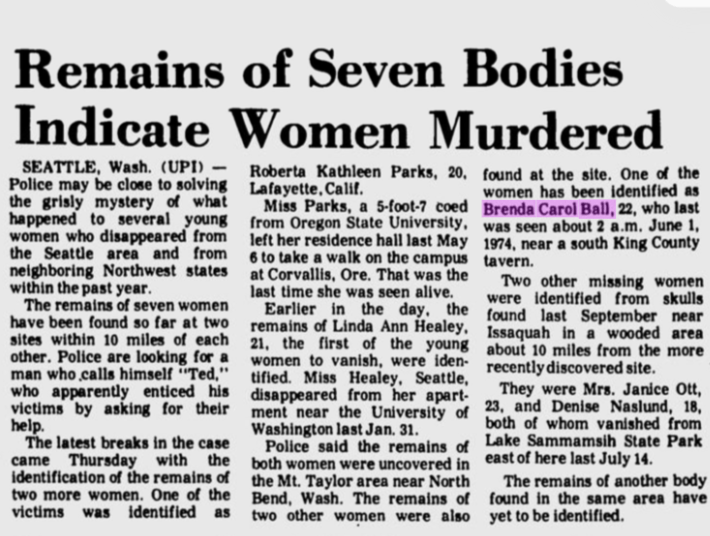
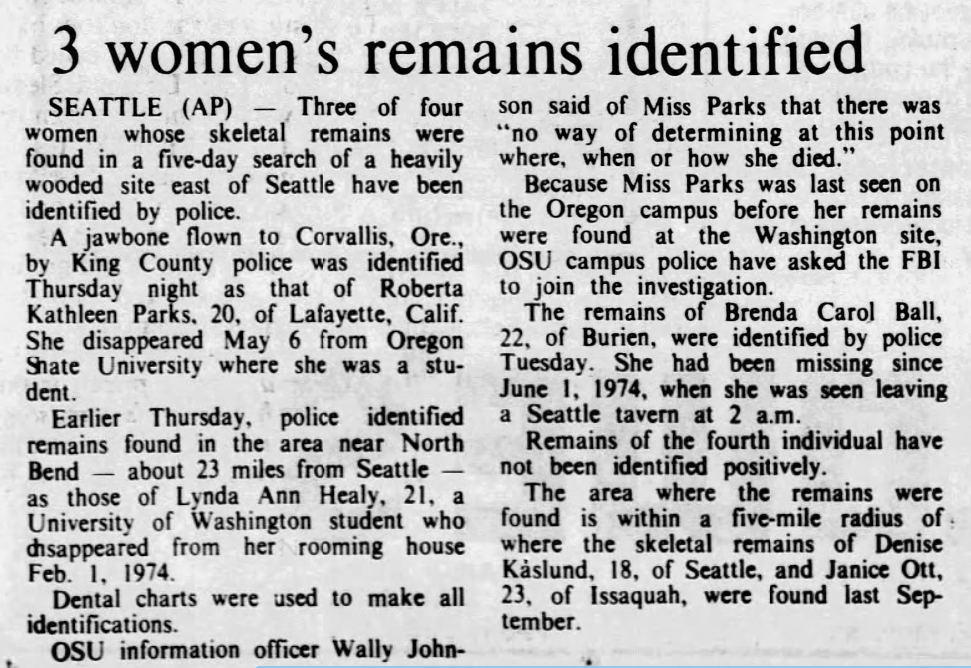
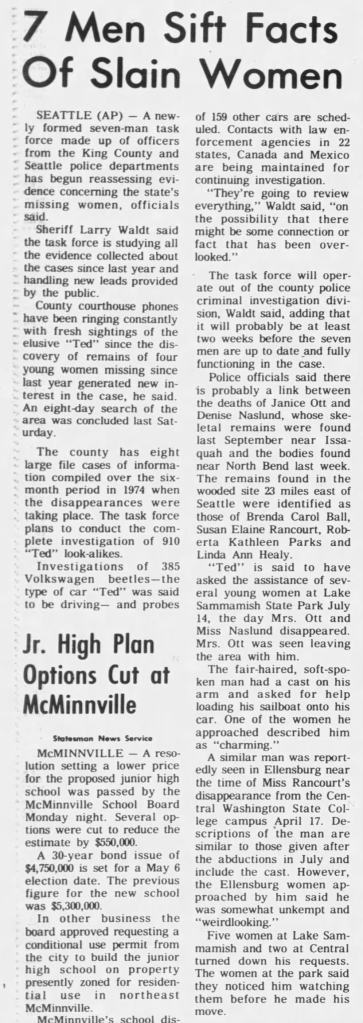
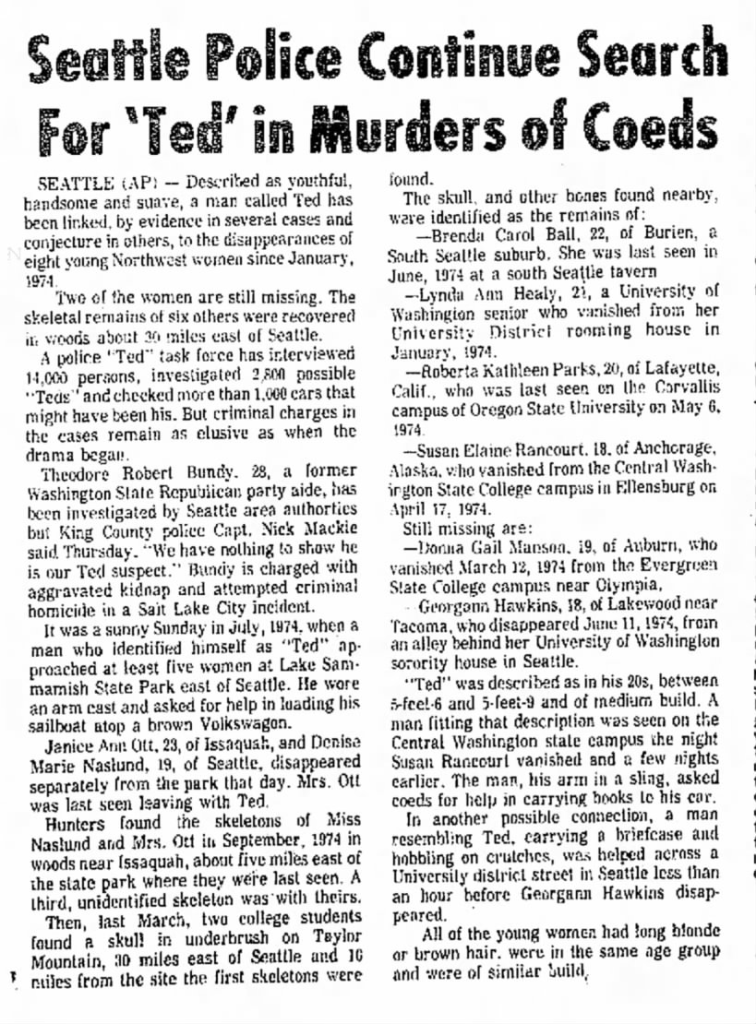
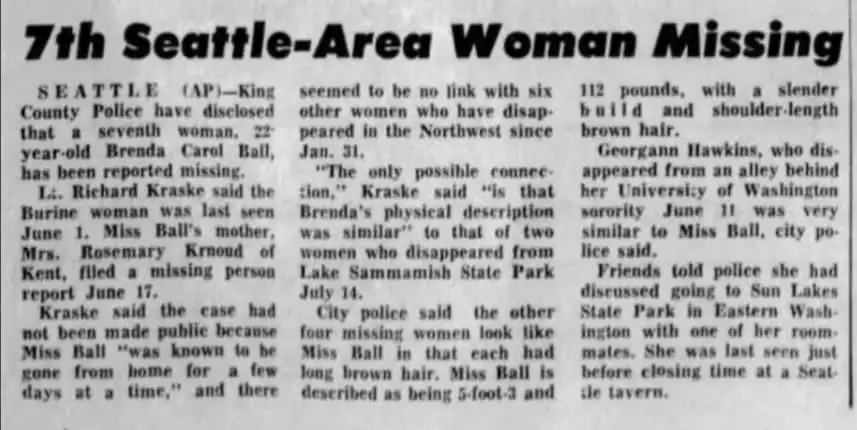
Brenda Carol Ball (June 1, 1974, Burien): twenty-two-year-old Ball is the fifth official murder victim of the American serial killer Ted Bundy.( grew up in Washington and graduated from Mount Rainier High School in Des Moines, Washington. Described by friends and family as a petite, “free and fun-loving spirit,” she stood 5 feet 3 inches tall, weighed 112 pounds, and had long brown hair and brown eyes. She had taken classes at Highline Community College but decided to drop out a couple of weeks before her disappearance. At the time, she was living with roommates in an apartment in Burien, Washington. On the evening of May 31, 1974, during Memorial Day weekend, Brenda went out alone to the Flame Tavern, a neighborhood bar in Burien. She had mentioned to her roommates and friends earlier that day that she hoped to find a ride out to Sun Lakes in eastern Washington to join them at a campground later that weekend

Krista Kay Blake (disappeared on July 11, 1974, Vancouver): twenty-year-old Blake was kidnapped and murdered in Washington in July 1974 by Warren Forrest; she was last seen climbing into his light blue Ford Econoline cargo van near downtown Vancouver.

Georgann ‘George’ Hawkins (June 11, 1974, University of Washington, Seattle): Hawkins disappeared from the University of Washington campus after 1am on June 11, 1974. She was last seen in the alley outside of Beta Theta Pi fraternity. She had been to a fraternity party earlier in the evening, and visited her boyfriend, Marvin Gellatly, on the way back to her sorority house. As she left Beta Theta Pi, Georgeann spoke with another friend, Duane Covey, who spoke with her from his second-story window that faced the alley. After saying goodbye to her friend, she headed down the alley toward her sorority house, Kappa Alpha Theta. She never arrived. Ms. Hawkins is the victim of serial killer, Ted Bundy, who confessed to kidnapping and murdering her before his execution in 1989. He confessed to killing her in a remote area “across Mercer Island, east past Issaquah, up the hill, down the road, and up to the grassy area.” Bundy claimed that Georgeann’s remains were found with two of his other victims, Janice Ott and Denise Naslund, in Lake Sammamish State Park; investigators had found an extra leg bone and extra vertebrae at the site, but had been unidentified at the time and – so far – were never positively identified as Georgeann’s.

Janice Ott & Denise Naslund (July 14, 1974, Issaquah): Bundy abducted twenty-three-year-old Janice Ott and nineteen-three-year-old Denise Marie Naslund were abducted four hours apart from Lake Sammamish State Park in Issaquah; it quickly became one of the most notorious moments during the hunt for ‘Ted,’ marking the first time investigators realized the killer went by the name and approached multiple women in broad daylight on the same day That Sunday Lake Sammamish State Park was incredibly crowded, and had around 40,000 visitors, many attending an annual picnic held by Rainier Beer.

Joyce Tyer Jones (November 17, 1974, Bellingham): little is known about the final days of Joyce; she went for a walk and never returned home.

Vonnie Joyce VanDriel-Stuth (disappeared on November 27, 1974. Burien): was initially suspected to be another victim of Bundy, Vonnie was abducted and murdered by serial killer Gary Addison Taylor; the nineteen-year-old newlywed disappeared from her apartment in Burien, Washington. When her husband, Todd Stuth, returned home from work after midnight, he found the lights and television on, an unfinished Thanksgiving meal on the table, and his wife gone. Her only previous hint to family had been a mention of a neighborhood man coming to the door to offer her a dog.

Laurie Lynn Partridge (December 4, 1974, Spokane): on the day she disappeared Partridge left Ferris High School early, complaining about not feeling well walking at 37th & Havana Streets on Spokane’s South Hill. Unable to get a ride, she decided to walk the two-plus miles to the home where she lived with her parents and five younger siblings, saying the air might help her feel better. The family reported her missing after she failed to show up for work that evening at Lincoln Heights Theater. Initially, sheriff’s deputies thought she might have run away from home, given her displeasure when the family moved to Spokane from California, but by the time she vanished she had started to establish roots (she was also engaged to a twenty-year-old man). The couple planned to pick out engagement rings the day Partridge disappeared, and her fiancé was questioned extensively several times but never ruled a suspect.

Lorelee Sue Lhotka (January 1, 1975, Seattle): Lhotka was last seen on some unspecified date in 1975, when she left home to go to a doctor’s appointment; she was supposed to take the bus, but she may have hitchhiked instead, and she never arrived at the doctor’s office. She has never been seen or heard from again. In 1978, Lhotka’s wallet was found at Blewitt Pass in the Wenatchee National Forest.

Diana ‘Dinah’ Peterson (February 14, 1975, Shoreline): sixteen-year-old Dinah snuck out of her family’s home in the Innis Arden/Richmond Beach neighborhood to visit her older boyfriend (whom her parents disapproved of). Later that night, her dad discovered her body in their backyard; she had been stabbed. For decades, investigators primarily focused their attention on Peterson’s then-19-year-old boyfriend, Timothy Diener, who had been arrested shortly after the murder but was never formally convicted (investigators struggled with a lack of concrete evidence). In December 2007, King County Sheriff’s cold-case detectives arrested and charged James Eric Groth, who was also sixteen at the time of the crime and lived two houses away from the Petersons; authorities determined that Groth had been infatuated with Peterson and grew violently jealous of her dating an older guy.

Hallie Ann Seaman (April 29, 1975, Seattle): Seaman was an honor student just two terms away from finishing her master’s degree in architecture and was last seen working late at her drafting table inside the University of Washington’s architecture building. The following afternoon, a passerby discovered her body hidden in the bushes near a parking lot on Eastlake Avenue East; she had been sexually assaulted and repeatedly stabbed. Her case remained an unsolved mystery until advanced DNA testing identified her killer as Charles Rodman Campbell.

Jo Carrol Sanders (July 6, 1975, Camas): the fourteen-year-old was last seen alive near her residence, which was described as being ‘a tight-knit neighborhood where she lived with her father’ and investigators confirmed she was abducted in broad daylight by someone driving either a yellow or green van. Her body was discovered three days later in a gravel pit roughly ten miles east of Camas in Skamania County.
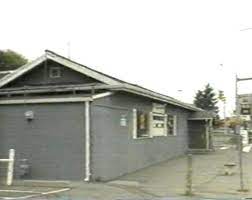
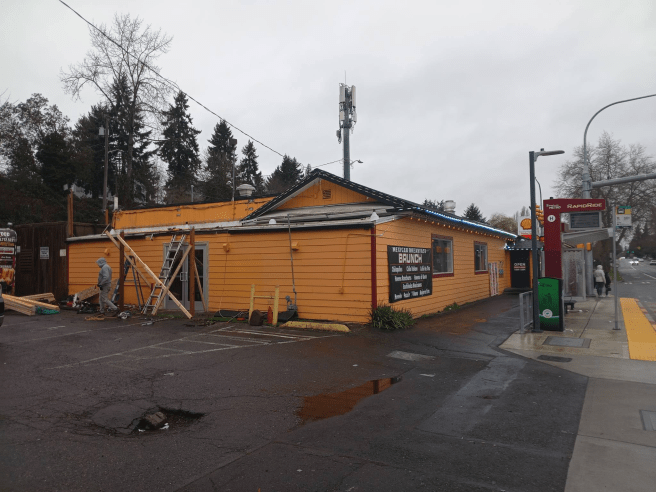
The Former Flame Tavern/Birrieria Tijuana.

On the evening of June 1, 1974 Ted Bundy abducted Brenda Carol Ball from The Flame Tavern in Burien, WA; she was never seen alive again.

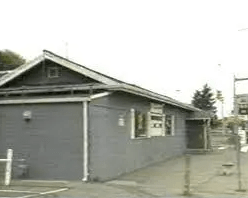
An older picture of The Flame Tavern as it looked in the 1970’s.
An older image of the tavern from the 1970’s, photo courtesy of OddStops.
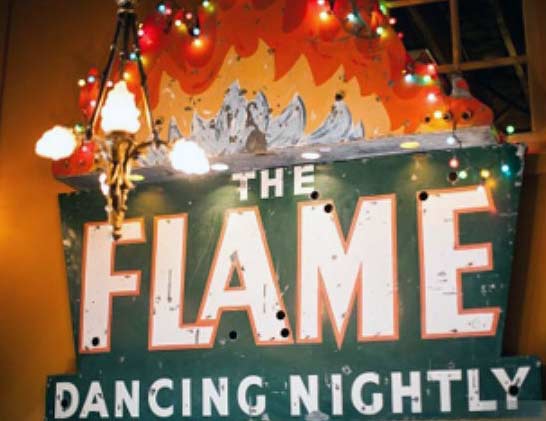
An old sign from the Flame Tavern, which advertised ‘Dancing Nightly,’ photo courtesy of OddStops.
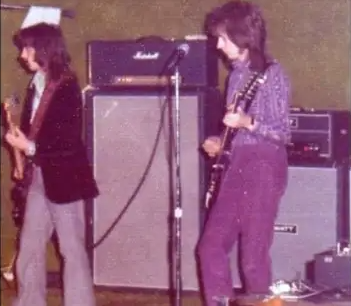
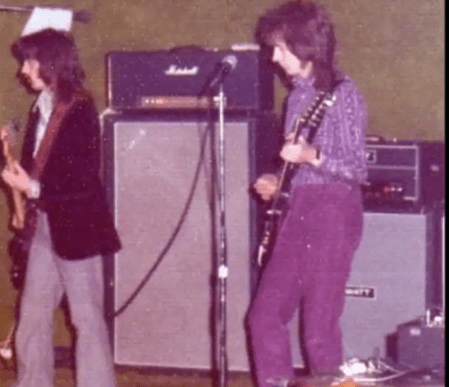
The band ‘Child Jam’ performing at The Flame in 1972.
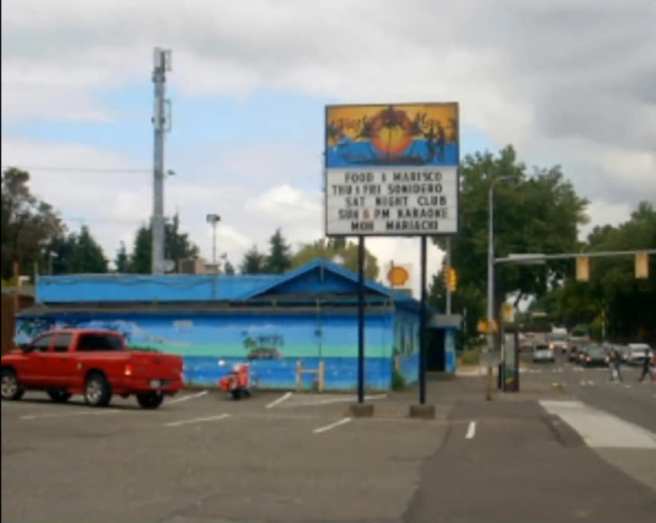
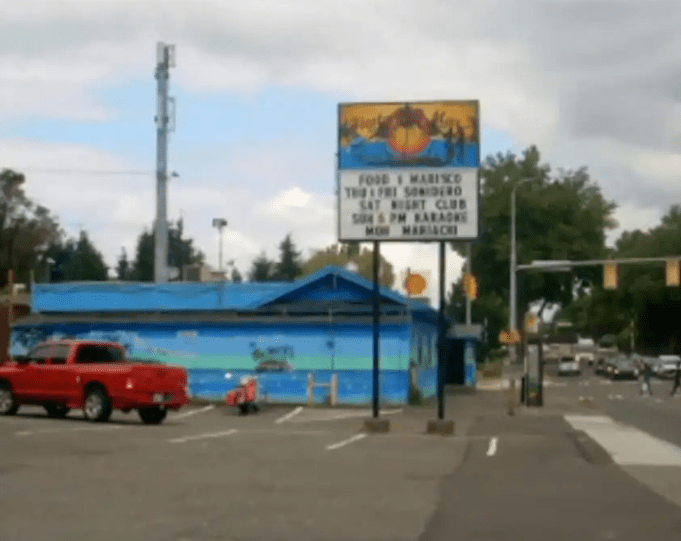
This Google Street View image of the bar was taken in 2011, photo courtesy of OddStops.
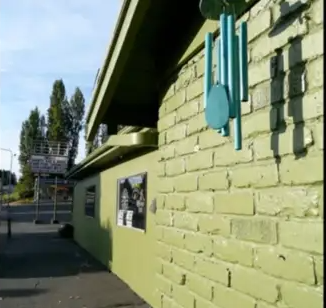
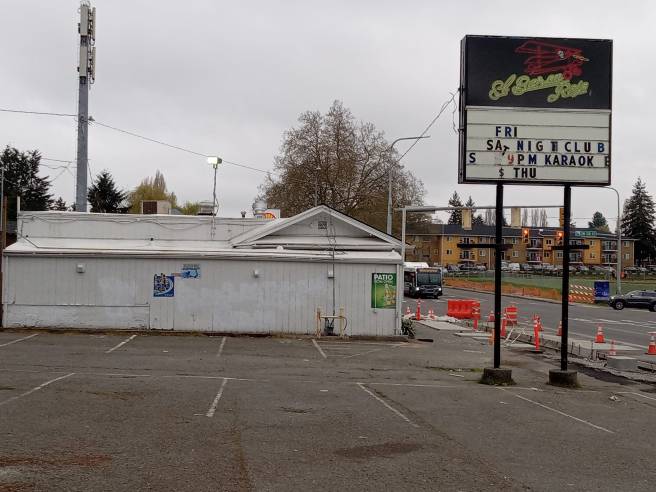
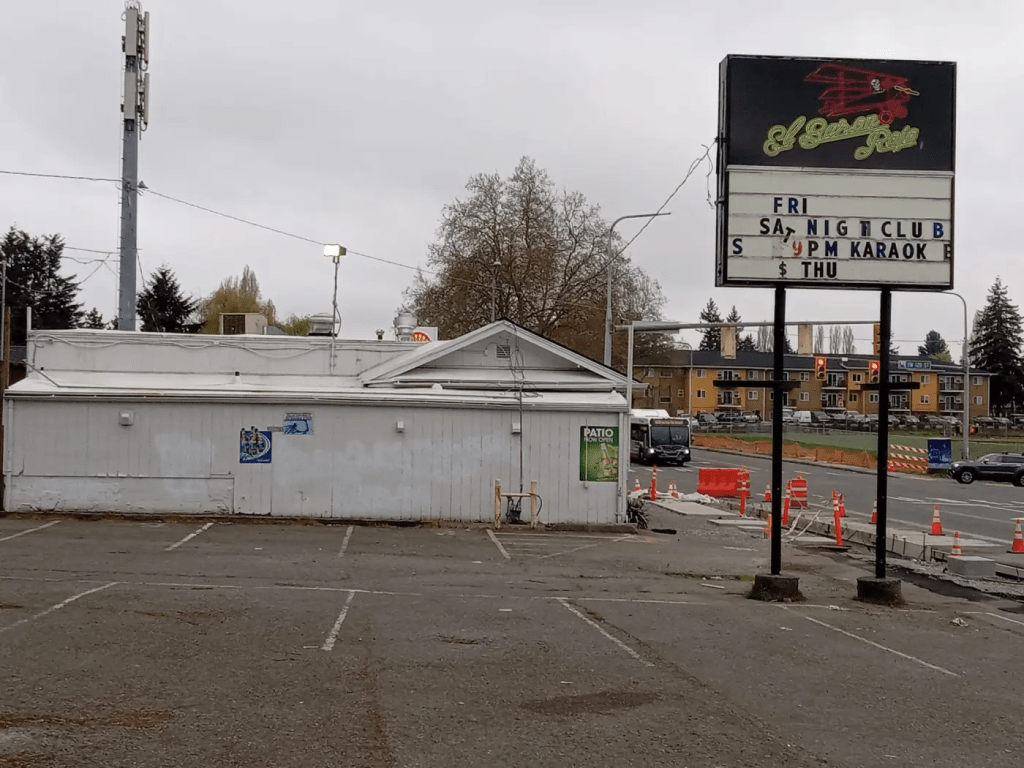
The former Flame Tavern as it looked in April 2022.
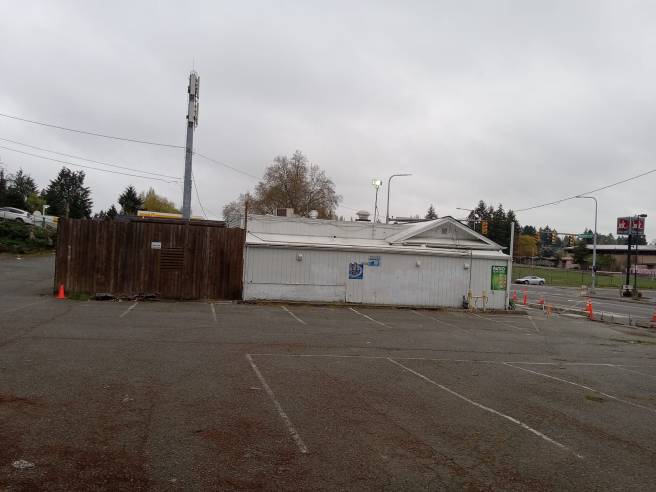
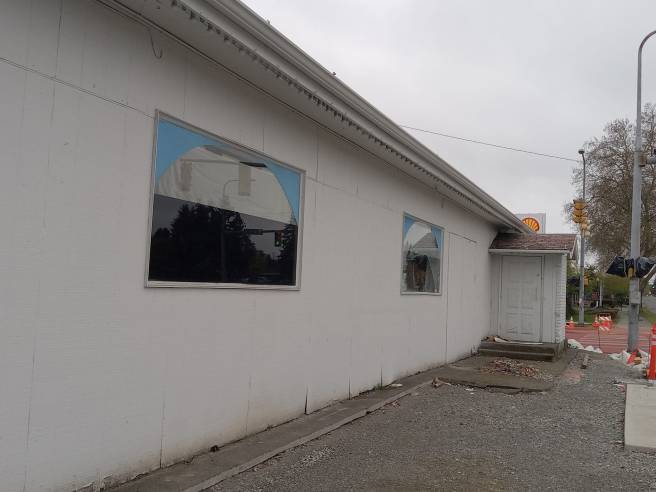
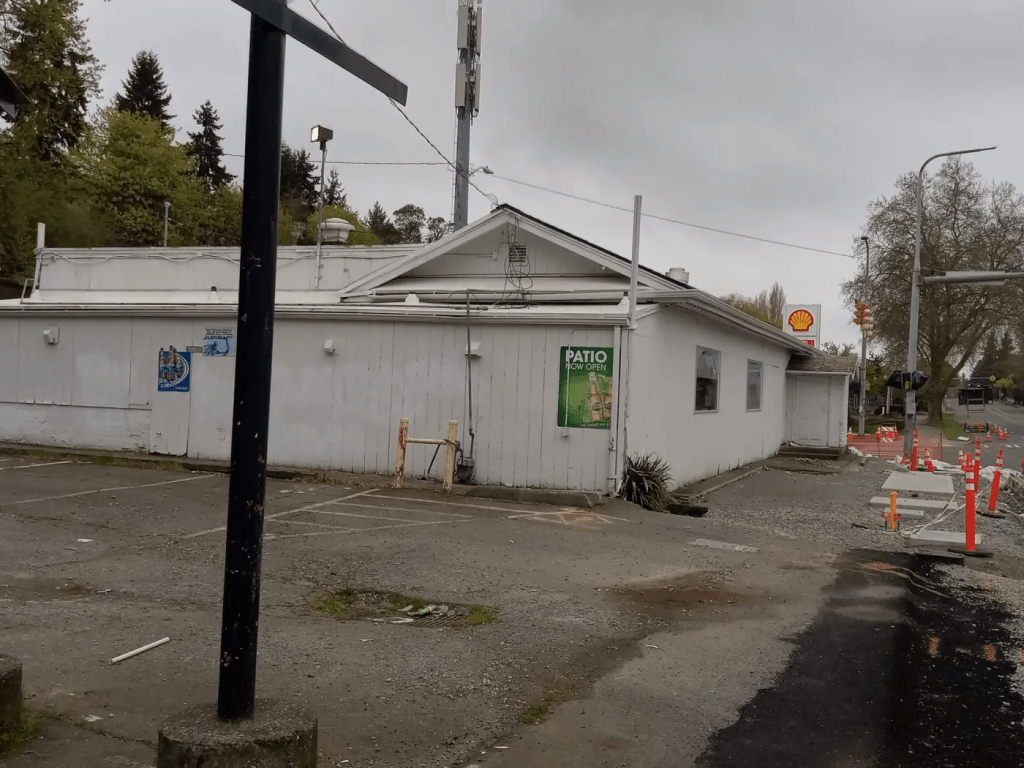
The back part of the former Flame Tavern as it looked in April 2022.
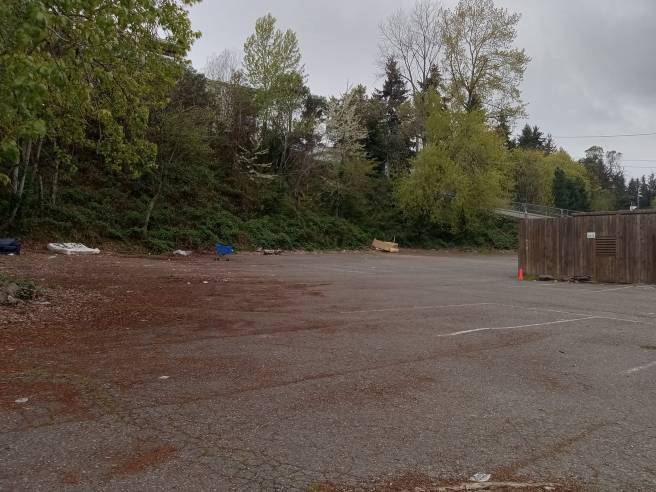
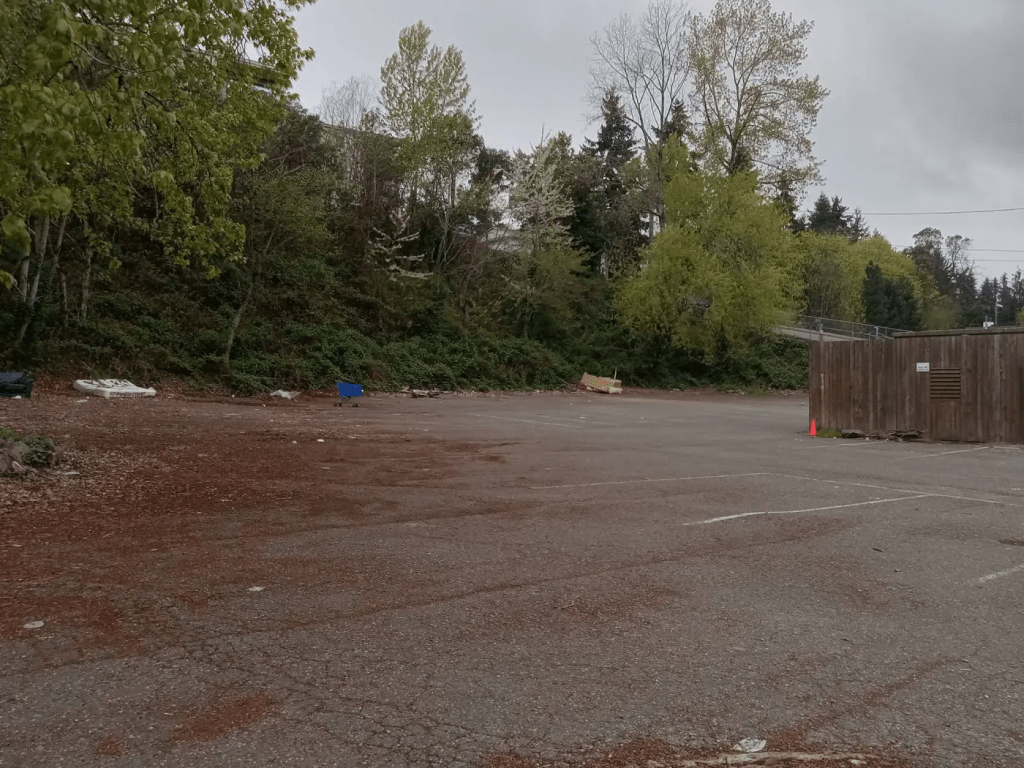
The back parking lot of the former Flame Tavern as it looked in April 2022.
The former Flame Tavern as it looked in April 2022.
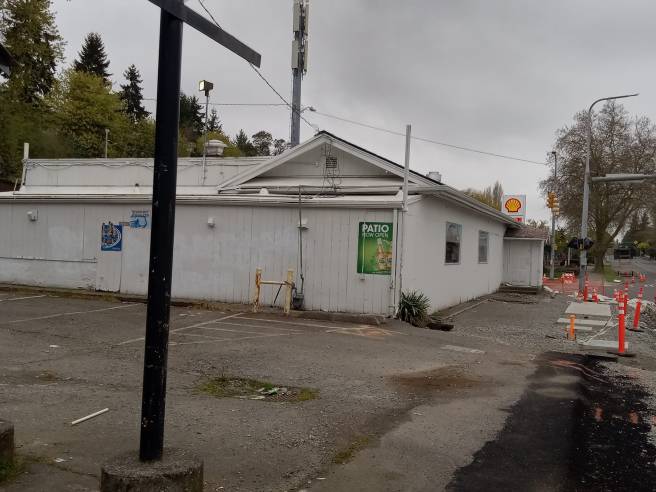
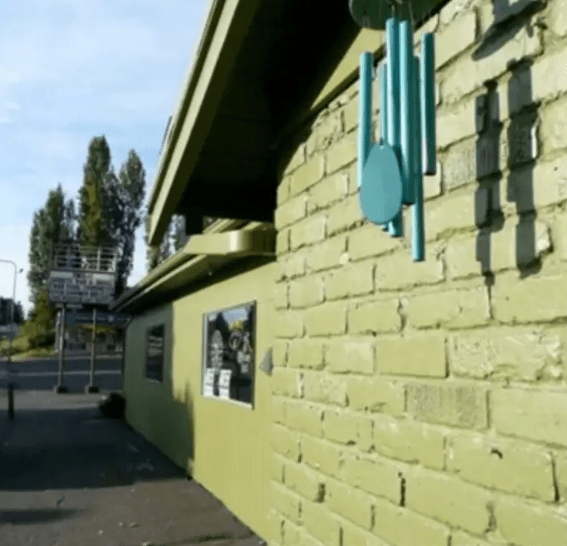
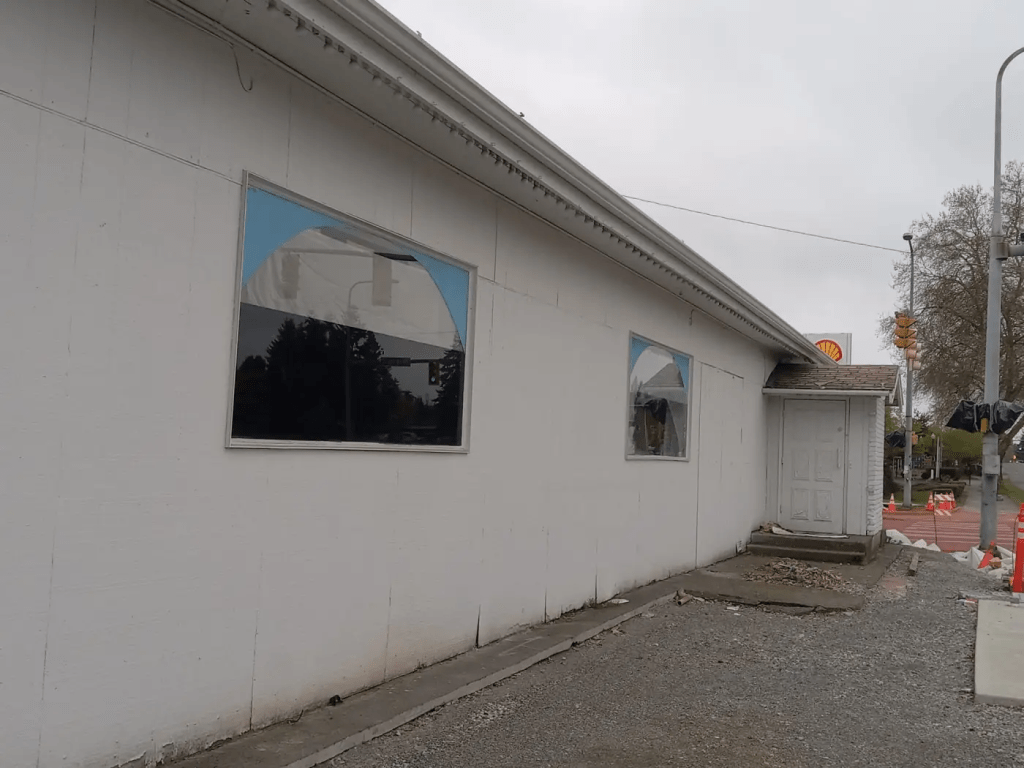
The side of the former Flame Tavern as it looked in April 2022.
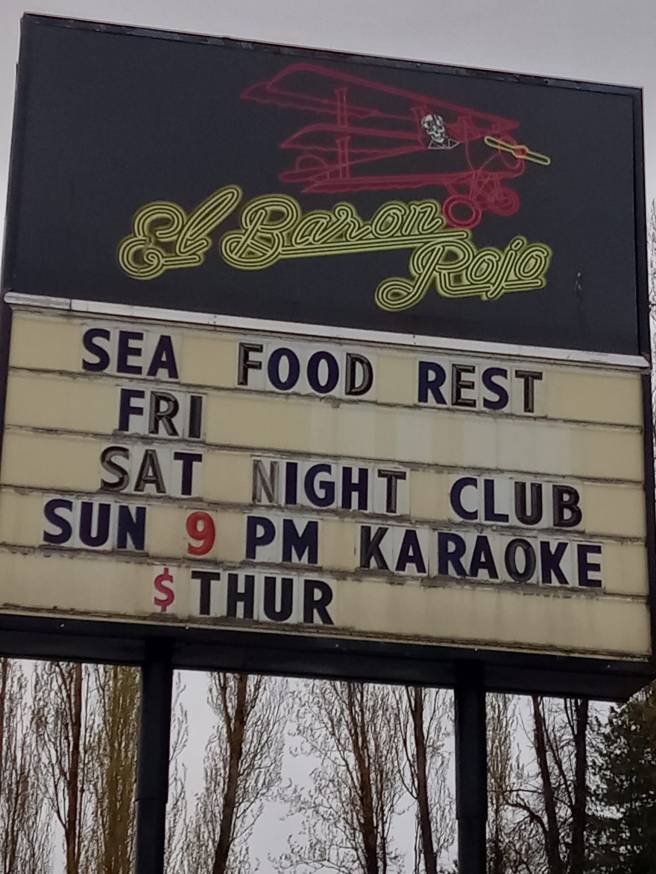
The front sign from the former Flame Tavern as it looked in April 2022.
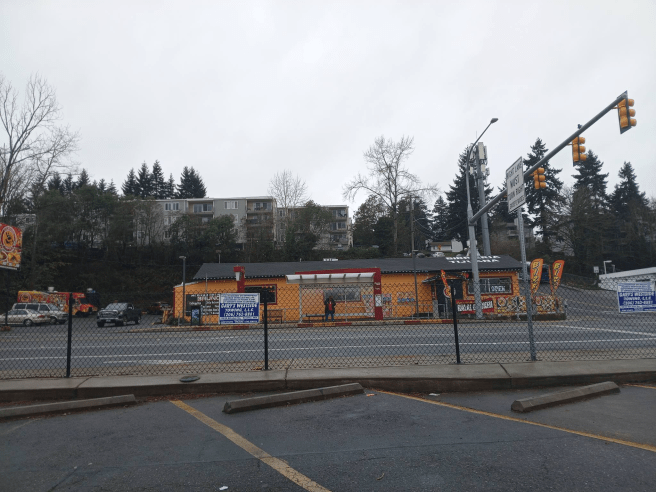
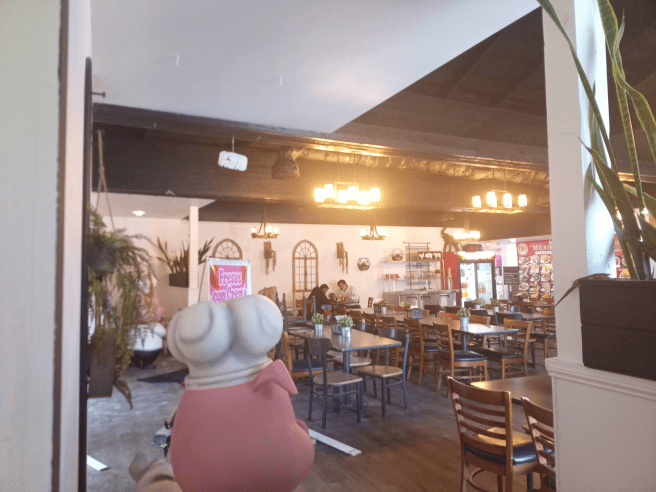
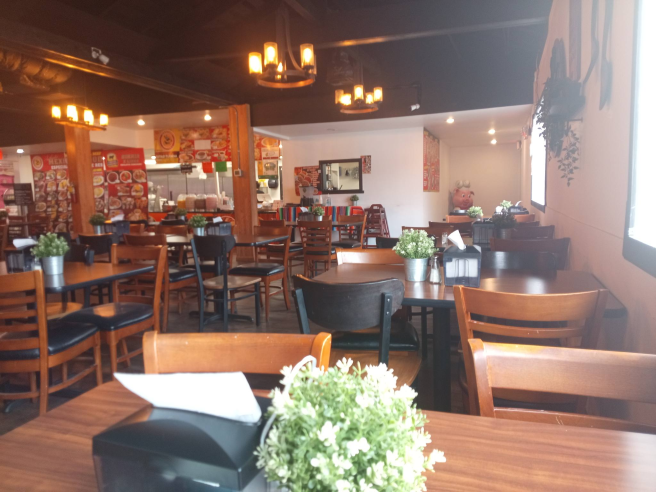
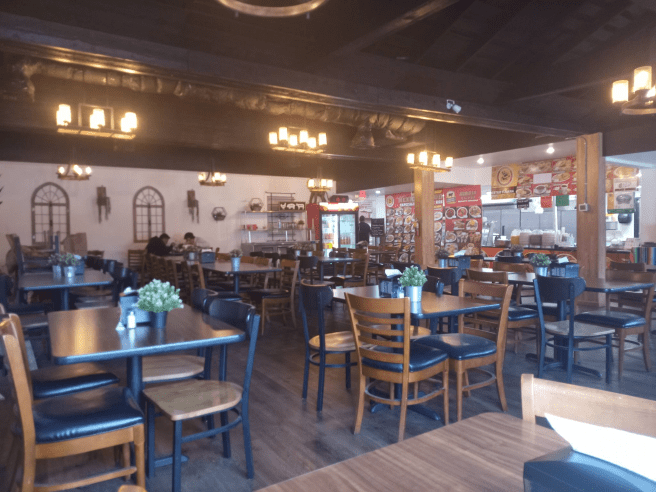
The former Flame Tavern as it looked in March 2026: it’s now a Mexican restaurant called ‘Birrieria Tijuana,’ and their food is amazing.
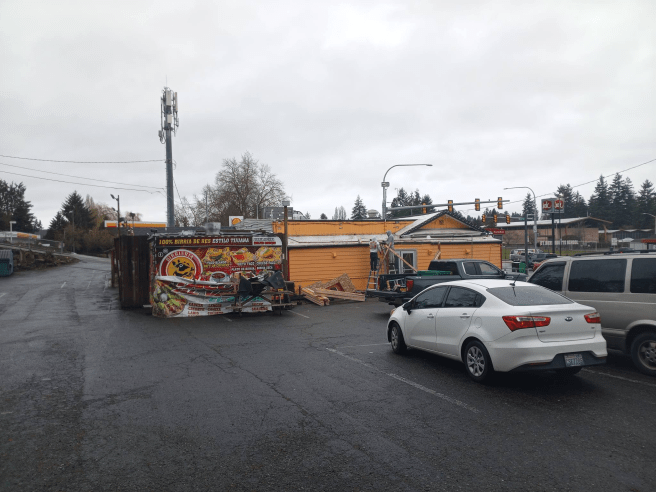
The back parking lot of ‘Birrieria Tijuana’ as it looked in March 2026.
‘Birrieria Tijuana’ as it looked in March 2026.
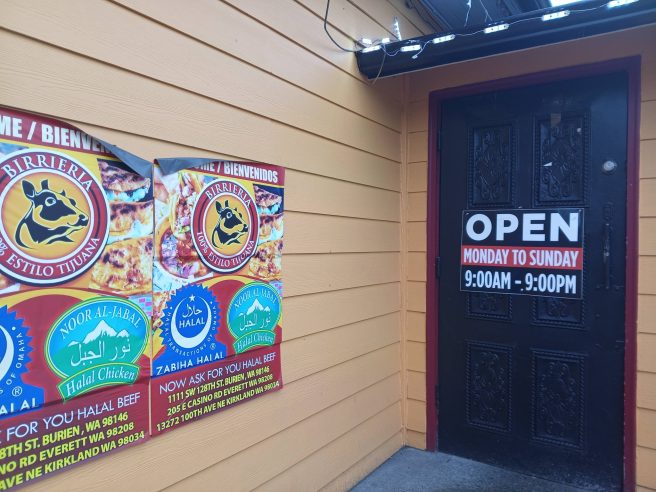
The entrance of ‘Birrieria Tijuana’ as it looked in March 2026.
‘Birrieria Tijuana’ as it looked in March 2026.
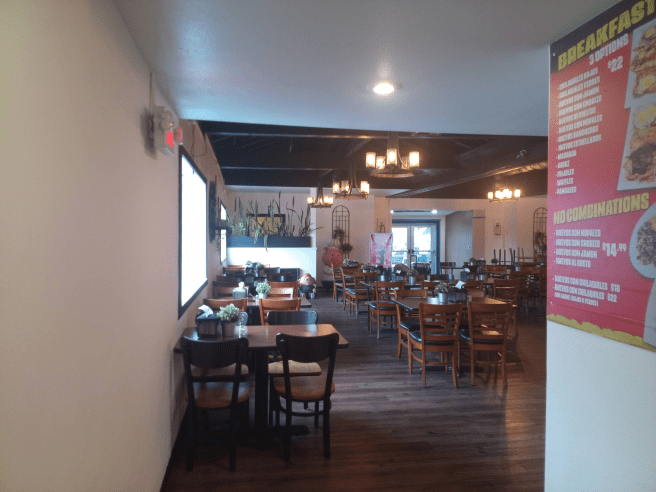
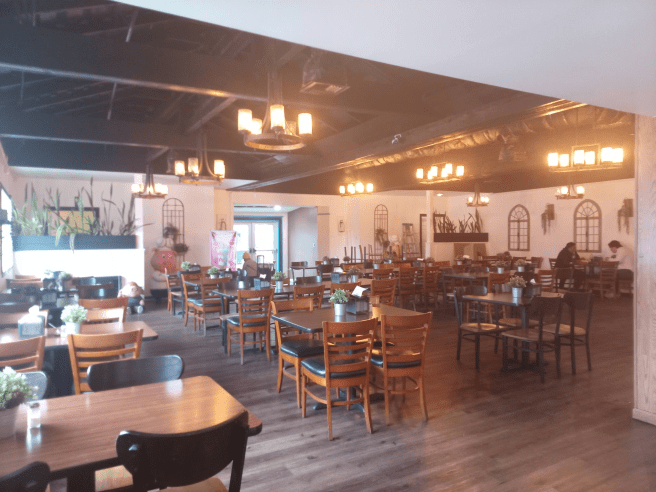
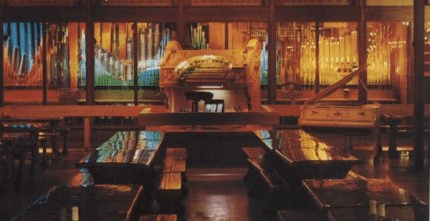
The main dining room of ‘Birrieria Tijuana’ as it looked in March 2026.
Another shot of the main dining room of ‘Birrieria Tijuana’ as it looked in March 2026.
Another picture of the main dining room of ‘Birrieria Tijuana’ as it looked in March 2026.
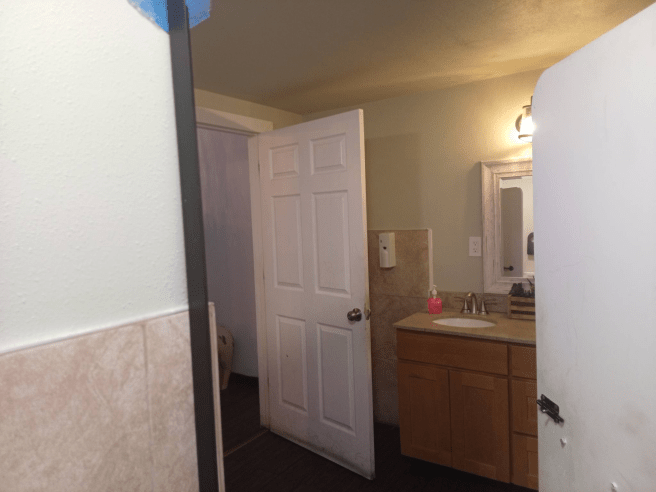
The restroom in ‘Birrieria Tijuana’ as it looked in March 2026.
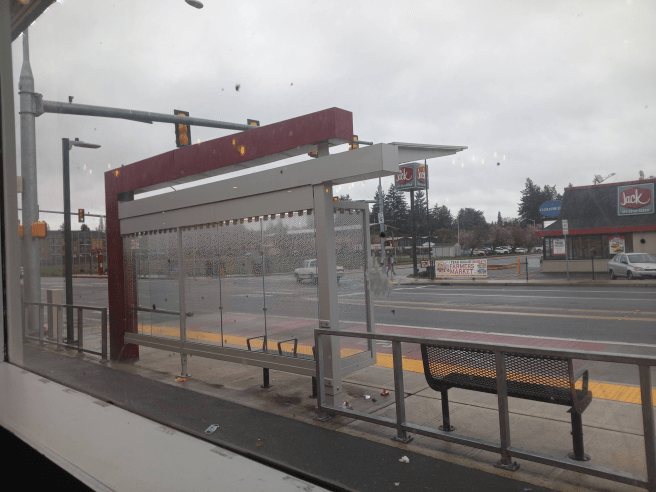
Inside looking outside, ‘Birrieria Tijuana’ in March 2026.
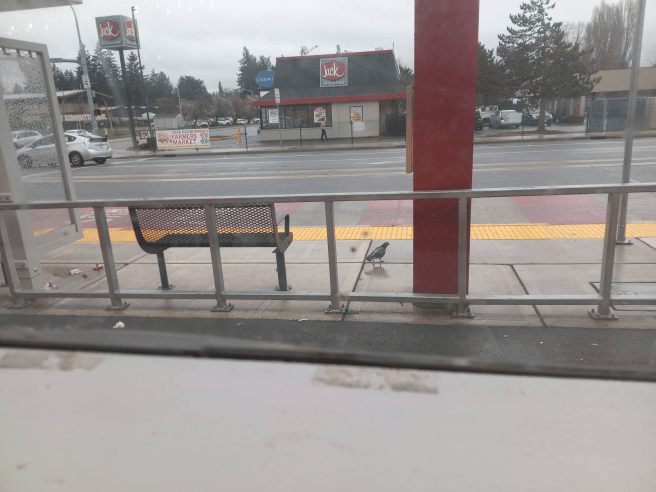
My pigeon friend, outside of ‘Birrieria Tijuana’ in March 2026.
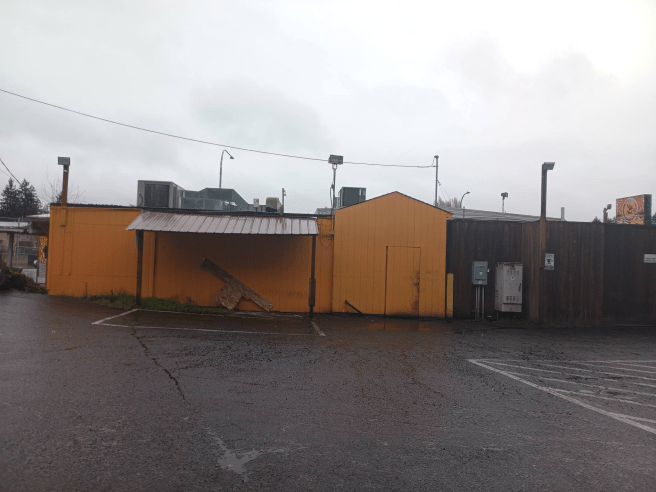
The back part of ‘Birrieria Tijuana’ as it looked in March 2026.
The back parking lot of ‘Birrieria Tijuana’ as it looked in March 2026.
Rhonda Louise Burse, who was last seen in Burien, Washington on August 8, 1977 at The (former) Flame Tavern: she worked there as a topless dancer and had been last seen getting into a car after her shift. Burse was a dancer in the general Seattle area as well as Colorado and Texas, and sadly few details are available in her case.

Bundy’s Confirmed Victims: A List.

I’ve been spending a good chunk of my time writing about the unconfirmed victims so in this installment of ‘All Things Bundy,’ I’m going over his confirmed kills.

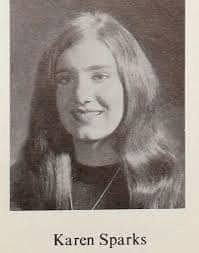
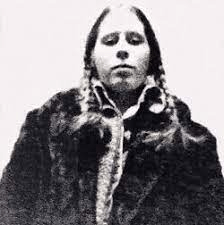
Karen Sparks-Epley (18). January 4, 1974. Survived, Seattle, WA.

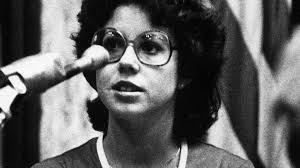
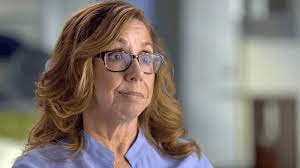
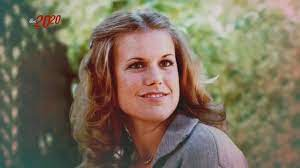
Also referred to as ‘Joni Lenz,’ Sparks was brutally assaulted by Ted Bundy while asleep in her basement apartment in the University District of Seattle. She was his first known victim. Thankfully Bundy didn’t kill her, however she was badly beaten with a metal rod, sexually assaulted, and left unconscious for hours before her roommates discovered her later that night. Ted left her with a number of serious long-term injuries she still struggles with to this day.

This image has an empty alt attribute; its file name is image-28.png
Karen Sparks.
This image has an empty alt attribute; its file name is image-29.png
Karen Sparks.
This image has an empty alt attribute; its file name is image-30.png
Karen Sparks.
This image has an empty alt attribute; its file name is image-31.png
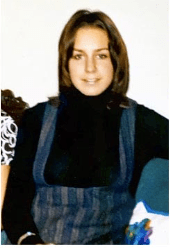
Karen Sparks in the Amazon documentary, ‘Falling for a Killer.’

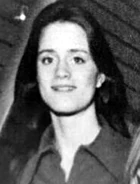
Lynda Ann Healy (21). February 1, 1974. Murdered, Seattle, WA.

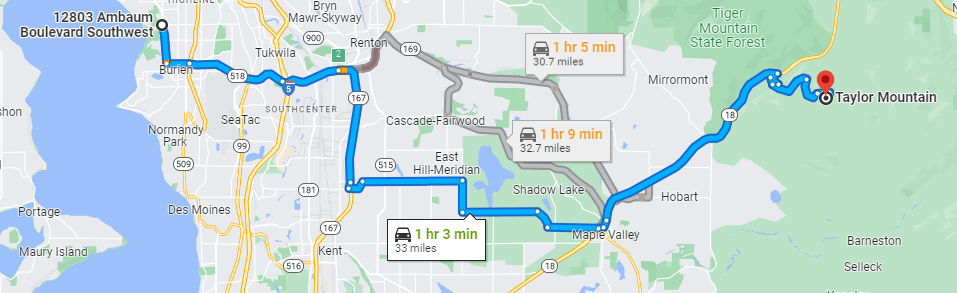
On January 31st, 1974, Healy borrowed a friends car to go shopping for a family dinner she was preparing the next night and returned with her groceries at roughly 8:30 PM. Shortly after, Lynda and her roommates went drinking at a popular bar called Dante’s Tavern located at 5300 Roosevelt Way NE. The establishment was a five minute walk from her apartment but the friends didn’t stay out long because Lynda needed to be up at 5:30 AM to be at her job giving the ski report for a local radio station. A number of sources report that Bundy used to go to Dante’s often and it is hypothesized that he first saw Lynda there then followed her home. In the early morning hours of February 1, 1974, he broke into Healy’s basement room, beat her, took off her bloody nightgown (making sure to neatly hang it up in her closet), dressed her then carried her off into the night. It is theorized that Ted only took clothes to make it appear as if Lynda left on her own but obviously we’ll most likely never know the truth. Her body found in March 1975 on Taylor Mountain, near Issaquah outside of Seattle.

This image has an empty alt attribute; its file name is image-26.png
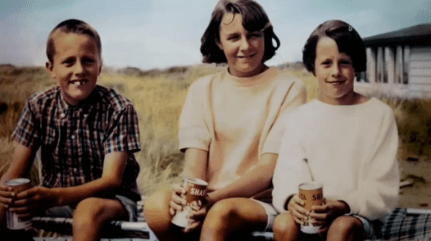
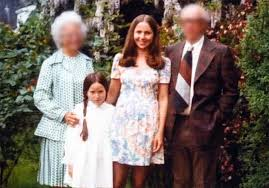
Lynda Healy, in the middle holding her little sister.
This image has an empty alt attribute; its file name is image-27.png
Lynda Ann Healy (middle) with her siblings.
This image has an empty alt attribute; its file name is image-24.png
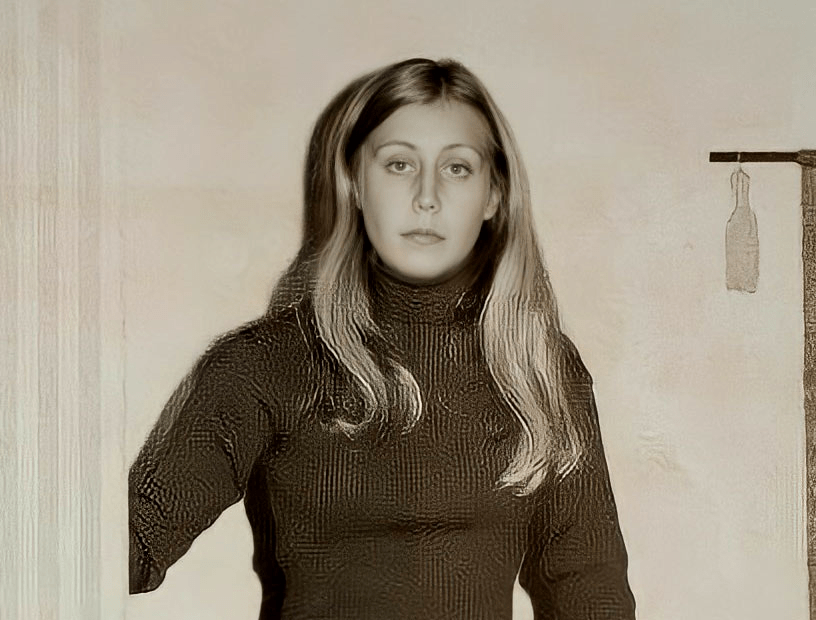
Lynda Ann Healy.
This image has an empty alt attribute; its file name is image-25.png
Lynda Ann Healy.

Donna Gail Manson (19). March 12, 1974. Murdered, Olympia, WA.

On the day of her abduction, Donna planned on going to a folk dancing class at the College Activities Building at Evergreen State College (where she attended). Later that same night, she made plans to go to a jazz concert at the Daniel J. Evans Library (also on campus), which was scheduled to start at 8 PM. Donna departed her dormitory just after 7 PM and set out for the dance class, which was just a two minute walk away. Despite how close the College Activities Building was to her dorm, no one recalls seeing her at either the dancing class or the jazz recital, making it highly unlikely that she ever made it that far. Manson was never seen alive again. After confessing to her murder, Bundy said he burned her skull in Liz Kendall’s fireplace.

This image has an empty alt attribute; its file name is image-36.png
Donna Gail Manson.
This image has an empty alt attribute; its file name is image-34.png
Donna Gail Manson.
This image has an empty alt attribute; its file name is image-33.png
Donna Gail Manson.
This image has an empty alt attribute; its file name is image-32.png
Donna Manson.

Susan Elaine Rancourt (18). April 17, 1974. Murdered, Ellensburg, WA.

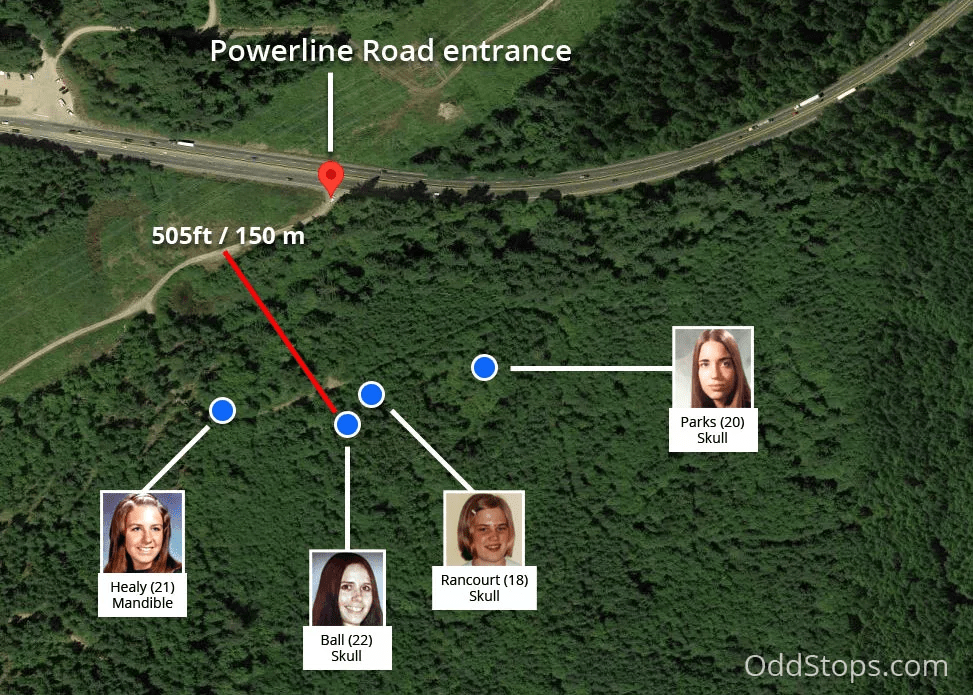
Shortly before 8 PM the evening she disappeared from her college campus at Central Washington University, Susan Rancourt put some clothes in a washing machine in Barto Hall (her dorm building). She then went to a meeting about becoming a Residential Advisor at Munson Hall. When it ended at 10 PM Sue left to walk back to her dorm to switch out her laundry but was never seen alive again. She had plans later that night to watch a movie with a friend but never showed up. Rancourts skull was later found near Taylor Mountain, where Bundy placed several bodies during his reign of terror.

This image has an empty alt attribute; its file name is image-39.png
Susan Elaine Rancourt.
This image has an empty alt attribute; its file name is image-38.png
Susan Elaine Rancourt.
This image has an empty alt attribute; its file name is image-37.png
Sue Rancourt.
This image has an empty alt attribute; its file name is image-40.png
The Susan Rancourt Memorial Garden at CWU. Photo taken in April 2022.

Roberta Kathleen Parks (20). April 17, 1974. Corvallis, OR.

A student at Oregon State University in Corvallis, Parks was abducted from her college campus, which is over a four and a half hour drive for Bundy (who was living at the Rogers Rooming House on 12th Ave NE in Seattle at the time). Shortly before 11:00 PM the night she disappeared, Parks encountered Bundy in the Memorial Union Commons cafeteria at OSU. During Teds interviews with journalists Hugh Aynesworth and Stephen Michaud, he ‘confessed’ in the third-person that Kathy may have encountered her killer while in the cafeteria. Bundy then said he was able to convince her to leave with him and as soon as the opportunity presented itself he immediately overpowered her. He most likely bound and gagged Parks during the 250-mile trip back to Seattle, where then killed her and dumped her body on Taylor Mountain.

This image has an empty alt attribute; its file name is image-43.png
Roberta Parks, second from the left.
This image has an empty alt attribute; its file name is image-41.png
Roberta ‘Kathy’ Parks.
This image has an empty alt attribute; its file name is image-42.png
Kathy Parks.
This image has an empty alt attribute; its file name is image-44.png
One of the more frequently used pictures of Kathy Parks.

Brenda Carol Ball (22). June 1, 1974. Murdered, Burien, WA.

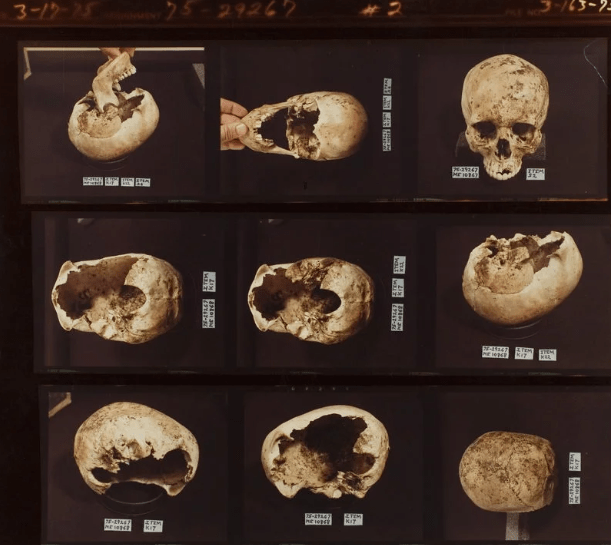
In the wee hours of June 1st, 1974, Brenda Ball seemingly vanished into thin air after seeing a band play at The Flame Tavern located at 12803 Ambaum Boulevard in Burien, WA. She arrived at the bar alone and stayed until closing. As the act was wrapping up their set at the end of the night Brenda asked one of the members she knew for a ride home back to her house but he was heading in the opposite direction so he couldn’t help out. There are two conflicting reports about how she could have left the bar that night: one is that she left by herself and was planning on hitchhiking home, and the other claims that she left with an unidentified man wearing an arm sling. Despite law enforcement being hesitant to officially say her disappearance was related to the other missing girls in Seattle, her skull was the first discovered on Taylor Mountain in March of 1975.

This image has an empty alt attribute; its file name is image-48.png
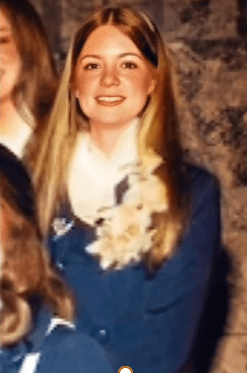
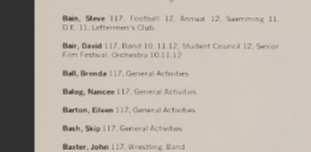
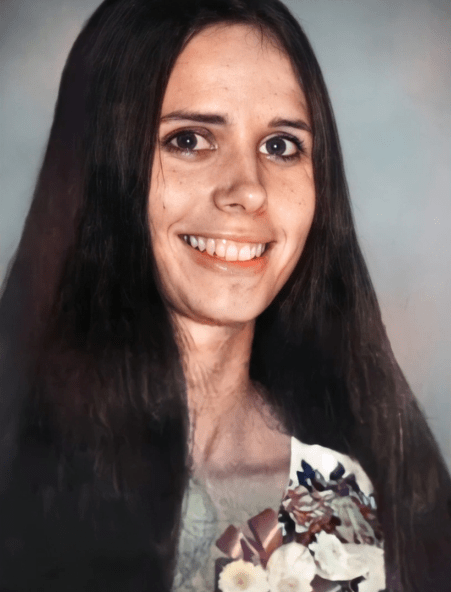
Brenda Ball’s senior picture from the 1970 Mount Rainier High School yearbook.
This image has an empty alt attribute; its file name is image-47.png
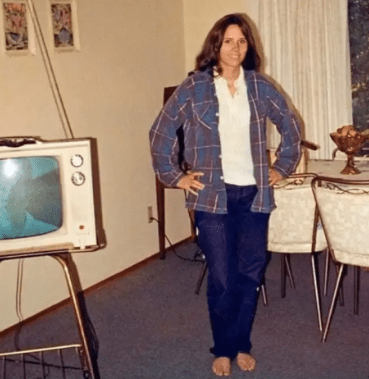
A barefoot Brenda Ball.
This image has an empty alt attribute; its file name is image-46.png
Brenda Carol Ball.
This image has an empty alt attribute; its file name is image-45.png
Brenda Ball.

Georgeann Hawkins (18). June 11, 1974. Murdered, Seattle, WA.

A student at the University of Washington, Georgann Hawkins disappeared from an alley behind her sorority house in June 1974. The night before she vanished, Hawkins went to a party, where she had a few mixed cocktails. Because she had a Spanish final coming up that she needed to study she didn’t stay long; she did mention to a sorority sister that she was planning on swinging by the Beta Theta Pi House to pick up some Spanish notes from her boyfriend. Hawkins arrived at the frat at approximately 12:30 AM on June 11 and stayed for approximately thirty minutes. After getting the notes and saying goodnight to her beau, Georgann left the fraternity house for her sorority house, Kappa Alpha Theta. Before he was executed, Ted told law enforcement that he approached her in an alley on her way home, feigning injury with a hurt leg (using his crutches as a ruse) while dropping his briefcase. Bundy asked Hawkins for help carrying the prop to his VW Bug, which was waiting in a parking lot roughly 160 yards north of the alley. She agreed and as she bent over to put the briefcase in his vehicle, Ted grabbed a conveniently placed crowbar and knocked her out with a single blow to the head. He then pushed George into his car and drove off into the night. Bundy claimed that while driving she regained consciousness and started to incoherently babble about her upcoming final, thinking he was her Spanish tutor. He again knocked her out with his crowbar. Once at his intended location, Ted took her unconscious body out of his car and strangled her with an old piece of rope. According to him, the parts of Georgann’s body he had not buried were recovered in Issaquah with the bodies of Janice Ott and Denise Naslund. He confessed to murdering Hawkins shortly before his 1989 execution.

This image has an empty alt attribute; its file name is image-51.png
Georgeann and her pom poms, from her time at Lakes High School, in Lakewood, WA.
This image has an empty alt attribute; its file name is image-52.png
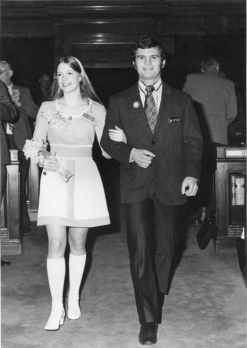
A photo of George from the 1973 Washington State Daffodil festival.
This image has an empty alt attribute; its file name is image-50.png
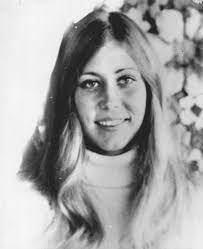
A b&w photo of Georgeann Hawkins.
This image has an empty alt attribute; its file name is image-49.png
Georgann Hawkins.

Janice Ann Blackburn-Ott (23). July 14, 1974. Murdered, Issaquah, WA.

At the time she was murdered, Janice Ott worked as a probation case worker at the King County Youth Service Center in Seattle, WA. In December of 1973, she married Jim Ott, who at the time of her death was in California for graduate school. After her car was broken into while living in Seattle, she moved in with a roommate to 75 Front Street in Issaquah (she felt the smaller community would be safer). The morning she disappeared, Janice spent a few hours at doing laundry and having a cup of coffee with a friend. After her errands and chores were completed, she rewarded herself with a trip to Lake Sammamish. Ott was abducted by Bundy at around 12.30 PM, and just a mere three and a half hours later he returned to the same park and abducted Denise Naslund.

Janice Ott and her younger sister standing outside her VW Bug.
Janice Ott.
Janice and Jim Ott.
This image has an empty alt attribute; its file name is image-54.png
Janice Ott.

Denise Marie Naslund (18). July 14, 1974. Murdered, Issaquah, WA.

On a beautiful, picture perfect sunny day, Naslund disappeared from a very busy Lake Samammish State Park (that day was Rainier Beer’s annual picnic, there were over 40,000 people there). She was there with her boyfriend and another couple, and after telling them she was going to the restroom Denise was never seen alive again. Naslund lived with her mother in Seattle and was studying to become a computer programmer. Eleanor Rose said her daughter had the kind of helpful nature that would easily place her in danger. Denise’s remains were found on a hillside near Issaquah roughly two months later in September 1974, only two miles away from Lake Samammish. Bundy confessed to her murder shortly before his execution.

This image has an empty alt attribute; its file name is image-56.png
Denise Marie Naslund.
This image has an empty alt attribute; its file name is image-53.png
Denise Marie Naslund.
This image has an empty alt attribute; its file name is image-55.png
Denise Naslund.

Nancy Wilcox (16). October 2, 1974. Murdered, Holladay, UT.

The first of Teds confirmed Utah victims, Wilcox went missing after she went on a walk to buy a pack of gum (it’s also speculated that from there she was on her way to her high school to visit her boyfriend). She left the house in a huff after getting into a fight with her Dad about her bf’s pick-up truck leaking oil on the families driveway. Both Mr. and Mrs. Wilcox said that because of this law enforcement initially considered her to be a runaway even though they knew their daughter would never voluntarily leave home and had no troubles whatsoever in her personal life. Nancy left all of her personal belongings behind including some expensive jewelry that held deep sentimental value to her. Before he was executed Bundy confessed to sexually assaulting and strangling her, then burying her body about 200 miles away near Capitol Reef National Park. Sadly her body has never been found.

This image has an empty alt attribute; its file name is image-59.png
Nancy Wilcox.
This image has an empty alt attribute; its file name is image-58.png
Nancy Wilcox.
This image has an empty alt attribute; its file name is image-57.png
Nancy Wilcox.

Melissa Smith (17). October 26, 1974. Murdered, Midvale, UT.

Bundy abducted Smith shortly after she left a pizza parlor on West Center Street in Midvale at around 9.30 PM on October 26, 1974. One unconfirmed report suggests that he may have been asking women in the area to help him with a car issue. Melissa was the daughter of Midvale Police Chief Louis Smith, and her murder took place just sixteen days after Nancy Wilcox vanished from the nearby city of Holladay (and five days before Laura Aime). On the night she disappeared, Smith was supposed to sleep over at a girlfriend’s house but those plans fell through after she didn’t answer the phone. After realizing she had been stood up, she decided to leave the pizzeria and walk back to her house on Fern Drive. At some point during her walk, its speculated that Bundy grabbed Melissa off the street and killed her. She never made it home.

This image has an empty alt attribute; its file name is image-65.png
Melissa Smith.
This image has an empty alt attribute; its file name is image-64.png
Melissa Smith.
This image has an empty alt attribute; its file name is image-60.png
Melissa Smith.

Laura Aime (17). October 31, 1974. Murdered, Lehi, UT.

Shortly before she disappeared Aime dropped out of high school, left home (she frequently couch surfed at various friends’ homes), and worked a few menial part-time jobs. Surprisingly she still remained in contact with her family and according to her parents, they were just beginning to accept her ‘nomadic lifestyle.’ So, when she first disappeared no one really seemed overly concerned. Thanks to my newspapers.com subscription it didn’t take long for me to realize there were no news articles mentioning Laura Aime’s disappearance at first, and her name only began to appear in ink after two hikers discovered her remains in American Fork Canyon. Additionally, when her body was first discovered, law enforcement first speculated it belonged to Deborah Kent.

This image has an empty alt attribute; its file name is image-76.png
Laura Ann Aime, photo courtesy of ThisInterestsMe.
This image has an empty alt attribute; its file name is image-77.png
Laura Ann Aime, photo courtesy of ThisInterestsMe.
This image has an empty alt attribute; its file name is image-78.png
Laura Ann Aime.
This image has an empty alt attribute; its file name is image-79.png
Laura Ann Aime.

Carol DaRonch (18). November 8, 1974. Survived, Murray, UT.

The evening she was abducted Carol DaRonch parked her maroon 1974 Camaro on the southern side of The Fashion Place Mall in Murray, UT. As she was window shopping outside Walden Books, DaRonch was approached by Bundy, who was posing as a police officer. He said that her car had been broken into and asked her to drive down ‘to the station’ with him to file a report with him. However as they were on their way he attempted to subdue and handcuff her but was unsuccessful: she was able to fend him off and escape. Of the encounter, DaRonch said that she ‘thought he was kind of creepy … I thought he was a lot older than he was.’ She also commented that she could smell alcohol on his breath.

This image has an empty alt attribute; its file name is image-80.png
Carol DaRonch.
This image has an empty alt attribute; its file name is image-81.png
Carol DaRonch.
This image has an empty alt attribute; its file name is image-83.png
Carol DaRonch.
This image has an empty alt attribute; its file name is image-82.png
DaRonch as she looks today.

Debra Jean Kent (17). November 8, 1974. Murdered, Bountiful, UT.

After Bundy was unsuccessful in his attempts to kidnap Carol DaRonch he quickly realized he was going to need a new victim. So he made the twenty-two minute drive away to Viewmont High School, where he successfully abducted Debbie Kent. Kent was watching a play with her family but left the school at approximately 10:30 PM to pick up her brother from the nearby Rustic Roller Rink. She never made it to the rink and was most likely abducted in the parking lot. According to an eyewitnesses, there was loud screaming coming from the area at roughly the time that Debra was last seen, and another person saw a light-colored VW Beetle speeding away from the school. After the Kent’s realized their daughter hadn’t even made it out of the parking lot, they found a handcuff key on the ground by their car. Bundy confessed to killing Deb and burying her body in the same area as Nancy Wilcox.

This image has an empty alt attribute; its file name is image-86.png
Debra Kent.
This image has an empty alt attribute; its file name is image-85.png
Debra Kent.
This image has an empty alt attribute; its file name is image-84.png
Debra Kent.

Caryn Campbell (23). January 12, 1975. Murdered, Estes Park, CO.

Bundy abducted the 23-year-old nurse from the Wildwood Inn in Snowmass Village. While staying at the inn with her fiance and his children, Campbell went missing after going upstairs to her room to retrieve a magazine. Although we will never know for certain how exactly Ted managed to abduct the attractive young woman, it is highly likely he feigned an injury and asked her to help him carry something back to his vehicle. After he lured her away from the hotel to a darkened parking lot he hit her over the head then quickly snuck her into his Bug. Roughly five weeks after Campbell disappeared her body was found less than three miles away from the Wildwood Inn. Someone driving by her remains noticed a large amount of birds flying over the area. Using dental records, police determined that the remains belonged to Caryn. The postmortem examination revealed that her skull had sustained three heavy blows. Before Ted’s run in with Ol’ Sparky, he confessed to Campbells murder.

This image has an empty alt attribute; its file name is image-103.png
The day before Bundy was executed Campbell’s father Robert did an interview with the Free Press saying that ‘you never really forgive someone for something like that,’ Robert Campbell said. ‘You just try to put it behind you. … The thing I’d like to have back, I can’t have.’ … ‘I’m not a vindictive person, but certainly you can’t go around killing people. I suppose I approve of his execution reluctantly, but I don’t think executing Bundy will be a deterrent. People will keep killing.’
This image has an empty alt attribute; its file name is image-90.png
Caryn Campbell.
This image has an empty alt attribute; its file name is image-89.png
Caryn Campbell.

Julie Cunningham (26). March 15, 1975. Murdered, Vail, CO.

Cunningham disappeared early in the evening on March 15, 1975 after leaving her Apollo Park apartment in Vail to go a nearby bar to meet up with a friend. Bundy told law enforcement that he pretended to be an injured skier on crutches that needed help carrying a pair of ski boots to his car. According to Ted, the pair walked over half a mile together before they finally reached his vehicle. Once there, Bundy knocked her unconscious, put her in his car then drove to a remote area roughly eighty miles west of Vail and sexually assaulted her. When finished, he strangled her to death and dumped her remains in a shallow grave near Rifle, CO. Julie’s body has never been recovered.

This image has an empty alt attribute; its file name is image-93.png
Julie Cunningham.
This image has an empty alt attribute; its file name is image-92.png
Julie Cunningham.
This image has an empty alt attribute; its file name is image-91.png
Julie Cunningham.

Denise Oliverson (24). April 6, 1975. Murdered, Grand Junction, CO.

On April 6, 1975, Denise Oliverson set out on a bike ride to her parents house but was never seen alive again. The next day, a search party found her bicycle and shoes under the Fifth Street Bridge by some railroad tracks. Just days before he was executed in January 1989, Bundy told law enforcement he abducted Oliverson then disposed of her body in a river about five miles West of Grand Junction. Her remains have never been found.

This image has an empty alt attribute; its file name is image-95.png
Denise Oliverson.
This image has an empty alt attribute; its file name is image-97.png
Denise Oliverson.
This image has an empty alt attribute; its file name is image-96.png
Denise Oliverson on her wedding day.

Lynette Dawn Culver (12). May 6, 1975. Murdered, Pocatello, ID.

Although the details surrounding Culvers murder seem to vary between sources, it’s strongly speculated she was last seen at Alameda Junior High School. It’s worth mentioning, this was a two and a half hour drive from where Bundy was living at the time in Salt Lake City to Pocatello, Idaho. Some places say that she left campus during her lunch period, where others claim Lynette was last seen getting on a bus. When considering her healthy and happy relationship with family and friends as well as and her stellar academic performance, she most likely was taken against her will. In his death row interviews, Bundy confessed to killing Lynette then dumping her body in the Snake River. He also said he raped and drowned the 12 year old child in a hotel room after abducting her. Law enforcement didn’t fully accept his confession despite providing some convincing details.

This image has an empty alt attribute; its file name is image-102.png
Lynette Dawn Culver. 
This image has an empty alt attribute; its file name is image-101.png
Lynette Dawn Culver. 
This image has an empty alt attribute; its file name is image-99.png
Lynette Dawn Culver.
This image has an empty alt attribute; its file name is image-104.png
Lynette Dawn Culver.

Susan Curtis (15). June 27, 1975. Murdered, Provo, UT.

At the time she was murdered, Susan was a freshman at Woods Cross High School. She had a history of running away from home for days at a time but never was gone for very long. Susan was originally from Bountiful, Utah but at the time of her disappearance was attending a youth conference at Brigham Young University in Provo. A natural athlete, Curtis had ridden her bicycle 50 miles from Bountiful to Provo to attend the conference. She vanished on the first evening of the conference after a formal banquet: she left her friends to make the quarter mile walk back to her dormitory to brush her teeth but was never seen or heard from again. As Bundy walked down to the hall to be executed Curtis was his last death row confession. Since her body has not been recovered she is still regarded as a missing person.

This image has an empty alt attribute; its file name is image-108.png
Susan Curtis.
This image has an empty alt attribute; its file name is image-107.png
Susan Curtis.
This image has an empty alt attribute; its file name is image-110.png
Susan Curtis.
This image has an empty alt attribute; its file name is image-109.png
Susan Curtis.
This image has an empty alt attribute; its file name is image-106.png
Susan Curtis.

Margaret Bowman (21). January 15, 1978. Murdered, Tallahassee, FL.

In the early morning hours of January 15, 1978, a group of young women residing at the Chi Omega house at Tallahassee’s Florida State University were asleep in their beds when evil crept in… Margaret Bowman was born in Honolulu and moved to Florida in 1973 after her father retired from the US Air Force. Bowman was one of four women Bundy attacked when he broke into the sorority house at around 3 AM on January 15, 1978. He beat her with a piece of firewood as well as a telescope and strangled her to death with her own tights. Despite the violent nature of the crime, the initial investigation failed to produce any evidence of sexual assault or struggle. The severity of the beating was so extreme that part of Bowman’s brain was visible.

This image has an empty alt attribute; its file name is image-117.png
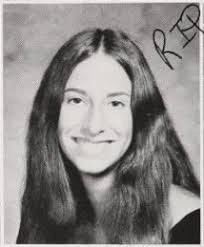
A picture of Margaret Bowman from high school. I hate that it has ‘RIP’ on it but I couldn’t find another copy.
This image has an empty alt attribute; its file name is image-114.png
Margaret Bowman.
This image has an empty alt attribute; its file name is image-113.png
Margaret Bowman.
This image has an empty alt attribute; its file name is image-111.png
Margaret Bowman.

Lisa Janet Levy (20). January 15, 1978. Murdered, Tallahassee, FL.

Lisa was born in St Petersburg, FL and attended Dixie Hollins High School, where she played flute in the band for two years. At FSU, she majored in fashion merchandising and worked at the Colony Shop near campus. When law enforcement got to the crime scene Levy’s was the first sister that officers found dead. Medical Pathologists discovered that she had been beaten on the head with a log, sexually assaulted with a hair spray bottle then strangled. Additionally, they found bite marks on her buttocks and one of her nipples had been so savagely bitten that it was almost completely severed from the rest of her breast.

This image has an empty alt attribute; its file name is image-118.png
Levy.
This image has an empty alt attribute; its file name is image-119.png
Lisa Levy.
This image has an empty alt attribute; its file name is image-123.png
Levy.
This image has an empty alt attribute; its file name is image-121.png
Lisa Levy and her boyfriend.
This image has an empty alt attribute; its file name is image-122.png
Lisa Levy and her boyfriend.

Kathy Kleiner-Rubin (20). January 15, 1978. Survived, Tallahassee, FL.

Kathy Kleiner-Rubin and Karen Chandler shared a room at the Chi Omega sorority house. That night she was attacked Kathy went to bed first, with Chandler following shortly after. After Bundy attacked and murdered Lisa Levy, he went into the room next door and brutally assaulted Kleiner-Rubin and Chandler. In an interview, Kathy said that was awoken that morning by the sound of her bedroom door opening. The assailant then tripped over a chest that was in-between the girls twin beds. Ted then assaulted her with a piece of firewood, which left her with a broken jaw, concussion, skull fracture, broken arm and finger. Miraculously, she survived her injuries and testified against Bundy in his death penalty trial.

This image has an empty alt attribute; its file name is image-115.png
Kathy Kleiner-Rubin at Bundy’s trial.
This image has an empty alt attribute; its file name is image-125.png
Kathy Kleiner-Rubin.
This image has an empty alt attribute; its file name is image-124.png
Kathy Kleiner-Rubin as she looks today.
This image has an empty alt attribute; its file name is image-116.png
Kathy Kleiner-Rubin as she looks today.

Karen Chandler (22). January 15, 1978. Survived, Tallahassee, FL.

As I said earlier, Karen Chandler was Kathy Kleiner-Rubin’s roommate in the Chi Omega house. After Bundy was done brutally assaulting Kathy he moved onto Chandler. Bundy knocked out four of her teeth and beat her so severely that he broke her jaw and right arm. Somehow Chandler survived. She took the rest of the academic quarter off, but later returned to the Chi Omega house at FSU.

This image has an empty alt attribute; its file name is image-134.png
Karen Chandler.
This image has an empty alt attribute; its file name is image-128.png
Karen Chandler.
This image has an empty alt attribute; its file name is image-127.png
Karen Chandler.
This image has an empty alt attribute; its file name is image-129.png
Karen Chandler.
This image has an empty alt attribute; its file name is image-126.png
Karen Chandler as she looks today.

Cheryl Thomas (21). January 15, 1978. Survived, Tallahassee, FL.

After Bundy was finished with his atrocities at the Chi Omega sorority house, he wandered a few blocks over and climbed into an open kitchen window in Cheryl Thomas’ apartment. He attacked her and Thomas barely escaped with her life: her jaw was broken in two places, her shoulder dislocated, and she had five skull fractures, which left her permanently deaf in her left ear. In 1978 Thomas was a student at FSU and a member of the schools dance team. The night she was attacked was alone in her apartment but thanks to some attentive neighbors who heard the assault her life was saved.

This image has an empty alt attribute; its file name is image-135.png
Cheryl Thomas.
This image has an empty alt attribute; its file name is image-133.png
Cheryl Thomas.
This image has an empty alt attribute; its file name is image-136.png
Cheryl Thomas.
This image has an empty alt attribute; its file name is image-131.png
Cheryl Thomas.
This image has an empty alt attribute; its file name is image-132.png
A more recent picture of Thomas.

Kimberly Dianne Leach (12). February 9, 1978. Murdered, Lake City, FL.

In 1978, Kim Leach was a 12-year-old seventh-grader at Lake City Junior High School, where she was a straight-A student and the runner-up Valentine Queen. Leach was one of Bundy’s youngest and his last victim. On the morning of February 9, 1978, Kimberly arrived at Lake City Junior high School on time. Just before 9 AM, she left her first period class to go and pick up her purse that she had accidentally left behind in her homeroom. After she recovered the purse she headed back towards her classroom in the pouring rain but never arrived. That afternoon, Kimberly’s parents became concerned when their daughter didn’t come home after school. They called everybody they knew, but nobody could account for Kimberly. Their concern escalated to fear when they learned she had been at her first period class but then never returned. They immediately called law enforcement to report their daughter missing. A search party quickly formed and concentrated on Suwannee River State Park for weeks. Kims remains were eventually found on April 7, 1978 in an abandoned hog pen with a small metal lead-to. She was nude other than for a pullover jumper, her clothes were piled up beside her body. She was in an advanced state of decomposition, but she was identified thanks to dental records. Leach had suffered homicidal violence about the neck region.

This image has an empty alt attribute; its file name is image-138.png
Kim Leach.
This image has an empty alt attribute; its file name is image-137.png
Kim Leach.
This image has an empty alt attribute; its file name is image-120.png
Kim Leach.

Miscellaneous:

There is no consensus as to when or where Bundy began killing. He told different people varying stories to and refused to give the specifics of his earlier crimes, even as he shared in graphic detail to dozens of later murders in the days before he was his executed. He told one of his attorneys Polly Nelson that he attempted his first kidnapping in 1969 in Ocean City, NJ, however did not kill anyone until sometime in 1971 in Seattle. He told Portland forensic psychologist Dr. Art Norman that he murdered two women in Atlantic City while visiting family in Philadelphia in 1969. Bundy hinted to former homicide detective Dr. Robert Keppel that he committed a murder in Seattle in 1972 and another murder in 1973 that involved a hitchhiker near Tumwater, but he refused to elaborate. Rule and Keppel both believed that he might have started killing as a teenager. Bundy’s earliest documented homicides were committed in 1974, when he was 27 years old. By his own admission, he had by then mastered the necessary skills to leave minimal incriminating forensic evidence at crime scenes.

On September 2, 1974, Bundy drove through Boise while moving from Seattle to Salt Lake City and during that trip, he picked up a still unknown hitchhiker and killed her. Ted returned the next day to photograph and dismember the corpse then dumped her remains in the Snake River. Reports from Gonzaga University’s student newspaper ‘The Gonzaga Bulletin’ claim that Bundy stopped by a campus dorm for a party in the 1970’s and drove a female student to Pullman. She miraculously survived.

Bundy confessed to detectives from Idaho, Utah, and Colorado that he had committed numerous additional homicides, including several that were unknown to the police. He explained that when he was in Utah he could bring his victims back to his apartment, ‘where he could reenact scenarios depicted on the covers of detective magazines.’ A new ulterior strategy quickly became apparent: he withheld many details, hoping to parlay the incomplete information into yet another stay of execution. ‘There are other buried remains in Colorado,’ he admitted, but refused to elaborate. The new strategy (which was referred to as ‘Ted’s bones-for-time scheme’) served only to deepen the resolve of authorities to see Bundy executed on schedule, and yielded little new detailed information. In cases where he did give details, nothing was found. Colorado detective Matt Lindvall interpreted this as a conflict between his desire to postpone his execution by divulging information and his need to remain in ‘total possession, and the only person who knew his victims true resting places.’

  • in Oregon, 2 (both unidentified)
  • in Idaho, 2 (1 unidentified)
  • in California, 1 (unidentified)

After being sentenced to death, Bundy spent 11 years on death row, before he was executed by electric chair on 24 January 1989.

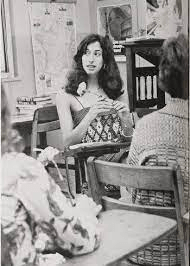
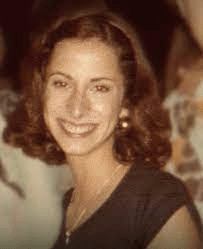
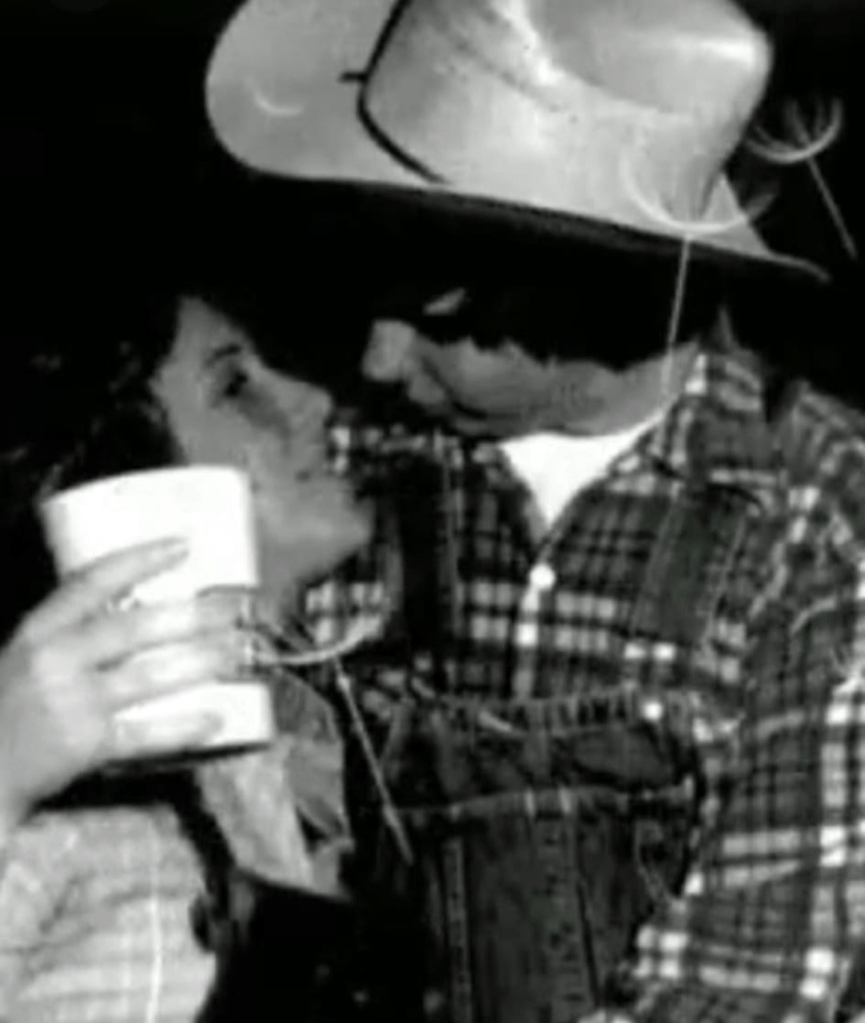
Brenda Carol Ball.

Before I started this piece all I really knew about Brenda Ball was that she had recently dropped out of college and disappeared from a dive bar just outside of Seattle (which I went to during my visit in April 2022); she (obviously) also fit his typical victim profile: she was young, thin, and beautiful, with dark chocolate eyes and brown hair that she wore long and parted down the middle.

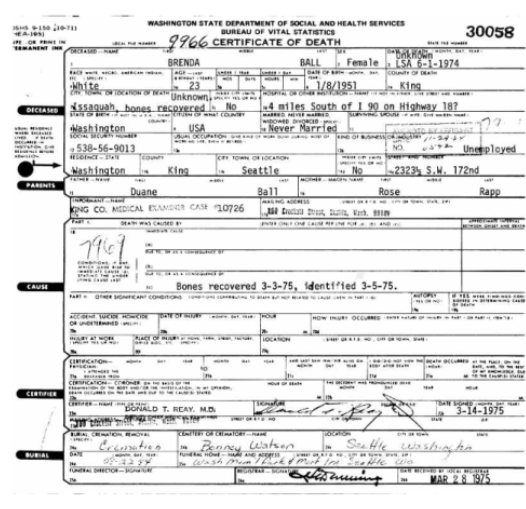
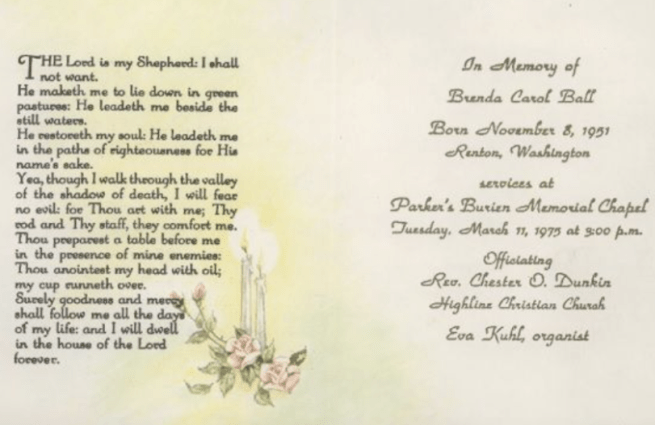
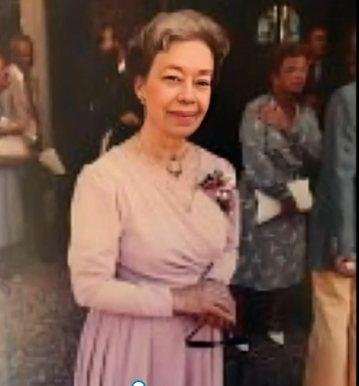
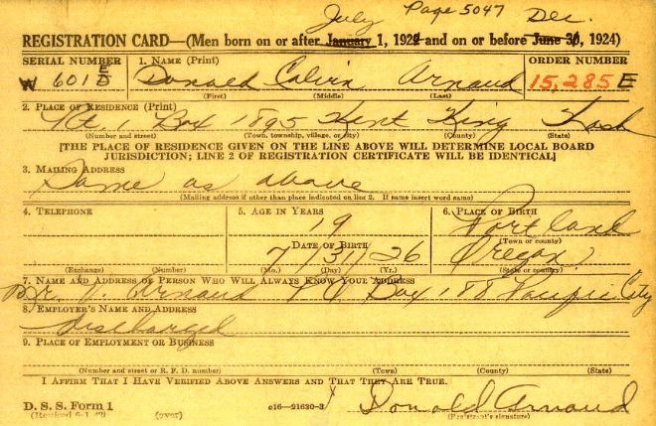
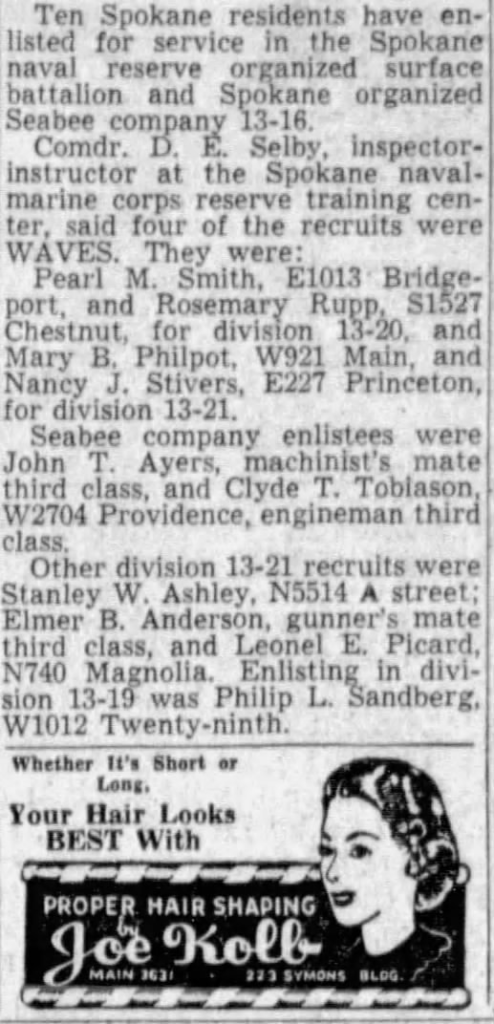
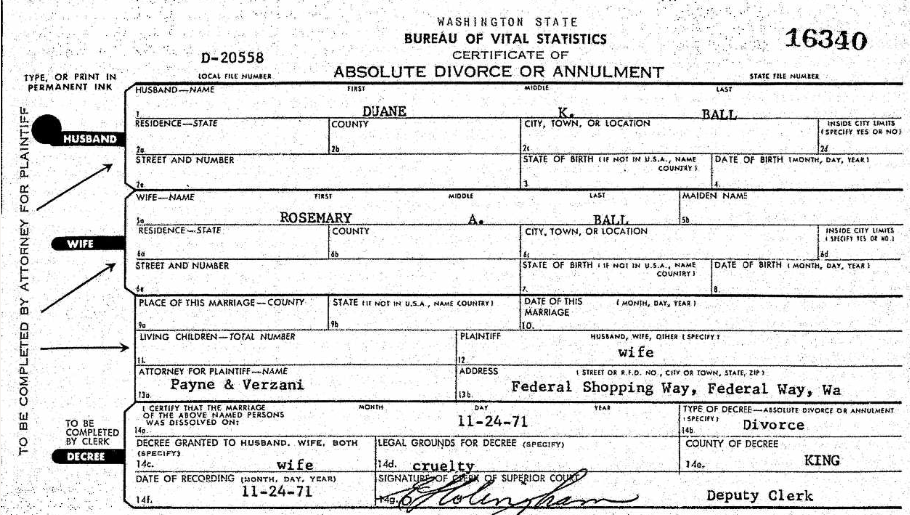
Brenda Carol Ball is Theodore Robert Bundy’s fifth (confirmed) murder victim. She was born on November 4, 1952, to Duane Kaye and Rosemary (nee Rupp) Ball; Mr. Ball was born on April 12, 1930 in Seattle, and Rosemary was born in September 1930; the couple were wed on March 31, 1953 and Brenda was their only child. They parted ways in November 1971 and the reason listed on their divorce certificate is ‘cruelty.’ 

Brenda was twenty-two years old, 5’3” tall, and weighed a mere 112 pounds at the time of her disappearance… just a short side note, most of Bundy’s victims were incredibly ‘dainty’ and petite women: both Georgann Hawkins (5’2”) and Lynda Ann Healy (5’6”) only weighed 115 pounds, Donna Gail Manson was 5’ even and 100 pounds, and Janice Ott was 5’1” and 105 pounds. I wonder if this was due to his sexual preference or because smaller women (in theory) would be easier to subdue.

In 1970 Ball graduated from Mount Rainier High School in Des Moines, WA and at the time she disappeared in 1974 was taking classes at Highline Community College but mysteriously dropped out roughly two weeks before she vanished. She lived with two roommates in a five-bedroom house in Normandy Park, and according to them, she was content and happy regarding her decision to leave school, but was beginning to ‘party a lot.’

In the early morning hours of June 1, 1974, Brenda Ball seemingly vanished into thin air after seeing a band play at The Flame Tavern in Burien, WA. The topless dive bar had a seedy reputation for being a bit rough back in the 1970’s (it definitely isn’t in the greatest of neighborhoods), and has changed hands/names a few times since that fateful night in 1974: at one point it was called ‘El Baron’ before most recently being named ‘Fiesta del Mar.’ As of April 2022 the building sits abandoned (complete with multiple mattresses conveniently located in the back parking lot, for relaxation purposes). The night Brenda disappeared she was wearing blue jeans, a turtleneck with long sleeves, a ‘shirt-style’ jacket, and brown clog-like wedge-heeled shoes; she arrived at the establishment alone to see the band play and stayed until last call.

Immediately following Ball’s disappearance no one seemed overly concerned: her roommates said that she was an adventurous person and would often disappear on trips for days at a time without telling anyone (this reminds me so much of Donna Manson). I further feel that the two young women were similar in the sense that their almost nomadic lifestyles, casual drug use, and frequent habit of hitchhiking put them both in a higher risk pool. However, as time passed by it was glaringly obvious that something very serious was wrong, as Brenda wouldn’t leave for weeks on end without reaching out to somebody. Only adding to the mystery: all of her clothes and personal belongings were left behind, and eventually her roommates decided to reach out to her bank to inquire if there had been any recent activity related to her account. When they learned that there was none, alarm bells started to go off, and it was at this point they called her parents in nearby Kent. They told them that they hadn’t heard from their daughter either, and upon hearing that no one had heard or seen from her daughter, Mrs. Ball immediately called the police. This is why she was not reported missing until June 17, 1974: two and a half weeks later.

According to police reports, the day before she disappeared at roughly 2 PM on Friday, May 31, 1974 Brenda did tell friends that she was thinking about catching a ride to go camp with some friends at Sun Lakes-Dry Falls State Park in the eastern part of the state the Memorial Day weekend after her night at The Flame. The park is located a little over two hundred miles away, and is roughly a four hour drive from Normandy Park.

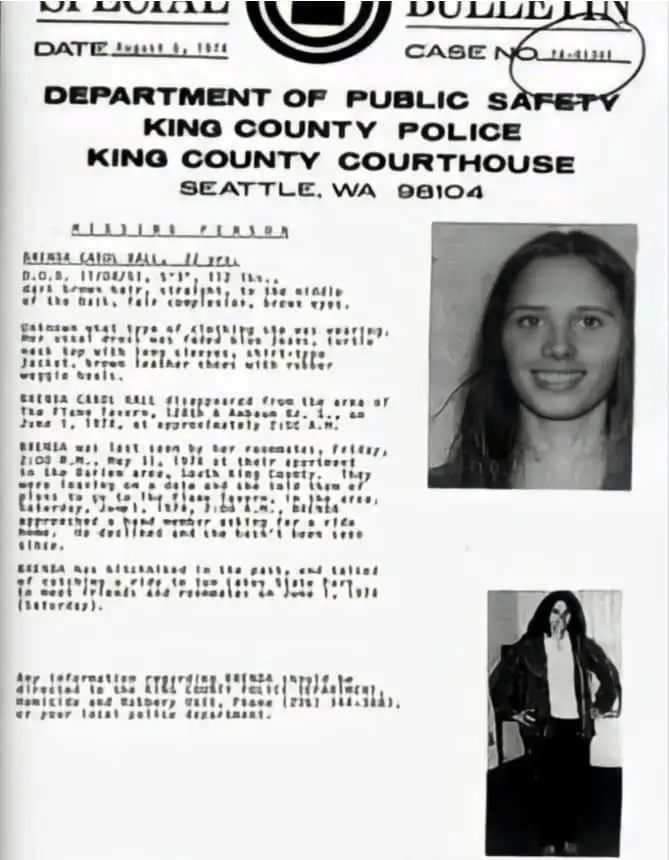
At first, police didn’t link Balls disappearance to the other missing Seattle girls: by this time in mid-1974, Lynda Ann Healy, Donna Gail Manson, Susan Rancourt and Roberta Kathleen Parks were all abducted from places directly related to a college campus (except Healy who technically lived in an off-campus apartment, but I’m being nitpicky and I think you understand what I’m getting at). Brenda, on the other hand, was a bit older than the other victims (at a whopping 22 years old) and had disappeared from a seedy dive bar. She also had a well-established history of disappearing then reappearing, usually for days at a time. Former King County Detective Bob Keppel claimed that her disappearance didn’t have anything in common with the other missing women, and because of this law enforcement didn’t release any information about her case to the media until August 7, 1974. The police weren’t the only ones that were hesitant to publicly connect the dots between Brenda and the other missing girls: it was incredibly challenging to find newspaper articles related to her, and maybe if her disappearance was treated the same as Lynda Ann Healy’s or Georgann Hawkins they would have caught Bundy sooner.

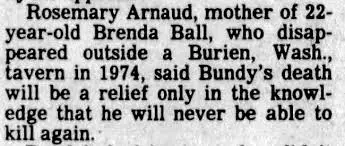
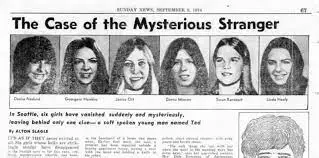
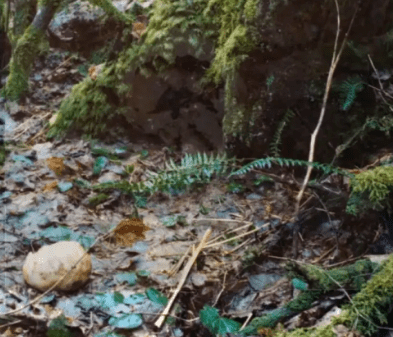
Although not calling Brenda by name, Seattle based paper ‘The Sunday News’ published an article about her disappearance roughly one month after her case became public. She wasn’t brought up again until the gruesome discovery of her skull at Taylor Mountain in March of 1975 (I’ll talk more about that shortly).

Towards the end of the night after the band wrapped up their set, Ball asked one of its members that she knew for a ride home back to her shared house, but he told her that he was heading in the opposite direction and couldn’t. Now, there are two conflicting possibilities regarding how Ms. Ball possibly left the tavern on the night she disappeared: the first being that she left alone with plans of hitching a ride home, and the second one is that she left with an unidentified man wearing an arm sling.

It was reported by an employee at the Flame Tavern that Brenda was seen talking to a good-looking man that had his arm in a sling towards the end of the evening on May 31, 1974. It is worth mentioning that this statement was probably made at some point later in time (most likely after the initial police report was made in mid-June), because if the witness told law enforcement about the assailant using an arm sling at the beginning of the investigation, then it is highly likely that they would have immediately made the connection between Brenda’s disappearance and the other missing Seattle girls. By August of 1974, King County law enforcement knew that the man they were looking for was using a fake injury ruse, and because of this, it would make one think that any report of Brenda talking to a good-looking man with his arm in a sling would have been more important or prioritized.

On May 31, 1974 Ted was spending the evening with his girlfriend Liz Kloepfer, her daughter Molly, and her parents that were visiting Seattle from Utah. Kloepfer said that Bundy took everyone out for a pizza dinner but was reportedly in a hurry to leave and get out of there at the end of the night. The following is a transcript from one of her interviews: ‘it was a Saturday night, and my parents came out from Utah. The tradition in the Mormon faith is that when you’re eight years old, you get baptized. And so I was going to have my daughter Molly baptized, and my father was going to do the baptism. We went out to dinner the night before, and Ted treated us all to pizza. He was in a big hurry to go after we were done with pizza. The next day, he didn’t show up. He completely missed the baptism. He was probably two hours late. And after it was all done, he showed up at the church. I forget what he said was the excuse. Car trouble or something like that. I was mad because he was making me look bad in front of my parents. But, you know, never in our wildest dreams did we think he was out abducting people.’

Personally, I think Ted was practically giddy at the thought of committing another murder and wanted to get out of there as soon as possible. The last time that he killed was on May 6, when he drove almost four and a half hours to Oregon State College in Corvallis to abduct Kathy Parks. Furthermore, the fact that he was late for Molly’s baptism the following morning citing ‘car troubles’ almost makes one think he was held up trying to get rid of Ball’s body and clean up any lingering mess and simply lost track of time… or, maybe he went back to the body that morning for sexual reasons and his girlfriend was the absolute furthest thing from his mind. We’ll never know.

I think I own every single piece of literature ever written about Ted Bundy (I’m joking, but I do have quite a few and between two jobs, school, and my husband I may one day get through them all). In Michaud and Aynesworth book ‘Conversations with a Killer,’ Ted would frequently speculate about what ‘may have’ happened to the victims while talking in the third-person, and according to him ‘the killer’ may have intentionally changed his modus operandi slightly in Balls case by picking up a hitchhiker. Also, going after a victim that was in a slightly different population helped him fly under the radar a bit as missing young women on college campuses were getting a lot of attention at the time. He furthered that in his journey that night, the killer stumbled upon Brenda, who was looking for a ride home from a bar and after picking her up the two got friendly, and her assailant attempted small talk in an attempt to help keep her distracted and unafraid. When he learned that she didn’t have any plans for the rest of the night/early morning he asked if she wanted to go to a party back at his place, an invitation that she accepted. The drive back to his rooming house may have seemed casual on the outside but it was coldly calculated on the inside: her killer wanted to appear friendly and jovial so as not to alarm and frighten her, as he wanted to keep her relaxed and at ease. But of course, when they arrived there was no gathering, and he then concocted a story about why it was just the two of them. Bundy said that at first Ball seemed slightly hesitant on coming in, however the boredom and drunkenness eventually took over and she went inside. He went on to say that they continued drinking until she was ‘exceptionally intoxicated’ and apparently the two had a ‘consensual’ sexual encounter.

Unfortunately for Ms. Ball, a night of drinking and sex that was ‘more or less’ consensual was not enough to completely squash her killer’s dark desires, and because of this, he waited until she was asleep then strangled her to death. Many members of law enforcement and true crime scholars doubt this pseudo-confession (for obvious reasons): if we pretend Ted is telling the truth then it means that he brought Brenda back to his room at the Rogers Rooming House, and considering that he had lived there for quite a few years by then and was in a well-established relationship with Liz Kloepfer, this would have been an incredibly risky move on his part. What if he ran into another resident, or Ernst and Frieda? I mean… It was 2:00 AM, and Ted lived there for quite a few years by then so I’m sure he knew the nocturnal patterns of his fellow tenants (especially since he was such a night owl himself). But… When you think about the fact that Bundy was often drunk and/or high during his murders, it makes me lean towards him being an impulsive person that didn’t seem to think through his attacks very well. I’m sure for the most part Bundy scholars are overthinking things a bit: drunk Ted didn’t think, he acted… therefore, I think he most likely had a tough time keeping his shit together during the 15-minute drive back to his room from The Flame, and it would have made more sense that he drove Ball to a remote location then killed her.

The following is a quick but super interesting snippet from Michaud and Aynesworth’s book ‘Conversations with a Killer’ regarding Balls disappearance:
Michaud: ‘He’d take her home?’
Bundy: ‘Sure.’
Michaud: ‘It would seem terribly risky.’
Bundy: ‘If you live with someone. But he had his own house.’

Obviously, we know part of this ‘confession’ isn’t true if Bundy is talking about himself: he obviously lived with the Rogers as well as MULTIPLE other people at the time of Brenda’s murder, not in a house, alone. Now what would have happened if he wasn’t perfect in his attempt to kill Ball and she put up a struggle, and let’s say (just a theoretical) she started kicking and screaming while trying to put up a fight? That would have drawn a LOT of attention to him and probably would have gotten him caught, and I think that was the very last thing that he wanted. During interviews while on death row, Bundy told investigators that he cut off the heads of twelve of his victims, and according to Dr. Robert Keppel, he told FBI Agent Bill Hagmaier once that he kept ‘as many as four heads’ in his room on 12th Avenue in Seattle. Was Brenda’s one of them?

I’m not exactly sure why but I absolutely adore Phyllis Armstrong from Netflix’s ‘Falling for a Killer.’ I found her very sweet and easy to like, and I could tell she genuinely loves Georgann, and misses her. In one of her segments during the documentary, Armstrong said that at around 11 PM on May 31, 1974 (roughly three hours before Ms. Ball disappeared) a man using crutches asked her for help carrying a can of gas to his VW Bug on the campus at the University of Washington. She said yes, and when they reached his vehicle he asked her to get inside and push a button located underneath the steering wheel, starting it. At this point Phyllis was starting to get the willies, and after making up an excuse and apologizing she quickly dropped the can got the heck out of there. That gut instinct probably saved her life.

Now think about it: this encounter took place just a few hours before Brenda Ball went missing, which means if the man Bundy was talking about was indeed himself, then his confession about ‘the killer’ changing up his MO to hunt an ‘older woman’ in order to avoid getting caught was just another lie. Meaning, he didn’t switch it up as part of a well thought out plan: he just bombed out with Phyllis and needed to find another girl to kill. I mean, look at what happened when he crapped-out with Carol DaRonach in SLC? He drove to a high school roughly twenty miles away and abducted Deb Kent. After Balls abduction Ted went back to taking his victims from a school setting: Georgann Hawkins was next, and her abduction took place not even two weeks later on June 11th, 1974. She was taken early in the morning on her way home from a party outside of her sorority house at the University of Washington.

It’s also worth bringing up that Ball’s skull had a large fracture in the back of it when it was found on Taylor Mountain, and the King County Medical Examiner determined that she was missing one of her temporal bones, suggesting that her assailant may have struck her in the head with a blunt object (like a crowbar, as TB was known to have used). Bundy never mentioned this during his ‘confession,’ so if he really strangled her to death, then why was a large part of the right side of her skull missing? This injury completely contradicts the statement he made that he strangled her until she expired.

However, thinking in an ‘outside the box’ sort of way, what about foraging animals? Could they have been responsible for the giant hole that was found in Brenda’s skull? The wildlife population in Washington state is pretty diverse… It’s home to bobcats, lynxes, multiple types of bears, wolverines, deer and many other large animals. Could a large outdoor creature have stepped on her skull after Bundy dumped her in the forest, causing the fracture, maybe a bear? The area is home to both grizzly and black bears: an average sized adult male grizzly weighs anywhere from 300-650 pounds, and a male black bear can exceed 600 pounds. Well, apparently I wasn’t the only person that thought of this: according to the King County ME, there is a zero chance that Ball’s skull fracture occurred because of local wildlife. This means that if Bundy was telling the truth about strangling the young woman to death, then it is difficult to see why he would have also needed to inflict such a traumatic injury upon her as well.

The following is a short excerpt regarding Brenda Ball from ‘The Riverman: Ted Bundy and I Hunt for the Green River Killer,’ written by Dr Robert Keppel:
‘The dentition of the skull contained a pattern of silver fillings that were familiar to me. I had memorized the dental work detailed on [victim’s dental] charts and easily recognized the jawless expression of Brenda Carol Ball. My crude on-site identification was to be confirmed by a forensic odontologist three days later. We photographed the cranium from all angles and measured its position to two temporary triangulation stakes. We carefully picked up the skull and preserved it in the position in which it was resting. Since dusk was setting in, we decided to wait until the next day to resume our search for the remainder of the skeleton.’

Despite the fact that LE was hesitant to link Ball to the other missing Washington state girls, ironically it was because of her that they were discovered in the first place: on Sunday, March 1st, 1975, two forestry students from a nearby community college were doing a project at Taylor Mountain when they spotted her skull lying among the damp, moss-covered trees. Shortly after, investigators unearthed the craniums of Lynda Ann Healy, Susan Elaine Rancourt, and Kathy Parks; in addition to skulls, search parties also found clumps of hair as well as an array of human bones, including a mandible and a femur that is strongly believed to have belonged to Georgann Hawkins (however they had nothing else to compare it to and it was eventually misplaced).

The following is an excerpt from the ‘SurivingSara’ GoodReads blogspot; I will include the direct link below if anyone is interested in reading all of it. Just as a side note, I wrote an article about ‘Sara A. Survivor,’ which is a pseudonym for her real name of Susan Roller. She reportedly is a surviving Bundy victim and claims that she suffered from long term abuse by him, and by this I mean she said they had a relationship (of sorts) and she sustained repeated physical and psychological abuse as a result, trauma that she alleges that she still suffers from today. I won’t go too far into her as there’s an entire separate article written about her, but she’s a real piece of work and REALLY has it out for the King County Sheriff’s, specifically Bob Keppel:
‘Skeletal remains at the scene, marked with evidence numbers, were sent to Superior Court, then returned back to the King County Sheriff Office and then sent to the ME: all the evidence numbers of the skeletal remains line up and those numbers verify they were found on site in March of 1975 at the time of the discovery of Taylor Mountain. Further, those remains were sent to Texas in 2005 and identified via DNA three of the four girls found on Taylor Mountain and another who could not be identified. In addition, records show that at least 1-2 individuals besides Ott and Naslund were found at Issaquah and at least 1 individual not matching the four girls found at Taylor Mountain was found at Taylor Mountain. Both crime scenes had girls’ clothing, jewelry, and other evidence. None of this appears to have been preserved.’

On Memorial Day weekend of 2022 I went on an overnight trip to explore Bundy’s former hood in Philadelphia, PA, and I made the drive from Attica, NY which was about a 6.5 hour drive, one way. Making that drive two days in a row was a bit nuts, but I absolutely LOVED it because I renewed my Audible subscription, put on ‘The Phantom Prince,’ and just drove… and I’m really glad I did that because it provided me with a lot of smaller details regarding Balls murder that I wasn’t aware of previously… Because Liz’s Mom kept a detailed journal, there is a detailed account as to exactly what happened on the evening of May 31, 1974:(as I said earlier), Ted treated everyone to dinner at Pizza & Pipes, however she mentioned that the meal seemed rushed and it only lasted for roughly an hour and a half. She went on to say that after everyone was finished eating, Bundy dropped them all off at Liz’s house and said that he was going home.

I am absolutely flabbergasted by how fearless Bundy was: for a good amount of his atrocities he operated VERY close to home, and when I was in Seattle I saw first hand just how close in proximity everything was to one another. When I went to the site of where Karen Sparks once lived (the residence was torn down to make room for apartment buildings) I literally looked up and there was The (former) Sandpiper! Also, The Flame Tavern is only 4.2 miles away from the Rogers Rooming House, which is less than a 15-minute drive. Plus he lived in the general Seattle area since he was a young boy: HOW DID HE NOT RUN INTO ANYONE HE KNEW??! I know if I was going to feign injury while committing multiple felonies I would at least do it in an area where I was positive that I wouldn’t be recognized. Piggybacking off that, the fact that he killed women from the same university that he attended further amazes me. He must have had gigantic stones.

As far as the truth goes… I really think Bundy liked screwing with his audience, whoever it was. Journalists. Members of law enforcement. Carole Ann Boone. He’d tell one person one thing then turn around and tell another something completely different. He would literally change his story for his audience, and lied so frequently about so much… Obviously, like so many other Ted related things, we’re going to have to take his pseudo-confession with a grain of salt, and unless someone discovers his long-lost diary, we’ll probably never know what happened to Brenda Ball. However, one thing is for certain: her life was cut short because of Ted Bundy.

Thanks to the website OddStops (which is amazing, and if you haven’t checked it out yet you totally should), I found some interesting facts about the former Flame Tavern, most recently called ‘El Baron Rojo:’ the building was built in 1928 and in 2007 it sold for $990,000. During the 1970’s, the tavern was known for its live music, and drunken brawls would frequently break out in their parking lot. Denise Naslund (another confirmed victim of Ted’s that he would go on to abduct then kill exactly one month and two weeks later from Lake Sammamish) was a frequent patron of the bar. In addition to Brenda Ball’s abduction, in 1977 twenty-one year-old Rhonda Louise Burse was last seen getting into a car in the tavern’s parking lot and was never seen or heard from again. At one point the watering hole went by the name ‘MVP Sports Bar,’ and in 2008 a man was shot and killed somewhere on the premises with an AK-47 assault rifle, and in 2020, former owner Sonia Olvera Jimenez was arrested for the murder of a gentleman that was renting a room in her house.

Mr. Ball passed away on August 13, 1988 somewhere in Pierce County, WA. Brenda’s mother remarried a man named Donald Arnaud on March 9, 1974 and despite looking EVERYWHERE (Google, Ancestry, MyHeritage, etc…) I was unable to find any record of her passing away (even though she would currently be in her 100’s, but it’s not completely unheard of). According to an Associated News article regarding Bundy’s execution: ‘Rosemary Arnaud, mother of 22-year-old Brenda Ball, who disappeared outside a Burien, Wash., tavern in 1974, said Bundy’s death will be a relief only in the knowledge that he will never be able to kill again.’

Works Cited:
https://www.goodreads.com/author_blog_posts/15965444-skeletal-remains-were-found-at-taylor-mountain
https://apnews.com/article/e83729933cf61be312252a25cf879025

Brenda Ball’s sophomore picture from the 1968 Mount Rainier High School yearbook.
Brenda Ball’s junior picture from the 1969 Mount Rainier High School yearbook.
Brenda Ball’s senior picture from the 1970 Mount Rainier High School yearbook.
A grab from Ball’s 1970 Mount Rainier High School yearbook of her senior activities.
A barefoot Brenda.
Brenda Ball’s ID card.
Brenda Ball.
Brenda Carol Ball.
A missing persons bulletin about the disappearance of Brenda Carol Ball.
An article about the disappearance of Brenda Ball published by The Olympian on August 7, 1974.
An article mentioning Brenda Ball published in The Daily Herald-Tribune on March 5, 1975.
An article about the murder of Brenda Ball published in The Spokane Chronicle on March 5, 1975.
An article about Brenda Ball published in The Sun Post News on March 5, 1975.
An article about Brenda Ball published in The Corpus Christi Times on March 5, 1975.
An article about Brenda Ball published in The Lewiston Tribute on March 5, 1975.
An article about Brenda Ball published in The Spokesman-Review on March 6, 1975.
An article about Brenda Ball published in The Daily Herald on March 6, 1975.
An article about Brenda Ball published in The Middlesboro Daily News on March 7, 1975.
An article about Brenda Ball published in The Corpus Christi Caller-Times on March 7, 1975.
An article mentioning Brenda Ball published in The Minneapolis Star on March 8, 1975.
An article mentioning Brenda Ball published in The Herald on March 8, 1975.
An article mentioning Brenda Ball published in The Statesman Journal News on March 9, 1975.
An article mentioning Brenda Ball published in The San Francisco Examiner on March 9, 1975.
An article about Brenda Ball published in The Longview Daily News on March 11, 1975.
An article about Brenda Ball published in The Statesman Journal on March 11, 1975.
An article about Brenda Ball published in The Gazette on March 12, 1975.
An article about Brenda Ball published in The Idaho State Journal on October 3, 1975.
An article about Bundy that mentions Brenda Ball published in Florida Today on July 9, 1979.
An article about Ann Rule’s true crime classic ‘The Stranger Beside Me’ that mentions Brenda Ball, published in The Miami News on October 22, 1980.
In his statement to the media, Lt. Richard Kraske said that there seemed to be no link between Brenda’s case and the other women. Photo courtesy of ThisInterestsMe.
In the days leading up to Bundy’s execution, Brenda’s mother Rosemary Arnaud said that his death will be a relief because it means that he will never be able to kill again. Photo courtesy of ThisInterestsMe.
The Sunday News published this article one month after Brenda’s case became public; it did not mention her nor feature her picture among the missing. Photo courtesy of ThisInterestsMe.
Brenda Ball’s death certificate.
The prayer card for Brenda Balls funeral service.
Brenda Balls grave. I apologize it’s not a better quality picture, it was the only l one could find. When I go back to Seattle next year I’ll get a better one.
An older image of a sign for the tavern from the 1970’s. Photo courtesy of OddStops.
The band ‘Child Jam’ performing at The Flame Tavern in the 1970’s.
The former Flame Tavern as it looked in the 1970’s’; it’s located at 12803 Ambaum Boulevard in Burien, WA.
An older image of the tavern from the 1970’s. Photo courtesy of OddStops.
This Google Street View image of the bar was taken in 2011. Photo courtesy of OddStops.
The former Flame Tavern as it looked in April 2022; it’s located at 12803 Ambaum Boulevard in Burien, WA. I stopped by as I was on my way to Gary Ridgway’s house (which is shockingly close to where Bundy operated).
The front sign from former Flame Tavern as it looked in April 2022.
The back parking lot of the former Flame Tavern as it looked in April 2022.
The former Flame Tavern as it looked in April 2022.
Pizza and Pipes Restaurant, where Bundy took Liz and her family before he killed Brenda Ball.
A Google map route from The Flame Tavern to Taylor Mountain.
Google Maps directions route from The Flame Tavern to Taylor Mountain.
The old Rogers Rooming House on 12th Ave in Seattle in April 2022.
Highline Community College.
Ted Bundy’s Taylor Mountain dump site.
Taylor Mountain, April 2022.
Brenda Balls skull. Photo courtesy of Tiffany Jean.
A grid of skulls testifies to the changing nature of the case police faced. Theirs was no longer a missing persons investigation. Photo courtesy of Tiffany Jean.
A Google Earth image of the layout of the Taylor Mountain site. Photo courtesy of OddStops.
A map of the skulls found on Taylor Mountain. Photo courtesy of OddStops.
Molly, Liz and her parents on the day of Molly’s Christening, the day after Ted abducted then killed Brenda Ball.
Duane Ball’s senior year picture from the 1948 West Seattle High School yearbook.
Brenda’s mother, Rosemary Arnaud.
Rosemary Arnaud.
Donald Arnaud’s WWII draft card.
A newspaper blurb mentioning Brenda’s mother Rosemary joining the Spokane naval reserve published in The Spokesman-Review on October 21, 1949.
Mr. and Mrs. Ball’s marriage certificate.
Mr. and Mrs. Ball’s divorce certificate.
Brenda’s mothers second marriage certificate.
Rhonda Louise Burse, who was last seen at The Flame Tavern in Burien, Washington on August 8, 1977.