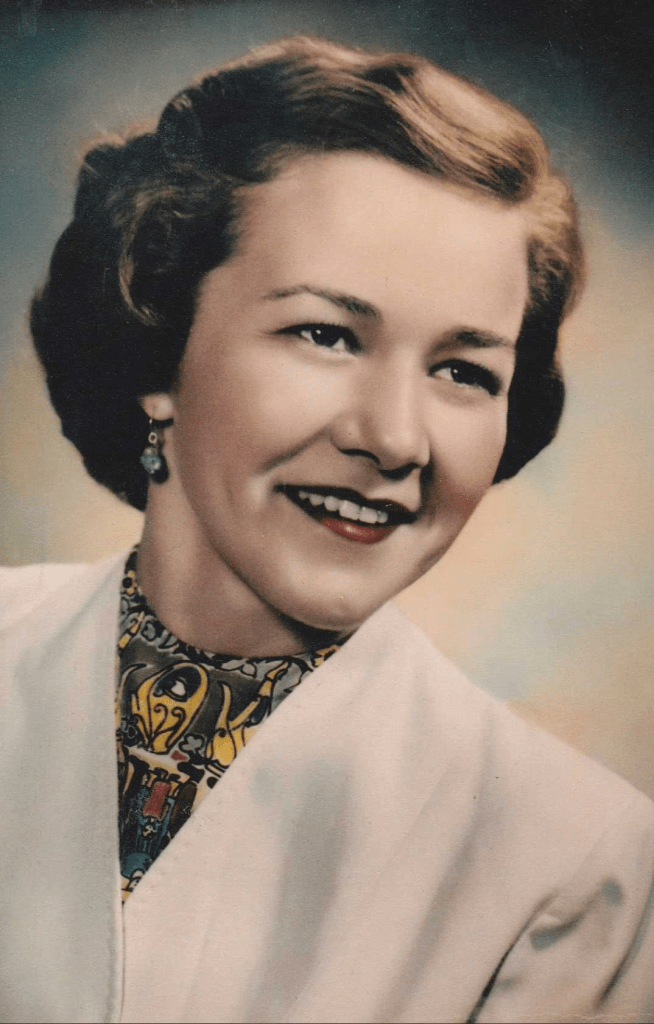
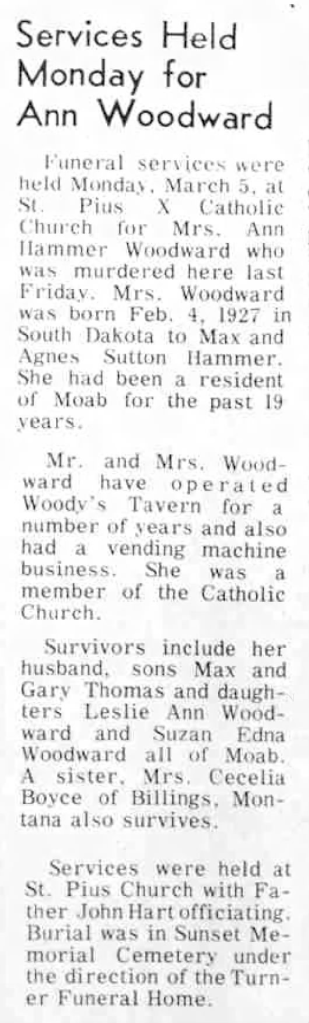
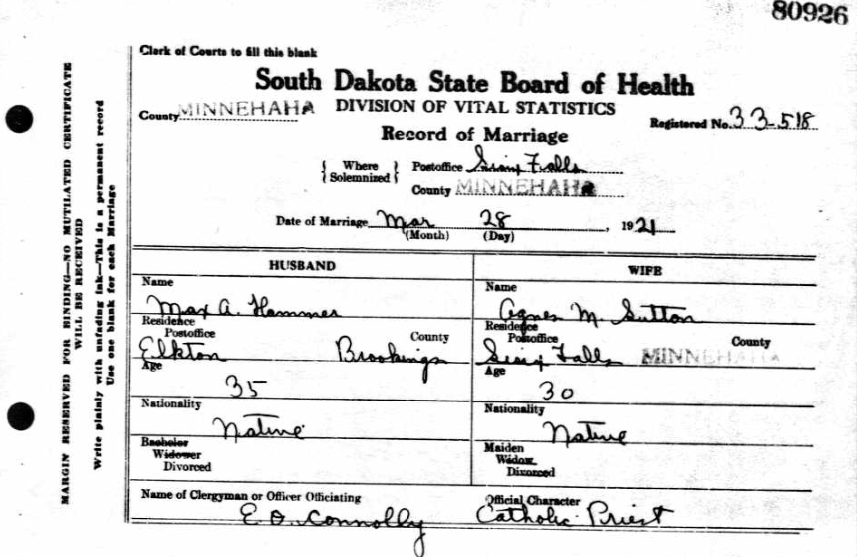
Ann Marie Hammer was born on February 4, 1927 to Maxwell Algernon and Agnes Marie (nee Sutton) Hammer in Aberdeen, SD. She had an older sister named Cecelia Mae (Boyce) and a brother named Lowden William, who was born in December 1921 and sadly only lived to the age of three. Maxwell was born on April 7, 1887 in Hubbard, Iowa, and Agnes was born on August 31, 1890 in Illinois. I wasn’t able to find out very much about Ann’s background, and wasn’t even able to find the name of the high school she graduated from. According to Ancestry.com, the Hammer family lived in Aberdeen, SD in 1930 and in 1935 they moved to Rural, SD. Ann’s father was a WWII vet and was the owner and operator of the Hammer Realtor Company, and president of the Co-operative Building and Sales Company. Sadly he shot himself in the chest in November 1940 with a .410 shotgun, and according to his obituary he had been in poor health for several months prior to his death and had recently learned he had malignant cancer. In late 1940 Mrs. Hammer took her two daughters and moved to Maricopa, AZ.
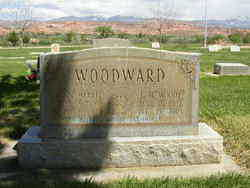
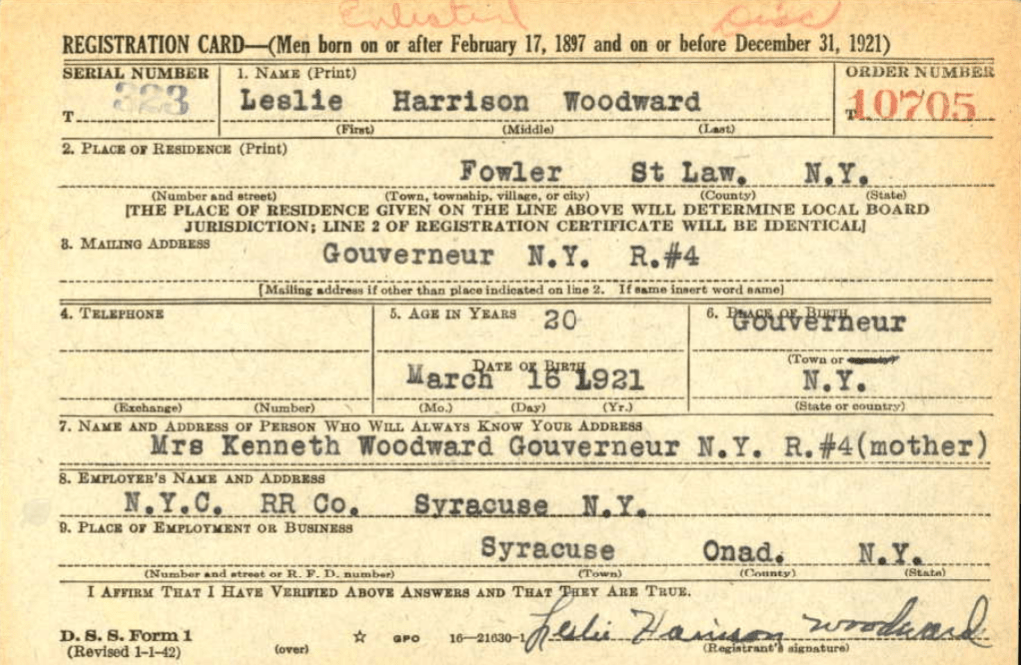
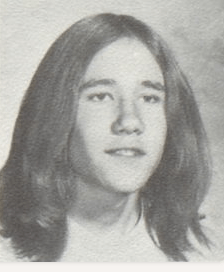
Ann was married twice: she wed her first husband Clarence George Sutherland in Juárez, Mexico, and her second Leslie Harrison ‘Woody’ Woodward on November 17, 1953 in Gallup, NM (she was his third wife). Sutherland was born in June 1912 in Peoria, Illinois and died in June 1996 in San Diego. ‘Woody’ was born on March 19, 1921 in New York, and the couple had four children together: Leslie Ann, Maxwell Joseph, Suzan Edna, and Guy Thomas.
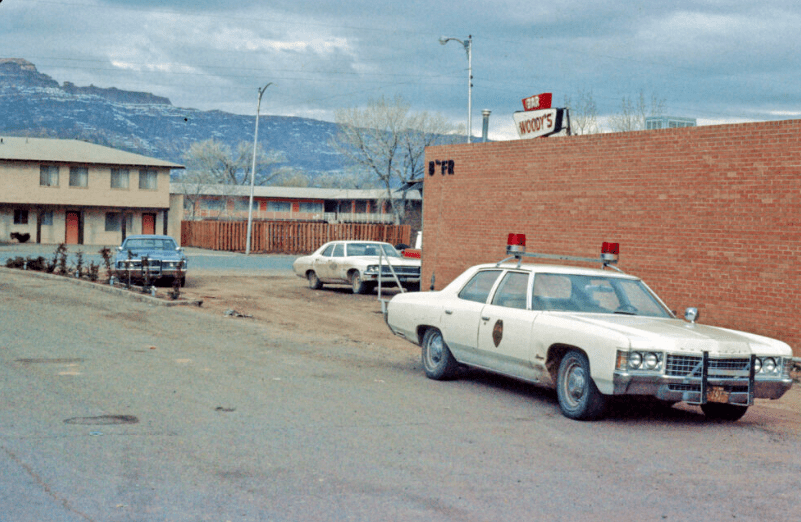
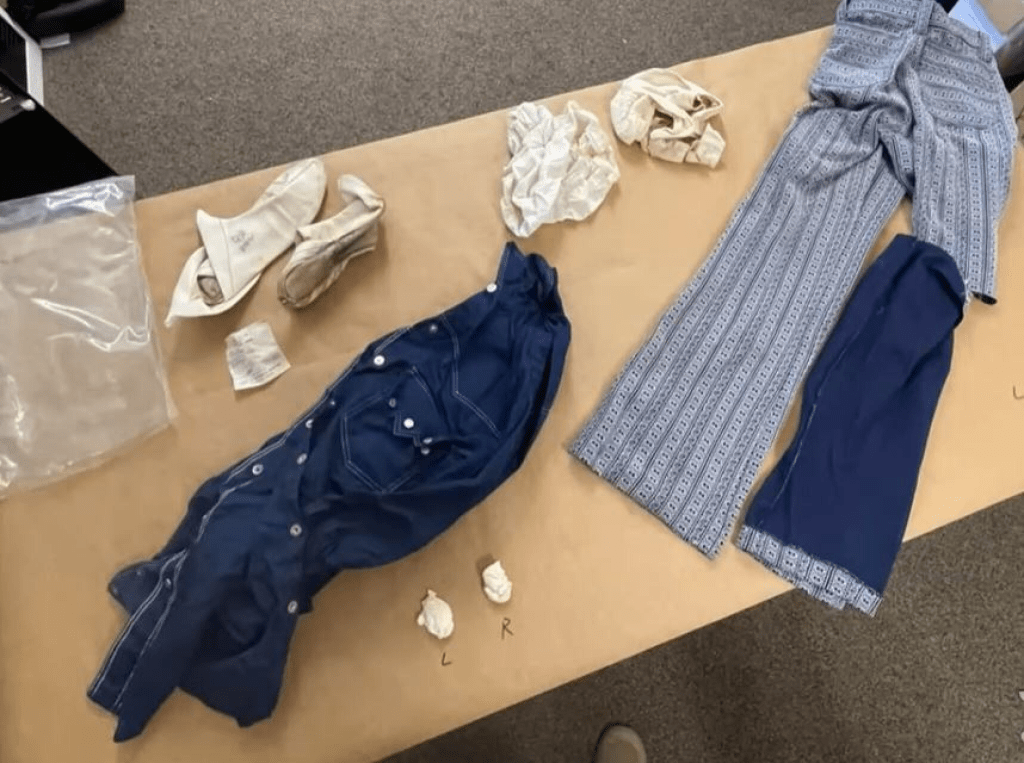
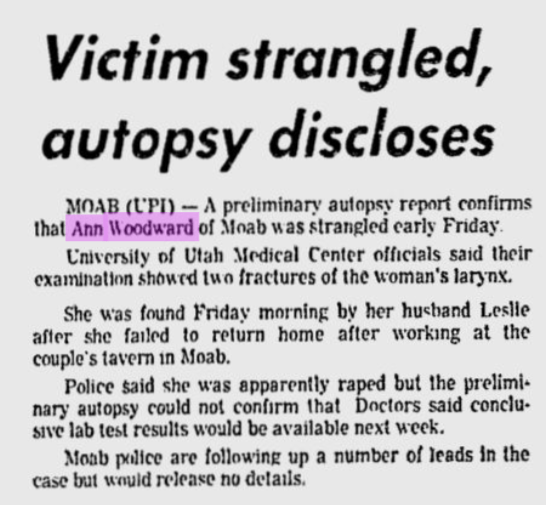
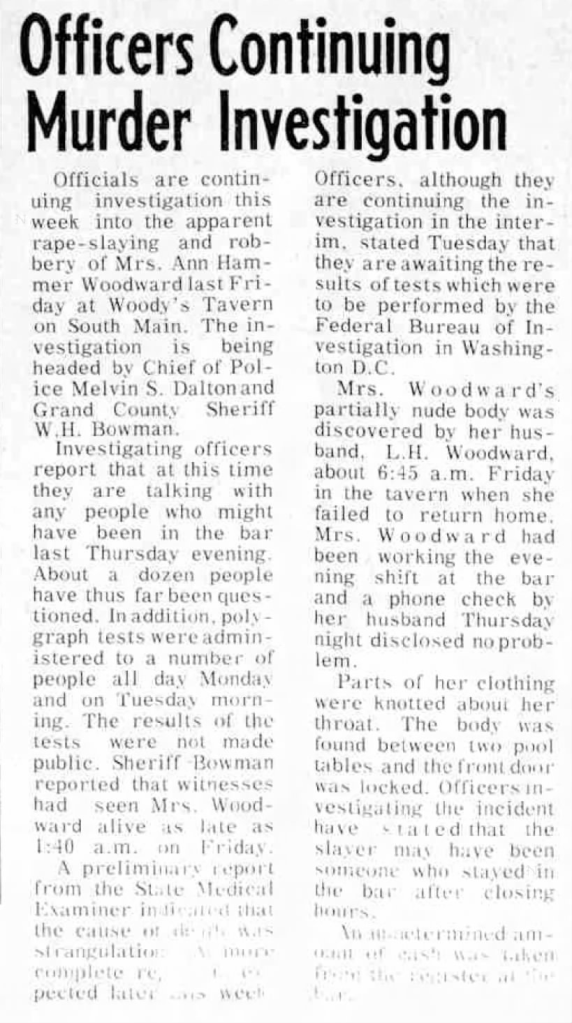
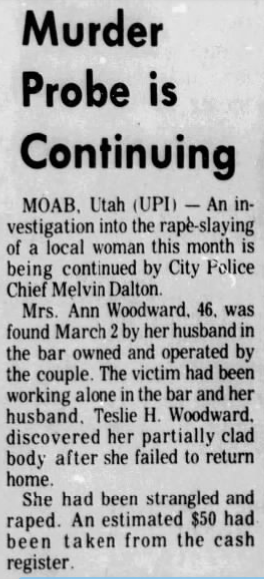
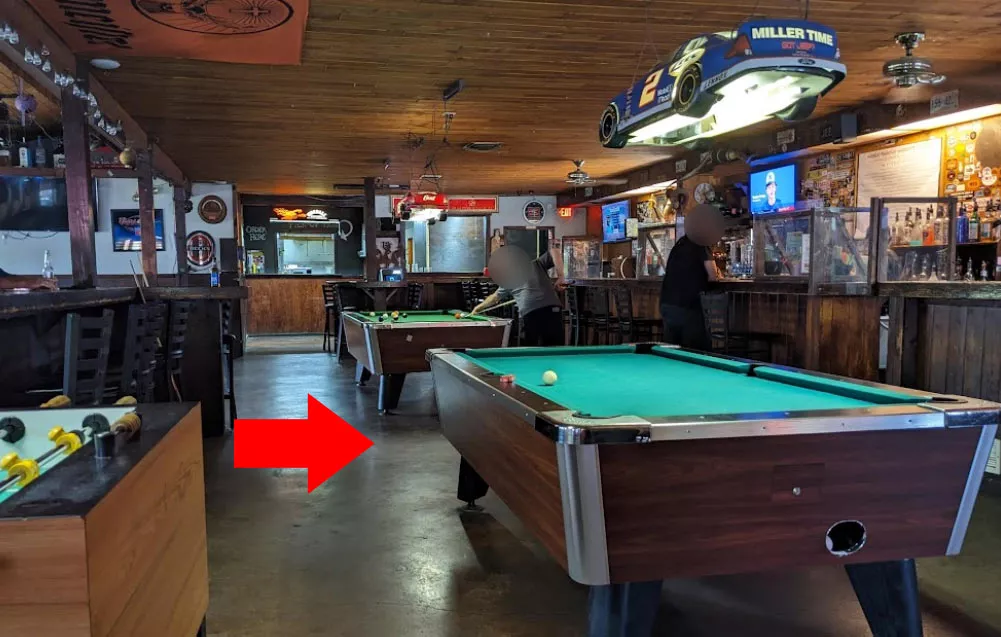
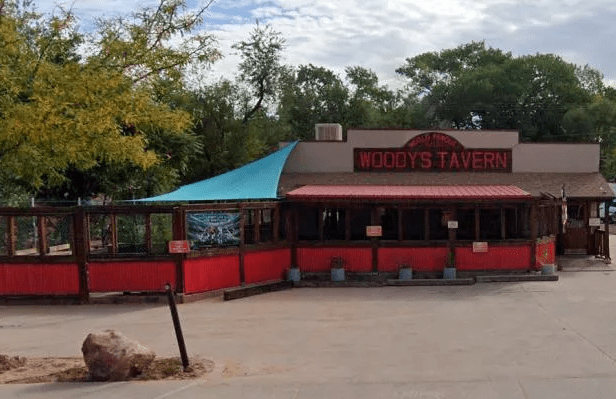
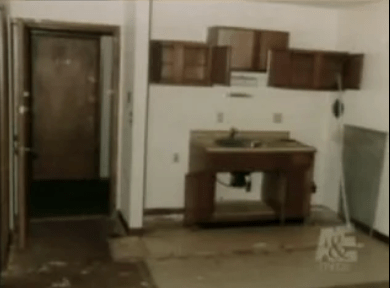
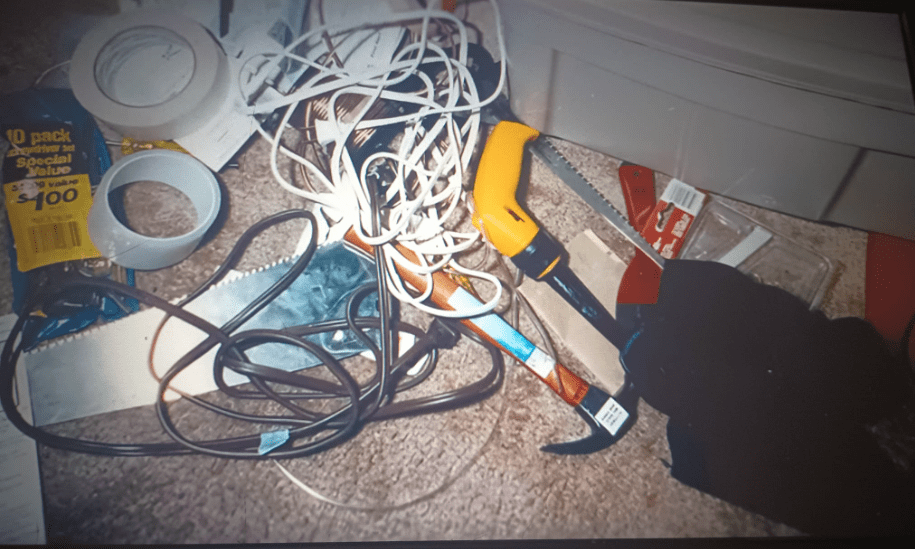
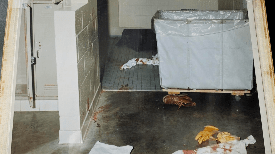
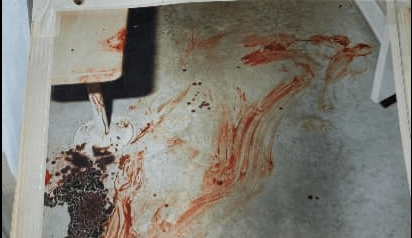
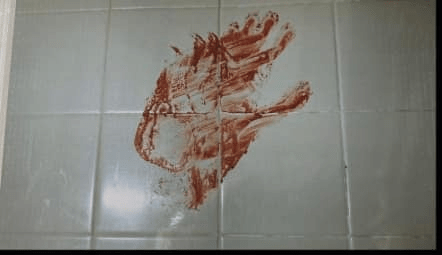
In the early morning hours between 1:40 and 2:30 AM on March 2, 1973 Woodward was killed in the bar she worked at and owned with her husband. After his wife failed to return home Leslie went into the establishment between 6:30 and 6:45 AM to look for her, and stumbled upon a gruesome sight: Ann, deceased. She was half-dressed with her shirt completely unbuttoned and bra exposed, and she had no pants on and was lying on the floor in between two pool tables, with the right leg of her white striped slacks still tied around her neck. Next to her discarded pants were eight dimes and one tissue, and Moab Detective Jeremy Drexler said there were tissues in every one of Ann’s pockets, except for the left pocket. The mother of four had been beaten, raped and strangled. Woody immediately called his friend Heck Bowman, who was the Grand County Sheriff even though the bar was outside his jurisdiction. Typically the case would have fallen into the lap of the Moab PD instead of the sheriff’s, and that ended up playing a large role in how the investigation was handled and why it was mishandled. Detective Drexler commented that based on the notes he read in Woodward’s case file, there seemed to be some bad blood between the two policing agencies, and they didn’t really get along and couldn’t really seem to work together.
In the early morning hours between 1:40 and 2:30 AM on March 2, 1973 Woodward was killed in the bar she worked at and owned with her husband. After his wife failed to return home Leslie went into the establishment between 6:30 and 6:45 AM to look for her, and stumbled upon a gruesome sight: Ann, deceased. She was half-dressed with her shirt completely unbuttoned and bra exposed; she had no pants on and was lying on the floor in between two pool tables, with the right leg of her white striped slacks still tied around her neck. Next to her discarded pants were eight dimes and a single Klenex, and Detective Drexler said there were tissues in every one of Ann’s pockets except for the left one. The mother of four had been beaten, raped and strangled. Woody immediately called his friend Heck Bowman, who was the Grand County Sheriff even though the bar was outside his jurisdiction. Typically the case would have fallen into the lap of the Moab PD instead of the sheriff’s, and this ended up playing a large role in how the investigation was handled (and why it was mishandled). Detective Drexler commented that based on the notes he read in Woodward’s case file, there seemed to be some bad blood between the two policing agencies, and they didn’t really get along or work together.
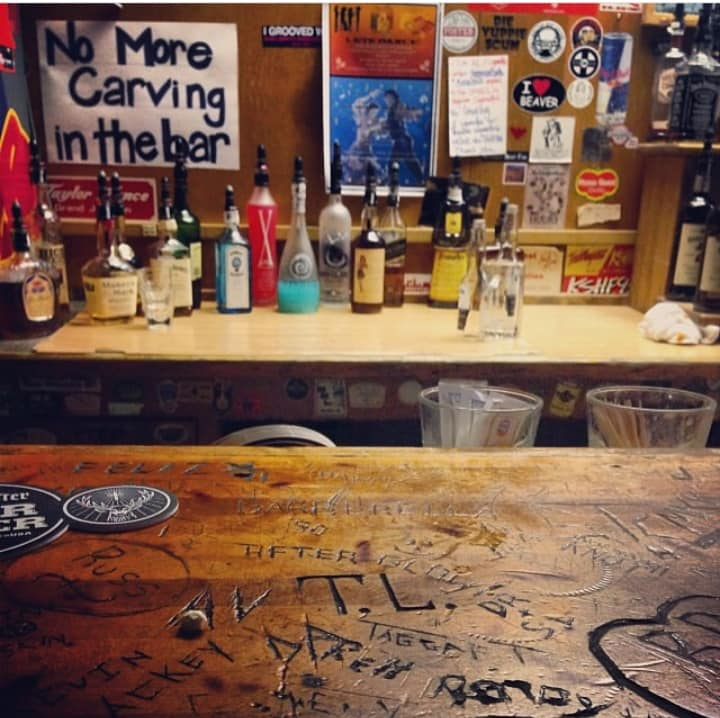
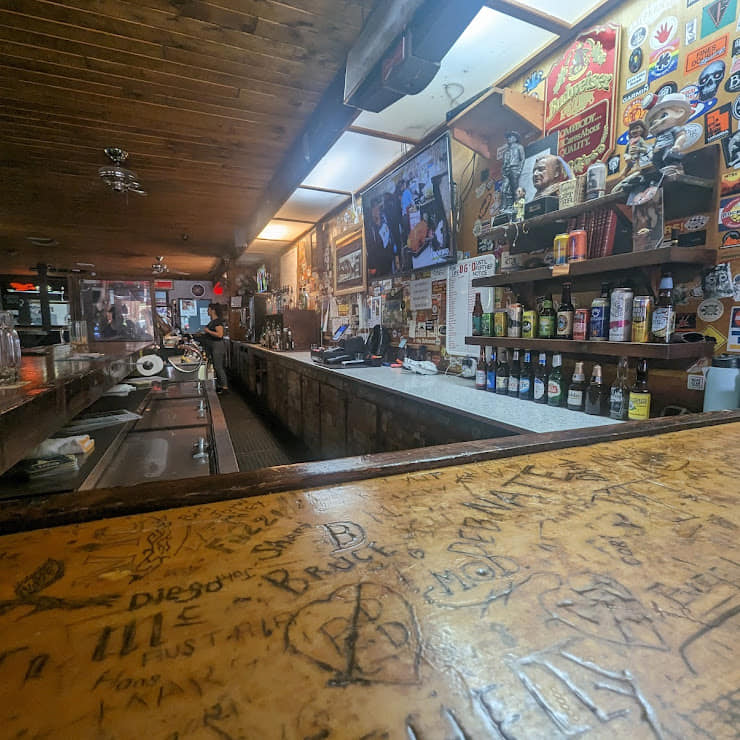
Found at the scene were two sets of bar glasses as well as some cigarette butts which helped point investigators to where Ann and her killer were most likely sitting. According to Detective Drexler, ‘they wanted to identify that person who sat next to Ann in the worst way. You can see from the original case notes that they were really hoping that fingerprints on the bar glasses would identify him.’ But, sadly that never worked out, and the glassware was sent to the FBI but came back inconclusive.
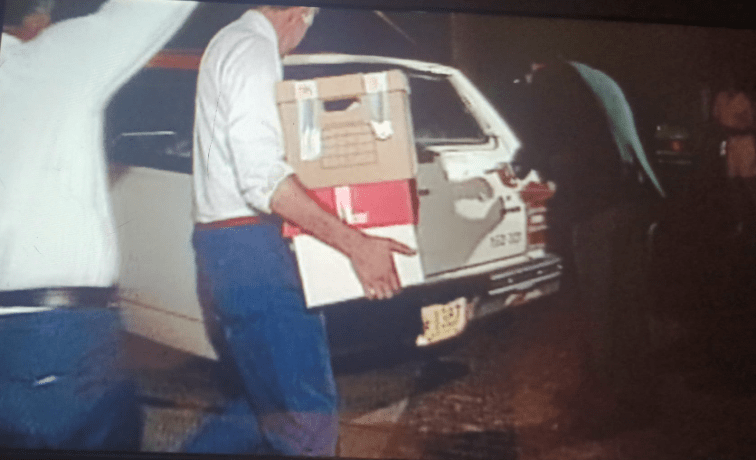
In recent years Moab police admitted that they didn’t handle the crime scene as well as they should have, and a lot of important evidence was mishandled and lost. While the (now retired) Police Chief Melvin Dalton was meticulous in his investigation, the method in which things were done 51 years ago muddied the waters, and while ‘very neatly put together and ready for our taking’ there was no records management system in place at the time. The two boxes of information related to Woodward’s murder were eventually removed from the sheriff’s office and placed in a building off campus and was eventually forgotten about. Once Drexler discovered the evidence that was lost so many years before things broke wide open: ‘it was 50 years and six months later, but we got it and I knew we had it. I called my wife and told her I had the evidence in the backseat of my truck and I got emotional. It was a treasure trove.’
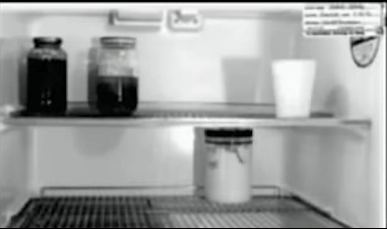
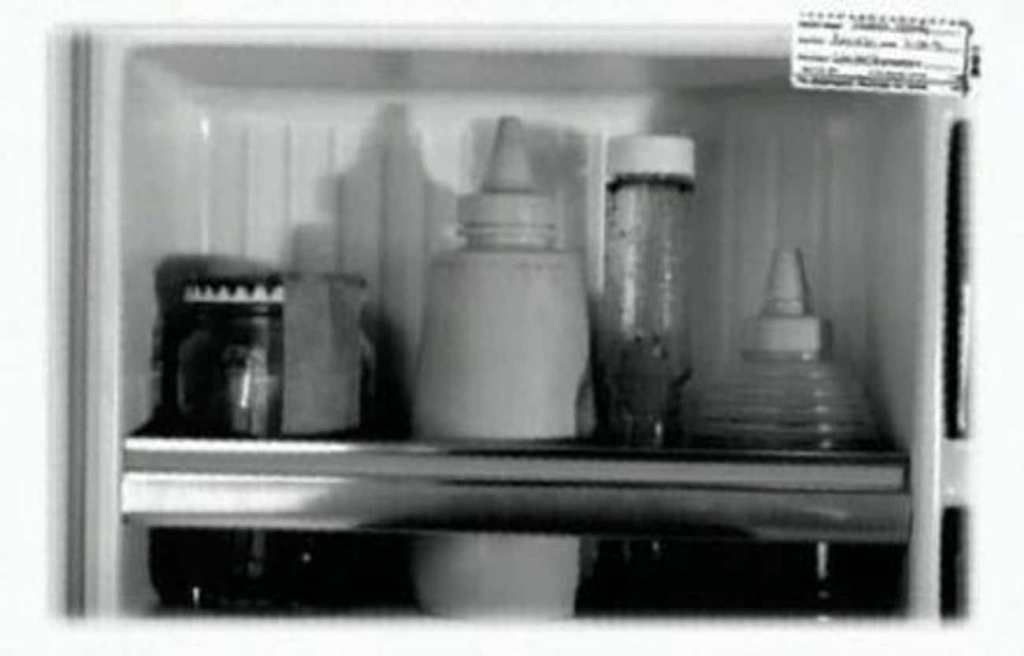
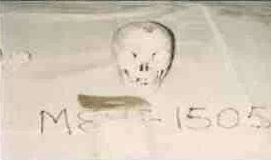
The evidence related to Woodward’s murder sat collecting dust in the archives of the Grand County Sheriff’s Department until September 14, 2023, when Detective Drexler found them after taking over the investigation. According to him, ‘it was actually on a shelf back next to some Geiger counters. So the evidence was not labeled as evidence, I guess you could say. It’s just a beat-up cardboard box with dust on it.’ … ‘It was truly amazing. We found these boxes in a store room, and they were absolutely pristine. We opened one box and saw that it was Ann’s clothing. I knew right then: we’re going to get him.’ Two months later DNA related to the case was sent to the Utah State Crime Lab for analysis. In May 2024, that genetic evidence was returned and pointed to Chudomelka. Drexler said: ‘He could explain away having his DNA on the outside of her clothes, but not the inside of her pants. No way.’
Upon taking over the case, Detective Drexler initially thought Ted Bundy was his guy using the logic that he was known to be in the general area at the time Ann was killed… but this isn’t really the case, and a quick glance at the ‘1992 TB MultiAgency Investigative Team Report’ would have told him that Ted was nowhere near Utah at that time. In March 1973 Bundy worked for the King County Program Planning and he was still in a long term relationship with Liz Kloepfer (although by this time he was seeing multiple other women and wasn’t being entirely faithful to her). He wouldn’t go on to commit his first (proven) murder until the beginning of 1974, and wasn’t even active in the state until October 2 when he killed Nancy Wilcox.
In recent years former Moab Police Chief Melvin Dalton sat down with The Deseret Morning News and shared that when he arrived at the scene of the crime it was chaotic and almost like a party: ‘people were going in and out like they were going to church.’ The former police chief also said that because the sheriff’s had taken over the investigation the Moab PD didn’t have access to very much evidence, and that the case was not handled well by them despite his admission that he and his officers weren’t trained to handle a murder: ‘I wasn’t really trained in homicide, I always felt if we had a really good trained detective, we’d have been in a lot better shape.’
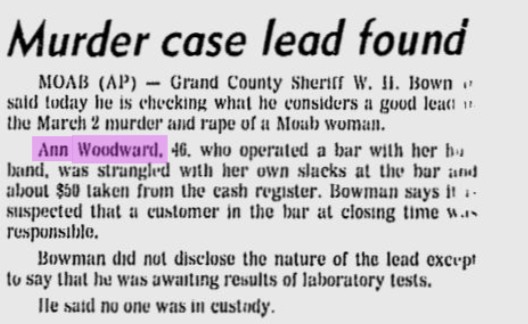
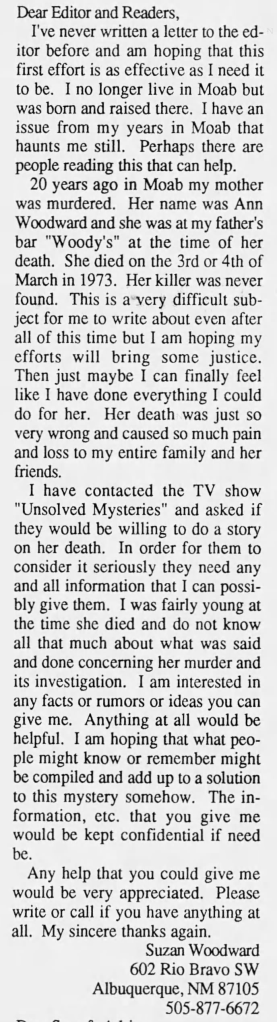
Shortly after the murder took place in March 1973, the Deseret News newspaper reported that Sheriff Bowman had a good lead in the case, but nothing ever came of it. Chief Dalton recalled administering polygraph tests and even came up with a few strong potential suspects, however they both got lawyers and stopped talking. The investigation quickly went cold but was reopened in October 2006 after Ann’s daughter Suzan (who was 16 when her mom was killed) sent a letter to (now retired) Moab Police Chief Mike Navarre asking him for help. The homicide remained unsolved until the summer of 2024 when forensic experts were able to determine that a man named Douglas Keith Chudomelka killed the 46 year old wife and mother.
Detective Drexler speculated that Ann’s killer was angry at her for beating him at poker, but clarified that he wasn’t 100% sure and it could also have been a crime of opportunity versus rage. He said that he does know without a doubt that night that the two played cards and Chudomelka ‘drank beer and smoked Camel cigarettes.’ Using modern scientific techniques, he was able to separate the 29 pieces of evidence (which included ashtrays, fingernails, hair, fingerprints and salt shakers) that were part of the original investigation and break them down into about 80, helping the department analyze the components more thoroughly.
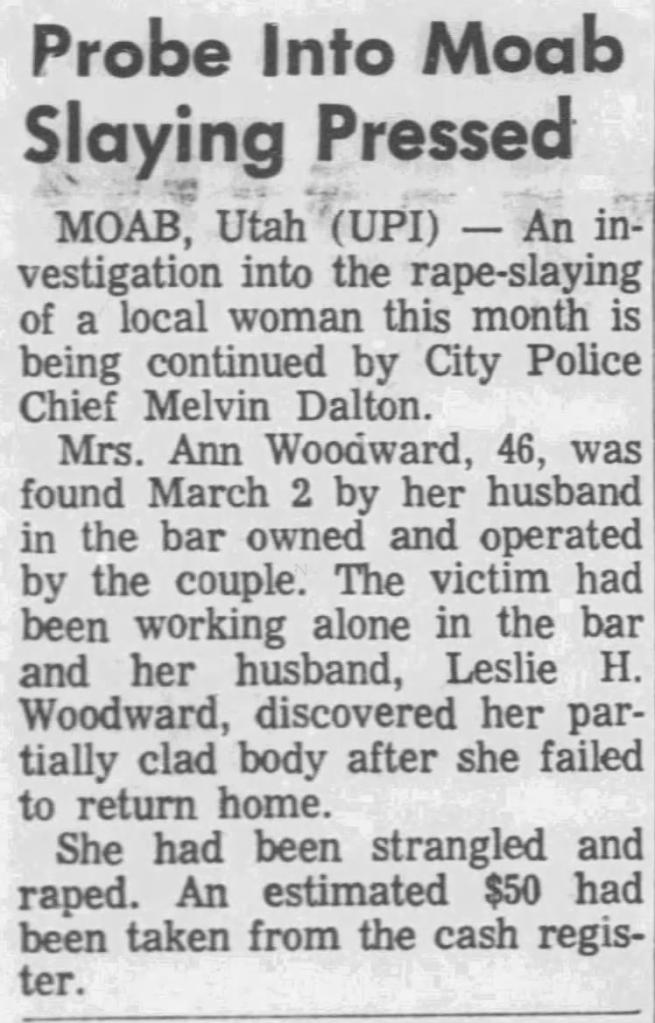
Chudomelka worked at the Rio Algom Mine in the Moab area during the early to middle 1970’s and rented a trailer in the Walnut Lane Mobile Home Park for $100 a month. He was known to frequent Woody’s Tavern when he was done with work for the day and had a long paper trail of documented violence. After he killed Woodward, he went into the establishments cash register and helped himself to $75; he also took the $50 out of her left pants pocket that she won from him playing poker (some sources say it was an undetermined amount of money), and two days later he paid his rent with five $20 bills. Detective Drexler said he has no idea if he gave the landlord the stolen money but it’s definitely a possibility.
The current Moab Police Chief Lex Bell said: ‘that pair of pants is what led us to her killer,’ and Detective Drexler said that in addition to the inside of the slacks Ann was wearing, all the buttons on her shirt had Chudomelka’s DNA on them as well. Forensic testing was also done on items found at the bar as well, which confirmed his presence at the establishment on the night Woodward was murdered.
According to Moab reporter Emily Arnsten, the area was much more conservative in 1973, and the Mormon Church had a much greater influence on the community than it does today. But at the same time, there was also a large, blue-collar mining community that contained a large amount of transient workers that may not have been the most pious of people, and Woody’s was the perfect stomping grounds for these individuals. The establishment was perhaps a bit more wild than it is today as well, as they used to employ the likes of go-go dancers and there was lots of gambling that took place on the premises.
According to Ann’s granddaughter Annie Dalton, Woodward was unlike most of the other more ‘traditional’ women in the area: firstly, she was Catholic, not Mormon, and wasn’t originally from the area. She also ran a bar in a conservative area where a lot of people maybe didn’t drink and was a pretty avid card player. Dalton and Woodward family friend Tim Buckingham wonder if her grandmother’s worldly lifestyle had anything to do with the Moab police’s lack of urgency regarding this murder: ‘’I think that when something that horrific happens in a town like this, to convince yourself that it could never happen to you, to feel safe in that, you do what you can to distance yourself from the person that it happened to. That’s most of what I got, the sense of people who were trying to come up with stories that made sense.’ About her grandmother’s murder, Annie said: ‘it was this thing that my mom carried that was grief and loss, and she ended up passing away from COPD. They say that you carry grief in your lungs, and I’ve always felt like it was just grief that she never was able to process. So they were all carrying this burden in different ways and it never got resolved. It’s a tragedy that just keeps being tragic over and over.’
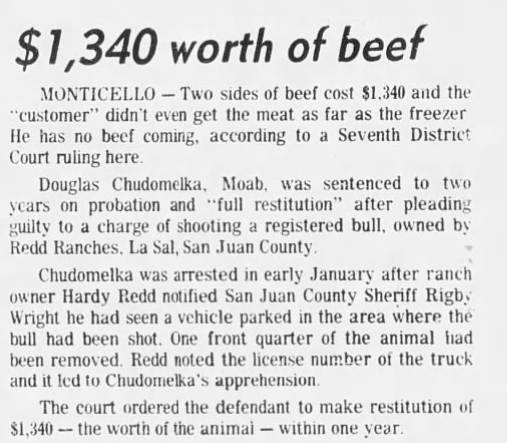
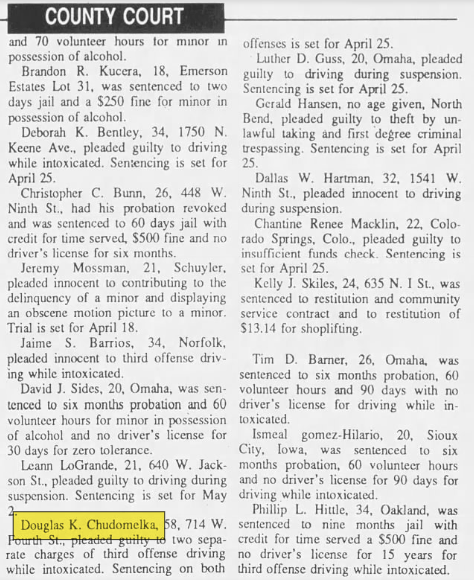
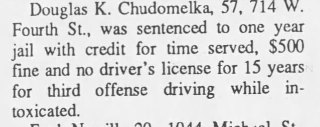
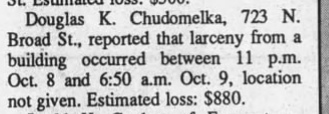
When questioned Chudomelka told investigators that he had not been in Woody’s on the night of the murder, but had instead spent the evening drinking at The Westerner Grill. His girlfriend, Joyce, provided him with an alibi, and told investigating officers that he came home at about 2 AM, however the bartender at The Westerner Grill told police that he was not in at all the night of March 1. Law enforcement asked Chudomelka if he was willing to take a polygraph test, to which he agreed, but in the end they were unable to administer it because when he arrived at the station he was drunk. Eventually, he stopped talking to police and asked for a lawyer and no charges ever stuck. Before he left the area Doug would later be convicted of cattle rustling (which is ‘the act of stealing livestock’) in San Juan County and served out a term of probation. Detective Drexler said he was found guilty of additional crimes in other states, including an atrocity involving a 10-year-old child in Alabama. In 1978, Chudomelka returned to Nebraska, where he managed to (mostly) fly under the radar until his death.
Chudomelka was always considered to be a prime suspect in Woodward’s murder and was one of 25-30 suspects, a number that included acquaintances, bar patrons, and members of the Moab community. Anyone that had been in the tavern on the night of the homicide or was known to be a regular at the establishment was considered a suspect… but he had more going against him than the others: the mid-1960’s Ford sedan that he owned matched the description of the car witnesses reportedly saw parked next to Woodward’s truck late in the evening on March 1, 1973. According to Detective Drexler: ‘they were looking at Doug, they just couldn’t get him. He easily could have killed her and made it home by 2 AM, but the bartender at the Westerner told police Chudomelka was not in at all the night of March 1.’ … ‘They wanted to solve it. All the evidence was there, but they just didn’t have the technology at the time to solve this case beyond a doubt.’
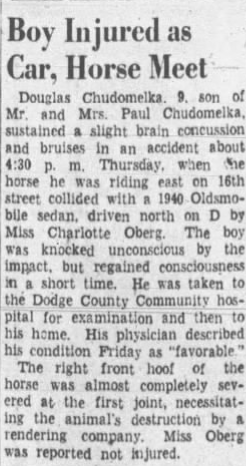
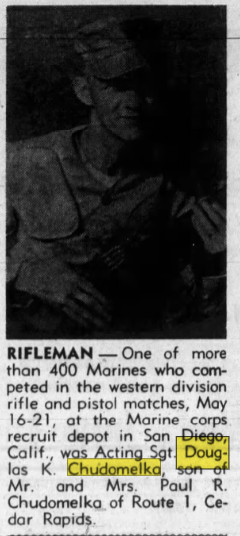
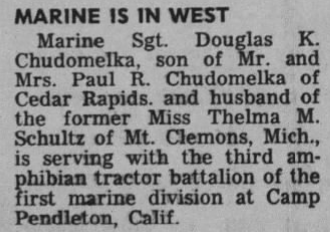
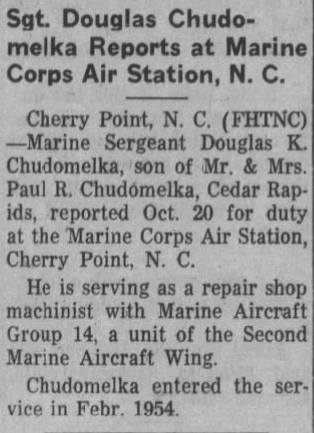
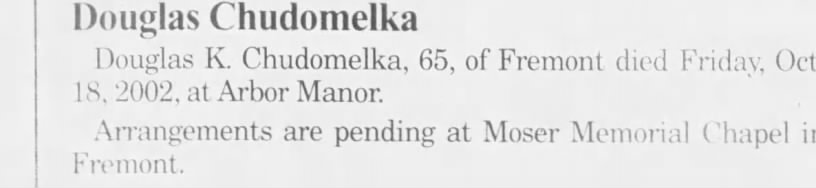
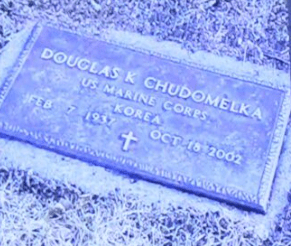
Douglas Keith was born to Paul and Magdalena (nee Arps) Chudomelka in rural Dodge, NE on February 7, 1937. On February 9, 1954 he joined the US Marine Corps and he was married three times: he wed Thelma Mae Scheulz on May 16, 1958 in San Diego, California and the couple had four children together. After they parted ways he met Ernestine Winnie Jolly, and the two were wed on December 3, 1976 in Galveston, TX; I don’t know any details about their divorce but he married Vickie Flowers for a third time at some point before his death. Chudomelka left the military on December 13, 1961 with the rank of sergeant after serving in Korea, then went on to get his CDL and worked as a long haul trucker for several companies across the United States. According to his obituary, at some point after Ann’s murder he moved to Fremont, Nebraska, where he became a lifetime member of the VFW Post 7419 in Nickerson. According to his obituary he had no kids (this is a complete lie) and only left behind siblings (five sisters and two brothers) and three ‘special friends…’ He died on October 18, 2002.
Just a few days after Ann’s murder on March 6, Chief Dalton received permission to pull hairs from the suspects body, and took samples from his belly button, chest, pubic area and head; cigarette butts (which were Camels, like the ones found at the scene of the crime) were also recovered from an ashtray in his residence to see if a saliva sample could be pulled. After the evidence was meticulously collected and preserved it was sent to the FBI, however in 1973 the Bureau was not yet equipped to test hair or saliva, and according to Drexler, ‘this case hinged on the hair Dalton pulled in 1973. I have no idea how he knew that we would be able to do that today. Dalton made this case very easy for us in that aspect.’ The box of evidence was returned (unopened) to the Sheriff’s department along with a letter that (essentially) read: ‘this is a great idea, but we don’t have the technology to do that.’
Douglas Keith Chudomelka was born to Paul and Magdalena (nee Arps) Chudomelka in rural Dodge, NE on February 7, 1937. On February 9, 1954 he joined the US Marine Corps and he was married three times: he wed Thelma Mae Scheulz on May 16, 1958 in San Diego, California and the couple had four children together. After they parted ways he met Ernestine Winnie Jolly, and the two were wed on December 3, 1976 in Galveston, TX; I don’t know any details about their divorce but he married Vickie Flowers for a third time at some point before his death. Chudomelka left the military on December 13, 1961 with the rank of sergeant after serving in Korea, then went on to get his CDL and worked as a long haul trucker for several companies across the United States. According to his obituary, at some point after Ann’s murder he moved to Fremont, Nebraska, where he became a lifetime member of the VFW Post 7419 in Nickerson. According to his obituary he had no kids and only left behind siblings (five sisters and two brothers) and three ‘special friends…’ He died on October 18, 2002.
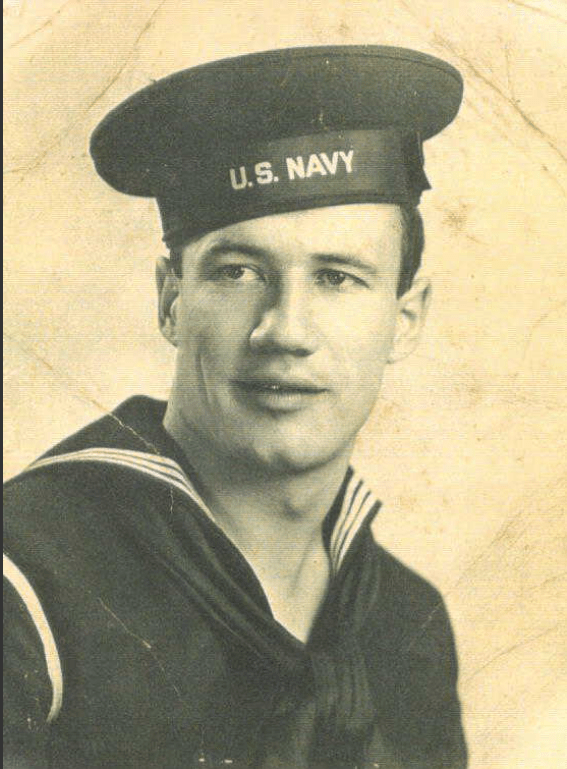
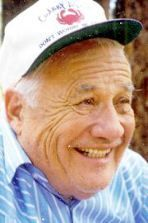
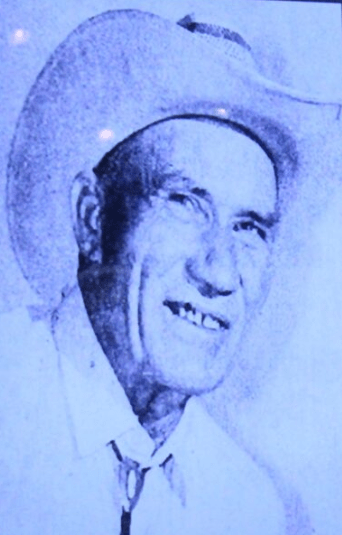
After Ann died Leslie went on to remarry Jane Jaramillo on November 17, 1985, in Las Vegas (I also saw the date listed as November 11, 1984); the two stayed together until his death on Christmas day in 2015 at the age of 84 in Newton, Kansas. According to his obit, Woody served in the US Navy during WWII, where he earned 13 battle stars. He was an entrepreneur and ran several businesses across Moab, including laundromats, gas stations, and Woody’s Tavern, and in his spare time he enjoyed hunting, fishing and exploring the country while on vacation.
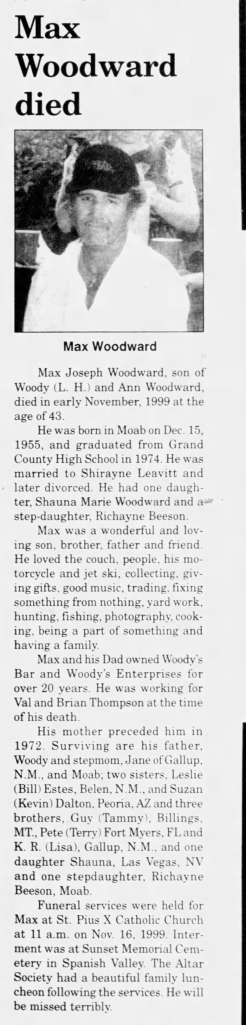
Ann’s sister Cecelia passed away on August 12, 2004. As of November 2024 three of her four children have passed away and the only one remaining is her older daughter Leslie Ann (Estes). According to Estes, ‘there’s no closure for me. It’s still going to go on. She’s still going to be gone tomorrow, and my grandkid, my children have never seen her and don’t ever know what a wonderful grandmother she would have been.’ Max Woodward died in early November 1999 at the age of 43, and Ann’s daughter Suzan passed away on June 1, 2019. According to her obituary, she ‘loved sewing, cross-stitching, driving across the country on adventures, playing with her grandchildren, talking to her daughters and friends, laughing and joking with Pug, going to the mountains, watching sunsets, making pots, and staying in little old hotels with character.’ Guy ‘Bugsy’ Woodward died at the age of fifty on March 13, 2009, and according to his obituary in The Times-Independent, he was a sweet, funny, and loving brother, dad, son, uncle and friend that loved the outdoors, music, yard work, fishing, hunting, making jewelry, heckling his sisters, and being a part of Narcotics Anonymous. His three daughters were the jewels in his crown and were the ‘best accomplishments of his life.’
According to Detective Drexler, ‘if he was alive today, I would be asking Grand County District Attorney Stephen Stocks for an arrest warrant for Douglas K. Chudomelka for the crime of first-degree murder for his actions on March 2, 1973.’ Stacks seemed to be in agreement with Drexlers statement, and said, ‘had he not passed, we would have filed criminal information against him. I hope today brings some closure to the family. I truly believe if this case would have been presented to the jury, he would have been found guilty beyond reasonable doubt for the murder of Ann Woodward.’ Leslie Ann said that her father was the first suspect that LE investigated, and the locals always seemed to be whispering that he was the one responsible for her death; Estes hopes that now these rumors can finally be put to rest. About her father, Leslie Ann said ‘he was larger than life, and it just, it broke our, it broke his heart, but it broke our family, like the splinter never was healed. It never really did even begin to heal.’
Chief Bell said that (as of June 2024) his department was still testing additional items found at Woody’s Tavern, and Detective Drexler commented that both the Moab PD and the Grand County Sheriff’s are ready to start digging into other cold cases.
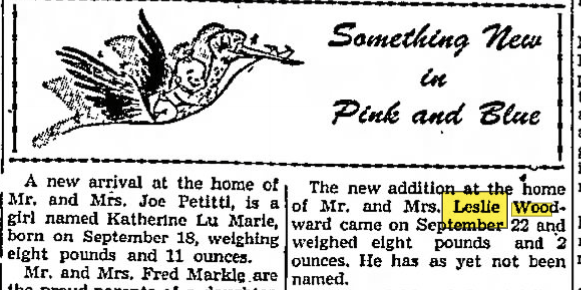
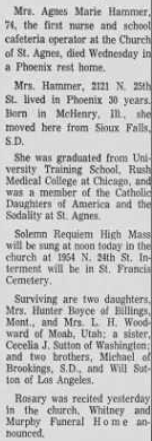
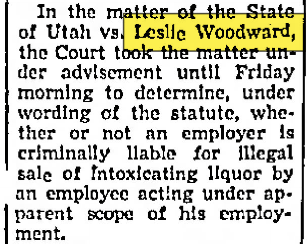
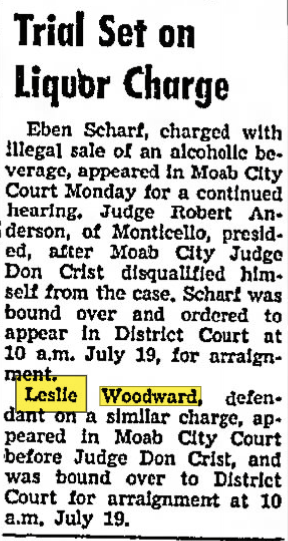
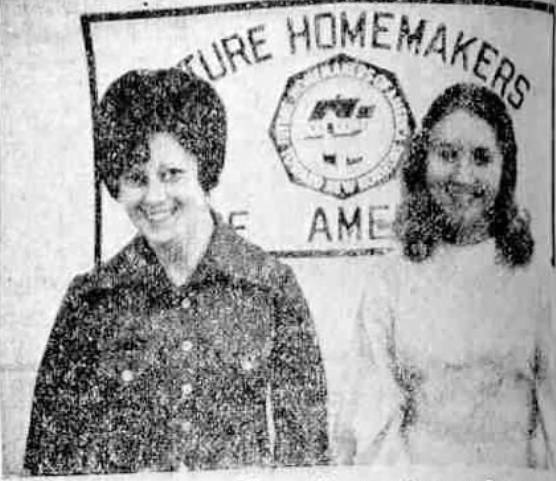
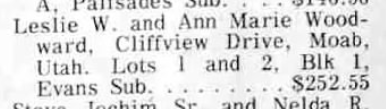
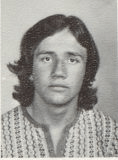
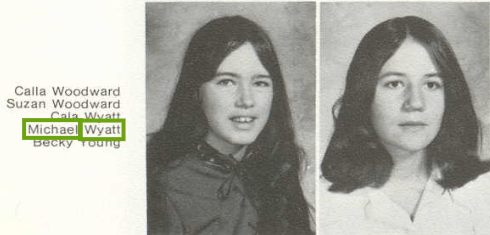
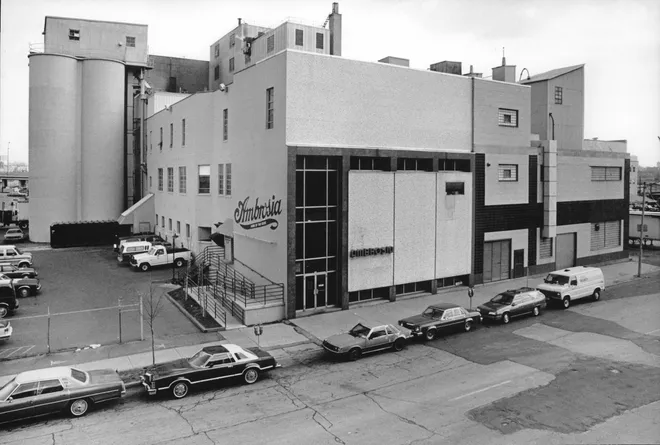
A young Ann Hammer.Woodward.Ann’s grave.A law enforcement unit is parked outside of Woody’s Tavern on March 2, 1973. Photo courtesy of MPDAnn’s clothes.An article about the murder of Ann Woodward published in The Daily Herald on March 2, 1973.An article about the murder of Ann Woodward published in The Deseret News on March 3, 1973.An article about the murder of Ann Woodward published in The Daily Herald on March 4, 1973.An article about the murder of Ann Woodward published in The Deseret News on March 5, 1973.An article about the murder of Ann Woodward published in The Ogden Herald-Journal on March 6, 1973.An article about the murder of Ann Woodward published in The Daily Herald on March 6, 1973.An article about a memorial service being held for Ann Woodward published in The Times-Independent on March 8, 1973.An article about the investigation of the murder of Ann Woodward published in The Times-Independent on March 8, 1973.An article about the continuing investigation related to the homicide of Ann Woodward published in The Times-Independent on March 15, 1973.An article about the continuing investigation related to the homicide of Ann Woodward published in The Salt Lake Tribune on March 25, 1973.An article about the continuing investigation related to the homicide of Ann Woodward published in The Ogden Standard-Examiner on March 26, 1973.An article about the continuing investigation related to the homicide of Ann Woodward published in The Deseret News on March 26, 1973.An article about the continuing investigation related to the homicide of Ann Woodward published in The Daily Herald on March 27, 1973.An article about the murder of Ann Woodward published in The Times-Independent on March 29, 1973.An article about the murder of Ann Woodward published in The Ogden Standard-Examiner on August 19, 1973.An article about unsolved murders in Utah that mentions Ann Woodward published in Deseret News on August 7, 1974.Ann is mentioned in a ‘notice to creditors’ related to her estate; this was published in The Times-Independent on April 3, 1975.A plea to the public from Ann’s daughter Suzan for anyone with information related to the murder of her mother to come forward, published in The Times-Independent on May 20, 1993; sadly she has since passed.A press release put out by the Moab City PD in related to the murder of Ann Woodward.Woody’s Tavern.Woody’s in 1973. Photo courtesy of OddStops.Woody’s in 1973. Photo courtesy of OddStops.DNA evidence proved that Chudomelka had been sitting at the bar that night. Photo courtesy of OddStops.The scene of the murder in March 1973. Photo courtesy of OddStops.The victim’s body was found between a set of pool tables. Photo courtesy of OddStops.Woody’s Tavern as it looks today, photo courtesy of OddStops. The bar is located at 221 South Main Street in Moab, Utah.Woody’s Tavern.The inside of Woody’s Tavern.The bar at Woody’s Tavern.A sign inside Woody’s Tavern. Photo courtesy of Instagram.The bar at Woody’s. Photo courtesy of Instagram.The inside of Woody’s Tavern. Photo courtesy of Instagram.A show at Woody’s (this is a great shot of what looks like the entire bar). Photo courtesy of Instagram.A show at Woody’s. Photo courtesy of Instagram.A band onstage at Woody’s. Photo courtesy of Instagram.Individuals that have been permanently banned from Woody’s Tavern. Photo courtesy of Instagram.A mural on the outside of Woody’s. Photo courtesy of Instagram.Ted’s whereabouts in early March 1973 according to the ‘TB Multiagency Investigative Team Report 1992.’Moab Police Detective Jeremy Drexler giving Ann’s remaining living daughter Leslie Ann Estes a hug at the conclusion of the press conference announcing the case was solved. Photo courtesy of Doug McMurdo.Doug Chudomelka.An older Doug Chudomelka during his time incarcerated at Dodge County Correctional Facility. Doug Chudomelka and Thelma Schultz’s marriage records from 1958.A newspaper clipping about Chudomelka breaking his leg at the age of nine published in The Fremont Tribune on March 1, 1946.A newspaper clipping about Chudomelka being admitted to the hospital in Camp Pendleton published in The North Bend Eagle on November 7, 1957.Part one of an article about Chudomelka getting into a car accident published in The Fallbrook/Bonsall Enterprise on September 3, 1959.Part two of an article about Chudomelka getting into a car accident published in The Fallbrook/Bonsall Enterprise on September 3, 1959.A newspaper clipping about Chudomelka competing in a marksman contest for the Marines published in The Albion News on June 2, 1960.A newspaper clipping about Chudomelka’s time in the US Marine Corps published in The North Bend Eagle on September 8, 1960.A newspaper clipping about Chudomelka serving in the US Marines published in The Boone Companion on February 6, 1961.A newspaper clipping about Chudomelka competing in a marksman contest published in The Boone Companion on May 8, 1961.A newspaper article announcing the birth of Chudomelka’s daughter published in The Fremont Tribune on October 23, 1963.A newspaper clipping about Chudomelka working as a repair shop machinist with the US Marines published in The Cedar Rapids Press on November 26, 1964.A newspaper clipping about Chudomelka being arrested for reckless driving published in The Independent on June 6, 1965.A newspaper clipping about Chudomelka getting into a motor vehicle accident published in The Daily Nonpareil on April 9, 1966.A newspaper clipping about Chudomelka being sued for child support by his ex-wife published in The Daily Nonpareil on August 16, 1967 An article about a car accident Chudomelka was in, I was unable to find the publication date.A newspaper clipping about Chudomelka being fined after a traffic infraction published in The Fremont Tribune on July 22, 1972.A newspaper clipping about Chudomelka being charged with check forgery published in The Fremont Tribune on January 20, 1973.A newspaper clipping about Chudomelka being sued for child support by his ex-wife published in The Fremont Tribune on July 24, 1973.A newspaper clipping about Chudomelka being charged with theft published in The Salt Lake Tribune on January 9, 1974.A newspaper clipping about Chudomelka being charged with theft published in The Times-Independent on January 10, 1974 .A newspaper clipping about Chudomelka being sentenced to two years of probation after pleading guilty to shooting a registered bull published in The Deseret News on February 9, 1974.A newspaper clipping about Chudomelka being charged with theft published in The Daily Herald on May 6, 1974.A newspaper clipping about Chudomelka being charged with theft published in The Manti Messenger on May 9, 1974.A newspaper clipping about Chudomelka being charged with illegal hunting and trespassing published in The Fremont Tribune on May 15, 1985.A newspaper clipping about Chudomelka being charged with a drunken driving charge published in The Fremont Tribune on October 14, 1992.A newspaper clipping about Chudomelka being charged with hitting a fire hydrant with his motor vehicle published in The Fremont Tribune on February 15, 1995.An article mentioning Chudomelka pleading guilty to a DWI published in The Fremont Tribune on April 7, 1995.A newspaper clipping about Chudomelka being charged with hi third DWI published The Fremont Tribune on April 28, 1995.A newspaper clipping about Chudomelka reporting a larceny published in The Fremont Tribune on October 17, 1996.A newspaper blurb announcing that Douglas Chudomelka died published in The Fremont Tribune on October 19, 2002.Chudomelka’s obituary published in The The Fremont Tribune on October 21, 2002.The grave site of Douglas Keith Chudomelka.Ann’s parents record of marriage filed on March 28, 1921. Woody in WWII.Leslie Woodward with his first wife.Leslie Woodward’s WWII draft card.Leslie Woodward and his first wife’s marriage certificate.A letter to Gloria Woodward letting her know that her divorce from Woody was finalized. The wedding announcement for Ann’s parents, Max Hammer and Agnes Sutton. Courtesy of Jan Even on Ancestry.Ann’s father’s obituary, published in The Arizona Republican November 28, 1940.A newspaper clipping regarding Max Hammers funeral, published on November 29, 1940 in Phoenix, AZ.An application for a military headstone for Ann’s father published on September 17, 1941.A newspaper clipping about the birth of Woody and Ann’s daughter published in The Times-Independent on September 25, 1958.An article about a court case involving Leslie Woodward published in The Times-Independent on August 6, 1964.Ann’s mothers obituary published on February 5, 1965.An article about a court case involving Leslie Woodward published in The Times-Independent on June 10, 1965.An article about a court case involving Leslie Woodward published in The Times-Independent on June 17, 1965.Leslie Ann Woodward (r) in a picture for the FHA published in The Times-Independent on March 4, 1971.An article about Ann’s husband Woody getting into some trouble related to a car accident, published in The Times-Independent on September 16, 1971.A newspaper blurb regarding property taxes for Ann and Leslie published in The Times-Independent on December 27, 1973.An article about Woody appearing before a judge for a driving while intoxicated charge, published in The Times-Independent on February 20, 1973.A picture of Leslie Woodword from the 1972 Grand County High School yearbook.A picture of Max Woodword from the 1973 Grand County High School yearbook.A picture of Suzan Woodward from the 1974 Grand County High School yearbook.A picture of Guy Woodword from the 1974 Grand County High School yearbook.A newspaper clipping announcing Guy Woodward’s death published in The Times-Independent on November 25, 1999.Woody.A newspaper clipping announcing Leslie Woodward’s death published in The Wichita Eagle on December 27, 2005.Jane N. Jaramillo, who was born on November 11, 1934 and passed on July 3, 2016.Former Sheriff Heck Bowman.Former Moab Police Chief Melvin Dalton, who took steps in 1973 that allowed current law enforcement officers to solve one of Moab’s most notorious cold cases.Former Moab Police Chief Melvin Dalton.
I was always under the impression that LE were unable to give out information related to unsolved cases, so when I requested the case files for the murder of Brenda Joy Baker I wasn’t expecting much. This is the first installment of records that the Thurston County Sheriff’s are sending me.
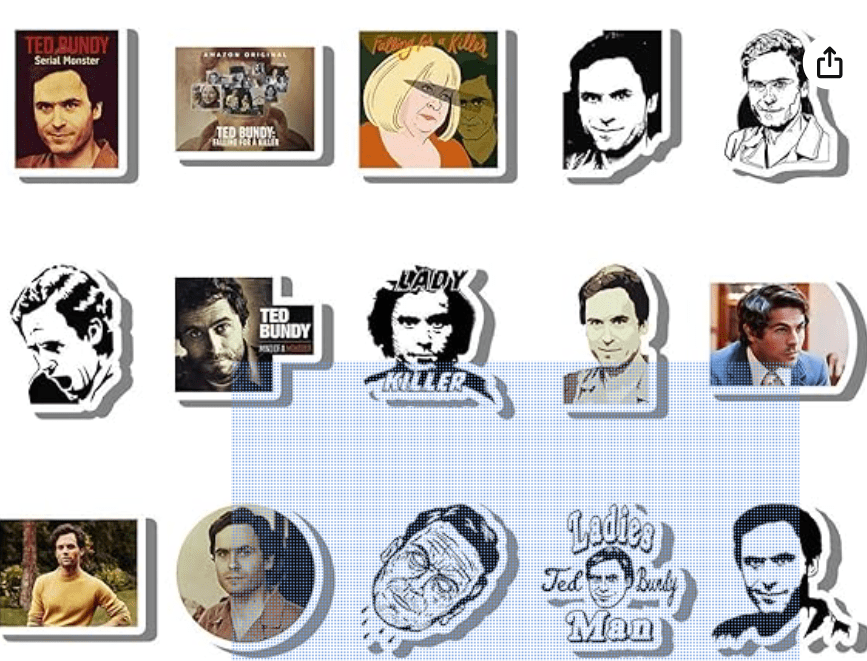
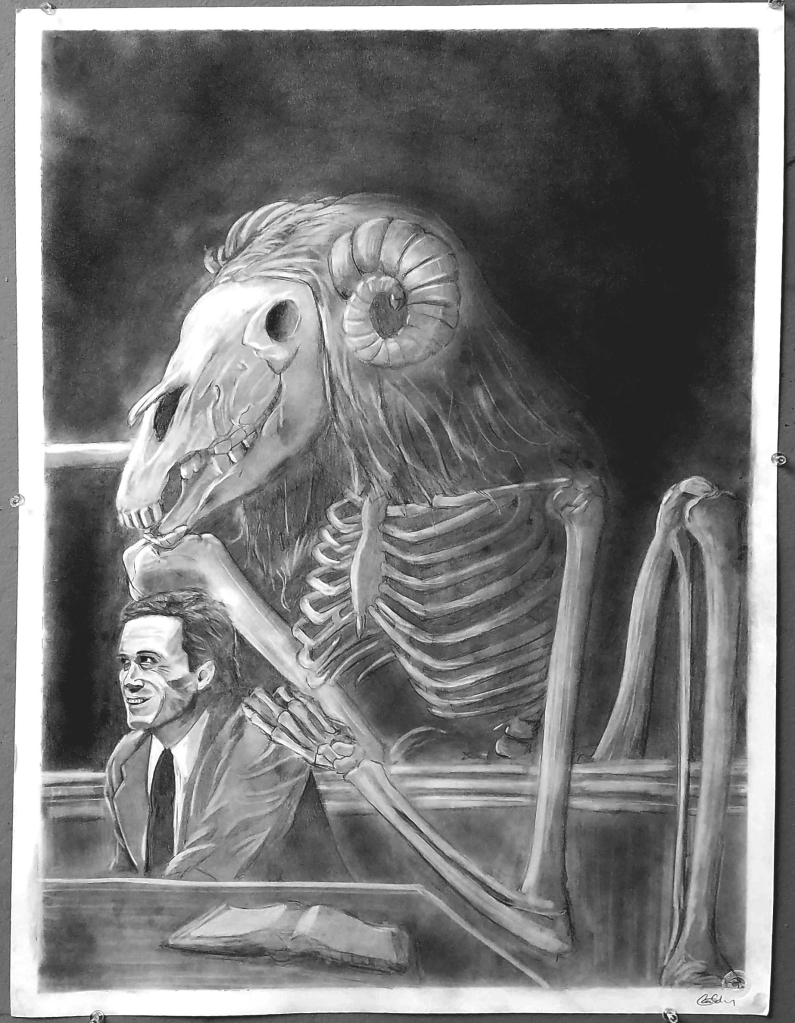
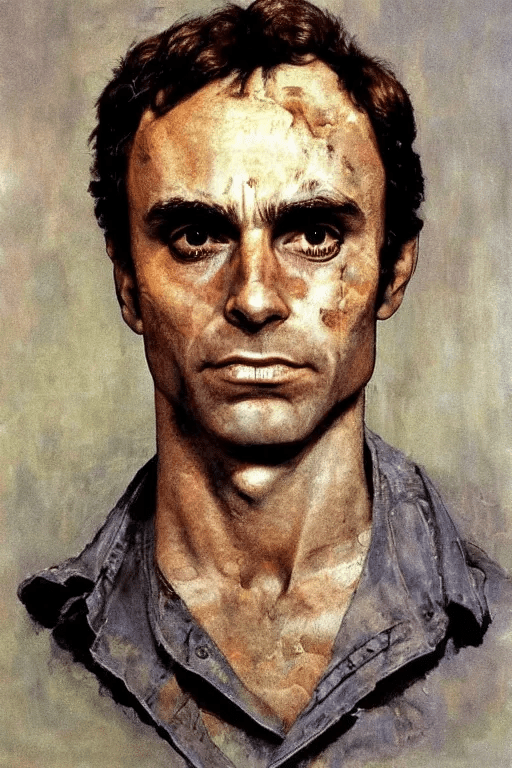
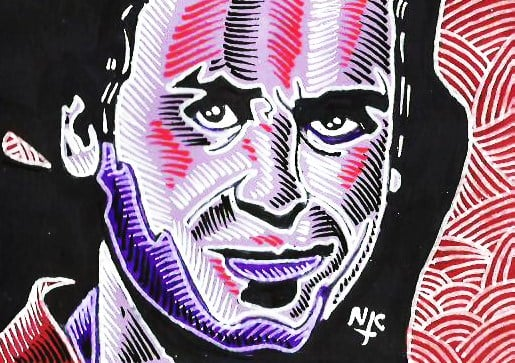
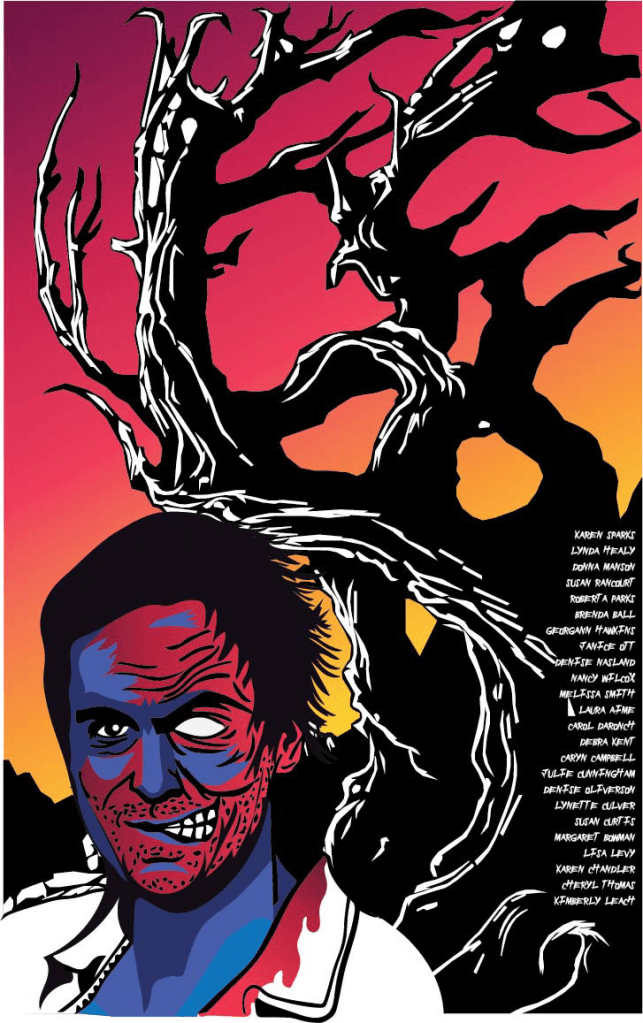
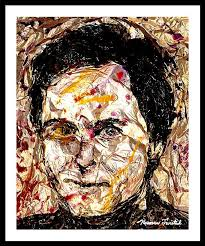
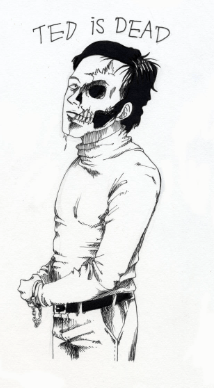
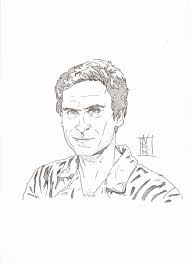
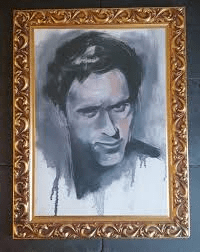
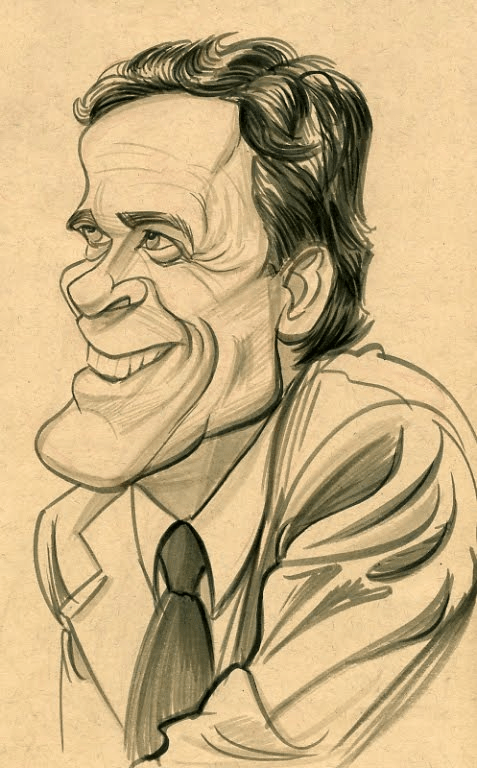
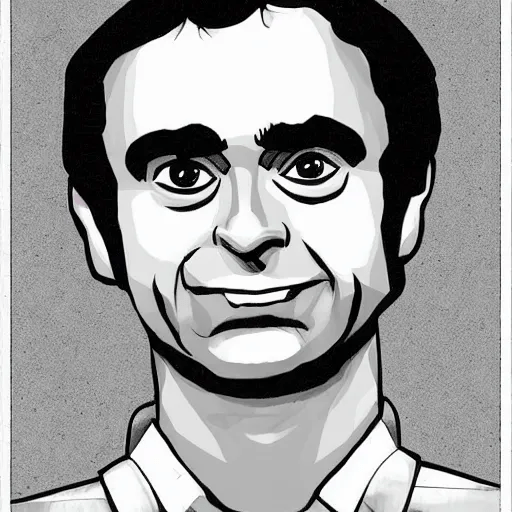
Over the years I’ve come across quite a bit of unusual artwork related to Ted Bundy, and I decided to compile the most unusual ones here. I will be updating this as I find new and interesting pictures.
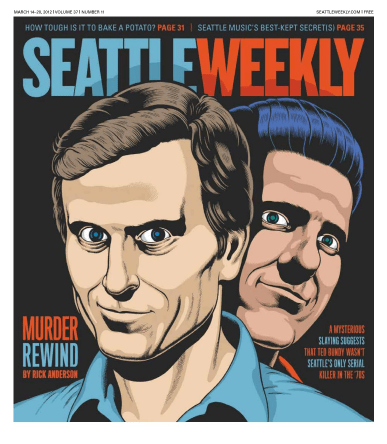
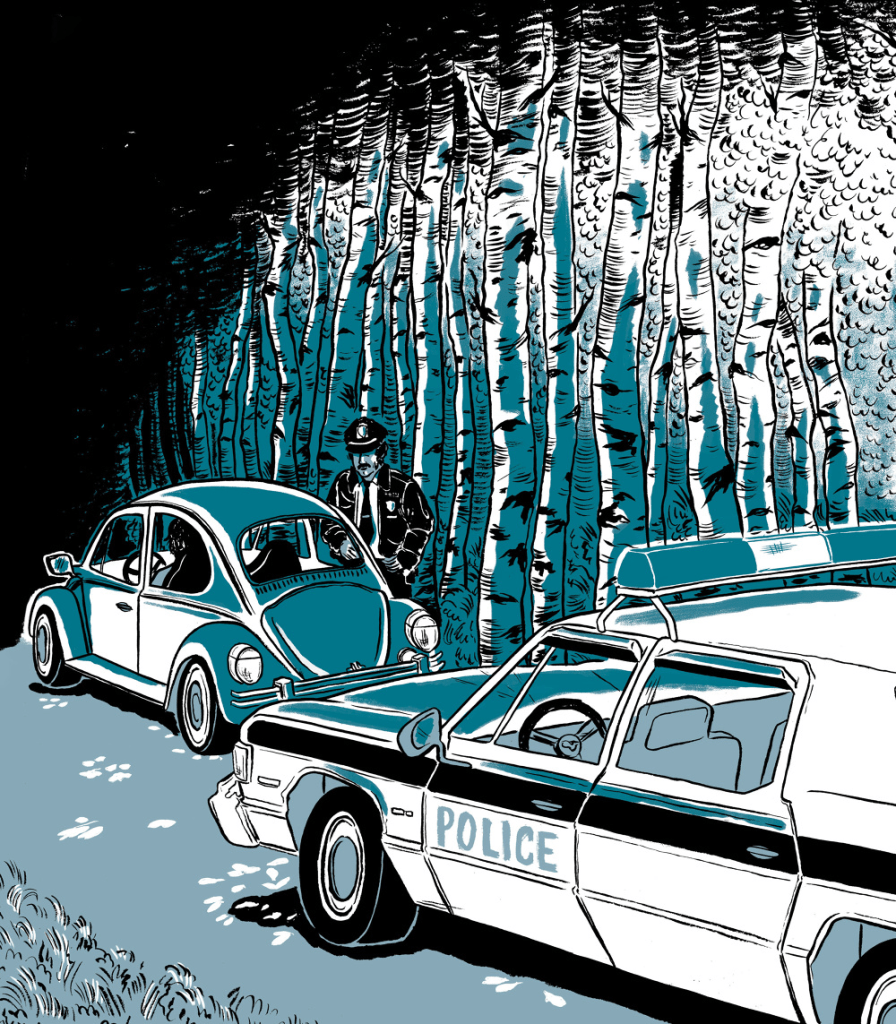
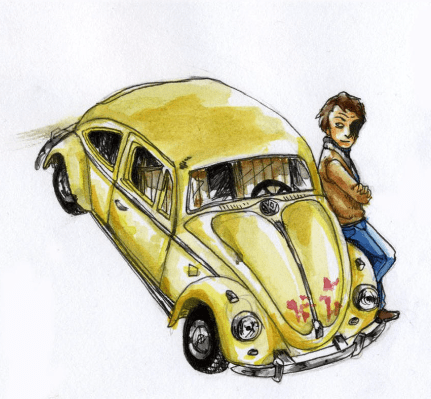
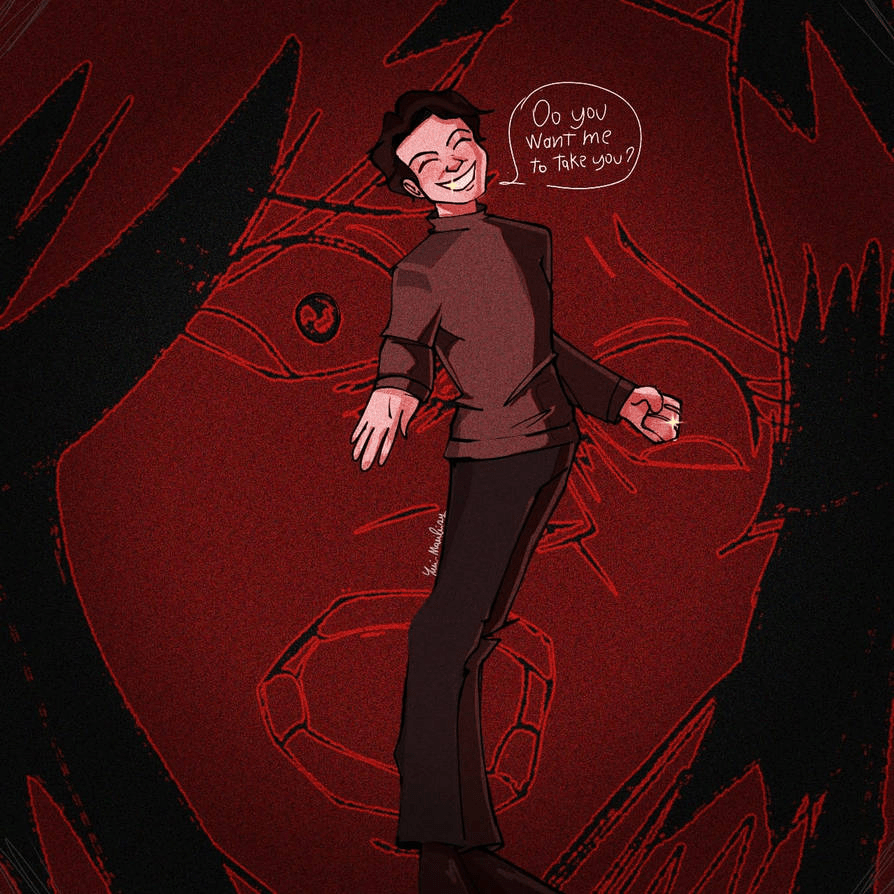
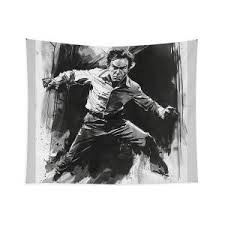
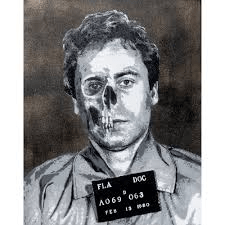
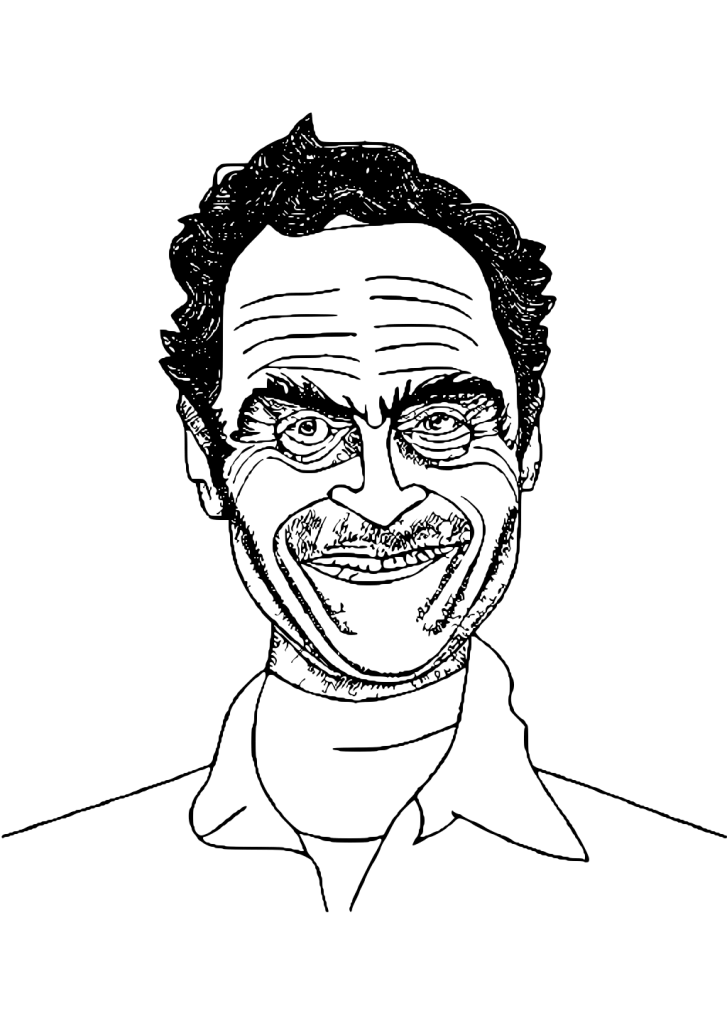
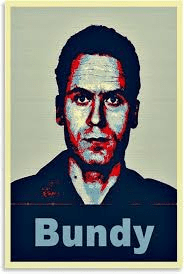
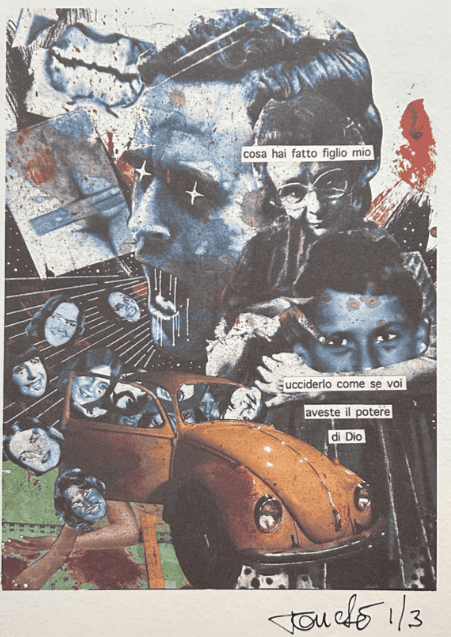
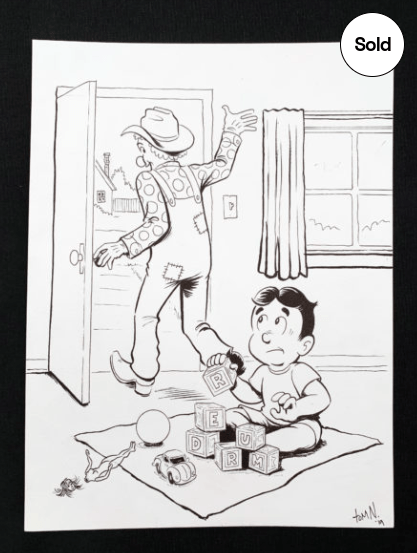
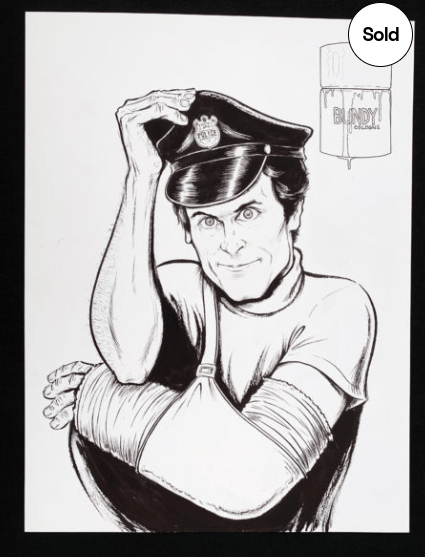
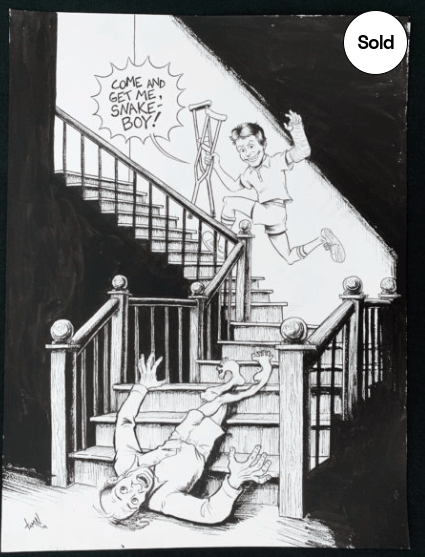
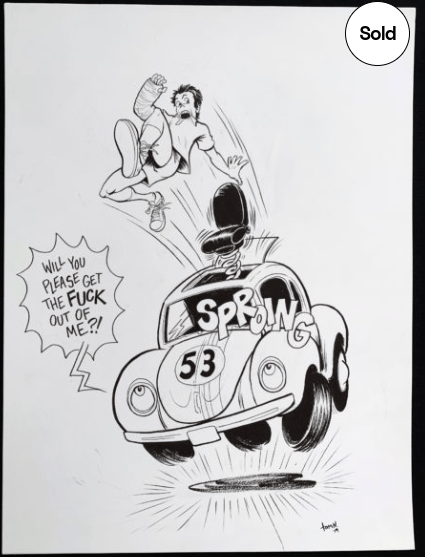
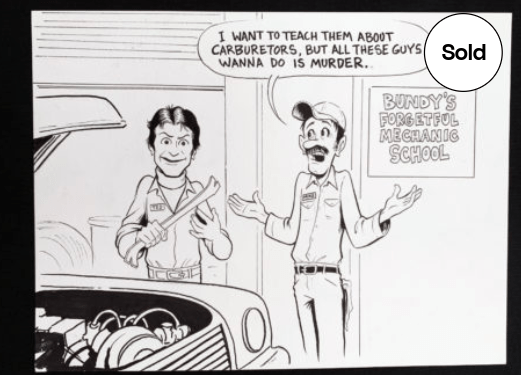
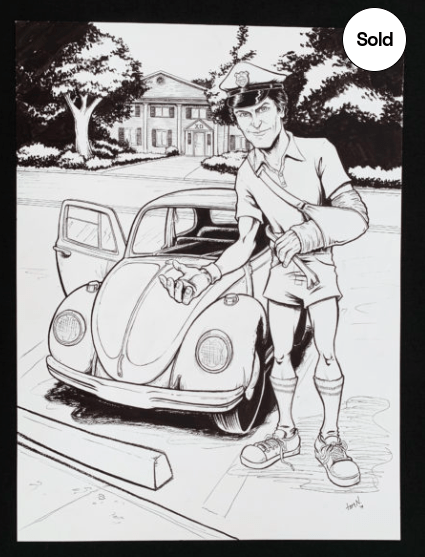
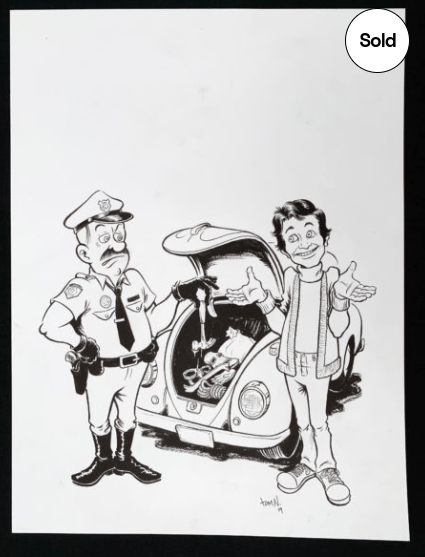
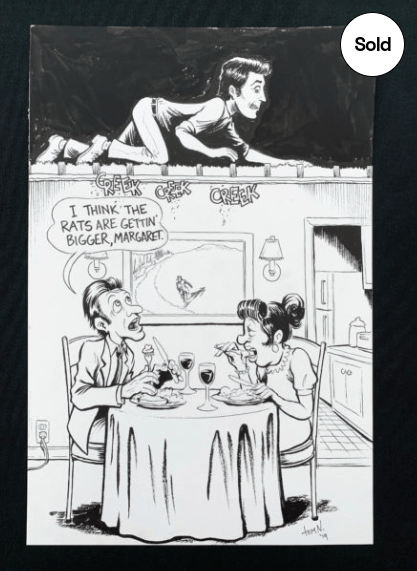
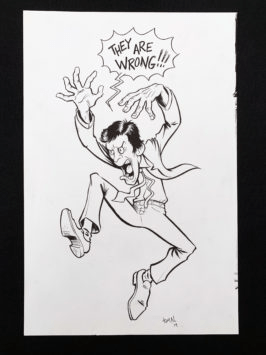
A drawing of Ted is featured on the cover of Seattle Weekly published on March 14, 2012.A fake poster featuring Ted Bundy instead of Marky Mark on a poster for the Seth McFarland movie, ‘Ted.’ Photo created by Etsy user BatRavoili.A school project done by Melody Campbell titled: ‘Ted Bundy Info-graphic.’A pretend comic book titled Lassie, which was apparently the name of Ted’s first dog. Created by Etsy user GOREjessArtCreations.The cover of ‘Hi, I’m Ted: The Serial Killer Coloring Book for Adults.’ Published by by Brian Berry, photo courtesy of Amazon.A sticker of Ted Bundy holding a crowbar, created by DeviantArt user Nupao.TB holding a crowbar created by BeHance.net user Allie Waalbearite.A TB meme.Another silly Bundy meme.It’s the end of the road for Ted: this is a cartoon created by Alexandra Beguez and is appropriately titled, ‘The End of Evil.’A second cartoon created by Alexandra Beguez.A drawing of Bundy leaning against his VW taken from a card created by Etsy user BlackMagicMedia.A drawing of Ted and his VW Beetle created by DeviantArt user Seal-of-Metatron.TB on a tarot card, called ‘the ace of Carter.’ Photo taken from ‘alcarter14.tumblr.com’An ad for a t-shirt taken from the website neatoshop.A cute comic taken from the website Alncomics, titled weird_comics_128_20208.A photo of a cartoon version of Bundy standing in front of an orangish-red VW, which is most likely the one he stole from Rick Garzaniti and was caught driving during his final arrest. Photo from Medium contributor Charles Mahoney.Whatever the fuck this thing is. Photo courtesy of Kallyn Song-Nichols.A ‘shitty shark doodle with Ted Bundy’s face on it’ (those are the creators words, not mine) taken from imgur and drawn by user SnowflakeHooker.A weird advertisement for Mercedes Benz I found on DeviantArt, created by user Brassboy212.A young Ted created by artist Bernice Steinbaum.A drawing of Ted discovering his birth certificate taken from DeviantArt and created by the user SuburbanBeatnik.The drawing in the beginning of the music video for MACABRE’s ‘Wheels on the Bus.’ Photo courtesy of Deathblow Productions. A drawing of Ted with a victim in the background. Courtesy of DeviantArt user Yuriuwu0111.A drawing of Bundy wearing a suit with his hands in his pockets created by DeviantArt user LovableNightmare.Bundy as he might look like in a Pixar movie, photo courtesy of OpenArt.ai.A TB chibi taken from the website Creative Fabrica.A TB birthday card taken from Etsy and created by user DepressiveGhoul.A TB wedding card taken from Etsy and created by user DepressiveGhoul.The front of a Bundy themed Christmas Card drawn by DeviantArt creator OliverDer.A Ted Bundy Enamel Pin from the website RatBoneSkinny.Some Bundy themed refrigerator magnets that I found sold on Amazon by user Philevathan.Ted Bundy: ‘Thank You For Coming To My Ted Talk.’ Designed by TeePublic user DankFutura.Ted Bundy’s eyes, taken from Instagram user ‘chris.honeysuckle.ellis.’TB as he would look like as a character from South Park.The album cover of a band named Ondre Care, for the track name Ted Bundy.An album cover titled Tedd (not a typo) Bundy for a band named Streets Soprano.Ted Bundy applying lipstick to a severed head taken from YouTube Make-up artist She’s Been Drawing.A drawing of Bundy as well as some blood created by Vee Lary Mixed Media.A ‘saint-like’ Bundy, created by Creative Fabrica user Kristin Arnold.Ted Bundy breaking off in a million pieces, courtesy of TeePublic seller DrKooper.A picture of Ted Bundy during his second prison escape, found on the website FineArtAmerica, created by the user ‘K True-Crime.’A second picture of Ted Bundy during his second prison escape, found on the website FineArtAmerica, created by the user ‘K True-Crime.’A spray painted picture of TB with half of his face decayed. Photo courtesy of Lisa Suwansupa.Ted Bundy and his Demon Smiling in Court. Photo drawn by Redditor Kick_NarisinA drawing of Ted commenting on feeling like a vampire at times created by DeviantArt user Seal-of-Metatron.A drawing of TB from a podcast done by Captain Borax..Ted Bundy in the forefront, with the front seat of his VW in the background. It’s a lovely, monochromatic piece created by Aubree Eckhardt and found at aubreeeckhardt.com/about-this-ghoulie.Ted sitting in a lounge chair wearing a suit holding a ligature of some sort. Courtesy of the website ArtStation (titled: Ted Bundy).A fake (but eerily realistic) picture of Bundy created using AI, courtesy of OpenArt.ai.Another realistic pic of Ted using AI courtesy of OpenArt.ai.Another realistic pic of Ted using AI courtesy of OpenArt.ai.Bundy covered in blood, made with AI, taken from the website creator.nightcafe.studio and created by user Renbach.A poster of Ted found on Amazon, sold by the user ‘ZZAMUSDD.’A spooky Ted surrounded by flames made by Creative Fabrica user Don Gilman.A piece of TB artwork created by artist Nicholas Sprice.Ted Bundy Painting by Cristina Gradinaru.A painting of TB, courtesy of Etsy creator ‘ShadowlanderArt.’Ted wearing a suit created, by creator.nightcafe.studio user Poison lord.A painting of Ted created by Etsy creator DanSlayer666.Ted gripping the desk in the courtroom created by Etsy user Deepwithinthevoid.A painting of Ted created by Etsy user LittleDarkWorkshop.Ted with a colorful, pixelated background. Photo from the website creator.nightcafe.studio’ and created by the user KingBlackBeard.A picture of Ted on a t-shirt taken from the website Art Junky’s Bizarre.A piece of artwork called ‘Bundy Denial,’ painted by artist William DavidA shot of Ted with his face rotting away with his confirmed victims written on the side. Created by user Rachel Butchart on BeHance.net.A TB Canvas Painting taken from serialkillershop.A painting of Ted found on the website FineArtAmerica titled ‘Ted Bundy: Electric Poster,’ created by Norman Twisted.A picture of Bundy with melting eyes taken from Behance.net and created by user Brooke VanDevelder.I found this on the website ‘Flickr,’ it’s created by user Jasmin Visual Agnosia.A drawing of Ted created by DeviantArt user beef-tart.A photo of Ted looking like a zombie in court that I found on the website FineArtAmerica and was created by artist Justin Coffman.A drawing of Ted Bundy wearing a collared shirt and brown blazer. I found this on Pinterest but the link that took me to Instagram was bad. I’m not sure who drew this.A drawing of Ted created by DeviantArt user SuburbanBeatnick.A picture of Ted Bundy taken from DeviantArt and created by user Seal-of-Metatron.A picture of Ted Bundy taken from DeviantArt and created by user The-Real-NComics.A charcoal b&w sketch of Ted created by Etsy user DanSlayer666.A caricature of TB with an exaggerated chin and dark wavy hair courtesy of Zack Wallenfang.Bundy drawn in the style of Mike Judge, photo courtesy of OpenArt.ai.A Ted Bundy Coloring Page created by Creative Fabrica user Kristin Arnold. A drawing of Ted courtesy of Pinterest user Anastasia Ridgway.A geometric portrait of TB created by artist Christina Fairhead.A b&w drawing of Ted taken from BeHance.net created by user Allie Waalbearite.I found this from the website pixai.art made by the user Justina Maxina.An image of TB on the front of a t-shirt taken from swagshirt99.A zombified TB painted by Etsy creator DanSlayer666.A zombified TB created by Dribbble user ‘Lucian Radu.’A drawing of Ted Bundy created by DeviantArt user The-Real-NComics.A poster of Ted sold by the Amazon user RURUMING.TB with horns, image created by CV Smith.Ted rocking out in Ol’ Sparky, painting created by BeHance.net user Sonang Akbario.A painting of Bundy with the electric chair in the background by Paul Bridgman.A painting of Ted post-execution created by Nicolas Remy.A TB limited edition print featured in the Italian true crime book ‘Cronaca Nera,’ written by Le Foto Che Hanno Segnato Un’epoca.A piece titled ‘Ted Bundy’s Last Smile’ created by artist Sam Hane.A retelling of Blondie’s encounter with Bundy inspired artist Robert Williams to paint this work of art titled ‘Debbie Harry’s Fears’ (that looks like him in the middle).A drawing by artist Tom Neely titled ‘Ted Bundy, Dead Beat Dad,’ created in 2019; it recently sold for $300.A drawing by artist Tom Neely titled ‘Ted Bundy, Cologne Ad,’ created in 2019; it recently sold for $800.A drawing by artist Tom Neely titled ‘Ted Bundy: Crutch Thief,’ created in 2019; it recently sold for $500.A drawing by artist Tom Neely titled ‘Ted Bundy: Ejected,’ created in 2019; it recently sold for $800.A drawing by artist Tom Neely titled ‘Ted Bundy: Mechanic School,’ created in 2019; it recently sold for $200.A drawing by artist Tom Neely titled ‘Ted Bundy Gets Pulled Over,’ created in 2019; it recently sold for $200.A drawing by artist Tom Neely titled ‘Ted Bundy: Ski Shop Thief,’ created in 2019; it recently sold for $200.A drawing by artist Tom Neely titled ‘Ted Bundy Gets Pulled Over,’ created in 2019; it recently sold for $500.A drawing by artist Tom Neely titled ‘Ted Bundy Escapes,’ created in 2019; it recently sold for $400.A drawing by artist Tom Neely titled ‘Ted Bundy: They Are Wrong,’ created in 2019.
Thank you to my wonderful friend Erin Banks and her blog CrimePiper for this document.
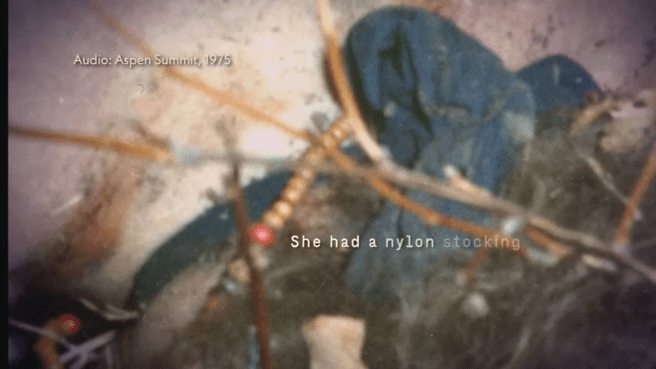
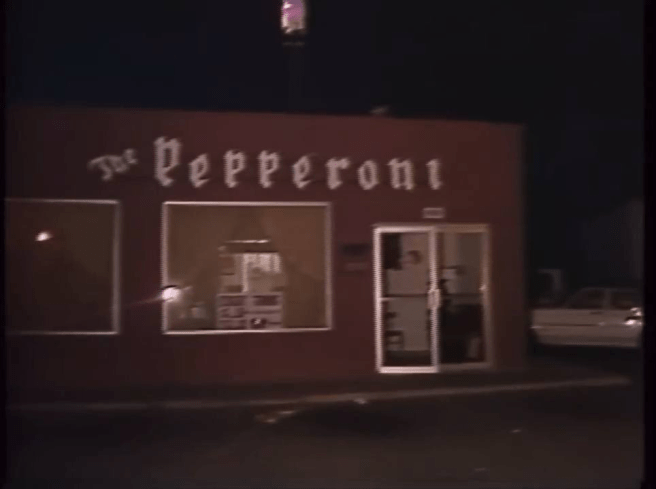
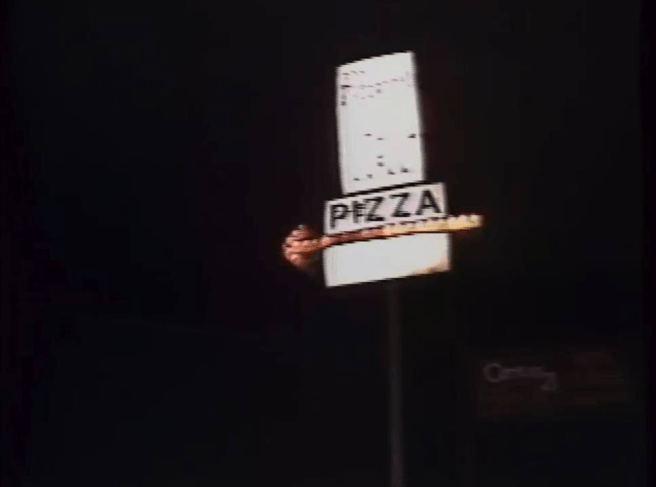
Melissa Smith, photo courtesy of ‘Hunting Ted Bundy.’The remains of Melissa Ann Smith, photo courtesy of ‘Hunting Ted Bundy.’The remains of Melissa Ann Smith, photo courtesy of ‘Hunting Ted Bundy.’The remains of Melissa Ann Smith, photo courtesy of ‘Hunting Ted Bundy.’The Pepperoni Restaurant, where Melissa Ann Smith was last seen alive, photo courtesy of ‘Hunting Ted Bundy.’A sign for The Pepperoni Restaurant, where Melissa Ann Smith was last seen alive, photo courtesy of ‘Hunting Ted Bundy.’
Back in April I began the process of requesting the case files related to the murder of Katherine Merry Devine from the Thurston Co. Sheriff’s Department out of Washington state. I found the entire ordeal to be not only simple but also incredibly inexpensive, so logically I thought to myself, ‘what else can I get from these fine people?,’ and after looking into it I realized that confirmed Bundy victim Donna Gail Manson was also abducted from the same county. These are the documents that they sent me. Last night I registered with neighboring King County and requested some documents from them as well. This is outstanding.
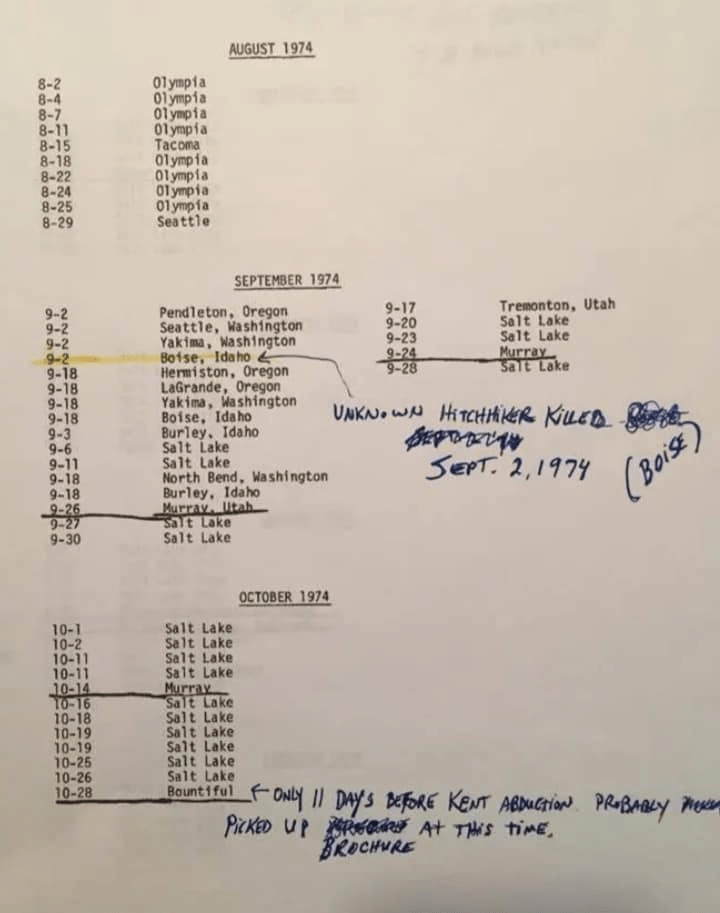
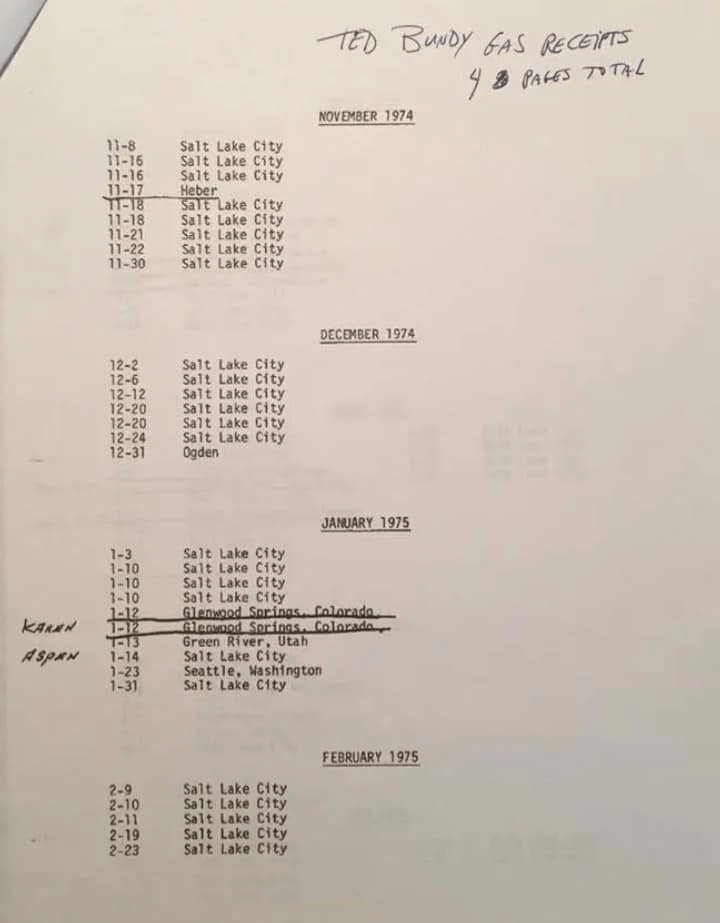
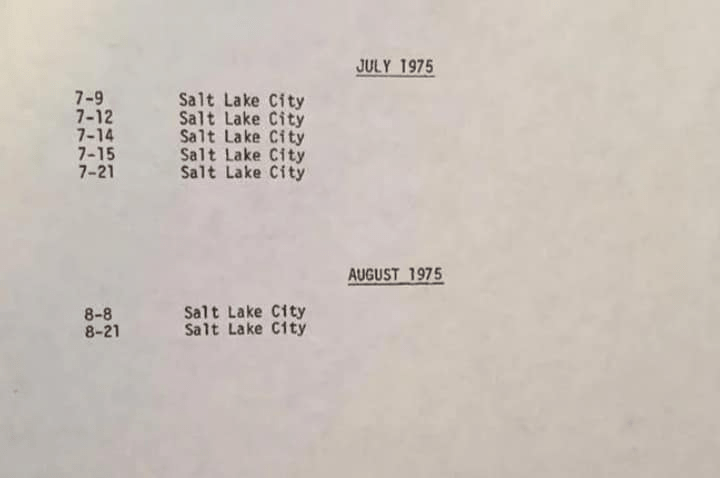
I have been searching for Bundy’s gas receipts for YEARS. I’ve always struggled with insomnia, and last night at around 4 AM found a TB website I never came across before and read through EVERYTHING. Thank you to the ‘Ted Bundy Archives’ WordPress page and Kevin Sullivan for this information.
TB gas receipts August 1974 to October 1974. Photo courtesy of Kevin Sullivan.TB gas receipts November 1974 to February 1975. Photo courtesy of Kevin Sullivan.TB gas receipts March 1975 to May 1975. Photo courtesy of Kevin Sullivan.TB gas receipts in July and August 1975. Photo courtesy of Kevin Sullivan.
Here is the .PDF file I found from the fbi.vault.gov website. You can find them in there, but I wanted to include them here as well in a continued effort to be a one shop stop.
In 2004 a California jury found Scott Peterson guilty of killing his 27-year-old pregnant wife, Laci and their unborn son, Conner after a five-month long trial. Since then, he’s had multiple (failed) attempts at an appeal but was successful in getting his death penalty conviction overturned in favor of life imprisonment without the possibility of parole. However his latest attempt (taken up by the Los Angeles Innocence Project) claims that there is untested DNA evidence that is just sitting out there that could help prove that someone else killed Laci and Connor. Prosecutors disagree with him and came up with this 337-page rebuttal opposing his motion for new DNA testing, describing the ‘overwhelming’ case against him that earned him a guilty verdict in the first place.
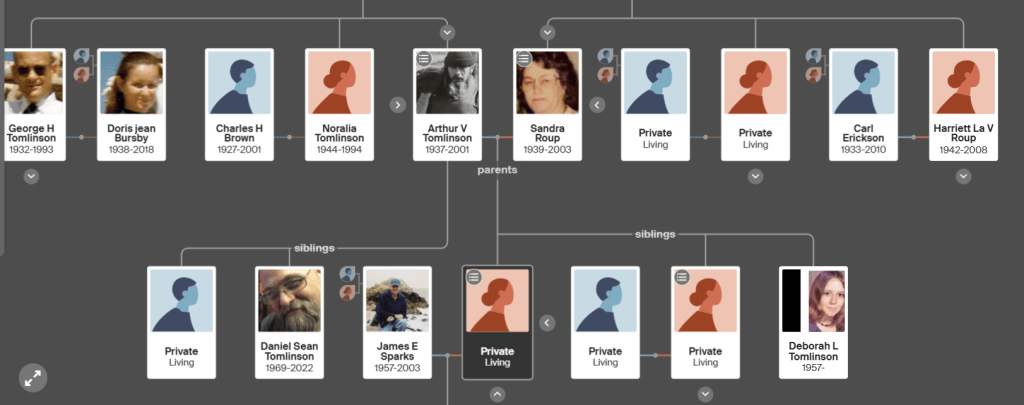
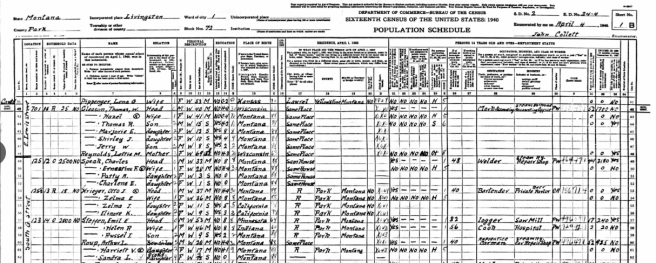
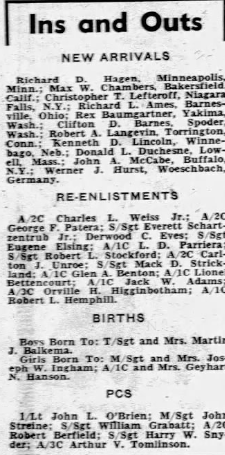
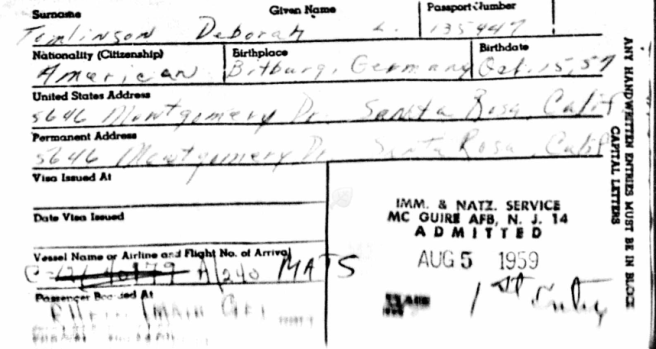
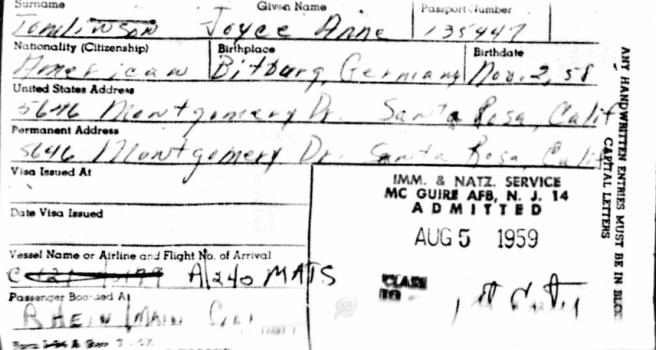
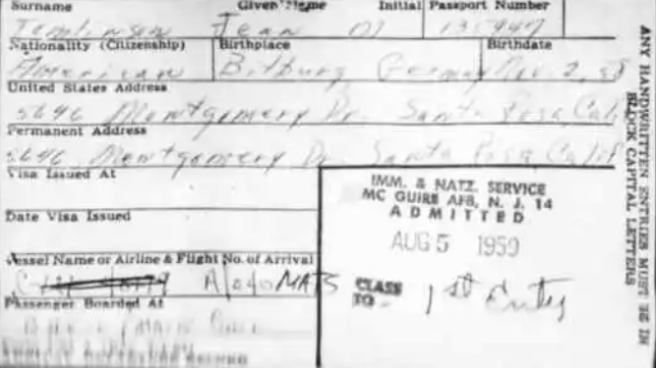
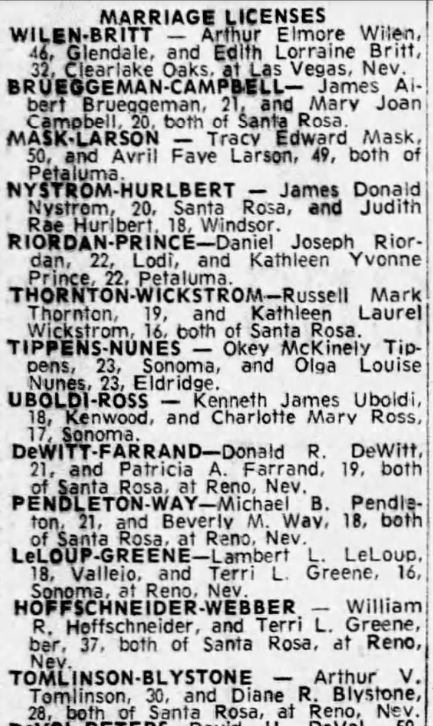
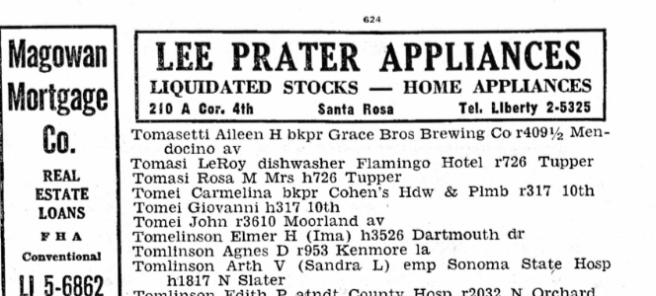
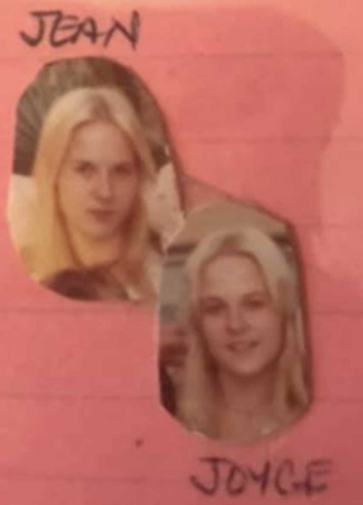
Deborah Lee Tomlinson was born on October 15, 1957 in Bitburg, Germany to Arthur and Sandra (nee Roup) Tomlinson.Arthur Vernon Tomlinson was born on September 22, 1937 in Modesto, California, and Sandra Lee Roup was born on December 31, 1939 in Livingston, Montana. According to the Tomlinson family tree, the couple had three daughters together: Deborah and her twin sisters, Jean and Joyce (b. 1958). At some point they divorced, and Mr. Tomlinson was briefly married again in 1968 (they quickly parted ways; he went on to have a relationship with Sally Morphisand in 1969 they had a son together named Daniel. He got married to Shelley Williams on August 30, 1975 in Orange, CA but their union also didn’t last long, and they split up in February of the following year. Mr. Tomlinson was married for a fourth time, and the couple had a son together. Sandra got remarried to Henry Nelson on May 10, 1963 in Billings, Montana.
After their parents parted ways Deborah, Jean, and Joyce went to live with their father and stepmother in California, and Sandra relocated to Oregon. Because of their parents’ divorce the girls were separated from their mother at a very young age, which Joyce felt prevented them from forming a strong bond because she wasn’t given a chance to raise her own babies.
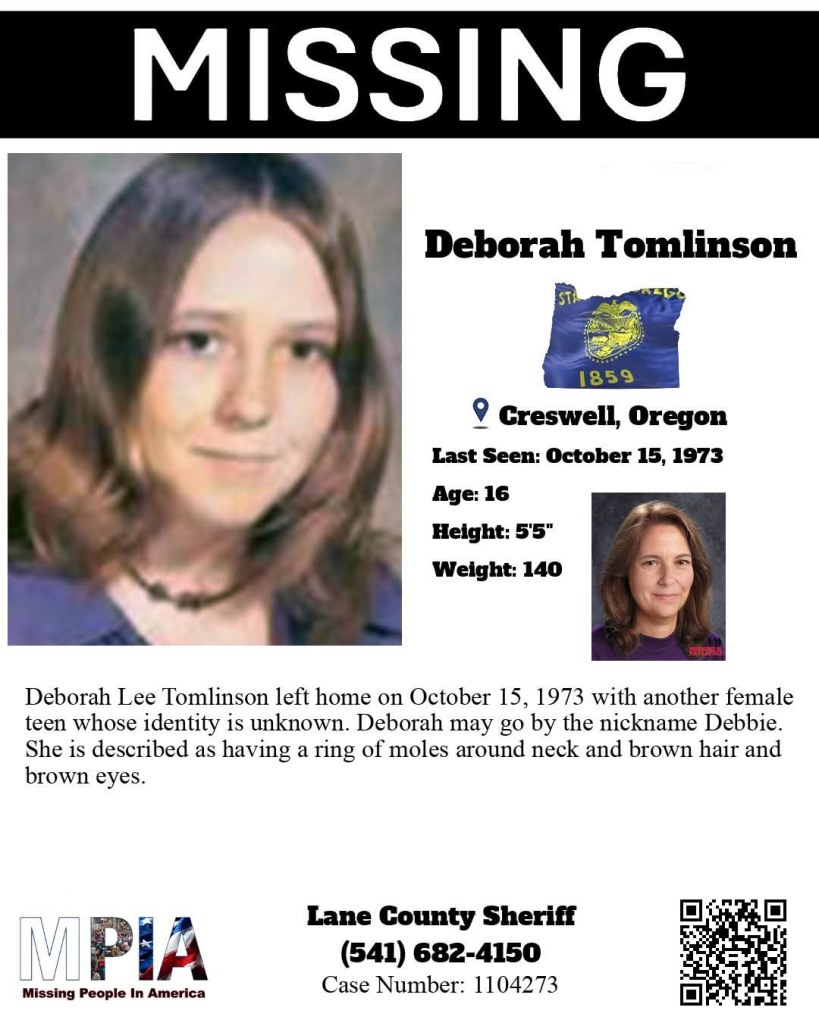
According to most reports online, Deborah Lee Tomlinson disappeared from Creswell, Oregon** on her sixteenth birthday on October 15, 1973.Creswell is an incredibly small town with only one high school, and according to the 1970 census the reported population was made up of a mere 1,199 people (it went up to 5,031 in 2010). Referred to as ‘Debbie’ by family and friends (per Joyce, she hated being called ‘Deb’), Tomlinson had brown eyes, stood at 5’5” tall, and weighed 140 pounds (Joyce felt she may have been slightly heavier); she wore her golden-brown hair at her shoulders and had a ring of moles around her neck. In the initial days following her disappearance investigators strongly believed that she was a runaway,whichmost likely explains why I couldn’t find any newspaper reports or media coverage on her. One of the only other real takeaways I could find regarding her case was that she disappeared with an ‘unidentified teenage friend.’
** After I initially wrote the article on Deborah in April 2024 I was contacted by her sister Jean, and more recently Joyce. Both sisters were kind enough to help fill in some of the gaps in their family background and were able to provide me with some of their thoughts regarding her disappearance. According to Jean, their Aunt Helen told them in more recent years that Deborah had ran away from Eugene, not Creswell, and at one point the family had been contacted by a friend that claimed they had seen her in Santa Rosa, CA with ‘a black guy,’ which was a big deal as their father didn’t approve of people of color (Joyce also said she was there visiting a friend named Lyn). The family member also volunteered that they thought she may have been pregnant at the time as well, but nothing ever came out of that. About this alleged sighting, Joyce doesn’t feel it’s true, as that’s where their grandmother lived and Deborah would never have left the area without paying her a visit, especially if she had been pregnant (the two were especially close).
According to Jean, after their parents split up the girls were raised by their father in California, but because Deborah’s didn’t get along very well with their stepmother she had moved to Oregon to live with their mother (who she also clashed with). She also said that at the time her sister disappeared she seemed mostly happy but had been in a bit of a transition period in her life and may have been under the impression that moving out of state may have resulted in more lenient rules, but that wasn’t the case.
According to Joyce, Debbie was simply acting like any other teenager, doing things like sneaking out at night and smoking: one evening in a quick moment of anger their dad announced that he was pulling a ‘Pontious Pilot’ and was ‘washing his hands of her.’ When she left home Joyce said somehow she knew it would be the last time that she ever saw her, and to this day she struggles with her feelings towards her father about that event. Additionally, she strongly suspects that a missing person’s report was never filed in the days after she was last seen, as she never came across one after contacting local Oregon law enforcement. Because of this, I strongly feel that Debbie didn’t disappear exactly on October 15, 1973, and most likely vanished sometime around it.
Jean shared with me that in the years following her sister’s disappearance neither one of their parents wanted to talk much about her, as it brough up too many painful memories. Because of this she told me that she doesn’t know as much about her as she would like to, but she does know that Debbie loved rock n ’roll music and had gotten caught sneaking out at night several times while she still lived with them in California.
Shortly after Deborah disappeared Joyce told me that their stepbrother had reached out to let her know about a formerly missing woman had been found murdered that happened to have some moles around her neck in a pattern similar to Debbie’s (which she said appeared to be ‘almost like a spaced apart, like a necklace’); it obviously turned out not to be her.
When I asked if perhaps Debbie had run off with a guy, Jean shared with me that was what most likely happened, despite the fact the sisters weren’t allowed to date until they were sixteen. Regarding her feelings on the recent ‘genetic genealogy’ craze and if she thought it could help solve the mystery of what happened to her sister, she said that she has never been contacted by LE about it, however at one point she was told by the National Center for Missing & Exploited Children that any records possibly related to Deborah were destroyed in a fire.
In 1984 Joyce and her husband took a road trip with their grandkids to visit their great-grandmother and Hank, and while there her stepfather shared that he caught Debbie sneaking out one night and she had been smoking marijuana. He told them that this freaked him out and he tried to do a ‘scared straight’ type intervention and had reached out to the local county sheriff (who had happened to be a friend of his), who had come to the house and had a conversation with his teenage stepdaughter; Debbie disappeared shortly after that.
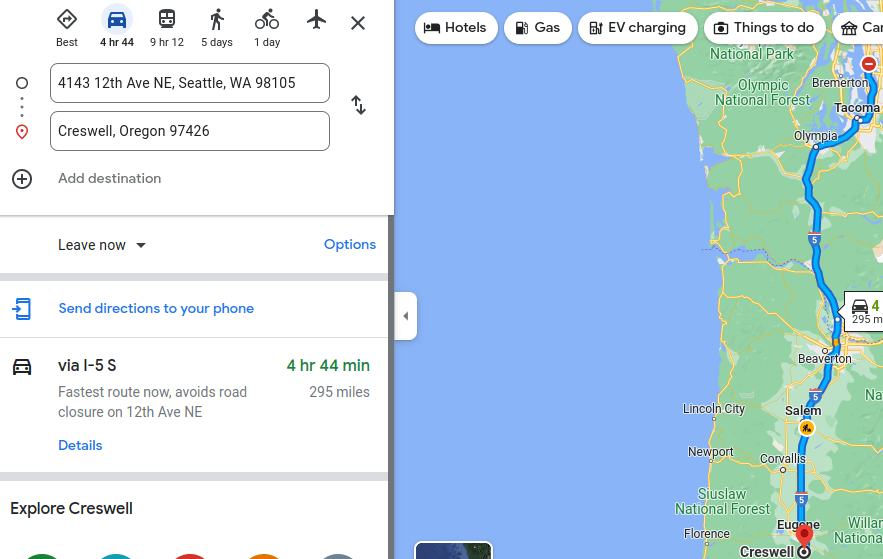
At the time Tomlinson disappeared in October 1973, Ted Bundy was living at the Rogers Rooming House on 12th Avenue Northeast in Seattle, and where it was a five-hour drive (one way) from his residence to Eugene/Creswell, we know he had no problem with traveling long distances to look for prey. Despite being in a long term, (supposedly) monogamous relationship with Liz Kendall, while on a business trip with the Republican Party to California in the summer of 1973 he rekindled his romance with one time girlfriend Diane Edwards. Ted’s former flame visited him in Seattle on multiple occasions in the latter part of the year, and the couple at one point were even briefly engaged… but the happy times didn’t last long, and in January 1974 he abruptly and without reason cut off all contact with her.
On top of juggling two women, in September 1973 Ted enrolled in law school at the University of Puget Sound, and according to the ‘TB MultiAgency Investigative Team Report 1992,’ on Monday, October 15, 1973 when Tomlinson disappeared, he was in class. Additionally, at the time he was in between employment: in September 1973 he was the Assistant to the Washington state Republican chairman and remained unemployed until May 3 of the following year when he got a position with the Department of Emergency Services in Olympia.
In addition to Ted Bundy multiple other serial killers roamed the Pacific Northwest in the early to middle 1970’s: the first one (aside from Ted) that popped in my head was Warren Leslie Forrest, a double murderer that has been sentenced to two life terms in prison for the murders of Krysta Blake and Martha Morrison in 1974; he is also considered the prime suspect in at least five additional murders and disappearances going back as far as 1971. He has been in police custody since 1974 and on February 4, 2023 he was convicted on another murder count after DNA linked him to the murder of Martha Morrison.
On June 8, 1961, Portland police received a call from a housewife whose dog had returned home with a human foot in a paper bag, and when detectives went to her home the animal came back with a hand. Upon investigating, LE found several additional body parts around the woman’s neighborhood, and all of the appendages were deemed to be fresh and were completely drained of blood. Police went through local missing people’s reports and came across the file of twenty-three year old Joan Caudle, a housewife and mother of two that had recently been reported missing by her husband (who of course was an immediate suspect).
Joan’s husband told detectives that where she wasn’t normally a big drinker she had been a bit depressed recently because her mother had been sick, therefore there was a chance she had been at a bar having a few. Police then tracked down a barfly that had a string of arrests for public drunkenness and she told them she had been in a bar on the night of June 7 and met a man going by the name Marquette. The pair had seemingly hit it off when a woman approached them and stole his attention away, and when detectives showed the eyewitness a photograph of Joan Caudle, she said that was definitely the same woman from the bar.
Upon his arrest Marquette admitted that he raped and murdered the Portland housewife then he drained her blood, dismembered her body, and left her head to rot in the woods. Despite being found guilty of first degree murder the jury recommended leniency, and Marquette was sentenced to life in prison.After serving only eleven years of his sentence (during which he was described as a model prisoner), he was released on parole in 1973.
Not even two and a half years after Marquette was released on parole in April 1975, a fisherman discovered a mutilated corpse floating in a Willamette River slough in Marion County, Oregon; it had been bled dry and had been dismembered. Detectives determined the remains were those of thirty-seven-year-old Betty Lucille Wilson (one report said she was thirty-five), a North Carolina native who led a life of extreme poverty and had seven children since marrying her abusive husband at the age of 16. At the time she was killed she was living in an abandoned school bus.
While he was confessing to Wilson’s murder, Marquette also shared with detectives that he killed a second woman in a similar fashion sometime in 1974, and he led them to two shallow graves where he had disposed of the bulk of the remains. Unfortunately because the head was never found, there was no way the victim could be identified, and Marquette admitted that he didn’t know who she was. Her identity remains unknown.
Within a five-month period in the latter part of 1973 five young women went missing in Oregon, and three more were found murdered: first was Rita Lorraine Jolly, who disappeared on June 29 while taking a nightly walk in her West Linn neighborhood; her remains have never been found. On July 9, 1973 the body of Laurie Lee Canaday was recovered in the middle of the road at the intersection of Southeast Scott Street and McLoughlin Boulevard in Milwaukee,OR. Next was seventeen-year-old SusanWickersham from Bend on July 11; her body was discovered in January 1976, only five miles south of her hometown; she had suffered a gunshot wound to the head. Additionally, sometime in July 1973 fifteen-year-old Allison Lynn Caufman of Portland died as a result of head injuries after she was shoved from a car moving at a high rate of speed.
On August 20, 1973 twenty-four-year-old Illinois transplant Vicki Lynn Hollar was last seen getting in her black 1965 Volkswagen Beetle (with the running boards removed) after she left her place of employment at the Bon Marché in Eugene, where she had been working as a seamstress for about two weeks. It’s thought that she was headed home to her apartment, as she had plans of meeting up with a friend to attend a party in her neighborhood later that evening (she never showed up). Friends shared with police that she had a habit of picking up hitchhikers; her VW and personal belongings have also never been recovered. Just three days later on August 23, 1973, Gayle LeClair was found stabbed in her apartment in Eugene, OR. The twenty-two year old had recently moved to the area after she got a job at the Eugene City Library.
Just six days after Deborah Tomlinson was reportedly last seen, thirty-two-year-old VirginiaErickson disappeared from Sweet Home on October 21, 1973; although it’s never been proven, evidence points towards her husband being her killer and that it most likely took place while the two were ‘out on a hunting trip.’ Lastly, we have twenty-three-year-old divorcee Suzanne Justis, who went missing on November 5, 1973. From Eugene, Justis had hitchhiked to Portland (despite owning her own car), and had called her mom from a payphone outside of the Veterans Memorial Coliseum to let her know that she would be home the next day to pick up her son from school; she never showed up. Not one case has been solved.
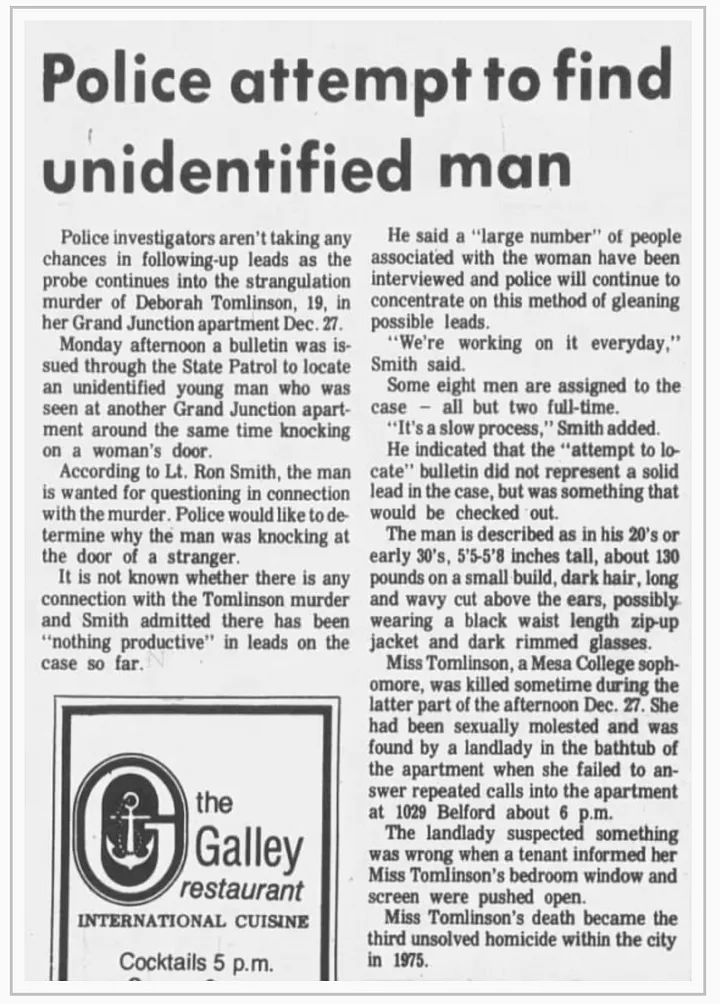
Strangely enough, there was another young woman with the same first and last name as Deborah that had been brutally killed a little over two years after she was last seen in Colorado: nineteen-year-oldDeborah Kathleen Tomlinson was murdered in her apartment complex on Belford Ave in Grand Junction on December 27, 1975. In the days that followed her murder, detectives quickly exhausted all leads and the investigation quickly went cold. Forty-five long years went by. In an article published on December 3, 2020 by the website ‘WesternSlopeNow,’ the Grand Junction PD announced a break in the case: they had partnered with a DNA Technology Company calledParabon to analyze the unknown semen and blood that had been found with the victim at the original 1975 crime scene.
About the process, Parabon’s Chief Genetic Genealogist CeCe Moore said that they analyze ‘the DNA, so we can look at 850,000 genetic markers that will allow us to predict relationships that are distant.’ Also, just as a side note, Moore is the scientist that helped solve the 1971 murder of Roman Catholic schoolteacher Rita Curran out of Vermont (who up until recently was also an unconfirmed Bundy victim). After the samples that were collected from the original 1975 crime scene were processed, Parabon built a family tree using public records in an attempt to identify the unknown person-of-interest, and it was concluded that a man named Jimmy Dean Duncan killed Deborah K. Tomlinson. As ofApril 2024, law enforcement has found no connection between Duncan and Tomlinson, but found that he had a family member that lived close to the college she was attending at the time of her death. Detective Sean Crocker from the Grand Junction Police Department commented that ‘we believe Mr. Duncan visited this relative, and that’s how possibly he could’ve encountered Ms. Tomlinson.’ Jimmy Dean Duncan passed away in 1987.
Arthur Tomlinson died at the age of sixty-four on January 29, 2001 in Las Vegas, NV. Deborah’s mother Sandra Lee Nelson passed away from lung cancer at the age of sixty-three on February 2, 2003, and according to her death certificate, she had been the owner/operator of a café. Sandy’s husband Henry died on March 16, 1994 at the age of 54, most likely in a medical facility in Spokane, WA. Deborah’s brother Daniel Sean Tomlinson died in 2022 at the age of fifty-three in California.
Deborah’s sister Jean retired after almost twenty years in the RV Business in November 2023, and she currently lives in Henderson, Nevada with her husband of almost twenty years, Dave. In 2019 Joyce retired from the Bureau for Child Support Enforcement with the State of West Virginia, and was married to the love of her life until he passed away on May 26, 2003. She currently resides in St Thomas, Pennsylvania. If Deborah was anything like her sisters, she was a kind, compassionate person that would have done a lot of good in this world.
In the years following Deborah’s disappearance the twins remain close, although Jean admitted her disappearance has been incredibly hard on their family. She also confessed that a small part of her always thought her big sister would reach out to one of them when they were adults, after everyone had grown up. More than anything they want closure, and at the very least wish they had a body to properly lay to rest so their sister could be with the rest of their family. Debbie would have been an aunt and great aunt multiple times over, and it’s heartbreaking to think of her never getting to meet either of her brother-in-laws, or nieces and nephews. As of October 2025, Deborah Lee Tomlinson’s case remains open and she would be 68 years old. Joyce said that the family’s DNA is on file with the NCMEC website.
* In October 2025 I finally came across the Tomlinson family’s Ancestry page, which helped give me a lot of background into Deborah’s family life and background. I also updated the article with information from an interview that I did with her sister Jean in February 2025 as well.
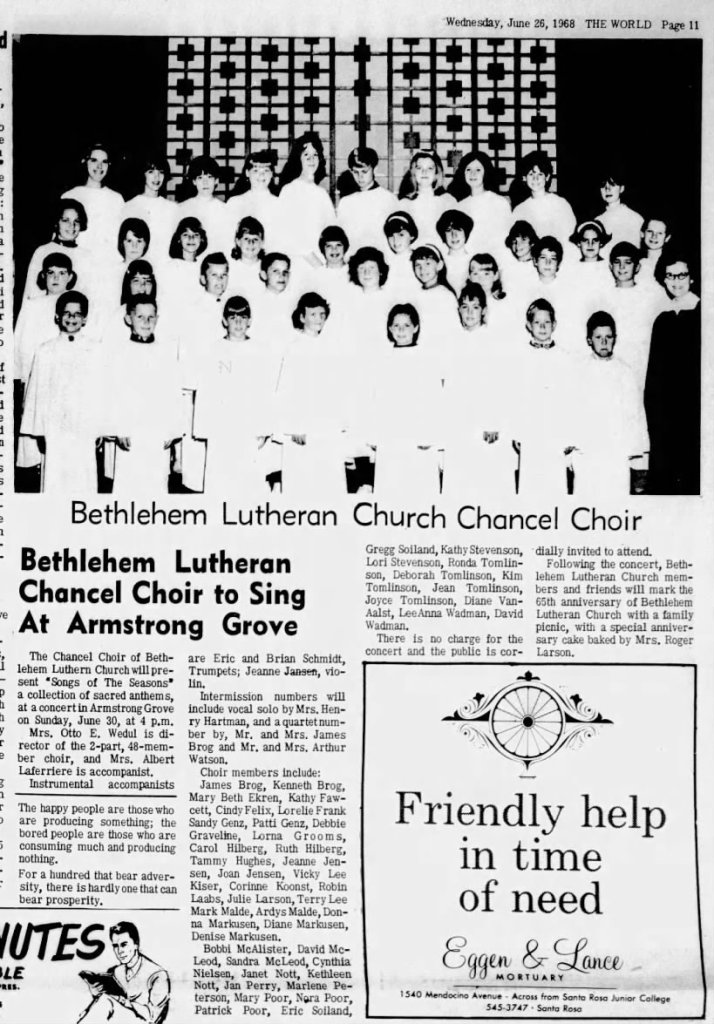
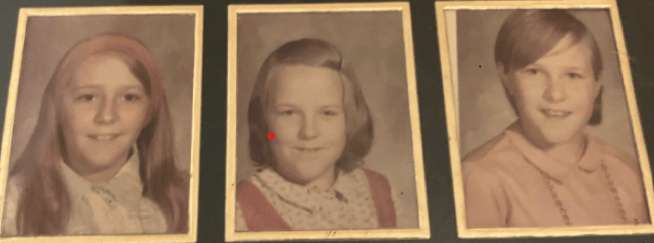
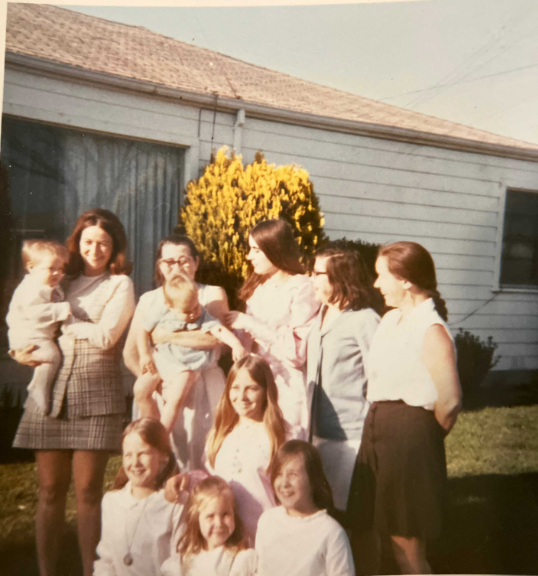
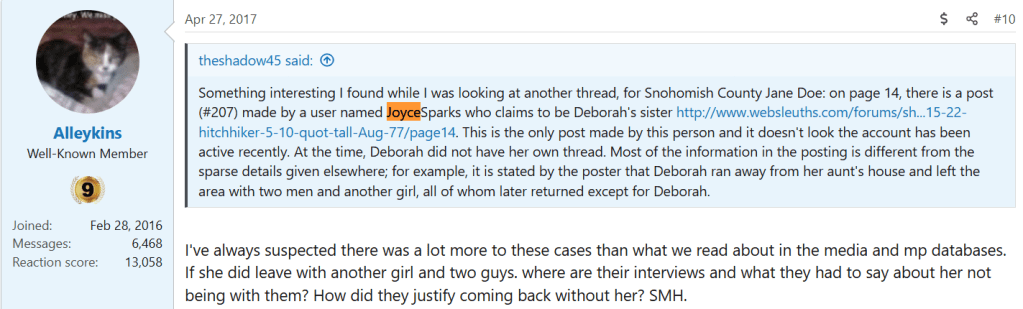
A missing persons poster for Deborah.The girls standing with their dad and Aunt Jean, who Joyce said they were all especially fond of; sadly right after this picture was taken she moved to Virginia. Photo courtesy of the Tomlinson family archives.The three sisters in a picture during their time in the Bethlehem Lutheran Church Chancel Choir that was published in The Rohnert Park Cotati Clarion on June 26, 1968.Deborah (on the far left), Joyce, and Jean. Photo courtesy of the Tomlinson family archives.Some members of the Tomlinson family; it looks like Deborah and her sisters are in the front. Photo courtesy of the Tomlinson family archives.Tomlinson before she disappeared in 1973.What Debbie Tomlinson might have looked like at the age of 53 using age progressing technology, photo released on July 21, 2011.What Debbie Tomlinson might have looked like at the age of 58 using age progressing technology, photo released on June 28, 2016.According to the ‘Ted Bundy MultiAgency Investigative Team Report 1992,’ on October 15, 1973 when Tomlinson disappeared Bundy was supposed to be in class at The University of Puget Sound in Tacoma. Bundy’s fall 1973 law school schedule from the University of Puget Sound.Bundy’s route from where he lived at the Rogers Rooming house to Creswell, OR.Warren Leslie Forrest.A more recent picture of Warren Leslie Forrest.Warren Leslie Forrest’s van.Richard Laurence Marquette.A list of some other missing girls from Oregon from 1969-78. Tomlinson isn’t even listed.A comment on a Websleuth’s page about Deborah’s disappearance made by Joyce Sparks on October 16, 2013.A comment on a Websleuth’s post about Deborah Tomlinson made by user ‘Caring1.’A Websleuth’s comment on a post about Deborah made by a user named ‘theshadow45’ on August 27, 2017.A Websleuth’s comment on a post about Deborah made by a user named ‘Alleykins’ on August 27, 2017.Deborah Kathleen Tomlinson.An article about the murder of Deborah Kathleen Tomlinson published by The Daily Sentinel on January 14, 1976.The Tomlinson family tree, courtesy of Joyce Tomlinson.Deborah’s grandmother Nora and her father, Arthur. Photo courtesy of the Tomlinson family archives.Deborah’s father, Arthur Vernon Tomlinson. Photo courtesy of the Tomlinson family archives.Deborah’s mother listed in the 1940 census.Arthur Tomlinson from the 1951 Westwego High School yearbook.Deborah’s father listed in some Baptism’s that took place in New Orleans, Louisiana in 1951.An article about Mr. Tomlinson’s time in the military in Great Falls, Montana published in The Malmstrom Minuteman on May 25, 1956.A passport log for Deborah’s mother Sandra dated August 5, 1959.A passport log for Deborah, dated August 5, 1959.A passport log for Deborah’s sister Joyce dated August 5, 1959.A passport log for Deborah’s sister Jean dated August 5, 1959,Arthur Tomlinson in a list of people applying for a marriage license published in The Press Democrat on January 11, 1968.Mr. Tomlinson’s address; according to this, he was employed at Sonoma State Hospital at the time.Arthur Tomlinson and his second wife listed in the CA Divorce Index, 1966-1977.Jean and Joyce Tomlinson. Photo courtesy of the Tomlinson family archives.Some of the Tomlinson family at Jean’s wedding. Photo courtesy of the Tomlinson family archives.Some members of Deborah’s family at Joyce’s wedding. Photo courtesy of the Tomlinson family archives.Mr. Tomlinson’s second wife, Shelley.Henry Nelson’s obituary published in The Montana Standard on March 17, 1994.Deborah’s mothers death certificate.Deborah’s half-brother, Daniel Sean Tomlinson.Deborah’s half-brother, Daniel.Deborah’s baby sisters, Joyce and Jean.Deborah’s sister Jean and her husband, Dave.
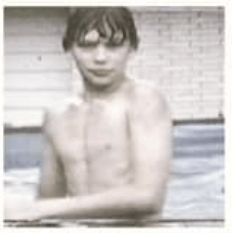
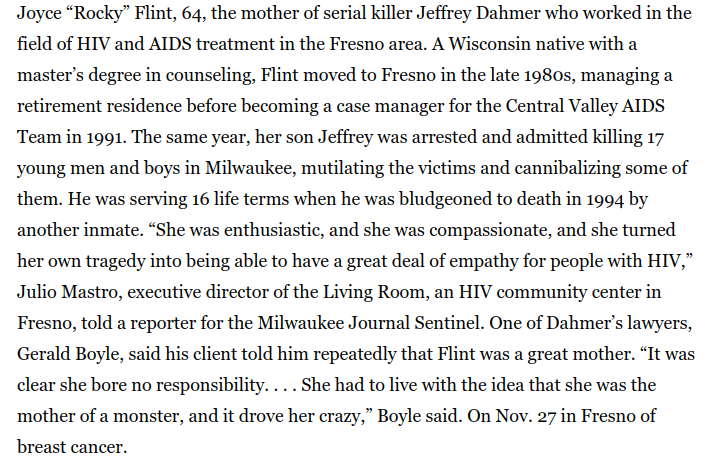
Jeffrey Lionel Dahmer was born on May 21, 1960 to Lionel and Joyce Dahmer in Milwaukee, Wisconsin; he was the oldest of two boys, and had a little brother named David (born on December 18, 1966). Joyce was born on February 7, 1936 in Columbus, Wisconsin and Lionel was born on July 29, 1936 in Milwaukee. In Jeffrey’s younger years his father was a chemistry student at Marquette University, and helater worked as a research scientist;Joyce was a teletype machine instructor. It’s been reported that Mrs. Dahmer was a hypochondriacthat was often greedy for attention, and multiple sources have claimed that Jeffrey was deprived of attention as an infant due to her intense struggle with mental illness and depression… Others however, suggest that he was generally adored and doted on throughout his entire childhood by both of his parents.
As little Jeffrey grew into toddlerhood his mother was beginning to spend more and more time in bed, and by the time he was in first grade his father was mostly absent, as he was away at school. One time Joyce attempted suicide by taking too much of one of her medications called Equanil, which is prescribed to help treat symptoms of anxiety and nervousness. As an adult Jeff said that from a very young age he was ‘unsure of the solidity of the family,’ and that he recalled a large amount of tension in the family home, as well as many fights between his parents in his formative years.
In his early years, Dahmer was a normal, ‘energetic, and happy child,’ but hebecame visibly subdued after having a double hernia surgery right before his fourth birthday. While in elementary school, little Jeffrey was a timid, quiet child that had few friends, and one of his teachers remembered seeing early signs of abandonment due to Mr. Dahmer’s glaring absence (as well as his mother’s severe mental health issues). It didn’t help that Joyce’s condition got even worse when she became pregnant with David, and after hisbrother was born Jeff became even more withdrawn, and the family’s fairly-frequent moves didn’t help him establish roots either. The same year David was born Mr. Dahmer graduated from college and got a job as an analytical chemist in Akron, Ohio.
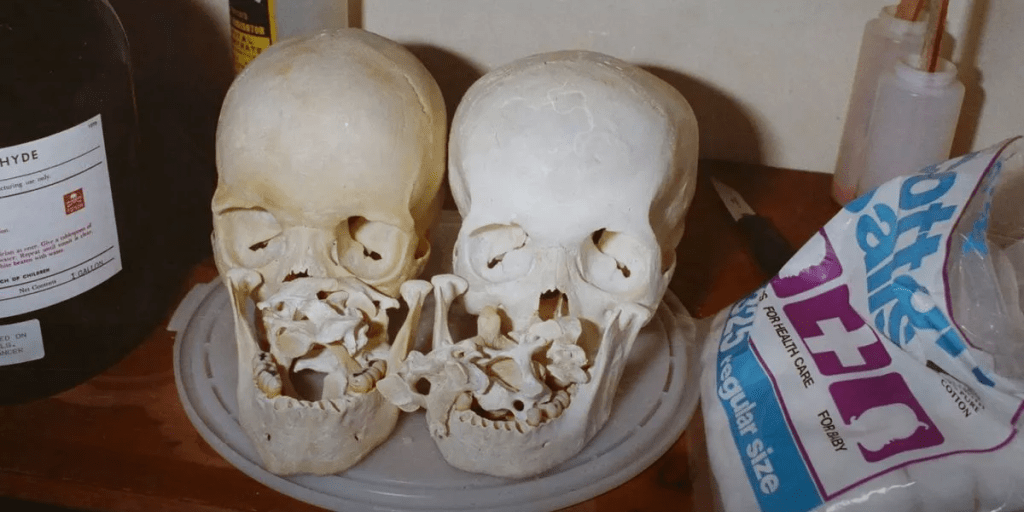
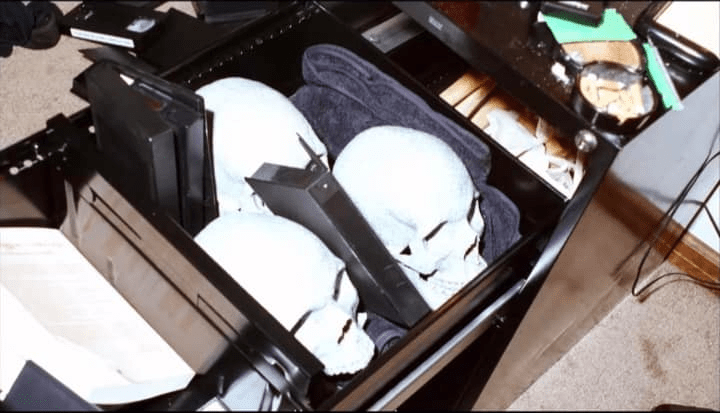
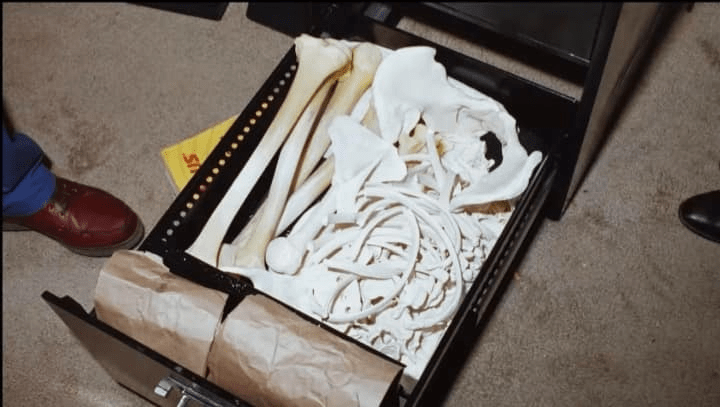
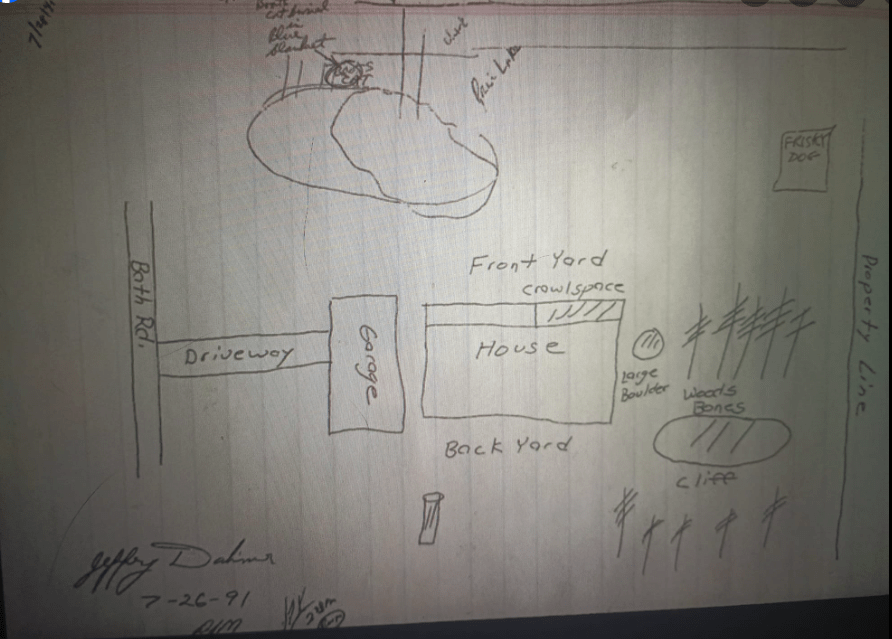
From a young age, Jeff was interested in studying and preserving animal bones, and learned how to clean and preserve them. His fascination may have started at the age of four, when he saw his dad removing animal bones from beneath the family home. According to Lionel, his son was ‘oddly thrilled’ by the soundthey made and became preoccupied with bones,initially calling them his ‘fiddlesticks.’ On occasion Jeff would search underneath and around his family home looking for more animal bones, and would often explore the bodies of living creatures to help map out where certain ones were located. In May of 1968 the Dahmer’s moved to Bath Township in Ohio, which was the family’s third house in only two years. The residence stood on one and a half acres of thick trees and woods, complete with a small hut that was only a short jaunt from the home.
During dinner two years after his interest in bones began Jeff asked his dad what would happen if the bones from the chicken they were eating were placed in bleach. Lionel was pleased with what he thought at the time was scientific curiosity, and showed him how to preserve animal bones using bleach, and Jeffrey started incorporating these preservation skills into his collecting techniques. Later that same year, Joyce started taking more than the prescribed daily dose of her sleeping meds, laxatives, and Equanil, which only further alienated her family. Dahmer also started collecting the remains of dead animals (including roadkill), which he would then dissect and bury next to the hut on the family’s property, and on occasion he would place the skull on top of homemade crosses. According to one of Dahmer’s few friends, he shared with them that he was curious as to how animals ‘fit together,’ and on one occasion in 1975 he beheaded the carcass of a dog he found (just by chance) before he nailed its body to a treethen impaled its skull on a stick behind his house. Then later, as a ‘prank,’ he later invited a friend to look at what he did.
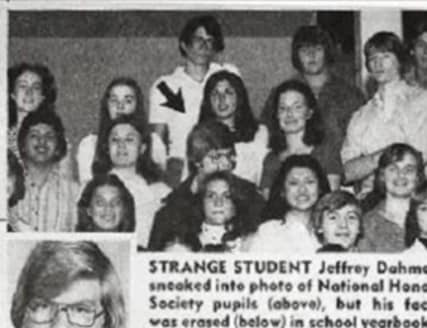
As a young child Jeffrey collected large insects, as well as the skulls of small animals that he expertly preserved in formaldehyde. In October of 1966 the Dahmer’s moved to Doylestown, Ohio and as a teenager Jeff was incredibly disengaged with his peers, and didn’t have very many friends. In later interviews he said that his strong interest in murder and necrophilia began around the age of fourteen, and it seems it was the end of his parents’ marriage and their bitter divorce that helped make him turn his desires into actions. Immediately beginning in his freshman year at Revere High School, Dahmer was seen as an outcast, and had started drinking beer and hard liquor at the age of fourteen, oftentimes concealing his booze inside his coat. When a school mate asked why he was drinking scotch during an early morning history class, he just shrugged his shoulders and told him the alcohol was his ‘medicine.’ Despite being mostly quiet and unwilling to communicate, during Jeffrey’sfreshman year he was seen as polite and highly intelligent by teachers even though he earned only average grades. Fun Serial Killer Fact #1: during his time in secondary school he played competitive tennis and briefly played in the band.
By the time he reached puberty, Jeff realized he was homosexual, a fact he initially attempted to hide from his parents. During his early teen years he had a short relationship with another boy around his age (although the two never engaged in sexual intercourse). By Jeff’s own admission he had started fantasizing about controlling and dominating a completely submissive male partner in his early to mid-teens, and his masturbatory fantasies slowly evolved to him focusing on chests and torsos, which became interwoven with the idea of human dissection. Around the age of sixteen Jeff developed a fantasy of rendering unconscious a male jogger that he found attractive then making sexual use of his body. He even made an attempt to hide in some bushes with a baseball bat in an attempt to kidnap the man, but (lucky for him) he didn’t happen to pass by that particular day. After his arrest Jeff later admitted that this was his first actual attempt to attack a victim.
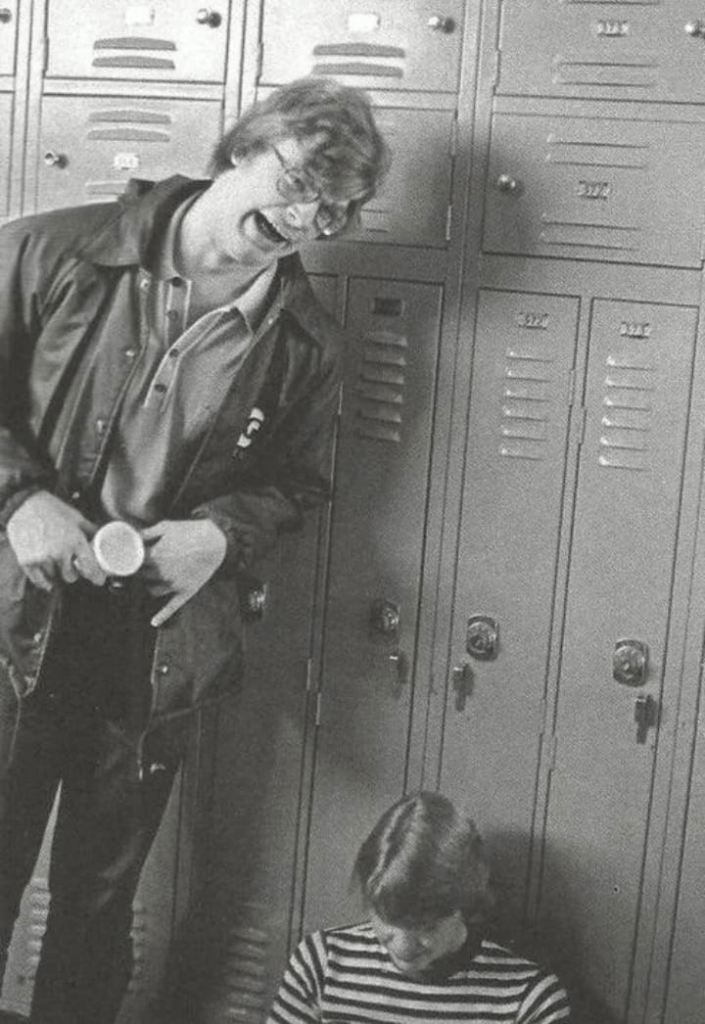
Even though he was mostly seen as quiet,Dahmer was considered by his peers and teachers to be a class clown that frequently staged pranks, which earned him a catch phrase: ‘doing a Dahmer.’ These ‘pranks’ included ‘bleating’ and faking epileptic seizures or cerebral palsy at both school and local stores, and on occasion he would perform these antics for cash so that he could buy alcohol. By 1977 Dahmer’s grades had plummeted and his concerned parents hired him a private tutor; this resulted in only limited success. In that same year in a desperate attempt to save their marriage, Lionel and Joyce started marriage counseling, but despite this they continued to fight constantly. When Mr. Dahmer discovered his wife had participated in a short affair in September 1977, they finally decided to divorce, telling both of their sons that they wished to do so ‘amicably.’ Lionel moved out of the family home in early 1978, and despite the best of intentions the process of their separating quickly became increasingly hateful and acrimonious.
By the time of Dahmer’s first murder at the age of eighteen his alcohol consumption had completely spun out of control. A few weeks before he graduated one of his teachers observed him sitting by the school parking lot, drinking several beers. When they threatened to report him, Jeff told them he was experiencing ‘a lot of problems’ at home and that the school’s guidance counselor was aware of them. That spring, Joyce (breaking a court order) moved out of the family home with David and relocated to Chippewa Falls, to stay with family (without informing her ex-husband); Jeff had just turned eighteen and stayed behind. His parents’ divorce was finalized on July 24, 1978, and Mrs. Dahmer was awarded custody of their younger son as well as alimony.
Jeffrey committed his first murder three weeks after he graduated from high school on June 18, 1978:eighteen-year-old hitchhiker, Steven Hicks. He lured the young man (who had been hitchhiking to a rock concert at Chippewa Lake Park) to his house with the promise of ‘a few beers,’ and according to Jeff the sight of the bare-chested young man pulled at his deepest, darkest sexual desires. Unfortunately when the young man began talking about women he immediately knew that any passes he made would be rejected, and after several hours of chatting he told Jeffrey that he ‘wanted to leave.’ Now, this was the exact opposite of what he wanted to hear, so he bludgeoned Hicks to death with a 10-pound dumbbell. Dahmer later confessed that he hit his victim from behind twice as he was sitting in a chair, and when he quickly was rendered unconscious, strangled him to death with the bar of the dumbbell. He then took the young man’s clothes off before he ran his hands along his chest then stood over his remains and masturbated. A few hours after the murder Jeff dragged the remains to his basement, and the following day dissected his body; he later buried it in a shallow grave in his backyard. Several weeks later Dahmer dug up Hick’s corpse and stripped the flesh off his bones then dissolved it in acid before flushing the solution down the toilet. He crushed the bones with a sledgehammer then scattered them in the woods behind his home, and tossed Hicks’ necklace as well as the knife he used to dismember him off of the West Bath Road bridge and into the Cuyahoga River. Six weeks after this murder Lionel (along with his new fiancé) stopped by his former home, where they found Jeff living by himself.
After graduating from high school in August 1978 Dahmer went on to attend Ohio State University, where he planned on majoring in business but dropped out after only one quarter. He failed the majority of his courses, including Classical Civilizations, Administrative Science, and Introduction to Anthropology; the only class he did well in was Riflery, where he earned a B−. At the end of his only attempt at higher learning his GPA was a 0.45. On one occasion Lionel surprised his son with a visit only to find his dorm room a mess and was filled with empty liquor bottles. Despite the fact that he paid for two terms in advance, Jeff dropped out of school after just three months, and with no real plans for his life Mr. Dahmer insisted that his son join the military, and he enlisted in the Army in late December 1978 (I’ve also seen it listed as January 1979).
Dahmer was sent to basic training at Fort McClellan in Anniston, Alabamabefore beginning his training as a medical specialist at Fort Sam Houston in San Antonio, TX. On one occasion he was reprimanded for being drunk while stationed in Fort Sam Houston, which resulted in his entire platoon being punished, earning him a brutal beating from his fellow recruits. After training was completed Dahmer was sent to Baumholder, West Germany on July 13, 1979 and he served as a combat medic in the 2nd Battalion, 68th Armored Regiment, 8th Infantry Division. Reportedly during Jeff’s first year of military service he was an average or slightly above average’ soldier, and it’s speculated that his worsening alcohol abuse affected his performance and he was deemed to be ‘unsuitable for military service’ and in March 1981 he was discharged from the Army. Because Dahmer’s superior officers didn’t feel that any of the issues he had in the military would be applicable to civilian life, he received an honorable discharge.
On March 24, 1981 Jeffrey was sent to Fort Jackson, South Carolina for a military debriefing and afterwards was given a plane ticket for anywhere in the country. He chose Miami Beach in Florida because he was ‘tired of the cold’ and wanted to see if he could make it completely on his own. Dahmer also told investigators during his confession that he felt like he couldn’t go home to face his dad. While in Florida, Jeff found employment at a sandwich shop, and spent most of his money on booze. He was quickly evicted from the motel he was staying due to non-payment, and at first he spent his nights on the beach as he kept working at the delicatessen buthe eventually reached out to Lionel in September and asked if he could come back to Ohio.
After Dahmer’s atrocities came to light, investigators in Germany looked into any possible links between him and any homicides that took place while he was stationed there, and it was eventually determined that he did not commit any murders while serving in the Army overseas. After returning to Ohio he lived with Lionel and his stepmother, and upon moving in he insisted on being given chores to help keep him busy while he was looking for a job. While at home Jeffrey continued to drink heavily, and two weeks after returning home he was arrested for drunk and disorderly conduct; he was given a suspended 10-day jail sentence and was fined $60.
Mr. Dahmer attempted to wean his son off alcohol but was unsuccessful, and in December 1981 Jeffrey was sent to live with his grandmother Catherine in West Allis, Wisconsin. Lionel’s mother was a retired elementary school teacher (specifically history), and she was the only member of the family that Jeff was affectionate with, and his parents hoped that a combination of her influence and the change of location might help convince Jeffrey to quit drinking, find a job, and be a contributing member of society. Initially this arrangement worked out beautifully: he accompanied his grandmother to church on Sunday’s and helped her around the house and yard, all while trying to find employment. He also was mindful of (most of) her rules (despite continuing to smoke and drink), and in early 1982 he got a position as a phlebotomist at the Milwaukee Blood Plasma Center, a job he kept for ten months before eventually getting laid off. After this Jeff remained unemployed for over two years, during which he lived off of whatever spare cash Catherine was able to part with. Unfortunately, old problems reared their ugly head and on August 8, 1982 Dahmer was arrested for indecent exposure at the Wisconsin State Fair Park when he was observed exposing himself ‘on the south side of the Coliseum in which 25 people were present including women and children.’ He was convicted and fined $50 plus court costs.
In January 1985 Dahmer got a job as a mixer at the Milwaukee Ambrosia Chocolate Factory, where he worked third shift from 11 PM to 7 AM, six nights per week; he had a set schedule, and had Saturday nights off. Right after he started this position he had a run in at the West Allis Public Library, where he was propositioned by another man while reading who gave Jeffrey a piece of paper with an offer of fellatio. Although he did ignore him the event only stirred up familiar feelings of desire as well as fantasies of control and dominance, and after this event he began to visit the local gay scene, including bars, bathhouses, and bookstores. It’s also around this time that he stole a male mannequin, which he briefly used for sexual reasons until his grandma found it in a closet and forced him to get rid of it.
By late 1985, Dahmer had begun to frequent local bathhouses (which he felt were ‘relaxing’), but was growing increasingly irritated and frustrated during his encounters due to his partners’ moving, elaborating that: ‘I trained myself to view people as objects of pleasure instead of as people.’ It was because of this that in June 1986 he began giving his victims crushed up sleeping pills dissolved in liquor, then waited for them to pass out before he performed various sexual acts on their completely still, nearly lifeless bodies. To convince his physicians to keep him supplied with an adequate amount of this pharmaceutical, Jeff told them that he worked overnights and needed the medication to help him adjust to his new lifestyle. After roughly twelve reported instances of Dahmer acting inappropriately with other members, the bathhouses’ revoked his membership and he was forced to use hotel rooms to keep up with his habit.
It was around this time that Dahmer read an article in a local newspaper about an upcoming funeral of an 18-year-old male, and got the idea to steal his corpse and take it home (WTF?). He confessed that he went to the cemetery and attempted to dig up the remains but found the ground to be too hard and abandoned this particular project. On September 8, 1986 Jeff was arrested for lewd and lascivious behavior for masturbating in front of two 12-year-old boys near the Kinnickinnic River. At first he told police that he was simply urinating and had no idea there was anyone else around, but he quickly caved and admitted to what he did. The charge was changed to disorderly conduct andon March 10, 1987 he was sentenced to one year of probation and had to undergo mental health counseling.
On November 20, 1987 Dahmer encountered Steven Tuomo at a bar and convinced him to come back to the Ambassador Hotel with him, where he had rented a room for the evening. According to Jeff, he had no intention of killing the 25-year-old, and only intended to drug him then lie next to him and ‘explore his body.’ When he woke up the next morning he discovered that Tuomi was in bed next to him, and his chest was ‘crushed in,’ and was covered in ‘black and blue’ bruises. Dried blood was seeping out of his mouth, and Dahmer quickly noticed that his fists and one forearm were also covered in deep purple bruises. He later confessed that he had no recollection of killing the young man, and ‘could not believe this had happened.’
Jeffrey then went out and bought a large suitcase, which he used to take Tuomi’s remains out of the hotel room and to his grandmother’s house. One week later, he cut off Tuomi’s head, arms, and legs then fileted the bones off his body before cutting his flesh into small, easy to handle chunks. Dahmer then placed the skin inside plastic garbage bags then wrapped the bones inside a sheet and pounded them into dust with a sledgehammer. The entire dismemberment process took him approximately two hours and he got rid of everything except for the young mans head; he masturbated on the corpse before disposing of the remains. After having the head for roughly two weeks, Jeffrey boiled it in a mixture of bleach and Soilax (an alkaline industrial detergent) in hopes of preserving the skull, but it eventually became too brittle and he was forced to destroy it. He later admitted that after this particular event his ‘obsession with killing went into full swing’ and he ‘didn’t even try to stop it after that.’ Dahmer killed two more victims at Catherine’s house before she made him move out in 1988. She said that she had no knowledge of her grandson’s crimes but finally had enough of his drinking, his habit to bring young men home, and the horrible smells that started seeping from her basement.
In September 1988 Dahmer moved into his own apartment, a one-bedroom located at 808 North 24th Street in Milwaukee, and just two days after moving in he lured a 13-year-old Laotian boy to his residence by telling him that he wanted to take naked pictures of him.This act resulted in charges of second-degree sexual assault as well as sexual exploitation. Jeffrey pleaded guilty and said that to him the young victim looked much older, and while he was awaiting sentencing he once again put his grandmothers basement to use: in March 1989 he lured, drugged, strangled, sodomized, photographed, dismembered, and disposed of Anthony Sears. Dahmer found the aspiring model particularly attractive, and after his arrest he confessed that he didn’t want to ’lose him,’ and because of this he preserved a select few of his body parts, even going so far as to mummifying his head and genitals.
In May 1989 while on trial for child molestation, Dahmer was the very definition of sorrow, arguing poignantly in his own defense that he had seen the ‘error of his ways’ and even marked the event as a ‘turning point in his life.’ His counsel told the court that his young client needed treatment, not jail time, and to this the judge agreed: he handed down a one-year prison sentence with a day pass (of sorts), which allowed him to leave and go to work during the day on the condition that he returned to the prison at night. After his release he was also given five-years of probation. Dahmer was granted an early release after serving only 10 months of his sentence; when released he briefly lived with Catherine.
Over the next two years Dahmer would go onto murder twelve more young men. After his short stint in prison his next victim was Raymond Smith, a prostitute that Jeffrey lured to his home for sex. He gave the young man a drink laced with sleeping pills thenstrangled him to death; Jeff then took pictures of him in suggestive positions beforedismembering him. When he murdered his next victim (Edward Smith) he accidentally destroyed his skull while trying to dry it out in the oven, which made it blow up. Dahmer later told LE that he felt ‘rotten’ about this particular murder because he was unable to keep any ‘mementos’ from his body, which to him felt like a real waste.
As Jeff progressed with his hobby he began developing rituals, and started experimenting with different chemicals and eating the flesh of his victims. Healso attempted lobotomies, and drilled into the skull of Errol Lindsey while he was still alive and injected him with muriatic acid (which is another term for hydrochloric acid), which is a colorless solution with a very particular and pungent aroma that is technically classified as a ‘strong acid.’ He hoped this would put his victim into a permanent submissive state, but he woke up halfway through and said, ‘I have a headache; what time is it?’ After that, Jeffrey gave up in his attempt and strangled him to death.
A neighbor in Jeffrey’s building named Sandra Smith called the police on May 27, 1991 and told them that there was a young boy of Asian descent that was running around naked in the streets. Despite the fourteen-year-old being incoherent when officers arrived on the scene, they took Dahmer for his word that the boy was his lover and was 19-years-old. The cops, not wanting to get involved in a homosexual domestic dispute, simply escorted the two home. When arriving at Jeffrey’s apartment one of the officers ‘peeked his head around in the bedroom but didn’t really take a good look,’ then left after telling him to ‘take care’ of the boy. After they left, Dahmer injected hydrochloric acid into his brain, killing him. If the police even bothered conducting even a basic search of the residence they would have discovered the body of Tony Hughes.
Between 1978 and 1991 Jeffrey Lionel Dahmer took the lives of 17 boys and young men. When choosing his victims he was careful to choose men on the ‘fringes of society,’ that were borderline criminal or ‘runaways,’ which helped make their disappearance less noticeable which helped to reduce his chance of getting caught. During the murder process Dahmer would frequently stop what he was doing and take Polaroids of his victims so he could relive the experience over and over again.
On July 22, 1991 Jeffrey Lionel Dahmer’s rampage through the streets of Milwaukee ended when he was arrested after two police officers were led to his home after picking up his latest intended (escaped) victim, Tracy Edwards. The 32-year-old black man was wandering the streets with handcuffs hanging from his wrist, and officers decided to investigate his claims that a ‘weird dude’ had drugged then restrained him (God, finally). When they got to Dahmer’s apartment he calmly offered to get the keys for the cuffs, and Edwards claimed that the knife he threatened him with was in the bedroom. When the officer went in to look for it he noticed numerous Polaroids of dead bodies lying around, and after he was apprehended and brought into custody he softly muttered: ‘for what I did, I should be dead.’ As investigators searched his apartment they found a head in his refrigerator, three more in the freezer, as well as various additional horrors, including preserved skulls, and jars with formaldehyde-soaked genitalia. During interviews Dahmer said that he planned to build a private altar made out of the skulls of his victims’ (complete with globe lights and incense), which he hoped would be ‘a place where I could feel at home.’
After his arrest in Wisconsin, the Summit County Sheriffs as well as the (local) Bath Township PD combed the property of the Dahmer family’s former home, and unearthed hundreds of bone fragments in the wooded area behind the residence (located at 4480 West Bath Road), specifically a vertebra and two molars of his first victim (Steven Hicks). Jeff was charged for his murder three days later.
Dahmer’s trial of the century began in January 1992, and given that the majority of his victims were black there was a great deal of racial tensions surrounding it, therefore strict security measures were taken, including an eight-foot wall of bulletproof glass separating him from the public. The fact that there was only a single black juror only seemed to make matters worse. Even though he confessed to the atrocities during interviews with police, Dahmer pleaded not guilty to all charges in the beginning… but he eventually changed his plea to ‘guilty by virtue of insanity.’ Hisdefense argued that his gruesome behavior was proof that only someone that was insane would be able to commit such atrocious acts,but thankfully the jury believed the prosecution’s assertion that Jeff was completely aware that what he did was evil, but he chose to do it anyway.
On February 15, 1992 after only ten hours of deliberating, a jury of his peers found Jeffrey Dahmer guilty (and sane) on all counts. He was sentenced to fifteen consecutive life terms in prison, with a 16th one tacked on later that May. It’s been reported that he adjusted well to his new life at the Columbia Correctional Institution, and despite initially being kept away from the general population he was able to convince the jail administration to let him slowly integrate more with other inmates. He found religion in the form of books and photos sent to him by Lionel, and he was even given special permission by the prison to be baptized by a local pastor.
One day for his work assignment Jeffrey was instructed to work with two other inmates: convicted murderers Christopher Scarver and Jesse Anderson. After being left alone by guards to finish their work, Scarver brutally beat both men with a metal rod he swiped from the prison’s weight room, and on November 28, 1994 Dahmer was pronounced dead after roughly one hour; Anderson passed away a few days later. Right after the murders occurred a guard came out and publicly stated that Scarver (a suspected schizophrenic) said that ‘God told me to do it.’ After Jeff’s murder Scarver was bounced around from prison to prison, and eventually landed up in the Centennial Correctional Facility in Colorado, where he remains to this day; he is currently 59 years old. In 2012 an agent representing the killer announced that he planned on writing a tell-all book about how he killed Jeffrey Dahmer; as of March 2024 that book remains unpublished.
In 2015 Christopher Scarver did an interview with The New York Post about why he killed his two fellow inmates. He told them that he wasdisturbed not only by Dahmer’s crimes but also because he had a habit of creating ‘severed limbs’ out of prison food as a way to antagonize his fellow inmates. After being ‘taunted’ by both of his victims during their work detail, Scarver said that he confronted Jeffrey about what he did before beating him and the second inmate to death. Healso claimed that prison guards allowed the murders to happen because they left the three men alone together.
Joyce Dahmer passed away on November 27, 2000 at the age of 64 in Fresno, CA. Lionel and Shari Dahmer lived in Seville, Ohio until their deaths: Shari passed away on January 13, 2023, and Lionel died eleven months later from a heart attack on December 5, 2023. Jeff’s little brother David is still alive, but doesn’t seem to go out in public very much (or at all, really). I did find some recent pictures of him from the one time he recently ventured out and about, but the way they were taken I’m not including them here because it feels very intrusive and invasive.
Joyce Dahmer with a baby Jeffrey. Photo courtesy of the Dahmer family archives.Lionel, Joyce and a young Jeff. Photo courtesy of the Dahmer family archives.Lionel and a baby Jeff. Photo courtesy of the Dahmer family archives.Lionel, Joyce and a baby Jeffrey. Photo courtesy of the Dahmer family archives.Joyce and baby Jeffrey. Photo courtesy of the Dahmer family archives.Lionel and a young Jeff. Photo courtesy of the Dahmer family archives.Another shot of Lionel and a young Jeffrey. Photo courtesy of the Dahmer family archives.A young Jeffrey Dahmer. Photo courtesy of the Dahmer family archives.An early shot of the Dahmers. Photo courtesy of the Dahmer family archives.A screenshot of Lionel and a young Jeffrey. Photo courtesy of the Dahmer family archives.Another screenshot of Lionel and a young Jeffrey. Photo courtesy of the Dahmer family archives.A screenshot of a young Jeffrey. Photo courtesy of the Dahmer family archives.A young Jeffrey. Photo courtesy of Netflix.Jeffrey with his mom and baby brother David. Photo courtesy of the Dahmer family archives.Jeffrey giving David a kiss. Photo courtesy of the Dahmer family archives.Jeff and his dad on a bike. Photo courtesy of Netflix.A B&W shot of a young Jeff. Photo courtesy of the Dahmer family archives.Another B&W shot of a young Jeffrey. Photo courtesy of the Dahmer family archives.A young Dahmer standing next to a flower. Photo courtesy of Netflix.A screenshot of little Jeffrey Dahmer at an amusement park. Photo courtesy of Netflix.Little Jeffrey holding the family dog. Photo courtesy of Netflix.Another shot of Jeff holding his dog. Photo courtesy of Netflix.A picture of Joyce, Lionel, and Joyce. Photo courtesy of Netflix.A young Jeffrey, playing. Photo courtesy of Netflix.A young Jeffrey. Photo courtesy of the Dahmer family archives.Jeff, Lionel, and David Dahmer. Photo courtesy of Murderpedia.A B&W shot of the Dahmer family. Photo courtesy of Netflix.A young Jeff. Photo courtesy of Netflix.Jeffrey and David Dahmer. Photo courtesy of the Dahmer family archives.A young Jeffrey Dahmer. Photo courtesy of Netflix.A young Jeffrey in a swimming pool. Photo courtesy of Netflix.Another shot of Jeffrey Dahmer in a swimming pool. Photo courtesy of Netflix.A teenage Jeffrey Dahmer.A teenage Jeffrey Dahmer from his time at Revere High School.The Dahmer’s sitting around their kitchen table. Photo courtesy of Netflix (I apologize for the poor quality, it was the only one I could find).Dahmer in a photo for NHS, which he did not belong to. He would frequently sneak into yearbook photos for clubs and organizations he didn’t belong to. Dahmer is blacked out in a NHS picture he snuck into.Jeffrey Dahmer from the 1978 Revere High School yearbook.Dahmer making a face. Photo courtesy of Netflix.Dahmer with a schoolmate from Revere High School.Photo courtesy of Netflix.Dahmer at prom, with his date. Apparently during the event Dahmer left and went to McDonald’s. Photo courtesy of ‘Maniac Nanny.’Jeffrey Dahmer on the day of his graduation from Revere High School. Photo courtesy of Netflix.Jeffrey Dahmer with his father on the day of his high school graduation. Photo courtesy of Netflix.Jeffrey, Lionel, and David Dahmer. Photo courtesy of Murderpedia.Jeffrey Dahmer. Photo courtesy of Netflix.There’s a few pictures of Dahmer floating that are supposedly from his days in the military that are bogus, this is apparently one of the few that exist. Photo courtesy of Netflix.A photo of Dahmer passed out during his time in Germany. He’s drinking Thunderbird brand wine, which apparently is super cheap.Jeff and Lionel. I’m not sure who the woman is. Photo courtesy of the Dahmer family archives.Jeffrey, Lionel, and David Dahmer. Photo courtesy of Murderpedia.Jeffrey Dahmer in a screen grab from an (infamous) old video recording. Photo courtesy of Murderpedia.Dahmer walking into court after his arrest. Photo courtesy of Murderpedia.A shot of Dahmer being escorted into court. Photo courtesy of Murderpedia.A shot of Dahmer during his trial. Photo courtesy of Murderpedia.Lionel and Jeff doing an interview. Photo courtesy of MSNBC.Lionel and Jeff during Jeff’s time in prison. Photo courtesy of Murderpedia.Jeffrey Dahmer in a booking shot from Bath, Ohio in 1981. Photo courtesy of Agence France-Presse Handout.Jeffrey Dahmer in a booking shot from August 1982. Photo courtesy of the Milwaukee County Sheriff’s Department.Dahmer’s 1991 mugshotJeff while in prison. Photo courtesy of Murderpedia. Another view of the Oxford Apartments at 924 North 25th Street where Dahmer lived and committed a large amount of his murders. Photo courtesy of The Milwaukee Journal Sentinel.The flag flying at half-staff outside the Oxford Apartments after Dahmer was arrested. Photo courtesy of Milwaukee Journal Sentinel.A photo of the hallway outside of Dahmer’s apartment. Screenshot courtesy of Netflix.Another shot of the hallway outside of Dahmer’s apartment. Screenshot courtesy of Netflix.Dahmer’s former neighbor Pamela Bass stands outside his apartment. Photo courtesy of Oxygen.A shot of Dahmer’s apartment door after his 1991 arrest. Screenshot courtesy of Netflix.The layout of Dahmer’s apartment. Photo courtesy of Redditor ‘Sunny86JD.’A shot inside Dahmer’s bedroom, including his dresser and TV. Photo courtesy of the Milwaukee County Sheriff’s Department.A shot inside Dahmer’s bedroom. Photo courtesy of Murderpedia.A shot inside Dahmer’s bedroom. Photo courtesy of Redditor ‘Sunny86JD.’Another shot inside Dahmer’s bedroom. Photo courtesy of Murderpedia.Dahmer’s drawer full of Polaroids. Notice the needle, which was involved in his ‘experiments.’ Photo courtesy of Netflix.Jeffrey Dahmer’s living room in his apartment. If you look in the top corner, near the ceiling you’ll notice a camera. Apparently Dahmer spent close to $1,000 for a security system (he installed extra locks on his doors as well). Photo courtesy of Murderpedia.The other side of Dahmer’s living room (notice his infamous smelly fish tank he said was responsible for the bad smell in his apartment). Photo courtesy of Murderpedia.Another shot of Dahmer’s living room. Photo courtesy of Murderpedia.A shot of Dahmer’s bathroom (it looks like its attached to his living room). Photo courtesy of Netflix.A shot of Dahmer’s apartment. Photo courtesy of A&E.A shot of Dahmer’s toilet inside of his loo. Photo courtesy of TMJ4.Tools Dahmer used to dismember his victims. Photo courtesy of The Milwaukee Police Department.Some additional tools Dahmer used to dismember his victims. Photo courtesy of The Milwaukee Police Department.A shot of the inside of Dahmer’s closet. Photo courtesy of The Milwaukee Police Department.A shot of Dahmer’s kitchen. Photo courtesy of The Milwaukee Police Department.The freezer and boxes of acid in Dahmer’s kitchen. Photo courtesy of The Milwaukee Police Department.A different perspective in Dahmer’s kitchen. Photo courtesy of Murderpedia.A freezer in Dahmer’s kitchen. Photo courtesy of Murderpedia.Two skulls found in Jeffrey’s apartment. Photo courtesy of Murderpedia. Three skulls inside the top drawer of Dahmers bedside filing cabinet.The full skeleton of Ernest Miller located in the bottom drawer of Dahmer’s bedside filling cabinet.Two skulls inside a cardboard box inside Dahmer’s bedroom.Some Polaroids that investigators found inside of a laptop cover inside of the cardboard box.Some skulls found in Dahmer’s apartment. Photo courtesy of the Milwaukee Police Department. Plastic bags that contained human remains, including two heads, the body of Oliver Lacey, and an assortment of body pats.A closet in Jeffrey’s apartment. Photo courtesy of Murderpedia.A close-up of some items found in a closet in Jeffrey’s apartment. Photo courtesy of Murderpedia.A close-up of some items found in a closet in Jeffrey’s apartment. Photo courtesy of Murderpedia.A vat of acid Dahmer used to dissolved bones. Photo courtesy of the Milwaukee Police DepartmentA giant pot Dahmer used to dissolved bones. Photo courtesy of the Milwaukee Police Department.A picture of Dahmer’s freezer in his apartment. Photo courtesy of Murderpedia.A picture of Dahmer’s refrigerator in his apartment. Photo courtesy of Murderpedia.A picture of Dahmer’s refrigerator door in his apartment. Photo courtesy of Murderpedia.A skull found in Dahmer’s apartment. Photo courtesy of Murderpedia.Some miscellaneous body parts of some of Dahmer’s victims. Photo courtesy of Murderpedia.Police bringing Dahmer’s bed out of his apartment. Screen grab courtesy of the Milwaukee Police Department.LE bringing the gigantic vat of acid out of Jeff’s apartment. Screen grab courtesy of the Milwaukee Police Department.Police bringing items out of Dahmer’s apartment. Screen grab courtesy of the Milwaukee Police Department.Police bringing items out of Dahmer’s apartment. Screen grab courtesy of the Milwaukee Police Department.Police bringing items out of Dahmer’s apartment. Screen grab courtesy of the Milwaukee Police Department.Police bringing items out of Dahmer’s apartment. Screen grab courtesy of TMJ4.LE taking evidence out of Dahmer’s apartment. Screen grab courtesy of Netflix.LE taking evidence out of Dahmer’s apartment and putting it into an official vehicle. Screen grab courtesy of Netflix.LE taking evidence out of Dahmer’s apartment. Screen grab courtesy of Netflix.LE taking evidence out of Dahmer’s apartment. Screen grab courtesy of Netflix.Technicians wearing hazmat suits lower Dahmer’s freezer down the stairs at his apartment building in 1991. Photo courtesy of The Milwaukee Journal Sentinel.Another shot of techs lowering Dahmer’s freezer down the stairs at his apartment. Photo courtesy of The Milwaukee Journal Sentinel.Technicians wearing hazmat suits lower a vat of acid down the stairs at Dahmer’s apartment building in 1991. Photo courtesy of The Milwaukee Journal Sentinel.Technicians securing items taken out of Dahmer’s apartment on official police transport vehicles. Photo courtesy of The Milwaukee Journal Sentinel.The boxes of acid being taken out of Dahmer’s apartment after his arrest in 1991. Photo courtesy of The Milwaukee Journal Sentinel.Some of the vehicles used to take items out of Dahmer’s apartment. Screen grab courtesy of the Milwaukee Police Department.LE looking around the outside of Dahmer’s apartment building after his arrest in 1991. Screen grab courtesy of TMJ4.LE looking around the outside of Dahmer’s apartment building after his arrest in 1991. Screen grab courtesy of TMJ4.A police photographer taking pictures of some bones that were found in the back of a building across the alley from the apartment building where Dahmer resided. It could not be determined at the time whether they were human (I believe they were eventually determined to be unrelated to his case). Photo courtesy of the Milwaukee Journal Sentinel.After combing through Dahmer’s apartment investigators went through the dumpster in the back of his apartment building. Photo courtesy of TMJ4.Investigators looking at a bone found in a dumpster located in the back of Dahmer’s apartment building. Photo courtesy of TMJ4.After combing through Dahmer’s apartment investigators went through the garbage located in the back of his apartment building. Photo courtesy of TMJ4.The apartment where Jeffrey Dahmer once resided was torn down in 1992.The lot where Dahmer’s apartment once stood. Some of Dahmer’s Polaroids. Photo courtesy of ‘Maniac Nanny.’Dahmer victim, Ricky Beeks.A post-mortem Ricky Beeks. Photo courtesy of Murderpedia. A post-mortem, handcuffed Ricky Beeks. Photo courtesy of Murderpedia. A post-mortem shot of Ricky Beeks. Photo courtesy of ‘NairaLand.’A post-mortem shot of Ricky Beeks. Photo courtesy of ‘NairaLand.’Another post-mortem shot of Ricky Beeks. Photo courtesy of ‘NairaLand.’Another post-mortem shot of Ricky Beeks. Photo courtesy of ‘NairaLand.’Another post-mortem shot of Ricky Beeks. Photo courtesy of ‘NairaLand.’Another post-mortem shot of Ricky Beeks. Photo courtesy of ‘NairaLand.’The beginning of Dahmer’s dissection of Ricky Beeks. Photo courtesy of Murderpedia. The more advanced stages of Dahmer’s dissection of Ricky Beeks. Photo courtesy of Murderpedia. SOne body parts of Dahmer victim, Ricky Beeks. Photo courtesy of ‘NairaLand.’Dahmer victim, Ricky Beeks. Photo courtesy of ‘NairaLand.’The ME standing with some of the remains found at Dahmer’s apartment. The Summit County Sheriff’s Department looking through the area behind Dahmer’s childhood home. Photo courtesy of Supernaught. Another shot of the Summit County Sheriff’s Department looking through the area behind Dahmer’s childhood home. Photo courtesy of Supernaught. A local kid reading a note on the door at the home of Catherine Dahmer, which is located on South 57th Street in West Allis. The handwritten note asks that the family be left alone, and mentioned that they have been receiving prank calls. Photo courtesy of Milwaukee Journal Sentinel.The Ambrosia candy company, where Dahmer briefly worked. The bathroom where Jeffrey Dahmer was killed. Photo courtesy of Redditor ”DogaCascio.’The bathroom where Jeffrey Dahmer was killed. Photo courtesy of Redditor ”DogaCascio.’The bathroom where Jeffrey Dahmer was killed. Photo courtesy of Redditor ”DogaCascio.’The bathroom where Jeffrey Dahmer was killed. Photo courtesy of Redditor ”DogaCascio.’The remains of Jeffrey Dahmer. On November 28, 1994 he was bludgeoned to death by convicted killer Christopher Scarver. Photo courtesy of Redditor ‘Frikydraws.’The remains of Jeffrey Dahmer. Photo courtesy of Redditor ‘Frikydraws.’Dahmer’s autopsy photo. Courtesy of Redditor ‘Frikydraws.’Another post-mortem shot of Dahmer. Jeff’s name listed in the Wisconsin death index from 1979 through 1997.f Dahmer’s brain. Photo courtesy of Murderpedia.Another shot of Dahmer’s brain in a jar. It was eventually cremated, per his wishes. Photo courtesy of Murderpedia.A super cryptic drawing of an altar than Dahmer had planned to create at one point. Courtesy of Murderpedia.A map drawn by Jeffrey Dahmer. Courtesy of Murderpedia.A younger picture of Joyce Dahmer.A blurb about Joyce Dahmer, published in the LA Times published on December 6, 2000.A picture of Lionel Dahmer from the 1958 University of Wisconsin–Madison yearbook.David Dahmer from the 1982 Revere High School yearbook.Dahmer killer, Christopher Scarver. Jesse Anderson.