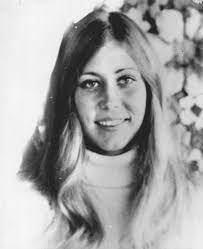
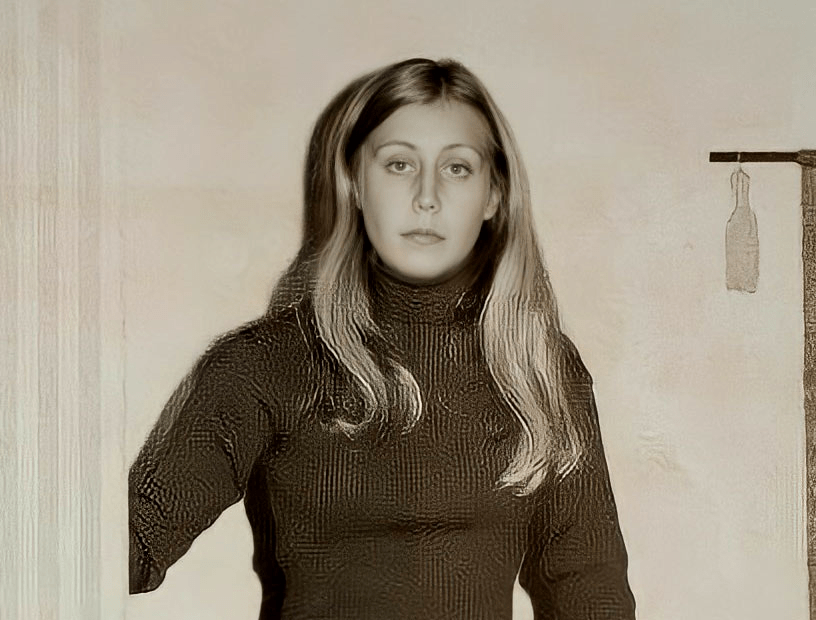
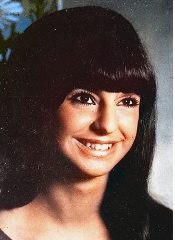
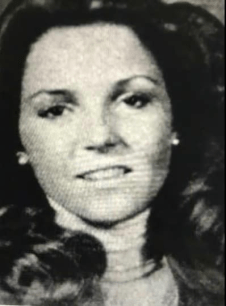
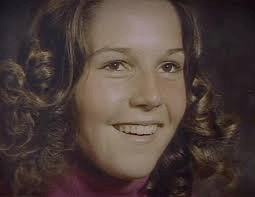
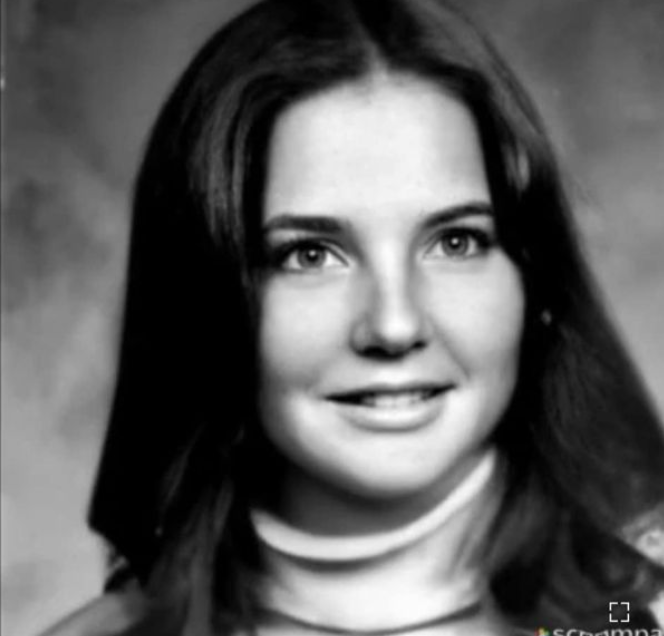
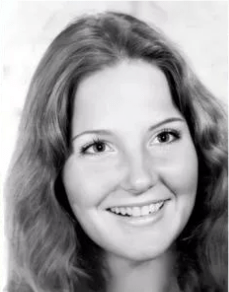
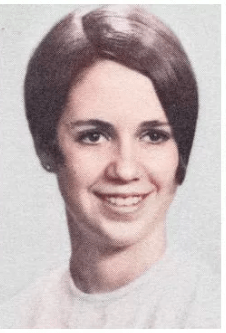
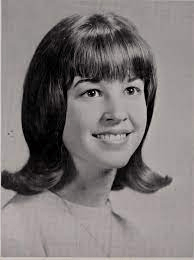
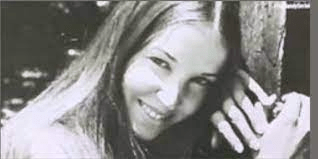
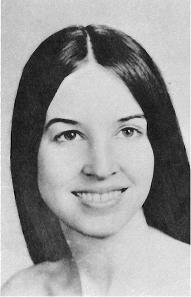
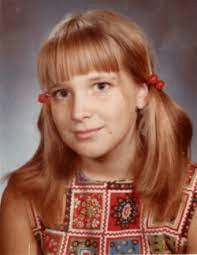
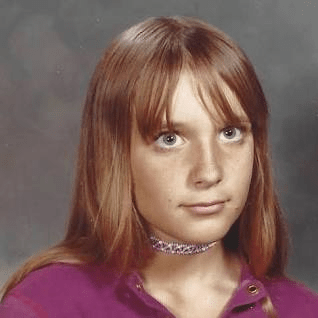
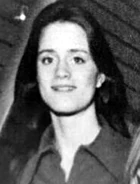
Missing/Murdered Women in Utah, 1965 to 1979.

Tanya Weber (June 26, 1965, Logan): the seventeen-year-old high school student was strangled to death on June 26, 1965, after returning from a wedding reception; in 2024, DNA testing on her clothing allowed the Logan City Police Department to officially close the case and identify a local suspect who died by suicide shortly after the 1965 crime, Owen Hodges Kimball.

Murders Linked to Myron Lance and Walter Kelbach (December 1966): I am going to touch on the murders of Lance and Kelbach as a whole: in December 1966, parolees Myron Lance and Walter Kelbach committed a brutal, multi-victim murder and robbery spree across Salt Lake County, leaving six people dead over a five-day period. The six total victims included gas station attendants, a taxicab driver, and patrons at a local establishment. On December 21, 1966, the pair entered the tavern, shot and killed patrons James Sisemore, Fred Lillie, and Beverly Mace, and wounded another before fleeing with stolen cash. Police apprehended Lance and Kelbach after a shootout at a downtown bar that killed three others at a roadblock roughly three hours after the final shootings at a roadblock near Parleys Canyon. In 1967, a jury convicted both men of first-degree murder, which resulted in the death penalty, however when the US Supreme Court struck down capital punishment in 1972, their sentences were changed to life in prison. In 1968, both prisoners briefly participated in a major maximum-security breakout from the Utah State Prison, but were quickly recaptured. Myron Lance died of natural causes in 2010 at age of sixty-nine, and Walter Kelbach died in prison in 2018.

Myrtle Bear Pete: (found on February 4, 1967, the Skull Valley Indian Reservation in Tooele County): the remains of the twenty-five-year-old Native American woman were discovered on Skull Valley Road, roughly three-hundred yards from her home in Tooele County, UT. Despite her body showing signs of severe trauma (including a broken arm, shoulder, and potential broken neck), detectives and medical experts at the time determined her death was either an accident or exposure related to a being hit by a car.

Fontella Galloway (found on June 19, 1969, Roosevelt): Galloway’s remains were found at her residence in Roosevelt; her cause of death was suffocation.

Gladys Powers (July 22, 1969, SLC): the victim was found by her husband at approximately 5:00 PM on July 22, 1969: she had been laying on the floor in their hallway, with a fork stuck in her chest.

Loretta Jones (July 30, 1970, Price): the twenty-three-year-old single mother was brutally murdered in her home in Price, which was discovered by her four-year-old daughter. Though a prime suspect named Thomas Edward Egley was arrested shortly after, charges were dismissed due to a lack of evidence; after forty-six years, the case was reopened, her body was exhumed for modern forensic review, and Egley finally pled guilty to her murder in 2016.

Dale Jean Langston (April 11, 1970, Layton): twenty-four-year-old Dale Jean Langston and her two young children, Christine Jeffs (age 6) and Troy Don Langston (age 3), were brutally murdered in their home on Marilyn Drive in Layton, Utah. Key details surrounding the infamous Layton cold case include: The victims were found inside their residence in a pool of blood. Dale Jean Langston had been sexually assaulted and stabbed more than 33 times. Both children were also violently attacked; Christine’s throat was slashed, and Troy was stabbed repeatedly and disemboweled. At the time of the murders, Dale Jean’s husband, Don Langston, was away on a trip to Detroit with his brothers and a friend.

The 1970 Washington County ‘Jane Doe’ (October 1970, Gunlock State Park): in October 1970, Gunlock State Park a road crew employee discovered the badly decomposed, skeletal remains of a woman off Gunlock Road, approximately eighteen miles west of St. George near what is now Gunlock State Park. Her remains were found with a few strands of blonde or light-colored hair, and she had been deceased for months to years before her body was found. An autopsy conducted by the Utah Medical Examiner’s Office left the cause of death as undetermined; unable to identify her, officials interred the woman in an unmarked grave with a headstone reading ‘unknown’ at the Hurricane City Cemetery, where she had remained for over five decades. In January 2026, the Washington County Sheriff’s Office announced that its Investigations Division had officially reopened the case.

Johanna Tabitha Virginia Strong Leatherbury (disappeared on August 20, 1971, Olympia): the seventeen-year-old was a recent graduate of Olympus High School, and on the night she disappeared, had been hanging out at a popular teenage gathering spot known as ‘The Complex’ in SLC; witnesses last reported seeing her in a vehicle with two men and several other passengers.

Carolyn Yvonne Kingston (September 2, 1971, SLC): thirty-year-old Carolyn was a clerk at Natters’ Market in Salt Lake City, and on the afternoon of September 2, 1971, an armed gunman entered the established with the intention of committing a robbery; she had her two small children with her at the time and it’s possible she struggled with the man. She and a deliveryman were both shot; the suspect attempted to shoot a second deliveryman, but the gun did not go off. Carolyn died later as a result of her injuries.

Ann Marie Hammer-Woodward (March 2, 1973, Moab): forty-six-year-old Woodward owned and operated Woody’s Tavern (along with her husband, Leslie H. ‘Woody,’ a local establishment where she was killed after closing time. The case remained unsolved for over five decades until it was officially solved by the Moab Police Department: in May 2024, the results positively identified her killer as Douglas K. Chudomelka, a twenty-five-year-old local mine worker whose DNA had been heavily present on the inside of her pants and on her shirt buttons.

Jennifer Lee Klein (May 25, 1974, Moab): Klein was last seen that Memorial Day Weekend with her family at a campground approximately ten miles north of Moab; her father had gone back to the camper for something, and she was playing in the sand. Everyone’s attention was diverted because of a dogfight and when Jennifer’s mother and five-year-old brother turned around, she was gone. It is believed that she may have fallen into the river, but that has not been confirmed.

Nancy Perry-Baird (July 4, 1975, SLC): the twenty-three-year-old single mother disappeared on Independence Day while working at a gas station on Highway 89 in Layton.

Nancy Wilcox (October 1, 1974, Holladay): the sixteen-year-old vanished in Salt Lake County on October 1, 1974. She is believed to be an early victim of Ted Bundy; her body has never been recovered.

Laura Ann Aime (October 31, 1974, Lehi): the seventeen-year-old disappeared on October 31, 1974, from Lehi, Utah, and her body was later found in American Fork Canyon. Advanced DNA testing officially confirmed Ted Bundy as her killer in April 2026.

Susan Curtis (June 27, 1975, Provo): the fifteen-year-old disappeared while attending a youth conference at Brigham Young University in Provo; she is also highly suspected to be a victim of Ted Bundy.

Debra Diane Smith (February 1976, SLC): seventeen-year-old Debbie’s remains were discovered in April 1976 near the Salt Lake International Airport; her death remains an open cold case investigated by the Salt Lake City Police Department. Historically, investigators and researchers have suspected she may have been a victim of Ted Bundy.

Joy Kathleen ‘Kathy’ Jones-Harmon (March 2, 1976, SLC): Kathy had been out with a friend at the Better Days Bar and left the establishment alone around midnight; investigators located the coat she had worn to the bar inside her apartment, which made them believe she made it home safely that night before being targeted. She was reported missing by her parents after she failed to show up for work the following morning. Four days later a hiker discovered her partially clothed body on the still-frozen slopes between Emigration Canyon and Parleys Canyon, just north of I-80; forensic evidence indicated she had been beaten, raped, and strangled to death.

Orthea Duncan Wamsley (found on May 5, 1976, Neola): Wamsley was abducted from her POE of ‘The Neola Store’ during the middle of a shift; her remains were found north of Neola in a wooded area. Her hands had been bound behind her back, and she had been shot in the head.

Paula R. Scartezina (June 24. 1976, Carbon County): the victim was found deceased in her bed by her husband.

Valaine Briggs (August 18, 1977, SLC):the twenty-one-year-old left her apartment in Salt Lake City to walk to a neighborhood convenience store and never returned. Her body was found shortly after in a remote area of Morgan County. Decades later, her case remains heavily active with investigators continually checking for updated DNA technology leads.

Sharon Lecia Schollmeyer (found on December 5, 1977, SLC): the sixteen-year-old had been found dead inside her Salt Lake City apartment, and had been blindfolded, gagged, and placed in her bathtub. Decades later, advanced DNA testing of the gag identified the building’s former manager, Patrick McCabe, who was subsequently charged with her murder.

Phyllis Ady (disappeared on December 13,1977, Cedar City): fifteen-year-old Ady was reported as missing on December 13,1977, and had been living with her Aunt and Uncle at the time in Cedar City. Her Aunt dropped her off at Hermie’s Drive-In December 12th, where she met an acquaintance she was not seen after that night. On July 2, 1980, skeletal remains were found in an old carrot pit beneath a wooden trap door covered by a mound of dirt in a backyard in Cedar City; they were later identified as Phyllis Ady.

Corazon Cabug Frandsen (February 4, 1978, Unified): the twenty-six-year-old went to dinner with her in-laws on the evening of February 4, 1978, and afterward she picked up a few groceries and then proceeded home to her apartment located at 5272 South Cobble Creek Road. It appears she was first attacked as she got out of her white two-door Mercury Cougar in the parking lot of the apartment complex, and she was found the following morning in the bushes adjacent to the parking lot of a nearby church. She had been severely beaten and was unconscious at the time she was found; she died a short time later at the hospital as a result of blunt force trauma injuries and exposure to the elements.

Marla Rae Scharp (June 29, 1978, Provo): the twenty-one-year-old Brigham Young University student was raped and strangled in her Provo apartment while her roommates were away for only thirty minutes; her case was reopened in late 2019 after it was revealed a previous confession by Henry Lee Lucas was entirely fabricated.

Linda Sue Peterson (disappeared on September 16, 1978, Murray): five and 1/2 months pregnant Peterson was reported missing to the Murray Police Department by her husband, William on September 30, 1978: he said that she had stopped by his work (where he was a pharmacist) and told him she planned a last-minute trip to Kentucky with two unknown ‘girlfriends’ (he said he didn’t know them but strongly thinks one of their names was Susan); he seemingly accepted this news and gave her $300 in cash, and made sure that she also had her master card with her. The credit card was never used after she disappearance and Phil died in 2013.

Patricia Ann Barrett (September 25, 1978, SLC): Patricia was forty-five-years-old at the time of her disappearance, and it is believed she had only been in the Salt Lake area a couple of months prior to vanishing. She was originally from the Texas area had been travelling in the year-and-a-half prior to her death and it’s highly possible she was in the south-east portion of the US (including Texas, Oklahoma, and Louisiana). Contact with Patricia indicated she may have been homeless prior to her disappearance, and she had been diagnosed with schizophrenia. The last known contact with Barrett was with her children on August 31, 1978, and her nude body was found wrapped in carpeting in the old Salt Lake Beach area near the I-80 by a motorist on October 25, 1978; her cause of death was unable to be determined but may have been strangulation, and her time of death was estimated to be approximately one month prior to being found. The body remained unidentified until June of 2012 when DNA testing confirmed her identity as that of Patricia Barrett.

Mona Lee Ulibarri (disappeared on April 17, 1979, SLC): the victim went to Billy-O’s Bar sometime in the evening on April 17,1979; she had been drinking and playing pool. No one remembers seeing her leave the bar that night and her Volkswagen Bug was found the next day close to the bar; its interior had been incinerated. Ulibarriwas found in the Jordan river twelve days later.

Mary Katherine Miller (June 20, 1979, SLC): Mary was ‘emotional and upset’ at the time she disappeared and was last seen by her daughter in Provo. Her car was located at the face of Timpanogos, it was found stuck. She had a bridge on her upper front teeth.

Sandra Matott (disappeared on July 10, 1979, SLC): the thirty-seven-year-old mother vanished from Salt Lake City; her husband, Warren reported her missing eight days later. In August 2021 her identity was finally uncovered after advanced forensic DNA testing identified her as the ‘Millard County Jane Doe,’ who had been discovered on August 19, 1979 after a hunter named Leonard Watts discovered skeletal remains covered in debris near the Interstate 15 Cove Fort exit in rural Millard County; an exact cause of death was never determined. No one was ever convicted or officially named by police as the killer of Matott, however her husband and Henry Lee Lucas were considered to be the two main suspects; both men died before any charges could be filed.

Rachael Arenaz (last seen alive on October 1, 1979, SLC): on May 8, 1980 two young boys out riding horses stumbled upon the remains of Arenaz lying in an irrigation ditch at 2100 North and 4000 West; her time of death was estimated to be anywhere from six months to one year prior.

Dawn Marie Davis (found on October 23, 1979, South SLC): Dawn’s body was found in her apartment after no one heard from her for about two weeks prior to the discovery.

Susan Curtis.

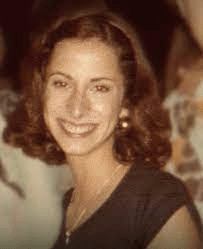
Susan ‘Sue’ Curtis was born on May 18, 1960 to Larry Eugene and Marilyn Ruth (Nee Haslam) in Salt Lake City, Utah. Larry Curtis was born on February 6, 1935 in Salt Lake, and Mrs. Curtis was born on August 27, 1936. The couple were wed on September 22, 1954 and eventually settled down in Bountiful. They had six children but unfortunately I wasn’t able to find out much else about the family. Sue was an honor student that also excelled in athletics and was involved in quite a few extracurricular activities at her high school: she played baseball and volleyball, and was also on the school’s track and basketball teams. She stood at 5’7” tall, weighed 120 pounds, had hazel eyes, and brown hair that she wore long and parted down the middle. Curtis had pierced ears and had just gotten braces the month before she was murdered.

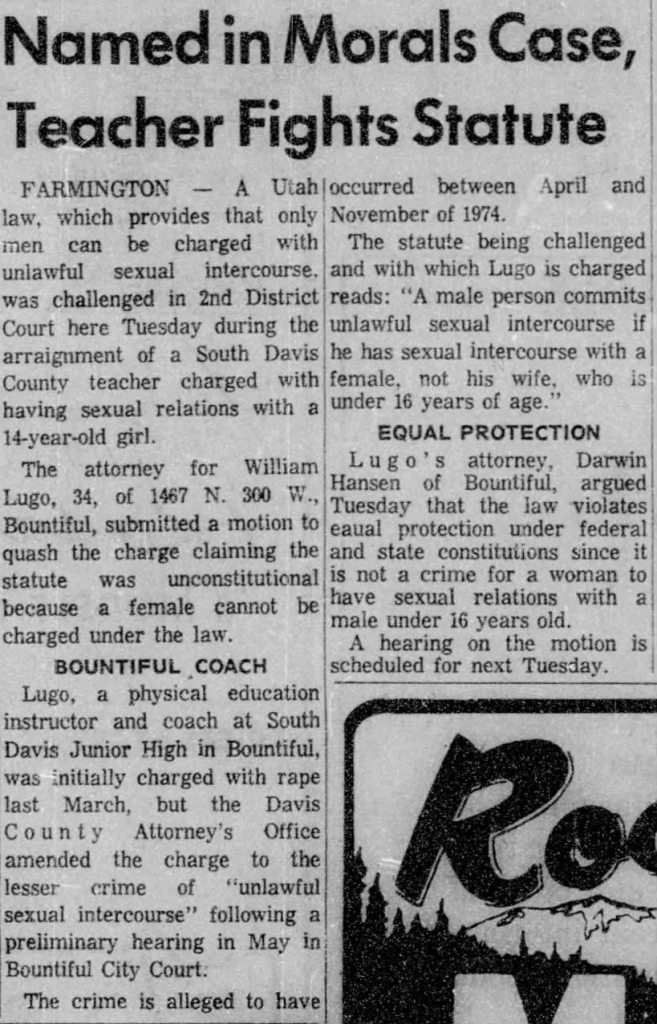
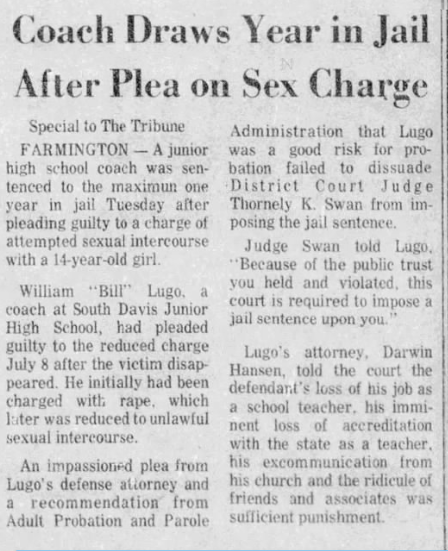
In the summer of 1975, Susan Curtis was fifteen and about to go into her sophomore year at Woods Cross High School. Due to an unhappy home life she had a history of running away, but she was never gone for very long and would always return home after just a few days. Sue hada lot of mental health concerns, and attempted suicide on a couple different occasions. She was also an ongoing victim of sexual assault at the hands of from a former physical education teacher and coach named William ‘Bill’ Lugo, who taught at South Davis Junior High School in north SLC (he was eventually convicted of his crimes)*. In an interview with true crime researcher Chris Mortensen (also known as Captain Borax), Lieutenant Arnold Lemmon from the Brigham Young University campus Police Department (and close friend of the Curtis family) said that Lugo and Sue ran away together the week before she was murdered. He even flew her to Phoenix and put her up in a hotel room. They got caught after Susan had a pregnancy scare and (using the fake name of a friend) arranged for her to go to a clinic and take a test (there was apparently a mix up and the results were mailed to that friend’s parents). He was eventually court ordered to stay away from the FOURTEEN year CHILD and in July 1975 was sentenced to a year in jail for his crimes. Lugo was initially charged with rape but pleaded guilty to the reduced charge of unlawful sexual intercourse. The defendant’s lawyer as well as the ‘Adult Probation and Parole Administration’ both said that the teacher was a good fit for probation, and that he suffered sufficient punishment in the form of his loss of accreditation as a teacher, excommunication from his church, and derision of friends and associates. Thankfully this wasn’t enough to dissuade District Court Judge Thornley K. Swan from imposing the maximum allowed jail sentence: ‘because of the public trust you held and violated, this court is required to impose a jail sentence upon you.’ It’s been reported that the entire experience was pretty traumatizing to Sue, and because of the ‘relationship’ she suffered from a lot of behavioral health issues.

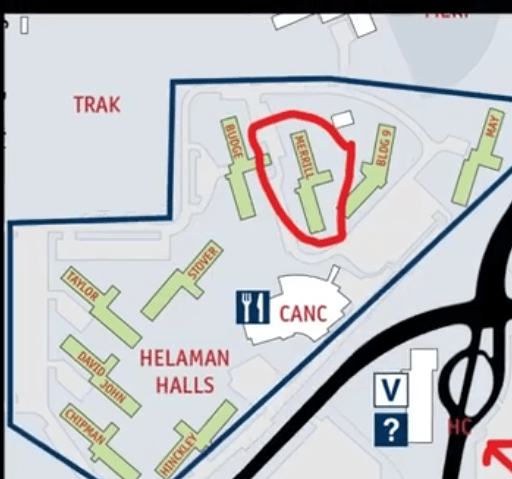
The summer before she disappeared Curtis had been spending much of her time at a friend’s house in Centerville, which is a suburb community north of Bountiful. She wasn’t getting along very well with her family and in an attempt to reconcile with them was picked up by her older sister Barbara on June 24, 1975, who (along with Mr. and Mrs. Curtis) were attempting to bring their ‘Sue-Sue’ back into the family fold. She also registered Sue for a two-day Latter Day Saints conference at Brigham Young University. On June 26, 1975 the sisters rode their bikes (along with a friend named Lynette Stringer) 50 miles from Bountiful to Provo. The girls met up with some other kids from Bountiful’s ‘Orchard Youth Ward’ at the Orchard Stake building in north SLC, and they all made the long ride together. They even stayed the night ‘in a yard at the residence of Eva Smith of Lehi, UT.’ On multiple occasions during the journey, Sue complained of stomach problems, as well as feeling suicidal. They made it to the Mormon university sometime in the mid-morning the following day, and quickly settled into their assigned rooms. Once at the conference, she was going to room with Lynette in Merrill Hall in the Helaman Halls, which is a group of dormatores; Curtis was staying in the all female dormitory in a second story room, specifically number 2121. According to the missing persons report, Barbara was staying nearby in room 2118.
There was a formal banquet early in the evening on the first day of the conference that was held at the Wilkinson Student Center. Curtis was last seen at around 7 PM wearing a full-length, yellow evening gown. She had just eaten dinner and was worried about food  possibly being stuck in her new braces, and left her friends to walk the quarter mile back to her room to brush her teeth, telling one of them she’d be back in a few minutes. Although we have to keep in mind that Sue wasn’t a student at BYU and wasn’t incredibly familiar with the layout of its campus (her high heels didn’t help), the journey was fairly short and should have only taken her about 10 to 13 minutes (it was about 0.6 miles in length). When she didn’t come back to the banquet Barbara went looking for her, and when she went to inspect her toothbrush it was bone dry, meaning she never made it back to her room. All of her clothes, money, and personal possessions were left behind, and Susan Curtis was never seen alive again. After Barbara made the initial report with BYU police, the Provo Police, Utah Highway Patrol, Utah County Sheriff, and Orem Police Departments were all notified.

When officers looked through Susans possessions they found $21 in a jewelry box on the dresser. Also left behind were a pair of jeans and some other clothes folded and hanging up in the closet, along with several pairs of shoes, a pendant, and ring that she reportedly would never have left behind. It’s worth noting that there’s a parking lot near the Helaman Halls dormitory buildings, and in the past Bundy had successfully snatched quite a few of his victims from college campuses: Donna Manson, Sue Rancourt, Georgann Hawkins, and Roberta Kathleen Parks… When you think about these other abductions it makes sense he would park his VW in a secluded spot that was slightly out of the way but still within walking distance. This explains why no one witnessed the attack even though it happened in the early evening on a busy college campus.

According to an article published by The Salt Lake Tribune on January 27, 1989, Curtis’ disappearance stirred only a small amount of buzz in the media, although it caused great concern to investigators at BYU. Despite her habit of running away, law enforcement wasn’t hesitant to immediately start investigating her disappearance as an abduction, which is a surprising (but good) change of pace. I feel the need to comment that it didn’t take long for me to notice that a bunch of Bundy related cases weren’t taken seriously in the beginning because the girls were considered ‘runaways…’ even though she’s a unconfirmed victim, Brenda Joy Baker immediately comes to mind, whose disappearance didn’t make the news at all until they found her body. I suspect this is most likely because by this time in mid-1975 there were quite a few young women that had vanished around the general SLC area, and investigators knew that they were all most likely related.

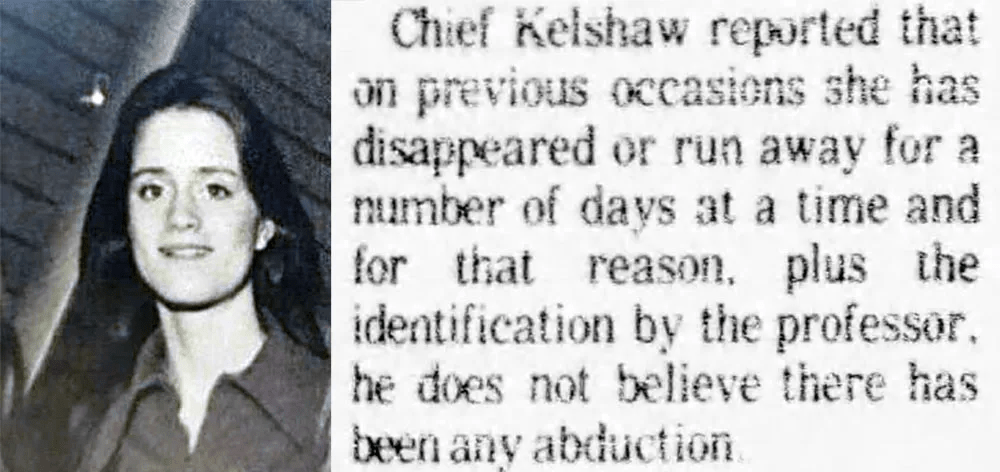
BYU Campus Police and the Provo Police Departments investigated the disappearance, and in the beginning a few witnesses came forward claiming to have seen Curtis around town and on campus. One professor reported he saw her trying to sell a textbook in the back of his class four days after she went missing. He said she was wearing a blue knit top and faded jeans, and was able to positively identify her from a picture. Others claimed to have seen her hitchhiking in the Provo, Orem, and Spanish Fork areas, and one person reported that he saw her hiking up by the ‘Y-mountain’ directly to the east of the Woods Cross football field. According to the missing persons report Barbara gave to the BYU police, at the time Sue disappeared she was seeing a ‘social counselor’ about her mental health issues, who at one time shared with her dad that she had a lot of concerns as well as suicidal tendencies.

The gym teacher quickly became the chief suspect. Dan Clark, who was the lead detective on Sue’s case, polygraphed Lugo, however the examination was determined to be biased and was deemed inadmissible. Lieutenant Lemmon said that nowadays something like that would never fly, and typically an investigator would never be allowed to administer a polygraph to a suspect. In an interview with Captain Borax, Lemmon recently tracked down Lugo (he still lived locally) and asked him about his relationship with Curtis; he lived in an upscale neighborhood and still had all of his mental faculties about him. Lemmon shared that he was working on Curtis’s disappearance and understood that they had an affair many years ago. They briefly discussed it, and Lemmon asked him ‘point blank’ if he killed her, to which he responded ‘no.’ Lugo additionally said no when asked if he was aware of where her body was buried. Nothing ever officially tied him to Sue’s disappearance.

Here’s an interesting fact I learned from Kevin Sullivans book, ‘The Bundy Murders: A Comprehensive History:’ The Curtis family attended the same viewing of ‘The Redhead’ at Viewmont High School as the Kent family the night Deb was abducted in November 1974. This means that Susan was in the same auditorium as Bundy before she became one of his victims roughly seven months later. I wonder if he noticed her that evening? Sue and Deb grew up in the same Bountiful neighborhood and went to the same high school.

Apparently the Curtis family was so desperate for answers as to what happened to Sue that they hired multiple psychics, but sadly nothing ever came of it. At the time of her abduction Bundy was a law student at the University of Utah and was living at 565 1st Avenue North in SLC. Per my ‘handy dandy TB job chart,’ in June and July 1975 he was employed as the night manager in charge of Bailiff Hall at the University (but was terminated after showing up for work drunk). He was still with Liz Kloepfer, although things were getting ready to fizzle out for the final time (they officially broke up after Ted went to prison for the attempted kidnapping of Carol DaRonch in 1976). Also according to Kloepfer he started growing a beard in June 1975, so there’s a good chance he had one when he abducted Curtis.

After Curtis was murdered Bundy wasn’t on the run for long: Utah Highway Patrol Sergeant Bob Hayward pulled him over in Granger at around 2:30 AM on August 16, 1975 after he saw his unfamiliar tan VW Beetle pass by him while he was out on patrol. The officer knew the neighborhood well and had no memory of ever seeing that particular vehicle before. When he turned his lights on to get a better view of its license plate, the driver turned off their headlights and attempted to flee. Sergeant Hayward began to follow the car, which went through two stop signs and eventually pulled into a gas station. When he asked the driver why he was out driving around so late, Bundy replied that he was on his way home from the Redwood Drive-In after seeing the Towering Inferno but lost his way. Two more officers arrived on the scene, and after noticing that the passengers seat was missing they searched the car (with Bundy’s permission) and discovered some incredibly unusual items: a black duffle bag that contained a pair of handcuffs, an ice pick, rope, a crowbar, a flashlight, a ski-mask, a pair of gloves, wire, a screwdriver, large green plastic bags, strips of cloth, and a pantyhose mask.

In addition to his ‘kill kit,’ LE also found maps, brochures of ski resorts, and gas receipts in the VW’s glove compartment box. When asked why he had such strange instruments in his car, Ted told the officers that he was in law school and was studying how to arrest criminals. While they weren’t completely convinced the law student was the ‘crazed murderer of young women’ that they were looking for, investigators did know he wasn’t completely innocent and arrested him for possession of burglary tools; they didn’t have enough evidence to detain him and he was ROR’ed.

It didn’t take long after his first arrest that investigators began to connect the dots between the attempted kidnapping of Carol DaRonch and the other Utah abductions, and they quickly began to suspect that the young law student was responsible. Perhaps one of the most damning pieces of evidence against Bundy were the handcuffs that were found in his car, which were the same style and brand as the ones found on DaRonch’s wrist after her attack. Additionally, the crowbar that officers found  in his ‘murder kit’ was identical to the weapon used to threaten her the previous November, and his tan car matched the description of the one her abductor was driving. There were too many similarities for the police to ignore, but they also knew they needed more evidence to help support their case. A few days after his arrest on August 21, investigators searched Ted’s apartment and found various brochures from the areas where some of the women were missing from, however they failed to search the building’s utility room. Years later, the killer revealed to his lawyer Polly Nelson that he had kept a box of Polaroids of his victims inside that room in a shoebox, which he later destroyed.

Curtis is Ted’s last confirmed victim until his escape in late 1977 (although there are some suspected/unconfirmed victims that disappeared after, including Sandra Weaver, Nancy-Perry-Baird, Shelley Kay Robertson, and Debbie Smith). Just a few days after Sue vanished on July 1, 1975 Shelley Kay Robertson was abducted from Golden, Colorado; her remains were found less than two months later on August 21 in a mine in Berthoud Pass. Four days after Robertson was last seen on July 4, 1975, Nancy Perry-Baird was abducted from the gas station where she worked in East Layton, UT and was never seen or heard from again. After Susan Curtis Bundy didn’t kill again until January 1978, when he escaped incarceration for the second time and escaped to Florida, and killed Lisa Levy and Margaret Bowman.

In a last minute, taped confession that took place less than an hour before he was put to death, Bundy confessed to Florida State Prison Superintendent Thomas Barton that he killed Susan Curtis. He also volunteered information as to where investigators would find her body and how they could get to it. Ted said that he dumped her body five to ten miles south of Price right before the Green River, and that he ‘turned left on a side road’ and after about a quarter of a mile took another left. He then drove roughly 200 yards down that dirt road and dumped her remains about 50 yards off of it, to the left. He also shared that he wasn’t aware of her name or identity. In the same confession, he took responsibility for the death of Denise Oliverson, who was last seen riding her bike in Grand Junction in April 1975. He dumped her body in the Colorado River, about five miles west of Grand Junction and specified that she ‘was not buried.’ Ted confessed to killing at least eight young women in the state of Utah: Curtis, Nancy Wilcox, Deb Kent, Melissa Smith and Laura Ann Aime; three more remain unidentified. The Curtis family found out with the rest of the world that their daughter was murdered by the serial killer: they heard it on the news after Bundy was executed.

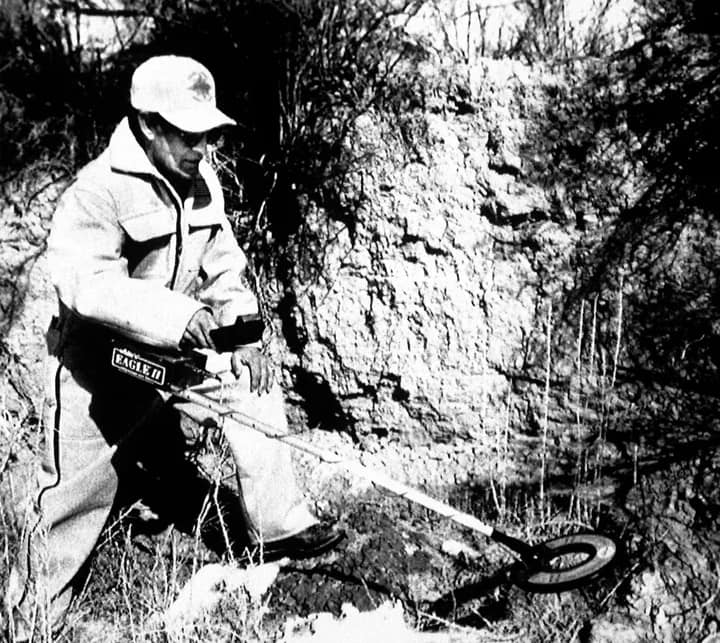
When Bundy confessed to Curtis’s murder in January 1989 fourteen years had passed by. This gave local wildlife a lot of time to pick apart her remains and move them around, dispersing them around the area. After he was executed law enforcement was forced to put off the search efforts until the following spring because of the cold, snowy conditions. Because of the incredible amount of attention the case had garnered, at first Florida law enforcement gave the media only small pieces of his confession related to Curtis’s murder. This was most likely so people wouldn’t take it upon themselves to go check out the crime scene and potentially destroy evidence, or attempt to disrupt recovery efforts. The search team was headed up by the Salt Lake County and the Carbon County Sheriff’s departments, and volunteers combed the area looking for any trace of Curtis. They were hopeful that their metal detectors would be able to pick up her braces, however all they found were pieces of scrap metal, old tires, beer cans, and shell casings. They also used cadaver dogs in their search efforts, mostly because of the deep layer of snow that covered the area. In the years that followed the initial search, Curtis’s family and cold case detectives have searched the hills and fields, with the help of (multiple) mediums and psychics. They also used helicopters in their recovery efforts, but with every attempt they came back with nothing.

As I sit here writing, the abduction of Georgann Hawkins immediately comes to my mind when I think about the circumstances of this case, as they share a lot of similarities: they both took place on college campuses, with the girls walking back to their living spaces. They were both thin, and had brown hair they wore long and parted down the middle. Nancy Wilcox as well (to a point), who was on her way to her high school after getting into an argument with her father about her bf’s truck leaking oil on their driveway (my dad is the same way). She just… vanished into thin air. They all did. I know that with Hawkins Bundy used his ‘injury ruse’ in his abduction technique, I wonder if he did the same type of thing with Curtis. It wasn’t like he could have easily hit her over the head with a crowbar and dragged her away: she was abducted from a busy college campus at around 6-7 in the evening in the middle of summer. I’m leaning towards him using some sort of ruse to lure her back to his car, then he pounced. Maybe he faked a broken arm and told her he needed help carrying his briefcase to his car. Or maybe he faked a broken leg somehow… The possibilities are endless, and we’ll never know what actually happened.

Lieutenant Lemmon collected DNA swabs from Larry and Marilyn Curtis in hopes of one day positively identifying their daughters remains. Mrs. Curtis said that Susans disappearance was especially hard on Barbara, who blamed herself for not walking back to the dorms with her sister. I couldn’t find any record of either one of Susan’s parents passing away. Because her remains have never been recovered she officially remains a missing person. Susan Curtis would be 63 as of December 2023.

*As a personal note, I initially hesitated including this information in this piece. But I learned it from Captain Borax, so obviously it’s out there in the Bundy community, although it doesn’t seem to be widely discussed (I also saw it discussed on WebSleuths as well).

Sue Curtis.
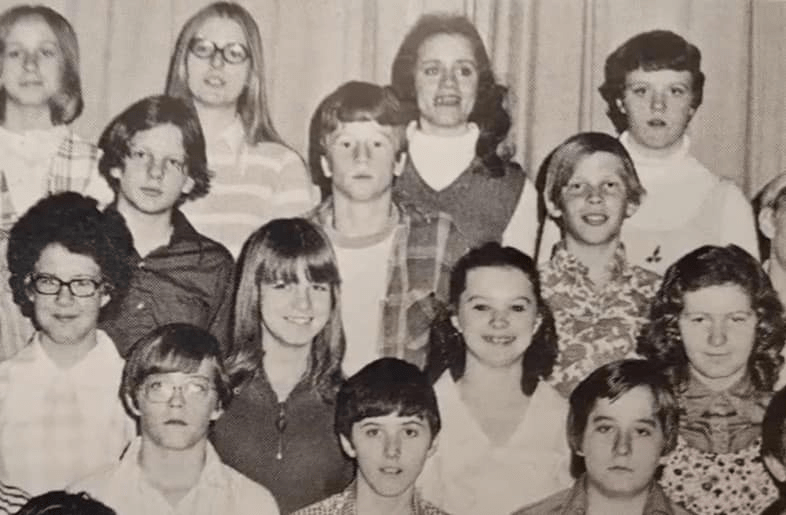
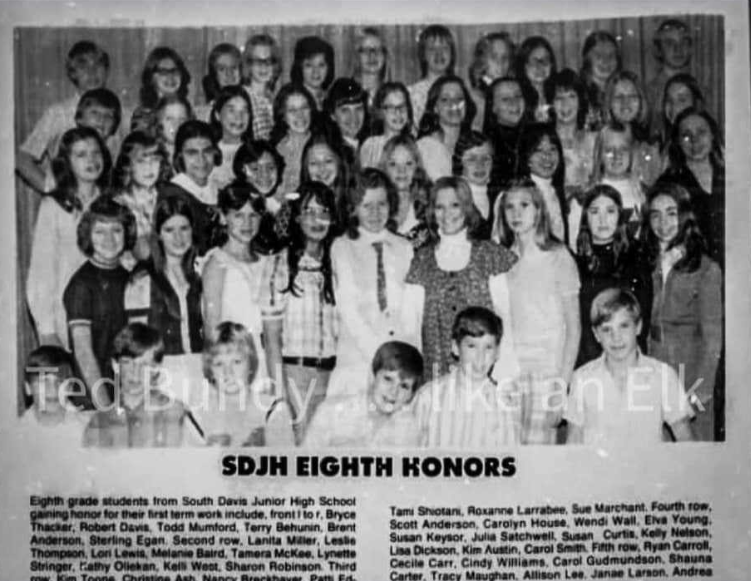
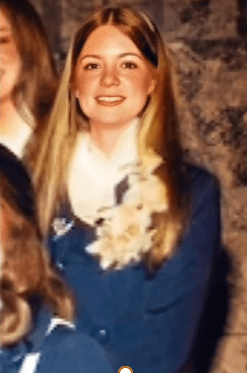
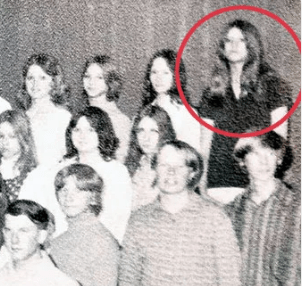
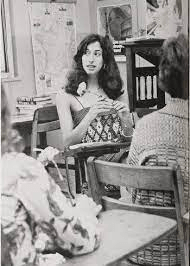
Susan Curtis in a group picture from the 1972 South Davis Junior High School yearbook.
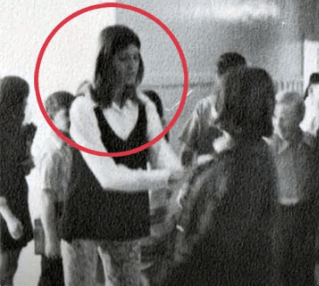
Sue in a group photo from junior high. Photo courtesy of ‘TB: I was Trying to Think Like an Elk.’ And thank you to Samantha Shore for finding this for me.
Sue in a group photo from junior high. Photo courtesy of ‘TB: I was Trying to Think Like an Elk.’ And thank you to Samantha Shore.
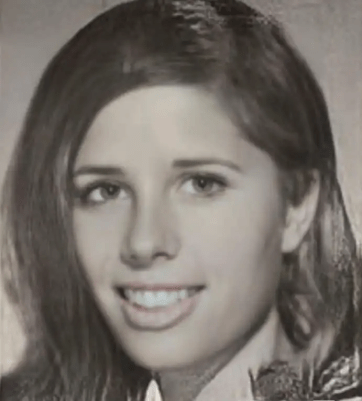
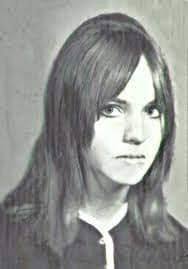
Sue Curtis’ freshman year picture from the 1975 Woods Cross High School yearbook.
Susan in a group picture for the baseball team from the 1975 Woods Cross High School yearbook.
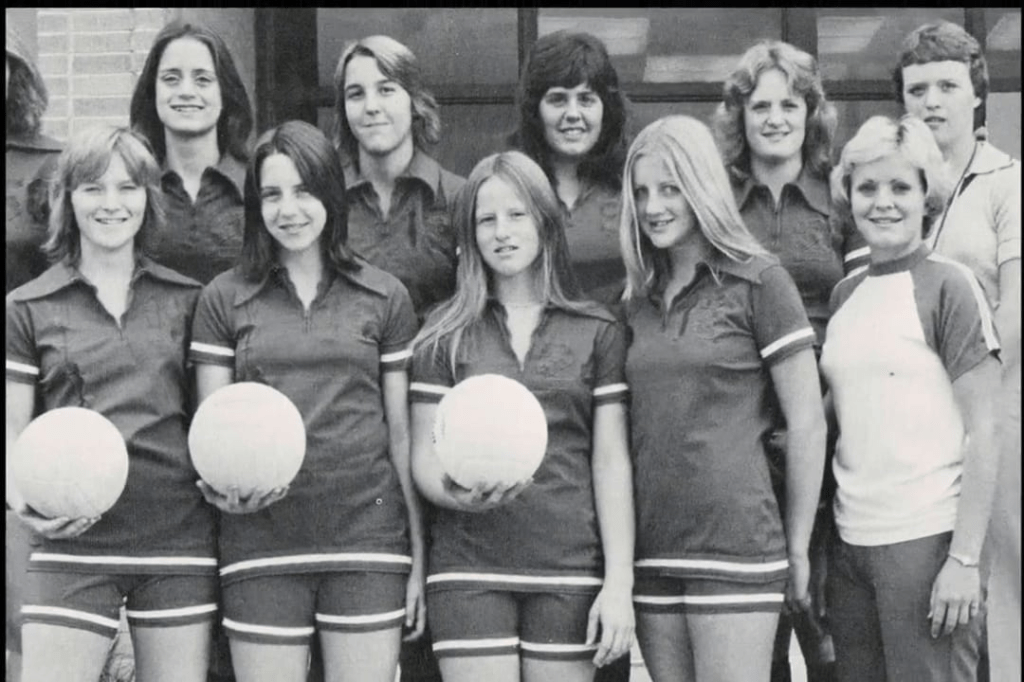
Susan in a group picture for the volleyball team from the 1975 Woods Cross High School yearbook.
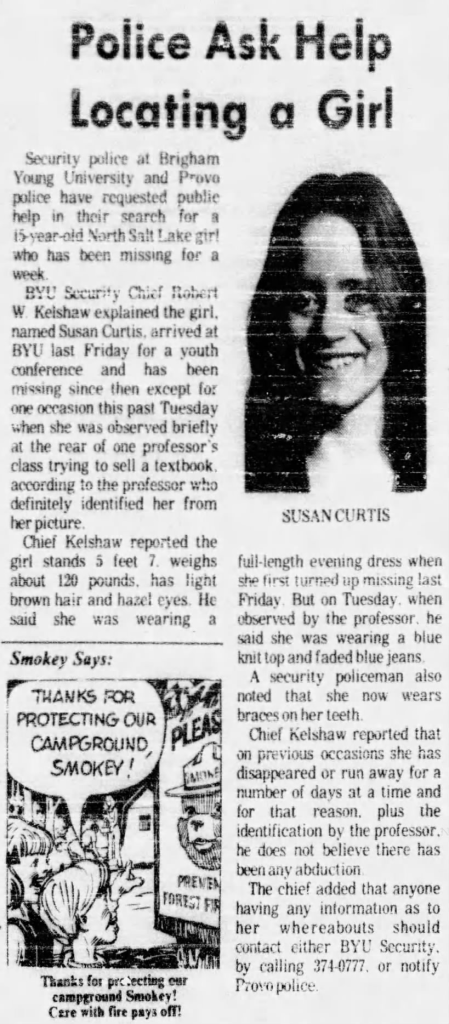
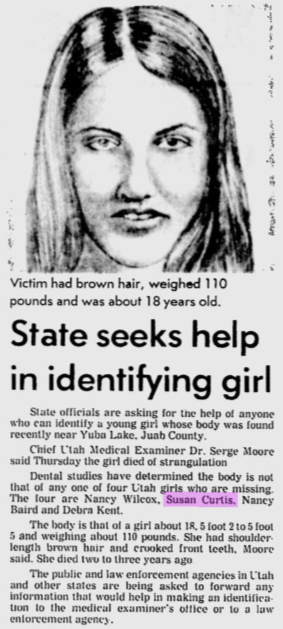
An article about Curtis published by The Daily Herald on July 4, 1975 (which is coincidentally the same date that Nancy Perry-Baird disappeared on).
An article mentioning Curtis published by The Deseret News on September 8, 1978.
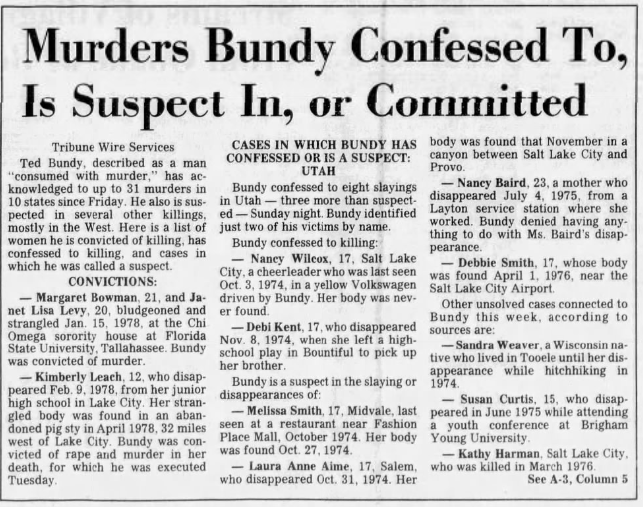
A list of some potential victims of Bundy that mentions Curtis published by The Salt Lake Tribune on January 25, 1989.
AAn article mentioning Curtis published by The Idaho Statesman on January 27, 1989.
Part one of an article mentioning Curtis published by The Salt Lake Tribune on January 27, 1989.
Part two of an article mentioning Curtis published by The Salt Lake Tribune on January 27, 1989.
An article mentioning Curtis published by The Spartenburg Weekly Herald on January 28, 1989.
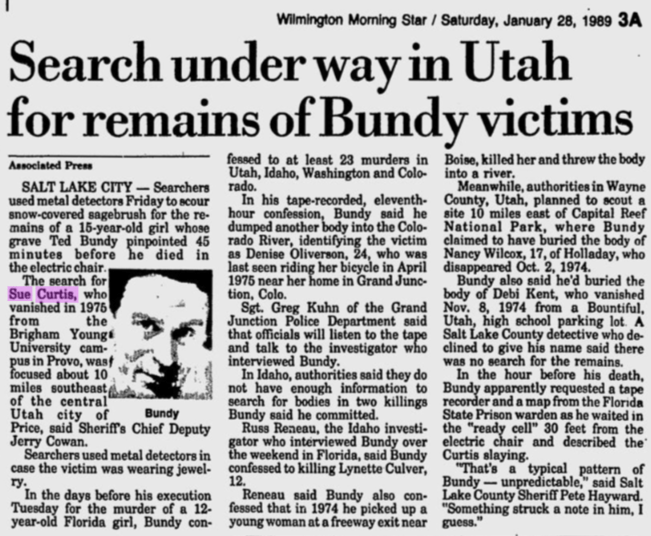
An article mentioning Curtis published by The Wilmington Morning Star on January 28, 1989.
An article mentioning Curtis published by The Knoxville News-Sentinel on January 29, 1989.
An article mentioning Curtis published by The Ukiah Daily Journal on January 29, 1989.
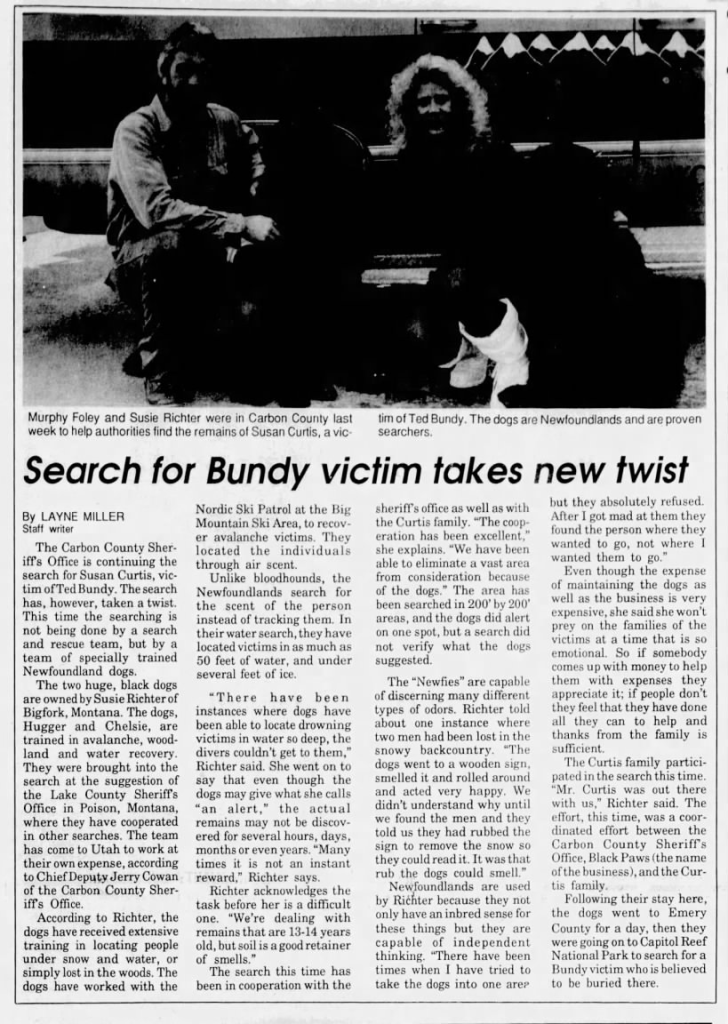
An article about the search for Susan Curtis published by The Daily American Republic on January 29, 1989.
A newspaper blurb mentioning Curtis published by The Times-Independent on February 9, 1989.
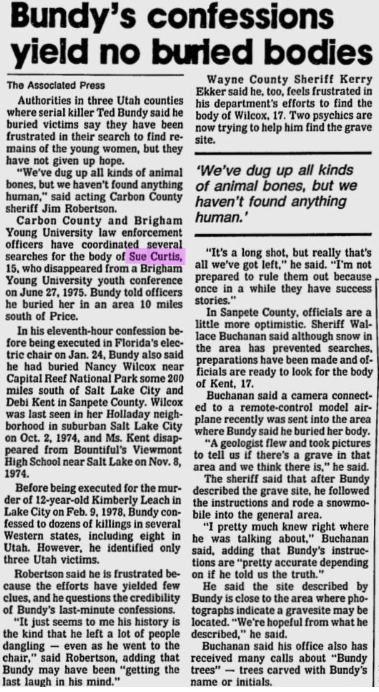
An article about the hunt for Curtis published by The Sun-Advocate on February 14, 1989.
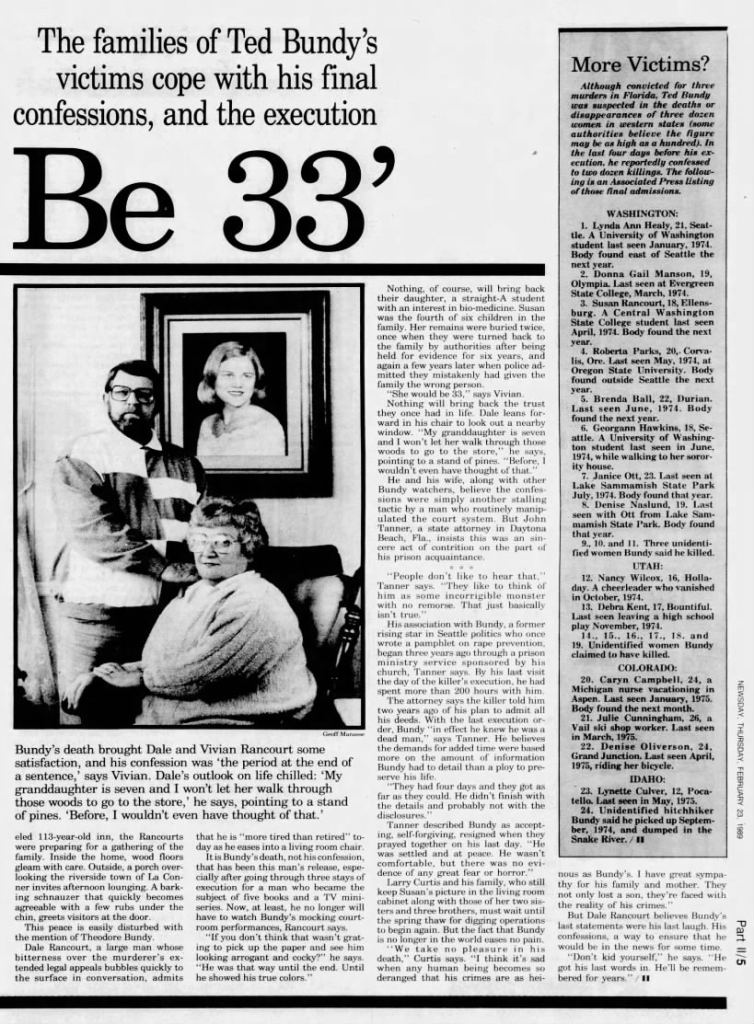
Part one of an article mentioning Curtis published by Newsday (Suffolk Edition) on February 23, 1989.
Part two of an article mentioning Curtis published by Newsday (Suffolk Edition) on February 23, 1989.
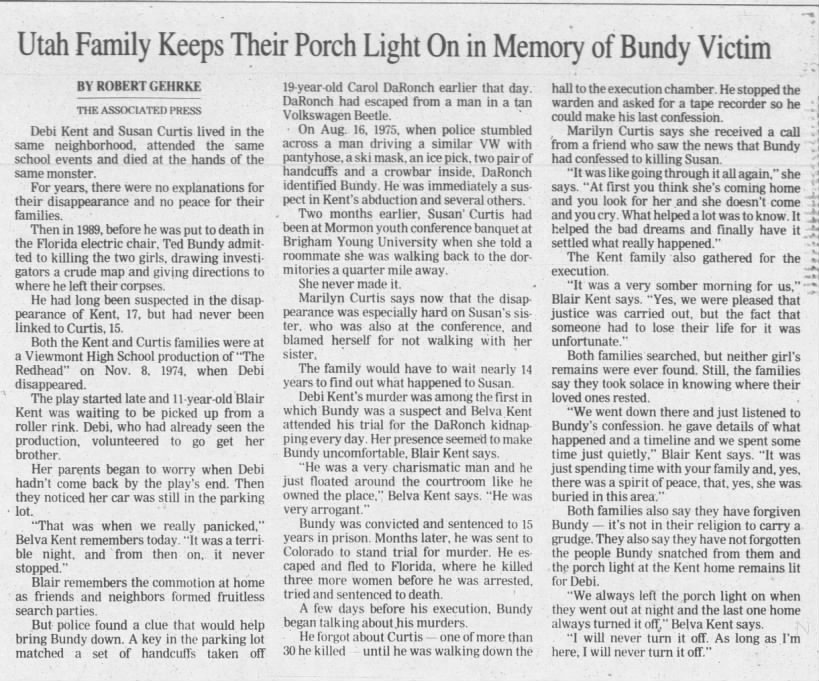
A ‘thank you’ note written to the investigators that worked Bundy’s case that mentions Susan Curtis, published by The Sun-Advocate on March 16, 1989.
An article about the search for Susan Curtis published by The Salt Lake Tribune on March 22, 1989.
An article mentioning Curtis published by The Lakeland Ledger on April 25, 1989.
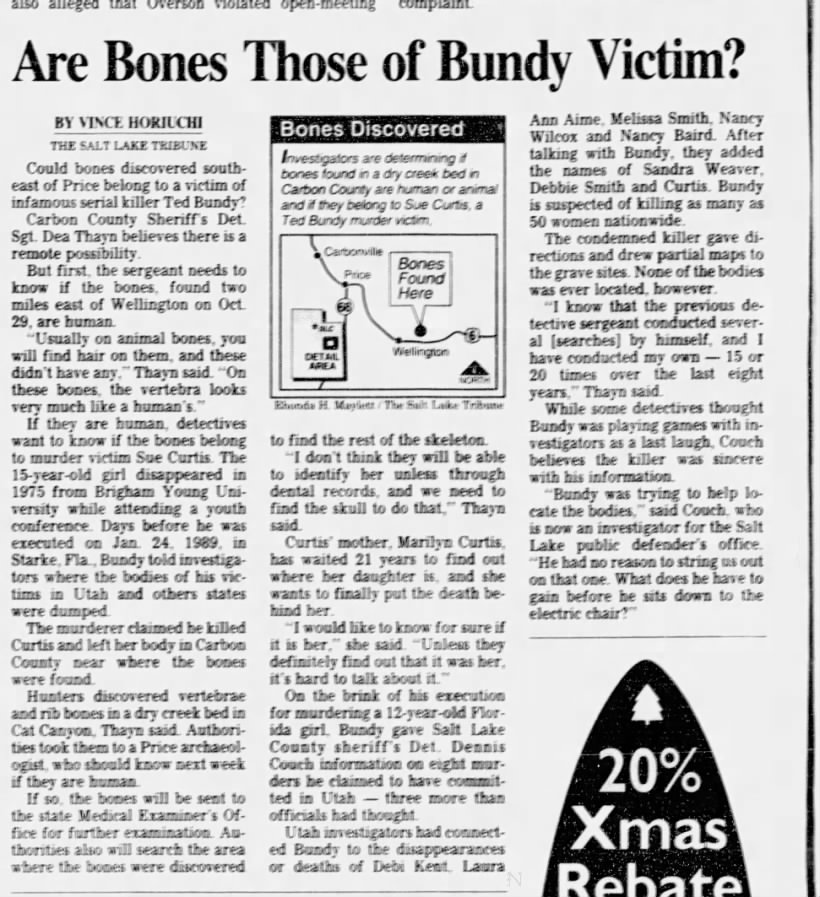
An article about the search for Susan’s remains published by The Salt Lake Tribune on November 9, 1996.
An article mentioning Curtis published by The Salt Lake Tribune on August 19, 2000.
A professor from BYU reported that he had seen Sue trying to sell a textbook at the back of his class. This false sighting, paired with her habit of running away initially made the police wonder if she left willingly and that no abduction had taken place. Photo courtesy of OddStops.
The Curtis family’s page on ‘MyHeritage.’ It looks like it’s run by a Marilyn Curtis.
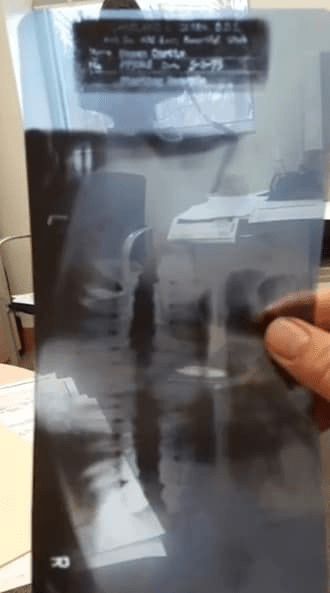
An x-ray of the skull of Susan Curtis from when she got her braces. Photo courtesy of Captain Borax.
Another shot of an x-ray of the mandible of Curtis. Photo courtesy of Captain Borax.
An x-ray of the mandible of Curtis. Photo courtesy of Captain Borax.
The notes on an x-ray of Susan Curtis. Photo courtesy of Captain Borax.
The missing persons report for Susan Curtis completed by her sister Barbara. Photo courtesy of Captain Borax.
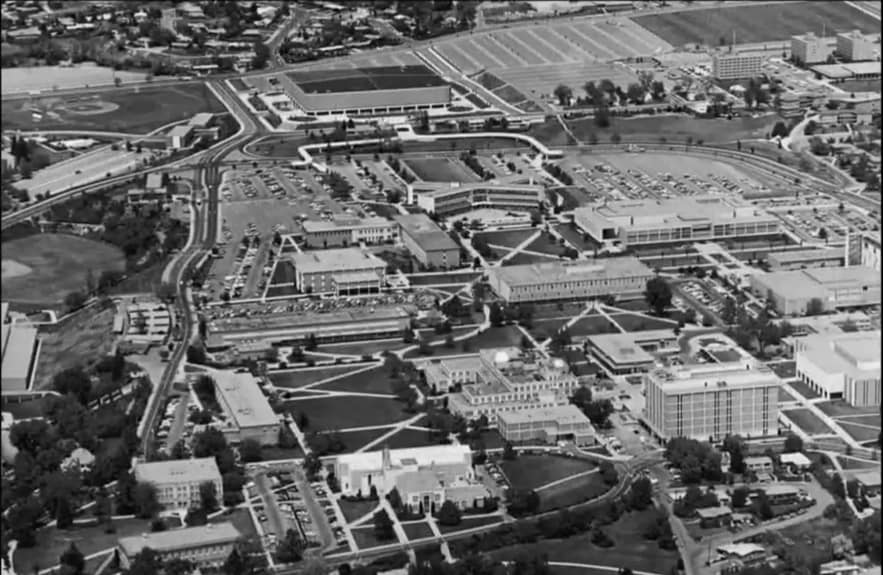
An aerial shot of Brigham Young University in 1974. Photo courtesy of Captain Borax.
The Wilkinson Student Center in the 1960’s. Photo courtesy of Captain Borax.
The Wilkinson Center Cafeteria in the 1960’s. Photo courtesy of Captain Borax.
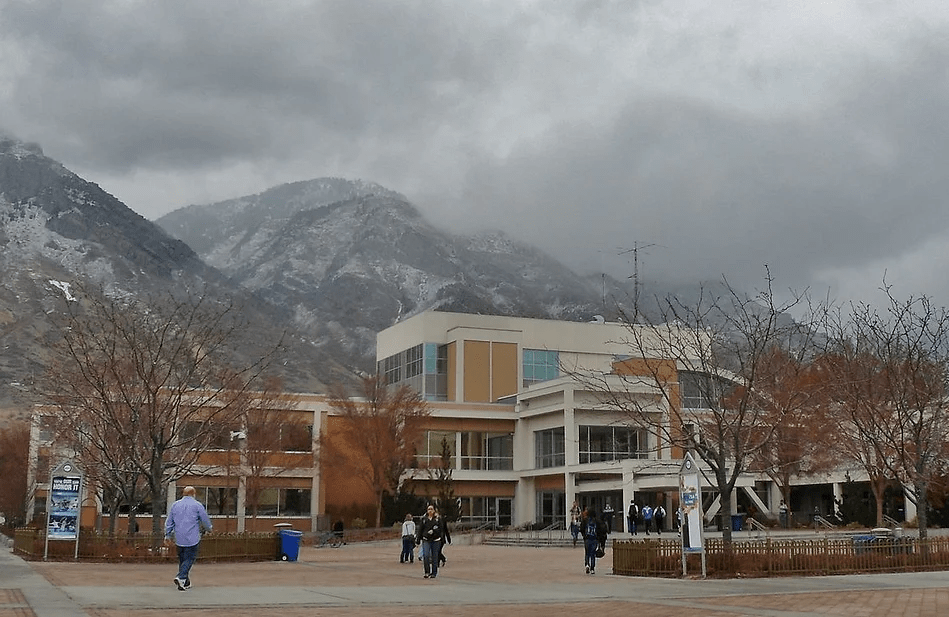
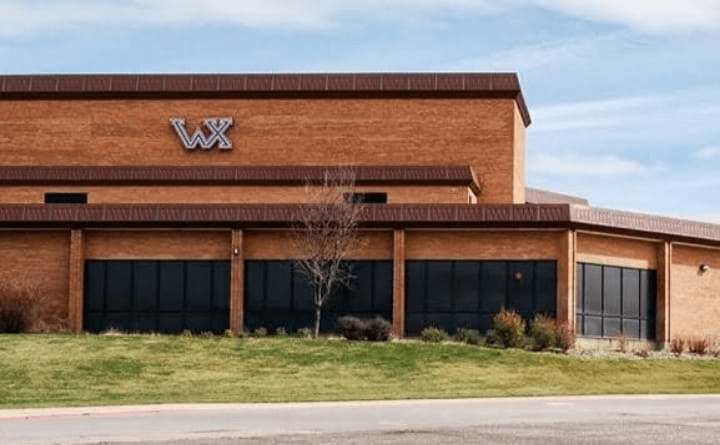
This is a Google Street View image of the Wilkinson Student Center at Brigham Young University.
Helaman Halls. Photo courtesy of OddStops.
The Wilkinson Student Center at BYU.
The set-up of the Helaman Hall group of dorms at Brigham Young University. Photo courtesy of Captain Borax.
Merrill West Hall. Photo courtesy of Captain Borax.
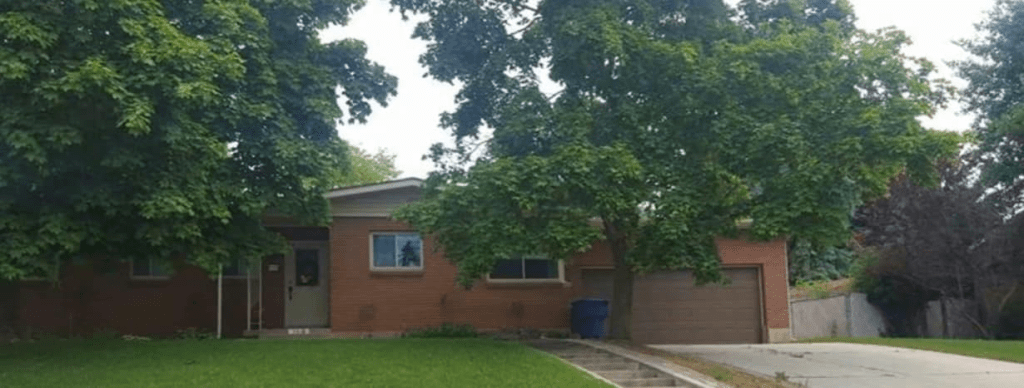
The Curtis family home at the time Sue disappeared, located at 73 South 250 East North in Bountiful outside of SLC. After she was abducted the family relocated to Wellington, Utah for employment reasons.
Woods Cross High School, where Curtis was a student.
Bountiful’s ‘Orchard Youth Ward,’ in the northern part of Salt Lake City located at 3599 South Orchard Drive.
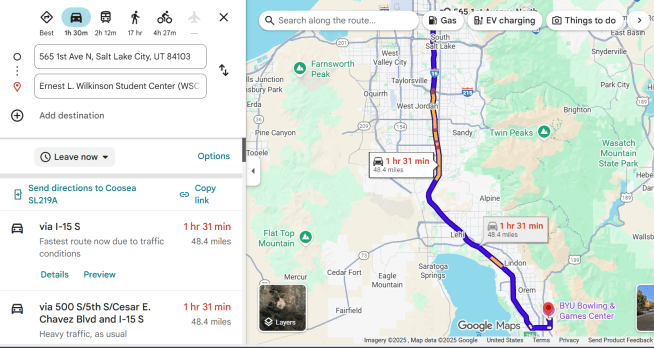
The route from Bundy’s apartment on 1st Ave in SLC to the Wilkinson Student Center at BYU.
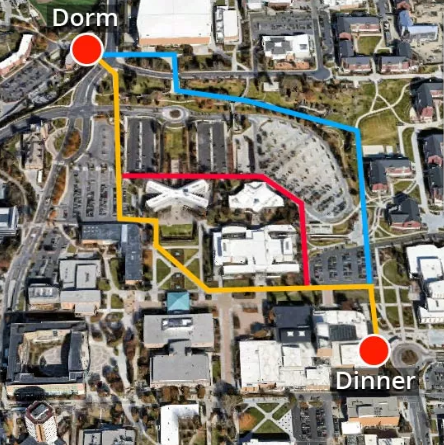
This is an aerial image that shows the three possible routes that Curtis may have taken the evening she vanished. Google Maps shows that the orange one is the preferred one, but this may not have been the case back in the summer of 1975. We also have to remember that Curtis wasn’t a student at the University and wasn’t very familiar with the campus. All of these routes are roughly the same length and because of this, there is no way of knowing which one she took. Photo courtesy of OddStops.
This is an aerial photograph of the BYU campus taken in September 1969. The Wilkinson Student Center is circled in blue, and the red circle highlights the dorm building that Curtis was planning on walking to the night she was abducted. Some of the parking lots in the area are marked with yellow X’s. Photo courtesy of OddStops.
Where Bundy abducted Curtis from and where he claims he dumped her remains. Photo courtesy of OddStops.
Joe Ruden from the Carbon County Search and Rescue team uses a metal detector to search for the remains of Susan Curtis.
Jim Simone from the Carbon County Search and Rescue team sets out in search for the remains of Sue Curtis.
Investigators spent three weeks fruitlessly scratching the frozen earth outside of Price. Picture published in Newsday (Suffolk Edition) on February 3, 1989.
Bundy’s whereabouts the day Curtis disappeared according to the ‘TB Multiagency Investigative Team Report 1992.’
The outside utility room of the rooming house Bundy lived in SLC. It was the first place he rented while living in Utah, and he lived there from September 1974 to October 1975.
Larry Curtis from the 1954 West High School yearbook.
Marilyn Haslam-Curtis from the 1954 West High School yearbook.
Mr. and Mrs. Curtis’s wedding announcement in The Deseret News on September 27, 1954.
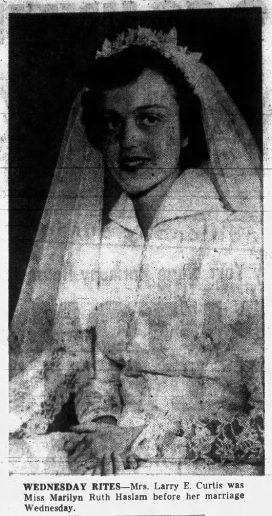
Marilyn Curtis on her wedding day.
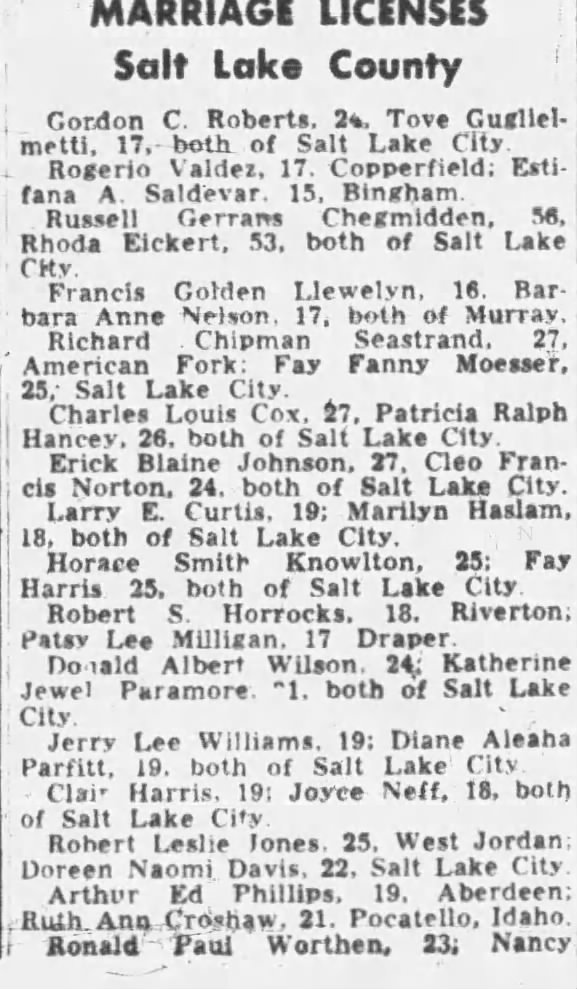
Mr. and Mrs. Curtis’ marriage announcement published in The Deseret News on September 22, 1954.
Brett Curtis from the 1976 Viewmont High School yearbook.
Calvin Curtis from the 1976 Viewmont High School yearbook.
Jeff Curtis from the 1976 Viewmont High School yearbook.
Barbara Curtis from the 1976 Viewmont High School yearbook.
The layout of where Bundy’s five confirmed Utah victims were abducted from. Photo courtesy of OddStops.
William Lugo from a South Davis Junior High School yearbook.
An article about the former gym coach from South Davis Junior High School that may have been in an inappropriate relationship with Susan Curtis, published in The Ogden Standard-Examiner on June 25, 1975.
An article William Lugo published in The Salt Lake Tribune on July 30, 1975.
A article about William Lugo published in The Davis County Clipper on August 1, 1975. I believe the 14 year old girl he was in a relationship with was Susan Curtis.
An interesting theory about Curtis’ death from a comment on her Morbid Library article. Fern was on the right track, she just got the teachers last name wrong.

Bundy’s Confirmed Victims: A List.

I’ve been spending a good chunk of my time writing about the unconfirmed victims so in this installment of ‘All Things Bundy,’ I’m going over his confirmed kills.

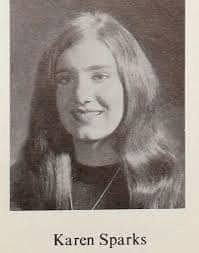
Karen Sparks-Epley (eighteen). January 4, 1974. Survived, Seattle, WA.

Also referred to as ‘Joni Lenz,’ Sparks was brutally assaulted by Ted Bundy while asleep in her basement apartment in the University District of Seattle. She was his first known victim. Thankfully Bundy didn’t kill her, however she was badly beaten with a metal rod, sexually assaulted, and left unconscious for hours before her roommates discovered her later that night. Ted left her with a number of serious long-term injuries she still struggles with to this day.

This image has an empty alt attribute; its file name is image-28.png
Karen Sparks.
This image has an empty alt attribute; its file name is image-29.png
Karen Sparks.
This image has an empty alt attribute; its file name is image-30.png
Karen Sparks.
This image has an empty alt attribute; its file name is image-31.png
Karen Sparks in the Amazon documentary, ‘Falling for a Killer.’

Lynda Ann Healy (twenty-one). February 1, 1974. Murdered, Seattle, WA.

On January 31st, 1974, Healy borrowed a friend’s car to go shopping for a family dinner she was preparing the next night and returned with her groceries at roughly 8:30 PM. Shortly after, Lynda and her roommates went drinking at a popular bar called Dante’s Tavern located at 5300 Roosevelt Way NE. The establishment was a five-minute walk from her apartment but the friends didn’t stay out long because Lynda needed to be up at 5:30 AM to be at her job giving the ski report for a local radio station. A number of sources report that Bundy used to go to Dante’s often and it is hypothesized that he first saw Lynda there then followed her home. In the early morning hours of February 1, 1974, he broke into Healy’s basement room, beat her, took off her bloody nightgown (making sure to neatly hang it up in her closet), dressed her then carried her off into the night. It is theorized that Ted only took clothes to make it appear as if Lynda left on her own but obviously, we’ll most likely never know the truth. Her body found in March 1975 on Taylor Mountain, near Issaquah outside of Seattle.

This image has an empty alt attribute; its file name is image-26.png
Lynda Healy, in the middle holding her little sister.
This image has an empty alt attribute; its file name is image-27.png
Lynda Ann Healy (middle) with her siblings.
This image has an empty alt attribute; its file name is image-24.png
Lynda Ann Healy.
This image has an empty alt attribute; its file name is image-25.png
Lynda Ann Healy.

Donna Gail Manson (nineteen). March 12, 1974. Murdered, Olympia, WA.

On the day of her abduction, Donna planned on going to a folk dancing class at the College Activities Building at Evergreen State College (where she attended). Later that same night, she made plans to go to a jazz concert at the Daniel J. Evans Library (also on campus), which was scheduled to start at 8 PM. Donna departed her dormitory just after 7 PM and set out for the dance class, which was just a two-minute walk away. Despite how close the College Activities Building was to her dorm, no one recalls seeing her at either the dancing class or the jazz recital, making it highly unlikely that she ever made it that far. Manson was never seen alive again. After confessing to her murder, Bundy said he burned her skull in Liz Kendall’s fireplace.

This image has an empty alt attribute; its file name is image-36.png
Donna Gail Manson.
This image has an empty alt attribute; its file name is image-34.png
Donna Gail Manson.
This image has an empty alt attribute; its file name is image-33.png
Donna Gail Manson.
This image has an empty alt attribute; its file name is image-32.png
Donna Manson.

Susan Elaine Rancourt (eighteen). April 17, 1974. Murdered, Ellensburg, WA.

Shortly before 8 PM the evening she disappeared from her college campus at Central Washington University, Susan Rancourt put some clothes in a washing machine in Barto Hall (her dorm building). She then went to a meeting about becoming a Residential Advisor at Munson Hall. When it ended at 10 PM Sue left to walk back to her dorm to switch out her laundry but was never seen alive again. She had plans later that night to watch a movie with a friend but never showed up. Rancourt’s skull was later found near Taylor Mountain, where Bundy placed several bodies during his reign of terror.

This image has an empty alt attribute; its file name is image-39.png
Susan Elaine Rancourt.
This image has an empty alt attribute; its file name is image-38.png
Susan Elaine Rancourt.
This image has an empty alt attribute; its file name is image-37.png
Sue Rancourt.
This image has an empty alt attribute; its file name is image-40.png
The Susan Rancourt Memorial Garden at CWU. Photo taken in April 2022.

Roberta Kathleen Parks (twenty). April 17, 1974. Corvallis, OR.

A student at Oregon State University in Corvallis, Parks was abducted from her college campus, which is over a four-and-a-half-hour drive for Bundy (who was living at the Rogers Rooming House on 12th Ave NE in Seattle at the time). Shortly before 11:00 PM the night she disappeared, Parks encountered Bundy in the Memorial Union Commons cafeteria at OSU. During Teds interviews with journalists Hugh Aynesworth and Stephen Michaud, he ‘confessed’ in the third person that Kathy may have encountered her killer while in the cafeteria. Bundy then said he was able to convince her to leave with him and as soon as the opportunity presented itself, he immediately overpowered her. He most likely bound and gagged Parks during the 250-mile trip back to Seattle, where then killed her and left her body on Taylor Mountain.

This image has an empty alt attribute; its file name is image-43.png
Roberta Parks, second from the left.
This image has an empty alt attribute; its file name is image-41.png
Roberta ‘Kathy’ Parks.
This image has an empty alt attribute; its file name is image-42.png
Kathy Parks.
This image has an empty alt attribute; its file name is image-44.png
One of the more frequently used pictures of Kathy Parks.

Brenda Carol Ball (twenty-two). June 1, 1974. Murdered, Burien, WA.

In the wee hours of June 1st, 1974, Brenda Ball seemingly vanished into thin air after seeing a band play at The Flame Tavern located at 12803 Ambaum Boulevard in Burien, WA. She arrived at the bar alone and stayed until closing. As the act was wrapping up their set at the end of the night Brenda asked one of the members she knew for a ride home back to her house, but he was heading in the opposite direction so he couldn’t help out. There are two conflicting reports about how she could have left the bar that night: one is that she left by herself and was planning on hitchhiking home, and the other claims that she left with an unidentified man wearing an arm sling. Despite law enforcement being hesitant to officially say her disappearance was related to the other missing girls in Seattle; her skull was the first discovered on Taylor Mountain in March of 1975.

This image has an empty alt attribute; its file name is image-48.png
Brenda Ball’s senior picture from the 1970 Mount Rainier High School yearbook.
This image has an empty alt attribute; its file name is image-47.png
A barefoot Brenda Ball.
This image has an empty alt attribute; its file name is image-46.png
Brenda Carol Ball.
This image has an empty alt attribute; its file name is image-45.png
Brenda Ball.

Georgeann Hawkins (eighteen). June 11, 1974. Murdered, Seattle, WA.

A student at the University of Washington, Georgann Hawkins disappeared from an alley behind her sorority house in June 1974. The night before she vanished, Hawkins went to a party, where she had a few mixed cocktails. Because she had a Spanish final coming up that she needed to study she didn’t stay long; she did mention to a sorority sister that she was planning on swinging by the Beta Theta Pi House to pick up some Spanish notes from her boyfriend. Hawkins arrived at the frat at approximately 12:30 AM on June 11 and stayed for approximately thirty minutes. After getting the notes and saying goodnight to her beau, Georgann left the fraternity house for her sorority house, Kappa Alpha Theta. Before he was executed, Ted told law enforcement that he approached her in an alley on her way home, feigning injury with a hurt leg (using his crutches as a ruse) while dropping his briefcase. Bundy asked Hawkins for help carrying the prop to his VW Bug, which was waiting in a parking lot roughly 160 yards north of the alley. She agreed and as she bent over to put the briefcase in his vehicle, Ted grabbed a conveniently placed crowbar and knocked her out with a single blow to the head. He then pushed George into his car and drove off into the night. Bundy claimed that while driving she regained consciousness and started to incoherently babble about her upcoming final, thinking he was her Spanish tutor. He again knocked her out with his crowbar. Once at his intended location, Ted took her unconscious body out of his car and strangled her with an old piece of rope. According to him, the parts of Georgann’s body he had not buried were recovered in Issaquah with the bodies of Janice Ott and Denise Naslund. He confessed to murdering Hawkins shortly before his 1989 execution.

This image has an empty alt attribute; its file name is image-51.png
Georgeann and her pom poms, from her time at Lakes High School, in Lakewood, WA.
This image has an empty alt attribute; its file name is image-52.png
A photo of George from the 1973 Washington State Daffodil festival.
This image has an empty alt attribute; its file name is image-50.png
A b&w photo of Georgeann Hawkins.
This image has an empty alt attribute; its file name is image-49.png
Georgann Hawkins.

Janice Ann Blackburn-Ott (twenty-three). July 14, 1974. Murdered, Issaquah, WA.

At the time she was murdered, Janice Ott worked as a probation case worker at the King County Youth Service Center in Seattle, WA. In December of 1973, she married Jim Ott, who at the time of her death was in California for graduate school. After her car was broken into while living in Seattle, she moved in with a roommate to 75 Front Street in Issaquah (she felt the smaller community would be safer). The morning she disappeared, Janice spent a few hours at doing laundry and having a cup of coffee with a friend. After her errands and chores were completed, she rewarded herself with a trip to Lake Sammamish. Ott was abducted by Bundy at around 12.30 PM, and just a mere three and a half hours later he returned to the same park and abducted Denise Naslund.

Janice Ott and her younger sister standing outside her VW Bug.
Janice Ott.
Janice and Jim Ott.
This image has an empty alt attribute; its file name is image-54.png
Janice Ott.

Denise Marie Naslund (eighteen). July 14, 1974. Murdered, Issaquah, WA.

On a beautiful, picture-perfect sunny day, Naslund disappeared from a very busy Lake Sammamish State Park (that day was Rainier Beer’s annual picnic, there were over 40,000 people there). She was there with her boyfriend and another couple, and after telling them she was going to the restroom Denise was never seen alive again. Naslund lived with her mother in Seattle and was studying to become a computer programmer. Eleanor Rose said her daughter had the kind of helpful nature that would easily place her in danger. Denise’s remains were found on a hillside near Issaquah roughly two months later in September 1974, only two miles away from Lake Sammamish. Bundy confessed to her murder shortly before his execution.

This image has an empty alt attribute; its file name is image-56.png
Denise Marie Naslund.
This image has an empty alt attribute; its file name is image-53.png
Denise Marie Naslund.
This image has an empty alt attribute; its file name is image-55.png
Denise Naslund.

Nancy Wilcox (sixteen). October 2, 1974. Murdered, Holladay, UT.

The first of Teds confirmed Utah victims, Wilcox went missing after she went on a walk to buy a pack of gum (it’s also speculated that from there she was on her way to her high school to visit her boyfriend). She left the house in a huff after getting into a fight with her dad about her bf’s pick-up truck leaking oil on the family’s driveway. Both Mr. and Mrs. Wilcox said that because of this law enforcement initially considered her to be a runaway even though they knew their daughter would never voluntarily leave home and had no troubles whatsoever in her personal life. Nancy left all of her personal belongings behind including some expensive jewelry that held deep sentimental value to her. Before he was executed Bundy confessed to sexually assaulting and strangling her, then burying her body about 200 miles away near Capitol Reef National Park. Sadly, her body has never been found.

This image has an empty alt attribute; its file name is image-59.png
Nancy Wilcox.
This image has an empty alt attribute; its file name is image-58.png
Nancy Wilcox.
This image has an empty alt attribute; its file name is image-57.png
Nancy Wilcox.

Melissa Smith (seventeen). October 26, 1974. Murdered, Midvale, UT.

Bundy abducted Smith shortly after she left a pizza parlor on West Center Street in Midvale at around 9.30 PM on October 26, 1974. One unconfirmed report suggests that he may have been asking women in the area to help him with a car issue. Melissa was the daughter of Midvale Police Chief Louis Smith, and her murder took place just sixteen days after Nancy Wilcox vanished from the nearby city of Holladay (and five days before Laura Aime). On the night she disappeared, Smith was supposed to sleep over at a girlfriend’s house, but those plans fell through after she didn’t answer the phone. After realizing she had been stood up, she decided to leave the pizzeria and walk back to her house on Fern Drive. At some point during her walk, it’s speculated that Bundy grabbed Melissa off the street and killed her. She never made it home.

This image has an empty alt attribute; its file name is image-65.png
Melissa Smith.
This image has an empty alt attribute; its file name is image-64.png
Melissa Smith.
This image has an empty alt attribute; its file name is image-60.png
Melissa Smith.

Laura Aime (seventeen). October 31, 1974. Murdered, Lehi, UT.

Shortly before she disappeared Aime dropped out of high school, left home (she frequently couch surfed at various friends’ homes), and worked a few menial part-time jobs. Surprisingly she still remained in contact with her family and according to her parents, they were just beginning to accept her ‘nomadic lifestyle.’ So, when she first disappeared no one really seemed overly concerned. Thanks to my newspapers.com subscription it didn’t take long for me to realize there were no news articles mentioning Laura Aime’s disappearance at first, and her name only began to appear in ink after two hikers discovered her remains in American Fork Canyon. Additionally, when her body was first discovered, law enforcement first speculated it belonged to Deborah Kent.

This image has an empty alt attribute; its file name is image-76.png
Laura Ann Aime, photo courtesy of ThisInterestsMe.
This image has an empty alt attribute; its file name is image-77.png
Laura Ann Aime, photo courtesy of ThisInterestsMe.
This image has an empty alt attribute; its file name is image-78.png
Laura Ann Aime.
This image has an empty alt attribute; its file name is image-79.png
Laura Ann Aime.

Carol DaRonch (eighteen). November 8, 1974. Survived, Murray, UT.

The evening she was abducted Carol DaRonch parked her maroon 1974 Camaro on the southern side of The Fashion Place Mall in Murray, UT. As she was window shopping outside Walden Books, DaRonch was approached by Bundy, who was posing as a police officer. He said that her car had been broken into and asked her to drive down ‘to the station’ with him to file a report with him. However as they were on their way he attempted to subdue and handcuff her but was unsuccessful: she was able to fend him off and escape. Of the encounter, DaRonch said that she ‘thought he was kind of creepy … I thought he was a lot older than he was.’ She also commented that she could smell alcohol on his breath.

This image has an empty alt attribute; its file name is image-80.png
Carol DaRonch.
This image has an empty alt attribute; its file name is image-81.png
Carol DaRonch.
This image has an empty alt attribute; its file name is image-83.png
Carol DaRonch.
This image has an empty alt attribute; its file name is image-82.png
DaRonch as she looks today.

Debra Jean Kent (seventeen). November 8, 1974. Murdered, Bountiful, UT.

After Bundy was unsuccessful in his attempts to kidnap Carol DaRonch he quickly realized he was going to need a new victim. So, he made the twenty-two minute drive away to Viewmont High School, where he successfully abducted Debbie Kent. Kent was watching a play with her family but left the school at approximately 10:30 PM to pick up her brother from the nearby Rustic Roller Rink. She never made it to the rink and was most likely abducted in the parking lot. According to an eyewitness, there was loud screaming coming from the area at roughly the time that Debra was last seen, and another person saw a light-colored VW Beetle speeding away from the school. After the Kent’s realized their daughter hadn’t even made it out of the parking lot, they found a handcuff key on the ground by their car. Bundy confessed to killing Deb and burying her body in the same area as Nancy Wilcox.

This image has an empty alt attribute; its file name is image-86.png
Debra Kent.
This image has an empty alt attribute; its file name is image-85.png
Debra Kent.
This image has an empty alt attribute; its file name is image-84.png
Debra Kent.

Caryn Campbell (twenty-three). January 12, 1975. Murdered, Estes Park, CO.

Bundy abducted the twenty-three-year-old nurse from the Wildwood Inn in Snowmass Village. While staying at the inn with her fiancé and his children, Campbell went missing after going upstairs to her room to retrieve a magazine. Although we will never know for certain how exactly Ted managed to abduct the attractive young woman, it is highly likely he feigned an injury and asked her to help him carry something back to his vehicle. After he lured her away from the hotel to a darkened parking lot, he hit her over the head then quickly snuck her into his Bug. Roughly five weeks after Campbell disappeared her body was found less than three miles away from the Wildwood Inn. Someone driving by her remains noticed a large number of birds flying over the area. Using dental records, police determined that the remains belonged to Caryn. The postmortem examination revealed that her skull had sustained three heavy blows. Before Ted’s run in with Ol’ Sparky, he confessed to Campbells murder.

This image has an empty alt attribute; its file name is image-103.png
The day before Bundy was executed Campbell’s father Robert did an interview with the Free Press saying that ‘you never really forgive someone for something like that,’ Robert Campbell said. ‘You just try to put it behind you. … The thing I’d like to have back, I can’t have.’ … ‘I’m not a vindictive person, but certainly you can’t go around killing people. I suppose I approve of his execution reluctantly, but I don’t think executing Bundy will be a deterrent. People will keep killing.’
This image has an empty alt attribute; its file name is image-90.png
Caryn Campbell.
This image has an empty alt attribute; its file name is image-89.png
Caryn Campbell.

Julie Cunningham (twenty-six). March 15, 1975. Murdered, Vail, CO.

Cunningham disappeared early in the evening on March 15, 1975 after leaving her Apollo Park apartment in Vail to go a nearby bar to meet up with a friend. Bundy told law enforcement that he pretended to be an injured skier on crutches that needed help carrying a pair of ski boots to his car. According to Ted, the pair walked over half a mile together before they finally reached his vehicle. Once there, Bundy knocked her unconscious, put her in his car then drove to a remote area roughly eighty miles west of Vail and sexually assaulted her. When finished, he strangled her to death and left her remains in a shallow grave near Rifle, CO. Julie’s body has never been recovered.

This image has an empty alt attribute; its file name is image-93.png
Julie Cunningham.
This image has an empty alt attribute; its file name is image-92.png
Julie Cunningham.
This image has an empty alt attribute; its file name is image-91.png
Julie Cunningham.

Denise Oliverson (twenty-four). April 6, 1975. Murdered, Grand Junction, CO.

On April 6, 1975, Denise Oliverson set out on a bike ride to her parents house but was never seen alive again. The next day, a search party found her bicycle and shoes under the Fifth Street Bridge by some railroad tracks. Just days before he was executed in January 1989, Bundy told law enforcement he abducted Oliverson then disposed of her body in a river about five miles West of Grand Junction. Her remains have never been found.

This image has an empty alt attribute; its file name is image-95.png
Denise Oliverson.
This image has an empty alt attribute; its file name is image-97.png
Denise Oliverson.
This image has an empty alt attribute; its file name is image-96.png
Denise Oliverson on her wedding day.

Lynette Dawn Culver (twelve). May 6, 1975. Murdered, Pocatello, ID.

Although the details surrounding Culvers murder seem to vary between sources, it’s strongly speculated she was last seen at Alameda Junior High School. It’s worth mentioning, this was a two-and-a-half-hour drive from where Bundy was living at the time in Salt Lake City to Pocatello, Idaho. Some places say that she left campus during her lunch period, where others claim, Lynette was last seen getting on a bus. When considering her healthy and happy relationship with family and friends as well as and her stellar academic performance, she most likely was taken against her will. In his death row interviews, Bundy confessed to killing Lynette then dumping her body in the Snake River. He also said he raped and drowned the twelve-year-old child in a hotel room after abducting her. Law enforcement didn’t fully accept his confession despite providing some convincing details.

This image has an empty alt attribute; its file name is image-102.png
Lynette Dawn Culver. 
This image has an empty alt attribute; its file name is image-101.png
Lynette Dawn Culver. 
This image has an empty alt attribute; its file name is image-99.png
Lynette Dawn Culver.
This image has an empty alt attribute; its file name is image-104.png
Lynette Dawn Culver.

Susan Curtis (fifteen). June 27, 1975. Murdered, Provo, UT.

At the time she was murdered, Susan was a freshman at Woods Cross High School. She had a history of running away from home for days at a time but never was gone for very long. Susan was originally from Bountiful, Utah but at the time of her disappearance was attending a youth conference at Brigham Young University in Provo. A natural athlete, Curtis had ridden her bicycle 50 miles from Bountiful to Provo to attend the conference. She vanished on the first evening of the conference after a formal banquet: she left her friends to make the quarter mile walk back to her dormitory to brush her teeth but was never seen or heard from again. As Bundy walked down to the hall to be executed Curtis was his last death row confession. Since her body has not been recovered, she is still regarded as a missing person.

This image has an empty alt attribute; its file name is image-108.png
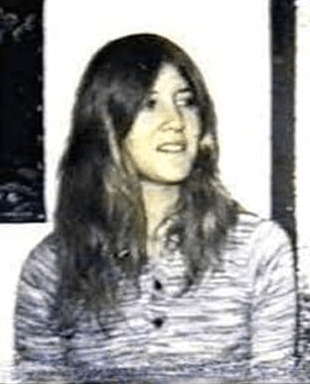
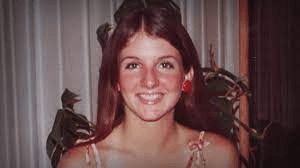
Susan Curtis.
This image has an empty alt attribute; its file name is image-107.png
Susan Curtis.
This image has an empty alt attribute; its file name is image-110.png
Susan Curtis.
This image has an empty alt attribute; its file name is image-109.png
Susan Curtis.
This image has an empty alt attribute; its file name is image-106.png
Susan Curtis.

Margaret Bowman (twenty-one). January 15, 1978. Murdered, Tallahassee, FL.

In the early morning hours of January 15, 1978, a group of young women residing at the Chi Omega house at Tallahassee’s Florida State University were asleep in their beds when evil crept in… Margaret Bowman was born in Honolulu and moved to Florida in 1973 after her father retired from the US Air Force. Bowman was one of four women Bundy attacked when he broke into the sorority house at around 3 AM on January 15, 1978. He beat her with a piece of firewood as well as a telescope and strangled her to death with her own tights. Despite the violent nature of the crime, the initial investigation failed to produce any evidence of sexual assault or struggle. The severity of the beating was so extreme that part of Bowman’s brain was visible.

This image has an empty alt attribute; its file name is image-117.png
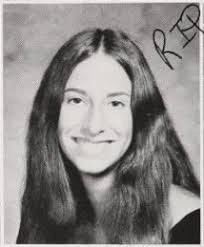
A picture of Margaret Bowman from high school. I hate that it has ‘RIP’ on it but I couldn’t find another copy.
This image has an empty alt attribute; its file name is image-114.png
Margaret Bowman.
This image has an empty alt attribute; its file name is image-113.png
Margaret Bowman.
This image has an empty alt attribute; its file name is image-111.png
Margaret Bowman.

Lisa Janet Levy (twenty). January 15, 1978. Murdered, Tallahassee, FL.

Lisa was born in St Petersburg, FL and attended Dixie Hollins High School, where she played flute in the band for two years. At FSU, she majored in fashion merchandising and worked at the Colony Shop near campus. When law enforcement got to the crime scene Levy’s was the first sister that officers found dead. Medical Pathologists discovered that she had been beaten on the head with a log, sexually assaulted with a hair spray bottle then strangled. Additionally, they found bite marks on her buttocks and one of her nipples had been so savagely bitten that it was almost completely severed from the rest of her breast.

This image has an empty alt attribute; its file name is image-118.png
Levy.
This image has an empty alt attribute; its file name is image-119.png
Lisa Levy.
This image has an empty alt attribute; its file name is image-123.png
Levy.
This image has an empty alt attribute; its file name is image-121.png
Lisa Levy and her boyfriend.
This image has an empty alt attribute; its file name is image-122.png
Lisa Levy and her boyfriend.

Kathy Kleiner-Rubin (twenty). January 15, 1978. Survived, Tallahassee, FL.

Kathy Kleiner-Rubin and Karen Chandler shared a room at the Chi Omega sorority house. That night she was attacked Kathy went to bed first, with Chandler following shortly after. After Bundy attacked and murdered Lisa Levy, he went into the room next door and brutally assaulted Kleiner-Rubin and Chandler. In an interview, Kathy said that was awoken that morning by the sound of her bedroom door opening. The assailant then tripped over a chest that was in-between the girls twin beds. Ted then assaulted her with a piece of firewood, which left her with a broken jaw, concussion, skull fracture, broken arm and finger. Miraculously, she survived her injuries and testified against Bundy in his death penalty trial.

This image has an empty alt attribute; its file name is image-115.png
Kathy Kleiner-Rubin at Bundy’s trial.
This image has an empty alt attribute; its file name is image-125.png
Kathy Kleiner-Rubin.
This image has an empty alt attribute; its file name is image-124.png
Kathy Kleiner-Rubin as she looks today.
This image has an empty alt attribute; its file name is image-116.png
Kathy Kleiner-Rubin as she looks today.

Karen Chandler (twenty-two). January 15, 1978. Survived, Tallahassee, FL.

As I said earlier, Karen Chandler was Kathy Kleiner-Rubin’s roommate in the Chi Omega house. After Bundy was done brutally assaulting Kathy he moved onto Chandler. Bundy knocked out four of her teeth and beat her so severely that he broke her jaw and right arm. Somehow Chandler survived. She took the rest of the academic quarter off but later returned to the Chi Omega house at FSU.

This image has an empty alt attribute; its file name is image-134.png
Karen Chandler.
This image has an empty alt attribute; its file name is image-128.png
Karen Chandler.
This image has an empty alt attribute; its file name is image-127.png
Karen Chandler.
This image has an empty alt attribute; its file name is image-129.png
Karen Chandler.
This image has an empty alt attribute; its file name is image-126.png
Karen Chandler as she looks today.

Cheryl Thomas (twenty-one). January 15, 1978. Survived, Tallahassee, FL.

After Bundy was finished with his atrocities at the Chi Omega sorority house, he wandered a few blocks over and climbed into an open kitchen window in Cheryl Thomas’ apartment. He attacked her and Thomas barely escaped with her life: her jaw was broken in two places, her shoulder dislocated, and she had five skull fractures, which left her permanently deaf in her left ear. In 1978 Thomas was a student at FSU and a member of the school’s dance team. The night she was attacked was alone in her apartment but thanks to some attentive neighbors who heard the assault her life was saved.

This image has an empty alt attribute; its file name is image-135.png
Cheryl Thomas.
This image has an empty alt attribute; its file name is image-133.png
Cheryl Thomas.
This image has an empty alt attribute; its file name is image-136.png
Cheryl Thomas.
This image has an empty alt attribute; its file name is image-131.png
Cheryl Thomas.
This image has an empty alt attribute; its file name is image-132.png
A more recent picture of Thomas.

Kimberly Dianne Leach (twelve). February 9, 1978. Murdered, Lake City, FL.

In 1978, Kim Leach was a 12-year-old seventh grader at Lake City Junior High School, where she was a straight-A student and the runner-up Valentine Queen. Leach was one of Bundy’s youngest and his last victim. On the morning of February 9, 1978, Kimberly arrived at Lake City Junior high School on time. Just before 9 AM, she left her first period class to go and pick up her purse that she had accidentally left behind in her homeroom. After she recovered the purse, she headed back towards her classroom in the pouring rain but never arrived. That afternoon, Kimberly’s parents became concerned when their daughter didn’t come home after school. They called everybody they knew, but nobody could account for Kimberly. Their concern escalated to fear when they learned she had been at her first period class but then never returned. They immediately called law enforcement to report their daughter missing. A search party quickly formed and concentrated on Suwannee River State Park for weeks. Kims remains were eventually found on April 7, 1978, in an abandoned hog pen with a small metal lead-to. She was nude other than for a pullover jumper, her clothes were piled up beside her body. She was in an advanced state of decomposition, but she was identified thanks to dental records. Leach had suffered homicidal violence about the neck region.

This image has an empty alt attribute; its file name is image-138.png
Kim Leach.
This image has an empty alt attribute; its file name is image-137.png
Kim Leach.
This image has an empty alt attribute; its file name is image-120.png
Kim Leach.

Miscellaneous: there is no consensus as to when or where Bundy began killing. He told different people varying stories to and refused to give the specifics of his earlier crimes, even as he shared in graphic detail to dozens of later murders in the days before he was his executed. He told one of his attorneys Polly Nelson that he attempted his first kidnapping in 1969 in Ocean City, NJ, however, did not kill anyone until sometime in 1971 in Seattle. He told Portland forensic psychologist Dr. Art Norman that he murdered two women in Atlantic City while visiting family in Philadelphia in 1969. Bundy hinted to former homicide detective Dr. Robert Keppel that he committed a murder in Seattle in 1972 and another murder in 1973 that involved a hitchhiker near Tumwater, but he refused to elaborate. Rule and Keppel both believed that he might have started killing as a teenager. Bundy’s earliest documented homicides were committed in 1974, when he was 27 years old. By his own admission, he had by then mastered the necessary skills to leave minimal incriminating forensic evidence at crime scenes.

On September 2, 1974, Bundy drove through Boise while moving from Seattle to Salt Lake City and during that trip, he picked up a still unknown hitchhiker and killed her. Ted returned the next day to photograph and dismember the corpse then left her remains in the Snake River. Reports from Gonzaga University’s student newspaper ‘The Gonzaga Bulletin’ claim that Bundy stopped by a campus dorm for a party in the 1970’s and drove a female student to Pullman. She miraculously survived.

Bundy confessed to detectives from Idaho, Utah, and Colorado that he had committed numerous additional homicides, including several that were unknown to the police. He explained that when he was in Utah he could bring his victims back to his apartment, ‘where he could reenact scenarios depicted on the covers of detective magazines.’ A new ulterior strategy quickly became apparent: he withheld many details, hoping to parlay the incomplete information into yet another stay of execution. ‘There are other buried remains in Colorado,’ he admitted, but refused to elaborate. The new strategy (which was referred to as ‘Ted’s bones-for-time scheme’) served only to deepen the resolve of authorities to see Bundy executed on schedule and yielded little new detailed information. In cases where he did give details, nothing was found. Colorado detective Matt Lindvall interpreted this as a conflict between his desire to postpone his execution by divulging information and his need to remain in ‘total possession, and the only person who knew his victims true resting places.’

  • in Oregon, 2 (both unidentified)
  • in Idaho, 2 (1 unidentified)
  • in California, 1 (unidentified)

After being sentenced to death, Bundy spent eleven years on death row at Florida State Prison in Starke, before he was executed by electric chair on January 24, 1989.