Thank you to Erin Banks/CrimePiper for this document.
ted bundy
Paul John Knowles in Possible Relation to the Katherine Kolodziej Murder.
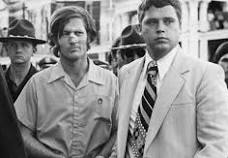
On April 25, 1946, Paul John Knowles was born in Orlando, FL to Thomas Jefferson and Bonnie (née Strickland) Knowles. Moving around from foster home to foster home in his early life, he was incarcerated for the first time at the age of 19. Paul was serving time at Raiford Prison in early-1974 (ironically the same prison Bundy was put to death in) when he began corresponding with Angela Covic, a young divorcee living in San Francisco; the pair quickly got engaged. Covic paid for his legal counsel and upon his release, he flew directly to California to be with her. However she quickly called off the wedding, saying her fiance projected an ‘aura of fear’ that terrified her. Knowles said he killed three people in the city that night, although these claims have never been verified. He eventually returned to Jacksonville and was soon arrested after stabbing a bartender during a fight. After picking the lock in his detention cell, Knowles escaped on July 26, 1974 and began a four-month, multi-state crime spree. That evening, he broke into the Jacksonville home of Alice Heneritta Curtis and gagged her, then ransacked her home for money/valuables and stole her car. The 65-year-old choked to death.
In his taped confessions, Knowles claimed to have murdered a teenage girl named ‘Alma.’ On December 21, 2011, the Georgia Bureau of Investigation identified her as 13-year-old Ima Jean Sanders, who disappeared on August 1, 1974 in Warner Robins, Georgia. Her skeletal remains were found in April 1976.
He also claimed to have kidnapped and murdered 7-year-old Mylette Josephine Anderson and 11-year-old Lillian Annette Anderson outside of Jacksonville on August 1, 1974. Investigators believe this was a false confession. The crimes were not linked at the time but after Knowles’ was captured law enforcement realized he had mailed recorded confessions to an attorney. The tapes were reviewed by a grand jury in 1975 but were never released to the public; they were destroyed ‘after being ruined beyond repair in a flood of the Federal Courthouse in Macon’ (along with all transcripts), according to the Georgia Bureau of Investigation.
On August 2, 1974, Knowles met Marjorie Howie, in Atlantic Beach, Florida. The 49 year old was found strangled in her apartment and her TV was stolen. Roughly three weeks later on August 23, 1974, he forced his way into the house of Kathie Sue Pierce in Musella, Georgia. Knowles strangled the 24-year-old but left her 3-year-old son alive and physically unharmed.
On September 3, 1974 32-year-old William Bates was last seen with a redheaded man at Scott’s Inn, a roadside pub near Lima, Ohio. Bates was later reported missing by his wife. Near the pub, investigators found the vehicle of Alice Curtis abandoned but Bates’ car was missing. In October, Bates’ nude body was found strangled and dumped in the woods. After ditching Curtis’s car, on September 18, 1974 Knowles bound and killed 62-year-old Emmett Alexander Johnson and 59-year-old Lois Mildred Johnson at a rest stop near Ely, Nevada.
42-year-old Ebon Charlynn Hicks was reported missing by family on September 22, 1974. Three days later on September 25 her body was found beside the road near a rest stop outside of Seguin, TX. She had been raped and strangled; her vehicle was found at the rest stop.
On September 23, 1974 Knowles encountered Ann Jean Dawson in Birmingham, Alabama. It is unclear as to whether he abducted the 49-year-old beautician or if she traveled with him willingly, but it appeared that she paid the bills while they traveled together. He killed her on September 29, 1974 then threw her remains into the Mississippi River. Her body was discovered by two squirrel hunters in Mississippi on November 15, 1977.
On October 16, 1974, 35-year-old Karen Wine and her 16-year-old daughter Dawn Marie Wine were both bound, raped and strangled after their Marlborough, CT home was broken into. The only thing determined to be missing was a tape recorder. Law enforcement felt that Knowles was the murderer. Two days later on October 18, 1974 Doris Hosey was shot to death with her husband’s rifle. The gun was placed beside the 53-year-old’s body.
After picking up two hitchhikers in Key West, FL, Knowles was stopped by a policeman. Despite driving a stolen car he was let him off with a warning. Rattled by the experience, he dropped off the hitchhikers off unharmed in Miami. It was around this time that he recorded his confessions and mailed the tapes to an attorney in Florida.
On November 2, 20-year-old Debbie Griffin and 23-year-old Edward Hillard disappeared while hitchhiking near Macon, Georgia. Hillard’s remains were found in nearby woods and Griffin’s body was found in Crawford County, Georgia on August 29, 1975. Knowles is a suspect in both of their murders.
In Milledgeville, Georgia on November 6, 1974, Knowles befriended Carswell Hall Carr Sr. and was invited back to his house to spend the night. He stabbed the 45-year-old to death and strangled his 15-year-old daughter (Amanda Beth) and attempted necrophilia with her remains.
Knowles met Sandy Fawkes in Atlanta on November 8. The 45-year-old British journalist said that he impressed her with his looks, which she felt were a ‘cross between Robert Redford and Ryan O’Neal.’ Despite spending the next few days together, Fawkes said Knowles was unable to perform when they tried to have intercourse. They parted ways two days later on November 10. The next day, he picked up an acquaintance of Sandy and demanded sex from her at gunpoint. Luckily, she escaped him and notified law enforcement. When patrolmen tried to apprehend Knowles he pulled out a sawed-off shotgun and made his escape.
Days later in West Palm Beach, he invaded the home of invalid Beverly Mabee, where he abducted her sister, 32-year-old Barbara Mabee Abel and stole their vehicle. From there, Knowles drove to Fort Pierce, Florida arriving the following night. Barbara was raped repeatedly during her captivity but thankfully survived.
Early in the morning of November 16, 1974 35-year-old Florida Highway Patrol Trooper Charles Eugene Campbell recognized the stolen vehicle near Perry, Florida. Knowles was able to wrestle Campbell’s gun away from him and took the officer hostage in his own patrol car. Knowles used the police vehicle’s siren to pull over 29-year-old James Meyer, and put both hostages in Meyer’s car. He then took both men into a wooded area in Pulaski County, handcuffed them to a tree, then shot them both in the head at close range. Shortly after, the fugitive got into a car chase with Henry County Sheriff’s Deputy Charles Hancock and crashed the vehicles through a police roadblock, escaping on foot and firing shots at the approaching officers. He was shot in the foot by Chief Detective Philip Howard during this footrace however Officer Jerry Key was injured when the stolen car crashed into his patrol car. Chaos ensued, with Knowles pursued by dogs, multiple law enforcement agencies, and even police helicopters. On November 17 he was eventually cornered outside of the perimeter established for the manhunt by a 27-year-old Vietnam Vet and hospital maintenance worker named David Clark. Henry County investigators Paul Robbins and Billy Payne quickly arrived on the scene, arresting and handcuffing Knowles.On December 18, 1974, Sheriff Earl Lee and Agent Ronnie Angel from the Georgia Bureau of Investigation were traveling down Interstate 20 with Knowles, who was handcuffed in the back of their police cruiser. Their intended destination was Henry County, Georgia, where the prisoner admitted to ditching a handgun he had stolen from Trooper Campbell after killing him with it (per a Georgia Bureau of Investigation press release). The Georgia Bureau of Investigation reported that, ‘Knowles grabbed Lee’s handgun, discharging it through the holster in the process and while Lee was struggling with Knowles and attempting to keep control of the vehicle, Angel fired three shots into Knowles’ chest, killing him instantly.’


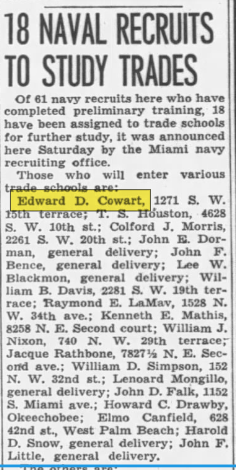
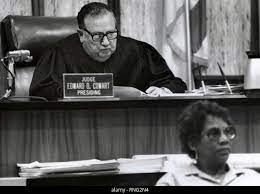
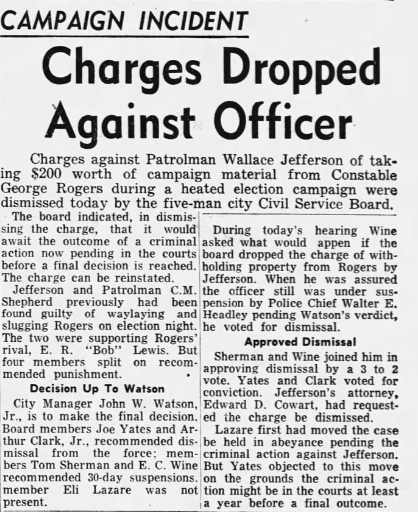
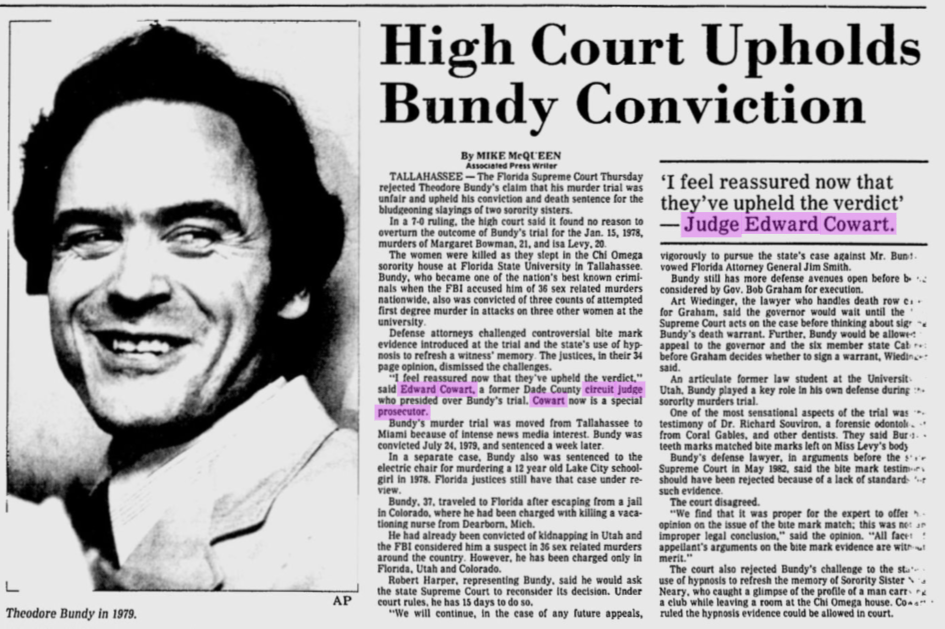
Judge Edward Douglas Cowert.

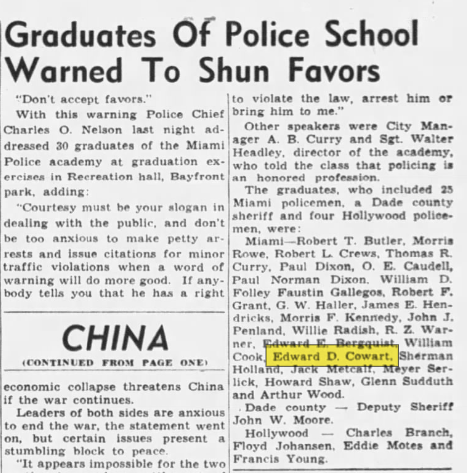
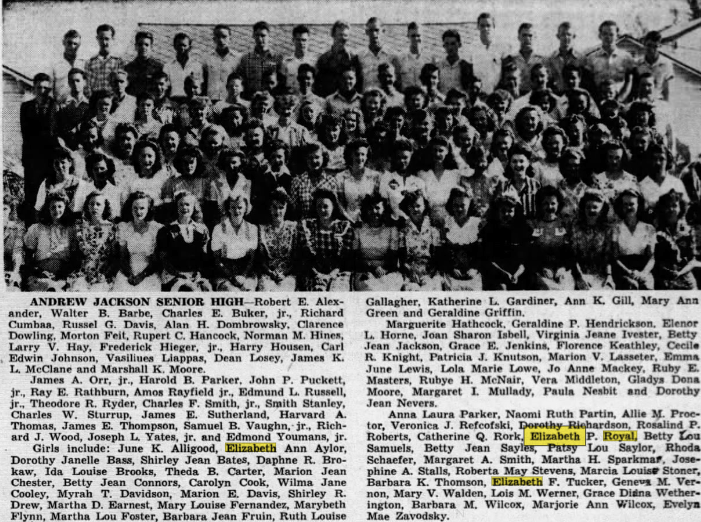
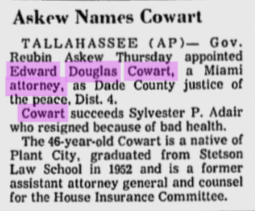
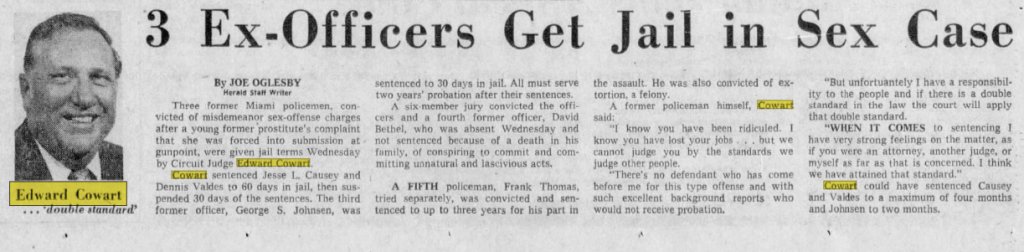
Edward Douglas Cowart was born on February 17, 1925 to William and Helen (nee Douglas) in Plant City, FL. He had an older brother named William that was born in 1920. Judge Cowart served in the Navy from 1942 to 1946 and when he returned married Elizabeth Pearl Royal on July 22, 1946. The couple had two daughters, Susan and Patricia. Cowart worked as a motorcycle officer in the Miami Police Department before returning to school to earn his degrees in law: he got a BA in 1950 from the University of Miami and a JD from Stetson University in 1952.
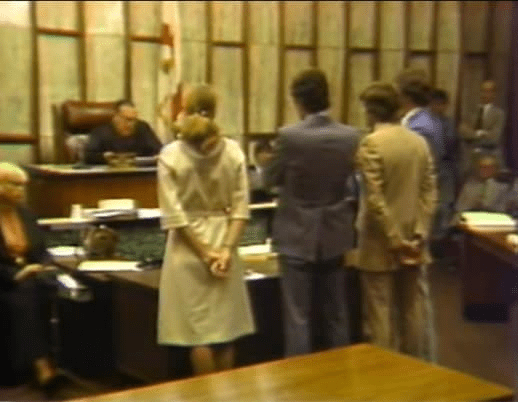
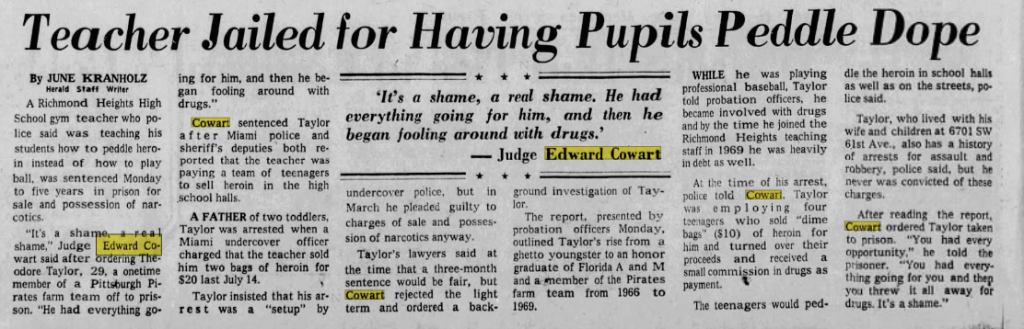
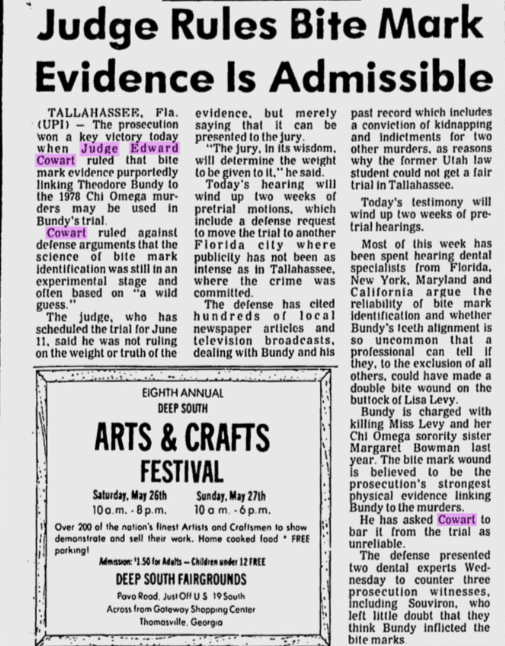
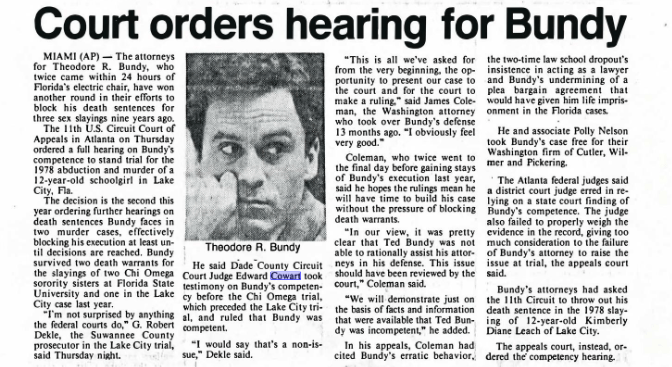
Cowart worked as a Dade County Circuit Court Judge for 14 years. He was highly respected in the law community and was well-known for his almost Southern hospitality and long drawl. The trial that helped make him famous is that of Ted Bundy, who had a messy, incomplete background in law himself and was originally arrested for a series of murders in the Pacific Northwest on August 16, 1975 in Utah (between at the very least 1974 and 75). The judge imposed a death sentence on the serial killer, and he is frequently remembered for his unusually sympathetic post-sentencing remarks to Bundy:
‘The court finds that both of these killings were indeed heinous, atrocious and cruel. And that they were extremely wicked, shockingly evil, vile and the product of a design to inflict a high degree of pain and utter indifference to human life. This court, independent of, but in agreement with the advisory sentence rendered by the jury does hereby impose the death penalty upon the defendant Theodore Robert Bundy. It is further ordered that on such scheduled date that you’ll be put to death by a current of electricity, sufficient to cause your immediate death, and such current of electricity shall continue to pass through your body until you are dead. Take care of yourself, young man. I say that to you sincerely; take care of yourself. It is an utter tragedy for this court to see such a total waste of humanity, I think, as I’ve experienced in this courtroom. You’re a bright young man. You’d have made a good lawyer and I would have loved to have you practice in front of me, but you went another way, partner. I don’t feel any animosity toward you. I want you to know that. Once again, take care of yourself.’
Cowart replaced Gerald Kogan in the position of Dade County Circuit Court, as he was appointed to the Florida state Supreme Court. About Cowart, Kogan said that he was ‘one of those human beings who was destined to be a judge. He was intelligent, he was compassionate, he was understanding, and when he had to be, he was tough as nails.’
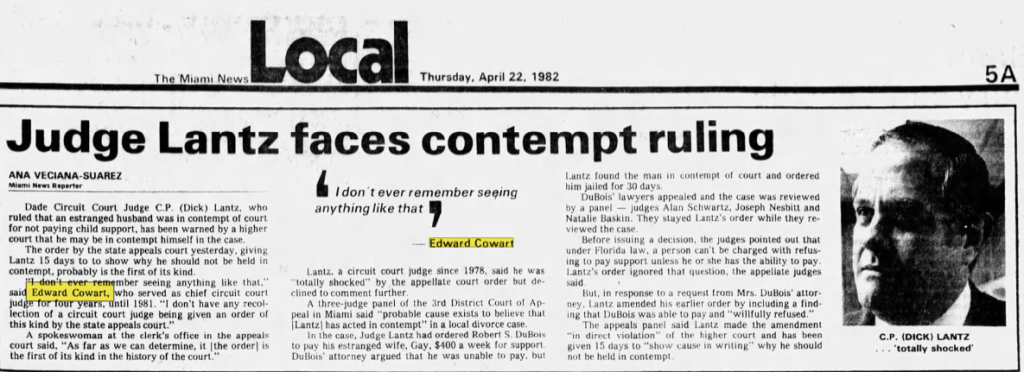
In 1982 then Dade State Attorney and (former) US Attorney General Janet Reno hired Cowart to be her chief assistant, in between his stints on the bench. He stayed in the position until 1984, when he went back to be a judge at the Dade County Circuit Court. Every year he was in that role, Cowart ranked either at or close to the top in the annual Dade Bar poll of judges.
Just after midnight on August 3, 1987 Edward Douglas Cowart died of a massive heart attack at Coral Reef hospital in Miami at the age of 62. He was cremated and the location of ashes is unknown. In his obituary published by The Miami Herald on August 7, 1987, ‘from jail guards to Supreme Court justices, traffic cops to traffic judges,the wept together and swapped favorite stories on Thursday (August 6, 1987) at a memorial service for Dade Circuit Court Judge Edward Cowart.’ The 25 minute long service in the massive Old Cutler Presbyterian Church (which seats 1,500) was standing room only.
What is so upsetting to me is that Bundy outlived the judge, as he wasn’t executed until January 1989 (after a number of unsuccessful appeals to Cowart and the Court of Appeals in attempts to overturn his death sentence or be granted a new trial). Elizabeth Cowart passed away on April 5, 2001 in Danbury, CT. Their daughter Susan passed away on October 4, 2007.




















Bundy’s Activities on November 8, 1974.

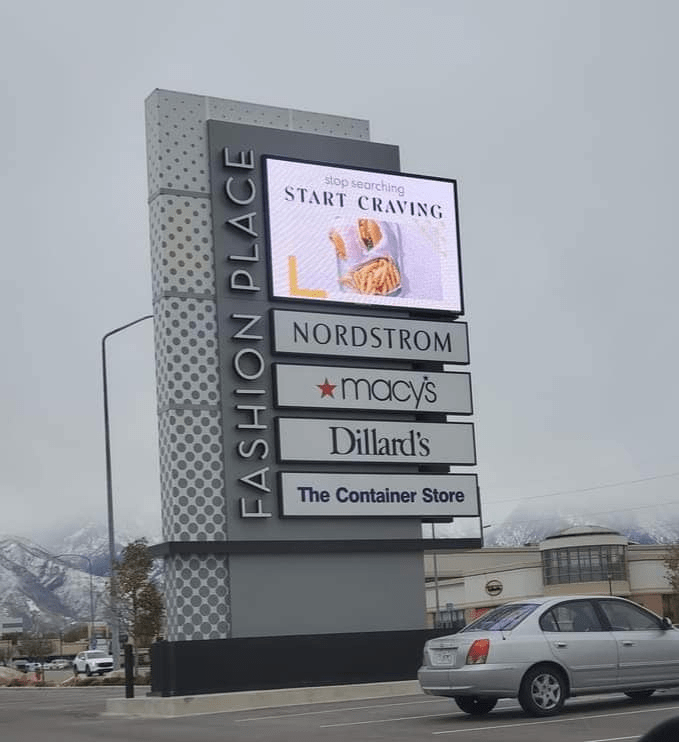
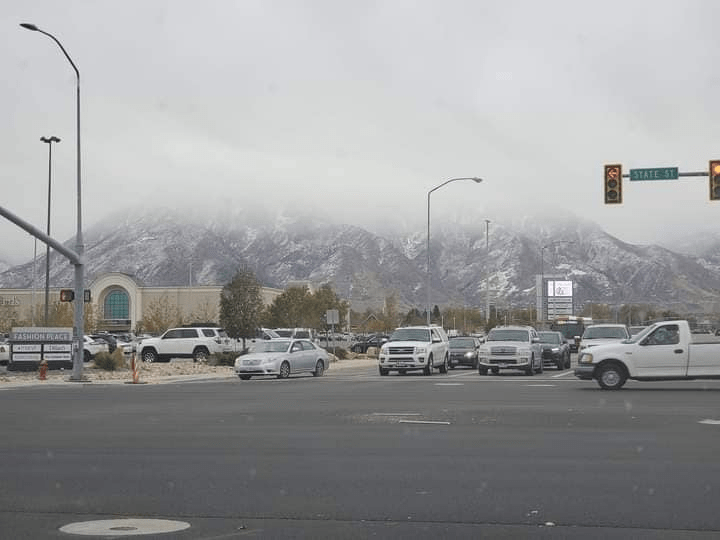
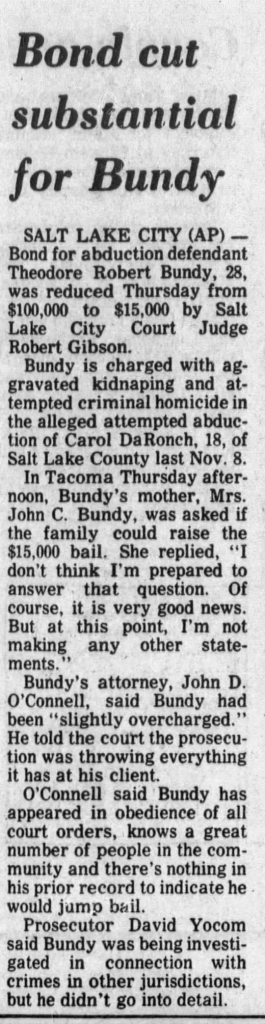
On November 8th, 1974, 27 year old Ted Bundy left his apartment on 1st Avenue North in Salt Lake City and drove to the Fashion Place Mall on South State Street in Murray. From there, he attempted to kidnap 18 year-old phone operator Carol DaRonch, who was there doing some shopping after parking her maroon 1974 Camaro on the southern side of the mall’s parking lot. At the time, the storefront was occupied by Sears but today is a Dillard’s.
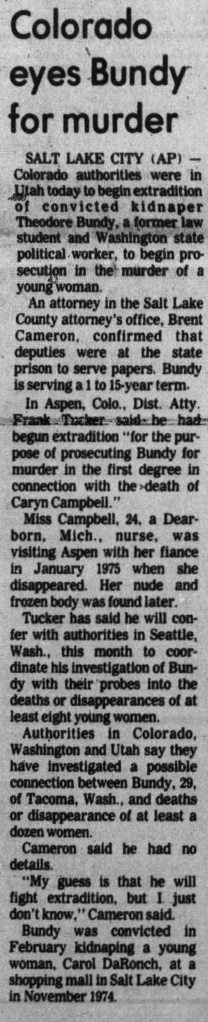
That evening at around 7 PM, DaRonch was standing outside a WaldenBooks when a man approached her. He identified himself as ‘Officer Roseland’ and asked if she parked by the Sears entrance of the mall. She said the man was polite and sounded well-educated. After Carol confirmed that she did, the ‘policeman’ told her that he witnessed someone attempting to break into her vehicle and requested that she go with him to assess the damage and see if anything was taken. DaRonch agreed, thinking Bundy was a real officer of the law, but once they arrived immediately realized her car was untouched and nothing at all was missing.
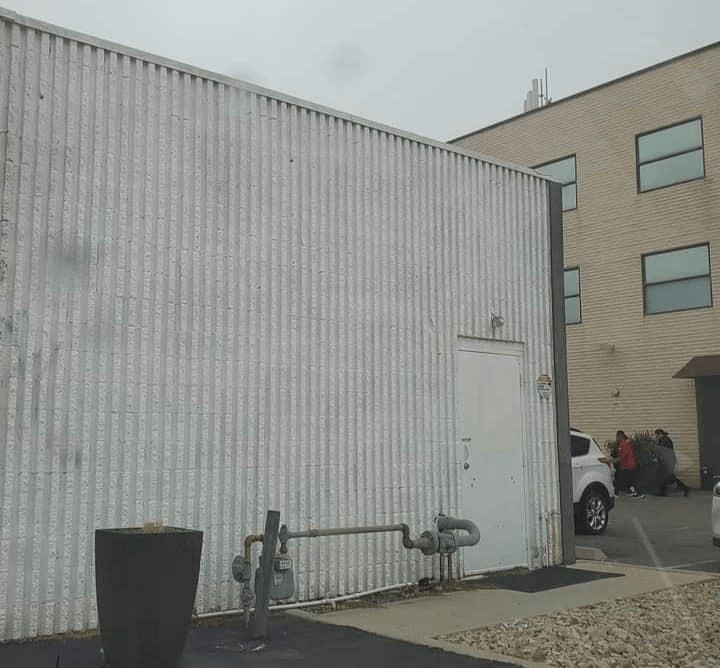
Despite assuring ‘Officer Roselund’ that everything was fine, Bundy was able to convince Carol to go with him back inside the mall and file an official complaint. Once inside, he began poking around the hallways, almost as if he were searching for someone. He then told Carol that ‘they’ must have taken the suspect to the nearby ‘police substation,’ then proceeded to walk her across the street to a closed laundromat on East St. South. The building was in a small, nondescript retail space and once there Ted tried to open its side door, which was conveniently locked (as the laundromat was closed). It was at that moment that DaRonch became suspicious of the ‘officer,’ and asked him for some identification. Almost as if he was waiting for the request, Ted pulled out his wallet and quickly flashed her a silver police badge. Carol immediately felt reassured and agreed to go with him to the main police station. Bundy then walked her back across the street to his waiting VW, and despite thinking it was an odd choice of vehicle for a police officer, she wondered that maybe he was working undercover and just went with it.
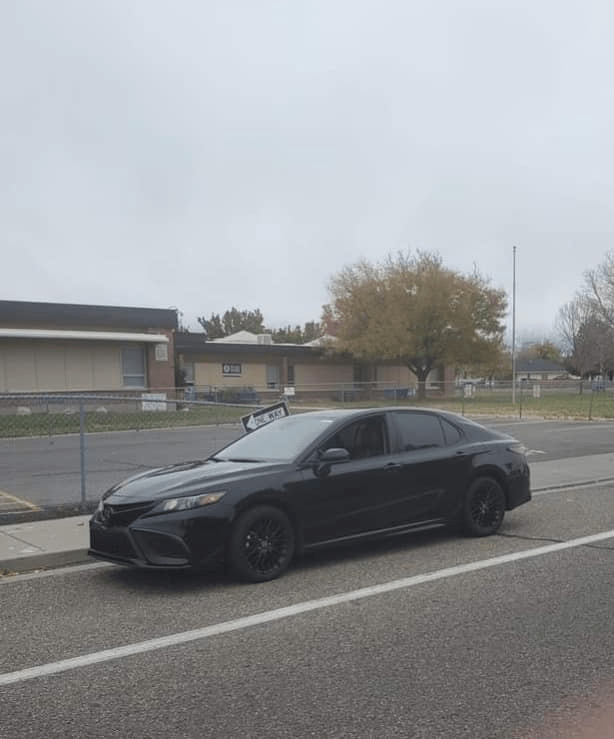
Once in Bundy’s Bug, the ‘officer’ immediately began heading in the opposite direction of the station. About driving for about a half-mile, he abruptly pulled the car over and onto a curb in front of McMillan Elementary School. Quickly realizing that something was wrong, Carol began panicking and demanded to know where they were going. Her captor seemed completely removed from the situation and just stared at her, not saying a word. While she tried to open the door to escape, Ted suddenly sprang to life, grabbed her left arm and slapped a handcuff on her wrist. During the struggle, DaRonch clawed and hit Bundy with such force that it prevented him from being able to get the handcuff on her other wrist.
In an effort to scare Carol, Bundy pulled out a small black pistol and threatened her with it. But instead of submitting, she continued to scream and fight against him until she was finally able to escape out of the passengers side door. Ted also got out of the car and pursued her with a crowbar, but thankfully Carol was able to flag down a passing motorist and get away.
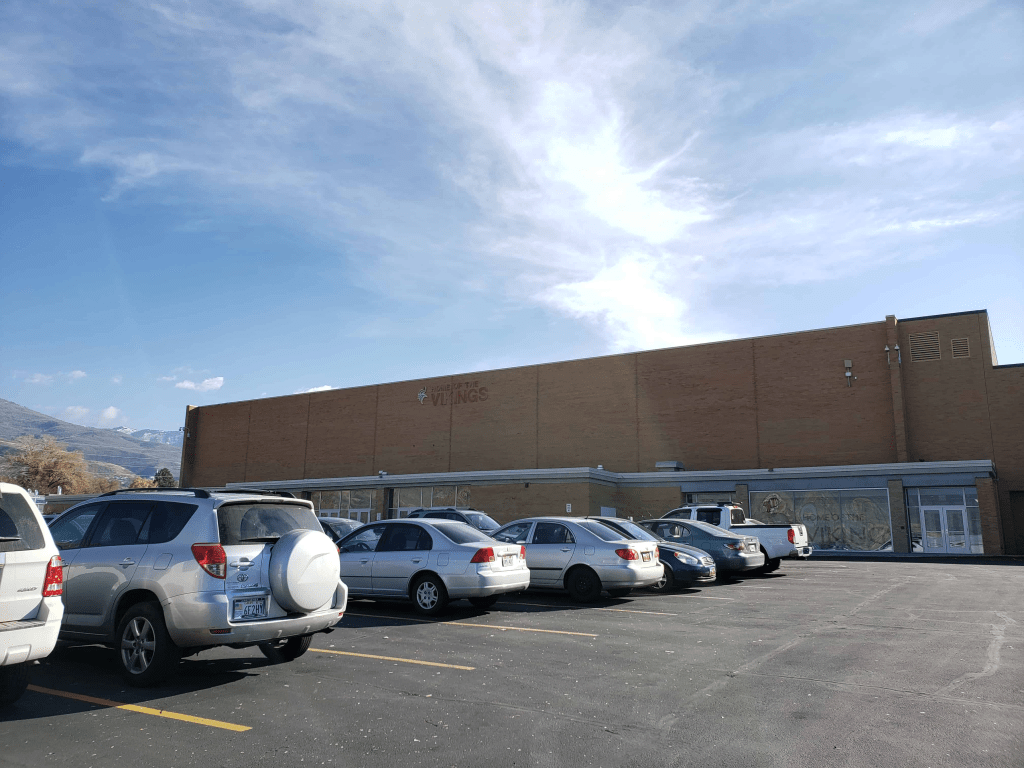
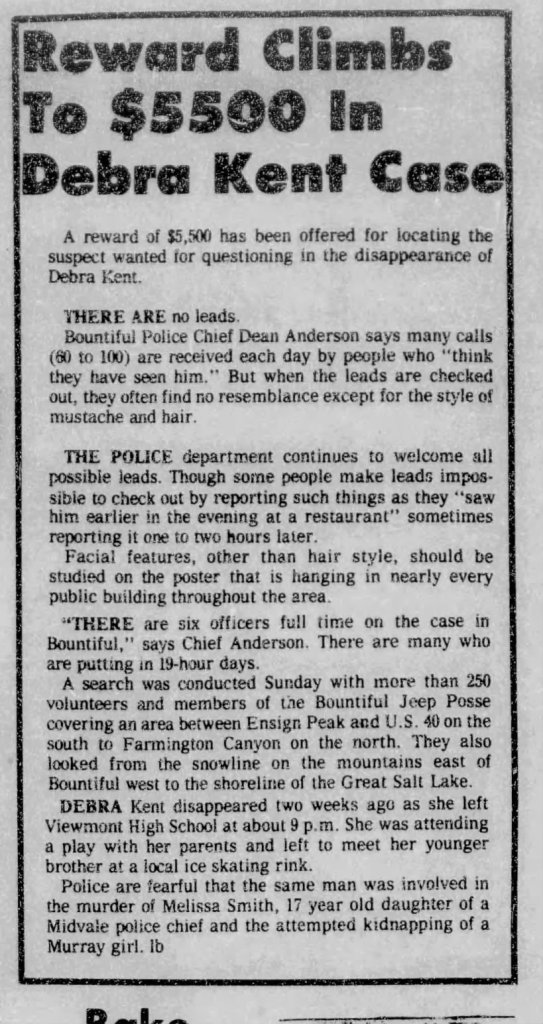
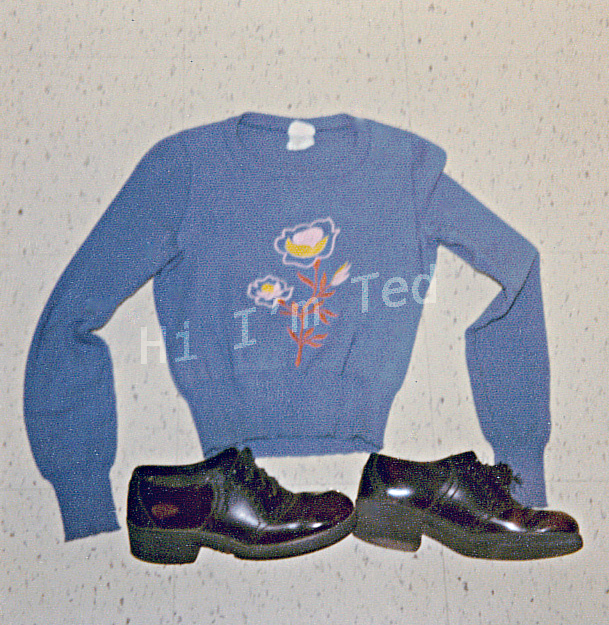
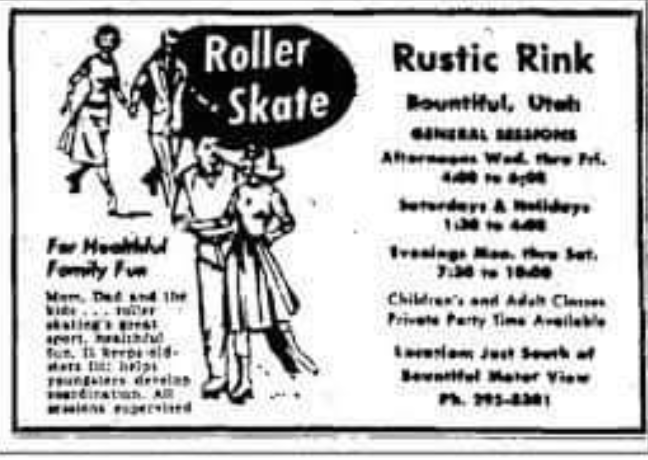
Bundy took advantage of a hysterical and preoccupied DaRonch to quickly flee, and jumped back into his Beetle and drove off, furious that he had just let a potential victim get away. He then drove twenty-one miles away to Bountiful, where Debra Jean Kent and her parents were attending a play at Viewmont High School. When the performance went longer than expected, Debra volunteered to take the family car and pick up her two younger brothers at a local skating rink. It was only three miles away, and if traffic was light it should have been only a twenty minute round trip. Eventually an hour passed and Deb never returned to the auditorium. As more and more time went by, Mr. and Mrs. Kent grew anxious and decided to go outside and find a payphone.
After exiting the school, they were met with a sight that filled them with pure terror: in the parking lot was the family car. The Kent’s quickly realized that not only was their daughter missing, but their sons were still at the roller rink. Later that same evening, a search of the schools grounds took place, and classrooms were opened to make sure that Deb hadn’t accidentally been locked inside somehow. The Kent family and friends also searched some of the hills and canyons around Bountiful, but unfortunately they found no trace of the missing teenager.
The police initially told Belva Kent that 24 hours needed to pass before they were able to organize a search for the missing girl. In the beginning of the investigation law enforcement strongly speculated that the seventeen year old was just another runaway, but they were soon pressured into taking action. The next day, police and forensic experts combed Viewmont High School’s parking lot, and despite not finding any signs of a struggle they did find a discarded handcuff key outside of the auditorium on the western part of the school grounds. It didn’t take long for experts to determine it was a perfect fit to the handcuffs that had been used during the attempted kidnapping of Carol DaRonch earlier that same day. It was now glaringly obvious that after DaRonch’s kidnapper fled the scene he quickly made the drive north to Bountiful, where he successfully abducted Debra Kent.
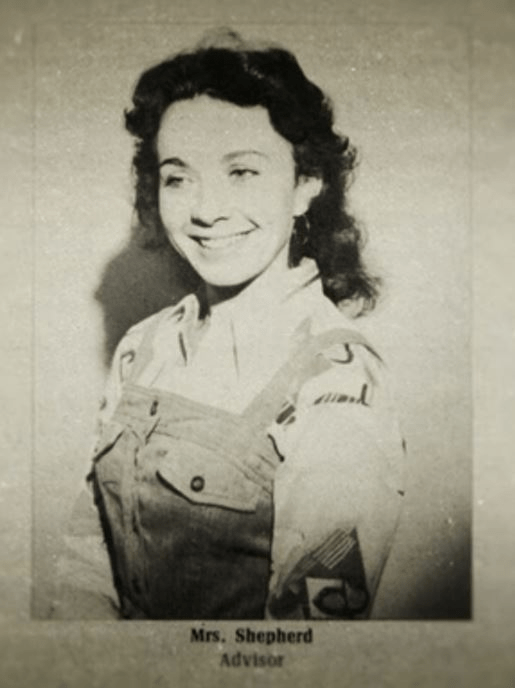
A man matching Bundy’s description was seen that evening lurking around the school, asking young women to help him ID a car in the parking lot. Raelynn Shepherd was a drama teacher at Viewmont High School who Ted repeatedly tried to lure outside. Shepherd said that he had a ‘nervousness’ about him that made her feel uncomfortable and didn’t care for the way he was looking at her. Because of that, she told him that she was too busy to help; when she saw him again at around 10:45 PM his hair was messed up and he was breathing heavily. This was about 20–30 minutes after Kent had left the school to pick up her brothers, which means Bundy returned to Viewmont after abducting her. His motivations for doing this are unclear: he may have been trying to establish an alibi by appearing in public immediately after the abduction. Or, perhaps he was looking for a second victim. We’ll never know. Additional eyewitnesses reported hearing a woman screaming in the parking lot at roughly the same time that Kent left the auditorium. Another individual came forward and reported that they saw a VW Beetle driving away from the high school.
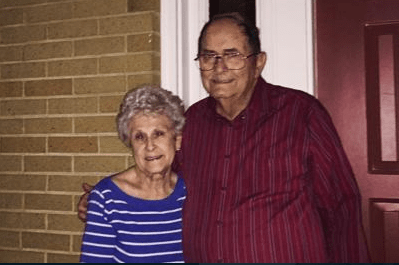
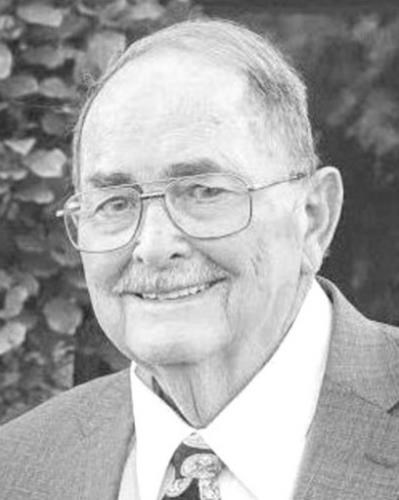
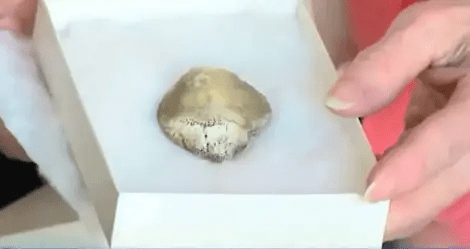
Bundy became the prime suspect behind Deb’s disappearance after he was arrested for the attempted kidnapping of Carol DaRonch. However, law enforcement didn’t have enough evidence to charge him with the abduction. As the years passed by, it seemed less and less likely that Kents’ remains would ever be recovered. The family lived at 23 East 3500 Street South in Bountiful, and after she disappeared her mother left their porch light on for years in hopes that it would somehow bring her home. Right before he was put to death in January 1989, Bundy finally confessed to killing Deb Kent. He said that he brought her back to his apartment and after ‘keeping her for a while’ murdered her. He then put her body in his car and drove 105 miles away to Fairview Canyon, where he buried her remains about 3 feet deep, under some heavy rocks. After searching the Canyon, law enforcement found a patella (kneecap), and it is likely that her other bones were scavenged and spread around by wildlife over time. Although the ME’s office determined that the bone was human, they weren’t able to test it beyond that until 2015, when a cold-case detective stumbled across Kent’s DNA that had never been entered into the NamUs database. At that point, he reached out to Mrs. Kent, who held onto the only piece of her daughter she had left and asked if he could take the bone for genetic testing.
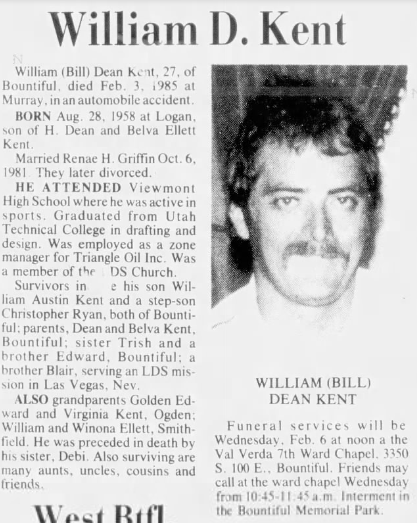
Although she gave the detective the patella, Mrs. Kent told him that she didn’t want to know the results. In her mind, it belonged to Debra and didn’t want to be told otherwise. Thankfully her fears were put to rest five months later, when the results came back that the bone belonged to Debra. Mrs. Kent said that her daughters murder destroyed her family: her younger son, Bill blamed himself for his sister’s death and died in an alcohol-related car accident on February 3rd, 1985. Shortly after Deb’s disappearance, Dean Kent quit his job as an oil executive, began drinking, walked out on his marriage, and fathered a child. He died from cancer at the age of 78 on January 2nd, 2016. In a 1989 interview, Belva Kent said that Ted Bundy was a ‘cancer’ that tore her family apart. She passed away on June 22, 2023.






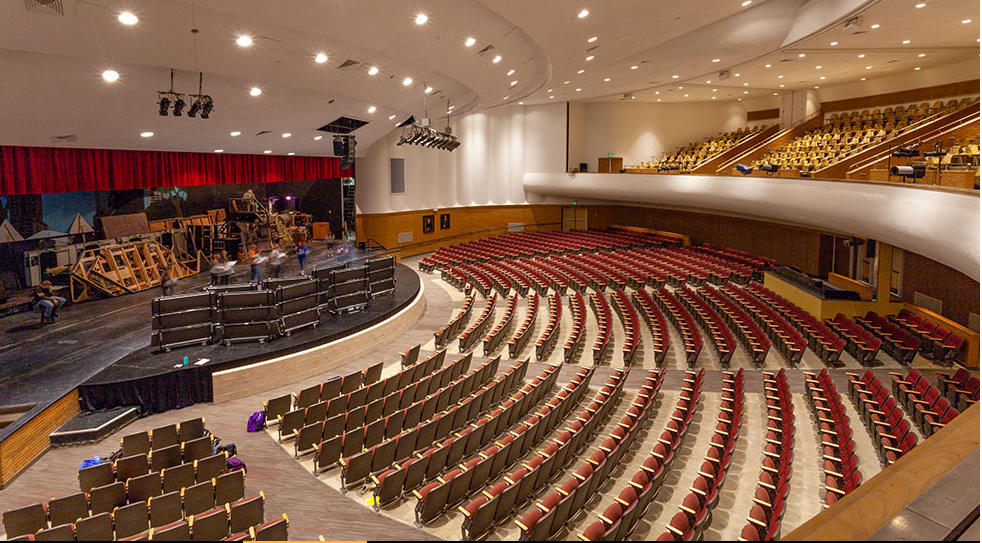
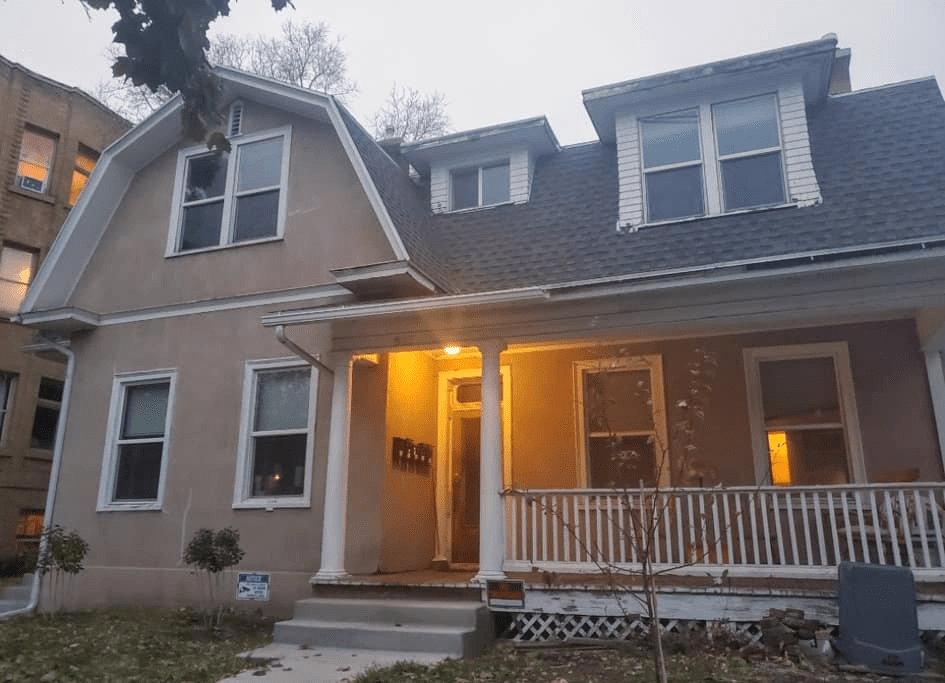
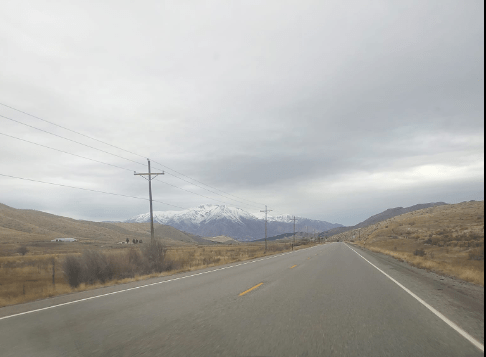


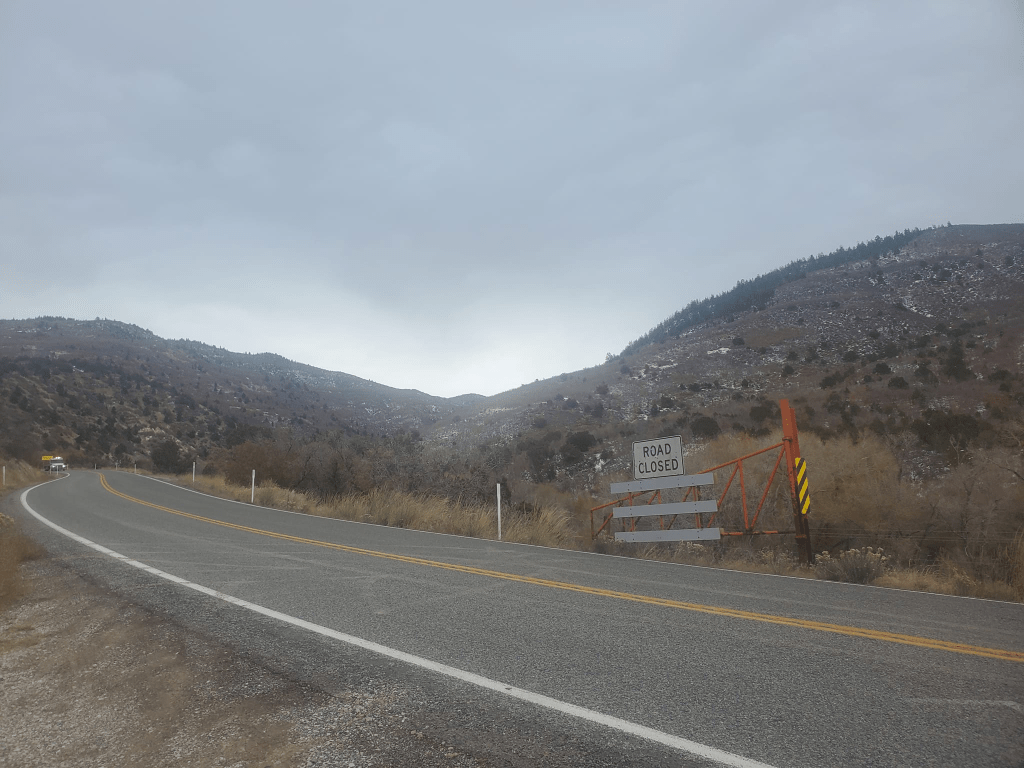


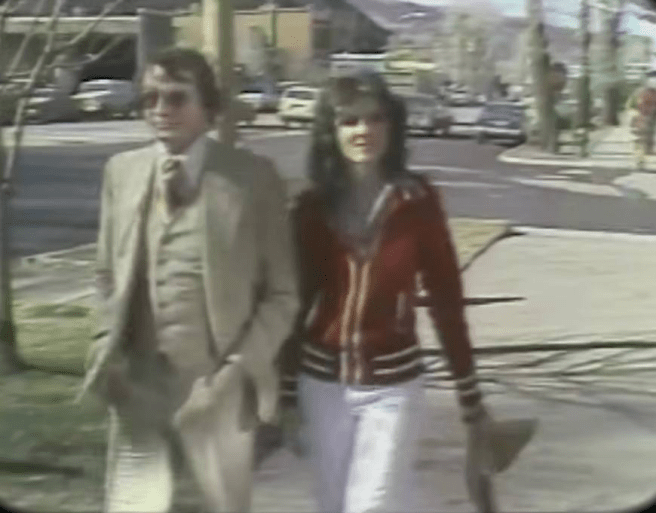
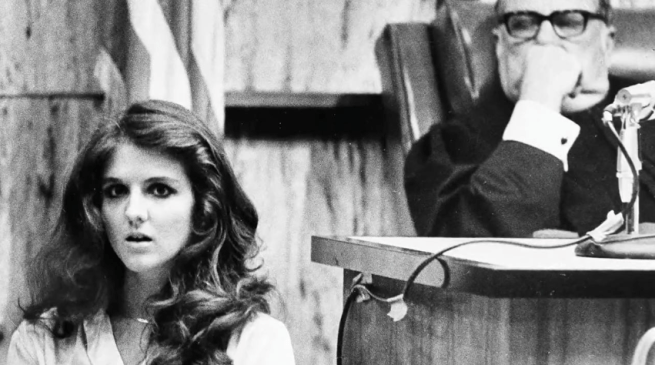

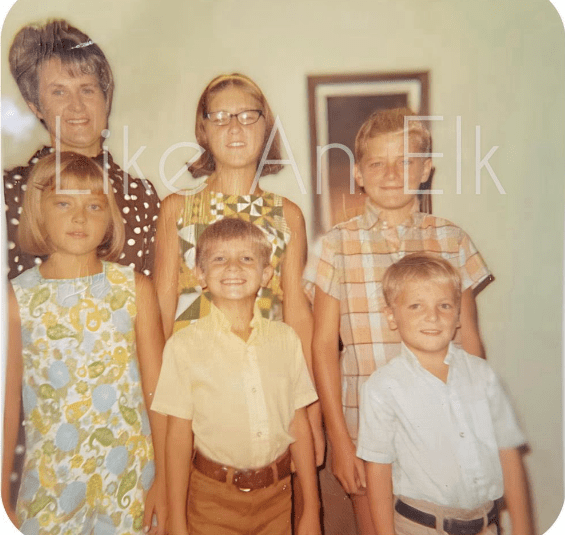
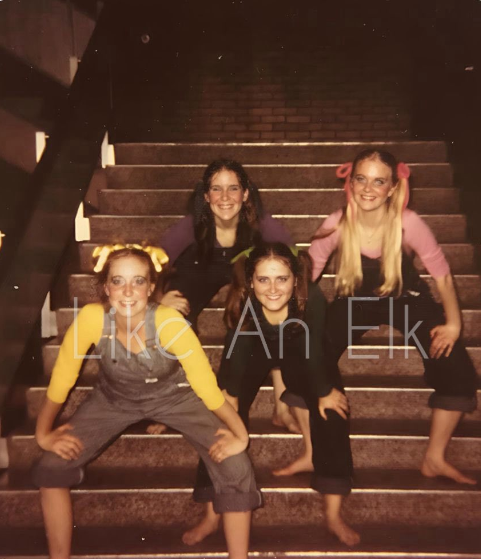
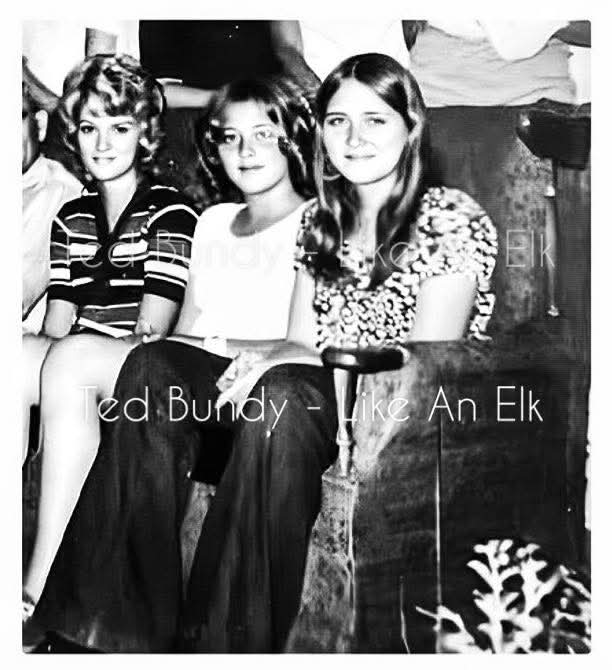









Robert A. Dielenberg’s ‘Ted Bundy: A Visual Timeline,’ Updated Edition..
“The Stranger Beside Me” .pdf by Ann Rule.

The Stranger Beside Me is a 1980 true crime classic written by Ann Rule about her one-time suicide hotline colleague Ted Bundy. Rule met Ted in 1971 when he was a psychology major at the University of Washington in Seattle and contemplating a career in law and politics.
Theodore Robert Bundy, by Federal Bureau of Investigation.

Seattle Rape Study Pamphlet, 1972.
Thanks to Erin Banks/CrimePiper for the first document (which is the study itself), and Tiffany Jean for the second. The second document is a Seattle PD Memorandum, dated October 9, 1975 inquiring about the rape study he wrote in 1972.
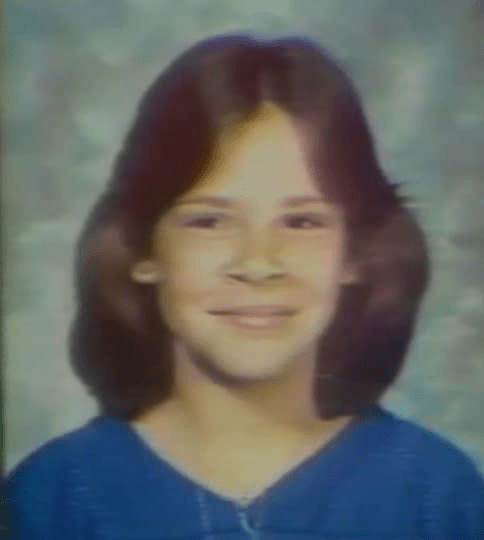
Kimberly Dianne Leach.



Nancy Perry-Baird, Case File.

This is the initial police report regarding Nancy’s disappearance completed by Officer D.R. Anderson on July 4, 1975. I already wrote about her but I’m going to go back and edit my piece; I am constantly updating my articles when I stumble across new information and boy did I find a great new source.

