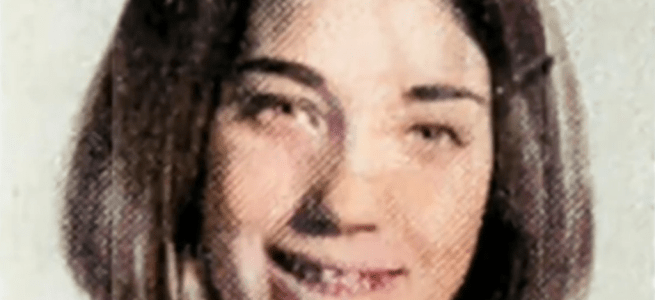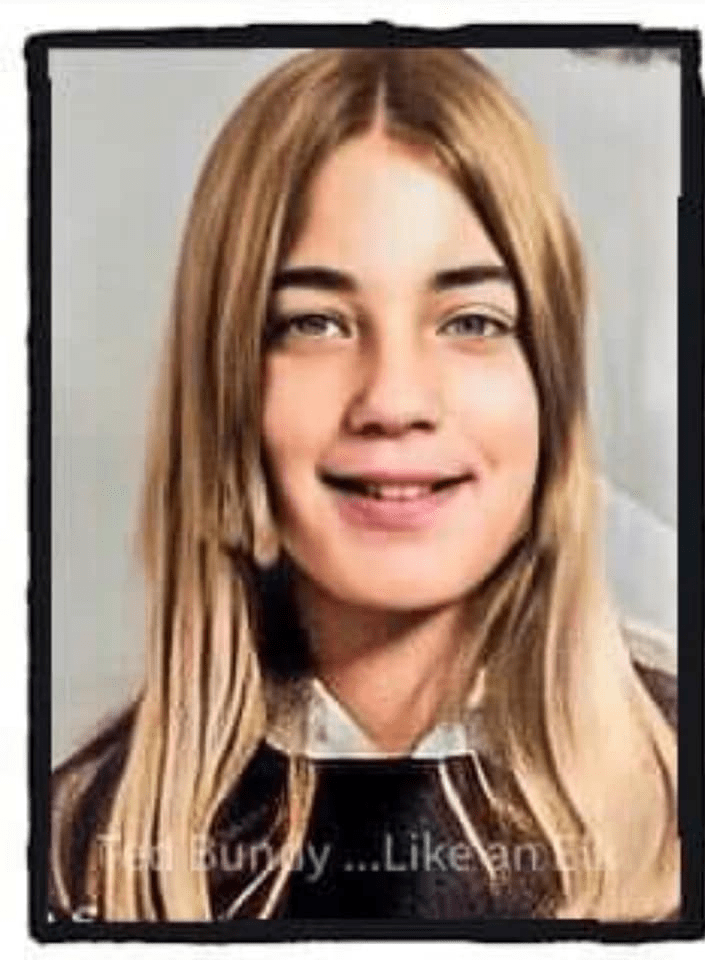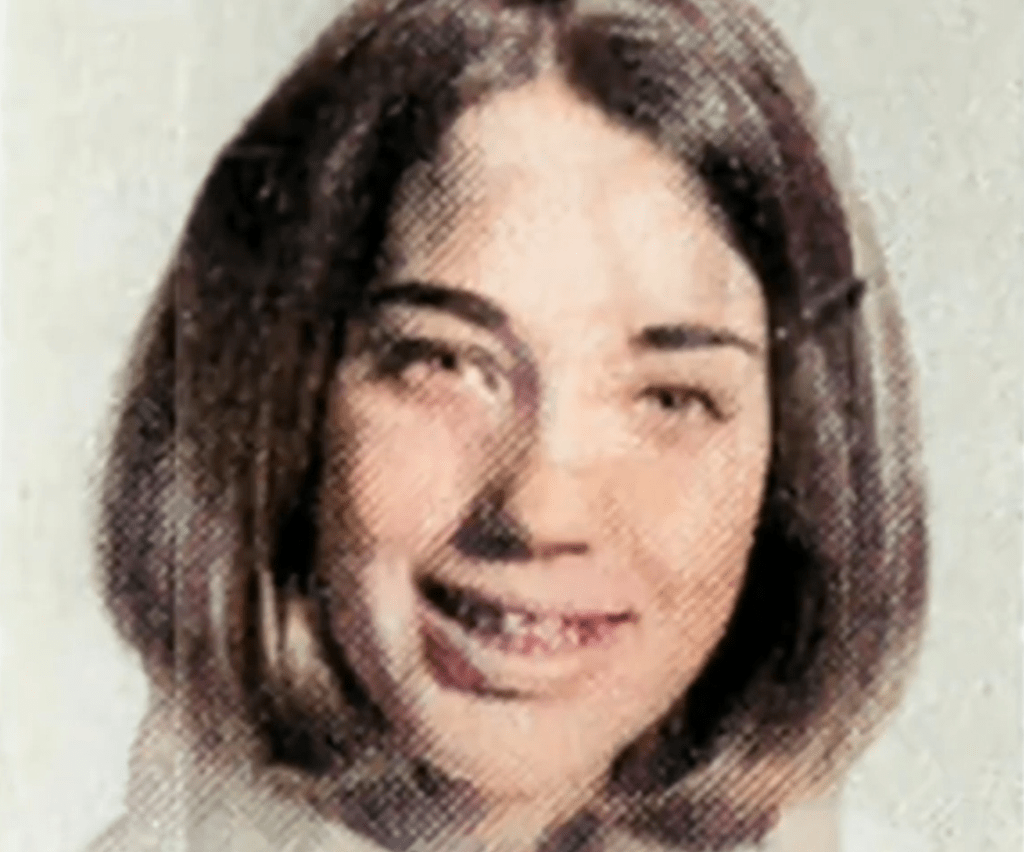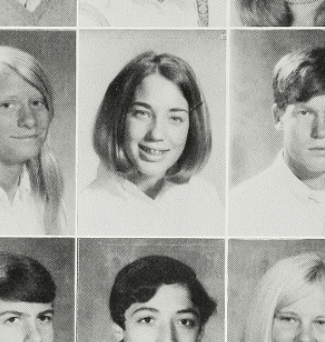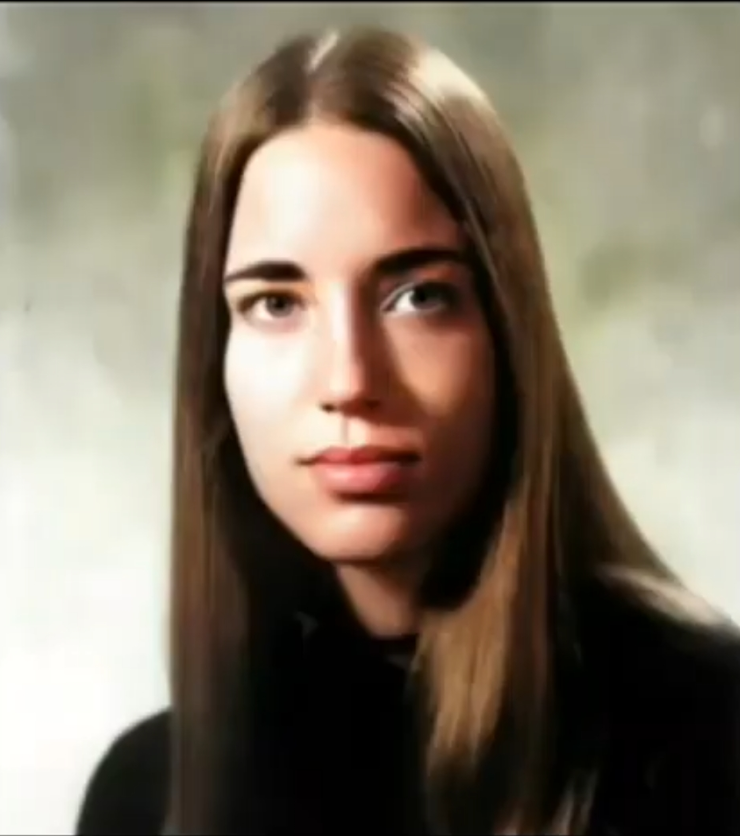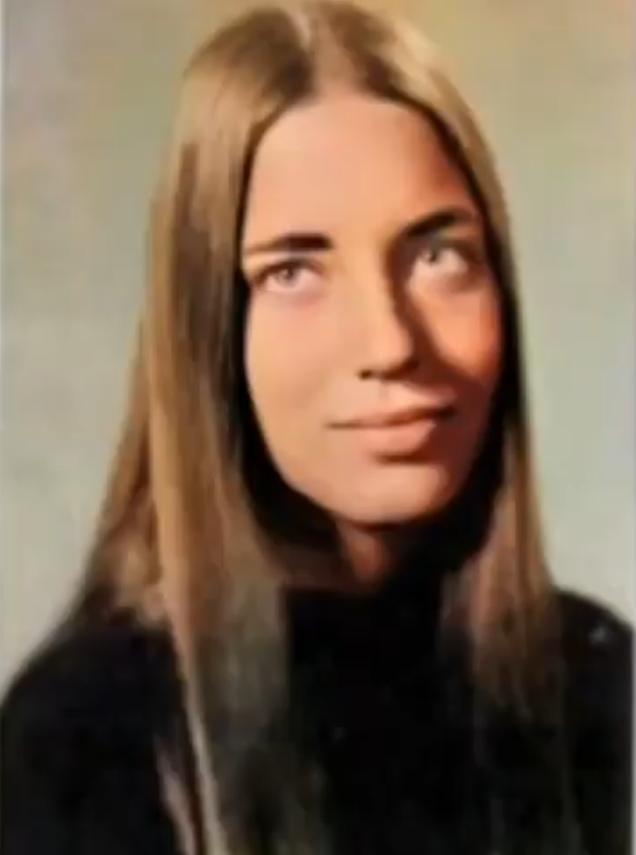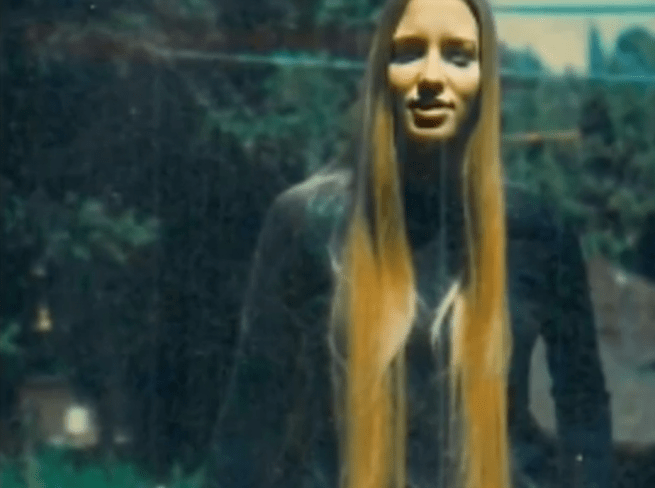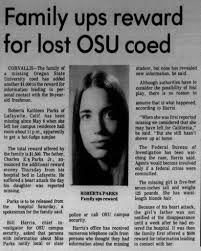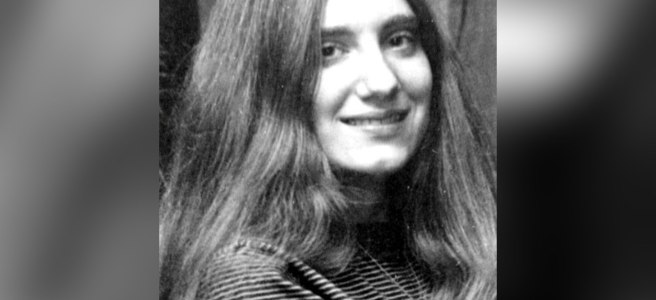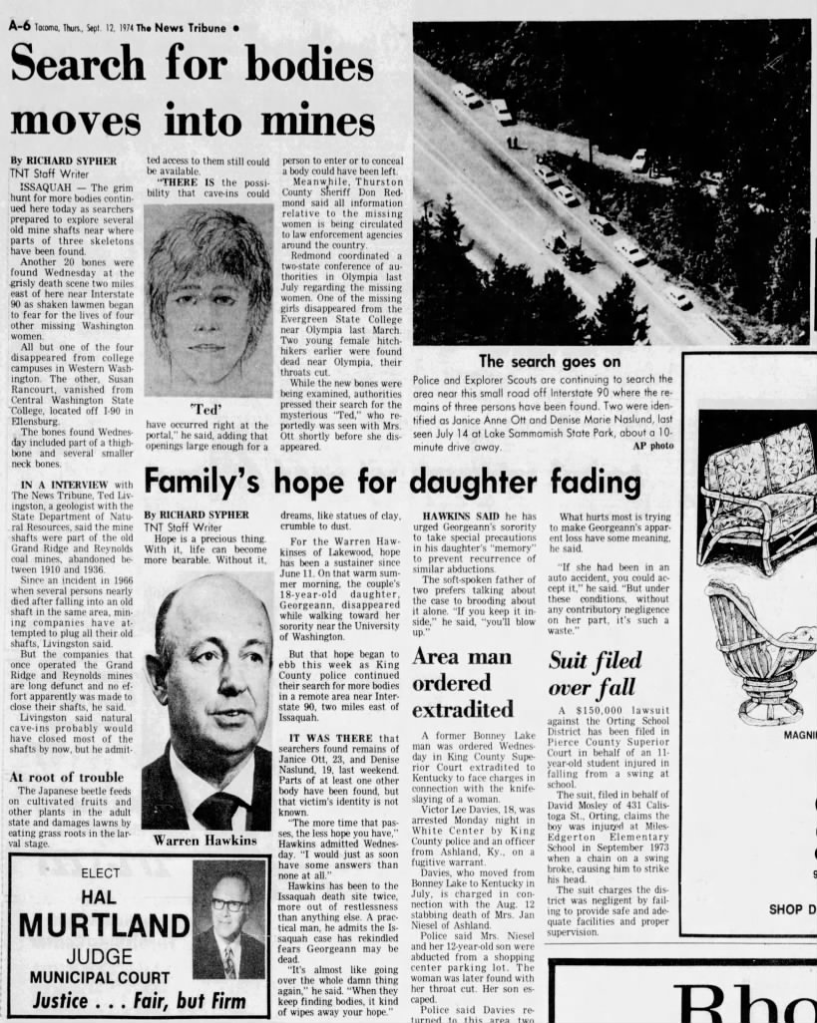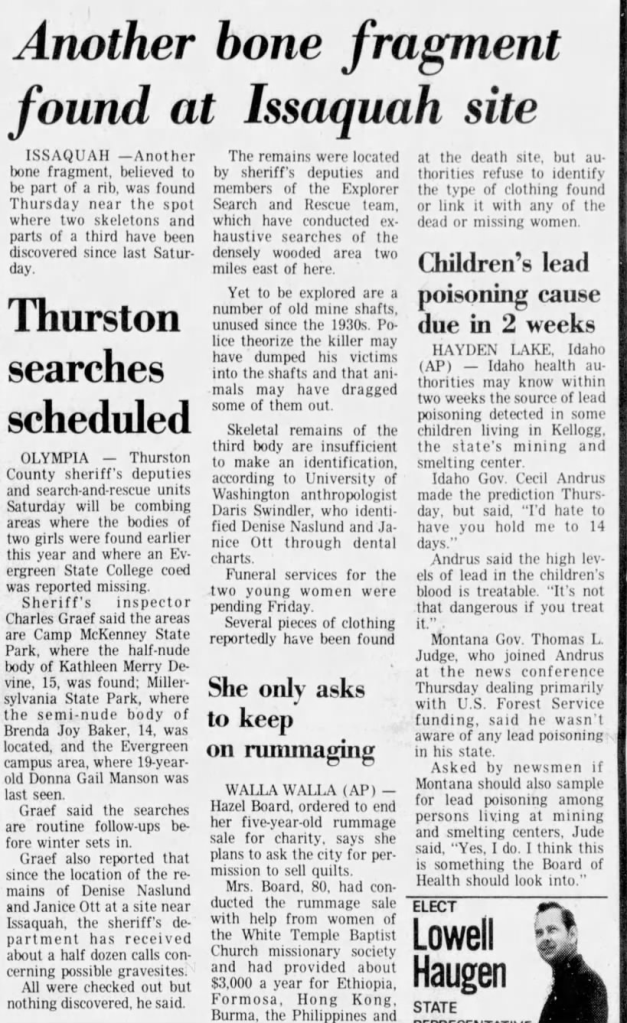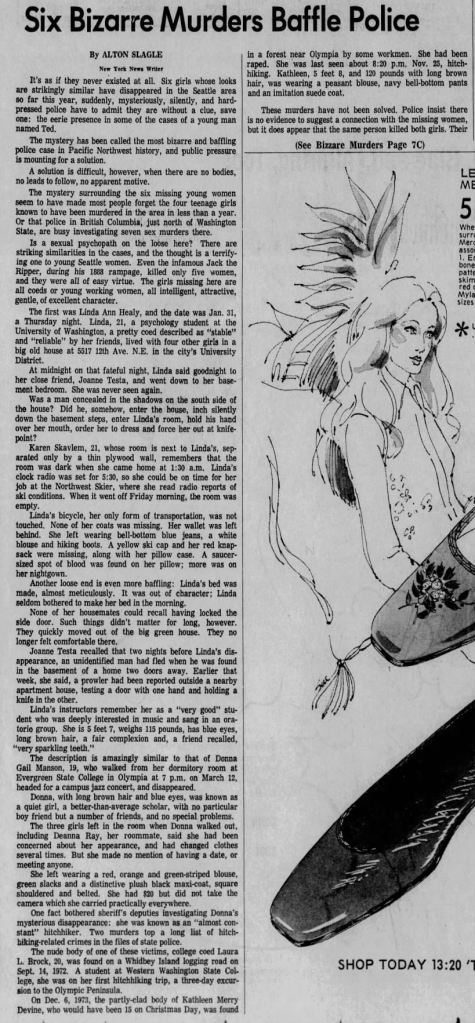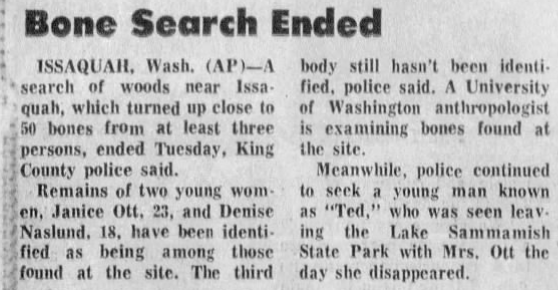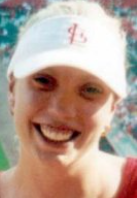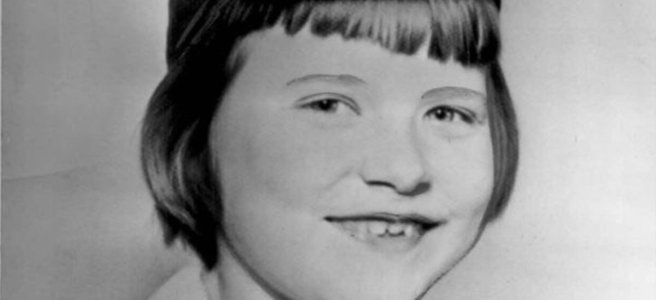
Ann Marie Burr.

Ann Marie Burr was born on December 14, 1952, in Del Morte County, California, to Donald and Beverly Ann (nee Leach) Burr. Beverly Leach was born January 4, 1928 to Roy and Marie (nee Wadsworth) Leach; her father owned a group of small grocery stores in Tacoma, WA. Bev’s relationship with her mother was never very good, and they clashed her entire life. After high school she went on to attend the University of Washington where she met Don Burr, and they were married in the summer of 1951 (Don never graduated from college). Beverly went on to graduate from Pacific Lutheran University in Tacoma and after graduating got a job teaching school, a position she enjoyed but found incredibly challenging. Her true passion was in journalism or (as she stated proudly), she wanted to be a ‘famous writer.’ Mrs. Leach dreamed of being out in the field and ‘in the trenches’ like a real journalist… in fact, she wanted it so badly in fact she almost didn’t marry Don. In addition to having big career aspirations there was a fellow teacher at her school she debated on running away with; he even told her that he would leave his wife and children for her. Both of those ideas absolutely horrified Beverly’s parents… so she played it safe and got married.

The newlyweds spent the first year of their marriage in Oregon, where Don worked for the logging company he partially owned with his father. At some point, his dad would go behind his back and claim he owned 51% of the company, which made him the majority owner. The older Mr. Burr then sold the entire business without telling his son, and because of this there was bad blood between father and son for the rest of their lives. Later, after Don was given money for the sale of his part of the business, the couple moved to Tacoma, where he became a civilian employee at the local National Guard base in Camp Murray, where he worked his entire career. The Burr family were parishioners of St. Patrick’s Church located in North Tacoma despite the fact that Don wasn’t a practicing Catholic. In later years Bev did admit that her faith would waver and disappear at roughly around the same time Ann died.

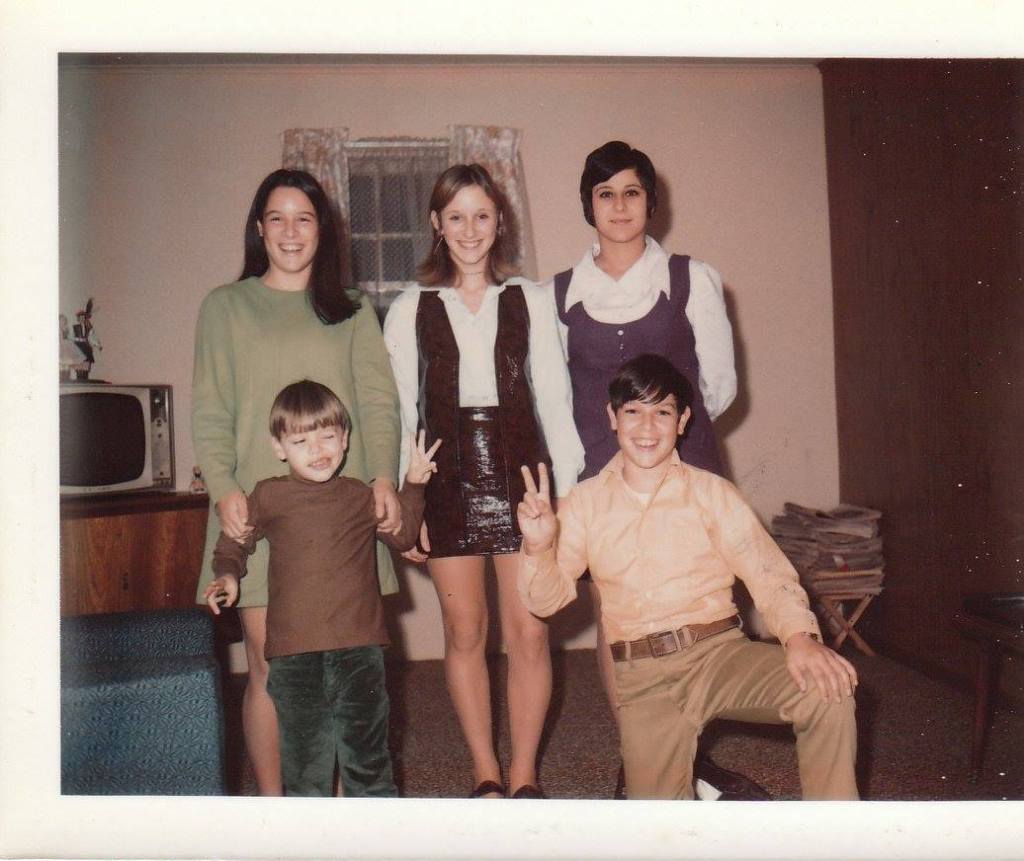
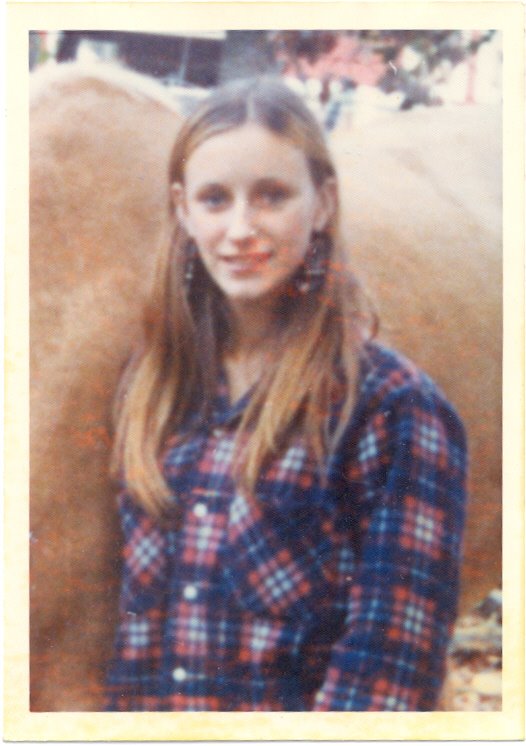
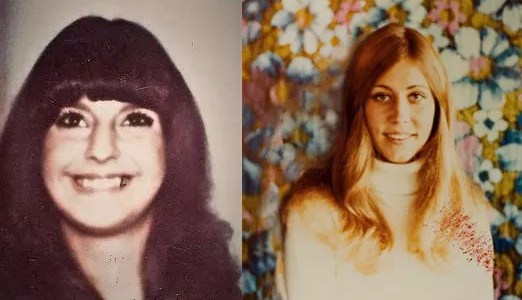
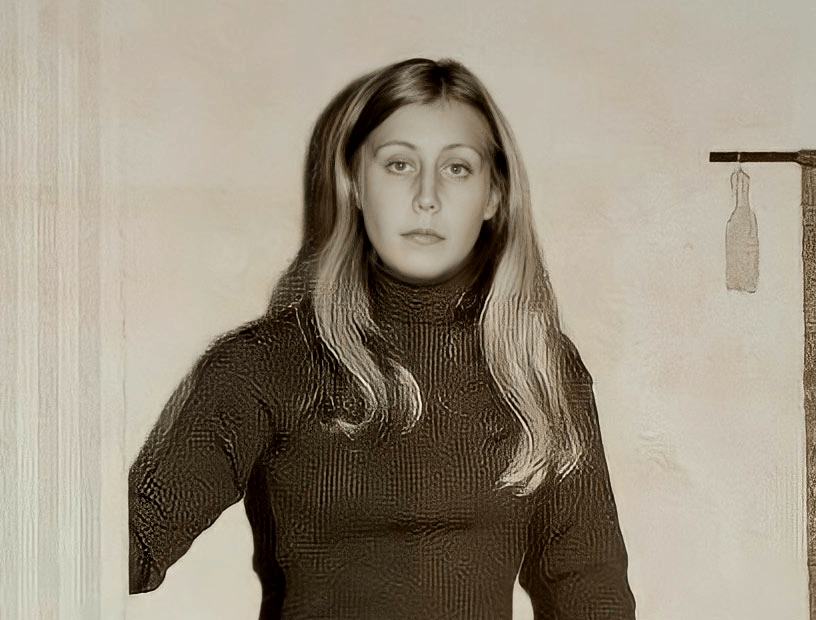
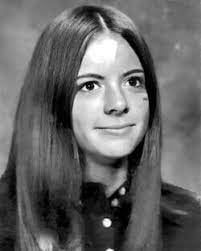
At the time she disappeared in summer 1961, Ann Marie had short, dirty blonde hair, hazel eyes, weighed roughly 35 pounds, and stood at 4’2” tall. She had red marks on her left hand as well as malformed fingernails from a fungal infection. She was the oldest of four and had a mix of three younger brothers and sisters: Mary, Greg, and Julie, In July 1963 after Ann disappeared the Burrs adopted a seven month old girl named Laura Gayle. They kept her adoption public in hopes to keep their oldest daughter’s case discussed and relevant and for Bev, it was just another opportunity to try to find Ann. Laura was said to be by her mother ‘the perfect baby.’

At the time of her disappearance, Ann Marie was eight years old and getting ready to start the third grade at Grant Elementary School in Tacoma. Mr. and Mrs. Burr said she was a shy, well behaved, ‘intelligent, artistically talented and an obedient daughter who didn’t cause any problems at home.’ Her mother raised her to be unafraid of people and independent, traits Mrs. Burr said she eventually regretted teaching her. She said, ‘Ann was so trusting.’ … ‘it was a big mistake. We taught her everyone was good. We didn’t teach them that people could be bad. I still think it was probably someone she knew.’ She even walked the several blocks to school alone starting in kindergarten. Ann’s father admitted that he didn’t trust some of their neighbors, including a lady that lived across the street that spent time in a psychological asylum after giving birth to a mixed-race baby. There was also a man that would occasionally sunbathe nude in his backyard, and the neighborhood children loved to come visit him because he gave them candy. The Burrs lived in a two story bungalow in a middle class neighborhood located at 3009 North 14th Street in the North End section of Tacoma, Washington. Next door to their home was a small but dense orchard filled with apple trees and raspberry bushes owned by their neighbor, Mrs. Gustafson (the neighborhood kids called her ‘Gusty’). Just before that Labor Day weekend in 1961 before Ann disappeared, neighbors of the Burrs reported a man walking the streets selling cookware (which they found odd because he had no pots or pans to show them).

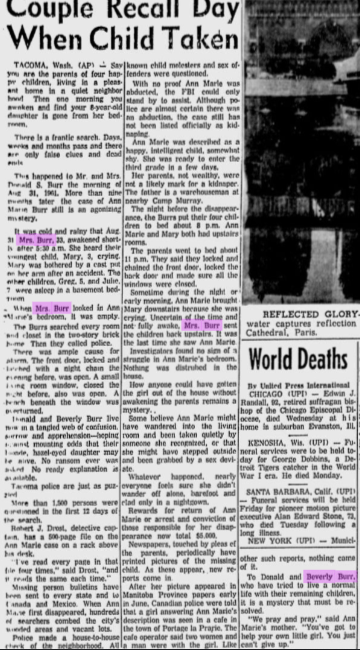
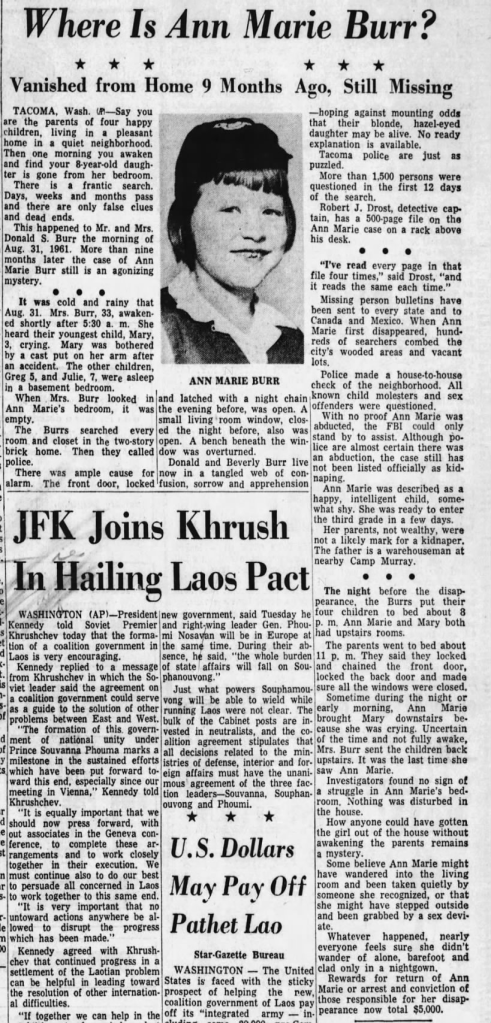
Earlier on that hot, muggy Wednesday, all four of the Burr children spent the day playing with other kids in their neighborhood. Ann Marie ate dinner at a nearby friend’s house, and that same girl asked her to spend the night, however Mrs. Burr said with school starting up again soon maybe it wasn’t the best idea, so she kept her home. Aside from her family, Ann’s neighborhood friends Susie and Christine were the last people to see her alive. Around 8:00 PM on August 30, 1961, all four Burr children were sent to bed: Ann Marie went to sleep in the upstairs bedroom she normally shared with Julie (7), however three year old Mary slept with her that night, while Gregory (5) and Julie were allowed to spend one more night in a recently constructed fort in the basement. Mr. and Mrs. Burr locked the front door at around 11 PM (complete with a chain) and went to bed after. And just like any other night, Mr. Burr put the family’s black cocker spaniel Barney out on the landing, in between their kitchen and back door. Bev said she was exhausted from the hot weather but hadn’t been sleeping well, and in addition to the heat keeping her awake both her and Don thought they heard noises in their yard late at night. It was rainy and stormy that night in late August when Ann disappeared: trees blew over, lights went out, and large areas were thrown into complete blackness. At some point in the middle of the night (Beverly was uncertain of the exact time), Mary started crying so Ann brought her into their parents room; the youngest Burr child broke her arm earlier in the summer and still experienced bouts of pain because of it (she was still in a cast and it was bothering her). Beverly was able to calm Mary down and put both girls back to bed.

Around 5:30 AM on August 31, 1961 Mrs. Burr woke up feeling uneasy: first she went to the basement to check on Julie and Greg then went up to the second story; it was then discovered that Ann Marie was no longer in her bedroom after she discovered a (once again) crying Mary, this time alone. Upon going downstairs, in the living room Bev found the small window normally left open only a crack “for TV antenna wires” was now wide open; in addition, the front door was left slightly open. Outside there was an upside down bench from the backyard that was found resting against the side of the house; there was also grass from the perpetrator tracked inside the house. There was no sign of a struggle.

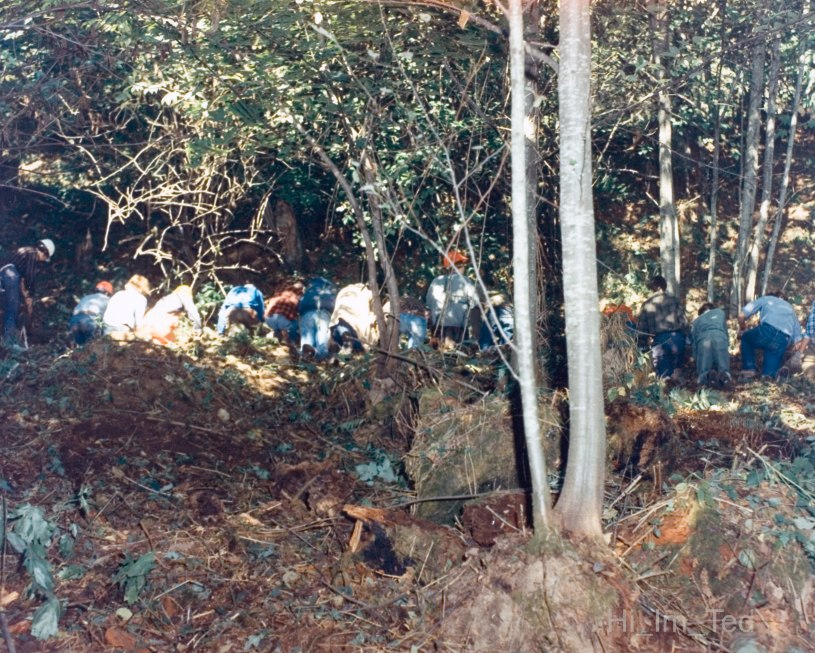
After realizing her daughter was missing, Bev (wearing only her bathrobe) walked around the neighborhood and asked a few of her neighbors if they’d seen Ann Marie. After arriving home and seeing a stool from the garden in the backyard propped underneath the open living room window, she woke up Don and had him call the police. When law enforcement arrived, they immediately interviewed the entire family. Right after he was questioned, Don and his brother, Raleigh, went to search the neighborhood. The men walked two blocks to the nearby University of Puget Sound and even combed through the construction sites. At the time of Ann’s abduction there were seven buildings on campus being worked on, and Don reported there were some very deep ditches and excavation sites present. Near one of those buildings, the two men saw a teenage boy kicking dirt into a ditch, while looking at them with a smirk on his face. They immediately went home and told police they should search the campus. Four entire days passed, and on September 3 police finally did what the brothers suggested mere hours after Ann Marie disappeared: they sent officers to search the University of Puget Sound. Unfortunately, by the time they arrived there were no open construction sites and everything was filled in: ‘at this time, all ditches are covered and the roads are open’ (Burr Missing Person Report). When Don went back to look shortly after, cars were driving over the spot where he felt the body of his daughter might have been buried.

All of Ann Marie’s clothes were accounted for by her mother and none of her personal items were missing. It was determined that she left the home wearing a homemade, ankle-length light blue nightgown with blue and white flowers, a small chain necklace with two religious medals (with engraved images of Jesus Christ and the Virgin Mary), and a silver ID bracelet with her name, address and phone number on it along with the phrase ‘Saint Christopher Protect Us.’

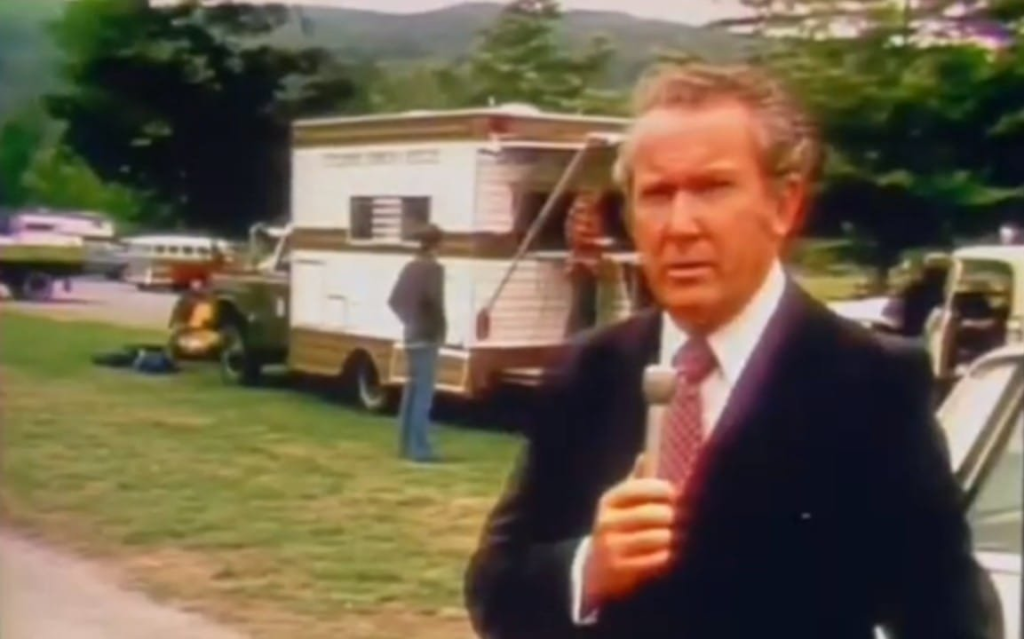
At the beginning of the investigation, law enforcement felt that Ann Marie was possibly taken by someone she knew. They surmised that the kidnapper’s silent, almost invisible movements showed a familiarity with the layout of the house. They also spoke with all of the convicted sex offenders living in close proximity to the Burrs but none could be linked to Ann’s disappearance. Police set up camp in the Burr’s basement while they waited for a ransom call or letter that never came. In an interview with Seattle based TV station KOMO-TV hours after her daughter went missing, Beverly said, ‘probably the worst has happened to our little girl. I just hope they find her.’ What she didn’t admit out loud to anyone was that she had little hope about her daughter coming home to her. Years after Ann’s disappearance she said: ‘when I first saw that window open, I knew I would never see her again. I knew I would never know what happened.’ … ‘it came to me, just like that. It was a strong feeling. When they were searching, I thought, ‘What’s the point?’ I knew she was gone, and we would never see her again.’ The police attempted to interview little Mary however the child was too young to be able to properly put into words whether or not she had seen anything helpful. Mrs. Burr told police that several members of the family heard the dog bark at some point in the middle of the night, but at the time they assumed it was because of the unusually rainy weather. They also told law enforcement they heard someone prowling around their yard a few nights before; in addition to the Burrs, three neighbors reported they had seen a peeping tom looking in their windows as well (however no one could come up with a physical description of the perpetrator).

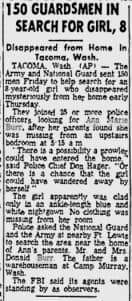
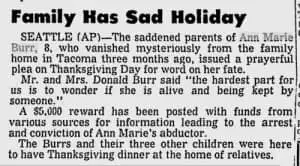
Ann Marie’s disappearance occurred early enough in the morning that it made the first morning edition of the Tacoma News-Tribune. Strangely, it said that the young girl was believed to be a possible victim of amnesia (which I’ve never heard ANYTHING about before I really started looking into this case). The disappearance of Burr brought on the largest missing persons search in Tacoma history (at the time) and lasted for months: on the morning she disappeared, fifty National Guardsman from Camp Murray and 100 soldiers from nearby Fort Lewis (which was only about 11 miles away from the Burrs home) helped local law enforcement in their search. By 11 AM, over 75 square blocks surrounding the Burr home had been thoroughly searched (including several densely wooded areas) but there had been no sign of the little girl; she vanished without a trace. At the time of Ann Marie’s abduction there were open ditches at the end of the street about 30 feet deep for an upcoming city sewer project. Detectives crawled under houses with flashlights searching for her and the Tacoma Public Works Department walked through sewer lines close to the Burr house. Additionally, a three-man crew went underground using portable lights to probe the pitch-black flumes of the city’s sewer network through the North End and scuba divers went to the main outfall pipe on Commencement Bay in low tide, where the rushing flow of storm drainage and sewage was rapid enough to push a body out of the pipe and into the bay (upon inspection it had not). Investigators came up with nothing.

There wasn’t a lot of helpful evidence found at the crime scene, however law enforcement did discover a single red thread that was found snagged on a brick near the living room window. While searching the home, they did notice a table of completely undisturbed figurines right next to the open living-room window, despite someone possibly entering the home through it. The small bench the intruder placed outside the Burr’s window was taken in to be further examined by forensic experts: it had a footprint on it about the size of a teenager’s or a small man’s foot (although it was slightly misshapen from the previous nights rainstorm), and there was a similar print found by the back of the house close to the basement window. Experts determined that the intruder was most likely wearing a size seven or eight Ked’s, and because the tennis shoe apparently had a very particular tread on it law enforcement went to stores in the general Tacoma area in an attempt to track down its owner. They were given the names of nearly 10 individuals that had bought them recently but it appears they only really looked into two of them: a younger boy that was ruled out and a college student who was away at school at the time of Ann’s abduction.

Based on the crime scene, there seemed to be no sign of a struggle, and nothing aside from the single red thread was left behind by the intruder. He came and left completely undetected, almost like a ghost. Does that mean Ann possibly knew the man that abducted her and went with him willingly? In addition to next to no physical evidence there were no witnesses, no vehicle description/license plate for a potential getaway car, no fingerprints, no credible ransom demand, no motive, no weapon, and no body. Because of the lack of concrete evidence indicating that an abduction did indeed take place, the FBI would only assist with this case on a stand-by-basis. A few days after Ann Marie disappeared, a neighbor came forward and reported that she heard a scream coming from a car with California plates the morning the girl went missing. However, when the driver of the vehicle was eventually tracked down they claimed the noise was simply from the radio and everyone in the car was alright. Police even camped out in the Burrs basement during the beginning of the investigation, hoping to record a ransom call from a potential kidnapper that never came.

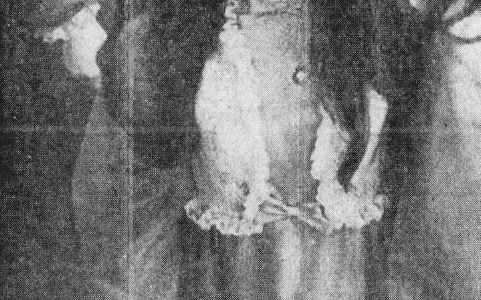
When the second edition of the paper was released later that day, there was more information about the developing story as well as a photo of Ann Marie. In it, she was wearing a paper lei won at a summer carnival, a headband, a blouse with short, puffy sleeves, and pedal pushers. The front-page headline from the Tacoma News-Tribune read: ‘Girl, 8, Vanishes From Home: Chief Hager Calls for Wide Hunt.’ Unfortunately, Tacoma is well known for its kidnappings, even being nicknamed the ‘Kidnap Capital of the West.’ In 1935, the 9 year old son of Washington timber baron John Philip Weyerhaeuser was grabbed off a Tacoma street in the middle of the day. His parents paid a $200,000 ransom and the boy was released unharmed; there was an arrest made within days. On December 27, 1936 a man broke into the mansion of Tacoma Physician Dr. William Mattson and scared his four children with a loaded gun. He took Mattson’s 10 year old son Charles and fled. The kidnapper left a ransom note asking for $28,000, but two weeks later the boy’s naked body was found on a snow-covered field 60 miles north near Everett, WA. The case remains unsolved to this day.

A complete search of Tacoma turned up no clues as to little Ann Marie Burr’s whereabouts. Within the first twelve days after her disappearance, over 1,500 persons were interviewed, and over the course of the entire investigation thousands of people were talked to and hundreds were polygraphed. In the beginning, the leading suspects included a teenage neighbor boy who flirted with the young girl as well as one of her cousins that grew up to be a convicted child molester (both were eventually cleared). On September 8, 1961, Donald and Beverly voluntarily went into the police station and took polygraph examinations in response to whispers that they had withheld information to the police in regards to their daughter’s disappearance. Both Mr. and Mrs. Burr were found to be truthful in their responses. The following day, Burr’s maternal grandmother (Marie Leach) posted a $1,000 reward for information leading to the discovery of Ann Marie, which was eventually increased to $5,000 after allocation of additional funds. As I said earlier, Beverly never got along very well with her mother and the two seemed to butt heads a lot, especially in her youth. Mother and daughter were never seen hugging or being affectionate, and never said ‘I love you’ to each other. It almost seems like as a whole Beverly too wasn’t very warm or physically affectionate with the people she loved: her brother in law Raleigh commented that Don and him always hugged, but Bev would stiffly shake his hand (even after knowing her for 60 years).

Sadly after the disappearance of their daughter, Beverly and Donald’s marriage began to struggle, with Don becoming verbally abusive and controlling with his wife. He was incredibly cruel and demeaning to Bev, even in front of friends and family, and was so jealous and possessive that she wasn’t even allowed to talk to the mailman or wear shorts outside while doing yard work. One time when they were stranded in Russia on a trip Don berated her for hours after she spoke with a male baggage handler and tried to help resolve the situation. After a single driving lesson in the family’s new car Bev was not allowed to learn how to drive after she accidentally stepped on the gas and floored the car over an embankment and into a busy highway. She called the marriage a big mistake. In her later years Beverly said that she would have left her husband but stuck around for the sake of the children, and she got along with him because she frequently just gave into him. Her relationship with Julie started to get strained in her adolescent years because she often looked at her and wanted to see Ann Marie. In addition to problems with her now oldest child, Mary developed mental health issues starting at an early age as a result of being the last person to see her sister alive. Mrs. Burr tried her hardest to help her daughter with her issues, even going so far as to put her own happiness and the well being of the other children on the line for her. She said, ‘I already lost one daughter, I can’t lose another.’ Julie has said that despite her dad being controlling and damn near abusive he was a loving person and loved his wife dearly. Raleigh Burr said in all the years they were married he didn’t remember ever seeing the couple hold hands or kiss or be openly affectionate towards one another. Of the couple he said that ‘maybe they weren’t outwardly loving but their children all knew they would do anything for them.’ One thing was for sure: Don and Bev were united when it came to their fierce love they felt for their children.

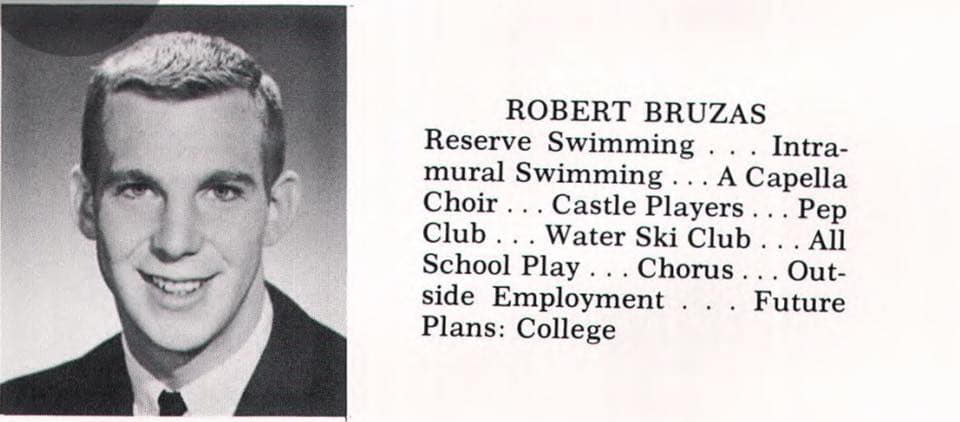
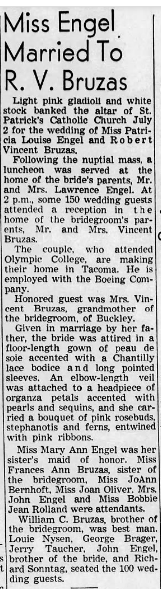
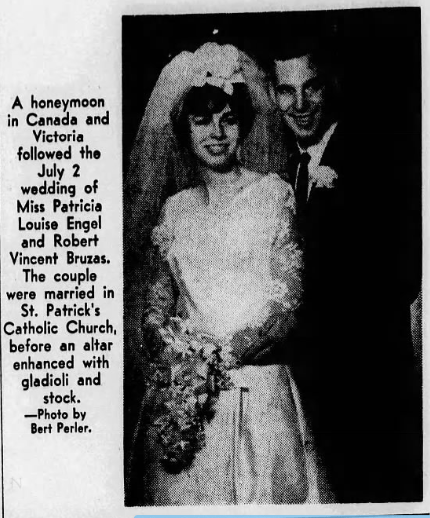
In August of 1961 Robert Bruzas was a teenage boy that lived close to the Burrs and reportedly liked to ‘flirt with Ann Marie.’ He failed an initial polygraph test about the young girls disappearance and it was determined he was lying (he blamed his failure on heightened nerves); however, he did pass a second one. Beverly said she was always nervous about Bruzas as he frequently sat outside their house in his car, but when the police questioned him about this he said he was just listening to the radio. Bev said that Robert had always been very friendly with Ann Marie and it was reciprocated somewhat but they questioned why a 15 year old boy would want to spend so much time with an 8 year old girl. No evidence has ever linked Bruzas to the crime scene, however police never ruled him out as a suspect. There are no arrest records for Robert and there is nothing on record of him ever being inappropriate with children. Bruzas got married in 1966 and worked for Boeing; he died in February 2022.

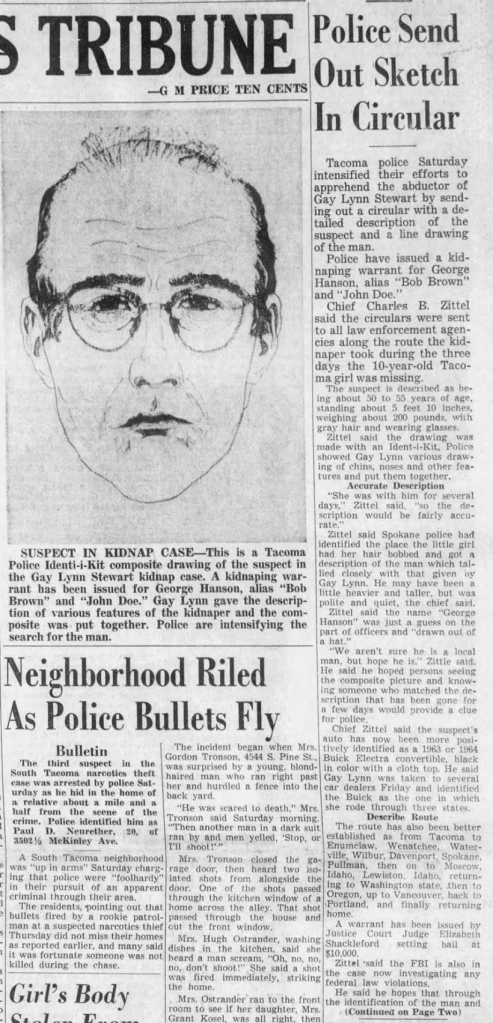
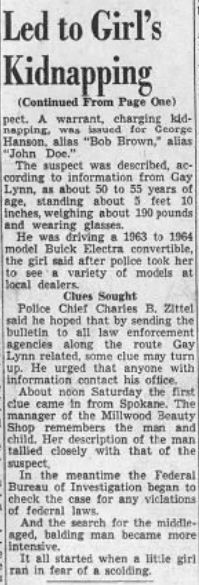
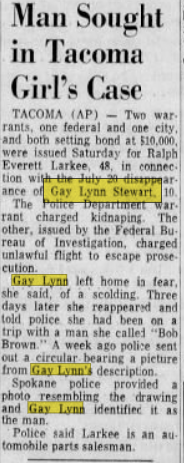
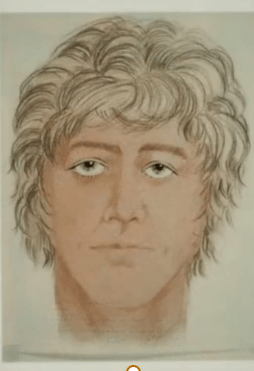
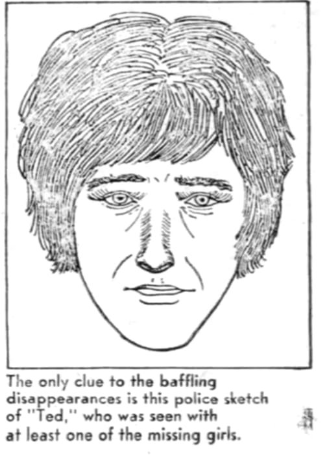
In the winter of 1964 a man named Ralph Everett Larkee, an auto parts salesman from Portland, Oregon, kidnapped a ten year old girl named Gay Lynn Stewart from Tacoma and took her on a 3 day joyride throughout the Pacific Northwest in his Buick Electra convertible. Police called the case the ‘next Ann Marie Burr’ and Larkee was considered a possible suspect in her disappearance as well. Stewart’s parents said that their daughter was very intelligent and was capable of taking care of herself (she had apparently run away before), and because of this they felt her case wasn’t given the same amount of attention as Burr’s because she was considered too ‘worldly’ for her age. Gay was last seen wearing a light blue blouse and cut off jeans and blue tennis shoes. Larkee called himself ‘Bob Brown’ and throughout the excursion kept a small caliber handgun in his glove compartment box; the two ate meals together in restaurants and he eventually dropped her off safely in Tacoma just three days later, with$15 in her pocket, a new haircut, and wearing a brand new outfit complete. When Stewart was finally recognized by a salesclerk the young girl denied who she was and even gave officers the fake name of Mickey Anderson. She was taken to the local police station and after being questioned was briefly allowed to speak with her parents, who left without their daughter in tears. Gay Lynn was taken to Raymond Detention Center where incarcerated children were housed, largely to keep her in a safe place because this ‘Bob Brown’ hadn’t been caught yet. Because he took his victim across multiple state lines the FBI became involved. She helped law enforcement come up with a composite sketch of her abductor and about two months after their excursion they were finally able to track down Ralph Everett Larkee. Larkee was discovered to be living in a Portland apartment building under the name of Paul Lindley when he was caught. On September 9, 1964 Larkee shot himself as the FBI were closing in on his apartment. He survived the suicide attempt and remained in critical condition in a coma for six months before eventually dying on March 31, 1965.
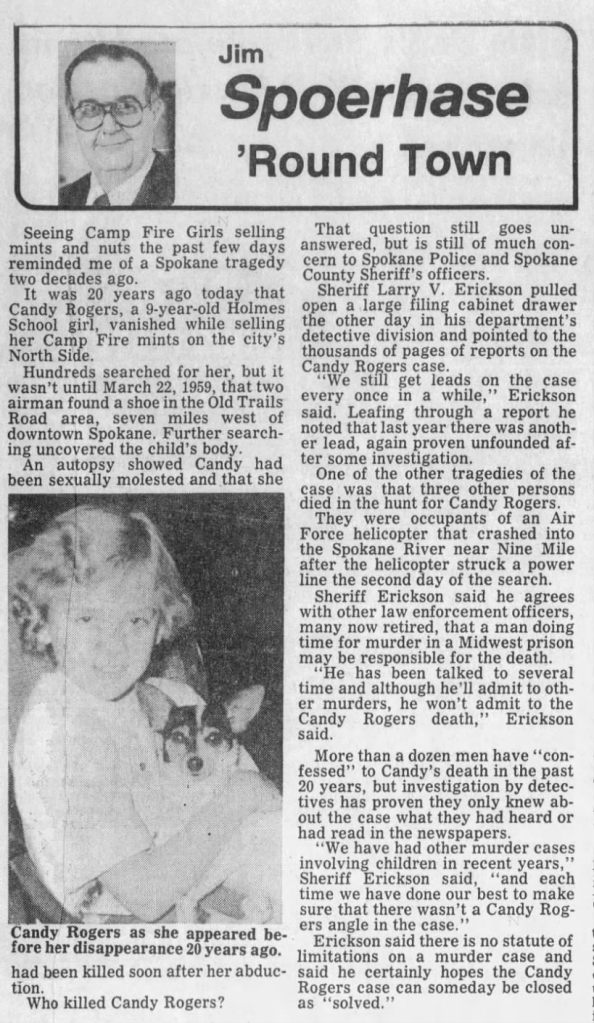
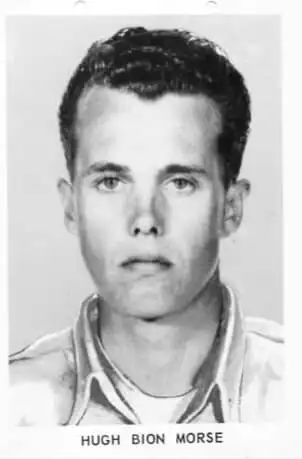
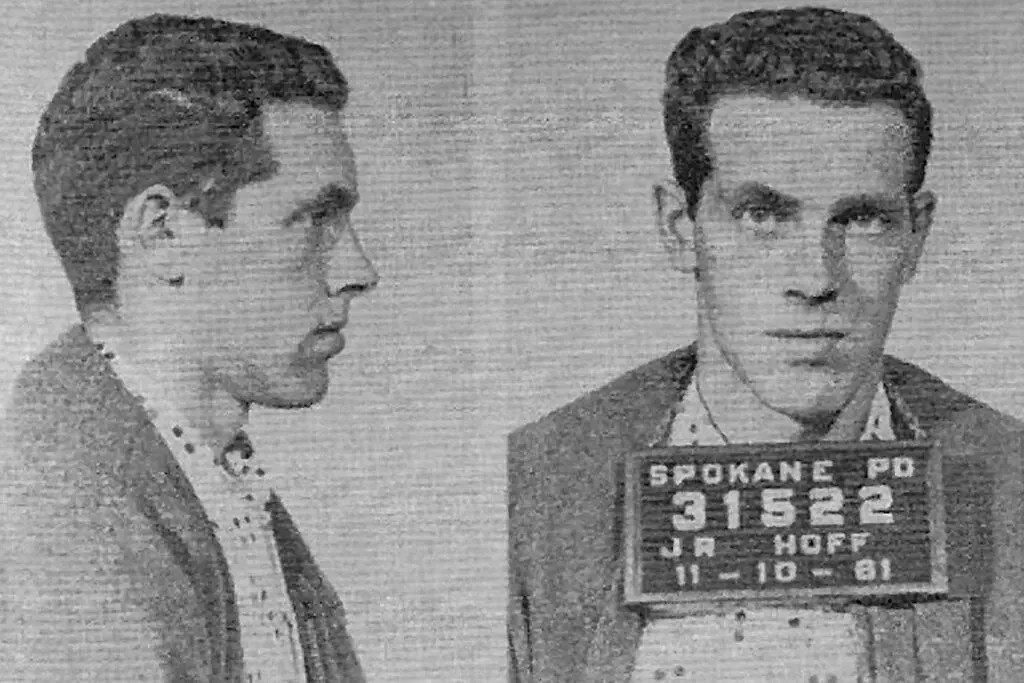
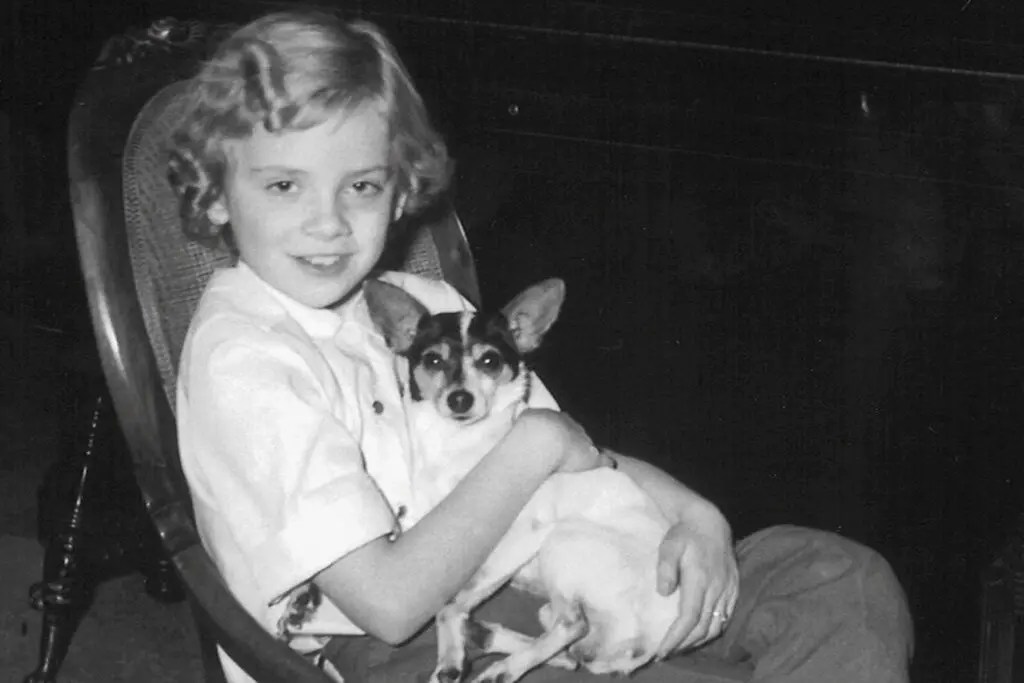
On October 31, 1961, police interviewed Hugh Bion Morse, a 31 year old former Marine at one time suspected in the 1959 murder of a young girl named CandiceCandy’ Elaine Rogers from Spokane. Candy was in the fourth grade at Holmes Elementary on West Spark Avenue, and at the time of her disappearance on March 6, 1959 she was out in her neighborhood selling Camp Fire Girls mints. Investigators had very little to go on aside from finding boxes of the candy discarded all along nearby Pettet Drive and after a 16 day search, Candy’s body was discovered in a wooded area in Northwest Spokane County. The young girl had been raped and strangled to death with a piece of her own clothing and sadly three Fairchild airmen died in a helicopter crash during the search efforts. Her murder went unsolved for 62 years until 2021, when Spokane police announced they had finally solved her case using DNA evidence and old-fashioned detective work. The killer of little Candy Rogers was determined to be a man named John Reigh Hoff, who died by suicide in 1970 at the age of 31. His daughter gave police a DNA sample that helped link her father to semen found on the young girls clothing. Oddly enough, Hoff was buried in the same cemetery as Candy. His body was exhumed and a DNA sample taken confirmed it was his semen found on the young child.

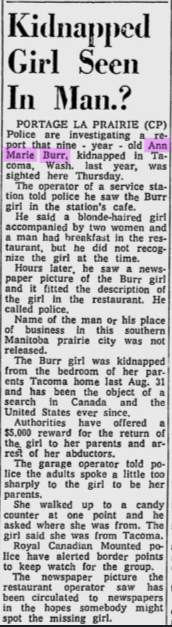
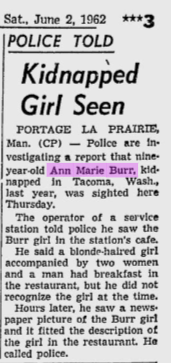
In June 1962, an employee at a full service gas station in Portage la Prairie, Manitoba, Canada (a small city in the Central Plains Region of Manitoba, Canada also located right across the US border from Grand Forks, North Dakota) told law enforcement he saw a young girl fitting the physical description of Ann Marie accompanied by a man and woman who ‘spoke a little too sharply’ to her to be her parents; the employee claimed the girl said she was from Tacoma. There was another man that made a ransom demand however he wound up being an opportunist that had nothing to do with Ann Marie’s disappearance; for that the man was charged with disorderly conduct.

In 1965, an Oklahoma based inmate named Richard Raymond McLish initiated correspondence with the Burrs claiming that he and his friend David Withnell kidnapped Ann Marie while passing through Tacoma in the summer of 1961 looking for work; they further admitted to burying her on a bean farm in Oregon. While incarcerated in McAlester Prison in Oklahoma in 1965, McLish (friends called him ‘Mountain Red’ for his good looks, Native American blood, and curly red hair) read an update in a Tacoma based newspaper on the search for the missing girl on the fourth anniversary of her disappearance. The Associated Press picked up the story and published the article in various newspapers around the US and wouldn’t you know it, Richard McLish received one of the papers: in it, Bev had written an open letter to The Tacoma News Tribune about how her little girl had been missing for four years now and that the $5,000 reward was still being offered. McLish wrote Don Burr and told him it was him who took his daughter and that he knew where her body was located, and in turn, Mr. Burr gave the letter to Tacoma law enforcement. In the correspondence, he claimed that he knew where Ann Marie was, and in exchange for the information all he wanted was for the reward money to go to his family. He said he was driving with a couple who had abducted Ann Marie and that she was living with them in Oklahoma for quite some time and they had told him in passing that they had ‘gotten the wrong child.’ Oddly enough, in the original police report it is noted that a car with two men with a crying child driving a car with either California or Oregon plates inside driving at a high rate of speed sped off from the scene of the crime the night Ann Marie was taken. Detective Tony Zatkovich who, (along with his partner Ted Strand) had been on the case since the beginning immediately called the penitentiary where McLish was being housed. David Withnell killed himself on December 27, 1963 by carbon monoxide poisoning so unfortunately authorities were unable to question him, however they did speak to his widow, who said she could see her ex-husband performing an atrocity like that. She didn’t think, however, that McLish ‘had it in him.’ She reported she took her seven children and left her ex after she discovered he molested one of their daughters. Sometime over the course of that weekend in August 1961 while her husband was in Washington state looking for work, Withnell’s ex-wife noticed that a quilt had disappeared. By the time McLish was questioned by Tacoma law enforcement his story completely changed: he claimed that he and Withnell were the ones who abducted Ann Marie then drove back from Tacoma to Oregon to disposed of her body: McLish said that Withnell paid him to get rid of her so he wrapped the little girls remains in the missing quilt and buried her next to a tree about three feet deep out of the way. This way it was in an area where it wouldn’t be disturbed by a plow. After two years of back and forth between Tacoma police and the prison, on October 11, 1967 officers flew with the prisoner to check out the location where he allegedly dumped Ann Marie’s body. By the time they arrived in Oregon McLish had changed his story yet again: this time claiming they put the tiny body in the pond (still wrapped up in the quilt), even going so far as to point out where he remembered disposing of it on a hand drawn map. Unfortunately a semi-recent flood had drastically altered the landscape of the farm in 1964 and no remains were ever recovered. It’s unsure whether or not the inmate was telling the truth or not (although they were probably lying). The then-current owner of the property (Vern Chamberlain) said that if McLish did indeed dispose of Burr’s body in the pond then it most likely would have been washed away by the flood water. That didn’t stop divers from searching the pond but they came up with nothing. In Tacoma, police showed McLish’s photo to both Don Burrs and neither one of them recognized him, which seemed to confuse the inmate as he swore up and down that he knew Ann Marie’s father. While still in Oregon McLish agreed to an interview while under the influence of sodium pentathol (after turning down a polygraph he initially agreed to), however there is no proof or record anywhere of it ever being performed. Law enforcement in Tacoma told a local newspaper they couldn’t say either way, if he did it or didn’t.

Ar0und the time Burr disappeared there was an unknown girl suffering from amnesia found in Omaha, Nebraska, however it was eventually determined not to be Ann Marie. Another incident involved two boys that discovered a bottle with a note inside claiming that she was being held prisoner by bank robbers (nothing came from that either). Another odd occurrence: her name was found carved on a sandstone cliff near a roadside picnic area just southwest of Tacoma close to the Washington coast. But maybe one of the strangest things happened many years after Ann disappeared: Bev received an empty envelope addressed to the family at their new house; in a panic, she took the envelope to the police along with one of Ann’s old school books to hopefully compare the handwriting. However, the handwriting was deemed by police to be inconclusive and there was absolutely no way to determine whether or not it was from the same person, or even if it were from a child, teenager, or an adult. Was this Ann Marie trying to get in contact with her mother, or just another prank?

In the mid-90’s, Mrs. Burr received a strange phone call from a Tacoma based psychiatrist who felt that Ann Marie was one of his patients. So, Bev baked an apple pie and invited the woman over to her house: ‘I took one look at her and knew it wasn’t her,’ she said years later. The woman said she remembered having a canary (just like Ann) and a few other small details that were true. Mr. and Mrs. Burr met with her five or six times until they were finally talked into a DNA test by Julie: ‘I said, ‘Mom, you’ve got to find out if it’s her.’ After two years of being in communication with the mystery woman, the Burrs had their DNA tested and sadly she was not Ann; strangely Bev kept some pictures of her in family albums.

The cozy bungalow Bev once thought of as her dream home quickly became her biggest nightmare, but she felt she had to stay there in case Ann ever came home. When the family moved into a large colonial on North 28th Street in Tacoma six years to the month after Ann’s disappearance, they published the new address and phone number in the local newspapers in hopes Ann Marie would one day find her way back to them. Some of Ann’s clothes and toys made their way to the new residence. However, this led to many prank calls and a lot of harassment. Beverly received a phone call on February 20, 1964 from a man who sounded young but well-spoken and polite with no distinguishable accent. He claimed that Ann Marie was now living in the Phoenix, Arizona area but he would only give her more information if she ‘undressed for him.’ Despite being incredibly embarrassed, Mrs. Burr did inform police of the call which resulted in them re-installing recording equipment in their home to monitor any additional calls. They eventually found and arrested the culprit: a 17 year old Woodrow Wilson high school student (where Ted Bundy was ironically a junior). The teen had no new information about Ann Marie. In addition to harassing the Burr family, he admitted to making nearly 150 prank calls in the previous 2-3 years around the general Tacoma area.

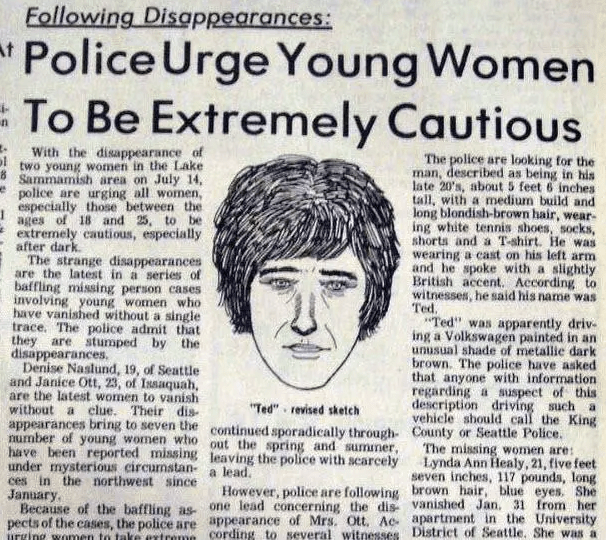
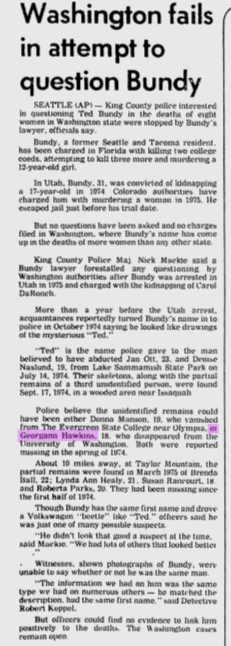
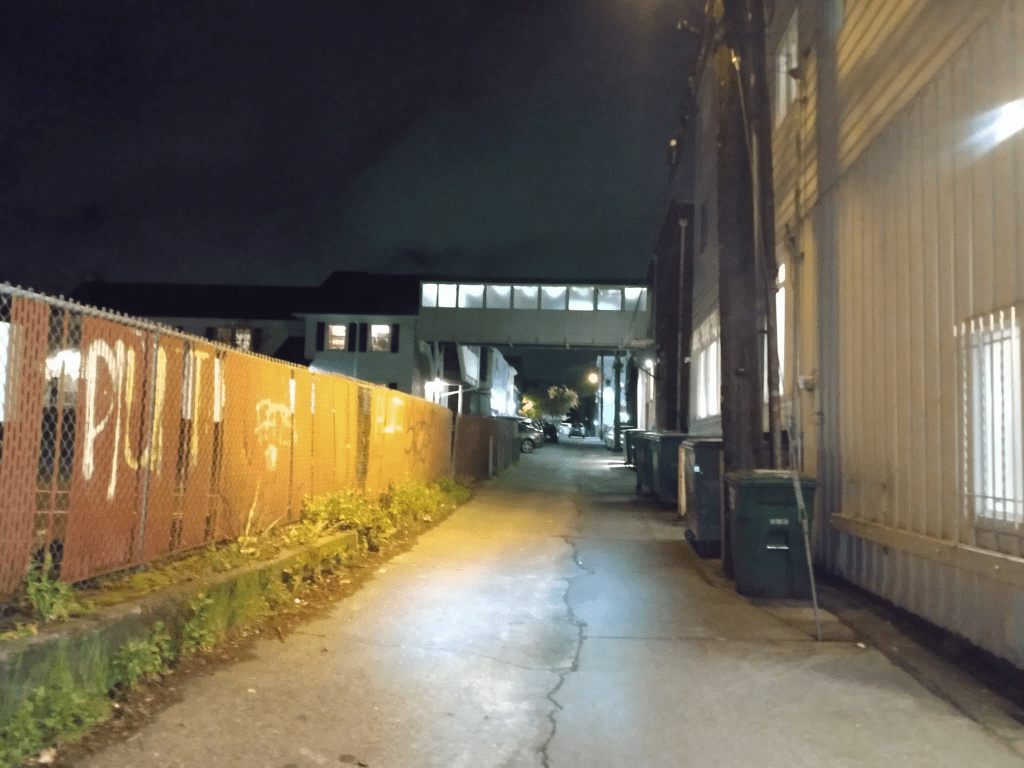
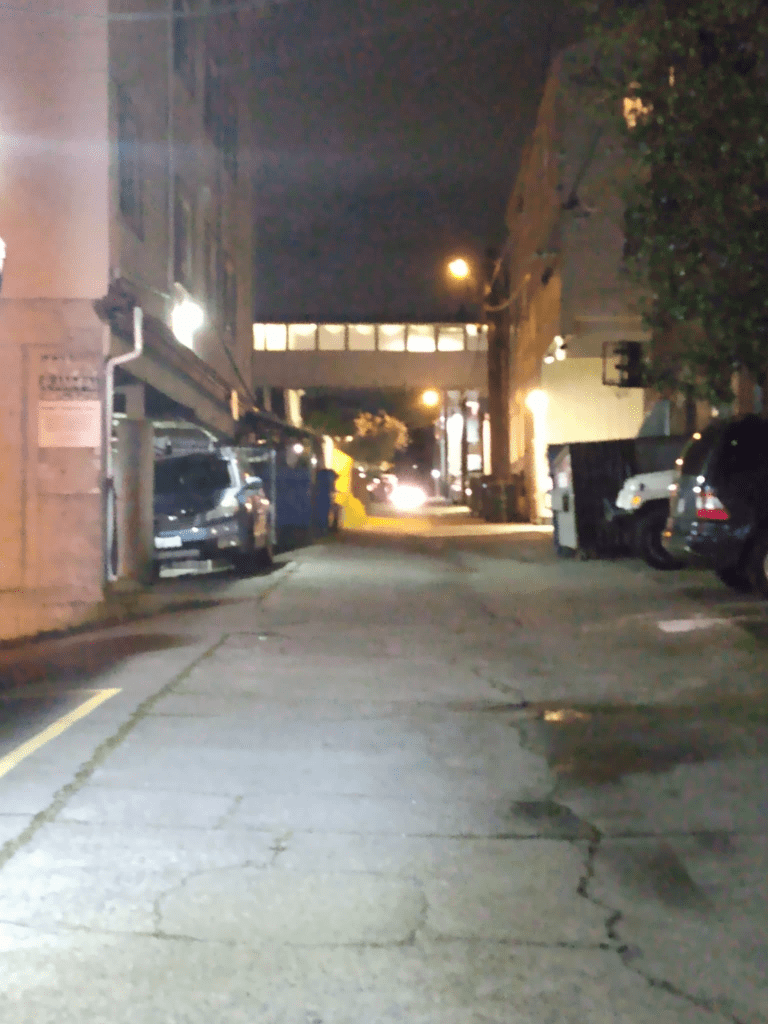
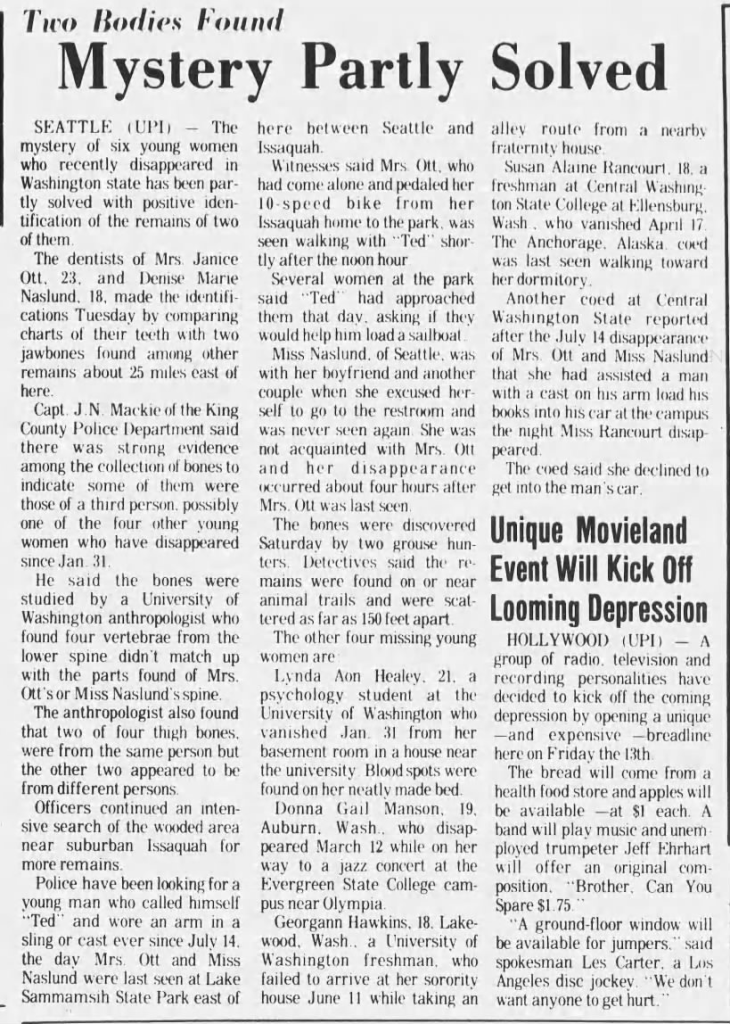
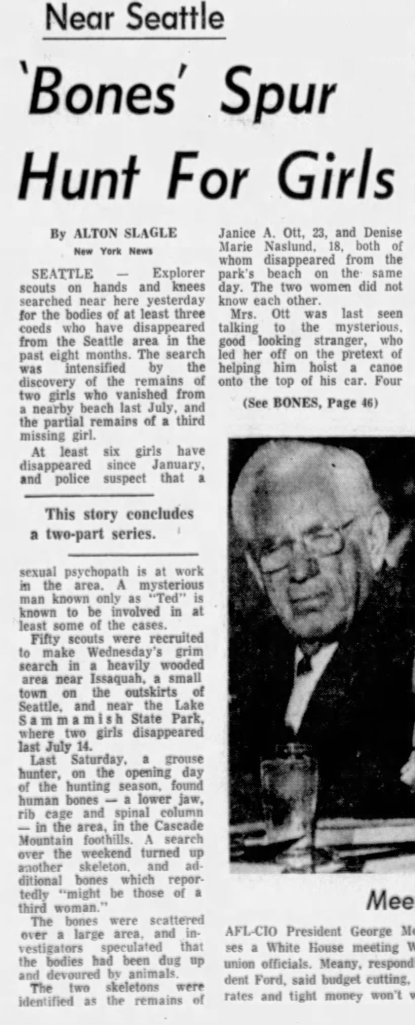
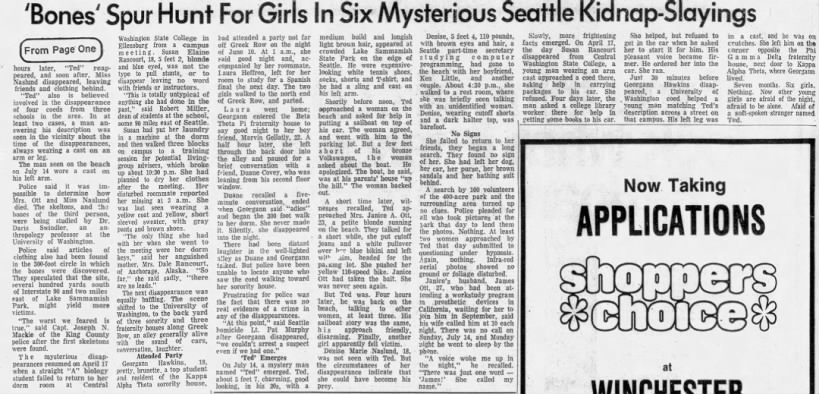
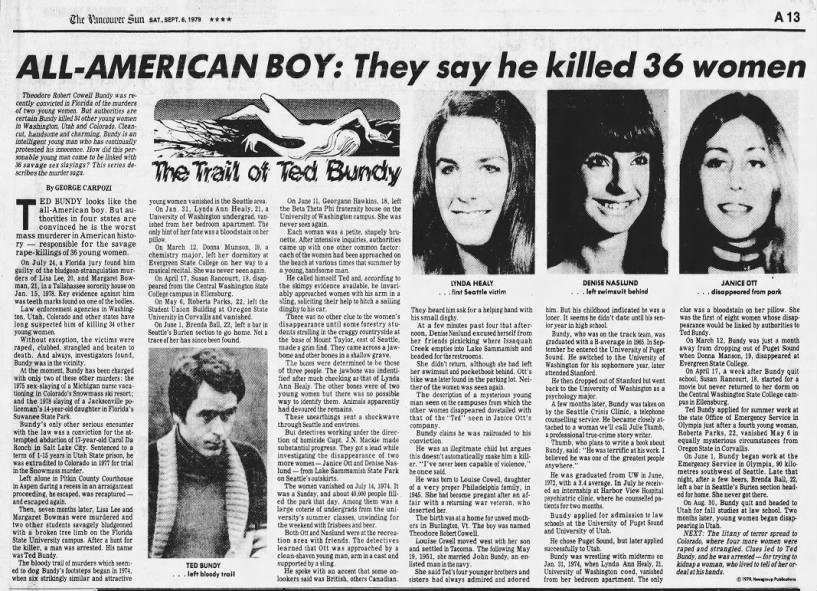
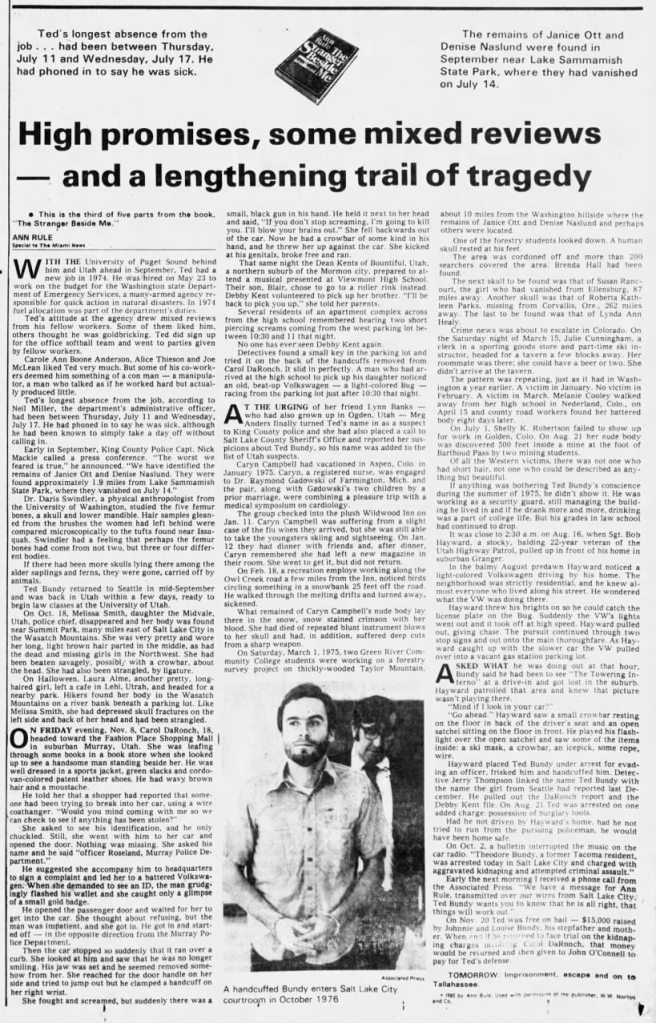
We all know that Ted Bundy didn’t ‘officially’ start killing women and young girls until early 1974… but at the same time it’s widely accepted he started his rampage years before that. Bundy first came up on police radar when he was a kid for being a peeping tom and shoplifter. Ann Marie’s case made national news when she disappeared in 1961, and there was a renewed buzz surrounding it in 1978 after it was realized the infamous serial killer grew up fairly close to her neighborhood. After Ted was arrested in Florida in 1978 he was considered a suspect in Ann Marie’s case when it was revealed that at the time of her disappearance he was 14 and living near the Burrs home in the West End of Tacoma at 658 North Skyline Drive (which is about 3.3 mile away). Additionally, there is no concrete alibi for Ted during the time in which Ann Marie went missing. His parents said he was in bed, but I mean… are they undeniably, 100% certain where he was on a random night in the summer of 1961? It’s impossible. I did read somewhere that at the time of Ann’s disappearance Mrs. Bundy made periodic, frequent walks through the house (she had younger kids at the time), and said she doesn’t remember anything out of the ordinary that particular night. It’s also worth mentioning it’s a pretty popular myth that Ted’s (favorite) Uncle Jack taught Ann Marie piano at one point in time (he didn’t), and he lived at 1514 South Adler Street in Tacoma (which is only 1.4 miles away from the Burrs). Jack Cowell was a professor of music at the nearby University of Puget Sound. Another common myth about Bundy and the Ann Marie Burr case is that he was the family’s paperboy at the time of her disappearance, but it turns out he wasn’t and his route was roughly 3 miles away. At the time Burr disappeared in 1961, 14 year old Ted had no drivers licenses or access to a vehicle, so if he did abduct her he most likely made the trek over to her house on foot. I mean, I was an out of shape 38 year old when I made the walk around Tacoma and it was definitely doable. Although it was stormy the night Ann Marie disappeared, that probably wasn’t enough to stop Bundy from making the walk. Or maybe he rode his bike over to her house and stashed it somewhere until he could come back and retrieve it?

I’ve read a lot of back and forth over the years about whether or not a 14 year old teenager would have been physically capable of committing an atrocity like this. At the end of the day, all I know is I’m 5’2” and when I was back in school for my teaching degree the seventh and eighth grade boys (and some girls) absolutely towered over me, and they were even younger than Bundy at the time. Now, we know Ted wasn’t a huge teenager (as he wasn’t an overly large adult), but I’m sure he was fairly tall, especially compared to Ann Marie’s slight 4’2″ frame. I personally think it’s less ‘could Bundy have physically killed her’ and more ‘what resources does a 14 year old boy with no drivers license (or access to a car, even illegally) or land/property have to properly dispose of a body?’ A part of me is thinking back to that laughing teenage boy Mr. Burr saw kicking dirt into the hole at The University of Puget Sound and is wondering, maybe the killer did dump her body in a hole that was eventually filled in with concrete. But, what about the byproducts of decomposition? I have a background in general chemistry and biology and I wondered about a rotting body’s effect on concrete and how it would hold up over the years. When the human body breaks down and decomposes, carbon dioxide, water, simple sugars and mineral salts are released (gasses and liquids). Well, leave it to my good friend Erin Banks to almost read my mind, because she had the same thought I did (but enough sense to do the research). About this, Ms. Banks said: ‘Many Washingtonians believe that Ann was embedded in cement at the construction site. In the 2010’s, there was a study conducted in the course of which pigs were buried in cement, so as to study the delay and changes in decomposition. Because decomposition involves gasses and fluids, it creates air pockets, impacting the structural integrity of the concrete, causing it to collapse over time. So there is a relatively slim chance for Ann to be buried underneath the former construction site, although we can, of course, never rule it out completely.’

In 1980-81, Ted Bundy conducted his death row interviews with journalists Stephen Michaud and Hugh Aynesworth. In them, he spoke in the third person and often hinted at the crimes he committed. On one occasion Bundy spoke of ‘killing a young girl in an orchard,’ where he talked about attempting to sneak up behind a victim but she heard him and turned around, which forced him to pull out a knife, grab her by the arm and tried to force her to submit. But instead of complying, the victim became loud and vocal, and since there were houses in the area he was worried that someone might hear them: so, in an attempt to force her to be quiet he placed his hands around her throat and she eventually stopped struggling completely. It appeared she was unconscious, but after the assailant removed her clothes and raped her he noticed she wasn’t breathing. Was that Ann Marie Burr? Ted even went into graphic detail, going so far as to give the precise layout of the Burrs neighborhood and set-up of their house.

When the book ‘Conversations with a Killer’ was published in 1983, Mr. and Mrs. Burr both read it, and it was shortly after that Beverly first wrote to Bundy. She pleaded with him in a letter dated May 30, 1986: ‘On August 31, 1961, just before school was to start for you and our children, there came a black rainy night with lots of heavy winds. You were 15 and had been wandering the streets late at night and peeping in windows and taking cars. I feel your FIRST MURDER WAS OUR ANN MARIE BURR. The bench from the back yard was used to climb in the living room; the orchard next door was a dark setting for a murder. What did you do with the tiny body? God can forgive you.’ Strangely enough, he responded shortly after on June 8, 1986, saying that he had nothing to do with her disappearance: ‘Dear Beverly, Thank you for your letter of May 30. I can certainly understand you doing everything you can to find your daughter. Unfortunately, you have been misled by what can only be called rumors about me. The best thing I can do for you is to correct these rumors, these falsehoods. First and foremost, I do not know what happened to your daughter Ann Marie. I had nothing to do with her disappearance. You said she disappeared August 31, 1961. At the time I was a normal 14-year-old boy. I did not wander the streets late at night. I did not steal cars. I had absolutely no desire to harm anyone. I was just an average kid. For your sake you really must understand this. Again and finally, I did not abduct your daughter. I had nothing to do with her disappearance. If there is still something you wish to ask me about this please don’t hesitate to write again. God bless you and be with you, peace, ted.’ After two letters back and forth with the convicted serial killer, Beverly felt that ‘he avoided the real questions, talking instead about the Green River murders and world events.’
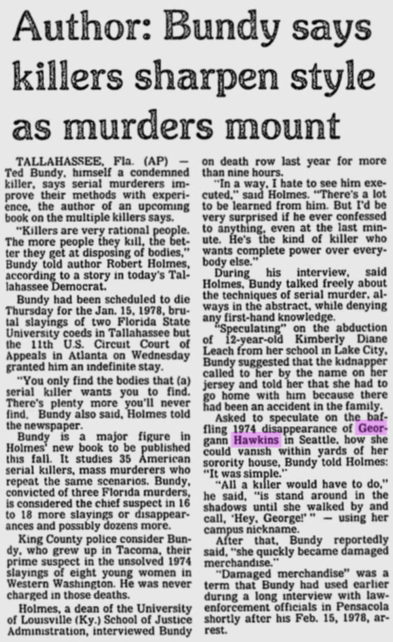
Later in 1986 Ted told the same story to Dr. Ronald Holmes about the murder of a young girl in an orchard. Dr. Holmes was an associate professor of criminal justice at the University of Louisville’s School of Justice Administration; he had a two-year grant to study serial killers in the United States. Bundy told the Doctor that he had “stalked, strangled and sexually mauled his first victim, an eight-year-old girl who mysteriously vanished from her Tacoma home, 26 years ago” (Holmes interview). This confession didn’t make the news until 1987, when Holmes presented his findings to a conference in Colorado. His admission didn’t make news until the next year, when Holmes presented a paper to a conference in Colorado. Bundy told Dr. Holmes that he had “stashed the body of Ann Marie Burr in a muddy pit, possibly near the University of Puget Sound” (Holmes interview). Many Bundy enthusiasts and law enforcement have disputed the story, however Dr. Holmes never wavered about what Bundy admitted to him. Years after Ann Marie’s disappearance Bundy told law enforcement that he “wouldn’t have hurt a little girl” and denied any involvement with her disappearance. In a 1987 interview with King County detective Bob Keppel Bundy said that there were “some murders” he would “never talk about”, because they were done “too close to home”, “too close to family” or involved “victims who were very young”. Technically, Ann Marie Burr’s strange disappearance checked all three of these boxes.

I do want to point out that Bundy has spoken to a few people about how he raped Nancy Wilcox in an orchard when he was in law school in SLC. During his earlier interviews with Stephen Michaud, Ted implied he strangled a young woman to death in an orchard across the street from her home because she raised her voice and refused to be quiet (I guess technically this could have been either girl as they both lived by orchards). Before he was executed in early 1989, Bundy confessed to Wilcox’s murder: before she vanished on October 2nd Nancy got in an argument with her father about her bf’s truck leaking oil in the driveway and left in a huff. Shortly after, Bundy saw her walking near her home and abducted her: he got out of his Bug and after creeping up on her from behind forced her to walk with him to a closeby apple orchard, where he was able to restrain then put her in his waiting VW. He then told law enforcement that he brought the young girl back to his SLC apartment but didn’t kill her until the next day. Many Bundy scholars don’t believe this confession, as he lived in a boarding house at the time with other tenants and bringing an incapacitated woman back to his room against her will would most likely have been pretty loud (especially when she regained consciousness). He attempted to tell law enforcement where he left her body, however they were never able to find any part of her. To this day, Nancy Wilcox’s remains have never been found, and as a result she is still listed as a missing person.

In 1989, Ted Bundy requested that Dr. Dorothy Lewis come see him while on death row. Lewis was a Yale psychiatrist and scientific researcher working with a pro-bono attorney in an attempt to get the serial killer a new prison sentence. Dr. Lewis had spent her entire career as a clinical psychiatrist talking to serial murderers and rapists in maximum security prisons. She was attempting to figure out what exactly it was that made them do what they did and alleges that when Bundy was ‘twelve, fourteen, fifteen … in the summer … something happened, something, I’m not sure what it was. … I would fantasize about coming up to some girl sunbathing in the woods, or something innocuous like that … I was beginning to get involved in what they would call, developed a preference for what they call, autoerotic sexual activity,’ he told her. ‘A portion of my personality was not fully … it began to emerge … by the time I realized how powerful it was, I was in big trouble (Lewis interview).’

Shortly after Bundy was executed in 1989 Don and Beverly Burr made a public statement, saying they felt their daughter’s body may have been disposed of in one of the seven ongoing construction sites that were taking place on the University of Puget Sound campus.

Author Rebecca Morris wrote a book about the Ann Marie Burr case around Bundy’s confession to Dr. Holmes in 1986 titled ‘Ted and Ann: The Mystery of a Missing Child and Her Neighbor Ted Bundy.’ I waited until the very end to bring up Sandy Holt because I wasn’t sure exactly how to feel about her at first but… now that my research is complete I can confidently say I think she is 100% full of shit. Holt grew up with Bundy in Tacoma and claims to be privy to information that he did unspeakable things to the young girls in the neighborhood, including dragging them to the woods and urinating on them. She also claims he liked to build tiger traps, which obviously resulted in children hurting themselves. Sandy’s older brother Doug was friends with Bundy, and she claims that her father molested Ted while on a boy scouts camping trip (they were seen coming out of a tent together). Now, this Sandy Holt also claims to know more than Beverly Burr (who told law enforcement that her daughter did not know the serial killer in any capacity) and alleges that Ann would follow Ted around like a little lost puppy dog with a schoolgirl crush… she also claimed the eight year old child would sit and watch him fold newspapers, which doesn’t make much sense as Bundy was never the Burrs paperboy and he lived 3.1 miles away from them. Considering there is NOTHING anywhere else on Ted peeing on neighborhood children or making tiger traps as a kid except from this one source just screams ATTENTION SEEKING to me.

In July 2011 authorities developed a DNA profile utilizing a vial of Bundy’s blood preserved from blood samples taken on March 17, 1978 and shortly after Ann Marie’s DNA was submitted to the Washington State Patrol Crime Lab for DNA comparison. Several weeks later, it was determined that the evidence gathered at the scene of the abduction did not contain enough measurable DNA to produce a complete profile of the assailant. At this time in November 2022, Burr’s disappearance is still a mystery and her body has never been recovered.
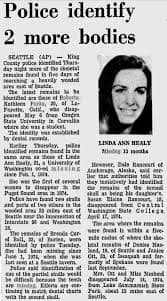
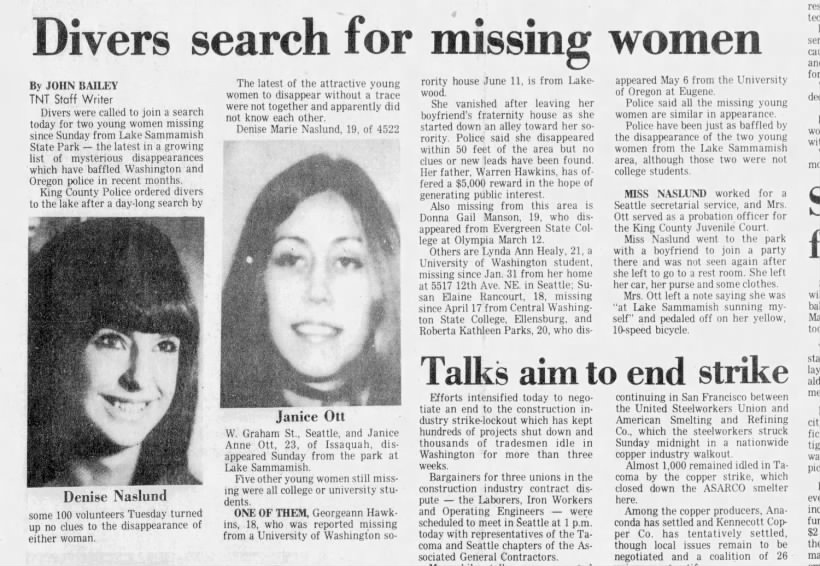
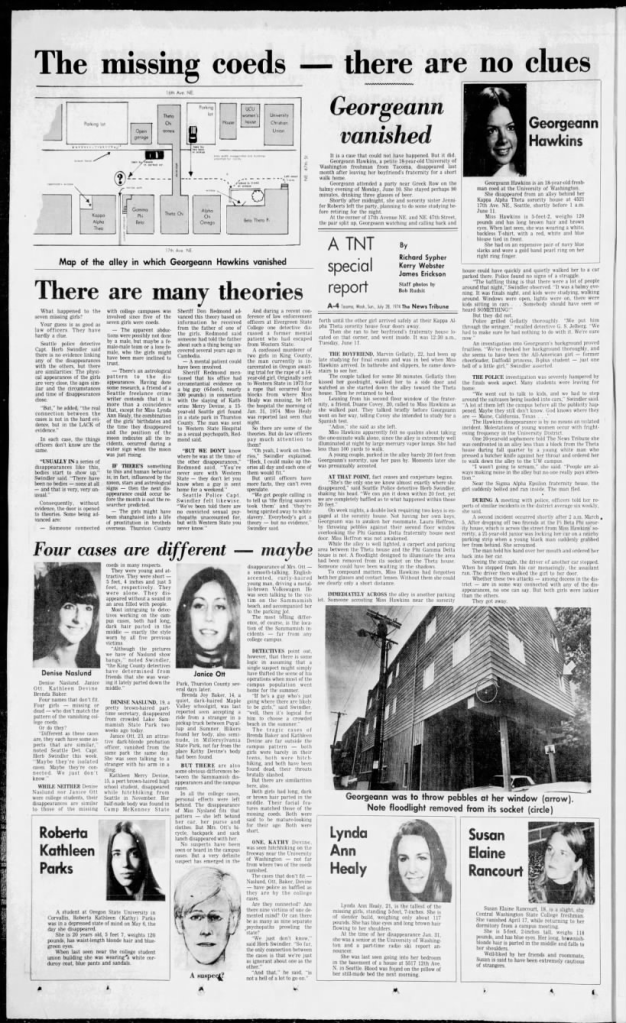
One thing I did learn that doesn’t really fit in anywhere is that Beverly Burr and Louise Bundy were casual acquaintances and ‘knew each other in passing,’ however both women said their children didn’t know each other. The two couples strangely enough ran into each other while on a 20 day bus tour of the Ozarks and because of where their last names fell in the alphabet they were placed close to each other for the entirety of the trip. Mr. and Mrs. Burr always tried to get away from Tacoma during the month of August (for what should be logical reasons); they tried to stay out of each others way for those 20 days and made extra careful to not be in any of each other’s pictures. This case reminds me a little of the Lynda Ann Healy abduction in 1974 that took place close to the University of Washington campus. She was Bundy’s first confirmed murder victim and he abducted her from her home in similar fashion to the way Ann Marie was kidnapped. There was no blood left behind with Ann like there was with Healy but the abduction method does show some parallels. We also know that the two youngest Bundy victims were 12 years old (Kim Leach and Lynette Culver), and where Ann Marie was quite a bit younger than them it was brought up by Molly Kloepfer (Ted’s girlfriend Liz’s daughter) that he did touch her inappropriately when she was only seven. So, he obviously has no problem with going after extremely young victims. Beverly never let the people of Tacoma forget her Ann Marie: there were frequent updates regarding the case in the local papers and she made sure her daughter got news coverage. When Bundy was put to death in 1989 the Burr family listened to the broadcast on the radio: they were hoping for some last minute news about Ann’s death but sadly there was none.

At the time of the service many Tacoma and Seattle newspapers published articles about Ann, and there was a resurgence of interest in the case. Mrs. Burr said she was glad that she didn’t know what had happened to her daughter, but that she ‘still thinks it was someone she knew,’ and regarding Bundy commented: ‘you know, he tortured women.’ At her sisters memorial service Julie Burr said of her mother: ‘you probably wanted to crawl into bed and bury your head as each day and year passed with no answer. But instead you gathered strength and provided us with a wonderful childhood.’ After a brief hospitalization where Bev may have had some self-inflicted injuries as a form of ‘attention seeking,’ she briefly considered becoming a nun, a thought her parish strongly discouraged. In the years after the children flew the coup, Don finally allowed his wife to take writing classes and get a job: she worked as a secretary at Bates Technical College in Tacoma and at St. Josephs Hospital. She also volunteered at a local school teaching children how to read. Beverly said that she was always looking into the faces of strangers around her for the little girl that disappeared so many years before. Many years after Ann’s disappearance, Bev was asked by a journalist why there were no pictures of her up in the living room with the other children. She held back tears as she went to the spare bedroom and gathered pictures of her precious Ann Marie: she explained that seeing her up on the wall everyday was just too painful. Beverly did comment that she thought it was odd that the last name of Bundy’s final victim was Leach, which was her maiden name. 

Sadly, Donald Burr passed away on September 4, 2003 at the age of 77 and Beverly passed away of congestive heart failure on September 13, 2008 at home in Tacoma. At the time of Dons death the couple had been married over 50 years. They were the parents of five, grandparents of seven, and great-grandparents of three. All four of the remaining Burr children are alive as of November 2022. Ann’s disappearance remains an open case with the Tacoma Police Department.
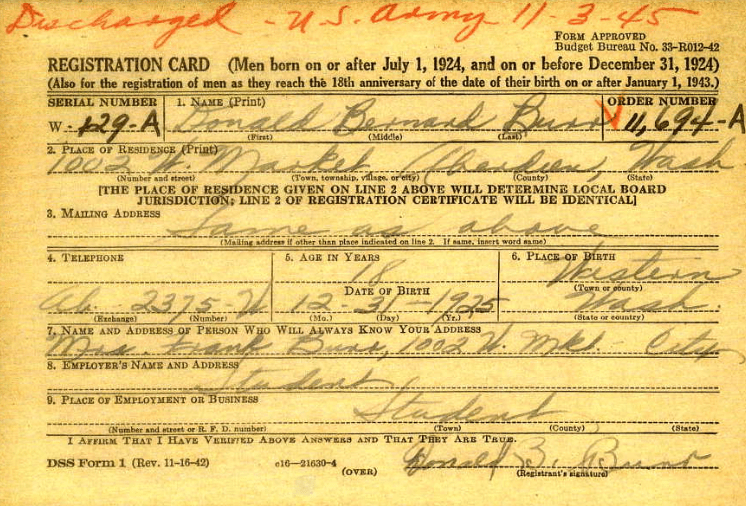
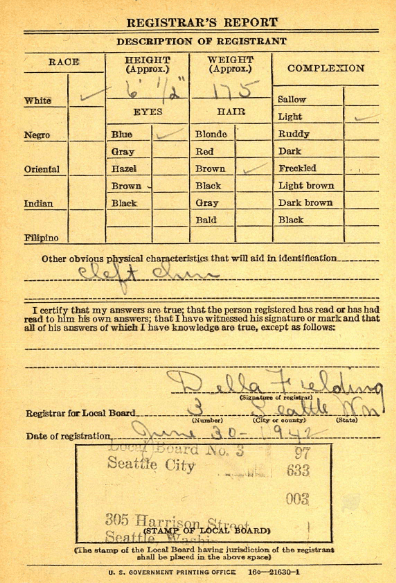
Don Burrs registration card for WW2.
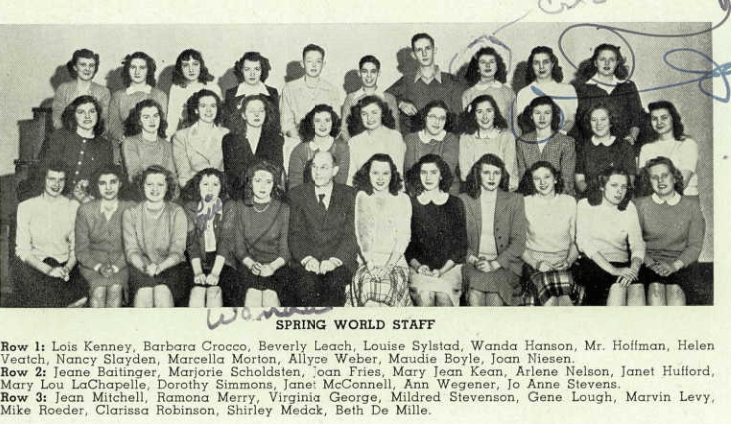
A group shot including Beverly Leach-Burr from the 1945 Stadium High School yearbook.
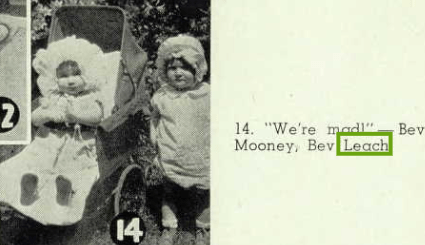
Beverly Leach-Burr’s baby picture from the 1945 Stadium High School yearbook.
A shot of Beverly Leach-Burr from the 1945 Stadium High School yearbook.
A blurb mentioning Beverly Leach-Burr from the 1945 Stadium High School yearbook.
Beverly Burr, pregnant with Ann Marie.
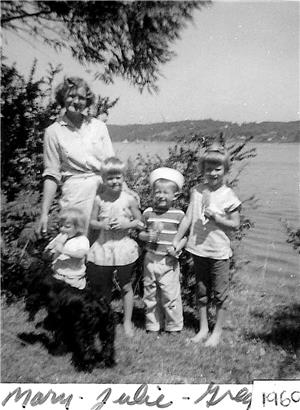
Beverly Burr, with her children.
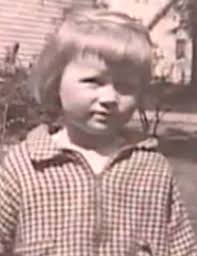
Ann Marie Burr.
Ann Marie Burr.
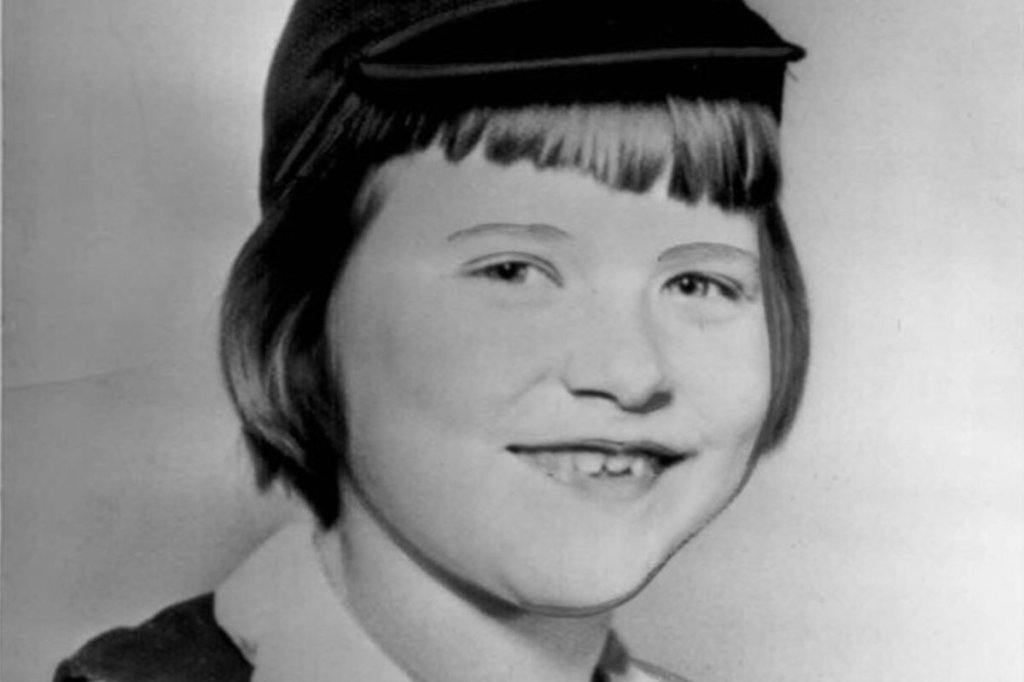
Ann Marie Burr was abducted from her bedroom in 1961 and she has never been found. Photo courtesy of Missing Media Solutions.
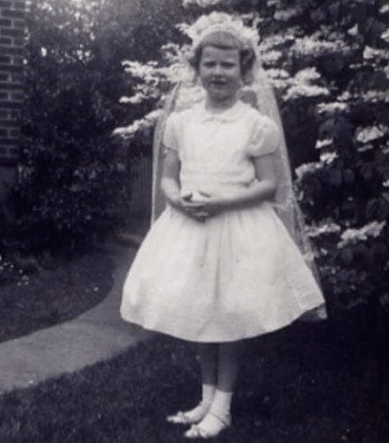
A photo of Ann Marie Burr from her first communion in May 1961.
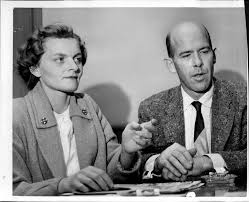
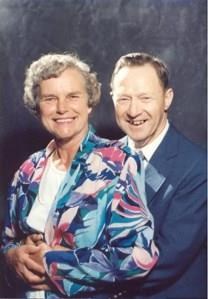
Donald and Beverly Burr.
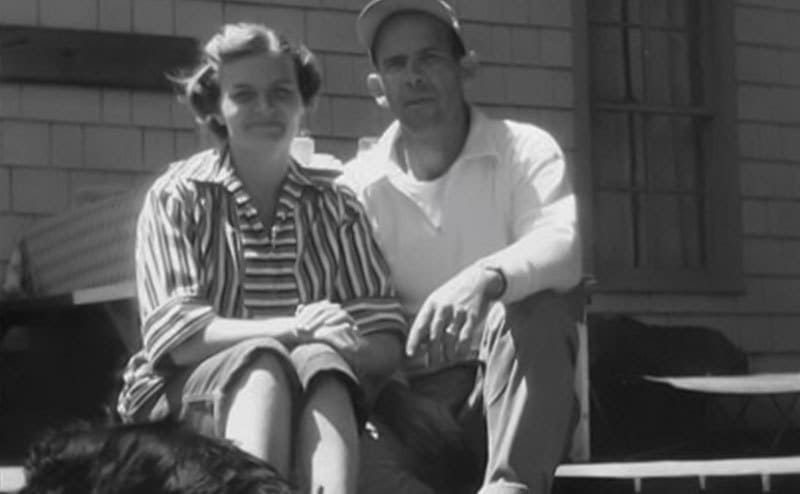
A photo of Bev and Don Burr.
A picture of Beverly Burr, her Mother Marie, and Ann Marie’s black cocker spaniel, Barney.
Bevs parents with Ann Marie.
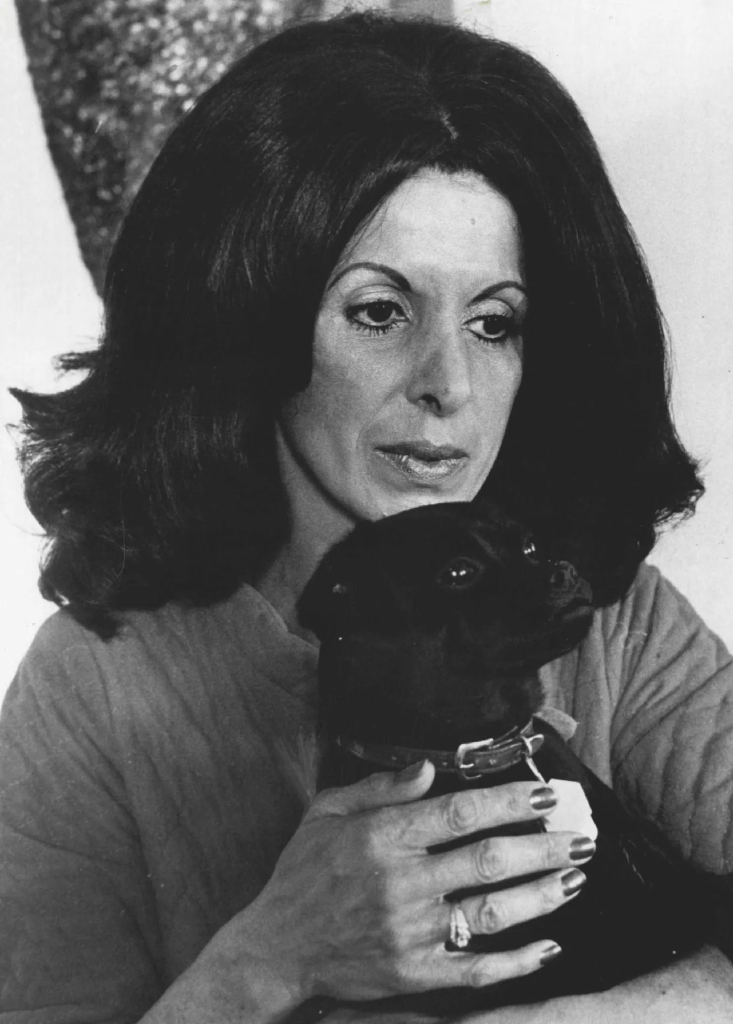
A still from a KOMO-4 news report on Ann Marie Burr. Here a reporter interviews a distraught Mrs. Burr. From the first day Ann Marie was gone, Bev suspected she would not be found: “it came to me, just like that,” … “it was a strong feeling. When they were searching, I thought, ‘What’s the point?’’
Marie voight
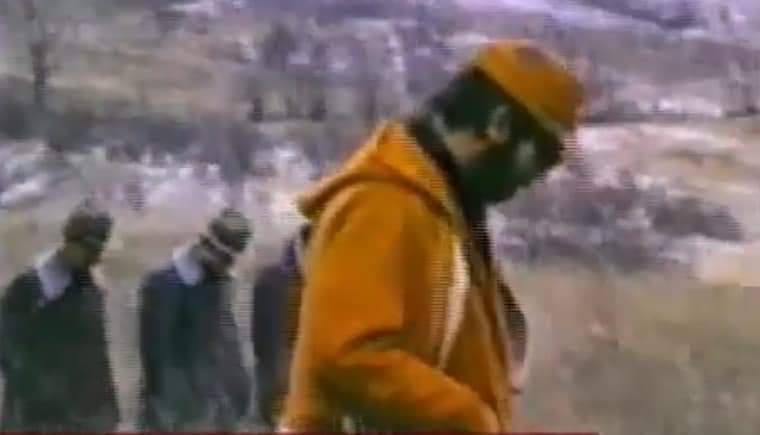
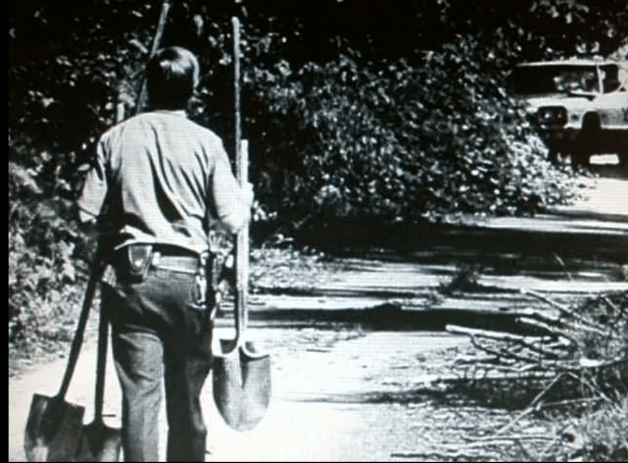
A still from a KOMO-4 news report on Ann Marie Burr. Here a volunteer searches the area, holding a shovel.
A still from a KOMO-4 news report on Ann Marie Burr.
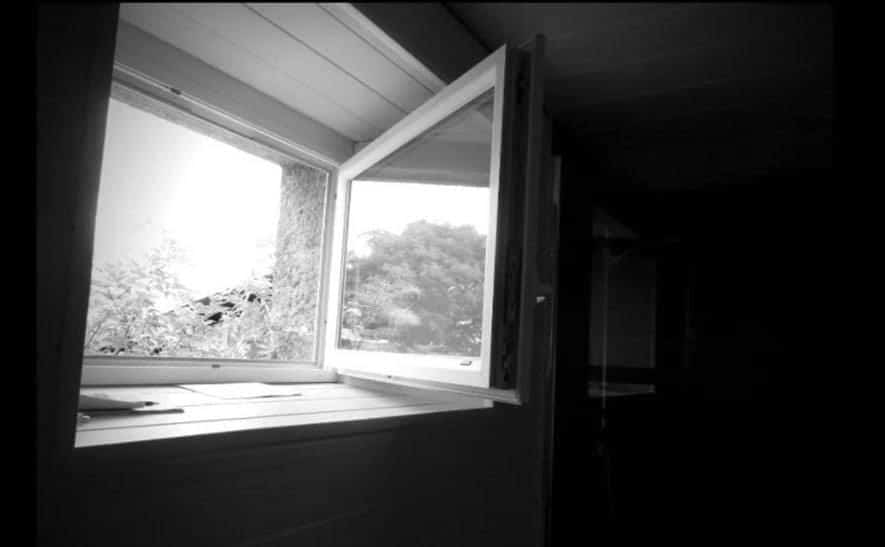
The open window in the Burr family living room.
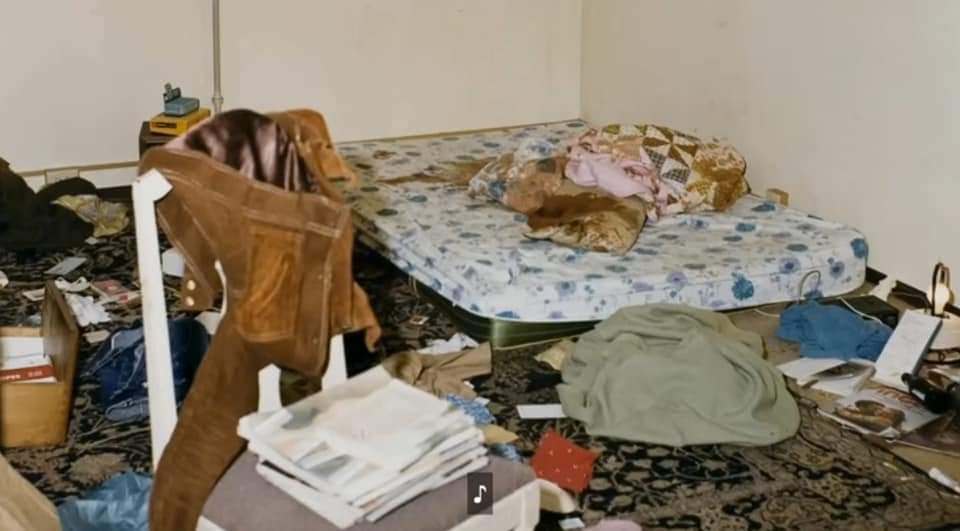
Ann Marie Burr’s bedroom where she was abducted in 1961.
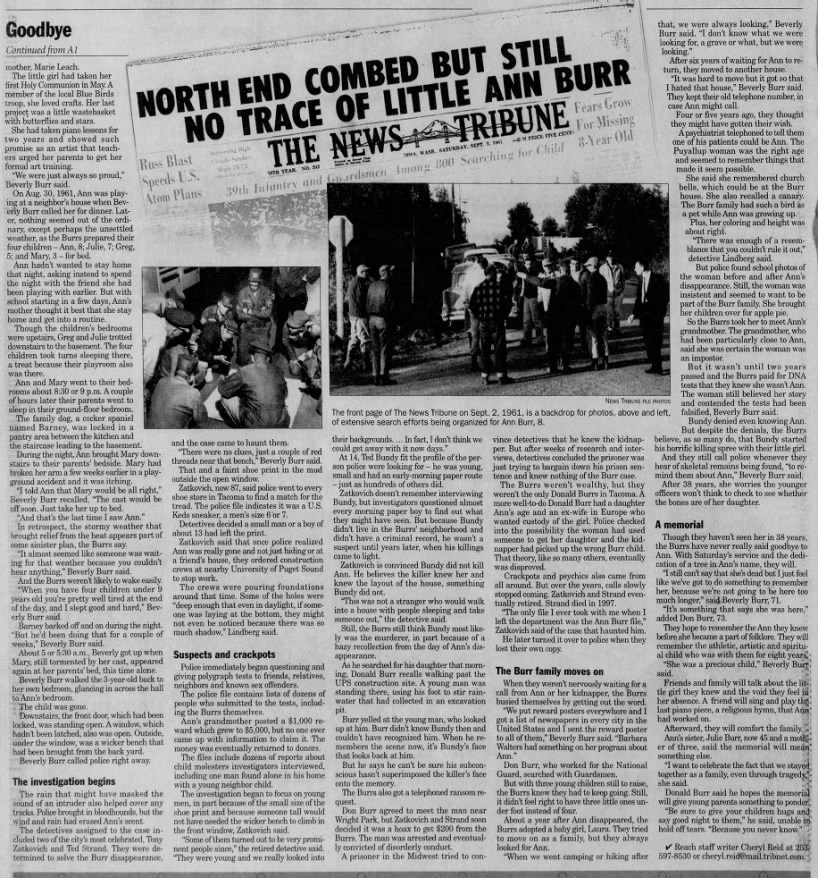
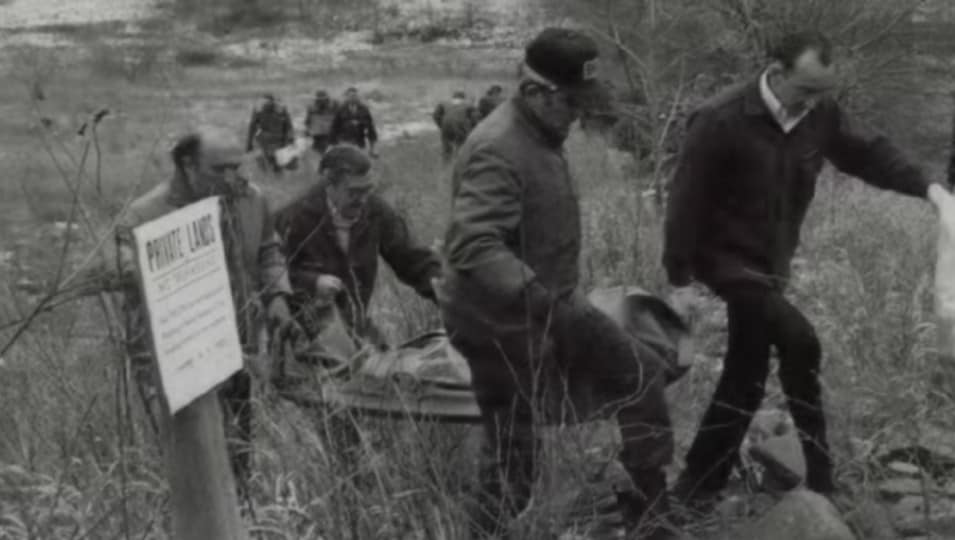
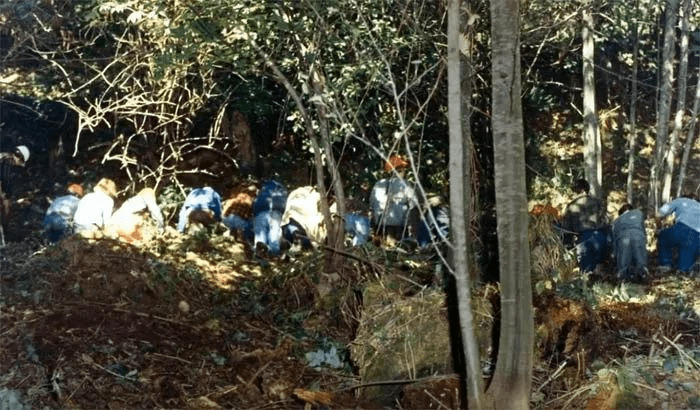
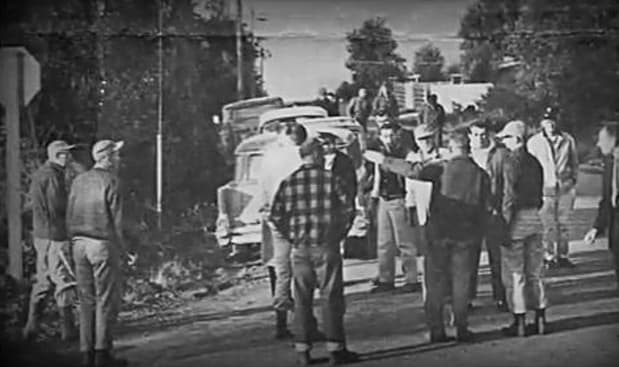
Searchers for little Ann Marie Burr gather in this photo from the front page of The Tacoma News Tribune published on September 2, 1961.
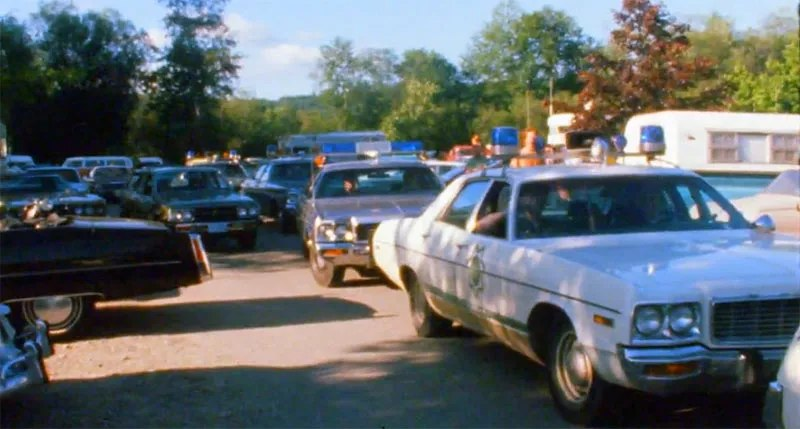
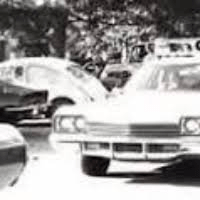
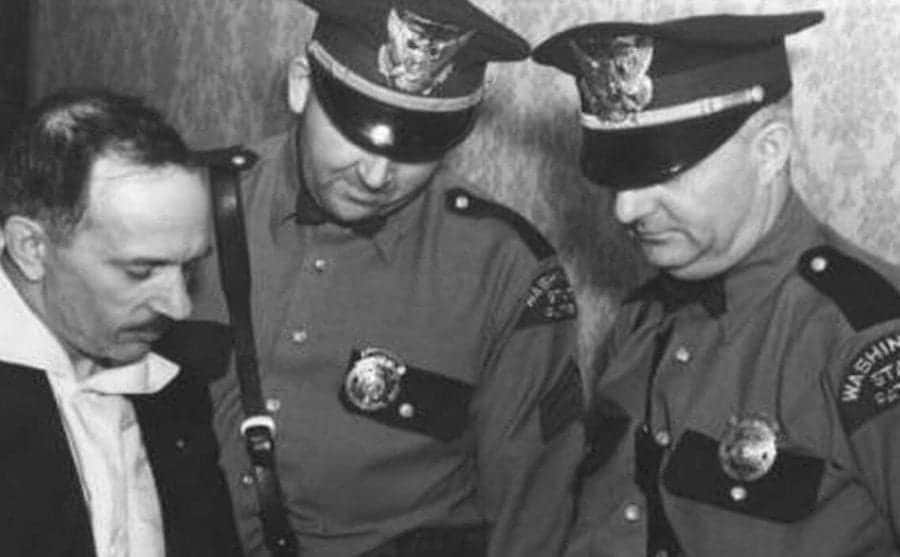
Law enforcement working on the case.
Beverly Burr holding a picture of Ann Marie.
Don and Bev Burr holding a picture of Ann Marie.
The Burrs in their later years.
Beverly Burr sitting in her living room.
Beverly Burr.
Beverly Burrs father, Roy Leach. Fun fact: he was born Roy Gleitz and changed his last name to Leach when he moved to Washington state from St. Louis. He was 31 when he married Bevs Mom when she was only 16.
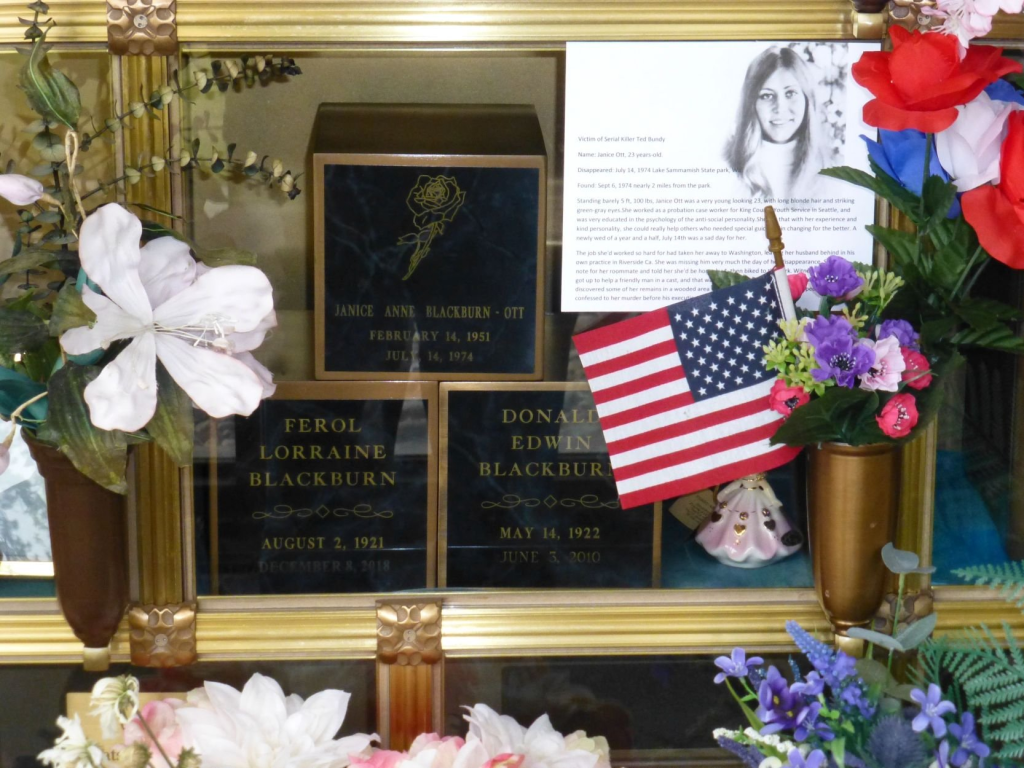
The grave site of some of the Burr family, Ann Marie included.
The obituary for Marie Leach, Beverly’s Mom. Marie was in her later years known as Marie Voigt after she remarried after her husband died. Of her mother, Beverly enjoyed telling the story about how at the end of her life her mom slipped on some ice cream and fell on the ground, where she stayed until she died. (Wow that is DARK…)
Greg Burr ‘s junior picture from the 1973 Stadium High School yearbook.
Laura Burr ‘s sophomore picture from the 1979 Stadium High School yearbook.
A picture of Ann Marie’s adopted sister Laura Burr-Henkel on her wedding day in 1988.
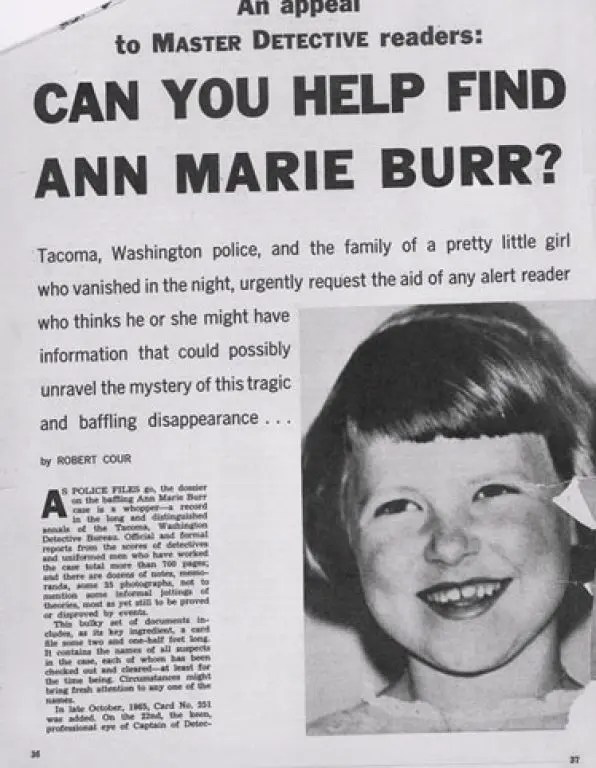
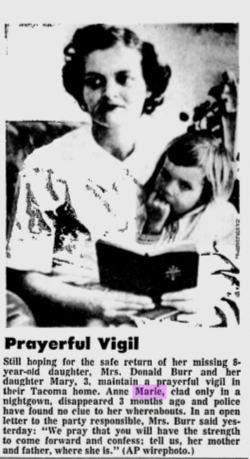
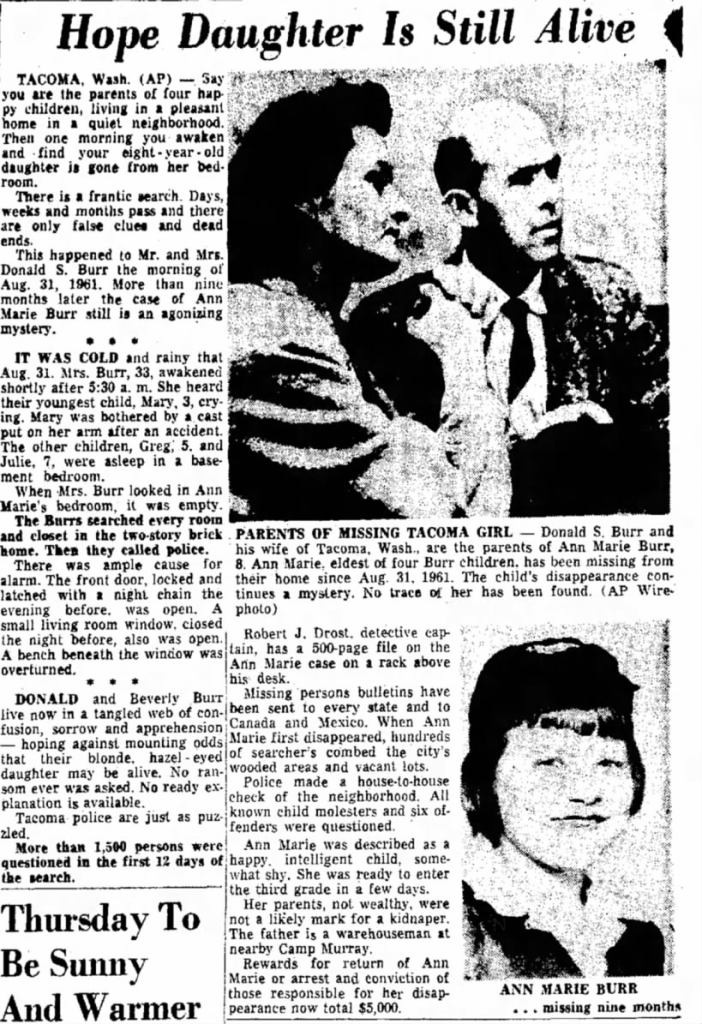
An appeal for the safe return of Ann Marie Burr.
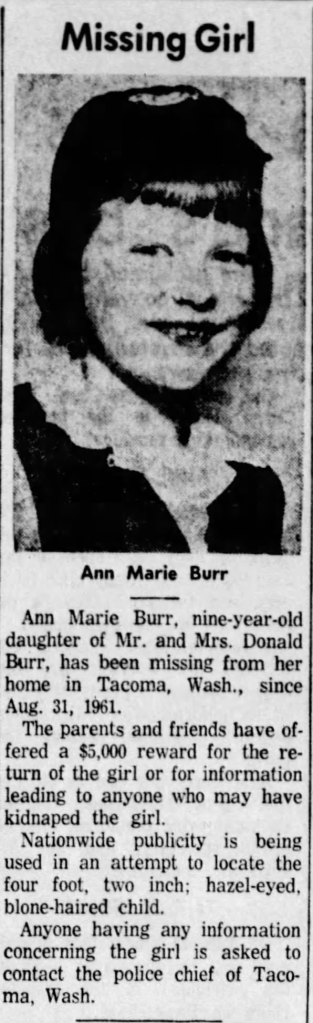
A missing persons/reward poster for Ann Marie Burr.
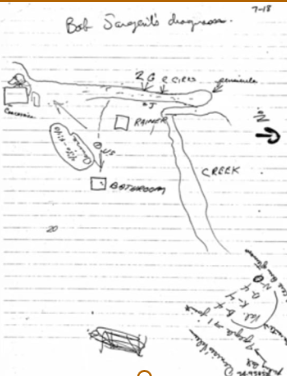
A map of the area surrounding Ann Marie Burr’s disappearance. Photo courtesy of Rebecca Morris.
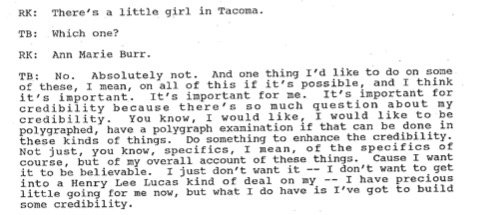
Dr. Robert Keppel’s interview with Ted Bundy.
A copy of the letter Beverly Burr sent Ted Bundy in May 1986.
A copy of the letter Ted Bundy sent to Beverly Burr in June 1986.
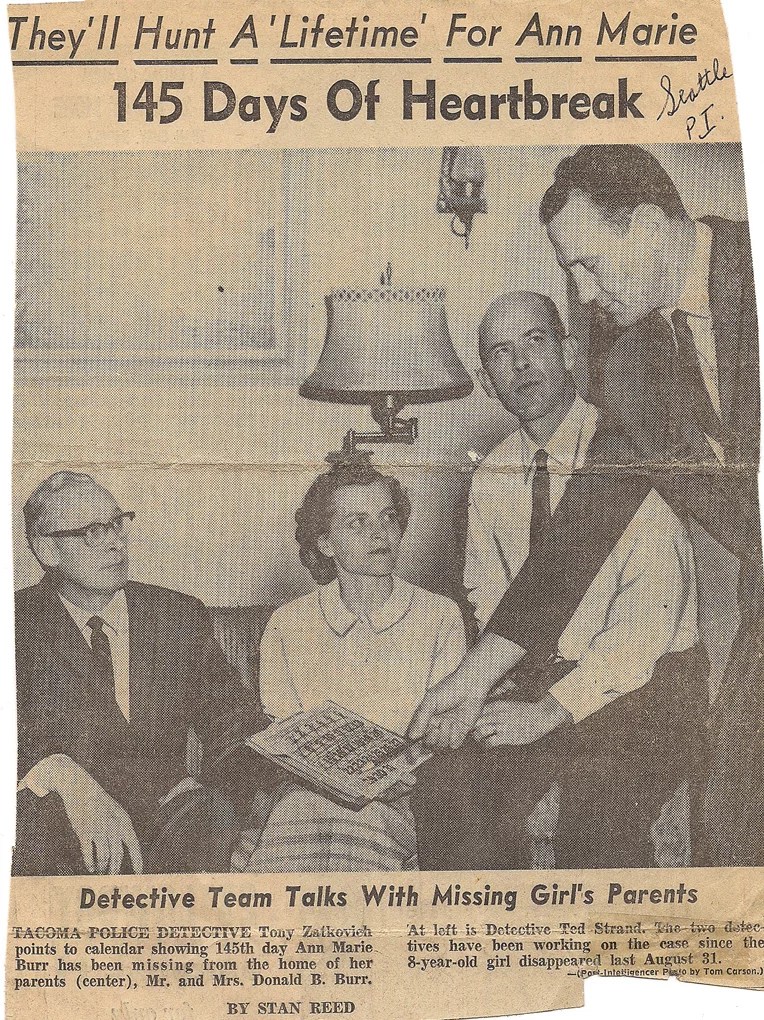
News clipping from The Tacoma Tribune, an article written by Stan Reed. From left to right: Don and Beverly Burr, Detectives Zatkovich and Strand (who both tirelessly worked the case).
Some clippings from Ann’s disappearance.
A short write-up (with picture) about Ann Marie Burr.
A newspaper clipping about Ann Marie Burr’s disappearance. ‘Tacoma Search Resumes.’
A newspaper clipping about Ann Marie Burr’s disappearance. “Skindivers to Hunt for Girl.’
A newspaper clipping about Ann Marie Burr’s disappearance. ‘150 Guardsmen in Search for Girl, 8.’
A newspaper clipping about Ann Marie Burr’s disappearance. ‘Clues Lacking to Girls Fate.’
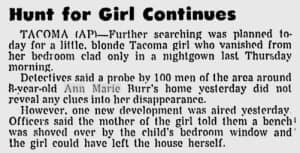
A newspaper clipping about Ann Marie Burr’s disappearance. ‘Hunt for Girl Continues.’
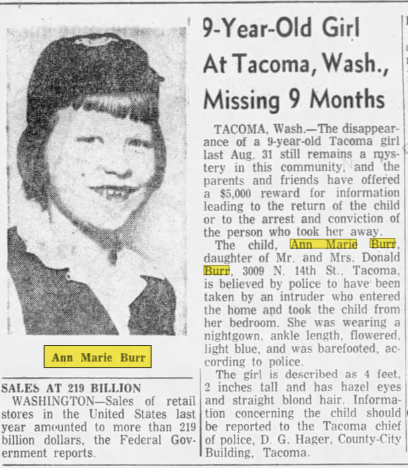
A newspaper clipping about Ann Marie Burr’s disappearance. ‘Girl Disappeared Nine Months Ago: Eight Year Old Still Missing.’
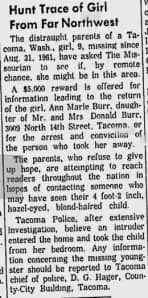
A newspaper clipping about Ann Marie Burr’s disappearance. ‘Hunt Trace of Girl From Far Northwest.’
A wedding announcement for Donald Burr and Beverly Leach published by the News Tribune on July 22, 1951.
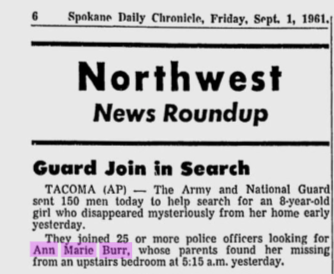
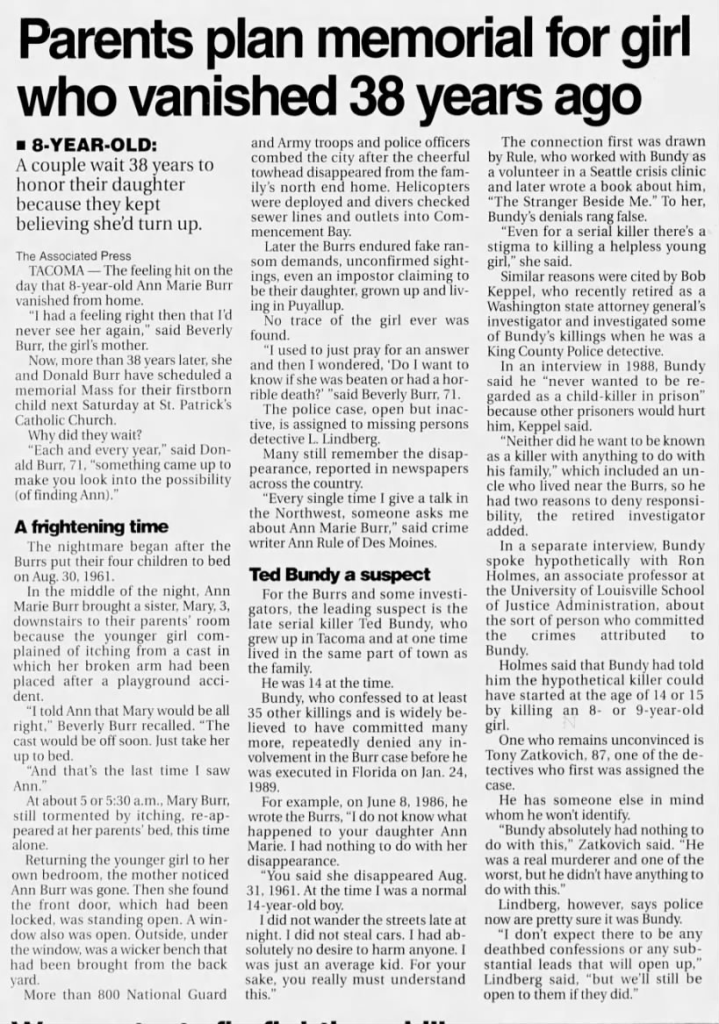
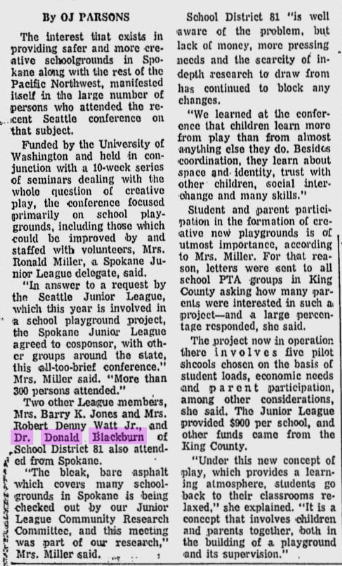
An article about Ann Marie Burr’s strange disappearance published by The Spokane Daily Chronicle on September 1, 1961.
An article about Ann Marie Burr’s strange disappearance published by The Lewiston Tribune on September 2, 1961.
An article about Burr’s disappearance published by The Spokane Chronicle on November 24, 1961.
Another part of an article about Burr’s disappearance published by The Spokane Chronicle on November 24, 1961.
An article about Ann Marie Burr’s strange disappearance published by The Shreveport Journal on May 28, 1962.
A newspaper clipping about Ann Marie Burr’s disappearance published by The Town Talk on May 29, 1962.
An article written about Ann Marie Burr published by The Saskatoon Star-Phoenix on June 1, 1962.
An article written about Ann Marie Burr published by The Vancouver Sun on June 2, 1962.
An article written about Ann Marie Burr published by The Gadsden Times on June 11, 1962.
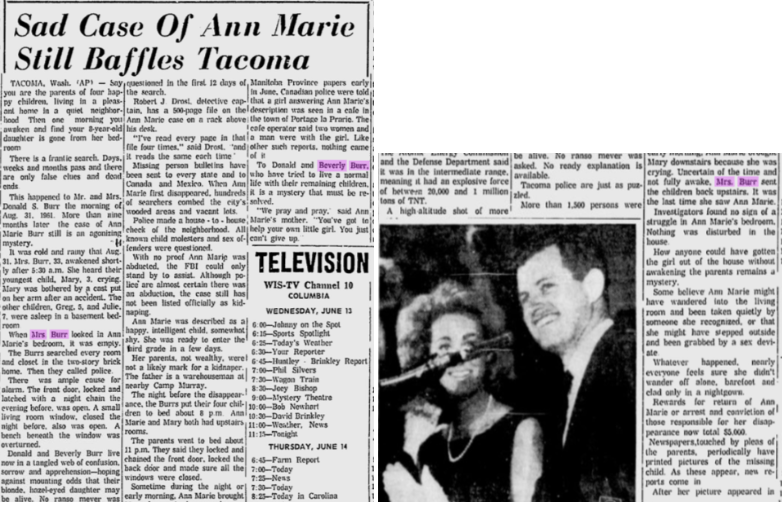
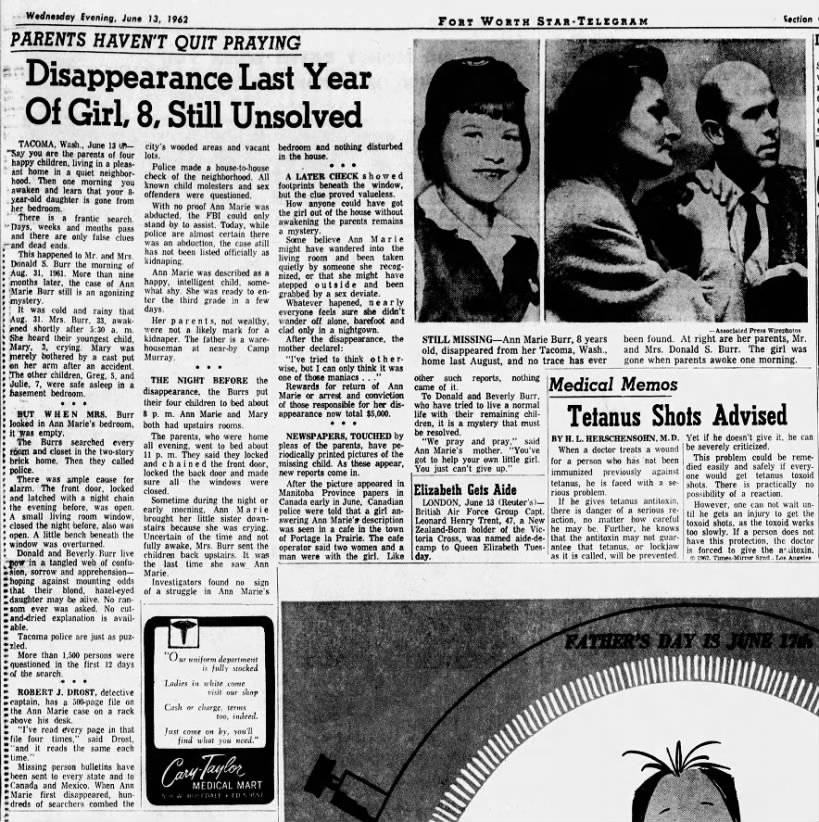
An article about Ann Marie Burr’s strange disappearance published by The Star-Gazette on June 13, 1962.
An article about Ann Marie Burr’s strange disappearance published by The Sumter Daily Item on June 13, 1962.
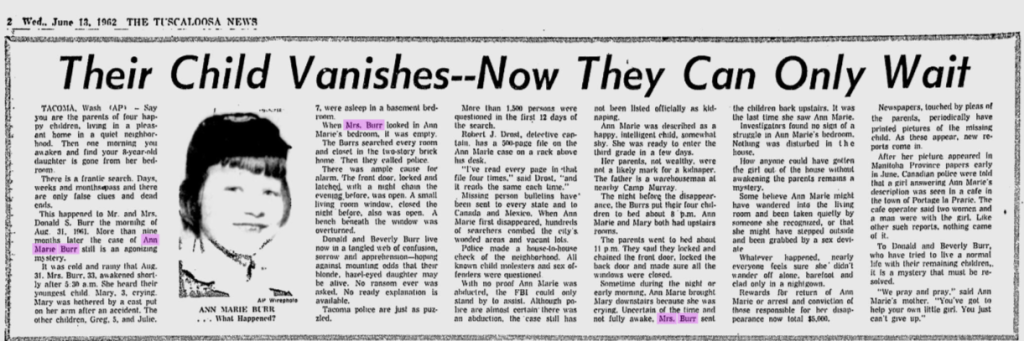
An article about Ann Marie Burr’s strange disappearance published by The Tuscaloosa News on June 13, 1962.
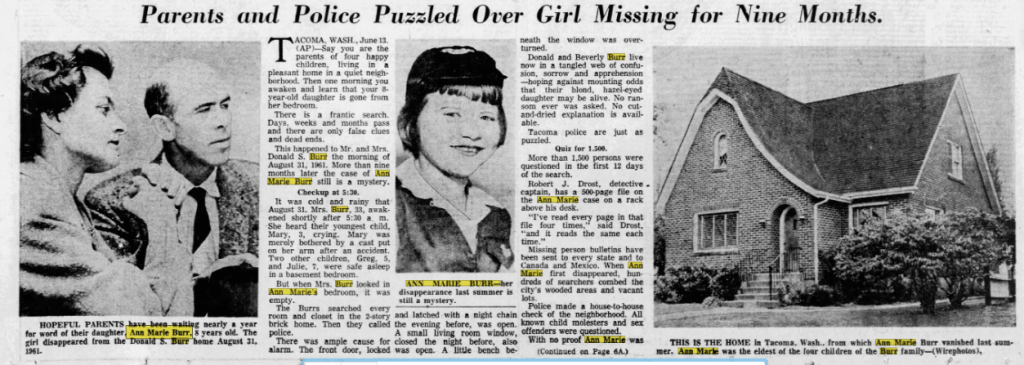
An article about Ann Marie Burr’s strange disappearance published by The Durham Sun on June 13, 1962.
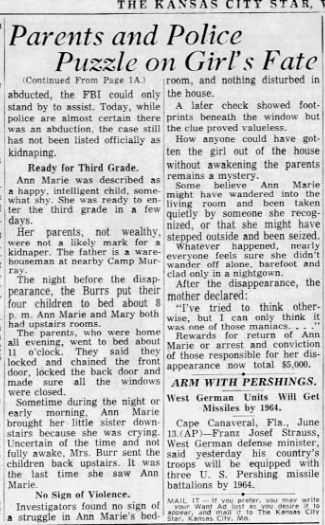
Part one of an article about Ann Marie Burr’s strange disappearance published by The Kansas City Star on June 13, 1962.
Part two of an article about Ann Marie Burr’s strange disappearance published by The Kansas City Star on June 13, 1962.
An article about Ann Marie Burr’s strange disappearance published by The Longview Daily News on June 13, 1962.
An article about Ann Marie Burr’s strange disappearance published by The Evening Independent on June 13, 1962.
An article about Ann Marie Burr published by The Wichita Falls Times on June 13, 1962.
An article about Ann Marie Burr published by The Fort Worth Star-Telegram on June 13, 1962.
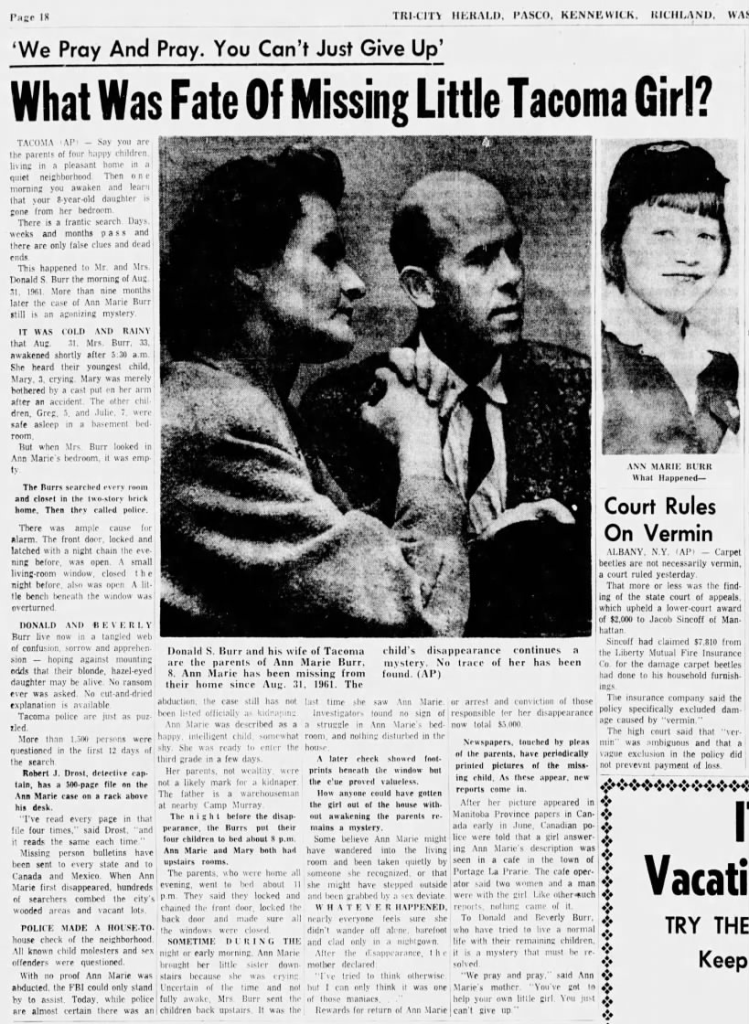
An article about Ann Marie Burr published by The Tri-City Herald on June 13, 1962.
Part one of a newspaper clipping about Ann Marie Burr’s disappearance published by The News Tribune on September 1, 1963.
Part two of a newspaper clipping about Ann Marie Burr’s disappearance published by The News Tribune on September 1, 1963.
A newspaper clipping about Ann Marie Burr’s disappearance published by The Calgary Herald on September 7, 1962.
A newspaper clipping about the Burr family adopting a little girl published by The Spokane Chronicle
on July 19, 1963.
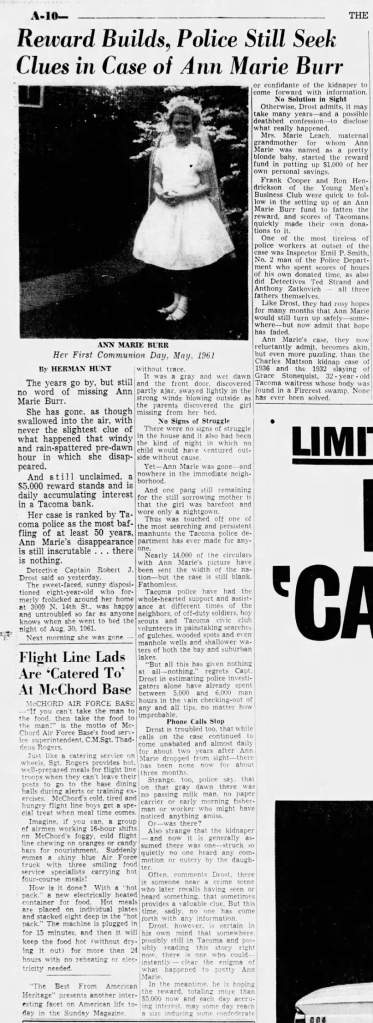
A newspaper clipping about Ann Marie Burr’s disappearance written by Herman Hunt published by The News Tribune on February 16, 1964.
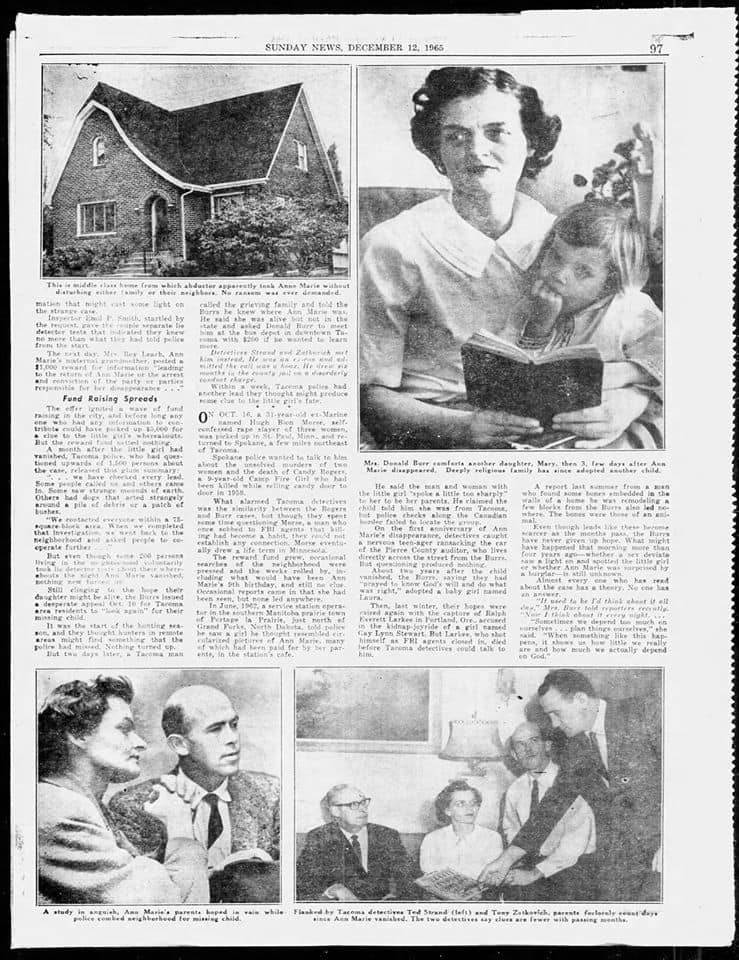
Part one of a newspaper clipping about Ann Marie Burr’s disappearance published December 12, 1965.
Part two of a newspaper clipping about Ann Marie Burr’s disappearance published December 12, 1965.
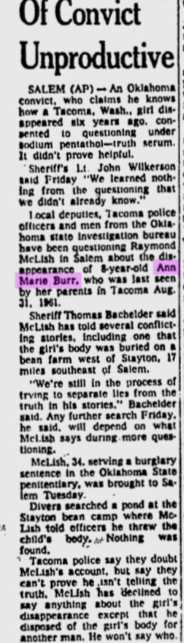
An article about law enforcement interviewing Raymond McLish published by The Eugene Register-Guard on October 13, 1967.
A newspaper article mentioning Ann Marie Burr’s disappearance published by The News Tribune on June 27, 1969.
An article about Ann Marie Burr published b The News Tribune on February 29, 1976.
An article about Ann Marie Burr published by The News Tribune on February 29, 1976.
An article about Ann Marie Burr published by The Lewiston Tribune on August 7, 1976.
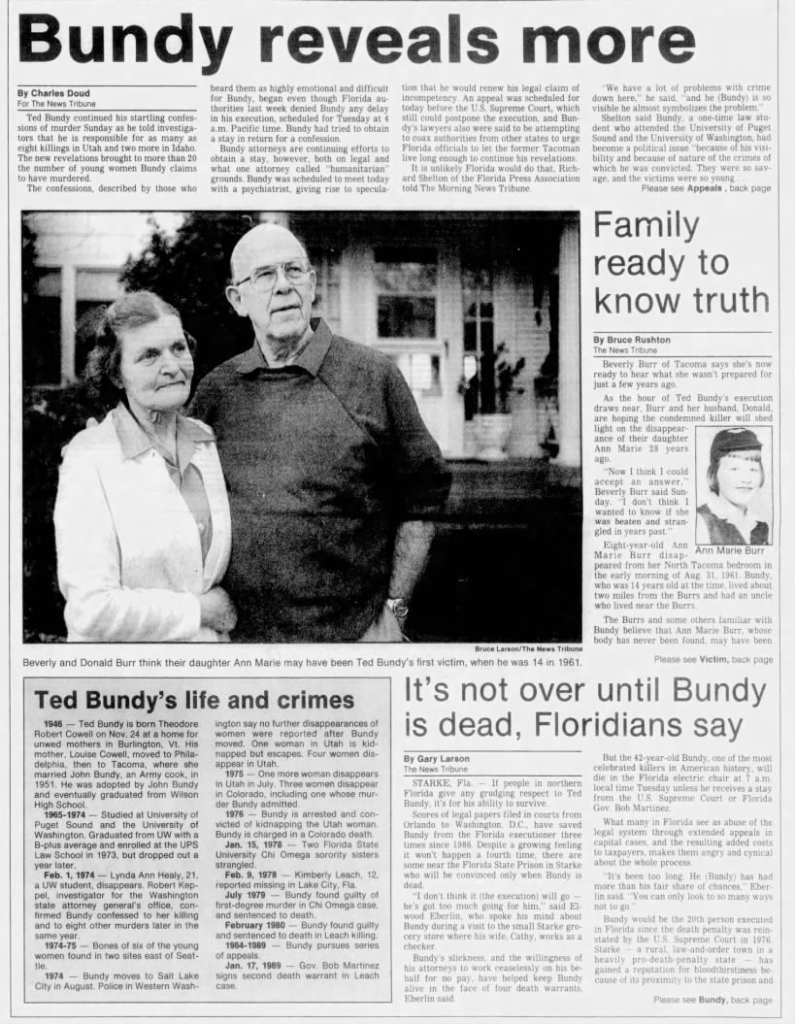
Part one of a newspaper clipping about Bundy’s possible connection to Ann Marie Burr’s disappearance before he was executed published by The News Tribune on January 23, 1989.
Part two of a newspaper clipping about Bundy’s possible connection to Ann Marie Burr’s disappearance before he was executed published by The News Tribune on January 23, 1989.
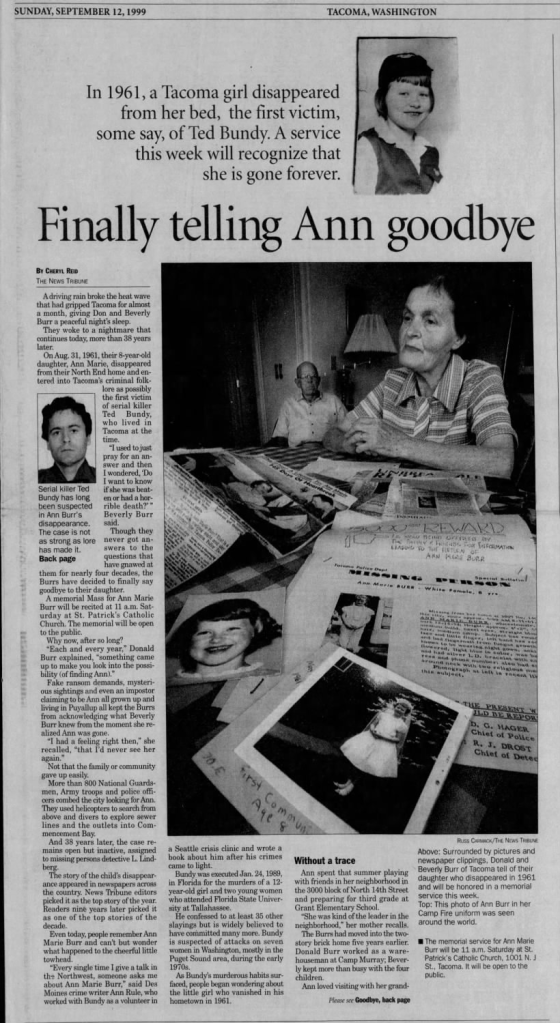
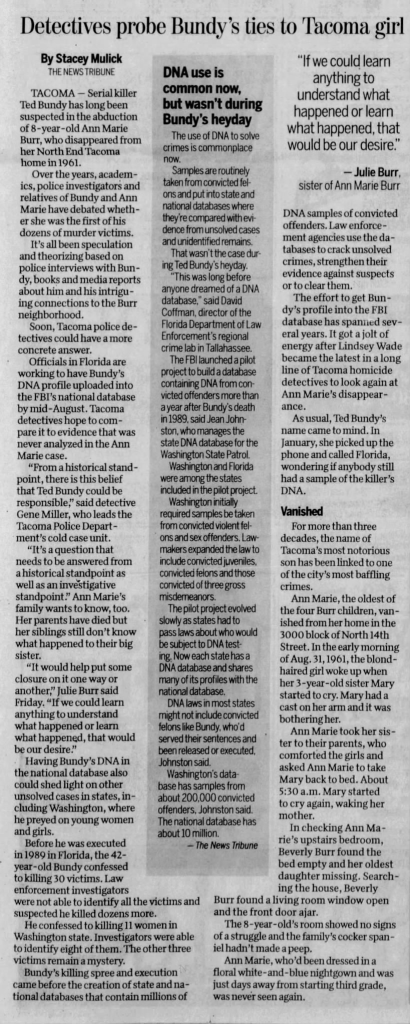
Part one of an article about Burr’s disappearance published by The News Tribune on September 12, 1999.
Part two of an article about Burr’s disappearance published by The News Tribune on September 12, 1999.
An article about Burr’s disappearance published by The Corvallis Gazette-Times on September 13, 1999.
An article about Burr’s disappearance published by The Olympian on September 13, 1999.
An article about Burr’s disappearance published by The Ellensburg Daily Record on September 13, 1999.
The write-up or Donald Burr from his findagrave site.
Beverly Burr’s obituary published in The News Tribune on September 17, 2008.
An article about Burr’s disappearance published by The Longview Daily News on August 1, 2011.
A picture of blood samples that were taken from Ted Bundy on March 17, 1978. pPhoto courtesy of the Tacoma Police Department.
Directions from Teds house to Anne Marie’s house.
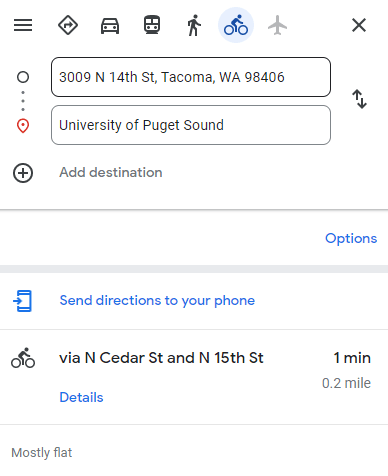
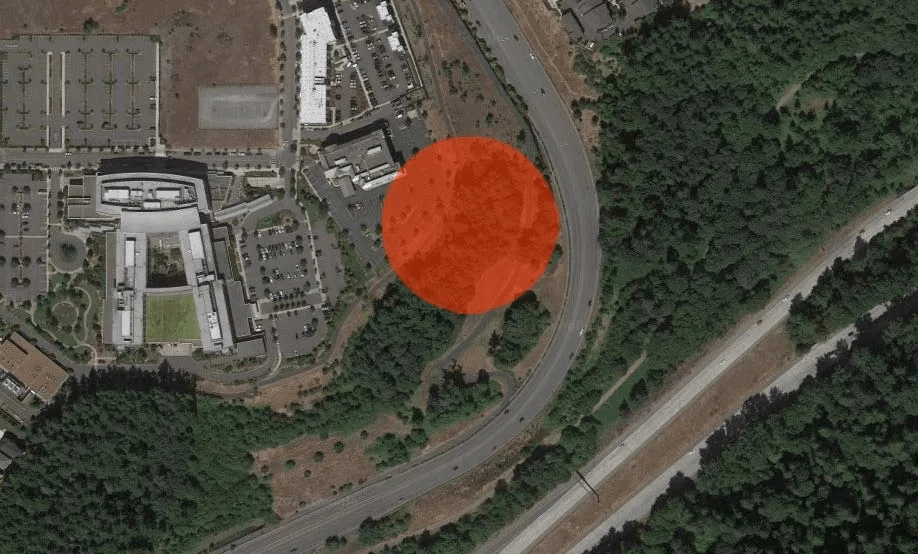
Directions from Ann Marie Burr’s house to The University of Puget Sound.

The Burr residence in 1961, located in Tacoma, Washington. Photo courtesy of Missing Media Solutions.
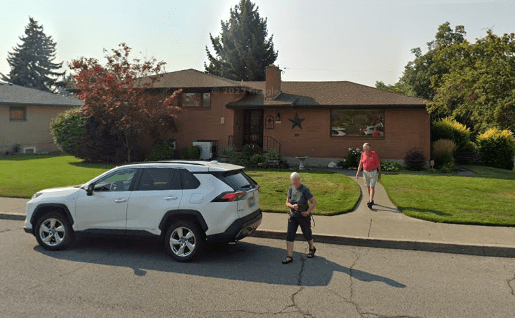
A photo of Ann Marie Burr’s house I took in April 2022.
A photograph of Ted Bundy’s childhood home at 658 N Skyline Dr in Tacoma, WA.
A photograph of Jack Cowells home at 1514 South Alder Street in Tacoma, WA.
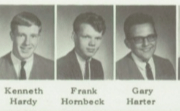
Robert Bruzas yearbook photo. Photo courtesy of Erin Banks/CrimePiper.
Robert Bruzas wedding announcement published by The News Tribune on July 21, 1966.
The picture that went along with Robert’s wedding announcement published by The News Tribune on July 21, 1966.
Robert Bruzas obituary published in The Kitsap Sun on March 4, 2022.
Part one of an article about the disappearance of Gay Stewart published by the The News Tribune on July 25, 1964.
Part two of an article about the disappearance of Gay Stewart published by the The News Tribune on July 25, 1964.
Part one of an article on Gay Lynn Stewart published by The News Tribune on July 26,1964.
Part two of an article on Gay Lynn Stewart published by The News Tribune on July 26,1964.
An article about Ralph Larkee published by The Spokesman-Review on August 2, 1964.
An article about Ralph Larkee published by The Spokesman-Review on August 6, 1964.
An article about Ralph Larkee killing himself published by The Statesman Journal on September 11, 1964.
A newspaper article about Ralph Everett Larkee killing himself. Photo courtesy of Erin Banks/CrimePiper.
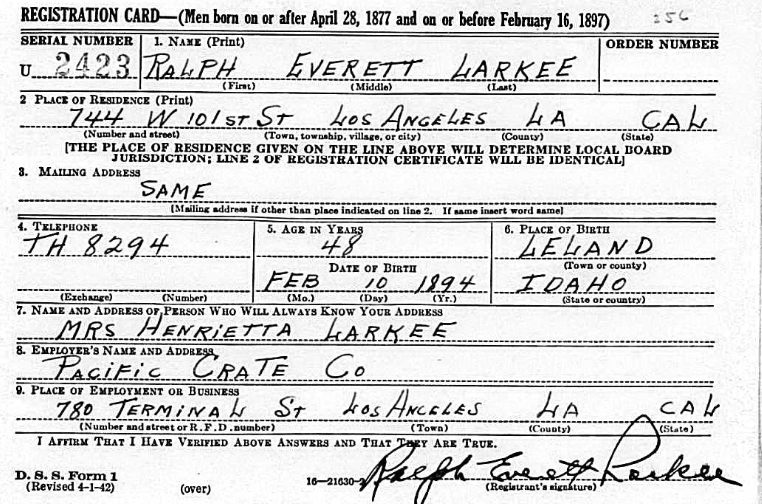
Ralph Everett Larkee’s registration card for WW2.
Ralph Everett Larkee’s first marriage certificate from 1959.
Ralph Everett Larkee’s second marriage certificate from 1959.
The gravestone for Ralph Larkee.
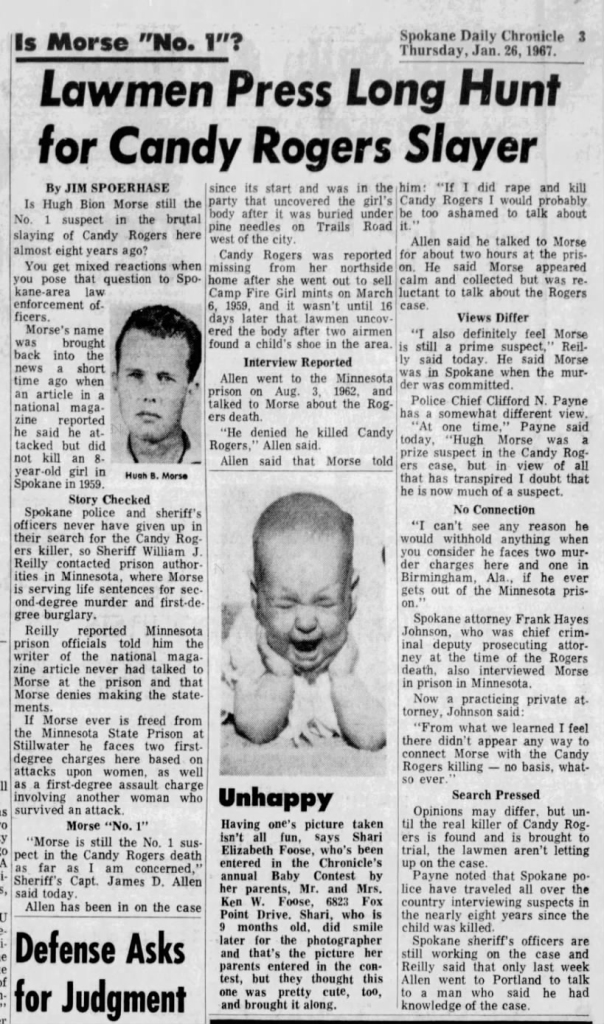
An article about Candy Rogers published by The Spokane Chronicle on January 26, 1967.
An article about Candy Rogers published by The Spokane Chronicle on March 6, 1979.
Hugh Bion Morse.
John Reigh-Hoff was arrested by the Spokane police on an unrelated charge two years after Candy was killed, photo courtesy of Spokane Police Department.
Candy Rogers was last seen selling Camp Fire mints in Spokane, Washington in 1959. Her murder went unsolved for more than 60 years. Photo courtesy of Spokane Police Department.
A still of Sandy Holt from the Netflix documentary, “Conversations with a Killer.”
A photo of confirmed Bundy victim Nancy Wilcox. Bundy confessed to raping then killing her in an apple orchard before his execution in January of 1989.
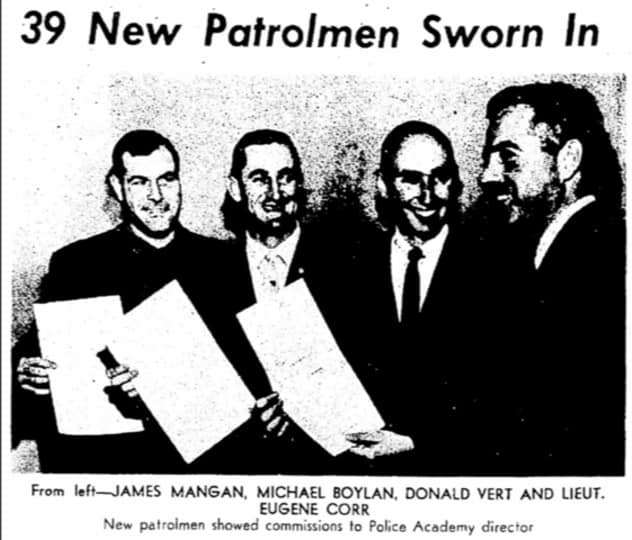
 A police academy photo of Tony Zatkovich. Photo courtesy of Erin Banks/findagrave.com.

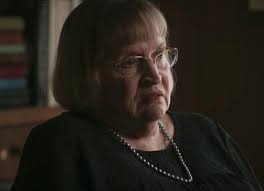
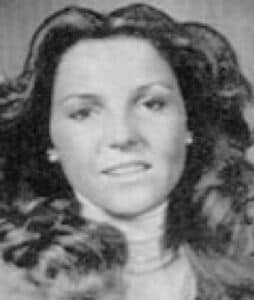
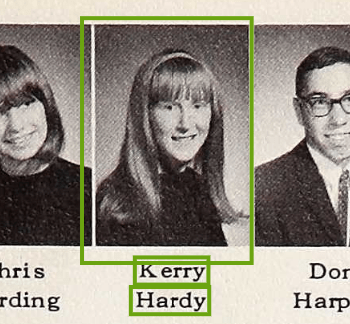
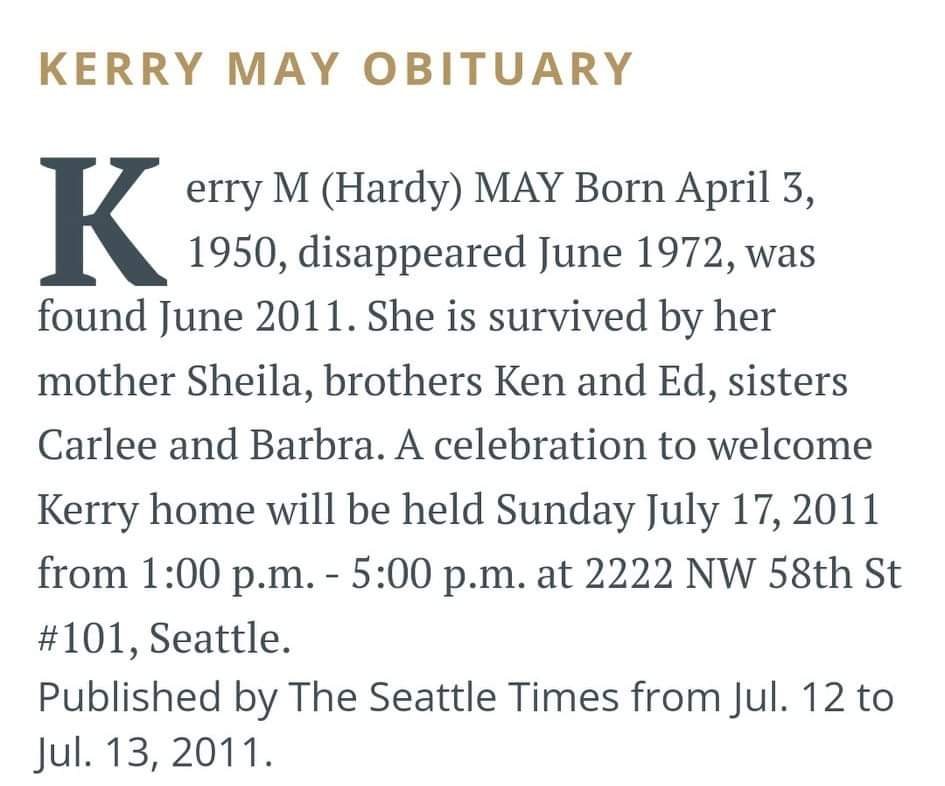
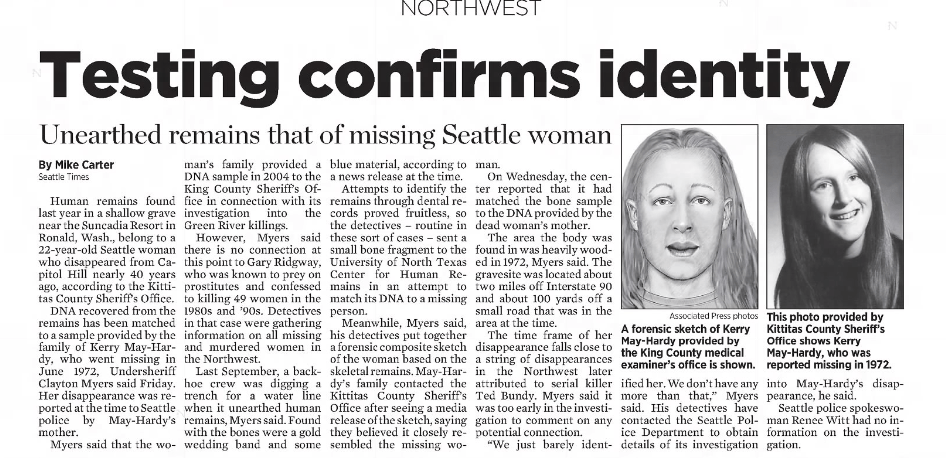
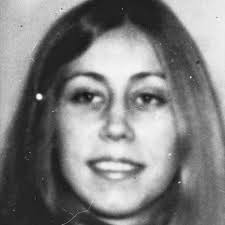
Kerry May May-Hardy.

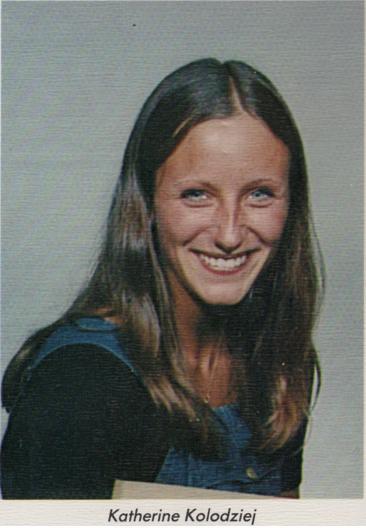
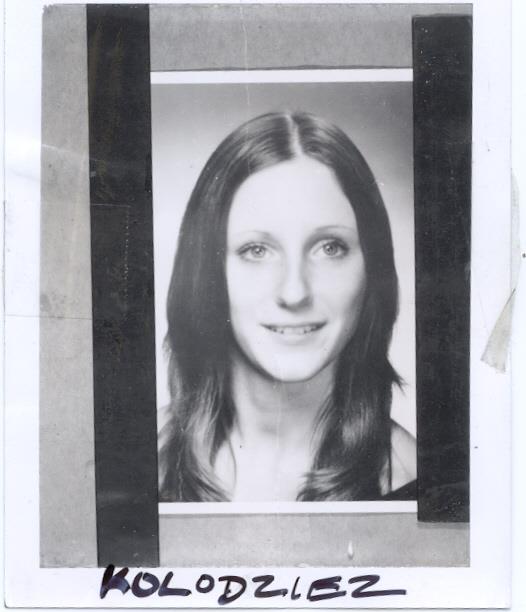
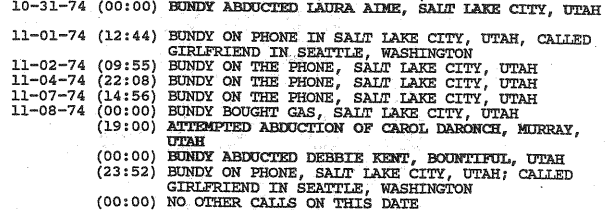
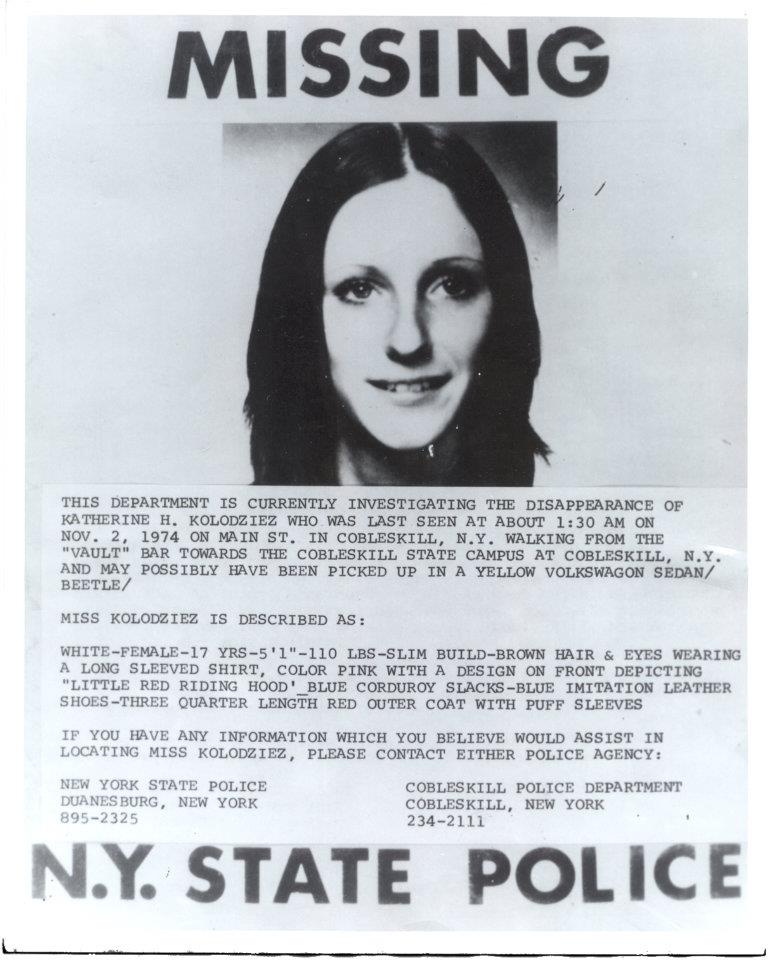
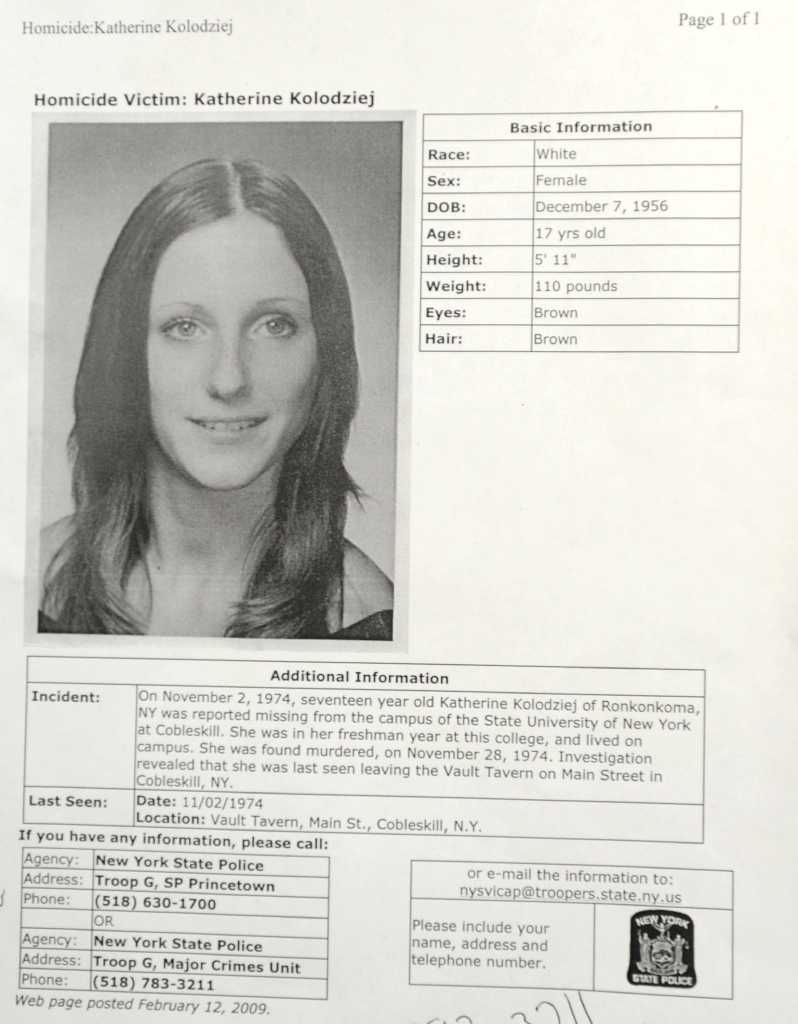
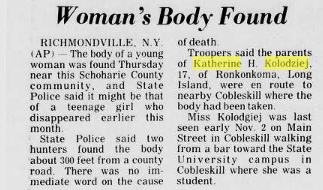
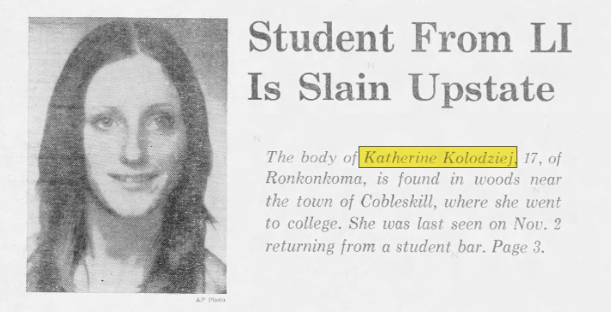
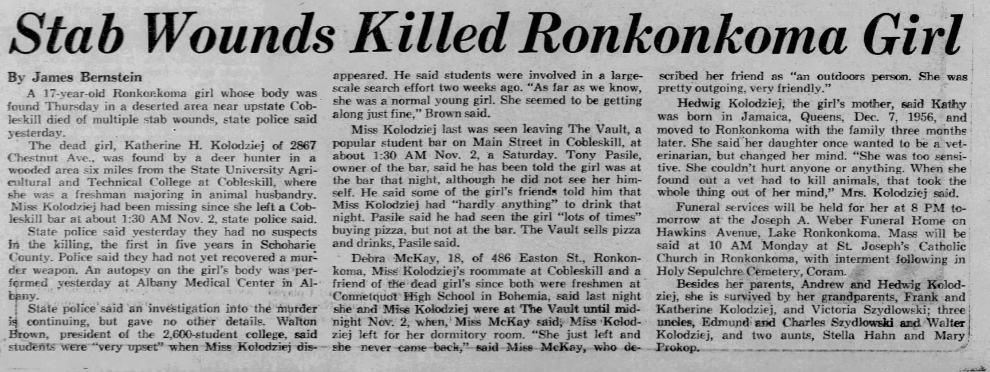
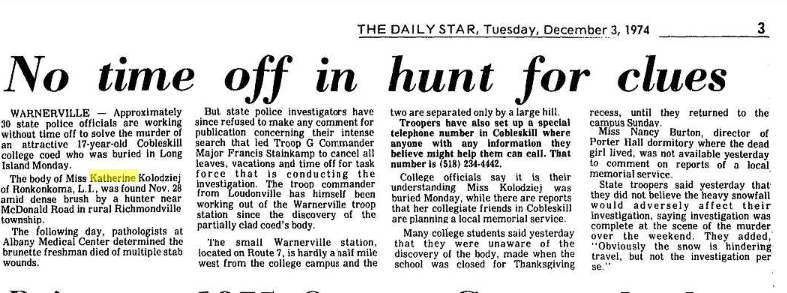
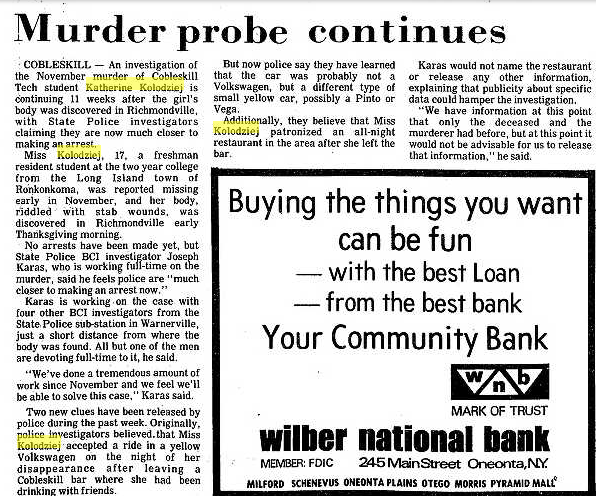
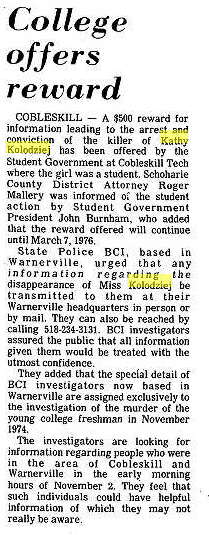
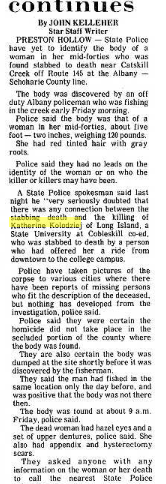
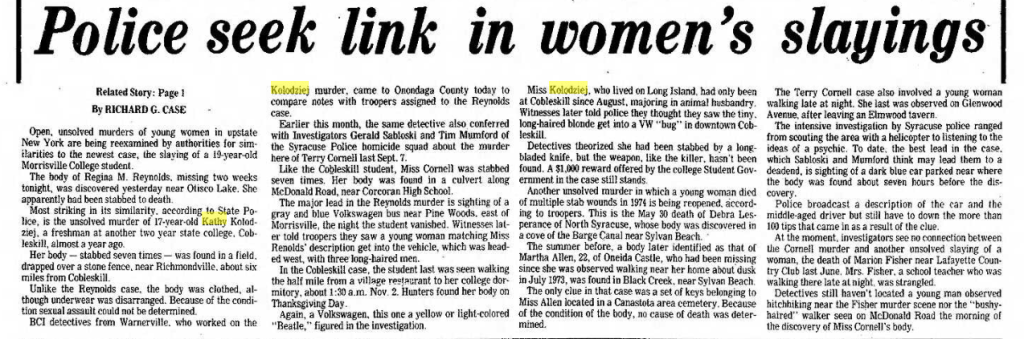
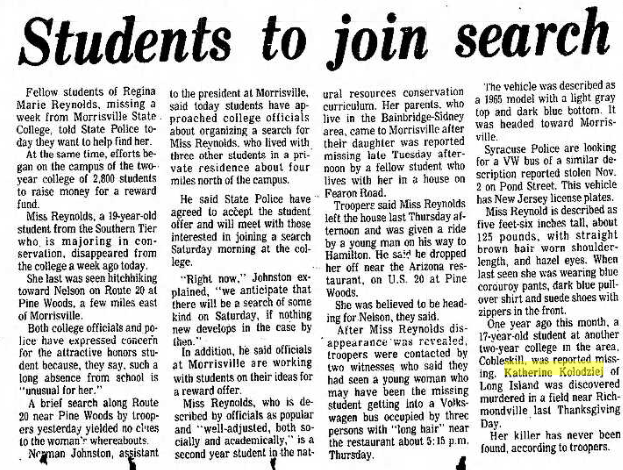
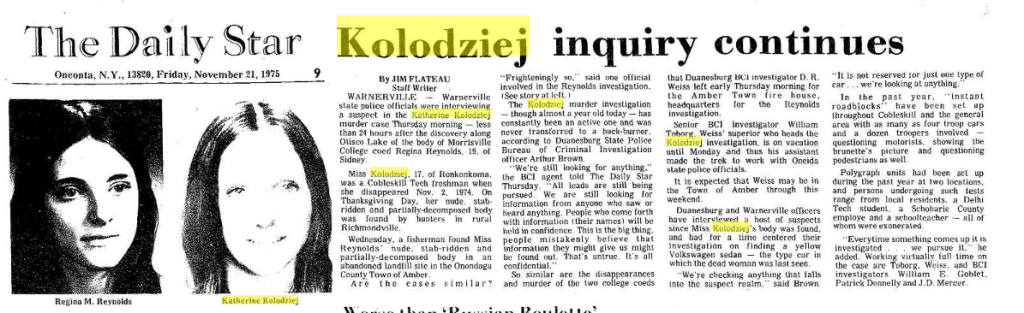
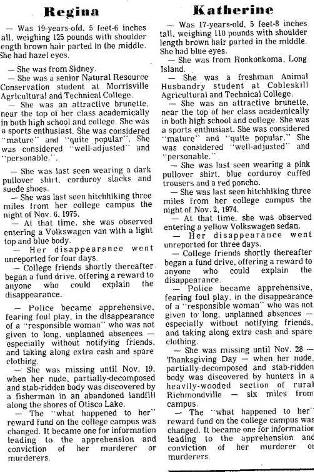
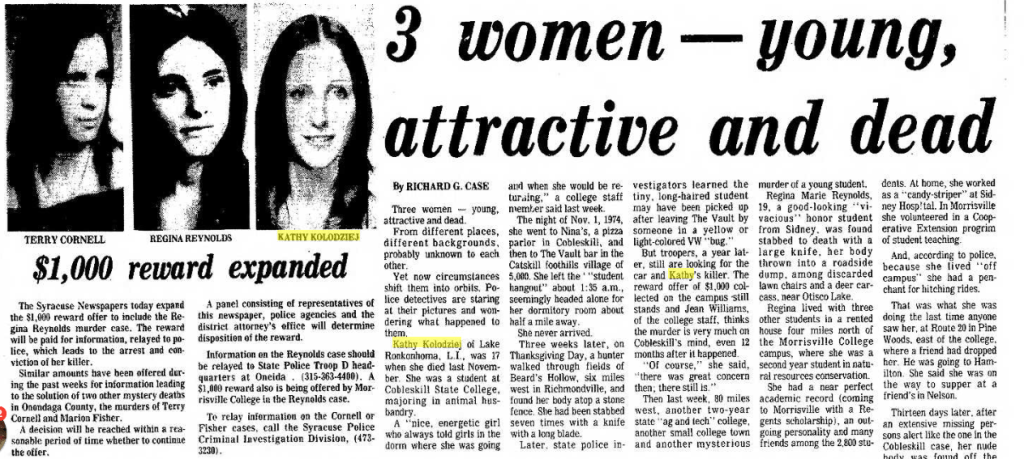
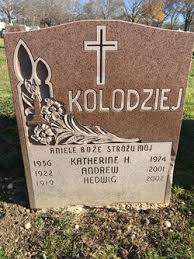
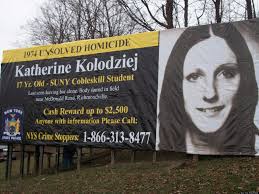
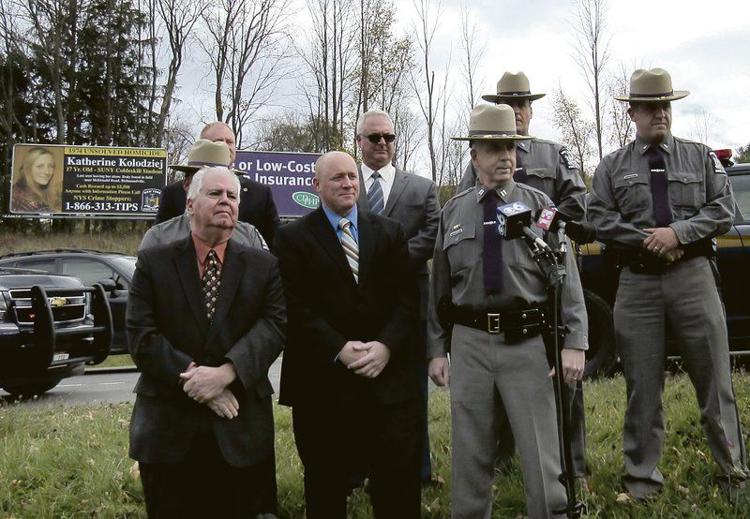
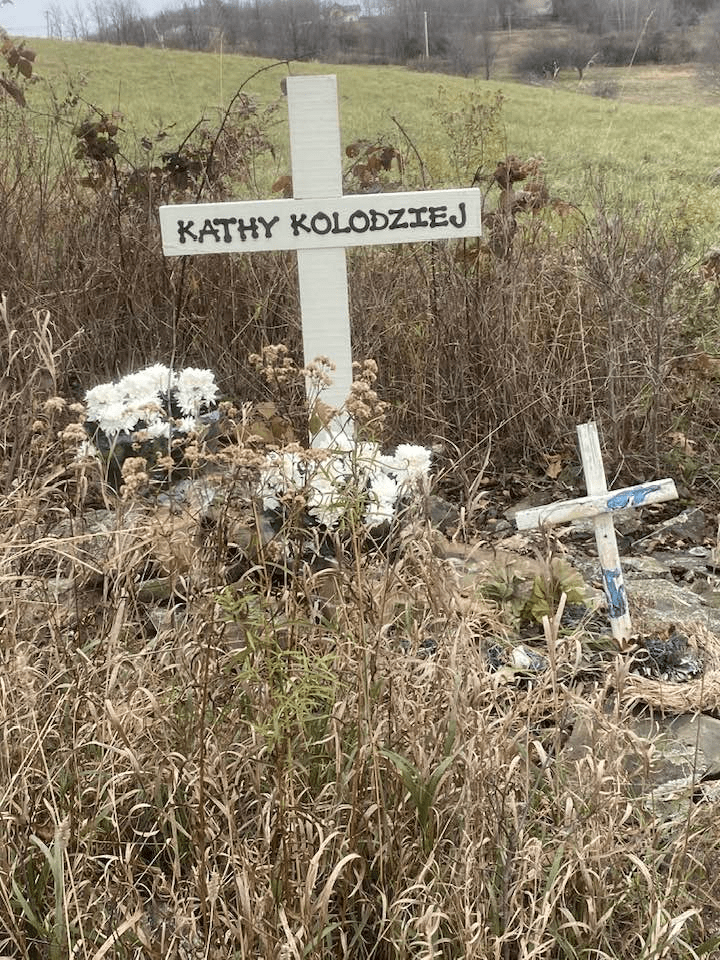
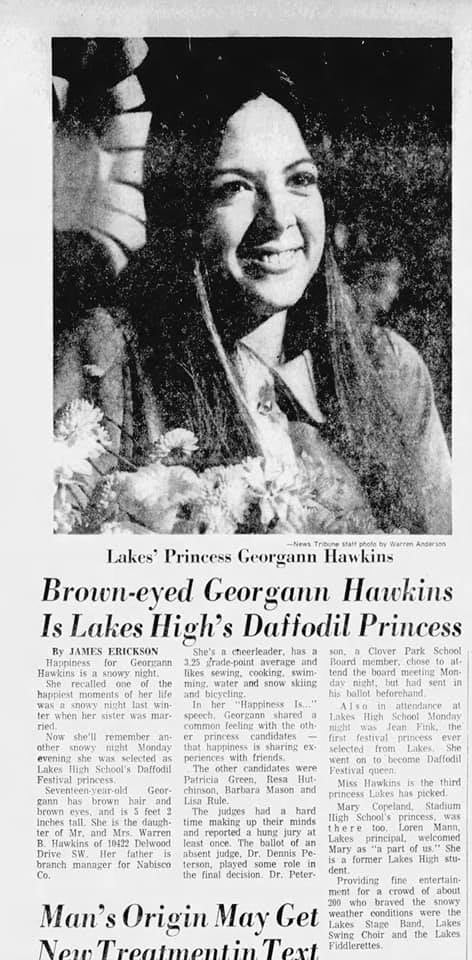
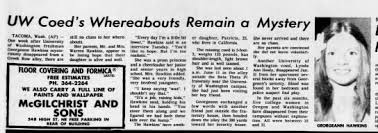
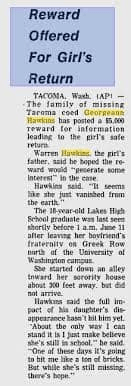
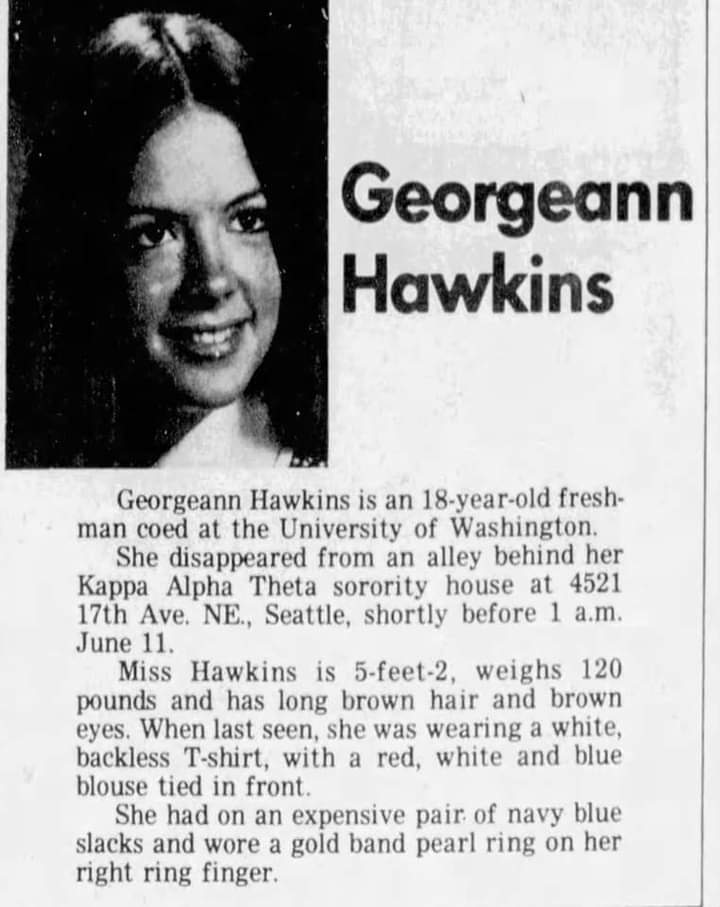
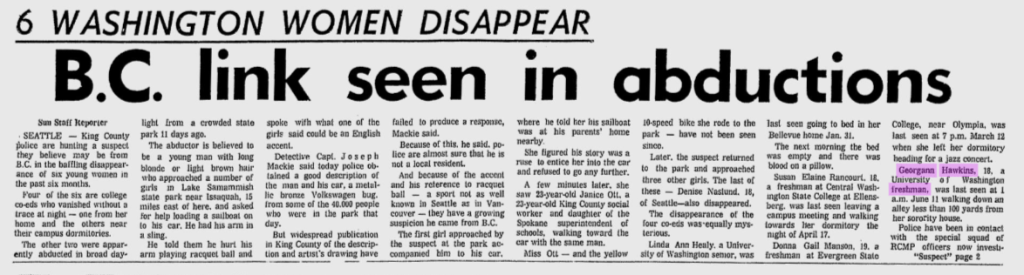
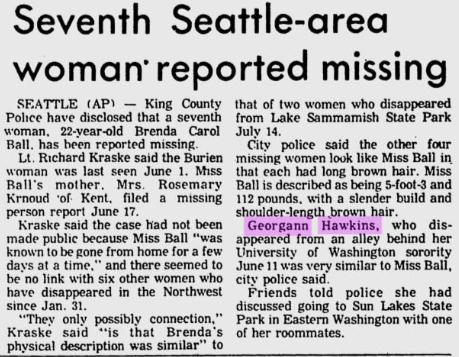
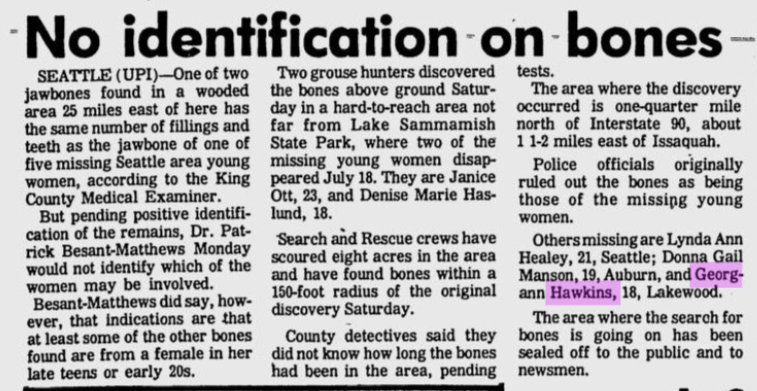
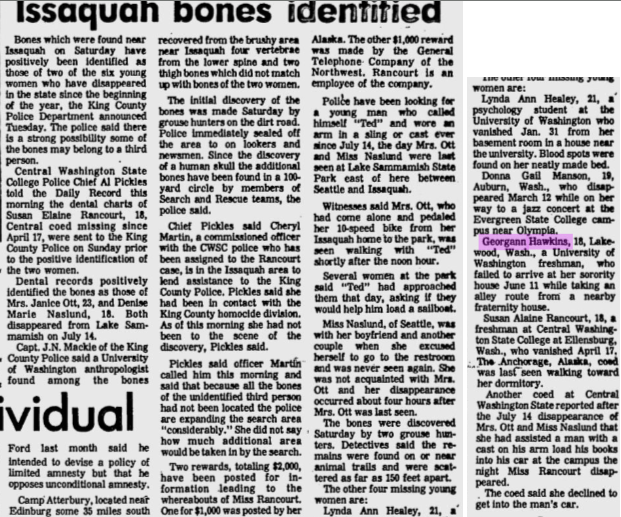
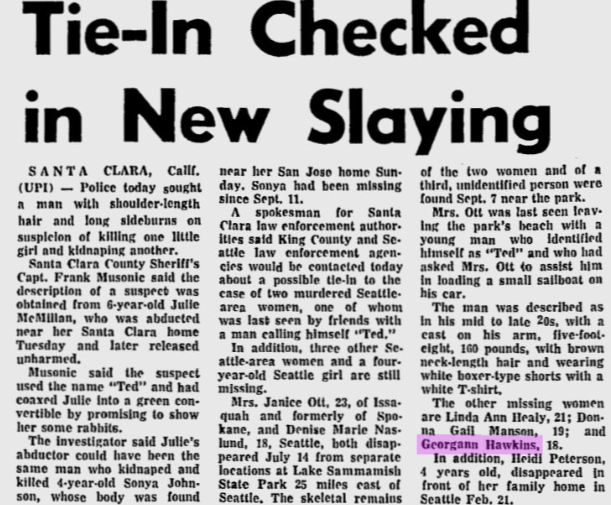
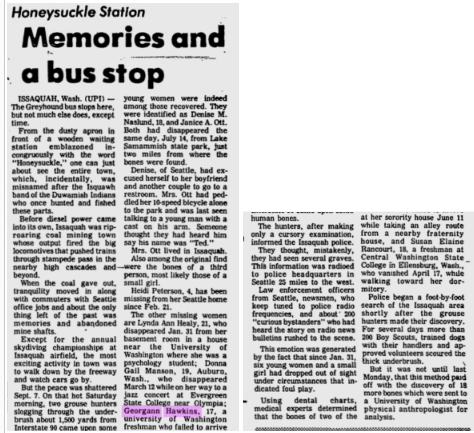
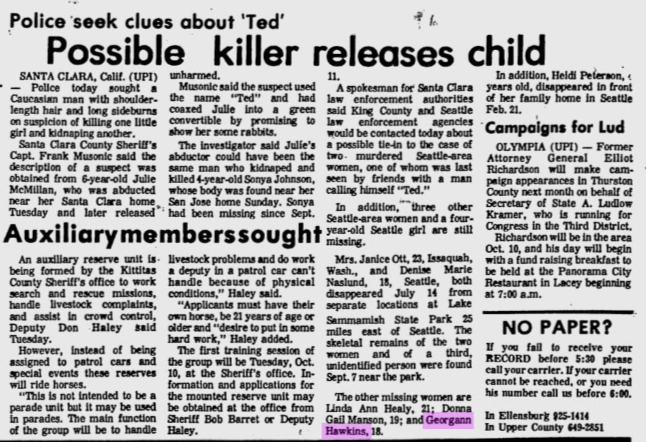
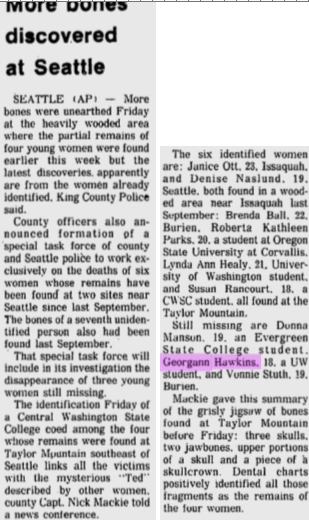
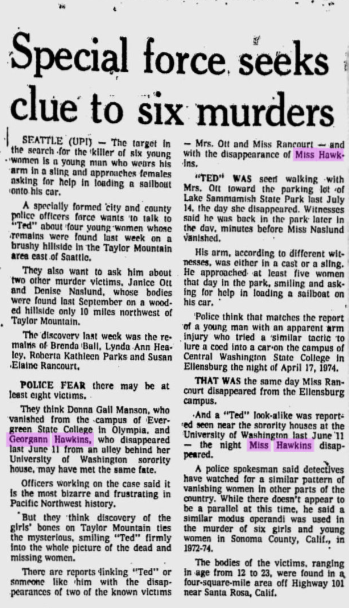
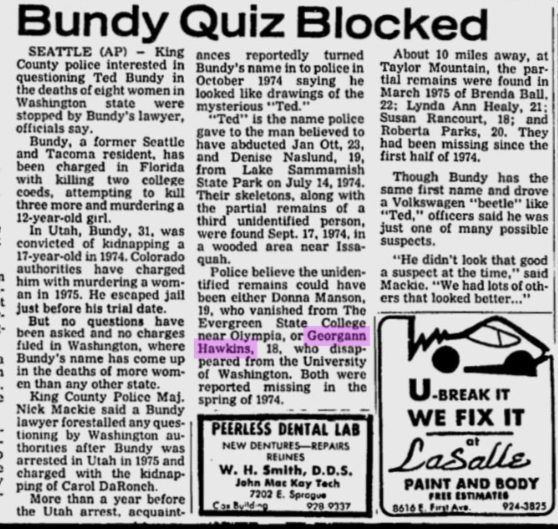
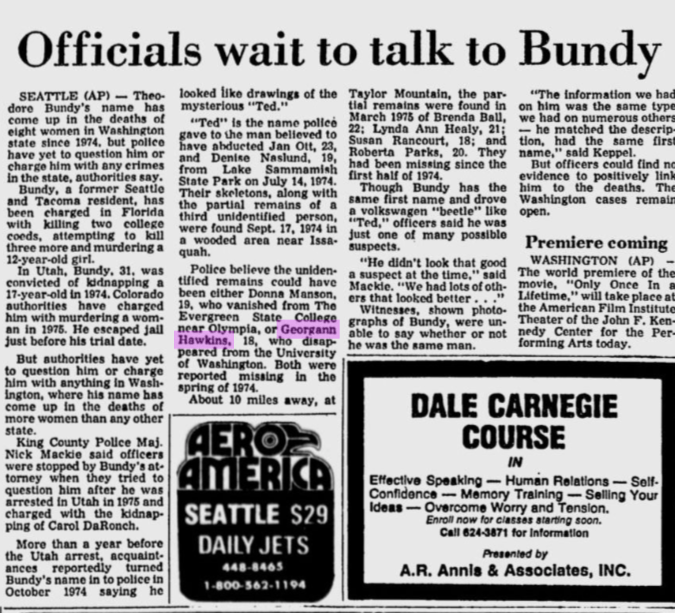
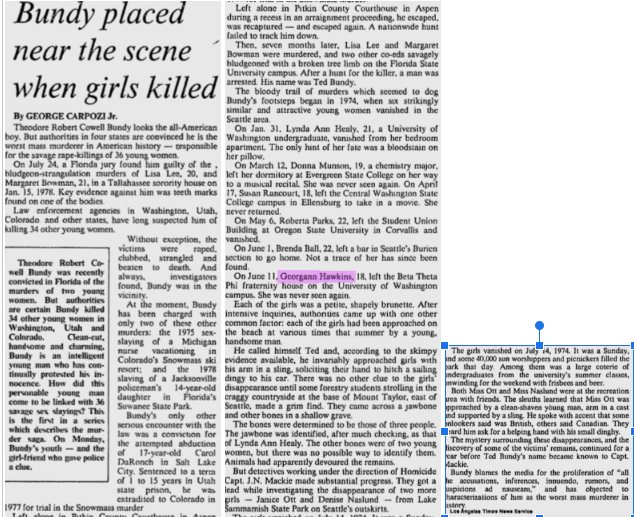
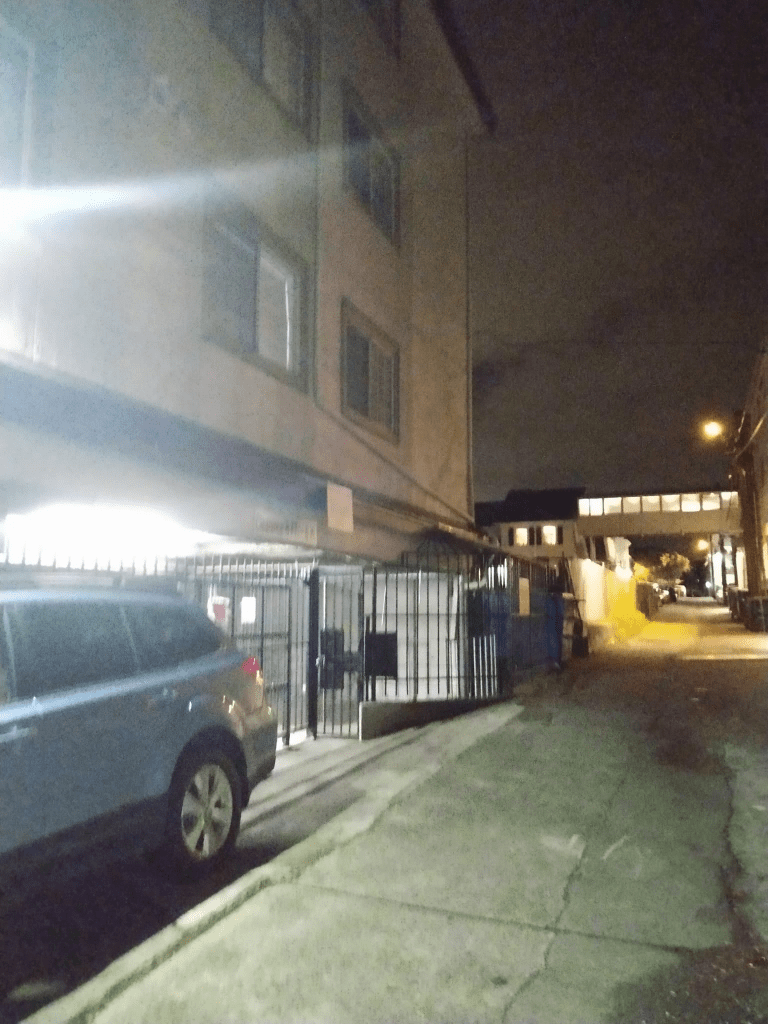
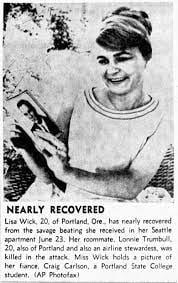
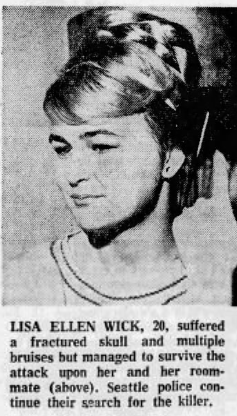
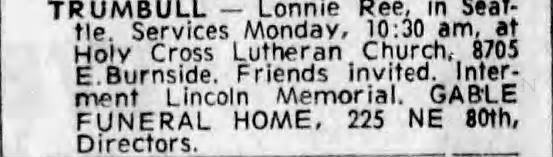
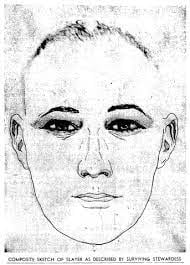
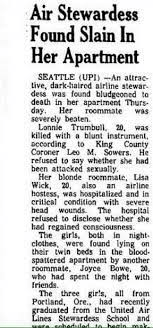
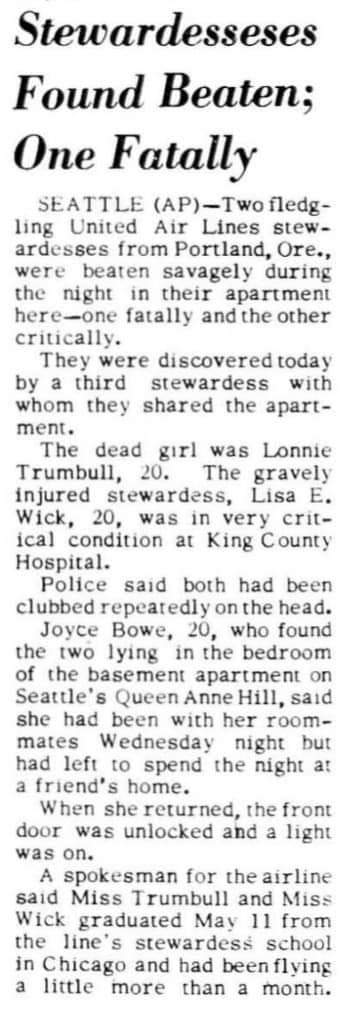
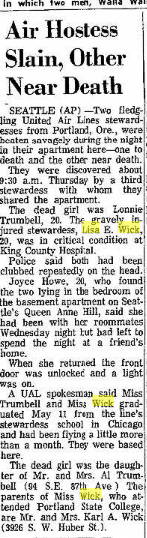
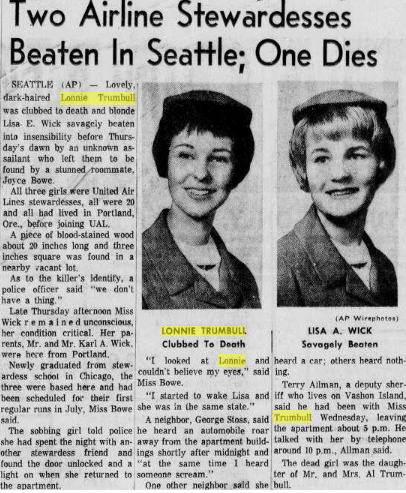
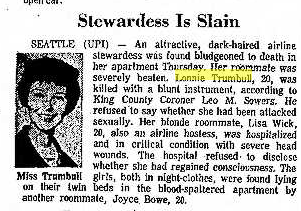
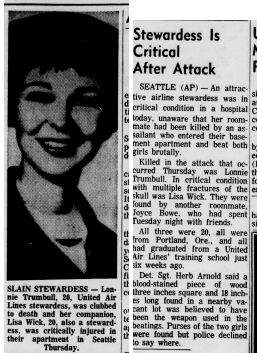
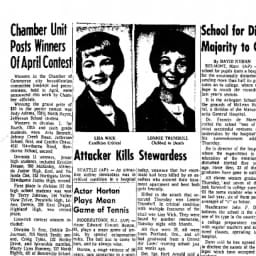
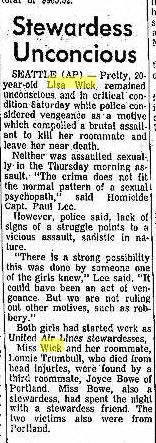
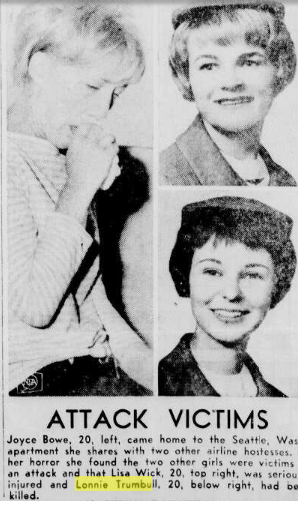
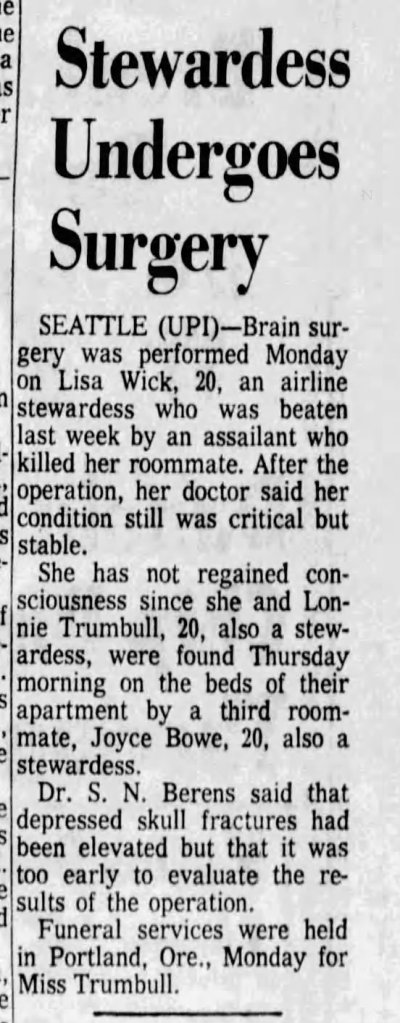
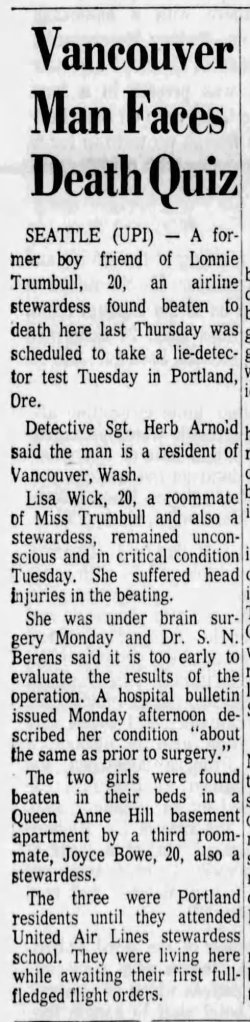
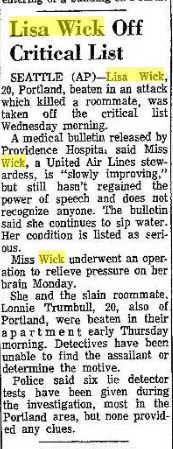
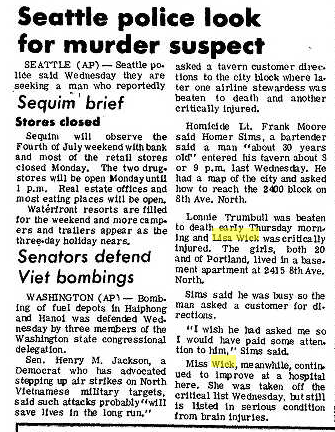
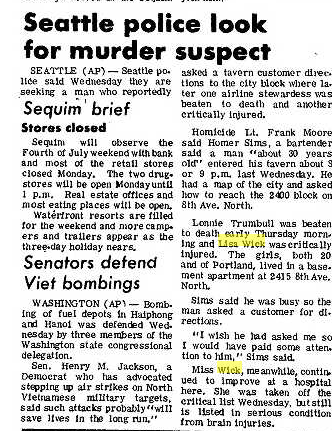
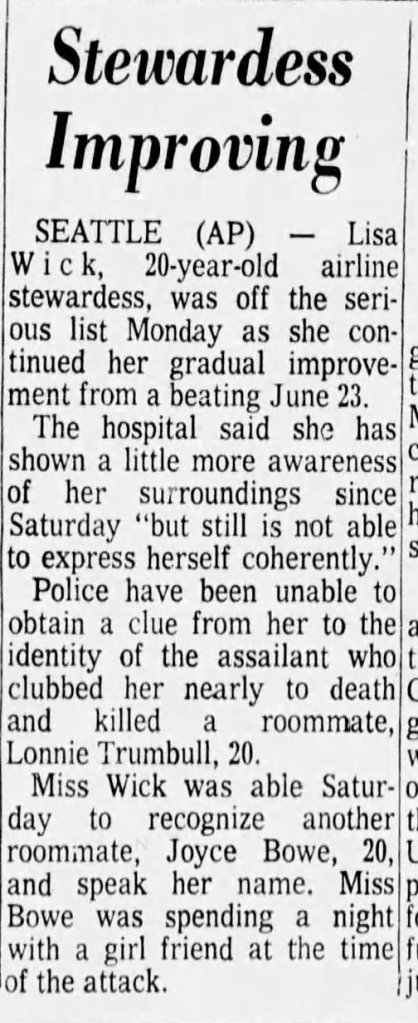
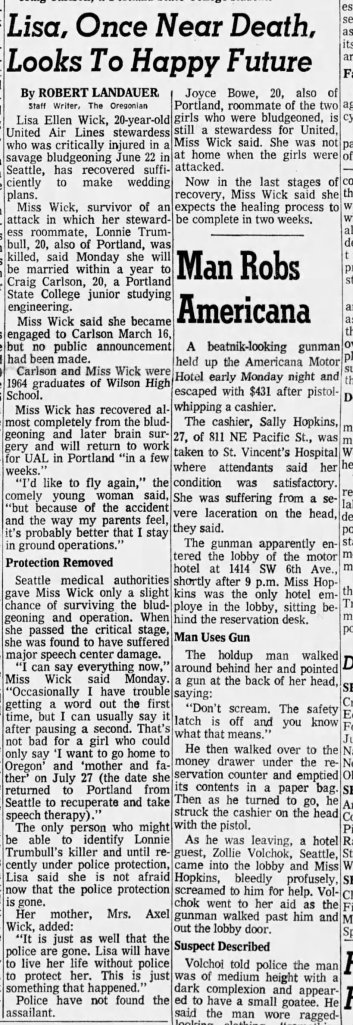
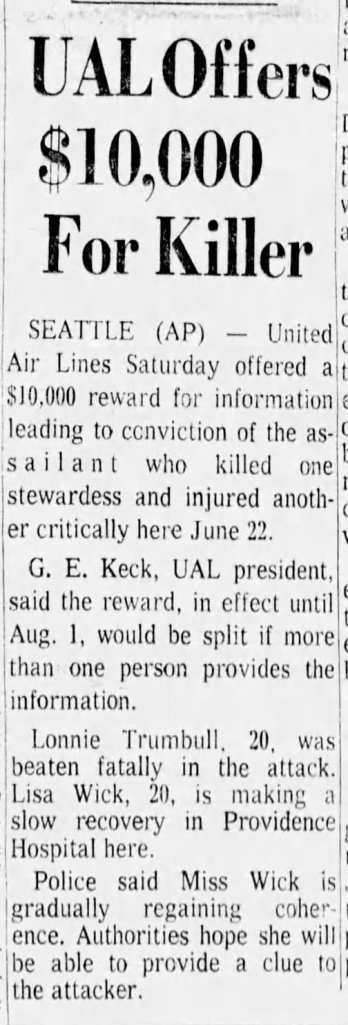
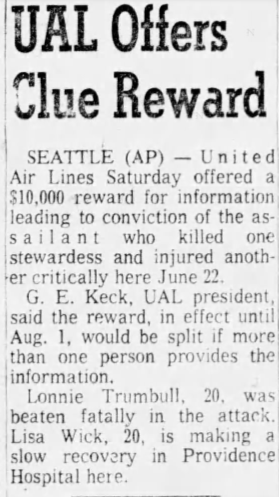
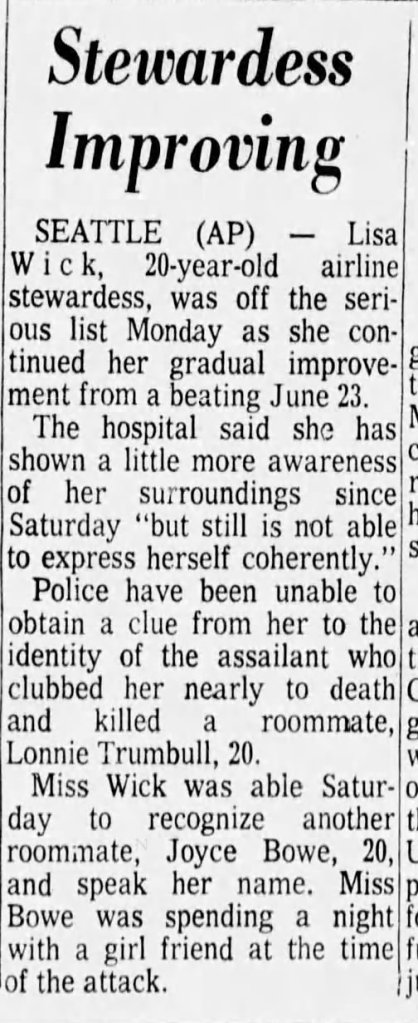
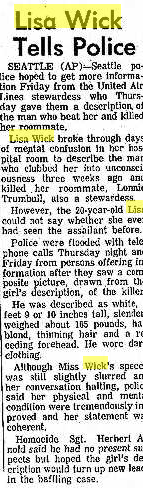
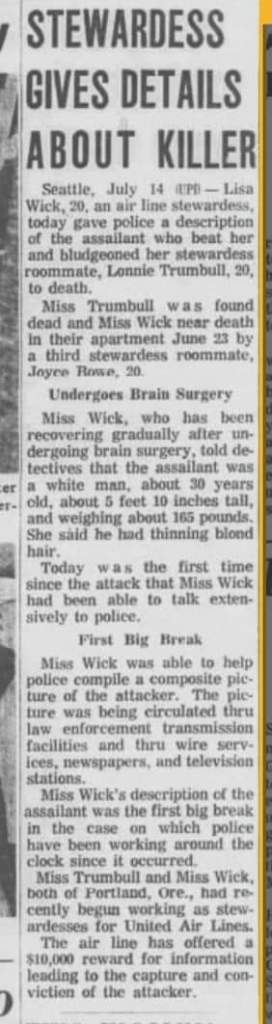
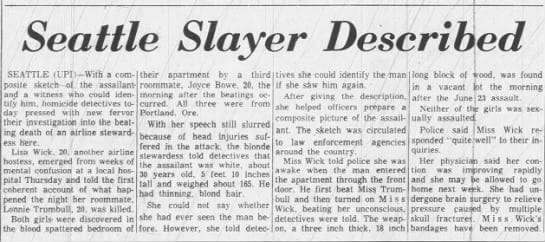
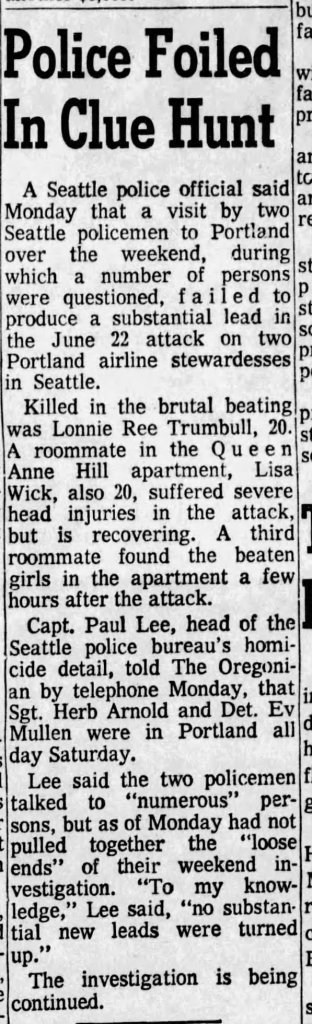
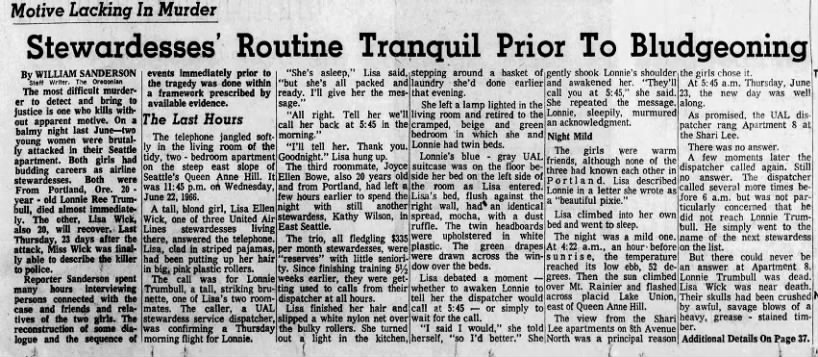
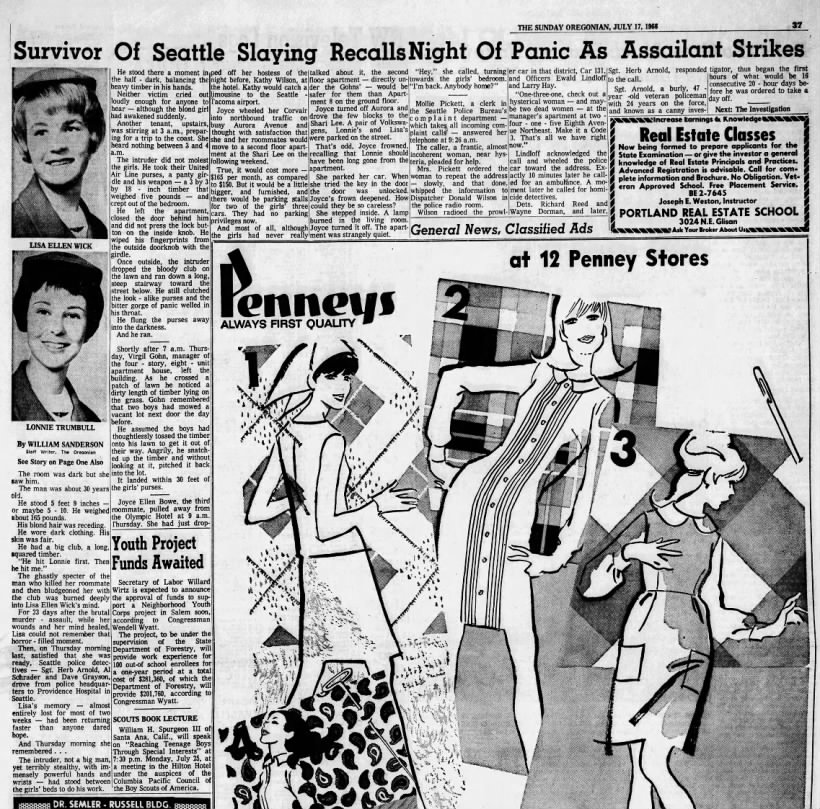
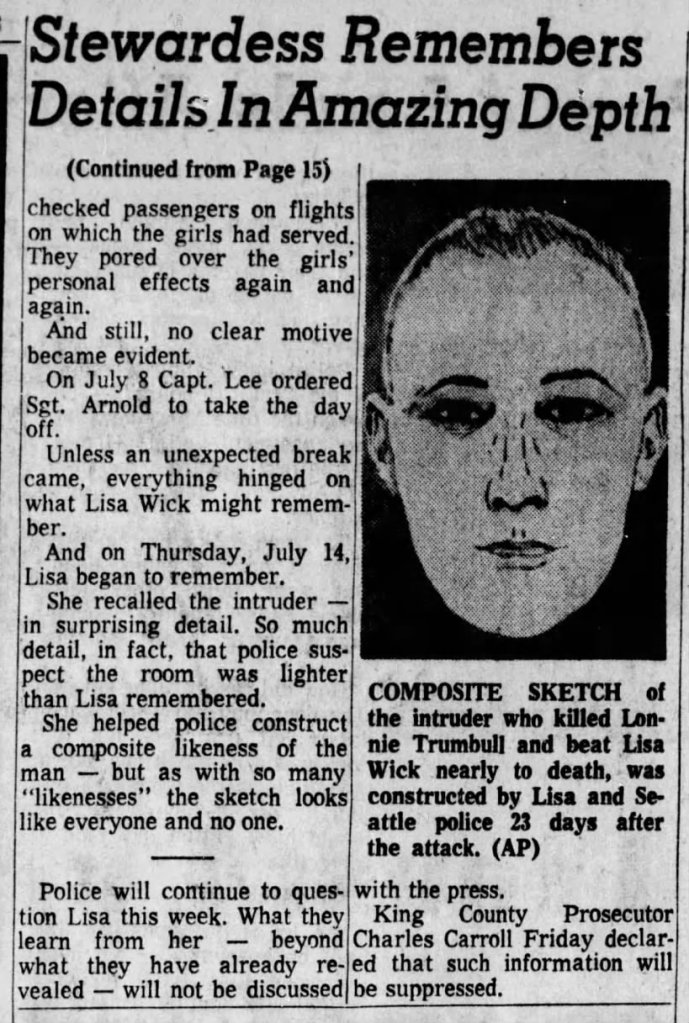
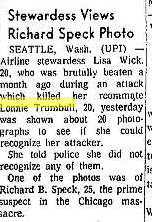
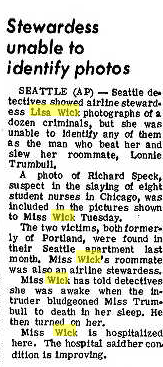
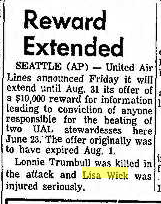
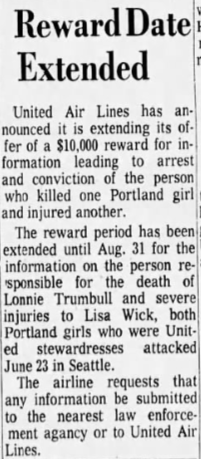
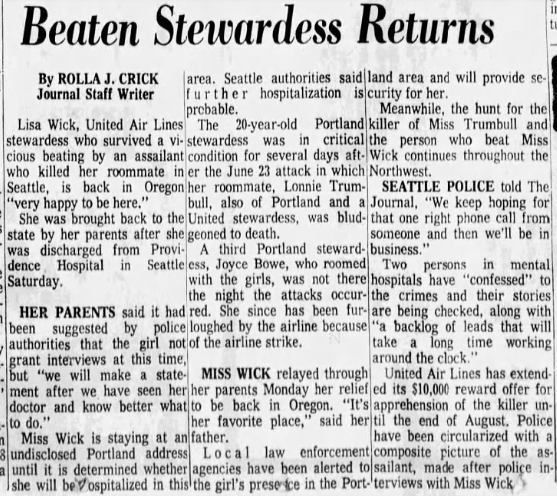
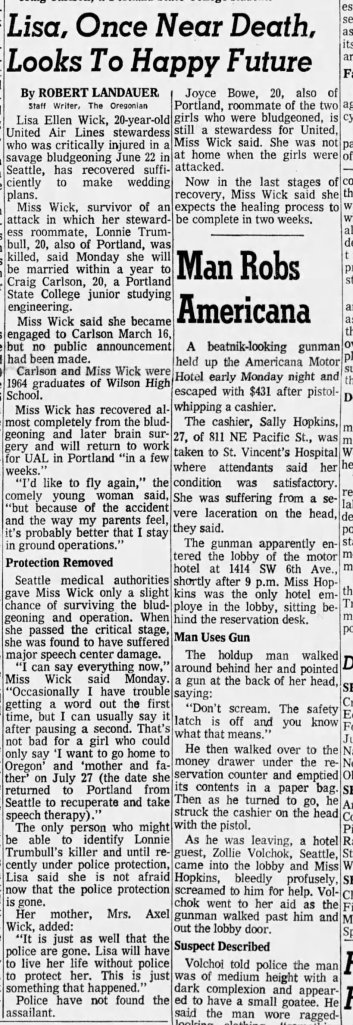
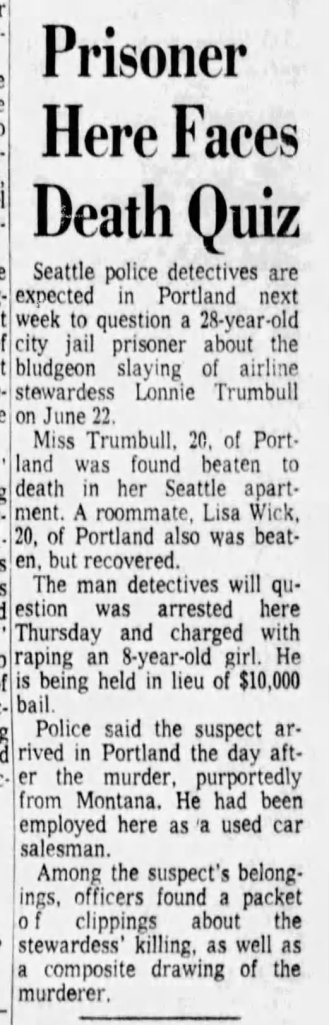
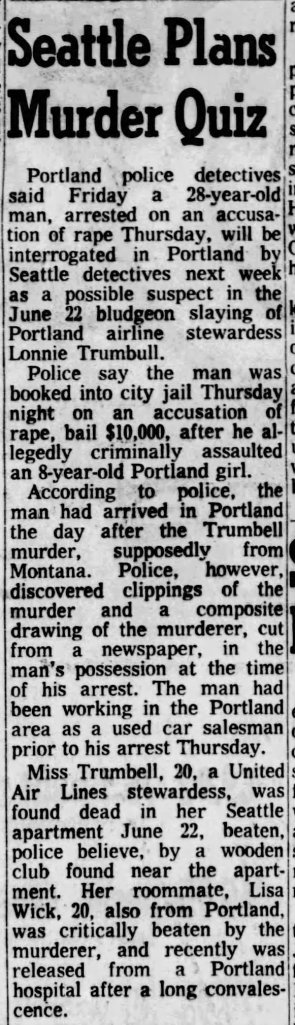
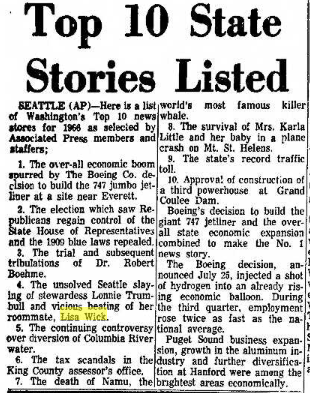
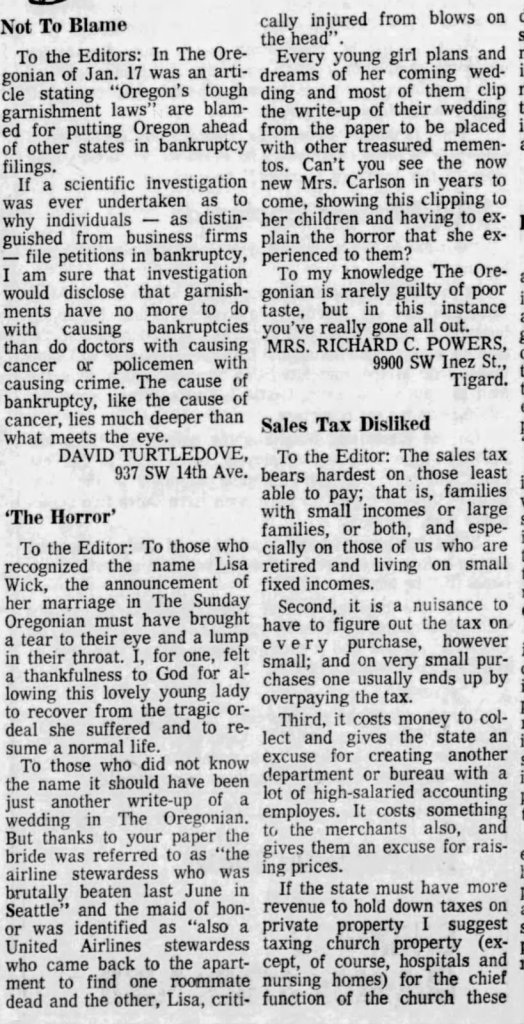
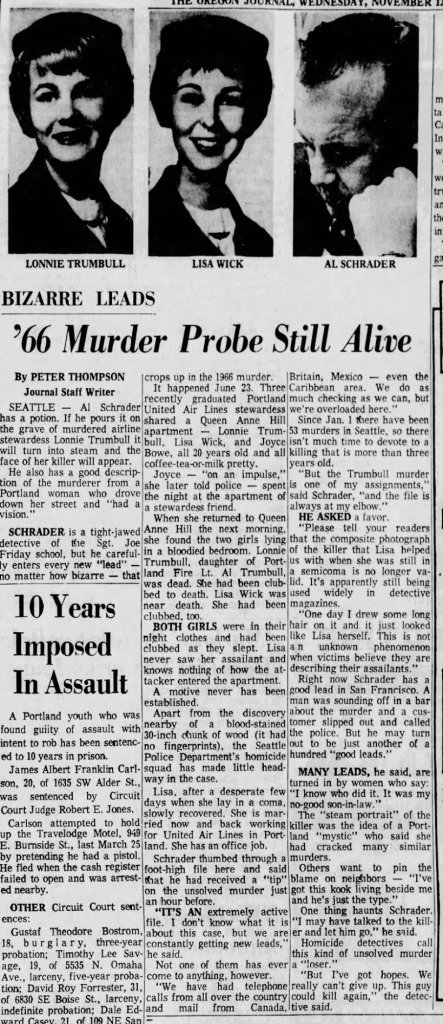
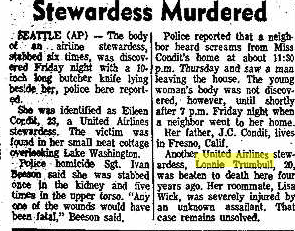
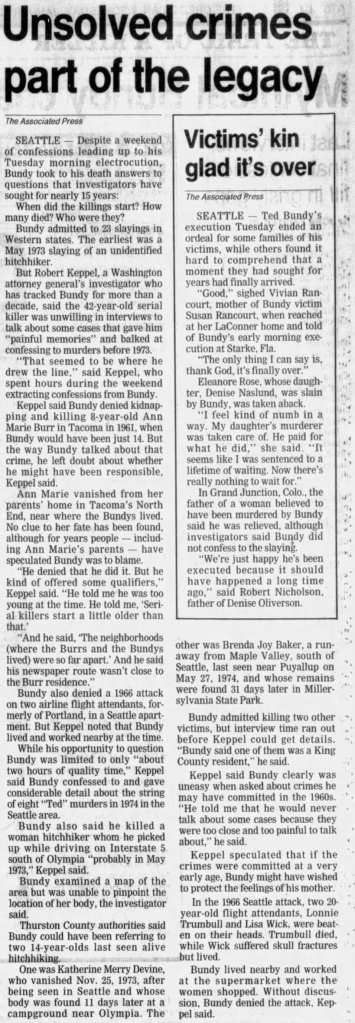
I’ve really been enjoying writing about the unconfirmed Bundy victims lately: so far I’ve done Lisa Wick/Lonnie Trumbull (the Seattle flight attendants who were attacked in their Queen Anne Hill basement apartment), Brenda Joy Baker, Katherine Kolodziej and Sotria Kritsonis (I wrote a short article briefly discussing the disappearance of Ann Marie Burr but she deserves her own full piece*). Last spring when I was in Seattle I debated on whether or not I was going to actually follow through with my lifelong dream of starting a blog or once again take the easy way out and just post my pictures as I took them. I was genuinely nervous about putting out unimaginative, run of the mill content that’s been written about a thousand times before. So, I started digging even further into the Bundy verse, beyond the confirmed victims (such as Georgeann Hawkins) and commonly discussed places (like the Rogers Rooming House on 12th Ave in Seattle).’ So, I started looking into Ted’s unconfirmed victims. His places of employment. The former dorm building he kept a key for after moving out so he could go back and sleep there (he at one time had a room on the 4th floor in the South Tower of McMahon Hall at the University of Washington). The brick with Mr. and Mrs. Bundy’s names on it at the University of Puget Sound (where she was employed for many years as a secretary). I’m going to Utah in November and Colorado in December (I have the time off work) but I’m putting Florida off until last because it’s the state that scares me the most… Margaret Bowman‘s crime scene photos will forever haunt me.

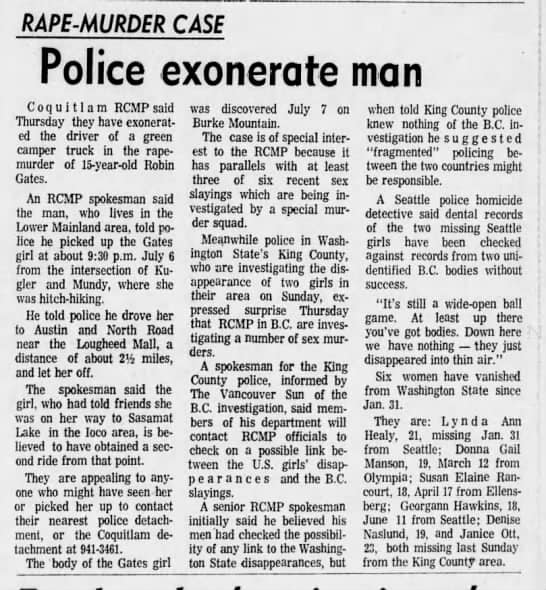
I ran into a lot of snags in my research of May-Hardy, and unfortunately it’s becoming a consistent issue with the unconfirmed victims: I’m finding that if the woman is not directly related to Bundy there’s little or next to no information out there on them. Even simply figuring out Kerry’s exact date of birth took quite a bit of effort, and I’d like to thank my husband for allowing me to use one of his credit cards so I could sign up for another free trial of Ancestry. I was able to find some neat things on Kerry May-Hardy that I hadn’t seen anywhere else: before my discoveries I found exactly ONE picture of her on the internet (along with her composite sketch after her skeletal remains were found). I ran into this lack of information issue with Brenda Baker, the Seattle flight attendants (Lonnie Trumbull and Lisa Wick), and to an extent Kathy Kolodziej (I say this because I was in contact with the detective working the case as well as her cousin which helped make it a little more personal for me… plus there was a fair amount of information about her on Reddit message boards). I do want to add that after I really got digging on Kerry I found a bit more information that I was expecting… BUT at the same time there wasn’t a single YouTube video or Reddit thread on her and the small amount of information I found didn’t compare to the information you can find about (for example) Georgann Hawkins or Lynda Ann Healy. None of the unconfirmed victims got the attention that they deserved… for example, there’s next to NO information out there about the murder of 14 year-old Brenda Joy Baker and I think that’s a real shame. AND to be truthful I was struggling to find interesting facts about Brenda Ball and she was one of Ted’s more widely known Seattle victims (hers was the first skull found on Taylor Mountain). I think I read somewhere that there were 18,000 murders that occurred in 1972 across the US. It’s too bad you had to have been murdered by a serial killer to deserve any recognition for the case.

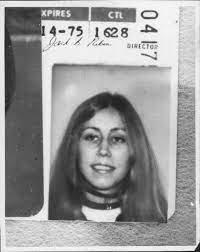
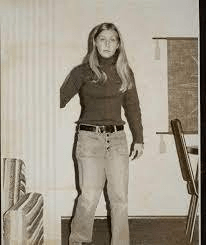
Kerry M. May-Hardy was born on April 3, 1950 in Seattle, Washington to Donald and Sheila (most recently Olson) Hardy; she had an older brother named Kenneth, two younger half-sisters (Carlee and Barbra), and a half-brother (Ed). According to a June 2011 article from the Vancouver Sun, Kerry’s parents were only married for a few years before they divorced in 1960. Sheila remarried Carol Olson the following year and Donald married Yvonne Lathrop on December 7, 1956. Mrs. Olsen described her daughter as a ‘free spirit,’ and the first person that popped in my head after I read that was Donna Gail Manson, who’s been called the same thing (and I could see it for myself looking at her pictures). Hardy grew up in the Capitol Hill district of Seattle and attended Lincoln High School in Seattle before dropping out her senior year. In a 2021 interview with ‘hi: I’m Ted’ blogger Tiffany Jean, Ken Hardy said that his sister ‘had hair like a brand new copper penny, and one of those personalities that you instantly liked her. Very friendly and outgoing, but engaging too, and when she started to talk, it didn’t matter where you came from, you wanted to listen to what she had to say.’ After graduating from high school in 1967 Ken went to serve in the Vietnam War; he came home to Seattle two years later in 1969. At that time his younger sister had left school a year early and adopted a ‘free and easy flower child way of living in the Seattle music scene.’ Hardy commented that, ‘I was the older one, so she took a back seat the whole time we were growing up, and all our friends would say, ‘oh yeah, that’s Ken’s little sister.’ But when I got back home, all of a sudden it was, ‘oh you’re Kerry’s brother!’ She really jumped out because her personality was so attractive.’

After a short courtship, Kerry Hardy married James May in a ceremony at the Central Lutheran Church in the Capitol Hill area of Seattle on May 15, 1971; at the time he was studying to be a court transcriber. Although the Hardy-Olsen clan didn’t know him very well, they immediately disliked Kerry’s new husband. Mrs. Olsen commented that ‘He wasn’t a very outgoing person. I just know she was very much in love.’ Ken on the other hand didn’t mind being more truthful, saying that his new brother-in-law ‘was a jerk, and they were always arguing.’ He also said that only six months into his little sisters brand new marriage ‘a friend of ours found out that James was beating up on her and so he got him up against a wall one night when James was alone. Warned him that if he ever did that again, he’d kill him.’ The newlyweds separated shortly after that incident, and Kerry left him and stayed with friends. It is speculated but unconfirmed that Mr. May eventually remarried and relocated to Hawaii.

Ken said that the first time he remembered that his sister was missing his ‘parents and m younger siblings were going on a family trip out of town, and Kerry was supposed to go over and help pack some clothes for my youngest sister, who has Down’s Syndrome, but she never showed up.’ Sheila said the phone calls and visits from her daughter stopped abruptly about a week before the family was supposed to leave on vacation to Minnesota. She also said that while away she ‘made frequent phone calls home during the trip to see if anyone had heard from her (Vancouver Sun, 2011).’ When the family got home in late June 1972 there still was no word from Kerry. In the time they were gone James May never thought to report his wife as missing to the police (although he did claim he didn’t see her since they separated). After calling every one of her daughters friends she could think of, Mrs. Olson went to the Seattle Police Department to report her as missing a week after returning home from vacation, however she was turned away because ‘her husband would have to report.’ She went right home and had James May do that. After he was done she immediately made a second call back to the police to file her own report, I’m assuming because there was now another (MALE) one on file? Unfortunately nothing ever came of either report and no one ever came forward to volunteer anything helpful regarding Kerry’s disappearance.

Ken Hardy commented that ‘because of the separation of her marriage, they didn’t pay that much attention to it at first, because they figured she just went off somewhere.’ The news media never reported on her disappearance, and not a single time was her name ever mentioned in the news. Weeks then months passed by, and Sheila kept contacting law enforcement over and over again, begging them to do more work on her daughter’s case. Eventually one of the officers got irritated and barked, ‘Mrs. Olson, your daughter is not dead!’ then hung up. As the years passed by with no news or resolution, Kerry mom said of her daughter: ‘I knew she was dead. …  she would have called.’ Sheila described herself as ‘a mess’ the year after her daughter vanished but thankfully she was able to get herself together for the sake of her other children. She said at the time surrounding her daughter’s disappearance the thought never crossed her mind that Ted Bundy could have been Kerry’s killer.

Mrs. Olson said that her daughter, ‘knew all these people and they knew her: she was amazed, one time when, walking down the street, her daughter stopped to talk at length to a woman in a mink coat and then to a hippie down the block.’ The evening before Kerry disappeared she spent the night at a girlfriends house in the Woodland Park area of Seattle and from there (per a note she left behind) was going to a second girlfriends house roughly ten miles away on Beacon Hill. Years into the investigation Seattle cold case detective Mike Clestnski said that at some point it was reported she was last seen alive hitchhiking around the Woodland Park area on June 13, 1972 (a day after what was initially reported).

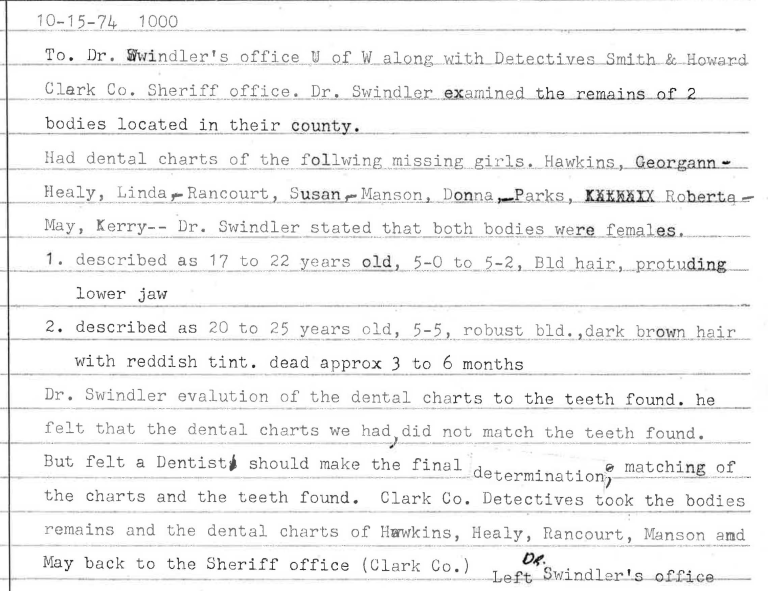
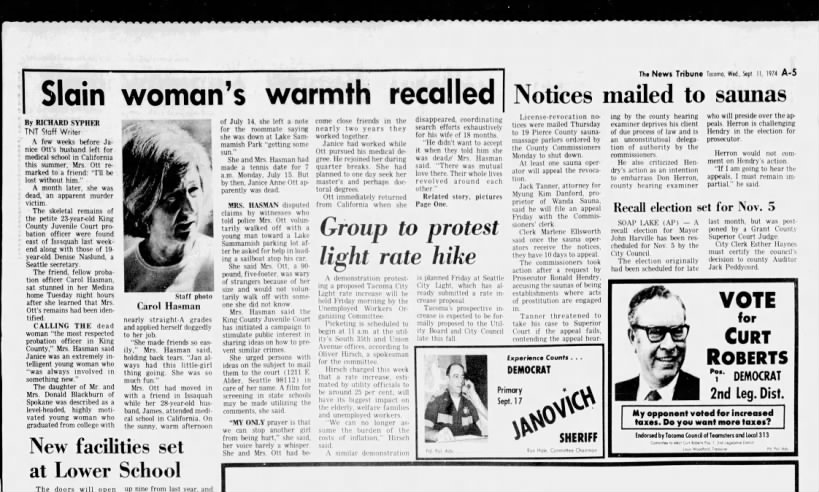
At some point in October 1974 Seattle law enforcement compared Kerry’s dental records against the teeth of two skulls that were discovered in Dole Valley near Vancouver, Washington. One of the bodies was immediately identified as Carol Valenzuela and after quite a few years the second was determined to be Martha Morrison; it is strongly speculated that both girls were victims of Warren Leslie Forrest. It is unknown if there was any additional investigative work done related to Hardy’s case at the time and unfortunately the original documents related to her case file have been destroyed (why?). According to Ken, the Seattle Police Department didn’t seem overly concerned in conducting a thorough investigation into his sisters case, and they did not keep in contact with the Hardy/Olson family at all after she disappeared. With no sightings of the young flower child and no one coming forward with information Kerry’s case quickly went cold. This absolutely broke her parents’ hearts. Ken shared with Tiffany Jean a terribly sad story: ‘one day my stepdad calls up and has me come over to the house. I was a single parent then, with two young kids. My stepdad said that he was really worried about my mom and that they would get my truck fixed up and take care of my kids if I went out looking for my sister. At first I thought it was a good idea, but reality sunk in immediately. I looked at him and said, that sounds great, but where do you want me to start? New York, Florida, southern California, you know? I kept having talks with my mom about it, but there just wasn’t anything to do.’

A drug bust in Seattle’s Fremont District in 1974 helped give the family hope: according to Ken, Kerry’s estranged husband was involved in dealing drugs, however ‘he just kind of walked through the middle of this huge mess and nobody touched him… so our feeling at that point was that Kerry had probably turned state’s evidence on the drug situation and made a deal for her husband, because she still loved him. Like maybe my sister had made a deal which led to this huge bust under the condition that he didn’t get touched, you know? That’s what it seemed like.’ But as more and more time passed by this ideal scenario seemed less and less probable. ‘She wouldn’t have stayed away that long, even in witness protection, because we were close.

It didn’t take long before the Hardy/Olson clan began to suspect that somehow James May was involved in Kerry’s disappearance. Ken said that ‘James said that he’d tried to contact several mutual friends that she would have been in contact with, looking for her. We found out that that was a lie. He never contacted anybody. One time he came over to my parents’ house when I was there, and my stepdad was so pissed at him that he wouldn’t even allow him inside. When we confronted him about her disappearance, he just acted totally ignorant.‘I haven’t talked to her since she left.’ That’s all he would say. That and ‘I don’t know.’’ After a few years passed by Ken ran into his former brother-in-law at a coffee house in Seattle’s University District. ‘James was sitting at the bar, and he jumped off his stool when he saw me. He came up to me and said, ‘Hey, Ken, how ya doin?’ and boom, he hit me in the arm. I just kind of turned sideways and elbowed him in the side of the head. Laid him out on the floor and walked out.’

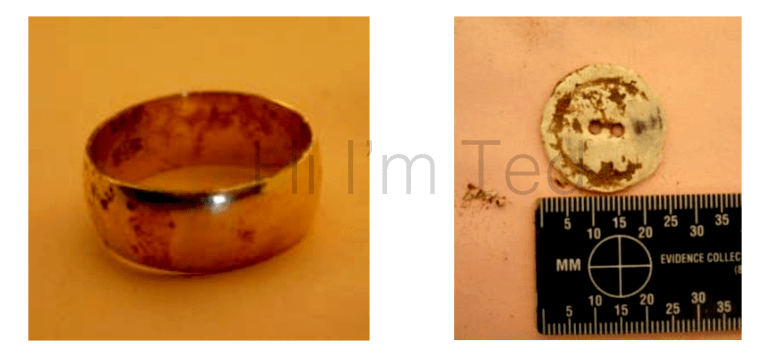
Ken thinks that at some point in the week before the family was supposed to leave for Minnesota James and Kerry met up and the visit turned violent: ‘I kind of assumed, knowing her as I did, that eventually she was going to think about either getting a divorce or reconciling with her husband. And I don’t know if the attempt to do one or the other of those two things got them together. I just don’t know.’ At the time Kerry vanished she wasn’t sure how she wanted to move forward with her life. Ken commented that she was still wearing her wedding ring and that ‘she wore it all the time. Getting married, even at her young age… it was an important thing for her.’ Eventually James May moved away from Seattle, and his former in-laws lost contact with him completely. Ken said that ‘all we had was speculation, no evidence.’

Over time the Hardy/Olson clan came to realize that their sweet Kerry was never coming back to them. Mrs. Olson said that ‘at some point I knew Kerry was dead. She would have called.’ Years then eventually decades passed by without any word from investigators. It wasn’t until 2004 when the King County Medical Examiner gathered DNA samples from Sheila Olson with hopes to maybe help link Kerry to one of the unidentified bodies found during the Green River Killer investigation. Sadly none were a match to her Kerry. She remained missing for six more years.

Now I know what you’re thinking? Jessica, who is this young lady and why have we never heard of her before (I know the ‘hi: I’m Ted’ page did a Patreon piece for a $3 monthly fee but I’m not sure how many people subscribe… at the completion of my article I’ve stumbled upon a few other noteworthy sources as well)?**  So where’s the Bundy related evidence related to Kerry May-Hardy and is it believable? First off, Kerry’s murder took place  in mid-1972… even a fledgling Bundyphile knows that his first ‘official victim’ was Karen Sparks in early January 1974 (as my own personal side, note I think Bundy killed Ann Marie Burr when he was 14 and I think he’s been killing ever since then but that’s my opinion and I understand not everyone agrees with me). Aside from Hardy fitting his typical victim profile, what I think jumped out at me the most is the fact that her mother told law enforcement she thinks roughly two years before Kerry vanished she lived above a crisis clinic in Seattle’s University District (however she isn’t completely certain). Again, most Bundy aficionado’s know that he met Ann Rule when she volunteered and he was a PT work study at the Seattle Crisis Clinic in 1971. However, Sheila Olson’s timeline alleges that her daughter lived there in 1970 and Bundy worked there in 1971, so this information doesn’t quite add up. When Kerry supposedly lived above the crisis center Bundy was employed for an Attorney Messenger and Process Service in Seattle as a file clerk and courier; he was employed there from September 1969 to May 1970 when he was fired for ‘unjustifiable absences’ (he claimed to have been babysitting Molly, Liz’s daughter). Job #2 in 1970 for Mr. Bundy lasted from June 5 to December 31, 1971 where he was a delivery driver for Pedline Supply Company, a family owned medical supply company. He quit the job at the end of 1971 when the office moved to another part of Seattle. However it is worth noting that while Hardy was alive and in Capitol Hill Bundy was just 2-4 miles away the entire time, living at the Rogers Rooming House on 12th Avenue in Seattle’s University District. Kerry was also close friends with Cathy Swindler, daughter of Herb Swindler who was employed at one time as the Head of Homicide for the Seattle Police Department and he happened to work the Georgeann Hawkins and Lynda Ann Healy investigations. Strangely enough, Cathy briefly went out with Bundy (she wasn’t aware he was still dating Elizabeth Kloepfer while seeing her). It’s speculated she introduced Kerry (who was a high school friend) to Ted while they were student interns together at Harborview Medical Center (where he coincidentally interned from June 1972 until September 1972, which is consistent with the date of Kathy’s disappearance on June 12, 1972). Physically, I think Kerry’s appearance would have been striking and memorable to Bundy: she was slender and beautiful, with long copper hair parted down the middle. … What if he stalked then approached her as she was attempting to thumb a ride and lured her into his car? Despite all this, at this time there is no actual evidence linking Ted to Hardy’s murder. Tiffany Jean points out that ‘the potential for a previous social connection is enticing. Perhaps Cathy introduced her to Ted while they were a couple, or ran into her around town while out on a date. Physically, Kerry’s appearance would have been striking and memorable. What if Ted had approached a hitchhiking Kerry a few years after dating Cathy, and lured her into his girlfriend’s car with that famous veneer of charm? ‘Hi Kerry, I’m Ted! Remember me? We met through Cathy, do you need a ride somewhere?’ Of course, without Cathy’s confirmation, this entire scenario is pure speculation, and could merely be an eerie coincidence.’

The Crisis Clinic was first located in an office close to Seattle University (which was located on 12th Street) before relocating to an old Victorian style house in Capitol Hill. Ann Rule and the night supervisor at the time Bundy worked there claimed that there were no other tenants in either building due to the confidential nature of the work done and the records present on site. So if Kerry did live above a Crisis Center it must have been at a different one than the one Ted worked at. Whether or not Hardy lived somewhere close to the Crisis Clinic is under investigation at this time (per an article written in mid-2011). At the end of the day, Sheila Olson strongly feels that Bundy isn’t responsible for the murder of her daughter: ‘I just don’t… a mothers feeling.’ Ken thinks that James May seems like a far likelier suspect instead of the serial killer. At the end of their 2021 interview Ken shared with Tiffany Jean that he was ‘pretty sure, I’m pretty confident in my assumption… I think you can rule the Bundy thing out.’ Unfortunately there is no direct evidence of May’s involvement, only suspicious context. According to Ken, Kerry’s remains were close to property that the May family owned and was even dug up with machines owned by the family. A records search pretty much confirms that story: James May’s father did in fact own a large amount of land in the Kittitas County area. Perhaps what is most incriminatory is Mr. Hardy’s allegation that he was physically abusive to his sister, and as most true crime fans are aware, when a wife disappears under mysterious circumstances her husband is usually the first suspect. In her article, Tiffany Jean comments that ‘circumstantial and character evidence are always difficult to prosecute. In the case of James May, the sum value of these circumstances, while compelling to laymen, probably would not hold up in court. Without any telltale trauma to her bones, her body itself offers no clues. A third possibility, that Kerry’s murder was a random attack by an unidentified perpetrator, also remains. Sadly, without DNA evidence to analyze, and short of a confession, it seems unlikely that Kerry Hardy-May’s murder will ever officially be solved.’

Former Kittitas County Sheriff Andrea Blume said as of 2011 that detectives are still looking into the case and are ‘looking at all possibilities;’ the Seattle Police are also working with the Sheriffs on the case. I want to mention that the original missing persons file from 1972 was somehow ‘destroyed’ (that’s all the Vancouver Sun article said with no further explanation… that sounds oddly sinister). What’s interesting to me is there’s not one but TWO Seattle based serial killers that have been investigated for Hardy’s murder: the second was none other than ‘The Riverman’ himself, Gary Ridgway. In 2004, King County Sheriffs requested (and were granted) Kerry’s mothers DNA to compare it to that of the Green River Killer case and Ridgway was eventually ruled out as a killer. After Kerry’s family came forward to law enforcement that they felt the composite sketch was similar to hers, the familial DNA sample from 2004 was sent off to the University of North Texas. Kittitas County Undersheriff Clayton Myers said the DNA sample was sent to the Center for Human Remains at UNT where it was entered into a national DNA database: ‘the database would search all the human remain samples there for a match.’

Kerry May-Hardy’s disappearance remained a mystery until September 6, 2010: while digging at a construction site machinery disturbed her remains about five miles from Interstate-90 near the Suncadia Resort (a golf club) in Roslyn, Washington. Her body was uncovered when a backhoe operator digging a waterline ditch came across her remains; at first, the operator noticed her clothing mixed in with the dirt. This site is in fairly close proximity to where Ted Bundy hunted AND lived (in fact, it’s only about 5 miles away from one of his dump sites that was discovered three years after Kerry vanished). She was found in a shallow grave less than two feet below the earth’s surface (to be exact, the depth ranged from 18 to 24 inches) and her skeleton was clad in a blue-colored, long-sleeved shirt with pink buttoned cuffs and a 14-carat gold ring on her left finger, roughly a size 5-6. According to the autopsy, the woman had been dead for at least twenty years, but possibly as long as fifty. No cause of death could be determined from the remains.In a KIRO-TV article published March 22, 2011, Kittitas Sheriff’s department said of the discovery: ‘she had fairly straight teeth with extensive dental work.’ Bundy often left his victims bodies sans clothes so if this was indeed one of his victims perhaps he was in the midst of either perfecting his technique or was too inebriated and sloppy to have remembered to do it? Ted certainly was familiar with the rural portion of I-90 east of Seattle where Kerry was discovered. In early 1974 he drove down that highway many times to get to his ‘dumping grounds’ at Taylor Mountain and Issaquah. He traveled two hours further east that April to abduct Susan Rancourt, a confirmed victim that attended Central Washington College in Ellensburg, WA. The Suncadia Resort is located about halfway between the Taylor Mountain gravesite (where Rancourt’s skull was found) and the college. Much like Bundy’s Taylor other two gravesites, Kerry’s burial place was wooded and remote, yards away from a gravel side road off the interstate. In 1989, Bundy described burying Colorado victim Julie Cunningham in a similar location, saying he would get on the highway and just drive until he found an isolated place to turn off: “I found a side road, a dirt road, turned off onto it and drove maybe a quarter mile off the road.” He made similar declarations about Utah victims Debra Kent and Nancy Wilcox.

Kerry gravesite was roughly 100 yards away from a minor gravel road off the highway that had been around before the conversion. Law enforcement began careful excavation of the body the very afternoon it was found. Two tents were set up: one related to the excavation site, the other for processing. In addition to the Sheriff’s Department combing the area, two archaeologists from Central Washington University were also on site to help recover and preserve remains, bits of clothing, and any other evidence that was found. It took two full days to remove the entire skeleton. Law enforcement said Kittitas County didn’t have any unsolved cases involving missing women around that time, therefore they felt the victim was an outsider not from the area. One time Kittitas County Undersheriff Clayton Myers said, ‘we have a team of investigators who are working locally and with neighboring counties for missing adult females. It’s a little too early to tell which ones are in the ballpark because we are still struggling with our time frame.’ At the time of Kerry’s disappearance in 1972 the area was isolated, heavily wooded, and used for logging, and it’s worth noting that Bundy often left his victims in remote, wooded locations (such as Taylor Mountain and the Issaquah dump site).

A report regarding the excavation of the body states that it didn’t take investigators long to realize the remains were probably moved there at one point and it wasn’t the original dumpsite (meaning it couldn’t have been Bundy since he was put to death in early 1989). It took law enforcement until the following March to determine that the young victim’s estimated date of death was determined to be sometime in between 1960 and 1990. It was further determined the young girl was between 5’4” and 5’10,” tall and was between 19 and 40 years old (I feel like date of death, height and weight range are all surprisingly broad), and had a large amount of expensive dental work done. At first it was speculated that she was possibly of Hispanic ethnicity however it was eventually determined she was not. Forensic experts entered the victims dental records into a national database and surprisingly there were no hits.

Local Kittitas County law enforcement from where the body was discovered found no female missing persons cases that took place in the county that were consistent with the found remains; because of this police felt that the victim wasn’t from the area.  A facial reconstruction image was generated from the remains by forensic artist Natalie Murry in conjunction with the King County Medical Examiner’s Office in hopes that the victim would be identified. Oddly enough, Kerry’s family members did contact law enforcement after they saw the composite drawing and told them that they felt it looked like her. Jeff Norwood (Kerry’s younger sister Carlees husband) said that ‘my wife and my mother-in-law both looked at it and said, ‘Yes, that’s Kerry’’ … ‘when you put her picture up to it. It was Kerry.’  They immediately went to law enforcement to tell them their thoughts. The King County Medical Examiner’s Office used DNA from the 2004 sample they took from Kerry’s mother and compared it to DNA extracted from a bone sample that was sent to the University of North Texas’ Center for Human Remains for genetic testing.

On June 1, 2011 the remains were officially determined to be a match for Kerry May-Hardy. It was announced to the public two days later in a statement by The Kittitas County Sheriff’s Office in conjunction with Dr. Kathy Taylor of the King County Medical Examiner’s Office. On June 6, 2011 Seattle’s KOMO-TV News spoke with Kittitas Undersheriff Clayton Meyers who said investigators were still looking into the possibility that Hardy’s murder could have been related to Ted Bundy: ‘We’ll look into everything’ … ‘we’ll be working with the Seattle and King County investigators who are responsible for those Bundy cases. We don’t have anything at this point, it’s very early.’ Olson said she was almost ecstatic when it was determined that her daughter’s remains were finally identified, saying ‘I don’t care if they find who did it or not. My daughter is going to be home by the end of the week and that’s all I care for.’ Hardy’s sister Carlee Norwood was only 9 years old when her sister disappeared in 1972, however she said that none of the family ever forgot her. She told Seattle based news station KIRO-TV Channel 7 that: ‘she was fun… she was my sister…. she was very close with our whole family, with everybody.’ She went on to say the family never gave up hope that Kerry would come home to them, but that discovery in 2006 did nothing but confirm her worst fears: ‘you always hope, you never give up hope.’ … ‘realistically, I think we knew. My mom did. We all knew. But you just want that closure.’

A dailyrecordnews.com article written by Mary Swift mentions that Rick Norwood was the designated ‘Hardy-Olsen family spokesperson’ for the case, and regarding his sister-in-laws murder commented that: ‘we kind of knew then… we were shocked. We were shocked and also relieved … We’re relieved that Kerry’s been found and we are able to finish the grieving process. She had been gone almost 40 years.’ … ‘We are just now going through the process of dealing with this. At some point, we’ll probably have some kind of service but that has not been totally decided. Kerry’s remains have not been released yet. It’s now a criminal investigation. We don’t know what’s going to happen.’ Norwood never met his sister in law, however he said loved ones described her as ‘a loving family person who cared about the family very much. She was quite a bit older than my wife. She cared for and doted on my wife.’ Lastly Norwood praised the police department, saying ‘we’re grateful to the Kittitas County Sheriff’s Office and Detective Blume for all that they’ve done.’ … ‘They’ve been very wonderful with this family and helping us through this process.’

Ms. Olson was 80 years old in 2011 when her daughter’s remains were discovered, and after they were found the Hardy-Olsen family held a celebration of life in her honor. Since Kerry’s disappearance she has fallen out of touch with James May (who remarried in 1992). Sheila said she held onto one thought after being told her daughter was finally found after so many years: ‘welcome home.’ Per Legacy.com she passed away on December 9, 2015.

Bundy’s attorney Polly Nelson claimed her client confessed to her that he attacked and killed a young lady in her apartment building then took her body back into the woods. Was this Kerry May-Hardy? Or one of his many other victims? Obviously her body was moved to where it was found at some point after the golf club was constructed in 2002 but… maybe it wasn’t the original killer who moved it. Maybe a big wig at the golf club who didn’t want to deal with an expensive construction project screeching to a halt stumbled upon the corpse, panicked and moved it (for whatever reason, maybe they didn’t want to deal with the police)… well, that doesn’t make sense, why would they allow a construction team to dig there in 2006? Law enforcement questioned Bundy before he was put to death in January 1989 and he claimed to know nothing about her disappearance.

As of July 2023 Kerry’s case remains unsolved. Ken Hardy still remembers and misses his sister. He grew emotional as he spoke of her, saying that ‘she was musically and artistically talented. Whatever she had decided to do in her life, it would have been cool and she would’ve been recognized for it. I often wonder, how would my life have been different, if Kerry was still here?’ Both of Kerry’s parents passed away before her case was solved: Mr. Hardy died on January 11, 1989 at the age of 59 in Federal Way, Washington; Mrs. Olsen passed on December 9, 2015. The case is being actively investigated by the Kittitas County Sheriff’s Office. If anyone has any information regarding Kerry May-Hardy in 1972, they are asked to contact Detective Andrea Blume at 509-962-7069. 

**Edit one: I did eventually write a full piece on Ann Marie (and it took FOREVER).

**Edit two: The piece recently became available at no cost, which allowed me to update this article with new information.

Kerry’s yearbook picture from 1967.
A color version of Kerry May-Hardy. Photo courtesy of ‘hi: I’m Ted.”
Kerry May-Hardy in her 1966 yearbook picture at Lincoln High School in Seattle, Washington. Photo courtesy of Classmates.com.
The Hardy family in the 1950 census.
The marriage certificate of Kerry May-Hardy and James May. Photo courtesy of Legacy.
Kerry’s death certificate.
Kerry May-Hardy’s Obituary courtesy of The Seattle Times.
A facial reconstruction image that was generated from the remains by forensic artist Natalie Murry of ID Forensic Art in conjunction with the King County Medical Examiner’s Office.
Seattle Police Departments notes for October 15, 1974 mentioning May-Hardy. Photo courtesy of ‘hi: I’m Ted.’
The gold wedding band and button found in Kerry’s grave. Photo courtesy of the Kittitas County/’hi: I’m Ted.’
The Victorian mansion on Capitol Hill, later converted into the Crisis Clinic where Ted and Anne worked, pictured in 1937. Photo courtesy of ‘hi: I’m Ted.’
The second location of the Seattle Crisis Clinic, located on the second story.
Kittitas County and the King County Medical Examiner excavating Kerry’s gravesite in 2010. Photo courtesy of ‘hi: I’m Ted.’
A Kittitas County detective consults with King County Medical Examiner Kathy Taylor in 2010. Photo courtesy of ‘hi: I’m Ted.’
A photo of Kerry May-Hardy’s mother, Sheila M. Olson. Photo courtesy of Legacy. Ms. Olson passed away peacefully at the age of 85 surrounded by family on December 9, 2015.
Sheila Olson in 2012. Photo courtesy of Ken Hardy/’hi: I’m Ted.’
Ken Hardy.
Kerry’s brother Ken Hardy in 1967. Photo courtesy Ken Hardy/’hi: I’m Ted.’
Ken Hardy with his kids around 1975. Photo courtesy of Ken Hardy/’hi: I’m Ted.’
Ken Hardy’s marriage certificate.
An article about Kerry published by The Spokesman-Review on June 04, 2011.

Katherine ‘Kathy’ Kolodziej.

One of the things that has always gotten under my skin about Ted Bundy (aside from his crimes against humanity) was how little he confessed to during his time on death row. He essentially used his secrets as a bargaining chip to extend his life right up until the very end. So, he could have killed the neat and tidy 30 women he confessed to, or he may have murdered over 100 as he told his attorney John Henry Browne… as I said in a previous article, unless someone discovers his long-lost diary where he candidly spoke of his dastardly deeds no one will ever truly know the full extent of Bundy’s crimes. There’s so many murdered and missing women he could possibly be responsible for but little to no concrete evidence to prove it. In my cross-country tour of anything related to Ted, I’ve already been to Washington and Pennsylvania with hopes of going to Colorado in December (edit, November 2023: I’ve been to Florida and Utah since, I have Oregon, Idaho, and Colorado left).

Whenever you hear the run-down of states Bundy had any possible activity to, New York is usually brought up last and is followed with, ‘but he was quickly ruled out as a suspect.’ The possible murder in question is that of Katherine Kolodziej. Kathy was only seventeen-years-old at the time of her homicide in early November of 1974, and was a SUNY Cobleskill student majoring in animal husbandry. The attractive young student was last seen in the early morning hours of Saturday, November 2, 1974 walking out of a local tavern called ‘The Vault’ in the village of Cobleskill. She went out dancing with a few girlfriends but turned down a ride back to campus, saying wanted to stay out a bit longer and was going to be getting a ride home from someone else. According to her cousin Vicki Szydlowski, Kathy spoke to her mother just a few hours before her night out, and Mrs. Kolodziej asked her to stay at her dorm that night and study. Kathy was responsible and a good student, not a partier by any means, but this time she disregarded her moms request because she wanted to go out with her college friends. I probably would have done the same thing when I was 17. About her cousin, Vicki said: ‘she was a good kid, but it was a Friday night and she wanted to go out with her friends to the local bar. It was a small community; everybody knew everybody and that’s just what we all did back then.’

Katherine ‘Kathy’ Kolodziej was an only child born to Andrew and Hedwig (nee Szydlowski) Kolodziej on December 7, 1956 in Ronkonkoma, New York. Hedwig was born on April 10, 1919 in Jamaica, NY; Andrew was born on April 12, 1922 in Wysne Lapse Poland and emigrated to the United States in the early 1940’s. Despite the fact that Kathy’s case went cold nearly 50 years ago, NYS Police investigator David Ayers told Andrea Cavallier from Dateline in December 2020 he isn’t about to let the young girl’s killer get away: ‘it’s a very tough case, and a lot of time has passed. But let’s just say, anything is possible. It’s not hopeless.’ Ayers went on to tell Cavallier that Ms. Kolodziej was last seen at roughly 1:30 AM leaving the bar wearing a red coat and crossing the street, most likely beginning her walk back to campus, which was only about a mile away ( I made the drive myself earlier today and it was indeed very short). It was the last time she was seen alive. It wasn’t until the weekend was coming to an end that her loved ones knew something was very wrong: she’d never just disappear without telling anyone where she was going. After Kathy’s story made the local news, a witness came forward claiming they saw a young woman get into a yellow Volkswagen Beetle around 1:45 AM the morning she vanished; to this day it has not been confirmed by authorities whether or not it was her.

Twenty-five long days went by. Law enforcement, Cobleskill campus security, and volunteers spent thousands of combined man hours combing the area looking for any trace of the missing girl. Finally, on November 23, 1974 law enforcement received a tip that hunters found a single blue shoe at the intersection of McDonald and Cross Hill Road in Richmondville, NY; Police later found its pair up the road. That same day Kolodziej’s remains were found by a group of deer hunters in a field on McDonald Road in Richmondville. Detective Ayers informed Dateline a man (who thankfully was aware of the missing co-ed in the area) had noticed a piece of red cloth in the distance through his binoculars and immediately notified the police. Upon arriving at the scene, state police discovered the badly decomposing body of Kathy Kolodziej discarded on a low rock wall; she was naked from the waist down but the lower part of her body was covered up by her red coat that was draped over her like a blanket. According to an autopsy performed at the Albany Medical Center, she had been stabbed seven times with two different weapons.

There would be no Thanksgiving celebration that year for the Kolodziej family. Instead of gathering together for a happy meal, Kathy’s parents started to prepare to bury their only child. Vicki Szydlowski said of that day: ‘we were supposed to go to Aunt Hattie’s at their home in Ronkonkoma that day for Thanksgiving. But then they got the call about Kathy. Nothing was ever the same.’ She went on to say that she and her siblings were close to her in their younger years however as they grew older and went to different colleges they eventually drifted apart, ‘but we always came back together at family gatherings; we had that cousin bond.’ Vicki described her cousin as a kind, good person who always made them laugh, especially with her different accents: Kathy had perfected her father’s thick Polish accent, which made everyone laugh when she pretended to speak like him.

Vicki shared a story with Dateline that when Kathy begged her parents for a horse her father built a stable in the backyard of their Lake Ronkonkoma home, and that: ‘she loved all animals, was always bringing them home. But she really loved horses, loved riding them, caring for them. It was her passion. And it led to what would have been her career.’ In her senior year of high school Kolodziej attended BOCES, majoring in ‘Horse Care & Horse Training.’ After graduating in 1974, she decided to turn her love for horses into a career and enrolled at the State University of New York at Cobleskill majoring in animal husbandry in hopes of becoming a veterinarian one day.

In a 1979 news interview, Kathy’s uncle Charles Szydlowski (a retired New York State police detective) recalled the phone call he got from his sister about his niece’s disappearance: ‘She said, ‘Charlie, Kathy is laying on the side of the road somewhere dead, I know it.’’  He attempted to tell her that her only child would turn up safe: ‘I said, ‘Heddy, there are 13 million people in New York State. What are the chances this is going to affect us this way? But she was right. Her first thought was that her daughter was dead, and she was right … I told Hattie… I told her that she’ll be all right. But my sister was so upset. She kept saying that Kathy was dead. Dead on the side of the road somewhere. Turns out, she was right.’ In the years that followed Kathy’s death, Andrew and Hedwig Kolodziej tirelessly worked next to law enforcement in hopes of helping them solve their daughter’s murder. Of her aunt and uncle, Vicki said: ‘they mourned their daughter for so many years, but they died before knowing who did this to her. It’s heartbreaking.’ After the death of Mr. and Mrs. Kolodziej, Vicki and Charles have taken on the duty of reaching out to investigators about any developments or updates about Kathy’s case. Mr. Szydlowski said that he’s hopeful his niece’s case will be solved soon: ‘our family would like closure. I would like to know. And one day, I’ll be able to tell my sister what happened.’

In addition to the New York State Police, many other investigating agencies have helped interview thousands of people about Kathy’s murder over the past almost 50 years. Friends, family, classmates, casual acquaintances… if anyone so much as walked by Kathy on Cobleskill’s campus, law enforcement spoke with them. However, with each year that goes by the chances of catching the coed’s killer becomes less and less likely as witnesses (and the killer themselves) are growing old and passing away. Detective Ayers inherited the cold case in 2016 and shared with Dateline that while he is unable to disclose specifics regarding DNA findings in Kathy’s case: ‘it’s an investigative avenue we continue to explore due to the advancements made with DNA technology. I do believe that any developments made with DNA evidence will be a huge step towards getting answers and possibly solving the investigation.’ HE also said that investigating LE agencies have reached out to the public on multiple occasions, encouraging them to report any information that could potentially help lead to an arrest: ‘individuals who may have had information of what happened are older now, some have even passed away, but we’re still hoping to track someone down who we missed before. We received numerous tips over the years, but the more time that passes, the harder it becomes.’

Tom Cioffi was the NYS Detective in charge of the case before Ayers took over; in 2012 he put up billboards in the Cobleskill area regarding Kathy’s disappearance and made requests for information through the media in an attempt to keep her murder on the public radar. The most recent one was put up in the fall of 2017 by Detective Ayers on Route 7 in Cobleskill: on it was a photo of Kolodziej along with a plea to the public that anyone with information regarding her homicide to call authorities. In addition to the well-placed billboards there’s also a Twitter handle and a police-run Facebook page titled ‘@Justice4Kathy Facebook Page.’ Its purpose is to provide the public with updates on the case and invites those who knew her or lived in the area to share stories and submit information. About the Facebook page, Ayers said that ‘we hope that by sharing Kathy’s story, and photos of the local bar and the area of Cobleskill, it will jog someone’s memory and they’ll have the information we need. There’s always somebody we might have missed, or someone who was reluctant to talk. We hope now is the time they come forward.’ He hopes that the billboards combined with the social media page will help put a renewed buzz in the case, and hopefully Kolodziej’s killer can finally be brought to justice. ‘We’re coming up on 50 years since Kathy’s murder, but we haven’t given up. There’s always a chance for closure. There’s always hope.’

The young student only lived in the area for about two months before she was murdered, which really didn’t give her a lot of time to form a lot of intimate and meaningful relationships (especially ones off campus). This is worth mentioning because Kathy was found in such an intimate way: her assailant was very careful to cover up the lower part of her body (despite being the one responsible for taking her clothes off in the first place). The fact that the killer seemed to know the ins and outs of the close knit area makes me speculate that maybe at one point they lived locally and weren’t just a drifter passing through. If (and this is a BIG if), she was held captive for any amount of time before she was killed then I would think she was murdered by someone that most likely lived alone and away from a lot of people (possibly in the country or a more remote area).

After the grim discovery investigators interviewed not only members of the student body at SUNY Cobleskill but also patrons of the bar she was last seen at. In addition, because of the report that Kathy was last seen getting into a yellow Volkswagen, law enforcement also tracked down and interviewed Bug owners in the area as well as anybody that may have had a connection to the murders of young women in the Northeast area. Despite the countless number of police interviews conducted over the years not a single serious suspect can be identified. Quite a few serial killers were investigated for the murder, including Ted Bundy, Lewis Lent, Donald Sigsbee, and John William Hopkins but all were eventually cleared.

So, we all know that Bundy didn’t kill this girl. In fact, I (very) briefly spoke with Detective Ayers on the phone and he flat-out told me he wasn’t guilty either (I’m an insurance agent with no police training, I will never pretend I know more than a trained law enforcement officer does). We know that on August 30, 1974 Bundy moved to Utah to start law school (ahem, again), and on October 31st he abducted and murdered Laura Ann Aime after she attended a Halloween party at Brown’s Café with friends in Lehi, Utah. Now, the café is 2,191 miles away from The Vault in Cobleskill and takes well over a full day to drive to (straight through, no stops). This means if Bundy did kill Kathy, he would have had to kill Aime then immediately get in his car to make the one day, nine hour drive to NYS to kill Kathy, who disappeared early in the morning on November 2nd. I mean, I suppose it’s plausible, but I just don’t think it happened. I listened to Dr. Keppels book ‘Terrible Secrets: Ted Bundy on Serial Murder’ on Audible while driving to Cobleskill and one of my biggest takeaways related to this case was that Bundy apparently made a real attempt to attend a good amount of classes his first semester back at law school. So the idea of him driving to NYS to commit a single murder just doesn’t make sense. Especially since on November 8th, just 6 days after Katherine Kolodziej was abducted, Bundy hit twice in Utah (Carol DaRonch then Debra Kent): The Fashion Place Mall in Murray Utah is 2,170 miles away from SUNY Cobleskill (and a 32-hour drive). We also must keep in mind the fact that law enforcement said that they had evidence that Kathy was most likely kept alive until the day before her body was discovered… I’m sorry, it’s just completely improbable that Bundy made this trip and committed this murder.

The serial killer Donald Sigsbee lived in Madison, NY (roughly 61 miles away from Cobleskill) and in March, 2004 he was convicted on two counts of second-degree murder for the 1975 death of 19-year-old SUNY Morrisville student Regina Reynolds. Ms. Reynolds was last seen hitchhiking at the intersection of Route 20 and 46 in Morrisville, NY. It is also speculated that he is responsible for the death of 21-year-old Martha Louise Allen, whose body was found by a boater on Black Creek on July 25, 1973 in the area of Verona Beach State Park. An index card with Ms. Allen’s name on it was discovered with paperwork related to Sigsbee’s cabinet business two years after her death. Law enforcement briefly considered him as a suspect in Ms. Kolodziej’s murder but he was eventually ruled out. In 2004, Sigsbee was found guilty of second-degree murder for the stabbing death of Reynolds and he died of natural causes on October 26, 2009 in Mohawk Valley Correctional Facility in Rome, NY.

WOW: I never heard of Lewis Lent but boy am I glad I looked him up… he reminds me of the wish.com version of Ed Kemper. I know it’s insensitive to make light of a murderer but come on… it’s a bit obvious. Anyways, Lent was a former Massachusetts janitor that murdered two children (but possibly more). Despite living in a different state at the time of the murders his childhood home was in Newfield, NY which is only about a 2.5 hour drive from Cobleskill. He claimed to be the subject of blackouts and memory lapses, and in one AP interview he blamed it on a close encounter with UFO occupants while in Virginia. It’s worth noting that his victims were much younger than Kathy (two were only twelve years old). It’s speculated that Lent didn’t act alone and that his accomplice(s) are still at large.

John William Hopkins’ first confirmed victim was the last he was officially linked to: Joanne Pecheone was a 19-year-old St. Francis de Sales School student when she was murdered on January 12, 1972. The school is located in Utica, NY, which is roughly 60 miles away from Cobleskill. Next was 17-year-old Cecelia Genatiempo, who Hopkind killed on July 24/25, 1976 in Gloversville, NY. His third and final confirmed victim was Sherrie Anne Carville, a 17-year-old high school student he kidnapped from a bar in her hometown of Johnstown, NY on October 22, 1978. Because of some striking similarities in the Hopkins murders and Kathy’s case, Tom Cioffi and Schoharie County Sheriff Tony Desmond (also a NYS Trooper) believe Hopkins could have possibly had some sort of role in Katherine’s murder. When he was arrested in 1979, he admitted to the murder of three young women total, but would only name and discuss two of them: for unknown reasons he refused to discuss anything related to his third victim. In relation to the homicide of Kathy Kolodziej, Sheriff Desmond said that ‘three of the victims were the same age as Kathy, and if you look at some of the pictures of these victims, the hairstyle parted in the center, long and combed down, it’s similar. And they were all college students.’ However, NYS Trooper senior investigator William John said evidence linking John to Kathy’s homicide was still minimal, and that: ‘we’re not sure if it was Hopkins. We’re looking at means and opportunities.’ He went on to say that Hopkins raped his victims and there was no evidence that Katherine was sexually assaulted in any way (despite the young girl being found naked from the waist down). I feel it’s worth mentioning that Hopkins appeared to have an unhealthy obsession with knives, and would often carry several of them on him in various sheaths (Kathy was stabbed eight times with two different weapons). The mystery of his third victim was a secret the killer thought he took he took with him to the grave: on June 3, 2000 while incarcerated at the Great Meadow Correctional Facility in Comstock, NY Hopkins committed suicide by slashing the back of his legs and wrists with a razor. After a cold case review, in 2011 the Oneida County DA Scott McNamara announced in a press release that police in Utica finally closed the case of Joanne Pecheone, naming Hopkins as her killer. There have been some speculations that he may have had additional victims on top of the three he was convicted of (including Kathy’s), however authorities have been unable to successfully link him to anything as of November 2023.

Redditor ‘whiskeyandtea’ had a lot of interesting insights regarding Ms. Kolodziej’s tragic murder, saying: ‘I’ve been researching this case for about a year and a half now. Some of my opinions are:

  • It was probably someone local.
  • As others have said, this road is not exactly easy to stumble upon.
  • In a recent interview the investigator assigned to the case said that a forensics report at the time suggested she was killed within a day of her body being discovered. Her body was discovered 3 weeks after she vanished. If this piece of information is true, where was she being held this whole time? Granted this piece of evidence contradicts what previous investigators have suggested (they believe she was killed almost immediately after being taken). Still, it’s a consideration.
  • It was someone she trusted.
  • No one reported hearing screaming, to my knowledge. In Cobleskill, at that time of night, if someone forces a person into a car, someone will likely hear the scream. So she probably got into the car willingly.
  • She turned down a ride home and said she was going to be getting a ride home from someone else. She probably did, and that person is probably the person who killed her. Why would you turn down a ride home from someone you know to catch a ride with some one you don’t?
  • The way the body was covered and carefully placed on the wall in the field seems like it might be a demonstration of remorse, to a degree, which you might expect from someone who knew her.
  • It was probably someone from the college, although it may also have been a townie from a bar.
  • She was only in town for 2 months. That’s not enough time to meet that many people, especially outside of campus, especially when you are acclimating to a new environment.
    Again, because it seems likely that she took a ride from someone she knows and trusts. How many people would you know and trust after living somewhere for only 2 months. If, and this is a BIG if, she was in fact held captive for a duration of time before being killed: it was probably someone who lived alone. This would eliminate most students, which means this should be cautiously evaluated, because there is probably a decent chance it was a fellow student.’

In a comment on an ‘Unsolved Mysteries’ Reddit post about Kolodziej’s disappearance, ‘TheEvilWoman‘ commented that they ‘live only a few miles from where her body was found. McDonald Rd is a really small road. You can hardly see it in the dark. I seriously doubt it was a random murderer. My guess is that it was someone local to the area. Someone she knew from hanging out in the bars. As for the Sheriff’s dept in this county, they are a joke. I ask the state troopers if I need the police. I doubt they will solve Kathy’s murder unless someone confesses. Her killer ‘most likely still lives in the county, probably in Richmondville.’ In response to that, a second Redditor by the handle Amj9412 commented, ‘you’re right it would be a weird spot to leave someone if you didn’t know your way around. Creepy to think he could still live around town!’ I will say, this past weekend I went to Cobleskill and did some exploring in the area and they are absolutely right: McDonald Road is extremely short, and is absolutely located in an odd, secluded spot ‘off the beaten track.’ Therefore, my educated assumption is someone must have known the area fairly well to leave the remains of the young lady in such a particular spot.

In the offices of the Princetown State Police Station located in Schenectady, NY the files related to the Katherine Kolodziej case are split into three cardboard boxes, her last name scribbled on the sides in dark black permanent black marker. Two of them can be found at the Trooper barracks in Rotterdam, and the third at their station in Cobleskill. Inside is information related to the case, including photos of Kathy, her autopsy report, information pertaining to leads, and crime scene photos. Currently, the only consistent phone calls law enforcement receive regarding the cold case are the twice-yearly inquiries from a former college classmate of Kolodziej’s who lives in Florida (Barbara Rose Lanieri). Despite many years going by since the murder took place, NY State Police remain hopeful that Kathy’s case can still be solved. Regarding the murder, Tom Cioffi said, ‘I still think this case can be solved. I really do.’

Andrew Kolodziej passed away on February 13, 2001 in Ronkonkoma at the age of 78; Mrs. Kolodziej died less than a year later on January 9, 2002 in Ronkonkoma at the age of 82. They’re buried in the same plot as their daughter at Holy Sepulchre Cemetery in Coram, New York.

New York State Crime Stoppers is offering a cash reward of up to $2,500 for information that directly leads to the arrest and conviction of the person(s) responsible for the homicide of Katherine Kolodziej. If you have any information in this case, please contact Investigator David Ayers at (518) 337–1223 and/or 24 hours (518) 234–3131. You can also leave an anonymous tip through Crime Stoppers. Use the ‘leave a tip’ tab on the Facebook profile or call their hotline at 1–866–313-TIPS (8477).

Works Cited:
http://cbs6albany.com/news/local/police-1974-cold-case-for-katherine-kolodziej-still-active
https://m.huffpost.com/us/entry/223882
http://www.timesunion.com/local/article/Cold-case-but-not-forgotten-933328.php
https://www.newsday.com/long-island/crime/murder-woman-missing-ronkonkoma-1.14699303


A photo of Kathy with her cousins.
A photo of Kathy with her cousin, courtesy of Maria Kolodziej.
Kathy Kolodziej eating a meal with family.
A photo of Kathy with her horse, Sandy.
A second photo of Kathy with her horse, Sandy.
Another photo of Kathy with her beloved horse, Sandy.
Kathy.
A photo of Kathy with her cousins.
A photo of Kathy, courtesy of Maria Kolodziej.
Kathy Kolodziej.
A yearbook photo of Kathy.
A photo of Kathy with her Cobleskill dorm mates.
Kathy.
TB’s whereabouts on November 2, 1974 according to the ‘Ted Bundy Multiagency Investigative Team Report 1992.’
Original missing persons flyer from November 1974.
Case information sheet on Homicide Victim Katherine Kolodziej.
The house Kathy grew up in located at 2867 Chestnut Avenue in Ronkonkoma, NY.
An article about Kathy published by The Glens Falls Post Star on November 29, 1974.
An article about Kathy published by The Daily Star on November 29, 1974.
Part one of an article on Kathy’s death published by Newsday on November 29, 1974.
Part two of an article on Kathy’s death published by Newsday on November 29, 1974.
Part three of an article on Kathy’s death published by Newsday on November 29, 1974.
An article about Kathy published by The Daily News on November 29, 1974.
An article about Kathy published by The Glens Falls Post Star on November 30, 1974.
An article about Kathy published by Newsday on November 30, 1974.
An article about Kathy published by The Daily Star on December 3, 1974.
An article about Kathy published by The Daily Star on December 9, 1974.
An article about Kathy published by Newsday on December 2, 1974.
An article about Kathy published by The Daily Star on January 2, 1975.
An article about Kathy published by The Daily Star on February 15, 1975.
An article mentioning Kathy published by the New York Oneonta Daily Star on March 15, 1975.
An article about Kathy published by The Daily Star on March 18, 1975.
An article about Kathy published by The Daily Star on July 8, 1975.
An article about Kathy published by the Syracuse Herald Journal on November 2, 1975.
An article about Regina Reynolds mentioning Kathy published by the Syracuse Herald Journal on November 13, 1975.
An article mentioning Kathy titled ‘Missing Sidney Girl found Dead’ published by The Daily Star on November 20, 1975.
Part one of an article mentioning Kathy published by The Daily Star on November 21, 1975.
Part two of an article mentioning Kathy published by The Daily Star on November 21, 1975.
Part three of an article mentioning Kathy published by The Daily Star on November 21, 1975.
Part one of an article mentioning Kathy in high school published by the Syracuse Herald American on November 23, 1975.
Part two of an article mentioning Kathy in high school published by the Syracuse Herald American on November 23, 1975.
An article about Kathy published by The Daily Star on April 27, 1976.
An article mentioning Kathy published by The Bangor Daily News on January 4, 1978.
An article mentioning Kathy published by The The Journal News on January 4, 1978.
An article mentioning Kathy published by The Star-Gazette on January 4, 1978.
An article about Kathy published by Newsday on May 19, 1999.
An article mentioning Kathy published by Newsday on October 6, 1999.
Part one of an article mentioning Kathy’s murder published by Press and Sun-Bulletin on June 12, 2002.
Part two of an article mentioning Kathy’s murder published by Press and Sun-Bulletin on June 12, 2002.
Part one of an article about Kathy published by the Syracuse Post Standard on April 4, 2004.
Part two of an article about Kathy published by the Syracuse Post Standard on April 4, 2004.
Part three of an article about Kathy published by the Syracuse Post Standard on April 4, 2004.
An article mentioning Kathy published by Newsday on April 25, 2006.
An article reexamining Kathy’s case published by Newsday on February 19, 2011.
An article reexamining Kathy’s case published by The Daily News on September 9, 2018.
An article mentioning Kathy published by the Syracuse Post Standard on May 6, 2021.
An article about the 49th anniversary of the murder of Kathy Kolodziej published by The News of Schoharie County on November 9, 2023. Courtesy of my friend, Michelina Serino.
An article about the 49th anniversary of the murder of Kathy Kolodziej published by The News of Schoharie County in November of 2023. Courtesy of my friend, Michelina Serino.
A photograph from the crime scene of the murder of Kathy Kolodziej taken on November 23, 1974.
A photograph from the crime scene of the murder of Kathy Kolodziej in November 1974.
The scene of where Kathy Kolodziej’s body was found in November 1974.
The rock wall where Kathy Kolodziej’s body was found in November 1974.
A photograph from the crime scene of the murder of Kathy Kolodziej taken on November 23, 1974.
A photo from the crime scene.
Kathy’s discarded blue shoe found by hunters.
The coffin bearing the body of Katherine Kolodziej is carried from St. Joseph’s Roman Catholic Church in Lake Ronkonkoma on December 2, 1974. Photo courtesy of Walter del Toro.
The gravesite of Kathy and her parents.
Kathy’s uncle Charles Szydlowski, a retired New York State police detective.
A memorial close to where Kathy’s remains were found on McDonald Road.
The latest billboard from 2017 regarding Kathy’s 1974 unsolved homicide.
Schoharie County District Attorney James Sacket, (front left) Investigator Dave Ayers and New York State Police Captain Richard J. O’Brien speak to reporters in front of a billboard asking for information about the murder of Kathy Kolodziej in Cobleskill.
A photo of the original investigators of the Kolodziej case in more recent years.
Tom Coiffi with evidence boxes containing information about Kathy Kolodziej’s case.
A Google Maps image of the area where Kathy was discovered.
View of SUNY Cobleskill during the 1980’s.
An aerial shot of SUNY Cobleskill taken in the 1980’s.
An older B&W snapshot of ‘The Vault’ in Cobleskill in the early 80’s.
An older color snapshot of ‘The Vault’ in Cobleskill.
The Vault as it stands today in 2022.
Please ignore my dirty car. Another shot of The Vault as it stands today, August 2022.
The entrance to SUNY Cobleskill, August 2022.
SUNY Cobleskill Equestrian Center.
A 2022 map of SUNY Cobleskill.
Part of the SUNY Cobleskill campus where Kathy would have taken courses for her major in Animal Husbandry.
McDonald Road, where Kathy’s remains were found.
The best shot I could get of the rock wall where Kathy’s remains were found without trespassing. 2022.
Another shot of the rock wall, 2022.
Another shot of the rock wall, August 2022.
Some friends gathering at the site of where the remains of Kathy Kolodziej were found at a memorial service on November 13, 2023. Photo courtesy of Michelina Serino.
A cross marks the spot where the remains of Kathy Kolodziej were found at a memorial service on November 13, 2023. Photo courtesy of Michelina Serino.
The Naturalization Records for Andrew Joseph Kolodziej from when he emigrated to the US from Poland.
Mr. Kolodziej’s WW2 draft card.
Hedwig Kolodziej’s senior picture from the 1938 John Adams High School yearbook.
Kathy’s parents, Andrew and Kathy Kolodziej.
Lewis Lent, a janitor from Massachusetts, confessed to kidnapping, sexually assaulting, and killing 12 year-old Sara Wood in August 1993, however he refused to tell law enforcement where he buried her body. He had also plead guilty to the 1990 kidnapping and murder of 12-year-old Pittsfield, MA native Jimmy Bernardo. Lent abducted Jimmy from the Pittsfield movie theater where he worked as a janitor. Lent was sentenced to life without parole for the Bernardo murder and sentenced to 25 years to life for the Wood murder and is currently in prison in Massachusetts. He is also suspected in a number of other child kidnapping cases. Lent recanted his confession and refuses to disclose the location of Sara’s body. Lent has said that he can’t say where her body is because she is not buried alone. It has been speculated that Lent did not act alone and that his accomplice(s) are still at large.
Joanne Pecheone.
Correspondence between murderer Lewis Lent and reporter Christine O’Donnell discussing the murder of Kathy Kolodziej; he denied any involvement in her murder.
Donald Sigsbee. He was convicted in March 2004 on two counts of second-degree murder in the death of Regina Reynolds in Onondaga County Court. Reynolds was a 19 year-old SUNY Morrisville student, killed in 1975. She was last seen alive hitchhiking at the intersection of state Route 20 and Route 46 in Morrisville. NY. He died on October 26, 2009 in Mohawk Valley Correctional Facility in Rome, NY.
John William Hopkins, AKA The Mohawk Valley Ripper.

The Cascade Mountains: Bundy’s Final Resting Place… (but, not really).

“In a will signed the night before his execution, Ted Bundy asked that his body be cremated and the ashes spread over Washington state’s Cascade Mountains, where at least four of his victims’ bodies were found, a newspaper reported.
The will prepared by Bundy’s civil attorney, Diana Weiner, was released by Florida State Prison officials Wednesday at the request of The Florida Times- Union in Jacksonville, which reported the story in Thursday’s editions.
‘Diana A. Weiner will contact family and friends as to any services. The ashes are to be spread over the Washington Cascade Mountains,’ Bundy stated in the will.
The will did not give a specific location for the ashes, and attempts by The Associated Press to reach Ms. Weiner by telephone were unsuccessful.
Sandy Williams, co-owner of the Williams-Thomas Funeral Home in Gainesville where Bundy’s body was sent, would not give details about the final disposition of the body because of an agreement with Ms. Weiner.
‘There will be no public funeral as of right now,’ Williams said. ‘We do not believe there will be a public funeral in the future.’
Bundy was executed Tuesday at Florida State Prison near Starke for the February 1978 murder of Kimberly Leach, 12, of Lake City. He also was convicted of two other Florida deaths and is suspected in at least 50 deaths nationwide.
He was suspected in as many as 15 rapes and murders of young women in Washington while he lived in the Seattle area in the mid-1970s. Four of his victims’ bodies were found on Taylor Mountain in the foothills of the Cascades.
In the typewritten will, Bundy gave Ms. Weiner control over his remains, personal property and assets, including mail sent to him at the prison.
Prison records show Bundy’s personal property included a radio with a headphone, a gold-tone chain with a cross, a religious book, stationery, a gold wedding band and a bottle of suntan lotion.
He also had $709.66 in cash, money donated by family and friends for snacks and other items from the prison canteen.
The items were inventoried Tuesday and picked up at the prison by Ms. Weiner, said Department of Corrections spokesman Bob Macmaster.
Volusia County State Attorney John Tanner, a friend of Bundy’s who visited him often in recent years, was designated to handle the arrangements if Ms. Weiner was unable to do so.”

‘Bundy Wanted Cremation, Ashes Spread Over Cascades.’ Published January 25, 1989. Taken July 27, 2022 from AP News.com.”

“After Bundy’s death, celebrants cheered at the departure of the van carrying his remains to Gainesville, where he would be cremated. But the party ended there. Bundy was dead, and the evil he had carried was apparently gone from the world. Vendors packed up their souvenirs and counted their earnings. Spectators rolled up their signs, piled into their cars, and drove back home. Camera crews dismantled the equipment and left in search of the next story. And Ted Bundy’s ashes, along with all his other earthly possessions, were given to his attorney, with the instructions that they be scattered at an undisclosed location in Washington’s Cascade Range, in lieu of a public funeral. In many ways, he’d already had one.
Bundy had disposed of two of his victims in Lake Sammamish State Park, and of another two on Taylor Mountain, both locations west of Seattle and not far from the Washington Cascades. It was in these secluded, wooded areas that he revisited his victims for hours at a time, possessing them as fully as one human being can ever possess another. (In his interviews with Aynesworth and Michaud, Bundy described his fondness for theft, and how the joy of ownership was, for him, far superior to the thrill of the crime.) It is not so far-fetched to guess that there may be other, undiscovered bodies somewhere in the Washington Cascades—perhaps one, perhaps a dozen, perhaps all of them clustered in the undisclosed location where Bundy’s ashes were laid to rest.
The truly remarkable thing about the disposal of Bundy’s remains, however, is how little anyone seemed to care what happened to them. Anyone who followed the Bundy case with even the vaguest interest can piece together the likelihood of his remains mingling with those of his victims. Yet the fate of his body became a nonissue once it became just that—the fate of a body, and not of a man.
If we are to believe in evil—evil as a substance, as nonhuman dark matter that sometimes comes to rest in human bodies, as something as intangible yet identifiable as a soul—then what happens when the person who possesses it dies? The people who clustered outside Florida State Prison on the morning of Bundy’s execution seemed to believe that it would simply dissipate, and would perhaps descend to hell just as a soul ascends to heaven. Yet this is a fiction that perpetuates the same blind spot that allowed Bundy to seem above suspicion for so long. If “evil” is an unknown quantity, a supernatural presence in an otherwise normal human body, then we will fail to suspect the seemingly normal humans surrounding us—let alone a handsome, successful, intelligent young man—of harboring “evil” impulses. Bundy, unable to acknowledge the enormity of his crimes until it was clear that doing so was his only hope at survival, comforted himself with the same fiction by describing “the entity” and “the personality”—two separate beings coexisting within the same body. But there was no entity. There was no pure evil or “special kind of malevolence.” Bundy wasn’t possessed, nor was he a larger-than-life monster. Though psychologically atypical, he was in all other ways a normal, flesh-and-blood member of the human race, and his death was the same as anyone else’s. No great evil departed the world at the moment he died. No one was safer. No one’s life was measurably improved. The human capacity for evil actions remained unaltered: greater in some, but present in every man, woman, and child on earth.
Ultimately, the scattering of Bundy’s ashes in the Cascades is a testament to his humanity, and a crucial reminder to us that he was human after all. He may have committed brutal crimes in Washington’s parks and woods, but they were also areas that he loved the same way the rest of us do: the way we love the beauty of an area that will live long after us; the way we love a place that affords us peace; the way we love our home. And Bundy himself, though no longer able to cause us harm, is still present in our world, his earthly remains at rest in one of the most beautiful parts of the country. They have no magic qualities. They pose no threat to the area they inhabit. They are, in the end, the remains of a human being—no more, no less.”

Marshall, Sarah. “The Earthly Remains: Revisiting Ted Bundy.” January 4, 2013. Taken July 27, 2022 from https://www.orderofthegooddeath.com/article/the-earthly-remains-revisiting-ted-bundy/.

An old shot of The Cascade Mountains.
The Cascade Mountains.
The entrance to Taylor Mountain, photo courtesy of oddstops.com.
Taylor Mountain, April 2022.

Roberta Kathleen Parks.

When I went to Seattle my schedule was jam packed: I was there for EIGHT DAYS and barely had enough time to do everything (no wonder why I came home exhausted). I briefly considered taking a day trip to Oregon so I could retrace the last steps of Roberta Kathleen Parks and take some snapshots of Oregon State… but I couldn’t find the time.
I’ll probably do a deep dive on her eventually and tie it into Taylor Mountain somehow but for now here’s a short piece from Kevin Sullivan about Ms. Parks along with some pictures.

“In 1974, Kathy Parks (1954-1974), originally from California, was a student at Oregon State University in Corvallis, Oregon. And it would be here, a little before 11:00 PM on May 6, 1974, that she would encounter Ted Bundy in the Memorial Union Commons cafeteria. And because it was closing at 11:00, besides a worker or two milling about, Bundy and Parks may have been the only two people still there. It seems certain no one noticed them. And her disappearance would remain a bit of a mystery for a number of years until Bundy conveyed to a writer in the third-person that Parks may have encountered her abductor in the cafeteria. He then spoke of convincing her to leave with him, and once the opportunity presented itself, he took control of her.

Later, investigators would interview Lorraine Fargo who stopped to speak with Kathy on the corner that is just across the narrow side street that runs beside the Memorial Union Commons. Lorraine was aware of the issues Kathy was having with her boyfriend (he wanted to settle down, she didn’t), and she asked her to come back to her room in Sackett Hall, but Kathy didn’t want to just yet. She wanted to walk around the campus, she told Lorraine, but promised to come over in a little while. As Lorraine watched Kathy cross the narrow street, she dropped a letter in the mailbox. That letter, postmarked May 7, 1974, was addressed to her boyfriend, Christy McPhee, telling him that she loved him and was looking forward to seeing him. She ended it by saying:

I’m feeling down right now, due to a combination of things, I suppose. To tell you the truth, I don’t even feel like finishing this letter. I think I’ll go for a walk outside a while. I’m sorry this is such a bum letter. I really am. But, after all, everyone has their ups and downs. This day has especially had its share of bad news. Well- I’m looking forward to seeing you – very much. When you come, please put your arms around me and make me feel like everything is OK. I really miss you. I’m needing the comfort of your presence now.
I love you,
Kathy

Bundy most likely kept Parks alive, tied up and gagged, for the 250-mile trip back to Washington State, where he soon killed her and dumped her remains on Taylor Mountain.”

An except from Kevin Sullivans, “The Encyclopedia of the Ted Bundy Murder” published in 2020.

Roberta is on second on the left, photo courtesy of ‘Ted Bundy: I was Trying to Think Like an Elk.’
A picture of a young Kathy Parks, courtesy of ‘Ted Bundy: I was Trying to Think Like an Elk.’
A picture of a young Kathy Parks.
Kathy Parks in her school yearbook.
Kathy Parks.
Roberta Kathleen Parks.
Kathy Parks.
Kathy Parks yearbook.
Another picture of Kathy showcasing her long, flowing locks.
Kathy Parks.
Kathy Parks.
Kathy Parks.
Kathy Parks and her boyfriend.
Another picture of Kathy Parks and her boyfriend.
Kathy holding a baby.
A missing persons poster for Kathleen Parks.
Kathy Parks father.
A picture of Kathy’s Mom in her youth.
Mrs. Parks before she passed away.
An article about the disappearance of Kathy Parks.

Karen Sparks-Epley.

In the early morning hours of January 4th, 1974, Ted Bundy brutally assaulted college student Karen Sparks at 4325 8th Avenue NE in the University District of Seattle; she was his first known victim. Miraculously, he didn’t kill her, but he did leave her with numerous long-term injuries that she still struggles with to this day. The house she used to reside in no longer exists as it was torn down sometime in 1985 to make way for a new four-story apartment block called ‘Westwood Apartments.’

Karen Sparks in high school.
Karen Sparks.
Karen Sparks.
Karen Sparks.
Karen Sparks.
Karen Sparks.
Karen Sparks.
Karen Sparks.
Karen Sparks.
Karen Sparks bedroom after she was attacked.
The original apartment Karen Sparks was assaulted, photo courtesy of Tiffany Jean.
A photo of where Karen Sparks old apartment was, April 2022.

Lake Sammamish.

On July 14th, 1974, Ted Bundy abducted two women from Lake Sammamish state park in Issaquah, Washington. That bright and cheerful afternoon, Bundy approached Janice Ann Ott and Denise Marie Naslund in broad daylight and asked them to assist him unload a sailboat at his parent’s house. Bundy donned a fake sling and explained that his arm was injured and that he was unable to unload it by himself. He also claimed that his parent’s house was ‘just up the hill.’

The abductions of Ott and Naslund occurred separately, just four hours apart. On both of these occasions, he convinced his victim to get into his Volkswagen Bug and accompany him to his sailboat, which in reality did not exist. Once his victims got into his car, it is likely that he immediately drove them to a secluded dump site in Issaquah known as Taylor Mountain and murdered them. This is the same site where Ott and Naslund’s skeletal remains were discovered roughly two months later.

Janice Ann Ott was abducted at around 12.30 PM; three and a half hours after her abduction Bundy returned to look for a second victim, Denise Naslund. At roughly 4:30 PM, he approached Denise Naslund by the restrooms and, using the same technique he used with Ott, was able to convince her to help him as well.

During the investigation into the disappearance of Ott and Naslund, it emerged that a man calling himself ‘Ted’ had approached multiple women at Lake Sammamish that afternoon in 1974. Bundy’s decision to kidnap two women within four hours of each other was a brazen deviation from the norm. Because of this, many Bundy Scholars have speculated that he was attempting to ‘increase his high’ by attacking two women at the same time. In other words, it is speculated that he may have incapacitated Janice Ott, gagged her (not killing her) and then returned to the park to search for a second victim. Although Bundy did insinuate that one had to watch the other die, this ‘confession’ was during one of his third-person pseudo-confessions to Stephen Michaud. We also know that Ted was a narcissist and a habitual liar who loved to paint himself as a bold and highly-intelligent serial killer. Therefore, we need to be extremely careful about taking his word as fact.

It has been hypothesized that Bundy tied Ott to a tree and then left her there. The area in question was pretty secluded and it is fairly unlikely that someone would have stumbled upon her, especially if she was gagged. Another plausible theory is that Bundy murdered Ott before he returned to Lake Sammamish with his second victim. There is a noticeable gap between the abduction of Ott at 12.30 PM and Bundy’s return to the park at around 4 PM and if we take into account the length of the journey between the park and the dump site, then it means that he was with Ott for 2-3 hours. That seems like a lot of time if the original plan was to kidnap two women and then attack them at the same time. His decision to hunt for a second victim may have also been driven by other factors. For example, an event may have occurred during the murder of Janice Ott which prevented Bundy from achieving sexual gratification. At this point in time we’ll most likely never really know.

Janice Blackburn-Ott
Janice Ott and her husband Jim.
1974 was an eventful time for 23 year old Janice: she not only graduated from Eastern Washington State College, but she also had to come to terms with her husband moving away to California for school. She remained in Issaquah and worked as a probation case worker at the King County Youth Service Center in Seattle.
Denise Marie Naslund.
An old, aerial photograph of Lake Sammamish State Park, photo courtesy of King County Archives.
This aerial map of Lake Sammamish state park shows the exact locations where Bundy approached Janice Ott and Denise Naslund. It also pinpoints the general area where Bundy’s VW Beetle was parked. Bundy approached Ott at 12.30 PM while she was sunbathing on the beach. Then, four hours later, he lured Naslund away from the restrooms by the parking lot. In 2022, the restroom in question no longer exists, photo courtesy of OddStops.
The afternoon of the abduction Bundy parked his VW Beetle in the middle of the car park, photo courtesy of thisinterestsme.com.
This aerial image of Lake Sam shows where Denise and her friends were sitting. Additionally it highlights the location of the restrooms, photo courtesy of thisinterestsme.com.
On July 14th, 1974, Ted Bundy abducted two women from Lake Sammamish state park in Issaquah, Washington, photo courtesy of OddStops.
An aerial photograph of the park from 1977; not much about it has changed, photo courtesy of OddStops.
This map from the King County Sheriff’s Office shows the exact locations where Bundy approached several women, photo courtesy of OddStops.
A Google Maps Street View image of the parking lot at the park; during the abduction of Ott, Bundy’s VW was parked beyond the cars that are circled in red, photo courtesy of thisinterestsme.com.
It would have taken roughly 10-15 minutes to drive between Lake Sam and the dump site at Issaquah. The route in question is about four miles long. Driving this exact same route yesterday it was eerily close, he truly was fearless.
A newspaper article about the disappearance of Ott and Naslund.
Following Ott and Naslund’s disappearance, the police released a composite sketch of the suspect. After Liz saw it in the newspaper along with the name ‘Ted’ she immediately began to suspect that it was him, photo courtesy of OddStops.
An off-duty DEA agent named Kelly Snyder was at Lake Sammamish that day. He was close enough to witness Bundy approaching Janice Ott. ‘I noticed a guy that was walking down the beach. A young man. Probably in his mid-to-late twenties. He was wearing white shorts and they had a red stripe, which immediately caught my eye. When he got close, I noticed he had really curly hair and his left arm was in a sling. It piqued my interest because every time he approached a woman, or a group of two or three women, he was getting turned down. And I just kept watching him and he eventually ended up being right in front of me, where he approached a young girl. She was a young and attractive blonde girl. And he asked her… words to the effect of… ‘I need some help.’ She’s saying that she just got here… So obviously, going through her mind is ‘I’d like to help you out, but I’m here to relax.’ He kept on and on and on, and he talks her into whatever he talked her into. He said something about a catamaran. And ultimately, she gets up… reluctantly… because her head is down and she is like ‘I can’t believe I’m doing this.’ And then she started walking back past me. She had this frown on her face, like, ‘I’m helping this guy when I should be enjoying myself on the beach.’ And the end the result is she’s no longer with us because she was a nice person.’ Photo courtesy of OddStops.
A picture of a younger Eleanor Rose, Denise’s Mother.
Mrs. Eleanor Rose, Mother of Denise Naslund taken on July 28, 1974. Denise was studying to become a computer programmer and worked part time to help pay her way through night school. Mrs. Rose said Denise had the kind of helpful nature that could place her in danger with the man who called himself ‘Ted.’
This is Eleanor Rose, the mother of Denise Naslund. Ms. Rose left her daughters bedroom the same as it was in 1974 for many years after her abduction. Regarding her daughters abduction Ms. Rose has said, ‘I don’t think anything will ever been the same again or anywhere near it. Part of me is gone and I don’t know what I’m going to do.’ Denise was the last of the known eight ‘Ted’ victims in Washington state.
Dr. DE Blackburn and his wife while in Seattle looking for their daughter, taken on July 28, 1974.
James Ott is showed here on August 18, 1974 posting the first of hundreds of missing posters asking for information about Janice, who had been missing for five weeks at that point. He posted this it in front of the King County Juvenile Court, which had offered office space as well as the part time help of a probation officer, Carol Hasman, to the ‘Janice Ott Committee to find the Missing Woman.’
Police arrive at Lake Sammamish, photo courtesy of OddStops.
A still image from a video taken at Lake Sam the day Ott and Naslund were abducted from. Just about 40,000 people visited the state park the afternoon of Ott and Naslund’s disappearance. It was sunny and the temperature ranged between 80 to 90 degrees, photo courtesy of OddStops.
At around 4:30 PM, Denise Naslund went to the bathroom by the parking lot and never came back. It wasn’t long before her boyfriend and friends realized that something was wrong. Don’t forget that only four hours earlier Janice Ott went missing at the same park. Due to the fact that a few other women had recently gone missing in the Seattle area, everyone was well aware that a predator was on the loose, so the authorities immediately responded to the scene, photo courtesy of OddStops.
A Picture of a VW parked in the front row of cars at Lake Sammamish on Sunday, July 14, 1974. Behind it is a line of police vehicles blocking it, as they dealt with a problem pertaining to a biker gang that was taking place close to where the car was parked. The photo appears to have been taken in the afternoon, obviously before Denise Naslund was led away by Bundy. Years later, when Bob Keppel questioned Bundy about the photo (Keppel believed it was Bundy’s Bug), Bundy recognized the scene and said ‘law-breakers,’ insinuating that he knew what was happening there. What follows is from the record:
Keppel: ‘Is that you? It’s Lake Sammamish State Park, 1974. The tree, cops roll in and take care of the …’
Bundy: ‘Law breakers.’
Keppel: ‘Ya?’
Bundy: ‘Well, I mean, we’re in the ballpark.’
By saying ‘law breakers’ and telling Keppel he was in the ballpark, Bundy was admitting he had personal knowledge concerning what was taking place. When Keppel asked him about the car, believing it was his and wanting him to admit it, Bundy responded ‘Well, I—is it?’
Bundy knew that wasn’t his car, but he was telling the investigator he was in the ballpark, meaning hid own Beetle was nearby. Photo courtesy of OddStops.
One picture taken at the park that day Ott and Naslund vanished that shows a light colored VW Bug in the background, photo courtesy of OddStops.
The police showed up at the park to deal with a group of bikers, photo courtesy of OddStops.
A sign at the entrance of Lake Sammamish Park, April 2022.
Beach at Lake Sammamish Park, 2022.
Concession stand at Lake Sammamish Park, 2022.
A sign at Lake Sammamish Park, 2022.
Beach at Lake Sammamish Park, 2022.
Lake Sammamish Park, 2022.

Georgann Hawkins.

Georgann Hawkins was born on August 20, 1955 in Sumner, Washington to Warren and Edith Hawkins. She had an older sister named Patti and both girls were brought up in an upper middle class, Episcopalian household. Affectionately nicknamed ‘George’ by family and friends, Mrs. Hawkins described her daughter as a ‘wiggle worm’ because she was always full of energy and was unable to sit still. Georgann seemed to be universally adored by everyone around her, and she was always surrounded by a close-knit group of friends. At one point in her early childhood Hawkins went through a bout of Osgood-Schlatter Disease, which is described as painful inflammation found just below the knee that is made worse with physical activity and made better with lots of bed rest. One or both knees can be affected by this disease and flare-ups may occur after the initial episode has passed. Thankfully it never came back after George’s initial bout (although she was left with several small, barely noticeable bumps just below her patellae).

Despite her health challenges, Georgann went on to become a star athlete at Lakes High School in Lakewood, Washington: she was on the swim team in her early years but eventually gravitated towards cheerleading, winning numerous medals and competitions while on her high schools cheerleading squad (where she cheered all four years). In addition to her impressive athletic accomplishments, Hawkins was also a straight A student throughout the entirety of her academic career. During her senior year in 1973, Georgann was awarded with the title of princess to the royal court of the annual Washington Daffodil Festival. As Daffodil Princess, she traveled around Washington State with the other court members and their ‘duties’ involved being interviewed by newspapers, meeting children, riding in parades, attending concerts, and signing autographs at charity events. Georgann even gave a speech in the spring of 1973 addressing lawmakers at the Washington State Legislature.

Patti Hawkins went to Central Washington University in Ellensburg, which is the same school that Susan Rancourt attended before she was abducted by Bundy in April 1974. Georgann originally planned on following in her sisters footsteps and attending CWU as well, however her mother was strongly against it; she wanted her younger daughter to attend college at the University of Washington Seattle Campus, which was only about 30 minutes away from Sumner. Agreeing to this arrangement, Mr. and Mrs. Hawkins paid for Georgann’s tuition, books, room and board. To earn some extra spending money, she worked in Seattle throughout the summer, occasionally returning to her family home on weekends. The final time Georgann saw her parents was on Mother’s Day weekend of 1974.

Georgann’s freshman year at the University of Washington was a busy one: she joined the Kappa Alpha Theta sorority and decided to major in either broadcast journalism or reporting. Despite having some troubles with a Spanish course she maintained a straight A GPA and found love with a Beta Theta Pi fraternity brother named Marvin Gellatly. Georgann planned to return to her parents house for the summer on June 13th and had plans to start a summer job on Monday, June 17th.

At the time of her disappearance in spring 1974, Georgann stood at a petite 5’2” and weighed a mere 115 pounds. She has long chestnut hair that went down her back and big, doe-like brown eyes. Earlier on the day on June 10th, Hawkins called her mother to tell her she was going to study as hard as she possibly could for her next days Spanish final so she wouldn’t have to retake it later. But before hitting the books she went to a party, even imbibing in a few mixed cocktails. But, because she needed to study didn’t stay long; Hawkins did mention to a sorority sister that she was planning on swinging by the Beta Theta Pi House to pick up some Spanish notes from her boyfriend. She arrived at the frat at 12:30 AM on June 11 and stayed for approximately thirty minutes. After getting the notes and saying goodnight to her beau, Georgann left the fraternity house for her sorority house, which was only about 350 feet away.

Although typically a very safe and cautious young woman, Georgann thought nothing of this short walk that she took hundreds of times before, as it was in a well lit and busy area. While on her way of what should have been just a quick jaunt home, a friend called out to her from his window and she stopped to chat for a few minutes. She said goodnight to him and continued her short walk back to her dorm. Hawkins sorority sisters knew something wasn’t right when the typically reliable George didn’t arrive home two hours later. One of them even called her boyfriend, who informed her that she left his place at around 1 AM. After hearing this, the sister woke the housemother, and together they waited up for Georgann until morning. When morning came and she still didn’t arrive home they called Seattle police, and because of the recent disappearance of fellow University of Washington student Lynda Ann Healy, they immediately sprung to action. They later were informed that one of the other housemothers had awoken that night to a high pitched scream: she thought it was some people joking around and went back to sleep. Bundy confessed to Georganns murder moments before his execution, and though he was foggy on some of the more specific details he distinctly remembered how kind and trusting she was. He went on to say that he asked her for assistance carrying his briefcase to his car (because of his prop cast), and she happily obliged. As Bundy was approaching the young coed he pretended to fumble with the briefcase he was carrying. This was a common practice Bundy used in order to gain his victims trust and get them to lower their defenses; he later switched things up a bit and used an arm sling during his Lake Sammamish abductions (most likely because he couldn’t drive with a ‘broken leg’). As she bent over to put the briefcase in his vehicle, Ted grabbed a conveniently placed crowbar and knocked her out with a single blow to the head. He then put George’s tiny body in the passengers seat of his car and drove off into the night, never to be seen again. Haewkins briefly regained consciousness and in her confused state asked Bundy if he was there to help study for her Spanish exam. He then knocked her unconscious again, pulled his VW Bug over to the side of the road near to Lake Sammamish State Park and strangled her using a piece of rope. Before his execution he claimed that part of her remains were included in those found at his Issaquah dump site.

The day after her brutal murder, Bundy returned to check on Georgann’s body and discovered that one of her shoes was missing. He immediately began to worry that it had fallen off in the parking lot during the abduction and that someone might remember seeing his car parked in the area. Ted was also worried people were going to piece things together because just two weeks prior he had attempted the exact same abduction technique on a different young woman, but something spooked him and he decided against it. He was terrified that this unknown woman might come forward and mention the strange encounter if Hawkins belongings were discovered in the same parking lot. The morning after Hawkins abduction, law enforcement taped off the alley and searched it thoroughly for any evidence… but they left the parking lot where Bundy first approached her untouched. Because of this oversight, he was able to return at roughly 5 PM the next evening and retrieve the missing shoe as well as both of Georgann’s earrings that were misplaced as well.

Bundy also claimed he returned to Hawkins body again on June 14th, and at that point made the decision to cut off her head. His third (and final) post-mortem visit to her remains occurred about a week or two later, when he came back to ‘see what was going on.’ During his death row confession, Ted also hinted at acts such as necrophilia, so who knows what he meant when he said he went back to ‘see what was going on’ with poor Georgann’s corpse. While going through the bones recovered from the Issaquah dump site, forensic experts found a femur they strongly thought to be Hawkins but is considered ‘impossible to identify.’ It’s also been said that Bundy himself admitted that one of her femur bones discovered at the Issaquah dump site was Georgann’s, but this statement has never been confirmed.

I’ve always wondered about Georgann Hawkins’ family and how they coped with the loss of their daughter. Many family members of other Bundy victims have been vocal with their opinions regarding Bundy’s fate and what happened to their loved ones (specifically Lynda Healy’s sister (Laura) was active in the Amazon mini-series “Falling for a Killer” as well as Susan Rancourts Mom and Sister) but it was tough for me to find anything about Mr. and Mrs. Hawkins. I did stumble across an article Georgann’s mother did with “Green Valley News” titled “Georgann Hawkins died at the hands of Ted Bundy, but that’s not how her mom wants her remembered” that was published on June 11, 2014. In it, Mrs. Hawkins fondly remembers her daughter, saying that “she was a very self-confident little girl … she wasn’t vain, she wasn’t arrogant and she wasn’t snooty. That’s why kids liked her.” She went on to say that her daughter was an avid swimmer who was active in the Brownies (however swimming eventually fell to the wayside once she discovered boys). Years after Theodore Robert Bundy was executed for his crimes against humanity by the State of Florida Georgann’s friends held a memorial for her at their alma matter: Lakes High School. Warren and Edie Hawkins did not attend. She explained, ‘my feeling at the time was, ‘What was it for,’ you know? It wasn’t going to help me any.’ She went on to elaborate that she didn’t keep in touch with anyone in her daughters life nor did she want to. Over the years many newspapers and magazines reached out to the Hawkins family for interviews about their beloved daughter but they turned them all down (aside from a single sentence Edie gave to the associated press after Bundy was executed, saying ‘I’ve never, ever, ever dwelt on how she died. I didn’t want to know how she died’). She didn’t like the idea of anyone making money off the death of her daughter.

THIS was an incredibly eerie experience for me. I felt a lot of sadness and fear at this particular site. When my Google Maps alerted me when I came to the supposed exact location (figured right down to latitude and longitude) I didn’t linger long, plus there was a cop just sitting there, watching the area.

Georgann Hawkins sophomore picture from the 1971 Lakes High School yearbook.
Georgann Hawkins junior picture from the 1972 Lakes High School yearbook.
Georgann Hawkins in a group cheerleading picture from the 1972 Lakes High School yearbook.
Georgann Hawkins and a friend from the 1972 Lakes High School yearbook.
Georgann Hawkins senior picture from the 1973 Lakes High School yearbook.
A photo of George from the 1973 Washington State Daffodil festival.
As Hawkins had previously lost her key to the house, Dee Nichols, Hawkins’ roommate, had been waiting for the familiar rattling sound of small stones hitting the window, signaling her to run downstairs to let Hawkins into the house. When Hawkins failed to return by 3:00 AM, Nichols became concerned, and informed the housemother
Photo courtesy of ‘hi: I’m Ted.’
Georgeann Hawkins from her high school cheerleading days.
Georgeann and her pom poms, Lakes High school.
Georgeann Hawkins and the Lakes High School cheerleading squad pose for a yearbook photo.
Photo courtesy of the Lakewood Historical Society.
A photo of Georgeann Hawkins for her high school yearbook.
Georgeann Hawkins top left, 1972.
A black and white picture of Hawkins during her time as daffodil Princess.
Bundy’s statement regarding the identity of the partial skeletal remains being those of Georgann Hawkins has never been confirmed. Although Hawkins is presumed dead, she is still officially listed as a missing person and no public records indicate that she has been declared legally dead.
During his death row confessions, Bundy claimed he decapitated Hawkins and buried her head 25-50 yards from the rest of her body, and buried it roughly 10 yards from the roadside on a rocky hillside. He stated that a leg bone and vertebrae found with two other victims belonged to Georgann. However, Bundy’s confession has never been confirmed and Hawkins’ case remains open.
Georgann and Phyllis Armstrong.
Georgann Hawkins, 1973 (I’m not sure why but this is my favorite picture of Georgann. She seems so confidant and sure of herself, I’m envious of people like that).
Phyllis Armstrong and Georgann Hawkins (the two in the front).
Bundy went on to tell Seattle Detective Robert Keppel that Georgann was quite lucid in the car, and that ‘she thought she had a Spanish test the next day, and she thought I had taken her to help tutor me for a Spanish test. It was kind of odd. An odd thing to say.’
Phillis Armstrong and Georgann Hawkins, 1973.
The 1973 Daffodil Royal Court visit the WA Senate (Georgann is at the top right).
Georgann Hawkins in the Seattle Police Files.
Hawkins.
Georgann and her Father, Warren.
At the time of her abduction (because of Hawkins’ near-sightedness) Seattle Police theorized that if the perpetrator of her abduction had been surreptitiously lurking in the shadows of the alleyway and had overheard Hawkins’ name after overhearing her friend refer to her by her nickname ‘George,’ that he could have easily called to her using her nickname as means to lure her in his direction. This would have given her abductor the chance to overpower and silence her. However, no witnesses reported seeing or hearing any signs of a struggle at the time of her disappearance. 
As Georgann was walking the 350 foot walk home from her boyfriends fraternit, Ted Bundy approached her using crutches and faking a limp. He often used this technique to appear more vulnerable and less dangerous, thus helping garner sympathy from his victims and earn their trust.
Hawkins was nearsighted, and typically wore eyeglasses or contact lenses to correct her vision, although she had neither in her possession at the time of her disappearance. Her roommate told police that the reason why Hawkins did not have her eyeglasses or contact lenses with her that evening was because ‘she’d worn her contacts all day to study, and after you’ve worn contact lenses for a long time, things look blurry when you put glasses on, so she wasn’t wearing them either.
Georgeann Hawkins at a party during her freshman year at the University of Washington in 1974.
Georgann Hawkins with Phyllis Armstrong (fellow Daffodil Princess and student at the University of Washington). Photo of Georgann Hawkins and friends from the Seattle Police Files.
Photo courtesy of ‘hi: I’m Ted.’
A photo of Georgann Hawkins from the Seattle Police Files.
Newspaper clipping of photographs of Ted Bundy victim Georgann Hawkins and her father. Photo courtesy of the Seattle Police Files.
A copy of the last check Georgann Hawkins wrote before her death, for $10 to the University of Washington bookstore.
A B&W photo of the alley where Georgann was abducted, 1974.
A photograph of where Georgann stopped to briefly chat with a friend through his window minutes before her abduction.
A B&W photo of Georgann Hawkins dorm room taken in 1974.
Alley where Georgann Hawkins was abducted from in B&W, 1974.
The morning after Georgann’s abduction, students and news crews started to gather at Greek Row.
A photo taken at Taylor Mountain upon the discovery of Bundy’s dump site, courtesy of Tiffany Jean.
Taylor Mountain, courtesy of Tiffany Jean.
A photo of the possible burial site of Georgann Hawkins, courtesy of Tiffany Jean.
A computer generated map of the crime scene of Georgeann Hawkins in 1974.
A newspaper clipping about the abduction of Georgann Hawkins.
Diagram of the crime scene surrounding the abduction of Georgann Hawkins as it was in 1974, photo courtesy of King County Archives.
A 1965 map of Issaquah, photo courtesy of King County Archives.
This aerial photograph is from 1977: the blue line shows the route that Bundy and Georgann walked the night of her abduction. Photo courtesy of OddStops.
1. Georgann leaves her boyfriends fraternity, the Beta Theta Pi House.
2. As Hawkins is walking back to her sorority house, Bundy approaches her on crutches and asks for help carrying his briefcase to his car.
3. Once they are in the parking lot, he hits her over the head with a crowbar and kidnaps her.
Photo courtesy of OddStops.
A map of the Issaquah crime scene from King County Archives.
A hand drawn map of the Issaquah dump site with the alleged location of Georgeann’s body labeled. This was drawn by Bundy in 1989 before he was executed. From ‘Terrible Secrets’ by Bob Keppel and Michaud.
Hand-written notes surrounding Georgann Hawkins murder case.
During Bundy’s abduction of Hawkins he misplaced both of her hoop earrings as well as one of her shoes. Luckily for him, he was able to retrieve all three items the next evening while the police was busy investigating other crime scenes.
Georgann Hawkins Missing Persons Photo.
News Bulletin released by the Seattle Police Department regarding the mysterious disappearance of Georgann Hawkins.
An article about Georgann published by The News Tribune on December 12, 1972.
A photo of Georgann (front row to the far left) published in The Tacoma News Tribune on February 18, 1973. Photo courtesy of Julia Larina and her group ‘The Study of the material for educational purposes and research: TRB.’
Georgann featured in The Tacoma News Tribune on February 22, 1973.
An article about Georgann published by The Tacoma News Tribune on March 4, 1973. Photo courtesy of Maria Serban.
A newspaper article about the disappearance of Georgann Hawkins.
An article about Georganns disappearance from the Statesman Journal (a local paper from Salem, Oregon), published in June 1974.
A newspaper article about the disappearance of Georgann Hawkins.
A newspaper article mentioning the disappearance of Georgann Hawkins.
A newspaper article about the disappearance of Georgann Hawkins.
An article about Georganns disappearance published by The Tacoma News Tribune on June 13, 1974.
A newspaper article mentioning Georgann Hawkins published by The Ellensburg Daily Record on July 24, 1974.
A newspaper article mentioning Georgann Hawkins published by The Vancouver Sun on July 25, 1974.
A newspaper article mentioning Georgann Hawkins published by The Bulletin on August 7, 1974.
A newspaper article mentioning Georgann Hawkins published by The Spokane Chronicle on August 7, 1974.
A newspaper article mentioning Georgann Hawkins published by The Daily News on September 8, 1974.
A newspaper article mentioning Georgann Hawkins published by The Ellensburg Daily Record on September 10, 1974.
A newspaper article about the disappearance of Georgann Hawkins published by The Bulletin on September 11, 1974.
A newspaper article about the disappearance of Georgann Hawkins published by The Ellensburg Daily Record on September 11, 1974.
A newspaper article mentioning Georgann Hawkins published by The Spokane Chronicle on September 25, 1974.
A newspaper article mentioning Georgann Hawkins published by The Lodi News-Sentinel on September 25, 1974.
A newspaper article mentioning Georgann Hawkins published by The Ellensburg Daily Record on September 25, 1974.f
A newspaper article mentioning Georgann Hawkins published by The Ellensburg Daily Record on October 16, 1974.
This image has an empty alt attribute; its file name is image-157.png

A newspaper article mentioning Georgann Hawkins published by The Spokane Chronicle on October 16, 1974.

A newspaper article about Kathy Parks that mentions Georgann Hawkins published by The Eugene Register-Guard on March 7, 1975.
A newspaper article about Kathy Parks that mentions Georgann Hawkins published by The Spokane Chronicle on March 7, 1975.
A newspaper article mentioning Georgann Hawkins published by The Lewiston Tribune on March 8, 1975.
A newspaper article mentioning Georgann Hawkins published by The Eugene Register-Guard on March 10, 1975.
A newspaper article mentioning Georgann Hawkins published by The News Tribune on March 18, 1975.
A newspaper article mentioning Georgann Hawkins published by The Spokane Chronicle on August 28, 1978.
A newspaper article mentioning Georgann Hawkins published by The Spokesman-Review on August 28, 1978.
A newspaper article mentioning Georgann Hawkins published by The Deseret News on August 28, 1978.
A newspaper article mentioning Georgann Hawkins published by The Lewiston Tribune on August 28, 1978.
A newspaper article mentioning Georgann Hawkins published by The Spokesman-Review on August 19, 1979.
A newspaper article mentioning Georgann Hawkins published by The Edmonton Journal on September 8, 1979.
A newspaper article mentioning Georgann Hawkins published by The Ellensburg Daily Record on July 2, 1986.
A newspaper article mentioning Georgann Hawkins published by The Spokesman-Review on July 2, 1986.
A newspaper article mentioning Georgann Hawkins published by The Longview Daily News on July 2, 1986.
A newspaper article mentioning Georgann Hawkins published by The Corvallis Gazette-Times on July 2, 1986.
A newspaper article mentioning Georgann Hawkins published by The St. Petersburg Times on January 26, 1989.
A newspaper article mentioning Georgann Hawkins published by The Ocala Star-Banner on February 6, 1989.
A newspaper article mentioning Georgann Hawkins published by The Spokesman-Review on August 7, 1995.
A newspaper article about a memorial service for Georgann Hawkins published by The Spokesman-Review on February 6, 1989.
Gravel roadway at the Issaquah dump site, September 1974. Photo courtesy of King County Archives.
The ‘little dirt road that went up the hill, across some railroad tracks’ and entrance to the dump site in Issaquah, from September 1974. Photo courtesy of King County Archives.
Sight of Georgann Hawkins Abduction, 2022.
Photo of the alley where Georgann was abducted, April 2022.
Ted Bundy lured Georgann Hawkins to this parking lot, hit her over the head then abducted her. During the attack, he hit her head with such force that both of her hoop earrings flew off as well as one of her shoes. However, Bundy was able to retrieve these the next evening while the police were busy investigating the alley and searching local parks. According to his confession in 1989, he observed the police from afar and watched as they cordoned off the alley but completely overlooked the parking lot.
The following quote from Bundy’s confession in 1989 confirms the location of this lot:
‘About halfway down the block I encountered her (Georgann) and asked her to help me carry the brief case, which she did. We walked back up the alley, across the street, turned right on the sidewalk in front of the fraternity house on the corner, rounded the corner to the left, going north on 47th. Well, midway in the block there used to be a… y’know… one of those parking lots they used to make out of burned-down houses in that area. The university would turn them into parking lots… instant parking lots. There was a parking lot there… (it had a) dirt surface, no lights, and my car was parked there.’
Georgeann’s dormitory, photo taken in April 2022.
Silvia Storaasli, left, Jamie Mayberry Rogers, right, and Sarah Williams, foreground, share tearful memories of Georgann Hawkins at a tribute at Lakes High School in suburban Tacoma on February 5, 1989.
A photo of Mrs. Edie Hawkins taken for the Green Valley News in 2014, who commented: ‘I haven’t thought about forgiving him. How could you forgive somebody who hurts your child? I’m not that gracious an individual.’

Lisa Wick & Lonnie Trumbull.

I’m posting this because things have been going really well for me lately and I need to knock myself down a peg (edit: my mom passed away almost right after I wrote this then I had a miscarriage shortly after that). I worked really hard on my itinerary before I went to Seattle in April 2022 in order not to miss out on anything and unfortunately, I went to the wrong location for this case. The correct address where Lonnie Ree Trumbull and Lisa Eleanore Wick were brutally assaulted is 2415 8th Avenue North in Seattle (98109),’ and I went to 2415 8th Avenue South (98134). I didn’t catch my mistake until I got home when it was obviously too late. This is a case that I slowly became obsessed with while in Washington. I really wish I figured out my mistake in time because I would have gone back.

Roughly eight years before the brutal murder of Lynda Ann Healy, two flight attendants living in a basement apartment in the Queen Anne District of Seattle were brutally assaulted as they lay in their beds in the early morning hours of June 23, 1966; one of them didn’t make it. Trumbull was born on April 4, 1946 in Portland, OR; after graduating from Madison High School in 1964 she attended stewardess school (where she met Wick). Like Lisa, Trumbull was born and raised in Portland and had recently graduated from flight attendant school about a month earlier. At the time of her murder in 1966, Lonnie had just taken a job working for United Airlines and lived with two other flight attendants: Lisa and Joyce Bowe. Thankfully, Joyce was not home at the time of the attacks. At first, it was speculated that the assaults occurred around midnight based on eyewitness testimony of a car speeding away from the scene of the crime around 12:15 AM, however evidence eventually led detectives to believe the attacks may have occurred as late as 3 AM. Additionally, the night of the murders a United Airlines coworker of theirs stated that he called the girls apartment regarding a change in flight plans at roughly 11:45 PM and had spoken to Wick, who said she would pass a message along to Trumbull, who was already asleep. He placed a second call to them the next morning at roughly 5:45 AM, which went unanswered. In a strange twist of fate, former King County Sheriff’s Deputy Terry Allman came forward that he was in a romantic relationship with Trumbull and spent most of the day before her murder at her apartment, leaving around 5:00 PM. The last contact he had with her was later that night when he called her around 10 PM.

The girls were not discovered until around 9:30 AM the following morning when Joyce came home. She discovered the front door was unlocked and the living room light was still on; knowing this was completely out of character for her roommates, she immediately knew something wasn’t right. Standing outside of the apartment door, Bowe cautiously called out to her friends and was met with complete silence. She slowly ventured in and was met with a gruesome sight: both Lisa and Lonnie were viciously attacked, their walls and bedding completely saturated with blood. Joyce dropped everything and ran screaming, ‘my girlfriends are killed, they’re bleeding!’ to their landlord, who immediately called the police. Per the Patreon, ‘hi: I’m Ted,’ Joyce said, ‘I looked at Lonnie and didn’t believe my eyes. Then I started to wake Lisa and she was in the same state.’ Wick was immediately rushed to either King County Hospital or Harborview County Hospital (I’ve seen both in articles), where surgeons performed emergency surgery in order to help ‘relieve pressure on her brain caused by multiple depressed skull fractures.’ Lonnie was determined to already have been deceased; according to medical records neither victim was sexually assaulted. At the time of the attacks, both girls were in bed, wearing their nightclothes, and Lisa was wearing large, bulky curlers in her hair which Doctors theorize may have helped cushion the blows of her assailant which in turn saved her life.

Although the investigation of the Queen Anne apartment resulted in detectives finding a fair amount of evidence, it didn’t result in much helpful information. They determined there were no signs of forced entry (meaning the door had either been unlocked or was poorly made and was easy to pick) although they did find a full palm print and several fingerprints at the scene as well as the murder weapon. In a nearby vacant lot, Seattle Detective Sergeant Herb Arnold found a five pound, one and a half foot long log completely covered in blood that the perpetrator used to bludgeon the girls with. Next to the discarded piece of wood detectives found a white girdle belonging to one of the victims as well as both of their traveling bags (containing only a small amount of change).

Aside from these small personal items that were taken from the victims nothing else of value was taken from the crime scene, which further strengthens the argument that this event was a planned assault (instead of a robbery). George Stoss (another tenant from the girls apartment building) told police he saw a car speed away from the complex at roughly 12:15 AM. He specified that ‘he took off so fast that I wondered if he was going to make the turn.’

Aside from these small personal items that were taken from the victims, nothing of value was missing from the crime scene, which further strengthens the argument that this event was a planned assault (instead of a robbery). Purses of both girls were found but police refused to share where. Another tenant from the girls apartment building named George Stoss told police that he saw a car speed away from the complex at roughly 12:15 AM and ‘at the same time I heard someone scream.’ He specified that ‘he took off so fast that I wondered if he was going to make the turn.’ On June 25, 1966, law enforcement talked to another neighbor who reported she heard the car, where others heard nothing. Police administered a polygraph examination to a 17-year old local boy on June 24, but he passed and was released. On June 29, 1966 at least six additional polygraphs were administered but everyone passed.

On June 24, 1966, former Seattle Police Captain Paul Lee released a statement to the press saying, ‘we don’t have much to go on right now. The girls had been in Seattle for such a limited period of time, we don’t know whether it was an acquaintance or a prowler. But we are not ruling out other motives, such as robbery.’ Due to the sick nature of the heinous crime, King County police felt that the attack was more personal than random and that the assailant most likely knew either one or both of the victims. On June 24, 1966 police developed a ‘vengeance theory,’ and that they have no evidence showing the crime was committed by a ‘casual prowler.’  Using this theory, detectives questioned close to one hundred friends, family, coworkers, and acquaintances of all three roommates, even going so far to polygraph a few of the stronger suspects. As Ms. Wick healed from her injuries and got stronger, she regained some of her memory, and on July 15 she helped a sketch artist come up with a composite drawing of the assailant (which unfortunately resulted in no real leads). According to Wick, the assailant was 5’10” tall and weighed about 165 pounds; he was about 30 years old and had thinning blond hair. She could not say for certain whether or not she had ever seen him before, but said she felt she would have been able to ID the man if she ever saw him again. The surviving stewardess told detectives she was awake when the attacker killed her friend then turned on her.

On June 30, a bartender named Homer Sims went to law enforcement and reported that a man ‘about 30 years old’ was in his establishment on June 15 at around 8:00 or 9:00 PM asking directions. He said the individual had a city map and asked how to reach the 2400 block on 8th Avenue, which is the same area where Wick and Trumbull lived. According to Lieutenant Frank Moore, investigators were not overly ‘excited about this lead.’ On July 20, 1966, Lisa Wick was shown pictures of a variety of different suspects, including one of Richard Speck, a suspect in the murders of eight student nurses in Chicago. Nothing ever came of this.

It wasn’t until Bob Keppel of the Kings County Sheriff’s Department started poking around into Bundy’s past that he started piecing together his background. Specifically he noticed some striking similarities between the Wick/Trumbull case and the Chi Omega Sorority attacks that happened in Florida in 1978: both involved a heavy log as the assailants weapon of choice and took place in the middle of the night when the victims were asleep in their beds. We know this was at the end of Bundy’s reign of terror when he was spiraling, but the case of Wick and Trumbull varied drastically from his typical MO: as the assaults happened at a single location, the girls were left behind, there was a survivor, and there were two victims. As a side note, Rita Curran comes to mind when I write this, as she was also killed while in bed and was also left behind (even though I know Bundy was cleared of her murder in 2023 and there was no forestry involved in her tragic death). There is obviously a lot of variation in these characteristics when compared to his later atrocities; I also want to point out that the only other time we know of Bundy taking two victims ‘at once’ was at Lake Sammamish in the summer of 1974 (even though both girls were abducted separately hours apart, they were still taken in the same day). Unless DNA evidence is found hidden in police archives somewhere, we’ll most likely never know what actually happened in the case of Lonnie Trumbull and Lisa Wick. There is also another unconfirmed TB case involving two victims: the 1969 Garden State Parkway murders of Elizabeth Perry and Susan Davis, but at this time his involvement is purely speculative.

On September 3, 1966, Wick was discharged from Harborview and went home to her family in Portland, Oregon. That October she returned to work at United Airlines and got married in 1967; Joyce Bowe served as maid of honor and several members of the Seattle police department attended the wedding. Asked if she lived her life in fear after the attack, Wick said ‘the fear that I have is not an ‘afraid’ fear. It’s just something that happened and that shouldn’t have happened.’ Ted denied any involvement in the assaults (because he told the truth so often), however Wick confided in Bundy bff Ann Rule that she felt he was her attacker and that his eyes ‘deeply disturbed her.’ Lisa and her husband divorced in May 1970 on the grounds of ‘cruel and unusual punishment’; she got married for a second time in 1976.

In 1966 at the time of the attacks, Ted Bundy was a 19 year old University of Washington student living at his parents’ house on North Skyline Drive in Tacoma, WA. I know first hand walking around Tacoma and Seattle for days on end that they are about an hour apart and are not nearly as close as you’d think. Shortly before the murders in April 1966 Ted sold his first vehicle, a 1933 Plymouth Coupe and bought a 1958 VW Bug. It’s widely known that Bundy didn’t officially begin his crime spree until the brutal assault of Karen Sparks in 1974 (who was also attacked as she slept in her bed), however most true crime scholars agree he is a strong suspect in the disappearance of five year old Ann Marie Burr when Ted was only 14 years old on August 31, 1961. He denied involvement in both Burr and Trumbulls murders. It wasn’t until Bundy was arrested that investigators compared his fingerprints to those discovered at the site of the Trumbulls murder and determined they were not a match. However, crime scenes in the 1960’s were far less ‘secure’ than they are now and there is a chance the prints found belonged to someone else not involved with law enforcement (supposedly there was even a photographer from the local newspaper that was allowed on the scene). As recently as 2018 Washington state investigators re-examined DNA left behind at the crime scene and attempted to link it to Bundy’s, however no match has ever successfully been made. About the Wick/Trumbull case, Bundy researcher Tiffany Jean wrote on her ‘hi: I’m Ted’ Patreon site that: ’notably, in his death row conversations with journalists Stephen Michaud and Hugh Aynesworth, Bundy did mention a possible early assault on a woman with a piece of lumber, but the scenario he described was much different from the 1966 crime. In his third-person, pseudo-confession as recorded in Conversations with a Killer, Bundy said: ‘on one particular occasion, he saw a woman park her car and walk up to her door and fumble for her keys. He walked up behind her and struck her with a… a piece of wood he was carrying. And she fell down and began screaming, and he panicked and ran. What he had done terrified him.’

Aside from Bundy there are a few other suspects in the attack of Lisa Wick and the murder of Lonnie Trumbull, including a grocery store clerk who had an unreturned crush on Lonnie and a used car salesman who stood accused of raping an 8 year old child. It is also worth mentioning that the apartment owners son committed suicide only a few months after the assaults and newspaper clippings about the case were found left behind in his belongings. Was he just a concerned citizen interested in a crime that took place on his fathers property, or was he connected to it in some way? There is another possible suspect named Mike Boylan: in the same police report that mentions the used car salesman and the grocery clerk is the sentence: ‘I still say Mike Boylan did it!!’ That’s it, there is no elaboration as to who exactly Mr. Boylan was or what the context. Per ‘hi: I’m Ted,’ the only Michael Boylan on public record listed as living in the Seattle area in 1966 was an Irish immigrant who worked as a Seattle-Tacoma Airport police officer who later went on to work for the Seattle Police Department, the King County Sheriff’s Department, and eventually the Issaquah Police Department. In 1966, Boylan lived within walking distance to Wick and Trumbulls Queen Anne basement apartment. There is obviously more to this than what I’m saying here, and maybe one day I’ll delve into it deeper but I’m writing a blog about Ted Bundy, not Mike Boylan.

I assumed that at the time of the attacks Bundy worked at the nearby Safeway in Seattle that the girls were known to shop at (it’s rumored that’s where he first spotted them), however it was determined he didn’t start his employment there until April 12, 1968. Per the ‘Ted Bundy Multiagency Investigative Team Report 1992,’ in 1966 Bundy worked a summer job at ‘Tacoma City Lights‘ while saving up for his first year at the University of Washington in Seattle (he dropped out of the University of Puget Sound after only a year). I never heard of this employer before, and according to its Wikipedia page, Tacoma City Light was opened in 1893 when the citizens of Tacoma voted to buy the privately owned Tacoma Light & Water Company to ensure its safety and longevity.

Despite a $10,000 reward offered by United Airlines for any information leading to the arrest and conviction of the assailant of Lisa Wick and the murderer of Lonnie Trumbull, no arrests have ever been made. The case remains unsolved to this day.

Works Cited:
McFadden, Casper. ‘Bundy: Lonnie Trumbull (Suspected).’January 12, 2021.Retrieved May 4, 2022 from http://www.themorbidlibrary.coma
Jean, Tiffany. ‘The Unconfirmed Cases: Lisa Wick and Lonnie Trumbull, 1966.’ November 10, 2019. Retrieved May 4, 2022 from hiimted.blog.

A picture of Lisa Wick from the 1962 Wilson High School yearbook.
Lisa Wick in a group picture of the ‘Tae Club’ from the 1962 Wilson High School yearbook.
A picture of Lisa Wick from the 1963 Wilson High School yearbook.
A picture of Lisa Wick from the 1963 Wilson High School yearbook for the ‘Tae Club,’ where she was the Fall President.
Lisa Wick in a group picture for the ‘Tae Club’ from the 1963 Wilson High School yearbook.
Lisa Wick in a group picture for the ‘Choreography Seminar’ from the 1963 Wilson High School yearbook.
A picture of Lisa Wick from the 1964 Wilson High School yearbook.
Lisa Wick in a group picture for the ‘Tae Club’ from the 1964 Wilson High School yearbook.
A photo of Lisa Wick taken on June 23, 1966, courtesy of ‘hi: I’m Ted.’
‘Nearly Recovered,’ an article on the progress of Lisa Wicks recovery published by The Missoulian on September 6, 1966.
The Sunday Oregonian on January 1, 1967.
Lisa Wick on her wedding day, 1967. Photo courtesy of ‘hi: I’m Ted.’
Lisa and her mother, photo taken from The Oregon Daily Journal on September 5, 1966.
Lisa Wick, photo taken from The Oregon Daily Journal on September 5, 1966.
Lisa Wick’s name on a Name Card for the Associated Press, ‘Index to AP Stories, 1905-1990.’
Lisa’s first husband Melvin Craig Carlson, from the 1964 Wilson High School yearbook.
The Oregon Daily Journal on January 21, 1967.
Lisa Wick and Melvin Carlson’s marriage certificate.
Lisa Wick’s Record of Marriage.
An article about Lisa Wick’s wedding published in The Bellingham Herald on January 11, 1967.
An article about Lisa Wick’s wedding published in The Statesman Herald on January 12, 1967.
Lisa and Craig’s divorce declaration.
A record of Lisa’s second marriage that took place on May 29, 1976.
Lisa and her husband, Richard.
Lisa circa 2015.
Lonnie Trumbull in 1961 Madison High School.
A picture of Lonnie Trumbull from the 1962 Madison High School yearbook.
A group picture including Lonnie Trumbull from the 1962 Madison High School yearbook.
A picture of Lonnie Trumbull from the 1963 Madison High School yearbook.
A picture of Lonnie Trumbull from the 1964 Madison High School yearbook.
A group picture including Lonnie Trumbull from the 1964 Madison High School yearbook.
Lonnie Trumbull’s senior year activities according to the 1964 Madison High School yearbook.
Lonnie Trumbull in high school in Portland, Oregon.
Lonnie Trumbull’s death certificate.
Lonnie Trumbull’s obituary published in The Oregonian on June 25, 1966.
A notice for Lonnie Trumbull’s funeral services published in The Oregonian on June 27, 1966.
The Oregonian on July 11, 1998.
‘A Composite Sketch of Slayer as Described by Stewardess,’ photo courtesy of the Seattle Times.
Handwritten note regarding Mike Boylan, from Seattle Police files courtesy of ‘hi: I’m Ted.’
Detective notes regarding Bundy’s fingerprint check, from Seattle Police files courtesy of ‘hi: I’m Ted.’
A description of the layout of the crime scene of the murder of Lonnie Trumbull and the brutal assault of Lisa Wick, photo courtesy of The Seattle Times.
A photo from the crime scene of the murder of Lonnie Trumbull and the brutal assault of Lisa Wick, courtesy of The Seattle Times.
An undated article about the Wick/Trumbull case.
An undated article on on Lisa Wick and Lonnie Trumbull.
An undated article about the Wick/Trumbull case.
An article about the Wick/Trumbull case published by The Centralia Daily Chronicle on June 23, 1970.
An article about the Wick/Trumbull case published by The Walla Walla Union Bulletin on June 23, 1966.
An article about the Wick/Trumbull case published by The Walla Walla Union Bulletin on June 24, 1966.
An article about the Wick/Trumbull case published by The Santa Ana Register on June 24, 1966.
An article about the Wick/Trumbull case published by The Kingsport News on June 24, 1966.
An article about the Wick/Trumbull case published by The Helena Independent Record on June 24, 1966.
An article about Lisa Wick and Lonnie Trumbull published by The El Paso Herald Post on June 24, 1966.
An article about Lisa Wick and Lonnie Trumbull published by The Idaho State Journal on June 24, 1966.
An article about Lisa Wick and Lonnie Trumbull published by The Oxnard Press Courier on June 24, 1966.
An article about Lisa Wick and Lonnie Trumbull published by The Bluefield Daily Telegraph on June 24, 1966.
An article about Lisa Wick and Lonnie Trumbull published by The Terre Haute Star on June 24, 1966.
An article about Lisa Wick and Lonnie Trumbull published by The Mount Vernon Register News on June 24, 1966.
An article about Lisa Wick and Lonnie Trumbull published by The San Rafael Daily Independent Journal on June 24, 1966.
An article about Lisa Wick and Lonnie Trumbull published by The Fairbanks Daily News Miner on June 24, 1966.
An article about the Wick/Trumbull case published by The Centralia Daily Chronicle on June 25, 1966.
An article about the Wick/Trumbull case published by The Oregon Daily Journal on June 25, 1966.
Pictures of the three stewardesses published in The Waxahachie Daily Light on June 26, 1966.
An article about the Wick/Trumbull case published by The Santa Ana Register on June 26, 1966.
An article about the murder of Lonnie Trumbull and the attack of Lisa Wick published in The Sunday Oregonian on June 26, 1966.
An article about the murder of Lonnie Trumbull and the attack of Lisa Wick published in The Oregon Daily Journal on June 27, 1966.
An article about the Wick/Trumbull case published by The Port Angeles Evening News on June 28, 1966.
An article about the Wick/Trumbull case published by the Walla Walla Union Bulletin on June 28, 1966.
An article about the murder of Lonnie Trumbull and the attack of Lisa Wick published in The Oregon Daily Journal on June 28, 1966.
An article about the Wick/Trumbull case published by The Walla Walla Union Bulletin on June 29, 1966.
An article about the Wick/Trumbull case published by The Port Angeles Evening News on June 30, 1966.
An article about the Wick/Trumbull case published by The Centralia Daily Chronicle on June 30, 1966.
An article about the Wick/Trumbull case published by The Walla Walla Union Bulletin on June 30, 1966.
An article about the Wick/Trumbull case published by The Oregon Daily Journal on July 1, 1966.
An article about the murder of Lonnie Trumbull and the attack of Lisa Wick The Oregonian on July 1, 1966.
An article about the murder of Lonnie Trumbull and the attack of Lisa Wick published in The Oregonian on July 1, 1966.
An article about the Wick/Trumbull case published by The Oregon Daily Journal on July 2, 1966.
An article about the Wick/Trumbull case published in The Daily Review on July 3, 1966.
An article about the Wick/Trumbull case published by The Sunday Oregonian on July 3, 1966.
An article about the Wick/Trumbull case published by The Oregon Daily Journal on July 4, 1966.
An article about the Wick/Trumbull case published by The Oregon Daily Journal on July 5, 1966.
An article about the Wick/Trumbull case published by The Oregonian on July 5, 1966.
An article about the Wick/Trumbull case published by The Oregonian on July 6, 1966.
An article about the Wick/Trumbull case published by The Oregon Daily Journal on July 7, 1966.
An article on on Lisa Wick and Lonnie Trumbull published by The Las Vegas Sun dated July 15, 1966.
An article about the Wick/Trumbull case published by The Centralia Daily Chronicle on July 15, 1966.
An article on on Lisa Wick and Lonnie Trumbull published by The Sarasota Herald Tribune dated July 15, 1966.
An article on on Lisa Wick and Lonnie Trumbull published by The Chicago Tribune dated July 15, 1966.
An article about the Wick/Trumbull case published by The Centralia Daily Chronicle on July 15, 1966.
An article about the Wick/Trumbull case published by The Oregon Daily Journal on July 15, 1966.
An article about the Wick/Trumbull case published by The Walla Walla Union Bulletin on July 15, 1966.
An article about the Wick/Trumbull case published by The Oregonian on July 15, 1966.
An article about Wick/Trumbull titled ‘Seattle Slayer Described’ published by The Capital Journal on July 15, 1966.
An article about the Wick/Trumbull case published by The Oregon Daily Journal on July 19, 1966.
An article about the Wick/Trumbull case published by The Oregonian on July 19, 1966.
An article about the Wick/Trumbull case published by The Eau Claire Leader on July 16, 1966.
Part one of an article about the murder of Lonnie Trumbull and the attack of Lisa Wick published in The Sunday Oregonian on July 17, 1966.
Part two of an article about the murder of Lonnie Trumbull and the attack of Lisa Wick published in The Sunday Oregonian on July 17, 1966.
Part one of an article about the murder of Lonnie Trumbull and the attack of Lisa Wick published in The Oregonian on July 18, 1966.
Part two of an article about the murder of Lonnie Trumbull and the attack of Lisa Wick published in The Oregonian on July 18, 1966.
An article about the Wick/Trumbull case published by The Oregon Daily Journal on July 19, 1966.
An article about the Wick/Trumbull case published by The Oregonian on July 19, 1966.
An article about the Wick/Trumbull case published by The Daily Chronicle on July 20, 1966.
An article about the Wick/Trumbull case published by The Modesto Bee And News Herald on July 20, 1966.
An article about the Wick/Trumbull case published by the Port Angeles Evening News on July 20, 1966.
An article about the Wick/Trumbull case published by The Oregonian on July 20, 1966.
An article about the Wick/Trumbull case published by Centralia Daily Chronicle on July 22, 1966.
A newspaper clipping about a reward for information leading to an arrest for the attack of Lisa Wick and the murder of Lonnie Trumbull published in The Oregon Daily Journal on July 23, 1966.
An article about the Wick/Trumbull case published by The Sunday Oregonian on July 24, 1966.
An article about Lisa Wick and Lonnie Trumbull published by The Oregon Daily Journal on July 25, 1966.
An article about the Wick/Trumbull case published by Centralia Daily Chronicle on July 25, 1966.
An article about the Wick/Trumbull case published by The Oregonian on July 26, 1966.
An article about the murder of Lonnie Trumbull and the attack of Lisa Wick published in The Oregon Daily Journal on August 10, 1966.
An article about Lisa Wick taken from The Oregon Daily Journal on September 5, 1966.
An article about the Wick/Trumbull case published by the Walla Walla Union Bulletin on September 5, 1966.
An article about the murder of Lonnie Trumbull and the attack of Lisa Wick published in The Oregonian on September 6, 1966.
An article about the murder of Lonnie Trumbull and the attack of Lisa Wick published in The Oregon Daily Journal on October 1, 1966.
An article about the Wick/Trumbull case published by The Oregonian on October 1, 1966.
An article about the Wick/Trumbull case published by The Oregonian on October 5, 1966.
An article about the Wick/Trumbull case published by Centralia Daily Chronicle on December 27, 1966.
An article about the Wick/Trumbull case published by The Sunday Oregonian on January 1, 1967.
An article about the Wick/Trumbull case published by the Walla Walla Union Bulletin on January 1, 1967.
An article about Lisa Wick published in The Oregon Daily Journal on January 11, 1967.
A ‘letter to the editor’ regarding Lisa Wick published in The Oregonian on January 25, 1967.
An article about the murder of Lonnie Trumbull and attack of Lisa Wick published in The Oregon Daily Journal on November 12, 1969.
An article about murdered stewardess Eileen Condit referencing Lonnie Trumbull published in The Centralia Daily Chronicle on June 1, 1970.
An article about the Seattle stewardess murders published in The Oregonian Portland on January 25, 1989.
An advertisement for United Airlines, from 1966.
A United Airlines airplane from the 1960’s.
A model shows off curlers that are similar to what Lisa Wick wore the night of her assault that may have saved her life.
The driving route from Lisa Wick and Lonnie Trumbulls apartment to Ted’s childhood home on North Skyline Drive in Tacoma.
A picture of the Queen Anne Hill Safeway Wick and Trumbull shopped at from the 1960’s, courtesy of Rob Dielenberg.
Bundy’s whereabouts are vague in 1966 in the ‘Ted Bundy Multiagency Investigative Team Report 1992.’
According to the ‘Ted Bundy Multiagency Investigative Team Report 1992,’ Bundy didn’t start working at Safeway until April 12, 1968.
A photo of Mike Boylan.
A Google Earth image of the CORRECT current location of the apartments at 2415 Eight Avenue North / Seattle WA, 98109.
A more current picture of the apartments at 2415 Eight Avenue North / Seattle WA, 98109 courtesy of ‘hi: I’m Ted.’
For obvious reason I’m not posting a ton of my pictures of the wrong address (even though I have exactly one million of them). I guess I should have figured out this established truck lot wasn’t anything close to apartment complexes. In my mind, I rationalized that after the murders the apartment owners bulldozed over the buildings and sold the lot; I was completely wrong.
2415 Eight Avenue South / Seattle WA, 98134.

Janice Ann Blackburn-Ott.

Janice Ann Blackburn-Ott was born on February 14, 1951 in McMinnville, Oregon to Dr. Donald Edwin and Ferol Lorraine (nee Hunter) Blackburn. Donald was born on May 14, 1922 in Lovell, WY, and during WWII he was in the US Navy; when he was done serving his country he continued with his education and earned his PhD from the University of Idaho. Ferol was born on August 2, 1921 in Moscow, ID and the couple were wed on July 18 1946. They had two children together: Janice and her older sister, Illona Lynn (who was born in February 1949). Dr. Blackburn was a high school teacher and coach in Idaho before the family relocated to Washington state, where he became a counselor and administrator for the Spokane School District (specifically at school #81).

Well-liked by her peers, Janice was bright and bubbly (this trait even earned her the nickname ‘Sunshine Girl’ at her job), and had a very busy schedule while she was a student at Shadle Park High School: she was a member of the ‘Hi-Lassies’ (which looks like some sort a cheerleading squad), the ski club, the ‘Eldah Tra Art Club,’ and helped out in the library. In a strange twist of fate, she was high school sweethearts with Susan Rancourt’s (another Bundy victim) older brother, Dennis. She graduated from high school in 1969 with high honors and went on to earn her Bachelor’s degree in social work from Eastern Washington State University.

Janice was a petite girl, and only stood at 5’1” tall and was estimated to weigh less than 100 pounds; she had long blonde hair that she wore long and parted down the middle and had smokey green eyes. Affectionately nicknamed ‘Jan’ by her loved ones, she married James Douglass Ott on December 15, 1972 and at the time of her murder worked as a probation case worker for the King County Youth Service Center. After her car was broken into while living in Seattle, Janice felt that living in a smaller community would be safer and moved in with a roommate in nearby Issaquah (located just two doors down from ‘The Issaquah Press’). At the time of his wife’s disappearance, Jim Ott was in graduate school in California (some articles reported that he was in medical school, where others said he was earning ‘an advanced degree in prosthetics’).

On the morning of Sunday, July 14, 1974 Janice spent a few hours washing her clothes at the laundromat, and from there she had a cup of coffee with a friend. After her chores and errands were finished, she went home and put on her black bikini, cut-off shorts, and a white blouse she wore tied at her midriff. Before leaving she made sure to leave a note for her roommate, one that read, ‘I’ll be at Lake Sammamish sunin’ myself. See ya.’ The park is still a popular destination for Issaquah locals, which is a suburb located right outside of Seattle. It contains several beaches and is known to get very crowded during the hot summer months. Ott then hopped on her yellow 10-speed Tiger bicycle and rode to the park; when she arrived at roughly around 12:00-12:30 PM, many beachgoers noticed the attractive young woman, and some even said they remembered her stripping down to her bathing suit and applying a layer of cocoa butter to her skin. That day at the park, Rainier Beer Company was hosting its annual summer picnic, and it was said that there were upwards of 40,000 people there. In addition to happy park goers, Theodore Robert Bundy was there as well, prowling for his next victim (or in this case, victims).

Before Bundy abducted Ott, he approached a young park goer named Janice Graham at the bandstand area. After he said hello and introduced himself to her as Ted, he asked the 22-year-old if she would be able to help him load a sailboat onto the top of his car. She initially agreed, however once the pair reached his vehicle she quickly noticed there was no sailboat, and it was then that her new friend shared that it was actually at his parents’ house that was ‘just up the hill.’ Realizing it was going to be more than just a quick favor, Janice told Ted that she was unable to help him because she was supposed to meet up with her husband and parents shortly. Bundy replied ‘Oh, that’s OK. I should have told you that it wasn’t in the parking lot.’ He then walked the young woman back to the bandstand area, apologized one last time then took off to his right. Graham later reported to law enforcement that the man was wearing a ‘beige sling’ and on three separate times during their short walk from the bandstand to the VW he stopped to rub his ‘injured’ arm, claiming it was from a racquetball injury. Immediately after he parted ways with Graham was when he ran into Janice Ott, as she lay in her black bikini soaking up the rays on Lake Sammamish’s Tibbett’s Beach.

Before Bundy abducted Ott, he approached a young woman named Janice Graham at the bandstand area, and after he said hello and introduced himself to her, he asked the 22-year-old if she would be able to help him load a sailboat onto the top of his car. She initially agreed, however once the pair reached his vehicle she quickly noticed there was no sailboat, and it was then that her new friend shared that it was actually at his parents’ house that was ‘just up the hill.’ Realizing it was going to be more than just a quick favor, Janice told Ted that she was unable to help him because she was supposed to meet up with her husband and parents shortly. Bundy replied ‘Oh, that’s OK. I should have told you that it wasn’t in the parking lot.’ He then walked the young woman back to the bandstand area, apologized one last time then took off to his right. Graham later reported to law enforcement that the man was wearing a ‘beige sling’ and on three separate times during their short walk from the bandstand to the VW he stopped to rub his ‘injured’ arm, claiming it was from a racquetball injury. Immediately after he parted ways with Graham was when he ran into Janice Ott, as she lay in her black bikini soaking up the rays on Lake Sammamish’s Tibbett’s Beach.

Janice was only at Lake Sammamish for about twenty minutes before she was approached by a tall, dark-haired man dressed in tennis shorts (white with a red stripe on the side), a white shirt, and tennis shoes. People nearby that overheard small pieces of their exchange reported that he asked Ott for her assistance with putting a sailboat on his car, which was ‘just down the road’ at his parents’ house in Issaquah. She invited the handsome stranger to sit down next to her so they could ‘talk about it,’ and he did. Fellow beach goers heard Jan say to Bundy that she always had an interest in sailing but never really tried to learn, and flirtatiously asked if she could ‘have a ride in the boat;’ she seemingly agreed to help if he would take her out for a ride afterwards. People also overheard her tell the man that she had her bike with her and she didn’t want to leave it behind out of fear that it would get stolen. He assured her that there was lots of room in his trunk for it, and she then said to him, ‘OK, I’ll help you.’ As the pair walked away, one witness overheard Ott say, ‘hi, I’m Jan,’ to which the man responded, ‘hi, I’m Ted.’ She was never seen alive again.

There were a few people that were sitting close to Ted and Ott that had a first hand account as to what happened: Jerry/Kelly Snyder is a retired DEA agent that was sitting roughly 30 feet away when the exchange occurred, and he has said that he noticed Bundy was only asking women for help, and that he appeared to be ‘trying to find someone who met certain qualifications.’

About the exchange, Snyder said: ‘I noticed a guy that was walking down the beach. A young man. Probably in his mid-to-late twenties. He was wearing white shorts and they had a red stripe, which immediately caught my eye. When he got close, I noticed he had really curly hair and his left arm was in a sling. It piqued my interest because every time he approached a woman, or a group of two or three women, he was getting turned down. And I just kept watching him and he eventually ended up being right in front of me, where he approached a young girl. She was a young and attractive blonde girl. And he asked her… words to the effect of… ‘I need some help.’ She’s saying that she just got here… So obviously, going through her mind is ‘I’d like to help you out, but I’m here to relax.’ He kept on and on and on, and he talks her into whatever he talked her into. He said something about a catamaran. And ultimately, she gets up… reluctantly… because her head is down and she is like ‘I can’t believe I’m doing this.’ And then she started walking back past me. She had this frown on her face, like, ‘I’m helping this guy when I should be enjoying myself on the beach.’ And the end, the result is, she’s no longer with us because she was a nice person.’

Theresa Marie Sharpe was much closer to Ott than Snyder, and thankfully she was able to give investigators a detailed description about the exchange between the two strangers and what exactly they said. Sharpe also shared with LE that she ‘didn’t feel his arm was really hurt. I do remember he took his arm out of the sling and moved it around.’ A second young woman named Sylvia Valint was sitting closest to the pair, and where she was incorrect about his height (she said he was roughly 5’6” to 5’7”) she got the rest of his physical description correct. The fifteen-year-old was also able to tell detectives what was said between the two almost verbatim and provided them with details that no other witness was able to. Per a police report, ‘at about 12:30 hours, Sylvia Valint was laying on the beach at the park with her two friends. Jerry Snyder was about 15 feet from Valint with his wife. Theresa Sharp was with her family about 10 feet from Valint. They were all on the beach, about 200 yards directly in front of the east restroom. The above three witnesses all observed Janice Ott arrive on the beach and position herself between them.’

As we know, Bundy returned only four hours later and abducted Denise Naslund from the same park at around 4:30 PM, and it is the first time that he drastically switched up his MO and took two victims in the same day. It is strongly speculated that he abducted Ott, incapacitated and gagged her, then returned to Lake Sammamish to hunt again. Many TB scholars have theorized that by doing so he was attempting to increase the ‘high’ by taking one woman and returning to the scene only a few hours later to take a second one.

Although Bundy did (sort of) admit to journalists Hugh Aynesworth and Stephen Michaud what happened on July 14, 1974, it was during one of his third person, pseudo-confessions that didn’t directly incriminate him. When asked about Ott and Naslund, the killer theorized that ‘one of the women would probably have watched the other die; he later admitted that it was true while speaking to FBI Agent Bill Hagmaier during his time on death row. Despite finally (maybe… possibly??) telling the truth about how the two women were killed he refused to tell investigators the exact location of where he held them, or if the murders took place indoors or outside in a wooded area. We know that Ted was a liar and a narcissist, so we really need to be careful about taking his word as fact. It’s also possible that Ted tied Ott to a tree somewhere and left her there while he went and hunted for Naslund, and since the area he took the women to was most likely secluded and off the beaten track, it was highly unlikely that anyone would have stumbled upon her, especially if she was silenced (gagged).

Another possible theory is that Bundy lied completely, and he murdered Ott right away, then returned to Lake Sammamish to abduct Denise. Logically, there is a large chunk of time between when she was abducted at 12:30 PM and Ted’s return to Lake Sam at around 4 PM, and if we consider the length of the journey (12 miles, each way) between the park and the Issaquah dump site it means that he was most likely with poor Ott for a good 2-3 hours. If the original plan was to kidnap two women then attack them at the same time, it seems like a lot of time to spend with just one victim. I am including this thought while editing this article in July 2024, but I wonder if he did unspeakable horrors to the poor young woman for the entire 2-3 hours, and brought her to the brink of death over and over… only to revive her each time, so that she was alive when he brought Naslund back. Or, maybe Bundy took a second victim that day because something happened during Otts murder that prevented him from achieving complete sexual gratification. Or… perhaps the event wasn’t planned out at all, and he just wanted to try something brand new, right then and there. We will most likely never know.

A few hours later (at roughly 4 PM), Bundy returned to the same parking lot that he parked in earlier and began his ruse all over again. He approached Sindi Siebenbam and asked her for help getting his sailboat. The 19-year-old was on her way back from the bathroom when a visibly nervous Ted approached her asking for help. She immediately asked what happened to his arm, and he told her that he sprained it. Siebenbam also said that the man used his injured arm to gesture with his elbow, and even tugged on her arm in a way that somehow seemed to point her in the direction of his car. When she looked into his cold, dark eyes, she finally had enough of him and firmly told him, ‘no, I’m sorry. I’ve got people waiting.’ Even still, Ted almost seemed reluctant to accept her answer, and even tried a few more times to get her to go with him. The last time she saw him he was wandering towards the restrooms. 

Patricia Ann Turner reported a very similar encounter with a stranger that matched Bundy’s description: at around 4:15 PM a tall, dark haired man with his arm in a sling approached her on her way to the concession stand. They chatted briefly and it didn’t take long for him to ask ‘a really big favor.’ Turner told him that she was in a hurry and wasn’t able to help and after that he just sort of wandered away. Approximately five minutes later, Jacqueline Plischke arrived at Lake Sam wearing a bikini and cut-offs, and as she was locking up her bike she noticed a man just staring at her from a short distance away. He quickly walked up to her and asked for help, but she was quick to tell him that she wasn’t very strong and was waiting for someone. Plischke also advised him that he might be better off if he asked someone that was alone (as she was waiting for a friend). Not willing to waste time on someone unwilling to help him, Ted quickly moved on and approached Naslund, who (as we all know) unfortunately agreed to help him.

I’m not going to get super in-depth about Denise Naslund’s background because I’m going to write a separate piece on her (but for obvious reasons, it’s important to discuss her in some capacity as she plays an important role in the murder of Jan Ott). Naslund was a 19-year-old student studying software development at night school. She worked in an office setting during the day to make money to help pay for college, and at the time of her abduction she was living with her mother and seeing a man named Ken Little.

At around 1 PM, Denise and Little arrived at Lake Sammamish along with her dog and another couple, Bob Sargent and Nancy Battema. The small group of friends decided to sit on the lawn on the east side of the park, roughly 200 feet north of the restrooms. According to Battema, Naslund took four Valium tablets when they arrived, and at some point in the afternoon she and her boyfriend got into an argument. Shortly after 4 PM, Ken and Bob fell asleep after the group had eaten hot dogs and potato chips and Denise then told her friend that she was ‘feeling high’ and after a short discussion about the time, she got up and walked towards the restrooms. It was the last time Battema ever saw her. Naslund had driven her friends to the park in her car, and as it got later and later in the day her vehicle stood out in the lot by itself. Over the next couple of days, it started to dawn on investigators that not one but two women had gone missing from Lake Sammamish on the exact same day, just hours apart from each other. Denise was well known for her sweet nature and friendly personality, and her family said she would have most likely agreed to help any person that was in need without a second thought, especially if they were hurt or handicapped.

After Bundy killed Ott and Naslund, he dumped their bodies along the side of a service road near Issaquah. Roughly eight weeks after their abduction on September 6, 1974, a pair of grouse hunters stumbled across their remains scattered amongst a grassy patch in a wooded area near Issaquah, roughly seventeen miles east of Seattle and two miles from Lake Sammamish. The hunters reported to police that they ‘found two shallow graves, and there’s one with long, black hair.’ King County police immediately sealed off the area and after a three-day search found two skulls as well as some other bones, teeth, and tufts of reddish blonde and dark brown hair. By that time, the remains had fully decomposed and had been dispersed throughout the area by forest critters. An absence of clothing and jewelry on or near the victims made investigators believe that the bodies were left at the scene completely naked. Using dental records as well as hair samples (taken from the victims hairbrushes), the skulls were identified to be those of Janice Ott and Denise Naslund. In addition, there was a third set of remains discovered in the form of a femur as well as several vertebrae believed to have belonged to Georgann Hawkins, but sadly they were impossible to identify.

As the investigation heated up investigators learned that Ted had scoped out the park the weekend before the murders, which would have been July 6/7, 1974. They were also able to place him in Issaquah on July 14 by matching up his credit card receipts, and it has been confirmed that he filled up his car at a gas station located at the northwest corner of Front Street and Sunset Way, where the Issaquah Library now stands. Before he murdered Ott it’s speculated that Bundy may have stopped at ‘The Issaquah Press,’ and after his mugshot was released to the public, their bookkeeper insisted that she had sold him a copy of the newspaper (if you recall, I brought this business up earlier as it was two doors down from where Janice was living at the time).

By this time in the summer of 1974 most Washington residents were aware there was a predator targeting young women in the Pacific Northwest, but despite this the abductions at Lake Sammamish still came as a huge shock to locals. But thankfully, because Bundy had asked several women for help before finding Ott and Naslund, for the first-time law enforcement was able to put together a composite sketch of the infamous ‘Ted:’ Fliers were hung up throughout the Seattle/Issaquah area and women were told to be cautious of men matching the description.

A little over six months after the Issaquah dump site was discovered on March 1, 1975 forestry students from Green River Community College stumbled upon the skull of Brenda Ball on Taylor Mountain while doing field work; this is approximately thirty miles away from the Flame Tavern, where she was last seen. Two days later, King County Detective Bob Keppel found the skull of Susan Rancourt, who had vanished from Central Washington State University in Ellensburg on April 17, 1974, roughly eighty-seven miles away from where she was recovered; like Ball, her skull had been fractured from blunt force trauma. Roberta ‘Kathy’ Parks was found next: the twenty year old was abducted from the campus of Oregon State University, which is 265 miles (or a 4.5 hour drive) away from the Issaquah dump site. Like the others, her skull showed signs of trauma. The last of the remains found on Taylor Mountain were those of Lynda Ann Healy, and unlike the previous victims only her mandible was found, which was later identified through dental records. No remains of Donna Manson or Georgann Hawkins were ever recovered.

Because of the distance between them, Janice and Jim Ott would frequently write to each other, and after her death he received a letter she had sent right before her abduction. In it, she complained about how long it took for mail to be delivered from Washington to California, saying: ‘five days! Isn’t that a drag? Someone could expire before you ever got wind of it.’ Jim waited by the phone all evening on July 14, 1974, and after dozing off a bit he woke up around 10:45 PM, claiming he heard her voice calling his name over and over in his head, begging him to come help her; the following day, he woke up to learn that she was missing. In the true crime classic ‘The Stranger Beside Me,’ Ann Rule tells of a conversation she had with Ott regarding Jan’s disappearance, and in his last letter to her he begged her to be careful: ‘And then I wrote at the bottom (and I don’t know why I choose those words) ‘please take care of yourself. Be careful about driving. Be careful of people you don’t know. I don’t want anything to happen to you. You’re my source of peace of mind.’’

On January 24, 1989 Bundy was put to death by Florida’s ‘Old Sparky’ electric chair, and he confessed to both Ott and Naslunds murders less than 24 hours before his execution: he told FBI Agent Bill Hagmaier that he drove an unconscious Jan to a secluded cabin 2-3 miles from Lake Sammamish and repeatedly raped her before knocking her out again and tying her up, and when he returned with a second victim, he said she at some point regained consciousness. He then raped and murdered Denise in front of her before eventually taking her life as well. After this confession came to light Dr. Blackburn said that he would have rather not known what happened to Janice, saying ‘would you like to hear the story of what happened to your daughter?

While doing research into Dr. and Mrs. Blackburn in the years following their daughter’s murder, I discovered there was an ongoing legal battle between them and the King County Sheriff’s department over Janice’s remains: police told the Ott and Naslund families that their remains could not be turned over for burial because they were needed as evidence but unfortunately, this wasn’t true and it turned out that they were misplaced. Both families filed a lawsuit against the county in 1984, and where a trial had been set for December a settlement was reached on November 2: Denise’s mother Eleanor Rose originally sought $750,000 (she got roughly $112,500), and James Ott and the Blackburns sought $2 million each (in the end they received about the same amount as Rose, which was divided equally between the two parties). Additionally, Denise’s father Robert sought $750,000 but the county refused to settle with him (although they gave her brother Bob about $5,000).

Dr. and Mrs. Blackburn were married for 64 years at the time of his death on June 3, 2010; he was 88. Ferol Blackburn died at the age of 97 on December 8, 2018 in Spokane, WA and is buried in Fairmount Memorial Park in Spokane. Janice’s sister Illona married a man named Gary Clark in 1971 and relocated to Lompoc, CA; the couple have two children together.

* Edit, July 2024: I would like to thank an individual named Anna, who was kind enough to reach out and let me know that I included a picture of the wrong Jim Ott’s grave stone on here. Looking at it I can’t believe I made such a glaringly obvious mistake, and I’m now even more confident in my decision to put off writing any new articles until I go back and make sure that my old stuff is up to snuff. Also, thank you for being so kind about it. So many people would have publicly blasted me, via a comment at the end of the post pointing out all of my errors. Reaching out through email was very classy, and I appreciate you.

A photo of Janice Ott from high school.
Jan’s sophomore year picture the 1967 Shadle Park High School yearbook.
Janice Blackburn in a group picture from the “ASB Fall Council,’ taken from the 1967 Shadle Park High School yearbook.
Jan’s junior year picture the 1968 Shadle Park High School yearbook.
A photo of Janice Blackburn from the 1968 Shadle Park High School yearbook.
Jan Blackburn’s senior year pic from the 1968 Shadle Park High School yearbook.
A blurb from the 1969 Shadle Park High School yearbook that mentions Jan Blackburn.
A picture of Jan in a group shot for the “Hi-Lassies’ from the 1969 Shadle Park High School yearbook.
A photo of Janice Blackburn from the 1969 Shadle Park High School yearbook.
A photo of Janice Blackburn from the 1969 Shadle Park High School yearbook (she is in the top row in the middle).
A photo of Janice Blackburn from the 1969 Shadle Park High School yearbook.
A photo of Janice Blackburn from the 1969 Shadle Park High School yearbook (she is on the bottom row, far right).
A photo of Janice Blackburn from the 1969 Shadle Park High School yearbook.
A shot of Janice Blackburn in a group photo for the dance committee from the 1969 Shadle Park High School yearbook (she is in the middle row, second from the right).
A shot of Janice Blackburn in a group photo for the ski club from the 1969 Shadle Park High School yearbook (she is in the bottom row, far right).
Photo taken on June 16, 1974. Janice is wearing the same pair of shorts from the day of her abduction and she is standing next to her Volkswagen.
A picture of Janice Ott and Dennis Rancourt. Photo courtesy of Tiffany Jean.
Janice Ott. Photo courtesy of Tiffany Jean.
Jan Ott. Photo courtesy of Tiffany Jean.
Janice Ann Ott, July 1974.
A candid picture of Jan Ott.
Janice and Jim Ott.
Janice and Jim Ott.
James and Janice Ott in the Fall of 1972.
A photo of Janice Ott from October 1972.
A photo of Jim and Janice Ott from October 1972.
James and Janice Ott. After Janice passed he got remarried Angela (Reed) Ott.
Some photos of Jim and Janice Ott from October 1972.
An excerpt from Ann Rule’s ‘The Stranger Beside Me’ that mentions Ott, published in 1980.
James Ott sitting in a motel room waiting on word regarding the search for his missing wife.
James Ott.
A photo of James Ott posting the first of hundreds of missing posters asking for information about his wife.
James and Janice Ott’s marriage certificate. Photo courtesy of Erin Banks/CrimePiper.
A picture of a young Dr. Blackburn published in The Spokesman-Review on February 23, 1938. He was on the track team at the University of Idaho, where he earned all three of his degrees including his doctorate.
A picture of Dr. Donald Blackburn, courtesy of Legacy. Don and his father owned and operated a Pepsi Cola Bottling Company in McMinnville, OR, and at some point during his career he was also employed with the local Welfare Department and Board of Prison Terms and Parole for the state of Washington. 
A screen shot of Dr. Donald Blackburn pleading for the safe return of his daughter.
An article mentioning Dr. Blackburn titled ‘Safer, More Creative Playgrounds Stressed’ that was published in The Spokesman-Review on December 19, 1974.
This is the house Janice Ott lived in Issaquah when she disappeared, located at 75 Front Ave. It’s only a five minute drive away from where her remains were discovered.
This is the house Janice Ott grew up in located at 2337 West Longfellow Avenue in Spokane. Photo courtesy of Google Earth from August 2023.
A description of the different accessories of the Tiger model bike Janice Ott was riding the day of her abduction.
A photo of the same model Tiger bike Janice Ott rode.
It would have taken roughly 10-15 minutes to drive from Lake Sam and the dump site at Issaquah; the drive is about four miles long.
It would have taken Jan little more than 15 minutes to ride her bike to Lake Sam from her home on Front Street in Issaquah.
This aerial map of Lake Sammamish shows the locations where Bundy approached Janice Ott and Denise Naslund and also points out the general area where his VW was parked. Photo courtesy of OddStops.
That afternoon, Ted Bundy parked his VW Bug in the middle of the car park. Photo courtesy of ThisInterestsMe.
An aerial photograph of the park from 1977; the layout of the park has remained the same. Photo courtesy of ThisInterestsMe.
Early in the afternoon on the day of the Lake Samammish abductions Bundy approached Janice Graham at the bandstand area wearing a beige colored sling. After politely introducing himself as Ted, he asked the 22-year-old if she could help him load a sailboat onto his car. After agreeing to help, they walked towards the parking lot, but once they reached the car she quickly realized there was no boat and got spooked and rescinded her offer. Photo courtesy of OddStops.
Roughly 40,000 people visited Lake Sammamish state park on the afternoon of Ott and Naslunds abduction. It was sunny and the temperature ranged between 80 and 90 degrees Fahrenheit. This nice weather provided people with a much-needed break from the typical damp and gloomy climate of the Pacific Northwest. Photo courtesy of the Kings County Sheriffs Department.
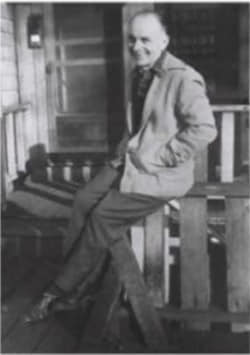
An older map of the Lake Sammamish/Issaquah area. Photo courtesy of the Kings County Sheriffs Department.
Another aerial image of the dump site from September of 1972. Photo courtesy of OddStops.
An old map of Issaquah from 1950. Bundy’s dump site was north of an abandoned cabin, on the north side of the railway (that no longer exists), and its exact location is just a hair to the left of the red dot. Photo courtesy of OddStops.
An aerial photograph of the Issaquah dump site where they found the remains of Janice Ott from 1977. Photo courtesy of OddStops.
The area in red is where the Issaquah dump site is located. Photo courtesy of OddStops.
A labeled police photograph of the Issaquah dump site. Ted left the women’s bodies at a clearance right before the trees. The location of the red dots probably isn’t too precise as the remains were strewn around the location by wildlife. Photo courtesy of OddStops.
On the left is an older map showing the exact location of the dump site, and on the right is a recent aerial photograph of the area. Photo courtesy of OddStops.
A hand drawn map of Lake Sammamish. Photo courtesy of the Kings County Sheriffs Department.
A wide view of Lake Sammamish Park.
Off duty DEA agent Jerry (or Kelly Snyder) was at Lake Sam on the day of Ott and Naslund’s abductions and was close enough to see Bundy approach Jan. Photo courtesy of OddStops.
A news anchor giving a report regarding the abductions from Lake Sammamish, 1974. Photo courtesy of OddStops.
A picture taken at Lake Samammish on July 14, 1974. Photo courtesy of OddStops.
A picture snapped of a police car with what looks like Bundy’s VW Bug in the background.
A B&W picture snapped of a police car with what looks like Bundy’s VW Bug in the background.
If you take a screen shot from these stop slides, you can make out the license plate in the shadow of the young man. I will leave that up to you, but no combinations are associated with any plate Bundy ever had. He even told Bob Keppel he didn’t park there.
After the girls were reported missing every picture and video that was turned over to police was meticulously analyzed. If you look closely behind this group of people you can see a yellowish/tan VW Bug.
If you take a screen shot from these stop slides, you can make out the license plate in the shadow of the young man. I will leave that up to you, but no combinations are associated with any plate Bundy ever had. He even told Bob Keppel he didn’t park there.
A pic of Lake Sam the day of Ott and Naslund’s disappearance.
A member of the search team goes through the Issaquah dump site looking for remains of the missing Seattle girls.
Once the remains were discovered, an extensive search was carried out.
Some of the remains found at the Issaquah dump site on September 6, 1974 by two grouse hunters.
The skull of Bundy’s ninth victim, Denise Naslund, discovered by two grouse hunters close to Issaquah, Washington.
Some of the remains found at the Issaquah dump site on September 6, 1974 by two grouse hunters.
Ott’s death certificate.
A 1974 Rainer Beer advertisement.
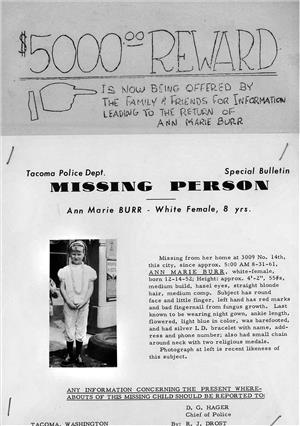
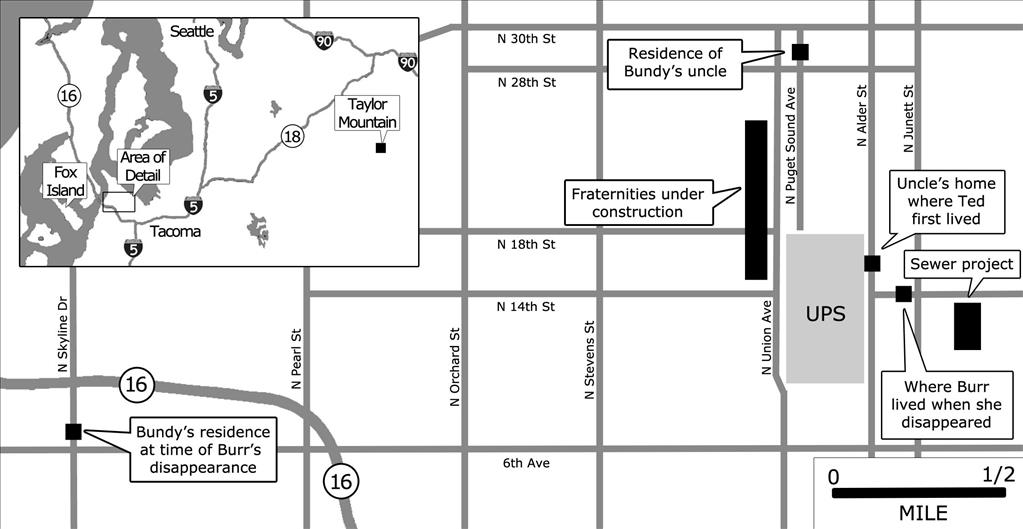
An article mentioning Ott standing up in a friends wedding published by The Spokesman-Review on June 5, 1970.
Janice and Jim Ott’s wedding announcement published by The Spokane Daily Chronicle on January 17, 1973.
An article mentioning Ott published in The Tacoma News Tribune on July 17, 1974.
An article on Jan Ott published on The Times on July 26, 1974.
An article mentioning Ott published in The News Tribune on July 28, 1974.
The Spokane Chronicle on July 31, 1974.
An article mentioning Ott published in The News Tribune on July 31, 1974.
An article about the disappearance of Janice Ott published by The Albany Democrat-Herald on August 27, 1974.
An article about the disappearance of Janice Ott published by The Daily Olympian on August 28, 1974.
An article about the disappearance of Janice Ott published by The Daily News on September 8, 1974.
An article about the identification of Janice Ott published by The Spokane Chronicle on September 10, 1974.
The Capital Journal on September 10, 1974.
An article about the disappearance of Janice Ott published by The Albany Bellingham Herald on September 11, 1974.
An article about the disappearance of Janice Ott published by The Enterprise-Record on September 11, 1974.
An article about the disappearance of Janice Ott published by The News Tribune on September 11, 1974.
An article about the disappearance of Janice Ott published by The Napa Valley Register on September 11, 1974.
An article about the disappearance of Janice Ott published by (my hometown newspaper) The Buffalo News on September 11, 1974.
Part one of an article about the disappearance of Janice Ott published by The Albany Lexington Herald on September 12, 1974.
Part two of an article about the disappearance of Janice Ott published by The Albany Lexington Herald on September 12, 1974.
An article mentioning Ott published in The News Tribune on September 12, 1974.
An article about the disappearance of Janice Ott published by The News Tribune on September 13, 1974.
After graduating from Shadle Park High School with high honors Ott attended Eastern Washington State University ,earning a degree in social work.
Ott’s obituary published by The Spokesman-Review on September 13, 1974.
Part one of an article mentioning Ott published by The Bradenton Herald on September 15, 1974.
Part two of an article mentioning Ott published by The Bradenton Herald on September 15, 1974.
An article mentioning Ott published in The Olympian on September 16, 1974.
An article mentioning Ott published by The Philadelphia Inquirer on September 17, 1974.
An article mentioning Ott published by The Spokane Chronicle on September 18, 1974.
An article about Jan Ott published by The News Tribune on September 22, 1974.
An article about the disappearance of Janice Ott published by The Fort Worth Star-Telegram on September 27, 1974.
An article mentioning Ott published in The Capital Journal on October 14, 1974. The killer they’re talking about is Warren Leslie Forrest.
An article on another missing girl, Nellie Davis published by The Daily Herald on January 30, 1975.
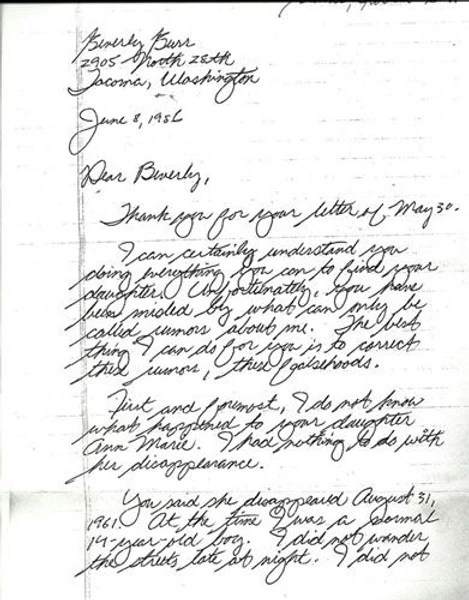
The Spokesman-Review on February 2, 1975.
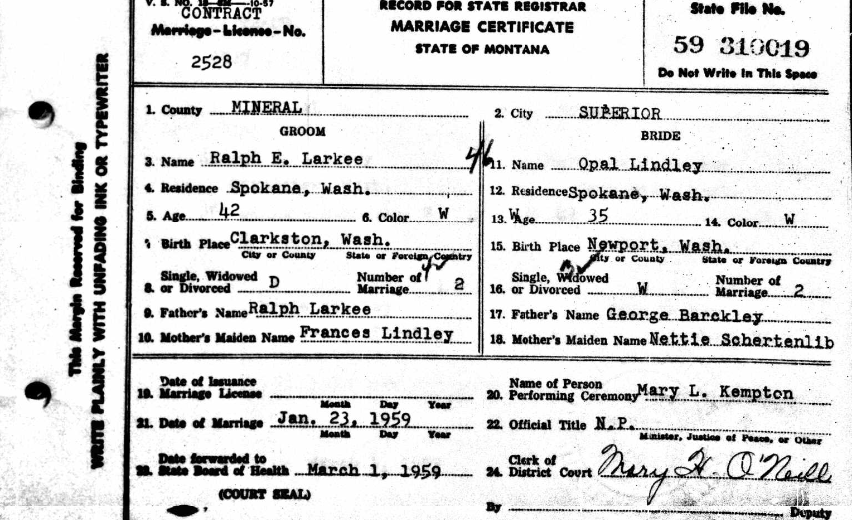
An article mentioning Ott published in The Spokane Chronicle on March 4, 1975.
An article mentioning Ott published by The Coeur d’Alene Press on March 5, 1975.
An article mentioning Ott published in The News Tribune on March 6, 1975.
An article mentioning Ott published in The News Tribune on March 9, 1975.
An article mentioning Ott published in The San Francisco Examiner on March 9, 1975.
An article mentioning Ott published in The Albany Democrat-Herald on March 11, 1975.
An article mentioning Ott published in The Playground Daily News on March 13, 1975.
An article mentioning Ott published in The News Tribune on March 18, 1975.
An article mentioning Ott published in The News Tribune on March 26, 1975.
An article mentioning Ott published in The Daily Herald on March 27, 1975.
An article mentioning Ott published in The News Tribune on July 1, 1976.
This is an interesting find I came across while doing my research on Ott: an article published by The Detroit Free Press on August 29, 1975 that suggests the killer from the Pacific Northwest also killed two women in Florida. This is obviously well before Bundy’s second escape in late 1977.
The News Tribune on February 17, 1978.
Part one of an article mentioning Ott after Teds arrest in Florida published in The Daily Sentinel on February 21, 1978.
Part two of an article mentioning Ott after Teds arrest in Florida published in The Daily Sentinel on February 21, 1978.
Part one of an article written about Ted’s first Florida trial that mentions Ott published in The Pensacola News on July 9, 1979.
Part two of an article written about Ted’s first Florida trial that mentions Ott published in The Pensacola News on July 9, 1979.
An article mentioning Ott published in The Santa Fe New Mexican on July 11, 1979.
An article mentioning Ott published in The Vancouver Sun on September 8, 1979.
An article about Bundy killing Ott after he was already incarcerated published by The News Journal on January 6, 1980.
An article about Ann Rule’s true crime classic, ‘The Stranger Beside Me’ that mentions Ott published in The Miami News on October 23, 1980.
A police sketch of Ted after the Lake Sammamish abductions in July 1974.
The unibrow could definitely use some work, but this composite sketch of Bundy after the Lake Sammamish murders is pretty good. Even his coworkers and a professor at his college recognized the sketch as Bundy, however police weren’t so sure. It was hard to believe that a law student with no record could be responsible. As a result, Bundy kept on killing.
A colorized composite sketch of ‘Ted,’ seen at Lake Sammamish State Park on July 14, 1974.
On Monday, July 22, the Seattle Times ran a sketch (above) of a man named ‘Ted,’ who had been observed by witnesses talking to both the young women who disappeared from Lake Sammamish the previous week. A co-worker of Ted’s GF Liz showed her the drawing, saying, ‘Do you think this looks like someone you know? … Doesn’t your Ted drive a VW?’ She knew he was joking, but had to admit the sketch did resemble her BF.
The only clue to the baffling disappearance is this police sketch of ‘Ted,’ who was seen with at least one of the missing girls.
Some of the cleared suspects from the July 14, 1974 murder of Janice Ott and Denise Naslund.
A magazine piece about the missing Seattle girls…
Denise Naslund, who was Bundy’s second Lake Sam victim on July 14, 1974.
A special news bulletin about the abduction of Denise Naslund.
This is Eleanor Rose, the mother of Denise Naslund. After her daughter was murdered she suffered from severe agoraphobia to the extent of where she could not leave her house. Until the day she died, Eleanors grief consumed her and it was as if her life stopped the day her daughter was murdered.
A photo of Bundy’s VW, sitting in police lock up.
Donald Blackburn’s WWII draft card.
The back of Donald Blackburn’s WWII draft card.
Donald and Ferol Blackburn’s wedding certificate.
Illona (‘Lonnie’) Lynn Blackburn’s junior year photo from the 1966 Shadle Park High School yearbook.
Janice’s sisters wedding announcement published by The Spokane Daily Chronicle on September 9, 1970.
Dr. Donald & Mrs. Ferol Blackburn, parents of Janice Anne Ott. Photo courtesy of The Yakima Herald.
Ferol Lorraine Blackburn. Photo courtesy of Legacy.
I thought these two memories for Mrs. Blackburn on the website ‘We Remember,’ and I thought they were so sweet that I had to include them. Screenshots courtesy of Legacy.
A memorial site for Ferol, Donald, and Janice Ott.
A close up of the memorial site for Ferol, Donald, and Janice Ott.
After Janice’s murder James Ott got remarried to a woman named Angela. This is his daughter, Casie Rebecca Ott, born on June 13, 1983 and she passed away on July 22, 2006 at age 24 after a long battle with heart disease.