Introduction:I have made it to most of the locations where Ted Bundy operated in the US during the late 1960’s/70’s: Philadelphia, Seattle (four times), Colorado, Utah, Oregon, and Florida (I only have Idaho and California to go). But, on top of where he hunted, there are additional places with Bundy related memorabilia to see that don’t have anything to do with where he killed, and one of those places is Zak Bagans’ Haunted Museum in Las Vegas; I was fortunate enough to be invited along on a work trip with my husband to ‘Sin City’ earlier in the month, so I had an excuse to go… also, one day I would like to get to Pidgeon Forge, Tennessee to see Ted’s Beetle… hopefully we’ll get there next year (my husband is a big country music enthusiast so I’m sure we’ll go sooner than later).
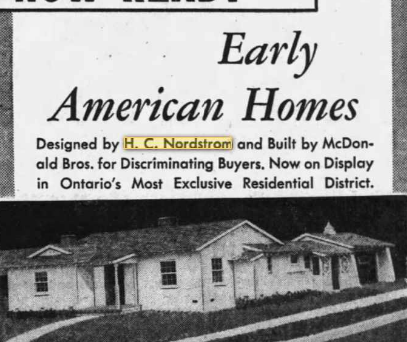
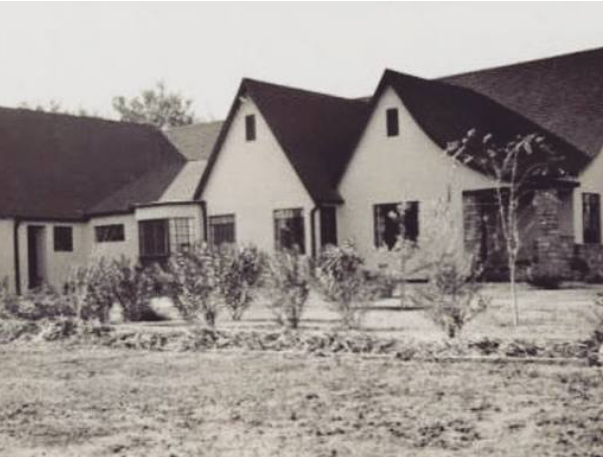
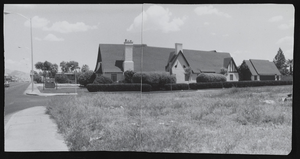
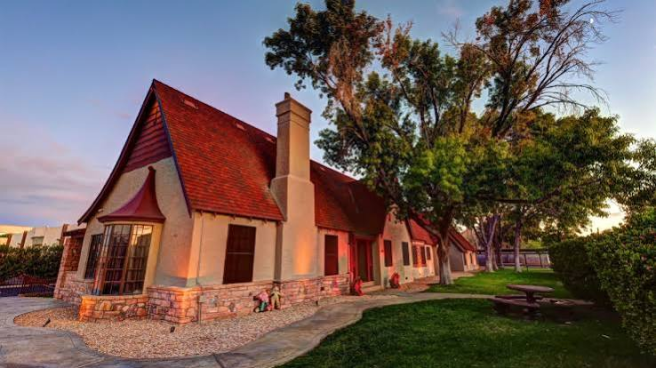
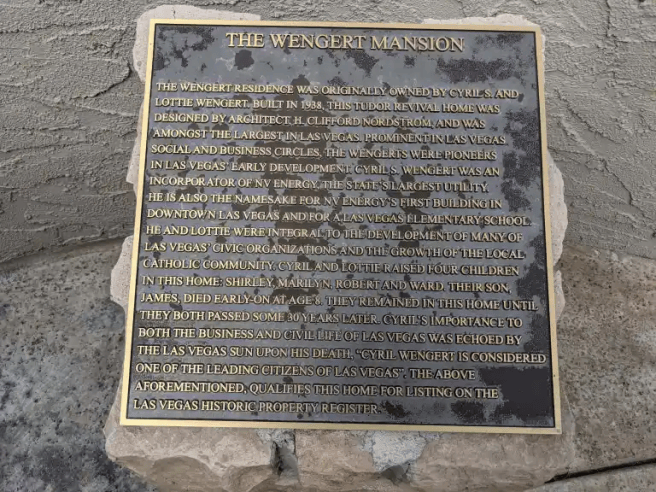
History: The historic Wengert mansion was constructed in 1938 by architect Harold Clifford Nordstrom in the then popular Tudor style for Cyril and Lottie Wengert and is located at 600 East Charleston Boulevard in Las Vegas, NV. The residence is around 13,000 square feet and is made up of roughly thirty rooms (although one report said it’s 11,000 sq ft) and it ranked among the largest homes in Las Vegas at the time it was built.
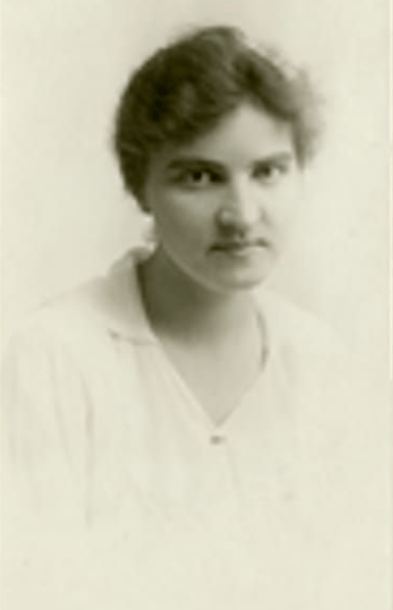
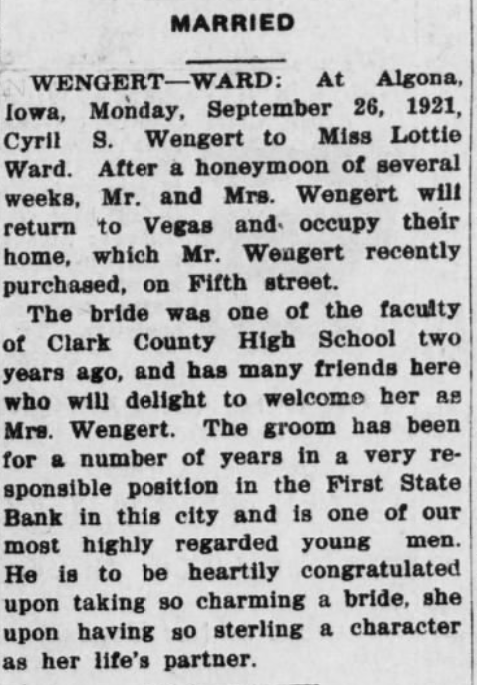
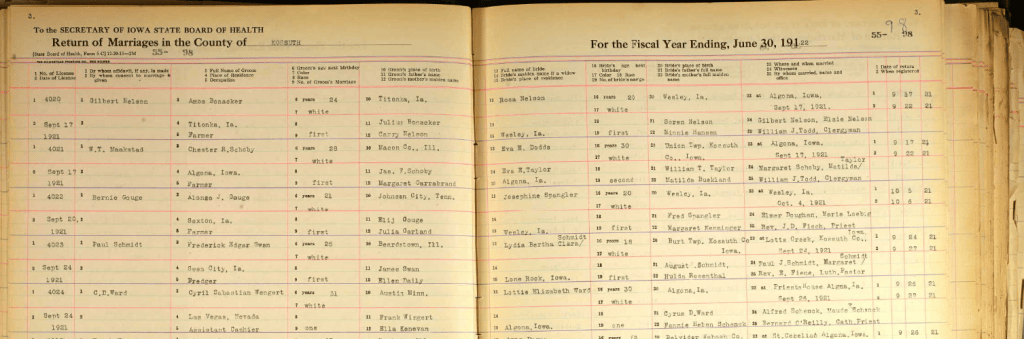
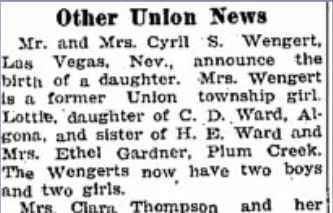
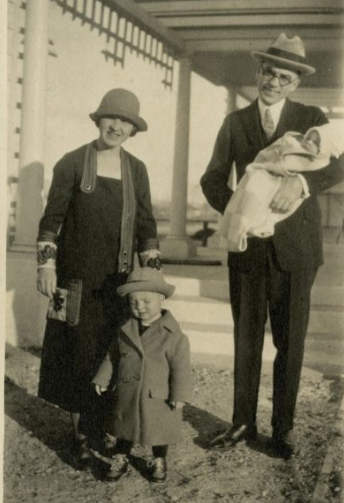
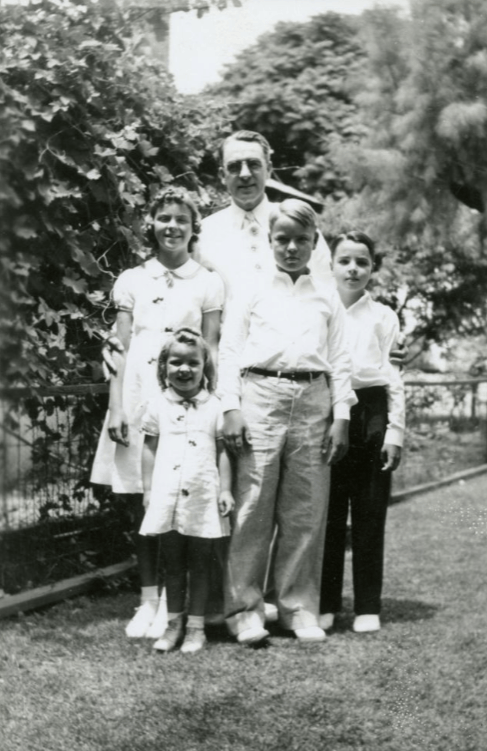
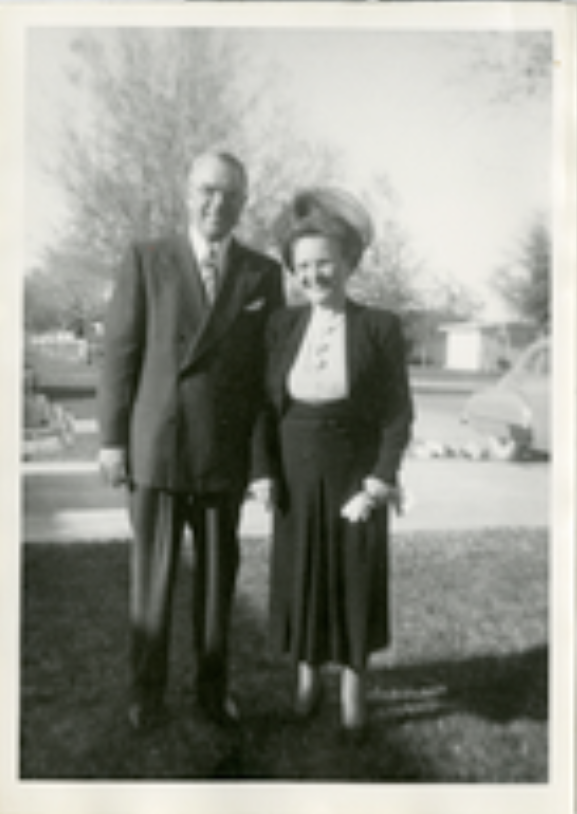
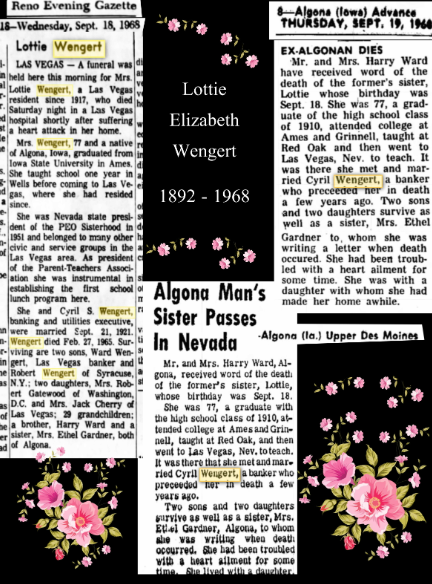
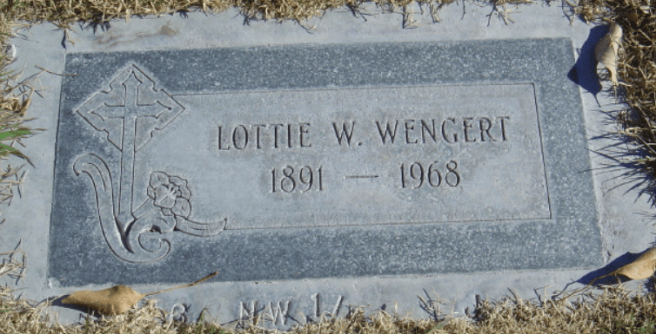
The Wengerts:Lottie Elizabeth Ward was born on September 17, 1891 in Algona, Iowa, and after she graduated from high school, she went on to attend both Grinnell College and Iowa State College. After earning her degree from Iowa State, she moved to Wells, Nevada, where she taught for one year, and in 1917, she relocated to Vegas, where she got a job teaching home economics at Las Vegas High School. While teaching in Las Vegas, Lottie met prominent banker and utility executive Cyril Sebastian Wengert, and the two were wed in Iowa on September 26, 1921; the couple went on to have five children together: Shirley Wengert (b. 1932, d. 2021), Jimmie (b. 1923, d. 1930 from complications following surgery), Marilyn (b. 1924, d. 2014), Ward (b. 1926, d. 1993), Robert (b. 1928, d. 2019), and Janet (b. 1931, d. 1931); along with her husband, Lottie was active in early Las Vegas civic life and social institutions.
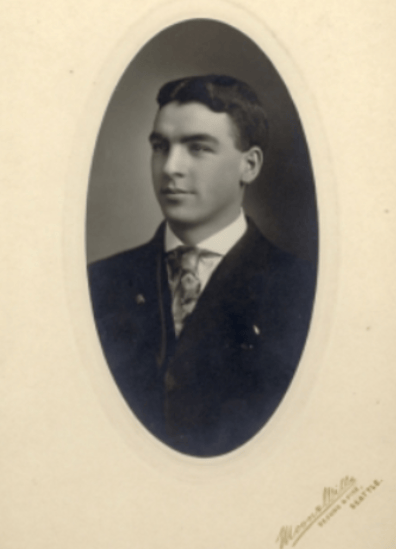
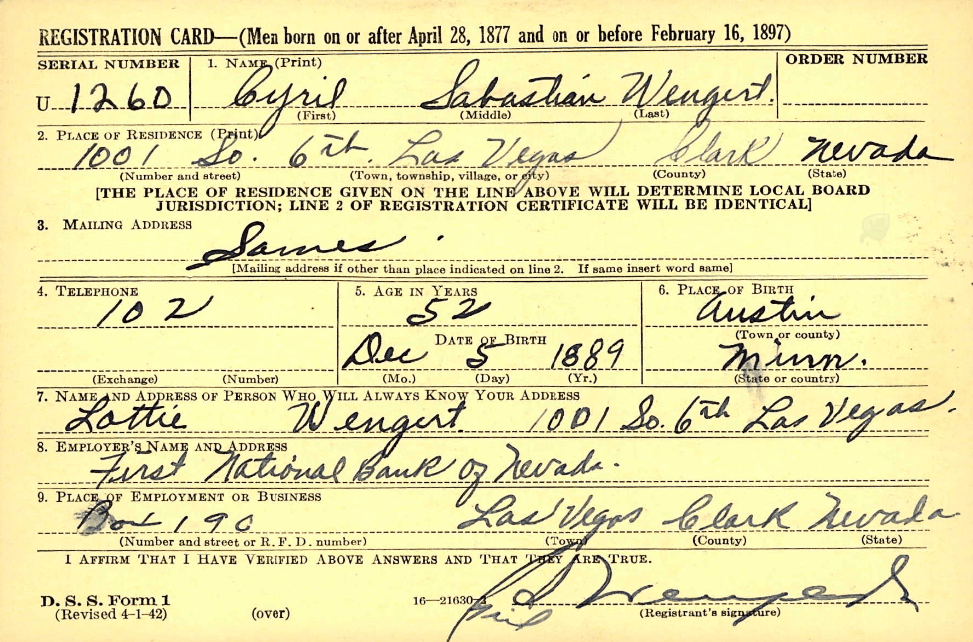
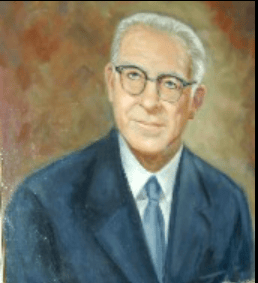
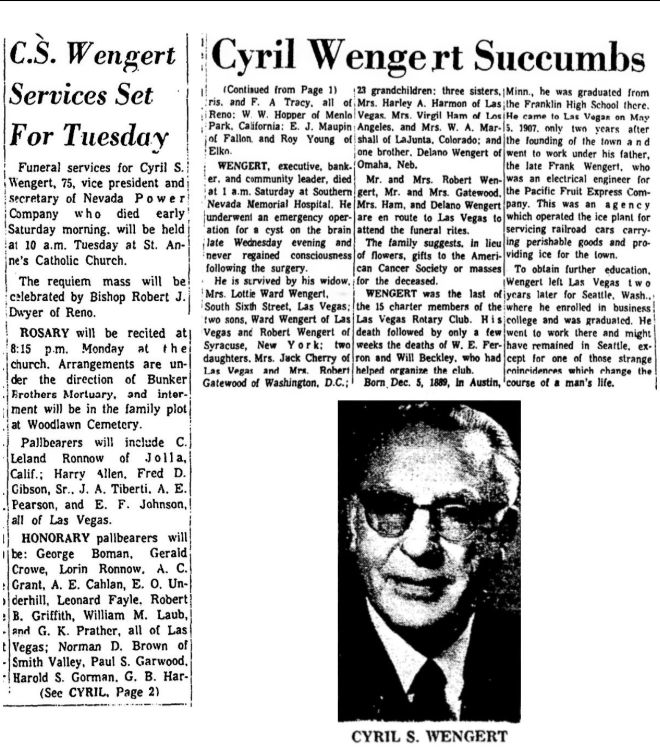
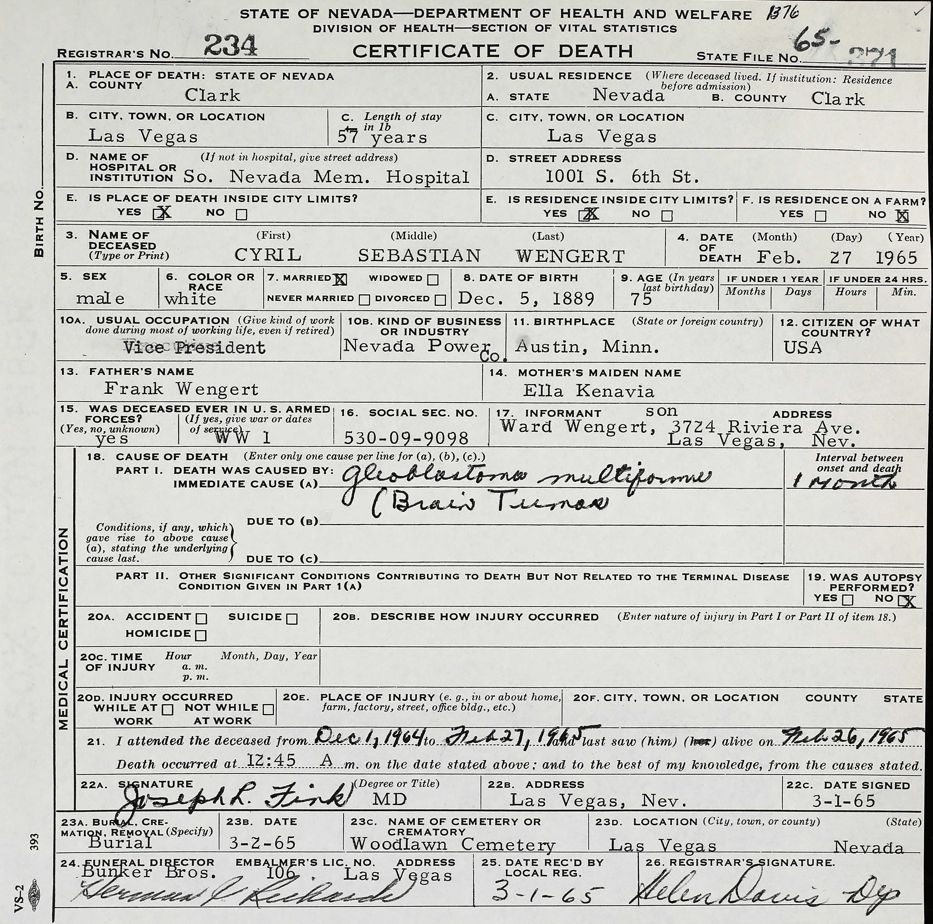
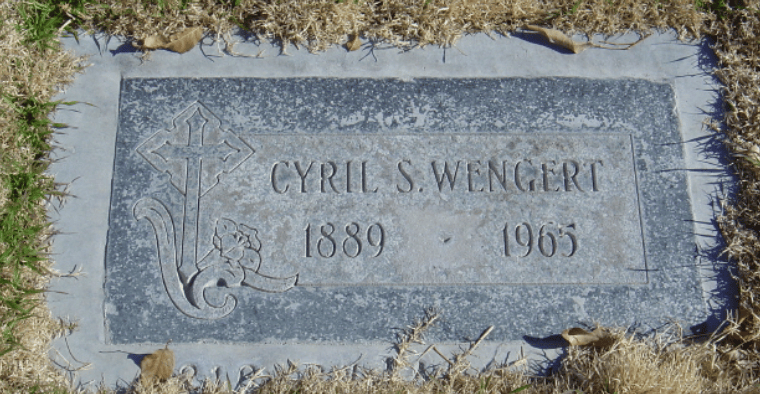
A second-generation German American, Cyril Sebastian Wingert was born on December 5, 1889 in Austin, Minnesota, and he graduated from the Franklin High School in Austin, MN; he relocated to Las Vegas at the age of seventeen on May 5, 1907, and began working for his father as an ice wagon driver with the IC Johnson Ice Company. Cyril was drafted in the first World War and served as an infantry soldier, and he briefly relocated to Seattle in 1909, where he attended Wilson’s Business College and worked as a longshoreman before returning to Las Vegas in 1911. Upon returning to Vegas, Wengert accepted a job offer from John S. Park at First State Bank, where he worked his way up to the executive level, and later was even an incorporator of Nevada’s largest power provider; in 1929 became one of the incorporators of the Southern Nevada Power Company, a business that (at the time) served 1485 customers. In 1937, he became the manager of First National Bank, and in 1946 he took the position of vice president and commercial manager of the Southern Nevada Power and Telephone Company.
In 1954, Wengert accepted a position with Nevada Power and worked there until his death at the age of seventy-five on February 27, 1965 in Las Vegas. he was a charter member of a number of organizations, including the American Legion Las Vegas Post, the Nevada State Bankers Association, the Rotary Club, the Elks Lodge, the Southern Nevada Industrial Foundation, and the Knights of Columbus. He was also active in community service, and founded the Community Chest, was a member of the Board of Directors of the Salvation Army, and provided financial and organizational support to the Roman Catholic community, and helped establish both St. Joan of Arc and St. Anne’s parishes. In 1971, the Clark County School Board of Trustees honored Wengert’s commitment to community service with the dedication of the Cyril S. Wengert Elementary School. Lottie died of a heart attack in her bedroom in the Wengert family home at the age of seventy-six on September 13, 1968 in Las Vegas. According to her obituary, Lottie was the Nevada state president of the PEO Sisterhood in 1951 and she belonged to man other civic and service groups in the area. As president she was instrumental in establishing the first school lunch program in the area.
Post-Wengert Ownership: Following Lottie’s death, the fate of the house is somewhat murky: initially the title transferred to Ward, their third child, and a few locals commented online that it fell into disrepair and squatters eventually moved in. Beginning in the 1970’s rumors started swirling about the house, and some locals called it “the witch house” based on stories that teenagers sneaking inside found signs of occult rituals in the basement, alongside claims of hauntings. In November 1972 the property was sold to a company called Charleston Associates Limited and they and converted into professional office spaces. Several additions in the Tudor style were made to the rear of the home in the 1980’s, and it served consistently as a law office until the State Bar of Nevada purchased it in 1997, where they operated until 2015 when the organization sold it to none other than TV’s favorite ghost adventurer, one Zachary Alexander Bagans.
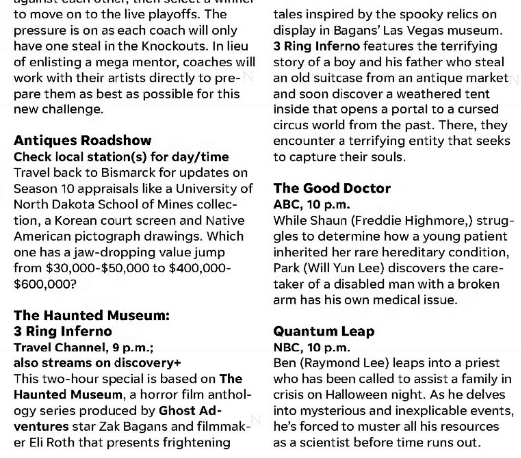
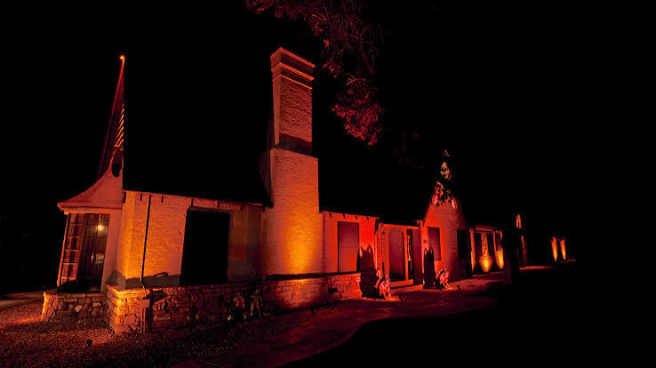
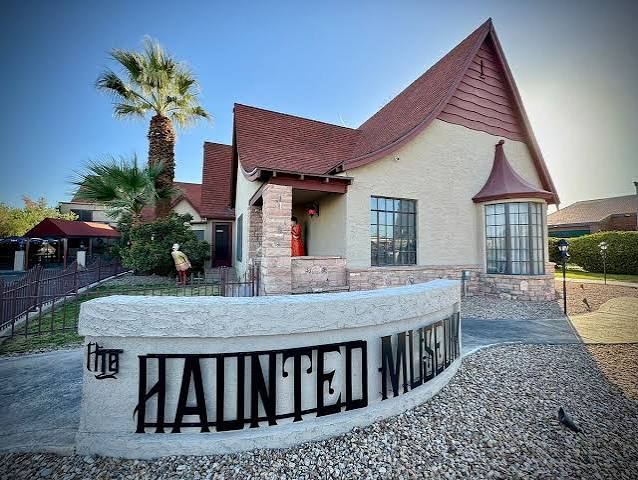
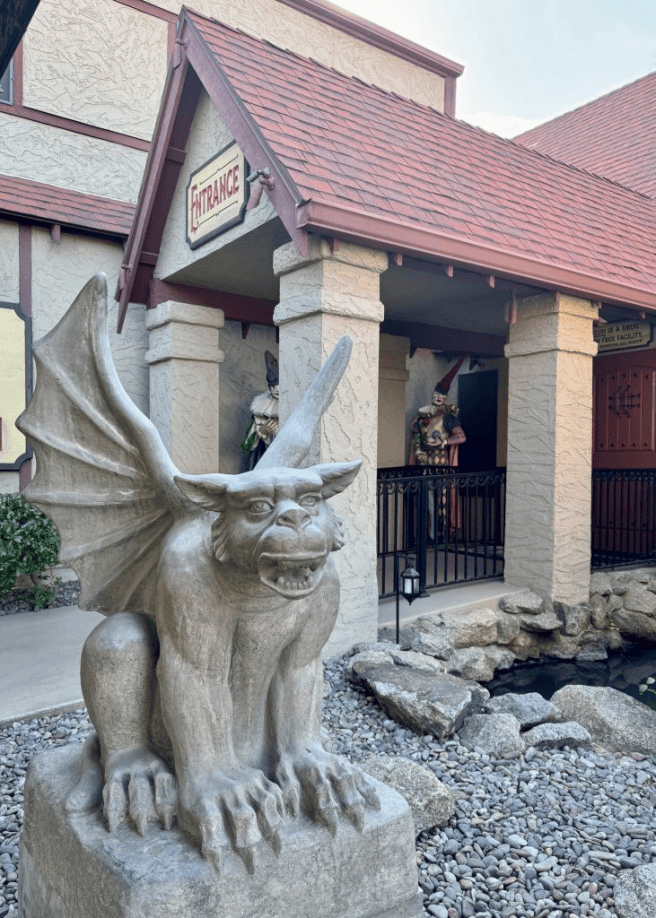
Enter Zak Bagans: Hellfire Media LLC (which is owned by Ghost Adventures star Zak Bagans), purchased the historic Wengert House in November 2015 for $1.4 million from the State Bar of Nevada (according to Clark County Assessor’s Office records). The museum opened to the public on October 2, 2017, and according to lore, not only does it contain haunted objects, but the building itself is rumored to be haunted: multiple guests and employees have seen a figure cloaked in black pass through a closed door, and spirits are said to wander the halls of the museum. Zak has personally curated and designed what he refers to as a ‘bone chilling’ experience that is a combination of his cursed collection of curiosities with the true accounts of decades-old malevolent hauntings and rituals that once took place inside the historic residence. Tours are offered every fifteen minutes and lasts around (roughly) two and a half hours and navigates through creepy winding hallways, secret passageways and over thirty themed rooms that rival scenes from Hollywood horror films.
Per the museum’s website, the historic residence has a well-documented history of hauntings, which is something that the Wengert family vehemently denies: they stated that in spite of the various newspaper articles and community hysteria, the home’s hair-raising history was nothing more than a rumor gone too far, which is now used to sell tickets. According to Bagans, the Wengert house had a pentagram etched into one of the floors in the basement, and some of the locals claim that it was home to witchcraft rituals and spiritual seances, making it the perfect place to house some of the world’s most haunted artifacts.
However, in a 2017 Las Vegas Magazine interview, Bagans admitted that the ‘some’ and the ‘others’ who claimed the aforementioned things about the house all came from a single source: Rachel Vosko, co-founder of Las Vegas’ Heaven Can Wait Animal Society. As it turns out, Vosko’s mother is friends with Zaks mom, and after her son bought the mansion, Mother Bagans shared the news with her pal, and to make a long story short Rachel ended up on the show: she recalled how she would sneak into the place as a kid in the 1970’s when the building was vacant, and she claimed to have seen a pentagram drawn on the floor along with streaks of blood, candles, and other unfamiliar symbols. Despite her being his only source for the house’s satanic history, numerous Vegas ghost-tour and occult websites happily ran with the story, and during her walkthrough of the residence with Zak, Rachel told him she felt that someone was hanging onto her legs, and of course he helped her fill in the blanks, suggesting it was ‘like a little kid,’ to which Rachel agreed instantly, saying ‘Mmmhmm.’ When the two were in the basement, Vosko recalled seeing a pentagram inside a circle with ‘things’ inside of it, as well as a substance that she said (with the utmost assurance) she was ‘positive’ was blood. Zak nodded woefully, and concluded it was because of ‘satanic rituals.’
In addition to Vosko, an additional eyewitness came forward to speak about the nefariousness activity within the residences historic walls: Erika Manasco, who was an accountant that at one time was employed with the Nevada State Bar Association, also agreed to tour the mansion with Zak and shared her stories regarding some of the spookier aspects of her old gig, stating the basement would gave off this sense or this aura of negative energy, ‘like it was not a safe place to go. And oftentimes, we would go together down there as groups, so you would see multiple people going in at once because a lot of us would refuse to go down there by ourselves. See how cold it was?’ While working there, Erika recalled feeling a negative energy and even brought it home, and claimed her husband would tell her to ‘leave work at work.’ She read up on energy and told Zak that (for protection) she poured salt in the back office where she worked to keep whatever negative energy out; he immediately connected the bad vibes and frigid basement temperatures with Satanic rituals.
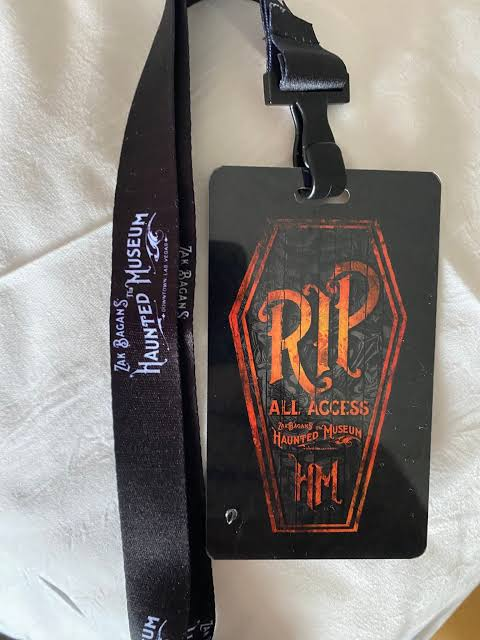
The Tour: before I went for the tour, I didn’t call beforehand and make a reservation, which is something they actually recommended when I arrived (I wound up doing far more things with my husband than I was planning on), and it was a bit of a spur of the moment thing. For an additional $34, I decided to partake in the ‘RIP’ tour, which gave me access to additional exhibits and information as well as an exclusive RIP Badge/lanyard and a Haunted Museum T-Shirt.
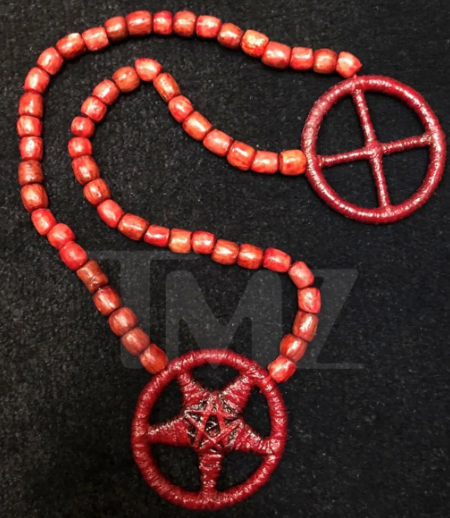
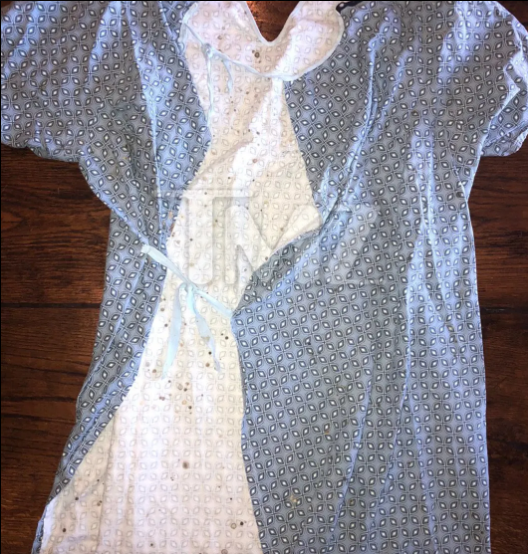
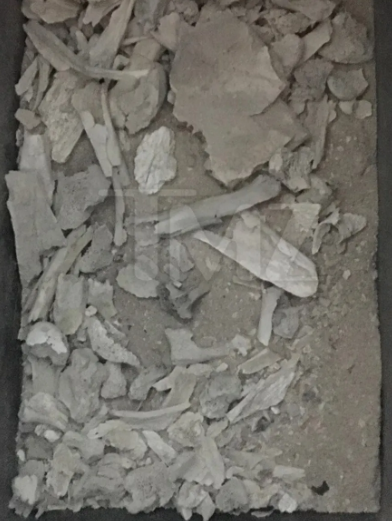
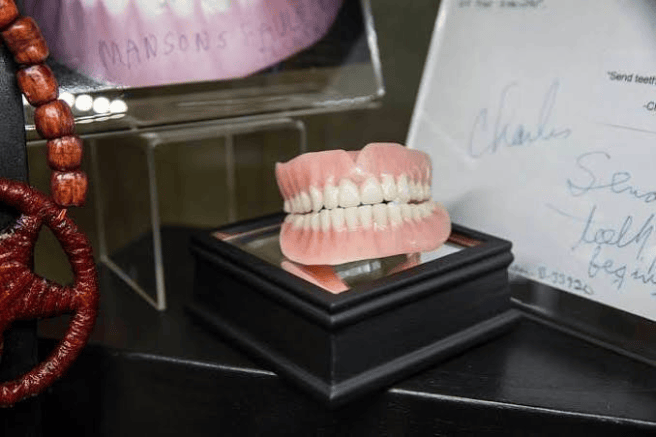
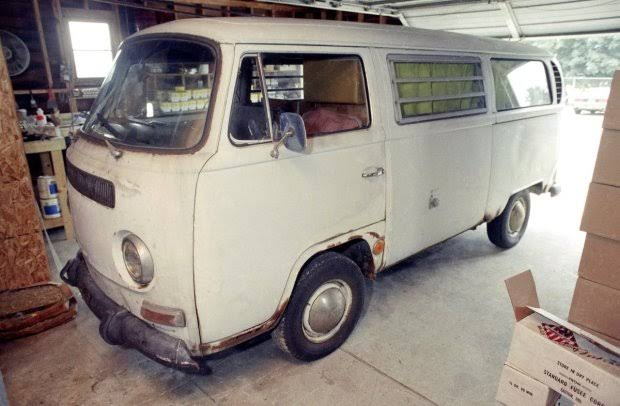
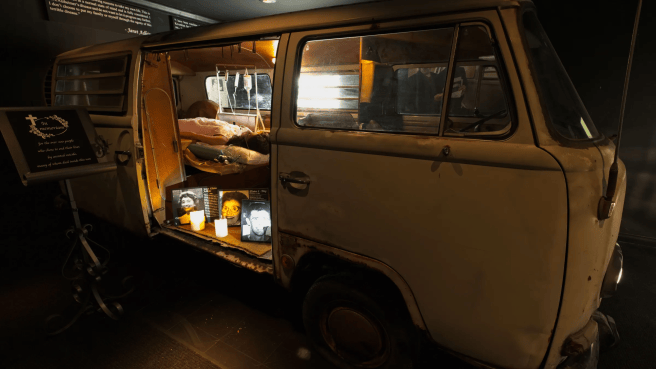
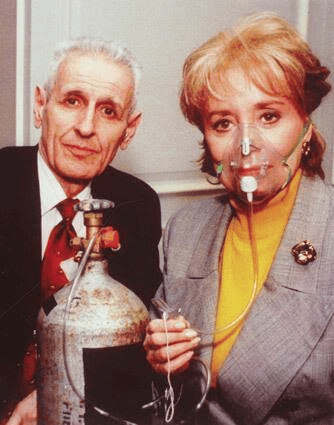
Upon entry, I went through the museums twisting hallways and secret passageways and explored over thirty rooms that contained paranormal artifacts and haunted objects. Among these artifacts is the Dybbuk Box, which is an old wine cabinet that served as the inspiration for the Jeffrey Dean Morgan movie ‘The Possession’ and is said to be the world’s most haunted object. Bagans collection also contains Dr. Jack Kevorkian’s 1968 Volkswagen van, where he administered over one-hundred-and-thirty assisted suicides. But perhaps the most macabre exhibit features the bone fragments of Charles Manson, along with his dentures, a homemade necklace, and the hospital robe the convicted murderer was wearing when he died.
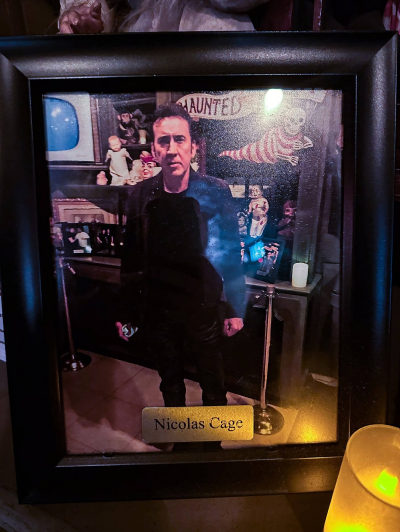
Upon walking through the front door there is a large open room where you both pay and wait for the tour to begin; while you wait there are shelves from waist high to the ceiling that are covered with photos of visitors (both famous and not): there’s a picture of Bagans standing next to Matthew Gray Gubler (who plays Dr. Spencer Reid on Criminal Minds), and another of just Nicholas Cage by himself with a silver plaque on the bottom of the frame that only gives his name (he either visited on a day where Zak wasn’t there, or Cage refused to be photographed with him, which is the option I would have went with). There were also several printed signs that featured still images of security footage, and above the photos were written descriptions of paranormal interactions with guests that read like voice overs from Ghost Adventures: one of them read ‘on May 7, 2021, a young woman from Minnesota was waiting for her tour to launch in this exact spot when she felt pain on her neck. She then noticed a handprint bruise on her neck and began to vomit.’
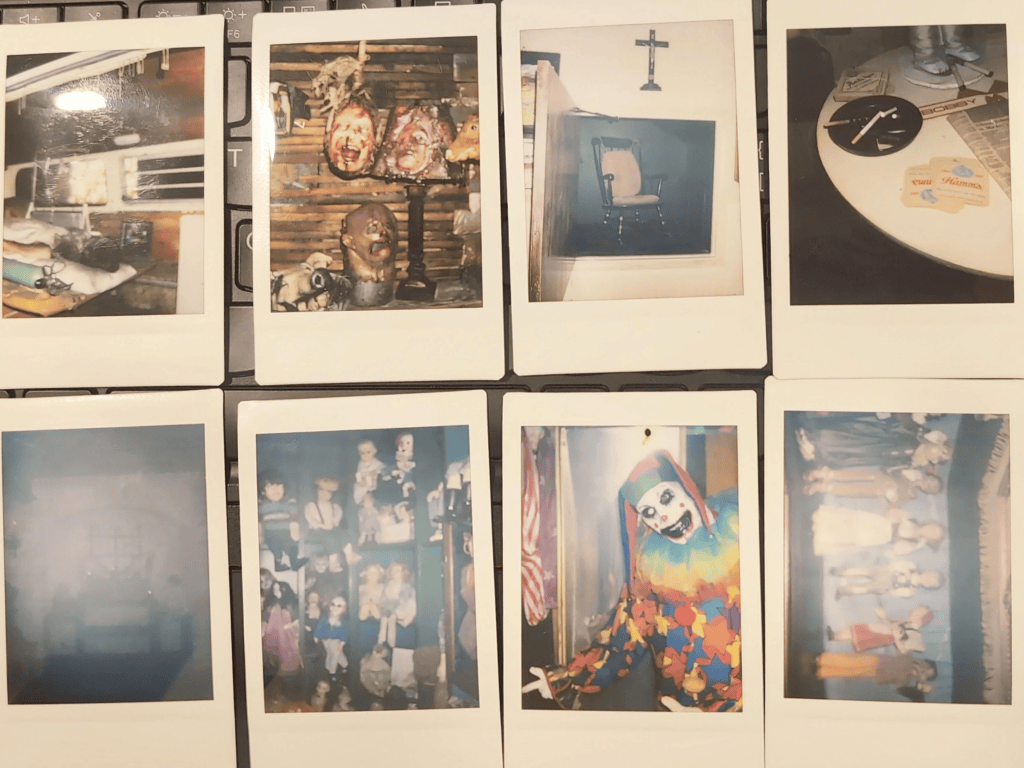
The rules of the tour included no video, photography, food, or drink, and they asked us several times to turn our phones off as they might interact with the ‘artifacts.’ The entire event (start to finish) lasted over two-and-a-half hours, and at the end my husband was wondering where the hell I was because I had no idea it was going to take more than forty-five minutes (I also didn’t know that I wouldn’t be allowed to use my own phone). Despite not being allowed to use your own camera to take pictures, the museum does give you the additional option to rent a Polaroid-type camera (using Fujifilm Instax-style cameras) for an additional $49 (with additional refill packs that of course cost extra).
In order to be trusted with the camera, museum staff hold your photo ID as collateral while you have the camera, and they will give it back when you drop it off at the gift shop after the tour. They recommend that you save your film for the more ‘iconic’ rooms (as you have a limited number of exposures) and to be mindful of the lighting. At the end of the tour is a gift shop (it’s also where I got my ‘free’ t-shirt), and amongst the shirts you can purchase are additional chintzy items like candles, necklaces and other trinkets. According to blogger Heather McKinney, ‘the museum is a tax-deductible way to bring in revenue on the weird shit he buys and also to promote things and sell his shows and make you believe in the Zak Bagans brand.’
Top Cursed Artifacts: About how he winds up with all of his possessions, one of Bagans tour guides said that ‘sometimes, Zak runs in circles. There’s a guy in the sideshow. He knows a lot of people that collect all that stuff. He’s friends with Jonathan Davis of Korn, and he collects the same stuff as well. So, you know, word of mouth, too.’ She continued, ‘sometimes auctions come up, and they say, ‘does Zak want to bid on this because it belonged to this person?’ And, you know, also his general manager has connections, too. He keeps his eyes, and he gets emails from auction houses saying… ‘Does Zak want to bid on this?’’ She continued: ‘for instance, not that long ago, Sharon Tate’s front door to her home where they wrote PIG in her blood, went up for sale. And I was like Oh. My. God.’ (Bagans did not purchase that item, btw).
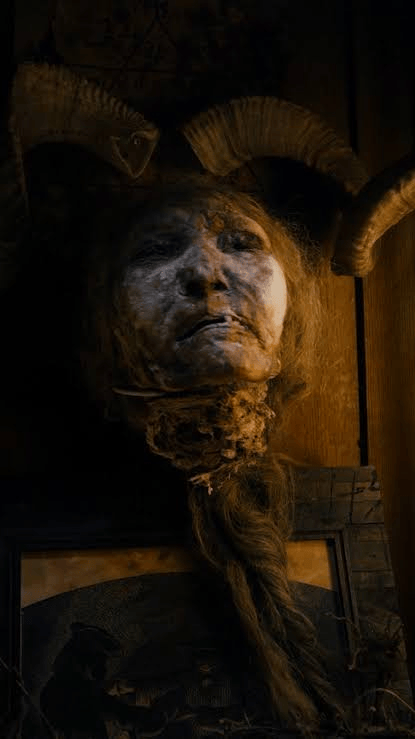
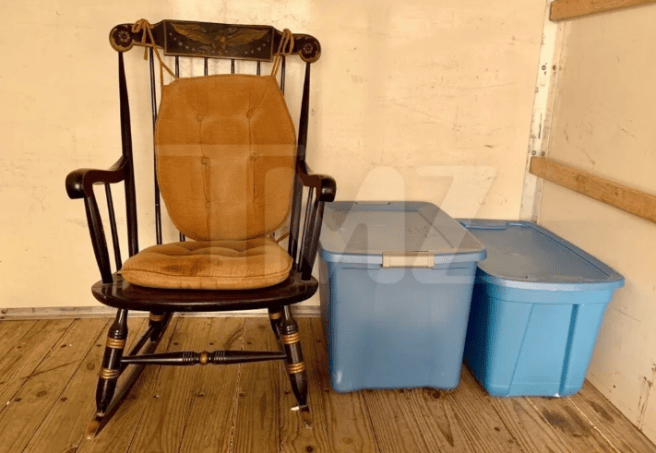
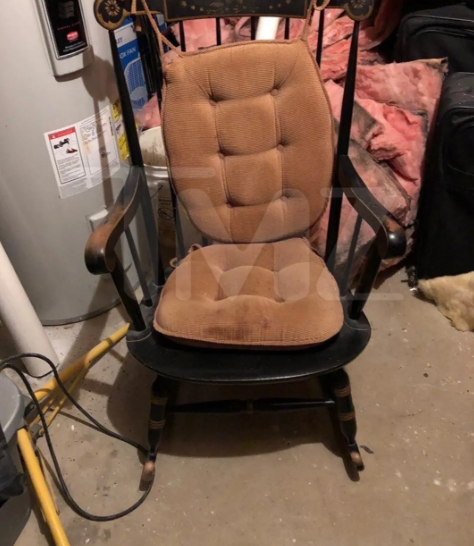
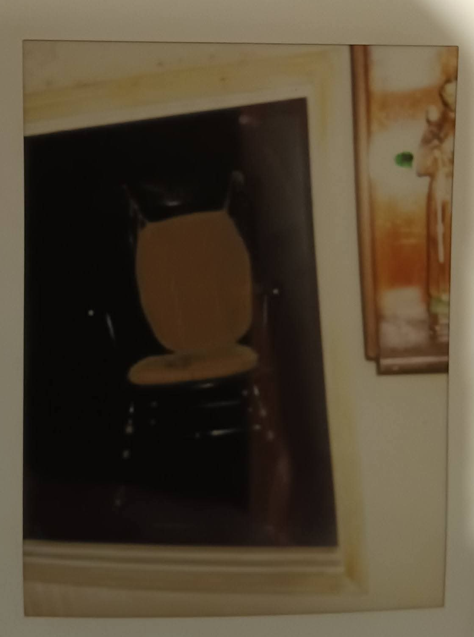
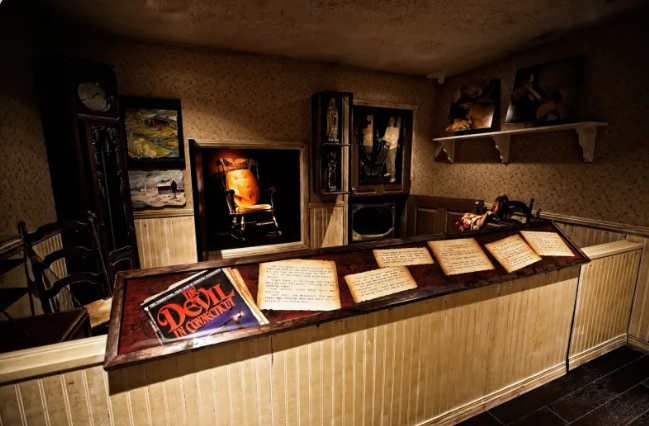
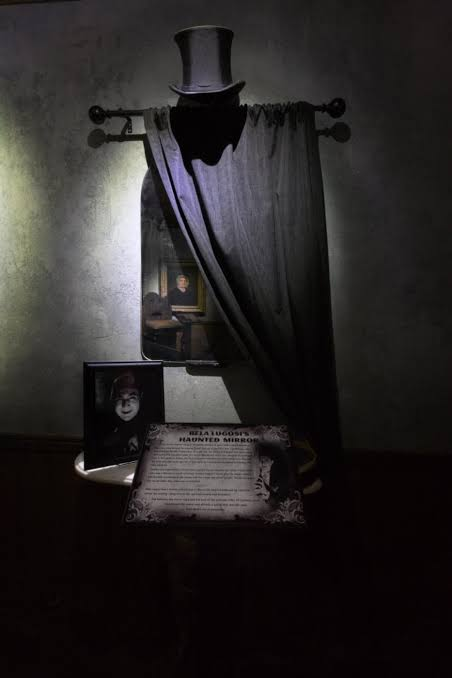
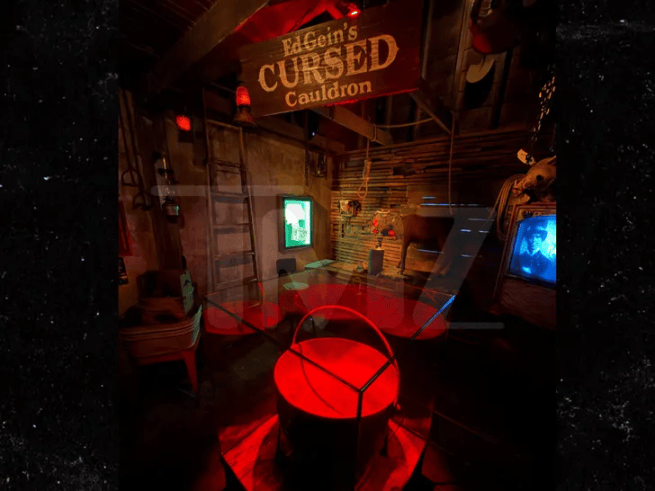
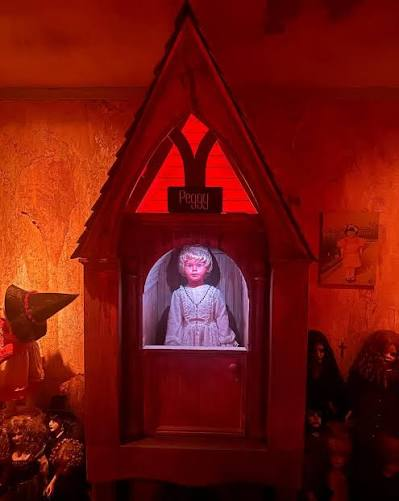
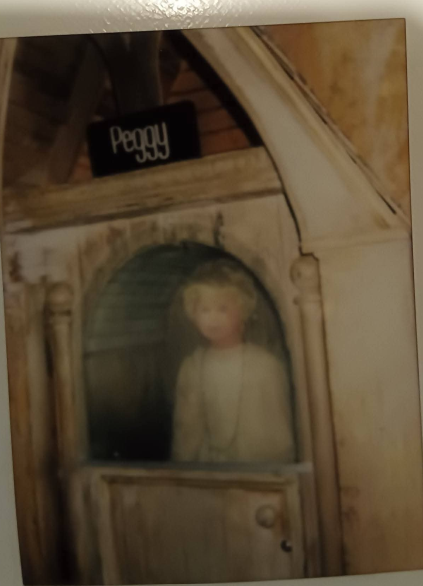
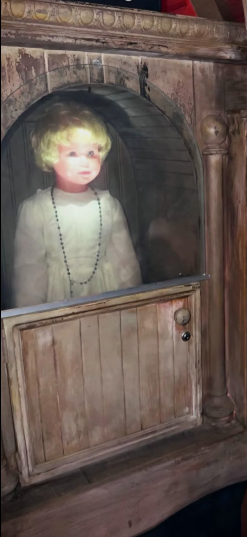
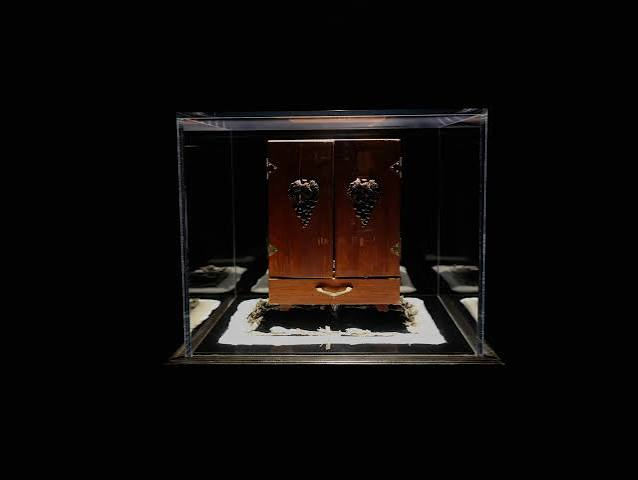
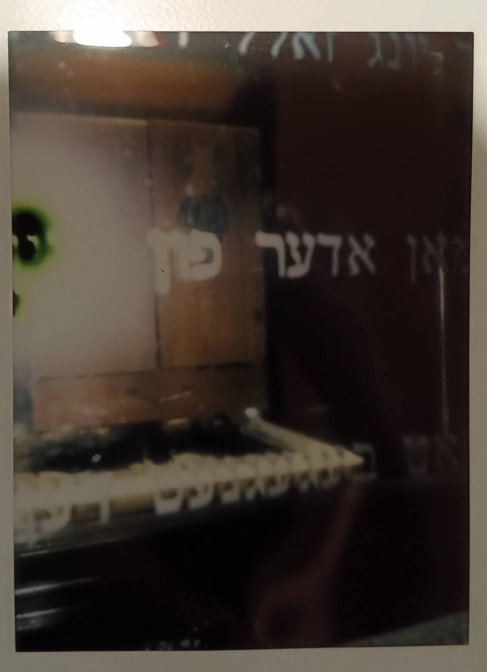
The Dybbuk Box: Touted as one of the world’s most haunted objects, this wine cabinet is said to be haunted by a malicious Jewish spirit and is linked to physical ailments, nightmares, and a curse on musician Post Malone. Popularized in a 2003 eBay listing by Kevin Mannis, the story surrounding the box claimed to have held a malicious spirit (a dybbuk) from Jewish folklore and is said to have belonged to a Holocaust survivor; it later inspired the 2012 horror film The Possession starring Jeffrey Dean Morgan. The item is a mid-20th-century liquor bar cabinet (patent #2836477), and traditional Jewish folklore does not involve trapping dybbuks inside boxes and investigators, folklorists, and Mannis himself later confirmed the haunted backstory was completely made up. Peggy the Doll: A haunted doll reported to cause chest pains, nausea, headaches, and nosebleeds in visitors or even people looking at her images online. A 1960’s doll investigated by haunted doll researcher Jayne Harris after early owners reported nightmares and illness. Photos and videos of Peggy circulated online in 2014/2015, with viewers claiming symptoms such as headaches, nausea, chest pain, nosebleeds, and even heart attacks. Visitors and staff note that guests are advised to greet and say goodbye politely (‘Hello Peggy’ and ‘Goodbye Peggy’) and avoid disrespecting the doll. The Devil’s Rocking Chair: The actual rocking chair from the ‘The Devil Made Me Do It’ trial of David Glatzel, which inspired The Conjuring 3.’ Dr. Jack Kevorkian’s Death Van: The 1968 Volkswagen van used by Dr. Jack Kevorkian to carry out numerous assisted suicides, frequently reported as a hotspot for fainting and shadow figures. Demon House Staircase: Salvaged from an allegedly possessed home in Gary, Indiana, before its demolition; visitors near the exhibit often report nausea and fainting. Bela Lugosi’s Mirror: A mind-toying antique mirror associated with dark paranormal activity: folklore surrounding the object claims actor Bela Lugosi used it for occult scrying and that it later witnessed the unsolved 1982 murder of Frank Saletri. Stories attached to the mirror allege Lugosi used it for scrying to contact a deceased wife and opened a persistent paranormal portal. The mirror was passed down from Frank Saletri—a criminal lawyer and aspiring movie producer who was murdered in his home in 1982—to his relatives, who reported violent and poltergeist-like disturbances. The item gained wide attention in Season 1, Episode 4 of Deadly Possessions (“Bela Lugosi’s Mirror”) before becoming part of The Haunted Museum. An investigation by Skeptical Inquirer examining Lugosi family records and history found no evidence supporting the connection: • Lugosi never owned Saletri’s Wedgewood Place or Primrose Avenue homes. • Lugosi had no deceased wife while married and had no documented involvement with scrying or the occult. • The mirror reportedly came from items left behind at the Wedgewood house by a prior owner in 1966. Ed Gein’s Cauldron: A twenty-five-gallon antique iron cauldron used by the notorious killer. Following his arrest in November 1957 in Plainfield, Wisconsin, authorities and local witnesses reported finding a large cast-iron cauldron inside his home that was allegedly used to collect blood and hold human remains. When Gein’s remaining property and possessions were auctioned off on March 30, 1958, a local woman purchased the cauldron. She reportedly painted it black with flowers and used it as a decorative planter. In 2015, her grandson, Dan McIntyre, put the cauldron up for auction through Pientka Auction Service. After the story gained viral attention on the blog Cult of Weird, Ghost Adventures host Zak Bagans placed the winning bid of $2,800. The Devils Rocking Chair: Bagans bought the chair for around $67,000 in April 2019 from Carl Glatzel, and it’s linked to the 1980 exorcism of David Glatzel and the Arne Cheyenne Johnson case that inspired The Conjuring: The Devil Made Me Do It. Lore from Ed and Lorraine Warren and the Glatzel family claims the chair rocked on its own, levitated, and became associated with demonic visions and back pain. Soon after it went on display in 2019, Bagans temporarily shut down the exhibit after visitors reported intense emotional reactions, uncontrollable crying, and collapsing. You can read more in Newsweek’s report on the exhibit closure. The Original Animatronic Horned Demon Prop Created for The Conjuring 2: Director James Wan and special effects artist Justin Raleigh designed the full animatronic suit with plans for VFX demonic wings, however upon filming scenes with it, Wan decided to swap it during post-production for Valak (the demon nun), feeling the horned monster was less personal to Lorraine Warren. Bagans placed the prop in The Haunted Museum’s ‘Devil’s Rocking Chair’ exhibit and he noted it resembled a horned demon from his own dream just before he bought the Demon House in Gary, Indiana.
Controversy with Zak Bagans and The Anson Call House: my issue with Bagans began around three years ago when I discovered his ties to The Anson Call house in Bountiful, UT: on October 26, 2019 a special episode of Ghost Adventures titled ‘Serial Killer Spirits: the Ted Bundy Ritual House’ aired, and in it, Bagans and his crew investigated the abandoned duplex, claiming that Ted Bundy murdered seventeen-year-old Debra Kent there on November 8, 1974… However, it was quickly determined that both parts of the residence were occupied at the time and reports indicate that when locals and historians informed him the connection was completely fabricated, he went forward with filming anyways in an attempt to push a dark, sinister, and satanic narrative for the show. Community leaders, Bountiful residents, and Debra Kent’s own mother Belva heavily criticized the episode, stating that the show exploited a real-life tragedy, sensationalized a brutal murder, and unnecessarily traumatized families connected to the murder.
Personally, I am not a fan of Zak Bagans or his theatrics, and I was especially turned off when he ordered one of his minions to smell a log on the front porch to ‘see if it smelled like pee pee’ (for ‘research’) bit from this episode. I find him arrogant, and deeply disingenuous…. he strikes me as the kind of person that wears glasses with fake lenses to appear smarter than he actually is.
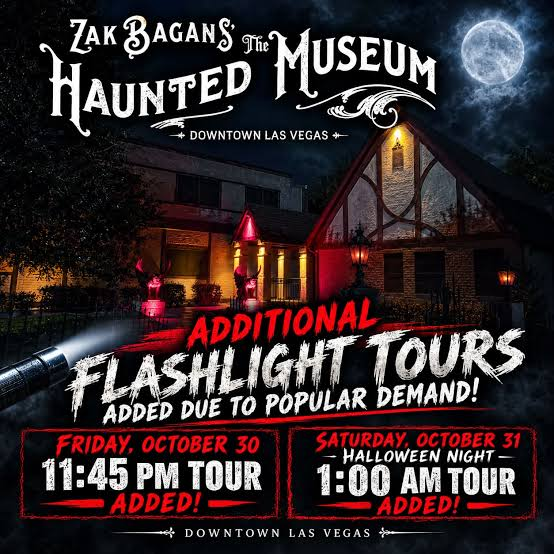
Conclusion: this was a very Zak Bagans heavy event, and by that, I mean: it’s almost as if he figured out a way to make it less about the items on display and more about his thoughts and opinions on them. As someone who is not a fan of his, this was a deterrent to me, and I am docking the experience a full letter grade because of it. I also think the tour guides were a tad robotic and semi-unfriendly. My final assessment: B-… although I will probably go back for the flashlight tour when I return to the area in 2027 (my husband’s company has a big work conference there every fall, I have a feeling I will be returning a lot).
Works Cited: Barlow, Jacob. ‘The Wengert Mansion.’ Taken November 4, 2026 from JacobBarlow.com Levitan, Corey. (October 26, 2026). ‘Vegas Myth Busted: Zak Bagans Opened His Museum in an Already-Haunted Mansion.’ Taken November 20, 2026 from casino.org McKinney, Heather. ‘The Bagans’ Chronicles, Part One: I’m Digging into the Haunted Museum and its Attractions so you don’t have to.’ (October 28, 2025). Taken November 13, 2026 from heathervstheworld.substack.com Veca, Tanya. (June 12, 2019). ‘Sinister roots lie in city’s shadows.’ Taken November 19, 2026 from bouldercityreview.com
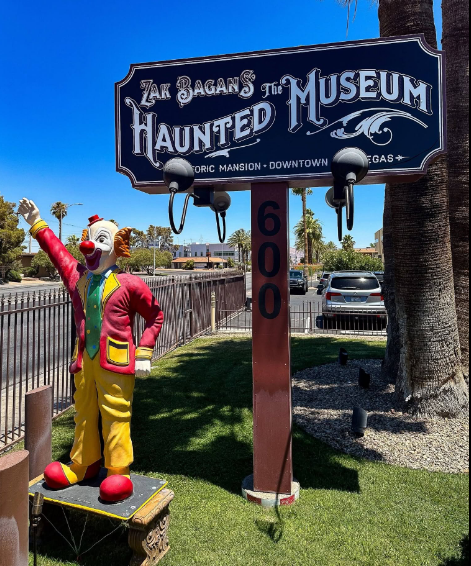
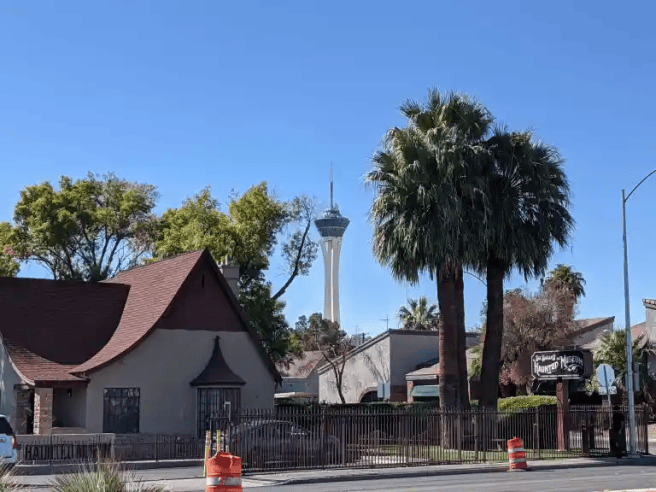
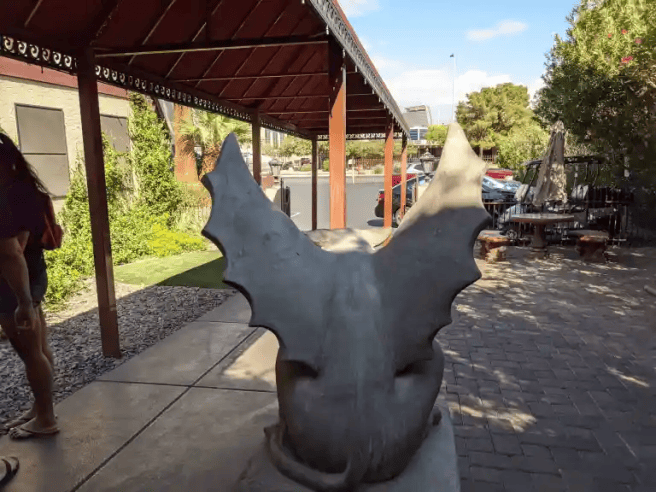
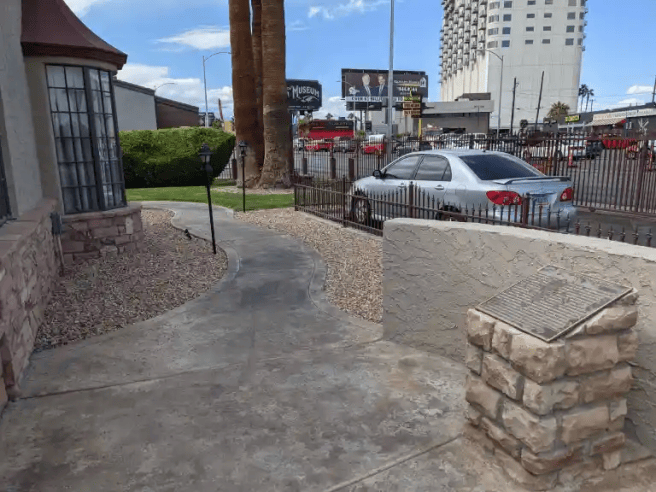
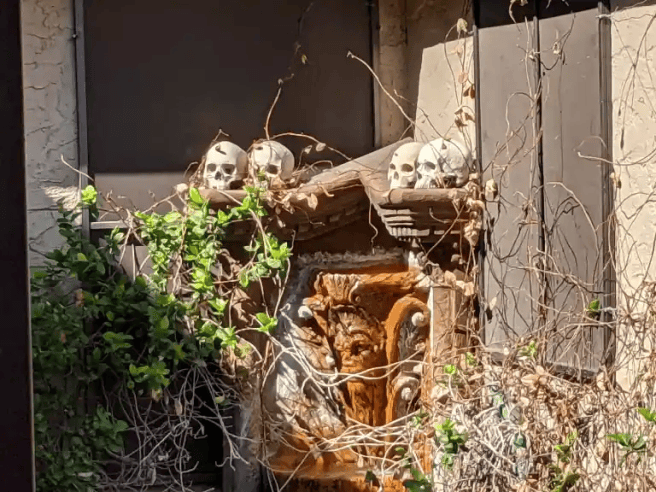
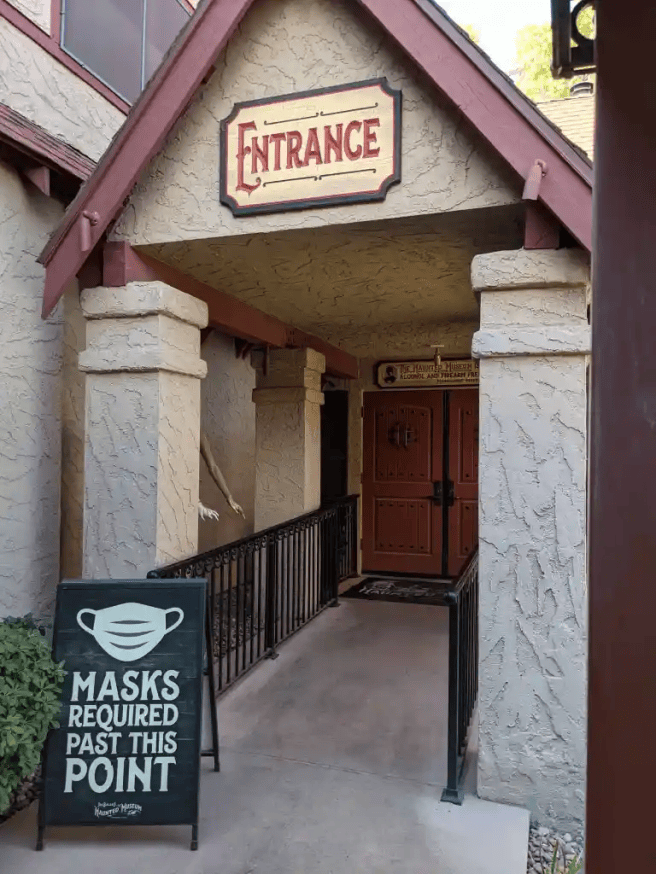
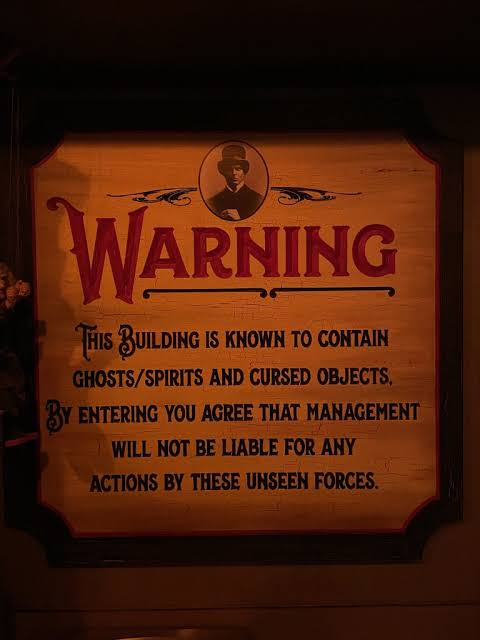
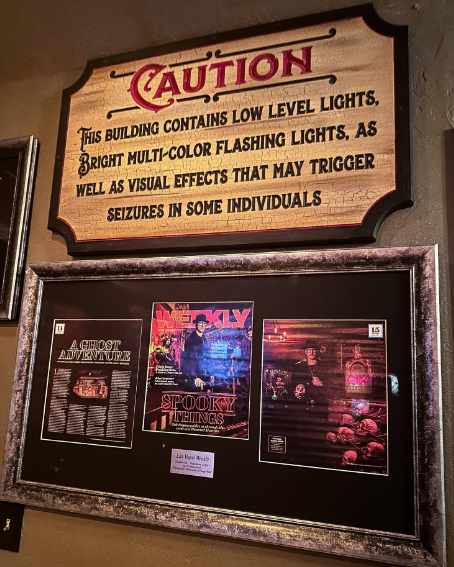
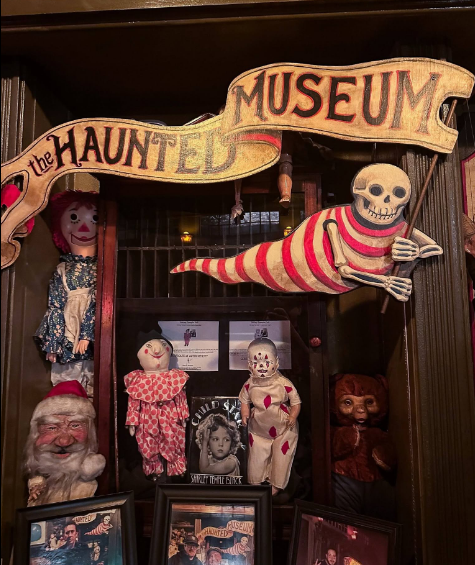
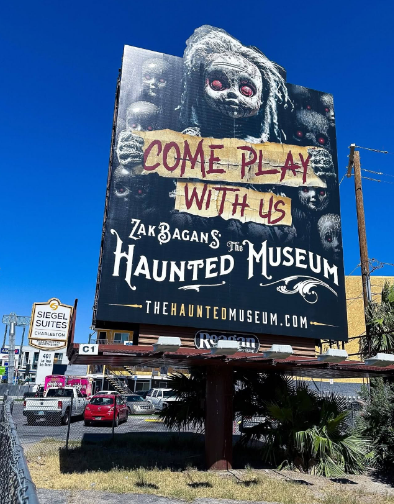
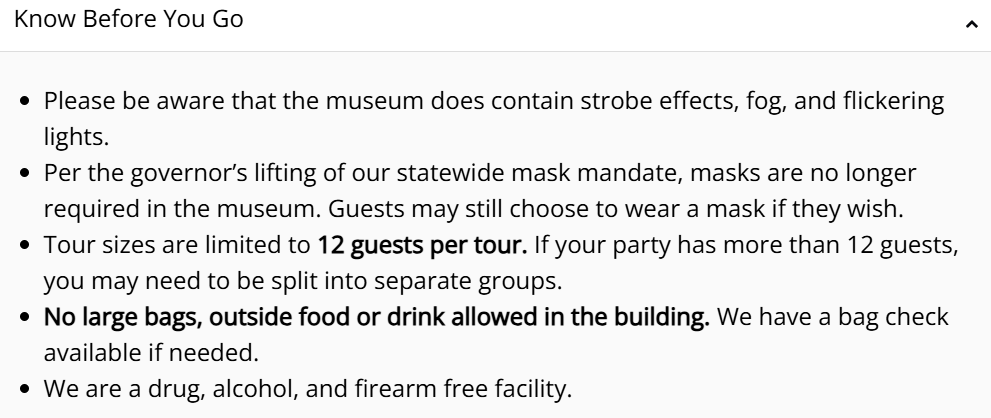
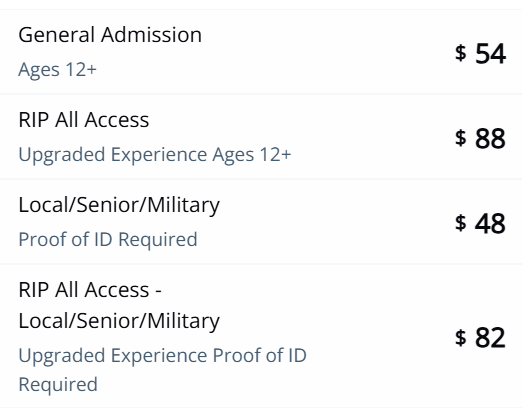
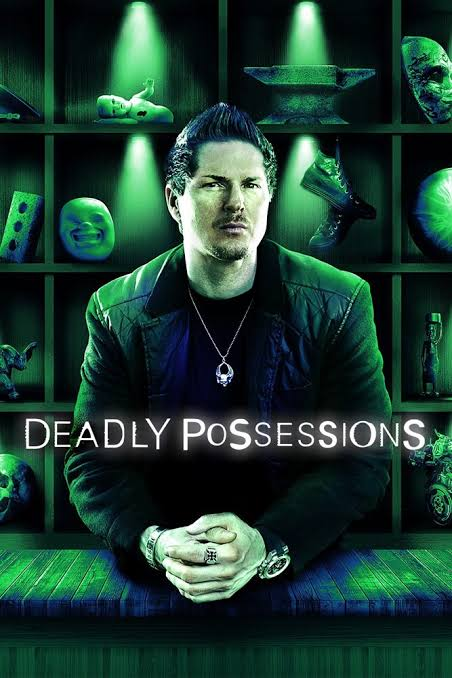
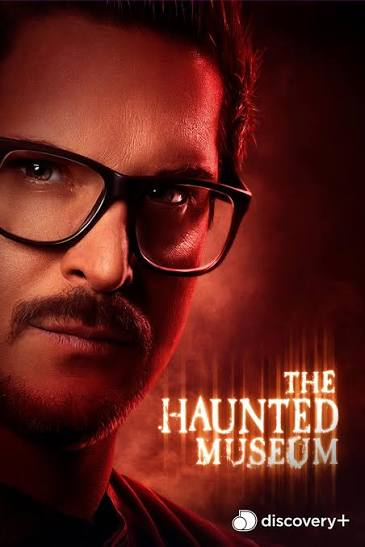
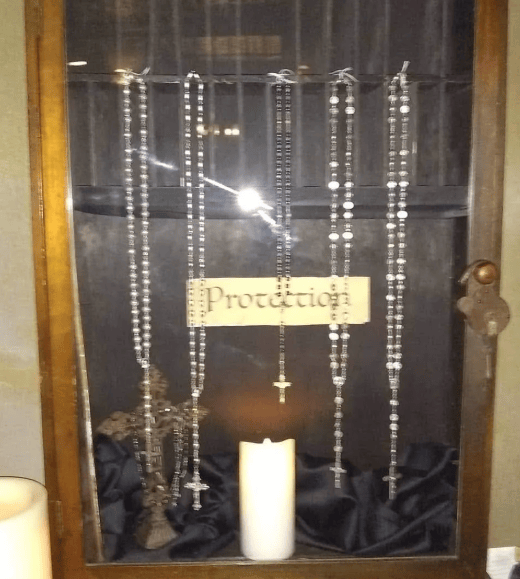
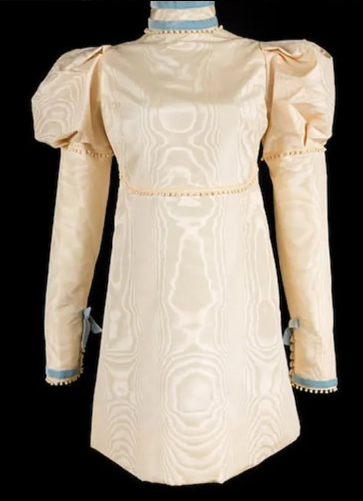
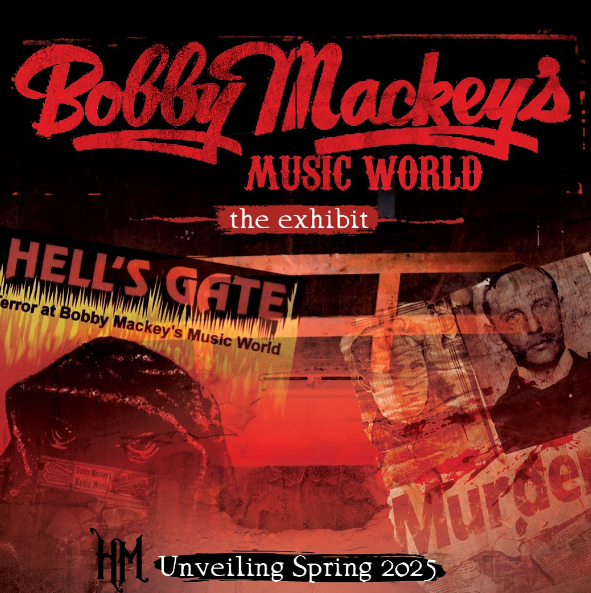
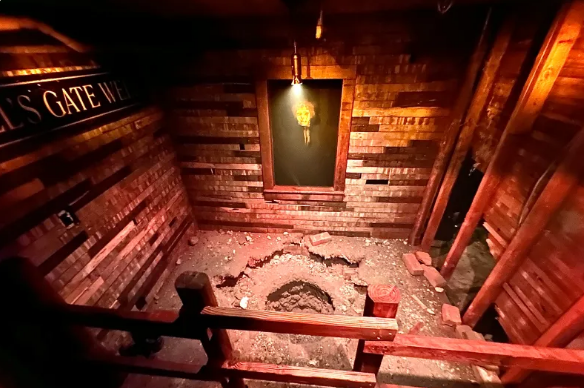
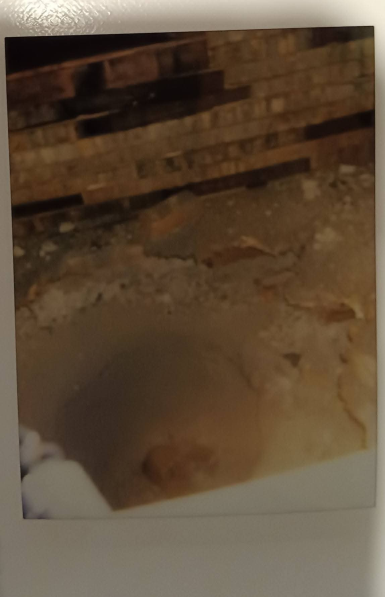
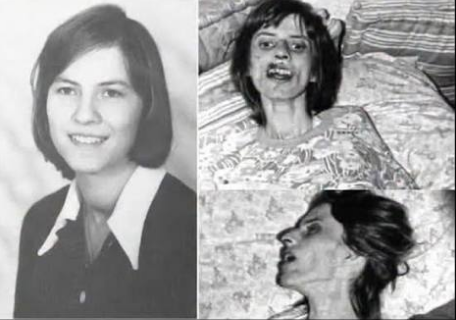
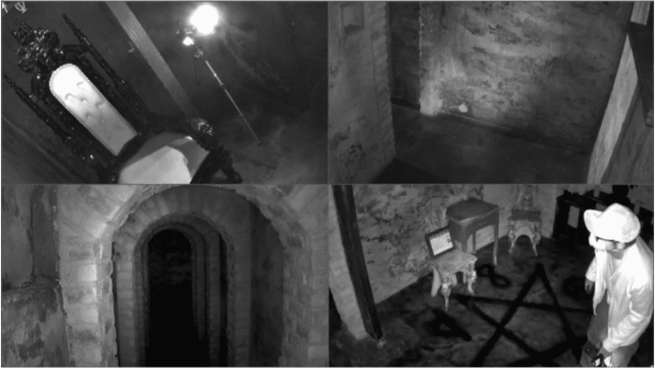
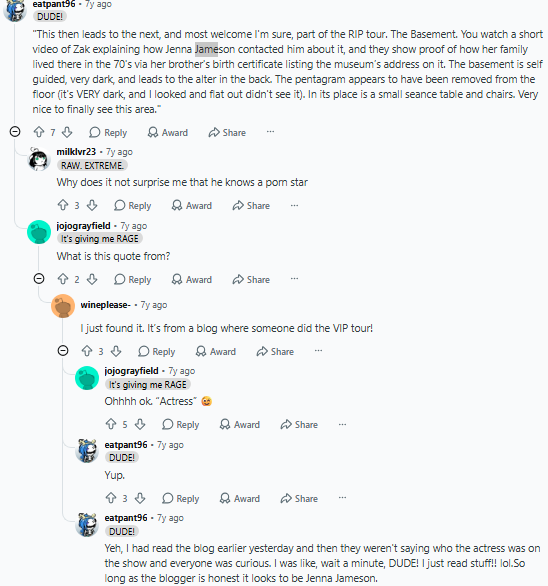
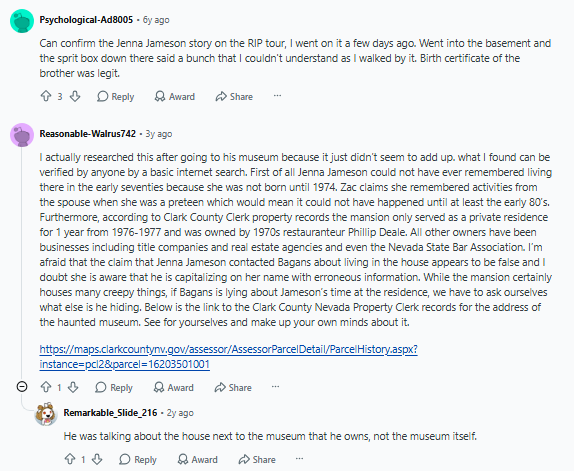
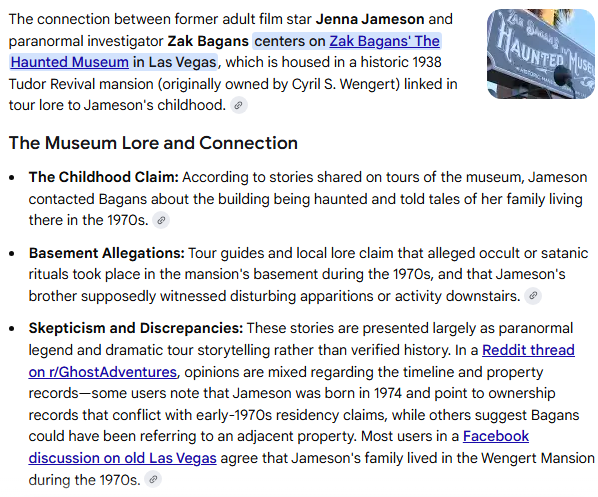
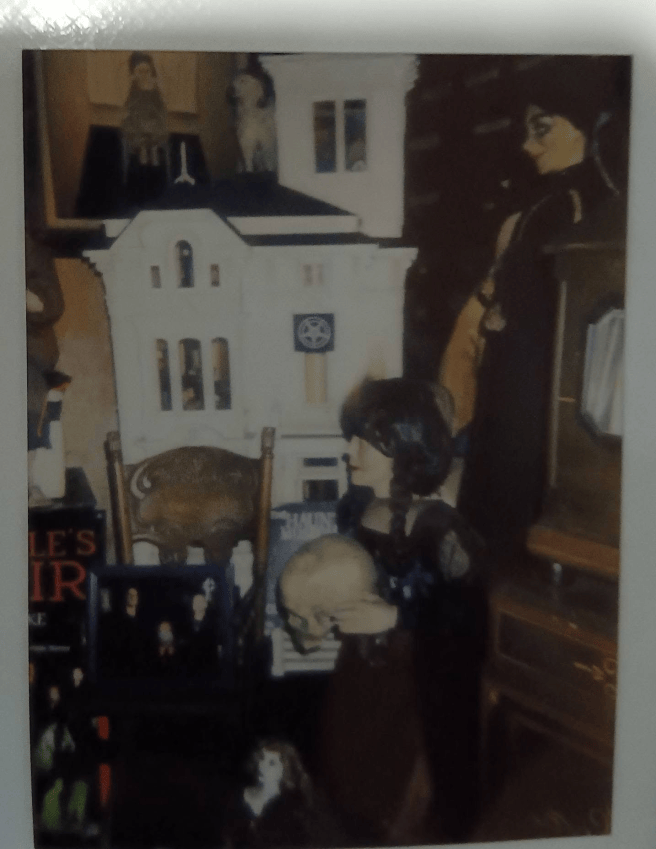
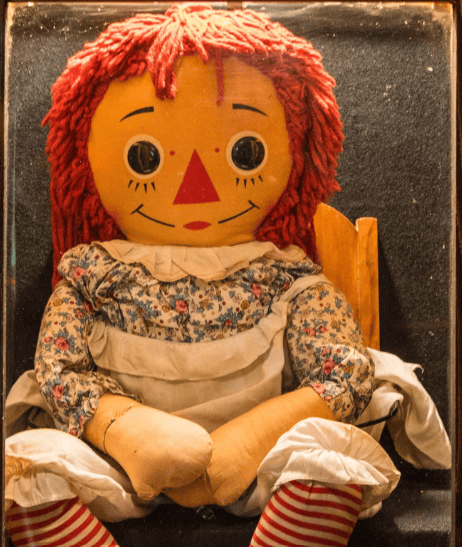
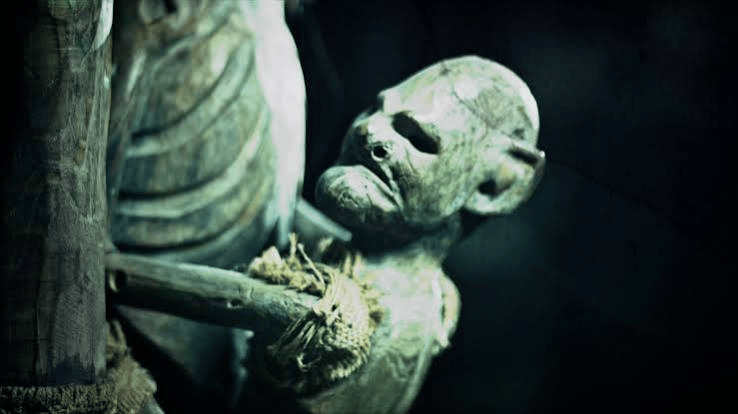
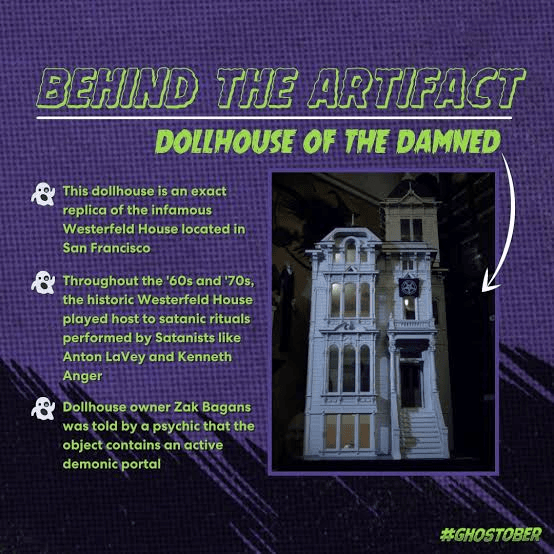
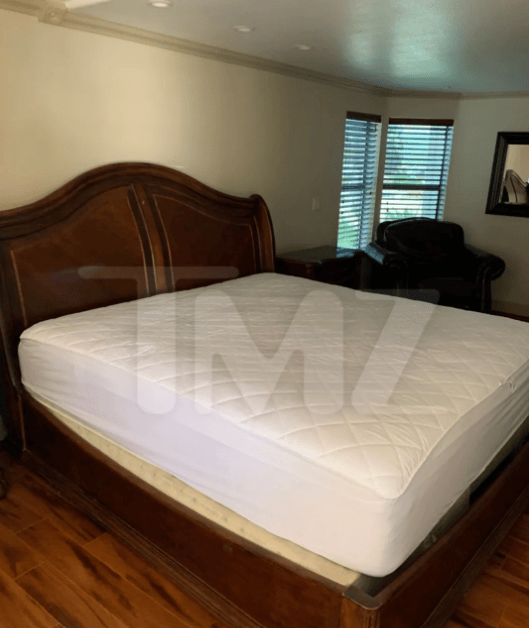
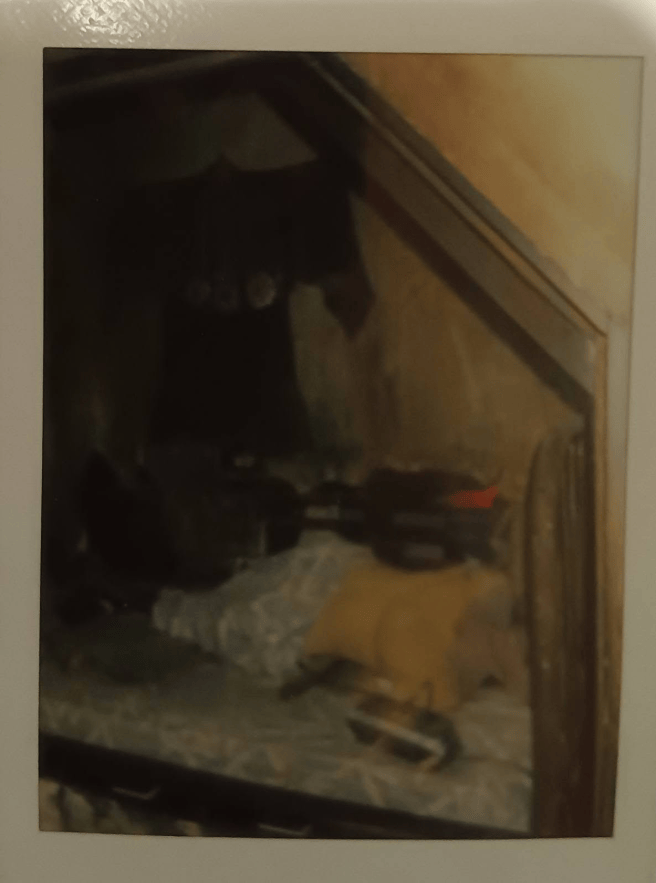
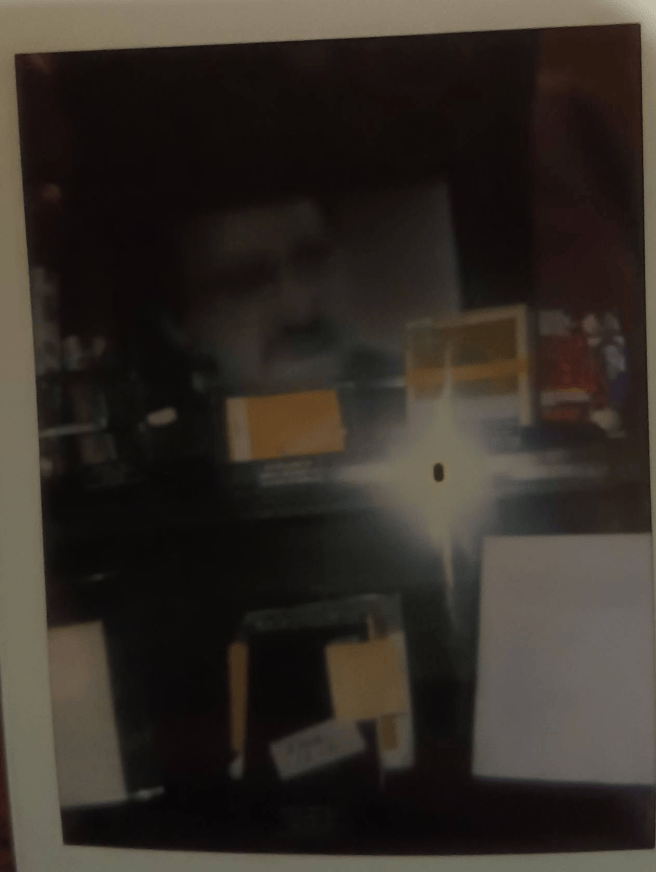
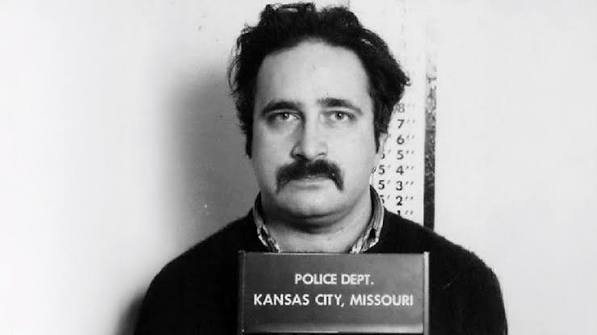
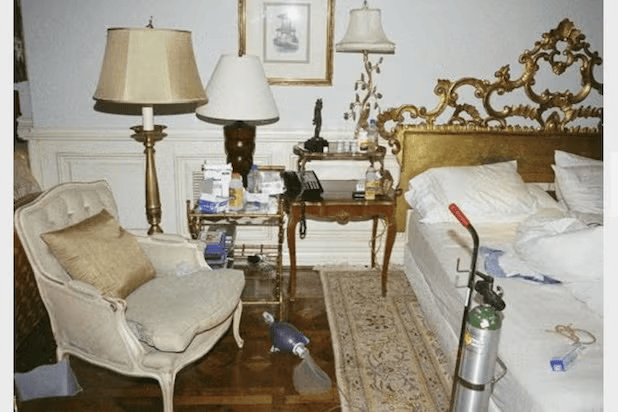
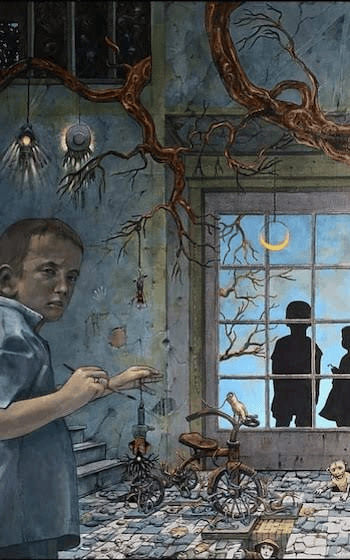
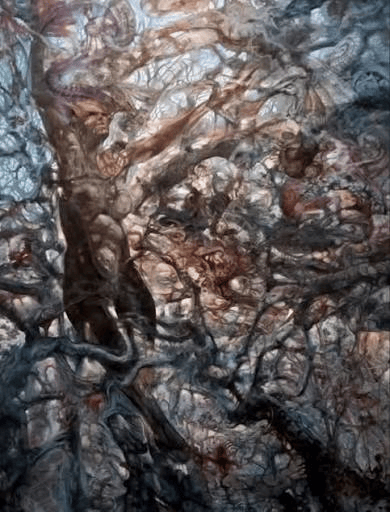
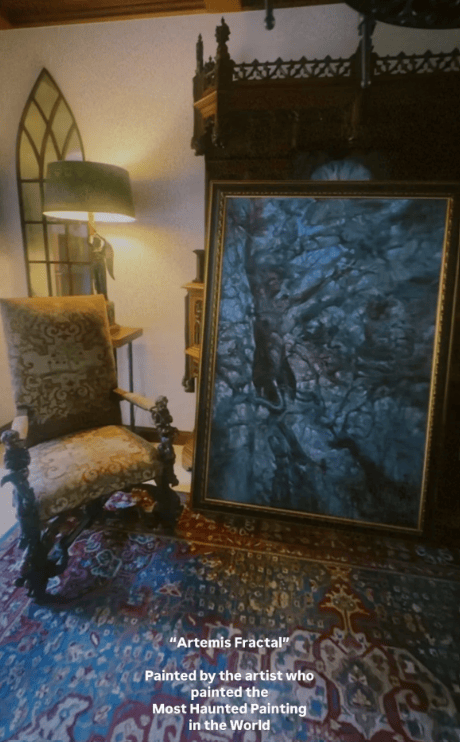
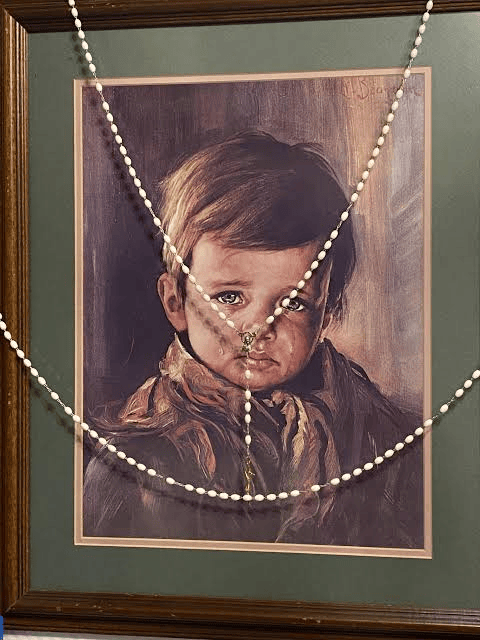
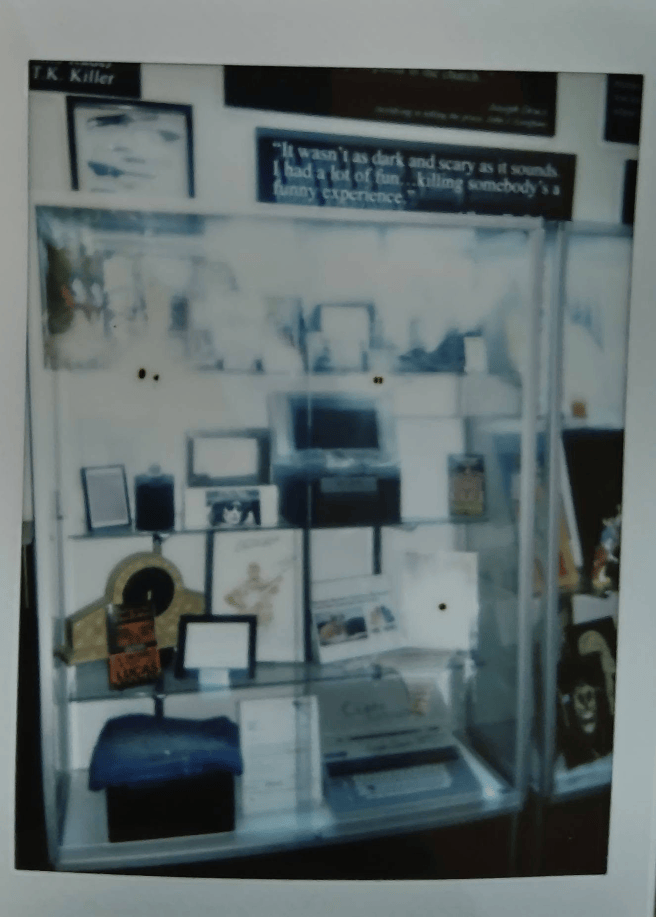
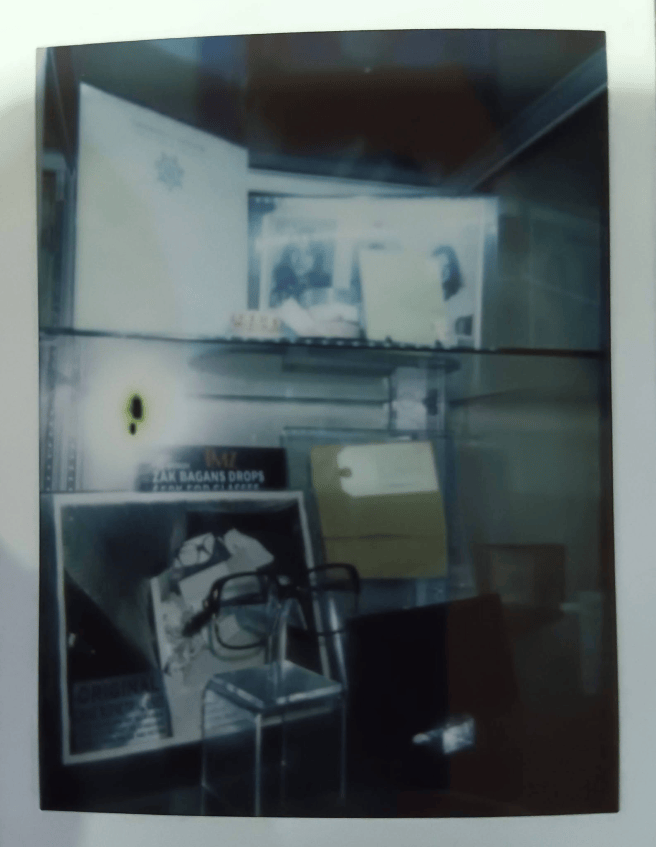
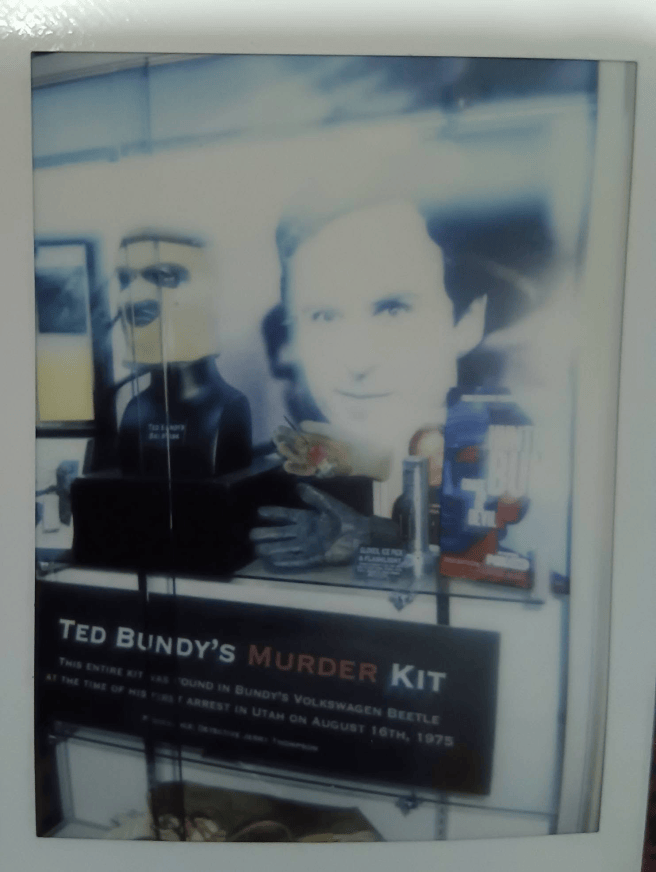
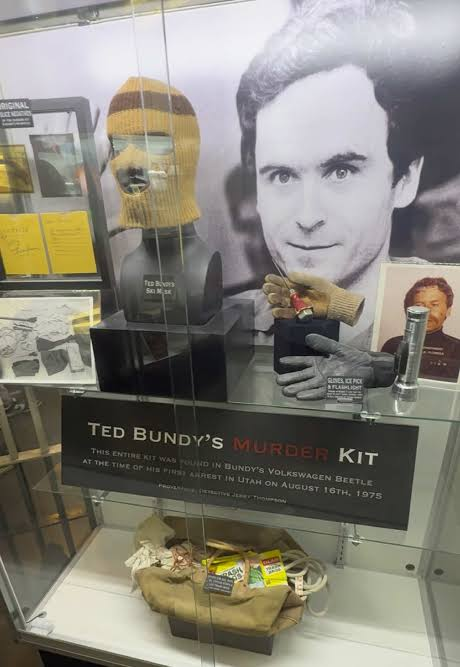
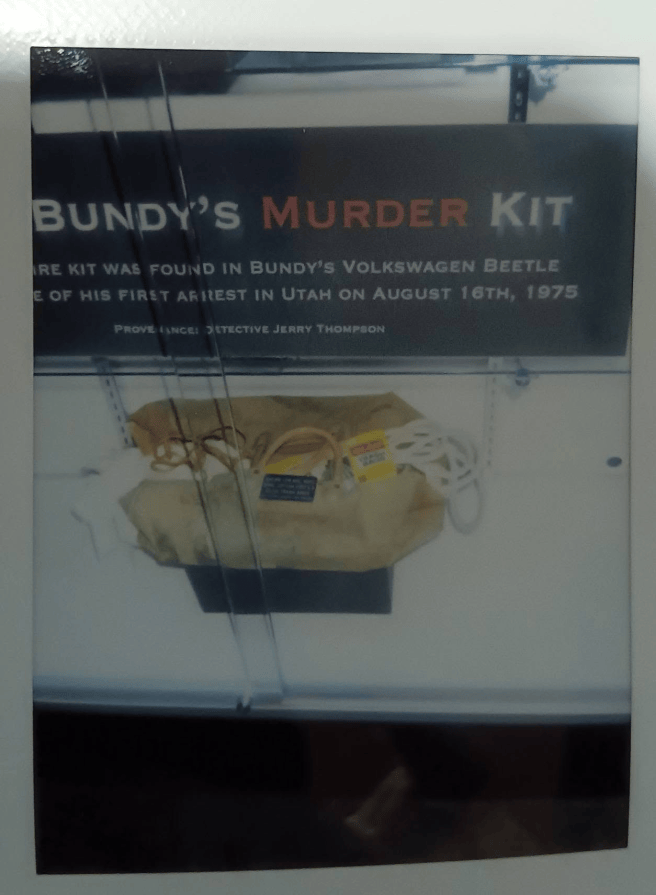
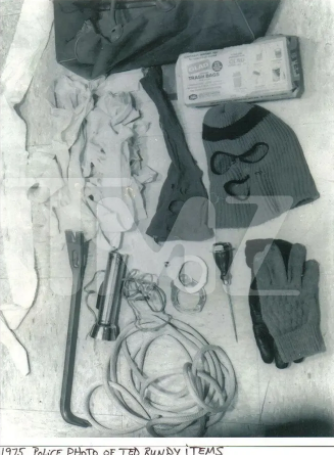
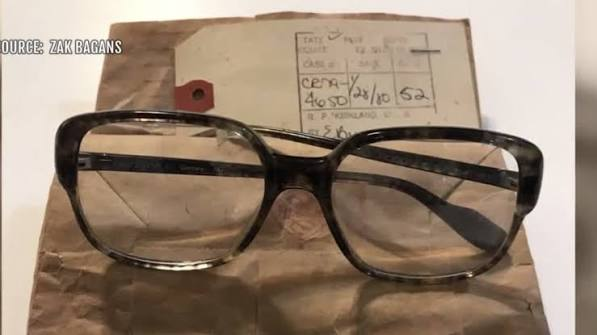
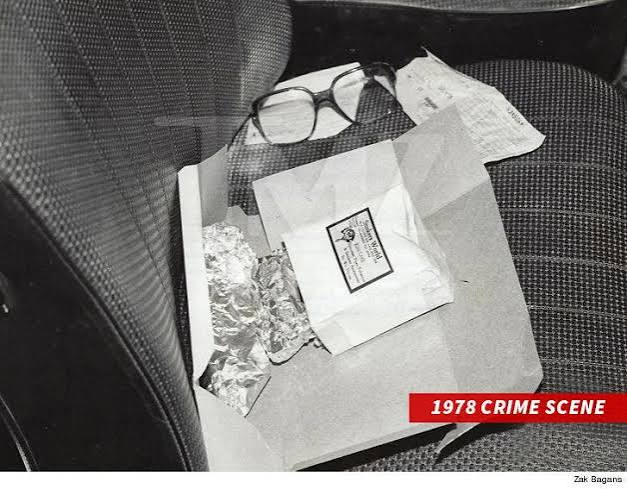
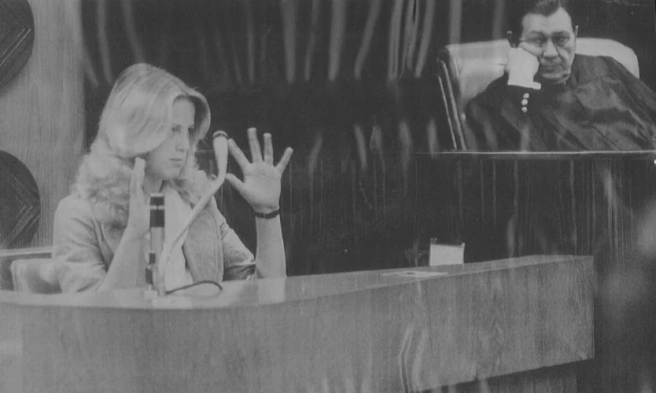
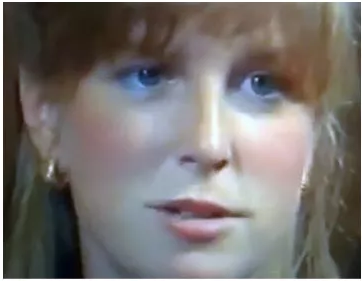
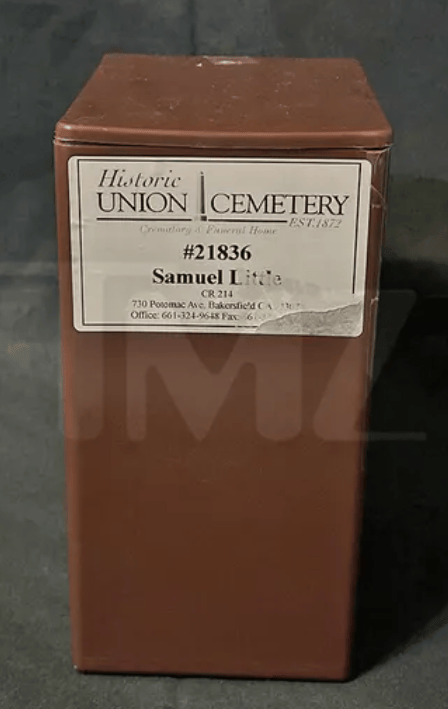
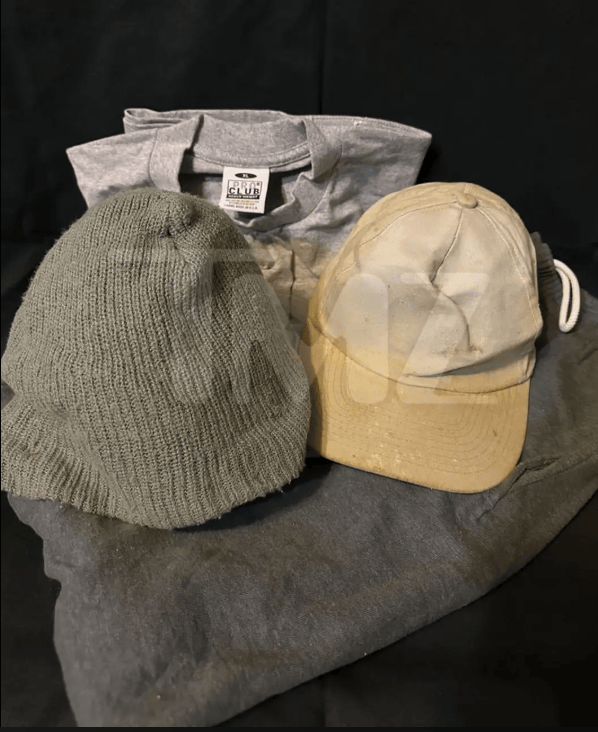
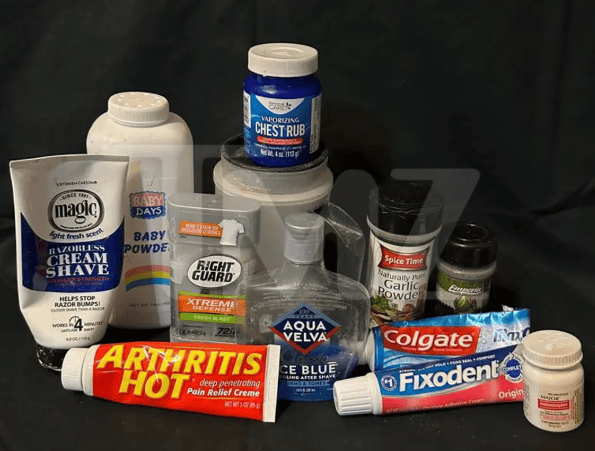
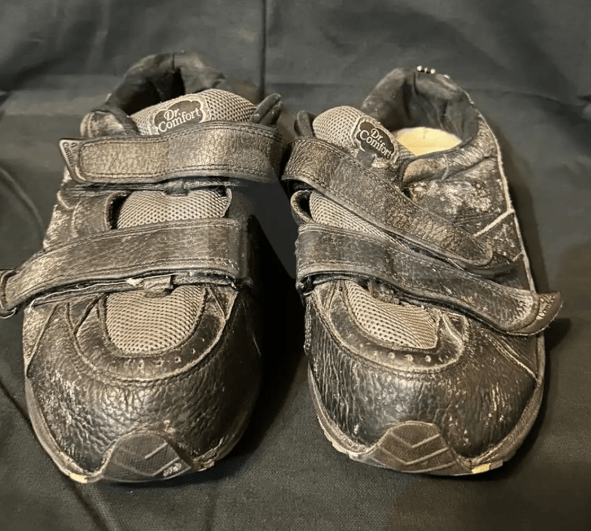
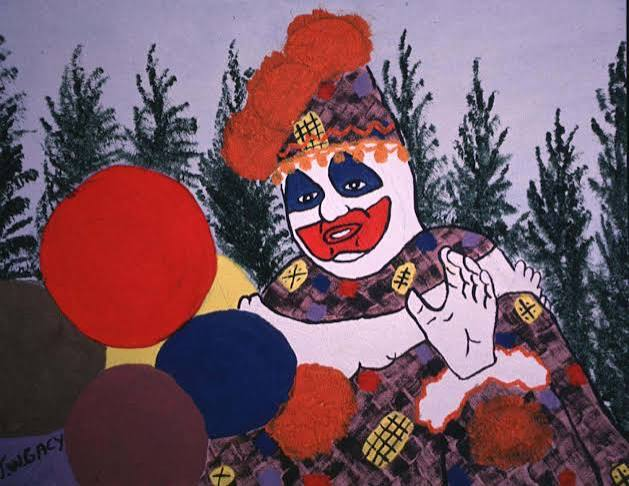
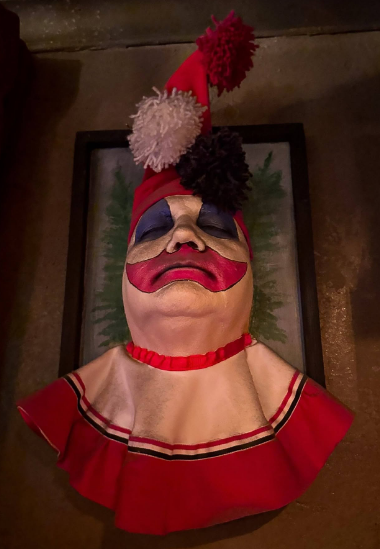
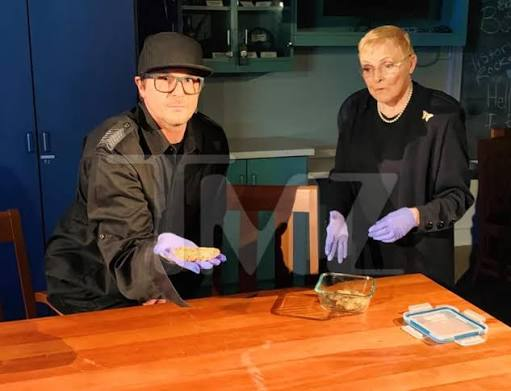
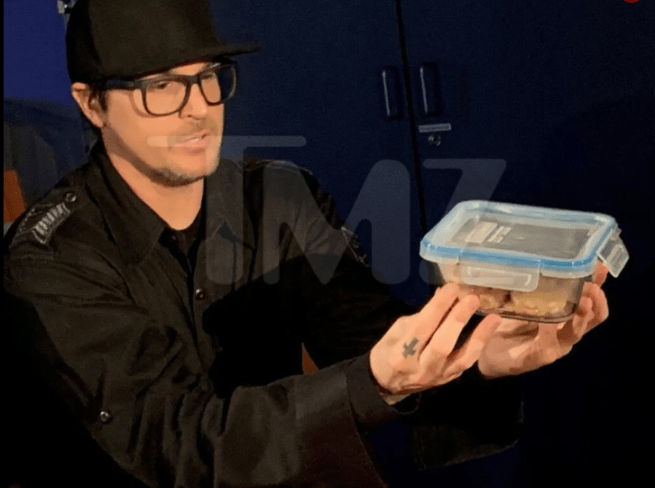
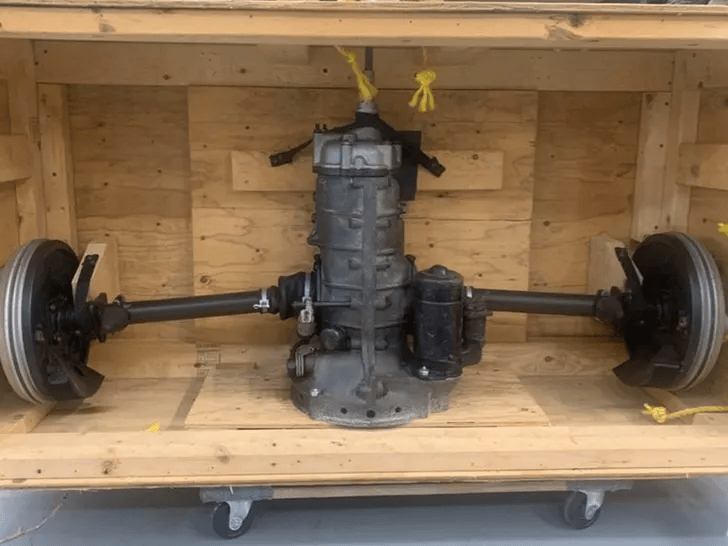
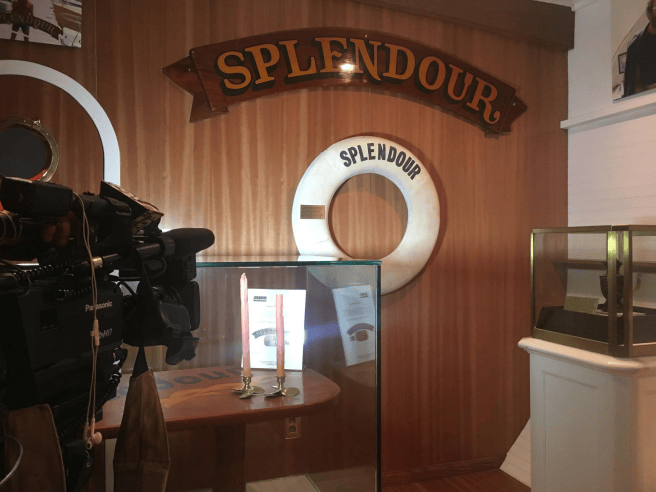
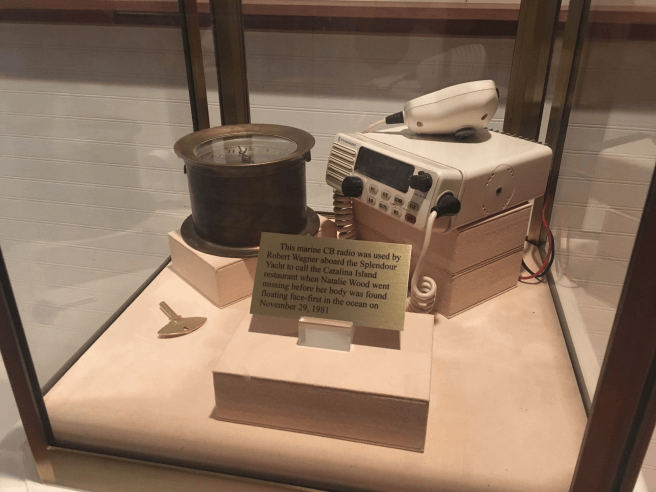
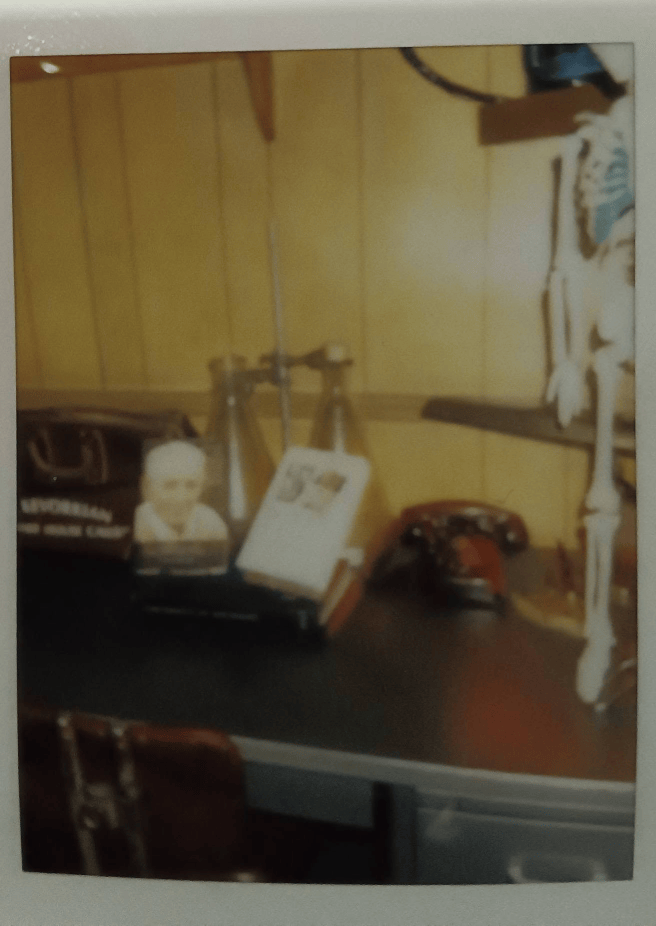
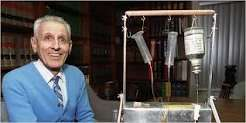
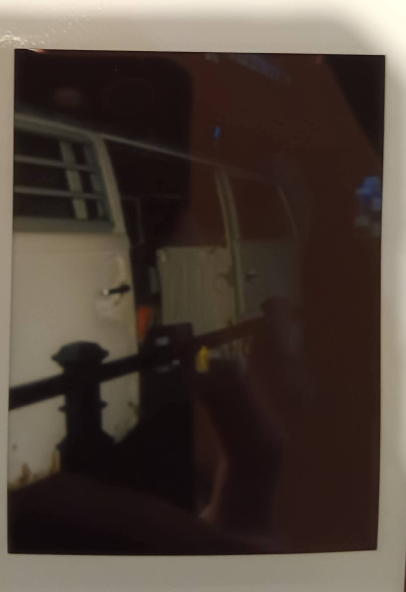
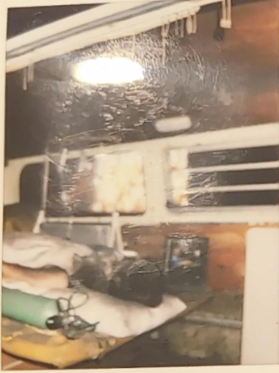
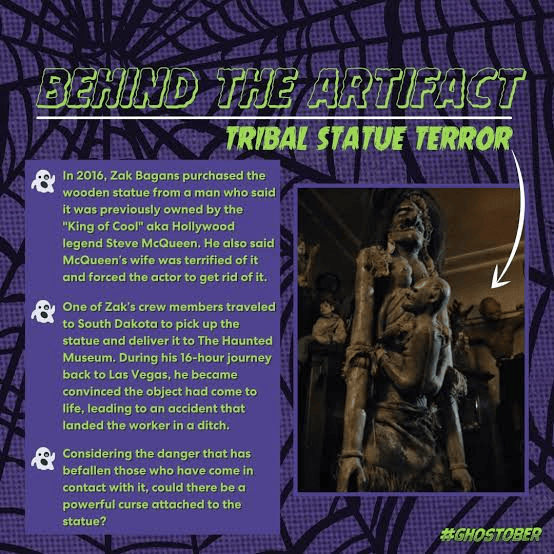
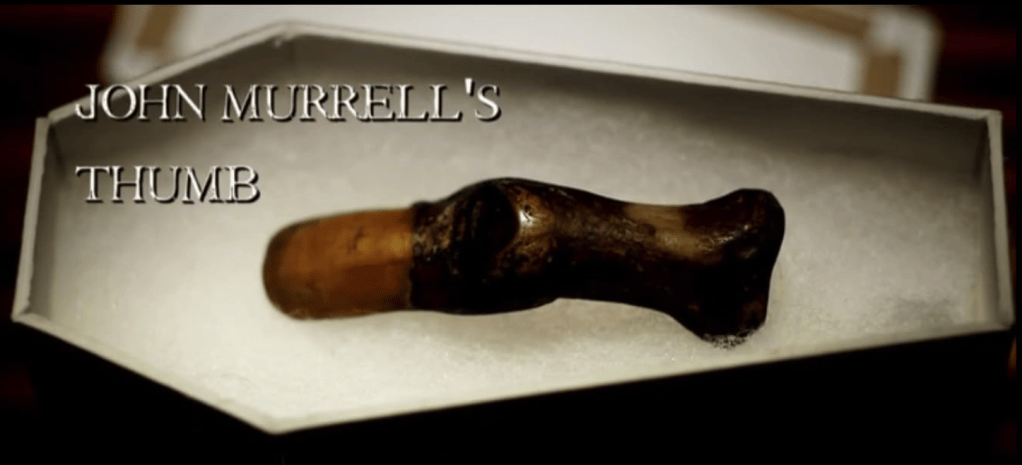
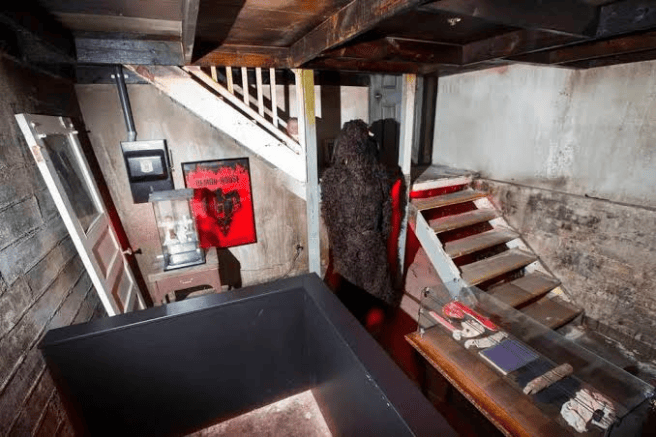
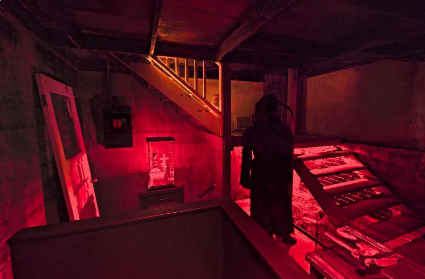
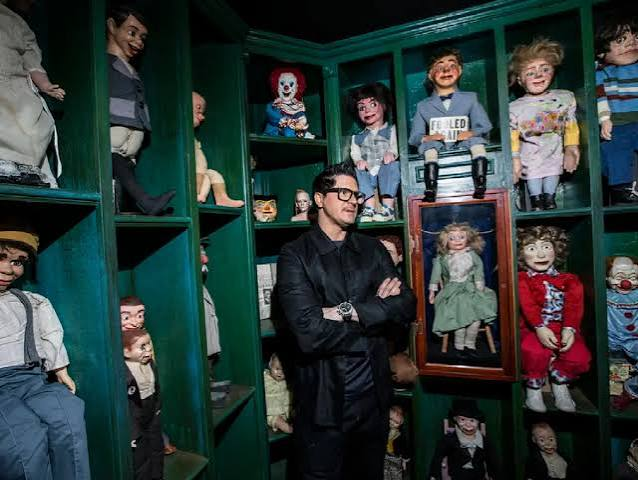
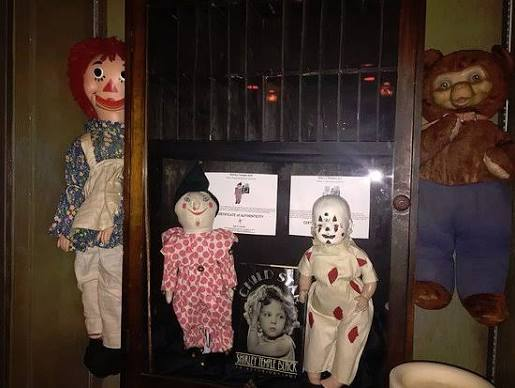
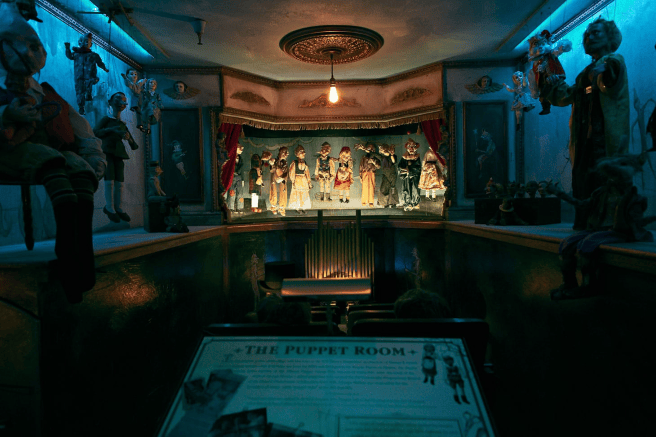
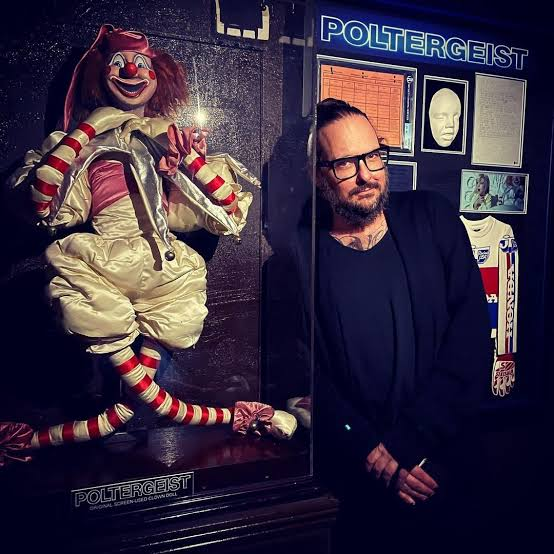
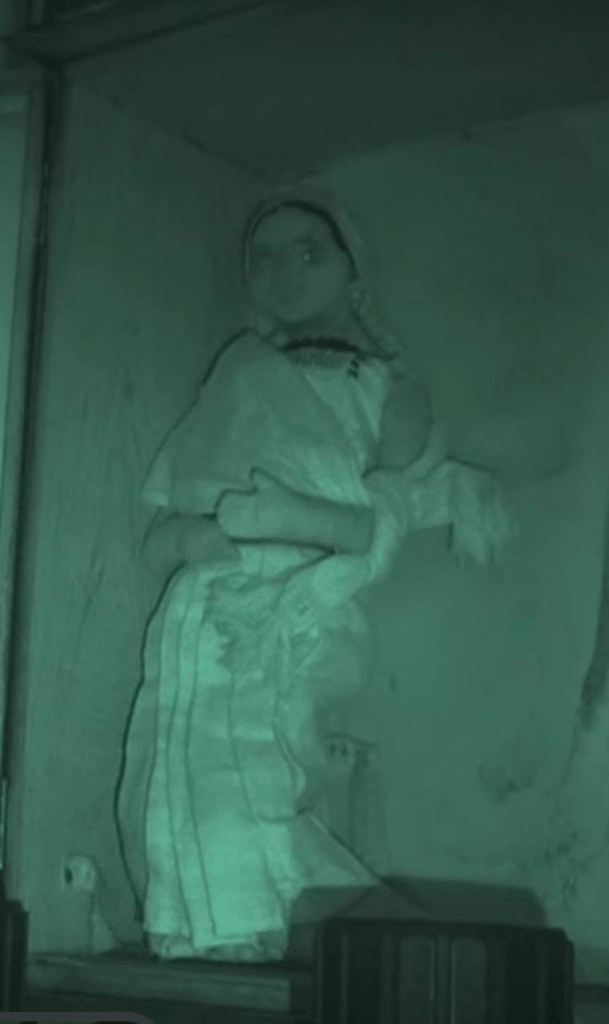
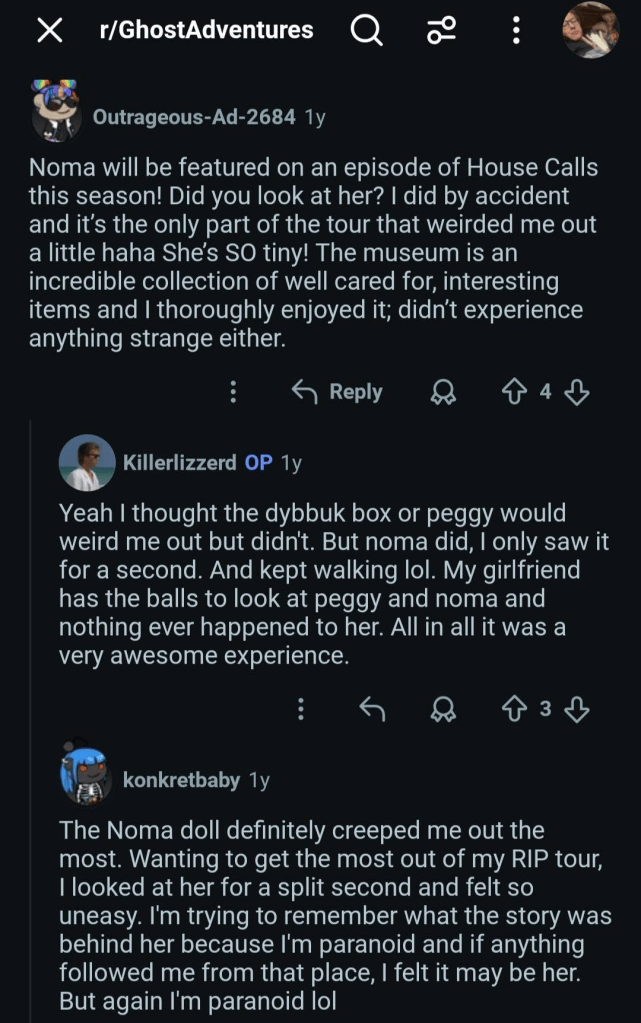
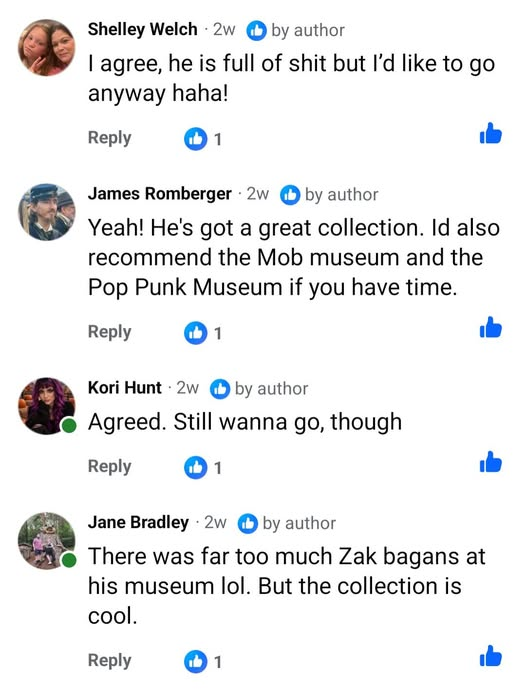
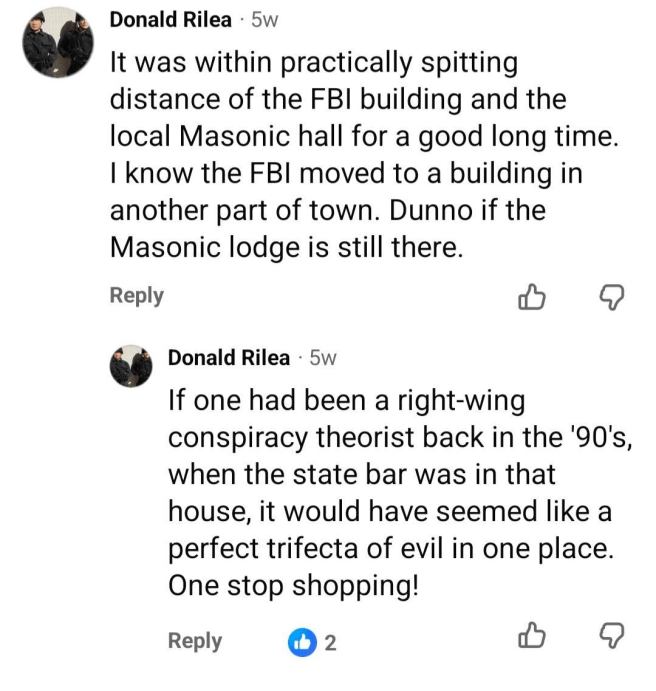
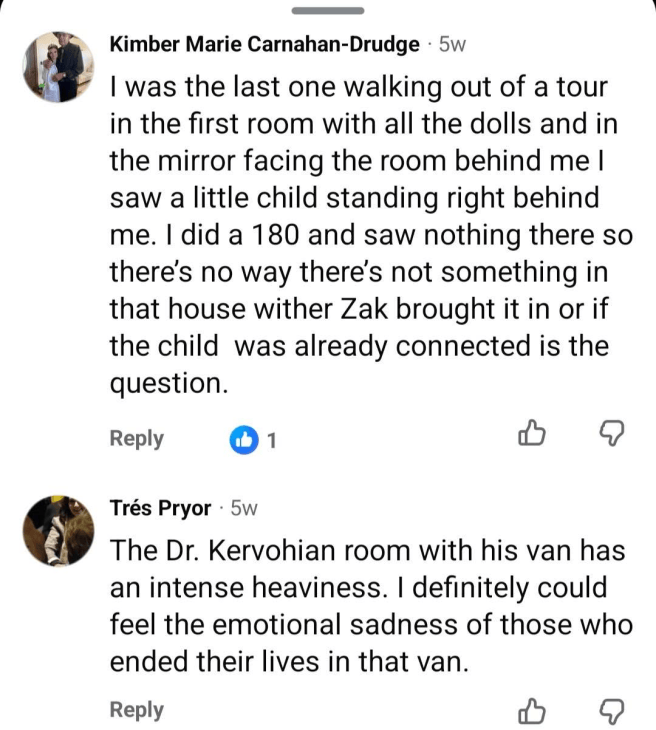
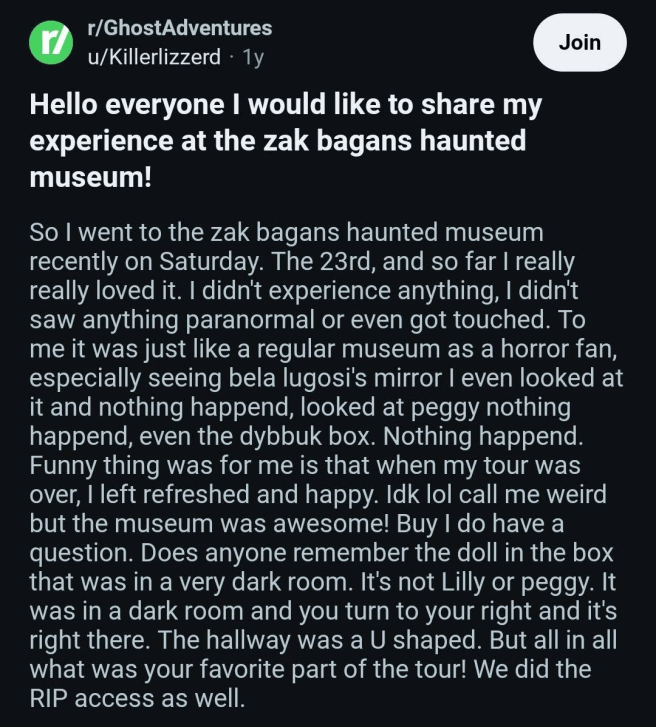
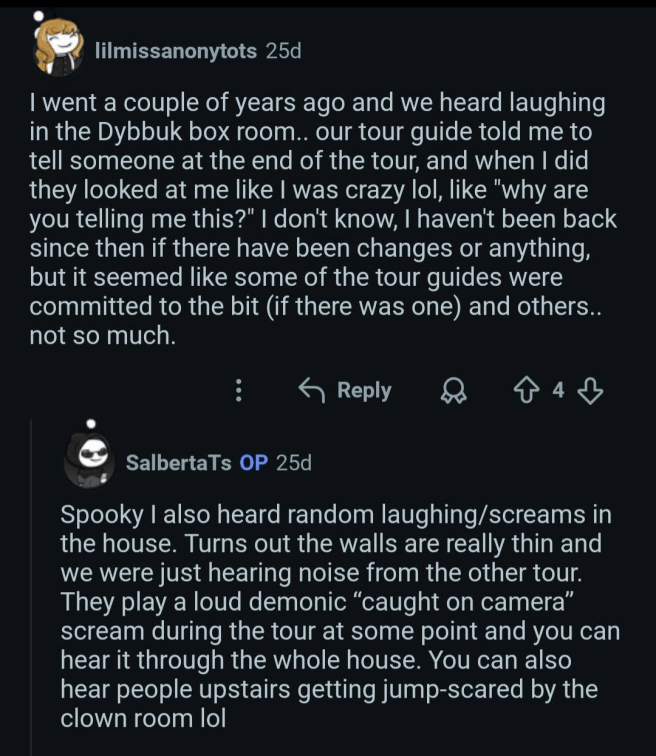
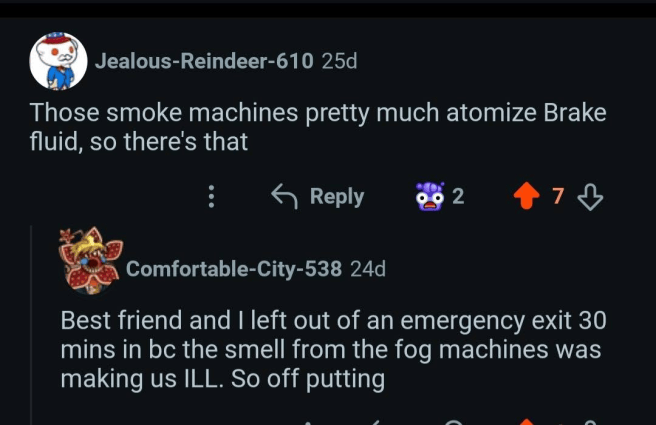
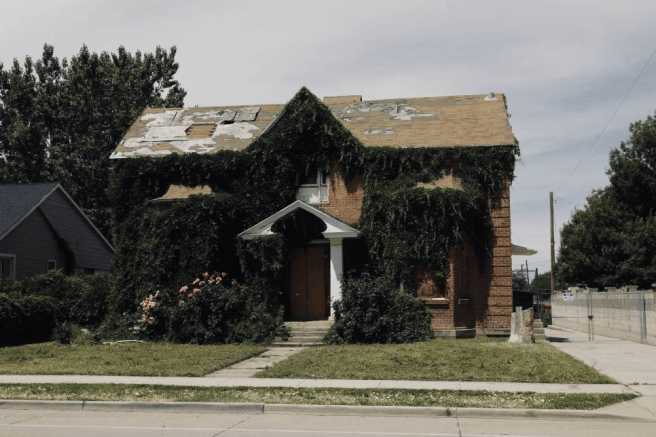
An advertisement featuring HC Nordstrom, who built the Wengert house.An early picture of the Wengert Manson, courtesy of the University of Las Vegas.The front view of the Wengert House sometime in 1979, photo courtesy of the University of Las Vegas.Cyril Wengert, photo courtesy of the University of Las Vegas.Cyril Wengerts WWI draft card.Lottie Ward-Wengert.The wedding announcement of Cyril Wengert and Lottie Ward that was published in The Las Vegas Age on October 1, 1921.Cyril Sebastian Wengert and Lottie Ward listed in the Iowa, US Marriage Records, 1880-1950.A birth announcement for one of Cyril and Lottie’s children that was published in The Kossuth County Advance on March 12, 1931.Dottie and Cyril Wengert pose with nineteen-month-old Cyril Jr. (‘Jimmie’) and three-month-old Marilyn in 1925. Photo courtesy of the University of Las Vegas.Cyril Wengert posing with his children for Father’s Day; from left to right: Marilyn, Shirley, Ward, and Robert. Photo courtesy of the University of Las Vegas.A picture of Cyril and Lottie Wengert, courtesy of the University of Las Vegas.Cyril Wengert.The obituary of Cyril Wengert, courtesy of his Ancestry page.A few of Lottie Wengert’s obituaries. Cyril Wengert’s death certificate.The final resting place of Lottie Wengert.The gravestone of Cryil Wengert.A poem that mentions the Wengert mansion that was published in The Reno Gazette-Journal on January 22, 1986.An article about a television show based on Zak Bagans museum that aired on The Travel Channel that was published in The Reno Gazette-Journal on October 31, 2022. An article about some haunted attractions in Las Vegas that mentions Zak Bagans that was published in The Elko Daily Free Press on October 19, 2024.The front sign at the Zak Bagans Haunted Museum, photo courtesy of the Zachary Alexander Bagans Facebook fan page.The outside of Bagans’ ‘The Haunted Museum,’ photo courtesy of The Skeptical Inquirer.The outside of Bagans, ‘The Haunted Museum’ (along with the STRAT Hotel, Casino, and Tower in Las Vegas in the background), photo courtesy of Jacob Barlow.The outside of Zak Bagans’ Haunted Museum, photo courtesy of Jacob Barlow.The outside of Zak Bagans’ Haunted Museum, photo courtesy of Travel Nevada. The cost of general admission is $54 (there is a RIP feature for $88 that offers additional features), and children under the age of fourteen are not permitted. Individuals between the ages of fourteen and seventeen must be accompanied by an adult and senior, local, and military discounts are available with ID.The front of Zak Bagans’ The Haunted Museum in Las Vegas, photo courtesy of TripAdvisor.The gargoyle in front of Zak Bagans Haunted Museum, photo courtesy of Keitsy Reif of the website ‘freaksofhhn.com’A gargoyle on front of Zak Bagans’ Haunted Museum, photo courtesy of Jacob Barlow.The front pathway of Zak Bagans’ Haunted Museum, photo courtesy of Jacob Barlow.A plaque in front of the Wengert House explaining some of its history, photo courtesy of Jacob Barlow.Some skulls in front of the Wengert House, photo courtesy of Jacob Barlow.The entrance of Zak Bagans’ Haunted Museum during the Covid era, photo courtesy of Jacob Barlow.A sign at the entrance of Zak Bagans’ Haunted Museum, photo courtesy of The Center for Inquiry. Zak Bagans’ The museum is open Wednesday through Monday from 10:00 AM to 8:00 PM (but is closed on Tuesdays) and tours start about every fifteen minutes; where reservations are not required, they are recommended (as tickets often sell out). Due to the disturbing nature of some exhibits, all visitors are required to sign a waiver stating they understand the risks before entering.A sign and some pictures at Zak Bagans ‘The Haunted Museum,’ taken directly from their Facebook page.Some additional items from Zak Bagans ‘The Haunted Museum,’ taken from their Facebook page.A screengrab of some information about Zak Bagans and his haunted museum taken directly from his website.An advertisement for Zak Bagans ‘The Haunted Museum,’ taken from their Facebook page.An advertisement for a flashlight tour of Zak Bagans museum.Some details about The Haunted Museum taken directly from their website.Costs associated with The Haunted Museum taken directly from their website.The RIP (obviously a play off VIP) badge and lanyard provided by The Haunted Museum that indicates you purchased the extra package.An advertisement for Bagans show, ‘Deadly Possessions.’ Before Bagans opened his museum in 2017, he hosted a precursor Travel Channel series in 2016 titled ‘Deadly Possessions,; which focused on acquiring the haunted artifacts for his collection.An advertisement for Bagans show, ‘The Haunted Museum.’ Nicholas Cage at Bagans’ museum in Las Vegas, photo courtesy of The Haunted Museum.Some rosaries on display at Zak Bagans Haunted Museum, photo courtesy of Atlas Obscura user ‘bluesunglasses6821.’Charles Manson’s pentagram necklace that he created out of toilet paper and underwear; he dyed it with red Kool-Aid and it took him nearly a year to make, photo courtesy of TMZ.The hospital robe Charles Manson died in, photo courtesy of TMZ.Charles Mansons bone fragments, photo courtesy of TMZ.Charles Manson’s stolen dentures, photo courtesy of The Neon Review Journal.A picture of Charles Manson’s television, courtesy of The Travel Channel.Sharon Tate’s wedding dress. Zak Bagans bought Sharon Tate’s 1968 wedding dress for over $56,000 at a Julien’s Auctions sale in November 2018; Sharon’s sister, Debra Tate, auctioned off several of the late actress’s belongings to help cover cancer treatment costs and after experiencing a stressful home burglary where the dress was temporarily stolen. Debra Tate expressed displeasure that the dress ended up in Bagans’ collection because it is housed under the same roof as Charles Manson memorabilia and ashes. Photo courtesy of TMZ.Recently, Bobby Mackey’s Music World was torn down and we were able to obtain several pieces of the building and artifacts…Experience 4 Rooms featuring the ‘Hell’s Gate’ Well, the dancefloor/stage, the famous front doors, Johanna’s love poem, Carl’s apartment and more. The history and hauntings of Mackey’s is now preserved at The Haunted Museum in this permanent exhibit. Opening Spring 2025. Taken from Zak Bagans Instagram page.Bobby Mackey’s Music World, an infamous haunted honkytonk in Wilder, Kentucky that was the subject of the first ever Ghost Adventures episode. Reassembled from the actual structure of the original building that has since been demolished, this startling exhibit tells the terrifying tales of over one-hundred years of hauntings, demonic possession, and suicide/murder. Photo courtesy of The Haunted Museum.A pit with a human skull in called the ‘Hell’s Gate’ well from Bagans’ ‘Bobby Mackey’s Music World exhibit, Polaroid taken in November 2026.Some memento’s related to the exorcism of Anneliese Michel, photo from November 2026.Some pictures of Anneliese Michel: on the left is Anneliese before the exorcism, and the two on the right are of her during it.Some pictures of the basement in Zak Bagans basement, courtesy of Wattpad user ‘MarilynVix.’ Bagans has long claimed that dark satanic ceremonies took place in the mansion’s basement during the 1970’s, and additional lore surrounding the space includes claims that a teenager or neighborhood youth sneaked into the vacant residence and saw a pentagram drawn in blood, candles, and cloaked figures; some local stories also claim a boy saw the apparition of a sacrificed child in the basement. Reporting by Casino.org noted that Bagans acknowledged in a 2017 Las Vegas Magazine interview that his primary source for the house’s satanic ritual story was Rachel Vosko, a friend of his mother who recalled sneaking into the basement as a teenager in the 1970’s.Some comments on a Reddit post about Zak Bagans museum.Some additional comments on a Reddit post about Zak Bagans museum.Some information courtesy of Google AI in relation to Zak Bagans and his relationship with Jenna Jameson.The wooden chair is said to belong to the doll, Annabelle, picture taken in November 2026.A picture of Annabelle the doll, courtesy of The Guardian.The ‘Astral Witch’ is an exhibit sculpture displayed at Zak Bagans’ The Haunted Museum in Las Vegas, Nevada. In a single user’s comment on Reddit, a visitor shared the backstory given by museum tour guides: It was reportedly found in artist Shain Erin’s old studio after the property was sold. Museum staff have stated that the sculpture contains a real human skull bound with a leather rosary. According to the guides, nearby diary notes claimed the sculpture would open its eyes and reply to the artist in an unknown language. Photo courtesy of The Haunted Museum.The Hexham Heads (or at least a stone face sculpture identified by the museum as one of the Hexham Heads) are featured in the collection at Zak Bagans’ The Haunted Museum in Las Vegas, Nevada. While the original pair of stone heads dug up in England in 1971 famously vanished and their true whereabouts are disputed, Zak Bagans acquired a weathered stone face sculpture linked to the case and displays it under a glass dome atop a vintage suitcase. Photo courtesy of The Haunted Museum.Some information about the ‘Dollhouse of the Damned,’ courtesy of The Travel Channel.The Devil’s Rocking Chair, which is tied to the 1980 demonic possession and exorcism of eleven-year-old David Glatzel in Brookfield, Connecticut. The events surrounding the Glatzel family and the subsequent trial of Arnie Johnson (who killed his landlord and claimed demonic possession as a defense), and served as the real-life inspiration for the movie ‘The Conjuring 3: The Devil Made Me Do It.’ Bagans purchased the rocking chair in April 2019 for $67,000. Photo courtesy of TMZ.The Devil’s Rocking Chair. Displayed behind glass in a locked room, the chair has reportedly caused severe reactions in visitors, including uncontrollable crying, fainting, seizures, collapsing, and feelings of intense or unexplained anger. Bagans temporarily closed the exhibit after multiple guests fell ill or experienced distressing reactions. Empty-room surveillance footage captured after midnight has recorded unexplained growling, loud banging, and a voice whispering the name ‘David’ near the chair while the museum was closed. Photo courtesy of TMZ.My Polaroid of The Devil’s Rocking Chair, picture taken in November 2026.The display of The Devils Rocking Chair from Ed & Lorraine Warren’s notorious ‘The Devil Made Me Do It’ case that inspired Conjuring 3. Photo courtesy of The Haunted Museum.The ‘Love Ranch’ Death Bed, which was acquired by Zak Bagans from the late brothel owner Dennis Hof’s Nevada Love Ranch for The Haunted Museum in Las Vegas. Its mattress is linked to both former NBA player Lamar Odom’s near-fatal October 2015 overdose and Hof’s death in 2018. Lamar Odom fell into a coma on the mattress at the Love Ranch in October 2015. Three years later, brothel owner Dennis Hof died on the same unswapped mattress. Reported in June 2019, the bedroom set was turned over to Bagans by the brothel’s leadership (including heir Madam Suzette) for display in Las Vegas. Bagans noted rumors of a curse attached to the mattress, mentioned finding a black bra underneath during the move, and planned to investigate it personally. Odom has separately alleged on television that he was drugged or poisoned that night rather than taking drugs willingly. Photo courtesy of TMZ.The brick in a cage at Zak Bagans’ The Haunted Museum that is related to Al Capone from the St. Valentine’s Day Massacre Bricks, which is located in the room featuring Capone’s rug. Picture taken on November 4, 2026. My Polaroid picture of a bed and its original linens that was taken from the Kansas City home of Robert Berdella, a serial killer who tortured and murdered six young men in the 1980’s. The exhibit features the actual stained bedsheets from the crime scene, which still visibly bear blood and fecal matter from the victims. The bed is housed in a dedicated true-crime room alongside other graphic items from Berdella’s crimes, including torture devices and photographs taken by the killer.Zak Bagans features an exhibit dedicated to serial killer Robert Berdella that was unveiled in May 2018; it includes artifacts and recreations connected to the serial killer, who tortured and murdered six young men in Kansas City between 1984 and 1987. Berdella Jr. (who was infamously known as “The Kansas City Butcher’ and ‘The Collector’) was an American serial killer who abducted, raped, tortured, and murdered at least six young men in Kansas City, Missouri, between 1984 and 1987.Berdella was born in Cuyahoga Falls, Ohio, and moved to Kansas City in the late 1960’s to attend the Kansas City Art Institute. He later worked as a restaurant cook and ran a flea market booth called ‘Bob’s Bizarre Bazaar,’ where he sold antiques, curiosities, and occult items. Between 1984 and 1988, Berdella lured young men (many of whom were acquaintances, drifters, or sex workers) to his home on Charlotte Street. Once inside, he incapacitated his victims using blunt force or food laced with crushed tranquilizers then bound them to a metal-framed bed in a concealed upstairs bedroom, holding them captive for up to six weeks. He subjected them to severe physical and sexual abuse, including electrocution via a modified train transformer, chemical injections (such as animal tranquilizers and drain cleaner), and beatings.Michael Jackson’s ‘propofol chair that was taken from his Holmby Hills mansion displayed at Zak Bagans’ The Haunted Museum in Las Vegas, reportedly used by his doctor, Conrad Murray, while administering propofol prior to Jackson’s death. Ghost Adventures host Zak Bagans purchased the chair in December 2016 for around $15,000 ahead of his museum’s October 2017 opening. Bagans has stated that the chair sat beside Jackson’s bed in his Holmby Hills home, was used when getting ready in the morning, and bears makeup stains. Bagans believes the circumstances surrounding Jackson’s death left lingering “energy” on the item. Michael Jacksons ‘Propofol chair’ photo courtesy of ‘The Wrap.’Bela Lugosi’s haunted mirror, photo photo courtesy of The Haunted Museum. Legend says Lugosi used it for scrying (which is a form of divination) to attempt to contact spirits or a deceased wife. The mirror later ended up in a home associated with criminal lawyer and aspiring filmmaker Frank Saletri. In 1982, Saletri was brutally murdered in his bedroom where the mirror hung. Folklore claims the mirror trapped the dark energy or visual reflection of the unsolved murder. This ornate mirror once belonged to the Dracula actor and is rumored to play tricks on the minds of those who gaze into it. Photo courtesy of The Haunted Museum.A painting at Zak Bagans museum that was created by artist William Stoneham titled, ‘The Hands Invent Him.’ It is an oil-on-canvas painting that serves as a prequel to Stoneham’s famous 1972 painting, ‘The Hands Resist Him.’A painting titled ‘Artemis Fractal’ that was created by artist William Stoneham.A painting titled ‘Artemis Fractal’ that was created by artist William Stoneham, photo courtesy of TikTok user ‘Atomicsofie.’A painting titled, ‘The Crying Boy’ that was created by artist Giovanni Bragolin and is featured at Zak Bagans museum. In September 1985, the British tabloid ‘The Sun’ published stories linking the prints to house fires after a Rotherham family’s home burned to the ground while a print of the painting survived completely intact.A Polaroid I took of one of Bundy’s exhibits at The Haunted Museum, photo taken in November 2026. A Polaroid I took of Ted Bundy’s glasses and some hair samples of some of his victims (Laura Aime, Debra Kent, and Melissa Smith) at Zak Bagans’, The Haunted Museum, photo taken in November 2026.Another Polaroid I took of Ted Bundy’s kill kit at Zak Bagans’, The Haunted Museum, photo taken in November 2026.Ted Bundy’s murder kit, which was seized from his Volkswagen Beetle by police in SLC in August 1975 and was later acquired by Zak Bagans’ for The Haunted Museum. It contains the following items: Ski mask, a red-handled ice pick, two mismatched gloves, a flashlight, an orange wire / orange electrical cord, glad trash bags, brown/tan gym bag, white clothesline rope, strips of torn bed sheets (used for restraining victims), and a woman’s belt. In addition to the kit itself, the acquisition and museum display also include related artifacts such as trial papers, photographs, audiotapes, evidence samples, and the disguise glasses Bundy wore. Photo courtesy of TikToker, ‘sincityhostelofficial.’A Polaroid I took of Ted Bundy’s kill kit at Zak Bagans’, The Haunted Museum. A picture of Bundy’s kill kit, courtesy of TMZ.A Polaroid I took of Ted Bundy’s exhibits at Zak Bagans’ Haunted Museum in Las Vegas. On the top row of that shelf are Bundy victims Debra Kent and Melissa Smith’s pubic hair taken from her autopsy. I was unable to find a better picture on the internet, I apologize for the poor quality.Ted Bundy’s glasses that he used during his second escape in Florida; they were used as evidence in the investigation into the death of Bundy’s youngest victim, twelve-year-old Kimberly Leach. Police say the killer wore the glasses to disguise himself from officers and victims. Bagans says the glasses, along with an evidence bag and original crime scene photos, will be on display starting next week. Photo courtesy of WMAR.A picture of Ted Bundy’s car taken shortly after his arrest in Pensacola on February 15, 1978. Photo courtesy of TMZ.Leslie Paramenter on the witness stand on January 25, 1980; at the time Bundy was on trial for the murder of twelve-year-old Kimberly Leach. Leslie Parmenter, photo courtesy of OddStops.The remains of serial killer Samuel Little, which are on display at Zak Bagans haunted museum, photo courtesy of TMZ. Bagans obtained these items from Little’s biographer, Jillian Lauren, who loaned them to the museum indefinitely.Some of Samuel Little’s clothes, photo courtesy of TMZ.Some of serial killer Samuel Little’s personal effects, photo courtesy of TMZ.Samuel Little’s shoes, photo courtesy of TMZ.A painting created by John Wayne Gacy that is featured in Bagans museum, photo courtesy of Newsweek.One of the items from the John Wayne Gacy exhibit at The Haunted Museum, courtesy of Zak Bagans. Zak Bagans and John Wayne Gacy’s brain, picture courtesy of TMZ.Zak Bagans posing with part of John Wayne Gacy’s brain, picture courtesy of TMZ.The original four-speed transaxle from James Dean’s fatal 1955 Porsche 550 Spyder (which was dubbed ‘Little Bastard’) is the only major component of the car available for public viewing, currently on display at Zak Bagans’ The Haunted Museum in Las Vegas. After vanishing into private storage for decades, it surfaced in 2020 and sold at auction in May 2021 for $382,000 ($387,000 with buyer fees). It is on display at Zak Bagans’ Haunted Museum, photo courtesy of TMZ.The Splendour exhibit at Zak Bagans Haunted Museum, which is related to the tragic death of Natalie Wood. Photo courtesy of FOX5 Las Vegas. The Splendour was the 58-foot yacht owned by actress Natalie Wood and her husband, actor Robert Wagner, who drowned off Santa Catalina Island aboard or near the vessel during Thanksgiving weekend in November 1981.Some additional items from the Splendour exhibit at Zak Bagans Haunted Museum, which is related to the tragic death of Natalie Wood. Photo courtesy of FOX5 Las Vegas.A piece of tanned human skin at the Ed Gein exhibit at Zak Bagans’ Haunted Museum; this wasn’t a sample taken directly from Gein, but it was from a man who bequeathed his skin to be used for stuff like that. Photo taken in November 2026.Ed Gein’s twenty-five-gallon Cauldron, photo courtesy of The Haunted Museum. Bagans purchased it at an estate/auction sale (originally found at Gein’s Plainfield, Wisconsin, farmhouse property after his 1957 arrest and later used as a flower pot). Purported to have held human remains or blood at Gein’s property, the object is famous in true crime lore and has been featured in media specials like Eli Roth’s The Devil’s Cauldron.A Polaroid I took of Jack Kevorkian’s desk at Zak Bagans’ Haunted Museum. Widely known as ‘Dr. Death,’ Kevorkian was a pathologist and activist who became the central figure in the U.S. right-to-die debate during the 1990’s; he claimed to have assisted at least one hundred and thirty terminally ill patients in ending their lives before being convicted of second-degree murder in 1999.Jack Kevorkian poising with some of his tools, photo courtesy of the New York Times. Between 1990 and 1998, Kevorkian assisted at least one-hundred and thirty patients in ending their lives, sparking an intense national debate over the ethics and legality of the right-to-die movement.Dr. Jack Kevorkian’s Death Van: The 1968 Volkswagen van used by the doctor to carry out numerous assisted suicides, frequently reported as a hotspot for fainting and shadow figures. Photo courtesy of The New York Daily News. During his career as a pathologist, Kevorkian developed a strong interest in end-of-life ethics, and by the late 1980s, he began publishing articles on the morality of euthanasia and advertising himself in Detroit newspapers as a consultant for ‘death counseling.’ In 1989, Kevorkian built a device he called the ‘Thanatron’ (death machine), also known as the Mercitron,’ which was designed to allow individuals to self-administer lethal solutions to end their lives. Because Michigan had no law against assisted suicide at the time, initial murder charges against him were dropped. However, the state revoked his medical license in 1991, though Kevorkian continued his activism and assistance via non-intravenous methods.A Polaroid I took of Jack Kevorkian’s death VW at Zak Bagans’, The Haunted Museum. Throughout the mid-1990s, prosecutors brought Kevorkian to trial four times for assisting in suicides: he was acquitted by juries three times, and a fourth trial ended in a mistrial. Representing himself in court in 1999, Kevorkian was convicted of second-degree murder and sentenced to 10 to 25 years in prison, however after serving eight years, he was paroled in June 2007 on the condition that he would not assist in any further suicides. He made an unsuccessful run for the US House of Representatives as an independent candidate in 2008 and died in Royal Oak, Michigan, on June 3, 2011, at age 83.A Polaroid of the inside of Jack Kevorkian’s VW at Zak Bagans’ The Haunted Museum, courtesy of Reddit user ‘Sweet-Barnacle-6102.’The inside of Jack Kevorkian’s VW van, courtesy of The Haunted Museum.Dr. Kevorikian and Barbara Walters posing with his Mercitron, photo courtesy of the LA Times.Some information about Steve McQueen’s Wooden Tribal Statue that is on display at Zak Bagans museum, courtesy of The Travel Channel.The preserved, severed thumb of 19th-century bandit John Murrell’s thumb, which was acquired by Zak Bagans and was even featured in his show, Ghost Adventures (Season 1, Episode 3). During the episode, Bagans explored claims that the severed digit of the notorious outlaw carried dark energy and was haunted. Following the investigation, the preserved thumb became a featured artifact at Zak Bagans’ The Haunted Museum in Las Vegas, Nevada. Murrell was a 19th-century American outlaw notorious for operating along the Mississippi River and the Natchez Trace.In 2011, LaToya Ammons and her family moved into a rental home in Gary, Indiana, which they and local officials (including police and child protective services) claimed was infested by demonic entities. A specific area beneath the basement staircase was described as a ‘portal to hell,’ or a nest where the entities concentrated. Investigators and authorities allegedly found strange buried objects in the dirt beneath the steps, including children’s socks, underwear, and other items. Photo courtesy of The Haunted Museum.A picture of The Demon House exhibit; on what was called the most authenticated case of demonic possession in America, this exhibit contains the actual ‘staircase to hell,’ as well as the dirt and ritual items discovered by police buried within it. Photo courtesy of The Haunted Museum.Some of the dolls at Bagans museum, photo courtesy of TripAdvisor.Some more of the dolls at Bagans museum, photo courtesy of TripAdvisor.Some of the dolls and marionettes on display at Zak Bagans museum in Las Vegas. Photo courtesy of Travel Nevada.A Polaroid I took of one of Heather O’Rourke’s Cabbage Patch Kids dolls; O’Rourke is best known for playing Carol Anne Freeling in the Poltergeist film trilogy. Photo taken in November 2026.Jonathan Davis of the band Korn standing in front of one of the original dolls from the 1982 movie, Poltergeist. Photo courtesy of Davis’ Instagram page. The exhibit (which is called ‘Robbie’s Room’) opened on October 1, 2026.Noma the doll, which is one of the two items you were not allowed to take pictures of inside the museum. The doll was acquired by a family from a hoarder’s home, after which they experienced a series of severe misfortunes, including a mysterious house fire, violent household disturbances, and a prior relationship’s self-immolation attempt. The doll is displayed upstairs in the museum near another famous haunted doll named Peggy. Photo courtesy of Ghost Adventures.Some Reddit comments about Noma the doll.Peggy the doll, who was brought to public attention in 2014 by British paranormal investigator Jayne Harris. She was originally owned by a woman who reported suffering from severe nightmares, failing health, and a near-fatal stroke, believing the doll was the source of her torment. Peggy is housed permanently in Zak Bagans’ Haunted Museum in Las Vegas, Nevada. Visitors and investigators are often required to show respectful protocol (such as saying ‘hello’ and ‘goodbye’ to her) upon entering her display space. Photo courtesy of The Haunted Museum.A Polaroid I took of Peggy the doll; according to psychic readings and local lore, Peggy is believed to be bound to a dark entity or spirit, potentially connected to a woman born in 1946 in London who died of a respiratory condition. Looking at Peggy (either in person or through photographs and videos) has been claimed by dozens of people to trigger intense, sudden physical and psychological reactions. Observers have reported chest pains, headaches, nausea, dizziness, chills, anxiety, nosebleeds, and in extreme cases, heart attacks or strokes. While many maintain that the doll carries a dangerous curse or demonic attachment, other visitors and researchers report feeling no negative effects, viewing the phenomena as psychological suggestion or coincidence. Photo taken in November 2026.Peggy the Doll, photo courtesy of The Haunted Museum.Known as ‘The Most Haunted Object in the World,’ the Dybbuk Box has been claimed to have been responsible for multiple deaths, a stroke, and cursing famed musician Post Malone. Photo courtesy of The Haunted Museum.A Polaroid I took of the dybbuk box located in Zak Bagans’ Haunted Museum; according to popular folklore, a dybbuk is a malicious spirit in Jewish tradition that attaches itself to the living. The box was supposedly a haunted wine cabinet containing items like pennies, a candlestick, and a lock of hair, cursed and linked to a tragic history of medical and personal misfortunes. Investigators and researchers have largely debunked the legend. In 2015, the origin story’s creator, Kevin Mannis, admitted he fabricated the entire haunted backstory in 2003 as a creative writing exercise for an eBay listing. Historians and investigators like Kenny Biddle identified the object as a standard 1950’s/60’s Karoff Originals liquor mini-bar rather than an ancient Jewish artifact. In 2018, musician Post Malone visited the museum with Zak Bagans, and the glass case around the box was opened. Following the visit, Post Malone experienced a series of dramatic mishaps (including blown plane tires, a car crash, and a home break-in) which fans attributed to a curse from the box. Photo taken in November 2026.Some Polaroids taken at Zak Bagans’ The Haunted Museum, courtesy of Reddit user ‘Sweet-Barnacle-6102.’Some of my friends comments regarding The Haunted Museum from my personal Facebook page.Some comments on a Facebook post about the Wengert mansion in Las Vegas.Some comments on a Facebook post about Dr. Kevorkian’s roving death mobile.Some more comments on a Facebook post about Dr. Kevorkian’s roving death mobile.Some Reddit comments about Zak Bagans’ Haunted Museum.Some Reddit comments about Zak Bagans’ Haunted Museum, specifically the dybbuk box room.Some Reddit comments about Zak Bagans’ Haunted Museum.The Anson Call house, located in Bountiful, UT. Built in 1855 by Anson Call (who was an early pioneer of the Mormon faith) in Bountiful, Utah which began as a one-room pioneer cabin, with a dining room, kitchen, and basement added in 1857. From 1974 to 1982, the home was lived in as a duplex by Rolean Peterson and her daughters (including Cindy Cadman). Zak Bagans featured the house in an episode claiming that notorious serial killer Ted Bundy used the abandoned home for satanic rituals and murder—specifically alleging a connection to the 1974 abduction of 17-year-old Debra Kent (who was taken from across the street at Viewmont High School). Bagans described the home in promotional material as ‘nothing but evil.’ Former occupants (Rolean Peterson and Cindy Cadman) and locals publicly slammed the episode’s narrative as a complete fabrication, noting that the house was safely occupied by a family during the exact time periods in question and had zero connection to Ted Bundy. The Anson Call House in SLC Utah.
When I went to Utah in November 2022 there was one location I was completely unaware existed that I wish I (somehow) knew to include in my list: the supposed ‘Ted Bundy Ritual House’ just outside of SLC in Bountiful. The duplex-style residence is located at 1201 North 200 West, and is said to be ‘just across the street’ from Viewmont High School, which is where Deb Kent was abducted by Bundy on November 8, 1974 after his botched kidnapping attempt of Carol DaRonch just 45 minutes away in Murray. Kent was last seen at roughly 10:30 PM after leaving a showing of ‘The Redhead’ to go and pick up her brother from the nearby Rustic Roller Rink. According to eyewitnesses, there were loud screams heard from the parking lot at roughly the same time that she was last seen, and after the Kents realized that the family car had never left the parking lot they immediately contacted the police.
Before Bundy was executed in January 1989, he confessed to killing then 17 year-old Kent and pointed investigators to where he dumped her body. Upon searching Fairview Canyon later that May the only human remains that search crews located was a patella, which was found among the ten bags of animal bones that were collected. The kneecap was presumed to belong to Debra and was given to her family to hold onto, and it remained unidentified until 2015 when DNA testing confirmed that it belonged to her. After the positive ID the Bountiful PD returned the bone to Belva Kent along with her daughter’s official death certificate.
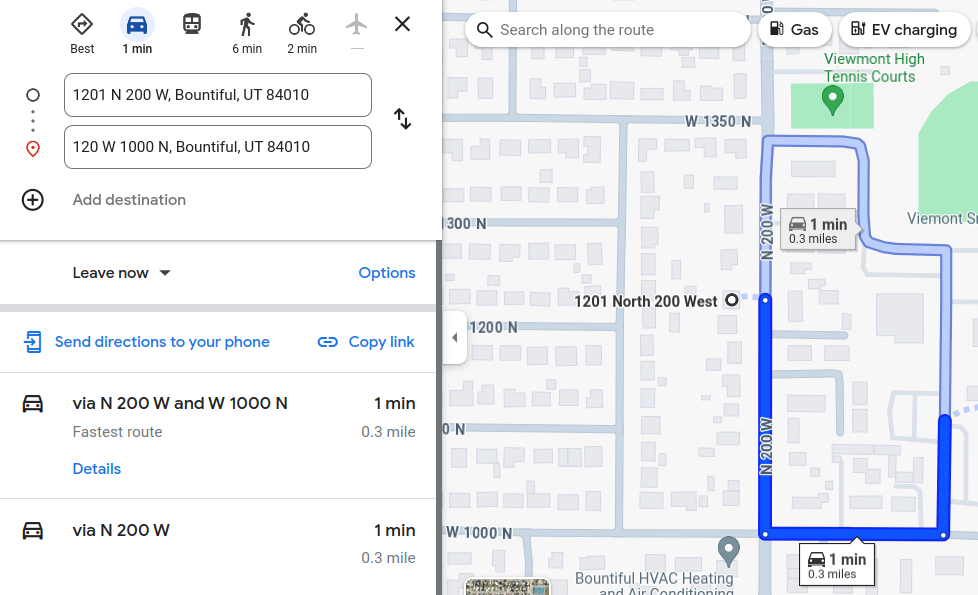
According to Redditor ‘je-m-en-fiche,’ Bountiful residents that lived in the area referred to it as the ‘Viewmont House’ because of its close proximity to the local high school. Looking into the residence, it’s in no way ‘close’ (in my opinion, anyways) to Viewmont HS, nor should it be considered just across the street (it’s actually 0.2 miles away, and is about a five minute walk). It was featured on the Travel Channel television show Ghost Adventures, ‘starring’ Zak Bagans and his group of cronies (including Aaron Goodwin and Nick Groff), specifically for the limited spin-off mini-series ‘Serial Killer Spirits.’ The episode, titled ’The Ted Bundy Ritual House,’ aired on October 26, 2019, and focused on the abandoned structure that has been uninhabited since a gas leak led to an explosion on July 4, 1997. The show’s creator and ‘lead investigator’ Zak Bagans claims that Bundy took Debra Kent there after abducting her after she left a showing of ‘The Red Head’ to go pick up her brothers from a nearby roller skating rink.
In addition to the TB ritual house, Ghost Adventures did episodes on HH Holmes (he killed a nine year old kid in a house in Irvington, Indiana and the current owner felt that dark and sinister forces had ‘overtaken the property’), Joliet Prison in Illinois (where John Wayne Gacy spent only a small amount of time), and an episode titled ‘Axe Killer Jail,’ where the team investigated a prison in Council Bluffs, IA, where SK Jake Bird was once housed.
Because the events of the episode are so ridiculously absurd, I’m not going to spend much time on a synopsis of it. In a nutshell, it began with some little ginger-haired boy that supposedly lived next door to the house (knowing Bagans it’s probably his own kid) peeing on a log on the front steps (Zak tells one of his cronies to smell it ‘for research,’ and he does), and of course the GA’s crew followed him home and gave him (and his mother) the third degree and told them exactly what they wanted to hear… and the guys ate it up like a piece of fucking cheesecake. When asked how he felt about the house the kid told Bagans that there were ten mean child-aged spirits that lived there and weretrying to kill him and they ‘better not go in there because they might kill you.’
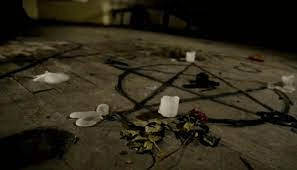
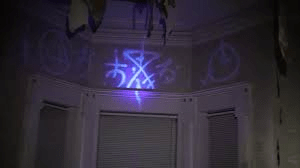
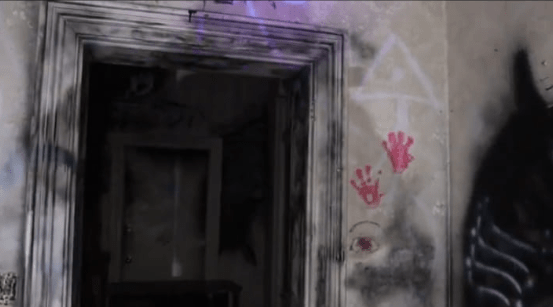
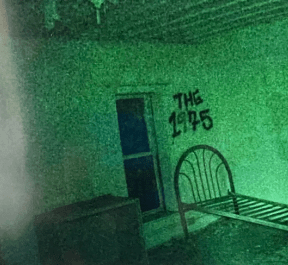
In the beginning of the episode, a one-time resident of the home named Peter Kingston claimed that when they first moved in his family found weird, mysterious satanic symbols drawn on the walls, including various ‘devils signs’ (including a ‘big pentagram’ on the wall) and ‘666’s all over the place.’ At some point during the episode some guy named Vincent (who does not appear to be with Bagans’ crew and I don’t care enough about him to do any additional research) said that when he was in the house prior to the episode he was pushed down the stairs and almost went through the side railings. As the show progresses, the ghost hunters break out all their fancy bullshit equipment meant to detect supernatural activity, and of course everything they do results in some sort of captured phenomenon (I mean, no one would watch it if nothing happened), and plenty of jump scares and ‘sledgehammers of evil’ (Zak’s words, not mine) ensues.
One of the first things the GA team does upon entering the residence is attempt to open a portal on the floor near a pentagram using what Bagans calls a ‘geophone device,’ which he said ‘measures temperature and electromagnetic energy.’ However, according to the website HiggyPop that’ ‘isn’t strictly true. A geophone doesn’t detect heat or electromagnetic energy, as the name suggests it’s to do with geological movement and it actually detects vibration. The gadget Zak is using is called an EDI meter which has several functions built in, including EMF and thermometer as well as a geophone. Ironically the geophone is the one function of the device that Zak is not using.‘
In addition to the ‘geophone’ (that really isn’t a geophone), Bagans used night vision cameras, digital recorders, and a spirit box, which is a device that rapidly scans AM/FM radio frequencies in an attempt to pull paranormal messages out of the static and white noise. Two additional pieces of equipment the team used (that I have also never heard of before) is the Ovilus V (which is a tool that supposedly allows spirits to communicate with the living by selecting words from a internal database using their ‘energy’) and a TriField meter, which measures EMF in the form of radio-frequency, magnetic, and electric fields.
Zak and Aaron used an SLS camera in the upstairs part of the house, which is a device which ‘looks for’ human-like shapes in the darkness and supposedly can capture images in the absence of light that the human eye can’t see. According to the investigators, while using the camera in a hallway they captured what they described as a ‘mind-blowing figure,’ which was shown in the form of a ‘glitching and dancing stickman on the camera’s screen for a brief moment’ (I cannot make this up, they pulled it out of thin air).
After doing some research into the history of the structure, Bagans was wrong: Bundy never could have brought Deb Kent to this house, because it was actually occupied by two different families at the time of her abduction in November 1974. In an interview with KSNV, the Peterson family had five daughters residing there at the time Kent was abducted in November 1974, and ‘people have said that Ted Bundy took women over here and killed them in this house at the time that Debbie Kent got taken. We were living here. Two families were living here and never saw anything like that happen.’ … ‘I think it’s ridiculous because Ted Bundy never came over here. Nothing like that ever happened here.’ Cindy’s mother Rolean did share that she felt the residence was haunted (just not by Ted Bundy), and that the family experienced several strange things during their time in the house: on one occasion they were sitting in a front room and a white ball flew out the wall, seemingly out of nowhere.
Despite Bundy never having any actual ties to their former residence, Mrs. Peterson said that as mother of five young girls she made sure to always keep the doors locked, and ‘it was a really terrifying time for everybody here.’ She also commented that linking Bundy to the old residence only further exploits his victims, and that ‘he was a monster. And I don’t think he should be glorified in any manner at all. If they’re going to tell a story, they need to get their facts straight.’ KUTV out of Salt Lake reached out to Mrs. Belva Kent about the Travel Channel’s episode on the residence and she said that every time a movie or TV special is made about her daughter’s killer her family is forced to relive their pain and that the show only glorified the man that killed Debra.
According to a ‘deseret.com’ article published on July 5, 1997, the duplex went up in flames the day before after gas accumulated underneath the basement ceiling from a leak which caused the explosion (which was most likely ignited after the water heater kicked on). After an assessor was able to investigate the fire it was determined there was nearly $100K worth of damage done to the structure, with the first-floor apartment suffering the majority of it.
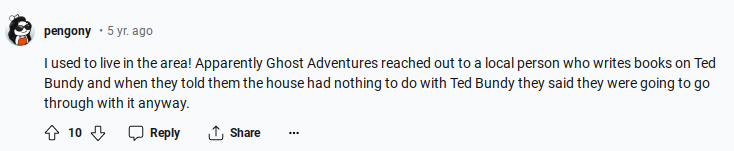
According to Redditor ‘OatyBisc,’ ‘I grew up in Bountiful (I even went to Viewmont HS where the abduction happened!) and this house has nothing to do with Ted Bundy other than proximity. I was excited to see an episode from my hometown but there were so many inaccuracies it drove me crazy! Debbie Kent’s body was never found, but they did find a patella at a site where they found bones from other murder victims and a few years ago they verified it was hers through DNA. This was maybe 20 miles or so from Bountiful, not 100 miles. Her headstone is in the city cemetery, but her body is not there. When she disappeared this house was occupied. It only looks bad now. I drive past it occasionally and it’s pretty worn and clearly burnt on the North end, but the fire was much later. It’s a spooky looking house and they have ghost tours there occasionally, but the Ted Bundy angle is a stretch.’ In addition to this, a Redditor going by the handle ‘pengony’ pointed out that when Bagans was told by locals that the house was completely unrelated to Bundy he told them that he didn’t care and was going to film there anyway.
Just as a side note, the episodes IMDB page gives a completely different narrative and outright fabrication of the truth: ‘Zak and the crew investigate an abandoned house in Bountiful, Utah, where locals claim notorious serial killer Ted Bundy murdered one of his victims. Overloaded with satanic rituals and violence, the home is drenched in a dark, sinister energy.’
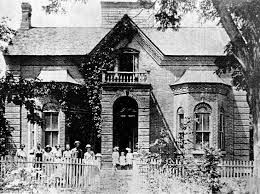
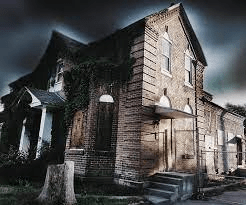
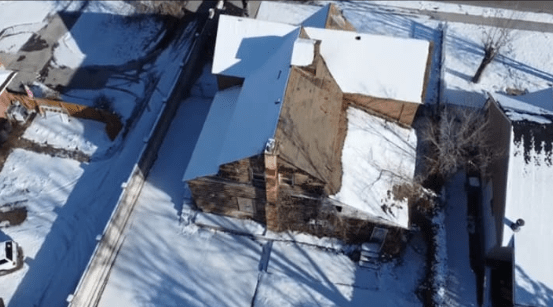
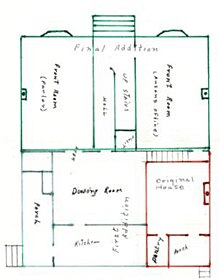
Now… this isn’t just some old, dilapidated house with a possible (but, not really) link to Ted Bundy: referred to as the ‘Anson Call House,’ the residence was built by a pioneer of the Mormon faith (Anson Call, obviously) in the early days of Bountiful when it was known as Session’s Settlement (or North Canyon). The building, which began as a one-room cabin, was initially constructed in 1855 and the first additions to the home were made two years later when a dining room and kitchen area were built as well as a basement. Over the years a second floor was added, and it eventually turned into the structure you see today (or, before it blew up).
Interestingly enough though, Ted Bundy isn’t the house’s only murderous link: In Adam Call-Roberts blog post titled, ‘Mary & Anson Call: Hosts to a Killer,’ in October of 1857, Anson and Mary Call hosted then Utah Congressman John Doyle Lee overnight, blissfully unaware that just one month prior their guest participated in the ‘Mountain Meadows massacre.’ In September 1857 an emigrant group from Arkansas known as the Baker–Fancher party set up camp in Utah’s Mountain Meadows, which was a staging area in the southern part of the state that was used to get ready for the long crossing of the Mojave Desert by groups that were going west to California.
In the early morning hours of September 7, 1857 a group of Paiute Indian and Mormon militia men that were dressed as Native Americans attacked the circled wagons without warning. The party fought off their aggressors the best they could and the conflict went on for four days; in the process fifteen emigrant men were killed either in battle or while attempting to escape. Congressman Lee didn’t get involved in the dispute until the third day, when he approached the wagon party and convinced them to surrender their possessions and weapons in return for safe passage to nearby Cedar City. The emigrants (who were low on ammunition and supplies) accepted his offer and surrendered, and it was then that roughly 120 people from the Baker–Fancher party were then slaughtered, leaving only 17 small children behind. In 1874, Lee was arrested for leading the massacre: his first trial ended with a hung jury and two years later a second one took place in which the prosecuting attorneys put the blame solely on his shoulders. He was convicted and sentenced to death. On March 23, 1877, Lee was executed by firing squad at the very site of the massacre that took place twenty years before.
In conclusion, there’s a lot of different videos and podcasts on this residence, but one thing is for certain: Ted Bundy had absolutely nothing to do with this house.
A picture of the Anson Call House taken around 1920 with attached ‘milk diet’ sanitarium on the south side of the residence. Photo courtesy of Lewis and Jean Call.The Anson Call house around 1940 after the Sardoni remodel. Photo courtesy of Lewis and Jean Call.Another shot of the Anson Call House, showing the southeast corner. An older shot of the Anson Call House before the fire.The front of Anson Call home showing picket fence and old enclosed brick entrance and balcony.A side view of the house after the 1997 fire.The Anson Call House as it looks today.The entrance to those house, notice the ‘private property’ signs posted everywhere. Photo courtesy of news3lv.com.The side of the Anson Call House in its more recent years. Photo courtesy of The Travel Channel.An aerial view of the Anson Call House. Photo courtesy of The Travel Channel.The houses front porch light. Photo courtesy of news3lv.com. A drawing of the layout of the first floor of the Anson Call House. Photo courtesy of Lewis and Jean Call.The back entrance to the house as it looks today.The best screenshot I could get of the no trespassing sign on the Anson Call House. Screenshot courtesy of YouTube Channel ‘Lazarus Unknown.’Zak Bagans standing in the kitchen of the Anson Call House. Screenshot courtesy of The Travel Channel.A recent view of the kitchen in the Anson Call House. Screenshot courtesy of YouTube Channel ‘Lazarus Unknown.’Another shot of the kitchen in the Anson Call House. Screenshot courtesy of YouTube Channel ‘Lazarus Unknown.’Another shot of the kitchen in the Anson Call House. Screenshot courtesy of YouTube Channel ‘Lazarus Unknown.’A pentagram drawn on the living room floor of the Anson Call House. Screenshot courtesy of The Travel Channel.Some satanic drawings on the first floor walls in the Anson Call House. The GA team used UV flashlights to capture ‘hidden’ messages drawn on the walls of the Anson Call House. Screenshot courtesy of The Travel Channel.Some satanic drawings on the first floor walls in the Anson Call House. Screenshot courtesy of The Travel Channel.One of the living rooms in the duplex in the Anson Call House as it looks today. Screenshot courtesy of YouTube Channel ‘Lazarus Unknown.’Another shot of one of the living rooms in the duplex in the Anson Call House as it looks today. Screenshot courtesy of YouTube Channel ‘Lazarus Unknown.’Another shot of some ‘hidden’ messages drawn on the walls of the Anson Call House. Screenshot courtesy of The Travel Channel.Some more ‘hidden’ messages drawn on the walls of the Anson Call House. Screenshot courtesy of The Travel Channel.Some spray painted artwork on the wall in the Anson Call House. Screenshot courtesy of YouTube Channel ‘Lazarus Unknown.’A bedroom in the Anson Call House as it looks today. Screenshot courtesy of YouTube Channel ‘Lazarus Unknown.’A comment on a Reddit post about the TB Ritual House from the user ‘penogy.’ A comment on a Reddit post about the TB Ritual House from the user ‘Coleyb23.’ A comment on a Reddit post about the TB Ritual House from the user ‘lordglo.’ Deb Kent.Deb Kent’s patella, which remained unidentified until 2015. Photo courtesy of Tiffany Jean.Viewmont High School, located at 120 West 1000 North in Bountiful, UT. Photo taken in November 2022.The parking lot at Viewmont High School where Deb Kent was abducted from.A possible route from the Anson Call House to Viewmont High School in Bountiful, Utah.Anson and Mary Call.A picture of John D. Lee taken in December 1857. Photo courtesy of Adam Call Roberts.A picture of Congressman Lee just prior to his execution sitting next to his own coffin; how dark but appropriate for what he did.