These are the documents that were released by the FBI related to the Jeffrey Dahmer murders.
Jeffrey Dahmer: FBI Documents.
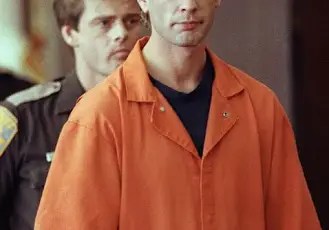
These are the documents that were released by the FBI related to the Jeffrey Dahmer murders.

Here is the .PDF file I found from the fbi.vault.gov website. You can find them in there, but I wanted to include them here as well in a continued effort to be a one shop stop.
The following is an article about Cheri Jo Bates from the magazine ‘Inside Detective,’ published in January 1969 titled, ‘Your Daughter May be Next.’


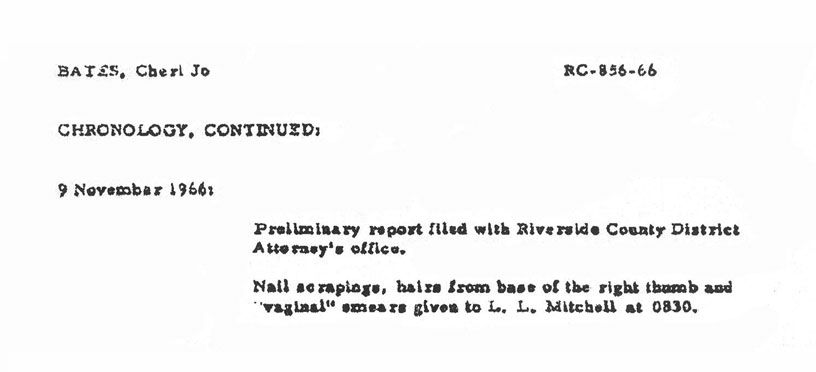
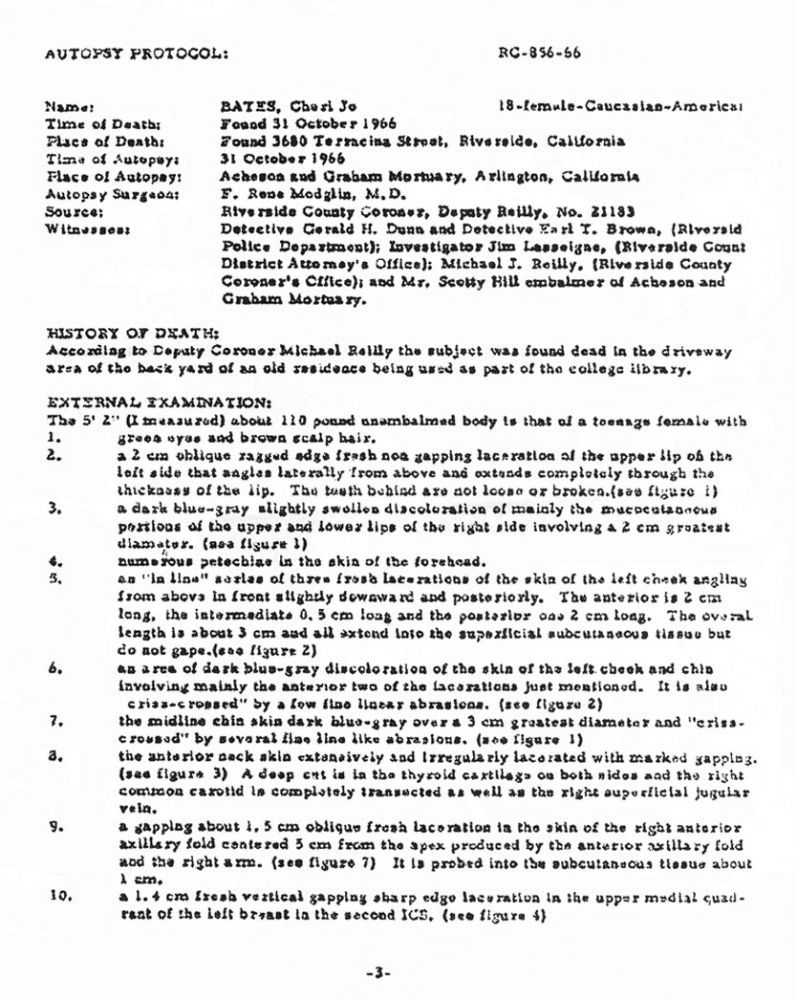
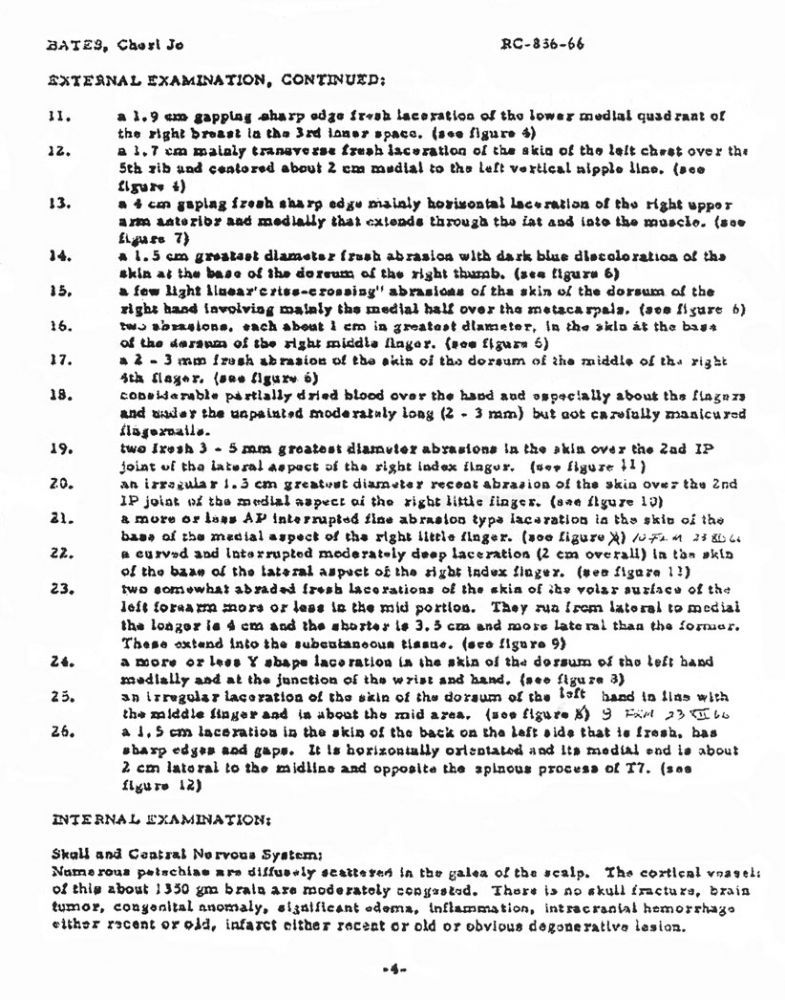
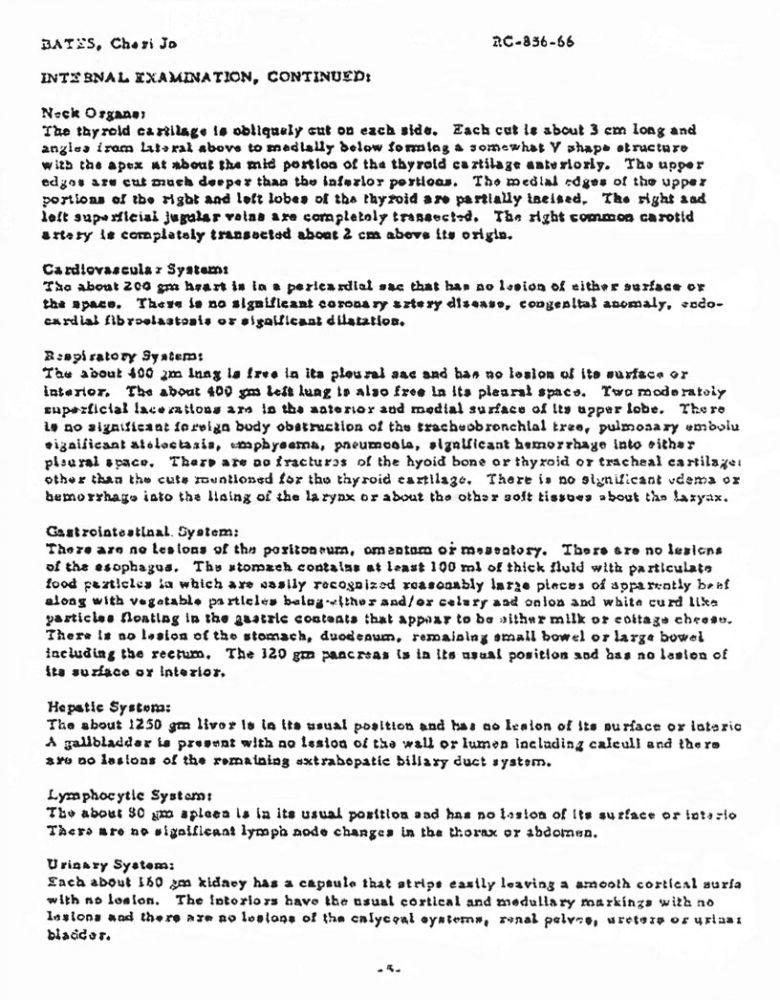


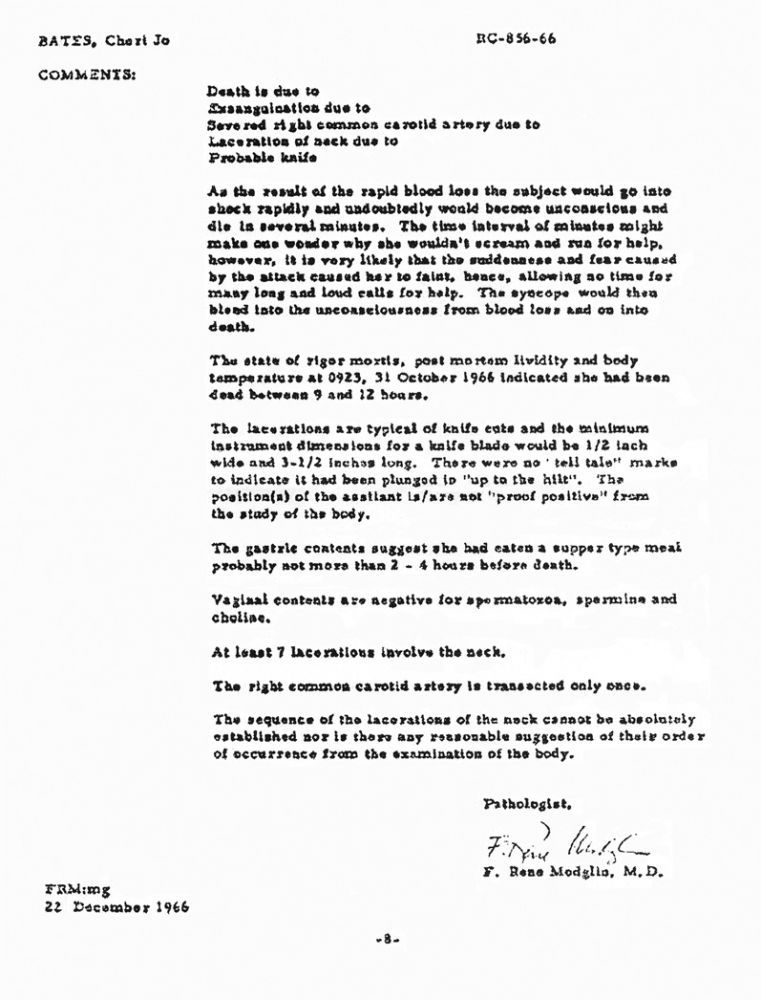
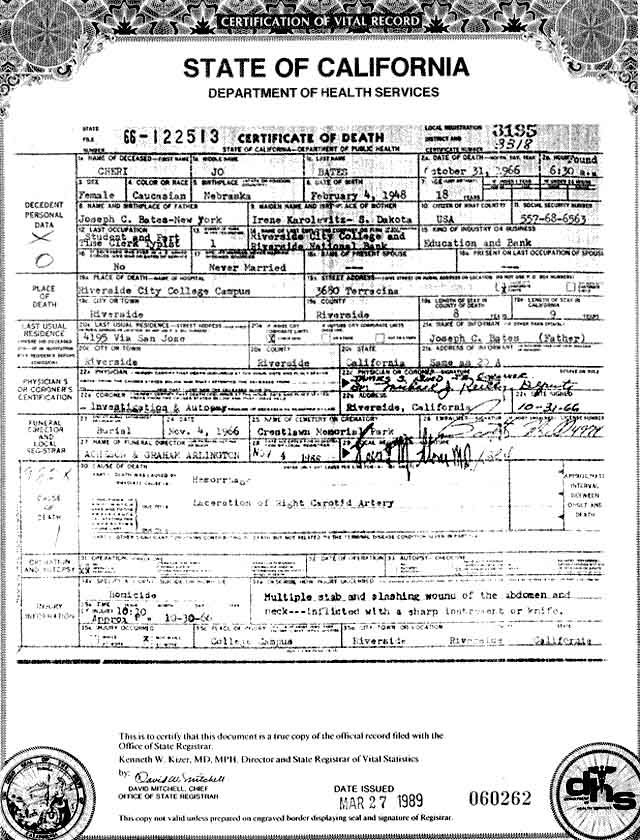
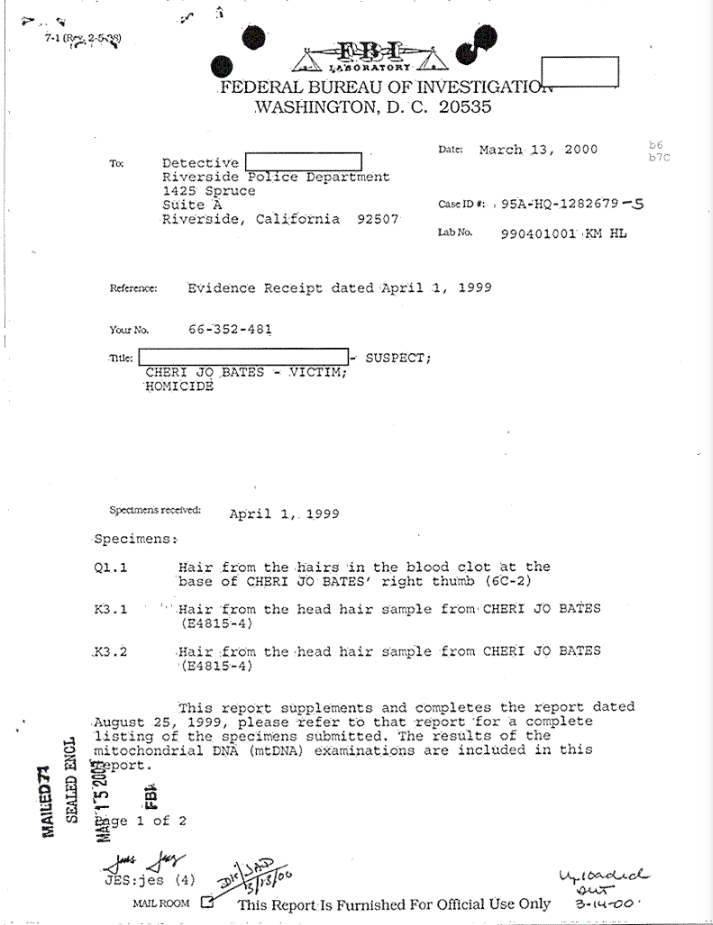
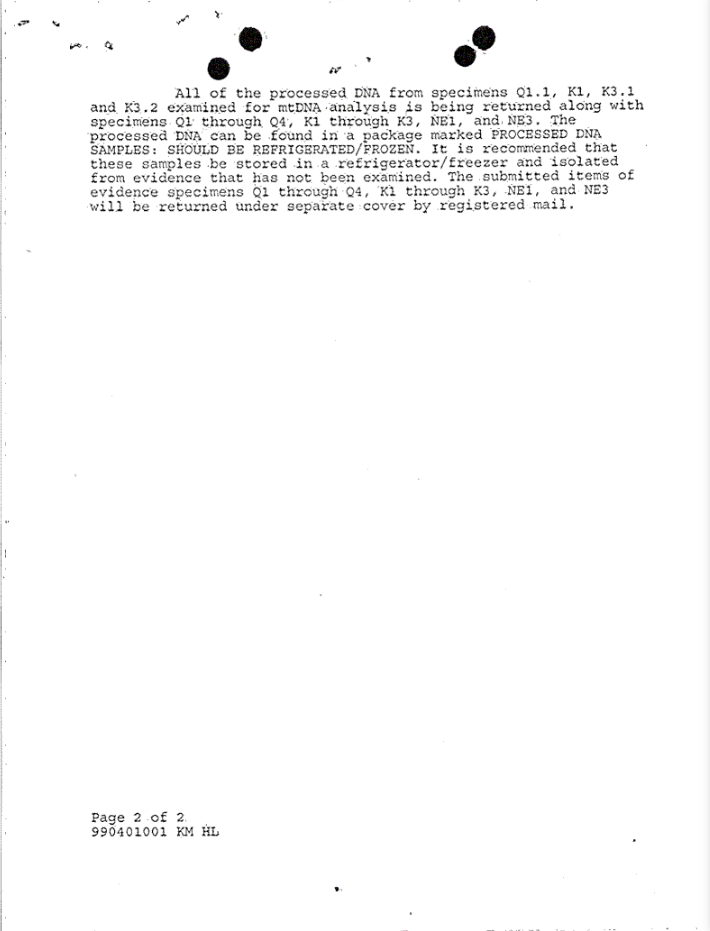
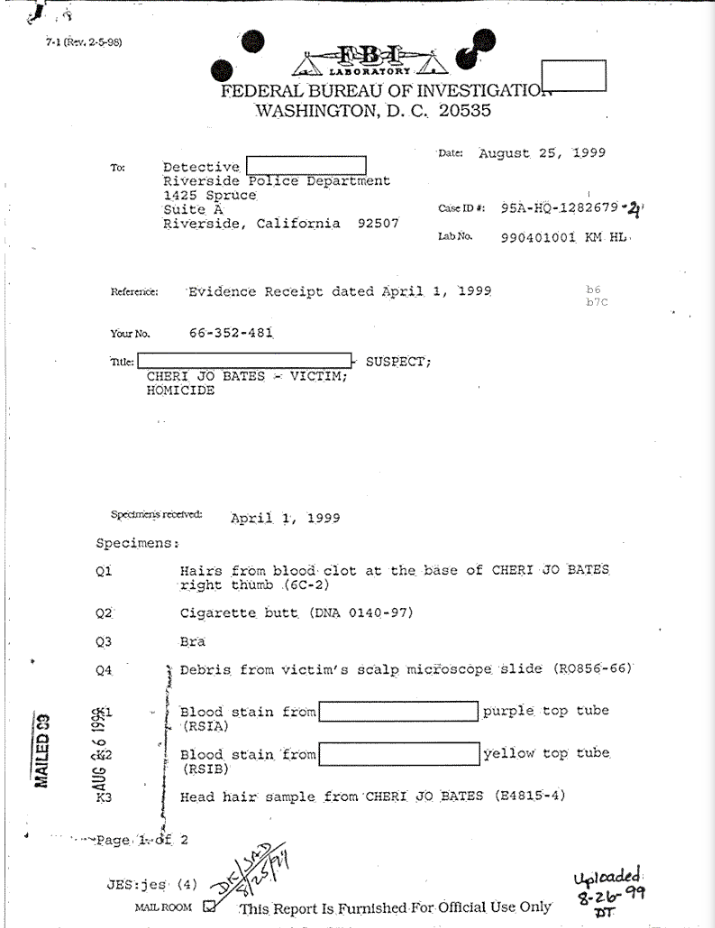
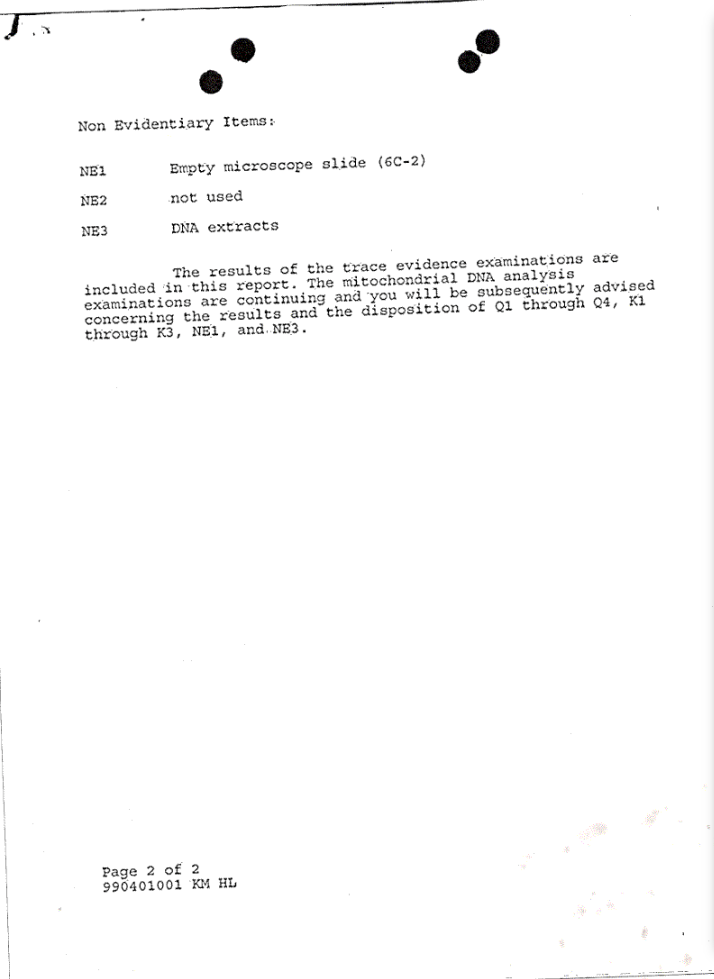
ZodiacRevisited.com contributor ‘Morf13’ has provided the following documents related to the murder of Cheri Jo Bates. This information is related to mitochondrial DNA and hair analysis done in 1999/2000 on evidence from the case that was done at the request of the Riverside PD in hopes of incriminating their main suspect (it ended up clearing him). I am currently writing about Bates, and I almost right away don’t think Bundy was a good suspect.





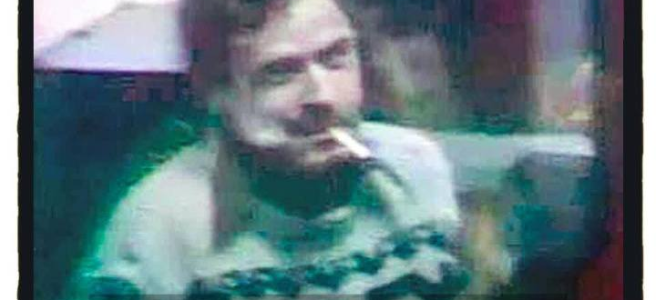
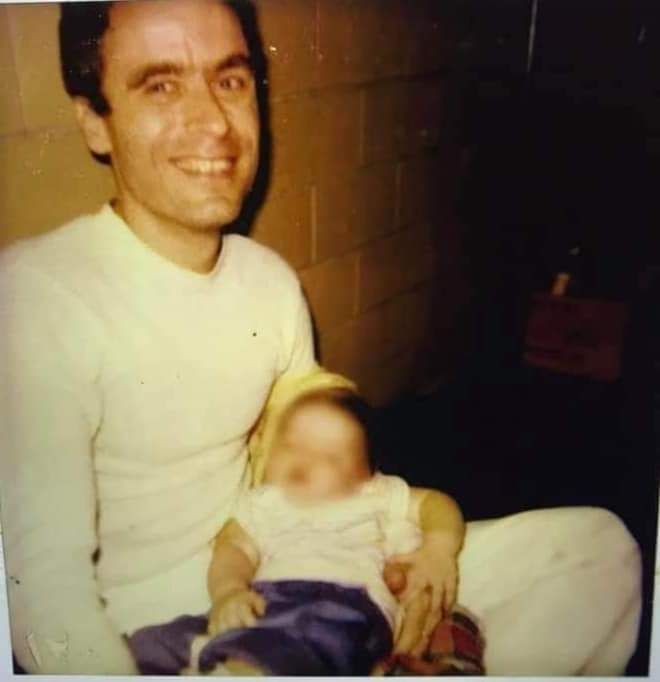
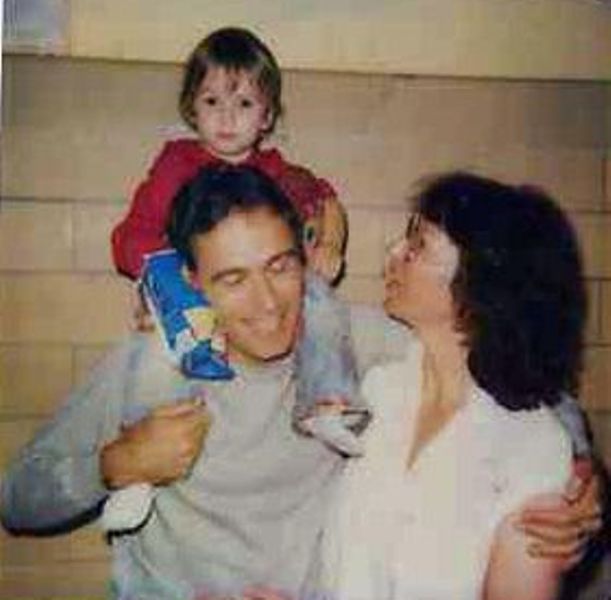
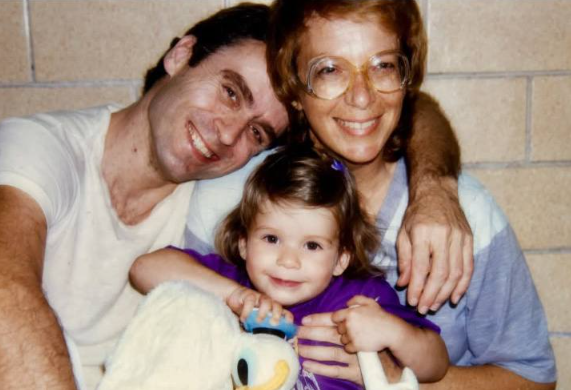
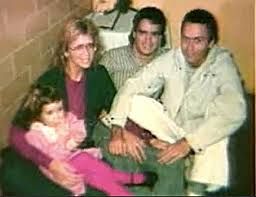
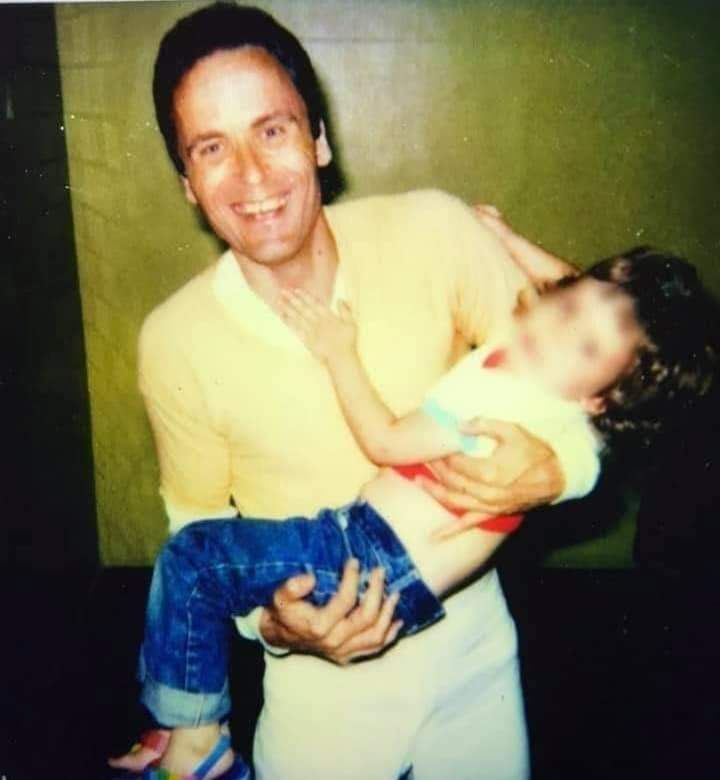
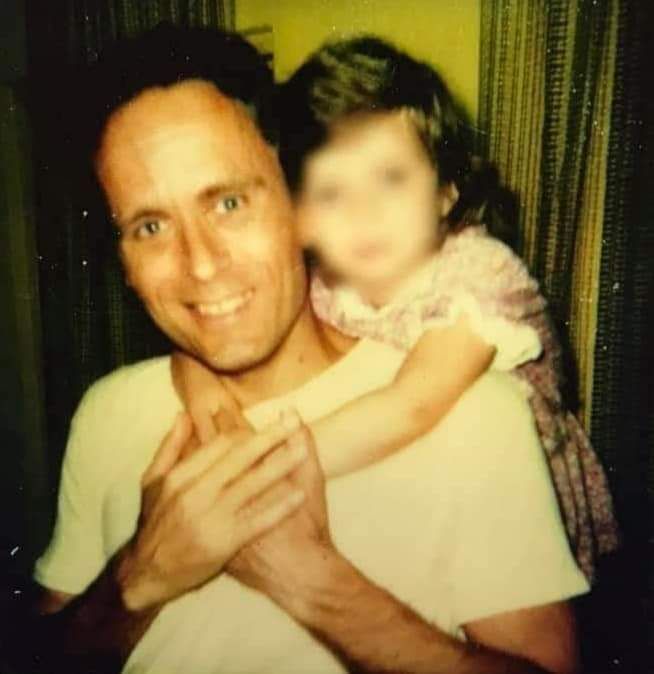
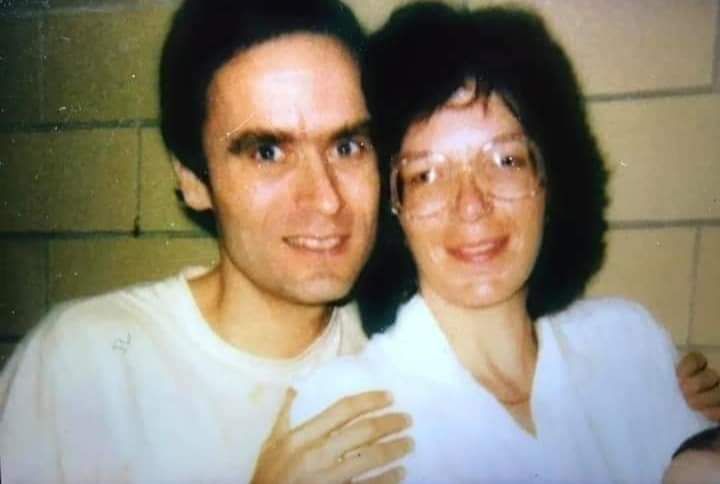
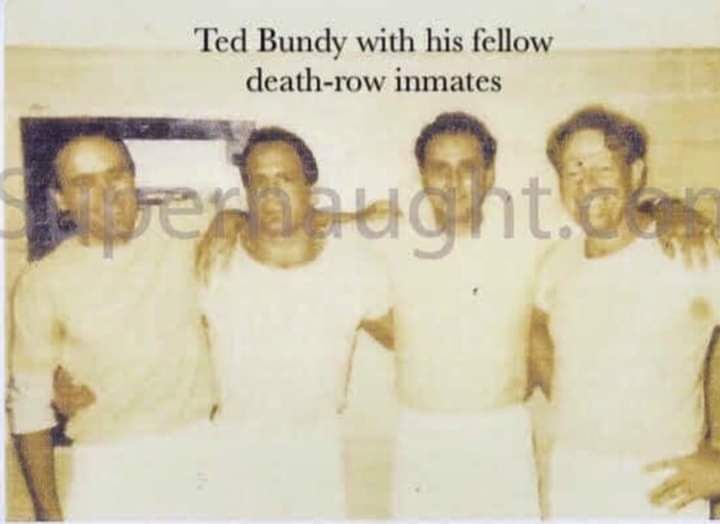
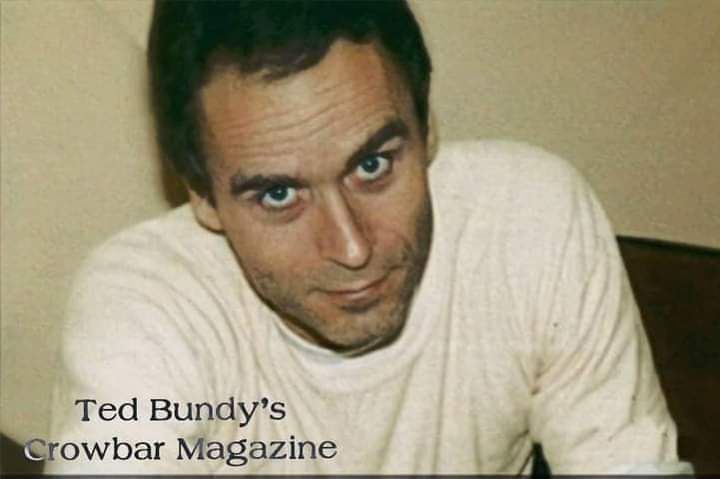
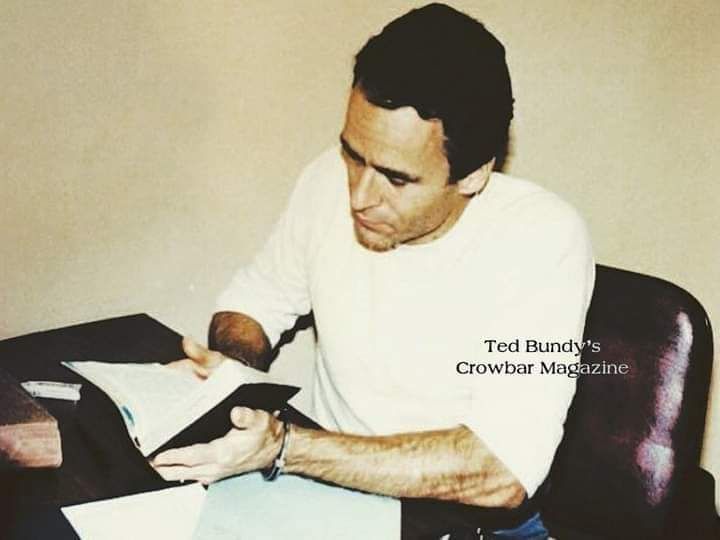
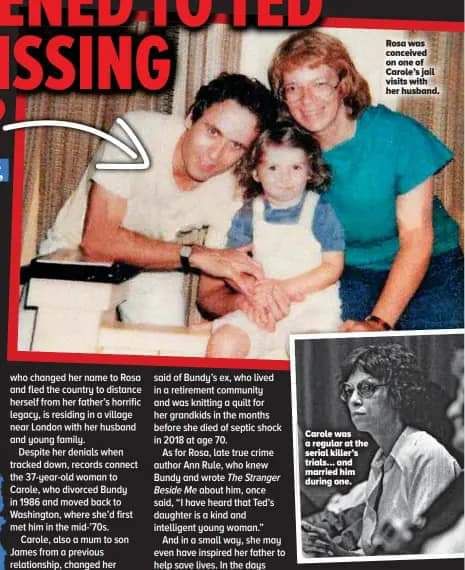
I came across quite a few pictures of Ted and his family these past few days and I wanted to share them here. Carole Ann Boone passed away in a retirement home in Seattle in 2018, and where I do know some details about Rose/Rosa’s adult life I will not disclose anything out of respect for her privacy. I was hesitant about including her face in some of these but I found them all quite easily on the public domain.








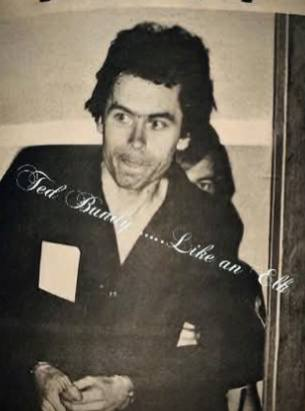
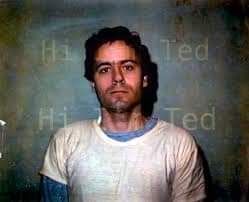
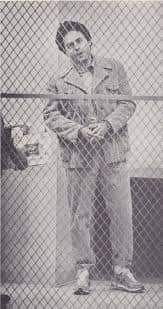

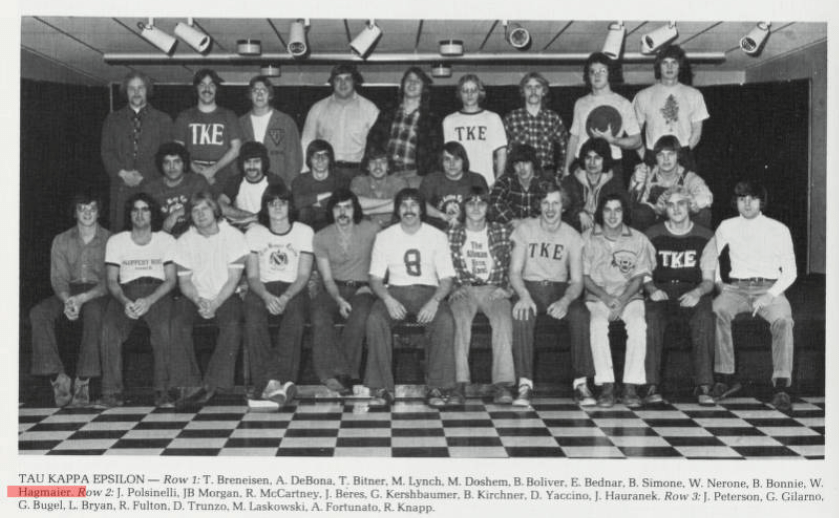
Directed by Amber Sealy and written by C. Robert Cargill (under the pseudonym of Kit Lesser), ‘No Man of God’ stars Elijah Wood (as Bill Hagmaier), Luke Kirby (as Ted Bundy), Aleksa Palladino (as Ted’s final attorney Carolyn Lieberman/Diana Weiner), and James Patrick of Terminator fame (Roger Depue). The film had its premiere at the Tribeca Film Festival on June 11, 2021 and was officially released by RLJE Films on August 27, 2021. In my opinion, this movie is unlike any other Bundy production that’s out there because it takes place (almost) completely inside the walls of Florida State Prison after his murders and trials took place. Set between 1985 and 1989, it’s based on conversations between the FBI Agent (Hagmaier) and serial killer during his time on death row in the sunshine state. In the opening scene some information about what you’re about to watch appears on the screen: ‘in the late 1970’s, a team of FBI researchers proposed that, by understanding the psychology of violent serial offenders, investigators could more effectively combat serial rapes and homicides. The process was called profiling. In 1984, President Ronald Reagan announced the establishment of the National Center for the Analysis of Violent Crime, creating the first five full-time positions for FBI profilers. Special Agent Bill Hagmaier was picked as one. The following is inspired by FBI transcripts, recordings, and the recollections of Bill Hagmaier.’
The movie begins in 1985, where an group of FBI agents from the elite Behavior Science Unit are sitting in on a meeting with Supervisory Special Agent Roger Depue, who shares with them that he needs them to gather case studies on violent offenders, including serial rapists and killers (by ‘begins’ I mean the plot of the movie, in literal terms it actually begins with a real-life broadcast announcing Bundy’s execution). Names like Charles Manson, Ed Kemper, and David Berkowitz are thrown around… and when the other agents laughed and passed on Ted, newcomer William Hagmaier accepted the challenge despite being aware of the killers deep distrust of the Bureau. Initially through snail mail, Bundy expressed interest in communicating with Hagmaier, who eventually traveled to the condemned man’s final home for an interview. Over the next couple of years, the two men developed an unusual ‘friendship’ of sorts while discussing pornography and detective magazines as a possible catalyst for violent serial offenders. Despite some hesitation at first from the agent, during these conversations Bundy was able to cajole personal details about his personal life out of him, under the guise of establishing trust between them.
The following year the two men met again. This time, Ted is shown some crime scene photos related to the recent Green River murders and gives Hagmaier his opinion on them, and through the agents sly questioning the killer accidentally volunteers some details about his own diabolical history. At one point during their chat Bundy asks Bill if he thinks he could kill someone, and when the agent responds that, due to his being an FBI agent it could in theory happen, it’s not exactly the answer he was seeking. Back at Quantico, FBI Unit Chief Depue cautioned his agent not to get too close to someone like Bundy, and that he ‘didn’t want someone like him getting inside his head.’ Despite this warning, while sharing stories about their children during their next visit in 1987, Ted senses that his new friend is getting too deep inside of his head and taunts him to wonder outloud what he might do if he ever escaped from prison. In response, Hagmaier describes it with (most likely) a good amount of accuracy, which makes him furious and he verbally attacks him. After calming down a bit Bundy begins to disclose more intimate details of his life and what may have led him to murder, but along the way he also dispelled many of the popular myths about him (such as going after women with long, dark hair). The killer also shared that in an alternate reality Bill could be the one sitting in prison and he could be an FBI agent, a statement that deeply affected the agent.
Thanks to IMDB, I learned quite a few interesting facts about the movie I was unaware about before writing this article: in the first conversation between Bundy and Agent Hagmaier the SK asks why the Bureau didn’t send Douglas, and by that he meant John Douglas, who was the criminal profiler that wrote ‘Mindhunter’ on which the TV series is based. Also, when Bill is talking to Bundy about confessing he mentions Henry Lee Lucas, another serial killer that (along with his partner/lover Otis Toole) frequently lied and fabricated stories about his criminal history, hinting at him to tell the truth. Lastly, in 1987 Ted mentions that they should co-author a book together and name it ‘The Bill and Ted Show,’ alluding to the 1989 movie ‘Bill & Ted’s Excellent Adventure’ which was released less than a month after he was executed. This is one of the few errors, as the movie wasn’t released for two years after this conversation took place.
The final half of the movie (roughly) takes place in the last few days of Bundy’s life in January 1989, after (then) Florida state Governor Bob Martinez signed his death warrant and he was trying to weasel his way out of getting executed. Ted (of course) said that the determination of only being granted seven days was done by the governor in a pathetic attempt to gain the favor of the people of Florida in the hopes of getting reelected (spoiler alert, he did not). Hearing of the killers quickly approaching doom, individuals from all over the US as well as members of the media began to gather outside the prison. At this time, we meet his civil attorney Carolyn Lieberman, who is deeply against Hagmaiers involvement in anything related to Ted due to his ties to ‘law enforcement,’ however the killer is insistent that he be there, saying Bill is his ‘best friend.’
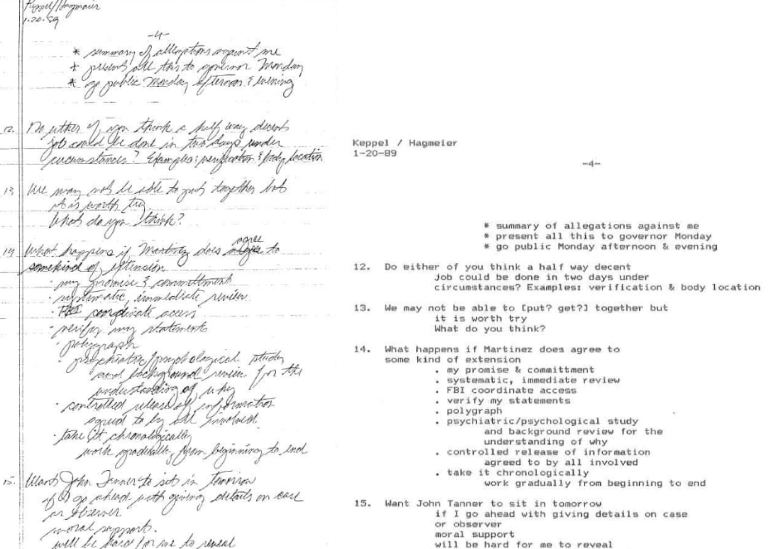
Hagmaier was sent to Florida not to fight for Bundy’s life but to simply be there and act as his scheduling coordinator: Ted is finally ready to confess and spill all of his secrets, and because he is a complete narcissist it’s all being done on his terms. He tells Bill of his plan to only give detectives the bare minimum in order to bait them and make them want more, which he hoped would grant him more time to live. In response, the agent urges Bundy not to play games with the governor of Florida, advice that he mostly ignores. Members of law enforcement agencies from all over the US poured into Florida: Idaho, California, Oregon, Colorado, and Utah; where I didn’t hear representatives from NJ or Vermont mentioned I recall Bundy also being questioned about the 1969 New Jersey Parkway murders (Susan Davis and Elizabeth Perry) as well as the 1971 homicide of schoolteacher Rita Curran (in VT).
During interviews with investigators across multiple states, Bundy is purposefully vague and evasive with his answers, only sharing small tidbits of information with them. Additionally, he completely disregarded Bill’s concerns about media coverage and Carolyn scheduled an interview with Christian Psychologist, creator of ‘Focus on the Family,’ and straight up douchebag Dr. James Dobson the day before he was executed in hopes that he would petition the governor on behalf of Ted in hopes of getting a stay… But of course, the sleazebag waited until after the interview to reveal that he never planned on talking to Martinez, as he felt the killer would never be granted a pardon. It was really almost spooky watching Kirby’s performance as Bundy during his interview: not only was the dialogue nearly identical but so were the facial expressions made by the killer. It was as if he somehow channeled Bundy’s spirit during that scene.
Later that day after the interview the warden informed Hagmaier that Bundy was to undergo a last-minute sanity hearing, and where multiple conversations were to be conducted the decision to put the killer to death would ultimately fall completely on his testimony to a psychiatric board; as we know, they ultimately declare Bundy sane.
When the men speak for the last time on January 23, 1989 Bill brings up a conversation they had a few years prior, about being ‘brought under the water:’ through violent, horrifying details, Bundy finally opened up and shared how he lured and killed one of his victims, leaving the agent completely overwhelmed and in tears. After this interaction Ted asked his friend why this is happening to him, proving he was still completely remorseless. Infuriated, as Bill prepares to leave the condemned man asks if he had any idea why he did what he did, to which he simply said, ‘because you wanted to.’ Just moments before Bundy was scheduled to die, Hagmaier is told by a prison official that he had been taken off the list to sit in on the execution so that someone else could fill his spot. The movie wraps up with Agent Hagmaier alone in the warden’s office, answering the telephone and talking to his wife and son. As he is catching up with his son, the crowd outside erupts in spirited cheers as it was announced that Ted was officially declared dead.
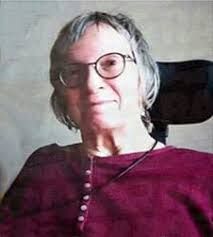
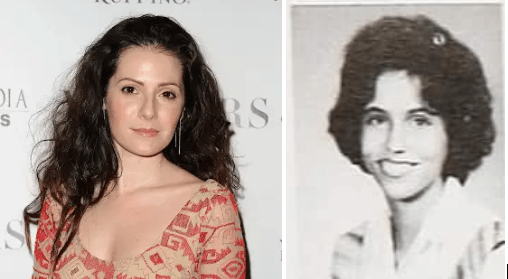
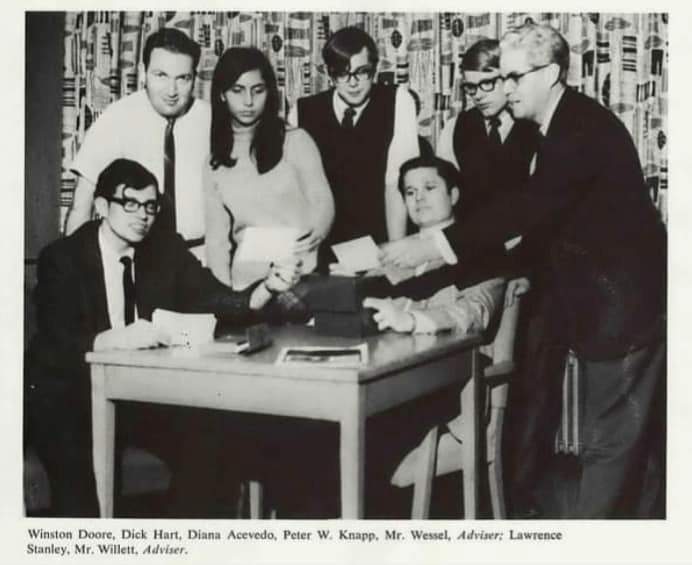
Just some quick background on Diana: she was a civil attorney, which is a type of lawyer that mainly works on civil lawsuits (such as, a personal injury case or contract dispute) and represents their clients in non-criminal areas of the law. Weiner (whose maiden name was Acevedo) got her BA from Houghton College (which is a Christian school close to where I live) in NY in 1969 and went on to earn her Juris Doctorate from Georgetown in 1982. She has been married to her husband Nevin for over forty years, who also worked as an attorney before retiring.
Diana first met Ted Bundy in October 1986 through psychologist Art Norman, who was brought on earlier in the year to interview him for a clemency proceeding. Dr. Norman was in the same social circle as Weiner and her husband, and he felt that Bundy would be more open and honest if there was an ‘intelligent, attractive attorney, and a woman who could be very open and would have the personality to open up and would not be threatened by whatever he says.’ Well, he was definitely on the right track: almost immediately, Diana’s presence prompted Ted to talk more honestly and intensely about his feelings towards violence and women, which were ‘things he has difficulty talking about with a man.’ All of this was being done by Dr. Norman in an attempt to figure out whether the killer had been ‘mentally competent’ to stand trial when he was convicted in the early 1980’s. Shortly after their meeting, Weiner officially became Bundy’s civil attorney and represented him (along with other death row inmates) in a civil rights lawsuit surrounding the poor ‘exercise conditions’ at Raiford Prison.
There seemed to be quite a bit of whispering about the nature of hers and Bundy’s relationship before he was put to death, but there is no proof that anything inappropriate ever took place between the two. About Bundy, Weiner said they had ‘an attorney-client relationship, but I also, as an attorney and client do, developed a congenial relationship with the client.’ The idea is strongly hinted at in ‘No Man of God’ as well: in the movie the warden asked Hagmaier why a civil attorney needed to visit a death row inmate 80 times in three years, and where I don’t know how accurate that estimation is, in reality she spent roughly seventy hours with him during his time on death row.
According to the website ‘yourtango’ (just for the record, I don’t know how accurate this information is), Bundy’s feelings for Weiner were so glaringly obvious that they became a bit of annoyance to the rest of his legal team, including his defense attorney Polly Nelson. At one point she even confronted Ted about his feelings, which she was beginning to suspect were making her own job more difficult. In her book ‘Defending the Devil,’ Nelson wrote about her experience, and at one point said: ‘Ted, quit giving me this ‘Ms. Weiner’ stuff. I know why you see her, and it has nothing to do with any lawsuit. She’s beautiful, she’s interested, she can come during lawyer’s visiting hours, and you can have unsupervised visits with her.’ In response to this, Ted paused briefly, smiled then said, ‘that about sums it up.’
In one of the few interviews she did after Ted’s execution, Weiner said she the man she knew wasn’t a killer, or a rapist: while she made it clear that she wasn’t in any way minimizing what he did, she remembers a man that became a born-again Christian that seemed genuinely remorseful for what he did and was sincere when he said he wanted to confess in hopes to ease the pain of his victims’ families: “I think the public is unwilling to accept that there could be a commonality between Ted Bundy and the rest of humanity or that Ted Bundy could have at the end of his life sought to tell the truth, confess or have had any moral compunction to do so.’
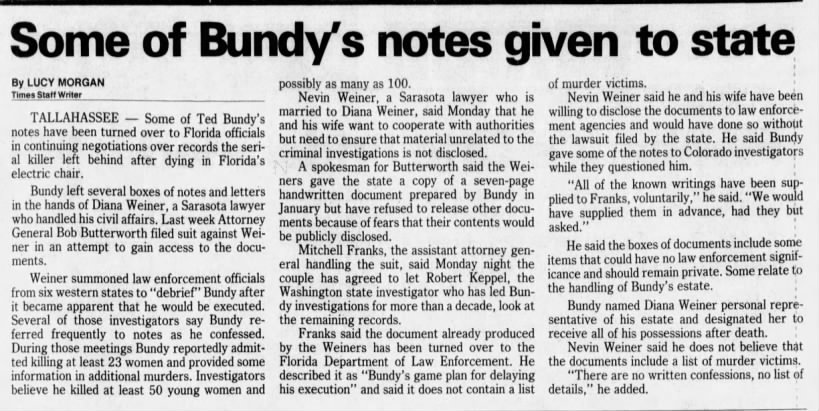
According to the legal paperwork that was left behind by the killer, Bundy left Weiner all of his worldly possessions, including his wedding ring, roughly $700, and his ashes. Regarding the latter of the three, she was instructed by her client to spread them across one of his dumpsites at Taylor Mountain, which never took place; a family member of Ted’s is currently in possession of them.
One thing I wonder about is the scene towards the end of the movie when Ted said he would rather slit his wrists then be killed by the state of Florida, an act he was easily talked out of by Hagmaier. I mean, it was no secret that Bundy was absolutely terrified of dying, and personally I think he would never have committed suicide because I honest to God think he fully expected a call from the governor granting him another stay of execution at the very last possible moment (like, as he was being strapped into the Ol’ Sparky). I mean… I just don’t think Bundy had it in him to take his own life. It’s ironic, in a really sad way: he had no problem killing potentially dozens upon dozens of girls and young women, but when it came to himself he was scared shitless.
One thing I was incredibly impressed by was how accurate this movie was when it came to the smaller details about Bundy’s life as well as his timeline. In quite a few Ted related movies, the creators changed the names of victims and family members, but that didn’t happen with ‘No Man of God.’ They even called his daughter by the correct name, which surprised me a bit as I know she has tried her hardest to stay out of the limelight regarding her fathers case (I hope that was able to continue); it’s even mentioned that that he hadn’t seen Rosa for a long stretch of time after he told Carole Ann Boone his plans of confessing (she stopped visiting in 1986). Additionally, when Bill talks about how his son pulled his pants down while pretending to be an elephant while crab-walked around his preschool classroom… Well, he really does have a son named Bryan, who followed in his fathers footsteps and became an officer with the NYPD (and I’m sure he loved that story being involved in the movie).
Other popular names related to Bundy were also used, like Liz Kloepfer, true crime legend Ann Rule, and his first love Diane Edwards. Rule is briefly brought up in conversation, when Ted denied her theory that Edwards was the main catalyst for his drive to kill and declared that being dumped by her had nothing to do with why he committed such atrocities. One name did jump out at me as being wrong but it was the way it was done that surprised me: Hagmaier questioned Bundy about ‘Diane Leach,’ and where the details were mostly correct they called her by her middle name and completely left out her first (Kimberly). Another identity that was changed was Carolyn Leiberman, and it wasn’t until after I spent a solid half-hour trying to figure out who she was that I realized the name was changed from Diana Weiner. My educated guess as to why: Ms. Weiner is still alive and the creators of the movie didn’t want people looking her up and harassing her.
And now I’m just going to go through and point out various things that interested me about this movie (thrilling, I know):
I know that Ted once told a story that he was in the library at Michigan State University and was flipping through college catalogs while contemplating his next move… he knew he wanted to go somewhere warm that was near water and close to a college campus. The movie features a scene where Ted tells Bill that he didn’t want to get caught, and honestly I’m going to have to lean towards that. Did he go to Florida in hopes of living out the rest of his life in anonymity, or did he go there purposefully to get a death sentence? Or, did he simply not want to live the rest of his life behind bars? I mean… I’m sure he was aware that if he stayed in Colorado there would be a good chance that he would die of natural causes while living out his final days in prison. If you really think about it, the Chi Omega murders (and the attack of Cheryl Thomas on Dunwoody Street) were incredibly reckless almost to a point they would be considered careless. It was as if he was begging to get caught. Why was he so sloppy if he wanted to avoid detection?
Over the years there have been many movies made about Ted Bundy, and that isn’t taking into account the dozens upon dozens of documentary-type television shows and mini-series that have been produced as well. Personally, my favorite is the oldest one starring Mark Hammon titled, ‘The Deliberate Stranger.’ Made in 1986, it’s a (fairly) accurate retelling of a book by the same name that was written by Seattle Times reporter Richard W. Larsen in 1980. The book was adapted into a two-part made for TV movie that originally aired on NBC on May 4 and 5, 1986. What I think is interesting about this is that TB was still alive when it was made, even though he claimed he had no interest in seeing it. Surprisingly, there wasn‘t another film about the SK made until 2002 (things really seem to pick up after that), when Michael Reilly Burke played the serial killer in the movie simply named ‘Ted Bundy;’ it was universally panned (as it should have been because it’s a total of crap) and was deemed ‘exploitative’ by critics. The following year Ann Rule’s classic ‘The Stranger Beside Me’ was made into another made for TV movie starring Billy Campbell and Barbara Hershey. Next up: on July 21, 2008 Parker Lewis himself Corin Nemec starred in ‘Bundy: An American Icon’ (which is also called ‘Bundy: A Legacy of Evil’) and to be honest, I thought this and the MRB movie were one in the same. I only recently realized that they’re two separate films. Then of course in 2019 we have another favorite of mine, the Zac Efron/Lily Collins Netflix movie titled, ‘Extremely Wicked, Shockingly Evil And Vile,’ and where it wasn’t entirely accurate it was pretty well-made and entertaining. Lastly, in 2021 one-time teen heart throb Chad Michael Murray played the titular character in ‘Ted Bundy: American Boogeyman;’ it was a cinematic abortion and I don’t think I ever finished it.
There’s also been multiple films about Bundy’s involvement in the investigation of the Green River/Gary Ridgway killings that took place near Bundy’s hometown of Tacoma: in 2004 Cary Elwes portrayed Ted in ‘The Riverman,’ followed by ‘The Capture Of The Green River Killer’ in 2008 then ‘Bundy And The Green River Killer’ in 2019.
On the movie review website ‘Rotten Tomatoes,’ ‘No Man of God’ currently has an approval rating of 80% based of 81 reviews; the film has an IMDB rating of 6.4/10. According to ‘Metacritic,’ it has a weighted score of 67/100 and a user score of 7.1 (based off 21` reviews); this is considered by them to be ‘highly favorable.’ As of July 2024 ‘No Man of God’ earned $216,000 at the worldwide box office.
Works Cited:
bundyphile.com/2021/11/05/no-man-of-god-movie-review/
yourtango.com/2019321781/who-is-diana-weiner-ted-bundys-lawyer-and-final-love-interest













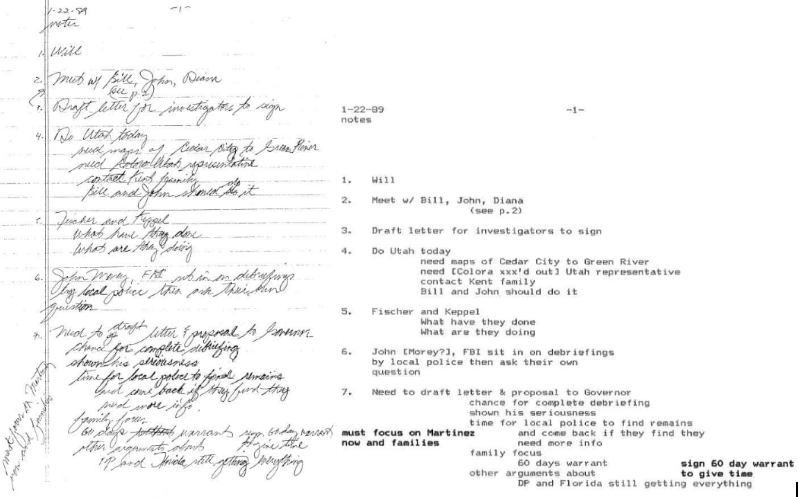


In late April 2024 I requested the files related to the murder of Kathy Devine from the Thurston County Sherrif’s department in Washington state, and they finally got around to getting them to me at the end of June. I shouldn’t be so salty, I’m very thankful they were willing to send them to me. Included in the information was a bunch of newspaper articles about Kathy, and I almost didn’t include them because most of them I found on newspapers.com (and are in my article), but it was important that I release Kathy’s case file in it’s entirety. They did tell me that sometime in August additional information will be ‘made available’ so… that’s also exciting.

Documentation released by the FBI that is related to the John Wayne Gacy murders. In 1979, Gacy was arrested for a series of murders in the area of Des Moines, Illinois and the following year he was convicted of murdering young men ranging in age from 14 to 21; he was given a death sentence.
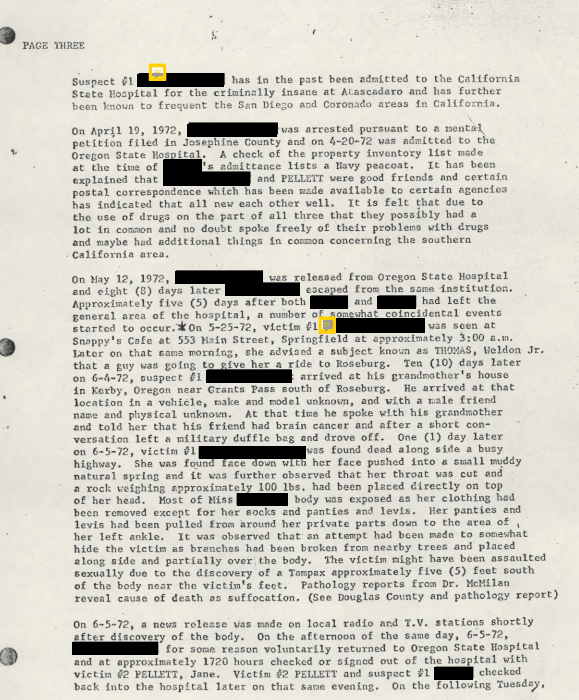
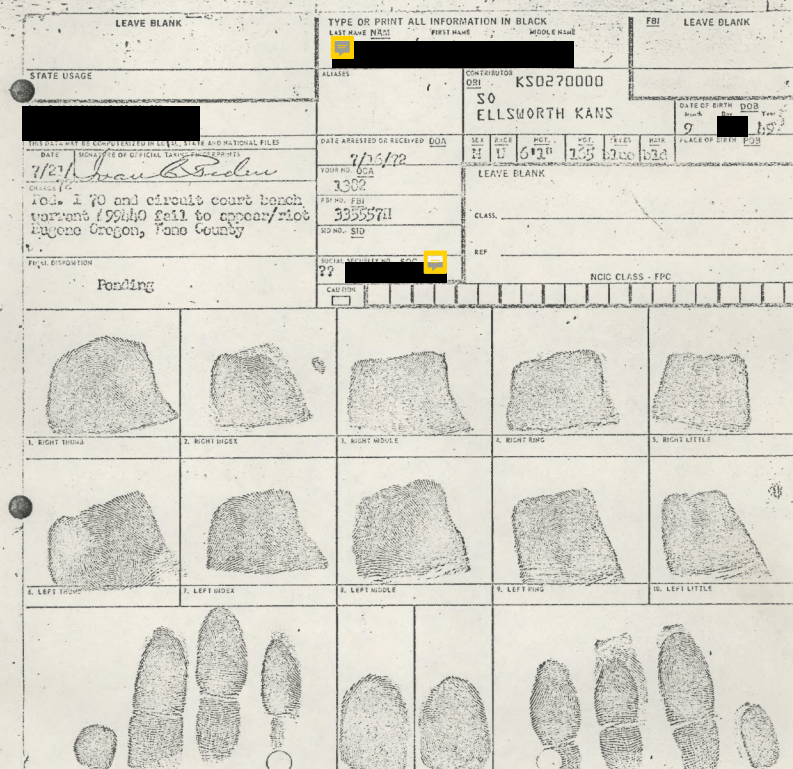
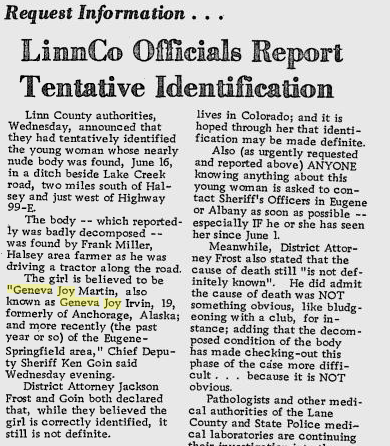
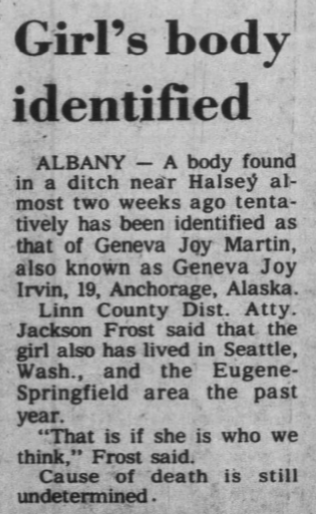
Geneva Joy Martin was born on November 16, 1952 to Robert Eugene and Florence (nee Boldt) Martin in Hastings, MI. Mr. Martin was born on August 7, 1930 and Florence was born on March 16, 1914 in Hutchinson, Minnesota; her occupation is listed as ‘secretary’ in her ‘geni’ profile, and the couple had two daughters but eventually divorced. In 1942 Florence moved her family to Anchorage, Alaska, where she would eventually get remarried to a man named Maurice Green, who worked for the state railroad. The couple would have two daughters together: Lynella Faith (Grant) and Madelon Grace (Mottet). Aside from a DOB and where she was born I couldn’t find any more details about Ms. Martins childhood.
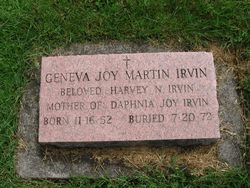
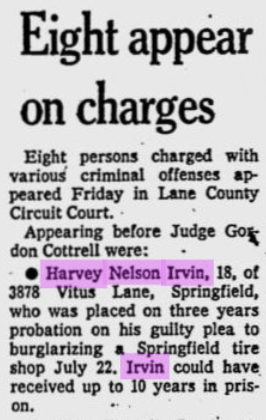
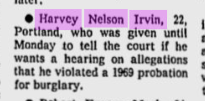
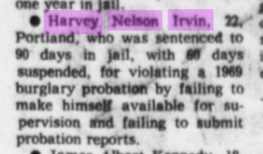
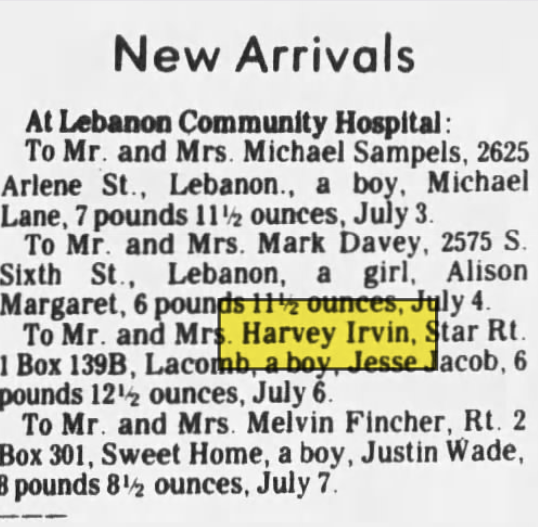
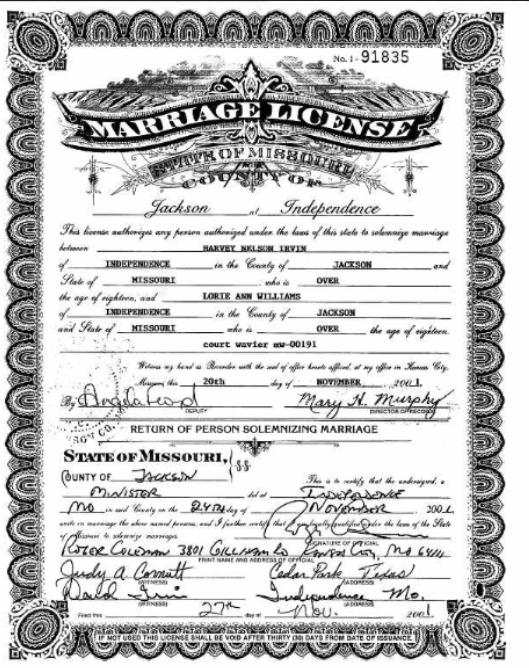
At some point before her death Geneva married Harvey ‘Stormy’ Nelson Irvin … or, at least that’s what it says on her tombstone. I could find no record of their nuptials anywhere and he isn’t mentioned once in any articles about her aside from the fact that she used his last name on occasion ‘as an alias…’ I did, however, find four other marriage certificates for Mr. Irvin on Ancestry. The couple had a daughter named Daphnia Joy that was two months old when nineteen year old Geneva was found deceased, and in the year prior to her disappearance she briefly lived in Seattle and the Eugene/Springfield, OR area. Harvey was born on February 15, 1950, and after Geneva was killed he wasn’t single for very long: he married Patricia Connelly less than three years later on May 22, 1975 in Reno, Nevada.
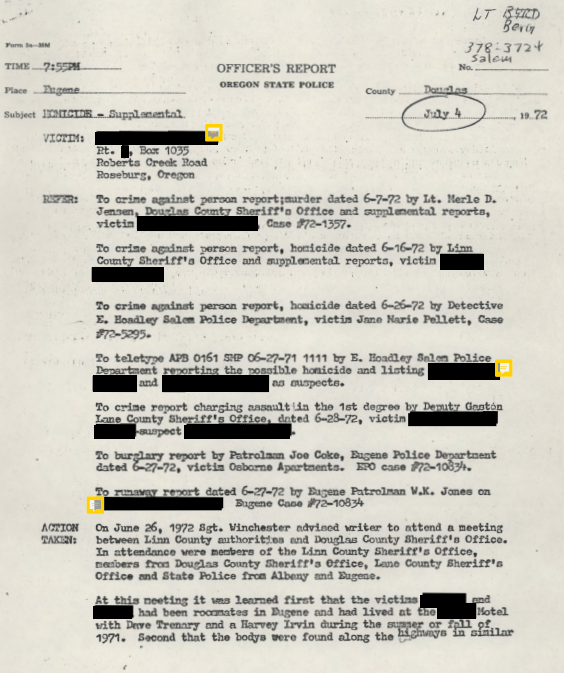
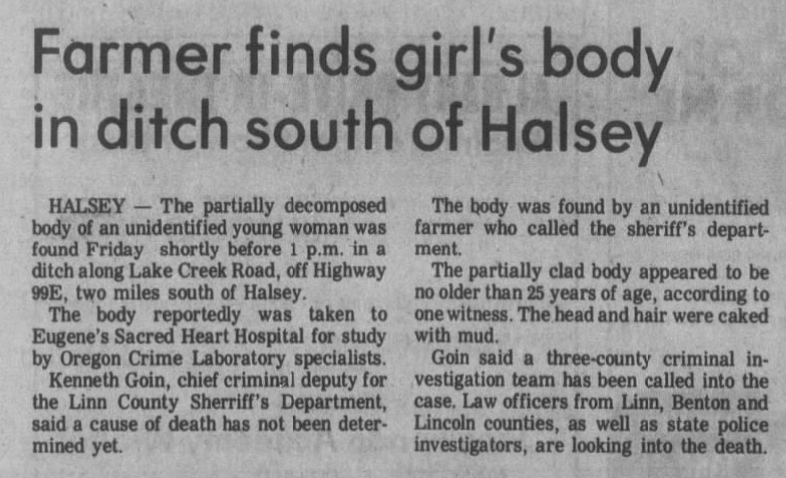
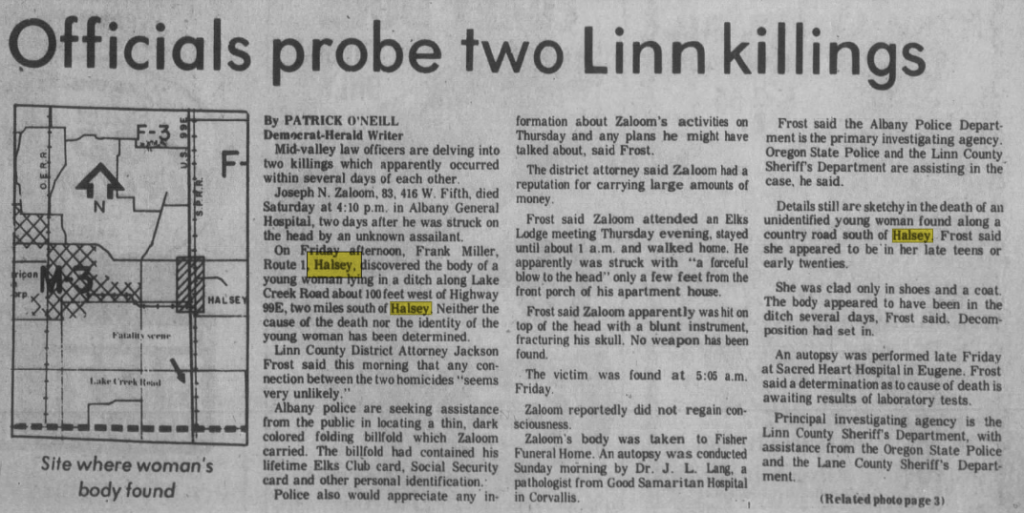
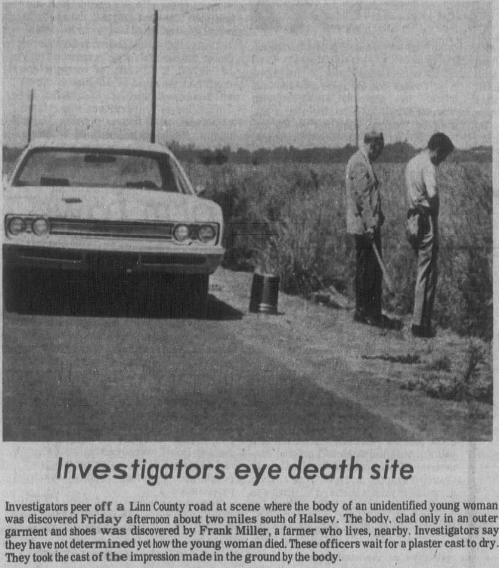
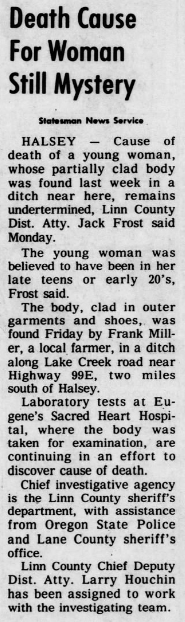
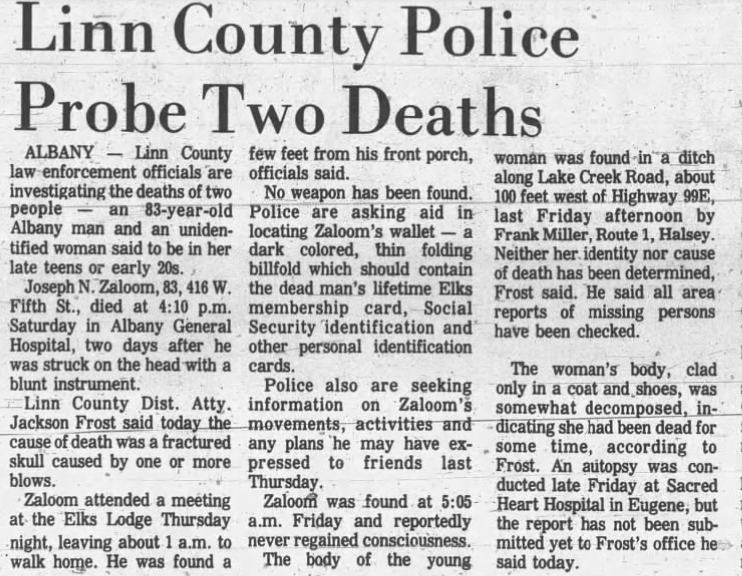
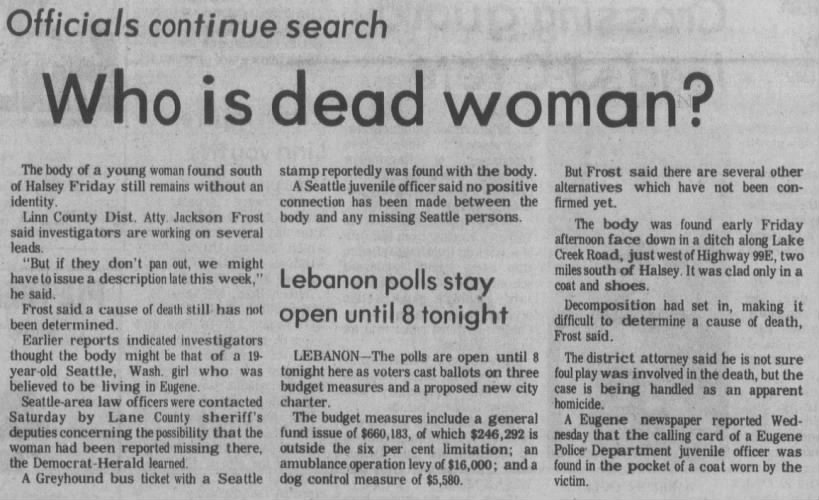
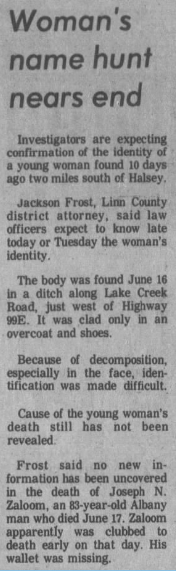
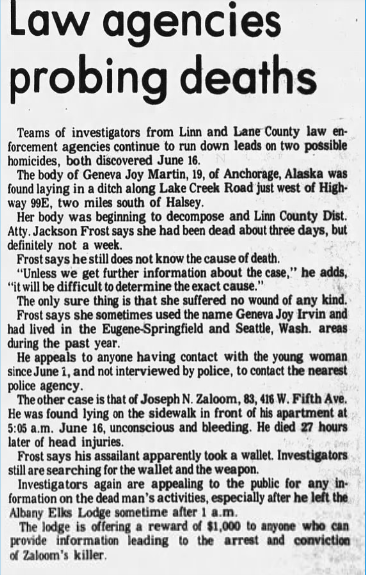
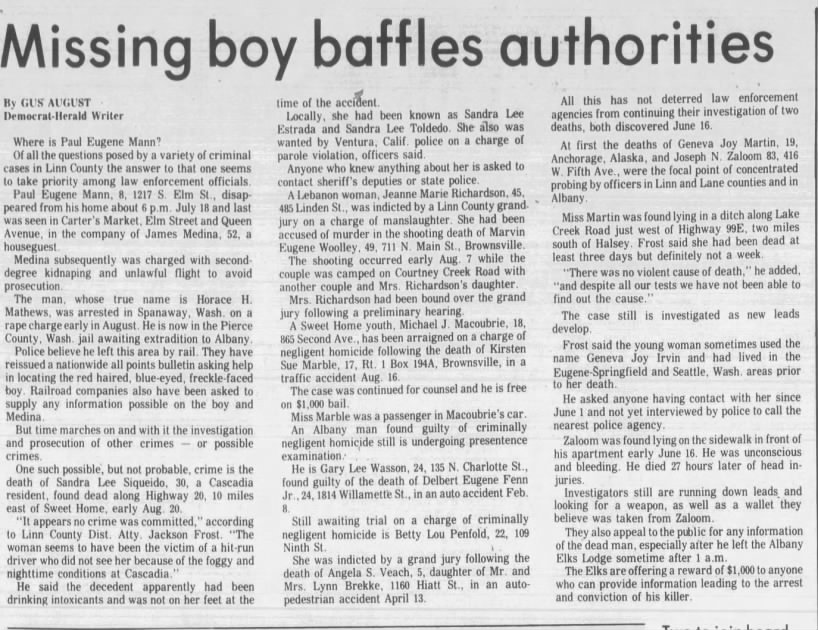
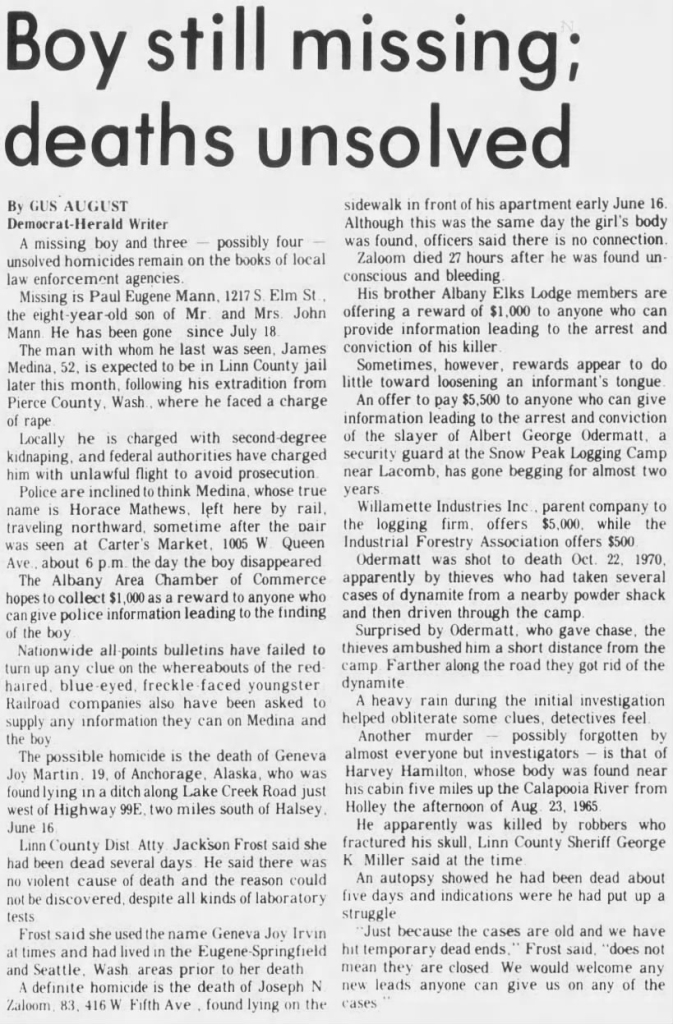
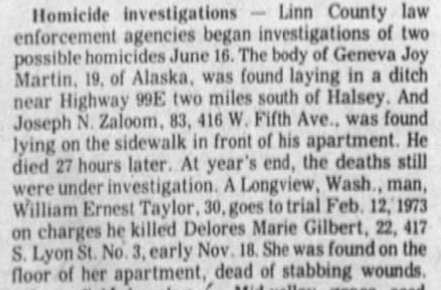
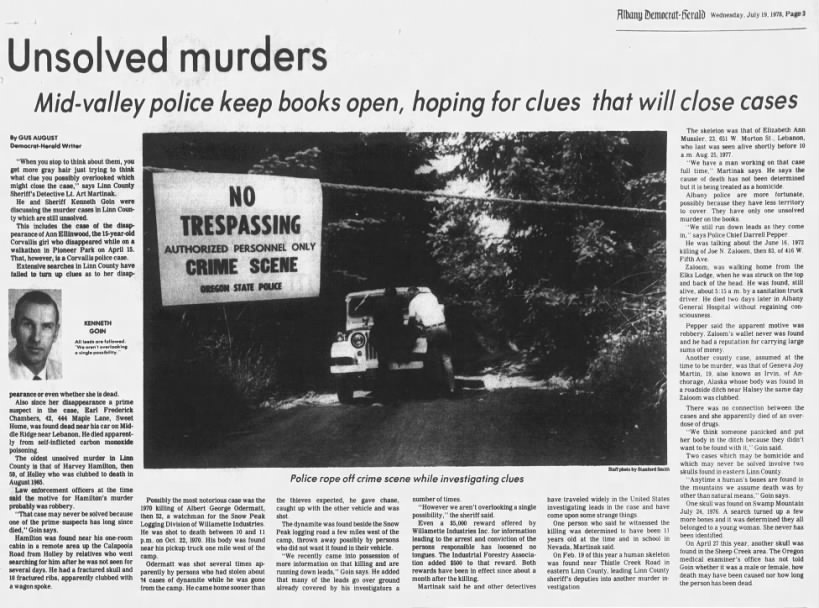
At roughly 1 PM on June 16, 1972 the remains of a decomposed, ‘partially clad young woman’ were found face down in a ‘woody, roadside ditch’ by Frank Miller, a local farmer. She was only wearing a coat and shoes, and her hair was caked with dried mud and sediment; she remained unidentified for roughly ten days while detectives searched for clues. At the scene investigators made a plaster cast of where the victim was found in the ditch in hopes to further aid in the investigation… and this is where not having a background in policing/criminology/forensics hurts me because I didn’t know that was a thing. Looking into it, ‘casting’ is when experts preserve impressions from crime scenes (for example larger, 3D impressions such as tire marks or footprints). The process works almost the same way an orthodontist makes a mold of a patient’s teeth, and forensic experts and LE use an array of materials to help create the ‘casts.’
The young victim was taken to Eugene’s Sacred Heart Hospital, where specialists from the Oregon Crime Laboratory got to work on identifying her. According to (retired) Linn County DA Jackson Frost, they were able to tell that she was in the ditch for ‘about three days, but definitely not a week,’ and were immediately able to determine that she was no older than 25. Thanks in part to an advanced stage of facial decomp, it took thirteen days and $162 worth of long distance phone calls to Alaska (where Martin received care) before dental experts were able to make a near positive identification; a sister living in Colorado helped make an absolute positive ID. Despite an autopsy as well as ‘all kinds of lab tests,’ investigators were never able to pinpoint Martin’s exact cause of death due to her having ‘no violent wounds;’ I also found no mention of sexual assault. In the beginning of the investigation medical examiners thought they detected drugs in her system however it was later determined that the advanced state of decomp produced a chemical that masked the presence of narcotics. Despite there being 150 pages worth of notes in Martins case file, there is next to no information out there on her.
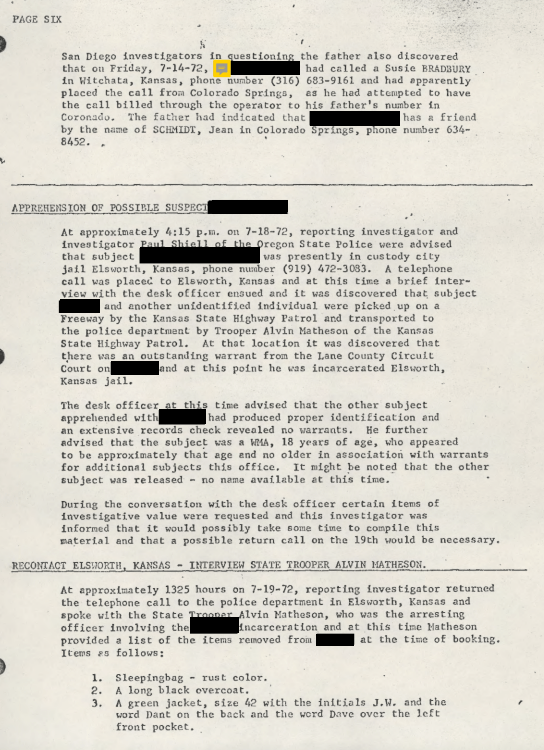
In the end of an article published in The Greater Oregon on June 30, 1972, DA Frost commented that ‘the young woman apparently was living under circumstances where she might not want to use her true name, thus the alias.’ In an article published by The Albany Democrat-Herald on June 28, 1973, Frost said that Martin was a known drug user and had recently been in treatment for ‘drug related mental problems’ in Eugene. At the time of her death detectives learned she had been living in Eugene for several months and a week before she was last seen had cashed her monthly welfare check then quietly slipped out of sight; it was the last time she was seen alive.
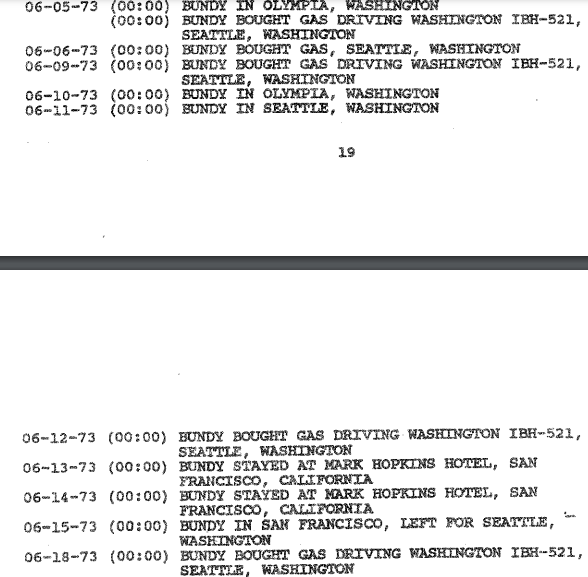
At the time Geneva was murdered Ted Bundy was living in Seattle at the Rogers Rooming House on 12th Avenue, and was in the middle of a long term relationship with Elizabeth Kloepfer. He had just finished his undergraduate psychology degree from the University of Washington and was getting ready for his first (unsuccessful) attempt at law school at the University of Puget Sound (which he began the following year). At the time Ted was interning as a counselor at Harborview Mental Health Center in Seattle (he was only there from June to September 1972), and according to the ‘TB MultiAgency Report 1992,’ Bundy was mostly in Seattle the week before she was found dead but made a trip to San Francisco on June 13 and stayed until the 15th; his whereabouts are then unaccounted for until June 18 when he bought gas in Seattle. As I’ve said in multiple other articles, its Bundy cannon that the serial murderer began killing in early January 1974 with his brutal attack of fellow University of Washington student Karen Sparks in her basement apartment, but during his confessions before his execution he hinted to Dr. Robert Keppel that he may have started as early as 1972 with a young girl in Seattle (but of course didn’t elaborate further than that).
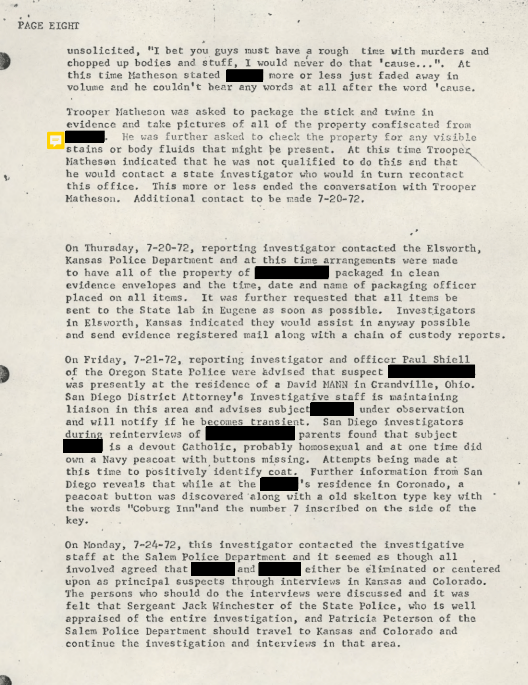
I didn’t know Bundy was ever actually suspected in any additional Oregon murders on top of Roberta Parks (for sure) and (possibly) Vicki Hollar/Rita Jolly/Sue Justis, but according to an article published by The Eugene Register-Guard on February 24, 1989, Martin was at one time considered a possible victim of his as well as Beverly May Jenkins, Allison Lynn Caufman, Laurie Lee Canaday, Tina Marie Mingus, and Floy Jean Bennet. Now, I am in no way saying these women are really possible victims of Ted Bundy, I’m just saying they were in the very least in the correct place at the right (or wrong) time (well sort of, as some if the dates are completely off). Sixteen year old Beverly May Jenkins was from Roseburg, OR and in June 1972 her remains were found just off the I-5 roughly ten miles outside of Cottage Grove; she had been strangled to death. Fifteen year old Portland native Allison Lynn Caufman died as a result of head injuries after being shoved from a car moving at a high rate of speed in July 1973. I think the last two girls can be quickly debunked, as Bundy was in prison when both victims were killed. Tina Marie Mingus was only 16 years old when her body was found in Salem, OR in October 1975, and Flow Joy Bennet was 37 (and obviously a bit out of Bundy’s preferred age range) when she vanished in February 1978. What’s strange is I couldn’t find any more information about any of these women out there. It’s almost as if they never existed.
But there’s more dead and missing women, on top of that article. Twenty year old Faye Ellen Robinson was found deceased from multiple stab wounds in the upper part of her body in March 23, 1972. Like most Bundy victims, she was educated and had a good job working in county government: she graduated from the University of Oregon in 1970 and was employed by the Lane County Welfare Department. Also on March 23 Alma Jean Barra was last seen after leaving the Copper Penny Tavern in the company of an unknown man driving southbound on 92nd Avenue between 11 and 11:30 PM. The 28-year-old’s body was found in an area of heavy brush of the Willamette National Cemetery, roughly forty feet off of Mount Scott Boulevard; she had been strangled and showed no signs of sexual assault. Next is 17 year old Susan Wickersham, who disappeared from Bend, OR on July 11, 1973 after dropping off the family car at her mom’s POE after joyriding around town with a gf (some conflicting reports say she was at a party). Wickershams remains were found on January 20, 1976 and her skull had a bullet hole behind the right ear with no exit wound. Gayle LeClair was murdered in her rental house on August 23, 1973; a clerk/typist at the Eugene Municipal Library, she had been found by her supervisor stabbed to death after she failed to come in for her scheduled shift. Lastly, Deborah Lee Tomlinson vanished without a trace after running away from Creswell, OR with an unnamed friend on her sixteenth birthday on October 15, 1973.
I tried my hardest to find some sort of link between Ms. Martin and any other victims from the area, but not having a cause of death makes it really hard to compare. What I (personally) think happened: she met up with some undesirable friends and together they used some illegal substances, then Geneva overdosed and they panicked then got rid of her body in the most convenient and easiest way they could think of. I mean, to me it sounds plausible that they dumped her on the side of the road (possibly in the middle of the night) because they got scared and didn’t want to be held responsible for her death. In 1972 ‘Good Samaritan’ laws didn’t exist, so if anyone was present when she died then most likely they would have been held responsible in some capacity.
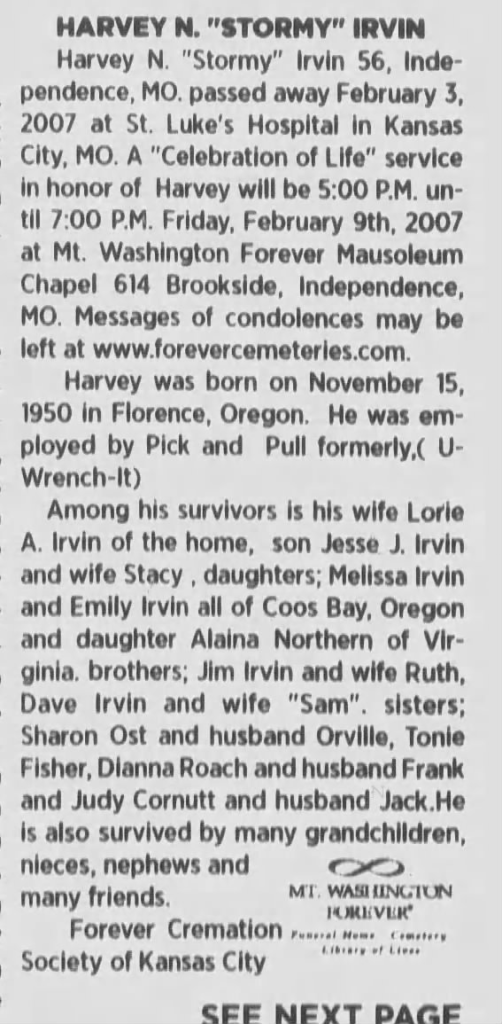
After the death of her mother Daphnia was sent to live with relatives out of state. Per the Green family’s myheritage site, she got married and had a son. Harvey went on to marry (and divorce) numerous times and had four more children; he passed away on February 3, 2007 at the age of 56. Geneva’s father passed away at the age of 84 in 2014 in Garibaldi, OR, and Mrs. Green died January 13, 1994 at the age of 79 due to a smoking related illness. Both of her half-sisters have led incredibly remarkable lives: Dr. Lynella Faith Grant is a psychologist, statistician, lawyer, personnel director, inventor, marketer, publisher, and author; Dr. Madelon Green-Mottet got her PhD in Fisheries from the University of Washington in Seattle and taught classes on aquaculture at a small college in Sitka, Alaska.



























Dr. Lynella Grant.
 Another Bundy Blog: My Adventures around the Pacific Northwest (and everywhere else).