Alma Jean ‘Jeannie’ was born on October 12, 1943 to Oren and Orphey ‘Pearl’ Reynolds in Peoria, IL. Mr. Reynolds was born in 1920 and her mother Pearl was born on December 30, 1926 in St. Louis, MO. She was divorced from Thomas Barra and the couple had two children together: at the time of her death their daughter was four and their son was nine. Mr. Barra was born on February 12, 1930 in Johnson, IL and was quite a bit younger than his wife. It appears that Alma spent most of her life in Illinois but after splitting with her husband she took her children and relocated to Portland, Oregon. She was a petite woman, and stood at 5’1” tall and at the time of her murder weighed a mere ninety pounds; she dyed her strawberry blonde hair black and wore it at her shoulders.
Alma was seen earlier in the day around her apartment building before eventually leaving her kids with a babysitter, telling her that she would return at 11:30 later that evening, but when she failed to return home her sitter reported her as missing to local law enforcement. The twenty-eight year old was last seen leaving the Copper Penny Tavern in the company of an unknown gentleman driving southbound on 92nd Avenue between 11 and 11:30 PM on March 23, 1972. There’s some discrepancy as to what she was last wearing: according to the Clackamas County Sheriff’s website, she was dressed in a white sweater, turtleneck, maroon vest and pants, but according to an article published in The Oregon Daily Journal, she had been wearing a green pantsuit with a vest that was adorned with gold buttons on the side. Barra’s remains were discovered by two sixteen year olds out hiking, Joseph Venini and Lawrence Staub (one report said they were actually out riding their bikes) in an area that contained a heavy amount of brush near Lincoln Memorial Park Cemetery, roughly forty feet off of Mount Scott Boulevard.
One-time Multnomah County Medical Examiner Dr. Larry V. Lewman said that Barra died of strangulation and had what appeared to be nylon stockings cinched around her neck; she was nude from the waist down but showed no sign of sexual assault. Lieutenant Vern White with the Clackamas County Sheriff’s Department said there were signs of a struggle at the scene, and the victim put up quite a fight before she was finally subdued. There was a fifteen foot diameter around the remains that were ‘torn up,’ and investigators noted that moss, fern, hazel, and blackberry vines were all damaged during the attack. Some of her clothes were removed and were found scattered around the crime scene, and one of her shoes was found nearby on the side of the road; the other was found discarded in some nearby brush; missing from the area entirely was Barra’s black patent leather purse. After a positive identification was made her apartment was searched for clues, but investigators came up with nothing.
Alma Barra is one of over a dozen women that were either murdered or went missing in the state of Oregon in the early to mid 1970’s, and at the risk of being redundant (because I have written about them in all of my other pieces) I’m only going to gloss over all but one. I’ll only really dig into the new young woman that I recently learned about.
Thirty-four year old Barbara Katherine Pushman-Cunningham was discovered strangled to death in her Eugene apartment by her mother on May 25, 1971. On March 22, 1972 Fay Ellen Robinson was found dead in her bed in her downtown apartment in Portland, and later that same year on June 16 the badly decomposed remains of Geneva Joy Martin were found face down in a ‘woody, roadside ditch’ by a local farmer. Also in June 1972 the remains of sixteen year old Beverly May Jenkins were discovered just off the I-5 roughly ten miles outside of Cottage Grove; she had been strangled to death. On July 11th, 1973 Susan Ann Wickersham was abducted out of Bend, Oregon, and her remains were discovered on January 20th, 1976. On August 23, 1973 Gayle Elizabeth LeClair failed to come in for her scheduled shift at the Eugene Municipal Library, and when her supervisor went to her house to check on her she was found to be deceased as a result of multiple stab wounds.
In my opinion, there’s three cases that took place in mid to late 1973 that all fit very neatly into TB’s MO: Rita Lorraine Jolly, Vicki Lynn Hollar, and Suzanne Rae Seay-Justis. I know Ted only confessed to two additional Oregon murders aside from Roberta Kathleen Parks, but we all know he didn’t tell the truth very often… Seventeen year old Rita Lorraine Jolly left her family home in West Linn at around 7:15 PM on June 29, 1973 to go for a routine walk, and was seen for the last time a few hours later between 8:30 and 9:00 PM. Not even two months later on August 20, 1973 twenty-four-year-old seamstress Vicki Lynn Hollar was last seen getting into her black 1965 Volkswagen Beetle after leaving The Bon Marche in Eugene at 5:00 PM; neither her nor her vehicle have ever been recovered. Suzanne Rae Seay-Justis was last heard from on November 5, 1973 after she called her mother from outside the Memorial Coliseum in Portland.
Personally, I feel Bundy is most likely responsible for the murder of Rita Jolly and Sue Justis, and where Hollar looks exactly like most of his other victims I’ve never heard of him disposing of a vehicle before. We know he had a history of car theft, but did he really have the means to dispose of an entire vehicle? I do want to note that most of the major bodies of water surrounding Eugene were dredged in the years following Vicki’s disappearance, and her VW remains unaccounted for to this day.
While writing this piece I learned the identity of another young woman that was killed in the state of Oregon in the mid 1970’s: Camille Karen Covet-Foss. On October 17th, 1975, Ms. Covet-Foss was last seen alive leaving her job at Sears-Roebuck in Washington Square at 5 PM to drop off a check at the bank. The twenty-five year old was married but had no kids yet, and had been employed with Sears for seven years, and had only come to the store from the main branch in Portland about three months prior to her murder (she was the stores head cashier). Later that same day at roughly 9:30 PM a security guard for the Southwest Portland-area shopping center named Claudia Shaw found Camille‘s body inside her light olive 1969 Chevrolet Impala, which was parked outside of the building where she worked.
Oregon state ME Dr. William Brady said Camille was shot twice: a bullet grazed one of her thumbs before penetrating her neck, and the other hit her chest. The wounds were inflicted by a large-caliber handgun that was fired at close range (either a .38 or 357-magnum revolver); Dr. Brady also said she also had been beaten in the face. Detectives said nothing appeared to be missing from the car, including the bank deposit.
As I mentioned earlier, most of the women I write about from Oregon were most likely not victims of Ted Bundy, and that includes Ms. Covet-Foss… but, because this is a blog about him I do feel the need to mention that we know he wasn’t responsible for her death, as he was just beginning his legal troubles in Utah and was tied up at the time.
Alma’s ex-husband Thomas died at the age of 67 on January 11, 1998 in Johnson City, IL; according to his obituary, he was a Korean war veteran and served in the US Army as a Specialist 3rd Class. Alma’s mother Pearl Richardson passed away at the age of 96 in Branson, MO on August 17, 2023. She loved being a mom and a grandmother, and loved to shop, bowl, and fish, but her greatest love was her Lord and Savior Jesus Christ. Despite my best efforts I was unable to find any information about Ms. Barra’s children, but I quickly realized there is most likely a reason for that and stopped. If I made any mistakes in my research or if anyone from her family that comes across this would like to reach out to me directly, my contact information is on my home page.
Alma.Alma, photo courtesy of Amber Geye.Alma, photo courtesy of Amber Geye.A newspaper article about the murder of Alma Barra published in The Oregon Daily Journal on March 27, 1972.A newspaper article about the murder of Alma Barra published in The Oregon Daily Journal on March 27, 1972.A newspaper article about the murder of Alma Barra published in The Capital Journal on March 28, 1972.A newspaper article about the murder of Alma Barra published in The Corvallis Gazette-Times on March 28, 1972.A newspaper article about Alma Barra published in The Capital Journal on March 28, 1972.A newspaper article about the murder of Alma Barra published in The Oregon Daily Journal on March 29, 1972.A newspaper article about the murder of Alma Barra published in The Oregon Daily Journal on March 29, 1972.A newspaper article that mentions the murder of Alma Barra published in The The Oregonian on January 25, 1983.Barra’s name in the list of deaths in Oregon state.An want-ad for a bar maid at the Copper Penny Tavern published in The Oregonian on August 13, 1971.Tom Barra’s grave stone.Alma’s ex-husbands obituary.Ted’s whereabouts in the middle of October 1975 according to the 1992 TB FBI Multiagency Investigative Report.Alma’s mother, Pearl.
Ruth Marie Terry was born to John D. ‘Johnny Red’ and Eva Lois (nee Keener) on September 8, 1936 in a mountainside shack in Whitwell, Tennessee. The couple had three children together: Johnnie Lois (b. 1933), James Ray (b 1934) and Ruth. Eva was born on July 3, 1913 and died on September 20, 1937 at the age of 24 when Ruth was only one; her father eventually remarried a woman named Stel19la and they went on to have three children together.
On October 21, 1956 when she was twenty Ruth got married to Korean War vet Billy Ray Smith in Marion, Tennessee but the pair quickly divorced.* The daughter of a coal miner and housewife, Ruth wanted more than what Whitwell had to offer, so after leaving her husband she left home and got a job at a Fisher Body automotive plant in Livonia, Michigan.
Ruth gave birth to a son named Richard in 1958 (according to records, his father is unknown), but due to financial strain was unable to care for him and he was adopted by the superintendent of her workplace, Richard Hanchett Sr. (in exchange for him paying off her expenses). After the adoption was finalized, Ruth left Livonia and moved to California. She reached out to Richard in 1972, but at the time he was unavailable.
On February 16, 1974, Terry married an antiques dealer in Reno named Guy Rockwell Muldavin, who went by multiplepseudonyms, including Guy Muldavin Rockwell and Raoul Guy Rockwell; at the time of their marriage she was using an alias, and went by the name Teri Marie Vizina. Muldavin’s biological parents are unknown (but are confirmed to be from Russia), and his adoptive father Abram Albert Zadworanski Muldavin was born on July 2, 1894 in Wasilków, Poland, and his adoptive mother Sylvia ‘Lily’ Silverblatt was born on June 22, 1902 in Brooklyn. The couple had one biological son together named Michael and eventually divorced. Scandal seemed to follow the family everywhere, as his brother was disbarred and banned from practicing law in the state of New Mexico after being charged with misconduct for accepting $3,200 and ‘commingling the same with his own funds, contrary to the canons of professional ethics of the State of New Mexico.’
According to his obituary, Muldavin was born in Santa Fe, New Mexico on October 26th 1923, but there are records that show his birth date was later the same year in December, and in New York. During his early years he traveled extensively across the world with his family, and spent a significant amount of time living in various locations in and around Germany, Cuba, and California. He was married five times over the course of his life and was with his fifth wife Phyllis for almost fifty years before his death.
Cape & Islands District Attorney Robert Galibois said that after Terry and Muldavin got married in February 1974 they traveled around the US, and stopped in Whitwell to visit with her family. Ruth’s grand-niece Brittanie Novonglosky later told investigators that she thought Guy was ‘possessive and demanding,’ and that her aunt ‘wasn’t herself’ while in his presence. After leaving Whitwell they couple went to Chattanooga to visit her half-brother, Kenneth and his wife Carole, who later recalled them saying they were going to drive across the United States looking for antiques to buy (then sell), specifically mentioning they were going to stop in Massachusetts.
When Muldavin returned home to California from that trip, he was driving what is believed to be her vehicle and told acquaintances that his new bride had sadly passed away. The Terry family was immediately suspicious of the news, and Ruth’s brother James went to her home to confront his new brother-in-law. Upon arriving he was told that the two had gotten into a fight during their honeymoon and she got out of the car in a huff, and he had not heard from his wife since.
James Terry hired a PI to investigate his sister’s disappearance, who learned that Muldavin sold off all of her personal belongings and had left him ‘of her own will’ after getting involved with a religious cult. Prior to the identification of her remains, Ruth was listed as ‘deceased’ in family obituaries, and she was never officially reported as missing. Her SIL Carole wondered if maybe she was in a witness protection program and because of that couldn’t reach out to anyone.
I’ve come across varying details about how Ruth’s body was discovered, but it is agreed upon that she was found in Provincetown, Massachusetts on July 26, 1974 roughly 800 feet away from the Seascape Dune Shack in a clump of overgrowth by 12-year-old Sandra Metcalfe-Lee, just yards away from a busy road with a lot of insect activity. The first version is that Lee and her sister followed a barking dog (some sources say it was a stray, others say it was their family beagle) to the decomposing remains on July 24, 1974 but later told investigators that it took them two days to filethe report because ‘the discovery had traumatized them.’ The second report (that is more commonly told) is that Lee and her parents were hiking back to the Province Lands Visitor Center after a day at the C-Scape Dune Shack when they came across Ruth, and they immediately went to park rangers. Getting to the area where the remains were found would have required a vehicle with four-wheel drive, as there was a great deal of sand to get through, and longtime DA on the Cape Michael O’Keefe felt it would have been incredibly difficult to carry a body out to the dunes. Sandra grew up and became a true crime writer and wrote a book about the case titled ‘The Shanty: Provincetown’s Lady in the Dunes.’
Investigators found two sets of size ten footprints in the sand leading to the body as well as tire tracks roughly fifty yards away, and forensic experts speculate that the remains had been there for about two weeks. The victim was found face-down on half of a green beach blanket, almost ‘as if she’d been sharing it with a companion,’ and investigators wondered if maybe she either knew her killer or had been asleep when she was attacked, as there wereno signs of a struggle.
An official police report described the victim as a white female, roughly 140 pounds, and between 5’6” to 5’8,” with the discrepancy in height due to the neck, as it was almost severed. According to former Provincetown Police Chief James J. Meads, her age was estimated to be between ‘25 to 45′ but she was probably not older than 35. At the scene a blue bandanna and a pair of Wrangler jeans were found neatly folded under her head and her long, auburn/red hair was pulled back into a ponytail by a gold-flecked elastic band; her toenails were painted pink.
Both of the victims hands had been removed as well as one of her forearms, and several of her teeth had been pulled out. She had a large amount of expensive ‘New York style’ dental work done, including $3,000 to $5,000** worth of gold crowns, which is usually as conclusive as fingerprints when it comes to making an identification and is (usually) relatively easy to trace. Thousands of dentists were sent information regarding the crowns, but no one ever came forward with any information.
Mead suspected that Terry’s killer was a man she was familiar with and that he drove her to the scene of the murder in a four wheel drive vehicle under the pretense of sunbathing. In the beginning of the investigation, Chief Mead followed standard police procedures: bloodhounds were brought in to comb through the murder area. Missing persons bulletins were studied. Registers of all Provincetown hotels, motels, and rooming houses were checked. Anyone who had a permit to take a vehicle into the National Seashore was checked. In the years following the murder Mead received thousands of leads, phone calls, and tips regarding the Lady of the Dunes, and he investigated every single last one of them; sadly he died before the murder was solved.
The town’s police department had taken over the case immediately after the murder, however it was turned over to Massachusetts State Police Detectives Unit for the Cape and Islands District in 1982. In the early stages of the investigation, law enforcement entertained the possibility that the killer brought the remains to the Dunes from nearby Boston, but they eventually determined that the murder took place at the scene (despite a lack of blood). They also theorized that maybe the killer was a transient, especially when taking into consideration the inability to identify the victim.
According to her autopsy the victim had nearly been decapitated and the left side of her head had been crushed, an injury that had possibly been inflicted by a military-type entrenching tool. Despite being strangled, it was determined that she had died from the blow to the head, and she showed signs of sexual assault that most likely occurred postmortem. Some investigators believe that the missing teeth, hands and forearm pointed towards the killer either attempting to hide the identity of the victim or themselves.
Detectives sent a description of the victim out over teletype (which is a machine that sent and received messages via a typewriter-style keyboard where the reply was printed on paper) to the FBI and the Royal Canadian Mounted Police. Investigators were at a complete loss as to who she could be. Was she a girlfriend of Whitey Bulger? Or a showgirl from New York City?Barnstable County records show that in the late 1940’s to mid-50’s Muldavin’s parents bought land and properties in Provincetown, MA.
In October 1974 the remains of the Lady of the Dunes were finally laid to rest in a state issued metal casket and, the case went cold. In 2014, one of the investigators that worked the murder in 1974 helped raise the money to buy her a new coffin, as the one she was originally buried in was poorly made and had rusted through and deteriorated.
She was laid to rest in Provincetown’s St. Peter’s Cemetery, and her stone marker read ‘Unidentified Female Body.’ In 1979 the first facial reconstruction of the woman was created using clay as a medium, and the following year her remains were exhumed for the first time, but no new clues were found. In 2000 a woman came forward claiming to be the daughter of the Lady of the Dunes and the body was exhumed again that March for DNA testing; nothing ever came of it. The remains were dug up for a third time in May 2003 and it was then that experts performed a CT scan of her skull that resulted in images that were used by the National Center for Missing and Exploited Children for another facial reconstruction. In 2006 law enforcement released age progression photos using to help with the search and a 3D composite image was created in 2010.
In 1987, a Canadian resident came forward claiming that she saw her dad strangle a woman in Massachusetts around 1974; investigators tried to look into the allegations but were unsuccessful. A second woman told detectives that the reconstruction strongly resembled her sister, who had disappeared in Boston in 1974. Provincetown police also chased a lead that involved Rory Gene Kesingerdisappeared in 1973 after breaking out of a Plymouth, MA jail.Investigators saw a strong resemblance between Kesinger and the victim, but DNA from her mother did not match the victim.Two additional missing women were also ruled out: Francis Ewalt and Vicke Lamberton.
In August 2015, rumors started to swirl that the Lady of the Dunes may have been an extra in the 1975 cinematic classic Jaws, which had been shot in the village of Menemsha in Martha’s Vineyard between May and October 1974, which is located 100 miles south of Provincetown. Just weeks prior, Joe Hill (son of Stephen King) spotted a woman in the crowd during the Fourth of July beach scene that was wearing a blue bandanna and jeans that looked nearly identical to the ones found with the Lady of the Dunes. Hill brought this to the attention of police after reading a book called ‘The Skeleton Crew: How Amateur Sleuths are Solving America’s Coldest Case’ but nothing ever came of this tip.
Unfortunately, evidence from the crime scene had been thrown away by MA state police (including the victim’s clothing and the blanket she was found with), and as time passed by and the chances that the case would be solved faded science and DNA analysis evolved, and investigators were finally given the break they needed. In 2022 the body was exhumed one final time, and a portion of the victims’ skull was sent to Othram Laboratories along with genetic samples of members of the Terry family. From this, a DNA profile was created that helped identify distant relatives and eventually lead to the identification of the victim and on October 31, 2022 the FBI field office in Boston announced that the ‘Lady of the Dunes’ had officially been identified as Ruth Marie Terry.
According to FBI Special Agent Joseph Bonavolonta, Terry’s identity was discovered using investigative genealogy, which is a blend of traditional DNA analysis and genealogical research that can generate new leads for unsolved homicides, as well as help identify unknown victims: ‘This is, without a doubt, a major break in the investigation that will hopefully bring us all closer to identifying the killer. Now that we have reached this pivotal point, investigators and analysts will turn their attention to conducting logical investigative steps that include learning more about her, as well as working to identify who is responsible for her murder.’
On November 2, 2022,the Massachusetts State Police went to the public asking for information related to Terry’s one-time husband Guy Rockwell Muldavin, and on August 28, 2023 he was officially named as Terry’s killer. In a press release from the FBI, ‘for nearly five decades, investigators have worked tirelessly to identify this victim through various means, including neighborhood canvasses; reviews of thousands of missing-person cases; clay model facial reconstruction, and age-regression drawings.’ Friends of Muldavin were shocked when they learned who he really was, with one saying ‘he was great. I really loved him. I mean, he was terrific. And I was very close to him. I’m speechless, because none of it makes any sense.’
Known around Greenwich Village for his nightly parties with ‘beatniks, art lovers, celebrities and celebrity hunters,’ Muldavin charmed everyone he met with his magnetism and offbeat philosophy. He was disqualified from joining the military during World War II due to a mastoid infection, and in 1942 he was living in Manhattan and was going to school at The American Academy of Dramatic Arts. On May 11, 1946 while working as a professor in Bellevue, Pennsylvania he married former beauty pageant contestant and model Joellen Mae Loop. The newlyweds moved all over the US, and briefly lived in California where Muldavin got a job as a disk jockey at KIEM radio station Monday through Friday at 5 o’clock. They eventually settled down in Seattle, where he took a job in the furniture department at Bon Marche. The couple had one daughter together named Towers Joy and went on to purchase a large antique shop that ‘rarely opened before 6 PM.’ They were married for ten years before calling it quits, and divorced on July 16th, 1956.
But Muldavin wasn’t single for long, and only two years later married Manzanita Aileen Ryan in Kootenai, Idaho on September 30, 1958. According to an article published in The Evansville Press on January 7, 1962, his first marriage ended shortly after ‘Manzy’ and her then-husband, William Mearns, walked into his antique shop. His new bride had an eighteen-year-old daughter named Dolores Ann Mearns, who was attending college at the time and moved into a second floor bedroom in Muldavin’s antique shop on Seattle’s Lake Union waterfront. Maybe once a month, Manzy and Doloreswould travel to Vancouver to visit with her younger children and ex-husband, but on April 1, 1960 both mother and daughter disappeared without a trace. After Manzanita’s ex-husband reported the two as missing Muldavin immediately became the prime suspect.He had a motive to kill his wife, as he was cheating on her and was struggling with financial difficulties at the time. He was also the last person to see them alive and had access to the attic and septic tank, where bone fragments were later found.
Police quickly zeroed in on Muldavin, and got a warrant to search his combined antique store/ home. In the attic detectives discovered a large amount of blood, and they theorized that he had dragged their dead bodies up the stairs where he dismembered and disposed of them. After combing through the contents of the building’s newly sealed septic tank, investigators found human tissue as well as bone fragments, all of which matched Manzanita and Dolores’ shared blood type. Manzy’s legs eventually turned up in a body of water and were identified as belonging to her by her ex-husband, who recognized her ‘thick ankles.’ At some time in the early days of the investigation Muldavin up and left town, leaving behind his antiques business and no forwarding address.
In the early stages of the investigation, it was theorized that Manzy and Dolores fled to Canada,cutting their ties to Guy completely, and according to him the two had plenty of money as before they left they completely cleaned out his bank account. After his wife vanished he immediately filed for divorce, on the grounds of ‘cruelty and desertion’ in Seattle, and in WA state an uncontested divorce is finalized after three months, and he was officially single again by July 26, 1960.
Guy changed his story multiple times, on one occasion saying ‘she doesn’t love me anymore, and Manzy closed out our joint bank account. She took every penny I’ve saved for the shop and to buy more antiques. She even burned all my business records before she left! I’m having a terrible time trying to figure out my income tax return.’ But, he told others that she had run off with another man and took her daughter with her.
Just three days after his divorce was finalized on July 29, 1960, Muldavin got married for the third time to fellow antiques dealer Evelyn Marie Emerson in King County, WA. Emerson came from a prestigious Seattle family and was the step-daughter of wealthy socialite Caroline Winkler, who was impressed by her new SIL’s ‘cosmopolitan air and business sense.’ He told his new in-laws that he had won a Fulbright Scholarship to Portugal and Africa, and had recently tried to finance a yacht that would allow them to sail to their destination but his funds were ‘tied up’ after his ex-wife stole all of his ‘liquid assets.’ Evenyln sold her antiques business and planned on giving all of the money to her new husband, and just five days after the two said ‘I do’ Muldavin accepted a cashiers check from her stepmother for $10,000 (I’ve seen it listed as little as $6,000 and as much as $16,000); he told his wife’s family that he needed to buy antiques in Canada, but he took the money and ran away to NYC.
While looking into Muldavin, people that knew him told investigators that he was an ‘oddball and a pathological liar’ that left home in his late teens and falsely paraded around as a war hero. In December 1960 he was finally tracked down in an apartment in Greenwich Village by the FBI,however Seattle police determined that they didn’t have enough evidence to charge him with murder.
Muldavin did, however face larceny charges for swindling Emerson’s family and was convicted in 1961; despite being sentenced to fifteen years in prison in March 1962 a judge suspended the term provided that he pay his former in-laws back the money. He is also the main suspect in the homicide of 28-year-old bread truck driver Henry Lawrence ‘Red’ Baird and the disappearance of his girlfriend, seventeen-year-old waitress Barbara Joe Kelley. The two had worked together at a restaurant that was owned by the family of Muldavins first wife, Jo Ellen. Kelley was last seen in Humboldt County, California, on June 17, 1950 when she left to go on a date with her beau. Sans his socks and shoes, Baird’s nude remains were found face down on the beach near Table Bluff the following morning; he had been shot in the back of the head and his clothes were found nearby, neatly folded with Barbara’s tucked underneath (only her stockings and shoes were missing). No trace of Kelley was ever found.
Around 1976 Muldavin moved to Chualar, a small community near Salinas, CA, and according to an article published in The Californian on July 5, 1985, he retired from his position as an executive VP of a silver store on Rodeo Drive in Beverly Hills. He then got a volunteer position at the KAZU radio station as a host of a 3-hour weekly call-in show on ‘aging, growing and making transitions.’ It was also reported that he did some work with at-risk youths through the Santa Monica Police Department and worked at a tobacco shop in Carmel.
Police questioned the local mob scene and motorcycle gangs, but nothing ever came of it. In 1981, investigators learned that a woman that strongly resembled Terry was seen with mobster Whitey Bulger around the time that she presumably died. An American organized crime boss , Bulger led the Irish mob group ‘the Winter Hill Gang’ in Somerville, MA, and he was known for removing his victims’ teeth. No evidence has ever been found that officially linked Bulger to Terry, and he was killed in prison in 2018.
A serial killer in Truro, MA named Tony Costa was briefly considered a suspect in the early stages of the investigation, but was quickly eliminated as he died before Terry’s murder on May 12, 1974.
Hadden Clark confessed to the murder of the Lady of the Dunes, stating ‘I could have told the police what her name was, but after they beat the shit out of me, I wasn’t going to tell them shit.’ … ‘This murder is still unsolved and what the police are looking for is in my grandfather’s garden.’ Clark was born on July 1, 1952 and is currently serving two 30-year sentences at Eastern Correctional Institution in Westover, MD. His first sentence is related to the 1986 murder of 6-year-old Michele Lee Dorr, and the second is for 23-year-old Laura Houghteling that took place in 1992. Clark was given an additional ten years for robbery after stealing from a former landlord. Authorities claim that he suffers from paranoid schizophrenia, which is a condition that may lead one to confess to crimes that they never committed.
When the news broke that the ‘Lady of the Dunes’ had been identified in June 2022 , I found a few people that suspected that she was a victim of Ted Bundy. I mean… the general time frame fits, as he was (very) active in mid-1974. But it was pretty easy to rule him out, as the ‘1992 FBI Bundy Multiagency Team Report’ placed him all over the general Seattle area in July. He was also getting ready to leave for his second attempt at law school and was still in a long-term, fairly committed relationship with Elizabeth Kloepfer.
After graduating from high school Ruth’s son Richard went on to attend Central Michigan University, and he retired from General Motors as a Service Engineer in 2015. Her first husband Billy Ray died at the age of 75 on February 22, 2007 in Chattanooga, Tennessee. In 1994 he was the recipient of a liver transplant, and he retired from CSX Railroad after 35 years of employment. Ruth’s dad Johnny died at the age of 71 on November 22, 1981, and her half-sister Vera passed away on February 3, 2017. Her brother James Ray died on Halloween in 2005 in Whitwell, and her sister Johnnie died on August 12, 2010.
Muldavin married for the fifth and final time on October 18, 1975, to Phyllis Georgina Smirle, a well-respected art professor at LA City College that he was with until his death on November 17, 2021. According to his obituary, he died at his home following a lengthy illness and was survived by his wife as well as a ‘sister,’ Joan Towers. A family friend shared with The Independent in November 2023 that Towers was not a blood relation to Muldavin, but the pair affectionately called each other siblings after a short lived romantic relationship turned platonic.
Guy Rockwell Muldavin died at the age of 78 on March 14, 2002 in Salinas, CA and was never held accountable for killing any of his five victims. His wife Phyllis Georgina died at the age of 86 on November 17, 2021 in LA, and his first wife Jo Ellen died just two months before he did in January 2002. Guy and Jo Ellen’s daughter Towers Joy died at the age of 71 in 2021.
* I’ve seen it reported that Ruth was only 13 when she got married but this is incorrect. ** Over the course of my research, this dollar amount was as high as $10,000.
A picture of Ruth (middle) with her dad and siblings. I apologize for the poor quality, it was the only copy I could find.Ruth as a teenager.Ruth Marie Terry.Terry.Ruth Marie Terry.Terry at a slot machine.A stone for the one-time unknown ‘Lady of the Dunes.’A memorial stone with Ruth’s name on it.An article mentioning Ruth with one of her alias’s published in The Sacramento Union on April 3, 1964.A newspaper clipping about Terry’s possessions going up for public auction in California published in The Simi Valley Star on June 1, 1969.A newspaper article about the Lady of the Dunes published by The Daily Sentinel on July 30, 1974.A newspaper clipping about the Lady of the Dunes published by The Boston Globe on December 22, 1974.A newspaper clipping about the Provincetown Police Chief looking to identify the Lady of the Dunes published by The North Adams Transcript on May 30, 1983.An article about the case involving the Lady of the Dunes published in The Boston Globe on September 6, 1987.An article about the case involving the Lady of the Dunes published in The Boston Globe on April 19, 1993.Part one of an article about the case involving the Lady of the Dunes published in The Boston Globe on August 23, 1998.Part two of an article about the case involving the Lady of the Dunes published in The Boston Globe on August 23, 1998.An article about the remains of the Lady of the Dunes being exhumed published in The Recorder on March 25, 2000.An article about the Lady of the Dunes published in The Boston Globe on April 2, 2000.An article mentioning the Lady of the Dunes published in The North Adams on September 7, 2000.An article about Hadden Clark confessing to the murder of the Lady of the Dunes published in The Daily Item on September 7, 2000.An article about the Lady of the Dunes published in The Boston Globe on December 17, 2000.An article about new images of the Lady of the Dunes being released published in The Athol Daily News on May 6, 2010.A newspaper article about internet sleuthing that mentions the Lady of the Dunes published in The Boston Globe on September 14, 2014.Part one of a newspaper article about The Lady of the Dunes published in The The Boston Globe on April 9, 2022.Part two of a newspaper article about The Lady of the Dunes published in The The Boston Globe on April 9, 2022.A newspaper article about The Lady of the Dunes published in The Boston Globe on August 9, 2018.A newspaper article asking the public for more information about Guy Muldavin published in The Republican on November 4, 2022.Part one of an article about The Lady of the Dunes published in The Tennessean on December 12, 2022.Part two of an article about The Lady of the Dunes published in The Tennessean on December 12, 2022.An article about The Lady of the Dunes published in The Daily News on August 29, 2023.A screen grab of the extra from Jaws that resembled Ruth Terry next to a 3D composite sketch of her.Some composite sketches of the Lady of the Dunes that were drawn and released over the years.An aerial shot of the C-Scape Dune Shack in Provincetown, Massachusetts.A photo of the scene of the crime on July 26, 1974.A photo of the scene of the crime on July 26, 1974.A blurred photo of the scene of the crime on July 26, 1974.A photo of the Terry’s legs taken at the crime scene on July 26, 1974.Another shot of Terry’s lower body taken on the day her remains were discovered on July 26, 1974.A photo taken at the scene of Ruth Terry’s murder on July 26, 1974.A blurred photo taken at the scene of Ruth Terry’s murder on July 26, 1974.Another blurred photo taken related to Ruth Terry’s murder taken on July 26, 1974.A picture of the fractured skull of the Lady of the Dunes.Billy and Ruth’s marriage certificate. Ruth’s first husband, Billy Ray Smith.Guy Muldavin.A picture of Guy Muldavin being led around by an FBI agent.;Guy Muldavin.Guy Muldavin.Guy Muldavin in his later years.Guy Muldavin in pictures related to a 1985 article about his time as a radio show host published in The Californian.More shots of Muldavin from a 1985 article about his time as a radio show host published in The Californian.Muldavin smoking a pipe.Muldavin’s WWII draft card.Muldavin’s first wife, Jo Ellen Loop.Muldavin and Jo Ellen Loops marriage certificate from 1946.A newspaper article about Muldavin and Loops honeymoon published in The Pittsburgh Press on April 30, 1946.Jo Ellen Loops obituary published in The Bellingham Herald on January 12, 2002.Muldavin and Manzy’s marriage certificate from 1958.Muldavin and his second wife, Manzy.Muldavin (middle) and his second wife, Manzy.Guy’s wife Manzanita and her daughter from a previous marriage, Dolores.Muldavin and his third wife’s marriage certificate. Evelyn Rickard’s picture from the 1941 Auburn High School yearbook, which is the same school Donna Manson went to.Evelyn Emerson.A newspaper want-ad for a salesperson submitted by Guy Muldavin published in The LA Times on December 12, 1971.Information related to Muldavin’s possible involvement for the murder of Barbara Kelly and Henry Lawrence ‘Red’ Baird.A screen grab of a bulletin Seattle PD sent to Vancouver regarding Guy Muldavin.An article about Guy Muldavin published in The Tri-City Herald on August 31, 1960.An article about the disappearance of Muldavin’s second wife and her college age daughter published in The Sentinel on September 1, 1960.An article about Muldavin being wanted for questioning for the 1950 murder of Henry Baird and the disappearance of his girlfriend, Barbara Kelley published in The News-Review on September 26, 1960.A newspaper article about the crimes of Guy Muldavin published in The Oregon Daily Journal on December 1, 1960.A newspaper article about the crimes of Guy Muldavin published in The La Grande Observer on December 1, 1960 ·A newspaper article about the crimes of Guy Muldavin published in The Omaha World-Herald on December 2, 1960.A newspaper article about the crimes of Guy Muldavin published in The Omaha World-Herald on December 2, 1960.A newspaper article about the crimes of Guy Muldavin published in The Philadelphia Daily News on December 2, 1960.A newspaper article about the crimes of Guy Muldavin published in The News Tribune on December 3, 1960.A newspaper article about the crimes of Guy Muldavin published in The News-Review on December 5, 1960.A newspaper article about the crimes of Guy Muldavin published in The Peninsula Daily News on December 6, 1960.An article about Muldavin’s desire to be released from prison published in The Kitsap Sun on August 9, 1961.A newspaper article about larceny charges against Guy Muldavin published in The The Kitsap Sun on October 16, 1961.A newspaper article about the crimes of Guy Muldavin published in The Spokane Chronicle on October 20, 1961.A newspaper article about the crimes of Guy Muldavin published in The Herald and News on October 25, 1961.A newspaper article about the many crimes of Guy Muldavin published in The Evansville Press on January 7, 1962.A newspaper article about Muldavin receiving a suspended sentence published in The Longview Daily News on March 23, 1962.A picture of Guy Muldavin published in The Valley Times on June 12, 1969.An article about Guy Muldavin that was written at roughly the same time he killed his third wife, published in The Seattle Daily Times on June 27, 1974.A notice in the The LA Times that mentions Guy Muldavin doing a local radio show for KCRW-FM published on February 1, 1977.A want-ad in newspaper submitted by Muldavin published in The Californian on January 31, 1985.An article about Muldavin and the new life he created for himself after killing at least five people published in The Californian on July 5, 1985.A newspaper blurb written by Muldavin’s alleged sister published in The Californian on December 23, 1999.Muldavin’s obituary published in The Californian on March 15, 2002.A picture of Muldavin’s antique’s shop and residence, located at 2512 Fairview Avenue North in Seattle. Another picture of Muldavin’s residence/antique shop in Seattle.A picture of Muldavin’s attic in his dual antiques shop/residence after his wife and stepdaughter went missing. Photo courtesy of the Seattle Police Department.A picture of blood on the floor of Muldavin’s attic after his wife and stepdaughter went missing. Photo courtesy of the Seattle Police Department.A close-up picture of blood on the floor of Muldavin’s attic after his wife and stepdaughter went missing. Photo courtesy of the Seattle Police Department.Another close-up shot of the floor of Muldavin’s attic after his wife and stepdaughter went missing. Photo courtesy of the Seattle Police Department.Some notes related to Muldavin’s grand larceny case.Some additional notes related to Muldavin’s grand larceny case.Some notes that were taken after Seattle police searched Muldavin’s residence during the investigation of the disappearance of his third wife and stepdaughter.The ‘about the author’ page from Guy Muldavin’s book, ‘Cooking with Rump Oil.’ A drawing from Guy Muldavin’s book, ‘Cooking with Rump Oil.’ According to Retired FBI profiler Julia Cowley, ‘the way he’s drawn her hair here, I know she had flowing auburn hair and that was significant to him. What I do wonder, especially the last line, ‘the tender look will become one of despair,’ you have to think that perhaps was the moment he watched the life go out of her eyes and when she realized, ‘He’s going to kill me.’ It’s really horrifying.’Henry Lawrence ‘Red’ Baird and his girlfriend, seventeen-year-old waitress Barbara Joe Kelley.Guy’s parents’ passport photo, Sylvia ‘Lily’ Silverblatt and Abram Albert Zadworanski Muldavin.A newspaper clipping about Guy’s father moving to Russia published in The Santa Fe New Mexican on September 23, 1935.Michael Semyon Muldavin.An article about Michael Muldavin being banned from practicing law in the state of New Mexico published in The Albuquerque Journal on January 4, 1963.Phyllis Muldavin.Phyllis Muldavin’s obituary.Mobster Whitney Bulger.Tony Costa.Hadden Clark.Bundy’s whereabouts in July 1974 according to the ‘1992 FBI Bundy Multiagency Team Report.’Bundy’s whereabouts in July 1974 according to the ‘1992 FBI Bundy Multiagency Team Report.’The drive from Bundy’s boarding house to ProvincetownEva holding Ruth’s sister, Johnny.Ruth’s mom, Eva.Ruth’s mother’s death certificate.Ruth’s Dad, Johnny Red.Ruth’s brother James, who was a heavy equipment operator in the US Army.Baby Richard.Richard and his adoptive parents.Ruth’s son Richard (far right) with his adoptive family.Richard Hanchett’s senior picture from the 1972 Edsel Ford High School yearbook.A prayer card for Ruth’s sister Johnnie.A still of Ruth’s son Richard Hanchett from a documentary on the Lady of the Dunes.A still of Ruth’s SIL Jan from a documentary on the Lady of the Dunes.A still of Ruth’s brother Ken from a documentary on the Lady of the Dunes.Ruth’s son Richard standing with his wife and members of the Terry family.Members of the Terry family.
I was able to find a few pictures of Ted, Liz, and Molly these past few days and I wanted to share them here. Ted and Liz had a tumultuous relationship that began in September 1969 and eventually fizzled out after his kidnapping conviction in 1976. Both Liz and Molly are alive as of December 2024 and they reside in Seattle, Washington.
A young Elizabeth.A young Elizabeth Kendall. Liz at her college graduation from the University of Utah, taken in 1968.Liz standing in front of her fireplace in her University District apartment.A picture of Liz taken at he POE, at the University of Washington in Seattle. Liz at work.A young Liz.Liz.Liz and a young Molly.Another shot of Liz and Molly taken outside in the sunshine.Liz and Molly.A picture of Liz and Molly taken at the Pacific Science enter in Seattle, 1970.Liz and Molly at Molly’s baptism. Ted was late because the night before he abducted Brenda Ball.Ted and Molly watching the ‘veg-o-matic man’ at the Washington State Fair in Puyallup, 1970.Ted and Molly fishing for rainbow trout in Flaming Gorge, UT in 1970. Molly playing with the hose with Ted in the background; picture taken in July 1970 in Green Lake, Seattle.Molly and Ted walking out of his parents cabin in Green Lake, Seattle; picture taken in July 1970.Ted and Molly baking cookies at Green Lake in Seattle, 1970.Ted swinging Molly around in Flaming Gorge, UT; picture taken in 1970. The Flaming Gorge is a popular recreation area that spans Utah and Wyoming that features a reservoir, dam, and scenic landscape.Ted and Molly driving a boat.I couldn’t find another copy of this, I don’t know why Molly’s face is covered up and the other childs isn’t.Ted and Molly on a carousel at the Seattle Center, 1970.Ted spraying water on Molly and the neighborhood children.Ted. Photo courtesy of ‘Ted Bundy: I was Trying to Think Like an Elk.’Ted playing with Molly. Photo courtesy of ‘Ted Bundy: I was Trying to Think Like an Elk.’Ted. Photo courtesy of ‘Ted Bundy: I was Trying to Think Like an Elk.’Another picture of Ted. Photo courtesy of ‘Ted Bundy: I was Trying to Think Like an Elk.’Another picture of Ted. Photo courtesy of ‘Ted Bundy: I was Trying to Think Like an Elk.’Ted, Molly, and Liz. Photo courtesy of ‘Ted Bundy: I was Trying to Think Like an Elk.’Photo courtesy of ‘Ted Bundy: I was Trying to Think Like an Elk.’Ted and Molly playing by the water. Photo courtesy of ‘Ted Bundy: I was Trying to Think Like an Elk.’Ted and Molly playing outside.Ted teaching Molly how to ride his bike, picture taken in Green Lake in 1970.Ted teaching Molly how to ride a bike. Another picture of Ted teaching Molly how to ride a bike.Ted and Molly at Christmastime in Ogden in 1970.Another shot of Ted and Molly in Ogden at Christmastime in 1970.Ted and Molly celebrating Christmas at Green Lake in 1970.A picture from Molly’s fifth birthday. Ted made the banner. Taken at Green Lake in Seattle, 1971.Christmas Day in Utah, 1974.Christmas Day in Utah, 1974.Ted and Molly around Christmas in 1974. Picture taken at the Hardware Ranch in Utah.Ted and Molly in their ‘hippie clothes; picture taken in Seattle’s University District in 1975.Ted swinging Molly around in the University DIstrict in 1975.Molly putting barrettes in Teds hair during a visit to Seattle. Taken in June 1975 at Liz’s apartment in the University District. Ted and Molly outside of Liz’s residence in the Universtiy disctict in Seattle, 1975.Ted and Liz on the lake, about to go waterskiiing, picture taken at Flaming Gorge, UT in 1970. Flaming Gorge is a 91-mile-long reservoir created by damming the Green River in 1958, and is known for its sapphire blue water and is a top destination for boating, fishing, and other water activities. Ted, Liz, and Molly visiting family in Ogden, UT. Picture taken in 1970.Ted and Liz at Hood Canal in Washington. Picture taken in 1973.Ted carrying Liz on his back.Liz hugging Ted from the back. Does that sweater look familiar? It was the one he wore during his first escape in 1977.A picture of Ted and Liz; her father is on the other side of her.Liz and Ted sunbathing.Ted and Liz.Ted and Liz in front of a fireplace, picture taken in Ogden, UT in December 1974.Ted and Liz in Flaming Gorge, Utah in 1975. Liz laying on Ted’s waterbed in his room at the Rogers Rooming House in Seattle. Photo courtesy of ‘Ted Bundy: I was Trying to Think Like an Elk.’Liz, Ted, and Molly on a vacation visiting Liz’s family in Ogden, taken in 1970.The trio on horses outside of the Liz’s childhood home in Ogden, UT.Ted tickling Molly, picture taken in December 1974.Ted and Liz on a trip to the zoo with Molly.Ted, Liz, and Molly. Ted and Liz sharing a kiss.Ted and his little brother Richie on a camping trip.Ted sitting in front of Liz’s fireplace.Ted jumping for joy and his first camping trip with Liz; picture taken in 1970 at what would later turn out to be his Issaquah dump site.Ted playing with his hair.Ted waking up from a nap at Green Lake in Seattle, 1971.Ted in 1972.Ted at Hood Canal, WA in 1973. A young Ted wearing a suit.Ted waterskiing.Ted holding a dog.A picture of Ted taken in 1972.Ted taking a nap on Liz’s childhood bed at Christmastime in Utah, 1974.Ted playing Frisbee on the beach.An action shot of Ted playing Frisbee on the beach.Ted in Wyoming on his way to Flaming Gorge, UT.Ted, smoking. Photo courtesy of ‘Ted Bundy: I was Trying to Think Like an Elk.’Molly with her biological dad.A young Molly.A picture of Molly from high school.Molly.Liz Kloepfer.Liz featured in a news special about Bundy.Liz after her relationship with Bundy, taken in the 1980’s.Liz.Liz.Liz Kloepfer.Liz Kloepfer after her relationship with Bundy.Elizabeth Kloepfer. Elizabeth Kloepfer.Liz and Molly in a promotion photo for Amazon’s, ‘Falling for a Killer.’
Margaret Elizabeth Bowman was born on January 6, 1957 to Jack and Runelle (nee Karnes) Bowman in Honokaa, Hawaii. Jackson Harrison Bowman III was born on October 26, 1930 in Chattanooga, TN and Mrs. Bowman was born on May 19, 1932 in Denton, TX. Margaret is also the great-great-granddaughter of Pinellas County pioneer Daniel McMullen and the great-niece of Donald C. Bowman (a prominent attorney). The couple were married on December 27, 1954 in Dallas TX and had two children together: Margaret and her younger brother, Jackson H. Bowman IV (b. May 12, 1961).
Mr. Bowman attended Southern Methodist University in Dallas, where he was a ROTC cadet. He joined the Air Force and became a pilot, and flew Trans-Pacific routes from bases in California, Hawaii, Utah and Japan; he also served his Country as an Operations Staff Officer in Saigon Vietnam where he flew combat missions, earning a Bronze Star. While ‘getting his wings,’ in 1953 he went on a blind date with Runelle, who was a Braniff Airways flight attendant at the time and the pair were together ever since. In December 1973 Jack retired from the US Air Force with the aeronautical rating of command pilot and the rank of lieutenant colonel. The following year he began his second career in the real estate business in St. Petersburg, where he served as president of the local Realtor Association and was an officer of the Florida Association of Realtors.
Always Margaret from the first grade on (never Peggy or Maggie), she always requested to be called by her full name. Tall and willowy, with chestnut hair and warm brown eyes, Bowman had her mother’s strong features as well as her delicate nose. As a little girl, she would sit in her father’s lap while he read her Peter Rabbit, and if he stopped for any reason she would pick up where he left off, reciting the book completely from memory, and when her grandparents gave her a copy of ‘The Secret Garden’ at the age of ten, she devoured it, and read it over and over again.
In Margaret’s early years the Bowman family moved around a lot, but in 1973 they settled down in St. Petersburg, FL during her time in high school and college. During her junior and senior years in high school Bowman was a member of the drama club, the Civinettes service club, the scuba diving club, and the tennis team, and in her senior year she served as the president of the French Club and the French National Honor Society, ‘Le Cercle Francais;’ she also enjoyed playing chess with her brother.
At the time of her murder, Bowman was 21 years old and a junior art history major (she had a deep love for classical civilizations) at Florida State University in Tallahassee and was a member of the Gamma Chapter of the Chi Omega sorority. She joined the Chi Omega’s because her grandmother (who was also named Margaret) had pledged there as well. She lived in room number nine in their house on West Jefferson Street, and was described by her sisters as ‘very religious’ but very sweet and easy to get along with. Margaret was rush chairman for the Chi Oh’s and was a member of the schools senate, and in January 1978, she was learning to sew and was working on making a green velveteen dress.
On the evening prior to their murders, both Bowman and her sorority sister Lisa Levy had been at Sherrod’s, a disco-like bar that was located right next door to their house, but whether Bundy saw them there is unknown. According to The Tallahassee Democrat on January 17, 1978, Margaret was invited to go out for a late night burger at an all-night diner on the evening she was killed but she turned them down, deciding to go to bed instead.
In the early morning hours of January 15, 1978, Bowman was attacked as she was asleep in her second story bedroom as well as three other coeds:Lisa Levy, Karen Chandler, and Kathy Kleiner were found brutally attacked in their beds. Kleiner and Chandler survived, but Margaret and Levy did not. Using blood samples from the four women, forensic serologist (which is a scientist that studies bodily fluids) Richard L. Stephens proved that Lisa Levy and Margaret Bowman were bludgeoned before Kleiner and Chandler.
According to author Steve Winn, responding Tallahassee police officer Bill Newkirk went into Margaret’s room first and he assessed the damage: the young coed laid on her bed in a limp, awkward pose and she had a pair of panty hose cinched around her neck (knotted at the windpipe); her lifeless eyes stared blankly in front of her, and her mouth was gaped open. She had experienced a substantial blow to the head and had a large puncture on the left side of her cranium as well. There was blood everywhere, which had largely accumulated around her shoulders and head and there was also a bloody palm print on the wall that had already started to dry. Despitethe massive head wound that Bowman had, the medical examiner concluded that both her and Levy died as a result of strangulation.
According to Officer Newkirk: ‘Ms. Bowman was lying on the bed in the south-west corner of the room with her head and feet pointing in the south-north direction, respectively. The bed spread was covering Ms. Bowman’s entire body with the exception of her head, which was tilted to the right lying on her pillow. Her face was facing the west wall. This writer pulled back the cover bedspread and observed Ms. Bowman had been strangled with a pair of nylon panty hose. Her legs were bent outwardly slightly and spread open. Ms. Bowman was lying on her stomach. Her right arm was extended down her side and her left arm was bent with her elbow facing east and her left hand resting on her back. Both palms of the hands were turned upward. This writer turned Ms. Bowman over onto her right side to check for a heartbeat or pulse and discovered neither. This writer looked at Ms. Bowman’s head and observed where Ms. Bowman had received a crushing blow to her right forehead coupled with what appeared to be puncture wounds in the same vicinity. Massive bleeding occurred from both the forehead and the right ear. Additionally Ms. Bowman’s neck appeared to be disjointed leading this writer to believe there was a possible neck fracture. Ms. Bowman’s body was relatively warm to the touch and her eyes were glassy with pupils dilated.’
As we all know, Margaret’s killer would later be identified as Ted Bundy, who was first arrested in Granger, Utah in August 1975. After being found guilty of attempted kidnapping on March 2, 1976, Bundy escaped (for the second time) from Glenwood Springs jail in Colorado on December 31, 1977, and over the course of a few days he slowly made his way to the sunshine state, arriving by bus on January 6, 1978. He secured housing at ‘The Oaks’ rooming house the following day, and was seen next to the Chi Omega house late in the day on January 14, 1978.
At 2:00 AM on January 15, 1978 Bundy left Sharrod’s Bar and approximately a half hour later entered the Chi Omega house and began his assault on the four sleeping coeds. It’s strongly believed that Margaret was attacked while in her bed at about 2:45 AM; she had been sexually assaulted and beaten with a piece of firewood, then strangled to death with a Hanes stocking. At 3:17 AM Nita Neary arrived home from a date when she heard unusual noises coming from the upstairs, and suddenly a man came running downstairs then out the door; police were immediately called and nine minutes later they arrived on the scene.
After fleeing the Chi Omega house Bundy made his way about eight blocks over to Dunwoody Street, where at 4:37 AM he broke into the basement apartment of Cheryl Thomas. He brutally attacked the 21-year-old dance major and left her for dead; her skull was broken in five places and she suffered from a dislocated shoulder and fractured jaw. Thomas survived, but due to the permanent loss of equilibrium that she suffered from the attack essentially ended her dance career.
Thankfully before the media broke the news the families of the victims were notified of what happened in the early morning hours of January 15, 1978. The attacks at Florida State shook the Tallahassee community, and the perpetrator remained unidentified for nearly a month. Bundy was arrested for the final time at 1:30 AM on February 15, 1978, but not before he killed 12 year old Kimberly Diane Leach in Lake City, Florida; he was identified two days later. On July 7, 1978 he was indicted for the Chi Omega attacks and after standing trial was given the death sentence for the murders; he was executed on January 24, 1989.
Margaret was one of the few victims whose murder Bundy was ever charged with, and in the days before his execution he confessed to thirty murders, including hers. After their daughter’s death the Bowman family found peace within their church, St. Thomas Episcopal on Snell Isle. Mrs. Bowman said: ‘We decided that the only acceptable way to continue on with our lives was to live life to the fullest and not become bitter old people that no one wanted to be around.’
If Margaret Bowman were alive in December 2024, she would be 67 years old. Her parents thought she would have found happiness working at a museum, possibly involving art or archaeology and would probably be married with children of her own. In 1987, Jack and Runelle Bowman donated a cross in their daughter’s name at St. Thomas’ Episcopal Church in St. Petersburg, where Margaret once belonged. Runelle said that God blessed her with ‘a non-feeling’ when it came to the man that killed her daughter, and she didn’t hate him or even think about him. Instead she turned to her faith, and went to church every Sunday, where she would look at the cross dedicated to Margaret and remember her memory. According to Mrs. Bowman, ‘we decided that the only acceptable way to continue on with our lives was to live life to the fullest and not become bitter old people that no one wanted to be around.’
After Margaret was murdered Runelle Bowman went back to school and earned her Bachelor’s degree in business from the University of South Florida in 1982. After graduating and getting a job in her field she never missed an opportunity to cook a good meal for someone she loved, and her ‘food offerings’ helped serve as a great reminder of how much she loved her family and friends.
On the morning of Bundy’s execution Jack Bowman couldn’t sleep, and as dawn crept near he and Runelle turned on their television set. As seven o’clock came and went, somewhere inside of Florida State Prison the last person to see Margaret alive was being strapped into the electric chair. According to an article published by The Tampa Bay Times, at 7:18 AM they were notified by Paul Freeman from the attorney general’s office that their daughter’s killer had finally been put to death. Freeman’s position had only recently been created mostly due to the efforts of Diane Cossin, a Chi Omega sorority sister who held Lisa Levy as she died.
Following the call, the couple heard horns and fireworks going off in the distance, and on the news saw crudely made signs supporting Bundy’s death and felt a little sickened. About the execution, Mrs. Bowman said: ‘I don’t understand. You don’t see any of the victims’ families acting that way.’ As they watched their TV theysaw an eyewitness to the execution describe Ted as looking scared, but that he had managed to retain a sense of dignity. Jack Bowman was glad to hear that, saying: ‘I didn’t have a motivation of vengeance. I had a motivation of justice.’ In the days following Bundy’s death, someone asked about his feelings regarding the execution, to which he replied, ‘I wanted him punished, This was not hard for me,’ and when asked to talk more about Margaret, he began to cry then shut his eyes, saying ‘I don’t think I can.’
After retiring Jack and Runelle decided to stay in Florida because of the kindness they had received from the community when they were on deployment. According to his son, Mr. Bowman was someone that never forgot a face or said an unkind word about anyone, and enjoyed a good meal at a fine restaurant with loved ones. About her husband, Runelle said ‘I was so blessed to have Jack as my husband. He made me a better person. He could connect with people and people loved him.’ The couple were married for over sixty years when Jack died of esophageal cancer at the age of 84 on May 31, 2015. Runelle Bowman passed away peacefully at the age of 88 on March 13, 2021.
The Bowman family.Margaret and her little brother.Margaret and a friend working on Red Cross friendship boxes published on The Tampa Bay Times on August 3, 1969.Margaret Bowman’s junior picture from the 1974 St. Petersburg High School yearbook.Margaret Bowman’s senior picture from the 1975 St. Petersburg High School yearbook.Margaret Bowman in a group picture for the Civigrams from the 1975 St. Petersburg High School yearbook.Margaret in a picture from her time on the tennis team at St. Petersburg High School.Margaret in high school.Bowman.Margaret Bowman.MargaretBowman and some friends.Bowman and some friends at FSU.Bowman at a dance, with a date.BowmanThe crime scene of Chi Omega victim, Margaret Bowman. Photo courtesy of Vanessa West. It’s speculated that the entire crime spree took Bundy less than fifteen minutes.Margaret Bowman, who was murdered while defenseless in her bed. Photo courtesy of Vanessa West.Chi Omega victim, Margaret Bowman. Photo courtesy of Vanessa West.Chi Omega victim, Margaret Bowman. Photo courtesy of Vanessa West.Chi Omega victim, Margaret Bowman. Photo courtesy of Vanessa West.Chi Omega victim, Margaret Bowman. Photo courtesy of Vanessa West.Lisa Levy.Bundy being read his indictment by Sheriff Ken Katsaris.The grave of Margaret Bowman.The Chi Omega House right after the murders took place in 1978. Photo courtesy of Oxygen.Another shot of the Chi Omega House right after the murders. Photo courtesy of Oxygen.Another shot of the Chi Omega House right after the murders. I love the old LE vehicle parked out front. Photo courtesy of Oxygen.The unlocked door of the Chi Omega House that Bundy snuck into. Photo courtesy of Oxygen.An area outside of the Chi Omega house. Photo courtesy of Oxygen.A shot of the logs outside of the Chi Omega house Bundy used to attack the four sleeping co-eds. Photo courtesy of Oxygen.Another shot of the logs outside the Chi Omega house. Photo courtesy of Oxygen.One of the beds in the Chi Omega house. Photo courtesy of Oxygen.Another one of the beds in the Chi Omega house. Photo courtesy of Oxygen.Another bed from the Chi Omega house. Photo courtesy of Oxygen.Another bed from the Chi Omega house. Photo courtesy of Oxygen.Another bed at Chi Oh.Another bed at Chi Oh.A picture of one of the bedrooms in the Chi Omega house after Bundy’s murders.A picture of a hallway at the Chi Omega house after Bundy’s murders.The layout of the rooms at the Chi Omega house in January 1978.An advertisement for Sherrod’s Disco published in the Florida Flambeau on January 28, 1978. Courtesy of Tiffany Jean.An article about Bundy’s attacks at FSU published in The Boca Raton News on January 16, 1978.An article about Bundy’s attacks at FSU published in The Miami Herald on January 16, 1978.An article about Bundy’s attacks at FSU published in The Fort Pierce Tribune on January 17, 1978.An article about Bundy’s attacks at Florida State University that mentions Bowman published in The Tallahassee Democrat on January 17, 1978.An article about Bundy’s attacks at FSU that mentions Margaret Bowman published in The Tampa Bay Times on January 20, 1978.An article about Bundy’s attacks at FSU published in The Pensacola News Journal on January 22, 1978.An article about stolen credit cards and student ID’s published in Florida Today on February 21, 1978.A newspaper article about Margaret Bowman published in The Tampa Bay Times on November 28, 1999.Ted’s whereabouts in January 1978 according to the TB 1992 FBI Multiagency Investigative Team Report.A comment on a YouTube video about Margaret Bowman.A newspaper blurb about Runelle Bowman being crowned the Bronco’s Basketball Sweetheart published in The Denton Record-Chronicle on February 15, 1948.Runelle’s Bowman’s junior year picture from the 1948 Denton High School yearbook.Runelle’s Bowman’s senior year picture from the 1949 Denton High School yearbookA picture of Margaret’s mom from the 1948 Denton High School yearbook.Jack and Runelle Bowman’s wedding announcement published in The Tampa Tribune on December 31, 1954.Mr. and Mrs. Bowman’s marriage license.Jackson Bowman IV in a picture from the 1976 St. Petersburg High School yearbook.Jackson Bowman IV in a picture published in the Tampa Bay Times on January 16, 1978Jackson Bowen IV’s wedding announcement published in The Miami Herald on March 4, 1990.A newspaper clipping about the Bowman’s joining the Dragon Club published in The Tampa Bay Times on April 15, 1983.A picture of Jack Bowman published in The Miami Herald on November 8, 1994.Jack Bowman.The Tampa Bay Times on June 3, 2015.Runelle Bowman.Mrs. Bowman’s obituary published in Tampa Bay Times on April 2, 2021.Jack Bowman’s grave stone.The first part of an article mentioning Jack Bowman published in The Tampa Bay Times on January 25, 1989.The second part of an article mentioning Jack Bowman published in The Tampa Bay Times on January 25, 1989A quote by Jack Bowman published in The Tampa Bay Times on January 25, 1989.An article about former Governor Martinez’s re-election campaign that mentions Jack Bowman published in The South Florida Sun Sentinel on April 21, 1990.A snippet of a newspaper that mentions Jack Bowman published in The Tampa Bay Times on June 5, 1997.An article about Bundy’s conduct in court that mentions Jack Bowman.A letter from Jack Bowman to Larry D. Simpson dated June 7, 1979. Courtesy of Tiffany Jean.A second letter from Jack Bowman to Larry D. Simpson dated June 7, 1979. Courtesy of Tiffany Jean.A letter from Jack Bowman to Judge Stewart Hanson dated July 2, 1979. Courtesy of Tiffany Jean.Jack Bowman (on the far right) at a 1986 conference on victim advocacy. Photo courtesy of Tiffany Jean.
Valerie Ann Duke was born on July 27, 1956 to Thomas and Elizabeth Ann (nee Porter) Duke in Mathis, Texas. Mr. Duke was born on September 15, 1931 Archer City, Archer, TX and Elizabeth was born on August 9, 1933 in Mathis, TX. The couple were wed on November 6, 1954 and had two children together: Valerie and her younger brother Thomas Wade Duke II (b. 1957). An Eagle Scout, Tom went on to earn his PhD in Oceanography at Texas A&M after serving as a Lieutenant in the US Air Force. At some time the family relocated to Tucson, AZ and in 1968 they moved to Gulf Breeze, Florida. The Duke family was Methodist, and before her death Valerie was a member of the Gulf Breeze United Methodist Church.
Information about her background was hard to come by, but I do know shegraduated from Woodham High School in Pensacola in 1974 then went on to attend Florida State University in Tallahassee. After enrolling she pledged the Gamma Chapter of the Chi Omega society, and eventually moved into their house on West Jefferson Street; in early 1978 she lived across the hall from Lisa Levy, and next to Kathy Kleiner and Karen Chandler. On January 14, 1978 (which was the night before Bundy’s Chi Omega attacks) Duke decided to go home to her parents house for the weekend in Gulf Breeze, and was not present for the murders that took place the following evening.
On the first anniversary of the murders Valerie Duke dropped out of school, which according to her mother was ‘completely out of character for Valerie. She had broken up with her boyfriend and couldn’t seem to decide whether to stay in Tallahassee or come here.’ Her sorority sisters also said that she was having an incredibly difficult time processing the murders, and to make matters worse, according to her parents Bundy’s fingerprints were found in her room (even though I came across a shred of evidence that confirmed that).
But, Valerie believed it and on May 1, 1979 while driving in between her home in Gulf Breeze and Tallahassee the twenty-two year old* pulled her car off to the side of the road near the East River in Holley and shot herself; she died as a result of her injuries. Her remains were discovered at 6 PM later the day, roughly ten hours after she killed herself . Former Lieutenant Ron Boswell of the Santa Rosa Sheriff’s Department said Duke parked her car near the river, locked the doors, then shot herself with a .38 caliber pistol that was found inside of the car. Also according to Boswell, ‘a suicide note was found inside of the car, at this point we have no reason to suspect foul play.’ It’s strongly speculated by those that knew her well that survivors’ guilt drove Duke to take her own life, and after a communion service she was laid to rest at the Cenizo Hill Cemetery in Mathis, TX. * For the record, I have seen her age listed at both 20 and 22, but simple math puts her at 22 years old.
Thomas Wade Duke I retired from the US Environmental Protection Agency as their Laboratory Director of Marine Biological Research in Gulf Breeze, FL, and went on to work as an environmental consultant for five years. In 2006 Tom and Elizabeth moved from Florida to Woodstock, Georgia to be close to their son and his family. Dr. Thomas Duke died at the age of 79 on March 10, 2011 in Woodstock, Georgia, and Mrs. Duke passed away at the age of 84 after a lengthy illness on December 1, 2017 in Pensacola.
Valerie Duke’s senior year picture from the 1974 Woodham High School yearbook.Duke in a picture from the Jayettes from the 1974 Woodham High School yearbook.An article about the suicide of Valerie Ann Duke published in The Pensacola News on May 2, 1979.Valerie Ann Duke’s obituary, published in The Pensacola News Journal on May 3, 1979.A newspaper clipping about Duke’s graveside service published in The Corpus Christi Times on May 4, 1979.An article about the suicide of Valerie Ann Duke published in The Mathis News on May 10, 1979.Part one of an article about the Chi Omega murders published in The Miami Herald on January 24, 1989.Part two of an article about the Chi Omega murders published in The Miami Herald on January 24, 1989.An article about Valerie Duke published in The Tallahassee Democrat on January 25, 1989.Duke’s grave stone.The layout of the rooms at the Chi Omega sorority house.A picture of the front of the Chi Omega house. Photo courtesy of the Oxygen Network.Outside the Chi Omega house the morning after the murders. Photo courtesy of the Oxygen Network.Valerie’s mother on her wedding day, from an article published in The Corpus Christi Caller-Times on November 7, 1954.An article about Thomas Duke visiting his sisters published in The Baytown Sun on August 5, 1954. ·A picture of Elizabeth Duke published in The Corpus Christi Times on September 26, 1954.An article about Mrs. Elizabeth Duke published in The Corpus Christi Caller-Times on November 3, 1954.A write-up about Valerie’s parents getting married published in The Corpus Christi Caller-Times on November 7, 1954.The birth announcement of Valerie’s younger brother published in The Mathis News on August 9, 1957.Valerie is mentioned in a local newspaper, published in The Mathis News on December 27, 1957.An article that mentions Valerie published in The Corpus Christi Caller-Times on June 17, 1974.Wade Duke’s junior year picture from 1974 Woodham High School yearbook.An article about the marriage of Valerie’s brother published in The Pensacola News Journal on August 12, 1979.Mr. Duke’s obituary published in The Atlanta Constitution on March 15, 2011.Elizabeth Duke’s obituary published in The Pensacola News Journal on December 5, 2017.Elizabeth Duke’s obituary published in The Mathis News on December 14, 2017.
I requested the case files for the murders of Katherine Merry Devine and Brenda Joy Baker from the Thurston County Sheriff’s Department and thought, why not ask for William Cosden Jr.’s as well? This is the first installment of those documents. There’s also a 2.3 gigabyte video they gave me as well, I have to figure out a way to get that on here.
The jeans that Kathy Devine was wearing at the time of her murder.The top part of the jeans that Kathy Devine was wearing at the time of her murder.The shirt that Kathy Devine was wearing at the time of her murder.A close up of the shirt that Kathy Devine was wearing at the time of her murder.The coat that Kathy was wearing at the time of her murder.A close up of the bottom part of the coat that Kathy was wearing at the time of her murder.A close up of the top part of the coat that Kathy was wearing at the time of her murder.The back of the coat that Kathy was wearing at the time of her murder.One of Kathy’s ‘waffle stomper’ boots that she was wearing at the time she was killed.The earrings that Kathy Devine was wearing at the time of her murder.Kathy Devine’s ring.The ring Kathy Devine was wearing at the time of her murder.A close-up of one of the rings that Kathy Devine was wearing at the time of her murder.A close-up of the inside of one of the rings that Kathy Devine was wearing at the time of her murder.One of the rings that Kathy Devine was wearing at the time of her murder.One of the rings that Kathy Devine was wearing at the time of her murder.A close-up of one of the rings that Kathy Devine was wearing at the time of her murder.One of Kathy’s rings at the scene of her murder.Another one of Kathy’s rings at the scene of her murder.A chain found on Kathy at the time of her death.
Fay Ellen Robinson was born on October 7, 1948 to Thomas Harvey and Alice Susan (nee Prentiss) in Portland, Oregon.Thomas Harvey Robinson Jr. was born on September 29, 1912 in Corsicana, TX, and Alice was born on September 15, 1916 in Oregon. Mr. Robinson graduated from Oregon State University in 1935 with a degree in electrical engineering,** and he had a long and successful career with The Bonneville Power Administration. The couple were married on September 6, 1938, in Longview, WA and had three children together: Fay, Patricia (b. 1943), and Randolph (b. 1946). Fay was a 1966 graduate of Tigard High School, where she excelled at academics and was a member of National Honor Society; she was also in her schools play group, Spanish Club, and Ski Club. Robinson went on to attend the University of Oregon, and after graduating in 1970 she moved to Eugene and got a job with the State Public Welfare Division. At the time of Fay’s murder her sister Patricia lived across the street from her.
At around 7 AM on Wednesday, March 22, 1972 Fay Ellen Robinson was found dead in her bed in her downtown apartment. According to former Lane County Public Attorney Robert Naslund, a friend and coworker named Samuel Owens made the gruesome discovery and had stopped by to give her a ride to work. She was fully clothed, dressed in pants and a sweater, and suffered from stab wounds in her neck and upper chest. According to police, Robinson’s apartment was located alongside an east-west alley located off Oak Street, and her neighbors said they heard her return home the night before at around 10 PM but didn’t hear anything unusual after that.
Fay’s boss and the manager of the Welfare Division David Kuhns said that Robinson had been an intake worker at the department’s office building since January, and said she was ‘a very quiet, serious type of person and very interested in her job. I have no idea why someone would want to harm her.’ According to reports, Robinson was a ‘rather gregarious person with a number of friends, and they’re being questioned by police,’ and in an article published in The Eugene Register-Guard, no motive had been established and police were at a loss for who would want to hurt her. Her autopsy was performed later in the same day she was discovered, and showed that she suffered from multiple stab wounds to her upper chest and neck.
According to the ‘TB MultiAgency Report 1992,’ Bundy’s whereabouts are mostly unaccounted for in early 1972. At the time Ms. Robinson was murdered Ted was living in Seattle at the Rogers Rooming House on 12th Avenue, and was in the middle ofa long term relationship with Elizabeth Kloepfer. He was in the final semester of his undergraduate psychology degree from the University of Washington, and was getting ready to start an internship at Harborview Medical Center in Seattle in June (he also started at the Seattle Crime Commission around the same time).
As I’ve said in multiple other articles, its Bundy canon that the serial murderer began killing in early January 1974 with his brutal attack on fellow University of Washington student Karen Sparks (I can only assume he thought she was dead when he left her). But during his confessions before his execution he hinted to Dr. Robert Keppel that he may have started as early as 1972 with a young girl in Seattle (but of course didn’t elaborate any further than that). But… I’ve also read that he confessed to a different person that he began killing in 1969 in the Jersey Shore, and yet another that suggests 1971.
In the 2.5+ years that I’ve spent writing this blog I seem to stumble upon a new victim from Oregon every few months, and there’ve been quite a few cases of young women in the area with fates similar to Robinsons. The first one that jumped out at me is Alma Jean ‘Jeannie’ Barra, who was last seen leaving the Copper Penny Tavern in Portland the day after Fay was killed on March 23, 1972. The 28-year-old was last seen between 11 and 11:30 PM wearing a white sweater, turtleneck, maroon vest and pants and was in the company of an unknown male driving southbound on 92nd Avenue. Three days later Ms. Barra’s body was found roughly 40 feet off of Mount Scott Boulevard in an area of heavy brush of the Willamette National Cemetery in Happy Valley, OR.
In my opinion, there’s three murders that took place in mid to late 1973 that all fit very neatly into TB’s MO:Rita Lorraine Jolly, Vicki Lynn Hollar, and Suzanne Rae Seay-Justis. I know Ted only confessed to two additional Oregon murders aside from Roberta Kathleen Parks, but we all know he didn’t tell the truth very often… Seventeen year old Rita Lorraine Jolly left her family home on Horton Road in West Linn at around 7:15 PM on June 29, 1973 to go for a routine walk, and was last seen a few hours later sometime between 8:30 and 9:00 PM walking uphill on Sunset Avenue. She has never been heard from again.
24-year old Vicki Lynn Hollar was last seen getting into her black 1965 Volkswagen Beetle (with Illinois plates and the running boards removed) in a parking lot at 8th Avenue and Washington Street in Eugene at 5:00 PM on August 20, 1973. She and her supervisor walked together to their respective vehicles after work and that was the last time Hollar was ever seen alive; additionally, her Beetle has never been recovered.
Suzanne Rae Seay-Justis was last heard from on November 5, 1973 after she called her mother from outside the Memorial Coliseum in Portland. During the call, Justis said that she would return to Eugene the following day to pick up her son from school. Law enforcement recovered her vehicle left behind near her residence, and it was reported that she frequently hitchhiked to get around. Sue’s mother reserved a room for her for the night at a nearby hotel, but it was never used, and she never arrived home the following day. For reasons that are unknown, a missing persons report wasn’t filed for Justis until 1989.
According to an article published in The Oregonian on February 22, 1989, investigators in Oregon were looking into murders that Bundy could have been linked to far before 1972: a student at the University of Oregon, Janet Lynn Shanahan was married and worked PT at a credit union when her remains were found stuffed in the trunk of her car on April 23, 1969. Her vehicle and remains were found in West Eugene by her husband, who reported her missing two days before her body was recovered; according to the medical examiner, she had been raped and strangled. On May 24, 1971 thirty-four Barbara Katherine Cunningham was found deceased in her West Eighth Ave apartment; she had also been raped and strangled.
Gayle Elizabeth LeClair, who was found deceased in a similar manner that’s almost identical to that of Robinson. LeClair was a clerk/typist at the Eugene Municipal Library, and she was found stabbed in her rental house by her supervisor on August 23, 1973 after she failed to come in for her scheduled shift at 10:30 AM.Gayle had a date with a known acquaintance the night before, and the pair went to a drive-in movie then back to her apartment for a nightcap. She was last seen alive by him at 1:30 AM, and after a conversation with detectives the young man was quickly cleared as a suspect.
At roughly 1 PM on June 16, 1972 the badly decomposed remains ofGeneva Joy Martin were found face down in a ‘woody, roadside ditch’ by Frank Miller, a local farmer. Martin wasonly wearing a coat and shoes, and her hair was caked with dried mud and sediment. She remained unidentified for roughly ten days,and because of the advanced level of decomposition police were unable to pinpoint her cause of death, but it’s suspected she had fallen in with a bad crowd and was dabbling in substance abuse. Also in June 1972 the remains of sixteen year old Beverly May Jenkins were found just off the I-5 roughly ten miles outside of Cottage Grove; she had been strangled to death.
On July 9, 1973 the remains of Laurie Lee Canaday were recovered on the pavement at the intersection of Southeast Scott Street and McLoughlin Blvd in Milwaukee, OR. According to LE, she was a frequent hitchhiker and was on her way home from work when she was abducted. Fifteen year old Alison Lynn Caufman’s nude remains were found on June 20, 1973 after she was dumped down a 30 foot long embankment near the Northeast Marine Drive near Blue Lake Park. She told her parents that she had plans of going to a BBQ, but LE later learned that there was no get-together at the address she had given them; an autopsy showed that she had died from strangulation and been sexually assaulted.
Deborah Lee Tomlinson disappeared on her sixteenth birthday along with an unnamed friend on October 15, 1973 from Creswell, OR.Creswell is an incredibly small town with only one high school, and the reported population according to the 1970 census was a mere 1,199 (it went up to 5,031 people in 2010). Called Debby by family and friends, Tomlinson had brown eyes, was 5’5”, weighed 140 pounds, and had golden brown hair she wore at her shoulders; she had a ring of moles around her neck. Not even a week later Virginia Erickson vanished without a trace on October 21, 1973 out of Sweet Home, OR. Earlier in the day that she disappeared, Erickson told her oldest daughter: ‘Rachel, if I’m not here when you get home, you feed the kids and take care of them,’ which she then did, and her dad stayed home with their mom to ‘go on a hunting trip.’ After the service was over Rachel and her younger siblings returned to an empty house, and no trace of Virginia has been seen since.
According to an article published by The Sunday Oregonian on December 7, 1975, in March 1974 the remains of seventeen year old Caroletta Spencer were discovered on a road in Sauvie Island; she suffered from multiple gunshot wounds. On the evening of March 1, 1975 the remains of twenty-two year old Margo Nerine Ascencio/Castro were found in a room at the El Don Motel on West 6th Avenue. She had been brutally attacked and died as the result of multiple stab wounds, which she had all over her body. Detectives quickly learned that at one time Ascencio had ties to the Hessian Motorcycle Club, and her murder remains unsolved. Cecelia Louise Hostetler* was twenty seven when she was reported missing out of Eugene in 1975 (even though local LE could find no record of her in their files), and was last seen leaving her POE. It’s speculated that she had plans to hitchhike home using the I-5 and her remains have never been recovered.
I think the next two girls can be quickly debunked as TB victims, as he was in prison when they were both killed. Tina Marie Mingus was only 16 years old when her body was found in Salem, OR in October 1975, and Floy Joy Bennet (who went by Jeanne) was 37 (and obviously a bit out of Bundy’s preferred age range) when she vanished in February 1978.What’s strange is I couldn’t find any more information about any of these women out there on the interwebs. It’s almost as if they never existed.
Fay’s sister Patricia died from pneumonia at the age of 64 on May 2, 2008 in Beaverton, WA.Thomas Robinson passed away from heart failure on February 21, 2003 in Silverdale, Washington. He retired from an eventful career as an electrical engineer in 1973 and was a member of the Tri County Gun Club in Sherwood, Oregon. Mrs. Robinson died at the age of 93 on January 31, 2010 in Bremerton, WA.As of December 2024 the murder of Fay Ellen Robinson remains unsolved.
* I would like to thank a reader going by the handle ‘BG’ for this. I left the old (and obviously incorrect) information about Cecelia Hostetler in the article because it was what was reported on at the time. But she eventually turned up and died at the age of 74 in a nursing home, and it was most likely an errant missing persons report that was relayed to the news, and when she was found the police likely didn’t have a file on her because she was an adult, and the public was never updated on her case.
** A big big thank you to Fay’s brother Randy for helping me correct some inconsistencies. I really appreciate you.
This is Fay’s sophomore year photo from the 1964 Tigard High School yearbook (it looks like they don’t do individual pictures aside from the senior class).Fay in a group picture from Ski Club taken from the 1964 Tigard High School yearbook.Fay in the a picture for Mother’s Tea in the 1964 Tigard High School yearbook.Fay in a group photo from the play ‘Once Upon a Midnight’ taken from the 1964 Tigard High School yearbook.Fay in a group picture for Spanish Club taken from the 1964 Tigard High School yearbook.Fay in the NHS in the 1964 Tigard High School yearbook.Fay’s senior picture from the 1966 Tigard High School yearbook.Fay in a group photo for Ski Club from the 1966 Tigard High School yearbook.Fay in a group photo for IRL Club from the 1966 Tigard High School yearbook.Fay in a group photo for the Tigrettes from the 1966 Tigard High School yearbook.Fay in a group picture for the Tigrettes taken from the 1966 Tigard High School yearbook.Fay in a picture for the Tigrettes from the 1966 Tigard High School yearbook.Fay in a group picture for NHS taken from the 1966 Tigard High School yearbook.Fay Ell Robinson in the Death Index for Oregon, 1898-2008.An article about the murder of Fay Ellen Robinson published in The Eugene Register-Guard on March 22, 1972.An article about the murder of Fay Ellen Robinson published in The Oregon Daily Journal on March 23, 1972.An article about the murder of Fay Ellen Robinson published in The Capital Journal on March 23, 1972.An article about the murder of Fay Ellen Robinson published in The Eugene Register-Guard on March 23, 1972.An article about the murder of Fay Ellen Robinson published in The Eugene Register-Guard on March 22, 1972.An article about the murder of Fay Ellen Robinson published in The Statesman Journal on March 23, 1972.An article about the murder of Fay Ellen Robinson published in The Albany Democrat-Herald on March 23, 1972.Fay Ellen Robinson’s obituary published in The Oregonian on March 25, 1972.An article about a Eugene woman that killed her husband that mentions the murder of Fay Ellen Robinson published in The Eugene Register-Guard Apr 4, 1972.An article about the murder of Fay Ellen Robinson published in The Eugene Register-Guard on September 10, 1973.An article about unsolved murders in Lane County that mentions Fay Ellen Robinson published in The Eugene Register-Guard on April 16, 1978.The first part of an article mentioning Robinson’s murder published in The Eugene Register-Guard on April 16, 1978.The second part of an article mentioning Robinson’s murder published in The Eugene Register-Guard on April 16, 1978.An article about Bundy’s possible Oregon victims that mentions Fay Robinson published in barbThomas, Alice, and Fay’s gravestone, which is located in Cor 201, Niche 200 at the River View Cemetery in Portland, OR.Fay’s mother’s birth certificate. Fay’s parent’s wedding announcement published in The Corvallis Gazette-Times on August 9, 1938.Mr. and Mrs. Robinson’s record of marriage.Thomas H. Robinson’s WWII draft card.Fay and the rest of her family listed in the 1950 US census.Patricia Robinsons senior picture from the 1961 Tigard High School yearbook.A picture of Randy Robinson from the 1964 Tigard High School yearbook.Mr. Robinson’s obituary, published in The Sun on February 21, 2003.Patricia Robinson-Gardner’s obituary published in The Sunday Oregonian on May 11, 2008.Teds whereabouts in early 1972 according to the ‘1992 TB FBI Multiagency Report.’ Rita Lorraine Jolly, who disappeared out of her West Linn neighborhood at 7:15 PM on June 29, 1973 after leaving to go for a walk.Justis was last heard from on November 5, 1973 after she called her mother from outside the Memorial Coliseum in Portland, OR.Vicki Lynn Hollar, who disappeared from Eugene, OR on August 20, 1973. Alma Jean Barra, who was last seen leaving the Copper Penny Tavern in Portland between 11 and 11:30 PM on March 23, 1972A newspaper article about the strangulation death of Janet Lynn Shanahan published in The Oregon Daily Journal on April 24, 1969.A newspaper article about the strangulation death of Barbara Katherine Cunningham published in The Oregon Daily Journal on May 27, 1971.Gayle Elizabeth LeClair, who was found deceased in her Eugene apartment on August 23, 1972.The gravestone of Geneva Joy Martin, who was found deceased on the side of the road in Eugene by a local farmer in July 1972. A newspaper article about the death of Laurie Canaday published in The Oregon Journal on July 9, 1973.A newspaper article about the strangulation death of Alison Caufman published in The Sunday Oregonian on June 24, 1973.Deborah Lee Tomlinson disappeared out of Creswell, OR with an unidentified girlfriend on her sixteenth birthday on October 15, 1973.Virginia Erickson, a resident of Sweet Home, OR that has been missing since October 21, 1973. An article about Floy Joy ‘Jeanne’ Bennet published in The Bulletin on March 2, 1988.An article about the homicide of Margo Nerine Castro published in The Greater Oregon on March 7, 1975.
Debra Diann Smith was born on December 26, 1958 to Thomas Leroy and Thelma Lorene (nee Hoover) Smith in Mansfield, OH. Mr. Smith was born on December 14, 1938 in Lucasville, OH, and I wasn’t able to find when Thelma was born but the couple were wed in October 1957. They had seven children together but eventually divorced, and in 1971 Debra relocated with her family to Salt Lake City. According to the Utah Department of Public Safety website, Debbie Smith had brown eyes, brunette hair, was 6’7″ tall and weighed 180 lbs… but considering the picture that the website used is wrong, I’m only going to assume those stats are incorrect as well.
According to reports Smith was a frequent runaway before she was killed, and left home for the final time in early February 1976. According to an article published in The Bellingham Herald on December 5, 1998, Thelma Smith said that she never reported her daughter as missing because she figured she would just change her mind about leaving and would eventually just come home on her own. On Monday, April 26, 1976 her badly decomposed and nude remains were found by a Utah Power and Light worker checking on poles in an open pasture in some ‘sagebrush covered land’ located one quarter mile NW of the Salt Lake International Airport. It’s often incorrectly reported that Smith was discovered on April 1, however according to newspaper reports it was April 26, 1976.
In the beginning of the investigation forensic experts incorrectly estimated the victim to be ‘middle aged’ and was anywhere from 35 to 45 years old, but when they studied her teeth they realized she was much younger. SLC Coroner Serge Moore performed Smith’s autopsy, and he determined that she suffered from three blows to the head and died from a fractured skull. He also said that she had been deceased for three to four months by the time her remains were discovered. SLC Detective Sergeant Dale Bithell said that evidence found near the scene of the crime indicated that she had been sexually assaulted and clothes were found near the body. Her identity remained a mystery until May 13, 1976, and it was only when Smith’s degraded fingerprints were reconstructed by the FBI that a positive identification was able to be made. The seventeen year olds prints were on file with the SLC Sheriff’s Department after she was arrested three separate times on minor charges.
In the early spring of 1976 when Debra Smith was killed Ted was still with Liz Kloepfer (although they were getting towards the end of their rocky romance) and he was living at his third SLC residence, located at 413 B Street East (which he moved into at some point before March 22nd, 1976). According to the ‘1992 TB FBI Multiagency Report,’ Bundy was in Seattle on January 12, 13, 30 and was in SLC on February 23, which is when his kidnapping trial started. Although he was heavily under police surveillance around the time Smith was killed, on the report his whereabouts are mostly unaccounted for and he was remanded into custody on March 1, 1976, where he remained until he escaped in June 1977.
In the early stages of the investigation law enforcement thought that Smith’s murder could be linked to two other homicides in the SLC area: Kathy Harmon and Carolyn Sarkessian, who were both found dead on March 6, 1976. Harmon was a newlywed, and was last seen at the Better Days Bar four days before she disappeared. A University of Utah student out walking his dog found Kathy’s half nude remains between Parley’s Canyon and Emigration Canyon north of the Interstate-80. She had been raped, beaten, and strangled. As of December 2024 Harmons murder remains unsolved.
Also on March 6, 1976 SLC police discovered the remains of 24 year old Carolyn Sarkessian, brutally beaten and sexually assaulted; her cause of death is listed as strangulation and she suffered from a broken neck. In July 2004 it was determined that Gayle G. Benavidez was responsible for Sarkessian’s murder after a state-issued mouth swab destroyed his long-standing alibi; he was brought up on murder charge and took a plea deal of life imprisonment. Prior to his conviction of the murder of Carolyn he had two prior rape charges on his record.
In an article published in the Bellingham Herald on December 5, 1998, Debra’s sister Stormee also disappeared briefly, much to the horror of her mother. At the time she vanished Stormee was in recovery from alcohol addiction, and had recently relocated to Fargo, ND where she completed a treatment program and was working on her sobriety. According to Thelma Smith, she had always managed to stay in touch with her (even ‘while drunk’), because she knew her mother worried about her after already losing one other daughter to murder: ‘the first time it happens to you, it’s totally devastating. because it was such a shock. I’m always concerned when I don’t hear from my girls. She (Stormee) knows that I worry and that’s why she’s so good about calling in.’Mrs. Smith said that Stormee was outgoing and was comfortable in the company of strangers. and “she doesn’t seem to have a fear, even though her sister was killed.’ … ‘She’s never gone this long without giving me a call. She’s always called to let me know she’s ok. We haven’t heard anything this time. It’s fairly nerve wracking. But we’re holding up pretty well.’ Ms. Smith eventually turned up a few days later on December 9. Also in that same article, it confirms Debra as a Bundy victim and claims that he even confessed to her murder during his death row confessions in January 1989.
Stormee Ann Smith died at the age of forty-one in 2012 in Lynden, WA. Her brother Jeffrey Thomas passed away on March 7, 2020 at the age of thirty-eight. Wendy Jo Smith died at the age of fifty-five on April 5, 2019, and just two months later her twin Mary Francis passed away on July 21, 2019. Thomas Smith died at the age of 82 in January 2021 in Canada. As far as I can tell, Thelma Smith is still alive. As of December 2024 the murder of Debra Diann Smith remains unsolved.
* I have seen not only Debs first but also her middle name spelled a variety of different ways, and I decided to go with the spelling that is on her gravestone. I’ve also seen her middle name listed as DeAnn.
Works Cited: bci.utah.gov/coldcases/deborah-diane-smith/ victims-of-serial-killers.fandom.com/wiki/Debbie_Smith
Debra as a baby.Baby Debbie and her mother, Smith and her mother.Deb (right).A picture of Smith in a local newspaper, published in The News Journal Sat, March 6, 1965.Jack, Steven, Jeffrey, Terry Lynn Sparks, and Debra Smith in November 1968.Deb and her mom, Thelma.Debra and her brother, Thomas.Debra’s gravestone.Smith’s picture on the Utah Department of Public Safety website.Thelma, Elizabeth, Stormee, and Francis Smith.Debra’s grandmother Mary Ellen Smith holding one of her twin sisters (either Wendy or Mary) in their house on East First Street in Mansfield, Ohio.An article about the discovery of the remains of Deb Smith published in The Daily Herald on April 27, 1976.An article about the discovery of Smith published in The Ogden-Standard Examiner on April 27, 1976.An article about the murder of Deb Smith published in The Deseret News on April 30, 1976.An article about the discovery of the remains of Deb Smith published in The Ogden Standard-Examiner on April 30, 1976.An article about the murder of Deb Smith that mentions Kathy Harmon published in The Herald-Journal on May 2, 1976.An article about Deb Smith’s murder published in The News Journal on May 13, 1976.An article about the identification of Debbie Smith’s body published in The Deseret News on May 13, 1976.An article about the murder of Deb Smith that mentions Kathy Harmon published in The Herald-Journal on May 14, 1976.An article about unsolved murders in Salt Lake that mentions Deb Smith published in The Daily Spectrum on October 10, 1984,An article about unsolved murders in Salt Lake that mentions Deb Smith published in The Daily Herald on October 11, 1984.An article about unsolved murders in SLC that mentions Debbie Smith published in The Salt Lake Tribune on October 14, 1983.Part one of an article about unsolved murders that mentions Deb Smith published in The Salt Lake Tribune on October 18, 1983.Part two of an article about unsolved murders that mentions Deb Smith published in The Salt Lake Tribune on October 18, 1983.Part one of an article about Bundy’s execution that mentions Debbie Smith published in The Salt Lake Tribune on January 25, 1989.Part two of an article about Bundy’s execution that mentions Debbie Smith published in The Salt Lake Tribune on January 25, 1989.A newspaper blurb that mentions Mr. and Mrs. Smith applied for a marriage license, published in The News Journal on October 23, 1957.An article about the disappearance of Stormee Smith published in The Bellingham Herald on December 5, 1998.An article about the disappearance of Stormee Smith published in The Spokesman-Review on December 8, 1998.An article about the disappearance of Stormee Smith published in The Spokesman Review on December 8, 1998.An article about the disappearance of Stormee Smith published in The Spokesman Review on December 8, 1998.An article about the disappearance of Stormee Smith published in The Bellingham Herald on December 9, 1998.An article about the weather conditions in SLC on the day Smith’s body was recovered published in The Ogden Standard-Examiner on April 26, 1976.Temperatures in 1976 at the SLC International Airport.Bundy’s whereabouts in early 1976 according to the 1992 TB Multiagency Team Report.Kathy Harmon.Carolyn Sarkessian.Gayle Gilbert Benavidez.
Joy Kathleen ‘Kathy’ Harmon was born on October 30, 1953 to James Donald and Joy Loraine (nee Caldwell) Jones. Her father was born on September 21, 1925 in Sanford, Colorado, and at the age of nineteen he was drafted into the Navy during World War II. He was a signalman in a landing craft vehicle personnel and served on the USS Dade until the end of his enlistment. Loraine was born on July 29, 1930 in Leeds, Utah and the couple were married in a SLC Temple on July 16, 1948; they briefly relocated to Alamosa, CO then Sheridan, Montana before eventually settling down in Southern Utah.The couple had six children together: Kathy, Whitney, Elbert, Jennifer, Matthew, Jackie, and Wesley. The Jones family was deeply involved in the Kearns 4th Ward in the Church of Jesus Christ of Latter-Day Saints, and Kathy married David George Harmon on August 9, 1975 in Elko, NV. Harmon was born July 12, 1948 in SLC and served in the Army during the Vietnam War as a ‘Specialist Four’ (which is a military rank in the US Army that is one step above a Private First Class); he was honorably discharged after being injured and his military decorations for his heroism in battle include one Purple Heart, one Bronze Star Medal, and The Army Commendation.
Harmon had brown eyes and brunette hair that she cut short just before her murder; she stood 5’4” tall and weighed 115-pounds. According to ‘thedeckpodcast,’ she had a reputation for being a little rough around the edges, and was ‘definitely no shrinking violet.’ Her husband was the chapter president of a notorious local outlaw motorcycle gang called The Sundowners (he went by the nickname ‘Easy’), and because of this no one was overly concerned about her being left alone when David was out on the road for work (he also worked PT at a supermarket as a meat wrapper).
In the early spring of 1976 twenty two year old Kathy Harmon had been married for six months, and on the evening of March 2nd the twenty-two year old newlywed (along with her roommate Vicki) stopped by the Better Days Bar in downtown SLC for a nightcap. The two were regulars at the establishment, and when they stopped that rainy Tuesday night they were greeted by owner Van Brown, who was a longtime friend of the Harmon family. When David was out on the road he knew his wife was in good hands, as she had a close knit group of girlfriends that frequently checked in on her when he was away. On that quiet evening out, Vicki said that Kathy seemed unusually sad, and according to her: ‘they were the only ones in there for a while. I sat with them for a while. We just talked. She seemed kinda down.’
Around midnight Vicki decided to call it a night but her friend wasn’t quite ready to leave yet, so she left Kathy behind and made her way to her boyfriends house; despite living together she had recently started spending a large amount of time with her boyfriend and had plans to move in with him shortly after Kathy’s murder. According to public records, by the time Harmon decided to leave the temperature had dropped to a frigid 21 degrees, so she asked Brown for a ride home, who said: ‘all right. But she had to wait till I closed up; that was the deal.’ He then went into the kitchen to wash some dishes and when he came back Kathy was gone. No-one saw her leave the pub that evening, and what happened to her after is mystery.
In case Kathy didn’t want to sit and wait for a ride, Vicki left behind her very warm, thick coat so she didn’t have to walk home in the light jean jacket that she brought with her. When Vicki arrived at their shared residence the following morning she noticed that Harmons purse was there along with her winter jacket. The strange thing is, she not only missed work on the day she disappeared, but she wasn’t there the day before either. Harmon’s uncle owned the store that she was employed at, so Mrs. Jones was kept well informed when it came to the comings and goings of her daughter. Kathy’s parents grew worried, as it was out of character for her to blow off work and after they couldn’t reach her by phone, they decided to call the police and report her as missing. Law enforcement disregarded the usual customary waiting period and took the report immediately, and stopped by her Salt Lake City apartment later in the day. While there, they talked to her roommate about her purse and coat that was found at the residence, which pointed to the concept that she had made it home from the bar the night before but something happened between the time of her arriving and when she was supposed to leave for work. When questioned, one of her neighbors gave officers testimony about a strange car they saw idling outside Harmon’s residence in the early morning hours of March 6: a blue Volkswagen Beetle, with a tall, thin man in his 20’s standing next to the passenger door.
Just four days after she was last seen at 11:30 AM on March 6, 1976, the remains of Kathy Harmon were found by a University of Utah student that was out walking his dog in between Emigration Canyon and Parley’s Canyon; she was fully clothed on top but her pants and underwear had been removed. After parking his vehicle her killer had carried (then eventually dragged) her body (most likely at dark) nearly 96 yards up the still-frozen slopes of the canyon just north of I-80. It was clear to detectives that an intense struggle had taken place between Harmon and her killer, and that she had put up quite a fight: investigators found skin fragments underneath her fingernails and she had cuts and bruises all over her face, arms, and hands. Although she had a wound on her head, she died from strangulation.
Located next to Kathy’s remains, detectives found her underwear, turned inside out, with semen on the waistband (presumably from her attacker). Robbery did not seem to be the motive of the crime, as detectives found cash in her jeans pocket and her necklace and rings (including her wedding ring) were still present. The Utah state medical examiner said that Harmon had suffered from extensive bruising and had a large amount of abrasions on the lower half of her body, injuries that most likely occurred post-mortem. According to (retired) SLC Captain Pete Haywood, ‘we feel she was carried about 300 years south of the lookout off Utah-65, where her jeans were found, and dragged 75 additional yards to where her body was eventually recovered. The dragging could account for some of the bruises and abrasions inflicted upon her after death.’
It was easy for detectives to rule out David Harmon as a suspect for the murder of his wife, as they quickly determined that he had been out of town for work when she was killed. The homicide investigation soon became bogged down by the discovery of a similar murder that took place at almost exactly the same time as Harmon: on March 6, 1976 on the same day that her body was discovered, the battered, raped, and strangled remains of 24-year-old Carolyn Sarkesian were discovered by SLC police in a trailer in a vacant lot behind a prison halfway house on the 300 West block of North Temple. At the time nineteenyear old Gayle Gilbert Benavidez was considered a ‘person of interest,’ but despite being looked at closely by detectives there was no evidence that linked him to Sarkesian’s murder and he was released.
In February 2004, the cold case unit of the Salt Lake City Police Department reviewed Sarkesian’s files and sent the suspect’s DNA to the Utah state crime lab; it came up as a match to genetic material that was left behind at the crime scene. Benavidez pleaded guilty to ‘murder in the first degree’ (which was the law at the time the capital crime took place), which carried a penalty of either death or life in prison with the possibility of parole; he accepted a plea bargain that recommended life in prison. At the time of the homicide took place he was residing in SLC after serving a brief prison term for the 1974 rape of a 15-year-old girl, who had been beaten and choked during that attack. Police say Benavidez had a second rape charge on his recordand was in and out of prison until 1991.
In addition to Sarkessian there was a third homicide that was initially tied to the murder of Kathy Harmon, a young woman I have brought up on this blog multiple times: Debbie Smith, whose remains were found by a Utah Power and Light employee in an open pasture near the Salt Lake City International Airport on April 1, 1976. Debbie was born on December 26, 1958 in Mansfield, OH and had been arrested three times in her short life on minor charges, including being a runaway. She ran away from SLC home on an unknown date and was last seen alive in February 1976. In the early stages of the investigation it was believed her remains belonged to an older woman, and she died from three blows to the head. Smith’s murder has also been linked to Ted Bundy and as of December 2024 remains unsolved.
According to a news clip provided by Captain Borax, a man was seen near Kathy’s apartment complex that matched Bundy’s description on the night of her murder, and over the years I’ve seen her name included in a few different sources listed as a Ted Bundy victim. A quick glance at the ‘TB MultiAgency Report 1992’ tells me that he was already in custody by the time she was killed, and as far as I can tell, there is no real evidence linking him to Harmon’s murder, and it’s unknown when the theory was first presented.
According to an article published in The Salt Lake Tribune on October 18, 1983,’ notorious killer (and liar) Henry Lee Lucas was investigated for the murder of Kathy Harmon. In December 1971, he was charged and sentenced to roughly five years in prison for the attempted abduction of a 15-year-old girl at gunpoint, and while serving his sentence he became penpals with a family friend (and the widow of his cousin), Betty Crawford. After being released in August 1975, he moved to Port Deposit, Maryland where he married Crawford and moved in with her and her two daughters in Pennsylvania. Their marriage didn’t last long and ended the following year when Betty accused him of molesting her children. He then relocated to Jacksonville, Florida in 1976, where he met fellow transient and PT transvestite Ottis Elwood Toole in a soup kitchen and struck up a friendship with him. Lucas roamed the US with Toole and went on to kill three more women before the law caught up with him again and he was arrested in 1983. While in custody he confessed to killing hundreds of people, despite there being no evidence linking him to any more than his three known victims. Lucas was sentenced to death which was later commuted to life in prison by then Texas Governor and complete shitbag George W. Bush, and he died from natural causes at the age of 64 on March 12, 2001. No evidence was ever found tying Lucas to the death of Harmon.
In February 2009, a witness came forward to LE and told them about her (then) 20-year-old boyfriend who had come home one night in early March 1976 with scratches all over his face; at the time he told her that his sister was responsible for his injuries, but she never believed him. She also shared that a week after the incident he was acting unusually and at one point was ‘quite upset’ and ‘crying.’ She also said that he had been with a friend (name withheld) and the two had picked up a girl at a party in SLC then took her to Emigration Canyon, where they had sex with her and left her there.’ She also reported that she remembered that her boyfriend told her ‘she had been found, and he felt bad.’ Strangely enough, despite his horrifying confession she still married him and they were still together when she went to police in 2009 (although in the few years prior their relationship had turned into estrangement). Within days of the eyewitness coming forward, a warrant was issued to collect saliva samples from her 68-year-old Taylorsville resident, and according to witnesses, the woman was there when he was swabbed by LE, and at the time was ‘being treated (by paramedics) because she was having an anxiety attack.’
During the execution of the search warrant investigating officer (retired) Salt Lake County Sheriff’s Lieutenant Don Hutson confirmed that there was a yellow VW Beetle found on the side of the friends house, but it was not the same one that he owned in 1976, which was a vehicle she told investigators her then-boyfriend drove ‘from time to time.’ Detectives also took saliva samples from the friend, whom the witness also claimed may have somehow been involved in Kathy’s murder. Lieutenant Hutson also said that ‘some of the DNA testing may be items that were collected at the scene, at the time of the incident. There is also some evidence that we have collected since then that is also being analyzed. This is something that occurs in a lot of cold cases where we develop new information.’ … ‘and we have techniques available to us to make it possible for us to take the case in a new direction. There’s nothing imminent. In cold cases we want to take our time and not rush anything. They are very complicated and very complex. It may be weeks if not months before we actually come to a conclusion with this particular case.’ Hutson said that at the time that Harmon’s body was recovered, due to the weather and the mountainous terrain it was difficult to collect evidence at the scene, and that ‘we would not open a case, or re-invigorate it so to speak, unless we felt there was something that would really work associated with the case.’
Mr. Jones died on October 4, 2018 Kearns, UT, and Kathy’s mom passed away on June 28, 1998. Joy was active in her local 4th Ward as the Relief Society President, Young Women’s President, and had even earned the prestigious ‘Golden Gleaner Award.’ David Harmon went on to remarry a woman named Laura, who he was with for 33 years before he died at the age of 75 on January 29, 2024. The couple had two daughters together, Brandy and Angela (who has also passed away), and he also had a stepson named Cody Golden. As of December 2024 Kathy’s murder remains unsolved.
Works Cited: Thompson, Linda. “Life term given for ‘cold case’ killing.” (May 27, 2005). Taken December 6, 2024 from deseret.com/2005/5/27/19894623/life-term-given-for-cold-case-killing/ thetruecrimedatabase.com/case_file/kathy-harmon/, article written by the user ‘Nucleus.’ victims-of-serial-killers.fandom.com/wiki/Kathy_Harmon
Little Kathy Jones mentioned in The Murray Eagle on November 5, 1954.A picture of Kathy as a baby published in The Deseret News on October 30, 1954.The picture used in Kathy Harmon’s obituary.A picture of Kathy Harmon taken from the The Salt Lake Tribune on January 25, 1989.A picture of Joy Kathleen ‘Kathy’ Jones-Harmon from what looks like high school. Kathy Harmon.Kathy.Kathy Harmon.Kathy’s obituary published in The Salt Lake Tribune on March 8, 1976.Part one of an article about the murder of Kathy Harmon published in The Deseret News on March 8, 1976.Part two of an article about the murder of Kathy Harmon published in The Deseret News on March 8, 1976.An article about the murder of Kathy Harmon published in The Salt Lake Tribune on March 8, 1976.An article about the murder of Kathy Harmon published in The Ogden Standard-Examiner on March 9, 1976.An article about the murder of Kathy Harmon published in The Herald on March 10, 1976.An article about the murder of Kathy Harmon published in The Deseret News on March 10, 1976.An article about the murder of Kathy Harmon published in The Standard-Examiner on March 10, 1976.An article about the murder of Kathy Harmon published in The Herald-Journal on March 10, 1976.An article about the murder of Carolyn Sarkesian that mentions Kathy Harmon published in The Ogden Standard-Examiner on March 11, 1976.An article about the murder of Kathy Harmon published in The Daily Herald on March 11, 1976.An article about the murder of Kathy Harmon published in The Salt Lake Tribune on March 11, 1976.An article about the murder of Carolyn Sarkesians that mentions Kathy Harmon published in The Herald-Journal on March 11, 1976.An article about the murder of Kathy Harmon published in The Ogden Standard-Examiner on March 13, 1976.An article about the murder of Deb Smith that mentions Kathy Harmon published in The Deseret News on April 30, 1976.An article about the murder or Deb Smith that mentions Kathy Harmon published in The Herald-Journal on May 2, 1976.An article about the murder of Deb Smith that mentions Kathy Harmon published in The Herald-Journal on May 14, 1976.An article about Henry Lee Lucas being investigated for the murder of Kathy Harmon published in The Salt Lake Tribune on October 14, 1983.An article about unsolved murders in Kathy Harmon published in The Salt Lake Tribune on October 18, 1983.The Salt Lake Tribune on October 18, 1983.Part one of an article about Henry Lee Lucas being investigated for the murder of Kathy Harmon published in The Salt Lake Tribune on October 10, 1984.An article about The Salt Lake Tribune on October 10, 1984.The Salt Lake Tribune on October 14, 1983.Part one of an article about the murder of Carolyn Sarkanias being solved published in The Salt Lake Tribune on July 17, 2004.The Salt Lake Tribune on July 26, 2004.The Salt Lake Tribune on July 17, 2004.The Salt Lake Tribune on July 31, 2004.The Salt Lake Tribune on July 31, 2004.Carolyn Sarkesians; she was found with a broken neck. Gayle Gilbert Benavidez.Ted’s whereabouts in March 1976 according to the “TB Multiagency Report 1992.”Kathy’s grave stone.Joy Loraine (nee Caldwell) Jones.James Jones WWII draft card. A newspaper article about Kathy’s parents applying for a marriage license published in The The Washington County News on July 15, 1948.A newspaper article about the union of Kathy’s parents published in The Washington County News on July 22, 1948.James Donald Jones.Kathy’s parents grave site.A newspaper clipping mentioning George Harmon being honorably discharged from the US Army published in The Jordan Valley Sentinel on November 20, 1969.An article about The Sundowners published in The Salt Lake Tribune on February 2, 1982.David Harmon, who was known to be an easy going guy among those that loved him, and was well loved by the Sundowners Motorcycle Club.Jackie Brown, Harmon’s sister. Photo from a news clip, courtesy of Captain Borax.The obituary for Joy Loraine Jones published in The Deseret News on June 30, 1998.Where Kathy had been living at the time of her murder, photo courtesy of ‘TheDeckPodcast.’A picture of the area between Emigration Canyon and Parley’s Canyon where Harmons remains were found in March 1976, courtesy of ‘TheDeckPodcast.’A picture of the Better Days Bar as it looks today, courtesy of ‘TheDeckPodcast.’


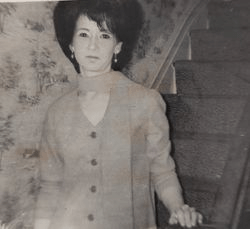
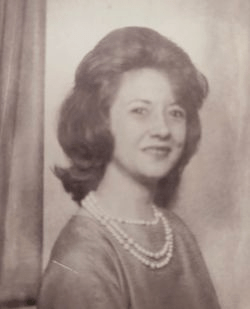


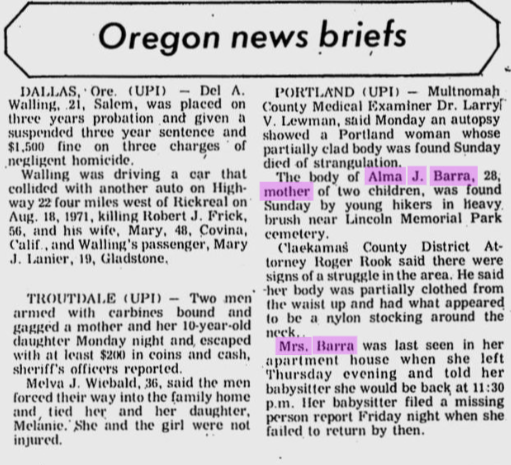
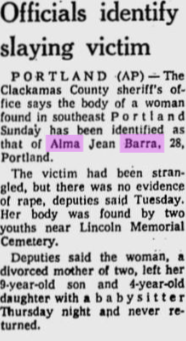
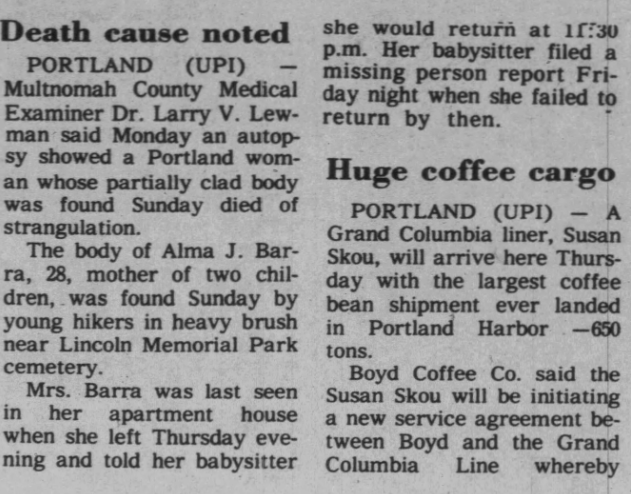
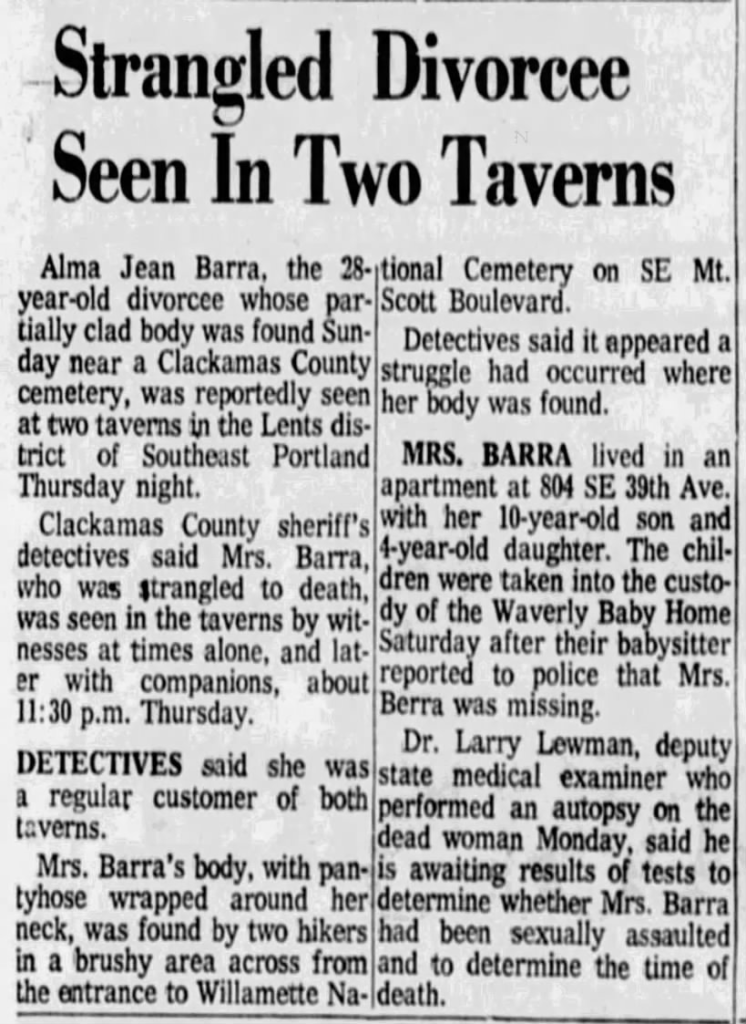


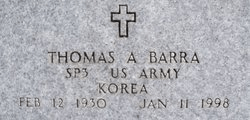
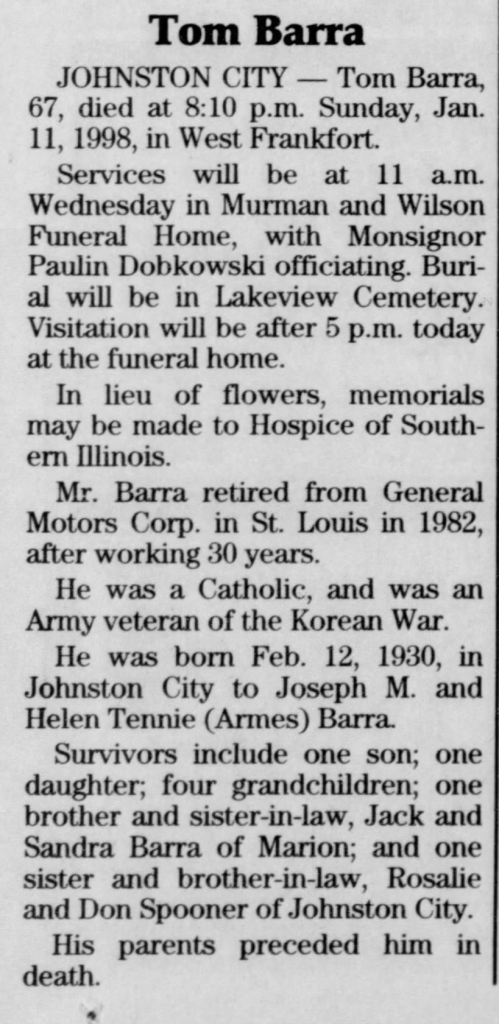
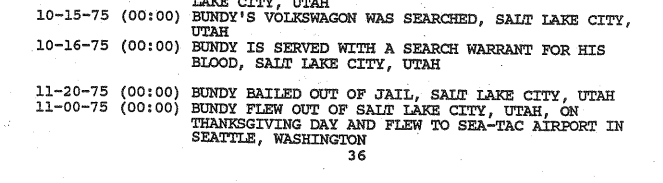


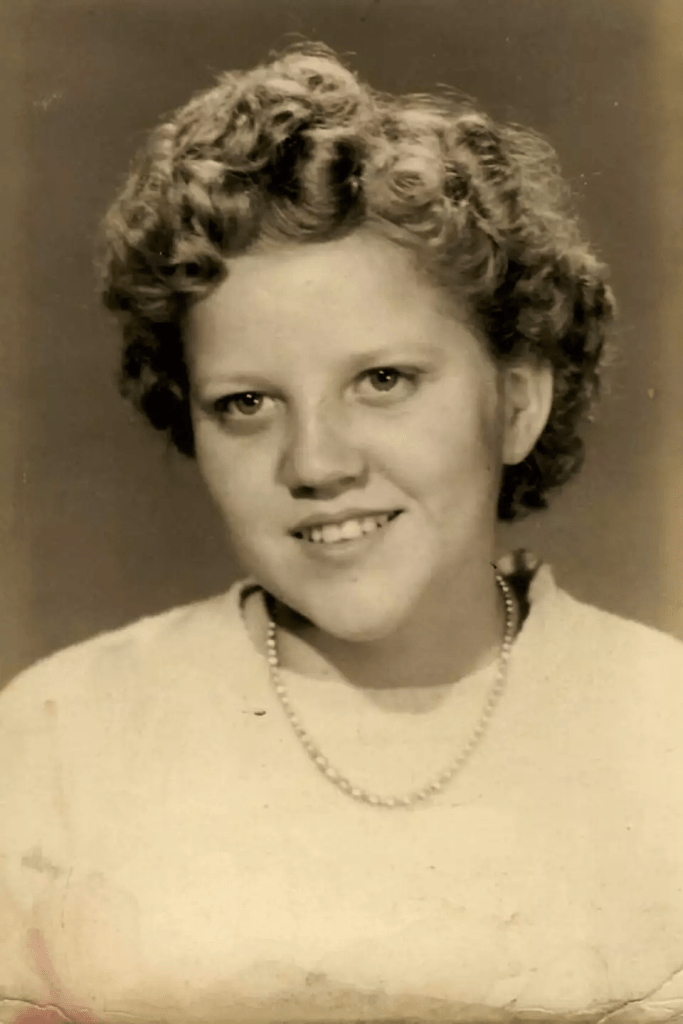
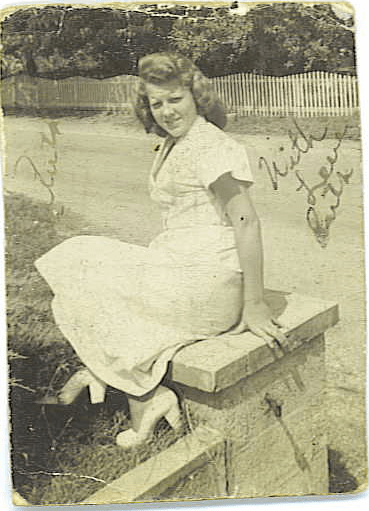
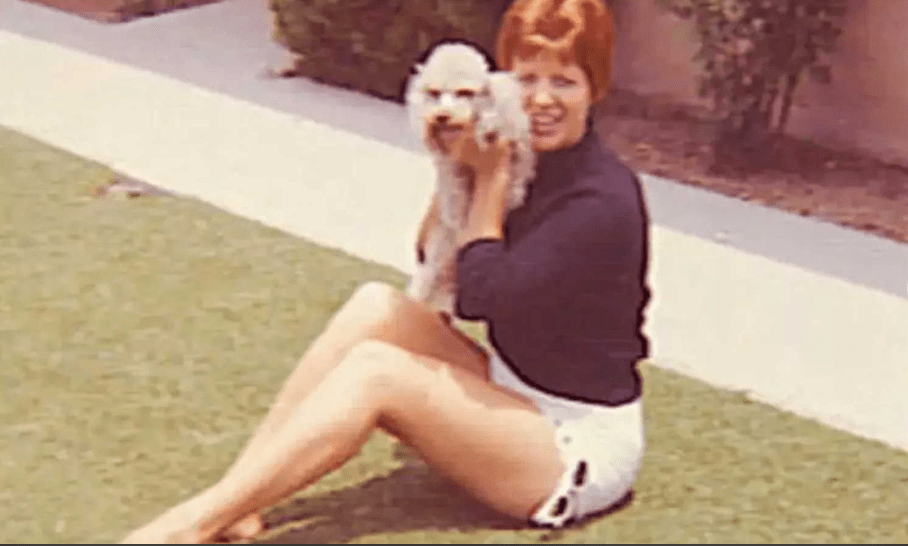



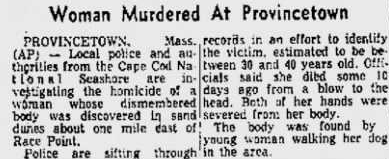

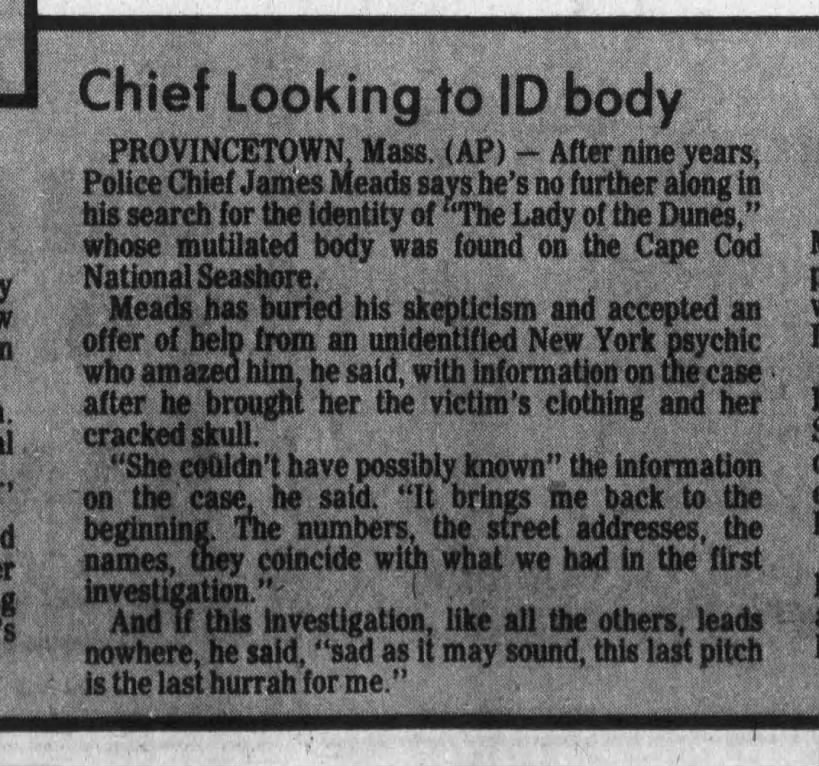


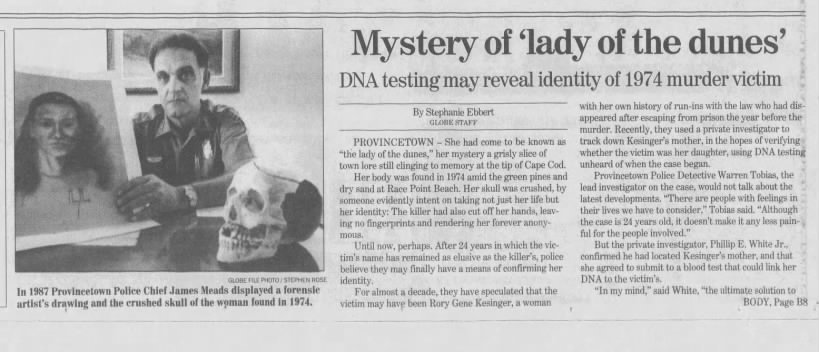

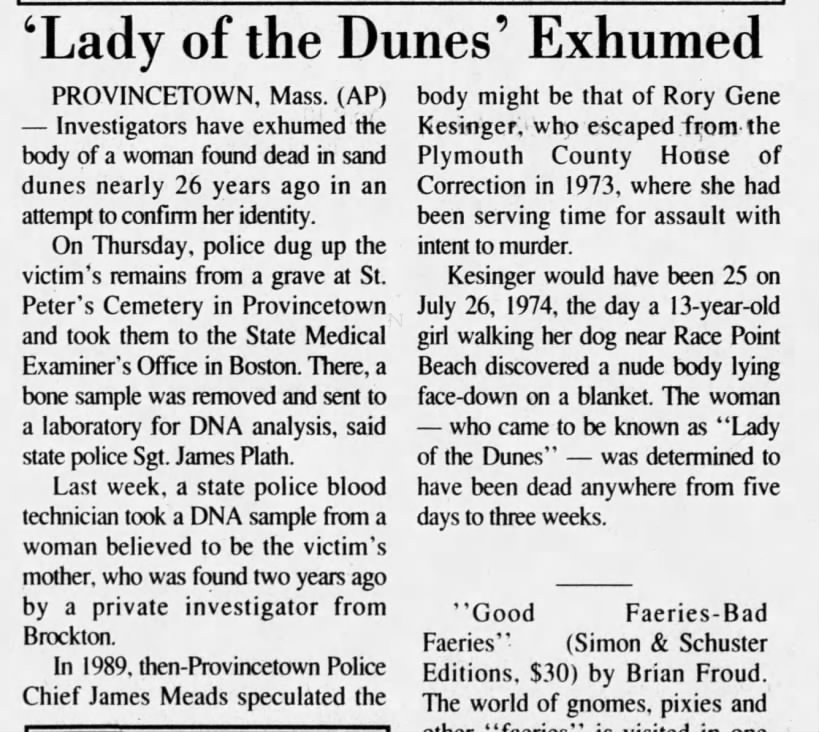

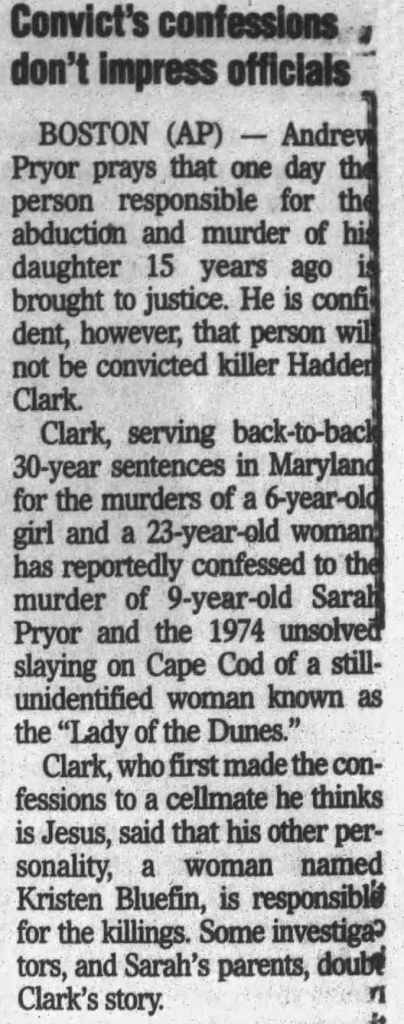
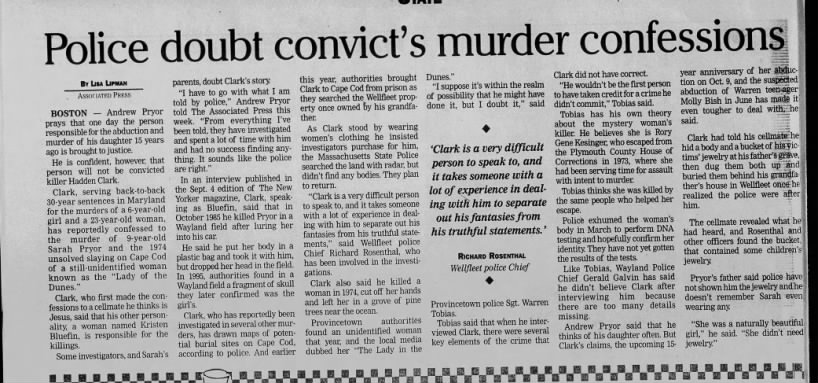
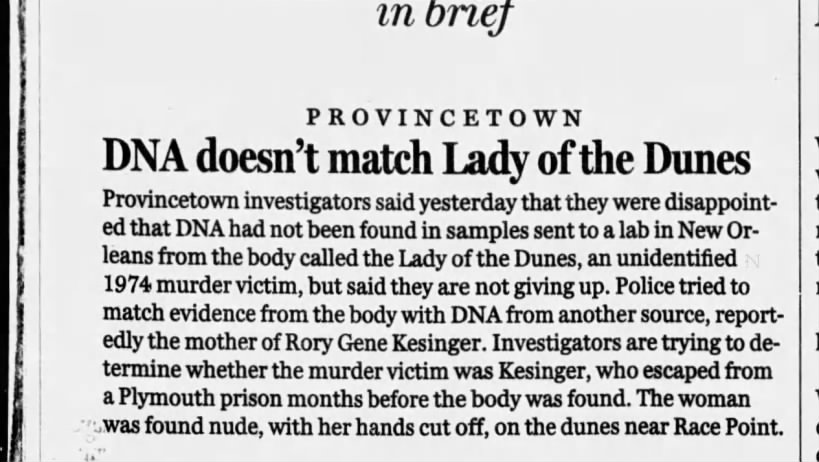


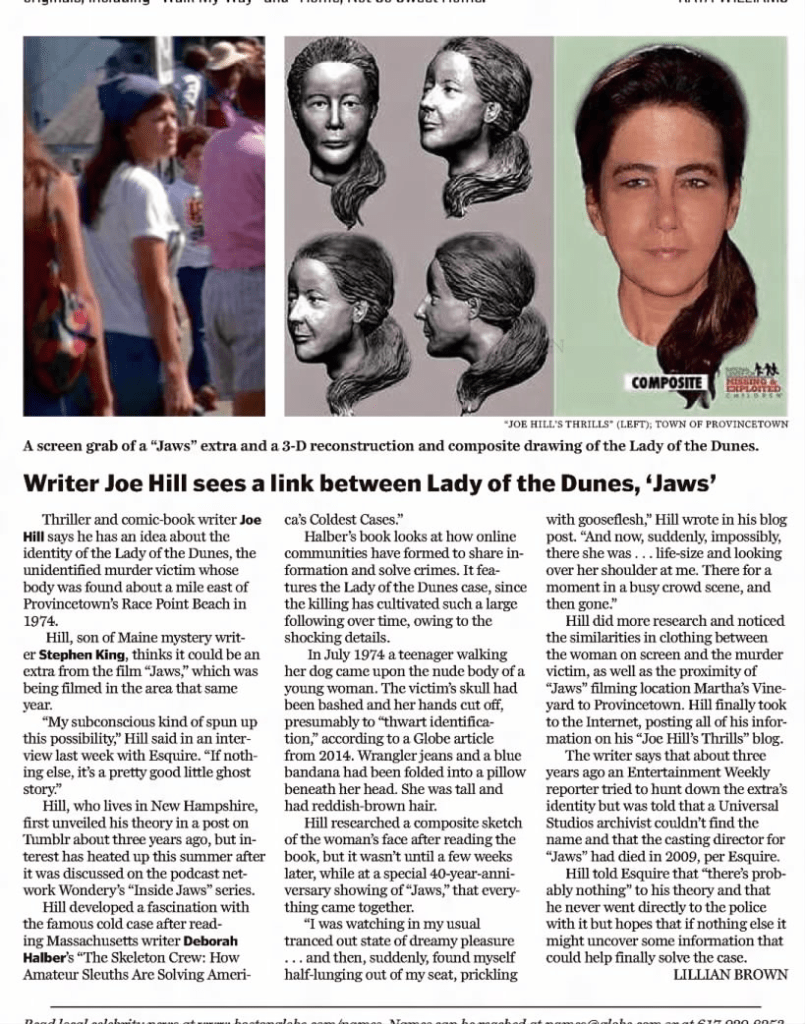
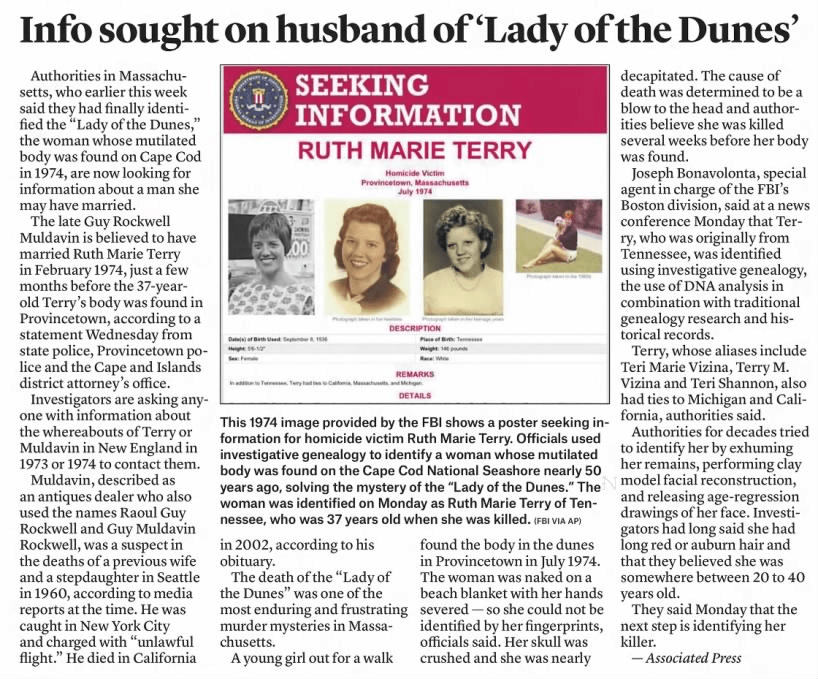


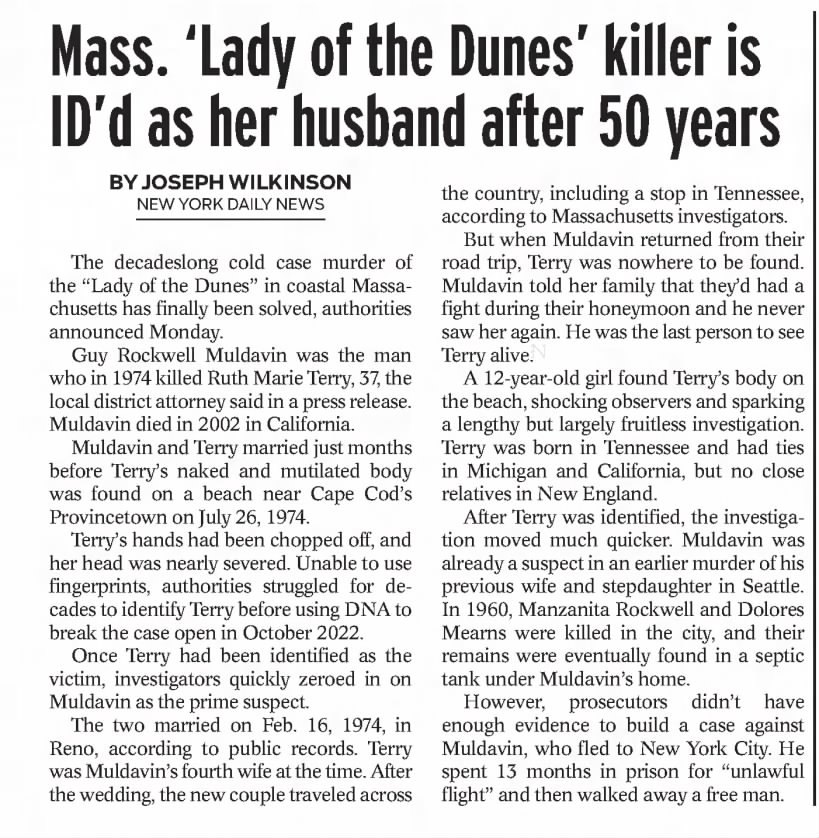

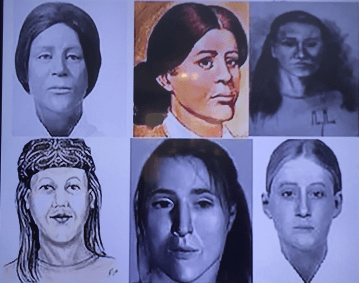


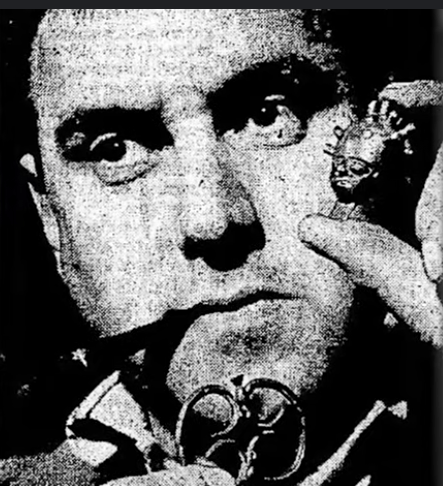


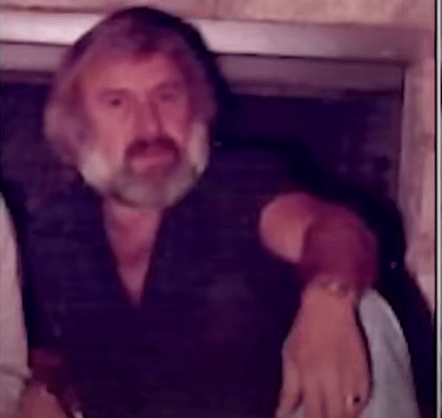

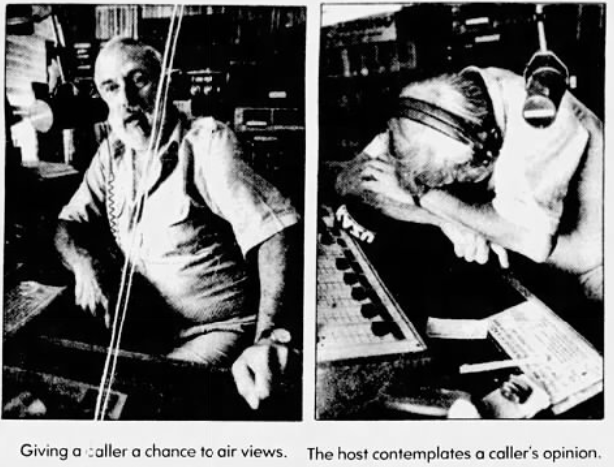
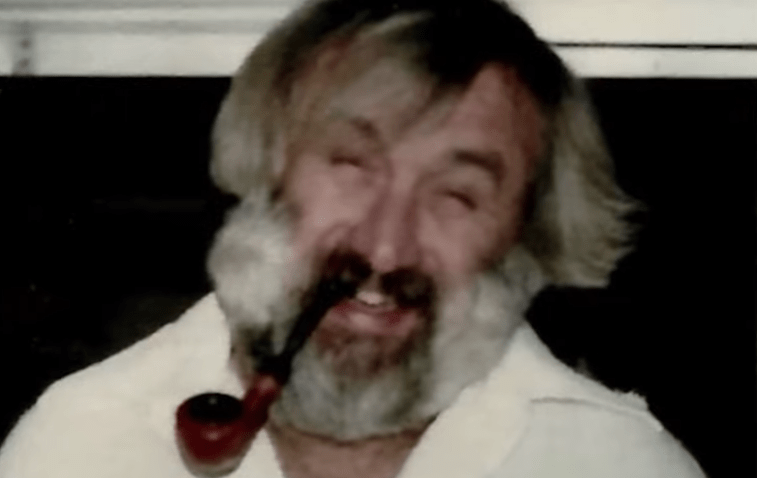


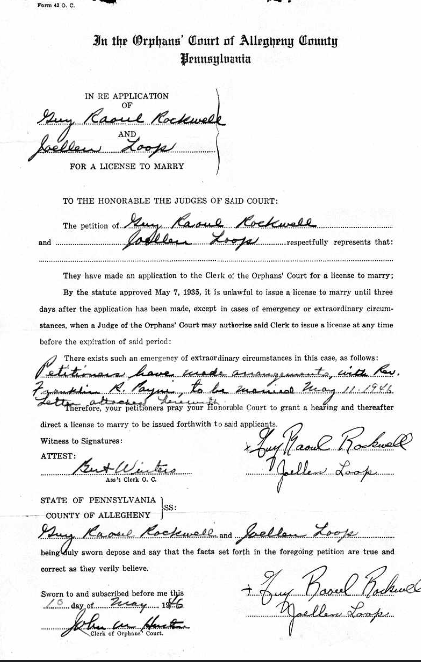


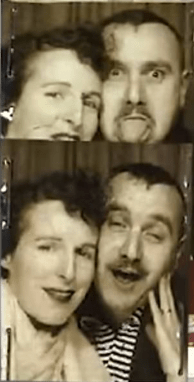

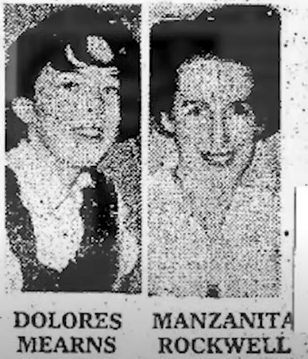

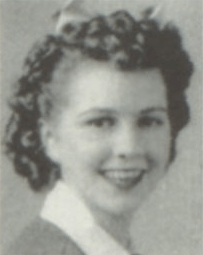
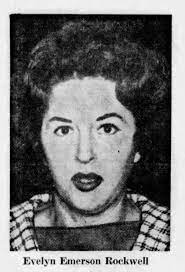


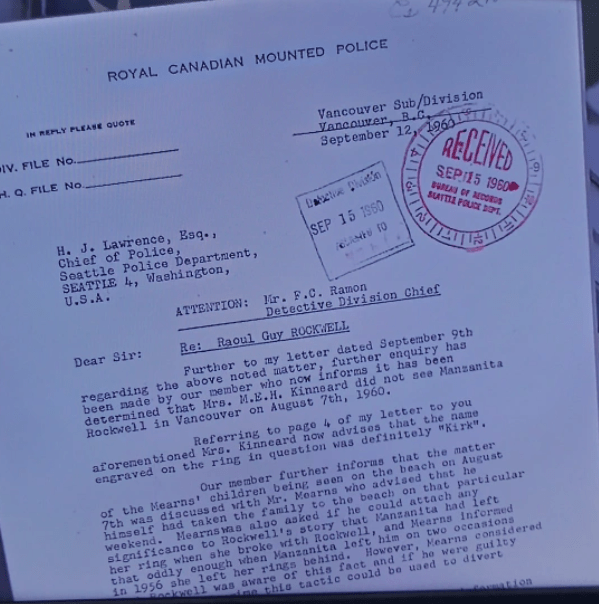


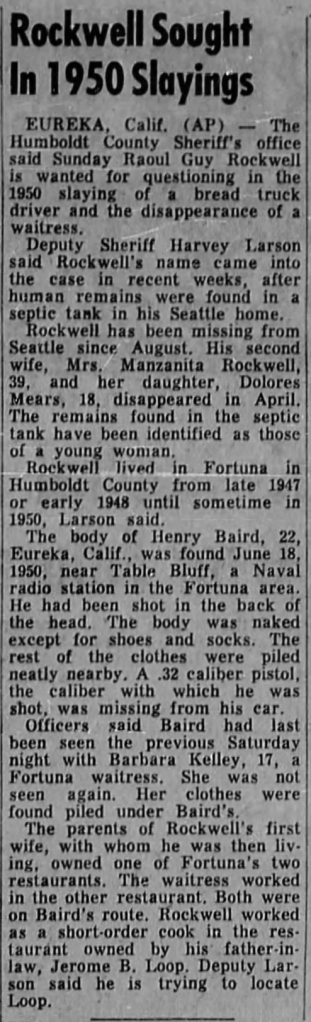



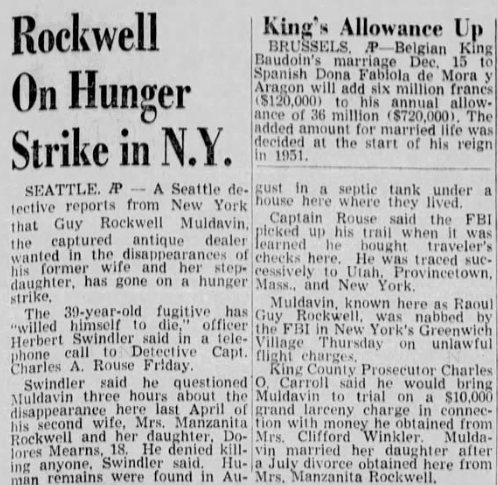
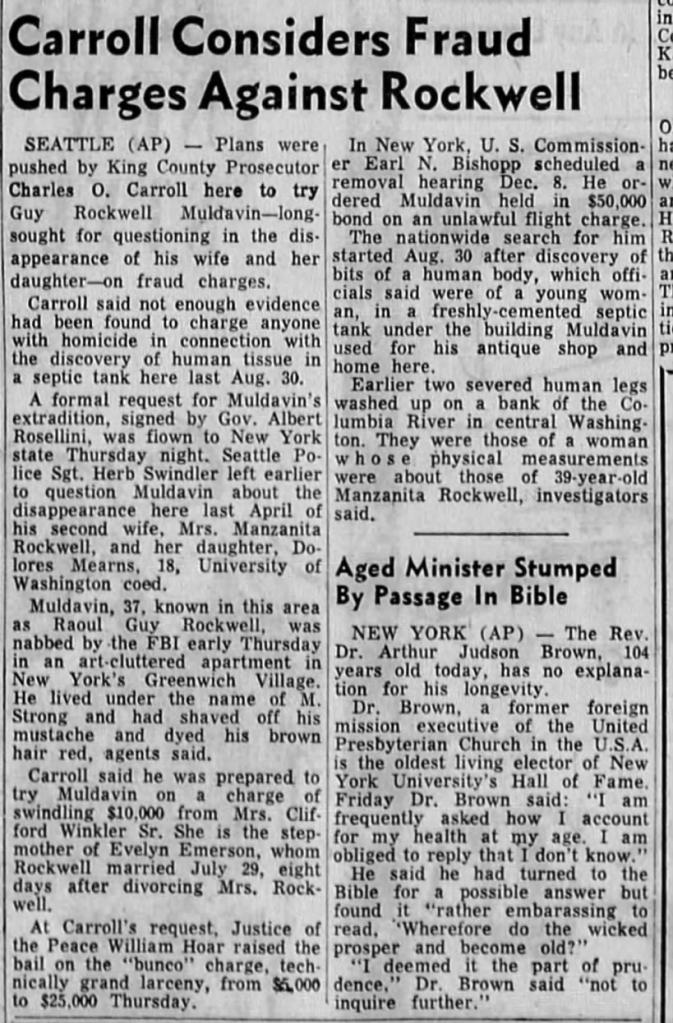


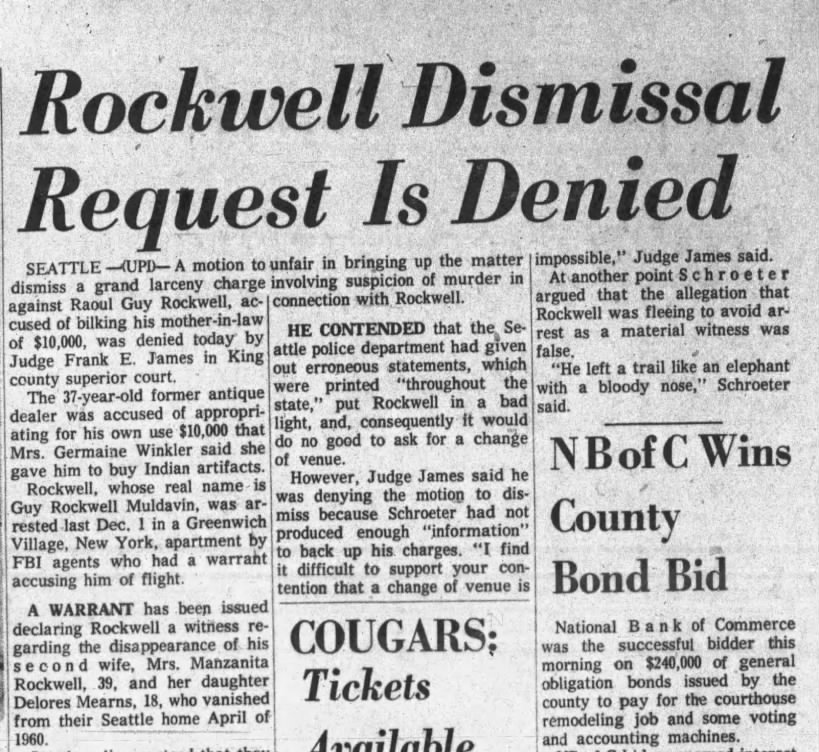
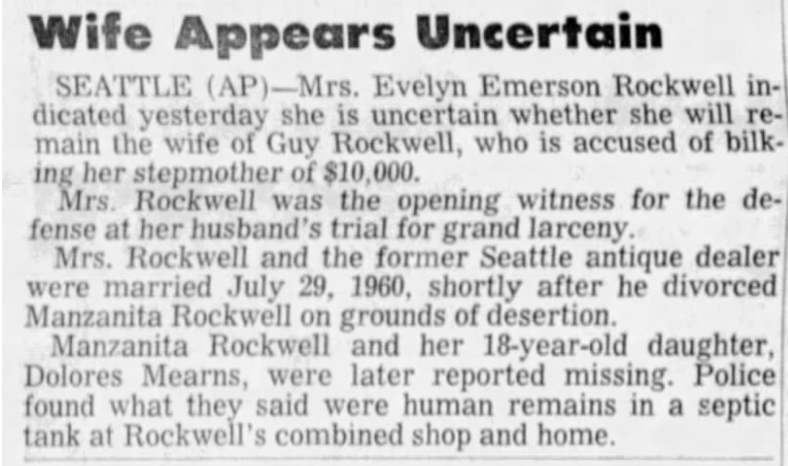

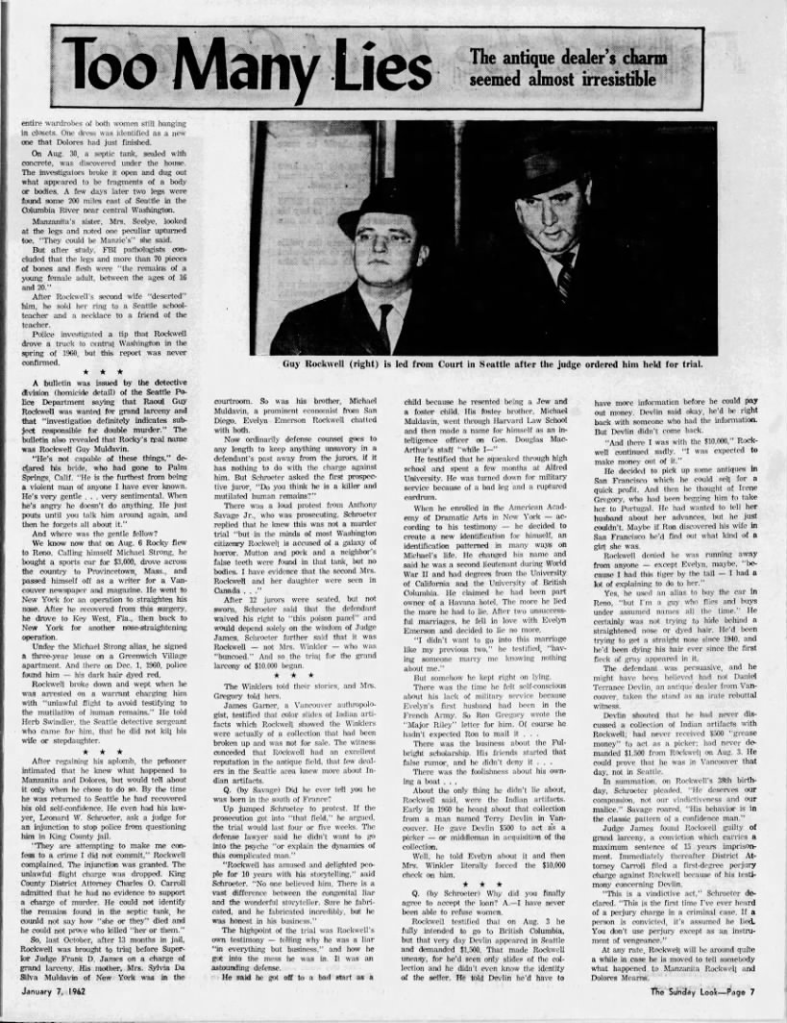
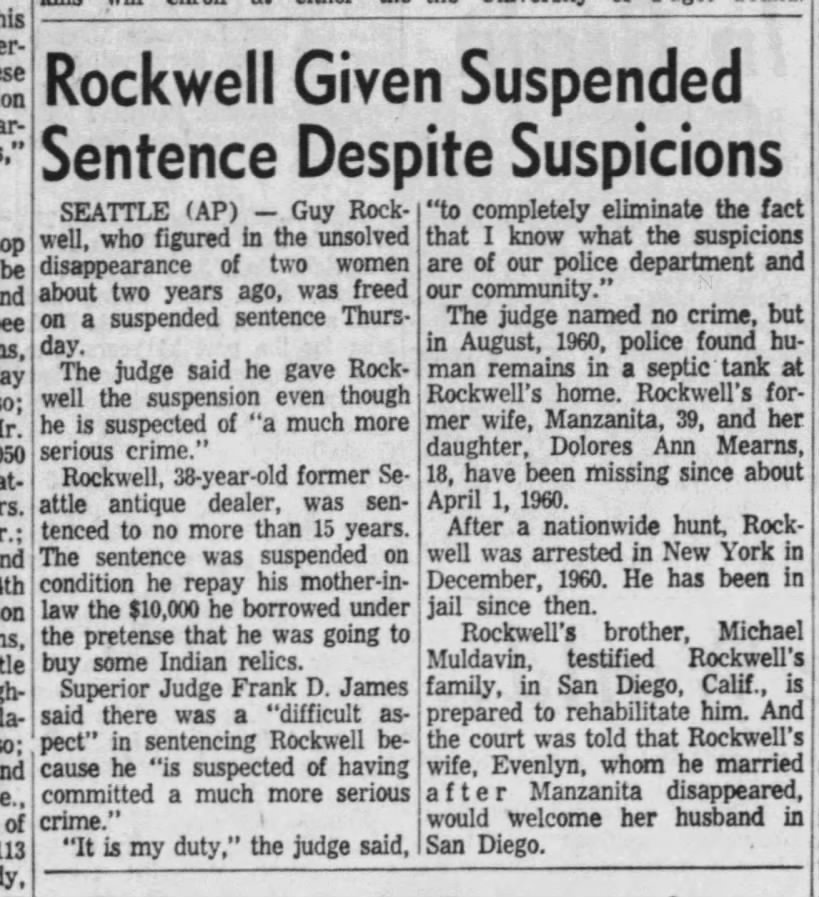


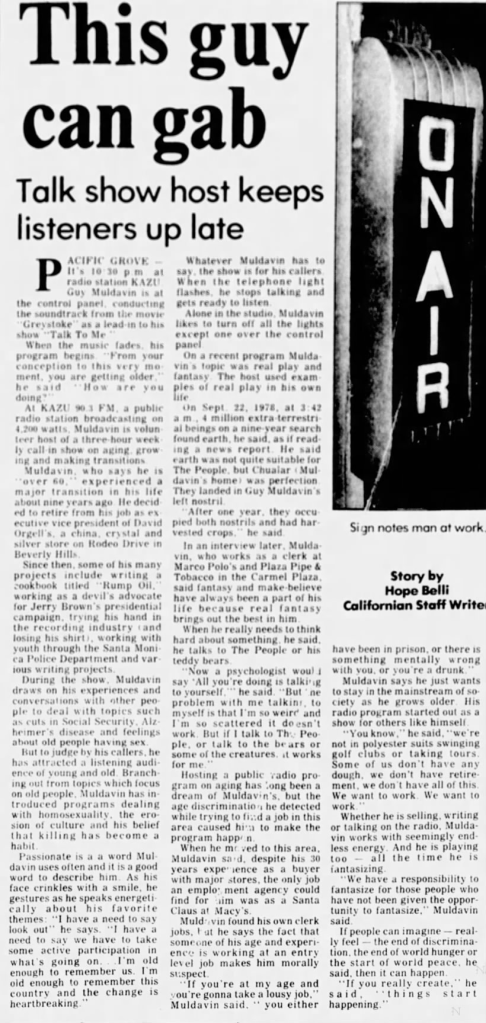

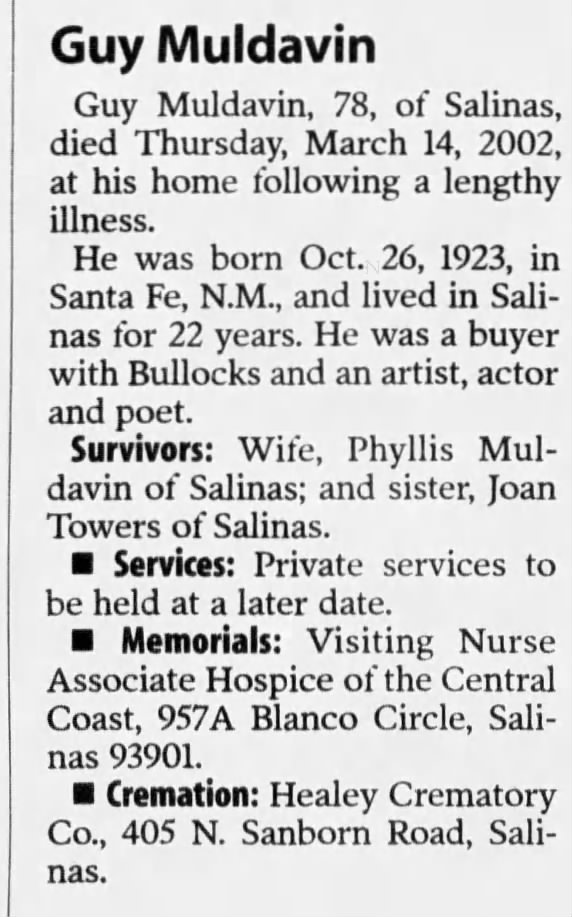
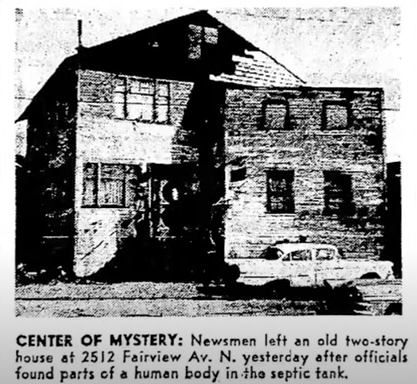
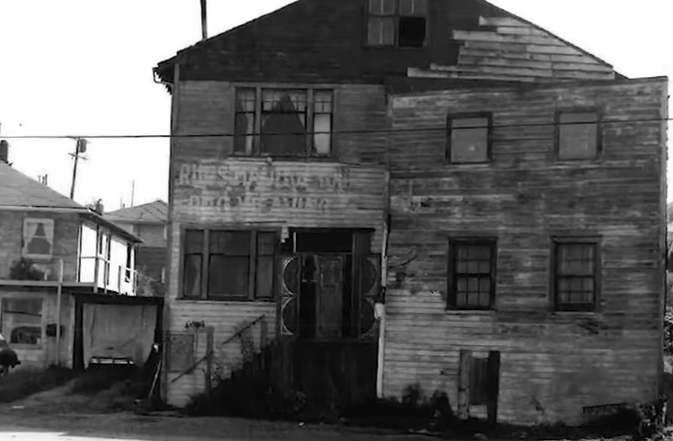


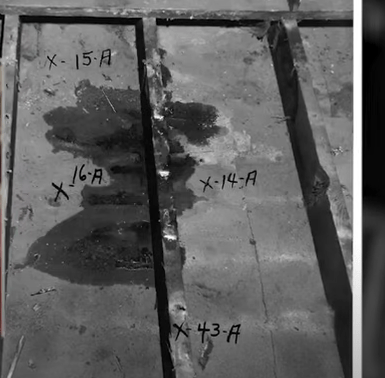


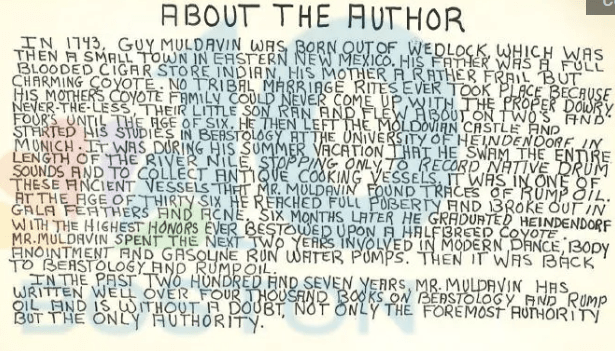
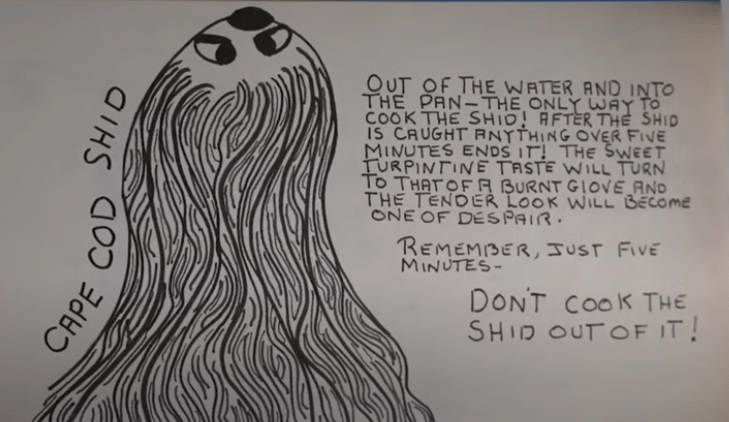
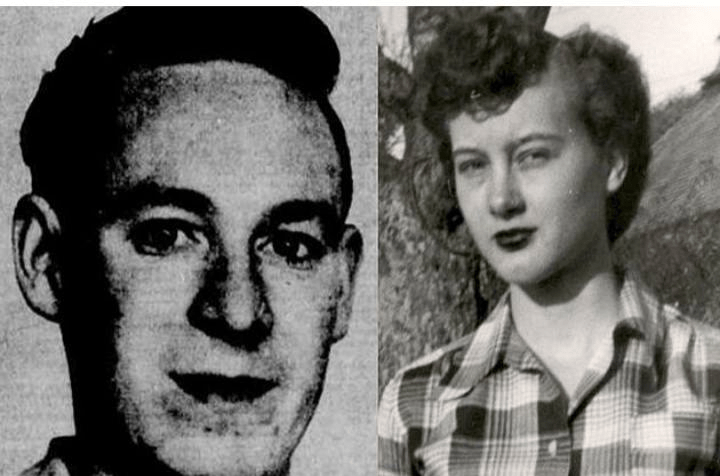

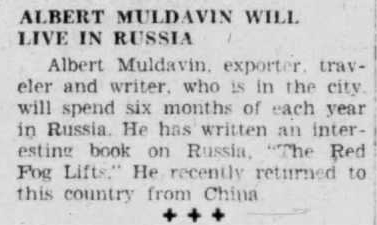


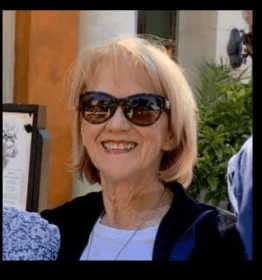
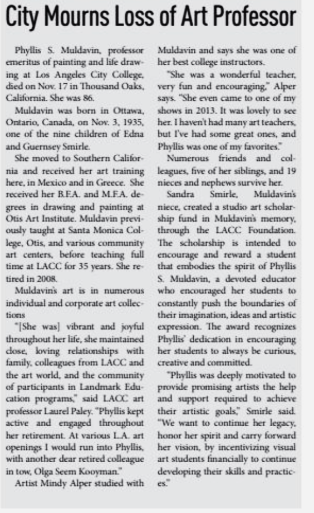


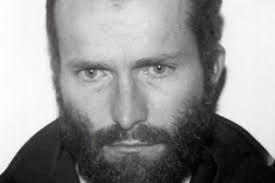


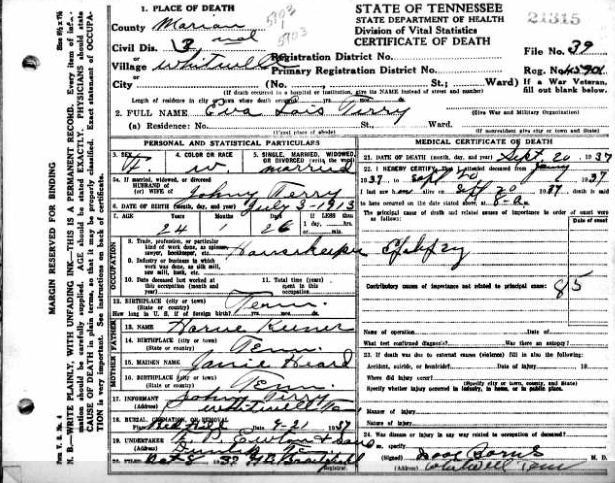


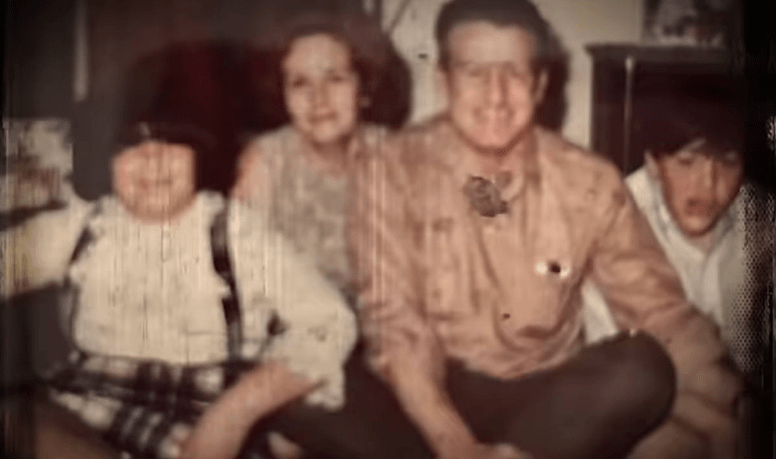


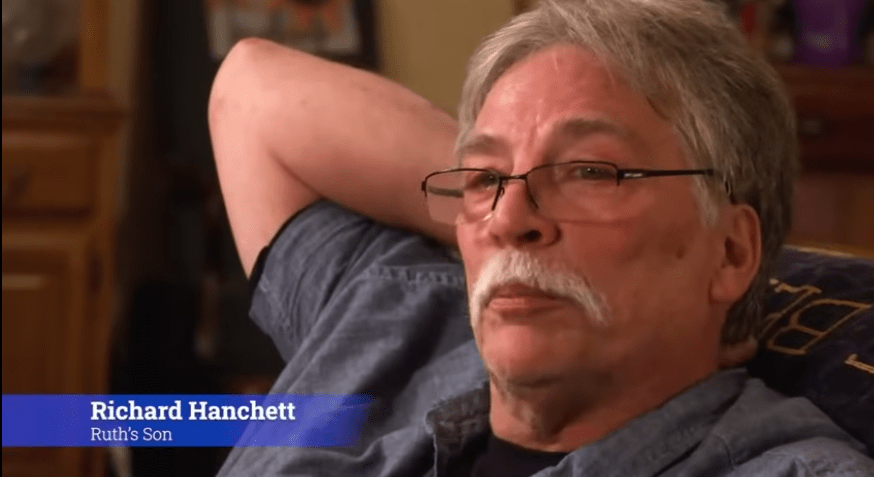

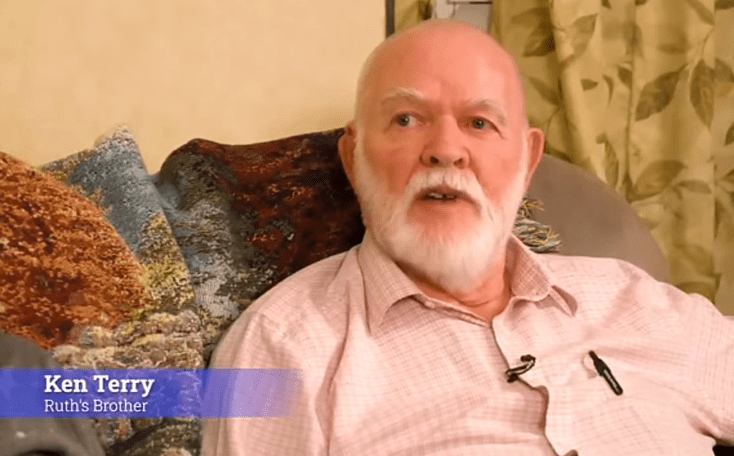


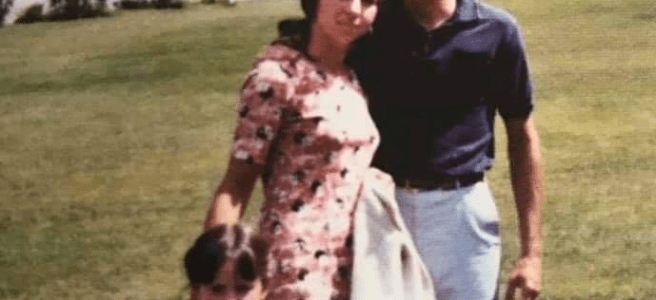






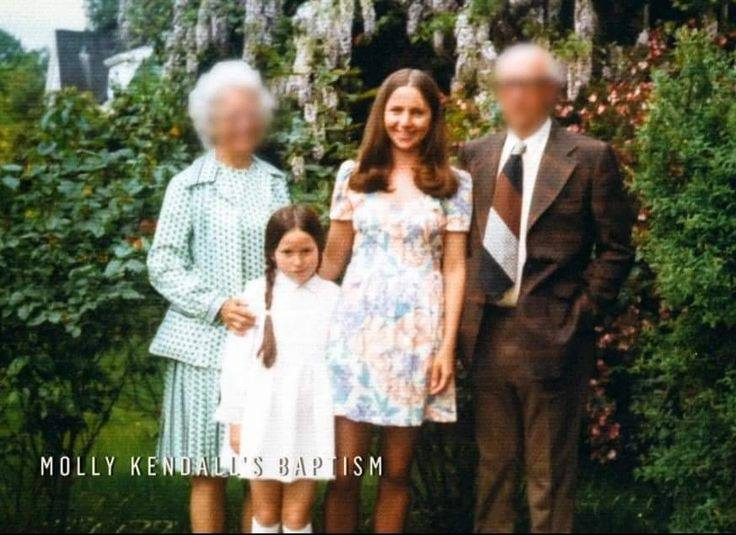

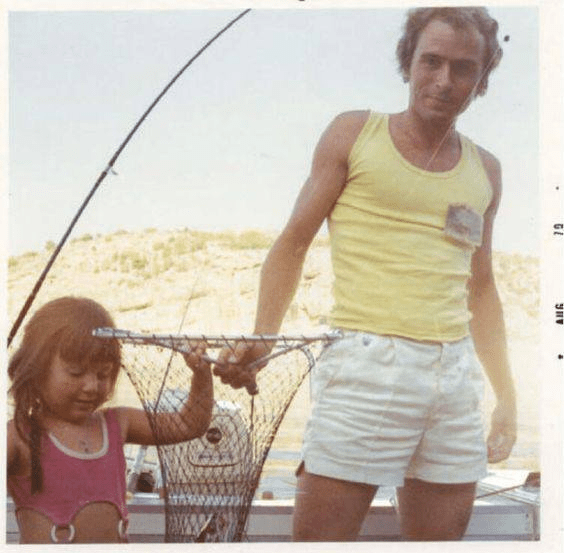

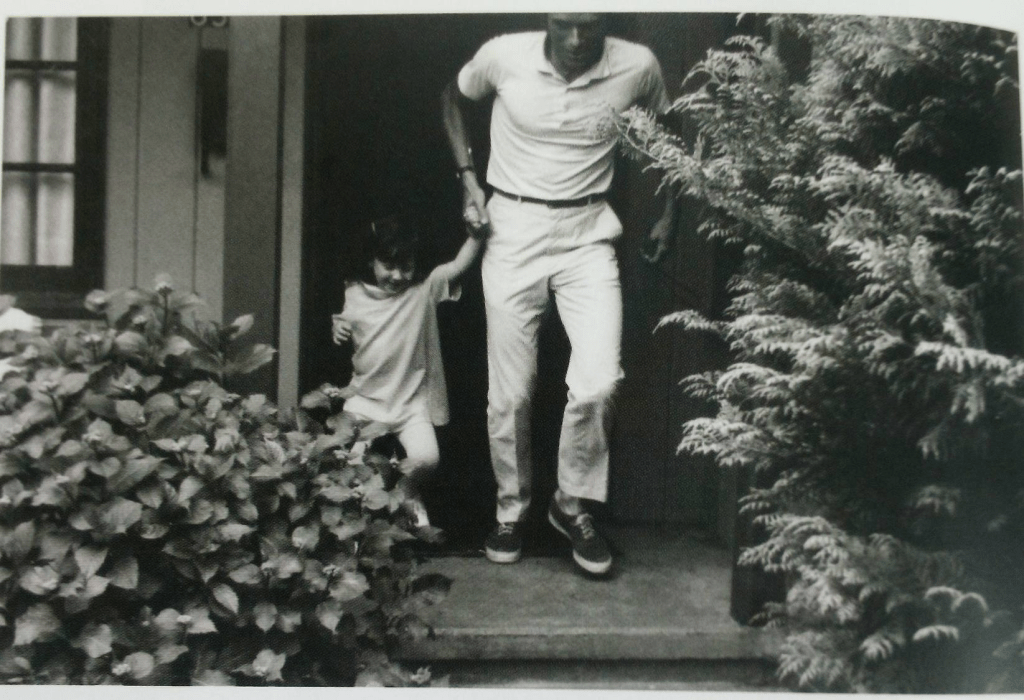


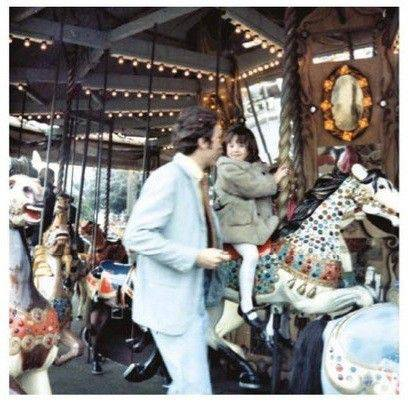
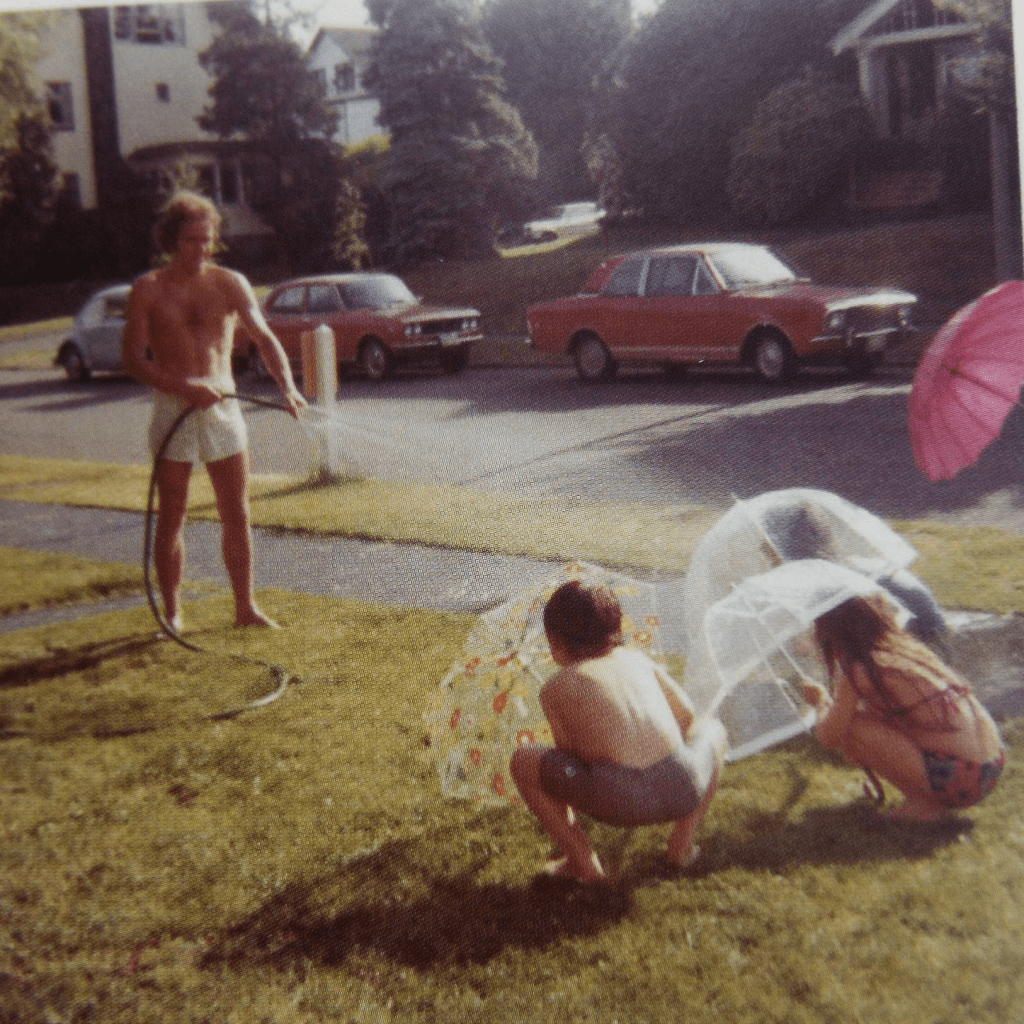


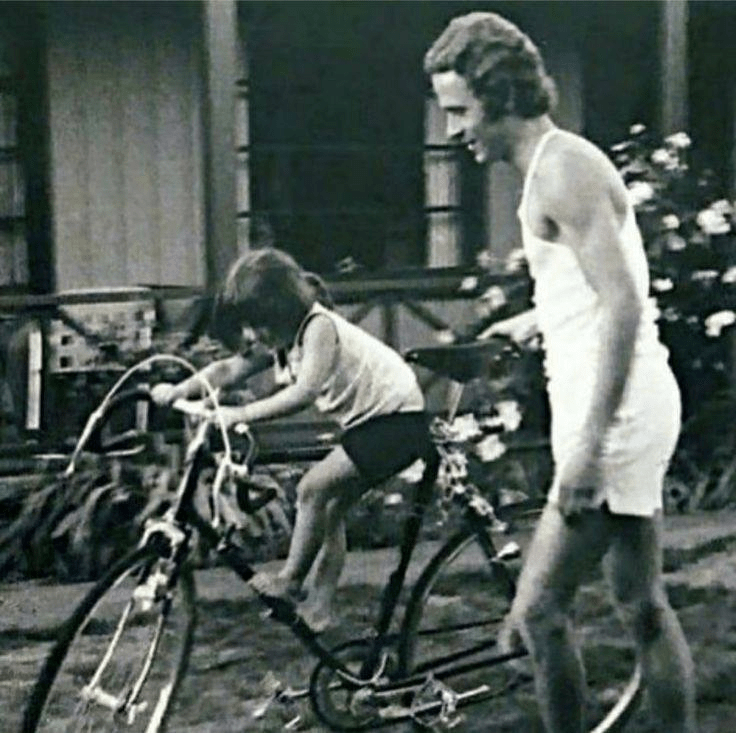


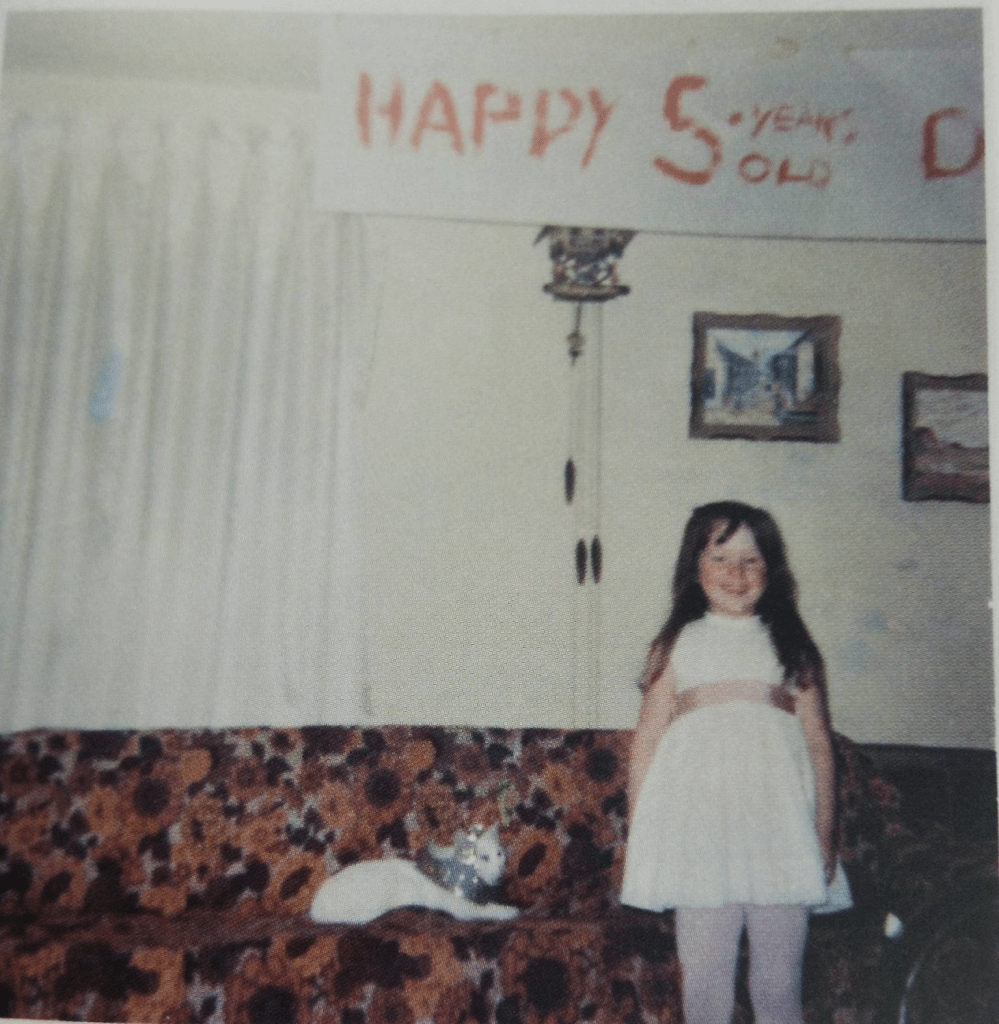

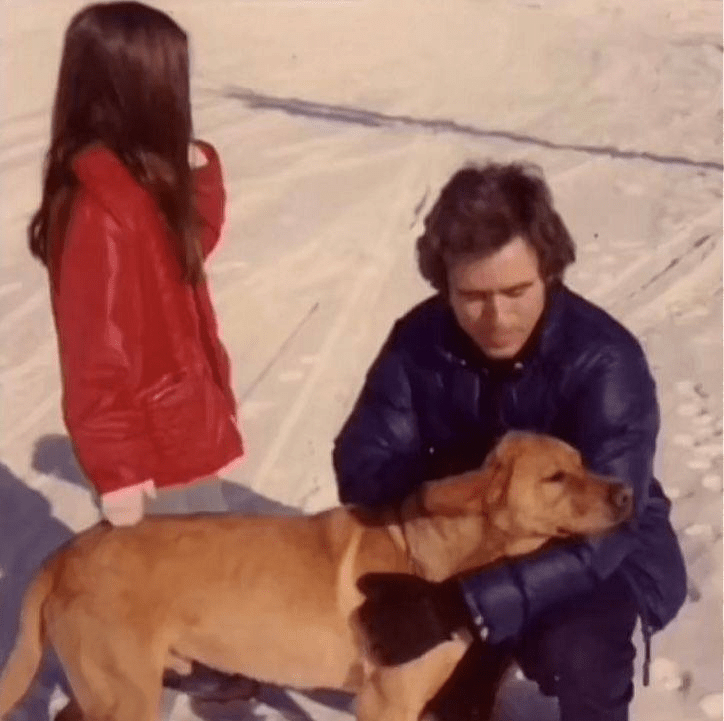


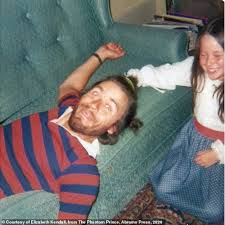


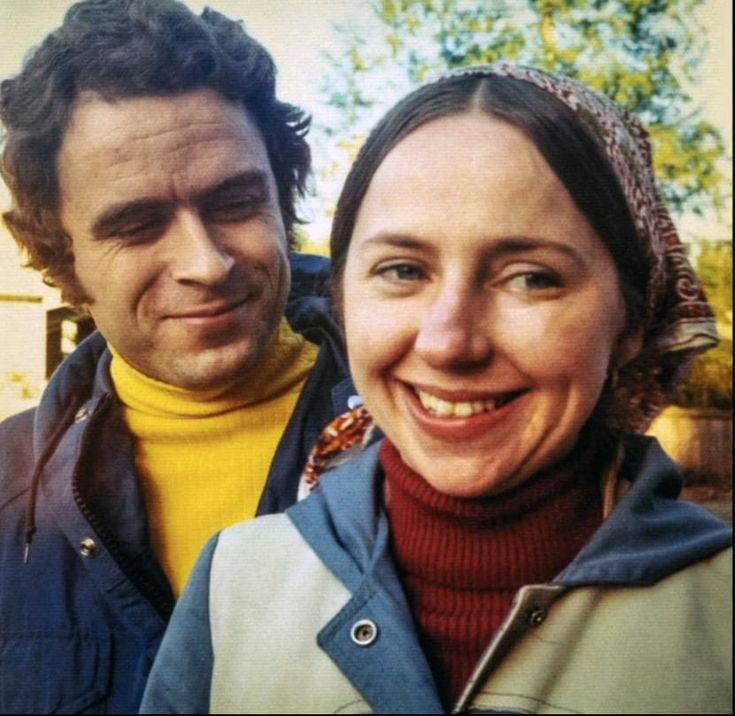









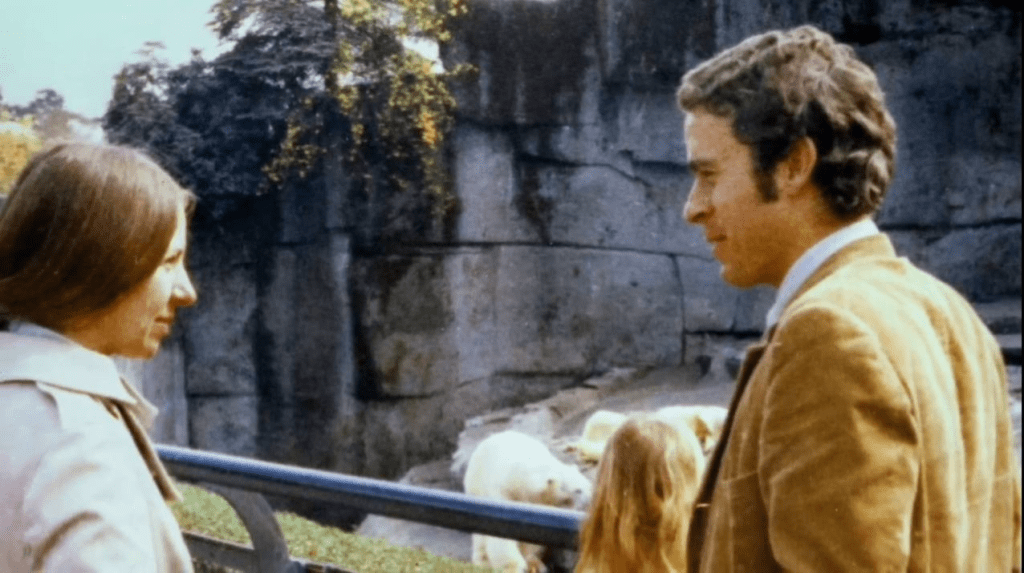
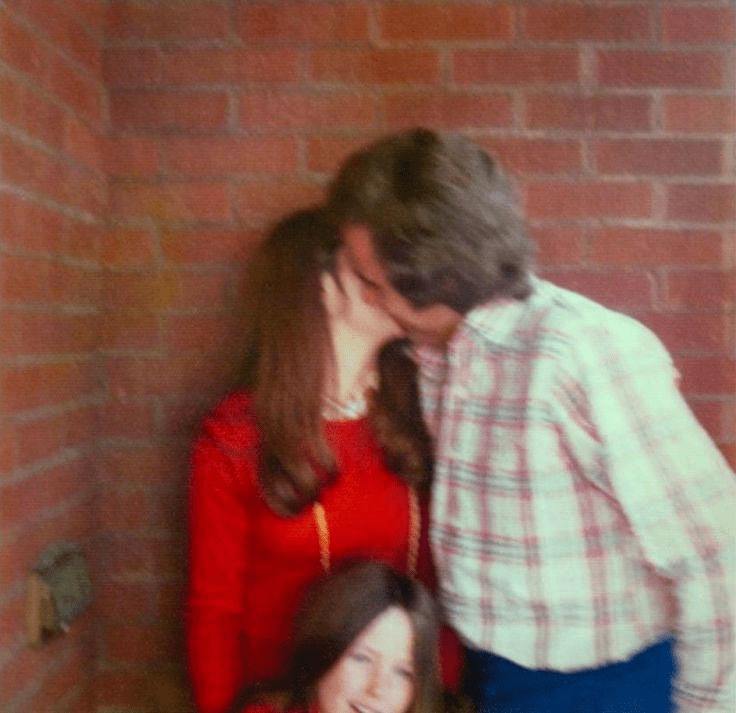

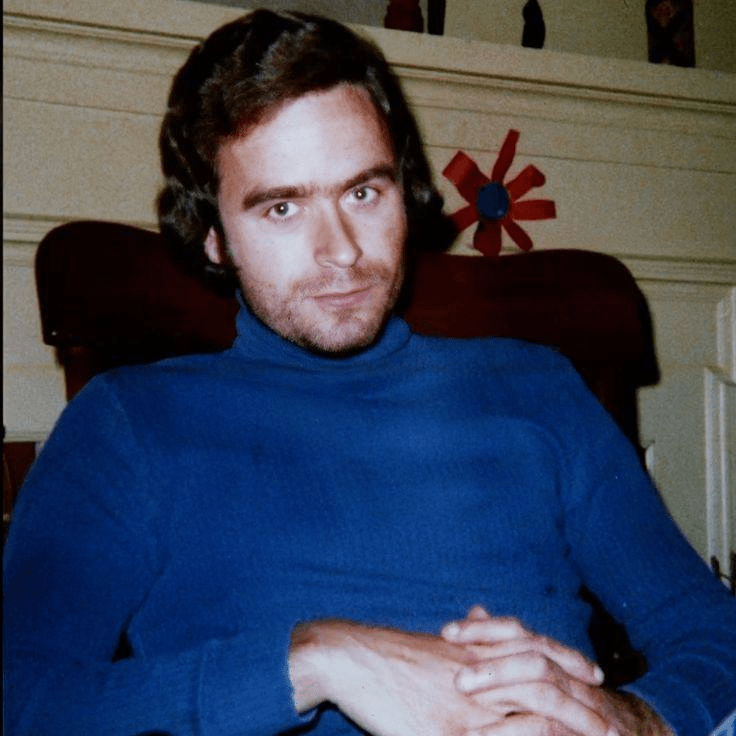
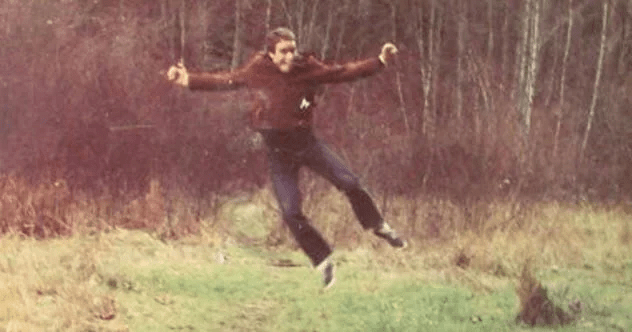
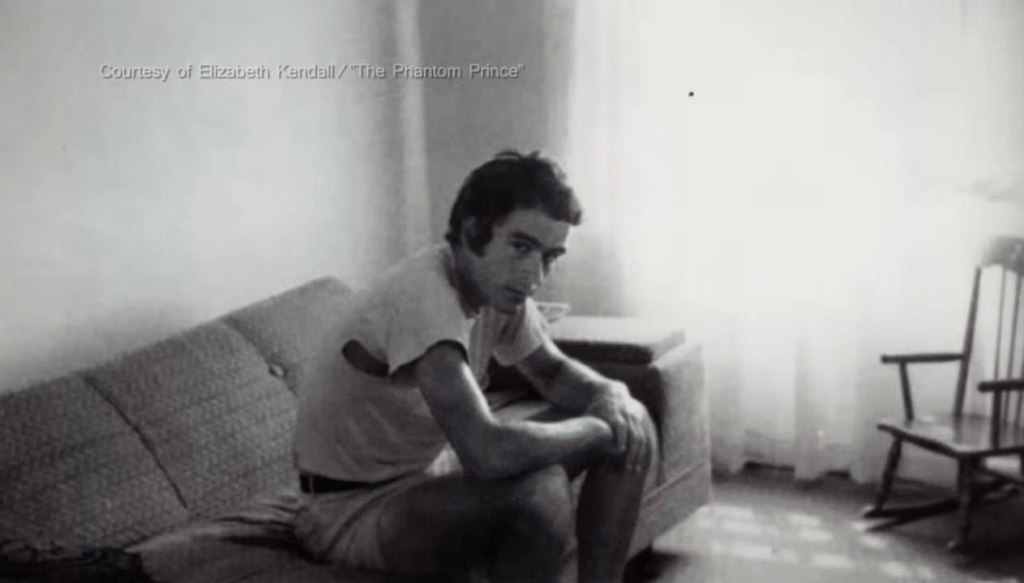
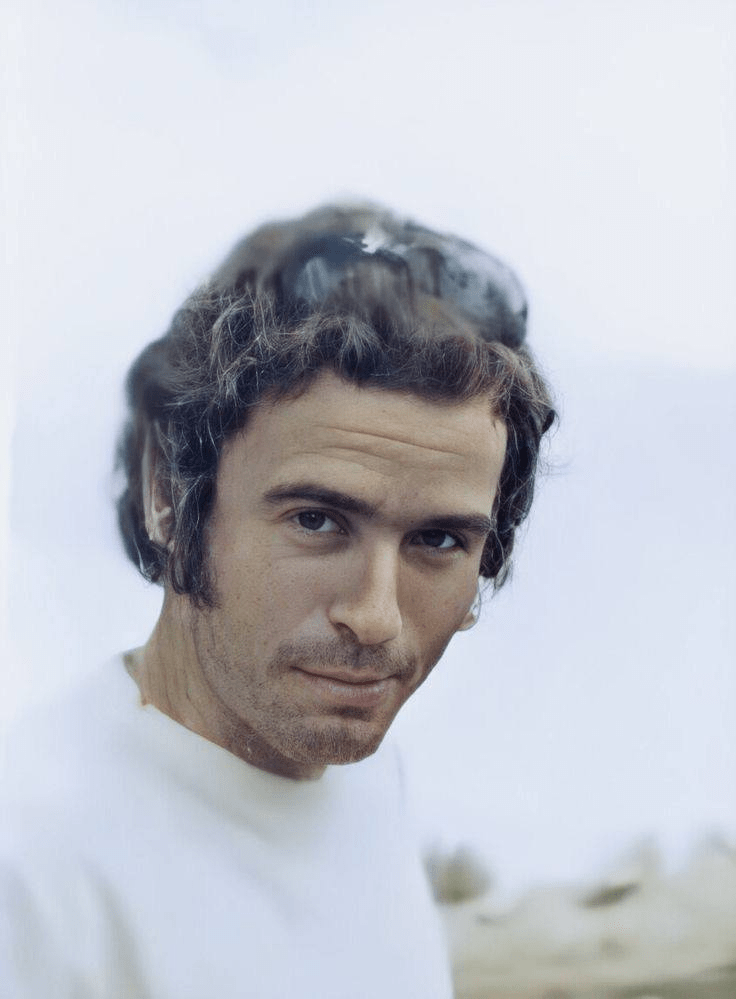


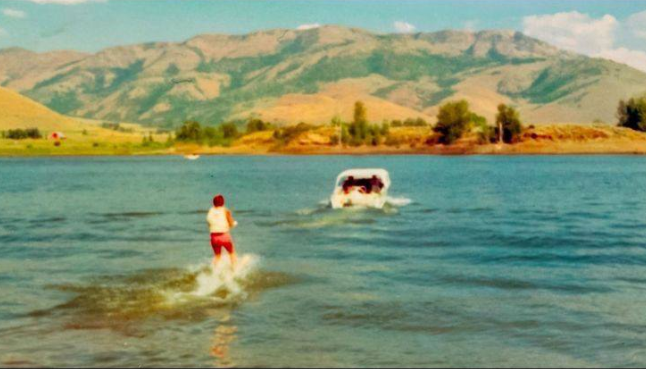

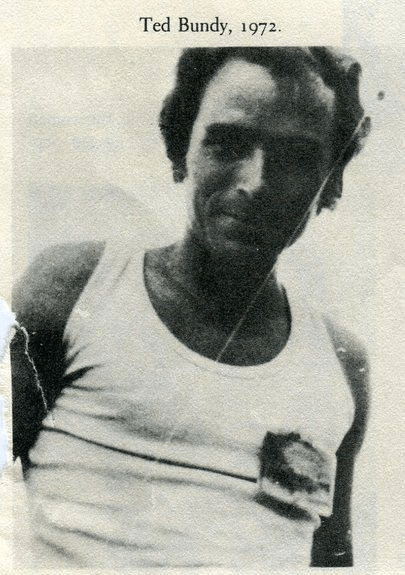
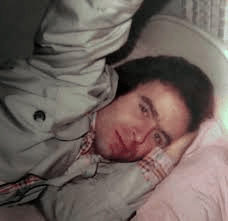
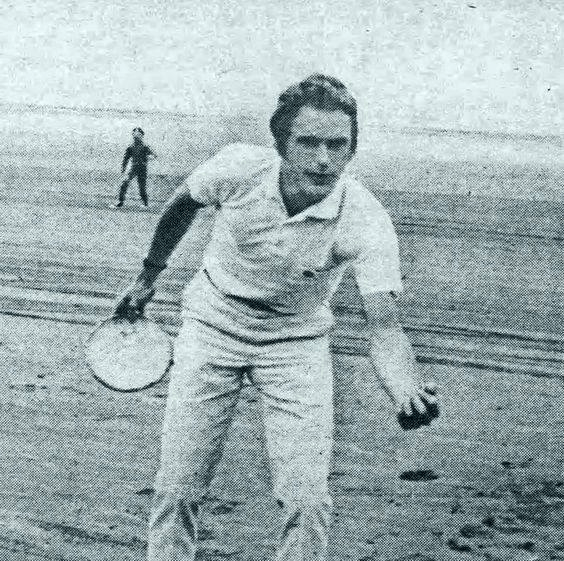

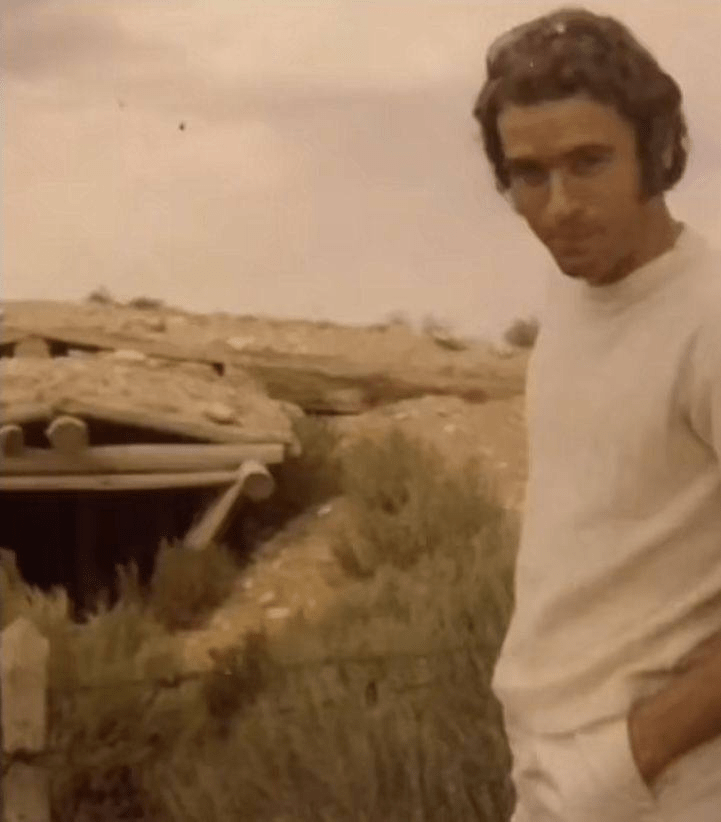


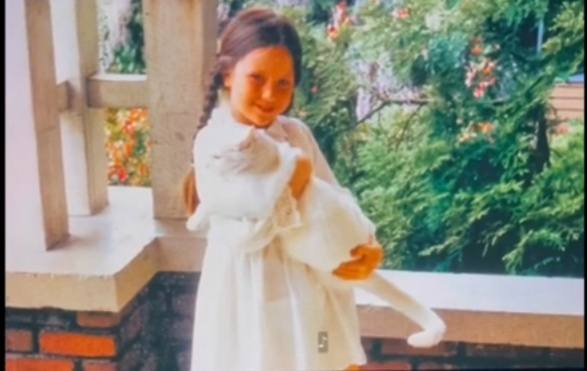




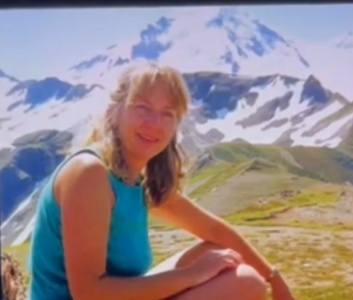


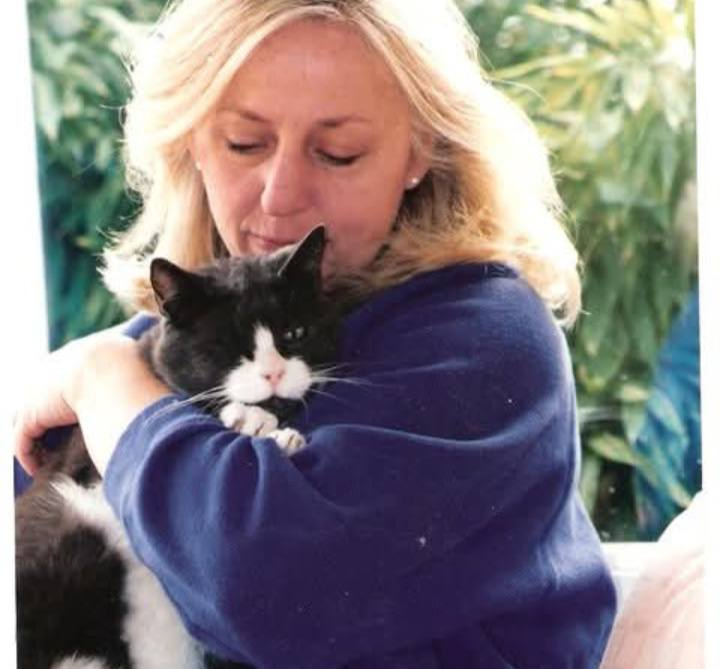


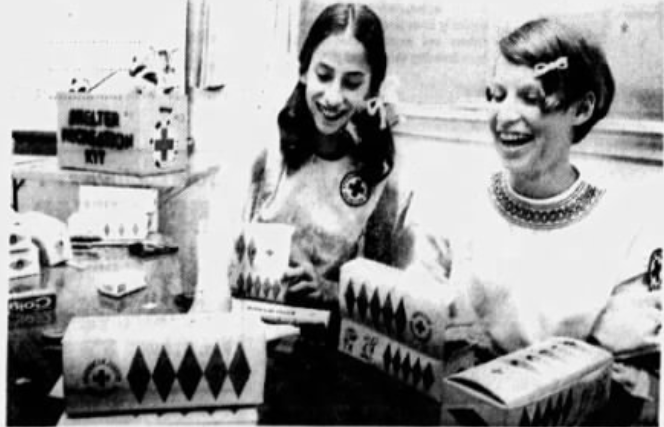


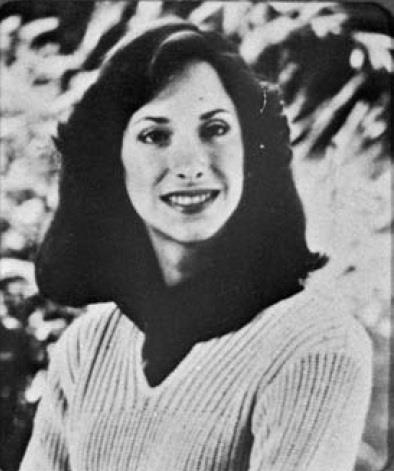





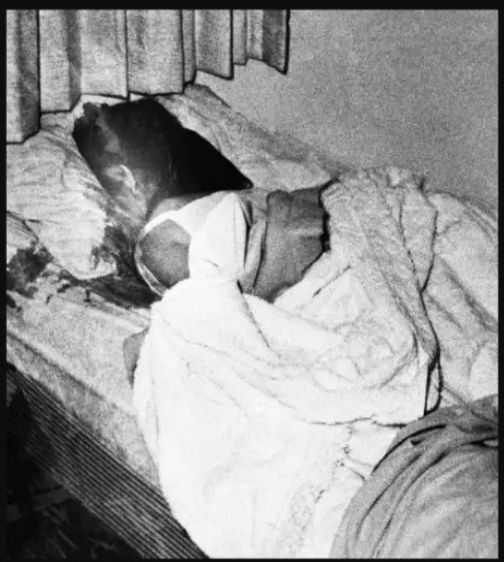




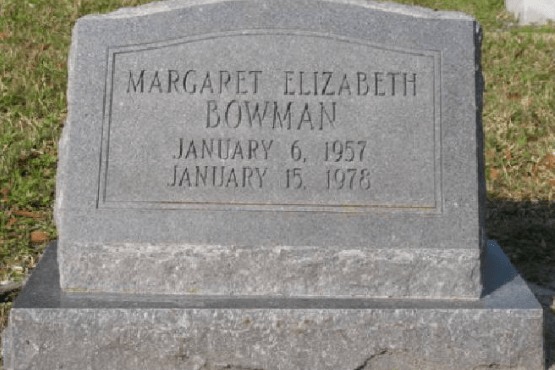


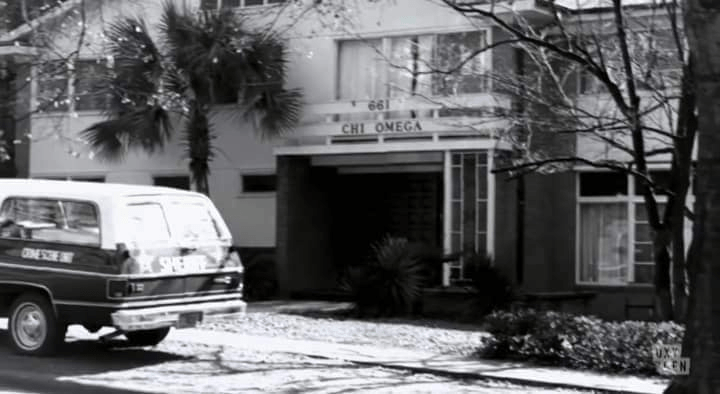


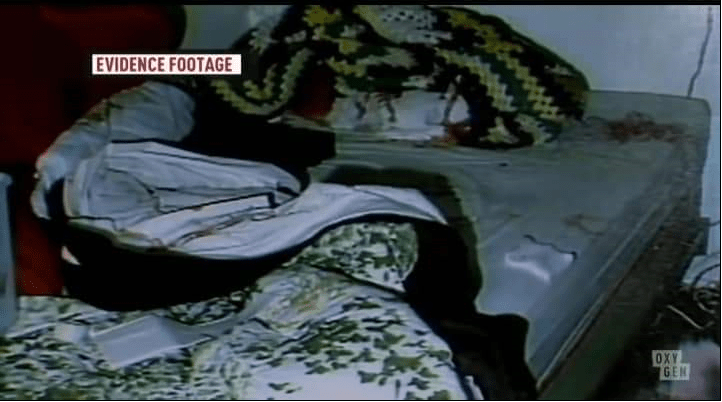

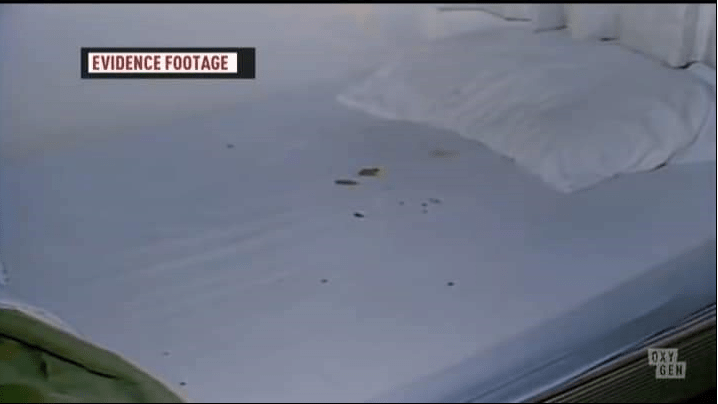


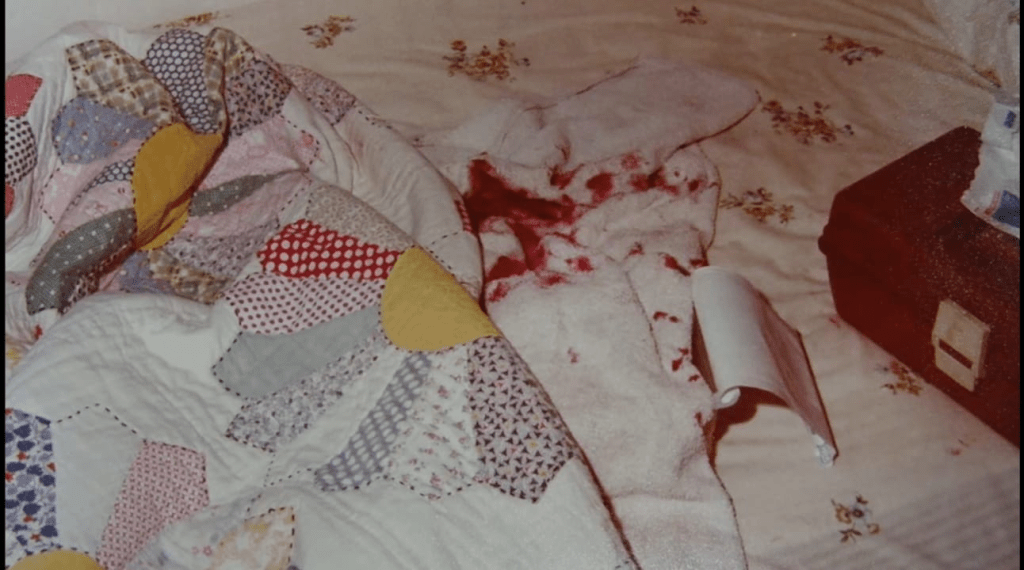


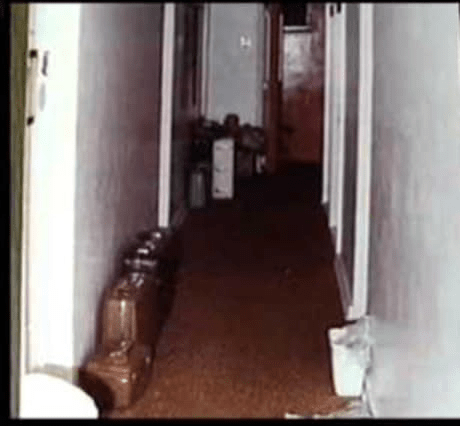



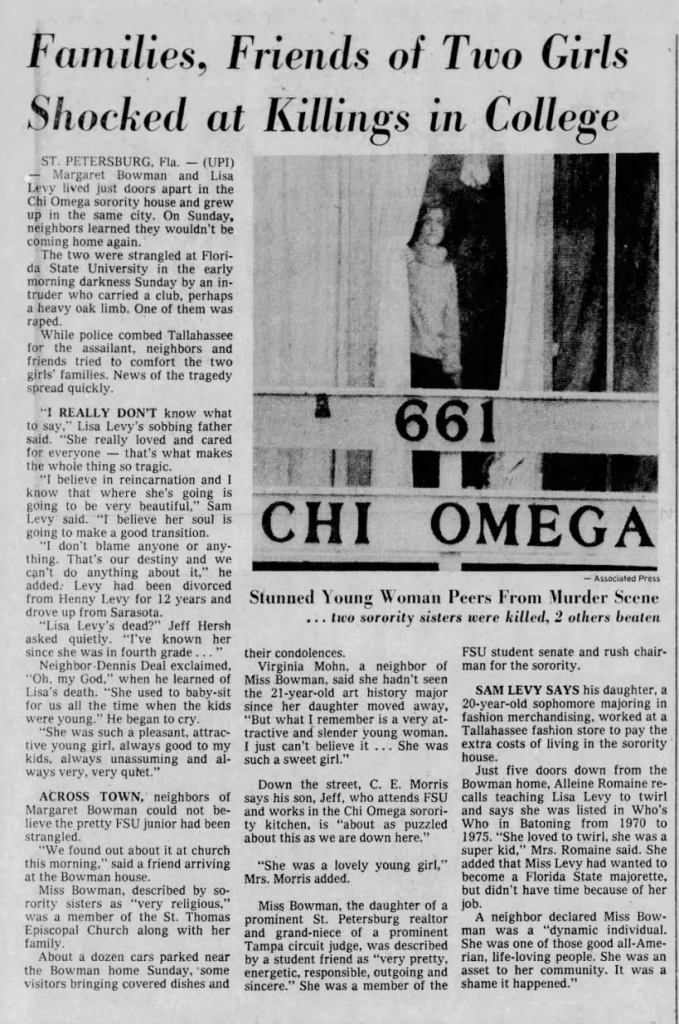
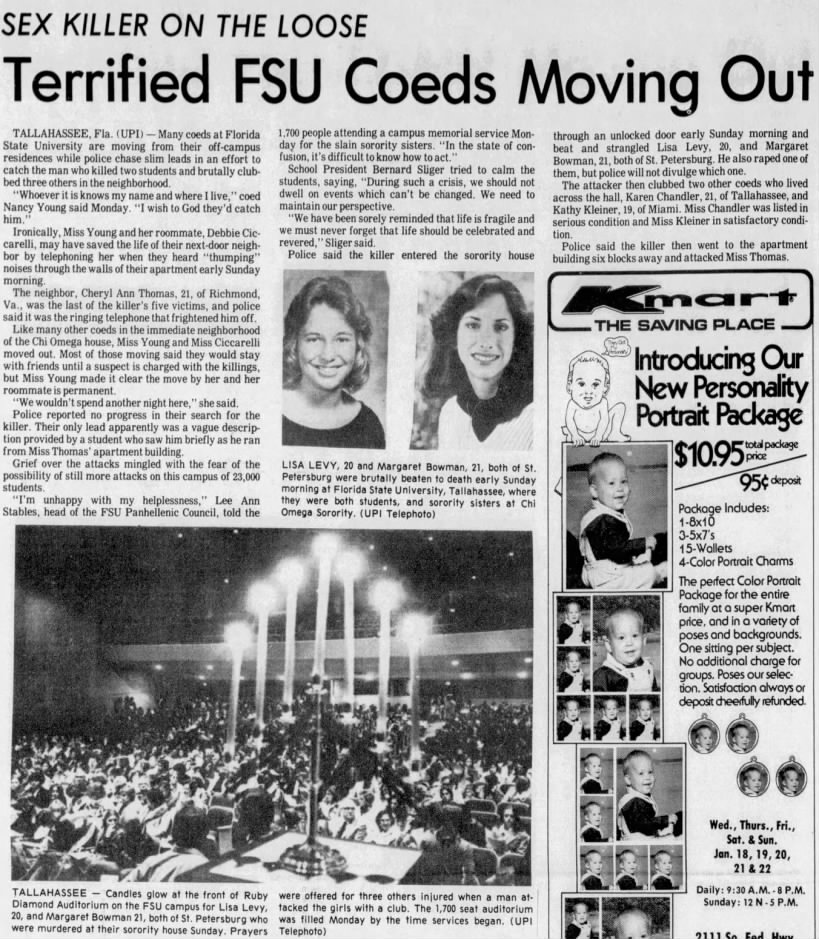

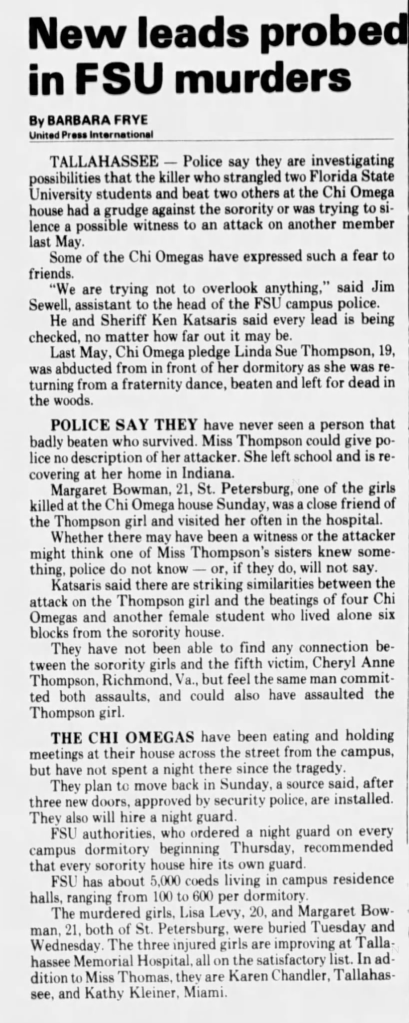
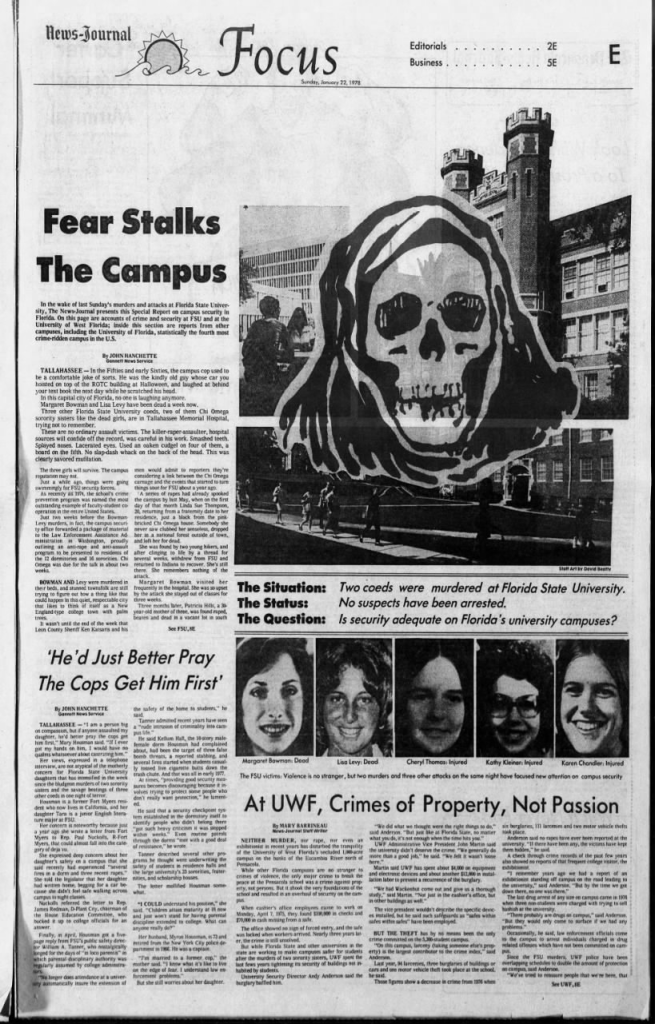


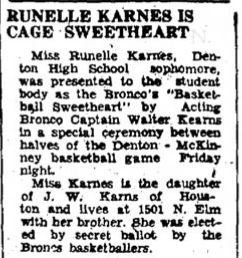


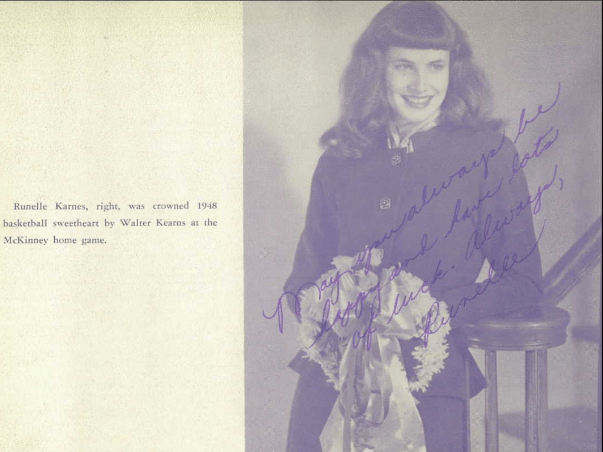
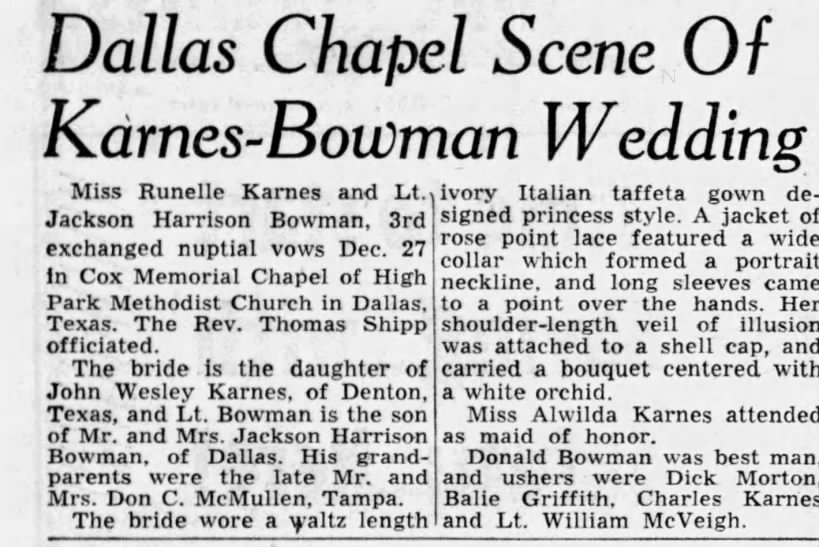
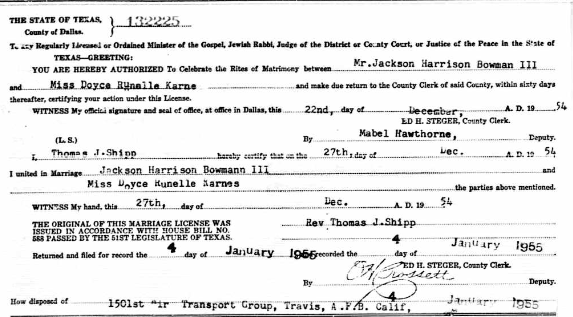


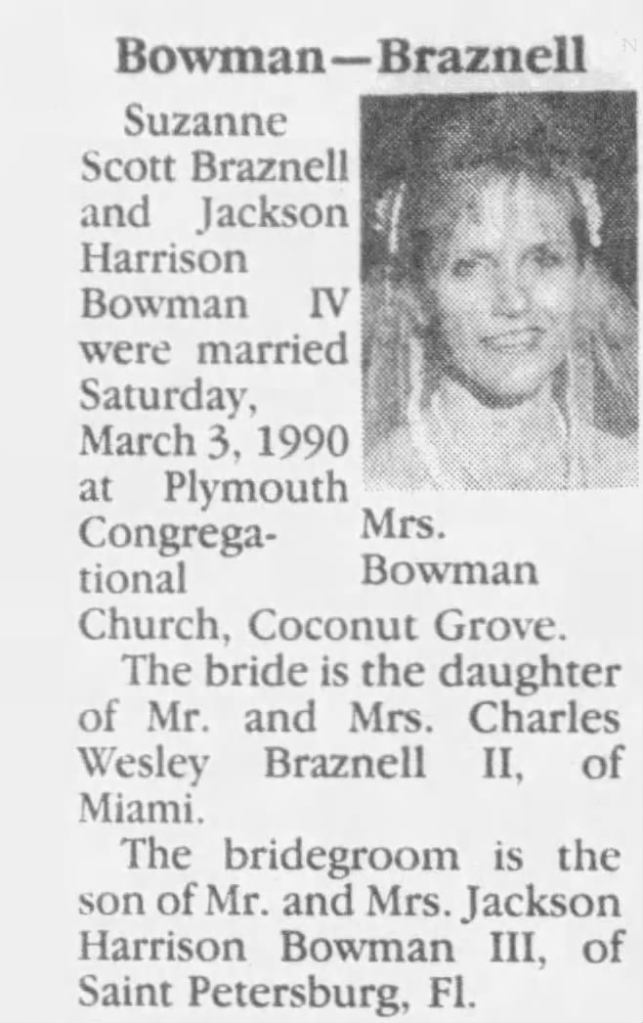
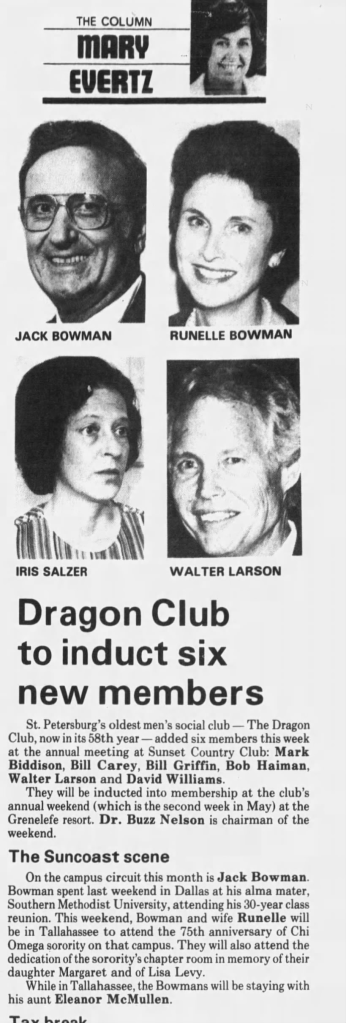
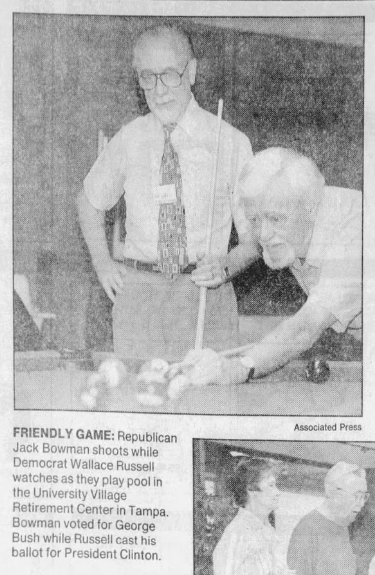

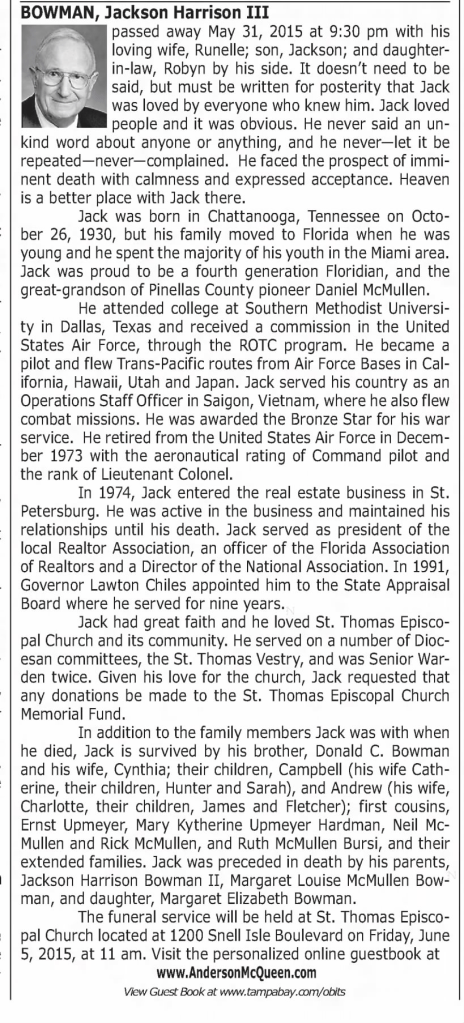

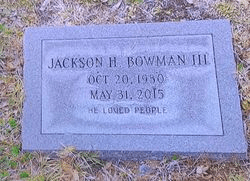


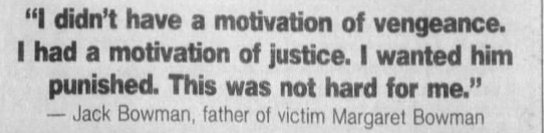
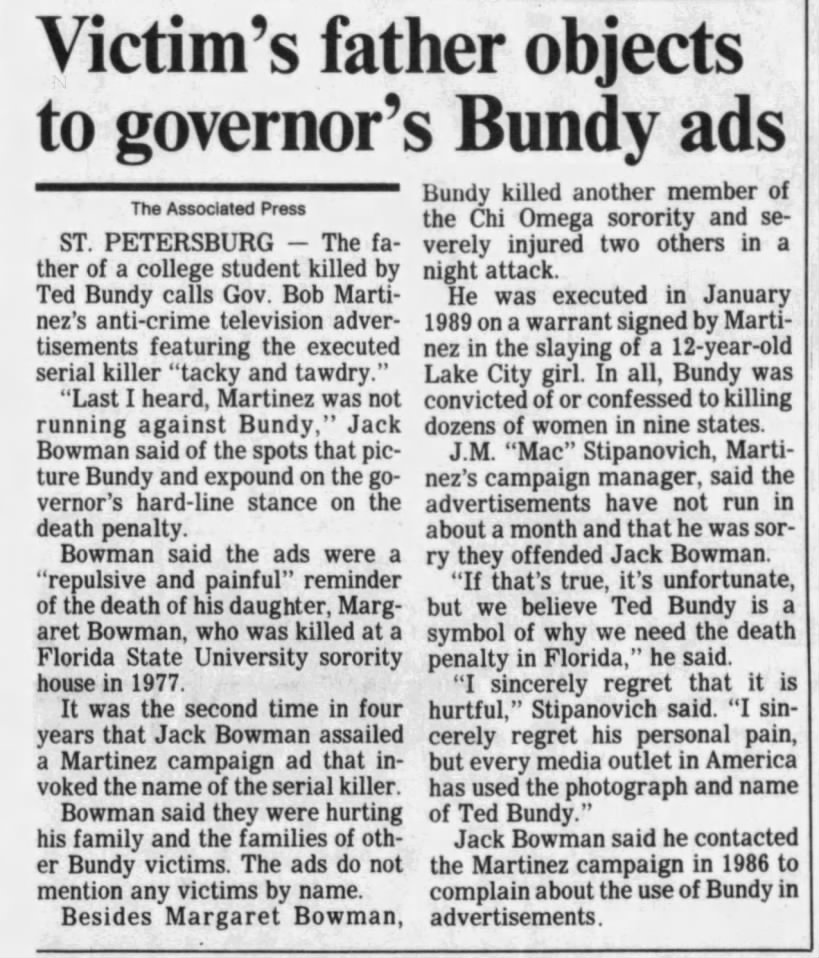
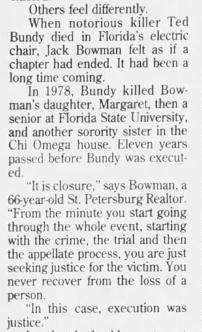
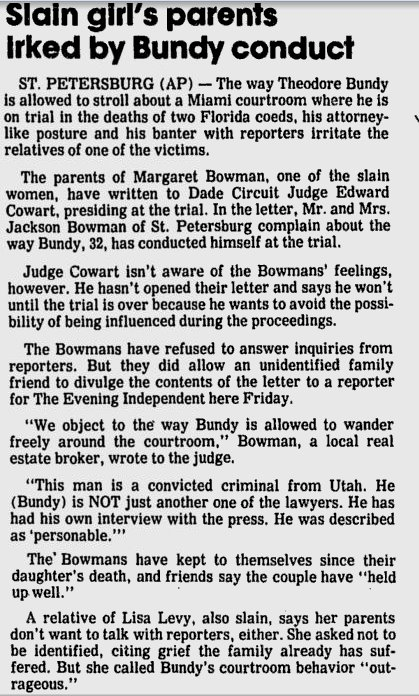


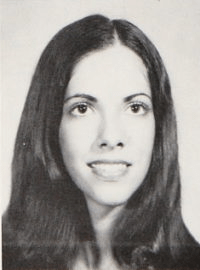

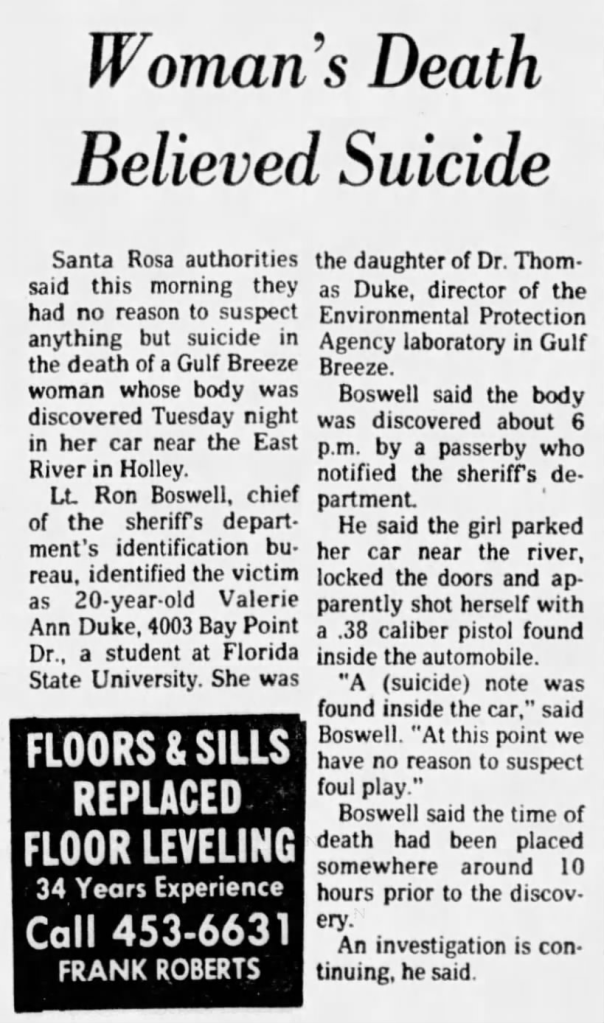

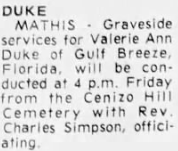
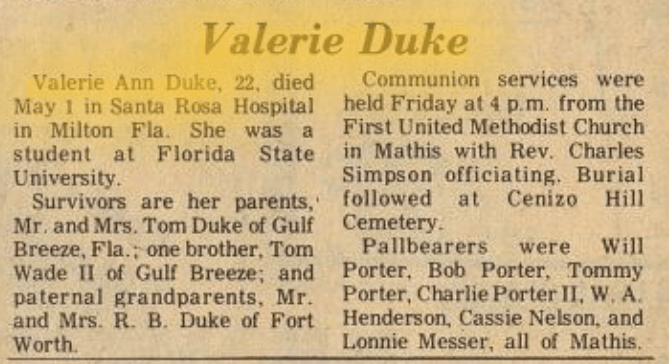

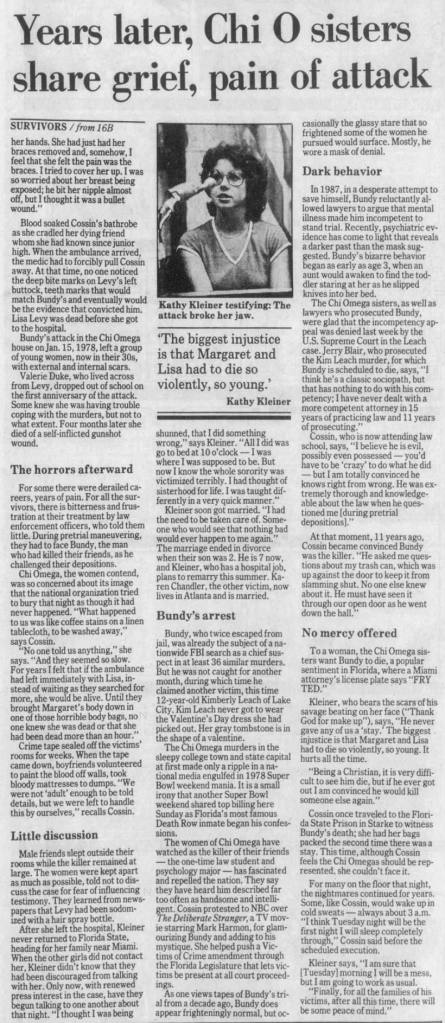

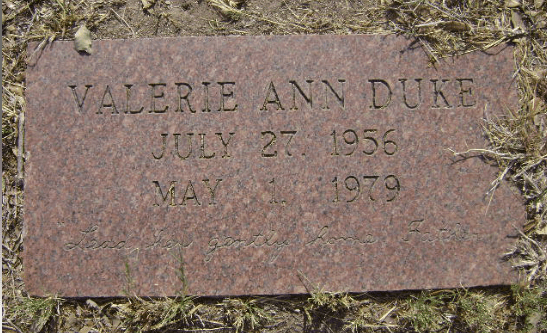
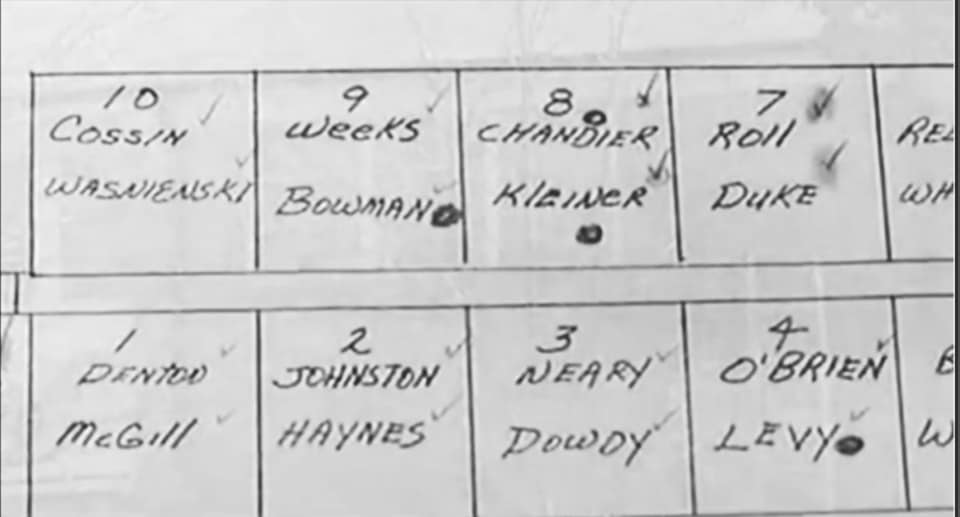


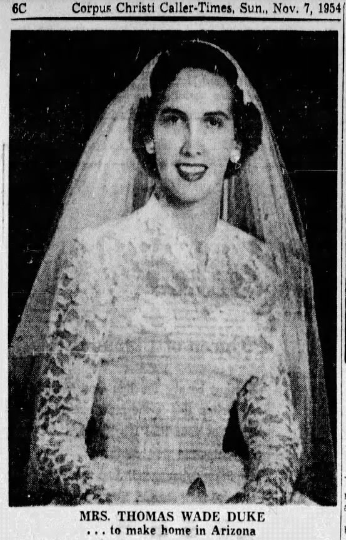
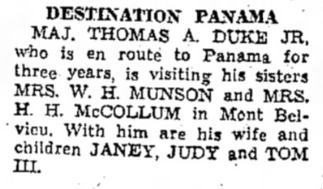

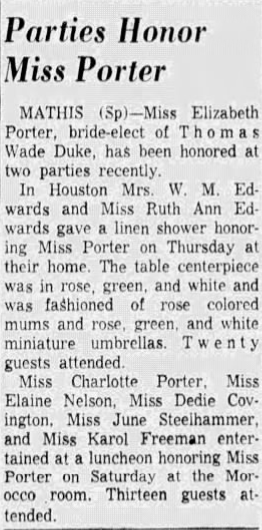
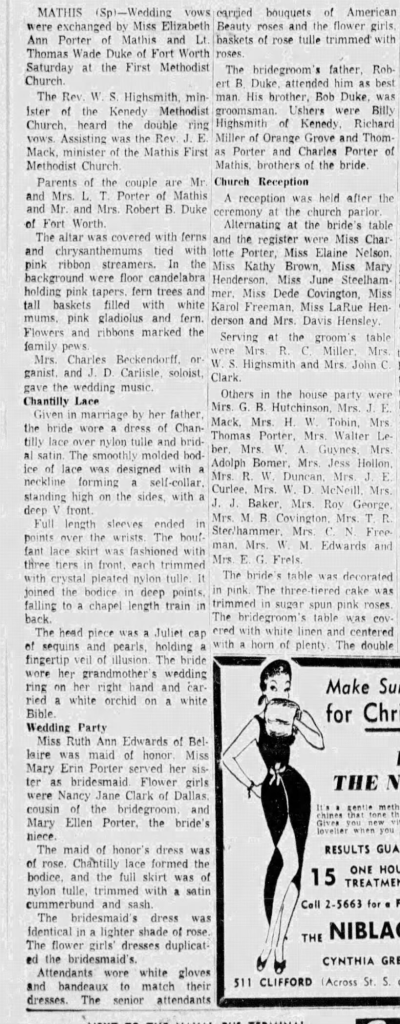
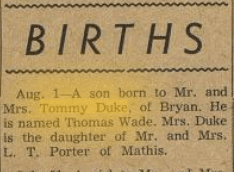

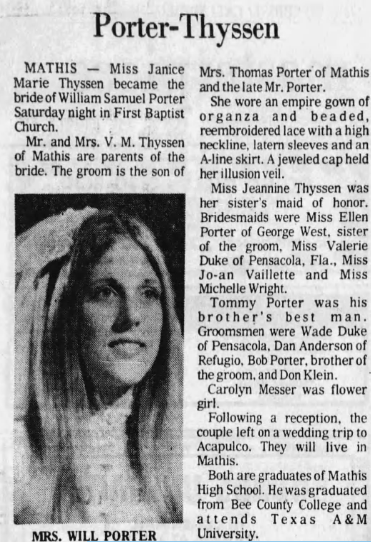
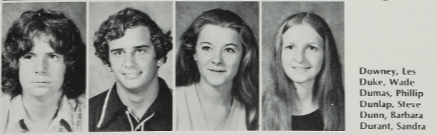

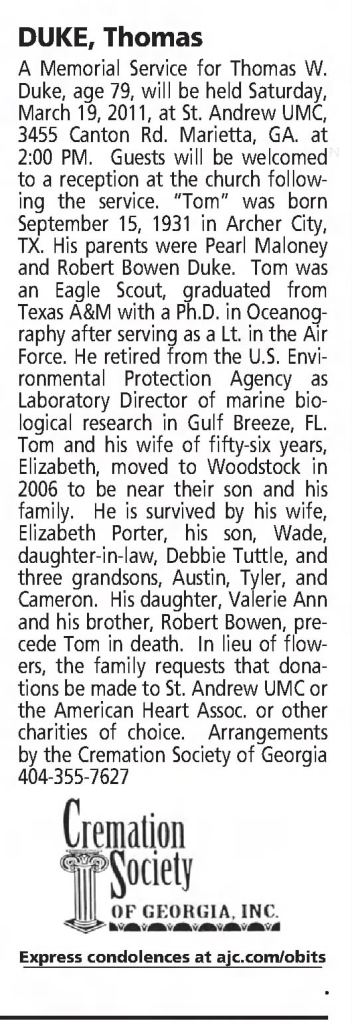
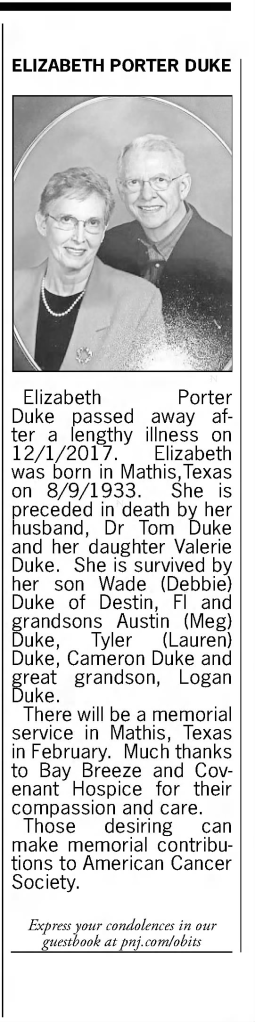


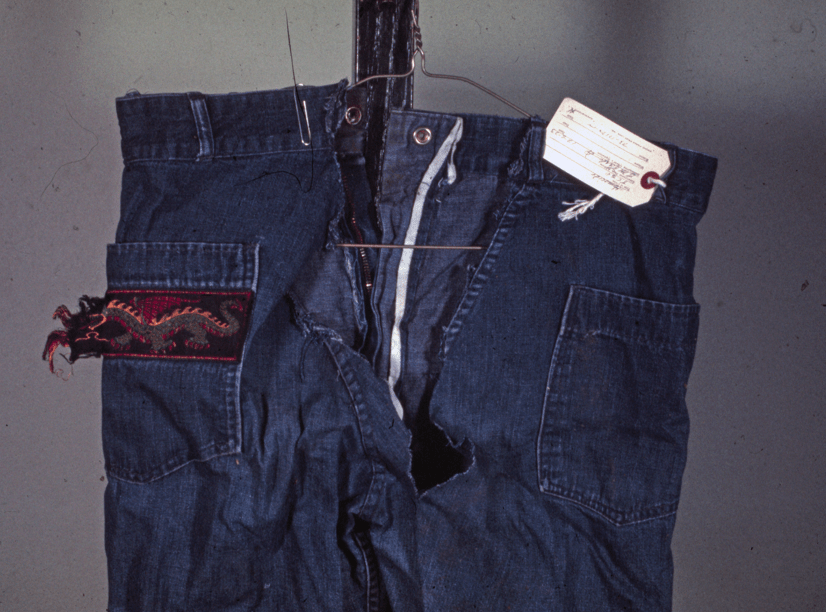

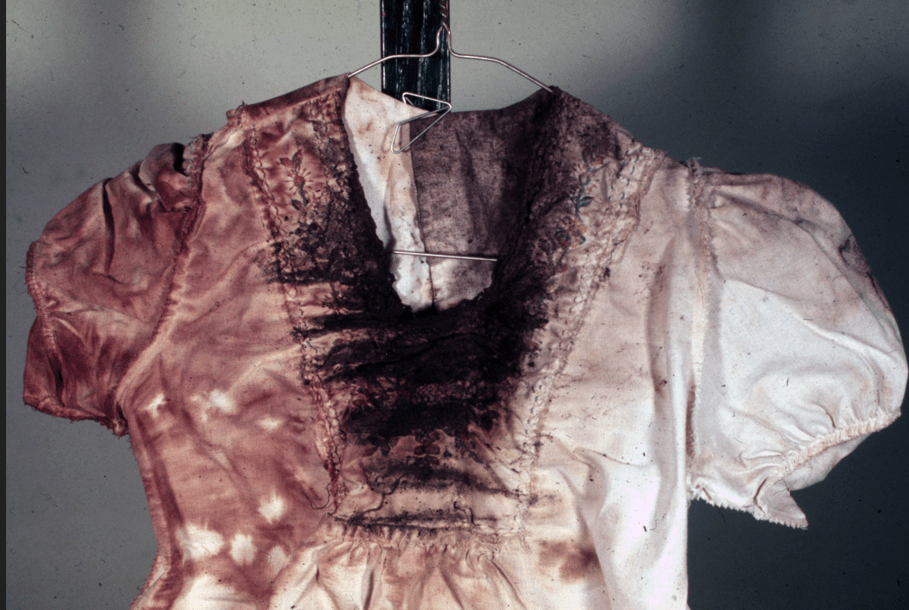

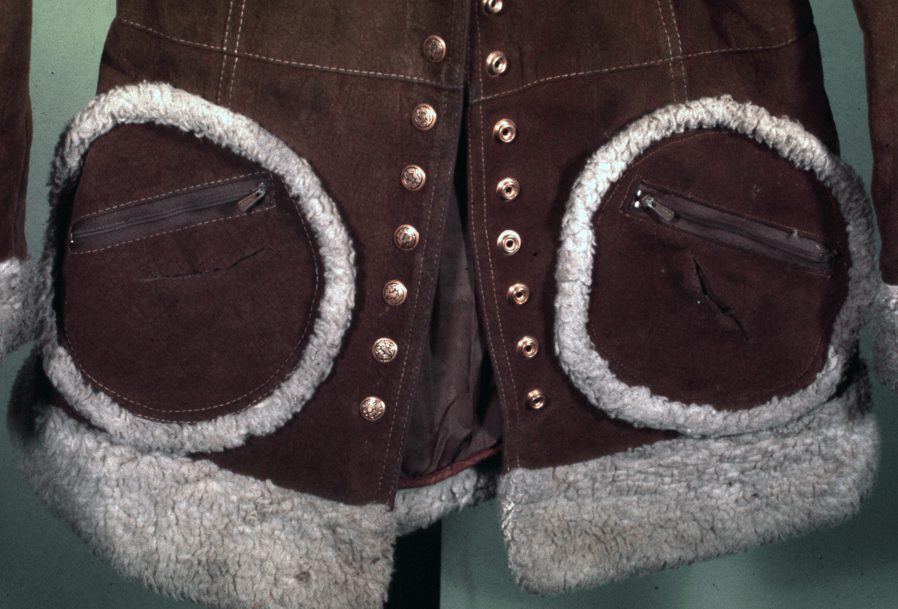

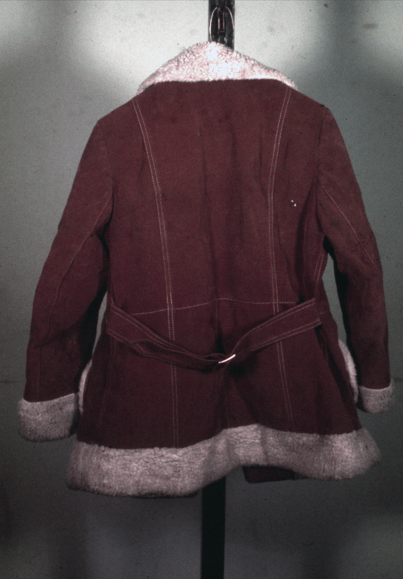

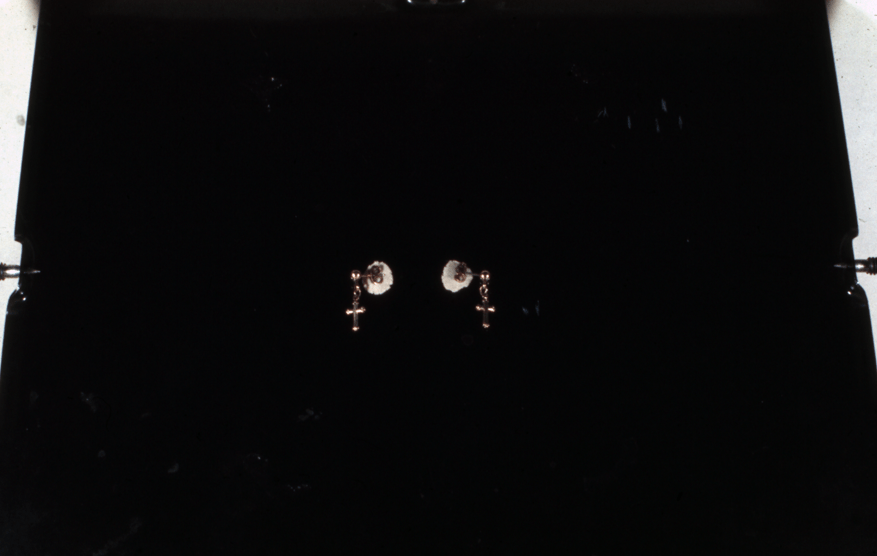
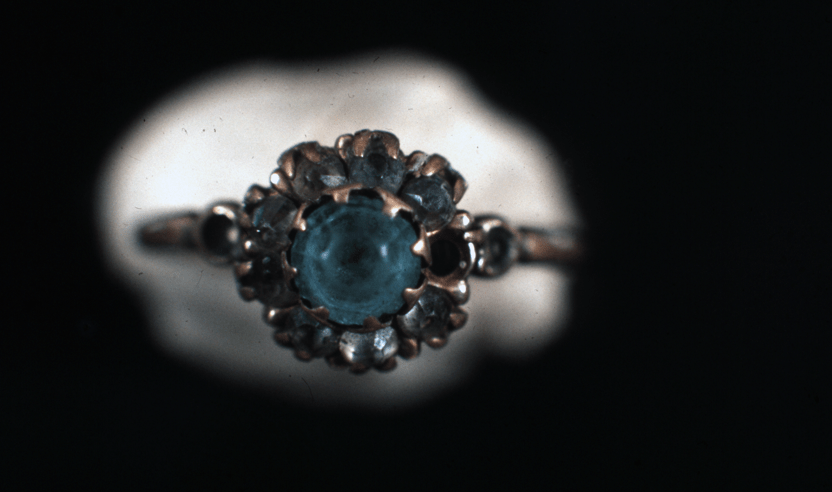

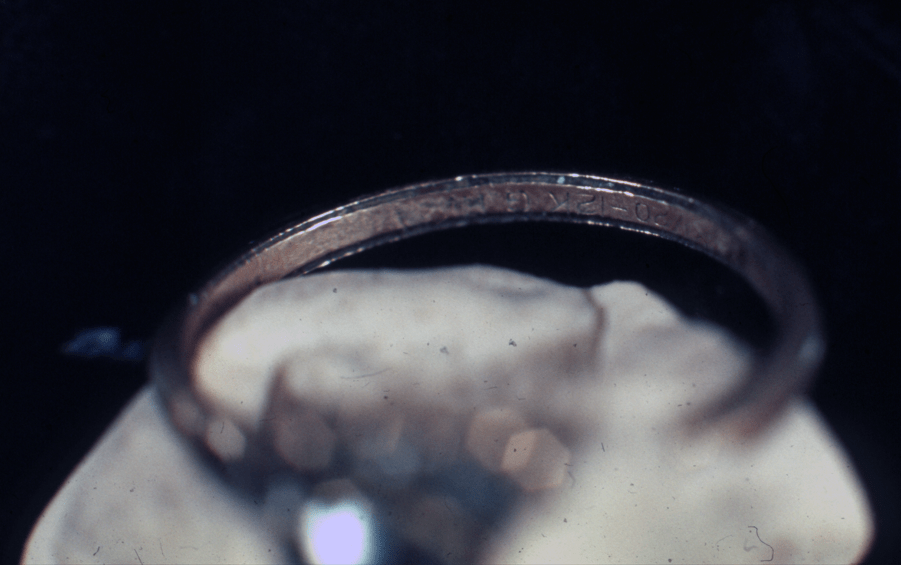


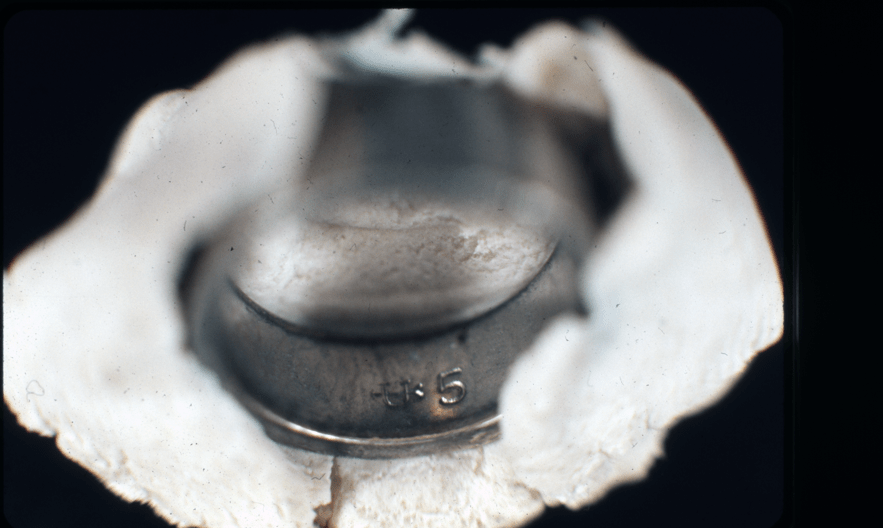

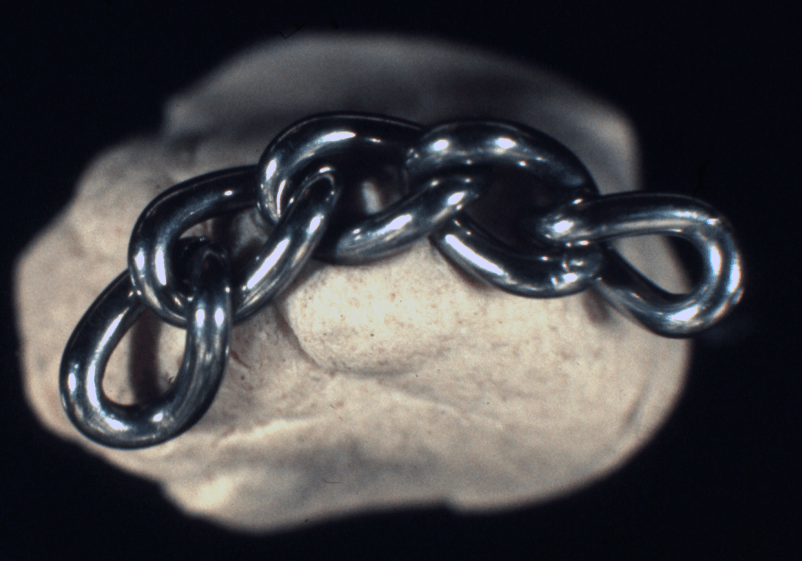


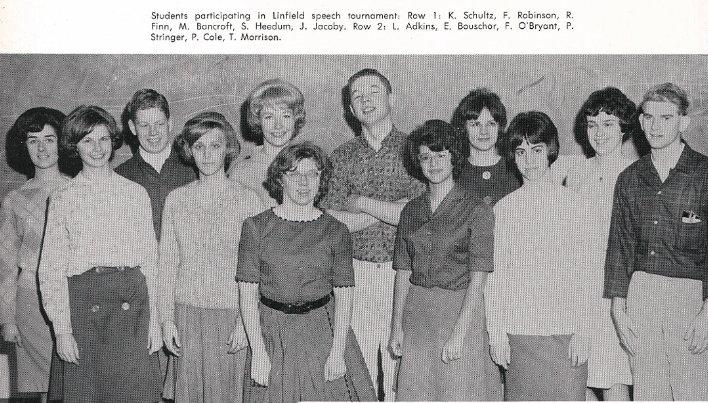


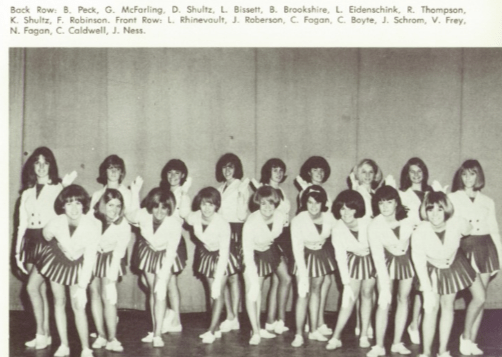
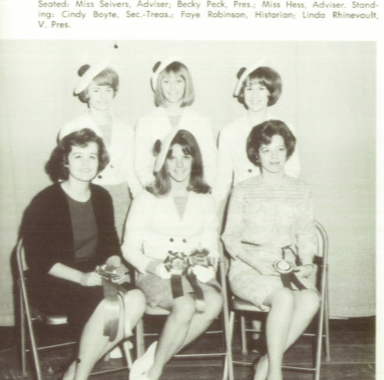
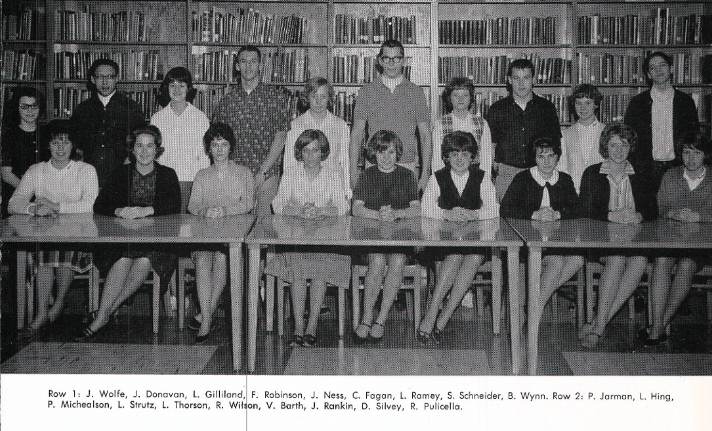


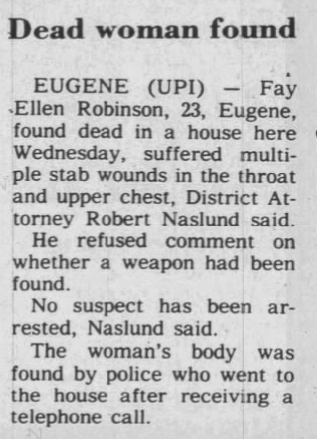


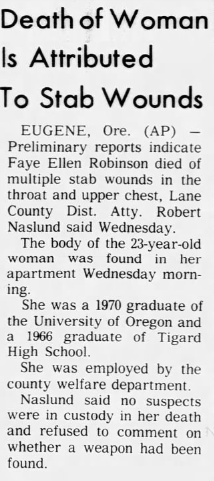
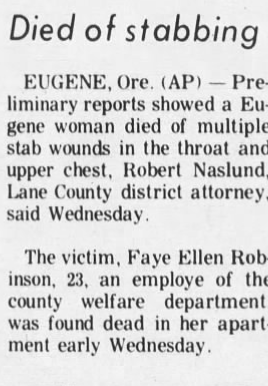
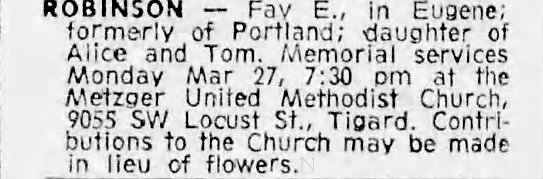

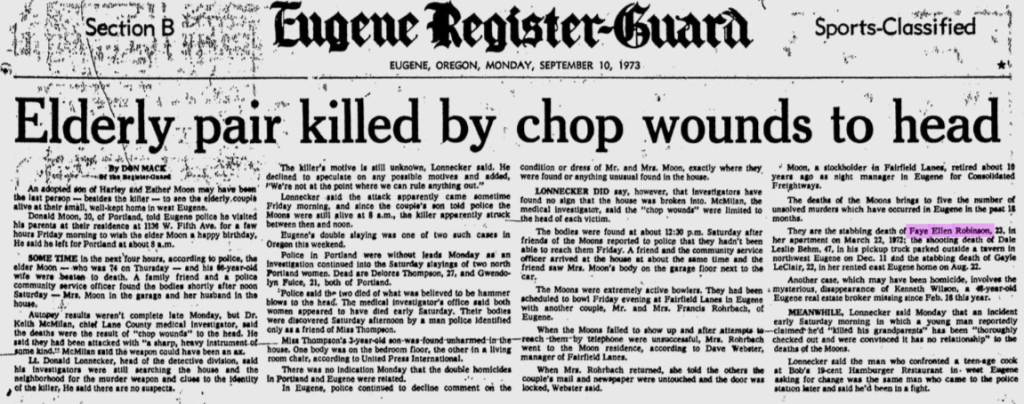
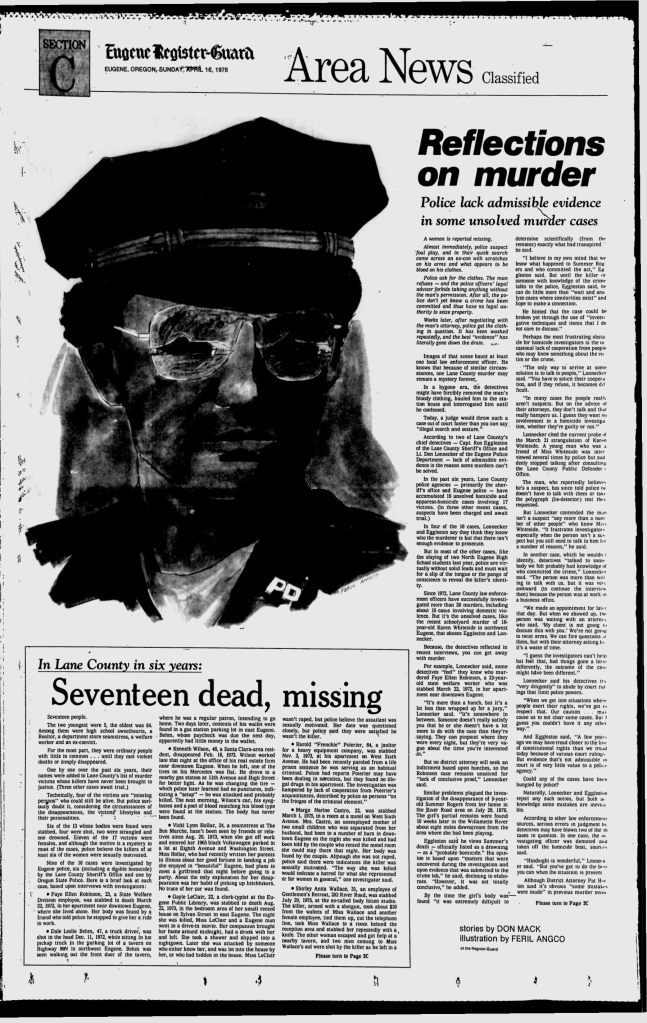


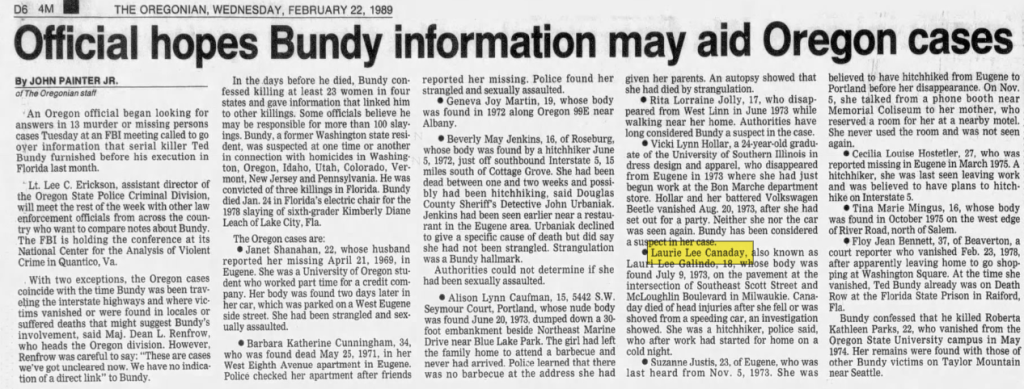


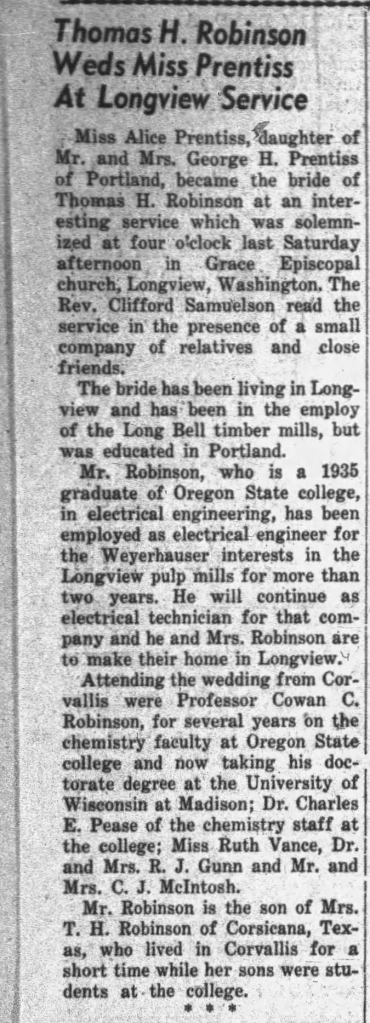


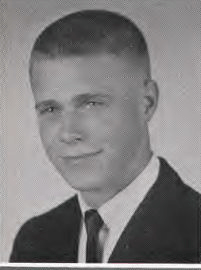
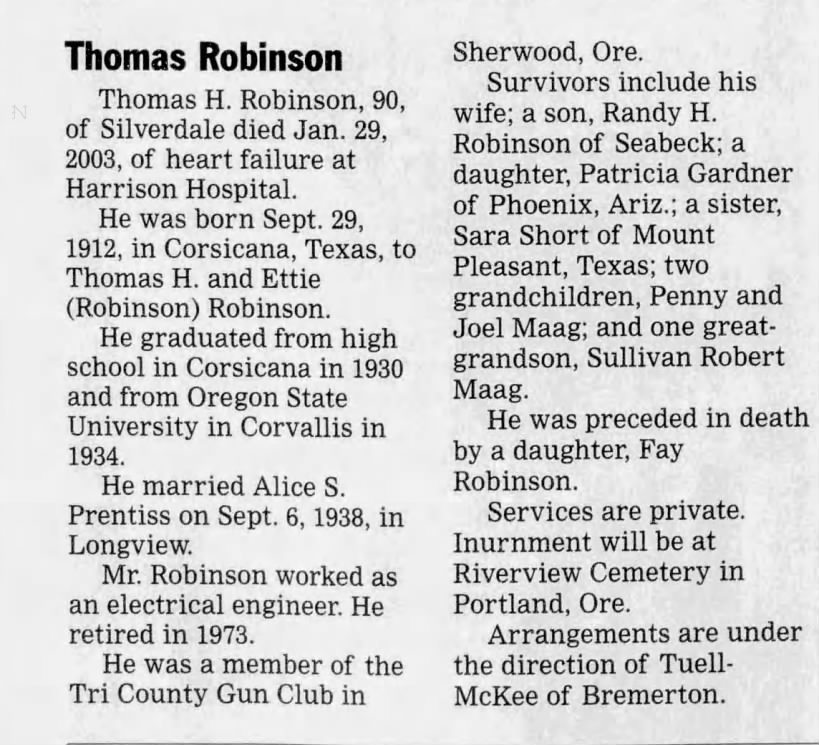
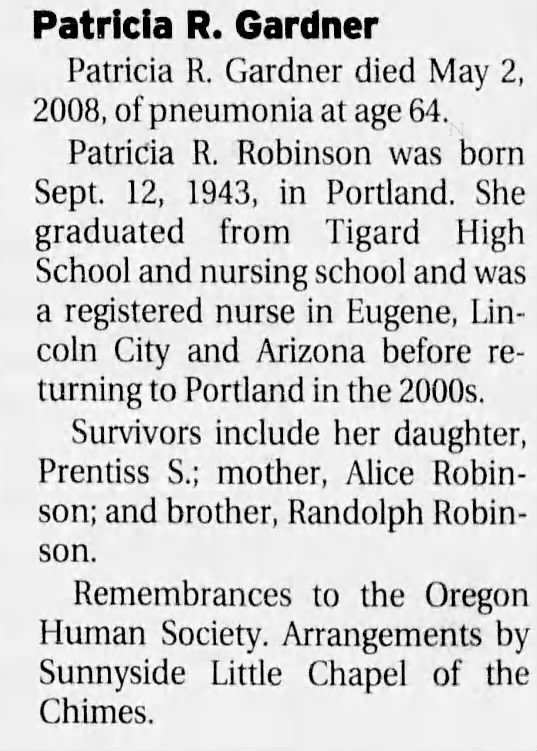


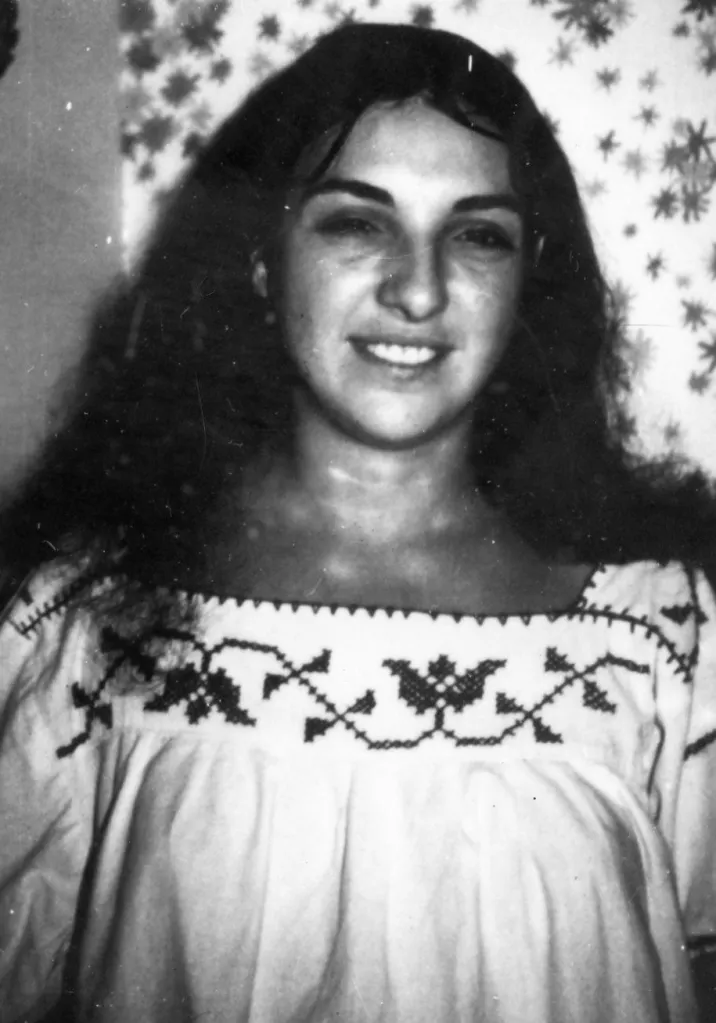
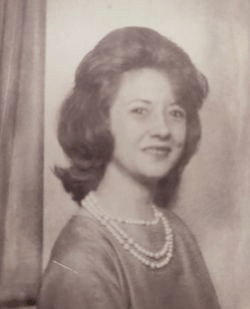


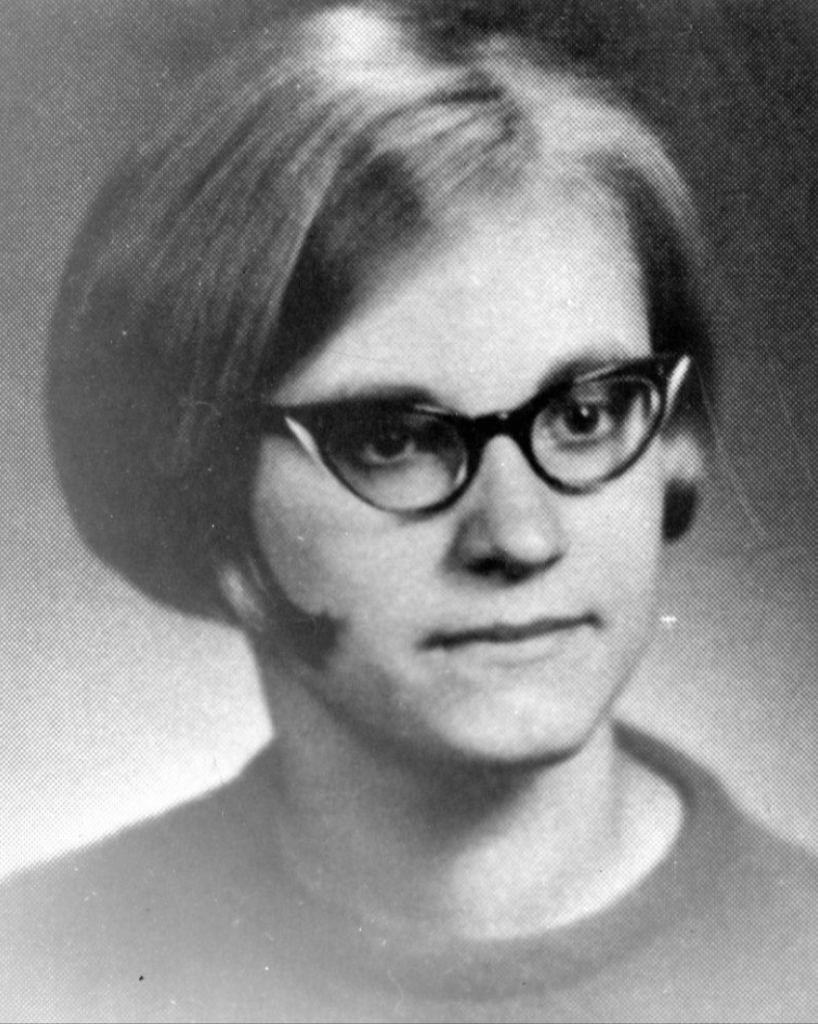


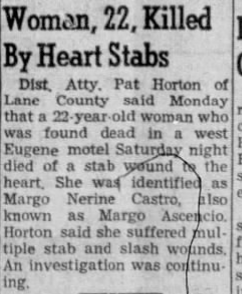


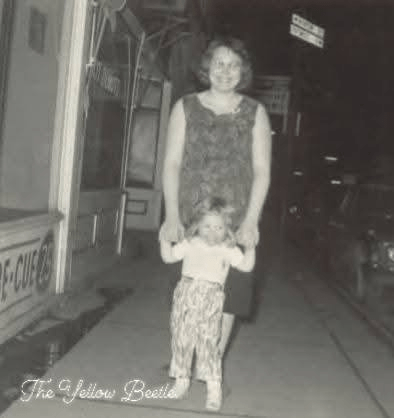


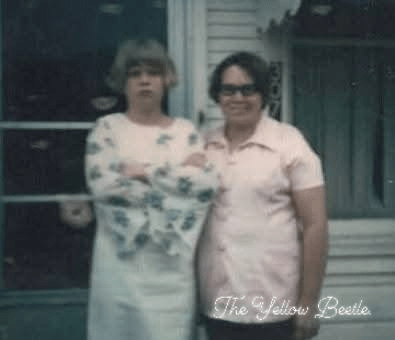
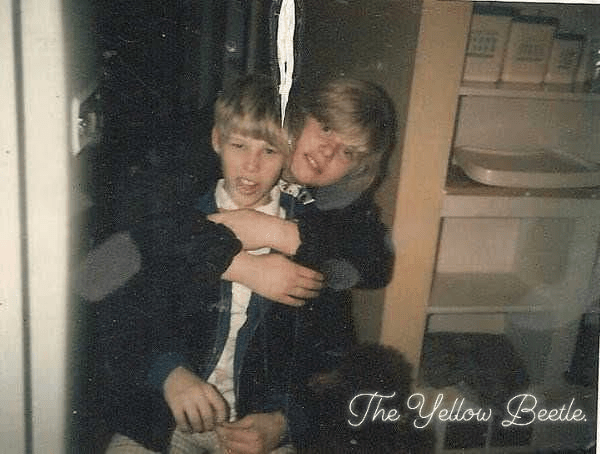


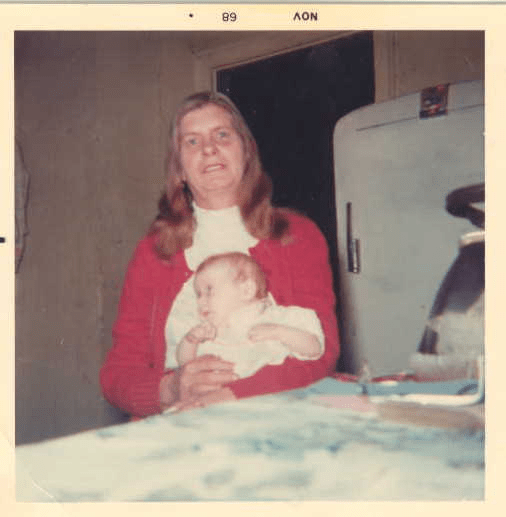

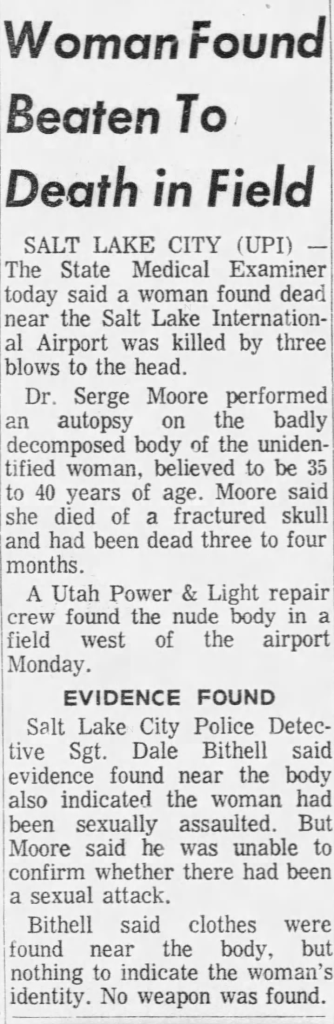
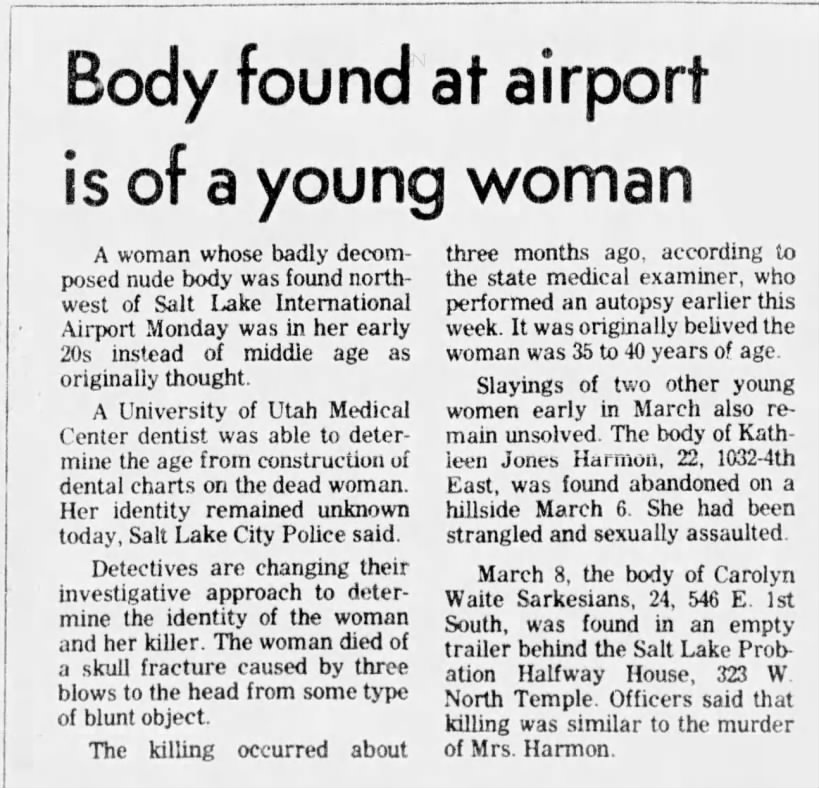
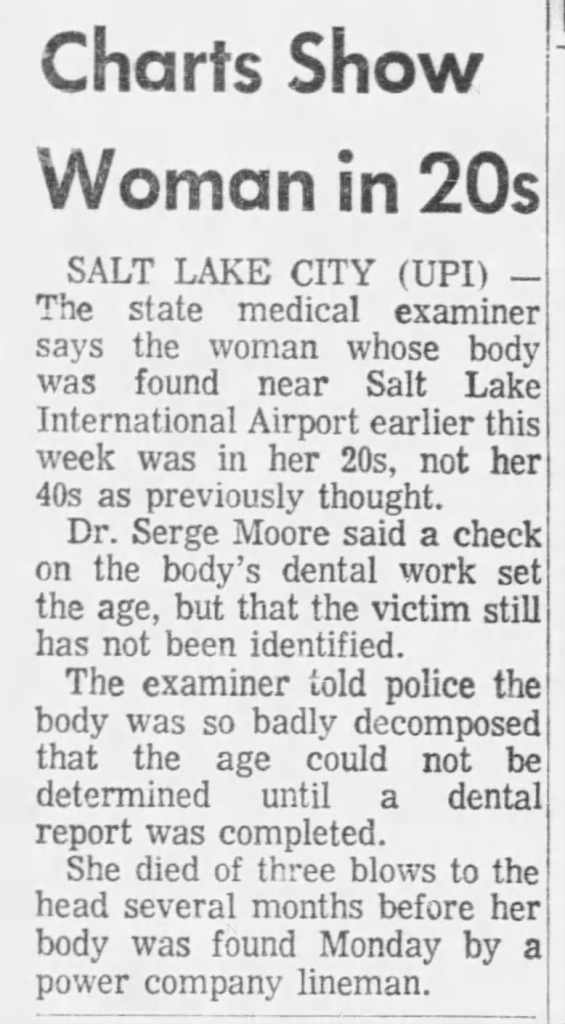
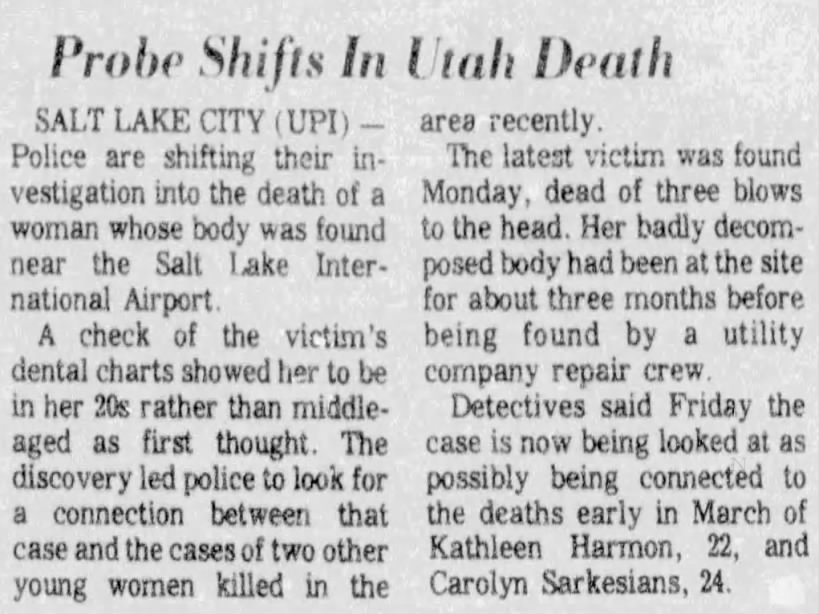
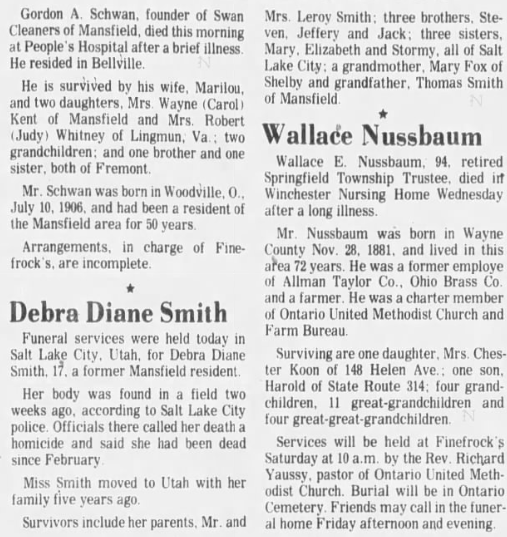
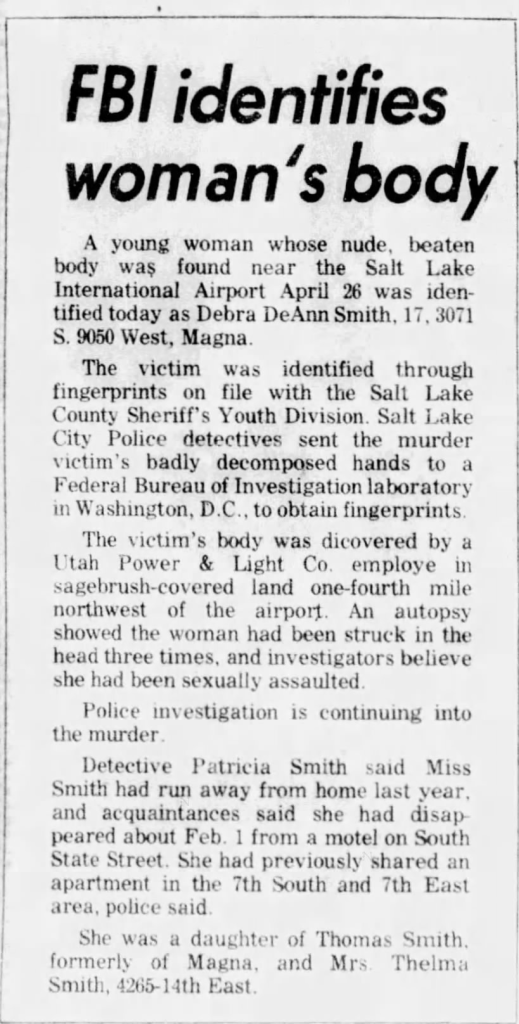
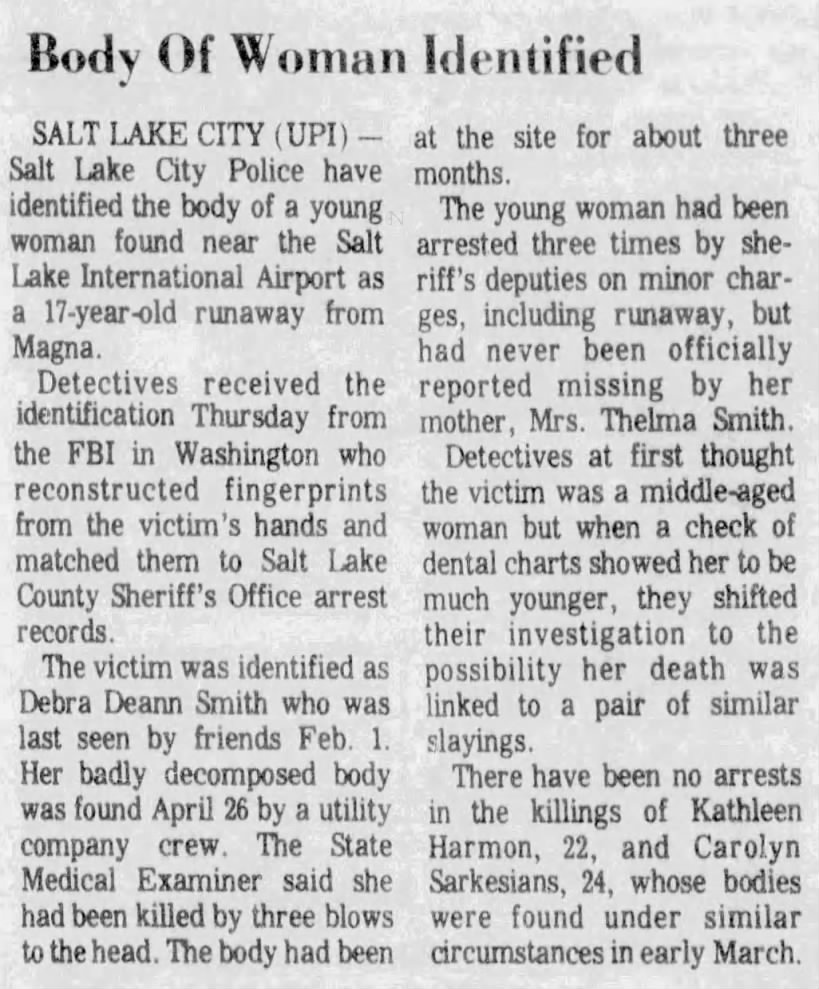


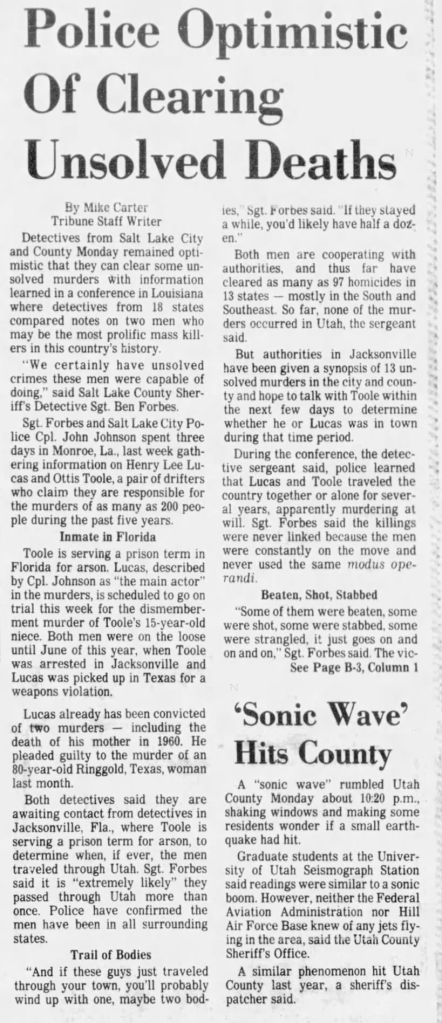

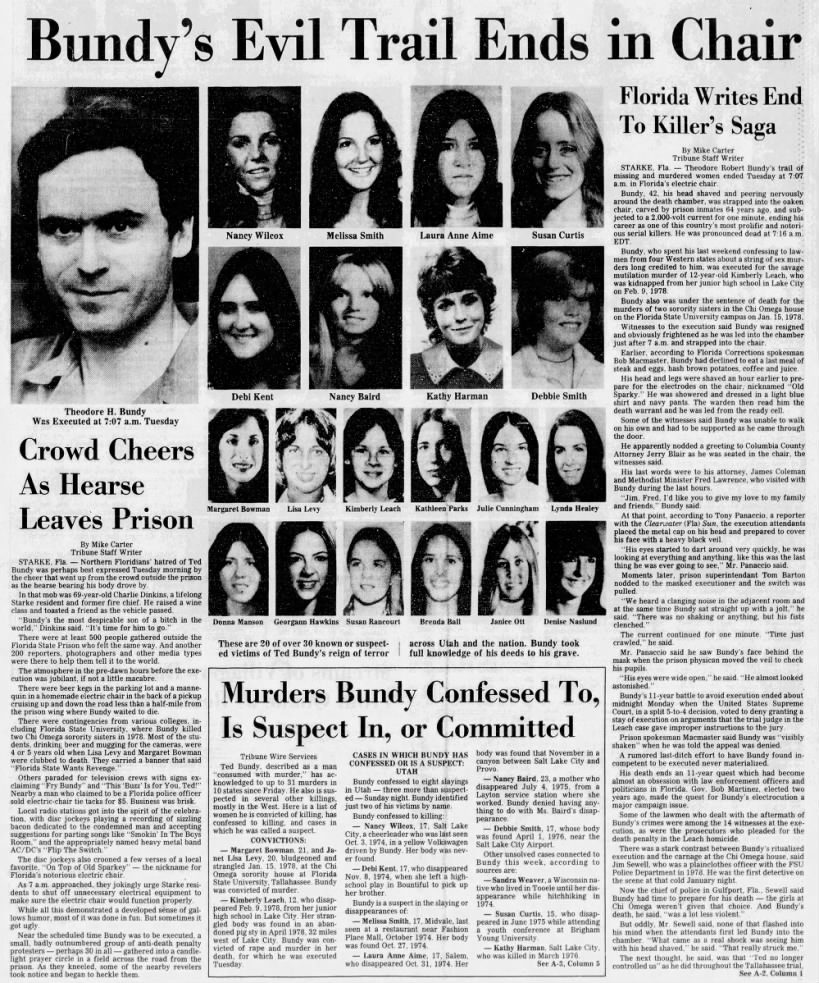







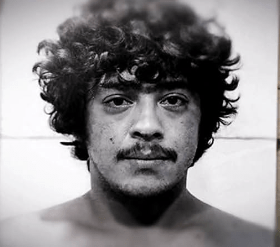


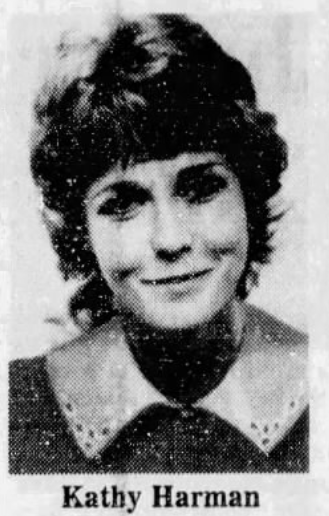


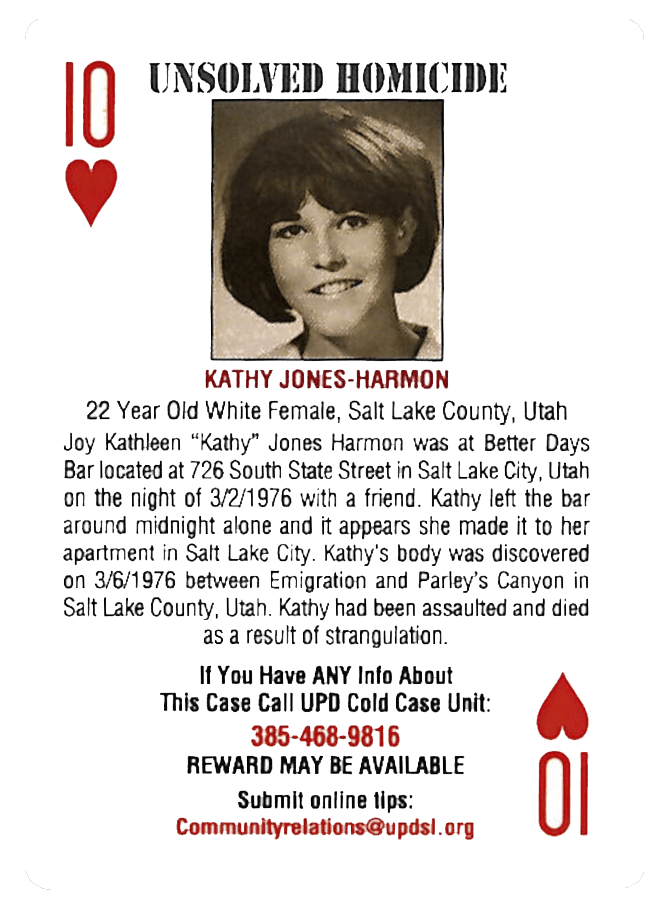






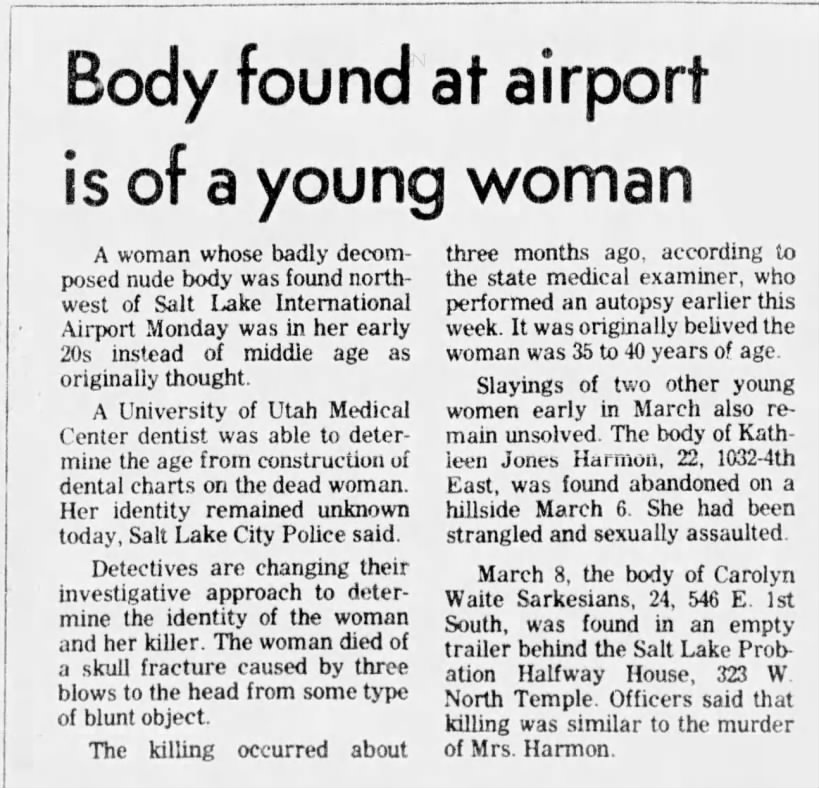


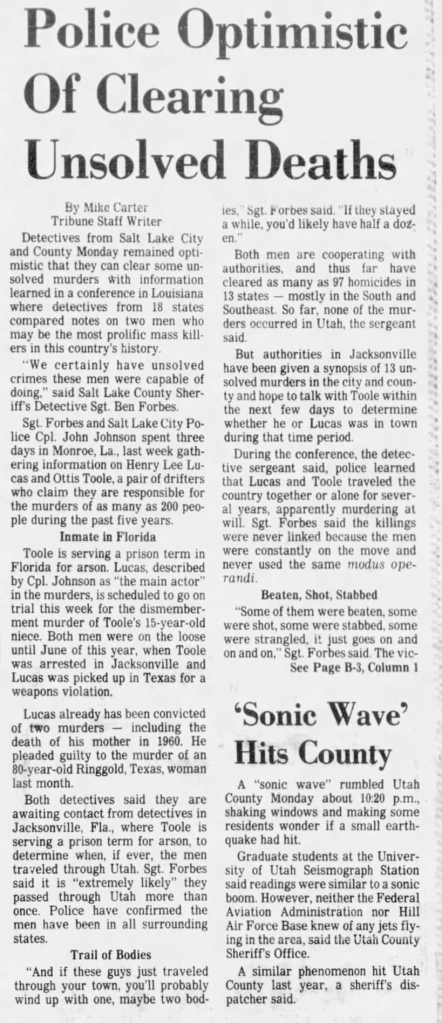
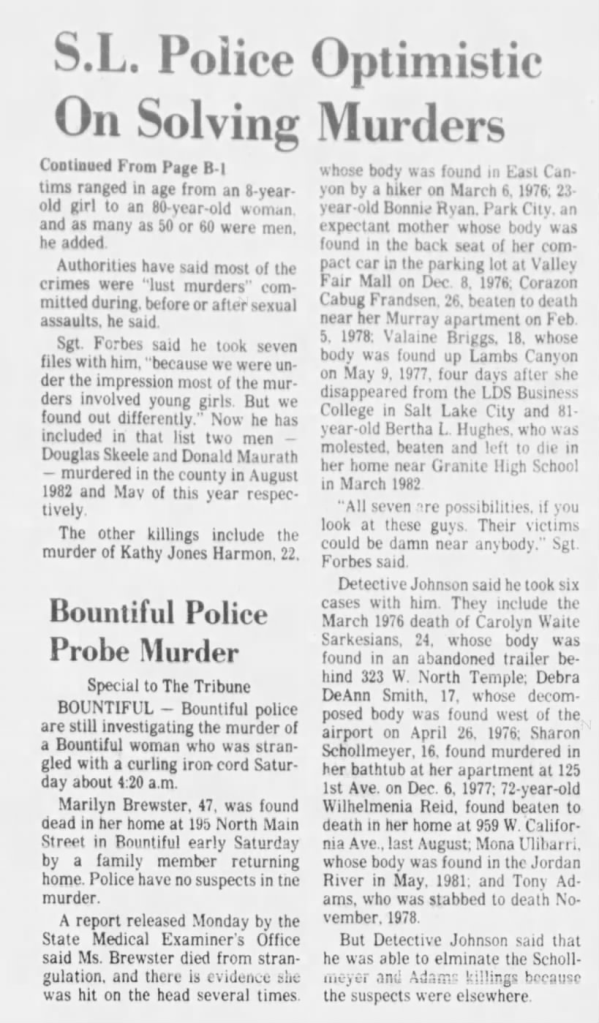

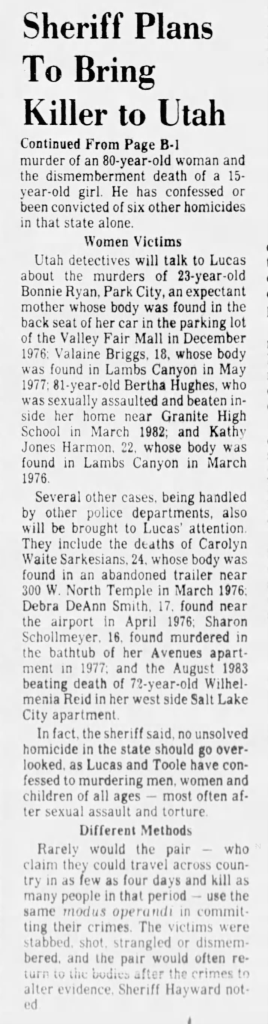
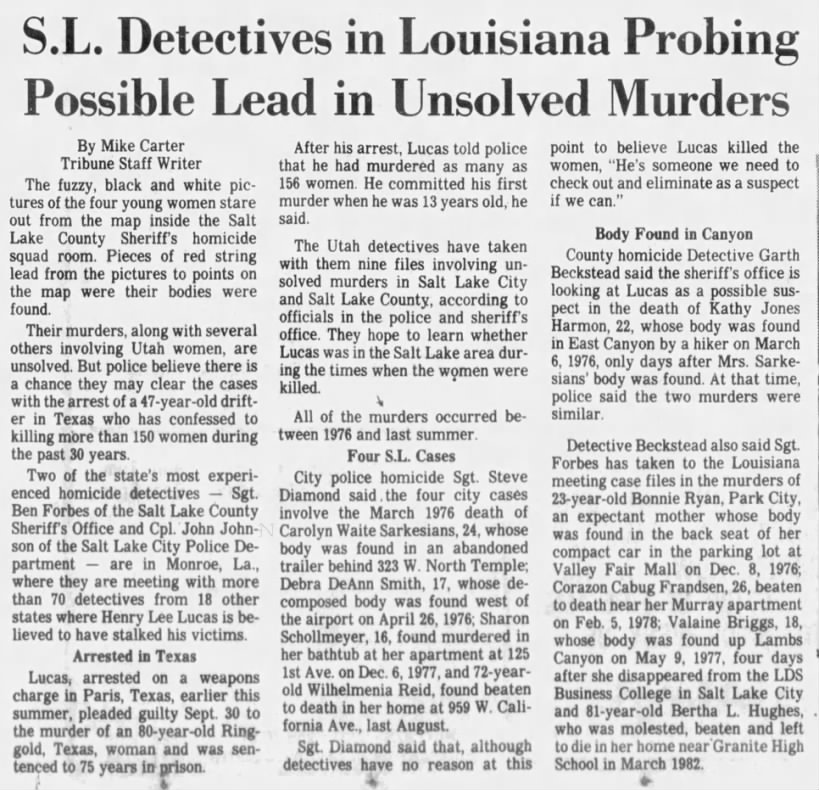


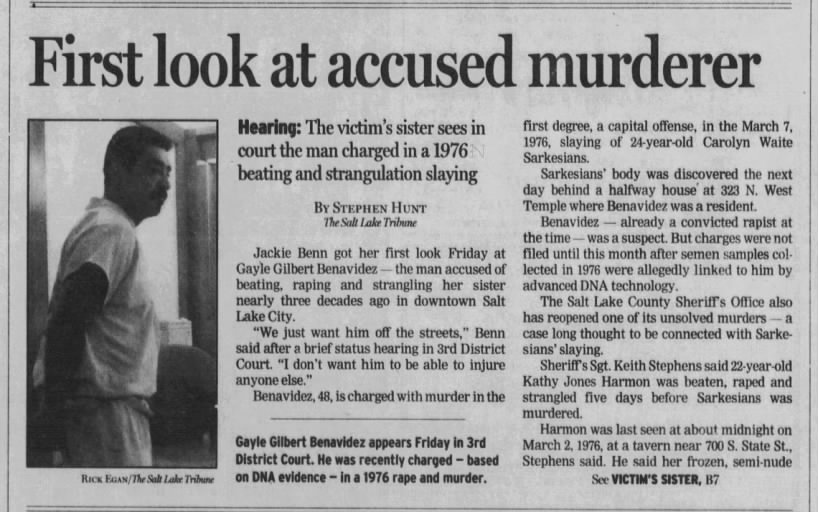

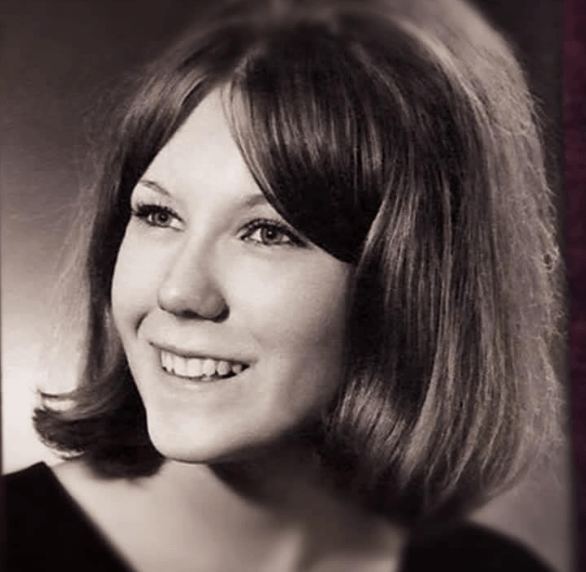

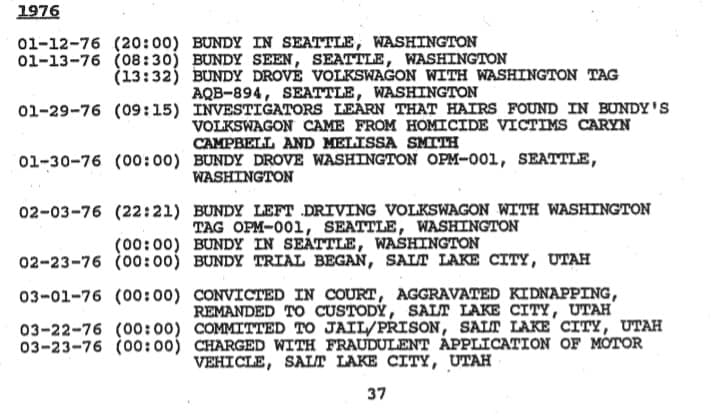


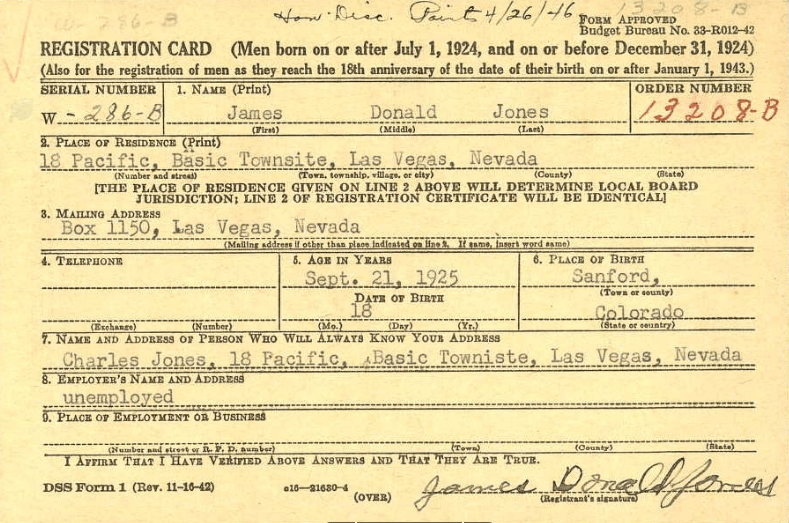
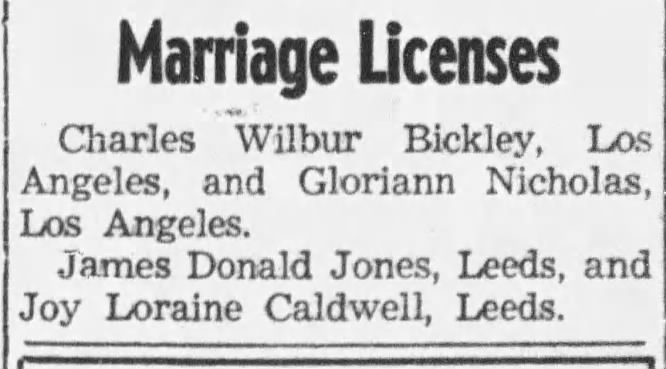




 Another Bundy Blog: My Adventures around the Pacific Northwest (and everywhere else).